WO2019203255A1 - 再構成癌組織を用いた薬剤評価方法 - Google Patents
再構成癌組織を用いた薬剤評価方法 Download PDFInfo
- Publication number
- WO2019203255A1 WO2019203255A1 PCT/JP2019/016421 JP2019016421W WO2019203255A1 WO 2019203255 A1 WO2019203255 A1 WO 2019203255A1 JP 2019016421 W JP2019016421 W JP 2019016421W WO 2019203255 A1 WO2019203255 A1 WO 2019203255A1
- Authority
- WO
- WIPO (PCT)
- Prior art keywords
- cancer
- cells
- administration
- emt
- treatment
- Prior art date
- Legal status (The legal status is an assumption and is not a legal conclusion. Google has not performed a legal analysis and makes no representation as to the accuracy of the status listed.)
- Ceased
Links
Images





Classifications
-
- A—HUMAN NECESSITIES
- A61—MEDICAL OR VETERINARY SCIENCE; HYGIENE
- A61K—PREPARATIONS FOR MEDICAL, DENTAL OR TOILETRY PURPOSES
- A61K31/00—Medicinal preparations containing organic active ingredients
- A61K31/33—Heterocyclic compounds
- A61K31/395—Heterocyclic compounds having nitrogen as a ring hetero atom, e.g. guanethidine or rifamycins
- A61K31/55—Heterocyclic compounds having nitrogen as a ring hetero atom, e.g. guanethidine or rifamycins having seven-membered rings, e.g. azelastine, pentylenetetrazole
-
- A—HUMAN NECESSITIES
- A61—MEDICAL OR VETERINARY SCIENCE; HYGIENE
- A61K—PREPARATIONS FOR MEDICAL, DENTAL OR TOILETRY PURPOSES
- A61K31/00—Medicinal preparations containing organic active ingredients
- A61K31/70—Carbohydrates; Sugars; Derivatives thereof
- A61K31/7042—Compounds having saccharide radicals and heterocyclic rings
- A61K31/7052—Compounds having saccharide radicals and heterocyclic rings having nitrogen as a ring hetero atom, e.g. nucleosides, nucleotides
- A61K31/706—Compounds having saccharide radicals and heterocyclic rings having nitrogen as a ring hetero atom, e.g. nucleosides, nucleotides containing six-membered rings with nitrogen as a ring hetero atom
- A61K31/7064—Compounds having saccharide radicals and heterocyclic rings having nitrogen as a ring hetero atom, e.g. nucleosides, nucleotides containing six-membered rings with nitrogen as a ring hetero atom containing condensed or non-condensed pyrimidines
- A61K31/7068—Compounds having saccharide radicals and heterocyclic rings having nitrogen as a ring hetero atom, e.g. nucleosides, nucleotides containing six-membered rings with nitrogen as a ring hetero atom containing condensed or non-condensed pyrimidines having oxo groups directly attached to the pyrimidine ring, e.g. cytidine, cytidylic acid
-
- A—HUMAN NECESSITIES
- A61—MEDICAL OR VETERINARY SCIENCE; HYGIENE
- A61K—PREPARATIONS FOR MEDICAL, DENTAL OR TOILETRY PURPOSES
- A61K45/00—Medicinal preparations containing active ingredients not provided for in groups A61K31/00 - A61K41/00
- A61K45/06—Mixtures of active ingredients without chemical characterisation, e.g. antiphlogistics and cardiaca
-
- A—HUMAN NECESSITIES
- A61—MEDICAL OR VETERINARY SCIENCE; HYGIENE
- A61P—SPECIFIC THERAPEUTIC ACTIVITY OF CHEMICAL COMPOUNDS OR MEDICINAL PREPARATIONS
- A61P35/00—Antineoplastic agents
-
- A—HUMAN NECESSITIES
- A61—MEDICAL OR VETERINARY SCIENCE; HYGIENE
- A61P—SPECIFIC THERAPEUTIC ACTIVITY OF CHEMICAL COMPOUNDS OR MEDICINAL PREPARATIONS
- A61P43/00—Drugs for specific purposes, not provided for in groups A61P1/00-A61P41/00
-
- C—CHEMISTRY; METALLURGY
- C12—BIOCHEMISTRY; BEER; SPIRITS; WINE; VINEGAR; MICROBIOLOGY; ENZYMOLOGY; MUTATION OR GENETIC ENGINEERING
- C12Q—MEASURING OR TESTING PROCESSES INVOLVING ENZYMES, NUCLEIC ACIDS OR MICROORGANISMS; COMPOSITIONS OR TEST PAPERS THEREFOR; PROCESSES OF PREPARING SUCH COMPOSITIONS; CONDITION-RESPONSIVE CONTROL IN MICROBIOLOGICAL OR ENZYMOLOGICAL PROCESSES
- C12Q1/00—Measuring or testing processes involving enzymes, nucleic acids or microorganisms; Compositions therefor; Processes of preparing such compositions
- C12Q1/02—Measuring or testing processes involving enzymes, nucleic acids or microorganisms; Compositions therefor; Processes of preparing such compositions involving viable microorganisms
-
- C—CHEMISTRY; METALLURGY
- C12—BIOCHEMISTRY; BEER; SPIRITS; WINE; VINEGAR; MICROBIOLOGY; ENZYMOLOGY; MUTATION OR GENETIC ENGINEERING
- C12Q—MEASURING OR TESTING PROCESSES INVOLVING ENZYMES, NUCLEIC ACIDS OR MICROORGANISMS; COMPOSITIONS OR TEST PAPERS THEREFOR; PROCESSES OF PREPARING SUCH COMPOSITIONS; CONDITION-RESPONSIVE CONTROL IN MICROBIOLOGICAL OR ENZYMOLOGICAL PROCESSES
- C12Q1/00—Measuring or testing processes involving enzymes, nucleic acids or microorganisms; Compositions therefor; Processes of preparing such compositions
- C12Q1/68—Measuring or testing processes involving enzymes, nucleic acids or microorganisms; Compositions therefor; Processes of preparing such compositions involving nucleic acids
-
- C—CHEMISTRY; METALLURGY
- C12—BIOCHEMISTRY; BEER; SPIRITS; WINE; VINEGAR; MICROBIOLOGY; ENZYMOLOGY; MUTATION OR GENETIC ENGINEERING
- C12Q—MEASURING OR TESTING PROCESSES INVOLVING ENZYMES, NUCLEIC ACIDS OR MICROORGANISMS; COMPOSITIONS OR TEST PAPERS THEREFOR; PROCESSES OF PREPARING SUCH COMPOSITIONS; CONDITION-RESPONSIVE CONTROL IN MICROBIOLOGICAL OR ENZYMOLOGICAL PROCESSES
- C12Q1/00—Measuring or testing processes involving enzymes, nucleic acids or microorganisms; Compositions therefor; Processes of preparing such compositions
- C12Q1/68—Measuring or testing processes involving enzymes, nucleic acids or microorganisms; Compositions therefor; Processes of preparing such compositions involving nucleic acids
- C12Q1/6813—Hybridisation assays
- C12Q1/6834—Enzymatic or biochemical coupling of nucleic acids to a solid phase
- C12Q1/6837—Enzymatic or biochemical coupling of nucleic acids to a solid phase using probe arrays or probe chips
-
- C—CHEMISTRY; METALLURGY
- C12—BIOCHEMISTRY; BEER; SPIRITS; WINE; VINEGAR; MICROBIOLOGY; ENZYMOLOGY; MUTATION OR GENETIC ENGINEERING
- C12Q—MEASURING OR TESTING PROCESSES INVOLVING ENZYMES, NUCLEIC ACIDS OR MICROORGANISMS; COMPOSITIONS OR TEST PAPERS THEREFOR; PROCESSES OF PREPARING SUCH COMPOSITIONS; CONDITION-RESPONSIVE CONTROL IN MICROBIOLOGICAL OR ENZYMOLOGICAL PROCESSES
- C12Q1/00—Measuring or testing processes involving enzymes, nucleic acids or microorganisms; Compositions therefor; Processes of preparing such compositions
- C12Q1/68—Measuring or testing processes involving enzymes, nucleic acids or microorganisms; Compositions therefor; Processes of preparing such compositions involving nucleic acids
- C12Q1/6869—Methods for sequencing
- C12Q1/6874—Methods for sequencing involving nucleic acid arrays, e.g. sequencing by hybridisation
-
- G—PHYSICS
- G01—MEASURING; TESTING
- G01N—INVESTIGATING OR ANALYSING MATERIALS BY DETERMINING THEIR CHEMICAL OR PHYSICAL PROPERTIES
- G01N33/00—Investigating or analysing materials by specific methods not covered by groups G01N1/00 - G01N31/00
- G01N33/15—Medicinal preparations ; Physical properties thereof, e.g. dissolubility
-
- G—PHYSICS
- G01—MEASURING; TESTING
- G01N—INVESTIGATING OR ANALYSING MATERIALS BY DETERMINING THEIR CHEMICAL OR PHYSICAL PROPERTIES
- G01N33/00—Investigating or analysing materials by specific methods not covered by groups G01N1/00 - G01N31/00
- G01N33/48—Biological material, e.g. blood, urine; Haemocytometers
- G01N33/50—Chemical analysis of biological material, e.g. blood, urine; Testing involving biospecific ligand binding methods; Immunological testing
-
- G—PHYSICS
- G01—MEASURING; TESTING
- G01N—INVESTIGATING OR ANALYSING MATERIALS BY DETERMINING THEIR CHEMICAL OR PHYSICAL PROPERTIES
- G01N33/00—Investigating or analysing materials by specific methods not covered by groups G01N1/00 - G01N31/00
- G01N33/48—Biological material, e.g. blood, urine; Haemocytometers
- G01N33/50—Chemical analysis of biological material, e.g. blood, urine; Testing involving biospecific ligand binding methods; Immunological testing
- G01N33/68—Chemical analysis of biological material, e.g. blood, urine; Testing involving biospecific ligand binding methods; Immunological testing involving proteins, peptides or amino acids
Definitions
- the present invention relates to a drug evaluation method using reconstituted cancer tissue.
- Pancreatic cancer progresses quickly and relapses and metastases occur frequently. Although there are the following reports as therapeutic agents for pancreatic cancer, none of them have sufficient therapeutic results. 1) Treatment of pancreatic cancer by single agent administration ⁇ JAMA, 297, 267-77, 2007.
- Non-patent document 1 This is a report of Gemcitabine monotherapy for pancreatic cancer.
- Patent No. 5909767 Patent Document 1: This is a report of a novel peptide effective as a vaccine against cancers that highly express Forkhead box M1 (FOXM1) such as pancreatic cancer.
- Patent No. 5905552 Patent Document 2: A report of treatment using an inhibitor of interleukin 6 (IL-6) expressed in pancreatic cancer.
- IL-6 interleukin 6
- JP-A-2015-221793 Patent Document 3: This is a report of a treatment method using an antibody that inhibits human TROP2.
- JP-A-2017-48170 Patent Document 4: An antibody against claudin 18 is used to suppress the growth of pancreatic cancer or the like.
- JP-A-2017-141163 Patent Document 5: A method for treating RPL29, which is a ribosomal protein whose expression is enhanced in pancreatic cancer, as a target. 2)
- Treatment of pancreatic cancer by concomitant administration ⁇ JAMA 304, 1073-81, 2010
- Non-patent document 2 Gemcitabine and fluorouracil combination therapy, but not adopted as standard treatment.
- ⁇ Lanccet, 388-248-57, 2016. Non-patent document 3): This is a report of combination therapy with Gemcitabine and TS-1.
- pancreatic cancers Although many pancreatic cancers recur, no effective therapeutic agent has been developed for post-relapse pancreatic cancer.
- Patent Document 6 discloses a combination therapy of gemcitabine and NOTCH3 inhibitor, but does not mention the therapeutic effect on cancer after recurrence.
- An object of the present invention is to provide a technique for identifying molecules involved in cancer treatment resistance.
- Another object of the present invention is to provide a technique for identifying a drug effective for treatment resistance of cancer.
- an object of the present invention is to provide a drug effective for recurrent cancer.
- various stromas exist in addition to cancer cells, and the cancer microenvironment is formed, thereby enhancing the treatment resistance of cancer cells.
- the present inventors have focused on epithelial-mesenchymal transition-related factors responsible for cancer treatment resistance, and have been used as therapeutic targets for cancer (including recurrent cancer) using reconstructed cancer tissue with stroma.
- a method for screening drugs was established.
- the epithelial-mesenchymal transition related factor NOTCH3 was identified, and it was confirmed that the drug resistance of cancer can be canceled by inhibiting the function of NOTCH3.
- gemcitabine gemcitabine
- NOTCH3 inhibitor a high therapeutic effect can be obtained in the treatment of recurrent cancer.
- the present invention has been completed based on these findings.
- the gist of the present invention is as follows. (1) In cancer cells and / or stromal cells in the tissue that reconstitutes the cancer microenvironment, the expression level of EMT-related molecules before and after administration of the anticancer agent is measured, and after administration of the anticancer agent rather than before administration A screening method for a molecule involved in cancer treatment resistance, wherein an EMT-related molecule having an increased expression level is judged to be involved in the treatment resistance of cancer.
- the expression level of EMT-related molecules before and after administration of the anticancer agent is measured, and after administration of the anticancer agent rather than before administration EMT-related molecules with elevated expression levels are determined to be involved in cancer treatment resistance, and substances that can inhibit the function of the EMT-related molecules are determined to be effective drugs for cancer treatment resistance And a screening method for drugs effective for treatment resistance of cancer.
- the drug effective for cancer treatment resistance is a drug effective for the treatment and / or prevention of cancer recurrence.
- a therapeutic and / or prophylactic agent for recurrent tumors which uses an anticancer drug and an inhibitor targeting NOTCH3 signal in combination.
- the present invention is expected to greatly improve the therapeutic results of cancer.
- This specification includes the contents described in the specification and / or drawings of Japanese Patent Application No. 2018-80585, which is the basis of the priority of the present application.
- NOTCH3 an epithelial-mesenchymal transition-related molecule, is involved in treatment resistance of pancreatic cancer cells.
- NOTCH3 is expressed in both pancreatic cancer cells and pancreatic cancer stromal cells, and has been confirmed to have an important role in the interaction between pancreatic cancer cells and stromal cells.
- the therapeutic effect was confirmed for recurrent pancreatic cancer, which is difficult to treat with conventional methods.
- the result of the drug sensitivity evaluation of the anticancer agent (gemcitabine) targeting primary human pancreatic cancer organoid is shown.
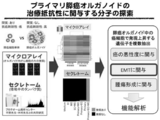
- a method for searching for molecules involved in drug resistance of primary human pancreatic cancer organoids is shown.
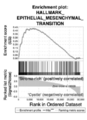
- the expression increase of the EMT related molecule in primary pancreatic cancer orgaoid is shown (Gene
- GSEA Gene
- FIG. 6A shows the expression state of NOTCH molecules in pancreatic cancer organoid-derived xenograft (Org) or pancreatic cancer cyst-derived xenograft (Cyst) before and after administration of gemcitabine.
- FIG. 6B shows the quantification result of the immunostaining result.
- the expression result of NOTCH molecule group in pancreatic cancer cells expressing cytokeratin 7 (CK7) is shown.
- FIG. 6C shows the result of expression analysis of NOTCH downstream signal in pancreatic cancer cells.
- FIG. 6D shows the expression state of NOTCH3 in the pancreatic cancer organoid having the primary lesion and stroma of the pancreatic cancer.
- Smooth muscle actin (SMA) was used as a marker for mesenchymal cells.
- FIG. 6E shows the survival time of patients who received gemcitabine (GEM) or TS-1 treatment after surgery. Survival numbers were plotted based on NOTCH3 expression in cancer cells and NOTCH3 expression in stromal cells in pancreatic cancer tissues at the time of surgery. The result of the characteristic evaluation of NOTCH3 positive cell in the pancreatic cancer tissue after anticancer agent administration is shown. The examination result of the combined treatment of NOTCH3 inhibitor and anticancer agent for xenograft derived from pancreatic cancer organoid is shown.
- Fig. 5 shows interstitial mass reduction in pancreatic cancer tissue after NOTCH3 inhibitor treatment.
- Fig. 5 shows the expression of EMT-related molecules in tissues after NOTCH3 inhibitor treatment.
- the present invention measures the expression level of EMT-related molecules before and after administration of an anticancer agent in cancer cells and / or stromal cells in a tissue that reconstitutes the cancer microenvironment, and after administration rather than before administration of the anticancer agent.
- the present invention provides a screening method for a molecule involved in cancer treatment resistance, in which an EMT-related molecule having an increased expression level is determined to be involved in cancer treatment resistance.
- the present invention measures the expression level of EMT-related molecules before and after the administration of the anticancer agent in cancer cells and / or stromal cells in the tissue that reconstitutes the cancer microenvironment, and before the administration of the anticancer agent.
- An EMT-related molecule whose expression level is elevated after administration is determined to be involved in cancer treatment resistance, and a substance that can inhibit the function of the EMT-related molecule is an effective drug for cancer treatment resistance
- a screening method for a drug effective for treatment resistance of cancer An agent effective for treatment resistance of cancer may be an agent effective for treatment and / or prevention of cancer recurrence.
- various stromas exist in addition to cancer cells, and the cancer microenvironment is formed, thereby enhancing the treatment resistance of cancer cells.
- tissue that reconstitutes the cancer microenvironment includes cancer cells and stromal cells that constitute cancer, and the treatment resistance of cancer cells is enhanced by the interaction of these cells.
- cancer organoids prepared from primary cancer cells derived from cancer patients, passaged cells or established cancer cells, xenografts prepared from cancer organoids, and the like can be exemplified.
- cancer organoid is a cell aggregate composed of cancer cells and other cells. It is possible to reproduce cell-cell interactions between multiple cells.
- the cancer organoid is preferably one that reproduces the cancer microenvironment, and is rich in stroma, for example.
- ⁇ -SMA mesenchymal cell marker
- the pancreatic cancer organoid (10: 7: 20) was about 44% of the primary lesion (about 74%). Depending on the method, it may be 1 to 1000%, preferably 10 to 500%, more preferably 10 to 300%.
- c When hyaluronic acid or collagen accumulates in the stroma, the tissue hardness increases. It is also possible to judge the hardness of the tissue as an index.
- cancer tissue has a part called stroma in addition to cancer cells.
- the stroma includes mesenchymal cells such as fibroblasts, cells that make up blood vessels, lymph vessels, nerves, etc. (blood cells, vascular cells, immune cells, etc.), cells that control inflammation (inflammatory cells), etc.
- mesenchymal cells such as fibroblasts, cells that make up blood vessels, lymph vessels, nerves, etc.
- blood cells vascular cells, immune cells, etc.
- cells that control inflammation inflammation
- Cancer organoids should reproduce the cancer microenvironment including the cancer stroma.
- the cancer organoid may further reproduce the gland duct structure.
- the ductal structure can be formed by cancer cells that have epithelial properties.
- the cancer organoid may reproduce at least one selected from the group consisting of cancer treatment resistance, invasion / metastasis, and recurrence.
- cancer treatment resistance include drug sensitivity, radiation sensitivity, immunotherapy sensitivity, nutrition therapy sensitivity, and the like.
- Recurring cancer refers to cancer that has recurred after resection, cancer that has disappeared due to treatment with anticancer drugs, radiation therapy, immunotherapy, nutrition therapy, or a combination thereof, or cancer that has shrunk. It is a concept that means that it grows again, and not only occurs near the treated area, but also is found as a metastasis elsewhere.
- the type of cancer is not particularly limited, and may be any cancer such as liver cancer, kidney cancer, malignant brain tumor, pancreatic cancer, stomach cancer, lung cancer and the like.
- pancreatic cancer organoids were prepared.
- Cancer organoids can be produced, for example, by co-culturing cancer cells with mesenchymal cells and vascular endothelial cells.
- the culture may be a three-dimensional (3D) culture.
- 3D culture techniques suitable for cancer organoid reconstitution include Nature, 25; 499 (7459): 481-4, 2013, Nat Protoc. 9 (2): 396-409, 2014, Cell Stem Cell, 7; 16 ( 5): 556-65, 2015, etc.
- the culture vessel one disclosed in WO2014 / 196204 or the like, or a commercially available one (for example, Kuraray Elplasia) may be used.
- the cancer cell may be an existing cancer cell line, a primary cancer cell line established using a cancer tissue isolated from a human cancer primary lesion, or a passaged cell.
- the type of cancer is not particularly limited and may be any of liver cancer, kidney cancer, malignant brain tumor, pancreatic cancer, stomach cancer, lung cancer and the like.
- Cancer is mainly derived from humans, but animals other than humans (for example, animals used for laboratory animals, pets, working animals, racehorses, dogs, etc., specifically mice, rats, rabbits, Pigs, dogs, monkeys, cows, horses, sheep, chickens, etc.) derived cancer cells may be used.
- vascular endothelial cell refers to a cell constituting the vascular endothelium or a cell that can differentiate into such a cell. Whether a cell is a vascular endothelial cell can be confirmed by examining whether a marker protein, for example, TIE2, VEGFR-1, VEGFR-2, VEGFR-3, or CD41 is expressed (any of the above-mentioned marker proteins). If one or more of them are expressed, it can be judged as a vascular endothelial cell).
- vascular endothelial cells may be differentiated or undifferentiated. Whether vascular endothelial cells are differentiated cells can be confirmed by CD31 and CD144.
- endothelial cells endothelial cells, umbilical vein endothelial cells, endothelial progenitor cells, endothelial precursor cells, vasculogenic progenitors, hemangioblast (HJ. Joo, et al. Blood. -104. (2011)) is included in the vascular endothelial cells in the present invention.
- Preferred vascular endothelial cells are umbilical vein-derived vascular endothelial cells.
- Vascular endothelial cells can be collected from blood vessels or prepared from pluripotent stem cells such as induced pluripotent stem cells (iPS cells) and embryonic stem cells (ES cells) according to known methods.
- Vascular endothelial cells are mainly derived from humans, but animals other than humans (for example, animals used for laboratory animals, pets, working animals, racehorses, dogs, etc., specifically mice, rats, Rabbit, pig, dog, monkey, cow, horse, sheep, chicken, etc.) derived vascular endothelial cells may be used.
- the “mesenchymal cell” is a connective tissue cell that exists in connective tissue mainly derived from the mesoderm and forms a support structure of the cell that functions in the tissue. This concept includes cells whose differentiation fate has been determined but have not yet differentiated into mesenchymal cells. Mesenchymal cells may be differentiated or undifferentiated. Whether a cell is an undifferentiated mesenchymal cell is confirmed by examining whether a marker protein such as Stro-1, CD29, CD44, CD73, CD90, CD105, CD133, CD271, or Nestin is expressed (If any one or more of the marker proteins are expressed, it can be determined that they are undifferentiated mesenchymal cells).
- a marker protein such as Stro-1, CD29, CD44, CD73, CD90, CD105, CD133, CD271, or Nestin is expressed (If any one or more of the marker proteins are expressed, it can be determined that they are undifferentiated mesenchymal cells).
- a mesenchymal cell that does not express any of the markers in the preceding paragraph can be determined as a differentiated mesenchymal cell.
- mesenchymal stem cells mesenchymal progenitor cells, mesenchymal cells (R. Peters, et al. PLoS One. 30; 5 (12): e15689. (2010)) Included in mesenchymal cells.
- Preferred mesenchymal cells are bone marrow-derived mesenchymal cells (particularly mesenchymal stem cells).
- Mesenchymal cells are collected from bone marrow, adipose tissue, placental tissue, umbilical cord tissue, dental pulp, or other pluripotent cells such as artificial pluripotent stem cells (iPS cells) and embryonic stem cells (ES cells). It can be prepared from stem cells according to a known method.
- Mesenchymal cells are mainly derived from humans, but animals other than humans (for example, animals used for laboratory animals, pets, working animals, racehorses, dogs, etc., specifically mice, rats) , Rabbits, pigs, dogs, monkeys, cows, horses, sheep, chickens, etc.) derived undifferentiated mesenchymal cells may be used.
- About 200,000 cancer cells, about 140,000 vascular endothelial cells, and about 200,000 mesenchymal cells can be co-cultured to form cancer organoids with a size of about 10 to 50,000 micrometers (diameter) .
- the size of the cancer organoid is preferably about 10 to 30000 (diameter) micrometers.
- the medium used for the culture may be any medium as long as cancer organoids are formed, but a medium for vascular endothelial cell culture, a medium for cancer cell culture, and a mixture of the above two media Etc. are preferably used.
- Any medium can be used for vascular endothelial cell culture, but hEGF (recombinant human epidermal growth factor), VEGF (vascular endothelial growth factor), hydrocortisone, bFGF, ascorbic acid, IGF1, FBS Antibiotics (for example, gentamicin, amphotericin B, etc.), Heparin, L-Glutamine, Phenolred, and BBE are preferably used.
- EGM-2 BulletKit (Lonza), EGM BulletKit (Lonza), VascuLife EnGS Comp Kit (LCT), Human Endothelial-SFM Medium (Thermo Fisher Scientific) Human microvascular endothelial cell growth medium (manufactured by TOYOBO) or the like
- a scaffold material In the culture of cells, it is not necessary to use a scaffold material, but a mixture of three types of cells may be cultured on a gel-like support capable of contracting mesenchymal cells.
- the contraction of mesenchymal cells indicates that the formation of a three-dimensional tissue is observed morphologically (with a microscope or with the naked eye), or that the tissue shape is strong enough to be retained by recovery with a medicine spoon (Takebe et al. Nature, 499 (7459), 481-484, 2013).
- the support has an appropriate hardness (for example, Young's modulus of 200 kPa or less (in the case of a gel having a flat shape coated with Matrigel, etc.), but the appropriate hardness of the support can vary depending on the coating and shape.)
- the base material is preferably a gel-like base material, and examples of such a base material include hydrogels (eg, acrylamide gel, gelatin, matrigel, etc.), but are not limited thereto. Note that the hardness of the support is not necessarily uniform depending on the shape, size, and quantity of the target assembly, and it is possible to set a spatial or temporal gradient or pattern the hardness. Is possible.
- the hardness of the support is preferably 100 kPa or less, more preferably 1 to 50 kPa.
- the gel-like support may be flat, or the cross-section on the side of the gel-like support to be cultured may be U-shaped or V-shaped. Since the cross-section of the gel-like support on the side to be cultured has a U or V shape, the cells gather on the culture surface of the support, and a cell aggregate is formed with a smaller number of cells and / or tissues. This is advantageous.
- the support may be chemically and physically modified. Examples of the modifying substance include matrigel, laminin, entactin, collagen, fibronectin, vitronectin and the like.
- An example of setting a spatial gradient in the hardness of the gel-like culture support is a gel-like culture support in which the hardness at the center is harder than the hardness at the periphery.
- the center hardness should be 200 kPa or less, and the periphery hardness should be softer than the center.
- the appropriate center and periphery hardness varies depending on the coating and shape. sell.
- Another example in which a spatial gradient is set in the hardness of the gel-like culture support is a gel-like culture support in which the hardness at the periphery is harder than the hardness at the center.
- a patterned gel-like culture support is a gel-like culture support having one or more patterns in which the hardness at the center is harder than the hardness at the periphery.
- the center hardness should be 200 kPa or less, and the periphery hardness should be softer than the center.
- the appropriate center and periphery hardness varies depending on the coating and shape. sell.
- Another example of the patterned gel-like culture support is a gel-type culture support having one or more patterns in which the hardness of the peripheral part is harder than the hardness of the central part.
- the hardness of the periphery is appropriate to be 200 kPa or less, and the hardness of the center should be softer than the periphery.
- the appropriate hardness of the center and periphery of the support varies depending on the coating and shape. sell.
- the temperature during culture is not particularly limited, but is preferably 30 to 40 ° C, more preferably 37 ° C.
- the culture period is not particularly limited, but is preferably 1 to 60 days, and more preferably 1 to 7 days.
- the present inventors also established a primary cancer cell line using cancer tissue isolated from the primary tumor of human cancer, and succeeded in producing a cancer organoid using this primary cancer cell line.
- This method digests cancer tissue in the presence of proteolytic enzymes and Rho kinase (ROCK) inhibitors to obtain cancer cell aggregates, and after passage of the aggregates, the cancer cells are separated. And coculturing the cancer cells with mesenchymal cells and vascular endothelial cells to form cancer organoids.
- Cancer tissue may be digested in the presence of deoxyribonuclease together with a proteolytic enzyme and a Rho kinase inhibitor.
- the cancer tissue is cultured at 37 ° C. for an appropriate time in a medium (for example, DMEM medium) to which a protease and a Rho kinase inhibitor are added (and deoxyribonuclease may be added). In the examples described below, it may be incubated for 20 minutes).
- the concentration of the Rho kinase inhibitor in the medium is preferably about 10 ⁇ M.
- a Rho kinase inhibitor Y-27632 (R & D) can be exemplified. FBS may be added to the medium.
- Cancer cell aggregates may be passaged in a state of being embedded in a gel (for example, Matrigel).
- a dispersion liquid for example, TrypLE® (Thermo Fisher® Scientific)
- Rho kinase inhibitor may be used for dispersion of cancer cysts at the time of passage.
- the medium may be changed and embedded in a new gel.
- the cancer cysts after passage may be treated with a dispersion (for example, TrypLE® (Thermo Fisher® Scientific)), and then co-cultured with vascular endothelial cells and mesenchymal cells.
- a dispersion for example, TrypLE® (Thermo Fisher® Scientific)
- Co-culture of cancer cells with vascular endothelial cells and mesenchymal cells is as described above.
- a xenograft that reproduces the cancer microenvironment can be produced by transplanting a reconstructed cancer organoid that reproduces the cancer microenvironment into a non-human animal.
- the cancer microenvironment may include a cancer stroma.
- the reconstituted cancer organoid may further reproduce the ductal structure.
- the xenograf itself may further reproduce the ductal structure.
- the ductal structure can be formed by cancer cells that have epithelial properties.
- the xenograft may reproduce at least one selected from the group consisting of cancer treatment resistance, invasion / metastasis, and recurrence.
- the cancer organoid may be reconstituted from primary cancer cells or passaged cells, or may be reconstituted from existing cancer cell lines.
- the cancer organoid-derived xenograft can reproduce at least one selected from the group consisting of cancer treatment resistance, invasion / metastasis, and recurrence. Also, cancer organoid-derived xenograft can reproduce the expression of drug transporters. Furthermore, the cancer organoid-derived xenograft may have tumor blood vessels. Cancer organoid-derived xenografts can reproduce the drug leakage characteristic of tumor blood vessels. These cancer organoid-derived xenografts can be prepared by transplanting cancer organoids formed by co-culturing cancer cells with mesenchymal cells and vascular endothelial cells to non-human animals.
- the type of cancer is not particularly limited and may be any of liver cancer, kidney cancer, malignant brain tumor, pancreatic cancer, stomach cancer, lung cancer and the like.
- a xenograft was prepared from a pancreatic cancer organoid. Xenografts made from pancreatic cancer organoids with a high cell-mixing ratio of mesenchymal cells were rich in stroma and tended to decrease drug sensitivity.
- the size of the cancer organoid-derived xenograft is preferably about 10 to 5000 cubic millimeters.
- non-human animals to be transplanted include mice, rats, rabbits, pigs, dogs, monkeys, cows, horses, sheep, chickens, and the like, but are not limited thereto.
- Cancer organoids and cancer organoid-derived xenografts can be used for at least one evaluation selected from the group consisting of cancer treatment resistance, invasion / metastasis, and recurrence.
- cancer cancer resistance When cancer cancer resistance is evaluated using cancer organoids, the same treatment as cancer treatment is applied to cancer organoids (for example, addition of drugs, irradiation, addition of immunotherapy agents, addition of nutrients, etc.) ) After an appropriate period of time, the number of surviving cancer cells is counted, and the IC50 value may be calculated.
- cancer organoids for example, addition of drugs, irradiation, addition of immunotherapy agents, addition of nutrients, etc.
- cancer cancer resistance is evaluated using cancer organoid-derived xenografts
- the cancer organoids are transplanted into non-human animals, and cancer treatment is performed when the volume of the xenograft formed is appropriate.
- the xenograft may be removed and its volume measured.
- cancer therapeutic agents include existing cancer therapeutic agents (including radiation) and candidate compounds for cancer therapeutic agents.
- cell migration from the cancer organoid may be observed using, for example, migration using a transwell or invasion assay.
- cancer organoids When using cancer organoids to evaluate cancer recurrence, treat the cancer organoids with the same treatment as cancer treatment (for example, adding drugs, irradiating, adding immunotherapeutic agents, adding nutrients, etc.) After the disappearance or decrease of the cancer cells is observed, the treatment equivalent to the cancer treatment is stopped, and the number of surviving cancer cells or the size of the cancer organoid is counted after an appropriate time.
- cancer treatment for example, adding drugs, irradiating, adding immunotherapeutic agents, adding nutrients, etc.
- the cancer organoid When evaluating cancer recurrence using a cancer organoid-derived xenograft, the cancer organoid is transplanted into a non-human animal, and cancer treatment is started when the volume of the xenograft formed is appropriate. It is preferable to administer the cancer at an appropriate frequency, and after the disappearance or decrease of the xenograft is observed, the cancer treatment is stopped, and the volume of the xenograft or the number of constituent cells is measured after an appropriate time.
- the method for evaluating cancer invasion / metastasis and the method for evaluating cancer recurrence can also be used for screening for therapeutic drugs for cancer. By this screening, a drug for treating and / or preventing cancer invasion / metastasis and a drug effective for preventing cancer recurrence can be found.
- cancer organoids prepared from primary cancer cell lines established using cancer tissues isolated from human cancer primary lesions
- treatment resistance of cancer organoids and xenografts prepared from cancer organoids correlates with patient prognosis. If cancer organoids and / or xenografts derived from the patient's cancer cells are therapeutically sensitive, the patient is expected not to recur after surgery, and the cancer organoids and / or xenografts derived from the patient's cancer cells are resistant to treatment The patient is expected to recur after surgery.
- Non-human animals carrying a cancer organoid-derived xenograft can be used for cancer treatment resistance, invasion / metastasis or recurrence evaluation, cancer prognosis prediction, and the like.
- Examples of non-human animals include, but are not limited to, mice, rats, rabbits, pigs, dogs, monkeys, cows, horses, sheep, chickens, and the like.
- EMT-related molecules before and after administration of an anticancer agent in cancer cells and / or stromal cells in a tissue that reconstitutes the cancer microenvironment.
- the level is measured, and an EMT-related molecule having an increased expression level after administration than before administration of the anticancer agent is determined to be involved in cancer treatment resistance.
- the cancer cell may be an existing cancer cell line, a primary cancer cell line established using a cancer tissue isolated from the primary tumor of human cancer, or a passaged cell. Also good.
- the type of cancer is not particularly limited and may be any of liver cancer, kidney cancer, malignant brain tumor, pancreatic cancer, stomach cancer, lung cancer and the like. Cancer is mainly derived from humans, but animals other than humans (for example, animals used for laboratory animals, pets, working animals, racehorses, dogs, etc., specifically mice, rats, rabbits, Pigs, dogs, monkeys, cows, horses, sheep, chickens, etc.) derived cancer cells may be used.
- Stromal cells include mesenchymal cells such as fibroblasts, cells that constitute blood vessels, lymph vessels, nerves (blood cells, vascular cells, immune cells, etc.), cells that control inflammation (inflammatory cells), etc. Many types of cells are included.
- Anti-cancer drug administration refers to in-vivo anti-cancer drugs administered to test animals, in addition to therapeutic treatment of cancer, addition of drugs, irradiation, addition of immunotherapy agents, addition of nutrients, etc. This concept includes treatment in vitro.
- EMT-related in each of cancer cells and stromal cells in the xenograft before and after administration of the anticancer drug to the test animal It is good to measure the expression level of the molecule and compare the two.
- the administration schedule of the anticancer agent is preferably in accordance with the dosing schedule for cancer patients.
- the expression level of EMT-related molecules in each of cancer cells and stromal cells in the cancer organoid before and after addition of the anticancer agent to the cancer organoid is measured.
- the expression levels of EMT-related molecules in cancer cells and stromal cells in cancer organoids after treatment with cancer organoids and after treatment with anticancer agents may be measured and compared.
- anticancer agents include gemcitabine, fluorouracil, TS-1, paclitaxel, nabupaclitaxel, 5-FU, irinotecan, oxaliplatin, erlotinib, capecitabine and the like as those for pancreatic cancer, but are not limited thereto. Do not mean.
- EMT-related molecules refers to a group of molecules that have the effect of changing the characteristics of cancer cells with epithelial properties to those of mesenchymal cells.
- EMT-related molecules include E-cadherin (CDH1), ZEB1, ZEB2, SNAIL1 , SNAIL2, TWIST1, SMAD2, SMAD3, N-cadherin (CDH2), TGFB1, TNF, IL1B, EGF, ERBB2, ERBB3, VEGFA, VIM, EPCAM, NOTCH1, NOTCH2, NOTCH3, NOTCH4, DELTA, HEY1, AG JAK, STAT1, STAT3, MMP3, PI3K, PETEN, AKT1, AKT2, AKT3, MTOR, HIF1A, RAS, RAF1, MAP2K1, ERK1, MAPK1, MAP3K1, MAPK14, MAPK8, NFKB1, IRAK1, IRAK1, AK4 TRAF2 etc. are known, but not limited to these.
- the measurement of the expression level of the EMT-related molecule may be a measurement of a gene expression level or a protein expression level.
- the gene expression level can be measured by real-time PCR, RT-PCR, microarray analysis or RNA sequencing, and the protein expression level can be measured by immunostaining or Western blotting.
- the “increase in expression level” may be an increase in which a statistically significant difference is recognized, and can be exemplified by an increase in p value of less than 0.05.
- EMT-related molecules may be performed on both cancer cells and stromal cells in the tissue that reconstitutes the cancer microenvironment, but may be performed on only one of the cancer cells or stromal cells.
- EMT-related molecules whose expression level is elevated in either cancer cells or stromal cells may be involved in cancer treatment resistance and are involved in cancer treatment resistance Is determined, the expression level is preferably increased at least in cancer cells, and more preferably the expression level is increased in both cancer cells and stromal cells.
- EMT-related molecules whose expression level after administration is higher than before administration of the anticancer agent are determined to be involved in cancer treatment resistance.
- cancer treatment resistance examples include drug sensitivity, radiation sensitivity, immunotherapy sensitivity, nutrition therapy sensitivity, and the like.
- a substance capable of inhibiting the function of an EMT-related molecule determined to be involved in cancer treatment resistance can be determined to be an effective drug for cancer treatment resistance.
- NOTCH3 an EMT-related molecule
- NOTCH3 is one of NOTCH families that exist up to 1-4. Since these four factors have the same signal transduction system and target genes overlap, no clear difference is known except for the difference in function due to the difference in expression location.
- the NOTCH signal is a signal that is widely conserved in multicellular organisms. Unlike many other signal transduction substances, it is a factor that directly transmits signals between cells that contact with ligands (DLL1, DLL3, DLL4, JAG1, JAG2) present on the cell membrane via receptors (NOTCH). It is known to have an important role in the nervous system and immune system.
- NOTCH3 is known as a causative gene of autosomal dominant hereditary cerebral artery disease with subcortical infarction and leukoencephalopathy, called Cerebral Autosomal Dominant Arteriopathy with Subcortical Infarct and Leukoencephalopathy (CADASIL).
- CADASIL Cerebral Autosomal Dominant Arteriopathy with Subcortical Infarct and Leukoencephalopathy
- the present inventors have confirmed that a high therapeutic effect can be obtained even in the treatment of recurrent cancer by using gemcitabine in combination with a NOTCH3 inhibitor (see Examples described later). Therefore, the present invention provides a therapeutic and / or prophylactic agent for recurrent tumors, which uses an anticancer agent and an inhibitor targeting NOTCH3 signal in combination.
- NOTCH receptor is a single-transmembrane protein consisting of an extracellular domain, a transmembrane domain, and an intracellular domain (NICD).
- TACE ADAM metalloprotease TNF- ⁇ converting enzyme
- NICD transmembrane domain and intracellular domain
- inhibitors targeting NOTCH3 signal include LY3039478 (Eli Lilly), MK-0752 (Merck), PF-03084014 (Pfizer), and pharmaceutically acceptable salts or solvates thereof. However, it is not limited to these.
- pharmaceutically acceptable salts include, but are not limited to, sodium phosphate, sodium salt, potassium salt, hydrochloride, sulfate, and the like.
- pharmaceutically acceptable solvates include, but are not limited to, solvates such as water, methanol, ethanol, dimethylformamide, ethyl acetate, dimethyl sulfoxide (DMSO).
- DMSO dimethyl sulfoxide
- a commercially available inhibitor may be used as the inhibitor targeting the NOTCH3 signal, or it may be synthesized using a known technique.
- LY3039478 4,4,4-trifluoro-N-[(1S) -1- ⁇ [(10S) -8- (2-hydroxyethyl) -9-oxo-6,8-diazatricyclo [9.4.0.0 ⁇ ⁇ 2, 7 ⁇ ] pentadeca-1 (15), 2,4,6,11,13-hexaen-10-yl] carbamoyl ⁇ ethyl] butanamide
- MK-0752 3-[(1s, 4r) -4- (4-chlorobenzenesulfonyl) -4- (2,5-difluorophenyl) cyclohexyl] propanoic acid
- PF-03084014 (2S) -2- ⁇ [(2S) -6,8-difluoro-1,2,3,4-tetrahydronaphthalen-2-yl] amino ⁇ -N- (1- ⁇ 1-[(2 , 2-dimethylpropyl) amino] -2-methylpropan
- Combination means that an anticancer agent and an inhibitor targeting NOTCH3 signal are administered simultaneously or separately, and an anticancer agent and an inhibitor targeting NOTCH3 signal are combined in the form of a combination drug and administered simultaneously It is a concept including the aspect to do.
- Recurrent tumor refers to a cancer that reappears after resection (tumor), a cancer that reappears after treatment with anticancer drugs, radiation therapy, immunotherapy, nutrition therapy, or a combination thereof, or It is a concept that includes a cancer (tumor) in which a reduced cancer (tumor) has become larger again, a cancer (tumor) that has not only occurred near the treated site, but has metastasized to another location.
- the therapeutic and / or prophylactic agent of the present invention is administered systemically or locally, orally or parenterally, to a subject or test animal.
- the anticancer agent may be formulated alone, or mixed with an excipient or carrier and formulated into tablets, capsules, powders, granules, solutions, syrups, aerosols, suppositories, injections, and the like.
- the excipient or carrier may be any one that is conventionally used in the art and is pharmaceutically acceptable, and the type and composition thereof are appropriately changed.
- water, vegetable oil or the like is used as the liquid carrier.
- sugars such as lactose, sucrose and glucose, starches such as potato starch and corn starch, cellulose derivatives such as crystalline cellulose and the like are used.
- Lubricants such as magnesium stearate, binders such as gelatin and hydroxypropyl cellulose, disintegrants such as carboxymethyl cellulose and the like may be added.
- Anticancer agents can be administered by various routes such as oral, nasal, rectal, transdermal, subcutaneous, intravenous, and intramuscular.
- the content of the anticancer agent in the preparation varies depending on the kind of preparation, but is usually 1 to 100% by weight, preferably 50 to 100% by weight.
- the content of the anticancer agent in the preparation is preferably 1 to 100% by weight.
- the content of the anticancer agent in the preparation is usually about 10 to 100% by weight, preferably 50 to 100% by weight, and the balance is the carrier.
- the preparation may be formulated into a unit dose preparation.
- the dose, frequency and frequency of administration of the anticancer agent vary depending on the symptom, age, body weight, administration method, administration mode, etc. of the subject or test animal.
- the amount of the active ingredient 1 mg (or ml) to 200 mg / kg may be administered at least once at a frequency at which a desired effect can be confirmed.
- Inhibitors that target the NOTCH3 signal may be included in formulations containing anticancer agents, but alone or mixed with excipients or carriers, tablets, capsules, powders, granules, solutions, syrups, aerosols , Suppositories, injections and the like.
- the excipient or carrier may be any one that is conventionally used in the art and is pharmaceutically acceptable, and its type and composition are appropriately changed.
- water, vegetable oil or the like is used as the liquid carrier.
- solid carrier sugars such as lactose, sucrose and glucose, starches such as potato starch and corn starch, cellulose derivatives such as crystalline cellulose and the like are used.
- Lubricants such as magnesium stearate, binders such as gelatin and hydroxypropyl cellulose, disintegrants such as carboxymethyl cellulose and the like may be added.
- Inhibitors targeting NOTCH3 signal can be administered by various routes such as oral, nasal, rectal, transdermal, subcutaneous, intravenous and intramuscular.
- the content of the inhibitor targeting NOTCH3 signal in the preparation varies depending on the kind of preparation, but is usually 1 to 100% by weight, preferably 50 to 100% by weight.
- the content of at least one substance selected from the group consisting of (i) to (iii) in the preparation is preferably 1 to 100% by weight.
- the content of at least one substance selected from the group consisting of the above (i) to (iii) in the preparation is usually about 10 to 100% by weight, preferably Is 50 to 100% by weight, and the balance is the carrier.
- the preparation may be formulated into a unit dose preparation.
- the dose, frequency, and frequency of the inhibitor targeting NOTCH3 signal vary depending on the symptom, age, body weight, administration method, mode of administration, etc. of the subject or test animal.
- Inhibitors targeting the target are usually administered at least once in an amount of 0.1 mg (or ml) to 100 mg / kg body weight in terms of the amount of active ingredient per animal, at a frequency at which the desired effect can be confirmed. Good.
- an inhibitor targeting NOTCH3 signal is administered for 5 consecutive days from the start of treatment, followed by a 2-day rest cycle. It is good to repeat. Gemcitabine administration may be repeated from the treatment start date and repeated once every 3 days.
- stromal cells both human mesenchymal stem cells (hMSC) and human umbilical vein endothelial cells (HUVEC) are Lonza
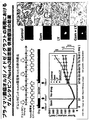
- Each concentration of anticancer drug was added to the reconstituted primary human pancreatic cancer organoid, and each drug sensitivity was evaluated.
- Primary human pancreatic cancer organoids with abundant stroma (red line ⁇ in the figure) are more resistant to anti-cancer drugs than groups composed only of primary human pancreatic cancer cells (blue line ⁇ in the figure).
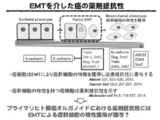
- EMT epithelial-mesenchymal transition
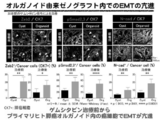
- EMT markers (ZEB2, pSMAD2 / 3, N-CADHERIN)
- a xenograft formed from pancreatic cancer organoids (immunostaining method)
- EMT markers EMT markers
- pancreatic cancer cells expressing CK7 It was confirmed.
- Xenografts formed from pancreatic cancer organoids were also treated with gemcitabine (after the xenograft size reached 100 mm 3 , gemcitabine (90 mg / kg) was administered intraperitoneally every 3 days). It was confirmed that the expression of the molecule was increased (FIG. 5 shows the tissue on the 30th day after the start of treatment).
- NOTCH3 is upregulated in stroma-rich pancreatic cancer organoids and is sustained in organoids after anticancer drug administration (Figure 6)
- Expression of NOTCH molecule group was evaluated by xenograft (Org) formed from pancreatic cancer organoid and xenograft (Cyst) formed from pancreatic cancer cyst (immunostaining method).
- Notch3 has been identified as a molecule whose expression is enhanced by stroma-rich pancreatic cancer organoids and whose expression persists after administration of anticancer drugs. It was confirmed that NOTCH3 expression is enhanced in both pancreatic cancer cells and pancreatic cancer stromal cells.
- FIG. 6A shows the expression state of NOTCH molecules in pancreatic cancer organoid-derived xenograft or pancreatic cancer cyst-derived xenograft before and after administration of gemcitabine.
- FIG. B shows the quantitative results of the immunostaining results. The expression result of NOTCH molecule group in pancreatic cancer cells expressing cytokeratin 7 (CK7) is shown.
- FIG. 4 shows the results of NOTCH downstream signal expression analysis in pancreatic cancer cells.
- FIG. D shows the expression state of NOTCH3 in the pancreatic cancer organoid having the primary lesion and stroma of the pancreatic cancer. Smooth muscle actin (SMA) was used as a marker for mesenchymal cells.
- FIG. 6E shows the survival time of patients who received gemcitabine (GEM) or TS-1 treatment after surgery. Survival frequencies were plotted based on NOTCH3 expression in cancer cells and NOTCH3 expression in stromal cells in pancreatic cancer tissues at the time of surgery.
- GEM gemcitabine
- FIG. 7 shows the tissue 30 days after the start of treatment. It was confirmed that the pancreatic cancer cells remaining after treatment had high NOTCH3 expression (immunostaining method) and increased cell proliferation.
- NOTCH3 expression in pancreatic cancer cells was classified into 3 stages (cells were classified based on Ki67-stained images (nuclei) and classified by NOTCH3 expression intensity around the cells. NOTCH3 expression based on the total expression level) None, weak staining, and strong staining were evaluated in three stages.) The frequency of pancreatic cancer cells expressing Ki67 and proliferating in each group was examined. As a result, it was confirmed that the proportion of proliferating cells was high in NOTCH3 strongly positive cells remaining after anticancer drug treatment. It was confirmed that NOTCH3-positive cells show high drug resistance to anticancer drugs.
- pancreatic cancer progresses quickly and relapses and metastases occur frequently. Effective treatment for recurrent pancreatic cancer has not been established, and establishment of a new treatment is essential.
- primary human pancreatic cancer organoids were transplanted into severely immunodeficient mice (NSG mice, Charles River), and gemcitabine from when tumor size reached a constant (100 mm 3 ) Administration was given. After administration, it was confirmed that the growth of pancreatic cancer was enhanced when gemcitabine administration was discontinued after the tumor size decreased.
- the present invention can be used for identification of an anticancer agent that overcomes cancer treatment resistance.
- the present invention can also be used for the treatment and prevention of recurrent cancer (tumor).
Landscapes
- Health & Medical Sciences (AREA)
- Life Sciences & Earth Sciences (AREA)
- Chemical & Material Sciences (AREA)
- Engineering & Computer Science (AREA)
- Organic Chemistry (AREA)
- General Health & Medical Sciences (AREA)
- Proteomics, Peptides & Aminoacids (AREA)
- Molecular Biology (AREA)
- Immunology (AREA)
- Zoology (AREA)
- Wood Science & Technology (AREA)
- Medicinal Chemistry (AREA)
- Analytical Chemistry (AREA)
- Biochemistry (AREA)
- Physics & Mathematics (AREA)
- Biotechnology (AREA)
- Microbiology (AREA)
- Bioinformatics & Cheminformatics (AREA)
- Pharmacology & Pharmacy (AREA)
- Animal Behavior & Ethology (AREA)
- Public Health (AREA)
- Biophysics (AREA)
- Veterinary Medicine (AREA)
- Biomedical Technology (AREA)
- Hematology (AREA)
- General Engineering & Computer Science (AREA)
- Genetics & Genomics (AREA)
- Urology & Nephrology (AREA)
- General Physics & Mathematics (AREA)
- Epidemiology (AREA)
- Pathology (AREA)
- Food Science & Technology (AREA)
- Cell Biology (AREA)
- Chemical Kinetics & Catalysis (AREA)
- General Chemical & Material Sciences (AREA)
- Nuclear Medicine, Radiotherapy & Molecular Imaging (AREA)
- Investigating Or Analysing Biological Materials (AREA)
- Measuring Or Testing Involving Enzymes Or Micro-Organisms (AREA)
- Medicines That Contain Protein Lipid Enzymes And Other Medicines (AREA)
- Pharmaceuticals Containing Other Organic And Inorganic Compounds (AREA)
Priority Applications (1)
| Application Number | Priority Date | Filing Date | Title |
|---|---|---|---|
| JP2020514407A JPWO2019203255A1 (ja) | 2018-04-19 | 2019-04-17 | 再構成癌組織を用いた薬剤評価方法 |
Applications Claiming Priority (2)
| Application Number | Priority Date | Filing Date | Title |
|---|---|---|---|
| JP2018080585 | 2018-04-19 | ||
| JP2018-080585 | 2018-04-19 |
Publications (1)
| Publication Number | Publication Date |
|---|---|
| WO2019203255A1 true WO2019203255A1 (ja) | 2019-10-24 |
Family
ID=68238962
Family Applications (1)
| Application Number | Title | Priority Date | Filing Date |
|---|---|---|---|
| PCT/JP2019/016421 Ceased WO2019203255A1 (ja) | 2018-04-19 | 2019-04-17 | 再構成癌組織を用いた薬剤評価方法 |
Country Status (2)
| Country | Link |
|---|---|
| JP (1) | JPWO2019203255A1 (https=) |
| WO (1) | WO2019203255A1 (https=) |
Cited By (7)
| Publication number | Priority date | Publication date | Assignee | Title |
|---|---|---|---|---|
| WO2021221179A1 (ja) * | 2020-04-28 | 2021-11-04 | 国立大学法人高知大学 | ヒト膵癌オルガノイドを用いたマウスモデルの樹立 |
| JP2023538210A (ja) * | 2020-06-25 | 2023-09-07 | ネクストアンドバイオ インコーポレイテッド | 癌を有する対象体の抗癌剤及び/又は放射線耐性の診断に必要な情報を提供する方法 |
| WO2023238939A1 (ja) * | 2022-06-09 | 2023-12-14 | 慶應義塾 | 癌の再燃若しくは再発の予防剤又は治療剤及びそのスクリーニング方法 |
| US12536746B2 (en) | 2021-07-09 | 2026-01-27 | Next & Bio Inc. | Virtual organoid generation method |
| US12540308B2 (en) | 2020-06-25 | 2026-02-03 | Next & Bio Inc. | Method for mass proliferation of stem cells without using hydrogel |
| US12597195B2 (en) | 2021-07-09 | 2026-04-07 | Next & Bio Inc. | Method for generating photographed image data using virtual organoid |
| US12606783B2 (en) | 2020-06-25 | 2026-04-21 | Next & Bio Inc. | Well plate and 3D culture plate comprising the same |
Citations (2)
| Publication number | Priority date | Publication date | Assignee | Title |
|---|---|---|---|---|
| WO2015153997A2 (en) * | 2014-04-04 | 2015-10-08 | Oncomed Pharmaceuticals, Inc. | Notch3 antibodies and uses thereof |
| JP2016520289A (ja) * | 2013-03-15 | 2016-07-14 | オンコメッド ファーマシューティカルズ インコーポレイテッド | 膵臓癌の治療方法 |
Family Cites Families (1)
| Publication number | Priority date | Publication date | Assignee | Title |
|---|---|---|---|---|
| WO2016089208A2 (en) * | 2014-12-04 | 2016-06-09 | Stichting Maastricht Radiation Oncology "Maastro-Clinic" | Sulfonamide, sulfamate and sulfamide derivatives of anti-cancer agents |
-
2019
- 2019-04-17 WO PCT/JP2019/016421 patent/WO2019203255A1/ja not_active Ceased
- 2019-04-17 JP JP2020514407A patent/JPWO2019203255A1/ja active Pending
Patent Citations (2)
| Publication number | Priority date | Publication date | Assignee | Title |
|---|---|---|---|---|
| JP2016520289A (ja) * | 2013-03-15 | 2016-07-14 | オンコメッド ファーマシューティカルズ インコーポレイテッド | 膵臓癌の治療方法 |
| WO2015153997A2 (en) * | 2014-04-04 | 2015-10-08 | Oncomed Pharmaceuticals, Inc. | Notch3 antibodies and uses thereof |
Non-Patent Citations (5)
Cited By (10)
| Publication number | Priority date | Publication date | Assignee | Title |
|---|---|---|---|---|
| WO2021221179A1 (ja) * | 2020-04-28 | 2021-11-04 | 国立大学法人高知大学 | ヒト膵癌オルガノイドを用いたマウスモデルの樹立 |
| JPWO2021221179A1 (https=) * | 2020-04-28 | 2021-11-04 | ||
| JP7702110B2 (ja) | 2020-04-28 | 2025-07-03 | 国立大学法人高知大学 | ヒト膵癌オルガノイドを用いたマウスモデルの樹立 |
| JP2023538210A (ja) * | 2020-06-25 | 2023-09-07 | ネクストアンドバイオ インコーポレイテッド | 癌を有する対象体の抗癌剤及び/又は放射線耐性の診断に必要な情報を提供する方法 |
| JP7571164B2 (ja) | 2020-06-25 | 2024-10-22 | ネクストアンドバイオ インコーポレイテッド | 癌を有する対象体の抗癌剤及び/又は放射線耐性の診断に必要な情報を提供する方法 |
| US12540308B2 (en) | 2020-06-25 | 2026-02-03 | Next & Bio Inc. | Method for mass proliferation of stem cells without using hydrogel |
| US12606783B2 (en) | 2020-06-25 | 2026-04-21 | Next & Bio Inc. | Well plate and 3D culture plate comprising the same |
| US12536746B2 (en) | 2021-07-09 | 2026-01-27 | Next & Bio Inc. | Virtual organoid generation method |
| US12597195B2 (en) | 2021-07-09 | 2026-04-07 | Next & Bio Inc. | Method for generating photographed image data using virtual organoid |
| WO2023238939A1 (ja) * | 2022-06-09 | 2023-12-14 | 慶應義塾 | 癌の再燃若しくは再発の予防剤又は治療剤及びそのスクリーニング方法 |
Also Published As
| Publication number | Publication date |
|---|---|
| JPWO2019203255A1 (ja) | 2021-06-10 |
Similar Documents
| Publication | Publication Date | Title |
|---|---|---|
| WO2019203255A1 (ja) | 再構成癌組織を用いた薬剤評価方法 | |
| Lonardo et al. | Pancreatic stellate cells form a niche for cancer stem cells and promote their self-renewal and invasiveness | |
| Huang et al. | Recent advances in understanding cancer-associated fibroblasts in pancreatic cancer | |
| Davies et al. | Cellular plasticity and the neuroendocrine phenotype in prostate cancer | |
| JP6960140B2 (ja) | 腫瘍組織再現法 | |
| Mukaida et al. | Fibroblasts, an inconspicuous but essential player in colon cancer development and progression | |
| Choi et al. | Identification of brain tumour initiating cells using the stem cell marker aldehyde dehydrogenase | |
| US20240108628A1 (en) | Combination therapy with mek inhibitor and cdk4/6 inhibitor to treat pancreatic cancer | |
| Eikesdal et al. | Drug resistance associated with antiangiogenesis therapy | |
| Mahmoodi et al. | PlGF knockdown decreases tumorigenicity and stemness properties of spheroid body cells derived from gastric cancer cells | |
| Mu et al. | The roles of cancer stem cells and therapeutic implications in melanoma | |
| JP6082869B2 (ja) | 慢性骨髄性白血病治療剤及びそのスクリーニング方法 | |
| Matsui et al. | Autologous stem cell transplantation and multiple myeloma cancer stem cells | |
| Wang et al. | Cancer stem cell niche in colorectal cancer and targeted therapies | |
| WO2019203254A1 (ja) | 上皮間葉転換関連分子を用いた癌評価法 | |
| Oh et al. | Tumor angiogenesis promoted by ex vivo differentiated endothelial progenitor cells is effectively inhibited by an angiogenesis inhibitor, TK1-2 | |
| Masciale et al. | Cancer stem cells and their microenvironment | |
| WO2014022774A1 (en) | Treatment induced damage to the tumor micro-environment promotes cancer therapy resistance through extracellular proteins | |
| Fujiwara et al. | Cancer stem cells of sarcoma | |
| Gatta | Novel anti-glioblastoma therapeutic vaccines based on optimal stimulation of tumor specific CD4+ T helper cells | |
| Tsutsumi et al. | SFRP1 and SFRP2 jointly regulate normal and malignant hematopoietic progenitors by influencing mesenchymal cells in the hematopoietic niche | |
| KR102943753B1 (ko) | 면역 세포의 세포용해 활성 향상을 위한 신규 표적 및 이의 활용 | |
| JP2020061973A (ja) | 大腸癌患者の選択方法 | |
| Sung | Mechanisms of MET-dependent tumour initiation and progression | |
| Ribatti | The role of microenvironment in the control of tumor angiogenesis |
Legal Events
| Date | Code | Title | Description |
|---|---|---|---|
| 121 | Ep: the epo has been informed by wipo that ep was designated in this application |
Ref document number: 19788737 Country of ref document: EP Kind code of ref document: A1 |
|
| DPE1 | Request for preliminary examination filed after expiration of 19th month from priority date (pct application filed from 20040101) | ||
| ENP | Entry into the national phase |
Ref document number: 2020514407 Country of ref document: JP Kind code of ref document: A |
|
| NENP | Non-entry into the national phase |
Ref country code: DE |
|
| 122 | Ep: pct application non-entry in european phase |
Ref document number: 19788737 Country of ref document: EP Kind code of ref document: A1 |