WO2019187136A1 - 情報処理装置、情報処理方法、およびプログラム - Google Patents
情報処理装置、情報処理方法、およびプログラム Download PDFInfo
- Publication number
- WO2019187136A1 WO2019187136A1 PCT/JP2018/013936 JP2018013936W WO2019187136A1 WO 2019187136 A1 WO2019187136 A1 WO 2019187136A1 JP 2018013936 W JP2018013936 W JP 2018013936W WO 2019187136 A1 WO2019187136 A1 WO 2019187136A1
- Authority
- WO
- WIPO (PCT)
- Prior art keywords
- information
- food
- unit
- meal
- intake
- Prior art date
- Legal status (The legal status is an assumption and is not a legal conclusion. Google has not performed a legal analysis and makes no representation as to the accuracy of the status listed.)
- Ceased
Links
Images




Classifications
-
- G—PHYSICS
- G16—INFORMATION AND COMMUNICATION TECHNOLOGY [ICT] SPECIALLY ADAPTED FOR SPECIFIC APPLICATION FIELDS
- G16H—HEALTHCARE INFORMATICS, i.e. INFORMATION AND COMMUNICATION TECHNOLOGY [ICT] SPECIALLY ADAPTED FOR THE HANDLING OR PROCESSING OF MEDICAL OR HEALTHCARE DATA
- G16H20/00—ICT specially adapted for therapies or health-improving plans, e.g. for handling prescriptions, for steering therapy or for monitoring patient compliance
- G16H20/60—ICT specially adapted for therapies or health-improving plans, e.g. for handling prescriptions, for steering therapy or for monitoring patient compliance relating to nutrition control, e.g. diets
-
- G—PHYSICS
- G06—COMPUTING OR CALCULATING; COUNTING
- G06Q—INFORMATION AND COMMUNICATION TECHNOLOGY [ICT] SPECIALLY ADAPTED FOR ADMINISTRATIVE, COMMERCIAL, FINANCIAL, MANAGERIAL OR SUPERVISORY PURPOSES; SYSTEMS OR METHODS SPECIALLY ADAPTED FOR ADMINISTRATIVE, COMMERCIAL, FINANCIAL, MANAGERIAL OR SUPERVISORY PURPOSES, NOT OTHERWISE PROVIDED FOR
- G06Q50/00—Information and communication technology [ICT] specially adapted for implementation of business processes of specific business sectors, e.g. utilities or tourism
- G06Q50/10—Services
- G06Q50/22—Social work or social welfare, e.g. community support activities or counselling services
Definitions
- Embodiments described herein relate generally to an information processing apparatus, an information processing method, and a program.
- a technique for calculating the total calories of a meal menu using a mobile terminal is disclosed (for example, see Patent Document 1).
- the technique which calculates the nutrition information containing the calorie and component of a measuring object is disclosed (for example, refer patent document 2).
- JP 2006-105655 A Japanese Patent Laid-Open No. 2015-118007
- the problem to be solved by the present invention is to provide an information processing apparatus, an information processing method, and a program capable of providing actual food intake information.
- the information processing apparatus includes a first acquisition unit, a second acquisition unit, and a calculation unit.
- a 1st acquisition part acquires the 1st food information of the food before a meal.
- the second acquisition unit acquires second food information after the meal of the food.
- the calculation unit calculates intake information indicating a difference between the first food information and the second food information.
- FIG. 1 is a schematic diagram illustrating an information processing system.
- FIG. 2 is a schematic diagram illustrating the configuration of the information processing apparatus.
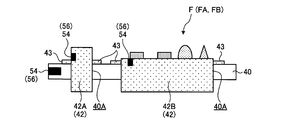
- FIG. 3A is a schematic diagram of a tray and a container.
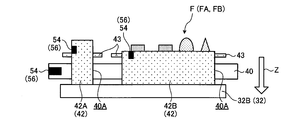
- FIG. 3B is a schematic diagram of a tray and a container.
- FIG. 3C is a schematic diagram of a tray and a container.
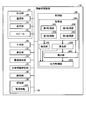
- FIG. 4 is a block diagram illustrating a functional configuration of the information processing apparatus.
- FIG. 5 is a schematic diagram illustrating a data configuration of management information.
- FIG. 6A is an explanatory diagram of management for each container.
- FIG. 6B is an explanatory diagram of management for each area.
- FIG. 7 is a flowchart showing the information processing procedure.
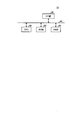
- FIG. 8 is a hardware configuration diagram.
- FIG. 1 is a schematic diagram illustrating an example of an information processing system 1 according to the present embodiment.
- the information processing system 1 includes an information processing device 10, a food storage device 12, and a server 14.
- the information processing apparatus 10, the food storage apparatus 12, and the server 14 are connected via a network 16.
- wireless or the wire may be sufficient.
- the information processing system 1 will be described by taking as an example a configuration in which each of the information processing apparatus 10, the food storage apparatus 12, and the server 14 is provided.
- the information processing system 1 may be configured to include at least the information processing apparatus 10 and may be configured not to include at least one of the food storage device 12 and the server 14.
- the information processing system 1 may be configured to include at least one of the information processing device 10, the food storage device 12, and the server 14.
- the information processing system 1 may further include other electronic devices. In this case, the electronic device may be connected to the network 16.
- the food storage device 12 is a device capable of storing one or a plurality of foods and communicating storage status information of the stored foods.
- the storage status information is information indicating the type of food and the amount of food stored in the food storage device 12.
- the food storage device 12 transmits to the information processing device 10 storage status information indicating the type of food stored in the food storage device 12 and the amount of the food, by a known method.
- the food storage device 12 is an electronic device installed in an electronic device such as a refrigerator or a food storage, for example.
- the server 14 communicates with various electronic devices and apparatuses via the network 16.
- the server 14 manages big data related to foodstuffs, provides various information to the information processing apparatus 10, manages intake information received from the information processing apparatus 10, and the like.
- the information processing device 10 is a device that provides food intake information.
- the information processing apparatus 10 may be a portable terminal that can be carried by a user, or may be an apparatus installed in a certain place. In the present embodiment, a case where the information processing apparatus 10 is installed at a predetermined location will be described as an example.
- the predetermined place is a place where the user eats food.
- the predetermined place is a cafeteria that provides food, a facility equipped with a place that provides food, a store that provides food, or the like.
- a facility provided with a place to provide food is, for example, a nursing facility or a hospital.
- FIG. 2 is a schematic diagram illustrating an example of the configuration of the information processing apparatus 10.
- the information processing apparatus 10 includes a control unit 20, an output unit 22, an input unit 30, a measurement unit 32, an environment detection unit 34, a biological information detection unit 35, and a reading unit 36.
- the control unit 20 controls each unit of the information processing apparatus 10.
- Control part 20 acquires each food information on pre-meal food FA and post-meal food FB about food F which user 50 eats, and provides intake information. Detailed functions of the control unit 20 will be described later.
- Food F is food that the user 50 eats.
- the food F includes one or more ingredients.
- the food F may be a dish using one or more ingredients. Further, the food F may be one food. In the present embodiment, the case where the food F is a dish will be described as an example.
- Food F is classified into pre-meal food FA and post-meal food FB.
- the pre-meal food FA indicates the food F before the meal by the user 50.
- the post-meal food FB indicates the food F after the meal.
- Food information is information about food F. Specifically, the food information indicates at least one of nutrients of food F, ingredients contained in food F, calories of food F, and weight of food F. In the present embodiment, the case where the food information indicates the nutrients of the food F, the ingredients contained in the food F, the calories of the food F, and the weight of the food F will be described as an example.
- the control unit 20 of the information processing apparatus 10 acquires first food information and second food information as food information (details will be described later).
- the first food information is food information of the pre-meal food FA.
- the second food information is food information of the post-meal food FB.
- the output unit 22 outputs various information.
- the output unit 22 includes, for example, a communication function for transmitting information, a display function for displaying information, a sound output function for outputting sound indicating information, and the like.
- the output unit 22 includes a communication unit 24, a display unit 26, and a speaker 28.
- the communication unit 24 transmits / receives various information to / from an external device via the network 16.
- the display unit 26 displays various information.
- the output unit 22 is, for example, a known LCD (Liquid Crystal Display), an organic EL (Electro-Luminescence) display, a projection device, a light, or the like.
- the speaker 28 outputs sounds indicating various information.
- the input unit 30 receives an operation input from the user 50.
- the input unit 30 is, for example, a pointing device such as a mouse or a trackball, or an input device such as a keyboard.
- the input unit 30 may be an input function in a touch panel provided integrally with the display unit 26.
- the measuring unit 32 measures food F and obtains a measurement result.
- the measurement result is information from which the food information of the food F can be derived from the measurement result.
- FIG. 2 shows an example in which two containers 42 (containers 42 ⁇ / b> A and 42 ⁇ / b> B) are placed on the tray 40.
- one container 42 may be placed on the tray 40, or three or more containers 42 may be placed.
- the user 50 places the tray 40 on which the container 42 holding the pre-meal food FA is placed in a predetermined area E before starting a meal.
- the region E is a region where the measurement unit 32 can measure the food F. Then, the measurement part 32 measures this pre-meal food FA, and acquires the measurement result of the pre-meal food FA.
- the user 50 places the tray 40 on which the container 42 holding the post-meal food FB is placed in the region E. Then, the measurement unit 32 measures the post-meal food FB and acquires the measurement result of the post-meal food FB.
- the measuring unit 32 may be any device that can measure the food F and obtain the measurement result.
- the measurement unit 32 is, for example, a measurement unit 32A that obtains a captured image.
- the measurement unit 32A is, for example, a near-infrared camera, and obtains a near-infrared image as a captured image indicating the measurement result.
- the measurement unit 32A includes a light source 32A1 and a light receiving unit 32A2.
- the light source 32A1 irradiates light having a wavelength including at least a part of the wavelength (700 nm to 2500 nm) in the near infrared region.
- the light source 32A1 is, for example, a halogen lamp, an LED (Light Emitting Diode), a laser light source, or the like.
- the light receiving unit 32A2 receives light reflected by the food F of the light emitted from the light source 32A1.
- the light receiving unit 32A2 outputs a signal corresponding to the amount of received light.
- the light receiving unit 32A2 has a configuration in which a plurality of light receiving elements are arranged.
- the light receiving unit 32A2 outputs a signal corresponding to the amount of received light corresponding to each light receiving element.
- the measurement unit 32A outputs a signal corresponding to the received light to the control unit 20.
- the control unit 20 obtains a near-infrared image by generating a near-infrared image in accordance with a signal corresponding to the received light output from the measurement unit 32A. In the following, in order to simplify the description, the control unit 20 will be described as obtaining a near-infrared image from the measurement unit 32.
- the measuring unit 32 may be a weight measuring unit 32B. Further, the measurement unit 32 may be configured to include both the measurement unit 32A and the weight measurement unit 32B.
- the weight measuring unit 32B measures the weight of the food F.
- the weight measuring unit 32B measures the total weight of the food F, the container 42 containing the food F, and the tray 40 on which the container 42 is mounted. Then, the weight measurement unit 32B outputs the measurement result of the total weight.
- the weight measuring unit 32B measures the total weight by measuring the amount of distortion of the tray 40 on which the container 42 holding the food F is placed. Specifically, the weight measuring unit 32B specifies in advance an expression indicating the relationship between the amount of strain and the total weight.
- the weight measuring unit 32B is configured to include a known sensor capable of measuring the amount of distortion of the tray 40. In this case, the weight measuring unit 32B measures the total weight of the tray 40 on which the container 42 holding the food F is placed by introducing the distortion amount measured by the sensor into the above equation.
- the weight measuring unit 32B may output the weight of the container 42 holding the food F as a measurement result.
- a specially shaped tray 40 and container 42 may be used.
- FIG. 3A to 3C are schematic views showing examples of the tray 40 and the container 42.
- FIG. FIG. 3A is an example of a top view of the tray 40 and the container 42.
- 3B and 3C are cross-sectional views taken along the line A-A 'of FIG. 3A.
- the tray 40 includes one or a plurality of through holes 40A.
- the through hole 40 ⁇ / b> A is a hole according to the shape and size of the container 42 placed on the tray 40.
- the through hole 40A is a hole having a size that allows the container 42 to pass therethrough. The container 42 is inserted into the through hole 40A.
- the hooking portion 43 is provided in the container 42.
- the hook 43 is a member for hooking the main body of the container 42 to the edge of the through hole 40 ⁇ / b> A of the tray 40. For this reason, the container 42 inserted into the through hole 40 ⁇ / b> A of the tray 40 is supported by the tray 40 by the hook portion 43.
- the container 42 supported by the tray 40 is placed on the weight measuring unit 32B by an operation by the user 50 or the like. Since the tray 40 is positioned on the downstream side in the vertical direction (arrow Z direction) with respect to the hook portion 43 provided in each of the containers 42, the container 42 supported by the hook portion 43 is supported by the weight measuring portion 32B. The For this reason, the weight measurement part 32B can output the weight of the container 42 holding the food F as a measurement result.
- positioned the weight measurement part 32B separately for every container 42 may be sufficient.
- the weight measuring unit 32B outputs the weight for each container 42 as a measurement result.
- the measurement unit 32 may be any device that can obtain the above measurement results, and the configuration of the measurement unit 32 is not limited to the measurement unit 32A and the weight measurement unit 32B.
- the environment detection unit 34 detects environmental information during the meal of the food F by the user 50.
- the environmental information includes at least one of temperature information, humidity information, atmospheric pressure information, and weather information.
- the environment detection unit 34 is installed in a space where the user 50 eats.
- the environment detection unit 34 is a known electronic thermometer, electronic hygrometer, electronic barometer, weather information acquisition device, or the like.
- the weather information acquisition device for example, a known electronic device that acquires weather information from an external device via the network 16 may be used.
- the biological information detection unit 35 detects the biological information of the user 50.
- the biometric information indicates the user 50's body temperature, sweating volume, blood pressure, heart rate, weight, and the like.
- the biological information detection unit 35 may be a known electronic device that detects such biological information.
- the reading unit 36 communicates with the wireless tag 56 to obtain a user ID stored in advance in the wireless tag 56.
- the user ID is user identification information.
- the reading unit 36 has a wireless communication function, and receives a user ID from the wireless tag 56 when the distance from the wireless tag 56 is a distance at which wireless communication is possible.
- the wireless tag 56 communicates with the reading unit 36 wirelessly.
- the wireless tag 56 may be referred to as an IC tag, an RFID (Radio Frequency IDentifier) tag, an RF tag, or the like, for example.
- the wireless tag 56 includes a wireless tag 52 and a wireless tag 54.
- the wireless tag 52 is a wireless tag 56 carried by the user 50 who eats the food F.
- the user ID of the user 50 who carries the wireless tag 52 is stored in advance.
- the wireless tag 54 is installed in a container 42 for storing food F and a tray 40 for placing the container 42 thereon.
- the wireless tag 54 stores in advance the user ID of the user 50 who eats the food F held in these containers 42 and the food F held in the containers 42 placed on the tray 40. Has been.
- the food F suitable for the user 50 may be provided in the container 42 dedicated to the user 50. Therefore, in the present embodiment, the container 42 and the tray 40 that contain the food F are preliminarily provided with a wireless tag 54 that stores the user ID of the user 50 who uses the container 42 and the tray 40. To do. Note that when the wireless tag 52 and the wireless tag 54 are collectively described, they are simply referred to as a wireless tag 56.
- the wireless tag 56 transmits the stored user ID to the reading unit 36 when the wireless tag 56 is located at a distance that allows wireless communication with the reading unit 36. Therefore, the reading unit 36 receives the user ID from the wireless tag 56 and reads the user ID.
- a symbol indicating a user ID or a symbol such as a barcode may be formed in the container 42 or the tray 40 in advance.
- the user 50 may carry a member on which a symbol indicating a user ID or a symbol such as a barcode is written instead of the wireless tag 52.
- the reading unit 36 may be an electronic device that can read these symbols.
- the reading unit 36 may be a known character recognition device or a barcode reader.
- FIG. 4 is a block diagram illustrating an example of a functional configuration of the information processing apparatus 10.
- the information processing apparatus 10 includes a control unit 20, an output unit 22, an input unit 30, a measurement unit 32, an environment detection unit 34, a biological information detection unit 35, a reading unit 36, a storage unit 38, and a control.
- Unit 20 The output unit 22, the input unit 30, the measurement unit 32, the environment detection unit 34, the biological information detection unit 35, the reading unit 36, the storage unit 38, and the control unit 20 are connected to be able to exchange data and signals via the bus 39. Has been.
- At least one of the output unit 22, the input unit 30, the measurement unit 32, the environment detection unit 34, the biological information detection unit 35, the reading unit 36, and the storage unit 38 is connected to the control unit 20 by wire or wirelessly. Good. Further, at least one of the output unit 22, the input unit 30, the measurement unit 32, the environment detection unit 34, the biological information detection unit 35, the reading unit 36, and the storage unit 38 and the control unit 20 are connected via the network 16. May be.
- the storage unit 38 stores various data.
- the storage unit 38 is, for example, a semiconductor memory device such as a flash memory, a hard disk, an optical disk, a RAM (Random Access Memory), or the like.
- the storage unit 38 may be a storage device provided outside the information processing apparatus 10.
- the storage unit 38 may be one or a plurality of storage media.
- the storage unit 38 stores management information 38A.
- FIG. 5 is a schematic diagram illustrating an example of a data configuration of the management information 38A.
- Management information 38A is a database in which dates, food information, and intake status information are associated with each other.
- the management information 38A is updated by processing of the control unit 20 described later. In the present embodiment, an example will be described in which the date, food information, and intake status information are registered in association with each other for each meal in the management information 38A.
- the data format of the management information 38A is not limited to the database.
- the food information includes the first food information and the second food information as described above.
- the intake status information is information indicating the intake status of the food F.
- the intake status information includes intake information.
- the intake information is information related to the food F actually consumed by the user 50.
- the intake information is calculated by the control unit 20 described later.
- the intake information indicates at least one of nutrients, food ingredients, calories, and weight.
- the intake information is information indicating at least one of a nutrient contained in the food F, a food material contained in the food F, a calorie of the food F, and a weight of the food F.
- FIG. 5 shows an example in which the intake information indicates nutrients, ingredients, calories, and weight.
- the intake status information may be information including at least one of attribute information and derived information in addition to the intake information.
- the intake status information includes intake information, attribute information, and derived information will be described as an example.
- the attribute information includes the environmental information during the meal of the food F, the biological information of the user 50 who eats the food F, the user ID of the user 50, the meal required time of the food F, and the form information of the ingredients contained in the pre-meal food FA, At least one of the following.
- the attribute information includes environmental information during meal of food F, biological information of user 50 who eats food F, user ID of user 50, time required for meal of food F, and pre-meal food FA.
- the case where the form information of the contained food is included will be described as an example. Details of each piece of information included in the attribute information will be described later.
- Derivation information is information derived by the control unit 20 described later.
- the derived information indicates at least one of a recommended dish, a deficient nutrient, and a deficient ingredient.
- FIG. 5 shows an example in which the derived information indicates recommended dishes, deficient nutrients, and deficient ingredients. The explanation of recommended dishes, deficient nutrients, and deficient ingredients will be described later.
- the control unit 20 includes an acquisition unit 20A, a calculation unit 20B, a derivation unit 20C, an output control unit 20D, and a detection unit 20I.
- the acquisition unit 20A includes a first acquisition unit 20E, a second acquisition unit 20F, a third acquisition unit 20G, and a fourth acquisition unit 20H.
- the above units acquisition unit 20A, calculation unit 20B, derivation unit 20C, output control unit 20D, first acquisition unit 20E, second acquisition unit 20F, third acquisition unit 20G, fourth acquisition unit 20H, and detection unit 20I
- each of the above units may be realized by causing a processor such as a CPU (Central Processing Unit) to execute a program, that is, by software.
- a processor such as a CPU (Central Processing Unit)
- Each of the above sections may be realized by a processor such as a dedicated IC (Integrated Circuit), that is, hardware.
- Each of the above units may be realized by using software and hardware together.
- each processor may realize one of the respective units, or may realize two or more of the respective units.
- the acquisition unit 20A acquires various types of information. As described above, the acquisition unit 20A includes the first acquisition unit 20E, the second acquisition unit 20F, the third acquisition unit 20G, and the fourth acquisition unit 20H.
- the first acquisition unit 20E acquires the first food information of the food F before the meal.
- the first obtaining unit 20E obtains the first food information from the measurement result by analyzing the measurement result by the measurement unit 32 of the pre-meal food FA.
- the first acquisition unit 20E receives the measurement result of the pre-meal food FA from the measurement unit 32.
- the user 50 places the tray 40 on which the container 42 holding the pre-meal food FA is placed in a predetermined region E before the meal (see FIG. 2).
- the user 50 operates the input unit 30 to input first identification information indicating the pre-meal food FA.
- the first acquisition unit 20 ⁇ / b> E receives the measurement result from the measurement unit 32 and also receives the first identification information from the input unit 30.
- the first acquisition unit 20E may use the measurement result received from the measurement unit 32 as the measurement result of the pre-meal food FA.
- the measurement unit 32 is the measurement unit 32A.
- the first acquisition unit 20E receives a near-infrared image of the pre-meal food FA from the measurement unit 32 as a measurement result of the pre-meal food FA.
- the 1st acquisition part 20E uses the pixel data of each pixel shown by the near-infrared image of pre-meal food FA, and the relational expression memorized beforehand, the kind of nutrient, the quantity of nutrient, the kind of foodstuff And first food information indicating weight is derived.
- This relational expression includes, for example, the types of nutrients included and the amounts of nutrients, the types of ingredients, the pixel data of each of a plurality of ingredients with known weights, the types of nutrients, the amounts of nutrients, the types of ingredients, and What is necessary is just to derive
- the kind of nutrient is a protein, a lipid, a carbohydrate, a mineral, a vitamin, etc., for example, it is not limited to these.
- the first acquisition unit 20E derives the calorie of the pre-meal food FA by multiplying the derived nutrient amount by a calorie coefficient corresponding to each nutrient and adding each multiplication result.
- the 1st acquisition part 20E should just register the calorie coefficient of each of protein, lipid, and carbohydrate beforehand, and should just use it for calorie derivation of pre-meal food FA.
- the first acquisition unit 20E calculates the weight of the food contained in the near-infrared image by performing image analysis on the near-infrared image of the pre-meal food FA by a known method. For example, the first acquisition unit 20E performs image analysis on the near-infrared image of the pre-meal food FA, thereby calculating the area occupied by each of the ingredients included in the near-infrared image. Then, the first acquisition unit 20E derives the weight of each of the ingredients contained in the pre-meal food FA or the weight of the pre-meal food FA using the area occupied by each of the ingredients and a predetermined relational expression. To do.
- the measurement unit 32 is a weight measurement unit 32B.
- the 1st acquisition part 20E receives the information which shows the weight of pre-meal food FA from the weight measurement part 32B as a measurement result of pre-meal food FA.
- the first acquisition unit 20E may use the received measurement result as the weight of the pre-meal food FA.
- the first acquisition unit 20E acquires the first food information by deriving the first food information from the measurement result of the pre-meal food FA. Then, the first acquisition unit 20E outputs the first food information to the calculation unit 20B. The first acquisition unit 20E registers the first food information in the management information 38A (see FIG. 5). At this time, the first acquisition unit 20E registers the first food information in the management information 38A in association with the date on which the measurement result used to derive the first food information is received.
- the second acquisition unit 20F acquires the second food information from the measurement result by analyzing the measurement result by the measurement unit 32 of the post-meal food FB.
- the user 50 places the tray 40 on which the container 42 holding the post-meal food FB is placed in a predetermined region E (see FIG. 2).
- the user 50 operates the input unit 30 to input the second identification information indicating that it is the post-meal food FB.
- the second acquisition unit 20F receives the measurement result from the measurement unit 32 and also receives the second identification information from the input unit 30.
- the second acquisition unit 20F specifies the measurement result acquired from the measurement unit 32 as the measurement result of the post-meal food FB.
- the second acquisition unit 20F acquires the second food information from the measurement result by analyzing the measurement result of the post-meal food FB in the same manner as the derivation of the first food information using the pre-meal food FA. To do.
- the second acquisition unit 20F outputs the second food information to the calculation unit 20B.
- the second acquisition unit 20F registers the second food information in the management information 38A (see FIG. 5).
- the second acquisition unit 20F may register the second food information in the management information 38A in association with the date on which the measurement result used to derive the second food information is received.
- the third acquisition unit 20G acquires attribute information.
- the attribute information includes the environmental information during the meal of the food F, the biological information of the user 50 who eats the food F, the user ID of the user 50 who eats the food F, and the meal of the food F.
- the required time and the form information of the ingredients contained in the pre-meal food FA before the meal are included.
- 3rd acquisition part 20G acquires environmental information in the meal of food F by user 50 by receiving environmental information from environment detection part 34. Further, the third acquisition unit 20G acquires the user ID of the user 50 who eats the food F by receiving the user ID received from the wireless tag 52 from the reading unit 36.
- the third acquisition unit 20G calculates the difference between the timing at which the first acquisition unit 20E has received the measurement result of the pre-meal food FA and the timing at which the second acquisition unit 20F has received the measurement result of the post-meal food FB. calculate. And the 3rd acquisition part 20G acquires this calculation result as the meal required time of the food F.
- the third acquisition unit 20G acquires the form information of the ingredients contained in the pre-meal food FA by performing image analysis on the near-infrared image that is the measurement result of the pre-meal food FA by a known method.
- the form information of the food is information indicating the form of the food according to the difficulty level of swallowing by a person.
- the form information of the food material is represented by an index value indicating the degree of pulverization, softness, degree of thickening, and the like. In the present embodiment, the case where the food form information is represented by a level value corresponding to the difficulty level of swallowing will be described as an example.
- the 3rd acquisition part 20G may acquire the form information of the foodstuff contained in the pre-meal food FA from the input part 30.
- the user 50 may input a level value indicating the form information of the food material for the pre-meal food FA to be eaten by operating the input unit 30.
- the third acquisition unit 20G includes the environment information during the meal of the food F, the biological information of the user 50 who eats the food F, the user ID of the user 50 who eats the food F, the meal required time of the food F, And attribute information including the form information of the ingredients contained in the pre-meal food FA before the meal. Then, the third acquisition unit 20G registers the attribute information in the management information 38A (see FIG. 5).
- the management information 38A includes the date, the first food information, the second food information, and the attribute information. Each meal is registered in association with each meal.
- the fourth acquisition unit 20H acquires storage status information indicating the type of food and the amount of food stored in the food storage device 12 from the food storage device 12.
- the fourth acquisition unit 20 ⁇ / b> H acquires storage status information from the food storage device 12 via the communication unit 24 and the network 16.
- the fourth acquisition unit 20H may acquire storage status information from the input unit 30.
- the user 50 may input storage status information indicating the type and amount of food stored in the food storage device 12 or a predetermined storage by operating the input unit 30.
- the calculation unit 20B calculates intake information indicating a difference between the first food information and the second food information.
- the calculation unit 20B calculates intake information by subtracting the second food information received from the second acquisition unit 20F from the first food information received from the first acquisition unit 20E.
- the food information is information indicating the nutrients of the food F, the ingredients contained in the food F, the calories of the food F, and the weight of the food F.
- the calculation unit 20B can calculate the nutrition actually consumed by the user 50, the food actually consumed, the calories actually consumed, and the weight of the food F actually consumed as intake information. That is, even when the food F is left over, the intake information of the food F actually consumed by the user 50 can be calculated accurately.
- the calculating unit 20B registers the calculated intake information in the management information 38A. Moreover, the calculation unit 20B outputs the calculated intake information to the derivation unit 20C.
- the management information 38A includes a date, first food information, second food information, Ingestion information and attribute information are registered in association with each meal.
- the 1st acquisition part 20E, the 2nd acquisition part 20F, and the calculation part 20B derive
- the information may be registered in the management information 38A.
- FIG. 6A is an explanatory diagram of management for each container 42. Specifically, FIG. 6A is an explanatory diagram for managing first food information, second food information, and intake information for each container 42.
- containers 42A to 42D are placed on the tray 40, and the food F is held in each container 42.
- the first acquisition unit 20E and the second acquisition unit 20F perform image analysis on the near-infrared image, which is a measurement result of the food F measurement unit 32, by a known method, whereby the container 42 (container 42A to container 42D). ) Is specified.
- the 1st acquisition part 20E and the 2nd acquisition part 20F should just derive
- the 1st acquisition part 20E and the 2nd acquisition part 20F should just register the food information derived
- calculation part 20B calculates the intake information for every container 42 by calculating the intake information which shows the difference of 1st food information and 2nd food information for every container 42.
- the calculation unit 20B may register the calculated intake information in association with the identification information of the container 42 in the management information 38A.
- FIG. 6B is an explanatory diagram for managing the first food information, the second food information, and the intake information for each area A.
- the container 42 is divided into a plurality of areas A (for example, areas A1 to A4) and managed in advance.
- the first acquisition unit 20E and the second acquisition unit 20F analyze each of the areas A (area A1 to area A4) in the container 42 by analyzing the near-infrared image of the food F by a known method. Identify. And the 1st acquisition part 20E and the 2nd acquisition part 20F should just derive
- the calculating unit 20B calculates intake information for each area A by calculating intake information indicating a difference between the first food information and the second food information acquired for each area A. Then, the calculation unit 20B may register the calculated intake information in association with the identification information of the area A in the management information 38A.
- the 1st acquisition part 20E, the 2nd acquisition part 20F, and calculation part 20B give the 1st food information, the 2nd food information, and ingestion information for every container 42 or every area about one meal. It may be derived and registered in the management information 38A.
- the provider who provides the food F may be provided to the user 50 by putting ingredients separately for each container 42 or area A.
- the information processing apparatus 10 manages the first food information, the second food information, and the intake information for each container 42 or area A, so that the information processing apparatus 10 can use the food corresponding to the container 42 or area A.
- Each food information and intake information can be managed.
- the information processing apparatus 10 can easily provide information indicating which food is left over by managing intake information for each container 42 or area A.
- the deriving unit 20C derives derived information based on the intake information.
- the derived information is information indicating recommended dishes, deficient nutrients, and deficient ingredients.
- the derivation unit 20C receives intake information from the calculation unit 20B.
- the deriving unit 20C derives derived information using the intake information.
- the deficient nutrient is a nutrient that is deficient in the food F actually ingested. Insufficient nutrients indicate nutrients that are lacking relative to the recommended nutrient type and amount of nutrients to be taken.
- the deriving unit 20C stores in advance information indicating recommended nutrients to be taken in one meal.
- the derivation unit 20C may store in advance information indicating nutrients to be ingested in a daily or weekly meal, and is not limited to a single meal unit.
- the deriving unit 20C derives information indicating the deficient nutrient by subtracting information indicating the nutrient contained in the intake information received from the calculating unit 20B from the information indicating the recommended nutrient to be ingested.
- the deriving unit 20C may further derive information indicating nutritional supplements for supplementing the deficient nutrients and medicines containing the deficient nutrients.
- Nutritional supplements may be referred to as supplements, for example.
- the deriving unit 20C stores information on deficient nutrients and information on dietary supplements containing deficient nutrients in association with each other in advance. Then, the deriving unit 20 ⁇ / b> C may derive a dietary supplement containing the deficient nutrient by reading information on the dietary supplement corresponding to the derived deficient nutrient information.
- Insufficient ingredients indicate ingredients that are insufficient in the food F actually consumed.
- Insufficient foodstuff refers to foodstuffs that are deficient with respect to recommended foodstuffs to be ingested.
- the derivation unit 20C stores in advance information indicating recommended foods to be taken in one meal.
- the deriving unit 20C may store in advance information indicating recommended foods to be taken in a daily or weekly meal, and is not limited to a single meal.
- the deriving unit 20C derives information indicating the insufficient food by subtracting information indicating the food included in the intake information received from the calculation unit 20B from the information indicating the recommended food to be ingested.
- “Recommended food” refers to food recommended for the user 50.
- the derivation unit 20C derives a dish including at least one of the derived insufficient food and the derived insufficient nutrient as a recommended dish.
- the deriving unit 20C stores in the storage unit 38 in advance a dish database in which information indicating ingredients and nutrients is associated with information indicating the name of a dish. Then, the deriving unit 20C derives information indicating the recommended dish by searching the dish database for the name of the dish corresponding to at least one of the insufficient food and the insufficient nutrient.
- the derivation unit 20C indicates a recommended dish by searching the dish database for the name of the dish corresponding to the ingredient stored in the ingredient storage device 12 indicated by the storage status information among the derived insufficient ingredients. Information may be derived.
- the deriving unit 20C may further derive information indicating recommended dishes using the form information of the ingredients.
- a dish database that associates information indicating ingredients and nutrients, information on the form of the ingredients, and information indicating the name of the dish may be used.
- the deriving unit 20C has attributes corresponding to information indicating the food stored in the food storage device 12 indicated by the storage status information and the information indicating the derived insufficient food in the management information 38A among the derived insufficient food. What is necessary is just to derive
- the deriving unit 20C can derive information indicating recommended dishes according to the swallowing function of the user 50.
- the dish database may be appropriately updated based on the big data managed by the server 14.
- the derivation unit 20 ⁇ / b> C may acquire the recommended dish from the server 14.
- the derivation unit 20 ⁇ / b> C transmits intake information to the server 14 via the communication unit 24 and the network 16.
- the server 14 may store the dish database in advance as information about ingredients. And if the server 14 acquires intake information from the information processing apparatus 10, it will show a recommended dish by searching the information which shows the name of the dish corresponding to the information of at least one of a deficient ingredient and a deficiency nutrient from a dish database. Search for information.
- the server 14 transmits information indicating the recommended dish to the information processing apparatus 10 as a search result.
- the derivation unit 20 ⁇ / b> C derives information indicating the recommended dish by receiving information indicating the recommended dish from the server 14 via the network 16 and the communication unit 24.
- the derivation unit 20C may derive derivation information indicating recommended dishes, deficient nutrients, and deficient ingredients using intake information and attribute information.
- the deriving unit 20C includes information indicating at least one of nutrients, ingredients, calories, and weight indicated in the intake information, environmental information during the meal of the food F, biological information of the user 50 who eats the food F, The derived information may be derived using at least one of the user ID of the user 50 who eats the food F, the meal required time of the food F, and the form information of the food contained in the pre-meal food FA before the meal.
- the deriving unit 20C learns a model for deriving recommended dishes, deficient nutrients, and deficient ingredients according to the user 50 from the intake information and attribute information.
- a known learning method may be used for model learning.
- the derivation unit 20C may derive derivation information indicating recommended dishes, insufficient nutrients, and insufficient ingredients according to the user 50 by introducing intake information and attribute information into the model.
- the derivation unit 20C registers the derived derivation information in the management information 38A in association with the intake information used for derivation of the derivation information (see FIG. 5).
- the management information 38A includes the date, the first food information, the first 2 Food information, intake information, attribute information, and attribute information are registered in association with each meal.
- the deriving unit 20C may further derive information indicating the shortage of ingredients.
- the attribute information further includes information indicating an insufficient stock material.
- the information indicating the shortage of food in stock is information indicating the food shortage in the food storage device 12.
- Ingredients lacking in the ingredient storage device 12 indicate ingredients that are not stored in the ingredient storage device 12 among the ingredients used for cooking in the recommended dish.
- the derivation unit 20C receives storage status information indicating the type of food and the amount of food stored in the food storage device 12 from the fourth acquisition unit 20H. Then, the deriving unit 20C derives information indicating the ingredients not shown in the storage status information among the ingredients necessary for cooking the recommended recommended dish as information indicating the insufficient inventory ingredients of the ingredient storage device 12.
- the output control unit 20D outputs intake status information including intake information.
- the output control unit 20D outputs intake status information including intake information, attribute information, and derivation information.
- the output control unit 20D receives the intake status information by receiving each of the derived information, the intake information, and the attribute information from the derivation unit 20C, the calculation unit 20B, and the acquisition unit 20A.
- the output control unit 20D may read the intake status information from the management information 38A.
- the output control unit 20D outputs the intake status information from the output unit 22.
- the output control unit 20D displays the intake status information on the display unit 26. Further, for example, the output control unit 20D outputs a sound indicating the intake status information from the speaker 28. For example, the output control unit 20 ⁇ / b> D transmits intake status information to the server 14 via the communication unit 24.
- the output control unit 20D can easily provide the user 50 with the actual food F intake information of the user 50.
- the output control unit 20D can easily provide information indicating recommended dishes, insufficient nutrients, and insufficient ingredients to the user 50 by outputting intake state information including derivation information from the output unit 22. it can.
- the output control unit 20D may output the food information (first food information, second food information) from the output unit 22 together with the intake status information.
- the output control unit 20 ⁇ / b> D can easily provide information indicating the preference of the food F and the nutrients ingested to the user 50 by outputting the intake status information and the food information.
- the attribute information includes the environmental information during the meal of the food F, the biological information of the user 50 who eats the food F, the user ID of the user 50, the meal required time of the food F, and the pre-meal food FA. Including at least one of the form information of the included ingredients. For this reason, the output control unit 20D outputs the intake status information including the attribute information from the output unit 22, so that it is possible to easily provide the environment during the meal, the required meal time, the biological information, and the form information of the food. it can.
- the output control unit 20D sends purchase request information indicating a purchase request for the insufficient stock ingredient to the communication unit 24 of the output unit 22.
- the server 14 transmits information indicating the purchase request of the insufficient inventory ingredients included in the received purchase request information to the external device that manages the store that sells the insufficient inventory ingredients or the terminal of the user that sells the ingredients. do it.
- the output control unit 20D can easily transmit purchase request information for a lacking ingredient among the ingredients used for cooking the recommended dish.
- the detection unit 20I determines whether or not the user ID read by the reading unit 36 from the wireless tag 52 matches the user ID read by the reading unit 36 from the wireless tag 54 within a predetermined time from the reading of the user ID. To detect.
- the detection unit 20I determines that there is a mismatch, the detection unit 20I notifies the output control unit 20D of error information.
- the error information is information indicating that the user ID of the user 50 who eats the food F and the user ID of the container 42 or the tray 40 holding the food F to be eaten by the user 50 do not match.
- the output control unit 20D that has received the error information outputs the error information from the output unit 22.
- the output control unit 20 ⁇ / b> D displays error information on the display unit 26. Further, for example, the output control unit 20D outputs a sound indicating error information from the speaker 28.
- the food F suitable for the user 50 is provided in the dedicated container 42 of the user 50 according to the constitution, physical condition, swallowing function, and the like of the user 50 who eats the food F. Assume a case. In this case, when food F for users with different constitutions is provided, the user 50 may cause shock symptoms due to allergies.
- the output control unit 20D outputs error information, so that information that can prevent a food F provision error can be easily provided.
- FIG. 7 is a flowchart illustrating an example of an information processing procedure executed by the control unit 20 of the information processing apparatus 10.
- the first acquisition unit 20E receives the measurement result of the pre-meal food FA from the reading unit 36 (step S100).
- the detection unit 20I determines whether or not the user ID read from the wireless tag 52 by the reading unit 36 matches the user ID read from the wireless tag 54 (step S102). If the user IDs do not match (step S102: No), the process proceeds to step S104. In step S104, the output control unit 20D outputs error information from the output unit 22 (step S104). Then, this routine ends.
- step S106 the first acquisition unit 20E analyzes the measurement result of the pre-meal food FA received in step S100, and acquires first food information (step S106).
- the second acquisition unit 20F receives the measurement result of the post-meal food FB from the reading unit 36 (step S108).
- the second acquisition unit 20F analyzes the received measurement result of the post-meal food FB and acquires second food information (step S110).
- the third acquisition unit 20G acquires attribute information (step S112).
- the third acquisition unit 20G acquires environment information from the environment detection unit 34. Further, the third acquisition unit 20G calculates the difference between the timing at which the measurement result of the pre-meal food FA is received at step S100 and the timing at which the measurement result of the post-meal food FB is received at step S108. Get the meal duration for F.
- the 3rd acquisition part 20G acquires the form information of the foodstuff contained in pre-meal food FA by analyzing the near-infrared image which is a measurement result of pre-meal food FA acquired by step S100.
- the third acquisition unit 20G includes the environment information during the meal of the food F, the biological information of the user 50 who eats the food F, the user ID of the user 50 who eats the food F, the meal required time of the food F, And attribute information including the form information of the foodstuff contained in pre-meal food FA before a meal is acquired.
- the fourth acquisition unit 20H acquires storage status information from the food storage device 12 (step S1114).
- the calculation unit 20B calculates intake information by subtracting the second food information acquired in step S110 from the first food information acquired in step S106 (step S116).
- the deriving unit 20C derives derived information including the recommended dish, the insufficient nutrient, and the insufficient food based on the intake information calculated in Step S116 (Step S118).
- the deriving unit 20C derives inventory shortage information of the food storage device 12 (step S120).
- the deriving unit 20 ⁇ / b> C uses the ingredients that are not shown in the storage status information of the food storage device 12 acquired in step S ⁇ b> 114 out of the ingredients necessary for cooking the recommended dish derived in step S ⁇ b> 118 as the shortage of food in the food storage device 12. Derived as information to show.
- the output control unit 20D outputs the intake status information including the attribute information acquired in step S112, the intake information calculated in step S116, and the derived information calculated in step S118 to the output unit 22 ( Step S122).
- the output control unit 20D outputs, to the output unit 22, the information indicating the insufficient stock in the food storage device 12 derived in step S120 (step S124).
- the output control unit 20 ⁇ / b> D outputs purchase request information indicating a purchase request for the shortage of ingredients to the server 14 via the output unit 22. Then, this routine ends.
- the information processing apparatus 10 includes the first acquisition unit 20E, the second acquisition unit 20F, and the calculation unit 20B.
- the first acquisition unit 20E acquires the first food information of the food F before meal (pre-meal food FA).
- the second acquisition unit 20F acquires the second food information after the meal of the food F (of the post-meal food FB).
- the calculation unit 20B calculates intake information indicating a difference between the first food information and the second food information.
- the information processing apparatus 10 calculates intake information indicating a difference between the first food information of the food F before the meal and the second food information of the food F after the meal.
- the information processing apparatus 10 can provide actual intake information of the food F.
- FIG. 8 is an example of a hardware configuration diagram of each control unit of the information processing apparatus 10, the food storage apparatus 12, and the server 14 according to the above embodiment.
- the control units of the information processing apparatus 10, the food storage apparatus 12, and the server 14 are interfaces between a control apparatus such as the CPU 80, a storage apparatus such as a ROM (Read Only Memory) 82 and a RAM 84, and various devices.
- a control apparatus such as the CPU 80
- a storage apparatus such as a ROM (Read Only Memory) 82 and a RAM 84
- I / F unit 86 and a bus 88 for connecting each unit are provided, and a hardware configuration using a normal computer is provided.
- the CPU 80 reads out the program from the ROM 82 onto the RAM 84 and executes the program, so that the functional units are realized on the computer.
- program for performing each said process performed with the control part 20 of the information processing apparatus 10 of the said embodiment may be provided by being previously incorporated in ROM82.
- a program for executing the above-described processing executed by the control unit 20 of the information processing apparatus 10 of the above-described embodiment is an installable format or executable format file, which is a CD-ROM, CD-R, memory It may be stored in a computer-readable storage medium such as a card, DVD (Digital Versatile Disk), or flexible disk (FD) and provided as a computer program product.
- a program for executing the above-described processing executed by the control unit 20 of the information processing apparatus 10 according to the above-described embodiment on a computer connected to a network such as the Internet, the program is downloaded via the network. You may make it provide.
- a program for executing the processing executed by the control unit 20 of the information processing apparatus 10 according to the embodiment may be provided or distributed via a network such as the Internet.
Landscapes
- Health & Medical Sciences (AREA)
- Business, Economics & Management (AREA)
- Primary Health Care (AREA)
- Engineering & Computer Science (AREA)
- Tourism & Hospitality (AREA)
- General Health & Medical Sciences (AREA)
- Physics & Mathematics (AREA)
- Child & Adolescent Psychology (AREA)
- Human Resources & Organizations (AREA)
- Strategic Management (AREA)
- Economics (AREA)
- General Business, Economics & Management (AREA)
- General Physics & Mathematics (AREA)
- Marketing (AREA)
- Theoretical Computer Science (AREA)
- Nutrition Science (AREA)
- Epidemiology (AREA)
- Medical Informatics (AREA)
- Public Health (AREA)
- Medical Treatment And Welfare Office Work (AREA)
Abstract
情報処理装置(10)は、第1取得部(20E)と、第2取得部(20F)と、算出部(20B)と、を備える。第1取得部(20E)は、食事前の食物の第1食物情報を取得する。第2取得部(20F)は、食物の食事後の第2食物情報を取得する。算出部(20B)は、第1食物情報と第2食物情報の差を示す摂取情報を算出する。
Description
本発明の実施の形態は、情報処理装置、情報処理方法、およびプログラムに関する。
健康維持などの観点から、食事対象の食物のカロリーや成分を提供する技術が開示されている。
例えば、携帯端末を用いて、食事メニューの総カロリーを算出する技術が開示されている(例えば、特許文献1参照)。また、測定対象物のカロリーおよび成分を含む栄養情報を演算する技術が開示されている(例えば、特許文献2参照)。
しかしながら、従来技術では、食事前の段階の食物の情報しか提供されておらず、ユーザが実際に食した内容とは乖離した情報が提供される場合があった。すなわち、従来では、食物の実際の摂取情報が提供されていなかった。
本発明が解決しようとする課題は、食物の実際の摂取情報を提供することができる、情報処理装置、情報処理方法、およびプログラムを提供することである。
実施の形態の情報処理装置は、第1取得部と、第2取得部と、算出部と、を備える。第1取得部は、食事前の食物の第1食物情報を取得する。第2取得部は、前記食物の食事後の第2食物情報を取得する。算出部は、前記第1食物情報と前記第2食物情報の差を示す摂取情報を算出する。
以下に添付図面を参照して、情報処理装置、情報処理方法、およびプログラムの一の実施の形態を詳細に説明する。
図1は、本実施の形態の情報処理システム1の一例を示す模式図である。情報処理システム1は、情報処理装置10と、食材保管装置12と、サーバ14と、を備える。
情報処理装置10と、食材保管装置12と、サーバ14とは、ネットワーク16を介して接続されている。なお、情報処理装置10、食材保管装置12、およびサーバ14の少なくとも2つを、無線または有線により直接接続した構成であってもよい。
なお、本実施の形態では、情報処理システム1は、情報処理装置10、食材保管装置12、およびサーバ14の各々を1台備えた構成を一例として説明する。しかし、情報処理システム1は、少なくとも情報処理装置10を備えた構成であればよく、食材保管装置12およびサーバ14の少なくとも一方を備えない構成であってもよい。また、情報処理システム1は、情報処理装置10、食材保管装置12、およびサーバ14の少なくとも1つを2台以上備えた構成であってもよい。また、情報処理システム1は、更に、他の電子機器を含む構成であってもよい。この場合、この電子機器は、ネットワーク16に接続すればよい。
食材保管装置12は、1または複数の食材を保管すると共に、保管した食材の保管状況情報を通信可能な装置である。保管状況情報は、食材保管装置12内に保管されている食材の種類および食材の量を示す情報である。食材保管装置12は、公知の方法により、食材保管装置12内に保管されている食材の種類および食材の量を示す保管状況情報を、情報処理装置10へ送信する。食材保管装置12は、例えば、冷蔵庫等の電子機器や、食物保管庫などに設置された電子機器である。
サーバ14は、ネットワーク16を介して様々な電子機器や装置と通信する。本実施の形態では、サーバ14は、食材に関するビックデータを管理し、情報処理装置10に対して各種情報の提供や、情報処理装置10から受付けた摂取情報の管理などを行う。
情報処理装置10は、食物の摂取情報を提供する装置である。情報処理装置10は、ユーザによって携帯可能な携帯端末であってもよいし、一定の場所に設置される装置であってもよい。本実施の形態では、情報処理装置10は、予め定めた場所に設置されている場合を一例として説明する。予め定めた場所は、ユーザが食物を食する対象の場所である。例えば、予め定めた場所は、食物を提供する食堂や、食物を提供する場所を備えた施設や、食物を提供する店舗等である。食物を提供する場所を備えた施設は、例えば、介護施設や、病院などである。
図2は、情報処理装置10の構成の一例を示す模式図である。
情報処理装置10は、制御部20と、出力部22と、入力部30と、測定部32と、環境検知部34と、生体情報検知部35と、読取部36と、を備える。
制御部20は、情報処理装置10の各部を制御する。制御部20は、ユーザ50の食する食物Fについて、食事前食物FAと食事後食物FBの各々の食物情報を取得し、摂取情報を提供する。制御部20の詳細な機能は後述する。
食物Fは、ユーザ50が食する食べ物である。食物Fは、1または複数の食材を含む。食物Fは、1または複数の食材を用いた料理であってもよい。また、食物Fは、1つの食品であってもよい。本実施の形態では、食物Fは、料理である場合を一例として説明する。
食物Fは、食事前食物FAおよび食事後食物FBに分類される。食事前食物FAは、ユーザ50による食事前の食物Fを示す。食事後食物FBは、食事後の食物Fを示す。
食物情報は、食物Fに関する情報である。詳細には、食物情報は、食物Fの栄養素、食物Fに含まれる食材、食物Fのカロリー、および食物Fの重量の少なくとも1つを示す。本実施の形態では、食物情報が、食物Fの栄養素、食物Fに含まれる食材、食物Fのカロリー、および食物Fの重量を示す場合を、一例として説明する。
情報処理装置10の制御部20は、食物情報として、第1食物情報および第2食物情報を取得する(詳細後述)。第1食物情報は、食事前食物FAの食物情報である。第2食物情報は、食事後食物FBの食物情報である。
出力部22は、各種情報を出力する。出力部22は、例えば、情報を送信する通信機能、情報を表示する表示機能、情報を示す音を出力する音出力機能、などを備える。
本実施の形態では、出力部22は、通信部24と、表示部26と、スピーカ28と、を含む。通信部24は、ネットワーク16を介して外部装置と各種情報を送受信する。表示部26は、各種情報を表示する。出力部22は、例えば、公知のLCD(Liquid Crystal Display)、有機EL(Electro-Luminescence)ディスプレイ、投影装置、ライトなどである。スピーカ28は、各種情報を示す音を出力する。
入力部30は、ユーザ50からの操作入力を受け付ける。入力部30は、例えば、マウスやトラックボール等のポインティングデバイス、あるいはキーボード等の入力デバイスである。また、入力部30は、表示部26と一体的に設けられたタッチパネルにおける入力機能であってもよい。
測定部32は、食物Fを測定し、測定結果を得る。測定結果は、該測定結果から食物Fの食物情報を導出可能な情報である。
本実施の形態では、食物Fは、トレイ40上に載置された容器42内に保持されているものとする。容器42は、例えば、食器である。図2には、トレイ40上に2つの容器42(容器42A、容器42B)が載置された形態を一例として示した。しかし、トレイ40上には、1つの容器42が載置されていてもよいし、3つ以上の容器42が載置されていてもよい。
本実施の形態では、ユーザ50は、食事を始める前に、食事前食物FAを保持した容器42の載置されたトレイ40を、予め定められた領域Eに載置する。領域Eは、測定部32が食物Fを測定可能な領域である。すると、測定部32は、該食事前食物FAを測定し、食事前食物FAの測定結果を取得する。
また、ユーザ50は、食事終了後に、食事後食物FBを保持した容器42の載置されたトレイ40を、領域Eに載置する。すると、測定部32は、該食事後食物FBを測定し、食事後食物FBの測定結果を取得する。
測定部32は、食物Fを測定し、上記測定結果を得る事の可能な機器であればよい。測定部32は、例えば、撮影画像を得る測定部32Aである。測定部32Aは、例えば、近赤外カメラであり、測定結果を示す撮影画像として、近赤外画像を得る。
詳細には、測定部32Aは、光源32A1および受光部32A2を有する。光源32A1は、例えば、近赤外領域の波長(700nm~2500nm)の少なくとも一部を含む波長の光を照射する。光源32A1は、例えば、ハロゲンランプ、LED(Light Emitting Diode)、レーザ光源などである。
受光部32A2は、光源32A1から照射された光の食物Fによる反射光を受光する。受光部32A2は、受光した光の光量に応じた信号を出力する。例えば、受光部32A2は、複数の受光素子を配列した構成である。そして、受光部32A2は、各受光素子に対応する受光した光の光量に応じた信号を出力する。測定部32Aは、受光した光に応じた信号を制御部20へ出力する。制御部20は、測定部32Aから出力された受光した光に応じた信号に応じて、近赤外画像を生成することで、近赤外画像を得る。なお、以下では、説明を簡略化するために、制御部20は、測定部32から近赤外画像を得るとして説明する。
なお、測定部32は、重量測定部32Bであってもよい。また、測定部32は、測定部32Aおよび重量測定部32Bの双方を備えた構成であってもよい。
重量測定部32Bは、食物Fの重量を測定する。本実施の形態では、重量測定部32Bは、食物F、食物Fを入れた容器42、および容器42を搭載したトレイ40、の総重量を測定する。そして、重量測定部32Bは、総重量の測定結果を出力する。
例えば、重量測定部32Bは、食物Fを保持した容器42の載置されたトレイ40の、歪み量を計測することで、総重量を測定する。具体的には、重量測定部32Bは、歪み量と、総重量と、の関係を示す式を予め特定する。そして、重量測定部32Bを、トレイ40の歪み量を計測可能な公知のセンサを備えた構成とする。この場合、重量測定部32Bは、該センサで計測された歪み量を上記式に導入することで、食物Fを保持した容器42の載置されたトレイ40の総重量を測定する。
また、重量測定部32Bは、食物Fを保持した容器42の重量を、測定結果として出力してもよい。この場合、特殊な形状のトレイ40および容器42を用いればよい。
図3A~図3Cは、トレイ40および容器42の一例を示す模式図である。図3Aは、トレイ40および容器42の上面図の一例である。図3Bおよび図3Cは、図3AのA-A’断面図である。
図3Aおよび図3Bに示すように、例えば、トレイ40は、1または複数の貫通孔40Aを備える。貫通孔40Aは、トレイ40に載置される容器42の形状および大きさに応じた孔である。言い換えると、貫通孔40Aは、容器42が貫通可能な大きさの孔である。容器42は、貫通孔40Aに挿入される。
容器42には、引掛部43が設けられている。引掛部43は、容器42の本体を、トレイ40の貫通孔40Aの縁部に引掛けるための部材である。このため、トレイ40の貫通孔40Aに挿入された容器42は、引掛部43によってトレイ40に支持される。
そして、図3Cに示すように、ユーザ50による操作等により、トレイ40に支持された容器42が重量測定部32B上に載置されたと仮定する。トレイ40が、容器42の各々に設けられた引掛部43より鉛直方向(矢印Z方向)下流側に位置することで、引掛部43によって支持されていた容器42が、重量測定部32Bによって支持される。このため、重量測定部32Bは、食物Fを保持した容器42の重量を測定結果として出力することができる。
なお、容器42ごとに、重量測定部32Bを個別に配置した構成であってもよい。この場合、重量測定部32Bは、容器42ごとの重量を、測定結果として出力する。
なお、測定部32は、上記測定結果を得る事の可能な機器であればよく、測定部32の構成は、測定部32Aおよび重量測定部32Bに限定されない。
図2に戻り説明を続ける。環境検知部34は、ユーザ50による食物Fの食事中の環境情報を検知する。環境情報は、温度情報、湿度情報、気圧情報、および天気情報、の少なくとも1つを含む。例えば、環境検知部34は、ユーザ50が食事を行う空間内に設置されている。環境検知部34は、公知の電子温度計、電子湿度計、電子気圧計、天気情報取得装置などである。天気情報取得装置には、例えば、ネットワーク16を介して外部装置から天気情報を取得する公知の電子機器を用いればよい。
生体情報検知部35は、ユーザ50の生体情報を検知する。生体情報は、ユーザ50の体温、発汗量、血圧、心拍数、体重、などを示す。生体情報検知部35には、これらの生体情報を検知する公知の電子機器を用いればよい。
読取部36は、無線タグ56と通信することで、無線タグ56に予め記憶されたユーザIDを取得する。ユーザIDは、ユーザの識別情報である。読取部36は、無線通信機能を備え、無線タグ56との距離が無線通信可能な距離となったときに、無線タグ56からユーザIDを受信する。
無線タグ56は、読取部36と無線通信する。無線タグ56は、例えば、ICタグ、RFID(Radio Frequency IDentifier)タグ、RFタグ、等と称される場合がある。
本実施の形態では、無線タグ56は、無線タグ52と無線タグ54を含む。
無線タグ52は、食物Fを食するユーザ50によって携帯される無線タグ56である。無線タグ52には、該無線タグ52を携帯するユーザ50のユーザIDが予め記憶されている。
無線タグ54は、食物Fを入れる容器42や容器42を載置するトレイ40に設置されている。無線タグ54には、これらの容器42内に保持された食物Fや、トレイ40上に載置された容器42内に保持された食物Fを食する対象のユーザ50の、ユーザIDが予め記憶されている。
ここで、食物Fを食するユーザ50の体質や体調や嚥下機能などに応じて、ユーザ50に適した食物Fが、該ユーザ50の専用の容器42に入れて提供される場合がある。そこで、本実施の形態では、食物Fを入れる容器42やトレイ40には、これらの容器42やトレイ40を使用するユーザ50のユーザIDを記憶した無線タグ54が、予め設置されているものとする。なお、無線タグ52および無線タグ54を総称して説明する場合には、単に無線タグ56と称して説明する。
無線タグ56は、読取部36との間で無線通信可能な距離に位置したときに、記憶されているユーザIDを読取部36へ送信する。このため、読取部36は、無線タグ56からユーザIDを受信することで、ユーザIDを読取る。
なお、無線タグ54に代えて、ユーザIDを示す文字やバーコードなどの記号を、容器42やトレイ40に予め形成してもよい。また、ユーザ50は、無線タグ52に代えて、ユーザIDを示す文字やバーコードなどの記号の記載された部材を、携帯するようにしてもよい。この場合、読取部36には、これらの記号を読取り可能な電子機器を用いればよい。例えば、読取部36には、公知の文字認識装置やバーコードリーダーを用いればよい。
次に、情報処理装置10の機能的構成を説明する。図4は、情報処理装置10の機能的構成の一例を示すブロック図である。
情報処理装置10は、制御部20と、出力部22と、入力部30と、測定部32と、環境検知部34と、生体情報検知部35と、読取部36と、記憶部38と、制御部20と、を備える。出力部22、入力部30、測定部32、環境検知部34、生体情報検知部35、読取部36、記憶部38、および制御部20は、バス39を介してデータや信号を授受可能に接続されている。
なお、出力部22、入力部30、測定部32、環境検知部34、生体情報検知部35、読取部36、および記憶部38の少なくとも1つは、有線または無線で制御部20に接続すればよい。また、出力部22、入力部30、測定部32、環境検知部34、生体情報検知部35、読取部36、および記憶部38の少なくとも1つと、制御部20とを、ネットワーク16を介して接続してもよい。
記憶部38は、各種データを記憶する。記憶部38は、例えば、フラッシュメモリ等の半導体メモリ素子、ハードディスク、光ディスク、RAM(Random Access Memory)等である。なお、記憶部38は、情報処理装置10の外部に設けられた記憶装置であってもよい。また、記憶部38は、1または複数の記憶媒体であってもよい。
本実施の形態では、記憶部38は、管理情報38Aを記憶する。図5は、管理情報38Aのデータ構成の一例を示す模式図である。
管理情報38Aは、日付と、食物情報と、摂取状況情報と、を対応付けたデータベースである。管理情報38Aは、後述する制御部20の処理によって更新される。本実施の形態では、管理情報38Aには、1回の食事ごとに、日付と、食物情報と、摂取状況情報と、が対応付けて登録される場合を一例として説明する。なお、管理情報38Aのデータ形式は、データベースに限定されない。
食物情報は、上述したように、第1食物情報と第2食物情報を含む。
摂取状況情報は、食物Fの摂取状況を示す情報である。摂取状況情報は、摂取情報を含む。
摂取情報は、ユーザ50が実際に摂取した食物Fに関する情報である。摂取情報は、後述する制御部20によって算出される。摂取情報は、栄養素、食材、カロリー、および重量、の少なくとも1つを示す。詳細には、摂取情報は、食物Fに含まれる栄養素、食物Fに含まれる食材、食物Fのカロリー、食物Fの重量、の少なくとも1つを示す情報である。図5には、摂取情報が、栄養素、食材、カロリー、および重量を示す場合を、一例として示した。
摂取状況情報は、摂取情報に加えて、属性情報および導出情報の少なくとも一方を含んだ情報であってもよい。本実施の形態では、摂取状況情報が、摂取情報、属性情報、および導出情報を含む場合を、一例として説明する。
属性情報は、食物Fの食事中の環境情報、食物Fを食するユーザ50の生体情報、ユーザ50のユーザID、食物Fの食事所要時間、および食事前食物FAに含まれる食材の形態情報、の少なくとも1つを含む。本実施の形態では、属性情報が、食物Fの食事中の環境情報、食物Fを食するユーザ50の生体情報、ユーザ50のユーザID、食物Fの食事所要時間、および、食事前食物FAに含まれる食材の形態情報、を含む場合を一例として説明する。属性情報に含まれる各情報の詳細は、後述する。
導出情報は、後述する制御部20によって導出される情報である。本実施の形態では、導出情報は、推奨料理、不足栄養素、および不足食材の少なくとも1つを示す。図5には、導出情報が、推奨料理、不足栄養素、および不足食材を示す形態を、一例として示した。推奨料理、不足栄養素、および不足食材の説明は、後述する。
図4に戻り説明を続ける。制御部20は、取得部20Aと、算出部20Bと、導出部20Cと、出力制御部20Dと、検出部20Iと、を備える。取得部20Aは、第1取得部20Eと、第2取得部20Fと、第3取得部20Gと、第4取得部20Hと、を有する。
上記各部(取得部20A、算出部20B、導出部20C、出力制御部20D、第1取得部20E、第2取得部20F、第3取得部20G、第4取得部20H、および検出部20I)は、例えば、1または複数のプロセッサにより実現される。例えば上記各部は、CPU(Central Processing Unit)などのプロセッサにプログラムを実行させること、すなわちソフトウェアにより実現してもよい。上記各部は、専用のIC(Integrated Circuit)などのプロセッサ、すなわちハードウェアにより実現してもよい。上記各部は、ソフトウェアおよびハードウェアを併用して実現してもよい。複数のプロセッサを用いる場合、各プロセッサは、各部のうち1つを実現してもよいし、各部のうち2以上を実現してもよい。
取得部20Aは、各種情報を取得する。上述したように、取得部20Aは、第1取得部20Eと、第2取得部20Fと、第3取得部20Gと、第4取得部20Hと、を有する。
第1取得部20Eは、食事前の食物Fの第1食物情報を取得する。
本実施の形態では、第1取得部20Eは、食事前食物FAの測定部32による測定結果を解析することで、該測定結果から第1食物情報を取得する。
まず、第1取得部20Eは、食事前食物FAの測定結果を、測定部32から受付ける。
例えば、ユーザ50は、食事前に、食事前食物FAを保持した容器42の載置されたトレイ40を、予め定められた領域Eに載置する(図2参照)。このとき、ユーザ50は、入力部30を操作することで、食事前食物FAであることを示す第1識別情報を入力する。すると、第1取得部20Eは、測定部32から測定結果を受付けると共に、入力部30から第1識別情報を受付ける。第1識別情報を受付けた場合、第1取得部20Eは、測定部32から受付けた測定結果を、食事前食物FAの測定結果として用いればよい。
ここで、測定部32が測定部32Aであったと仮定する。この場合、第1取得部20Eは、食事前食物FAの測定結果として、食事前食物FAの近赤外画像を測定部32から受付ける。
すると、第1取得部20Eは、食事前食物FAの近赤外画像によって示される各画素の画素データと、予め記憶した関係式と、を用いて、栄養素の種類、栄養素の量、食材の種類、および重量を示す第1食物情報を導出する。この関係式は、例えば、含まれる栄養素の種類および栄養素の量や、食材の種類、並びに重量が既知の複数の食材の各々の画素データと、栄養素の種類、栄養素の量、食材の種類、および重量の各々を示す情報と、の関係から、公知の方法を用いて予め学習することで導出すればよい。
なお、栄養素の種類は、例えば、タンパク質、脂質、炭水化物、ミネラル、ビタミン、などであるが、これらに限定されない。
また、第1取得部20Eは、導出した栄養素の量に各栄養素に応じたカロリー係数を乗算し、栄養素の各々の乗算結果を加算することで、食事前食物FAのカロリーを導出する。例えば、第1取得部20Eは、タンパク質、脂質、および炭水化物の各々のカロリー係数を予め登録し、食事前食物FAのカロリー導出に用いればよい。
また、第1取得部20Eは、食事前食物FAの近赤外画像を公知の方法で画像解析することで、該近赤外画像に含まれる食材の重量を算出する。例えば、第1取得部20Eは、食事前食物FAの近赤外画像を画像解析することで、該近赤外画像における、含まれる食材の各々の占める面積を算出する。そして、第1取得部20Eは、食材の各々の占める面積と、予め定めた関係式と、を用いて、食事前食物FAに含まれる食材の各々の重量、または食事前食物FAの重量を導出する。
一方、測定部32が、重量測定部32Bであったと仮定する。この場合、第1取得部20Eは、食事前食物FAの測定結果として、食事前食物FAの重量を示す情報を重量測定部32Bから受付ける。この場合、第1取得部20Eは、受付けた測定結果を、食事前食物FAの重量として用いればよい。
このようにして、第1取得部20Eは、食事前食物FAの測定結果から第1食物情報を導出することで、第1食物情報を取得する。そして、第1取得部20Eは、第1食物情報を算出部20Bへ出力する。また、第1取得部20Eは、第1食物情報を、管理情報38Aに登録する(図5参照)。このとき、第1取得部20Eは、第1食物情報の導出に用いた測定結果を受付けた日付に対応づけて、第1食物情報を管理情報38Aへ登録する。
第2取得部20Fは、食事後食物FBの測定部32による測定結果を解析することで、該測定結果から第2食物情報を取得する。
例えば、ユーザ50は、食事後に、食事後食物FBを保持した容器42の載置されたトレイ40を、予め定められた領域Eに載置する(図2参照)。このとき、ユーザ50は、入力部30を操作することで、食事後食物FBであることを示す第2識別情報を入力する。すると、第2取得部20Fは、測定部32から測定結果を受付けると共に、入力部30から第2識別情報を受付ける。第2識別情報を取得した場合、第2取得部20Fは、測定部32から取得した測定結果を、食事後食物FBの測定結果として特定する。
そして、第2取得部20Fは、食事後食物FBの測定結果を、食事前食物FAを用いた第1食物情報の導出と同様にして解析することで、該測定結果から第2食物情報を取得する。
そして、第2取得部20Fは、第2食物情報を算出部20Bへ出力する。また、第2取得部20Fは、第2食物情報を、管理情報38Aに登録する(図5参照)。このとき、第2取得部20Fは、第2食物情報の導出に用いた測定結果を受付けた日付に対応付けて、第2食物情報を管理情報38Aへ登録すればよい。
第3取得部20Gは、属性情報を取得する。上述したように、本実施の形態では、属性情報は、食物Fの食事中の環境情報、食物Fを食するユーザ50の生体情報、食物Fを食するユーザ50のユーザID、食物Fの食事所要時間、および食事前の食事前食物FAに含まれる食材の形態情報を含む。
第3取得部20Gは、環境検知部34から環境情報を受付けることで、ユーザ50による食物Fの食事中の環境情報を取得する。また、第3取得部20Gは、無線タグ52から受信したユーザIDを読取部36から受付けることで、食物Fを食するユーザ50のユーザIDを取得する。
また、第3取得部20Gは、第1取得部20Eが食事前食物FAの測定結果を受付けたタイミングと、第2取得部20Fが食事後食物FBの測定結果を受付けたタイミングと、の差を算出する。そして、第3取得部20Gは、この算出結果を、食物Fの食事所要時間として取得する。
また、第3取得部20Gは、食事前食物FAの測定結果である近赤外画像を公知の方法で画像解析することで、食事前食物FAに含まれる食材の形態情報を取得する。食材の形態情報とは、人による嚥下の難易度に応じた食材の形態を示す情報である。食材の形態情報は、粉砕度合、柔らかさ、とろみ度合、などを示す指標値によって表される。本実施の形態では、食材の形態情報は、嚥下の難易度に対応するレベル値によって表される場合を、一例として説明する。
なお、第3取得部20Gは、入力部30から、食事前食物FAに含まれる食材の形態情報を取得してもよい。この場合、ユーザ50は、入力部30を操作することで、食事対象の食事前食物FAについて、食材の形態情報を示すレベル値を入力すればよい。
このようにして、第3取得部20Gは、食物Fの食事中の環境情報、食物Fを食するユーザ50の生体情報、食物Fを食するユーザ50のユーザID、食物Fの食事所要時間、および食事前の食事前食物FAに含まれる食材の形態情報、を含む属性情報を取得する。そして、第3取得部20Gは、属性情報を、管理情報38Aへ登録する(図5参照)。
第1取得部20E、第2取得部20F、および第3取得部20Gによる管理情報38Aへの登録処理によって、管理情報38Aには、日付、第1食物情報、第2食物情報、および属性情報が、1回の食事ごとに対応付けて登録される。
次に、第4取得部20Hについて説明する。第4取得部20Hは、食材保管装置12から、食材保管装置12内に保管されている食材の種類および食材の量を示す保管状況情報を取得する。第4取得部20Hは、通信部24およびネットワーク16を介して食材保管装置12から、保管状況情報を取得する。なお、第4取得部20Hは、入力部30から保管状況情報を取得してもよい。この場合、ユーザ50は、入力部30を操作することで、食材保管装置12や所定の保管庫などに保管されている食材の種類および食材の量を示す保管状況情報を入力すればよい。
次に、算出部20Bについて説明する。算出部20Bは、第1食物情報と第2食物情報の差を示す摂取情報を算出する。算出部20Bは、第1取得部20Eから受付けた第1食物情報から、第2取得部20Fから受付けた第2食物情報を減算することで、摂取情報を算出する。
上述したように、本実施の形態では、食物情報は、食物Fの栄養素、食物Fに含まれる食材、食物Fのカロリー、および食物Fの重量を示す情報である。このため、算出部20Bは、ユーザ50が実際に摂取した栄養素、実際に摂取した食材、実際に摂取したカロリー、および実際に摂取した食物Fの重量を、摂取情報として算出することができる。すなわち、食物Fの食べ残しが発生している場合であっても、正確に、ユーザ50が実際に摂取した食物Fの摂取情報を算出することができる。
算出部20Bは、算出した摂取情報を、管理情報38Aに登録する。また、算出部20Bは、算出した摂取情報を、導出部20Cへ出力する。
第1取得部20E、第2取得部20F、第3取得部20G、および算出部20Bによる管理情報38Aへの登録処理によって、管理情報38Aには、日付、第1食物情報、第2食物情報、摂取情報、および属性情報が、1回の食事ごとに対応付けて登録される。
なお、第1取得部20E、第2取得部20F、および算出部20Bは、1回の食事について、容器42ごとまたはエリアごとに、第1食物情報、第2食物情報、および摂取情報を導出し、管理情報38Aに登録してもよい。
図6Aは、容器42ごとの管理の説明図である。詳細には、図6Aは、容器42ごとに第1食物情報、第2食物情報、および摂取情報を管理する場合の説明図である。
例えば、トレイ40上に、複数の容器42(容器42A~容器42D)が載置され、各容器42内に、食物Fが保持されていると仮定する。
この場合、第1取得部20Eおよび第2取得部20Fは、食物Fの測定部32による測定結果である近赤外画像を公知の方法で画像解析することで、容器42(容器42A~容器42D)の各々の占める領域を特定する。そして、第1取得部20Eおよび第2取得部20Fは、特定した領域ごとに、上記と同様の方法で、食物情報(第1食物情報、第2食物情報)を導出すればよい。そして、第1取得部20Eおよび第2取得部20Fは、特定した領域に対応する容器42ごとに導出した食物情報を、容器42の識別情報に対応づけて、管理情報38Aに登録すればよい。
そして、算出部20Bは、第1食物情報と第2食物情報の差を示す摂取情報を容器42ごとに算出することで、容器42ごとの摂取情報を算出する。そして、算出部20Bは、算出した摂取情報を、容器42の識別情報に対応づけて、管理情報38Aへ登録すればよい。
図6Bは、エリアAごとに第1食物情報、第2食物情報、および摂取情報を管理する場合の説明図である。
例えば、容器42を、複数のエリアA(例えば、エリアA1~エリアA4)に予め区切って管理すると仮定する。
この場合、第1取得部20Eおよび第2取得部20Fは、食物Fの近赤外画像を公知の方法で画像解析することで、容器42における各エリアA(エリアA1~エリアA4)の各々を特定する。そして、第1取得部20Eおよび第2取得部20Fは、特定したエリアAごとに、上記と同様の方法で、食物情報(第1食物情報、第2食物情報)を導出すればよい。そして、第1取得部20Eおよび第2取得部20Fは、特定したエリアAごとに導出した食物情報を、エリアAの識別情報に対応づけて、管理情報38Aに登録すればよい。
そして、算出部20Bは、エリアAごとに取得された第1食物情報と第2食物情報の差を示す摂取情報を算出することで、エリアAごとの摂取情報を算出する。そして、算出部20Bは、算出した摂取情報を、エリアAの識別情報に対応づけて、管理情報38Aに管理情報38Aへ登録すればよい。
このように、第1取得部20E、第2取得部20F、および算出部20Bは、1回の食事について、容器42ごとまたはエリアごとに、第1食物情報、第2食物情報、および摂取情報を導出し、管理情報38Aに登録してもよい。
食物Fを提供する提供者は、容器42またはエリアAごとに分けて食材を入れてユーザ50に提供する場合がある。この場合、情報処理装置10が容器42またはエリアAごとに、第1食物情報、第2食物情報、および摂取情報を管理することで、情報処理装置10は、容器42またはエリアAに対応する食材ごとに、これらの食物情報および摂取情報を管理することができる。また、情報処理装置10は、容器42またはエリアAごとに摂取情報を管理することで、何れの食材が食べ残されたかを示す情報を、容易に提供することが可能となる。
図4に戻り説明を続ける。導出部20Cは、摂取情報に基づいて、導出情報を導出する。上述したように、本実施の形態では、導出情報は、推奨料理、不足栄養素、および不足食材を示す情報である。導出部20Cは、算出部20Bから摂取情報を受付ける。導出部20Cは、摂取情報を用いて、導出情報を導出する。
不足栄養素は、実際に摂取した食物Fに不足している栄養素である。不足している栄養素とは、摂取すべき推奨の栄養素の種類および栄養素の量に対して、不足している栄養素を示す。
例えば、導出部20Cは、1回の食事で摂取すべき推奨の栄養素を示す情報を予め記憶する。なお、導出部20Cは、1日または1週間単位の食事で摂取すべき栄養素を示す情報を予め記憶してもよく、1回の食事の単位に限定されない。
そして、導出部20Cは、摂取すべき推奨の栄養素を示す情報から、算出部20Bから受付けた摂取情報に含まれる栄養素を示す情報を減算することで、不足栄養素を示す情報導出する。
なお、導出部20Cは、不足栄養素を補うための栄養補助食品や、不足栄養素を含む薬を示す情報を更に導出してもよい。栄養補助食品は、例えば、サプリメントと称される場合がある。例えば、導出部20Cは、不足栄養素の情報と、不足栄養素を含む栄養補助食品の情報と、を予め対応づけて記憶する。そして、導出部20Cは、導出した不足栄養素の情報に対応する栄養補助食品の情報を読取ることで、不足栄養素を含む栄養補助食品を導出すればよい。
不足食材は、実際に摂取した食物Fに不足している食材を示す。不足している食材とは、摂取すべき推奨の食材に対して不足している食材を示す。
例えば、導出部20Cは、1回の食事で摂取すべき推奨の食材を示す情報を予め記憶する。なお、導出部20Cは、1日または1週間単位の食事で摂取すべき推奨の食材を示す情報を予め記憶してもよく、1回の食事に限定されない。
そして、導出部20Cは、摂取すべき推奨の食材を示す情報から、算出部20Bから受付けた摂取情報に含まれる食材を示す情報を減算ことで、不足食材を示す情報を導出する。
推奨料理とは、ユーザ50に対して推奨する料理を示す。
導出部20Cは、導出した不足食材および導出した不足栄養素の少なくとも一方を含む料理を、推奨料理として導出する。例えば、導出部20Cは、食材および栄養素を示す情報と、料理の名称を示す情報と、を対応付けた料理データベースを予め記憶部38へ記憶する。そして、導出部20Cは、該料理データベースから、不足食材および不足栄養素の少なくとも一方に対応する料理の名称を検索することで、推奨料理を示す情報を導出する。
なお、導出部20Cは、導出した不足食材の内、保管状況情報によって示される食材保管装置12に保管されている食材に対応する料理の名称を、料理データベースから検索することで、推奨料理を示す情報を導出してもよい。
また、導出部20Cは、更に、食材の形態情報を用いて、推奨料理を示す情報を導出してもよい。この場合、食材および栄養素を示す情報と、食材の形態情報と、料理の名称を示す情報と、を対応付けた料理データベースを用いればよい。そして、導出部20Cは、導出した不足食材の内、保管状況情報によって示される食材保管装置12に保管されている食材を示す情報と、管理情報38Aにおける導出した不足食材を示す情報に対応する属性情報に含まれる食材の形態情報と、に対応する料理の名称を料理データベースから検索することで、推奨料理を示す情報を導出すればよい。
この場合、導出部20Cは、ユーザ50の嚥下機能に応じた推奨料理を示す情報を導出することができる。
なお、上記料理データベースは、サーバ14で管理されているビックデータに基づいて、適宜更新されるようにしてもよい。また、導出部20Cは、推奨料理をサーバ14から取得してもよい。この場合、導出部20Cは、摂取情報を通信部24およびネットワーク16を介してサーバ14へ送信する。
サーバ14は、食材に関する情報として、上記料理データベースを予め記憶すればよい。そして、サーバ14は、情報処理装置10から摂取情報を取得すると、料理データベースから、不足食材および不足栄養素の少なくとも一方の情報に対応する料理の名称を示す情報を検索することで、推奨料理を示す情報を検索する。サーバ14は、検索結果として、推奨料理を示す情報を情報処理装置10へ送信する。導出部20Cは、サーバ14からネットワーク16および通信部24を介して推奨料理を示す情報を受信することで、推奨料理を示す情報を導出する。
なお、導出部20Cは、摂取情報および属性情報を用いて、推奨料理、不足栄養素、および不足食材を示す導出情報を導出してもよい。この場合、導出部20Cは、摂取情報に示される栄養素、食材、カロリー、および重量の少なくとも1つを示す情報と、食物Fの食事中の環境情報、食物Fを食するユーザ50の生体情報、食物Fを食するユーザ50のユーザID、食物Fの食事所要時間、および食事前の食事前食物FAに含まれる食材の形態情報の少なくとも1つと、を用いて、導出情報を導出すればよい。
例えば、導出部20Cは、摂取情報および属性情報から、ユーザ50に応じた推奨料理、不足栄養素、および不足食材を導出するためのモデルを学習する。モデルの学習には、公知の学習方法を用いればよい。そして、導出部20Cは、摂取情報および属性情報を該モデルに導入することで、ユーザ50に応じた推奨料理、不足栄養素、および不足食材を示す導出情報を導出すればよい。
そして、導出部20Cは、導出した導出情報を、導出情報の導出に用いた摂取情報に対応付けて、管理情報38Aへ登録する(図5参照)。
第1取得部20E、第2取得部20F、第3取得部20G、算出部20B、および導出部20Cによる管理情報38Aへの登録処理によって、管理情報38Aには、日付、第1食物情報、第2食物情報、摂取情報、属性情報、および属性情報が、1回の食事ごとに対応付けて登録される。
なお、導出部20Cは、更に、在庫不足食材を示す情報を導出してもよい。この場合、属性情報を、更に、在庫不足食材を示す情報を含む。在庫不足食材を示す情報とは、食材保管装置12に不足している食材を示す情報である。食材保管装置12に不足している食材とは、推奨料理に調理に用いる食材の内、食材保管装置12に保管されていない食材を示す。
例えば、導出部20Cは、第4取得部20Hから、食材保管装置12内に保管されている食材の種類および食材の量を示す保管状況情報を受付ける。そして、導出部20Cは、導出した推奨料理の調理に必要な食材の内、該保管状況情報に示されない食材を示す情報を、食材保管装置12の在庫不足食材を示す情報として導出する。
次に、出力制御部20Dについて説明する。出力制御部20Dは、摂取情報を含む摂取状況情報を出力する。なお、本実施の形態では、出力制御部20Dが、摂取情報、属性情報、および導出情報、を含む摂取状況情報を出力する場合を説明する。
出力制御部20Dは、導出部20C、算出部20B、および取得部20Aから、導出情報、摂取情報、および属性情報の各々を受付けることで、摂取状況情報を受付ける。なお、出力制御部20Dは、管理情報38Aから、摂取状況情報を読取ってもよい。
そして、出力制御部20Dは、摂取状況情報を、出力部22から出力する。
例えば、出力制御部20Dは、摂取状況情報を、表示部26に表示する。また、例えば、出力制御部20Dは、摂取状況情報を示す音をスピーカ28から出力する。また、例えば、出力制御部20Dは、摂取状況情報を、通信部24を介してサーバ14へ送信する。
このため、出力制御部20Dは、ユーザ50の実際の食物Fの摂取情報を、ユーザ50に対して容易に提供することができる。また、出力制御部20Dは、導出情報を含む摂取状況情報を出力部22から出力することで、ユーザ50に対して、推奨料理、不足栄養素、および不足食材を示す情報を容易に提供することができる。
なお、出力制御部20Dは、摂取状況情報と共に、食物情報(第1食物情報、第2食物情報)を出力部22から出力してもよい。出力制御部20Dが、摂取状況情報および食物情報を出力することで、ユーザ50に対して、食物Fの好みや摂取した栄養素を示す情報を容易に提供することができる。
また、上述したように、属性情報は、食物Fの食事中の環境情報、食物Fを食するユーザ50の生体情報、ユーザ50のユーザID、食物Fの食事所要時間、および食事前食物FAに含まれる食材の形態情報、の少なくとも1つを含む。このため、出力制御部20Dが属性情報を含む摂取状況情報を出力部22から出力することで、食事中の環境、食事所要時間、生体情報、および食材の形態情報を、容易に提供することができる。
なお、導出部20Cが食材保管装置12の在庫不足食材を示す情報を導出した場合、出力制御部20Dは、該在庫不足食材の購入要求を示す購入要求情報を、出力部22の通信部24を介してサーバ14へ出力してもよい。この場合、サーバ14は、受付けた購入要求情報に含まれる在庫不足食材の購入希望を示す情報を、該在庫不足食材を販売する店舗を管理する外部装置や該食材を販売するユーザの端末へ送信すればよい。
この場合、出力制御部20Dは、推奨料理の調理に用いる食材の内、不足している食材の購入要求情報を容易に送信することができる。
次に、検出部20Iについて説明する。検出部20Iは、読取部36が無線タグ52から読取ったユーザIDと、該ユーザIDの読取りから所定時間内に読取部36が無線タグ54から読取ったユーザIDと、が一致するか否かを検出する。
検出部20Iは、不一致と判断した場合、エラー情報を出力制御部20Dへ通知する。エラー情報は、食物Fを食するユーザ50のユーザIDと、該ユーザ50が食する対象の食物Fの保持された容器42またはトレイ40のユーザIDと、が不一致であることを示す情報である。エラー情報を受付けた出力制御部20Dは、該エラー情報を出力部22から出力する。例えば、出力制御部20Dは、エラー情報を表示部26に表示する。また、例えば、出力制御部20Dは、エラー情報を示す音をスピーカ28から出力する。
ここで、上述したように、食物Fを食するユーザ50の体質や体調や嚥下機能などに応じて、ユーザ50に適した食物Fが、該ユーザ50の専用の容器42に入れて提供される場合を想定する。この場合、体質の異なるユーザ用の食物Fが提供された場合、ユーザ50が、アレルギーによるショック症状などを引き起こす場合がある。
そこで、検出部20Iが不一致と判断した場合、出力制御部20Dがエラー情報を出力することで、食物Fの提供ミスを予防可能な情報を容易に提供することができる。
次に、本実施の形態の情報処理装置10が実行する情報処理の手順の一例を説明する。図7は、情報処理装置10の制御部20が実行する情報処理の手順の一例を示す、フローチャートである。
まず、第1取得部20Eが、食事前食物FAの測定結果を読取部36から受付ける(ステップS100)。
次に、検出部20Iが、読取部36で無線タグ52から読取ったユーザIDと無線タグ54から読取ったユーザIDと、が一致するか否かを判断する(ステップS102)。ユーザIDが不一致である場合(ステップS102:No)、ステップS104へ進む。ステップS104では、出力制御部20Dがエラー情報を出力部22から出力する(ステップS104)。そして、本ルーチンを終了する。
一方、ユーザIDが一致する場合(ステップS102:Yes)、ステップS106へ進む。ステップS106では、第1取得部20Eが、ステップS100で受付けた食事前食物FAの測定結果を解析し、第1食物情報を取得する(ステップS106)。
次に、第2取得部20Fが、食事後食物FBの測定結果を読取部36から受付ける(ステップS108)。第2取得部20Fは、受付けた食事後食物FBの測定結果を解析し、第2食物情報を取得する(ステップS110)。
次に、第3取得部20Gが、属性情報を取得する(ステップS112)。第3取得部20Gは、環境検知部34から環境情報を取得する。また、第3取得部20Gは、ステップS100で食事前食物FAの測定結果を受付けたタイミングと、ステップS108で食事後食物FBの測定結果を受付けたタイミングと、の差を算出することで、食物Fの食事所要時間を取得する。また、第3取得部20Gは、ステップS100で取得した食事前食物FAの測定結果である近赤外画像を解析することで、食事前食物FAに含まれる食材の形態情報を取得する。このようにして、第3取得部20Gは、食物Fの食事中の環境情報、食物Fを食するユーザ50の生体情報、食物Fを食するユーザ50のユーザID、食物Fの食事所要時間、および食事前の食事前食物FAに含まれる食材の形態情報を含む、属性情報を取得する。
次に、第4取得部20Hが、食材保管装置12から保管状況情報を取得する(ステップS1114)。
次に、算出部20Bが、ステップS106で取得した第1食物情報からステップS110で取得した第2食物情報を減算することで、摂取情報を算出する(ステップS116)。
次に、導出部20Cが、ステップS116で算出した摂取情報に基づいて、推奨料理、不足栄養素、および不足食材を含む導出情報を導出する(ステップS118)。
次に、導出部20Cは、食材保管装置12の在庫不足情報を導出する(ステップS120)。例えば、導出部20Cは、ステップS118で導出した推奨料理の調理に必要な食材の内、ステップS114で取得した食材保管装置12の保管状況情報示されない食材を、食材保管装置12の在庫不足食材を示す情報として導出する。
次に、出力制御部20Dは、ステップS112で取得した属性情報と、ステップS116で算出した摂取情報と、ステップS118で算出した導出情報と、を含む摂取状況情報を、出力部22へ出力する(ステップS122)。
次に、出力制御部20Dは、ステップS120で導出した、食材保管装置12の在庫不足食材を示す情報を、出力部22へ出力する(ステップS124)。このとき、出力制御部20Dは、この在庫不足食材の購入要求を示す購入要求情報を、出力部22を介してサーバ14へ出力する。そして、本ルーチンを終了する。
以上説明したように、本実施の形態の情報処理装置10は、第1取得部20Eと、第2取得部20Fと、算出部20Bと、を備える。第1取得部20Eは、食事前の食物F(食事前食物FA)の第1食物情報を取得する。第2取得部20Fは、食物Fの食事後の(食事後食物FBの)第2食物情報を取得する。算出部20Bは、第1食物情報と第2食物情報の差を示す摂取情報を算出する。
このように、本実施の形態の情報処理装置10では、食事前の食物Fの第1食物情報と、食事後の食物Fの第2食物情報と、の差を示す摂取情報を算出する。
従って、本実施の形態の情報処理装置10は、食物Fの実際の摂取情報を提供することができる。
次に、上記実施の形態の情報処理装置10、食材保管装置12、およびサーバ14の各々の制御部のハードウェア構成の一例を説明する。図8は、上記実施の形態の情報処理装置10、食材保管装置12、およびサーバ14の各々の制御部の、ハードウェア構成図の一例である。
上記実施の形態の情報処理装置10、食材保管装置12、およびサーバ14の制御部は、CPU80などの制御装置と、ROM(Read Only Memory)82やRAM84などの記憶装置と、各種機器とのインターフェースであるI/F部86と、各部を接続するバス88とを備えており、通常のコンピュータを利用したハードウェア構成となっている。
上記実施の形態の情報処理装置10の制御部20では、CPU80が、ROM82からプログラムをRAM84上に読み出して実行することにより、上記各機能部がコンピュータ上で実現される。
なお、上記実施の形態の情報処理装置10の制御部20で実行される上記各処理を実行するためのプログラムは、ROM82に予め組み込まれて提供されていてもよい。
また、上記実施の形態の情報処理装置10の制御部20で実行される上記処理を実行するためのプログラムは、インストール可能な形式または実行可能な形式のファイルでCD-ROM、CD-R、メモリカード、DVD(Digital Versatile Disk)、フレキシブルディスク(FD)等のコンピュータで読み取り可能な記憶媒体に記憶されてコンピュータプログラムプロダクトとして提供されるようにしてもよい。また、上記実施の形態の情報処理装置10の制御部20で実行される上記処理を実行するためのプログラムを、インターネットなどのネットワークに接続されたコンピュータ上に格納し、ネットワーク経由でダウンロードさせることにより提供するようにしてもよい。また、上記実施の形態の情報処理装置10の制御部20で実行される上記処理を実行するためのプログラムを、インターネットなどのネットワーク経由で提供または配布するようにしてもよい。
なお、上記には、本発明の実施の形態を説明したが、上記実施の形態は、例として提示したものであり、発明の範囲を限定することは意図していない。この新規な実施の形態は、その他の様々な形態で実施されることが可能であり、発明の要旨を逸脱しない範囲で、種々の省略、置き換え、変更を行うことができる。この実施の形態やその変形は、発明の範囲や要旨に含まれるとともに、請求の範囲に記載された発明とその均等の範囲に含まれる。
Claims (7)
- 食事前の食物の第1食物情報を取得する第1取得部と、
前記食物の食事後の第2食物情報を取得する第2取得部と、
前記第1食物情報と前記第2食物情報の差を示す摂取情報を算出する算出部と、
を備える情報処理装置。 - 前記摂取情報は、
栄養素、食材、カロリー、および重量、の少なくとも1つを示す、
請求項1に記載の情報処理装置。 - 前記摂取情報を含む摂取状況情報を出力する出力制御部を備える、
請求項1に記載の情報処理装置。 - 前記摂取状況情報は、
前記摂取情報と、前記食物の食事中の環境情報、前記食物を食するユーザの生体情報、前記ユーザのユーザ識別情報、前記食物の食事所要時間、および食事前の前記食物に含まれる食材の形態情報の少なくとも1つと、を含む、
請求項3に記載の情報処理装置。 - 前記摂取情報に基づいて、
推奨料理、不足栄養素、および不足食材、の少なくとも1つを示す導出情報を導出する導出部、
を更に備える請求項1に記載の情報処理装置。 - 食事前の食物の第1食物情報を取得するステップと、
前記食物の食事後の第2食物情報を取得するステップと、
前記第1食物情報と前記第2食物情報の差を示す摂取情報を算出するステップと、
を含む情報処理方法。 - 食事前の食物の第1食物情報を取得するステップと、
前記食物の食事後の第2食物情報を取得するステップと、
前記第1食物情報と前記第2食物情報の差を示す摂取情報を算出するステップと、
をコンピュータに実行させるためのプログラム。
Priority Applications (1)
| Application Number | Priority Date | Filing Date | Title |
|---|---|---|---|
| PCT/JP2018/013936 WO2019187136A1 (ja) | 2018-03-30 | 2018-03-30 | 情報処理装置、情報処理方法、およびプログラム |
Applications Claiming Priority (1)
| Application Number | Priority Date | Filing Date | Title |
|---|---|---|---|
| PCT/JP2018/013936 WO2019187136A1 (ja) | 2018-03-30 | 2018-03-30 | 情報処理装置、情報処理方法、およびプログラム |
Publications (1)
| Publication Number | Publication Date |
|---|---|
| WO2019187136A1 true WO2019187136A1 (ja) | 2019-10-03 |
Family
ID=68059663
Family Applications (1)
| Application Number | Title | Priority Date | Filing Date |
|---|---|---|---|
| PCT/JP2018/013936 Ceased WO2019187136A1 (ja) | 2018-03-30 | 2018-03-30 | 情報処理装置、情報処理方法、およびプログラム |
Country Status (1)
| Country | Link |
|---|---|
| WO (1) | WO2019187136A1 (ja) |
Cited By (1)
| Publication number | Priority date | Publication date | Assignee | Title |
|---|---|---|---|---|
| CN115376654A (zh) * | 2022-06-23 | 2022-11-22 | 兰州飞天网景信息产业有限公司 | 饮食摄入监测方法、装置、设备及存储介质 |
Citations (3)
| Publication number | Priority date | Publication date | Assignee | Title |
|---|---|---|---|---|
| JP2006048692A (ja) * | 2004-07-30 | 2006-02-16 | Ethicon Endo Surgery Inc | 個人の食物摂取量を測定し制御するための方法及び装置 |
| US9165398B2 (en) * | 2011-02-25 | 2015-10-20 | Lg Electronics Inc. | Analysis of food items captured in digital images |
| JP2015225460A (ja) * | 2014-05-27 | 2015-12-14 | 京セラ株式会社 | 食事管理方法、食事管理システム及び食事管理端末 |
-
2018
- 2018-03-30 WO PCT/JP2018/013936 patent/WO2019187136A1/ja not_active Ceased
Patent Citations (3)
| Publication number | Priority date | Publication date | Assignee | Title |
|---|---|---|---|---|
| JP2006048692A (ja) * | 2004-07-30 | 2006-02-16 | Ethicon Endo Surgery Inc | 個人の食物摂取量を測定し制御するための方法及び装置 |
| US9165398B2 (en) * | 2011-02-25 | 2015-10-20 | Lg Electronics Inc. | Analysis of food items captured in digital images |
| JP2015225460A (ja) * | 2014-05-27 | 2015-12-14 | 京セラ株式会社 | 食事管理方法、食事管理システム及び食事管理端末 |
Cited By (1)
| Publication number | Priority date | Publication date | Assignee | Title |
|---|---|---|---|---|
| CN115376654A (zh) * | 2022-06-23 | 2022-11-22 | 兰州飞天网景信息产业有限公司 | 饮食摄入监测方法、装置、设备及存储介质 |
Similar Documents
| Publication | Publication Date | Title |
|---|---|---|
| US11037681B1 (en) | Method and apparatus for informed personal well-being decision making | |
| US20210383457A1 (en) | Self-shopping refrigerator | |
| US11983672B2 (en) | System and a method for managing inventory | |
| US20220359058A1 (en) | Meal service management system and operating method therefor | |
| KR102606359B1 (ko) | 급식관리 시스템 | |
| US9080997B2 (en) | Local storage and conditioning systems for nutritional substances | |
| JP3171825U (ja) | 健康管理機能を具有する電子スケール | |
| Boland et al. | Modern technologies for personalized nutrition | |
| US9436170B2 (en) | Appliances with weight sensors for nutritional substances | |
| US20140061296A1 (en) | Adaptive Storage And Conditioning Systems For Nutritional Substances | |
| EP3014475A2 (en) | Local storage and conditioning systems for nutritional substances | |
| US20140069838A1 (en) | Nutritional Substance Label System For Adaptive Conditioning | |
| CN102214269A (zh) | 信息处理设备,信息输出方法和计算机程序存储装置 | |
| US10049598B1 (en) | Passive tracking and prediction of food consumption | |
| US20170049332A1 (en) | Health care apparatus and method of operating the same | |
| EP3068695A1 (en) | Nutritional substance label system for adaptive conditioning | |
| TWI549650B (zh) | 飲食控管系統及方法 | |
| US9524409B1 (en) | Food storage container tag system and method | |
| WO2019187136A1 (ja) | 情報処理装置、情報処理方法、およびプログラム | |
| JP2014164411A (ja) | 健康管理支援システムおよびプログラム | |
| CN117716436A (zh) | 区域管理设备和程序 | |
| KR102395631B1 (ko) | 스마트 트레이 기반의 개인 섭생 관리 시스템 | |
| CN114388102A (zh) | 饮食推荐方法及装置和电子设备 | |
| KR20220145006A (ko) | 인공지능을 이용한 식이 순응도 평가 시스템 | |
| US20240428190A1 (en) | System and a method for managing inventory |
Legal Events
| Date | Code | Title | Description |
|---|---|---|---|
| 121 | Ep: the epo has been informed by wipo that ep was designated in this application |
Ref document number: 18912313 Country of ref document: EP Kind code of ref document: A1 |
|
| 122 | Ep: pct application non-entry in european phase |
Ref document number: 18912313 Country of ref document: EP Kind code of ref document: A1 |
|
| NENP | Non-entry into the national phase |
Ref country code: JP |