WO2018236079A1 - 간 섬유화 유도 벡터 및 이를 이용한 동물모델 제조방법 - Google Patents
간 섬유화 유도 벡터 및 이를 이용한 동물모델 제조방법 Download PDFInfo
- Publication number
- WO2018236079A1 WO2018236079A1 PCT/KR2018/006451 KR2018006451W WO2018236079A1 WO 2018236079 A1 WO2018236079 A1 WO 2018236079A1 KR 2018006451 W KR2018006451 W KR 2018006451W WO 2018236079 A1 WO2018236079 A1 WO 2018236079A1
- Authority
- WO
- WIPO (PCT)
- Prior art keywords
- liver fibrosis
- cas9
- ert2
- present
- protein complex
- Prior art date
- Legal status (The legal status is an assumption and is not a legal conclusion. Google has not performed a legal analysis and makes no representation as to the accuracy of the status listed.)
- Ceased
Links
Images




Classifications
-
- C—CHEMISTRY; METALLURGY
- C12—BIOCHEMISTRY; BEER; SPIRITS; WINE; VINEGAR; MICROBIOLOGY; ENZYMOLOGY; MUTATION OR GENETIC ENGINEERING
- C12N—MICROORGANISMS OR ENZYMES; COMPOSITIONS THEREOF; PROPAGATING, PRESERVING, OR MAINTAINING MICROORGANISMS; MUTATION OR GENETIC ENGINEERING; CULTURE MEDIA
- C12N15/00—Mutation or genetic engineering; DNA or RNA concerning genetic engineering, vectors, e.g. plasmids, or their isolation, preparation or purification; Use of hosts therefor
- C12N15/09—Recombinant DNA-technology
- C12N15/63—Introduction of foreign genetic material using vectors; Vectors; Use of hosts therefor; Regulation of expression
- C12N15/79—Vectors or expression systems specially adapted for eukaryotic hosts
- C12N15/85—Vectors or expression systems specially adapted for eukaryotic hosts for animal cells
- C12N15/8509—Vectors or expression systems specially adapted for eukaryotic hosts for animal cells for producing genetically modified animals, e.g. transgenic
-
- A—HUMAN NECESSITIES
- A01—AGRICULTURE; FORESTRY; ANIMAL HUSBANDRY; HUNTING; TRAPPING; FISHING
- A01K—ANIMAL HUSBANDRY; AVICULTURE; APICULTURE; PISCICULTURE; FISHING; REARING OR BREEDING ANIMALS, NOT OTHERWISE PROVIDED FOR; NEW BREEDS OF ANIMALS
- A01K67/00—Rearing or breeding animals, not otherwise provided for; New or modified breeds of animals
- A01K67/027—New or modified breeds of vertebrates
- A01K67/0275—Genetically modified vertebrates, e.g. transgenic
-
- C—CHEMISTRY; METALLURGY
- C07—ORGANIC CHEMISTRY
- C07K—PEPTIDES
- C07K14/00—Peptides having more than 20 amino acids; Gastrins; Somatostatins; Melanotropins; Derivatives thereof
- C07K14/435—Peptides having more than 20 amino acids; Gastrins; Somatostatins; Melanotropins; Derivatives thereof from animals; from humans
- C07K14/705—Receptors; Cell surface antigens; Cell surface determinants
- C07K14/72—Receptors; Cell surface antigens; Cell surface determinants for hormones
- C07K14/721—Steroid/thyroid hormone superfamily, e.g. GR, EcR, androgen receptor, oestrogen receptor
-
- C—CHEMISTRY; METALLURGY
- C12—BIOCHEMISTRY; BEER; SPIRITS; WINE; VINEGAR; MICROBIOLOGY; ENZYMOLOGY; MUTATION OR GENETIC ENGINEERING
- C12N—MICROORGANISMS OR ENZYMES; COMPOSITIONS THEREOF; PROPAGATING, PRESERVING, OR MAINTAINING MICROORGANISMS; MUTATION OR GENETIC ENGINEERING; CULTURE MEDIA
- C12N15/00—Mutation or genetic engineering; DNA or RNA concerning genetic engineering, vectors, e.g. plasmids, or their isolation, preparation or purification; Use of hosts therefor
- C12N15/09—Recombinant DNA-technology
- C12N15/10—Processes for the isolation, preparation or purification of DNA or RNA
- C12N15/102—Mutagenizing nucleic acids
-
- C—CHEMISTRY; METALLURGY
- C12—BIOCHEMISTRY; BEER; SPIRITS; WINE; VINEGAR; MICROBIOLOGY; ENZYMOLOGY; MUTATION OR GENETIC ENGINEERING
- C12N—MICROORGANISMS OR ENZYMES; COMPOSITIONS THEREOF; PROPAGATING, PRESERVING, OR MAINTAINING MICROORGANISMS; MUTATION OR GENETIC ENGINEERING; CULTURE MEDIA
- C12N15/00—Mutation or genetic engineering; DNA or RNA concerning genetic engineering, vectors, e.g. plasmids, or their isolation, preparation or purification; Use of hosts therefor
- C12N15/09—Recombinant DNA-technology
- C12N15/11—DNA or RNA fragments; Modified forms thereof; Non-coding nucleic acids having a biological activity
- C12N15/113—Non-coding nucleic acids modulating the expression of genes, e.g. antisense oligonucleotides; Antisense DNA or RNA; Triplex- forming oligonucleotides; Catalytic nucleic acids, e.g. ribozymes; Nucleic acids used in co-suppression or gene silencing
-
- C—CHEMISTRY; METALLURGY
- C12—BIOCHEMISTRY; BEER; SPIRITS; WINE; VINEGAR; MICROBIOLOGY; ENZYMOLOGY; MUTATION OR GENETIC ENGINEERING
- C12N—MICROORGANISMS OR ENZYMES; COMPOSITIONS THEREOF; PROPAGATING, PRESERVING, OR MAINTAINING MICROORGANISMS; MUTATION OR GENETIC ENGINEERING; CULTURE MEDIA
- C12N9/00—Enzymes; Proenzymes; Compositions thereof; Processes for preparing, activating, inhibiting, separating or purifying enzymes
- C12N9/14—Hydrolases (3)
- C12N9/16—Hydrolases (3) acting on ester bonds (3.1)
- C12N9/22—Ribonucleases [RNase]; Deoxyribonucleases [DNase]
-
- A—HUMAN NECESSITIES
- A01—AGRICULTURE; FORESTRY; ANIMAL HUSBANDRY; HUNTING; TRAPPING; FISHING
- A01K—ANIMAL HUSBANDRY; AVICULTURE; APICULTURE; PISCICULTURE; FISHING; REARING OR BREEDING ANIMALS, NOT OTHERWISE PROVIDED FOR; NEW BREEDS OF ANIMALS
- A01K2217/00—Genetically modified animals
- A01K2217/20—Animal model comprising regulated expression system
-
- A—HUMAN NECESSITIES
- A01—AGRICULTURE; FORESTRY; ANIMAL HUSBANDRY; HUNTING; TRAPPING; FISHING
- A01K—ANIMAL HUSBANDRY; AVICULTURE; APICULTURE; PISCICULTURE; FISHING; REARING OR BREEDING ANIMALS, NOT OTHERWISE PROVIDED FOR; NEW BREEDS OF ANIMALS
- A01K2267/00—Animals characterised by purpose
- A01K2267/03—Animal model, e.g. for test or diseases
-
- C—CHEMISTRY; METALLURGY
- C07—ORGANIC CHEMISTRY
- C07K—PEPTIDES
- C07K2319/00—Fusion polypeptide
- C07K2319/01—Fusion polypeptide containing a localisation/targetting motif
- C07K2319/09—Fusion polypeptide containing a localisation/targetting motif containing a nuclear localisation signal
Definitions
- the present invention relates to an induction vector for liver fibrosis and a method for producing an animal model using the same.
- tissue-specific promoters such as Cre-Lox recombination (Cre-Lox recombination) and TET system (TET system) in order to modify desired DNA at a desired site.
- the TET system refers to a system for inducing gene expression in mammalian cultured cells and animals using a tetracycline (Tc) -resistant expression regulator in E. coli transposon Tn10.
- Tc tetracycline
- the first is tetracyclin-controlled transactivator (tTA), which is a protein that binds the transcription activation domain of the herpes simplex virus VP16 to the Tc repressor (tetR) and the second is the operator (tetO)
- tTA tetracyclin-controlled transactivator
- tTA tetracyclin-controlled transactivator
- tetO the operator
- the target gene is placed downstream of the cytomegalovirus (CMV) promoter.
- tTA bound thereto does not bind tetO, but when Tc is removed, tTA binds with tetO to induce the expression of the target gene (TET-OFF system).
- rtTA reverse tetracyclin-controlled ransactivator
- the Cas9 system is capable of producing animal models at low cost in a relatively short period of time, and it is advantageous that it is easy to work on DNA. However, But it is still insufficient to induce DNA deformation in human.
- liver fibrosis is a disease in which liver tissue in chronic inflammation is repeatedly damaged and regenerated, and connective tissue such as collagen accumulates excessively in the tissue, resulting in scarring of liver tissue. It is reversible and consists of a thin fibril and has no nodule formation so that normal recovery may be possible if the causes of liver damage are lost. However, if the liver fibrosis mechanism is repeatedly continued, crosslinking between the connective tissues increases, thick fibrils accumulate, and the normal structure of liver lobules is lost to form nodules. It progresses to irreversible cirrhosis.
- liver fibrosis has sought to provide a promising approach to the treatment of hepatocytes by providing information on cellular and molecular mechanisms to reduce liver fibrosis or regain liver function to reduce demand for liver transplantation It is expected that hepatocytes differentiated from stem cells with high proliferative capacity could be used instead of liver transplantation, but this also has a low survival rate in vivo and a risk of causing an immune rejection reaction, It is difficult to expect.
- liver fibrosis there is a known method for the diagnosis of liver fibrosis (Korean Patent Registration No. 10-1018960).
- an animal model suitable for developing a biological sample for the study of mechanism and treatment method of liver fibrosis is essential, There are few studies on this.
- the present inventors have conducted intensive studies on a method for inducing DNA modification at a desired site at a desired time using Cas9 in order to solve the conventional problems as described above and found that tamoxifen Tamoxifen), the Cas9-ERT2 can be transferred from the cytoplasm to the nucleus. Thus, it is confirmed that the Cas9-ERT2 protein complex transferred into the nucleus can modify specific DNA through the guide RNA , Thereby completing the present invention.
- the present invention provides a method for producing a fusion protein comprising a nucleotide sequence of SEQ ID NO: 12 encoding a protein complex fused with ERT2 (estrogen receptor 2) to CasR9 (CRISPR associated protein 9) and gRNA (guide RNA) of transcriptional intermediary factor 1 gamma And a recombinant vector comprising the gene of the present invention.
- the present invention provides a protein complex fused with a gRNA (guide RNA) of TIF1 gamma (transcriptional intermediary factor 1 gamma) and ER9 (estrogen receptor 2) to Cas9 (CRISPR associated protein 9) (SEQ ID NO: 12) which encodes a gene encoding a protein of the present invention.
- gRNA guide RNA
- TIF1 gamma transcriptional intermediary factor 1 gamma
- ER9 esterogen receptor 2
- Cas9 CRISPR associated protein 9
- the recombinant vector may further include a gene consisting of the nucleotide sequence of SEQ ID NO: 13 and SEQ ID NO: 14 encoding each of the U6 promoter and hepatic stellate cell-specific promoter, but is not limited thereto.
- the protein complex may be a fusion of ERR2 (estrogen receptor 2) to the N-terminus and C-terminus of Cas9 (CRISPR associated protein 9) from which NLS (nuclear localization sequence) .
- the TIF1 gamma may be an inhibitor of hepatic fibrosis.
- the present invention also provides a method for producing a recombinant vector comprising the steps of: a) preparing a recombinant vector comprising a gene encoding Cas9-ERT2 protein complex, TIF1 gamma gRNA, U6 promoter, and LRAT (Lecithin retinol acyltransferase) promoter; b) microinjecting the recombinant vector into a embryo of a surrogate animal; And c) transplanting the embryo by a surgical method to the fallopian tube of a surrogate animal, and an animal model of liver fibrosis produced by the method.
- a preparing a recombinant vector comprising a gene encoding Cas9-ERT2 protein complex, TIF1 gamma gRNA, U6 promoter, and LRAT (Lecithin retinol acyltransferase) promoter
- the Cas9-ERT2 protein complex is a fusion of ER-2 (estrogen receptor 2) to N-terminal and C-terminal of Cas9 (CRISPR associated protein 9) from which NLS (nuclear localization sequence) But is not limited thereto.
- the Cas9-ERT2 protein complex can be transferred from the cytoplasm to the nucleus by treating Tamoxifen at a specific time point.
- the protein complex which has migrated into the nucleus can be purified by using guide RNA (gRNA) It is possible to more precisely modify a specific DNA.
- gRNA guide RNA
- Tamoxifen is administered to the Cas9-ERT2 complex fused with the gRNA of the hepatic fibrosis-inhibiting gene, TIF1 gamma, and the liver-specific cell-specific promoter, the complex moves into the nucleus, knocking out the TIF1 gamma gene, .
- TIF1 gamma is a very important factor in the prevention and treatment of liver fibrosis or cirrhosis. Therefore, the present invention can be used to develop a technique for analyzing liver fibrosis disease, and furthermore, a clinical study such as candidate drug screening for liver fibrosis treatment And can be used to identify new proteins that can be a target of new drug development.
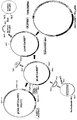
- FIG. 1 is a schematic diagram showing a process of moving the protein complex into nucleus by treating Tamoxifen (TMX) with a Cas9-ERT2 protein complex present in the cytoplasm.
- TMX Tamoxifen
- FIG. 2A shows the Cas9-ERT2 protein complex structure in which the nuclear localization signal (NLS) was removed from the N-terminus and the C-terminus of Cas9
- Figure 2b shows the structure of the caspase- RNA), U6 promoter, liver cell-specific promoter (LRAT promoter), and Cas9-ERT2.
- FIG. 3A shows a map of a recombinant vector containing a gene encoding the protein complex of the present invention
- FIG. 3B shows a process for producing the recombinant vector of the present invention.
- Figure 4 shows microinjection DNA prepared for microinjection of the recombinant vector of the present invention into an embryo.
- FIG. 5 shows the result of Western blotting the expression of TIF1 gamma gene by injecting tamoxifen into transgenic (TG) mice so as to cause knockout of TIF1 gamma gene and recovering liver tissue.
- FIG. 6a The expression pattern of Cas9-ERT2 protein complex was confirmed when tamoxifen (TMX) was not treated.
- FIG. 6B shows the expression pattern of Cas9-ERT2 protein complex when TMX was treated.
- FIG. 7 shows comparison between ROI 1 (up cell) and ROI 2 (down cell), which is a vector in which no vector was transfected.
- FIG. 8 shows the results of analysis of the expression patterns of ROI 1 and ROI 2 according to the intensity when tamoxifen was treated.
- the present inventors have succeeded in transferring Cas9-ERT2 from the cytoplasm to the nucleus at a specific time point by treating tamoxifen with the Cas9-ERT2 protein complex.
- Cas9-ERT2 protein complex transferred into the nucleus recognizes the guide RNA, And the present invention has been completed on the basis thereof.
- the present invention relates to a gene comprising a nucleotide sequence of SEQ ID NO: 12 encoding a protein complex in which a gRNA (guide RNA) of TIF1 gamma (transcriptional intermediary factor 1 gamma) and a fusion protein of Cas9 (CRISPR associated protein 9) and ERT2 (estrogen receptor 2) And a recombinant vector.
- a gRNA guide RNA
- TIF1 gamma transcriptional intermediary factor 1 gamma
- CRISPR associated protein 9 fusion protein of Cas9
- ERT2 estrogen receptor 2
- CRISPR-CAS9 is an abbreviation of "CRISPR associated protein 9” and refers to “CRISPR-CAS9.”
- CRISPR-CAS9 is a third generation gene scissors, It is useful for simple, rapid, and efficient manipulation of inserting a specific gene into a target site of a genome or stopping the activity of a specific gene.
- ERT2 is an abbreviation of " estrogen receptor 2 ", which refers to an estrogen receptor.
- Estrogen receptors are homologous to an estrogen responsive amplicon sequence (common sequence: 5'-AGGTCANNNTGACCT-3 ') present in a target gene promoter Binds as a duplex and acts as a transcriptional regulator that promotes hormone-dependent transcription.
- gRNA is an abbreviation of " guide RNA”
- guide RNA refers to a small RNA of about 45 to 70 nucleotides having nucleotide sequence information that becomes a template for a modification reaction when RNA is modified.
- a structure for linking Cas9 and ERT2 was designed to produce a protein complex capable of inducing DNA modification at a specific site at a desired time using Cas9 (see Example 1) ).
- a vector for TIF1 gamma gene knockout was produced (see Example 2), and a mouse embryo transformed with the vector was generated to induce knockout of the TIF1 gamma gene Mice (see Example 3).
- the present invention provides a method for producing an animal model for liver fibrosis and an animal model for liver fibrosis prepared thereby.
- the method comprises: a) preparing a recombinant vector comprising a gene encoding Cas9-ERT2 protein complex, TIF1 gamma gRNA, U6 promoter, and LRAT promoter; b) microinjecting the recombinant vector into a embryo of a surrogate animal; And c) implanting the embryo in a surgically implanted tubing of a surrogate animal, but it is not so limited.
- the TIF1 gamma knockout mice were found to be useful for the treatment and research of liver fibrosis (see Example 4).
- TNF1 ⁇ transcriptional intermediary factor 1 gamma
- TNF1 ⁇ transcription factor involved in cell differentiation and development
- TAM33 Tripartite motif-containing 33
- HSC hepatic stellate cells
- ⁇ -SMA ⁇ -smooth muscle actin
- knockout means partial, substantial, complete deletion, silencing, inactivation or down-regulation of a gene.
- TIF1 & Knockout mutants also include heteromultimers (+/-), which provide an animal model that can induce liver fibrosis.
- liver fibrosis a disease caused by the method of the present invention, causes liver tissues in a chronic inflammation state to repeatedly undergo damage and regeneration, resulting in excessive accumulation of connective tissues such as collagen in the tissues, It means a disease in which scarring occurs in the tissue.
- liver fibrosis is reversible, unlike cirrhosis, is composed of thin fibrils and has no nodule formation.
- the cause of liver damage is lost, normal recovery may be possible.
- the liver fibrosis mechanism is repeatedly continued, crosslinking between the connective tissues increases, thick fibrils accumulate, and the normal structure of liver lobules is lost to form nodules. It progresses to irreversible cirrhosis.
- immunostaining was performed to confirm the expression pattern of the protein complex (see Example 5).
- the present inventors have found that, in order to more precisely regulate Cas 9 migrating into the nucleus at the time of expression, the nuclear localization signal (NLS) of Cas 9 is removed to produce cytoplasm ), Tamoxifen (TMX) was treated with the Cas9-ERT2 protein complex prepared by fusing ERT2 to the N-terminal and C-terminal of Cas9 from which the NLS was removed, The structure of the Cas9-ERT2 protein complex (ERT2-Cas9-ERT2) capable of migration was envisioned (see Fig. 2a).
- a DNA transformation inducible protein complex is designed so that a specific gene can be modified at a desired time point, and gRNA (guide RNA), U6 promoter, liver cell specific promoter (LRAT promoter) of liver fibrosis inhibitory gene (TIF1 gamma) Cas9-ERT2 were connected (see Fig. 2B).
- gRNA guide RNA
- U6 promoter U6 promoter
- LRAT promoter liver cell specific promoter
- TNF1 gamma liver fibrosis inhibitory gene
- a recombinant vector comprising a gene encoding the protein complex of the present invention was prepared (see FIGS. 3A and 3B).
- pCAG-ERT2CreERT2 # 13777
- pX330-U6-Chimeric_BB-CBh-hSpCas9 # 42230 plasmids were purchased from Addgene and a mouse TIF1 ⁇ CRISPR / Cas9 knockout (KO) plasmid (sc- .
- mouse LRAT Lecithin retinol acyltransferase
- promoter prediction http://gpminer.mbc.nctu.edu.tw/index.php
- high activity predicted sequence -5,500 to +72 bps
- PCR was carried out using specific mouse primers as shown in Table 1 below using normal mouse DNA (C57BL / 6N) to obtain LRAT promoter.
- Cre of the CAG promoter and pCAG-ERT2CreERT2 were replaced with the LRAT promoter and SpCas9 (Streptococcus pyogenes Cas9), respectively, in order to generate a plasmid which is dependent on the LRAT promoter and which is regulated by tamoxifen to control the expression of the liver fibrosis inhibitory gene (TIF1 ⁇ ).
- LRAT promoter and SpCas9 Streptococcus pyogenes Cas9
- TIF1 gamma gRNAs of the following Table 2 with U6 promoter were then inserted into the plasmid.
- gRNA sequence (5'-3 ') gRNA 1 GGTGCGGCTGGGCCCGACGA gRNA 2 CTACATTCTTGACGACATAC gRNA 3 GAAGATAATGCAAGTGCAGT
- the pLrat-ERT2Cas9ERT2-TIF1 gamma gRNA plasmid thus prepared was confirmed by Sanger Sequencing.
- mice in which expression of the gene was induced by inducing knockout of the TIF1 gamma gene by tamoxifen
- TG transgenic
- 5 to 8-week-old C57BL / 6N female mice were immunized with a serum- (7.5 IU) and human chorionic gonadotropin (hCG) (5 IU) were injected intraperitoneally (IP) every 48 hours to induce superovulation
- hCG human chorionic gonadotropin
- IP intraperitoneally
- Viral plugs were used to determine the pregnancy of female mice, and fertilized embryos were harvested from female mice.
- the embryo was double-cut with AvrII / PvuI to linearize the DNA (pLrat-ERT2Cas9ERT2-TIF1 gamma gRNA) causing knockout of the TIF1 gamma gene through tamoxifen, microinjection), and three DNAs were microinjected into one cell staged embryo at the same concentration. Standard microinjection procedures were used to produce such transgenic mice (Macrogen, Seoul, Korea).
- a total of 4 ng / ul of the three DNA mixtures was directly injected into the pronucleus of zygote using a micromanipulator.
- the embryo thus microinjected into the DNA mixture was incubated at 37 DEG C for 1 to 2 hours Lt; / RTI > Fourteen to sixteen of the embryos were implanted into the fallopian tube of a pseudo-pregnant recipient mouse (ICR) using a surgical procedure.
- ICR pseudo-pregnant recipient mouse
- TIF1 gamma expression was regulated by tamoxifen (TMX) treatment of transgenic (TG) mice produced by the method of Example 3. Tamoxifen was injected into the transgenic mice to knock out the liver fibrosis inhibitory gene, TIF1 gamma, in vivo, and then liver tissue was recovered to confirm the expression of TIF1 gamma protein.
- ⁇ -smooth muscle actin ⁇ -SMA
- the expression level of ⁇ -SMA protein was analyzed by Western blotting to evaluate the degree of liver fibrosis.
- Glyceraldehyde-3-phosphate dehydrogenase (GAPDH) was used as an internal control to calculate relative changes in gene expression.
- the cultured cell or tissue sample was treated with 0.1% sodium dodecyl sulfate (50 mM Tris-HCl, 150 mM NaCl, 0.5% deoxycholate, 1% NP40 and protease inhibitor cocktail [Roche, Indianapolis, Ind. [SDS]).
- the whole protein extract (2530 ⁇ g) was boiled for 5 minutes at 95 ° C., separated by SDS-PAGE, and then transferred to polyvinylidene fluoride membranes (PVDF; Millipore, Darmstadt, Germany) using a BioRad transfer unit ).
- PVDF polyvinylidene fluoride membranes
- PVDF was blocked with 5% skim milk diluted in Tris-buffered saline (TBS) containing 0.1% Tween-20 and incubated with ⁇ -SMA (1: 3000, Abcam) or TIF1 ⁇ antibody (1: 1000, Abcam) and anti- ⁇ -tubulin antibody (1: 5000, Sigma-Aldrich) or anti-GAPDH antibody (1: 30,000, Sigma-Aldrich) was used as the internal control. PVDF was then washed and incubated with secondary antibodies, horseradish peroxidase-conjugated secondary antibodies. After washing, the immune response was confirmed and quantitated using TINA 2.0 (RayTest) or ImageJ (National Institutes of Health) program.
- TINA 2.0 RayTest
- ImageJ National Institutes of Health
- TMX Tamoxifen
- ROI 1 up cell
- ROI 2 down cell
- FIGS. 7 and 8 7 show that the Cas9-ERT2 protein complex expressed in the cytoplasm was transported into the nucleus by TMX treatment.
- ROI 1 was higher in the nucleus Cas9 than in ROI 2, higher in the cytoplasm and higher in the nucleus TIF1 gamma expression was decreased (see FIG. 8).
- the present invention can be used to develop a technique for analyzing hepatic fibrosis disease. Further, the present invention can be used not only in clinical studies such as candidate drug screening for liver fibrosis treatment, but also in new It is expected to be used to identify proteins.
Landscapes
- Health & Medical Sciences (AREA)
- Life Sciences & Earth Sciences (AREA)
- Genetics & Genomics (AREA)
- Chemical & Material Sciences (AREA)
- Engineering & Computer Science (AREA)
- Organic Chemistry (AREA)
- Zoology (AREA)
- Biotechnology (AREA)
- Biomedical Technology (AREA)
- Bioinformatics & Cheminformatics (AREA)
- Wood Science & Technology (AREA)
- General Engineering & Computer Science (AREA)
- Molecular Biology (AREA)
- General Health & Medical Sciences (AREA)
- Biochemistry (AREA)
- Biophysics (AREA)
- Microbiology (AREA)
- Plant Pathology (AREA)
- Physics & Mathematics (AREA)
- Medicinal Chemistry (AREA)
- Veterinary Medicine (AREA)
- Environmental Sciences (AREA)
- Proteomics, Peptides & Aminoacids (AREA)
- Immunology (AREA)
- Toxicology (AREA)
- Gastroenterology & Hepatology (AREA)
- Crystallography & Structural Chemistry (AREA)
- Cell Biology (AREA)
- Animal Behavior & Ethology (AREA)
- Animal Husbandry (AREA)
- Biodiversity & Conservation Biology (AREA)
- Endocrinology (AREA)
- Micro-Organisms Or Cultivation Processes Thereof (AREA)
Abstract
본 발명은 간 섬유화 유도 벡터 및 이를 이용한 동물모델 제조방법에 관한 것에 관한 것으로서, 본 발명에 따르면, 특정시점에 타목시펜(Tamoxifen)을 처리함으로써 Cas9-ERT2 단백질 복합체를 세포질에서 핵 내로 이동시킬 수 있는데, 이처럼 핵 내로 이동한 상기 단백질 복합체는 guide RNA (gRNA)를 통해 원하는 시점에 원하는 부분에서 보다 정교하게 특정 DNA를 변형시킬 수 있다. 특히, 간 섬유화 억제 유전자인 TIF1γ의 gRNA 및 간성상세포 특이적 프로모터와 융합된 Cas9-ERT2 복합체에 타목시펜을 처리하면, 상기 TIF1γ 유전자를 넉아웃 시켜 간 섬유화를 유발시킬 수 있다. TIF1γ는 간 섬유화 또는 간경화 예방 및 치료에 있어서 매우 중요한 인자인바, 따라서 본 발명은 간 섬유화 질환을 분석하는 기술을 개발하는데 이용될 수 있으며, 나아가 간 섬유화 치료를 위한 후보약물 스크리닝 등의 임상적 연구에 있어서도 유용하게 사용될 수 있을 뿐만 아니라 신약개발의 표적이 될 수 있는 신규한 단백질들을 동정하는데 활용될 수 있을 것으로 기대된다.
Description
본 발명은 간 섬유화 유도 벡터 및 이를 이용한 동물모델 제조방법에 관한 것이다.
특정한 시기에, 원하는 부분에서 원하는 DNA를 변형 (modification) 시키기 위하여 현재 Cre-Lox 재조합 (Cre-Lox recombination), TET시스템 (TET system) 등에 조직 특이적 프로모터를 이용하는 방법이 존재한다.
이 중 TET시스템 (TET system)은 대장균의 전이인자 (transposon) Tn10에 있는 테트라사이클린 (Tc) 내성발현조절계를 사용한 포유류배양세포, 동물 개체에서의 유전자발현유도시스템을 말하며, 2개의 요소로 구성되어 있다. 첫째는 tTA (tetracyclin-controled transactivator) 인데, 이는 Tc억제인자(tetR)에 단순헤르페스바이러스 VP16인 전사활성화 영역을 결합한 단백질이고, 둘째는 tetR와 결합할 수 있는 작동유전자 (operator) (tetO)와 사람세포거대바이러스 (CMV) 촉진체의 하류에 목적유전자를 배치한 것이다. 상기 Tc존재 하에서는 그와 결합한 tTA는 tetO와 결합하지 못하지만, Tc를 제거하면 tTA가 tetO와 결합하여 표적유전자의 발현을 유도하게 된다(TET-OFF시스템). 역으로 tetO와 결합하여 표적유전자의 발현유도를 하는 rtTA (reverse tetracyclin- controlled ransactivator)를 사용한 TET-ON시스템의 구축을 위한 연구도 계속 되고 있다.
다만, 현재 DNA 변형 방법들은 그 절차가 복잡하고, 과정에 긴 시간이 소요되며, 이를 통하여 제조된 동물모델에서 원하는 부분의 DNA 변형을 위하여 약물을 처리한 경우, 정밀한 작업이 이루어지지 않아, 그 결과를 신뢰할 수 없는 경우가 많다는 점에서 한계가 있으며, 그 중, Cas9 system은 상대적으로 짧은 시간에 저비용으로 동물모델을 제조할 수 있고, DNA상에서 정교한 작업이 용이하다는 장점이 있지만, 특정 시기에 원하는 부분에서의 DNA 변형을 유도하기 위하기에는 아직 미흡한 상황이다.
한편, 간 섬유화(liver fibrosis)는 만성염증상태에 있는 간 조직이 손상과 재생을 반복하여, 조직 중에 콜라겐 등과 같은 결합조직이 과도하게 축적됨으로써, 간 조직에 흉터(scar)가 생기는 질환으로서, 간경화와는 달리 가역적(reversible)이고, 얇은 원섬유 (thin fibril)로 구성되며, 결절(nodule)형성이 없는 바, 간 손상의 원인이 소실되면 정상회복이 가능할 수 있다. 그러나 이러한 간 섬유화 기작이 반복적으로 지속되면, 결합조직 간의 교차결합(crosslinking)이 증가하여 두꺼운 원섬유(thick fibril)가 축적되며, 간소엽의 정상구조를 상실하여 결절을 형성하는 것을 특징으로 하는 비가역적인(irreversible) 간경화로 진행된다.
최근의 간 섬유화 치료 연구는 간 섬유화를 줄이거나 간 기능을 회복하여 간 이식에 대한 수요를 감소시킬 수 있도록 세포 및 분자 메커니즘에 관한 정보를 제공함으로써, 간세포 치료를 위한 유망한 접근법을 제공하려는 노력이 진행되고 있으며, 높은 증식능력을 갖는 줄기세포에서 분화시킨 간세포를 간 이식 대신 사용할 수 있을 것이라고 기대되고 있지만, 이 또한 생체 내에서의 생존율이 낮고 면역거부반응을 일으킬 수 있는 위험이 있어서 아직까지는 큰 치료효과를 기대하기 어렵다.
현재 유의성 있는 간 섬유화 진단을 위한 분석방법(한국 특허등록번호 10-1018960)에 대해서는 알려져 있으나, 간 섬유화의 메커니즘 및 치료법 연구를 위해 생체 시료를 개발하기에 적합한 동물모델이 필수적인데도 불구하고, 아직 이에 대한 연구가 미비한 실정이다.
본 발명자는 상기와 같은 종래의 문제점을 해결하기 위하여, Cas9을 이용해 원하는 시기에 원하는 특정 부분에서 DNA 변형(modification)을 유도할 수 있는 방법에 관하여 예의 연구한 결과, Cas9-ERT2 단백질 복합체에 타목시펜(Tamoxifen)을 처리함으로써 특정시점에 상기 Cas9-ERT2를 세포질에서 핵 내로 이동시킬 수 있으며, 이처럼 핵 내로 이동된 Cas9-ERT2 단백질 복합체가 guide RNA를 통해 특정 DNA를 변형 (modification) 시킬 수 있다는 것을 확인하고, 이에 기초하여 본 발명을 완성하였다.
이에, 본 발명은 TIF1γ (transcriptional intermediary factor 1 gamma)의 gRNA (guide RNA) 및 Cas9 (CRISPR associated protein 9)에 ERT2 (Estrogen receptor 2)가 융합된 단백질 복합체를 암호화하는 서열번호 12의 염기서열로 이루어진 유전자를 포함하는 것을 특징으로 하는 재조합 벡터(vector)를 제공하는 것을 목적으로 한다.
또한, 본 발명은 간 섬유화 동물 모델의 제조방법 및 상기 방법으로 제조된 간 섬유화 동물 모델을 제공하는 것을 또 다른 목적으로 한다.
그러나 본 발명이 이루고자 하는 기술적 과제는 이상에서 언급한 과제에 제한되지 않으며, 언급되지 않은 또 다른 과제들은 아래의 기재로부터 당업자에게 명확하게 이해될 수 있을 것이다.
상기와 같은 본 발명의 목적을 달성하기 위하여, 본 발명은 TIF1γ (transcriptional intermediary factor 1 gamma)의 gRNA (guide RNA) 및 Cas9 (CRISPR associated protein 9)에 ERT2 (Estrogen receptor 2)가 융합된 단백질 복합체를 암호화하는 서열번호 12의 염기서열로 이루어진 유전자를 포함하는 것을 특징으로 하는 재조합 벡터(vector)를 제공한다.
본 발명의 일구현예로, 상기 재조합 벡터는 U6 프로모터 및 간성상세포 특이적 프로모터를 각 암호화하는 서열번호 13 및 서열번호 14의 염기서열로 이루어진 유전자를 더 포함할 수 있으나, 이에 제한되지 않는다.
본 발명의 다른 구현예로, 상기 단백질 복합체는 NLS (nuclear localization sequence)가 제거된 Cas9 (CRISPR associated protein 9)의 N-말단 및 C-말단에 ERT2 (Estrogen receptor 2)가 융합된 것 일 수 있다.
본 발명의 또 다른 구현예로, 상기 TIF1γ는 간 섬유화 억제 유전자일 수 있다.
또한, 본 발명은 a) Cas9-ERT2 단백질 복합체, TIF1γ gRNA, U6 프로모터, 및 LRAT (Lecithin retinol acyltransferase) 프로모터를 암호화하는 유전자를 포함하는 재조합 벡터(vector)를 제조하는 단계; b) 상기 재조합 벡터를 대리모 동물의 배아에 미세주입 하는 단계; 및 c) 상기 배아를 대리모 동물의 난관에 외과적 방법으로 이식하는 단계를 포함하는, 간 섬유화 동물 모델의 제조방법 및 이를 통해서 제조된 간 섬유화 동물 모델을 제공한다.
본 발명의 일구현예로, 상기 Cas9-ERT2 단백질 복합체는 NLS (nuclear localization sequence)가 제거된 Cas9 (CRISPR associated protein 9)의 N-말단 및 C-말단에 ERT2 (Estrogen receptor 2)가 융합된 것 일 수 있으나, 이에 제한되지 않는다.
본 발명에 따르면, 특정시점에 타목시펜(Tamoxifen)을 처리함으로써 Cas9-ERT2 단백질 복합체를 세포질에서 핵 내로 이동시킬 수 있는데, 이처럼 핵 내로 이동한 상기 단백질 복합체는 guide RNA (gRNA)를 통해 원하는 시점에 원하는 부분에서 보다 정교하게 특정 DNA를 변형시킬 수 있다. 특히, 간 섬유화 억제 유전자인 TIF1γ의 gRNA 및 간성상세포 특이적 프로모터와 융합된 Cas9-ERT2 복합체에 타목시펜(Tamoxifen)을 처리하면, 상기 복합체가 핵 내로 이동하여, TIF1γ 유전자를 넉아웃 시켜 간 섬유화를 유발시킬 수 있다. TIF1γ는 간 섬유화 또는 간경화 예방 및 치료에 있어서 매우 중요한 인자인바, 따라서 본 발명은 간 섬유화 질환을 분석하는 기술을 개발하는데 이용될 수 있으며, 나아가 간 섬유화 치료를 위한 후보약물 스크리닝 등의 임상적 연구에 있어서도 유용하게 사용될 수 있을 뿐만 아니라 신약개발의 표적이 될 수 있는 신규한 단백질들을 동정하는데 활용될 수 있을 것으로 기대된다.
도 1은 세포질에 존재하는 Cas9-ERT2 단백질 복합체에 타목시펜 (Tamoxifen; TMX)을 처리함으로써 상기 단백질 복합체가 핵 내로 이동하는 과정을 나타낸 모식도이다.
도 2a는 nuclear localization signal (NLS)이 제거된 Cas9의 N-말단 및 C-말단에 ERT2를 융합시킨 Cas9-ERT2 단백질 복합체 구조를 나타낸 것이고, 도 2b는 간 섬유화 억제 유전자 (TIF1γ) 의 gRNA (guide RNA), U6 프로모터, 간성상세포 특이적 프로모터 (LRAT 프로모터), 및 Cas9-ERT2를 연결한 구조를 나타낸 것이다.
도 3a는 본 발명의 단백질 복합체를 암호화하는 유전자를 포함하는 재조합 벡터의 맵을 나타낸 것이고, 도 3b는 본 발명의 재조합 벡터를 제조하기 위한 과정을 도식화하여 나타낸 것이다.
도 4는 본 발명의 재조합 벡터를 배아에 미세주입하기 위하여 제작된 미세주입 (microinjection) 용 DNA를 나타낸 것이다.
도 5는 TIF1γ 유전자의 넉아웃을 유발할 수 있도록 형질전환(transgenic; TG)된 생쥐에 타목시펜을 주입한 다음 간 조직을 회수하여, TIF1γ 유전자의 발현 여부를 웨스턴 블롯을 통해 확인한 결과를 나타낸 것이다.
도 6a는 타목시펜(Tamoxifen; TMX)을 처리하지 않았을 때, Cas9-ERT2 단백질 복합체의 발현양상을 확인한 것이고, 도 6b는 TMX를 처리하였을 때, Cas9-ERT2 단백질 복합체의 발현양상을 확인한 것이다.
도 7은 ROI 1 (up cell)과 벡터의 transfection이 이루어지지 않은 세포인 ROI 2 (down cell)을 비교하여 나타낸 것이다.
도 8은 타목시펜을 처리하였을 때, ROI 1과 ROI 2의 발현양상을 Intensity에 따라 분석한 결과를 나타낸 것이다.
본 발명자는 Cas9-ERT2 단백질 복합체에 타목시펜(Tamoxifen)을 처리함으로써 특정시점에 상기 Cas9-ERT2를 세포질에서 핵 내로 이동시킬 수 있으며, 이처럼 핵 내로 이동된 Cas9-ERT2 단백질 복합체가 guide RNA를 인지하여 DNA를 변형 (modification) 시킬 수 있다는 것을 확인하고, 이에 기초하여 본 발명을 완성하였다.
이하 본 발명을 상세히 설명한다.
본 발명은 TIF1γ (transcriptional intermediary factor 1 gamma)의 gRNA (guide RNA) 및 Cas9 (CRISPR associated protein 9)에 ERT2 (Estrogen receptor 2)가 융합된 단백질 복합체를 암호화하는 서열번호 12의 염기서열로 이루어진 유전자를 포함하는 것을 특징으로 하는 재조합 벡터(vector)를 제공한다.
본 발명에서 "Cas9"는 "CRISPR associated protein 9"의 약자로, "CRISPR-CAS9"을 지칭하는데, CRISPR-CAS9는 3세대 유전자가위로서, 이용하고자 하는 특정 염기서열을 인식하여 절단하고 편집하며, 게놈의 목적 장소에 특정 유전자를 삽입하거나 특정 유전자의 활동을 정지시키는 조작을 간단하고 신속하고 효율성 있게 실시하는데 유용하다.
본 발명에서 "ERT2"는 "Estrogen receptor 2"의 약자로, 에스트로겐 수용체를 지칭하는데, 에스트로겐 수용체는 표적유전자 촉진자에 존재하는 에스트로겐응답 증폭자배열(공통배열: 5′-AGGTCANNNTGACCT-3′)에 호모이합체로서 결합하여 호르몬 의존적으로 전사를 촉진하는 전사조절인자로서 작용한다.
본 발명에서 "gRNA"는 "guide RNA"의 약자로, RNA를 편집할 때 수식반응의 주형이 되는 염기순서정보를 갖는 45~70 뉴클레오티드 가량의 작은 RNA를 지칭하는데, gRNA의 5′측 영역은 RNA 편집되는 mRNA의 일부와 상보적 순서로 되어 있고, 이 영역을 매개로 하여 mRNA에 결합되며, 3′측 영역에는 편집 후의 최종적 mRNA의 순서에 상보적 염기순서가 존재하고, 그 순서정보에 따라 우리딘 (uridine) 염기의 삽입이나 결실이라는 RNA수식반응이 일어난다.
본 발명의 일 실시예에서는, Cas9을 이용하여 원하는 시기에 특정 부분에서 DNA 변형 (modification)을 유도할 수 있는 단백질 복합체를 제조하기 위하여, Cas9과 ERT2를 연결하는 구조를 구상하였다(실시예 1 참조).
본 발명의 다른 실시예에서는, TIF1γ 유전자 넉아웃(knockout)을 위한 벡터를 제조하였으며(실시예 2 참조), 상기 벡터를 이용해 형질전환된 생쥐 배아를 생성하여, TIF1γ 유전자의 넉아웃을 유발할 수 있는 생쥐를 생산하였다(실시예 3 참조).
이에, 본 발명은 간 섬유화 동물 모델의 제조방법 및 이를 통해서 제조된 간 섬유화 동물 모델을 제공한다.
보다 구체적으로 상기 제조방법은 a) Cas9-ERT2 단백질 복합체, TIF1γ gRNA, U6 프로모터, 및 LRAT 프로모터를 암호화하는 유전자를 포함하는 재조합 벡터(vector)를 제조하는 단계; b) 상기 재조합 벡터를 대리모 동물의 배아에 미세주입 하는 단계; 및 c) 상기 배아를 대리모 동물의 난관에 외과적 방법으로 이식하는 단계를 포함할 수 있으나, 이에 제한되는 것은 아니다.
본 발명의 또 다른 실시예에서는, 상기 TIF1γ 유전자 넉아웃 생쥐를 간 섬유화의 치료 및 연구에 유용하게 이용할 수 있음을 확인하였다(실시예 4 참조).
본 발명에서 "TIF1γ(transcriptional intermediary factor 1 gamma)"는 세포의 분화(cell differentiation) 및 발달(development)에 관여하는 전사 인자로, Tripartite motif-containing 33(TRIM33)으로도 알려진 유전자로서, 간성상세포(hepatic stellate cell; HSC)의 활성을 억제하고, 평활근 액틴(α-smooth muscle actin; α-SMA) 단백질의 발현 또는 collagen Type I의 분비를 감소시킴으로써, 궁극적으로 간 섬유화 예방 또는 치료에 영향을 미친다.
본 발명에서 사용되는 용어, "넉아웃(knockout)"은 유전자의 부분적, 실질적, 완전한 결실, 침묵(silencing), 비활성화 또는 하향조절(down-regulation)을 의미하는바, 타목시펜 처리에 의해서 TIF1γ 유전자가 넉아웃된 돌연변이체는 헤테로 돌연변이체(+/-) 역시 포함하며, 이를 통하여 간 섬유화를 유발할 수 있는 동물모델을 제공한다.
또한, 본 발명의 방법에 의해 유발되는 질병인 "간 섬유화(liver fibrosis)"는 만성염증상태에 있는 간 조직이 손상과 재생을 반복하여, 조직 중에 콜라겐 등과 같은 결합조직이 과도하게 축적됨으로써, 간 조직에 흉터(scar)가 생기는 질환을 의미한다. 일반적으로 간 섬유화는 간경화와는 달리 가역적(reversible)이고, 얇은 원섬유(thin fibril)로 구성되며, 결절(nodule)형성이 없다. 또한, 간 손상의 원인이 소실되면 정상회복이 가능할 수 있다. 그러나 이러한 간 섬유화 기작이 반복적으로 지속되면, 결합조직 간의 교차결합(crosslinking)이 증가하여 두꺼운 원섬유(thick fibril)가 축적되며, 간소엽의 정상구조를 상실하여 결절을 형성하는 것을 특징으로 하는 비가역적인(irreversible) 간경화로 진행된다.
본 발명의 또 다른 실시예에서는, 상기 단백질 복합체의 발현양상을 확인하기 위하여 면역염색법을 수행하였다(실시예 5 참조).
이하, 본 발명의 이해를 돕기 위하여 바람직한 실시예를 제시한다. 그러나 하기의 실시예는 본 발명을 보다 쉽게 이해하기 위하여 제공되는 것일 뿐, 하기 실시예에 의해 본 발명의 내용이 한정되는 것은 아니다.
실시예 1. DNA 변형 유도 단백질 복합체의 제조
본 발명자는, DNA 변형 유도 단백질 복합체를 제조하기 위하여, 도 1에 나타낸 바와 같이, 발현 시에 핵 내로 이동하는 Cas9을 보다 정교하게 조절하고자, Cas9의 nuclear localization signal (NLS)을 제거하여 세포질 (cytoplasm)에 존재하도록 하였고, 상기 NLS가 제거된 Cas9의 N-말단 및 C-말단에 ERT2를 융합시켜 제조한 Cas9-ERT2 단백질 복합체에 타목시펜 (tamoxifen; TMX)을 처리하여 특정시점에 핵 (nucleus) 내로 이동시킬 수 있는 Cas9-ERT2 단백질 복합체(ERT2-Cas9-ERT2)의 구조를 구상하였다(도 2a 참조).
특히, 원하는 시점에 특정한 유전자를 변형시킬 수 있도록 DNA 변형 유도 단백질 복합체를 설계하고, 간 섬유화 억제 유전자 (TIF1γ) 의 gRNA (guide RNA), U6 프로모터, 간성상세포 특이적 프로모터 (LRAT 프로모터), 및 Cas9-ERT2를 연결한 구조를 구상하였다(도 2b 참조).
실시예 2. 재조합 벡터의 제조
본 발명의 일 실시예로, 본 발명의 단백질 복합체를 암호화하는 유전자를 포함하는 재조합 벡터를 제조하였다(도 3a 및 도 3b 참조). 구체적으로, Addgene으로부터 pCAG-ERT2CreERT2 (#13777)와 pX330-U6-Chimeric_BB-CBh-hSpCas9 (#42230) 플라스미드를 구매하였고, Santa Cruz로부터 mouse TIF1γ CRISPR/Cas9 knockout (KO) 플라스미드 (sc-430111)를 구매하였다. mouse LRAT (Lecithin retinol acyltransferase) 프로모터 시퀀스 (promoter sequence)는 promoter prediction (http://gpminer.mbc.nctu.edu.tw/index.php)를 사용해 높은 활성이 예측되는 시퀀스 (-5,500 to + 72 bps)를 선택하였고, 보통의 mouse DNA (C57BL/6N)를 사용하여 하기 표 1과 같은 특이적 프라이머와 함께 PCR을 수행해 LRAT 프로모터를 획득하였다.
| Primer sequence (5'-3') | |
| Forward | GACATTGATTATTGACTAGTCCTTAAAGAGAGGCATCCGGGGTC |
| Reverse | GTTCTTCTCCTTTGCTAGCCATGACGCTCACGCTAAAGAGCTTGAAG |
상기 LRAT 프로모터에 의존적이면서, 타목시펜으로 간 섬유화 억제 유전자 (TIF1γ) 발현 조절이 유발되는 플라스미드를 생성하기 위해, CAG 프로모터와 pCAG-ERT2CreERT2의 Cre는 LRAT 프로모터와 SpCas9(Streptococcus pyogenes Cas9)으로 각각 대체하였다.
그 다음, U6 프로모터를 갖는 하기 표 2의 TIF1γ gRNA 3개를 상기 플라스미드에 삽입하였다.
| gRNA sequence (5'-3') | |
| gRNA 1 | GGTGCGGCTGGGCCCGACGA |
| gRNA 2 | CTACATTCTTGACGACATAC |
| gRNA 3 | GAAGATAATGCAAGTGCAGT |
이렇게 제조된 pLrat-ERT2Cas9ERT2-TIF1γ gRNA 플라스미드는 생어 염기서열 분석 (Sanger Sequencing)에 의하여 확인되었다.
실시예 3. 간 섬유화 억제 유전자 (TIF1γ) 발현 조절 형질전환 생쥐의 생산
특정시점에, 타목시펜으로 TIF1γ 유전자의 넉아웃(knockout)이 유발되어 유전자의 발현이 조절되는 형질전환(transgenic; TG) 생쥐를 생산하기 위하여, 5 내지 8주령의 C57BL/6N 암컷 생쥐에 임마혈청성 생식샘자극호르몬(pregnant mare serum gonadotrophin; PMSG) (7.5IU) 및 인간융모막성 생식샘자극호르몬(human chorionic gonadotropin; hCG) (5IU) 을 각 48시간 간격으로 복강내(Intraperitoneal; IP) 주사하여 과배란을 유발시켰으며, hCG을 주사한 후, 상기 암컷 생쥐를 C57BL/6N 번식용 수컷 생쥐와 교배시켰다. virginal plug를 통해 암컷 생쥐의 임신여부를 확인하고, 암컷 생쥐로부터 수정된 배아를 수확하였다.
상기 배아에, 도 4에 나타낸 바와 같이, 타목시펜을 통한 TIF1γ 유전자의 넉아웃을 유발하는 DNA (pLrat-ERT2Cas9ERT2-TIF1γ gRNA) 3개를 AvrII/PvuI으로 이중 절단(double cut)하여 선형화 해 미세주입(microinjection)용으로 준비하였고, 1-세포기 배아(one cell staged embryo)에 상기 DNA 3개를 같은 농도로 미세 주입하였다. 이와 같은 형질전환 생쥐의 생산에 표준 미세주입 절차가 사용되었다(마크로젠, 서울, 대한민국).
상기 3개의 DNA 혼합물 총 4ng/ul을 접합자(zygote)의 전핵(pronucleus)에 미세조작기(micromanipulator)를 사용하여 직접적으로 주입하였고, 이처럼 DNA 혼합물을 미세주입 한 배아를 37℃에서 1-2시간 동안 배양하였다. 상기 배아 중 14 내지 16개를 가상 임신한 대리모(pseudo-pregnant recipient) 생쥐(ICR)의 난관에 외과적 방법을 사용하여 이식하였다.
이와 같은 방법으로 생산되는 형질전환 생쥐는 ㈜마크로젠(서울, 대한민국)에서 병원체가 없는 조건 하에 교배되었으며, 모든 조작은 ㈜마크로젠의 실험동물운영위원회의 승인을 받아 수행되었다.
실시예 4. 간 섬유화 억제 유전자 (TIF1γ) 발현 조절 형질전환 생쥐의 분석
4-1. PCR 분석(PCR analysis)
실시예 3의 방법으로 생산된 TIF1γ 유전자 발현 조절 형질전환 생쥐의 pLrat-Cas9ERT2-TIF1γ gRNA를 확인하기 위하여 DNA 게놈 꼬리(genomic tail)에서 PCR 분석을 수행하였다. 사용된 프라이머는 하기 표 3과 같다.
| Primer sequence (5'-3') | ||
| Cas9-ERT2 | Forward | TGCTACAGAACAGTTGCAGCC |
| Reverse | ACCTTGTACTCGTCGGTGATC | |
| TIF1γ gRNA | U6-F | GTCGACGAGGGCCTATTTCCCATGATT |
| gRNA1-R | TCGTCGGGCCCAGCCGCACC | |
| gRNA2-R | GTATGTCGTCAAGAATGTAG | |
| gRNA3-R | ACTGCACTTGCATTATCTTC | |
4-2. 웨스턴 블롯 분석(Western blot assay)
실시예 3의 방법으로 생산된 TIF1γ 유전자 발현 조절 형질전환(transgenic; TG) 생쥐의 타목시펜(Tamoxifen; TMX) 처리에 따른 TIF1γ 발현 조절 여부를 확인하기 위하여 웨스턴 블롯 분석을 수행하였다. 상기 형질전환 생쥐에 타목시펜을 주입하여 간 섬유화 억제 유전자인 TIF1γ를 in vivo에서 넉아웃 시킨 다음, 간 조직을 회수해 TIF1γ 단백질의 발현 여부를 확인하였다. 평활근 액틴(α-smooth muscle actin; α-SMA)은 일반적으로 활성화된 간성상세포에서 유발되는 간 섬유화 표지자로서, 상기 α-SMA 단백질의 발현량을 웨스턴 블롯으로 분석해 간 섬유화 정도를 평가하였다. 글리세르알데하이드-3-인산 수소 이탈 효소(GAPDH)는 유전자 발현에 있어 상대적인 변화를 계산하기 위해 내부 대조군(internal control)으로 사용되었다.
구체적으로, 배양한 세포 또는 조직 샘플은 protein lysis buffer(50mM Tris-HCl, 150mM NaCl, 0.5% deoxycholate, 1% NP40 및 protease inhibitor cocktail [Roche, Indianapolis, IN, USA]가 포함된 0.1% sodium dodecyl sulfate [SDS])에 용해시켰다. 전체 단백질 추출물 (2530μg)을 5분 동안 95℃에서 끓인 후, SDS-PAGE로 분리한 후, BioRad transfer unit(BioRad, Hercules, CA, USA)을 사용하여 polyvinylidene fluoride membranes(PVDF; Millipore, Darmstadt, Germany)으로 옮겼다. PVDF는 0.1% Tween-20를 포함하는 Tris-buffered saline (TBS)으로 희석한 5% skim milk로 차단하고, 1차 항체로 α-SMA(1:3000, Abcam) 또는 TIF1γ 항체(1:1000, Abcam)를 사용하여 배양하였으며, anti-α-tubulin antibody (1:5000, Sigma-Aldrich) 또는 anti-GAPDH antibody (1:30,000, Sigma-Aldrich)를 내부 대조군으로 사용하였다. 이후 PVDF를 세척한 후 2차 항체인 horseradish peroxidase-conjugated secondary antibodies로 배양하였고, 세척한 다음 면역 반응을 확인하여 TINA 2.0 (RayTest) 또는 ImageJ (National Institutes of Health) 프로그램을 이용하여 정량화하였다.
그 결과, 도 5에 나타낸 바와 같이, pLrat-ERT2Cas9ERT2-TIF1γ gRNA 형질전환 생쥐의 경우, TIF1γ 유전자가 넉아웃 되었고, α-SMA 단백질이 발현되어 간 섬유화가 유도되었음을 관찰 할 수 있었다. 이는 상기 형질전환 생쥐를 간 섬유화의 치료 및 연구에 유용하게 사용할 수 있음을 시사한다.
실시예
5. DNA 변형 유도 단백질 복합체의 발현 분석
실시예 2의 방법으로 제조 된 DNA 변형 유도 단백질 복합체의 발현양상을 확인하기 위하여 면역염색법을 수행하였다. 이를 위하여, LX2 Cell (Human hepatic stellate cell lines)에 transfection 후, 타목시펜(Tamoxifen; TMX) 1nM을 처리한 다음, 4시간 후 상기 TMX의 처리 유무에 따른 Target 유전자 (TIF1 gamma; TIF1γ)의 감소와 반대적 유전자(alpha SMA; α-SMA)의 증가 양상을 확인하였다.
그 결과, 도 6a 및 도 6b에 나타낸 바와 같이, TMX를 처리하지 않았을 때, 세포질 (cytosol)에 발현된 Cas9-ERT2 단백질 복합체의 핵 내로 이동이 억제되었고, α-SMA는 낮았으며, TIF1γ는 핵 내에 높게 발현되었다(도 6a 참조). 반면, TMX 처리 시 세포질에 발현된 Cas9-ERT2 단백질 복합체가 핵 내 이동함을 확인할 수 있었으며, α-SMA는 높았고, TIF1γ는 핵 내 발현이 감소되었다(도 6b 참조).
또한, 소프트웨어를 이용하여 Intensity에 따라 분석한 결과, 도 7 및 도 8에 나타낸 바와 같이, ROI 1 (up cell)과 벡터의 transfection이 이루어지지 않은 세포인 ROI 2 (down cell)을 비교하였을 때(도 7 참조), 세포질에 발현된 Cas9-ERT2 단백질 복합체가 TMX 처리로 핵 내 이동함을 확인할 수 있었고, ROI 1이 ROI 2보다 핵 내의 Cas9이 높았으며, 세포질에서 α-SMA이 높고, 핵 내 TIF1γ 발현이 감소하였다(도 8 참조).
참고로, 본 발명의 서열목록 리스트는 하기 표4와 같다.
| 서열목록 1 | Forward Primer |
| 서열목록 2 | Reverse Primer |
| 서열목록 3 | transcriptional intermediary factor 1 gamma gRNA 1 |
| 서열목록 4 | transcriptional intermediary factor 1 gamma gRNA 2 |
| 서열목록 5 | transcriptional intermediary factor 1 gamma gRNA 3 |
| 서열목록 6 | Cas9-ERT2 Forward Primer |
| 서열목록 7 | Cas9-ERT2 Reverse Primer |
| 서열목록 8 | transcriptional intermediary factor 1 gamma gRNA U6-F |
| 서열목록 9 | transcriptional intermediary factor 1 gamma gRNA gRNA1-R |
| 서열목록 10 | transcriptional intermediary factor 1 gamma gRNA gRNA2-R |
| 서열목록 11 | transcriptional intermediary factor 1 gamma gRNA gRNA3-R |
| 서열목록 12 | ERT2-Cas9-ERT2 |
| 서열목록 13 | RNA polymerase III promoter for human U6 snRNA |
| 서열목록 14 | LRAT promoter |
| 서열목록 15 | Cas9 (Csn1) endonuclease from the Streptococcus pyogenes Type II CRISPR/Cas system |
전술한 본 발명의 설명은 예시를 위한 것이며, 본 발명이 속하는 기술분야의 통상의 지식을 가진 자는 본 발명의 기술적 사상이나 필수적인 특징을 변경하지 않고서 다른 구체적인 형태로 쉽게 변형이 가능하다는 것을 이해할 수 있을 것이다. 그러므로 이상에서 기술한 실시예들은 모든 면에서 예시적인 것이며 한정적이 아닌 것으로 이해해야만 한다.
본 발명은 간 섬유화 질환을 분석하는 기술을 개발하는데 이용될 수 있으며, 나아가 간 섬유화 치료를 위한 후보약물 스크리닝 등의 임상적 연구에 있어서도 유용하게 사용될 수 있을 뿐만 아니라 신약개발의 표적이 될 수 있는 신규한 단백질들을 동정하는데 활용될 수 있을 것으로 기대된다.
Claims (7)
- TIF1γ (transcriptional intermediary factor 1 gamma)의 gRNA (guide RNA) 및 Cas9 (CRISPR associated protein 9)에 ERT2 (Estrogen receptor 2)가 융합된 단백질 복합체를 암호화하는 서열번호 12의 염기서열로 이루어진 유전자를 포함하는 것을 특징으로 하는, 재조합 벡터(vector).
- 제1항에 있어서,상기 재조합 벡터는 U6 프로모터 및 간성상세포 특이적 프로모터를 각 암호화하는 서열번호 13 및 서열번호 14의 염기서열로 이루어진 유전자를 더 포함하는 것을 특징으로 하는, 재조합 벡터.
- 제1항에 있어서,상기 단백질 복합체는 NLS (nuclear localization sequence)가 제거된 Cas9 (CRISPR associated protein 9)의 N-말단 및 C-말단에 ERT2 (Estrogen receptor 2)가 융합된 것을 특징으로 하는, 재조합 벡터.
- 제1항에 있어서,상기 TIF1γ는 간 섬유화 억제 유전자인 것을 특징으로 하는, 재조합 벡터.
- 하기의 단계를 포함하는 간 섬유화 동물 모델의 제조방법:a) Cas9-ERT2 단백질 복합체, TIF1γ gRNA, U6 프로모터, 및 LRAT (Lecithin retinol acyltransferase) 프로모터를 암호화하는 유전자를 포함하는 재조합 벡터(vector)를 제조하는 단계:b) 상기 재조합 벡터를 대리모 동물의 배아에 미세주입 하는 단계; 및c) 상기 배아를 대리모 동물의 난관에 외과적 방법으로 이식하는 단계.
- 제5항에 있어서,상기 Cas9-ERT2 단백질 복합체는 NLS (nuclear localization sequence)가 제거된 Cas9 (CRISPR associated protein 9)의 N-말단 및 C-말단에 ERT2 (Estrogen receptor 2)가 융합된 것을 특징으로 하는, 제조방법.
- 상기 제5항 또는 제6항의 방법으로 제조된 간 섬유화 동물 모델.
Applications Claiming Priority (2)
| Application Number | Priority Date | Filing Date | Title |
|---|---|---|---|
| KR10-2017-0077215 | 2017-06-19 | ||
| KR1020170077215A KR101919240B1 (ko) | 2017-06-19 | 2017-06-19 | 간 섬유화 유도 벡터 및 이를 이용한 동물모델 제조방법 |
Publications (1)
| Publication Number | Publication Date |
|---|---|
| WO2018236079A1 true WO2018236079A1 (ko) | 2018-12-27 |
Family
ID=64363468
Family Applications (1)
| Application Number | Title | Priority Date | Filing Date |
|---|---|---|---|
| PCT/KR2018/006451 Ceased WO2018236079A1 (ko) | 2017-06-19 | 2018-06-07 | 간 섬유화 유도 벡터 및 이를 이용한 동물모델 제조방법 |
Country Status (2)
| Country | Link |
|---|---|
| KR (1) | KR101919240B1 (ko) |
| WO (1) | WO2018236079A1 (ko) |
Citations (1)
| Publication number | Priority date | Publication date | Assignee | Title |
|---|---|---|---|---|
| WO2015100929A1 (zh) * | 2013-12-31 | 2015-07-09 | 北京大学 | 利用CRISPR/Cas9系统构建真核基因敲除文库的方法 |
-
2017
- 2017-06-19 KR KR1020170077215A patent/KR101919240B1/ko not_active Expired - Fee Related
-
2018
- 2018-06-07 WO PCT/KR2018/006451 patent/WO2018236079A1/ko not_active Ceased
Patent Citations (1)
| Publication number | Priority date | Publication date | Assignee | Title |
|---|---|---|---|---|
| WO2015100929A1 (zh) * | 2013-12-31 | 2015-07-09 | 北京大学 | 利用CRISPR/Cas9系统构建真核基因敲除文库的方法 |
Non-Patent Citations (4)
| Title |
|---|
| "Addgene: pPB- US -ECasE", ADDGENE, 7 December 2016 (2016-12-07), pages 1 - 4, Retrieved from the Internet <URL:hitps://www.addgene.org/83961> * |
| DATABASE Nucleotide [O] 7 April 2014 (2014-04-07), "Cloning vector pGL3-U6-sgRNA-PG, complete sequence", XP055566618, retrieved from NCBI Database accession no. KJ175229.1 * |
| GREENHALGH, S. N. ET AL.: "Cre-tivity in the Liver: Transgenic Approaches to Targeting Hepatic Nonparenchymal Cells", HEPATOLOG Y, vol. 61, no. 6, 2015, pages 2091 - 2099, XP055566613 * |
| HERQUEL, B. ET AL.: "Transcription Cofactors TRIM24, TRIM28, and TRIM33 Associate to Form Regulatory Complexes that Suppress Murine Hepatocellular Carcinoma", PNAS, vol. 108, no. 20, 2011, pages 8212 - 8217, XP055566603 * |
Also Published As
| Publication number | Publication date |
|---|---|
| KR101919240B1 (ko) | 2018-11-15 |
Similar Documents
| Publication | Publication Date | Title |
|---|---|---|
| JP2025094055A (ja) | 遺伝子改変動物の作成方法 | |
| CN108660161B (zh) | 基于CRISPR/Cas9技术的制备无嵌合基因敲除动物的方法 | |
| WO2018110805A1 (ko) | Ins 유전자 녹아웃 당뇨병 또는 당뇨병 합병증 동물모델 및 이의 제조방법 | |
| CN105594664A (zh) | 一种stat1a基因缺失型斑马鱼 | |
| CN116103342B (zh) | 基于CRISPR-Cas9系统和PB转座子系统的羊早期胚胎发育的谱系示踪方法 | |
| CN109609537A (zh) | 一种基因编辑方法在东方拟无枝酸菌中的应用 | |
| CN109652459B (zh) | 一种基于CRISPR/Cas9的蜜蜂基因编辑方法 | |
| Eun et al. | Polycomb group gene E (z) is required for spermatogonial dedifferentiation in Drosophila adult testis | |
| CN109652421B (zh) | 靶向编辑羊繁殖负调控基因NPFFR1的sgRNA及其编码DNA和应用 | |
| CN110923229B (zh) | 一种在黄颡鱼中双gRNA位点敲除dmrt1基因的CRISPR/Cas9系统及应用 | |
| WO2018236079A1 (ko) | 간 섬유화 유도 벡터 및 이를 이용한 동물모델 제조방법 | |
| CN111549070B (zh) | 对x染色体多拷贝基因进行编辑实现动物性别控制的方法 | |
| WO2015163711A1 (ko) | 마이오스타틴 유전자를 표적으로 하는 talen 및 이를 이용한 마이오스타틴 유전자가 녹아웃된 동물을 제조하는 방법 | |
| CN114854748B (zh) | apoc1基因启动子及其应用和由其构建的动物模型和方法 | |
| WO2024234997A1 (zh) | 一种靶向猪pLEG1abc基因座的sgRNA、重组表达载体及其制备方法和应用 | |
| CN115322993B (zh) | 一种用于猪基因组定点整合外源基因的安全位点及用其构建猪育种群方法 | |
| CN119020356A (zh) | 特异性识别猪CD163基因的成套sgRNA及其编码DNA与应用 | |
| CN111676243B (zh) | 一种胃粘膜上皮细胞特异性表达Cre酶的小鼠模型的制备方法 | |
| CN119752892B (zh) | 靶向敲除猪txlnb基因座的方法和应用 | |
| WO2018236045A2 (ko) | Dna 변형 유도 단백질 복합체 및 이를 암호화하는 유전자를 포함하는 재조합 벡터 | |
| US12369569B1 (en) | Method for generating genome-edited chickens | |
| CN119351399B (zh) | 一种Lhfpl5基因增强子及其用途 | |
| CN116875613B (zh) | 一种人源化h2-d基因敲入小鼠模型的构建方法及其应用 | |
| CN118460624B (zh) | 一种制备基因编辑鸡的方法 | |
| CN111944847A (zh) | 一套等位基因高效替换系统及其建立方法 |
Legal Events
| Date | Code | Title | Description |
|---|---|---|---|
| 121 | Ep: the epo has been informed by wipo that ep was designated in this application |
Ref document number: 18821093 Country of ref document: EP Kind code of ref document: A1 |
|
| NENP | Non-entry into the national phase |
Ref country code: DE |
|
| 122 | Ep: pct application non-entry in european phase |
Ref document number: 18821093 Country of ref document: EP Kind code of ref document: A1 |