WO2018023938A1 - 一种上行传输的方法及基站 - Google Patents
一种上行传输的方法及基站 Download PDFInfo
- Publication number
- WO2018023938A1 WO2018023938A1 PCT/CN2016/113650 CN2016113650W WO2018023938A1 WO 2018023938 A1 WO2018023938 A1 WO 2018023938A1 CN 2016113650 W CN2016113650 W CN 2016113650W WO 2018023938 A1 WO2018023938 A1 WO 2018023938A1
- Authority
- WO
- WIPO (PCT)
- Prior art keywords
- uplink
- information
- terminal
- uplink data
- equal
- Prior art date
- Legal status (The legal status is an assumption and is not a legal conclusion. Google has not performed a legal analysis and makes no representation as to the accuracy of the status listed.)
- Ceased
Links
Images



Classifications
-
- H—ELECTRICITY
- H04—ELECTRIC COMMUNICATION TECHNIQUE
- H04W—WIRELESS COMMUNICATION NETWORKS
- H04W56/00—Synchronisation arrangements
- H04W56/004—Synchronisation arrangements compensating for timing error of reception due to propagation delay
- H04W56/0045—Synchronisation arrangements compensating for timing error of reception due to propagation delay compensating for timing error by altering transmission time
-
- H—ELECTRICITY
- H04—ELECTRIC COMMUNICATION TECHNIQUE
- H04W—WIRELESS COMMUNICATION NETWORKS
- H04W72/00—Local resource management
- H04W72/20—Control channels or signalling for resource management
- H04W72/21—Control channels or signalling for resource management in the uplink direction of a wireless link, i.e. towards the network
-
- H—ELECTRICITY
- H04—ELECTRIC COMMUNICATION TECHNIQUE
- H04W—WIRELESS COMMUNICATION NETWORKS
- H04W72/00—Local resource management
- H04W72/04—Wireless resource allocation
- H04W72/044—Wireless resource allocation based on the type of the allocated resource
- H04W72/0446—Resources in time domain, e.g. slots or frames
-
- H—ELECTRICITY
- H04—ELECTRIC COMMUNICATION TECHNIQUE
- H04W—WIRELESS COMMUNICATION NETWORKS
- H04W72/00—Local resource management
- H04W72/12—Wireless traffic scheduling
- H04W72/1263—Mapping of traffic onto schedule, e.g. scheduled allocation or multiplexing of flows
- H04W72/1268—Mapping of traffic onto schedule, e.g. scheduled allocation or multiplexing of flows of uplink data flows
-
- H—ELECTRICITY
- H04—ELECTRIC COMMUNICATION TECHNIQUE
- H04W—WIRELESS COMMUNICATION NETWORKS
- H04W72/00—Local resource management
- H04W72/20—Control channels or signalling for resource management
- H04W72/23—Control channels or signalling for resource management in the downlink direction of a wireless link, i.e. towards a terminal
Definitions
- the present invention relates to the field of communications technologies, and in particular, to a method and a base station for uplink transmission.
- LTE Long Term Evolution
- LTE-A Enhanced Long Term Evolution-Advanced
- the user's needs have not been fully met.
- All are performed based on the unit time length in the LTE and LTE-A radio access technologies.
- the length of the unit time is usually fixed.
- the length of the unit time is usually one subframe, and the length of the subframe is 1 millisecond. Therefore, in the LTE technology, one transmission time interval (Transmission Time Interval)
- the duration of the TTI is also the length of one unit time, which is 1 millisecond.
- the time interval for transmitting the UL grant (uplink grant) signaling and starting to transmit the uplink data in the uplink generally needs to be after 4 TTIs, that is, the uplink scheduling delay is usually greater than or equal to 4 milliseconds.
- the uplink scheduling delay cannot meet the delay diversification requirements of future 5G services.
- enhanced mobile broadband (eMBB) services high-reliability low-latency (URLC) services
- massive Machine Type massive Machine Type
- eMBB enhanced mobile broadband
- URLC high-reliability low-latency
- massive Machine Type massive Machine Type
- mMTC massive Machine Type
- the delay requirements of these three services are quite different.
- the two main metrics are high bandwidth and low latency, with a latency requirement of 4ms.
- URLLC the latency requirement is 0.5ms.
- the mMTC service requires a narrowband service and requires a long battery life. This service requires a smaller granularity of frequency domain and a wider granularity of time domain resources, so the delay requirement is relatively low.
- Existing fixed and large-scale delays have been unable to meet the needs of 5G services.
- the technical problem to be solved by the embodiments of the present invention is to provide a method and a base station for uplink transmission.
- the uplink scheduling delay can be adjusted according to the service type to meet the diversified needs of the future 5G services.
- a first aspect of the embodiments of the present invention provides a method for uplink transmission, including:
- the terminal Sending an uplink grant signaling to the terminal, and indicating, in the uplink grant command, uplink transmission information of the uplink data, where the uplink transmission information includes a time when the uplink data is sent for the first time and a time of sending the uplink data, or the uplink
- the transmission information includes a time when the uplink data is sent for the first time, a time of transmitting the uplink data, and an interval of the time when the uplink data is sent twice.
- the terminal Receiving, by the terminal, the uplink transmission according to the duration information of the single transmission time interval t, the information of the delay correction value k, and the uplink data transmitted by the uplink transmission information.
- the first uplink scheduling delay T1 (4+k)*t, where t is equal to 1 millisecond, and k is greater than or equal to 0;
- the second uplink scheduling delay T2 (4+k)*t, where t is equal to 1 millisecond, k is greater than or equal to 0 and less than or equal to 7;
- the third uplink scheduling delay T3 (4+k)*t, where t is less than or equal to 1 millisecond, and k is less than or equal to 0;
- the fourth uplink scheduling delay T4 (4+k)*t, where t is less than 1 millisecond, k is less than or equal to 0, and T4 is less than T3;
- the fifth uplink scheduling delay T5 (4+k)*t, where t is greater than or equal to 2 milliseconds, and k is greater than or equal to zero.
- the uplink authorization signaling is sent to the terminal, and the uplink transmission information of the uplink data is indicated in the uplink authorization command, including:
- the uplink authorization signaling carries the time of sending the uplink data for the first time and the time of sending the uplink data, and sends the uplink authorization signaling to the terminal;
- the uplink authorization signaling carries the time of transmitting the first uplink data, the number of times of transmitting the uplink data, and the interval of sending the uplink data every two times.
- the uplink grant signaling is sent to the terminal.
- the uplink authorization signaling carries the time for transmitting the uplink data and the number of times for sending the uplink data, and sends the uplink authorization signaling to the terminal.
- the terminal information of the single transmission time interval t, the information of the delay correction value k, and the uplink transmission information are notified to the terminal, including:
- the configuration mapping table is configured to save duration information of the single transmission time interval t, information of the delay correction value k, and the uplink transmission information, and send the mapping table to the terminal for saving; when receiving the When the service type reported by the terminal is used, the information used for the uplink transmission is selected in the mapping table according to the service type, and the terminal is notified by the uplink authorization signaling; or
- the single transmission time interval is indicated by a bit sequence of the downlink control information.
- the duration of the t, the delay correction value k, and the value of the uplink transmission information wherein the terminal pre-stores the mapping of the downlink control information bit sequence to the duration of the single transmission time interval t, the delay correction value k, and the uplink transmission information. Relational tables.
- a second aspect of the embodiments of the present invention provides a base station, including:
- the sending unit is configured to send uplink grant signaling to the terminal, and indicate uplink transmission information of the uplink data in the uplink grant command, where the uplink transmission information includes a time when the uplink data is sent for the first time and a time period for sending the uplink data. Or the uplink transmission information includes a time when the uplink data is sent for the first time, a number of times of transmitting the uplink data, and an interval of the time when the uplink data is sent twice.
- a notification unit configured to notify the terminal of the duration information of the single transmission time interval t, the information of the delay correction value k, and the uplink transmission information
- the receiving unit is configured to receive the uplink transmission according to the duration information of the single transmission time interval t, the information of the delay correction value k, and the uplink data transmitted by the uplink transmission information.
- the first uplink scheduling delay T1 (4+k)*t, where t is equal to 1 millisecond, and k is greater than or equal to 0;
- the second uplink scheduling delay T2 (4+k)*t, where t is equal to 1 millisecond, k is greater than or equal to 0 and less than or equal to 7;
- the third uplink scheduling delay T3 (4+k)*t, where t is less than or equal to 1 millisecond, and k is less than or equal to 0;
- the fourth uplink scheduling delay T4 (4+k)*t, where t is less than 1 millisecond, k is less than or equal to 0, and T4 is less than T3;
- the fifth uplink scheduling delay T5 (4+k)*t, where t is greater than or equal to 2 milliseconds, and k is greater than or equal to zero.
- the sending unit is specifically configured to:
- the uplink authorization signaling carries the time of sending the uplink data for the first time and the time of sending the uplink data, and sends the uplink authorization signaling to the terminal;
- the uplink authorization signaling carries the time of transmitting the first uplink data, the number of times of transmitting the uplink data, and the interval of sending the uplink data every two times.
- the uplink grant signaling is sent to the terminal.
- the sending unit is further configured to:
- the uplink authorization signaling carries the time for transmitting the uplink data and the number of times for sending the uplink data, and sends the uplink authorization signaling to the terminal.
- the notification unit is specifically configured to:
- the configuration mapping table is configured to save duration information of the single transmission time interval t, information of the delay correction value k, and the uplink transmission information, and send the mapping table to the terminal for saving; when receiving the When the service type reported by the terminal is used, the information used for the uplink transmission is selected in the mapping table according to the service type, and the terminal is notified by the uplink authorization signaling; or
- the single transmission time interval is indicated by a bit sequence of the downlink control information.
- the duration of the t, the delay correction value k, and the value of the uplink transmission information wherein the terminal pre-stores the mapping of the downlink control information bit sequence to the duration of the single transmission time interval t, the delay correction value k, and the uplink transmission information. Relational tables.
- the base station can determine the duration of the single transmission time interval t and the delay correction value k corresponding to the service type according to the type of the transmitted service, and carry the transmission information related to the uplink data in the uplink authorization signaling, and then use the parameters.
- the information notification terminal the terminal can determine the time and manner of transmitting the uplink data according to the parameters and the information. Since the value of the single transmission time interval t and the delay correction value k are determined according to the service type, the time of the different services can be fully satisfied. Delaying the demand, especially for some services with higher latency requirements in the future 5G services, can adapt to the business requirements by configuring appropriate t values and k values, improving the flexibility of the system and improving the user's data transmission experience.
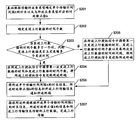
- FIG. 1 is a schematic flow chart of a first embodiment of a method for uplink transmission according to the present invention
- FIG. 2 is a schematic flow chart of a second embodiment of a method for uplink transmission according to the present invention.
- FIG. 3 is a schematic flow chart of a third embodiment of a method for uplink transmission according to the present invention.
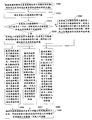
- FIG. 4 is a schematic structural diagram of a base station according to an embodiment of the present invention.
- FIG. 5 is a schematic structural diagram of hardware of a base station according to an embodiment of the present invention.
- the communication system in the embodiment of the present invention may include a base station and a terminal.
- the user equipment in the embodiment of the present invention may also be referred to as a terminal, which may include a smart phone (such as an Android mobile phone, an IOS mobile phone, a Windows Phone mobile phone, etc.), a tablet computer, a palmtop computer, a notebook computer, and a mobile Internet device (Mobile Internet Devices). , MID) or wearable device, etc., the above user equipment is only an example, not exhaustive, including but not limited to the above user equipment.
- the base station in the embodiment of the present invention may configure a time length of a single transmission time interval (TTI) and a delay correction value k corresponding to the service type according to the service performed between the terminal, and pass the uplink authorization signaling.
- TTI transmission time interval
- k delay correction value
- FIG. 1 is a schematic flowchart of a first embodiment of a method for uplink transmission according to the present invention.
- the method includes the following steps:
- the base station determines, according to the type of service to be transmitted, a duration of a single transmission time interval t and a delay correction value k corresponding to the service type.
- the types of traffic to be transmitted may include, but are not limited to, LTE services using licensed spectrum, LTE services using unlicensed spectrum, eMBB services, URLLC services, and mMTC services.
- LTE services using licensed spectrum LTE services using unlicensed spectrum
- eMBB services LTE services using unlicensed spectrum
- URLLC services URLLC services
- mMTC services The requirements for latency for each business are different.
- t 2 n * 5 m milliseconds
- m and n are integers
- k is an integer greater than or equal to -4.
- m and n may be a positive integer or a negative integer, and may be 0.
- the base station may determine to use TTIs of different time lengths for different services. For example, it can be determined that m is 0, n can be equal to -3, -2, -1, or can be equal to 1, 2, 3, and can be equal to 0.
- the length of time of the TTI can be 0.125 ms, 0.25 ms, respectively. 0.5ms, 2ms, 4ms, 8ms or 1ms.
- n is 0, m may be equal to -3, -2, -1, or may be equal to 1, 2, 3, or may be equal to 0, such that the length of time of the TTI is sequentially 0.008 ms, 0.04 ms, 0.2. Ms, 5ms, 25ms, 125ms or 1ms. Of course, m and n may not be 0. If m is -1 and n is 2, the length of the TTI is 0.8 ms.
- the base station can adaptively adjust the values of m and n to suit the service requirements according to different service requirements. The embodiment of the invention is not limited in any way.
- the delay correction value can be used to correct the number of TTIs, which can be a positive integer, 0 or a negative integer greater than or equal to -4.
- the uplink scheduling delay can be regarded as 4 TTIs.
- the delay correction value k is introduced, and the number of TTIs can be adjusted according to the service type. When k is a positive number, the uplink scheduling delay will be greater than 4 TTIs; when k is 0, the uplink scheduling delay is still 4 TTIs; when k is negative, the uplink scheduling delay is less than 4 TTIs.
- the uplink scheduling delay T can be calculated according to the following formula:
- the time for transmitting the uplink data for the first time is n+(4+k)*t. Since the different service types have different delay requirements, the values of k and t are also different.
- the first uplink scheduling delay T1 (4+k)*t, where t is equal to 1 millisecond, and k is greater than or equal to 0;
- t is equal to 1 millisecond
- k is greater than or equal to 0;
- FDD Frequency Division Duplex
- TDD Time Division Duplexing
- the second uplink scheduling delay T2 (4+k)*t, where t is equal to 1 millisecond, k is greater than or equal to 0 and less than or equal to 7;
- the third uplink scheduling delay T3 (4+k)*t, where t is less than or equal to 1 millisecond, and k is less than or equal to 0;
- the fourth uplink scheduling delay T4 (4+k)*t, where t is less than 1 millisecond, k is less than or equal to 0, and T4 is less than T3;
- the fifth uplink scheduling delay T5 (4+k)*t, where t is greater than or equal to 2 milliseconds, and k is greater than or equal to zero.
- the uplink scheduling delay T may calculate a specific result, or may not calculate a specific result. If the specific result is calculated, it may be calculated by the base station or may be calculated by the terminal after receiving the values of k and t, which is not limited in the embodiment of the present invention.
- S102 Send uplink grant signaling to the terminal, and indicate uplink transmission information of the uplink data in the uplink grant command.
- the uplink transmission information includes a time when the uplink data is sent for the first time and a time when the uplink data is sent, or the uplink transmission information includes a time when the uplink data is sent for the first time, and a time when the uplink data is sent. And the interval of the time each time the uplink data is sent.
- one UL grant signaling may schedule one or more times of uplink transmission. Therefore, the time for transmitting the uplink data for the first time and the number of times N for transmitting the uplink data are required to be indicated in the uplink grant signaling. Moreover, when there is more than one uplink transmission time, since these times may be continuous or non-contiguous, it is also necessary to determine, depending on the situation, whether an interval indicating the time of transmitting the uplink data every two times is required. The interval of each time the uplink data is sent may be the same or different, and when the same is the same, the uplink data is transmitted similarly.
- N is 1; for example, in the LTE unlicensed spectrum, N may be 1 or 2 to 4. When it is 2 to 4, it is multiple consecutive transmission time intervals; for example, mMTC service. In the middle, N can also be greater than or equal to 3, and the time interval can be the same every two times, just like periodic uplink transmission (as reported above).
- the manner of the notification may include, but is not limited to, using the existing signaling to carry the relevant information and sending the information to the terminal, and constructing a mapping table of the related information to notify the terminal or the like by means of mapping.
- the receiving terminal performs uplink transmission according to the duration information of the single transmission time interval t, the information of the delay correction value k, and the uplink data transmitted by the uplink transmission information.
- the terminal After the terminal obtains the above information, it can know when to send the uplink data, and smoothly complete the uplink transmission with the base station.
- the base station may determine the duration of the single transmission time interval t and the delay correction value k corresponding to the service type according to the type of the transmitted service, and carry the transmission related to the uplink data in the uplink authorization signaling.
- Information and then notifying the terminal of the parameters and information; the terminal can determine the time and manner of transmitting the uplink data according to the parameters and the information, since the value of the single transmission time interval t and the delay correction value k are determined according to the service type, therefore, Fully meet the delay requirements of different services.
- FIG. 2 is a schematic flowchart of a second embodiment of a method for uplink transmission according to the present invention.
- the method includes the following steps:
- the base station determines, according to the type of the transmitted service, a duration of a single transmission time interval t and a delay correction value k corresponding to the service type.
- t 2 n * 5 m milliseconds
- m and n are integers
- k is an integer greater than or equal to -4.
- step S203 When the number of times of sending uplink data is more than one, it is determined whether the uplink data is sent for a plurality of consecutive transmission times. If yes, go to step S204, otherwise go to step S205.
- the uplink authorization signaling carries a time for sending uplink data and a time for transmitting uplink data, and sends the uplink authorization signaling to the terminal.
- the uplink authorization signaling carries the time of sending the uplink data for the first time and the time of sending the uplink data, and sends the uplink authorization signaling to the terminal.
- steps S206-S207 are performed.
- the uplink authorization signaling carries the time of sending the uplink data for the first time, the time of sending the uplink data, and the interval of sending the uplink data every two times, and sending the uplink authorization signaling to the terminal.
- steps S206-S207 are performed.
- the receiving terminal performs uplink transmission according to the duration information of the single transmission time interval t, the information of the delay correction value k, and the uplink data transmitted by the uplink transmission information.
- the content included in the uplink transmission information is mainly described, which is specifically determined according to the continuity of the uplink data transmission, and ensures that the terminal can clearly clarify the time and manner of uplink transmission.
- FIG. 3 is a schematic flowchart of a third embodiment of a method for uplink transmission according to the present invention.
- the method includes the following steps:
- the base station determines, according to the type of the transmitted service, a duration of a single transmission time interval t and a delay correction value k corresponding to the service type.
- t 2 n * 5 m milliseconds
- m and n are integers
- k is an integer greater than or equal to -4.
- step S303 When the number of times of sending uplink data is more than one, it is determined whether the uplink data is sent for a plurality of consecutive transmission times. If yes, go to step S304, otherwise go to step S305.
- the uplink authorization signaling carries a time for sending uplink data and a time for transmitting uplink data, and sends the uplink authorization signaling to the terminal.
- the uplink authorization signaling carries the time of sending the uplink data for the first time and the time of sending the uplink data, and sends the uplink authorization signaling to the terminal.
- step S304 at least one of the steps S306-S308 may be selected to notify the terminal of the relevant parameters, and then step S309 is performed.
- the uplink authorization signaling carries the time of sending the uplink data for the first time, the number of times of sending the uplink data, and the interval of sending the uplink data every two times, and sending the uplink authorization signaling to the terminal.
- step S305 at least one of the steps S306-S308 may be selected to notify the terminal of the relevant parameters, and then step S309 is performed.
- the configuration mapping table is configured to save duration information of the single transmission time interval t, information of the delay correction value k, and the uplink transmission information, and send the mapping table to the terminal for saving; when receiving When the service type reported by the terminal is used, the information used for uplink transmission is selected in the mapping table according to the service type, and the terminal is notified by using uplink authorization signaling.
- S307. Receive a service type reported by the terminal, determine a duration and a delay correction value k of a single transmission time interval t according to the service type, determine a duration and a delay correction value k of the single transmission time interval t, and uplink transmission information. Transmitted to the terminal by radio resource control signaling.
- the mapping between the downlink control information bit sequence and the duration of the single transmission time interval t, the delay correction value k, and the uplink transmission information is pre-stored on the terminal.
- the duration of the single transmission time interval t, the delay correction value k, and the uplink transmission information may be notified to the terminal by using any one of the steps S306-S308, and the three may use the same notification manner, or may use different
- the manner of notification is not limited in any embodiment of the present invention.
- the receiving terminal performs uplink transmission according to the duration information of the single transmission time interval t, the information of the delay correction value k, and the uplink data transmitted by the uplink transmission information.
- the manner in which the base station notifies the relevant parameters of the terminal is described in detail, and the parameters may be static, semi-static, or dynamic, corresponding to different notification modes.
- the parameter is dynamic, the value of the parameter may be changed for each uplink grant signaling, so as to adapt to different service types of the terminal user and service load in the current cell. For example, other users in the current cell also have many services.
- the uplink scheduling delay of the current terminal user may be appropriately larger. When the number of other users in the cell is small, the current scheduling delay of the current terminal user may be appropriately smaller, thereby fully utilizing system resources.
- the base station includes:
- the sending unit 200 is configured to send uplink grant signaling to the terminal, and indicate uplink transmission information of the uplink data in the uplink grant command, where the uplink transmission information includes a time when the uplink data is sent for the first time and a time when the uplink data is sent.
- the number, or the uplink transmission information includes a time when the uplink data is sent for the first time, a time of transmitting the uplink data, and an interval of the time when the uplink data is sent twice;
- the notification unit 300 is configured to notify the terminal of the duration information of the single transmission time interval t, the information of the delay correction value k, and the uplink transmission information;
- the receiving unit 400 is configured to receive, by the terminal, the uplink transmission according to the duration information of the single transmission time interval t, the information of the delay correction value k, and the uplink data transmitted by the uplink transmission information.
- the first uplink scheduling delay T1 (4+k)*t, where t is equal to 1 millisecond, and k is greater than or equal to 0;
- the second uplink scheduling delay T2 (4+k)*t, where t is equal to 1 millisecond, k is greater than or equal to 0 and less than or equal to 7;
- the third uplink scheduling delay T3 (4+k)*t, where t is less than or equal to 1 millisecond, and k is less than or equal to 0;
- the fourth uplink scheduling delay T4 (4+k)*t, where t is less than 1 millisecond, k is less than or equal to 0, and T4 is less than T3;
- the fifth uplink scheduling delay T5 (4+k)*t, where t is greater than or equal to 2 milliseconds, and k is greater than or equal to zero.
- the sending unit 200 is specifically configured to:
- the uplink authorization signaling carries the time of sending the uplink data for the first time and the time of sending the uplink data, and sends the uplink authorization signaling to the terminal;
- the uplink authorization signaling carries the time of transmitting the first uplink data, the number of times of transmitting the uplink data, and the interval of sending the uplink data every two times.
- the uplink grant signaling is sent to the terminal.
- the sending unit 200 is further configured to:
- the uplink authorization signaling carries the time for transmitting the uplink data and the number of times for sending the uplink data, and sends the uplink authorization signaling to the terminal.
- the notification unit 300 is specifically configured to:
- the configuration mapping table is configured to save duration information of the single transmission time interval t, information of the delay correction value k, and the uplink transmission information, and send the mapping table to the terminal for saving; when receiving the When the service type reported by the terminal is used, the information used for the uplink transmission is selected in the mapping table according to the service type, and the terminal is notified by the uplink authorization signaling; or
- the single transmission time interval is indicated by a bit sequence of the downlink control information.
- the duration of the t, the delay correction value k, and the value of the uplink transmission information wherein the terminal pre-stores the mapping of the downlink control information bit sequence to the duration of the single transmission time interval t, the delay correction value k, and the uplink transmission information. Relational tables.
- FIG. 5 a hardware structure diagram of a base station according to an embodiment of the present invention is shown.
- the base station 1 in the embodiment of the present invention comprises: at least one processor 2, such as a CPU, at least one receiver 3, at least one memory 4, at least one transmitter 5, and at least one communication bus 6.
- the communication bus 6 is used to implement connection communication between these components.
- the receiver 3 and the transmitter 5 may be wired transmission ports, or may be wireless devices, for example, including antenna devices for data communication with other devices.
- the memory 4 may be a high speed RAM memory or a non-volatile memory such as at least one disk memory.
- the processor 2 can execute an operating system of the base station 1 and various installed application programs, program codes, and the like, for example, the foregoing units, including the determining unit 100, the sending unit 200, the notification unit 300, and the receiving unit. 400 and so on.
- Program code is stored in the memory 4, and the processor 2 can call the program code stored in the memory 4 via the communication bus 6 to perform related functions.
- the respective units for example, the determining unit 100, the transmitting unit 200, the notifying unit 300, and the receiving unit 400, etc.
- FIG. 5 and FIG. 6 are program codes stored in the memory 4, and are The processor 2 executes to implement the functions of the respective units to implement processing of short messages.
- the number of times the uplink data is sent, or the uplink transmission information includes the time when the uplink data is sent for the first time, the number of times the uplink data is sent, and the interval of the time when the uplink data is sent twice; the single transmission time interval is Notifying the terminal of the duration information of the t, the information of the delay correction value k, and the uplink transmission information; receiving the information of the duration information of the terminal according to the single transmission time interval t and the information of the delay correction value k And uplink data transmitted by the uplink transmission information, and the uplink transmission is completed.
- the first uplink scheduling delay T1 (4+k)*t, where t is equal to 1 millisecond, and k is greater than or equal to 0. ;
- the second uplink scheduling delay T2 (4+k)*t, where t is equal to 1 millisecond, k is greater than or equal to 0 and less than or equal to 7;
- the third uplink scheduling delay T3 (4+k)*t, where t is less than or equal to 1 millisecond, and k is less than or equal to 0;
- the fourth uplink scheduling delay T4 (4+k)*t, where t is less than 1 millisecond, k is less than or equal to 0, and T4 is less than T3;
- the fifth uplink scheduling delay T5 (4+k)*t, where t is greater than or equal to 2 milliseconds, and k is greater than or equal to zero.
- the uplink grant signaling is sent to the terminal, and the uplink transmission information of the uplink data is indicated in the uplink grant command, including:
- the uplink authorization signaling carries the time of sending the uplink data for the first time and the time of sending the uplink data, and sends the uplink authorization signaling to the terminal;
- the uplink authorization signaling carries the time of transmitting the first uplink data, the number of times of transmitting the uplink data, and the interval of sending the uplink data every two times.
- the uplink grant signaling is sent to the terminal.
- the processor 2 if the number of times of sending the uplink data is one, the processor 2 carries, in the uplink authorization signaling, a time for sending uplink data and a time for transmitting uplink data, where the The uplink grant signaling is sent to the terminal.
- the terminal information of the single transmission time interval t, the information of the delay correction value k, and the uplink transmission information are notified to the terminal, including:
- the configuration mapping table is configured to save duration information of the single transmission time interval t, information of the delay correction value k, and the uplink transmission information, and send the mapping table to the terminal for saving; when receiving the When the service type reported by the terminal is used, the information used for the uplink transmission is selected in the mapping table according to the service type, and the terminal is notified by the uplink authorization signaling; or
- the single transmission time interval is indicated by a bit sequence of the downlink control information.
- the duration of the t, the delay correction value k, and the value of the uplink transmission information wherein the terminal pre-stores the mapping of the downlink control information bit sequence to the duration of the single transmission time interval t, the delay correction value k, and the uplink transmission information. Relational tables.
- the present invention has the following advantages:
- the base station can determine the duration of the single transmission time interval t and the delay correction value k corresponding to the service type according to the type of the transmitted service, and carry the transmission information related to the uplink data in the uplink authorization signaling, and then use the parameters.
- the information notification terminal the terminal can determine the time and manner of transmitting the uplink data according to the parameters and the information. Since the value of the single transmission time interval t and the delay correction value k are determined according to the service type, the time of the different services can be fully satisfied. Delaying the demand, especially for some services with higher latency requirements in the future 5G services, can adapt to the business requirements by configuring appropriate t values and k values, improving the flexibility of the system and improving the user's data transmission experience.
- the disclosed apparatus may be implemented in other manners.
- the device embodiments described above are merely illustrative.
- the division of the unit is only a logical function division.
- there may be another division manner for example, multiple units or components may be combined or may be Integrate into another system, or some features can be ignored or not executed.
- the mutual coupling or direct coupling or communication connection shown or discussed may be an indirect coupling or communication connection through some interface, device or unit, and may be electrical or otherwise.
- the units described as separate components may or may not be physically separated, and the components displayed as units may or may not be physical units, that is, may be located in one place, or may be distributed to multiple network units. Some or all of the units may be selected according to actual needs to achieve the purpose of the solution of the embodiment.
- each functional unit in each embodiment of the present invention may be integrated into one processing unit, or each unit may exist physically separately, or two or more units may be integrated into one unit.
- the above integrated unit can be implemented in the form of hardware or in the form of a software functional unit.
- the integrated unit if implemented in the form of a software functional unit and sold or used as a standalone product, may be stored in a computer readable storage medium.
- the technical solution of the present invention which is essential or contributes to the prior art, or all or part of the technical solution, may be embodied in the form of a software product stored in a storage medium.
- a number of instructions are included to cause a computer device (which may be a personal computer, server or network device, etc.) to perform all or part of the steps of the methods described in various embodiments of the present invention.
- the foregoing storage medium includes: a magnetic disk, an optical disk, a read-only memory (ROM), or a random access memory (RAM).
Landscapes
- Engineering & Computer Science (AREA)
- Computer Networks & Wireless Communication (AREA)
- Signal Processing (AREA)
- Mobile Radio Communication Systems (AREA)
Abstract
本发明实施例公开了一种上行传输的方法及基站,方法包括:基站根据传输的业务类型确定单个传输时间间隔t的时长以及与业务类型对应的时延修正值k;向终端发送上行授权信令,在上行授权指令中指示上行数据的上行传输信息,上行传输信息包括第一次发送上行数据的时间和发送上行数据的时间个数,或者上行传输信息包括第一次发送上行数据的时间、发送上行数据的时间个数以及每两次发送上行数据的时间的间隔;将t的时长信息、k的信息和上行传输信息通知终端;接收终端根据t的时长信息、k的信息和上行传输信息传输的上行数据,完成上行传输。采用本发明,利于基站根据业务类型调整上行调度时延,满足未来5G业务的多样化需求。
Description
本申请要求于2016年8月5日提交中国专利局,申请号为201610639607.3、发明名称为“一种上行传输的方法及基站”的中国专利申请的优先权,其全部内容通过引用结合在本申请中。
本发明涉及通信技术领域,尤其涉及一种上行传输的方法及基站。
随着用户通信需求的快速提升,通信业务量呈现爆发式增长,长期演进(Long Term Evolution,LTE)以及增强的长期演进(Long Term Evolution-Advanced,LTE-A)的资源调度粒度以及处理时延已经不能充分满足用户的需求。具体地,在现有的4G以及4.5G移动通信技术中,都是基于LTE及LTE-A无线接入技术中的单位时间长度来进行。其单位时间长度的大小通常是固定,例如,在LTE技术中,单位时间长度通常为一个子帧,子帧的时间长度为1毫秒,因此,在LTE技术中,一个传输时间间隔(Transmission Time Interval,TTI)的时长也就是一个单位时间长度的时长即1毫秒。在现有技术中,基站进行上行调度时,上行发送UL grant(上行授权)信令和开始传输上行数据的时间间隔一般需要在4个TTI之后,即上行调度时延通常大于等于4毫秒。这样的调度时延无法满足未来5G业务的时延多样化需求。
在未来5G业务中可包括以下三种:增强的移动宽带(enhanced Mobile BroadBand,eMBB)业务,高可靠低时延(Ultra-Reliable and Low Latency Communications,URLLC)业务和大量机器类通信(massive Machine Type Communications,mMTC)业务。这三种业务的时延需求相差较大。例如,eMBB业务,两个主要的指标是高带宽和低时延,时延要求4ms。而对于URLLC业务,时延要求是0.5ms。而mMTC业务,需要的是窄带服务,需要电池寿命很长,这种业务就需要更小粒度的频域和更宽粒度的时域资源,因此时延要求相对较低。现有固定且数值较大的时延已经无法满足5G业务的需求。
本发明实施例所要解决的技术问题在于,提供一种上行传输的方法及基站。可以根据业务类型调整上行调度时延,满足未来5G业务的多样化需求。
为了解决上述技术问题,本发明实施例第一方面提供了一种上行传输的方法,包括:
基站根据传输的业务类型确定单个传输时间间隔t的时长以及与所述业务类型对应的时延修正值k,其中,t=2n*5m毫秒,m和n为整数,k为大于等于-4的整数;
向终端发送上行授权信令,在所述上行授权指令中指示上行数据的上行传输信息,所述上行传输信息包括第一次发送上行数据的时间和发送上行数据的时间个数,或者所述上行传输信息包括第一次发送上行数据的时间、发送上行数据的时间个数以及每两次发送上行数据的时间的间隔;
将所述单个传输时间间隔t的时长信息、所述时延修正值k的信息和所述上行传输信息通知所述终端;
接收所述终端根据所述单个传输时间间隔t的时长信息、所述时延修正值k的信息和所述上行传输信息传输的上行数据,完成上行传输。
其中,若所述业务类型为使用授权频谱的长期演进LTE业务,则第一上行调度时延T1=(4+k)*t,其中,t等于1毫秒,k大于等于0;
若所述业务类型为使用非授权频谱的LTE业务,则第二上行调度时延T2=(4+k)*t,其中,t等于1毫秒,k大于等于0且小于等于7;
若所述业务类型为增强的移动宽带eMBB业务,则第三上行调度时延T3=(4+k)*t,其中,t小于等于1毫秒,k小于等于0;
若所述业务类型为高可靠低时延URLLC业务,则第四上行调度时延T4=(4+k)*t,其中,t小于1毫秒,k小于等于0,且T4小于T3;
若所述业务类型为大量机器类通信mMTC业务,则第五上行调度时延T5=(4+k)*t,其中,t大于等于2毫秒,k大于等于0。
其中,向终端发送上行授权信令,在所述上行授权指令中指示上行数据的上行传输信息,包括:
确定发送上行数据的时间个数;
当发送上行数据的时间个数多于一个时,判断发送上行数据是否占用连续多个发送时间;
若占用连续的多个发送时间,则在所述上行授权信令中携带第一次发送上行数据的时间和发送上行数据的时间个数,将所述上行授权信令发送给所述终端;
若占用非连续的多个发送时间,则在所述上行授权信令中携带第一次发送上行数据的时间、发送上行数据的时间个数以及每两次发送上行数据的时间的间隔,将所述上行授权信令发送给所述终端。
其中,还包括:
若发送上行数据的时间个数为一个,则在所述上行授权信令中携带发送上行数据的时间和发送上行数据的时间个数,将所述上行授权信令发送给所述终端。
其中,将所述单个传输时间间隔t的时长信息、所述时延修正值k的信息和所述上行传输信息通知所述终端,包括:
配置映射表格用于保存所述单个传输时间间隔t的时长信息、所述时延修正值k的信息和所述上行传输信息,将所述映射表格发送给所述终端保存;当接收到所述终端上报的业务类型时,根据业务类型在所述映射表格中选择上行传输使用的信息并通过上行授权信令通知所述终端;或者
接收所述终端上报的业务类型,根据业务类型确定单个传输时间间隔t的时长和时延修正值k,将确定的单个传输时间间隔t的时长和时延修正值k,以及上行传输信息通过无线资源控制信令发送给所述终端;或者
基站在确定单个传输时间间隔t的时长、时延修正值k和上行传输信息之后,在所述给所述终端的上行授权信令中,通过下行控制信息的比特序列指示所述单个传输时间间隔t的时长、时延修正值k和上行传输信息的取值,其中,所述终端上预存了下行控制信息比特序列与单个传输时间间隔t的时长、时延修正值k以及上行传输信息的映射关系表。
本发明实施例第二方面提供了一种基站,包括:
确定单元,设置为根据传输的业务类型确定单个传输时间间隔t的时长以及与所述业务类型对应的时延修正值k,其中,t=2n*5m毫秒,m和n为整数,k为大于等于-4的整数;
发送单元,设置为向终端发送上行授权信令,在所述上行授权指令中指示上行数据的上行传输信息,所述上行传输信息包括第一次发送上行数据的时间和发送上行数据的时间个数,或者所述上行传输信息包括第一次发送上行数据的时间、发送上行数据的时间个数以及每两次发送上行数据的时间的间隔;
通知单元,设置为将所述单个传输时间间隔t的时长信息、所述时延修正值k的信息和所述上行传输信息通知所述终端;
接收单元,设置为接收所述终端根据所述单个传输时间间隔t的时长信息、所述时延修正值k的信息和所述上行传输信息传输的上行数据,完成上行传输。
其中,若所述业务类型为使用授权频谱的长期演进LTE业务,则第一上行调度时延T1=(4+k)*t,其中,t等于1毫秒,k大于等于0;
若所述业务类型为使用非授权频谱的LTE业务,则第二上行调度时延T2=(4+k)*t,其中,t等于1毫秒,k大于等于0且小于等于7;
若所述业务类型为增强的移动宽带eMBB业务,则第三上行调度时延T3=(4+k)*t,其中,t小于等于1毫秒,k小于等于0;
若所述业务类型为高可靠低时延URLLC业务,则第四上行调度时延T4=(4+k)*t,其中,t小于1毫秒,k小于等于0,且T4小于T3;
若所述业务类型为大量机器类通信mMTC业务,则第五上行调度时延T5=(4+k)*t,其中,t大于等于2毫秒,k大于等于0。
其中,所述发送单元具体设置为:
确定发送上行数据的时间个数;
当发送上行数据的时间个数多于一个时,判断发送上行数据是否占用连续多个发送时间;
若占用连续的多个发送时间,则在所述上行授权信令中携带第一次发送上行数据的时间和发送上行数据的时间个数,将所述上行授权信令发送给所述终端;
若占用非连续的多个发送时间,则在所述上行授权信令中携带第一次发送上行数据的时间、发送上行数据的时间个数以及每两次发送上行数据的时间的间隔,将所述上行授权信令发送给所述终端。
其中,所述发送单元还设置为:
若发送上行数据的时间个数为一个,则在所述上行授权信令中携带发送上行数据的时间和发送上行数据的时间个数,将所述上行授权信令发送给所述终端。
其中,所述通知单元具体设置为:
配置映射表格用于保存所述单个传输时间间隔t的时长信息、所述时延修正值k的信息和所述上行传输信息,将所述映射表格发送给所述终端保存;当接收到所述终端上报的业务类型时,根据业务类型在所述映射表格中选择上行传输使用的信息并通过上行授权信令通知所述终端;或者
接收所述终端上报的业务类型,根据业务类型确定单个传输时间间隔t的时长和时延修正值k,将确定的单个传输时间间隔t的时长和时延修正值k,以及上行传输信息通过无线资源控制信令发送给所述终端;或者
基站在确定单个传输时间间隔t的时长、时延修正值k和上行传输信息之后,在所述给所述终端的上行授权信令中,通过下行控制信息的比特序列指示所述单个传输时间间隔t的时长、时延修正值k和上行传输信息的取值,其中,所述终端上预存了下行控制信息比特序列与单个传输时间间隔t的时长、时延修正值k以及上行传输信息的映射关系表。
实施本发明实施例,具有如下有益效果:
基站可以根据传输的业务类型确定了单个传输时间间隔t的时长以及与所述业务类型对应的时延修正值k,并且在上行授权信令中携带发送上行数据相关的传输信息,然后将这些参数和信息通知终端;终端便可以根据这些参数和信息确定传输上行数据的时间和方式,由于单个传输时间间隔t的值和时延修正值k根据业务类型确定,因此,可以充分满足不同业务的时延需求,尤其对于未来5G业务中一些时延要求较高的业务,可通过配置合适的t值和k值来适应业务需求,提高了系统的灵活性,同时也提升了用户的数据传输体验。
为了更清楚地说明本发明实施例或现有技术中的技术方案,下面将对实施例或现有技术描述中所需要使用的附图作简单地介绍,显而易见地,下面描述中的附图仅仅是本发明的一些实施例,对于本领域普通技术人员来讲,在不付出创造性劳动的前提下,还可以根据这些附图获得其他的附图。
图1是本发明上行传输的方法的第一实施例的流程示意图;
图2是本发明上行传输的方法的第二实施例的流程示意图;
图3是本发明上行传输的方法的第三实施例的流程示意图;
图4是本发明实施例提供的基站的组成示意图。
图5是本发明实施例提供的基站的硬件结构示意图。
下面将结合本发明实施例中的附图,对本发明实施例中的技术方案进行清楚、完整地描述,显然,所描述的实施例仅仅是本发明一部分实施例,而不是全部的实施例。基于本发明中的实施例,本领域普通技术人员在没有作出创造性劳动前提下所获得的所有其他实施例,都属于本发明保护的范围。
在本发明实施例中的通信系统可以包括基站以及终端。
本发明实施例中的用户设备也可以称之为终端,其可以包括智能手机(如Android手机、IOS手机、Windows Phone手机等)、平板电脑、掌上电脑、笔记本电脑、移动互联网设备(Mobile Internet Devices,MID)或穿戴式设备等,上述用户设备仅是举例,而非穷举,包含但不限于上述用户设备。
本发明实施例中的基站可以根据与终端之间进行的业务来配置单个传输时间间隔 (Transmission Time Interval, TTI)的时间长度以及与业务类型对应的时延修正值k,并通过上行授权信令将相关的配置信息发送给终端,终端在收到这些信息之后,便可以根据这些信息进行上行数据的传输。下面具体结合图1-图3进行说明。
请参照图1,为本发明上行传输的方法的第一实施例的流程示意图,在本实施例中,所述方法包括以下步骤:
S101,基站根据传输的业务类型确定单个传输时间间隔t的时长以及与所述业务类型对应的时延修正值k。
传输的业务类型可以包括但不限于使用授权频谱的LTE业务、使用非授权频谱的LTE业务、eMBB业务、URLLC业务和mMTC业务。每种业务对时延的要求都有所不同。
其中,t=2n*5m毫秒,m和n为整数,k为大于等于-4的整数。
此处的m和n可以是正整数也可以负整数,还可以是0。可选地,基站可以针对不同业务确定使用不同时间长度的TTI。例如,可以确定m为0,n可以等于-3、-2、-1,也可以等于1、2、3,还可以等于0,这样,TTI的时间长度则依次可以为0.125ms,0.25ms、0.5ms、2ms、4ms、8ms或1ms。或者,可以确定n为0,m可以等于-3、-2、-1,也可以等于1、2、3,还可以等于0,这样,TTI的时间长度则依次为0.008ms、0.04ms、0.2ms、5ms、25ms、125ms或1ms。当然,m和n可以都不为0,如m为-1,n为2,则TTI的时间长度为0.8ms,根据不同的业务需求基站可以进行自适应调整m和n的值来适应业务需求,本发明实施例不作任何限定。
而时延修正值,可用于修正TTI的个数,其可以为正整数,0或大于等于-4的负整数。例如,参照LTE频分双工系统,若基站发送上行授权信令之后,终端需要经历4个TTI之后发送上行数据,则可将上行调度时延视为4个TTI,在本实施例中,通过引入时延修正值k,可以根据业务类型对TTI的个数进行调整。当k为正数时,上行调度时延将大于4个TTI;当k为0时,则上行调度时延仍然为4个TTI;当k为负数时,则上行调度时延小于4个TTI。
当确定了t和k之后,便可以根据如下公式计算上行调度时延T:
T=(4+k)*t
例如,上行授权信令在n时刻发出,则第一次发送上行数据的时间为n+(4+k)*t。由于不同的业务类型对时延的要求不同,因此k和t的取值也不同。
可选地,若所述业务类型为使用授权频谱的长期演进LTE业务,则第一上行调度时延T1=(4+k)*t,其中,t等于1毫秒,k大于等于0;当为频分双工(Frequency Division Duplex,FDD)系统时,k=0;当为时分双工(Time Division Duplexing,TDD)系统时,k可以大于0。
若所述业务类型为使用非授权频谱的LTE业务,则第二上行调度时延T2=(4+k)*t,其中,t等于1毫秒,k大于等于0且小于等于7;
若所述业务类型为增强的移动宽带eMBB业务,则第三上行调度时延T3=(4+k)*t,其中,t小于等于1毫秒,k小于等于0;
若所述业务类型为高可靠低时延URLLC业务,则第四上行调度时延T4=(4+k)*t,其中,t小于1毫秒,k小于等于0,且T4小于T3;
若所述业务类型为大量机器类通信mMTC业务,则第五上行调度时延T5=(4+k)*t,其中,t大于等于2毫秒,k大于等于0。
上行调度时延T可以计算得到具体结果,也可以不计算具体结果,如果计算具体结果,可以由基站计算也可以由终端接收到k、t的值之后计算,本发明实施例不做任何限定。
S102,向终端发送上行授权信令,在所述上行授权指令中指示上行数据的上行传输信息。
可选地,所述上行传输信息包括第一次发送上行数据的时间和发送上行数据的时间个数,或者所述上行传输信息包括第一次发送上行数据的时间、发送上行数据的时间个数以及每两次发送上行数据的时间的间隔。
可选地,一个UL grant信令可以调度一个或一个以上上行发送的时间,因此,需要在上行授权信令中指示第一次发送上行数据的时间以及发送上行数据的时间个数N。而且,当存在一个以上上行发送的时间时,由于这些时间可以是连续的也可以是非连续的,因此还需要根据情况来确定是否需要指示每两次发送上行数据的时间的间隔。每两次发送上行数据的时间的间隔可以相同,也可以不同,当相同的时候则类似于周期性传输上行数据。
例如,在LTE授权频谱中N为1;又例如LTE非授权频谱中N可以为1,也可以为2~4,当为2~4时,是多个连续的发送时间间隔;又比如mMTC业务中,N也可以大于等于3,每两次之间时间间隔可以一样,就像是周期性的上行发送(如上报水表数)。
S103,将所述单个传输时间间隔t的时长信息、所述时延修正值k的信息和所述上行传输信息通知所述终端。
可选地,通知的方式可以包括但不限于:使用现有的信令携带相关信息并发送给终端、构建相关信息的映射表格通过映射的方式通知终端等。
S104,接收所述终端根据所述单个传输时间间隔t的时长信息、所述时延修正值k的信息和所述上行传输信息传输的上行数据,完成上行传输。
当终端获取到上述信息之后,便可以知道何时发送上行数据,顺利与基站完成上行传输。
在本实施例中,基站可以根据传输的业务类型确定了单个传输时间间隔t的时长以及与所述业务类型对应的时延修正值k,并且在上行授权信令中携带发送上行数据相关的传输信息,然后将这些参数和信息通知终端;终端便可以根据这些参数和信息确定传输上行数据的时间和方式,由于单个传输时间间隔t的值和时延修正值k根据业务类型确定,因此,可以充分满足不同业务的时延需求,尤其对于未来5G业务中一些时延要求较高的业务,可通过配置合适的t值和k值来适应业务需求,提高了系统的灵活性,同时也提升了用户的数据传输体验。
请参照图2,为本发明上行传输的方法的第二实施例的流程示意图,在本实施例中,所述方法包括以下步骤:
S201,基站根据传输的业务类型确定单个传输时间间隔t的时长以及与所述业务类型对应的时延修正值k。
其中, t=2n*5m毫秒,m和n为整数,k为大于等于-4的整数。
S202,确定发送上行数据的时间个数。
S203,当发送上行数据的时间个数多于一个时,判断发送上行数据是否为占用连续多个发送时间。若是,则执行步骤S204,否则执行步骤S205。
可选地,若发送上行数据的时间个数为一个,则在所述上行授权信令中携带发送上行数据的时间和发送上行数据的时间个数,将所述上行授权信令发送给所述终端。
S204,在所述上行授权信令中携带第一次发送上行数据的时间和发送上行数据的时间个数,将所述上行授权信令发送给所述终端。
在步骤S204之后,执行步骤S206-S207。
S205,在所述上行授权信令中携带第一次发送上行数据的时间、发送上行数据的时间个数以及每两次发送上行数据的时间的间隔,将所述上行授权信令发送给所述终端。
在步骤S205之后,执行步骤S206-S207。
S206,将所述单个传输时间间隔t的时长信息、所述时延修正值k的信息和所述上行传输信息通知所述终端。
S207,接收所述终端根据所述单个传输时间间隔t的时长信息、所述时延修正值k的信息和所述上行传输信息传输的上行数据,完成上行传输。
在本发明实施例中,重点描述了上行传输信息所包含的内容,其具体根据上行数据发送的连续性来确定,确保终端可以清楚的明确上行传输的时间和方式。
请参照图3,为本发明上行传输的方法的第三实施例的流程示意图,在本实施例中,所述方法包括以下步骤:
S301,基站根据传输的业务类型确定单个传输时间间隔t的时长以及与所述业务类型对应的时延修正值k。
其中, t=2n*5m毫秒,m和n为整数,k为大于等于-4的整数。
S302,确定发送上行数据的时间个数。
S303,当发送上行数据的时间个数多于一个时,判断发送上行数据是否为占用连续多个发送时间。若是,则执行步骤S304,否则执行步骤S305。
可选地,若发送上行数据的时间个数为一个,则在所述上行授权信令中携带发送上行数据的时间和发送上行数据的时间个数,将所述上行授权信令发送给所述终端。
S304,在所述上行授权信令中携带第一次发送上行数据的时间和发送上行数据的时间个数,将所述上行授权信令发送给所述终端。
在步骤S304之后,可选择步骤S306-S308中的至少一种方式将相关参数通知终端,再执行步骤S309。
S305,在所述上行授权信令中携带第一次发送上行数据的时间、发送上行数据的时间个数以及每两次发送上行数据的时间的间隔,将所述上行授权信令发送给所述终端。
在步骤S305之后,可选择步骤S306-S308中的至少一种方式将相关参数通知终端,再执行步骤S309。
S306,配置映射表格用于保存所述单个传输时间间隔t的时长信息、所述时延修正值k的信息和所述上行传输信息,将所述映射表格发送给所述终端保存;当接收到所述终端上报的业务类型时,根据业务类型在所述映射表格中选择上行传输使用的信息并通过上行授权信令通知所述终端。
S307,接收所述终端上报的业务类型,根据业务类型确定单个传输时间间隔t的时长和时延修正值k,将确定的单个传输时间间隔t的时长和时延修正值k,以及上行传输信息通过无线资源控制信令发送给所述终端。
S308,基站在确定单个传输时间间隔t的时长、时延修正值k和上行传输信息之后,在所述给所述终端的上行授权信令中,通过下行控制信息的比特序列指示所述单个传输时间间隔t的时长、时延修正值k和上行传输信息的取值。
其中,所述终端上预存了下行控制信息比特序列与单个传输时间间隔t的时长、时延修正值k以及上行传输信息的映射关系表。
需要说明的是,单个传输时间间隔t的时长、时延修正值k和上行传输信息可以使用步骤S306-S308中任一方式通知终端,且三者可以使用相同的通知方式,也可以使用不同的通知方式,本发明实施例不做任何限定。
S309,接收所述终端根据所述单个传输时间间隔t的时长信息、所述时延修正值k的信息和所述上行传输信息传输的上行数据,完成上行传输。
在本实施例中,重点描述了基站通知终端相关参数的方式,对应于不同的通知方式,这些参数可以是静态的,也可以是半静态的,还可以是动态的。若参数是动态的,则参数的取值可以针对每次的上行授权信令进行变化,从而适应该终端用户不同的业务类型以及当前小区内的业务负荷,例如,当前小区内其他用户也有很多业务时,则当前终端用户的上行调度时延可以适当大一些,当小区内其他用户业务很少时,则当前终端用户的上行调度时延可以适当小一些,从而更加充分的利用系统资源。
请参照图4,为本发明实施例提供的基站的组成示意图;在本实施例中,所述基站包括:
确定单元100,设置为根据传输的业务类型确定单个传输时间间隔t的时长以及与所述业务类型对应的时延修正值k,其中,t=2n*5m毫秒,m和n为整数,k为大于等于-4的整数;
发送单元200,设置为向终端发送上行授权信令,在所述上行授权指令中指示上行数据的上行传输信息,所述上行传输信息包括第一次发送上行数据的时间和发送上行数据的时间个数,或者所述上行传输信息包括第一次发送上行数据的时间、发送上行数据的时间个数以及每两次发送上行数据的时间的间隔;
通知单元300,设置为将所述单个传输时间间隔t的时长信息、所述时延修正值k的信息和所述上行传输信息通知所述终端;
接收单元400,设置为接收所述终端根据所述单个传输时间间隔t的时长信息、所述时延修正值k的信息和所述上行传输信息传输的上行数据,完成上行传输。
可选地,若所述业务类型为使用授权频谱的长期演进LTE业务,则第一上行调度时延T1=(4+k)*t,其中,t等于1毫秒,k大于等于0;
若所述业务类型为使用非授权频谱的LTE业务,则第二上行调度时延T2=(4+k)*t,其中,t等于1毫秒,k大于等于0且小于等于7;
若所述业务类型为增强的移动宽带eMBB业务,则第三上行调度时延T3=(4+k)*t,其中,t小于等于1毫秒,k小于等于0;
若所述业务类型为高可靠低时延URLLC业务,则第四上行调度时延T4=(4+k)*t,其中,t小于1毫秒,k小于等于0,且T4小于T3;
若所述业务类型为大量机器类通信mMTC业务,则第五上行调度时延T5=(4+k)*t,其中,t大于等于2毫秒,k大于等于0。
所述发送单元200具体设置为:
确定发送上行数据的时间个数;
当发送上行数据的时间个数多于一个时,判断发送上行数据是否占用连续多个发送时间;
若占用连续的多个发送时间,则在所述上行授权信令中携带第一次发送上行数据的时间和发送上行数据的时间个数,将所述上行授权信令发送给所述终端;
若占用非连续的多个发送时间,则在所述上行授权信令中携带第一次发送上行数据的时间、发送上行数据的时间个数以及每两次发送上行数据的时间的间隔,将所述上行授权信令发送给所述终端。
可选地,所述发送单元200还设置为:
若发送上行数据的时间个数为一个,则在所述上行授权信令中携带发送上行数据的时间和发送上行数据的时间个数,将所述上行授权信令发送给所述终端。
可选地,所述通知单元300具体设置为:
配置映射表格用于保存所述单个传输时间间隔t的时长信息、所述时延修正值k的信息和所述上行传输信息,将所述映射表格发送给所述终端保存;当接收到所述终端上报的业务类型时,根据业务类型在所述映射表格中选择上行传输使用的信息并通过上行授权信令通知所述终端;或者
接收所述终端上报的业务类型,根据业务类型确定单个传输时间间隔t的时长和时延修正值k,将确定的单个传输时间间隔t的时长和时延修正值k,以及上行传输信息通过无线资源控制信令发送给所述终端;或者
基站在确定单个传输时间间隔t的时长、时延修正值k和上行传输信息之后,在所述给所述终端的上行授权信令中,通过下行控制信息的比特序列指示所述单个传输时间间隔t的时长、时延修正值k和上行传输信息的取值,其中,所述终端上预存了下行控制信息比特序列与单个传输时间间隔t的时长、时延修正值k以及上行传输信息的映射关系表。
参阅图5所示,本发明实施例提供的基站的硬件结构示意图。
如图5所示,本发明实施例中的基站1包括:至少一个处理器2,例如CPU,至少一个接收器3,至少一个存储器4,至少一个发送器5,至少一个通信总线6。其中,所述通信总线6用于实现这些组件之间的连接通信。其中,所述接收器3和所述发送器5可以是有线发送端口,也可以为无线设备,例如包括天线装置,用于与其他设备进行数据通信。所述存储器4可以是高速RAM存储器,也可以是非不稳定的存储器(non-volatile memory),例如至少一个磁盘存储器。
所述处理器2可执行所述基站1的操作系统以及安装的各类应用程序、程序代码等,例如,上述的各个单元,包括所述确定单元100、发送单元200、通知单元300以及接收单元400等。
所述存储器4中存储有程序代码,且所述处理器2可通过通信总线6,调用所述存储器4中存储的程序代码以执行相关的功能。例如,图5、图6中所述的各个单元(例如,所述确定单元100、发送单元200、通知单元300以及接收单元400等)是存储在所述存储器4中的程序代码,并由所述处理器2所执行,从而实现所述各个单元的功能以实现对短信的处理。
在本发明的一个实施例中,所述存储器4存储多个指令,所述多个指令被所述处理器2所执行以实现一种上行传输的方法。具体而言,所述处理器2根据传输的业务类型确定单个传输时间间隔t的时长以及与所述业务类型对应的时延修正值k,其中,t=2n*5m毫秒,m和n为整数,k为大于等于-4的整数;向终端发送上行授权信令,在所述上行授权指令中指示上行数据的上行传输信息,所述上行传输信息包括第一次发送上行数据的时间和发送上行数据的时间个数,或者所述上行传输信息包括第一次发送上行数据的时间、发送上行数据的时间个数以及每两次发送上行数据的时间的间隔;将所述单个传输时间间隔t的时长信息、所述时延修正值k的信息和所述上行传输信息通知所述终端;接收所述终端根据所述单个传输时间间隔t的时长信息、所述时延修正值k的信息和所述上行传输信息传输的上行数据,完成上行传输。
在进一步的实施例中,若所述业务类型为使用授权频谱的长期演进LTE业务,则第一上行调度时延T1=(4+k)*t,其中,t等于1毫秒,k大于等于0;
若所述业务类型为使用非授权频谱的LTE业务,则第二上行调度时延T2=(4+k)*t,其中,t等于1毫秒,k大于等于0且小于等于7;
若所述业务类型为增强的移动宽带eMBB业务,则第三上行调度时延T3=(4+k)*t,其中,t小于等于1毫秒,k小于等于0;
若所述业务类型为高可靠低时延URLLC业务,则第四上行调度时延T4=(4+k)*t,其中,t小于1毫秒,k小于等于0,且T4小于T3;
若所述业务类型为大量机器类通信mMTC业务,则第五上行调度时延T5=(4+k)*t,其中,t大于等于2毫秒,k大于等于0。
在进一步的实施例中,向终端发送上行授权信令,在所述上行授权指令中指示上行数据的上行传输信息,包括:
确定发送上行数据的时间个数;
当发送上行数据的时间个数多于一个时,判断发送上行数据是否占用连续多个发送时间;
若占用连续的多个发送时间,则在所述上行授权信令中携带第一次发送上行数据的时间和发送上行数据的时间个数,将所述上行授权信令发送给所述终端;
若占用非连续的多个发送时间,则在所述上行授权信令中携带第一次发送上行数据的时间、发送上行数据的时间个数以及每两次发送上行数据的时间的间隔,将所述上行授权信令发送给所述终端。
在进一步的实施例中,若发送上行数据的时间个数为一个,则所述处理器2在所述上行授权信令中携带发送上行数据的时间和发送上行数据的时间个数,将所述上行授权信令发送给所述终端。
在进一步的实施例中,将所述单个传输时间间隔t的时长信息、所述时延修正值k的信息和所述上行传输信息通知所述终端,包括:
配置映射表格用于保存所述单个传输时间间隔t的时长信息、所述时延修正值k的信息和所述上行传输信息,将所述映射表格发送给所述终端保存;当接收到所述终端上报的业务类型时,根据业务类型在所述映射表格中选择上行传输使用的信息并通过上行授权信令通知所述终端;或者
接收所述终端上报的业务类型,根据业务类型确定单个传输时间间隔t的时长和时延修正值k,将确定的单个传输时间间隔t的时长和时延修正值k,以及上行传输信息通过无线资源控制信令发送给所述终端;或者
基站在确定单个传输时间间隔t的时长、时延修正值k和上行传输信息之后,在所述给所述终端的上行授权信令中,通过下行控制信息的比特序列指示所述单个传输时间间隔t的时长、时延修正值k和上行传输信息的取值,其中,所述终端上预存了下行控制信息比特序列与单个传输时间间隔t的时长、时延修正值k以及上行传输信息的映射关系表。
具体地,所述处理器2对上述指令的具体实现方法可参考图1至图3对应实施例中相关步骤的描述,在此不赘述。通过上述实施例的描述,本发明具有以下优点:
基站可以根据传输的业务类型确定了单个传输时间间隔t的时长以及与所述业务类型对应的时延修正值k,并且在上行授权信令中携带发送上行数据相关的传输信息,然后将这些参数和信息通知终端;终端便可以根据这些参数和信息确定传输上行数据的时间和方式,由于单个传输时间间隔t的值和时延修正值k根据业务类型确定,因此,可以充分满足不同业务的时延需求,尤其对于未来5G业务中一些时延要求较高的业务,可通过配置合适的t值和k值来适应业务需求,提高了系统的灵活性,同时也提升了用户的数据传输体验。
本说明书中的各个实施例均采用递进的方式描述,每个实施例重点说明的都是与其它实施例的不同之处,各个实施例之间相同相似的部分互相参见即可。对于装置实施例而言,由于其与方法实施例基本相似,所以描述的比较简单,相关之处参见方法实施例的部分说明即可。
在本申请所提供的实施例中,应该理解到,所揭露的装置,可通过其它的方式实现。例如,以上所描述的装置实施例仅仅是示意性的,例如所述单元的划分,仅仅为一种逻辑功能划分,实际实现时可以有另外的划分方式,例如多个单元或组件可以结合或者可以集成到另一个系统,或一些特征可以忽略,或不执行。另一点,所显示或讨论的相互之间的耦合或直接耦合或通信连接可以是通过一些接口,装置或单元的间接耦合或通信连接,可以是电性或其它的形式。
所述作为分离部件说明的单元可以是或者也可以不是物理上分开的,作为单元显示的部件可以是或者也可以不是物理单元,即可以位于一个地方,或者也可以分布到多个网络单元上。可以根据实际的需要选择其中的部分或者全部单元来实现本实施例方案的目的。
另外,在本发明各个实施例中的各功能单元可以集成在一个处理单元中,也可以是各个单元单独物理存在,也可以两个或两个以上单元集成在一个单元中。上述集成的单元既可以采用硬件的形式实现,也可以采用软件功能单元的形式实现。
所述集成的单元如果以软件功能单元的形式实现并作为独立的产品销售或使用时,可以存储在一个计算机可读取存储介质中。基于这样的理解,本发明的技术方案本质上或者说对现有技术做出贡献的部分或者该技术方案的全部或部分可以以软件产品的形式体现出来,该计算机软件产品存储在一个存储介质中,包括若干指令用以使得一台计算机设备(可为个人计算机、服务器或者网络设备等)执行本发明各个实施例所述方法的全部或部分步骤。而前述的存储介质包括:磁碟、光盘、只读存储记忆体(Read-Only Memory,简称ROM)或随机存储记忆体(Random Access Memory,简称RAM)等。
以上所述,以上实施例仅用以说明本发明的技术方案,而非对其限制;尽管参照前述实施例对本发明进行了详细的说明,本领域的普通技术人员应当理解:其依然可以对前述各实施例所记载的技术方案进行修改,或者对其中部分技术特征进行等同替换;而这些修改或者替换,并不使相应技术方案的本质脱离本发明各实施例技术方案的范围。
Claims (10)
- 一种上行传输的方法,其特征在于,包括:基站根据传输的业务类型确定单个传输时间间隔t的时长以及与所述业务类型对应的时延修正值k,其中,t=2n*5m毫秒,m和n为整数,k为大于等于-4的整数;向终端发送上行授权信令,在所述上行授权指令中指示上行数据的上行传输信息,所述上行传输信息包括第一次发送上行数据的时间和发送上行数据的时间个数,或者所述上行传输信息包括第一次发送上行数据的时间、发送上行数据的时间个数以及每两次发送上行数据的时间的间隔;将所述单个传输时间间隔t的时长信息、所述时延修正值k的信息和所述上行传输信息通知所述终端;接收所述终端根据所述单个传输时间间隔t的时长信息、所述时延修正值k的信息和所述上行传输信息传输的上行数据,完成上行传输。
- 如权利要求所述1的方法,其特征在于,若所述业务类型为使用授权频谱的长期演进LTE业务,则第一上行调度时延T1=(4+k)*t,其中,t等于1毫秒,k大于等于0;若所述业务类型为使用非授权频谱的LTE业务,则第二上行调度时延T2=(4+k)*t,其中,t等于1毫秒,k大于等于0且小于等于7;若所述业务类型为增强的移动宽带eMBB业务,则第三上行调度时延T3=(4+k)*t,其中,t小于等于1毫秒,k小于等于0;若所述业务类型为高可靠低时延URLLC业务,则第四上行调度时延T4=(4+k)*t,其中,t小于1毫秒,k小于等于0,且T4小于T3;若所述业务类型为大量机器类通信mMTC业务,则第五上行调度时延T5=(4+k)*t,其中,t大于等于2毫秒,k大于等于0。
- 如权利要求所述1的方法,其特征在于,向终端发送上行授权信令,在所述上行授权指令中指示上行数据的上行传输信息,包括:确定发送上行数据的时间个数;当发送上行数据的时间个数多于一个时,判断发送上行数据是否占用连续多个发送时间;若占用连续的多个发送时间,则在所述上行授权信令中携带第一次发送上行数据的时间和发送上行数据的时间个数,将所述上行授权信令发送给所述终端;若占用非连续的多个发送时间,则在所述上行授权信令中携带第一次发送上行数据的时间、发送上行数据的时间个数以及每两次发送上行数据的时间的间隔,将所述上行授权信令发送给所述终端。
- 如权利要求3所述的方法,其特征在于,还包括:若发送上行数据的时间个数为一个,则在所述上行授权信令中携带发送上行数据的时间和发送上行数据的时间个数,将所述上行授权信令发送给所述终端。
- 如权利要求1-4任一项所述的方法,其特征在于,将所述单个传输时间间隔t的时长信息、所述时延修正值k的信息和所述上行传输信息通知所述终端,包括:配置映射表格用于保存所述单个传输时间间隔t的时长信息、所述时延修正值k的信息和所述上行传输信息,将所述映射表格发送给所述终端保存;当接收到所述终端上报的业务类型时,根据业务类型在所述映射表格中选择上行传输使用的信息并通过上行授权信令通知所述终端;或者接收所述终端上报的业务类型,根据业务类型确定单个传输时间间隔t的时长和时延修正值k,将确定的单个传输时间间隔t的时长和时延修正值k,以及上行传输信息通过无线资源控制信令发送给所述终端;或者基站在确定单个传输时间间隔t的时长、时延修正值k和上行传输信息之后,在所述给所述终端的上行授权信令中,通过下行控制信息的比特序列指示所述单个传输时间间隔t的时长、时延修正值k和上行传输信息的取值,其中,所述终端上预存了下行控制信息比特序列与单个传输时间间隔t的时长、时延修正值k以及上行传输信息的映射关系表。
- 一种基站,其特征在于,包括:确定单元,设置为根据传输的业务类型确定单个传输时间间隔t的时长以及与所述业务类型对应的时延修正值k,其中,t=2n*5m毫秒,m和n为整数,k为大于等于-4的整数;发送单元,设置为向终端发送上行授权信令,在所述上行授权指令中指示上行数据的上行传输信息,所述上行传输信息包括第一次发送上行数据的时间和发送上行数据的时间个数,或者所述上行传输信息包括第一次发送上行数据的时间、发送上行数据的时间个数以及每两次发送上行数据的时间的间隔;通知单元,设置为将所述单个传输时间间隔t的时长信息、所述时延修正值k的信息和所述上行传输信息通知所述终端;接收单元,设置为接收所述终端根据所述单个传输时间间隔t的时长信息、所述时延修正值k的信息和所述上行传输信息传输的上行数据,完成上行传输。
- 如权利要求6所述的基站,其特征在于,若所述业务类型为使用授权频谱的长期演进LTE业务,则第一上行调度时延T1=(4+k)*t,其中,t等于1毫秒,k大于等于0;若所述业务类型为使用非授权频谱的LTE业务,则第二上行调度时延T2=(4+k)*t,其中,t等于1毫秒,k大于等于0且小于等于7;若所述业务类型为增强的移动宽带eMBB业务,则第三上行调度时延T3=(4+k)*t,其中,t小于等于1毫秒,k小于等于0;若所述业务类型为高可靠低时延URLLC业务,则第四上行调度时延T4=(4+k)*t,其中,t小于1毫秒,k小于等于0,且T4小于T3;若所述业务类型为大量机器类通信mMTC业务,则第五上行调度时延T5=(4+k)*t,其中,t大于等于2毫秒,k大于等于0。
- 如权利要求6所述的基站,其特征在于,所述发送单元具体设置为:确定发送上行数据的时间个数;当发送上行数据的时间个数多于一个时,判断发送上行数据是否占用连续多个发送时间;若占用连续的多个发送时间,则在所述上行授权信令中携带第一次发送上行数据的时间和发送上行数据的时间个数,将所述上行授权信令发送给所述终端;若占用非连续的多个发送时间,则在所述上行授权信令中携带第一次发送上行数据的时间、发送上行数据的时间个数以及每两次发送上行数据的时间的间隔,将所述上行授权信令发送给所述终端。
- 如权利要求8所述的基站,其特征在于,所述发送单元还设置为:若发送上行数据的时间个数为一个,则在所述上行授权信令中携带发送上行数据的时间和发送上行数据的时间个数,将所述上行授权信令发送给所述终端。
- 如权利要求6-9所述的基站,其特征在于,所述通知单元具体设置为:配置映射表格用于保存所述单个传输时间间隔t的时长信息、所述时延修正值k的信息和所述上行传输信息,将所述映射表格发送给所述终端保存;当接收到所述终端上报的业务类型时,根据业务类型在所述映射表格中选择上行传输使用的信息并通过上行授权信令通知所述终端;或者接收所述终端上报的业务类型,根据业务类型确定单个传输时间间隔t的时长和时延修正值k,将确定的单个传输时间间隔t的时长和时延修正值k,以及上行传输信息通过无线资源控制信令发送给所述终端;或者基站在确定单个传输时间间隔t的时长、时延修正值k和上行传输信息之后,在所述给所述终端的上行授权信令中,通过下行控制信息的比特序列指示所述单个传输时间间隔t的时长、时延修正值k和上行传输信息的取值,其中,所述终端上预存了下行控制信息比特序列与单个传输时间间隔t的时长、时延修正值k以及上行传输信息的映射关系表。
Priority Applications (1)
| Application Number | Priority Date | Filing Date | Title |
|---|---|---|---|
| US16/321,473 US11246150B2 (en) | 2016-08-05 | 2016-12-30 | Uplink transmission method and base station |
Applications Claiming Priority (2)
| Application Number | Priority Date | Filing Date | Title |
|---|---|---|---|
| CN201610639607.3A CN106102180B (zh) | 2016-08-05 | 2016-08-05 | 一种上行传输的方法及基站 |
| CN201610639607.3 | 2016-08-05 |
Publications (1)
| Publication Number | Publication Date |
|---|---|
| WO2018023938A1 true WO2018023938A1 (zh) | 2018-02-08 |
Family
ID=57455350
Family Applications (1)
| Application Number | Title | Priority Date | Filing Date |
|---|---|---|---|
| PCT/CN2016/113650 Ceased WO2018023938A1 (zh) | 2016-08-05 | 2016-12-30 | 一种上行传输的方法及基站 |
Country Status (3)
| Country | Link |
|---|---|
| US (1) | US11246150B2 (zh) |
| CN (1) | CN106102180B (zh) |
| WO (1) | WO2018023938A1 (zh) |
Cited By (1)
| Publication number | Priority date | Publication date | Assignee | Title |
|---|---|---|---|---|
| CN112543509A (zh) * | 2019-09-20 | 2021-03-23 | 联发科技股份有限公司 | 上行链路时延的改进方法及其装置 |
Families Citing this family (21)
| Publication number | Priority date | Publication date | Assignee | Title |
|---|---|---|---|---|
| CN106102180B (zh) * | 2016-08-05 | 2019-12-10 | 宇龙计算机通信科技(深圳)有限公司 | 一种上行传输的方法及基站 |
| WO2018098623A1 (zh) * | 2016-11-29 | 2018-06-07 | 北京小米移动软件有限公司 | 确定传输时间间隔的方法、装置及基站、用户设备 |
| WO2018107457A1 (zh) * | 2016-12-16 | 2018-06-21 | 富士通株式会社 | 数据复用装置、方法以及通信系统 |
| CN106506123B (zh) * | 2016-12-29 | 2019-11-12 | 宇龙计算机通信科技(深圳)有限公司 | 一种指示方法和基站 |
| CN108271162B (zh) * | 2016-12-30 | 2021-01-01 | 华为技术有限公司 | 发送控制信息的方法和装置及接收控制信息的方法和装置 |
| KR101979858B1 (ko) | 2017-02-05 | 2019-05-17 | 엘지전자 주식회사 | 무선 통신 시스템에서 복수의 전송 시간 간격, 복수의 서브캐리어 간격, 또는 복수의 프로세싱 시간을 지원하기 위한 방법 및 이를 위한 장치 |
| WO2018188121A1 (zh) * | 2017-04-12 | 2018-10-18 | 华为技术有限公司 | 传输方法与设备 |
| CN106941724B (zh) | 2017-05-09 | 2020-12-22 | 宇龙计算机通信科技(深圳)有限公司 | 数据处理方法及装置 |
| CN109309549B (zh) * | 2017-07-27 | 2022-04-05 | 深圳传音控股股份有限公司 | 反馈时长指示、确认方法及基站、用户设备 |
| WO2019100398A1 (zh) | 2017-11-27 | 2019-05-31 | 华为技术有限公司 | 一种数据传输方法及装置 |
| CN109874166A (zh) * | 2017-12-01 | 2019-06-11 | 珠海市魅族科技有限公司 | 发送上行数据的方法及装置、发送功率的配置方法及装置 |
| CN108401508B (zh) * | 2018-01-31 | 2022-01-18 | 北京小米移动软件有限公司 | 配置参数发送、读取方法及装置、基站和用户设备 |
| WO2020020815A1 (en) * | 2018-07-25 | 2020-01-30 | Sony Corporation | Base station, user equipment, circuitry, mobile telecommunications system and method |
| CN111224744B (zh) * | 2018-11-26 | 2022-05-17 | 珠海市魅族科技有限公司 | 数据接收处理方法及系统、基站和终端 |
| CN110163249B (zh) * | 2019-04-09 | 2021-11-23 | 中国科学院计算技术研究所 | 基于用户参数特征的基站分类识别方法及系统 |
| CN113574940B (zh) * | 2019-09-25 | 2023-08-15 | Oppo广东移动通信有限公司 | 时间同步方法及相关设备 |
| CN113939026B (zh) * | 2020-07-14 | 2024-10-22 | 海信集团控股股份有限公司 | 用户设备、网络侧设备及无线通信方法 |
| CN114342522A (zh) * | 2020-08-07 | 2022-04-12 | 北京小米移动软件有限公司 | 一种能力确定方法、能力确定装置及存储介质 |
| EP4207915A4 (en) * | 2020-08-25 | 2024-04-17 | Beijing Xiaomi Mobile Software Co., Ltd. | TRANSMISSION PLANNING METHOD AND APPARATUS, COMMUNICATIONS DEVICE AND STORAGE MEDIUM |
| US20240205961A1 (en) * | 2021-04-08 | 2024-06-20 | Beijing Xiaomi Mobile Software Co., Ltd. | Method and device for data transmission or reception |
| CN114040440B (zh) * | 2021-11-09 | 2022-06-28 | 北京泰利斯达科技有限公司 | 无线传输方法、装置、设备以及存储介质 |
Citations (4)
| Publication number | Priority date | Publication date | Assignee | Title |
|---|---|---|---|---|
| CN104468030A (zh) * | 2014-08-26 | 2015-03-25 | 上海华为技术有限公司 | 一种数据传输方法、用户设备及基站 |
| US20160119948A1 (en) * | 2014-10-24 | 2016-04-28 | Qualcomm Incorporated | Flexible multiplexing and feedback for variable transmission time intervals |
| US20160128095A1 (en) * | 2014-10-29 | 2016-05-05 | Qualcomm Incorporated | Variable length transmission time intervals (tti) |
| CN106102180A (zh) * | 2016-08-05 | 2016-11-09 | 宇龙计算机通信科技(深圳)有限公司 | 一种上行传输的方法及基站 |
Family Cites Families (4)
| Publication number | Priority date | Publication date | Assignee | Title |
|---|---|---|---|---|
| KR20060006725A (ko) * | 2004-07-16 | 2006-01-19 | 삼성전자주식회사 | 향상된 상향링크 전용채널을 지원하는 이동통신시스템에서자율전송을 위한 파라미터 결정 방법 및 장치 |
| CN103384187B (zh) * | 2012-05-04 | 2017-04-12 | 中国电信股份有限公司 | Tti绑定的上行传输方法、系统与移动终端 |
| CN104640227B (zh) * | 2015-01-22 | 2018-03-06 | 浙江工业大学 | Lte系统中混合业务的下行资源调度方法 |
| US10477572B2 (en) * | 2015-08-14 | 2019-11-12 | Qualcomm Incorporated | Reiterated downlink grant design for multiple transmission time interval grant support in ECC |
-
2016
- 2016-08-05 CN CN201610639607.3A patent/CN106102180B/zh active Active
- 2016-12-30 WO PCT/CN2016/113650 patent/WO2018023938A1/zh not_active Ceased
- 2016-12-30 US US16/321,473 patent/US11246150B2/en active Active
Patent Citations (4)
| Publication number | Priority date | Publication date | Assignee | Title |
|---|---|---|---|---|
| CN104468030A (zh) * | 2014-08-26 | 2015-03-25 | 上海华为技术有限公司 | 一种数据传输方法、用户设备及基站 |
| US20160119948A1 (en) * | 2014-10-24 | 2016-04-28 | Qualcomm Incorporated | Flexible multiplexing and feedback for variable transmission time intervals |
| US20160128095A1 (en) * | 2014-10-29 | 2016-05-05 | Qualcomm Incorporated | Variable length transmission time intervals (tti) |
| CN106102180A (zh) * | 2016-08-05 | 2016-11-09 | 宇龙计算机通信科技(深圳)有限公司 | 一种上行传输的方法及基站 |
Non-Patent Citations (1)
| Title |
|---|
| HUAWEI: "Overview of 5G frame structure", 3GPP TSG RAN WG1 MEETING #84BIS R1-162157, 2 April 2016 (2016-04-02), XP051080003 * |
Cited By (1)
| Publication number | Priority date | Publication date | Assignee | Title |
|---|---|---|---|---|
| CN112543509A (zh) * | 2019-09-20 | 2021-03-23 | 联发科技股份有限公司 | 上行链路时延的改进方法及其装置 |
Also Published As
| Publication number | Publication date |
|---|---|
| US20210289523A1 (en) | 2021-09-16 |
| CN106102180B (zh) | 2019-12-10 |
| CN106102180A (zh) | 2016-11-09 |
| US11246150B2 (en) | 2022-02-08 |
Similar Documents
| Publication | Publication Date | Title |
|---|---|---|
| WO2018023938A1 (zh) | 一种上行传输的方法及基站 | |
| WO2018018817A1 (zh) | 一种通信的方法及基站 | |
| KR102496160B1 (ko) | 빔 실패 복구 요청 전송 방법, 단말 장치 및 네트워크 장치 | |
| WO2018018818A1 (zh) | 一种配置时域调度单元的方法及基站 | |
| WO2014000187A1 (zh) | 参数配置方法及基站、用户设备 | |
| WO2010147405A2 (en) | Methods and apparatus to support paging with less interference in multi-tier communication systems | |
| WO2012047058A2 (en) | Apparatus and method for supporting coverage expansion of compact cell in heterogeneous network system | |
| WO2017161884A1 (zh) | 一种调度信令的配置方法、接收方法和相关设备 | |
| WO2010093168A2 (en) | Method and apparatus for updating system information in broadband wireless communication system | |
| JP7124204B2 (ja) | 決定方法、端末及びネットワーク機器 | |
| WO2017161885A1 (zh) | 一种调度信令的配置方法、接收方法和相关设备 | |
| WO2017052078A1 (en) | V2x communication method and apparatus | |
| WO2014116071A1 (en) | Method and apparatus for transmitting control channel in intra-cell carrier aggregation system | |
| WO2018165927A1 (zh) | 传输信号的方法、终端设备和网络设备 | |
| WO2014059607A1 (zh) | 群组区域管理方法、设备及系统 | |
| WO2011129635A2 (ko) | 이동통신 시스템에서 응용 서비스를 제공하는 방법 및 장치 | |
| WO2021071230A1 (ko) | Nr v2x에서 자원 예약을 수행하는 방법 및 장치 | |
| WO2021020804A1 (ko) | 듀얼 커넥티비티를 지원하는 전자 장치 및 그 동작 방법 | |
| WO2019022536A1 (ko) | 복수의 서브 캐리어 스페이싱이 적용된 이동 통신 시스템에서 데이터를 송수신하는 방법 및 장치 | |
| WO2014082266A1 (zh) | 一种上行mu-mimo的方法及系统 | |
| WO2011147363A1 (zh) | 随机接入方法、用户设备、小区控制设备及系统 | |
| WO2014073902A1 (en) | Method and apparatus for providing web service in wireless communication system | |
| WO2015056920A1 (en) | A method and system for selecting an optimal drx configuration | |
| WO2017133263A1 (zh) | 一种子帧配置的方法、数据传输的方法、相关设备和系统 | |
| WO2018157406A1 (zh) | 一种传输数据的方法、终端设备和网络设备 |
Legal Events
| Date | Code | Title | Description |
|---|---|---|---|
| 121 | Ep: the epo has been informed by wipo that ep was designated in this application |
Ref document number: 16911533 Country of ref document: EP Kind code of ref document: A1 |
|
| NENP | Non-entry into the national phase |
Ref country code: DE |
|
| 122 | Ep: pct application non-entry in european phase |
Ref document number: 16911533 Country of ref document: EP Kind code of ref document: A1 |