WO2017218330A1 - Fxr (nr1h4) modulating compounds - Google Patents
Fxr (nr1h4) modulating compounds Download PDFInfo
- Publication number
- WO2017218330A1 WO2017218330A1 PCT/US2017/036727 US2017036727W WO2017218330A1 WO 2017218330 A1 WO2017218330 A1 WO 2017218330A1 US 2017036727 W US2017036727 W US 2017036727W WO 2017218330 A1 WO2017218330 A1 WO 2017218330A1
- Authority
- WO
- WIPO (PCT)
- Prior art keywords
- compound
- alkyl
- pharmaceutically acceptable
- acceptable salt
- mixture
- Prior art date
- Legal status (The legal status is an assumption and is not a legal conclusion. Google has not performed a legal analysis and makes no representation as to the accuracy of the status listed.)
- Ceased
Links
- KKJHWUSOUMFUPD-UHFFFAOYSA-N COC(c(cc1C(C2)CC2O)cnc1OC)=O Chemical compound COC(c(cc1C(C2)CC2O)cnc1OC)=O KKJHWUSOUMFUPD-UHFFFAOYSA-N 0.000 description 1
- GWYCUGNELBEOMH-UHFFFAOYSA-N COC(c(cn1)cc(C(C2)(CC2OCc2ccccc2)F)c1OC)=O Chemical compound COC(c(cn1)cc(C(C2)(CC2OCc2ccccc2)F)c1OC)=O GWYCUGNELBEOMH-UHFFFAOYSA-N 0.000 description 1
- HCFWCTKENSCECH-UHFFFAOYSA-N COCc(cn1)cc(C(C2)(CC2OCc2ccccc2)O)c1OC Chemical compound COCc(cn1)cc(C(C2)(CC2OCc2ccccc2)O)c1OC HCFWCTKENSCECH-UHFFFAOYSA-N 0.000 description 1
- LZBKYXCKYXFBME-UHFFFAOYSA-N COc(c(C(C1)(CC1OCc1ccccc1)O)c1)ncc1C(O)=O Chemical compound COc(c(C(C1)(CC1OCc1ccccc1)O)c1)ncc1C(O)=O LZBKYXCKYXFBME-UHFFFAOYSA-N 0.000 description 1
- 0 COc1ncc(C*)cc1C(C1)(CC1OCc1ccccc1)O Chemical compound COc1ncc(C*)cc1C(C1)(CC1OCc1ccccc1)O 0.000 description 1
- CRTHBSPQSAMNNV-UHFFFAOYSA-N COc1ncc(CO)cc1C(C1)(CC1OCc1ccccc1)O Chemical compound COc1ncc(CO)cc1C(C1)(CC1OCc1ccccc1)O CRTHBSPQSAMNNV-UHFFFAOYSA-N 0.000 description 1
- ZVQKONMNEMUVHU-UHFFFAOYSA-N OCc1c(C2CC2)[o]nc1-c(c(F)c1)ccc1F Chemical compound OCc1c(C2CC2)[o]nc1-c(c(F)c1)ccc1F ZVQKONMNEMUVHU-UHFFFAOYSA-N 0.000 description 1
Classifications
-
- A—HUMAN NECESSITIES
- A61—MEDICAL OR VETERINARY SCIENCE; HYGIENE
- A61K—PREPARATIONS FOR MEDICAL, DENTAL OR TOILETRY PURPOSES
- A61K31/00—Medicinal preparations containing organic active ingredients
- A61K31/33—Heterocyclic compounds
- A61K31/395—Heterocyclic compounds having nitrogen as a ring hetero atom, e.g. guanethidine or rifamycins
- A61K31/41—Heterocyclic compounds having nitrogen as a ring hetero atom, e.g. guanethidine or rifamycins having five-membered rings with two or more ring hetero atoms, at least one of which being nitrogen, e.g. tetrazole
- A61K31/42—Oxazoles
-
- A—HUMAN NECESSITIES
- A61—MEDICAL OR VETERINARY SCIENCE; HYGIENE
- A61K—PREPARATIONS FOR MEDICAL, DENTAL OR TOILETRY PURPOSES
- A61K31/00—Medicinal preparations containing organic active ingredients
- A61K31/33—Heterocyclic compounds
- A61K31/395—Heterocyclic compounds having nitrogen as a ring hetero atom, e.g. guanethidine or rifamycins
- A61K31/41—Heterocyclic compounds having nitrogen as a ring hetero atom, e.g. guanethidine or rifamycins having five-membered rings with two or more ring hetero atoms, at least one of which being nitrogen, e.g. tetrazole
- A61K31/42—Oxazoles
- A61K31/422—Oxazoles not condensed and containing further heterocyclic rings
-
- A—HUMAN NECESSITIES
- A61—MEDICAL OR VETERINARY SCIENCE; HYGIENE
- A61K—PREPARATIONS FOR MEDICAL, DENTAL OR TOILETRY PURPOSES
- A61K31/00—Medicinal preparations containing organic active ingredients
- A61K31/33—Heterocyclic compounds
- A61K31/395—Heterocyclic compounds having nitrogen as a ring hetero atom, e.g. guanethidine or rifamycins
- A61K31/435—Heterocyclic compounds having nitrogen as a ring hetero atom, e.g. guanethidine or rifamycins having six-membered rings with one nitrogen as the only ring hetero atom
- A61K31/44—Non condensed pyridines; Hydrogenated derivatives thereof
-
- A—HUMAN NECESSITIES
- A61—MEDICAL OR VETERINARY SCIENCE; HYGIENE
- A61K—PREPARATIONS FOR MEDICAL, DENTAL OR TOILETRY PURPOSES
- A61K31/00—Medicinal preparations containing organic active ingredients
- A61K31/33—Heterocyclic compounds
- A61K31/395—Heterocyclic compounds having nitrogen as a ring hetero atom, e.g. guanethidine or rifamycins
- A61K31/435—Heterocyclic compounds having nitrogen as a ring hetero atom, e.g. guanethidine or rifamycins having six-membered rings with one nitrogen as the only ring hetero atom
- A61K31/44—Non condensed pyridines; Hydrogenated derivatives thereof
- A61K31/4427—Non condensed pyridines; Hydrogenated derivatives thereof containing further heterocyclic ring systems
- A61K31/4439—Non condensed pyridines; Hydrogenated derivatives thereof containing further heterocyclic ring systems containing a five-membered ring with nitrogen as a ring hetero atom, e.g. omeprazole
-
- A—HUMAN NECESSITIES
- A61—MEDICAL OR VETERINARY SCIENCE; HYGIENE
- A61P—SPECIFIC THERAPEUTIC ACTIVITY OF CHEMICAL COMPOUNDS OR MEDICINAL PREPARATIONS
- A61P1/00—Drugs for disorders of the alimentary tract or the digestive system
-
- A—HUMAN NECESSITIES
- A61—MEDICAL OR VETERINARY SCIENCE; HYGIENE
- A61P—SPECIFIC THERAPEUTIC ACTIVITY OF CHEMICAL COMPOUNDS OR MEDICINAL PREPARATIONS
- A61P1/00—Drugs for disorders of the alimentary tract or the digestive system
- A61P1/16—Drugs for disorders of the alimentary tract or the digestive system for liver or gallbladder disorders, e.g. hepatoprotective agents, cholagogues, litholytics
-
- A—HUMAN NECESSITIES
- A61—MEDICAL OR VETERINARY SCIENCE; HYGIENE
- A61P—SPECIFIC THERAPEUTIC ACTIVITY OF CHEMICAL COMPOUNDS OR MEDICINAL PREPARATIONS
- A61P29/00—Non-central analgesic, antipyretic or antiinflammatory agents, e.g. antirheumatic agents; Non-steroidal antiinflammatory drugs [NSAID]
-
- A—HUMAN NECESSITIES
- A61—MEDICAL OR VETERINARY SCIENCE; HYGIENE
- A61P—SPECIFIC THERAPEUTIC ACTIVITY OF CHEMICAL COMPOUNDS OR MEDICINAL PREPARATIONS
- A61P3/00—Drugs for disorders of the metabolism
-
- A—HUMAN NECESSITIES
- A61—MEDICAL OR VETERINARY SCIENCE; HYGIENE
- A61P—SPECIFIC THERAPEUTIC ACTIVITY OF CHEMICAL COMPOUNDS OR MEDICINAL PREPARATIONS
- A61P3/00—Drugs for disorders of the metabolism
- A61P3/04—Anorexiants; Antiobesity agents
-
- A—HUMAN NECESSITIES
- A61—MEDICAL OR VETERINARY SCIENCE; HYGIENE
- A61P—SPECIFIC THERAPEUTIC ACTIVITY OF CHEMICAL COMPOUNDS OR MEDICINAL PREPARATIONS
- A61P3/00—Drugs for disorders of the metabolism
- A61P3/06—Antihyperlipidemics
-
- A—HUMAN NECESSITIES
- A61—MEDICAL OR VETERINARY SCIENCE; HYGIENE
- A61P—SPECIFIC THERAPEUTIC ACTIVITY OF CHEMICAL COMPOUNDS OR MEDICINAL PREPARATIONS
- A61P3/00—Drugs for disorders of the metabolism
- A61P3/08—Drugs for disorders of the metabolism for glucose homeostasis
- A61P3/10—Drugs for disorders of the metabolism for glucose homeostasis for hyperglycaemia, e.g. antidiabetics
-
- A—HUMAN NECESSITIES
- A61—MEDICAL OR VETERINARY SCIENCE; HYGIENE
- A61P—SPECIFIC THERAPEUTIC ACTIVITY OF CHEMICAL COMPOUNDS OR MEDICINAL PREPARATIONS
- A61P35/00—Antineoplastic agents
-
- A—HUMAN NECESSITIES
- A61—MEDICAL OR VETERINARY SCIENCE; HYGIENE
- A61P—SPECIFIC THERAPEUTIC ACTIVITY OF CHEMICAL COMPOUNDS OR MEDICINAL PREPARATIONS
- A61P9/00—Drugs for disorders of the cardiovascular system
- A61P9/10—Drugs for disorders of the cardiovascular system for treating ischaemic or atherosclerotic diseases, e.g. antianginal drugs, coronary vasodilators, drugs for myocardial infarction, retinopathy, cerebrovascula insufficiency, renal arteriosclerosis
-
- C—CHEMISTRY; METALLURGY
- C07—ORGANIC CHEMISTRY
- C07C—ACYCLIC OR CARBOCYCLIC COMPOUNDS
- C07C13/00—Cyclic hydrocarbons containing rings other than, or in addition to, six-membered aromatic rings
- C07C13/02—Monocyclic hydrocarbons or acyclic hydrocarbon derivatives thereof
- C07C13/04—Monocyclic hydrocarbons or acyclic hydrocarbon derivatives thereof with a three-membered ring
-
- C—CHEMISTRY; METALLURGY
- C07—ORGANIC CHEMISTRY
- C07C—ACYCLIC OR CARBOCYCLIC COMPOUNDS
- C07C25/00—Compounds containing at least one halogen atom bound to a six-membered aromatic ring
- C07C25/02—Monocyclic aromatic halogenated hydrocarbons
- C07C25/13—Monocyclic aromatic halogenated hydrocarbons containing fluorine
-
- C—CHEMISTRY; METALLURGY
- C07—ORGANIC CHEMISTRY
- C07C—ACYCLIC OR CARBOCYCLIC COMPOUNDS
- C07C39/00—Compounds having at least one hydroxy or O-metal group bound to a carbon atom of a six-membered aromatic ring
- C07C39/24—Halogenated derivatives
- C07C39/26—Halogenated derivatives monocyclic monohydroxylic containing halogen bound to ring carbon atoms
- C07C39/27—Halogenated derivatives monocyclic monohydroxylic containing halogen bound to ring carbon atoms all halogen atoms being bound to ring carbon atoms
- C07C39/28—Halogenated derivatives monocyclic monohydroxylic containing halogen bound to ring carbon atoms all halogen atoms being bound to ring carbon atoms the halogen being one chlorine atom
-
- C—CHEMISTRY; METALLURGY
- C07—ORGANIC CHEMISTRY
- C07D—HETEROCYCLIC COMPOUNDS
- C07D205/00—Heterocyclic compounds containing four-membered rings with one nitrogen atom as the only ring hetero atom
- C07D205/02—Heterocyclic compounds containing four-membered rings with one nitrogen atom as the only ring hetero atom not condensed with other rings
-
- C—CHEMISTRY; METALLURGY
- C07—ORGANIC CHEMISTRY
- C07D—HETEROCYCLIC COMPOUNDS
- C07D205/00—Heterocyclic compounds containing four-membered rings with one nitrogen atom as the only ring hetero atom
- C07D205/02—Heterocyclic compounds containing four-membered rings with one nitrogen atom as the only ring hetero atom not condensed with other rings
- C07D205/04—Heterocyclic compounds containing four-membered rings with one nitrogen atom as the only ring hetero atom not condensed with other rings having no double bonds between ring members or between ring members and non-ring members
-
- C—CHEMISTRY; METALLURGY
- C07—ORGANIC CHEMISTRY
- C07D—HETEROCYCLIC COMPOUNDS
- C07D261/00—Heterocyclic compounds containing 1,2-oxazole or hydrogenated 1,2-oxazole rings
- C07D261/02—Heterocyclic compounds containing 1,2-oxazole or hydrogenated 1,2-oxazole rings not condensed with other rings
- C07D261/06—Heterocyclic compounds containing 1,2-oxazole or hydrogenated 1,2-oxazole rings not condensed with other rings having two or more double bonds between ring members or between ring members and non-ring members
- C07D261/10—Heterocyclic compounds containing 1,2-oxazole or hydrogenated 1,2-oxazole rings not condensed with other rings having two or more double bonds between ring members or between ring members and non-ring members with hetero atoms or with carbon atoms having three bonds to hetero atoms with at the most one bond to halogen, e.g. ester or nitrile radicals, directly attached to ring carbon atoms
-
- C—CHEMISTRY; METALLURGY
- C07—ORGANIC CHEMISTRY
- C07D—HETEROCYCLIC COMPOUNDS
- C07D401/00—Heterocyclic compounds containing two or more hetero rings, having nitrogen atoms as the only ring hetero atoms, at least one ring being a six-membered ring with only one nitrogen atom
- C07D401/14—Heterocyclic compounds containing two or more hetero rings, having nitrogen atoms as the only ring hetero atoms, at least one ring being a six-membered ring with only one nitrogen atom containing three or more hetero rings
-
- C—CHEMISTRY; METALLURGY
- C07—ORGANIC CHEMISTRY
- C07D—HETEROCYCLIC COMPOUNDS
- C07D413/00—Heterocyclic compounds containing two or more hetero rings, at least one ring having nitrogen and oxygen atoms as the only ring hetero atoms
- C07D413/02—Heterocyclic compounds containing two or more hetero rings, at least one ring having nitrogen and oxygen atoms as the only ring hetero atoms containing two hetero rings
- C07D413/12—Heterocyclic compounds containing two or more hetero rings, at least one ring having nitrogen and oxygen atoms as the only ring hetero atoms containing two hetero rings linked by a chain containing hetero atoms as chain links
-
- C—CHEMISTRY; METALLURGY
- C07—ORGANIC CHEMISTRY
- C07D—HETEROCYCLIC COMPOUNDS
- C07D413/00—Heterocyclic compounds containing two or more hetero rings, at least one ring having nitrogen and oxygen atoms as the only ring hetero atoms
- C07D413/14—Heterocyclic compounds containing two or more hetero rings, at least one ring having nitrogen and oxygen atoms as the only ring hetero atoms containing three or more hetero rings
-
- C—CHEMISTRY; METALLURGY
- C07—ORGANIC CHEMISTRY
- C07F—ACYCLIC, CARBOCYCLIC OR HETEROCYCLIC COMPOUNDS CONTAINING ELEMENTS OTHER THAN CARBON, HYDROGEN, HALOGEN, OXYGEN, NITROGEN, SULFUR, SELENIUM OR TELLURIUM
- C07F7/00—Compounds containing elements of Groups 4 or 14 of the Periodic Table
- C07F7/02—Silicon compounds
- C07F7/08—Compounds having one or more C—Si linkages
- C07F7/18—Compounds having one or more C—Si linkages as well as one or more C—O—Si linkages
- C07F7/1804—Compounds having Si-O-C linkages
Definitions
- the present disclosure relates to compounds which bind to the NR1H4 receptor (FXR) and act as agonists or modulators of FXR.
- the disclosure further relates to the use of the compounds for the treatment and/or prophylaxis of diseases and/or conditions through binding of said nuclear receptor by said compounds.
- Multicellular organisms are dependent on advanced mechanisms of information transfer between cells and body compartments.
- the information that is transmitted can be highly complex and can result in the alteration of genetic programs involved in cellular differentiation, proliferation, or reproduction.
- the signals, or hormones are often low molecular weight molecules, such as peptides, fatty acid, or cholesterol derivatives.
- NR nuclear receptors
- Orphan receptors may be indicative of unknown signalling pathways in the cell or may be nuclear receptors that function without ligand activation. The activation of transcription by some of these orphan receptors may occur in the absence of an exogenous ligand and/or through signal transduction pathways originating from the cell surface.
- DBD DNA-binding domain
- HRE Hormone Responsive Element
- Coactivators or transcriptional activators are proposed to bridge between sequence specific transcription factors, and the basal transcription machinery and in addition to influence the chromatin structure of a target cell.
- proteins like SRC-1, ACTR, and Gripl interact with NRs in a ligand enhanced manner.
- Nuclear receptor modulators like steroid hormones affect the growth and function of specific cells by binding to intracellular receptors and forming nuclear receptor- ligand complexes. Nuclear receptor-hormone complexes then interact with a HRE in the control region of specific genes and alter specific gene expression.
- the Farnesoid X Receptor alpha (hereinafter also often referred to as NR1H4 when referring to the human receptor) is a prototypical type 2 nuclear receptor which activates genes upon binding to a promoter region of target genes in a heterodimeric fashion with Retinoid X Receptor.
- the relevant physiological ligands of NR1H4 are bile acids. The most potent one is chenodeoxycholic acid (CDC A), which regulates the expression of several genes that participate in bile acid homeostasis.
- Farnesol and derivatives, together called farnesoids are originally described to activate the rat orthologue at high concentration but they do not activate the human or mouse receptor.
- FXR is expressed in the liver, throughout the entire gastrointestinal tract including the esophagus, stomach, duodenum, small intestine, colon, ovary, adrenal gland and kidney. Beyond controlling intracellular gene expression, FXR seems to be also involved in paracrine and endocrine signalling by upregulating the expression of the cytokine Fibroblast Growth Factor 15 (rodents) or 19 (monkeys, humans A).
- the present disclosure provides compounds bind to the NR1H4 receptor (FXR) and act as agonists or modulators of FXR.
- the disclosure further relates to the use of the compounds for the treatment and/or prophylaxis of diseases and/or conditions through binding of said nuclear receptor by said compounds.
- Q is phenylene or pyridylene, each of which is optionally substituted with one or two substituents independently selected from halogen, methyl, Ci-4-alkoxy, halo-Ci-4-alkoxy, -CH 2 F, -CHF 2 , and -CF 3 ;
- Y is N or CH;
- A is pyridylene or phenylene, each of which is optionally substituted with one or two groups independently selected from halogen, Ci-4-alkoxy, halo-Ci-4-alkoxy, Ci-4-alkyl, and halo- Ci_4-alkyl;
- Z is isoxazole substituted with R 1 or pyrazole substituted with R 1 ;
- R 1 is Ci ⁇ -alkyl or C 3 _6-cycloalkyl, wherein said Ci-4-alkyl is optionally substituted with 1 to 3 substituents independently selected from fluoro, hydroxyl, Ci_3-alkoxy, and fluoro-Ci_3-alkoxy, and said C 3 _6-cycloalkyl is optionally substituted with 1 to 3 substituents independently selected from fluoro, hydroxyl, Ci-3-alkyl, fluoro-Ci-3-alkyl, C 1-3 - alkoxy, and fluoro-Ci-3-alkoxy;
- R 2" and R 3 J are independently selected from hydrogen, halogen, methoxy, -CF 3 , -CHF 2 , - CH 2 F, -OCH 2 F, -OCHF 2 , -OCF 3 , and methyl;
- R 4 is -C0 2 R 5 or -C(0)NR 5 R 6 ;
- R 5 is hydrogen, Ci-6-alkyl, or halo-Ci_6-alkyl
- R 6 is hydrogen or Ci_6-alkyl, wherein said Ci_6-alkyl is optionally substituted with 1 to 6 substituents independently selected from halogen, -SO 3 H, and -C0 2 H; or a pharmaceutically acceptable salt, a stereoisomer, a mixture of stereoisomers, or a tautomer thereof.
- compositions comprising a compound of formula (I) and a pharmaceutically acceptable excipient.
- Also provided herein are methods of treating a patient having an FXR mediated condition comprising administering a compound of formula (I) to a patient in need thereof.
- FIG. 1 Plasma exposure of Example 3 and Comparative Example 2 versus plasma FGF19 levels in cynomolgus monkey.
- FIG. 2 FGF19 levels generated in cynomolgus monkey with increasing oral doses of Example 3 and Comparative Example 2.
- a dash (“-") that is not between two letters or symbols is used to indicate a point of attachment for a substituent.
- -C(0)NH 2 is attached through the carbon atom.
- a dash at the front or end of a chemical group is a matter of convenience; chemical groups may be depicted with or without one or more dashes without losing their ordinary meaning.
- a wavy line drawn through a line in a structure indicates a point of attachment of a group. Unless chemically or structurally required, no directionality is indicated or implied by the order in which a chemical group is written or named.
- C u _ v indicates that the following group has from u to v carbon atoms.
- Ci_ 6 alkyl indicates that the alkyl group has from 1 to 6 carbon atoms.
- references to "about” a value or parameter herein includes (and describes) embodiments that are directed to that value or parameter per se.
- the term “about” includes the indicated amount + 10%.
- the term “about” includes the indicated amount + 5%.
- the term “about” includes the indicated amount + 1%.
- to the term “about X” includes description of "X”.
- the singular forms "a” and “the” include plural references unless the context clearly dictates otherwise.
- reference to “the compound” includes a plurality of such compounds and reference to “the assay” includes reference to one or more assays and equivalents thereof known to those skilled in the art.
- alkyl means a saturated hydrocarbon chain, which may be straight chained or branched.
- Ci_ 6 -alkyl means a saturated alkyl chain having 1 to 6 carbon atoms which may be straight chained or branched. Examples thereof include methyl, ethyl, propyl, isopropyl, n-butyl, isobutyl, tert- butyl, ft-pentyl, isopentyl, neopentyl and n-hexyl.
- haloalkyl means that one or more hydrogen atoms in the alkyl chain are replaced by a halogen.
- a non-limiting example thereof is CF 3 .
- a "cycloalkyl” group means a saturated or partially unsaturated mono-, bi- or spirocyclic hydrocarbon ring system.
- alkoxy refers to -O-alkyl, wherein alkyl is as defined herein.
- alkoxy groups include methoxy, ethoxy, n-propoxy, iso-propoxy, n-butoxy, tert-butoxy, sec- butoxy, n-pentoxy, n-hexoxy, and 1,2-dimethylbutoxy.
- Halogen or "halo” refers to a F, CI, Br, or I atom.
- Haldroxyl or "hydroxy” refers to -OH.
- Haloalkoxy refers to an alkoxy group as defined herein wherein one or more hydrogen atoms in the alkyl chain are replaced by a halogen.
- Fluoroalkyl refers to an alkyl group as defined herein wherein one or more hydrogen atoms in the alkyl chain are replaced by fluoro.
- Fluoroalkoxy refers to an alkoxy group as defined herein wherein one or more hydrogen atoms in the alkyl chain are replaced by fluoro.
- substituted refers to any one or more hydrogen atoms on the designated atom or group may or may not be replaced by a moiety other than hydrogen.
- the compounds of the present disclosure may be subject to tautomerism.
- tautomerism e.g. keto-enol tautomerism
- the individual forms like e.g. the keto and enol form, are each within the scope of the disclosure as well as their mixtures in any ratio. The same applies for
- stereoisomers like e.g. enantiomers, cis/trans isomers, conformers and the like.
- protecting group refers to a moiety of a compound that masks or alters the properties of a functional group or the properties of the compound as a whole.
- Chemical protecting groups and strategies for protection/deprotection are well known in the art. See e.g., Protective Groups in Organic Chemistry, Theodora W. Greene, John Wiley & Sons, Inc., New York, 1991. Protecting groups are often utilized to mask the reactivity of certain functional groups, to assist in the efficiency of desired chemical reactions, e.g., making and breaking chemical bonds in an ordered and planned fashion.
- deprotecting refers to removing the protecting group.
- a "leaving group” includes a molecular fragment that can depart with a pair of electrons from a covalent bond to the reacting carbon atom during a chemical reaction.
- the compounds of the present disclosure can be in the form of a "prodrug.”
- prodrug is defined in the pharmaceutical field as a biologically inactive derivative of a drug that upon administration to the human body is converted to the biologically active parent drug according to some chemical or enzymatic pathway.
- prodrugs include esterified carboxylic acids.
- UDP-glucuronosyltransferases act on certain compounds having amino, carbamyl, thio (sulfhydryl) or hydroxyl groups to conjugate uridine diphosphate-a-D- glucuronic acid through glycoside bonds, or to esterify compounds with carboxy or hydroxyl groups in the process of phase II metabolism.
- Compounds of the present disclosure may be glucuronidated, that is to say, conjugated to glucuronic acid, to form glucuronides, particularly (P-D)glucuronides .
- One step in the formation of bile is the conjugation of the individual bile acids with an amino acid, particularly glycine or taurine.
- an amino acid particularly glycine or taurine.
- Compounds of the present disclosure may be conjugated with glycine or taurine at a substitutable position.
- the compounds of the present disclosure can be in the form of a pharmaceutically acceptable salt.
- pharmaceutically acceptable salts refers to salts prepared from pharmaceutically acceptable non-toxic bases or acids, including inorganic bases or acids and organic bases or acids.
- the disclosure also comprises their corresponding pharmaceutically or toxicologically acceptable salts, in particular their pharmaceutically utilizable salts.
- the compounds of the present disclosure which contain acidic groups can be present on these groups and can be used according to the disclosure, for example, as alkali metal salts, alkaline earth metal salts or ammonium salts.
- salts include sodium salts, potassium salts, calcium salts, magnesium salts or salts with ammonia or organic amines such as, for example, ethylamine, ethanolamine, triethanolamine or amino acids.
- the compounds of the present disclosure which contain one or more basic groups, i.e. groups which can be protonated, can be present and can be used according to the disclosure in the form of their addition salts with inorganic or organic acids.
- acids include hydrogen chloride, hydrogen bromide, phosphoric acid, sulfuric acid, nitric acid, methanesulfonic acid, p-toluenesulfonic acid, naphthalenedisulfonic acids, oxalic acid, acetic acid, tartaric acid, lactic acid, salicylic acid, benzoic acid, formic acid, propionic acid, pivalic acid, diethylacetic acid, malonic acid, succinic acid, pimelic acid, fumaric acid, maleic acid, malic acid, sulfaminic acid, phenylpropionic acid, gluconic acid, ascorbic acid, isonicotinic acid, citric acid, adipic acid, and other acids known to the person skilled in the art.
- the disclosure also includes, in addition to the salt forms mentioned, inner salts or betaines (zwitterions).
- inner salts or betaines can be obtained by customary methods which are known to the person skilled in the art like, for example, by contacting these with an organic or inorganic acid or base in a solvent or dispersant, or by anion exchange or cation exchange with other salts.
- the present disclosure also includes all salts of the compounds of the present disclosure which, owing to low physiological compatibility, are not directly suitable for use in pharmaceuticals but which can be used, for example, as intermediates for chemical reactions or for the preparation of pharmaceutically acceptable salts.
- the compounds of the present disclosure may be present in the form of solvates, such as those which include as solvate water, or pharmaceutically acceptable solvates, such as alcohols, in particular ethanol.
- solvates such as those which include as solvate water, or pharmaceutically acceptable solvates, such as alcohols, in particular ethanol.
- a "solvate” is formed by the interaction of a solvent and a compound.
- optical isomers in certain embodiments, provided are optical isomers, racemates, or other mixtures thereof of the compounds described herein or a pharmaceutically acceptable salt or a mixture thereof.
- isomers can be separated by methods well known in the art, e.g. by liquid chromatography. In those situations, the single enantiomer or diastereomer, i.e., optically active form, can be obtained by asymmetric synthesis or by resolution. Resolution can be
- a "stereoisomer” refers to a compound made up of the same atoms bonded by the same bonds but having different three-dimensional structures, which are not interchangeable.
- the present invention contemplates various stereoisomers and mixtures thereof and includes
- enantiomers which refers to two stereoisomers whose molecules are nonsuperimposeable mirror images of one another.
- Diastereomers are stereoisomers that have at least two asymmetric atoms, but which are not mirror- images of each other.
- the compounds disclosed herein and their pharmaceutically acceptable salts may include an asymmetric center and may thus give rise to enantiomers, diastereomers, and other stereoisomeric forms that may be defined, in terms of absolute stereochemistry, as (R)- or (S)- or, as (D)- or (L)- for amino acids.
- the present invention is meant to include all such possible isomers, as well as their racemic and optically pure forms.
- Optically active (+) and (-), (R)- and (S)-, or (D)- and (L)- isomers may be prepared using chiral synthons or chiral reagents, or resolved using conventional techniques, for example, chromatography and fractional
- compositions provided herein that include a compound described herein or
- pharmaceutically acceptable salts, isomer, or a mixture thereof may include racemic mixtures, or mixtures containing an enantiomeric excess of one enantiomer or single diastereomers or diastereomeric mixtures. All such isomeric forms of these compounds are expressly included herein the same as if each and every isomeric form were specifically and individually listed.
- any formula or structure given herein is also intended to represent unlabeled forms as well as isotopically labeled forms of the compounds.
- Isotopically labeled compounds have structures depicted by the formulas given herein except that one or more atoms are replaced by an atom having a selected atomic mass or mass number.
- isotopes that can be incorporated into compounds of the disclosure include isotopes of hydrogen, carbon, nitrogen, oxygen, phosphorous, fluorine and chlorine, such as, but not limited to 2 H (deuterium, D), 3 H (tritium), n C, 13 C, 14 C, 15 N, 18 F, 31 P, 32 P, 35 S, 36 C1 and 125 I.
- Various isotopically labeled compounds of the present disclosure for example those into which radioactive isotopes such as
- isotopically labelled compounds may be useful in metabolic studies, reaction kinetic studies, detection or imaging techniques, such as positron emission tomography (PET) or single-photon emission computed tomography (SPECT) including drug or substrate tissue distribution assays or in radioactive treatment of patients.
- Isotopically labeled compounds of this disclosure and prodrugs thereof can generally be prepared by carrying out the procedures disclosed in the schemes or in the examples and preparations described below by substituting a readily available isotopically labeled reagent for a non- isotopically labeled reagent.
- the disclosure also includes "deuterated analogs" of compounds of Formula (I) in which from 1 to n hydrogens attached to a carbon atom is/are replaced by deuterium, in which n is the number of hydrogens in the molecule.
- deuterium in which from 1 to n hydrogens attached to a carbon atom is/are replaced by deuterium, in which n is the number of hydrogens in the molecule.
- Such compounds may exhibit increased resistance to metabolism and thus be useful for increasing the half-life of any compound of Formula I when administered to a mammal, e.g. a human. See, for example, Foster, "Deuterium Isotope Effects in Studies of Drug Metabolism," Trends Pharmacol. Sci. 5(12):524-527 (1984).
- Such compounds are synthesized by means well known in the art, for example by employing starting materials in which one or more hydrogens have been replaced by deuterium.
- Deuterium labelled or substituted therapeutic compounds of the disclosure may have improved DMPK (drug metabolism and pharmacokinetics) properties, relating to distribution, metabolism and excretion (ADME). Substitution with heavier isotopes such as deuterium may afford certain therapeutic advantages resulting from greater metabolic stability, for example increased in vivo half-life, reduced dosage requirements and/or an improvement in therapeutic index.
- An 18 F labeled compound may be useful for PET or SPECT studies.
- the concentration of such a heavier isotope, specifically deuterium, may be defined by an isotopic enrichment factor.
- any atom not specifically designated as a particular isotope is meant to represent any stable isotope of that atom.
- a position is designated specifically as “H” or "hydrogen”, the position is understood to have hydrogen at its natural abundance isotopic
- any atom specifically designated as a deuterium (D) is meant to represent deuterium.
- compositions comprising at least one compound of the present disclosure, or a prodrug compound thereof, or a
- “Pharmaceutical composition” means one or more active ingredients, and one or more inert ingredients that make up the carrier, as well as any product which results, directly or indirectly, from combination, complexation or aggregation of any two or more of the ingredients, or from dissociation of one or more of the ingredients, or from other types of reactions or interactions of one or more of the ingredients. Accordingly, the pharmaceutical compositions of the present disclosure encompass any composition made by admixing at least one compound of the present disclosure and a pharmaceutically acceptable carrier.
- Q is phenylene or pyridylene, each of which is optionally substituted with one or two substituents independently selected from halogen, methyl, Ci_4-alkoxy, halo-Ci_4-alkoxy, -CH 2 F, -CHF 2 , and -CF 3 ;
- Y is N or CH;
- A is pyridylene or phenylene, each of which is optionally substituted with one or two groups independently selected from halogen, Ci-4-alkoxy, halo-Ci-4-alkoxy, Ci-4-alkyl, and halo- Ci_4-alkyl;
- Z is isoxazole substituted with R 1 or pyrazole substituted with R 1 ;
- R 1 is Ci ⁇ -alkyl or C 3 _6-cycloalkyl, wherein said Ci-4-alkyl is optionally substituted with 1 to 3 substituents independently selected from fluoro, hydroxyl, Ci_3-alkoxy, and fluoro-Ci_3-alkoxy, and said C 3 _6-cycloalkyl is optionally substituted with 1 to 3 substituents independently selected from fluoro, hydroxyl, Ci-3-alkyl, fluoro-Ci-3-alkyl, C 1-3 - alkoxy, and fluoro-Ci-3-alkoxy;
- R 2" and R 3 J are independently selected from hydrogen, halogen, methoxy, -CF 3 , -CHF 2 , - CH 2 F, -OCH 2 F, -OCHF 2 , -OCF 3 , and methyl;
- R 4 is -C0 2 R 5 or -C(0)NR 5 R 6 ;
- R 5 is hydrogen, Ci-6-alkyl, or halo-Ci_6-alkyl
- R 6 is hydrogen or Ci_6-alkyl, wherein said Ci_6-alkyl is optionally substituted with 1 to 6 substituents independently selected from halogen, -SO 3 H, and -C0 2 H; or a pharmaceutically acceptable salt, a stereoisomer, a mixture of stereoisomers, or a tautomer thereof.
- Q is phenylene or pyridylene, each of which is optionally substituted with one or two substituents independently selected from halogen, methyl, Ci-4-alkoxy, halo-Ci-4-alkoxy, -CH 2 F, -CHF 2 , and -CF 3 ;
- Y is N or CH
- A is pyridylene or phenylene, each of which is optionally substituted with one or two groups independently selected from halogen, Ci-4-alkoxy, halo-Ci-4-alkoxy, Ci-4-alkyl, and halo- Ci_4-alkyl;
- R 1 is Ci ⁇ -alkyl or C 3 _6-cycloalkyl, wherein said Ci-4-alkyl is optionally substituted with 1 to 3 substituents independently selected from fluoro, hydroxyl, Ci_ 3 -alkoxy, and fluoro-Ci_ 3 -alkoxy, and said C 3 _6-cycloalkyl is optionally substituted with 1 to 3 substituents independently selected from fluoro, hydroxyl, Ci_ 3 -alkyl, fluoro-Ci_ 3 -alkyl, Ci_ 3 -alkoxy, and fluoro-Ci_ 3 - alkoxy;
- R 3 J are independently selected from hydrogen, halogen, methoxy, -CF 3 , -CHF 2 , - CH 2 F, -OCH 2 F, -OCHF 2 , -OCF 3 , and methyl;
- R 4 is -C0 2 R 5 or -C(0)NR 5 R 6 ;
- R 5 is hydrogen, Ci-6-alkyl, or halo-Ci_6-alkyl
- R 6 is hydrogen or Ci-6-alkyl, wherein said Ci-6-alkyl is optionally substituted with 1 to 6 substituents independently selected from halogen, -S0 3 H, and -C0 2 H; or a pharmaceutically acceptable salt, a stereoisomer, a mixture of stereoisomers, or a tautomer thereof.
- Q is phenylene optionally substituted with one or two halogen;
- Y is N or CH;
- A is pyridylene optionally substituted with one or two groups independently selected from halogen and Ci-4-alkoxy;
- R 1 is Ci ⁇ -alkyl or C3_6-cycloalkyl
- FT and R J are independently selected from hydrogen and halogen;
- R 4 is -CO2R 5 or -C(0)NR 5 R 6 ;
- R 5 is hydrogen;
- R 6 is Ci- 2 -alkyl optionally substituted with -CO 2 H or -SO 3 H; or pharmaceutically acceptable salt, a stereoisomer, a mixture of stereoisomers, or a tautomer thereof.
- Q is phenylene or pyridylene, each of which is optionally substituted with one or two substituents independently selected from halogen, methyl, -CHF 2 , and -CF 3 .
- Q is phenylene optionally substituted with one or two substituents independently selected from halogen, methyl, and -CF 3 .
- Q is pyridylene optionally substituted with one or two substituents independently selected from halogen, methyl, and -CF 3 .
- Q is phenylene optionally substituted with one or two halogen.
- Q is pyridylene optionally substituted with one or two halogen.
- Q is phenylene optionally substituted with one or two chloro.
- Q is pyridylene optionally substituted with one or two chloro.
- Q is phenylene substituted with one chloro. In some embodiments, Q is pyridylene substituted with one chloro.
- R 1 is Ci_4-alkyl. In some embodiments, R 1 is C 3 _6-cycloalkyl. In some embodiments, R 1 is cyclopropyl or methyl. In some embodiments, R 1 is cyclopropyl.
- R 2 and R 3 are not both hydrogen. In some embodiments, R 2 and R are independently selected from hydrogen, halogen, methoxy, -OCHF 2 , -OCF 3 , and methyl.
- R 2 and R 3 are independently selected from halogen, methoxy, -OCHF 2 , - OCF 3 , and methyl.
- R 2 and R 3 are halogen. In some embodiments, R 2 and R 3 are chloro.
- one of R 2" and R 3 3 i ⁇ s a halogen and the other is hydrogen.
- one of R 2" and R 3 J is a chloro and the other is hydrogen.
- one of R 2" and R 3 J is a fluoro and the other is hydrogen.
- Y is N. In some embodiments, Y is CH.
- A is pyridylene optionally substituted with one or two halogen. In some embodiments, A is pyridylene optionally substituted with one or two Ci_4-alkoxy.
- A is pyridylene substituted with one fluoro. In some embodiments, A is pyridylene substituted with one methoxy. In one embodiment, A is unsubstituted pyridylene.
- A is phenylene optionally substituted with one or two halogen. In one embodiment, A is phenylene optionally substituted with one or two Ci_4-alkoxy. [0067] In one embodiment, A is phenylene substituted with one fluoro. In one embodiment, A is phenylene substituted with one methoxy. In one embodiment, A is unsubstituted phenylene.
- R 4 is -C0 2 R 5
- R 5 is hydrogen.
- R 4 is - C0 2 R 5 and R 5 is Ci_ 6 -alkyl or halo-Ci_ 6 -alkyl.
- R 4 is -C(0)NR 5 R 6
- R 5 is Ci_ 6 -alkyl or halo-Ci_ 6 -alkyl
- R 6 is Ci_ 2 -alkyl, wherein said Ci_ 2 -alkyl is substituted with -SO 3 H or -C0 2 H.
- R 4 is -C(0)NR 5 R 6
- R 5 is hydrogen
- R 6 is Ci_ 2 -alkyl, wherein said Ci_ 2 -alkyl is substituted with -SO 3 H or -C0 2 H.
- R 4 -A is: , wherein the pyridylene is optionally substituted with one or two groups independently selected from halogen, Ci_4-alkoxy, halo-Ci_4-alkoxy, Ci_4-alkyl, and halo-Ci_4- alkyl.
- R 4 -A is:
- R 4 -A is:
- R 4 -A is:
- the present disclosure further provides pharmaceutical compositions comprising at least one compound of the present disclosure, or a prodrug, a pharmaceutically acceptable salt, or solvate thereof as active ingredient together with a pharmaceutically acceptable carrier.
- the pharmaceutical composition of the present disclosure may additionally comprise one or more other compounds as active ingredients like a prodrug or other nuclear receptor modulators.
- compositions are suitable for oral, rectal, topical, parenteral (including
- ocular ophthalmic
- pulmonary nasal or buccal inhalation
- nasal administration although the most suitable route in any given case will depend on the nature and severity of the conditions being treated and on the nature of the active ingredient. They may be conveniently presented in unit dosage form and prepared by any of the methods well-known in the art of pharmacy.
- the compounds of the present disclosure can be combined as the active ingredient in intimate admixture with a pharmaceutical carrier according to conventional pharmaceutical compounding techniques.
- the carrier may take a wide variety of forms depending on the form of preparation desired for administration, e.g., oral or parenteral
- compositions for oral dosage form any of the usual pharmaceutical media may be employed, such as, for example, water, glycols, oils, alcohols, flavoring agents, preservatives, coloring agents and the like in the case of oral liquid
- preparations such as, for example, suspensions, elixirs and solutions; or carriers such as starches, sugars, microcrystalline cellulose, diluents, granulating agents, lubricants, binders, disintegrating agents and the like in the case of oral solid preparations such as, for example, powders, hard and soft capsules and tablets, with the solid oral preparations being preferred over the liquid preparations.
- tablets and capsules represent the most advantageous oral dosage unit form in which case solid pharmaceutical carriers are employed. If desired, tablets may be coated by standard aqueous or non-aqueous techniques. Such
- compositions and preparations should contain at least 0.1 percent of active compound.
- the percentage of active compound in these compositions may, of course, be varied and may conveniently be between about 2 percent to about 60 percent of the weight of the unit.
- the amount of active compound in such therapeutically useful compositions is such that an effective dosage will be obtained.
- the active compounds can also be administered intranasally as, for example, liquid drops or spray.
- the tablets, pills, capsules, and the like may also contain a binder such as gum tragacanth, acacia, corn starch or gelatin; excipients such as dicalcium phosphate; a binder such as gum tragacanth, acacia, corn starch or gelatin; excipients such as dicalcium phosphate; a binder such as gum tragacanth, acacia, corn starch or gelatin; excipients such as dicalcium phosphate; a binder such as gum tragacanth, acacia, corn starch or gelatin; excipients such as dicalcium phosphate; a binder such as gum tragacanth, acacia, corn starch or gelatin; excipients such as dicalcium phosphate; a binder such as gum tragacanth, acacia, corn starch or gelatin; excipients such as dicalcium phosphate; a binder such as gum tragacanth
- a dosage unit form When a dosage unit form is a capsule, it may contain, in addition to materials of the above type, a liquid carrier such as a fatty oil.
- tablets may be coated with shellac, sugar or both.
- a syrup or elixir may contain, in addition to the active ingredient, sucrose as a sweetening agent, methyl and propylparabens as preservatives, a dye and a flavoring such as cherry or orange flavor.
- the compounds of the present disclosure may also be used as salts with various countercations to yield an orally available formulation.
- Such pharmaceutically acceptable cations may be amongst others mono- or bivalent ions such as ammonium, the alkaline metals sodium or potassium or the alkaline earth metals magnesium or calcium, certain pharmaceutically acceptable amines such as tris(hydroxymethyl)aminomethane, ethylendiamine, diethylamine, piperazine or others, or certain cationic amino acids such as lysine or arginine.
- the compounds of the present disclosure may also be administered parenterally.
- Solutions or suspensions of these active compounds can be prepared in water suitably mixed with a surfactant such as hydroxy-propylcellulose.
- Dispersions can also be prepared in glycerol, liquid polyethylene glycols and mixtures thereof in oils. Under ordinary conditions of storage and use, these preparations contain a preservative to prevent the growth of microorganisms.
- the pharmaceutical forms suitable for injectable use include sterile aqueous solutions or dispersions and sterile powders for the extemporaneous preparation of sterile injectable solutions or dispersions.
- the form must be sterile and must be fluid to the extent that easy syringability exists. It must be stable under the conditions of manufacture and storage and must be preserved against the contaminating action of microorganisms such as bacteria and fungi.
- the carrier can be a solvent or dispersion medium containing, for example, water, ethanol, polyol (e.g., glycerol, propylene glycol and liquid polyethylene glycol), suitable mixtures thereof, and vegetable oils.
- Any suitable route of administration may be employed for providing a mammal, especially a human, with an effective dose of a compound of the present disclosure.
- oral, rectal, topical, parenteral, ocular, pulmonary, nasal, and the like may be employed.
- Dosage forms include tablets, troches, dispersions, suspensions, solutions, capsules, creams, ointments, aerosols, and the like.
- compounds of the present disclosure are examples of the present disclosure.
- kits that include a compound of the disclosure, or a
- kits further includes instructions for use.
- a kit includes a compound of the disclosure, or a
- articles of manufacture that include a compound described herein or a pharmaceutically acceptable salt, tautomer, stereoisomer, mixture of stereoisomers, prodrug, or deuterated analog thereof in a suitable container.
- the container may be a vial, jar, ampoule, preloaded syringe, and intravenous bag.
- Treatment is an approach for obtaining beneficial or desired results including clinical results.
- beneficial or desired clinical results may include one or more of the following: a) inhibiting the disease or condition (e.g. , decreasing one or more symptoms resulting from the disease or condition, and/or diminishing the extent of the disease or condition); b) slowing or arresting the development of one or more clinical symptoms associated with the disease or condition (e.g. , stabilizing the disease or condition, preventing or delaying the worsening or progression of the disease or condition, and/or preventing or delaying the spread (e.g.
- Prevention means any treatment of a disease or condition that causes the clinical symptoms of the disease or condition not to develop.
- Compounds may, in some embodiments, be administered to a subject (including a human) who is at risk or has a family history of the disease or condition.
- Subject refers to an animal, such as a mammal (including a human), that has been or will be the object of treatment, observation or experiment. The methods described herein may be useful in human therapy and/or veterinary applications.
- the subject is a mammal. In one embodiment, the subject is a human.
- terapéuticaally effective amount or "effective amount” of a compound described herein or a pharmaceutically acceptable salt, tautomer, stereoisomer, mixture of stereoisomers, prodrug, or deuterated analog thereof means an amount sufficient to effect treatment when administered to a subject, to provide a therapeutic benefit such as amelioration of symptoms or slowing of disease progression.
- a therapeutically effective amount may be an amount sufficient to decrease a symptom of a disease or condition responsive to inhibition of Cot activity.
- the therapeutically effective amount may vary depending on the subject, and disease or condition being treated, the weight and age of the subject, the severity of the disease or condition, and the manner of administering, which can readily be determined by one or ordinary skill in the art.
- the disclosure further relates to the use of said compounds for the treatment and/or prophylaxis of diseases and/or conditions through binding of said nuclear receptor by said compounds. Further the present disclosure relates to the use of said compounds for the preparation of a medicament for the treatment and/or prophylaxis of diseases and/or conditions through binding of said nuclear receptor by said compounds.
- Also provided herein are methods of treating a patient having a FXR mediated condition comprising administering a compound of formula (I), or pharmaceutically acceptable salt thereof, or a pharmaceutical composition comprising a compound of formula (I), or pharmaceutically acceptable salt thereof.
- a compound of formula (I), or pharmaceutically acceptable salt thereof, or a pharmaceutical composition comprising a compound of formula (I), or
- a compound of formula (I), or pharmaceutically acceptable salt thereof, or a pharmaceutical composition comprising a compound of formula (I), or
- the FXR mediated condition is:
- liver cirrhosis liver cirrhosis
- liver steatosis or an associated syndrome liver steatosis or an associated syndrome
- the FXR mediated condition is: a lipid and lipoprotein disorder
- Type I and Type II Diabetes selected from the group consisting of diabetic nephropathy, diabetic neuropathy, diabetic retinopathy and other observed effects of clinically manifest long term Diabetes;
- NAFLD Non- Alcoholic Fatty Liver Disease
- NASH Non-Alcoholic Steatohepatitis
- a metabolic syndrome selected from the group consisting of combined conditions of dyslipidemia, diabetes and abnormally high body-mass index;
- thrombosis which occurs as an endpoint of chronic obstructive atherosclerosis.
- the FXR mediated condition is:
- a malignant hyperproliferative disorder selected from the group consisting of hepatocellular carcinoma, colon adenoma, and polyposis;
- the FXR mediated condition is Non-Alcoholic Steatohepatitis (NASH).
- NASH Non-Alcoholic Steatohepatitis
- the present disclosure relates to the use of compounds according to Formula (I) in the preparation of a medicament for the prophylaxis and/or treatment of chronic intrahepatic or some forms of extrahepatic cholestatic conditions, of liver fibrosis, of acute intraheptic cholestatic conditions, of obstructive or chronic inflammatory disorders that arise out of improper bile composition, of gastrointestinal conditions with a reduced uptake of dietary fat and fat-soluble dietary vitamins, of inflammatory bowel diseases, of lipid and lipoprotein disorders, of Type II Diabetes and clinical complications of Type I and Type II Diabetes, of conditions and diseases which result from chronic fatty and fibrotic degeneration of organs due to enforced lipid and specifically triglyceride accumulation and subsequent activation of profibrotic pathways, of obesity and metabolic syndrome (combined conditions of dyslipidemia, diabetes and abnormally high body-mass index), of acute myocardial infarction, of acute stroke, of thrombosis which occurs as an endpoint of chronic o
- Medicaments as referred to herein may be prepared by conventional processes, including the combination of a compound according to the present disclosure and a
- FXR is proposed to be a nuclear bile acid sensor. As a result, it modulates both, the synthetic output of bile acids in the liver and their recycling in the intestine (by regulating bile acid binding proteins). But beyond bile acid physiology, FXR seems to be involved in the regulation of many diverse physiological processes which are relevant in the etiology and for the treatment of diseases as diverse as cholesterol gallstones, metabolic disorders such as Type II Diabetes, dyslipidemias or obesity, chronic inflammatory diseases such as Inflammatory Bowel Diseases or chronic intrahepatic forms of cholestasis and many other diseases.
- FXR regulates a complex pattern of response genes in the liver and in the
- This hepatoprotective effect was further narrowed down to an anti-fibrotic effect that results from the repression of Tissue Inhibitors of Matrix-Metalloproteinases, TIMP-1 and 2, the induction of collagen-deposit resolving Matrix-Metalloproteinase 2 in hepatic stellate cells and the subsequent reduction of alpha-collagen mRNA and Transforming growth factor beta (TGF-beta) mRNA which are both pro-fibrotic factors by FXR agonists.
- TGF-beta Transforming growth factor beta
- Familiar Intrahepatic Cholestasis PFIC, Type I - IV
- either nuclear localization of FXR itself is reduced as a consequence of a mutation in the FICl gene (in PFIC Type I, also called Byler's Disease) (F. Chen et al., Gastroenterology 2004, 126, 756; L. Alvarez et al., Hum. Mol. Genet. 2004, 13, 2451) or levels of the FXR target gene encoding MDR-3 phospholipid export pump are reduced (in PFIC Type III).
- PBC Primary Biliary Cirrhosis
- PSC Primary Sclerosing Cholangitis
- the compound according to Formula (I) and pharmaceutical compositions comprising said compound is used for the prophylaxis and/or treatment of obstructive or chronic inflammatory disorders that arise out of improper bile composition such as cholelithiasis also known as cholesterol gallstones.
- the combined hepatoprotective, anti-neoplastic and liver regenerative effects associated with FXR activation can be therapeutically exploited for the use of FXR agonists in the treatment of severe liver diseases.
- the compounds according to the disclosure and pharmaceutical compositions comprising said compounds are used in the treatment of liver diseases such as HCC, stimulation of liver regrowth and amelioration of side effects associated with major liver resection, liver cirrhosis independent of the etiology and prevention or treatment of liver ischemia in the course of liver transplantation or major liver surgery.
- FXR binding compounds are thought to be good candidates for the treatment of Type II Diabetes because of their insulin sensitization, glycogenogenic, and lipid lowering effects.
- the compounds according to the disclosure and pharmaceutical compositions comprising said compounds are used in the prophylaxis and/or treatment of Type II Diabetes which can be overcome by FXR-mediated upregulation of systemic insulin sensitivity and intracellular insulin signalling in liver, increased peripheral glucose uptake and
- said compounds and pharmaceutical compositions are used for the prophylaxis and/or treatment of chronic intrahepatic, such as PBC, PSC, progressive familiar cholestasis (PFIC), alcohol-induced cirrhosis and associated cholestasis, and some forms of extrahepatic cholestatic conditions, or liver fibrosis.
- chronic intrahepatic such as PBC, PSC, progressive familiar cholestasis (PFIC), alcohol-induced cirrhosis and associated cholestasis, and some forms of extrahepatic cholestatic conditions, or liver fibrosis.
- the disclosure also relates to a compound of Formula (I) or a pharmaceutical composition comprising said compound for the prophylaxis and/or treatment of gastrointestinal conditions with a reduced uptake of dietary fat and fat-soluble dietary vitamins which can be overcome by increased intestinal levels of bile acids and phospholipids.
- said compound or pharmaceutical composition is used for preventing and/or treating a disease selected from the group consisting of lipid and lipoprotein disorders such as hypercholesterolemia, hypertriglyceridemia, and atherosclerosis as a clinically manifest condition which can be ameliorated by FXR s beneficial effect on lowering total plasma cholesterol, lowering serum triglycerides, increasing conversion of liver cholesterol into bile acids and increased clearance and metabolic conversion of VLDL and other lipoproteins in the liver.
- lipid and lipoprotein disorders such as hypercholesterolemia, hypertriglyceridemia, and atherosclerosis
- said compound and pharmaceutical composition are used for the prophylaxis and/or treatment of diseases where the combined lipid lowering, anti- cholestatic and anti-fibrotic effects of FXR-targeted medicaments can be exploited for the treatment of liver steatosis and associated syndromes such as Non- Alcoholic Steatohepatitis (NASH), or for the treatment of cholestatic and fibrotic effects that are associated with alcohol- induced cirrhosis, or with viral-borne forms of hepatitis.
- NASH Non- Alcoholic Steatohepatitis
- FXR agonists might have clinical utility as anti-atherosclerotic and cardioprotective drugs.
- the downregulation of Endothelin-1 in Vascular Smooth Muscle Cells might also contribute to such beneficial therapeutic effects.
- the disclosure also relates to a compound according to Formula (I) or a pharmaceutical composition comprising said compound for preventive and posttraumatic treatment of a cardiovascular disorder, such as acute myocardial infarction, acute stroke, or thrombosis which occur as an endpoint of chronic obstructive atherosclerosis.
- a cardiovascular disorder such as acute myocardial infarction, acute stroke, or thrombosis which occur as an endpoint of chronic obstructive atherosclerosis.
- FXR farnesoid X receptor
- FXR also as a potential target for the treatment of proliferative diseases, especially metastasizing cancer forms that express a small molecule responsive form of FXR.
- said compounds and pharmaceutical compositions are used for the prophylaxis and/or treatment of malignant hyperproliferative disorders such as different forms of cancer, specifically certain forms of breast, liver or colon cancer where interference with an FXR ligand will have a beneficial impact.
- FXR seems also to be involved in the control of antibacterial defense in the intestine although an exact mechanism is not provided. From these published data, however, one can conclude that treatment with FXR agonists might have a beneficial impact in the therapy of Inflammatory Bowel Disorders (IBD), in particular those forms where the upper (ileal) part of the intestine is affected (e.g. ileal Crohn's disease) because this seems to be the site of action of FXR's control on bacterial growth.
- IBD Inflammatory Bowel Disorders
- the desensitization of the adaptive immune response is somehow impaired in the intestinal immune system. Bacterial overgrowth might then be the causative trigger towards establishment of a chronic inflammatory response.
- dampening of bacterial growth by FXR-borne mechanisms might be a key mechanism to prevent acute inflammatory episodes.
- the disclosure also relates to a compound according to Formula (I) or a pharmaceutical composition comprising said compound for preventing and/or treating a disease related to an Inflammatory Bowel Disease, such as Crohn's disease or Colitis ulcerosa.
- FXR- mediated restoration of intestinal barrier function and reduction in non-commensal bacterial load is believed to be helpful in reducing the exposure of bacterial antigens to the intestinal immune system and can therefore reduce inflammatory responses.
- the disclosure further relates to a compound or pharmaceutical composition for the prophylaxis and/or treatment of obesity and associated disorders such as metabolic syndrome (combined conditions of dyslipidemias, diabetes and abnormally high body-mass index) which can be overcome by FXR-mediated lowering of serum triglycerides, blood glucose and increased insulin sensitivity and FXR-mediated weight loss.
- metabolic syndrome combined conditions of dyslipidemias, diabetes and abnormally high body-mass index
- the compounds or pharmaceutical composition of the present disclosure are useful in preventing and/or treating clinical complications of Type I and Type II Diabetes.
- Such complications include Diabetic Nephropathy, Diabetic Retinopathy, Diabetic Neuropathies, or Peripheral Arterial Occlusive Disease (PAOD).
- PAOD Peripheral Arterial Occlusive Disease
- Other clinical complications of Diabetes are also encompassed by the present disclosure.
- conditions and diseases which result from chronic fatty and fibrotic degeneration of organs due to enforced lipid and specifically triglyceride accumulation and subsequent activation of profibrotic pathways may also be prevented and/or treated by administering the compounds or pharmaceutical composition of the present disclosure.
- Such conditions and diseases encompass NASH and chronic cholestatic conditions in the liver, Glomerulosclerosis and Diabetic Nephropathy in the kidney, Macula Degeneration and Diabetic Retinopathy in the eye and neurodegenerative diseases, such as Alzheimer's Disease in the brain, or Diabetic Neuropathies in the peripheral nervous system.
- the effective dosage of active ingredient employed may vary depending on the particular compound employed, the mode of administration, the condition being treated and the severity of the condition being treated. Such dosage may be ascertained readily by a person skilled in the art.
- the compounds of the present disclosure are administered at a daily dosage of from about 0.1 milligram to about 100 milligram per kilogram of animal body weight.
- the compounds of the present disclosure are given as a single daily dose or in divided doses two to six times a day, or in sustained release form.
- the total daily dosage is from about 1 milligram to about 1000 milligrams, or from about 1 milligram to about 50 milligrams. In the case of a 70 kg adult human, the total daily dose will generally be from about 7 milligrams to about 350 milligrams. This dosage regimen may be adjusted to provide the optimal therapeutic response.
- the total daily dosage is from about 1 milligram to about 900 milligrams, about 10 milligrams to about 800 milligrams, about 20 milligrams to about 700 milligrams, about 30 milligrams to about 600 milligrams, about 40 milligrams to about 550 milligrams, or about 50 milligrams to about 400 milligrams.
- the compounds of the present application or the compositions thereof may be administered once, twice, three, or four times daily, using any suitable mode described above. Also, administration or treatment with the compounds may be continued for a number of days; for example, commonly treatment would continue for at least 7 days, 14 days, or 28 days, for one cycle of treatment. Treatment cycles are well known in cancer chemotherapy, and are frequently alternated with resting periods of about 1 to 28 days, commonly about 7 days or about 14 days, between cycles. The treatment cycles, in other embodiments, may also be continuous.
- the methods provided herein comprise administering to the subject an initial daily dose of about 1 to 800 mg of a compound described herein and increasing the dose by increments until clinical efficacy is achieved. Increments of about 5, 10, 25, 50, or 100 mg can be used to increase the dose. The dosage can be increased daily, every other day, twice per week, or once per week.
- a compound disclosed herein is administered in combination with one or more additional therapeutic agents to treat or prevent a disease or condition disclosed herein.
- the one or more additional therapeutic agents are a(n) ACE inhibitor, Acetyl CoA carboxylase inhibitor, Adenosine A3 receptor agonist, Adiponectin receptor agonist, AKT protein kinase inhibitor, AMP-activated protein kinases (AMPK), Amylin receptor agonist, Angiotensin II AT-1 receptor antagonist, Autotaxin inhibitors, Bioactive lipid, Calcitonin agonist, Caspase inhibitor, Caspase-3 stimulator, Cathepsin inhibitor, Caveolin 1 inhibitor, CCR2 chemokine antagonist, CCR3 chemokine antagonist, CCR5 chemokine antagonist, Chloride channel stimulator, CNR1 inhibitor, Cyclin Dl inhibitor, Cytochrome P450 7A1 inhibitor, DGAT1/2 inhibitor, Dipeptidyl peptidase IV inhibitor, Endo
- Non-limiting examples of the one or more additional therapeutic agents include:
- ACE inhibitors such as enalapril
- Acetyl CoA carboxylase (ACC) inhibitors such as DRM-01, gemcabene, PF-05175157, and QLT-091382;
- Adenosine receptor agonists such as CF-102, CF-101, CF-502, and CGS21680;
- Adiponectin receptor agonists such as ADP-355
- Amylin/calcitonin receptor agonists such as KBP-042;
- AMP activated protein kinase stimulators such as O-304;
- Angiotensin II AT-1 receptor antagonists such as irbesartan
- Autotaxin inhibitors such as PAT-505, PAT-048, GLPG-1690, X-165, PF-8380, and AM-063;
- Bioactive lipids such as DS-102;
- Cannabinoid receptor type 1 (CNR1) inhibitors such as namacizumab and GWP-42004;
- Caspase inhibitors such as emricasan
- Pan cathepsin B inhibitors such as VBY-376;
- Pan cathepsin inhibitors such as VBY-825;
- CCR2/CCR5 chemokine antagonists such as cenicriviroc
- CCR2 chemokine antagonists such as propagermanium
- CCR3 chemokine antagonists such as bertilimumab
- Chloride channel stimulators such as cobiprostone
- DGAT2 Diglyceride acyltransferase 2 (DGAT2) inhibitors, such as IONIS-DGAT2Rx;
- Dipeptidyl peptidase IV inhibitors such as linagliptin; Eotaxin ligand inhibitors, such as bertilimumab;
- Extracellular matrix protein modulators such as CNX-024;
- FXR Famesoid X receptor
- AGN-242266 AKN-083, EDP-305, GNF- 5120, LJN-452, LMB-763, obeticholic acid, Px-102, Px-103, M790, M780, M450, M480, PX20606, EYP-001, and INT-2228;
- Fatty acid synthase inhibitors such as TVB-2640;
- Fibroblast growth factor 19 rhFGF19
- CYP7A1 inhibitors such as NGM-282
- Fibroblast growth factor 21(FGF-21) ligand such as BMS-986171
- Fibroblast growth factor 21(FGF-21)/glucagon like peptide 1 (GLP-1) agonists such as YH-25723;
- Galectin-3 inhibitors such as GR-MD-02;
- Glucagon-like peptide 1(GLP1R) agonists such as AC-3174, liraglutide, semaglutide; G-protein coupled bile acid receptor 1(TGR5) agonists, such as RDX-009, INT-777; Heat shock protein 47 (HSP47) inhibitors, such as ND-L02-s0201;
- HMG Co A reductase inhibitors such as atorvastatin, fluvastatin, pitavastatin, pravastatin, rosuvastatin, and simvastatin;
- IL-10 agonists such as peg-ilodecakin
- Ileal sodium bile acid cotransporter inhibitors such as A-4250, volixibat potassium ethanolate hydrate (SHP-262), and GSK2330672;
- Insulin sensitizers such as, KBP-042, MSDC-0602K, Px-102, RG-125 (AZD4076), and VVP-100X;
- beta Klotho (KLB)- FGFlc agonist such as NGM-313;
- 5-Lipoxygenase inhibitors such as tipelukast (MN-001);
- Lipoprotein lipase inhibitors such as CAT-2003
- LPL gene stimulators such as alipogene tiparvovec
- Liver X receptor (LXR) modulators such as PX-L603, PX-L493, BMS-852927, T- 0901317, GW-3965, and SR-9238; Lysophosphatidate-1 receptor antagonists, such as BMT-053011, UD-009. AR-479, ITMN-10534, BMS-986020, and KI-16198;
- Lysyl oxidase homolog 2 inhibitors such as serotonin
- SSAO/VAP-1 Semicarbazide-Sensitive Amine Oxidase/Vascular Adhesion Protein-1 (SSAO/VAP-1) Inhibitors, such as PXS-4728A;
- Methionine aminopeptidase-2 inhibitors such as ZGN-839;
- Methyl CpG binding protein 2 modulators such as mercaptamine
- Mitochondrial uncouplers such as 2,4-dinitrophenol
- Myelin basic protein stimulators such as olesoxime
- NADPH oxidase 1/4 inhibitors such as GKT-831
- Nicotinic acid receptor 1 agonists such as ARI-3037MO
- NACHT LRR PYD domain protein 3 (NLRP3) inhibitors such as KDDF-201406-03, and NBC-6;
- Nuclear receptor modulators such as DUR-928
- P2Y13 purinoceptor stimulators such as CER-209;
- PDE 3/4 inhibitors such as tipelukast (MN-001);
- PDE 5 inhibitors such as sildenafil
- PDGF receptor beta modulators such as BOT-191, BOT-509;
- PPAR agonists such as elafibranor (GFT-505), MBX-8025, deuterated pioglitazone R- enantiomer, pioglitazone, DRX-065, saroglitazar, and IVA-337;
- Protease-activated receptor-2 antagonists such as PZ-235;
- Protein kinase modulators such as CNX-014;
- Rho associated protein kinase (ROCK) inhibitors such as KD-025;
- Sodium glucose transporter-2(SGLT2) inhibitors such as ipragliflozin, remogliflozin etabonate, ertugliflozin, dapagliflozin, and sotagliflozin;
- SREBP transcription factor inhibitors such as CAT-2003 and MDV-4463;
- Stearoyl CoA desaturase-1 inhibitors such as aramchol
- Thyroid hormone receptor beta agonists such as MGL-3196, MGL-3745, VK-2809;
- TLR-4 antagonists such as JKB-121;
- Tyrosine kinase receptor modulators such as CNX-025;
- GPCR modulators such as CNX-023
- Nuclear hormone receptor modulators such as Px-102.
- the one or more additional therapeutic agents are selected from A-4250, AC-3174, acetylsalicylic acid, AK-20, alipogene tiparvovec, aramchol, ARI-3037MO, ASP-8232, bertilimumab, Betaine anhydrous, BI- 1467335, BMS-986036, BMS- 986171, BMT-053011, BOT-191, BTT-1023, CAT-2003, cenicriviroc, CER-209, CF-102, CGS21680, CNX-014, CNX-023, CNX-024, CNX-025, cobiprostone, colesevelam,
- the amine-free bases corresponding to the isolated salts can be generated by neutralization with a suitable base, such as aqueous sodium hydrogen carbonate, sodium carbonate, sodium hydroxide and potassium hydroxide, and extraction of the liberated amine- free base into an organic solvent, followed by evaporation.
- a suitable base such as aqueous sodium hydrogen carbonate, sodium carbonate, sodium hydroxide and potassium hydroxide
- the amine-free base, isolated in this manner can be further converted into another pharmaceutically acceptable salt by dissolution in an organic solvent, followed by addition of the appropriate acid and subsequent evaporation, precipitation or crystallization.
- the carboxylic free acids corresponding to the isolated salts can be generated by neutralization with a suitable acid, such as aqueous hydrochloric acid, sodium hydrogen sulfate, sodium dihydrogen phosphate, and extraction of the liberated carboxylic-free acid into an organic solvent, followed by evaporation.
- a suitable acid such as aqueous hydrochloric acid, sodium hydrogen sulfate, sodium dihydrogen phosphate
- the carboxylic acid, isolated in this manner can be further converted into another pharmaceutically acceptable salt by dissolution in an organic solvent, followed by addition of the appropriate base and subsequent evaporation, precipitation or crystallization.
- Suitable starting materials, building blocks and reagents employed in the synthesis as described below are commercially available from Sigma- Aldrich or Acros Organics, for example, or can be routinely prepared by procedures described in the literature, for example in "March's Advanced Organic Chemistry: Reactions, Mechanisms, and Structure", 5 th Edition; John Wiley & Sons or T. Eicher, S. Hauptmann "The Chemistry of Heterocycles; Structures, Reactions, Synthesis and Application", 2 nd edition, Wiley- VCH 2003; Fieser et al. "Fiesers' Reagents for organic Synthesis” John Wiley & Sons 2000.
- a compound of formula (C) can be prepared by reacting a compound of formula (A) with a compound of formula (B) in the presence of a base to form a compound of formula (C).
- a compound of formula (D) is formed from a compound of formula (C) under appropriate deprotection conditions.
- a compound of formula (D) can be combined with a compound of formula (E) in the presence of a base to give a compound of Formula (I).
- Appropriate compounds of structure (A) and (B) can be prepared according to the specific methods described in the following Examples or by methods known in the art.
- X is halo.
- PG is BOC.
- N-methylmorpholine (1.9 g, 16 mmol) then tetrapropylammonium perruthenate (190 mg, 0.5 mmol) were added to 2-(3-hydroxyazetidin-l-yl)isonicotinonitrile (1.9 g, 10.7 mmol) in CH 2 CI 2 (200 mL) with molecular sieves (1 g, activated powdered, 4 A) at room temperature. After 20 minutes with vigorous stirring, the mixture was filtered through a pad of Celite and concentrated.
- Step 3 ethyl 5-cyclopropyl-3-(2,6-dichloro-4-fluorophenyl)isoxazole-4-carboxylate (2d)
- Step 4 methyl 6-(3-(2-chloro-4-hydroxyphenyl)-3-hydroxyazetidin-l-yl)-5-fluoronicotinate (3d)
- Step 3 ethyl 5-cyclopropyl-3-(2,4-difluorophenyl)isoxazole-4-carboxylate
- Step 5 4-(Chloromethyl)-5-cyclopropyl-3-(2,4-difluorophenyl)isoxazole
- Step 6 2-(3-(2-Chloro-4-((5-cyclopropyl-3-(2,4-difluorophenyl)isoxazol-4- yl)methoxy)phenyl)-3-hydroxyazetidin-l-yl)isonicotinonitrile
- Step 7 2-(3-(2-chloro-4-((5-cyclopropyl-3-(2,4-difluorophenyl)isoxazol-4- yl)methoxy)phenyl)-3-hydroxyazetidin-l-yl)isonicotinic acid (Example 1)
- Step 1 tert-butyl 3-(2-chloro-4-hydroxyphenyl)-3-hydroxyazetidine-l-carboxylate
- Step 2 4-(chloromethyl)-5-cyclopropyl-3-(2,6-dichloro-4-fluorophenyl)isoxazole
- Step 3 tert-butyl 3-(2-chloro-4-((5-cyclopropyl-3-(2,6-dichloro-4-fluorophenyl)isoxazol-4- yl)methoxy)phenyl)-3-hydroxyazetidine-l-carboxylate
- Step 4 3-(2-chloro-4-((5-cyclopropyl-3-(2,6-dichloro-4-fluorophenyl)isoxazol-4- yl)methoxy)phenyl)azetidin-3-ol
- Step 5 methyl 2-(3-(2-chloro-4-((5-cyclopropyl-3-(2,6-dichloro-4-fluorophenyl)isoxazol-4- yl)methoxy)phenyl)-3-hydroxyazetidin-l-yl)isonicotinate
- Step 6 2-(3-(2-chloro-4-((5-cyclopropyl-3-(2,6-dichloro-4-fluorophenyl)isoxazol-4- yl)methoxy)phenyl)-3-hydroxyazetidin-l-yl)isonicotinic acid (Example 2).
- Example 3 6-(3-(2-chloro-4-((5-cyclopropyl-3-(2,6-dichloro-4-fluorophenyl)isoxazol-4- yl)methoxy)phenyl)-3-hydroxyazetidin-l-yl)-5-fluoronicotinic acid
- Steps 1-4 were as described for the synthesis of Example 2.
- Step 5 methyl 6-(3-(2-chloro-4-((5-cyclopropyl-3-(2,6-dichloro-4-fluorophenyl)isoxazol-4- yl)methoxy)phenyl)-3-hydroxyazetidin-l-yl)-5-fluoronicotinate
- Step 6 6-(3-(2-chloro-4-((5-cyclopropyl-3-(2,6-dichloro-4-fluorophenyl)isoxazol-4- yl)methoxy)phenyl)-3-hydroxyazetidin-l-yl)-5-fluoronicotinic acid (Example 3)
- Example 5 6-(3-(2-chloro-4-((4-cyclopropyl-l-(2,6-dichloro-4-fluorophenyl)-lH-pyrazol-5- yl)methoxy)phenyl)-3-hydroxyazetidin-l-yl)-5-fluoronicotinic acid
- Step 2 ethyl 4-cyclopropyl-l-(2,6-dichloro-4-fluorophenyl)-lH-pyrazole-5-carboxylate
- Step 4 5-(chloromethyl)-4-cyclopropyl-l-(2,6-dichloro-4-fluorophenyl)-lH-pyrazole
- Step 5 methyl 6-(3-(2-chloro-4-((4-cyclopropyl-l-(2,6-dichloro-4-fluorophenyl)-lH- pyrazol-5-yl)methoxy)phenyl)-3-hydroxyazetidin-l-yl)-5-fluoronicotinate
- Step 6 6-(3-(2-chloro-4-((4-cyclopropyl-l-(2,6-dichloro-4-fluorophenyl)-lH-pyrazol-5- yl)methoxy)phenyl)-3-hydroxyazetidin-l-yl)-5-fluoronicotinic acid (Example 5)
- Step 3 3-(benzyloxy)-l-(5-(((tert-butyldimethylsilyl)oxy)methyl)-2-methoxypyridin-3- yl)cyclobutan- 1 -ol
- Step 5 5-(3-(benzyloxy)-l-hydroxycyclobutyl)-6-methoxynicotinic acid
- Step 6 methyl 5-(3-(benzyloxy)-l-hydroxycyclobutyl)-6- methoxynicotinate
- Step 7 methyl 5-(3-(benzyloxy)-l-fluorocyclobutyl)-6-methoxynicotinate
- Step 8 methyl 5-(3-hydroxycyclobutyl)-6-methoxynicotinate
- Step 10 4-((4-bromo-3-chlorophenoxy)methyl)-5-cyclopropyl-3-(2,6-dichloro-4- fluorophenyl)isoxazole
- Ci 9 Hi 3 BrCl 3 FN0 2 491.9; found: 492.0.
- Step 11 Methyl 5-(3-(2-chloro-4-((5-cyclopropyl-3-(2,6-dichloro-4-fluorophenyl)isoxazol- 4-yl)methoxy)phenyl)-3-hydroxycyclobutyl)-6-methoxynicotinate
- Step 12 5-((15,35)-3-(2-chloro-4-((5-cyclopropyl-3-(2,6-dichloro-4-fluorophenyl)isoxazol- 4-yl)methoxy)phenyl)-3-hydroxycyclobutyl)-6-methoxynicotinic acid (Example 6)
- the resulting mixture was extracted with ethyl acetate three times.
- the combined organics were washed with saturated aqueous sodium chloride solution (with a small amount of hydrochloric acid added).
- the combined organics were dried over anhydrous magnesium sulfate, filtered, and concentrated under reduced pressure.
- the residue was purified first by flash chromatography (silica gel) and then by preparative HPLC (acetonitrile/water, TFA).
- the combined fractions collected by HPLC were neutralized with saturated aqueous sodium hydrogen carbonate solution, saturated with sodium chloride, and extracted three times with ethyl acetate.
- the combined organics were dried over anhydrous magnesium sulfate, filtered, and concentrated.
- Example 7 2-(6-(3-(2-chloro-4-((5-cyclopropyl-3-(2,6-dichloro-4-fluorophenyl)isoxazol-4- yl)methoxy)phenyl)-3-hydroxyazetidin-l-yl)-5-fluoronicotinamido)ethane-l-sulfonic acid
- Example 8 (6-(3-(2-chloro-4-((5-cyclopropyl-3-(2,6-dichloro-4-fluorophenyl)isoxazol-4- yl)methoxy)phenyl)-3-hydroxyazetidin-l-yl)-5-fluoronicotinoyl)glycine
- Step 1 methyl (6-(3-(2-chloro-4-((5-cyclopropyl-3-(2,6-dichloro-4-fluorophenyl)isoxazol-4- yl)methoxy)phenyl)-3-hydroxyazetidin-l-yl)-5-fluoronicotinoyl)glycinate
- Step 2 (6-(3-(2-chloro-4-((5-cyclopropyl-3-(2,6-dichloro-4-fluorophenyl)isoxazol-4- yl)methoxy)phenyl)-3-hydroxyazetidin-l-yl)-5-fluoronicotinoyl)glycine (Example 8)
- the residue was diluted with water and acidified to pH 1 with 10 % aqueous hydrochloric acid.
- the acidic aqueous mixture was extracted three times with ethyl acetate.
- the combined organic extracts were washed once with saturated aqueous sodium chloride solution, dried over anhydrous magnesium sulfate, filtered, and concentrated to dryness under reduced pressure.
- Glutathione 4B sepharose beads were pelleted by centrifugation (2000 x g, 15 sec, 4 °C) and washed twice in wash buffer (25 mM Tris, 50 mM KCl, 4 mM MgCl 2 and 1M NaCl). The pellet was resuspended in 3 mL elution buffer per liter of original culture (elution buffer: 20 mM Tris, 60 mM KCl, 5 mM MgCl 2 and 80 mM glutathione added immediately prior to use as powder). The suspension was left rotating for 15 min at 4 °C, the beads pelleted and eluted again with half the volume of elution buffer than the first time.
- the eluates were pooled and dialysed overnight in 20 mM Hepes buffer (pH 7.5) containing 60 mM KCl, 5 mM MgCl 2 as well as 1 mM dithiothreitol and 10% (v/v) glycerol.
- the protein was analysed by SDS-Page.
- the method measures the ability of putative ligands to modulate the interaction between the purified bacterial expressed FXR ligand binding domain (LBD) and a synthetic biotinylated peptide based on residues 676-700 of SRC-1 (LCD2, 676-700).
- the sequence of the peptide used was B -CPS SHS SLTERHKILHRLLQEGSPS -COOH (SEQ ID NO: 1) where the N- terminus was biotinylated (B).
- the ligand binding domain (LBD) of FXR was expressed as fusion protein with GST in BL-21 cells using the vector pDEST15.
- Ligands that promote the complex formation induce a concentration-dependent increase in time- resolved fluorescent signal.
- Compounds which bind equally well to both monomeric FXR and to the FXR-peptide complex would be expected to give no change in signal, whereas ligands which bind preferentially to the monomeric receptor would be expected to induce a concentration-dependent decrease in the observed signal.
- the cDNA part encoding the FXR ligand binding domain was cloned into vector pCMV-BD (Stratagene) as a fusion to the yeast GAL4 DNA binding domain under the control of the CMV promoter.
- the amino acid boundaries of the ligand binding domain were amino acids 187-472 of Database entry NM_005123 (RefSeq).
- the plasmid pFR-Luc (Stratagene) was used as the reporter plasmid, containing a synthetic promoter with five tandem repeats of the yeast GAL4 binding sites, driving the expression of the Photinus pyralis (American firefly) luciferase gene as the reporter gene.
- pRL-CMV contains the constitutive CMV promoter, controlling the expression of the Renilla reniformis luciferase.
- All Gal4 reporter gene assays were done in HEK293 cells (obtained from DSMZ, Braunschweig, Germany) grown in MEM with L- Glutamine and Earle's BSS supplemented with 10% fetal bovine serum, 0.1 mM nonessential amino acids, 1 mM sodium pyruvate, and 100 units Penicilin/Streptavidin per mL at 37 °C in 5% C0 2 . Medium and supplements were obtained from Invitrogen.
- 5 x 10 5 cells were plated per well in 96 well plates in 100 ⁇ ⁇ per well MEM without Phenol Red and L-Glutamine and with Earle's BSS supplemented with 10% charcoal/dextran treated FBS (HyClone, South Logan, Utah), 0.1 mM nonessential amino acids, 2 mM glutamine, 1 mM sodium pyruvate, and 100 units Penicilin/ Streptavidin per mL, incubated at 37 °C in 5% C0 2 . The following day the cells were >90% confluence.
- OptiMEM polyethylene-imine-based transfection-reagent
- MEM with the same composition as used for plating cells was added 2-4 h after addition of transfection mixture. Then compound stocks, prediluted in MEM were added (final vehicle concentration not exceeding 0.1%). Cells were incubated for additional 16 h before firefly and renilla luciferase activities were measured sequentially in the same cell extract using a Dual- Light-Luciferase-Assay system (Dyer et al., Anal. Biochem. 2000, 282, 158-161). All experiments were done in triplicates.
- Example 11 Metabolite ID assay in human liver microsomes
- Example 3 and Comparative Example 1 in human liver microsmoes were conducted according to the following procedure.
- Human liver microsomes 35 ⁇ L ⁇ protein concentration 20 mg/mL
- 245 ⁇ ⁇ of deionized water and 0.7 ⁇ L ⁇ of compound stock solution (5mM) were combined in a 1.5 mL microcentrifuge tube.
- the tube was sealed and gently vortexed for 10 seconds, then placed in an Eppendorf ThermoMixer C and pre-warmed at 37 °C with shaking at 1100 rpm for 5 minutes.
- NADPH solution 70 ⁇ ; 10 niM in water
- 200 ⁇ L was removed to a fresh 1.5 mL microcentrifuge tube on ice containing 200 ⁇ ⁇ of cold acetonitrile. This aliquot was vortexed at high speed for 10 seconds then placed on ice. After 30 and 60 minutes additional 200 ⁇ aliquots were removed and transferred to fresh 1.5 mL microcentrifuge tube on ice containing 200 ⁇ ⁇ of cold acetonitrile. These were vortexed at high speed for 10 seconds then placed on ice.
- carboxymethylcellulose Na CMC
- 1% ethanol 1% ethanol
- Each dosing group consisted of three male Cynomolgus monkeys. At dosing, the animals weighed between 2.5 and 4.4 kg. [0222] Dosing
- test articles were administered to the monkeys via oral gavage at 5 mL/kg. Prior to withdrawal, the gavage tube was flushed with approximately 10 mL of water.
- Venous blood samples were taken at specified time points after dosing from each animal. The blood samples were collected and transferred into tubes containing potassium (K 2 ) EDTA anticoagulant.
- the FGF19 ELISA assay kit from Bio Vendor (product number RD191107200R) was used to determine FGF19 concentrations in the collected blood samples.
- a Zorbax Extend C18 HPLC column (50 x 2.1 mm, 3.5 ⁇ ) from Agilent Technologies (Part # 735700-902) was used.
- Mobile phase A contained an aqueous solution of 1% acetonitrile in 10 mM ammonium formate adjusted to pH 3.0 with formic acid.
- Mobile phase B contained and 10% 10 mM ammonium formate in acetonitrile adjusted to pH 5.2 with formic acid.
- a Thermo Aria multiplexer with two identical Agilent 1200 series binary pumps (P/N G1312A Bin Pump) was used for elution and separation. The elution program used is set forth in the following Table 3.
- FGF19 levels were compared following oral administration of increasing doses of Example 3 or Comparative Example 2 (3 to 300 mg/kg). Dose-dependent increases in plasma exposure were observed for both compounds and the maximal AUC achieved with each compound at 300mg/kg were comparable ( Figure 1).
- Example 3 dose-dependently increased plasma FGF19, reaching a Cmax of 16000 pg/ml at the highest dose ( Figure 2).
- Administration of Comparative Example 2 also caused increases in plasma FGF19, but the maximal level of FGF19 was significantly lower (Cmax 3000 ng/ml) than for Example 3. Furthermore, maximal FGF19 induction by
- Comparative Example 2 was achieved at 5 mg/kg; higher doses provided no further increase despite greater plasma drug exposures ( Figure 2). This Example demonstrates that IV or oral administration of Example 3 can induce greater FGF19 levels than Comparative Example 2.
Landscapes
- Chemical & Material Sciences (AREA)
- Health & Medical Sciences (AREA)
- Organic Chemistry (AREA)
- Veterinary Medicine (AREA)
- Animal Behavior & Ethology (AREA)
- Public Health (AREA)
- General Health & Medical Sciences (AREA)
- Life Sciences & Earth Sciences (AREA)
- Medicinal Chemistry (AREA)
- Pharmacology & Pharmacy (AREA)
- Nuclear Medicine, Radiotherapy & Molecular Imaging (AREA)
- General Chemical & Material Sciences (AREA)
- Chemical Kinetics & Catalysis (AREA)
- Diabetes (AREA)
- Engineering & Computer Science (AREA)
- Bioinformatics & Cheminformatics (AREA)
- Epidemiology (AREA)
- Hematology (AREA)
- Obesity (AREA)
- Gastroenterology & Hepatology (AREA)
- Emergency Medicine (AREA)
- Endocrinology (AREA)
- Child & Adolescent Psychology (AREA)
- Rheumatology (AREA)
- Pain & Pain Management (AREA)
- Cardiology (AREA)
- Heart & Thoracic Surgery (AREA)
- Vascular Medicine (AREA)
- Urology & Nephrology (AREA)
- Pharmaceuticals Containing Other Organic And Inorganic Compounds (AREA)
- Plural Heterocyclic Compounds (AREA)
- Heterocyclic Carbon Compounds Containing A Hetero Ring Having Nitrogen And Oxygen As The Only Ring Hetero Atoms (AREA)
- Photoreceptors In Electrophotography (AREA)
- Thiazole And Isothizaole Compounds (AREA)
- Acyclic And Carbocyclic Compounds In Medicinal Compositions (AREA)
- Organic Low-Molecular-Weight Compounds And Preparation Thereof (AREA)
Abstract
Description


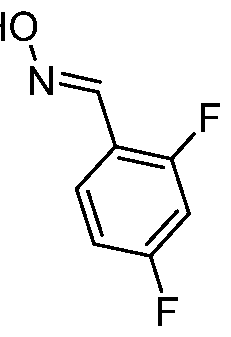
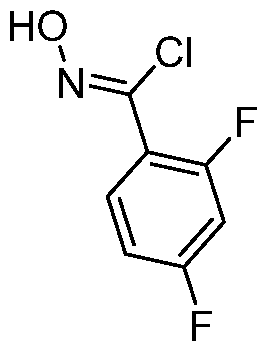
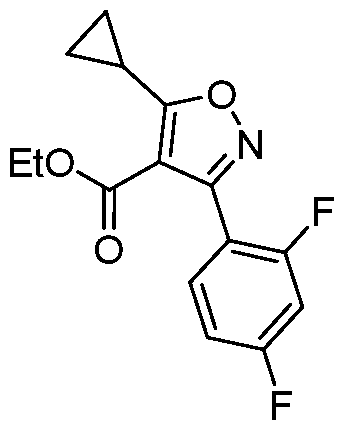


Claims


Priority Applications (21)
| Application Number | Priority Date | Filing Date | Title |
|---|---|---|---|
| NZ748625A NZ748625A (en) | 2016-06-13 | 2017-06-09 | Fxr (nr1h4) modulating compounds |
| AU2017284109A AU2017284109B2 (en) | 2016-06-13 | 2017-06-09 | FXR (NR1H4) modulating compounds |
| CU2018000147A CU20180147A7 (en) | 2016-06-13 | 2017-06-09 | HETEROARILO COMPOUNDS REPLACED AS FXR MODULATORS (NR1H4) |
| KR1020197000733A KR102276042B1 (en) | 2016-06-13 | 2017-06-09 | FXR (NR1H4) modulating compound |
| UAA201811806A UA122528C2 (en) | 2016-06-13 | 2017-06-09 | COMPOUNDS MODULATING FXR (NR1H4) |
| CR20180585A CR20180585A (en) | 2016-06-13 | 2017-06-09 | MODULAR COMPOSITIONS OF FXR (NR1H4) |
| CN202311748726.9A CN117924267A (en) | 2016-06-13 | 2017-06-09 | Compounds that modulate FXR (NR 1H 4) |
| KR1020217021105A KR102361996B1 (en) | 2016-06-13 | 2017-06-09 | Fxr (nr1h4) modulating compounds |
| CN201780036772.2A CN109476636B (en) | 2016-06-13 | 2017-06-09 | Compounds that modulate FXR (NR 1H 4) |
| JP2018564908A JP6683846B2 (en) | 2016-06-13 | 2017-06-09 | FXR (NR1H4) modulating compound |
| EA201892482A EA037694B1 (en) | 2016-06-13 | 2017-06-09 | CONNECTIONS MODULATING FXR (NR1H4) |
| CN202311747139.8A CN117924266A (en) | 2016-06-13 | 2017-06-09 | Compounds that modulate FXR (NR1H4) |
| US16/308,915 US20190308962A1 (en) | 2016-06-13 | 2017-06-09 | FXR (NR1H4) Modulating Compounds |
| MYPI2018002240A MY195224A (en) | 2016-06-13 | 2017-06-09 | FXR (NR1H4) Modulating Compounds |
| PH12018502488A PH12018502488A1 (en) | 2016-06-13 | 2018-11-26 | Fxr (nr1h4) modulating compounds |
| CONC2018/0012939A CO2018012939A2 (en) | 2016-06-13 | 2018-11-29 | Fxr modulating compounds (nr1h4) |
| ZA2018/08158A ZA201808158B (en) | 2016-06-13 | 2018-12-03 | Fxr (nr1h4) modulating compounds |
| IL263493A IL263493B (en) | 2016-06-13 | 2018-12-04 | Modulating compounds (fxr (nr1h4 |
| AU2020202618A AU2020202618C1 (en) | 2016-06-13 | 2020-04-17 | FXR (NR1H4) modulating compounds |
| PH12020551959A PH12020551959A1 (en) | 2016-06-13 | 2020-11-13 | Fxr (nr1h4) modulating compounds |
| AU2021254625A AU2021254625B2 (en) | 2016-06-13 | 2021-10-21 | FXR (NR1H4) modulating compounds |
Applications Claiming Priority (2)
| Application Number | Priority Date | Filing Date | Title |
|---|---|---|---|
| US201662349490P | 2016-06-13 | 2016-06-13 | |
| US62/349,490 | 2016-06-13 |
Publications (1)
| Publication Number | Publication Date |
|---|---|
| WO2017218330A1 true WO2017218330A1 (en) | 2017-12-21 |
Family
ID=59034605
Family Applications (1)
| Application Number | Title | Priority Date | Filing Date |
|---|---|---|---|
| PCT/US2017/036727 Ceased WO2017218330A1 (en) | 2016-06-13 | 2017-06-09 | Fxr (nr1h4) modulating compounds |
Country Status (41)
Cited By (13)
| Publication number | Priority date | Publication date | Assignee | Title |
|---|---|---|---|---|
| WO2018183193A1 (en) * | 2017-03-28 | 2018-10-04 | Gilead Sciences, Inc. | Therapeutic combinations for treating liver diseases |
| JP2019535811A (en) * | 2016-10-22 | 2019-12-12 | へパジーン セラピューティクス インコーポレイテッド | Heterocyclic FXR modulator |
| WO2021009332A1 (en) | 2019-07-18 | 2021-01-21 | Enyo Pharma | Method for decreasing adverse-effects of interferon |
| US10981881B2 (en) | 2016-06-13 | 2021-04-20 | Gilead Sciences, Inc. | FXR (NR1H4) modulating compounds |
| WO2021144330A1 (en) | 2020-01-15 | 2021-07-22 | INSERM (Institut National de la Santé et de la Recherche Médicale) | Use of fxr agonists for treating an infection by hepatitis d virus |
| USRE48711E1 (en) | 2009-07-13 | 2021-08-31 | Gilead Sciences, Inc. | Apoptosis signal-regulating kinase inhibitors |
| US11225473B2 (en) | 2019-01-15 | 2022-01-18 | Gilead Sciences, Inc. | FXR (NR1H4) modulating compounds |
| US11247986B2 (en) | 2016-06-13 | 2022-02-15 | Gilead Sciences, Inc. | FXR (NR1H4) modulating compounds |
| WO2022152770A1 (en) | 2021-01-14 | 2022-07-21 | Enyo Pharma | Synergistic effect of a fxr agonist and ifn for the treatment of hbv infection |
| US11478533B2 (en) | 2020-04-27 | 2022-10-25 | Novo Nordisk A/S | Semaglutide for use in medicine |
| WO2022229302A1 (en) | 2021-04-28 | 2022-11-03 | Enyo Pharma | Strong potentiation of tlr3 agonists effects using fxr agonists as a combined treatment |
| US11524005B2 (en) | 2019-02-19 | 2022-12-13 | Gilead Sciences, Inc. | Solid forms of FXR agonists |
| WO2022266444A1 (en) | 2021-06-18 | 2022-12-22 | Gilead Sciences, Inc. | Il-31 modulators for treating fxr-induced pruritis |
Families Citing this family (15)
| Publication number | Priority date | Publication date | Assignee | Title |
|---|---|---|---|---|
| EP2545964A1 (en) | 2011-07-13 | 2013-01-16 | Phenex Pharmaceuticals AG | Novel FXR (NR1H4) binding and activity modulating compounds |
| US10208081B2 (en) | 2014-11-26 | 2019-02-19 | Enanta Pharmaceuticals, Inc. | Bile acid derivatives as FXR/TGR5 agonists and methods of use thereof |
| WO2016161003A1 (en) | 2015-03-31 | 2016-10-06 | Enanta Phamraceuticals, Inc. | Bile acid derivatives as fxr/tgr5 agonists and methods of use thereof |
| WO2018067704A1 (en) | 2016-10-04 | 2018-04-12 | Enanta Pharmaceuticals, Inc. | Isoxazole analogs as fxr agonists and methods of use thereof |
| US10597391B2 (en) | 2016-10-26 | 2020-03-24 | Enanta Pharmaceuticals, Inc. | Urea-containing isoxazole derivatives as FXR agonists and methods of use thereof |
| ES2987108T3 (en) * | 2017-08-28 | 2024-11-13 | Univ Maryland | Novel gamma-aminobutyric acid type A receptor modulators for mood disorders |
| US10689391B2 (en) | 2017-12-12 | 2020-06-23 | Enanta Pharmaceuticals, Inc. | Isoxazole analogs as FXR agonists and methods of use thereof |
| US10829486B2 (en) | 2018-02-14 | 2020-11-10 | Enanta Pharmacueticals, Inc. | Isoxazole derivatives as FXR agonists and methods of use thereof |
| CN109096098B (en) * | 2018-08-31 | 2021-04-23 | 南京富润凯德生物医药有限公司 | A kind of preparation method of trans-1,3-dihydroxycyclobutane-1-carboxylic acid |
| PE20211655A1 (en) | 2018-10-31 | 2021-08-24 | Gilead Sciences Inc | 6-AZABENZIMIDAZOLE COMPOUNDS SUBSTITUTED AS HPK1 INHIBITORS |
| WO2020092528A1 (en) | 2018-10-31 | 2020-05-07 | Gilead Sciences, Inc. | Substituted 6-azabenzimidazole compounds having hpk1 inhibitory activity |
| WO2020231917A1 (en) | 2019-05-13 | 2020-11-19 | Enanta Pharmaceuticals, Inc. | Isoxazole derivatives as fxr agonists and methods of use thereof |
| TWI826690B (en) | 2019-05-23 | 2023-12-21 | 美商基利科學股份有限公司 | Substituted eneoxindoles and uses thereof |
| CN114656460B (en) * | 2020-12-22 | 2025-01-10 | 江苏天士力帝益药业有限公司 | A novel pyrazine structure FXR agonist, preparation method and application |
| CA3217423A1 (en) | 2021-06-16 | 2022-12-22 | Jeffrey M. Schkeryantz | Azetidinyl compounds comprising a carboxylic acid group for the treatment of neurodegenerative diseases |
Citations (5)
| Publication number | Priority date | Publication date | Assignee | Title |
|---|---|---|---|---|
| WO2008025539A1 (en) * | 2006-08-29 | 2008-03-06 | Phenex Pharmaceuticals Ag | Heterocyclic fxr binding compounds |
| EP2128158A1 (en) * | 2008-05-26 | 2009-12-02 | Phenex Pharmaceuticals AG | Heterocyclic cyclopropyl-substituted FXR binding compounds |
| WO2013037482A1 (en) * | 2011-09-15 | 2013-03-21 | Phenex Pharmaceuticals Ag | Farnesoid x receptor agonists for cancer treatment and prevention |
| WO2015138986A1 (en) * | 2014-03-13 | 2015-09-17 | Salk Institute For Biological Studies | Fxr agonists and methods for making and using |
| US9139539B2 (en) | 2011-07-13 | 2015-09-22 | Gilead Sciences, Inc. | FXR (NR1H4) binding and activity modulating compounds |
Family Cites Families (196)
| Publication number | Priority date | Publication date | Assignee | Title |
|---|---|---|---|---|
| NZ193011A (en) | 1979-03-19 | 1983-03-15 | Ici Australia Ltd | Diarylamine derivatives intermediates herbicidal compositions |
| DE3880544D1 (en) | 1987-04-21 | 1993-06-03 | Basf Ag | P-PHENOXY-PHENOXYMETHYL-FUENFRING-HETEROAROMAT. |
| JP3121061B2 (en) | 1991-10-04 | 2000-12-25 | 塩野義製薬株式会社 | Method for producing intermediate for producing alkoxyiminoacetamides and intermediate used therein |
| DE4137940A1 (en) | 1991-11-18 | 1993-05-19 | Basf Ag | 3-ISOXAZOLYLPHENYL COMPOUNDS, THEIR PRODUCTION AND THEIR USE |
| US5258551A (en) | 1991-12-18 | 1993-11-02 | Shionogi & Co., Ltd. | Process for producing α-ketoamide derivative |
| WO1994017059A1 (en) | 1993-01-29 | 1994-08-04 | Nippon Soda Co., Ltd. | Heterocyclic derivative |
| WO1994024095A1 (en) | 1993-04-16 | 1994-10-27 | Abbott Laboratories | Immunosuppressive agents |
| IL112721A0 (en) | 1994-03-10 | 1995-05-26 | Zeneca Ltd | Azole derivatives |
| JPH10503768A (en) | 1994-08-02 | 1998-04-07 | メルク シヤープ エンド ドーム リミテツド | Azetidine, pyrrolidine and piperidine derivatives |
| GB9501865D0 (en) | 1995-01-31 | 1995-03-22 | Merck Sharp & Dohme | Therapeutic agents |
| US5633272A (en) | 1995-02-13 | 1997-05-27 | Talley; John J. | Substituted isoxazoles for the treatment of inflammation |
| DE19536811A1 (en) | 1995-10-02 | 1997-04-03 | Basf Ag | Intermediates and processes for the production of substituted salicylic acid derivatives as crop protection agents |
| DK0880363T3 (en) | 1996-02-13 | 2003-01-20 | Searle & Co | Combinations comprising a cyclooxygenase-2 inhibitor as well as a leukotriene A4 hydrolase inhibitor which has immunosuppressive effects |
| ES2326850T3 (en) | 1998-12-23 | 2009-10-20 | Glaxo Group Limited | TESTS FOR NUCLEAR RECEPTORS LIGANDOS. |
| AU774538B2 (en) | 1999-06-11 | 2004-07-01 | Allergan, Inc. | Organosilyl compounds having nuclear hormone receptor modulating activity |
| US7022725B2 (en) | 2000-11-17 | 2006-04-04 | Takeda Pharmaceutical Company Limited | Isoxazole derivatives |
| US20040105884A1 (en) | 2001-04-17 | 2004-06-03 | Ping Gao | Pharmaceutical dosage form comprising a sulfite compound |
| US20040131670A1 (en) | 2001-04-17 | 2004-07-08 | Ping Gao | Pellicle-resistant gelatin capsule |
| US20040105883A1 (en) | 2001-04-17 | 2004-06-03 | Ping Gao | Pharmaceutical dosage form capable of maintaining stable dissolution profile upon storage |
| US20040105885A1 (en) | 2001-04-17 | 2004-06-03 | Ping Gao | Gelatin capsule exhibiting reduced cross-linking |
| EP1405636A4 (en) | 2001-06-26 | 2009-04-15 | Takeda Pharmaceutical | REGULATOR OF RECTINTOR FUNCTION RELATING TO RETINOIDS |
| EP1423113A4 (en) | 2001-08-13 | 2007-04-18 | Phenex Pharmaceuticals Ag | Nr1h4 nuclear receptor binding compounds |
| US20070010562A1 (en) | 2001-08-13 | 2007-01-11 | Ulrike Bauer | Nr1h4 nuclear receptor binding compounds |
| EP1285914B1 (en) | 2001-08-13 | 2007-12-19 | PheneX Pharmaceuticals AG | Nr1h4 nuclear receptor binding compounds |
| US20050107475A1 (en) | 2002-03-21 | 2005-05-19 | Jones Stacey A. | Methods of using farnesoid x receptor (frx) agonists |
| US7595311B2 (en) | 2002-05-24 | 2009-09-29 | Exelixis, Inc. | Azepinoindole derivatives as pharmaceutical agents |
| TW200424183A (en) | 2002-08-09 | 2004-11-16 | Nps Pharma Inc | New compounds |
| AR040847A1 (en) | 2002-08-09 | 2005-04-20 | Astrazeneca Ab | 1,2,4-OXADIAZOLES AS METABOTROPIC GLUTAMATE RECEPTORS MODULATORS, FOR THE TREATMENT OF NEUROLOGICAL AND PSYCHIATRIC DISORDERS |
| WO2004014902A2 (en) | 2002-08-09 | 2004-02-19 | Astrazeneca Ab | Compounds having an activity at metabotropic glutamate receptors |
| EP1407774A1 (en) | 2002-09-10 | 2004-04-14 | LION Bioscience AG | 2-Amino-4-quinazolinones as LXR nuclear receptor binding compounds |
| WO2004046162A2 (en) | 2002-11-14 | 2004-06-03 | The Scripps Research Institute | Non-steroidal fxr agonists |
| US20050143449A1 (en) | 2002-11-15 | 2005-06-30 | The Salk Institute For Biological Studies | Non-steroidal farnesoid X receptor modulators and methods for the use thereof |
| JP2006515838A (en) | 2002-11-22 | 2006-06-08 | スミスクライン ビーチャム コーポレーション | Farnesoid X receptor agonist |
| WO2004087076A2 (en) | 2003-03-31 | 2004-10-14 | The Rockefeller University | Methods for inhibiting adipogenesis and for treating type 2 diabetes |
| WO2005077373A2 (en) | 2004-02-03 | 2005-08-25 | Astrazeneca Ab | Treatment of gastro-esophageal reflux disease (gerd) |
| WO2005077345A1 (en) | 2004-02-03 | 2005-08-25 | Astrazeneca Ab | Compounds for the treatment of gastro-esophageal reflux disease |
| US7585881B2 (en) | 2004-02-18 | 2009-09-08 | Astrazeneca Ab | Additional heteropolycyclic compounds and their use as metabotropic glutamate receptor antagonists |
| AU2005245411B2 (en) | 2004-05-14 | 2009-04-23 | Irm Llc | Compounds and compositions as PPAR modulators |
| MY144903A (en) | 2004-06-17 | 2011-11-30 | Novartis Ag | Pyrrolopyridine derivatives and their use as crth2 antagonists |
| EP1815206B1 (en) | 2004-10-13 | 2016-04-06 | PTC Therapeutics, Inc. | Compounds for nonsense suppression, and methods for their use |
| JP2008137894A (en) | 2005-03-22 | 2008-06-19 | Nippon Kayaku Co Ltd | New acetylene derivative |
| US8952176B2 (en) | 2005-06-07 | 2015-02-10 | Shionogi & Co., Ltd. | Heterocyclic compound having type I 11 β hydroxysteroid dehydrogenase inhibitory activity |
| CA2633243C (en) | 2005-12-15 | 2014-05-27 | Exelixis, Inc. | Azepinoindole derivatives as pharmaceutical agents |
| WO2007076260A2 (en) | 2005-12-19 | 2007-07-05 | Smithkline Beecham Corporation | Farnesoid x receptor agonists |
| US7560551B2 (en) | 2006-01-23 | 2009-07-14 | Amgen Inc. | Aurora kinase modulators and method of use |
| JP5301286B2 (en) | 2006-02-03 | 2013-09-25 | イーライ リリー アンド カンパニー | Compounds and methods for modulating FX receptors |
| WO2007095174A2 (en) | 2006-02-14 | 2007-08-23 | Intercept Pharmaceuticals, Inc. | Bile acid derivatives as fxr ligands for the prevention or treatment of fxr-mediated diseases or conditions |
| US20100261758A1 (en) | 2006-03-28 | 2010-10-14 | Novartis Ag | Heterocyclic amides for use as pharmaceuticals |
| CA2643924A1 (en) | 2006-04-17 | 2007-10-25 | Neuromed Pharmaceuticals Ltd. | Isoxazole derivatives as calcium channel blockers |
| DK2029547T3 (en) | 2006-05-24 | 2010-07-26 | Lilly Co Eli | FXR agonists |
| ATE549338T1 (en) | 2006-05-24 | 2012-03-15 | Boehringer Ingelheim Int | SUBSTITUTED PTERIDINES SUBSTITUTED WITH A FOUR-MEMBER HETEROCYCLE |
| AU2007267692B2 (en) | 2006-05-24 | 2012-06-14 | Eli Lilly And Company | Compounds and methods for modulating FXR |
| WO2007140200A2 (en) | 2006-05-25 | 2007-12-06 | Bristol-Myers Squibb Company | Cyclopropyl fused indolobenzazepine hcv ns5b inhibitors |
| CN101522703B (en) | 2006-06-27 | 2013-04-17 | 英特塞普特医药品公司 | Bile acid derivatives and its uses in the prevention or treatment of fxr-mediated diseases or conditions |
| EP2043651A2 (en) | 2006-07-05 | 2009-04-08 | Exelixis, Inc. | Methods of using igf1r and abl kinase modulators |
| WO2008013660A2 (en) | 2006-07-07 | 2008-01-31 | Biostratum, Inc. | Inhibitors of advanced glycation end products |
| PE20080401A1 (en) | 2006-07-07 | 2008-06-23 | Boehringer Ingelheim Int | HETEROARYL-PHENYL DERIVATIVES SUBSTITUTED AS INHIBITORS OF B-Raf-KINASES |
| EP1894924A1 (en) | 2006-08-29 | 2008-03-05 | Phenex Pharmaceuticals AG | Heterocyclic FXR binding compounds |
| US8193225B2 (en) | 2006-10-13 | 2012-06-05 | The Board Of Regents Of The University Of Texas System | Isoxazole amides, derivatives and methods of chemical induction of neurogenesis |
| CL2007003035A1 (en) | 2006-10-24 | 2008-05-16 | Smithkline Beechman Corp | COMPOUNDS DERIVED FROM ISOXAZOL REPLACED, FARNESOID X RECEIVER AGONISTS; PREPARATION PROCEDURE; PHARMACEUTICAL COMPOSITION THAT UNDERSTANDS IT; AND USE OF THE COMPOUND IN THE TREATMENT OF OBESITY, DIABETES MELLITUS, FIBROSIS IN ORGANS, |
| US8501933B2 (en) | 2006-11-09 | 2013-08-06 | Roche Palo Alto Llc | Thiazole and oxazole-substituted arylamides as P2X3 and P2X2/3 antagonists |
| WO2008073825A1 (en) | 2006-12-08 | 2008-06-19 | Exelixis, Inc. | Lxr and fxr modulators |
| GB0625842D0 (en) | 2006-12-22 | 2007-02-07 | Argenta Discovery Ltd | Indolizine derivatives |
| US20090105251A1 (en) | 2007-01-25 | 2009-04-23 | Benjamin Jones | Renin inhibitors |
| US7511149B2 (en) | 2007-02-09 | 2009-03-31 | Dow Agrosciences Llc | Process for the oxidation of certain substituted sulfilimines to insecticidal sulfoximines |
| BRPI0721218A2 (en) | 2007-02-09 | 2013-01-01 | Dow Agrosciences Llc | process for the oxidation of certain substituted sulfilimines to insecticidal sulfoximines |
| AU2008219748B2 (en) | 2007-02-26 | 2012-05-03 | Corteva Agriscience Llc | Process for the preparation of certain substituted sulfilimines |
| EA200901512A1 (en) | 2007-06-13 | 2010-06-30 | ГЛАКСОСМИТКЛАЙН ЭлЭлСи | PHARNESIDE X-RECEPTORS AGONISTS |
| JP2008308448A (en) | 2007-06-15 | 2008-12-25 | Sankyo Agro Kk | (3-Sulfur atom substituted phenyl) heteroaryl derivative |
| WO2008155054A1 (en) | 2007-06-20 | 2008-12-24 | F. Hoffmann-La Roche Ag | Farnesoid-x-receptor mutants, and crystallisation thereof |
| WO2009003998A2 (en) | 2007-07-02 | 2009-01-08 | Boehringer Ingelheim International Gmbh | Antiproliferative compounds based on 5-membered heterocycles |
| AU2008270784A1 (en) | 2007-07-02 | 2009-01-08 | Glaxosmithkline Llc | Farnesoid X receptor agonists |
| US20090197880A1 (en) | 2007-07-13 | 2009-08-06 | Genelabs Technologies, Inc. | Anti-viral compounds, compositions, and methods of use |
| TW200920372A (en) | 2007-07-13 | 2009-05-16 | Genelabs Tech Inc | Anti-viral compounds, compositions, and methods of use |
| TW200906823A (en) | 2007-07-16 | 2009-02-16 | Lilly Co Eli | Compounds and methods for modulating FXR |
| EP2185149A1 (en) | 2007-08-01 | 2010-05-19 | H. Lundbeck A/S | Use of kncq potassium channel openers for reducing symptoms of or treating disorders or conditions wherein the dopaminergic system is disrupted |
| US8188080B2 (en) | 2007-10-17 | 2012-05-29 | Sanford-Burnham Medical Research Institute | VHR protein tyrosine phosphatase inhibitors, compositions and methods of use |
| US20090143451A1 (en) | 2007-11-14 | 2009-06-04 | Andrews William H | Compounds that increase telomerase reverse transcriptase (tert) expression and methods for using the same |
| BRPI0821676A2 (en) | 2007-12-21 | 2015-06-16 | Astrazeneca Ab | Compound, pharmaceutical composition, and process for preparing the compounds. |
| EP2110374A1 (en) | 2008-04-18 | 2009-10-21 | Merck Sante | Benzofurane, benzothiophene, benzothiazol derivatives as FXR modulators |
| US20120015988A1 (en) | 2008-05-13 | 2012-01-19 | Boehringer Ingelheim International Gmbh | Sulfone Compounds Which Modulate The CB2 Receptor |
| US20100016313A1 (en) | 2008-05-19 | 2010-01-21 | Burnham Institute For Medical Research | Intestinal alkaline phosphatase modulators and uses thereof |
| US8158636B2 (en) | 2008-05-19 | 2012-04-17 | Plexxikon Inc. | Compounds and methods for kinase modulation, and indications therefor |
| US8119637B2 (en) | 2008-06-10 | 2012-02-21 | Plexxikon Inc. | Substituted pyrrolo[2,3-b]pyrazines and methods for kinase modulation, and indications therefor |
| US8822513B2 (en) | 2010-03-01 | 2014-09-02 | Gtx, Inc. | Compounds for treatment of cancer |
| AU2009264362A1 (en) | 2008-06-23 | 2009-12-30 | Basf Se | Sulfoximinamide compounds for combating animal pests |
| US20100029655A1 (en) | 2008-07-11 | 2010-02-04 | Martin Robert Leivers | Processes For The Preparation Of Anti-Viral Compounds And Compositions Containing Them |
| WO2010025035A1 (en) | 2008-08-25 | 2010-03-04 | Dow Global Technologies Inc. | Process for preparing isoxazole compounds |
| WO2010033906A2 (en) | 2008-09-19 | 2010-03-25 | President And Fellows Of Harvard College | Efficient induction of pluripotent stem cells using small molecule compounds |
| AU2009296048A1 (en) | 2008-09-25 | 2010-04-01 | F. Hoffmann-La Roche Ag | 2,3-substituted indazole or 4,5,6,7-tetrahydro-indazoles as FXR modulators against dyslipidemia and related diseases |
| CN102164900B (en) | 2008-09-25 | 2014-04-16 | 霍夫曼-拉罗奇有限公司 | 3-amino-indazole or 3-amino-4,5,6,7-tetrahydro-indazole derivatives |
| WO2010036362A1 (en) | 2008-09-26 | 2010-04-01 | Wyeth | 1,2,3,6-tetrahydroazepino[4,5-b]indole-5-carboxylate nuclear receptor inhibitors |
| JP2012506386A (en) | 2008-10-21 | 2012-03-15 | メタボレックス, インコーポレイテッド | Aryl GPR120 receptor agonist and uses thereof |
| FR2937972B1 (en) | 2008-11-04 | 2013-03-29 | Galderma Res & Dev | OXOAZETIDINE DERIVATIVES, PROCESS FOR THEIR PREPARATION AND THEIR USE IN HUMAN MEDICINE AND COSMETICS |
| WO2010089303A1 (en) | 2009-02-04 | 2010-08-12 | Boehringer Ingelheim International Gmbh | CYCLIC INHIBITORS OF 11 β-HYDROXYSTEROID DEHYDROGENASE 1 |
| KR20100092909A (en) | 2009-02-13 | 2010-08-23 | 주식회사 엘지생명과학 | Novel compounds effective as xanthine oxidase inhibitors, method for preparing the same, and pharmaceutical composition containing the same |
| FR2943059A1 (en) | 2009-03-16 | 2010-09-17 | Sanofi Aventis | N-6-AZA-BICYCLO® 3.2.1.0-OCT-5-YL) -ARYL-METHYL-HETEROBENZAMIDE DERIVATIVES, THEIR PREPARATION AND THEIR THERAPEUTIC USE |
| US8883832B2 (en) | 2009-07-06 | 2014-11-11 | Aerpio Therapeutics Inc. | Compounds, compositions, and methods for preventing metastasis of cancer cells |
| JP2012532175A (en) | 2009-07-06 | 2012-12-13 | ビーエーエスエフ ソシエタス・ヨーロピア | Pyridazine compounds for invertebrate pest control |
| BR112012001597A2 (en) | 2009-07-24 | 2015-09-01 | Basf Se | Method for controlling and / or combating invertebrate pests, method for protecting plant propagating material and / or growing plants, plant propagating material and method for treating or protecting an animal from infestation or parasite infection. |
| US9212177B2 (en) | 2009-08-05 | 2015-12-15 | Versitech Limited | Antiviral compounds and methods of making and using thereof |
| EP2289883A1 (en) | 2009-08-19 | 2011-03-02 | Phenex Pharmaceuticals AG | Novel FXR (NR1H4) binding and activity modulating compounds |
| WO2011026241A1 (en) | 2009-09-04 | 2011-03-10 | Zalicus Pharmaceuticals Ltd. | Substituted heterocyclic derivatives for the treatment of pain and epilepsy |
| US9095596B2 (en) | 2009-10-15 | 2015-08-04 | Southern Research Institute | Treatment of neurodegenerative diseases, causation of memory enhancement, and assay for screening compounds for such |
| KR101939704B1 (en) | 2010-03-01 | 2019-01-17 | 지티엑스, 인코포레이티드 | Compounds for treatment of cancer |
| EP2580213A4 (en) | 2010-06-09 | 2013-12-25 | Afraxis Holdings Inc | 8-(HETEROARYLMETHYL)PYRIDO[2,3-d]PYRIMIDIN-7(8H)-ONES FOR THE TREATMENT OF CNS DISORDERS |
| WO2012058531A2 (en) | 2010-10-29 | 2012-05-03 | North Carolina State University | Modulation of response regulators by imidazole derivatives |
| TWI408128B (en) | 2010-12-03 | 2013-09-11 | Nat Univ Tsing Hua | Meta-terphenyl derivatives and their application in organic light-emitting diodes |
| WO2012076063A1 (en) | 2010-12-10 | 2012-06-14 | Rottapharm S.P.A. | Pyridine amide derivatives as ep4 receptor antagonists |
| EP2655368A1 (en) | 2010-12-20 | 2013-10-30 | Irm Llc | Compositions and methods for modulating farnesoid x receptors |
| US20140039007A1 (en) | 2010-12-20 | 2014-02-06 | David C. Tully | Compositions and methods for modulating farnesoid x receptors |
| CU24152B1 (en) | 2010-12-20 | 2016-02-29 | Irm Llc | 1,2 OXAZOL-8-AZABICICLO [3,2,1] OCTANO 8 IL AS FXR MODULATORS |
| FR2981933B1 (en) | 2011-11-02 | 2013-11-15 | Galderma Res & Dev | OXOAZETIDINE DERIVATIVES, PROCESS FOR THEIR PREPARATION AND THEIR USE IN HUMAN MEDICINE AND COSMETICS |
| PT3336097T (en) | 2012-06-19 | 2020-10-29 | Intercept Pharmaceuticals Inc | Preparation of the non-crystalline form of obeticholic acid |
| CA2890664A1 (en) * | 2012-11-08 | 2014-05-15 | Agios Pharmaceuticals, Inc. | Therapeutic compounds and compositions and their use as pkm2 modulators |
| TWI621618B (en) | 2013-03-13 | 2018-04-21 | 比利時商健生藥品公司 | Substituted 2-azabicyclics and their use as orexin receptor modulators |
| WO2014181287A1 (en) | 2013-05-09 | 2014-11-13 | Piramal Enterprises Limited | Heterocyclyl compounds and uses thereof |
| CA2912139C (en) | 2013-05-14 | 2021-04-20 | Roberto Pellicciari | 11-hydroxyl-derivatives of bile acids and amino acid conjugates thereof as farnesoid x receptor modulators |
| EP3027637B1 (en) | 2013-08-01 | 2019-10-09 | The U.S.A. As Represented By The Secretary, Department Of Health And Human Services | The glycine conjugate of beta-muricholic acid as an inhibitor of the farnesoid x receptor for the treatment of obesity, insulin resistance or non-alcoholic fatty liver disease |
| PL3043865T3 (en) | 2013-09-11 | 2021-07-05 | Institut National De La Santé Et De La Recherche Médicale (Inserm) | Methods and pharmaceutical compositions for the treatment of hepatitis b virus infection |
| US20150082981A1 (en) | 2013-09-20 | 2015-03-26 | E I Du Pont De Nemours And Company | Capture of trifluoromethane using ionic liquids |
| CN104513213A (en) | 2013-09-28 | 2015-04-15 | 山东亨利医药科技有限责任公司 | Fxr agonist |
| US20150119345A1 (en) | 2013-10-29 | 2015-04-30 | Lumena Pharmaceuticals, Inc. | Bile acid recycling inhibitors for treatment of gastrointestinal infections |
| SG11201603026PA (en) | 2013-11-05 | 2016-05-30 | Novartis Ag | Compositions and methods for modulating farnesoid x receptors |
| WO2015116856A2 (en) | 2014-01-29 | 2015-08-06 | City Of Hope | Farnesoid x receptor antagonists |
| US10077268B2 (en) | 2014-03-13 | 2018-09-18 | Salk Institute For Biological Studies | FXR agonists and methods for making and using |
| KR20160133529A (en) | 2014-03-13 | 2016-11-22 | 더 솔크 인스티튜트 포 바이올로지칼 스터디즈 | Analogs of fexaramine and methods of making and using |
| AR100073A1 (en) | 2014-04-14 | 2016-09-07 | Gruenenthal Gmbh | HETEROCYCLIC SULPHONES REPLACED WITH HETEROARILES |
| WO2015162538A1 (en) | 2014-04-21 | 2015-10-29 | Lupin Limited | Heterocyclic compounds as calcium sensing receptor modulators for the treatment of hyperparathyroidism, chronic renal failure and chronic kidney disease |
| WO2015162244A1 (en) | 2014-04-25 | 2015-10-29 | Basf Se | N-acylamidine compounds |
| WO2015165960A1 (en) | 2014-04-30 | 2015-11-05 | Basf Se | N-acylamidine compounds |
| EP3626725B1 (en) | 2014-05-29 | 2022-11-30 | Bar Pharmaceuticals S.r.l. | Cholane derivatives for use in the treatment and/or prevention of fxr and tgr5/gpbar1 mediated diseases |
| CN104045635A (en) | 2014-06-23 | 2014-09-17 | 华东理工大学 | 3,4,5-tri-substituted isoxazole compounds and applications thereof |
| US9855249B2 (en) | 2014-10-02 | 2018-01-02 | Flatley Discovery Lab, Llc | Isoxazole compounds and methods for the treatment of cystic fibrosis |
| EP3006939A1 (en) | 2014-10-06 | 2016-04-13 | Gilead Sciences, Inc. | Histidine-rich Glycoprotein as a marker for hepatic Farnesoid X receptor activation |
| KR20160049500A (en) | 2014-10-27 | 2016-05-09 | 주식회사 엘지화학 | Organic Electroluminescent Element |
| HK1243930A1 (en) | 2014-11-06 | 2018-07-27 | 英安塔制药有限公司 | Bile acid analogs an fxr/tgr5 agonists and methods of use thereof |
| ES2911293T3 (en) | 2014-11-21 | 2022-05-18 | Akarna Therapeutics Ltd | Fused bicyclic compounds for the treatment of diseases |
| WO2016086115A1 (en) | 2014-11-26 | 2016-06-02 | Enanta Pharmaceuticals, Inc. | Tetrazole derivatives of bile acids as fxr/tgr5 agonists and methods of use thereof |
| HK1244708A1 (en) | 2014-11-26 | 2018-08-17 | 英安塔制药有限公司 | Bile acid analogs as fxr/tgr5 agonists and methods of use thereof |
| US10208081B2 (en) | 2014-11-26 | 2019-02-19 | Enanta Pharmaceuticals, Inc. | Bile acid derivatives as FXR/TGR5 agonists and methods of use thereof |
| WO2016086134A1 (en) | 2014-11-26 | 2016-06-02 | Enanta Pharmaceuticals, Inc. | Bile acid derivatives as fxr/tgr5 agonists and methods of use thereof |
| EP3034499A1 (en) | 2014-12-17 | 2016-06-22 | Gilead Sciences, Inc. | Novel FXR (NR1H4) modulating compounds |
| EP3034501A1 (en) | 2014-12-17 | 2016-06-22 | Gilead Sciences, Inc. | Hydroxy containing FXR (NR1H4) modulating compounds |
| KR20170095965A (en) | 2014-12-18 | 2017-08-23 | 노파르티스 아게 | Azabicyclooctane derivatives as fxr agonists for use in the treatment of liver and gastrointestinal diseases |
| US20180021341A1 (en) | 2015-01-09 | 2018-01-25 | Gilead Apollo, Llc | Acc inhibitor combination therapy for the treatment of non-alcoholic fatty liver disease |
| EP3247701B1 (en) | 2015-01-20 | 2021-09-22 | Boehringer Ingelheim Animal Health USA Inc. | Anthelmintic compounds, compositions and method of using thereof |
| TWI698430B (en) | 2015-02-13 | 2020-07-11 | 南北兄弟藥業投資有限公司 | Tricyclic compounds and uses thereof in medicine |
| US10100285B2 (en) | 2015-04-03 | 2018-10-16 | Propagenix Inc. | Ex vivo proliferation of epithelial cells |
| CN106146483A (en) | 2015-04-23 | 2016-11-23 | 上海迪诺医药科技有限公司 | Heterocyclic method Buddhist nun's ester derivant X receptor modulators |
| GB201507340D0 (en) | 2015-04-29 | 2015-06-10 | Univ St Andrews | Light emitting devices and compounds |
| CN107920523A (en) | 2015-07-13 | 2018-04-17 | 范德比尔特大学 | The heat volatilization of ORCO activators |
| EP3892718A1 (en) | 2015-09-11 | 2021-10-13 | Propagenix Inc. | Ex vivo proliferation of epithelial cells |
| BR112018010720A8 (en) | 2015-12-04 | 2019-02-26 | Bristol Myers Squibb Co | apelin receptor agonists and methods of use |
| TW201734002A (en) | 2015-12-11 | 2017-10-01 | 拜耳作物科學股份有限公司 | Substituted malonamides as insecticides |
| CN106946867B (en) | 2016-01-06 | 2019-11-12 | 广州市恒诺康医药科技有限公司 | FXR receptor modulator and its preparation method and use |
| EP3190103A1 (en) | 2016-01-08 | 2017-07-12 | Rijksuniversiteit Groningen | Inhibitors of the pd-1/pd-l1 protein/protein interaction |
| CN108699087B (en) | 2016-01-10 | 2022-05-17 | 不列颠哥伦比亚癌症局分支机构 | 18/19F-labeled compounds targeting prostate specific membrane antigen |
| WO2017122209A2 (en) | 2016-01-12 | 2017-07-20 | Yeda Research And Development Co. Ltd. | NF-kappaB INHIBITORS |
| WO2017128896A1 (en) | 2016-01-26 | 2017-08-03 | 江苏豪森药业集团有限公司 | Fxr agonist and preparation method and use thereof |
| WO2017133521A1 (en) | 2016-02-01 | 2017-08-10 | 山东轩竹医药科技有限公司 | Fxr receptor agonist |
| CN107021957A (en) | 2016-02-01 | 2017-08-08 | 山东轩竹医药科技有限公司 | FXR receptor stimulating agents |
| CN107021958A (en) | 2016-02-01 | 2017-08-08 | 山东轩竹医药科技有限公司 | FXR receptor stimulating agents |
| TW201741307A (en) | 2016-02-22 | 2017-12-01 | 艾洛斯生物製藥公司 | FXR modulators and methods of their use |
| CN107224583A (en) | 2016-03-24 | 2017-10-03 | 中美华世通生物医药科技(武汉)有限公司 | Medical composition and its use |
| US10080742B2 (en) | 2016-04-26 | 2018-09-25 | Enanta Pharmaceuticals, Inc. | Isoxazole derivatives as FXR agonists and methods of use thereof |
| WO2017189663A1 (en) | 2016-04-26 | 2017-11-02 | Enanta Pharmaceuticals, Inc. | Isoxazole derivatives as fxr agonists and methods of use thereof |
| WO2017189652A1 (en) | 2016-04-26 | 2017-11-02 | Enanta Pharmaceuticals, Inc. | Isoxazole derivatives as fxr agonists and methods of use thereof |
| US10144729B2 (en) | 2016-05-18 | 2018-12-04 | Enanta Pharmaceuticals, Inc. | Isoxazole analogs as FXR agonists and methods of use thereof |
| WO2017201155A1 (en) | 2016-05-18 | 2017-11-23 | Enanta Pharmaceuticals, Inc. | lSOXAZOLE DERIVATIVES AS FXR AGONISTS AND METHODS OF USE THEREOF |
| WO2017201152A1 (en) | 2016-05-18 | 2017-11-23 | Enanta Pharmaceuticals, Inc. | Isoxazole derivatives as fxr agonists and methods of use thereof |
| CN109475537A (en) | 2016-06-03 | 2019-03-15 | 坎莫森特里克斯公司 | Methods of treating liver fibrosis |
| CA3252823A1 (en) * | 2016-06-13 | 2025-02-25 | Gilead Sciences, Inc. | Substituted tert-butyl-3-(2-chloro-phenyl)-3-hydroxyazetidine-1-carboxylate compounds |
| MA45244A (en) | 2016-06-13 | 2019-04-17 | Cancer Research Tech Ltd | SUBSTITUTED PYRIDINES USED AS DNMT1 INHIBITORS |
| AR108711A1 (en) | 2016-06-13 | 2018-09-19 | Gilead Sciences Inc | FXR MODULATING COMPOUNDS (NR1H4) |
| BR112018075734A2 (en) * | 2016-06-13 | 2019-04-02 | Gilead Sciences, Inc. | compound, pharmaceutical composition, method of treating a patient with a disease or condition mediated at least in part by fxr, and use of a compound. |
| TW201808283A (en) | 2016-08-05 | 2018-03-16 | 廣東東陽光藥業有限公司 | Nitrogen-containing tricyclic compounds and uses thereof in medicine |
| EP3504205B1 (en) | 2016-08-23 | 2021-08-04 | Ardelyx, Inc. | Hormone receptor modulators for treating metabolic conditions and disorders |
| US11091482B2 (en) | 2016-08-23 | 2021-08-17 | Ardelyx, Inc. | Isoxazolyl-carbonyloxy azabicyclo[3.2.1]octanyl compounds as FXR activators |
| CN108430998B (en) | 2016-09-28 | 2021-07-09 | 四川科伦博泰生物医药股份有限公司 | Azabicyclic derivatives and their preparation methods and uses |
| CN109983010A (en) | 2016-09-29 | 2019-07-05 | 拜耳作物科学股份公司 | 1- [2- (1- chlorine cyclopropyl) -2- hydroxyl -3- (3- phenyl -1,2- oxazole -5- base) propyl] -1H- imidazoles -5- 6-carbonitrile derivatives and related compound as the fungicide for crop protection |
| WO2018067704A1 (en) | 2016-10-04 | 2018-04-12 | Enanta Pharmaceuticals, Inc. | Isoxazole analogs as fxr agonists and methods of use thereof |
| CN110167557A (en) | 2016-10-18 | 2019-08-23 | 马德里加尔制药公司 | The method for treating liver diseases or lipoid dyscrasias with THR-BETA excitant |
| CN107973790A (en) | 2016-10-22 | 2018-05-01 | 合帕吉恩治疗公司 | Heterocyclic FXR conditioning agent |
| IL266530B2 (en) | 2016-11-10 | 2024-09-01 | Galmed Res And Development Ltd | Use of Amcol for the treatment of fibrosis |
| US20180133203A1 (en) | 2016-11-11 | 2018-05-17 | Gilead Sciences, Inc. | Methods of treating liver disease |
| CN106588804B (en) | 2016-12-09 | 2018-11-09 | 都创(上海)医药科技有限公司 | A kind of preparation method of compound as Farnesoid X receptor (FXR) |
| CN106632294A (en) | 2016-12-15 | 2017-05-10 | 宁波百纳西药业有限公司 | Spiro compound and medicinal use thereof |
| CN106748922B (en) | 2017-01-12 | 2019-02-01 | 中国药科大学 | A new class of sulfonic acid derivatives, their preparation method and their use as medicines |
| CN110461328A (en) | 2017-03-28 | 2019-11-15 | 吉利德科学公司 | Combinations of treatments for liver disease |
| WO2018190643A1 (en) | 2017-04-12 | 2018-10-18 | Il Dong Pharmaceutical Co., Ltd. | An isoxazole derivatives as nuclear receptor agonists and used thereof |
| US20180333401A1 (en) | 2017-04-12 | 2018-11-22 | Gilead Sciences, Inc. | Methods of treating liver disease |
| EP3658139A4 (en) | 2017-07-25 | 2021-04-07 | Cedars-Sinai Medical Center | METHODS OF TREATMENT OF HEPATIC DISEASES |
| EP4360632B1 (en) | 2019-01-15 | 2025-10-29 | Gilead Sciences, Inc. | Fxr (nr1h4) modulating compounds |
| US11524005B2 (en) | 2019-02-19 | 2022-12-13 | Gilead Sciences, Inc. | Solid forms of FXR agonists |
| KR20210136081A (en) | 2019-03-11 | 2021-11-16 | 길리애드 사이언시즈, 인코포레이티드 | Formulations of compounds and their uses |
-
2017
- 2017-05-30 CA CA3252823A patent/CA3252823A1/en active Pending
- 2017-05-30 CA CA2968836A patent/CA2968836C/en active Active
- 2017-06-06 SG SG10201704622YA patent/SG10201704622YA/en unknown
- 2017-06-06 SG SG10201912439TA patent/SG10201912439TA/en unknown
- 2017-06-08 UY UY0001037280A patent/UY37280A/en active IP Right Grant
- 2017-06-09 MA MA047614A patent/MA47614A/en unknown
- 2017-06-09 SI SI201730085T patent/SI3257847T1/en unknown
- 2017-06-09 CU CU2018000147A patent/CU20180147A7/en unknown
- 2017-06-09 KR KR1020197000733A patent/KR102276042B1/en active Active
- 2017-06-09 MY MYPI2018002240A patent/MY195224A/en unknown
- 2017-06-09 SI SI201731181T patent/SI3587412T1/en unknown
- 2017-06-09 NZ NZ763011A patent/NZ763011A/en unknown
- 2017-06-09 EP EP24194338.0A patent/EP4534536A1/en active Pending
- 2017-06-09 MA MA41519A patent/MA41519B1/en unknown
- 2017-06-09 UA UAA202004850A patent/UA128723C2/en unknown
- 2017-06-09 DK DK17175336.1T patent/DK3257847T3/en active
- 2017-06-09 HR HRP20220806TT patent/HRP20220806T1/en unknown
- 2017-06-09 ES ES22174957T patent/ES2992493T3/en active Active
- 2017-06-09 EP EP19188723.1A patent/EP3587412B1/en active Active
- 2017-06-09 PT PT191887231T patent/PT3587412T/en unknown
- 2017-06-09 US US16/308,915 patent/US20190308962A1/en not_active Abandoned
- 2017-06-09 PL PL22174957.5T patent/PL4089072T3/en unknown
- 2017-06-09 LT LT17175336T patent/LT3257847T/en unknown
- 2017-06-09 HU HUE17175336A patent/HUE045528T2/en unknown
- 2017-06-09 NZ NZ748625A patent/NZ748625A/en unknown
- 2017-06-09 CN CN202311747139.8A patent/CN117924266A/en active Pending
- 2017-06-09 KR KR1020217021105A patent/KR102361996B1/en active Active
- 2017-06-09 PT PT171753361T patent/PT3257847T/en unknown
- 2017-06-09 EA EA201892482A patent/EA037694B1/en unknown
- 2017-06-09 HU HUE19188723A patent/HUE059382T2/en unknown
- 2017-06-09 ES ES17175336T patent/ES2751898T3/en active Active
- 2017-06-09 MY MYPI2022007427A patent/MY206713A/en unknown
- 2017-06-09 EP EP22174957.5A patent/EP4089072B1/en active Active
- 2017-06-09 DK DK19188723.1T patent/DK3587412T3/en active
- 2017-06-09 JP JP2018564908A patent/JP6683846B2/en active Active
- 2017-06-09 UA UAA201811806A patent/UA122528C2/en unknown
- 2017-06-09 CR CR20180585A patent/CR20180585A/en unknown
- 2017-06-09 LT LTEP19188723.1T patent/LT3587412T/en unknown
- 2017-06-09 PT PT221749575T patent/PT4089072T/en unknown
- 2017-06-09 AU AU2017284109A patent/AU2017284109B2/en active Active
- 2017-06-09 CN CN201780036772.2A patent/CN109476636B/en active Active
- 2017-06-09 EP EP17175336.1A patent/EP3257847B1/en active Active
- 2017-06-09 WO PCT/US2017/036727 patent/WO2017218330A1/en not_active Ceased
- 2017-06-09 EA EA202190485A patent/EA202190485A1/en unknown
- 2017-06-09 ES ES19188723T patent/ES2916469T3/en active Active
- 2017-06-09 CN CN202311748726.9A patent/CN117924267A/en active Pending
- 2017-06-09 BR BR102017012319-7A patent/BR102017012319A2/en not_active Application Discontinuation
- 2017-06-09 AR ARP170101593A patent/AR108709A1/en active IP Right Grant
- 2017-06-09 PE PE2018003208A patent/PE20190329A1/en unknown
- 2017-06-09 US US15/618,666 patent/US10421730B2/en active Active
- 2017-06-09 PL PL17175336T patent/PL3257847T3/en unknown
- 2017-06-09 SI SI201731560T patent/SI4089072T1/en unknown
- 2017-06-12 TW TW108129165A patent/TWI731392B/en active
- 2017-06-12 MX MX2020004804A patent/MX390885B/en unknown
- 2017-06-12 TW TW106119392A patent/TWI722203B/en active
- 2017-06-12 MX MX2017007701A patent/MX373313B/en active IP Right Grant
- 2017-06-12 TW TW110118772A patent/TWI783496B/en active
- 2017-06-13 JO JOJO/P/2017/0144A patent/JOP20170144A1/en unknown
- 2017-06-13 SA SA117380731A patent/SA117380731B1/en unknown
-
2018
- 2018-11-26 PH PH12018502488A patent/PH12018502488A1/en unknown
- 2018-11-29 CO CONC2018/0012939A patent/CO2018012939A2/en unknown
- 2018-12-03 ZA ZA2018/08158A patent/ZA201808158B/en unknown
- 2018-12-04 IL IL263493A patent/IL263493B/en unknown
- 2018-12-06 EC ECSENADI201890693A patent/ECSP18090693A/en unknown
- 2018-12-11 SV SV2018005799A patent/SV2018005799A/en unknown
- 2018-12-11 CL CL2018003569A patent/CL2018003569A1/en unknown
- 2018-12-11 DO DO2018000280A patent/DOP2018000280A/en unknown
-
2019
- 2019-08-14 US US16/541,073 patent/US10774054B2/en active Active
- 2019-08-29 HR HRP20191561 patent/HRP20191561T1/en unknown
- 2019-11-08 CY CY20191101175T patent/CY1122325T1/en unknown
-
2020
- 2020-03-26 JP JP2020055993A patent/JP6867531B2/en active Active
- 2020-04-17 AU AU2020202618A patent/AU2020202618C1/en active Active
- 2020-08-10 US US16/989,335 patent/US10981881B2/en active Active
- 2020-11-13 PH PH12020551959A patent/PH12020551959A1/en unknown
-
2021
- 2021-04-08 JP JP2021065699A patent/JP7057460B2/en active Active
- 2021-10-21 AU AU2021254625A patent/AU2021254625B2/en active Active
- 2021-11-29 US US17/537,250 patent/US11739065B2/en active Active
-
2022
- 2022-07-27 CY CY20221100515T patent/CY1125497T1/en unknown
Patent Citations (5)
| Publication number | Priority date | Publication date | Assignee | Title |
|---|---|---|---|---|
| WO2008025539A1 (en) * | 2006-08-29 | 2008-03-06 | Phenex Pharmaceuticals Ag | Heterocyclic fxr binding compounds |
| EP2128158A1 (en) * | 2008-05-26 | 2009-12-02 | Phenex Pharmaceuticals AG | Heterocyclic cyclopropyl-substituted FXR binding compounds |
| US9139539B2 (en) | 2011-07-13 | 2015-09-22 | Gilead Sciences, Inc. | FXR (NR1H4) binding and activity modulating compounds |
| WO2013037482A1 (en) * | 2011-09-15 | 2013-03-21 | Phenex Pharmaceuticals Ag | Farnesoid x receptor agonists for cancer treatment and prevention |
| WO2015138986A1 (en) * | 2014-03-13 | 2015-09-17 | Salk Institute For Biological Studies | Fxr agonists and methods for making and using |
Non-Patent Citations (8)
| Title |
|---|
| "March's Advanced Organic Chemistry: Reactions, Mechanisms, and Structure", JOHN WILEY & SONS |
| DYER ET AL., ANAL. BIOCHEM., vol. 282, 2000, pages 158 - 161 |
| F. CHEN ET AL., GASTROENTEROLOGY, vol. 126, 2004, pages 756 |
| FIESER ET AL.: "Fiesers' Reagents for organic Synthesis", 2000, JOHN WILEY & SONS |
| FOSTER: "Deuterium Isotope Effects in Studies of Drug Metabolism", TRENDS PHARMACOL. SCI., vol. 5, no. 12, 1984, pages 524 - 527 |
| L. ALVAREZ ET AL., HUM. MOL. GENET., vol. 13, 2004, pages 2451 |
| T. EICHER; S. HAUPTMANN: "The Chemistry of Heterocycles; Structures, Reactions, Synthesis and Application", 2003, WILEY-VCH |
| THEODORA W. GREENE: "Protective Groups in Organic Chemistry", 1991, JOHN WILEY & SONS, INC. |
Cited By (23)
| Publication number | Priority date | Publication date | Assignee | Title |
|---|---|---|---|---|
| USRE48711E1 (en) | 2009-07-13 | 2021-08-31 | Gilead Sciences, Inc. | Apoptosis signal-regulating kinase inhibitors |
| US11247986B2 (en) | 2016-06-13 | 2022-02-15 | Gilead Sciences, Inc. | FXR (NR1H4) modulating compounds |
| US11739065B2 (en) | 2016-06-13 | 2023-08-29 | Gilead Sciences, Inc. | FXR (NR1H4) modulating compounds |
| US10981881B2 (en) | 2016-06-13 | 2021-04-20 | Gilead Sciences, Inc. | FXR (NR1H4) modulating compounds |
| US12358903B2 (en) | 2016-06-13 | 2025-07-15 | Gilead Sciences, Inc. | FXR (NR1H4) modulating compounds |
| JP2019535811A (en) * | 2016-10-22 | 2019-12-12 | へパジーン セラピューティクス インコーポレイテッド | Heterocyclic FXR modulator |
| JP7065107B2 (en) | 2016-10-22 | 2022-05-11 | へパジーン セラピューティクス (エイチケイ) リミテッド | Heterocyclic FXR modulator |
| WO2018183193A1 (en) * | 2017-03-28 | 2018-10-04 | Gilead Sciences, Inc. | Therapeutic combinations for treating liver diseases |
| EP4424364A3 (en) * | 2017-03-28 | 2024-11-27 | Gilead Sciences, Inc. | Methods of treating liver disease |
| EP4122464A1 (en) * | 2017-03-28 | 2023-01-25 | Gilead Sciences, Inc. | Therapeutic combinations for treating liver diseases |
| US11833150B2 (en) | 2017-03-28 | 2023-12-05 | Gilead Sciences, Inc. | Methods of treating liver disease |
| JP2022517108A (en) * | 2019-01-15 | 2022-03-04 | ギリアード サイエンシーズ, インコーポレイテッド | FXR (NR1H4) regulatory compound |
| US11225473B2 (en) | 2019-01-15 | 2022-01-18 | Gilead Sciences, Inc. | FXR (NR1H4) modulating compounds |
| AU2020209564B2 (en) * | 2019-01-15 | 2022-12-01 | Gilead Sciences, Inc. | FXR (NR1H4) modulating compounds |
| JP7265635B2 (en) | 2019-01-15 | 2023-04-26 | ギリアード サイエンシーズ, インコーポレイテッド | FXR (NR1H4) modulating compounds |
| US12102625B2 (en) | 2019-02-19 | 2024-10-01 | Gilead Sciences, Inc. | Solid forms of FXR agonists |
| US11524005B2 (en) | 2019-02-19 | 2022-12-13 | Gilead Sciences, Inc. | Solid forms of FXR agonists |
| WO2021009332A1 (en) | 2019-07-18 | 2021-01-21 | Enyo Pharma | Method for decreasing adverse-effects of interferon |
| WO2021144330A1 (en) | 2020-01-15 | 2021-07-22 | INSERM (Institut National de la Santé et de la Recherche Médicale) | Use of fxr agonists for treating an infection by hepatitis d virus |
| US11478533B2 (en) | 2020-04-27 | 2022-10-25 | Novo Nordisk A/S | Semaglutide for use in medicine |
| WO2022152770A1 (en) | 2021-01-14 | 2022-07-21 | Enyo Pharma | Synergistic effect of a fxr agonist and ifn for the treatment of hbv infection |
| WO2022229302A1 (en) | 2021-04-28 | 2022-11-03 | Enyo Pharma | Strong potentiation of tlr3 agonists effects using fxr agonists as a combined treatment |
| WO2022266444A1 (en) | 2021-06-18 | 2022-12-22 | Gilead Sciences, Inc. | Il-31 modulators for treating fxr-induced pruritis |
Also Published As
Similar Documents
| Publication | Publication Date | Title |
|---|---|---|
| US11739065B2 (en) | FXR (NR1H4) modulating compounds | |
| AU2017284160B2 (en) | FXR (NR1H4) modulating compounds | |
| HK40119080A (en) | Fxr (nr1h4) modulating compounds | |
| HK40084541A (en) | Fxr (nr1h4) modulating compounds | |
| HK40020292A (en) | Fxr (nr1h4) modulating compounds | |
| HK40020292B (en) | Fxr (nr1h4) modulating compounds | |
| HK1247924B (en) | Fxr (nr1h4) modulating compounds | |
| OA20099A (en) | "FXR (NR1H4) modulating compounds". | |
| HK40029408B (en) | Azetidine derivatives as fxr (nr1h4) modulators | |
| HK40029408A (en) | Azetidine derivatives as fxr (nr1h4) modulators | |
| OA19551A (en) | FXR (NR1H4) modulating compounds. | |
| NZ789188A (en) | FXR (NR1H4) modulating compounds |
Legal Events
| Date | Code | Title | Description |
|---|---|---|---|
| 121 | Ep: the epo has been informed by wipo that ep was designated in this application |
Ref document number: 17739395 Country of ref document: EP Kind code of ref document: A1 |
|
| WWE | Wipo information: entry into national phase |
Ref document number: NC2018/0012939 Country of ref document: CO |
|
| ENP | Entry into the national phase |
Ref document number: 2018564908 Country of ref document: JP Kind code of ref document: A |
|
| WWE | Wipo information: entry into national phase |
Ref document number: CR2018-000585 Country of ref document: CR |
|
| ENP | Entry into the national phase |
Ref document number: 2017284109 Country of ref document: AU Date of ref document: 20170609 Kind code of ref document: A |
|
| NENP | Non-entry into the national phase |
Ref country code: DE |
|
| ENP | Entry into the national phase |
Ref document number: 20197000733 Country of ref document: KR Kind code of ref document: A |
|
| WWP | Wipo information: published in national office |
Ref document number: NC2018/0012939 Country of ref document: CO |
|
| WWP | Wipo information: published in national office |
Ref document number: CR2018-000585 Country of ref document: CR |
|
| 122 | Ep: pct application non-entry in european phase |
Ref document number: 17739395 Country of ref document: EP Kind code of ref document: A1 |
|
| WWG | Wipo information: grant in national office |
Ref document number: NC2018/0012939 Country of ref document: CO |
|
| WWG | Wipo information: grant in national office |
Ref document number: CR2018-000585 Country of ref document: CR |