WO2017183602A1 - 被監視者監視システムおよび被監視者監視方法 - Google Patents
被監視者監視システムおよび被監視者監視方法 Download PDFInfo
- Publication number
- WO2017183602A1 WO2017183602A1 PCT/JP2017/015453 JP2017015453W WO2017183602A1 WO 2017183602 A1 WO2017183602 A1 WO 2017183602A1 JP 2017015453 W JP2017015453 W JP 2017015453W WO 2017183602 A1 WO2017183602 A1 WO 2017183602A1
- Authority
- WO
- WIPO (PCT)
- Prior art keywords
- monitored person
- unit
- sleeping
- predetermined
- monitoring system
- Prior art date
- Legal status (The legal status is an assumption and is not a legal conclusion. Google has not performed a legal analysis and makes no representation as to the accuracy of the status listed.)
- Ceased
Links
Images





Classifications
-
- A—HUMAN NECESSITIES
- A61—MEDICAL OR VETERINARY SCIENCE; HYGIENE
- A61B—DIAGNOSIS; SURGERY; IDENTIFICATION
- A61B5/00—Measuring for diagnostic purposes; Identification of persons
-
- A—HUMAN NECESSITIES
- A61—MEDICAL OR VETERINARY SCIENCE; HYGIENE
- A61B—DIAGNOSIS; SURGERY; IDENTIFICATION
- A61B5/00—Measuring for diagnostic purposes; Identification of persons
- A61B5/103—Measuring devices for testing the shape, pattern, colour, size or movement of the body or parts thereof, for diagnostic purposes
- A61B5/11—Measuring movement of the entire body or parts thereof, e.g. head or hand tremor or mobility of a limb
-
- A—HUMAN NECESSITIES
- A61—MEDICAL OR VETERINARY SCIENCE; HYGIENE
- A61G—TRANSPORT, PERSONAL CONVEYANCES, OR ACCOMMODATION SPECIALLY ADAPTED FOR PATIENTS OR DISABLED PERSONS; OPERATING TABLES OR CHAIRS; CHAIRS FOR DENTISTRY; FUNERAL DEVICES
- A61G7/00—Beds specially adapted for nursing; Devices for lifting patients or disabled persons
- A61G7/05—Parts, details or accessories of beds
-
- G—PHYSICS
- G08—SIGNALLING
- G08B—SIGNALLING SYSTEMS, e.g. PERSONAL CALLING SYSTEMS; ORDER TELEGRAPHS; ALARM SYSTEMS
- G08B21/00—Alarms responsive to a single specified undesired or abnormal condition and not otherwise provided for
- G08B21/02—Alarms for ensuring the safety of persons
- G08B21/04—Alarms for ensuring the safety of persons responsive to non-activity, e.g. of elderly persons
-
- G—PHYSICS
- G08—SIGNALLING
- G08B—SIGNALLING SYSTEMS, e.g. PERSONAL CALLING SYSTEMS; ORDER TELEGRAPHS; ALARM SYSTEMS
- G08B21/00—Alarms responsive to a single specified undesired or abnormal condition and not otherwise provided for
- G08B21/02—Alarms for ensuring the safety of persons
- G08B21/06—Alarms for ensuring the safety of persons indicating a condition of sleep, e.g. anti-dozing alarms
-
- G—PHYSICS
- G08—SIGNALLING
- G08B—SIGNALLING SYSTEMS, e.g. PERSONAL CALLING SYSTEMS; ORDER TELEGRAPHS; ALARM SYSTEMS
- G08B25/00—Alarm systems in which the location of the alarm condition is signalled to a central station, e.g. fire or police telegraphic systems
-
- G—PHYSICS
- G08—SIGNALLING
- G08B—SIGNALLING SYSTEMS, e.g. PERSONAL CALLING SYSTEMS; ORDER TELEGRAPHS; ALARM SYSTEMS
- G08B25/00—Alarm systems in which the location of the alarm condition is signalled to a central station, e.g. fire or police telegraphic systems
- G08B25/01—Alarm systems in which the location of the alarm condition is signalled to a central station, e.g. fire or police telegraphic systems characterised by the transmission medium
- G08B25/04—Alarm systems in which the location of the alarm condition is signalled to a central station, e.g. fire or police telegraphic systems characterised by the transmission medium using a single signalling line, e.g. in a closed loop
Definitions
- the present invention relates to a monitored person monitoring system that monitors, for example, a person who needs nursing or a person who needs care (hereinafter referred to as a nursing person), and a method applied to the system. .
- Japan is an aging society, more specifically the ratio of population over 65 years old to the total population due to the improvement of living standards accompanying the post-war high economic growth, improvement of sanitary environment and improvement of medical standards, etc. It is a super-aging society with an aging rate exceeding 21%.
- the total population was about 126.5 million, while the elderly population over the age of 65 was about 25.56 million.
- the total population was about 124.11 million.
- the elderly population will be about 34.56 million.
- an increase in the number of nurses requiring medical attention due to illness, injury, aging, etc. is expected, compared to a normal society that is not an aging society.
- Such nurses are required to enter and receive nursing and nursing care at facilities such as hospitals and welfare facilities for the elderly (Japanese elderly law short-term entrance facilities, nursing homes for the elderly and special nursing homes for the elderly, etc.).
- facilities such as hospitals and welfare facilities for the elderly for example, those who need nursing care such as nurses or caregivers, etc. Nurses, etc.
- Nurses, etc. confirm their safety by periodically patrols.
- the number of nurses and the like is reduced in the quasi-night shift and night shift hours compared to the day shift hours, the work load per person increases, and therefore the work load must be reduced. For this reason, in recent years, a monitored person monitoring device that monitors (monitors) a patient who needs nursing is monitored and developed.
- This biological information acquisition apparatus extracts a respiratory component included in a microwave detected by a detection unit that irradiates a subject with a microwave and detects the microwave reflected by the subject, and the detection unit.
- the body type of the nurses etc. The time interval for changing the sleeping posture, the posture to be changed next, and the like are different.
- a technique capable of supporting the management of the posture of the nurses and the like who are sleeping is desired.
- An object of the present invention is to provide a monitored person monitoring system and a monitored person monitoring method capable of supporting the management of the posture of the monitored person sleeping.
- a monitored person monitoring system includes an imaging unit, a measurement unit, a storage unit, a first storage processing unit, a detection unit, and a second storage processing unit. And comprising.
- the imaging unit photographs the monitored person while the monitored person is sleeping.
- the measurement unit measures the amount of movement of the monitored person sleeping in parallel with the photographing.
- the first storage processing unit sets a time zone in which the amount of movement of the monitored person sleeping is equal to or less than a predetermined amount as a recording time zone, and the monitored image taken by the imaging unit in the recording time zone A first process for storing the person's image in the storage unit is performed.
- the detection unit detects a sleeping posture that is a posture in which the monitored person is sleeping based on an image stored in the storage unit by the first process.
- the second storage processing unit performs a second process for causing the storage unit to store sleeping posture information indicating the sleeping posture detected by the detection unit.
- FIG. 1 It is a figure which shows the structure of the to-be-monitored person monitoring system in this embodiment. It is a figure which shows the structure of the sensor apparatus in the to-be-monitored person monitoring system shown in FIG. It is a figure which shows the structure of the management server apparatus in the to-be-monitored person monitoring system shown in FIG. It is explanatory drawing explaining one function of the to-be-monitored person monitoring system in this embodiment. It is a schematic diagram which shows the state to which the to-be-monitored person is sleeping (facing up). It is a schematic diagram which shows the state (depression) where the to-be-monitored person is sleeping. It is a schematic diagram which shows the state (right side direction) where the to-be-monitored person is sleeping.
- the monitored person monitoring system in the embodiment is a system that uses a plurality of devices to monitor a monitored person (monitoring target) that is a monitoring target (monitoring target) to be monitored (to be monitored), and a terminal device, And a monitored person monitoring device that is connected to the terminal device so as to be communicable, detects a predetermined event related to the monitored person, and notifies the terminal device of the event.
- the monitored person monitoring device may be integrally configured by a single device, but in this embodiment, the monitored person monitoring device is connected to the sensor device and the sensor device and the terminal device so as to communicate with each other.
- the management server device central processing unit
- This sensor device detects the predetermined event related to the monitored person and notifies (notifies and transmits) the management server device.
- the management server device manages the event that has received the notification, and re-notifies the event to a predetermined terminal device associated with the sensor device.
- the terminal device may be one type of device, in the present embodiment, the terminal device is two types of devices, a fixed terminal device and a mobile terminal device. The main difference between these fixed terminal devices and portable terminal devices is that the fixed terminal device is fixedly operated, while the portable terminal device is operated by being carried by a supervisor (user) such as a nurse or a caregiver. Since the fixed terminal device and the mobile terminal device are substantially the same, in the following embodiments, the mobile terminal device will be mainly described.
- FIG. 1 is a diagram illustrating a configuration of a monitored person monitoring system MS in the embodiment.
- FIG. 2 is a diagram showing a configuration of the sensor device SU in the monitored person monitoring system MS shown in FIG.
- FIG. 3 is a diagram showing a configuration of the management server device SV in the monitored person monitoring system MS shown in FIG.
- such a monitored person monitoring system MS includes, for example, as shown in FIG. 1, one or a plurality of sensor devices SU (SU-1 to SU-4), a management server device SV, A fixed terminal device SP, one or a plurality of portable terminal devices TA (TA-1, TA-2), and a private branch exchange (PBX, Private Branch eXchange) CX, which are wired or wireless, LAN (Local) It is connected to be communicable via a network (network, communication line) NW such as Area Network.
- NW network, communication line
- the network NW may be provided with repeaters such as repeaters, bridges, and routers that relay communication signals.
- FIG. 1 one or a plurality of sensor devices SU (SU-1 to SU-4), a management server device SV, A fixed terminal device SP, one or a plurality of portable terminal devices TA (TA-1, TA-2), and a private branch exchange (PBX, Private Branch eXchange) CX, which are wired or wireless, LAN (L
- the plurality of sensor devices SU-1 to SU-4, the management server device SV, the fixed terminal device SP, the plurality of portable terminal devices TA-1, TA-2, and the private branch exchange CX include an L2 switch.
- a wired / wireless LAN for example, a LAN in accordance with the IEEE 802.11 standard
- NW including the LS and the access point AP.
- the plurality of sensor devices SU-1 to SU-4, the management server device SV, the fixed terminal device SP, and the private branch exchange CX are connected to the line concentrator LS, and the plurality of portable terminal devices TA-1, TA-2. Is connected to the line concentrator LS via the access point AP.
- the network NW configures a so-called intranet by using Internet protocol groups such as TCP (Transmission Control Protocol) and IP (Internet Protocol).
- the monitored person monitoring system MS is arranged at an appropriate place according to the monitored person Ob.
- the monitored person (person to be watched) Ob is, for example, a person who needs nursing due to illness or injury, a person who needs care due to a decrease in physical ability, a single person living alone, or the like.
- the monitored person Ob may be a person who needs the detection when a predetermined inconvenient event such as an abnormal state occurs in the person. preferable.
- the monitored person monitoring system MS is suitably arranged in a building such as a hospital, a welfare facility for the elderly, and a dwelling unit according to the type of the monitored person Ob.
- the monitored person monitoring system MS is disposed in a building of a care facility that includes a plurality of rooms RM in which a plurality of monitored persons Ob live and a plurality of rooms such as a nurse station.
- the sensor device SU has a communication function that communicates with other devices SV, SP, TA via the network NW, detects a predetermined event related to the monitored person Ob, and sends the detected event to the management server device SV. To the terminal devices SP and TA, generate an image including a moving image, and distribute the moving image to the terminal devices SP and TA.
- the predetermined event preferably includes an event that needs to be dealt with (responded).
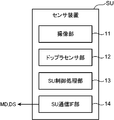
- the sensor device SU includes an imaging unit 11, a Doppler sensor unit 12, a sensor-side control processing unit (SU control processing unit) 13, and a sensor-side communication interface unit (SU communication IF unit). 14.
- the imaging unit 11 is an apparatus that is connected to the SU control processing unit 13 and generates an image (image data) under the control of the SU control processing unit 13.
- the image includes a still image (still image data) and a moving image (moving image data).
- the imaging unit 11 is arranged so as to be able to monitor a space where the monitored person Ob is scheduled (location space, in the example shown in FIG. 1, the room RM of the installation location), and the above location space is taken as an imaging target.
- the image (image data) overlooking the imaging target is generated, and the imaging target image (target image) is output to the SU control processing unit 13.
- the imaging unit 11 is expected to be located at the head of the monitored person Ob in the bedding on which the monitored person Ob is lying (for example, a bed). It is arranged so that the imaging target can be imaged from directly above the preset planned head position (usually the position where the pillow is disposed).
- the sensor device SU uses the imaging unit 11 to acquire an image of the monitored person Ob taken from above the monitored person Ob, preferably an image taken from directly above the planned head position.
- Such an imaging unit 11 may be a device that generates an image of visible light, but in the present embodiment, it is a device that generates an infrared image so that the monitored person Ob can be monitored even in a relatively dark place.
- the imaging unit 11 has an imaging optical system that forms an infrared optical image of an imaging target on a predetermined imaging surface, and a light receiving surface that matches the imaging surface.
- An image sensor that is arranged and converts an infrared optical image in the imaging target into an electrical signal, and image data that represents an infrared image in the imaging target by performing image processing on the output of the image sensor It is a digital infrared camera provided with the image processing part etc. which produce
- the imaging optical system of the imaging unit 11 is preferably a wide-angle optical system (so-called wide-angle lens (including a fisheye lens)) having an angle of view that can image the entire living room RM in which the imaging unit 11 is disposed. .
- the Doppler sensor unit 12 is a device that measures a predetermined body movement in the monitored person Ob.
- the Doppler sensor unit 12 is a body motion sensor that transmits a transmission wave, receives a reflection wave of the transmission wave reflected by an object, and outputs a Doppler frequency component Doppler signal DS based on the transmission wave and the reflection wave.
- the frequency of the reflected wave is shifted in proportion to the moving speed of the object due to the so-called Doppler effect, so that a difference (Doppler frequency component) occurs between the frequency of the transmitted wave and the frequency of the reflected wave.
- the Doppler sensor unit 12 generates a signal of the Doppler frequency component as a Doppler signal DS and outputs it to the SU control processing unit 13.
- the transmission wave may be an ultrasonic wave or a microwave, but in the present embodiment, it is a microwave. Since the microwave can be transmitted through the clothing and reflected from the body surface of the monitored person Ob, the movement of the body surface can be detected even when the monitored person Ob is wearing clothes.
- the SU communication IF unit 14 is a communication circuit that is connected to the SU control processing unit 13 and performs communication in accordance with the control of the SU control processing unit 13.
- the SU communication IF unit 14 generates a communication signal containing the data to be transferred input from the SU control processing unit 13 according to the communication protocol used in the network NW of the monitored person monitoring system MS, and the generated communication The signal is transmitted to other devices SV, SP, and TA via the network NW.
- the SU communication IF unit 14 receives communication signals from other devices SV, SP, and TA via the network NW, extracts data from the received communication signals, and the SU control processing unit 13 can process the extracted data.
- the data is converted into data in a proper format and output to the SU control processing unit 13.
- the SU communication IF unit 14 includes, for example, a communication interface circuit that conforms to the IEEE 802.11 standard or the like.
- the SU control processing unit 13 controls each unit of the sensor device SU according to the function of each unit, detects a predetermined event related to the monitored person Ob, and notifies the management server device SV of the detected event. This is a circuit for performing a voice call with the terminal devices SP and TA, generating an image including a moving image, and distributing the moving image to the terminal devices SP and TA.
- the SU control processing unit 13 includes, for example, a CPU (Central Processing Unit) and its peripheral circuits.
- FIG. 1 shows four first to fourth sensor devices SU-1 to SU-4 as an example, and the first sensor device SU-1 is one of the monitored persons Ob.
- the second sensor device SU-2 is arranged in a room RM-2 (not shown) of Mr. B Ob-2 who is one of the monitored persons Ob.
- the third sensor device SU-3 is disposed in the room RM-3 (not shown) of Mr. C Ob-3, one of the monitored subjects Ob, and the fourth sensor device SU-4 It is arranged in the room RM-4 (not shown) of Mr. D Ob-4, one of the monitored persons Ob.
- the management server device SV has a communication function that communicates with other devices SU, SP, TA via the network NW, and receives a notification of a predetermined event related to the monitored person Ob from the sensor device SU. It is a device that manages information related to monitoring Ob (monitoring information). When the management server device SV receives the first event notification communication signal from the sensor device SU as the event notification, the management server device SV relates to the monitoring of the monitored person Ob based on each information accommodated in the first event notification communication signal.
- a predetermined terminal device that stores (records) monitoring information and associates a communication signal (second event notification communication signal) containing the monitoring information related to monitoring of the monitored person Ob in advance with the sensor device SU. Send to SP, TA.
- the management server device SV indicates the notification destination (re-notification destination, re-notification destination, transmission destination) such as the first event notification communication signal transmitted from the sensor device SU and the notification of the sensor ID that is the transmission source.
- the correspondence relationship (notification destination correspondence relationship) with the terminal ID (re-notification destination) and the communication address thereof are stored.
- the terminal ID (terminal device identifier) is an identifier for identifying and identifying the terminal devices SP and TA.
- the management server device SV provides the client with data corresponding to the request of the client (in this embodiment, the fixed terminal device SP and the portable terminal device TA).
- Such a management server device SV can be configured by, for example, a computer with a communication function.
- the management server device SV includes a motion amount calculation unit 21, a first determination unit 22, a storage unit 23, a first storage processing unit 24, a sleeping posture determination unit 25, and a second storage processing unit. 26, a first determination unit 27, a second determination unit 28, a second determination unit 29, and a third determination unit 30. These functional blocks will be described later.
- fixed terminal device SP inputs a communication function for communicating with other devices SU, SV, TA via network NW, a display function for displaying predetermined information, and predetermined instructions and data. Monitored person by inputting a predetermined instruction or data to be given to the management server device SV or the portable terminal device TA, displaying monitoring information obtained by the sensor device SU, etc. It is a device that functions as a user interface (UI) of the monitoring system MS.
- UI user interface
- Such a fixed terminal device SP can be configured by, for example, a computer with a communication function.
- the fixed terminal device SP as an example of the terminal device operates in the same manner as the mobile terminal device TA. However, in this specification, a mobile terminal device TA that is another example of the terminal device will be described.
- the mobile terminal device TA has a communication function for communicating with other devices SV, SP, SU via the network NW, a display function for displaying predetermined information, an input function for inputting predetermined instructions and data, and a voice call.
- a monitoring function (including moving images) obtained by the sensor device SU by inputting a predetermined instruction or data to be provided to the management server device SV or the sensor device SU, or by notification from the management server device SV.
- This is a device for displaying or making a nurse call response or calling by voice call with the sensor device SU.
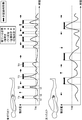
- FIG. 4 is an explanatory diagram illustrating one function of the monitored person monitoring system MS in the present embodiment. 2 to 4, the imaging unit 11 captures a moving image of the monitored person Ob while the monitored person Ob is sleeping, and the SU communication IF unit 14 uses the moving image data MD as a management server device. Send to SV.
- the shooting time is, for example, 24 hours.
- the motion amount calculation unit 21 calculates the amount of motion of the sleeping person Ob using the moving image data MD (image data) in parallel with the shooting of the moving image by the imaging unit 11. More specifically, the motion amount calculation unit 21 calculates, for example, a difference between the current frame and, for example, a frame five seconds before in the frames constituting the moving image data MD, and the pixels having different pixel values. Is calculated as the amount of motion.
- the imaging unit 11 and the motion amount calculation unit 21 function as a measurement unit that measures the amount of motion of the monitored person Ob who is sleeping.
- the measurement unit sequentially measures the amount of movement of the monitored person Ob. For example, the amount of movement is measured every predetermined time (for example, every second).
- the first determination unit 22 determines whether the sequentially measured motion amount is equal to or less than a predetermined threshold.
- the first storage processing unit 24 sets a time zone in which the amount of motion is equal to or less than a predetermined threshold (in other words, a time zone in which the amount of motion of the monitored person Ob sleeping is equal to or less than the predetermined amount) as a recording time zone.
- a first process of storing the image of the monitored person Ob taken by the imaging unit 11 in the time zone in the storage unit 23 is performed.
- the time zone indicated by the symbol ( ⁇ ) shown in FIG. 4 is a non-recording time zone.
- the time zone between the non-recording time zone ( ⁇ ) and the non-recording time zone ( ⁇ ) is the recording time zone (for example, the time zone from time t2 to time t3 is the recording time zone).
- the first storage processing unit 24 starts the first process when the motion amount is equal to or less than a predetermined threshold, and ends the first process when the motion amount exceeds the predetermined threshold.
- the sleeping posture determination unit 25 determines the posture (sleeping posture) of the monitored person Ob using the moving image data MD (image data) after the recording time period has elapsed.
- the imaging unit 11 and the sleeping posture determination unit 25 function as a detection unit that detects the sleeping posture of the monitored person Ob.
- An example of how to detect the sleeping posture will be described.
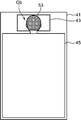
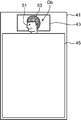
- 5 to 8 are schematic views showing a state where the monitored person Ob is sleeping, FIG. 5 shows a case where the sleeping posture is supine, FIG. 6 shows a case where the sleeping posture is prone, 7 shows a case where the sleeping posture is right sideways, and FIG. 8 shows a case where the sleeping posture is left sideways.
- the detection unit determines the sleeping posture of the monitored person Ob by paying attention to the skin color area 51 and the hair color area 53 of the head of the monitored person Ob.
- the skin color area 51 is an area of the face of the monitored person Ob.
- the color of the skin color area 51 is the skin color of the face of the monitored person Ob.
- the hair color region 53 is a region where the hair of the head of the monitored subject Ob grows.
- the color of the hair color area 53 is the color of the hair of the head of the monitored person Ob.
- the sleeping posture determination unit 25 extracts the image area of the head of the monitored person Ob using the moving image data MD after the recording time period has elapsed. For example, by the Hough transform of a circle or an ellipse, for example, by pattern matching using a head model prepared in advance, or by, for example, a neural network learned for head detection, The image area of the head is extracted. Next, the sleeping posture determination unit 25 extracts the skin color region 51 and the hair color region 53 in the extracted image region. These areas can be distinguished by color.
- the sleeping posture determination unit 25 determines that the sleeping posture of the monitored person Ob is right sideways if the hair color area 53 is present in the most left side of the image area of the head of the monitored person Ob (FIG. 7). ). The sleeping posture determination unit 25 determines that the sleeping posture of the monitored person Ob is the left side when the hair color area 53 is present in the most right part of the image area of the head of the monitored person Ob (FIG. 8). ). The sleeping posture determination unit 25 does not correspond to either the right side orientation or the left side orientation. If the skin color region 51 is larger than the hair color region 53 in the image region of the head of the monitored subject Ob, the sleeping posture of the monitored subject Ob is displayed. The posture is determined to be supine (FIG. 5).
- the sleeping posture determination unit 25 does not correspond to either the right side orientation or the left side orientation. If the hair color region 53 is larger than the skin color region 51 in the image region of the head of the monitored subject Ob, the sleeping posture of the monitored subject Ob is displayed. The posture is determined to be prone (FIG. 6).
- Patent Document 1 described in the background art may be used for detection of the sleeping posture.
- the second storage processing unit 26 has the sleeping posture determined by the sleeping posture determination unit 25 (that is, the detection unit configured by the imaging unit 11 and the sleeping posture determination unit 25 includes A second process of storing the sleeping position information (information indicating any one of supine, prone, left lateral orientation, and right lateral orientation) in the storage unit 23 is performed.
- the sleeping posture indicated by the symbol ( ⁇ ) shown in FIG. 4 indicates the supine position
- the sleeping posture indicated by the symbol ( ⁇ ) indicates prone
- the sleeping posture indicated by the symbol ( ⁇ ) indicates the left lateral orientation
- the symbol ( ⁇ The sleeping posture indicated by () indicates the right lateral orientation.
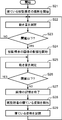
- FIG. 9 is a flowchart for explaining this operation. An explanation will be given taking the lean person shown in FIG. 4 as an example.
- the imaging unit 11 starts capturing a moving image of the monitored person Ob in a sleeping state (step S ⁇ b> 21), and the sensor device SU stores the moving image data MD of the captured moving image. Sequentially transmitted to the management server device SV.
- the motion amount calculation unit 21 calculates the motion amount of the monitored person Ob using the moving image data MD (step S22).
- the first determination unit 22 compares the amount of motion calculated in step S22 with a threshold value TH1 shown in FIG. 4, and determines whether or not the amount of motion is equal to or less than the threshold value TH1 (step S23).
- step S23 When the first determination unit 22 determines that the motion amount exceeds the threshold value TH1 (No in step S23), the motion amount calculation unit 21 continues the process of step S22.
- the first storage processing unit 24 stores the image of the monitored person Ob in the storage unit 23. Is started (step S24). For example, when the first determination unit 22 determines that the amount of motion at time t2 illustrated in FIG. 4 is equal to or less than the threshold value TH1, the first storage processing unit 24 includes the frame (image) at time t2 in the moving image data MD. Then, the process of storing the frame (image) in the storage unit 23 is started.
- the motion amount calculation unit 21 calculates the motion amount of the monitored person Ob using the moving image data MD after time t2 (step S25).
- the first determination unit 22 compares the amount of motion calculated in step S25 with a threshold value TH1 shown in FIG. 4, and determines whether or not the amount of motion is equal to or less than the threshold value TH1 (step S26).
- step S26 When the first determination unit 22 determines that the motion amount is equal to or less than the threshold value TH1 (Yes in step S26), the motion amount calculation unit 21 continues the process of step S25.
- the first storage processing unit 24 performs processing for storing the image of the monitored person Ob in the storage unit 23.
- the process ends (step S27).
- the first determination unit 22 determines that the amount of motion at time t3 illustrated in FIG. 4 exceeds the threshold TH1
- the first storage processing unit 24 includes the frame (image) at time t3 in the moving image data MD.
- the process of storing the frame (image) in the storage unit 23 is stopped.
- the storage unit 23 stores moving image data MD in a recording time zone (time zone from time t2 to time t3) between the non-recording time zone T1 and the non-recording time zone T2.
- the sleeping posture determination unit 25 determines the sleeping posture of the monitored person Ob using the moving image data MD after time t2 (step S28). Referring to FIG. 4, the sleeping posture after time t2 is determined to be in the supine position.
- the second storage processing unit 26 causes the storage unit 23 to store the sleeping posture determined in step S28 as the sleeping posture in the recording time zone (here, the time zone from time t2 to time t3) (step S29).
- the motion amount calculation unit 21 calculates the motion amount of the monitored person Ob using the moving image data MD after time t3 (step S22). Thereafter, the same processing as described above is repeated. Therefore, with reference to FIG. 4, the moving image data MD and sleeping posture in the recording time zone between the non-recording time zone T2 and the non-recording time zone T3, and between the non-recording time zone T3 and the non-recording time zone T4 The moving image data MD and the sleeping posture of the recording time zone are stored in the storage unit 23.
- the second storage processing unit 26 performs the processing of step S29 (second processing), so that the sleeping posture is stored in time series for the monitored person Ob. Can be memorized.
- the history of the sleeping posture of the monitored person Ob who is sleeping is stored in the storage unit 23. Therefore, since the supervisor NS (nurse etc.) can go to the room of the monitored person Ob who is sleeping regularly and save the trouble of recording the sleeping posture of the monitored person Ob, the supervisor NS Can improve business efficiency.
- the supervisor NS can know the past sleeping posture and the time when the sleeping posture is determined by viewing the sleeping posture history. Therefore, when the supervisor NS next changes the sleeping posture of the monitored person Ob, it is used as a reference for determining the timing to change to the next sleeping posture and determining which sleeping posture the next sleeping posture should be. can do.
- the storage unit 23 includes a non-recording time zone (for example, the non-recording time zone T1, shown in FIG. T2, T3, T4), and the moving image data MD (useless moving image data MD) in this time zone is not stored, so that the capacity required for the storage unit 23 can be reduced. Therefore, the cost of the storage unit 23 can be reduced.
- a non-recording time zone for example, the non-recording time zone T1, shown in FIG. T2, T3, T4
- This embodiment has the following functions 1 to 7.
- monitored person monitoring system MS includes a first input unit (not shown).
- the first input unit may be provided in any of the management server device SV, the fixed terminal device SP, and the mobile terminal device TA.
- the first input unit is realized by a keyboard, a mouse, a touch panel, or the like.
- the first determination unit 22 is input when the first input unit is operated by a user of the monitored person monitoring system MS (for example, the supervisor NS) and a value that is the predetermined threshold is input. It is determined whether or not the amount of movement of the monitored person Ob who is sleeping is equal to or less than a predetermined threshold value.
- a user of the monitored person monitoring system MS for example, the supervisor NS
- a value that is the predetermined threshold is input. It is determined whether or not the amount of movement of the monitored person Ob who is sleeping is equal to or less than a predetermined threshold value.
- the user of the monitored person monitoring system MS can determine a predetermined threshold value.
- the user determines a value serving as a predetermined threshold in consideration of the body type of the monitored person Ob.
- monitored person monitoring system MS includes a second input unit (not shown).
- the second input unit may be provided in any of the management server device SV, the fixed terminal device SP, and the mobile terminal device TA.
- the second input unit is realized by a keyboard, a mouse, a touch panel, or the like.
- the first determining unit 27 is operated by the user of the monitored person monitoring system MS (for example, the monitoring person NS), and the second input unit is operated to input a predetermined characteristic parameter related to occurrence of bed slip for the monitored person Ob.
- a predetermined threshold is determined based on the feature parameter.
- a predetermined threshold is automatically determined based on the characteristic parameter.
- the characteristic parameter is information indicating the body type of the monitored person Ob.
- the first determination unit 27 reduces the predetermined threshold value to be determined when the body shape of the monitored person Ob is thin compared to when the body is fat.
- the threshold value TH1 for the lean body type is set smaller than the threshold value TH2 for the thick body type. If you are thin, there is a higher risk of bed slipping than if you are fat.
- the characteristic parameter is information indicating whether or not the monitored person Ob has symptoms of paralysis.
- the 1st determination part 27 makes the predetermined
- the characteristic parameter is information indicating the location of the paralyzed person Ob.
- the 1st determination part 27 makes the predetermined
- the part of the paralysis is a predetermined part (a part where the body weight is likely to be applied, for example, the buttocks)
- the risk of bed slip is higher than that when the part is not a predetermined part, so that detailed observation can be performed.
- the first storage processing unit 24 selects all the images of the monitored subject Ob photographed by the imaging unit 11 in the recording time zone at a predetermined time interval in the recording time zone.
- the image is stored in the storage unit 23. More specifically, referring to FIG. 4, the first storage processing unit 24 stores, for example, images selected at intervals of 5 seconds in the recording time zone T1 in the storage unit 23, and records the recording time.
- the images selected at intervals of 5 seconds among the moving images in the band T2 are stored in the storage unit 23, and the images selected at intervals of 5 seconds among the moving images in the recording time zone T3 are stored in the storage unit 23.
- the same processing is performed for the moving image of the belt.
- monitored person monitoring system MS includes a third input unit (not shown).
- the third input unit may be provided in any of the management server device SV, the fixed terminal device SP, and the mobile terminal device TA.
- the third input unit is realized by a keyboard, a mouse, a touch panel, or the like.
- the first storage processing unit 24 sets the input value to a predetermined value.
- the image selected as the time interval is stored in the storage unit 23.
- the user of the monitored person monitoring system MS can determine a predetermined time interval.
- the user determines a value for a predetermined time interval in consideration of the body shape of the monitored person Ob. For example, a thin person has a higher risk of bed slipping than a fat person, so it is necessary to observe in detail. Therefore, a predetermined time interval is shortened for a thin person compared to a fat person.
- monitored person monitoring system MS includes a fourth input unit (not shown).
- the fourth input unit may be provided in any of the management server device SV, the fixed terminal device SP, and the mobile terminal device TA.
- the fourth input unit is realized by a keyboard, a mouse, a touch panel, or the like.
- the second determining unit 28 is characterized. A predetermined time interval is determined based on the parameter.
- a predetermined time interval is automatically determined based on the characteristic parameter.
- the characteristic parameter is information indicating the body type of the monitored person Ob.
- the second determination unit 28 shortens the predetermined time interval to be determined when the body shape of the monitored person Ob is thin as compared with the case where the body is fat. If you are thin, there is a higher risk of bed slipping than if you are fat.
- the characteristic parameter is information indicating whether or not the monitored person Ob has symptoms of paralysis.
- the second determination unit 28 shortens the predetermined time interval to be determined when the monitored person Ob has a paralysis symptom compared to a case where the monitored person Ob has no paralysis symptom. If you have a paralysis symptom, the risk of bedsores is higher than if you do not have a paralysis symptom.
- the characteristic parameter is information indicating the location of the paralyzed person Ob.
- the 2nd determination part 28 shortens the predetermined
- the part of the paralysis is a predetermined part (a part where the body weight is likely to be applied, for example, the buttocks)
- the risk of bed slip is higher than that when the part is not a predetermined part, so that detailed observation can be performed.
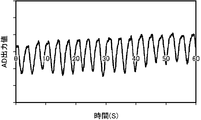
- FIG. 10 is a diagram illustrating an example of a Doppler signal when body movement is detected.
- FIG. 11 is a diagram illustrating an example of a Doppler signal when respiration is detected. 10 and 11 show Doppler signal graphs, where the horizontal axis of the graph is time, and the vertical axis of the graph is an output value (signal level, amplitude).
- the body motion is a non-periodic motion with a relatively large motion, with the motion of the torso moving slowly and the motion of the limb moving fast.
- the Doppler signal corresponding to the body movement in which each part of the body performs various movements is a relatively wideband signal having a relatively large signal strength, and the amplitude is relatively large and the amplitude changes irregularly with time. Signal.
- the movement of breathing appears as a vertical movement of the chest and becomes a periodic movement with a relatively small movement.
- rest breathing it is generally about 12 to 25 times / minute, and the chest moves up and down at about 0.2 Hz to 0.4 Hz.
- Such a Doppler signal corresponding to the movement of breathing is a relatively narrow-band signal having a relatively small signal intensity, and has a relatively small amplitude and a signal whose amplitude changes regularly with time.
- the Doppler signal when body motion of a sleeping human is detected can be clearly distinguished from the Doppler signal when the sleeping human is breathing, so based on the Doppler signal, It is possible to detect the movement of a sleeping human.
- the Doppler sensor unit 12 transmits a transmission wave to the monitored person Ob who is sleeping and receives a reflected wave of the transmission wave reflected by the monitored person Ob. Then, a Doppler signal DS having a Doppler frequency component is generated based on the transmitted wave and the reflected wave.
- the SU communication IF unit 14 transmits the Doppler signal DS to the management server device SV.
- the second determination unit 29 determines whether or not the Doppler sensor unit 12 has detected the body movement of the monitored person Ob based on the Doppler signal DS.
- the first storage processing unit 24 calculates the movement amount of the monitored person Ob, which is calculated by the movement amount calculation unit 21, below the predetermined threshold value (for example, the threshold value TH1 shown in FIG. 4).
- the moving image (image) of the monitored person Ob taken by the imaging unit 11 is not stored in the storage unit 23 in the time zone in which the Doppler sensor unit 12 detects the body movement of the monitored person Ob exceeding a predetermined amount. .
- a measurement unit configured by the imaging unit 11 and the motion amount calculation unit 21 performs the predetermined image processing described above on the image of the monitored subject Ob captured by the imaging unit 11 to obtain the motion amount. Measure, but the amount of movement may not be measured well. Therefore, the Doppler sensor unit 12 is applied in a complementary manner, and the first storage processing unit is detected when the body movement of the predetermined amount or more is detected by the Doppler sensor unit 12 even if the movement amount is equal to or less than the predetermined threshold value. 24 does not store, in the storage unit 23, the image of the monitored person taken by the imaging unit 11 during the time zone in which body movement is detected.
- the third determination unit 30 determines whether or not the monitored person Ob is in a sleeping posture. When it is determined that the monitored person Ob is not in a sleeping posture, the first storage processing unit 24 does not perform the first process even if the amount of movement is equal to or less than a predetermined threshold (predetermined amount), and The second storage processing unit 26 does not perform the second process.
- predetermined amount a predetermined threshold
- a known method can be used to determine whether or not the monitored person Ob is in a sleeping posture.
- the third determination unit 30 extracts the image of the head of the monitored person Ob from the frame (image) included in the moving image data MD, and if the size of the image of the head is smaller than a predetermined value, the monitored person If Ob is determined to be a sleeping posture and the size of the image of the head is equal to or greater than a predetermined value, it is determined that the monitored subject Ob is sitting.
- the image when the monitored person Ob is not in the sleeping position (for example, the image when sitting on the bed) is useless because it has nothing to do with preventing bed slip.
- the posture of the monitored person Ob cannot be determined. Therefore, according to the function 7, when the monitored person Ob is in a posture other than the sleeping posture, the first process and the second process described above are not performed even if the monitored person Ob moves less than a predetermined threshold. .
- the function 7 since it is possible to prevent the storage unit 23 from storing an image other than the posture in which the monitored person Ob is stably sleeping, the capacity required for the storage unit 23 can be reduced. Therefore, the cost of the storage unit 23 can be reduced.
- the monitored person monitoring system includes an imaging unit that photographs the monitored person while the monitored person is sleeping, and the monitored person who is sleeping in parallel with the imaging.
- a measurement unit that measures the amount of movement of the camera, a storage unit, and a time zone in which the amount of motion of the monitored person who is sleeping is equal to or less than a predetermined amount is set as a recording time zone, and is captured by the imaging unit
- a first storage processing unit that performs a first process of storing the image of the monitored person in the storage unit and the image stored in the storage unit by the first process
- a second storage process for performing a second process of storing in the storage unit a detection unit that detects a sleeping posture that is a sleeping posture of the person and a sleeping posture information that indicates the sleeping posture detected by the detection unit A section.
- the first storage processing unit performs the first process so that the monitored person is sleeping stably (recording time). Image) is stored in the storage unit.
- the second storage processing unit can store the sleeping posture of the person being monitored sleeping in the storage unit by performing the second processing. Therefore, the supervisor can go to the room of the person being monitored regularly and save the trouble of recording the person's sleeping posture, so that the work efficiency of the observer can be improved. .
- management of the posture of the monitored person can be supported.
- the measurement unit sequentially measures the amount of motion
- the monitored person monitoring system further determines whether the sequentially measured amount of motion is equal to or less than a predetermined threshold.
- the first storage processing unit includes a determination unit, sets a time zone in which the amount of motion is equal to or less than the predetermined threshold as the recording time zone, and performs the first process.
- the measurement unit sequentially measures the amount of movement. For example, the amount of movement is measured every predetermined time (for example, every second).
- the first determination unit determines whether or not the sequentially measured motion amount is equal to or less than a predetermined threshold.
- the first storage processing unit performs a first process by setting a time zone in which the amount of movement is equal to or less than a predetermined threshold as a recording time zone.
- the above configuration further includes a first input unit, and the first determination unit determines whether the amount of movement is equal to or less than the predetermined threshold that is input by operating the first input unit. To do.
- a user for example, a supervisor of the monitored person monitoring system can determine a predetermined threshold value.
- the user determines a value to be a predetermined threshold in consideration of the body shape of the monitored person. For example, a person who is thin has a higher risk of bed slipping than a person who is fat, so detailed observation is necessary. Therefore, a predetermined threshold is made smaller for a thin person than for a fat person.
- the predetermined threshold value based on a second input unit and a predetermined characteristic parameter (predetermined characteristic parameter regarding occurrence of bed slip) related to the monitored person input by operating the second input unit, the predetermined threshold value And a first determination unit for determining.
- the predetermined threshold is automatically determined based on the characteristic parameter.
- the characteristic parameter is information indicating the body shape of the monitored person.
- the first determination unit reduces the predetermined threshold value to be determined when the body shape of the monitored person is thin, compared to when the person is fat.
- the characteristic parameter is information indicating whether the monitored person has symptoms of paralysis.
- the first determination unit reduces the predetermined threshold value to be determined when the monitored person has a paralysis symptom compared to a case where the person has no paralysis symptom.
- the characteristic parameter is information indicating the location of paralysis of the monitored person.
- the first determining unit reduces the predetermined threshold value to be determined when the paralyzed part of the monitored person is a predetermined part (for example, the buttocks) as compared with a case where the part is not the predetermined part. To do. In any case, when the risk of bed slip is high, the predetermined threshold value is set smaller than when the risk of bed slip is not high so that detailed observation is possible.
- the first storage processing unit performs, as the first processing, a predetermined time in the recording time period among all the images of the monitored person captured by the imaging unit in the recording time period. Images selected at time intervals are stored in the storage unit.
- the above configuration further includes a third input unit, and the first storage processing unit stores, in the storage unit, an image selected based on the predetermined time interval input by operating the third input unit.
- the user of the monitored person monitoring system can determine a predetermined time interval.
- the user determines a value for a predetermined time interval in consideration of the body shape of the monitored person. For example, a person who is thin has a higher risk of bed slipping than a person who is fat, so detailed observation is necessary. Therefore, a predetermined time interval is shortened for a thin person compared to a fat person.
- the predetermined time A second determination unit that determines the interval.
- the predetermined time interval is automatically determined based on the characteristic parameter.
- the characteristic parameter is information indicating the body shape of the monitored person.
- the second determining unit shortens the predetermined time interval to be determined when the body shape of the monitored person is thin, compared to when the person is fat.
- the characteristic parameter is information indicating whether the monitored person has symptoms of paralysis.
- the second determination unit shortens the predetermined time interval to be determined when the monitored person has a paralysis symptom as compared with a case where the monitored person does not have a paralysis symptom.
- the characteristic parameter is information indicating the location of paralysis of the monitored person.
- the second determining unit shortens the predetermined time interval to be determined when the paralyzed part of the monitored person is a predetermined part as compared with a case where the part is not the predetermined part. In any case, when the risk of bed slip is high, the predetermined time interval is shortened so that detailed observation can be performed as compared with the case where the risk of bed slip is not high.
- the Doppler sensor unit that outputs a Doppler frequency component Doppler signal based on the transmission wave and the reflected wave of the transmission wave, and the monitored person based on the Doppler signal output from the Doppler sensor unit
- a second determination unit that determines whether or not body movement has occurred, and the measurement unit performs predetermined image processing on the image of the monitored person taken by the imaging unit. Then, the amount of movement is measured, and the first storage processing unit is photographed by the imaging unit during the time period when the body movement occurs even if the amount of movement is equal to or less than the predetermined amount. The image of the monitored person is not stored in the storage unit.
- the measuring unit performs predetermined image processing on the image of the monitored person taken by the imaging unit and measures the amount of movement, but the amount of movement may not be measured well. Therefore, the Doppler sensor is applied in a complementary manner. Even when the amount of movement is equal to or less than a predetermined amount, when the body motion exceeding the predetermined amount is detected by the Doppler sensor, the first storage processing unit The image of the monitored person taken by the imaging unit is not stored in the storage unit during the detected time zone.
- the amount of movement is equal to or less than the predetermined amount.
- the first storage processing unit does not perform the first processing
- the second storage processing unit does not perform the second processing.
- the image when the monitored person is not in the sleeping position (for example, the image when sitting on the bed) is useless because it has nothing to do with preventing bed slip.
- the posture of the monitored person cannot be determined. Therefore, according to this configuration, the first process and the second process are not performed when the monitored person is in a posture other than sleeping, even if the monitored person's movement amount is equal to or less than a predetermined amount. According to this configuration, it is possible to prevent images other than the posture in which the monitored person is sleeping stably from being stored in the storage unit, and thus it is possible to reduce the capacity required for the storage unit. Therefore, the cost of the storage unit can be reduced.
- a second step of measuring the amount of movement of the monitored person, a time zone in which the amount of movement of the monitored person sleeping is a predetermined amount or less is set as a recording time zone, Based on the third step of performing a first process for storing the image of the monitored person taken in the first step in the storage unit and the image stored in the storage unit by the first process.
- a fourth step of detecting a sleeping posture in which the monitored person is sleeping, and a sleeping posture information indicating the sleeping posture detected by the fourth step is stored in the storage unit; And a fifth step for processing.
- the monitored person monitoring method according to the second aspect of the present embodiment defines the monitored person monitoring system according to the first aspect of the present embodiment from the viewpoint of the method, and the monitored person according to the first aspect of the present embodiment. It has the same effect as the supervisor monitoring system.
- a monitored person monitoring system and a monitored person monitoring method can be provided.
Landscapes
- Health & Medical Sciences (AREA)
- Life Sciences & Earth Sciences (AREA)
- Physics & Mathematics (AREA)
- Emergency Management (AREA)
- General Physics & Mathematics (AREA)
- Business, Economics & Management (AREA)
- General Health & Medical Sciences (AREA)
- Veterinary Medicine (AREA)
- Animal Behavior & Ethology (AREA)
- Public Health (AREA)
- Biophysics (AREA)
- Medical Informatics (AREA)
- Surgery (AREA)
- Molecular Biology (AREA)
- Heart & Thoracic Surgery (AREA)
- Pathology (AREA)
- Engineering & Computer Science (AREA)
- Biomedical Technology (AREA)
- Nursing (AREA)
- Physiology (AREA)
- Oral & Maxillofacial Surgery (AREA)
- Dentistry (AREA)
- Gerontology & Geriatric Medicine (AREA)
- Alarm Systems (AREA)
- Invalid Beds And Related Equipment (AREA)
- Closed-Circuit Television Systems (AREA)
- Emergency Alarm Devices (AREA)
- Measuring And Recording Apparatus For Diagnosis (AREA)
Abstract
被監視者監視システムは、撮像部と、測定部と、記憶部と、第1の記憶処理部と、検出部と、第2の記憶処理部と、を備える。前記撮像部は、被監視者が寝ている状態で前記被監視者を撮影する。前記測定部は、前記撮影と並行して、寝ている前記被監視者の動き量を測定する。前記第1の記憶処理部は、寝ている前記被監視者の前記動き量が所定量以下の時間帯を記録時間帯に設定し、前記記録時間帯に前記撮像部によって撮影された前記被監視者の画像を、前記記憶部に記憶させる第1の処理をする。前記検出部は、前記第1の処理によって前記記憶部に記憶された画像を基に前記被監視者が寝ている姿勢である寝姿勢を検出する。第2の記憶処理部は、前記検出部が検出した前記寝姿勢を示す寝姿勢情報を、前記記憶部に記憶させる第2の処理をする。
Description
本発明は、例えば、看護を必要とする者や介護を必要とする者(以下、要看護者等)を、監視対象として監視する被監視者監視システム、及び、このシステムに適用される方法に関する。
我が国(日本)は、戦後の高度経済成長に伴う生活水準の向上、衛生環境の改善および医療水準の向上等によって、高齢化社会、より詳しくは、総人口に対する65歳以上の人口の割合である高齢化率が21%を超える超高齢化社会になっている。また、2005年では、総人口約1億2765万人に対し65歳以上の高齢者人口は、約2556万人であったのに対し、2020年では、総人口約1億2411万人に対し高齢者人口は、約3456万人となる予測もある。このような高齢化社会では、高齢化社会ではない通常の社会よりも、病気や怪我や高齢等による要看護者等の数の増加が見込まれる。
このような要看護者等は、病院や、老人福祉施設(日本の法令では老人短期入所施設、養護老人ホームおよび特別養護老人ホーム等)等の施設に入所し、その看護や介護を受ける。このような病院や老人福祉施設等の施設では、要看護者等が快適で安心して過ごせるように、例えば、看護師や介護士のような要看護者等の看護や介護をする者(以下、看護師等)は、定期的に巡視することによってその安否を確認している。しかしながら、日勤の時間帯に較べ、準夜勤や夜勤の時間帯では、看護師等の人数が減るため、一人当たりの業務負荷が増大するので、業務負荷の軽減が要請される。このため、近年では、要看護者等を、被監視者として監視(モニタ)する被監視者監視装置が研究、開発されている。
病院や老人福祉施設等の施設に収容されている要看護者等の中には、ベッド上で寝返りをすることが困難な者もおり、床ずれを防止するために、看護師等は、寝返り困難な要看護者等に対して必要に応じて、寝ている姿勢を変える作業をしている。また、寝返りができる要看護者等であっても、特定の姿勢(例えば、仰向き)で寝ている時間が長いとき、床ずれを起こすことがある。そこで、看護師等は、このような要看護者等に対しても必要に応じて、寝ている姿勢を変える作業をしている。
人が寝ている姿勢としては、仰向き、横向き、うつ伏せがある。要看護者等に対して、寝ている姿勢を変えるとき、特定の姿勢(例えば、仰向き)に集中しないように、寝ている姿勢を管理する必要がある。看護師等が、要看護者等の部屋に定期的に訪れて、寝ている姿勢を確認し、記録することは、看護師等にとって負担となる。
人が寝ている姿勢を自動的に検出できる装置を用いて、要看護者等の寝ている姿勢を記録すれば、看護師等の負担を少なくできる。このような装置として、人に取り付ける接触タイプと、人に取り付けない非接触タイプとがある。要看護者等が、認知症の場合、装置を勝手に取り外す可能性がある。このため、要看護者等の場合、非接触タイプが好ましい。
非接触タイプとして、例えば、特許文献1に開示された生体情報取得装置がある。この生体情報取得装置は、被検者にマイクロ波を照射し前記被検者で反射されたマイクロ波を検出する検出部と、前記検出部によって検出されたマイクロ波に含まれる呼吸成分を抽出する抽出部と、前記抽出部によって抽出された呼吸成分の信号強度に基づいて睡眠時の体位(仰向け、横向き、うつ伏せ)を判定する判定部と、を備える。
要看護者等の体型(やせ型は床ずれのリスクが高い)や、要看護者等の体の麻痺の有無(麻痺があれば床ずれのリスクが高い、麻痺の部分を圧迫する姿勢は床ずれのリスクが高い)等に応じて、寝ている姿勢を変える時間間隔、次に変えるべき姿勢等が異なる。一人の看護師等が多くの要看護者等をケアする介護の現場において、看護師等の負担を小さくするために、要看護者等が寝ている姿勢の管理を支援できる技術が望まれる。
本発明の目的は、被監視者が寝ている姿勢の管理を支援できる被監視者監視システムおよび被監視者監視方法を提供することである。
上記目的を達成する本発明の第1局面にかかる被監視者監視システムは、撮像部と、測定部と、記憶部と、第1の記憶処理部と、検出部と、第2の記憶処理部と、を備える。前記撮像部は、被監視者が寝ている状態で前記被監視者を撮影する。前記測定部は、前記撮影と並行して、寝ている前記被監視者の動き量を測定する。前記第1の記憶処理部は、寝ている前記被監視者の前記動き量が所定量以下の時間帯を記録時間帯に設定し、前記記録時間帯に前記撮像部によって撮影された前記被監視者の画像を、前記記憶部に記憶させる第1の処理をする。前記検出部は、前記第1の処理によって前記記憶部に記憶された画像を基に前記被監視者が寝ている姿勢である寝姿勢を検出する。第2の記憶処理部は、前記検出部が検出した前記寝姿勢を示す寝姿勢情報を、前記記憶部に記憶させる第2の処理をする。
上記並びにその他の本発明の目的、特徴及び利点は、以下の詳細な記載と添付図面から明らかになるであろう。
以下、本発明にかかる実施の一形態を図面に基づいて説明する。なお、各図において同一の符号を付した構成は、同一の構成であることを示し、適宜、その説明を省略する。本明細書において、総称する場合には添え字を省略した参照符号で示し、個別の構成を指す場合には添え字を付した参照符号で示す。
実施形態における被監視者監視システムは、監視すべき(見守るべき)監視対象(見守り対象)である被監視者(見守り対象者)を複数の装置を用いて監視するシステムであり、端末装置と、前記端末装置と通信可能に接続され、被監視者に関わる所定のイベント(事象)を検知して前記イベントを前記端末装置へ通知する被監視者監視装置とを備える。前記被監視者監視装置は、1個の装置で一体に構成されて良いが、本実施形態では、被監視者監視装置は、センサ装置と、前記センサ装置および前記端末装置それぞれと通信可能に接続される管理サーバ装置(中央処理装置)とを備えることで、2種類の各装置で別体に構成される。このセンサ装置は、被監視者に関わる前記所定のイベントを検知して前記管理サーバ装置へ通知(報知、送信)する。前記管理サーバ装置は、前記センサ装置から前記通知を受けると、前記通知を受けた前記イベントを管理するとともに前記イベントを前記センサ装置に対応付けられた所定の端末装置へ再通知(再報知、再送信)する。前記端末装置は、1種類の装置であって良いが、本実施形態では、前記端末装置は、固定端末装置と携帯端末装置との2種類の装置である。これら固定端末装置と携帯端末装置との主な相違は、固定端末装置が固定的に運用される一方、携帯端末装置が例えば看護師や介護士等の監視者(ユーザ)に携行されて運用される点であり、これら固定端末装置と携帯端末装置とは、略同様であるので、以下の実施形態では、携帯端末装置を主に説明する。
図1は、実施形態における被監視者監視システムMSの構成を示す図である。図2は、図1に示す前記被監視者監視システムMSにおけるセンサ装置SUの構成を示す図である。図3は、図1に示す被監視者監視システムMSにおける管理サーバ装置SVの構成を示す図である。
このような被監視者監視システムMSは、より具体的には、例えば、図1に示すように、1または複数のセンサ装置SU(SU-1~SU-4)と、管理サーバ装置SVと、固定端末装置SPと、1または複数の携帯端末装置TA(TA-1、TA-2)と、構内交換機(PBX、Private Branch eXchange)CXとを備え、これらは、有線や無線で、LAN(Local Area Network)等の網(ネットワーク、通信回線)NWを介して通信可能に接続される。ネットワークNWには、通信信号を中継する例えばリピーター、ブリッジおよびルーター等の中継機が備えられても良い。図1に示す例では、これら複数のセンサ装置SU-1~SU-4、管理サーバ装置SV、固定端末装置SP、複数の携帯端末装置TA-1、TA-2および構内交換機CXは、L2スイッチの集線装置(ハブ、HUB)LSおよびアクセスポイントAPを含む有線および無線の混在したLAN(例えばIEEE802.11規格に従ったLAN等)NWによって互いに通信可能に接続されている。より詳しくは、複数のセンサ装置SU-1~SU-4、管理サーバ装置SV、固定端末装置SPおよび構内交換機CXは、集線装置LSに接続され、複数の携帯端末装置TA-1、TA-2は、アクセスポイントAPを介して集線装置LSに接続されている。そして、ネットワークNWは、TCP(Transimission Control Protocol)およびIP(Internet Protocol)等のインターネットプロトコル群が用いられることによっていわゆるイントラネットを構成する。
被監視者監視システムMSは、被監視者Obに応じて適宜な場所に配設される。被監視者(見守り対象者)Obは、例えば、病気や怪我等によって看護を必要とする者や、身体能力の低下等によって介護を必要とする者や、一人暮らしの独居者等である。特に、早期発見と早期対処とを可能にする観点から、被監視者Obは、例えば異常状態等の所定の不都合な事象がその者に生じた場合にその発見を必要としている者であることが好ましい。このため、被監視者監視システムMSは、被監視者Obの種類に応じて、病院、老人福祉施設および住戸等の建物に好適に配設される。図1に示す例では、被監視者監視システムMSは、複数の被監視者Obが入居する複数の居室RMや、ナースステーション等の複数の部屋を備える介護施設の建物に配設されている。
センサ装置SUは、ネットワークNWを介して他の装置SV、SP、TAと通信する通信機能等を備え、被監視者Obに関わる所定のイベントを検知してこの検知した前記イベントを管理サーバ装置SVへ通知し、端末装置SP、TAとの間で音声通話を行い、そして、動画を含む画像を生成して端末装置SP、TAへ動画を配信する装置である。前記所定のイベント(事象)は、好ましくは、対処(対応)が必要なイベントを含む。このようなセンサ装置SUは、例えば、図2に示すように、撮像部11、ドップラセンサ部12、センサ側制御処理部(SU制御処理部)13およびセンサ側通信インターフェース部(SU通信IF部)14を備える。
撮像部11は、SU制御処理部13に接続され、SU制御処理部13の制御に従って、画像(画像データ)を生成する装置である。前記画像には、静止画(静止画データ)および動画(動画データ)が含まれる。撮像部11は、被監視者Obが所在を予定している空間(所在空間、図1に示す例では配設場所の居室RM)を監視可能に配置され、前記所在空間を撮像対象としてその上方から撮像し、前記撮像対象を俯瞰した画像(画像データ)を生成し、前記撮像対象の画像(対象画像)をSU制御処理部13へ出力する。好ましくは、被監視者Ob全体を撮像できる蓋然性が高いことから、撮像部11は、被監視者Obが横臥する寝具(例えばベッド等)における、被監視者Obの頭部が位置すると予定されている予め設定された頭部予定位置(通常、枕の配設位置)の直上から撮像対象を撮像できるように配設される。センサ装置SUは、この撮像部11によって、被監視者Obを、被監視者Obの上方から撮像した画像、好ましくは前記頭部予定位置の直上から撮像した画像を取得する。
このような撮像部11は、可視光の画像を生成する装置であって良いが、比較的暗がりでも被監視者Obを監視できるように、本実施形態では、赤外線の画像を生成する装置である。このような撮像部11は、例えば、本実施形態では、撮像対象における赤外の光学像を所定の結像面上に結像する結像光学系、前記結像面に受光面を一致させて配置され、前記撮像対象における赤外の光学像を電気的な信号に変換するイメージセンサ、および、イメージセンサの出力を画像処理することで前記撮像対象における赤外の画像を表すデータである画像データを生成する画像処理部等を備えるデジタル赤外線カメラである。撮像部11の前記結像光学系は、本実施形態では、その配設された居室RM全体を撮像できる画角を持つ広角な光学系(いわゆる広角レンズ(魚眼レンズを含む))であることが好ましい。
ドップラセンサ部12は、被監視者Obにおける所定の体動を測定する装置である。ドップラセンサ部12は、送信波を送信し、物体で反射した送信波の反射波を受信し、送信波と反射波とに基づいてドップラ周波数成分のドップラ信号DSを出力する体動センサである。物体が動いている場合、いわゆるドップラ効果により物体の動いている速度に比例して反射波の周波数がシフトするため、送信波の周波数と反射波の周波数とに差(ドップラ周波数成分)が生じる。ドップラセンサ部12は、このドップラ周波数成分の信号をドップラ信号DSとして生成し、SU制御処理部13へ出力する。送信波は、超音波やマイクロ波等であって良いが、本実施形態では、マイクロ波である。マイクロ波は、着衣を透過して被監視者Obの体表で反射できるため、被監視者Obが衣服を着ていても体表の動きを検知でき、好ましい。
SU通信IF部14は、SU制御処理部13に接続され、SU制御処理部13の制御に従って通信を行うための通信回路である。SU通信IF部14は、SU制御処理部13から入力された転送すべきデータを収容した通信信号を、この被監視者監視システムMSのネットワークNWで用いられる通信プロトコルに従って生成し、この生成した通信信号を、ネットワークNWを介して他の装置SV、SP、TAへ送信する。SU通信IF部14は、ネットワークNWを介して他の装置SV、SP、TAから通信信号を受信し、この受信した通信信号からデータを取り出し、この取り出したデータをSU制御処理部13が処理可能な形式のデータに変換してSU制御処理部13へ出力する。SU通信IF部14は、例えば、IEEE802.11規格等に従った通信インターフェース回路を備えて構成される。
SU制御処理部13は、センサ装置SUの各部を当該各部の機能に応じてそれぞれ制御し、被監視者Obに関わる所定のイベントを検知してこの検知した前記イベントを管理サーバ装置SVへ通知し、端末装置SP、TAとの間で音声通話を行い、そして、動画を含む画像を生成して端末装置SP、TAへ動画を配信するための回路である。SU制御処理部13は、例えば、CPU(Central Processing Unit)およびその周辺回路を備えて構成される。
図1には、一例として、4個の第1ないし第4センサ装置SU-1~SU-4が示されており、第1センサ装置SU-1は、被監視者Obの一人であるAさんOb-1の居室RM-1(不図示)に配設され、第2センサ装置SU-2は、被監視者Obの一人であるBさんOb-2の居室RM-2(不図示)に配設され、第3センサ装置SU-3は、被監視者Obの一人であるCさんOb-3の居室RM-3(不図示)に配設され、そして、第4センサ装置SU-4は、被監視者Obの一人であるDさんOb-4の居室RM-4(不図示)に配設されている。
管理サーバ装置SVは、ネットワークNWを介して他の装置SU、SP、TAと通信する通信機能等を備え、センサ装置SUから、被監視者Obに関わる所定のイベントの通知を受信すると被監視者Obに対する監視に関する情報(監視情報)を管理する装置である。管理サーバ装置SVは、センサ装置SUから前記イベントの通知として第1イベント通知通信信号を受信すると、前記第1イベント通知通信信号に収容された各情報に基づいて、被監視者Obに対する監視に関する前記監視情報を記憶(記録)し、そして、被監視者Obに対する監視に関する前記監視情報を収容した通信信号(第2イベント通知通信信号)を、前記センサ装置SUに予め対応付けられた所定の端末装置SP、TAに送信する。このために、管理サーバ装置SVは、センサ装置SUから送信された第1イベント通知通信信号等の通知先(再通知先、再報知先、送信先)を示す、送信元であるセンサIDと通知先(再通知先)である端末IDとの対応関係(通知先対応関係)、および、その通信アドレスを記憶する。端末ID(端末装置識別子)は、端末装置SP、TAを特定し識別するための識別子である。そして、管理サーバ装置SVは、クライアント(本実施形態では固定端末装置SPおよび携帯端末装置TA等)の要求に応じたデータを前記クライアントに提供する。このような管理サーバ装置SVは、例えば、通信機能付きのコンピュータによって構成可能である。
図3を参照して、管理サーバ装置SVは、動き量演算部21、第1の判定部22、記憶部23、第1の記憶処理部24、寝姿勢判定部25、第2の記憶処理部26、第1の決定部27、第2の決定部28、第2の判定部29および第3の判定部30を備える。これらの機能ブロックについては、後で説明する。
図1を参照して、固定端末装置SPは、ネットワークNWを介して他の装置SU、SV、TAと通信する通信機能、所定の情報を表示する表示機能、および、所定の指示やデータを入力する入力機能等を備え、管理サーバ装置SVや携帯端末装置TAに与える所定の指示やデータを入力したり、センサ装置SUで得られた監視情報を表示したり等をすることによって、被監視者監視システムMSのユーザインターフェース(UI)として機能する装置である。このような固定端末装置SPは、例えば、通信機能付きのコンピュータによって構成可能である。なお、前記端末装置の一例としての固定端末装置SPは、携帯端末装置TAと同様に動作するが、本明細書では、前記端末装置の他の一例である携帯端末装置TAについて説明される。
携帯端末装置TAは、ネットワークNWを介して他の装置SV、SP、SUと通信する通信機能、所定の情報を表示する表示機能、所定の指示やデータを入力する入力機能、および、音声通話を行う通話機能等を備え、管理サーバ装置SVやセンサ装置SUに与える所定の指示やデータを入力したり、管理サーバ装置SVからの通知によってセンサ装置SUで得られた監視情報(動画を含む)を表示したり、センサ装置SUとの間で音声通話によってナースコールの応答や声かけしたり等をするための機器である。
図4は、本実施形態における被監視者監視システムMSの一つの機能を説明する説明図である。図2~図4を参照して、撮像部11は、被監視者Obが寝ている状態で被監視者Obの動画を撮影し、SU通信IF部14は、その動画データMDを管理サーバ装置SVに送信する。撮影時間は、例えば、24時間である。
動き量演算部21は、撮像部11による動画の撮影と並行して、動画データMD(画像データ)を用いて、寝ている被監視者Obの動き量を演算する。詳しく説明すると、動き量演算部21は、例えば、動画データMDを構成するフレームの中で、現在のフレームと、例えば、5秒前のフレームとの差分を算出し、画素値が異なっている画素の合計を算出し、この合計を動き量とする。このように、撮像部11および動き量演算部21は、寝ている被監視者Obの動き量を測定する測定部として機能する。
上記測定部は、寝ている被監視者Obの動き量を逐次測定する。例えば、所定時間毎(例えば、1秒毎)に動き量を測定する。第1の判定部22は、逐次測定された動き量が所定の閾値以下であるか否かを判定する。第1の記憶処理部24は、動き量が所定の閾値以下の時間帯(言い換えれば、寝ている被監視者Obの動き量が所定量以下の時間帯)を記録時間帯に設定し、記録時間帯に撮像部11によって撮影された被監視者Obの画像を、記憶部23に記憶させる第1の処理をする。図4に示す記号(⇔)で示される時間帯は、非記録時間帯である。非記録時間帯(⇔)と非記録時間帯(⇔)との間の時間帯が記録時間帯(例えば、時刻t2~時刻t3の時間帯が記録時間帯)である。例えば、第1の記憶処理部24は、動き量が所定の閾値以下になったとき、第1の処理を開始し、動き量が所定の閾値を超えたとき、第1の処理を終了させる。
寝姿勢判定部25は、記録時間帯が経過後、動画データMD(画像データ)を用いて、被監視者Obの寝ている姿勢(寝姿勢)を判定する。このように、撮像部11および寝姿勢判定部25は、被監視者Obの寝姿勢を検出する検出部として機能する。寝姿勢の検出の仕方の一例を説明する。図5~図8は、被監視者Obが寝ている状態を示す模式図であり、図5は、寝姿勢が仰向けの場合を示し、図6は、寝姿勢がうつ伏せの場合を示し、図7は、寝姿勢が右横向き場合を示し、図8は、寝姿勢が左横向き場合を示している。
図5~図8を参照して、被監視者Obは、ベッド41上で寝ており、被監視者Obの頭部以外の身体には、布団45がかけられている。符号43は、枕を示す。上記検出部は、被監視者Obの頭部の肌色領域51と髪色領域53とに着目して、被監視者Obの寝姿勢を判定する。肌色領域51は、被監視者Obの顔の領域である。肌色領域51の色は、被監視者Obの顔の肌の色である。髪色領域53は、被監視者Obの頭部の髪の毛が生えている領域である。髪色領域53の色は、被監視者Obの頭部の髪の毛の色である。寝姿勢判定部25は、記録時間帯経過後の動画データMDを用いて、被監視者Obの頭部の画像領域を抽出する。例えば、円形や楕円形のハフ変換によって、又は、例えば、予め用意された頭部のモデルを用いたパターンマッチングによって、又は、例えば、頭部検出用に学習したニューラルネットワークによって、被監視者Obの頭部の画像領域が抽出される。次に、寝姿勢判定部25は、抽出した画像領域における肌色領域51と髪色領域53を抽出する。これらの領域は、色により区別することができる。
寝姿勢判定部25は、被監視者Obの頭部の画像領域において、左側部の大部分に髪色領域53が存在すれば、被監視者Obの寝姿勢が右横向きと判定する(図7)。寝姿勢判定部25は、被監視者Obの頭部の画像領域において、右側部の大部分に髪色領域53が存在すれば、被監視者Obの寝姿勢が左横向きと判定する(図8)。寝姿勢判定部25は、右横向きおよび左横向きのいずれにも該当せず、被監視者Obの頭部の画像領域において、肌色領域51が髪色領域53より大きければ、被監視者Obの寝姿勢が仰向きと判定する(図5)。寝姿勢判定部25は、右横向きおよび左横向きのいずれにも該当せず、被監視者Obの頭部の画像領域において、髪色領域53が肌色領域51より大きければ、被監視者Obの寝姿勢がうつ伏せと判定する(図6)。
なお、寝姿勢の検出は、背景技術で説明した特許文献1の技術を用いてもよい。
図2~図4を参照して、第2の記憶処理部26は、寝姿勢判定部25によって判定された寝姿勢(すなわち、撮像部11および寝姿勢判定部25によって構成される上記検出部が検出した寝姿勢)を示す寝姿勢情報(仰向き、うつ伏せ、左横向き、右横向きのいずれかを示す情報)を、記憶部23に記憶させる第2の処理をする。図4に示す記号(↑)で示される寝姿勢が仰向きを示し、記号(↓)で示される寝姿勢がうつ伏せを示し、記号(←)で示される寝姿勢が左横向きを示し、記号(→)で示される寝姿勢が右横向きを示す。
本実施形態における被監視者監視システムMSにおいて、被監視者Obの寝姿勢、および、記録時間帯の被監視者Obの画像を記憶する動作について説明する。図9は、この動作を説明するフローチャートである。図4に示す痩せた人を例にして説明する。
図2および図9を参照して、撮像部11は、寝ている状態の被監視者Obの動画の撮影を開始し(ステップS21)、センサ装置SUは、撮影された動画の動画データMDを逐次、管理サーバ装置SVに送信する。
動き量演算部21(測定部の構成要素)は、動画データMDを用いて、被監視者Obの動き量を演算する(ステップS22)。
第1の判定部22は、ステップS22で演算された動き量を、図4に示す閾値TH1と比較し、動き量が閾値TH1以下であるか否かを判定する(ステップS23)。
第1の判定部22が、動き量が閾値TH1を超えると判定したとき(ステップS23でNo)、動き量演算部21は、ステップS22の処理を継続する。
第1の判定部22が、動き量が閾値TH1以下になったと判定したとき(ステップS23でYes)、第1の記憶処理部24は、被監視者Obの画像を記憶部23に記憶させる処理を開始する(ステップS24)。例えば、第1の判定部22は、図4に示す時刻t2の動き量が閾値TH1以下と判定したとき、第1の記憶処理部24は、動画データMDのうち、時刻t2のフレーム(画像)から、フレーム(画像)を記憶部23に記憶させる処理を開始する。
動き量演算部21は、時刻t2後の動画データMDを用いて、被監視者Obの動き量を演算する(ステップS25)。
第1の判定部22は、ステップS25で演算された動き量を、図4に示す閾値TH1と比較し、動き量が閾値TH1以下であるか否かを判定する(ステップS26)。
第1の判定部22が、動き量が閾値TH1以下と判定したとき(ステップS26でYes)、動き量演算部21は、ステップS25の処理を継続する。
第1の判定部22が、動き量が閾値TH1を超えると判定したとき(ステップS26でNo)、第1の記憶処理部24は、被監視者Obの画像を記憶部23に記憶させる処理を終了する(ステップS27)。例えば、第1の判定部22は、図4に示す時刻t3の動き量が閾値TH1を超えると判定したとき、第1の記憶処理部24は、動画データMDのうち、時刻t3のフレーム(画像)から、フレーム(画像)を記憶部23に記憶させる処理を中止する。記憶部23には、非記録時間帯T1と非記録時間帯T2との間の記録時間帯(時刻t2~時刻t3の時間帯)の動画データMDが記憶される。
寝姿勢判定部25は、時刻t2以降の動画データMDを用いて、被監視者Obの寝姿勢を判定する(ステップS28)。図4を参照して、時刻t2後の寝姿勢は、仰向きと判定されている。
第2の記憶処理部26は、ステップS28で判定された寝姿勢を、記録時間帯(ここでは、時刻t2~時刻t3の時間帯)の寝姿勢として記憶部23に記憶させる(ステップS29)。
そして、動き量演算部21は、時刻t3以降の動画データMDを用いて、被監視者Obの動き量を演算する(ステップS22)。以後は、これまでの説明と同様の処理が繰り返される。従って、図4を参照して、非記録時間帯T2と非記録時間帯T3との間の記録時間帯の動画データMDおよび寝姿勢、非記録時間帯T3と非記録時間帯T4との間の記録時間帯の動画データMDおよび寝姿勢、・・・・が、記憶部23に記憶される。
以上説明したように、第2の記憶処理部26が、ステップS29の処理(第2の処理)をすることにより、寝ている被監視者Obに対して、寝姿勢を時系列で記憶部23に記憶させることができる。これにより、記憶部23には、寝ている被監視者Obの寝姿勢の履歴が記憶されることになる。従って、監視者NS(看護者等)は、寝ている被監視者Obの部屋に定期的に行って、その被監視者Obの寝姿勢を記録する手間を省くことができるので、監視者NSの業務効率を改善することができる。また、監視者NSは、寝姿勢の履歴を見ることにより、過去の寝姿勢とこの寝姿勢が判定された時刻とが分かる。従って、監視者NSが被監視者Obの寝姿勢を次に変えるときに、次の寝姿勢に変えるタイミングの判断、および、次の寝姿勢をどの寝姿勢にすればよいかの判断の参考にすることができる。
寝ている被監視者Obの動画データMDの全てが記憶部23に記憶される場合、動画データMDのデータ量が大きくなるので、これに対応できる容量の記憶部23が必要となる。従って、記憶部23のコストが高くなる。これに対して、本実施形態によれば、記憶部23には、寝ている被監視者Obが安定していない時間帯を非記録時間帯(例えば、図4に示す非記録時間帯T1,T2,T3,T4)とし、この時間帯の動画データMD(無駄な動画データMD)が記憶されないので、記憶部23に必要とされる容量を小さくできる。従って、記憶部23のコストを低くすることができる。
本実施形態は、以下の機能1~機能7を有する。
機能1から説明する。図1および図3を参照して、被監視者監視システムMSは、第1の入力部(不図示)を備える。第1の入力部は、管理サーバ装置SV、固定端末装置SP、携帯端末装置TAのいずれに備えられていてもよい。第1の入力部は、キーボード、マウス、タッチパネル等により実現される。
第1の判定部22は、被監視者監視システムMSのユーザ(例えば、監視者NS)によって、第1の入力部が操作されて、上記所定の閾値となる値が入力されたとき、入力された値を所定の閾値として、寝ている被監視者Obの動き量が所定の閾値以下であるか否かを判定する。
機能1によれば、被監視者監視システムMSのユーザが、所定の閾値を決定できる。ユーザは、被監視者Obの体型等を考慮し、所定の閾値となる値を決定する。
機能2を説明する。図1および図3を参照して、被監視者監視システムMSは、第2の入力部(不図示)を備える。第2の入力部は、管理サーバ装置SV、固定端末装置SP、携帯端末装置TAのいずれに備えられていてもよい。第2の入力部は、キーボード、マウス、タッチパネル等により実現される。
第1の決定部27は、被監視者監視システムMSのユーザ(例えば、監視者NS)によって、第2の入力部が操作されて被監視者Obについて、床ずれの発生に関する所定の特徴パラメータが入力されたとき、その特徴パラメータに基づいて、所定の閾値を決定する。
機能2によれば、被監視者監視システムMSのユーザが、被監視者Obの特徴パラメータを入力したとき、特徴パラメータに基づいて、所定の閾値が自動的に決定される。具体的に説明する。例えば、特徴パラメータは、被監視者Obの体型を示す情報とする。第1の決定部27は、被監視者Obの体型が痩せている場合、太っている場合と比べて、決定する所定の閾値を小さくする。図4を参照して、痩せている体型の閾値TH1は、太っている体型の閾値TH2より小さくされている。痩せている場合は、太っている場合と比べて、床ずれのリスクが高いので、詳しく観察できるようにする。
例えば、特徴パラメータは、被監視者Obが麻痺の症状を有するか否かの情報とする。第1の決定部27は、被監視者Obが麻痺の症状を有する場合、麻痺の症状を有さない場合と比べて、決定する所定の閾値を小さくする。麻痺の症状を有する場合は、麻痺の症状を有さない場合と比べて、床ずれのリスクが高いので、詳しく観察できるようにする。
例えば、特徴パラメータは、被監視者Obの麻痺の箇所を示す情報とする。第1の決定部27は、被監視者Obの麻痺の箇所が予め定められた箇所の場合、予め定められた箇所でない場合と比べて、決定する所定の閾値を小さくする。麻痺の箇所が予め定められた箇所の場合(体重がかかりやすい箇所、例えば、臀部)は、予め定められた箇所でない場合と比べて、床ずれのリスクが高いので、詳しく観察できるようにする。
機能3を説明する。図3を参照して、第1の記憶処理部24は、記録時間帯に撮像部11によって撮影された被監視者Obの全画像のうち、当該記録時間帯において、所定の時間間隔で選択した画像を記憶部23に記憶させる。具体的に説明すると、図4を参照して、第1の記憶処理部24は、記録時間帯T1の動画のうち、例えば、5秒間隔で選択した画像を記憶部23に記憶させ、記録時間帯T2の動画のうち、5秒間隔で選択した画像を記憶部23に記憶させ、記録時間帯T3の動画のうち、5秒間隔で選択した画像を記憶部23に記憶させ、以降の記録時間帯の動画についても同様の処理をする。
機能3によれば、記録時間帯の全画像が記憶部23に記憶されるのではなく、記録時間帯の中で、所定の時間間隔で選択した画像(記録時間帯の全画像の一部)を記憶部23に記憶させる。従って、記憶部23に記憶させる画像の量を抑制することができる。
機能4を説明する。図1および図3を参照して、被監視者監視システムMSは、第3の入力部(不図示)を備える。第3の入力部は、管理サーバ装置SV、固定端末装置SP、携帯端末装置TAのいずれに備えられていてもよい。第3の入力部は、キーボード、マウス、タッチパネル等により実現される。
第1の記憶処理部24は、被監視者監視システムMSのユーザによって、第3の入力部が操作されて、上記所定の時間間隔となる値が入力されたとき、入力された値を所定の時間間隔として選択した画像を記憶部23に記憶させる。
機能4によれば、被監視者監視システムMSのユーザが、所定の時間間隔を決定できる。ユーザは、被監視者Obの体型等を考慮し、所定の時間間隔となる値を決定する。例えば、痩せている人は、太っている人と比べて、床ずれのリスクが高いので、詳しく観察する必要がある。そこで、痩せている人は太っている人と比べて、所定の時間間隔を短くする。
機能5を説明する。図1および図3を参照して、被監視者監視システムMSは、第4の入力部(不図示)を備える。第4の入力部は、管理サーバ装置SV、固定端末装置SP、携帯端末装置TAのいずれに備えられていてもよい。第4の入力部は、キーボード、マウス、タッチパネル等により実現される。
第2の決定部28は、被監視者監視システムMSのユーザによって、第4の入力部が操作されて、被監視者Obについて、床ずれの発生に関する所定の特徴パラメータが入力されたとき、その特徴パラメータに基づいて、所定の時間間隔を決定する。
機能5によれば、被監視者監視システムMSのユーザが、被監視者Obの特徴パラメータを入力したとき、その特徴パラメータに基づいて、所定の時間間隔が自動的に決定される。具体的に説明する。例えば、特徴パラメータは、被監視者Obの体型を示す情報とする。第2の決定部28は、被監視者Obの体型が痩せている場合、太っている場合と比べて、決定する所定の時間間隔を短くする。痩せている場合は、太っている場合と比べて、床ずれのリスクが高いので、詳しく観察できるようにする。
例えば、特徴パラメータは、被監視者Obが麻痺の症状を有するか否かの情報とする。第2の決定部28は、被監視者Obが麻痺の症状を有する場合、麻痺の症状を有さない場合と比べて、決定する所定の時間間隔を短くする。麻痺の症状を有する場合は、麻痺の症状を有さない場合と比べて、床ずれのリスクが高いので、詳しく観察できるようにする。
例えば、特徴パラメータは、被監視者Obの麻痺の箇所を示す情報とする。第2の決定部28は、被監視者Obの麻痺の箇所が予め定められた箇所の場合、予め定められた箇所でない場合と比べて、決定する所定の時間間隔を短くする。麻痺の箇所が予め定められた箇所の場合(体重がかかりやすい箇所、例えば、臀部)は、予め定められた箇所でない場合と比べて、床ずれのリスクが高いので、詳しく観察できるようにする。
機能6を説明する。ドップラ信号を基にして、寝ている人間の体動(例えば、寝返り、四肢の動き)が検出できることは広く知られている。本願の出願人も、その技術を開示している(例えば、特願2015-035116号)。図10は、体動を検出した場合におけるドップラ信号の一例を示す図である。図11は、呼吸を検出した場合におけるドップラ信号の一例を示す図である。図10および図11は、ドップラ信号のグラフを示しており、グラフの横軸は、時間であり、グラフの縦軸は、出力値(信号レベル、振幅)である。
図10を参照して、体動は、ゆっくり動く胴体の動きと早く動く手足の動きが混在し、比較的大きな動作で非周期的な動きとなる。このような体の各部が様々な動きをする体動に対応するドップラ信号は、比較的大きな信号強度を持つ比較的広帯域な信号であり、比較的振幅が大きく時間経過に従って振幅が不規則に変化する信号となる。
図11を参照して、呼吸の動きは、胸部の上下動として現れ、比較的小さな動作で周期的な動きとなる。安静呼吸では、一般に、約12~25回/分であり、約0.2Hz~0.4Hzで胸部が上下動する。このような呼吸の動きに対応するドップラ信号は、比較的小さな信号強度を持つ比較的狭帯域な信号であり、比較的振幅が小さく時間経過に従って振幅が規則に変化する信号となる。
このように、寝ている人間の体動が検出されているときのドップラ信号は、寝ている人間が呼吸をしているときのドップラ信号と明らかに区別できるので、ドップラ信号を基にして、寝ている人間の体動を検出することができる。
図2および図3を参照して、ドップラセンサ部12は、寝ている被監視者Obに対して、送信波を送信し、寝ている被監視者Obで反射した送信波の反射波を受信し、送信波と反射波とに基づいてドップラ周波数成分のドップラ信号DSを生成する。SU通信IF部14は、ドップラ信号DSを、管理サーバ装置SVに送信する。第2の判定部29は、ドップラ信号DSを基にして、ドップラセンサ部12が被監視者Obの体動を検出したか否かを判定する。
第1の記憶処理部24は、動き量演算部21で演算された、寝ている被監視者Obの動き量が上記所定の閾値(例えば、図4に示す閾値TH1)以下であっても、ドップラセンサ部12が被監視者Obの体動を、所定量を超えて検出している時間帯に、撮像部11によって撮影された被監視者Obの動画(画像)を記憶部23に記憶しない。
撮像部11および動き量演算部21により構成される測定部(不図示)は、撮像部11が撮影した被監視者Obの画像に対して、上述した所定の画像処理をして、動き量を測定するが、動き量を上手く測定できないこともある。そこで、ドップラセンサ部12を補完的に適用し、たとえ、動き量が所定の閾値以下であっても、ドップラセンサ部12によって所定量以上の体動が検出されたとき、第1の記憶処理部24は、体動が検出されている時間帯に撮像部11によって撮影された被監視者の画像を記憶部23に記憶しない。
機能7を説明する。図3を参照して、第3の判定部30は、被監視者Obが寝ている姿勢か否かを判定する。被監視者Obが寝ている姿勢でないと判定されたとき、動き量が所定の閾値(所定量)以下であっても、第1の記憶処理部24は第1の処理をせず、かつ、第2の記憶処理部26は第2の処理をしない。
被監視者Obが寝ている姿勢か否かの判定は、公知の方法を用いることができる。例えば、第3の判定部30は、動画データMDに含まれるフレーム(画像)から被監視者Obの頭部の画像を抽出し、頭部の画像のサイズが所定値より小さければ、被監視者Obが寝ている姿勢と判定し、頭部の画像のサイズが所定値以上であれば、被監視者Obが座っている姿勢と判定する。
被監視者Obが寝ている姿勢以外のときの画像(例えば、ベッド上で座っているときの画像)は、床ずれ防止と関係がなく、無駄な画像である。被監視者Obが寝ている姿勢以外のとき、被監視者Obが寝ている姿勢の判定はできない。そこで、機能7によれば、被監視者Obが寝ている姿勢以外のとき、たとえ、被監視者Obの動き量が所定の閾値以下でも、上述した第1の処理および第2の処理をしない。機能7によれば、被監視者Obが安定して寝ている姿勢以外の画像が記憶部23に記憶されることを防止できるので、記憶部23に必要とされる容量を小さくできる。従って、記憶部23のコストを低くすることができる。
(実施形態の纏め)
本実施形態の第1局面にかかる被監視者監視システムは、被監視者が寝ている状態で前記被監視者を撮影する撮像部と、前記撮影と並行して、寝ている前記被監視者の動き量を測定する測定部と、記憶部と、寝ている前記被監視者の前記動き量が所定量以下の時間帯を記録時間帯に設定し、前記記録時間帯に前記撮像部によって撮影された前記被監視者の画像を、前記記憶部に記憶させる第1の処理をする第1の記憶処理部と、前記第1の処理によって前記記憶部に記憶された画像を基に前記被監視者が寝ている姿勢である寝姿勢を検出する検出部と、前記検出部が検出した前記寝姿勢を示す寝姿勢情報を、前記記憶部に記憶させる第2の処理をする第2の記憶処理部と、を備える。
本実施形態の第1局面にかかる被監視者監視システムは、被監視者が寝ている状態で前記被監視者を撮影する撮像部と、前記撮影と並行して、寝ている前記被監視者の動き量を測定する測定部と、記憶部と、寝ている前記被監視者の前記動き量が所定量以下の時間帯を記録時間帯に設定し、前記記録時間帯に前記撮像部によって撮影された前記被監視者の画像を、前記記憶部に記憶させる第1の処理をする第1の記憶処理部と、前記第1の処理によって前記記憶部に記憶された画像を基に前記被監視者が寝ている姿勢である寝姿勢を検出する検出部と、前記検出部が検出した前記寝姿勢を示す寝姿勢情報を、前記記憶部に記憶させる第2の処理をする第2の記憶処理部と、を備える。
被監視者の床ずれ防止のためには、正確な寝姿勢を把握することが重要である。本実施形態の第1局面にかかる被監視者監視システムによれば、第1の記憶処理部が、第1の処理をすることにより、被監視者が安定して寝ている時間帯(記録時間帯)の画像が記憶部に記憶される。
また、第2の記憶処理部が、第2の処理をすることにより、寝ている被監視者の寝姿勢を記憶部に記憶させることができる。従って、監視者は、寝ている被監視者の部屋に定期的に行って、その被監視者の寝姿勢を記録する手間を省くことができるので、監視者の業務効率を改善することができる。
以上説明したように、本実施形態の第1局面にかかる被監視者監視システムによれば、被監視者が寝ている姿勢の管理を支援することができる。
上記構成において、前記測定部は、前記動き量を逐次測定し、前記被監視者監視システムは、さらに、逐次測定された前記動き量が所定の閾値以下であるか否かを判定する第1の判定部を備え、前記第1の記憶処理部は、前記動き量が前記所定の閾値以下の時間帯を前記記録時間帯に設定し、前記第1の処理をする。
この構成は、記録時間帯の特定の仕方の例である。測定部は、動き量を逐次測定する。例えば、所定時間毎(例えば、1秒毎)に動き量を測定する。第1の判定部は、逐次測定された動き量が所定の閾値以下であるか否かを判定する。第1の記憶処理部は、動き量が所定の閾値以下の時間帯を記録時間帯に設定し、第1の処理をする。
上記構成において、第1の入力部をさらに備え、前記第1の判定部は、前記動き量が、前記第1の入力部が操作され入力された前記所定の閾値以下であるか否かを判定する。
この構成によれば、被監視者監視システムのユーザ(例えば、監視者)が、所定の閾値を決定できる。ユーザは、被監視者の体型等を考慮し、所定の閾値となる値を決定する。例えば、痩せている人は、太っている人と比べて、床ずれのリスクが高いので、詳しく観察をする必要がある。そこで、痩せている人は太っている人と比べて、所定の閾値を小さくする。
上記構成において、第2の入力部と、前記第2の入力部が操作され入力された前記被監視者に関する所定の特徴パラメータ(床ずれの発生に関する所定の特徴パラメータ)に基づいて、前記所定の閾値を決定する第1の決定部と、をさらに備える。
この構成によれば、被監視者監視システムのユーザが、被監視者の特徴パラメータを入力したとき、特徴パラメータに基づいて、所定の閾値が自動的に決定される。具体的に説明する。例えば、前記特徴パラメータは、前記被監視者の体型を示す情報とする。前記第1の決定部は、前記被監視者の体型が痩せている場合、太っている場合と比べて、決定する前記所定の閾値を小さくする。例えば、前記特徴パラメータは、前記被監視者が麻痺の症状を有するか否かの情報とする。前記第1の決定部は、前記被監視者が麻痺の症状を有する場合、麻痺の症状を有さない場合と比べて、決定する前記所定の閾値を小さくする。例えば、前記特徴パラメータは、前記被監視者の麻痺の箇所を示す情報とする。前記第1の決定部は、前記被監視者の麻痺の箇所が予め定められた箇所(例えば、臀部)の場合、前記予め定められた箇所でない場合と比べて、決定する前記所定の閾値を小さくする。いずれも、床ずれのリスクが高い場合は、床ずれのリスクが高くない場合と比べて、所定の閾値を小さくし、詳しく観察できるようにする。
上記構成において、前記第1の記憶処理部は、前記第1の処理として、前記記録時間帯に前記撮像部によって撮影された前記被監視者の全画像のうち、当該記録時間帯において、所定の時間間隔で選択した画像を前記記憶部に記憶させる。
この構成は、記録時間帯の全画像を記憶部に記憶させるのではなく、記録時間帯の中で、所定の時間間隔(例えば、5秒間隔)で選択した画像を記憶部に記憶させる。従って、記憶部に記憶させる画像の量を抑制することができる。
上記構成において、第3の入力部をさらに備え、前記第1の記憶処理部は、前記第3の入力部が操作され入力された前記所定の時間間隔に基づいて選択した画像を前記記憶部に記憶させる。
この構成によれば、被監視者監視システムのユーザが、所定の時間間隔を決定できる。ユーザは、被監視者の体型等を考慮し、所定の時間間隔となる値を決定する。例えば、痩せている人は、太っている人と比べて、床ずれのリスクが高いので、詳しく観察をする必要がある。そこで、痩せている人は太っている人と比べて、所定の時間間隔を短くする。
上記構成において、第4の入力部と、前記第4の入力部が操作され入力された前記被監視者に関する所定の特徴パラメータ(床ずれの発生に関する所定の特徴パラメータ)に基づいて、前記所定の時間間隔を決定する第2の決定部と、をさらに備える。
この構成によれば、被監視者監視システムのユーザが、被監視者の特徴パラメータを入力したとき、特徴パラメータに基づいて、所定の時間間隔が自動的に決定される。具体的に説明する。例えば、前記特徴パラメータは、前記被監視者の体型を示す情報とする。第2の決定部は、前記被監視者の体型がやせている場合、太っている場合と比べて、決定する前記所定の時間間隔を短くする。例えば、前記特徴パラメータは、前記被監視者が麻痺の症状を有するか否かの情報とする。前記第2の決定部は、前記被監視者が麻痺の症状を有する場合、麻痺の症状を有さない場合と比べて、決定する前記所定の時間間隔を短くする。例えば、前記特徴パラメータは、前記被監視者の麻痺の箇所を示す情報とする。前記第2の決定部は、前記被監視者の麻痺の箇所が予め定められた箇所の場合、前記予め定められた箇所でない場合と比べて、決定する前記所定の時間間隔を短くする。いずれも、床ずれのリスクが高い場合は、床ずれのリスクが高くない場合と比べて、所定の時間間隔を短くし、詳しく観察できるようにする。
上記構成において、送信波と前記送信波の反射波とに基づいてドップラ周波数成分のドップラ信号を出力するドップラセンサ部と、前記ドップラセンサ部から出力されたドップラ信号を基にして、前記被監視者に体動が発生したか否かを判定する第2の判定部と、をさらに備え、前記測定部は、前記撮像部が撮影した前記被監視者の画像に対して、所定の画像処理をして、前記動き量を測定し、前記第1の記憶処理部は、前記動き量が前記所定量以下であっても、前記体動が発生している時間帯に、前記撮像部によって撮影された前記被監視者の画像を前記記憶部に記憶しない。
測定部は、撮像部が撮影した被監視者の画像に対して、所定の画像処理をして、動き量を測定するが、動き量を上手く測定できないこともある。そこで、ドップラセンサを補完的に適用し、たとえ、動き量が所定量以下であっても、ドップラセンサによって所定量を超える体動が検出されたとき、第1の記憶処理部は、体動が検出されている時間帯に、撮像部によって撮影された被監視者の画像を記憶部に記憶しない。
上記構成において、前記被監視者が寝ている姿勢か否かを判定する第3の判定部と、前記被監視者が寝ている姿勢でないと判定されたとき、前記動き量が前記所定量以下でも、前記第1の記憶処理部は前記第1の処理をせず、かつ、前記第2の記憶処理部は前記第2の処理をしない。
被監視者が寝ている姿勢以外のときの画像(例えば、ベッド上で座っているときの画像)は、床ずれ防止と関係がなく、無駄な画像である。被監視者が寝ている姿勢以外のとき、被監視者が寝ている姿勢の判定はできない。そこで、この構成によれば、被監視者が寝ている姿勢以外のとき、たとえ、被監視者の動き量が所定量以下であっても、第1の処理および第2の処理をしない。この構成によれば、被監視者が安定して寝ている姿勢以外の画像が記憶部に記憶されることを防止できるので、記憶部に必要とされる容量を小さくできる。従って、記憶部のコストを低くすることができる。
本実施形態の第2局面にかかる被監視者監視方法は、被監視者が寝ている状態で前記被監視者を撮影する第1のステップと、前記第1のステップと並行して、寝ている前記被監視者の動き量を測定する第2のステップと、寝ている前記被監視者の前記動き量が所定量以下の時間帯を記録時間帯に設定し、前記記録時間帯に、前記第1のステップによって撮影された前記被監視者の画像を、記憶部に記憶させる第1の処理をする第3のステップと、前記第1の処理によって前記記憶部に記憶された画像を基に前記被監視者が寝ている姿勢である寝姿勢を検出する第4のステップと、前記第4のステップによって検出された前記寝姿勢を示す寝姿勢情報を、前記記憶部に記憶させる第2の処理をする第5のステップと、を備える。
本実施形態の第2局面にかかる被監視者監視方法は、本実施形態の第1局面にかかる被監視者監視システムを方法の観点から規定しており、本実施形態の第1局面にかかる被監視者監視システムと同様の作用効果を有する。
この出願は、2016年4月19日に出願された日本国特許出願特願2016-083456を基礎とするものであり、その内容は、本願に含まれるものである。
本発明を表現するために、上述において図面を参照しながら実施形態を通して本発明を適切且つ十分に説明したが、当業者であれば上述の実施形態を変更および/または改良することは容易に為し得ることであると認識すべきである。したがって、当業者が実施する変更形態または改良形態が、請求の範囲に記載された請求項の権利範囲を離脱するレベルのものでない限り、当該変更形態または当該改良形態は、当該請求項の権利範囲に包括されると解釈される。
本発明によれば、被監視者監視システムおよび被監視者監視方法を提供することができる。
Claims (15)
- 被監視者が寝ている状態で前記被監視者を撮影する撮像部と、
前記撮影と並行して、寝ている前記被監視者の動き量を測定する測定部と、
記憶部と、
寝ている前記被監視者の前記動き量が所定量以下の時間帯を記録時間帯に設定し、前記記録時間帯に前記撮像部によって撮影された前記被監視者の画像を、前記記憶部に記憶させる第1の処理をする第1の記憶処理部と、
前記第1の処理によって前記記憶部に記憶された画像を基に前記被監視者が寝ている姿勢である寝姿勢を検出する検出部と、
前記検出部が検出した前記寝姿勢を示す寝姿勢情報を、前記記憶部に記憶させる第2の処理をする第2の記憶処理部と、を備える被監視者監視システム。 - 前記測定部は、前記動き量を逐次測定し、
前記被監視者監視システムは、さらに、逐次測定された前記動き量が所定の閾値以下であるか否かを判定する第1の判定部を備え、
前記第1の記憶処理部は、前記動き量が前記所定の閾値以下の時間帯を前記記録時間帯に設定し、前記第1の処理をする請求項1に記載の被監視者監視システム。 - 第1の入力部をさらに備え、
前記第1の判定部は、前記動き量が、前記第1の入力部が操作され入力された前記所定の閾値以下であるか否かを判定する請求項2に記載の被監視者監視システム。 - 第2の入力部と、
前記第2の入力部が操作され入力された前記被監視者に関する所定の特徴パラメータに基づいて、前記所定の閾値を決定する第1の決定部と、をさらに備える請求項2に記載の被監視者監視システム。 - 前記特徴パラメータは、前記被監視者の体型を示す情報であり、
前記第1の決定部は、前記被監視者の体型が痩せている場合、太っている場合と比べて、決定する前記所定の閾値を小さくする請求項4に記載の被監視者監視システム。 - 前記特徴パラメータは、前記被監視者が麻痺の症状を有するか否かの情報であり、
前記第1の決定部は、前記被監視者が麻痺の症状を有する場合、麻痺の症状を有さない場合と比べて、決定する前記所定の閾値を小さくする請求項4に記載の被監視者監視システム。 - 前記特徴パラメータは、前記被監視者の麻痺の箇所を示す情報であり、
前記第1の決定部は、前記被監視者の麻痺の箇所が予め定められた箇所の場合、前記予め定められた箇所でない場合と比べて、決定する前記所定の閾値を小さくする請求項4に記載の被監視者監視システム。 - 前記第1の記憶処理部は、前記第1の処理として、前記記録時間帯に前記撮像部によって撮影された前記被監視者の全画像のうち、当該記録時間帯において、所定の時間間隔で選択した画像を前記記憶部に記憶させる請求項1~7のいずれか一項に記載の被監視者監視システム。
- 第3の入力部をさらに備え、
前記第1の記憶処理部は、前記第3の入力部が操作され入力された前記所定の時間間隔に基づいて選択した画像を前記記憶部に記憶させる請求項8に記載の被監視者監視システム。 - 第4の入力部と、
前記第4の入力部が操作され入力された前記被監視者に関する所定の特徴パラメータに基づいて、前記所定の時間間隔を決定する第2の決定部と、をさらに備える請求項8に記載の被監視者監視システム。 - 前記特徴パラメータは、前記被監視者の体型を示す情報であり、
前記第2の決定部は、前記被監視者の体型がやせている場合、太っている場合と比べて、決定する前記所定の時間間隔を短くする請求項10に記載の被監視者監視システム。 - 前記特徴パラメータは、前記被監視者が麻痺の症状を有するか否かの情報であり、
前記第2の決定部は、前記被監視者が麻痺の症状を有する場合、麻痺の症状を有さない場合と比べて、決定する前記所定の時間間隔を短くする請求項10に記載の被監視者監視システム。 - 前記特徴パラメータは、前記被監視者の麻痺の箇所を示す情報であり、
前記第2の決定部は、前記被監視者の麻痺の箇所が予め定められた箇所の場合、前記予め定められた箇所でない場合と比べて、決定する前記所定の時間間隔を短くする請求項10に記載の被監視者監視システム。 - 前記被監視者が寝ている姿勢か否かを判定する第3の判定部と、
前記被監視者が寝ている姿勢でないと判定されたとき、前記動き量が前記所定量以下でも、前記第1の記憶処理部は前記第1の処理をせず、かつ、前記第2の記憶処理部は前記第2の処理をしない請求項1~13のいずれか一項に記載の被監視者監視システム。 - 被監視者が寝ている状態で前記被監視者を撮影する第1のステップと、
前記第1のステップと並行して、寝ている前記被監視者の動き量を測定する第2のステップと、
寝ている前記被監視者の前記動き量が所定量以下の時間帯を記録時間帯に設定し、前記記録時間帯に、前記第1のステップによって撮影された前記被監視者の画像を、記憶部に記憶させる第1の処理をする第3のステップと、
前記第1の処理によって前記記憶部に記憶された画像を基に前記被監視者が寝ている姿勢である寝姿勢を検出する第4のステップと、
前記第4のステップによって検出された前記寝姿勢を示す寝姿勢情報を、前記記憶部に記憶させる第2の処理をする第5のステップと、を備える被監視者監視方法。
Priority Applications (1)
| Application Number | Priority Date | Filing Date | Title |
|---|---|---|---|
| JP2018513170A JP6806145B2 (ja) | 2016-04-19 | 2017-04-17 | 被監視者監視システムおよび被監視者監視方法 |
Applications Claiming Priority (2)
| Application Number | Priority Date | Filing Date | Title |
|---|---|---|---|
| JP2016-083456 | 2016-04-19 | ||
| JP2016083456 | 2016-04-19 |
Publications (1)
| Publication Number | Publication Date |
|---|---|
| WO2017183602A1 true WO2017183602A1 (ja) | 2017-10-26 |
Family
ID=60116719
Family Applications (1)
| Application Number | Title | Priority Date | Filing Date |
|---|---|---|---|
| PCT/JP2017/015453 Ceased WO2017183602A1 (ja) | 2016-04-19 | 2017-04-17 | 被監視者監視システムおよび被監視者監視方法 |
Country Status (2)
| Country | Link |
|---|---|
| JP (1) | JP6806145B2 (ja) |
| WO (1) | WO2017183602A1 (ja) |
Cited By (7)
| Publication number | Priority date | Publication date | Assignee | Title |
|---|---|---|---|---|
| CN111214211A (zh) * | 2020-01-16 | 2020-06-02 | 珠海格力电器股份有限公司 | 睡眠监测方法、装置和智能床 |
| CN111465354A (zh) * | 2017-12-13 | 2020-07-28 | 松下知识产权经营株式会社 | 认知功能降低判定系统 |
| US11324950B2 (en) | 2016-04-19 | 2022-05-10 | Inspire Medical Systems, Inc. | Accelerometer-based sensing for sleep disordered breathing (SDB) care |
| US11367304B2 (en) | 2015-06-24 | 2022-06-21 | Stryker Corporation | Method and system for surgical instrumentation setup and user preferences |
| JPWO2022186172A1 (ja) * | 2021-03-03 | 2022-09-09 | ||
| US11738197B2 (en) | 2019-07-25 | 2023-08-29 | Inspire Medical Systems, Inc. | Systems and methods for operating an implantable medical device based upon sensed posture information |
| US12262988B2 (en) | 2019-07-25 | 2025-04-01 | Inspire Medical Systems, Inc. | Respiration detection |
Citations (5)
| Publication number | Priority date | Publication date | Assignee | Title |
|---|---|---|---|---|
| WO2001095848A2 (en) * | 2000-06-09 | 2001-12-20 | Bed-Check Corporation | Apparatus and method for reducing the risk of decubitus ulcers |
| JP2005144042A (ja) * | 2003-11-19 | 2005-06-09 | Denso Corp | 生体情報表示装置、寝姿及び体位検出装置 |
| JP2008027030A (ja) * | 2006-07-19 | 2008-02-07 | Sysmex Corp | 床ずれ通報システム |
| JP2008293301A (ja) * | 2007-05-25 | 2008-12-04 | Sysmex Corp | 患者異常通知システムおよび集中監視装置 |
| WO2015086414A1 (en) * | 2013-12-13 | 2015-06-18 | Koninklijke Philips N.V. | Sleep monitoring system and method |
-
2017
- 2017-04-17 WO PCT/JP2017/015453 patent/WO2017183602A1/ja not_active Ceased
- 2017-04-17 JP JP2018513170A patent/JP6806145B2/ja active Active
Patent Citations (5)
| Publication number | Priority date | Publication date | Assignee | Title |
|---|---|---|---|---|
| WO2001095848A2 (en) * | 2000-06-09 | 2001-12-20 | Bed-Check Corporation | Apparatus and method for reducing the risk of decubitus ulcers |
| JP2005144042A (ja) * | 2003-11-19 | 2005-06-09 | Denso Corp | 生体情報表示装置、寝姿及び体位検出装置 |
| JP2008027030A (ja) * | 2006-07-19 | 2008-02-07 | Sysmex Corp | 床ずれ通報システム |
| JP2008293301A (ja) * | 2007-05-25 | 2008-12-04 | Sysmex Corp | 患者異常通知システムおよび集中監視装置 |
| WO2015086414A1 (en) * | 2013-12-13 | 2015-06-18 | Koninklijke Philips N.V. | Sleep monitoring system and method |
Cited By (11)
| Publication number | Priority date | Publication date | Assignee | Title |
|---|---|---|---|---|
| US11367304B2 (en) | 2015-06-24 | 2022-06-21 | Stryker Corporation | Method and system for surgical instrumentation setup and user preferences |
| US12374070B2 (en) | 2015-06-24 | 2025-07-29 | Stryker Corporation | Method and system for surgical instrumentation setup and user preferences |
| US11324950B2 (en) | 2016-04-19 | 2022-05-10 | Inspire Medical Systems, Inc. | Accelerometer-based sensing for sleep disordered breathing (SDB) care |
| US12539418B2 (en) | 2016-04-19 | 2026-02-03 | Inspire Medical Systems, Inc. | Accelerometer-based sensing for sleep disordered breathing (SDB) care |
| CN111465354A (zh) * | 2017-12-13 | 2020-07-28 | 松下知识产权经营株式会社 | 认知功能降低判定系统 |
| CN111465354B (zh) * | 2017-12-13 | 2023-02-24 | 松下知识产权经营株式会社 | 认知功能降低判定系统 |
| US11738197B2 (en) | 2019-07-25 | 2023-08-29 | Inspire Medical Systems, Inc. | Systems and methods for operating an implantable medical device based upon sensed posture information |
| US12262988B2 (en) | 2019-07-25 | 2025-04-01 | Inspire Medical Systems, Inc. | Respiration detection |
| CN111214211A (zh) * | 2020-01-16 | 2020-06-02 | 珠海格力电器股份有限公司 | 睡眠监测方法、装置和智能床 |
| JPWO2022186172A1 (ja) * | 2021-03-03 | 2022-09-09 | ||
| JP7338920B2 (ja) | 2021-03-03 | 2023-09-05 | 株式会社ユニバーサルトレーニングセンター | 情報提供システム、管理サーバ、プログラム、記憶媒体 |
Also Published As
| Publication number | Publication date |
|---|---|
| JP6806145B2 (ja) | 2021-01-06 |
| JPWO2017183602A1 (ja) | 2019-02-21 |
Similar Documents
| Publication | Publication Date | Title |
|---|---|---|
| JP6806145B2 (ja) | 被監視者監視システムおよび被監視者監視方法 | |
| JP6852733B2 (ja) | 生体監視装置及び生体監視方法 | |
| JP6520831B2 (ja) | 表示制御装置、表示制御システム、表示制御方法、表示制御プログラム、記録媒体 | |
| WO2018003752A1 (ja) | 呼吸異常検出装置及び呼吸異常検出方法 | |
| JP7415434B2 (ja) | 情報共有装置、情報共有システム、および情報共有プログラム | |
| JP2024079830A (ja) | 制御プログラム、情報処理装置、情報処理システム、および制御方法 | |
| WO2017183527A1 (ja) | 被監視者監視装置、該方法および被監視者監視システム | |
| JP7592987B2 (ja) | 制御プログラム、演算装置、制御システム、および制御方法 | |
| WO2017183603A1 (ja) | 被監視者監視システムおよび被監視者監視方法 | |
| JP2020052808A (ja) | 見守り装置、見守りシステム、見守りプログラム、および見守り方法 | |
| JP7183788B2 (ja) | 行動判定装置及び行動判定方法 | |
| JP2020140418A (ja) | 携帯端末の制御プログラム、携帯端末および見守りシステム | |
| JP6908028B2 (ja) | 被監視者監視装置、該方法、該システムおよびプログラム | |
| JP7413936B2 (ja) | 情報処理装置、見守りシステム、および制御プログラム | |
| JP2020091628A (ja) | 要介護者見守りシステム | |
| JPWO2017195839A1 (ja) | 被監視者監視システム、端末装置及び被監視者監視方法 | |
| JPWO2020003714A1 (ja) | レポート出力プログラム、レポート出力方法およびレポート出力装置 | |
| JP7147787B2 (ja) | 被監視者監視支援装置、被監視者監視支援方法、および、被監視者監視支援プログラム | |
| JP7268604B2 (ja) | 被監視者監視支援装置、被監視者監視支援システム、被監視者監視支援方法、および、被監視者監視支援プログラム | |
| JP7714924B2 (ja) | 情報処理装置、情報処理システム、情報処理プログラムおよび制御方法 | |
| JP7797786B2 (ja) | 情報処理システム | |
| JP6930536B2 (ja) | 生体監視システム及び生体監視システムのプログラム | |
| JP7686944B2 (ja) | 情報処理装置、情報処理システム、および情報処理プログラム | |
| JP2024167938A (ja) | 情報処理装置、情報処理プログラムおよび機械学習装置 | |
| JP2024167937A (ja) | 情報処理装置、情報処理プログラムおよび機械学習装置 |
Legal Events
| Date | Code | Title | Description |
|---|---|---|---|
| WWE | Wipo information: entry into national phase |
Ref document number: 2018513170 Country of ref document: JP |
|
| NENP | Non-entry into the national phase |
Ref country code: DE |
|
| 121 | Ep: the epo has been informed by wipo that ep was designated in this application |
Ref document number: 17785940 Country of ref document: EP Kind code of ref document: A1 |
|
| 122 | Ep: pct application non-entry in european phase |
Ref document number: 17785940 Country of ref document: EP Kind code of ref document: A1 |