WO2017080055A1 - 液晶显示方法及装置 - Google Patents
液晶显示方法及装置 Download PDFInfo
- Publication number
- WO2017080055A1 WO2017080055A1 PCT/CN2015/099035 CN2015099035W WO2017080055A1 WO 2017080055 A1 WO2017080055 A1 WO 2017080055A1 CN 2015099035 W CN2015099035 W CN 2015099035W WO 2017080055 A1 WO2017080055 A1 WO 2017080055A1
- Authority
- WO
- WIPO (PCT)
- Prior art keywords
- refresh rate
- liquid crystal
- display
- display content
- crystal panel
- Prior art date
- Legal status (The legal status is an assumption and is not a legal conclusion. Google has not performed a legal analysis and makes no representation as to the accuracy of the status listed.)
- Ceased
Links
Images




Classifications
-
- G—PHYSICS
- G09—EDUCATION; CRYPTOGRAPHY; DISPLAY; ADVERTISING; SEALS
- G09G—ARRANGEMENTS OR CIRCUITS FOR CONTROL OF INDICATING DEVICES USING STATIC MEANS TO PRESENT VARIABLE INFORMATION
- G09G3/00—Control arrangements or circuits, of interest only in connection with visual indicators other than cathode-ray tubes
- G09G3/20—Control arrangements or circuits, of interest only in connection with visual indicators other than cathode-ray tubes for presentation of an assembly of a number of characters, e.g. a page, by composing the assembly by combination of individual elements arranged in a matrix no fixed position being assigned to or needed to be assigned to the individual characters or partial characters
- G09G3/34—Control arrangements or circuits, of interest only in connection with visual indicators other than cathode-ray tubes for presentation of an assembly of a number of characters, e.g. a page, by composing the assembly by combination of individual elements arranged in a matrix no fixed position being assigned to or needed to be assigned to the individual characters or partial characters by control of light from an independent source
- G09G3/36—Control arrangements or circuits, of interest only in connection with visual indicators other than cathode-ray tubes for presentation of an assembly of a number of characters, e.g. a page, by composing the assembly by combination of individual elements arranged in a matrix no fixed position being assigned to or needed to be assigned to the individual characters or partial characters by control of light from an independent source using liquid crystals
-
- G—PHYSICS
- G09—EDUCATION; CRYPTOGRAPHY; DISPLAY; ADVERTISING; SEALS
- G09G—ARRANGEMENTS OR CIRCUITS FOR CONTROL OF INDICATING DEVICES USING STATIC MEANS TO PRESENT VARIABLE INFORMATION
- G09G3/00—Control arrangements or circuits, of interest only in connection with visual indicators other than cathode-ray tubes
- G09G3/20—Control arrangements or circuits, of interest only in connection with visual indicators other than cathode-ray tubes for presentation of an assembly of a number of characters, e.g. a page, by composing the assembly by combination of individual elements arranged in a matrix no fixed position being assigned to or needed to be assigned to the individual characters or partial characters
- G09G3/2007—Display of intermediate tones
- G09G3/2018—Display of intermediate tones by time modulation using two or more time intervals
-
- G—PHYSICS
- G09—EDUCATION; CRYPTOGRAPHY; DISPLAY; ADVERTISING; SEALS
- G09G—ARRANGEMENTS OR CIRCUITS FOR CONTROL OF INDICATING DEVICES USING STATIC MEANS TO PRESENT VARIABLE INFORMATION
- G09G3/00—Control arrangements or circuits, of interest only in connection with visual indicators other than cathode-ray tubes
- G09G3/20—Control arrangements or circuits, of interest only in connection with visual indicators other than cathode-ray tubes for presentation of an assembly of a number of characters, e.g. a page, by composing the assembly by combination of individual elements arranged in a matrix no fixed position being assigned to or needed to be assigned to the individual characters or partial characters
- G09G3/2007—Display of intermediate tones
- G09G3/2074—Display of intermediate tones using sub-pixels
-
- G—PHYSICS
- G09—EDUCATION; CRYPTOGRAPHY; DISPLAY; ADVERTISING; SEALS
- G09G—ARRANGEMENTS OR CIRCUITS FOR CONTROL OF INDICATING DEVICES USING STATIC MEANS TO PRESENT VARIABLE INFORMATION
- G09G3/00—Control arrangements or circuits, of interest only in connection with visual indicators other than cathode-ray tubes
- G09G3/20—Control arrangements or circuits, of interest only in connection with visual indicators other than cathode-ray tubes for presentation of an assembly of a number of characters, e.g. a page, by composing the assembly by combination of individual elements arranged in a matrix no fixed position being assigned to or needed to be assigned to the individual characters or partial characters
- G09G3/34—Control arrangements or circuits, of interest only in connection with visual indicators other than cathode-ray tubes for presentation of an assembly of a number of characters, e.g. a page, by composing the assembly by combination of individual elements arranged in a matrix no fixed position being assigned to or needed to be assigned to the individual characters or partial characters by control of light from an independent source
- G09G3/36—Control arrangements or circuits, of interest only in connection with visual indicators other than cathode-ray tubes for presentation of an assembly of a number of characters, e.g. a page, by composing the assembly by combination of individual elements arranged in a matrix no fixed position being assigned to or needed to be assigned to the individual characters or partial characters by control of light from an independent source using liquid crystals
- G09G3/3611—Control of matrices with row and column drivers
- G09G3/3648—Control of matrices with row and column drivers using an active matrix
-
- G—PHYSICS
- G09—EDUCATION; CRYPTOGRAPHY; DISPLAY; ADVERTISING; SEALS
- G09G—ARRANGEMENTS OR CIRCUITS FOR CONTROL OF INDICATING DEVICES USING STATIC MEANS TO PRESENT VARIABLE INFORMATION
- G09G2300/00—Aspects of the constitution of display devices
- G09G2300/04—Structural and physical details of display devices
- G09G2300/0439—Pixel structures
- G09G2300/0452—Details of colour pixel setup, e.g. pixel composed of a red, a blue and two green components
-
- G—PHYSICS
- G09—EDUCATION; CRYPTOGRAPHY; DISPLAY; ADVERTISING; SEALS
- G09G—ARRANGEMENTS OR CIRCUITS FOR CONTROL OF INDICATING DEVICES USING STATIC MEANS TO PRESENT VARIABLE INFORMATION
- G09G2310/00—Command of the display device
- G09G2310/02—Addressing, scanning or driving the display screen or processing steps related thereto
- G09G2310/0264—Details of driving circuits
- G09G2310/027—Details of drivers for data electrodes, the drivers handling digital grey scale data, e.g. use of D/A converters
-
- G—PHYSICS
- G09—EDUCATION; CRYPTOGRAPHY; DISPLAY; ADVERTISING; SEALS
- G09G—ARRANGEMENTS OR CIRCUITS FOR CONTROL OF INDICATING DEVICES USING STATIC MEANS TO PRESENT VARIABLE INFORMATION
- G09G2320/00—Control of display operating conditions
- G09G2320/02—Improving the quality of display appearance
- G09G2320/0252—Improving the response speed
-
- G—PHYSICS
- G09—EDUCATION; CRYPTOGRAPHY; DISPLAY; ADVERTISING; SEALS
- G09G—ARRANGEMENTS OR CIRCUITS FOR CONTROL OF INDICATING DEVICES USING STATIC MEANS TO PRESENT VARIABLE INFORMATION
- G09G2320/00—Control of display operating conditions
- G09G2320/10—Special adaptations of display systems for operation with variable images
- G09G2320/103—Detection of image changes, e.g. determination of an index representative of the image change
-
- G—PHYSICS
- G09—EDUCATION; CRYPTOGRAPHY; DISPLAY; ADVERTISING; SEALS
- G09G—ARRANGEMENTS OR CIRCUITS FOR CONTROL OF INDICATING DEVICES USING STATIC MEANS TO PRESENT VARIABLE INFORMATION
- G09G2330/00—Aspects of power supply; Aspects of display protection and defect management
- G09G2330/02—Details of power systems and of start or stop of display operation
- G09G2330/021—Power management, e.g. power saving
-
- G—PHYSICS
- G09—EDUCATION; CRYPTOGRAPHY; DISPLAY; ADVERTISING; SEALS
- G09G—ARRANGEMENTS OR CIRCUITS FOR CONTROL OF INDICATING DEVICES USING STATIC MEANS TO PRESENT VARIABLE INFORMATION
- G09G2340/00—Aspects of display data processing
- G09G2340/04—Changes in size, position or resolution of an image
- G09G2340/0407—Resolution change, inclusive of the use of different resolutions for different screen areas
- G09G2340/0435—Change or adaptation of the frame rate of the video stream
-
- G—PHYSICS
- G09—EDUCATION; CRYPTOGRAPHY; DISPLAY; ADVERTISING; SEALS
- G09G—ARRANGEMENTS OR CIRCUITS FOR CONTROL OF INDICATING DEVICES USING STATIC MEANS TO PRESENT VARIABLE INFORMATION
- G09G2360/00—Aspects of the architecture of display systems
- G09G2360/16—Calculation or use of calculated indices related to luminance levels in display data
Definitions
- the present disclosure relates to the field of liquid crystal display, and in particular, to a liquid crystal display method and apparatus.
- Terminals are mostly powered by rechargeable batteries, so power control of the terminals is very important.
- the power consumption of the terminal mainly has the following three sources: a liquid crystal panel, a display chip, and a backlight source.
- the power consumption of the terminal is reduced by reducing the power consumption of the backlight source.
- the present disclosure provides a liquid crystal display method and apparatus.
- the technical solution is as follows:
- a liquid crystal display method comprising:
- the refresh rate of the liquid crystal panel is adjusted from the first refresh rate to the second refresh rate, and the second refresh rate is smaller than the first refresh rate, in response to the grayscale values of the respective pixel points in the first display content being less than a predetermined value.
- the refresh rate of the liquid crystal panel is adjusted from the first refresh rate to the second refresh rate, and the second refresh rate is less than the first refresh rate.
- Rate including:
- the refresh rate of the liquid crystal panel is adjusted from the first refresh rate to the second refresh rate by the display chip in response to the refresh rate adjustment command.
- the refresh rate of the liquid crystal panel is adjusted from the first refresh rate to the second refresh rate, and the second refresh rate is less than the first refresh rate.
- Rate including:
- the refresh rate of the liquid crystal panel is adjusted from the first refresh rate to the second refresh rate by the display chip in response to the gray scale values of the respective pixel points in the first display content being less than a predetermined value.
- the method further includes:
- the refresh rate of the liquid crystal panel is adjusted from the second refresh rate to the first refresh rate in response to the grayscale value of the at least one pixel in the second display content being not less than a predetermined value.
- the method further includes:
- the current display mode includes a static display mode and a dynamic display mode, wherein the static display mode is a display mode in which the display content does not change within a predetermined duration, and the dynamic display mode is a display mode in which the display content changes within a predetermined length of time. ;
- the step of acquiring the grayscale value of each pixel in the first display content of the liquid crystal panel is performed in response to the current display mode being the static display mode.
- a liquid crystal display device comprising:
- a first acquiring module configured to acquire grayscale values of respective pixels in the first display content of the liquid crystal panel
- the first adjustment module is configured to adjust the refresh rate of the liquid crystal panel from the first refresh rate to the second refresh rate, the second refresh rate, in response to the grayscale values of the respective pixel points in the first display content being less than a predetermined value Less than the first refresh rate.
- the first adjustment module includes:
- the first sending submodule is configured to send, by the processor, a refresh rate adjustment instruction to the display chip in response to the grayscale value of each pixel in the first display content being less than a predetermined value;
- the first adjustment submodule is configured to adjust the refresh rate of the liquid crystal panel from the first refresh rate to the second refresh rate by the display chip in response to the refresh rate adjustment command.
- the first adjustment module is configured to:
- the refresh rate of the liquid crystal panel is adjusted from the first refresh rate to the second refresh rate by the display chip in response to the gray scale values of the respective pixel points in the first display content being less than a predetermined value.
- the device further includes:
- a second acquiring module configured to acquire grayscale values of respective pixels in the second display content of the liquid crystal panel; the second display content is display content displayed after the first display content;
- the second adjustment module is configured to adjust the refresh rate of the liquid crystal panel from the second refresh rate to the first refresh rate in response to the grayscale value of the at least one pixel in the second display content being not less than a predetermined value.
- the device further includes:
- the obtaining module is configured to acquire a current display mode, where the current display mode includes a static display mode and a dynamic display mode, wherein the static display mode is a display mode in which the display content does not change within a predetermined duration, and the dynamic display mode is that the display content is within a predetermined duration a display mode in which a change will occur;
- the first obtaining module is configured to perform the step of acquiring grayscale values of respective pixel points in the first display content of the liquid crystal panel in response to the current display mode being the static display mode.
- a liquid crystal display device comprising:
- a memory for storing processor executable instructions
- processor or display chip is configured to:
- the refresh rate of the liquid crystal panel is adjusted from the first refresh rate to the second refresh rate, and the second refresh rate is smaller than the first refresh rate, in response to the grayscale values of the respective pixel points in the first display content being less than a predetermined value.
- the second refresh rate is smaller than the first refresh rate; the related art reduces the power consumption of the backlight source to reduce the power consumption of the terminal, and the power consumption can be reduced; The power consumption of the liquid crystal panel and the display chip further reduces the power consumption of the terminal.
- FIG. 1 is a schematic diagram of a terminal involved in various embodiments of the present disclosure
- FIG. 2 is a schematic diagram of a liquid crystal cell arrangement manner according to various embodiments of the present disclosure
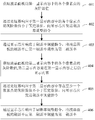
- FIG. 3 is a flowchart of a liquid crystal display method according to an exemplary embodiment
- FIG. 4 is a flowchart of a liquid crystal display method according to another exemplary embodiment
- FIG. 5 is a flowchart of a liquid crystal display method according to another exemplary embodiment
- FIG. 6 is a flowchart of a liquid crystal display method according to another exemplary embodiment
- FIG. 7 is a block diagram of a liquid crystal display device according to an exemplary embodiment
- FIG. 8 is a block diagram of a liquid crystal display device according to another exemplary embodiment.
- FIG. 9 is a block diagram of a liquid crystal display device according to another exemplary embodiment.
- FIG. 10 is a block diagram of a liquid crystal display device according to another exemplary embodiment.
- FIG. 11 is a block diagram of a liquid crystal display device according to another exemplary embodiment.
- FIG. 1 is a schematic diagram of a terminal involved in various embodiments of the present disclosure, including a processor 120, a display chip 140, and a liquid crystal panel 160.
- the terminal can be a smart phone, a smart TV, a tablet computer, an e-book reader, an MP3 player (Moving Picture Experts Group Audio Layer III), and a MP4 (Moving Picture Experts Group Audio Layer IV). Motion Picture Expert compresses standard audio layer Face 4) Player and laptop portable computer (camera, camera) and so on.
- Processor 120 can be an application processor or a graphics processor.
- the display chip 140 may include a DDIC (Display Driver Integrated Circuit), and the display chip 140 can control the display content in the liquid crystal panel 160.
- DDIC Display Driver Integrated Circuit
- the liquid crystal panel 160 can be displayed according to the control of the display chip 140.
- the liquid crystal panel 160 includes m*n liquid crystal cells.
- the arrangement of the liquid crystal cells is schematically shown in FIG. 2, and one liquid crystal cell 220 represents one pixel.
- the display chip 140 refreshes the liquid crystal panel 160 at a predetermined refresh rate, such as 60 Hz.
- FIG. 3 is a flow chart showing a liquid crystal display method according to an exemplary embodiment of the present disclosure.
- the present embodiment is exemplified by the liquid crystal display method applied to the terminal shown in FIG. 1.
- the method can include the following steps.
- step 301 a grayscale value of each pixel in the first display content of the liquid crystal panel is obtained
- the first display content is the frame content displayed on the m*n liquid crystal cells in the liquid crystal panel 160, and the first display content includes m*n pixels, each of which has a respective grayscale value.
- the grayscale value ranges from 0 to 255, the grayscale value is 0 for black, and the grayscale value is 255 for white.
- the first display content may be an image frame, a video frame, a user interface, or the like.
- this step is performed by a processor or a display chip.
- step 302 in response to the grayscale values of the respective pixel points in the first display content being less than a predetermined value, the refresh rate of the liquid crystal panel is adjusted from the first refresh rate to the second refresh rate, and the second refresh rate is less than the first Refresh rate.
- the refresh rate of the liquid crystal panel is lowered from the first refresh rate to the second refresh rate.
- the first refresh rate is a default refresh rate, such as 50 Hz or 60 Hz or 144 Hz; and the second refresh rate is a lower refresh rate, such as 1 Hz or 2 Hz or 5 Hz.
- the liquid crystal display method obtaineds the grayscale value of each pixel in the first display content of the liquid crystal panel, and the grayscale value of each pixel in the current display content is smaller than
- the predetermined value is used to adjust the refresh rate of the liquid crystal panel from the first refresh rate to the second refresh rate, and the second refresh rate is less than the first refresh rate; and the related art reduces the power consumption of the backlight source to reduce the power consumption of the terminal.
- the problem of limited power consumption can be reduced; the power consumption of the liquid crystal panel and the display chip in the terminal is reduced, thereby further reducing the power consumption of the terminal.
- step 301 and step 302 may be performed by a processor, corresponding to the embodiment shown in FIG. 4; step 301 and step 302 may also be performed by a display chip, corresponding to the embodiment shown in FIG. .
- FIG. 4 is a flow chart showing a liquid crystal display method according to another exemplary embodiment of the present disclosure.
- the present embodiment is exemplified by the liquid crystal display method applied to the terminal shown in FIG. 1.
- the method includes:
- step 401 acquiring grayscale values of respective pixel points in the first display content of the liquid crystal panel
- the first display content of the liquid crystal panel includes m*n pixels, and each pixel includes three sub-pixels of red, green, and blue. Both m and n are positive integers.
- each sub-pixel has 256 brightness levels, that is, gray scale values, and the color of each pixel is changed by the gray scale values of the three sub-pixels of red, green, and blue. , and then add and mix, the smaller the grayscale value of the pixel, the closer the color of the pixel is to black.
- the liquid crystal panel may also be a 10-bit panel or a panel of other digits, and then each sub-pixel of the pixel contains more brightness levels.
- the processor acquires a grayscale value of each pixel of the first display content of the liquid crystal panel, and the grayscale value of each pixel includes grayscale values of three components of red, green, and blue.
- the processor selects the maximum value Q of the grayscale values of the three components as the grayscale value of the pixel.
- the processor detects whether the grayscale value of each pixel in the first display content is less than a predetermined value.
- the predetermined value is a grayscale value corresponding to black or approximately black, for example, the predetermined value is 0, or the predetermined value is 5 or the like.
- the preset value may be a reasonable threshold preset by the terminal, or may be a threshold value set by the user, which is not limited by the embodiment of the present disclosure.
- the processor adjusts the refresh rate of the liquid crystal panel from the first refresh rate to the second refresh rate, and the second refresh rate is less than the first refresh rate.
- step 402 the refresh rate adjustment instruction is sent to the display chip by the processor in response to the grayscale values of the respective pixel points in the first display content being less than a predetermined value;
- the processor compares the grayscale value of each pixel with a predetermined value. When the processor determines that the grayscale value of each pixel is less than a predetermined value, the processor sends a refresh rate adjustment instruction to the display chip.
- step 403 the refresh rate of the liquid crystal panel is adjusted from the first refresh rate to the second refresh rate by the display chip in response to the refresh rate adjustment command;
- the default refresh rate or initial refresh rate of the liquid crystal panel is the first refresh rate, that is, the frequency at which the display chip sends the generated display content to the liquid crystal panel is the first refresh rate.
- the first refresh rate is 60 Hz.
- the display chip receives the refresh adjustment command sent by the processor, and adjusts the refresh rate of the liquid crystal panel to a second refresh rate, that is, the display chip sends the display content to the liquid crystal panel according to the second refresh rate, and the second refresh rate is lower than the first refresh rate.
- the second refresh rate is 1 Hz.
- the refresh rate of the liquid crystal panel maintains the first refresh rate.
- step 404 the grayscale value of each pixel in the second display content of the liquid crystal panel is obtained, and the second display is The content is the display content displayed after the first display content;
- the second display content is also the frame content displayed on the m*n liquid crystal cells in the liquid crystal panel 160, and the second display content includes m*n pixel points.
- the method for obtaining the grayscale value of each pixel of the second display content by the processor is the same as the method for obtaining the grayscale value of each pixel of the first display content in step 401, which is not described in this embodiment.
- the processor adjusts the refresh rate of the liquid crystal panel from the second refresh rate to the first refresh rate, and includes the following steps 405 and 406:
- step 405 the processor sends a refresh rate adjustment instruction to the display chip in response to the grayscale value of the at least one pixel point in the second display content being not less than a predetermined value;
- the processor compares the grayscale value of each pixel in the second display content with a predetermined value, and when the processor determines that the grayscale value of the at least one pixel is not less than a predetermined value, the processor sends a refresh rate adjustment to the display chip. instruction.
- step 406 the refresh rate of the liquid crystal panel is adjusted from the second refresh rate to the first refresh rate by the display chip in response to the refresh rate adjustment command;
- the display chip receives a refresh adjustment command sent by the processor, and adjusts the refresh rate of the liquid crystal panel from the second refresh rate to the first refresh rate.
- the refresh rate of the liquid crystal panel is maintained at a second refresh rate.
- first and second have no specific meaning, and may refer to any two adjacent frames of the frame displayed on the liquid crystal panel.
- the liquid crystal display method obtaineds the grayscale value of each pixel in the first display content of the liquid crystal panel, and the grayscale value of each pixel in the current display content is smaller than
- the predetermined value is used to adjust the refresh rate of the liquid crystal panel from the first refresh rate to the second refresh rate, and the second refresh rate is less than the first refresh rate; and the related art reduces the power consumption of the backlight source to reduce the power consumption of the terminal.
- the problem of limited power consumption can be reduced; the power consumption of the liquid crystal panel and the display chip in the terminal is reduced, thereby further reducing the power consumption of the terminal.
- the method provided by the embodiment of the present disclosure reduces the refresh rate of the liquid crystal panel when the grayscale value of each pixel of the display content is less than a predetermined value, that is, when the brightness of the display content is low.
- a predetermined value that is, when the brightness of the display content is low.
- FIG. 5 is a flowchart of a liquid crystal display method according to another exemplary embodiment of the present disclosure, which is exemplified by the liquid crystal display method applied to the terminal shown in FIG. 1.
- the method includes:
- step 501 acquiring grayscale values of respective pixel points in the first display content of the liquid crystal panel
- the first display content of the liquid crystal panel includes m*n pixels, and each pixel includes three sub-pixels of red, green, and blue. Both m and n are positive integers.
- each sub-pixel has 256 brightness levels, that is, gray scale values
- each The color of a pixel is changed by the grayscale value of the three sub-pixels of red, green, and blue, and then added and mixed.
- the liquid crystal panel may also be a 10-bit panel or a panel of other digits, and then each sub-pixel of the pixel contains more brightness levels.
- the display chip acquires a grayscale value of each pixel of the first display content of the liquid crystal panel, and the grayscale value of each pixel includes grayscale values of three components of red, green, and blue.
- the display chip selects the maximum value G of the grayscale values of the three components as the grayscale value of the pixel.
- the display chip detects whether the grayscale value of each pixel in the first display content is less than a predetermined value.
- the predetermined value is a grayscale value corresponding to black or approximately black, for example, the predetermined value is 0, or the predetermined value is 5 or the like.
- the preset value may be a reasonable threshold preset by the terminal, or may be a threshold value set by the user, which is not limited by the embodiment of the present disclosure.
- the display chip adjusts the refresh rate of the liquid crystal panel from the first refresh rate to the second refresh rate by using the display chip in response to the gray scale values of the respective pixel points in the first display content being less than a predetermined value.
- the refresh rate is less than the first refresh rate
- the default refresh rate or initial refresh rate of the liquid crystal panel is the first refresh rate, that is, the frequency at which the display chip sends the generated display content to the liquid crystal panel is the first refresh rate.
- the first refresh rate is 60 Hz.
- the display chip compares the grayscale value of each pixel obtained with the predetermined value.
- the display chip determines that the grayscale value of each pixel is less than a predetermined value
- the display chip adjusts the refresh rate of the liquid crystal panel to the second refresh.
- the rate that is, the display chip sends the display content to the liquid crystal panel according to the second refresh rate
- the second refresh rate is lower than the first refresh rate
- the second refresh rate is 1 Hz.
- the refresh rate of the liquid crystal panel maintains the first refresh rate.
- step 503 the grayscale value of each pixel in the second display content of the liquid crystal panel is acquired, and the second display content is the display content displayed after the first display content;
- the second display content is also the frame content displayed on the m*n liquid crystal cells in the liquid crystal panel 160, and the second display content includes m*n pixel points.
- the method for obtaining the grayscale value of each pixel of the second display content is the same as the method for obtaining the grayscale value of each pixel of the first display content in step 501, which is not described in this embodiment.
- step 504 the display chip adjusts the refresh rate of the liquid crystal panel from the second refresh rate to the first refresh rate by the display chip in response to the grayscale value of the at least one pixel in the second display content being not less than a predetermined value.
- the display chip compares the grayscale value of each pixel in the second display content with a predetermined value.
- the display chip determines that the grayscale value of the at least one pixel is not less than a predetermined value, the display chip sets the refresh rate of the liquid crystal panel by First The second refresh rate is adjusted to the first refresh rate.
- the refresh rate of the liquid crystal panel is maintained at a second refresh rate.
- first and second have no specific meaning, and may refer to any two adjacent frames of the frame displayed on the liquid crystal panel.
- the liquid crystal display method obtaineds the grayscale value of each pixel in the first display content of the liquid crystal panel, and the grayscale value of each pixel in the current display content is smaller than
- the predetermined value is used to adjust the refresh rate of the liquid crystal panel from the first refresh rate to the second refresh rate, and the second refresh rate is less than the first refresh rate; and the related art reduces the power consumption of the backlight source to reduce the power consumption of the terminal.
- the problem of limited power consumption can be reduced; the power consumption of the liquid crystal panel and the display chip in the terminal is reduced, thereby further reducing the power consumption of the terminal.
- the method provided by the embodiment of the present disclosure reduces the refresh rate of the liquid crystal panel when the grayscale value of each pixel of the display content is less than a predetermined value, that is, when the brightness of the display content is low.
- a predetermined value that is, when the brightness of the display content is low.
- the method provided by the embodiment of the present disclosure obtains the effect of reducing the processor load by obtaining the grayscale value of the pixel by the display chip and determining whether it is less than a predetermined value, thereby adjusting the refresh rate.
- steps 401 and 501 further include other steps, as shown in FIG. 6, further including step 601 and step 602:
- the current display mode is acquired.
- the current display mode includes a static display mode and a dynamic display mode.
- the static display mode is a display mode in which the display content does not change within a predetermined time period
- the dynamic display mode is that the display content is within a predetermined time period.
- the display mode in which the change occurred;
- the current display mode is the display mode corresponding to the current display content.
- the processor may obtain the current display mode by determining the current display scene.
- the static display scene the frequency of change of the display content is small, and the processor determines that the current display mode is the static display mode.
- the dynamic display scene the display content changes frequently, and the processor determines that the current display mode is the dynamic display mode. For example, when the video is a dynamic display scene, when the processor detects that the video is currently playing, it determines that the dynamic display mode is present; when the desktop lock screen is a static display scene, when the processor detects that the current lock screen environment is detected, It is judged that this is the static display mode.
- the user may classify different display scenarios in advance, and set whether they belong to the static display scene or the dynamic display scene respectively.
- the processor acquires the current frame content in the display buffer and its adjacent frame content, and detects whether the current frame content is identical to the image data of the adjacent frame content, when the two frames of image data are At the same time, it is determined to be the static display mode, and when the two frames of image data are different, it is determined to be the dynamic display mode.
- the processor can also obtain the current display mode by other methods, and the predetermined duration can be set by the terminal.
- the reasonable value can also be customized by the user.
- the present disclosure does not limit the setting of the predetermined duration and the method of obtaining the current display mode.
- the processor determines the current display mode every time period T.
- the value of the time period T is not limited in the embodiment of the present disclosure.
- step 602 in response to the current display mode being the static display mode, the step of acquiring grayscale values of respective pixel points in the first display content of the liquid crystal panel is performed.
- the processor determines that the current display mode is the static display mode, and considers that the currently displayed first display content does not change within a predetermined time, the step of acquiring the grayscale value of each pixel in the first display content is performed.
- the refresh rate of the liquid crystal panel is not adjusted.
- the terminal displays an electronic photo album
- the first display content is an image frame
- a new image frame is updated every 5 seconds
- the first refresh rate of the liquid crystal panel is 60 Hz
- the frame 1 is , frame 2... represents an image frame of different frame contents
- the first display content is frame 1.
- the processor After the processor obtains the current display mode as the static display mode, the grayscale value of each pixel of the first display content is obtained, and the predetermined value is 5, and the grayscale value of each pixel of the first display content is 0. If the first display content is a black image, the refresh rate of the liquid crystal panel is adjusted to a second refresh rate of 1 Hz, and the display chip refreshes the image frame to the liquid crystal panel for display every 1 s.
- the display content at this time is still the first display content, and the refresh rate is maintained at the second refresh rate.
- the display content is changed to frame 2, which is different from the frame content of the first display content, that is, the second display content, and the grayscale value of each pixel in the second display content is obtained, assuming If there is a pixel, the grayscale value is 10, which is greater than the predetermined value, and the refresh rate of the liquid crystal display panel is adjusted to be the first refresh rate.
- FIG. 7 is a block diagram of a liquid crystal display device according to an exemplary embodiment of the present disclosure, which is exemplified by the liquid crystal display method applied to the terminal shown in FIG. 1.
- the device includes:
- the first obtaining module 702 is configured to acquire grayscale values of respective pixels in the first display content of the liquid crystal panel;
- the first adjustment module 704 is configured to adjust the refresh rate of the liquid crystal panel from the first refresh rate to the second refresh rate in response to the gray scale values of the respective pixel points in the first display content being less than a predetermined value, and the second refresh The rate is less than the first refresh rate.
- the liquid crystal display device obtained by the embodiment of the present disclosure obtains the grayscale value of each pixel in the first display content of the liquid crystal panel, and the grayscale value of each pixel in the current display content is smaller than
- the predetermined value is used to adjust the refresh rate of the liquid crystal panel from the first refresh rate to the second refresh rate, and the second refresh rate is less than the first refresh rate; and the related art reduces the power consumption of the backlight source to reduce the power consumption of the terminal.
- the problem is that the power consumption of the liquid crystal panel and the display chip in the terminal is reduced, thereby further reducing the power consumption of the terminal.
- FIG. 8 is a block diagram of a liquid crystal display device according to another exemplary embodiment of the present disclosure, which is exemplified by the liquid crystal display method applied to the terminal shown in FIG. 1.
- the device includes:
- the obtaining module 801 is configured to acquire a current display mode, where the current display mode includes a static display mode and a dynamic display mode, where the static display mode is a display mode in which the display content does not change within a predetermined duration, and the dynamic display mode is the display content in a predetermined duration a display mode in which a change will occur;
- the first obtaining module 802 is configured to acquire grayscale values of respective pixel points in the first display content of the liquid crystal panel in response to the current display mode being the static display mode;
- the first adjustment module 803 is configured to adjust the refresh rate of the liquid crystal panel from the first refresh rate to the second refresh rate, the second refresh, in response to the grayscale values of the respective pixel points in the first display content being less than a predetermined value.
- the rate is less than the first refresh rate
- the first adjustment module 803 has two possible implementations:
- the first adjustment module 803 is implemented by the processor and the display chip.
- the first adjustment module 803 includes: a first sending submodule 803a and a first adjusting submodule 803b, as shown in FIG.
- the first sending submodule 803a is configured to send, by the processor, a refresh rate adjustment instruction to the display chip in response to the grayscale values of the respective pixel points in the first display content being less than a predetermined value;
- the first adjustment submodule 803b is configured to adjust the refresh rate of the liquid crystal panel from the first refresh rate to the second refresh rate by the display chip in response to the refresh rate adjustment command.
- the first adjustment module 803 is separately implemented by the display chip, and the first adjustment module 803 is specifically configured to: the gray scale values of each pixel in the first display content are smaller than The predetermined value adjusts the refresh rate of the liquid crystal panel from the first refresh rate to the second refresh rate.
- the second obtaining module 804 is configured to acquire grayscale values of respective pixels in the second display content of the liquid crystal panel, and the second display content is display content displayed after the first display content;
- the second adjustment module 805 is configured to adjust the refresh rate of the liquid crystal panel from the second refresh rate to the first refresh rate in response to the grayscale value of the at least one pixel in the second display content being not less than a predetermined value.
- the second adjustment module 805 also has two possible implementation manners:
- the second adjustment module 805 includes: a second transmission submodule 805a and a second adjustment submodule 805b. As shown in Figure 10:
- the second sending sub-module 805a is configured to send, by the processor, a refresh rate adjustment instruction to the display chip in response to the grayscale value of the at least one pixel in the second display content being not less than a predetermined value;
- the second adjustment sub-module 805b is configured to adjust the refresh rate of the liquid crystal panel from the second refresh rate to the first refresh rate by the display chip in response to the refresh rate adjustment command.
- the second adjustment module is also separately performed by the display chip, and the second adjustment module 805 is specifically configured to: respond to the presence of at least one pixel in the second display content by the display chip
- the grayscale value of the dot is not less than a predetermined value, and the refresh rate of the liquid crystal panel is adjusted from the second refresh rate to the first refresh rate.
- the liquid crystal display device obtained by the embodiment of the present disclosure obtains the first display content of the liquid crystal panel.
- the grayscale value of each pixel is adjusted to be smaller than a predetermined value in response to the grayscale value of each pixel in the current display content, and the refresh rate of the liquid crystal panel is adjusted from the first refresh rate to the second refresh rate, and the second refresh rate is less than
- the first refresh rate solves the problem that the power consumption of the backlight source is reduced to reduce the power consumption of the terminal in the related art; the power consumption of the liquid crystal panel and the display chip in the terminal is reduced, thereby further reducing the power of the terminal. The effect of consumption.
- the apparatus reduces the refresh rate of the liquid crystal panel when the grayscale value of each pixel of the display content is less than a predetermined value, that is, when the brightness of the display content is low.
- a predetermined value that is, when the brightness of the display content is low.
- An exemplary embodiment of the present disclosure provides a liquid crystal display device capable of implementing the liquid crystal display method provided by the present disclosure, the device comprising: a processor, a display chip connected to the processor, and a memory for storing processor executable instructions ;
- processor or display chip is configured to:
- the refresh rate of the liquid crystal panel is adjusted from the first refresh rate to the second refresh rate, and the second refresh rate is smaller than the first refresh rate, in response to the grayscale values of the respective pixel points in the first display content being less than a predetermined value.
- the processor or display chip is configured to:
- the refresh rate of the liquid crystal panel is adjusted from the first refresh rate to the second refresh rate by the display chip in response to the refresh rate adjustment command.
- the processor or display chip is configured to:
- the refresh rate of the liquid crystal panel is adjusted from the second refresh rate to the first refresh rate in response to the grayscale value of the at least one pixel in the second display content being not less than a predetermined value.
- the processor or display chip is configured to:
- the current display mode includes a static display mode and a dynamic display mode, wherein the static display mode is a display mode in which the display content does not change within a predetermined duration, and the dynamic display mode is a display mode in which the display content changes within a predetermined length of time. ;
- the step of acquiring grayscale values of respective pixel points in the first display content of the liquid crystal panel is performed.
- FIG. 11 is a block diagram of a liquid crystal display, according to an exemplary embodiment.
- device 1100 can be mobile Phones, computers, tablet devices, medical devices, e-book readers, MP3 players, MP4 players, fitness equipment, personal digital assistants, etc.
- apparatus 1100 can include one or more of the following components: processing component 1102, memory 1104, power component 1106, multimedia component 1108, audio component 1110, input/output (I/O) interface 1112, sensor component 1114, and Communication component 1116.
- Processing component 1102 typically controls the overall operation of device 1100, such as operations associated with display, telephone calls, data communications, camera operations, and recording operations.
- Processing component 1102 can include one or more processors 1118 to execute instructions to perform all or part of the steps of the above described methods.
- processing component 1102 can include one or more modules to facilitate interaction between component 1102 and other components.
- the processing component 1102 can include a multimedia module to facilitate interaction between the multimedia component 1108 and the processing component 1102.
- Memory 1104 is configured to store various types of data to support operation at device 1100. Examples of such data include instructions for any application or method operating on device 1100, contact data, phone book data, messages, pictures, videos, and the like.
- the memory 1104 can be implemented by any type of volatile or non-volatile storage device, or a combination thereof, such as static random access memory (SRAM), electrically erasable programmable read only memory (EEPROM), erasable.
- SRAM static random access memory
- EEPROM electrically erasable programmable read only memory
- EPROM Programmable Read Only Memory
- PROM Programmable Read Only Memory
- ROM Read Only Memory
- Magnetic Memory Flash Memory
- Disk Disk or Optical Disk.
- Power component 1106 provides power to various components of device 1100.
- Power component 1106 can include a power management system, one or more power sources, and other components associated with generating, managing, and distributing power for device 1100.
- the multimedia component 1108 includes a screen between the device 1100 and the user that provides an output interface.
- the screen can include a liquid crystal display (LCD) and a touch panel (TP). If the screen includes a touch panel, the screen can be implemented as a touch screen to receive input signals from the user.
- the touch panel includes one or more touch sensors to sense touches, slides, and gestures on the touch panel. The touch sensor can sense not only the boundaries of the touch or sliding action, but also the duration and pressure associated with the touch or slide operation.
- the multimedia component 1108 includes a front camera and/or a rear camera. When the device 1100 is in an operation mode, such as a shooting mode or a video mode, the front camera and/or the rear camera can receive external multimedia data. Each front and rear camera can be a fixed optical lens system or have focal length and optical zoom capabilities.
- the audio component 1110 is configured to output and/or input an audio signal.
- the audio component 1110 includes a microphone (MIC) that is configured to receive an external audio signal when the device 1100 is in an operational mode, such as a call mode, a recording mode, and a voice recognition mode.
- the received audio signal may be further stored in memory 1104 or transmitted via communication component 1116.
- the audio component 1110 also includes a speaker for outputting an audio signal.
- the I/O interface 1112 provides an interface between the processing component 1102 and a peripheral interface module, which may be a keyboard, a click wheel, a button, or the like. These buttons may include, but are not limited to, a home button, a volume button, a start button, and a lock button.
- Sensor assembly 1114 includes one or more sensors for providing a status assessment of various aspects to device 1100.
- sensor assembly 1114 can detect an open/closed state of device 1100, relative positioning of components, such as components For the display and keypad of device 1100, sensor assembly 1114 can also detect a change in position of one component of device 1100 or device 1100, the presence or absence of user contact with device 1100, orientation of device 1100 or acceleration/deceleration, and temperature change of device 1100.
- Sensor assembly 1114 can include a proximity sensor configured to detect the presence of nearby objects without any physical contact.
- Sensor assembly 1114 may also include a light sensor, such as a CMOS or CCD image sensor, for use in imaging applications.
- the sensor assembly 1114 can also include an acceleration sensor, a gyro sensor, a magnetic sensor, a pressure sensor, or a temperature sensor.
- Communication component 1116 is configured to facilitate wired or wireless communication between device 1100 and other devices.
- the device 1100 can access a wireless network based on a communication standard, such as Wi-Fi, 2G or 3G, or a combination thereof.
- communication component 1116 receives broadcast signals or broadcast associated information from an external broadcast management system via a broadcast channel.
- communication component 1116 also includes a near field communication (NFC) module to facilitate short range communication.
- NFC near field communication
- the NFC module can be implemented based on radio frequency identification (RFID) technology, infrared data association (IrDA) technology, ultra-wideband (UWB) technology, Bluetooth (BT) technology, and other technologies.
- RFID radio frequency identification
- IrDA infrared data association
- UWB ultra-wideband
- Bluetooth Bluetooth
- apparatus 1100 may be implemented by one or more application specific integrated circuits (ASICs), digital signal processors (DSPs), digital signal processing devices (DSPDs), programmable logic devices (PLDs), field programmable A gate array (FPGA), controller, microcontroller, microprocessor or other electronic component is implemented for performing the above liquid crystal display method.
- ASICs application specific integrated circuits
- DSPs digital signal processors
- DSPDs digital signal processing devices
- PLDs programmable logic devices
- FPGA field programmable A gate array
- controller microcontroller, microprocessor or other electronic component is implemented for performing the above liquid crystal display method.
- non-transitory computer readable storage medium comprising instructions, such as a memory 1104 comprising instructions executable by processor 1118 of apparatus 1100 to perform the liquid crystal display method described above.
- the non-transitory computer readable storage medium can be a ROM, a random access memory (RAM), a CD-ROM, a magnetic tape, a floppy disk, and an optical data storage device.
Landscapes
- Engineering & Computer Science (AREA)
- Physics & Mathematics (AREA)
- Computer Hardware Design (AREA)
- General Physics & Mathematics (AREA)
- Theoretical Computer Science (AREA)
- Chemical & Material Sciences (AREA)
- Crystallography & Structural Chemistry (AREA)
- Control Of Indicators Other Than Cathode Ray Tubes (AREA)
- Liquid Crystal Display Device Control (AREA)
- Transforming Electric Information Into Light Information (AREA)
Abstract
Description
Claims (11)
- 一种液晶显示方法,其特征在于,所述方法包括:获取液晶面板的第一显示内容中的各个像素点的灰阶数值;响应于所述第一显示内容中的各个像素点的灰阶数值均小于预定数值,将所述液晶面板的刷新率由第一刷新率调整为第二刷新率,所述第二刷新率小于所述第一刷新率。
- 根据权利要求1所述的方法,其特征在于,所述响应于所述第一显示内容中的各个像素点的灰阶数值均小于预定数值,将所述液晶面板的刷新率由第一刷新率调整为第二刷新率,包括:通过处理器响应于所述第一显示内容中的各个像素点的灰阶数值均小于预定数值,向显示芯片发送刷新率调整指令;通过所述显示芯片响应于所述刷新率调整指令,将所述液晶面板的刷新率由第一刷新率调整为第二刷新率。
- 根据权利要求1所述的方法,其特征在于,所述响应于所述第一显示内容中的各个像素点的灰阶数值均小于预定数值,将所述液晶面板的刷新率由第一刷新率调整为第二刷新率,包括:通过显示芯片响应于所述第一显示内容中的各个像素点的灰阶数值均小于预定数值,将所述液晶面板的刷新率由第一刷新率调整为第二刷新率。
- 根据权利要求1至3任一所述的方法,其特征在于,所述方法还包括:获取所述液晶面板的第二显示内容中的各个像素点的灰阶数值,所述第二显示内容是在所述第一显示内容之后显示的显示内容;响应于所述第二显示内容中存在至少一个像素点的灰阶数值不小于所述预定数值,将所述液晶面板的刷新率由所述第二刷新率调整为所述第一刷新率。
- 根据权利要求1至3任一所述的方法,其特征在于,所述方法还包括:获取当前显示模式,所述当前显示模式包括静态显示模式和动态显示模式,所述静态显示模式是显示内容在预定时长内不发生改变的显示模式,所述动态显示模式是所述显示内容在所述预定时长内会发生改变的显示模式;其中,响应于所述当前显示模式是所述静态显示模式,执行所述获取液晶面板的第一显示内容中的各个像素点的灰阶数值的步骤。
- 一种液晶显示装置,其特征在于,所述装置包括:第一获取模块,被配置为获取液晶面板的第一显示内容中的各个像素点的灰阶数值;第一调整模块,被配置为响应于所述第一显示内容中的各个像素点的灰阶数值均小于预定数值,将所述液晶面板的刷新率由第一刷新率调整为第二刷新率,所述第二刷新率小于所述第一刷新率。
- 根据权利要求6所述的装置,其特征在于,所述第一调整模块包括:第一发送子模块,被配置为通过处理器响应于所述第一显示内容中的各个像素点的灰阶数值均小于预定数值,向显示芯片发送刷新率调整指令;第一调整子模块,被配置为通过所述显示芯片响应于所述刷新率调整指令,将所述液晶面板的刷新率由第一刷新率调整为第二刷新率。
- 根据权利要求6所述的装置,其特征在于,所述第一调整模块被配置为:通过显示芯片响应于所述第一显示内容中的各个像素点的灰阶数值均小于预定数值,将所述液晶面板的刷新率由第一刷新率调整为第二刷新率。
- 根据权利要求6至8任一所述的装置,其特征在于,所述装置还包括:第二获取模块,被配置为获取所述液晶面板的第二显示内容中的各个像素点的灰阶数值,所述第二显示内容是在所述第一显示内容之后显示的显示内容;第二调整模块,被配置为响应于所述第二显示内容中存在至少一个像素点的灰阶数值不小于所述预定数值,将所述液晶面板的刷新率由所述第二刷新率调整为所述第一刷新率。
- 根据权利要求6至8任一所述的装置,其特征在于,所述装置还包括:获取模块,被配置为获取当前显示模式,所述当前显示模式包括静态显示模式和动态显示模式,所述静态显示模式是显示内容在预定时长内不发生改变的显示模式,所述动态显示模式是所述显示内容在所述预定时长内会发生改变的显示模式;第一获取模块,被配置为:响应于所述当前显示模式是所述静态显示模式,执行所述获取液晶面板的第一显示内容中的各个像素点的灰阶数值的步骤。
- 一种液晶显示装置,其特征在于,所述装置包括:处理器;与处理器相连的显示芯片;用于存储所述处理器可执行指令的存储器;其中,所述处理器或所述显示芯片被配置为:获取液晶面板的第一显示内容中的各个像素点的灰阶数值;响应于所述第一显示内容中的各个像素点的灰阶数值均小于预定数值,将所述液晶面板的刷新率由第一刷新率调整为第二刷新率,所述第二刷新率小于所述第一刷新率。
Priority Applications (4)
| Application Number | Priority Date | Filing Date | Title |
|---|---|---|---|
| RU2016126471A RU2648583C2 (ru) | 2015-11-12 | 2015-12-25 | Жидкокристаллический способ и устройство отображения |
| MX2016004670A MX359677B (es) | 2015-11-12 | 2015-12-25 | Metodo y dispositivo de pantalla de cristal liquido. |
| JP2016521792A JP6401785B2 (ja) | 2015-11-12 | 2015-12-25 | 液晶表示方法および装置 |
| KR1020167006433A KR20170067674A (ko) | 2015-11-12 | 2015-12-25 | 액정 디스플레이 방법 및 장치 |
Applications Claiming Priority (2)
| Application Number | Priority Date | Filing Date | Title |
|---|---|---|---|
| CN201510772756.2A CN106710540B (zh) | 2015-11-12 | 2015-11-12 | 液晶显示方法及装置 |
| CN201510772756.2 | 2015-11-12 |
Publications (1)
| Publication Number | Publication Date |
|---|---|
| WO2017080055A1 true WO2017080055A1 (zh) | 2017-05-18 |
Family
ID=55699331
Family Applications (1)
| Application Number | Title | Priority Date | Filing Date |
|---|---|---|---|
| PCT/CN2015/099035 Ceased WO2017080055A1 (zh) | 2015-11-12 | 2015-12-25 | 液晶显示方法及装置 |
Country Status (8)
| Country | Link |
|---|---|
| US (1) | US20170140713A1 (zh) |
| EP (1) | EP3168836A1 (zh) |
| JP (1) | JP6401785B2 (zh) |
| KR (1) | KR20170067674A (zh) |
| CN (1) | CN106710540B (zh) |
| MX (1) | MX359677B (zh) |
| RU (1) | RU2648583C2 (zh) |
| WO (1) | WO2017080055A1 (zh) |
Families Citing this family (14)
| Publication number | Priority date | Publication date | Assignee | Title |
|---|---|---|---|---|
| CN107591138B (zh) * | 2017-09-18 | 2020-05-08 | 青岛海信电器股份有限公司 | 内容显示方法及装置 |
| CN107808647B (zh) | 2017-10-10 | 2019-06-11 | 惠科股份有限公司 | 液晶显示驱动方法、装置及设备 |
| CN107945751B (zh) | 2017-10-10 | 2019-09-17 | 惠科股份有限公司 | 液晶显示驱动方法、装置及设备 |
| US10720127B2 (en) * | 2017-10-23 | 2020-07-21 | Apple Inc. | Dynamic display mode selection |
| CN107731149B (zh) * | 2017-11-01 | 2023-04-11 | 北京京东方显示技术有限公司 | 显示面板的驱动方法、驱动电路、显示面板和显示装置 |
| JP7335066B2 (ja) * | 2017-11-02 | 2023-08-29 | シナプティクス インコーポレイテッド | 表示ドライバ、表示装置及び輝度制御方法 |
| CN108564928B (zh) * | 2018-03-15 | 2021-01-26 | 京东方科技集团股份有限公司 | 显示装置及其显示驱动方法 |
| CN111768738B (zh) * | 2020-06-11 | 2021-11-23 | 昇显微电子(苏州)有限公司 | 一种amoled显示驱动芯片降低刷新率节省功耗的电路设计方法 |
| CN111833827A (zh) * | 2020-07-28 | 2020-10-27 | 重庆惠科金渝光电科技有限公司 | 过驱动电压的确定方法、显示面板和计算机可读存储介质 |
| CN114697597A (zh) * | 2020-12-30 | 2022-07-01 | 深圳市万普拉斯科技有限公司 | 帧率切换控制方法、装置、终端设备和可读存储介质 |
| CN113112945B (zh) * | 2021-04-13 | 2022-09-09 | 武汉华星光电半导体显示技术有限公司 | 显示面板画面改善方法、装置及存储器 |
| EP4411705A4 (en) * | 2021-09-27 | 2025-04-30 | Sony Group Corporation | INFORMATION PROCESSING SYSTEM AND INFORMATION PROCESSING METHOD |
| KR102896461B1 (ko) * | 2021-12-21 | 2025-12-04 | 엘지디스플레이 주식회사 | 표시 장치 |
| CN116661724A (zh) | 2022-02-21 | 2023-08-29 | 荣耀终端有限公司 | 屏幕刷新率的切换方法、电子设备和计算机可读存储介质 |
Citations (5)
| Publication number | Priority date | Publication date | Assignee | Title |
|---|---|---|---|---|
| US20070146294A1 (en) * | 2005-12-22 | 2007-06-28 | Nokia Corporation | Adjusting the refresh rate of a display |
| CN101593498A (zh) * | 2008-05-27 | 2009-12-02 | 索尼株式会社 | 液晶显示器用的驱动电路 |
| CN102968978A (zh) * | 2011-08-31 | 2013-03-13 | 联想(北京)有限公司 | 一种显示刷新率的控制方法及装置 |
| US20140152533A1 (en) * | 2012-11-30 | 2014-06-05 | Semiconductor Energy Laboratory Co., Ltd. | Method for driving information processing device and program and information processing device |
| CN104813392A (zh) * | 2012-11-20 | 2015-07-29 | 夏普株式会社 | 控制装置、显示装置以及显示装置的控制方法 |
Family Cites Families (13)
| Publication number | Priority date | Publication date | Assignee | Title |
|---|---|---|---|---|
| US20010043177A1 (en) * | 2000-04-14 | 2001-11-22 | Huston James R. | System and method for color and grayscale drive methods for graphical displays utilizing analog controlled waveforms |
| JP5243675B2 (ja) * | 2000-08-14 | 2013-07-24 | レノボ シンガポール プライヴェート リミテッド | コンピュータ装置および記憶媒体 |
| US20090002271A1 (en) * | 2007-06-28 | 2009-01-01 | Boundary Net, Incorporated | Composite display |
| RU2489756C2 (ru) * | 2009-05-13 | 2013-08-10 | Шарп Кабушики Каиша | Дисплейное устройство |
| CN102648436B (zh) * | 2009-09-25 | 2015-04-22 | 夏普株式会社 | 液晶显示装置 |
| KR101814222B1 (ko) * | 2010-02-12 | 2018-01-02 | 가부시키가이샤 한도오따이 에네루기 켄큐쇼 | 액정 표시 장치 및 전자 장치 |
| CN103000159B (zh) * | 2011-09-13 | 2015-06-24 | 联想(北京)有限公司 | 一种显示控制方法、显示控制装置及显示器 |
| JP6253894B2 (ja) * | 2013-04-18 | 2017-12-27 | シャープ株式会社 | 制御装置、表示装置および制御方法 |
| JP6270411B2 (ja) * | 2013-10-25 | 2018-01-31 | シャープ株式会社 | 表示装置、電子機器、および表示装置の制御方法 |
| KR20150055503A (ko) * | 2013-11-13 | 2015-05-21 | 삼성전자주식회사 | 저전력 디스플레이를 위한 적응적 이미지 보상 방법 및 그 장치 |
| US9607538B2 (en) * | 2014-03-11 | 2017-03-28 | Industry-Academic Cooperation Foundation, Yonsei University | Method for managing power in electronic device and the electronic device |
| US9952642B2 (en) * | 2014-09-29 | 2018-04-24 | Apple Inc. | Content dependent display variable refresh rate |
| KR102453950B1 (ko) * | 2015-09-30 | 2022-10-17 | 엘지디스플레이 주식회사 | 표시장치와 그 구동 방법 |
-
2015
- 2015-11-12 CN CN201510772756.2A patent/CN106710540B/zh active Active
- 2015-12-25 MX MX2016004670A patent/MX359677B/es active IP Right Grant
- 2015-12-25 WO PCT/CN2015/099035 patent/WO2017080055A1/zh not_active Ceased
- 2015-12-25 RU RU2016126471A patent/RU2648583C2/ru active
- 2015-12-25 JP JP2016521792A patent/JP6401785B2/ja active Active
- 2015-12-25 KR KR1020167006433A patent/KR20170067674A/ko not_active Ceased
-
2016
- 2016-03-03 EP EP16158511.2A patent/EP3168836A1/en not_active Withdrawn
- 2016-05-24 US US15/163,452 patent/US20170140713A1/en not_active Abandoned
Patent Citations (5)
| Publication number | Priority date | Publication date | Assignee | Title |
|---|---|---|---|---|
| US20070146294A1 (en) * | 2005-12-22 | 2007-06-28 | Nokia Corporation | Adjusting the refresh rate of a display |
| CN101593498A (zh) * | 2008-05-27 | 2009-12-02 | 索尼株式会社 | 液晶显示器用的驱动电路 |
| CN102968978A (zh) * | 2011-08-31 | 2013-03-13 | 联想(北京)有限公司 | 一种显示刷新率的控制方法及装置 |
| CN104813392A (zh) * | 2012-11-20 | 2015-07-29 | 夏普株式会社 | 控制装置、显示装置以及显示装置的控制方法 |
| US20140152533A1 (en) * | 2012-11-30 | 2014-06-05 | Semiconductor Energy Laboratory Co., Ltd. | Method for driving information processing device and program and information processing device |
Also Published As
| Publication number | Publication date |
|---|---|
| JP6401785B2 (ja) | 2018-10-10 |
| MX359677B (es) | 2018-10-05 |
| US20170140713A1 (en) | 2017-05-18 |
| RU2648583C2 (ru) | 2018-03-26 |
| JP2018503845A (ja) | 2018-02-08 |
| CN106710540B (zh) | 2020-03-17 |
| MX2016004670A (es) | 2017-08-09 |
| EP3168836A1 (en) | 2017-05-17 |
| KR20170067674A (ko) | 2017-06-16 |
| CN106710540A (zh) | 2017-05-24 |
Similar Documents
| Publication | Publication Date | Title |
|---|---|---|
| JP6401785B2 (ja) | 液晶表示方法および装置 | |
| CN106710539B (zh) | 液晶显示方法及装置 | |
| EP3040974B1 (en) | Backlight controlling method and device | |
| US20180033378A1 (en) | Method and device for adjusting refresh rate | |
| CN105242893B (zh) | 刷新率调整方法及装置 | |
| CN111462701A (zh) | 背光亮度调节方法及装置 | |
| CN106875925A (zh) | 屏幕的刷新率调整方法和装置 | |
| EP3159876A1 (en) | Method and apparatus for displaying content | |
| WO2017024728A1 (zh) | 降低显示亮度的方法及装置 | |
| US10109248B2 (en) | Method and device for adjusting liquid crystal display | |
| CN108922495A (zh) | 屏幕亮度调节方法及装置 | |
| WO2023240624A1 (zh) | 亮度调整方法及装置、存储介质 | |
| CN107221294A (zh) | 显示图像的方法及装置、电子设备、计算机可读存储介质 | |
| CN115798394A (zh) | 亮度调整方法、装置及存储介质 | |
| WO2023011123A1 (zh) | 显示驱动方法及装置、电子设备 | |
| CN111383568A (zh) | 显示控制方法和装置、电子设备以及计算机可读存储介质 | |
| CN114078432B (zh) | 驱动方法及装置 | |
| CN108206012A (zh) | 伽马校正方法及装置 | |
| CN106775541A (zh) | 电子设备及画面显示方法 | |
| CN111988595A (zh) | 色温调节方法、装置及存储介质 | |
| CN111383583A (zh) | 显示控制方法和装置、电子设备以及计算机可读存储介质 | |
| CN113296644B (zh) | 显示控制方法及装置、电子设备、计算机可读存储介质 | |
| CN108877698A (zh) | 一种显示图像的方法和装置 | |
| CN108874332A (zh) | 一种显示界面的方法和装置 | |
| CN108134927A (zh) | 图像处理方法、装置及存储介质 |
Legal Events
| Date | Code | Title | Description |
|---|---|---|---|
| ENP | Entry into the national phase |
Ref document number: 20167006433 Country of ref document: KR Kind code of ref document: A |
|
| ENP | Entry into the national phase |
Ref document number: 2016521792 Country of ref document: JP Kind code of ref document: A |
|
| WWE | Wipo information: entry into national phase |
Ref document number: MX/A/2016/004670 Country of ref document: MX |
|
| ENP | Entry into the national phase |
Ref document number: 2016126471 Country of ref document: RU Kind code of ref document: A |
|
| 121 | Ep: the epo has been informed by wipo that ep was designated in this application |
Ref document number: 15908185 Country of ref document: EP Kind code of ref document: A1 |
|
| NENP | Non-entry into the national phase |
Ref country code: DE |
|
| 122 | Ep: pct application non-entry in european phase |
Ref document number: 15908185 Country of ref document: EP Kind code of ref document: A1 |