WO2017057714A1 - リグノセルロース系バイオマス由来化合物の製造方法 - Google Patents
リグノセルロース系バイオマス由来化合物の製造方法 Download PDFInfo
- Publication number
- WO2017057714A1 WO2017057714A1 PCT/JP2016/079094 JP2016079094W WO2017057714A1 WO 2017057714 A1 WO2017057714 A1 WO 2017057714A1 JP 2016079094 W JP2016079094 W JP 2016079094W WO 2017057714 A1 WO2017057714 A1 WO 2017057714A1
- Authority
- WO
- WIPO (PCT)
- Prior art keywords
- acid
- fermentation
- furfural
- lignocellulosic biomass
- saccharification
- Prior art date
- Legal status (The legal status is an assumption and is not a legal conclusion. Google has not performed a legal analysis and makes no representation as to the accuracy of the status listed.)
- Ceased
Links
- 0 *C(c1ccc[o]1)=O Chemical compound *C(c1ccc[o]1)=O 0.000 description 1
Images





Classifications
-
- B—PERFORMING OPERATIONS; TRANSPORTING
- B09—DISPOSAL OF SOLID WASTE; RECLAMATION OF CONTAMINATED SOIL
- B09B—DISPOSAL OF SOLID WASTE NOT OTHERWISE PROVIDED FOR
- B09B3/00—Destroying solid waste or transforming solid waste into something useful or harmless
- B09B3/70—Chemical treatment, e.g. pH adjustment or oxidation
-
- B—PERFORMING OPERATIONS; TRANSPORTING
- B09—DISPOSAL OF SOLID WASTE; RECLAMATION OF CONTAMINATED SOIL
- B09B—DISPOSAL OF SOLID WASTE NOT OTHERWISE PROVIDED FOR
- B09B3/00—Destroying solid waste or transforming solid waste into something useful or harmless
- B09B3/60—Biochemical treatment, e.g. by using enzymes
- B09B3/65—Anaerobic treatment
-
- C—CHEMISTRY; METALLURGY
- C12—BIOCHEMISTRY; BEER; SPIRITS; WINE; VINEGAR; MICROBIOLOGY; ENZYMOLOGY; MUTATION OR GENETIC ENGINEERING
- C12M—APPARATUS FOR ENZYMOLOGY OR MICROBIOLOGY; APPARATUS FOR CULTURING MICROORGANISMS FOR PRODUCING BIOMASS, FOR GROWING CELLS OR FOR OBTAINING FERMENTATION OR METABOLIC PRODUCTS, i.e. BIOREACTORS OR FERMENTERS
- C12M1/00—Apparatus for enzymology or microbiology
-
- C—CHEMISTRY; METALLURGY
- C12—BIOCHEMISTRY; BEER; SPIRITS; WINE; VINEGAR; MICROBIOLOGY; ENZYMOLOGY; MUTATION OR GENETIC ENGINEERING
- C12P—FERMENTATION OR ENZYME-USING PROCESSES TO SYNTHESISE A DESIRED CHEMICAL COMPOUND OR COMPOSITION OR TO SEPARATE OPTICAL ISOMERS FROM A RACEMIC MIXTURE
- C12P19/00—Preparation of compounds containing saccharide radicals
- C12P19/14—Preparation of compounds containing saccharide radicals produced by the action of a carbohydrase (EC 3.2.x), e.g. by alpha-amylase, e.g. by cellulase, hemicellulase
-
- C—CHEMISTRY; METALLURGY
- C12—BIOCHEMISTRY; BEER; SPIRITS; WINE; VINEGAR; MICROBIOLOGY; ENZYMOLOGY; MUTATION OR GENETIC ENGINEERING
- C12P—FERMENTATION OR ENZYME-USING PROCESSES TO SYNTHESISE A DESIRED CHEMICAL COMPOUND OR COMPOSITION OR TO SEPARATE OPTICAL ISOMERS FROM A RACEMIC MIXTURE
- C12P7/00—Preparation of oxygen-containing organic compounds
- C12P7/02—Preparation of oxygen-containing organic compounds containing a hydroxy group
- C12P7/04—Preparation of oxygen-containing organic compounds containing a hydroxy group acyclic
- C12P7/06—Ethanol, i.e. non-beverage
- C12P7/08—Ethanol, i.e. non-beverage produced as by-product or from waste or cellulosic material substrate
- C12P7/10—Ethanol, i.e. non-beverage produced as by-product or from waste or cellulosic material substrate substrate containing cellulosic material
-
- C—CHEMISTRY; METALLURGY
- C13—SUGAR INDUSTRY
- C13K—SACCHARIDES OBTAINED FROM NATURAL SOURCES OR BY HYDROLYSIS OF NATURALLY OCCURRING DISACCHARIDES, OLIGOSACCHARIDES OR POLYSACCHARIDES
- C13K1/00—Glucose; Glucose-containing syrups
- C13K1/02—Glucose; Glucose-containing syrups obtained by saccharification of cellulosic materials
-
- C—CHEMISTRY; METALLURGY
- C12—BIOCHEMISTRY; BEER; SPIRITS; WINE; VINEGAR; MICROBIOLOGY; ENZYMOLOGY; MUTATION OR GENETIC ENGINEERING
- C12P—FERMENTATION OR ENZYME-USING PROCESSES TO SYNTHESISE A DESIRED CHEMICAL COMPOUND OR COMPOSITION OR TO SEPARATE OPTICAL ISOMERS FROM A RACEMIC MIXTURE
- C12P2201/00—Pretreatment of cellulosic or lignocellulosic material for subsequent enzymatic treatment or hydrolysis
-
- Y—GENERAL TAGGING OF NEW TECHNOLOGICAL DEVELOPMENTS; GENERAL TAGGING OF CROSS-SECTIONAL TECHNOLOGIES SPANNING OVER SEVERAL SECTIONS OF THE IPC; TECHNICAL SUBJECTS COVERED BY FORMER USPC CROSS-REFERENCE ART COLLECTIONS [XRACs] AND DIGESTS
- Y02—TECHNOLOGIES OR APPLICATIONS FOR MITIGATION OR ADAPTATION AGAINST CLIMATE CHANGE
- Y02E—REDUCTION OF GREENHOUSE GAS [GHG] EMISSIONS, RELATED TO ENERGY GENERATION, TRANSMISSION OR DISTRIBUTION
- Y02E50/00—Technologies for the production of fuel of non-fossil origin
- Y02E50/10—Biofuels, e.g. bio-diesel
Definitions
- the present invention relates to a method for producing a lignocellulosic biomass-derived compound.
- Non-edible biomass includes the most abundant cellulose on the earth, most of which exists as lignocellulose, which is a complex with the aromatic polymer lignin and hemicellulose.
- This lignocellulose has a structure in which cellulose, hemicellulose, and lignin are firmly bound, and it is not easy to be decomposed into a pentose or hexose monosaccharide or oligosaccharide that can be used for fermentation.
- pretreatment methods have been studied in which lignocellulosic biomass is treated with acid, alkali, enzyme, supercritical water, or the like to destroy or soften the lignin barrier.
- the treatment with supercritical water has an advantage that a by-product is not generated because the treatment time is short and neutralization treatment is not required.
- it is difficult to control such as furfural and 5-hydroxymethylfurfural, which are sugar degradation products, vanillin and guaiacol, which are aromatic compounds derived from lignin, acetic acid, formic acid, repric acid, etc. derived from hemicellulose.
- the problem was that fermentation inhibitors were also generated at the same time.
- Patent Document 1 proposes removal using a separation membrane having an average pore diameter of 0.8 to 4.0 mm.
- the hole diameter is very fine, an operating pressure of 0.5 MPa is required, resulting in high equipment costs.
- the xylose and oligosaccharides produced in the pretreatment cannot pass through the pore diameter, causing a reduction in the yield of the sugar solution.
- Patent Document 2 proposes removal of a fermentation inhibitor by evaporation of sugar liquid.
- the removal method by evaporation is excellent in that it is inexpensive and can be removed in a short time.
- furfural and acetic acid having a relatively low melting point can be removed, but 5-hydroxymethylfurfural and formic acid cannot be removed.
- Patent Document 3 proposes pH adjustment by adding an alkali and removal of a fermentation inhibitor in a vacuum environment.
- the pH is in the neutral range, and by applying a vacuum, volatile furfural and acetic acid can be removed as in Patent Document 2, but 5-hydroxymethylfurfural and formic acid are removed. Can not do it.
- the present invention has been made in view of the above circumstances, and provides a method for producing a lignocellulosic biomass-derived compound that effectively and effectively removes a fermentation inhibitor.
- a method for producing a lignocellulosic biomass-derived compound (A) a step of producing an acid cooked product by hydrolysis by mixing an acid with lignocellulosic biomass and cooking; (M) drying the acid-boiled product to volatilize and remove the fermentation inhibitor; (N) adding ammonia to the dried acid cooked product, further reducing fermentation inhibiting substances, and adjusting the pH of the dried cooked product; (B) a saccharification step for producing a saccharified solution containing at least one of a monosaccharide and an oligosaccharide from the acid-boiled product after addition of ammonia by the enzyme, Among the fermentation inhibiting substances, from the threshold value that does not cause fermentation inhibition of furfural, and the reduced amount of the furfural in the step (N), set a reduction target value of the content of the furfural in the step (M), A lignocellulosic biomass-derived compound characterized in that, from the correlation between the content of the
- the method for producing a lignocellulosic biomass-derived compound of the present invention it is possible to efficiently remove a fermentation-inhibiting substance at low cost without using special equipment, and to efficiently obtain a lignocellulosic biomass-derived compound. .
- FIG. 1 It is a figure which shows schematic structure of the manufacturing method of the lignocellulosic biomass origin compound which concerns on 1st embodiment of this invention. It is the graph which showed the evaporation curve of furfural. It is the graph which showed the evaporation curve of acetic acid. It is the graph which showed the evaporation curve of formic acid. It is the graph which plotted the relationship between content of furfural in lignocellulosic biomass, and the yield of ethanol. It is the graph which plotted the relationship between content of 5-HMF in lignocellulosic biomass, and the yield of ethanol. It is the graph which plotted the relationship between content of acetic acid in lignocellulosic biomass, and the yield of ethanol.
- Test Example 3 a graph showing the correlation between the moisture content and the furfural content of the acid cooked product at each drying temperature and drying time, and the correlation between the moisture content of the acid cooked product and the drying time at each drying temperature and drying time It is the graph which showed.
- FIG. 5 is a graph showing the correlation between the water content of the acid cooked food and the contents of acetic acid, furfural and 5-HMF as fermentation inhibitors in each test temperature and drying time in Test Example 3.
- FIG. 5 is a graph showing the correlation between the water content of the acid cooked food and the contents of acetic acid, furfural and 5-HMF as fermentation inhibitors in each test temperature and drying time in Test Example 3.
- the lignocellulosic biomass to be treated in the production method and production apparatus of the present invention mainly contains cellulose, hemicellulose, and lignin.
- cellulose hemicellulose
- lignin a group consisting of cellulose, hemicellulose, and lignin.
- Agricultural and forestry product resources such as rice husk, wheat straw, wood chips, wood fiber, chemical pulp, waste paper, plywood, etc.
- sucrose-containing resources such as sugar cane, sugar beet, starch-containing resources such as corn, sweet potato, etc., even if they contain little or no lignin content or contain fermentation inhibitors typified by sugar hyperdegradation products or If it produces
- These lignocellulosic biomasses may be used alone or as a mixture.
- Hemicellulose is called pentose containing 5 carbons such as xylose, hexose containing 6 carbons such as mannose, arabinose and galacturonic acid, glucomannan, Since it has a complex polysaccharide such as glucuronoxylan, when it is hydrolyzed, it has five carbon pentose monosaccharides, a pentose oligosaccharide in which multiple monosaccharides are linked, and six carbons.
- a hexose saccharide monosaccharide consisting of a plurality of hexose saccharides and a pentose saccharide monosaccharide and a pentose saccharide monosaccharide and a hexose saccharide monosaccharide are produced.
- Cellulose has 6 carbons as a structural unit, so when hydrolyzed, it produces a 6-carbon monosaccharide of 6 carbons and a hexose oligosaccharide in which a plurality of monosaccharides are linked.
- the composition ratio and production amount of monosaccharides and / or oligosaccharides vary depending on the pretreatment method and the types of agricultural and forestry product resources, agricultural and forestry product wastes and processed agricultural and forestry products used as raw materials.
- the method for producing a lignocellulosic biomass-derived compound according to the first embodiment of the present invention includes (A) a step of producing an acid cooked product by hydrolysis by mixing an acid with lignocellulosic biomass and steaming.
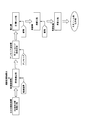
- FIG. 1 is a figure showing the schematic structure of the manufacturing method of the lignocellulosic biomass origin compound concerning a first embodiment of the present invention. Details of each step will be described below.
- the step (A) is a pretreatment step for removing liquin or softening by mixing lignocellulosic biomass with an acid, steaming and hydrolyzing it, thereby facilitating taking out cellulose or hemicellulose.
- the acid is selected from sulfuric acid, hydrochloric acid, nitric acid, phosphoric acid and the like, and these may be used alone or in combination. Among them, sulfuric acid which is inexpensive and easily available is particularly preferable for industrial use.
- Steaming means holding the raw material at a high pressure and high humidity for a certain period of time. Moreover, you may provide the process of exploding lignocellulosic biomass mixed with the acid after cooking. Blasting means that the high-pressure and high-humidity raw material is pulverized with an impact that opens at once.
- the acid is added in an amount of 0.5 mass% to 3.0 mass%, preferably 1.5 mass% to 2.5 mass%, based on the dry biomass weight, with respect to the solution containing lignocellulosic biomass. It is preferable to add. Further, it is preferably carried out under a vapor saturation condition under a pressure of 0.4 to 1.5 MPaG, desirably 0.5 to 1.2 MPaG. In addition, it is preferable to boil after cooking for 1.5 to 30 minutes.
- “acid-boiled product” means a product obtained by mixing lignocellulosic biomass with an acid, cooking and hydrolyzing it.
- various by-products are contained in the acid cooked product. If these by-products are substances that do not adversely affect at least one of the subsequent saccharification step and fermentation step, they are not a big problem because they can be removed in the final distillation step.
- the fermentation inhibitor has an adverse effect, it is necessary to remove it to the extent that it does not adversely affect each step in at least one of the saccharification step and the fermentation step.
- the “fermentation inhibitor” is a substance that interferes with the fermentation reaction in the fermentation process.
- a compound derived from a sugar hyperdegradation product, lignin or an aromatic compound derived from lignin, an adhesive, and / or an artificial drug of paint As a typical fermentation inhibitor, a compound derived from a sugar hyperdegradation product, lignin or an aromatic compound derived from lignin, an adhesive, and / or an artificial drug of paint.
- medical agent of at least one of an adhesive agent and a coating material can be avoided to some extent or more by using naturally-derived lignocellulosic biomass which has not been processed.
- lignocellulosic biomass is used as a raw material, it is difficult to avoid the production of sugar overdegradation products and lignin-derived aromatic compounds.
- the fermentation inhibitor when the fermentation inhibitor is an insoluble solid such as lignin and at least one of cellulose, hemicellulose, monosaccharide and oligosaccharide is soluble, it can be removed by ordinary solid-liquid separation. In some cases. However, when both a fermentation inhibitor and a useful product are soluble, normal solid-liquid separation cannot be applied. Therefore, the treatment method for removing a fermentation inhibitor described later in the present invention is preferably applied. That is, in the present invention, the fermentation inhibitor to be treated mainly forms a mixed solution with cellulose, hemicellulose, and at least one of monosaccharides and oligosaccharides. It refers to those that cannot be separated by liquid separation or are difficult to separate.
- Examples of such a fermentation inhibitor include acetic acid, formic acid, levulinic acid, furfural which is a hyperdegradation product of sugar, 5-hydroxymethylfurfural (5-HMF), vanillin and acetovanillin which are aromatic compounds derived from lignin. , Guayacoal and so on.
- typical fermentation inhibitors are acetic acid, formic acid, furfural, and 5-HMF.
- Step (M) is a step of drying the acid cooked product to volatilize and remove the fermentation inhibitor.
- the fermentation inhibitor having volatility can be removed by performing a drying treatment.
- the concentration of the fermentation inhibitor dissolved in the acid cooked product is 1.2% or less for acetic acid, 0.3% or less for furfural, and 0.2% or less for 5-HMF or formic acid.
- each upper limit concentration in the gas phase corresponding to the upper limit concentration (acetic acid: 1.2%, furfural: 0.3%, formic acid: 0.2%) of the fermentation inhibitor dissolved in the acid cooked product is Acetic acid: 1.7%, furfural: 0.79%, formic acid: 0.15%.
- the horizontal axis indicates the molar ratio of water in the liquid.
- the horizontal axis 0.8 of the furfural evaporation curve means water 0.8 and furfural 0.2.
- the vertical axis represents the molar ratio of water in the gas.
- the temperature at which the acid cooked product is dried is preferably 60 ° C. or higher and 130 ° C. or lower, and more preferably 100 ° C. or higher and 110 ° C. or lower in view of drying efficiency and cost.
- the pH of the acid cooked product in the step (M) is 4 or less. Since the pKa of acetic acid, which is a fermentation inhibitor, is 4.56, if the pH of the acid cooked product to be dried is 4 or less, the acetic acid tends to volatilize and is efficient when a part of the sugar solution is evaporated. In addition, the fermentation inhibitor can be removed. This is because if the pH of the acid cooked product is the same as or lower than the pKa value of the fermentation inhibitor, the fermentation inhibitor is easily dissociated into ions and is easily removed by evaporation. If the pH is higher than 4, acetic acid, which is a fermentation inhibitor component to be removed, is difficult to volatilize.
- the step (M) is performed after the step (A) and before the step (N). This is because the step (N) described later is a step of adding ammonia, and the pH becomes 5 or more.
- Step (N) is a step of adding ammonia to the dried acid cooked product to further reduce fermentation inhibiting substances and adjusting the pH of the dried cooked product.
- Furfural and acetic acid were reduced in the step (M), but in the step (N), they are converted into substances that do not inhibit fermentation by reacting with ammonia including other fermentation inhibitors.
- acetic acid and formic acid are taken up into yeast cells and inhibit the fermentation reaction, but by treating with ammonia, acetic acid and formic acid react with ammonia, respectively, and turn into ammonium acetate and ammonium formate (the following reaction) (See formulas (1) and (2)).
- the reaction is in an equilibrium state, since the ionization degree of ammonium ions is low, it is difficult to produce acetic acid and formic acid that easily shift to the reaction toward ammonium acetate and ammonium formate and cause fermentation inhibition. Therefore, by changing to ammonium acetate and ammonium formate, it is not taken up into the yeast cells and does not inhibit fermentation.
- furfural and 5-HMF react with ammonia and iminate (dehydration decomposition) (see the following reaction formulas (3) and (4)). By iminization, it is not taken into the yeast cells and does not inhibit fermentation.
- the pH of the acid cooked product is adjusted in the step (N), the pH is preferably about 5 to 6. This is because the optimum pH for the subsequent enzyme reaction and fermentation reaction is in the neutral region. If it is used for the purpose of pH adjustment, other pH adjusters (such as sodium hydroxide) can be used, but only ammonia can reduce the fermentation inhibitor and adjust the pH of the acid cooked food at the same time. Furthermore, ammonia is an optimal compound used in the present invention because it can be a nutrient source for yeast in the fermentation process.
- content of the said fermentation inhibitory substance is reduced below the threshold value which does not cause fermentation inhibition by a process (M) and a process (N).
- the content of the fermentation inhibitor that inhibits the enzyme reaction or the fermentation reaction varies depending on each reaction. It is best to remove the fermentation inhibitor to 0 ppm (detection limit). However, as the content of the fermentation inhibitor is removed, the saccharification process using the enzyme and the load of the fermentation process are reduced and the enzyme is used. Efficient saccharification process and fermentation process. However, in actuality, it is necessary to consider the cost required for the step of removing the fermentation inhibitor and the cost required for the subsequent enzymatic saccharification, fermentation and distillation steps. Moreover, it is necessary to calculate the threshold value of the content of the fermentation inhibitor that does not cause fermentation inhibition, and to consider the balance with the cost.
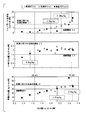
- 3A to 3C are graphs plotting the relationship between the content of furfural, 5-HMF, and acetic acid in lignocellulosic biomass and the yield of ethanol, respectively.
- the threshold values for the content of furfural, 5-HMF, and acetic acid in lignocellulosic biomass are the values of the contents of furfural, 5-HMF, and acetic acid at the boundary where the ethanol yield decreases. Value. Therefore, from FIG. 3A, the content that does not cause fermentation inhibition of furfural is preferably 6.7 kg or less, and more preferably 4.5 kg or less with respect to 1 t of dried lignocellulosic biomass. From FIG.
- the content of 5-HMF that does not cause fermentation inhibition is preferably 2.2 kg or less, more preferably 1.5 kg or less with respect to 1 t of dried lignocellulosic biomass.
- the content that does not cause the fermentation inhibition of acetic acid is preferably 44 kg or less, more preferably 30 kg or less, relative to 1 t of dried lignocellulosic biomass.
- a target value for reducing the content of the fermentation inhibitor in the step (M) is set based on the content of the fermentation inhibitor after the step (N).
- a target value for reducing the content of fermentation inhibitor in the step of drying the acid cooked product is set with reference to the threshold value that does not cause fermentation inhibition of furfural, 5-HMF, and acetic acid shown in FIGS. 3A to 3C.
- This reduction target value is expected to be reduced in the step of adding ammonia to the acid cooked product, and the furfural is preferably 7.1 kg or less with respect to 1 t of dried lignocellulosic biomass.
- the concentration of 5-HMF contained in the acid cooked product is a reduction target value as it is, and is preferably 2.9 kg or less with respect to 1 t of dried lignocellulosic biomass.
- about acetic acid 37 kg or less is preferable with respect to 1 t of dried lignocellulosic biomass.
- the water content in the acid cooked product after the step (M) is preferably 2.58 kg or less, more preferably 2.00 kg or less, with respect to 1 kg of the dried lignocellulosic biomass.
- Step (B) is a saccharification step for degrading cellulose and hemicellulose extracted from lignocellulosic biomass into monosaccharides and / or oligosaccharides using an enzyme.
- the temperature of the saccharification step is preferably 45 ° C. to 55 ° C. in order to perform the enzyme reaction.
- the term “enzyme” means an enzyme that decomposes lignocellulosic biomass into monosaccharide units, and any enzyme that decomposes lignocellulosic biomass into monosaccharides can be used.
- Each activity of cellulase and hemicellulase Anything that has Any cellulase may be used as long as it decomposes cellulose into glucose, and examples thereof include those having at least one activity of endoglucanase, cellobiohydrolase, and ⁇ -glucosidase, and an enzyme mixture having each of these activities It is preferable from the viewpoint of enzyme activity.
- the hemicellulase may be any one that decomposes hemicellulose into a monosaccharide such as xylose, and includes those having at least one activity of xylanase, xylosidase, mannanase, pectinase, galactosidase, glucuronidase, and arabinofuranosidase.
- An enzyme mixture having each of these activities is preferable from the viewpoint of enzyme activity.
- the “enzyme active ingredient” means each of these saccharifying enzymes when an enzyme mixture is used, and means the saccharifying enzyme used when a single saccharifying enzyme is used.
- the origin of these cellulases and hemicellulases is not limited, and cellulases and hemicellulases such as filamentous fungi, basidiomycetes, and bacteria can be used.
- the step (B) is followed by a fermentation step and a distillation step, whereby a compound derived from lignocellulosic biomass is obtained.
- the lignocellulosic biomass-derived compound obtained in the fermentation step means a compound produced by ingestion of monosaccharides and oligosaccharides obtained from lignocellulosic biomass by, for example, ethanol, butanol, 1, Alcohols such as 3-propanediol, 1,4-butanediol, glycerol, pyruvic acid, succinic acid, malic acid, itaconic acid, citric acid, lactic acid, and other organic acids, nucleosides such as inosine and guanosine, inosinic acid, guanylic acid, etc.
- diamine compounds such as cadaverine are preferred, and ethanol is most preferred.
- the polymerization process may be shifted to a polymer by polymerization.
- a distillation process is performed as a purification process in order to improve the quality of the obtained lignocellulosic biomass-derived compound.
- FIG. 4 is a diagram showing a schematic configuration of a method for producing a lignocellulosic biomass-derived compound according to the second embodiment of the present invention. Although it has a process (A) and a process (M) like a 1st embodiment, a process (N) and a process (B) are performed simultaneously.
- step (N) which is a step of adding ammonia to reduce fermentation-inhibiting substances and adjusting the pH of the acid cooked product
- step (B) which is a saccharification step for producing a saccharified solution containing at least one of monosaccharides and oligosaccharides
- the state in which ammonia has volatilized is not preferable in terms of the working environment. Therefore, it is necessary to cool the acid cooking after the drying step, which increases energy costs. Moreover, a kneader for adding ammonia is required. Accordingly, in the saccharification process, it is possible to save at least one of cost and equipment by adding ammonia, and further reduce the fermentation inhibitor, adjust the pH of the acid cooked product, and convert the monosaccharide and oligosaccharide from the acid cooked product. It is possible to efficiently produce a sugar solution containing at least one of them.
- the target value for reducing the content of the fermentation inhibitor in step (M) is set based on the content of the fermentation inhibitor after step (N) and step (B). That's fine.
- a fermentation process and a distillation process follow like 1st embodiment, and the compound derived from lignocellulosic biomass, such as ethanol, is obtained.
- FIG. 5 is a diagram showing a schematic configuration of a method for producing a lignocellulosic biomass-derived compound according to the third embodiment of the present invention. Similar to the first embodiment, the process (A) and the process (M) are included.
- the step (N) includes an initial saccharification step in which (X) the acid cooked product and ammonia are added little by little to the first saccharification tank previously containing the enzyme.
- the step (B) includes (Y) a saccharification step in which the saccharified solution produced in the initial saccharification step is continuously added little by little to a second saccharification tank preliminarily containing an enzyme.
- the saccharification process is divided into two times, but there is no problem even if it is divided into three or more times.
- the acid cooked product and ammonia are continuously added little by little to the first saccharification tank containing the enzyme in advance, so that the fluctuation of pH due to ammonia can be adjusted to be small, and the fermentation inhibitor Can sufficiently react with ammonia and be reduced. Furthermore, the saccharification reaction by an enzyme is accelerated
- the saccharified solution produced in the initial saccharification step includes monosaccharides and oligosaccharides produced by the saccharification reaction, unsaccharified hemicellulose and cellulose, and ammonium acetate produced by reacting the fermentation inhibitor with ammonia and Ammonium formate and the like are included.
- the initial saccharification step (X) and the saccharification step (Y) as a guideline for adding “a little by little”, for example, the weight in a dry state with respect to the total amount of the saccharification tank when all the lignocellulosic biomass is added The speed is such that about 0.83% of lignocellulosic biomass in terms of conversion is charged in about 1 hour using a conveyor.
- content of the said fermentation inhibitor is reduced below the threshold value which does not cause fermentation inhibition by the said process (M) and the process (X) which is a part of process (N). Furthermore, what is necessary is just to set the reduction target value of content of the fermentation inhibitory substance in the said process (M) on the basis of content of the fermentation inhibitory substance after the process (X) which is a part of process (N). Moreover, after a process (Y), the fermentation process and the distillation process continue like a first embodiment, and the compound derived from lignocellulosic biomass, such as ethanol, is obtained.
- the apparatus which manufactures a compound from lignocellulosic biomass which concerns on 1st embodiment of this invention is a hydrolysis processing tank which produces
- a hydrolysis processing tank is a tank which hydrolyzes lignocellulosic biomass and produces
- the hydrolysis treatment tank includes a steaming device. There are no particular limitations on the steaming apparatus, but lignocellulosic biomass containing acid has a pH of about 1.0 to 2.0, so that it has acid resistance. Furthermore, the hydrolysis treatment tank may be provided with a blasting device in order to finely pulverize the lignocellulosic biomass mixed with the acid in the steaming device.
- the drying treatment tank is a tank for drying the acid cooked product generated in the hydrolysis treatment tank to volatilize and remove the fermentation inhibitor.
- the drying treatment tank is equipped with a drying device for drying the acid steamed product.
- a drying apparatus For example, flash drying, a liquid film type
- the hot air drying apparatus is particularly preferable because it directly heats the acid cooked product, and thus has high heat exchange efficiency and can suppress the cost, and the apparatus is simple.
- the ammonia addition tank is a tank that further reduces fermentation-inhibiting substances by adding ammonia to the dried acid cooked product.
- the ammonia addition tank includes a kneader for kneading ammonia and the dried acid cooked product. Although it does not specifically limit about a kneading machine, Since it uses acid-boiled strong acid and ammonia, what has acid resistance and alkali resistance is preferable.
- the saccharification tank is a tank for producing a saccharified solution containing at least one of a monosaccharide and an oligosaccharide from the acid cooked product after the addition of ammonia by an enzyme.
- the saccharification tank is equipped with a kneader for kneading the enzyme and the acid cooked product after the addition of ammonia.
- the kneading machine is not particularly limited.
- the temperature of the enzyme reaction is preferably 45 ° C. to 55 ° C., it is preferable that a temperature adjusting device such as a hot water circulation jacket is provided outside the saccharification tank.
- the reduction target value of the content of the fermentation inhibiting substance in the drying treatment tank is set based on the content of the fermentation inhibiting substance after the ammonia addition tank.
- the water content of the acid cooked product needs to be adjusted because it significantly affects the reduction of the volatile fermentation inhibitor and the subsequent saccharification process and fermentation process.
- the water content in the acid cooked product after the drying treatment tank is preferably 2.58 kg or less, more preferably 2.00 kg or less, relative to 1 kg of the dried lignocellulosic biomass. About a lower limit, 1.00 kg or more is preferable with respect to 1 kg of dried lignocellulosic biomass from the viewpoint of the energy cost of a drying apparatus, and the moisture content required for a subsequent enzyme reaction and fermentation reaction.
- the saccharification tank is followed by a fermentor and a distillation apparatus, and a compound derived from lignocellulosic biomass such as ethanol is obtained.
- the lignocellulosic biomass-derived compound production apparatus includes a hydrolysis treatment apparatus and a drying treatment tank as in the first embodiment, but the ammonia addition tank and the saccharification tank are combined. There are two saccharification tanks. As described above, by simultaneously adding ammonia and saccharifying, it is possible to save at least one of cost and equipment, further reducing fermentation-inhibiting substances, adjusting the pH of the acid cooked product, Production of a sugar solution containing at least one of oligosaccharides can be carried out efficiently.
- the target value for reducing the content of the fermentation inhibitor in the drying treatment tank is You only have to set it.
- the saccharification tank is followed by a fermenter and a distillation apparatus, and a compound derived from lignocellulosic biomass such as ethanol is obtained.
- the lignocellulosic biomass-derived compound production apparatus has a hydrolysis treatment apparatus and a drying treatment tank as in the first embodiment, but the ammonia addition tank containing the enzyme in advance is the first.
- One saccharification tank is used, and the saccharification tank is a second saccharification tank.
- the acid cooked product and ammonia are added little by little to the first saccharification tank containing the enzyme in advance, so that the fluctuation of pH due to ammonia can be adjusted to a small extent, and the fermentation inhibitor is sufficient with ammonia. Can be reduced.
- the saccharification reaction by an enzyme is accelerated
- Example 1 ⁇ Steaming and explosion process> Using sugarcane bagasse (dry weight 1.5 kg) as a lignocellulosic biomass raw material, adding 1.5 mass% dilute sulfuric acid as pure sulfuric acid with respect to the dry weight of sugarcane bagasse, steaming and explosive device (manufactured by Yasima, SBK-208 type). Steaming at 190 ° C. for 1.5 minutes in a pressurized environment with saturated steam, the valve was quickly opened and crushed (explosive), and the acid steamed product was obtained in a dry weight of 1.41 kg.
- sugarcane bagasse dry weight 1.5 kg
- steaming and explosive device manufactured by Yasima, SBK-208 type
- ⁇ Ammonia addition process> A dry weight of 10 g of the acid cooked product is used, put into a flask simulating a saccharification tank without performing the drying process, and immediately before the enzyme solution is added in the next saccharification process, the concentration in the saccharification tank is 10% by mass. 5 g of an aqueous ammonia solution was added. At this time, the pH was 5.5.
- Genencore an enzyme solution
- Yeast Sacharomyces cerevisiae manufactured by Toyota Motor Corporation
- t-dryBM 1 t of lignocellulosic biomass
- Example 2 In the ammonia addition step, about 355 L / t-dryBM of ethanol was obtained in the same manner as in Example 1 except that 5 g of an aqueous ammonia solution having a concentration of 10% by mass was added and kneaded for 30 minutes before the saccharification step. The pH after the saccharification step was 4.9.
- Example 1 In the ammonia addition step, about 60 L / t-dryBM of ethanol was obtained in the same manner as in Example 1 except that 3 g of a sodium hydroxide aqueous solution having a concentration of 17.5% by mass was added in the saccharification step. Moreover, pH after the saccharification step was 5.0.
- Test Example 1 Verification of influence on fermentation by pH adjustment method The ethanol yields of Examples 1 and 2 and Comparative Example 2 were compared with the concentration of furfural as a fermentation inhibitor (see FIG. 6).
- the concentration of furfural is a value measured after the saccharification step.
- the concentration of furfural was measured using a high performance liquid chromatograph (Shimadzu Corporation LC-20AD).
- Example 1 From FIG. 6, in Example 1, the furfural was 0.93g with respect to 1L of sugar solutions. Moreover, in Example 2, 0.89g of furfural was contained with respect to 1L of sugar solutions. Example 2 was good compared to Example 1 with a reduced amount of furfural concentration and a small ethanol yield. On the other hand, in Comparative Example 1, 1.07 g of furfural was contained with respect to 1 L of the sugar solution. When compared with the concentration of furfural, compared to Comparative Example 1, Example 1 reduced 13% and Example 2 reduced 16%. Therefore, it has been clarified that ammonia is necessary for pH adjustment of acid cooked foods and reduction of fermentation inhibiting substances.
- FIG. 7 shows that the content of acetic acid is compared between (i) and (iii), which is reduced from 61 kg / t-dryBM to 34 kg / t-dryBM, and also in (ii) and (iv) containing ammonia aqueous solution. Similarly, it decreased from 55 kg / t-dryBM to 28 kg / t-dryBM. Furthermore, when (i) and (ii), (iii), and (iv), which have the same water content but differ in the presence or absence of an aqueous ammonia solution, were compared, it was confirmed that acetic acid was reduced by adding ammonia. It was done. Further, from FIG.
- FIG. 8A is a graph showing the correlation between the moisture content and the furfural content of the acid cooked product at each drying temperature and drying time. From FIG. 8A, the water content at a threshold of 4.5 kg / t-dryBM that does not cause inhibition of furfural fermentation is 2.0 kg / kg-dryBM, which is a reduction target value in the drying process of 7.1 kg / t- The water content in dryBM was confirmed to be 2.58 kg / kg-dryBM. Further, FIG. 8B is a graph showing the correlation between the moisture content of the acid cooked product and the drying time at each drying temperature and drying time. From FIG.
- the drying time to reach a water content of 2.58 kg / kg-dryBM is (v) 37 minutes at a hot air temperature of 60 ° C., (vi) 25 minutes at a hot air temperature of 85 ° C., and (vii) 17 minutes at 110 ° C. It was confirmed that.
- the drying time can be shortened and the drying process can be performed efficiently, but it has been confirmed that the drying temperature can be appropriately changed depending on the equipment used.
- FIG. 9 is a graph showing the correlation between the water content of the acid cooked food and the fermentation inhibitors acetic acid, furfural, and 5-HMF at each drying temperature and drying time. From FIG. 9, it was confirmed that 5-HMF and acetic acid were already below the reduction target value in the drying process at a high water content of 76% by mass (approximately 3.2 kg / kg-dryBM). On the other hand, for furfural, the water content at a threshold of 4.5 kg / t-dryBM that does not cause fermentation inhibition is 2.0 kg / kg-dryBM, which is a reduction target value in the drying process of 7.1 kg. The water content in / t-dryBM is 2.58 kg / kg-dryBM. Therefore, it became clear that the water content in the reduction target value in the drying process of furfural can be set to the target reduction value in the water content in the drying process.
- the acid cooked product is dried, and ammonia is added before the saccharification step and / or during the saccharification step.
- ammonia is added before the saccharification step and / or during the saccharification step.
- the method for producing a lignocellulosic biomass-derived compound of the present invention it is possible to efficiently remove a fermentation-inhibiting substance at low cost without using special equipment, and to efficiently obtain a lignocellulosic biomass-derived compound. .
Landscapes
- Chemical & Material Sciences (AREA)
- Engineering & Computer Science (AREA)
- Life Sciences & Earth Sciences (AREA)
- Organic Chemistry (AREA)
- Health & Medical Sciences (AREA)
- General Chemical & Material Sciences (AREA)
- General Health & Medical Sciences (AREA)
- Chemical Kinetics & Catalysis (AREA)
- Biochemistry (AREA)
- Zoology (AREA)
- Wood Science & Technology (AREA)
- Bioinformatics & Cheminformatics (AREA)
- Biotechnology (AREA)
- Environmental & Geological Engineering (AREA)
- Microbiology (AREA)
- General Engineering & Computer Science (AREA)
- Genetics & Genomics (AREA)
- Toxicology (AREA)
- Medicinal Chemistry (AREA)
- Emergency Medicine (AREA)
- Biomedical Technology (AREA)
- Sustainable Development (AREA)
- Preparation Of Compounds By Using Micro-Organisms (AREA)
- Processing Of Solid Wastes (AREA)
- Apparatus Associated With Microorganisms And Enzymes (AREA)
Abstract
本発明のリグノセルロース系バイオマス由来化合物の製造方法は、(A)リグノセルロース系バイオマスに酸を混合して蒸煮することによる加水分解処理で酸蒸煮物を生成する工程と、(M)前記酸蒸煮物を乾燥処理し発酵阻害物質を揮発除去させる工程と、(N)前記乾燥処理された酸蒸煮物にアンモニアを添加し発酵阻害物質をさらに低減させ、且つ前記乾燥処理された蒸煮物のpH調整を行う工程と、(B)酵素により前記アンモニア添加後の酸蒸煮物から単糖及びオリゴ糖のうち少なくともいずれかを含む糖化液を製造する糖化工程と、を有し、前記発酵阻害物質のうちフルフラールの発酵阻害を引き起こさない閾値、及び工程(N)におけるフルフラールの低減分から工程(M)におけるフルフラールの含有量の低減目標値を設定し、フルフラールの含有量と酸蒸煮物の含水量との相関関係から工程(M)における前記酸蒸煮物の含水量の低減目標値を設定する。
Description
本発明は、リグノセルロース系バイオマス由来化合物の製造方法に関する。
本願は、2015年10月1日に、日本に出願された特願2015-195917号に基づき優先権を主張し、その内容をここに援用する。
本願は、2015年10月1日に、日本に出願された特願2015-195917号に基づき優先権を主張し、その内容をここに援用する。
近年、地球温暖化対策や、廃棄物の有効活用の観点から、植物資源を原料とするバイオマスの利用が注目されている。一般に、バイオマスからエタノール等の化合物を製造するための原料としては、サトウキビ等の糖質やトウモロコシ等のデンプン質が多く用いられている。しかしながら、これらの原料はもともと食料又は飼料として用いられており、長期的に工業用利用資源として活用することは、食料又は飼料用途との競合を引き起こし、原料価格の高騰を招く危険性がある。
従って、非食用バイオマスをエネルギー資源として活用する技術開発が進められている。非食用バイオマスとしては、地球上に最も多く存在するセルロースがあげられるが、その大部分は芳香族ポリマーのリグニンやヘミセルロースとの複合体であるリグノセルロースとして存在する。このリグノセルロースは、セルロース、ヘミセルロース、リグニンが強固に結合した構造をしており、発酵に使用可能である五炭糖又は六炭糖の単糖やオリゴ糖に分解するのは容易ではない。
これまで、酸、アルカリ、酵素、超臨界水などを用いてリグノセルロース系バイオマスを処理し、リグニンの防壁を破壊あるいは軟化させる前処理方法が検討されてきた。例えば、超臨界水による処理は、処理時間が短く、中和処理を必要としないため副生成物が発生しないという長所がある。しかしながら、反応性が高いために制御が難しく、糖の過分解物であるフルフラールや5-ヒドロキシメチルフルフラール、リグニン由来の芳香族化合物であるバニリンやグアヤコール、ヘミセルロース由来の酢酸、ギ酸、レプリン酸等の発酵阻害物質も同時に生成してしまうことが課題であった。
発酵阻害物質を除去する方法として、特許文献1には、平均孔径0.8~4.0mmの分離膜による除去が提案されている。しかしながら、非常に細かい孔径ゆえに、0.5MPaの操作圧が必要となり、設備費が高くなる。さらに、前処理で生成したキシロースやオリゴ糖が孔径を通り抜けられず、糖液の収率低下の原因となる。
また、特許文献2には、糖液の蒸発による発酵阻害物質の除去が提案されている。蒸発による除去方法は、安価、且つ短時間にて除去可能である点が優れている。しかしながら、比較的融点が低いフルフラール及び酢酸は除去できるが、5-ヒドロキシメチルフルフラールやギ酸については除去することができない。
さらに、特許文献3には、アルカリ添加によるpH調整および真空環境下での発酵阻害物質の除去が提案されている。発酵工程ではpHが中性領域であることが好まれ、また、真空にすることで、特許文献2同様に揮発性のあるフルフラール及び酢酸は除去できるが、5-ヒドロキシメチルフルフラールやギ酸については除去することができない。
本発明は、上記事情に鑑みてなされたものであって、安価で効果的に発酵阻害物質を除去するリグノセルロース系バイオマス由来化合物の製造方法を提供する。
すなわち、本発明は、以下の態様を含む。
(1)リグノセルロース系バイオマス由来化合物の製造方法であって、
(A)リグノセルロース系バイオマスに酸を混合して蒸煮することによる加水分解処理で、酸蒸煮物を生成する工程と、
(M)前記酸蒸煮物を乾燥処理し、発酵阻害物質を揮発除去させる工程と、
(N)前記乾燥処理された酸蒸煮物にアンモニアを添加し、発酵阻害物質をさらに低減させ、且つ前記乾燥処理された蒸煮物のpH調整を行う工程と、
(B)酵素により前記アンモニア添加後の酸蒸煮物から単糖及びオリゴ糖のうち少なくともいずれかを含む糖化液を製造する糖化工程と、を有し、
前記発酵阻害物質のうち、フルフラールの発酵阻害を引き起こさない閾値、及び前記工程(N)における前記フルフラールの低減分から、前記工程(M)における前記フルフラールの含有量の低減目標値を設定し、
前記フルフラールの含有量と前記酸蒸煮物の含水量との相関関係から、前記工程(M)における前記酸蒸煮物の含水量の低減目標値を設定することを特徴とするリグノセルロース系バイオマス由来化合物の製造方法。
(2)前記工程(N)と前記工程(B)とが同時に行われる(1)に記載のリグノセルロース系バイオマス由来化合物の製造方法。
(3)前記工程(N)は、
(X)酵素をあらかじめ含んだ第一の糖化槽に前記乾燥処理された酸蒸煮物及びアンモニアをそれぞれ連続的に少しずつ添加する初期糖化工程を有し、
前記工程(B)の代わりに、
(Y)酵素をあらかじめ含んだ第二の糖化槽に前記初期糖化工程で生成された糖化液を連続的に少しずつ添加する糖化工程を有する、
(1)又は(2)に記載のリグノセルロース系バイオマス由来化合物の製造方法。
(4)前記工程(M)後の酸蒸煮物中の含水量が、乾燥したリグノセルロース系バイオマス1kgに対して1.00kg以上2.58kg以下である(1)~(3)のいずれか一つに記載のリグノセルロース系バイオマス由来化合物の製造方法。
(1)リグノセルロース系バイオマス由来化合物の製造方法であって、
(A)リグノセルロース系バイオマスに酸を混合して蒸煮することによる加水分解処理で、酸蒸煮物を生成する工程と、
(M)前記酸蒸煮物を乾燥処理し、発酵阻害物質を揮発除去させる工程と、
(N)前記乾燥処理された酸蒸煮物にアンモニアを添加し、発酵阻害物質をさらに低減させ、且つ前記乾燥処理された蒸煮物のpH調整を行う工程と、
(B)酵素により前記アンモニア添加後の酸蒸煮物から単糖及びオリゴ糖のうち少なくともいずれかを含む糖化液を製造する糖化工程と、を有し、
前記発酵阻害物質のうち、フルフラールの発酵阻害を引き起こさない閾値、及び前記工程(N)における前記フルフラールの低減分から、前記工程(M)における前記フルフラールの含有量の低減目標値を設定し、
前記フルフラールの含有量と前記酸蒸煮物の含水量との相関関係から、前記工程(M)における前記酸蒸煮物の含水量の低減目標値を設定することを特徴とするリグノセルロース系バイオマス由来化合物の製造方法。
(2)前記工程(N)と前記工程(B)とが同時に行われる(1)に記載のリグノセルロース系バイオマス由来化合物の製造方法。
(3)前記工程(N)は、
(X)酵素をあらかじめ含んだ第一の糖化槽に前記乾燥処理された酸蒸煮物及びアンモニアをそれぞれ連続的に少しずつ添加する初期糖化工程を有し、
前記工程(B)の代わりに、
(Y)酵素をあらかじめ含んだ第二の糖化槽に前記初期糖化工程で生成された糖化液を連続的に少しずつ添加する糖化工程を有する、
(1)又は(2)に記載のリグノセルロース系バイオマス由来化合物の製造方法。
(4)前記工程(M)後の酸蒸煮物中の含水量が、乾燥したリグノセルロース系バイオマス1kgに対して1.00kg以上2.58kg以下である(1)~(3)のいずれか一つに記載のリグノセルロース系バイオマス由来化合物の製造方法。
本発明のリグノセルロース系バイオマス由来化合物の製造方法によれば、特別な設備を用いらずに安価で効果的に発酵阻害物質を除去し、効率的にリグノセルロース系バイオマス由来化合物を得ることができる。
本発明の製造方法及び製造装置で処理対象となるリグノセルロース系バイオマスは主に、セルロース、ヘミセルロース及びリグニンを含有するものであり、例えば針葉樹、広葉樹、建築廃材、林地残材、剪定廃材、稲藁、籾殻、麦藁、木材チップ、木材繊維、化学パルプ、古紙、合板等の農林産物資源、サトウキビバガス、サトウキビ茎葉、コーンスト―バー等の農林産物廃棄物及び農林産物加工品である。なお、さとうきび、てんさいなどのショ糖含有資源、とうもろこし、さつまいもなどのデンプン含有資源などリグニン含有量が少ないまたは全く無いものであっても、糖の過分解物に代表される発酵阻害物質を含有または生成するものであれば、本発明の製造方法で処理対象としても構わない。これらのリグノセルロース系バイオマスは単独であってもよく、混合物であってもよい。
ヘミセルロースは、キシロースなどの5つの炭素を構成単位とする五炭糖とよばれるものやマンノース、アラビノース、ガラクツロン酸などの6つの炭素を構成単位とする六炭糖とよばれるもの、さらにグルコマンナンやグルクロノキシランなどのような複合多糖を有するので、加水分解を受けると、炭素5つからなる五炭糖の単糖やその単糖が複数個連結された五炭糖のオリゴ糖、炭素6つからなる六炭糖の単糖やその単糖が複数個連結された六炭糖のオリゴ糖、五炭糖の単糖と六炭糖の単糖が複数個連結されたオリゴ糖を生ずる。セルロースは6つの炭素を構成単位として有するので、加水分解を受けると、炭素6つからなる六炭糖の単糖やその単糖が複数個連結された六炭糖のオリゴ糖を生ずる。一般に、単糖及び/またはオリゴ糖の構成比率や生成量は、前処理方法や原料として用いた農林産物資源、農林産物廃棄物及び農林産物加工品の種類によって異なる。
以下、図面を参照しながら、本発明の実施形態について詳細に説明する、なお、各図において、説明に関連しない部分は図示を省略する場合がある。
[リグノセルロース系バイオマス由来化合物の製造方法]
<第一実施形態>
本発明の第一実施形態に係るリグノセルロース系バイオマス由来化合物の製造方法は、(A)リグノセルロース系バイオマスに酸を混合して蒸煮することによる加水分解処理で、酸蒸煮物を生成する工程と、(M)前記酸蒸煮物を乾燥処理し、発酵阻害物質を揮発除去させる工程と、(N)前記乾燥処理された酸蒸煮物にアンモニアを添加し、発酵阻害物質をさらに低減させ、且つ前記乾燥処理された蒸煮物のpH調整を行う工程と、(B)酵素により前記アンモニア添加後の酸蒸煮物から単糖及びオリゴ糖のうち少なくともいずれかを含む糖化液を製造する糖化工程と、を有する。図1は、本発明の第一実施形態に係るリグノセルロース系バイオマス由来化合物の製造方法の概略構成を示す図である。各工程の詳細について、以下に説明する。
<第一実施形態>
本発明の第一実施形態に係るリグノセルロース系バイオマス由来化合物の製造方法は、(A)リグノセルロース系バイオマスに酸を混合して蒸煮することによる加水分解処理で、酸蒸煮物を生成する工程と、(M)前記酸蒸煮物を乾燥処理し、発酵阻害物質を揮発除去させる工程と、(N)前記乾燥処理された酸蒸煮物にアンモニアを添加し、発酵阻害物質をさらに低減させ、且つ前記乾燥処理された蒸煮物のpH調整を行う工程と、(B)酵素により前記アンモニア添加後の酸蒸煮物から単糖及びオリゴ糖のうち少なくともいずれかを含む糖化液を製造する糖化工程と、を有する。図1は、本発明の第一実施形態に係るリグノセルロース系バイオマス由来化合物の製造方法の概略構成を示す図である。各工程の詳細について、以下に説明する。
まず、工程(A)は、リグノセルロース系バイオマスを酸と混合し蒸煮して加水分解処理することで、リグニンを除去または軟化させ、セルロースやヘミセルロースを取り出しやすくするための前処理工程である。酸としては、硫酸、塩酸、硝酸、リン酸等の中から選ばれ、これらを単独で又は組み合わせて用いてもよい。中でも工業利用には安価で手に入りやすい硫酸が特に好ましい。
蒸煮とは、高圧且つ高湿で原料を一定時間保持することを意味する。また、蒸煮後、酸と混合したリグノセルロース系バイオマスを爆砕する工程を備えてもよい。爆砕とは、前記高圧且つ高湿の原料を一気に開放する衝撃で粉砕することを意味する。
蒸煮とは、高圧且つ高湿で原料を一定時間保持することを意味する。また、蒸煮後、酸と混合したリグノセルロース系バイオマスを爆砕する工程を備えてもよい。爆砕とは、前記高圧且つ高湿の原料を一気に開放する衝撃で粉砕することを意味する。
本前処理工程では、リグノセルロース系バイオマスを含む溶液に対して、酸を乾燥バイオマス重量に対して0.5質量%~3.0質量%、望ましくは1.5質量%~2.5質量%加えることが好ましい。また、0.4~1.5MPaG、望ましくは0.5~1.2MPaGの圧力下の蒸気飽和条件で行うことが好ましい。また、1.5分~30分蒸煮した後に、爆砕することが好ましい。
本発明において、「酸蒸煮物」とはリグノセルロース系バイオマスを酸と混合させ蒸煮して加水分解処理を施し生成されたものを意味する。酸蒸煮物には、セルロース、ヘミセルロース、並びに単糖及びオリゴ糖のうち少なくともいずれか以外にも、種々の副生成物が含まれている。それら副生成物が後工程の糖化工程及び発酵工程の少なくとも一方の工程に悪影響を及ぼさない物質であれば、最後の蒸留工程において除去すればよいので大きな問題とはならない。しかしながら、悪影響を及ぼす発酵阻害物質であれば、糖化工程及び発酵工程の少なくとも一方の前工程で、各工程に悪影響を及ぼさない程度にまで除去する必要性が生じる。
本発明において、「発酵阻害物質」とは、発酵工程で、発酵反応を妨害する物質のことである。代表的な発酵阻害物質としては、糖の過分解物、リグニンやリグニン由来の芳香族化合物、接着剤及び塗料の少なくとも一方の人工的な薬品に由来する化合物が挙げられる。この中で、接着剤及び塗料の少なくとも一方の人工的な薬品に由来する化合物は、それらの処理が施されていない自然由来のリグノセルロース系バイオマスを使用することにより、ある程度回避可能である。しかし、リグノセルロース系バイオマスを原料とする限り、糖の過分解物やリグニン由来の芳香族化合物の生成は回避することが困難である。ここで、発酵阻害物質がリグニンのような不溶性固体であり、セルロース、ヘミセルロース、並びに単糖及びオリゴ糖のうち少なくともいずれかが可溶性である場合には、通常の固液分離によって除去することが可能な場合もある。しかしながら、発酵阻害物質も有用物も可溶性である場合には、通常の固液分離が適用できないため、本発明の後述の発酵阻害物質を除去する処理方法が好ましく適用される。すなわち、本発明で、主に処理対象とする発酵阻害物質は、実質的にセルロース、ヘミセルロース、並びに単糖及びオリゴ糖のうち少なくともいずれかとの混合溶液を形成しているものであり、通常の固液分離では分離できないか、又は分離し難い状態のものを指す。
そのような発酵阻害物質としては、例えば、酢酸、ギ酸、レブリン酸、糖の過分解物であるフルフラール、5-ヒドロキシメチルフルフラール(5-HMF)、リグニン由来の芳香族化合物であるバニリン、アセトバニリン、グアヤコールなどが挙げられる。これら発酵阻害物質のうち、代表的な発酵阻害物質は酢酸、ギ酸、フルフラール、5-HMFである。
そのような発酵阻害物質としては、例えば、酢酸、ギ酸、レブリン酸、糖の過分解物であるフルフラール、5-ヒドロキシメチルフルフラール(5-HMF)、リグニン由来の芳香族化合物であるバニリン、アセトバニリン、グアヤコールなどが挙げられる。これら発酵阻害物質のうち、代表的な発酵阻害物質は酢酸、ギ酸、フルフラール、5-HMFである。
工程(M)は、前記酸蒸煮物を乾燥処理し、発酵阻害物質を揮発除去させる工程である。揮発性を有する発酵阻害物質については、乾燥処理を行うことで除去することができる。
図2A~図2Cは、それぞれフルフラール、酢酸、ギ酸の蒸発曲線を示したものである。5-HMFについては、ほとんど蒸発しないことが自明であるためか、公開されている蒸発曲線が見いだせなかった。
本発明において、酸蒸煮物中に液中に溶解する発酵阻害物質の濃度は、酢酸は1.2%以下、フルフラールは0.3%以下、5-HMFやギ酸は0.2%以下である。また、酸蒸煮物中に溶解する発酵阻害物質の上限濃度(酢酸:1.2%、フルフラール:0.3%、ギ酸:0.2%)に対応するガス相中のそれぞれの上限濃度は、酢酸:1.7%、フルフラール:0.79%、ギ酸:0.15%となる。
横軸は、液中の水のモル比率を示しており、例えば、フルフラール蒸発曲線の横軸0.8は、水0.8、フルフラール0.2を意味する。縦軸は、ガス中の水のモル比率を示している。
蒸発曲線とは、液中の濃度と平衡状態にあるガス相中の濃度を示す曲線であり、y=x直線より下に位置している部分(図中(※)領域)は、水溶液中水濃度よりガス相中水濃度の方が小さい、水に溶けている酢酸やフルフラールの方が蒸発しやすいことを示している。それに対し、ギ酸の蒸発曲線は、上記濃度域において、y=x直線より下に位置する部分がないことから、上記濃度域において、ギ酸は水に比べて蒸発しにくいことを示している。
従って、酸蒸煮物に含まれる副生成物のうち、酢酸、フルフラールは揮発性を有し、乾燥することにより低減することができる。
本発明において、酸蒸煮物中に液中に溶解する発酵阻害物質の濃度は、酢酸は1.2%以下、フルフラールは0.3%以下、5-HMFやギ酸は0.2%以下である。また、酸蒸煮物中に溶解する発酵阻害物質の上限濃度(酢酸:1.2%、フルフラール:0.3%、ギ酸:0.2%)に対応するガス相中のそれぞれの上限濃度は、酢酸:1.7%、フルフラール:0.79%、ギ酸:0.15%となる。
横軸は、液中の水のモル比率を示しており、例えば、フルフラール蒸発曲線の横軸0.8は、水0.8、フルフラール0.2を意味する。縦軸は、ガス中の水のモル比率を示している。
蒸発曲線とは、液中の濃度と平衡状態にあるガス相中の濃度を示す曲線であり、y=x直線より下に位置している部分(図中(※)領域)は、水溶液中水濃度よりガス相中水濃度の方が小さい、水に溶けている酢酸やフルフラールの方が蒸発しやすいことを示している。それに対し、ギ酸の蒸発曲線は、上記濃度域において、y=x直線より下に位置する部分がないことから、上記濃度域において、ギ酸は水に比べて蒸発しにくいことを示している。
従って、酸蒸煮物に含まれる副生成物のうち、酢酸、フルフラールは揮発性を有し、乾燥することにより低減することができる。
酸蒸煮物を乾燥処理する際の温度は60℃以上130℃以下が好ましく、乾燥効率およびコストの兼ね合いから、100℃以上110℃以下がより好ましい。
工程(M)における酸蒸煮物のpHは4以下であることが好ましい。発酵阻害物質である酢酸のpKaは4.56であるため、乾燥させる酸蒸煮物のpH が4以下であると、酢酸が揮発しやすくなり、糖溶液の一部を蒸発させたときに効率的に発酵阻害物質を除去することができる。これは、酸蒸煮物のpHが発酵阻害物質のpKa値と同一かそれ以下であると、発酵阻害物質がイオンに解離しやすくなり、蒸発による除去が容易になるからである。pHが4より大きいと、除去したい発酵阻害成分である酢酸が揮発しにくく、さらにpHが8~9以上になると、加熱により単糖が分解されることがあるため好ましくない。従って、工程(M)は工程(A)の後であって、工程(N)の前に行う。これは、後述の工程(N)はアンモニアを添加する工程であり、pHが5以上となるからである。
工程(N)は、前記乾燥処理された酸蒸煮物にアンモニアを添加し、発酵阻害物質をさらに低減させ、且つ前記乾燥処理された蒸煮物のpH調整を行う工程である。
フルフラールおよび酢酸は、前記工程(M)において低減されたが、工程(N)において、その他の発酵阻害物質も含めアンモニアと反応することで発酵を阻害しない物質へと変わる。
まず、酢酸およびギ酸については、酵母の細胞内に取り込まれ、発酵反応を阻害するが、アンモニアで処理することで、酢酸及びギ酸はそれぞれアンモニアと反応し、酢酸アンモニウム及びギ酸アンモニウムに変わる(下記反応式(1)、(2)参照)。このとき、反応は平衡状態ではあるが、アンモニウムイオンの電離度が低いため、酢酸アンモニウム及びギ酸アンモニウムの方に反応に移りやすく発酵阻害の原因となる酢酸およびギ酸が生成しづらい。よって、酢酸アンモニウム及びギ酸アンモニウムに変わることで、酵母の細胞内に取り込まれることはなく、発酵を阻害しない状態となる。
まず、酢酸およびギ酸については、酵母の細胞内に取り込まれ、発酵反応を阻害するが、アンモニアで処理することで、酢酸及びギ酸はそれぞれアンモニアと反応し、酢酸アンモニウム及びギ酸アンモニウムに変わる(下記反応式(1)、(2)参照)。このとき、反応は平衡状態ではあるが、アンモニウムイオンの電離度が低いため、酢酸アンモニウム及びギ酸アンモニウムの方に反応に移りやすく発酵阻害の原因となる酢酸およびギ酸が生成しづらい。よって、酢酸アンモニウム及びギ酸アンモニウムに変わることで、酵母の細胞内に取り込まれることはなく、発酵を阻害しない状態となる。


さらに、フルフラールおよび5-HMFはアンモニアと反応し、イミン化(脱水分解)する(下記反応式(3)、(4)参照)。イミン化することで、酵母の細胞内に取り込まれることはなく、発酵を阻害しない状態となる。


また、工程(N)において酸蒸煮物のpH調整を行うが、pHは5~6程度であることが好ましい。これは、後の酵素反応及び発酵反応の至適pHは中性領域であるためである。pH調整目的の使用であれば、その他pH調整剤(水酸化ナトリウム等)でも達成できるが、発酵阻害物質の低減及び酸蒸煮物のpH調整を同時に達成できるのはアンモニアだけである。さらに、アンモニアは発酵工程において、酵母の栄養源となりうるため、本発明で用いる最適な化合物である。
本発明では、工程(M)及び工程(N)により、発酵阻害を引き起こさない閾値以下に前記発酵阻害物質の含有量を低減する。
酵素反応や発酵反応を阻害する発酵阻害物質の含有量は、各反応によって異なる。発酵阻害物質を0ppm(検出限界)まで除去することが最善であるが、発酵阻害物質の含有量を除去すればするほど、酵素を用いた糖化工程や発酵工程の負荷が低減して酵素を用いた糖化工程や発酵工程の効率化が図れる。しかし、実際には、発酵阻害物質の除去工程に要するコストと、後工程の酵素糖化、発酵及び蒸留工程などに要するコストとを勘案する必要がある。また、発酵阻害を引き起こさない発酵阻害物質の含有量の閾値を算出し、前記コストとのバランスを考慮する必要がある。
酵素反応や発酵反応を阻害する発酵阻害物質の含有量は、各反応によって異なる。発酵阻害物質を0ppm(検出限界)まで除去することが最善であるが、発酵阻害物質の含有量を除去すればするほど、酵素を用いた糖化工程や発酵工程の負荷が低減して酵素を用いた糖化工程や発酵工程の効率化が図れる。しかし、実際には、発酵阻害物質の除去工程に要するコストと、後工程の酵素糖化、発酵及び蒸留工程などに要するコストとを勘案する必要がある。また、発酵阻害を引き起こさない発酵阻害物質の含有量の閾値を算出し、前記コストとのバランスを考慮する必要がある。
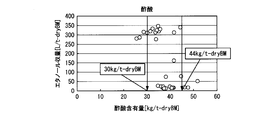
図3A~図3Cは、それぞれリグノセルロース系バイオマス中のフルフラール、5-HMF、酢酸の含有量とエタノールの収量との関係をプロットしたグラフである。図3A~図3Cから、リグノセルロース系バイオマス中のフルフラール、5-HMF、酢酸の含有量の閾値は、エタノールの収量が減少する境界の時の、フルフラール、5-HMF、酢酸のそれぞれ含有量の値である。
従って、図3Aから、フルフラールの発酵阻害を引き起こさない含有量は乾燥したリグノセルロース系バイオマス1tに対して、6.7kg以下が好ましく、4.5kg以下がさらに好ましい。また、図3Bから、5-HMFの発酵阻害を引き起こさない含有量は、乾燥したリグノセルロース系バイオマス1tに対して、2.2kg以下が好ましく、1.5kg以下がさらに好ましい。さらに、図3Cから、酢酸の発酵阻害を引き起こさない含有量は、乾燥したリグノセルロース系バイオマス1tに対して、44kg以下が好ましく、30kg以下がさらに好ましい。
従って、図3Aから、フルフラールの発酵阻害を引き起こさない含有量は乾燥したリグノセルロース系バイオマス1tに対して、6.7kg以下が好ましく、4.5kg以下がさらに好ましい。また、図3Bから、5-HMFの発酵阻害を引き起こさない含有量は、乾燥したリグノセルロース系バイオマス1tに対して、2.2kg以下が好ましく、1.5kg以下がさらに好ましい。さらに、図3Cから、酢酸の発酵阻害を引き起こさない含有量は、乾燥したリグノセルロース系バイオマス1tに対して、44kg以下が好ましく、30kg以下がさらに好ましい。
本発明では、前記工程(N)後の発酵阻害物質の含有量を基準として、前記工程(M)における発酵阻害物質の含有量の低減目標値を設定する。
すなわち、図3A~図3Cに示されたフルフラール、5-HMF、酢酸の発酵阻害を引き起こさない閾値を基準として、前記酸蒸煮物を乾燥させる工程における発酵阻害物質の含有量の低減目標値を設定する。この低減目標値は、前記酸蒸煮物にアンモニアを添加する工程における低減分を見込み、フルフラールについては、乾燥したリグノセルロース系バイオマス1tに対して、7.1kg以下が好ましい。また、5-HMFについては、乾燥によってほとんど低減されないため、酸蒸煮物に含まれる5-HMFの濃度がそのまま低減目標値となり、乾燥したリグノセルロース系バイオマス1tに対して、2.9kg以下が好ましい。さらに、酢酸については、乾燥したリグノセルロース系バイオマス1tに対して、37kg以下が好ましい。
また、前記工程(M)において、酸蒸煮物の含水量は、特に揮発性を有する発酵阻害物質の低減と、その後の糖化工程及び発酵工程に大きく影響を与えるため、調整する必要がある。乾燥により低減される発酵阻害物質のうち、酢酸は低減目標値が比較的高く、含水量がある程度高くても低減目標値に達する。しかしながら、フルフラールは低減目標値が比較的低く、含水量による影響が大きいことから、フルフラールの含有量と含水量との相関関係により含水量の乾燥工程時の低減目標値を設定することが好ましい(図8A、図8B、及び図9参照)。
従って、前記工程(M)後の酸蒸煮物中の含水量は、乾燥したリグノセルロース系バイオマス1kgに対して、2.58kg以下が好ましく、2.00kg以下がさらに好ましい。下限値については、乾燥装置のエネルギーコスト、並びに後の酵素反応及び発酵反応に必要となる水分量の観点から、乾燥したリグノセルロース系バイオマス1kgに対して、1.00kg以上が好ましい。
従って、前記工程(M)後の酸蒸煮物中の含水量は、乾燥したリグノセルロース系バイオマス1kgに対して、2.58kg以下が好ましく、2.00kg以下がさらに好ましい。下限値については、乾燥装置のエネルギーコスト、並びに後の酵素反応及び発酵反応に必要となる水分量の観点から、乾燥したリグノセルロース系バイオマス1kgに対して、1.00kg以上が好ましい。
工程(B)は、酵素を用いて、リグノセルロース系バイオマスから取り出されたセルロースやヘミセルロースを単糖及び/またはオリゴ糖に分解する糖化工程である。糖化工程の温度は、45℃~55℃が酵素反応を行うために好ましい。
本発明において、「酵素」とは、リグノセルロース系バイオマスを単糖単位に分解する酵素を意味し、リグノセルロース系バイオマスを単糖にまで分解するものであればよく、セルラーゼ及びヘミセルラーゼの各活性を持つものであればよい。
セルラーゼは、セルロースをグルコースに分解するものであればよく、エンドグルカナーゼ、セロビオヒドロラーゼ及びβ-グルコシダーゼの各活性の少なくとも1つの活性を有するものを挙げることができ、これらの各活性を有する酵素混合物であることが、酵素活性の観点から好ましい。
同じくヘミセルラーゼは、ヘミセルロースをキシロース等の単糖に分解するものであればよく、キシラナーゼ、キシロシダーゼ、マンナナーゼ、ペクチナーゼ、ガラクトシダーゼ、グルクロニダーゼ及びアラビノフラノシダーゼの各活性の少なくとも1つの活性を有するものを挙げることができ、これらの各活性を有する酵素混合物であることが、酵素活性の観点から好ましい。
本発明において「酵素活性成分」とは、酵素混合物とした場合にはこれらの糖化酵素のそれぞれを意味し、単独の糖化酵素を用いた場合には、用いられる糖化酵素そのものを意味する。
これらセルラーゼ及びヘミセルラーゼの起源は限定されることはなく、糸状菌、担子菌、細菌類等のセルラーゼ及びヘミセルラーゼを用いることができる。
セルラーゼは、セルロースをグルコースに分解するものであればよく、エンドグルカナーゼ、セロビオヒドロラーゼ及びβ-グルコシダーゼの各活性の少なくとも1つの活性を有するものを挙げることができ、これらの各活性を有する酵素混合物であることが、酵素活性の観点から好ましい。
同じくヘミセルラーゼは、ヘミセルロースをキシロース等の単糖に分解するものであればよく、キシラナーゼ、キシロシダーゼ、マンナナーゼ、ペクチナーゼ、ガラクトシダーゼ、グルクロニダーゼ及びアラビノフラノシダーゼの各活性の少なくとも1つの活性を有するものを挙げることができ、これらの各活性を有する酵素混合物であることが、酵素活性の観点から好ましい。
本発明において「酵素活性成分」とは、酵素混合物とした場合にはこれらの糖化酵素のそれぞれを意味し、単独の糖化酵素を用いた場合には、用いられる糖化酵素そのものを意味する。
これらセルラーゼ及びヘミセルラーゼの起源は限定されることはなく、糸状菌、担子菌、細菌類等のセルラーゼ及びヘミセルラーゼを用いることができる。
工程(B)の後には、発酵工程、蒸留工程が続き、リグノセルロース系バイオマス由来の化合物が得られる。
発酵工程において得られるリグノセルロース系バイオマス由来化合物とは、リグノセルロース系バイオマスから得られた単糖及びオリゴ糖を酵母が摂取することにより生成された化合物を意味し、例えば、エタノール、ブタノール、1,3-プロパンジオール、1,4-ブタンジオール、グリセロールなどのアルコール、ピルビン酸、コハク酸、リンゴ酸、イタコン酸、クエン酸、乳酸など有機酸、イノシン、グアノシンなどのヌクレオシド、イノシン酸、グアニル酸などのヌクレオチド、カダベリンなどのジアミン化合物などが好ましく、エタノールが最も好ましい。発酵によって得られた化合物が乳酸などのモノマーである場合は、重合によりポリマーに変換する重合工程に移行することもある。最後に、発酵工程または重合工程後、得られたリグノセルロース系バイオマス由来化合物の品質を向上させるため、精製工程として蒸留工程を行う。
発酵工程において得られるリグノセルロース系バイオマス由来化合物とは、リグノセルロース系バイオマスから得られた単糖及びオリゴ糖を酵母が摂取することにより生成された化合物を意味し、例えば、エタノール、ブタノール、1,3-プロパンジオール、1,4-ブタンジオール、グリセロールなどのアルコール、ピルビン酸、コハク酸、リンゴ酸、イタコン酸、クエン酸、乳酸など有機酸、イノシン、グアノシンなどのヌクレオシド、イノシン酸、グアニル酸などのヌクレオチド、カダベリンなどのジアミン化合物などが好ましく、エタノールが最も好ましい。発酵によって得られた化合物が乳酸などのモノマーである場合は、重合によりポリマーに変換する重合工程に移行することもある。最後に、発酵工程または重合工程後、得られたリグノセルロース系バイオマス由来化合物の品質を向上させるため、精製工程として蒸留工程を行う。
<第二実施形態>
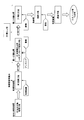
図4は、本発明の第二実施形態に係るリグノセルロース系バイオマス由来化合物の製造方法の概略構成を示す図である。
第一実施形態と同様に工程(A)及び工程(M)を有するが、工程(N)と工程(B)とが同時に行われている。
図4は、本発明の第二実施形態に係るリグノセルロース系バイオマス由来化合物の製造方法の概略構成を示す図である。
第一実施形態と同様に工程(A)及び工程(M)を有するが、工程(N)と工程(B)とが同時に行われている。
本発明の第二実施形態に係るリグノセルロース系バイオマス由来化合物の製造方法では、アンモニアを添加し発酵阻害物質の低減および酸蒸煮物のpH調整を行う工程である工程(N)と、酸蒸煮物から単糖及びオリゴ糖のうち少なくともいずれかを含む糖化液を製造する糖化工程である工程(B)を同時に行う。
アンモニアを添加する工程を分けて行う場合、乾燥工程において温酸蒸煮物の温度が上がっており、そのままの状態でアンモニアを添加するとアンモニアが揮発し、発酵阻害物質との反応が不十分となる。また、アンモニアが揮発した状態は、作業環境上好ましくない。従って、乾燥工程後の酸蒸煮を冷却することが必要となり、エネルギーコストがかかる。また、アンモニアを添加するための混練機が必要となる。従って、糖化工程において、アンモニアを添加することでコスト及び設備の少なくとも一方を節減することができ、さらに発酵阻害物質の低減および酸蒸煮物のpH調整、並びに酸蒸煮物から単糖及びオリゴ糖のうち少なくともいずれかを含む糖液を製造することを効率的に実施できる。
アンモニアを添加する工程を分けて行う場合、乾燥工程において温酸蒸煮物の温度が上がっており、そのままの状態でアンモニアを添加するとアンモニアが揮発し、発酵阻害物質との反応が不十分となる。また、アンモニアが揮発した状態は、作業環境上好ましくない。従って、乾燥工程後の酸蒸煮を冷却することが必要となり、エネルギーコストがかかる。また、アンモニアを添加するための混練機が必要となる。従って、糖化工程において、アンモニアを添加することでコスト及び設備の少なくとも一方を節減することができ、さらに発酵阻害物質の低減および酸蒸煮物のpH調整、並びに酸蒸煮物から単糖及びオリゴ糖のうち少なくともいずれかを含む糖液を製造することを効率的に実施できる。
第一実施形態と同様にして、工程(N)および工程(B)の後の発酵阻害物質の含有量を基準として、前記工程(M)における発酵阻害物質の含有量の低減目標値を設定すればよい。
また、工程(N)および工程(B)の後には、第一実施形態と同様に発酵工程、蒸留工程が続き、エタノール等のリグノセルロース系バイオマス由来の化合物が得られる。
また、工程(N)および工程(B)の後には、第一実施形態と同様に発酵工程、蒸留工程が続き、エタノール等のリグノセルロース系バイオマス由来の化合物が得られる。
<第三実施形態>
図5は、本発明の第三実施形態に係るリグノセルロース系バイオマス由来化合物の製造方法の概略構成を示す図である。
第一実施形態と同様に、工程(A)及び工程(M)を有する。
図5は、本発明の第三実施形態に係るリグノセルロース系バイオマス由来化合物の製造方法の概略構成を示す図である。
第一実施形態と同様に、工程(A)及び工程(M)を有する。
本発明の第三実施形態では、前記工程(N)は、(X)酵素をあらかじめ含んだ第一の糖化槽に酸蒸煮物及びアンモニアをそれぞれ連続的に少しずつ添加する初期糖化工程を有し、前記工程(B)は、(Y)酵素をあらかじめ含んだ第二の糖化槽に前記初期糖化工程で生成された糖化液を連続的に少しずつ添加する糖化工程を有する。図5では糖化工程は2回に分けられているが、3回以上に分けても問題ない。
初期糖化工程(X)では、あらかじめ酵素を含んだ第一の糖化槽に酸蒸煮物及びアンモニアをそれぞれ連続的に少しずつ添加することで、アンモニアによるpHの変動が少なく調整でき、さらに発酵阻害物質がアンモニアと十分に反応し低減することができる。さらに、酸蒸煮物の糖化槽内での濃度が抑制されて、粘性を低く保持することで、酵素による糖化反応が促進される。
また、初期糖化工程(X)の後に続く糖化工程(Y)においても同様に、前記初期糖化工程で生成された糖化液を連続的に少しずつ添加することで、第二の糖化槽内での濃度が抑制されて、粘性を低く保持することで、酵素による糖化反応が促進される。このとき、前記初期糖化工程で生成された糖化液には、糖化反応で生成された単糖及びオリゴ糖、糖化未反応のヘミセルロース及びセルロース、並びに発酵阻害物質がアンモニアと反応し生成した酢酸アンモニウム及びギ酸アンモニウム等が含まれている。
初期糖化工程(X)及び糖化工程(Y)において、「少しずつ」添加する目安としては、例えば、リグノセルロース系バイオマスを全量添加し終わったときの糖化槽全量に対して、乾燥状態での重量換算で約0.83%分のリグノセルロース系バイオマスを、コンベアを用いて約1時間で投入する程度の速度である。
初期糖化工程(X)では、あらかじめ酵素を含んだ第一の糖化槽に酸蒸煮物及びアンモニアをそれぞれ連続的に少しずつ添加することで、アンモニアによるpHの変動が少なく調整でき、さらに発酵阻害物質がアンモニアと十分に反応し低減することができる。さらに、酸蒸煮物の糖化槽内での濃度が抑制されて、粘性を低く保持することで、酵素による糖化反応が促進される。
また、初期糖化工程(X)の後に続く糖化工程(Y)においても同様に、前記初期糖化工程で生成された糖化液を連続的に少しずつ添加することで、第二の糖化槽内での濃度が抑制されて、粘性を低く保持することで、酵素による糖化反応が促進される。このとき、前記初期糖化工程で生成された糖化液には、糖化反応で生成された単糖及びオリゴ糖、糖化未反応のヘミセルロース及びセルロース、並びに発酵阻害物質がアンモニアと反応し生成した酢酸アンモニウム及びギ酸アンモニウム等が含まれている。
初期糖化工程(X)及び糖化工程(Y)において、「少しずつ」添加する目安としては、例えば、リグノセルロース系バイオマスを全量添加し終わったときの糖化槽全量に対して、乾燥状態での重量換算で約0.83%分のリグノセルロース系バイオマスを、コンベアを用いて約1時間で投入する程度の速度である。
第一実施形態と同様に、前記工程(M)及び、工程(N)の一部である工程(X)により、発酵阻害を引き起こさない閾値以下に前記発酵阻害物質の含有量を低減する。
さらに、工程(N)の一部である工程(X)の後の発酵阻害物質の含有量を基準として、前記工程(M)における発酵阻害物質の含有量の低減目標値を設定すればよい。
また、工程(Y)の後には、第一実施形態と同様に発酵工程、蒸留工程が続き、エタノール等のリグノセルロース系バイオマス由来の化合物が得られる。
さらに、工程(N)の一部である工程(X)の後の発酵阻害物質の含有量を基準として、前記工程(M)における発酵阻害物質の含有量の低減目標値を設定すればよい。
また、工程(Y)の後には、第一実施形態と同様に発酵工程、蒸留工程が続き、エタノール等のリグノセルロース系バイオマス由来の化合物が得られる。
[リグノセルロース系バイオマス由来化合物の製造装置]
<第一実施形態>
本発明の第一実施形態に係るリグノセルロース系バイオマスから化合物を製造する装置は、リグノセルロース系バイオマスに酸を混合して蒸煮することによる加水分解処理で、酸蒸煮物を生成する加水分解処理槽と、前記酸蒸煮物を乾燥処理し、発酵阻害物質を揮発除去する乾燥処理槽と、前記乾燥処理された酸蒸煮物にアンモニアを添加し、発酵阻害物質をさらに低減させるアンモニア添加槽と、前記アンモニア添加後の酸蒸煮物から単糖及びオリゴ糖のうち少なくともいずれかを含む糖化液を製造する糖化槽と、を備えている。
<第一実施形態>
本発明の第一実施形態に係るリグノセルロース系バイオマスから化合物を製造する装置は、リグノセルロース系バイオマスに酸を混合して蒸煮することによる加水分解処理で、酸蒸煮物を生成する加水分解処理槽と、前記酸蒸煮物を乾燥処理し、発酵阻害物質を揮発除去する乾燥処理槽と、前記乾燥処理された酸蒸煮物にアンモニアを添加し、発酵阻害物質をさらに低減させるアンモニア添加槽と、前記アンモニア添加後の酸蒸煮物から単糖及びオリゴ糖のうち少なくともいずれかを含む糖化液を製造する糖化槽と、を備えている。
加水分解処理槽は、リグノセルロース系バイオマスに酸を混合して蒸煮することで、リグノセルロース系バイオマスを加水分解して酸蒸煮物を生成する槽である。加水分解処理槽は、蒸煮装置を備えている。蒸煮装置には特に限定はないが、酸を含んだリグノセルロース系バイオマスはpH1.0~2.0程度であるため、耐酸性を有するものが好ましい。また、さらに、前記加水分解処理槽は、蒸煮装置にて酸と混合したリグノセルロース系バイオマスを細かく粉砕するために、爆砕装置を備えていてもよい。
乾燥処理槽は、加水分解処理槽で生成された酸蒸煮物を乾燥処理し、発酵阻害物質を揮発除去する槽である。乾燥処理槽は、酸蒸煮物を乾燥処理する乾燥装置を備えている。乾燥装置について、特に限定されないが、例えばフラッシュ乾燥、液膜型、ジャケットやコイル加熱型、熱風乾燥装置等が挙げられる。このうち、熱風乾燥装置は、酸蒸煮物を直接加熱するため、熱交換効率が高くコストが抑えられること、装置が簡便であることから特に好ましい。
アンモニア添加槽は、前記乾燥処理された酸蒸煮物にアンモニアを添加して、発酵阻害物質をさらに低減させる槽である。アンモニア添加槽は、アンモニアと前記乾燥処理された酸蒸煮物とを混練するための混練機を備える。混練機について、特に限定はされないが、酸性の強い酸蒸煮物及びアンモニアを用いるため、耐酸性及び耐アルカリ性を有するものが好ましい。
糖化槽は、酵素により、前記アンモニア添加後の前記酸蒸煮物から単糖及びオリゴ糖のうち少なくともいずれかを含む糖化液を製造する槽である。糖化槽は、酵素と前記アンモニア添加後の酸蒸煮物とを混練するための混練機を備える。混練機について、特に限定はされない。また、酵素反応は温度が45℃~55℃であることが好ましいため、糖化槽の外側に温水循環式のジャケットなど温度調整装置を備えていることが好ましい。
上述の通り、前記乾燥処理槽及び前記アンモニア添加槽での処理により、発酵阻害を引き起こさない閾値以下に前記発酵阻害物質の含有量を低減する。
さらに、前記アンモニア添加槽後の発酵阻害物質の含有量を基準として、前記乾燥処理槽における発酵阻害物質の含有量の低減目標値を設定する。
また、酸蒸煮物の含水量は、特に揮発性を有する発酵阻害物質の低減と、その後の糖化工程及び発酵工程に大きく影響を与えるため、調整する必要がある。前記乾燥処理槽後の酸蒸煮物中の含水量は、乾燥したリグノセルロース系バイオマス1kgに対して、2.58kg以下が好ましく、2.00kg以下がさらに好ましい。下限値については、乾燥装置のエネルギーコスト、並びに後の酵素反応及び発酵反応に必要となる水分量の観点から、乾燥したリグノセルロース系バイオマス1kgに対して、1.00kg以上が好ましい。
さらに、前記アンモニア添加槽後の発酵阻害物質の含有量を基準として、前記乾燥処理槽における発酵阻害物質の含有量の低減目標値を設定する。
また、酸蒸煮物の含水量は、特に揮発性を有する発酵阻害物質の低減と、その後の糖化工程及び発酵工程に大きく影響を与えるため、調整する必要がある。前記乾燥処理槽後の酸蒸煮物中の含水量は、乾燥したリグノセルロース系バイオマス1kgに対して、2.58kg以下が好ましく、2.00kg以下がさらに好ましい。下限値については、乾燥装置のエネルギーコスト、並びに後の酵素反応及び発酵反応に必要となる水分量の観点から、乾燥したリグノセルロース系バイオマス1kgに対して、1.00kg以上が好ましい。
糖化槽の後には、発酵槽、蒸留装置が続き、エタノール等のリグノセルロース系バイオマス由来の化合物が得られる。
<第二実施形態>
本発明の第二実施形態に係るリグノセルロース系バイオマス由来化合物の製造装置は、第一実施形態と同様に加水分解処理装置及び乾燥処理槽を有するが、アンモニア添加槽と糖化槽とを合わせて一つの糖化槽としている。
上述のとおり、アンモニアの添加と糖化を同時に行うことで、コスト及び設備の少なくとも一方を節減することができ、さらに発酵阻害物質の低減および酸蒸煮物のpH調整、並びに酸蒸煮物から単糖及びオリゴ糖のうち少なくともいずれかを含む糖液を製造することを効率的に実施できる。
第一実施形態と同様に、アンモニア添加槽と糖化槽とを合わせた一つの糖化槽後の発酵阻害物質の含有量を基準として、前記乾燥処理槽における発酵阻害物質の含有量の低減目標値を設定すればよい。
糖化槽の後には、第一実施形態と同様に、発酵槽、蒸留装置が続き、エタノール等のリグノセルロース系バイオマス由来の化合物が得られる。
本発明の第二実施形態に係るリグノセルロース系バイオマス由来化合物の製造装置は、第一実施形態と同様に加水分解処理装置及び乾燥処理槽を有するが、アンモニア添加槽と糖化槽とを合わせて一つの糖化槽としている。
上述のとおり、アンモニアの添加と糖化を同時に行うことで、コスト及び設備の少なくとも一方を節減することができ、さらに発酵阻害物質の低減および酸蒸煮物のpH調整、並びに酸蒸煮物から単糖及びオリゴ糖のうち少なくともいずれかを含む糖液を製造することを効率的に実施できる。
第一実施形態と同様に、アンモニア添加槽と糖化槽とを合わせた一つの糖化槽後の発酵阻害物質の含有量を基準として、前記乾燥処理槽における発酵阻害物質の含有量の低減目標値を設定すればよい。
糖化槽の後には、第一実施形態と同様に、発酵槽、蒸留装置が続き、エタノール等のリグノセルロース系バイオマス由来の化合物が得られる。
<第三実施形態>
本発明の第三実施形態に係るリグノセルロース系バイオマス由来化合物の製造装置は、第一実施形態と同様に加水分解処理装置及び乾燥処理槽を有するが、酵素をあらかじめ含んだ前記アンモニア添加槽を第一の糖化槽とし、且つ、前記糖化槽を第二の糖化槽とする。
上述のとおり、あらかじめ酵素を含んだ第一の糖化槽に酸蒸煮物及びアンモニアをそれぞれ連続的に少しずつ添加することで、アンモニアによるpHの変動が少なく調整でき、さらに発酵阻害物質がアンモニアと十分に反応し低減することができる。さらに、酸蒸煮物の糖化槽内での濃度が抑制されて、粘性を低く保持することで、酵素による糖化反応が促進される。さらに、同様に、前記第一の糖化槽で生成された糖化液を連続的に少しずつ添加することで、第二の糖化槽内での濃度が抑制されて、粘性を低く保持することで、酵素による糖化反応が促進される。
第一実施形態と同様に、第一の糖化槽後の発酵阻害物質の含有量を基準として、前記乾燥処理槽における発酵阻害物質の含有量の低減目標値を設定すればよい。
糖化槽の後には、第一実施形態と同様に、発酵槽、蒸留装置が続き、エタノール等のリグノセルロース系バイオマス由来の化合物が得られる。
本発明の第三実施形態に係るリグノセルロース系バイオマス由来化合物の製造装置は、第一実施形態と同様に加水分解処理装置及び乾燥処理槽を有するが、酵素をあらかじめ含んだ前記アンモニア添加槽を第一の糖化槽とし、且つ、前記糖化槽を第二の糖化槽とする。
上述のとおり、あらかじめ酵素を含んだ第一の糖化槽に酸蒸煮物及びアンモニアをそれぞれ連続的に少しずつ添加することで、アンモニアによるpHの変動が少なく調整でき、さらに発酵阻害物質がアンモニアと十分に反応し低減することができる。さらに、酸蒸煮物の糖化槽内での濃度が抑制されて、粘性を低く保持することで、酵素による糖化反応が促進される。さらに、同様に、前記第一の糖化槽で生成された糖化液を連続的に少しずつ添加することで、第二の糖化槽内での濃度が抑制されて、粘性を低く保持することで、酵素による糖化反応が促進される。
第一実施形態と同様に、第一の糖化槽後の発酵阻害物質の含有量を基準として、前記乾燥処理槽における発酵阻害物質の含有量の低減目標値を設定すればよい。
糖化槽の後には、第一実施形態と同様に、発酵槽、蒸留装置が続き、エタノール等のリグノセルロース系バイオマス由来の化合物が得られる。
以下、具体的実施例により、本発明についてより詳細に説明する。ただし、本発明は以下に示す実施例に何ら限定されるものではない。
[実施例1]
<蒸煮及び爆砕工程>
リグノセルロース系バイオマス原料としてサトウキビバガス(乾燥重量1.5kg)を用いて、サトウキビバガスの乾燥重量に対して純硫酸として1.5質量%の希硫酸を添加し、蒸煮及び爆砕装置(ヤスジマ製、SBK-208型)に入れた。飽和蒸気による加圧環境下で190℃、1.5分蒸煮し、弁を急開放して破砕(爆砕)し、酸蒸煮物を乾燥重量で1.41kgを得た。
<蒸煮及び爆砕工程>
リグノセルロース系バイオマス原料としてサトウキビバガス(乾燥重量1.5kg)を用いて、サトウキビバガスの乾燥重量に対して純硫酸として1.5質量%の希硫酸を添加し、蒸煮及び爆砕装置(ヤスジマ製、SBK-208型)に入れた。飽和蒸気による加圧環境下で190℃、1.5分蒸煮し、弁を急開放して破砕(爆砕)し、酸蒸煮物を乾燥重量で1.41kgを得た。
<アンモニア添加工程>
前記酸蒸煮物のうち乾燥重量10gを使用し、乾燥工程を行わずに糖化槽を模擬したフラスコに投入後、次の糖化工程で酵素液を添加する直前に、糖化槽内に濃度10質量%のアンモニア水溶液5g添加した。この時、pHは5.5であった。
前記酸蒸煮物のうち乾燥重量10gを使用し、乾燥工程を行わずに糖化槽を模擬したフラスコに投入後、次の糖化工程で酵素液を添加する直前に、糖化槽内に濃度10質量%のアンモニア水溶液5g添加した。この時、pHは5.5であった。
<糖化工程>
アンモニア添加後の酸蒸煮物に対し、酵素液(ジェネンコア社製)0.75gを添加し、50℃で48時間振とうしながら反応させ、糖液100gを得た。この時、pHは4.9であった。
アンモニア添加後の酸蒸煮物に対し、酵素液(ジェネンコア社製)0.75gを添加し、50℃で48時間振とうしながら反応させ、糖液100gを得た。この時、pHは4.9であった。
<発酵工程>
前記糖化工程後の糖液に、酵母(トヨタ自動車製「サッカロミセス・セルビシエ(Saccharomyces.Cereviviae)」)を添加し、32℃で48時間振とう静置することで発酵物101gを得た。
前記糖化工程後の糖液に、酵母(トヨタ自動車製「サッカロミセス・セルビシエ(Saccharomyces.Cereviviae)」)を添加し、32℃で48時間振とう静置することで発酵物101gを得た。
<蒸留工程>
ロータリーエバポレーター(柴田科学製R-205)を用いて、発酵物を蒸留し、エタノールを乾燥したリグノセルロース系バイオマス1t(以下、t-dryBMと示す。)に対して約345L得た。
ロータリーエバポレーター(柴田科学製R-205)を用いて、発酵物を蒸留し、エタノールを乾燥したリグノセルロース系バイオマス1t(以下、t-dryBMと示す。)に対して約345L得た。
[実施例2]
アンモニア添加工程において、糖化工程の前に、濃度10質量%のアンモニア水溶液5g添加し、30分間混練した以外は、実施例1と同様にして、エタノール約355L/t-dryBMを得た。また、糖化工程後のpHは4.9であった。
アンモニア添加工程において、糖化工程の前に、濃度10質量%のアンモニア水溶液5g添加し、30分間混練した以外は、実施例1と同様にして、エタノール約355L/t-dryBMを得た。また、糖化工程後のpHは4.9であった。
[比較例1]
アンモニア添加工程において、糖化工程の際に、濃度17.5質量%の水酸化ナトリウム水溶液3g添加した以外は、実施例1と同様にして、エタノール約60L/t-dryBMを得た。また、糖化工程後のpHは5.0であった。
アンモニア添加工程において、糖化工程の際に、濃度17.5質量%の水酸化ナトリウム水溶液3g添加した以外は、実施例1と同様にして、エタノール約60L/t-dryBMを得た。また、糖化工程後のpHは5.0であった。
[試験例1]pH調整方法による発酵への影響検証
前記実施例1,2、比較例2のエタノール収量と発酵阻害物質であるフルフラールの濃度を比較した(図6参照)。なお、フルフラールの濃度は糖化工程後に測定した値である。フルフラールの濃度の測定には、高速液体クロマトグラフ(島津製作所製LC-20AD)を用いて行った。
前記実施例1,2、比較例2のエタノール収量と発酵阻害物質であるフルフラールの濃度を比較した(図6参照)。なお、フルフラールの濃度は糖化工程後に測定した値である。フルフラールの濃度の測定には、高速液体クロマトグラフ(島津製作所製LC-20AD)を用いて行った。
図6から、実施例1では、フルフラールは、糖液1Lに対して0.93g含まれていた。
また、実施例2では、フルフラールは糖液1Lに対して0.89g含まれていた。実施例2は、実施例1に比べてフルフラールの濃度の低減された量およびエタノール収量はわずかだが、良好であった。
一方、比較例1ではフルフラールは糖液1Lに対して1.07g含まれていた。
フルフラールの濃度について比較すると、比較例1に対して、実施例1では13%低減し、実施例2では16%低減した。
従って、酸蒸煮物のpH調整および発酵阻害物質の低減には、アンモニアが必要であることが明らかとなった。
また、実施例2では、フルフラールは糖液1Lに対して0.89g含まれていた。実施例2は、実施例1に比べてフルフラールの濃度の低減された量およびエタノール収量はわずかだが、良好であった。
一方、比較例1ではフルフラールは糖液1Lに対して1.07g含まれていた。
フルフラールの濃度について比較すると、比較例1に対して、実施例1では13%低減し、実施例2では16%低減した。
従って、酸蒸煮物のpH調整および発酵阻害物質の低減には、アンモニアが必要であることが明らかとなった。
[試験例2]乾燥及びアンモニア添加による発酵阻害物質の除去検証
実施例1と同様にして、蒸煮及び爆砕工程を行い、酸蒸煮物を得た。さらに、以下の4つの条件にて酸蒸煮物を調製し、高速液体クロマトグラフ(島津製作所製LC-20AD)を用いて、酢酸、フルフラール、5-HMFを測定し、結果を図7に示した。
(i)酸蒸煮物に水を加え、含水量を3.15kg-水/kg-dryBMに調製したもの
(ii)酸蒸煮物に水を加え、含水量を3.15kg-水/kg-dryBMに調製し、さらに濃度が14質量%のアンモニア水溶液を添加して混練したもの
(iii)60℃で熱風乾燥し、含水量を1.19kg-水/kg-dryBMに調製したもの
(iv)60℃で熱風乾燥し、含水量を1.19kg-水/kg-dryBMに調製し、さらに濃度が14質量%のアンモニア水溶液を添加して混練したもの
実施例1と同様にして、蒸煮及び爆砕工程を行い、酸蒸煮物を得た。さらに、以下の4つの条件にて酸蒸煮物を調製し、高速液体クロマトグラフ(島津製作所製LC-20AD)を用いて、酢酸、フルフラール、5-HMFを測定し、結果を図7に示した。
(i)酸蒸煮物に水を加え、含水量を3.15kg-水/kg-dryBMに調製したもの
(ii)酸蒸煮物に水を加え、含水量を3.15kg-水/kg-dryBMに調製し、さらに濃度が14質量%のアンモニア水溶液を添加して混練したもの
(iii)60℃で熱風乾燥し、含水量を1.19kg-水/kg-dryBMに調製したもの
(iv)60℃で熱風乾燥し、含水量を1.19kg-水/kg-dryBMに調製し、さらに濃度が14質量%のアンモニア水溶液を添加して混練したもの
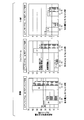
図7から酢酸の含有量について、(i)および(iii)を比較すると、61kg/t-dryBMから34kg/t-dryBMに減っており、アンモニア水溶液を含有する(ii)および(iv)においても同様に、55kg/t-dryBMから28kg/t-dryBMに減った。さらに、含水量が同じであるが、アンモニア水溶液の有無が異なる(i)および(ii)、(iii)および(iv)をそれぞれ比較すると、アンモニアを添加することにより、酢酸が低減することが確認された。
また、図7からフルフラールの含有量について、(i)および(iii)を比較すると、12kg/t-dryBMから2.0kg/t-dryBMに減っており、アンモニア水溶液を含有する(ii)および(iv)においても同様に、8.2kg/t-dryBMから1.1g/t-dryBMに減った。さらに、含水量が同じであるが、アンモニア水溶液の有無が異なる(i)および(ii)、(iii)および(iv)をそれぞれ比較すると、アンモニアを添加することにより、フルフラールが低減することが確認された。
一方、図7から5-HMFの含有量について、(i)は2.5kg/t-dryBM、(iii)は2.9kg/t-dryBMと微増しており、(ii)は2.1kg/t-dryBM、(iv)は1.5kg/t-dryBMと微減していた。さらに、含水量が同じであるが、アンモニア水溶液の有無が異なる(i)および(ii)、(iii)および(iv)をそれぞれ比較すると、アンモニアを添加することにより、5-HMFが低減することが確認された。
また、図7からフルフラールの含有量について、(i)および(iii)を比較すると、12kg/t-dryBMから2.0kg/t-dryBMに減っており、アンモニア水溶液を含有する(ii)および(iv)においても同様に、8.2kg/t-dryBMから1.1g/t-dryBMに減った。さらに、含水量が同じであるが、アンモニア水溶液の有無が異なる(i)および(ii)、(iii)および(iv)をそれぞれ比較すると、アンモニアを添加することにより、フルフラールが低減することが確認された。
一方、図7から5-HMFの含有量について、(i)は2.5kg/t-dryBM、(iii)は2.9kg/t-dryBMと微増しており、(ii)は2.1kg/t-dryBM、(iv)は1.5kg/t-dryBMと微減していた。さらに、含水量が同じであるが、アンモニア水溶液の有無が異なる(i)および(ii)、(iii)および(iv)をそれぞれ比較すると、アンモニアを添加することにより、5-HMFが低減することが確認された。
以上の結果から、酢酸及びフルフラールは、乾燥による除去ができるが、5-HMFは乾燥による除去が難しいことが明らかとなった。また、いずれの発酵阻害物質においてもアンモニアの添加により一定の除去ができることが明らかとなった。
[試験例3]乾燥による発酵阻害物質の除去検証
実施例1と同様にして、蒸煮及び爆砕工程を行い、酸蒸煮物を得た。さらに、以下の3つの温度条件にて乾燥工程を0分、10分、20分、30分、40分、50分、60分と10分毎に時間をふって行った。各酸蒸煮物について、恒温乾燥器(ADVANTEC社製DRS620DA)を用いて105~110℃にて絶乾状態まで乾燥し、乾燥前後の重量を測定することで含水率を算出した。高速液体クロマトグラフ(島津製作所製LC-20AD)を用いて、さらに、酢酸、フルフラール、5-HMFを測定した。
(v)熱風温度60℃
(vi)熱風温度85℃
(vii)熱風温度110℃
実施例1と同様にして、蒸煮及び爆砕工程を行い、酸蒸煮物を得た。さらに、以下の3つの温度条件にて乾燥工程を0分、10分、20分、30分、40分、50分、60分と10分毎に時間をふって行った。各酸蒸煮物について、恒温乾燥器(ADVANTEC社製DRS620DA)を用いて105~110℃にて絶乾状態まで乾燥し、乾燥前後の重量を測定することで含水率を算出した。高速液体クロマトグラフ(島津製作所製LC-20AD)を用いて、さらに、酢酸、フルフラール、5-HMFを測定した。
(v)熱風温度60℃
(vi)熱風温度85℃
(vii)熱風温度110℃
図8Aは各乾燥温度及び乾燥時間における酸蒸煮物の含水量とフルフラール含有量の相関関係を示したグラフである。図8Aから、フルフラールの発酵阻害を引き起こさせない閾値4.5kg/t-dryBMにおける含水量は、2.0kg/kg-dryBMであり、乾燥工程での低減目標値である7.1kg/t-dryBMにおける含水量は、2.58kg/kg-dryBMであることが確認された。
さらに、図8Bは各乾燥温度及び乾燥時間における酸蒸煮物の含水量と乾燥時間の相関関係を示したグラフである。図8Bから、含水量2.58kg/kg-dryBMに到達する乾燥時間は、(v)熱風温度60℃では37分、(vi)熱風温度85℃では25分、(vii)110℃では17分であることが確認された。温度を高くすることで、乾燥時間を短縮でき効率的に乾燥工程を行うことができるが、使用する設備によって適宜乾燥温度を変更することができることが確認された。
さらに、図8Bは各乾燥温度及び乾燥時間における酸蒸煮物の含水量と乾燥時間の相関関係を示したグラフである。図8Bから、含水量2.58kg/kg-dryBMに到達する乾燥時間は、(v)熱風温度60℃では37分、(vi)熱風温度85℃では25分、(vii)110℃では17分であることが確認された。温度を高くすることで、乾燥時間を短縮でき効率的に乾燥工程を行うことができるが、使用する設備によって適宜乾燥温度を変更することができることが確認された。
図9は、各乾燥温度及び乾燥時間における酸蒸煮物の含水量と発酵阻害物質である酢酸、フルフラール、5-HMFの相関関係をそれぞれ示したグラフである。図9から5-HMF及び酢酸については、76質量%(およそ3.2kg/kg-dryBM)という高含水率ですでに乾燥工程での低減目標値を下回っていることが確認された。
これに対して、フルフラールについては、発酵阻害を引き起こさせない閾値4.5kg/t-dryBMにおける含水量は、2.0kg/kg-dryBMであり、乾燥工程での低減目標値である7.1kg/t-dryBMにおける含水量は、2.58kg/kg-dryBMである。
従って、フルフラールの乾燥工程での低減目標値における含水量を、乾燥工程における含水量の目標低減値に設定できることが明らかとなった。
これに対して、フルフラールについては、発酵阻害を引き起こさせない閾値4.5kg/t-dryBMにおける含水量は、2.0kg/kg-dryBMであり、乾燥工程での低減目標値である7.1kg/t-dryBMにおける含水量は、2.58kg/kg-dryBMである。
従って、フルフラールの乾燥工程での低減目標値における含水量を、乾燥工程における含水量の目標低減値に設定できることが明らかとなった。
以上のことから、本発明に係るリグノセルロース系バイオマス由来化合物の製造方法及び製造装置において、酸蒸煮物を乾燥させ、糖化工程前又は/及び糖化工程中にアンモニアを添加することで、安価で効果的に発酵阻害物質が低減され、効率的にリグノセルロース系バイオマス由来化合物を得られることが明らかとなった。
本発明のリグノセルロース系バイオマス由来化合物の製造方法によれば、特別な設備を用いらずに安価で効果的に発酵阻害物質を除去し、効率的にリグノセルロース系バイオマス由来化合物を得ることができる。
Claims (4)
- リグノセルロース系バイオマス由来化合物の製造方法であって、
(A)リグノセルロース系バイオマスに酸を混合して蒸煮することによる加水分解処理で、酸蒸煮物を生成する工程と、
(M)前記酸蒸煮物を乾燥処理し、発酵阻害物質を揮発除去させる工程と、
(N)前記乾燥処理された酸蒸煮物にアンモニアを添加し、発酵阻害物質をさらに低減させ、且つ前記乾燥処理された蒸煮物のpH調整を行う工程と、
(B)酵素により前記アンモニア添加後の酸蒸煮物から単糖及びオリゴ糖のうち少なくともいずれかを含む糖化液を製造する糖化工程と、を有し、
前記発酵阻害物質のうち、フルフラールの発酵阻害を引き起こさない閾値、及び前記工程(N)における前記フルフラールの低減分から、前記工程(M)における前記フルフラールの含有量の低減目標値を設定し、
前記フルフラールの含有量と前記酸蒸煮物の含水量との相関関係から、前記工程(M)における前記酸蒸煮物の含水量の低減目標値を設定することを特徴とするリグノセルロース系バイオマス由来化合物の製造方法。 - 前記工程(N)と前記工程(B)とが同時に行われる請求項1に記載のリグノセルロース系バイオマス由来化合物の製造方法。
- 前記工程(N)は、
(X)酵素をあらかじめ含んだ第一の糖化槽に前記乾燥処理された酸蒸煮物及びアンモニアをそれぞれ連続的に少しずつ添加する初期糖化工程を有し、
前記工程(B)は、
(Y)酵素をあらかじめ含んだ第二の糖化槽に前記初期糖化工程で生成された糖化液を連続的に少しずつ添加する糖化工程を有する、
請求項1又は2に記載のリグノセルロース系バイオマス由来化合物の製造方法。 - 前記工程(M)後の酸蒸煮物中の含水量が、乾燥したリグノセルロース系バイオマス1kgに対して1.00kg以上2.58kg以下である請求項1~3のいずれか一項に記載のリグノセルロース系バイオマス由来化合物の製造方法。
Priority Applications (1)
| Application Number | Priority Date | Filing Date | Title |
|---|---|---|---|
| PH12018500729A PH12018500729B1 (en) | 2015-10-01 | 2018-04-03 | Method for producing composition derived from lignocellulose-based biomass |
Applications Claiming Priority (2)
| Application Number | Priority Date | Filing Date | Title |
|---|---|---|---|
| JP2015195917A JP5957587B1 (ja) | 2015-10-01 | 2015-10-01 | リグノセルロース系バイオマス由来化合物の製造方法 |
| JP2015-195917 | 2015-10-01 |
Publications (1)
| Publication Number | Publication Date |
|---|---|
| WO2017057714A1 true WO2017057714A1 (ja) | 2017-04-06 |
Family
ID=56513711
Family Applications (1)
| Application Number | Title | Priority Date | Filing Date |
|---|---|---|---|
| PCT/JP2016/079094 Ceased WO2017057714A1 (ja) | 2015-10-01 | 2016-09-30 | リグノセルロース系バイオマス由来化合物の製造方法 |
Country Status (3)
| Country | Link |
|---|---|
| JP (1) | JP5957587B1 (ja) |
| PH (1) | PH12018500729B1 (ja) |
| WO (1) | WO2017057714A1 (ja) |
Citations (4)
| Publication number | Priority date | Publication date | Assignee | Title |
|---|---|---|---|---|
| JP2004187650A (ja) * | 2002-10-17 | 2004-07-08 | Tsukishima Kikai Co Ltd | 廃建材からのアルコール又は有機酸の製造方法 |
| JP2010536376A (ja) * | 2007-08-22 | 2010-12-02 | イー・アイ・デュポン・ドウ・ヌムール・アンド・カンパニー | 改善されたバイオマス前処理 |
| JP2012504935A (ja) * | 2007-10-09 | 2012-03-01 | スノプタ、バイオプロセス、インコーポレイテッド | リグノセルロース材料を処理するための2段階酵素加水分解法 |
| JP2013507130A (ja) * | 2009-10-12 | 2013-03-04 | イー・アイ・デュポン・ドウ・ヌムール・アンド・カンパニー | 改善された阻害因子プロファイルのための、バイオマスのアンモニア前処理 |
-
2015
- 2015-10-01 JP JP2015195917A patent/JP5957587B1/ja active Active
-
2016
- 2016-09-30 WO PCT/JP2016/079094 patent/WO2017057714A1/ja not_active Ceased
-
2018
- 2018-04-03 PH PH12018500729A patent/PH12018500729B1/en unknown
Patent Citations (4)
| Publication number | Priority date | Publication date | Assignee | Title |
|---|---|---|---|---|
| JP2004187650A (ja) * | 2002-10-17 | 2004-07-08 | Tsukishima Kikai Co Ltd | 廃建材からのアルコール又は有機酸の製造方法 |
| JP2010536376A (ja) * | 2007-08-22 | 2010-12-02 | イー・アイ・デュポン・ドウ・ヌムール・アンド・カンパニー | 改善されたバイオマス前処理 |
| JP2012504935A (ja) * | 2007-10-09 | 2012-03-01 | スノプタ、バイオプロセス、インコーポレイテッド | リグノセルロース材料を処理するための2段階酵素加水分解法 |
| JP2013507130A (ja) * | 2009-10-12 | 2013-03-04 | イー・アイ・デュポン・ドウ・ヌムール・アンド・カンパニー | 改善された阻害因子プロファイルのための、バイオマスのアンモニア前処理 |
Non-Patent Citations (1)
| Title |
|---|
| "The technical development which produces wood-based bioethanol with low environmental load", 1 MOKUSHITSU BIOMASS NO MAESHORI OYOBI TOKA SHUHO NI KANSURU KENKYU, 2010, pages 7 - 56, Retrieved from the Internet <URL:https://www.env.go.jp/policy/kenkyu/suishin/kadai/syuryo-report/pdf/K22043-l.pdf> [retrieved on 20161205] * |
Also Published As
| Publication number | Publication date |
|---|---|
| JP5957587B1 (ja) | 2016-07-27 |
| JP2017063749A (ja) | 2017-04-06 |
| PH12018500729B1 (en) | 2021-06-09 |
| PH12018500729A1 (en) | 2018-10-15 |
Similar Documents
| Publication | Publication Date | Title |
|---|---|---|
| Eliana et al. | Effects of the pretreatment method on enzymatic hydrolysis and ethanol fermentability of the cellulosic fraction from elephant grass | |
| Aita et al. | Enzyme hydrolysis and ethanol fermentation of dilute ammonia pretreated energy cane | |
| Santucci et al. | Autohydrolysis of hemicelluloses from sugarcane bagasse during hydrothermal pretreatment: a kinetic assessment | |
| Mateo et al. | Detoxification of hemicellulosic hydrolyzate from olive tree pruning residue | |
| Khaleghian et al. | Ethanol production from rice straw by sodium carbonate pretreatment and Mucor hiemalis fermentation | |
| Kim | Evaluation of Alkali‐Pretreated Soybean Straw for Lignocellulosic Bioethanol Production | |
| Heredia-Olea et al. | Production of ethanol from sweet sorghum bagasse pretreated with different chemical and physical processes and saccharified with fiber degrading enzymes | |
| CN103764851B (zh) | 针对在发酵之前改进c5/c6糖释放而对生物质进行的调节 | |
| Molaverdi et al. | Enhanced sweet sorghum stalk to ethanol by fungus Mucor indicus using solid state fermentation followed by simultaneous saccharification and fermentation | |
| Trinh et al. | Optimization of ionic liquid pretreatment of mixed softwood by response surface methodology and reutilization of ionic liquid from hydrolysate | |
| Paixão et al. | Sugarcane bagasse delignification with potassium hydroxide for enhanced enzymatic hydrolysis | |
| US20220170053A1 (en) | High gravity, fed-batch ionic liquid based process for deconstructing biomass | |
| CN103451986B (zh) | 用于生物炼制的木质纤维素原料的预处理方法 | |
| Lienqueo et al. | Second generation bioethanol from Eucalyptus globulus Labill and Nothofagus pumilio: ionic liquid pretreatment boosts the yields | |
| CN103255659B (zh) | 氨联合稀碱常压处理木质纤维素类生物质的方法 | |
| US11230627B2 (en) | Method for pretreating lignocellulose by using acid-base mixture catalyst | |
| Cayetano et al. | Two-stage processing of Miscanthus giganteus using anhydrous ammonia and hot water for effective xylan recovery and improved enzymatic saccharification | |
| Myat et al. | Pretreatments and factors affecting saccharification and fermentation for lignocellulosic ethanol production | |
| Dziekońska-Kubczak et al. | Comparison of steam explosion, dilute acid, and alkali pretreatments on enzymatic saccharification and fermentation of hardwood sawdust | |
| WO2014190294A1 (en) | Sugar separation and purification from biomass | |
| Yu et al. | Ethanol production from H2SO3-steam-pretreated fresh sweet sorghum stem by simultaneous saccharification and fermentation | |
| Khamis et al. | Effects of autohydrolysis on rice biomass for reducing sugars production | |
| JP5581244B2 (ja) | エタノール製造方法 | |
| Kundu et al. | Bioethanol production from deacetylated yellow poplar pretreated with oxalic acid recovered through electrodialysis | |
| JP5957587B1 (ja) | リグノセルロース系バイオマス由来化合物の製造方法 |
Legal Events
| Date | Code | Title | Description |
|---|---|---|---|
| 121 | Ep: the epo has been informed by wipo that ep was designated in this application |
Ref document number: 16851883 Country of ref document: EP Kind code of ref document: A1 |
|
| WWE | Wipo information: entry into national phase |
Ref document number: 12018500729 Country of ref document: PH |
|
| NENP | Non-entry into the national phase |
Ref country code: DE |
|
| 122 | Ep: pct application non-entry in european phase |
Ref document number: 16851883 Country of ref document: EP Kind code of ref document: A1 |