WO2016165321A1 - 一种高速列车需求元模型建立方法和装置 - Google Patents
一种高速列车需求元模型建立方法和装置 Download PDFInfo
- Publication number
- WO2016165321A1 WO2016165321A1 PCT/CN2015/094558 CN2015094558W WO2016165321A1 WO 2016165321 A1 WO2016165321 A1 WO 2016165321A1 CN 2015094558 W CN2015094558 W CN 2015094558W WO 2016165321 A1 WO2016165321 A1 WO 2016165321A1
- Authority
- WO
- WIPO (PCT)
- Prior art keywords
- requirement
- metamodel
- instruction
- speed train
- attribute
- Prior art date
- Legal status (The legal status is an assumption and is not a legal conclusion. Google has not performed a legal analysis and makes no representation as to the accuracy of the status listed.)
- Ceased
Links
Images

Classifications
-
- G—PHYSICS
- G06—COMPUTING OR CALCULATING; COUNTING
- G06F—ELECTRIC DIGITAL DATA PROCESSING
- G06F30/00—Computer-aided design [CAD]
- G06F30/10—Geometric CAD
- G06F30/15—Vehicle, aircraft or watercraft design
-
- G—PHYSICS
- G06—COMPUTING OR CALCULATING; COUNTING
- G06F—ELECTRIC DIGITAL DATA PROCESSING
- G06F30/00—Computer-aided design [CAD]
Definitions
- the present invention relates to the field of data processing technologies, and in particular, to a method and apparatus for establishing a high-speed train demand metamodel.
- the high-speed train is a train with faster speeds based on the existing diesel locomotives, electric locomotives and railways, which are improved on the power system, the traveling system, the cabin shape and the rail system.
- the high-speed train demand data is a collection of specific requirements for all high-speed train products that are collected by customers. It is an important basis for guiding product design, and provides relevant filling templates for new customers or customers' new orders. Guide customers to complete the generation of new orders.
- the source of demand data is mainly related to the operating environment of the high-speed train, the operating line, and the critical requirements required by the customer and the functional requirements required by the passenger.
- the vehicle manufacturer After the vehicle manufacturer receives the order, it is necessary to artificially decompose the technical indicators of the order, and decompose it into individual component modules, such as a load component, a walking component, and a vehicle body component, and then each group.
- the corresponding R&D department will correspond to the technical indicators, and the designers will convert the indicators into demand data according to their own design experience and according to the requirements of technical indicators.
- the present invention discloses a method and a device for establishing a train demand meta-model, which can effectively improve the development efficiency of a high-speed train and reduce manpower and resource waste by establishing a demand meta-model corresponding to various demand data.
- a method for establishing and processing a high-speed train demand meta-model comprising:
- the high-speed train tree is established based on the structure of the high-speed train, different high-speed train types correspond to different high-speed train structures, and different high-speed train structures correspond to different high-speed trains Tree
- the object attribute includes one or more of a subject attribute, a key attribute, a passenger attribute, and a quality constraint attribute; the attribute association information Including one or more of affiliation, inclusion, and ownership;
- the demand metamodel database is configured to, when receiving an instruction to invoke the requirement metamodel, respond to an instruction output that invokes the requirement metamodel
- the metamodel data is required to construct the various structures of the high speed train.
- the demand object of the demand metamodel includes one or more of a train, a vehicle, a component, a component, a subcomponent, and a part.
- the establishing the requirement metamodel according to the object attribute and the attribute association information of each of the requirement objects includes:
- the requirement object is sequentially selected according to the hierarchical order of the requirement metamodel metaclass, the requirement metamodel class, and the requirement metamodel instance, and the requirement metamodel is established according to the object property of the requirement object and the attribute association information.
- the requirement metamodel metaclass is used to describe a basic component in a design model; the requirement metamodel class is used to describe a model associated with a specific physical object, and is obtained by assigning a value of the requirement metamodel metaclass; The requirement metamodel example is used to describe a specific design object, which is obtained by assigning the requirement metamodel class.
- the method further includes any one or more of the following steps:
- the method further includes any one or more of the following steps:
- a high speed train demand metamodel establishing and processing apparatus comprising:
- An acquisition module configured to acquire a complete set of data of a pre-established high-speed train structure tree, wherein the high-speed train structure tree is established based on the structure of the high-speed train, different high-speed train types correspond to different high-speed train structures, and different high-speed train structures Corresponding to different high speed train trees;
- a selection module configured to use the complete set data of the pre-established high-speed train structure tree, sequentially select a requirement item corresponding to each structural point in the high-speed train structure tree, and determine the demand item as a demand object of the demand metamodel ;
- a determining module configured to determine an object attribute and attribute association information of each requirement object of the requirement metamodel; wherein the object attribute includes one or more of a subject attribute, a key attribute, a passenger attribute, and a quality constraint attribute;
- the attribute association information includes one or more of a membership relationship, an inclusion relationship, and an ownership relationship;
- a building module configured to establish a requirement metamodel according to object attributes and attribute association information of each of the requirement objects
- a database establishing module configured to save each established requirement metamodel in a database to form a requirement metamodel database, where the requirement metamodel database is configured to respond to invoke the requirement element when receiving an instruction that invokes the requirement metamodel
- the instruction of the model outputs the corresponding demand metamodel data to construct the structure of the high speed train.
- building module is specifically configured to:
- the requirement object is sequentially selected according to the hierarchical order of the requirement metamodel metaclass, the requirement metamodel class, and the requirement metamodel instance, and the requirement metamodel is established according to the object property of the requirement object and the attribute association information.
- the device further includes any one or more of the following modules:
- a modification module configured to receive a modification instruction of the user, and modify the requirement metamodel corresponding to the modification instruction by calling data in the requirement metamodel database in response to the modification instruction;
- a deleting module configured to receive a deletion instruction of the user, and delete the requirement metamodel corresponding to the deletion instruction by calling data in the requirement metamodel database in response to the deleting instruction;
- an update module configured to receive an update instruction of the user, and update the requirement metamodel corresponding to the update instruction by calling data in the requirement metamodel database in response to the update instruction.
- the device further includes any one or more of the following modules:
- a display module configured to receive a display instruction of the user, and call the data in the requirement metamodel database in response to the display instruction, and display the required metamodel data corresponding to the display instruction;
- the retrieval module is configured to receive a retrieval instruction of the user, and search for the data in the requirement metamodel database in response to the retrieval instruction, and output the search result.
- An advantageous aspect that can be achieved by an aspect of the embodiments of the present invention is: in the method and apparatus for establishing and processing a high-speed train demand meta-model provided by the present invention, using pre-established high-speed train tree data, sequentially selecting a high-speed train tree
- the requirement item corresponding to each structural point is used as the demand object in the demand meta-model.
- the demand meta-model is constructed by determining the demand attribute of the demand object and the attribute-related information, so that the established demand meta-model has a corresponding relationship with the structure of the high-speed train.
- the demand metamodel is designed and constructed accordingly.
- FIG. 1 is a schematic flowchart of a method for establishing and processing a high-speed train demand meta-model according to an embodiment of the present invention
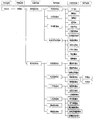
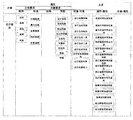
- FIG. 2 is a schematic diagram showing an example of a high-speed train structure tree according to an embodiment of the present invention
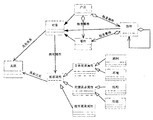
- FIG. 3 is a schematic diagram of an example of a demand metamodel view provided by an embodiment of the present invention.
- FIG. 4 is a schematic diagram showing a hierarchical structure of a requirement meta model according to an embodiment of the present invention.
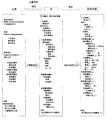
- FIG. 5 is a schematic diagram of a train level meta-model provided by an embodiment of the present invention.
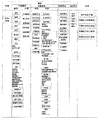
- FIG. 6 is a schematic diagram of a demand component model of a running component according to an embodiment of the present invention.
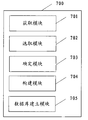
- FIG. 7 is a schematic diagram of a device for establishing and processing a high-speed train demand meta-model according to an embodiment of the present invention.
- the invention discloses a method and a device for establishing a high-speed train demand meta-model, which can effectively improve the development efficiency of the high-speed train and reduce the waste of manpower and resources by establishing a demand meta-model corresponding to various demand data.
- FIG. 1 is a schematic flowchart of a method for establishing and processing a high-speed train demand meta-model according to an embodiment of the present invention.
- S101 Acquire complete data of a pre-established high-speed train tree.
- the high-speed train tree is established based on the structure of the high-speed train. Different high-speed train types correspond to different high-speed train structures, and different high-speed train structures have different structures. High speed train tree.
- a high-speed train tree is first created according to the structure of the high-speed train.
- Different high-speed train types correspond to different high-speed train structures, and different high-speed train structures correspond to different high-speed train trees.
- the vehicle structure tree instance can be dynamically formed to generate a high-speed train tree database.
- the high-speed train structure tree complete data corresponding to the high-speed train is first acquired.
- the high-speed train tree can be retrieved by the identification, type or name of the high-speed train.
- 2 is a schematic diagram of an example of a high speed train tree according to an embodiment of the present invention.
- the high-speed train tree can be constructed layer by layer according to the train, vehicle, component (component), components, sub-components, parts, etc., and a certain level includes different components.
- the train is at the highest level, the vehicle corresponds to a certain section or a certain number of compartments, and the components (components) include the bearing component, the running component or the vehicle body component.
- a component may in turn include different component layers, which in turn may include sub-component layers and the like.
- the vehicle 01 includes a bearing component 01 and a running component 02.
- the bearing component 01 further includes a vehicle body structure 01, a head structure 02, a vehicle body section 03, a vehicle body attachment structure 04, and the like.
- Each component layer can in turn comprise different subcomponents, as shown in Figure 2.
- the high-speed train tree can also be constructed according to other methods, which is not limited by the present invention, as long as the constructed high-speed train tree can correspond to the structure of the high-speed train.
- S102 Using the pre-established complete set data of the high-speed train structure tree, sequentially selecting the demand items corresponding to the structural points in the high-speed train structure tree, and determining the demand item as the demand object of the demand meta-model.
- the demand metamodel may also be referred to as a demand data metamodel for representing a model of demand data.
- the requirement metamodel when constructing the requirement metamodel, includes a requirement object, an object attribute (also referred to as a requirement attribute), and attribute association information (also referred to as a relationship). Prime.
- the high-speed train demand metamodel can be represented by a triplet:
- ⁇ Object> represents the requirement object
- ⁇ Property> represents the object attribute
- ⁇ Association> represents the attribute association information
- a requirement item corresponding to each structural point in the high-speed train structure tree may be determined as a demand object in the demand meta-model.
- the demand object may include one or more of a train, a vehicle, a component, a component, a sub-assembly, and a part.
- the demand object can represent the design objects of different levels of the high-speed train, including products, components, parts, etc., that is, the description of the different levels of the high-speed train product structure. Specifically can be expressed as:
- ⁇ Product> means the product
- Assembly means the component
- Part means the part.
- the selecting a requirement item corresponding to each structural point in the high-speed train structure tree, and determining the requirement item as a requirement object of the requirement meta-model includes: a meta-model according to the requirement meta-model The hierarchical order of the demand metamodel class and the demand metamodel instance sequentially selects the requirement items corresponding to the structural points in the high speed train structure tree, and determines the demand item as the demand object of the demand metamodel.
- the requirement metamodel metaclass is used to describe a basic component in a design model;
- the requirement metamodel class is used to describe a model associated with a specific physical object, and is obtained by assigning the required metamodel metaclass;
- the requirement metamodel example is used to describe a specific design object, which is obtained by assigning the requirement metamodel class.
- S103 Determine an object attribute and attribute association information of each requirement object of the requirement metamodel, where the object attribute includes one or more of a subject attribute, a key attribute, a passenger attribute, and a quality constraint attribute;
- the related information includes one or more of a affiliation, an inclusion relationship, and an ownership relationship.
- the object attribute parameter set can contain the relevant needs of different product levels of high-speed trains.
- the attribute may specifically include one or more of a subject attribute, a key attribute, a passenger attribute, and a quality constraint attribute.
- the subject demand attribute includes road network attribute and environment attribute); the key requirement attribute mainly corresponds to performance attribute and structural attribute; the passenger demand attribute may include functional attribute, performance attribute, constraint attribute; quality constraint attribute (English full name is Total Quality Control, The English abbreviation for TQC) attributes can include attribute requirements such as quality, delivery date, process, and service personnel.
- the object attribute can be expressed by the following formula:
- the attribute association information may also be referred to as relationship information for describing various relationship information between the object attributes, mainly including the relationship between the design objects, that is, the relationship between the high-speed train product level objects, the relationship between the attributes, and the design.
- the association information set can be defined as a 4-tuple (a_id, a_role, a_property, a_operation), where a_id is the identifier of the association vector, and a_role is the association role set, that is, the identifier of the object instance or attribute involved in the association, and a_property is the association. Its own property, a_operation is a set of methods that operate on associated properties.
- association relationship may include any one or more of the following relationships:
- the component belongs to a certain product, that is, the lower structure of the product structure belongs to the upper structure, and the semantic meaning is “subordinate”.
- a component belongs to a product, that is, a lower structure in the product structure belongs to the upper structure, and the semantic meaning is “subordinate”.
- the vehicle belongs to the train, the running group belongs to the vehicle, the bearing component belongs to the vehicle, the power component belongs to the vehicle, and the other components belong to the vehicle.
- the product contains certain components, that is, the upper structure contains the lower level, and the semantic meaning is “include”.
- the product contains certain components, that is, the upper structure of the product contains the underlying structure, and the semantic meaning is "include”.
- the train includes the vehicle, the vehicle includes the running component, the vehicle includes the carrying component, the vehicle includes the power component, and the vehicle includes other components.
- the association relationship may also include a relationship between the object and the object, a relationship between the object and the attribute, and a relationship between the attribute and the attribute, and may be flexibly set according to requirements.
- FIG. 3 is a schematic diagram of an example of a demand metamodel view provided by an embodiment of the present invention.
- a product is a demand object, which can have a property (has property), that is, a demand property; it can also have a relationship (has Association), that is, associated information.
- the demand attribute may also have a relationship (has Association), that is, associated information.
- Demand attributes can include subject demand attributes, key demand attributes, and passenger demand attributes.
- the subject requirement attribute may include a road network and an environment attribute; the key requirement attribute may further include a structure attribute and a performance attribute.
- the product may have or contain a component, which may have or contain a part. Of course, the product can also have or contain a part.
- the high-speed train demand metamodel definition is divided into three levels, the requirement metaclass, the requirement class, and the requirement instance.
- the metaclass describes the basic components used in the design model; the class is used to describe the design model related to the specific physical object; The instance corresponds to the specific design object, which is the user's implementation of the design object. The instance is an assignment implementation of the class.
- the requirement object when constructing the requirement metamodel, the requirement object is sequentially selected according to the hierarchical order of the requirement metamodel metaclass, the requirement metamodel class, and the requirement metamodel instance, and the requirement element is gradually established according to the object attribute of the requirement object and the attribute association information.
- the demand metamodel gradually generates the demand class from the demand metaclass assignment through the assignment operation, and then the demand class assignment finally forms the high speed train demand instance.
- the specific assignment process is shown in Fig. 4.
- the metaclass gets the class by assigning it, and the class gets the instance by assigning it.
- Figure 4 shows an example of the assignment of a requirement metamodel.
- the demand metamodel metaclass ie the train/vehicle demand metamodel metaclass
- the demand metamodel metaclass is the base layer and the lowest layer of the demand metamodel, providing a data foundation for the demand metamodel class. It is a collection of all demand data related to all high-speed trains, based on the description and format of the metamodel, including data of object data, demand attribute data, and relational data.
- the object data refers to all relevant product structure data contained in the high-speed train, and there is no specific hierarchical relationship between them. All structures are independent data items in the requirement metamodel metaclass.
- the attribute data refers to the data set of all user demand items related to the high-speed train. All the demand items are classified according to different classification attributes, that is, according to the main needs, key needs, and passenger demands.
- the requirement metamodel class is the second layer of the requirement metamodel, and the requirement metamodel class has been constructed.
- the process is obtained by instantiating the meta-model metaclass to obtain a single object, based on the description and format of the metamodel, and the data contained therein includes object data, demand attribute data, and relational data.
- object data describes a single object, obtained by assigning values to the metaclass.
- the demand attribute data contains all the demand item data related to a single object, and is also divided into the main needs (road network demand, environmental demand), key demand, passenger demand and so on.
- Relational data which mainly describes relational data related to objects.
- FIG. 5 it is a schematic diagram of a train level meta-model provided by an embodiment of the present invention.
- the requirement metamodel is constructed according to the requirements object, attribute, and relationship.
- FIG. 6 is a schematic diagram of a demand component model of a running component according to an embodiment of the present invention. Among them, the demand meta-model of the running component is described, including three parts: object, attribute and relationship. Relationships can in turn include object-object relationships, attribute-attribute relationships, and object-attribute relationships. See Figure 6 for details.
- the established requirement meta-models are saved in a database to form a requirement meta-model database, and the demand meta-model database is configured to respond to the instruction output of the request meta-model when receiving an instruction that invokes the requirement meta-model.
- the corresponding meta-model data is required to construct the structure of the high-speed train.
- the demand metamodel database is constructed according to the established requirement metamodels.
- the demand metamodel database may be called to obtain corresponding demand metamodel data to construct each structure of the high speed train.
- the method provided by the embodiment of the present invention may further include any one or more of the following steps:
- the user can modify, delete and update the demand metamodel database.
- the modification instruction, the deletion instruction, or the update instruction of the user may include identification information of the required metamodel data, and when the instruction is received, obtain a requirement element corresponding to the identifier.
- the model data is subjected to corresponding modification, deletion or update processing on the demand metamodel data.
- the method further includes any one or more of the following steps:
- the demand metamodel database further has a visualization and retrieval function for displaying each required requirement metamodel and a hierarchical structure of the train; further, the demand metamodel database may also provide a retrieval function and output retrieval. result.
- the display instruction or the retrieval instruction of the user may include identification information of the required metamodel data, and when the instruction is received, obtaining the requirement metamodel data corresponding to the identifier, to the demand metamodel The data is displayed and searched accordingly.
- FIG. 7 is a schematic diagram of a device for establishing and processing a high-speed train demand meta-model according to an embodiment of the present invention.
- a high speed train demand metamodel establishing and processing apparatus 700 comprising:
- the obtaining module 701 is configured to obtain the complete set data of the pre-established high-speed train tree, and the high-speed train tree is established based on the structure of the high-speed train, and different high-speed train types correspond to different high-speed train structures, and different high-speed trains The structure corresponds to different high speed train trees.
- the selecting module 702 is configured to sequentially select a requirement item corresponding to each structural point in the high-speed train structure tree by using the pre-established complete set data of the high-speed train structure tree, and determine the demand item as a demand element model requirement. Object.
- a determining module 703 configured to determine an object attribute and attribute association information of each requirement object of the requirement metamodel; wherein the object attribute includes one or more of a subject attribute, a key attribute, a passenger attribute, and a quality constraint attribute
- the attribute association information includes one or more of a membership relationship, an inclusion relationship, and an ownership relationship.
- the building module 704 is configured to establish a requirement meta model according to the object attribute of each of the requirement objects and the attribute association information.
- a database establishing module 705 configured to save each established requirement metamodel in a database to form a requirement metamodel database, where the requirement metamodel database is configured to respond to invoke the requirement when receiving an instruction that invokes the requirement metamodel
- the instruction of the metamodel outputs the corresponding metamodel data to construct the structure of the high speed train.
- building module is specifically configured to:
- the requirement object is sequentially selected according to the hierarchical order of the requirement metamodel metaclass, the requirement metamodel class, and the requirement metamodel instance, and the requirement metamodel is established according to the object property of the requirement object and the attribute association information.
- the device further includes any one or more of the following modules:
- a modification module configured to receive a modification instruction of the user, and modify the requirement metamodel corresponding to the modification instruction by calling data in the requirement metamodel database in response to the modification instruction;
- a deleting module configured to receive a deletion instruction of the user, and delete the requirement metamodel corresponding to the deletion instruction by calling data in the requirement metamodel database in response to the deleting instruction;
- an update module configured to receive an update instruction of the user, and update the requirement metamodel corresponding to the update instruction by calling data in the requirement metamodel database in response to the update instruction.
- the device further includes any one or more of the following modules:
- a display module configured to receive a display instruction of the user, and call the data in the requirement metamodel database in response to the display instruction, and display the required metamodel data corresponding to the display instruction;
- a retrieval module configured to receive a retrieval instruction of the user, and search the data in the requirement metamodel database in response to the retrieval instruction, and output the search result
- the invention may be described in the general context of computer-executable instructions executed by a computer, such as a program module.
- program modules include routines, programs, objects, components, data structures, and the like that perform particular tasks or implement particular abstract data types.
- the invention may also be practiced in distributed computing environments where tasks are performed by remote processing devices that are connected through a communication network.
- program modules can be located in both local and remote computer storage media including storage devices.
- the various embodiments in the specification are described in a progressive manner, and the same or similar parts between the various embodiments may be referred to each other, and each embodiment focuses on the differences from the other embodiments.
- the description is relatively simple, and the relevant parts can be referred to the description of the method embodiment.
- the device embodiments described above are merely illustrative, wherein the units described as separate components may or may not be physically separate, and the components displayed as units may or may not be physical units, ie may be located A place, or it can be distributed to multiple network units. Some or all of the modules may be selected according to actual needs to achieve the purpose of the solution of the embodiment.
Landscapes
- Engineering & Computer Science (AREA)
- Physics & Mathematics (AREA)
- Geometry (AREA)
- Theoretical Computer Science (AREA)
- General Physics & Mathematics (AREA)
- Computer Hardware Design (AREA)
- Evolutionary Computation (AREA)
- General Engineering & Computer Science (AREA)
- Automation & Control Theory (AREA)
- Aviation & Aerospace Engineering (AREA)
- Computational Mathematics (AREA)
- Mathematical Analysis (AREA)
- Mathematical Optimization (AREA)
- Pure & Applied Mathematics (AREA)
- Management, Administration, Business Operations System, And Electronic Commerce (AREA)
- Information Retrieval, Db Structures And Fs Structures Therefor (AREA)
Abstract
一种高速列车需求元模型建立和处理方法,包括:获取预先建立的高速列车结构树的全集数据,所述高速列车结构树基于所述高速列车的结构建立得到;利用预先建立的高速列车结构树的全集数据,依次选取所述高速列车结构树中的各结构点对应的需求项,将所述需求项确定为需求元模型的需求对象;确定所述需求元模型的各需求对象的对象属性以及属性关联信息;根据各所述需求对象的对象属性以及属性关联信息建立需求元模型;将建立的各需求元模型保存在数据库中构成需求元模型数据库,所述需求元模型数据库用于当接收到调用所述需求元模型的指令时,响应调用需求元模型的指令输出对应的需求元模型数据以构建高速列车各结构。
Description
本申请要求于2015年04月17日提交中国专利局、申请号为201510185536.X、发明名称为“一种高速列车需求元模型建立方法和装置”的中国专利申请的优先权,其全部内容通过引用结合在本申请中。
本发明涉及数据处理技术领域,特别是涉及一种高速列车需求元模型建立方法和装置。
随着交通运输技术的发展,高速列车目前成为铁路运输技术的研究热点。高速列车是在现有的柴油机车、电力机车和铁路的基础上,对动力系统、行走系统、车厢外形和路轨系统等加以改进而得到的一种时速更快的列车。在现有技术的高速列车的设计和开发过程中,首先需要确定需求数据以指导产品设计。其中,高速列车需求数据是通过收集得到的所有有关客户针对高速列车产品的提出的具体要求集合,它是指导产品设计的重要依据,并为新客户或客户的新订单提供出相关的填写模板来引导客户完成新订单的生成。需求数据的收集来源主要与高速列车的运用环境、运行线路以及客户所要求的关键性要求、旅客所需要的功能要求相关联。在现有技术中,当车辆生产厂商接到订单之后,需要人为对订单的技术指标进行分解,分解到各个组分模块,如承载组分、行走组分和车体组分等,之后各组分对应的研发部门将对应的技术指标,设计人员根据自身的设计经验,按照技术指标的要求,将指标对应转化为需求数据。
然而,发明人在实现本发明的过程中发现,由于确定需求数据的来源复杂,现有技术需要花费大量人员和时间人工处理需求数据,造成研发资源的重复浪费,且使研发进度耽搁。此外,大量的人力操作,导致出错概率较大,不能满足快速开发列车的需求。现有并不存在一种有效的需求数据处理方式以解决上述问题。
发明内容
为解决上述技术问题,本发明公开了一种列车需求元模型建立方法和装置,可以通过建立需求元模型对应各种需求数据,有效提高高速列车的开发效率,减少人力和资源浪费。
技术方案如下:
根据本发明实施例的第一方面,公开了一种高速列车需求元模型建立和处理方法,所述方法包括:
获取预先建立的高速列车结构树的全集数据,所述高速列车结构树基于所述高速列车的结构建立得到,不同的高速列车类型对应不同的高速列车结构,不同的高速列车结构对应不同的高速列车结构树;
利用所述预先建立的高速列车结构树的全集数据,依次选取所述高速列车结构树中的各结构点对应的需求项,将所述需求项确定为需求元模型的需求对象;
确定所述需求元模型的各需求对象的对象属性以及属性关联信息;其中,所述对象属性包括主体属性、关键属性、旅客属性、质量约束属性中的一种或多种;所述属性关联信息包括隶属关系、包含关系、拥有关系中的一种或多种;
根据各所述需求对象的对象属性以及属性关联信息建立需求元模型;
将建立的各需求元模型保存在数据库中构成需求元模型数据库,所述需求元模型数据库用于当接收到调用所述需求元模型的指令时,响应调用所述需求元模型的指令输出对应的需求元模型数据以构建高速列车各结构。
进一步地,所述需求元模型的需求对象包括列车、车辆、组分、部件、子部件、零件中的一种或多种。
进一步地,所述根据各所述需求对象的对象属性以及属性关联信息建立需求元模型包括:
按照需求元模型元类、需求元模型类、需求元模型实例的层级顺序依次选取需求对象,根据所述需求对象的对象属性以及属性关联信息建立需求元模型。
进一步地,所述需求元模型元类用于描述设计模型中的基本组件;所述需求元模型类用于描述与具体物理对象相关联的模型,由所述需求元模型元类赋值得到;所述需求元模型实例用于描述具体设计对象,由所述需求元模型类赋值得到。
进一步地,所述方法还包括以下任意一个或多个步骤:
接收用户的修改指令,响应于所述修改指令调用需求元模型数据库中的数据对所述修改指令对应的需求元模型进行修改;
接收用户的删除指令,响应于所述删除指令调用需求元模型数据库中的数据对所述删除指令对应的需求元模型进行删除;
接收用户的更新指令,响应于所述更新指令调用需求元模型数据库中的数据对所述更新指令对应的需求元模型进行更新。
进一步地,所述方法还包括以下任意一个或多个步骤:
接收用户的显示指令,响应于所述显示指令调用需求元模型数据库中的数据,显示所述显示指令对应的需求元模型数据;
接收用户的检索指令,响应于所述检索指令查找需求元模型数据库中的数据,输出查找结果。
根据本发明实施例的第二方面,公开了一种高速列车需求元模型建立和处理装置,所述装置包括:
获取模块,用于获取预先建立的高速列车结构树的全集数据,所述高速列车结构树基于所述高速列车的结构建立得到,不同的高速列车类型对应不同的高速列车结构,不同的高速列车结构对应不同的高速列车结构树;
选取模块,用于利用所述预先建立的高速列车结构树的全集数据,依次选取所述高速列车结构树中的各结构点对应的需求项,将所述需求项确定为需求元模型的需求对象;
确定模块,用于确定所述需求元模型的各需求对象的对象属性以及属性关联信息;其中,所述对象属性包括主体属性、关键属性、旅客属性、质量约束属性中的一种或多种;所述属性关联信息包括隶属关系、包含关系、拥有关系中的一种或多种;
构建模块,用于根据各所述需求对象的对象属性以及属性关联信息建立需求元模型;
数据库建立模块,用于将建立的各需求元模型保存在数据库中构成需求元模型数据库,所述需求元模型数据库用于当接收到调用所述需求元模型的指令时,响应调用所述需求元模型的指令输出对应的需求元模型数据以构建高速列车各结构。
进一步地,所述构建模块具体用于:
按照需求元模型元类、需求元模型类、需求元模型实例的层级顺序依次选取需求对象,根据所述需求对象的对象属性以及属性关联信息建立需求元模型。
进一步地,所述装置还包括以下任意一个或多个模块:
修改模块,用于接收用户的修改指令,响应于所述修改指令调用需求元模型数据库中的数据对所述修改指令对应的需求元模型进行修改;
删除模块,用于接收用户的删除指令,响应于所述删除指令调用需求元模型数据库中的数据对所述删除指令对应的需求元模型进行删除;
更新模块,用于接收用户的更新指令,响应于所述更新指令调用需求元模型数据库中的数据对所述更新指令对应的需求元模型进行更新。
进一步地,所述装置还包括以下任意一个或多个模块:
显示模块,用于接收用户的显示指令,响应于所述显示指令调用需求元模型数据库中的数据,显示所述显示指令对应的需求元模型数据;
检索模块,用于接收用户的检索指令,响应于所述检索指令查找需求元模型数据库中的数据,输出查找结果。
本发明实施例的一个方面能够达到的有益效果为:在本发明提供的高速列车需求元模型建立和处理方法和装置中,利用预先建立的高速列车结构树数据,依次选取高速列车结构树中的各结构点对应的需求项将其作为需求元模型中的需求对象,通过确定需求对象的需求属性以及属性关联信息构建需求元模型,使得建立的需求元模型与高速列车的结构具有对应关系。在具体构建、设计高速列车时,就可以通过调用各结构或组分对应的
需求元模型进行相应的设计、构建工作。由于高速列车的各结构、组件均具有对应的需求元模型,因此在设计高速列车时可以调用不同的需求元模型,无需重复设计、研发,因此大大减少了重复的研发工作,充分利用现有资源,提高研发效率,快速高效的完成快速列车的开发设计工作。
为了更清楚地说明本发明实施例或现有技术中的技术方案,下面将对实施例或现有技术描述中所需要使用的附图作简单地介绍,显而易见地,下面描述中的附图仅仅是本发明中记载的一些实施例,对于本领域普通技术人员来讲,在不付出创造性劳动的前提下,还可以根据这些附图获得其他的附图。
图1为本发明实施例提供的一种高速列车需求元模型建立和处理方法流程示意图;
图2为本发明实施例提供的高速列车结构树的一个示例示意图;
图3为本发明实施例提供的需求元模型视图的一个示例示意图;
图4为本发明实施例提供的需求元模型层级结构示意图;
图5本发明实施例提供的列车级元模型示意图;
图6为本发明实施例提供的走行组份需求元模型示意图;
图7为本发明实施例提供的高速列车需求元模型建立和处理装置示意图。
为了使本技术领域的人员更好地理解本发明中的技术方案,下面将结合本发明实施例中的附图,对本发明实施例中的技术方案进行清楚、完整地描述,显然,所描述的实施例仅仅是本发明一部分实施例,而不是全部的实施例。基于本发明中的实施例,本领域普通技术人员在没有做出创造性劳动前提下所获得的所有其他实施例,都应当属于本发明保护的范围。
本发明公开了一种高速列车需求元模型建立方法和装置,可以通过建立需求元模型对应各种需求数据,有效提高高速列车的开发效率,减少人力和资源浪费。
参见图1,为本发明实施例提供的一种高速列车需求元模型建立和处理方法流程示意图。
S101,获取预先建立的高速列车结构树的全集数据,所述高速列车结构树基于所述高速列车的结构建立得到,不同的高速列车类型对应不同的高速列车结构,不同的高速列车结构对应不同的高速列车结构树。
在本发明具体实现时,首先根据高速列车的结构,创建了高速列车结构树。不同的高速列车类型对应不同的高速列车结构,不同的高速列车结构对应不同的高速列车结构树。具体实现时,可以基于预先建立的结构树模板以及收集的不同车型的不同结构,动态的组建车型结构树实例,生成高速列车结构树数据库。当在创建具体的高速列车需求元模型时,首先获取所述高速列车对应的高速列车结构树全集数据。高速列车结构树可以通过高速列车的标识、类型或者名称检索得到。参见图2,为本发明实施例提供的高速列车结构树的一个示例示意图。高速列车结构树可以按照列车、车辆、组分(组份)、部件、子部件、零件等层级逐层构建,某一层级又包括不同的组成部分。列车为最高层级,车辆对应某一节或某几节车厢,组分(组份)又包括承载组份、走行组份或者车体组份等。某一组份又可以包括不同的部件层,部件层又可以包括子部件层等。例如,车辆01包括承载组份01、走行组份02,承载组份01又包括车体结构01、头型结构02、车体断面03、车体附件结构04等。每一部件层又可以包括不同的子部件,具体如图2所示。当然,也可以根据其他方式构建高速列车结构树,本发明对此不进行限定,只要构建的高速列车结构树能与高速列车的结构对应即可。
S102,利用所述预先建立的高速列车结构树的全集数据,依次选取所述高速列车结构树中的各结构点对应的需求项,将所述需求项确定为需求元模型的需求对象。
在本发明中,需求元模型又可以称之为需求数据元模型,用于表示需求数据的模型。
在本发明具体实现时,构建需求元模型时,需求元模型包括需求对象、对象属性(又可称之为需求属性)、属性关联信息(又可称为关系)3个元
素。
具体实现时,可以采用三元组表示高速列车需求元模型(RMM):
RMM={<Object><Property><Association>}
其中,<Object>表示需求对象、<Property>表示对象属性、<Association>表示属性关联信息。
具体实现时,如图2所示,可以将高速列车结构树中的各结构点对应的需求项确定为需求元模型中的需求对象。其中,需求对象可以包括列车、车辆、组分、部件、子部件、零件中的一种或多种。
具体实现时,需求对象可以表示高速列车不同层次的设计对象,包括了产品、组件、零件等,即高速列车产品结构不同层级的描述。具体可以表示为:
<Object>=<Product>|<Assembly>|<Part>
其中,<Product>表示产品、Assembly表示组件,Part表示零件。
在一种可能的实现方式中,所述依次选取所述高速列车结构树中的各结构点对应的需求项,将所述需求项确定为需求元模型的需求对象包括:按照需求元模型元类、需求元模型类、需求元模型实例的层级顺序依次选取所述高速列车结构树中的各结构点对应的需求项,将所述需求项确定为需求元模型的需求对象。其中,所述需求元模型元类用于描述设计模型中的基本组件;所述需求元模型类用于描述与具体物理对象相关联的模型,由所述需求元模型元类赋值得到;所述需求元模型实例用于描述具体设计对象,由所述需求元模型类赋值得到。
S103,确定所述需求元模型的各需求对象的对象属性以及属性关联信息;其中,所述对象属性包括主体属性、关键属性、旅客属性、质量约束属性中的一种或多种;所述属性关联信息包括隶属关系、包含关系、拥有关系中的一种或多种。
前面提到,在构建需求元模型时,需要确定3个元素:需求对象、对象属性以及属性关联信息。在确定需求对象后,即需要确定各需求对象的对象属性以及属性关联信息。
其中,对象属性参数集合可以包含高速列车不同产品层次的相关的需
求属性,具体可以包括主体属性、关键属性、旅客属性、质量约束属性中的一种或多种。其中,主体需求属性包括路网属性、环境属性);关键需求属性主要对应性能属性、结构属性;旅客需求属性可以包括功能属性、性能属性、约束属性;质量约束属性(英文全称为Total Quality Control,英文缩写为TQC)属性可以包括质量、交货期、过程、服务人员等属性要求。
对象属性具体可以用下式表示:
<Property>=<主体属性>|<关键属性>|<旅客属性>
对象属性参数的描述由属性标识id、参数名t、参数类型a、参数值v四元组组成,可以描述为Property={id,t,a,v}。
其中,属性关联信息又可以称为关系信息用于描述对象属性之间的各种关系信息,主要包括各设计对象之间,即高速列车产品层级对象之间关系、各属性之间的关系以及设计对象与属性之间的关联关系。关联关系信息集合可以定义为一个4元组(a_id,a_role,a_property,a_operation)其中a_id为关联向量的标识,a_role为关联角色集合,即与该关联涉及的对象实例或属性的标识,a_property为关联自身的属性,a_operation为对关联属性进行操作的方法集。
具体地,关联关系可以包括以下任意一种或多种关系:
(1)隶属关系:部件属于某个产品,即产品结构中下层结构隶属于上层结构,语义含义为“隶属”。例如,部件属于某个产品,即产品结构中下层结构隶属于上层结构,语义含义为“隶属”。车辆隶属于列车、走行组份隶属于车辆、承载组份隶属于车辆、动力组份隶属于车辆、其它组份隶属于车辆。
(2)包含关系:产品包含某些部件,即上层结构包含下层层级,语义含义为“包含”。产品包含某些部件,即产品上层结构包含下层结构,语义含义为“包含”。列车包含车辆、车辆包含走行组份、车辆包含承载组份、车辆包含动力组份、车辆包含其它组份。
(3)拥有关系:对象拥有属性的关系,语义含义为“拥有”。
其中,关联关系还可以包括对象与对象之间的关系、对象与属性之间的关系、属性与属性之间的关系,具体可以根据需要灵活设置。
S104,根据各所述需求对象的对象属性以及属性关联信息建立需求元模型。
参见图3,为本发明实施例提供的需求元模型视图的一个实例示意图。产品为需求对象,其可以拥有属性(has property),即需求属性;其还可以具有关系(has Association),即关联信息。其中,需求属性也可以具有关系(has Association),即关联信息。需求属性可以包括主体需求属性、关键需求属性、旅客需求属性等。其中,主体需求属性又可以包括路网、环境属性;关键需求属性又可以包括结构属性、性能属性。产品可以具有或者包含部件(has Assembly),部件可以具有或者包含零件(has Part)。当然,产品也可以具有或者包含零件(has Part)。
前面提到,高速列车需求元模型定义分为三个层次,需求元类、需求类以及需求实例,元类描述设计模型中使用的基本组件;类用来描述与具体物理对象相关的设计模型;实例则对应具体的设计对象,是用户对设计对象的实现,实例是类的一个赋值实现。
其中,在构建需求元模型时,也是按照需求元模型元类、需求元模型类、需求元模型实例的层级顺序依次选取需求对象,逐步根据所述需求对象的对象属性以及属性关联信息建立需求元模型的。具体实现时,需求元模型通过赋值的操作,逐步由需求元类赋值生成需求类,再由需求类赋值最终形成高速列车需求实例,具体赋值过程如图4所示。元类通过赋值得到类,类通过赋值得到实例。图4所示为需求元模型赋值的一个示例。
其中,需求元模型元类即列车/车辆需求元模型元类是需求元模型的基础层以及最低层,为需求元模型类提供数据基础。是囊括了所有与高速列车相关的所有需求数据集合,其基于元模型的描述和格式,所包含的数据包括对象数据、需求属性数据以及关系数据。其中:对象数据是指高速列车所包含的所有相关的产品结构数据,并且之间不存在具体的层级关系,所有结构在需求元模型元类中都是独立存在的数据项。属性数据是指与高速列车相关的所有用户需求项的数据集合,所有的需求项按照不同的分类属性进行分类,即按照主体需求、关键需求、旅客需求划分。
其中,需求元模型类是需求元模型的第二层,需求元模型类的构建过
程是通过需求元模型元类通过赋值实例化后得到的针对单一对象,基于元模型的描述和格式,其所包含的数据包括对象数据、需求属性数据以及关系数据。其中:对象数据,描述的是单一的对象,通过对元类赋值得到。需求属性数据,包含了所有与单一对象相关的需求项数据,并且也分为了主体需求(路网需求、环境需求)、关键需求、旅客需求等。关系数据,主要描述了与对象相关的关系数据。
参见图5,为本发明实施例提供的列车级元模型示意图。在图5中,按照需求对象、属性、关系3部分构建了需求元模型。参见图6,为本发明实施例提供的走行组份需求元模型示意图。其中,描述了走行组份的需求元模型,包括对象、属性、关系3个部分。关系又可以包括对象-对象关系、属性-属性关系、对象-属性关系。具体参见图6。
S105,将建立的各需求元模型保存在数据库中构成需求元模型数据库,所述需求元模型数据库用于当接收到调用所述需求元模型的指令时,响应调用所述需求元模型的指令输出对应的需求元模型数据以构建高速列车各结构。
具体实现时,根据建立好的各需求元模型构建需求元模型数据库。当在进行高速列车的具体设计开发时,可以调用所述需求元模型数据库获得相应的需求元模型数据以构建高速列车各结构。
进一步地,本发明实施例提供的方法还可以包括以下任意一个或多个步骤:
接收用户的修改指令,响应于所述修改指令调用需求元模型数据库中的数据对所述修改指令对应的需求元模型进行修改。
接收用户的删除指令,响应于所述删除指令调用需求元模型数据库中的数据对所述删除指令对应的需求元模型进行删除。
接收用户的更新指令,响应于所述更新指令调用需求元模型数据库中的数据对所述更新指令对应的需求元模型进行更新。
具体实现时,用户可以对需求元模型数据库进行修改、删除和更新。其中,所述用户的修改指令、删除指令或者更新指令可以包括需求元模型数据的标识信息,在接收到所述指令时,则获得与所述标识对应的需求元
模型数据,以对所述需求元模型数据进行相应的修改、删除或者更新处理。
进一步地,所述方法还包括以下任意一个或多个步骤:
接收用户的显示指令,响应于所述显示指令调用需求元模型数据库中的数据,显示所述显示指令对应的需求元模型数据;
接收用户的检索指令,响应于所述检索指令查找需求元模型数据库中的数据,输出查找结果。
具体实现时,所述需求元模型数据库还具有可视化和检索功能,用于展示建立的各需求元模型以及列车的层级结构;进一步的,所述需求元模型数据库也可以提供检索功能,并输出检索结果。其中,所述用户的显示指令、或者检索指令可以包括需求元模型数据的标识信息,在接收到所述指令时,则获得与所述标识对应的需求元模型数据,以对所述需求元模型数据进行相应的显示、查找处理。
参见图7,为本发明实施例提供的高速列车需求元模型建立和处理装置示意图。
一种高速列车需求元模型建立和处理装置700,所述装置包括:
获取模块701,用于获取预先建立的高速列车结构树的全集数据,所述高速列车结构树基于所述高速列车的结构建立得到,不同的高速列车类型对应不同的高速列车结构,不同的高速列车结构对应不同的高速列车结构树。
选取模块702,用于利用所述预先建立的高速列车结构树的全集数据,依次选取所述高速列车结构树中的各结构点对应的需求项,将所述需求项确定为需求元模型的需求对象。
确定模块703,用于确定所述需求元模型的各需求对象的对象属性以及属性关联信息;其中,所述对象属性包括主体属性、关键属性、旅客属性、质量约束属性中的一种或多种;所述属性关联信息包括隶属关系、包含关系、拥有关系中的一种或多种。
构建模块704,用于根据各所述需求对象的对象属性以及属性关联信息建立需求元模型。
数据库建立模块705,用于将建立的各需求元模型保存在数据库中构成需求元模型数据库,所述需求元模型数据库用于当接收到调用所述需求元模型的指令时,响应调用所述需求元模型的指令输出对应的需求元模型数据以构建高速列车各结构。
进一步地,所述构建模块具体用于:
按照需求元模型元类、需求元模型类、需求元模型实例的层级顺序依次选取需求对象,根据所述需求对象的对象属性以及属性关联信息建立需求元模型。
进一步地,所述装置还包括以下任意一个或多个模块:
修改模块,用于接收用户的修改指令,响应于所述修改指令调用需求元模型数据库中的数据对所述修改指令对应的需求元模型进行修改;
删除模块,用于接收用户的删除指令,响应于所述删除指令调用需求元模型数据库中的数据对所述删除指令对应的需求元模型进行删除;
更新模块,用于接收用户的更新指令,响应于所述更新指令调用需求元模型数据库中的数据对所述更新指令对应的需求元模型进行更新。
进一步地,所述装置还包括以下任意一个或多个模块:
显示模块,用于接收用户的显示指令,响应于所述显示指令调用需求元模型数据库中的数据,显示所述显示指令对应的需求元模型数据;
检索模块,用于接收用户的检索指令,响应于所述检索指令查找需求元模型数据库中的数据,输出查找结果
上述各单元的功能可对应于图1详细描述的上述方法的处理步骤,于此不再赘述。需要说明的是,由于对方法实施例进行详细的阐述,对装置实施例的描述较为简单,本领域技术人员可以理解的是,可以参照方法实施例构造本发明的装置实施例。本领域技术人员在不付出创造性劳动下获取的其他实现方式均属于本发明的保护范围。
本领域技术人员可以理解的是,以上对方法和装置实施例进行了示例性说明,以上不视为对本发明的限制,本领域技术人员在不付出创造性劳动下获得的其他实现方式均属于本发明的保护范围。
需要说明的是,在本文中,诸如第一和第二等之类的关系术语仅仅用
来将一个实体或者操作与另一个实体或操作区分开来,而不一定要求或者暗示这些实体或操作之间存在任何这种实际的关系或者顺序。而且,术语“包括”、“包含”或者其任何其他变体意在涵盖非排他性的包含,从而使得包括一系列要素的过程、方法、物品或者设备不仅包括那些要素,而且还包括没有明确列出的其他要素,或者是还包括为这种过程、方法、物品或者设备所固有的要素。在没有更多限制的情况下,由语句“包括一个……”限定的要素,并不排除在包括所述要素的过程、方法、物品或者设备中还存在另外的相同要素。本发明可以在由计算机执行的计算机可执行指令的一般上下文中描述,例如程序模块。一般地,程序模块包括执行特定任务或实现特定抽象数据类型的例程、程序、对象、组件、数据结构等等。也可以在分布式计算环境中实践本发明,在这些分布式计算环境中,由通过通信网络而被连接的远程处理设备来执行任务。在分布式计算环境中,程序模块可以位于包括存储设备在内的本地和远程计算机存储介质中。
本说明书中的各个实施例均采用递进的方式描述,各个实施例之间相同相似的部分互相参见即可,每个实施例重点说明的都是与其他实施例的不同之处。尤其,对于装置实施例而言,由于其基本相似于方法实施例,所以描述得比较简单,相关之处参见方法实施例的部分说明即可。以上所描述的装置实施例仅仅是示意性的,其中所述作为分离部件说明的单元可以是或者也可以不是物理上分开的,作为单元显示的部件可以是或者也可以不是物理单元,即可以位于一个地方,或者也可以分布到多个网络单元上。可以根据实际的需要选择其中的部分或者全部模块来实现本实施例方案的目的。本领域普通技术人员在不付出创造性劳动的情况下,即可以理解并实施。以上所述仅是本发明的具体实施方式,应当指出,对于本技术领域的普通技术人员来说,在不脱离本发明原理的前提下,还可以做出若干改进和润饰,这些改进和润饰也应视为本发明的保护范围。
Claims (10)
- 一种高速列车需求元模型建立和处理方法,其特征在于,所述方法包括:获取预先建立的高速列车结构树的全集数据,所述高速列车结构树基于所述高速列车的结构建立得到,不同的高速列车类型对应不同的高速列车结构,不同的高速列车结构对应不同的高速列车结构树;利用所述预先建立的高速列车结构树的全集数据,依次选取所述高速列车结构树中的各结构点对应的需求项,将所述需求项确定为需求元模型的需求对象;确定所述需求元模型的各需求对象的对象属性以及属性关联信息;其中,所述对象属性包括主体属性、关键属性、旅客属性、质量约束属性中的一种或多种;所述属性关联信息包括隶属关系、包含关系、拥有关系中的一种或多种;根据各所述需求对象的对象属性以及属性关联信息建立需求元模型;将建立的各需求元模型保存在数据库中构成需求元模型数据库,所述需求元模型数据库用于当接收到调用所述需求元模型的指令时,响应调用所述需求元模型的指令输出对应的需求元模型数据以构建高速列车各结构。
- 根据权利要求1所述的方法,其特征在于,所述需求元模型的需求对象包括列车、车辆、组分、部件、子部件、零件中的一种或多种。
- 根据权利要求1所述的方法,其特征在于,所述根据各所述需求对象的对象属性以及属性关联信息建立需求元模型包括:按照需求元模型元类、需求元模型类、需求元模型实例的层级顺序依次选取需求对象,根据所述需求对象的对象属性以及属性关联信息建立需求元模型。
- 根据权利要求3所述的方法,其特征在于,所述需求元模型元类用于描述设计模型中的基本组件;所述需求元模型类用于描述与具体物理对象相关联的模型,由所述需求元模型元类赋值得到;所述需求元模型实 例用于描述具体设计对象,由所述需求元模型类赋值得到。
- 根据权利要求1所述的方法,其特征在于,所述方法还包括以下任意一个或多个步骤:接收用户的修改指令,响应于所述修改指令调用需求元模型数据库中的数据对所述修改指令对应的需求元模型进行修改;接收用户的删除指令,响应于所述删除指令调用需求元模型数据库中的数据对所述删除指令对应的需求元模型进行删除;接收用户的更新指令,响应于所述更新指令调用需求元模型数据库中的数据对所述更新指令对应的需求元模型进行更新。
- 根据权利要求1所述的方法,其特征在于,所述方法还包括以下任意一个或多个步骤:接收用户的显示指令,响应于所述显示指令调用需求元模型数据库中的数据,显示所述显示指令对应的需求元模型数据;接收用户的检索指令,响应于所述检索指令查找需求元模型数据库中的数据,输出查找结果。
- 一种高速列车需求元模型建立和处理装置,其特征在于,所述装置包括:获取模块,用于获取预先建立的高速列车结构树的全集数据,所述高速列车结构树基于所述高速列车的结构建立得到,不同的高速列车类型对应不同的高速列车结构,不同的高速列车结构对应不同的高速列车结构树;选取模块,用于利用所述预先建立的高速列车结构树的全集数据,依次选取所述高速列车结构树中的各结构点对应的需求项,将所述需求项确定为需求元模型的需求对象;确定模块,用于确定所述需求元模型的各需求对象的对象属性以及属性关联信息;其中,所述对象属性包括主体属性、关键属性、旅客属性、质量约束属性中的一种或多种;所述属性关联信息包括隶属关系、包含关系、拥有关系中的一种或多种;构建模块,用于根据各所述需求对象的对象属性以及属性关联信息建 立需求元模型;数据库建立模块,用于将建立的各需求元模型保存在数据库中构成需求元模型数据库,所述需求元模型数据库用于当接收到调用所述需求元模型的指令时,响应调用所述需求元模型的指令输出对应的需求元模型数据以构建高速列车各结构。
- 根据权利要求7所述的装置,其特征在于,所述构建模块具体用于:按照需求元模型元类、需求元模型类、需求元模型实例的层级顺序依次选取需求对象,根据所述需求对象的对象属性以及属性关联信息建立需求元模型。
- 根据权利要求7所述的装置,其特征在于,所述装置还包括以下任意一个或多个模块:修改模块,用于接收用户的修改指令,响应于所述修改指令调用需求元模型数据库中的数据对所述修改指令对应的需求元模型进行修改;删除模块,用于接收用户的删除指令,响应于所述删除指令调用需求元模型数据库中的数据对所述删除指令对应的需求元模型进行删除;更新模块,用于接收用户的更新指令,响应于所述更新指令调用需求元模型数据库中的数据对所述更新指令对应的需求元模型进行更新。
- 根据权利要求7所述的装置,其特征在于,所述装置还包括以下任意一个或多个模块:显示模块,用于接收用户的显示指令,响应于所述显示指令调用需求元模型数据库中的数据,显示所述显示指令对应的需求元模型数据;检索模块,用于接收用户的检索指令,响应于所述检索指令查找需求元模型数据库中的数据,输出查找结果。
Priority Applications (1)
| Application Number | Priority Date | Filing Date | Title |
|---|---|---|---|
| JP2017509699A JP6345873B2 (ja) | 2015-04-17 | 2015-11-13 | 高速電車の需要メタモデルの構築方法及び装置 |
Applications Claiming Priority (2)
| Application Number | Priority Date | Filing Date | Title |
|---|---|---|---|
| CN201510185536.XA CN104820733B (zh) | 2015-04-17 | 2015-04-17 | 一种高速列车需求元模型建立方法和装置 |
| CN201510185536.X | 2015-04-17 |
Publications (1)
| Publication Number | Publication Date |
|---|---|
| WO2016165321A1 true WO2016165321A1 (zh) | 2016-10-20 |
Family
ID=53731028
Family Applications (1)
| Application Number | Title | Priority Date | Filing Date |
|---|---|---|---|
| PCT/CN2015/094558 Ceased WO2016165321A1 (zh) | 2015-04-17 | 2015-11-13 | 一种高速列车需求元模型建立方法和装置 |
Country Status (3)
| Country | Link |
|---|---|
| JP (1) | JP6345873B2 (zh) |
| CN (1) | CN104820733B (zh) |
| WO (1) | WO2016165321A1 (zh) |
Cited By (5)
| Publication number | Priority date | Publication date | Assignee | Title |
|---|---|---|---|---|
| CN109658499A (zh) * | 2018-12-11 | 2019-04-19 | 中国航空工业集团公司成都飞机设计研究所 | 一种模型建立方法、装置及存储介质 |
| CN111427971A (zh) * | 2020-03-25 | 2020-07-17 | 中国工商银行股份有限公司 | 用于计算机系统的业务建模方法、装置、系统和介质 |
| CN111596893A (zh) * | 2020-04-24 | 2020-08-28 | 中国电子产品可靠性与环境试验研究所((工业和信息化部电子第五研究所)(中国赛宝实验室)) | 软件需求抽取方法、装置、计算机设备和可读存储介质 |
| CN112836362A (zh) * | 2021-01-22 | 2021-05-25 | 中车工业研究院有限公司 | 轨道交通车辆产品平台设计方法及系统、设备及存储介质 |
| CN117991288A (zh) * | 2024-04-03 | 2024-05-07 | 浙江浙能数字科技有限公司 | 基于激光雷达的车厢检测预警装置及方法 |
Families Citing this family (6)
| Publication number | Priority date | Publication date | Assignee | Title |
|---|---|---|---|---|
| CN104820733B (zh) * | 2015-04-17 | 2018-11-27 | 中车青岛四方机车车辆股份有限公司 | 一种高速列车需求元模型建立方法和装置 |
| CN105468813A (zh) * | 2015-10-28 | 2016-04-06 | 南车青岛四方机车车辆股份有限公司 | 一种高速列车技术指标体系设计方法及系统 |
| CN105488245A (zh) * | 2015-11-06 | 2016-04-13 | 南车青岛四方机车车辆股份有限公司 | 一种列车设计中需求数据的添加方法及装置 |
| CN106020826B (zh) * | 2016-05-23 | 2019-04-02 | 北京航空航天大学 | 一种基于模板的安全案例建模方法 |
| CN106250110B (zh) * | 2016-07-19 | 2020-03-17 | 凯德技术长沙股份有限公司 | 建立模型的方法及装置 |
| CN115728065A (zh) * | 2022-12-08 | 2023-03-03 | 中车大连机车车辆有限公司 | 一种柴油机物理结构树及数据构型建构方法 |
Citations (5)
| Publication number | Priority date | Publication date | Assignee | Title |
|---|---|---|---|---|
| US20050138160A1 (en) * | 2003-08-28 | 2005-06-23 | Accenture Global Services Gmbh | Capture, aggregation and/or visualization of structural data of architectures |
| CN101145162A (zh) * | 2007-10-31 | 2008-03-19 | 金蝶软件(中国)有限公司 | 一种数据库动态查询的方法和系统 |
| CN101702214A (zh) * | 2009-11-10 | 2010-05-05 | 王智学 | 大规模复杂系统的能力需求分析方法 |
| CN101710285A (zh) * | 2009-11-24 | 2010-05-19 | 武汉大学 | 一种基于领域模型的服务需求获取与建模方法 |
| CN104820733A (zh) * | 2015-04-17 | 2015-08-05 | 南车青岛四方机车车辆股份有限公司 | 一种高速列车需求元模型建立方法和装置 |
Family Cites Families (7)
| Publication number | Priority date | Publication date | Assignee | Title |
|---|---|---|---|---|
| US6091893A (en) * | 1997-03-10 | 2000-07-18 | Ncr Corporation | Method for performing operations on informational objects by visually applying the processes defined in utility objects in an IT (information technology) architecture visual model |
| JP4763504B2 (ja) * | 2006-04-14 | 2011-08-31 | 富士通株式会社 | 流用設計処理装置,流用設計処理方法および流用設計処理プログラム |
| US20080082301A1 (en) * | 2006-10-03 | 2008-04-03 | Sabrina Haskell | Method for designing and fabricating a robot |
| CN101246509A (zh) * | 2008-02-28 | 2008-08-20 | 上海交通大学 | 基于实例推理技术的轿车整车个性化配置系统 |
| US9619586B2 (en) * | 2011-11-07 | 2017-04-11 | The Boeing Company | Computer aided design model analysis system |
| CN103529707B (zh) * | 2013-11-07 | 2016-02-03 | 南京国电南自轨道交通工程有限公司 | 一种地铁综合监控系统中全面向对象智能报警模型的设计方法 |
| CN104572831B (zh) * | 2014-12-10 | 2018-08-24 | 中车青岛四方机车车辆股份有限公司 | 高速列车需求数据的处理方法及装置 |
-
2015
- 2015-04-17 CN CN201510185536.XA patent/CN104820733B/zh active Active
- 2015-11-13 JP JP2017509699A patent/JP6345873B2/ja active Active
- 2015-11-13 WO PCT/CN2015/094558 patent/WO2016165321A1/zh not_active Ceased
Patent Citations (5)
| Publication number | Priority date | Publication date | Assignee | Title |
|---|---|---|---|---|
| US20050138160A1 (en) * | 2003-08-28 | 2005-06-23 | Accenture Global Services Gmbh | Capture, aggregation and/or visualization of structural data of architectures |
| CN101145162A (zh) * | 2007-10-31 | 2008-03-19 | 金蝶软件(中国)有限公司 | 一种数据库动态查询的方法和系统 |
| CN101702214A (zh) * | 2009-11-10 | 2010-05-05 | 王智学 | 大规模复杂系统的能力需求分析方法 |
| CN101710285A (zh) * | 2009-11-24 | 2010-05-19 | 武汉大学 | 一种基于领域模型的服务需求获取与建模方法 |
| CN104820733A (zh) * | 2015-04-17 | 2015-08-05 | 南车青岛四方机车车辆股份有限公司 | 一种高速列车需求元模型建立方法和装置 |
Cited By (8)
| Publication number | Priority date | Publication date | Assignee | Title |
|---|---|---|---|---|
| CN109658499A (zh) * | 2018-12-11 | 2019-04-19 | 中国航空工业集团公司成都飞机设计研究所 | 一种模型建立方法、装置及存储介质 |
| CN111427971A (zh) * | 2020-03-25 | 2020-07-17 | 中国工商银行股份有限公司 | 用于计算机系统的业务建模方法、装置、系统和介质 |
| CN111427971B (zh) * | 2020-03-25 | 2024-04-05 | 中国工商银行股份有限公司 | 用于计算机系统的业务建模方法、装置、系统和介质 |
| CN111596893A (zh) * | 2020-04-24 | 2020-08-28 | 中国电子产品可靠性与环境试验研究所((工业和信息化部电子第五研究所)(中国赛宝实验室)) | 软件需求抽取方法、装置、计算机设备和可读存储介质 |
| CN111596893B (zh) * | 2020-04-24 | 2022-10-18 | 中国电子产品可靠性与环境试验研究所((工业和信息化部电子第五研究所)(中国赛宝实验室)) | 软件需求抽取方法、装置、计算机设备和可读存储介质 |
| CN112836362A (zh) * | 2021-01-22 | 2021-05-25 | 中车工业研究院有限公司 | 轨道交通车辆产品平台设计方法及系统、设备及存储介质 |
| CN112836362B (zh) * | 2021-01-22 | 2023-11-24 | 中车工业研究院有限公司 | 轨道交通车辆产品平台设计方法及系统、设备及存储介质 |
| CN117991288A (zh) * | 2024-04-03 | 2024-05-07 | 浙江浙能数字科技有限公司 | 基于激光雷达的车厢检测预警装置及方法 |
Also Published As
| Publication number | Publication date |
|---|---|
| CN104820733A (zh) | 2015-08-05 |
| JP2017538175A (ja) | 2017-12-21 |
| JP6345873B2 (ja) | 2018-06-20 |
| CN104820733B (zh) | 2018-11-27 |
Similar Documents
| Publication | Publication Date | Title |
|---|---|---|
| WO2016165321A1 (zh) | 一种高速列车需求元模型建立方法和装置 | |
| CN104572831B (zh) | 高速列车需求数据的处理方法及装置 | |
| CN103744846A (zh) | 一种多维度动态局部知识地图及其构建方法 | |
| CN102136109B (zh) | 一种基于产品结构树的设计流程动态建模方法 | |
| CN109344223A (zh) | 一种基于云计算技术的建筑信息模型管理系统及方法 | |
| JP6546653B2 (ja) | マッピングルールの作成方法及び装置 | |
| CN104573185B (zh) | 高速列车技术指标的处理方法及装置 | |
| CN113642850B (zh) | 一种面向配电网规划的数据融合方法及终端 | |
| CN113656021B (zh) | 一种面向业务场景的油气大数据分析系统及方法 | |
| CN104573184B (zh) | 高速列车产品元模型构建方法和装置 | |
| CN103927185A (zh) | 基于能源管理的网络拓扑建模装置及其引导方法 | |
| WO2016165317A1 (zh) | 一种高速列车需求数据实例构建方法和装置 | |
| CN113095524A (zh) | 电力设备检修工作单据智能生成方法、系统及存储介质 | |
| WO2022143017A1 (zh) | 一种交通数据仓库的构建方法、装置、存储介质及终端 | |
| CN113504955A (zh) | 一种基于bpmn的航天工作流管理系统 | |
| CN108536718A (zh) | 一种基于输入输出语义化实现的管理信息化的方法和系统 | |
| CN104809151A (zh) | 一种基于多维度的交通异构数据集成方法 | |
| CN110083664B (zh) | 基于cmdb模型自动构建拓扑模型的方法 | |
| CN101719146A (zh) | 地理信息应用分析模型的动态图形化方法和装置 | |
| CN103164476A (zh) | 一种bi应用元数据描述文件的执行方法和装置 | |
| CN105912723A (zh) | 一种自定义字段的存储方法 | |
| CN105468813A (zh) | 一种高速列车技术指标体系设计方法及系统 | |
| Lijun et al. | Application of building information modeling (BIM) and information technology (IT) for project collaboration | |
| US9129318B2 (en) | System and method for allocating suppliers using geographical information system and supplier capability | |
| CN119647055A (zh) | 煤化工工艺流程建模方法、装置、处理器及机器可读存储介质 |
Legal Events
| Date | Code | Title | Description |
|---|---|---|---|
| 121 | Ep: the epo has been informed by wipo that ep was designated in this application |
Ref document number: 15889017 Country of ref document: EP Kind code of ref document: A1 |
|
| ENP | Entry into the national phase |
Ref document number: 2017509699 Country of ref document: JP Kind code of ref document: A |
|
| NENP | Non-entry into the national phase |
Ref country code: DE |
|
| 122 | Ep: pct application non-entry in european phase |
Ref document number: 15889017 Country of ref document: EP Kind code of ref document: A1 |