WO2016019574A1 - 基于波束的信息传输方法、装置以及通信系统 - Google Patents
基于波束的信息传输方法、装置以及通信系统 Download PDFInfo
- Publication number
- WO2016019574A1 WO2016019574A1 PCT/CN2014/083987 CN2014083987W WO2016019574A1 WO 2016019574 A1 WO2016019574 A1 WO 2016019574A1 CN 2014083987 W CN2014083987 W CN 2014083987W WO 2016019574 A1 WO2016019574 A1 WO 2016019574A1
- Authority
- WO
- WIPO (PCT)
- Prior art keywords
- transmission
- information
- user equipment
- base station
- diversity
- Prior art date
- Legal status (The legal status is an assumption and is not a legal conclusion. Google has not performed a legal analysis and makes no representation as to the accuracy of the status listed.)
- Ceased
Links
Classifications
-
- H—ELECTRICITY
- H04—ELECTRIC COMMUNICATION TECHNIQUE
- H04W—WIRELESS COMMUNICATION NETWORKS
- H04W72/00—Local resource management
- H04W72/04—Wireless resource allocation
- H04W72/044—Wireless resource allocation based on the type of the allocated resource
- H04W72/046—Wireless resource allocation based on the type of the allocated resource the resource being in the space domain, e.g. beams
-
- H—ELECTRICITY
- H04—ELECTRIC COMMUNICATION TECHNIQUE
- H04B—TRANSMISSION
- H04B7/00—Radio transmission systems, i.e. using radiation field
- H04B7/02—Diversity systems; Multi-antenna system, i.e. transmission or reception using multiple antennas
- H04B7/04—Diversity systems; Multi-antenna system, i.e. transmission or reception using multiple antennas using two or more spaced independent antennas
- H04B7/0413—MIMO systems
- H04B7/0456—Selection of precoding matrices or codebooks, e.g. using matrices antenna weighting
- H04B7/0478—Special codebook structures directed to feedback optimisation
- H04B7/0479—Special codebook structures directed to feedback optimisation for multi-dimensional arrays, e.g. horizontal or vertical pre-distortion matrix index [PMI]
-
- H—ELECTRICITY
- H04—ELECTRIC COMMUNICATION TECHNIQUE
- H04B—TRANSMISSION
- H04B7/00—Radio transmission systems, i.e. using radiation field
- H04B7/02—Diversity systems; Multi-antenna system, i.e. transmission or reception using multiple antennas
- H04B7/04—Diversity systems; Multi-antenna system, i.e. transmission or reception using multiple antennas using two or more spaced independent antennas
- H04B7/06—Diversity systems; Multi-antenna system, i.e. transmission or reception using multiple antennas using two or more spaced independent antennas at the transmitting station
- H04B7/0613—Diversity systems; Multi-antenna system, i.e. transmission or reception using multiple antennas using two or more spaced independent antennas at the transmitting station using simultaneous transmission
- H04B7/0615—Diversity systems; Multi-antenna system, i.e. transmission or reception using multiple antennas using two or more spaced independent antennas at the transmitting station using simultaneous transmission of weighted versions of same signal
- H04B7/0619—Diversity systems; Multi-antenna system, i.e. transmission or reception using multiple antennas using two or more spaced independent antennas at the transmitting station using simultaneous transmission of weighted versions of same signal using feedback from receiving side
- H04B7/0621—Feedback content
- H04B7/0626—Channel coefficients, e.g. channel state information [CSI]
-
- H—ELECTRICITY
- H04—ELECTRIC COMMUNICATION TECHNIQUE
- H04W—WIRELESS COMMUNICATION NETWORKS
- H04W16/00—Network planning, e.g. coverage or traffic planning tools; Network deployment, e.g. resource partitioning or cells structures
- H04W16/24—Cell structures
- H04W16/28—Cell structures using beam steering
-
- H—ELECTRICITY
- H04—ELECTRIC COMMUNICATION TECHNIQUE
- H04W—WIRELESS COMMUNICATION NETWORKS
- H04W24/00—Supervisory, monitoring or testing arrangements
- H04W24/08—Testing, supervising or monitoring using real traffic
-
- H—ELECTRICITY
- H04—ELECTRIC COMMUNICATION TECHNIQUE
- H04W—WIRELESS COMMUNICATION NETWORKS
- H04W76/00—Connection management
- H04W76/20—Manipulation of established connections
- H04W76/27—Transitions between radio resource control [RRC] states
-
- H—ELECTRICITY
- H04—ELECTRIC COMMUNICATION TECHNIQUE
- H04W—WIRELESS COMMUNICATION NETWORKS
- H04W72/00—Local resource management
- H04W72/50—Allocation or scheduling criteria for wireless resources
- H04W72/54—Allocation or scheduling criteria for wireless resources based on quality criteria
- H04W72/542—Allocation or scheduling criteria for wireless resources based on quality criteria using measured or perceived quality
Definitions
- the present invention relates to the field of communications technologies, and in particular, to a beam-based information transmission method, apparatus, and communication system in a three-dimensional (3D) multiple input multiple output (MIMO) system.
- 3D three-dimensional
- MIMO multiple input multiple output
- the three-beam beamforming technology of multiple antennas can improve antenna gain, reduce beamwidth, effectively suppress white noise and random interference between cells, improve system transmission efficiency and reliability, and is a popular candidate for future mobile communication systems. .
- the beam can change with the user equipment to provide better service for the user equipment.
- the inventor found that as the user equipment moves, the gain of the directional beam becomes smaller, even beyond the coverage of the beam, which affects the robustness of the performance of the user equipment.
- Figure 1 is a schematic diagram of a 3D beamforming system. As shown in Figure 1, after the user equipment moves, the coverage of the beam may be exceeded.
- Embodiments of the present invention provide a beam-based information transmission method, apparatus, and communication system.
- the base station selects a beam based on the measurement information fed back by the user equipment and performs diversity transmission, or forms a beam based on the rotation of the two-dimensional codebook to perform diversity transmission, which can further solve the coverage problem of the system and obtain a good compromise between the diversity gain and the beam shaping gain. .
- a beam-based information transmission method including: receiving, by a base station, a measurement result of measuring a beam sent by a user equipment;
- the base station performs diversity transmission of information using the selected transmission beam.
- a beam-based information transmission apparatus including: a result receiving unit, which receives a measurement result of measuring a beam sent by a user equipment;
- a beam selection unit configured to select a transmission beam for the user equipment based on the measurement result
- An information sending unit configured to send information of the selected transmission beam to the user equipment
- a diversity transmission unit that performs diversity transmission of information using the selected transmission beam.
- a beam-based information transmission method including: determining, by a base station, a codeword in a horizontal direction based on a horizontal codebook in a two-dimensional codebook, and based on the two-dimensional codebook
- the vertical codebook determines the codeword in the vertical direction
- the base station uses the transmission beam generated by the weighting coefficient to perform diversity transmission of information.
- a beam-based information transmission apparatus includes: a codeword determining unit that determines a codeword in a horizontal direction based on a horizontal codebook in a two-dimensional codebook, and based on the second The vertical codebook in the dimension codebook determines the codeword in the vertical direction;
- a coefficient forming unit that combines the codeword in the horizontal direction and the codeword in the vertical direction to form a weighting coefficient of the beam
- the diversity transmission unit performs diversity transmission of information using the transmission beam generated by the weighting coefficient.
- a communication system includes: a base station, configured with the information transmission device as described above;
- a user equipment receiving a signal that is transmitted by the base station based on a beam.
- a computer readable program wherein when the program is executed in a base station, the program causes a computer to perform a beam-based information transmission method as described above in the base station .
- a storage medium storing a computer readable program, wherein the computer readable program causes a computer to perform a beam-based information transmission method as described above in a base station.
- the base station selects a beam based on the measurement information fed back by the user equipment and performs diversity transmission, or forms a beam based on the rotation of the two-dimensional codebook to perform diversity transmission, which can further solve the system.
- the coverage problem is a good compromise between diversity gain and beamforming gain.
- Figure 1 is a schematic diagram of a 3D beamforming system
- FIG. 2 is a schematic flowchart of a beam-based information transmission method according to Embodiment 1 of the present invention
- FIG. 3 is another schematic flowchart of a beam-based information transmission method according to Embodiment 1 of the present invention
- FIG. 5 is a schematic flowchart of a beam-based information transmission method according to Embodiment 2 of the present invention
- FIG. 6 is a schematic diagram of a downtilt angle using a specific coverage area according to Embodiment 2 of the present invention; a schematic diagram;
- FIG. 7 is a schematic diagram of a codebook rotation based beam according to Embodiment 2 of the present invention.
- FIG. 8 is a block diagram showing the structure of an information transmission apparatus according to Embodiment 3 of the present invention.
- FIG. 9 is a schematic structural diagram of a base station according to Embodiment 3 of the present invention.
- FIG. 10 is a block diagram showing the structure of an information transmission apparatus according to Embodiment 4 of the present invention.
- FIG 11 is a block diagram showing the configuration of a communication system according to a fifth embodiment of the present invention. detailed description
- Embodiments of the present invention provide a beam-based information transmission method, which is applied to a base station side in a 3D MIMO system.
- the embodiment of the invention is applicable to a scenario in which the user equipment moves at a low speed.
- FIG. 2 is a schematic flowchart of a beam-based information transmission method according to an embodiment of the present invention. As shown in FIG. 2, the method includes:
- Step 201 The base station receives a measurement result that is sent by the user equipment and measures the beam.
- Step 202 The base station selects a transmission beam for the user equipment based on the measurement result, and sends the information of the selected transmission beam to the user equipment;
- Step 203 The base station performs diversity transmission of information by using the selected transmission beam.
- the base station can transmit one or more beams.
- the user equipment can measure one or more beams according to a configured or predefined reference signal, and report the measurement result to the base station.
- the measurement result may include a reference signal received power (RSRP, Reference Signal Received Power), a reference signal received quality (RSRQ, Reference Signal Received Quality), and the like; however, the present invention is not limited thereto.
- the base station may select a transmission beam for the user equipment according to the measurement result; for example, select a partial beam with a better measurement result (for example, a better channel quality) from among multiple beams.
- the base station can send the information of the selected transmission beam to the user equipment by using signaling.
- the information of the transmission beam may include: a number of selected transmission beams, and/or an indication of the selected transmission beam.
- the present invention is not limited thereto, and may include other information related to a transmission beam, for example. Thereby, the user equipment can demodulate the beam according to the information.
- the base station performs diversity transmission of information using the selected transmission beam. Therefore, based on the measurement information fed back by the user equipment, the base station selects the transmission beam and performs diversity transmission, which can further solve the coverage problem of the system and obtain a good compromise between the diversity gain and the beam shaping gain.
- FIG. 3 is another schematic flowchart of a beam-based information transmission method according to an embodiment of the present invention. As shown in FIG. 3, the method includes: Step 301: The base station pre-defines or configures a measurement signal for the user equipment for the beam, so that the user equipment measures the beam sent by the base station according to the measurement signal.
- the base station may configure a measurement reference signal for the user equipment for the beam, or pre-define some measurement signals for the beam; each user equipment measures the beam of the base station according to the configured or predefined reference signal, And the measurement result is reported to the base station.
- Step 302 The base station receives a measurement result of measuring the beam sent by the user equipment.
- Step 303 The base station selects a transmission beam for the user equipment based on the measurement result.
- the base station may select an appropriate transmission beam for each user equipment according to the scheduling, based on the measurement result reported by the multiple user equipments.
- Step 304 The base station sends the information of the selected transmission beam to the user equipment.
- the base station may inform the user equipment through high layer signaling by the number of selected beams and/or the indication of the selected beam. For example, the number of selected beams and the indication of the selected beam are sent to the user equipment through a high-level signaling, or may be sent to the user equipment through different signaling.
- Step 305 The base station performs diversity transmission of information by using the selected transmission beam.
- the weighting coefficient F of the transmission beam is cyclically traversed in the frequency domain.
- the base station uses the beam a and the beam b for diversity transmission on the frequency i and the frequency j; wherein the transmission signal corresponding to the beam on the frequency is: ⁇ -, the transmission signal corresponding to the beam 6 on the frequency
- the transmission signal corresponding to the beam a at the frequency j is: -H ⁇ S; the transmission signal corresponding to the beam 6 at the frequency j is: HfiS
- H represents a channel
- F is a weighting coefficient of the transmission beam
- S is a transmission symbol
- i, j, a, b may be, for example, a positive integer greater than zero.
- the number may be consecutive, and a and 6 may be consecutive numbers, but the invention is not limited thereto, and may be a discontinuous number.
- the base station may perform diversity transmission by using the following scheme: Beam 1 beam 2 beam 3 beam 4
- the base station can transmit using two beams. Among them, on the frequency 1 and Q 2, the beams of F1 and F2 are used; on the frequencies 3 and 4, the beams of F3 and F3 are used; ⁇ . Furthermore, at frequencies 9 and 10 (not shown), for example, the base station uses the beams of and . This results in a cyclic traversal of the weighting factor F of the transmission beam.
- the base station performs beam diversity transmission on the frequency i; wherein the transmission signal corresponding to the beam on the frequency is: HiF a Si; wherein H represents a channel, and F is a weighting coefficient of the transmission beam, S is a transmitted symbol; i, for example, may be a positive integer greater than zero.
- the base station may perform diversity transmission by using the following scheme:
- the base station can transmit using one beam. Wherein, at frequency 1, the beam used; at frequency 2, the beam used; Further, as described above, at the frequency 5, the base station uses the beam, .... This results in a cyclic traversal of the weighting factor F of the transmission beam.
- the same signal can be transmitted in two polarization directions on one frequency.
- the performance of diversity transmission can be further improved.
- the method may further include: optimizing the transmission beam on a beam interval and/or a beam overlap.
- the frequency of use of the transmission beam can be changed according to the possibility that the transmission beam is used. For example, if a beam is more likely to be used, a higher frequency of use of the beam can be given during beam cycling.
- one or more transmit beams can be reused over a period of time.
- beam overlap can be used to increase the probability of use and increase the robustness of the transmission; as described above for the diversity scheme using two beams for transmission, both in the first transmission and the second transmission are used.
- the transmission beam may include a wide beam and a narrow beam
- the base station may perform diversity transmission of information based on the wide beam and the narrow beam of different beam widths.
- the base station can transmit the information of the wide beam and/or the narrow beam to the user equipment, so that the user equipment can accurately perform demodulation. For example, what base stations can be wide The beam information is sent to the user equipment.
- the cycle frequency of the wide beam and the narrow beam can be different.
- two wide beams XI and X2 can be used, as well as four narrow beams Y1, ⁇ 2, ⁇ 3, and ⁇ 4.
- FIG. 4 is a schematic diagram of diversity transmission using a wide beam and a narrow beam according to an embodiment of the present invention.
- the user equipment can be in the coverage of wide and narrow beams, whereby the base station can perform diversity transmission based on beams of different beamwidths.
- the base station may configure a measurement signal for the user equipment.
- a beam-based channel state information reference signal CSI-RS, Channel State Information Reference Signal
- CSI-RS beam-based common reference signal
- CRS Common Reference Signal
- the base station can pre-define the measurement signal. Wherein, the predefined measurement signal can occupy the location of the CSI-RS resource and/or the location of the CRS resource.
- the base station may pre-define some measurement resources for beam measurement, and the user equipment measures and reports these resources.
- the pre-defined resources may occupy the location of the CSI-RS resources; wherein the granularity of the resources may include a sub-frame level or a physical resource block (PRB) level.
- PRB physical resource block
- the measurement signal may be a CSI-RS based on beam
- the base station can precode the CSI-RS or CRS using the weighting coefficient F of the beam.
- the user equipment may feed back channel quality indicator (CQI, Channel Quality Indicator) information to the base station, where the CQI information may be obtained by the user equipment according to the beam-based CSI-RS (and/or beam-based CRS), and the transmission diversity scheme.
- CQI Channel Quality Indicator
- the traditional diversity scheme is transmitted based on the Common Reference Signal (CRS), that is, the ports seen by all user equipments are consistent.
- CRS Common Reference Signal
- the location of the user equipment is different, and the directions of the effectively transmitted beams are inconsistent, which requires that the ports seen by the user equipment are independent of each other.
- a new feedback based on different reference signals of the user equipment is defined, for example, based on Transmit diversity scheme for CSI-RS feedback.
- the user equipment is derived from a measurement and transmission diversity scheme based on beam-based CSI-RS (and/or beam-based CRS).
- Table 1 shows a Physical Downlink Shared Channel (PDSCH) transmission scheme for a CSI reference resource.
- the transmission mode 1 to 10 of Table 1 can refer to the content of the "PDSCH transmission scheme assumed for CSI reference resource" in the existing standard.
- transmission mode 11 can be defined to correspond to beam-based CSI-RS (and / or CRS).
- the base station selects a beam and performs diversity transmission, which can further solve the coverage problem of the system and obtain a good compromise between the diversity gain and the beamforming gain. Moreover, the interference of the small interval is effectively suppressed, and the average throughput of the cell is improved.
- Embodiments of the present invention provide a beam-based information transmission method, which is applied to a base station side in a 3D MIMO system.
- the embodiment of the invention is applicable to a scenario in which a user equipment moves at a high speed.
- FIG. 5 is a schematic flowchart of a beam-based information transmission method according to an embodiment of the present invention. As shown in FIG. 5, the method includes:
- Step 501 The base station determines a codeword in a horizontal direction based on a horizontal codebook in the two-dimensional codebook, and determines a codeword in a vertical direction based on the vertical codebook in the two-dimensional codebook.
- Step 502 The base station combines the codeword in the horizontal direction and the codeword in the vertical direction to form a weighting coefficient of a beam.
- Step 503 The base station uses the transmission beam generated by the weighting coefficient to perform diversity transmission of information.
- the diversity transmission method based on the two-dimensional codebook rotation can be used to improve the performance of diversity transmission.
- the two-dimensional codebook including the horizontal codebook and the vertical codebook can refer to related technologies.
- one or more code words (for example, 4 code words) of the horizontal codebook may be used to form a codeword in the horizontal direction; in the vertical direction, a specific coverage area may be used.
- the downtilt angle forms a codeword in the vertical direction (for example, two code words). Then, the codeword in the horizontal direction and the codeword in the vertical direction are combined to generate a weighting coefficient F of the beam, thereby forming a beam.
- Fig. 5 shows a case where a weighting coefficient of one beam is generated based on a two-dimensional codebook.
- the horizontal codebook may be traversed to determine the codeword in the horizontal direction; for example, the first and second codewords are selected from the horizontal codebook as the horizontal direction codeword, and the next time from the horizontal codebook Select the 3rd and 4th codewords as the codewords in the horizontal direction, and so on.
- the vertical codebook can be traversed to determine the codeword in the vertical direction. A plurality of weighting coefficients based on the rotation of the two-dimensional codebook are thus generated and recycled in the frequency domain.
- the horizontal codebook can be as follows:
- the horizontal codebook can be as follows:
- the horizontal codebook can be as follows:
- a codeword can be selected from the horizontal codebook in one transmission, from the vertical codebook.
- the codeword W vl is selected, and the two codewords are combined to form a weighting coefficient F 1 of the beam ; in the next transmission, the codeword can be selected from the horizontal codebook, and the codeword W can be selected from the vertical codebook. V2 , will these two codes
- the words are combined to form a weighting factor F 2 of the beam ; and so on.
- a plurality of weighting coefficients based on the rotation of the two-dimensional codebook can be generated. It should be noted that the above is described by taking only two codewords as a composite. In the specific implementation, a plurality of codewords in the horizontal direction and a plurality of codewords in the vertical direction may be determined and combined.
- the base station can determine the codeword in the vertical direction based on the vertical codebook using the downtilt angle based on the specific coverage area. For example, for vertical fields,
- W [l exp(-2*pi*j*d/lamda*cos(theta_tilt))]
- t a _tilt is the area that the vertical dimension needs to cover
- d is the antenna element spacing
- lamda is the wavelength of the signal. It should be noted that the above only schematically illustrates how to use the downtilt angle of a specific coverage area, but the present invention is not limited thereto, and a specific vertical direction codeword may be determined according to actual conditions.
- FIG. 6 is a schematic illustration of a downtilt angle using a particular coverage area in accordance with an embodiment of the present invention, by which the codeword in the vertical direction can be determined.
- FIG. 7 is a schematic diagram of a codebook rotation based beam according to an embodiment of the present invention. Thereby, a beam can be generated based on the rotation of the two-dimensional codebook, and the generated beam is used for diversity transmission.
- the codewords can be combined, for example, using the Kroneck method.
- the invention is not limited to this, The specific method can be determined according to the actual situation.
- Feedback for the user equipment may also be based on beam-based CSI-RS (and/or beam-based CRS) as described in embodiment 1.
- the beam can be spatially cycled.
- the weighting coefficient F of the wide beam can be changed by traversing the codebook or traversing the DFT matrix space.
- the base station may also pre-define a measurement signal for the beam, which may occupy the location of the CSI-RS resource and/or the location of the CRS resource.
- the base station may receive information that the user equipment feeds back based on the measurement signal; wherein the measurement signal may be a beam-based CSI-RS and/or a beam-based CRS.
- the information is CQI information fed back by the user equipment to the base station, and the CQI information is obtained according to a beam-based CSI-RS (and/or a beam-based CRS) and a transmission diversity scheme.
- the base station performs beam diversity transmission based on the rotation of the two-dimensional codebook, which can further solve the coverage problem of the system and obtain a good compromise between the diversity gain and the beamforming gain. Moreover, the interference of the small interval is effectively suppressed, and the average throughput of the cell can be improved.
- Example 3
- the embodiment of the present invention provides a beam-based information transmission apparatus, which is configured in a base station of a 3D MIMO system. This embodiment corresponds to Embodiment 1, and the same content is not described herein.
- FIG. 8 is a block diagram showing the structure of an information transmission apparatus according to an embodiment of the present invention. As shown in FIG. 8, the information transmission apparatus 800 includes:
- the result receiving unit 801 receives the measurement result of the measurement of the beam sent by the user equipment; the beam selection unit 802 selects a transmission beam for the user equipment based on the measurement result; and the information sending unit 803 sends the information of the selected transmission beam. And to the user equipment; and the diversity transmission unit 804, using the selected transmission beam to perform diversity transmission of information.
- the information transmission apparatus 800 may further include:
- the preset unit 805 pre-defines or configures the measurement signal for the beam for the user equipment, so that the user equipment measures the beam transmitted by the base station according to the measurement signal.
- the information of the transmission beam may include: the number of selected transmission beams, and/or the indication of the selected transmission beam.
- the invention is not limited thereto.
- the weighting coefficients of the transmission beam can be cyclically traversed in the frequency domain.
- the diversity transmission unit 804 performs beam diversity transmission on the frequency i and the frequency j using the beam a and the beam b;
- the transmission signal corresponding to the beam on the frequency is: ⁇
- the transmission signal corresponding to the beam 6 on the frequency is: ⁇
- the transmission signal corresponding to the beam on the frequency is: - ⁇ * ' at the frequency
- the transmission signal corresponding to the upper beam 6 is: H where H represents a channel, F is a weighting coefficient of the transmission beam, and S is a transmission symbol.
- the diversity transmission unit 804 performs diversity transmission on the frequency i by using a beam; wherein, the transmission signal corresponding to the beam on the frequency is: ⁇ , where H is the channel, and F is the transmission beam.
- the weighting factor, S is the transmitted symbol.
- the diversity transmission unit 804 can also be configured to: optimize the transmission beam on beam spacing and/or beam overlap before using the selected transmission beam for diversity transmission of information. Specifically, the diversity transmission unit may change a frequency of use of the transmission beam according to a possibility that a transmission beam is used; or the diversity transmission unit may repeatedly use one or more transmission beams for a period of time.
- the transmit beam may comprise a wide beam and a narrow beam having different beamwidths
- the diversity transmission unit 804 may perform diversity transmission of information based on the wide beam and the narrow beam.
- the information sending unit 803 can be further configured to: send the information of the wide beam and/or the narrow beam to the user equipment.
- the preset unit 805 may be specifically configured to: when the user equipment and the base station are in an RRC connection state, configure a measurement signal for the user equipment; when the user equipment and the base station are not in an RRC connection state, the measurement signal is predefined.
- the predefined measurement signal can occupy the location of the CSI-RS resource.
- the measurement signal may be a beam based CSI-RS and/or a beam based CRS.
- the CQI information fed back by the user equipment to the base station may be obtained according to a beam-based CSI-RS (and/or a beam-based CRS) and a transmission diversity scheme.
- An embodiment of the present invention provides a base station, including the information transmission apparatus 800 as described above.
- FIG. 9 is a schematic diagram of a structure of a base station according to an embodiment of the present invention.
- base station 900 can include: a central processing unit (CPU) 100 and memory 110; memory 110 is coupled to central processing unit 100.
- the memory 110 can store various data; in addition, a program for information processing is stored, and the program is executed under the control of the central processing unit 100.
- the functionality of information transfer device 800 can be integrated into central processor 100.
- the central processing unit 100 may be configured to implement the information transmission method as described in Embodiment 1.
- the information transmission device 800 can be configured separately from the central processing unit.
- the information transmission device 800 can be configured as a chip connected to the central processing unit 100, and the information transmission device 800 can be implemented by the control of the central processing unit 100. The function.
- the base station 900 may further include: an input/output unit 120, a display unit 130, and the like; wherein the functions of the foregoing components are similar to those of the prior art, and details are not described herein again. It is to be noted that the base station 900 does not necessarily have to include all of the components shown in FIG. 9; further, the base station 900 may also include components not shown in FIG. Regarding the specific configuration of the base station, reference may be made to related art.
- the base station selects a beam and performs diversity transmission, which can further solve the coverage problem of the system and obtain a good compromise between the diversity gain and the beamforming gain. Moreover, the interference of the small interval is effectively suppressed, and the average throughput of the cell is improved.
- the embodiment of the present invention provides a beam-based information transmission apparatus, which is configured in a base station of a 3D MIMO system. This embodiment corresponds to Embodiment 2, and the same content is not described herein again.
- FIG. 10 is a schematic diagram of a structure of an information transmission apparatus according to an embodiment of the present invention. As shown in FIG. 10, the information transmission apparatus 1000 includes:
- the codeword determining unit 1001 determines a codeword in the horizontal direction based on the horizontal codebook in the two-dimensional codebook, and determines a codeword in the vertical direction based on the vertical codebook in the two-dimensional codebook;
- the coefficient forming unit 1002 combines the codeword in the horizontal direction and the codeword in the vertical direction to form a weighting coefficient of the beam;
- the diversity transmission unit 1003 performs diversity transmission of information using the transmission beam generated by the weighting coefficient.
- the codeword determining unit 1001 may cycle through the horizontal codebook to determine a codeword in the horizontal direction, and loop through the vertical codebook to determine a codeword in a vertical direction, so that the coefficient forming unit 1002 is formed based on two-dimensional Multiple weighting coefficients for the codebook rotation.
- the codeword determining unit 1001 can determine the codeword in the vertical direction based on the vertical codebook using the downtilt angle based on the specific coverage area.
- the information transmission apparatus 1000 may further include:
- Presetting unit 1004 pre-defining a measurement signal for a beam, the predefined measurement signal The location occupying the CSI-RS resource and/or the location occupying the CRS resource.
- the information transmission apparatus 1000 may further include:
- the feedback receiving unit 1005 receives information fed back by the user equipment based on the measurement signal, where the measurement signal is a beam-based CSI-RS and/or a beam-based CRS.
- the information is CQI information that is sent back by the user equipment to the base station, and the CQI information is obtained according to the beam-based CSI-RS and/or the beam-based CRS, and a transmission diversity scheme.
- An embodiment of the present invention provides a base station, including the information transmission apparatus 1000 as described above.
- the structure of the base station can be referred to Fig. 9.
- the base station performs beam diversity transmission based on the rotation of the two-dimensional codebook, which can further solve the coverage problem of the system and obtain a good compromise between the diversity gain and the beamforming gain. Moreover, the interference of the small interval is effectively suppressed, and the average throughput of the cell can be improved.
- FIG. 11 is a schematic diagram of a communication system according to an embodiment of the present invention. As shown in FIG. 11, the communication system 1100 includes:
- the base station 1101 is configured with the information transmission device 800 as described in Embodiment 3, or the information transmission device 1000 as described in Embodiment 4;
- the user equipment 1102 receives a signal transmitted by the base station 1101 based on the beam.
- the embodiment of the present invention further provides a computer readable program, wherein when the program is executed in a base station, the program causes a computer to execute the information transmission method described in Embodiment 1 or 2 in the base station.
- the embodiment of the present invention further provides a storage medium storing a computer readable program, wherein the computer readable program causes the computer to execute the information transmission method described in Embodiment 1 or 2 in a base station.
- the above apparatus and method of the present invention may be implemented by hardware, or may be implemented by hardware in combination with software.
- the present invention relates to a computer readable program that, when executed by a logic component, enables the logic component to implement the apparatus or components described above, or to cause the logic component to implement the various methods described above Or steps.
- the present invention also relates to a storage medium for storing the above program, such as a hard disk, a magnetic disk, an optical disk, a DVD, a flash memory, or the like.
- One or more of the functional blocks described in the figures and/or one or more combinations of functional blocks may be implemented as a general purpose processor, digital signal processor (DSP) for performing the functions described herein. ), application specific integrated circuit (AS), field programmable gate array (FPGA) or other programmable logic device, discrete Gate or transistor logic, discrete hardware components, or any suitable combination thereof.
- DSP digital signal processor
- AS application specific integrated circuit
- FPGA field programmable gate array
- One or more of the functional blocks described with respect to the figures and/or one or more combinations of functional blocks may also be implemented as a combination of computing devices, eg, a combination of a DSP and a microprocessor, multiple microprocessors One or more microprocessors in conjunction with DSP communication or any other such configuration.
Landscapes
- Engineering & Computer Science (AREA)
- Computer Networks & Wireless Communication (AREA)
- Signal Processing (AREA)
- Physics & Mathematics (AREA)
- Mathematical Physics (AREA)
- Mobile Radio Communication Systems (AREA)
- Radio Transmission System (AREA)
Abstract
本发明实施例提供一种基于波束的信息传输方法、装置以及通信系统,所述信息传输方法包括:基站接收用户设备发送的对波束进行测量的测量结果;基于测量结果为用户设备选择传输波束;将选择的传输波束的信息发送给用户设备;以及使用选择的传输波束进行信息的分集传输。通过本发明实施例,可以进一步解决系统的覆盖问题,获取分集增益和波束赋型增益的良好折中。并且,小区间的干扰被有效抑制,可以取得小区平均吞吐量的提升。
Description
基于波束的信息传输方法、 装置以及通信系统 技术领域
本发明涉及一种通信技术领域,特别涉及一种三维(3D)多输入多输出(MIMO, Multiple Input Multiple Output)系统中基于波束的信息传输方法、装置以及通信系统。
背景技术
随着天线技术的发展, 大量的天线可以放置在发射端。多根天线的三维波束赋型 ( Beamform) 技术能够提高天线增益, 减少波束宽度, 有效抑制白噪声和小区间的 随机干扰, 提高系统传输的效率和可靠性, 是未来移动通信系统的热门候选技术。
应该注意, 上面对技术背景的介绍只是为了方便对本发明的技术方案进行清楚、 完整的说明, 并方便本领域技术人员的理解而阐述的。不能仅仅因为这些方案在本发 明的背景技术部分进行了阐述而认为上述技术方案为本领域技术人员所公知。
发明内容
比较理想的情况, 波束能够随着用户设备的变化而变化, 为用户设备提供较好的 服务。 但是发明人发现: 随着用户设备的移动, 定向波束的增益会变小, 甚至超出波 束的覆盖范围, 影响用户设备性能的稳健性。
图 1是 3D波束赋型系统中的一示意图, 如图 1所示, 当用户设备移动之后, 可 能超出波束的覆盖范围。
另一方面, 随着天线数目的增多, 波束的设计变得更加灵活, 而目前的传送分集 方案不能进一步解决系统的覆盖问题, 不能获得分集增益和波束赋型增益的折中。
本发明实施例提供一种基于波束的信息传输方法、装置以及通信系统。基站基于 用户设备反馈的测量信息选择波束并进行分集传输,或者基于二维码本旋转而形成波 束来进行分集传输, 可以进一步解决系统的覆盖问题, 获取分集增益和波束赋型增益 的良好折中。
根据本发明实施例的第一个方面, 提供一种基于波束的信息传输方法, 包括: 基站接收用户设备发送的对波束进行测量的测量结果;
基于所述测量结果为所述用户设备选择传输波束,并将选择的传输波束的信息发
送给所述用户设备; 以及
所述基站使用所述选择的传输波束进行信息的分集传输。
根据本发明实施例的第二个方面, 提供一种基于波束的信息传输装置, 包括: 结果接收单元, 接收用户设备发送的对波束进行测量的测量结果;
波束选择单元, 基于所述测量结果为所述用户设备选择传输波束;
信息发送单元, 将选择的传输波束的信息发送给所述用户设备; 以及
分集传输单元, 使用所述选择的传输波束进行信息的分集传输。
根据本发明实施例的第三个方面, 提供一种基于波束的信息传输方法, 包括: 基站基于二维码本中的水平码本确定水平方向的码字,以及基于所述二维码本中 的垂直码本确定垂直方向的码字;
将所述水平方向的码字和所述垂直方向的码字进行复合以形成波束的加权系数; 所述基站使用由所述加权系数生成的传输波束来进行信息的分集传输。
根据本发明实施例的第四个方面, 提供一种基于波束的信息传输装置, 包括: 码字确定单元, 基于二维码本中的水平码本确定水平方向的码字, 以及基于所述 二维码本中的垂直码本确定垂直方向的码字;
系数形成单元, 将所述水平方向的码字和所述垂直方向的码字进行复合, 以形成 波束的加权系数;
分集传输单元, 使用由所述加权系数生成的传输波束来进行信息的分集传输。 根据本发明实施例的第五个方面, 提供一种通信系统, 所述通信系统包括: 基站, 配置有如上所述的信息传输装置;
用户设备, 接收所述基站基于波束而传输的信号。
根据本发明实施例的又一个方面, 提供一种计算机可读程序, 其中当在基站中执 行所述程序时,所述程序使得计算机在所述基站中执行如上所述的基于波束的信息传 输方法。
根据本发明实施例的又一个方面, 提供一种存储有计算机可读程序的存储介质, 其中所述计算机可读程序使得计算机在基站中执行如上所述的基于波束的信息传输 方法。
本发明实施例的有益效果在于,基站基于用户设备反馈的测量信息选择波束并进 行分集传输, 或者基于二维码本旋转而形成波束来进行分集传输, 可以进一步解决系
统的覆盖问题, 获取分集增益和波束赋型增益的良好折中。
参照后文的说明和附图, 详细公开了本发明的特定实施方式, 指明了本发明的原 理可以被采用的方式。应该理解, 本发明的实施方式在范围上并不因而受到限制。 在 所附权利要求的精神和条款的范围内,本发明的实施方式包括许多改变、修改和等同。
针对一种实施方式描述和 /或示出的特征可以以相同或类似的方式在一个或更多 个其它实施方式中使用, 与其它实施方式中的特征相组合, 或替代其它实施方式中的 特征。
应该强调, 术语 "包括 /包含"在本文使用时指特征、 整件、 步骤或组件的存在, 但并不排除一个或更多个其它特征、 整件、 步骤或组件的存在或附加。 附图说明
参照以下的附图可以更好地理解本发明的很多方面。 附图中的部件不是成比例 绘制的, 而只是为了示出本发明的原理。 为了便于示出和描述本发明的一些部分, 附 图中对应部分可能被放大或缩小。
在本发明的一个附图或一种实施方式中描述的元素和特征可以与一个或更多个 其它附图或实施方式中示出的元素和特征相结合。 此外, 在附图中, 类似的标号表示 几个附图中对应的部件, 并可用于指示多于一种实施方式中使用的对应部件。
图 1是 3D波束赋型系统中的一示意图;
图 2是本发明实施例 1的基于波束的信息传输方法的一流程示意图; 图 3是本发明实施例 1的基于波束的信息传输方法的另一流程示意图; 图 4是本发明实施例 1的使用宽波束和窄波束进行分集传输的一示意图; 图 5是本发明实施例 2的基于波束的信息传输方法的一流程示意图; 图 6是本发明实施例 2的使用特定覆盖区域的下倾角的一示意图;
图 7是本发明实施例 2的基于码本旋转的波束的一示意图;
图 8是本发明实施例 3的信息传输装置的一构成示意图;
图 9是本发明实施例 3的基站的一构成示意图;
图 10是本发明实施例 4的信息传输装置的一构成示意图;
图 11是本发明实施例 5的通信系统的一构成示意图。
具体实施方式
参照附图, 通过下面的说明书, 本发明的前述以及其它特征将变得明显。 在说明 书和附图中, 具体公开了本发明的特定实施方式, 其表明了其中可以采用本发明的原 则的部分实施方式, 应了解的是, 本发明不限于所描述的实施方式, 相反, 本发明包 括落入所附权利要求的范围内的全部修改、 变型以及等同物。
实施例 1
本发明实施例提供一种基于波束的信息传输方法, 应用于 3D MIMO系统中的基 站侧。 本发明实施例适用于用户设备低速移动的场景。
图 2是本发明实施例的基于波束的信息传输方法的一流程示意图, 如图 2所示, 所述方法包括:
步骤 201, 基站接收用户设备发送的对波束进行测量的测量结果;
步骤 202, 基站基于测量结果为用户设备选择传输波束, 并将选择的传输波束的 信息发送给用户设备; 以及
步骤 203, 基站使用选择的传输波束进行信息的分集传输。
在本实施例中, 基站可以发送一个或多个波束。 以一个用户设备为例, 该用户设 备可以根据配置的或者预先定义的参考信号对一个或多个波束进行测量,并且将测量 结果上报给基站。其中,测量结果可以包括参考信号接收功率(RSRP, Reference Signal Received Power ) 参考信号接收质量(RSRQ, Reference Signal Received Quality)等; 但本发明不限于此。
在本实施例中, 基站可以根据测量结果为用户设备选择传输波束; 例如, 从多个 波束中选择测量结果较好(例如信道质量较好) 的部分波束。 基站可以通过信令将选 择的传输波束的信息发送给用户设备。所述传输波束的信息可以包括: 所选择的传输 波束的数目, 和 /或所选择的传输波束的标示。 但本发明不限于此, 例如还可以包括 其他的与传输波束相关的信息。 由此, 用户设备可以根据该信息对波束进行解调。
在本实施例中, 基站使用选择的传输波束进行信息的分集传输。 由此, 基于用户 设备反馈的测量信息, 基站选择传输波束并进行分集传输, 可以进一步解决系统的覆 盖问题, 获取分集增益和波束赋型增益的良好折中。
图 3是本发明实施例的基于波束的信息传输方法的另一流程示意图,如图 3所示, 所述方法包括:
步骤 301, 基站预先定义或者为用户设备配置针对波束的测量信号, 使得用户设 备根据测量信号对基站发送的波束进行测量。
在本实施例中, 基站可以针对波束为用户设备配置测量参考信号, 或者预先定义 某些针对波束的测量信号; 每个用户设备根据配置的、或预先定义的参考信号对基站 的波束进行测量, 并且将测量结果上报给基站。
步骤 302, 基站接收用户设备发送的对波束进行测量的测量结果。
步骤 303, 基站基于测量结果为用户设备选择传输波束。
其中, 基站可以基于多个用户设备上报的测量结果, 根据调度为每个用户设备选 择合适的传输波束。
步骤 304, 基站将选择的传输波束的信息发送给用户设备。
其中, 基站可以将选择波束的数目和 /或选择波束的标示通过高层信令告诉用户 设备。例如, 将选择波束的数目以及选择波束的标示通过一个高层信令发送给用户设 备, 或者也可以通过不同信令先后发送给用户设备。
步骤 305, 基站使用选择的传输波束进行信息的分集传输。
以下对分集传输的方案进行说明。
在本实施例中, 传输波束的加权系数 F在频域上进行循环遍历。
在一个实施方式中,基站在频率 i和频率 j上采用波束 a和波束 b进行分集传输; 其中在频率 上波束 所对应的发送信号为: Η^ -, 在频率 上波束 6所对应的发 送信号为: H Sj; 在频率 j上波束 a所对应的发送信号为: -H^S ; 在频率 j 上波束 6所对应的发送信号为: HfiS
其中, H表示信道, F为所述传输波束的加权系数, S为发送符号; i、 j、 a、 b 例如可以为大于 0的正整数。其中, 、 可以是连续的编号, a、 6可以是连续的编号, 但本发明不限于此, 也可以是不连续的编号。
具体地, 基站可以采用如下方案进行分集传输:
波束 1 波束 2 波束 3 波束 4
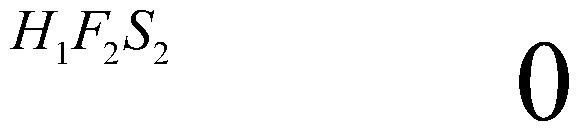
—H F、S

如上所述, 基站可以采用两个波束进行传输。 其中, 在频率 1禾 Q 2上, 采用 F1 和 F2的波束; 在频率 3禾卩 4上, 采用 和 F3的波束; ··· ···。 此外, 在例如频率 9 和 10上(未示出), 基站又采用 和 的波束。 由此形成对传输波束的加权系数 F 的循环遍历。
在另一个实施方式中, 基站在频率 i上采用波束 进行分集传输; 其中在频率 上波束 所对应的发送信号为: HiFaSi; 其中, H表示信道, F为 所述传输波束的加权系数, S为发送符号; i、 例如可以为大于 0的正整数。
具体地, 基站可以采用如下方案进行分集传输:
波束 1 波束 2 波束 3 波束 4 …… 频率 1 0

频率 2 0 H F S,
频率 3 H3F2S3 频率 4 0 H4F4St
0
频率 5 H5FlS5 频率 6 H F2S

如上所述, 基站可以采用一个波束进行传输。 其中, 在频率 1上, 采用 的波 束; 在频率 2上, 采用 的波束; ……。 此外如上所述, 在频率 5上, 基站又采用 的波束, ……。 由此形成对传输波束的加权系数 F的循环遍历。
值得注意的是, 以上分集传输的方案仅是本发明的一些具体实施方式。但本发明 不限于此, 例如还可以采用其他的分集传输方案。
在本实施例中, 还可适于空间域和极化域的联合分集传输, 也就是说在采用交叉 极化天线的情况下, 在一个频率上, 两个极化方向上可以传送相同的信号, 由此可以 进一步提高分集传输的性能。
在本实施例中,在步骤 203或 305中基站使用选择的传输波束进行信息的分集传 输之前, 所述方法还可以包括: 在波束间隔和 /或波束重叠上对所述传输波束进行优 化。
具体地, 可以根据传输波束被使用的可能性, 改变所述传输波束的使用频率。 例 如, 如果某一波束被使用的可能性较大, 则在波束循环的过程中, 可以给予该波束较 高的使用频率。
或者, 可以在一段时间内重复使用一个或多个传输波束。 例如, 可以使用波束重 叠的方法来提高使用概率和增大传输的鲁棒性;如以上同时采用两个波束进行传输的 分集方案所述, 在第一次传输和第二次传输中, 均使用了加权系数为 F2的波束 2。 如果所有波束使用的机会是均等的, 直接进行循环而不需要进行重复。 由此可以进一 步提高分集传输的性能。
在本实施例中, 传输波束可以包括宽波束和窄波束, 基站可以基于不同波束宽度 的宽波束和窄波束进行信息的分集传输。 此外, 基站可以将宽波束和 /或窄波束的信 息发送给用户设备, 使得用户设备可以准确地进行解调。例如, 基站可以将哪些是宽
波束的信息发给用户设备。
其中, 宽波束和窄波束的循环频率可以不同。 例如, 可以使用两个宽波束 XI和 X2 , 以及四个窄波束 Yl、 Υ2、 Υ3禾 Β Υ4。 其中在一次传输中可以使用 XI和 Yl, 在 下一次中使用 XI和 Υ2, 再下一次中使用 XI和 Υ3, 再下一次中使用 XI和 Υ4; 然 后使用 Χ2和 Yl, ……。
图 4是本发明实施例的使用宽波束和窄波束进行分集传输的一示意图。如图 4所 示, 用户设备可以处于宽波束和窄波束的覆盖范围内, 由此基站可以基于不同波束宽 度的波束来进行分集传输。
在本实施例中, 当用户设备和基站处在无线资源控制 (RRC, Radio Resource Control)连接状态下, 基站可以为用户设备配置测量信号。 例如, 可使用基于波束的 信道状态信息参考信号 (CSI-RS, Channel State Information Reference Signal), 或者 可以使用基于波束的公共参考信号 (CRS, Common Reference Signal), 或者其它基 于用户设备的参考信号。 当用户设备和基站在没有 RRC连接状态下, 基站可以预先 定义测量信号。 其中, 预先定义的测量信号可以占用 CSI-RS 资源的位置和 /或 CRS 资源的位置。
例如, 基站可以预先定义一些测量资源进行波束测量, 用户设备对这些资源进行 测量并上报。 为了减少对低版本用户的影响, 预先定义的资源可以占用 CSI-RS资源 的位置; 其中, 资源的粒度可以包括子帧级的, 或是物理资源块 (PRB, Physical Resource Block) 级的。
在本实施例中, 测量信号可以为基于波束的 CSI-RS (CSI-RS based on Beam) 和
/或基于波束的 CRS (CRS based on Beam)。也就是说, 基站可以使用波束的加权系数 F对 CSI-RS或者 CRS进行预编码。
其中, 用户设备可以向基站反馈信道质量指示 (CQI, Channel Quality Indicator) 信息, 该 CQI信息可以由用户设备根据基于波束的 CSI-RS (和 /或基于波束的 CRS), 以及传输分集方案而获得。
即, 传统的分集方案是基于公共参考信号 (CRS, Common Reference Signal) 传 输的, 也就是所有用户设备看到的端口是一致的。 而实际上用户设备的位置不一样, 有效传输的波束的方向不一致, 这要求用户设备看到的端口是相互独立的。
所以, 本发明实施例中定义新的基于用户设备的不同参考信号的反馈, 例如基于
CSI-RS反馈的传送分集方案。用户设备在计算 CQI反馈时,是根据基于波束的 CSI-RS (和 /或基于波束的 CRS) 的测量和传输分集方案而得出的。
表 1示出了用于 CSI参考资源的物理下行共享信道(PDSCH, Physical Downlink Shared Channel) 传输方案。 其中表 1 的传输模式 1至 10可以参考现有标准中关于 "PDSCH transmission scheme assumed for CSI reference resource" 的内容。
如表 1所示, 可以定义传输模式 11, 对应于基于波束的 CSI-RS (和 /或 CRS)。
表 1

本发明实施例提供一种基于波束的信息传输方法, 应用于 3D MIMO系统中的基 站侧。 本发明实施例适用于用户设备高速移动的场景。
图 5是本发明实施例的基于波束的信息传输方法的一流程示意图, 如图 5所示, 所述方法包括:
步骤 501, 基站基于二维码本中的水平码本确定水平方向的码字, 以及基于二维 码本中的垂直码本确定垂直方向的码字;
步骤 502, 基站将所述水平方向的码字和所述垂直方向的码字进行复合, 以形成 波束的加权系数;
步骤 503, 基站使用由加权系数生成的传输波束来进行信息的分集传输。
在高速移动场景下, 信道状态信息迅速过期, 基于反馈协助的分集方案效果不够
理想。 在本实施例中, 使用基于二维码本旋转的分集传输方法, 可以提高分集传输的 性能。 其中, 包括水平码本和垂直码本的二维码本可以参考相关技术。
在本实施例中, 在水平方向上, 可沿用水平码本的一个或多个码字(例如 4个码 字)来形成水平方向的码字; 在垂直方向上, 可以使用基于特定覆盖区域的下倾角来 形成垂直方向的码字(例如两个码字)。然后复合水平方向的码字和垂直方向的码字, 生成波束的加权系数 F, 由此形成波束。
图 5示出了基于二维码本生成一个波束的加权系数的情况。在本实施例中, 可以 循环遍历水平码本以确定水平方向的码字; 例如某一次从水平码本中选择第 1和第 2 码字作为水平方向的码字,下一次从水平码本中选择第 3和第 4码字作为水平方向的 码字, ……依次类推。 类似地, 可以循环遍历垂直码本以确定垂直方向的码字。 由此 生成基于二维码本旋转的多个加权系数, 并在频率域中循环使用。
例如, 对于 2端口, 水平码本可以如下所述:


以 2端口为例, 在一次传输中可以从水平码本中选择出码字 , 从垂直码本
2
中选择出码字 Wvl,将这两个码字进行复合以形成波束的加权系数 F1 ; 在下一次传输 中可以从水平码本中选择出码字 , 从垂直码本中选择出码字 Wv2, 将这两个码
V2
字进行复合以形成波束的加权系数 F2 ; ……依次类推。 由此可以生成基于二维码本 旋转的多个加权系数。值得注意的是, 以上仅以两个码字进行复合为例进行说明, 在 具体实施时可以确定水平方向的多个码字以及垂直方向的多个码字, 并进行复合。
在本实施例中, 基站可以使用基于特定覆盖区域的下倾角, 基于垂直码本来确定 垂直方向上的码字。 例如, 对于垂直域,
W=[l exp(-2*pi*j*d/lamda*cos(theta_tilt))];
其中, theta_tilt为垂直维需要覆盖的区域, d为天线元素间距, lamda为信号的 波长。 值得注意的是, 以上仅示意性说明了如何使用特定覆盖区域的下倾角, 但本发 明不限于此, 可以根据实际情况确定具体的垂直方向的码字。
图 6是本发明实施例的使用特定覆盖区域的下倾角的一示意图,通过该下倾角可 以确定垂直方向的码字。 图 7是本发明实施例的基于码本旋转的波束的一示意图。 由 此可以基于二维码本旋转而生成波束, 并且使用生成的波束进行分集传输。
在本实施例中,例如可以采用 Kroneck方法对码字进行复合。但本发明不限于此,
可以根据实际情况确定具体的方式。此外, 关于分集传输的方案, 可以参考实施例 1, 此处不再赘述。 对于用户设备的反馈, 也可以根据基于波束的 CSI-RS (和 /或基于波 束的 CRS) 进行, 如实施例 1所述。
在本实施例中, 波束可以进行空间循环, 例如可以通过遍历码本、 或者遍历 DFT 矩阵空间改变宽波束的加权系数 F。 基站还可以预先定义针对波束的测量信号, 所述 预先定义的测量信号可以占用 CSI-RS资源的位置和 /或占用 CRS资源的位置。
在本实施例中, 基站可以接收用户设备基于测量信号反馈的信息; 其中, 所述测 量信号可以为基于波束的 CSI-RS和 /或基于波束的 CRS。例如, 所述信息为用户设备 向基站反馈的 CQI信息, 所述 CQI信息根据基于波束的 CSI-RS (和 /或基于波束的 CRS) 以及传输分集方案而获得。
由上述实施例可知, 基站基于二维码本旋转而形成波束来进行分集传输, 可以进 一步解决系统的覆盖问题, 获取分集增益和波束赋型增益的良好折中。 并且, 小区间 的干扰被有效抑制, 可以取得小区平均吞吐量的提升。 实施例 3
本发明实施例提供一种基于波束的信息传输装置, 配置于 3D MIMO系统的基站 中, 本实施例对应于实施例 1, 相同的内容不再赘述。
图 8是本发明实施例的信息传输装置的一构成示意图, 如图 8所示, 所述信息传 输装置 800包括:
结果接收单元 801, 接收用户设备发送的对波束进行测量的测量结果; 波束选择单元 802, 基于所述测量结果为所述用户设备选择传输波束; 信息发送单元 803, 将选择的传输波束的信息发送给所述用户设备; 以及 分集传输单元 804, 使用所述选择的传输波束进行信息的分集传输。
在如图 8所示, 所述信息传输装置 800还可以包括:
预设单元 805, 预先定义或者为用户设备配置针对波束的测量信号, 使得用户设 备根据测量信号对基站发送的波束进行测量。
其中, 传输波束的信息可以包括: 所选择的传输波束的数目, 和 /或所选择的传 输波束的标示。 但本发明不限于此。
在本实施例中, 传输波束的加权系数可以在频域上进行循环遍历。
在一个实施方式中, 分集传输单元 804在频率 i和频率 j上采用波束 a和波束 b 进行分集传输;
其中, 在频率 上波束 所对应的发送信号为: Η^β , 在频率 上波束 6所对 应的发送信号为: Η^ ; 在频率 上波束 所对应的发送信号为: -Η β* ' 在 频率 上波束 6所对应的发送信号为: H 其中, H表示信道, F为所述传输 波束的加权系数, S为发送符号。
在另一个实施方式中, 分集传输单元 804在频率 i上采用波束 进行分集传输; 其中, 在频率 上波束 所对应的发送信号为: Η^β 其中, H表示信道, F 为所述传输波束的加权系数, S为发送符号。
在本实施例中, 分集传输单元 804还可以用于: 在使用选择的传输波束进行信息 的分集传输之前, 在波束间隔和 /或波束重叠上对传输波束进行优化。 具体地, 所述 分集传输单元可以根据传输波束被使用的可能性, 改变所述传输波束的使用频率; 或 者所述分集传输单元可以在一段时间内重复使用一个或多个传输波束。
在一个实施方式中, 传输波束可以包括具有不同波束宽度的宽波束和窄波束, 分 集传输单元 804可以基于所述宽波束和所述窄波束进行信息的分集传输。此外, 信息 发送单元 803还可以用于: 将宽波束和 /或窄波束的信息发送给用户设备。
在本实施例中, 预设单元 805具体可以用于: 当用户设备和基站在 RRC连接状 态下, 为用户设备配置测量信号; 当用户设备和基站在没有 RRC连接状态下, 预先 定义测量信号。 其中, 预先定义的测量信号可以占用 CSI-RS资源的位置。
在本实施例中,测量信号可以为基于波束的 CSI-RS和 /或基于波束的 CRS。其中, 用户设备向基站反馈的 CQI信息可以根据基于波束的 CSI-RS (和 /或基于波束的 CRS) 以及传输分集方案而获得。
本发明实施例提供还提供一种基站, 包括如上所述的信息传输装置 800。
图 9是本发明实施例的基站的一构成示意图。 如图 9所示, 基站 900可以包括: 中央处理器(CPU) 100和存储器 110; 存储器 110耦合到中央处理器 100。其中该存 储器 110可存储各种数据; 此外还存储信息处理的程序, 并且在中央处理器 100的控 制下执行该程序。
在一个实施方式中, 信息传输装置 800的功能可以被集成到中央处理器 100中。
其中, 中央处理器 100可以被配置为实现如实施例 1所述的信息传输方法。
在另一个实施方式中, 信息传输装置 800可以与中央处理器分开配置, 例如可以 将信息传输装置 800配置为与中央处理器 100连接的芯片,通过中央处理器 100的控 制来实现信息传输装置 800的功能。
此外,如图 9所示,基站 900还可以包括:输入输出单元 120和显示单元 130等; 其中, 上述部件的功能与现有技术类似, 此处不再赘述。 值得注意的是, 基站 900也 并不是必须要包括图 9中所示的所有部件; 此外, 基站 900还可以包括图 9中没有示 出的部件。 关于基站具体的构成可以参考相关技术。
由上述实施例可知, 基于用户设备反馈的测量信息, 基站选择波束并进行分集传 输, 可以进一步解决系统的覆盖问题, 获取分集增益和波束赋型增益的良好折中。 并 且, 小区间的干扰被有效抑制, 取得小区平均吞吐量的提升。 实施例 4
本发明实施例提供一种基于波束的信息传输装置, 配置于 3D MIMO系统的基站 中, 本实施例对应于实施例 2, 相同的内容不再赘述。
图 10是本发明实施例的信息传输装置的一构成示意图, 如图 10所示, 所述信息 传输装置 1000包括:
码字确定单元 1001, 基于二维码本中的水平码本确定水平方向的码字, 以及基 于二维码本中的垂直码本确定垂直方向的码字;
系数形成单元 1002, 将所述水平方向的码字和所述垂直方向的码字进行复合, 以形成波束的加权系数;
分集传输单元 1003, 使用由加权系数生成的传输波束来进行信息的分集传输。 在本实施例中, 码字确定单元 1001可以循环遍历该水平码本以确定水平方向的 码字, 以及循环遍历该垂直码本以确定垂直方向的码字, 使得系数形成单元 1002形 成基于二维码本旋转的多个加权系数。
在本实施例中, 码字确定单元 1001可以使用基于特定覆盖区域的下倾角, 基于 垂直码本确定垂直方向的码字。
如图 10所示, 所述信息传输装置 1000还可以包括:
预设单元 1004, 预先定义针对波束的测量信号, 所述预先定义的所述测量信号
占用 CSI-RS资源的位置和 /或占用 CRS资源的位置。
如图 10所示, 所述信息传输装置 1000还可以包括:
反馈接收单元 1005, 接收用户设备基于测量信号反馈的信息; 其中, 所述测量 信号为基于波束的 CSI-RS和 /或基于波束的 CRS。
例如, 所述信息为所述用户设备向所述基站反馈的 CQI信息, 所述 CQI信息根 据所述基于波束的 CSI-RS和 /或基于波束的 CRS, 以及传输分集方案而获得。
本发明实施例提供还提供一种基站, 包括如上所述的信息传输装置 1000。 该基 站的构成可以参考图 9。
由上述实施例可知, 基站基于二维码本旋转而形成波束来进行分集传输, 可以进 一步解决系统的覆盖问题, 获取分集增益和波束赋型增益的良好折中。 并且, 小区间 的干扰被有效抑制, 可以取得小区平均吞吐量的提升。 实施例 5
本发明实施例提供一种通信系统, 图 11是本发明实施例的通信系统的一构成示 意图, 如图 11所示, 所述通信系统 1100包括:
基站 1101, 配置有如实施例 3所述的信息传输装置 800, 或者如实施例 4所述的 信息传输装置 1000;
用户设备 1102, 接收基站 1101基于波束而传输的信号。
本发明实施例还提供一种计算机可读程序, 其中当在基站中执行所述程序时, 所 述程序使得计算机在所述基站中执行实施例 1或 2所述的信息传输方法。
本发明实施例还提供一种存储有计算机可读程序的存储介质,其中所述计算机可 读程序使得计算机在基站中执行实施例 1或 2所述的信息传输方法。
本发明以上的装置和方法可以由硬件实现, 也可以由硬件结合软件实现。 本发明 涉及这样的计算机可读程序, 当该程序被逻辑部件所执行时, 能够使该逻辑部件实现 上文所述的装置或构成部件, 或使该逻辑部件实现上文所述的各种方法或步骤。 本发 明还涉及用于存储以上程序的存储介质, 如硬盘、 磁盘、 光盘、 DVD、 flash存储器等。
针对附图中描述的功能方框中的一个或多个和 /或功能方框的一个或多个组合, 可以实现为用于执行本申请所描述功能的通用处理器、 数字信号处理器 (DSP)、 专 用集成电路 (AS )、 现场可编程门阵列 (FPGA) 或者其它可编程逻辑器件、 分立
门或者晶体管逻辑器件、 分立硬件组件或者其任意适当组合。针对附图描述的功能方 框中的一个或多个和 /或功能方框的一个或多个组合, 还可以实现为计算设备的组合, 例如, DSP和微处理器的组合、 多个微处理器、 与 DSP通信结合的一个或多个微处 理器或者任何其它这种配置。
以上结合具体的实施方式对本发明进行了描述, 但本领域技术人员应该清楚, 这 些描述都是示例性的, 并不是对本发明保护范围的限制。 本领域技术人员可以根据本 发明的精神和原理对本发明做出各种变型和修改, 这些变型和修改也在本发明的范围 内。
Claims
1、 一种基于波束的信息传输装置, 配置于 3D MIM0系统的基站中, 所述信息 传输装置包括:
结果接收单元, 接收用户设备发送的对波束进行测量的测量结果;
波束选择单元, 基于所述测量结果为所述用户设备选择传输波束;
信息发送单元, 将选择的传输波束的信息发送给所述用户设备; 以及 分集传输单元, 使用所述选择的传输波束进行信息的分集传输。
2、 根据权利要求 1所述的信息传输装置, 其中, 所述信息传输装置还包括: 预设单元, 预先定义或者为所述用户设备配置针对波束的测量信号, 使得所述用 户设备根据所述测量信号对所述基站发送的波束进行测量。
3、 根据权利要求 1所述的信息传输装置, 其中, 所述传输波束的信息包括: 所 选择的传输波束的数目和 /或所选择的传输波束的标示。
4、 根据权利要求 3所述的信息传输装置, 其中 , 所述信息发送单元通过高层信 令将所述传输波束的信息发送给所述用户设备。
5、 根据权利要求 1所述的信息传输装置, 其中, 所述传输波束的加权系数在频 域上进行循环遍历。
6、 根据权利要求 5所述的信息传输装置, 其中, 所述分集传输单元在频率 和 频率 j上采用波束 a和波束 b进行分集传输;
其中, 在频率 i上波束 a所对应的发送信号为: ; 在频率 i上波束 b所对 应的发送信号为: Η^ ; 在频率 上波束 所对应的发送信号为: -Η β* ' 在 频率 上波束 6所对应的发送信号为: H 其中, H表示信道, F为所述传输 波束的加权系数, S为发送符号。
7、 根据权利要求 5所述的信息传输装置, 其中, 所述分集传输单元在频率 上 采用波束 a进行分集传输;
其中在频率 上波束 所对应的发送信号为: ; 其中, H表示信道, F为 所述传输波束的加权系数, S为发送符号。
8、 根据权利要求 1 所述的信息传输装置, 其中, 所述分集传输单元还用于: 在
使用所述选择的传输波束进行信息的分集传输之前, 在波束间隔和 /或波束重叠上对 所述传输波束进行优化;
其中, 所述分集传输单元根据传输波束被使用的可能性, 改变所述传输波束的使 用频率; 或者所述分集传输单元在一段时间内重复使用一个或多个传输波束。
9、 根据权利要求 1所述的信息传输装置, 其中, 所述传输波束包括具有不同波 束宽度的宽波束和窄波束;
所述分集传输单元基于所述宽波束和所述窄波束进行信息的分集传输; 所述信息发送单元还用于: 将所述宽波束和 /或所述窄波束的信息发送给所述用 户设备。
10、 根据权利要求 2所述的信息传输装置, 其中, 所述预设单元用于: 当所述用 户设备和所述基站在 RRC连接状态下, 为所述用户设备配置所述测量信号; 当所述 用户设备和所述基站在没有 RRC连接状态下, 预先定义所述测量信号。
11、 根据权利要求 1所述的信息传输装置, 其中, 所述预先定义的所述测量信号 占用 CSI-RS资源的位置和 /或 CRS资源的位置。
12、 根据权利要求 1 所述的信息传输装置, 其中, 所述测量信号为基于波束的
CSI-RS和 /或基于波束的 CRS。
13、 根据权利要求 12所述的信息传输装置, 其中, 所述用户设备向所述基站反 馈的 CQI信息根据所述基于波束的 CSI-RS和 /或基于波束的 CRS, 以及传输分集方 案而获得。
14、 一种基于波束的信息传输装置, 配置于 3D MIMO系统的基站中, 所述信息 传输装置包括:
码字确定单元, 基于二维码本中的水平码本确定水平方向的码字, 以及基于所述 二维码本中的垂直码本确定垂直方向的码字;
系数形成单元, 将所述水平方向的码字和所述垂直方向的码字进行复合, 以形成 波束的加权系数;
分集传输单元, 使用由所述加权系数生成的传输波束来进行信息的分集传输。
15、 根据权利要求 14所述的信息传输装置, 其中, 所述码字确定单元循环遍历 所述水平码本以确定所述水平方向的码字,以及循环遍历所述垂直码本以确定所述垂 直方向的码字, 使得所述系数生成单元生成基于二维码本旋转的多个加权系数。
16、 根据权利要求 14所述的信息传输装置, 其中, 所述码字确定单元使用基于 特定覆盖区域的下倾角, 基于所述垂直码本确定所述垂直方向的码字。
17、 根据权利要求 14所述的信息传输装置, 其中, 所述信息传输装置还包括: 预设单元, 预先定义针对波束的测量信号, 所述预先定义的所述测量信号占用
CSI-RS资源的位置和 /或 CRS资源的位置。
18、 根据权利要求 14所述的信息传输装置, 其中, 所述信息传输装置还包括: 反馈接收单元, 接收用户设备基于测量信号反馈的信息; 其中, 所述测量信号为 基于波束的 CSI-RS和 /或基于波束的 CRS。
19、 根据权利要求 18所述的信息传输装置, 其中, 所述信息为所述用户设备向 所述基站反馈的 CQI信息, 所述 CQI信息根据所述基于波束的 CSI-RS和 /或基于波 束的 CRS, 以及传输分集方案而获得。
20、 一种通信系统, 所述通信系统包括:
基站, 配置有如权利要求 1或 14所述的信息传输装置;
用户设备, 接收所述基站基于波束而传输的信号。
Priority Applications (3)
| Application Number | Priority Date | Filing Date | Title |
|---|---|---|---|
| PCT/CN2014/083987 WO2016019574A1 (zh) | 2014-08-08 | 2014-08-08 | 基于波束的信息传输方法、装置以及通信系统 |
| CN201480080476.9A CN106471752A (zh) | 2014-08-08 | 2014-08-08 | 基于波束的信息传输方法、装置以及通信系统 |
| US15/419,356 US20170141825A1 (en) | 2014-08-08 | 2017-01-30 | Beam-based information transmission method and apparatus and communications system |
Applications Claiming Priority (1)
| Application Number | Priority Date | Filing Date | Title |
|---|---|---|---|
| PCT/CN2014/083987 WO2016019574A1 (zh) | 2014-08-08 | 2014-08-08 | 基于波束的信息传输方法、装置以及通信系统 |
Related Child Applications (1)
| Application Number | Title | Priority Date | Filing Date |
|---|---|---|---|
| US15/419,356 Continuation US20170141825A1 (en) | 2014-08-08 | 2017-01-30 | Beam-based information transmission method and apparatus and communications system |
Publications (1)
| Publication Number | Publication Date |
|---|---|
| WO2016019574A1 true WO2016019574A1 (zh) | 2016-02-11 |
Family
ID=55263050
Family Applications (1)
| Application Number | Title | Priority Date | Filing Date |
|---|---|---|---|
| PCT/CN2014/083987 Ceased WO2016019574A1 (zh) | 2014-08-08 | 2014-08-08 | 基于波束的信息传输方法、装置以及通信系统 |
Country Status (3)
| Country | Link |
|---|---|
| US (1) | US20170141825A1 (zh) |
| CN (1) | CN106471752A (zh) |
| WO (1) | WO2016019574A1 (zh) |
Cited By (4)
| Publication number | Priority date | Publication date | Assignee | Title |
|---|---|---|---|---|
| CN108207030A (zh) * | 2016-12-19 | 2018-06-26 | 华为技术有限公司 | 动态调整波束集合的传输方法、基站及终端 |
| CN109121201A (zh) * | 2017-06-23 | 2019-01-01 | 北京三星通信技术研究有限公司 | 用户设备、基站以及信息通知的方法 |
| US11736989B2 (en) | 2017-04-01 | 2023-08-22 | Samsung Electronics Co., Ltd. | Random access method, network node and user equipment |
| US12262260B2 (en) | 2017-04-01 | 2025-03-25 | Samsung Electronics Co., Ltd. | Random access method, network node and user equipment |
Families Citing this family (10)
| Publication number | Priority date | Publication date | Assignee | Title |
|---|---|---|---|---|
| EP3479497A1 (en) * | 2016-06-30 | 2019-05-08 | Sony Corporation | Base station and user equipment |
| US10512075B2 (en) | 2017-02-02 | 2019-12-17 | Qualcomm Incorporated | Multi-link new radio physical uplink control channel beam selection and reporting based at least in part on physical downlink control channel or physical downlink shared channel reference signals |
| CN114466420B (zh) * | 2017-03-24 | 2024-03-22 | 瑞典爱立信有限公司 | 进行测量报告的方法及其设备 |
| WO2019029795A1 (en) * | 2017-08-09 | 2019-02-14 | Huawei Technologies Co., Ltd. | BEAM INDICATION FOR WIRELESS COMMUNICATION |
| CN109587699B (zh) * | 2017-09-29 | 2021-07-09 | 华为技术有限公司 | 传输数据的方法和装置 |
| CN111886916A (zh) * | 2018-03-16 | 2020-11-03 | 瑞典爱立信有限公司 | 用于设备到设备通信的技术 |
| CN110475355B (zh) * | 2018-05-11 | 2023-06-23 | 华为技术有限公司 | 一种波束训练的方法、装置及系统 |
| US11108473B2 (en) * | 2018-06-11 | 2021-08-31 | Samsung Electronics Co., Ltd. | Methods for terminal-specific beamforming adaptation for advanced wireless systems |
| US11509366B2 (en) * | 2018-10-10 | 2022-11-22 | Telefonaktiebolaget Lm Ericsson (Publ) | Hybrid FD-MIMO: combining codebook-based and reciprocity-based beamforming |
| WO2022140914A1 (zh) * | 2020-12-28 | 2022-07-07 | 株式会社Ntt都科摩 | 波束选择方法以及网络元件 |
Citations (3)
| Publication number | Priority date | Publication date | Assignee | Title |
|---|---|---|---|---|
| CN101124734A (zh) * | 2005-02-17 | 2008-02-13 | 美商内数位科技公司 | 选择多输入多输出天线波束组合的方法及装置 |
| CN101272226A (zh) * | 2007-03-23 | 2008-09-24 | 中兴通讯股份有限公司 | 时分同步码分多址系统室内覆盖的多输入多输出系统和方法 |
| WO2014052806A1 (en) * | 2012-09-28 | 2014-04-03 | Interdigital Patent Holdings, Inc. | Wireless communication using multi-dimensional antenna configuration |
Family Cites Families (4)
| Publication number | Priority date | Publication date | Assignee | Title |
|---|---|---|---|---|
| US8442140B2 (en) * | 2008-09-25 | 2013-05-14 | Samsung Electronics Co., Ltd. | Method of designing codebook for network multiple input multiple output communication system and method of using the codebook |
| CN103248457B (zh) * | 2010-01-16 | 2016-12-07 | 华为技术有限公司 | 获取预编码矩阵指示以及预编码矩阵的方法和装置 |
| US9438321B2 (en) * | 2012-07-12 | 2016-09-06 | Samsung Electronics Co., Ltd. | Methods and apparatus for codebook subset restriction for two-dimensional advanced antenna systems |
| EP3579451A1 (en) * | 2014-01-09 | 2019-12-11 | Huawei Technologies Co., Ltd. | Precoding matrix set determining method and apparatus, and parameter indication information sending method and apparatus |
-
2014
- 2014-08-08 WO PCT/CN2014/083987 patent/WO2016019574A1/zh not_active Ceased
- 2014-08-08 CN CN201480080476.9A patent/CN106471752A/zh active Pending
-
2017
- 2017-01-30 US US15/419,356 patent/US20170141825A1/en not_active Abandoned
Patent Citations (3)
| Publication number | Priority date | Publication date | Assignee | Title |
|---|---|---|---|---|
| CN101124734A (zh) * | 2005-02-17 | 2008-02-13 | 美商内数位科技公司 | 选择多输入多输出天线波束组合的方法及装置 |
| CN101272226A (zh) * | 2007-03-23 | 2008-09-24 | 中兴通讯股份有限公司 | 时分同步码分多址系统室内覆盖的多输入多输出系统和方法 |
| WO2014052806A1 (en) * | 2012-09-28 | 2014-04-03 | Interdigital Patent Holdings, Inc. | Wireless communication using multi-dimensional antenna configuration |
Cited By (8)
| Publication number | Priority date | Publication date | Assignee | Title |
|---|---|---|---|---|
| CN108207030A (zh) * | 2016-12-19 | 2018-06-26 | 华为技术有限公司 | 动态调整波束集合的传输方法、基站及终端 |
| US10763944B2 (en) | 2016-12-19 | 2020-09-01 | Huawei Technologies Co., Ltd. | Transmission method using dynamically adjusted beam set, base station, and terminal |
| CN112788767A (zh) * | 2016-12-19 | 2021-05-11 | 华为技术有限公司 | 动态调整波束集合的传输方法、基站及终端 |
| CN112788767B (zh) * | 2016-12-19 | 2023-06-02 | 华为技术有限公司 | 动态调整波束集合的传输方法、基站及终端 |
| US11736989B2 (en) | 2017-04-01 | 2023-08-22 | Samsung Electronics Co., Ltd. | Random access method, network node and user equipment |
| US12262260B2 (en) | 2017-04-01 | 2025-03-25 | Samsung Electronics Co., Ltd. | Random access method, network node and user equipment |
| CN109121201A (zh) * | 2017-06-23 | 2019-01-01 | 北京三星通信技术研究有限公司 | 用户设备、基站以及信息通知的方法 |
| CN109121201B (zh) * | 2017-06-23 | 2022-11-22 | 北京三星通信技术研究有限公司 | 用户设备、基站以及信息通知的方法 |
Also Published As
| Publication number | Publication date |
|---|---|
| US20170141825A1 (en) | 2017-05-18 |
| CN106471752A (zh) | 2017-03-01 |
Similar Documents
| Publication | Publication Date | Title |
|---|---|---|
| WO2016019574A1 (zh) | 基于波束的信息传输方法、装置以及通信系统 | |
| US12603810B2 (en) | System and method for communications beam recovery | |
| CN108809388B (zh) | 信道状态信息上报方法、接收方法及设备 | |
| CN106559121B (zh) | 一种多天线信道测量方法和装置 | |
| KR102247005B1 (ko) | 더 최적화된 오버헤드를 갖는 멀티-빔 코드북들 | |
| JP7003111B2 (ja) | 高度csiフィードバックオーバヘッド低減のための構成可能コードブック | |
| CN106464333B (zh) | 使用天线布置的波束形成 | |
| EP3469725B1 (en) | Beam mangement systems and methods | |
| CN110710133B (zh) | 波束管理系统和方法 | |
| CN106160807A (zh) | 波束选择方法、移动台和基站 | |
| WO2014062195A1 (en) | Csi feedback with elevation beamforming | |
| CN107079308A (zh) | 基站和用户装置 | |
| CN108631837B (zh) | 信息的传输方法和设备 | |
| CN112054824B (zh) | 一种信道测量方法和通信装置 | |
| CN108352869B (zh) | 用于对从天线阵列的传输进行预编码的方法 | |
| CN108322243B (zh) | 预编码矩阵指示的反馈方法、接收端和发射端 | |
| CN111756422B (zh) | 指示信道状态信息的方法以及通信装置 | |
| WO2022066747A1 (en) | Device and method for performing csi reporting for type ii port selection codebook | |
| CN107294887B (zh) | 用于mimo天线阵列中的数据预编码的方法和设备 | |
| US20210218445A1 (en) | Adaptive co-phasing for beamforming using co-phasing matrices for wireless communications | |
| CN108075815B (zh) | 用于发送和接收数据的方法和通信设备 | |
| CN117395790A (zh) | 数据传输方法和装置 |
Legal Events
| Date | Code | Title | Description |
|---|---|---|---|
| 121 | Ep: the epo has been informed by wipo that ep was designated in this application |
Ref document number: 14899505 Country of ref document: EP Kind code of ref document: A1 |
|
| NENP | Non-entry into the national phase |
Ref country code: DE |
|
| 122 | Ep: pct application non-entry in european phase |
Ref document number: 14899505 Country of ref document: EP Kind code of ref document: A1 |