WO2014204246A1 - 서열 확인된 핵산 단편들을 회수하는 방법 및 서열 확인된 핵산 단편들을 증폭시키기 위한 장치 - Google Patents
서열 확인된 핵산 단편들을 회수하는 방법 및 서열 확인된 핵산 단편들을 증폭시키기 위한 장치 Download PDFInfo
- Publication number
- WO2014204246A1 WO2014204246A1 PCT/KR2014/005439 KR2014005439W WO2014204246A1 WO 2014204246 A1 WO2014204246 A1 WO 2014204246A1 KR 2014005439 W KR2014005439 W KR 2014005439W WO 2014204246 A1 WO2014204246 A1 WO 2014204246A1
- Authority
- WO
- WIPO (PCT)
- Prior art keywords
- nucleic acid
- acid fragments
- chamber
- sequencing
- recovering
- Prior art date
- Legal status (The legal status is an assumption and is not a legal conclusion. Google has not performed a legal analysis and makes no representation as to the accuracy of the status listed.)
- Ceased
Links
Images





Classifications
-
- C—CHEMISTRY; METALLURGY
- C12—BIOCHEMISTRY; BEER; SPIRITS; WINE; VINEGAR; MICROBIOLOGY; ENZYMOLOGY; MUTATION OR GENETIC ENGINEERING
- C12N—MICROORGANISMS OR ENZYMES; COMPOSITIONS THEREOF; PROPAGATING, PRESERVING, OR MAINTAINING MICROORGANISMS; MUTATION OR GENETIC ENGINEERING; CULTURE MEDIA
- C12N15/00—Mutation or genetic engineering; DNA or RNA concerning genetic engineering, vectors, e.g. plasmids, or their isolation, preparation or purification; Use of hosts therefor
- C12N15/09—Recombinant DNA-technology
- C12N15/10—Processes for the isolation, preparation or purification of DNA or RNA
-
- C—CHEMISTRY; METALLURGY
- C12—BIOCHEMISTRY; BEER; SPIRITS; WINE; VINEGAR; MICROBIOLOGY; ENZYMOLOGY; MUTATION OR GENETIC ENGINEERING
- C12M—APPARATUS FOR ENZYMOLOGY OR MICROBIOLOGY; APPARATUS FOR CULTURING MICROORGANISMS FOR PRODUCING BIOMASS, FOR GROWING CELLS OR FOR OBTAINING FERMENTATION OR METABOLIC PRODUCTS, i.e. BIOREACTORS OR FERMENTERS
- C12M1/00—Apparatus for enzymology or microbiology
- C12M1/36—Apparatus for enzymology or microbiology including condition or time responsive control, e.g. automatically controlled fermentors
- C12M1/38—Temperature-responsive control
-
- C—CHEMISTRY; METALLURGY
- C12—BIOCHEMISTRY; BEER; SPIRITS; WINE; VINEGAR; MICROBIOLOGY; ENZYMOLOGY; MUTATION OR GENETIC ENGINEERING
- C12N—MICROORGANISMS OR ENZYMES; COMPOSITIONS THEREOF; PROPAGATING, PRESERVING, OR MAINTAINING MICROORGANISMS; MUTATION OR GENETIC ENGINEERING; CULTURE MEDIA
- C12N15/00—Mutation or genetic engineering; DNA or RNA concerning genetic engineering, vectors, e.g. plasmids, or their isolation, preparation or purification; Use of hosts therefor
- C12N15/09—Recombinant DNA-technology
- C12N15/10—Processes for the isolation, preparation or purification of DNA or RNA
- C12N15/1034—Isolating an individual clone by screening libraries
-
- C—CHEMISTRY; METALLURGY
- C12—BIOCHEMISTRY; BEER; SPIRITS; WINE; VINEGAR; MICROBIOLOGY; ENZYMOLOGY; MUTATION OR GENETIC ENGINEERING
- C12Q—MEASURING OR TESTING PROCESSES INVOLVING ENZYMES, NUCLEIC ACIDS OR MICROORGANISMS; COMPOSITIONS OR TEST PAPERS THEREFOR; PROCESSES OF PREPARING SUCH COMPOSITIONS; CONDITION-RESPONSIVE CONTROL IN MICROBIOLOGICAL OR ENZYMOLOGICAL PROCESSES
- C12Q1/00—Measuring or testing processes involving enzymes, nucleic acids or microorganisms; Compositions therefor; Processes of preparing such compositions
- C12Q1/68—Measuring or testing processes involving enzymes, nucleic acids or microorganisms; Compositions therefor; Processes of preparing such compositions involving nucleic acids
- C12Q1/6806—Preparing nucleic acids for analysis, e.g. for polymerase chain reaction [PCR] assay
-
- C—CHEMISTRY; METALLURGY
- C12—BIOCHEMISTRY; BEER; SPIRITS; WINE; VINEGAR; MICROBIOLOGY; ENZYMOLOGY; MUTATION OR GENETIC ENGINEERING
- C12Q—MEASURING OR TESTING PROCESSES INVOLVING ENZYMES, NUCLEIC ACIDS OR MICROORGANISMS; COMPOSITIONS OR TEST PAPERS THEREFOR; PROCESSES OF PREPARING SUCH COMPOSITIONS; CONDITION-RESPONSIVE CONTROL IN MICROBIOLOGICAL OR ENZYMOLOGICAL PROCESSES
- C12Q1/00—Measuring or testing processes involving enzymes, nucleic acids or microorganisms; Compositions therefor; Processes of preparing such compositions
- C12Q1/68—Measuring or testing processes involving enzymes, nucleic acids or microorganisms; Compositions therefor; Processes of preparing such compositions involving nucleic acids
- C12Q1/6844—Nucleic acid amplification reactions
-
- C—CHEMISTRY; METALLURGY
- C12—BIOCHEMISTRY; BEER; SPIRITS; WINE; VINEGAR; MICROBIOLOGY; ENZYMOLOGY; MUTATION OR GENETIC ENGINEERING
- C12Q—MEASURING OR TESTING PROCESSES INVOLVING ENZYMES, NUCLEIC ACIDS OR MICROORGANISMS; COMPOSITIONS OR TEST PAPERS THEREFOR; PROCESSES OF PREPARING SUCH COMPOSITIONS; CONDITION-RESPONSIVE CONTROL IN MICROBIOLOGICAL OR ENZYMOLOGICAL PROCESSES
- C12Q1/00—Measuring or testing processes involving enzymes, nucleic acids or microorganisms; Compositions therefor; Processes of preparing such compositions
- C12Q1/68—Measuring or testing processes involving enzymes, nucleic acids or microorganisms; Compositions therefor; Processes of preparing such compositions involving nucleic acids
- C12Q1/6869—Methods for sequencing
-
- C—CHEMISTRY; METALLURGY
- C12—BIOCHEMISTRY; BEER; SPIRITS; WINE; VINEGAR; MICROBIOLOGY; ENZYMOLOGY; MUTATION OR GENETIC ENGINEERING
- C12N—MICROORGANISMS OR ENZYMES; COMPOSITIONS THEREOF; PROPAGATING, PRESERVING, OR MAINTAINING MICROORGANISMS; MUTATION OR GENETIC ENGINEERING; CULTURE MEDIA
- C12N15/00—Mutation or genetic engineering; DNA or RNA concerning genetic engineering, vectors, e.g. plasmids, or their isolation, preparation or purification; Use of hosts therefor
- C12N15/09—Recombinant DNA-technology
- C12N15/10—Processes for the isolation, preparation or purification of DNA or RNA
- C12N15/1034—Isolating an individual clone by screening libraries
- C12N15/1093—General methods of preparing gene libraries, not provided for in other subgroups
-
- C—CHEMISTRY; METALLURGY
- C12—BIOCHEMISTRY; BEER; SPIRITS; WINE; VINEGAR; MICROBIOLOGY; ENZYMOLOGY; MUTATION OR GENETIC ENGINEERING
- C12Q—MEASURING OR TESTING PROCESSES INVOLVING ENZYMES, NUCLEIC ACIDS OR MICROORGANISMS; COMPOSITIONS OR TEST PAPERS THEREFOR; PROCESSES OF PREPARING SUCH COMPOSITIONS; CONDITION-RESPONSIVE CONTROL IN MICROBIOLOGICAL OR ENZYMOLOGICAL PROCESSES
- C12Q1/00—Measuring or testing processes involving enzymes, nucleic acids or microorganisms; Compositions therefor; Processes of preparing such compositions
- C12Q1/68—Measuring or testing processes involving enzymes, nucleic acids or microorganisms; Compositions therefor; Processes of preparing such compositions involving nucleic acids
- C12Q1/6844—Nucleic acid amplification reactions
- C12Q1/6848—Nucleic acid amplification reactions characterised by the means for preventing contamination or increasing the specificity or sensitivity of an amplification reaction
-
- C—CHEMISTRY; METALLURGY
- C12—BIOCHEMISTRY; BEER; SPIRITS; WINE; VINEGAR; MICROBIOLOGY; ENZYMOLOGY; MUTATION OR GENETIC ENGINEERING
- C12Q—MEASURING OR TESTING PROCESSES INVOLVING ENZYMES, NUCLEIC ACIDS OR MICROORGANISMS; COMPOSITIONS OR TEST PAPERS THEREFOR; PROCESSES OF PREPARING SUCH COMPOSITIONS; CONDITION-RESPONSIVE CONTROL IN MICROBIOLOGICAL OR ENZYMOLOGICAL PROCESSES
- C12Q2535/00—Reactions characterised by the assay type for determining the identity of a nucleotide base or a sequence of oligonucleotides
- C12Q2535/101—Sanger sequencing method, i.e. oligonucleotide sequencing using primer elongation and dideoxynucleotides as chain terminators
-
- C—CHEMISTRY; METALLURGY
- C12—BIOCHEMISTRY; BEER; SPIRITS; WINE; VINEGAR; MICROBIOLOGY; ENZYMOLOGY; MUTATION OR GENETIC ENGINEERING
- C12Q—MEASURING OR TESTING PROCESSES INVOLVING ENZYMES, NUCLEIC ACIDS OR MICROORGANISMS; COMPOSITIONS OR TEST PAPERS THEREFOR; PROCESSES OF PREPARING SUCH COMPOSITIONS; CONDITION-RESPONSIVE CONTROL IN MICROBIOLOGICAL OR ENZYMOLOGICAL PROCESSES
- C12Q2535/00—Reactions characterised by the assay type for determining the identity of a nucleotide base or a sequence of oligonucleotides
- C12Q2535/122—Massive parallel sequencing
Definitions
- the technology disclosed herein relates to a method for recovering sequenced nucleic acid fragments after base sequence sequencing analysis and also to a sealing chamber for performing such a method.
- next-generation sequencing methods such as Illumina, Roche-454, and Ion-Torrent connect the DNA libraries to be analyzed on the solid phase, and analyze the sequencing based on chemical reactions occurring at respective positions.
- next-generation sequencing methods such as Illumina, Roche-454, and Ion-Torrent connect the DNA libraries to be analyzed on the solid phase, and analyze the sequencing based on chemical reactions occurring at respective positions.
- the essential condition of hyperparallel gene synthesis is the synthesis of gene libraries.
- Existing gene synthesis methods have been limited to ultra-fast and ultra-parallel synthesis of gene libraries, but the recently developed 'shotgun DNA synthesis' method has also enabled synthesis of gene libraries.
- nucleic acid fragments analyzed by next-generation nucleotide analysis only obtained sequence information, and it was very difficult to recover the nucleic acid fragments themselves, but recently, a method for recovering desired nucleic acid fragments after next-generation nucleotide analysis. This was developed.
- the first method after next-generation sequencing, maps the information of each well of the assay plate and the analyzed sequencing information, and amplifies by picking beads connecting the desired nucleic acid fragments remaining on the plate. (High-fidelity gene synthesis by retrieval of sequence-verified DNA identified using high-throughput pyrosequencing, 2010 Nature Biotechnology, Mark Matzas et al).
- the second method is to link barcode sequences to DNA libraries obtained from living organisms or to artificially synthesize them, and to analyze a portion of this DNA pool using next-generation sequencing ('Shotgun DNA synthesis' for the high-throughput construction). of large DNA molecules, 2012 Nucleic Acids Research, Kim et al.
- the desired nucleic acid fragments are then selectively amplified from primers containing barcode sequences from the remaining DNA pool.
- the method of picking a bead has the disadvantage of requiring an expensive device for bead picking.
- a method for recovering nucleic acid fragments using barcode sequences when the population of a DNA library obtained from an organism or artificially synthesized is very large, has a lot of limitations in recovering a desired nucleic acid fragment due to the size of the huge DNA library. . For example, if hundreds of genes are synthesized at the same time, the pool will contain hundreds of millions of billions of nucleic acid fragments with or without errors. Selectively amplifying only one type of nucleic acid fragment desired by the experimenter from this pool is quite difficult due to the size of the large library and its recovery rate is low.
- a sealing chamber for amplifying nucleic acid fragments comprising: a base chamber for receiving a sequencing plate having the nucleic acid fragments; An upper chamber coupled to and detachable from the base chamber and having a sealing structure as a whole when combined with the base chamber; And an elastic gasket disposed between the base chamber and the upper chamber for sealing, wherein an inner space for accommodating the PCR solution for amplifying the nucleic acid fragments is formed by the combination of the base chamber and the upper chamber. At least one of the base chamber and the upper chamber is provided with a sealing chamber made of a material having thermal conductivity.
- a sealing chamber for amplifying nucleic acid fragments comprising: a base chamber in which a receiving chamber is formed; An upper chamber disposed on the base chamber; A sample accommodating part accommodated in the accommodating chamber and having an accommodating space in which a sample for amplifying the nucleic acid fragments is accommodated; A gasket disposed between the base chamber and the upper chamber and having elasticity; A jig connected to the base chamber and extending to an upper portion of the upper chamber, the screw hole having a female screw portion formed thereon; And a pressing portion screwed to the screw hole, wherein the pressing portion includes a screw portion having a male screw portion, and a head disposed above the screw portion, and the displacement of the pressing portion relative to the jig is caused by pivoting the head.
- a sealing chamber is provided in which pressurization of the upper chamber by the pressing unit is achieved.
- the method of amplifying nucleic acid fragments after sequencing of the present invention can reduce the DNA library to be amplified, thereby significantly increasing the recovery of the desired nucleic acid fragment.
- the size of the DNA library is very large, the recovery rate of the desired nucleic acid fragments from the DNA library is low due to the complexity of the DNA library. Therefore, by reducing the DNA library using the present invention, it is possible to reduce the complexity of the DNA library to increase the recovery rate of the desired nucleic acid fragments.
- the conventional method of utilizing the sequenced nucleic acid fragments is limited, but improved efficiently to increase the utilization of the sequenced nucleic acid fragments.
- the sealing chamber of the present invention in the base chamber that can accommodate the sequencing plate having the sequenced nucleic acid fragments can be combined with and separated from the base chamber and has an upper sealing structure as a whole when combined with the base chamber A chamber is disposed, and an inner space for accommodating the PCR solution for amplification of the nucleic acid fragments is formed by combining the base chamber and the upper chamber, and an elastic gasket disposed between the base chamber and the upper chamber for sealing.
- the upper chamber is provided with a pressing piece, the upper chamber can be prevented from being damaged, and maintenance, repair, and management can be easily performed only by replacing the pressing piece.
- a predetermined uneven portion is formed in the gasket, the upper chamber, and the base chamber, foreign matter penetration may be more effectively blocked as the penetration path of the foreign matter is extended.
- FIG. 1 shows a flowchart of a method of recovering sequenced nucleic acid fragments via sequencing.
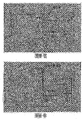
- Figure 2 shows the state before and after sealing the sequencing plate according to an embodiment of the invention.
- Figure 3 shows a perspective view of a sealing chamber according to an embodiment of the present invention.
- Figure 4 shows an exploded view of the sealing chamber according to an embodiment of the present invention.
- FIG 5 is a plan view of a sealing chamber according to an embodiment of the present invention.
- FIG. 6 is a cross-sectional view taken along the line A-A of FIG.
- FIG. 7 is a cross-sectional view taken along line B-B of FIG. 5.
- FIG. 9 shows an individual nucleic acid fragment amplified using a primer for selective amplification using a recovery product of nucleic acid fragments sequenced through sequencing.
- Figure 11 shows the results of confirming the recovered product of the nucleic acid fragments sequenced through sequencing using Agilent TapeStation.
- the present inventors have effectively reduced the DNA library to alleviate the limitation by the size of the DNA library,
- the present invention has been completed by developing a method and apparatus capable of recovering all of the analyzed nucleic acid fragments without loss.
- linking the adapter sequence to the nucleic acid fragments to be sequenced before sequencing and sequencing the nucleic acid fragments to which the adapter is linked may be further included.
- sequenced nucleic acid fragments are placed in an amplifier.
- the sequencing can be accomplished by the manner of synthesis of nucleic acid fragments.
- the synthesis method of the nucleic acid fragment may be performed in a Sanger method or a super parallel method (Michael L. Metzker, Nature Reviews, Vol. II, 2010 January, 'Seqeuencing technologies-the next generation').
- the hyper-parallel method may include, but is not limited to, pyrosequencing chemistry, bridge amplification, next generation sequencing, third generation sequencing, next generation sequencing, or semiconductor sequencing.
- fragmentation may be performed using a restriction enzyme method or a physical shearing method.
- the length of the nucleic acid fragment is short, the length can be extended using methods such as assembly or ligation.
- the amplifier may be a sealing of the sequencing plate itself performed the sequencing.
- the sequencing plate is a plate in which a DNA library is fixed for DNA sequencing analysis using a sequencer.
- the sequencing plate may include a fixed internal space and an injection hole communicating with the internal space. .
- the beads attached to the DNA library are fixed in a lattice-shaped well, and the method of attaching the DNA library directly to the inner surface of the plate is not limited thereto.
- Samples necessary for the reaction may be injected through the inlet, and sequencing reactions and amplification reactions for recovering nucleic acid fragments may be generated in the space inside the plate.
- Commercialized sequencing plates include Illumina's Flow cell, Life Technology's Ion PI TM Chip, GS Junior Titanium's PicoTiterPlate, but the present invention is not limited thereto.
- the inlet After injecting a sample for amplification into the sequencing plate including the sequenced nucleic acid fragments through the inlet, the inlet may be sealed and used as an amplifier for amplifying the nucleic acid fragments.
- the sequencing plate By sealing the inlet of the sequencing plate in which the sequenced nucleic acid fragments are present, the sequencing plate may be sealed as it is after completion of sequence identification, and for this purpose, a sealing film made of a durable material that can directly seal the sequencing plate. ), An adhesive such as tape or gum may be used, and the sealing method is not limited thereto.
- An embodiment of sealing the sequencing plate is shown in FIG. 2. Referring to Figure 2, the inlet of Illumina's sequencing plate was sealed with a tape to seal the sequencing plate itself containing the sequenced nucleic acid fragments. The sealing forms an interior space in which a predetermined sample for amplification of the nucleic acid fragments is accommodated inside a sequencing plate containing the sequenced nucleic acid fragments.
- the amplifier may be a sealed chamber in which a predetermined sample is received and sealed.
- the sealing chamber for amplifying nucleic acid fragments may include a base chamber capable of containing a sequencing plate having the nucleic acid fragments; An upper chamber coupled to and detachable from the base chamber and having a sealing structure as a whole when combined with the base chamber; And an elastic gasket disposed between the base chamber and the upper chamber for sealing.
- an inner space is formed to accommodate the PCR solution for amplification of the nucleic acid fragments by the combination of the base chamber and the upper chamber.
- at least one of the base chamber or the upper chamber is made of a material having thermal conductivity, so that the temperature of the internal PCR solution is easily adjusted according to the temperature control of the bath when the sealing chamber is immersed in the bath.
- the sealing chamber 1 includes a base chamber 100, an upper chamber 200, a sample accommodating part 300, a gasket 400, a jig 500, and a pressing part 600. It may be, but is not limited to such.
- a sequencing plate in which the sequencing nucleic acid fragments are present may be positioned in the amplifier as it is after the completion of the sequence identification. That is, it is possible to attach and seal the recovered next-generation sequencing plate to the sealed chamber.
- the entire plate is placed in the amplifier as it is sequenced without cutting off a portion of the sequencing plate or separately separating the sequenced nucleic acid fragments from the plate.
- sequenced nucleic acid fragments are amplified.
- the DNA polymerase may be a Tag polymerase, a Pfu polymerase, or the like, but is not limited thereto.
- the amplified nucleic acid fragments are then recovered.
- a pipette can be used to recover PCR solution and amplified nucleic acid fragments. Using this method, the entire nucleic acid fragment having been identified can be recovered without loss.
- desired nucleic acid fragments of the recovered nucleic acid fragments are recovered.
- any conventional method for recovering nucleic acid fragments may be used.
- Commercially available nucleic acid fragment recovery kits or methods using the same may be applied.
- the nucleic acid fragments may be recovered by using a bead recovery or a sequence homologous to the barcode sequence.
- Amplification of the sequenced nucleic acid fragments can be amplified or extended by nucleic acid fragments using a temperature control device such as an oven or water bath or PCR instrument.
- Linking the adapter sequence may be a method using PCR assembly or a method using ligation.
- barcode sequences of 15 to 30bp can be added as needed.
- the method may further include recovering the sequencing plate.
- the washing and bleaching steps which are the last step of the next generation sequencing, should not be performed.
- a method of recovering nucleic acid fragments by using a method of reducing a nucleic acid fragment library through superparallel sequencing comprises the steps of (a) preparing a sequencing plate with a DNA library; (b) providing a reduced nucleic acid fragment library sequenced through hyperparallel sequencing of the DNA library; (c) positioning the sequencing plate with all of the sequenced nucleic acid fragments in an amplifier; (d) amplifying all of the nucleic acid fragments located in the amplifier; And (e) recovering the amplified nucleic acid fragments.
- the process of shrinking the DNA library through the superparallel sequencing can be described as follows. For example, a brief description will be made of a DNA library containing several hundred to hundreds of billions of nucleic acid fragments analyzed using Roche-454 GS Junior. First, in the sequencing preparation, the concentration of the first DNA library is measured, and the number of molecules is calculated and diluted. At this time, 5-20 x 106 nucleic acid fragments are reacted with 107 sequencing beads to perform emulsion PCR. Thereafter, the sequencing beads to which the nucleic acid fragments amplified by emulsion PCR are connected are recovered, washed, and enriched in beads, injected into a sequencing plate, and sequenced.
- the number of sequencing reads obtained by successful sequencing is about 50,000 to 100,000, resulting in a reduced number of nucleic acid fragments than the original DNA library.
- the same number of beads for sequencing of about 7-10x1011 nucleic acid fragments having conjugated adapter sequences necessary for sequencing
- emulsion PCR emulsion PCR
- nucleic acid fragments having different adapter sequences in both directions are separated, only about 3 to 5x10¹¹ (half of the total) nucleic acid fragments remain. Since the number of sequencing reads obtained through successful sequencing is about 60 to 80 million, the number of nucleic acid fragments is reduced compared to the original DNA library.
- the size of the entire DNA library can be effectively reduced to the number of next generation sequencing reads.
- the analyzed sequencing plate can be placed in a sealed chamber and recovered from the sequencing plate by amplifying the reduced DNA library.
- the DNA library includes a barcode sequence
- a desired nucleic acid fragment can be obtained with a higher recovery rate from the reduced DNA library.
- a method for recovering nucleic acid fragments by using the sequencing plate itself which has been sequenced without using a separate sealing chamber.
- the method comprises the steps of (a) preparing a sequencing plate with a DNA library; (b) sequencing nucleic acid fragments of the DNA library; (c) injecting a sample for amplification into the sequencing plate on which the sequencing has been performed; (d) sealing the sequencing plate; (e) amplifying all of the nucleic acid fragments located in the sealed sequencing plate; And (f) recovering the amplified nucleic acid fragments.
- the spatially relative terms “bottom”, “top” and the like can be used to easily describe the correlation of one member or components with another member or components as shown in the figures.
- Spatially relative terms are to be understood as terms that include different directions of the device in use or operation in addition to the directions shown in the figures.
- the portion described as “side part” may constitute the “front part”.
- the exemplary term “side” may include both forward and backward directions outside of the side.
- the member can also be oriented in other directions, so that spatially relative terms can be interpreted according to the orientation.
- each member is exaggerated, omitted, or schematically illustrated for convenience and clarity of description.
- the size and area of each component does not necessarily reflect the actual size or area.
- FIG. 3 is a perspective view of a sealing chamber according to an embodiment of the present invention
- Figure 4 is an exploded view of the sealing chamber according to an embodiment of the present invention
- 5 is a plan view of a sealing chamber according to an exemplary embodiment of the present invention
- FIG. 6 is a cross-sectional view taken along the line A-A of FIG. 5
- FIG. 7 is a cross-sectional view taken along the line B-B of FIG. 5.
- the sealing chamber 1 may include a base chamber 100, an upper chamber 200, a sample accommodating part 300, a gasket 400, and a jig ( 500, and the pressing unit 600.
- a predetermined accommodating chamber 110 is formed so that the sample accommodating part 300, which will be described later, is accommodated.
- the accommodation chamber 110 may be configured as a predetermined depression formed on the upper surface of the base chamber 100.
- the shape of the receiving chamber 110 may have a shape corresponding to the outer shape of the sample receiving unit 300 to be described later, for example, as shown in Figure 4 the sample receiving unit 300 and the receiving chamber 110 ) May be commonly configured to have a rectangular shape having an inclined surface at one edge, but is not limited thereto.
- the base chamber 100 may be made of a metal material such as stainless steel so that deformation and breakage do not occur even in an atmosphere such as high pressure and high temperature, but is not limited thereto.
- the upper surface of the base chamber 100 may be provided with a predetermined guide portion 120 so that the gasket 400 and the upper chamber 200 to be described later is properly disposed and fixed.
- the guide part 120 may be a predetermined guide protrusion provided at each corner of the base chamber 100.
- the upper chamber 200 is disposed above the base chamber 100, and is disposed on the base chamber 100 so that the upper chamber 200 covers a sample accommodating part 300 and a sample accommodating part 300 to be described later. It may consist of a cover.
- the upper chamber 200 may also be made of a metal material such as stainless steel so that deformation and breakage do not occur even in an atmosphere such as high pressure or high temperature, but is not limited thereto.
- the sample accommodating part 300 may be provided to accommodate a predetermined sample, and may be configured as a plate-shaped member having a predetermined accommodating space 310 as an example.
- the accommodation space 310 may be configured as a predetermined recess in which a sample may be contained, or may be configured as a predetermined accommodation hole in which a separate member such as glass containing a sample may be accommodated, but is not limited thereto.
- the outer shape of the sample accommodating part 300 may have a shape corresponding to that of the accommodating chamber 110, but is not limited thereto.
- the accommodating space 310 formed in the sample accommodating part 300 may have various volumes and shapes as necessary.
- the sample receiving unit 300 having a small accommodating space 310 may be used, and to compare the difference in the degree of change of each sample by experimenting with various samples under the same conditions
- a plurality of accommodation spaces 310 may be formed in the sample accommodating part 300, but is not limited thereto. Accordingly, even when carrying out various types of experiments by accommodating a sample, a suitable experiment is performed by appropriately replacing only the sample accommodating part 300 without having to replace the other member or the entire sealing chamber 1 according to the present invention. The user's convenience can be improved.
- the sealing chamber 1 may have a double accommodating structure. have.
- a sample may be accommodated in the sample accommodating part 300, and a double accommodating structure may be achieved in which the sample accommodating part 300 is accommodated in the accommodating chamber 110 formed in the base chamber 100.
- the gasket 400 is disposed between the base chamber 100 and the upper chamber 200 and may be formed of a material having heat resistance and elasticity.
- the gasket 400 is made of rubber, plastic, synthetic resin, or the like having heat resistance and elasticity, but is not limited thereto.
- the gasket 400 may be formed of a plate-like member to be in close contact with the base chamber 100 and the upper chamber 200, and may be mounted on the sample receiving part 300. That is, after storing the sample accommodating part 300 in the accommodating chamber 110 formed in the base chamber 100, the gasket 400 is mounted on the sample accommodating part 300, and the upper part of the gasket 400 is upper. Chamber 200 may be disposed.
- the gasket 400 may be a space such as a predetermined hole 410 corresponding to the receiving space 310 formed in the sample receiving portion 300, but is not limited thereto. No.
- the gasket 400 having elasticity is disposed between the base chamber 100 and the upper chamber 200, when the upper chamber 200 is pressed, sealing by the gasket 400 is achieved, thereby accommodating the storage chamber 110. Penetration of the foreign matter and the like into the sample accommodating part 300 and the sample accommodated in the sample accommodating part 300 may be prevented. Detailed description will be described later.
- the jig 500 is connected to the base chamber 100 and extends to the upper portion of the upper chamber 200, and may be configured to have a screw hole 530 having a female thread formed thereon.
- Jig 500 may be fixedly connected to the base chamber 100, but preferably, as shown in Figure 4 may be composed of a separate member from the base chamber 100 to be removed as needed, It is not limited to this.
- the jig 500 may have a c-shaped support part 510 that is bent to face each other on both sides, and may have a configuration in which the support parts 510 of both sides are connected through an upper extension part 520. have. Side portions of the base chamber 100 and the upper chamber 200 are supported by the c-shaped support part 510, and a screw hole 530 may be formed in the extension part 520. In this case, side portions of the base chamber 100 and the upper chamber 200 may be mounted on the side portions of the base chamber 100 and the upper chamber 200 so as to be mounted on the support portion 510. ) May be provided, but is not limited thereto.
- the pressing unit 600 is provided to press the upper chamber 200 so that the adhesion between the upper chamber 200, the gasket 400, and the base chamber 100 may be achieved.
- the pressing unit 600 may include a predetermined screw unit 610 connected to the screw hole 530 formed in the jig 500, and a head 620 provided on an upper portion of the screw unit 610.
- the head 620 is provided on the upper portion of the screw portion 610, and the screw portion 610 is screwed to the screw hole 530 formed in the jig 500, so that the head 620 is turned according to the turning Displacement of the pressing unit 600 with respect to the jig 500 may be made. That is, when the head 620 is rotated in one direction, the pressing unit 600 is displaced downward, so that the upper chamber 200 may be pressed by the pressing unit 600, and the head 620 may be moved in the other direction. When turned to the pressing unit 600 is displaced in the upward direction the pressure can be released.
- the upper chamber 200 includes a main body 210, a press piece 220 that is pressed in contact with the press unit 600, and the main body 210. It may include a receiving groove 230 is formed in the pressing piece 220 is received.
- the main body 210 constitutes a main body of the upper chamber 200.
- a portion of the main body 210 has a predetermined storage groove 230 formed therein, and the pressing unit 600 is formed in the storage groove 230.
- the predetermined pressing piece 220 in contact with the can be accommodated. That is, when the pressurizing part 600 advances downward and pressurizes the upper chamber 200 according to the turning of the head 620, it is not directly in contact with the main body part 210 constituting the upper chamber 200. Without pressing, the pressing piece 220 provided in the accommodation groove 230 of the upper chamber 200 may have a configuration in which pressure is applied to the entire upper chamber 200.
- a predetermined connection hole 240 connected to the accommodation groove 230 is formed at the side of the main body part 210, and a predetermined fixing member 250 is inserted through the connection hole 240.
- a predetermined fixing groove 222 connected to the fixing member 250 may be formed at the side portion of the pressing piece 220. Therefore, after the pressing piece 220 is disposed in the receiving groove 230, the fixing member 250 is inserted into the fixing groove 222 through the connection hole 240 to thereby remove the pressing piece 220. Fixation can be achieved. Accordingly, in spite of the contact between the pressing part 600 and the pressing piece 220 and the screw rotation of the pressing part 600, the pressing piece 220 can be prevented from being displaced or separated unnecessarily.
- a predetermined first uneven portion is formed on the upper and lower surfaces of the gasket 400 in contact with the base chamber 100 and the upper chamber 200, and contacts the gasket 400.
- a second uneven portion corresponding to the unevenness may be formed on an upper surface of the base chamber 100 and a lower surface of the upper chamber 200, respectively. That is, as the first uneven portion and the second uneven portion are provided, the close contact between the gasket 400 and the base chamber 100 and the upper chamber 200 is more reliably achieved, although the gasket 400 and the base chamber ( Even if a predetermined tolerance occurs between the upper chamber 100 and the upper chamber 200, the penetration path of the foreign matter may be extended by the uneven portion to more effectively block the foreign material from penetrating and reaching the sample.
- a sealing chamber was constructed to mount the next generation sequencing plate.
- the sealing chamber was made of metal, which has a good thermal conductivity, and was designed to use a rubber cover to seal the PCR solution between the sealing chamber and the plate without leaking when the next-generation sequencing plate was mounted. It also allows part of the side of the cover to be exposed to the side of the gasket.
- the sealing chamber including the base chamber 100, the upper chamber 200, the sample receiving unit 300, the gasket 400, the jig 500, and the pressing unit 600 ( 1) was produced (see FIGS. 3 and 4).
- the process of linking the adapter sequence proposed in the next-generation sequencing method was involved.
- the method of connecting the adapter sequence was used a method using PCR assembly or ligation.
- a barcode sequence of 20 bp was added, and the length of the barcode sequence was adjustable.
- the composition of the PCR solution is as follows. 10 ⁇ l 2X Pfu polymerase master mix, 1 ⁇ l 10 ⁇ M adapter for primer, 1 ⁇ l 10 ⁇ M adapter rev primer, 5 ⁇ l of distilled water.
- the Pfu polymerase master mix used in the experiment was a 2X Pfu polymerase premix product sold by Solgent.
- the primer used in the experiment includes the 454 adapter sequence-barcode sequence-the terminal sequence of the DNA library and complementary sequence
- the actual sequence of the primer is as follows (adaptor forward primer (SEQ ID NO: 1): CCATCTCATCCCTGCGTGTCTCCGACTCAGNNNNNNNNNNNNNNNNACACACGACAGAGTACTCGT, adapter reverse primer) (SEQ ID NO 2): CCTATCCCCTGTGTGCCTTGGCAGTCTCAGNNNNNNNNNNNNNNNNNNNNTCGAACTAATCGGATTGCG).
- the final extension step 72 °C 10 minutes was maintained.
- the adapter-linked DNA library was sequenced through Sanger sequencing to confirm linkage.
- the sequencing plate sequenced in the Sanger method in Example 1 was mounted in a sealing chamber prepared in Preparation Example 1 and sealed.
- the PCR solution was then injected using a syringe through the side of the rubber cover exposed to the side of the sealing chamber.
- the PCR solution contained DNA polymerase, dNTP, primers including the adapter sequence proposed by the next-generation sequencing method, a buffer, or a corresponding PCR solution master mix.
- the composition of the PCR solution is as follows. 600 ⁇ l 2X Pfu polymerase master mix, 15 ⁇ l 100 ⁇ M primer, 585 ⁇ l distilled water. A sealed chamber in which the PCR solution was injected was introduced into a water bath to perform amplification and extension of the nucleic acid fragments.
- the Pfu polymerase master mix used in the experiment was a 2X Pfu polymerase premix product sold by Solgent.
- Primer sequence used in the experiment was used 454 For sequence of 454 adapter sequence (CCATCTCATCCCTGCGTGTCTCCGACTCAG: SEQ ID NO: 11).
- the final extension step 72 The temperature was kept for 10 minutes.
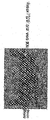
- the sealed chamber was removed from the water bath, and the PCR solution and the amplified and extended nucleic acid fragments were recovered through the side of the rubber cover exposed to the side of the sealing chamber using a syringe (see FIG. 8).
- the recovered DNA library has a different characteristic from the DNA library before sequencing.
- the DNA library has been changed to a DNA library whose total number is reduced to the number of reads from the next generation sequencing analysis. Have
- the recovered and reduced DNA library was selectively amplified by primers containing linked barcode sequences, and the results are shown in FIG. 9. This means that the randomly selected barcode sequence, whose sequence was not known in advance, was identified through next-generation sequencing, and that the nucleic acid recovered was selectively amplified in the amplification experiment using the random sequence thus identified. Show that the data and the sequence of the recovered nucleic acid are identical.
- the amplified individual nucleic acid fragments were subjected to Sanger sequencing to complete the analysis of the nucleotide sequence, and showed a much improved recovery rate than the conventional method for recovering individual nucleic acid fragments from the entire DNA library ('Shotgun DNA synthesis' for the high- According to the throughput construction of large DNA molecules, 2012 Nucleic Acids Research, Kim et al, the efficiency of recovering individual nucleic acid fragments from the entire DNA library is about 77%, but 100% recoverable using the present invention, see FIG. 10).
- the PCR solution composition is as follows. 1 ⁇ l of 10 ⁇ M Illumina fwd primer (SEQ ID NO: 12: AATGATACGGCGACCACCGA) and 1 ⁇ l of 10 ⁇ M Illumina rev primer (SEQ ID NO: 13: CAAGCAGAAGACGGCATACG), 8 ⁇ l of 10 ⁇ l distilled water of 2X 2X KAPA HiFi HotStart ReadyMix.
- the inlet of the sequencing plate was sealed using a BIO-RAD Microseal B Adhesive Sealer tape, and then introduced into a water bath to amplify the nucleic acid fragments. At this time, for 10 minutes at 95 °C for the first DNA denaturation, and then performed the process of 95 °C, 5 minutes, 70 °C, 5 minutes, 3 to 10 times.
- the sequencing plate was removed from the water bath, the inlet was sealed, and the pipette was used to recover and purify the PCR solution and the amplified and extended nucleic acid fragments.
- the collected nucleic acid fragments are shown in FIG. 11 for chromatograms of nucleic acids and concentration peaks of the chromatograms measured using Agilent TapeStation.
- the portion labeled 322 in the chromatogram means a peak corresponding to the recovered DNA library, and the number 322 means the length of the measured DNA library.
- the present invention reduced the entire DNA library through sequencing to increase the recovery of the final target nucleic acid fragments.
- it provides a method that can be more effectively used nucleic acid fragments that have not been otherwise used after sequencing.
- the present invention provides an amplifier capable of amplifying the sequenced nucleic acid fragments by parallel synthesis, and when amplified using such an amplifier, the sequenced nucleic acid fragments can be amplified in a short time so that a large amount of nucleic acid fragments can be obtained. It can be effectively processed and it is judged that it is an industrially useful invention.
- sealing chamber 100 base chamber
- main body portion 220 pressure piece
- connection hole 250 fixing member
Landscapes
- Chemical & Material Sciences (AREA)
- Life Sciences & Earth Sciences (AREA)
- Organic Chemistry (AREA)
- Health & Medical Sciences (AREA)
- Engineering & Computer Science (AREA)
- Zoology (AREA)
- Wood Science & Technology (AREA)
- Genetics & Genomics (AREA)
- Bioinformatics & Cheminformatics (AREA)
- Proteomics, Peptides & Aminoacids (AREA)
- Biotechnology (AREA)
- General Engineering & Computer Science (AREA)
- Biochemistry (AREA)
- Microbiology (AREA)
- General Health & Medical Sciences (AREA)
- Physics & Mathematics (AREA)
- Biophysics (AREA)
- Molecular Biology (AREA)
- Biomedical Technology (AREA)
- Analytical Chemistry (AREA)
- Immunology (AREA)
- Crystallography & Structural Chemistry (AREA)
- Plant Pathology (AREA)
- Chemical Kinetics & Catalysis (AREA)
- Measuring Or Testing Involving Enzymes Or Micro-Organisms (AREA)
- Medicinal Chemistry (AREA)
- Sustainable Development (AREA)
Abstract
(a) DNA 라이브러리를 구비한 시퀀싱 플레이트를 준비하는 단계; (b) 상기 DNA 라이브러리에 대한 초병렬적 시퀀싱을 통하여 서열 확인된 축소된 핵산 단편 라이브러리를 제공하는 단계; (c) 상기 서열 확인된 핵산 단편들 전체를 구비한 상기 시퀀싱 플레이트를 증폭기에 위치시키는 단계; (d) 상기 증폭기에 위치된 핵산 단편들 전체를 증폭하는 단계; 및 (e)상기 증폭된 핵산 단편들을 회수하는 단계를 포함하는 핵산 단편의 회수방법이 제공된다.
Description
본 명세서에 개시된 기술은 염기 서열 시퀀싱 분석 후 서열이 확인된 핵산 단편들을 회수하는 방법에 관한 것이며, 또한 이러한 방법을 수행하기 위한 밀봉 챔버에 관한 것이다.
생명과학 기술이 발전함에 따라 초고속, 초병렬적 DNA 합성 및 분석 기술의 중요성 또한 매우 커지고 있다. 20세기에 들어서면서 차세대 염기서열 분석법의 발전은 초고속, 초병렬적 DNA 분석을 주도하여 왔다. 또한 새로운 분석 방법의 개발과 더불어 분석에 필요한 시간 감소 및 분석 가능한 데이터의 양 증대에 획기적인 발전을 거듭해 왔다. 현재 Illumina, Roche-454, Ion-Torrent 등의 차세대 염기분석 방법들은 고체상에 분석하고자 하는 DNA 라이브러리를 각각 연결하여, 각각의 위치에서 일어나는 화학적 반응을 기반으로 하여 염기서열을 분석한다. 또한 최근 들어 유전자 합성 기술이 발전하고 그 활용 범위가 커지면서 초고속, 초병렬적 유전자 합성 기술 개발의 중요성 또한 증대되고 있다. 초병렬적 유전자 합성의 필수조건은 유전자 라이브러리의 합성이라고 할 수 있다. 기존의 유전자 합성 방법으로는 유전자 라이브러리의 초고속, 초병렬적 합성에 제한이 있었으나, 최근 개발된 'shotgun DNA synthesis' 방법을 이용하면 유전자 라이브러리의 합성 또한 가능하게 되었다.
기존에는, 차세대 염기분석법으로 분석된 핵산 단편들은 그 염기서열 정보만 획득할 수 있을 뿐, 그 핵산 단편들 자체를 회수하는 것은 매우 어려운 일이었으나, 최근 들어 차세대 염기분석 이후 원하는 핵산 단편들을 회수하는 방법이 개발되었다. 그 첫 번째 방법은, 차세대 염기분석 후, 분석용 플레이트의 각 well에 대한 정보와 분석된 염기서열 정보를 mapping하고, 플레이트에 남아있는 원하는 핵산 단편이 연결된 비드(bead)를 픽킹(picking)하여 증폭하는 것이다(High-fidelity gene synthesis by retrieval of sequence-verified DNA identified using high-throughput pyrosequencing, 2010 Nature Biotechnology, Mark Matzas et al). 두 번째 방법은, 생물체로부터 획득한 또는 인위적으로 합성한 DNA 라이브러리에 바코드 서열을 연결하고 이 DNA pool의 일부를 차세대 염기 서열 분석법을 이용하여 분석하는 것이다('Shotgun DNA synthesis' for the high-throughput construction of large DNA molecules, 2012 Nucleic Acids Research, Kim et al). 이후 원하는 핵산 단편을 남아있는 DNA pool로부터 바코드 서열을 포함하는 프라이머를 이용하여 선택적으로 증폭하는 것이다. 이 방법들은 차세대 염기 서열 분석법을 이용해 염기 서열이 확인된 핵산 단편을 선택적으로 회수 할 수 있다는 장점이 있다.
하지만 bead를 picking 하는 방법은 bead picking에 필요한 고가의 장치가 필요하다는 단점이 있다. 또한 바코드 서열을 이용한 핵산 단편의 회수 방법은, 생물체로부터 획득한 또는 인위적으로 합성한 DNA 라이브러리의 크기(population)가 매우 큰 경우, 그 방대한 DNA 라이브러리의 크기 때문에 원하는 핵산 단편을 회수하는데 많은 제약이 따른다. 예를 들어, 수백 가지의 유전자를 동시에 합성한 경우, 그 풀(pool)에는 오류 유무에 상관없이 수억~수백억 종류의 핵산 단편들을 포함하게 된다. 이 pool로부터 실험자가 원하는 1종류의 핵산 단편만을 선택적으로 증폭하는 것은, 방대한 라이브러리의 크기 때문에 상당히 어려우며 그 회수율 또한 낮다.
[선행기술문헌]
[비특허문헌]
1. Michael L. Metzker, Nature Reviews, Vol II. January 2010.
2. High-fidelity gene synthesis by retrieval of sequence-verified DNA identified using high-throughput pyrosequencing, 2010 Nature Biotechnology, Mark Matzas et al.
3. 'Shotgun DNA synthesis' for the high-throughput construction of large DNA molecules, 2012 Nucleic Acids Research, Kim et al.
본 발명의 목적은 전체 DNA 라이브러리로부터 서열확인된 핵산 단편들을 용이하게 회수하는 방법을 제공하는 데 있다.
또한, 본 발명의 다른 목적은 서열확인 핵산단편들을 회수하기 위한 밀봉 챔버를 제공하는 데 있다.
본 발명의 일 측면에 의하면, (a) 시퀀싱을 통하여 서열 확인된 핵산 단편들을 증폭기에 위치시키는 단계; (b) 상기 서열 확인된 핵산 단편들을 증폭하는 단계; 및 (c) 상기 증폭된 핵산 단편들을 회수하는 단계를 포함하는 핵산 단편의 회수방법이 제공된다.
본 발명의 다른 측면에 의하면, (a) 시퀀싱 전에 핵산 단편들에 어댑터 서열을 연결하는 단계; (b) 상기 어댑터가 연결된 핵산 단편들을 시퀀싱 하는 단계; (c) 상기 서열 확인된 핵산 단편들을 증폭기에 위치시키는 단계; (d) 상기 서열 확인된 핵산 단편들을 증폭하는 단계; 및 (e) 상기 증폭된 핵산 단편들을 회수하는 단계를 포함하는 핵산 단편의 회수방법이 제공된다.
본 발명의 또 다른 측면에 의하면, (a) DNA 라이브러리를 구비한 시퀀싱 플레이트를 준비하는 단계; (b) 상기 DNA 라이브러리에 대한 초병렬적 시퀀싱을 통하여 서열 확인된 축소된 핵산 단편 라이브러리를 제공하는 단계; (c) 상기 서열 확인된 핵산 단편들 전체를 구비한 상기 시퀀싱 플레이트를 증폭기에 위치시키는 단계; (d) 상기 증폭기에 위치된 핵산 단편들 전체를 증폭하는 단계; 및 (e) 상기 증폭된 핵산 단편들을 회수하는 단계를 포함하는 핵산 단편의 회수방법이 제공된다.
본 발명의 또 다른 측면에 의하면, (a) DNA 라이브러리를 구비한 시퀀싱 플레이트를 준비하는 단계; (b) 상기 DNA 라이브러리의 핵산 단편들을 시퀀싱하는 단계; (c) 상기 시퀀싱을 수행한 시퀀싱 플레이트에 증폭을 위한 시료를 주입하는 단계; (d) 상기 시퀀싱 플레이트를 밀봉하는 단계; (e) 상기 밀봉된 시퀀싱 플레이트에 위치된 핵산 단편들 전체를 증폭하는 단계; 및 (f) 상기 증폭된 핵산 단편들을 회수하는 단계를 포함하는 핵산 단편의 회수방법이 제공된다.
본 발명의 또 다른 측면에 의하면, 핵산 단편들을 증폭하기 위한 밀봉 챔버에 있어서, 상기 핵산 단편들을 구비한 시퀀싱 플레이트를 수납할 수 있는 베이스 챔버; 상기 베이스 챔버와 결합 및 분리 가능하며 상기 베이스 챔버와 결합시 전체적으로 밀봉 구조를 갖도록 하는 어퍼 챔버; 및 밀봉을 위해 상기 베이스 챔버와 상기 어퍼 챔버 사이에 배치되는 탄성 가스켓;을 포함하되, 상기 베이스 챔버와 상기 어퍼 챔버의 결합에 의해 상기 핵산 단편들의 증폭을 위한 PCR 용액이 수용되는 내부 공간이 형성되며, 상기 베이스 챔버 또는 상기 어퍼 챔버 중 적어도 하나는 열전도성을 갖는 재질로 이루어진 밀봉 챔버가 제공된다.
본 발명의 또 다른 측면에 의하면, 핵산 단편들을 증폭하기 위한 밀봉 챔버에 있어서, 수납 챔버가 형성된 베이스 챔버; 상기 베이스 챔버 상에 배치되는 어퍼 챔버; 상기 수납 챔버에 수납되며 상기 핵산단편들을 증폭하기 위한 시료가 수용되는 수용 공간을 갖는 시료 수용부; 상기 베이스 챔버와 상기 어퍼 챔버 사이에 배치되며 탄성을 갖는 가스켓; 상기 베이스 챔버에 연결되며 상기 어퍼 챔버의 상부로 연장되되, 상부에 암나사부를 갖는 나사 홀이 형성된 지그; 및 상기 나사 홀에 나사 연결되는 가압부;를 포함하며, 상기 가압부는 수나사부를 갖는 나사부, 및 상기 나사부의 상부에 배치된 헤드를 포함하고, 상기 헤드를 선회시켜 상기 지그에 대한 상기 가압부의 변위가 이루어짐에 따라서 상기 가압부에 의한 상기 어퍼 챔버의 가압이 달성되는 밀봉 챔버가 제공된다.
본 발명의 시퀀싱 후 핵산 단편들을 증폭하는 방법은 증폭할 DNA 라이브러리를 축소시켜, 소망하는 핵산 단편의 회수율을 현저히 높일 수 있다. 즉 DNA 라이브러리의 규모가 매우 클 경우 DNA 라이브러리의 복잡성(complexity) 때문에 그로부터 소망하는 핵산 단편의 회수율은 낮다. 따라서 본 발명을 이용하여 DNA 라이브러리를 축소함에 의하여, DNA 라이브러리의 복잡성을 감소시켜 소망하는 핵산단편의 회수율을 높일 수 있다. 또한, 종래의 서열 확인된 핵산 단편들을 활용하는 방법이 한정되었으나 이를 효율적으로 개선하여 서열 확인된 핵산 단편들의 활용도를 증가시켰다.
또한, 본 발명의 밀봉 챔버에 의하면, 서열 확인된 핵산 단편들을 구비한 시퀀싱 플레이트를 수납할 수 있는 베이스 챔버에 상기 베이스 챔버와 결합 및 분리 가능하며 상기 베이스 챔버와 결합시 전체적으로 밀봉 구조를 갖도록 하는 어퍼 챔버가 배치되고, 상기 베이스 챔버와 상기 어퍼 챔버의 결합에 의해 상기 핵산 단편들의 증폭을 위한 PCR 용액이 수용되는 내부 공간이 형성되며, 밀봉을 위해 상기 베이스 챔버와 상기 어퍼 챔버 사이에 배치되는 탄성 가스켓을 포함함에 따라서, 외부의 이물질 등이 시료에 침투되는 것을 효과적으로 방지할 수 있다. 또한, 상기 어퍼 챔버에 가압편이 구비됨에 따라서, 어퍼 챔버의 손상을 방지할 수 있고, 가압편의 교체만으로 유지, 보수, 관리가 용이하게 이루어질 수 있다. 아울러, 가스켓, 어퍼 챔버, 및 베이스 챔버에 소정의 요철부가 형성되어 이물질의 침투 경로가 연장됨에 따라서 이물질 침투가 더욱 효과적으로 차단될 수 있다.
도 1은 시퀀싱을 통하여 서열 확인된 핵산 단편들을 회수하는 방법의 흐름도를 나타낸 것이다.
도 2는 발명의 일 구현예에 따른 시퀀싱 플레이트의 밀봉 전후의 상태를 나타낸 것이다.
도 3은 본 발명의 일 실시예에 따른 밀봉 챔버의 사시도를 나타낸 것이다.
도 4는 본 발명의 일 실시예에 따른 밀봉 챔버의 분해도를 나타낸 것이다.
도 5는 본 발명의 일 실시예에 따른 밀봉 챔버의 평면도를 나타낸 것이다.
도 6은 도 5의 A-A 를 따른 단면도를 나타낸 것이다.
도 7은 도 5의 B-B 를 따른 단면도를 나타낸 것이다.
도 8은 시퀀싱을 통하여 서열 확인된 핵산 단편들의 회수 산물을 나타낸 것이다.
도 9는 시퀀싱을 통하여 서열 확인된 핵산 단편들의 회수 산물을 이용하여 선택적인 증폭용 프라이머를 이용하여 증폭된 개별 핵산 단편을 나타낸 것이다.
도 10은 선택적으로 증폭된 개별 핵산 단편의 Sanger 시퀀싱을 통한 염기서열 분석 결과를 나타낸 것이다.
도 11은 시퀀싱을 통하여 서열 확인된 핵산 단편들의 회수 산물을 Agilent TapeStation을 이용하여 확인한 결과를 나타낸 것이다.
이하 본 발명의 다양한 구현예들을 보다 상세히 설명하고자 한다.
배경기술에서 상술한 bead picking 방법이나 바코드 서열을 이용한 핵산 단편의 회수 방법의 한계를 극복하기 위해 본 발명자는 DNA 라이브러리를 효과적으로 축소시켜 DNA 라이브러리의 크기에 의한 제한을 완화시키고, 차세대 염기 서열 분석법을 통해 분석된 핵산 단편들 전체를 손실없이 회수할 수 있는 방법 및 장치를 개발하여 본 발명을 완성하였다.
본 발명의 일 구현예에 따르면, (a) 시퀀싱을 통하여 서열 확인된 핵산 단편들을 증폭기에 위치시키는 단계; (b) 상기 서열 확인된 핵산 단편들을 증폭하는 단계; 및 (c) 상기 증폭된 핵산 단편들을 회수하는 단계를 포함하는 핵산 단편의 회수방법이 제공된다.
일 구현예에 있어서, 서열 확인된 핵산 단편들을 증폭기에 위치시키는 이전에, 시퀀싱 전에 시퀀싱할 핵산 단편들에 어댑터 서열을 연결하는 단계 및 상기 어댑터가 연결된 핵산 단편들을 시퀀싱하는 단계가 더 포함될 수 있다.
구체적으로 먼저, 서열 확인된 핵산 단편들을 증폭기에 위치시킨다.
상기 시퀀싱은 핵산 단편의 합성 방식에 의해 이루어질 수 있다. 이때 상기 핵산 단편의 합성 방식은 생어(Sanger) 방식 또는 초병렬적 방식으로 수행될 수 있다(Michael L. Metzker, Nature Reviews, Vol. II, 2010 January, 'Seqeuencing technologies-the next generation'). 여기서 초병렬적 방식이란 피로시퀀싱 케미스트리(Pyrosequencing chemistry), 브릿지 증폭(Bridge amplification), 차세대 시퀀싱, 제3세대 시퀀싱, 차차세대 시퀀싱 또는 반도체 시퀀싱 등의 방식일 수 있으나, 이에 한정되는 것은 아니다.
시퀀싱할 핵산 단편의 길이가 사용하고자 하는 차세대 염기 서열 분석법에서 제안하는 핵산 단편의 길이 보다 긴 경우, 제한효소를 이용한 방법, 물리적 절편화(shearing) 방법 등을 이용하여 절편화 할 수 있다. 또한 핵산 단편의 길이가 짧은 경우 어셈블(assemble) 또는 라이게이션(ligation) 등의 방법을 이용하여 길이를 연장 할 수 있다.
상기 증폭기는 상기 시퀀싱을 수행한 시퀀싱 플레이트 자체를 밀봉한 것일 수 있다. 여기서 시퀀싱 플레이트란 시퀀서를 이용하여 DNA 염기서열 분석을 할 수 있도록 DNA 라이브러리를 고정해 놓은 플레이트로서, DNA 라이브러리를 구성하는 핵산 단편들이 고정된 내부 공간 및 상기 내부 공간과 연통되는 주입구를 포함할 수 있다. DNA 라이브러리의 고정 방식으로는 DNA 라이브러리를 붙인 비드를 격자형태의 well에 담아 고정하는 방식과 플레이트 내부 표면에 직접 DNA 라이브러리를 붙이는 형태 등이 있으나 이에 한정되는 것은 아니다. 상기 주입구를 통하여 반응에 필요한 시료를 주입할 수 있으며, 상기 플레이트 내부 공간에서 시퀀싱 반응 및 핵산 단편들을 회수하기 위한 증폭 반응을 일으킬 수 있다. 상용화된 시퀀싱 플레이트로 Illumina사의 Flow cell, Life Technology사의 Ion PI™ Chip, GS Junior Titanium사의 PicoTiterPlate 등이 있으나 본 발명이 이에 한정되는 것은 아니다.
상기 주입구를 통하여 상기 서열 확인된 핵산 단편들을 포함하는 시퀀싱 플레이트에 증폭을 위한 시료를 주입한 후 상기 주입구를 밀봉하여 핵산 단편들을 증폭하기 위한 증폭기로 사용할 수 있다. 상기 서열 확인된 핵산 단편들이 존재하는 시퀀싱 플레이트의 주입구를 밀봉함으로써 상기 시퀀싱 플레이트를 서열 확인 완료 후의 상태 그대로 밀봉할 수 있으며, 이를 위해 상기 시퀀싱 플레이트를 직접 밀봉할 수 있는 튼튼한 재질의 실링 필름(Sealing film), 테이프 또는 껌과 같은 접착제 등을 이용할 수 있으며, 밀봉 방식은 이에 한정되지 않는다. 상기 시퀀싱 플레이트를 밀봉한 일 구현예를 도 2에 나타내었다. 도 2를 참조하면, Illumina사의 시퀀싱 플레이트의 주입구를 테이프를 이용하여 밀봉하여 서열 확인된 핵산 단편들이 존재하는 시퀀싱 플레이트 자체를 밀봉하였다. 상기 밀봉에 의하여 상기 서열 확인된 핵산 단편들을 포함하는 시퀀싱 플레이트의 내부에 상기 핵산 단편들의 증폭을 위한 소정의 시료가 수용되는 내부 공간이 형성된다.
또한, 상기 증폭기는 소정의 시료가 수용되어 밀봉되는 밀봉 챔버인 것일 수 있다. 핵산 단편들을 증폭하기 위한 상기 밀봉 챔버는 상기 핵산 단편들을 구비한 시퀀싱 플레이트를 수납할 수 있는 베이스 챔버; 상기 베이스 챔버와 결합 및 분리 가능하며 상기 베이스 챔버와 결합시 전체적으로 밀봉 구조를 갖도록 하는 어퍼 챔버; 및 밀봉을 위해 상기 베이스 챔버와 상기 어퍼 챔버 사이에 배치되는 탄성 가스켓;을 포함할 수 있다. 이때, 상기 베이스 챔버와 상기 어퍼 챔버의 결합에 의해 상기 핵산 단편들의 증폭을 위한 PCR 용액이 수용되는 내부 공간이 형성된다. 또한, 상기 베이스 챔버 또는 상기 어퍼 챔버 중 적어도 하나는 열전도성을 갖는 재질로 이루어짐으로써, 이후 상기 밀봉 챔버가 수조에 담그어질 때 수조의 온도 조절에 따라 내부 PCR 용액의 온도가 용이하게 조절되도록 한다.
상기 밀봉 챔버의 일 구현예를 도 3에 나타내었다. 도 3을 참조하면, 밀봉 챔버(1)는, 베이스 챔버(100), 어퍼 챔버(200), 시료 수용부(300), 가스켓(400), 지그(500), 및 가압부(600)를 포함할 수 있으나 이에 한정되는 것은 아니다.
또한, 서열 확인된 핵산 단편들을 증폭기에 위치시킬 시 상기 서열 확인된 핵산 단편들이 존재하는 시퀀싱 플레이트를 상기 서열 확인 완료 후의 상태 그대로 증폭기 내에 위치시킬 수 있다. 즉, 회수한 차세대 염기 서열 분석용 플레이트를 제작한 밀봉 챔버에 장착하고 밀봉할 수 있다. 서열 확인된 핵산 단편들을 증폭기에 위치시킬 때, 시퀀싱 플레이트의 일부를 절취하거나 플레이트에서 서열 확인된 핵산 단편들을 별도로 분리함 없이 시퀀싱된 상태 그대로 플레이트 전체를 증폭기에 위치시킨다.
그 다음으로는, 서열 확인된 핵산 단편들을 증폭한다.
서열 확인된 핵산 단편들의 증폭을 위해 DNA 폴리머라제, dNTP, 프라이머, 버퍼 및/또는 PCR 용액을 서열 확인된 핵산 단편들에 주입하는 단계를 더 포함할 수 있다. DNA 폴리머라제는 Tag 폴리머라제, Pfu 폴리머라제 등일 수 있으나, 이에 한정되는 것은 아니다.
다음 증폭된 핵산 단편들을 회수한다. 예를 들어 피펫(pipette)을 이용하여 PCR 용액 및 증폭된 핵산 단편들을 회수할 수 있다. 이 방법을 이용해 염기 서열이 확인된 핵산 단편 전체가 손실 없이 회수될 수 있다.
다음으로 상기 회수된 핵산 단편들 중 소망하는 핵산 단편들을 회수한다. 소망하는 핵산 단편들을 회수하는 방법은 종래의 어떤 핵산 단편들의 회수 방법이 이용될 수 있다. 시중에 판매하고 있는 핵산 단편들의 회수 키트나 이를 이용한 방법이 적용될 수 있다. 또한, 증폭된 핵산 단편들에 비드가 결합되어 있거나, 특정 바코드 서열이 연결되어 있다면 비드의 회수 또는 바코드 서열과 상동적인 서열을 이용하여 핵산 단편들을 회수할 수 있다.
서열 확인된 핵산 단편들의 증폭은 오븐 또는 수조(water bath) 또는 PCR 기기 등의 온도 조절 가능한 기기를 이용하여 핵산 단편들을 증폭 또는 연장할 수 있다.
또한, 상기 단계를 수행하기 이전에, 서열 확인된 핵산 단편들을 증폭기에 위치시키기 이전에, 시퀀싱 전에 시퀀싱 할 핵산 단편들에 어댑터 서열을 연결하는 단계 및 어탭터가 연결된 핵산 단편들을 시퀀싱하는 단계를 더 포함할 수 있다.
상기 어댑터 서열을 연결하는 단계는 PCR 어셈블을 이용하는 방법 또는 라이게이션을 이용하는 방법일 수 있다. 어댑터 연결 시 필요에 따라 15~30bp의 바코드 서열을 첨가 할 수 있다.
또한, 염기 서열 분석 후, 염기 서열 분석용 플레이트를 회수하는 단계를 더 포함할 수 있다. 이때 차세대 염기 서열 분석 마지막 단계인 세척 및 bleaching 단계는 실시하지 않도록 한다.
본 발명의 다른 구현예에 따르면, 초병렬적 시퀀싱을 통하여 핵산 단편 라이브러리를 축소하는 방식을 이용하여 핵산 단편을 회수하는 방법이 제공된다. 본 방법은 (a) DNA 라이브러리를 구비한 시퀀싱 플레이트를 준비하는 단계; (b) 상기 DNA 라이브러리에 대한 초병렬적 시퀀싱을 통하여 서열 확인된 축소된 핵산 단편 라이브러리를 제공하는 단계; (c) 상기 서열 확인된 핵산 단편들 전체를 구비한 상기 시퀀싱 플레이트를 증폭기에 위치시키는 단계; (d) 상기 증폭기에 위치된 핵산 단편들 전체를 증폭하는 단계; 및 (e)상기 증폭된 핵산 단편들을 회수하는 단계를 포함할 수 있다.
바람직한 구현예에 있어서, 필요한 경우 (f) 상기 회수된 핵산 단편들 중 소망하는 핵산 단편들을 회수하는 단계가 더 포함될 수 있다.
상기 초병렬적 시퀀싱을 통해 DNA 라이브러리가 축소되는 과정을 이하와 같이 설명될 수 있다. 예를 들어 수억~수백억 종류의 핵산 단편을 포함하는 DNA 라이브러리를 Roche-454 GS Junior를 이용하여 분석할 경우를 간략하게 설명하면 다음과 같다. 먼저, 시퀀싱 준비과정에서 최초의 DNA 라이브러리의 농도를 측정하고, 분자수를 계산하여 희석하는 과정을 거친다. 이때 5~20 x 106 개의 핵산단편들을 107개의 시퀀싱용 비드와 반응시켜 이멀젼 PCR(emulsion PCR)을 진행한다. 이후 이멀젼 PCR로 증폭된 핵산단편이 연결되어 있는 시퀀싱용 비드를 회수하고 세척 및 비드 enrichment를 진행하고, 시퀀싱 플레이트에 주입하여 시퀀싱을 한다. 이 중 성공적으로 시퀀싱되어 얻는 시퀀싱 리드(read)의 수는 약 5만 ~ 10만개이므로 최초 DNA 라이브러리보다 핵산 단편의 수가 축소된 상태가 된다. 또 다른 예를 들어 수억~수백억 종류의 핵산 단편을 포함하는 DNA 라이브러리를 Ion-Torrent Proton을 이용하여 분석할 경우 시퀀싱에 필요한 아답타 시퀀스가 접합된 약 7~10x1011 개의 핵산단편들을 같은 수의 시퀀싱용 비드와 섞은 후 이멀젼 PCR(emulsion PCR)과정을 통해 한 종류의 비드에는 한 종류의 핵산단편들만이 이중가닥 핵산을 형성하며 증폭되도록 한다. 이후 enrichment 과정을 통해 시퀀싱이 가능하도록, 서로 다른 아답타 시퀀스를 양방향에 가지고 있는 핵산단편들만을 분리해내면 약 3~5x10¹¹개(전체의 1/2)의 핵산단편들만 남게 된다. 이 중 성공적으로 시퀀싱되어 얻는 시퀀싱 리드(read)의 수는 약 6천만 ~ 8천만개이므로 최초 DNA 라이브러리보다 핵산 단편의 수가 축소된 상태가 된다.
본 발명자의 방법에 의할 경우 전체 DNA 라이브러리 중 시퀀싱 플레이트에 들어간 만큼의 DNA 라이브러리가 차세대 염기 서열 분석법을 통해 분석되므로 전체 DNA 라이브러리에서 그 크기를 차세대 염기 서열 분석 리드(read) 수만큼으로 효과적으로 축소시킬 수 있다. 분석 완료된 시퀀싱 플레이트를 밀봉 챔버에 위치시켜, 축소된 DNA 라이브러리를 증폭함으로써 시퀀싱 플레이트로부터 회수 할 수 있다. 또한 DNA 라이브러리에 바코드 서열이 포함된 경우, 축소된 DNA 라이브러리로부터 원하는 핵산 단편을 더욱 높은 회수율로 획득할 수 있다.
본 발명의 또 다른 구현예에 따르면, 별도의 밀봉 챔버를 이용하지 않고 시퀀싱을 수행한 시퀀싱 플레이트 자체를 이용하여 핵산 단편을 회수하는 방법이 제공된다. 본 방법은 (a) DNA 라이브러리를 구비한 시퀀싱 플레이트를 준비하는 단계; (b) 상기 DNA 라이브러리의 핵산 단편들을 시퀀싱하는 단계; (c) 상기 시퀀싱을 수행한 시퀀싱 플레이트에 증폭을 위한 시료를 주입하는 단계; (d) 상기 시퀀싱 플레이트를 밀봉하는 단계; (e) 상기 밀봉된 시퀀싱 플레이트에 위치된 핵산 단편들 전체를 증폭하는 단계; 및 (f) 상기 증폭된 핵산 단편들을 회수하는 단계를 포함할 수 있다.
이하, 첨부된 도면을 참조하여, 본 발명에 따른 밀봉 챔버 중 바람직한 실시예에 대하여 설명한다. 본 실시예는 제한적인 것으로 의도된 것이 아니다.
공간적으로 상대적인 용어인 "하부", "상부" 등은 도면에 도시되어 있는 바와 같이 하나의 부재 또는 구성 요소들과 다른 부재 또는 구성 요소들과의 상관관계를 용이하게 기술하기 위해 사용될 수 있다. 공간적으로 상대적인 용어는 도면에 도시되어 있는 방향에 더하여 사용시 또는 동작 시 소자의 서로 다른 방향을 포함하는 용어로 이해되어야 한다. 예를 들면, 도면에 도시되어 있는 부재의 배향을 변경하여 시점을 변경할 경우, "측부"로 기술된 부분은 "전방부"를 구성할 수 있다. 따라서, 예시적인 용어인 "측부"는 측방 외의 전방, 후방의 방향을 모두 포함할 수 있다. 부재는 다른 방향으로도 배향될 수 있고, 이에 따라 공간적으로 상대적인 용어들은 배향에 따라 해석될 수 있다.
도면에서 각 부재의 두께나 크기는 설명의 편의 및 명확성을 위하여 과장되거나 생략되거나 또는 개략적으로 도시되었다. 또한 각 구성요소의 크기와 면적은 실제크기나 면적을 전적으로 반영하는 것은 아니다.
도 3은 본 발명의 일 실시예에 따른 밀봉 챔버의 사시도이며, 도 4는 본 발명의 일 실시예에 따른 밀봉 챔버의 분해도이다. 한편, 도 5는 본 발명의 일 실시예에 따른 밀봉 챔버의 평면도이며, 도 6은 도 5의 A-A 를 따른 단면도이고, 도 7은 도 5의 B-B 를 따른 단면도이다.
도 3 및 도 4를 참조하면, 본 발명의 일 실시예에 따른 밀봉 챔버(1)는, 베이스 챔버(100), 어퍼 챔버(200), 시료 수용부(300), 가스켓(400), 지그(500), 및 가압부(600)를 포함한다.
베이스 챔버(100)에는 후술하는 시료 수용부(300)가 수납되어 배치될 수 있도록 소정의 수납 챔버(110)가 형성된다. 예컨대, 상기 수납 챔버(110)는 베이스 챔버(100)의 상면에 형성된 소정의 함몰부로 구성될 수 있다. 이때, 상기 수납 챔버(110)의 형태는 후술하는 시료 수용부(300)의 외형에 대응하는 형태를 가질 수 있으며, 예컨대 도 4에 도시된 바와 같이 시료 수용부(300)와 상기 수납 챔버(110)는 공통적으로 한쪽 모서리에 경사면이 형성된 사각형 형상을 갖게 구성될 수 있으나, 이에 한정하지 않는다.
베이스 챔버(100)는 고압, 고열 등의 분위기에서도 변형 및 파손이 발생하지 않도록 스테인리스 등의 금속 재질로 구성될 수 있으며, 이에 한정하지 않는다. 바람직하게는, 베이스 챔버(100)의 상면에는 후술하는 가스켓(400) 및 어퍼 챔버(200)가 적절히 배치되어 위치 고정되도록 소정의 가이드부(120)가 구비될 수 있다. 예컨대, 상기 가이드부(120)는 베이스 챔버(100)의 각 모서리에 구비된 소정의 가이드 돌기일 수 있다.
어퍼 챔버(200)는 상기 베이스 챔버(100)의 상부에 배치되며, 베이스 챔버(100) 상에 배치됨에 따라서 후술하는 시료 수용부(300) 및 시료 수용부(300)를 상부에서 커버하는 소정의 커버로 구성될 수 있다. 어퍼 챔버(200) 또한, 고압, 고열 등의 분위기에서도 변형 및 파손이 발생하지 않도록 스테인리스 등의 금속 재질로 구성될 수 있으며, 이에 한정하지 않는다.
시료 수용부(300)는 소정의 시료가 수납될 수 있도록 구비되며, 일 예로 소정의 수용 공간(310)을 갖는 플레이트형 부재로 구성될 수 있다. 상기 수용 공간(310)은 시료가 담겨질 수 있는 소정의 함몰부로 구성되거나, 또는 시료가 담긴 글라스와 같은 별도의 부재가 수용될 수 있는 소정의 수용 홀로 구성될 수 있으며, 이에 한정하지 아니한다. 상술한 바와 같이, 바람직하게는 시료 수용부(300)의 외형은 상기 수납 챔버(110)의 형태에 대응하는 형태를 가질 수 있으며, 이에 한정하지 않는다.
한편, 바람직하게는, 시료 수용부(300)에 형성된 수용 공간(310)은 필요에 따라서 다양한 용적, 및 형상을 가질 수 있다. 예컨대, 실험에 필요한 시료의 양이 미량일 경우, 수용 공간(310)이 작은 시료 수용부(300)가 사용될 수 있으며, 다양한 시료를 동일한 조건에서 실험하여 각각의 시료의 변화 정도의 차이를 비교하고자 할 경우, 시료 수용부(300)에 복수의 수용 공간(310)이 형성될 수 있고, 이에 한정하지 않는다. 이에 따라서, 시료를 수용하여 다양한 형태의 실험을 진행할 경우에도 다른 부재 또는 본 발명에 따른 밀봉 챔버(1) 전체의 교체를 수행할 필요 없이 단지 시료 수용부(300)를 적절히 교체함으로써 적합한 실험을 수행할 수 있으므로 사용자의 편의가 개선될 수 있다.
베이스 챔버(100)에 수납 챔버(110)가 형성되며, 상기 수납 챔버(110) 내에 시료 수용부(300)가 수납됨에 따라서, 본 발명에 따른 밀봉 챔버(1)는 2중의 수납 구조를 가질 수 있다. 즉, 시료 수용부(300) 내에 시료가 수용되며, 상기 시료 수용부(300)가 상기 베이스 챔버(100)에 형성된 수납 챔버(110)에 수납되는 2 중의 수납 구조가 달성될 수 있다.
가스켓(400)은 상기 베이스 챔버(100)와 상기 어퍼 챔버(200) 사이에 배치되며, 내열성 및 탄성을 갖는 재질로 구성될 수 있다. 예컨대, 가스켓(400)은 내열성 및 탄성을 갖는 고무, 플라스틱, 또는 합성 수지 등으로 구성되며, 이에 한정하지 아니한다. 바람직하게는, 가스켓(400)은 베이스 챔버(100) 및 어퍼 챔버(200)와 밀착되도록 플레이트형 부재로 구성될 수 있으며, 시료 수용부(300) 상부에 거치될 수 있다. 즉, 베이스 챔버(100)에 형성된 수납 챔버(110)에 상기 시료 수용부(300)를 수납한 후, 상기 시료 수용부(300) 상에 가스켓(400)이 거치되며, 가스켓(400) 상이 어퍼 챔버(200)가 배치될 수 있다. 한편, 도 4에 도시된 바와 같이, 가스켓(400)에는 상기 시료 수용부(300)에 형성된 수용 공간(310)에 대응하는 소정의 홀(410)과 같은 공간이 형성될 수 있으나, 이에 한정하지 아니한다.
상기 베이스 챔버(100)와 어퍼 챔버(200) 사이에 탄성을 갖는 가스켓(400)이 배치됨에 따라서, 상기 어퍼 챔버(200)를 가압하면 가스켓(400)에 의한 실링이 달성되어, 수납 챔버(110) 내에 수납된 시료 수용부(300) 및 상기 시료 수용부(300) 내에 수납된 시료에 외부의 이물질 등의 침투가 방지될 수 있다. 상세한 설명은 후술한다.
지그(500)는 베이스 챔버(100)에 연결되며, 어퍼 챔버(200)의 상부로 연장되되, 암나사부를 갖는 나사 홀(530)이 상부에 형성되도록 구성될 수 있다. 지그(500)는, 베이스 챔버(100)에 고정적으로 연결될 수 있으나, 바람직하게는, 도 4에 도시된 바와 같이 필요에 따라서 탈거가 이루어지도록 베이스 챔버(100)와 별개의 부재로 구성될 수 있고, 이에 한정하지 않는다.
예컨대, 지그(500)는, 양측에 서로 마주보게 절곡된 ㄷ 자 형태의 지지부(510)를 가지며, 상기 양 측의 지지부(510)가 상부의 연장부(520)를 통해 연결되는 구성을 가질 수 있다. 상기 ㄷ 자 형태의 지지부(510)에 베이스 챔버(100) 및 어퍼 챔버(200)의 측부가 거치되어 지지되며, 상기 연장부(520)에 나사 홀(530)이 형성될 수 있다. 이때, 상기 지지부(510)에 베이스 챔버(100) 및 어퍼 챔버(200)의 측부가 거치될 수 있도록, 상기 베이스 챔버(100) 및 어퍼 챔버(200)의 측부에는 소정의 거치부(130, 260)가 구비될 수 있고, 이에 한정하지 않는다.
한편, 도 3 및 도 4에서는 1 개의 지그(500)가 구비되도록 도시되었으나, 이에 한정하지 아니하며, 복수 개의 지그(500) 및 지그(500)에 대응하는 가압부(600)가 구비될 수 있고, 이에 한정하지 아니한다.
가압부(600)는 상기 어퍼 챔버(200)를 가압하여 어퍼 챔버(200), 가스켓(400) 및 베이스 챔버(100) 사이의 밀착이 달성될 수 있도록 구비된다.
가압부(600)는, 상기 지그(500)에 형성된 나사 홀(530)에 연결되는 소정의 나사부(610), 및 상기 나사부(610)의 상부에 구비된 헤드(620)를 포함할 수 있다. 상기 헤드(620)가 상기 나사부(610)의 상부에 구비되며, 상기 나사부(610)가 상기 지그(500)에 형성된 나사 홀(530)에 나사 연결되므로, 상기 헤드(620)를 선회에 따라서 상기 지그(500)에 대한 가압부(600)의 변위가 이루어질 수 있다. 즉, 상기 헤드(620)를 일 방향으로 선회시키면 가압부(600)가 하방으로 변위하여 가압부(600)에 의한 어퍼 챔버(200)의 가압이 이루어질 수 있으며, 상기 헤드(620)를 타 방향으로 선회시키면 가압부(600)가 상방향으로 변위하여 상기 가압이 해제될 수 있다.
바람직하게는, 도 4에 도시된 바와 같이, 상기 어퍼 챔버(200)는, 본체부(210), 상기 가압부(600)와 접촉하여 가압되는 가압편(220), 및 상기 본체부(210)에 형성되며 가압편(220)이 수납되는 수납 홈(230)을 포함할 수 있다.
본체부(210)는 어퍼 챔버(200)의 본체를 구성하며, 상기 본체부(210)의 일 부분에는 소정의 수납 홈(230)이 형성되며, 상기 수납 홈(230)에 상기 가압부(600)와 접촉하는 소정의 가압편(220)이 수납될 수 있다. 즉, 상기 헤드(620)의 선회에 따라 가압부(600)가 하방으로 전진하여 상기 어퍼 챔버(200)를 가압할 때, 어퍼 챔버(200)를 구성하는 본체부(210)에 직접적으로 접촉하지 않고, 상기 어퍼 챔버(200)의 수납 홈(230)에 구비된 가압편(220)을 가압함에 따라서 어퍼 챔버(200) 전체에 대한 가압이 이루어지는 구성을 가질 수 있다. 이에 따라서, 가압부(600)와 어퍼 챔버(200) 전체에 대한 직접적인 접촉 및 가압이 회피되어 복수 회 조작에도 불구하고 어퍼 챔버(200) 전체가 손상되는 것이 방지될 수 있다. 즉, 가압부(600)와 직접적으로 접촉하는 부재는 가압편(220)에 한정되므로, 복수회 조작으로 인한 가압편(220)의 손상이 발생할 경우, 어퍼 챔버(200) 전체의 교체 없이 단지 가압편(220)만을 교체함으로써 문제가 해결될 수 있으므로 관리 및 유지 보수의 경제성이 달성될 수 있다.
바람직하게는, 상기 본체부(210)의 측부에는 상기 수납 홈(230)과 연결된 소정의 연결 홀(240)이 형성되며, 상기 연결 홀(240)을 통해 소정의 고정 부재(250)가 삽입될 수 있다. 이때, 상기 가압편(220)의 측부에는 상기 고정 부재(250)와 연결되는 소정의 고정 홈(222)이 형성될 수 있다. 따라서, 상기 수납 홈(230)에 상기 가압편(220)을 배치한 후, 상기 연결 홀(240)을 통해 상기 고정 홈(222)에 상기 고정 부재(250)를 삽입하여 가압편(220)의 고정이 달성될 수 있다. 이에 따라서, 가압부(600)와 가압편(220) 사이의 접촉 및 가압부(600)의 나사 회전에도 불구하고 가압편(220)이 불필요하게 변위되거나 이탈되는 것이 방지될 수 있다.
한편, 바람직한 일 실시예에 의하면, 상기 베이스 챔버(100) 및 어퍼 챔버(200)와 접촉하는 가스켓(400)의 상면, 및 하면에는 소정의 제1 요철부가 형성되며, 상기 가스켓(400)과 접촉하는 베이스 챔버(100)의 상면 및 어퍼 챔버(200)의 하면에는 각각 상기 요철에 대응하는 제2 요철부가 형성될 수 있다. 즉, 제1 요철부 및 제2 요철부가 구비됨에 따라서, 가스켓(400)과 베이스 챔버(100) 및 어퍼 챔버(200) 사이의 밀착이 더욱 신뢰성 있게 달성되며, 비록 가스켓(400)과 베이스 챔버(100) 및 어퍼 챔버(200) 사이에 소정의 공차가 발생하는 경우에도 상기 요철부에 의해서 이물질의 침투 경로가 연장되어 이물질이 침투하여 시료에 도달하는 것을 더욱 효과적으로 차단할 수 있다.
이상에서는 바람직한 실시예에 대하여 도시하고 설명하였지만, 본 발명은 상술한 특정의 실시예에 한정되지 아니하며, 청구범위에서 청구하는 본 발명의 요지를 벗어남이 없이 당해 발명이 속하는 기술분야에서 통상의 지식을 가진 자에 의해 다양한 변형실시가 가능한 것은 물론이고, 이러한 변형실시들은 본 발명의 기술적 사상이나 전망으로부터 개별적으로 이해되어서는 안될 것이다.
이하, 본 발명을 다음의 실시예 및 시험예에 의거하여 더욱 상세히 설명하나, 본 발명이 하기의 실시예나 시험예에 한정되는 것은 아니다.
제조예 1. 밀봉 챔버의 제작
차세대 염기 서열 분석용 플레이트를 장착할 밀봉 챔버를 제작 하였다. 밀봉 챔버는 열 전도도가 좋은 물질인 금속으로 제작하였으며, 차세대 염기 서열 분석용 플레이트 장착시 밀봉 챔버와 플레이트 사이의 PCR 용액이 누수 되지 않고 밀봉 되도록 고무재질의 덮개를 사용하도록 디자인하였다. 또한 이 덮개의 측면 일부분이 개스킷의 측면에 노출되도록 한다.
본 발명의 일 실시예에 따른, 베이스 챔버(100), 어퍼 챔버(200), 시료 수용부(300), 가스켓(400), 지그(500), 및 가압부(600)를 포함하는 밀봉 챔버(1)를 제작하였다(도 3 및 도 4 참조).
실시예 1. 유전자의 시퀀싱
획득한 DNA 라이브러리를 시퀀싱하기 전에 차세대 염기 서열 분석법에서 제안하는 어댑터 서열을 연결하는 과정이 수반하였다. 이때 어댑터 서열을 연결하는 방법으로는 PCR 어셈블을 이용하는 방법 또는 라이게이션을 이용하는 방법을 이용하였다. 또한, 20bp의 바코드 서열을 첨가하였으며, 바코드 서열의 길이는 조절 가능하다.
PCR 어셈블을 이용하여 어댑터 서열을 연결하는 경우 PCR 용액의 조성은 다음과 같다. 2X Pfu polymerase master mix 10 ㎕, 10 μM adaptor for primer 1 ㎕, 10 μM adaptor rev primer 1 ㎕, 증류수 5 ㎕. 실험에 사용된 Pfu polymerase master mix는 Solgent사에서 판매하는 2X Pfu polymerase premix 제품을 사용하였다. 또한 실험에 사용된 primer는 454 어댑터 서열 - 바코드 서열 - DNA 라이브러리의 말단 서열과 상보적 서열을 포함하며, primer의 실제 서열은 다음과 같다(adaptor forward primer (서열번호 1) : CCATCTCATCCCTGCGTGTCTCCGACTCAGNNNNNNNNNNNNNNNNNNNNACGTACGACAGAGTACTCGT, adaptor reverse primer (서열번호 2) : CCTATCCCCTGTGTGCCTTGGCAGTCTCAGNNNNNNNNNNNNNNNNNNNNTCGAACTAATCGGATTGCG). 이때, 최초 DNA denaturation을 위해 95℃에서 10분간 유지하고, 이후 95℃, 30초, 58℃, 30초, 72℃, 45초의 과정을 15회~20회 수행한 후, 최종 연장 단계로 72℃, 10분을 유지하였다. 어댑터가 연결된 DNA 라이브러리는 Sanger 시퀀싱 방식을 통해 그 염기 서열을 시퀀싱하여 연결 여부를 확인하였다.
표 1
| F1_1 (서열번호 3) | CTCTTCTCCGCCGCAAAATCTGGCAACTGAAAGAGCTGGGTTATGCAGCCGTGGATGATGAAACCACGCAACAGACAATGCGTGAGTTAAAAGAACTGGGCTACACTTCGGAGCCGCACGCTGCCGTAGCTTATCGTGCGCTGCGTGATCAGTTGAATCCAGGCGAATATGGCTTGTTCCTCGGCACCGCGCATCCGGCGAAATTTAAAGAGAGCGTGGAAGCGATTCTCGGTGAAACGTTGGATCTGCCAAAAGAGCTGGCAGAACGTGCTGATTTACCCTTGCTTTCACATAATCTGCCCGCCGATTTTGAGAGACC |
| F1_2 (서열번호 4) | CTCTTCTCTTGAAGGCACCGATACGCTGGCGTATACCGATGCGCAGTATCAACAGCTTGCGGCGGTTACGCGCGCACTGATTGATTGCTATCCGGATATCGCTAAAAACATGACGGGCCATTGTGATATTGCGCCGGATCGCAAAACCGATCCCGGTCCTGCATTTGATTGGGCACGCTTTCGTGTGCTGGTCAGCAAGGAGACAACATGACGCTATTTACAACCTTACTGGTGTTAATTTTCGAGCGCCTGTTTAAGTTGGGCGAGCACTGGCAGCTTGATCATCGTCTTGAAGCGTTCTTTCGCCGCGTGAGAGACC |
| F1_3 (서열번호 5) | CTCTTCTGCCGCCGACTCAAACACCTCGTCCGTCACCTCCATCCCGCCGTGCAGATCGAACTCCTTCGCCATCTGCTTGCCGAGCGTAGTCTGGTCGTCATGGAACGCCGGCAGACAGTGCAGGAACTTCACGTTCGGGTTGTCGGTCAGCGCCATCATCTGCGCGTTCACCTGATACCCGCGCAGCAGCGCAATGCGCTCTGCCCACTTCTCTTTGGCCTCGCCCATCGACACCCACACGTCGGTATAGATAAAGTCCGCGCCCTTAACGCCTGCCGCCACGTCTTCCGTCAGAGTAATTTTCCCGCCGTGAGAGACC |
| F2_1 (서열번호 6) | CTCTTCTGCGGGTAACCACGCCCTGGCGAATGTGTTCTACCAGCGGCGCATGGCAATCACTCAGCGAGCTCGACGCCAGGGTCAGGTTTTTAAAGCCCATCTTCGCGATGACGTCCATCACCATATTGACGGTCAGGTCACCGCCACGGAAAGCGTGATGGAACGAAACCGTCATGCCGTCCTGTAAACCTGAGCGACGAATCGCTTCTTCCAGGTTGGCGCACAGTTTGCGATCGCGCGCTTTTTCAGCCTGGTAGGTTTGCTTTGGCGAGTTCTGGAAAGCGGCAAGATCGCATTCAGCGCGACGATTCCAGAGACC |
| F2_2 (서열번호 7) | CTCTTCTAGCTGGATAACTTCCGTCAGGAAGTTCACGGCAATGGCCTCTCATCGTATCCGCACCCGAAACTGATGCCGGAATTCTGGCAGTTCCCGACCGTATCAATGGGTCTGGGTCCGATTGGTGCTATTTACCAGGCTAAATTCCTGAAATATCTGGAACACCGTGGCCTGAAAGATACCTCAAAACAAACCGTTTACGCGTTCCTCGGTGACGGTGAAATGGACGAACCGGAATCGAAAGGTGCGATCACCATCGCTACCCGTGAAAAACTGGATAACCTGGTCTTCGTTATCAACTGTAACCTGCAGAGAGACC |
| F3_1 (서열번호 8) | CTCTTCTCCCGGCGTTGATGGCGTGAACAAAACAATGCTACAGGCCCGTCTGGCTGTTGAGCTGCAAATCCTCCGTGATGAATTACTCTCAGGCCACTACCAGCCCTTGCCCGCCCGTCGCGTTTACATCCCTAAAAGCAACGGCAAACTGCGCCCACTGGGTATCCCCGCGTTGCGCGATCGTATTGTTCAGCGCGCCATGCTGATGGCGATGGAGCCGATTTGGGAGAGTGATTTTCATACGCTCTCATATGGCTTCCGCCCTGAGCGCAGTGTCCACCACGCGATCCGCACGGTGAAATTACAGCTCACAGAGACC |
| F3_2 (서열번호 9) | CTCTTCTAACGCCTGCCGCCACGTCTTCCGTCAGAGTAATTTTCCCGCCGTGCTTCTCCGCCAGCGCGCTGCACTCCGCCACCAGGCTCTCTTCCGGCCAGCAGGCTTTCGGGGCCAACAGGCGCAGATCCAGCCCGGTCAGCGCCGCCGCTTCCAGCATCGAGTTGCCCATGTTGTTGCGCGCATCGCCCGCGTAGACCAGCGTCATCTCGTTAAACGCCTTGCCCGGCAGGTGCTCCTGCATGGTCATCAGGTCCGCCAGCAGCTGGGTCGGGTGGAACTCGTTGGTCAGCCCGTTCCACACCGGCACGCAGAGACC |
| F4_1 (서열번호 10) | CTCTTCTCAGTGCGAGTTCCGGCTGACCAGGAATGTAACGTTGCGCATGCAGCCACCAGTAGAGGGCATTGCTTCCCAGTCCACGTTTTTCTGCCTGTTGTAGCCAGCGATCGCGAGCCGCACCATTTCCTGCCGCCTGGGCGGTATTGGCAGCAGCAAGCAGATCCTCATTGCTCATGTCGTGAAGACTGATTTTCTGCCAGGCCGCCAGTGCGGTGGCGTAGTCCTCAACCTGATACGCCTGATAGGCTACCGCACGATGTTGCCAGGCGCTCGGTTGGCGTTGTTCGGCCTGAAGCCATGCATACAACGAGAGACC |
실시예 2. 시퀀싱된 산물의 증폭
실시예 1에서 생어 방식으로 시퀀싱한 시퀀싱 플레이트를 제조예 1에서 제작한 밀봉 챔버에 장착하고 밀봉하였다. 그후, 밀봉 챔버의 측면에 노출된 고무덮개의 측면을 통해 시린지를 사용하여 PCR 용액을 주입하였다. 이때 PCR 용액에는 DNA 폴리머라제, dNTP, 차세대 염기 서열 분석법에서 제안하는 어댑터 서열을 포함하는 프라이머, 버퍼 또는 이에 상응하는 PCR 용액 master mix를 포함하였다.
PCR 용액의 조성은 다음과 같다. 2X Pfu polymerase master mix 600 ㎕, 100 μM primer 15 ㎕, 증류수 585 ㎕. PCR 용액이 주입된 밀봉 챔버를 수조(water bath)에 투입하여 핵산 단편의 증폭 및 연장 반응을 실시하였다. 실험에 사용된 Pfu polymerase master mix는 Solgent사에서 판매하는 2X Pfu polymerase premix 제품을 사용하였다. 또한 실험에 사용된 Primer 서열은 454 어댑터 서열 중 454 For 서열을 이용하였다(CCATCTCATCCCTGCGTGTCTCCGACTCAG :서열번호 11). 이때, 최초 DNA denaturation을 위해 95℃에서 10분간 유지하고, 이후 95℃, 5분, 60℃, 5분, 72℃, 5분의 과정을 3회~10회 수행한 후, 최종 연장 단계로 72℃, 10분을 유지하였다.
실시예 3. 증폭된 산물의 확인
반응이 끝난 밀봉 챔버를 수조(water bath)에서 제거하고, 시린지를 이용하여 밀봉 챔버의 측면에 노출된 고무덮개의 측면을 통해 PCR 용액과 증폭 및 연장 된 핵산 단편들을 회수하였다(도 8 참조). 이렇게 회수된 DNA 라이브러리는 서열 분석 전의 DNA 라이브러리와는 다른 특징을 갖게 되는데 차세대 염기 서열 분석결과 나온 read 수만큼으로 전체 종류 수가 축소된 DNA라이브러리로 변화된 특징이 있고 이 DNA라이브러리는 모두 서열을 알고 있다는 특징을 갖고 있다.
회수되어 축소된 DNA 라이브러리는 연결되어 있는 바코드 서열을 포함하는 프라이머에 의해 선택적으로 증폭되었으며, 그 결과를 도 9에 나타내었다. 이는 사전에 서열을 알지 못하던 무작위로 선택된 바코드 서열이 차세대 서열 분석을 통해 그 서열이 확인이 되었고, 그렇게 확인 된 무작위 서열을 이용한 증폭실험에서 회수된 핵산이 선택적으로 증폭이 되었다는 것을 의미해 서열 분석 된 데이터와 회수한 핵산의 서열이 동일하다는 것을 보여준다. 증폭된 개별 핵산 단편들은 Sanger 시퀀싱을 통해 염기 서열의 분석을 완료하였고, 기존의 방법인 전체 DNA 라이브러리에서 개별 핵산 단편들을 회수하는 것보다 매우 향상된 회수율을 확인하였다('Shotgun DNA synthesis' for the high-throughput construction of large DNA molecules, 2012 Nucleic Acids Research, Kim et al에 따르면 전체 DNA 라이브러리에서 개별 핵산 단편들을 회수하는 효율은 약 77%이나 본 발명을 이용하면 100% 회수 가능함, 도 10 참조).
실시예 4. 시퀀싱 플레이트 자체를 이용한 핵산 단편들의 회수
약 300bp의 핵산 단편들을 Illumina의 시퀀싱 플레이트인 PE MiSeq Flow Cell에 위치시켜 Illumina PE MiSeq을 이용하여 시퀀싱한 다음, 상기 핵산단편들이 존재하는 시퀀싱 플레이트의 주입구에 PCR 용액을 피펫을 이용하여 주입하였다. 이때 PCR 용액 조성은 다음과 같다. 10 μM Illumina fwd primer (서열번호 12 : AATGATACGGCGACCACCGA ) 1㎕ 와 10 μM Illumina rev primer (서열번호 13 : CAAGCAGAAGACGGCATACG ) 1㎕, 2X 2X KAPA HiFi HotStart ReadyMix 10 ㎕ 증류수 8 ㎕.
그 다음으로 BIO-RAD Microseal B Adhesive Sealer 테이프를 이용하여 상기 시퀀싱 플레이트의 주입구를 밀봉한 다음 수조에 투입하여 핵산 단편들의 증폭을 진행하였다. 이때, 최초 DNA denaturation을 위해 95℃에서 10분간 유지하고, 이후 95℃, 5분, 70℃, 5분, 의 과정을 3회~10회 수행하였다.
반응이 끝난 시퀀싱 플레이트를 수조에서 꺼내어 주입구의 밀봉을 제거하고 피펫을 이용하여 PCR 용액과 증폭 및 연장 된 핵산 단편들을 회수하여 정제하였다. 이렇게 회수한 핵산 단편들에 대하여 Agilent TapeStation을 이용하여 측정한 핵산의 크로마토그램과 크로마토그램의 각 peak들의 농도 정보를 도 11에 나타내었다. 도 11을 참조하면, 크로마토그램에서 322라고 표시되어있는 부분이 회수한 DNA라이브러리에 해당하는 peak를 의미하며, 322라는 숫자는 측정된 DNA 라이브러리의 길이를 의미한다. 도 11의 아래 표에서 길이가 322bp인 DNA 라이브러리의 농도와 몰농도 정보도 확인 한 결과 염기 서열 분석이 완료된 핵산 단편이 회수된 것을 확인하였다.
본 발명은 전체 DNA 라이브러리를 시퀀싱을 통해 축소하여 최종 표적 핵산 단편들의 회수율을 증가시켰다. 또한, 시퀀싱 이후에 별다르게 이용되지 못하였던 핵산 단편들을 보다 효과적으로 이용될 수 있는 방법을 제공한다. 또한, 병렬적 합성에 의해 서열 확인된 핵산 단편들을 증폭할 수 있는 증폭기를 제공하며, 이러한 증폭기를 이용하여 증폭시킬 시 서열 확인된 핵산 단편들을 빠른 시간 내에 증폭할 수 있어 많은 양의 핵산 단편들을 보다 효과적으로 처리할 수 있어 산업적으로 매우 유용한 발명이라고 판단된다.
[부호의 설명]
1: 밀봉 챔버 100: 베이스 챔버
110: 수납 챔버 120: 가이드부
130: 거치부 200: 어퍼 챔버
210: 본체부 220: 가압편
222: 고정 홈 230: 수납 홈
240: 연결 홀 250: 고정 부재
260: 거치부 300: 시료 수용부
310: 수용 공간 400: 가스켓
410: 홀 500: 지그
510: 지지부 520: 연장부
530: 나사 홀 600: 가압부
610: 나사부 620: 헤드
Claims (24)
- (a) 시퀀싱을 통하여 서열 확인된 핵산 단편들을 증폭기에 위치시키는 단계;(b) 상기 서열 확인된 핵산 단편들을 증폭하는 단계; 및(c) 상기 증폭된 핵산 단편들을 회수하는 단계를 포함하는 핵산 단편의 회수방법.
- 제 1항에 있어서,(d) 상기 회수된 핵산 단편들 중 소망하는 핵산 단편들을 회수하는 단계를 더 포함하는 핵산단편의 회수방법.
- 제 1항에 있어서,상기 시퀀싱은 상기 핵산 단편의 합성 방식에 의해 이루어지는 것인 방법.
- 제 3항에 있어서,상기 핵산 단편의 합성 방식은 생어(Sanger) 방식 또는 초병렬적 방식인 것인 방법.
- 제 4항에 있어서,상기 초병렬적 방식은 피로시퀀싱 케미스트리(Pyrosequencing chemistry), 브릿지 증폭(Bridge amplification), 차세대 시퀀싱, 제3세대 시퀀싱, 차차세대 시퀀싱 및 반도체 시퀀싱으로 이루어진 군으로부터 선택되는 어느 하나인 방법.
- 제 1항에 있어서,상기 증폭기는 상기 시퀀싱을 수행한 시퀀싱 플레이트 자체를 밀봉한 것인 방법.
- 제 1항에 있어서,상기 증폭기는 소정의 시료가 수용되어 밀봉되는 밀봉 챔버인 것인 방법.
- 제 1항에 있어서,상기 핵산 단편의 증폭을 위해 폴리머라제, dNTP, DNA 폴리머라제 용액을 상기 증폭기에 주입하는 단계를 더 포함하는 것인 방법.
- 제 1항에 있어서,상기 (a) 단계는 상기 서열 확인된 핵산 단편들이 존재하는 상기 시퀀싱 플레이트를 상기 서열 확인 완료 후의 상태 그대로 상기 증폭기 내에 위치시키는 방식으로 수행되는 방법.
- 제 2항에 있어서,상기 소망하는 핵산 단편들의 회수는 증폭된 핵산 단편들에 비드가 결합된 경우 상기 비드를 이용하여 회수하는 것인 방법.
- 제 2항에 있어서,상기 소망하는 핵산 단편들의 회수는 증폭된 핵산 단편들에 특정 바코드 서열이 연결되어 있는 경우 상기 바코드 서열과 상동적인 서열을 이용하여 회수하는 방법.
- (a) 시퀀싱 전에 핵산 단편들에 어댑터 서열을 연결하는 단계;(b) 상기 어댑터가 연결된 핵산 단편들을 시퀀싱 하는 단계;(c) 상기 서열 확인된 핵산 단편들을 증폭기에 위치시키는 단계;(d) 상기 서열 확인된 핵산 단편들을 증폭하는 단계; 및(e) 상기 증폭된 핵산 단편들을 회수하는 단계를 포함하는 핵산 단편의 회수방법.
- 제 12항에 있어서,상기 어댑터 서열을 연결하는 단계는 PCR 어셈블을 이용하는 방법 또는 라이게이션을 이용하는 방법인 것인 방법.
- (a) DNA 라이브러리를 구비한 시퀀싱 플레이트를 준비하는 단계;(b) 상기 DNA 라이브러리에 대한 초병렬적 시퀀싱을 통하여 서열 확인된 축소된 핵산 단편 라이브러리를 제공하는 단계;(c) 상기 서열 확인된 핵산 단편들 전체를 구비한 상기 시퀀싱 플레이트를 증폭기에 위치시키는 단계;(d) 상기 증폭기에 위치된 핵산 단편들 전체를 증폭하는 단계; 및(e)상기 증폭된 핵산 단편들을 회수하는 단계를 포함하는 핵산 단편의 회수방법.
- 제 14항에 있어서,(f) 상기 회수된 핵산 단편들 중 소망하는 핵산 단편들을 회수하는 단계를 더 포함하는 핵산 단편의 회수방법.
- (a) DNA 라이브러리를 구비한 시퀀싱 플레이트를 준비하는 단계;(b) 상기 DNA 라이브러리의 핵산 단편들을 시퀀싱하는 단계;(c) 상기 시퀀싱을 수행한 시퀀싱 플레이트에 증폭을 위한 시료를 주입하는 단계;(d) 상기 시퀀싱 플레이트를 밀봉하는 단계;(e) 상기 밀봉된 시퀀싱 플레이트에 위치된 핵산 단편들 전체를 증폭하는 단계; 및(f) 상기 증폭된 핵산 단편들을 회수하는 단계를 포함하는 핵산 단편의 회수방법.
- 핵산 단편들을 증폭하기 위한 밀봉 챔버에 있어서,상기 핵산 단편들을 구비한 시퀀싱 플레이트를 수납할 수 있는 베이스 챔버;상기 베이스 챔버와 결합 및 분리 가능하며 상기 베이스 챔버와 결합시 전체적으로 밀봉 구조를 갖도록 하는 어퍼 챔버; 및밀봉을 위해 상기 베이스 챔버와 상기 어퍼 챔버 사이에 배치되는 탄성 가스켓;을 포함하되,상기 베이스 챔버와 상기 어퍼 챔버의 결합에 의해 상기 핵산 단편들의 증폭을 위한 PCR 용액이 수용되는 내부 공간이 형성되며,상기 베이스 챔버 또는 상기 어퍼 챔버 중 적어도 하나는 열전도성을 갖는 재질로 이루어진 밀봉 챔버.
- 핵산 단편들을 증폭하기 위한 밀봉 챔버에 있어서,수납 챔버가 형성된 베이스 챔버;상기 베이스 챔버 상에 배치되는 어퍼 챔버;상기 수납 챔버에 수납되며 상기 핵산단편들을 증폭하기 위한 시료가 수용되는 수용 공간을 갖는 시료 수용부;상기 베이스 챔버와 상기 어퍼 챔버 사이에 배치되며 탄성을 갖는 가스켓;상기 베이스 챔버에 연결되며 상기 어퍼 챔버의 상부로 연장되되, 상부에 암나사부를 갖는 나사 홀이 형성된 지그; 및상기 나사 홀에 나사 연결되는 가압부;를 포함하며,상기 가압부는 수나사부를 갖는 나사부, 및 상기 나사부의 상부에 배치된 헤드를 포함하고,상기 헤드를 선회시켜 상기 지그에 대한 상기 가압부의 변위가 이루어짐에 따라서 상기 가압부에 의한 상기 어퍼 챔버의 가압이 달성되는 밀봉 챔버.
- 제 18항에 있어서,상기 지그는,양측에 서로 마주보게 절곡된 ㄷ 자 형태의 지지부, 및상기 지지부의 상부를 연결하는 소정의 연장부를 구비하고,상기 연장부에 상기 나사 홀이 형성되며,상기 지지부에 상기 베이스 챔버 및 상기 어퍼 챔버가 거치되어 지지되는 밀봉 챔버.
- 제 18항에 있어서,상기 베이스 챔버는,상기 가스켓 및 상기 어퍼 챔버가 위치 고정되도록 하는 가이드부를 구비하는 밀봉 챔버.
- 제 18항에 있어서상기 어퍼 챔버는,본체부,상기 가압부와 접촉하여 가압되는 가압편, 및상기 본체부에 형성되며 가압편이 수납되는 수납 홈을 포함하는 밀봉 챔버.
- 제 21항에 있어서상기 어퍼 챔버는,상기 본체부의 측부에 형성되며 상기 수납 홈과 연결된 연결 홀,상기 가압편의 측부에 형성된 고정 홈, 및상기 연결 홀을 통해 상기 연결 홈에 연결되는 고정 부재를 포함하는 밀봉 챔버.
- 제 18항에 있어서상기 베이스 챔버 및 어퍼 챔버와 접촉하는 상기 가스켓의 상면, 및 하면에는 소정의 제1 요철부가 형성되며,상기 가스켓과 접촉하는 상기 베이스 챔버의 상면 및 상기 어퍼 챔버의 하면에는 각각 상기 요철에 대응하는 제2 요철부가 형성된 밀봉 챔버.
- 제 7항에 있어서, 상기 밀봉 챔버는 제 17항 내지 제 23항 중 어느 한 항의 밀봉 챔버인 것인 방법.
Priority Applications (1)
| Application Number | Priority Date | Filing Date | Title |
|---|---|---|---|
| US14/975,873 US10526640B2 (en) | 2013-06-19 | 2015-12-21 | Methods for retrieving sequence-verified nucleic acid fragments and apparatuses for amplifying sequence verified nucleic acid fragments |
Applications Claiming Priority (2)
| Application Number | Priority Date | Filing Date | Title |
|---|---|---|---|
| KR10-2013-0070660 | 2013-06-19 | ||
| KR1020130070660A KR101576709B1 (ko) | 2013-06-19 | 2013-06-19 | 서열 확인된 핵산 단편들을 회수하는 방법 및 서열 확인된 핵산 단편들을 증폭시키기 위한 장치 |
Related Parent Applications (1)
| Application Number | Title | Priority Date | Filing Date |
|---|---|---|---|
| PCT/KR2015/000828 Continuation-In-Part WO2015115768A1 (ko) | 2013-06-19 | 2015-01-27 | 염기서열 확인 과정에서 분리된 핵산 단편들을 회수하는 방법 |
Related Child Applications (1)
| Application Number | Title | Priority Date | Filing Date |
|---|---|---|---|
| US14/975,873 Continuation-In-Part US10526640B2 (en) | 2013-06-19 | 2015-12-21 | Methods for retrieving sequence-verified nucleic acid fragments and apparatuses for amplifying sequence verified nucleic acid fragments |
Publications (1)
| Publication Number | Publication Date |
|---|---|
| WO2014204246A1 true WO2014204246A1 (ko) | 2014-12-24 |
Family
ID=52104901
Family Applications (1)
| Application Number | Title | Priority Date | Filing Date |
|---|---|---|---|
| PCT/KR2014/005439 Ceased WO2014204246A1 (ko) | 2013-06-19 | 2014-06-19 | 서열 확인된 핵산 단편들을 회수하는 방법 및 서열 확인된 핵산 단편들을 증폭시키기 위한 장치 |
Country Status (2)
| Country | Link |
|---|---|
| KR (1) | KR101576709B1 (ko) |
| WO (1) | WO2014204246A1 (ko) |
Citations (4)
| Publication number | Priority date | Publication date | Assignee | Title |
|---|---|---|---|---|
| KR20020017212A (ko) * | 2000-08-29 | 2002-03-07 | 장기영 | 중합효소 연쇄반응장치 |
| KR20100115368A (ko) * | 2009-01-16 | 2010-10-27 | 아크레이 가부시키가이샤 | 핵산 시료의 제조 방법, 및, 그것을 사용한 핵산 증폭물의 제조 방법 |
| KR20110108177A (ko) * | 2010-03-26 | 2011-10-05 | 삼성전자주식회사 | 표적 핵산의 제조 방법 |
| KR20130018575A (ko) * | 2011-08-01 | 2013-02-25 | 연세대학교 산학협력단 | 핵산분자의 제조방법 |
-
2013
- 2013-06-19 KR KR1020130070660A patent/KR101576709B1/ko not_active Expired - Fee Related
-
2014
- 2014-06-19 WO PCT/KR2014/005439 patent/WO2014204246A1/ko not_active Ceased
Patent Citations (4)
| Publication number | Priority date | Publication date | Assignee | Title |
|---|---|---|---|---|
| KR20020017212A (ko) * | 2000-08-29 | 2002-03-07 | 장기영 | 중합효소 연쇄반응장치 |
| KR20100115368A (ko) * | 2009-01-16 | 2010-10-27 | 아크레이 가부시키가이샤 | 핵산 시료의 제조 방법, 및, 그것을 사용한 핵산 증폭물의 제조 방법 |
| KR20110108177A (ko) * | 2010-03-26 | 2011-10-05 | 삼성전자주식회사 | 표적 핵산의 제조 방법 |
| KR20130018575A (ko) * | 2011-08-01 | 2013-02-25 | 연세대학교 산학협력단 | 핵산분자의 제조방법 |
Also Published As
| Publication number | Publication date |
|---|---|
| KR20140147429A (ko) | 2014-12-30 |
| KR101576709B1 (ko) | 2015-12-10 |
Similar Documents
| Publication | Publication Date | Title |
|---|---|---|
| US20190360034A1 (en) | Methods and systems for sequencing nucleic acids | |
| US20210180123A1 (en) | Methods and systems for sequencing long nucleic acids | |
| Schmidt et al. | Nanopore sequencing in a clinical routine laboratory: challenges and opportunities. | |
| US20210024996A1 (en) | Method for verifying bioassay samples | |
| US20200363299A1 (en) | Apparatus for automating pretreatment of nucleic acid detection | |
| CA2442862A1 (en) | High-fidelity dna sequencing using solid phase capturable dideoxynucleotides and mass spectrometry | |
| WO2020209638A1 (ko) | 중합효소 연쇄반응 시스템 | |
| WO2016195382A1 (ko) | 바코드 서열을 포함하는 어댑터를 이용한 차세대 염기서열 분석 방법 | |
| EP2619333B1 (en) | Native-extension parallel sequencing | |
| Le Clec'h et al. | Whole genome amplification and exome sequencing of archived schistosome miracidia | |
| US10174368B2 (en) | Methods and systems for sequencing long nucleic acids | |
| WO2013191400A1 (ko) | 차세대 염기서열 분석법을 위한 융합 프라이머의 설계방법 그리고 이러한 융합 프라이머 및 차세대 염기서열 분석법을 이용한 표적 유전자의 유전자형 분석방법 | |
| WO2008134867A1 (en) | Methods, kits, and systems for nucleic acid sequencing by hybridization | |
| WO2014204246A1 (ko) | 서열 확인된 핵산 단편들을 회수하는 방법 및 서열 확인된 핵산 단편들을 증폭시키기 위한 장치 | |
| CN111944806A (zh) | 一种高通量测序污染检测用分子标签组及其应用 | |
| KR20180035834A (ko) | 모듈식 유동 셀 및 서열분석 방법 | |
| WO2019031867A1 (ko) | 앰플리콘 기반 차세대 염기서열 분석기법에서 프라이머 서열을 제거하여 분석의 정확도를 높이는 방법 | |
| WO2015115768A1 (ko) | 염기서열 확인 과정에서 분리된 핵산 단편들을 회수하는 방법 | |
| CN108251537B (zh) | 一种同时扩增人常染色体和y染色体str基因座的荧光标记复合扩增试剂盒及其应用 | |
| ATE481646T1 (de) | In-gel-tagging und in-gel-verdauung zur analyse von phosphoproteinen und identifizierung von phosphorylierungsstellen | |
| CN111647668A (zh) | 一种检测人类50个y-snp基因座的快速荧光复合扩增试剂盒及应用 | |
| US10526640B2 (en) | Methods for retrieving sequence-verified nucleic acid fragments and apparatuses for amplifying sequence verified nucleic acid fragments | |
| CN117448460A (zh) | 一种基于22个cSNP遗传标记的复合检测体系及其应用 | |
| CN111454945B (zh) | 利用扩增产物进行法医序列多态str分型的方法及引物组合 | |
| US20120071327A1 (en) | Indexing of nucleic acid populations |
Legal Events
| Date | Code | Title | Description |
|---|---|---|---|
| 121 | Ep: the epo has been informed by wipo that ep was designated in this application |
Ref document number: 14814549 Country of ref document: EP Kind code of ref document: A1 |
|
| NENP | Non-entry into the national phase |
Ref country code: DE |
|
| 122 | Ep: pct application non-entry in european phase |
Ref document number: 14814549 Country of ref document: EP Kind code of ref document: A1 |