WO2014002349A1 - 情報処理装置及び情報処理方法 - Google Patents
情報処理装置及び情報処理方法 Download PDFInfo
- Publication number
- WO2014002349A1 WO2014002349A1 PCT/JP2013/002633 JP2013002633W WO2014002349A1 WO 2014002349 A1 WO2014002349 A1 WO 2014002349A1 JP 2013002633 W JP2013002633 W JP 2013002633W WO 2014002349 A1 WO2014002349 A1 WO 2014002349A1
- Authority
- WO
- WIPO (PCT)
- Prior art keywords
- word
- question sentence
- subject
- information processing
- voice
- Prior art date
- Legal status (The legal status is an assumption and is not a legal conclusion. Google has not performed a legal analysis and makes no representation as to the accuracy of the status listed.)
- Ceased
Links
Images






Classifications
-
- G—PHYSICS
- G10—MUSICAL INSTRUMENTS; ACOUSTICS
- G10L—SPEECH ANALYSIS TECHNIQUES OR SPEECH SYNTHESIS; SPEECH RECOGNITION; SPEECH OR VOICE PROCESSING TECHNIQUES; SPEECH OR AUDIO CODING OR DECODING
- G10L15/00—Speech recognition
- G10L15/22—Procedures used during a speech recognition process, e.g. man-machine dialogue
-
- G—PHYSICS
- G09—EDUCATION; CRYPTOGRAPHY; DISPLAY; ADVERTISING; SEALS
- G09B—EDUCATIONAL OR DEMONSTRATION APPLIANCES; APPLIANCES FOR TEACHING, OR COMMUNICATING WITH, THE BLIND, DEAF OR MUTE; MODELS; PLANETARIA; GLOBES; MAPS; DIAGRAMS
- G09B5/00—Electrically-operated educational appliances
- G09B5/04—Electrically-operated educational appliances with audible presentation of the material to be studied
Definitions
- the present invention relates to an information processing apparatus and an information processing method.
- language function disorders have various symptoms, such as a state in which smooth speech cannot be spoken, a state in which other people's spoken language cannot be understood, a state in which the spoken story cannot be repeated, or a state in which the name of the article is unknown.
- the hearing person selects a menu according to the symptoms of each language disorder patient and performs rehabilitation.
- Patent Document 1 it is determined whether or not a voice is correctly spoken by recording a voice uttered by a patient with aphasia by looking at a card displayed with a picture, a photograph, or a character, and comparing the voice with a correct voice.
- a device has been proposed.
- the device for assisting the rehabilitation of the speech disorder patient may be configured to accurately grasp the state of the speech disorder patient and provide a menu corresponding to the grasped state of the language disorder patient. desirable.
- the present invention has been made in view of the above problems, and an object of the present invention is to provide a device capable of realizing rehabilitation according to the state of a patient with a language disorder.
- an information processing apparatus for assisting recovery of the language function of a subject
- Storage means for associating a predetermined word with information representing the meaning of the word and storing it as evaluation data
- a voice output means for outputting a question sentence having the word as a correct answer based on information representing the meaning of the word stored in the storage means
- a display means for displaying the question sentence with the word as a correct answer in text when the correctness of the voice based on the utterance of the subject is determined for the question sentence output by the voice, and when it is determined that the answer is not correct,
- Obtaining means for obtaining an answer of the subject with respect to the displayed question sentence.
- the present invention it is possible to provide a device capable of realizing rehabilitation according to the state of a language disorder patient.
- FIG. 1 is a diagram illustrating an external configuration of a rehabilitation robot including an information processing apparatus according to an embodiment of the present invention.
- FIG. 2 is a diagram illustrating a functional configuration of the rehabilitation robot.
- FIG. 3 is a flowchart showing the flow of the rehabilitation operation control process.
- FIG. 4 is a diagram illustrating an example of evaluation data.
- FIG. 5 is a flowchart showing the flow of the rehabilitation process 1.
- FIG. 6A is a flowchart showing the flow of the rehabilitation process 2.
- FIG. 6B is a flowchart showing the flow of the rehabilitation process 2.
- FIG. 7 is a flowchart showing the flow of the patient state determination process.
- FIG. 8 is a diagram illustrating an example of a total result display of rehabilitation result data of a language disorder patient generated in the patient state determination process.
- FIG. 1 is a diagram illustrating an external configuration of a rehabilitation robot 100 including an information processing apparatus according to the present embodiment.
- a rehabilitation robot 100 that assists recovery of the language function of a subject includes a head 110, a body 120, and legs (left leg 131, right leg 132). With.
- the head 110 captures the position of the language handicapped patient, the orientation of the face, etc. by imaging the external environment and the push switch 111 for the language handicapped patient to give various instructions to the rehabilitation robot 100.
- the imaging camera part 113 and the microphone part 112 which acquires the speech of a language disorder patient are provided.
- a lamp 114 that is turned on in response to an instruction from the push switch 111, a voice input to the microphone unit 112, or the like is provided.
- the torso unit 120 displays data necessary for rehabilitation of a language-impaired patient, and outputs a voice toward the language-impaired patient by a touch panel unit 121 for inputting an instruction of the language-impaired patient by a touch operation.
- a speaker unit 122 a speaker unit 122. Note that the touch panel unit 121 and the speaker unit 122 do not need to be built in the body unit 120 and may be connected by an external output.
- the left leg 131 and the right leg 132 are connected to the body 120, and the entire rehabilitation robot 100 can be moved in any direction.
- the head 110 is configured to rotate in the direction of the arrow 141 with respect to the body 120 (that is, to swing). For this reason, the rehabilitation robot 100 can direct the entire body 120 toward the language disabled patient, or can direct only the head 110.
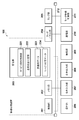
- FIG. 2 is a diagram illustrating a functional configuration of the rehabilitation robot 100.
- the rehabilitation robot 100 includes a control unit (computer) 201, a memory unit 202, a storage unit (storage unit) 203 (these form an information processing device), a touch panel unit 204, A lamp unit 205, an operation unit 206, an audio input unit 207, an audio output unit 208, an imaging unit 209, a communication unit 210, and a motor drive control unit 211 are provided, and each unit is connected via a bus 212.
- a control unit computer
- memory unit 202 a memory unit 202
- storage unit (storage unit) 203 (these form an information processing device)
- a touch panel unit 204 a touch panel unit 204
- a lamp unit 205 an operation unit 206
- an audio input unit 207 an audio output unit 208
- an imaging unit 209 an imaging unit 209
- a communication unit 210 and a motor drive control unit 211
- the storage unit 203 stores a program that functions as the rehabilitation operation control unit 221 and the patient state determination unit 222 by being executed by the control unit 201.
- the program is appropriately read into the memory unit 202 functioning as a work area under the control of the control unit 201 and executed by the control unit 201, thereby realizing each function.
- the rehabilitation operation control unit 221 realized by executing the program includes an audio output unit, a display unit (first display unit, second display unit), and an acquisition unit (second acquisition unit) described later. Functions, second acquisition means) and the like.
- the patient state determination unit 222 realized by executing the program includes functions such as a total result display unit, a first display unit, and a second display unit, which will be described later.
- the storage unit 203 stores “evaluation data 223” that is used when a program that functions as the rehabilitation operation control unit 221 is executed by the control unit 201. Further, “rehabilitation result data 224”, which is acquired when the program that functions as the rehabilitation operation control unit 221 is executed and is used when the program that functions as the patient state determination unit 222 is executed, is stored.
- the touch panel unit 204 corresponds to 121 in FIG. 1, and displays the display data generated based on the evaluation data 223 in the rehabilitation operation control process (details will be described later) by the rehabilitation operation control unit 221 to the language disorder patient. Display or accept input from a language disabled patient through touch operation.
- the lamp unit 205 includes various light emitting devices of the rehabilitation robot 100 including the lamp 114 of FIG. 1, and emits light according to the internal state of the rehabilitation robot 100.
- the operation unit 206 represents various operation switches of the rehabilitation robot 100 including the push switch 111 of FIG. 1, and the rehabilitation operation control unit 221 recognizes that a predetermined instruction has been input when operated by a patient with a language disorder. To do.
- the voice input unit 207 includes the microphone unit 112 of FIG. 1, converts the voice uttered by the language disorder patient into an electrical signal, and inputs it to the control unit 201.
- the audio output unit 208 includes the speaker unit 122 of FIG. 1, and outputs audio data generated based on the evaluation data 223 toward the language disorder patient in the rehabilitation operation control process.
- the imaging unit 209 includes the imaging camera unit 113 of FIG. 1 and processes the image data obtained by imaging, so that the surrounding state (the position of the language disabled patient, the face orientation, the presence or absence of surrounding obstacles, etc.) Recognize
- the communication unit 210 communicates with an external device (other information processing device, another rehabilitation robot, or the like) wirelessly. Thereby, in the rehabilitation robot 100, the rehabilitation result data 224 acquired in the rehabilitation motion control process is transmitted to the external device, or the evaluation data 223 used in the rehabilitation motion control process is based on an instruction from the external device. , Can be updated to the latest evaluation data.
- an external device other information processing device, another rehabilitation robot, or the like
- the motor drive control unit 211 controls a motor for driving wheels disposed on the left leg portion 131 and the right leg portion 132 or is disposed on the head portion 110 to swing the head portion 110. To control.
- FIG. 3 is a flowchart showing a flow of rehabilitation operation control processing by the rehabilitation operation control unit 221.
- the rehabilitation operation control process is started by a start instruction (for example, an operation on the operation unit 206 or a touch operation on the touch panel unit 204) from a language hearing person or a speech disorder patient, in step S301, the evaluation data 223 is stored. read out.
- a start instruction for example, an operation on the operation unit 206 or a touch operation on the touch panel unit 204
- the evaluation data 223 is stored. read out.
- FIG. 4 is a diagram illustrating an example of the evaluation data 223 read out in step S301.
- the evaluation data 223 stores words (for example, “refrigerator”, “clock”, “chair”, etc. To be uttered by the language disorder patient in a predetermined order.
- the meaning of each word and three image sets including images indicating each word are stored in association with each word.
- similar words similar to the words to be uttered by the language disorder patient are stored. Note that similar words are words that should be determined to be correct when a speech disorder patient speaks, and include other ways of saying the corresponding words (dialect, idiomatic, etc.).
- step S302 the count value N is set to “1”, and in step S303, the rehabilitation process 1 is executed for the evaluation data N (here, “evaluation data 1”) (that is, read in step S301). The rehabilitation process 1 is executed for the word “refrigerator” in the evaluation data thus obtained).
- step S304 a rehabilitation process 2 different from the rehabilitation process 1 is performed on the evaluation data N (here, “evaluation data 1”) (that is, of the evaluation data read in step S301, the word Rehabilitation process 2 is executed for “refrigerator”). Details of the rehabilitation process 1 and the rehabilitation process 2 will be described later.
- step S305 the rehabilitation result data 224 is generated (or updated) based on the result of the rehabilitation process 1 in step S303 and / or the rehabilitation process 2 in step S304.
- step S306 after incrementing the count value N, the process proceeds to step S307 to determine whether or not to end the rehabilitation operation control process.
- an end instruction for example, an operation on the operation unit 206 or a touch operation on the touch panel unit 204
- step S307 if it is determined in step S307 that the process is not ended, the process returns to step S303, and the rehabilitation process 1 and the rehabilitation process 2 are executed for the evaluation data N (for example, “evaluation data 2”).
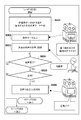
- FIG. 5 is a flowchart showing the flow of the rehabilitation process 1.
- step S501 the voice output means generates voice data for questions to the language disorder patient based on the meaning of the words of the evaluation data N in order to make the language disorder patient speak the word of the evaluation data N. .
- the word “refrigerator” means “a machine that cools food”, so a question sentence “what is a machine that cools food” is created based on that meaning. And corresponding audio data is generated.
- step S502 the voice output means outputs the voice data generated in step S501 toward the language-impaired patient via the voice output unit 208 (see the upper right side in FIG. 5).
- step S503 in response to the output of the voice data in step S502, the voice input unit 207 is operated for a predetermined time to acquire a voice generated by a speech disorder patient (response). Furthermore, the acquired voice is recognized (see the middle part on the right side of FIG. 5).
- step S504 the process waits until it is determined that the speech by the language disorder patient is completed. Specifically, when a speech disorder patient understands a voice question sentence and recalls and speaks a word corresponding to the question sentence, it is determined that speech by the speech disorder patient is completed. Alternatively, it is determined that the utterance by the language disorder patient is completed even when the speech disorder patient cannot understand the voice question sentence or cannot recall the word for the question sentence and there is no utterance for a predetermined time.
- step S504 If it is determined in step S504 that the utterance has been completed, the process proceeds to step S505, and whether or not the speech acquired and recognized in step S503 is a word that should be uttered by the language-impaired patient (that is, the correct answer). Whether or not there was) is determined. If it is determined in step S505 that the answer is correct, the process proceeds to step S506, and the patient with a language disorder is notified that the answer to the current question is correct (see the lowermost right side of FIG. 5). In this case, the rehabilitation process 2 is skipped and the process proceeds to step S305.
- step S505 determines whether the answer is correct. If it is determined in step S505 that the answer is not correct, the process proceeds to step S304, and the rehabilitation process 2 is executed.
- FIG. 6A and 6B are flowcharts showing the flow of the rehabilitation process 2.
- step S601 the first display means generates text data for a question about the language impaired patient based on the meaning of the word of the evaluation data N so that the language impaired patient speaks the word of the evaluation data N. Generate.
- the word “refrigerator” means “a machine that cools food”, so the text of the question sentence “What is the machine that cools food” based on the meaning Generate data.
- step S602 the first display means displays the text data generated in step S601 on the touch panel unit 204 (see the upper right side of FIG. 6A).
- step S603 in accordance with the display of the text data in step S602, the first obtaining unit obtains a voice from the speech (response) of the language disorder patient via the voice input unit 207 for a predetermined time. Operate. Furthermore, the acquired voice is recognized.
- step S604 the process waits until it is determined that the speech by the language disorder patient is completed. Specifically, when a speech disorder patient understands the displayed question sentence and recalls and speaks a word for the question sentence, it is determined that speech by the speech disorder patient is completed. Alternatively, if the speech-impaired patient cannot understand the displayed question sentence, or cannot recall a word for the question sentence, and has not uttered for a predetermined time, it is determined that the utterance by the language-impaired patient is completed.
- step S604 If it is determined in step S604 that the utterance has been completed, the process proceeds to step S605, and whether or not the speech acquired and recognized in step S603 is a word that should be uttered by the patient with language impairment (that is, whether the speech is correct). Whether or not) is determined. If it is determined in step S605 that the answer is correct, the process proceeds to step S606 to notify the language disorder patient that the answer to the current question is correct. Thereafter, the process proceeds to step S305.
- step S605 determines whether the answer is correct. If it is determined in step S605 that the answer is not correct, the process proceeds to step S607, and the second display means causes the language disorder patient to recall the words of the evaluation data N. Text data for a question is generated based on the meaning of a word, and an image set of evaluation data N is acquired.
- the word “refrigerator” means “a machine that cools food”, so the text of the question sentence “Which machine cools food” is based on that meaning.
- Data is generated and an image set corresponding to the text data is displayed on the touch panel unit 204 (see the lower right side of FIG. 6A).
- step S610 the second acquisition unit performs a predetermined operation for selecting the language disorder patient via the touch panel unit 204 in accordance with the display of the text data and the image set by the second display unit in step S608. Accept time.
- step S610 the second acquisition unit waits until it is determined that the selection operation by the language disorder patient is completed. Specifically, if a language disorder patient understands the displayed question sentence and determines which image corresponds to the question sentence, the selection operation is performed. It is determined that the selection operation has been completed. Or, if the patient with language impairment cannot understand the displayed question text or cannot determine which image corresponds to the question text, the selection operation is not performed within a predetermined time. It is determined that the selection operation by the language disorder patient is completed.
- step S610 If it is determined in step S610 that the selection operation has been completed, the process proceeds to step S611, and whether or not the image selected in step S609 is an image that should be selected by the language-impaired patient (that is, whether or not it is a correct answer). ). If it is determined in step S611 that the answer is correct, the process advances to step S612 to notify the language disorder patient that the answer to the current question is correct. Thereafter, the process proceeds to step S305.
- step S611 determines whether the answer is correct. If it is determined in step S611 that the answer is not correct, the process proceeds to step S613, and the correct word is notified by voice.
- step S613 ends, the process proceeds to step S305, and the rehabilitation process 2 ends.
- a voice question is first made so that it is possible to determine whether or not a speech disorder patient is in a state where the voice uttered by another person cannot be understood. If the voice question cannot be answered, a text data question is then performed. At this time, if the question based on the text data is answered, the patient with speech impairment cannot determine the word recall from the auditory sense, but can determine that the word recall from the visual sense is possible.
- the question based on the text data is not answered, the question based on the text data is then performed, and an image set including the answer image is displayed to allow the language disorder patient to select the correct image.
- the image can be correctly selected, the patient with speech impairment cannot determine the visual recall but can determine that the article is in an understandable state.
- the image cannot be selected correctly, it can be determined that the user cannot understand what the article is.
- the rehabilitation robot 100 can provide a menu according to the state of the language handicapped patient so that the state of the language handicapped patient can be grasped.
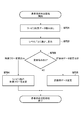
- FIG. 7 is a flowchart showing a flow of patient state determination processing by the patient state determination unit 222.
- the rehabilitation by the language disorder patient is performed using the rehabilitation robot 100, and the rehabilitation result data 224 of the language disorder patient is accumulated in the rehabilitation robot 100, the language auditor has the accumulated rehabilitation result data 224.
- the patient state determination process is executed to grasp the current state of the language disorder patient.
- step S701 When the patient state determination process is started by a start instruction (for example, an operation on the operation unit 206 or a touch operation on the touch panel unit 204) from the language auditor, in step S701, the aggregation result display unit displays the storage unit 203.
- the rehabilitation result data 224 stored in is read.
- the tabulation result display means tabulates and displays the read rehabilitation result data 224 for each level. Specifically, when the question can be correctly answered with respect to the question based on the voice data (step S502 in FIG. 5), when the question is correctly answered with respect to the question based on the text data (step S602 in FIG. 6A), The numbers are totaled and displayed separately for the case where the correct answer to step S608) in FIG. 6A and the case where all the questions are incorrect.
- FIG. 8 is a diagram showing an example of a total result display obtained by the totalization in step S702. As shown in FIG. 8, since the number of correct answers is displayed for each level, the speech hearing person can quantitatively grasp the current state of the language disorder patient.
- step S703 it is determined whether or not the language auditor has input a change instruction in accordance with the counting result displayed in step S702.
- step S703 when the language hearing person inputs an instruction to change the processing procedure of the rehabilitation operation control process, the process proceeds to step S704, and the first changing unit changes the rehabilitation operation control flow.
- the rehabilitation process 1 and the rehabilitation process 2 are performed as shown in FIG. It is not effective to execute both. Therefore, for the language disorder patient, the rehabilitation process 1 is stopped, and the rehabilitation operation control process without the rehabilitation process 1 is changed.
- the rehabilitation process 1 is omitted and the rehabilitation process 2 starts from step S601.
- the rehabilitation operation control process in which S605 is omitted is changed.
- step S703 when the language hearing person inputs an instruction to change the evaluation data, the process proceeds to step S705, and the second changing unit changes the evaluation data 223.
- the contents of the evaluation data 223 are changed, the words that have been answered correctly by the voice question are deleted from the evaluation data 223, or a new word is added.
- the data 223 itself is updated.
- step S703 if the language auditor has not instructed any change, the patient state determination process is terminated.
- a menu corresponding to the state of the language disabled patient can be provided, and the state of the language disabled patient based on the rehabilitation result. Can be grasped quantitatively.
- the voice data is acquired based on the speech of the language disorder patient for a predetermined time, or the selection instruction is accepted by a touch operation.
- the present invention is not limited to this.
- the image set is displayed in step S608.
- the present invention is not limited to this.
- it is good also as a structure which displays the text data as a word set about the name of the article
Landscapes
- Engineering & Computer Science (AREA)
- Physics & Mathematics (AREA)
- Theoretical Computer Science (AREA)
- Educational Administration (AREA)
- Educational Technology (AREA)
- General Physics & Mathematics (AREA)
- Business, Economics & Management (AREA)
- Computational Linguistics (AREA)
- Health & Medical Sciences (AREA)
- Audiology, Speech & Language Pathology (AREA)
- Human Computer Interaction (AREA)
- Acoustics & Sound (AREA)
- Multimedia (AREA)
- Electrically Operated Instructional Devices (AREA)
- Rehabilitation Tools (AREA)
Description
本発明は、情報処理装置及び情報処理方法に関するものである。
脳出血や脳梗塞などの脳血管障害によって言語野が損傷されることで、言語機能が低下した失語症患者、構音障害患者等の言語障害患者に対しては、従来より、言語聴覚士の指導/監視のもとで、リハビリが行われてきた。
一般に言語機能の障害には、滑らかな発話ができない状態や、他者の話し言葉を理解できない状態、聞いた話を復唱できない状態、あるいは、物品の呼称がわからない状態等、様々な症状があり、言語聴覚士は、各言語障害患者の症状にあわせたメニューを選択し、リハビリを行っている。
一方で、失語症患者のリハビリを補助するための装置として、従来より、種々の装置が提案されてきた。例えば、下記特許文献1では、絵や写真、文字などで表示されたカードを見て失語症患者が発声した音声を記録し、正しい音声と比較することで、正しく発声できているか否かを判定する装置が提案されている。
しかしながら、従来の装置の場合、視覚的な入力に対する発声を判定するものであるため、言語障害患者が正しく発声できなかった場合に、表示されている物品自体が何であるのかを理解できていないのか、表示されている物品は理解できているが、言葉が想起できていないのかを区別することができない。また、従来の装置の場合、そもそも視覚的な入力を前提としているため、聴覚からの入力に対する理解度を把握することができない。このため、言語障害患者のそれぞれの状態に応じたリハビリを行うことができないという問題があった。
このようなことから、言語障害患者のリハビリを補助する装置においては、言語障害患者の状態を的確に把握し、かつ、把握した言語障害患者の状態に応じたメニューを提供できる構成であることが望ましい。
本発明は上記課題に鑑みてなされたものであり、言語障害患者の状態に応じたリハビリを実現可能な装置を提供することを目的とする。
上記の目的を達成するために、本発明に係る情報処理装置は以下のような構成を備える。即ち、
被検者の言語機能の回復を補助する情報処理装置であって、
所定の単語と該単語の意味を表す情報とを対応付けて、評価用データとして記憶する記憶手段と、
前記記憶手段に記憶された、前記単語の意味を表す情報に基づいて、前記単語を正解とする質問文を音声出力する音声出力手段と、
前記音声出力された質問文に対する、前記被検者の発声に基づく音声の正否を判定し、正解でないと判定した場合に、前記単語を正解とする質問文をテキストにより表示する表示手段と、
前記表示された質問文に対する、前記被検者の回答を取得する取得手段とを備える。
被検者の言語機能の回復を補助する情報処理装置であって、
所定の単語と該単語の意味を表す情報とを対応付けて、評価用データとして記憶する記憶手段と、
前記記憶手段に記憶された、前記単語の意味を表す情報に基づいて、前記単語を正解とする質問文を音声出力する音声出力手段と、
前記音声出力された質問文に対する、前記被検者の発声に基づく音声の正否を判定し、正解でないと判定した場合に、前記単語を正解とする質問文をテキストにより表示する表示手段と、
前記表示された質問文に対する、前記被検者の回答を取得する取得手段とを備える。
本発明によれば、言語障害患者の状態に応じたリハビリを実現可能な装置を提供することが可能となる。
本発明のその他の特徴及び利点は、添付図面を参照とした以下の説明により明らかになるであろう。なお、添付図面においては、同じ若しくは同様の構成には、同じ参照番号を付す。
添付図面は明細書に含まれ、その一部を構成し、本発明の実施の形態を示し、その記述と共に本発明の原理を説明するために用いられる。
図1は、本発明の一実施形態にかかる情報処理装置を備えるリハビリ用ロボットの外観構成を示す図である。
図2は、リハビリ用ロボットの機能構成を示す図である。
図3は、リハビリ動作制御処理の流れを示すフローチャートである。
図4は、評価用データの一例を示す図である。
図5は、リハビリ処理1の流れを示すフローチャートである。
図6Aは、リハビリ処理2の流れを示すフローチャートである。
図6Bは、リハビリ処理2の流れを示すフローチャートである。
図7は、患者状態判定処理の流れを示すフローチャートである。
図8は、患者状態判定処理において生成された言語障害患者のリハビリ結果データの集計結果表示の一例を示す図である。
以下、本発明の各実施形態について添付図面を参照しながら詳細に説明する。なお、以下に述べる実施の形態は、本発明の好適な具体例であるから、技術的に好ましい種々の限定が付されているが、本発明の範囲は、以下の説明において特に本発明を限定する旨の記載がない限り、これらの態様に限られるものではない。
[第1の実施形態]
<1.リハビリ用ロボットの外観構成>
図1は、本実施形態に係る情報処理装置を備えるリハビリ用ロボット100の外観構成を示す図である。図1に示すように、被検者(言語障害患者)の言語機能の回復を補助するリハビリ用ロボット100は、頭部110と胴体部120と脚部(左脚部131、右脚部132)とを備える。
<1.リハビリ用ロボットの外観構成>
図1は、本実施形態に係る情報処理装置を備えるリハビリ用ロボット100の外観構成を示す図である。図1に示すように、被検者(言語障害患者)の言語機能の回復を補助するリハビリ用ロボット100は、頭部110と胴体部120と脚部(左脚部131、右脚部132)とを備える。
頭部110は、リハビリ用ロボット100に対して、言語障害患者が種々の指示を与えるための押圧スイッチ111と、外部環境を撮像し、言語障害患者の位置や顔の向き等を把握するための撮像カメラ部113と、言語障害患者の発声を取得するマイク部112とを備える。また、押圧スイッチ111による指示や、マイク部112に入力された音声等に応じて点灯するランプ114を備える。
また、胴体部120は、言語障害患者のリハビリに必要なデータを表示したり、タッチ操作により、言語障害患者の指示を入力するためのタッチパネル部121と、言語障害患者に向けて音声を出力するためのスピーカ部122とを備える。なお、タッチパネル部121、スピーカ部122は、胴体部120に内蔵されている必要はなく、外部出力により接続される構成であってもよい。
なお、胴体部120には、左脚部131と右脚部132が接続されており、リハビリ用ロボット100全体を任意の方向に移動させることができる。また、頭部110は胴体部120に対して、矢印141方向に回動するよう(つまり、首振り動作するよう)構成されている。このため、リハビリ用ロボット100は、胴体部120全体を言語障害患者の方向に向けることも、頭部110のみを向けることもできる。
<2.リハビリ用ロボットの機能構成>
次に、リハビリ用ロボット100の機能構成について説明する。図2は、リハビリ用ロボット100の機能構成を示す図である。
次に、リハビリ用ロボット100の機能構成について説明する。図2は、リハビリ用ロボット100の機能構成を示す図である。
図2に示すように、リハビリ用ロボット100は、制御部(コンピュータ)201と、メモリ部202と、記憶部(記憶手段)203と(これらは情報処理装置を形成する)、タッチパネル部204と、ランプ部205と、操作部206と、音声入力部207と、音声出力部208と、撮像部209と、通信部210と、モータ駆動制御部211と、を備え、各部はバス212を介して接続されている。
記憶部203には、制御部201により実行されることにより、リハビリ動作制御部221及び患者状態判定部222として機能するプログラムが格納されている。当該プログラムは、制御部201による制御のもと、ワークエリアとして機能するメモリ部202に適宜読み込まれ、制御部201によって実行されることで、当該各機能を実現する。なお、当該プログラムが実行されることにより実現されるリハビリ動作制御部221には、後述する音声出力手段、表示手段(第1の表示手段、第2の表示手段)、取得手段(第2の取得手段、第2の取得手段)等の機能が含まれる。また、当該プログラムが実行されることにより実現される患者状態判定部222には、後述する集計結果表示手段、第1の表示手段、第2の表示手段等の機能が含まれる。
また、記憶部203には、リハビリ動作制御部221として機能するプログラムが制御部201において実行される際に用いられる、“評価用データ223”が格納されている。また、リハビリ動作制御部221として機能するプログラムが実行されることにより取得され、患者状態判定部222として機能するプログラムが実行される際に用いられる、“リハビリ結果データ224”が格納されている。
なお、記憶部203には、リハビリ用ロボット100が有するその他の機能を実現するための各種プログラム及びデータが格納されているものとするが、ここでは、説明を省略する。
タッチパネル部204は、図1の121に対応しており、リハビリ動作制御部221によるリハビリ動作制御処理(詳細は後述)において、評価用データ223に基づいて生成された表示データを、言語障害患者に対して表示したり、言語障害患者からのタッチ操作による入力を受け付けたりする。
ランプ部205は、図1のランプ114を含むリハビリ用ロボット100の各種発光装置を含み、リハビリ用ロボット100の内部状態に応じて発光する。操作部206は、図1の押圧スイッチ111を含むリハビリ用ロボット100の各種操作スイッチを表しており、言語障害患者が操作することにより、リハビリ動作制御部221では、所定の指示が入力されたと認識する。
音声入力部207は、図1のマイク部112を含み、言語障害患者が発声した音声を電気信号に変換し、制御部201に入力する。音声出力部208は、図1のスピーカ部122を含み、リハビリ動作制御処理において、評価用データ223に基づいて生成された音声データを、言語障害患者に向けて出力する。
撮像部209は、図1の撮像カメラ部113を含み、撮像により得られた画像データを処理することにより、周囲の状態(言語障害患者の位置、顔の向き、周辺の障害物の有無等)を認識する。
通信部210は、外部装置(他の情報処理装置や、他のリハビリ用ロボット等)と無線により通信を行う。これにより、リハビリ用ロボット100では、リハビリ動作制御処理において取得されたリハビリ結果データ224を外部装置に送信したり、リハビリ動作制御処理において用いられる評価用データ223を、外部装置からの指示に基づいて、最新の評価データに更新したりすることができる。
モータ駆動制御部211は、左脚部131、右脚部132に配された車輪を駆動するためのモータを制御したり、頭部110に配され、頭部110を首振り動作させるためのモータを制御したりする。
<3.リハビリ動作制御処理の流れ>
次に、リハビリ動作制御部221によるリハビリ動作制御処理の流れについて説明する。図3は、リハビリ動作制御部221によるリハビリ動作制御処理の流れを示すフローチャートである。
次に、リハビリ動作制御部221によるリハビリ動作制御処理の流れについて説明する。図3は、リハビリ動作制御部221によるリハビリ動作制御処理の流れを示すフローチャートである。
言語聴覚士または言語障害患者からの開始指示(例えば、操作部206に対する操作、あるいは、タッチパネル部204に対するタッチ操作)により、リハビリ動作制御処理が開始されると、ステップS301では、評価用データ223を読み出す。
図4は、ステップS301において読み出される評価用データ223の一例を示す図である。図4に示すように、評価用データ223は、言語障害患者に発声させるべき単語(例えば、“冷蔵庫”、“時計”、“いす”・・・等)が所定の順序で格納されている。また、各単語の意味と、各単語を示す画像を含む3枚の画像セットと、がそれぞれの単語と対応付けて格納されている。更に、言語障害患者に発声させるべき単語と類似する類似単語が格納されている。なお、類似単語は、言語障害患者が発声した場合に、正解と判断すべき単語であり、対応する単語の他の言い方(方言、慣用的な言い方等)を含む。
図3に戻る。ステップS302では、カウント値Nを“1”に設定し、ステップS303では、評価用データN(ここでは、“評価用データ1”)について、リハビリ処理1を実行する(つまり、ステップS301において読み出された評価用データのうち、単語“冷蔵庫”について、リハビリ処理1を実行する)。
ステップS304では、評価用データN(ここでは、“評価用データ1”)について、リハビリ処理1とは異なるリハビリ処理2を実行する(つまり、ステップS301において読み出された評価用データのうち、単語“冷蔵庫”について、リハビリ処理2を実行する)。なお、リハビリ処理1及びリハビリ処理2の詳細については後述する。
ステップS305では、ステップS303におけるリハビリ処理1及び/またはステップS304におけるリハビリ処理2の結果に基づいて、リハビリ結果データ224を生成(または更新)する。
ステップS306では、カウント値Nをインクリメントした後、ステップS307に進み、リハビリ動作制御処理を終了するか否か判定する。ステップS307では、言語聴覚士または言語障害患者からの終了指示(例えば、操作部206に対する操作、あるいは、タッチパネル部204に対するタッチ操作)が入力された場合、あるいは、カウント値N=n(nは、評価用データ223に含まれる単語の数)となった場合に、終了すると判定し、リハビリ動作制御処理を終了する。
一方、ステップS307において、終了しないと判定した場合には、ステップS303に戻り、評価用データN(例えば、“評価用データ2”)について、リハビリ処理1及びリハビリ処理2を実行する。
<4.リハビリ処理1の流れ>
次に、リハビリ処理1(ステップS303)の詳細について説明する。図5は、リハビリ処理1の流れを示すフローチャートである。
次に、リハビリ処理1(ステップS303)の詳細について説明する。図5は、リハビリ処理1の流れを示すフローチャートである。
ステップS501では、音声出力手段が、評価用データNの単語を、言語障害患者に発声させるために、評価用データNの単語の意味に基づいて、言語障害患者に対する質問用の音声データを生成する。
例えば、カウント値N=1の場合、単語“冷蔵庫”の意味は、“食べ物を冷やす機械”であることから、当該意味に基づいて、“食べ物を冷やす機械は何ですか”という質問文を作成し、対応する音声データを生成する。
ステップS502では、音声出力手段が、ステップS501において生成された音声データを、音声出力部208を介して、言語障害患者に向かって出力する(図5の右側最上段参照)。
続いて、ステップS503では、ステップS502における音声データの出力に伴って、音声入力部207を介して、言語障害患者の発声(応答)による音声を取得すべく、所定時間動作する。更に、取得した音声を認識する(図5の右側中段参照)。
ステップS504では、言語障害患者による発声が完了したと判定されるまで待つ。具体的には、言語障害患者が音声による質問文を理解し、かつ、質問文に対応する単語を想起し発声した場合には、言語障害患者による発声が完了したと判定する。あるいは、言語障害患者が音声による質問文を理解できず、または、質問文に対する単語を想起できず、所定時間発声がなかった場合も、言語障害患者による発声が完了したと判定する。
ステップS504において、発声が完了したと判定された場合には、ステップS505に進み、ステップS503において取得され、認識された音声が、言語障害患者に発声させるべき単語であったか否か(つまり、正解であったか否か)の正否を判定する。ステップS505において、正解であると判定された場合には、ステップS506に進み、言語障害患者に対して、今回の質問の答えが正解であることを報知する(図5の右側最下段参照)。この場合、リハビリ処理2を飛ばして、ステップS305に進む。
一方、ステップS505において、正解でないと判定された場合には、ステップS304に進み、リハビリ処理2を実行する。
<5.リハビリ処理2の流れ>
次に、リハビリ処理2(ステップS304)の詳細について説明する。図6A、図6Bは、リハビリ処理2の流れを示すフローチャートである。
次に、リハビリ処理2(ステップS304)の詳細について説明する。図6A、図6Bは、リハビリ処理2の流れを示すフローチャートである。
ステップS601では、第1の表示手段が、評価用データNの単語を、言語障害患者に発声させるために、評価用データNの単語の意味に基づいて、言語障害患者に対する質問用のテキストデータを生成する。
例えば、カウント値N=1の場合、単語“冷蔵庫”の意味は、“食べ物を冷やす機械”であることから、当該意味に基づいて、“食べ物を冷やす機械は何ですか”という質問文のテキストデータを生成する。
ステップS602では、第1の表示手段が、ステップS601において生成されたテキストデータを、タッチパネル部204上に表示する(図6Aの右側上段参照)。
続いて、ステップS603では、ステップS602におけるテキストデータの表示に伴って、第1の取得手段が、音声入力部207を介して、言語障害患者の発声(応答)による音声を取得すべく、所定時間動作する。更に、取得した音声を認識する。
ステップS604では、言語障害患者による発声が完了したと判定されるまで待つ。具体的には、言語障害患者が表示された質問文を理解し、かつ、質問文に対する単語を想起し発声した場合には、言語障害患者による発声が完了したと判定する。あるいは、言語障害患者が表示された質問文を理解できず、または、質問文に対する単語を想起できず、所定時間発声がなかった場合も、言語障害患者による発声が完了したと判定する。
ステップS604において、発声が完了したと判定した場合には、ステップS605に進み、ステップS603において取得され、認識された音声が、言語障害患者に発声させるべき単語であったか否か(つまり、正解であったか否か)の正否を判定する。ステップS605において、正解であると判定された場合には、ステップS606に進み、言語障害患者に対して、今回の質問の答えが正解であることを報知する。その後、ステップS305へと進む。
一方、ステップS605において、正解でないと判定された場合には、ステップS607に進み、評価用データNの単語を、言語障害患者に想起させるために、第2の表示手段が、評価用データNの単語の意味に基づいて質問用のテキストデータを生成するとともに、評価用データNの画像セットを取得する。
例えば、カウント値N=1の場合、単語“冷蔵庫”の意味は、“食べ物を冷やす機械”であることから、当該意味に基づいて、“食べ物を冷やす機械はどれですか”という質問文のテキストデータを生成し、当該テキストデータと対応する画像セットをタッチパネル部204上に表示する(図6Aの右側下段参照)。
続いて、ステップS610では、ステップS608における第2の表示手段によるテキストデータ及び画像セットの表示に伴って、第2の取得手段が、タッチパネル部204を介して、言語障害患者の選択操作を、所定時間、受け付ける。
ステップS610では、第2の取得手段が、言語障害患者による選択操作が完了したと判定されるまで待つ。具体的には、言語障害患者が表示された質問文を理解し、かつ、質問文に対応する画像がどれであるかを判断することで、選択操作を行った場合には、言語障害患者による選択操作が完了したと判定する。あるいは、言語障害患者が表示された質問文を理解できず、または、質問文に対応する画像がいずれであるかを判断できなかったことで、所定時間内に選択操作を行わなかった場合も、言語障害患者による選択操作が完了したと判定する。
ステップS610において、選択操作が完了したと判定した場合には、ステップS611に進み、ステップS609において選択された画像が、言語障害患者が選択すべき画像であったか否か(つまり、正解であったか否か)の正否を判定する。ステップS611において、正解であると判定された場合には、ステップS612に進み、言語障害患者に対して、今回の質問の答えが正解であることを報知する。その後、ステップS305へと進む。
一方、ステップS611において、正解でないと判定された場合には、ステップS613に進み、正解の単語を音声で報知する。
例えば、カウント値N=1の場合、正解の単語は“冷蔵庫”であることから、音声出力部208を介して“答えは冷蔵庫です”と報知する(図6Bの右側参照)。なお、このとき、タッチパネル部204に表示された画像セットのうち、正解の単語“冷蔵庫”に対応する画像を強調表示するようにしてもよい。
ステップS613における処理が終了すると、ステップS305へと進み、リハビリ処理2を終了する。
このように、本実施形態に係るリハビリ用ロボット100では、言語障害患者が、他者の発声した音声を理解できない状態にあるのか否かを判断できるよう、はじめに、音声による質問を行う。そして、音声による質問に答えられなかった場合には、次に、テキストデータによる質問を行う。このとき、テキストデータによる質問に答えられた場合には、当該言語障害患者は、聴覚からの語想起はできないが、視覚からの語想起はできる状態にあると判断することができる。
一方、テキストデータによる質問にも答えられなかった場合には、次に、テキストデータによる質問を行うとともに、答えの画像を含む画像セットを表示し、言語障害患者に正解の画像を選択させる。このとき、正しく画像を選択できた場合には、当該言語障害患者は、視覚からの語想起はできないが、物品が何であるかは理解できる状態にあると判断することができる。反対に、正しく画像を選択できなかった場合には、物品が何であるかを理解できない状態にあると判断することができる。
つまり、本実施形態に係るリハビリ用ロボット100では、言語障害患者の状態を把握できるよう、言語障害患者の状態に応じたメニューを提供することができる。
<6.患者状態判定処理>
次に、患者状態判定部222による患者状態判定処理の流れについて説明する。図7は、患者状態判定部222による患者状態判定処理の流れを示すフローチャートである。
次に、患者状態判定部222による患者状態判定処理の流れについて説明する。図7は、患者状態判定部222による患者状態判定処理の流れを示すフローチャートである。
リハビリ用ロボット100を用いて言語障害患者によるリハビリが行われることで、リハビリ用ロボット100に言語障害患者のリハビリ結果データ224が蓄積されると、言語聴覚士は、当該蓄積されたリハビリ結果データ224に基づいて、当該言語障害患者の現在の状態を把握すべく、患者状態判定処理を実行させる。
言語聴覚士からの開始指示(例えば、操作部206に対する操作、あるいは、タッチパネル部204に対するタッチ操作)により、患者状態判定処理が開始されると、ステップS701では、集計結果表示手段が、記憶部203に格納されたリハビリ結果データ224を読み出す。
更に、ステップS702では、集計結果表示手段が、読み出されたリハビリ結果データ224を、レベルごとに集計し、表示する。具体的には、音声データによる質問(図5のステップS502)に対して正解できた場合と、テキストデータによる質問(図6AのステップS602)に対して正解できた場合と、画像データによる質問(図6AのステップS608)に対して正解できた場合と、いずれの質問にも不正解であった場合とに分けてそれぞれの個数を集計し、表示する。
図8は、ステップS702における集計により得られた集計結果表示の一例を示す図である。図8に示すように、各レベルごとに正解した数が表示されるため、言語聴覚士は、当該言語障害患者の現在の状態を定量的に把握することができる。
図7に戻る。ステップS703では、ステップS702において表示された集計結果に応じて、言語聴覚士が変更指示を入力したか否かを判定する。
ステップS703において、言語聴覚士が、リハビリ動作制御処理の処理手順の変更指示を入力した場合には、ステップS704に進み、第1の変更手段が、リハビリ動作制御フローを変更する。
例えば、当該言語障害患者の音声による質問に対する正解の個数が著しく少なく、聴覚からの語想起ができていないことが明らかである場合には、図3に示すように、リハビリ処理1及びリハビリ処理2の両方を実行することは有効とはいえない。そこで、当該言語障害患者に対しては、リハビリ処理1を停止させ、リハビリ処理1を省略したリハビリ動作制御処理に変更するようにする。
あるいは、当該言語障害患者の音声による質問に対する正解の個数、及び、テキストデータによる質問に対する正解の個数が著しく少ない場合にあっては、リハビリ処理1を省略するとともに、リハビリ処理2のステップS601からステップS605を省略したリハビリ動作制御処理に変更するようにする。
一方、ステップS703において、言語聴覚士が、評価用データの変更指示を入力した場合には、ステップS705に進み、第2の変更手段が、評価用データ223を変更する。
例えば、評価用データ223の並び順序を変更する場合にあっては、不正解の単語を上位に、画像データによる質問で正解となった単語を次に配列するといったように、リハビリ結果データに応じた並び順序に変更する。
あるいは、評価用データ223の内容を変更する場合にあっては、音声による質問で正解となった単語を、評価用データ223から削除したり、新たに単語を追加したりといったように、評価用データ223そのものを更新する。
一方、ステップS703において、言語聴覚士が、いずれの変更も指示しなかった場合には、患者状態判定処理を終了する。
以上の説明から明らかなように、本実施形態に係るリハビリ用ロボット100によれば、リハビリに際して、言語障害患者の状態に応じたメニューを提供できるとともに、リハビリ結果に基づいて、言語障害患者の状態を定量的に把握することができるようになる。
[第2の実施形態]
上記第1の実施形態では、音声データ、テキストデータ、または画像データによる質問を行った後に、所定時間、言語障害患者の発声に基づく音声データの取得、またはタッチ操作による選択指示の受け付けを行う構成としたが、本発明はこれに限定されない。例えば、音声データ、テキストデータ、画像データを利用したリハビリ処理の順番を任意に変更できるように構成してもよい。また、言語障害患者自身が、応答完了の指示を別途入力する構成としてもよい。
上記第1の実施形態では、音声データ、テキストデータ、または画像データによる質問を行った後に、所定時間、言語障害患者の発声に基づく音声データの取得、またはタッチ操作による選択指示の受け付けを行う構成としたが、本発明はこれに限定されない。例えば、音声データ、テキストデータ、画像データを利用したリハビリ処理の順番を任意に変更できるように構成してもよい。また、言語障害患者自身が、応答完了の指示を別途入力する構成としてもよい。
また、上記第1の実施形態では、ステップS608において画像セットを表示する構成としたが、本発明はこれに限定されない。例えば、画像セットを構成する各画像が示す物品の呼称を、単語セットとしてテキストデータを表示し、当該表示した単語セットの中から、質問に対する回答を選択させる構成としてもよい。
[第3の実施形態]
上記第1及び第2の実施形態では、リハビリ用ロボット100を用いて、リハビリ動作制御部221及び患者状態判定部222を実現する構成としたが、本発明はこれに限定されず、他の情報処理装置(例えば、パーソナルコンピュータ、携帯情報端末等)上においてこれらの機能を実現する構成としてもよい。
上記第1及び第2の実施形態では、リハビリ用ロボット100を用いて、リハビリ動作制御部221及び患者状態判定部222を実現する構成としたが、本発明はこれに限定されず、他の情報処理装置(例えば、パーソナルコンピュータ、携帯情報端末等)上においてこれらの機能を実現する構成としてもよい。
[その他の実施形態]
本発明は上記実施の形態に制限されるものではなく、本発明の精神及び範囲から離脱することなく、様々な変更及び変形が可能である。従って、本発明の範囲を公にするために、以下の請求項を添付する。
本発明は上記実施の形態に制限されるものではなく、本発明の精神及び範囲から離脱することなく、様々な変更及び変形が可能である。従って、本発明の範囲を公にするために、以下の請求項を添付する。
本願は、2012年6月29日提出の日本国特許出願特願2012-147547を基礎として優先権を主張するものであり、その記載内容の全てを、ここに援用する。
Claims (8)
- 被検者の言語機能の回復を補助する情報処理装置であって、
所定の単語と該単語の意味を表す情報とを対応付けて、評価用データとして記憶する記憶手段と、
前記記憶手段に記憶された、前記単語の意味を表す情報に基づいて、前記単語を正解とする質問文を音声出力する音声出力手段と、
前記音声出力された質問文に対する、前記被検者の発声に基づく音声の正否を判定し、正解でないと判定した場合に、前記単語を正解とする質問文をテキストにより表示する表示手段と、
前記表示された質問文に対する、前記被検者の回答を取得する取得手段と
を備えることを特徴とする情報処理装置。 - 前記表示手段は、
前記単語の意味を表す情報に基づいて、前記単語を正解とする質問文をテキストにより表示する第1の表示手段と、
前記第1の表示手段により表示された質問文に対する、前記被検者の発声に基づく音声の正否を判定し、正解でないと判定した場合に、前記単語に対応する画像を含む画像セットを表示するとともに、前記単語の意味を表す情報に基づいて、前記単語に対応する画像を選択させるための質問文をテキストにより表示する第2の表示手段と
を更に備えることを特徴とする請求項1に記載の情報処理装置。 - 前記取得手段は、
前記第1の表示手段により表示された質問文に対する、前記被検者の発声に基づく音声を、前記被検者の回答として取得する第1の取得手段と、
前記第2の表示手段により表示された質問文に対する、前記被検者の画像の選択操作を、前記被検者の回答として取得する第2の取得手段と
を更に備えることを特徴とする請求項2に記載の情報処理装置。 - 前記音声出力手段により音声出力された質問文に対する、前記被検者の発声に基づく音声の正否と、
前記第1の表示手段により表示された質問文に対する、前記被検者の発声に基づく音声の正否と、
前記第2の表示手段により表示された質問文に対する、前記被検者の画像の選択操作の正否とに分けて集計し、表示する集計結果表示手段を更に備えることを特徴とする請求項3に記載の情報処理装置。 - 前記音声出力手段と、前記第1の表示手段と、前記第2の表示手段のうちのいずれかの動作を停止させることで、処理手順を変更する第1の変更手段と、
前記記憶手段に記憶された前記評価用データを変更する第2の変更手段と
を備えることを特徴とする請求項3に記載の情報処理装置。 - 前記表示手段は、
前記単語の意味を表す情報に基づいて、前記単語を正解とする質問文をテキストにより表示する第1の表示手段と、
前記第1の表示手段により表示された質問文に対する、前記被検者の発声に基づく音声の正否を判定し、正解でないと判定した場合に、前記単語を含む単語セットを表示するとともに、前記単語の意味を表す情報に基づいて、前記単語を選択させるための質問文をテキストにより表示する第2の表示手段と
を更に備えることを特徴とする請求項1に記載の情報処理装置。 - 被検者の言語機能の回復を補助する情報処理装置における情報処理方法であって、
所定の単語と該単語の意味を表す情報とを対応付けて、評価用データとして記憶手段に記憶する記憶工程と、
前記記憶手段に記憶された、前記単語の意味を表す情報に基づいて、前記単語を正解とする質問文を音声出力する音声出力工程と、
前記音声出力された質問文に対する、前記被検者の発声に基づく音声の正否を判定し、正解でないと判定した場合に、前記単語を正解とする質問文をテキストにより表示する表示工程と、
前記表示された質問文に対する、前記被検者の回答を取得する取得工程と
を備えることを特徴とする情報処理装置における情報処理方法。 - 請求項7に記載の情報処理方法の各工程をコンピュータに実行させるためのプログラム。
Priority Applications (1)
| Application Number | Priority Date | Filing Date | Title |
|---|---|---|---|
| JP2014522377A JP6122849B2 (ja) | 2012-06-29 | 2013-04-18 | 情報処理装置及び情報処理方法 |
Applications Claiming Priority (2)
| Application Number | Priority Date | Filing Date | Title |
|---|---|---|---|
| JP2012147547 | 2012-06-29 | ||
| JP2012-147547 | 2012-06-29 |
Publications (1)
| Publication Number | Publication Date |
|---|---|
| WO2014002349A1 true WO2014002349A1 (ja) | 2014-01-03 |
Family
ID=49782555
Family Applications (1)
| Application Number | Title | Priority Date | Filing Date |
|---|---|---|---|
| PCT/JP2013/002633 Ceased WO2014002349A1 (ja) | 2012-06-29 | 2013-04-18 | 情報処理装置及び情報処理方法 |
Country Status (2)
| Country | Link |
|---|---|
| JP (1) | JP6122849B2 (ja) |
| WO (1) | WO2014002349A1 (ja) |
Cited By (6)
| Publication number | Priority date | Publication date | Assignee | Title |
|---|---|---|---|---|
| JP2019086742A (ja) * | 2017-11-10 | 2019-06-06 | 株式会社レイトロン | 言語機能訓練システム、装置、およびプログラム |
| CN110720124A (zh) * | 2017-05-31 | 2020-01-21 | 国际商业机器公司 | 监测患者语言的使用以识别潜在的言语和相关的神经障碍 |
| IT201800009607A1 (it) * | 2018-10-19 | 2020-04-19 | Andrea Previato | Sistema e metodo di ausilio ad utenti con disabilità comunicativa |
| CN111241238A (zh) * | 2020-01-06 | 2020-06-05 | 北京松果电子有限公司 | 用户测评方法、装置、电子设备及存储介质 |
| CN113350129A (zh) * | 2020-03-06 | 2021-09-07 | 株式会社捷太格特 | 复合训练用步行支援系统 |
| WO2022054687A1 (ja) * | 2020-09-08 | 2022-03-17 | テルモ株式会社 | プログラム、情報処理装置及び情報処理方法 |
Citations (1)
| Publication number | Priority date | Publication date | Assignee | Title |
|---|---|---|---|---|
| WO2007129392A1 (ja) * | 2006-04-25 | 2007-11-15 | Shimada Managedevelopment Co., Ltd. | 主機と副機を有する失語症練習支援装置 |
-
2013
- 2013-04-18 WO PCT/JP2013/002633 patent/WO2014002349A1/ja not_active Ceased
- 2013-04-18 JP JP2014522377A patent/JP6122849B2/ja not_active Expired - Fee Related
Patent Citations (1)
| Publication number | Priority date | Publication date | Assignee | Title |
|---|---|---|---|---|
| WO2007129392A1 (ja) * | 2006-04-25 | 2007-11-15 | Shimada Managedevelopment Co., Ltd. | 主機と副機を有する失語症練習支援装置 |
Non-Patent Citations (2)
| Title |
|---|
| AKIFUMI TAKAGI ET AL.: "An Estimation Of The Efficacy Of A Device Used For Rehabilitation Of Aphasia", IEICE TECHNICAL REPORT, vol. 99, no. 138, 24 June 1999 (1999-06-24), pages 77 - 82 * |
| YOKO SANO: "No Kekkan Shogai to Shitsugosho (2) Shitsugosho no Gengo Chiryo", JOURNAL OF CLINICAL AND EXPERIMENTAL MEDICINE, vol. 149, no. 11, 10 June 1989 (1989-06-10), pages 806 - 809 * |
Cited By (14)
| Publication number | Priority date | Publication date | Assignee | Title |
|---|---|---|---|---|
| CN110720124B (zh) * | 2017-05-31 | 2023-08-11 | 国际商业机器公司 | 监测患者语言的使用以识别潜在的言语和相关的神经障碍 |
| CN110720124A (zh) * | 2017-05-31 | 2020-01-21 | 国际商业机器公司 | 监测患者语言的使用以识别潜在的言语和相关的神经障碍 |
| JP2020525061A (ja) * | 2017-05-31 | 2020-08-27 | インターナショナル・ビジネス・マシーンズ・コーポレーションInternational Business Machines Corporation | 可能性のある発話障害および関連する神経障害を識別するための患者の言語使用のモニタリング |
| JP7350656B2 (ja) | 2017-05-31 | 2023-09-26 | インターナショナル・ビジネス・マシーンズ・コーポレーション | 可能性のある発話障害および関連する神経障害を識別するための患者の言語使用のモニタリング |
| JP2019086742A (ja) * | 2017-11-10 | 2019-06-06 | 株式会社レイトロン | 言語機能訓練システム、装置、およびプログラム |
| IT201800009607A1 (it) * | 2018-10-19 | 2020-04-19 | Andrea Previato | Sistema e metodo di ausilio ad utenti con disabilità comunicativa |
| WO2020079655A1 (en) * | 2018-10-19 | 2020-04-23 | Andrea Previato | Assistance system and method for users having communicative disorder |
| CN111241238A (zh) * | 2020-01-06 | 2020-06-05 | 北京松果电子有限公司 | 用户测评方法、装置、电子设备及存储介质 |
| CN111241238B (zh) * | 2020-01-06 | 2023-11-21 | 北京小米松果电子有限公司 | 用户测评方法、装置、电子设备及存储介质 |
| CN113350129A (zh) * | 2020-03-06 | 2021-09-07 | 株式会社捷太格特 | 复合训练用步行支援系统 |
| JP2021137375A (ja) * | 2020-03-06 | 2021-09-16 | 株式会社ジェイテクト | 複合トレーニング用歩行支援システム |
| US20210275369A1 (en) * | 2020-03-06 | 2021-09-09 | Jtekt Corporation | Walking support system for combined training |
| WO2022054687A1 (ja) * | 2020-09-08 | 2022-03-17 | テルモ株式会社 | プログラム、情報処理装置及び情報処理方法 |
| US12400742B2 (en) | 2020-09-08 | 2025-08-26 | Terumo Kabushiki Kaisha | Program, information processing device, and information processing method |
Also Published As
| Publication number | Publication date |
|---|---|
| JPWO2014002349A1 (ja) | 2016-05-30 |
| JP6122849B2 (ja) | 2017-04-26 |
Similar Documents
| Publication | Publication Date | Title |
|---|---|---|
| JP6122849B2 (ja) | 情報処理装置及び情報処理方法 | |
| JP4565220B2 (ja) | 医療用実習装置 | |
| US20200075015A1 (en) | Information processing device, information processing method, and information processing system | |
| JP2017112545A (ja) | 会議支援システム | |
| CN116096301B (zh) | 程序、信息处理装置以及信息处理方法 | |
| US10643636B2 (en) | Information processing apparatus, information processing method, and program | |
| WO2019181008A1 (ja) | 対話支援装置、対話支援方法、およびプログラム | |
| JP2005173419A (ja) | 手話解釈装置 | |
| Jamadar et al. | Tous pour un, un pour tous (All for one, one for all): Accessible neuroimaging and research dissemination via speech to text apps | |
| WO2014162356A1 (ja) | 言語リハビリテーション支援システム | |
| WO2019082648A1 (ja) | 電子機器、制御装置、制御プログラム及び電子機器の動作方法 | |
| JP2025050381A (ja) | 情報処理システム、情報処理方法及びプログラム | |
| JP4679462B2 (ja) | 静止画像表示切替システム | |
| Hennig et al. | Developing of a multimodal interactive training system in therapeutic calisthenics for elderly people | |
| JP2026068361A (ja) | システム | |
| JP2026073389A (ja) | システム | |
| Swaminathan et al. | GLOVE for Speech Recognition | |
| JP2025050382A (ja) | 情報処理システム、情報処理方法及びプログラム | |
| JP2026075008A (ja) | システム | |
| JP2026028242A (ja) | 介護関連情報提供装置及び介護関連情報提供方法 | |
| JP2026019880A (ja) | システム | |
| JP2026074960A (ja) | システム | |
| JP2026041456A (ja) | システム | |
| JP2026016184A (ja) | システム | |
| JP2026064651A (ja) | システム |
Legal Events
| Date | Code | Title | Description |
|---|---|---|---|
| 121 | Ep: the epo has been informed by wipo that ep was designated in this application |
Ref document number: 13808738 Country of ref document: EP Kind code of ref document: A1 |
|
| ENP | Entry into the national phase |
Ref document number: 2014522377 Country of ref document: JP Kind code of ref document: A |
|
| NENP | Non-entry into the national phase |
Ref country code: DE |
|
| 122 | Ep: pct application non-entry in european phase |
Ref document number: 13808738 Country of ref document: EP Kind code of ref document: A1 |