WO2012160884A1 - 分析方法 - Google Patents
分析方法 Download PDFInfo
- Publication number
- WO2012160884A1 WO2012160884A1 PCT/JP2012/059263 JP2012059263W WO2012160884A1 WO 2012160884 A1 WO2012160884 A1 WO 2012160884A1 JP 2012059263 W JP2012059263 W JP 2012059263W WO 2012160884 A1 WO2012160884 A1 WO 2012160884A1
- Authority
- WO
- WIPO (PCT)
- Prior art keywords
- ion
- fragment
- mass
- ions
- organic compound
- Prior art date
- Legal status (The legal status is an assumption and is not a legal conclusion. Google has not performed a legal analysis and makes no representation as to the accuracy of the status listed.)
- Ceased
Links
Images



Classifications
-
- H—ELECTRICITY
- H01—ELECTRIC ELEMENTS
- H01J—ELECTRIC DISCHARGE TUBES OR DISCHARGE LAMPS
- H01J49/00—Particle spectrometers or separator tubes
- H01J49/004—Combinations of spectrometers, tandem spectrometers, e.g. MS/MS, MSn
Definitions
- the present invention relates to an analysis method.
- Non-Patent Document 1 using a tandem mass spectrometer, 3-ethyl ascorbic acid protonated the ion ([M + H] +) mass-to-charge ratio than (m / z) is 1 larger precursor ion ([M + 1 + H ) + ) Is mass-analyzed, and a method for estimating the number of carbon atoms of the fragment ion from the ratio of the fragment ion to the peak height of the fragment ion whose m / z is 1 smaller than the fragment ion is disclosed. ing.
- the present invention has been made in view of the above-described problems of the prior art, and an object of the present invention is to provide an analytical method capable of accurately estimating the number of carbon atoms of a fragment ion of an organic compound having a large nitrogen atom content.
- An analysis method uses a tandem mass spectrometer to mass-analyze product ions generated from a first precursor ion having a mass-to-charge ratio that is 1 larger than an ion obtained by ionizing a first organic compound. And a second tandem mass spectrometer that has a mass-to-charge ratio that is 1 larger than an ion obtained by ionizing a second organic compound obtained by changing the number of carbon atoms of the first organic compound. Mass analysis of product ions generated from precursor ions, mass fragment charge obtained from mass analysis of product ions generated from the first precursor ions and the first fragment ions.
- a product ion generated from a first precursor ion having a mass-to-charge ratio 1 larger than an ion obtained by ionizing a first organic compound is analyzed by mass spectrometry using a tandem mass spectrometer.
- a second tandem mass spectrometer that has a mass-to-charge ratio that is 1 larger than an ion obtained by ionizing a second organic compound obtained by changing the number of carbon atoms of the first organic compound.
- the analysis method uses a tandem mass spectrometer to generate from a first precursor ion having a mass to charge ratio (m / z) that is 1 larger than an ion obtained by ionizing a first organic compound.
- a step of mass-analyzing the product ions Thereby, the ratio of the peak heights of the first fragment ion and the second fragment ion whose m / z is 1 smaller than that of the first fragment ion is obtained.
- the peak heights of the first fragment ion and the second fragment ion may be measured using analysis software of a tandem mass spectrometer, or may be measured using a ruler.
- an average value of peak heights obtained by performing mass spectrometry a plurality of times may be used as the peak height.
- the tandem mass spectrometer is not particularly limited, and examples thereof include a quadrupole ion trap mass spectrometer, a triple quadrupole mass spectrometer, and a quadrupole-time-of-flight hybrid mass spectrometer.
- a method for ionizing the first organic compound is not particularly limited, but an electron ionization (EI) method, a chemical ionization (CI) method, a field desorption (FD) method, a fast atom collision (FAB) method, a matrix-assisted laser.
- EI electron ionization
- CI chemical ionization
- FD field desorption
- FAB fast atom collision
- MALDI desorption ionization
- ESI electrospray ionization
- APCI atmospheric pressure chemical ionization
- the ion obtained by ionizing the first organic compound is not particularly limited, but is a molecular ion (M + ), a proton added ion ([M + H] + ), a sodium ion added ion ([M + Na] + ), Ion added with ammonium ion ([M + NH 4 ] + ), ion released from hydride ([M ⁇ H] + ), ion added with electron (M ⁇ ), ion added with halogen ion ([M + X] ⁇ ), Monovalent ions such as ions from which protons are released ([MH] ⁇ ); ions to which protons are added ([M + nH] n + ), ions from which protons are released ([MnH] n ⁇ ) Molecular weight related ions such as divalent or higher ions such as; fragment ions of molecular weight related ions and the like.
- Examples of the fragment ion of the molecular weight related ion in the ion obtained by ionizing the first organic compound include an ion in which water is desorbed from an ion in which a proton is added to arginine ([M + H] + ).
- the first organic compound is not particularly limited as long as the number of carbon atoms can be changed.
- Non-Patent Document 1 the method described in Non-Patent Document 1 is used.
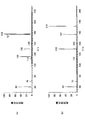
- Fig. 1 shows mass analysis of pindolol using a linear ion trap-Fourier transform type hybrid mass spectrometer LTQ-Orbitrap (manufactured by Thermo Scientific) connected with a high performance liquid chromatograph NANOSPACE SI-2 (manufactured by Shiseido). The results are shown.
- (A) is an MS spectrum
- (b) and (c) are precursor ions, which are ions obtained by ionizing pindolol and ions whose m / z is 1 larger than ions obtained by ionizing pindolol, respectively. It is an MS / MS product ion spectrum of time.
- FIG. 6 shows a state in which the tandem mass spectrometer 2 such as the hybrid mass spectrometer is connected to the liquid chromatograph 1 such as the high performance liquid chromatograph.
- the ion obtained by ionizing pindolol is an ion ([M + H] + ) in which a proton is added to pindolol, and the first ion is m having a proton added to pindolol. It can be seen that / z is 250 ions ([M + 1 + H] + ).
- FIG. 1B shows that fragment ions having m / z of 116, 146, and 172 exist as fragment ions of [M + H] + .
- the ratio of 13 C isotope abundance to 12 C isotope abundance is 1.108 / 98.892
- the ratio of 2 H isotope abundance to 1 H isotope abundance is 0.015. /99.985
- the ratio of the 13 C isotope abundance to the 12 C isotope abundance, the ratio of the 2 H isotope abundance to the 1 H isotope abundance, and the 15 N isotope abundance to the 14 N isotope abundance There are various data on the ratio of the abundance of 17 O and the ratio of the isotope abundance of 17 O to the isotope abundance of 16 O.
- Non-Patent Document 1 uses 13 The number of carbon atoms is estimated assuming only C is present. Specifically, since the ratio of the peak heights of the fragment ions with m / z of 173 and 172 is about 11: 3, the number of carbon atoms of the fragment ions with m / z of 172 and 173 is 11. It is estimated to be.
- fragment ions having m / z of 172 and 173 have chemical formulas generated by elimination of 2-aminopropane (C 3 H 9 N) and water (H 2 O) from [M + 1 + H] +.
- the ratio of the peak heights of the fragment ions with m / z of 147 and 146 is about 9: 5
- the number of carbon atoms of the fragment ions with m / z of 146 and 147 is 9 Presumed.
- the ratio of the peak heights of the fragment ions having m / z of 117 and 116 is about 6: 8, it is estimated that the number of carbon atoms of the fragment ions having m / z of 116 and 117 is 6.
- Non-Patent Document 1 since a compound having a high nitrogen atom content has a large contribution of 15 N in the peak of the fragment ion, the number of carbon atoms cannot be accurately estimated using the method described in Non-Patent Document 1. .
- the analysis method uses a tandem mass spectrometer to measure more than ions obtained by ionizing a second organic compound obtained by changing the number of carbon atoms of the first organic compound.
- the method further includes the step of mass-analyzing the product ions generated from the second precursor ions having a larger value of / z.
- the ratio of the peak height of the fragment ion corresponding to the first fragment ion and the fragment ion corresponding to the second fragment ion whose m / z is 1 smaller than that of the first fragment ion is obtained.
- the method for ionizing the second organic compound is not particularly limited, but is an electron ionization (EI) method, a chemical ionization (CI) method, a field desorption (FD) method, a fast atom collision (FAB) method, a matrix-assisted laser.
- EI electron ionization
- CI chemical ionization
- FD field desorption
- FAB fast atom collision
- MALDI desorption ionization
- ESI electrospray ionization
- APCI atmospheric pressure chemical ionization
- the ion obtained by ionizing the second organic compound is not particularly limited, but a molecular ion (M + ), a proton added ion ([M + H] + ), a sodium ion added ion ([M + Na] + ), Ion added with ammonium ion ([M + NH 4 ] + ), ion released from hydride ([M ⁇ H] + ), ion added with electron (M ⁇ ), ion added with halogen ion ([M + X] ⁇ ), Monovalent ions such as ions from which protons are released ([MH] ⁇ ); ions to which protons are added ([M + nH] n + ), ions from which protons are released ([MnH] n ⁇ ) Molecular weight related ions such as divalent or higher ions such as; fragment ions of molecular weight related ions and the like.
- Examples of the fragment ion of the molecular weight related ion in the ion obtained by ionizing the second organic compound include an ion in which water is desorbed from an ion ([M + H] + ) obtained by adding a proton to arginine methyl ester.
- the method for changing the number of carbon atoms of the first organic compound is not particularly limited, and examples thereof include known reactions such as substitution reaction, addition reaction, elimination reaction, hydrolysis reaction, condensation reaction, and enzyme reaction.
- the second organic compound may be synthesized by changing the carbon number of the first organic compound, or a commercially available product of the second organic compound synthesized in advance may be used.
- FIG. 2 shows arginine and arginine methyl using a linear ion trap-Fourier transform type hybrid mass spectrometer LTQ-Orbitrap (manufactured by Thermo Scientific) connected with a high performance liquid chromatograph NANOSPACE SI-2 (manufactured by Shiseido).
- the result (the 1) which carried out mass spectrometry of ester is shown.
- (A) and (b) are the MS spectra of arginine and arginine methyl ester, respectively.
- the ion obtained by ionizing arginine is an ion ([M 1 + H] + ) having a m / z of 175 in which a proton is added to arginine.
- the first ion whose m / z is 1 larger than the ion obtained by ionizing arginine is an ion ([M 1 + 1 + H] + ) in which a proton is added to arginine and 176 is m / z.
- the ion obtained by ionizing arginine methyl ester is an ion ([M 2 + H] + ) whose m / z is 189 in which a proton is added to arginine methyl ester.
- the second ion whose m / z is 1 larger than the ion obtained by ionizing arginine methyl ester is an ion having m / z of 190 ([M 2 + 1 + H] + ).
- FIG. 3 shows the results (part 2) of mass spectrometry of arginine and arginine methyl ester.
- (A) and (b) are MS / MS product ion spectra when [M 1 + H] + and [M 2 + H] + are used as precursor ions, respectively.
- FIG. 3A shows that fragment ions having m / z of 60, 70, 112, 116, and 140 exist as [M 1 + H] + fragment ions.
- FIG. 3B shows that fragment ions having m / z of 60, 70, 112, 130, and 140 exist as fragment ions of [M 2 + H] + .
- FIG. 4 shows the results (part 3) of mass spectrometry of arginine and arginine methyl ester.
- (A) and (b) are MS / MS product ion spectra when [M 1 + 1 + H] + and [M 2 + 1 + H] + are used as precursor ions, respectively.
- m / z is 61, 71, 113, 117, 131 and 141, and m / z is more than m / z than fragment ions of [M 1 + 1 + H] +. It can be seen that there are fragment ions having m / z of 60, 70, 112, 116, 130 and 140 as fragment ions having a smaller z.
- fragment ions of [M 2 + 1 + H] + As fragment ions of [M 2 + 1 + H] + , m / z is 61, 71, 113, 131 and 141, and m / z is higher than fragment ions of [M 2 + 1 + H] +. It can be seen that fragment ions having m / z of 60, 70, 112, 130 and 140 exist as one small fragment ion.
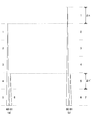
- FIG. 5 schematically shows the peaks of fragment ions having m / z of 60 and 61 in FIGS. 4 (a) and 4 (b).
- 4A is a fragment ion peak with m / z of 60 and 61 in FIG. 4A
- FIG. 4B is a fragment ion peak with m / z of 60 and 61 in FIG. 4B. It is a peak.
- (a) and (b) are adjusted so that the peak heights of fragment ions having m / z of 61 are the same.
- the peak height difference ⁇ h between arginine methyl ester and arginine of m / z of 60 fragment ions corresponds to 1 carbon atom, and [M 2 + 1 + H] + and [M 1 + 1 + H] +
- the number of carbon atoms of the neutral species desorbed from is estimated to be 6 and 5, respectively.
- the carbon atoms of arginine methyl ester and arginine are 7 and 6, respectively, it is estimated that the fragment ions having m / z of 60 and 61 have 1 carbon atom.
- fragment ions having m / z of 60 and 61 are 2-aminopentanoic acid (C 5 H 11 NO 2 ) (or a neutral species from [M 1 + 1 + H] + (or [M 2 + 1 + H] + ) (or Chemical formula formed by elimination of methyl 2-aminopentanoate (C 6 H 13 NO 2 ))
- the difference ⁇ h ′ between the peak height of the fragment ion with m / z of 61 and the carbon number of the fragment ion with m / z of 61 and ⁇ h, that is, ⁇ h, is the mass number other than 13 C is 1. Presumed to be a large isotope contribution.
- the mass number one greater isotope, when only the 13 C and 15 N are present Assuming that the ratio of 13 C isotope abundance to 12 C isotope abundance is 1.108 / 98.892, and the ratio of 15 N isotope abundance to 14 N isotope abundance is 0.365. /99.635, the number of nitrogen atoms of the fragment ions having m / z of 60 and 61 is given by the formula (1.108 / 98.892) / (0.365 / 99.635) ⁇ ( ⁇ h ′ / ⁇ h) Can be estimated from
- fragment ions with m / z of 70 and 71, fragment ions with m / z of 112 and 113, fragment ions with m / z of 116 and 117, and m / z in FIG. Can estimate the number of carbon atoms of the fragment ions 140 and 141.
- fragment ions with m / z of 70 and 71, fragment ions with m / z of 112 and 113, fragment ions with m / z of 130 and 131, and fragments of m / z of 140 and 141 The number of carbon atoms of the ion can be estimated.
- the difference in the number of carbon atoms between the second organic compound and the first organic compound obtained by changing the number of carbon atoms in the first organic compound may be other than 1, and usually 1 to 10 It is.
- two or more organic compounds may be used as the second organic compound. Thereby, the overlap of the peak of a fragment ion is detectable.
- a peak area ratio may be used instead of the peak height ratio.
- the analysis method of the present invention includes GC / MS / MS, direct analysis MS / MS, direct sample introduction MS / MS, and MS / MS. It can be applied to MS / MS and the like.
Landscapes
- Chemical & Material Sciences (AREA)
- Analytical Chemistry (AREA)
- Other Investigation Or Analysis Of Materials By Electrical Means (AREA)
- Electron Tubes For Measurement (AREA)
Abstract
分析方法は、第一の有機化合物をイオン化させたイオンよりも質量電荷比が1大きい第一のプリカーサーイオンから生成するプロダクトイオンを質量分析する工程と、第一の有機化合物の炭素原子数を変化させることにより得られる第二の有機化合物をイオン化させたイオンよりも質量電荷比が1大きい第二のプリカーサーイオンから生成するプロダクトイオンを質量分析する工程と、第一のプリカーサーイオンから生成するプロダクトイオンを質量分析することにより得られる、第一のフラグメントイオン及び第一のフラグメントイオンよりも質量電荷比が1小さい第二のフラグメントイオンのピーク高さの比を求める工程と、第二のプリカーサーイオンから生成するプロダクトイオンを質量分析することにより得られる、第一のフラグメントイオンに対応するフラグメントイオン及び第二のフラグメントイオンに対応するフラグメントイオンのピーク高さの比を求める工程を有する。
Description
本発明は、分析方法に関する。
従来、質量分析計を用いて質量分析する際に、フラグメントイオンを同定する方法としては、種々の方法が知られている。
非特許文献1には、タンデム質量分析計を用いて、3-エチルアスコルビン酸にプロトンが付加したイオン([M+H]+)よりも質量電荷比(m/z)が1大きいプリカーサーイオン([M+1+H]+)から生成するプロダクトイオンを質量分析し、フラグメントイオンとフラグメントイオンよりもm/zが1小さいフラグメントイオンのピークの高さの比から、フラグメントイオンの炭素原子数を推定する方法が開示されている。
しかしながら、アルギニン等の窒素原子の含有量が大きい有機化合物のフラグメントイオンの炭素原子数を精度良く推定することができないという問題がある。
質量分析総合討論会講演要旨集,2009,57th,506-507
本発明は、上記の従来技術が有する問題に鑑み、窒素原子の含有量が大きい有機化合物のフラグメントイオンの炭素原子数を精度良く推定することが可能な分析方法を提供することを目的とする。
本発明の一実施形態による分析方法は、タンデム質量分析計を用いて、第一の有機化合物をイオン化させたイオンよりも質量電荷比が1大きい第一のプリカーサーイオンから生成するプロダクトイオンを質量分析する工程と、タンデム質量分析計を用いて、前記第一の有機化合物の炭素原子数を変化させることにより得られる第二の有機化合物をイオン化させたイオンよりも質量電荷比が1大きい第二のプリカーサーイオンから生成するプロダクトイオンを質量分析する工程と、前記第一のプリカーサーイオンから生成するプロダクトイオンを質量分析することにより得られる、第一のフラグメントイオン及び該第一のフラグメントイオンよりも質量電荷比が1小さい第二のフラグメントイオンのピークの高さの比を求める工程と、前記第二のプリカーサーイオンから生成するプロダクトイオンを質量分析することにより得られる、前記第一のフラグメントイオンに対応するフラグメントイオン及び前記第二のフラグメントイオンに対応するフラグメントイオンのピークの高さの比を求める工程を有する。
本発明の一実施形態による分析方法は、タンデム質量分析計を用いて、第一の有機化合物をイオン化させたイオンよりも質量電荷比が1大きい第一のプリカーサーイオンから生成するプロダクトイオンを質量分析する工程と、タンデム質量分析計を用いて、前記第一の有機化合物の炭素原子数を変化させることにより得られる第二の有機化合物をイオン化させたイオンよりも質量電荷比が1大きい第二のプリカーサーイオンから生成するプロダクトイオンを質量分析する工程と、前記第一のプリカーサーイオンから生成するプロダクトイオンを質量分析することにより得られる、第一のフラグメントイオン及び該第一のフラグメントイオンよりも質量電荷比が1小さい第二のフラグメントイオンのピークの面積の比を求める工程と、前記第二のプリカーサーイオンから生成するプロダクトイオンを質量分析することにより得られる、前記第一のフラグメントイオンに対応するフラグメントイオン及び前記第二のフラグメントイオンに対応するフラグメントイオンのピークの面積の比を求める工程を有する。
本発明の実施形態によれば、窒素原子の含有量が大きい有機化合物のフラグメントイオンの炭素原子数を精度良く推定することが可能な分析方法を提供することができる。
次に、本発明を実施するための形態を図面と共に説明する。
本発明の実施形態に係る分析方法は、タンデム質量分析計を用いて、第一の有機化合物をイオン化させたイオンよりも質量電荷比(m/z)が1大きい第一のプリカーサーイオンから生成するプロダクトイオンを質量分析する工程を有する。これにより、第一のフラグメントイオン及び第一のフラグメントイオンよりもm/zが1小さい第二のフラグメントイオンのピークの高さの比が求められる。
なお、第一のフラグメントイオン及び第二のフラグメントイオンのピークの高さは、タンデム質量分析計の解析ソフトを用いて測定してもよいし、定規を用いて測定してもよい。
このとき、ピークの高さとして、複数回質量分析することにより得られるピークの高さの平均値を用いてもよい。
タンデム質量分析計としては、特に限定されないが、四重極イオントラップ質量分析計三連四重極型質量分析計、四重極-飛行時間型ハイブリッド質量分析計等が挙げられる。
第一の有機化合物をイオン化させる方法としては、特に限定されないが、電子イオン化(EI)法、化学イオン化(CI)法、電界脱離(FD)法、高速原子衝突(FAB)法、マトリックス支援レーザー脱離イオン化(MALDI)法、エレクトロスプレーイオン化(ESI)法、大気圧化学イオン化(APCI)法等が挙げられる。
第一の有機化合物をイオン化させたイオンとしては、特に限定されないが、分子イオン(M+)、プロトンが付加したイオン([M+H]+)、ナトリウムイオンが付加したイオン([M+Na]+)、アンモニウムイオンが付加したイオン([M+NH4]+)、ハイドライドが脱離したイオン([M-H]+)、電子が付加したイオン(M-)、ハロゲンイオンが付加したイオン([M+X]-)、プロトンが脱離したイオン([M-H]-)等の1価のイオン;プロトンが付加したイオン([M+nH]n+)、プロトンが脱離したイオン([M-nH]n-)等の2価以上のイオン等の分子量関連イオン;分子量関連イオンのフラグメントイオン等が挙げられる。
第一の有機化合物をイオン化させたイオンにおける分子量関連イオンのフラグメントイオンとしては、例えば、アルギニンにプロトンが付加したイオン([M+H]+)から水が脱離したイオン等が挙げられる。
第一の有機化合物としては、炭素原子数を変化させることが可能であれば、特に限定されない。
ここで、本発明の実施形態に係る分析方法と対比するために、非特許文献1に記載された方法を用いて、化学式
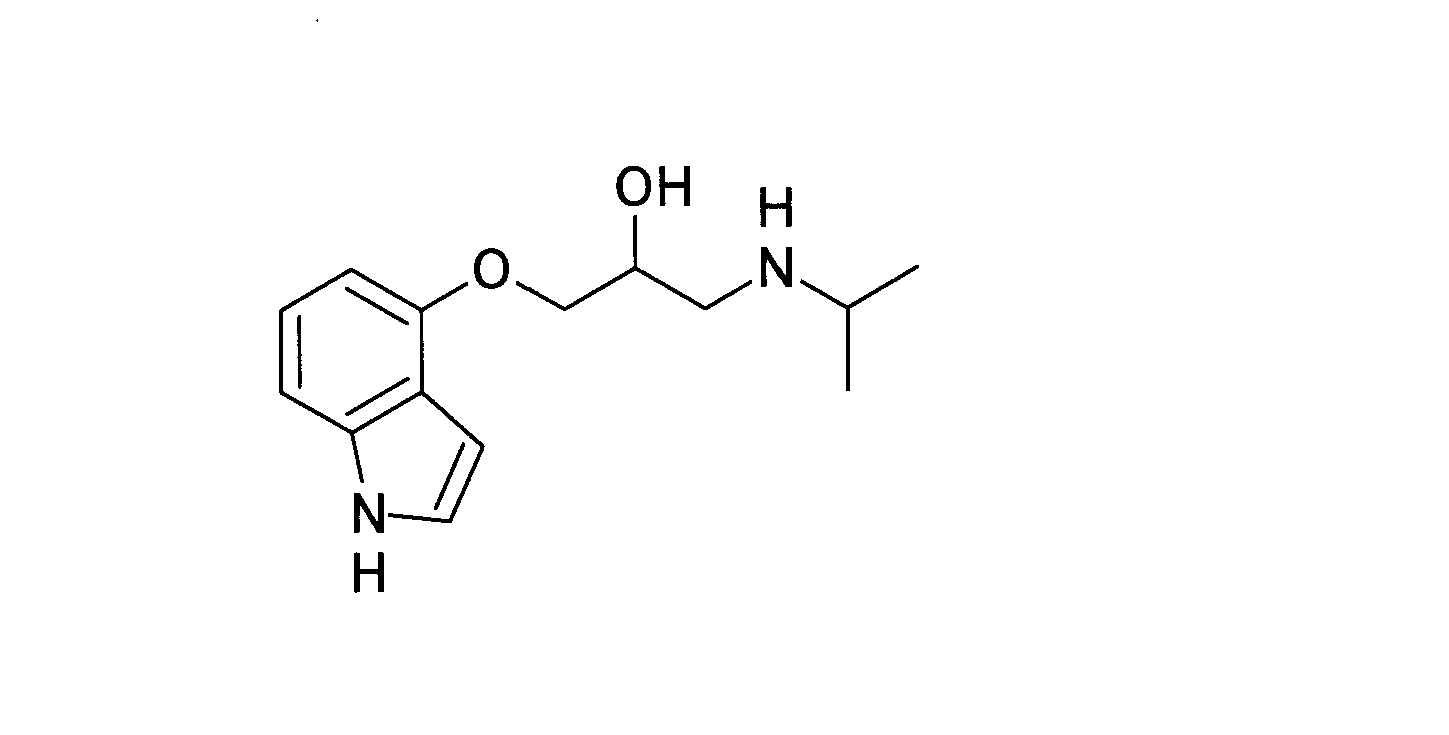
図1に、高速液体クロマトグラフNANOSPACE SI-2(資生堂社製)を接続したリニアイオントラップ-フーリエ変換型ハイブリッド質量分析計LTQ-Orbitrap(サーモサイエンティフィック社製)を用いて、ピンドロールを質量分析した結果を示す。(a)は、MSスペクトルであり、(b)及び(c)は、それぞれピンドロールをイオン化させたイオン及びピンドロールをイオン化させたイオンよりもm/zが1大きい第一のイオンをプリカーサーイオンとしたときのMS/MSプロダクトイオンスペクトルである。なお、上記ハイブリッド質量分析計等のタンデム質量分析計2が、上記高速液体クロマトグラフ等の液体クロマトグラフ1と接続されている状態を図6に示している。
図1(a)から、ピンドロールをイオン化させたイオンは、ピンドロールにプロトンが付加したm/zが249のイオン([M+H]+)であり、第一のイオンは、ピンドロールにプロトンが付加したm/zが250のイオン([M+1+H]+)であることがわかる。
図1(b)から、[M+H]+のフラグメントイオンとして、m/zが116、146及び172のフラグメントイオンが存在することがわかる。
図1(c)から、[M+1+H]+のフラグメントイオンとして、m/zが117、147及び173のフラグメントイオン、これらのフラグメントイオンよりもm/zが1小さいフラグメントイオンとして、m/zが116、146及び172のフラグメントイオンが存在することがわかる。これは、[M+1+H]+から中性種が脱離してフラグメントイオンが生成するが、[M+1+H]+に含まれる質量数が1大きい同位体が脱離した中性種に含まれる場合とフラグメントイオンに含まれる場合があるためである。
ここで、12Cの同位体存在度に対する13Cの同位体存在度の比が1.108/98.892、1Hの同位体存在度に対する2Hの同位体存在度の比が0.015/99.985、14Nの同位体存在度に対する15Nの同位体存在度の比が0.365/99.635、16Oの同位体存在度に対する17Oの同位体存在度の比が0.037/99.759である。
なお、12Cの同位体存在度に対する13Cの同位体存在度の比、1Hの同位体存在度に対する2Hの同位体存在度の比、14Nの同位体存在度に対する15Nの同位体存在度の比及び16Oの同位体存在度に対する17Oの同位体存在度の比としては、種々のデータが存在する。
2H、15N及び17Oの同位体存在度が13Cの同位体存在度よりも十分に小さいことから、非特許文献1に記載された方法では、質量数が1大きい同位体として、13Cのみが存在すると仮定して炭素原子数が推定される。具体的には、m/zが173及び172のフラグメントイオンのピークの高さの比が約11:3であることから、m/zが172及び173のフラグメントイオンの炭素原子数が11であると推定される。
なお、m/zが172及び173のフラグメントイオンは、[M+1+H]+から2-アミノプロパン(C3H9N)及び水(H2O)が脱離して生成する化学式
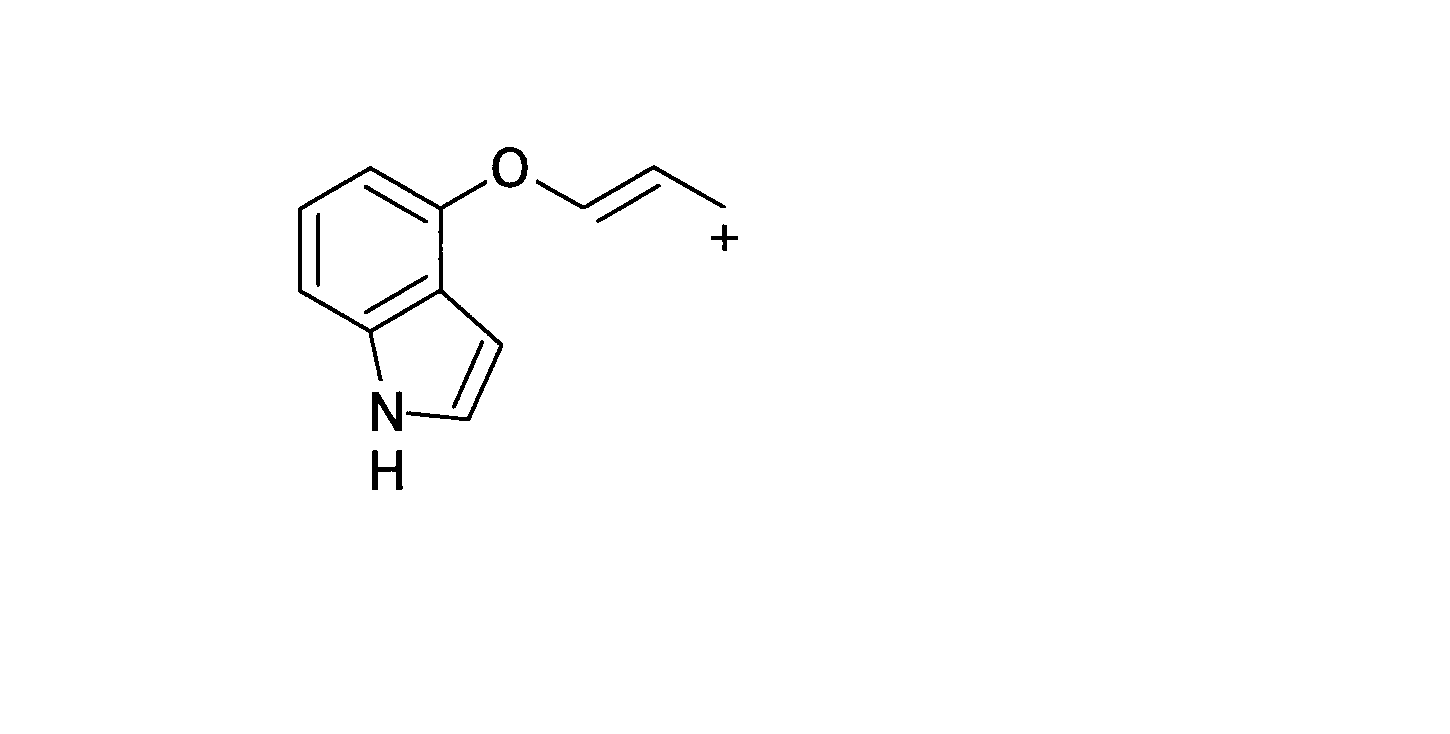
このとき、m/zが173のフラグメントイオン(C11H10NO)に13Cが含まれる場合と、2-アミノプロパン(C3H9N)に13Cが含まれる場合の比は、それぞれの炭素原子数に比例するため、11:3となる。
同様にして、m/zが147及び146のフラグメントイオンのピークの高さの比が約9:5であることから、m/zが146及び147のフラグメントイオンの炭素原子数が9であると推定される。また、m/zが117及び116のフラグメントイオンのピークの高さの比が約6:8であることから、m/zが116及び117のフラグメントイオンの炭素原子数が6であると推定される。
しかしながら、窒素原子の含有量が大きい化合物は、フラグメントイオンのピークにおける15Nの寄与が大きくなるため、非特許文献1に記載された方法を用いると、炭素原子数を精度良く推定することができない。
そこで、本発明の実施形態に係る分析方法は、タンデム質量分析計を用いて、第一の有機化合物の炭素原子数を変化させることにより得られる第二の有機化合物をイオン化させたイオンよりもm/zが1大きい第二のプリカーサーイオンから生成するプロダクトイオンを質量分析する工程をさらに有する。これにより、第一のフラグメントイオンに対応するフラグメントイオン及び第一のフラグメントイオンよりもm/zが1小さい第二のフラグメントイオンに対応するフラグメントイオンのピークの高さの比が得られる。その結果、窒素原子の含有量が大きい有機化合物のフラグメントイオンの炭素原子数を精度良く推定することができる。
第二の有機化合物をイオン化させる方法としては、特に限定されないが、電子イオン化(EI)法、化学イオン化(CI)法、電界脱離(FD)法、高速原子衝突(FAB)法、マトリックス支援レーザー脱離イオン化(MALDI)法、エレクトロスプレーイオン化(ESI)法、大気圧化学イオン化(APCI)法等が挙げられる。
第二の有機化合物をイオン化させたイオンとしては、特に限定されないが、分子イオン(M+)、プロトンが付加したイオン([M+H]+)、ナトリウムイオンが付加したイオン([M+Na]+)、アンモニウムイオンが付加したイオン([M+NH4]+)、ハイドライドが脱離したイオン([M-H]+)、電子が付加したイオン(M-)、ハロゲンイオンが付加したイオン([M+X]-)、プロトンが脱離したイオン([M-H]-)等の1価のイオン;プロトンが付加したイオン([M+nH]n+)、プロトンが脱離したイオン([M-nH]n-)等の2価以上のイオン等の分子量関連イオン;分子量関連イオンのフラグメントイオン等が挙げられる。
第二の有機化合物をイオン化させたイオンにおける分子量関連イオンのフラグメントイオンとしては、例えば、アルギニンメチルエステルにプロトンが付加したイオン([M+H]+)から水が脱離したイオン等が挙げられる。
第一の有機化合物の炭素原子数を変化させる方法としては、特に限定されないが、置換反応、付加反応、脱離反応、加水分解反応、縮合反応、酵素反応等の公知の反応が挙げられる。
なお、第一の有機化合物の炭素数を変化させて第二の有機化合物を合成してもよいし、予め合成されている第二の有機化合物の市販品等を用いてもよい。
一例として、化学式
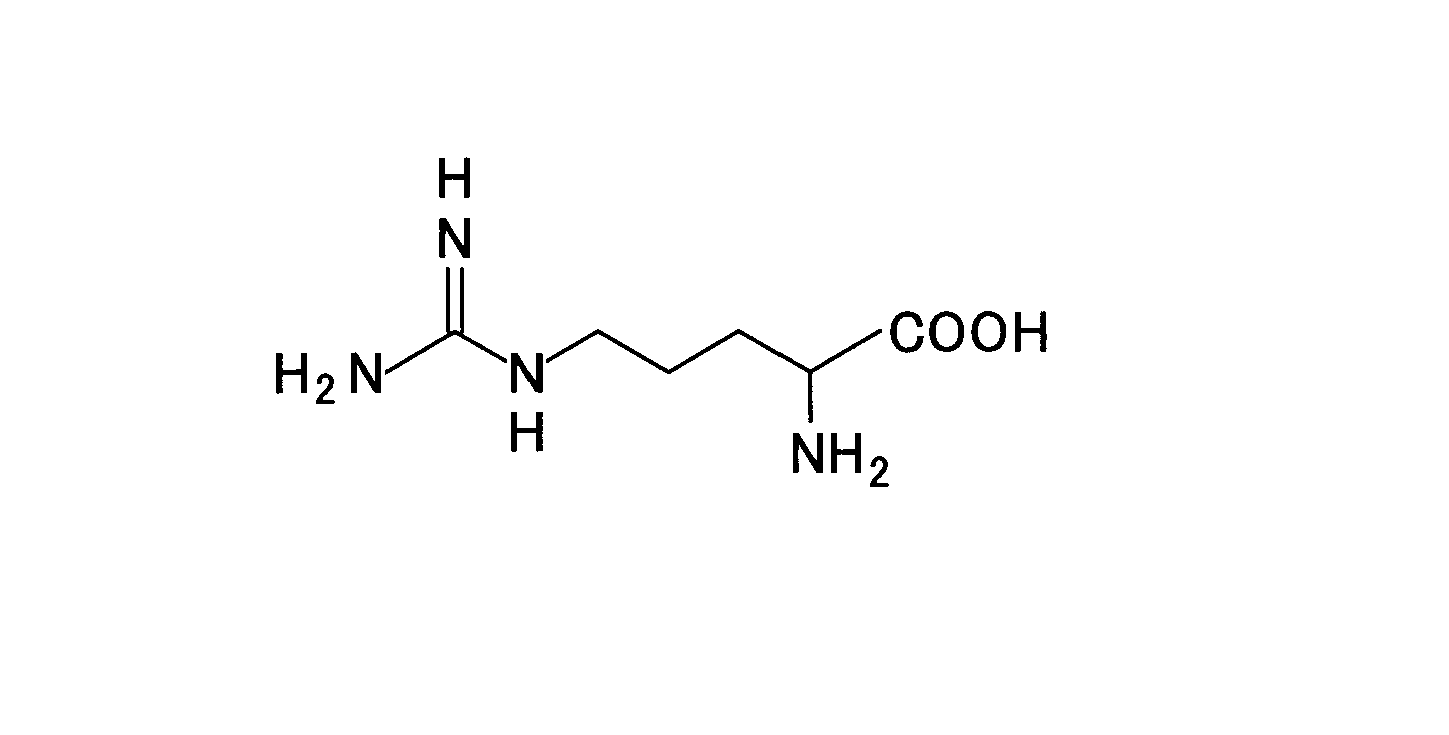
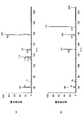
図2に、高速液体クロマトグラフNANOSPACE SI-2(資生堂社製)を接続したリニアイオントラップ-フーリエ変換型ハイブリッド質量分析計LTQ-Orbitrap(サーモサイエンティフィック社製)を用いて、アルギニン及びアルギニンメチルエステルを質量分析した結果(その1)を示す。なお、(a)及び(b)は、それぞれアルギニン及びアルギニンメチルエステルのMSスペクトルである。
図2(a)から、アルギニンをイオン化させたイオンは、アルギニンにプロトンが付加したm/zが175のイオン([M1+H]+)であることがわかる。また、アルギニンをイオン化させたイオンよりもm/zが1大きい第一のイオンは、アルギニンにプロトンが付加したm/zが176のイオン([M1+1+H]+)であることがわかる。
図2(b)から、アルギニンメチルエステルをイオン化させたイオンは、アルギニンメチルエステルにプロトンが付加したm/zが189のイオン([M2+H]+)であることがわかる。また、アルギニンメチルエステルをイオン化させたイオンよりもm/zが1大きい第二のイオンは、m/zが190のイオン([M2+1+H]+)であることがわかる。
図3に、アルギニン及びアルギニンメチルエステルを質量分析した結果(その2)を示す。なお、(a)及び(b)は、それぞれ[M1+H]+及び[M2+H]+をプリカーサーイオンとしたときのMS/MSプロダクトイオンスペクトルである。
図3(a)から、[M1+H]+のフラグメントイオンとして、m/zが60、70、112、116及び140のフラグメントイオンが存在することがわかる。
図3(b)から、[M2+H]+のフラグメントイオンとして、m/zが60、70、112、130及び140のフラグメントイオンが存在することがわかる。
このとき、アルギニンの炭素原子数を変化させても、m/zが60、70、112及び140のフラグメントイオンのm/zが変化しないことがわかる。一方、アルギニンの炭素原子数を変化させたことにより、図3(a)におけるm/zが116のフラグメントイオンが、図3(b)におけるm/zが130のフラグメントイオンに変化したことがわかる。
図4に、アルギニン及びアルギニンメチルエステルを質量分析した結果(その3)を示す。なお、(a)及び(b)は、それぞれ[M1+1+H]+及び[M2+1+H]+をプリカーサーイオンとしたときのMS/MSプロダクトイオンスペクトルである。
図4(a)から、[M1+1+H]+のフラグメントイオンとして、m/zが61、71、113、117、131及び141のフラグメントイオン、[M1+1+H]+のフラグメントイオンよりもm/zが1小さいフラグメントイオンとして、m/zが60、70、112、116、130及び140のフラグメントイオンが存在することがわかる。
図4(b)から、[M2+1+H]+のフラグメントイオンとして、m/zが61、71、113、131及び141のフラグメントイオン、[M2+1+H]+のフラグメントイオンよりもm/zが1小さいフラグメントイオンとして、m/zが60、70、112、130及び140のフラグメントイオンが存在することがわかる。
図5に、図4(a)及び(b)におけるm/zが60及び61のフラグメントイオンのピークを模式的に示す。なお、(a)は、図4(a)におけるm/zが60及び61のフラグメントイオンのピークであり、(b)は、図4(b)におけるm/zが60及び61のフラグメントイオンのピークである。このとき、(a)及び(b)は、m/zが61のフラグメントイオンのピークの高さが同一になるように調整されている。
図5から、アルギニンメチルエステルとアルギニンの間のm/zが60のフラグメントイオンのピークの高さの差Δhが炭素原子数1に相当し、[M2+1+H]+及び[M1+1+H]+から脱離した中性種の炭素原子数が、それぞれ6及び5であると推定される。また、アルギニンメチルエステル及びアルギニンの炭素原子数が、それぞれ7及び6であることから、m/zが60及び61のフラグメントイオンの炭素原子数が1であると推定される。
なお、m/zが60及び61のフラグメントイオンは、[M1+1+H]+(又は[M2+1+H]+)から中性種として、2-アミノペンタン酸(C5H11NO2)(又は2-アミノペンタン酸メチル(C6H13NO2))が脱離して生成する化学式
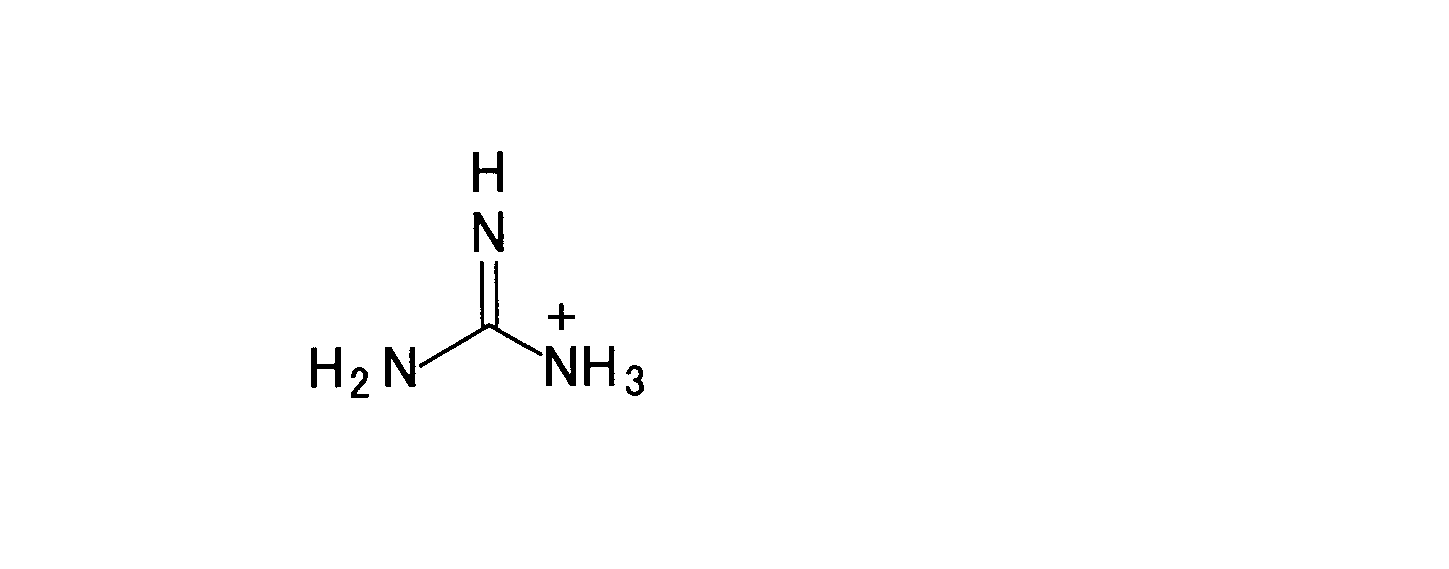
一方、m/zが61のフラグメントイオンのピークの高さと、m/zが61のフラグメントイオンの炭素数とΔhの積、即ち、Δhとの差Δh'は、13C以外の質量数が1大きい同位体の寄与であると推定される。
ここで、2H及び17Oの同位体存在度が13C及び15Nの同位体存在度よりも十分に小さいことから、質量数が1大きい同位体として、13C及び15Nのみが存在すると仮定すると、12Cの同位体存在度に対する13Cの同位体存在度の比が1.108/98.892、14Nの同位体存在度に対する15Nの同位体存在度の比が0.365/99.635であることから、m/zが60及び61のフラグメントイオンの窒素原子数は、式
(1.108/98.892)/(0.365/99.635)×(Δh'/Δh)
から推定することができる。
(1.108/98.892)/(0.365/99.635)×(Δh'/Δh)
から推定することができる。
このとき、アルギニンは、Δh'がΔhと略同一である、即ち、m/zが61のフラグメントイオンのピークにおける15Nの寄与が大きいため、非特許文献1に記載された方法を用いて、m/zが60及び61のフラグメントイオンのピークの高さの比から、アルギニンの炭素原子数を推定しても、精度良く推定することができない。
なお、上記と同様にして、図4(a)におけるm/zが70及び71のフラグメントイオン、m/zが112及び113のフラグメントイオン、m/zが116及び117のフラグメントイオン、m/zが140及び141のフラグメントイオンの炭素原子数を推定することができる。
一方、図4(b)におけるm/zが70及び71のフラグメントイオン、m/zが112及び113のフラグメントイオン、m/zが130及び131のフラグメントイオン、m/zが140及び141のフラグメントイオンの炭素原子数を推定することができる。
このことから、第一の有機化合物の炭素原子数を増加させる代わりに、減少させてもよいことがわかる。
なお、第一の有機化合物の炭素原子数を変化させることにより得られる第二の有機化合物と第一の有機化合物の炭素原子数の差は、1以外であってもよく、通常、1~10である。
また、第二の有機化合物として、二種以上の有機化合物を用いてもよい。これにより、フラグメントイオンのピークの重なりを検出することができる。
さらに、フラグメントイオンの炭素原子数を推定する際に、ピークの高さの比の代わりに、ピークの面積の比を用いてもよい。
なお、第一の有機化合物の炭素原子数が未知である場合、質量数が1大きい同位体として、13Cのみが存在すると仮定すると、12Cの同位体存在度に対する13Cの同位体存在度の比が1.108/98.892であることから、[M1+H]+及び[M1+1+H]+のピークの高さを、それぞれh1及びh2とすると、第一の有機化合物の炭素原子数は、式
(h2/h1)/(1.108/98.892)
から推定することができる。
(h2/h1)/(1.108/98.892)
から推定することができる。
以上、本発明の分析方法をLC/MS/MSに適用する場合について説明したが、本発明の分析方法は、GC/MS/MS、直接分析MS/MS、直接試料導入MS/MS、MS/MS/MS等に適用することができる。
本国際出願は、2011年5月26日に出願された日本国特許出願第2011-118165号に基づく優先権を主張するものであり、日本国特許出願第2011-118165号の全内容を本国際出願に援用する。
Claims (4)
- タンデム質量分析計を用いて、第一の有機化合物をイオン化させたイオンよりも質量電荷比が1大きい第一のプリカーサーイオンから生成するプロダクトイオンを質量分析する工程と、
タンデム質量分析計を用いて、前記第一の有機化合物の炭素原子数を変化させることにより得られる第二の有機化合物をイオン化させたイオンよりも質量電荷比が1大きい第二のプリカーサーイオンから生成するプロダクトイオンを質量分析する工程と、
前記第一のプリカーサーイオンから生成するプロダクトイオンを質量分析することにより得られる、第一のフラグメントイオン及び該第一のフラグメントイオンよりも質量電荷比が1小さい第二のフラグメントイオンのピークの高さの比を求める工程と、
前記第二のプリカーサーイオンから生成するプロダクトイオンを質量分析することにより得られる、前記第一のフラグメントイオンに対応するフラグメントイオン及び前記第二のフラグメントイオンに対応するフラグメントイオンのピークの高さの比を求める工程を有することを特徴とする分析方法。 - タンデム質量分析計を用いて、第一の有機化合物をイオン化させたイオンよりも質量電荷比が1大きい第一のプリカーサーイオンから生成するプロダクトイオンを質量分析する工程と、
タンデム質量分析計を用いて、前記第一の有機化合物の炭素原子数を変化させることにより得られる第二の有機化合物をイオン化させたイオンよりも質量電荷比が1大きい第二のプリカーサーイオンから生成するプロダクトイオンを質量分析する工程と、
前記第一のプリカーサーイオンから生成するプロダクトイオンを質量分析することにより得られる、第一のフラグメントイオン及び該第一のフラグメントイオンよりも質量電荷比が1小さい第二のフラグメントイオンのピークの面積の比を求める工程と、
前記第二のプリカーサーイオンから生成するプロダクトイオンを質量分析することにより得られる、前記第一のフラグメントイオンに対応するフラグメントイオン及び前記第二のフラグメントイオンに対応するフラグメントイオンのピークの面積の比を求める工程を有することを特徴とする分析方法。 - 前記第一の有機化合物の炭素原子数を変化させて前記第二の有機化合物を合成する工程をさらに有することを特徴とする請求項1又は2に記載の分析方法。
- 前記タンデム質量分析計は、液体クロマトグラフと接続されていることを特徴とする請求項1又は2に記載の分析方法。
Applications Claiming Priority (2)
| Application Number | Priority Date | Filing Date | Title |
|---|---|---|---|
| JP2011-118165 | 2011-05-26 | ||
| JP2011118165A JP4999994B1 (ja) | 2011-05-26 | 2011-05-26 | 分析方法 |
Publications (2)
| Publication Number | Publication Date |
|---|---|
| WO2012160884A1 true WO2012160884A1 (ja) | 2012-11-29 |
| WO2012160884A9 WO2012160884A9 (ja) | 2013-10-10 |
Family
ID=46793945
Family Applications (1)
| Application Number | Title | Priority Date | Filing Date |
|---|---|---|---|
| PCT/JP2012/059263 Ceased WO2012160884A1 (ja) | 2011-05-26 | 2012-04-04 | 分析方法 |
Country Status (3)
| Country | Link |
|---|---|
| JP (1) | JP4999994B1 (ja) |
| TW (1) | TW201248153A (ja) |
| WO (1) | WO2012160884A1 (ja) |
Citations (3)
| Publication number | Priority date | Publication date | Assignee | Title |
|---|---|---|---|---|
| JPH10274640A (ja) * | 1997-03-31 | 1998-10-13 | Hitachi Ltd | 質量分析方法及び装置 |
| JP2005283593A (ja) * | 2005-04-26 | 2005-10-13 | Hitachi Ltd | イオントラップ質量分析方法 |
| JP2011028926A (ja) * | 2009-07-23 | 2011-02-10 | Hitachi High-Technologies Corp | 質量分析装置、および質量分析方法 |
-
2011
- 2011-05-26 JP JP2011118165A patent/JP4999994B1/ja not_active Expired - Fee Related
-
2012
- 2012-04-04 WO PCT/JP2012/059263 patent/WO2012160884A1/ja not_active Ceased
- 2012-05-16 TW TW101117470A patent/TW201248153A/zh unknown
Patent Citations (3)
| Publication number | Priority date | Publication date | Assignee | Title |
|---|---|---|---|---|
| JPH10274640A (ja) * | 1997-03-31 | 1998-10-13 | Hitachi Ltd | 質量分析方法及び装置 |
| JP2005283593A (ja) * | 2005-04-26 | 2005-10-13 | Hitachi Ltd | イオントラップ質量分析方法 |
| JP2011028926A (ja) * | 2009-07-23 | 2011-02-10 | Hitachi High-Technologies Corp | 質量分析装置、および質量分析方法 |
Non-Patent Citations (2)
| Title |
|---|
| AKIRA MOTOYAMA: "Doitai Sentaku MS/MS-ho o Katsuyo shita Fragmentation Kaiseki to sono Yuyosei", DAI 57 KAI ANNUAL CONFERENCE ON MASS SPECTROMETRY, BOOK OF ABSTRACTS, 2009, pages 506 - 507 * |
| WOLF D. LEHMANN: "Isotope-selective Tandem Mass Spectrometry: a New Tool for Elucidation of Fragmentation Pathways", JOURNAL OF MASS SPECTROMETRY, vol. 33, 1998, pages 164 - 172 * |
Also Published As
| Publication number | Publication date |
|---|---|
| TW201248153A (en) | 2012-12-01 |
| WO2012160884A9 (ja) | 2013-10-10 |
| JP2012247258A (ja) | 2012-12-13 |
| JP4999994B1 (ja) | 2012-08-15 |
Similar Documents
| Publication | Publication Date | Title |
|---|---|---|
| Kind et al. | Identification of small molecules using accurate mass MS/MS search | |
| Kind et al. | Advances in structure elucidation of small molecules using mass spectrometry | |
| EP2909618B1 (en) | Accurate and interference-free multiplexed quantitative proteomics using mass spectrometry | |
| JP5111399B2 (ja) | 質量分析のための化学ノイズの低減 | |
| Smith et al. | High mass accuracy and high mass resolving power FT-ICR secondary ion mass spectrometry for biological tissue imaging | |
| US9653271B2 (en) | Methods and apparatus for performing mass spectrometry | |
| US9595426B2 (en) | Method and system for mass spectrometry data analysis | |
| Morsa et al. | Dissociation pathways of benzylpyridinium “thermometer” ions depend on the activation regime: an IRMPD spectroscopy study | |
| US11587774B2 (en) | Using real time search results to dynamically exclude product ions that may be present in the master scan | |
| Indelicato et al. | Degrees of freedom effect on fragmentation in tandem mass spectrometry of singly charged supramolecular aggregates of sodium sulfonates | |
| EP2534669B1 (en) | Mass spectrometer incorporating hydrogen-deuterium exchange | |
| Makowiecki et al. | Cone voltage and collision cell collision‐induced dissociation study of triphenylethylenes of pharmaceutical interest | |
| JP4999994B1 (ja) | 分析方法 | |
| Ivanova et al. | Quantitative correlations between collision induced dissociation mass spectrometry coupled with electrospray ionization or atmospheric pressure chemical ionization mass spectrometry–experiment and theory | |
| Suzuki et al. | Method for the elucidation of the elemental composition of low molecular mass chemicals using exact masses of product ions and neutral losses: application to environmental chemicals measured by liquid chromatography with hybrid quadrupole/time‐of‐flight mass spectrometry | |
| JP4806182B2 (ja) | マススペクトロメータ | |
| US20170047208A1 (en) | Self-Calibration of Spectra Using Precursor Mass to Charge Ratio and Fragment Mass to Charge Ratio Known Differences | |
| US20230377858A1 (en) | Methods of calibrating a mass spectrometer | |
| Gushue | Principles and applications of gas chromatography quadrupole time-of-flight mass spectrometry | |
| WO2006112343A1 (ja) | 糖鎖構造を予測する方法 | |
| Stolee et al. | High-energy fragmentation in nanophotonic ion production by laser-induced silicon microcolumn arrays | |
| JP2005166639A5 (ja) | ||
| Giorgi | Mass spectrometry and high resolution mass spectrometry: An overview | |
| Rados et al. | A laser desorption ionization/matrix‐assisted laser desorption ionization target system applicable for three distinct types of instruments (LinTOF/curved field RTOF, LinTOF/RTOF and QqRTOF) with different performance characteristics from three vendors | |
| Mallet | Quantitative biological and clinical mass spectrometry: An introduction |
Legal Events
| Date | Code | Title | Description |
|---|---|---|---|
| 121 | Ep: the epo has been informed by wipo that ep was designated in this application |
Ref document number: 12789657 Country of ref document: EP Kind code of ref document: A1 |
|
| NENP | Non-entry into the national phase |
Ref country code: DE |
|
| 122 | Ep: pct application non-entry in european phase |
Ref document number: 12789657 Country of ref document: EP Kind code of ref document: A1 |