WO2012139507A1 - 双酚芴及其衍生物在制备防治癌症药物中的应用 - Google Patents
双酚芴及其衍生物在制备防治癌症药物中的应用 Download PDFInfo
- Publication number
- WO2012139507A1 WO2012139507A1 PCT/CN2012/073907 CN2012073907W WO2012139507A1 WO 2012139507 A1 WO2012139507 A1 WO 2012139507A1 CN 2012073907 W CN2012073907 W CN 2012073907W WO 2012139507 A1 WO2012139507 A1 WO 2012139507A1
- Authority
- WO
- WIPO (PCT)
- Prior art keywords
- cancer
- acid
- cyano
- group
- methyl
- Prior art date
- Legal status (The legal status is an assumption and is not a legal conclusion. Google has not performed a legal analysis and makes no representation as to the accuracy of the status listed.)
- Ceased
Links
- 0 CC(C1(C(CCICC2)=C2C2C=C(C)*C=CC12)c(cc1)ccc1O)=CC=C(C=C)OCC* Chemical compound CC(C1(C(CCICC2)=C2C2C=C(C)*C=CC12)c(cc1)ccc1O)=CC=C(C=C)OCC* 0.000 description 2
Classifications
-
- A—HUMAN NECESSITIES
- A61—MEDICAL OR VETERINARY SCIENCE; HYGIENE
- A61K—PREPARATIONS FOR MEDICAL, DENTAL OR TOILETRY PURPOSES
- A61K31/00—Medicinal preparations containing organic active ingredients
- A61K31/045—Hydroxy compounds, e.g. alcohols; Salts thereof, e.g. alcoholates
- A61K31/05—Phenols
-
- A—HUMAN NECESSITIES
- A61—MEDICAL OR VETERINARY SCIENCE; HYGIENE
- A61K—PREPARATIONS FOR MEDICAL, DENTAL OR TOILETRY PURPOSES
- A61K31/00—Medicinal preparations containing organic active ingredients
- A61K31/075—Ethers or acetals
- A61K31/085—Ethers or acetals having an ether linkage to aromatic ring nuclear carbon
-
- A—HUMAN NECESSITIES
- A61—MEDICAL OR VETERINARY SCIENCE; HYGIENE
- A61K—PREPARATIONS FOR MEDICAL, DENTAL OR TOILETRY PURPOSES
- A61K31/00—Medicinal preparations containing organic active ingredients
- A61K31/12—Ketones
- A61K31/121—Ketones acyclic
-
- A—HUMAN NECESSITIES
- A61—MEDICAL OR VETERINARY SCIENCE; HYGIENE
- A61K—PREPARATIONS FOR MEDICAL, DENTAL OR TOILETRY PURPOSES
- A61K31/00—Medicinal preparations containing organic active ingredients
- A61K31/13—Amines
- A61K31/131—Amines acyclic
-
- A—HUMAN NECESSITIES
- A61—MEDICAL OR VETERINARY SCIENCE; HYGIENE
- A61K—PREPARATIONS FOR MEDICAL, DENTAL OR TOILETRY PURPOSES
- A61K31/00—Medicinal preparations containing organic active ingredients
- A61K31/13—Amines
- A61K31/135—Amines having aromatic rings, e.g. ketamine, nortriptyline
- A61K31/136—Amines having aromatic rings, e.g. ketamine, nortriptyline having the amino group directly attached to the aromatic ring, e.g. benzeneamine
-
- A—HUMAN NECESSITIES
- A61—MEDICAL OR VETERINARY SCIENCE; HYGIENE
- A61K—PREPARATIONS FOR MEDICAL, DENTAL OR TOILETRY PURPOSES
- A61K31/00—Medicinal preparations containing organic active ingredients
- A61K31/275—Nitriles; Isonitriles
-
- A—HUMAN NECESSITIES
- A61—MEDICAL OR VETERINARY SCIENCE; HYGIENE
- A61K—PREPARATIONS FOR MEDICAL, DENTAL OR TOILETRY PURPOSES
- A61K31/00—Medicinal preparations containing organic active ingredients
- A61K31/33—Heterocyclic compounds
- A61K31/335—Heterocyclic compounds having oxygen as the only ring hetero atom, e.g. fungichromin
- A61K31/336—Heterocyclic compounds having oxygen as the only ring hetero atom, e.g. fungichromin having three-membered rings, e.g. oxirane, fumagillin
-
- A—HUMAN NECESSITIES
- A61—MEDICAL OR VETERINARY SCIENCE; HYGIENE
- A61K—PREPARATIONS FOR MEDICAL, DENTAL OR TOILETRY PURPOSES
- A61K31/00—Medicinal preparations containing organic active ingredients
- A61K31/33—Heterocyclic compounds
- A61K31/395—Heterocyclic compounds having nitrogen as a ring hetero atom, e.g. guanethidine or rifamycins
- A61K31/435—Heterocyclic compounds having nitrogen as a ring hetero atom, e.g. guanethidine or rifamycins having six-membered rings with one nitrogen as the only ring hetero atom
- A61K31/44—Non condensed pyridines; Hydrogenated derivatives thereof
- A61K31/445—Non condensed piperidines, e.g. piperocaine
- A61K31/4453—Non condensed piperidines, e.g. piperocaine only substituted in position 1, e.g. propipocaine, diperodon
-
- A—HUMAN NECESSITIES
- A61—MEDICAL OR VETERINARY SCIENCE; HYGIENE
- A61P—SPECIFIC THERAPEUTIC ACTIVITY OF CHEMICAL COMPOUNDS OR MEDICINAL PREPARATIONS
- A61P35/00—Antineoplastic agents
Definitions
- the present invention relates to the use of a compound and a derivative thereof for the preparation of a medicament for the prevention and treatment of cancer, and belongs to the technical field of medicine for preventing and treating cancer.
- estrogen and its receptor channels are associated with many cancers. Chemicals can achieve anti-tumor effects through anti-estrogenic activity. By competitively inhibiting estrogen-mediated receptor channels, inhibiting the expression of estrogen-regulated genes, including the expression and secretion of tumor cell growth factors and angiogenic factors, ultimately causing cells to be in the GO and G1 phases of the dividing cycle, slowing cell proliferation (Abe 0, Abe R, Enomoto K, et al. 2005. LANCET. 365: 1687-1717). Currently, the most widely used chemical for estrogen receptor-positive cancers such as breast cancer and endometrial cancer is tamoxifen, or tamoxifen (US Patent 4536516).
- Tamoxifen metabolite 4 hydroxytamoxifen is a strong estrogen receptor antagonist antagonism antagonist antagonist antagonist antagonist antagonist antagonist antagonist antagonist antagonist antagonist antagonist antagonist antagonist antagonist antagonist antagonist antagonist antagonist antagonist antagonist antagonist antagonist antagonist antagonist antagonist antagonist antagonist antagonist antagonist antagonist antagonist antagonist antagonist antagonist antagonist antagonist antagonist antagonist antagonist antagonist antagonist antagonist antagonist antagonist antagonist antagonist antagonist antagonist antagonist antagonist antagonist antagonist antagonist antagonist antagonist antagonist antagonist antagonist antagonist antagonist antagonist antagonist antagonist antagonist antagonist antagonist antagonist antagonist antagonist antagonist antagonist antagonist antagonist antagonist antagonist antagonist antagonist antagonist antagonist antagonist antagonist antagonist antagonist antagonist antagonist antagonist antagonist antagonist antagonist antagonist antagonist antagonist antagonist antagonist antagonist antagonist antagonist antagonist antagonist antagonist antagonist antagonist antagonist antagonist antagonist antagonist antagonist antagonist antagonist antagonist antagonist antagonist antagonist antagonist antagonist antagonist antagonist antagonist antagonist antagonist antagonist antagonist antagonist antagonist antagonist antagonist antagonist antagonist antagonist antagonist antagonist antagonist antagonist antagonist antagonist antagonist antagonist antagonist antagonist antagonist antagonist antagonist antagonist antagonist antagonist antagonist antagonist antagonist antagonist antagonist antagonist antagonist antagonist antagonist antagonist antagonist antagonist antagonist antagonist antagonist antagonist antagonist antagonist antagonist antagonist antagonist antagonist antagonist antagonist antagonist antagonist antagonist antagonist antagonist antagonist antagonist antagonist antagonist antagonist antagonist antagonist antagonist antagonist antagonist antagonist antagonist antagonist antagonist antagonist antagonist antagonist antagonist antagonist antagonist antagonist antagonist antagonist antagonist antagonist antagonist antagonist antagonist antagonist antagonist antagonist antagonist antagonist antagonist antagonist antagonist antagonist antagonist antagonist antagonist antagonist antagonist antagonist antagonist antagonist antagonist antagonist antagonist antagonist antagonist antagonist antagonist antagonist
- the present invention proposes a compound represented by the following formula I (bisphenolphthalein and a derivative thereof) or a pharmaceutically acceptable salt thereof, which is applied to the preparation of a medicament for preventing and treating cancer:
- Ro represents hydrogen, methyl or amino
- Ri, R 2, R 3 ,, R 5 and Re each independently represent hydrogen, halogen, hydroxy, cyano, d_ 3 alkanoyl, unsubstituted or substituted with hydroxy Or a cyano-substituted d- 3- alkyl group
- R 7 represents hydrogen, cyano, amino, d- 9 alkanoyl, unsubstituted or substituted by cyano, hydroxy, carbonyl, amino, C 3 -9 alicyclic hydrocarbon, C 3 _ 9 heterocyclyl, C 6 _ 10 aryl group, an alkoxy group D_ 9 or C 2 _ 7 alkyl substituted epoxy D_ 9 aliphatic hydrocarbon group
- d- 3 alkanoyl means an acyl group having 1 to 3 carbon atoms.
- d_ 9 alkanoyl refers to acyl group having 1 ⁇ 9 carbon atoms, the alkoxy group is preferably d_ 9 d_ 4 alkyl group, e.g. aldehyde (Formyl, i.e. formyl) and acetyl (Acetyl) "
- d- 3 alkyl means an alkyl group having 1 to 3 carbon atoms.
- d- 9 aliphatic hydrocarbon group means a straight or branched alkyl, alkenyl or alkynyl group having 1 to 9 carbon atoms
- the C ⁇ aliphatic hydrocarbon group is preferably a d- 6 aliphatic hydrocarbon group such as methyl (methyl) ), ethyl (ethyl), propyl (propyl), isopropyl (isopropyl), butyl, isobutyl, sec-butyl, tert-butyl, propenyl, dibutenyl, isopentenyl, propyl Alkynyl and the like.
- the cyano group-substituted d. 9 aliphatic hydrocarbon group is, for example, cyanomethyl, cyanoethyl, cyanopropyl or the like.
- the d- 9 aliphatic hydrocarbon group substituted with a hydroxyl group such as a hydroxy methyl group, a 2-hydroxyethyl group or the like.
- C 3 -9 alicyclic hydrocarbon group means an alicyclic hydrocarbon group having 3 to 9 carbon atoms, and the C 3 -9 alicyclic hydrocarbon group is preferably
- C 3 -6 alicyclic hydrocarbon group such as cyclopropyl group, cyclobutylalkyl group, cyclohexenyl group and the like.
- the d- 9 aliphatic hydrocarbon group substituted with a C 3 -9 alicyclic hydrocarbon group is, for example, a cyclopropylethyl group.
- C 3 -9 heterocyclyl means a heterocyclic group having 3 to 9 carbon atoms, such as pyrrolyl, piperidinyl or the like.
- the d- 9 aliphatic hydrocarbon group substituted with a C 3 -9 heterocyclic group is, for example, pyrrolylethyl, piperidinylethyl or the like.
- C 6 - 1Q aryl refers to an aryl group having 6 to 10 carbon atoms, such as phenyl.
- the aryl group is taken by C 6 _ 1Q Substituted d- 9 aliphatic hydrocarbon groups such as phenethyl.
- d- 9 alkylamino refers to -NR'R", wherein R' and R" each independently represent hydrogen or d- 9 alkyl, and are not simultaneously hydrogen.
- the d- 9 alkylamino group is preferably a d- 6 alkylamino group.
- 9 is a substituted alkyl group of d_ d_ 9 aliphatic hydrocarbon such as 2- (dimethylamino) ethyl [2- (dimethylamino) ethyl], 2- ( diethylamino) ethyl [2- (diethylamino) Ethyl] and so on.
- C 2 -7 alkylene alkyl means an alkylene oxide consisting of 2 to 7 carbon atoms and an oxygen atom, and a d- 9 aliphatic hydrocarbon group substituted by a C 2 -7 alkylene oxide group such as an epoxyethyl group. 2-methyl (oxiran-2-ylmethyl) and the like.
- X oxygen
- R 7 2-hydroxyethyl
- R6 H
- X oxygen
- R 7 ethyl
- X oxygen
- R 7 2-carbonylpropyl (acetonyl), and its structural formula is as follows:
- X oxygen
- R 7 2-propynyl
- its structural formula is as follows: 'dJHH 3 ⁇ 43 ⁇ 4l '! OU3qd(iA-6-u3Jon]j-H6-(l ⁇ m3iu ⁇ xojpAq)-e-(
- the pharmaceutically acceptable salt of the compound of the present invention means a pharmaceutically acceptable salt, for example, a salt formed with a mineral acid such as hydrochloric acid, sulfuric acid, phosphoric acid or nitric acid, or with citric acid, succinic acid, citric acid, acetic acid, a salt formed from an organic acid such as tartaric acid or methanesulfonic acid.
- a mineral acid such as hydrochloric acid, sulfuric acid, phosphoric acid or nitric acid
- citric acid succinic acid, citric acid, acetic acid
- a salt formed from an organic acid such as tartaric acid or methanesulfonic acid.
- the compounds of the present invention or pharmaceutically acceptable salts thereof inhibit the ligand-dependent transcriptional activity of estrogen receptors and inhibit the ligand-independent transcription of estrogen-related receptors.
- Activity an inverse agonist of the estrogen receptor and estrogen receptor-related receptors.
- the compound of the present invention is similar to the anti-estrogen activity of 4-hydroxy-tamoxifen (active metabolite of tamoxifen, 40HT for short), has a significant anti-estrogen effect, and can effectively inhibit estrogen receptor-positive cancer.
- the growth of cells kills cancer cells, so it can effectively treat estrogen-promoting diseases such as breast cancer, ovarian cancer, endometrial cancer, cervical cancer, prostate cancer, colon cancer and lung cancer. Effect of cancer.
- the compound of the present invention or a salt thereof can be used alone or in combination with other chemotherapeutic drugs or radiotherapy to treat cancer, and can also be used as a drug for preventing malignant tumors, especially for a high-risk group of a specific cancer.
- the results of the test showed that the compounds proposed by the present invention were less toxic, and no death was observed in the dose of 500 ⁇ g/kg body weight/day exposed to mice for three consecutive days. Since the compound of the present invention and its salt have strong antiestrogenic activity without metabolism, they can be used not only as an oral drug but also as an injection.
- Figure 1 is the effect of bisphenol quinone (BHPF) on the growth and survival of MCF7 cancer cells in Example 1.
- BHPF bisphenol quinone
- Figure 2 shows the behavior of BHPF calculated by molecular docking in the human estrogen receptor alpha ligand inverse agonist pocket.
- Figure 3 shows the effect of different concentrations of BHPF and ⁇ 17 ⁇ -estradiol ( ⁇ 2 ) on estrogen receptor ⁇ 2 ligand-dependent transcriptional activity.
- Figure 4 shows the attitude of DEPF calculated by molecular docking in the human estrogen receptor alpha ligand inverse agonist pocket.
- Figure 5 is a plot of OPFP calculated by molecular docking in the human estrogen receptor alpha ligand inverse agonist pocket.
- Figure 6 is a plot of HPFP calculated by molecular docking in the human estrogen receptor alpha ligand inverse agonist pocket.
- Figure 7 shows the attitude of APFP calculated by molecular docking in the human estrogen receptor alpha ligand inverse agonist pocket.
- Figure 8 is a representation of the APPFP calculated by molecular docking in the human estrogen receptor alpha ligand inverse agonist pocket.
- Figure 9 is a representation of the behavior of EPFP calculated by molecular docking in the human estrogen receptor alpha ligand inverse agonist pocket.
- Figure 10 is a representation of the HFDP calculated by molecular docking in the human estrogen receptor alpha ligand inverse agonist pocket.
- Figure 11 shows the posture of HFPA calculated by molecular docking in the human estrogen receptor alpha ligand inverse agonist pocket.
- Figure 12 is a representation of the HFPP calculated by molecular docking in the human estrogen receptor alpha ligand inverse agonist pocket.
- Figure 13 is a representation of the HHFP calculated by molecular docking in the human estrogen receptor alpha ligand inverse agonist pocket.
- Figure 14 is a representation of the HFMP calculated by molecular docking in the human estrogen receptor alpha ligand inverse agonist pocket.
- Figure 15 shows the posture of PEPFP calculated by molecular docking in the human estrogen receptor alpha ligand inverse agonist pocket.
- Figure 16 shows the attitude of PPFP calculated by molecular docking in the human estrogen receptor alpha ligand inverse agonist pocket.
- Figure 17 is a plot of PYPFP calculated by molecular docking in the human estrogen receptor alpha ligand inverse agonist pocket.
- Figure 18 is a representation of the DIMFP calculated by the molecular docking method in the human estrogen receptor alpha ligand inverse agonist pocket. detailed description
- Example 1 Effect of Bisphenolphthalein (BHPF) on Growth and Survival of MCF7 Cancer Cells
- the MCF7 breast cancer cell strain used in the present example was purchased from Beijing Jin Zijing Biomedical Technology Co., Ltd.
- BHPF was purchased from Sigma-Aldrich (USA).
- MCF7 cells were cultured in 24-well plates (Corning, NY, USA) DMEM medium + 10% fetal bovine serum (Gibco) at 5% C0 2 , 37 ° C and humidity saturation, and 20,000 cells were seeded per well.
- adherent cells they are treated (BHPF with established 10_ 5 -10_ 1Q M dissolved in DMSO after exposure group, DMSO alone as a negative control) or not treated (control group) with the compound after 24 hours exposure, using. 8 ⁇ cell counting method [. 8 ⁇ Technology Cell Counter (Innovatis, Reutlingen, Germany)] The number of cells per well was measured.
- IC BHPF 50 values of about 7.5 micromolar, only slightly higher than the same manner as 4-hydroxy-made - phenol tamoxifen (tamoxifen highly active metabolite phenols, referred 40HT) of the IC 5Q value (6.8 mmol) of .
- 40HT 4-hydroxy-made - phenol tamoxifen
- IC 5Q value 6.8 mmol
- Example 3 Effect of bisphenolphthalein (BHPF) on growth and survival of OVCAR-3 ovarian cancer cells, Hela cervical cancer cells, PC3 prostate cancer cells and endometrial cancer cells
- BHPF bisphenolphthalein
- the OVCAR-3 ovarian cancer cells, Hela cervical cancer cells, PC3 prostate cancer cells and endometrial cancer cell lines used in this example were purchased from Beijing Jin Zijing Biomedical Technology Co., Ltd. at 5% C0 2 , 37 ° C and Under saturated humidity conditions, 24-well plates (Corning, NY, USA), DMEM medium + 10% fetal bovine serum (Gibco) were cultured, and 20,000 cells were seeded per well.
- Example 4 Anti-estrogen activity of DEPF OPFP HPFP HFPA EPFP PPFP PEPFP HFPP PYPFP APFP HHFP, HFDP, APPFP HFMP and DIMFP
- the anticancer effects of the compounds of the present invention are based on their antiestrogenic activity, and the antiestrogenic activity of these BHPF derivatives is similar to that of BHPF, and BHPF has been shown to have an anticancer effect, it can be considered as DEPF, OPFP, HPFP HFPA.
- EPFP, PPFP, PEPFP, HFPP, PYPFP APFP HHFP, HFDP, APPFP, HFMP and DIMFP also have anti-cancer effects.
- mice 20-day-old female CD1 healthy mice, weighing about 10 g, were randomly divided into groups of 10/group, divided into 4 groups: 3 drug-treated groups and 1 control group, and the drugs were BHPF compounds; The doses were: 0 mg / kg body weight (control group), 125 mg / kg body weight, 250 mg / kg body weight, 500 mg / kg body weight.
- Method Free drinking water, intragastric administration, once every day for three consecutive days. Observation time: For 4 consecutive days, the uterus wet weight was weighed after 24 hours of the last administration. The results of the experiment showed no death in any of the experimental groups, and the weight of the sub-uterine in each BHPF-treated group was not significantly different from that in the control group ( ⁇ >0.05).
- Experiment 2 Experimental animals: 20-day-old female CD1 healthy mice weighing 10 g or so, randomly divided into groups/groups, divided into 4 groups: 1 estrogen group (400 ⁇ g E 2 I kg body weight), 3 joints Drug group (125 mg BHPF + 400 ⁇ g E 2 / kg body weight, 250 mg BHPF + 400 E 2 / kg body weight, 500 mg BHPF + 400 E 2 / kg body weight).
- Method Free drinking water, intragastric administration, once every day for three consecutive days. Observation time: For 4 consecutive days, the uterus wet weight was weighed after 24 hours of the last administration. The results of the experiment did not reveal any mouse death in the experimental group. The uterine weight of each BHPF and E 2 combination group was significantly lower than that of the estrogen group (P ⁇ 0.01).
Landscapes
- Health & Medical Sciences (AREA)
- Veterinary Medicine (AREA)
- Chemical & Material Sciences (AREA)
- Medicinal Chemistry (AREA)
- Pharmacology & Pharmacy (AREA)
- Life Sciences & Earth Sciences (AREA)
- Animal Behavior & Ethology (AREA)
- General Health & Medical Sciences (AREA)
- Public Health (AREA)
- Epidemiology (AREA)
- Chemical Kinetics & Catalysis (AREA)
- General Chemical & Material Sciences (AREA)
- Nuclear Medicine, Radiotherapy & Molecular Imaging (AREA)
- Organic Chemistry (AREA)
- Acyclic And Carbocyclic Compounds In Medicinal Compositions (AREA)
- Organic Low-Molecular-Weight Compounds And Preparation Thereof (AREA)
Description
双酚芴及其衍生物在制备防治癌症药物中的应用
技术领域
本发明涉及一种化合物及其衍生物在制备防治癌症药物中的应用, 属于预防和治疗癌 症的药物技术领域。
背景技术
大量研究表明雌激素 (estrogen) 及其受体通道与很多癌症相关。 化学物质通过抗雌激 素活性可以达到抗肿瘤效果。 通过竞争性抑制雌激素介导的受体通道, 抑制雌激素调节基 因的表达, 包括肿瘤细胞生长因子和血管生成因子的表达分泌, 最终造成细胞处于分裂周 期 GO和 G1期, 使细胞的增殖减速 ( Abe 0, Abe R, Enomoto K, et al. 2005. LANCET. 365: 1687-1717)。 目前, 最广泛应用于治疗乳腺癌、子宫内膜癌等雌激素受体阳性癌症的化学物 质是他莫昔芬, 或称三苯氧胺 (美国专利 4536516)。 他莫昔芬代谢产物 4羟基他莫昔芬是 一种较强的雌激素受体拮抗齐 ! antagonist)和雌激素受体相关受体拮抗齐 lj,它的抗肿瘤效果主 要基于这些受体拮抗剂的活性 (Jordan VC. 2006. Br J Pharmacol. 147 (Suppl 1): S269-276. )。 但他莫昔芬药物有多种毒副作用, 如面部潮红、 呕吐、 恶心、 头疼、 疲劳、 体重增加、 多 毛症、 脱发、 皮疹、 血小板减少、 白细胞减少、 皮肤干燥、 血栓以及肺栓塞, 长期大量使 用可出现视力障碍, 并且目前市售他莫昔芬的价格较为昂贵, 因此亟待开发他莫昔芬的替 代药物。
发明内容
本发明的目的是提供一种他莫昔芬的替代药物, 以用于对哺乳动物包括人类的癌症进 行治疗和预防。
本发明提出下述式 I表示的化合物(双酚芴及其衍生物)或其药用盐, 将它们应用于制 备预防和治疗癌症的药物:

式 I
式 I中, Ro表示氢, 甲基或氨基; Ri、 R2、 R3、 、 R5和 Re各自独立地表示氢, 卤素, 羟基, 氰基, d_3烷酰基, 未取代的或被羟基或氰基取代的 d_3烷基; R7表示氢, 氰基, 氨 基, d_9烷酰基, 未取代的或被氰基、 羟基、 羰基、 氨基、 C3_9脂环烃基、 C3_9杂环基、 C6_10 芳基、 d_9烷胺基或 C2_7环氧烷基取代的 d_9脂肪烃基; X表示氧, 碳或氮。
术语 "d_3烷酰基"是指具有 1〜3个碳原子的酰基。
术语 "d_9烷酰基"是指具有 1〜9个碳原子的酰基, 所述 d_9烷酰基优选为 d_4烷酰 基, 例如醛基 (formyl, 即甲酰基) 和乙酰基 ( acetyl )„
术语 "d_3烷基"是指具有 1〜3个碳原子的烷基。
术语 "d_9脂肪烃基"是指具有 1〜9个碳原子的直链或支链的烷基、 烯基或炔基, 所 述 C^脂肪烃基优选为 d_6脂肪烃基, 例如甲基 (methyl)、 乙基 (ethyl)、 丙基 (propyl)、 异丙基 (isopropyl)、 丁基、 异丁基、 仲丁基、 叔丁基、 丙烯基、 二丁烯基、 异戊烯基、 丙 炔基等。 所述被羰基取代的 d_9脂肪烃基例如 2-羰基丙基 (2-oxopropyl) 等。 所述被氰基 取代的 d.9脂肪烃基例如甲氰基(cyanomethyl)、乙氰基(cyanoethyl)、丙氰基(cyanopropyl) 等。 所述被羟基取代的 d_9脂肪烃基例如羟甲基 (hydroxy methyl ) , 2-羟乙基 (2 - hydroxy ethyl ) 等。
术语 "C3_9脂环烃基"是指具有 3〜9个碳原子的脂环烃基, 所述 C3_9脂环烃基优选为
C3_6脂环烃基, 例如环丙烷基、 环丁烷基、 环己烯基等。 所述被 C3_9脂环烃基取代的 d_9脂 肪烃基例如环丙基乙基。
术语 " C3_9杂环基 "是指具有 3〜9个碳原子的杂环基, 例如吡咯基、 哌啶基等。 所述 被 C3_9杂环基取代的 d_9脂肪烃基例如吡咯基乙基和哌啶基乙基等。
术语 " C6_1Q芳基" 是指具有 6〜10个碳原子的芳基, 例如苯基。 所述被 C6_1Q芳基取
代的 d_9脂肪烃基例如苯乙基。
术语 " d_9烷胺基 " 即指 -NR'R", 其中 R'和 R"各自独立地表示氢或 d_9烷基, 且不同 时为氢。 所述 d_9烷胺基优选为 d_6烷胺基。 所述被 d_9烷胺基取代的 d_9脂肪烃基例如 2- (二甲胺基)乙基 [2-(dimethylamino)ethyl]、 2- (二乙胺基)乙基 [2-(diethylamino)ethyl] 等。
术语 "C2_7环氧烷基"是指 2〜7个碳原子和氧原子构成的环氧烷基, 被 C2_7环氧烷基 取代的 d_9脂肪烃基例如环氧乙基 -2-甲基 (oxiran-2-ylmethyl) 等。
下面给出了本发明所述化合物的一些具体例子:
( 1 ) 双酷 , 英文名为 9,9-Bis(4-hydroxyphenyl)fluorine, 4,4'-(9-fluorenylidene)diphenol 或 fluorene-9-bisphenol, 简称 BHPF, 式工中!^二!^ !^二!^二!^^!^二!^二!^二!!, X为 氧, 其结构式如下:

(2) 4 -(9 - (4 - (2 - (二甲胺基) 乙氧基) 苯基) -9氢善 9-基) 苯酚, 英文名为 4 -(9-(4 -(2-(dimethylamino)ethoxy)phenyl)-9H-fluoren-9-yl) phenol, 简称 DEPF, 式 I中 Ro = = R2 = R3 = R4 = R5 = R6 = H, X R7为 2- (二甲胺基)乙基, 其结构式如下:

( 3 ) 4-(9-(4-(环氧乙基 -2-甲氧基)苯基) -9 Jf-芴 -9-基)苯酚, 英文名为 4-(9-(4-(oxiran-2-ylmethoxy)phenyl)-9H-fluoren-9-yl)phenol,简称 OPFP, I Φ Ro = Ri = R2 = R3 = R4 = R5 = R6 = H, X为氧, R7为环氧乙基 -2-甲基, 其结构式如下:

( 4 ) 4_(9-(4-(2-羟乙氧基)苯基) -9 Jf-芴 -9-基)苯酚, 英文名为 4-(9-(4-(2-
hydroxy ethoxy )phenyl)- 9H - fluoren -9 - yl) phenol, 简称 HPFP, 式 I中 Ro = = R2 = R3 = R4
= R5 = R6 = H, X为氧, R7为 2-羟乙基, 其结构式如下:

( 5 ) 4-(9-(4- 氨 基 苯 基 ) -9 Jf - 芴 -9- 基 ) 苯 酚 , 英 文 名 为 4-(9-(4-aminophenyl)-9H-fluoren-9-yl)phenol,简称 APFP,式 I中
 = R2 = R3 = = R5 = = R7=H, X为氮, 其结构式如下:

( 6 ) 2-氨基 -4-(9-(4-丙氧基苯) -9 -芴 -9-基)苯酚, 英文名 为 2-amino-4-(9-(4-propoxyphenyl)-9H-fluoren-9-yl)phenol,简称 APPFP,式 I中 = R2 = R3 = R4 = R5 = R6=H, Ro为氨基,

( 7 ) 4-(9-(4- 乙 氧 苯 基 ) -9 - 芴 _9_ 基 ) 苯 酚 , 英 文 名 为 4-(9-(4-ethoxyphenyl)-9H-fluoren-9-yl)phenol, 简称 EPFP, 式 I中 Ri R!-RfRfl^Rf
R6 = H, X为氧, R7为乙基, 其结构式如下:

( 8) 4-(9-(4-(2- (哌啶 -1—基)乙氧基)苯基) -9 Jf-芴- 9-基)苯酚, 英文名为 4-(9-(4-(2-(piperidin- 1 -yl)ethoxy)phenyl)-9H-fluoren-9-yl)phenol , 简称 PEPFP, 式 I中 Ro = = R2 = R3 = R4=R5 = R6 = H, X为氧, R7为哌啶基乙基, 其结构式如下:

( 9 ) 1-(4-(9-(4-羟基苯基) -9 JT-芴 -9-基)苯氧基)丙酮, 英文名为 l-(4-(9-(4-hydroxyphenyl)-9H-fluoren-9-yl)phenoxy)propan-2-one,简称 HFPP,式 I中

R2 = R3 = R4= 5 = R6 = H, X为氧, R7为 2-羰基丙基 (丙酮基), 其结构式如下:

( 10 ) 4-(9-(4-(2-丙炔氧基)苯基)~9 -芴 -9-基)苯酚, 英文名 为 4-(9-(4-(prop-2-yn- 1 -yloxy)phenyl)-9H-fluoren-9-y l)phenol , 简称 PYPFP, 式 I中
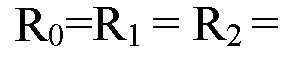
R3 = R4= 5 = R6=H, X为氧, R7为 2-丙炔基, 其结构式如下:
'dJHH ¾¾l '!OU3qd(iA-6-u3Jon]j-H6-(l^m3iu^xojpAq)-e-(|Au3qd(A om3AxojpAq-^)-i7)-6)-i7
^C^ ^ '槐 *(聲- 6-( th )-ε-( ¾ * ( ¾ ¾ ^ -Ζ)-Ρ)-6)-Ρ (εη

¾ = ¾=°¾ φ I ¾ί 'Vdffl ¾¾l '3i!Ji!uo oB( xou3nd(i -6-u3JonB- 6-(l u3ndAxojpAi-i7)-6)-l7)-z; H ^ '鄞 7 ( ¾ ¾ * (聲- 6- - Jf 6-( ¾ ¾ ¾ ¾ - fr)- 6) ) ( Z\ )

:土^ ' X Ή = ¾ = ¾ = = = = ¾=°¾ φ Ι¾ί ' dddd ' puaqddA-e-uajonu-He-d^uaiidAxoiiiauaiid-^-e)-^
^ ^έ ' 槐 * ( ¾ - 6- - 6- -P)-6)-P ( Π )

/,06C.0/ZT0ZN3/X3d Ζ,056Π/ίΐΟΖ OJSX

( 14)2—羟基芴双酚,英文名为 4,4'-(2-hydroxy-9H-fluorene-9,9-diyl)diphenol,简称 HFDP, 式1中 = = 1 3 = = 1 5 = = 1 7 = 11, 为羟基, X为氧, 其结构式如下:

( 15 ) 4-(9-(4-羟基苯基)-9 Jf -芴 -9-基)-2-甲基苯酚, 英文名 为 4-(9-(4-hydroxyphenyl)-9H-fluoren-9-yl)-2-methylphenol,简称 HFMP,式 I中 = R2 = R3 =
= R5 = R6 = R7 = H, Ro为甲基,

( 16 ) 4-(2,7二碘 -9-(4-甲氧基苯基) -9 Jf -芴 -9-基)苯酚, 英文名为 4-(2,7-diiodo-9-(4-methoxyphenyl)-9H-fluoren-9-yl)phenol,简称 DIMFP,式 I中 Ro= R2 = R3 = = R5 = H, Ri =R6=I, X为氧, R7为甲基, 其结构式如下:

本发明所述的化合物的药用盐是指药学上可接受的盐, 例如与盐酸、 硫酸、 磷酸、 硝 酸等无机酸形成的盐, 或是与柠檬酸、 琥珀酸、 枸橼酸、 醋酸、 酒石酸、 甲磺酸等有机酸 形成的盐。
本发明提出的化合物或其药用盐可抑制雌激素受体 (estrogen receptors) 配体依赖性转 录活性, 亦可抑制雌激素受体相关受体 (estrogen-related receptors) 的非配体依赖性转录活 性, 是雌激素受体及雌激素受体相关受体的反向激动剂。 研究表明本发明化合物与 4羟基- 他莫昔酚(他莫昔酚的活性代谢产物, 简称 40HT ) 的抗雌激素活性相似, 具有显著的抗雌 激素效应, 能有效抑制雌激素受体阳性癌细胞 (雌激素促长性癌细胞) 的生长, 杀死癌细 胞, 故能有效治疗例如乳腺癌、 卵巢癌、 子宫内膜癌、 宫颈癌、 前列腺癌、 结肠癌和肺癌 等有雌激素促长效应的癌症。 本发明的化合物或其盐可单独或与其他化疗药物或放疗联合 使用来治疗癌症, 还可作为预防恶性肿瘤的药物, 尤其是对特定癌症的高危人群。 试验结 果显示,本发明提出的化合物毒性较低,在连续三天暴露小鼠 500微克 /千克体重 /天剂量下, 未发现死亡情况。 因本发明化合物及其盐无需代谢就具有较强抗雌激素活性, 因此不仅可 以作为口服药物, 亦可作为针剂使用。 附图说明
图 1为实施例 1中双酚芴 (BHPF ) 对 MCF7癌细胞生长和存活的影响。
图 2为通过分子对接方法计算得到的 BHPF在人类雌激素受体 α配体反向激动剂口袋 中的姿态。
图 3为不同浓度 BHPF与 ΙηΜ 17 β -雌二醇 (Ε2 ) 共存下对雌激素受体 Ε2配体依赖性 转录活性的影响。
图 4为通过分子对接方法计算得到的 DEPF在人类雌激素受体 α配体反向激动剂口袋中 的姿态。
图 5为通过分子对接方法计算得到的 OPFP在人类雌激素受体 α配体反向激动剂口袋中 的姿态。
图 6为通过分子对接方法计算得到的 HPFP在人类雌激素受体 α配体反向激动剂口袋中 的姿态。
图 7为通过分子对接方法计算得到的 APFP在人类雌激素受体 α配体反向激动剂口袋中 的姿态。
图 8为通过分子对接方法计算得到的 APPFP在人类雌激素受体 α配体反向激动剂口袋 中的姿态。
图 9为通过分子对接方法计算得到的 EPFP在人类雌激素受体 α配体反向激动剂口袋中 的姿态。
图 10为通过分子对接方法计算得到的 HFDP在人类雌激素受体 α配体反向激动剂口袋 中的姿态。
图 11为通过分子对接方法计算得到的 HFPA在人类雌激素受体 α配体反向激动剂口袋 中的姿态。
图 12为通过分子对接方法计算得到的 HFPP在人类雌激素受体 α配体反向激动剂口袋 中的姿态。
图 13为通过分子对接方法计算得到的 HHFP在人类雌激素受体 α配体反向激动剂口袋 中的姿态。
图 14为通过分子对接方法计算得到的 HFMP在人类雌激素受体 α配体反向激动剂口袋 中的姿态。
图 15为通过分子对接方法计算得到的 PEPFP在人类雌激素受体 α配体反向激动剂口袋 中的姿态。
图 16为通过分子对接方法计算得到的 PPFP在人类雌激素受体 α配体反向激动剂口袋 中的姿态。
图 17为通过分子对接方法计算得到的 PYPFP在人类雌激素受体 α配体反向激动剂口 袋中的姿态。
图 18为通过分子对接方法计算得到的 DIMFP在人类雌激素受体 α配体反向激动剂口 袋中的姿态。 具体实施方式
以下实施例可更详细地说明本发明, 但不以任何形式限制本发明的范围。
实施例 1 : 双酚芴 (BHPF)对 MCF7癌细胞生长和存活的影响 本实施例中所用的 MCF7 乳腺癌细胞株购于北京金紫晶生物医药技术有限公司。 BHPF购自 Sigma- Aldrich公司 (美国)。 MCF7细胞在 5% C02、 37°C及湿度饱和条件下, 采用 24孔板 (Corning, NY, USA) DMEM培养基 +10%胎牛血清 (Gibco ) 培养, 每孔接种 2 万个细胞, 细胞贴壁后对它们用化合物进行处理 (BHPF用 DMSO溶解后设立 10_5-10_1Q M 暴露组, 单独 DMSO作为阴性对照组) 或者不予处理 (空白组), 经过 24小时的暴露, 采 用。 8¥©细胞计数法[。 8¥© Technology Cell Counter (Innovatis, Reutlingen, Germany)]检 测每孔的细胞数。
MCF7乳腺癌细胞在 BHPF溶液中暴露 24 小时后, 每组细胞数量如图 1所示, 从左至 右依次是空白对照组、 阴性对照组和不同浓度的 BHPF实验组, BHPF的浓度在 10μΜ (10_5 Μ)和 Ι μΜ ( 10_6 Μ) 时, MCF7活细胞数分别降低到阴性对照组细胞数 (单独 DMSO ) 的 19.64 %和 43.04%, 这里更值得注意的是 ΙΟμΜ暴露组细胞数量比接种的活细胞数下降超过 一半, 而 Ι μΜ浓度组的细胞数没有明显升高。 这表明 BHPF可以显著抑制 MCF7细胞的生 长, 甚至在短期内杀伤癌细胞, 致癌细胞死亡。 实施例 2: 双酚芴 (BHPF)抑制雌激素受体配体依赖性转录活性
通过分子对接方法 (参见 Nose T, et al. 2009. Toxicol. Lett. 191 : 33-39 ) 计算证实 BHPF 能很好地与人类雌激素受体 α配体反向激动剂口袋结合, 图 2显示所得的 BHPF在人类雌 激素受体 α配体反向激动剂口袋中的姿态, 其结合能约为 61.3千卡 /摩尔。
通过受体 -配体 -转录共激活因子结合试验 (参见 Kanayama et al. 2003. J Biochem 133 : 791-797 ) , 发现人类雌激素受体 α在 1 nM雌激素存在时能很好的与转录共激活因子 SRC2 很好的结合, 形成受体 -配体 -转录共激活因子复合物。 但是在加入 BHPF后, 转录共激活因 子 SRC2与人类雌激素受体 α的结合活性显著下降。如图 3所示,不同浓度 BHPF与 InM 17 β -雌二醇(Ε2 )共存的情况下,雌激素受体 Ε2配体依赖性转录活性受到影响。 BHPF的 IC50 值约为 7.5微摩, 仅略高于同样方法做出的 4羟基-他莫昔酚(他莫昔酚的高活性代谢产物, 简称 40HT )的 IC5Q值(6.8微摩)。试验还发现在浓度较高时, BHPF 的抗雌激素活性强于 40HT。 实施例 3: 双酚芴 (BHPF)对 OVCAR-3卵巢癌细胞、 Hela子宫颈癌细胞、 PC3前列腺癌细 胞和子宫内膜癌细胞生长和存活的影响
本实施例中所用的 OVCAR-3卵巢癌细胞、 Hela子宫颈癌细胞、 PC3前列腺癌细胞和子 宫内膜癌细胞株购于北京金紫晶生物医药技术有限公司, 在 5 % C02、 37°C及饱和湿度条 件下, 采用 24孔板 (Corning, NY, USA), DMEM培养基 +10%胎牛血清 (Gibco) 培养, 每 孔接种 2万个细胞,细胞贴壁后对它们用化合物进行处理(BHPF用 DMSO溶解后设立 10_5 和 10_6 M处理组, DMSO作为溶剂对照组), 经过 72小时的暴露, 采用 CASY®细胞计数法 检测每孔的细胞数。 结果如表 1所示, 表明 BHPF可以显著抑制这些癌细胞的生长或杀死 这些细胞。
表 1.

通过分子对接方法计算证实 DEPF、 OPFP、 HPFP、 HFPA、 EPFP、 PPFP、 PEPFP、 HFPP、 PYPFP APFP、 HHFP、 HFDP APPFP HFMP禾口 DIMFP能很好地与人类雌激素受体 α配 体反向激动剂口袋结合。 图 4至图 18显示了这些化合物在人类雌激素受体 a配体反向激动 剂口袋中的姿态,其结合能约为从 -51.32到 -62.42千卡 /摩尔;具体结合能数据和附图情况参 考表 2。 因为本发明的所涉及化合物抗癌效果基于其抗雌激素活性, 而且这些 BHPF衍生物 的抗雌激素活性与 BHPF相似, 而 BHPF 已被证明具有抗癌效果, 因此可以认为 DEPF、 OPFP、 HPFP HFPA、 EPFP、 PPFP、 PEPFP、 HFPP、 PYPFP APFP HHFP、 HFDP、 APPFP, HFMP和 DIMFP也具有抗癌效果。
表 2.

5
基 -2-甲基, X 为氧
HPFP -61.87 Ro = Ri = R2 = R3 = = R_5 = = H, R7为 2-¾
6
乙基, X为氧
APFP -59.68 图 7 Ro=Ri = R2 = R3 = R4 = R5 = Re = R7= H? X为氣
APPFP -60.97 图 8 Ro为氨基, Ri = R2 = R3 = R4=R5 = R6 = H, R7为 丙基, X为氧
EPFP -61.84 Ro = Ri = R2 = R3 = R4 = R5 = Re = H? R7为乙基,
X 为氧
HFDP -60.98 图 10 Ro = R2 = R3 = R4 = R5 = Re = R7 = H? Ri为 基,
X 为氧
HFPA -61.59 图 11 Ro = Ri = R2 = R3 = R4 = R5 = Re = H? R7为乙月青 基, X为氧
HFPP -62.42 图 12 Ro= Ri= R2= R3= R4= Rs= Re= H, R7为丙酮 基, X 为氧
HHFP -55.64 图 13 Κο = Κ = = Κ4= = Κ6 = Η,Ι2为羟甲基, R7 为 2-羟乙基, X为氧
HFMP -62.03 图 14 Ro为甲基, Ri = R2 = R3 = R4 = R5 = Re = R7 = H?
X为氧
PEPFP -60.93 图 15 Ro = Ri = R2 = R3 = R4=R5 = R6 = H, R7为哌啶基 乙基, X为氧
PPFP -61.33 图 16 Ro=Ri = R2 = R3 = R4 = R5 = Re = H, R7为本乙基,
X 为氧
PYPFP -61.61 图 17 Ro=Ri=R2= R3= R4=R5= R6=H, R7为 2-丙炔 基, X为氧
DIMFP -51.32 图 18 Ro= R2 = R3 = R4 = R5 = H? Ri=
 I, R7为甲基,
X为氧
实施例 5: BHPF的 CD1小鼠暴露实验
实验一、实验动物: 20日龄雌性 CD1健康小鼠, 体重 10 g左右, 随机分组 10 只 /组, 共分 4组: 3个药物处理组和 1个对照组,药物为 BHPF化合物;每次给药剂量分别为: 0 mg / kg 体重 (对照组)、 125 mg / kg 体重、 250 mg / kg 体重、 500mg / kg 体重。 方法: 自由 饮水, 灌胃给药, 每天一次连续三天。 观察时间: 连续 4 天, 在最后一次给药的 24 小时 后杀鼠称量子宫湿重。 实验结果没有发现任何实验组中有小鼠死亡, 各 BHPF 处理组的子 宫重量与对照组的都没有显著差异 (Ρ>0.05 )。
实验二、实验动物: 20日龄雌性 CD1健康小鼠, 体重 10 g左右, 随机分组 10 只 /组, 共分 4组: 1个雌激素组(400 μg E2 I kg 体重), 3个联合用药组( 125 mg BHPF + 400 μg E2/ kg 体重、 250 mg BHPF + 400 E2/ kg 体重、 500mg BHPF + 400 E2/ kg 体重)。 方法: 自由饮水, 灌胃给药, 每天一次连续三天。 观察时间: 连续 4 天, 在最后一次给药的 24 小时后杀鼠称量子宫湿重。 实验结果没有发现任何实验组中有小鼠死亡, 各 BHPF与 E2联 合用药组的子宫重量显著低于雌激素组的子宫重量 (P<0.01 )。
Claims
1. 式 I所示化合物或其药用 用:

式 I 式 I中, Ro表示氢, 甲基或氨基; Ri、 R2、 R3、 、 R5和 Re各自独立地表示氢、 卤素、 羟基、氰基、 d_3烷酰基、未取代的或被羟基或氰基取代的 d_3烷基; R7表示氢, 氰基, 氨基, d_9烷酰基, 未取代的或被氰基、 羟基、 氨基、 C3_9脂环烃基、 C3_9杂环基、 C6_10 芳基、 d_9烷酰基、 d_9羰基、 d_9烷胺基或 C2_7环氧烷基取代的 d_9脂肪烃基; X表示
-0-、 -CH2-或 - H -。
2. 如权利要求 1所述的应用, 其特征在于, 所述 d_9烷胺基指 -NR'R", 其中 R'和 R"各自独 立地表示氢或 d_9烷基, 且不同时为氢。
3. 如权利要求 1所述的应用, 其特征在于, R7选自下述基团之一: 氢、 甲基、 乙基、 丙基、 异丙基、 丁基、 异丁基、 仲丁基、 叔丁基、 异戊烯基、 醛基、 乙酰基、 氰基、 甲氰基、 乙氰基、 丙氰基、 羟甲基、 2-羟乙基、 2- (二甲胺基)乙基、 环氧乙基 -2-甲基、 吡咯基乙 基、 哌啶基乙基、 2-羰基丙基、 2-丙炔基和苯乙基。
4. 如权利要求 1所述的应用, 其特征在于, Ri、 R2、 R3、 、 R5和 Re各自独立选自下述 基团之一: 氢、 卤素、 甲基、 乙基、 丙基、 异丙基、 羟基、 羟甲基、 2-羟乙基、 醛基、 乙酰基、 氰基、 甲氰基、 乙氰基或丙氰基。
5. 如权利要求 1所述的应用, 其特征在于, 所述化合物为下述化合物 1 ) 〜16) 之一:
1 ) Ro = Ri = R2 = 3 = R4 = R5 = R6 = R7 = H, X=-0-;
2) Ro = Ri = R2 = R3 = R4 = R5 = R6 = H, Χ=-0-, R7为 2- (二甲胺基)乙基;
3 ) Ro = Ri = R2 = R3 = R4 = R5 = R6 = H, Χ=-0-, R7为环氧乙基 -2-甲基; 4) Ro = Ri = R2 = R3 = R4 = R5 = R6 = H, X=-0-, R7为 2-羟乙基;
5) Ro = Ri = R2 = R3 = R4 = R5 = R6 = R7=H, X=- H-;
6) Ro = - H2 :, Ri ■ = R2 = R3 i = ¾ ; = R6 = H, X=-0-, R7为丙基;
7) Ro = Ri = R2 = R3 = R4 = R5 = R6 = H, X=-0-, R7为乙基;
8) Ro = Ri = R2 = R3 = R4 = R5 = R6 = H, X=-0-, R7为哌啶基乙基;
9) Ro = Ri = R2 = R3 = R4 = R5 = R6 = H, X=-0-, R7为 2-羰基丙基;
10) Ro =Rr =R2 =R3 = R4 = =R5 = R6: =H, X=-0-, R7为 2-丙炔基;
11) Ro: =Rr = R2 = = R3 = = R4 = = R5 = = R6 = =H, Χ=-0-, R7为苯乙基;
12) Ro =Rr =R2 =R3 = R4 = =R5 = R6: =H, X=-0-, R7为乙腈基;
13) Ro =Rr =R3 = R4: = R5 = = R6: =H, R2=-CH2OH, Χ=-0-, R7为 2-:
14) Ro =R2 =R3 = R4: = R5 = = R6: =R7 =H, Ri =-OH, X=-0-;
15) Ro=-CH3, Ri = R2 = R3 = R4= R5 = R6 = R7 = H, X=-0-;
16) Ro = R2 = R3 = R4=R5 = H, ¾ = ¾=1, X=-0-, R7为甲基。
6. 如权利要求 1所述的应用, 其特征在于, 所述化合物的药用盐是指药学上可接受的该化 合物与无机酸或有机酸形成的盐。
7. 如权利要求 6所述的应用, 其特征在于, 所述无机酸是盐酸、 硫酸、 磷酸或硝酸, 所述 有机酸是柠檬酸、 琥珀酸、 枸橼酸、 醋酸、 酒石酸或甲磺酸。
8. 如权利要求 1所述的应用, 其特征在于, 所述癌症是雌激素受体阳性癌症。
9. 如权利要求 8所述的应用, 其特征在于, 所述癌症是乳腺癌、 卵巢癌、 子宫内膜癌、 宫 颈癌、 前列腺癌、 结肠癌或肺癌。
Applications Claiming Priority (2)
| Application Number | Priority Date | Filing Date | Title |
|---|---|---|---|
| CN201110093462.9A CN102727470B (zh) | 2011-04-14 | 2011-04-14 | 双酚芴及其衍生物在制备防治癌症药物中的应用 |
| CN201110093462.9 | 2011-04-14 |
Publications (1)
| Publication Number | Publication Date |
|---|---|
| WO2012139507A1 true WO2012139507A1 (zh) | 2012-10-18 |
Family
ID=46984241
Family Applications (1)
| Application Number | Title | Priority Date | Filing Date |
|---|---|---|---|
| PCT/CN2012/073907 Ceased WO2012139507A1 (zh) | 2011-04-14 | 2012-04-12 | 双酚芴及其衍生物在制备防治癌症药物中的应用 |
Country Status (2)
| Country | Link |
|---|---|
| CN (1) | CN102727470B (zh) |
| WO (1) | WO2012139507A1 (zh) |
Citations (2)
| Publication number | Priority date | Publication date | Assignee | Title |
|---|---|---|---|---|
| US5447960A (en) * | 1993-10-04 | 1995-09-05 | Dowelanco | Fungicidal use of phenolic aromatic compounds |
| WO2002056880A1 (en) * | 2001-01-19 | 2002-07-25 | Cytokinetics, Inc. | Triphenylmethane kinesin inhibitors |
Family Cites Families (2)
| Publication number | Priority date | Publication date | Assignee | Title |
|---|---|---|---|---|
| CN1291959C (zh) * | 2005-12-01 | 2006-12-27 | 哈尔滨工程大学 | 用杂多酸催化合成双酚芴的方法 |
| CN101003466A (zh) * | 2007-01-19 | 2007-07-25 | 哈尔滨工程大学 | 强酸性阳离子交换树脂催化合成双酚芴的方法 |
-
2011
- 2011-04-14 CN CN201110093462.9A patent/CN102727470B/zh not_active Expired - Fee Related
-
2012
- 2012-04-12 WO PCT/CN2012/073907 patent/WO2012139507A1/zh not_active Ceased
Patent Citations (2)
| Publication number | Priority date | Publication date | Assignee | Title |
|---|---|---|---|---|
| US5447960A (en) * | 1993-10-04 | 1995-09-05 | Dowelanco | Fungicidal use of phenolic aromatic compounds |
| WO2002056880A1 (en) * | 2001-01-19 | 2002-07-25 | Cytokinetics, Inc. | Triphenylmethane kinesin inhibitors |
Non-Patent Citations (2)
| Title |
|---|
| KOBAYASHI, S. ET AL.: "Stereo structure-controlled and electronic structure-controlled estrogen-like chemicals to design and develop non-estrogenic bisphenol A analogs based on chemical hardness concept.", CHEM. PHARM. BULL., vol. 54, no. 12, 2006, pages 1633 - 1638 * |
| KYM, P.R. ET AL.: "Bisphenolic compounds that enhance cell cation transport are found in commercial phenol red.", J. MED. CHEM., vol. 39, 1996, pages 4897 - 4904 * |
Also Published As
| Publication number | Publication date |
|---|---|
| CN102727470A (zh) | 2012-10-17 |
| CN102727470B (zh) | 2014-02-19 |
Similar Documents
| Publication | Publication Date | Title |
|---|---|---|
| Gao et al. | Apigenin sensitizes hepatocellular carcinoma cells to doxorubic through regulating miR-520b/ATG7 axis | |
| JP6539345B2 (ja) | がん治療のための医薬組成物の調製におけるデュロキセチン塩酸塩薬物の使用 | |
| Yu et al. | Effect of epiberberine from Coptis chinensis Franch on inhibition of tumor growth in MKN-45 xenograft mice | |
| Jin et al. | Simvastatin inhibits the development of radioresistant esophageal cancer cells by increasing the radiosensitivity and reversing EMT process via the PTEN-PI3K/AKT pathway | |
| JP2010508284A (ja) | エストロゲンレセプタ関連疾患を治療するための化合物および方法 | |
| AU2014344789B2 (en) | Pharmaceutical combinations for the treatment of cancer | |
| SG11202111402PA (en) | Anti-cancer nuclear hormone receptor-targeting compounds | |
| Falamarzian et al. | Effective down‐regulation of signal transducer and activator of transcription 3 (STAT3) by polyplexes of siRNA and lipid‐substituted polyethyleneimine for sensitization of breast tumor cells to conventional chemotherapy | |
| AU2012289964B2 (en) | Trans-clomiphene metabolites and uses thereof | |
| TW201731500A (zh) | 用於治療癌症的方法 | |
| AU2016204389B2 (en) | Kinase inhibitors for the treatment of cancer | |
| TW201713329A (zh) | 治療癌症的方法 | |
| Tripathi et al. | Targeting cervical cancer stem cells by phytochemicals | |
| TW201713328A (zh) | 治療癌症之方法 | |
| WO2012139507A1 (zh) | 双酚芴及其衍生物在制备防治癌症药物中的应用 | |
| CN105311032B (zh) | Tlr7激动剂与酪氨酸激酶抑制剂联用在制备抗肿瘤药物中的应用 | |
| US20240092793A1 (en) | Chromene-based compounds, methods and uses thereof | |
| JP7584163B2 (ja) | グリシンn-メチルトランスフェラーゼ増強剤、その調製方法及び使用 | |
| CN117886750A (zh) | 一种具有brd4蛋白抑制作用的氮杂菲类化合物及其制备方法与应用 | |
| Fu et al. | Potential therapeutic effects of natural extracts in multiple myeloma | |
| CN105853416A (zh) | 小檗碱在制备Hedgehong信号通路抑制剂中的用途 | |
| NZ621892B2 (en) | Trans-clomiphene metabolites and uses thereof | |
| HK1222548B (zh) | 治疗恶性肿瘤的药物组合 | |
| HK1196349B (zh) | 反式-氯米芬代謝物及其用途 | |
| CN104739822A (zh) | 淫羊藿素在制备ampk激动剂中的应用 |
Legal Events
| Date | Code | Title | Description |
|---|---|---|---|
| 121 | Ep: the epo has been informed by wipo that ep was designated in this application |
Ref document number: 12771575 Country of ref document: EP Kind code of ref document: A1 |
|
| NENP | Non-entry into the national phase |
Ref country code: DE |
|
| 122 | Ep: pct application non-entry in european phase |
Ref document number: 12771575 Country of ref document: EP Kind code of ref document: A1 |