WO2012132427A1 - レコメンド装置、レコメンドシステム、レコメンド方法およびプログラム - Google Patents
レコメンド装置、レコメンドシステム、レコメンド方法およびプログラム Download PDFInfo
- Publication number
- WO2012132427A1 WO2012132427A1 PCT/JP2012/002148 JP2012002148W WO2012132427A1 WO 2012132427 A1 WO2012132427 A1 WO 2012132427A1 JP 2012002148 W JP2012002148 W JP 2012002148W WO 2012132427 A1 WO2012132427 A1 WO 2012132427A1
- Authority
- WO
- WIPO (PCT)
- Prior art keywords
- recommendation
- correlation
- history information
- degree
- content
- Prior art date
- Legal status (The legal status is an assumption and is not a legal conclusion. Google has not performed a legal analysis and makes no representation as to the accuracy of the status listed.)
- Ceased
Links
Images








Classifications
-
- G—PHYSICS
- G06—COMPUTING OR CALCULATING; COUNTING
- G06F—ELECTRIC DIGITAL DATA PROCESSING
- G06F16/00—Information retrieval; Database structures therefor; File system structures therefor
- G06F16/90—Details of database functions independent of the retrieved data types
- G06F16/95—Retrieval from the web
- G06F16/953—Querying, e.g. by the use of web search engines
- G06F16/9535—Search customisation based on user profiles and personalisation
Definitions
- the present invention relates to a recommendation device, a recommendation system, a recommendation method, and a program that performs batch processing and real-time processing, integrates recommendation results of both processing, and outputs a final recommendation result.
- a "recommend service” has been actively performed which estimates the preference of the user based on the history information of the user and the like, and automatically recommends content and the like which are estimated to be suitable for the preference of the user.
- a representative technique used in such a recommendation service is called “collaborative filtering”.
- correlation is defined by comparing user's history information such as purchase history and browsing history between each user or each content, and it is predicted that the user is interested based on the correlation. Content is output as a recommendation result.
- improved techniques such as automation and speeding-up, are known (for example, refer nonpatent literature 1, nonpatent literature 2, nonpatent literature 3, nonpatent literature 4).
- Non-Patent Document 1 and Non-Patent Document 4 since history information is analyzed for each recommendation request to generate a recommendation result, it is always possible to make a recommendation using the latest history information.
- this technology there is a problem that it is difficult to recommend in real time because the amount of calculation required for analysis increases when the history information becomes enormous.
- Non-Patent Document 2 the history information is analyzed in advance to define the correlation, so the amount of calculation to be analyzed at the time of recommendation request becomes smaller compared to the technology described in Non-Patent Document 1, and in real time In this technique, since the correlation is defined using only history information at the time of analysis, there is a problem that the latest history information is not used.
- Non-Patent Document 3 the object to analyze history information is selected in advance, and the correlation is defined only between the representative user and the user to be recommended.
- the amount of calculation to analyze at the time of recommendation request becomes small, and the realization of the recommendation in real time becomes easy, but with the technology described in Non-Patent Document 3, the history information to be used is limited, and the accuracy as a recommendation is There was a problem of reducing it.
- the present invention has been made in view of the above-mentioned problems, and a recommendation device and a recommendation system for realizing a highly accurate recommendation by reducing the amount of calculation necessary for analysis without limiting history information to be used. And recommend methods and programs.
- the present invention proposes the following matters in order to solve the above-mentioned problems.
- symbol corresponding to embodiment of this invention is attached and demonstrated, it is not limited to this.
- the present invention defines correlation based on user's history information such as purchase history and browsing history, and outputs content that is predicted that the user is interested based on the defined correlation as a recommendation result
- a recommendation apparatus using a collaborative filtering method, and batch processing means for example, corresponding to the batch processing unit 1100 in FIG. 1) for analyzing the history information in advance to generate information necessary for the recommendation;
- Real-time processing means for example, corresponding to the real-time processing unit 1200 in FIG. 1 which analyzes history information for each occurrence and generates information necessary for recommendation, output of the batch processing means or / and output of the real-time processing means
- Recommendation result output unit for example, the recommendation result output unit 1300 of FIG. Proposes a recommendation apparatus characterized by comprising a considerable), the.
- the batch processing means analyzes the history information in advance to generate the information necessary for the recommendation.
- the real-time processing means analyzes history information each time a recommendation request is generated, and generates information necessary for the recommendation.
- the recommendation result output unit integrates the output of the batch processing unit and / or the output of the real time processing unit and outputs the recommendation result. Therefore, without limiting the history information to be used, it is possible to reduce the amount of calculation necessary for analysis and to realize a highly accurate recommendation.
- the present invention relates to the first history information collecting means (for example, corresponding to the history information collecting unit 1101 in FIG. 2) in which the batch processing means collects history information necessary for analysis with respect to the recommendation device of (1).
- the first correlation calculation means (for example, corresponding to the correlation calculation unit 1102 in FIG. 2) that analyzes the collected history information and defines the correlation, and using the defined correlation.
- a first recommendation degree calculation means (for example, corresponding to the recommendation degree calculation unit 1103 in FIG. 2) for calculating the recommendation degree of each content for the user, and a storage means for storing the calculated recommendation degree (for example,
- a second history information collection unit for example, corresponding to the history information collection unit 1201 in FIG.
- the second correlation calculation means (for example, corresponding to the correlation calculation unit 1202 in FIG. 2) that analyzes the history information and defines the correlation and the defined correlation use the contents of each content for the user.
- a second recommendation degree calculation unit (for example, corresponding to the recommendation degree calculation unit 1203 in FIG. 2) for calculating the recommendation degree, and the recommendation result output unit is the recommendation degree for each of the stored contents;
- a recommendation device is proposed, which outputs a recommendation result from the recommendation degree for each content calculated by the recommendation degree calculation means 2.
- the first history information collecting means of the batch processing means collects history information necessary for analysis.
- the first correlation calculation means analyzes the collected history information to define the correlation.
- the first recommendation degree calculation means calculates the recommendation degree of each content to the user using the defined correlation.
- the storage means stores the calculated recommendation degree.
- the second history information collecting means of the real time processing means collects history information necessary for analysis in real time.
- the second correlation calculation means analyzes the collected history information to define the correlation.
- the second recommendation degree calculation means calculates the recommendation degree of each content to the user using the defined correlation.
- the recommendation result output means outputs the recommendation result from the stored recommendation degree for each content and the recommendation degree for each content calculated by the second recommendation degree calculation means.
- the recommendation result using the correlation calculated in batch processing and the recommendation degree using the correlation calculated in real-time processing is output, the recommendation result is output, which is necessary for analysis without restricting the history information to be used. It is possible to reduce the amount of calculation and realize highly accurate recommendations.
- the present invention relates to the first history information collecting means (for example, corresponding to the history information collecting unit 1101 in FIG. 5) in which the batch processing means collects history information necessary for analysis in the recommendation device of (1). And the first correlation calculation means (for example, corresponding to the correlation calculation unit 1102 in FIG. 5) which analyzes the collected history information and defines the correlation, and a memory for storing the calculated correlation.
- a second history information collection unit (for example, the history information shown in FIG. 5), which comprises means (for example, corresponding to the storage unit 1115 in FIG. 5), and the real-time processing unit collects history information necessary for analysis in real time Collection unit 1201), second correlation calculation means (for example, corresponding to the correlation calculation unit 1202 in FIG.
- the first recommendation degree calculation means (for example, corresponding to the recommendation degree calculation unit 1203 in FIG. 5) for calculating the recommendation degree of each content to be acquired and the acquisition means (for example, acquisition in FIG. 5) for acquiring the stored correlation Section 1214) and second recommendation degree calculation means (for example, equivalent to the recommendation degree calculation section 1215 in FIG. 5) for calculating the recommendation degree of each content for the user using the acquired correlation
- the recommendation result output unit (for example, corresponding to the recommendation result output unit 1310 in FIG. 5) calculates the recommendation degree for each content calculated by the first recommendation degree calculation unit by the second recommendation degree calculation unit
- the recommendation device is proposed to output the recommendation result from the recommendation degree for each content.
- the first history information collecting means of the batch processing means collects history information necessary for analysis.
- the first correlation calculation means analyzes the collected history information to define the correlation.
- the storage means stores the calculated correlation.
- the second history information collecting means of the real time processing means collects history information necessary for analysis in real time.
- the second correlation calculation means analyzes the collected history information to define the correlation.
- the first recommendation degree calculation means calculates the recommendation degree of each content to the user using the defined correlation.
- the acquisition means acquires the stored correlation.
- the second recommendation degree calculation means calculates the recommendation degree of each content to the user using the acquired correlation.
- the recommendation result output means outputs the recommendation result from the recommendation degree for each content calculated by the first recommendation degree calculation means and the recommendation degree for each content calculated by the second recommendation degree calculation means.
- the real-time processing means calculates the recommendation degree from the correlation calculated by the batch process and the correlation calculated by the real-time process, and outputs the recommendation result from the recommendation degree, thereby limiting the history information to be used. Therefore, it is possible to realize highly accurate recommendations by reducing the amount of calculation required for analysis.
- the present invention relates to the first history information collecting means (for example, corresponding to the history information collecting unit 1101 in FIG. 8) in which the batch processing means collects history information necessary for analysis in the recommendation device of (1).
- the first correlation calculation means (for example, corresponding to the correlation calculation unit 1102 in FIG. 8) that analyzes the collected history information and defines the correlation, and using the defined correlation.
- a first recommendation degree calculation means (for example, corresponding to the recommendation degree calculation unit 1103 in FIG. 8) for calculating the recommendation degree of each content for the user, and a storage means for storing the defined correlation and the calculated recommendation degree
- a second history information collection unit for example, the history information collection unit shown in FIG. 8), which comprises the real time processing unit collecting history information necessary for analysis in real time.
- the acquisition means for example, corresponding to the acquisition unit 1227 in FIG. 8) for acquiring the defined correlation and the calculated recommendation degree, and using the acquired correlation, the recommendation degree of each content for the user
- a second recommendation degree calculation unit for example, corresponding to the recommendation degree calculation unit 1226 in FIG. 8) and the recommendation result output unit (for example, equivalent to the recommendation result output unit 1320 in FIG. 8) to calculate
- a recommendation device which outputs a recommendation result from the recommendation degree for each content calculated by the recommendation degree calculation means and the recommendation degree for each content calculated by the second recommendation degree calculation means.
- the first history information collecting means of the batch processing means collects history information necessary for analysis.
- the first correlation calculation means analyzes the collected history information to define the correlation.
- the first recommendation degree calculation means calculates the recommendation degree of each content to the user using the defined correlation.
- the storage means stores the defined correlation and the calculated recommendation degree.
- the second history information collecting means of the real time processing means collects history information necessary for analysis in real time.
- the acquisition means acquires the defined correlation and the calculated recommendation degree.
- the second recommendation degree calculation means calculates the recommendation degree of each content to the user using the acquired correlation.
- the recommendation result output means outputs the recommendation result from the recommendation degree for each content calculated by the first recommendation degree calculation means and the recommendation degree for each content calculated by the second recommendation degree calculation means.
- the history information to be used is not limited.
- a highly accurate recommendation can be realized by reducing the amount of calculation required for analysis.
- the present invention comprises a batch processing device, a real time processing device, and a recommendation device, defines correlation based on user's history information such as purchase history and browsing history, and based on the defined correlation, the user Is a recommendation system using a collaborative filtering method for outputting content that is predicted to be of interest as a recommendation result, wherein the batch processing apparatus (for example, corresponding to the batch processing apparatus 400 in FIG. 10) To generate information necessary for recommendation, and the real-time processing device (for example, corresponding to the real-time processing device 500 in FIG. 10) analyzes history information every time a recommendation request is generated, and generates information necessary for recommendation Generating the recommendation result output device (for example, corresponding to the recommendation result output device 600 of FIG. 10); It proposes a recommendation system characterized in that output and / or to integrate the output of the real-time processing apparatus pitch processor outputs the recommendation result.
- the batch processing apparatus analyzes the history information in advance to generate the information necessary for the recommendation
- the real-time processing apparatus analyzes the history information at each occurrence of the recommendation request and the information necessary for the recommendation
- the recommendation result output device integrates the output of the batch processing device or / and the output of the real time processing device and outputs the recommendation result. Therefore, without limiting the history information to be used, it is possible to reduce the amount of calculation necessary for analysis and to realize a highly accurate recommendation.
- the present invention relates to the first history information collecting means (for example, corresponding to the history information collecting unit 401 in FIG. 11) in which the batch processing device collects history information necessary for analysis in the recommendation system of (5).
- the first correlation calculation means (for example, corresponding to the correlation calculation unit 402 in FIG. 11) that analyzes the collected history information and defines the correlation, and using the defined correlation.
- a first recommendation degree calculation means (for example, corresponding to the recommendation degree calculation unit 403 in FIG. 11) for calculating the recommendation degree of each content for the user, and a storage means for storing the calculated recommendation degree (for example,
- a second history information collection unit for example, corresponding to the history information collection unit 501 in FIG.
- a recommendation system which is characterized by outputting a recommendation result from the recommendation degree for each content calculated by the second recommendation degree calculation means.
- the first history information collecting means of the batch processing apparatus collects history information necessary for analysis.
- the first correlation calculation means analyzes the collected history information to define the correlation.
- the first recommendation degree calculation means calculates the recommendation degree of each content to the user using the defined correlation.
- the storage means stores the calculated recommendation degree.
- the second history information collecting means of the real time processing device collects history information necessary for analysis in real time.
- the second correlation calculation means analyzes the collected history information to define the correlation.
- the second recommendation degree calculation means calculates the recommendation degree of each content to the user using the defined correlation.
- the recommendation device outputs a recommendation result from the stored recommendation degree for each content and the recommendation degree for each content calculated by the second recommendation degree calculation means.
- the recommendation result using the correlation calculated in batch processing and the recommendation degree using the correlation calculated in real-time processing is output, the recommendation result is output, which is necessary for analysis without restricting the history information to be used. It is possible to reduce the amount of calculation and realize highly accurate recommendations.
- the present invention relates to the first history information collecting means (for example, corresponding to the history information collection unit 401 in FIG. 14) in which the batch processing device collects history information necessary for analysis in the recommendation system of (5). And the first correlation calculation means (for example, corresponding to the correlation calculation unit 402 in FIG. 14) that analyzes the collected history information and defines the correlation, and a memory for storing the calculated correlation.
- a second history information collection unit (for example, history information shown in FIG. 14), which comprises means (for example, corresponding to the storage unit 415 in FIG. 14) and the real-time processing device collects history information necessary for analysis in real time 14) corresponding to the collection unit 501, and second correlation calculation means (for example, corresponding to the correlation calculation unit 502 in FIG.
- the first recommendation degree calculation unit (for example, corresponding to the recommendation degree calculation unit 503 in FIG. 14) for calculating the recommendation degree for each content for the content, and the acquisition unit for acquiring the stored correlation (for example, acquisition in FIG. 14)
- a second recommendation degree calculation unit (corresponding to, for example, the recommendation degree calculation unit 515 in FIG. 14) for calculating the recommendation degree of each content to the user using the acquired correlation; It is characterized in that the recommendation device outputs the recommendation result from the recommendation degree for each content calculated by the first recommendation degree calculation means and the recommendation degree for each content calculated by the second recommendation degree calculation means.
- the first history information collecting means of the batch processing apparatus collects history information necessary for analysis.
- the first correlation calculation means analyzes the collected history information to define the correlation.
- the storage means stores the calculated correlation.
- the second history information collecting means of the real time processing device collects history information necessary for analysis in real time.
- the second correlation calculation means analyzes the collected history information to define the correlation.
- the first recommendation degree calculation means calculates the recommendation degree of each content to the user using the defined correlation.
- the acquisition means acquires the stored correlation.
- the second recommendation degree calculation means calculates the recommendation degree of each content to the user using the acquired correlation.
- the recommendation device outputs a recommendation result from the recommendation degree for each content calculated by the first recommendation degree calculation means and the recommendation degree for each content calculated by the second recommendation degree calculation means.
- the real-time processing means calculates the recommendation degree from the correlation calculated by the batch process and the correlation calculated by the real-time process, and outputs the recommendation result from the recommendation degree, thereby limiting the history information to be used. Therefore, it is possible to realize highly accurate recommendations by reducing the amount of calculation required for analysis.
- the present invention relates to the first history information collection means (for example, corresponding to the history information collection unit 401 in FIG. 17) in which the batch processing device collects history information necessary for analysis in the recommendation system of (5).
- the first correlation calculation means (for example, corresponding to the correlation calculation unit 402 in FIG. 17) that analyzes the collected history information and defines the correlation, and using the defined correlation.
- a first recommendation degree calculation means (for example, corresponding to the recommendation degree calculation unit 403 in FIG. 17) for calculating the recommendation degree of each content for the user, and a storage means for storing the defined correlation and the calculated recommendation degree
- a second history information collection unit for example, the history information collection unit in FIG.
- a recommendation system has been proposed which is characterized by outputting a recommendation result from the recommendation degree for each content calculated by the recommendation degree calculation means 2.
- the first history information collecting means of the batch processing apparatus collects history information necessary for analysis.
- the first correlation calculation means analyzes the collected history information to define the correlation.
- the first recommendation degree calculation means calculates the recommendation degree of each content to the user using the defined correlation.
- the storage means stores the defined correlation and the calculated recommendation degree.
- the second history information collecting means of the real time processing device collects history information necessary for analysis in real time.
- the acquisition means acquires the defined correlation and the calculated recommendation degree.
- the second recommendation degree calculation means calculates the recommendation degree of each content to the user using the acquired correlation.
- the recommendation device outputs a recommendation result from the recommendation degree for each content calculated by the first recommendation degree calculation means and the recommendation degree for each content calculated by the second recommendation degree calculation means.
- the history information to be used is not limited.
- a highly accurate recommendation can be realized by reducing the amount of calculation required for analysis.
- the present invention defines the correlation based on the user's history information such as purchase history and browsing history, and outputs the content predicted to be interested by the user based on the defined correlation as the recommendation result Recommending method using a collaborative filtering method, wherein a batch processing step of analyzing the history information in advance to generate information necessary for the recommendation, analyzing history information at each occurrence of the recommendation request, and necessary for the recommendation
- a recommendation method comprising: a real time processing step of generating information; and a recommendation result output step of integrating the output of the batch processing step and / or the output of the real time processing step and outputting a recommendation result is suggesting.
- history information is analyzed in advance to generate information necessary for recommendation, history information is analyzed at each occurrence of recommendation request, information necessary for recommendation is generated, and output of batch processing step or And / or integrate the output of the real-time processing step and output a recommendation result. Therefore, without limiting the history information to be used, it is possible to reduce the amount of calculation necessary for analysis and to realize a highly accurate recommendation.
- the present invention relates to the recommendation method according to (9), wherein the batch processing step is a first step (for example, corresponding to step S101 in FIG. 3) of collecting history information necessary for analysis.
- a sixth step for example, corresponding to step S106 in FIG. 3
- a seventh step for example, step S107 in FIG. 3
- the recommendation result output step outputs the recommendation result from the recommendation degree for each content stored in the fourth step and the recommendation degree for each content calculated in the seventh step.
- history information necessary for analysis is collected, the collected history information is analyzed, and correlation is defined.
- the recommendation degree of each content to the user is calculated using the defined correlation, and the calculated recommendation degree is stored.
- historical information necessary for analysis is collected in real time, the collected historical information is analyzed, and correlation is defined.
- the degree of recommendation of each content to the user is calculated using the defined correlation.
- the recommendation result is output from the recommendation degree for each content stored in the fourth step and the recommendation degree for each content calculated in the seventh step. Therefore, since the recommendation result using the correlation calculated in batch processing and the recommendation degree using the correlation calculated in real-time processing is output, the recommendation result is output, which is necessary for analysis without restricting the history information to be used. It is possible to reduce the amount of calculation and realize highly accurate recommendations.
- the present invention relates to the recommendation method according to (9), wherein the batch processing step is a first step (for example, corresponding to step S201 in FIG. 6) of collecting history information necessary for analysis. In the second step (for example, corresponding to step S202 in FIG. 6) of analyzing the history information and defining the correlation, and in the third step (for example, step S203 in FIG. 6) of storing the calculated correlation. And the fourth step (for example, corresponding to step S204 in FIG. 6) of collecting the history information necessary for analysis in real time, and analyzing the collected history information , The fifth step of defining the correlation (for example, corresponding to step S205 in FIG.
- a sixth step for example, corresponding to step S206 in FIG. 6
- a seventh step for example, corresponding to step S207 in FIG. 6
- an eighth step for example, corresponding to step S208 in FIG. 6
- the recommendation method is proposed in which the recommendation result is output from the recommendation degree of each content and the recommendation degree of each content calculated in the eighth step.
- history information necessary for analysis is collected, the collected history information is analyzed, correlation is defined, and the calculated correlation is stored. Furthermore, history information necessary for analysis is collected in real time, the collected history information is analyzed, correlation is defined, and the degree of recommendation of each content to the user is calculated using the defined correlation. Next, the stored correlation is acquired, and using the acquired correlation, the degree of recommendation of each content to the user is calculated. Then, the recommendation result is output from the recommendation for each content calculated in the sixth step and the recommendation for each content calculated in the eighth step. Therefore, the real-time processing means calculates the recommendation degree from the correlation calculated by the batch process and the correlation calculated by the real-time process, and outputs the recommendation result from the recommendation degree, thereby limiting the history information to be used. Therefore, it is possible to realize highly accurate recommendations by reducing the amount of calculation required for analysis.
- the present invention relates to the recommendation method according to (9), wherein the batch processing step includes a first step (for example, corresponding to step S301 in FIG. 9) of collecting history information necessary for analysis.
- the third step for example, corresponding to step S303 in FIG. 9
- the fourth step for example, corresponding to step S304 in FIG. 9) for storing the defined correlation and the calculated recommendation degree;
- the fifth step for example, corresponding to step S 305 in FIG.
- a sixth step (for example, corresponding to step S306 in FIG. 9) of acquiring the calculated recommendation degree and a seventh step (for example, calculating the recommendation degree of each content for the user using the acquired correlation) , And the recommendation result output step recommending the recommendation result from the recommendation degree for each content calculated in the third step and the recommendation degree for each content calculated in the seventh step).
- a recommendation method characterized by outputting.
- history information necessary for analysis is collected, the collected history information is analyzed, correlation is defined, and the degree of recommendation of each content to the user is calculated using the defined correlation. And stores the defined correlation and the calculated recommendation degree. Furthermore, history information necessary for analysis is collected in real time, the defined correlation and the calculated recommendation degree are acquired, and the acquired correlation is used to calculate the recommendation degree of each content to the user. Then, the recommendation result is output from the recommendation for each content calculated in the third step and the recommendation for each content calculated in the seventh step. Therefore, since the recommendation result is output from the recommendation degree using the correlation calculated in batch processing and the recommendation degree using the correlation calculated in batch processing by real-time processing, the history information to be used is not limited. A highly accurate recommendation can be realized by reducing the amount of calculation required for analysis.
- the present invention defines the correlation based on the user's history information such as purchase history and browsing history, and outputs the content predicted to be interested by the user based on the defined correlation as the recommendation result Program for causing a computer to execute a recommendation method using a collaborative filtering method, wherein the history information is analyzed in advance to generate information necessary for the recommendation, and history information for each occurrence of the recommendation request. Analysis process to generate information necessary for recommendation, and a recommendation result output step for integrating the output of the batch processing step and / or the output of the real time processing step and outputting a recommendation result to a computer We have proposed a program to run it.
- history information is analyzed in advance to generate information necessary for recommendation, history information is analyzed at each occurrence of recommendation request, information necessary for recommendation is generated, and output of batch processing step or And / or integrate the output of the real-time processing step and output a recommendation result. Therefore, without limiting the history information to be used, it is possible to reduce the amount of calculation necessary for analysis and to realize a highly accurate recommendation.
- the present invention comprises a batch processing apparatus, a real time processing apparatus, and a recommendation apparatus, compares user history information such as purchase history and browsing history among users, defines correlation, and defines the correlation
- the batch processing device is the history A first step of analyzing information in advance to generate information necessary for recommendation, and the real-time processing device analyzing history information at each occurrence of recommendation request to generate information necessary for recommendation
- the recommendation device outputs the output of the first step or / and the second A third step of outputting the recommendation result by integrating the output of the step, the proposed program to be executed by a computer.
- the batch processing apparatus analyzes the history information in advance to generate the information necessary for the recommendation, and the real-time processing apparatus analyzes the history information each time the recommendation request occurs, and the information necessary for the recommendation Generate Then, the recommendation device integrates the output of the first step or / and the output of the second step and outputs a recommendation result. Therefore, without limiting the history information to be used, it is possible to reduce the amount of calculation necessary for analysis and to realize a highly accurate recommendation.
- the present invention it is possible to provide a recommendation result using all history information by the batch processing unit, and to provide a recommendation result reflecting the latest history information at the time of request occurrence by the real time processing unit.
- composition of a recommendation device concerning a 1st embodiment of the present invention It is a figure which shows the detailed structure of the recommendation apparatus which concerns on the 1st Embodiment of this invention. It is a figure which shows a process of the recommendation apparatus which concerns on the 1st Embodiment of this invention. It is a figure showing composition of a recommendation device concerning a 2nd embodiment of the present invention. It is a figure which shows the detailed structure of the recommendation apparatus which concerns on the 2nd Embodiment of this invention. It is a figure which shows a process of the recommendation apparatus which concerns on the 2nd Embodiment of this invention. It is a figure which shows the structure of the recommendation apparatus which concerns on the 3rd Embodiment of this invention.
- FIG. 1 It is a figure showing processing of a recommendation system concerning a 5th embodiment of the present invention. It is a figure which shows the structure of the recommendation system which concerns on the 6th Embodiment of this invention. It is a figure which shows the detailed structure of the recommendation system which concerns on the 6th Embodiment of this invention. It is a figure showing processing of a recommendation system concerning a 6th embodiment of the present invention. It is a figure which shows the structure of the recommendation apparatus which concerns on Example 1 of the 1st Embodiment of this invention. It is a figure which shows the structure of the recommendation apparatus which concerns on Example 1 of the 1st Embodiment of this invention.
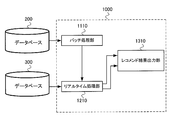
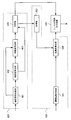
- the recommendation device 1000 includes a batch processing unit 1100, a real time processing unit 1200, and a recommendation result output unit 1300.
- the batch processing unit 1100 includes a database 200, A database 300 is connected to the real time processing unit 1200.
- the recommendation device 1000 distributes the calculation load by dividing the recommendation processing into batch processing and real-time processing, and at the same time, the result of the batch processing unit 1100 and the result of the real-time processing unit 1200 are recommended result output unit 1300. Integrate and output.
- two results may be added and the recommendation result may be output, or depending on the time zone, any one result of batch processing or real time processing may be output as it is .
- an average value or a weighted average of two results may be output as a recommendation result.
- the recommendation device includes a history information collection unit 1101 constituting a batch processing unit 1100, a correlation calculation unit 1102, a recommendation degree calculation unit 1103, a storage unit 1104 and real time.
- the processing unit 1200 includes a history information collection unit 1201, a correlation calculation unit 1202, a recommendation degree calculation unit 1203, and a recommendation result output unit 1300.
- the history information collection unit 1101 collects history information necessary for analysis from the database 200.
- the correlation calculation unit 1102 analyzes the collected history information to define the correlation.
- the recommendation degree calculation unit 1103 calculates the recommendation degree of each content to the user using the defined correlation.
- the storage unit 1104 stores the calculated recommendation degree.
- the history information collection unit 1201 collects history information necessary for analysis from the database 300.
- the correlation calculation unit 1202 analyzes the collected history information and defines the correlation.
- the recommendation degree calculation unit 1203 calculates the recommendation degree of each content for the user using the defined correlation.
- the recommendation result output unit 1300 outputs a recommendation result from the recommendation degree for each content stored in the storage unit 1104 and the recommendation degree for each content calculated by the recommendation degree calculation unit 1203.
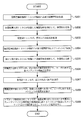
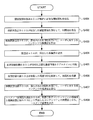
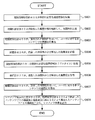
- the history information collection unit 1101 of the batch processing unit 1100 collects history information necessary for analysis from the database 200 (step S101), and the correlation calculation unit 1102 analyzes the collected history information to obtain correlation. For example, the histories of two users are compared and simultaneously defined based on the number of contents having a history, or the history of two contents is compared and defined based on the number of contents having a history simultaneously (step S102).
- the recommendation degree calculation unit 1103 uses the defined correlation to indicate the recommendation degree of each content to the user, for example, the correlation with other users who have a history of the content of the user or the history of the user Based on the correlation between the existing content and the other content, calculation is made (step S103), and the storage unit 1104 stores the calculated recommendation degree (step S104).
- the history information collection unit 1201 of the real-time processing unit 1200 collects history information necessary for analysis from the database 300 (step S105), and the correlation calculation unit 1202 analyzes the collected history information to obtain correlation as described above. It defines similarly (step S106).
- the recommendation degree calculation unit 1203 calculates the recommendation degree of each content for the user in the same manner as described above, using the defined correlation (step S107).
- the recommendation result output unit 1300 outputs the recommendation result from the recommendation degree for each content stored in the storage unit 1104 and the recommendation degree for each content calculated by the recommendation degree calculation unit 1203 (step S108).
- the recommendation degree using the correlation calculated in batch processing and the recommendation degree using the correlation calculated in real-time processing are used to output recommendation results from the recommendation degree. It is possible to realize highly accurate recommendations by reducing the amount of calculation required for analysis without limiting historical information.
- the recommendation device 1000 includes a batch processing unit 1110, a real time processing unit 1210, and a recommendation result output unit 1310.
- the batch processing unit 1110 includes a database 200.
- a database 300 is connected to the real time processing unit 1210.
- the recommendation device 1000 distributes the calculation load by dividing the recommendation processing into batch processing and real-time processing, and integrates and outputs the two results from the real-time processing unit 1210 by the recommendation result output unit 1310. Do.
- two results may be added and the recommendation result may be output, or depending on the time zone, any one result of batch processing or real time processing may be output as it is .
- an average value or a weighted average of two results may be output as a recommendation result.
- the recommendation device includes a history information collection unit 1101 constituting a batch processing unit 1110, a correlation calculation unit 1102, a storage unit 1115, and a history constituting a real time processing unit 1210.
- the detailed description is abbreviate
- the storage unit 1115 stores the calculated correlation.
- the acquisition unit 1214 acquires the correlation stored in the storage unit 1115.
- the recommendation degree calculation unit 1215 calculates the recommendation degree of each content for the user using the acquired correlation.
- the recommendation result output unit 1310 outputs a recommendation result from the recommendation degree for each content calculated by the recommendation degree calculation unit 1203 and the recommendation degree for each content calculated by the recommendation degree calculation unit 1215.
- the history information collection unit 1101 of the batch processing unit 1110 collects history information necessary for analysis from the database 200 (step S201), and the correlation calculation unit 1102 analyzes the collected history information to obtain correlation.
- the definition is made (step S202), and the storage unit 1115 stores the calculated correlation (step S203).
- the history information collection unit 1201 of the real-time processing unit 1210 collects history information necessary for analysis from the database 300 (step S204), and the correlation calculation unit 1202 analyzes the collected history information to define the correlation. (Step S205).
- the recommendation degree calculation unit 1203 calculates the recommendation degree of each content for the user using the defined correlation (step S206).
- the acquiring unit 1214 acquires the correlation stored in the storage unit 1115 (step S207), and the recommendation degree calculating unit 1215 calculates the recommendation degree of each content for the user using the acquired correlation ((S207). Step S208).
- the recommendation result output unit 1310 outputs a recommendation result from the recommendation degree for each content calculated by the recommendation degree calculation unit 1203 and the recommendation degree for each content calculated by the recommendation degree calculation unit 1215 (step S209).
- the real-time processing unit calculates the recommendation degree from the correlation calculated by the batch process and the correlation calculated by the real-time process, and the recommendation result from the recommendation degree
- the real-time processing unit calculates the recommendation degree from the correlation calculated by the batch process and the correlation calculated by the real-time process, and the recommendation result from the recommendation degree
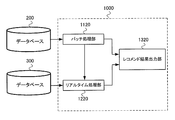
- the recommendation device 1000 includes a batch processing unit 1120, a real time processing unit 1220, and a recommendation result output unit 1320.
- the batch processing unit 1120 includes a database 200.
- a database 300 is connected to the real time processing unit 1220.
- the recommendation device 1000 distributes the calculation load by dividing the recommendation processing into batch processing and real-time processing, and while the batch processing unit 1120 transmits the result to the real-time processing unit 1220, the batch processing unit 1120 And two results from the real-time processing unit 1220 are integrated and output by the recommendation result output unit 1320.
- two results may be added and the recommendation result may be output, or depending on the time zone, any one result of batch processing or real time processing may be output as it is .
- an average value or a weighted average of two results may be output as a recommendation result.
- the recommendation device includes a history information collection unit 1101 constituting a batch processing unit 1120, a correlation calculation unit 1102, a recommendation degree calculation unit 1103, a storage unit 1126, and real time.
- the processing unit 1220 includes a history information collection unit 1201, a recommendation degree calculation unit 1226, an acquisition unit 1227, and a recommendation result output unit 1320.
- the detailed description is abbreviate
- the storage unit 1126 stores the correlation defined in the correlation calculation unit 1102 and the recommendation degree calculated in the recommendation degree calculation unit 1103.
- the acquisition unit 1227 acquires the correlation defined in the correlation calculation unit 1102 stored in the storage unit 1126 and the recommendation degree calculated in the recommendation degree calculation unit 1103.
- the recommendation degree calculation unit 1226 calculates the recommendation degree of each content for the user using the acquired correlation.
- the recommendation result output unit 1320 outputs a recommendation result from the recommendation degree for each content calculated by the recommendation degree calculation unit 1103 and the recommendation degree for each content calculated by the recommendation degree calculation unit 1226.
- the history information collection unit 1101 of the batch processing unit 1120 collects history information necessary for analysis from the database 200 (step S301), and the correlation calculation unit 1102 analyzes the collected history information to obtain correlation. It defines (step S302).
- the recommendation degree calculation unit 1103 calculates the recommendation degree of each content for the user using the defined correlation (step S303), and the storage unit 1126 calculates the correlation and recommendation degree defined in the correlation calculation unit 1102 The recommendation degree calculated in the unit 1103 is stored (step S304).
- the history information collection unit 1201 of the real-time processing unit 1220 collects history information necessary for analysis from the database 300 (step S305).
- the acquisition unit 1227 acquires the correlation defined in the correlation calculation unit 1102 stored in the storage unit 1126 and the recommendation degree calculated in the recommendation degree calculation unit 1103 (step S306), and the recommendation degree calculation unit 1226 is defined
- the degree of recommendation of each content to the user is calculated using the correlation (step S307).
- the recommendation result output unit 1320 outputs the recommendation result from the recommendation degree for each content calculated by the recommendation degree calculation unit 1103 and the recommendation degree for each content calculated by the recommendation degree calculation unit 1226 (step S308).
- the recommendation degree using the correlation calculated in batch processing and the real-time processing output the recommendation result from the recommendation degree using the correlation calculated in batch processing Therefore, without limiting the history information to be used, it is possible to reduce the amount of calculation required for analysis and realize a highly accurate recommendation.
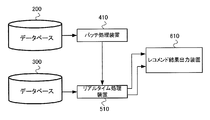
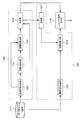
- the recommendation system comprises a batch processing apparatus 400, a real time processing apparatus 500, and a recommendation result output apparatus 600.
- the database 200 is real time
- a database 300 is connected to the processing device 500.
- the recommendation system distributes the operation load by dividing the recommendation processing into batch processing and real-time processing, and outputs the result of the batch processing apparatus 400 and the result of the real-time processing apparatus 500 as a recommendation result output apparatus Integrate at 600 and output.
- a cloud server having a high arithmetic processing capability
- the real-time processing apparatus 500 a portable terminal having a relatively low arithmetic processing capability in addition to a cloud server having a high arithmetic processing capability like the batch processing apparatus 400.
- STB Set Top Box
- a history information collection unit 401 a correlation calculation unit 402, a recommendation degree calculation unit 403, a storage unit 404, and a real time information collection unit constituting the batch processing apparatus 400.
- a history information collection unit 501 constituting the processing device 500, a correlation calculation unit 502, a recommendation degree calculation unit 503, and a recommendation result output device 600 are included.
- the history information collection unit 401 collects history information necessary for analysis from the database 200.
- the correlation calculation unit 402 analyzes the collected history information and defines the correlation.
- the recommendation degree calculation unit 403 calculates the recommendation degree of each content for the user using the defined correlation.
- the storage unit 404 stores the calculated recommendation degree.
- the history information collection unit 501 collects history information necessary for analysis from the database 300.
- the correlation calculation unit 502 analyzes the collected history information to define the correlation.
- the recommendation degree calculation unit 503 calculates the recommendation degree of each content to the user using the defined correlation.
- the recommendation result output device 600 outputs a recommendation result from the recommendation degree for each content stored in the storage unit 404 and the recommendation degree for each content calculated by the recommendation degree calculation unit 503.
- the history information collection unit 401 of the batch processing apparatus 400 collects history information necessary for analysis from the database 200 (step S401), and the correlation calculation unit 402 analyzes the collected history information to obtain correlation. It defines (step S402).
- the recommendation degree calculation unit 403 calculates the recommendation degree of each content for the user using the defined correlation (step S403), and the storage unit 404 stores the calculated recommendation degree (step S404).
- the history information collection unit 501 of the real-time processing device 500 collects history information necessary for analysis from the database 300 (step S405), and the correlation calculation unit 502 analyzes the collected history information to define the correlation. (Step S406).
- the recommendation degree calculation unit 503 calculates the recommendation degree of each content for the user using the defined correlation (step S407).
- the recommendation result output device 600 outputs the recommendation result from the recommendation degree for each content stored in the storage unit 404 and the recommendation degree for each content calculated by the recommendation degree calculation unit 503 (step S408).
- the recommendation device outputs the recommendation result from the recommendation degree using the correlation calculated in the batch processing apparatus and the recommendation degree using the correlation calculated in the real-time processing apparatus. Therefore, without limiting the history information to be used, it is possible to reduce the amount of calculation necessary for analysis and to realize a highly accurate recommendation.
- the recommendation system includes a batch processing unit 410, a real time processing unit 510, and a recommendation result output unit 610.
- the database 200 is real time
- a database 300 is connected to the processing unit 510.
- the recommendation system distributes the operation load by dividing the recommendation processing into batch processing and real-time processing, and integrates and outputs the two results from the real-time processing device 410 by the recommendation result output device 610.
- a cloud server having a high arithmetic processing capability
- the real-time processing apparatus 510 a portable terminal having a relatively low arithmetic processing capability in addition to a cloud server having a high arithmetic processing capability
- STB Set Top Box
- a history information collection unit 401 constituting a batch processing apparatus 410, a correlation calculation unit 402, a storage unit 415, and a history constituting a real time processing apparatus 510.
- the detailed description is abbreviate
- the storage unit 415 stores the calculated correlation.
- the acquisition unit 514 acquires the correlation stored in the storage unit 415.
- the recommendation degree calculation unit 515 calculates the recommendation degree of each content for the user using the acquired correlation.
- the recommendation result output device 610 outputs a recommendation result from the recommendation degree for each content calculated by the recommendation degree calculation unit 503 and the recommendation degree for each content calculated by the recommendation degree calculation unit 515.
- the history information collection unit 401 of the batch processing apparatus 410 collects history information necessary for analysis from the database 200 (step S501), and the correlation calculation unit 402 analyzes the collected history information to obtain correlation.
- the definition is made (step S502), and the storage unit 415 stores the calculated correlation (step S503).
- the history information collection unit 501 of the real time processing device 510 collects history information necessary for analysis from the database 300 (step S504), and the correlation calculation unit 502 analyzes the collected history information to define the correlation. (Step S505).
- the recommendation degree calculation unit 503 calculates the recommendation degree of each content for the user using the defined correlation (step S506). Further, the acquiring unit 514 acquires the correlation stored in the storage unit 415 (step S507), and the recommendation degree calculating unit 515 calculates the recommendation degree of each content for the user using the acquired correlation ((step S507). Step S508).
- the recommendation result output device 610 outputs the recommendation result from the recommendation degree for each content calculated by the recommendation degree calculation unit 503 and the recommendation degree for each content calculated by the recommendation degree calculation unit 515 (step S509).
- the real-time processing device calculates the recommendation degree from the correlation calculated by the batch processing device and the correlation calculated by the real-time processing device, and from these recommendation degrees Since the recommendation result is output, it is possible to realize a highly accurate recommendation by reducing the amount of calculation required for analysis without limiting history information to be used.
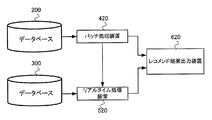
- the recommendation system includes a batch processing unit 420, a real time processing unit 520, and a recommendation result output unit 620.
- the batch processing unit 420 includes a database 200 in real time.
- a database 300 is connected to the processing device 520.
- the processing load is distributed by dividing the recommendation processing into batch processing and real-time processing, and the batch processing device 420 transmits the result to the real-time processing device 520.
- the two results from the real time processing device 520 are integrated and output by the recommendation result output device 620.
- the batch processing apparatus 420 a cloud server having a high arithmetic processing capability
- the real-time processing apparatus 520 a portable terminal having a relatively low arithmetic processing capability in addition to a cloud server having a high arithmetic processing capability like the batch processing apparatus 420.
- STB Set Top Box
- a history information collection unit 401 that constitutes the processing device 520, a recommendation degree calculation unit 526, an acquisition unit 527, and a recommendation result output device 620 are included.
- the detailed description is abbreviate
- the storage unit 426 stores the correlation defined in the correlation calculation unit 402 and the recommendation degree calculated in the recommendation degree calculation unit 403.
- the acquisition unit 527 acquires the correlation defined in the correlation calculation unit 402 stored in the storage unit 426 and the recommendation degree calculated in the recommendation degree calculation unit 403.
- the recommendation degree calculation unit 526 calculates the recommendation degree of each content for the user using the acquired correlation.
- the recommendation result output device 620 outputs a recommendation result from the recommendation degree for each content calculated by the recommendation degree calculation unit 403 and the recommendation degree for each content calculated by the recommendation degree calculation unit 526.
- the history information collection unit 401 of the batch processing apparatus 420 collects history information necessary for analysis from the database 200 (step S601), and the correlation calculation unit 402 analyzes the collected history information to obtain correlation. It defines (step S602).
- the recommendation degree calculation unit 403 calculates the recommendation degree of each content for the user using the defined correlation (step S603), and the storage unit 426 calculates the correlation and recommendation degree defined in the correlation calculation unit 402.
- the recommendation degree calculated in the part 403 is stored (step S604).
- the history information collection unit 501 of the real time processing device 520 collects history information necessary for analysis from the database 300 (step S605).
- the acquisition unit 527 acquires the correlation defined in the correlation calculation unit 402 stored in the storage unit 426 and the recommendation degree calculated in the recommendation degree calculation unit 403 (step S606), and the recommendation degree calculation unit 526 is defined as The degree of recommendation of each content to the user is calculated using the correlation (step S 607).
- the recommendation result output device 620 outputs the recommendation result from the recommendation degree for each content calculated by the recommendation degree calculation unit 403 and the recommendation degree for each content calculated by the recommendation degree calculation unit 526 (step S 608).
- the recommendation result using the correlation calculated in the batch processing apparatus and the recommendation result using the correlation calculated in the batch processing apparatus by the real-time processing apparatus thus, it is possible to realize a highly accurate recommendation by reducing the amount of calculation necessary for analysis without limiting the history information to be used.
- Example 1 The first embodiment will be described with reference to FIGS. 19 to 21.
- the present embodiment more specifically makes the recommendation device according to the first embodiment.
- the recommendation device includes a batch processing unit 1100, a real time processing unit 1200, a recommendation result output unit 1300, a database 1410, a contraction unit 1420, and a database 1430. It is done.
- the batch processing unit 1100 includes a history information collection unit 1101, a correlation calculation unit 1102, a recommendation degree calculation unit 1103, and a storage unit 1104.
- the real time processing unit 1200 includes a history information collection unit 1201; A correlation calculation unit 1202, a recommendation degree calculation unit 1203, and a recommendation result output unit 1300 are included.
- the detailed description is abbreviate
- the database 1410 is a database storing history information and the like of all users, and the contraction unit 1420 extracts the best user suitable for recommendation from the data in the database 1410.
- the database 1430 stores history information and the like of the best users extracted by the reduction unit 1420.
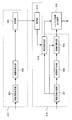
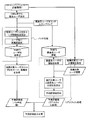
- ⁇ Processing of recommendation device The process of the recommendation device according to the present embodiment will be described with reference to FIG. First, based on data in a database 1410 (shown as “evaluation history T” in the figure), a good user is extracted from the Utility value. This is a process of extracting user data having sufficient evaluation data from all the history data. In general, there are many users who have little history in actual data, and the use of such user data unnecessarily increases the amount of calculation, and there is not much improvement in accuracy, so screening data I do.
- the best users are randomly sampled. This is processing for reducing the amount of data to be in time for the processing time of real time processing. At this time, it is preferable to thin out the data so that there is no bias in the data, and “clustering of user data into N pieces ⁇ processing of selecting N representative users one by one from each cluster” may be considered. For simplification, N persons are randomly selected each time (each time a batch process is performed).
- the inter-user similarity is calculated between the good user and all the users as the correlation, and the recommendation degree is calculated for each user.
- the degree of similarity between users refers to the degree of similarity between the evaluations of content by users as shown in Non-Patent Document 1, defines a measure of similarity between users, and receives a recommendation It shall evaluate the unregistered content in the user. Then, it is stored in an intermediate T1 (corresponding to the storage unit 1104). At the time of recommendation, using the user ID of the recommendation target user as a key, the recommendation degree is obtained from the middle T1, and a predicted evaluation value is obtained.
- the best users are randomly sampled, and the history information of the corresponding users is stored in advance in an intermediate T2 (corresponding to a database (contraction) 1430).
- the history information of the recommendation target user is acquired.
- the similarity between the recommendation target user and the best user is calculated, and a predicted evaluation value is calculated.
- a predicted evaluation value is obtained.
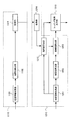
- FIG. 21 schematically shows the relationship between a user used for recommendation processing and batch processing and real-time processing.
- a user used for recommendation processing and batch processing and real-time processing for example, based on the data of all users of one million stored in the evaluation history T, for example, 10000 good users are extracted from the Utility value, and the best users are randomly selected. By sampling, for example, 100 best users are extracted and stored in the middle T2.
- the information of the evaluation history T and the information of the good users are used for batch processing, and the correlation is calculated based on the information of all users and the good users.
- the correlation is calculated based on the history information of the recommendation target user acquired from the evaluation history T and the history information of the best user.
- Example 2 The second embodiment will be described with reference to FIGS. 22 and 23. Note that this embodiment more specifically makes the recommendation device according to the third embodiment.
- the recommendation device includes a batch processing unit 1120, a real time processing unit 1220, a recommendation result output unit 1320, and a database 1410.
- the batch processing unit 1120 includes a history information collection unit 1101, a correlation calculation unit 1102, a recommendation degree calculation unit 1103, and a storage unit 1126.
- the real time processing unit 1220 includes a history information collection unit 1201.
- the detailed description is abbreviate
- the database 1410 is a database that stores history information and the like of all users.
- ⁇ Processing of recommendation device The process of the recommendation device according to the present embodiment will be described with reference to FIG. First, based on data in a database 1410 (shown as “evaluation history T” in the figure), a good user is extracted from the Utility value. This is a process of extracting user data having sufficient evaluation data from all the history data. In general, there are many users who have little history in actual data, and the use of such user data unnecessarily increases the amount of calculation, and there is not much improvement in accuracy, so screening data I do.
- the similarity between contents is calculated using the evaluation history of a good user as the correlation, and the recommendation degree is calculated for each user. Then, this is stored in the middle T1.
- the degree of similarity between contents refers to the degree of similarity between contents by comparing the commonality of evaluations of contents by users as shown in Non-Patent Document 4, defining a similarity measure between contents, and receiving a recommendation It shall evaluate the unregistered content in the user.
- the recommendation degree is obtained from the middle T1, and a predicted evaluation value is obtained.
- the inter-content similarity data obtained in the middle of the calculation of the predicted evaluation value is stored in the middle T2.
- the history information of the recommendation target user is acquired, and the inter-content similarity regarding the content included in the history information is acquired from the intermediate T2.
- a predicted evaluation value is obtained. That is, in real time processing, the value of similarity calculated at the time of batch processing is reused.
- the history information of the recommendation target user only the history information of “latest X cases” may be used. Specifically, user data in which the latest X cases or less are left blank is created and calculation of a predicted evaluation value is performed. This enables recommendation based on more recent history.
- the correlation included in the intermediate T2 is based on the inter-content similarity at the time of batch processing. Therefore, although the history of the day can not be reflected, the inter-content similarity is less likely to change than the inter-user similarity, and thus the recommendation accuracy is hardly affected.
- the processing of the recommendation device or the recommendation system is recorded in a computer readable recording medium, and the program recorded in the recording medium is read into the recommendation device or the batch processing device, the real time processing device, and the recommendation result output device and executed.
- the recommendation device or recommendation system of the present invention can be realized.
- the computer system referred to here includes hardware such as an OS and peripheral devices.
- the "computer system” also includes a homepage providing environment (or display environment) if the WWW (World Wide Web) system is used.
- the program may be transmitted from a computer system in which the program is stored in a storage device or the like to another computer system via a transmission medium or by transmission waves in the transmission medium.
- the “transmission medium” for transmitting the program is a medium having a function of transmitting information, such as a network (communication network) such as the Internet or a communication line (communication line) such as a telephone line.
- the program may be for realizing a part of the functions described above. Furthermore, it may be a so-called difference file (difference program) that can realize the above-described functions in combination with a program already recorded in the computer system.
- difference file difference program
- history information to be used is intensively managed by a storage medium such as a database, and it is assumed that these are acquired using a history information collection unit, but it is not necessarily limited to this.
- the method of providing recommendation results according to the present invention assumes that a list describing the recommendation degree of each content to the user is provided to an external recommendation presentation method, but this method of use is not always necessary. It is not limited to
- each process of the recommendation of the present invention may be an implementation method such as execution by one server, cooperation of a plurality of servers specialized for each function, or cooperation of a plurality of servers using a load distribution function. .
Landscapes
- Engineering & Computer Science (AREA)
- Databases & Information Systems (AREA)
- Theoretical Computer Science (AREA)
- Data Mining & Analysis (AREA)
- Physics & Mathematics (AREA)
- General Engineering & Computer Science (AREA)
- General Physics & Mathematics (AREA)
- Information Retrieval, Db Structures And Fs Structures Therefor (AREA)
Abstract
【課題】利用する履歴情報を制限することなく、解析に必要な計算量を軽量化して精度の高いレコメンドを実現する。 【解決手段】バッチ処理部は、履歴情報を事前に解析してレコメンドに必要な情報を生成する。リアルタイム処理部は、レコメンド要求の発生毎に履歴情報を解析してレコメンドに必要な情報を生成する。レコメンド結果出力部は、バッチ処理部の出力または/およびリアルタイム処理部の出力を統合してレコメンド結果を出力する。
Description
本発明は、バッチ処理とリアルタイム処理とを行い、両処理のレコメンド結果を統合して、最終的なレコメンド結果を出力するレコメンド装置、レコメンドシステム、レコメンド方法およびプログラムに関する。
近年、ユーザの履歴情報などを基にユーザの嗜好を推測し、ユーザの嗜好に適合すると推測されるコンテンツなどを自動的にレコメンドする「レコメンドサービス」が盛んに行われている。このようなレコメンドサービスにおいて利用されている代表的な技術が「協調フィルタリング」と呼ばれているものである。この協調フィルタリングは、購買履歴や閲覧履歴等のユーザの履歴情報を、各ユーザ間、あるいは各コンテンツ間で比較することで相関性を定義し、その相関性を元にユーザが興味を持つと予測されるコンテンツをレコメンド結果として出力する手法である。この協調フィルタリングについては、自動化や高速化等の改良技術が知られている(例えば、非特許文献1、非特許文献2、非特許文献3、非特許文献4参照。)。
P.Resnick, N.Iacovou, M.Suchak, P.Bergstrom, and J.Riedl. "GroupLens: Open Architecture for Collaborative Filtering of Netnews" In Conference on Computer Supported Cooperative Work, pp. 175-186 (1994)
T.Hofmann and J.Puzicha, "Latent Class Models for Collaborative Filtering", 16th IJCAI (1999)
百田信, 伊東栄典,"ソーシャルブックマークに基づく情報発見,"DEWS 2008, I1-15, Mar.2008.
Badrul Sarwar, George Karypis, Joseph Konstan, and John Reidl. 2001. Item-based collaborative filtering recommendation algorithms. In Proceedings of the 10th international conference on World ’Wide Web (WWW ‘01). ACM, New York, NY, USA, 285-295.
ここで、非特許文献1や非特許文献4に記載の技術では、推薦要求毎に履歴情報を解析してレコメンド結果を生成するため、常に、最新の履歴情報を利用したレコメンドが可能となるが、この技術では、履歴情報が膨大になると解析に必要な計算量が増大するため、リアルタイムでのレコメンドが困難となるという問題点があった。
非特許文献2に記載の技術では、事前に履歴情報を解析して相関性を定義するため、非特許文献1に記載の技術と比較して推薦要求時に解析する計算量が小さくなり、リアルタイムでのレコメンドの実現を容易にするが、この技術では、解析の時点での履歴情報のみを用いて相関性を定義するため、最新の履歴情報が利用されないという問題点があった。
非特許文献3に記載の技術では、履歴情報を解析する対象を予め選別し、代表ユーザと被推薦対象ユーザとの間でのみ相関性を定義するため、非特許文献1に記載の技術と比較して推薦要求時に解析する計算量が小さくなり、リアルタイムでのレコメンドの実現を容易にするが、非特許文献3に記載の技術では、利用する履歴情報を制限することとなり、レコメンドとしての精度を低下させるという問題点があった。
そこで、本発明は、上述の課題に鑑みてなされたものであり、利用する履歴情報を制限することなく、解析に必要な計算量を軽量化して精度の高いレコメンドを実現するレコメンド装置、レコメンドシステム、レコメンド方法およびプログラムを提供することを目的とする。
本発明は、上記の課題を解決するために、以下の事項を提案している。なお、理解を容易にするために、本発明の実施形態に対応する符号を付して説明するが、これに限定されるものではない。
(1)本発明は、購買履歴や閲覧履歴等のユーザの履歴情報を元に相関性を定義し、該定義した相関性に基づいてユーザが興味を持つと予測されるコンテンツをレコメンド結果として出力する協調フィルタリング方法を用いるレコメンド装置であって、前記履歴情報を事前に解析してレコメンドに必要な情報を生成するバッチ処理手段(例えば、図1のバッチ処理部1100に相当)と、レコメンド要求の発生毎に履歴情報を解析してレコメンドに必要な情報を生成するリアルタイム処理手段(例えば、図1のリアルタイム処理部1200に相当)と、前記バッチ処理手段の出力または/および前記リアルタイム処理手段の出力を統合してレコメンド結果を出力するレコメンド結果出力手段(例えば、図1のレコメンド結果出力部1300に相当)と、を備えたことを特徴とするレコメンド装置を提案している。
この発明によれば、バッチ処理手段は、履歴情報を事前に解析してレコメンドに必要な情報を生成する。リアルタイム処理手段は、レコメンド要求の発生毎に履歴情報を解析してレコメンドに必要な情報を生成する。レコメンド結果出力手段は、バッチ処理手段の出力または/およびリアルタイム処理手段の出力を統合してレコメンド結果を出力する。したがって、利用する履歴情報を制限することなく、解析に必要な計算量を軽量化して精度の高いレコメンドを実現することができる。
(2)本発明は、(1)のレコメンド装置について、前記バッチ処理手段が、解析に必要な履歴情報を収集する第1の履歴情報収集手段(例えば、図2の履歴情報収集部1101に相当)と、該収集した履歴情報を解析して、相関性を定義する第1の相関性算出手段(例えば、図2の相関性算出部1102に相当)と、該定義された相関性を用いて、ユーザに対する各コンテンツの推薦度を算出する第1の推薦度算出手段(例えば、図2の推薦度算出部1103に相当)と、該算出した推薦度を記憶する記憶手段(例えば、図2の記憶部1104に相当)と、を備え、前記リアルタイム処理手段が、解析に必要な履歴情報をリアルタイムに収集する第2の履歴情報収集手段(例えば、図2の履歴情報収集部1201に相当)と、該収集した履歴情報を解析して、相関性を定義する第2の相関性算出手段(例えば、図2の相関性算出部1202に相当)と、該定義された相関性を用いて、ユーザに対する各コンテンツの推薦度を算出する第2の推薦度算出手段(例えば、図2の推薦度算出部1203に相当)と、を備え、前記レコメンド結果出力手段が、前記記憶されたコンテンツごとの推薦度と前記第2の推薦度算出手段により算出したコンテンツごとの推薦度とからレコメンド結果を出力することを特徴とするレコメンド装置を提案している。
この発明によれば、バッチ処理手段の第1の履歴情報収集手段は、解析に必要な履歴情報を収集する。第1の相関性算出手段は、収集した履歴情報を解析して、相関性を定義する。第1の推薦度算出手段は、定義された相関性を用いて、ユーザに対する各コンテンツの推薦度を算出する。記憶手段は、算出した推薦度を記憶する。リアルタイム処理手段の第2の履歴情報収集手段は、解析に必要な履歴情報をリアルタイムに収集する。第2の相関性算出手段は、収集した履歴情報を解析して、相関性を定義する。第2の推薦度算出手段は、定義された相関性を用いて、ユーザに対する各コンテンツの推薦度を算出する。レコメンド結果出力手段は、記憶されたコンテンツごとの推薦度と第2の推薦度算出手段により算出したコンテンツごとの推薦度とからレコメンド結果を出力する。したがって、バッチ処理において算出した相関性を用いた推薦度とリアルタイム処理において算出した相関性を用いた推薦度とからレコメンド結果を出力するため、利用する履歴情報を制限することなく、解析に必要な計算量を軽量化して精度の高いレコメンドを実現することができる。
(3)本発明は、(1)のレコメンド装置について、前記バッチ処理手段が、解析に必要な履歴情報を収集する第1の履歴情報収集手段(例えば、図5の履歴情報収集部1101に相当)と、該収集した履歴情報を解析して、相関性を定義する第1の相関性算出手段(例えば、図5の相関性算出部1102に相当)と、該算出した相関性を記憶する記憶手段(例えば、図5の記憶部1115に相当)と、を備え、前記リアルタイム処理手段が、解析に必要な履歴情報をリアルタイムに収集する第2の履歴情報収集手段(例えば、図5の履歴情報収集部1201に相当)と、該収集した履歴情報を解析して、相関性を定義する第2の相関性算出手段(例えば、図5の相関性算出部1202に相当)と、該定義された相関性を用いて、ユーザに対する各コンテンツの推薦度を算出する第1の推薦度算出手段(例えば、図5の推薦度算出部1203に相当)と、前記記憶された相関性を取得する取得手段(例えば、図5の取得部1214に相当)と、該取得した相関性を用いて、ユーザに対する各コンテンツの推薦度を算出する第2の推薦度算出手段(例えば、図5の推薦度算出部1215に相当)と、を備え、前記レコメンド結果出力手段(例えば、図5のレコメンド結果出力部1310に相当)が、前記第1の推薦度算出手段により算出したコンテンツごとの推薦度と前記第2の推薦度算出手段により算出したコンテンツごとの推薦度とからレコメンド結果を出力することを特徴とするレコメンド装置を提案している。
この発明によれば、バッチ処理手段の第1の履歴情報収集手段は、解析に必要な履歴情報を収集する。第1の相関性算出手段は、収集した履歴情報を解析して、相関性を定義する。記憶手段は、算出した相関性を記憶する。リアルタイム処理手段の第2の履歴情報収集手段は、解析に必要な履歴情報をリアルタイムに収集する。第2の相関性算出手段は、収集した履歴情報を解析して、相関性を定義する。第1の推薦度算出手段は、定義された相関性を用いて、ユーザに対する各コンテンツの推薦度を算出する。取得手段は、記憶された相関性を取得する。第2の推薦度算出手段は、取得した相関性を用いて、ユーザに対する各コンテンツの推薦度を算出する。レコメンド結果出力手段は、第1の推薦度算出手段により算出したコンテンツごとの推薦度と第2の推薦度算出手段により算出したコンテンツごとの推薦度とからレコメンド結果を出力する。したがって、リアルタイム処理手段が、バッチ処理で算出した相関性とリアルタイム処理で算出した相関性とから推薦度を算出し、これらの推薦度とからレコメンド結果を出力するため、利用する履歴情報を制限することなく、解析に必要な計算量を軽量化して精度の高いレコメンドを実現することができる。
(4)本発明は、(1)のレコメンド装置について、前記バッチ処理手段が、解析に必要な履歴情報を収集する第1の履歴情報収集手段(例えば、図8の履歴情報収集部1101に相当)と、該収集した履歴情報を解析して、相関性を定義する第1の相関性算出手段(例えば、図8の相関性算出部1102に相当)と、該定義された相関性を用いて、ユーザに対する各コンテンツの推薦度を算出する第1の推薦度算出手段(例えば、図8の推薦度算出部1103に相当)と、該定義した相関性および算出した推薦度を記憶する記憶手段(例えば、図8の記憶部1126に相当)と、を備え、前記リアルタイム処理手段が、解析に必要な履歴情報をリアルタイムに収集する第2の履歴情報収集手段(例えば、図8の履歴情報収集部1201に相当)と、前記定義した相関性および算出した推薦度を取得する取得手段(例えば、図8の取得部1227に相当)と、該取得した相関性を用いて、ユーザに対する各コンテンツの推薦度を算出する第2の推薦度算出手段(例えば、図8の推薦度算出部1226に相当)と、前記レコメンド結果出力手段(例えば、図8のレコメンド結果出力部1320に相当)が、前記第1の推薦度算出手段により算出したコンテンツごとの推薦度と前記第2の推薦度算出手段により算出したコンテンツごとの推薦度とからレコメンド結果を出力することを特徴とするレコメンド装置を提案している。
この発明によれば、バッチ処理手段の第1の履歴情報収集手段は、解析に必要な履歴情報を収集する。第1の相関性算出手段は、収集した履歴情報を解析して、相関性を定義する。第1の推薦度算出手段は、定義された相関性を用いて、ユーザに対する各コンテンツの推薦度を算出する。記憶手段は、定義した相関性および算出した推薦度を記憶する。リアルタイム処理手段の第2の履歴情報収集手段は、解析に必要な履歴情報をリアルタイムに収集する。取得手段は、定義した相関性および算出した推薦度を取得する。第2の推薦度算出手段は、取得した相関性を用いて、ユーザに対する各コンテンツの推薦度を算出する。レコメンド結果出力手段は、第1の推薦度算出手段により算出したコンテンツごとの推薦度と第2の推薦度算出手段により算出したコンテンツごとの推薦度とからレコメンド結果を出力する。したがって、バッチ処理において算出した相関性を用いた推薦度と、リアルタイム処理がバッチ処理において算出した相関性を用いた推薦度とからレコメンド結果を出力するため、利用する履歴情報を制限することなく、解析に必要な計算量を軽量化して精度の高いレコメンドを実現することができる。
(5)本発明は、バッチ処理装置とリアルタイム処理装置とレコメンド装置とからなり、購買履歴や閲覧履歴等のユーザの履歴情報を元に相関性を定義し、該定義した相関性に基づいてユーザが興味を持つと予測されるコンテンツをレコメンド結果として出力する協調フィルタリング方法を用いるレコメンドシステムであって、前記バッチ処理装置(例えば、図10のバッチ処理装置400に相当)は、前記履歴情報を事前に解析してレコメンドに必要な情報を生成し、前記リアルタイム処理装置(例えば、図10のリアルタイム処理装置500に相当)は、レコメンド要求の発生毎に履歴情報を解析してレコメンドに必要な情報を生成し、前記レコメンド結果出力装置(例えば、図10のレコメンド結果出力装置600に相当)は、前記バッチ処理装置の出力または/および前記リアルタイム処理装置の出力を統合してレコメンド結果を出力することを特徴とするレコメンドシステムを提案している。
この発明によれば、バッチ処理装置は、履歴情報を事前に解析してレコメンドに必要な情報を生成し、リアルタイム処理装置は、レコメンド要求の発生毎に履歴情報を解析してレコメンドに必要な情報を生成し、レコメンド結果出力装置は、バッチ処理装置の出力または/およびリアルタイム処理装置の出力を統合してレコメンド結果を出力する。したがって、利用する履歴情報を制限することなく、解析に必要な計算量を軽量化して精度の高いレコメンドを実現することができる。
(6)本発明は、(5)のレコメンドシステムについて、前記バッチ処理装置が、解析に必要な履歴情報を収集する第1の履歴情報収集手段(例えば、図11の履歴情報収集部401に相当)と、該収集した履歴情報を解析して、相関性を定義する第1の相関性算出手段(例えば、図11の相関性算出部402に相当)と、該定義された相関性を用いて、ユーザに対する各コンテンツの推薦度を算出する第1の推薦度算出手段(例えば、図11の推薦度算出部403に相当)と、該算出した推薦度を記憶する記憶手段(例えば、図11の記憶部404に相当)と、を備え、前記リアルタイム処理装置が、解析に必要な履歴情報をリアルタイムに収集する第2の履歴情報収集手段(例えば、図11の履歴情報収集部501に相当)と、該収集した履歴情報を解析して、相関性を定義する第2の相関性算出手段(例えば、図11の相関性算出部502に相当)と、該定義された相関性を用いて、ユーザに対する各コンテンツの推薦度を算出する第2の推薦度算出手段(例えば、図11の推薦度算出部503に相当)と、を備え、前記レコメンド結果出力装置が、前記記憶されたコンテンツごとの推薦度と前記第2の推薦度算出手段により算出したコンテンツごとの推薦度とからレコメンド結果を出力することを特徴とするレコメンドシステムを提案している。
この発明によれば、バッチ処理装置の第1の履歴情報収集手段は、解析に必要な履歴情報を収集する。第1の相関性算出手段は、収集した履歴情報を解析して、相関性を定義する。第1の推薦度算出手段は、定義された相関性を用いて、ユーザに対する各コンテンツの推薦度を算出する。記憶手段は、算出した推薦度を記憶する。リアルタイム処理装置の第2の履歴情報収集手段は、解析に必要な履歴情報をリアルタイムに収集する。第2の相関性算出手段は、収集した履歴情報を解析して、相関性を定義する。第2の推薦度算出手段は、定義された相関性を用いて、ユーザに対する各コンテンツの推薦度を算出する。レコメンド装置は、記憶されたコンテンツごとの推薦度と第2の推薦度算出手段により算出したコンテンツごとの推薦度とからレコメンド結果を出力する。したがって、バッチ処理において算出した相関性を用いた推薦度とリアルタイム処理において算出した相関性を用いた推薦度とからレコメンド結果を出力するため、利用する履歴情報を制限することなく、解析に必要な計算量を軽量化して精度の高いレコメンドを実現することができる。
(7)本発明は、(5)のレコメンドシステムについて、前記バッチ処理装置が、解析に必要な履歴情報を収集する第1の履歴情報収集手段(例えば、図14の履歴情報収集部401に相当)と、該収集した履歴情報を解析して、相関性を定義する第1の相関性算出手段(例えば、図14の相関性算出部402に相当)と、該算出した相関性を記憶する記憶手段(例えば、図14の記憶部415に相当)と、を備え、前記リアルタイム処理装置が、解析に必要な履歴情報をリアルタイムに収集する第2の履歴情報収集手段(例えば、図14の履歴情報収集部501に相当)と、該収集した履歴情報を解析して、相関性を定義する第2の相関性算出手段(例えば、図14の相関性算出部502に相当)と、該定義された相関性を用いて、ユーザに対する各コンテンツの推薦度を算出する第1の推薦度算出手段(例えば、図14の推薦度算出部503に相当)と、前記記憶された相関性を取得する取得手段(例えば、図14の取得部514に相当)と、該取得した相関性を用いて、ユーザに対する各コンテンツの推薦度を算出する第2の推薦度算出手段(例えば、図14の推薦度算出部515に相当)と、を備え、前記レコメンド装置が、前記第1の推薦度算出手段により算出したコンテンツごとの推薦度と前記第2の推薦度算出手段により算出したコンテンツごとの推薦度とからレコメンド結果を出力することを特徴とするレコメンドシステムを提案している。
この発明によれば、バッチ処理装置の第1の履歴情報収集手段は、解析に必要な履歴情報を収集する。第1の相関性算出手段は、収集した履歴情報を解析して、相関性を定義する。記憶手段は、算出した相関性を記憶する。リアルタイム処理装置の第2の履歴情報収集手段は、解析に必要な履歴情報をリアルタイムに収集する。第2の相関性算出手段は、収集した履歴情報を解析して、相関性を定義する。第1の推薦度算出手段は、定義された相関性を用いて、ユーザに対する各コンテンツの推薦度を算出する。取得手段は、記憶された相関性を取得する。第2の推薦度算出手段は、取得した相関性を用いて、ユーザに対する各コンテンツの推薦度を算出する。レコメンド装置は、第1の推薦度算出手段により算出したコンテンツごとの推薦度と第2の推薦度算出手段により算出したコンテンツごとの推薦度とからレコメンド結果を出力する。したがって、リアルタイム処理手段が、バッチ処理で算出した相関性とリアルタイム処理で算出した相関性とから推薦度を算出し、これらの推薦度とからレコメンド結果を出力するため、利用する履歴情報を制限することなく、解析に必要な計算量を軽量化して精度の高いレコメンドを実現することができる。
(8)本発明は、(5)のレコメンドシステムについて、前記バッチ処理装置が、解析に必要な履歴情報を収集する第1の履歴情報収集手段(例えば、図17の履歴情報収集部401に相当)と、該収集した履歴情報を解析して、相関性を定義する第1の相関性算出手段(例えば、図17の相関性算出部402に相当)と、該定義された相関性を用いて、ユーザに対する各コンテンツの推薦度を算出する第1の推薦度算出手段(例えば、図17の推薦度算出部403に相当)と、該定義した相関性および算出した推薦度を記憶する記憶手段(例えば、図17の記憶部426に相当)と、を備え、前記リアルタイム処理装置が、解析に必要な履歴情報をリアルタイムに収集する第2の履歴情報収集手段(例えば、図17の履歴情報収集部501に相当)と、前記定義した相関性および算出した推薦度を取得する取得手段(例えば、図17の取得部527に相当)と、該取得した相関性を用いて、ユーザに対する各コンテンツの推薦度を算出する第2の推薦度算出手段(例えば、図17の推薦度算出部526に相当)と、前記レコメンド装置が、前記第1の推薦度算出手段により算出したコンテンツごとの推薦度と前記第2の推薦度算出手段により算出したコンテンツごとの推薦度とからレコメンド結果を出力することを特徴とするレコメンドシステムを提案している。
この発明によれば、バッチ処理装置の第1の履歴情報収集手段は、解析に必要な履歴情報を収集する。第1の相関性算出手段は、収集した履歴情報を解析して、相関性を定義する。第1の推薦度算出手段は、定義された相関性を用いて、ユーザに対する各コンテンツの推薦度を算出する。記憶手段は、定義した相関性および算出した推薦度を記憶する。リアルタイム処理装置の第2の履歴情報収集手段は、解析に必要な履歴情報をリアルタイムに収集する。取得手段は、定義した相関性および算出した推薦度を取得する。第2の推薦度算出手段は、取得した相関性を用いて、ユーザに対する各コンテンツの推薦度を算出する。レコメンド装置は、第1の推薦度算出手段により算出したコンテンツごとの推薦度と第2の推薦度算出手段により算出したコンテンツごとの推薦度とからレコメンド結果を出力する。したがって、バッチ処理において算出した相関性を用いた推薦度と、リアルタイム処理がバッチ処理において算出した相関性を用いた推薦度とからレコメンド結果を出力するため、利用する履歴情報を制限することなく、解析に必要な計算量を軽量化して精度の高いレコメンドを実現することができる。
(9)本発明は、購買履歴や閲覧履歴等のユーザの履歴情報を元に相関性を定義し、該定義した相関性に基づいてユーザが興味を持つと予測されるコンテンツをレコメンド結果として出力する協調フィルタリング方法を用いるレコメンド方法であって、前記履歴情報を事前に解析してレコメンドに必要な情報を生成するバッチ処理ステップと、レコメンド要求の発生毎に履歴情報を解析してレコメンドに必要な情報を生成するリアルタイム処理ステップと、前記バッチ処理ステップの出力または/および前記リアルタイム処理ステップの出力を統合してレコメンド結果を出力するレコメンド結果出力ステップと、を備えたことを特徴とするレコメンド方法を提案している。
この発明によれば、履歴情報を事前に解析してレコメンドに必要な情報を生成し、レコメンド要求の発生毎に履歴情報を解析してレコメンドに必要な情報を生成し、バッチ処理ステップの出力または/およびリアルタイム処理ステップの出力を統合してレコメンド結果を出力する。したがって、利用する履歴情報を制限することなく、解析に必要な計算量を軽量化して精度の高いレコメンドを実現することができる。
(10)本発明は、(9)のレコメンド方法について、前記バッチ処理ステップが、解析に必要な履歴情報を収集する第1のステップ(例えば、図3のステップS101に相当)と、該収集した履歴情報を解析して、相関性を定義する第2のステップ(例えば、図3のステップS102に相当)と、該定義された相関性を用いて、ユーザに対する各コンテンツの推薦度を算出する第3のステップ(例えば、図3のステップS103に相当)と、該算出した推薦度を記憶する第4のステップ(例えば、図3のステップS104に相当)と、を備え、前記リアルタイム処理ステップが、解析に必要な履歴情報をリアルタイムに収集する第5のステップ(例えば、図3のステップS105に相当)と、該収集した履歴情報を解析して、相関性を定義する第6のステップ(例えば、図3のステップS106に相当)と、該定義された相関性を用いて、ユーザに対する各コンテンツの推薦度を算出する第7のステップ(例えば、図3のステップS107に相当)と、を備え、前記レコメンド結果出力ステップが、前記第4のステップにおいて記憶されたコンテンツごとの推薦度と前記第7のステップにより算出したコンテンツごとの推薦度とからレコメンド結果を出力することを特徴とするレコメンド方法を提案している。
この発明によれば、解析に必要な履歴情報を収集し、収集した履歴情報を解析して、相関性を定義する。次に、定義された相関性を用いて、ユーザに対する各コンテンツの推薦度を算出し、算出した推薦度を記憶する。さらに、解析に必要な履歴情報をリアルタイムに収集し、収集した履歴情報を解析して、相関性を定義する。次に、定義された相関性を用いて、ユーザに対する各コンテンツの推薦度を算出する。そして、第4のステップにおいて記憶されたコンテンツごとの推薦度と第7のステップにより算出したコンテンツごとの推薦度とからレコメンド結果を出力する。したがって、バッチ処理において算出した相関性を用いた推薦度とリアルタイム処理において算出した相関性を用いた推薦度とからレコメンド結果を出力するため、利用する履歴情報を制限することなく、解析に必要な計算量を軽量化して精度の高いレコメンドを実現することができる。
(11)本発明は、(9)のレコメンド方法について、前記バッチ処理ステップが、解析に必要な履歴情報を収集する第1のステップ(例えば、図6のステップS201に相当)と、該収集した履歴情報を解析して、相関性を定義する第2のステップ(例えば、図6のステップS202に相当)と、該算出した相関性を記憶する第3のステップ(例えば、図6のステップS203に相当)と、を備え、前記リアルタイム処理ステップが、解析に必要な履歴情報をリアルタイムに収集する第4のステップ(例えば、図6のステップS204に相当)と、該収集した履歴情報を解析して、相関性を定義する第5のステップ(例えば、図6のステップS205に相当)と、該定義された相関性を用いて、ユーザに対する各コンテンツの推薦度を算出する第6のステップ(例えば、図6のステップS206に相当)と、前記記憶された相関性を取得する第7のステップ(例えば、図6のステップS207に相当)と、該取得した相関性を用いて、ユーザに対する各コンテンツの推薦度を算出する第8のステップ(例えば、図6のステップS208に相当)と、を備え、前記レコメンド結果出力ステップが、前記第6のステップにより算出したコンテンツごとの推薦度と前記第8のステップにより算出したコンテンツごとの推薦度とからレコメンド結果を出力することを特徴とするレコメンド方法を提案している。
この発明によれば、解析に必要な履歴情報を収集し、収集した履歴情報を解析して、相関性を定義して、算出した相関性を記憶する。さらに、解析に必要な履歴情報をリアルタイムに収集し、収集した履歴情報を解析して、相関性を定義して、定義された相関性を用いて、ユーザに対する各コンテンツの推薦度を算出する。次に、記憶された相関性を取得し、取得した相関性を用いて、ユーザに対する各コンテンツの推薦度を算出する。そして、第6のステップにより算出したコンテンツごとの推薦度と第8のステップにより算出したコンテンツごとの推薦度とからレコメンド結果を出力する。したがって、リアルタイム処理手段が、バッチ処理で算出した相関性とリアルタイム処理で算出した相関性とから推薦度を算出し、これらの推薦度とからレコメンド結果を出力するため、利用する履歴情報を制限することなく、解析に必要な計算量を軽量化して精度の高いレコメンドを実現することができる。
(12)本発明は、(9)のレコメンド方法について、前記バッチ処理ステップが、解析に必要な履歴情報を収集する第1のステップ(例えば、図9のステップS301に相当)と、該収集した履歴情報を解析して、相関性を定義する第2のステップ(例えば、図9のステップS302に相当)と、該定義された相関性を用いて、ユーザに対する各コンテンツの推薦度を算出する第3のステップ(例えば、図9のステップS303に相当)と、該定義した相関性および算出した推薦度を記憶する第4のステップ(例えば、図9のステップS304に相当)と、を備え、前記リアルタイム処理ステップが、解析に必要な履歴情報をリアルタイムに収集する第5のステップ(例えば、図9のステップS305に相当)と、前記定義した相関性および算出した推薦度を取得する第6のステップ(例えば、図9のステップS306に相当)と、該取得した相関性を用いて、ユーザに対する各コンテンツの推薦度を算出する第7のステップ(例えば、図9のステップS307に相当)と、前記レコメンド結果出力ステップが、前記第3のステップにより算出したコンテンツごとの推薦度と前記第7のステップにより算出したコンテンツごとの推薦度とからレコメンド結果を出力することを特徴とするレコメンド方法を提案している。
この発明によれば、解析に必要な履歴情報を収集し、収集した履歴情報を解析して、相関性を定義して、定義された相関性を用いて、ユーザに対する各コンテンツの推薦度を算出して、定義した相関性および算出した推薦度を記憶する。さらに、解析に必要な履歴情報をリアルタイムに収集し、定義した相関性および算出した推薦度を取得して、取得した相関性を用いて、ユーザに対する各コンテンツの推薦度を算出する。そして、第3のステップにより算出したコンテンツごとの推薦度と第7のステップにより算出したコンテンツごとの推薦度とからレコメンド結果を出力する。したがって、バッチ処理において算出した相関性を用いた推薦度と、リアルタイム処理がバッチ処理において算出した相関性を用いた推薦度とからレコメンド結果を出力するため、利用する履歴情報を制限することなく、解析に必要な計算量を軽量化して精度の高いレコメンドを実現することができる。
(13)本発明は、購買履歴や閲覧履歴等のユーザの履歴情報を元に相関性を定義し、該定義した相関性に基づいてユーザが興味を持つと予測されるコンテンツをレコメンド結果として出力する協調フィルタリング方法を用いるレコメンド方法をコンピュータに実行させるためのプログラムであって、前記履歴情報を事前に解析してレコメンドに必要な情報を生成するバッチ処理ステップと、レコメンド要求の発生毎に履歴情報を解析してレコメンドに必要な情報を生成するリアルタイム処理ステップと、前記バッチ処理ステップの出力または/および前記リアルタイム処理ステップの出力を統合してレコメンド結果を出力するレコメンド結果出力ステップと、をコンピュータに実行させるためのプログラムを提案している。
この発明によれば、履歴情報を事前に解析してレコメンドに必要な情報を生成し、レコメンド要求の発生毎に履歴情報を解析してレコメンドに必要な情報を生成し、バッチ処理ステップの出力または/およびリアルタイム処理ステップの出力を統合してレコメンド結果を出力する。したがって、利用する履歴情報を制限することなく、解析に必要な計算量を軽量化して精度の高いレコメンドを実現することができる。
(14)本発明は、バッチ処理装置とリアルタイム処理装置とレコメンド装置とからなり、購買履歴や閲覧履歴等のユーザの履歴情報を各ユーザ間で比較して相関性を定義し、該定義した相関性に基づいてユーザが興味を持つと予測されるコンテンツをレコメンド結果として出力する協調フィルタリング方法を用いるレコメンドシステムにおけるレコメンド方法をコンピュータに実行させるためのプログラムであって、前記バッチ処理装置が、前記履歴情報を事前に解析してレコメンドに必要な情報を生成する第1のステップと、前記リアルタイム処理装置が、レコメンド要求の発生毎に履歴情報を解析してレコメンドに必要な情報を生成する第2のステップと、前記レコメンド装置が、前記第1のステップの出力または/および前記第2のステップの出力を統合してレコメンド結果を出力する第3のステップと、をコンピュータに実行させるためのプログラムを提案している。
この発明によれば、バッチ処理装置が、履歴情報を事前に解析してレコメンドに必要な情報を生成し、リアルタイム処理装置が、レコメンド要求の発生毎に履歴情報を解析してレコメンドに必要な情報を生成する。そして、レコメンド装置が、第1のステップの出力または/および第2のステップの出力を統合してレコメンド結果を出力する。したがって、利用する履歴情報を制限することなく、解析に必要な計算量を軽量化して精度の高いレコメンドを実現することができる。
本発明によれば、バッチ処理部によってすべての履歴情報を利用したレコメンド結果を提供し、かつ、リアルタイム処理部によって要求発生時の最新の履歴情報を反映させたレコメンド結果を提供することが可能となるという効果がある。
以下、本発明の実施形態について、図面を用いて、詳細に説明する。
なお、本実施形態における構成要素は適宜、既存の構成要素等との置き換えが可能であり、また、他の既存の構成要素との組合せを含む様々なバリエーションが可能である。したがって、本実施形態の記載をもって、特許請求の範囲に記載された発明の内容を限定するものではない。
なお、本実施形態における構成要素は適宜、既存の構成要素等との置き換えが可能であり、また、他の既存の構成要素との組合せを含む様々なバリエーションが可能である。したがって、本実施形態の記載をもって、特許請求の範囲に記載された発明の内容を限定するものではない。
<第1の実施形態>
図1および図3を用いて、本発明の第1の実施形態について説明する。
図1および図3を用いて、本発明の第1の実施形態について説明する。
<レコメンド装置の構成>
図1を用いて、本実施形態に係るレコメンド装置の構成について説明する。
図1を用いて、本実施形態に係るレコメンド装置の構成について説明する。
本実施形態に係るレコメンド装置1000は、図1に示すように、バッチ処理部1100と、リアルタイム処理部1200と、レコメンド結果出力部1300とから構成され、バッチ処理部1100には、データベース200が、リアルタイム処理部1200には、データベース300が接続されている。
なお、データベース200には、例えば、ユーザ100人分のデータが格納されているが、データベース300には、リアルタイム処理を行うため、例えば、所定の規則で間引かれたユーザ10人分のデータが格納されている。本実施形態に係るレコメンド装置1000は、レコメンド処理をバッチ処理とリアルタイム処理に分けることにより、演算負荷を分散するとともに、バッチ処理部1100の結果とリアルタイム処理部1200の結果とをレコメンド結果出力部1300で統合して出力する。なお、統合の方法としては、2つの結果を加算してレコメンド結果を出力してもよいし、時間帯によって、バッチ処理あるいはリアルタイム処理のいずれか一方の結果をそのままレコメンド結果を出力してもよい。また、2つの結果の平均値や加重平均をレコメンド結果として出力してもよい。
<レコメンド装置の詳細な構成>
本実施形態に係るレコメンド装置は、図2に示すように、バッチ処理部1100を構成する履歴情報収集部1101と、相関性算出部1102と、推薦度算出部1103と、記憶部1104と、リアルタイム処理部1200を構成する履歴情報収集部1201と、相関性算出部1202と、推薦度算出部1203と、レコメンド結果出力部1300とから構成されている。
本実施形態に係るレコメンド装置は、図2に示すように、バッチ処理部1100を構成する履歴情報収集部1101と、相関性算出部1102と、推薦度算出部1103と、記憶部1104と、リアルタイム処理部1200を構成する履歴情報収集部1201と、相関性算出部1202と、推薦度算出部1203と、レコメンド結果出力部1300とから構成されている。
履歴情報収集部1101は、解析に必要な履歴情報をデータベース200から収集する。相関性算出部1102は、収集した履歴情報を解析して、相関性を定義する。推薦度算出部1103は、定義された相関性を用いて、ユーザに対する各コンテンツの推薦度を算出する。記憶部1104は、算出した推薦度を記憶する。
履歴情報収集部1201は、解析に必要な履歴情報をデータベース300から収集する。相関性算出部1202は、収集した履歴情報を解析して、相関性を定義する。推薦度算出部1203は、定義された相関性を用いて、ユーザに対する各コンテンツの推薦度を算出する。
レコメンド結果出力部1300は、記憶部1104に記憶されたコンテンツごとの推薦度と推薦度算出部1203により算出したコンテンツごとの推薦度とからレコメンド結果を出力する。
<レコメンド装置の処理>
図3を用いて、本実施形態に係るレコメンド装置の処理について説明する。
図3を用いて、本実施形態に係るレコメンド装置の処理について説明する。
まず、バッチ処理部1100の履歴情報収集部1101は、解析に必要な履歴情報をデータベース200から収集し(ステップS101)、相関性算出部1102は、収集した履歴情報を解析して、相関性を、例えば、二人のユーザの履歴を比較して同時に履歴を持つコンテンツ数を元に、または、二つのコンテンツの履歴を比較して同時に履歴を持つコンテンツ数を元に定義する(ステップS102)。推薦度算出部1103は、定義された相関性を用いて、ユーザに対する各コンテンツの推薦度を、例えば、当該ユーザのコンテンツの履歴を持つ他のユーザとの相関性、または、当該ユーザの履歴に存在するコンテンツと他のコンテンツとの相関性を元に算出し(ステップS103)、記憶部1104は、算出した推薦度を記憶する(ステップS104)。
リアルタイム処理部1200の履歴情報収集部1201は、解析に必要な履歴情報をデータベース300から収集し(ステップS105)、相関性算出部1202は、収集した履歴情報を解析して、相関性を、前述同様に定義する(ステップS106)。推薦度算出部1203は、定義された相関性を用いて、ユーザに対する各コンテンツの推薦度を、前述同様に算出する(ステップS107)。
そして、レコメンド結果出力部1300は、記憶部1104に記憶されたコンテンツごとの推薦度と推薦度算出部1203により算出したコンテンツごとの推薦度とからレコメンド結果を出力する(ステップS108)。
以上、説明したように、本実施形態によれば、バッチ処理において算出した相関性を用いた推薦度とリアルタイム処理において算出した相関性を用いた推薦度とからレコメンド結果を出力するため、利用する履歴情報を制限することなく、解析に必要な計算量を軽量化して精度の高いレコメンドを実現することができる。
<第2の実施形態>
図4から図6を用いて、本発明の第2の実施形態について説明する。
図4から図6を用いて、本発明の第2の実施形態について説明する。
<レコメンド装置の構成>
図4を用いて、本実施形態に係るレコメンド装置の構成について説明する。
図4を用いて、本実施形態に係るレコメンド装置の構成について説明する。
本実施形態に係るレコメンド装置1000は、図4に示すように、バッチ処理部1110と、リアルタイム処理部1210と、レコメンド結果出力部1310とから構成され、バッチ処理部1110には、データベース200が、リアルタイム処理部1210には、データベース300が接続されている。
本実施形態に係るレコメンド装置1000は、レコメンド処理をバッチ処理とリアルタイム処理に分けることにより、演算負荷を分散するとともに、リアルタイム処理部1210からの2つの結果をレコメンド結果出力部1310で統合して出力する。なお、統合の方法としては、2つの結果を加算してレコメンド結果を出力してもよいし、時間帯によって、バッチ処理あるいはリアルタイム処理のいずれか一方の結果をそのままレコメンド結果を出力してもよい。また、2つの結果の平均値や加重平均をレコメンド結果として出力してもよい。
<レコメンド装置の詳細な構成>
本実施形態に係るレコメンド装置は、図5に示すように、バッチ処理部1110を構成する履歴情報収集部1101と、相関性算出部1102と、記憶部1115と、リアルタイム処理部1210を構成する履歴情報収集部1201と、相関性算出部1202と、推薦度算出部1203と、取得部1214と、推薦度算出部1215と、レコメンド結果出力部1310とから構成されている。なお、第1の実施形態と同様の符号を付す構成要素については、同様の機能を有することから、その詳細な説明は、省略する。
本実施形態に係るレコメンド装置は、図5に示すように、バッチ処理部1110を構成する履歴情報収集部1101と、相関性算出部1102と、記憶部1115と、リアルタイム処理部1210を構成する履歴情報収集部1201と、相関性算出部1202と、推薦度算出部1203と、取得部1214と、推薦度算出部1215と、レコメンド結果出力部1310とから構成されている。なお、第1の実施形態と同様の符号を付す構成要素については、同様の機能を有することから、その詳細な説明は、省略する。
記憶部1115は、算出した相関性を記憶する。取得部1214は、記憶部1115に記憶された相関性を取得する。推薦度算出部1215は、取得した相関性を用いて、ユーザに対する各コンテンツの推薦度を算出する。
レコメンド結果出力部1310は、推薦度算出部1203により算出したコンテンツごとの推薦度と推薦度算出部1215により算出したコンテンツごとの推薦度とからレコメンド結果を出力する。
<レコメンド装置の処理>
図6を用いて、本実施形態に係るレコメンド装置の処理について説明する。
図6を用いて、本実施形態に係るレコメンド装置の処理について説明する。
まず、バッチ処理部1110の履歴情報収集部1101は、解析に必要な履歴情報をデータベース200から収集し(ステップS201)、相関性算出部1102は、収集した履歴情報を解析して、相関性を定義し(ステップS202)、記憶部1115は、算出した相関性を記憶する(ステップS203)。
リアルタイム処理部1210の履歴情報収集部1201は、解析に必要な履歴情報をデータベース300から収集し(ステップS204)、相関性算出部1202は、収集した履歴情報を解析して、相関性を定義する(ステップS205)。推薦度算出部1203は、定義された相関性を用いて、ユーザに対する各コンテンツの推薦度を算出する(ステップS206)。また、取得部1214は、記憶部1115に記憶された相関性を取得し(ステップS207)、推薦度算出部1215は、取得した相関性を用いて、ユーザに対する各コンテンツの推薦度を算出する(ステップS208)。
そして、レコメンド結果出力部1310は、推薦度算出部1203により算出したコンテンツごとの推薦度と推薦度算出部1215により算出したコンテンツごとの推薦度とからレコメンド結果を出力する(ステップS209)。
以上、説明したように、本実施形態によれば、リアルタイム処理部が、バッチ処理で算出した相関性とリアルタイム処理で算出した相関性とから推薦度を算出し、これらの推薦度とからレコメンド結果を出力するため、利用する履歴情報を制限することなく、解析に必要な計算量を軽量化して精度の高いレコメンドを実現することができる。
<第3の実施形態>
図7および図9を用いて、本発明の第3の実施形態について説明する。
図7および図9を用いて、本発明の第3の実施形態について説明する。
<レコメンド装置の構成>
図7を用いて、本実施形態に係るレコメンド装置の構成について説明する。
図7を用いて、本実施形態に係るレコメンド装置の構成について説明する。
本実施形態に係るレコメンド装置1000は、図7に示すように、バッチ処理部1120と、リアルタイム処理部1220と、レコメンド結果出力部1320とから構成され、バッチ処理部1120には、データベース200が、リアルタイム処理部1220には、データベース300が接続されている。
本実施形態に係るレコメンド装置1000は、レコメンド処理をバッチ処理とリアルタイム処理に分けることにより、演算負荷を分散するとともに、バッチ処理部1120が結果をリアルタイム処理部1220に送信するとともに、バッチ処理部1120とリアルタイム処理部1220とからの2つの結果をレコメンド結果出力部1320で統合して出力する。なお、統合の方法としては、2つの結果を加算してレコメンド結果を出力してもよいし、時間帯によって、バッチ処理あるいはリアルタイム処理のいずれか一方の結果をそのままレコメンド結果を出力してもよい。また、2つの結果の平均値や加重平均をレコメンド結果として出力してもよい。
<レコメンド装置の詳細な構成>
本実施形態に係るレコメンド装置は、図8に示すように、バッチ処理部1120を構成する履歴情報収集部1101と、相関性算出部1102と、推薦度算出部1103と、記憶部1126と、リアルタイム処理部1220を構成する履歴情報収集部1201と、推薦度算出部1226と、取得部1227と、レコメンド結果出力部1320とから構成されている。なお、第1の実施形態と同様の符号を付す構成要素については、同様の機能を有することから、その詳細な説明は、省略する。
本実施形態に係るレコメンド装置は、図8に示すように、バッチ処理部1120を構成する履歴情報収集部1101と、相関性算出部1102と、推薦度算出部1103と、記憶部1126と、リアルタイム処理部1220を構成する履歴情報収集部1201と、推薦度算出部1226と、取得部1227と、レコメンド結果出力部1320とから構成されている。なお、第1の実施形態と同様の符号を付す構成要素については、同様の機能を有することから、その詳細な説明は、省略する。
記憶部1126は、相関性算出部1102において定義した相関性および推薦度算出部1103において算出した推薦度を記憶する。取得部1227は、記憶部1126に記憶された相関性算出部1102において定義した相関性および推薦度算出部1103において算出した推薦度を取得する。推薦度算出部1226は、取得した相関性を用いて、ユーザに対する各コンテンツの推薦度を算出する。
レコメンド結果出力部1320は、推薦度算出部1103により算出したコンテンツごとの推薦度と推薦度算出部1226により算出したコンテンツごとの推薦度とからレコメンド結果を出力する。
<レコメンド装置の処理>
図9を用いて、本実施形態に係るレコメンド装置の処理について説明する。
図9を用いて、本実施形態に係るレコメンド装置の処理について説明する。
まず、バッチ処理部1120の履歴情報収集部1101は、解析に必要な履歴情報をデータベース200から収集し(ステップS301)、相関性算出部1102は、収集した履歴情報を解析して、相関性を定義する(ステップS302)。推薦度算出部1103は、定義された相関性を用いて、ユーザに対する各コンテンツの推薦度を算出し(ステップS303)、記憶部1126は、相関性算出部1102において定義した相関性および推薦度算出部1103において算出した推薦度を記憶する(ステップS304)。
リアルタイム処理部1220の履歴情報収集部1201は、解析に必要な履歴情報をデータベース300から収集する(ステップS305)。取得部1227は、記憶部1126に記憶された相関性算出部1102において定義した相関性および推薦度算出部1103において算出した推薦度を取得し(ステップS306)、推薦度算出部1226は、定義された相関性を用いて、ユーザに対する各コンテンツの推薦度を算出する(ステップS307)。
そして、レコメンド結果出力部1320は、推薦度算出部1103により算出したコンテンツごとの推薦度と推薦度算出部1226により算出したコンテンツごとの推薦度とからレコメンド結果を出力する(ステップS308)。
以上、説明したように、本実施形態によれば、バッチ処理において算出した相関性を用いた推薦度とリアルタイム処理が、バッチ処理において算出した相関性を用いた推薦度とからレコメンド結果を出力するため、利用する履歴情報を制限することなく、解析に必要な計算量を軽量化して精度の高いレコメンドを実現することができる。
<第4の実施形態>
図10から図12を用いて、本発明の第4の実施形態について説明する。
図10から図12を用いて、本発明の第4の実施形態について説明する。
<レコメンドシステムの構成>
図10を用いて、本実施形態に係るレコメンドシステムの構成について説明する。
図10を用いて、本実施形態に係るレコメンドシステムの構成について説明する。
本実施形態に係るレコメンドシステムは、図10に示すように、バッチ処理装置400と、リアルタイム処理装置500と、レコメンド結果出力装置600とから構成され、バッチ処理装置400には、データベース200が、リアルタイム処理装置500には、データベース300が接続されている。
なお、本実施形態に係るレコメンドシステムは、レコメンド処理をバッチ処理とリアルタイム処理に分けることにより、演算負荷を分散するとともに、バッチ処理装置400の結果とリアルタイム処理装置500の結果とをレコメンド結果出力装置600で統合して出力する。なお、バッチ処理装置400としては、演算処理能力が高いクラウドサーバ、リアルタイム処理装置500としては、バッチ処理装置400同様に演算処理能力が高いクラウドサーバに加えて、比較的演算処理能力が低い携帯端末やSTB(Set Top Box)等での実施が例示できるが、これに限るものではない。
<レコメンドシステムの詳細な構成>
本実施形態に係るレコメンドシステムは、図11に示すように、バッチ処理装置400を構成する履歴情報収集部401と、相関性算出部402と、推薦度算出部403と、記憶部404と、リアルタイム処理装置500を構成する履歴情報収集部501と、相関性算出部502と、推薦度算出部503と、レコメンド結果出力装置600とから構成されている。
本実施形態に係るレコメンドシステムは、図11に示すように、バッチ処理装置400を構成する履歴情報収集部401と、相関性算出部402と、推薦度算出部403と、記憶部404と、リアルタイム処理装置500を構成する履歴情報収集部501と、相関性算出部502と、推薦度算出部503と、レコメンド結果出力装置600とから構成されている。
履歴情報収集部401は、解析に必要な履歴情報をデータベース200から収集する。相関性算出部402は、収集した履歴情報を解析して、相関性を定義する。推薦度算出部403は、定義された相関性を用いて、ユーザに対する各コンテンツの推薦度を算出する。記憶部404は、算出した推薦度を記憶する。
履歴情報収集部501は、解析に必要な履歴情報をデータベース300から収集する。相関性算出部502は、収集した履歴情報を解析して、相関性を定義する。推薦度算出部503は、定義された相関性を用いて、ユーザに対する各コンテンツの推薦度を算出する。
レコメンド結果出力装置600は、記憶部404に記憶されたコンテンツごとの推薦度と推薦度算出部503により算出したコンテンツごとの推薦度とからレコメンド結果を出力する。
<レコメンドシステムの処理>
図12を用いて、本実施形態に係るレコメンドシステムの処理について説明する。
図12を用いて、本実施形態に係るレコメンドシステムの処理について説明する。
まず、バッチ処理装置400の履歴情報収集部401は、解析に必要な履歴情報をデータベース200から収集し(ステップS401)、相関性算出部402は、収集した履歴情報を解析して、相関性を定義する(ステップS402)。推薦度算出部403は、定義された相関性を用いて、ユーザに対する各コンテンツの推薦度を算出し(ステップS403)、記憶部404は、算出した推薦度を記憶する(ステップS404)。
リアルタイム処理装置500の履歴情報収集部501は、解析に必要な履歴情報をデータベース300から収集し(ステップS405)、相関性算出部502は、収集した履歴情報を解析して、相関性を定義する(ステップS406)。推薦度算出部503は、定義された相関性を用いて、ユーザに対する各コンテンツの推薦度を算出する(ステップS407)。
そして、レコメンド結果出力装置600は、記憶部404に記憶されたコンテンツごとの推薦度と推薦度算出部503により算出したコンテンツごとの推薦度とからレコメンド結果を出力する(ステップS408)。
以上、説明したように、本実施形態によれば、バッチ処理装置において算出した相関性を用いた推薦度とリアルタイム処理装置において算出した相関性を用いた推薦度とからレコメンド装置がレコメンド結果を出力するため、利用する履歴情報を制限することなく、解析に必要な計算量を軽量化して精度の高いレコメンドを実現することができる。
<第5の実施形態>
図13から図15を用いて、本発明の第5の実施形態について説明する。
図13から図15を用いて、本発明の第5の実施形態について説明する。
<レコメンドシステムの構成>
図13を用いて、本実施形態に係るレコメンドシステムの構成について説明する。
図13を用いて、本実施形態に係るレコメンドシステムの構成について説明する。
本実施形態に係るレコメンドシステムは、図13に示すように、バッチ処理装置410と、リアルタイム処理装置510と、レコメンド結果出力装置610とから構成され、バッチ処理装置410には、データベース200が、リアルタイム処理装置510には、データベース300が接続されている。
本実施形態に係るレコメンドシステムは、レコメンド処理をバッチ処理とリアルタイム処理に分けることにより、演算負荷を分散するとともに、リアルタイム処理装置410からの2つの結果をレコメンド結果出力装置610で統合して出力する。なお、バッチ処理装置410としては、演算処理能力が高いクラウドサーバ、リアルタイム処理装置510としては、バッチ処理装置410同様に演算処理能力が高いクラウドサーバに加えて、比較的演算処理能力が低い携帯端末やSTB(Set Top Box)等での実施が例示できるが、これに限るものではない。
<レコメンドシステムの詳細な構成>
本実施形態に係るレコメンドシステムは、図14に示すように、バッチ処理装置410を構成する履歴情報収集部401と、相関性算出部402と、記憶部415と、リアルタイム処理装置510を構成する履歴情報収集部501と、相関性算出部502と、推薦度算出部503と、取得部514と、推薦度算出部515と、レコメンド結果出力装置610とから構成されている。なお、第4の実施形態と同様の符号を付す構成要素については、同様の機能を有することから、その詳細な説明は、省略する。
本実施形態に係るレコメンドシステムは、図14に示すように、バッチ処理装置410を構成する履歴情報収集部401と、相関性算出部402と、記憶部415と、リアルタイム処理装置510を構成する履歴情報収集部501と、相関性算出部502と、推薦度算出部503と、取得部514と、推薦度算出部515と、レコメンド結果出力装置610とから構成されている。なお、第4の実施形態と同様の符号を付す構成要素については、同様の機能を有することから、その詳細な説明は、省略する。
記憶部415は、算出した相関性を記憶する。取得部514は、記憶部415に記憶された相関性を取得する。推薦度算出部515は、取得した相関性を用いて、ユーザに対する各コンテンツの推薦度を算出する。
レコメンド結果出力装置610は、推薦度算出部503により算出したコンテンツごとの推薦度と推薦度算出部515により算出したコンテンツごとの推薦度とからレコメンド結果を出力する。
<レコメンドシステムの処理>
図15を用いて、本実施形態に係るレコメンドシステムの処理について説明する。
図15を用いて、本実施形態に係るレコメンドシステムの処理について説明する。
まず、バッチ処理装置410の履歴情報収集部401は、解析に必要な履歴情報をデータベース200から収集し(ステップS501)、相関性算出部402は、収集した履歴情報を解析して、相関性を定義し(ステップS502)、記憶部415は、算出した相関性を記憶する(ステップS503)。
リアルタイム処理装置510の履歴情報収集部501は、解析に必要な履歴情報をデータベース300から収集し(ステップS504)、相関性算出部502は、収集した履歴情報を解析して、相関性を定義する(ステップS505)。推薦度算出部503は、定義された相関性を用いて、ユーザに対する各コンテンツの推薦度を算出する(ステップS506)。また、取得部514は、記憶部415に記憶された相関性を取得し(ステップS507)、推薦度算出部515は、取得した相関性を用いて、ユーザに対する各コンテンツの推薦度を算出する(ステップS508)。
そして、レコメンド結果出力装置610は、推薦度算出部503により算出したコンテンツごとの推薦度と推薦度算出部515により算出したコンテンツごとの推薦度とからレコメンド結果を出力する(ステップS509)。
以上、説明したように、本実施形態によれば、リアルタイム処理装置が、バッチ処理装置で算出した相関性とリアルタイム処理装置で算出した相関性とから推薦度を算出し、これらの推薦度とからレコメンド結果を出力するため、利用する履歴情報を制限することなく、解析に必要な計算量を軽量化して精度の高いレコメンドを実現することができる。
<第6の実施形態>
図16から図18を用いて、本発明の第6の実施形態について説明する。
図16から図18を用いて、本発明の第6の実施形態について説明する。
<レコメンドシステムの構成>
図16を用いて、本実施形態に係るレコメンドシステムの構成について説明する。
図16を用いて、本実施形態に係るレコメンドシステムの構成について説明する。
本実施形態に係るレコメンドシステムは、図16に示すように、バッチ処理装置420と、リアルタイム処理装置520と、レコメンド結果出力装置620とから構成され、バッチ処理装置420には、データベース200が、リアルタイム処理装置520には、データベース300が接続されている。
本実施形態に係るレコメンドシステムは、レコメンド処理をバッチ処理とリアルタイム処理に分けることにより、演算負荷を分散するとともに、バッチ処理装置420が結果をリアルタイム処理装置520に送信するとともに、バッチ処理装置420とリアルタイム処理装置520とからの2つの結果をレコメンド結果出力装置620で統合して出力する。なお、バッチ処理装置420としては、演算処理能力が高いクラウドサーバ、リアルタイム処理装置520としては、バッチ処理装置420同様に演算処理能力が高いクラウドサーバに加えて、比較的演算処理能力が低い携帯端末やSTB(Set Top Box)等での実施が例示できるが、これに限るものではない。
<レコメンドシステムの詳細な構成>
本実施形態に係るレコメンドシステムは、図17に示すように、バッチ処理装置420を構成する履歴情報収集部401と、相関性算出部402と、推薦度算出部403と、記憶部426と、リアルタイム処理装置520を構成する履歴情報収集部501と、推薦度算出部526と、取得部527と、レコメンド結果出力装置620とから構成されている。なお、第4の実施形態と同様の符号を付す構成要素については、同様の機能を有することから、その詳細な説明は、省略する。
本実施形態に係るレコメンドシステムは、図17に示すように、バッチ処理装置420を構成する履歴情報収集部401と、相関性算出部402と、推薦度算出部403と、記憶部426と、リアルタイム処理装置520を構成する履歴情報収集部501と、推薦度算出部526と、取得部527と、レコメンド結果出力装置620とから構成されている。なお、第4の実施形態と同様の符号を付す構成要素については、同様の機能を有することから、その詳細な説明は、省略する。
記憶部426は、相関性算出部402において定義した相関性および推薦度算出部403において算出した推薦度を記憶する。取得部527は、記憶部426に記憶された相関性算出部402において定義した相関性および推薦度算出部403において算出した推薦度を取得する。推薦度算出部526は、取得した相関性を用いて、ユーザに対する各コンテンツの推薦度を算出する。
レコメンド結果出力装置620は、推薦度算出部403により算出したコンテンツごとの推薦度と推薦度算出部526により算出したコンテンツごとの推薦度とからレコメンド結果を出力する。
<レコメンドシステムの処理>
図18を用いて、本実施形態に係るレコメンドシステムの処理について説明する。
図18を用いて、本実施形態に係るレコメンドシステムの処理について説明する。
まず、バッチ処理装置420の履歴情報収集部401は、解析に必要な履歴情報をデータベース200から収集し(ステップS601)、相関性算出部402は、収集した履歴情報を解析して、相関性を定義する(ステップS602)。推薦度算出部403は、定義された相関性を用いて、ユーザに対する各コンテンツの推薦度を算出し(ステップS603)、記憶部426は、相関性算出部402において定義した相関性および推薦度算出部403において算出した推薦度を記憶する(ステップS604)。
リアルタイム処理装置520の履歴情報収集部501は、解析に必要な履歴情報をデータベース300から収集する(ステップS605)。取得部527は、記憶部426に記憶された相関性算出部402において定義した相関性および推薦度算出部403において算出した推薦度を取得し(ステップS606)、推薦度算出部526は、定義された相関性を用いて、ユーザに対する各コンテンツの推薦度を算出する(ステップS607)。
そして、レコメンド結果出力装置620は、推薦度算出部403により算出したコンテンツごとの推薦度と推薦度算出部526により算出したコンテンツごとの推薦度とからレコメンド結果を出力する(ステップS608)。
以上、説明したように、本実施形態によれば、バッチ処理装置において算出した相関性を用いた推薦度と、リアルタイム処理装置がバッチ処理装置において算出した相関性を用いた推薦度とからレコメンド結果を出力するため、利用する履歴情報を制限することなく、解析に必要な計算量を軽量化して精度の高いレコメンドを実現することができる。
<実施例1>
図19から図21を用いて、実施例1について説明する。なお、本実施形態は、第1の実施形態に係るレコメンド装置をより具体的にするものである。
図19から図21を用いて、実施例1について説明する。なお、本実施形態は、第1の実施形態に係るレコメンド装置をより具体的にするものである。
<レコメンド装置の構成>
本実施例に係るレコメンド装置は、図19に示すように、バッチ処理部1100と、リアルタイム処理部1200と、レコメンド結果出力部1300と、データベース1410と、縮約部1420と、データベース1430とから構成されている。
本実施例に係るレコメンド装置は、図19に示すように、バッチ処理部1100と、リアルタイム処理部1200と、レコメンド結果出力部1300と、データベース1410と、縮約部1420と、データベース1430とから構成されている。
また、バッチ処理部1100は、履歴情報収集部1101と、相関性算出部1102と、推薦度算出部1103と、記憶部1104とから構成され、リアルタイム処理部1200は、履歴情報収集部1201と、相関性算出部1202と、推薦度算出部1203と、レコメンド結果出力部1300とから構成されている。なお、第1の実施形態と同一の符号を付す構成要素については、同様の機能を有することから、その詳細な説明は省略する。
ここで、データベース1410は、すべてのユーザの履歴情報等を格納するデータベースであり、縮約部1420は、データベース1410内のデータからレコメンドに適した最優良ユーザを抽出する。データベース1430は、縮約部1420が抽出した最優良ユーザの履歴情報等を格納する。
<レコメンド装置の処理>
図20を用いて、本実施例に係るレコメンド装置の処理について説明する。
まず、データベース1410(図中、「評価履歴T」と示す)内のデータに基づき、そのUtility値から優良ユーザを抽出する。これは、全履歴データから評価データを十分残しているユーザデータを抽出する処理である。一般に、実データには、ほとんど履歴を持っていないユーザが多数おり、そのようなユーザのデータを用いると計算量が無駄に大きくなり、また、精度の向上もさほどみこめないため、データのスクリーニングを行う。
図20を用いて、本実施例に係るレコメンド装置の処理について説明する。
まず、データベース1410(図中、「評価履歴T」と示す)内のデータに基づき、そのUtility値から優良ユーザを抽出する。これは、全履歴データから評価データを十分残しているユーザデータを抽出する処理である。一般に、実データには、ほとんど履歴を持っていないユーザが多数おり、そのようなユーザのデータを用いると計算量が無駄に大きくなり、また、精度の向上もさほどみこめないため、データのスクリーニングを行う。
次に、最優良ユーザをランダムにサンプリングする。これは、リアルタイム処理の処理時間に間に合う程度に、データ量を縮約する処理である。なお、このとき、データの偏りのないように間引くのが好ましく、「ユーザデータをN個にクラスタリング→代表ユーザN人を各クラスタから一人ずつ選出処理」等が考えられるが、今回はその処理の簡素化のため、その都度(バッチ処理が行われる都度)ランダムにN人を選択する。
バッチ処理では、相関性として優良ユーザと全ユーザ間でユーザ間類似度を算出し、ユーザ毎に推薦度を算出する。ここで、ユーザ間類似度とは、非特許文献1に示されているような、ユーザによるコンテンツの評価の共通性をユーザ間で比較してユーザ間での類似尺度を定義し、推薦を受けるユーザにおいての未登録コンテンツを評価するものとする。そして、これを中間T1(記憶部1104に相当)に格納する。推薦時には推薦対象ユーザのユーザIDをキーに、推薦度を中間T1から取得し、予測評価値を得る。
一方、リアルタイム処理では、最優良ユーザをランダムにサンプリングし、該当するユーザの履歴情報を中間T2(データベース(縮約)1430に相当)に予め格納しておく。リアルタイム処理のときには、中間T2から最優良ユーザの履歴情報を取得するとともに、一方で、推薦対象ユーザの履歴情報を取得する。次に、この取得した情報に基づいて、推薦対象ユーザと最優良ユーザとの類似度を算出し、予測評価値を算出する。そして、予測評価値を得る。
つまり、リアルタイム処理では、レコメンド処理が必要な際、その都度、処理が稼働する。そして、処理時に、最優良ユーザのデータを取得すると同時に、評価履歴Tから別途、推薦を受けるユーザの履歴を取得している。そのため、推薦を受けるユーザの履歴は最新のものを利用しリアルタイムなレコメンドを実現することができる。また、その都度、相関性を計算しているため、そのときに、似たユーザを探すことができ、バッチ処理直後に登録したばかりで、バッチ処理以前の履歴が不十分なユーザに対して、当日の履歴を即時反映することを可能としている。
図21は、推薦処理に利用するユーザとバッチ処理およびリアルタイム処理との関係を模式的に示している。この図によれば、評価履歴T内に格納された例えば、100万人の全ユーザのデータに基づき、そのUtility値から例えば、10000人の優良ユーザを抽出し、さらに、最優良ユーザをランダムにサンプリングすることにより、例えば、100人の最優良ユーザを抽出して、これを中間T2に格納する。
評価履歴Tの情報および優良ユーザの情報は、バッチ処理に用いられ、全ユーザと優良ユーザの情報に基づいて、相関性が算出される。一方、リアルタイム処理では、評価履歴Tから取得する推薦対象ユーザの履歴情報と、最優良ユーザの履歴情報に基づいて、相関性が算出される。
<実施例2>
図22および図23を用いて、実施例2について説明する。なお、本実施形態は、第3の実施形態に係るレコメンド装置をより具体的にするものである。
図22および図23を用いて、実施例2について説明する。なお、本実施形態は、第3の実施形態に係るレコメンド装置をより具体的にするものである。
<レコメンド装置の構成>
本実施例に係るレコメンド装置は、図22に示すように、バッチ処理部1120と、リアルタイム処理部1220と、レコメンド結果出力部1320と、データベース1410ととから構成されている。
本実施例に係るレコメンド装置は、図22に示すように、バッチ処理部1120と、リアルタイム処理部1220と、レコメンド結果出力部1320と、データベース1410ととから構成されている。
また、バッチ処理部1120は、履歴情報収集部1101と、相関性算出部1102と、推薦度算出部1103と、記憶部1126とから構成され、リアルタイム処理部1220は、履歴情報収集部1201と、推薦度算出部1226と、取得部1227と、レコメンド結果出力部1320とから構成されている。なお、第3の実施形態と同一の符号を付す構成要素については、同様の機能を有することから、その詳細な説明は省略する。
ここで、データベース1410は、すべてのユーザの履歴情報等を格納するデータベースである。
<レコメンド装置の処理>
図23を用いて、本実施例に係るレコメンド装置の処理について説明する。
まず、データベース1410(図中、「評価履歴T」と示す)内のデータに基づき、そのUtility値から優良ユーザを抽出する。これは、全履歴データから評価データを十分残しているユーザデータを抽出する処理である。一般に、実データには、ほとんど履歴を持っていないユーザが多数おり、そのようなユーザのデータを用いると計算量が無駄に大きくなり、また、精度の向上もさほどみこめないため、データのスクリーニングを行う。
図23を用いて、本実施例に係るレコメンド装置の処理について説明する。
まず、データベース1410(図中、「評価履歴T」と示す)内のデータに基づき、そのUtility値から優良ユーザを抽出する。これは、全履歴データから評価データを十分残しているユーザデータを抽出する処理である。一般に、実データには、ほとんど履歴を持っていないユーザが多数おり、そのようなユーザのデータを用いると計算量が無駄に大きくなり、また、精度の向上もさほどみこめないため、データのスクリーニングを行う。
バッチ処理では、相関性として優良ユーザの評価履歴を用いてコンテンツ間類似度を算出し、ユーザ毎に推薦度を算出する。そして、これを中間T1に格納する。ここで、コンテンツ間類似度とは、非特許文献4に示されているような、ユーザによるコンテンツの評価の共通性をコンテンツ間で比較してコンテンツ間での類似尺度を定義し、推薦を受けるユーザにおいての未登録コンテンツを評価するものとする。推薦時には推薦対象ユーザのユーザIDをキーに、推薦度を中間T1から取得し、予測評価値を得る。一方で、予測評価値の計算の途中で得られるコンテンツ間類似度データを中間T2に格納する。
一方、リアルタイム処理では、推薦対象ユーザの履歴情報を取得し、中間T2より履歴情報に含まれるコンテンツに関するコンテンツ間類似度を取得する。次に、この取得した情報に基づいて、予測評価値を得る。
つまり、リアルタイム処理では、バッチ処理時に算出した類似度の値を再利用する。また、推薦対象ユーザの履歴情報を取得する際には、「最新X件」の履歴情報のみ用いてもよい。具体的には、最新X件以前を空欄にしたユーザデータを作成し予測評価値の算出を実施する。これにより、より最新の履歴に基づく推薦を可能となる。
つまり、リアルタイム処理では、バッチ処理時に算出した類似度の値を再利用する。また、推薦対象ユーザの履歴情報を取得する際には、「最新X件」の履歴情報のみ用いてもよい。具体的には、最新X件以前を空欄にしたユーザデータを作成し予測評価値の算出を実施する。これにより、より最新の履歴に基づく推薦を可能となる。
一方で、中間T2に含まれる相関性は、バッチ処理時のコンテンツ間類似度に基づいている。そのため、当日の履歴を反映できていないが、コンテンツ間類似度はユーザ間類似度よりも変化しにくいため、その推薦精度に大きな影響を与えにくい。
なお、レコメンド装置あるいはレコメンドシステムの処理をコンピュータ読み取り可能な記録媒体に記録し、この記録媒体に記録されたプログラムをレコメンド装置あるいはバッチ処理装置、リアルタイム処理装置、レコメンド結果出力装置に読み込ませ、実行することによって本発明のレコメンド装置あるいはレコメンドシステムを実現することができる。ここでいうコンピュータシステムとは、OSや周辺装置等のハードウェアを含む。
また、「コンピュータシステム」は、WWW(World Wide Web)システムを利用している場合であれば、ホームページ提供環境(あるいは表示環境)も含むものとする。また、上記プログラムは、このプログラムを記憶装置等に格納したコンピュータシステムから、伝送媒体を介して、あるいは、伝送媒体中の伝送波により他のコンピュータシステムに伝送されても良い。ここで、プログラムを伝送する「伝送媒体」は、インターネット等のネットワーク(通信網)や電話回線等の通信回線(通信線)のように情報を伝送する機能を有する媒体のことをいう。
また、上記プログラムは、前述した機能の一部を実現するためのものであっても良い。さらに、前述した機能をコンピュータシステムにすでに記録されているプログラムとの組合せで実現できるもの、いわゆる差分ファイル(差分プログラム)であっても良い。
以上、この発明の実施形態につき、図面を参照して詳述してきたが、具体的な構成はこの実施形態に限られるものではなく、この発明の要旨を逸脱しない範囲の設計等も含まれる。例えば、本発明では、利用する履歴情報はデータベース等の記憶媒体で集約管理されており、履歴情報収集部を用いてこれらを取得することを想定しているが、必ずしもこれに限るものではない。
また、本発明によるレコメンド結果の提供方法は、当該ユーザに対する一つ一つのコンテンツの推薦度を記したリストを、外部のレコメンド提示手法へと提供することを想定しているが、必ずしもこの利用方法に限るものではない。
なお、本発明のレコメンドの各処理は、一サーバによる実施、又は、機能別に特化した複数サーバの連携、若しくは負荷分散機能を用いた複数サーバの連携による実施等の実施方法であってもよい。
1100;バッチ処理部
1110;バッチ処理部
1120;バッチ処理部
1101;履歴情報収集部
1102;相関性算出部
1103;推薦度算出部
1104;記憶部
1115;記憶部
1126;記憶部
1200;リアルタイム処理部
1210;リアルタイム処理部
1220;リアルタイム処理部
1201;履歴情報収集部
1202;相関性算出部
1203;推薦度算出部
1214;取得部
1215;推薦度算出部
1226;推薦度算出部
1237;取得部
1300;レコメンド結果出力部
1310;レコメンド結果出力部
1320;レコメンド結果出力部
1410;データベース
1420;縮約部
200;データベース
300;データベース
400;バッチ処理装置
410;バッチ処理装置
420;バッチ処理装置
401;履歴情報収集部
402;相関性算出部
403;推薦度算出部
404;記憶部
415;記憶部
426;記憶部
500;リアルタイム処理装置
510;リアルタイム処理装置
520;リアルタイム処理装置
501;履歴情報収集部
502;相関性算出部
503;推薦度算出部
514;取得部
515;推薦度算出部
526;推薦度算出部
527;取得部
600;レコメンド結果出力装置
610;レコメンド結果出力装置
620;レコメンド結果出力装置
1110;バッチ処理部
1120;バッチ処理部
1101;履歴情報収集部
1102;相関性算出部
1103;推薦度算出部
1104;記憶部
1115;記憶部
1126;記憶部
1200;リアルタイム処理部
1210;リアルタイム処理部
1220;リアルタイム処理部
1201;履歴情報収集部
1202;相関性算出部
1203;推薦度算出部
1214;取得部
1215;推薦度算出部
1226;推薦度算出部
1237;取得部
1300;レコメンド結果出力部
1310;レコメンド結果出力部
1320;レコメンド結果出力部
1410;データベース
1420;縮約部
200;データベース
300;データベース
400;バッチ処理装置
410;バッチ処理装置
420;バッチ処理装置
401;履歴情報収集部
402;相関性算出部
403;推薦度算出部
404;記憶部
415;記憶部
426;記憶部
500;リアルタイム処理装置
510;リアルタイム処理装置
520;リアルタイム処理装置
501;履歴情報収集部
502;相関性算出部
503;推薦度算出部
514;取得部
515;推薦度算出部
526;推薦度算出部
527;取得部
600;レコメンド結果出力装置
610;レコメンド結果出力装置
620;レコメンド結果出力装置
Claims (14)
- 購買履歴や閲覧履歴等のユーザの履歴情報を元に相関性を定義し、該定義した相関性に基づいてユーザが興味を持つと予測されるコンテンツをレコメンド結果として出力する協調フィルタリング方法を用いるレコメンド装置であって、
前記履歴情報を事前に解析してレコメンドに必要な情報を生成するバッチ処理手段と、
レコメンド要求の発生毎に履歴情報を解析してレコメンドに必要な情報を生成するリアルタイム処理手段と、
前記バッチ処理手段の出力または/および前記リアルタイム処理手段の出力を統合してレコメンド結果を出力するレコメンド結果出力手段と、
を備えたことを特徴とするレコメンド装置。 - 前記バッチ処理手段が、
解析に必要な履歴情報を収集する第1の履歴情報収集手段と、
該収集した履歴情報を解析して、相関性を定義する第1の相関性算出手段と、
該定義された相関性を用いて、ユーザに対する各コンテンツの推薦度を算出する第1の推薦度算出手段と、
該算出した推薦度を記憶する記憶手段と、
を備え、
前記リアルタイム処理手段が、
解析に必要な履歴情報をリアルタイムに収集する第2の履歴情報収集手段と、
該収集した履歴情報を解析して、相関性を定義する第2の相関性算出手段と、
該定義された相関性を用いて、ユーザに対する各コンテンツの推薦度を算出する第2の推薦度算出手段と、
を備え、
前記レコメンド結果出力手段が、前記記憶されたコンテンツごとの推薦度と前記第2の推薦度算出手段により算出したコンテンツごとの推薦度とからレコメンド結果を出力することを特徴とする請求項1に記載のレコメンド装置。 - 前記バッチ処理手段が、
解析に必要な履歴情報を収集する第1の履歴情報収集手段と、
該収集した履歴情報を解析して、相関性を定義する第1の相関性算出手段と、
該算出した相関性を記憶する記憶手段と、
を備え、
前記リアルタイム処理手段が、
解析に必要な履歴情報をリアルタイムに収集する第2の履歴情報収集手段と、
該収集した履歴情報を解析して、相関性を定義する第2の相関性算出手段と、
該定義された相関性を用いて、ユーザに対する各コンテンツの推薦度を算出する第1の推薦度算出手段と、
前記記憶された相関性を取得する取得手段と、
該取得した相関性を用いて、ユーザに対する各コンテンツの推薦度を算出する第2の推薦度算出手段と、
を備え、
前記レコメンド結果出力手段が、前記第1の推薦度算出手段により算出したコンテンツごとの推薦度と前記第2の推薦度算出手段により算出したコンテンツごとの推薦度とからレコメンド結果を出力することを特徴とする請求項1に記載のレコメンド装置。 - 前記バッチ処理手段が、
解析に必要な履歴情報を収集する第1の履歴情報収集手段と、
該収集した履歴情報を解析して、相関性を定義する第1の相関性算出手段と、
該定義された相関性を用いて、ユーザに対する各コンテンツの推薦度を算出する第1の推薦度算出手段と、
該定義した相関性および算出した推薦度を記憶する記憶手段と、
を備え、
前記リアルタイム処理手段が、
解析に必要な履歴情報をリアルタイムに収集する第2の履歴情報収集手段と、
前記定義した相関性および算出した推薦度を取得する取得手段と、
該取得した相関性を用いて、ユーザに対する各コンテンツの推薦度を算出する第2の推薦度算出手段と、
前記レコメンド結果出力手段が、前記第1の推薦度算出手段により算出したコンテンツごとの推薦度と前記第2の推薦度算出手段により算出したコンテンツごとの推薦度とからレコメンド結果を出力することを特徴とする請求項1に記載のレコメンド装置。 - バッチ処理装置とリアルタイム処理装置とレコメンド装置とからなり、購買履歴や閲覧履歴等のユーザの履歴情報を元に相関性を定義し、該定義した相関性に基づいてユーザが興味を持つと予測されるコンテンツをレコメンド結果として出力する協調フィルタリング方法を用いるレコメンドシステムであって、
前記バッチ処理装置は、前記履歴情報を事前に解析してレコメンドに必要な情報を生成し、前記リアルタイム処理装置は、レコメンド要求の発生毎に履歴情報を解析してレコメンドに必要な情報を生成し、前記レコメンド装置は、前記バッチ処理装置の出力または/および前記リアルタイム処理装置の出力を統合してレコメンド結果を出力することを特徴とするレコメンドシステム。 - 前記バッチ処理装置が、
解析に必要な履歴情報を収集する第1の履歴情報収集手段と、
該収集した履歴情報を解析して、相関性を定義する第1の相関性算出手段と、
該定義された相関性を用いて、ユーザに対する各コンテンツの推薦度を算出する第1の推薦度算出手段と、
該算出した推薦度を記憶する記憶手段と、
を備え、
前記リアルタイム処理装置が、
解析に必要な履歴情報をリアルタイムに収集する第2の履歴情報収集手段と、
該収集した履歴情報を解析して、相関性を定義する第2の相関性算出手段と、
該定義された相関性を用いて、ユーザに対する各コンテンツの推薦度を算出する第2の推薦度算出手段と、
を備え、
前記レコメンド装置が、前記記憶されたコンテンツごとの推薦度と前記第2の推薦度算出手段により算出したコンテンツごとの推薦度とからレコメンド結果を出力することを特徴とする請求項5に記載のレコメンドシステム。 - 前記バッチ処理装置が、
解析に必要な履歴情報を収集する第1の履歴情報収集手段と、
該収集した履歴情報を解析して、相関性を定義する第1の相関性算出手段と、
該算出した相関性を記憶する記憶手段と、
を備え、
前記リアルタイム処理装置が、
解析に必要な履歴情報をリアルタイムに収集する第2の履歴情報収集手段と、
該収集した履歴情報を解析して、相関性を定義する第2の相関性算出手段と、
該定義された相関性を用いて、ユーザに対する各コンテンツの推薦度を算出する第1の推薦度算出手段と、
前記記憶された相関性を取得する取得手段と、
該取得した相関性を用いて、ユーザに対する各コンテンツの推薦度を算出する第2の推薦度算出手段と、
を備え、
前記レコメンド装置が、前記第1の推薦度算出手段により算出したコンテンツごとの推薦度と前記第2の推薦度算出手段により算出したコンテンツごとの推薦度とからレコメンド結果を出力することを特徴とする請求項5に記載のレコメンドシステム。 - 前記バッチ処理装置が、
解析に必要な履歴情報を収集する第1の履歴情報収集手段と、
該収集した履歴情報を解析して、相関性を定義する第1の相関性算出手段と、
該定義された相関性を用いて、ユーザに対する各コンテンツの推薦度を算出する第1の推薦度算出手段と、
該定義した相関性および算出した推薦度を記憶する記憶手段と、
を備え、
前記リアルタイム処理装置が、
解析に必要な履歴情報をリアルタイムに収集する第2の履歴情報収集手段と、
前記定義した相関性および算出した推薦度を取得する取得手段と、
該取得した相関性を用いて、ユーザに対する各コンテンツの推薦度を算出する第2の推薦度算出手段と、
前記レコメンド装置が、前記第1の推薦度算出手段により算出したコンテンツごとの推薦度と前記第2の推薦度算出手段により算出したコンテンツごとの推薦度とからレコメンド結果を出力することを特徴とする請求項5に記載のレコメンドシステム。 - 購買履歴や閲覧履歴等のユーザの履歴情報を元に相関性を定義し、該定義した相関性に基づいてユーザが興味を持つと予測されるコンテンツをレコメンド結果として出力する協調フィルタリング方法を用いるレコメンド方法であって、
前記履歴情報を事前に解析してレコメンドに必要な情報を生成するバッチ処理ステップと、
レコメンド要求の発生毎に履歴情報を解析してレコメンドに必要な情報を生成するリアルタイム処理ステップと、
前記バッチ処理ステップの出力または/および前記リアルタイム処理ステップの出力を統合してレコメンド結果を出力するレコメンド結果出力ステップと、
を備えたことを特徴とするレコメンド方法。 - 前記バッチ処理ステップが、
解析に必要な履歴情報を収集する第1のステップと、
該収集した履歴情報を解析して、相関性を定義する第2のステップと、
該定義された相関性を用いて、ユーザに対する各コンテンツの推薦度を算出する第3のステップと、
該算出した推薦度を記憶する第4のステップと、
を備え、
前記リアルタイム処理ステップが、
解析に必要な履歴情報をリアルタイムに収集する第5のステップと、
該収集した履歴情報を解析して、相関性を定義する第6のステップと、
該定義された相関性を用いて、ユーザに対する各コンテンツの推薦度を算出する第7のステップと、
を備え、
前記レコメンド結果出力ステップが、前記第4のステップにおいて記憶されたコンテンツごとの推薦度と前記第7のステップにより算出したコンテンツごとの推薦度とからレコメンド結果を出力することを特徴とする請求項9に記載のレコメンド方法。 - 前記バッチ処理ステップが、
解析に必要な履歴情報を収集する第1のステップと、
該収集した履歴情報を解析して、相関性を定義する第2のステップと、
該算出した相関性を記憶する第3のステップと、
を備え、
前記リアルタイム処理ステップが、
解析に必要な履歴情報をリアルタイムに収集する第4のステップと、
該収集した履歴情報を解析して、相関性を定義する第5のステップと、
該定義された相関性を用いて、ユーザに対する各コンテンツの推薦度を算出する第6のステップと、
前記記憶された相関性を取得する第7のステップと、
該取得した相関性を用いて、ユーザに対する各コンテンツの推薦度を算出する第8のステップと、
を備え、
前記レコメンド結果出力ステップが、前記第6のステップにより算出したコンテンツごとの推薦度と前記第8のステップにより算出したコンテンツごとの推薦度とからレコメンド結果を出力することを特徴とする請求項9に記載のレコメンド方法。 - 前記バッチ処理ステップが、
解析に必要な履歴情報を収集する第1のステップと、
該収集した履歴情報を解析して、相関性を定義する第2のステップと、
該定義された相関性を用いて、ユーザに対する各コンテンツの推薦度を算出する第3のステップと、
該定義した相関性および算出した推薦度を記憶する第4のステップと、
を備え、
前記リアルタイム処理ステップが、
解析に必要な履歴情報をリアルタイムに収集する第5のステップと、
前記定義した相関性および算出した推薦度を取得する第6のステップと、
該取得した相関性を用いて、ユーザに対する各コンテンツの推薦度を算出する第7のステップと、
前記レコメンド結果出力ステップが、前記第3のステップにより算出したコンテンツごとの推薦度と前記第7のステップにより算出したコンテンツごとの推薦度とからレコメンド結果を出力することを特徴とする請求項9に記載のレコメンド方法。 - 購買履歴や閲覧履歴等のユーザの履歴情報を元に相関性を定義し、該定義した相関性に基づいてユーザが興味を持つと予測されるコンテンツをレコメンド結果として出力する協調フィルタリング方法を用いるレコメンド方法をコンピュータに実行させるためのプログラムであって、
前記履歴情報を事前に解析してレコメンドに必要な情報を生成するバッチ処理ステップと、
レコメンド要求の発生毎に履歴情報を解析してレコメンドに必要な情報を生成するリアルタイム処理ステップと、
前記バッチ処理ステップの出力または/および前記リアルタイム処理ステップの出力を統合してレコメンド結果を出力するレコメンド結果出力ステップと、
をコンピュータに実行させるためのプログラム。 - バッチ処理装置とリアルタイム処理装置とレコメンド装置とからなり、購買履歴や閲覧履歴等のユーザの履歴情報を元に相関性を定義し、該定義した相関性に基づいてユーザが興味を持つと予測されるコンテンツをレコメンド結果として出力する協調フィルタリング方法を用いるレコメンドシステムにおけるレコメンド方法をコンピュータに実行させるためのプログラムであって、
前記バッチ処理装置が、前記履歴情報を事前に解析してレコメンドに必要な情報を生成する第1のステップと、
前記リアルタイム処理装置が、レコメンド要求の発生毎に履歴情報を解析してレコメンドに必要な情報を生成する第2のステップと、
前記レコメンド装置が、前記第1のステップの出力または/および前記第2のステップの出力を統合してレコメンド結果を出力する第3のステップと、
をコンピュータに実行させるためのプログラム。
Applications Claiming Priority (4)
| Application Number | Priority Date | Filing Date | Title |
|---|---|---|---|
| JP2011071560 | 2011-03-29 | ||
| JP2011-071560 | 2011-03-29 | ||
| JP2011-234724 | 2011-10-26 | ||
| JP2011234724A JP5806081B2 (ja) | 2011-03-29 | 2011-10-26 | レコメンド装置、レコメンドシステム、レコメンド方法およびプログラム |
Publications (1)
| Publication Number | Publication Date |
|---|---|
| WO2012132427A1 true WO2012132427A1 (ja) | 2012-10-04 |
Family
ID=46930201
Family Applications (1)
| Application Number | Title | Priority Date | Filing Date |
|---|---|---|---|
| PCT/JP2012/002148 Ceased WO2012132427A1 (ja) | 2011-03-29 | 2012-03-28 | レコメンド装置、レコメンドシステム、レコメンド方法およびプログラム |
Country Status (3)
| Country | Link |
|---|---|
| JP (1) | JP5806081B2 (ja) |
| CN (1) | CN102737095B (ja) |
| WO (1) | WO2012132427A1 (ja) |
Cited By (1)
| Publication number | Priority date | Publication date | Assignee | Title |
|---|---|---|---|---|
| JP7638342B1 (ja) | 2023-09-01 | 2025-03-03 | エヌ・ティ・ティ・コムウェア株式会社 | サジェストシステム、サジェスト方法、およびプログラム |
Families Citing this family (3)
| Publication number | Priority date | Publication date | Assignee | Title |
|---|---|---|---|---|
| CN104123325B (zh) * | 2013-04-28 | 2018-08-17 | 北京音之邦文化科技有限公司 | 多媒体文件的推荐方法和推荐服务器 |
| JP6167029B2 (ja) * | 2013-12-02 | 2017-07-19 | 株式会社Nttドコモ | レコメンド情報生成装置およびレコメンド情報生成方法 |
| CN114065044B (zh) * | 2021-11-23 | 2025-05-02 | 聚好看科技股份有限公司 | 一种内容推荐优化方法及服务器 |
Citations (2)
| Publication number | Priority date | Publication date | Assignee | Title |
|---|---|---|---|---|
| JP2005293384A (ja) * | 2004-04-02 | 2005-10-20 | Nippon Telegr & Teleph Corp <Ntt> | コンテンツレコメンドシステムと方法、及びコンテンツレコメンドプログラム |
| JP2008152394A (ja) * | 2006-12-14 | 2008-07-03 | Sbi Holdings Inc | 情報提供システム、情報提供プログラム、及び情報提供方法 |
Family Cites Families (3)
| Publication number | Priority date | Publication date | Assignee | Title |
|---|---|---|---|---|
| CN101071424B (zh) * | 2006-06-23 | 2010-08-25 | 腾讯科技(深圳)有限公司 | 一种个性化信息推送系统和方法 |
| CN101436186B (zh) * | 2007-11-12 | 2012-09-05 | 北京搜狗科技发展有限公司 | 一种提供相关搜索的方法及系统 |
| CN101968802A (zh) * | 2010-09-30 | 2011-02-09 | 百度在线网络技术(北京)有限公司 | 一种基于用户浏览行为进行互联网内容推荐的方法与设备 |
-
2011
- 2011-10-26 JP JP2011234724A patent/JP5806081B2/ja not_active Expired - Fee Related
-
2012
- 2012-03-27 CN CN201210083737.5A patent/CN102737095B/zh not_active Expired - Fee Related
- 2012-03-28 WO PCT/JP2012/002148 patent/WO2012132427A1/ja not_active Ceased
Patent Citations (2)
| Publication number | Priority date | Publication date | Assignee | Title |
|---|---|---|---|---|
| JP2005293384A (ja) * | 2004-04-02 | 2005-10-20 | Nippon Telegr & Teleph Corp <Ntt> | コンテンツレコメンドシステムと方法、及びコンテンツレコメンドプログラム |
| JP2008152394A (ja) * | 2006-12-14 | 2008-07-03 | Sbi Holdings Inc | 情報提供システム、情報提供プログラム、及び情報提供方法 |
Non-Patent Citations (1)
| Title |
|---|
| TOSHIHIRO KAMISHIMA: "Algorithms for Recommender Systems (3)", JOURNAL OF JAPANESE SOCIETY FOR ARTIFICIAL INTELLIGENCE, vol. 23, no. 2, 1 March 2008 (2008-03-01), pages 254, 260, XP008171428 * |
Cited By (1)
| Publication number | Priority date | Publication date | Assignee | Title |
|---|---|---|---|---|
| JP7638342B1 (ja) | 2023-09-01 | 2025-03-03 | エヌ・ティ・ティ・コムウェア株式会社 | サジェストシステム、サジェスト方法、およびプログラム |
Also Published As
| Publication number | Publication date |
|---|---|
| CN102737095A (zh) | 2012-10-17 |
| CN102737095B (zh) | 2017-04-12 |
| JP2012216175A (ja) | 2012-11-08 |
| JP5806081B2 (ja) | 2015-11-10 |
Similar Documents
| Publication | Publication Date | Title |
|---|---|---|
| CN111597449B (zh) | 用于搜索的候选词构建方法、装置、电子设备及可读介质 | |
| Zhou et al. | Comparing MCDA aggregation methods in constructing composite indicators using the Shannon-Spearman measure | |
| JP5798022B2 (ja) | レコメンド装置、レコメンドシステム、レコメンド方法およびプログラム | |
| Tao et al. | TUMS: Twitter-based user modeling service | |
| US9177249B2 (en) | Scientometric methods for identifying emerging technologies | |
| Chen et al. | QoS-aware web service recommendation via collaborative filtering | |
| CN111159563A (zh) | 用户兴趣点信息的确定方法、装置、设备及存储介质 | |
| JP2010128927A (ja) | レコメンド情報生成装置およびレコメンド情報生成方法 | |
| US20130297558A1 (en) | Extending olap navigation employing analytic workflows | |
| Höpken et al. | Search engine traffic as input for predicting tourist arrivals | |
| WO2012132427A1 (ja) | レコメンド装置、レコメンドシステム、レコメンド方法およびプログラム | |
| US10628836B2 (en) | Efficient computation of variable predictiveness | |
| Vendeville et al. | Mapping the political landscape from data traces: multidimensional opinions of users, politicians and media outlets on X | |
| Lai | Applying knowledge flow mining to group recommendation methods for task‐based groups | |
| CN103077469A (zh) | 推荐装置、推荐系统、推荐方法以及程序 | |
| WO2017201905A1 (zh) | 资料分发方法、装置和存储介质 | |
| Sams et al. | E-research applications for tracking online socio-political capital in the Asia-Pacific region | |
| Ramaciotti Morales | Multidimensional online American politics: mining emergent social cleavages in social graphs | |
| CN106156232A (zh) | 一种网络信息传播的监控方法和装置 | |
| KR102440989B1 (ko) | 멀티미디어 콘텐츠 및 상품 공급자 매칭 장치와 그 방법 | |
| CN105279155B (zh) | 一种访问对象的数据处理方法及装置 | |
| CN111400594B (zh) | 一种信息向量确定方法、装置、设备及存储介质 | |
| Sandholm et al. | Global budgets for local recommendations | |
| CN112214387B (zh) | 基于知识图谱的用户操作行为预测方法及装置 | |
| Kundu | Dynamic web prediction using asynchronous mouse activity |
Legal Events
| Date | Code | Title | Description |
|---|---|---|---|
| 121 | Ep: the epo has been informed by wipo that ep was designated in this application |
Ref document number: 12765975 Country of ref document: EP Kind code of ref document: A1 |
|
| NENP | Non-entry into the national phase |
Ref country code: DE |
|
| 122 | Ep: pct application non-entry in european phase |
Ref document number: 12765975 Country of ref document: EP Kind code of ref document: A1 |