WO2010073679A1 - 無線基地局、無線リソース割り当て方法および無線通信システム - Google Patents
無線基地局、無線リソース割り当て方法および無線通信システム Download PDFInfo
- Publication number
- WO2010073679A1 WO2010073679A1 PCT/JP2009/007212 JP2009007212W WO2010073679A1 WO 2010073679 A1 WO2010073679 A1 WO 2010073679A1 JP 2009007212 W JP2009007212 W JP 2009007212W WO 2010073679 A1 WO2010073679 A1 WO 2010073679A1
- Authority
- WO
- WIPO (PCT)
- Prior art keywords
- radio
- wireless
- difference information
- base station
- terminals
- Prior art date
- Legal status (The legal status is an assumption and is not a legal conclusion. Google has not performed a legal analysis and makes no representation as to the accuracy of the status listed.)
- Ceased
Links
Images


Classifications
-
- H—ELECTRICITY
- H04—ELECTRIC COMMUNICATION TECHNIQUE
- H04L—TRANSMISSION OF DIGITAL INFORMATION, e.g. TELEGRAPHIC COMMUNICATION
- H04L5/00—Arrangements affording multiple use of the transmission path
- H04L5/0001—Arrangements for dividing the transmission path
- H04L5/0003—Two-dimensional division
- H04L5/0005—Time-frequency
-
- H—ELECTRICITY
- H04—ELECTRIC COMMUNICATION TECHNIQUE
- H04W—WIRELESS COMMUNICATION NETWORKS
- H04W72/00—Local resource management
- H04W72/50—Allocation or scheduling criteria for wireless resources
- H04W72/54—Allocation or scheduling criteria for wireless resources based on quality criteria
- H04W72/542—Allocation or scheduling criteria for wireless resources based on quality criteria using measured or perceived quality
-
- H—ELECTRICITY
- H04—ELECTRIC COMMUNICATION TECHNIQUE
- H04W—WIRELESS COMMUNICATION NETWORKS
- H04W52/00—Power management, e.g. Transmission Power Control [TPC] or power classes
- H04W52/04—Transmission power control [TPC]
- H04W52/06—TPC algorithms
- H04W52/14—Separate analysis of uplink or downlink
- H04W52/146—Uplink power control
-
- H—ELECTRICITY
- H04—ELECTRIC COMMUNICATION TECHNIQUE
- H04W—WIRELESS COMMUNICATION NETWORKS
- H04W52/00—Power management, e.g. Transmission Power Control [TPC] or power classes
- H04W52/04—Transmission power control [TPC]
- H04W52/18—TPC being performed according to specific parameters
- H04W52/24—TPC being performed according to specific parameters using SIR [Signal to Interference Ratio] or other wireless path parameters
- H04W52/242—TPC being performed according to specific parameters using SIR [Signal to Interference Ratio] or other wireless path parameters taking into account path loss
-
- H—ELECTRICITY
- H04—ELECTRIC COMMUNICATION TECHNIQUE
- H04W—WIRELESS COMMUNICATION NETWORKS
- H04W52/00—Power management, e.g. Transmission Power Control [TPC] or power classes
- H04W52/04—Transmission power control [TPC]
- H04W52/30—Transmission power control [TPC] using constraints in the total amount of available transmission power
- H04W52/36—Transmission power control [TPC] using constraints in the total amount of available transmission power with a discrete range or set of values, e.g. step size, ramping or offsets
- H04W52/367—Power values between minimum and maximum limits, e.g. dynamic range
-
- H—ELECTRICITY
- H04—ELECTRIC COMMUNICATION TECHNIQUE
- H04L—TRANSMISSION OF DIGITAL INFORMATION, e.g. TELEGRAPHIC COMMUNICATION
- H04L5/00—Arrangements affording multiple use of the transmission path
- H04L5/003—Arrangements for allocating sub-channels of the transmission path
- H04L5/0058—Allocation criteria
- H04L5/0064—Rate requirement of the data, e.g. scalable bandwidth, data priority
Definitions
- the present invention relates to a radio base station, a radio resource allocation method, and a radio communication system.
- scheduling information including a data size waiting for transmission and a difference information Ph (Power Headroom) of current transmission power with respect to the maximum transmission power that can be transmitted is transmitted from the wireless terminal to the wireless base station.
- a radio base station determines the transmission power of the radio terminal and performs scheduling for controlling the data rate of transmission.
- LTE Long Term Evolution
- 3GPP 3rd Generation Partnership Project
- a transmission band (resource block) having a plurality of subcarriers is allocated as an uplink radio resource (see, for example, Non-Patent Document 1). Therefore, in LTE, similarly to the conventional radio communication system, the radio base station determines the transmission power of the radio terminal based on the scheduling information including the difference information Ph from the radio terminal, and sets the transmission data rate. It is assumed that scheduling to control is performed.
- the wireless state changes from time to time for each wireless resource due to the influence of frequency selective fading and the like.
- the transmission power is determined based on the difference information Ph from the wireless terminal, and the transmission data rate is set.
- a radio terminal using a radio resource with a good radio state generally has a margin in transmission power.
- an object of the present invention made in view of such a point is to provide a radio base station, a radio resource allocation method, and a radio communication system that can appropriately control transmission power of a plurality of radio terminals and can stably maintain a radio link. It is to provide.
- the invention of the radio base station is as follows: In a radio base station that performs radio communication by assigning different radio resources to a plurality of radio terminals, A measurement unit that measures a propagation loss in the radio resources allocated to the plurality of radio terminals at each predetermined timing; and A difference information acquisition unit for acquiring difference information of a current transmission power with respect to a maximum transmission power transmitted from each of the plurality of wireless terminals; A control unit that controls allocation of the radio resources to the plurality of radio terminals based on propagation loss measured by the measurement unit and difference information acquired by the difference information acquisition unit; It is characterized by providing.
- the invention according to the second aspect is the radio base station according to the first aspect,
- the controller is For the wireless terminal having the relatively small difference information acquired by the difference information acquiring unit, the radio resource having a relatively small propagation loss measured by the measuring unit is allocated, and the difference information acquiring unit The radio resource having a relatively large propagation loss measured by the measurement unit is allocated to the radio terminal having the relatively large difference information acquired.
- the invention according to a third aspect is the radio base station according to the first or second aspect, A communication type information acquisition unit for acquiring communication type information indicating the communication type of each of the plurality of wireless terminals;
- the controller is Based on the propagation loss measured by the measurement unit, the difference information acquired by the difference information acquisition unit, and the communication type information acquired by the communication type information acquisition unit, the radio resources of the plurality of radio terminals It is characterized by controlling allocation.
- a radio resource allocation method in a radio base station that performs radio communication by allocating different radio resources to a plurality of radio terminals, Measuring a propagation loss in the radio resources allocated to the plurality of radio terminals at each predetermined timing; and Obtaining difference information of current transmission power with respect to maximum transmission power transmitted from each of the plurality of wireless terminals; Controlling allocation of the radio resources to the plurality of radio terminals based on the measured propagation loss and the acquired difference information; It is characterized by including.
- the invention of the wireless communication system is as follows: In a wireless communication system in which different wireless resources are allocated to a plurality of wireless terminals by a wireless base station, and wireless communication is performed between the wireless base station and the plurality of wireless terminals, Each of the plurality of wireless terminals is A calculation unit that calculates a difference between the current transmission power and the maximum transmission power that can be transmitted by the wireless terminal, and outputs difference information; A transmission unit for transmitting the difference information output from the calculation unit to the radio base station, The radio base station is A measurement unit that measures a propagation loss in the radio resources allocated to the plurality of radio terminals at each predetermined timing; and An acquisition unit for acquiring the difference information transmitted from each of the plurality of wireless terminals; A control unit that controls allocation of the radio resources to the plurality of radio terminals based on the propagation loss measured by the measurement unit and the difference information acquired by the acquisition unit; It is characterized by this.
- the difference information of the current transmission power with respect to the maximum transmission power is acquired from each radio terminal, the propagation state in a plurality of radio resources is measured at each predetermined timing, and these measured propagations are measured. Based on the state and the acquired difference information, allocation of radio resources to a plurality of radio terminals is controlled. Therefore, it is possible to appropriately control the transmission power of a plurality of wireless terminals, and it is possible to stably maintain the wireless link between each wireless terminal and the wireless base station.
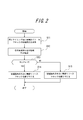
- FIG. 3 is a flowchart showing radio resource block allocation scheduling operation by the radio base station shown in FIG. 1.
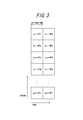
- FIG. 2 is a schematic diagram showing radio resource block allocation by the radio base station shown in FIG. 1.
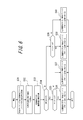
- FIG. 5 is a flowchart showing radio resource block allocation scheduling operation by the radio base station shown in FIG. 4. It is a flowchart which shows the allocation scheduling operation
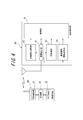
- FIG. 1 is a diagram showing a schematic configuration of a radio communication system having a radio base station according to the first embodiment of the present invention.
- This radio communication system is based on, for example, LTE, and a radio base station 10 according to the present embodiment assigns different radio resource blocks to a plurality of radio terminals 20 (only one is shown in FIG. 1). Allocating and performing wireless communication between the wireless base station 10 and the plurality of wireless terminals 20.
- the radio base station 10 includes a radio communication unit 11, a propagation loss measurement unit 12, a Ph acquisition unit 13, and a control unit 14.
- the wireless communication unit 11 performs wireless communication with a plurality of wireless terminals 20.
- the propagation loss measurement unit 12 measures the propagation loss in each radio resource block assigned to the plurality of radio terminals 20 at predetermined timing based on the received signal obtained from the radio communication unit 11, and the measurement result Is supplied to the control unit 14.
- the predetermined timing for measuring the propagation loss is, for example, a processing unit time defined by the system, for example, a subframe (1 ms) in a radio frame. Further, the propagation loss is measured based on, for example, the received electric field strength and packet loss in each radio resource block.
- the Ph acquisition unit 13 constitutes a difference information acquisition unit, and based on the received signal obtained from the wireless communication unit 11, the difference information Ph (Power of current transmission power with respect to the maximum transmission power transmitted from each wireless terminal 20 Get Headroom). Then, the Ph acquisition unit 13 supplies the acquired difference information Ph to the control unit 14.
- the control unit 14 controls the operation of the entire radio base station. Then, the control unit 14 assigns radio resource blocks to the plurality of radio terminals 20 based on the propagation loss measured by the propagation loss measurement unit 12 and the difference information Ph obtained by the Ph acquisition unit 13 at predetermined timings. Is controlled (scheduled). Further, the control unit 14 transmits the scheduling result to the corresponding wireless terminal 20 via the wireless communication unit 11.
- the propagation loss measurement unit 12, the Ph acquisition unit 13, and the control unit 14 may be configured by a single CPU (central processing unit), or the propagation loss measurement unit 12 may be configured by a plurality of CPUs. Each process of the Ph acquisition unit 13 and the control unit 14 may be shared and executed.
- each wireless terminal 20 includes a wireless communication unit 21, a Ph calculation unit 22, and a control unit 23.
- the radio communication unit 21 includes a transmission unit and a reception unit, and performs communication with the radio base station 10 using the allocated radio resource block.
- the Ph calculation unit 22 calculates the difference between the current transmission power and the maximum transmission power that can be transmitted by the wireless terminal 20, and supplies the difference information Ph to the control unit 23.
- the control unit 23 controls the operation of the entire wireless terminal. Then, the control unit 23 transmits (notifies) the difference information Ph obtained from the Ph calculation unit 22 to the radio base station 10 via the radio communication unit 21 periodically or at a timing requested from the radio base station 10. )
- FIG. 2 is a flowchart showing a radio resource block allocation scheduling operation by the radio base station 10 according to the present embodiment.
- the control unit 14 acquires the propagation loss of all radio resource blocks from the propagation loss measurement unit 12 at every predetermined timing (step S11). Moreover, the control part 14 acquires the difference information Ph of each radio
- the control unit 14 preferentially assigns a radio resource block with a large propagation loss to the radio terminal 20. Then, radio resource block allocation is scheduled (step S14). Then, the control unit 14 transmits the scheduling result to the corresponding wireless terminal 20.
- the control unit 14 preferentially assigns a wireless resource block with a small propagation loss to the wireless terminal 20.
- radio resource block allocation is scheduled (step S15). Then, the control unit 14 transmits the scheduling result to the corresponding wireless terminal 20.
- control unit 14 assigns the radio resource block to be assigned to each radio terminal 20 at each predetermined timing according to the radio status of each radio resource block that changes from time to time, and the radio status and each radio resource block. Scheduling is performed according to the difference information Ph of the wireless terminal.
- FIG. 3 is a schematic diagram showing radio resource block allocation by the radio base station 10 according to the present embodiment.
- the horizontal axis indicates time and the vertical axis indicates frequency.
- the processing unit time corresponds to a predetermined timing for scheduling the allocation of radio resource blocks.
- the allocation state of the radio resource blocks to the plurality of radio terminals indicated by user 1 to user n indicates the radio status of each radio resource block and each radio terminal in sequential processing unit time (predetermined timing). Is changed according to the difference information Ph.
- FIG. 3 shows a case where one radio resource block is assigned to each user (wireless terminal). However, when the number of connected terminals is small, a plurality of radio resource blocks are assigned to one radio terminal. There is also a case of scheduling.
- a radio terminal 20 having a margin of transmission power whose difference information Ph is equal to or less than a threshold Phref has a small propagation loss, that is, in a radio state. Since a good radio resource block is preferentially allocated, the radio link of the radio terminal 20 can be reliably maintained.
- a radio resource block having the difference information Ph exceeding the threshold Phref is preferentially assigned a radio resource block having a large propagation loss, that is, a bad radio state, but the radio terminal 20 has a margin in transmission power.
- the radio link can be maintained by appropriately controlling the transmission power.
- the radio base station 10 can appropriately control the transmission power of each radio terminal 20 and can stably maintain the radio link between each radio terminal 20 and the radio base station 10. Also, the radio base station 10 can know the propagation loss of all radio resource blocks at every predetermined timing. As a result, the radio base station 10 can control the downlink modulation scheme, antenna beamforming, and the like following the temporal change in the radio state.
- FIG. 4 is a diagram showing a schematic configuration of a radio communication system having a radio base station according to the second embodiment of the present invention.
- the radio base station 30 according to the present embodiment is obtained by further providing a communication type information acquisition unit 31 in the radio base station 10 shown in FIG.
- the communication type information acquisition unit 31 recognizes the type of communication with each wireless terminal 20, acquires the communication type information, and supplies the communication type information to the control unit 14.
- the communication type information acquisition unit 31 sets the communication type information as a communication type (T1) that requires real-time performance such as voice communication and streaming, and other communication types of data communication such as browsing ( And is supplied to the control unit 14.
- the control unit 14 is based on the propagation loss measured by the propagation loss measurement unit 12, the difference information Ph acquired by the Ph acquisition unit 13, and the communication type information acquired by the communication type information acquisition unit 31 at a predetermined timing.
- radio resource block allocation to a plurality of radio terminals 20 is controlled (scheduled). Then, the result is transmitted to the corresponding wireless terminal 20 via the wireless communication unit 11.
- Other configurations and operations are the same as those in FIG.
- FIG. 5 is a flowchart showing a radio resource block allocation scheduling operation by the radio base station 30 according to the present embodiment.
- the control unit 14 acquires the propagation loss of all radio resource blocks from the propagation loss measurement unit 12 at every predetermined timing (step S21).
- the control part 14 acquires the difference information Ph of each radio
- the communication type information of each wireless terminal 20 classified from the communication type information acquisition unit 31 is acquired at every predetermined timing (step S23).
- control part 14 compares the difference information Ph of the said radio
- the control unit 14 schedules radio resource block allocation so that the radio resource block with low propagation loss is preferentially allocated to the radio terminal 20 (step S26). The result is transmitted to the corresponding wireless terminal 20.
- the control unit 14 assigns the radio resource to the radio terminal 20 so that the radio resource block having an intermediate propagation loss is preferentially assigned.
- Block allocation is scheduled (step S27), and the result is transmitted to the corresponding wireless terminal 20.
- the control unit 14 allocates radio resource blocks so that radio resources blocks with large propagation loss are preferentially allocated to the radio terminal 20. Scheduling is performed (step S28), and the result is transmitted to the corresponding wireless terminal 20.
- control unit 14 assigns the radio resource block to be assigned to each radio terminal 20 to each radio terminal 20 at each predetermined timing according to the radio status of each radio resource block that changes from time to time. Scheduling is performed according to the difference information Ph of the wireless terminal and the communication type.
- the radio terminal 20 performing communication of the communication type T1 in which the difference information Ph is less than the threshold Phref and real-time property is required.
- the difference information Ph is less than the threshold Phref and real-time property is required.
- QoS Quality of Service
- Step S24 of FIG. 5 if Ph ⁇ Phref, it is determined whether or not the communication type is T1, and in the case of communication type T1, a radio resource block with a small propagation loss is preferentially assigned, and the communication type T2 In this case, a radio resource block with a large propagation loss can be preferentially allocated.
- the radio base station according to the third embodiment of the present invention gives priority to a radio resource block with a small propagation loss over the radio terminal 20 of the communication type T1 that requires real-time performance. Radio resource block allocation is scheduled so that
- FIG. 6 is a flowchart showing radio resource block allocation scheduling operation by the radio base station according to the present embodiment.
- the control unit 14 acquires the propagation loss of all the radio resource blocks from the propagation loss measurement unit 12 at every predetermined timing (step S31), and each radio from the Ph acquisition unit 13
- the difference information Ph of the terminal 20 is acquired (step S32), and further, the communication type information of each wireless terminal 20 classified from the communication type information acquisition unit 31 is acquired (step S33).
- the control unit 14 first determines whether the communication type of the wireless terminal 20 is a communication type T1 for which real-time property is required, as opposed to the case of the second embodiment. It is determined whether or not (step S34). As a result, in the case of the communication type T1, the control unit 14 further compares the difference information Ph of the wireless terminal 20 with a preset threshold Phref (step S35). As a result, when Ph> Phref, the radio terminal 20 has a margin in transmission power, so that the control unit 14 assigns radio resource blocks having a large propagation loss to the radio terminal 20. Block allocation is scheduled (step S36), and the result is transmitted to the corresponding wireless terminal 20.
- the control unit 14 preferentially assigns a wireless resource block with a small propagation loss to the wireless terminal 20. Then, radio resource block allocation is scheduled (step S37), and the result is transmitted to the corresponding radio terminal 20.
- the control unit 14 compares the difference information Ph and the threshold Phref as in the case of the first embodiment (step S38). ). As a result, when Ph> Phref, the control unit 14 schedules the allocation of radio resource blocks so as to allocate a radio resource block with a large propagation loss to the radio terminal 20 (step S39). Transmit to the corresponding wireless terminal 20. On the other hand, when Ph ⁇ Phref, the control unit 14 schedules radio resource block allocation so that the radio resource block with low propagation loss is preferentially allocated to the radio terminal 20 (step S40). The result is transmitted to the corresponding wireless terminal 20.
- control unit 14 assigns the radio resource block to be assigned to each radio terminal 20 to each radio terminal 20 at each predetermined timing according to the radio status of each radio resource block that changes from time to time. Scheduling is performed according to the communication type of the wireless terminal and the difference information Ph.
- propagation is performed according to the difference information Ph to the wireless terminal 20 performing communication of the communication type T1 requiring real-time property.
- a radio resource block having a small loss that is, a radio state having a good radio state is preferentially assigned. Therefore, in addition to the effects of the second embodiment, it is possible to ensure QoS for each communication type.
- the present invention is not limited to the above embodiment, and many variations or modifications are possible.
- the present invention is not limited to LTE, but is different for each of a plurality of wireless terminals such as WiMAX (Worldwide Interoperability for Microwave Access), UMB (Ultra Mobile Broadband), next generation PHS (Personal Handy-phone System), IMT-Advanced, etc.
- WiMAX Worldwide Interoperability for Microwave Access
- UMB User Mobile Broadband
- next generation PHS Personal Handy-phone System
- IMT-Advanced etc.
- the present invention can be widely applied to a wireless communication system that performs wireless communication by allocating wireless resources.
Landscapes
- Engineering & Computer Science (AREA)
- Signal Processing (AREA)
- Computer Networks & Wireless Communication (AREA)
- Quality & Reliability (AREA)
- Mobile Radio Communication Systems (AREA)
Abstract
複数の無線端末20にそれぞれ異なる無線リソースを割り当てて無線通信する無線基地局10において、所定タイミング毎に、複数の無線端末20にそれぞれ割り当てた無線リソースにおける伝播損失を測定する測定部12と、複数の無線端末20の各々から送信される最大送信電力に対する現在送信電力の差分情報Phを取得する差分情報取得部13と、測定部12で測定された伝播損失および差分情報取得部13で取得された差分情報Phに基づいて、複数の無線端末20に対する無線リソースの割り当てを制御する制御部14と、を備える。これにより、複数の無線端末の送信電力を適切に制御するとともに、無線リンクを安定して維持する。
Description
本出願は、2008年12月25日に出願された日本国特許出願2008-330772号、および該特許出願の国内優先権を主張して2009年4月9日に出願された日本国特許出願2009-95190号の優先権を主張するものであり、これら先の出願の開示全体をここに参照のために取り込む。
本発明は、無線基地局、無線リソース割り当て方法および無線通信システムに関するものである。
従来の無線通信システムとして、無線端末から無線基地局に対して、送信待ちのデータサイズと、送信可能な最大送信電力に対する現在送信電力の差分情報Ph(Power Headroom)とを含むスケジューリング情報を送信し、このスケジューリング情報に基づいて、無線基地局で当該無線端末の送信電力を決定して、送信のデータレートを制御するスケジューリングを行うものが知られている。
また、最近では、例えば、3GPP(3rd Generation Partnership Project)においてLTE(Long Term Evolution)の標準化が進められている。LTEでは、上り回線の無線リソースとして複数のサブキャリアを有する送信帯域(リソースブロック)が割り当てられる(例えば、非特許文献1参照)。したがって、LTEにおいても、従来の無線通信システムと同様に、無線基地局は、無線端末からの差分情報Phを含むスケジューリング情報に基づいて、無線端末の送信電力を決定して、送信のデータレートを制御するスケジューリングを行うことが想定される。
3GPP TR25.814
ところで、複数の無線端末にそれぞれ異なる周波数の無線リソースを割り当てて通信を実行する無線通信システムでは、周波数選択性フェージング等の影響で、無線リソース毎に無線状態が時々刻々変化して、無線状態の良好な無線リソースと、無線状態が悪化している無線リソースとが存在する場合がある。この場合、無線状態が悪化した無線リソースを使用している無線端末に対しては、上述したように、当該無線端末からの差分情報Phに基づいて送信電力を決定して、送信のデータレートを制御するスケジューリングを行うことにより、所望の通信品質を確保することが可能となる。
しかし、無線端末の送信電力に余裕がない場合は、当該無線端末に割り当てられている無線リソースの無線状態がさらに悪化すると、もはや、送信電力を上げる制御ができなくなって、無線基地局との無線リンクを維持することが困難になる。その一方で、無線状態が良好な無線リソースを使用している無線端末は、一般に、送信電力に余裕があることが多い。
このように、複数の無線端末にそれぞれ異なる周波数の無線リソースを割り当てて通信を実行する無線通信システムでは、無線基地局において、無線端末からの差分情報Phに基づいて送信電力を制御しても、無線端末によっては送信電力に余裕がないために、無線基地局との無線リンクの維持が困難になる場合が生じることが懸念される。
したがって、かかる点に鑑みてなされた本発明の目的は、複数の無線端末の送信電力を適切に制御できるとともに、無線リンクを安定して維持できる無線基地局、無線リソース割り当て方法および無線通信システムを提供することにある。
上記目的を達成する第1の観点に係る無線基地局の発明は、
複数の無線端末にそれぞれ異なる無線リソースを割り当てて無線通信する無線基地局において、
所定タイミング毎に、前記複数の無線端末にそれぞれ割り当てた前記無線リソースにおける伝播損失を測定する測定部と、
前記複数の無線端末の各々から送信される最大送信電力に対する現在送信電力の差分情報を取得する差分情報取得部と、
前記測定部で測定された伝播損失および前記差分情報取得部で取得された差分情報に基づいて、前記複数の無線端末に対する前記無線リソースの割り当てを制御する制御部と、
を備えることを特徴とするものである。
複数の無線端末にそれぞれ異なる無線リソースを割り当てて無線通信する無線基地局において、
所定タイミング毎に、前記複数の無線端末にそれぞれ割り当てた前記無線リソースにおける伝播損失を測定する測定部と、
前記複数の無線端末の各々から送信される最大送信電力に対する現在送信電力の差分情報を取得する差分情報取得部と、
前記測定部で測定された伝播損失および前記差分情報取得部で取得された差分情報に基づいて、前記複数の無線端末に対する前記無線リソースの割り当てを制御する制御部と、
を備えることを特徴とするものである。
第2の観点に係る発明は、第1の観点に係る無線基地局において、
前記制御部は、
前記差分情報取得部で取得された差分情報が相対的に小さい前記無線端末に対しては、前記測定部で測定された伝播損失が相対的に小さい前記無線リソースを割り当て、前記差分情報取得部で取得された差分情報が相対的に大きい前記無線端末に対しては、前記測定部で測定された伝播損失が相対的に大きい前記無線リソースを割り当てる、ことを特徴とするものである。
前記制御部は、
前記差分情報取得部で取得された差分情報が相対的に小さい前記無線端末に対しては、前記測定部で測定された伝播損失が相対的に小さい前記無線リソースを割り当て、前記差分情報取得部で取得された差分情報が相対的に大きい前記無線端末に対しては、前記測定部で測定された伝播損失が相対的に大きい前記無線リソースを割り当てる、ことを特徴とするものである。
第3の観点に係る発明は、第1または2の観点に係る無線基地局において、
前記複数の無線端末の各々の通信種別を示す通信種別情報を取得する通信種別情報取得部を、さらに備え、
前記制御部は、
前記測定部で測定された伝播損失、前記差分情報取得部で取得された差分情報、および前記通信種別情報取得部で取得された通信種別情報に基づいて、前記複数の無線端末に対する前記無線リソースの割り当てを制御する、ことを特徴とするものである。
前記複数の無線端末の各々の通信種別を示す通信種別情報を取得する通信種別情報取得部を、さらに備え、
前記制御部は、
前記測定部で測定された伝播損失、前記差分情報取得部で取得された差分情報、および前記通信種別情報取得部で取得された通信種別情報に基づいて、前記複数の無線端末に対する前記無線リソースの割り当てを制御する、ことを特徴とするものである。
さらに、上記目的を達成する第4の観点に係る無線リソース割り当て方法の発明は、
複数の無線端末にそれぞれ異なる無線リソースを割り当てて無線通信する無線基地局における無線リソース割り当て方法であって、
所定タイミング毎に、前記複数の無線端末にそれぞれ割り当てた前記無線リソースにおける伝播損失を測定するステップと、
前記複数の無線端末の各々から送信される最大送信電力に対する現在送信電力の差分情報を取得するステップと、
前記測定された伝播損失および前記取得された差分情報に基づいて、前記複数の無線端末に対する前記無線リソースの割り当てを制御するステップと、
を含むことを特徴とするものである。
複数の無線端末にそれぞれ異なる無線リソースを割り当てて無線通信する無線基地局における無線リソース割り当て方法であって、
所定タイミング毎に、前記複数の無線端末にそれぞれ割り当てた前記無線リソースにおける伝播損失を測定するステップと、
前記複数の無線端末の各々から送信される最大送信電力に対する現在送信電力の差分情報を取得するステップと、
前記測定された伝播損失および前記取得された差分情報に基づいて、前記複数の無線端末に対する前記無線リソースの割り当てを制御するステップと、
を含むことを特徴とするものである。
さらに、上記目的を達成する第5の観点に係る無線通信システムの発明は、
無線基地局により複数の無線端末にそれぞれ異なる無線リソースを割り当てて、前記無線基地局と前記複数の無線端末との間で無線通信する無線通信システムにおいて、
前記複数の無線端末の各々は、
現在の送信電力と当該無線端末が送信可能な最大送信電力との差分を算出して差分情報を出力する算出部と、
前記算出部から出力される差分情報を前記無線基地局へ送信する送信部とを備え、
前記無線基地局は、
所定タイミング毎に、前記複数の無線端末にそれぞれ割り当てた前記無線リソースにおける伝播損失を測定する測定部と、
前記複数の無線端末の各々から送信される前記差分情報を取得する取得部と、
前記測定部で測定された伝播損失および前記取得部で取得された差分情報に基づいて、前記複数の無線端末に対する前記無線リソースの割り当てを制御する制御部とを備える、
ことを特徴とするものである。
無線基地局により複数の無線端末にそれぞれ異なる無線リソースを割り当てて、前記無線基地局と前記複数の無線端末との間で無線通信する無線通信システムにおいて、
前記複数の無線端末の各々は、
現在の送信電力と当該無線端末が送信可能な最大送信電力との差分を算出して差分情報を出力する算出部と、
前記算出部から出力される差分情報を前記無線基地局へ送信する送信部とを備え、
前記無線基地局は、
所定タイミング毎に、前記複数の無線端末にそれぞれ割り当てた前記無線リソースにおける伝播損失を測定する測定部と、
前記複数の無線端末の各々から送信される前記差分情報を取得する取得部と、
前記測定部で測定された伝播損失および前記取得部で取得された差分情報に基づいて、前記複数の無線端末に対する前記無線リソースの割り当てを制御する制御部とを備える、
ことを特徴とするものである。
本発明によれば、無線基地局において、各無線端末から最大送信電力に対する現在送信電力の差分情報を取得するとともに、所定タイミング毎に、複数の無線リソースにおける伝播状態を測定し、これら測定した伝播状態および取得した差分情報に基づいて、複数の無線端末に対する無線リソースの割り当てを制御する。したがって、複数の無線端末の送信電力を適切に制御できるとともに、各無線端末と無線基地局との無線リンクを安定して維持することが可能となる。
以下、本発明の実施の形態について、図を参照して説明する。
(第1実施の形態)
図1は、本発明の第1実施の形態に係る無線基地局を有する無線通信システムの概略構成を示す図である。この無線通信システムは、例えばLTEに準拠するもので、本実施の形態に係る無線基地局10により複数の無線端末20(図1では1つのみを示す)に対して、それぞれ異なる無線リソースブロックを割り当てて、無線基地局10と複数の無線端末20との間で無線通信を行うものである。
図1は、本発明の第1実施の形態に係る無線基地局を有する無線通信システムの概略構成を示す図である。この無線通信システムは、例えばLTEに準拠するもので、本実施の形態に係る無線基地局10により複数の無線端末20(図1では1つのみを示す)に対して、それぞれ異なる無線リソースブロックを割り当てて、無線基地局10と複数の無線端末20との間で無線通信を行うものである。
無線基地局10は、無線通信部11、伝播損失測定部12、Ph取得部13、および制御部14を有する。無線通信部11は、複数の無線端末20との間で無線通信を実行する。伝播損失測定部12は、無線通信部11から得られる受信信号に基づいて、所定タイミング毎に、複数の無線端末20に割り当てられている各無線リソースブロックにおける伝播損失を測定して、その測定結果を制御部14に供給する。
ここで、伝播損失を測定する所定タイミングは、例えばシステムで規定された処理単位時間、例えば無線フレームにおけるサブフレーム(1ms)とする。また、伝播損失は、例えば、各無線リソースブロックにおける受信電界強度やパケットロス等に基づいて測定する。
Ph取得部13は、差分情報取得部を構成するもので、無線通信部11から得られる受信信号に基づいて、各無線端末20から送信される最大送信電力に対する現在送信電力の差分情報Ph(Power Headroom)を取得する。そして、Ph取得部13は、その取得した差分情報Phを制御部14に供給する。制御部14は、当該無線基地局全体の動作を制御する。そして、制御部14は、所定タイミング毎に、伝播損失測定部12で測定された伝播損失およびPh取得部13で取得された差分情報Phに基づいて、複数の無線端末20に対する無線リソースブロックの割り当てを制御(スケジューリング)する。また、制御部14は、このスケジューリング結果を、無線通信部11を介して対応する無線端末20に送信する。
なお、無線基地局10は、一つのCPU(中央処理装置)により、伝播損失測定部12、Ph取得部13、および制御部14を構成してもよいし、複数のCPUにより伝播損失測定部12、Ph取得部13、および制御部14の各処理を分担して実行するように構成してもよい。
一方、各無線端末20は、無線通信部21、Ph算出部22、および制御部23を有する。無線通信部21は、送信部および受信部を含み、無線基地局10との間で、割り当てられた無線リソースブロックを用いて通信を実行する。Ph算出部22は、当該無線端末20が送信可能な最大送信電力に対する現在送信電力の差分を算出して、その差分情報Phを制御部23に供給する。制御部23は、当該無線端末全体の動作を制御する。そして、制御部23は、Ph算出部22から得られる差分情報Phを、定期的に、または無線基地局10から要求されたタイミングで、無線通信部21を介して無線基地局10に送信(通知)する。
図2は、本実施の形態に係る無線基地局10による無線リソースブロックの割り当てスケジューリング動作を示すフローチャートである。制御部14は、所定タイミング毎に、全ての無線リソースブロックの伝播損失を伝播損失測定部12から取得する(ステップS11)。また、制御部14は、Ph取得部13から各無線端末20の差分情報Phを取得して(ステップS12)、その取得した差分情報Phと、予め設定した閾値Phrefとを比較する(ステップS13)。
その結果、Ph>Phrefの場合、当該無線端末20は、送信電力に余裕があるので、制御部14は、当該無線端末20に対しては伝播損失の大きい無線リソースブロックを優先して割り当てるように、無線リソースブロックの割り当てをスケジューリングする(ステップS14)。そして、制御部14は、そのスケジューリング結果を対応する無線端末20に送信する。これに対し、Ph≦Phrefの場合、当該無線端末20は、送信電力に余裕がないので、制御部14は、当該無線端末20に対しては伝播損失の小さい無線リソースブロックを優先して割り当てるように、無線リソースブロックの割り当てをスケジューリングする(ステップS15)。そして、制御部14は、そのスケジューリング結果を対応する無線端末20に送信する。
このようにして、制御部14は、時々刻々変化する各無線リソースブロックの無線状態に応じて、所定タイミング毎に、各無線端末20に割り当てる無線リソースブロックを、各無線リソースブロックの無線状態および各無線端末の差分情報Phに応じてスケジューリングする。
図3は、本実施の形態に係る無線基地局10による無線リソースブロックの割り当てを示す模式図である。図3において、横軸は時間を示し、縦軸は周波数を示す。また、処理単位時間は、無線リソースブロックの割り当てをスケジューリングする所定タイミングに相当する。図3から明らかなように、ユーザ1~ユーザnで示す複数の無線端末に対する無線リソースブロックの割り当て状態は、順次の処理単位時間(所定タイミング)において、各無線リソースブロックの無線状態および各無線端末の差分情報Phに応じて変更される。なお、図3は、各ユーザ(無線端末)に1つの無線リソースブロックを割り当てた場合を示しているが、接続端末数が少ない場合は、1つの無線端末に複数の無線リソースブロックを割り当てるようにスケジューリングする場合もある。
本実施の形態に係る無線基地局10を有する無線通信システムによれば、差分情報Phが閾値Phref以下の送信電力に余裕のない無線端末20に対しては、伝播損失の小さい、つまり無線状態のよい無線リソースブロックが優先的に割り当てられるので、当該無線端末20の無線リンクを確実に維持することができる。また、差分情報Phが閾値Phrefを超える無線端末20に対しては、伝播損失の大きい、つまり無線状態の悪い無線リソースブロックが優先的に割り当てられるが、当該無線端末20は、送信電力に余裕があるので、送信電力を適切に制御することにより、無線リンクを維持することができる。したがって、無線基地局10は、各無線端末20の送信電力を適切に制御できるとともに、各無線端末20と無線基地局10との無線リンクを安定して維持することができる。また、無線基地局10は、所定タイミング毎に全ての無線リソースブロックの伝播損失を知ることができる。これにより、無線基地局10は、無線状態の時間的な変化に追従して、下りの変調方式やアンテナのビームフォーミング等を制御することも可能となる。
(第2実施の形態)
図4は、本発明の第2実施の形態に係る無線基地局を有する無線通信システムの概略構成を示す図である。本実施の形態に係る無線基地局30は、図1に示した無線基地局10に、さらに、通信種別情報取得部31を設けたものである。通信種別情報取得部31は、各無線端末20との通信の種別を認識して通信種別情報を取得し、その通信種別情報を制御部14に供給する。本実施の形態では、通信種別情報取得部31において、通信種別情報を、例えば音声通信やストリーミング等のリアルタイム性が求められる通信種別(T1)と、それ以外のブラウジング等のデータ通信の通信種別(T2)とに分類して、制御部14に供給する。
図4は、本発明の第2実施の形態に係る無線基地局を有する無線通信システムの概略構成を示す図である。本実施の形態に係る無線基地局30は、図1に示した無線基地局10に、さらに、通信種別情報取得部31を設けたものである。通信種別情報取得部31は、各無線端末20との通信の種別を認識して通信種別情報を取得し、その通信種別情報を制御部14に供給する。本実施の形態では、通信種別情報取得部31において、通信種別情報を、例えば音声通信やストリーミング等のリアルタイム性が求められる通信種別(T1)と、それ以外のブラウジング等のデータ通信の通信種別(T2)とに分類して、制御部14に供給する。
制御部14は、所定タイミング毎に、伝播損失測定部12で測定された伝播損失、Ph取得部13で取得された差分情報Ph、および通信種別情報取得部31で取得された通信種別情報に基づいて、複数の無線端末20に対する無線リソースブロックの割り当てを制御(スケジューリング)する。そして、その結果を、無線通信部11を介して対応する無線端末20に送信する。その他の構成および動作は、図1と同様である。
図5は、本実施の形態に係る無線基地局30による無線リソースブロックの割り当てスケジューリング動作を示すフローチャートである。制御部14は、第1実施の形態の場合と同様に、所定タイミング毎に、全ての無線リソースブロックの伝播損失を伝播損失測定部12から取得する(ステップS21)。また、制御部14は、Ph取得部13から各無線端末20の差分情報Phを取得する(ステップS22)。さらに、本実施の形態では、所定タイミング毎に、通信種別情報取得部31から分類された各無線端末20の通信種別情報を取得する(ステップS23)。
そして、制御部14は、各無線端末20に対して、当該無線端末20の差分情報Phと、予め設定した閾値Phrefとを比較する(ステップS24)。その結果、Ph<Phrefの場合、当該無線端末20は、送信電力に余裕がないので、制御部14は、さらに、当該無線端末20の通信種別が、リアルタイム性が要求される通信種別T1であるか否かを判別する(ステップS25)。
その結果、通信種別がT1の場合、制御部14は、当該無線端末20に対して伝播損失の小さい無線リソースブロックを優先して割り当てるように、無線リソースブロックの割り当てをスケジューリングして(ステップS26)、その結果を対応する無線端末20に送信する。
これに対し、通信種別がT2の場合は、リアルタイム性が要求されないので、制御部14は、当該無線端末20に対して、伝播損失が中間の無線リソースブロックを優先して割り当てるように、無線リソースブロックの割り当てをスケジューリングして(ステップS27)、その結果を対応する無線端末20に送信する。
一方、ステップS24において、Ph≧Phrefの場合、当該無線端末20は、送信電力に余裕がある。したがって、この場合は、第1実施の形態の場合と同様に、制御部14は、当該無線端末20に対して伝播損失の大きい無線リソースブロックを優先して割り当てるように、無線リソースブロックの割り当てをスケジューリングして(ステップS28)、その結果を対応する無線端末20に送信する。
このようにして、制御部14は、時々刻々変化する各無線リソースブロックの無線状態に応じて、所定タイミング毎に、各無線端末20に割り当てる無線リソースブロックを、各無線リソースブロックの無線状態、各無線端末の差分情報Phおよび通信種別に応じてスケジューリングする。
本実施の形態に係る無線基地局30を有する無線通信システムによれば、差分情報Phが閾値Phref未満で、かつリアルタイム性が要求される通信種別T1の通信を行っている無線端末20に対しては、伝播損失の小さい、つまり無線状態のよい無線リソースブロックが優先的に割り当てられる。したがって、第1実施の形態の場合の効果に加えて、リアルタイム性が要求される通信種別T1の無線リンクを、より安定して維持することが可能となり、通信種別T1のQoS(Quality of Service)を確保することができる。
なお、図5のステップS24において、Ph≧Phrefの場合、通信種別T1か否かを判別して、通信種別T1の場合は、伝播損失の小さい無線リソースブロックを優先して割り当て、通信種別T2の場合は、伝播損失の大きい無線リソースブロックを優先して割り当てるようにすることもできる。
(第3実施の形態)
本発明の第3実施の形態に係る無線基地局は、図4に示した構成において、リアルタイム性が要求される通信種別T1の無線端末20に対して、伝播損失の小さい無線リソースブロックを優先して割り当てるように、無線リソースブロックの割り当てをスケジューリングする。
本発明の第3実施の形態に係る無線基地局は、図4に示した構成において、リアルタイム性が要求される通信種別T1の無線端末20に対して、伝播損失の小さい無線リソースブロックを優先して割り当てるように、無線リソースブロックの割り当てをスケジューリングする。
図6は、本実施の形態に係る無線基地局による無線リソースブロックの割り当てスケジューリング動作を示すフローチャートである。以下、図4を参照しながら、動作を説明する。制御部14は、第2実施の形態の場合と同様に、所定タイミング毎に、伝播損失測定部12から全ての無線リソースブロックの伝播損失を取得し(ステップS31)、Ph取得部13から各無線端末20の差分情報Phを取得し(ステップS32)、さらに、通信種別情報取得部31から分類された各無線端末20の通信種別情報を取得する(ステップS33)。
そして、制御部14は、各無線端末20に対して、第2実施の形態の場合とは逆に、先ず、当該無線端末20の通信種別が、リアルタイム性が要求される通信種別T1であるか否かを判別する(ステップS34)。その結果、通信種別T1の場合、制御部14は、さらに、当該無線端末20の差分情報Phと、予め設定した閾値Phrefとを比較する(ステップS35)。その結果、Ph>Phrefの場合、当該無線端末20は、送信電力に余裕があるので、制御部14は、当該無線端末20に対して、伝播損失の大きい無線リソースブロックを割り当てるように、無線リソースブロックの割り当てをスケジューリングして(ステップS36)、その結果を対応する無線端末20に送信する。
これに対し、Ph≦Phrefの場合、当該無線端末20は、送信電力に余裕がないので、制御部14は、当該無線端末20に対して伝播損失の小さい無線リソースブロックを優先して割り当てるように、無線リソースブロックの割り当てをスケジューリングして(ステップS37)、その結果を対応する無線端末20に送信する。
一方、ステップS34において、通信種別が、リアルタイム性が要求されない通信種別T2の場合、制御部14は、第1実施の形態の場合と同様に、差分情報Phと閾値Phrefとを比較する(ステップS38)。その結果、Ph>Phrefの場合、制御部14は、当該無線端末20に対して伝播損失の大きい無線リソースブロックを割り当てるように、無線リソースブロックの割り当てをスケジューリングして(ステップS39)、その結果を対応する無線端末20に送信する。これに対し、Ph≦Phrefの場合、制御部14は、当該無線端末20に対して伝播損失の小さい無線リソースブロックを優先して割り当てるように、無線リソースブロックの割り当てをスケジューリングして(ステップS40)、その結果を対応する無線端末20に送信する。
このようにして、制御部14は、時々刻々変化する各無線リソースブロックの無線状態に応じて、所定タイミング毎に、各無線端末20に割り当てる無線リソースブロックを、各無線リソースブロックの無線状態、各無線端末の通信種別および差分情報Phに応じてスケジューリングする。
本実施の形態に係る無線基地局30を有する無線通信システムによれば、リアルタイム性が要求される通信種別T1の通信を行っている無線端末20に対しては、差分情報Phに応じて、伝播損失の小さい、つまり無線状態のよい無線リソースブロックが優先的に割り当てられる。したがって、第2実施の形態の場合の効果に加えて、通信種別毎のQoSを確保することが可能となる。
なお、本発明は、上記実施の形態にのみ限定されるものではなく、幾多の変形または変更が可能である。例えば、本発明は、LTEに限らず、WiMAX(Worldwide Interoperability for Microwave Access)、UMB(Ultra Mobile Broadband)、次世代PHS(Personal Handy-phone System)、IMT-Advanced等、複数の無線端末にそれぞれ異なる無線リソースを割り当てて無線通信を実行する無線通信システムに広く適用することができる。
10 無線基地局
11 無線通信部
12 伝播損失測定部
13 Ph取得部
14 制御部
20 無線端末
21 無線通信部
22 Ph算出部
23 制御部
30 無線基地局
31 通信種別情報取得部
11 無線通信部
12 伝播損失測定部
13 Ph取得部
14 制御部
20 無線端末
21 無線通信部
22 Ph算出部
23 制御部
30 無線基地局
31 通信種別情報取得部
Claims (5)
- 複数の無線端末にそれぞれ異なる無線リソースを割り当てて無線通信する無線基地局において、
所定タイミング毎に、前記複数の無線端末にそれぞれ割り当てた前記無線リソースにおける伝播損失を測定する測定部と、
前記複数の無線端末の各々から送信される最大送信電力に対する現在送信電力の差分情報を取得する差分情報取得部と、
前記測定部で測定された伝播損失および前記差分情報取得部で取得された差分情報に基づいて、前記複数の無線端末に対する前記無線リソースの割り当てを制御する制御部と、
を備えることを特徴とする無線基地局。 - 前記制御部は、
前記差分情報取得部で取得された差分情報が相対的に小さい前記無線端末に対しては、前記測定部で測定された伝播損失が相対的に小さい前記無線リソースを割り当て、前記差分情報取得部で取得された差分情報が相対的に大きい前記無線端末に対しては、前記測定部で測定された伝播損失が相対的に大きい前記無線リソースを割り当てる、ことを特徴とする請求項1に記載の無線基地局。 - 前記複数の無線端末の各々の通信種別を示す通信種別情報を取得する通信種別情報取得部を、さらに備え、
前記制御部は、
前記測定部で測定された伝播損失、前記差分情報取得部で取得された差分情報、および前記通信種別情報取得部で取得された通信種別情報に基づいて、前記複数の無線端末に対する前記無線リソースの割り当てを制御する、ことを特徴とする請求項1または2に記載の無線基地局。 - 複数の無線端末にそれぞれ異なる無線リソースを割り当てて無線通信する無線基地局における無線リソース割り当て方法であって、
所定タイミング毎に、前記複数の無線端末にそれぞれ割り当てた前記無線リソースにおける伝播損失を測定するステップと、
前記複数の無線端末の各々から送信される最大送信電力に対する現在送信電力の差分情報を取得するステップと、
前記測定された伝播損失および前記取得された差分情報に基づいて、前記複数の無線端末に対する前記無線リソースの割り当てを制御するステップと、
を含むことを特徴とする無線リソース割り当て方法。 - 無線基地局により複数の無線端末にそれぞれ異なる無線リソースを割り当てて、前記無線基地局と前記複数の無線端末との間で無線通信する無線通信システムにおいて、
前記複数の無線端末の各々は、
現在の送信電力と当該無線端末が送信可能な最大送信電力との差分を算出して差分情報を出力する算出部と、
前記算出部から出力される差分情報を前記無線基地局へ送信する送信部とを備え、
前記無線基地局は、
所定タイミング毎に、前記複数の無線端末にそれぞれ割り当てた前記無線リソースにおける伝播損失を測定する測定部と、
前記複数の無線端末の各々から送信される前記差分情報を取得する差分情報取得部と、
前記測定部で測定された伝播損失および前記差分情報取得部で取得された差分情報に基づいて、前記複数の無線端末に対する前記無線リソースの割り当てを制御する制御部とを備える、
ことを特徴とする無線通信システム。
Priority Applications (1)
| Application Number | Priority Date | Filing Date | Title |
|---|---|---|---|
| US13/141,578 US20110263284A1 (en) | 2008-12-25 | 2009-12-24 | Radio base station, radio resource allocation method and radio communication system |
Applications Claiming Priority (4)
| Application Number | Priority Date | Filing Date | Title |
|---|---|---|---|
| JP2008330772 | 2008-12-25 | ||
| JP2008-330772 | 2008-12-25 | ||
| JP2009-095190 | 2009-04-09 | ||
| JP2009095190A JP2010171915A (ja) | 2008-12-25 | 2009-04-09 | 無線基地局、無線リソース割り当て方法および無線通信システム |
Publications (1)
| Publication Number | Publication Date |
|---|---|
| WO2010073679A1 true WO2010073679A1 (ja) | 2010-07-01 |
Family
ID=42287320
Family Applications (1)
| Application Number | Title | Priority Date | Filing Date |
|---|---|---|---|
| PCT/JP2009/007212 Ceased WO2010073679A1 (ja) | 2008-12-25 | 2009-12-24 | 無線基地局、無線リソース割り当て方法および無線通信システム |
Country Status (3)
| Country | Link |
|---|---|
| US (1) | US20110263284A1 (ja) |
| JP (1) | JP2010171915A (ja) |
| WO (1) | WO2010073679A1 (ja) |
Families Citing this family (2)
| Publication number | Priority date | Publication date | Assignee | Title |
|---|---|---|---|---|
| US9002391B1 (en) | 2012-06-20 | 2015-04-07 | Sprint Spectrum L.P. | Method and system with adjusted power headroom reports for uplink resource allocation |
| US10412691B1 (en) * | 2018-12-06 | 2019-09-10 | Sprint Spectrum, L.P. | Use of power headroom as basis to control configuration of MU-MIMO service |
Citations (2)
| Publication number | Priority date | Publication date | Assignee | Title |
|---|---|---|---|---|
| WO2006013630A1 (ja) * | 2004-08-05 | 2006-02-09 | Mitsubishi Denki Kabushiki Kaisha | 基地局、移動通信端末装置およびプライマリセル選択方法 |
| JP2008011495A (ja) * | 2006-05-29 | 2008-01-17 | Kyocera Corp | 通信方法及び無線通信装置 |
Family Cites Families (7)
| Publication number | Priority date | Publication date | Assignee | Title |
|---|---|---|---|---|
| JP2006054597A (ja) * | 2004-08-10 | 2006-02-23 | Ntt Docomo Inc | スロット割当装置及びその方法 |
| DE602004006624T2 (de) * | 2004-09-13 | 2008-01-31 | Alcatel Lucent | Abschätzung der Übertragungsqualität in einem Funknetz |
| KR100735241B1 (ko) * | 2005-07-19 | 2007-07-03 | 삼성전자주식회사 | 통신 시스템에서 업링크 스케쥴링 시스템 및 방법 |
| US20070173260A1 (en) * | 2006-01-23 | 2007-07-26 | Love Robert T | Wireless communication network scheduling |
| JP4703513B2 (ja) * | 2006-08-22 | 2011-06-15 | 株式会社エヌ・ティ・ティ・ドコモ | 移動通信システムで使用される無線基地局及び方法 |
| CN101669395A (zh) * | 2007-03-01 | 2010-03-10 | 株式会社Ntt都科摩 | 基站装置和通信控制方法 |
| US7983687B2 (en) * | 2007-05-11 | 2011-07-19 | Telefonaktiebolaget Lm Ericsson (Publ) | Signal to interference ratio error as a load instability indicator for load control in cellular systems |
-
2009
- 2009-04-09 JP JP2009095190A patent/JP2010171915A/ja active Pending
- 2009-12-24 US US13/141,578 patent/US20110263284A1/en not_active Abandoned
- 2009-12-24 WO PCT/JP2009/007212 patent/WO2010073679A1/ja not_active Ceased
Patent Citations (2)
| Publication number | Priority date | Publication date | Assignee | Title |
|---|---|---|---|---|
| WO2006013630A1 (ja) * | 2004-08-05 | 2006-02-09 | Mitsubishi Denki Kabushiki Kaisha | 基地局、移動通信端末装置およびプライマリセル選択方法 |
| JP2008011495A (ja) * | 2006-05-29 | 2008-01-17 | Kyocera Corp | 通信方法及び無線通信装置 |
Also Published As
| Publication number | Publication date |
|---|---|
| JP2010171915A (ja) | 2010-08-05 |
| US20110263284A1 (en) | 2011-10-27 |
Similar Documents
| Publication | Publication Date | Title |
|---|---|---|
| US20090163144A1 (en) | Communication Device, Terminal Device, And Method Of Managing Radio Channel Quality | |
| JP5330843B2 (ja) | 無線基地局および通信制御方法 | |
| JP5373899B2 (ja) | 無線通信システム、無線基地局及び無線通信方法 | |
| US8761820B2 (en) | Radio base station, radio resource allocation method and radio communication system | |
| US11923918B2 (en) | System and method for multi-antenna communications | |
| CN104938008A (zh) | 无线通信网络中的资源分配 | |
| KR20180092978A (ko) | 분산된 비스케줄링된 송신들을 위한 네트워크 지원 | |
| US10505613B2 (en) | Communication system | |
| US20200359410A1 (en) | Method and apparatus for adaptive scheduling and transmission | |
| CN113196700B (zh) | 减轻由多无线电接入技术和多连接性环境中的并发传输所引起的本地干扰状况 | |
| JP5312161B2 (ja) | 無線基地局、無線リソース割り当て方法および無線通信システム | |
| EP3340672B1 (en) | Method and apparatus for cooperative communication in wireless communication system | |
| CN110731106B (zh) | 基站装置、终端装置、无线通信系统和通信方法 | |
| JP5371696B2 (ja) | 無線基地局、無線リソース割当方法及び無線通信システム | |
| WO2010073679A1 (ja) | 無線基地局、無線リソース割り当て方法および無線通信システム | |
| AU2013409521A1 (en) | Method for enabling a base station to decode data received from a first wireless device using a network coded form of the data received from a second wireless device | |
| WO2022152442A1 (en) | Methods and apparatuses for rf calibration based on guaranteed availability of uplink calibration gaps | |
| EP3878228B1 (en) | METHODS, WIRELESS DEVICES AND NETWORK NODE INTENDED FOR UPLINK DATA TRANSMISSION | |
| WO2011158861A1 (ja) | 無線基地局、及び電源制御方法 | |
| WO2013080457A1 (ja) | 無線通信システム、無線通信システムの制御方法、基地局、及び移動局 | |
| KR20160073512A (ko) | 밀리미터파 이동 통신 환경에서 데이터 전송 방법 및 그 장치 |
Legal Events
| Date | Code | Title | Description |
|---|---|---|---|
| 121 | Ep: the epo has been informed by wipo that ep was designated in this application |
Ref document number: 09834485 Country of ref document: EP Kind code of ref document: A1 |
|
| WWE | Wipo information: entry into national phase |
Ref document number: 13141578 Country of ref document: US |
|
| NENP | Non-entry into the national phase |
Ref country code: DE |
|
| 122 | Ep: pct application non-entry in european phase |
Ref document number: 09834485 Country of ref document: EP Kind code of ref document: A1 |