WO2010053064A1 - アプリケーションサーバ、制御端末及び通信システム - Google Patents
アプリケーションサーバ、制御端末及び通信システム Download PDFInfo
- Publication number
- WO2010053064A1 WO2010053064A1 PCT/JP2009/068746 JP2009068746W WO2010053064A1 WO 2010053064 A1 WO2010053064 A1 WO 2010053064A1 JP 2009068746 W JP2009068746 W JP 2009068746W WO 2010053064 A1 WO2010053064 A1 WO 2010053064A1
- Authority
- WO
- WIPO (PCT)
- Prior art keywords
- terminal
- control
- communication
- connection
- terminals
- Prior art date
- Legal status (The legal status is an assumption and is not a legal conclusion. Google has not performed a legal analysis and makes no representation as to the accuracy of the status listed.)
- Ceased
Links
Images







Classifications
-
- H—ELECTRICITY
- H04—ELECTRIC COMMUNICATION TECHNIQUE
- H04L—TRANSMISSION OF DIGITAL INFORMATION, e.g. TELEGRAPHIC COMMUNICATION
- H04L63/00—Network architectures or network communication protocols for network security
- H04L63/10—Network architectures or network communication protocols for network security for controlling access to devices or network resources
- H04L63/101—Access control lists [ACL]
-
- H—ELECTRICITY
- H04—ELECTRIC COMMUNICATION TECHNIQUE
- H04L—TRANSMISSION OF DIGITAL INFORMATION, e.g. TELEGRAPHIC COMMUNICATION
- H04L67/00—Network arrangements or protocols for supporting network services or applications
- H04L67/14—Session management
-
- H—ELECTRICITY
- H04—ELECTRIC COMMUNICATION TECHNIQUE
- H04L—TRANSMISSION OF DIGITAL INFORMATION, e.g. TELEGRAPHIC COMMUNICATION
- H04L67/00—Network arrangements or protocols for supporting network services or applications
- H04L67/14—Session management
- H04L67/142—Managing session states for stateless protocols; Signalling session states; State transitions; Keeping-state mechanisms
-
- H—ELECTRICITY
- H04—ELECTRIC COMMUNICATION TECHNIQUE
- H04L—TRANSMISSION OF DIGITAL INFORMATION, e.g. TELEGRAPHIC COMMUNICATION
- H04L65/00—Network arrangements, protocols or services for supporting real-time applications in data packet communication
- H04L65/1066—Session management
- H04L65/1101—Session protocols
- H04L65/1104—Session initiation protocol [SIP]
Definitions
- the present invention relates to a personal network including a controlled terminal and a plurality of control terminals that control connection from other communication terminals to the controlled terminal, and session control based on SIP (Session Initiation Protocol).
- the present invention relates to an application server or the like connected to a network system including a communication terminal connected to the personal network via a mobile communication carrier network and a session control device that controls session connection between the terminals.
- a plurality of communication terminals / communication devices (hereinafter referred to as communication terminals) possessed by a single user are managed as a group, and a plurality of such communication terminals grouped together is used for high functionality.
- communication terminals communication terminals
- PN personal networks
- Non-Patent Document 1 PNM (Personal Network Management) standard is proposed in Non-Patent Document 1, for example.
- Non-Patent Document 1 discloses, as a PN service, an access control in which a control communication terminal (control terminal) among communication terminals belonging to a PN controls permission / inhibition of access to a control communication terminal (controlled terminal). It is prescribed.
- a mobile phone terminal owned by a mother at home and a mobile phone terminal owned by a child are managed as a PN
- the mobile phone terminal owned by the mother is used as a control terminal
- the mobile phone terminal owned by the child is covered.
- the control terminal Accordingly, whether the connection is permitted or not can be controlled by the mother's mobile phone terminal according to the caller who calls the mobile phone terminal owned by the child. Therefore, it is possible to restrict transmission from a stranger to a child and transmission from a person who is judged unnecessary, and a safe communication environment can be provided.
- Non-Patent Document 2 details of the control message are defined based on Non-Patent Document 1. Specifically, the configuration of the control information based on HTTP from the control terminal in the PN to the access management apparatus in the network, or the SIP that is transmitted from the caller to the controlled terminal via the access management apparatus The structure of the session information based on this is described.
- the access management apparatus manages permission / denial of communication by using the access control table.
- FIG. 13 is a schematic diagram of a network system that performs conventional PN access control.
- an application server 70 for managing the PN and a session control device 72 for controlling the session of each communication terminal are arranged.
- the communication terminals 80a, 80b, and 80c belong to the personal network (PN), and the terminals that communicate with the communication terminals that belong to the PN are the communication terminals 90 and 92.
- PN personal network
- a SIP URL is assigned to each communication terminal.
- “user1_public80a@home1.net” is set in the communication terminal 80a
- “user1_public80b@home1.net” is set in the communication terminal 80b
- “user1_public80c@home1.net” is set in the communication terminal 80c
- “user1_public80c@home1.net” is set in the communication terminal 90.
- “user90_public@home1.net” is assigned to the communication terminal 92 and “user92_public@home1.net” is assigned thereto.
- the application server 70 stores an access control table for managing PN communication terminals.
- FIG. 14 shows an example of the access control table stored in the application server 70.
- FIG. 14 shows a conventional PN access control table.
- the access control table an attribute indicating whether or not the terminal is a controlled terminal, a control terminal that controls the controlled terminal, and an access list that registers the permitted terminal and the rejected terminal are stored in association with the terminal belonging to the PN. ing.
- the control terminal is the communication terminal 80a
- the controlled terminal is the communication terminal 80c. That is, the communication terminal 80c (user1_public80c@home1.net) has the controlled terminal attribute “Yes”, and stores “UE80a (communication terminal 80a)” as the control terminal. Therefore, it represents that the communication terminal 80a controls permission / refusal for access from the communication terminal other than the PN to the communication terminal 80c.
- “user90_public@home2.net” (communication terminal 90) is registered as a terminal that permits access, and “user92_public@home3.net” is registered as a terminal that denies access.
- the communication terminal 80a (control terminal) is inquired once and whether communication is permitted or not is determined. Communication is permitted or denied according to the result.
- 3GPP TS 23.259 Personal Network Management (PNM); Procedures and Information Flows
- Stage 2 3GPP TS 24.259 (Personal Network Management (PNM); Stage 3
- the controlled terminal belongs to a plurality of PNs so that a plurality of control terminals are provided.
- the SIP URI for identifying a terminal has a different domain for each PN. Therefore, when a communication terminal serving as a control terminal belongs to two PNs, “user1_public2@home1.net ”And“ user1_public2@anotherpn.net ”and two SIP URIs. Since the PN and SIP URL correspond one-to-one, when a communication terminal other than the PN accesses the control terminal, it is necessary to access the same control terminal corresponding to the PN as a result. Can not be resolved.
- the present invention aims at arranging a plurality of control terminals in a PN and permitting / rejecting communication from the plurality of control terminals to the access control table of the PN, By providing a procedure for inquiring permission of access to the controlled terminal to a plurality of control terminals when accessing the controlled communication from a communication terminal not registered in the PN access control table, it is more convenient.
- An object is to provide an application server or the like that realizes an advanced communication service.
- an application server includes a personal network including a controlled terminal and a plurality of control terminals that control connections from other communication terminals to the controlled terminal, and a SIP (Session Application connected to a network system including a communication terminal connected to the personal network via a mobile carrier network that performs session control based on Initiation Protocol, and a session control device that controls session connection between the terminals
- SIP Session Application
- An access control table in which a plurality of control terminals and communication terminals that permit connection are registered in association with the controlled terminal, and a connection request from the communication terminal to the controlled terminal.
- a connection request receiving means for receiving the connection request received by the connection request receiving means;
- inquiry means for inquiring whether or not to permit connection to a plurality of control terminals corresponding to the controlled terminal,
- Connection permission / rejection determination means for receiving a result of permission / inhibition of connection between the communication terminal and the controlled terminal and determining permission / inhibition of connection.
- connection permission / rejection determination unit when the connection permission / rejection determination unit receives a connection permission result from one control terminal among a plurality of control terminals, the connection permission / inhibition determination unit connects the communication terminal and the controlled terminal. It is characterized in that it is determined that permission has been granted.
- the connection permission / rejection determination unit connects the communication terminal and the controlled terminal when receiving a connection permission result from all the control terminals among the plurality of control terminals. It is characterized in that it is determined that permission has been granted.
- the inquiry means makes an inquiry to the control terminals all at once when inquiring permission of connection to a plurality of control terminals.
- the inquiry means inquires about the permission of connection to a plurality of control terminals
- the inquiry means inquires to another control terminal when a time-out occurs as a result of inquiring to one control terminal. It is characterized by performing.
- the control terminal of the present invention is based on a personal network including a controlled terminal and a plurality of control terminals that control connection from another communication terminal to the controlled terminal, and SIP (Session Initiation Protocol).
- SIP Session Initiation Protocol
- Used in a communication system including a communication terminal connected to the personal network via a mobile communication carrier network that performs session control, a session control device that controls session connection between the terminals, and an application server that manages the personal network
- Control terminal receiving access control request receiving means for receiving an access control request between the communication terminal and the controlled terminal from the application server, the communication terminal based on the access control request, and the controlled terminal.
- Judgment of whether or not to connect to the terminal and sending the judgment result A result transmission means, characterized in that it comprises a.
- the communication system of the present invention is based on a personal network including a controlled terminal and a plurality of control terminals that control connection from another communication terminal to the controlled terminal, and SIP (Session Initiation Protocol).
- a communication system including a communication terminal connected to the personal network via a mobile communication carrier network that performs session control, a session control device that controls session connection between the terminals, and an application server that manages the personal network,
- the application server associates the controlled terminal with an access control table in which a plurality of control terminals and communication terminals permitting connection are registered, and sends a connection request from the communication terminal to the controlled terminal.
- connection request receiving means and the connection request receiving means If the communication terminal making the connection request is not registered as a terminal permitting connection in the access control table, inquiry means for inquiring whether or not connection is permitted to a plurality of control terminals corresponding to the controlled terminal; A connection permission / rejection determination unit that receives a result of permission / inhibition of connection between the communication terminal and the controlled terminal from the control terminal, and the control terminal receives the communication terminal from the application server. And an access control request receiving means for receiving an access control request with the controlled terminal, and based on the access control request, determining whether or not the communication terminal and the controlled terminal are allowed to connect, and transmitting a determination result And a determination result transmitting means.
- a plurality of control terminals are arranged in the PN, registration of communication terminals that permit / deny communication from the plurality of control terminals to the PN access control table, and registration in the PN access control table.
- FIG. 1 is a diagram for explaining an outline of a network system when the present invention is applied.
- a personal network PN
- the personal network is connected to a control terminal 10 (control terminals 10a and 10b) that is a communication terminal to be controlled and a controlled terminal 15 that is a communication terminal controlled by the control terminal.
- a session control device 30 that performs session control of each communication terminal is disposed, and the communication terminal disposed in the PN and the communication terminal 20 (communication terminals 20a, 20b, and 20c) are connected.
- the session control device 30 is connected to the application server 40.
- control terminal 10, the controlled terminal 15, and the communication terminal 20 are mobile terminals to which USIM cards (Universal Subscriber Identity Card Modules) can be attached, for example, mobile phones, PDA (Personal Digital Assistant).
- the control terminal 10 and the controlled terminal 15 constitute a personal network (PN) managed as a group.
- the PN terminal has an identifier for identifying each terminal, and manages the identifier as a group.
- PN terminals are represented by the same domain (home1.net) and constitute a group.
- the session control device 30 performs session control between the communication terminals (communication terminal 20, control terminal 10, and controlled terminal 15). For example, it is a SIP server that performs session control using the SIP protocol, and the session information between communication terminals that is executed from the establishment of the connection between the communication terminals and from the establishment of the connection to the disconnection of the established connection is: It is executed via the session control device 30.
- the application server 40 provides application services such as an advanced multimedia communication service to the users of the control terminal 10 and the controlled terminal 15. Specifically, access control for rejecting or permitting communication between the controlled terminal 15 and the communication terminal 20 is performed, and an access control table is stored for executing access control.
- PN access control information setting procedure the control terminal 10 stores information (PN access control information) for performing access control when another communication terminal accesses the controlled terminal 15 in the application server 40.
- PN access control information information for performing access control when another communication terminal accesses the controlled terminal 15 in the application server 40.
- the setting procedure of PN access control information is demonstrated based on FIG.
- FIG. 2 is a diagram illustrating a processing procedure performed by the control terminal 10a, the control terminal 10b, and the application server 40.
- control terminal 10a notifies the application server 40 of the designation of the control terminal and the controlled terminal and the information of the communication terminal that sets the permission of access to the controlled terminal 15, and requests the setting of the PN access setting information. (Step S100). It is assumed that the control terminal 10a stores information on the application server 40 in advance.
- the control terminal 10a and the controlled terminal 15 are set to allow communication from the communication terminal 20a to the controlled terminal 15.
- the information notified from the control terminal 10a to the application server 40 is, as a specific example, the identification information is “SIP URI”, and the information is notified to the URI of the application server 40 using a notification means such as HTTP. Send and receive.
- the control terminal 10a performs registration so as to permit communication from the communication terminal 20a of the controlled terminal 15.
- the application server 40 updates the access control table based on the PN access control setting request (step S102).
- the control terminal 10a is registered as a control terminal for the controlled terminal 15, the access control table is updated in step S102.
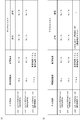
- FIG. 3A shows the access control table in the present embodiment.
- the access control table stores the settings of the controlled terminal and the control terminal and the access list in association with the communication terminals arranged in the PN.
- FIG. 3B shows a state updated from the contents included in the PN access setting request transmitted in step S100.
- the communication terminal is stored in the “permitted” column of the access list (user2_public@home2.net) from the point where the communication terminal 20a is received as “permitted”.
- the application server 40 knows that the control terminal 10a and the control terminal 10b are control terminals.
- the application server 40 can hold a plurality of control terminals for the PN, and can hold a plurality of control terminals for the controlled terminals for each controlled terminal.
- the application server 40 transmits a PN access control information setting response to the control terminal 10a (step S104). That is, this notifies the control terminal 10a that the access control table has been updated. As a notification means, it responds with respect to the request
- control terminal 10b registers to reject the communication from the communication terminal 20b to the controlled terminal 15 by means similar to the control terminal 10a (step S106). That is, as the PN access control information setting, “control terminal 10b”, “controlled terminal 15”, and “communication terminal 20b (reject)” as the communication terminal are transmitted.
- the application server 40 registers the communication terminal 20c in the access list and updates the access control table so as to reject communication from the communication terminal 20b to the controlled terminal 15 in the same procedure as in step S102 ( Step S108).
- the access control table is updated in step S108.
- An example of the updated access control table is shown in FIG.
- the application server 40 After updating the access control table, the application server 40 transmits a PN access control information setting response to the control terminal 10b (step S110). That is, this notifies the control terminal 10b that the access control table has been updated.
- step S108 when the control terminal 10b requests a setting that conflicts with the content requested by the control terminal 10a in the procedure of step S100, in the present embodiment, the information received later is updated. To do. For example, when the control terminal 10b requests that the communication from the communication terminal 20a to the controlled terminal 15 be rejected, the control terminal 10b is deleted from the access list that permits the communication terminal 20a and updated to the access list to be rejected.
- the application server 40 registers from the control terminal to the application server 40 in order to retain information that the control terminal of the controlled terminal 15 is the control terminal 10a and the control terminal 10b.
- control terminal 10a notifies the application server
- control terminal for the controlled terminal 15 notifies the control terminal 10a
- control terminal 10b notifies the application server the control terminal for the controlled terminal 15 and the control terminal 10b, etc. It can also be performed individually or, as shown in FIG. 5, a plurality of control terminals can be registered if the control terminal for the controlled terminal 15 is the control terminal 10a and the control terminal 10b.
- the control terminal 10a and the control terminal 10b are control terminals of the controlled terminal 15. Send. Thereby, it registers in an access control table (step S132), and a PN access control information setting response is transmitted from the application server 40 to the control terminal 10a (step S134).
- the application server 40 accepts the request from step S130 and updates the access control table in step S132 because the control terminal 10a is registered as a control terminal in the access control table of FIG. It becomes. Further, in the present embodiment, the processing related to registration is described, but it is needless to say that deletion can be similarly described.
- the application server 40 can register access control information from a plurality of control terminals 10.
- a specific example in the case where communication is performed from the communication terminal to the controlled terminal will be described.
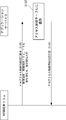
- FIG. 6 is a diagram showing a procedure when the communication terminal (communication terminal 20c) requests connection to the controlled terminal 15 of the PN.
- the communication terminal 20c is a communication terminal in which no entry for permit / deny is registered in the access list for the controlled terminal 15.
- the session information specifically, a message based on the SIP protocol can be used.
- the communication terminal 20c transmits session information (connection request) for requesting the controlled terminal 15 to start connection to the session control apparatus 30 (step S200).
- the communication destination in step S200 is the controlled terminal 15.
- the session control device 30 transmits the session information as it is to the controlled terminal 15, but in this embodiment, the session control apparatus 30 sends the session information to the controlled terminal 15 in order to perform the PN access control.
- a PN access connection request is transmitted as session information to the application server 40 (step S202).
- the application server 40 executes an access control process based on the received session information (PN access connection request).
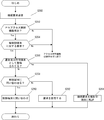
- the access control process executed by the application server 40 will be described with reference to FIG.
- the application server 40 receives a PN access control request (step S250), it determines whether or not the PN access control function is valid (step S252). If the PN access control function is not valid, the access control function does not operate and the process is terminated.
- whether or not the PN access control function is valid may be determined from, for example, a state registered in the access control table, or whether or not the PN access control function is valid as separate information on the application server 40 may manage.
- step S252 If the PN access control function is valid (step S252; Yes), it is determined whether or not the request is for the controlled terminal (step S254).
- the access control function does not operate and this process is terminated.
- step S256 it is determined whether or not the communication source is registered as a permitted communication terminal.
- step S258 it is determined whether or not it is necessary to make an inquiry to the control terminal.
- whether or not to make an inquiry to the control terminal is determined by some method, for example, based on the operation policy of the application server 40.
- an example in which an inquiry is made to the control terminal is shown.
- the connection request (request to start a session) is rejected.
- the session control device 30 is notified of the rejection, and the session control device 30 notifies the communication terminal 20c of the rejection (Step S258; No ⁇ Step S262).
- step S258 when it is necessary to make an inquiry to the control terminal, for example, when the communication source is not registered in the access list of the controlled terminal, a process of inquiring whether the connection is permitted or not is performed (step S258; Yes ⁇ step S260).
- step S256 when the communication source is registered in the access list as a communication terminal permitted (step S256; Yes), the connection request is transferred to the controlled terminal (step S264).
- the application server 40 selects a control terminal to inquire preferentially and inquires.
- the priority is determined by the user of the control terminal, and information for determining the priority is added in the PN access control information setting request.
- the application server 40 manages the priority including the priority notified from the control terminal in the access control table, selects a control terminal based on the priority, or arbitrarily selects a control terminal that is just entered, etc. It is determined by various methods. In the present embodiment, it is assumed that an inquiry is first made from the control terminal 10a. Here, returning to the processing of FIG.
- the application server 40 makes an inquiry request to the control terminal 10a to the session control device 30 (step S206). Therefore, the inquiry information is transmitted to the control terminal 10a and transferred to the session control device 30.
- the session control device 30 transmits inquiry information from the application server 40 to the control terminal 10a (step S208).
- the received control terminal 10a executes connection permission / rejection determination processing for determining permission / rejection of communication from the communication terminal 20c to the controlled terminal 15 (step S210). Judgment of whether communication is permitted or not may be determined by some method such as reflecting the intention of the user of each control terminal or the intention of the network operator. In the present embodiment, the case where communication is permitted will be described below, and the operation when communication is rejected will be described later.
- the control terminal 10a notifies the session control apparatus 30 of the result of determining whether or not to permit communication in step S210 (result of “permitted” in this embodiment) (step S212). Receiving the notification, the session control device 30 transfers the result to the application server 40 (step S214).
- the application server 40 executes connection determination / request processing based on the result received from the session control device 30 (step S216).
- the session control device 30 if the result is received from the session control device 30 when the connection is permitted, it is registered in the access list of the controlled terminal 15 in the access control table as a terminal that permits communication to the communication terminal 20c. .
- the application server 40 transmits a session start request to the controlled terminal 15 to the session control device 30 (step S218).
- the session control device 30 transmits a connection request (session start request) to the controlled terminal 15 (step S220).
- the connection request transmitted by the communication terminal 20c reaches the controlled terminal 15 which is the controlled terminal.
- the subsequent operation is performed based on the conventional session control procedure, and the communication terminal 20c and the controlled terminal 15 start communication.
- the application server 40 holds a plurality of control terminals as information, selects one of them, and makes an inquiry.
- connection permission / refusal determination processing in step S210 will be described.
- the control terminal 10a that has received the PN access control request executes connection permission / rejection determination processing for determining permission / inhibition of communication from the communication terminal 20c to the controlled terminal 15, and sends a result of determining that connection is not established to the session control device 30. Notification is made (step S212). Then, the session control device 30 transfers to the application server 40 the result that communication is not permitted to the application server 40 (step S214).
- Application server 40 executes connection rejection processing in connection determination / request processing (step S216). Specifically, a disconnect request is transmitted from the application server 40 to the session control device 30. In response to the disconnection request from the application server 40, the session control device 30 transmits a disconnection request to the communication terminal 20c.
- a connection request for requesting the start of communication when the communication terminal (communication terminal 20c) starts communication with the PN controlled terminal (controlled terminal 15).
- (Start request) indicates a procedure until the communication terminal 20c reaches the controlled terminal 15.
- the communication terminal 20c does not have a permit / deny entry in the access list with respect to the controlled terminal 15. It is.
- the session information can be specifically a message based on the SIP protocol.
- the situation where the response from the control terminal cannot be received can easily occur in daily life, such as the absence of the terminal at the control terminal user's hand, or the inability to operate the terminal according to the user's situation. Even in such a case, the possibility that the application server cannot receive a response can be reduced by providing a plurality of control terminals.
- Steps S300 to S308 are the same as Steps S200 to S208 of the first embodiment described above, and are therefore omitted.
- the application server 40 manages the timer, waits for a response for a predetermined time from the transmission of the inquiry, and if no response is received, makes an inquiry by selecting another control terminal from the access control table (step S310).
- a control terminal that makes a preferential inquiry is selected from control terminals other than the control terminal that could not receive a response, and an inquiry is made.
- the priority order is determined by setting from the control terminal when setting the PN access control information, and the selection is made based on the setting, or the control terminal that is simply entered is arbitrarily selected. Determine by selecting.
- an inquiry is made to the control terminal 10b as the next terminal of the control terminal 10a.
- steps S206 to S220 in FIG. 6 of the first embodiment make an inquiry using the control terminal 10a as the control terminal and send the session information to the controlled terminal 15, whereas steps S312 to S326 in FIG.
- the only difference is that the control terminal is the control terminal 10b, and the processing is the same, and the description thereof will be omitted.
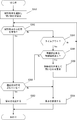
- Application server 40 selects a control terminal and requests an inquiry (step S350). If no response is received from the terminal that has requested the inquiry (step S352; No), it is determined whether or not a timeout has occurred (step S354). Here, when it is not time-out, that is, when the predetermined time has not elapsed, a response from the terminal is further received (step S354; No ⁇ step S352).
- step S354 when a predetermined time elapses and a time-out occurs (step S354; Yes), it is determined whether there is a control terminal that can be reselected (step S356). If there is a control terminal that can be selected again (step S356; Yes), an inquiry request is made by changing the control terminal, and reception of a response from a new control terminal is waited (step S358 ⁇ step S352).
- step S356 if there is no control terminal that can be selected again, the connection request from the communication source is rejected (step S356; No ⁇ step S364).
- step S360 If a response is received from the control terminal (step S352; Yes), it is determined whether or not the communication source is permitted (step S360).
- a connection request is transmitted to the controlled terminal (step S360; Yes ⁇ step S362), and when the communication source is not permitted, the connection request is rejected (step S360). No ⁇ Step S364).
- a third embodiment of the access control procedure will be described with reference to FIG. Also in the third embodiment, as in the first embodiment, a connection request for requesting the start of communication when the communication terminal (communication terminal 20c) starts communication with the PN controlled terminal (controlled terminal 15) ( Session information) shows a procedure until the communication terminal 20c reaches the controlled terminal 15.
- the communication terminal 20c does not have a permit / deny entry in the access list with respect to the controlled terminal 15. It is.
- the session information can be specifically a message based on the SIP protocol.
- the third embodiment is different from the first embodiment in that an inquiry is made to a plurality of control terminals simultaneously, while an inquiry is made to a single control terminal in step S208 of the first embodiment.
- step S404 When the application server receives the PN access connection request, the application server executes an access control process (step S404).
- an access control process the difference from the first embodiment is that when an inquiry to the control terminal is required, an inquiry is made to all the control terminals registered in the access control table shown in FIG. Is sent to the session control device 30.
- the communication terminal 20c transmits an inquiry request (step S406) to the control terminal 10a, which is the control terminal of the controlled terminal 15 that requests the start of communication, and an inquiry request (step S408) to the control terminal 10b.
- an individual inquiry request is transmitted to each control terminal to the session control device 30, but an inquiry request to a plurality of control terminals may be transmitted as a single inquiry request message.
- connection determination / request processing is executed (step S424), a connection request is sent to the session control device 30 (step S426), and a connection request is sent from the session control device 30 to the controlled terminal 15.
- step S428 the same processing as in steps S216 to S220 of FIG. 6 in the first embodiment is executed.
- processing flow in FIG. 11 includes processing (access control processing and connection determination / request processing) when the application server 40 makes an inquiry to the control terminal, including the processing in step S404 in FIG. This will be explained using.
- the application server 40 transmits an inquiry request to a plurality of control terminals (step S450).
- a response is received from the control terminal that transmitted the inquiry request (step S452).
- step S452 If a response is received from the control terminal (step S452; Yes), it is determined whether or not the communication source is set as a terminal to be “rejected” (step S454). Here, in the case of “reject” (step S454; Yes), the connection request is rejected (step S460).
- step S454 it is determined whether or not responses have been received from all the control terminals (step S454; No ⁇ step S456). If there is still an unresponsive control terminal, the process proceeds to step S452, and responses from the remaining control terminals are received (step S456; No ⁇ step S452). On the other hand, if the response is “permitted” from all the control terminals, a transmission request is transmitted to the controlled terminal 15 (step S456; Yes ⁇ step S458).
- step S452 if no response is received from the control terminal in step S452, it is determined whether or not a timeout has occurred in response waiting (step S452; No ⁇ step S462). If no timeout has occurred, the process of receiving a response from the control terminal is continued (Step S462; No ⁇ Step S452).
- step S462 when a timeout occurs (step S462; Yes), it is determined whether a response is received from the control terminal. If a response has been received, a transmission request is transmitted to the controlled terminal 15 (step S464; Yes ⁇ step S466). On the other hand, if no response is received from the control terminal, the transmission request is rejected (step S464; No ⁇ step S468).
- the application server 40 when the application server 40 responds different results so that one of the plurality of control terminals permits communication and the other rejects communication, the application server 40 preferentially rejects the request and rejects the request. However, if a different result is returned, priority can be given to communication permission. Which method is prioritized is determined by some method, such as the operator determining it in advance.
- the application server 40 transmits an inquiry request to a plurality of control terminals (step S500).
- a response is received from the control terminal that transmitted the inquiry request (step S502).
- step S504 If a response is received from the control terminal (step S502; Yes), it is determined whether or not the communication source is set as a “permitted” terminal (step S504). Here, if “permitted” (step S504; Yes), a connection request is transmitted (step S510).
- step S504 it is determined whether or not a response has been received from all control terminals (step S504; No ⁇ step S506). If there is still an unresponsive control terminal, the process proceeds to step S502, and responses from the remaining control terminals are received (step S506; No ⁇ step S502). On the other hand, if the response “reject” is sent from all the control terminals, the transmission request is rejected (step S506; Yes ⁇ step S508).
- step S502 if no response is received from the control terminal in step S502, it is determined whether or not a timeout has occurred while waiting for a response (step S502; No ⁇ step S512). If no timeout has occurred, the process of receiving a response from the control terminal is continued (Step S512; No ⁇ Step S502).
- step S512 if a timeout occurs (step S512; Yes), the transmission request is rejected (step S512; No ⁇ Step S514).
- the third embodiment makes inquiries to a plurality of control terminals all at once.
- the application server needs a new process for determining the response result from the control terminal, but the result is faster than in the case of inquiring the control terminal in order as in the second embodiment. It becomes possible to decide.
- priority may be given to the control terminal, and connection permission / inhibition determination processing may be executed from a terminal with high priority.
- the terminal with the higher priority is the “mother” terminal and the terminal with the lower priority is the “father” terminal.
- a method is conceivable.
Landscapes
- Engineering & Computer Science (AREA)
- Computer Networks & Wireless Communication (AREA)
- Signal Processing (AREA)
- Computer Hardware Design (AREA)
- Computer Security & Cryptography (AREA)
- Computing Systems (AREA)
- General Engineering & Computer Science (AREA)
- Mobile Radio Communication Systems (AREA)
- Telephonic Communication Services (AREA)
Abstract
通信端末20cから被制御端末15に接続要求がなされた場合、アプリケーションサーバ40に対し、通信が許可されているか否かを問い合わせる。ここで、通信端末20cのアクセス許否が、アプリケーションサーバ40に登録されていない場合は、制御端末10a及び制御端末10bに対して、被制御端末15に対する接続の許否を問い合わせる。これにより、PN内に複数の制御端末を配置し、複数の制御端末からPNのアクセス制御テーブルへの通信を許可/拒否する通信端末の登録手順と、PNのアクセス制御テーブルに登録されていない通信端末から被制御通信へのアクセス時、複数の制御端末へ被制御端末へのアクセスの許否を問い合わせる手順を提供することとなり、利便性の高い、より高度な通信サービスを提供することができる。
Description
本発明は、被制御端末と、他の通信端末から被制御端末への接続を制御する複数の制御端末とを含んで構成されるパーソナルネットワークと、SIP(Session Initiation Protocol)に基づいたセッション制御を行う移動通信事業者ネットワークを介して前記パーソナルネットワークに接続する通信端末と、端末間のセッション接続を制御するセッション制御装置とを備えたネットワークシステムに接続されるアプリケーションサーバ等に関する。
移動通信ネットワークにおいて、一人のユーザが所持する複数の通信端末/通信機器(以下、通信端末と記す)をグループとして管理し、このようなグループ化された複数の通信端末を利用して、高機能なサービスを提供するパーソナルネットワーク(以下、「PN」と記す)が近年提案されている。
この、PN及びPNの管理方法、つまり、PNM(Personal Network Management)の規格が、例えば非特許文献1に提案されている。
非特許文献1には、PNのサービスとして、PNに属する通信端末のうち、制御する通信端末(制御端末)が、制御される通信端末(被制御端末)に対するアクセスの許否を制御するアクセス制御が規定されている。
これにより、例えば、家庭の母親の所有する携帯電話端末と、子の所有する携帯電話端末をPNとして管理し、母親の所有する携帯電話端末を制御端末とし、子の所有する携帯電話端末を被制御端末とする。これにより、子の所有する携帯電話端末へ発呼する発呼者に応じて、接続の許否を母親の携帯電話端末で制御することができる。したがって、見知らぬ人からの子への発信や不必要と判断する人からの発信を制限することができ、安全な通信環境を提供することができる。
さらに、非特許文献2では、非特許文献1を基に、制御メッセージの詳細を定めている。具体的には、PN内の制御端末からネットワーク内部のアクセス管理装置への、HTTPに基づいた制御情報の構成や、発呼者からアクセス管理装置を経由して、被制御端末と送受信するSIPに基づいたセッション情報の構成が記されている。ここで、アクセス管理装置は、アクセス制御テーブルを用いることにより、通信の許可/拒否を管理することとなる。
ここで、従来のPNのアクセス制御について、図13、図14を用いて説明する。図13は、従来のPNのアクセス制御を行うネットワークシステムの概略である。ネットワークには、PNを管理するためのアプリケーションサーバ70と、各通信端末のセッションの制御を行うセッション制御装置72とが配置されている。
また、パーソナルネットワーク(PN)に、通信端末80a、80b及び80cが属している、また、PNに属している通信端末と通信を行う端末は、通信端末90及び92である。
また、各通信端末にはSIP URLが割り当てられている。本ネットワークシステムにおいては、通信端末80aに「user1_public80a@home1.net」が、通信端末80bに「user1_public80b@home1.net」が、通信端末80cに「user1_public80c@home1.net」が、通信端末90に「user90_public@home1.net」が、通信端末92に「user92_public@home1.net」が、それぞれ割り当てられている。
ここで、アプリケーションサーバ70は、PNの通信端末を管理するためのアクセス制御テーブルを記憶している。ここで、アプリケーションサーバ70が記憶しているアクセス制御テーブルの一例を示したのが図14である。
図14は、従来技術のPNのアクセス制御テーブルを示している。アクセス制御テーブルには、PNに属する端末に対応づけて、被制御端末か否かを示す属性と、被制御端末を制御する制御端末と、許可端末及び拒否端末と登録するアクセスリストとが記憶されている。
図14のアクセス制御テーブルによれば、制御端末は通信端末80aとなり、被制御端末は通信端末80cである。すなわち、通信端末80c(user1_public80c@home1.net)は被制御端末の属性が「Yes」であり、制御端末として「UE80a(通信端末80a)」と記憶されている。したがって、PN以外からの通信端末から通信端末80cへのアクセスに対する許否を通信端末80aが制御することを表している。
ここで、アクセスリストを参照すると、アクセスを許可する端末として「user90_public@home2.net」(通信端末90)が、アクセスを拒否する端末として「user92_public@home3.net」が登録されている。
なお、アクセスリストに登録されていない端末から通信端末80c(被制御端末)へアクセスがあった場合は、一度通信端末80a(制御端末)に問い合わせを行い、通信の許否が判断された後に、当該結果に応じて通信が許可又は拒否される。
3GPP TS 23.259(Personal Network Management(PNM);Procedures and Information Flows); Stage2
3GPP TS 24.259(Personal Network Management(PNM);Stage3
従来技術では、PNに属する通信端末のうち、被制御端末は複数とすることはできるが、制御端末は1台のみで、複数の制御端末がPNの被制御端末へのアクセス制御をすることはできなかった。
したがって、制御端末をPNに複数配置したとしても、複数の制御端末からPNのアクセス制御テーブルへの通信を許可/拒否する通信端末の登録手順が規定されていないため、実現することはできなかった。
さらに、PNのアクセス制御テーブルに登録されていない通信端末から制御端末へのアクセス時、複数の制御端末へ被制御端末へのアクセスの許否を問い合わせる手順も規定されておらず、複数の制御端末からどの端末を優先して問い合わせるか、制御端末からの応答が異なる場合にどの応答に基づいて制御するかなどの規定がないため、PNに複数の制御端末を配置することはできないといった問題点があった。
ここで、従来技術の組み合わせとして、被制御端末が複数のPNに属することにより、制御端末を複数にする方法が考えられる。例えば、被制御端末が2つのPNに属すれば、PN毎に一台の制御端末があるため、被制御端末に対して2台の制御端末とすることができる。しかしながら、図14の管理テーブルに示すとおり、端末を識別するSIP URIは、PN毎に異なるドメインを持つため、制御端末となる通信端末が2つのPNに属する場合には、「user1_public2@home1.net」と、「user1_public2@anotherpn.net」と2つのSIP URIを持つ必要がある。PNとSIP URLは1対1に対応しているため、PN以外の通信端末が制御端末にアクセスする場合、結果としてPNに対応する同一の制御端末にアクセスする必要があるため、上述した問題点を解消することはできなかった。
これらにより、以下のような不都合が生じていた。例えば、家族の携帯端末でPNを構成している場合、制御端末が1台の場合は、母親の携帯端末でしかPNのアクセス制御テーブルを更新することができず、父親の携帯端末でアクセス制御テーブルを更新するといったことができなかった。また、単一のユーザが複数の通信端末を所有してPNを構成している場合に、いずれかの端末からアクセス制御テーブルを更新しようとしても、必ず決められた制御端末を利用しなければならず、利便性が良いとはいえなかった。
さらに、制御端末が一台しかない場合、テーブルに登録されていない通信端末からのアクセスに対する問い合わせを受けた制御端末のユーザが、手元に端末がないなどのなんらかの理由により応答できないだけで、通信端末からは被制御端末へのアクセスができなくなってしまうといった問題点もあった。
上述した課題に鑑み、本発明が目的とするところは、PN内に複数の制御端末を配置し、複数の制御端末からPNのアクセス制御テーブルへの通信を許可/拒否する通信端末の登録手順と、PNのアクセス制御テーブルに登録されていない通信端末から被制御通信へのアクセス時、複数の制御端末へ被制御端末へのアクセスの許否を問い合わせる手順を提供することにより、利便性の高い、より高度な通信サービスを実現するアプリケーションサーバ等を提供することを目的とする。
上述した課題に鑑み、本発明のアプリケーションサーバは、被制御端末と、他の通信端末から被制御端末への接続を制御する複数の制御端末とを含んで構成されるパーソナルネットワークと、SIP(Session Initiation Protocol)に基づいたセッション制御を行う移動通信事業者ネットワークを介して前記パーソナルネットワークに接続する通信端末と、端末間のセッション接続を制御するセッション制御装置とを備えたネットワークシステムに接続されるアプリケーションサーバであって、前記被制御端末に対応づけて、複数の制御端末と、接続を許可する通信端末とが登録されているアクセス制御テーブルと、前記通信端末から、被制御端末への接続要求を受信する接続要求受信手段と、前記接続要求受信手段により受信された接続要求を行う通信端末が、前記アクセス制御テーブルに接続を許可する端末と登録されていない場合は、被制御端末に対応する複数の制御端末に接続の許否を問い合わせる問い合わせ手段と、前記複数の制御端末から、通信端末と被制御端末との接続の許否の結果を受信し、接続の許否を判定する接続許否判定手段と、を備えることを特徴とする。
また、本発明のアプリケーションサーバにおいて、前記接続許否判定手段は、複数の制御端末のうち、一の制御端末から接続許可の結果を受信した場合には、前記通信端末と前記被制御端末との接続を許可したと判定することを特徴とする。
また、本発明のアプリケーションサーバにおいて、前記接続許否判定手段は、複数の制御端末のうち、総ての制御端末から接続許可の結果を受信した場合に、前記通信端末と前記被制御端末との接続を許可したと判定することを特徴とする。
また、本発明のアプリケーションサーバにおいて、前記問い合わせ手段は、複数の制御端末に接続の許否を問い合わせる場合に、制御端末に対して一斉に問い合わせを行うことを特徴とする。
また、本発明のアプリケーションサーバにおいて、前記問い合わせ手段は、複数の制御端末に接続の許否を問い合わせる場合に、一の制御端末に対して問い合わせた結果、タイムアウトとなった場合に他の制御端末に問い合わせを行うことを特徴とする。
本発明の制御端末は、被制御端末と、他の通信端末から被制御端末への接続を制御する複数の制御端末とを含んで構成されるパーソナルネットワークと、SIP(Session Initiation Protocol)に基づいたセッション制御を行う移動通信事業者ネットワークを介して前記パーソナルネットワークに接続する通信端末と、端末間のセッション接続を制御するセッション制御装置と、該パーソナルネットワークを管理するアプリケーションサーバとを含む通信システムに用いられる制御端末において、前記アプリケーションサーバから、前記通信端末と、前記被制御端末とのアクセス制御要求を受信するアクセス制御要求受信手段と、前記アクセス制御要求に基づいて、前記通信端末と、前記被制御端末との接続許否を判断し、判断結果を送信する判断結果送信手段と、を備えることを特徴とする。
本発明の通信システムは、被制御端末と、他の通信端末から被制御端末への接続を制御する複数の制御端末とを含んで構成されるパーソナルネットワークと、SIP(Session Initiation Protocol)に基づいたセッション制御を行う移動通信事業者ネットワークを介して前記パーソナルネットワークに接続する通信端末と、端末間のセッション接続を制御するセッション制御装置と、該パーソナルネットワークを管理するアプリケーションサーバとを含む通信システムにおいて、前記アプリケーションサーバは、前記被制御端末に対応づけて、複数の制御端末と、接続を許可する通信端末とが登録されているアクセス制御テーブルと、前記通信端末から、被制御端末への接続要求を受信する接続要求受信手段と、前記接続要求受信手段により受信された接続要求を行う通信端末が、前記アクセス制御テーブルに接続を許可する端末と登録されていない場合は、被制御端末に対応する複数の制御端末に接続の許否を問い合わせる問い合わせ手段と、前記複数の制御端末から、通信端末と被制御端末との接続の許否の結果を受信し、接続の許否を判定する接続許否判定手段と、を備え、前記制御端末は、前記アプリケーションサーバから、前記通信端末と、前記被制御端末とのアクセス制御要求を受信するアクセス制御要求受信手段と、前記アクセス制御要求に基づいて、前記通信端末と、前記被制御端末との接続許否を判断し、判断結果を送信する判断結果送信手段と、を備えることを特徴とする。
本発明によれば、PN内に複数の制御端末を配置し、複数の制御端末からPNのアクセス制御テーブルへの通信を許可/拒否する通信端末の登録と、PNのアクセス制御テーブルに登録されていない通信端末から被制御通信への通信要求のとき、複数の制御端末へ被制御端末への通信の許否を問い合わせることが可能になり、複数の制御端末が被制御端末のアクセス制御を行うことが可能となり、より高機能な通信システムを構築できる。
以下添付図面を参照しながら、本発明の実施の形態について説明し、本発明の理解に供する。尚、以下の実施の形態は、本発明を具体化した一例であって、本発明の技術的範囲を限定する性格のものではない。
〔実施の形態〕
[1.ネットワーク構成]
図1は、本発明を適用した場合におけるネットワークシステムの概略を説明するための図である。ネットワークシステムの中には、パーソナルネットワーク(PN)が構築されており、複数の通信端末が接続されている。そして、パーソナルネットワークには、制御する通信端末である制御端末10(制御端末10a及び10b)と、制御端末により制御される通信端末である被制御端末15とが接続されている。また、各通信端末のセッション制御を行うセッション制御装置30が配置されており、PNに配置された通信端末と、通信端末20(通信端末20a、20b及び20c)とが接続されている。また、セッション制御装置30は、アプリケーションサーバ40に接続されている。
[1.ネットワーク構成]
図1は、本発明を適用した場合におけるネットワークシステムの概略を説明するための図である。ネットワークシステムの中には、パーソナルネットワーク(PN)が構築されており、複数の通信端末が接続されている。そして、パーソナルネットワークには、制御する通信端末である制御端末10(制御端末10a及び10b)と、制御端末により制御される通信端末である被制御端末15とが接続されている。また、各通信端末のセッション制御を行うセッション制御装置30が配置されており、PNに配置された通信端末と、通信端末20(通信端末20a、20b及び20c)とが接続されている。また、セッション制御装置30は、アプリケーションサーバ40に接続されている。
ここで、制御端末10、被制御端末15、通信端末20は、USIMカード(Universal Subscriber Identity Module Card)が装着可能な携帯端末、例えば、携帯電話機、PDA(Personal Digital Assistant)である。制御端末10及び被制御端末15はグループとして管理されるパーソナルネットワーク(PN)を構成する。PNの端末は、それぞれを識別する識別子を持ち、識別子をグループとして管理する。識別子にSIP URIを利用した例では、PNの端末は等しいドメインで表され(home1.net)、グループを構成することとなる。
セッション制御装置30は、各通信端末間(通信端末20、制御端末10及び被制御端末15)のセッション制御を行う。例えば、SIPプロトコルを用いたセッション制御を行うSIPサーバ等であり、通信端末間の接続の確立及び当該接続の確立から当該確立した接続を切断するまでに実行される通信端末間のセッション情報は、セッション制御装置30を介して実行される。
アプリケーションサーバ40は、制御端末10及び被制御端末15の利用者に対して、高度なマルチメディア通信サービス等のアプリケーションサービスを提供する。具体的には、被制御端末15と、通信端末20との間の通信を拒否または許容するためのアクセス制御を行い、アクセス制御を実行するためにアクセス制御テーブルを記憶している。
[2.PNアクセス制御情報設定手続き]
ここで、制御端末10は、他の通信端末が、被制御端末15へのアクセスする場合のアクセス制御を行うための情報(PNアクセス制御情報)をアプリケーションサーバ40に記憶する。ここで、PNアクセス制御情報の設定手順を図2にもとづいて説明する。
ここで、制御端末10は、他の通信端末が、被制御端末15へのアクセスする場合のアクセス制御を行うための情報(PNアクセス制御情報)をアプリケーションサーバ40に記憶する。ここで、PNアクセス制御情報の設定手順を図2にもとづいて説明する。
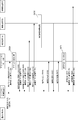
図2は、制御端末10aと、制御端末10bと、アプリケーションサーバ40との処理手順を示す図である。
まず、制御端末10aから、制御端末と、被制御端末との指定と、被制御端末15に対するアクセスの許否を設定する通信端末の情報をアプリケーションサーバ40に通知し、PNアクセス設定情報の設定を要求する(ステップS100)。なお、制御端末10aは予めアプリケーションサーバ40の情報を記憶しているものとする。
図2においては、制御端末10a、被制御端末15とし、通信端末20aから被制御端末15に対する通信を許可する設定とする。また、制御端末10aからアプリケーションサーバ40に通知する情報は、具体的な例としては、識別情報は「SIP URI」であり、アプリケーションサーバ40のURIに対して、HTTPなどの通知手段を用いて情報の送受信を行う。本実施形態の登録では、制御端末10aは、被制御端末15の通信端末20aからの通信を許可するように登録する。
つぎに、アプリケーションサーバ40は、PNアクセス制御設定要求に基づいて、アクセス制御テーブルを更新する(ステップS102)。この場合、被制御端末15に対する制御端末として、制御端末10aが登録されているために、ステップS102においてアクセス制御テーブルが更新されることとなる。
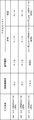
ここで、本実施形態におけるアクセス制御テーブルを示した図が、図3(a)である。図3(a)に示すように、アクセス制御テーブルは、PNに配置された通信端末に対応づけて、被制御端末及び制御端末との設定と、アクセスリストとを記憶している。そして、ステップS100により送信されたPNアクセス設定要求に含まれる内容から更新された状態を示すのが図3(b)である。ステップS100において、通信端末20aを「許可」と受信したところから、アクセスリストの「許可」の欄に通信端末が(user2_public@home2.net)記憶される。
なお、アプリケーションサーバ40は、制御端末10a及び制御端末10bが制御端末であることを把握している。アプリケーションサーバ40は、PNに対して複数の制御端末を保持することができるとともに、被制御端末毎に、被制御端末に対する制御端末を複数保持することができる。
つづいて、アプリケーションサーバ40は、アクセス制御テーブルの更新後、制御端末10aにPNアクセス制御情報設定応答を送信する(ステップS104)。すなわち、これにより制御端末10aに、アクセス制御テーブルが更新されたことが通知される。通知手段としては、HTTPに基づいてステップS100の要求に対して応答する。
つづいて、制御端末10bは、制御端末10aと同様の手段で、被制御端末15への通信端末20bからの通信を却下するよう登録する(ステップS106)。すなわち、PNアクセス制御情報設定として、「制御端末10b」、「被制御端末15」として、通信端末として「通信端末20b(拒否)」を送信する。
アプリケーションサーバ40は、ステップS102と同様の手順で、被制御端末15に対しての通信端末20bからの通信を拒否するよう、アクセスリストに通信端末20cを登録して、アクセス制御テーブルを更新する(ステップS108)。この場合、被制御端末15に対する制御端末として、制御端末10bが登録されているために、ステップS108においてアクセス制御テーブルが更新されることとなる。ここで、更新されたアクセス制御テーブルの一例を図4に示す。
アプリケーションサーバ40は、アクセス制御テーブルの更新後、制御端末10bにPNアクセス制御情報設定応答を送信する(ステップS110)。すなわち、これにより制御端末10bに、アクセス制御テーブルが更新されたことが通知される。
なお、ステップS108において、制御端末10bが、ステップS100の手順で制御端末10aが要求した内容と競合する設定を要求した場合、本実施形態においては、後から受信された情報の更新を行うこととする。例えば、制御端末10bが被制御端末15に対する通信端末20aからの通信を拒否するよう要求した場合、通信端末20aを許可するアクセスリストから削除し、拒否するアクセスリストに更新する。
また、アプリケーションサーバ40が、被制御端末15の制御端末が制御端末10a及び制御端末10bであるよう情報を保持するために、制御端末からアプリケーションサーバ40へ登録する。
この登録は、制御端末10aがアプリケーションサーバに、被制御端末15に対する制御端末が制御端末10aと通知し、制御端末10bがアプリケーションサーバに被制御端末15に対する制御端末が制御端末10bと通知するなどの個別に行うこともできるし、図5に示すように、被制御端末15に対する制御端末が制御端末10a及び制御端末10bであると複数の制御端末を登録することもできる。
すなわち、図5のステップS130に示す用に、制御端末10aからアプリケーションサーバ40に送信されるPNアクセス制御情報設定要求において、制御端末10a及び制御端末10bが、被制御端末15の制御端末であると送信する。これにより、アクセス制御テーブルへ登録され(ステップS132)、PNアクセス制御情報設定応答がアプリケーションサーバ40から、制御端末10aに送信される(ステップS134)。
なお、アプリケーションサーバ40は、制御端末10aが図3(a)のアクセス制御テーブルにおいて、制御端末として登録されていることから、ステップS130から要求を受け入れ、ステップS132においてアクセス制御テーブルが更新されることとなる。また、本実施形態においては、登録に関する処理について説明しているが、削除についても同様に説明できることはもちろんである。
以上の手順により、アプリケーションサーバ40は複数の制御端末10からのアクセス制御情報を登録することができる。以下、具体的に通信端末から被制御端末へ通信が行われる場合の実施例について説明する。
[3.実施例]
[3.1 第1実施例]
まず、図6を用いて、アクセス制御手続きの第1実施例を説明する。図6は、通信端末(通信端末20c)がPNの被制御端末15へ接続を要求した場合の、手続きを示した図である。
[3.1 第1実施例]
まず、図6を用いて、アクセス制御手続きの第1実施例を説明する。図6は、通信端末(通信端末20c)がPNの被制御端末15へ接続を要求した場合の、手続きを示した図である。
ここで、アプリケーションサーバ40で管理するアクセス制御テーブルでは、図4に示すように、通信端末20cは被制御端末15に対するアクセスリストには許可/拒否のエントリが登録されていない通信端末である。また、セッション情報は、具体的にはSIPプロトコルに基づいたメッセージを用いることができる。
まず、通信端末20cは被制御端末15に対して接続の開始を要求するセッション情報(接続要求)をセッション制御装置30に宛てに送信する(ステップS200)。ここで、ステップS200における通信先は被制御端末15である。
つづいて、セッション制御装置30は、アクセス制御を行わない場合にはセッション情報をそのまま被制御端末15へ送信するが、本実施例ではPNのアクセス制御を行うために、被制御端末15にセッション情報を送信することなく、まずアプリケーションサーバ40へPNアクセス接続要求をセッション情報として送信する(ステップS202)。
続いて、アプリケーションサーバ40は、受信したセッション情報(PNアクセス接続要求)に基づいてアクセス制御処理を実行する。ここで、アプリケーションサーバ40が実行するアクセス制御処理について、図7を用いて説明する。
まず、アプリケーションサーバ40が、PNアクセス制御要求を受信すると(ステップS250)、PNアクセス制御機能が有効か否かを判定する(ステップS252)。ここで、PNアクセス制御機能が有効でない場合は、アクセス制御機能は動作せずに本処理を終了する。
ここで、PNアクセス制御機能が有効であるか否かは、例えば、アクセス制御テーブルに登録されている状態から判定しても良いし、PNアクセス制御機能が有効か否かを別情報としてアプリケーションサーバ40が管理していても良い。
そして、PNアクセス制御機能が有効である場合には(ステップS252;Yes)、要求が被制御端末に対するものか否かを判定する(ステップS254)。ここで、通信先の通信端末が、被制御端末に対するものでない場合は(ステップS254;No)、アクセス制御機能は動作せずに本処理を終了する。
つづいて、被制御端末に対する要求の場合、通信元は許可する通信端末として登録されているか否かを判定する(ステップS256)。ここで、通信元が許可する端末として登録されていない場合は、制御端末に問い合わせる必要があるか否かを判定する(ステップS258)。
ここで、制御端末に問い合わせるか否かは、アプリケーションサーバ40の運用方針に基づいて決定するなど、なんらかの方法で決定する。また、本実施例では、制御端末への問い合わせを行う例を示すが、問い合わせを行わない場合には、接続要求(セッション開始の要求)は拒否する。拒否するには、セッション制御装置30に拒否する旨を通知し、セッション制御装置30は通信端末20cへ拒否する旨を通知する(ステップS258;No→ステップS262)。
具体的には、アクセスリストの「拒否」として通信元が登録されている場合、制御端末に問い合わせる必要が無いため、接続要求を拒否する。
他方、制御端末に問い合わせる必要がある場合、例えば、被制御端末のアクセスリストに通信元が登録されていない場合、制御端末に接続の許否を問い合わせる処理を行う(ステップS258;Yes→ステップS260)。
また、通信元が許可する通信端末としてアクセスリストに登録されている場合には(ステップS256;Yes)、接続要求を被制御端末に転送する(ステップS264)。
なお、問い合わせ先となる制御端末が複数ある場合、アプリケーションサーバ40は優先して問い合わせを行う制御端末を選択し、問い合わせを行う。優先順位の決定は、制御端末のユーザが決定し、PNアクセス制御情報設定要求において、優先順位を決定するための情報を付加する。そして、アプリケーションサーバ40は、アクセス制御テーブルにおいて、制御端末から通知された優先順位を含めて管理し、それに基づいて制御端末を選択する方法や、単にエントリされている制御端末を任意に選択する等種々の方法で決定する。本実施例では、まず制御端末10aから問い合わせを行うものとして説明する。
ここで、図6の処理に戻り説明を続ける。アプリケーションサーバ40は、セッション制御装置30に制御端末10aへ問い合わせ要求を行う(ステップS206)。そのため、問い合わせ情報に制御端末10aへ送信することを記してセッション制御装置30へ転送する。
ここで、図6の処理に戻り説明を続ける。アプリケーションサーバ40は、セッション制御装置30に制御端末10aへ問い合わせ要求を行う(ステップS206)。そのため、問い合わせ情報に制御端末10aへ送信することを記してセッション制御装置30へ転送する。
続いて、セッション制御装置30は、アプリケーションサーバ40から制御端末10aへ問い合わせ情報を送信する(ステップS208)。
受信した制御端末10aは、通信端末20cから被制御端末15への通信の許否を判断する接続許否判断処理を実行する(ステップS210)。通信の許否の判断は、各制御端末のユーザの意思やネットワーク事業者の意向などを反映するなどのなんらかの方法で決定すればよい。本実施例においては、通信を許可した場合を以下で説明し、通信を却下する場合の動作は後述する。
制御端末10aは、ステップS210における通信の許否を決定した結果(本実施例では「許可」とした結果)をセッション制御装置30に通知する(ステップS212)。通知を受けたセッション制御装置30は、アプリケーションサーバ40に結果を転送する(ステップS214)。
アプリケーションサーバ40は、セッション制御装置30から受信された結果に基づいて、接続判定/要求処理を実行する(ステップS216)。
ここで、セッション制御装置30から、接続を許可すると結果を受信している場合には、アクセス制御テーブルの被制御端末15のアクセスリストに、通信端末20cに対して通信を許可する端末として登録する。アプリケーションサーバ40は、被制御端末15へセッション開始要求をセッション制御装置30へ送信する(ステップS218)。セッション制御装置30は、接続要求(セッション開始要求)を被制御端末15へ送信する(ステップS220)。
以上の手続きで、通信端末20cが送信した接続要求は、被制御端末である被制御端末15へ到達する。その後の動作は、従来のセッション制御手続きに基づいて行い、通信端末20cと被制御端末15は通信を開始する。上記手続きで、従来と異なる点はステップS204において、アプリケーションサーバ40は、複数の制御端末を情報として保持し、その中から選択をして問い合わせを行う点である。
なお、ステップS210の接続許否判定処理において、通信を却下する場合について説明する。PNアクセス制御要求を受信した制御端末10aは、通信端末20cから被制御端末15への通信の許否を判定する接続許否判定処理を実行し、接続をしないと判定した結果を、セッション制御装置30に通知する(ステップS212)。そして、セッション制御装置30から、アプリケーションサーバ40に対し、通信を許可しないという結果をアプリケーションサーバ40に転送する(ステップS214)。
アプリケーションサーバ40は、接続判定/要求処理において、接続却下処理を実行する(ステップS216)。具体的には、アプリケーションサーバ40から、セッション制御装置30へ切断要求を送信する。セッション制御装置30は、アプリケーションサーバ40からの切断要求に応じ、通信端末20cへ切断要求を送信することとなる。
[3.2 第2実施例]
続いて、図8を用いて第2実施例を説明する。第2実施例は、第1実施例と同様に、通信端末(通信端末20c)がPNの被制御端末(被制御端末15)へ通信を開始する際の、通信開始を要求する接続要求(セッション開始要求)が、通信端末20cから被制御端末15へ届くまでの手続きを示している。
続いて、図8を用いて第2実施例を説明する。第2実施例は、第1実施例と同様に、通信端末(通信端末20c)がPNの被制御端末(被制御端末15)へ通信を開始する際の、通信開始を要求する接続要求(セッション開始要求)が、通信端末20cから被制御端末15へ届くまでの手続きを示している。
アプリケーションサーバ40で管理するアクセス制御テーブルにおいても、第1実施例と同様に、図4に示すように通信端末20cは被制御端末15に対してアクセスリストには許可/拒否のエントリが無い通信端末である。
第2実施例では、第1実施例のステップS208での制御端末への問い合わせに対して、制御端末からの応答を受信しなかった場合の処理について示す。第1実施例と同様に、セッション情報は、具体的にはSIPプロトコルに基づいたメッセージを用いることができる。
制御端末からの応答を受信できない状況は、制御端末のユーザの手元に端末がないことや、ユーザの状況に応じて端末を操作できないなど、日常において容易に起こりうる。このような場合においても、複数の制御端末を備えることで、アプリケーションサーバが応答を受信できない可能性を下げることができる。
以下では、図8をもとに手続きを説明する。ただし、ステップS300からS308までは、前述した第1実施例のステップS200からS208までと同様であるため省略する。
アプリケーションサーバ40は、タイマーを管理し、問い合わせ送信から一定時間応答を待った後に、応答を受信しなかった場合には、アクセス制御テーブルから他の制御端末を選択して問い合わせを行う(ステップS310)。
問い合わせ先となる制御端末が複数ある場合は、応答を受信することができなかった制御端末以外の制御端末のうち、優先して問い合わせを行う制御端末を選択し、問い合わせを行う。優先順位の決定は、第1実施例のステップS206と同様に、PNアクセス制御情報設定時に、制御端末からの設定に決定し、それに基づいて選択することや、単にエントリされている制御端末を任意に選択するなどで決定する。本実施例では、制御端末10aの次の端末として、制御端末10bへの問い合わせを行う。
ここで、第1実施例の図6のステップS206からS220が制御端末10aを制御端末として問い合わせを行い、セッション情報を被制御端末15へ送信するのに対して、図8のステップS312からS326は、制御端末が制御端末10bであるだけの違いであり、処理は同様であるため説明は省略する。
ここで、上記の図8のステップS310の処理を含んで、アプリケーションサーバ40が制御端末への問い合わせを行った場合の処理(アクセス制御処理及び接続判定/要求処理)について、図9の処理のフローをもちいて説明する。
アプリケーションサーバ40は、制御端末を選択し、問い合わせを要求する(ステップS350)。ここで、問い合わせを要求した端末から、応答を受信しなかった場合には(ステップS352;No)、タイムアウトか否かを判定する(ステップS354)。ここで、タイムアウトでない場合、すなわち所定時間経過していない場合は、端末からの応答の受信を更に行う(ステップS354;No→ステップS352)。
ここで、所定時間が経過することにより、タイムアウトとなった場合には(ステップS354;Yes)、再選択出来る制御端末があるか否かを判定する(ステップS356)。ここで、再選択出来る制御端末がある場合には(ステップS356;Yes)、制御端末を変えて問い合わせ要求を行い、新たな制御端末からの応答の受信を待機する(ステップS358→ステップS352)。
他方、再選択できる制御端末が無い場合は、通信元からの接続要求を拒否する(ステップS356;No→ステップS364)。
また、制御端末から応答を受信した場合(ステップS352;Yes)、通信元が許可されているか否かを判定する(ステップS360)。ここで、通信元が許可されている場合には、接続要求を被制御端末に送信し(ステップS360;Yes→ステップS362)、通信元が許可されていない場合は接続要求を拒否する(ステップS360;No→ステップS364)。
[3.3 第3実施例]
続いて、図10を用いてアクセス制御手続きの第3実施例を説明する。第3実施例においても、第1実施例と同様に、通信端末(通信端末20c)がPNの被制御端末(被制御端末15)へ通信を開始する際の、通信開始を要求する接続要求(セッション情報)が、通信端末20cから被制御端末15へ届くまでの手続きを示している。
続いて、図10を用いてアクセス制御手続きの第3実施例を説明する。第3実施例においても、第1実施例と同様に、通信端末(通信端末20c)がPNの被制御端末(被制御端末15)へ通信を開始する際の、通信開始を要求する接続要求(セッション情報)が、通信端末20cから被制御端末15へ届くまでの手続きを示している。
アプリケーションサーバ40で管理するアクセス制御テーブルにおいても、第1実施例と同様に、図4に示すように通信端末20cは被制御端末15に対してアクセスリストには許可/拒否のエントリが無い通信端末である。第1実施例と同様に、セッション情報は、具体的にはSIPプロトコルに基づいたメッセージを用いることができる。
第3実施例が第1実施例と異なるのは、第1実施例のステップS208で単一の制御端末へ問い合わせを行うのに対して、複数の制御端末へ一斉に問い合わせを行う点である。
図10のステップS400、S402によりアプリケーションサーバ40が通信端末20cからの接続要求を受信するまでの処理は、第1実施例で説明した図6のステップS200、S202と同様であるため説明は省略する。
アプリケーションサーバは、PNアクセス接続要求を受信すると、アクセス制御処理を実行する(ステップS404)。ここで、アクセス制御処理として、第1実施例と異なるのは、制御端末への問い合わせが必要になった場合、図4に示すアクセス制御テーブルに登録されるすべての制御端末に対して問い合わせ行うための問い合わせ要求をセッション制御装置30へ送信する。
本実施例では通信端末20cが通信開始を要求する被制御端末15の制御端末である制御端末10aに対する問い合わせ要求(ステップS406)と、制御端末10bに対する問い合わせ要求(ステップS408)とを送信する。図10ではそれぞれの制御端末に対して個別の問い合わせ要求をセッション制御装置30へ送信したが、複数の制御端末への問い合わせの要求を単一の問い合わせ要求メッセージで送信することとしても良い。
その後、制御端末10aへの問い合わせから応答までの手続きは、ステップS410、S414、S416,S418で行われ、制御端末10bへの問い合わせから応答までの手続きは、ステップS412,S414,S420,S422で行われる。それぞれの問い合わせて続きは、制御端末が異なるのみで処理は第1実施例のステップS206からS214と同様に行われるため、説明は省略する。
また、結果が転送された後に、接続判定/要求処理を実行し(ステップS424)、セッション制御装置30に接続要求をし(ステップS426)、当該セッション制御装置30から被制御端末15に接続要求がされる(ステップS428)のは、第1実施例における図6のステップS216~S220と同様の処理が実行される。
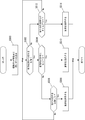
ここで、上記の図10のステップS404の処理を含んで、アプリケーションサーバ40が制御端末への問い合わせを行った場合の処理(アクセス制御処理及び接続判定/要求処理)について、図11の処理のフローを利用して説明する。
まず、アプリケーションサーバ40は、複数の制御端末に問い合わせ要求を送信する(ステップS450)。ここで、問い合わせ要求を送信した制御端末から応答を受信する(ステップS452)。
制御端末から応答を受信したら(ステップS452;Yes)、通信元が「拒否」する端末として設定されているか否かを判定する(ステップS454)。ここで、「拒否」の場合には(ステップS454;Yes)、接続要求を拒否する(ステップS460)。
他方、ステップS454において、通信元が「許可」の場合には、総ての制御端末から応答を受信したか否か判定する(ステップS454;No→ステップS456)。ここで、まだ未応答の制御端末がある場合には、ステップS452に処理を移行し、残りの制御端末からの応答を受信する(ステップS456;No→ステップS452)。他方、総ての制御端末から「許可」と応答されている場合には、送信要求を被制御端末15に送信する(ステップS456;Yes→ステップS458)。
ここで、ステップS452において、制御端末から応答を受信していない場合、応答待ちとしてタイムアウトが発生したか否かを判定する(ステップS452;No→ステップS462)。タイムアウトが発生していなければ、そのまま制御端末から応答を受信する処理を継続する(ステップS462;No→ステップS452)。
ここで、タイムアウトが発生した場合(ステップS462;Yes)、制御端末から応答を受信しているか否かを判定する。ここで、応答を受信している場合には、送信要求を被制御端末15に送信する(ステップS464;Yes→ステップS466)。他方、制御端末から全く応答を受信していない場合には、送信要求を拒否する(ステップS464;No→ステップS468)。
なお、アプリケーションサーバ40は、複数の制御端末のうち、一方が通信を許可し、他方が通信を却下するように、異なる結果を応答した場合、通信却下を優先して要求を却下することとしたが、異なる結果を応答した場合、通信許可を優先することもできる。どちらを優先するかは運用者があらかじめ決定するなどなんらかの方法で決定する。
通信許可を優先する場合のアプリケーションサーバ40の処理について、図12を用いて説明する。まず、アプリケーションサーバ40は、複数の制御端末に問い合わせ要求を送信する(ステップS500)。ここで、問い合わせ要求を送信した制御端末から応答を受信する(ステップS502)。
制御端末から応答を受信したら(ステップS502;Yes)、通信元が「許可」する端末として設定されているか否かを判定する(ステップS504)。ここで、「許可」の場合には(ステップS504;Yes)、接続要求を送信する(ステップS510)。
他方、ステップS504において、通信元が「拒否」の場合には、総ての制御端末から応答を受信したか否か判定する(ステップS504;No→ステップS506)。ここで、まだ未応答の制御端末がある場合には、ステップS502に処理を移行し、残りの制御端末からの応答を受信する(ステップS506;No→ステップS502)。他方、総ての制御端末から「拒否」と応答されている場合には、送信要求を拒否する(ステップS506;Yes→ステップS508)。
ここで、ステップS502において、制御端末から応答を受信していない場合、応答待ちとしてタイムアウトが発生したか否かを判定する(ステップS502;No→ステップS512)。タイムアウトが発生していなければ、そのまま制御端末から応答を受信する処理を継続する(ステップS512;No→ステップS502)。
ここで、タイムアウトが発生した場合(ステップS512;Yes)、送信要求を拒否する(ステップS512;No→ステップS514)。
このように、第3実施例では、第1実施例及び第2実施例とは異なり、複数の制御端末に一斉に問い合わせを行う。これにより、アプリケーションサーバは、制御端末からの応答結果を決定するための処理をあらたに必要とするが、第2実施例のように順に制御端末への問い合わせを行うより場合に比べて早く結果を決定することが可能となる。
[4.変形例]
以上、この発明の実施形態について図面を参照して詳述してきたが、具体的な構成はこの実施形態に限られるものではなく、この発明の要旨を逸脱しない範囲の設計等も特許請求の範囲に含まれる。
以上、この発明の実施形態について図面を参照して詳述してきたが、具体的な構成はこの実施形態に限られるものではなく、この発明の要旨を逸脱しない範囲の設計等も特許請求の範囲に含まれる。
また、上述した実施形態において、例えば制御端末に優先度を付し、優先度の高い端末から接続許否判断処理を実行することとしてもよい。この場合、例えば、PNにおいて「母親」と「父親」の制御端末があるとした場合、優先度の高い端末を「母親」の端末、優先度の低い端末を「父親」の端末にするといった利用方法が考えられる。
10a、10b 制御端末
15 被制御端末
20a、20b、20c 通信端末
30 セッション制御装置
40 アプリケーションサーバ
15 被制御端末
20a、20b、20c 通信端末
30 セッション制御装置
40 アプリケーションサーバ
Claims (7)
- 被制御端末と、他の通信端末から被制御端末への接続を制御する複数の制御端末とを含んで構成されるパーソナルネットワークと、SIP(Session Initiation Protocol)に基づいたセッション制御を行う移動通信事業者ネットワークを介して前記パーソナルネットワークに接続する通信端末と、端末間のセッション接続を制御するセッション制御装置とを備えたネットワークシステムに接続されるアプリケーションサーバであって、
前記被制御端末に対応づけて、複数の制御端末と、接続を許可する通信端末とが登録されているアクセス制御テーブルと、
前記通信端末から、被制御端末への接続要求を受信する接続要求受信手段と、
前記接続要求受信手段により受信された接続要求を行う通信端末が、前記アクセス制御テーブルに接続を許可する端末と登録されていない場合は、被制御端末に対応する複数の制御端末に接続の許否を問い合わせる問い合わせ手段と、
前記複数の制御端末から、通信端末と被制御端末との接続の許否の結果を受信し、接続の許否を判定する接続許否判定手段と、
を備えることを特徴とするアプリケーションサーバ。 - 前記接続許否判定手段は、複数の制御端末のうち、一の制御端末から接続許可の結果を受信した場合には、前記通信端末と前記被制御端末との接続を許可したと判定することを特徴とする請求項1に記載のアプリケーションサーバ。
- 前記接続許否判定手段は、複数の制御端末のうち、総ての制御端末から接続許可の結果を受信した場合に、前記通信端末と前記被制御端末との接続を許可したと判定することを特徴とする請求項1に記載のアプリケーションサーバ。
- 前記問い合わせ手段は、複数の制御端末に接続の許否を問い合わせる場合に、制御端末に対して一斉に問い合わせを行うことを特徴とする請求項1から3の何れか一項に記載のアプリケーションサーバ。
- 前記問い合わせ手段は、複数の制御端末に接続の許否を問い合わせる場合に、一の制御端末に対して問い合わせた結果、タイムアウトとなった場合に他の制御端末に問い合わせを行うことを特徴とする請求項1から3の何れか一項に記載のアプリケーションサーバ。
- 被制御端末と、他の通信端末から被制御端末への接続を制御する複数の制御端末とを含んで構成されるパーソナルネットワークと、SIP(Session Initiation Protocol)に基づいたセッション制御を行う移動通信事業者ネットワークを介して前記パーソナルネットワークに接続する通信端末と、端末間のセッション接続を制御するセッション制御装置と、該パーソナルネットワークを管理するアプリケーションサーバとを含む通信システムに用いられる制御端末において、
前記アプリケーションサーバから、前記通信端末と、前記被制御端末とのアクセス制御要求を受信するアクセス制御要求受信手段と、
前記アクセス制御要求に基づいて、前記通信端末と、前記被制御端末との接続許否を判断し、判断結果を送信する判断結果送信手段と、
を備えることを特徴とする制御端末。 - 被制御端末と、他の通信端末から被制御端末への接続を制御する複数の制御端末とを含んで構成されるパーソナルネットワークと、SIP(Session Initiation Protocol)に基づいたセッション制御を行う移動通信事業者ネットワークを介して前記パーソナルネットワークに接続する通信端末と、端末間のセッション接続を制御するセッション制御装置と、該パーソナルネットワークを管理するアプリケーションサーバとを含む通信システムにおいて、
前記アプリケーションサーバは、
前記被制御端末に対応づけて、複数の制御端末と、接続を許可する通信端末とが登録されているアクセス制御テーブルと、
前記通信端末から、被制御端末への接続要求を受信する接続要求受信手段と、
前記接続要求受信手段により受信された接続要求を行う通信端末が、前記アクセス制御テーブルに接続を許可する端末と登録されていない場合は、被制御端末に対応する複数の制御端末に接続の許否を問い合わせる問い合わせ手段と、
前記複数の制御端末から、通信端末と被制御端末との接続の許否の結果を受信し、接続の許否を判定する接続許否判定手段と、
を備え、
前記制御端末は、
前記アプリケーションサーバから、前記通信端末と、前記被制御端末とのアクセス制御要求を受信するアクセス制御要求受信手段と、
前記アクセス制御要求に基づいて、前記通信端末と、前記被制御端末との接続許否を判断し、判断結果を送信する判断結果送信手段と、
を備えることを特徴とする通信システム。
Applications Claiming Priority (2)
| Application Number | Priority Date | Filing Date | Title |
|---|---|---|---|
| JP2008284952 | 2008-11-06 | ||
| JP2008-284952 | 2008-11-06 |
Publications (1)
| Publication Number | Publication Date |
|---|---|
| WO2010053064A1 true WO2010053064A1 (ja) | 2010-05-14 |
Family
ID=42152872
Family Applications (1)
| Application Number | Title | Priority Date | Filing Date |
|---|---|---|---|
| PCT/JP2009/068746 Ceased WO2010053064A1 (ja) | 2008-11-06 | 2009-11-02 | アプリケーションサーバ、制御端末及び通信システム |
Country Status (1)
| Country | Link |
|---|---|
| WO (1) | WO2010053064A1 (ja) |
Cited By (1)
| Publication number | Priority date | Publication date | Assignee | Title |
|---|---|---|---|---|
| JP2019098028A (ja) * | 2017-12-06 | 2019-06-24 | 株式会社三洋物産 | 遊技情報表示装置及び遊技場用システム |
Citations (1)
| Publication number | Priority date | Publication date | Assignee | Title |
|---|---|---|---|---|
| WO2007004625A1 (ja) * | 2005-07-04 | 2007-01-11 | Matsushita Electric Industrial Co., Ltd. | パーソナルネットワーク管理方法及びパーソナルネットワーク管理装置 |
-
2009
- 2009-11-02 WO PCT/JP2009/068746 patent/WO2010053064A1/ja not_active Ceased
Patent Citations (1)
| Publication number | Priority date | Publication date | Assignee | Title |
|---|---|---|---|---|
| WO2007004625A1 (ja) * | 2005-07-04 | 2007-01-11 | Matsushita Electric Industrial Co., Ltd. | パーソナルネットワーク管理方法及びパーソナルネットワーク管理装置 |
Cited By (2)
| Publication number | Priority date | Publication date | Assignee | Title |
|---|---|---|---|---|
| JP2019098028A (ja) * | 2017-12-06 | 2019-06-24 | 株式会社三洋物産 | 遊技情報表示装置及び遊技場用システム |
| JP7145405B2 (ja) | 2017-12-06 | 2022-10-03 | 株式会社三洋物産 | 遊技情報表示装置及び遊技場用システム |
Similar Documents
| Publication | Publication Date | Title |
|---|---|---|
| JP5232085B2 (ja) | セッション制御方法、移動通信システム、及び通信端末 | |
| JP4743200B2 (ja) | 通信端末、端末切替システムおよび端末切替方法 | |
| KR100711279B1 (ko) | 네트워크 중에서 장치간 자동 탐색을 진행하는 방법 | |
| JP2008500607A (ja) | デバイス組分け及び組分けデバイス同士の会話を実現する方法 | |
| KR20160013005A (ko) | 사용자 장치(ue) 사이에서 장치간 통신을 구현하기 위한 방법 및 사용자 장치 | |
| CN105230056B (zh) | 无线对接的方法和装置 | |
| WO2016155298A1 (zh) | 一种中继ue接入控制方法及装置 | |
| US20100015968A1 (en) | Mobile communication control system, method, and communication terminal | |
| CN102801800B (zh) | 多无线终端之间的资源共享处理方法及系统 | |
| CN103380613A (zh) | 无线终端设备、信息处理设备、通信系统和无线终端设备的控制方法 | |
| WO2008000192A1 (en) | Network access method of terminals, network access system and gateway equipment | |
| CN101267609A (zh) | 用于集群系统的终端状态查询方法 | |
| CN109479058A (zh) | 在d2d网络上交换网络服务器注册凭证 | |
| CN101911773B (zh) | 用于有限目的的接入网络 | |
| EP2583409A2 (en) | Apparatus and method for registering personal network | |
| EP3860300B1 (en) | Group calling in a mission critical service system | |
| KR20110107475A (ko) | 단말 관리 서비스를 제공하는 중개 단말 및 방법 | |
| CN101304571A (zh) | 分体式移动终端主机和子机间通信认证的方法及移动装置 | |
| WO2010053064A1 (ja) | アプリケーションサーバ、制御端末及び通信システム | |
| CN102077652A (zh) | 一种对限定用户组csg终端进行准入控制的方法及装置 | |
| CN106331163A (zh) | 一种控制服务平台的方法及装置 | |
| JP4425196B2 (ja) | 通信制御装置、システム、及び方法 | |
| JP4963132B2 (ja) | 通信制御装置及び方法 | |
| US20080141343A1 (en) | Method, system and apparatus for access control | |
| JP7312280B2 (ja) | プライベートネットワークの相互間呼び出しサービスをアクセスするように未登録のユーザーデバイスを支援する方法及び通信システム |
Legal Events
| Date | Code | Title | Description |
|---|---|---|---|
| 121 | Ep: the epo has been informed by wipo that ep was designated in this application |
Ref document number: 09824763 Country of ref document: EP Kind code of ref document: A1 |
|
| NENP | Non-entry into the national phase |
Ref country code: DE |
|
| NENP | Non-entry into the national phase |
Ref country code: JP |
|
| 122 | Ep: pct application non-entry in european phase |
Ref document number: 09824763 Country of ref document: EP Kind code of ref document: A1 |