US7737132B2 - β-cyclodextrin derivatives as antibacterial agents - Google Patents
β-cyclodextrin derivatives as antibacterial agents Download PDFInfo
- Publication number
- US7737132B2 US7737132B2 US11/342,339 US34233906A US7737132B2 US 7737132 B2 US7737132 B2 US 7737132B2 US 34233906 A US34233906 A US 34233906A US 7737132 B2 US7737132 B2 US 7737132B2
- Authority
- US
- United States
- Prior art keywords
- antibiotic
- alkyl
- methicillin
- norfloxacin
- tobramycin
- Prior art date
- Legal status (The legal status is an assumption and is not a legal conclusion. Google has not performed a legal analysis and makes no representation as to the accuracy of the status listed.)
- Expired - Fee Related, expires
Links
- 0 [2*]C1[C@H](O)OC(C[6*])[C@@H](OC)[C@@H]1[3*] Chemical compound [2*]C1[C@H](O)OC(C[6*])[C@@H](OC)[C@@H]1[3*] 0.000 description 10
- ZDEOHMUYDPUGKK-UHFFFAOYSA-N CCNCC1OC2OCCCOC1C(O)C2O Chemical compound CCNCC1OC2OCCCOC1C(O)C2O ZDEOHMUYDPUGKK-UHFFFAOYSA-N 0.000 description 5
- OWVRLUZLZWBEPC-UHFFFAOYSA-O CC[N+]12CC[N+](CC(=O)NCC3OC4OCCCOC3C(O)C4O)(CC1)CC2 Chemical compound CC[N+]12CC[N+](CC(=O)NCC3OC4OCCCOC3C(O)C4O)(CC1)CC2 OWVRLUZLZWBEPC-UHFFFAOYSA-O 0.000 description 3
- SISHMAZBRQSMKB-UHFFFAOYSA-N CC1=CC=C(CNCC2OC3OCCCOC2C(O)C3O)C=C1 Chemical compound CC1=CC=C(CNCC2OC3OCCCOC2C(O)C3O)C=C1 SISHMAZBRQSMKB-UHFFFAOYSA-N 0.000 description 2
- OGMSZGMMBXQJSJ-UHFFFAOYSA-N CC[N+]12CC[N+](CC3OC4OCCCOC3C(O)C4O)(CC1)CC2.[Br-] Chemical compound CC[N+]12CC[N+](CC3OC4OCCCOC3C(O)C4O)(CC1)CC2.[Br-] OGMSZGMMBXQJSJ-UHFFFAOYSA-N 0.000 description 2
- TUYWCWZCRJGDHW-UHFFFAOYSA-N C.NCC1=C(CSCC2OC3OCCCOC2C(O)C3O)C=CC=C1.OC1C2OCCCOC(C(CSCCCCCCCCCCN=Cl)O2)C1O Chemical compound C.NCC1=C(CSCC2OC3OCCCOC2C(O)C3O)C=CC=C1.OC1C2OCCCOC(C(CSCCCCCCCCCCN=Cl)O2)C1O TUYWCWZCRJGDHW-UHFFFAOYSA-N 0.000 description 1
- HMYBUUXVYZJIIK-UHFFFAOYSA-N C=CCNCC1OC2OCCCOC1C(O)C2O Chemical compound C=CCNCC1OC2OCCCOC1C(O)C2O HMYBUUXVYZJIIK-UHFFFAOYSA-N 0.000 description 1
- LHALWKYMYZQZRO-UHFFFAOYSA-N CC(=O)NCC1OC2OCCCOC1C(O)C2O Chemical compound CC(=O)NCC1OC2OCCCOC1C(O)C2O LHALWKYMYZQZRO-UHFFFAOYSA-N 0.000 description 1
- LRTKQRCYARHJRD-UHFFFAOYSA-N CC(=O)OC1C(O)C2OCCCOC1C(CN1C=C(CC3=CC=CC=C3)N=N1)O2 Chemical compound CC(=O)OC1C(O)C2OCCCOC1C(CN1C=C(CC3=CC=CC=C3)N=N1)O2 LRTKQRCYARHJRD-UHFFFAOYSA-N 0.000 description 1
- FDVSCSHIGQQQKD-UHFFFAOYSA-N CC(=O)OCC1OC(OCC2=CN(CC3OC4OCCCOC3C(O)C4O)N=N2)C(OC(C)=O)C(OC(C)=O)C1OC(C)=O Chemical compound CC(=O)OCC1OC(OCC2=CN(CC3OC4OCCCOC3C(O)C4O)N=N2)C(OC(C)=O)C(OC(C)=O)C1OC(C)=O FDVSCSHIGQQQKD-UHFFFAOYSA-N 0.000 description 1
- AFSJGODJGHHURP-UCRBLCQZSA-N CC(C)(C)OC(=O)NCCCC[C@H](N)C(=O)NCC1OC2OCCCOC1C(O)C2O Chemical compound CC(C)(C)OC(=O)NCCCC[C@H](N)C(=O)NCC1OC2OCCCOC1C(O)C2O AFSJGODJGHHURP-UCRBLCQZSA-N 0.000 description 1
- VCKGJUQDFDSRBY-WXGULHSYSA-N CC(C)(C)OC(=O)NCCCC[C@H](N)C(=O)N[C@@H](CCCCNC(=O)OC(C)(C)C)C(=O)NCC1OC2OCCCOC1C(O)C2O Chemical compound CC(C)(C)OC(=O)NCCCC[C@H](N)C(=O)N[C@@H](CCCCNC(=O)OC(C)(C)C)C(=O)NCC1OC2OCCCOC1C(O)C2O VCKGJUQDFDSRBY-WXGULHSYSA-N 0.000 description 1
- DSXLRUUTOOKWDK-XMFUQUPFSA-N CC(C)(C)OC(NCCCC[C@@H](C(N[C@@H](CCCCNC(OC(C)(C)C)=O)C(NCC(C1C(C2O)O)OC2OC(CC2)C2C2C1OC2)=O)=O)N)=O Chemical compound CC(C)(C)OC(NCCCC[C@@H](C(N[C@@H](CCCCNC(OC(C)(C)C)=O)C(NCC(C1C(C2O)O)OC2OC(CC2)C2C2C1OC2)=O)=O)N)=O DSXLRUUTOOKWDK-XMFUQUPFSA-N 0.000 description 1
- CGURPSPOZIRXJS-PEAYWQFSSA-N CC(C)(C)[Si](C)(C)O[C@@H]1C[C@@H](C(=O)NCC2OC3OCCCOC2C(O)C3O)N(C(=O)C(F)(F)F)C1 Chemical compound CC(C)(C)[Si](C)(C)O[C@@H]1C[C@@H](C(=O)NCC2OC3OCCCOC2C(O)C3O)N(C(=O)C(F)(F)F)C1 CGURPSPOZIRXJS-PEAYWQFSSA-N 0.000 description 1
- SJDCACZKYSGLBU-UHFFFAOYSA-N CC(C)CCCCC(C)NCC1OC2OCCCOC1C(O)C2O Chemical compound CC(C)CCCCC(C)NCC1OC2OCCCOC1C(O)C2O SJDCACZKYSGLBU-UHFFFAOYSA-N 0.000 description 1
- ZKXAQUNGHMYJFQ-UHFFFAOYSA-N CC(C)NCC1OC2OCCCOC1C(O)C2O Chemical compound CC(C)NCC1OC2OCCCOC1C(O)C2O ZKXAQUNGHMYJFQ-UHFFFAOYSA-N 0.000 description 1
- NBSDBBXJOLPNAJ-FTPDJBBVSA-N CC(C)[C@H](C)NCC1OC2OCCCOC1C(O)C2O Chemical compound CC(C)[C@H](C)NCC1OC2OCCCOC1C(O)C2O NBSDBBXJOLPNAJ-FTPDJBBVSA-N 0.000 description 1
- XAYPLPRGRFHRRF-SSJHPLANSA-N CC(O)[C@H](NCl)C(=O)NCC1OC2OCCCOC1C(O)C2O Chemical compound CC(O)[C@H](NCl)C(=O)NCC1OC2OCCCOC1C(O)C2O XAYPLPRGRFHRRF-SSJHPLANSA-N 0.000 description 1
- NYHOOIMKPIVDPR-UHFFFAOYSA-N CC1=C(NCC2OC3OCCCOC2C(O)C3O)C(=O)N(C2=CC=CC=C2)N1C Chemical compound CC1=C(NCC2OC3OCCCOC2C(O)C3O)C(=O)N(C2=CC=CC=C2)N1C NYHOOIMKPIVDPR-UHFFFAOYSA-N 0.000 description 1
- IYCXAEURRCKPLA-UHFFFAOYSA-N CC1=C(NCC2OC3OCCCOC2C(O)C3O)C=CC=C1 Chemical compound CC1=C(NCC2OC3OCCCOC2C(O)C3O)C=CC=C1 IYCXAEURRCKPLA-UHFFFAOYSA-N 0.000 description 1
- HGKANWGUTGFULO-UHFFFAOYSA-N CC1=CC(NCC2OC3OCCCOC2C(O)C3O)=CC=C1C(C)C Chemical compound CC1=CC(NCC2OC3OCCCOC2C(O)C3O)=CC=C1C(C)C HGKANWGUTGFULO-UHFFFAOYSA-N 0.000 description 1
- VUTZAUFXUGKCHJ-UHFFFAOYSA-N CC1=CC=C(CNCC2OC3OCCCOC2C(O)C3O)C=C1.CCNCC1OC2OCCCOC1C(O)C2O.OC1C2OCCCOC(C(CNCC3=CC=CC=C3)O2)C1O.[N-]=[N+]=NCC1OC2OCCCOC1C(O)C2O Chemical compound CC1=CC=C(CNCC2OC3OCCCOC2C(O)C3O)C=C1.CCNCC1OC2OCCCOC1C(O)C2O.OC1C2OCCCOC(C(CNCC3=CC=CC=C3)O2)C1O.[N-]=[N+]=NCC1OC2OCCCOC1C(O)C2O VUTZAUFXUGKCHJ-UHFFFAOYSA-N 0.000 description 1
- SZFKXTBSWIRQHZ-UHFFFAOYSA-N CC1=CC=C(NCC2OC3OCCCOC2C(O)C3O)C=C1 Chemical compound CC1=CC=C(NCC2OC3OCCCOC2C(O)C3O)C=C1 SZFKXTBSWIRQHZ-UHFFFAOYSA-N 0.000 description 1
- BOMIATPGCLOMCN-UHFFFAOYSA-N CC1=CC=CC(NCC2OC3OCCCOC2C(O)C3O)=C1 Chemical compound CC1=CC=CC(NCC2OC3OCCCOC2C(O)C3O)=C1 BOMIATPGCLOMCN-UHFFFAOYSA-N 0.000 description 1
- UAOVRRQFCKLZPL-UHFFFAOYSA-O CC[N+]12CC[N+](CC(=O)NCC3OC4OCCCOC3C(O)C4O)(CC1)CC2.OC1C2OCCCOC(C(CNC3=C(C4=CC=CC=C4)C=CC=C3)O2)C1O.OC1C2OCCCOC(C(CNC3=NC4=C(C=CC=C4)S3)O2)C1O.OC1C2OCCCOC(C(CNC3CCCC4=C3C=CC=C4)O2)C1O Chemical compound CC[N+]12CC[N+](CC(=O)NCC3OC4OCCCOC3C(O)C4O)(CC1)CC2.OC1C2OCCCOC(C(CNC3=C(C4=CC=CC=C4)C=CC=C3)O2)C1O.OC1C2OCCCOC(C(CNC3=NC4=C(C=CC=C4)S3)O2)C1O.OC1C2OCCCOC(C(CNC3CCCC4=C3C=CC=C4)O2)C1O UAOVRRQFCKLZPL-UHFFFAOYSA-O 0.000 description 1
- USWGBYJJZAUSPO-UHFFFAOYSA-N CN(C)CC1OC2OCCCOC1C(O)C2O Chemical compound CN(C)CC1OC2OCCCOC1C(O)C2O USWGBYJJZAUSPO-UHFFFAOYSA-N 0.000 description 1
- KXZBKPOEJPVDMD-UHFFFAOYSA-N CN(C)CCNCC(=O)NCC1OC2OCCCOC1C(O)C2O.Cl Chemical compound CN(C)CCNCC(=O)NCC1OC2OCCCOC1C(O)C2O.Cl KXZBKPOEJPVDMD-UHFFFAOYSA-N 0.000 description 1
- GIJIFESRRKDEOQ-UHFFFAOYSA-N CN(C)CCNCC1OC2OCCCOC1C(O)C2O Chemical compound CN(C)CCNCC1OC2OCCCOC1C(O)C2O GIJIFESRRKDEOQ-UHFFFAOYSA-N 0.000 description 1
- WOFSFSVQCWQPDS-UHFFFAOYSA-N COC(=O)C1=CC(NCC2OC3OCCCOC2C(O)C3O)=CC=C1 Chemical compound COC(=O)C1=CC(NCC2OC3OCCCOC2C(O)C3O)=CC=C1 WOFSFSVQCWQPDS-UHFFFAOYSA-N 0.000 description 1
- ZNIPDLLUYHVUKD-UHFFFAOYSA-N COC1=CC(CNCC2OC3OCCCOC2C(O)C3O)=CC=C1 Chemical compound COC1=CC(CNCC2OC3OCCCOC2C(O)C3O)=CC=C1 ZNIPDLLUYHVUKD-UHFFFAOYSA-N 0.000 description 1
- FNDRCHUVJOYXLE-UHFFFAOYSA-N COC1=CC=C(CNCC2OC3OCCCOC2C(O)C3O)C=C1 Chemical compound COC1=CC=C(CNCC2OC3OCCCOC2C(O)C3O)C=C1 FNDRCHUVJOYXLE-UHFFFAOYSA-N 0.000 description 1
- WSRNGHHSEPANEI-UHFFFAOYSA-N COC1=CC=CC(CCNCC2OC3OCCCOC2C(O)C3O)=C1 Chemical compound COC1=CC=CC(CCNCC2OC3OCCCOC2C(O)C3O)=C1 WSRNGHHSEPANEI-UHFFFAOYSA-N 0.000 description 1
- ZJLHLHHYFATZMJ-UHFFFAOYSA-N COC1=CC=CC=C1CNCC1OC2OCCCOC1C(O)C2O Chemical compound COC1=CC=CC=C1CNCC1OC2OCCCOC1C(O)C2O ZJLHLHHYFATZMJ-UHFFFAOYSA-N 0.000 description 1
- JFRPZIPZOBWKCS-UHFFFAOYSA-N COCCNCC1OC2OCCCOC1C(O)C2O Chemical compound COCCNCC1OC2OCCCOC1C(O)C2O JFRPZIPZOBWKCS-UHFFFAOYSA-N 0.000 description 1
- XBRMFKLJXKLBCF-WNVRAWIISA-N CSCC[C@H](NCl)C(=O)NCC1OC2OCCCOC1C(O)C2O Chemical compound CSCC[C@H](NCl)C(=O)NCC1OC2OCCCOC1C(O)C2O XBRMFKLJXKLBCF-WNVRAWIISA-N 0.000 description 1
- ZSXSZIIEWVWXPP-IVTVCXSGSA-N C[C@@H](NCC1OC2OCCCOC1C(O)C2O)C1=CC=CC=C1 Chemical compound C[C@@H](NCC1OC2OCCCOC1C(O)C2O)C1=CC=CC=C1 ZSXSZIIEWVWXPP-IVTVCXSGSA-N 0.000 description 1
- ZSXSZIIEWVWXPP-RCBNQGHTSA-N C[C@H](NCC1OC2OCCCOC1C(O)C2O)C1=CC=CC=C1 Chemical compound C[C@H](NCC1OC2OCCCOC1C(O)C2O)C1=CC=CC=C1 ZSXSZIIEWVWXPP-RCBNQGHTSA-N 0.000 description 1
- BOWHGXZYQUDROA-UHFFFAOYSA-N Cl.NCCCCSCC1OC2OCCCOC1C(O)C2O Chemical compound Cl.NCCCCSCC1OC2OCCCOC1C(O)C2O BOWHGXZYQUDROA-UHFFFAOYSA-N 0.000 description 1
- UDIUALKUBWPGEK-UHFFFAOYSA-N Cl.NCCCSCC1OC2OCCCOC1C(O)C2O Chemical compound Cl.NCCCSCC1OC2OCCCOC1C(O)C2O UDIUALKUBWPGEK-UHFFFAOYSA-N 0.000 description 1
- RJILNEGWZYBRJW-UHFFFAOYSA-N Cl.NCCSCC1OC2OCCCOC1C(O)C2O Chemical compound Cl.NCCSCC1OC2OCCCOC1C(O)C2O RJILNEGWZYBRJW-UHFFFAOYSA-N 0.000 description 1
- GWWDUUKIDOVWAR-UHFFFAOYSA-N Cl.O=C(CN1CCOCC1)NCC1OC2OCCCOC1C(O)C2O Chemical compound Cl.O=C(CN1CCOCC1)NCC1OC2OCCCOC1C(O)C2O GWWDUUKIDOVWAR-UHFFFAOYSA-N 0.000 description 1
- NVDUQCGSULCYAA-UHFFFAOYSA-N Cl.O=C(CNCC1=CC=CC=C1)NCC1OC2OCCCOC1C(O)C2O Chemical compound Cl.O=C(CNCC1=CC=CC=C1)NCC1OC2OCCCOC1C(O)C2O NVDUQCGSULCYAA-UHFFFAOYSA-N 0.000 description 1
- DXWNPYGOCXMWCZ-UHFFFAOYSA-N N=C(N)NCCSCC1OC2OCCCOC1C(O)C2O Chemical compound N=C(N)NCCSCC1OC2OCCCOC1C(O)C2O DXWNPYGOCXMWCZ-UHFFFAOYSA-N 0.000 description 1
- DZAHDAMKDSCZGO-UHFFFAOYSA-N N=Cl=C(N)NCCCCCCSCC1OC2OCCCOC1C(O)C2O Chemical compound N=Cl=C(N)NCCCCCCSCC1OC2OCCCOC1C(O)C2O DZAHDAMKDSCZGO-UHFFFAOYSA-N 0.000 description 1
- CUTRUGJGAIXSIM-UHFFFAOYSA-N N=Cl=C(N)NCCCCSCC1OC2OCCCOC1C(O)C2O Chemical compound N=Cl=C(N)NCCCCSCC1OC2OCCCOC1C(O)C2O CUTRUGJGAIXSIM-UHFFFAOYSA-N 0.000 description 1
- IFPXQFCKEJLGAO-UHFFFAOYSA-N N=ClCCCCCCCCCCSCC1OC2OCCCOC1C(O)C2O Chemical compound N=ClCCCCCCCCCCSCC1OC2OCCCOC1C(O)C2O IFPXQFCKEJLGAO-UHFFFAOYSA-N 0.000 description 1
- OPLHJBCTKQYJFF-UHFFFAOYSA-N N=ClCCCCCCCCSCC1OC2OCCCOC1C(O)C2O Chemical compound N=ClCCCCCCCCSCC1OC2OCCCOC1C(O)C2O OPLHJBCTKQYJFF-UHFFFAOYSA-N 0.000 description 1
- LUFBDVOXORCHRN-UHFFFAOYSA-N N=ClCCCCCCSCC1OC2OCCCOC1C(O)C2O Chemical compound N=ClCCCCCCSCC1OC2OCCCOC1C(O)C2O LUFBDVOXORCHRN-UHFFFAOYSA-N 0.000 description 1
- UNBDDSVDHGZCLV-UHFFFAOYSA-N NCC(=O)NCC1OC2OCCCOC1C(O)C2O Chemical compound NCC(=O)NCC1OC2OCCCOC1C(O)C2O UNBDDSVDHGZCLV-UHFFFAOYSA-N 0.000 description 1
- VWVLEYDPVCWJJG-UHFFFAOYSA-N NCC1OC2OCCCOC1C(O)C2O Chemical compound NCC1OC2OCCCOC1C(O)C2O VWVLEYDPVCWJJG-UHFFFAOYSA-N 0.000 description 1
- ZPIWWBSMZLRLBN-UHFFFAOYSA-N NCCCCC(=O)NCC1OC2OCCCOC1C(O)C2O Chemical compound NCCCCC(=O)NCC1OC2OCCCOC1C(O)C2O ZPIWWBSMZLRLBN-UHFFFAOYSA-N 0.000 description 1
- SOCSCMSSMGNLGW-UHFFFAOYSA-N NCCCCCC(=O)NCC1OC2OCCCOC1C(O)C2O Chemical compound NCCCCCC(=O)NCC1OC2OCCCOC1C(O)C2O SOCSCMSSMGNLGW-UHFFFAOYSA-N 0.000 description 1
- DUFOJTBBXDNKPW-UGFOPLBDSA-N N[C@@H](Cc(cc1)ccc1OCc1ccccc1)C(NCC(C1C(C2O)O)OC2OC(CC2)C2C2C1OC2)=O Chemical compound N[C@@H](Cc(cc1)ccc1OCc1ccccc1)C(NCC(C1C(C2O)O)OC2OC(CC2)C2C2C1OC2)=O DUFOJTBBXDNKPW-UGFOPLBDSA-N 0.000 description 1
- YJJLUTQETYIIFS-UHFFFAOYSA-N O=C(C1CCCO1)N1CCN(CC2OC3OCCCOC2C(O)C3O)CC1 Chemical compound O=C(C1CCCO1)N1CCN(CC2OC3OCCCOC2C(O)C3O)CC1 YJJLUTQETYIIFS-UHFFFAOYSA-N 0.000 description 1
- MAAIEITXWVWQAT-UHFFFAOYSA-N O=C(CN1C=CN=C1)NCC1OC2OCCCOC1C(O)C2O Chemical compound O=C(CN1C=CN=C1)NCC1OC2OCCCOC1C(O)C2O MAAIEITXWVWQAT-UHFFFAOYSA-N 0.000 description 1
- RVPMURBXXNMEIZ-UHFFFAOYSA-O O=C(C[N+]1=CC=CC=C1)NCC1OC2OCCCOC1C(O)C2O.[Cl-] Chemical compound O=C(C[N+]1=CC=CC=C1)NCC1OC2OCCCOC1C(O)C2O.[Cl-] RVPMURBXXNMEIZ-UHFFFAOYSA-O 0.000 description 1
- PQWDBXLVOIIKKG-GMYIJAJPSA-N O=C(NCC1OC2OCCCOC1C(O)C2O)[C@@H]1C[C@@H](O)CN=Cl1 Chemical compound O=C(NCC1OC2OCCCOC1C(O)C2O)[C@@H]1C[C@@H](O)CN=Cl1 PQWDBXLVOIIKKG-GMYIJAJPSA-N 0.000 description 1
- AMTYFVKKQMXNPK-XCVONDBYSA-N O=C(NCC1OC2OCCCOC1C(O)C2O)[C@H](CO)NCl Chemical compound O=C(NCC1OC2OCCCOC1C(O)C2O)[C@H](CO)NCl AMTYFVKKQMXNPK-XCVONDBYSA-N 0.000 description 1
- JSGAZWFQVQNPOA-XCVONDBYSA-N O=C(NCC1OC2OCCCOC1C(O)C2O)[C@H](CS)NCl Chemical compound O=C(NCC1OC2OCCCOC1C(O)C2O)[C@H](CS)NCl JSGAZWFQVQNPOA-XCVONDBYSA-N 0.000 description 1
- CJXRLNGCARJSQE-LDEPZECASA-N O=C(N[C@@H](CCCCNCl)C(=O)NCC1OC2OCCCOC1C(O)C2O)[C@H](CCCCN=Cl)NCl Chemical compound O=C(N[C@@H](CCCCNCl)C(=O)NCC1OC2OCCCOC1C(O)C2O)[C@H](CCCCN=Cl)NCl CJXRLNGCARJSQE-LDEPZECASA-N 0.000 description 1
- QGNDTYXBWYSVJT-UHFFFAOYSA-N O=C(O)COCC1OC2OCCCOC1C(O)C2O Chemical compound O=C(O)COCC1OC2OCCCOC1C(O)C2O QGNDTYXBWYSVJT-UHFFFAOYSA-N 0.000 description 1
- ONXDHHQZEFLSCX-UHFFFAOYSA-N OC1=CC=C(NCC2OC3OCCCOC2C(O)C3O)C=C1 Chemical compound OC1=CC=C(NCC2OC3OCCCOC2C(O)C3O)C=C1 ONXDHHQZEFLSCX-UHFFFAOYSA-N 0.000 description 1
- KDGHGTCNYVKUMZ-UHFFFAOYSA-N OC1=CC=CN=C1NCC1OC2OCCCOC1C(O)C2O Chemical compound OC1=CC=CN=C1NCC1OC2OCCCOC1C(O)C2O KDGHGTCNYVKUMZ-UHFFFAOYSA-N 0.000 description 1
- IQWKUFCTKDUXQA-UHFFFAOYSA-N OC1C2OCCCOC(C(CN3C=C(CC4=CC=CC=C4)N=N3)O2)C1O Chemical compound OC1C2OCCCOC(C(CN3C=C(CC4=CC=CC=C4)N=N3)O2)C1O IQWKUFCTKDUXQA-UHFFFAOYSA-N 0.000 description 1
- WYRYSAPTRZTBOD-UHFFFAOYSA-N OC1C2OCCCOC(C(CN3C=CN=C3)O2)C1O Chemical compound OC1C2OCCCOC(C(CN3C=CN=C3)O2)C1O WYRYSAPTRZTBOD-UHFFFAOYSA-N 0.000 description 1
- DKPSRPZNTGLPKT-UHFFFAOYSA-N OC1C2OCCCOC(C(CN3CCCC4=C3C=CC=C4)O2)C1O Chemical compound OC1C2OCCCOC(C(CN3CCCC4=C3C=CC=C4)O2)C1O DKPSRPZNTGLPKT-UHFFFAOYSA-N 0.000 description 1
- UAONZASAWYUAOA-UHFFFAOYSA-N OC1C2OCCCOC(C(CN3CCN(C4=CC=CC=N4)CC3)O2)C1O Chemical compound OC1C2OCCCOC(C(CN3CCN(C4=CC=CC=N4)CC3)O2)C1O UAONZASAWYUAOA-UHFFFAOYSA-N 0.000 description 1
- MVYRYHQLOYBJBZ-UHFFFAOYSA-N OC1C2OCCCOC(C(CN3CCN(C4CCCCC4)CC3)O2)C1O Chemical compound OC1C2OCCCOC(C(CN3CCN(C4CCCCC4)CC3)O2)C1O MVYRYHQLOYBJBZ-UHFFFAOYSA-N 0.000 description 1
- LJZHNGVYRKWLRZ-UHFFFAOYSA-N OC1C2OCCCOC(C(CN3CCOCC3)O2)C1O Chemical compound OC1C2OCCCOC(C(CN3CCOCC3)O2)C1O LJZHNGVYRKWLRZ-UHFFFAOYSA-N 0.000 description 1
- FGIULZDKCZUWBG-UHFFFAOYSA-N OC1C2OCCCOC(C(CNC(=S)NC3=CC=CC=C3)O2)C1O Chemical compound OC1C2OCCCOC(C(CNC(=S)NC3=CC=CC=C3)O2)C1O FGIULZDKCZUWBG-UHFFFAOYSA-N 0.000 description 1
- UCCNAHJFBYSCDT-UHFFFAOYSA-N OC1C2OCCCOC(C(CNC(=S)NCC3=CC=CC=C3)O2)C1O Chemical compound OC1C2OCCCOC(C(CNC(=S)NCC3=CC=CC=C3)O2)C1O UCCNAHJFBYSCDT-UHFFFAOYSA-N 0.000 description 1
- YVIJRZSUHMZNRE-UHFFFAOYSA-N OC1C2OCCCOC(C(CNC3=C(C4=CC=CC=C4)C=CC=C3)O2)C1O Chemical compound OC1C2OCCCOC(C(CNC3=C(C4=CC=CC=C4)C=CC=C3)O2)C1O YVIJRZSUHMZNRE-UHFFFAOYSA-N 0.000 description 1
- KIQCKDFSCUPOMD-UHFFFAOYSA-N OC1C2OCCCOC(C(CNC3=C4C=CC=CC4=CC=C3)O2)C1O Chemical compound OC1C2OCCCOC(C(CNC3=C4C=CC=CC4=CC=C3)O2)C1O KIQCKDFSCUPOMD-UHFFFAOYSA-N 0.000 description 1
- DRHOICSKNOLLQL-UHFFFAOYSA-N OC1C2OCCCOC(C(CNC3=CC=CC=C3)O2)C1O Chemical compound OC1C2OCCCOC(C(CNC3=CC=CC=C3)O2)C1O DRHOICSKNOLLQL-UHFFFAOYSA-N 0.000 description 1
- VZLCILNLSGFDOZ-UHFFFAOYSA-N OC1C2OCCCOC(C(CNC3=CC=CC=C3OCC3=CC=CC=C3)O2)C1O Chemical compound OC1C2OCCCOC(C(CNC3=CC=CC=C3OCC3=CC=CC=C3)O2)C1O VZLCILNLSGFDOZ-UHFFFAOYSA-N 0.000 description 1
- RVSLISLXFFTJNB-UHFFFAOYSA-N OC1C2OCCCOC(C(CNC3=NC4=C(C=CC=C4)N3)O2)C1O Chemical compound OC1C2OCCCOC(C(CNC3=NC4=C(C=CC=C4)N3)O2)C1O RVSLISLXFFTJNB-UHFFFAOYSA-N 0.000 description 1
- CSDSOCUMNMAHEX-UHFFFAOYSA-N OC1C2OCCCOC(C(CNC3=NC4=C(C=CC=C4)S3)O2)C1O Chemical compound OC1C2OCCCOC(C(CNC3=NC4=C(C=CC=C4)S3)O2)C1O CSDSOCUMNMAHEX-UHFFFAOYSA-N 0.000 description 1
- FGZDRNLYKXUWHL-UHFFFAOYSA-N OC1C2OCCCOC(C(CNC3CCCC4=C3C=CC=C4)O2)C1O Chemical compound OC1C2OCCCOC(C(CNC3CCCC4=C3C=CC=C4)O2)C1O FGZDRNLYKXUWHL-UHFFFAOYSA-N 0.000 description 1
- BDUVOPMRUUTDDD-UHFFFAOYSA-N OC1C2OCCCOC(C(CNC3CCCCC3)O2)C1O Chemical compound OC1C2OCCCOC(C(CNC3CCCCC3)O2)C1O BDUVOPMRUUTDDD-UHFFFAOYSA-N 0.000 description 1
- FPSDGEZNKSDCFL-UHFFFAOYSA-N OC1C2OCCCOC(C(CNC3CCN(CC4=CC=CC=C4)CC3)O2)C1O Chemical compound OC1C2OCCCOC(C(CNC3CCN(CC4=CC=CC=C4)CC3)O2)C1O FPSDGEZNKSDCFL-UHFFFAOYSA-N 0.000 description 1
- GHNXKLCEWIUSHD-UHFFFAOYSA-N OC1C2OCCCOC(C(CNC3CCNCC3)O2)C1O Chemical compound OC1C2OCCCOC(C(CNC3CCNCC3)O2)C1O GHNXKLCEWIUSHD-UHFFFAOYSA-N 0.000 description 1
- MQRFNAWUSFSXFS-UHFFFAOYSA-N OC1C2OCCCOC(C(CNCC3=C4C=CC=CC4=CC=C3)O2)C1O Chemical compound OC1C2OCCCOC(C(CNCC3=C4C=CC=CC4=CC=C3)O2)C1O MQRFNAWUSFSXFS-UHFFFAOYSA-N 0.000 description 1
- XUIVNZPKGZZKCA-UHFFFAOYSA-N OC1C2OCCCOC(C(CNCC3=CC=C(Br)C=C3)O2)C1O Chemical compound OC1C2OCCCOC(C(CNCC3=CC=C(Br)C=C3)O2)C1O XUIVNZPKGZZKCA-UHFFFAOYSA-N 0.000 description 1
- HKGDABRXFHQNPT-UHFFFAOYSA-N OC1C2OCCCOC(C(CNCC3=CC=C(Cl)C=C3)O2)C1O Chemical compound OC1C2OCCCOC(C(CNCC3=CC=C(Cl)C=C3)O2)C1O HKGDABRXFHQNPT-UHFFFAOYSA-N 0.000 description 1
- FQPCYFGOVDBNGE-UHFFFAOYSA-N OC1C2OCCCOC(C(CNCC3=CC=CC=C3)O2)C1O Chemical compound OC1C2OCCCOC(C(CNCC3=CC=CC=C3)O2)C1O FQPCYFGOVDBNGE-UHFFFAOYSA-N 0.000 description 1
- NJXQGFOVRCYYBO-UHFFFAOYSA-N OC1C2OCCCOC(C(CNCCC3=CC=CC=C3)O2)C1O Chemical compound OC1C2OCCCOC(C(CNCCC3=CC=CC=C3)O2)C1O NJXQGFOVRCYYBO-UHFFFAOYSA-N 0.000 description 1
- XOUUZQFFLIWRAQ-UHFFFAOYSA-N OC1C2OCCCOC(C(CNCCC3=CCCCC3)O2)C1O Chemical compound OC1C2OCCCOC(C(CNCCC3=CCCCC3)O2)C1O XOUUZQFFLIWRAQ-UHFFFAOYSA-N 0.000 description 1
- DZYCTKYRWHLPLI-UHFFFAOYSA-N OC1C2OCCCOC(C(CNCl)O2)C1O Chemical compound OC1C2OCCCOC(C(CNCl)O2)C1O DZYCTKYRWHLPLI-UHFFFAOYSA-N 0.000 description 1
- WNMGTLBVVNMOHI-UHFFFAOYSA-N OC1C2OCCCOC(C(CSCC3=CC=C(CNCl)C=C3)O2)C1O Chemical compound OC1C2OCCCOC(C(CSCC3=CC=C(CNCl)C=C3)O2)C1O WNMGTLBVVNMOHI-UHFFFAOYSA-N 0.000 description 1
- DEOFDSAWBZQSBJ-UHFFFAOYSA-N OC1C2OCCCOC(C(CSCC3=CC=CC(CNCl)=C3)O2)C1O Chemical compound OC1C2OCCCOC(C(CSCC3=CC=CC(CNCl)=C3)O2)C1O DEOFDSAWBZQSBJ-UHFFFAOYSA-N 0.000 description 1
- FWLFXSAKRZLOEK-UHFFFAOYSA-N OC1C2OCCCOC(C(CSCC3=CC=CC=C3)O2)C1O Chemical compound OC1C2OCCCOC(C(CSCC3=CC=CC=C3)O2)C1O FWLFXSAKRZLOEK-UHFFFAOYSA-N 0.000 description 1
- LJKMOTQMAKUVTR-UHFFFAOYSA-N OC1C2OCCCOC(C(CSCCCCCCCCCNCl)O2)C1O Chemical compound OC1C2OCCCOC(C(CSCCCCCCCCCNCl)O2)C1O LJKMOTQMAKUVTR-UHFFFAOYSA-N 0.000 description 1
- JAOPQQLGOUNPED-UHFFFAOYSA-N OC1C2OCCCOC(C(CSCCCCCCCNCl)O2)C1O Chemical compound OC1C2OCCCOC(C(CSCCCCCCCNCl)O2)C1O JAOPQQLGOUNPED-UHFFFAOYSA-N 0.000 description 1
- LWXUOUMBLCEMDD-UHFFFAOYSA-N OC1C2OCCCOC(C(CSCCCNCl)O2)C1O Chemical compound OC1C2OCCCOC(C(CSCCCNCl)O2)C1O LWXUOUMBLCEMDD-UHFFFAOYSA-N 0.000 description 1
- OKBKDKJCJMJEGA-UHFFFAOYSA-N OCC1OC(OCC2=CN(CC3OC4OCCCOC3C(O)C4O)N=N2)C(O)C(O)C1O Chemical compound OCC1OC(OCC2=CN(CC3OC4OCCCOC3C(O)C4O)N=N2)C(O)C(O)C1O OKBKDKJCJMJEGA-UHFFFAOYSA-N 0.000 description 1
- QPNWMLFVYPOJGW-UHFFFAOYSA-N OCC1OC2OCCCOC1C(O)C2O Chemical compound OCC1OC2OCCCOC1C(O)C2O QPNWMLFVYPOJGW-UHFFFAOYSA-N 0.000 description 1
- IZSJFVXHCJSCIA-UHFFFAOYSA-N OCCCNCC1OC2OCCCOC1C(O)C2O Chemical compound OCCCNCC1OC2OCCCOC1C(O)C2O IZSJFVXHCJSCIA-UHFFFAOYSA-N 0.000 description 1
- MADBAOWRQRTIGX-UCRBLCQZSA-N [H][C@@](CC(C)C)(NC(=O)OC(C)(C)C)C(=O)NCC1OC2OCCCOC1C(O)C2O Chemical compound [H][C@@](CC(C)C)(NC(=O)OC(C)(C)C)C(=O)NCC1OC2OCCCOC1C(O)C2O MADBAOWRQRTIGX-UCRBLCQZSA-N 0.000 description 1
- KKGFTGMRGGTOJV-SILNRBPBSA-N [H][C@@](CC1=CC=CC=C1)(NC(=O)OC(C)(C)C)C(=O)NCC1OC2OCCCOC1C(O)C2O Chemical compound [H][C@@](CC1=CC=CC=C1)(NC(=O)OC(C)(C)C)C(=O)NCC1OC2OCCCOC1C(O)C2O KKGFTGMRGGTOJV-SILNRBPBSA-N 0.000 description 1
- WAWWAQBADHUKBS-HQODWTRASA-N [H][C@](N)(CC(C)C)C(=O)NCC1OC2OCCCOC1C(O)C2O Chemical compound [H][C@](N)(CC(C)C)C(=O)NCC1OC2OCCCOC1C(O)C2O WAWWAQBADHUKBS-HQODWTRASA-N 0.000 description 1
- CTVYXKXXEFIDHM-UCRBLCQZSA-N [H][C@](N)(CC1=CC=CC=C1)C(=O)NCC1OC2OCCCOC1C(O)C2O Chemical compound [H][C@](N)(CC1=CC=CC=C1)C(=O)NCC1OC2OCCCOC1C(O)C2O CTVYXKXXEFIDHM-UCRBLCQZSA-N 0.000 description 1
- WFZYDUYMWSFYCU-UHFFFAOYSA-N [N-]=[N+]=NCC1OC2OCCCOC1C(O)C2O Chemical compound [N-]=[N+]=NCC1OC2OCCCOC1C(O)C2O WFZYDUYMWSFYCU-UHFFFAOYSA-N 0.000 description 1
Classifications
-
- C—CHEMISTRY; METALLURGY
- C08—ORGANIC MACROMOLECULAR COMPOUNDS; THEIR PREPARATION OR CHEMICAL WORKING-UP; COMPOSITIONS BASED THEREON
- C08B—POLYSACCHARIDES; DERIVATIVES THEREOF
- C08B37/00—Preparation of polysaccharides not provided for in groups C08B1/00 - C08B35/00; Derivatives thereof
- C08B37/0006—Homoglycans, i.e. polysaccharides having a main chain consisting of one single sugar, e.g. colominic acid
- C08B37/0009—Homoglycans, i.e. polysaccharides having a main chain consisting of one single sugar, e.g. colominic acid alpha-D-Glucans, e.g. polydextrose, alternan, glycogen; (alpha-1,4)(alpha-1,6)-D-Glucans; (alpha-1,3)(alpha-1,4)-D-Glucans, e.g. isolichenan or nigeran; (alpha-1,4)-D-Glucans; (alpha-1,3)-D-Glucans, e.g. pseudonigeran; Derivatives thereof
-
- A—HUMAN NECESSITIES
- A61—MEDICAL OR VETERINARY SCIENCE; HYGIENE
- A61K—PREPARATIONS FOR MEDICAL, DENTAL OR TOILETRY PURPOSES
- A61K31/00—Medicinal preparations containing organic active ingredients
- A61K31/70—Carbohydrates; Sugars; Derivatives thereof
- A61K31/715—Polysaccharides, i.e. having more than five saccharide radicals attached to each other by glycosidic linkages; Derivatives thereof, e.g. ethers, esters
- A61K31/716—Glucans
- A61K31/724—Cyclodextrins
-
- A—HUMAN NECESSITIES
- A61—MEDICAL OR VETERINARY SCIENCE; HYGIENE
- A61P—SPECIFIC THERAPEUTIC ACTIVITY OF CHEMICAL COMPOUNDS OR MEDICINAL PREPARATIONS
- A61P31/00—Antiinfectives, i.e. antibiotics, antiseptics, chemotherapeutics
- A61P31/04—Antibacterial agents
-
- A—HUMAN NECESSITIES
- A61—MEDICAL OR VETERINARY SCIENCE; HYGIENE
- A61P—SPECIFIC THERAPEUTIC ACTIVITY OF CHEMICAL COMPOUNDS OR MEDICINAL PREPARATIONS
- A61P43/00—Drugs for specific purposes, not provided for in groups A61P1/00-A61P41/00
-
- C—CHEMISTRY; METALLURGY
- C08—ORGANIC MACROMOLECULAR COMPOUNDS; THEIR PREPARATION OR CHEMICAL WORKING-UP; COMPOSITIONS BASED THEREON
- C08B—POLYSACCHARIDES; DERIVATIVES THEREOF
- C08B37/00—Preparation of polysaccharides not provided for in groups C08B1/00 - C08B35/00; Derivatives thereof
- C08B37/0006—Homoglycans, i.e. polysaccharides having a main chain consisting of one single sugar, e.g. colominic acid
- C08B37/0009—Homoglycans, i.e. polysaccharides having a main chain consisting of one single sugar, e.g. colominic acid alpha-D-Glucans, e.g. polydextrose, alternan, glycogen; (alpha-1,4)(alpha-1,6)-D-Glucans; (alpha-1,3)(alpha-1,4)-D-Glucans, e.g. isolichenan or nigeran; (alpha-1,4)-D-Glucans; (alpha-1,3)-D-Glucans, e.g. pseudonigeran; Derivatives thereof
- C08B37/0012—Cyclodextrin [CD], e.g. cycle with 6 units (alpha), with 7 units (beta) and with 8 units (gamma), large-ring cyclodextrin or cycloamylose with 9 units or more; Derivatives thereof
Definitions
- the invention relates to development of new antibiotics against pathogenic bacteria.
- Numerous bacteria are known to cause diseases in humans. Among these bacteria are Enterococcus faecium, Eschericia coli, Pseudomonas aeruginosa, Bacillus atrophaeus, Staphylococcus aureus, Salmonella choleraesuis, Bacillus anthrasis , and many others.
- a disturbing recent trend has been the development of resistance to existing antibiotics in numerous pathogenic bacteria. There is, therefore, a need for new antibiotics for which resistance has not yet emerged.
- such antibiotics should be members of a new class of antibiotics, thus making evolutionary resistance to these antibiotics more difficult.
- the invention provides a new class of antibiotics to which pathogenic bacteria have not been exposed, and thus should not have developed resistance.
- This new class of antibiotics are derivatives of ⁇ -cyclodextrin ( ⁇ -CD), which is a cyclic molecule comprising seven D-glucose units.
- the invention provides a compound having the formula
- R 2 is H, OH, OAc, O-lower alkyl, OMe, or O(CH 2 CH 2 O) n
- R 3 is H, OH, OAc, O-lower alkyl, OMe, OSO 3 Na, or NH 2
- R 6 is N which is mono, di or tri-substituted with alkyl, aralkyl, aryl, heterocyclic ring or heterocyclic alkyl, and any of which substituents can be further substituted with N, O or S which can be further substituted with H, alkyl, aralkyl or aryl, wherein for each of R 2 , R 3 and R 6 any one or more of the carbon atoms may be optionally replaced by S, N or O, and wherein n is from about 1 to about 15, preferably from about 1 to about 10.
- compositions comprise one or more members of the compounds disclosed in the invention and a pharmaceutically acceptable carrier.
- the invention provides methods for using a compound or compounds having the formula:
- R 2 is H, OH, OAc, OMe, O-lower alkyl, or O(CH 2 CH 2 O) n ;
- R 3 is H, OH, OAc, OMe, O-lower alkyl, OSO 3 Na, or NH 2 ;
- R 6 is H, NH 2 , S(CH 2 ) m NH 2 , I, N 3 , SH, lower alkyl, S-alkylguanidyl, O-alkylguanidyl, S-aminoalkyl, O-aminoalkyl, aminoalkyl, O-lower alkyl, aralkyl, aryl, heterocyclic ring(s), OSO 3 Na or N which is mono, di or tri-substituted with alkyl, aralkyl, aryl, heterocyclic ring or heterocyclic alkyl, and any of which substituents can be further substituted with N, O or S which can be further substituted
- the invention provides a method for inhibiting the growth of a bacterium. In a further embodiment of this aspect, the invention provides methods for treating a bacterial infection. In a further embodiment of this aspect, the invention provides methods for preventing a bacterial infection.
- the invention provides methods for potentiating the activity of antibiotics to inhibit the growth of a bacterium which are resistant to clinically used antibiotics, to treat or prevent an infection by these bacteria.
- the invention relates to development of new antibiotics against pathogenic bacteria.
- the invention provides a new class of antibiotics to which pathogenic bacteria have not been exposed, and thus should not have developed resistance.
- This new class of antibiotics are derivatives of ⁇ -cyclodextrin ( ⁇ -CD), which is a cyclic molecule comprising seven D-glucose units.
- the invention provides a compound having the formula
- R 2 is H, OH, OAc, O-lower alkyl, OMe, or O(CH 2 CH 2 O) n
- R 3 is H, OH, OAc, O-lower alkyl, OMe, OSO 3 Na, or NH 2
- R 6 is N which is mono, di or tri-substituted with alkyl, aralkyl, aryl, heterocyclic ring or heterocyclic alkyl, and any of which substituents can be further substituted with N, O or S which can be further substituted with H, alkyl, aralkyl or aryl, wherein for each of R 2 , R 3 and R 6 any one or more of the carbon atoms may be optionally replaced by S, N or O, and wherein n is from about 1 to about 15, preferably from about 1 to about 10.
- compositions comprise one or more members of the compounds disclosed in the invention and a pharmaceutically acceptable carrier.
- physiologically acceptable refers to a material that does not interfere with the effectiveness of the compounds of the first or third aspects of the invention and is compatible with a biological system such as a cell, cell culture, tissue, or organism.
- the biological system is a living organism, such as a mammal.
- the mammal is a human.
- carrier encompasses any excipient, diluent, filler, salt, buffer, stabilizer, solubilizer, lipid, or other material well known in the art for use in pharmaceutical formulations. It will be understood that the characteristics of the carrier, excipient, or diluent will depend on the route of administration for a particular application. The preparation of pharmaceutically acceptable formulations containing these materials is described in, e.g., Remington's Pharmaceutical Sciences, 18th Edition, ed. A. Gennaro, Mack Publishing Co., Easton, Pa., 1990, ISBN: 0-912734-04-3.
- the invention provides methods for using a compound or compounds of the first and second aspects of the invention as antimicrobial agents.
- the invention provides a method for inhibiting the growth of a bacterium. The method according to this embodiment of the invention comprises contacting the bacteria with one or more members of a compound having the formula
- R 2 is H, OH, OAc, OMe, O-lower alkyl, or O(CH 2 CH 2 O) n ;
- R 3 is H, OH, OAc, OMe, O-lower alkyl, OSO 3 Na, or NH 2 ;
- R 6 is H, NH 2 , S(CH 2 ) m NH 2 , I, N 3 , SH, lower alkyl, S-alkylguanidyl, O-alkylguanidyl, S-aminoalkyl, O-aminoalkyl, aminoalkyl, O-lower alkyl, aralkyl, aryl, heterocyclic ring(s), OSO 3 Na or N which is mono, di or tri-substituted with alkyl, aralkyl, aryl, heterocyclic ring or heterocyclic alkyl, and any of which substituents can be further substituted with N, O or S which can be further substituted
- lower alkyl means an alkyl group from 1 to 7 carbon atoms.
- alkyl and aryl include alkyl or aryl groups which may be substituted or unsubstituted. Preferred substitutions include, without limitation, substitution with nitrogen containing moieties, including amino groups, which may be mono or disubstituted, preferably with alkyl or aryl groups.
- alkyl includes chains of 1-7 atoms with one or more nitrogen atoms and the remainder carbon atoms.
- the invention provides methods for treating a bacterial infection.
- the method according to this embodiment of the invention comprises administering to a mammal with a bacterial infection one or more members of a compound having the formula
- R 2 is H, OH, OAc, OMe, O-lower alkyl, or O(CH 2 CH 2 O) n ;
- R 3 is H, OH, OAc, OMe, O-lower alkyl, OSO 3 Na, or NH 2 ;
- R 6 is H, NH 2 , S(CH 2 ) m NH 2 , I, N 3 , SH, lower alkyl, S-alkylguanidyl, O-alkylguanidyl, S-aminoalkyl, O-aminoalkyl, aminoalkyl, O-lower alkyl, aralkyl, aryl, heterocyclic ring(s), OSO 3 Na or N which is mono, di or tri-substituted with alkyl, aralkyl, aryl, heterocyclic ring or heterocyclic alkyl, and any of which substituents can be further substituted with N, O or S which can be further substituted
- lower alkyl means an alkyl group from 1 to 7 carbon atoms.
- alkyl and aryl include alkyl or aryl groups which may be substituted or unsubstituted. Preferred substitutions include, without limitation, substitution with nitrogen containing moieties, including amino groups, which may be mono or disubstituted, preferably with alkyl or aryl groups.
- alkyl includes chains of 1-7 atoms with one or more nitrogen atoms and the remainder carbon atoms.
- the invention provides methods for preventing a bacterial infection.
- the method according to this embodiment of the invention comprises administering to a mammal susceptible to a bacterial infection one or more members of a compound having the formula
- R 2 is H, OH, OAc, OMe, O-lower alkyl, or O(CH 2 CH 2 O) n ;
- R 3 is H, OH, OAc, OMe, O-lower alkyl, OSO 3 Na, or NH 2 ;
- R 6 is H, NH 2 , S(CH 2 ) m NH 2 , I, N 3 , SH, lower alkyl, S-alkylguanidyl, O-alkylguanidyl, S-aminoalkyl, O-aminoalkyl, aminoalkyl, O-lower alkyl, aralkyl, aryl, heterocyclic ring(s), OSO 3 Na or N which is mono, di or tri-substituted with alkyl, aralkyl, aryl, heterocyclic ring or heterocyclic alkyl, and any of which substituents can be further substituted with N, O or S which can be further substituted
- lower alkyl means an alkyl group from 1 to 7 carbon atoms.
- alkyl and aryl include alkyl or aryl groups which may be substituted or unsubstituted. Preferred substitutions include, without limitation, substitution with nitrogen containing moieties, including amino groups, which may be mono or disubstituted, preferably with alkyl or aryl groups.
- alkyl includes chains of 1-7 atoms with one or more nitrogen atoms and the remainder carbon atoms.
- the bacteria is in a mammal.
- the mammal is a human.
- administration of the compound can be by any suitable route, including, without limitation, parenteral, oral, sublingual, transdermal, topical, intranasal, aerosol, intraocular, intratracheal, intrarectal or vaginal.
- Administration of the therapeutic compositions can be carried out using known procedures at dosages and for periods of time effective to reduce symptoms or surrogate markers of the infection.
- a doctor can determine the appropriate dose to administer or therapeutic protocol useful for preventing or preventing a bacterial infection. It may be desirable to administer simultaneously, or sequentially a therapeutically effective amount of one or more of the therapeutic compositions of the invention to an individual as a single treatment episode.
- the invention provides methods for potentiating the activity of antibiotics to inhibit the growth of a bacterium which are resistant to clinically used antibiotics, to treat or prevent an infection by these bacteria.
- the methods according to this aspect of the invention comprise contacting the bacterium with said antibiotic and one or more members of a compound having the formula
- R 2 is H, OH, OAc, OMe, O-lower alkyl, or O(CH 2 CH 2 O) n ;
- R 3 is H, OH, OAc, OMe, O-lower alkyl, OSO 3 Na, or NH 2 ;
- R 6 is H, NH 2 , S(CH 2 ) m NH 2 , I, N 3 , SH, lower alkyl, S-alkylguanidyl, O-alkylguanidyl, S-aminoalkyl, O-aminoalkyl, aminoalkyl, O-lower alkyl, aralkyl, aryl, heterocyclic ring(s), OSO 3 Na or N which is mono, di or tri-substituted with alkyl, aralkyl, aryl, heterocyclic ring or heterocyclic alkyl, and any of which substituents can be further substituted with N, O or S which can be further substituted
- lower alkyl means an alkyl group from 1 to 7 carbon atoms.
- alkyl and aryl include alkyl or aryl groups which may be substituted or unsubstituted. Preferred substitutions include, without limitation, substitution with nitrogen containing moieties, including amino groups, which may be mono or disubstituted, preferably with alkyl or aryl groups.
- alkyl includes chains of 1-7 atoms with one or more nitrogen atoms and the remainder carbon atoms.
- resistant or “resistance” to a bacterium or bacterial infection to an antibiotic includes a complete resistance to the antibiotic or a partial resistance which is defined herein as a circumstance in which the MIC of an antibiotic toward the organism in question has increased.
- potentiation may be defined as a circumstance in which a compound substantially lowers the MIC of an antibacterial agent toward one or more organisms. It includes the case in which it effectively restores the therapeutic utility of an antibacterial agent whose utility has been compromised by bacterial resistance.
- one or more members of compounds of the invention can be administered in combination with any other antibiotic useful for treating the disease or condition that does not diminish the antimicrobial effect of the compound.
- the term “in combination with” means in the course of treating the same disease in the same patient, and includes administering the compound and an antibiotic in any order, including simultaneous administration, as well as any temporally spaced order, for example, from sequentially with one immediately following the other to up to several days apart.
- Such combination treatment may also include more than a single administration of the compound, and independently the antibiotic.
- the administration of the compound and antibiotic may be by the same or different routes.
- the bacteria is in a mammal.
- the mammal is a human.
- administration of the compound can be by any suitable route, including, without limitation, parenteral, oral, sublingual, transdermal, topical, intranasal, aerosol, intraocular, intratracheal, intrarectal or vaginal.
- Administration of the therapeutic compositions can be carried out using known procedures at dosages and for periods of time effective to reduce symptoms or surrogate markers of the infection.
- a doctor can determine the appropriate dose to administer or therapeutic protocol useful for preventing or preventing a bacterial infection. It may be desirable to administer simultaneously, or sequentially a therapeutically effective amount of one or more of the therapeutic compositions of the invention to an individual as a single treatment episode.
- antibiotics with a relatively broad spectrum, so that a variety of different bacterial infection can be treated.
- antibiotics with a narrow spectrum, specific for likely bioterrorism organisms, so that protection from the bacteria may be obtained while preserving the normal flora in the body.
- the invention provides methods for achieving each of these goals.
- Test compound was diluted to 10 ⁇ g/ml in dimethylsulfoxide. Four ⁇ l of diluted test compound was loaded into column 2 of a 96 well NUNC microplate, as shown in Table 1 below. Four ⁇ l of Rifampicin antibiotic was loaded into row H, column 2.
- Methicillin-resistant staphylococcus aureus is a bacterial infection resistant to antibiotic methicillin and can no longer be killed by this antiobiotic.
- various compounds were used antibiotics to treat Staphylococcus aureus (Methicillin resistant). The results are shown in Table 5 below. These results below demonstrate that compounds of the invention are able to retain activity against Methicillin resistance.
Landscapes
- Health & Medical Sciences (AREA)
- Chemical & Material Sciences (AREA)
- Life Sciences & Earth Sciences (AREA)
- General Health & Medical Sciences (AREA)
- Medicinal Chemistry (AREA)
- Chemical Kinetics & Catalysis (AREA)
- Organic Chemistry (AREA)
- Molecular Biology (AREA)
- Engineering & Computer Science (AREA)
- Biochemistry (AREA)
- Materials Engineering (AREA)
- Polymers & Plastics (AREA)
- Public Health (AREA)
- Veterinary Medicine (AREA)
- Animal Behavior & Ethology (AREA)
- Pharmacology & Pharmacy (AREA)
- Nuclear Medicine, Radiotherapy & Molecular Imaging (AREA)
- General Chemical & Material Sciences (AREA)
- Communicable Diseases (AREA)
- Oncology (AREA)
- Bioinformatics & Cheminformatics (AREA)
- Epidemiology (AREA)
- Pharmaceuticals Containing Other Organic And Inorganic Compounds (AREA)
- Polysaccharides And Polysaccharide Derivatives (AREA)
- Medicines That Contain Protein Lipid Enzymes And Other Medicines (AREA)
- Acyclic And Carbocyclic Compounds In Medicinal Compositions (AREA)
Abstract
Description

wherein R2 is H, OH, OAc, O-lower alkyl, OMe, or O(CH2CH2O)n; R3 is H, OH, OAc, O-lower alkyl, OMe, OSO3Na, or NH2; and R6 is N which is mono, di or tri-substituted with alkyl, aralkyl, aryl, heterocyclic ring or heterocyclic alkyl, and any of which substituents can be further substituted with N, O or S which can be further substituted with H, alkyl, aralkyl or aryl, wherein for each of R2, R3 and R6 any one or more of the carbon atoms may be optionally replaced by S, N or O, and wherein n is from about 1 to about 15, preferably from about 1 to about 10.

wherein R2 is H, OH, OAc, OMe, O-lower alkyl, or O(CH2CH2O)n; R3 is H, OH, OAc, OMe, O-lower alkyl, OSO3Na, or NH2; and R6 is H, NH2, S(CH2)mNH2, I, N3, SH, lower alkyl, S-alkylguanidyl, O-alkylguanidyl, S-aminoalkyl, O-aminoalkyl, aminoalkyl, O-lower alkyl, aralkyl, aryl, heterocyclic ring(s), OSO3Na or N which is mono, di or tri-substituted with alkyl, aralkyl, aryl, heterocyclic ring or heterocyclic alkyl, and any of which substituents can be further substituted with N, O or S which can be further substituted with H, alkyl, aralkyl or aryl, wherein for each of R2, R3 and R6 any one or more of the carbon atoms may be optionally replaced by S, N or O, and wherein n is from about 1 to about 15, preferably from about 1 to about 10, and wherein m is from about 1 to about 15, preferable from about 1 to about 10, as antimicrobial agents. In one embodiment of this aspect, the invention provides a method for inhibiting the growth of a bacterium. In a further embodiment of this aspect, the invention provides methods for treating a bacterial infection. In a further embodiment of this aspect, the invention provides methods for preventing a bacterial infection.

wherein R2 is H, OH, OAc, O-lower alkyl, OMe, or O(CH2CH2O)n; R3 is H, OH, OAc, O-lower alkyl, OMe, OSO3Na, or NH2; and R6 is N which is mono, di or tri-substituted with alkyl, aralkyl, aryl, heterocyclic ring or heterocyclic alkyl, and any of which substituents can be further substituted with N, O or S which can be further substituted with H, alkyl, aralkyl or aryl, wherein for each of R2, R3 and R6 any one or more of the carbon atoms may be optionally replaced by S, N or O, and wherein n is from about 1 to about 15, preferably from about 1 to about 10.

wherein R2 is H, OH, OAc, OMe, O-lower alkyl, or O(CH2CH2O)n; R3 is H, OH, OAc, OMe, O-lower alkyl, OSO3Na, or NH2; and R6 is H, NH2, S(CH2)mNH2, I, N3, SH, lower alkyl, S-alkylguanidyl, O-alkylguanidyl, S-aminoalkyl, O-aminoalkyl, aminoalkyl, O-lower alkyl, aralkyl, aryl, heterocyclic ring(s), OSO3Na or N which is mono, di or tri-substituted with alkyl, aralkyl, aryl, heterocyclic ring or heterocyclic alkyl, and any of which substituents can be further substituted with N, O or S which can be further substituted with H, alkyl, aralkyl or aryl, wherein for each of R2, R3 and R6 any one or more of the carbon atoms may be optionally replaced by S, N or O, and wherein n is from about 1 to about 15, preferably from about 1 to about 10, and wherein m is from about 1 to about 15, preferable from about 1 to about 10.

wherein R2 is H, OH, OAc, OMe, O-lower alkyl, or O(CH2CH2O)n; R3 is H, OH, OAc, OMe, O-lower alkyl, OSO3Na, or NH2; and R6 is H, NH2, S(CH2)mNH2, I, N3, SH, lower alkyl, S-alkylguanidyl, O-alkylguanidyl, S-aminoalkyl, O-aminoalkyl, aminoalkyl, O-lower alkyl, aralkyl, aryl, heterocyclic ring(s), OSO3Na or N which is mono, di or tri-substituted with alkyl, aralkyl, aryl, heterocyclic ring or heterocyclic alkyl, and any of which substituents can be further substituted with N, O or S which can be further substituted with H, alkyl, aralkyl or aryl, wherein for each of R2, R3 and R6 any one or more of the carbon atoms may be optionally replaced by S, N or O, and wherein n is from about 1 to about 15, preferably from about 1 to about 10, and wherein m is from about 1 to about 15, preferable from about 1 to about 10.

wherein R2 is H, OH, OAc, OMe, O-lower alkyl, or O(CH2CH2O)n; R3 is H, OH, OAc, OMe, O-lower alkyl, OSO3Na, or NH2; and R6 is H, NH2, S(CH2)mNH2, I, N3, SH, lower alkyl, S-alkylguanidyl, O-alkylguanidyl, S-aminoalkyl, O-aminoalkyl, aminoalkyl, O-lower alkyl, aralkyl, aryl, heterocyclic ring(s), OSO3Na or N which is mono, di or tri-substituted with alkyl, aralkyl, aryl, heterocyclic ring or heterocyclic alkyl, and any of which substituents can be further substituted with N, O or S which can be further substituted with H, alkyl, aralkyl or aryl, wherein for each of R2, R3 and R6 any one or more of the carbon atoms may be optionally replaced by S, N or O, and wherein n is from about 1 to about 15, preferably from about 1 to about 10, and wherein m is from about 1 to about 15, preferable from about 1 to about 10.

wherein R2 is H, OH, OAc, OMe, O-lower alkyl, or O(CH2CH2O)n; R3 is H, OH, OAc, OMe, O-lower alkyl, OSO3Na, or NH2; and R6 is H, NH2, S(CH2)mNH2, I, N3, SH, lower alkyl, S-alkylguanidyl, O-alkylguanidyl, S-aminoalkyl, O-aminoalkyl, aminoalkyl, O-lower alkyl, aralkyl, aryl, heterocyclic ring(s), OSO3Na or N which is mono, di or tri-substituted with alkyl, aralkyl, aryl, heterocyclic ring or heterocyclic alkyl, and any of which substituents can be further substituted with N, O or S which can be further substituted with H, alkyl, aralkyl or aryl, wherein for each of R2, R3 and R6 any one or more of the carbon atoms may be optionally replaced by S, N or O, and wherein n is from about 1 to about 15, preferably from about 1 to about 10, and wherein m is from about 1 to about 15, preferable from about 1 to about 10.
| TABLE 1 |
| 96 well NUNC microplate set-up, Concentration in μg/ml |
| 1 | 2 | 3 | 4 | 5 | 6 | 7 | 8 | 9 | 10 | 11 | 12 | |
| A | 0 | 200 | 100 | 50 | 25 | 12.5 | 6.25 | 3.12 | 1.56 | 0.78 | 0.39 | 0.20 |
| B | 0 | 200 | 100 | 50 | 25 | 12.5 | 6.25 | 3.12 | 1.56 | 0.78 | 0.39 | 0.20 |
| C | 0 | 200 | 100 | 50 | 25 | 12.5 | 6.25 | 3.12 | 1.56 | 0.78 | 0.39 | 0.20 |
| D | 0 | 200 | 100 | 50 | 25 | 12.5 | 6.25 | 3.12 | 1.56 | 0.78 | 0.39 | 0.20 |
| E | 0 | 200 | 100 | 50 | 25 | 12.5 | 6.25 | 3.12 | 1.56 | 0.78 | 0.39 | 0.20 |
| F | 0 | 200 | 100 | 50 | 25 | 12.5 | 6.25 | 3.12 | 1.56 | 0.78 | 0.39 | 0.20 |
| G | 0 | 200 | 100 | 50 | 25 | 12.5 | 6.25 | 3.12 | 1.56 | 0.78 | 0.39 | 0.20 |
| H | 0 | 200 | 100 | 50 | 25 | 12.5 | 6.25 | 3.12 | 1.56 | 0.78 | 0.39 | 0.20 |
| rifampicin | ||||||||||||
All wells were then filled with 100 μl of inoculated media (dilution 1 from Example 1). A further 100 μl of the inoculated media was then added to column 2 and the contents are pipetted to thoroughly mix the contents. A full 100 μl was then transferred from column 2 and mixed into column 3. This process was continued from left to right until columns 2-12 were serially diluted, and the final draw from column 12 was discarded. The plates were covered with 3M sealing tape (plates containing Enterococcus faecium were sealed with Air Pore sealing tape) and allowed to grow for 20-24 hours. Cytotoxic wells (clear wells) are then scored and the potency of the compound was determined. The results are shown in Table 2 below. These results show that while some compounds were inactive, others demonstrated either broad spectrum or narrow spectrum activity.
| TABLE 2 |
| Activity of test compounds (MICs in μg/mL) |
| Mammalian | |||||||
| Cytotoxicity* | |||||||
| Compound | PA | SA | SC | EC | BA | EF | IC50 (μg/mL) |
 |
>200 | >200 | >200 | >200 | >200 | >200 | |
| PP5000 | |||||||
 |
6.25-3.12 | >200 | >200 | 200-100 | 100-50 | >200 | 720 |
| PP5001 | |||||||
 |
>200 | >200 | >200 | >200 | 12.5-6.25 | >200 | 829 |
| PP5002 | |||||||
 |
>200 | >200 | >200 | 100-50 | 3.12-1.56 | >200 | 191 |
| PP5003 | |||||||
 |
>200 | >200 | >200 | >200 | 1.56-0.78 | >200 | 198 |
| PP5004 | |||||||
 |
>200 | >200 | >200 | >200 | 200-100 | >200 | 690 |
| PP5005 | |||||||
 |
>200 | >200 | >200 | >200 | 50-25 | >200 | 215 |
| PP5006 | |||||||
 |
>200 | >200 | >200 | >200 | 25-12.5 | >200 | >2000 |
| PP5007 | |||||||
 |
>200 | >200 | >200 | >200 | 25-12.5 | >200 | 510 |
| PP5008 | |||||||
 |
>200 | >200 | >200 | >200 | 200-100 | >200 | 755 |
| PP5009 | |||||||
 |
>200 | 100-50 | >200 | >200 | 200-100 | >200 | 780 |
| PP5010 | |||||||
 |
>200 | 3.12-1.56 | 50-25 | 25-12.5 | 1.56-0.78 | 50-25 | 840 |
| PP5011 | |||||||
 |
>200 | >200 | >200 | >200 | >200 | >200 | 193 |
| PP5012 | |||||||
 |
>200 | >200 | >200 | >200 | >200 | >200 | 144 |
| PP5013 | |||||||
 |
>200 | >200 | >200 | >200 | <0.2 | >200 | |
| PP5014 | |||||||
 |
>200 | 50-25 | >200 | >200 | 100-50 | >200 | 2116 |
| PP5015 | |||||||
 |
>200 | >200 | >200 | >200 | 200-100 | >200 | |
| PP5016 | |||||||
 |
>200 | >200 | >200 | >200 | >200 | >200 | |
| PP5017 | |||||||
 |
>200 | >200 | >200 | >200 | 100-50 | >200 | |
| PP5018 | |||||||
 |
>200 | >200 | >200 | >200 | 25-12.5 | >200 | 524 |
| PP5019 | |||||||
 |
>200 | >200 | >200 | >200 | 200-100 | >200 | |
| PP5020 | |||||||
 |
>200 | >200 | >200 | >200 | >200 | >200 | |
| PP5021 | |||||||
 |
>200 | >200 | >200 | >200 | 50-25 | >200 | |
| PP5026 | |||||||
 |
>200 | >200 | 25-12.5 | 50-25 | 1.56-0.78 | >200 | 321 |
| PP5027 | |||||||
 |
>200 | >200 | >200 | >200 | 25-12.5 | >200 | 2990 |
| PP5028 | |||||||
 |
>200 | >200 | >200 | >200 | >200 | >200 | |
| PP5029 | |||||||
 |
>200 | >200 | >200 | >200 | >200 | >200 | |
| PP5030 | |||||||
 |
>200 | >200 | >200 | >200 | 12.5-6.25 | >200 | |
| PP5031 | |||||||
 |
>200 | >200 | >200 | >200 | >200 | >200 | |
| PP5032 | |||||||
 |
>200 | >200 | >200 | >200 | >200 | >200 | |
| PP5033 | |||||||
 |
>200 | >200 | >200 | >200 | 25-12.5 | >200 | 480 |
| PP5035 | |||||||
 |
>200 | >200 | >200 | >200 | >200 | >200 | |
| PP5036 | |||||||
 |
>200 | >200 | >200 | >200 | >200 | >200 | |
| PP5037 | |||||||
 |
>200 | >200 | >200 | >200 | 200-100 | >200 | |
| PP5038 | |||||||
 |
>200 | >200 | >200 | >200 | >200 | >200 | |
| PP5039 | |||||||
 |
>200 | >200 | 100-50 | 50-25 | 25-12.5 | >200 | |
| PP5040 | |||||||
 |
100-50 | >200 | >200 | >200 | 50-25 | >200 | 860 |
| PP5041 | |||||||
 |
>200 | >200 | >200 | >200 | >200 | >200 | |
| PP5042 | |||||||
 |
>200 | >200 | >200 | >200 | >200 | >200 | |
| PP5043 | |||||||
 |
>200 | >200 | >200 | >200 | >200 | >200 | |
| PP5044 | |||||||
 |
>200 | 200-100 | 100-50 | 200-100 | 12.5-6.25 | — | |
| PP5046 | |||||||
 |
>200 | >200 | >200 | >200 | 50-25 | — | |
| PP5047 | |||||||
 |
>200 | 50-25 | 100-50 | >200 | 6.25-3.12 | — | |
| PP5048 | |||||||
 |
>200 | >200 | >200 | >200 | 100-50 | ||
| PP5049 | |||||||
 |
>200 | >200 | >200 | >200 | >200 | >200 | |
| PP5050 | |||||||
 |
>200 | >200 | >200 | >200 | 12.5-6.25 | >200 | |
| PP5051 | |||||||
 |
>200 | >200 | >200 | >200 | 25-12.5 | >200 | |
| PP5052 | |||||||
 |
>200 | >200 | >200 | >200 | >200 | >200 | |
| PP5053 | |||||||
 |
>200 | >200 | >200 | >200 | >200 | >200 | |
| PP5054 | |||||||
 |
>200 | >200 | >200 | >200 | >200 | >200 | |
| PP5055 | |||||||
 |
>200 | >200 | >200 | >200 | >200 | >200 | |
| PP5056 | |||||||
 |
200-100 | >200 | >200 | >200 | >200 | >200 | |
| PP5057 | |||||||
 |
>200 | >200 | >200 | >200 | 200-100 | >200 | |
| PP5058 | |||||||
 |
>200 | >200 | >200 | >200 | 100-50 | >200 | |
| PP5059 | |||||||
 |
>200 | >200 | >200 | >200 | >200 | >200 | |
| PP5060 | |||||||
 |
>200 | >200 | >200 | >200 | >200 | >200 | |
| PP5061 | |||||||
 |
>200 | >200 | >200 | >200 | 200-100 | >200 | |
| PP5062 | |||||||
 |
>200 | >200 | >200 | >200 | >200 | >200 | |
| PP5063 | |||||||
 |
>200 | 200-100 | 100-50 | 200-100 | 100-50 | >200 | |
| PP5064 | |||||||
 |
>200 | >200 | >200 | >200 | >200 | >200 | |
| PP5065 | |||||||
 |
>200 | >200 | >200 | >200 | >200 | >200 | |
| PP5066 | |||||||
 |
>200 | >200 | >200 | >200 | >200 | >200 | |
| PP5067 | |||||||
 |
>200 | >200 | >200 | >200 | >200 | >200 | |
| PP5068 | |||||||
 |
>200 | >200 | >200 | >200 | >200 | >200 | |
| PP5069 | |||||||
 |
>200 | 3.12-1.56 | 25-12.5 | 12.5-6.25 | 1.56-0.78 | 6.25-3.12 | 43 |
| PP5070 | |||||||
 |
>200 | >200 | >200 | >200 | >200 | >200 | |
| PP5071 | |||||||
 |
>200 | 6.25-3.12 | 200-100 | 100-50 | 1.56-0.78 | 6.25-3.12 | 127 |
| PP5072 | |||||||
 |
>200 | 3.12-1.56 | 50-25 | 50-25 | 1.56-0.78 | 6.35-3.12 | 129 |
| PP5073 | |||||||
 |
>200 | 6.25-3.12 | 50-25 | 100-50 | 6.25-3.12 | 6.25-3.12 | 123 |
| PP5074 | |||||||
 |
>200 | 100-50 | >200 | >200 | 50-25 | 200-100 | |
| PP5075 | |||||||
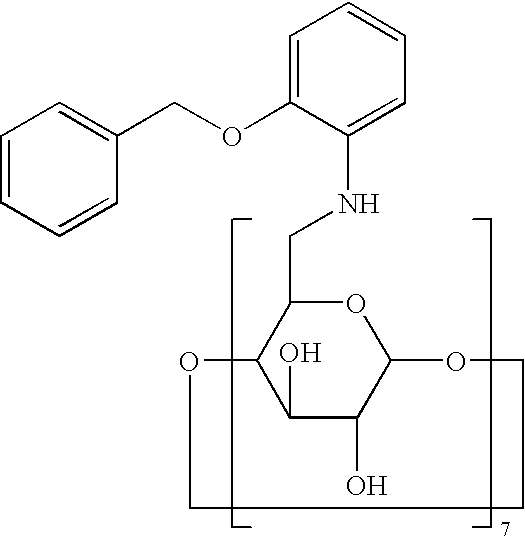 |
>200 | 12.5-6.25 | >200 | >200 | 6.25-3.12 | 12.5-6.25 | 398 |
| PP5076 | |||||||
 |
>200 | >200 | >200 | >200 | >200 | >200 | |
| PP5077 | |||||||
 |
>200 | >200 | >200 | >200 | 100-50 | >200 | |
| PP5078 | |||||||
 |
>200 | 25-12.5 | >200 | >200 | 12.5-6.25 | 25-12.5 | 317 |
| PP5079 | |||||||
 |
>200 | >200 | >200 | >200 | 12.5-6.25 | 50-25 | |
| PP5080 | |||||||
 |
>200 | 200-100 | >200 | >200 | 50-25 | >200 | |
| PP5084 | |||||||
 |
>200 | 12.5-6.25 | 200-100 | >200 | 6.25-3.12 | >200 | |
| PP5085 | |||||||
 |
>200 | 50-25 | >200 | >200 | 50-25 | 100-50 | |
| PP5086 | |||||||
 |
>200 | >200 | >200 | >200 | >200 | >200 | |
| PP5087 | |||||||
 |
>200 | 200-100 | >200 | >200 | >200 | >200 | |
| PP5088 | |||||||
 |
>200 | 200-100 | >200 | >200 | >200 | >200 | |
| PP5089 | |||||||
 |
>200 | 6.25-3.12 | >200 | >200 | 3.12-1.56 | 12.5-6.25 | |
| PP5093 | |||||||
 |
>200 | 3.12-1.56 | 100-50 | 100-50 | 3.12-1.56 | 1.56-0.78 | |
| PP5094 | |||||||
 |
>200 | >200 | >200 | >200 | >200 | >200 | |
| PP5096 | |||||||
 |
>200 | 12.5-6.25 | >200 | >200 | 6.25-3.12 | 100-50 | |
| PP5097 | |||||||
 |
>200 | 3.12-1.56 | >200 | 100-50 | 1.56-0.78 | 25-12.5 | 378 |
| PP5098 | |||||||
 |
>200 | 25-12.5 | >200 | >200 | 12.5-6.25 | 50-25 | |
| PP5099 | |||||||
 |
100-50 | 50-25 | 100-50 | 100-50 | 50-25 | >200 | |
| PP5100 | |||||||
 |
>200 | >200 | >200 | >200 | >200 | >200 | |
| PP5101 | |||||||
 |
>200 | 200-100 | >200 | >200 | 100-50 | >200 | |
| PP5102 | |||||||
 |
>200 | 12.5-6.25 | >200 | >200 | 12.5-6.25 | 50-25 | |
| PP5103 | |||||||
 |
>200 | 25-12.5 | >200 | >200 | 25-12.5 | >200 | |
| PP5104 | |||||||
 |
>200 | 3.12-1.56 | >200 | 50-25 | 1.56-0.78 | 12.5-6.25 | 376 |
| PP5105 | |||||||
 |
>200 | >200 | >200 | >200 | 200-100 | >200 | |
| PP5106 | |||||||
 |
>200 | 12.5-6.25 | 25-12.5 | 25-12.5 | 6.25-3.12 | 25-12.5 | 105 |
| PP5107 | |||||||
 |
>200 | 12.5-6.25 | >200 | 100-50 | 6.25-3.12 | 25-12.5 | |
| PP5108 | |||||||
 |
>200 | 12.5-6.25 | >200 | >200 | 12.5-6.25 | 25-12.5 | |
| PP5109 | |||||||
 |
>200 | 12.5-6.25 | >200 | >200 | 6.25-3.12 | 25-12.5 | |
| PP5110 | |||||||
 |
>200 | >200 | >200 | >200 | >200 | >200 | |
| PP5111 | |||||||
 |
>200 | >200 | >200 | >200 | 12.5-6.25 | >200 | |
| PP5112 | |||||||
 |
100-50 | >200 | >200 | >200 | >200 | >200 | 109.3 |
| PP5113 | |||||||
 |
100-50 | >200 | 200-100 | 50-25 | 6.25-3.12 | >200 | 56.2 |
| PP5114 | |||||||
 |
200-100 | 200-100 | >200 | 50-25 | 6.25-3.12 | >200 | 54.3 |
| PP5115 | |||||||
 |
>200 | >200 | >200 | >200 | >200 | >200 | |
| PP5116 | |||||||
 |
>200 | 6.25-3.12 | >200 | 200-100 | 3.12-1.56 | 100-50 | 373 |
| PP5117 | |||||||
 |
>200 | 6.25-3.12 | 200-100 | 100-50 | 3.12-1.56 | 100-50 | 282 |
| PP5118 | |||||||
 |
>200 | >200 | >200 | >200 | 200-100 | >200 | |
| PP5119 | |||||||
 |
>200 | >200 | >200 | >200 | >200 | >200 | |
| PP5120 | |||||||
 |
>200 | >200 | >200 | >200 | 50-25 | >200 | 589 |
| PP5121 | |||||||
 |
>200 | 6.25-3.12 | 25-12.5 | 25-12.5 | 3.12-1.56 | 50-25 | 297 |
| PP5122 | |||||||
 |
>200 | 6.25-3.12 | >200 | 200-100 | 3.12-1.56 | 200-100 | 297 |
| PP5123 | |||||||
 |
200-100 | >200 | >200 | >200 | 50-25 | >200 | |
| PP5124 | |||||||
 |
>200 | 3.12-1.56 | 100-50 | 50-25 | 3.12-1.56 | 12.5-6.25 | |
| PP5125 | |||||||
 |
>200 | 12.5-6.25 | 100-50 | 200-100 | 25-12.5 | 12.5-6.25 | |
| PP5126 | |||||||
 |
>200 | 6.25-3.12 | 100-50 | 200-100 | 12.5-6.25 | 6.25-3.12 | |
| PP5127 | |||||||
 |
>200 | >200 | >200 | 100-50 | 50-25 | >200 | |
| PP5128 | |||||||
 |
>200 | 200-100 | >200 | >200 | 12.5-6.25 | >200 | |
| PP5129 | |||||||
 |
>200 | 6.25-3.12 | >200 | 100-50 | 6.25-3.12 | 6.25-3.12 | |
| PP5130 | |||||||
 |
>200 | 12.5-6.25 | >200 | >200 | 12.5-6.25 | 12.5-6.25 | |
| PP5131 | |||||||
 |
>200 | 100-50 | >200 | >200 | 50-25 | >200 | |
| PP5132 | |||||||
 |
6.25-3.12 | 25-12.5 | 3.12-1.56 | 3.12-1.56 | 1.56-0.78 | 100-50 | |
| PP5133 | |||||||
 |
25-12.5 | 12.5-6.25 | 6.25-3.12 | 6.25-3.12 | 6.25-3.12 | 12.5-6.25 | |
| PP5134 | |||||||
 |
100-50 | 25-12.5 | 25-12.5 | 25-12.5 | 12.5-6.25 | 50-25 | 32.4 |
| PP5135 | |||||||
 |
>200 | 12.5-6.25 | 200-100 | 200-100 | 3.12-1.56 | >200 | |
| PP5136 | |||||||
 |
12.5-6.25 | 12.5-6.25 | 200-100 | >200 | 12.5-6.25 | 12.5-6.25 | |
| PP5137 | |||||||
 |
>100 | >100 | >100 | >100 | 100-50 | >100 | |
| PP5138 | |||||||
 |
>200 | >200 | >200 | >200 | >200 | >200 | |
| PP5139 | |||||||
 |
>100 | 25-12.5 | 50-25 | 50-25 | 3.12-1.56 | >100 | 193.5 |
| PP5140 | |||||||
 |
>200 | >200 | >200 | 100-50 | 12.5-6.25 | >200 | |
| PP5145 | |||||||
| *Lung cancer cells A549; | |||||||
| PA = Pseudomonas aeruginosa; | |||||||
| SA = Staphylococcus aureus; | |||||||
| SC = Salmonella enterica; | |||||||
| EC = Escherichia coli; | |||||||
| BA = Bacillus atropheus; and | |||||||
| EF = Enterococcus faecalis. | |||||||
| TABLE 3 |
| Activity of known antibiotics alone or in combination with compounds |
| of the invention |
| P. aeruginosa | |||
| Test Compounds | (susceptible clinical isolate) | ||
| Methicillin | >100 | ||
| Methicillin + PP5027 | 25-12.5 | ||
| Methicillin + PP5114 | 25-12.5 | ||
| Methicillin + PP5135 | 6.25-3.12 | ||
| Methicillin + PP5140 | 100-50 | ||
| Penicillin V | >100 | ||
| Penicillin V + PP5027 | 50-25 | ||
| Penicillin V + PP5114 | 50-25 | ||
| Penicillin V + PP5135 | 25-12.5 | ||
| Penicillin V + PP5140 | 50-25 | ||
| Vancomycin | >100 | ||
| Vancomycin + PP5027 | 12.5-6.25 | ||
| Vancomycin + PP5114 | 25-12.5 | ||
| Vancomycin + PP5135 | 3.12-1.56 | ||
| Vancomycin + PP5140 | 100-50 | ||
| TABLE 4 |
| Activity of known antibiotics alone or in combination with compounds |
| of the invention (AG = Aminoglycoside) |
| Multi-drug | |||
| MIC μg/mL | Susceptible | AG Resistant | Resistant |
| Chloramphenicol | 50-25 | 50-25 | 100-50 |
| Chloramphenicol + PP5027 | 01.56-0.78 | 0.2-0.1 | 100-50 |
| Chloramphenicol + PP5113 | 3.12-1.56 | 12.5-6.25 | 12.5-6.25 |
| Chloramphenicol + PP5114 | 6.25-3.12 | 6.25-3.12 | 12.5-6.25 |
| Chloramphenicol + PP5115 | 50-25 | 3.12-1.56 | 12.5-6.25 |
| Chloramphenicol + PP5121 | 50-25 | 50-25 | 100-50 |
| Norfloxacin | 6.25-3.12 | 1.56-0.78 | >100 |
| Norfloxacin + PP5027 | 3.12-1.56 | <0.1 | >100 |
| Norfloxacin + PP5113 | 0.78-0.39 | 0.78-0.39 | >100 |
| Norfloxacin + PP5114 | 0.78-0.39 | 0.2-0.1 | >100 |
| Norfloxacin + PP5115 | 6.25-3.12 | 3.12-1.56 | >100 |
| Norfloxacin + PP5121 | 6.25-3.12 | 1.56-0.78 | >100 |
| Tobramycin | 0.39-0.2 | 12.5-6.25 | >100 |
| Tobramycin + PP5027 | 0.78-0.39 | 0.2-0.1 | >100 |
| Tobramycin + PP5113 | <0.1 | 25-12.5 | 100-50 |
| Tobramycin + PP5114 | <0.1 | 3.12-1.56 | >100 |
| Tobramycin + PP5115 | <0.1 | 3.12-1.56 | >100 |
| Tobramycin + PP5121 | 0.39-0.2 | 12.5-6.25 | >100 |
| TABLE 5 |
| Activity of compounds against Methicillin Resistance |
| Staphylococcus aureus* | Staphylococcus aureus | |||
| (susceptible) | (Methicillin resistant) |
| Compound | MIC μg/mL | Compound | MIC μg/mL | ||
| PP5073 | 3.12-1.56 | PP5073 | 3.12-1.56 | ||
| PP5094 | 3.12-1.56 | PP5094 | 3.12-1.56 | ||
| PP5098 | 3.12-1.56 | PP5098 | 6.25-3.12 | ||
| PP5105 | 3.12-1.56 | PP5105 | 3.12-1.56 | ||
| PP5125 | 3.12-1.56 | PP5125 | 6.25-3.12 | ||
| *ATCC 700698 | |||||
Claims (44)


Priority Applications (2)
| Application Number | Priority Date | Filing Date | Title |
|---|---|---|---|
| US11/342,339 US7737132B2 (en) | 2005-01-28 | 2006-01-27 | β-cyclodextrin derivatives as antibacterial agents |
| US12/772,740 US20110071108A1 (en) | 2005-01-28 | 2010-05-03 | Beta-Cyclodextrin Derivatives as Antibacterial Agents |
Applications Claiming Priority (2)
| Application Number | Priority Date | Filing Date | Title |
|---|---|---|---|
| US64784105P | 2005-01-28 | 2005-01-28 | |
| US11/342,339 US7737132B2 (en) | 2005-01-28 | 2006-01-27 | β-cyclodextrin derivatives as antibacterial agents |
Related Child Applications (1)
| Application Number | Title | Priority Date | Filing Date |
|---|---|---|---|
| US12/772,740 Division US20110071108A1 (en) | 2005-01-28 | 2010-05-03 | Beta-Cyclodextrin Derivatives as Antibacterial Agents |
Publications (2)
| Publication Number | Publication Date |
|---|---|
| US20060199785A1 US20060199785A1 (en) | 2006-09-07 |
| US7737132B2 true US7737132B2 (en) | 2010-06-15 |
Family
ID=36777776
Family Applications (2)
| Application Number | Title | Priority Date | Filing Date |
|---|---|---|---|
| US11/342,339 Expired - Fee Related US7737132B2 (en) | 2005-01-28 | 2006-01-27 | β-cyclodextrin derivatives as antibacterial agents |
| US12/772,740 Abandoned US20110071108A1 (en) | 2005-01-28 | 2010-05-03 | Beta-Cyclodextrin Derivatives as Antibacterial Agents |
Family Applications After (1)
| Application Number | Title | Priority Date | Filing Date |
|---|---|---|---|
| US12/772,740 Abandoned US20110071108A1 (en) | 2005-01-28 | 2010-05-03 | Beta-Cyclodextrin Derivatives as Antibacterial Agents |
Country Status (12)
| Country | Link |
|---|---|
| US (2) | US7737132B2 (en) |
| EP (1) | EP1846006A4 (en) |
| JP (1) | JP2008528761A (en) |
| KR (1) | KR20070101347A (en) |
| CN (1) | CN101151037A (en) |
| AU (1) | AU2006211173A1 (en) |
| CA (1) | CA2596026A1 (en) |
| IL (1) | IL184844A0 (en) |
| MX (1) | MX2007010129A (en) |
| RU (1) | RU2007133709A (en) |
| WO (1) | WO2006083678A2 (en) |
| ZA (1) | ZA200706191B (en) |
Cited By (1)
| Publication number | Priority date | Publication date | Assignee | Title |
|---|---|---|---|---|
| US20110071108A1 (en) * | 2005-01-28 | 2011-03-24 | Pinnacle Pharmaceuticals, Inc. | Beta-Cyclodextrin Derivatives as Antibacterial Agents |
Families Citing this family (23)
| Publication number | Priority date | Publication date | Assignee | Title |
|---|---|---|---|---|
| US20120277184A1 (en) * | 2004-01-29 | 2012-11-01 | Innovative biologics, Inc | Blockers of pore-forming virulence factors and their use as anti-infectives |
| EP1735326A4 (en) * | 2004-01-29 | 2011-04-20 | Pinnacle Pharmaceuticals | BETA-CYCLODEXTRIN DERIVATIVES AND THEIR USE AGAINST LETHAL TOXIN OF ANTHRAX |
| JP5098015B2 (en) * | 2005-01-13 | 2012-12-12 | 国立大学法人 名古屋工業大学 | Bacterial membrane damage and antibacterial substances and their use |
| KR20090087867A (en) * | 2006-08-30 | 2009-08-18 | 리서치 파운데이션 오브 더 시티 유니버시티 오브 뉴욕 | Antimicrobial composition |
| WO2009058327A1 (en) * | 2007-10-30 | 2009-05-07 | Pinnacle Pharmaceuticals, Inc. | Cyclodextrin derivatives as potentiators for antibiotics |
| JP5364923B2 (en) * | 2009-01-28 | 2013-12-11 | 学校法人福岡大学 | Multifunctional cyclodextrin derivatives, clathrate compounds thereof, and production methods thereof. |
| GB201114459D0 (en) * | 2011-08-22 | 2011-10-05 | Isis Innovation | Anti-bacterial compounds |
| EP2690105A1 (en) * | 2012-07-24 | 2014-01-29 | Centre National De La Recherche Scientifique | Mannose derivatives, a process for preparing the same and their uses as a drug |
| JP6249208B2 (en) * | 2012-10-31 | 2017-12-20 | 国立大学法人 名古屋工業大学 | Sugar derivative and antibacterial agent using the same |
| CN103497275B (en) * | 2013-08-09 | 2015-12-23 | 华北电力大学(保定) | A kind of antibacterial, antiviral guanidinesalt star polymer and its preparation method and application |
| JP6624422B2 (en) * | 2014-07-25 | 2019-12-25 | 国立大学法人 名古屋工業大学 | Sugar derivatives or salts thereof, antibacterial agents or antibacterial activity enhancers using them, reagents for synthesizing them, and methods for producing these using reagents |
| CN106734046A (en) * | 2015-11-20 | 2017-05-31 | 南京科技职业学院 | A kind of coking sludge method for innocent treatment |
| EP3514182A4 (en) | 2016-09-13 | 2020-06-24 | Nagoya Institute of Technology | SUGAR DERIVATIVE OR SALT THEREOF AND ANTIBACTERIAL AGENT OR ACTIVATOR OF ANTIBACTERIAL ACTIVITY USING THE SAME |
| CN110198959B (en) | 2017-01-03 | 2023-03-28 | 北卡罗米纳大学查佩尔希尔分校 | Nitric oxide releasing alginate as biodegradable antimicrobial scaffolds and related methods |
| CN110461338A (en) | 2017-03-28 | 2019-11-15 | 北卡罗来纳大学查佩尔希尔分校 | Nitric oxide-releasing polyaminoglycosides as biodegradable antibacterial scaffolds and methods for their preparation |
| KR101967326B1 (en) * | 2017-10-30 | 2019-08-13 | 한남대학교 산학협력단 | Cationic cyclodextrin derivatives and drug delivery system using thereof |
| JP2021503029A (en) | 2017-11-15 | 2021-02-04 | ザ ユニバーシティ オブ ノース カロライナ アット チャペル ヒルThe University Of North Carolina At Chapel Hill | Nitric oxide-releasing superbranched compounds as antibacterial scaffolds and related methods |
| CA3091458A1 (en) * | 2018-03-06 | 2019-09-12 | The University Of North Carolina At Chapel Hill | Nitric oxide-releasing cyclodextrins as biodegradable antibacterial scaffolds and methods pertaining thereto |
| CA3124673A1 (en) | 2018-12-28 | 2020-07-02 | The University Of North Carolina At Chapel Hill | Nitric oxide-releasing antibacterial polymers and scaffolds fabricated therefrom and methods pertaining thereto |
| TWI774079B (en) * | 2020-10-05 | 2022-08-11 | 逢興生物科技股份有限公司 | Use of cyclodextrin for manufacturing a composition for inhibiting growth of oral bacteria |
| CN112516003A (en) * | 2020-12-18 | 2021-03-19 | 上海杜可生物科技有限公司 | Use of cyclodextrin for inhibiting growth of oral bacteria |
| CN115075006A (en) * | 2021-03-11 | 2022-09-20 | 纳米及先进材料研发院有限公司 | Washable, bacteria-and virus-killing fabric, its preparation method and its finishing formula set |
| CN116284506B (en) * | 2023-03-22 | 2023-12-08 | 江南大学 | Gamma-cyclodextrin-geraniol derivative and preparation method and application thereof |
Citations (50)
| Publication number | Priority date | Publication date | Assignee | Title |
|---|---|---|---|---|
| JPS4985015A (en) | 1972-12-23 | 1974-08-15 | ||
| JPS50140476A (en) | 1974-04-18 | 1975-11-11 | ||
| DE2425663A1 (en) | 1974-05-28 | 1975-12-04 | Tanabe Seiyaku Co | 6-(di) methylamino substd. cyclodextrin derivs - hypolipaemics prepd. from cyclodextrin, alkaryl sulphonyl chloride and (di) methylamine |
| JPS51142088A (en) | 1975-05-29 | 1976-12-07 | Tanabe Seiyaku Co Ltd | Aminocyclodextrin derivatives and their prepapation. |
| JPS52138580A (en) * | 1976-05-14 | 1977-11-18 | Tanabe Seiyaku Co Ltd | Cyclodextrin derivatives |
| JPS5349089A (en) | 1976-10-15 | 1978-05-04 | Tanabe Seiyaku Co Ltd | Cyclic polysaccaride compounds and their preparatin |
| US4247535A (en) | 1979-11-05 | 1981-01-27 | American Cyanamid Company | Modified cyclodextrin sulfate salts as complement inhibitors |
| US4258180A (en) | 1979-11-05 | 1981-03-24 | American Cyanamid Company | C6-Modified cyclodextrin sulfate salts as complement inhibitors |
| DE3710569A1 (en) | 1986-10-31 | 1988-05-19 | Agency Ind Science Techn | Cyclodextrin compound, ultrathin film using it, and process for the preparation |
| JPH0375634A (en) | 1989-08-17 | 1991-03-29 | Agency Of Ind Science & Technol | optical storage medium |
| FR2669535A1 (en) | 1990-11-26 | 1992-05-29 | Medgenix Group Sa | Use of polysulphonated macromolecules as a medicament |
| DE4136325A1 (en) | 1991-11-05 | 1993-05-13 | Hoechst Ag | New cyclodextrin derivs. used as bile acid adsorption agents - useful for treating hyperlipidaemia, can be administered at lower does than cholestyramine or colestipol resin |
| GB2261740A (en) | 1991-11-20 | 1993-05-26 | Forte Fotokemiai Ipar | Process for accelerating the development of photographic materials |
| US5250520A (en) | 1990-03-15 | 1993-10-05 | Tanabe Seiyaku Co., Ltd. | Polysulfate of cyclodextrin derivative and process for preparing the same |
| JPH0665307A (en) | 1992-06-17 | 1994-03-08 | Sankyo Co Ltd | Cyclodextrin derivative |
| ES2053399A1 (en) | 1993-01-11 | 1994-07-16 | Univ Madrid Complutense | Procedure for obtaining beta-cyclodextrin derivatives |
| WO1995017191A1 (en) | 1993-12-22 | 1995-06-29 | Commissariat A L'energie Atomique | Use of amino cyclodextrins for the aqueous solubilisation of dibenzazepines for use as an antiepileptic agent. |
| DE19520989A1 (en) | 1995-06-08 | 1996-12-12 | Consortium Elektrochem Ind | Polymer with covalently bound reactive cyclodextrin with N-heterocycle |
| DE19520967A1 (en) | 1995-06-08 | 1996-12-12 | Consortium Elektrochem Ind | Treatment of leather, synthetic or natural textiles |
| US5585216A (en) | 1994-05-30 | 1996-12-17 | Hoechst Ag | Use of cyclic oligosaccharides as charge control agents |
| US5599912A (en) | 1993-09-10 | 1997-02-04 | Coretech, Inc. | Compounds and methods for suppressing an immune response to sulfomethoxozale containing substances |
| WO1997049735A1 (en) | 1996-06-21 | 1997-12-31 | Queen's University At Kingston | Nerve process growth modulators |
| JPH1060006A (en) | 1996-08-27 | 1998-03-03 | Kikkoman Corp | Production of nonreduced-terminal azidized acetylmaltooligosyl bromide |
| US5728823A (en) | 1994-08-18 | 1998-03-17 | Consortium Fur Elektrochemische Industrie Gmbh | Cyclodextrin derivatives having at least one nitrogen-containing heterocycle, their preparation and use |
| US5739121A (en) | 1993-12-10 | 1998-04-14 | University Of Alberta | Fluorocyclosaccharide drug delivery systems |
| US5760017A (en) | 1993-12-22 | 1998-06-02 | Commissariat A L'energie Atomique | Cyclodextrin derivatives usable in particular for solubilizing hydrophobic chemical compounds such as medicaments and their preparation process |
| US5800602A (en) | 1995-05-10 | 1998-09-01 | Hoechst Aktiengesellschaft | Use of inclusion compounds of cyclic polysaccharides as charge control agents |
| US5821349A (en) | 1995-06-29 | 1998-10-13 | Commissariat A L'energie Atomique | Derivatives of cyclodextrins, their preparation and their use for incorporating hydrophobic molecules into organized surfactant systems |
| US5959089A (en) | 1993-07-19 | 1999-09-28 | Hannessian; Stephen | Amino-cyclodextrin syntheses |
| WO1999050307A1 (en) | 1998-03-31 | 1999-10-07 | Commissariat A L'energie Atomique | Complexes for immobilising isothiocyanate natural precursors in cyclodextrins, preparation and use |
| US6042723A (en) | 1997-08-29 | 2000-03-28 | Institut Francais De Petrole | Mono- and di-derivatives of cyclodextrins, synthesis thereof and purification and use thereof in a support |
| US6180356B1 (en) | 1998-03-06 | 2001-01-30 | The Research Foundation Of State University Of Ny | Membrane pore inhibiting agents for treating infection |
| WO2001040316A1 (en) | 1999-11-29 | 2001-06-07 | Akzo Nobel N.V. | 6-mercapto-cyclodextrin derivatives: reversal agents for drug-induced neuromuscular block |
| WO2001083564A1 (en) | 2000-04-28 | 2001-11-08 | University College Dublin | Amphiphilic macrocyclic derivatives and their analogues |
| WO2001098370A1 (en) | 2000-06-23 | 2001-12-27 | National University Of Singapore | Materials comprising oligo- or polysaccharide cross linked and chemically bonded to a support via urea linkages useful for chromatography and electrophoresis applications |
| EP1245628A1 (en) | 2001-03-27 | 2002-10-02 | Samsung Electronics Co., Ltd. | Composition for preparing substances having nano-pores |
| WO2002077000A2 (en) | 2001-03-23 | 2002-10-03 | University College Dublin | Macrocyclic oligosaccharide derivatives which form manoscale assemblies |
| US6632748B2 (en) | 2001-03-27 | 2003-10-14 | Samsung Electronics Co., Ltd. | Composition for preparing substances having nano-pores |
| WO2004014959A2 (en) | 2002-08-06 | 2004-02-19 | Chelator S.A. | Cyclodextrin derivatives, preparation method thereof and applications of same |
| WO2004085487A1 (en) | 2003-03-27 | 2004-10-07 | Yokohama Tlo Company, Ltd. | Novel cyclodextrin derivatives |
| WO2004087768A1 (en) | 2003-03-28 | 2004-10-14 | Centre National De La Recherche Scientifique | Novel cyclodextrin derivatives, method for the preparation thereof and use thereof for the solubilization of pharmacologically active substances |
| US6858723B1 (en) | 1999-04-29 | 2005-02-22 | Commissariat A L'energie Atomique | Amphiphile cyclodextrins, preparation and use thereof for solubilizing organized systems and incorporating hydrophobic molecules |
| US20050059634A1 (en) | 2003-07-28 | 2005-03-17 | Venton Duane L. | Per-6-substituted-per-6-deoxy-cyclodextrins, and use of the same to inhibit soluble beta-amyloid-peptide derived oligomers and to treat alzheimer's and related diseases |
| WO2005042590A2 (en) | 2003-10-24 | 2005-05-12 | Commissariat A L'energie Atomique | Cyclodextrin amphiphilic derivatives, method for preparing same and uses thereof |
| JP2005290066A (en) | 2004-03-31 | 2005-10-20 | Nihon Hels Industry Corp | Cyclodextrin polymer and measuring method for water contamination level using the same |
| WO2006027631A1 (en) | 2004-09-10 | 2006-03-16 | National Center For Scientific Research 'demokritos' Neapoleos & Patriarchou Gregoriou | Per-6-guanidino-, -aminoalkylamino-and -guanidino-alkylamino-cyclodextrins, methods of their synthesis and their use for the compaction of dna and interacellular delivery |
| FR2878853A1 (en) | 2004-12-07 | 2006-06-09 | Biocydex Soc Par Actions Simpl | Process for obtaining fluorescent complex, comprises establishment of contact between modified cyclodextrins and fluorochromes, agitation of the complex and extraction of soluble fraction |
| WO2006075580A1 (en) | 2005-01-13 | 2006-07-20 | National University Corporation Nagoya Institute Of Technology | Antibacterial substances injuring bacterial cell membarane and methods of using the same |
| US20070021380A1 (en) | 2005-07-22 | 2007-01-25 | Leonard Wiebe | Novel drug delivery compositions |
| US7169477B2 (en) | 2002-12-03 | 2007-01-30 | Samsung Electronics Co., Ltd. | Composition for preparing porous dielectric thin films |
Family Cites Families (9)
| Publication number | Priority date | Publication date | Assignee | Title |
|---|---|---|---|---|
| US576017A (en) * | 1897-01-26 | Game-counter | ||
| JPS63117003A (en) * | 1986-10-31 | 1988-05-21 | Agency Of Ind Science & Technol | Cyclodextrin derivative, ultrathin organic film prepared therefrom and its production |
| JPS63144329A (en) * | 1986-12-09 | 1988-06-16 | Agency Of Ind Science & Technol | Organic hyper thin film of inclusion compound of dye and cyclodextrin derivative and its production |
| JPH04227602A (en) * | 1990-03-15 | 1992-08-17 | Tanabe Seiyaku Co Ltd | Polysulfide of amino-beta-cyclodextrin derivative and its production |
| JPH04136001A (en) * | 1990-09-27 | 1992-05-11 | Tanabe Seiyaku Co Ltd | Polysulfuric ester of sulfonamide derivative of beta-cyclodextrin and preparation thereof |
| JPH04226502A (en) * | 1990-09-27 | 1992-08-17 | Tanabe Seiyaku Co Ltd | Polysulfate of acylaminocyclodextrin derivative and its production |
| FR2681868A1 (en) * | 1991-09-30 | 1993-04-02 | Sederma Sa | New amphiphilic substances derived from cyclodextrins and their use in cosmetic compositions |
| EP1735326A4 (en) * | 2004-01-29 | 2011-04-20 | Pinnacle Pharmaceuticals | BETA-CYCLODEXTRIN DERIVATIVES AND THEIR USE AGAINST LETHAL TOXIN OF ANTHRAX |
| JP2008528761A (en) * | 2005-01-28 | 2008-07-31 | ピナクル ファーマシューティカルズ,インク. | Β-cyclodextrin derivatives as antibacterial agents |
-
2006
- 2006-01-27 JP JP2007553231A patent/JP2008528761A/en active Pending
- 2006-01-27 US US11/342,339 patent/US7737132B2/en not_active Expired - Fee Related
- 2006-01-27 MX MX2007010129A patent/MX2007010129A/en unknown
- 2006-01-27 KR KR1020077019399A patent/KR20070101347A/en not_active Withdrawn
- 2006-01-27 RU RU2007133709/04A patent/RU2007133709A/en not_active Application Discontinuation
- 2006-01-27 WO PCT/US2006/002801 patent/WO2006083678A2/en not_active Ceased
- 2006-01-27 EP EP06733927A patent/EP1846006A4/en not_active Withdrawn
- 2006-01-27 CA CA002596026A patent/CA2596026A1/en not_active Abandoned
- 2006-01-27 CN CNA2006800101557A patent/CN101151037A/en active Pending
- 2006-01-27 AU AU2006211173A patent/AU2006211173A1/en not_active Abandoned
-
2007
- 2007-07-26 IL IL184844A patent/IL184844A0/en unknown
- 2007-07-26 ZA ZA200706191A patent/ZA200706191B/en unknown
-
2010
- 2010-05-03 US US12/772,740 patent/US20110071108A1/en not_active Abandoned
Patent Citations (52)
| Publication number | Priority date | Publication date | Assignee | Title |
|---|---|---|---|---|
| JPS4985015A (en) | 1972-12-23 | 1974-08-15 | ||
| JPS50140476A (en) | 1974-04-18 | 1975-11-11 | ||
| DE2425663A1 (en) | 1974-05-28 | 1975-12-04 | Tanabe Seiyaku Co | 6-(di) methylamino substd. cyclodextrin derivs - hypolipaemics prepd. from cyclodextrin, alkaryl sulphonyl chloride and (di) methylamine |
| JPS51142088A (en) | 1975-05-29 | 1976-12-07 | Tanabe Seiyaku Co Ltd | Aminocyclodextrin derivatives and their prepapation. |
| JPS52138580A (en) * | 1976-05-14 | 1977-11-18 | Tanabe Seiyaku Co Ltd | Cyclodextrin derivatives |
| JPS5349089A (en) | 1976-10-15 | 1978-05-04 | Tanabe Seiyaku Co Ltd | Cyclic polysaccaride compounds and their preparatin |
| US4247535A (en) | 1979-11-05 | 1981-01-27 | American Cyanamid Company | Modified cyclodextrin sulfate salts as complement inhibitors |
| US4258180A (en) | 1979-11-05 | 1981-03-24 | American Cyanamid Company | C6-Modified cyclodextrin sulfate salts as complement inhibitors |
| DE3710569A1 (en) | 1986-10-31 | 1988-05-19 | Agency Ind Science Techn | Cyclodextrin compound, ultrathin film using it, and process for the preparation |
| JPH0375634A (en) | 1989-08-17 | 1991-03-29 | Agency Of Ind Science & Technol | optical storage medium |
| US5250520A (en) | 1990-03-15 | 1993-10-05 | Tanabe Seiyaku Co., Ltd. | Polysulfate of cyclodextrin derivative and process for preparing the same |
| FR2669535A1 (en) | 1990-11-26 | 1992-05-29 | Medgenix Group Sa | Use of polysulphonated macromolecules as a medicament |
| DE4136325A1 (en) | 1991-11-05 | 1993-05-13 | Hoechst Ag | New cyclodextrin derivs. used as bile acid adsorption agents - useful for treating hyperlipidaemia, can be administered at lower does than cholestyramine or colestipol resin |
| GB2261740A (en) | 1991-11-20 | 1993-05-26 | Forte Fotokemiai Ipar | Process for accelerating the development of photographic materials |
| JPH0665307A (en) | 1992-06-17 | 1994-03-08 | Sankyo Co Ltd | Cyclodextrin derivative |
| ES2053399A1 (en) | 1993-01-11 | 1994-07-16 | Univ Madrid Complutense | Procedure for obtaining beta-cyclodextrin derivatives |
| US5959089A (en) | 1993-07-19 | 1999-09-28 | Hannessian; Stephen | Amino-cyclodextrin syntheses |
| US5599912A (en) | 1993-09-10 | 1997-02-04 | Coretech, Inc. | Compounds and methods for suppressing an immune response to sulfomethoxozale containing substances |
| US5739121A (en) | 1993-12-10 | 1998-04-14 | University Of Alberta | Fluorocyclosaccharide drug delivery systems |
| WO1995017191A1 (en) | 1993-12-22 | 1995-06-29 | Commissariat A L'energie Atomique | Use of amino cyclodextrins for the aqueous solubilisation of dibenzazepines for use as an antiepileptic agent. |
| US5760017A (en) | 1993-12-22 | 1998-06-02 | Commissariat A L'energie Atomique | Cyclodextrin derivatives usable in particular for solubilizing hydrophobic chemical compounds such as medicaments and their preparation process |
| US5585216A (en) | 1994-05-30 | 1996-12-17 | Hoechst Ag | Use of cyclic oligosaccharides as charge control agents |
| US5728823A (en) | 1994-08-18 | 1998-03-17 | Consortium Fur Elektrochemische Industrie Gmbh | Cyclodextrin derivatives having at least one nitrogen-containing heterocycle, their preparation and use |
| US5800602A (en) | 1995-05-10 | 1998-09-01 | Hoechst Aktiengesellschaft | Use of inclusion compounds of cyclic polysaccharides as charge control agents |
| DE19520967A1 (en) | 1995-06-08 | 1996-12-12 | Consortium Elektrochem Ind | Treatment of leather, synthetic or natural textiles |
| DE19520989A1 (en) | 1995-06-08 | 1996-12-12 | Consortium Elektrochem Ind | Polymer with covalently bound reactive cyclodextrin with N-heterocycle |
| US5821349A (en) | 1995-06-29 | 1998-10-13 | Commissariat A L'energie Atomique | Derivatives of cyclodextrins, their preparation and their use for incorporating hydrophobic molecules into organized surfactant systems |
| WO1997049735A1 (en) | 1996-06-21 | 1997-12-31 | Queen's University At Kingston | Nerve process growth modulators |
| US5834446A (en) | 1996-06-21 | 1998-11-10 | Queen's University At Kingston | Nerve process growth modulators |
| JPH1060006A (en) | 1996-08-27 | 1998-03-03 | Kikkoman Corp | Production of nonreduced-terminal azidized acetylmaltooligosyl bromide |
| US6042723A (en) | 1997-08-29 | 2000-03-28 | Institut Francais De Petrole | Mono- and di-derivatives of cyclodextrins, synthesis thereof and purification and use thereof in a support |
| US6180356B1 (en) | 1998-03-06 | 2001-01-30 | The Research Foundation Of State University Of Ny | Membrane pore inhibiting agents for treating infection |
| WO1999050307A1 (en) | 1998-03-31 | 1999-10-07 | Commissariat A L'energie Atomique | Complexes for immobilising isothiocyanate natural precursors in cyclodextrins, preparation and use |
| US6716827B1 (en) | 1998-03-31 | 2004-04-06 | Commissariat A L'energie Atomique | Complexes for immobilizing isothiocyanate natural precursors in cyclodextrins, preparation and use |
| US6858723B1 (en) | 1999-04-29 | 2005-02-22 | Commissariat A L'energie Atomique | Amphiphile cyclodextrins, preparation and use thereof for solubilizing organized systems and incorporating hydrophobic molecules |
| WO2001040316A1 (en) | 1999-11-29 | 2001-06-07 | Akzo Nobel N.V. | 6-mercapto-cyclodextrin derivatives: reversal agents for drug-induced neuromuscular block |
| WO2001083564A1 (en) | 2000-04-28 | 2001-11-08 | University College Dublin | Amphiphilic macrocyclic derivatives and their analogues |
| WO2001098370A1 (en) | 2000-06-23 | 2001-12-27 | National University Of Singapore | Materials comprising oligo- or polysaccharide cross linked and chemically bonded to a support via urea linkages useful for chromatography and electrophoresis applications |
| WO2002077000A2 (en) | 2001-03-23 | 2002-10-03 | University College Dublin | Macrocyclic oligosaccharide derivatives which form manoscale assemblies |
| US6632748B2 (en) | 2001-03-27 | 2003-10-14 | Samsung Electronics Co., Ltd. | Composition for preparing substances having nano-pores |
| EP1245628A1 (en) | 2001-03-27 | 2002-10-02 | Samsung Electronics Co., Ltd. | Composition for preparing substances having nano-pores |
| WO2004014959A2 (en) | 2002-08-06 | 2004-02-19 | Chelator S.A. | Cyclodextrin derivatives, preparation method thereof and applications of same |
| US7169477B2 (en) | 2002-12-03 | 2007-01-30 | Samsung Electronics Co., Ltd. | Composition for preparing porous dielectric thin films |
| WO2004085487A1 (en) | 2003-03-27 | 2004-10-07 | Yokohama Tlo Company, Ltd. | Novel cyclodextrin derivatives |
| WO2004087768A1 (en) | 2003-03-28 | 2004-10-14 | Centre National De La Recherche Scientifique | Novel cyclodextrin derivatives, method for the preparation thereof and use thereof for the solubilization of pharmacologically active substances |
| US20050059634A1 (en) | 2003-07-28 | 2005-03-17 | Venton Duane L. | Per-6-substituted-per-6-deoxy-cyclodextrins, and use of the same to inhibit soluble beta-amyloid-peptide derived oligomers and to treat alzheimer's and related diseases |
| WO2005042590A2 (en) | 2003-10-24 | 2005-05-12 | Commissariat A L'energie Atomique | Cyclodextrin amphiphilic derivatives, method for preparing same and uses thereof |
| JP2005290066A (en) | 2004-03-31 | 2005-10-20 | Nihon Hels Industry Corp | Cyclodextrin polymer and measuring method for water contamination level using the same |
| WO2006027631A1 (en) | 2004-09-10 | 2006-03-16 | National Center For Scientific Research 'demokritos' Neapoleos & Patriarchou Gregoriou | Per-6-guanidino-, -aminoalkylamino-and -guanidino-alkylamino-cyclodextrins, methods of their synthesis and their use for the compaction of dna and interacellular delivery |
| FR2878853A1 (en) | 2004-12-07 | 2006-06-09 | Biocydex Soc Par Actions Simpl | Process for obtaining fluorescent complex, comprises establishment of contact between modified cyclodextrins and fluorochromes, agitation of the complex and extraction of soluble fraction |
| WO2006075580A1 (en) | 2005-01-13 | 2006-07-20 | National University Corporation Nagoya Institute Of Technology | Antibacterial substances injuring bacterial cell membarane and methods of using the same |
| US20070021380A1 (en) | 2005-07-22 | 2007-01-25 | Leonard Wiebe | Novel drug delivery compositions |
Non-Patent Citations (69)
Cited By (1)
| Publication number | Priority date | Publication date | Assignee | Title |
|---|---|---|---|---|
| US20110071108A1 (en) * | 2005-01-28 | 2011-03-24 | Pinnacle Pharmaceuticals, Inc. | Beta-Cyclodextrin Derivatives as Antibacterial Agents |
Also Published As
| Publication number | Publication date |
|---|---|
| IL184844A0 (en) | 2008-06-05 |
| US20060199785A1 (en) | 2006-09-07 |
| MX2007010129A (en) | 2007-11-16 |
| ZA200706191B (en) | 2010-05-26 |
| EP1846006A2 (en) | 2007-10-24 |
| US20110071108A1 (en) | 2011-03-24 |
| AU2006211173A1 (en) | 2006-08-10 |
| CA2596026A1 (en) | 2006-08-10 |
| EP1846006A4 (en) | 2011-04-20 |
| RU2007133709A (en) | 2009-03-20 |
| WO2006083678A2 (en) | 2006-08-10 |
| KR20070101347A (en) | 2007-10-16 |
| WO2006083678A3 (en) | 2006-12-14 |
| JP2008528761A (en) | 2008-07-31 |
| CN101151037A (en) | 2008-03-26 |
Similar Documents
| Publication | Publication Date | Title |
|---|---|---|
| US7737132B2 (en) | β-cyclodextrin derivatives as antibacterial agents | |
| US8975262B2 (en) | Synthetic mimetics of host defense and uses thereof | |
| US20200171121A1 (en) | Cationic antimicrobial peptides | |
| CN103826639A (en) | Combined antibiotics comprising cephalosporins and beta-lactamase inhibitors | |
| US6841661B2 (en) | Glycopeptide antibacterial compounds, compositions containing same and methods of using same | |
| KR20150089086A (en) | Compositions and methods for treating bacterial infections | |
| Waitz et al. | Chemotherapeutic evaluation of 5-episisomicin (Sch 22591), a new semisynthetic aminoglycoside | |
| WO2019104213A1 (en) | Antibiofilm formulations and use thereof | |
| JP5021318B2 (en) | Antibacterial preservatives for achieving multi-dose formulations using β-cyclodextrin in liquid dosage forms | |
| US10711040B2 (en) | Low substituted polymyxins and compositions thereof | |
| PT655249E (en) | MOENOMYCIN AS A MEDICATION FOR THE TREATMENT OF GASTRIC ULCERS | |
| US12427129B2 (en) | Application of compound amino acids in preparation of medicament for improving sensitivity of bacteria to antibiotics | |
| CN1767821A (en) | Drug composition with antimicrobial activity | |
| EP2317998B1 (en) | Fulvic acid and antibiotic combination | |
| Naber et al. | In vitro activity, pharmacokinetics, clinical safety and therapeutic efficacy of enoxacin in the treatment of patients with complicated urinary tract infections | |
| US20230149368A1 (en) | Pharmaceutical compositions comprising ltv-17 and beta-lactamase inhibitors and their use as antibacterial agents | |
| Basker et al. | Activity of amoxycillin, alone, and in combination with aminoglycoside antibiotics against streptococci associated with bacterial endocarditis | |
| RODRiGUEZ et al. | Single-and combination-antibiotic therapy for experimental endocarditis caused by methicillin-resistant Staphylococcus aureus | |
| Bucaneve et al. | Ceftriaxone versus imipenem/cilastatin as empirical monotherapy for infections in cancer patients | |
| KR20200038435A (en) | Antibiotics composition for animals | |
| Fu et al. | Therapeutic efficacy of cefpiramide-ciprofloxacin combination in experimental Pseudomonas infections in neutropenic mice | |
| Raizes et al. | In-vitro activity of cefpirome compared with that of other agents | |
| Ziv et al. | The in vitro activity of several antibiotics against Pseudomonas of bovine udder origin | |
| CN116173029A (en) | A kind of purposes of sitafloxacin or its salt | |
| EP2747771B1 (en) | Cyclic oligosaccharides for use in the treatment and prevention of bacterial infection |
Legal Events
| Date | Code | Title | Description |
|---|---|---|---|
| AS | Assignment |
Owner name: PINNACLE PHARMACEUTICALS, VIRGINIA Free format text: ASSIGNMENT OF ASSIGNORS INTEREST;ASSIGNORS:FAHMI, NOUREDDINE;SCHMIDTMANN, FRANK WERNER;HECHT, SIDNEY;REEL/FRAME:019731/0227;SIGNING DATES FROM 20070724 TO 20070802 Owner name: PINNACLE PHARMACEUTICALS,VIRGINIA Free format text: ASSIGNMENT OF ASSIGNORS INTEREST;ASSIGNORS:FAHMI, NOUREDDINE;SCHMIDTMANN, FRANK WERNER;HECHT, SIDNEY;SIGNING DATES FROM 20070724 TO 20070802;REEL/FRAME:019731/0227 |
|
| REMI | Maintenance fee reminder mailed | ||
| LAPS | Lapse for failure to pay maintenance fees | ||
| STCH | Information on status: patent discontinuation |
Free format text: PATENT EXPIRED DUE TO NONPAYMENT OF MAINTENANCE FEES UNDER 37 CFR 1.362 |
|
| STCH | Information on status: patent discontinuation |
Free format text: PATENT EXPIRED DUE TO NONPAYMENT OF MAINTENANCE FEES UNDER 37 CFR 1.362 |
|
| FP | Lapsed due to failure to pay maintenance fee |
Effective date: 20140615 |
|
| FP | Lapsed due to failure to pay maintenance fee |
Effective date: 20180615 |