US6033671A - Identification of human cytomegalovirus genes involved in down-regulation of MHC class I heavy chain expression - Google Patents
Identification of human cytomegalovirus genes involved in down-regulation of MHC class I heavy chain expression Download PDFInfo
- Publication number
- US6033671A US6033671A US08/903,805 US90380597A US6033671A US 6033671 A US6033671 A US 6033671A US 90380597 A US90380597 A US 90380597A US 6033671 A US6033671 A US 6033671A
- Authority
- US
- United States
- Prior art keywords
- mhc class
- class
- cells
- hcmv
- expression
- Prior art date
- Legal status (The legal status is an assumption and is not a legal conclusion. Google has not performed a legal analysis and makes no representation as to the accuracy of the status listed.)
- Expired - Lifetime
Links
Images

Classifications
-
- A—HUMAN NECESSITIES
- A61—MEDICAL OR VETERINARY SCIENCE; HYGIENE
- A61K—PREPARATIONS FOR MEDICAL, DENTAL OR TOILETRY PURPOSES
- A61K39/00—Medicinal preparations containing antigens or antibodies
- A61K39/12—Viral antigens
- A61K39/245—Herpetoviridae, e.g. herpes simplex virus
-
- A—HUMAN NECESSITIES
- A61—MEDICAL OR VETERINARY SCIENCE; HYGIENE
- A61K—PREPARATIONS FOR MEDICAL, DENTAL OR TOILETRY PURPOSES
- A61K39/00—Medicinal preparations containing antigens or antibodies
- A61K39/12—Viral antigens
-
- A—HUMAN NECESSITIES
- A61—MEDICAL OR VETERINARY SCIENCE; HYGIENE
- A61P—SPECIFIC THERAPEUTIC ACTIVITY OF CHEMICAL COMPOUNDS OR MEDICINAL PREPARATIONS
- A61P37/00—Drugs for immunological or allergic disorders
- A61P37/02—Immunomodulators
-
- C—CHEMISTRY; METALLURGY
- C12—BIOCHEMISTRY; BEER; SPIRITS; WINE; VINEGAR; MICROBIOLOGY; ENZYMOLOGY; MUTATION OR GENETIC ENGINEERING
- C12N—MICROORGANISMS OR ENZYMES; COMPOSITIONS THEREOF; PROPAGATING, PRESERVING, OR MAINTAINING MICROORGANISMS; MUTATION OR GENETIC ENGINEERING; CULTURE MEDIA
- C12N7/00—Viruses; Bacteriophages; Compositions thereof; Preparation or purification thereof
-
- C—CHEMISTRY; METALLURGY
- C12—BIOCHEMISTRY; BEER; SPIRITS; WINE; VINEGAR; MICROBIOLOGY; ENZYMOLOGY; MUTATION OR GENETIC ENGINEERING
- C12N—MICROORGANISMS OR ENZYMES; COMPOSITIONS THEREOF; PROPAGATING, PRESERVING, OR MAINTAINING MICROORGANISMS; MUTATION OR GENETIC ENGINEERING; CULTURE MEDIA
- C12N2710/00—MICROORGANISMS OR ENZYMES; COMPOSITIONS THEREOF; PROPAGATING, PRESERVING, OR MAINTAINING MICROORGANISMS; MUTATION OR GENETIC ENGINEERING; CULTURE MEDIA dsDNA viruses
- C12N2710/00011—Details
- C12N2710/16011—Herpesviridae
- C12N2710/16111—Cytomegalovirus, e.g. human herpesvirus 5
- C12N2710/16134—Use of virus or viral component as vaccine, e.g. live-attenuated or inactivated virus, VLP, viral protein
Definitions
- the present invention relates to recombinant human cytomegalovirus (HCMV) genes whose encoded proteins down-regulate expression of cellular MHC class I heavy chains.
- HCMV human cytomegalovirus
- Human cytomegalovirus is a betaherpesvirus which causes clinically serious disease in immunocompromised and immunosuppressed adults, as well as in some infants infected in utero or perinatally (Alford, C. A., and W. J. Britt. 1990. Cytomegalovirus, p. 1981-2010. In D. M. Knipe and B. N. Fields (ed.), Virology, 2nd ed. Raven press, New York). In human cytomegalovirus (HCMV)-infected cells, expression of the cellular major histocompatibility complex (MHC) class I heavy chains is down-regulated.
- MHC major histocompatibility complex
- the 230-kb dsDNA genome of HCMV was sequenced (Chee, M. S., A. T. Bankier, S. Beck, R. Bohni, C. M. Brown, R. Cerny, T. Horsnell, C. A. Hutchinson, T. Kouzarides, J. A. Martignetti, E. Preddie, S. C. Satchwell, P. Tomlinson, K. Weston, and B. G. Barrell. 1990. Analysis of the protein-coding content of the sequence of human cytomegalovirus strain AD 1 69. Curr. Top. Microbiol. Immunol. 154:125-169) and has at least 200 open reading frames (ORFs). The functions of most of these 200 genes is unknown. The function of some HCMV proteins are known or predicted due to their homology with other viral (especially herpes simplex virus) and cellular proteins. However, for the majority of the HCMV ORFS, the functions of the proteins they encode is unknown.
- HCMV causes benign but persistent infections in immunocompetent individuals implying a balance between immune control of and immune escape by the virus (Rinaldo, C. R. (1990) Annu. Rev. Med. 41, 331-338).
- Cytotoxic T cells play a major role in the immune defense against most viruses, since infected cells can be lysed upon engagement of T-cell receptors with MHC class I molecules presenting virus derived peptides (Townsend, A. & Bodmer, H. (1989) Ann. Rev. Iiiiitiui ol. 7, 601-624).
- HCMV infection prevents T cells from recognizing viral or self antigens if they are synthesized within the cell, but not if the specific epitope is given as a peptide (Hengel, H., Esslin-er, C., Pool, J., Goulmy, E. & Koszlnowski, U. H. (1995) J.GenVirol 76, 2987-2997), consistent with HCMV interference with MHC class I assembly and a peptide transport.
- newly synthesized MHC class I heavy chains associate with ⁇ 2-microglobulin ( ⁇ 2m) in the endoplasmic reticulum.
- heterodimers associate with TAP, an ATP-driven peptide transporter, and acquire 8-10 amino-acid long peptides imported from the cytosol (Heemels, M.-T. & Ploegh, H. (1995) Ann. Rev. Biocliem. 64, 463-491). This trimeric complex is then transported to the cell surface provided peptides are bound with sufficient affinity.
- HCs are selectively degraded immediately after synthesis in HCMV-Infected cells (Warren, A. P., Ducroq, D. H., Lehner, P. J. & Borysiewicz, L. K.
- the present invention provides a method of controlling downregulation of major histocompatibility complex (MHC) class I expression in a cytomegalovirus infected cell which utilizes the recombinant US3 and/or US6 genes or their protein products from human cytomegalovirus.
- MHC major histocompatibility complex
- the present invention also provides a vaccine which utilizes the recombinant mutant human cytomegalovirus genes or their protein products, as well as a method of immunizing an individual against cytomegalovirus employing the recombinant mutant human cylamegalovirus.
- a live attenuated HCMV vaccine open reading frame US3 and/or US6 will elicit a better immune response than one containing this gene region, based on the lack of class I down-regulation by the former. Therefore a virus lacking this region is a superior immunogen.
- the present invention also provides a method of preventing or reducing susceptibility to acute cytomegalovirus in an individual by administering an immunogenic amount of the gene, gene products, and/or the recombinant mutant human cytomegalovirus.
- the present invention also provides a gene therapy vector in which the open reading frame US3 and/or US6 of the HCMV gene involved in the MHC class I heavy chain down-regulation can be incorporated into adenovirus vectors or similar virus based gene therapy vectors to minimize the immune response. This will allow the use of the recombinant adenovirus or similar virus based gene therapy vectors to be used in gene therapy.
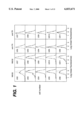
- FIG. 1 Four US genes prevent MHC class I surface expression independently. Surface expression of either W6/32 reactive MHC class I heterodimers or transferrin was analysed by FACS 72 hours after transfection with the indicated US genes. Stipled lines are from non-induced transfections (+tetracycline). Solid lines are from tranfections induced for 48 hours.
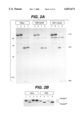
- FIG. 2 Panels A and B: Intracellular transport of transferrin receptor and MHC class I in US3 and US11 transfected HeLa cells.
- Panel A Stably transfected or non-transfected HeLa cells containing the tet-regulatable transactivator (Gossen, M. & Bujard, H. (1992) Proc. Natl. Acad. USA 89, 5547-5551) were grown for 24 hours in the absence of tetracycline to induce US3 and US11 expression and biosynthetically labeled for 15 minutes (odd numbered lanes) followed by 30 minute chase (even numbered lanes).
- tet-regulatable transactivator Gossen, M. & Bujard, H. (1992) Proc. Natl. Acad. USA 89, 5547-5551
- Lysates were immunoprecipitated with antitransferrin receptor antibody (lanes 1, 2, 5, 6, 9, 10) or anti-MHC class I antiserum K455 (lanes 3, 4, 7, 8, 11, 12). The size of the molecular weight standard in kDa is indicated.
- Panel B MHC class I immunoprecipitates of non-transfected or US3-transfected HeLa cells biosynthetically labeled as above were untreated (odd-numbered lanes) or treated with EndoH (even numbered lanes) prior to SDS-PAGE. (EndoHs, EndoHr indicates EndoH-sensitive or -resistant HCs, respectively). Immunoprecipitates in lanes 1, 2, 5, 6 were only pulse labeled, whereas lanes 3, 4, 7, 8 correspond to 30 minute chase. Only the part of the gel displaying the HC is shown.
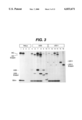
- FIG. 3 US3 but not US11 coimmunoprecipitates with MHC class I
- MHC class I specific antibodies used for immunoprecipitations were K355 (lanes 1, 5, 6, 11, 12) and K455 (lanes 2, 7, 8, 13, 14). Similar results were obtained using antibodies W6/32 and BBM.1.
- US3 and US11 were inununoprecipitated using anti-US3-N (lanes 3, 9, 10) and anti-US11-N (lanes 4, 15 16). Lanes 6, 8, 10, 12, 14, and 16 were treated with EndoH prior to SDS-PAGE. Lanes 1-4 are from a different gel.
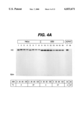
- FIG. 4 Panels A and B: Thermostability of US3 retained MHC class I molecules.
- Panel A Non-transfected, US3 transfected or ICP47-transfected (Friih, K., Ahn, K., Djaballah, H., Semp6, P., van Endert, P. M., Tamp6, R., Peterson, P. A. & Yang, Y. (1995) Nature 375, 415-418) HeLa cells were induced by tetracycline-removal for 24 hours prior to labeling for 15 minutes followed by the indicated chase times. Lysates in 1% NP40 were either kept at 40° C. or incubated for 1 hour at 37° C. prior to immunoprecipitation with W6/32.
- FIG. 5 MHC class I heterodimers but not free heavy chains are absent in US6 transfectants. Pulse/chase analysis of either HeLa cells or US6 transfected HeLa cells induced for 48 hours by tetracycline removal. Cells were labeled for 15 minutes and the label was chased for 0, 15, 40 and 75 minutes. Heterodimers were detected with mab W6/32, total amount of MHC class I molecules with K455 antiserum and free heavy chains with mab HC1O as indicated. Prior to SDS-PAGE all samples were treated with EndoH.
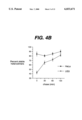
- FIG. 6 Peptide translocation in US transfected HeLa cells is shown. Translocation of iodinated peptide RYNATGRL into the ER of non-transfected HtTa cells or stably transfected with US3 (Ahn et al., 1996a), US11 (Ahn et al., 1996a), ICP47 (Fruh et al., 1995) or US6 was measured after tetracycline had been removed for 24 hours (-tet) to induce expression. 0.15 U Streptolysin O (Murex) was activated for 10 min at 37° C.
- Murex U Streptolysin O
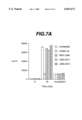
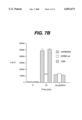
- FIGS. 7A and 7B US6 is responsible for TAP inhibition during HCMV infection
- Translocation of a reporter peptide library was measured in HFF cells infected with HCMV mutants containing deletions of multiple genes within the IRS1-US11 region (A) or with only US6 deleted (B).
- Peptide transport assays were performed as described in the material and methods section. As control, peptide recovery after 0 min incubation or after adding sICP47 was measured.
- HCMV mutants IRS1-US6, US2-US11, US6-US11 as well as US6 have been described previously (Jones et al., 1995).
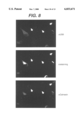
- FIG. 8 Subcellular localization of US6 HtTa cells were transiently transfected with US6 and grown in the absence of tetracycline for 48 h. US6 was visualized using anti-US6N and goat-anti-rabbit-Rhodamin conjugate (Cappel). Calnexin was stained with AF8 (Sugita and Brenner, 1994) and visualized with goat-anti-mouse-FITC (Cappel). Non-transfected cells which express calnexin but not US6 are indicated by arrows. The same microscopic field was photographed at the excitation wavelengths of rhodamin (upper panel) fluorescein (lower panel), or both (middle panel).
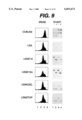
- FIG. 9 The luminal domain of US6 is sufficient for ER-retention and MHC class I down-regulation is shown.
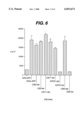
- HtTa cells were transiently transfected with the indicated constructs in the absence of tetracycline. 36 h after transfection, MHC class I surface expression was monitored by cytofluorometry using mab W6/32. Results are graphically depicted in the left panel as cell number versus mean fluorescence (log scale). The right panel shows the US6 derivatives immunoprecipitated with anti-US6N from NP40 lysates of transiently transfected HtTa cells labeled for 30 min (lane 1, 2) and chased for 4 h (lane 3, 4).
- Lanes 2 and 4 were treated with EndoH prior to SDS-PAGE.
- the right top panel was immunoprecipitated with anti-CD8 all other immunoprecipitations were carried out with anti-US6N.
- Intracellular transport of CD8 is indicated by the molecular weight shift due to addition of sialic acid. Since CD8 does not contain N-linked carbohydrates, it is not affected by EndoH. Compared to non-transfected HtTa cells, peptide transport activity was reduced between 50 to 63% in all transfectants except for CD8-US6 where no reduction was observed.
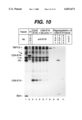
- FIG. 10 The luminal domain of US6 interacts with TAP.
- HtTa cell were non-transfected (lane 1) or transfected with CD4E19.pCMUII (Jackson et al., 1990) (lane 2) or pUHG10.3-US6E19 (lane 3-7).
- Two days after transfection cells were metabolically labeled for 16 h and proteins were solubilized in 1% digitonin and immunoprecipitated with anti-TAP1 (lane 1) or anti-E19 antiserum (Nilsson et al., 1989) (lane 2-7) and separated on SDS-PAGE (lanes 1-7).
- Proteins which are part of the TAP/class I complex as well as CD4E19 are indicated on the left. All other protein bands are non-specifically immunoprecipitated since they are present in all precipitations. Cells were treated for 24 h with interferon-g (1000 U/ml) prior to labeling to increase TAP expression.
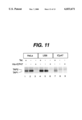
- FIG. 11 Peptide binding to TAP in US6 transfected HeLa cells. Untransfected HtTa cells or HtTa cells stably transfected with US6 or ICP47 were grown in the presence or absence of tetracycline prior to SLO permeabilization and incubation with photoreactive peptide together with 1 ⁇ M purified recombinant His-ICP47 as described (Ahn et al., 1996b). After UV-crosslinking, heterodimeric TAP molecules were precipitated with anti-TAP1 antiserum and separated on SDS-PAGE. The relative position of TAP1 and TAP2 is indicated.
- the subregion of the HCMV genome which contains ORFs US2-US5 comprises bases 193119-195607. It has been proposed that US2 and US3 encode membrane glycoproteins (Chee, M. S., A. T. Bankier, S. Beck, R. Bohni, C. M. Brown, R. Cerny, T. Horsnell, C. A. Hutchinson, T. Kouzarides, J. A. Martignetti, E. Preddie, S. C. Satchwell, P. Tomlinson, K. Weston, and B. G. Barrell. 1990. Analysis of the protein-coding content of the sequence of human cytomegalovirus strain AD 1 69. Curr. Top. Microbiol. Immunol. 154:125-169).
- US3 is a differentially spliced gene which is expressed throughout the viral replicative cycle and encodes a protein with transcriptional transactivating activity (Tenney, D. J., and A. M. Colberg-Poley. 1991. Human cytomegalovirus UL3638 and US3 immediate-early genes: temporally regulated expression of nuclear, cytoplasmic, and polysome-associated transcripts during infection. J. Virol. 65:6724-6734; Colberg-Poley, A. M., L. D. Santomenna, P. P. Harlow, P. A. Benfield, and D. J. Tenney. 1992. Human cytomegalovirus US3 and UL36-38 immediate-early proteins regulate gene expression. J. Virol.
- HCMV subregion which is also sufficient for MHC class I heavy chain reduction, contains the US10 and US11 genes, at bases 199083-200360. However, for the US10 gene product, US10 expression is not sufficient for down-regulation of heavy chain expression. It is demonstrated herein that US3 and US6 expression is sufficient to cause MHC class I heavy chain down-regulation in stably-transfected uninfected cells in the absence of other HCMV proteins.
- RNA and protein expression from US11 begins early and proceeds throughout the course of infection (Jones, T. R., and Muzithras, V. P. 1991. Fine mapping of transcripts expressed from the US6 gene family of human cytomegalovirus strain AD 1 69. J. Virol. 65:2024-2036).
- US11 encodes a glycoprotein of 32-kDa (gpUS11) which has N-linked sugar residues that are endoglycosidase H sensitive. Immunofluorescence experiments show that gpUS11 is not present on the cell surface, but is detected in the cytoplasm of HCMV-infected cells. Thus, gpUS11 is retained in the endoplasmic reticulum or cis golgi.
- HCMV gpUS11 The characteristics of HCMV gpUS11 are similar to the 25-kDa glycoprotein (E3-19K) encoded from the E3 region of adenovirus type 2.
- Ad E3-1 9K is nonessential for viral replication. It has been shown to contain endoglycosidase H-sensitive N-linked sugar residues, be retained in the endoplasmic reticulum, and bind MHC class I heavy chains, thereby preventing their transport to the cell surface 9 (Anderson, M., S. Paabo, T. Nilsson, and P. A. Peterson. 1985. Impaired intracellular transport of class I MHC antigens as a possible means for adenoviruses to evade immune surveillance. Cell 43:215-222; Burgert, H.
- the identification of the US2-US11 gene region as the region of the HCMV genome required for down-regulation of MHC class I heavy chains is significant in several respects. As mentioned above, expression from this region of the genome throughout the course of infection acts to interfere with an effective cell mediated immune response. Surface expression of MHC class I molecules is required for antigen presentation to activate and expand cytotoxic T lymphocyte (CTL) precursors populations (Schwartz, R. H. 1985. T lymphocyte recognition of antigen in association with gene products of the major histocompatibility complex. Ann. Rev. Immunol. 3:237-261). In addition, they are further required for target recognition by the activated CTLs (Zinkernagel, R. M., and P. C. Doherty. 1980.
- CTL cytotoxic T lymphocyte
- MHC restricted cytotoxic T cells studies on the biological role of polymorphic major transplantation antigens determining T cell restriction specificity. Adv. Immunol. 27:51-177).
- CTLs against the major immediate-early protein are protective against lethal infection by this virus.
- the frequency of CTLs against the analogous HCMV immediate-early protein, 1E1 are reported to be extremely rare (Gilbert, M. J., S. R. Riddell, C-R. Li, and P. D. Greenberg. 1993. Selective interference with class I major histocompatibility complex presentation of the major immediate-early protein following infection with human cytomegalovirus. J. Virol. 67:3461-3469).
- a HCMV mutant deleted of the US3 and/or US6 gene region would have this effect since the class I heavy chains are not down-regulated when cells are infected with this mutant. Therefore, a deletion of this region of the viral genome is important in the development of a live HCMV vaccine to induce an effective anti-HCMV immune response.
- US3 and US6 as genes or, perhaps, as proteins, may be incorporated in clinical treatment strategies when expression of cellular MHC class I is undesirable: gene therapy vectors (e.g., adenovirus vectors) and to reduce allograft rejection.
- gene therapy vectors e.g., adenovirus vectors
- US3 and US6 can be used as tools to identify other cellular proteins which may interact with class I heavy chains and thereby effect class I heavy chain protein stability, processing, and transport to the cell surface. In an HCMV vaccine strategy using a live virus, removal of US3, or US6, or both may yield a virus which is a better immunogen than a virus which contains these genes.
- a pharmaceutical composition may be prepared containing a recombinant HCMV mutant in which the region of the HCMV genome capable of down-regulating MHC Class I expression in infected cells has been deleted.
- the deleted region of the HCMV genome is preferably open reading frame US3, US6, or both.
- a stabilizer or other appropriate vehicle may be utilized in the pharmaceutical composition.
- the recombinant HCMV mutant of the present invention from which a region of the HCMV genome capable of down-regulating MHC class I expression has been deleted, may be used in a vaccine for the prevention of cytomegalovirus infections.
- the deleted region of the HCMV genome is preferably open reading frame US3, US6, or both.
- the vaccine comprises an effective amount of the recombinant HCMV mutant in a pharmaceutically acceptable vehicle.
- An adjuvant may be optionally added to the vaccine.
- a method of immunizing an individual against cytomegalovirus may be carried out by administering to the individual an immunogenic amount of a recombinant HCMV mutant which is devoid of the gene sequence capable of down-regulating MHC class I expression.
- the gene sequence which has been deleted is preferably the region containing open reading frame US3, US6, or both.
- a method of preventing or reducing susceptibility in an individual to acute cytomegalovirus may be carried out by administering to the individual an immunogenic amount of a recombinant HCMV mutant which is devoid of the gene sequence capable of down-regulating MHC class I expression.
- the gene sequence which has been deleted is preferably the region containing open reading frame US3, US6, or both.
- Down-regulation of MHC class I expression in a cytomegalovirus infected cell may be controlled by a method having the steps of identifying a gene sequence capable of down-regulating the major histocompatibility complex and deleting the identified gene sequence from the cytomegalovirus genome.
- the gene sequence involved in the MHC class I heavy chain down-regulation can be incorporated into adenovirus vectors or similar virus-based gene therapy vectors to minimize the immune response and allow the use of the vectors in gene therapy.
- One virus-based gene therapy vector comprises the gene sequence of the open reading frame of US3.
- Another virus based gene therapy vector comprises the gene sequence of the open reading frame of US6.
- Another virus-based gene therapy vector comprises the gene sequences of US3 and US6, respectively.
- HeLa cells containing the tetracycline regulatable transactivator were transfected by the calcium phosphate method.
- pUHG. 10-3.US constructs were cotransfected with a plasmid conferring Ouabain resistance (Yang, Y., Frueh, K., Ahn, K. & Peterson, P. A. (1995) J. Biol. Chem. 270, 27687-27694).
- Stable clones were selected in the presence of Ouabain (1 ⁇ M) for 24 hours each week.
- Single cell colonies were screened by FACS analysis for tetracycline inducible reduction of MHC class I surface expression and by immunoprecipitation for expression of the respective US-genes.
- K455 and K355 were raised against purified human class I heterodimers or human ⁇ 2-microglobulin, respectively (Andersson, M., Paabo, S., Nilsson, T. & Peterson, P. A. (1985) Cell 43, 215-222).
- K455 recognizes HC and ⁇ 2m in both assembled and non assembled forms.
- K355 and monoclonal antibody BBM.1 (Brodsky, F. M., Parham, P., Barnstable, C. J., Crumpton, M. J. & Bodmer, W.F. (1979) Immuiiol. Rev. 47, 3) recognize both free and complexed ⁇ 2m.
- Monoclonal antibody W6/32 recognizes only the complex of HC and ⁇ 2m (Brodsky, supra). Monolconal antibody HCIO recognizes only free heavy chains (Stam, N. J., Spits, H. & Ploegh, H. L. (1986) J Ittimuizol. 137, 2299-2306)
- mab H68 White, S., Miller, K., Hopkins, C. & Trowbridge, 1. S. (1992) Bioch. Biophys.Acta 1136, 28-34.
- Surface transferrin receptor was detected by using a FITClabeled commercial antibody (Pharmingen).
- HeLa cell transfectants were methionine starved for 30 minutes in methionine deficient medium prior to pulse labeling for 15 or 30 minutes using 0.5 mCi 35 S-Methionine (TranS-label, Amersham). The label was chased for various times with DMEM containing 10% FCS. After one wash with cold PBS, cells were lysed using 1% NP40 in PBS or 1% digitonin in PBS for 30 minutes at 4° C. Immunoprecipitations and SDS-PAGE were carried out as described (Yang, Y., Waters, J. B., FrOh, K. & Peterson, P. A. (1992) Proc Natl Acad Sci USA 89, 4928-32).
- immunoprecipitates were digested with 3 mU EndoH (Boehringer Mannheim) for 16 hours at 37° C. in 50 mM NaOAc pH 5.6, 0.3% SDS, 150 mM 2-mercaptoethanol.
- HeLa cells were stained with W6/32 (1:100) or FITC anti-transferrin receptor (1:10) for 1 hour followed by three washes in PBS, 1% BSA. Bound W6/32 was visualized with goat-anti-rabbit IgG fluorescein conjugate (Cappel). Negative control was only goat-anti-rabbit IcG fluorescein conjugate.
- HFF Human foreskin fibroblast
- DMEM Dulbecco's modified Eagle's medium
- HeLa cells containing the tetracycline regulatable transactivator (HtTa cells) (Gossen and Bujard, 1992) were transfected with 24 ⁇ g plasmid DNA by Ca 2+ /PO 4 -precipitation as described in (Jackson et al., 1990).
- HtTa cells were incubated with the transfection solution for 16 h prior to washing three times with PBS to remove tetracycline. Transfectants were analyzed 48 h hours after induction.
- pUHG10.3-US6 was cotransfected with a plasmid conferring Ouabain resistance (Yang et al., 1995).
- Stable clones were selected by adding Ouabain (1 ⁇ M) for 24 h each week. Single cell colonies were screened by cytofluorometry for tetracycline inducible reduction of MHC class I surface expression. Stable transfectants expressing US3, US11 or ICP47 have been described previously (Ahn et al., 1996a; Fruh et al., 1995).
- Immunoprecipitations and SDS-gels were carried out as described (Yang et al., 1992).
- immunoprecipitates were digested with 3 mU EndoH (Boehringer Mannheim) for 16 h at 37° C. in 50 mM NaOAc pH 5.6, 0.3% SDS, 150 mM 2-mercaptoethanol.
- HCMV infected HFF cell monolayers were detached with trypsin/EDTA, washed twice with transport buffer (130 mM KCl, 10 mM NaCl, 1 mM CaCl 2 , 2 mM EGTA, 2 mM MgCl 2 , 5 mM Hepes, pH 7.3 with KOH) at 4° C. and then permeabilized (10 7 cells/ml) in transport buffer containing 4 U/ml of Streptolysin O (SLO) for 20 min at 37° C. Permeabilization was assessed by trypan blue exclusion. Permeabilized cells (10 6 cells/sample in eppendorf tubes) were incubated for 10 min at 37° C.
- transport buffer 130 mM KCl, 10 mM NaCl, 1 mM CaCl 2 , 2 mM EGTA, 2 mM MgCl 2 , 5 mM Hepes, pH 7.3 with KOH
- SLO Streptolys
- MHC class I Heterodimers are Retained in the Endoplasmic Reticulum in US3 Transfected HeLa Cells
- the 22 kDa protein comigrated with a US3 detected by the US3-N antiserum (FIG. 3, lane 9, for control see lane 3). Since US3 is potentially glycosylated, we digested immunoprecipitates with EndoH prior to SDS-PAGE (FIG. 3, lanes 6, 8, 10). As observed above, the molecular weight of MHC class I HCs was reduced by approximately 3 kDa by EndoH treatment in US3 transfectants. In addition, the apparent molecular weight of the 22-23 kDa protein coprecipitated with MHC class I specific antibodies was reduced to 19 kDa. The exact same reduction in molecular weight was observed for US3 immunoprecipitated by US3-N (FIG. 3, lane 10).
- peptide transport activity was completely inhibited in cells expressing US6 similar to ICP47 transfectants or after ATP removal. Since peptide translocation was inhibited independently of MHC class I loading, we conclude that peptide loading and impaired MHC class I transport are downstream events of TAP inhibition by US6.
- ICP47 is a soluble protein containing 89 amino-acids which localizes to the cytosol (Fruh et al., 1995; York et al., 1994), whereas the open reading frame US6 encodes a predicted type I transmembrane glycoprotein of 184 amino-acids with some degree of sequence homology to the ORFs US2-US11 (Ahn et al., 1996a; Chee et al., 1990).
- US6 is an ER-resident glycoprotein as observed for US3 (Ahn et al., 1996a), US11 (Wiertz et al., 1996a) and a subpopulation of US2 (Wiertz et al., 1996b)
- the ER Luminal Domain of US6 is responsible for TAP Inhibition
- TAP/class complex For control, we immunoprecipitated the TAP/class complex from HeLa cells using anti-TAP I antiserum which coprecipitates both MHC class I HC and b2m (FIG. 10, lane 1) and at least two additional proteins (arrows) with molecular weights corresponding to calreticulin (upper band) and tapasin (lower band) both of which are thought to be involved in class I binding to TAP (Sadasivan et al., 1996). Neither of these proteins was coprecipitated by anti-E19 from digitonin lysates of CD4E19 transfected cells (lane 2).
- HCMV infection causes major health problems in immunosuppressed individuals. Such infections result either from a relapse of a latent infections or they are caused by virus present in the transplanted tissue. To clear HCMV from either the donor or the recipient or both prior to transplantation it would be useful to induce an immune response against the virus. Expression of the US proteins most likely prevents the immune system to detect ongoing infections. This immune escape could potentially be reverted by developing compounds which prevent the interaction of US proteins with MHC class I molecules. Thus, US proteins are potential drug targets. Our results identify US3 and US6 as potential targets, in addition to US2 and US11. Since US3 might be expressed during the latent phase, it could be a more important target to activate an immune response against the latent stage of the virus.
- US6 is useful to induce peptide specific CTL in vitro, similar to TAP-deleted cell lines (De Bruijn, M. L., Schumacher, T. N., Nieland, J. D., Ploegh, H. L., Kast, W. M. & Mellef, C. J. (1991) Eur J Immunol 21, 2963-70). It might be possible to bind ⁇ 2m to the free MHC class I molecules which reach the cell surface in US6-transfected cells. Similar to cells lacking functional TAP such molecules should be very efficiently loaded with synthetic peptides specific for the respective MHC class I haplotype.
- Such mono-specific antigen presenting cells are excellent stimulators to induce peptide-specific primary CTL in vitro (De Bruijn, M. L., Schumacher, T. N., Nieland, J. D., Ploegh, H. L., Kast, W. M. & Mellef, C. J. (1991) Eur J Iinmuiiol 21, 2963-70).
- An adenovirus type 2 glycoprotein blocks cell surface expression of human histocompatibility class I antigens. Cell 41, 987-997.
- Cytomegalovirus selectivity blocks antigen processing and presentation of its immediate-early gene product. Nature (London) 383, 720-722.
- HLA-A2.1-associated peptides from a mutant cell line a second pathway of antigen presentation. Science 255, 1264-6.
- Herpes simplex virus turns off the TAP to evade host immunity. Nature 375, 411-415.
- Short cytoplasmic sequences serve as retention signals for transmembrane proteins in the endoplasmic reticulum. Cell 58, 707-18.
- TAP1-dependent peptide translocation in vitro is ATP-dependent and selective.
- HLA-A2 molecules in an antigen-processing mutant cell contain signal sequence-derived peptides. Nature 356, 443-6.
- the human cytomegalovirus US11 gene product dislocates MHC class I heavy chains from the ER to the cytosol. Cell 84, 769-779.
- Proteasomes are regulated by interferon gamma: implications for antigen processing. Proc Natl Acad Sci USA 89, 4928-32.
- a cytosolic Herpes simplex protein inhibits antigen presentation to CD8+ T lymphocytes. Cell 77, 525-535.
Landscapes
- Health & Medical Sciences (AREA)
- Life Sciences & Earth Sciences (AREA)
- Chemical & Material Sciences (AREA)
- Virology (AREA)
- Immunology (AREA)
- General Health & Medical Sciences (AREA)
- Medicinal Chemistry (AREA)
- Microbiology (AREA)
- Bioinformatics & Cheminformatics (AREA)
- Organic Chemistry (AREA)
- Pharmacology & Pharmacy (AREA)
- Veterinary Medicine (AREA)
- Animal Behavior & Ethology (AREA)
- Engineering & Computer Science (AREA)
- Public Health (AREA)
- Zoology (AREA)
- Mycology (AREA)
- Epidemiology (AREA)
- Genetics & Genomics (AREA)
- Wood Science & Technology (AREA)
- Biochemistry (AREA)
- General Engineering & Computer Science (AREA)
- Biomedical Technology (AREA)
- Biotechnology (AREA)
- Chemical Kinetics & Catalysis (AREA)
- Nuclear Medicine, Radiotherapy & Molecular Imaging (AREA)
- General Chemical & Material Sciences (AREA)
- Medicines That Contain Protein Lipid Enzymes And Other Medicines (AREA)
- Medicines Containing Antibodies Or Antigens For Use As Internal Diagnostic Agents (AREA)
- Peptides Or Proteins (AREA)
- Measuring Or Testing Involving Enzymes Or Micro-Organisms (AREA)
- Saccharide Compounds (AREA)
- Medicines Containing Material From Animals Or Micro-Organisms (AREA)
- Micro-Organisms Or Cultivation Processes Thereof (AREA)
Priority Applications (1)
| Application Number | Priority Date | Filing Date | Title |
|---|---|---|---|
| US08/903,805 US6033671A (en) | 1996-07-31 | 1997-07-31 | Identification of human cytomegalovirus genes involved in down-regulation of MHC class I heavy chain expression |
Applications Claiming Priority (3)
| Application Number | Priority Date | Filing Date | Title |
|---|---|---|---|
| US2284796P | 1996-07-31 | 1996-07-31 | |
| US4621397P | 1997-05-12 | 1997-05-12 | |
| US08/903,805 US6033671A (en) | 1996-07-31 | 1997-07-31 | Identification of human cytomegalovirus genes involved in down-regulation of MHC class I heavy chain expression |
Publications (1)
| Publication Number | Publication Date |
|---|---|
| US6033671A true US6033671A (en) | 2000-03-07 |
Family
ID=26696435
Family Applications (1)
| Application Number | Title | Priority Date | Filing Date |
|---|---|---|---|
| US08/903,805 Expired - Lifetime US6033671A (en) | 1996-07-31 | 1997-07-31 | Identification of human cytomegalovirus genes involved in down-regulation of MHC class I heavy chain expression |
Country Status (8)
| Country | Link |
|---|---|
| US (1) | US6033671A (de) |
| EP (1) | EP0966301B1 (de) |
| AT (1) | ATE288764T1 (de) |
| AU (1) | AU730351B2 (de) |
| DE (1) | DE69732498T2 (de) |
| ES (1) | ES2237800T3 (de) |
| PT (1) | PT966301E (de) |
| WO (1) | WO1998004285A1 (de) |
Cited By (13)
| Publication number | Priority date | Publication date | Assignee | Title |
|---|---|---|---|---|
| WO2002062296A2 (en) | 2001-02-02 | 2002-08-15 | Chemocentryx, Inc. | Methods and compositions useful for stimulating an immune response |
| US20080069837A1 (en) * | 2001-05-09 | 2008-03-20 | Yukihiro Nishiyama | Composition and method for treating cancer using herpes virus |
| US20130142823A1 (en) * | 2010-03-25 | 2013-06-06 | Oregon Health And Science University | Cmv glycoproteins and recombinant vectors |
| US9249427B2 (en) | 2010-05-14 | 2016-02-02 | Oregon Health & Science University | Recombinant HCMV and RHCMV vectors and uses thereof |
| US9862972B2 (en) | 2011-06-10 | 2018-01-09 | Oregon Health & Science University | CMV glycoproteins and recombinant vectors |
| US10232003B2 (en) | 2014-03-30 | 2019-03-19 | Benevir Biopharm, Inc. | Exogenous tap inhibitor armed oncolytic viruses and therapeutic uses thereof |
| US10316334B2 (en) | 2013-03-05 | 2019-06-11 | Oregon Health & Science University | Cytomegalovirus vectors enabling control of T cell targeting |
| US10428118B2 (en) | 2014-07-16 | 2019-10-01 | Oregon Health & Science University | Human cytomegalovirus comprising exogenous antigens |
| US10532099B2 (en) | 2016-10-18 | 2020-01-14 | Oregon Health & Science University | Cytomegalovirus vectors eliciting T cells restricted by major histocompatibility complex E molecules |
| US10688164B2 (en) | 2015-11-20 | 2020-06-23 | Oregon Health & Science University | CMV vectors comprising microRNA recognition elements |
| US11091779B2 (en) | 2015-02-10 | 2021-08-17 | Oregon Health & Science University | Methods and compositions useful in generating non canonical CD8+ T cell responses |
| US11091775B2 (en) | 2016-06-22 | 2021-08-17 | Oregon Health And Science University | Recombinant cytomegalovirus vectors as vaccines for tuberculosis |
| US11638749B2 (en) | 2017-10-17 | 2023-05-02 | International Aids Vaccine Initiative, Inc. | Tuberculosis antigen cassettes |
Families Citing this family (2)
| Publication number | Priority date | Publication date | Assignee | Title |
|---|---|---|---|---|
| WO1998047914A2 (de) * | 1997-04-18 | 1998-10-29 | Roche Diagnostics Gmbh | Us6 gen aus dem humanen cytomegalovirus (hcmv) |
| US20120020885A1 (en) * | 2010-07-26 | 2012-01-26 | Searete Llc, A Limited Liability Corporation Of The State Of Delaware | MHC-Less cells |
Citations (2)
| Publication number | Priority date | Publication date | Assignee | Title |
|---|---|---|---|---|
| WO1996004383A1 (en) * | 1994-07-29 | 1996-02-15 | American Cyanamid Company | Identification of a human cytomegalovirus gene region involved in down-regulation of mhc class i heavy chain expression |
| US5843637A (en) * | 1991-07-05 | 1998-12-01 | American Cyanamid Company | Methods for identifying non-essential genes of the human cytomegalovirus genome and for screening for inhibitors of human cytomegalovirus |
Family Cites Families (1)
| Publication number | Priority date | Publication date | Assignee | Title |
|---|---|---|---|---|
| WO1998047914A2 (de) * | 1997-04-18 | 1998-10-29 | Roche Diagnostics Gmbh | Us6 gen aus dem humanen cytomegalovirus (hcmv) |
-
1997
- 1997-07-31 EP EP19970936334 patent/EP0966301B1/de not_active Expired - Lifetime
- 1997-07-31 US US08/903,805 patent/US6033671A/en not_active Expired - Lifetime
- 1997-07-31 PT PT97936334T patent/PT966301E/pt unknown
- 1997-07-31 WO PCT/US1997/013509 patent/WO1998004285A1/en not_active Ceased
- 1997-07-31 DE DE1997632498 patent/DE69732498T2/de not_active Expired - Lifetime
- 1997-07-31 ES ES97936334T patent/ES2237800T3/es not_active Expired - Lifetime
- 1997-07-31 AT AT97936334T patent/ATE288764T1/de active
- 1997-07-31 AU AU39032/97A patent/AU730351B2/en not_active Expired
Patent Citations (3)
| Publication number | Priority date | Publication date | Assignee | Title |
|---|---|---|---|---|
| US5843637A (en) * | 1991-07-05 | 1998-12-01 | American Cyanamid Company | Methods for identifying non-essential genes of the human cytomegalovirus genome and for screening for inhibitors of human cytomegalovirus |
| WO1996004383A1 (en) * | 1994-07-29 | 1996-02-15 | American Cyanamid Company | Identification of a human cytomegalovirus gene region involved in down-regulation of mhc class i heavy chain expression |
| US5843458A (en) * | 1994-07-29 | 1998-12-01 | American Cyanamid Company | Recombinant human cytomegalovirus having a US2 deletion |
Non-Patent Citations (10)
| Title |
|---|
| Britt, Trends in Microbiology, vol. 4(1), p. 34 37, 1996. * |
| Britt, Trends in Microbiology, vol. 4(1), p. 34-37, 1996. |
| Colberg Poley et al, J. Virology 66:95 105, 1992. * |
| Colberg-Poley et al, J. Virology 66:95-105, 1992. |
| Greaves et al, J. Gen. Virology 76:2151 2160, 1995. * |
| Greaves et al, J. Gen. Virology 76:2151-2160, 1995. |
| Jones et al, J. Virology 66:2541 2546, 1992. * |
| Jones et al, J. Virology 66:2541-2546, 1992. |
| Kollert Jones, et a (1991) J of Virology, vol. 65(10) p. 5184 5189. * |
| Kollert-Jones, et a (1991) J of Virology, vol. 65(10) p. 5184-5189. |
Cited By (28)
| Publication number | Priority date | Publication date | Assignee | Title |
|---|---|---|---|---|
| US20040086489A1 (en) * | 2001-02-02 | 2004-05-06 | Chemocentryx, Inc. | Methods and compositions useful for stimulating an immune response |
| US6740324B2 (en) | 2001-02-02 | 2004-05-25 | Chemocentryx, Inc. | Methods and compositions useful for stimulating an immune response |
| WO2002062296A2 (en) | 2001-02-02 | 2002-08-15 | Chemocentryx, Inc. | Methods and compositions useful for stimulating an immune response |
| US20080069837A1 (en) * | 2001-05-09 | 2008-03-20 | Yukihiro Nishiyama | Composition and method for treating cancer using herpes virus |
| US10101329B2 (en) | 2010-03-25 | 2018-10-16 | Oregon Health & Science University | CMV glycoproteins and recombinant vectors |
| US20130142823A1 (en) * | 2010-03-25 | 2013-06-06 | Oregon Health And Science University | Cmv glycoproteins and recombinant vectors |
| US20140302530A1 (en) * | 2010-03-25 | 2014-10-09 | Oregon Health And Science University | Cmv glycoproteins and recombinant vectors |
| US9541553B2 (en) * | 2010-03-25 | 2017-01-10 | Oregon Health & Science University | CMV glycoproteins and recombinant vectors |
| EP3187585A1 (de) | 2010-03-25 | 2017-07-05 | Oregon Health&Science University | Cmv-glycoproteine und rekombinante vektoren |
| US11266732B2 (en) | 2010-05-14 | 2022-03-08 | Oregon Health & Science University | Recombinant HCMV and RHCMV vectors and uses thereof |
| US9249427B2 (en) | 2010-05-14 | 2016-02-02 | Oregon Health & Science University | Recombinant HCMV and RHCMV vectors and uses thereof |
| US9982241B2 (en) | 2010-05-14 | 2018-05-29 | Oregon Health & Science University | Recombinant HCMV and RHCMV vectors and uses thereof |
| US10760097B2 (en) | 2011-06-10 | 2020-09-01 | Oregon Health & Science University | CMV glycoproteins and recombinant vectors |
| US9862972B2 (en) | 2011-06-10 | 2018-01-09 | Oregon Health & Science University | CMV glycoproteins and recombinant vectors |
| US10316334B2 (en) | 2013-03-05 | 2019-06-11 | Oregon Health & Science University | Cytomegalovirus vectors enabling control of T cell targeting |
| US10232003B2 (en) | 2014-03-30 | 2019-03-19 | Benevir Biopharm, Inc. | Exogenous tap inhibitor armed oncolytic viruses and therapeutic uses thereof |
| US10995121B2 (en) | 2014-07-16 | 2021-05-04 | Oregon Health & Science University | Human cytomegalovirus comprising exogenous antigens |
| US10428118B2 (en) | 2014-07-16 | 2019-10-01 | Oregon Health & Science University | Human cytomegalovirus comprising exogenous antigens |
| US11692012B2 (en) | 2014-07-16 | 2023-07-04 | Oregon Health & Science University | Human cytomegalovirus comprising exogenous antigens |
| US11091779B2 (en) | 2015-02-10 | 2021-08-17 | Oregon Health & Science University | Methods and compositions useful in generating non canonical CD8+ T cell responses |
| US10688164B2 (en) | 2015-11-20 | 2020-06-23 | Oregon Health & Science University | CMV vectors comprising microRNA recognition elements |
| US11091775B2 (en) | 2016-06-22 | 2021-08-17 | Oregon Health And Science University | Recombinant cytomegalovirus vectors as vaccines for tuberculosis |
| US11834669B2 (en) | 2016-06-22 | 2023-12-05 | International Aids Vaccine Initiative, Inc. | Recombinant cytomegalovirus vectors as vaccines for tuberculosis |
| US12442018B2 (en) | 2016-06-22 | 2025-10-14 | International Aids Vaccine Initiative, Inc. | Recombinant cytomegalovirus vectors as vaccines for tuberculosis |
| US10532099B2 (en) | 2016-10-18 | 2020-01-14 | Oregon Health & Science University | Cytomegalovirus vectors eliciting T cells restricted by major histocompatibility complex E molecules |
| US11305015B2 (en) | 2016-10-18 | 2022-04-19 | Oregon Health & Science University | Cytomegalovirus vectors eliciting T cells restricted by major histocompatibility complex E molecules |
| US11638749B2 (en) | 2017-10-17 | 2023-05-02 | International Aids Vaccine Initiative, Inc. | Tuberculosis antigen cassettes |
| US12168047B2 (en) | 2017-10-17 | 2024-12-17 | International Aids Vaccine Initiative, Inc. | Tuberculosis antigen cassettes |
Also Published As
| Publication number | Publication date |
|---|---|
| AU730351B2 (en) | 2001-03-08 |
| ATE288764T1 (de) | 2005-02-15 |
| DE69732498T2 (de) | 2006-04-27 |
| PT966301E (pt) | 2005-06-30 |
| ES2237800T3 (es) | 2005-08-01 |
| EP0966301B1 (de) | 2005-02-09 |
| AU3903297A (en) | 1998-02-20 |
| WO1998004285A1 (en) | 1998-02-05 |
| EP0966301A4 (de) | 2001-09-05 |
| DE69732498D1 (de) | 2005-03-17 |
| EP0966301A1 (de) | 1999-12-29 |
Similar Documents
| Publication | Publication Date | Title |
|---|---|---|
| Jones et al. | Human cytomegalovirus US2 destabilizes major histocompatibility complex class I heavy chains | |
| Jones et al. | Multiple independent loci within the human cytomegalovirus unique short region down-regulate expression of major histocompatibility complex class I heavy chains | |
| Noriega et al. | Diverse immune evasion strategies by human cytomegalovirus | |
| US6033671A (en) | Identification of human cytomegalovirus genes involved in down-regulation of MHC class I heavy chain expression | |
| Pepperl et al. | Dense bodies of human cytomegalovirus induce both humoral and cellular immune responses in the absence of viral gene expression | |
| Mocarski et al. | A deletion mutant in the human cytomegalovirus gene encoding IE1 (491aa) is replication defective due to a failure in autoregulation. | |
| AU709552B2 (en) | Identification of a human cytomegalovirus gene region involved in down-regulation of MHC class I heavy chain expression | |
| US10537621B2 (en) | Vaccine comprising beta-herpesvirus | |
| JP6427514B2 (ja) | ベータヘルペスウイルス感染に対するワクチンおよびその使用 | |
| EP2608806B1 (de) | Epstein-barr-virus-impfstoff | |
| WO1996004384A9 (en) | Identification of a human cytomegalovirus gene involved in down-regulation of mhc class i heavy chain expression | |
| EP2556150A1 (de) | Nach der infektion von säugetierzellen mit einem humanen, fusionsproteinhaltigen zytomegalievirus (hcmv) freigesetzter viruspartikel und verwendung davon | |
| Valencia et al. | Comparison of vaccination with rhesus CMV (RhCMV) soluble gB with a RhCMV replication-defective virus deleted for MHC class I immune evasion genes in a RhCMV challenge model | |
| Schimmer et al. | The equine herpesvirus 1 UL11 gene product localizes to the trans-Golgi network and is involved in cell-to-cell spread | |
| Ehrlich | Modulation of antigen processing and presentation by persistent virus infections and in tumors | |
| Schempp et al. | Deletion mutant of human cytomegalovirus lacking US2–US6 and US11 maintains MHC class I expression and antigen presentation by infected dendritic cells | |
| US20060110403A1 (en) | Non-human herpesviruses as vectors | |
| AU733195B2 (en) | Identification of a human cytomegalovirus gene region involved in down-regulation of MHC class I heavy chain expression | |
| US20090068211A1 (en) | Immunogenically-enhanced polypeptides and related methods | |
| Zhao | Functional analysis of human cytomegalovirus (hcmv) us3 and pp71 | |
| Odom | Down-modulation of MICA on malignant glioma cells by Herpes Simplex Virus | |
| MXPA97000710A (en) | Identification of a region of the human citomegalovirus gene involved in the decreasing regulation of the expression of the heavy chain of the main complex of histocompatibility clas | |
| Powers | Characterization of Rhesus CMV as an in vivo model for cytomegalovirus inhibition of MHC I antigen presentation. | |
| Malouli | Evasion of innate immunity by the rhesus cytomegalovirus (RhCMV) and development of a RhCMV based vaccine vector |
Legal Events
| Date | Code | Title | Description |
|---|---|---|---|
| AS | Assignment |
Owner name: ORTHO MCNEIL PHARMACEUTICAL INC., NEW JERSEY Free format text: ASSIGNMENT OF ASSIGNORS INTEREST;ASSIGNORS:FRUEH, KLAUS;YANG, YOUNG;AHN, KWANGSEOG;REEL/FRAME:009757/0297;SIGNING DATES FROM 19990107 TO 19990128 |
|
| STCF | Information on status: patent grant |
Free format text: PATENTED CASE |
|
| FPAY | Fee payment |
Year of fee payment: 4 |
|
| FPAY | Fee payment |
Year of fee payment: 8 |
|
| FPAY | Fee payment |
Year of fee payment: 12 |