US6022708A - Fused - Google Patents
Fused Download PDFInfo
- Publication number
- US6022708A US6022708A US09/031,563 US3156398A US6022708A US 6022708 A US6022708 A US 6022708A US 3156398 A US3156398 A US 3156398A US 6022708 A US6022708 A US 6022708A
- Authority
- US
- United States
- Prior art keywords
- leu
- fused
- ser
- ala
- pro
- Prior art date
- Legal status (The legal status is an assumption and is not a legal conclusion. Google has not performed a legal analysis and makes no representation as to the accuracy of the status listed.)
- Expired - Lifetime
Links
Images





Classifications
-
- C—CHEMISTRY; METALLURGY
- C12—BIOCHEMISTRY; BEER; SPIRITS; WINE; VINEGAR; MICROBIOLOGY; ENZYMOLOGY; MUTATION OR GENETIC ENGINEERING
- C12N—MICROORGANISMS OR ENZYMES; COMPOSITIONS THEREOF; PROPAGATING, PRESERVING, OR MAINTAINING MICROORGANISMS; MUTATION OR GENETIC ENGINEERING; CULTURE MEDIA
- C12N9/00—Enzymes; Proenzymes; Compositions thereof; Processes for preparing, activating, inhibiting, separating or purifying enzymes
- C12N9/10—Transferases (2.)
- C12N9/12—Transferases (2.) transferring phosphorus containing groups, e.g. kinases (2.7)
- C12N9/1205—Phosphotransferases with an alcohol group as acceptor (2.7.1), e.g. protein kinases
-
- C—CHEMISTRY; METALLURGY
- C07—ORGANIC CHEMISTRY
- C07K—PEPTIDES
- C07K2319/00—Fusion polypeptide
Definitions
- the present invention relates generally to signaling molecules, specifically to signaling and mediator molecules in the hedgehog (Hh) cascade which are involved in cell proliferation and differentiation.
- Hh hedgehog
- TGF- ⁇ transforming growth factor-beta
- Wnt fibroblast growth factors
- hedgehog families have been associated with patterning activity of different cells and structures in Drosophila as well as in vertebrates.
- Hedgehog Hedgehog was first identified as a segment-polarity gene by a genetic screen in Drosophila melanogaster, Nusslein-Volhard et al, Roux. Arch. Dev. Biol. 193: 267-282 (1984), that plays a wide variety of developmental functions. Perrimon, supra. Although only one Drosophila Hh gene has been identified, three mammalian Hh homologues have been isolated: Sonic Hh (SHh), Desert Hh (DHh) and Indian Hh (IHh), Echelard et al, Cell 75: 1417-30 (1993); Riddle et al, Cell 75: 1401-16 (1993). SHh is expressed at high level in the notochord and floor plate of developing vertebrate embryos.
- Hh also plays a role in the development of limbs (Krauss et al, Cell 75: 1431-44 (1993); Laufer et al, Cell 79, 993-1003 (1994)), somites (Fan and Tessier-Lavigne, Cell 79 1175-86 (1994); Johnson et al, Cell 79: 1165-73 (1994)), lungs (Bellusci et al., Develop.
- SHh knockout mice further strengthened the notion that SHh is critical to many aspect of vertebrate development, Chiang et al., Nature 383: 407-13 (1996). These mice show defects in midline structures such as the notochord and the floor plate, absence of ventral cell types in neural tube, absence of distal limb structures, cyclopia, and absence of the spinal column and most of the ribs.
- the Hh signals is thought to be relayed by the 12 transmembrane domain protein Patched (Ptch) [Hooper and Scott, Cell 59: 751-65 (1989); Nakano et al., Nature 341: 508-13 (1989)] and the G-protein coupled like receptor Smoothened (Smo) [Alcedo et al., Cell 86: 221-232 (1996); van den Heuvel and Ingham, Nature 382: 547-551 (1996)].
- Patched Patched
- Smo G-protein coupled like receptor Smoothened
- Disfunctional Ptch gene mutations have also been associated with a large percentage of sporadic basal cell carcinoma tumors, Chidambaram et al., Cancer Research 56: 4599-601 (1996); Gailani et al., Nature Genet. 14: 78-81 (1996); Hahn et al., Cell 85: 841-51 (1996); Johnson et al., Science 272: 1668-71 (1996); Unden et al., Cancer Res. 56: 4562-5 (1996); Wicking et al., Am. J. Hum. Genet. 60: 21-6 (1997). Loss of Ptch function is thought to cause an uncontrolled Smo signaling in basal cell carcinoma.
- Hh signaling includes the transcription factor CBP [Akimaru et al., Nature 386: 735-738 (1997)], the negative regulator slimb [Jiang and Struhl, Nature 391: 493-496 (1998)] and the SHh response element COUP-TFII [Krishnan et al., Science 278: 1947-1950 (1997)].
- Mutants in Cos-2 are embryonicly lethal and display a phenotype similar to Hh over expression, including duplications of the central component of each segment and expansion domain of Hh responsive genes.
- mutant embryos for fused and Ci show a phenotype similar to Hh loss of function including deletion of the posterior part of each segment and replacement of a mirror-like image duplication of the anterior part or each segment and replacement of a mirror-like duplication of the anterior part, Busson et al., Roux. Arch. Dev. Biol. 197: 221-230 (1988).
- Ci is a transcription factor which directly activates Hh responsive genes such as Wingless and Dpp, Alexandre et al., (1996) supra, Dominguez et al., (1996) supra.
- molecular analysis offused reveals that it is structurally related to serine threonine kinases and that both intact N-terminal kinase domain and a C-terminal regulatory region are required for its proper function, Preat et al., Nature 347: 87-9 (1990); Robbins et al., (1997), supra; Therond et al., Proc. Natl. Acad. Sci. USA 93: 4224-8 (1996).
- Gli-1 the only known vertebrate homologues for these components are members of the Gli protein family (e.g., Gli-1, Gli-2 and Gli-3). These are zinc finger putative transcription factors that are structurally related to Ci.
- Gli-1 was shown to be a candidate mediator of the SHh signal [Hynes et al., Neuron 15: 35-44 (1995), Lee et al., Development 124: 2537-52 (1997); Alexandre et al., Genes Dev. 10: 2003-13 (1996)] suggesting that the mechanism of gene activation in response to Hh may be conserved between fly and vertebrates.
- Applicants have identified a cDNA encoding a human fused (hfused) polypeptide and thus have provided for the first time a vertebrate fused molecule.
- the invention provides an isolated nucleic acid molecule having at least about 80% sequence identity to (a) a DNA molecule encoding a fused polypeptide comprising the sequence of amino acids 1 to 260 of FIG. 1 (SEQ ID NO:24), or (b) the complement of the DNA molecule of (a); and encoding a polypeptide having fused biological activity.
- the sequence identity preferably is about 85%, more preferably about 90%, most preferably about 95%.
- the isolated nucleic acid has at least about 80%, preferably at least about 85%, more preferably at least about 90%, and most preferably at least about 95% sequence identity with a polypeptide having amino acid residues 1 to about 1315 of FIG. 1 (SEQ ID NO:2).
- the highest degree of sequence identity occurs within the kinase domain (amino acids 1 to about 260 of FIG. 1 (SEQ ID NO:2)).
- those nucleic acid molecule containing a coding sequence for a lysine at amino acid position 33 are particularly preferred.
- the isolated nucleic acid molecule comprises DNA encoding a human fused polypeptide having amino acid residues 1 to about 260 of (SEQ ID NO:2 as shown in FIG. 1.
- the invention provides for an isolated nucleic acid comprising DNA having at least a 95% sequence identity to (a) a DNA molecule encoding the same mature polypeptide encoded by the cDNA in ATCC Deposit No.
- the invention provides for a nucleic acid comprising human fused encoding sequence of the cDNA in ATCC deposit No. 209637 (designation: pRK5tkneo.hFused-1272) or a sequence which hybridizes thereto under stringent conditions.
- the invention provides a vector comprising DNA encoding a vertebrateflsed polypeptide.
- a host cell comprising such a vector is also provided.
- the host cells may be mammalian cells, (e.g. CHO cells), prokaryotic cells (e.g., E. coli) or yeast cells (e.g., Saccharomyces cerevisiae).
- a process for producing vertebrate fused polypeptides is further provided and comprises culturing host cells under conditions suitable for expression of vertebratefused and recovering the same from the cell culture.
- the invention provides an isolated vertebrate fised polypeptide.
- the invention provides isolated native sequence vertebrate fused polypeptide, which in one embodiment is a human fused including an amino acid sequence comprising residues 1 to about 1315 of (SEQ ID NO:2) as shown in FIG. 1. Human and other native vertebrate fused polypeptides with or without the initiating methionine are specifically included.
- the invention provides a vertebrate fused polypeptide encoded by the nucleic acid deposited under accession number ATCC 209637.
- the invention provides chimeric molecules comprising a vertebrate fused polypeptide fused to a heterologous polypeptide or amino acid sequence.
- a chimeric molecule comprises a vertebrate fused polypeptide fused to an epitope tag sequence or a constant region of an immunoglobulin.
- the invention provides an expressed sequence tag (EST) comprising the nucleotide sequences identified in FIG. 2 as 2515662 (SEQ ID NO:3).
- EST expressed sequence tag
- the invention provides for compounds and methods for developing antagonists against and agonist promoting fused modulation of Hedgehog signaling.
- an antagonist of vertebrate fused which blocks, prevents, inhibits and/or neutralized the normal functioning of fused in SH signaling pathway, including both small bioorganic molecules and antisense nucleotides.
- the invention provides for alternatively spliced variants of human fuised.
- the invention provides a method of screening or assaying for identifying molecules that modulate the fused activation of hedgehog signaling.
- the molecules either prevent interaction offused with its associative complexing proteins or prevent or inhibit dissociation of complexes.
- the assay comprises the incubation of a mixture comprising fused and a substrate (e.g., Gli, COUP-TFII, slimb, CBP, MBP) with a candidate molecule and detection of the ability of the candidate molecule to modulate fused phosphorylation of its substrate.
- the screened molecules preferably are small molecule drug candidates.
- the method relates to a technique for screening for antagonists or agonists of fused biological activity comprising:
- the method relates to a technique of diagnosing to determine whether a particular disorder is modulated by hedgehog signaling, comprising:
- FIGS. 1A-1F show the nucleotide (SEQ ID NO:1) and derived amino acid (SEQ ID NO:2) sequence of a native sequence of human fused polypeptide. Included are the kinase domain (residues 1 to about 260 (SEQ ID NO:24)) and the ATP binding site at about amino acid position 33.
- FIG. 2 shows the EST 2515662 (SEQ ID NO:3) that was used in the cloning of the human full-length fused sequence.
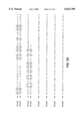
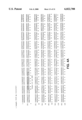
- FIGS. 3A-3E show a comparison between human and Drosophila fused (SEQ ID NOS: 2 and 23, respectively). Gaps introduced for optimal alignment are indicated by dashes. Identical amino acids are boxed. The lysine residue mutated infused-DN (dominant negative, lysine at amino acid position 33) is shown with a star.
- FIGS. 4A-4F show the sequence of DNA28495 (SEQ ID NOS:4, 5 and 21) that was an incorrectly spliced variant of human fuised isolated from a fetal lung library.
- This clone contains a potential initiation methionine at position 116 followed by an open reading frame of 1944 bp.
- a second open reading frame is present from about position 2295 to 4349.
- the first open reading frame of DNA28494 starts at residue 115 and is followed by a 630 amino acid long open reading frame.
- FIGS. 5A-5F show the sequence of DNA28494 (SEQ ID NOS:6, 7 and 22) that was another incorrectly spliced variant of human fused isolated from a fetal lung library.
- FIG. 6 is a western blot of the PCR product of an epitope tag of DNA 28495 (SEQ ID NO:5 and 21) and DNA28494 (SEQ ID NOS:5 and 22).
- a specific band of 150 kDa was detected in the cell pellet of cells transfected with the construct corresponding to clone DNA28494 (SEQ ID NO:6) and a specific band of approximately 100 kDa could be detected for clone DNA28495 (SEQ ID NO:4) (FIG. 6). These bands were not present in the mock transfected control.
- FIG. 7 is a northern blot analysis of human fused (SEQ ID NO: 1). Multiple human fetal and adult tissue northern blots were probes with a human fused (SEQ ID NO:1) cDNA probe.
- FIGS. 8A-8F are photographs showing in situ hybridization of embryonic and adult tissues with fused (SEQ ID NO:1). Sagittal sections of E11.5 (FIG. 8A) and E13.5 (FIG. 8B) mouse embryos. Coronal section through the spinal chord of E11.5 (FIG. 8C) and E13.5 (FIG. 8D) mouse embryo. Sagittal section through P1 (FIG. 8E) and adult (FIG. 8F) mouse.
- FIG. 8A 1.0 mm; FIG. 8B, 1.62 mm; FIG. 8C, 0.14 mm; FIG. 8D, 0.17 mm; FIG. 8E, 2.0 mm; FIG. 8F, 3.1 mm.
- FIGS. 9A-9C are photographs showing in situ hybridization showing the presence of fused mRNA in high levels in the adult mouse testes.
- FIG. 9A High magnification reveals differences in levels of expression within seminiferous tubules (FIG. 9C). Hybridization of the testis with a sense strand control probe to fused gave no hybridization (FIG. 9B).
- FIGS. 10A-10B are bar graphs representing the activation of Gli by fused.
- FIG. 10A C3H10T1/2 cells were cotransfected with a p9XGliLus, ptkRenilla luciferase and fused or various fused mutants. Cells were harvested 48h after transfection and the luciferase activity was assayed as described in Example 7.
- FIG. 10B Fused transactivation of a Gli reporter construct.
- C3H10T1/2 cells were cotransfected with a p9XGliLuc reporter construct, ptkRenilla luciferase and a CMV driven expression vector for fused or various fused mutants. Cells were harvested 48 hours after transfection and the luciferase activity was assayed as described in the Examples. The data represents the mean of duplicative determinations.
- FIGS. 11A-11E are photographs showing that fused-DN (SEQ ID NO:25) inhibits SHh signaling in early Xenopus development. Depicted are: (FIG. 11A) Dorsal view of tadpole stage embryos. Top embryo is fused-DN (SEQ ID NO. 25) injection and bottom embryo is the control; (FIG. 11B) Side view of tadpole stage embryo. Top embryo is fused-DN injection and bottom embryo is the control; (FIGS. 11C & 11D) Pax-6 staining of stage 16 neurula embryos injected with control DNA and fused-DN (SEQ ID NO:25), respectively; (FIG. 11E) SHh expression in the floor plate of neurula stage control embryo (left) or fused-DN injected embryo (right).
- FIG. 12 is a photograph which confirms the kinase activity of fused (SEQ ID NO:2) and its activation of Gli. Depicted are 293 cells transfected with HA tagged fiised constructs as indicated in Example 10 and immunoprecipitated with anti-HA antibodies and protein A sepharose. Protein A beads were subjected to in vitro kinase assay as described in Example 10 in the presence of MBP.
- vertebrate fitsed and vertebrate fused polypeptide when used herein encompass native sequence vertebrate fused and vertebrate fused variants (which are further defined herein) having fused biological activity. Fused may be isolated from a variety of sources, such as from human tissue types or from another source, or prepared by recombinant or synthetic methods.
- a “native sequence vertebratefitsed” comprises a polypeptide having the same amino acid sequence as a vertebrate fused derived from nature. Such native sequence vertebrate fused can be isolated from nature or can be produced by recombinant and/or synthetic means.
- the term "native sequence vertebrate fused” specifically encompasses naturally occurring truncated forms of vertebrate fused , naturally occurring variant forms (e.g., alternatively spliced forms) and naturally-occurring allelic variants of vertebrate fused.
- Native vertebrate fused includes e.g., fused in mammals such as human, murine, bovine, porcine, equine, feline, canine, etc., and preferably refers to human.
- the native sequence human vertebrate fused is a mature or full-length native human vertebrate fused comprising amino acids 1 to 1315 of (SEQ ID NO:2) as shown in FIG. 1 with or without the initiating methionine at position 1.
- vertebrate fused variant means an active vertebrate fused as defined below having at least about 80% amino acid sequence identity to (a) a DNA molecule encoding a vertebrate fused polypeptide, or (b) the complement of the DNA molecule of (a).
- the vertebrate fused variant has at least about 80% amino acid sequence homology with the vertebrate fused having the deduced amino acid sequence (SEQ ID NO:2) shown in FIG. 1 for a full-length native sequence vertebrate fused.
- Such vertebrate fused variants include, without limitation, vertebrate fused polypeptides wherein one or more amino acid residues are added, or deleted, at the N- or C-terminus of the sequence of FIG. 1 (SEQ ID NO:2).
- the nucleic acid or amino acid sequence identity is at least about 85%, more preferably at least about 90%, and even more preferably at least about 95%.
- Percent (%) amino acid sequence identity with respect to the vertebrate fused sequences identified herein is defined as the percentage of amino acid residues in a candidate sequence that are identical with the amino acid residues in the vertebrate fused sequence, after aligning the sequences and introducing gaps, if necessary, to achieve the maximum percent sequence identity, and not considering any conservative substitutions as part of the sequence identity. Alignment for purposes of determining percent amino acid sequence identity can be achieved in various ways that are within the skill in the art, for instance, using publicly available computer software such as BLAST, BLAST-2, ALIGN or Megalign (DNASTAR) software. Those skilled in the art can determine appropriate parameters for measuring alignment, including any algorithms needed to achieve maximal alignment over the full length of the sequences being compared.
- Percent (%) nucleic acid sequence identity with respect to the vertebrate fused sequences identified herein is defined as the percentage of nucleotides in a candidate sequence that are identical with the nucleotides in the vertebrate fused sequence, after aligning the sequences and introducing gaps, if necessary, to achieve the maximum percent sequence identity. Alignment for purposes of determining percent nucleic acid sequence identity can be achieved in various ways that are within the skill in the art, for instance, using publicly available computer software such as BLAST, BLAST-2, ALIGN or Megalign (DNASTAR) software. Those skilled in the art can determine appropriate parameters for measuring alignment, including any algorithms needed to achieve maximal alignment over the full length of the sequences being compared.
- epitope tagged when used herein refers to a chimeric polypeptide comprising vertebrate fused polypeptide, or a portion thereof, fused to a "tag polypeptide".
- the tag polypeptide has enough residues to provide an epitope against which an antibody can be made, yet is short enough such that it does not interfere with activity of the vertebrate fused polypeptide.
- the tag polypeptide preferably also is fairly unique so that the antibody does not substantially cross-react with other epitopes.
- Suitable tag polypeptides generally have at least six amino acid residues and usually between about 8 to about 50 amino acid residues (preferably, between about 10 to about 20 residues).
- immunoadhesin designates antibody-like molecules which combine the binding specificity of a heterologous protein (an “adhesin”) with the effector functions of immunoglobulin constant domains.
- the immunoadhesin comprise a fusion of an amino acid sequence with the desired binding specificity which is other than the antigen recognition and binding site of an antibody (i.e., is “heterologous"), and an immunoglobulin constant domain sequence.
- the adhesin part of an immunoadhesin molecule typically is a contiguous amino acid sequence comprising at least the binding site of a receptor or a ligand.
- the immunoglobulin constant domain sequence in the immunoadhesins may be obtained from any immunoglobulin, such as IgG-1, IgG-2, IgG-3 or IgG-4 subtypes, IgA (including IgA-1 and IgA-2, IgE, IgD or IgM.
- Immunoadhesion reported in the literature include fusions of the T cell receptor* [Gascoigne et al., Proc. Natl. Acad.
- CD4* [Capron et al, Nature 337: 525-531 (1989); Traunecker et al., Nature 339: 68-70 (1989); Zettrneissl et al., DNA Cell Biol. USA 9: 347-353 (1990); Byrn et al., Nature 344, 667-670 (1990)]; L-selectin (homing receptor) [Watson et al., J. Cell. Biol.
- “Stringency” of hybridization reactions is readily determinable by one of ordinary skill in the art, and generally is an empirical calculation dependent upon probe length, washing temperature, and salt concentration. In general, longer probes require higher temperatures for proper annealing, while shorter probes need lower temperatures. Hybridization generally depends upon the ability of denatured DNA to reanneal when complementary strands are present in an environment near but below their T m (melting temperature). The higher the degree of desired homology between the probe and hybridizable sequence, the higher the relative temperature which can be used. As a result, it follows that higher relative temperatures would tend to make the reaction conditions more stringent, while lower temperatures less so. Moreover, stringency is also inversely proportional to salt concentrations. For additional details and explanation of stringency of hybridization reactions, see Ausubel et al., Current Protocols in Molecular Biology (1995).
- “Stringent conditions,” as defined herein may be identified by those that: (1) employ low ionic strength and high temperature for washing, for example 0.015 M sodium chloride/0.015 M sodium citrate/0.1% sodium dodecyl sulfate at 50° C.; (2) employ during hybridization a denaturing agent, such as formamide, for example, 50% (vol/vol) formamide with 0.1% bovine serum albumin/0.1% Ficoll/0.1% polyvinylpurrolidone/50 mM sodium phosphate buffer at pH 6.5 with 750 mM sodium chloride, 75 mM sodium citrate at 42° C.; (3) employ 50% formamide, 5 ⁇ SSC (0.75 M NaCl, 0.075 M sodium citrate), 50 mM sodium phosphate (pH 6.8), 0.1% sodium pyrophosphate, 5 ⁇ Denhardt's solution, sonicated salmon sperm DNA (50 ⁇ g/ml), 0.1% SDS, and 10% dextran sulfate at 42° C.
- Modely stringent conditions may be identified as described by Sambrook et al, Molecular Cloning: A Laboratory Manual (New York: Cold Spring Harbor Laboratory Press, 1989), and include the use of a washing solution and hybridization conditions (e.g., temperature, ionic strength and %SDS) less stringent than described above.
- a washing solution and hybridization conditions e.g., temperature, ionic strength and %SDS
- moderately stringent conditions is a condition such as overnight incubation at 37° C.
- Isolated when used to describe the various polypeptides disclosed herein, means polypeptide that has been identified and separated and/or recovered from a component of its natural environment. Contaminant components of its natural environment are materials that would typically interfere with diagnostic or therapeutic uses for the polypeptide, and may include enzymes, hormones, and other proteinaceous or non-proteinaceous solutes.
- the polypeptide will be purified (1) to a degree sufficient to obtain at least 15 residues of N-terminal or internal amino acid sequence by use of a spinning cup sequenator, or (2) to homogeneity by SDS-PAGE under non-reducing or reducing conditions using Coomassie blue or, preferably, silver stain.
- Isolated polypeptide includes polypeptide in situ within recombinant cells, since at least one component of the vertebrate fused natural environment will not be present. Ordinarily, however, isolated polypeptide will be prepared by at least one purification step.
- An "isolated" vertebrate fused nucleic acid molecule is a nucleic acid molecule that is identified and separated from at least one contaminant nucleic acid molecule with which it is ordinarily associated in the natural source of the vertebrate fused nucleic acid.
- An isolated vertebratefuised nucleic acid molecule is other than in the form or setting in which it is found in nature. Isolated vertebrate fused nucleic acid molecules therefore are distinguished from the corresponding native vertebratefuised nucleic acid molecule as it exists in natural cells.
- control sequences refers to DNA sequences necessary for the expression of an operably linked coding sequence in a particular host organism.
- the control sequences that are suitable for prokaryotes include a promoter, optionally an operator sequence, and a ribosome binding site.
- Eukaryotic cells are known to utilize promoters, polyadenylation signals, and enhancers.
- Nucleic acid is "operably linked" when it is placed into a functional relationship with another nucleic acid sequence.
- DNA for a presequence or secretory leader is operably linked to DNA for a polypeptide if it is expressed as a preprotein that participates in the secretion of the polypeptide;
- a promoter or enhancer is operably linked to a coding sequence if it affects the transcription of the sequence; or
- a ribosome binding site is operably linked to a coding sequence if it is positioned so as to facilitate translation.
- "operably linked” means that the DNA sequences being linked are contiguous, and, in the case of a secretory leader, contiguous and in reading phase. However, enhancers do not have to be contiguous. Linking is accomplished by ligation at convenient restriction sites. If such sites do not exist, the synthetic oligonucleotide adaptors or linkers are used in accordance with conventional practice.
- antibody is used in the broadest sense and specifically covers single monoclonal antibodies (including agonist and antagonist antibodies), antibody compositions with polyeptopic specificity, as well as antibody fragments (e.g., Fab, F(ab') 2 and Fv), so long as they exhibit the desired biological activity.
- the term "monoclonal antibody” as used herein refers to an antibody obtained from a population of substantially homogeneous antibodies, i.e., the individual antibodies comprising the population are identical except for possible naturally occurring mutations that may be present in minor amounts. Monoclonal antibodies are highly specific, being directed against a single antigenic site. Furthermore, in contrast to conventional (polyclonal) antibody preparations that typically include different antibodies directed against different determinants (epitopes), each monoclonal antibody is directed against a single determinant on the antigen. In addition to their specificity, the monoclonal antibodies are advantageous in that they are synthesized by the hybridoma culture, uncontaminated by other immunoglobulins.
- the modifier "monoclonal” indicates the character of the antibody as being obtained from a substantially homogeneous population of antibodies, and is not to be construed as requiring production of the antibody by any particular method.
- the monoclonal antibodies to be used in accordance with the present invention may be made by the hybridoma method first described by Kohler & Milstein, Nature 256:495 (1 975), or may be made by recombinant DNA methods [see, e.g. U.S. Pat. No. 4,816,567 (Cabilly et al.)].
- the monoclonal antibodies herein specifically include "chimeric" antibodies (immunoglobulins) in which a portion of the heavy and/or light chain is identical with or homologous to corresponding sequences in antibodies derived from a particular species or belonging to a particular antibody class or subclass, while the remainder of the chain(s) is identical with or homologous to corresponding sequences in antibodies derived from another species or belonging to another antibody class or subclass, as well as fragments of such antibodies, so long as they exhibit the desired biological activity [U.S. Pat. No. 4,816,567; Cabilly et al.; Morrison et al., Proc. Natl. Acad. Sci. USA 81, 6851-6855 (1984)].
- chimeric antibodies immunoglobulins in which a portion of the heavy and/or light chain is identical with or homologous to corresponding sequences in antibodies derived from a particular species or belonging to a particular antibody class or subclass, while the remainder of the chain(s) is identical with
- Humanized forms of non-human (e.g. murine) antibodies are chimeric immunoglobulins, immunoglobulin chains or fragments thereof (such as Fv, Fab, Fab', F(ab') 2 or other antigen-binding subsequences of antibodies) which contain minimal sequence derived from non-human immunoglobulin.
- humanized antibodies are human immunoglobulins (recipient antibody) in which residues from a complementary determining region (CDR) of the recipient are replaced by residues from a CDR of a non-human species (donor antibody) such as mouse, rat or rabbit having the desired specificity, affinity and capacity.
- CDR complementary determining region
- humanized antibody may comprise residues that are found neither in the recipient antibody nor in the imported CDR or framework sequences. These modifications are made to further refine and optimize antibody performance.
- the humanized antibody will comprise substantially all of at least one, and typically two, variable domains, in which all or substantially all of the CDR regions correspond to those of a non-human immunoglobulin and all or substantially all of the FR regions are those of a human immunoglobulin consensus sequence.
- the humanized antibody optimally also will comprise at least a portion of an immunoglobulin constant region (Fc), typically that of a human immunoglobulin.
- Fc immunoglobulin constant region
- Activity refers to form(s) of vertebrate fused which retain the biologic and/or immunologic activities of native or naturally occurring vertebrate fused.
- a preferred activity is the ability to bind to and affect, e.g., block or otherwise modulate, hedgehog signaling.
- the activity preferably involves the regulation of the pathogenesis of Basal cell carcinoma.
- Another preferred biological activity is the ability to phosphorylate or modulate the phosphorylation of Gli.
- antagonist is used herein in the broadest sense to include any molecule which blocks, prevents, inhibits, neutralizes the normal functioning offitsed in the Hh signaling pathway.
- One particular form of antagonist includes a molecule that interferes with the interaction between fused and its binding or complexing proteins.
- agonist is used herein to include any molecule which promotes, enhances or stimulates the normal functioning offiused in the Hh signaling pathway.
- Suitable molecules that affect the protein-protein interaction of fused and its binding proteins include fragments of the latter or small bioorganic molecules, e.g., peptidomimetics, which will prevent or enhance, as the case may be, the interaction of proper complex formation.
- Non-limiting examples include proteins, peptides, glycoproteins, glycopeptides, glycolipids, polysaccharides, oligosaccharides, nucleic acids, bioorganic molecules, peptidomimetics, pharmacological agents and their metabolites, transcriptional and translation control sequences, and the like.
- Another preferred form of antagonist includes antisense nucleotides that inhibit proper transcription of wild type fused.
- modulation means upregulation or downregulation of a signaling pathway.
- Cellular processes under the control of signal transduction may include, but are not limited to, transcription of specific genes; normal cellular functions, such as metabolism, proliferation, differentiation, adhesion, apoptosis and survival, as well as abnormal processes, such as transformation, blocking of differentiation and metastasis.
- PCR polymerase chain reaction
- sequence information from the ends of the region of interest or beyond needs to be available, such that oligonucleotide primers can be designed; these primer will be identical or similar in sequence to opposite strands of the template to be amplified.
- the 5' terminal nucleotides of the two primers may coincide with the ends of the amplified material.
- PCR sequences form total genomic DNA, and cDNA transcribed from total cellular RNA, bacteriophage, or plasmid sequences, etc. See generally Mullis et al., Cold Spring Harbor Symp. Qziant. Biol. 51: 263 (1987); Erlich, Ed., PCR Technology, (Stockton Press, N.Y., 1989).
- PCR is considered to be one, but not the only, example of a nucleic acid test sample comprising the use of a known nucleic acid as a primer and a nucleic acid polymerase to amplify or generate a specific piece of nucleic acid.
- the present invention provides newly identified and isolated nucleotide sequences encoding polypeptides referred to in the present application as human and vertebrate jiused.
- Applicants have identified and isolated cDNA encoding a vertebrate fused polypeptide, as disclosed in further detail in the Examples below.
- BLAST, BLAST-2 and FastA sequence alignment computer programs Applicants found that a full-length native sequence human fised (shown in FIG. 3 (SEQ ID NO:2)) has 28% amino acid sequence identity with Drosophila fissed (SEQ ID NO:23). Accordingly, it is presently believed that the human fused disclosed in the present application is a newly identified member of the hedgehog signaling cascade.
- the full-length native sequence of human vertebrate Jiused gene, or portions thereof, may be used as hybridization probes for a cDNA library to isolate the full-length gene or to isolate still other vertebrate homolog genes (for instance, those encoding naturally-occurring variants of vertebrate jused or vertebrate fused from other species) which have a desired sequence identity to the vertebrate fused sequence disclosed in FIG. 1 (SEQ ID NO:1).
- the length of the probes will be about 20 to about 50 bases.
- the hybridization probes may be derived from the nucleotide sequence of FIG. 1 (SEQ ID NO:1) or from genomic sequences including promoters, enhancer elements and introns of native sequence vertebrate fused.
- a screening method will comprise isolating the coding region of the vertebrate fused gene using the known DNA sequence to synthesize a selected probe of about 40 bases.
- Hybridization probes may be labeled by a variety of labels, including radionucleotides such as 32 P or 35 S, or enzymatic labels such as alkaline phosphatase coupled to the probe via avidin/biotin coupling systems.
- Labeled probes having a sequence complementary to that of the vertebrate fused gene of the present invention can be used to screen libraries of human cDNA, genomic DNA or mRNA to determine which members of such libraries the probe hybridizes to.
- vertebrate fused variants can be prepared. Vertebrate fused variants can be prepared by introducing appropriate nucleotide changes into a known vertebrate fused DNA, or by synthesis of the desired vertebrate fused polypeptides. Those skilled in the art will appreciate that amino acid changes may alter post-translational processes of the vertebrate fused.
- Variations in the native full-length sequence vertebrate fused or in various domains of the vertebrate fused described herein can be made, for example, using any of the techniques and guidelines for conservative and non-conservative mutations set forth, for instance, in U.S. Pat. No. 5,364,934.
- Variations may be a substitution, deletion or insertion of one or more codons encoding the vertebrate fused that results in a change in the amino acid sequence of the vertebrate fused as compared with the native sequence vertebrate fused.
- the variation is by substitution of at least one amino acid with any other amino acid in one or more of the domains of the vertebrate fused.
- Guidance in determining which amino acid residue may be inserted, substituted or deleted without adversely affecting the desired activity may be found by comparing the sequence of the vertebrate fused with that of homologous known protein molecules and minimizing the number of amino acid sequence changes made in regions of high homology.
- Amino acid substitutions can be the result of replacing one amino acid with another amino acid having similar structural and/or chemical properties, such as the replacement of a leucine with a serine, i.e., conservative amino acid replacements.
- Insertions or deletions may optionally be in the range of 1 to 5 amino acids. The variation allowed may be determined by systematically making insertions, deletions or substitutions of amino acids in the sequence and testing the resulting variants for activity in the in vitro assay described in the Examples below.
- the variations can be made using methods known in the art such as oligonucleotide-mediated (site-directed) mutagenesis, alanine scanning, and PCR mutagenesis.
- Site-directed mutagenesis [Carter et al., Nucl. Acids Res., 13:4331 (1986); Zoller et al., Nucl. Acids Res., 10:6487 (1987)]
- cassette mutagenesis [Wells et al., Gene, 34:315 (1985)]
- restriction selection mutagenesis [Wells et al., Philos. Trans. R. Soc. London SerA, 317:415 (1986)] or other known techniques can be performed on the cloned DNA to produce the vertebrate fused variant DNA.
- Scanning amino acid analysis can also be employed to identify one or more amino acids along a contiguous sequence.
- preferred scanning amino acids are relatively small, neutral amino acids.
- Such amino acids include alanine, glycine, serine, and cysteine.
- Alanine is typically a preferred scanning amino acid among this group because it eliminates the side-chain beyond the beta-carbon and is less likely to alter the main- chain conformation of the variant.
- Alanine is also typically preferred because it is the most common amino acid. Further, it is frequently found in both buried and exposed positions [Creighton, The Proteins, (W.H. Freeman & Co., N.Y.); Chothia, J Mol. Biol, 150:1 (1976)]. If alanine substitution does not yield adequate amounts of variant, an isoteric amino acid can be used.
- the kinase domain is represented by amino acid residues 1-260 (SEQ ID NO:24) of which position lysine 33 appears to be necessary for ATP binding and thus enzymatic activity.
- Covalent modifications of vertebrate fused are included within the scope of this invention.
- One type of covalent modification includes reacting targeted amino acid residues of the vertebrate fised with an organic derivatizing agent that is capable of reacting with selected side chains or the N- or C- terminal residues of the vertebrate fused.
- Derivatization with bifunctional agents is useful, for instance, for crosslinking vertebrate fused to a water-insoluble support matrix or surface for use in the method for purifying anti-vertebrate fused antibodies, and vice-versa.
- crosslinking agents include, e.g., 1,1 -bis(diazo-acetyl)-2-phenylethane, glutaraldehyde, N-hydroxy-succinimide esters, for example, esters with 4-azido-salicylic acid, homobifunctional imidoesters, including disuccinimidyl esters such as 3,3'-dithiobis-(succinimidyl-propionate), bifunctional maleimides such as bis-N-maleimido-1,8-octane and agents such as methyl-3-[(p-azidophenyl)-dithio]pro-pioimi-date.
- 1,1 -bis(diazo-acetyl)-2-phenylethane glutaraldehyde
- N-hydroxy-succinimide esters for example, esters with 4-azido-salicylic acid
- homobifunctional imidoesters including disuccinimi
- Another type of covalent modification of vertebrate fused comprises linking the vertebrate fused polypeptide to one of a variety of nonproteinaceous polymers, e.g., polyethylene glycol, polypropylene glycol, or polyoxyalkylenes, in the manner set forth in U.S. Pat. Nos. 4,640,835; 4,496,689; 4,301,144; 4,670,417; 4,791,192 or 4,179,337.
- Such modifications would be expected in increase the half-life of the molecules in circulation in a mammalian system; Extended half-life of fused molecules might be useful under certain circumstances, such as where the fused variant is administered as a therapeutic agent.
- the vertebrate fused of the present invention may also be modified in a way to form a chimeric molecule comprising vertebrate fused bonded to another, heterologous polypeptide or amino acid sequence.
- a chimeric molecule comprises a fusion of the vertebrate fused with a tag polypeptide, which provides an epitope to which an anti-tag antibody can selectively bind.
- the epitope tag is generally placed at the amino- or carboxyl- terminus of the vertebrate fused. The presence of such epitope-tagged forms of the vertebrate fused can be detected using an antibody against the tag polypeptide.
- the epitope tag enables the vertebrate fused to be readily purified by affinity purification using an anti-tag antibody or another type of affinity matrix that binds to the epitope tag.
- the chimeric molecule may comprise a fusion of the vertebrate fused with an immunoglobulin or a particular region of an immunoglobulin.
- such a fusion could be to the Fc region of an IgG molecule.
- the C-terminus of a contiguous amino acid sequence of a ligand- (IFN- ⁇ -) binding domain of an IFN- ⁇ receptor is fused to the N-terminus of a contiguous amino acid sequence of an immunoglobulin constant region, in place of the variable region(s), however N-terminal fusions are also possible.
- such fusions retain at least functionally active hinge, CH2 and CH3 domains of the constant region of an immunoglobulin heavy chain. Fusions are also made to the C-terminus of the Fc portion of a constant domain, or immediately N-terminal to the CHl of the heavy chain or the corresponding region of the light chain. This ordinarily is accomplished by constructing the appropriate DNA sequence and expressing it in recombinant cell culture. Alternatively,immunoadhesinsmay be synthesized according to known methods.
- the precise site at which the fusion is made is not critical; particularsites are well known and may be selected in order to optimize the biological activity, secretion or binding characteristics of the immunoadhesins.
- the C-terminus of a contiguous amino acid sequence which comprises the binding site(s) for IFN-y is fused , at the N-terminal end, to the C-terminal portion of an antibody (in particularthe Fc domain), containing the effector functions of an immunoglobulin, e.g. immunoglobulin G 1 (IgG-1).
- an immunoglobulin e.g. immunoglobulin G 1 (IgG-1).
- IgG-1 immunoglobulin G 1
- a sequence beginning in the hinge regionjust upstream of the papain cleavage site (which defines IgG Fc chemically; residue 216, taking the first residue of heavy chain constant region to be 114 [Kobet et al., supra], or analogous sites of other immunoglobulins) is used in the fusion.
- the immunoglobulin light chain would be required for efficient secretion of the heterologous protein-heavy chain fusion proteins, it has been found that even the immunoadhesins containing the whole IgG1 heavy chain are efficiently secreted in the absence of light chain.
- the immunoglobulinheavy chain constant domain sequence used in the construction of the immunoadhesins of the present invention may be devoid of a light chain binding site. This can be achieved by removing or sufficiently altering immunoglobulin heavy chain sequence elements to which the light chain is ordinarily linked so that such binding is no longer possible.
- the CH1 domain can be entirely removed in certain embodiments of the IFN- ⁇ receptor-immunoglobulinchimeras.
- the amino acid sequence containing the extracellular domain of an IFN- ⁇ receptor is fused to the hinge region and CH2, CH3; or CH1, hinge, CH2 and CH3 domains of an IgG-1, IgG-2, IgG-3, or IgG-4 heavy chain.
- the construction of a typical structure is disclosed in Example 1.
- the IFN- ⁇ receptor-immunoglobulin molecules are assembled as monomers, dimers or multimers, and particularly as dimers or tetramers.
- these assembled immunoadhesins will have known unit structures similar to those of the corresponding immunoglobulins.
- a basic four chain structural unit (a dimer of two immunoglobulin heavy chain-light chain pairs) is the form in which IgG, IgA and IgE exist.
- a four chain unit is repeated in the high molecular weight immunoglobulins; IgM generally exists as a pentamer of basic four-chain units held together by disulfide bonds.
- IgA globulin, and occasionally IgG -globulin may also exist in a multimeric form in serum. In the case ofmultimers, each four chain unit may be the same or different.
- immunoglobulin portion of the IFN- ⁇ receptor-immunoglobulinchimeras be from the same immunoglobulin.
- Various portions of different immunoglobulins may be combined, and variants and derivatives of native immunoglobulins can be made as hereinabove described with respect to IFN- ⁇ , in order to optimize the properties of the immunoadhesin molecules.
- immunoadhesin constructs in which the hinge of Igl-1 was replaced with that of IgG-3 were found to be functional and showed pharmacokinetics comparable to those of immunoadhesinscomprisingthe entire IgG-1 heavy chain.
- tag polypeptides and their respective antibodies are well known in the art. Examples include poly-histidine (poly-his) or poly-histidine-glycine (poly-his-gly) tags; the flu HA tag polypeptide and its antibody 12CA5 [Field et al., Mol. Cell.
- tag polypeptides include the Flag-peptide [Hopp et al., Bio Technology, 6:1204-1210 (1988)]; the KT3 epitope peptide [Martin et al., Science, 255:192-194 (1992)]; an ⁇ -tubulin epitope peptide [Skinner et al., J. Biol. Chem., 266:15163-15166 (1991)]; and the T7 gene 10 protein peptide tag [Lutz-Freyermuth et al., Proc. Natl. Acad. Sci. USA, 87:6393-6397 (1990)].
- a preferred tag is the influenza HA tag.
- vertebrate fused sequence or portions thereof, may be produced by direct peptide synthesis using solid-phase techniques [see, e.g., Stewart et al., Solid-Phase Peptide Synthesis, W.H. Freeman Co., San Francisco, CA (1969); Merrifield, J. Am. Chem. Soc., 85:2149-2154 (1963)].
- solid-phase techniques see, e.g., Stewart et al., Solid-Phase Peptide Synthesis, W.H. Freeman Co., San Francisco, CA (1969); Merrifield, J. Am. Chem. Soc., 85:2149-2154 (1963)].
- In vitro protein synthesis may be performed using manual techniques or by automation.
- Automated synthesis may be accomplished, for instance, using an Applied Biosystems Peptide Synthesizer (Foster City, Calif.) using manufacturer's instructions.
- Various portions of the vertebrate fused may be chemically synthesized separately and combined using chemical or enzymatic methods to produce the full-length vertebrate fused.
- DNA encoding vertebrate fused may be obtained from a cDNA library prepared from tissue believed to possess the vertebrate fused mRNA and to express it at a detectable level. Accordingly, human vertebrate fused DNA can be conveniently obtained from a cDNA library prepared from human tissue, such as described in the Examples. The vertebrate fused-encoding gene may also be obtained from a genomic library or by oligonucleotide synthesis.
- Probes such as antibodies to the vertebrate fused or oligonucleotides of at least about 20-80 bases
- Screening the cDNA or genomic library with the selected probe may be conducted using standard procedures, such as described in Sambrook et al., Molecular Cloning: A Laboratory Manual (New York: Cold Spring Harbor Laboratory Press, 1989).
- An alternative means to isolate the gene encoding vertebrate fused is to use PCR methodology [Sambrook et al., supra; Dieffenbach et al., PCR Primer: A Laboratory Manual (Cold Spring Harbor Laboratory Press, 1995)].
- the oligonucleotide sequences selected as probes should be of sufficient length and sufficiently unambiguous that false positives are minimized.
- the oligonucleotide is preferably labeled such that it can be detected upon hybridization to DNA in the library being screened. Methods of labeling are well known in the art, and include the use of radiolabels like 32 P-labeled ATP, biotinylation or enzyme labeling. Hybridization conditions, including moderate stringency and high stringency, are provided in Sambrook et al., supra.
- Sequences identified in such library screening methods can be compared and aligned to other known sequences deposited and available in public databases such as GenBank or other private sequence databases. Sequence identity (at either the amino acid or nucleotide level) within defined regions of the molecule or across the full-length sequence can be determined through sequence alignment using computer softwvare programs such as BLAST, BLAST-2, ALIGN, DNAstar, and INHERIT which employ various algorithms to measure homology.
- Nucleic acid having protein coding sequence may be obtained by screening selected cDNA or genomic libraries using the deduced amino acid sequence disclosed herein for the first time, and, if necessary, using conventional primer extension procedures as described in Sambrook et al., supra, to detect precursors and processing intermediates of mRNA that may not have been reverse-transcribed into cDNA.
- Host cells are transfected or transformed with expression or cloning vectors described herein for vertebrate fused production and cultured in conventional nutrient media modified as appropriate for inducing promoters, selecting transformants, or amplifying the genes encoding the desired sequences.
- the culture conditions such as media, temperature, pH and the like, can be selected by the skilled artisan without undue experimentation. In general, principles, protocols, and practical techniques for maximizing the productivity of cell cultures can be found in Mammalian Cell Biotechnology: A Practical Approach, M. Butler, ed. (IRL Press, 1991) and Sambrook et al., supra.
- transfection is known to the ordinarily skilled artisan, for example, CaPO 4 and electroporation.
- transformation is performed using standard techniques appropriate to such cells.
- the calcium treatment employing calcium chloride, as described in Sambrook et al., supra, or electroporation is generally used for prokaryotes or other cells that contain substantial cell-wall barriers.
- Infection with Agrobacterizim tumefaciens is used for transformation of certain plant cells, as described by Shaw et al., Gene, 23:315 (1983) and WO 89/05859 published Jun. 29, 1989.
- DNA into cells such as by nuclear microinjection, electroporation, bacterial protoplast fusion with intact cells, or polycations, e.g., polybrene, polyornithine, may also be used.
- polycations e.g., polybrene, polyornithine.
- Suitable host cells for cloning or expressing the DNA in the vectors herein include prokaryote, yeast, or higher eukaryote cells.
- Suitable prokaryotes include but are not limited to eubacteria, such as Gram-negative or Gram-positive organisms, for example, Enterobacteriae such as E. coli.
- Various E. coli strains are publicly available, such as E. coli K 12 strain MM294 (ATCC 31,446); E. coli X1776 (ATCC 31,537); E. coli strain W3110 (ATCC 27,325) and K5 772 (ATCC 53,635).
- eukaryotic microbes such as filamentous fungi or yeast are suitable cloning or expression hosts for vertebrate fused-encoding vectors.
- Saccharomyces cerevisiae is a commonly used lower eukaryotic host microorganism.
- Suitable host cells for the expression of vertebrate fused are derived from multicellular organisms.
- invertebrate cells include insect cells such as Drosophila S2 and Spodoptera Sf9, as well as plant cells.
- useful mammalian host cell lines include Chinese hamster ovary (CHO) and COS cells. More specific examples include monkey kidney CV1 line transformed by SV40 (COS-7, ATCC CRL 1651); human embryonic kidney line (293 or 293 cells subcloned for growth in suspension culture, Graham et al., J. Gen Virol,, 36:59 (1977)); Chinese hamster ovary cells/-DHFR (CHO, Urlaub and Chasin, Proc. Natl.
- mice sertoli cells TM4, Mather, Biol. Reprod. 23:243-251 (1980)
- human lung cells W138, ATCC CCL 75
- human liver cells Hep G2, HB 8065
- mouse mammary tumor MMT 060562, ATCC CCL51. The selection of the appropriate host cell is deemed to be within the skill in the art.
- the nucleic acid (e.g., cDNA or genomic DNA) encoding vertebrate fused may be inserted into a replicable vector for cloning (amplification of the DNA) or for expression.
- a replicable vector for cloning (amplification of the DNA) or for expression.
- the vector may, for example, be in the form of a plasmid, cosmid, viral particle, or phage.
- the appropriate nucleic acid sequence may be inserted into the vector by a variety of procedures. In general, DNA is inserted into an appropriate restriction endonuclease site(s) using techniques known in the art.
- Vector components generally include, but are not limited to, one or more of a signal sequence, an origin of replication, one or more marker genes, an enhancer element, a promoter, and a transcription termination sequence. Construction of suitable vectors containing one or more of these components employs standard ligation techniques, which are known to the skilled artisan.
- Both expression and cloning vectors contain a nucleic acid sequence that enables the vector to replicate in one or more selected host cells. Such sequences are well known for a variety of bacteria, yeast, and viruses.
- the origin of replication from the plasmid pBR322 is suitable for most Gram-negative bacteria, the 2: plasmid origin is suitable for yeast, and various viral origins (SV40, polyoma, adenovirus, VSV or BPV) are useful for cloning vectors in mammalian cells.
- a preferred replicable expression vector is the plasmid is pRK5. Holmes et al., Science, 253:1278-1280 (1991).
- Selection genes will typically contain a selection gene, also termed a selectable marker.
- Typical selection genes encode proteins that (a) confer resistance to antibiotics or other toxins, e.g., ampicillin, neomycin, methotrexate, or tetracycline, (b) complement auxotrophic deficiencies, or (c) supply critical nutrients not available from complex media, e.g., the gene encoding D-alanine racemase for Bacilli.
- Suitable selectable markers for mammalian cells are those that enable the identification of cells competent to take up the vertebrate fused nucleic acid, such as DHFR or thymidine kinase.
- An appropriate host cell when wild-type DHFR is employed is the CHO cell line deficient in DHFR activity, prepared and propagated as described by Urlaub et al., Proc. Natl. Acad. Sci. USA, 77:4216 (1980).
- a suitable selection gene for use in yeast is the trp1 gene present in the yeast plasmid YRp7 [Stinchcomb et al., Nature, 282:39 (1979); Kingsman et al., Gene, 7:141 (1979); Tschemper et al., Gene, 10:157 (1980)].
- the trp1 gene provides a selection marker for a mutant strain of yeast lacking the ability to grow in tryptophan, for example, ATCC No. 44076 or PEP4-1 [Jones, Genetics, 85:12 (1977)].
- Expression and cloning vectors usually contain a promoter operably linked to the vertebrate fused nucleic acid sequence to direct mRNA synthesis. Promoters recognized by a variety of potential host cells are well known. Promoters suitable for use with prokaryotic hosts include the ⁇ -lactamase and lactose promoter systems [Chang et al, Nature, 275:615 (1978); Goeddel et al., Nature, 281:544 (1979)], alkaline phosphatase, a tryptophan (trp) promoter system [Goeddel, Nucleic Acids Res.
- Promoters for use in bacterial systems also will contain a Shine-Dalgarno (S.D.) sequence operably linked to the DNA encoding vertebrate fused.
- S.D. Shine-Dalgarno
- Suitable promoting sequences for use with yeast hosts include the promoters for 3-phosphoglycerate kinase [Hitzeman et al., J. Biol. Chem, 255:2073 (1980)] or other glycolytic enzymes [Hess et al., J Adv.
- yeast promoters which are inducible promoters having the additional advantage of transcription controlled by growth conditions, are the promoter regions for alcohol dehydrogenase 2, isocytochrome C, acid phosphatase, degradative enzymes associated with nitrogen metabolism, metallothionein, glyceraldehyde-3-phosphate dehydrogenase, and enzymes responsible for maltose and galactose utilization. Suitable vectors and promoters for use in yeast expression are further described in EP 73,657.
- Vertebrate fused transcription from vectors in mammalian host cells is controlled, for example, by promoters obtained from the genomes of viruses such as polyoma virus, fowlpox virus (UK 2,211,504 published Jul. 5, 1989), adenovirus (such as Adenovirus 2), bovine papilloma virus, avian sarcoma virus, cytomegalovirus, a retrovirus, hepatitis-B virus and Simian Virus 40 (SV40), from heterologous mammalian promoters, e.g., the actin promoter or an immunoglobulin promoter, and from heat-shock promoters, provided such promoters are compatible with the host cell systems.
- viruses such as polyoma virus, fowlpox virus (UK 2,211,504 published Jul. 5, 1989), adenovirus (such as Adenovirus 2), bovine papilloma virus, avian sarcoma virus, cytomegalovirus
- Enhancers are cis-acting elements of DNA, usually about from 10 to 300 bp, that act on a promoter to increase its transcription.
- Many enhancer sequences are now known from mammalian genes (globin, elastase, albumin, ⁇ -fetoprotein, and insulin).
- an enhancer from a eukaryotic cell virus. Examples include the SV40 enhancer on the late side of the replication origin (bp 100-270), the cytomegalovirus early promoter enhancer, the polyoma enhancer on the late side of the replication origin, and adenovirus enhancers.
- the enhancer may be spliced into the vector at a position 5' or 3' to the vertebrate fused coding sequence, but is preferably located at a site 5' from the promoter.
- Expression vectors used in eukaryotic host cells will also contain sequences necessary for the termination of transcription and for stabilizing the mRNA. Such sequences are commonly available from the 5' and, occasionally 3', untranslated regions of eukaryotic or viral DNAs or cDNAs. These regions contain nucleotide segments transcribed as polyadenylated fragments in the untranslated portion of the mRNA encoding vertebrate fused.
- Gene amplification and/or expression may be measured in a sample directly, for example, by conventional Southern blotting, Northern blotting to quantitate the transcription of mRNA [Thomas, Proc. Natl. Acad. Sci. USA, 77:5201-5205 (1980)], dot blotting (DNA analysis), or in situ hybridization, using an appropriately labeled probe, based on the sequences provided herein.
- antibodies may be employed that can recognize specific duplexes, including DNA duplexes, RNA duplexes, and DNA-RNA hybrid duplexes or DNA-protein duplexes. The antibodies in turn may be labeled and the assay may be carried out where the duplex is bound to a surface, so that upon the formation of duplex on the surface, the presence of antibody bound to the duplex can be detected.
- Gene expression may be measured by immunological methods, such as immunohistochemical staining of cells or tissue sections and assay of cell culture or body fluids, to quantitate directly the expression of gene product.
- Antibodies useful for immunohistochemical staining and/or assay of sample fluids may be either monoclonal or polyclonal, and may be prepared in any mammal. Conveniently, the antibodies may be prepared against a native sequence vertebrate fused polypeptide or against a synthetic peptide based on the DNA sequences provided herein or against exogenous sequence fused to vertebrate fused DNA and encoding a specific antibody epitope.
- vertebrate fused may be recovered from host cell lysates. If membrane-bound, it can be released from the membrane using a suitable detergent solution (e.g. Triton-X 100) or by enzymatic cleavage. Cells employed in expression of vertebrate fused can be disrupted by various physical or chemical means, such as freeze-thaw cycling, sonication, mechanical disruption, or cell lysing agents.
- a suitable detergent solution e.g. Triton-X 100
- Cells employed in expression of vertebrate fused can be disrupted by various physical or chemical means, such as freeze-thaw cycling, sonication, mechanical disruption, or cell lysing agents.
- the following procedures are exemplary of suitable purification procedures: by fractionation on an ion-exchange column; ethanol precipitation; reverse phase HPLC; chromatography on silica or on a cation-exchange resin such as DEAE; chromatofocusing; SDS-PAGE; ammonium sulfate precipitation; gel filtration using, for example, Sephadex G-75; protein A Sepharose columns to remove contaminants such as IgG; and metal chelating columns to bind epitope-tagged forms of the vertebrate fused.
- the human fused full length molecule of human (FIG. 1 (SEQ ID NO: 1)) encodes a protein with a predicted molecular weight of 150 kDa, which is significantly larger that Drosophila fused (100 kDa, dfused (SEQ ID NO:23)).
- Human fused (hfused) shows notable homology to the Drosophila homologue in the kinase domain, but little homology with dfused or any other known protein over the remaining ⁇ 1000 amino acids.
- the kinase domain extends from residue 1 to about residue 260, as is represented in FIG. 1 (SEQ ID NOS:24 and 2).
- hfused is a kinase which is capable of phosphorylating artificial substrates such as MBP.
- identity of the physiological substrate for hfused remains to be determined.
- Gli-1 itself, as Gli-1 phosphorylation by hfiosed can be detected in vitro.
- a mutant was constructed by altering a conserved lysine in the ATP binding site (about amino acid residue 33). Typically, such mutants act as inhibitor of the corresponding wild type kinase by blocking access to substrate and/or regulatory factors, He et al., Nature 374, 617-22 (1995).
- substrate and/or regulatory factors He et al., Nature 374, 617-22 (1995).
- the most remarkable phenotype was the presence of fused eyes in about 30% of the injected embryos.
- SHh knockouts display a cyclopia phenotype attributed recently to mutations in the SHh gene, Chiang et al., Nature 383: 407-13 (1996).
- zebrafish embryos (cyclops) with reduced expression of SHh or injected with constitutively active form of PKA, a negative regulator of the Hh pathway are cyclops.
- SHh, emanating from prechordal plate, has been shown to inhibit expression of Pax-6, a key transcription factor required for eye development, in the center of a continuous eyefield, Ekker et al., Curr. Biol. 5: 944-55 (1995); Li et al., Development.
- hFused-DN also appears to affect normal development of tissues such as the frog gut which is regulated by Indian Hh. This, combined with the fact that fused is expressed in the gut and testis, sites of IHh and DHh action respectively, suggest that fuised may be a universal mediator of signaling for all members of the Hh protein family.
- Nucleotide sequences (or their complement) encoding vertebrate fused have various applications in the art of molecular biology, including uses as hybridization probes, in chromosome and gene mapping and in the generation of anti-sense RNA and DNA. Vertebrate fused nucleic acid will also be useful for the preparation of vertebrate fused polypeptides by the recombinant techniques described herein.
- the full-length native sequence vertebrate fused gene, or portions thereof, may be used as hybridization probes for a cDNA library to isolate the full-length gene or to isolate still other genes (for instance, those encoding naturally-occurring variants of vertebrate fused or vertebrate fused from other species) which have a desired sequence identity to the vertebrate fused sequence disclosed in FIG. 1 (SEQ ID NO:1).
- the length of the probes will be about 20 to about 50 bases.
- the hybridization probes may be derived from the nucleotide sequence of FIG. 1 or from genomic sequences including promoters, enhancer elements and introns of native sequence vertebrate fused.
- a screening method will comprise isolating the coding region of the vertebrate fused gene using the known DNA sequence to synthesize a selected probe of about 40 bases.
- Hybridization probes may be labeled by a variety of labels, including radionucleotides such as 32 p or 35 S, or enzymatic labels such as alkaline phosphatase coupled to the probe via avidin/biotin coupling systems. Labeled probes having a sequence complementary to that of the vertebrate fused gene of the present invention can be used to screen libraries of human cDNA, genomic DNA or mRNA to determine to which members of such libraries the probe hybridizes. Hybridization techniques are described in further detail in the Examples below.
- the probes may also be employed in PCR techniques to generate a pool of sequences for identification of closely related vertebrate fused sequences.
- Nucleotide sequences encoding a vertebrate fused can also be used to construct hybridization probes for mapping the gene, which encodes vertebrate fused and for the genetic analysis of individuals with genetic disorders.
- the nucleotide sequences provided herein may be mapped to a chromosome and specific regions of a chromosome using known techniques, such as in situ hybridization, linkage analysis against known chromosomal markers, and hybridization screening with libraries.
- Vertebrate fused polypeptides can be used in assays to identify the other proteins or molecules involved in complexing with fused which ultimately results in the modulation of hedgehog signaling. Alternatively, the these molecules can modulate the fused kinase phosphorylation of its substrate. By such methods, inhibitors of the binding interaction can be identified. Proteins involved in such binding interactions can also be used to screen for peptide or small molecule inhibitors or agonists of the binding interaction. Also, the substrate of vertebrate fused can be used to isolate correlative complexing proteins. Screening assays can be designed to find lead compounds that mimic the biological activity of a native vertebrate fused or to find those that act as a substrate for vertebrate fused.
- screening assays will include assays amenable to high-throughput screening of chemical libraries, making them particularly suitable for identifying small molecule drug candidates.
- small molecule inhibitors could block the enzymatic action of fused , and thereby inhibit hedgehog signaling.
- Small molecules contemplated include synthetic organic or inorganic compounds.
- the assays can be performed in a variety of formats, including protein-protein binding assays, biochemical screening assays, immunoassays and cell based assays, which are well characterized in the art.
- Nucleic acids which encode vertebrate fused or its modified forms can also be used to generate either transgenic animals or "knock out" animals which, in turn, are useful in the development and screening of therapeutically useful reagents.
- a transgenic animal e.g., a mouse or rat
- a transgenic animal is an animal having cells that contain a transgene, which transgene was introduced into the animal or an ancestor of the animal at a prenatal, e.g., an embryonic stage.
- a transgene is a DNA that is integrated into the genome of a cell from which a transgenic animal develops.
- cDNA encoding vertebrate fused can be used to clone genomic DNA encoding vertebrate fused in accordance with established techniques and the genomic sequences used to generate transgenic animals that contain cells which express DNA encoding vertebrate fused.
- Methods for generating transgenic animals, particularly animals such as mice or rats, have become conventional in the art and are described, for example, in U.S. Pat. Nos. 4,736,866 and 4,870,009.
- particular cells would be targeted for vertebrate fused transgene incorporation with tissue-specific enhancers.
- Transgenic animals that include a copy of a transgene encoding vertebrate fused introduced into the germ line of the animal at an embryonic stage can be used to examine the effect of increased expression of DNA encoding vertebrate fused.
- Such animals can be used as tester animals for reagents thought to confer protection from, for example, pathological conditions associated with its overexpression.
- pathological conditions associated with its overexpression For example, for basal cell carcinoma, fused can be overexpressed in the basal cell layer of the skin using a Keratin 5 or 14 promoter.
- an animal is treated with the reagent and a reduced incidence of the pathological condition, compared to untreated animals bearing the transgene, would indicate a potential therapeutic intervention for the pathological condition.
- Non-human homologues of vertebrate fused can be used to construct a vertebrate fised "knock out" animal which has a defective or altered gene encoding vertebrate fused as a result of homologous recombination between the endogenous gene encoding vertebrate fused and altered genomic DNA encoding vertebrate fused introduced into an embryonic cell of the animal.
- cDNA encoding vertebrate fused can be used to clone genomic DNA encoding vertebrate fused in accordance with established techniques.
- a portion of the genomic DNA encoding vertebrate fused can be deleted or replaced with another gene, such as a gene encoding a selectable marker that can be used to monitor integration.
- flanking DNA typically, several kilobases of unaltered flanking DNA (both at the 5' and 3' ends) are included in the vector [see e.g., Thomas and Capecchi, Cell, 51:503 (1987) for a description of homologous recombination vectors].
- the vector is introduced into an embryonic stem cell line (e.g., by electroporation) and cells in which the introduced DNA has homologously recombined with the endogenous DNA are selected [see e.g., Li et al., Cell, 69:915 (1992)].
- the selected cells are then injected into a blastocyst of an animal (e.g., a mouse or rat) to form aggregation chimeras [see e.g., Bradley, in Teratocarcinomas and Embryonic Stem Cells: A Practical Approach, E. J. Robertson, ed. (IRL, Oxford, 1987), pp. 113-152].
- a chimeric embryo can then be implanted into a suitable pseudopregnant female foster animal and the embryo brought to term to create a "knock out" animal.
- Progeny harboring the homologously recombined DNA in their germ cells can be identified by standard techniques and used to breed animals in which all cells of the animal contain the homologously recombined DNA.
- Knockout animals can be characterized for instance, for their ability to defend against certain pathological conditions and for their development of pathological conditions due to absence of the vertebrate fused polypeptide.
- SHh activation e.g. fused agonists
- Dhh mutant males are infertile due to the failure of spermatocytes to complete their differentiation into mature sperm, Bitgood et al., Curr. Biol.
- fused agonists could be used to great gut diseases, bone diseases, skin diseases, diseases of the testis, ulcers, lung diseases, diseases of the pancreas, diabetes, osteoporosis.
- Protein kinases are essential elements of regulatory circuits in differentiated as well as growing cells; Preat et al., Nature 347: 87-89 (1990). Many of these enzyme are involved in transduction of extracellular signals and operate through a cascade of phosphorylation events that amplify and disseminate the effects of a primary signal. As described earlier, Drosophila fused bears significant homology to other intracellular serine/threonine kinases.
- Hh signaling Suppression or inhibition of Hh signaling is also an objective of therapeutic strategies. Since inactive fused has been shown to inhibit Hh signaling, it follows that a fused antagonist would also be expected to be antagonistic to Hh signaling. Limiting Hh signaling would be useful in disease states or disorders characterized by Hh signaling. For example, SHh is known to be active in Basal Cell Carcinoma; DHh is known to be active in spermatogenesis. Inhibitor or antagonist of Hh signaling would be effective therapeutics in the treatment of Basal Cell Carcinoma or male contraception, respectively.
- Hh signaling is also an objective of therapeutic strategies.
- Activating Hh signaling would be useful in disease states or disorders characterized by inactive or insufficient Hh signaling.
- degenerative disorders of the nervous system e.g., Parkinson's disease, memory deficits, Alzheimer's disease, Lou Gehrig's disease, Huntington's disease, schizophrenia, stroke and drug addiction.
- fused agonists could be used to great gut diseases, bone diseases, skin diseases, diseases of the testis (including infertility), ulcers, lung diseases, diseases of the pancreas, diabetes, osteoporosis.
- the present invention further provides anti- vertebrate fused antibodies.
- Exemplary antibodies include polyclonal, monoclonal, humanized, bispecific, and heteroconjugate antibodies.
- the anti-vertebrate fised antibodies may comprise polyclonal antibodies. Methods of preparing polyclonal antibodies are known to the skilled artisan. Polyclonal antibodies can be raised in a mammal, for example, by one or more injections of an immunizing agent and, if desired, an adjuvant. Typically, the immunizing agent and/or adjuvant will be injected in the mammal by multiple subcutaneous or intraperitoneal injections.
- the immunizing agent may include the vertebrate fused polypeptide or a fusion protein thereof. It may be useful to conjugate the immunizing agent to a protein known to be immunogenic in the mammal being immunized.
- immunogenic proteins include but are not limited to keyhole limpet hemocyanin, serum albumin, bovine thyroglobulin, and soybean trypsin inhibitor.
- adjuvants examples include Freund's complete adjuvant and MPL-TDM adjuvant (monophosphoryl Lipid A, synthetic trehalose dicorynomycolate). The immunization protocol may be selected by one skilled in the art without undue experimentation.
- the anti-vertebrate fused antibodies may, alternatively, be monoclonal antibodies.
- Monoclonal antibodies may be prepared using hybridoma methods, such as those described by Kohler and Milstein, Nature, 256:495 (1975).
- a hybridoma method a mouse, hamster, or other appropriate host animal, is typically immunized with an immunizing agent to elicit lymphocytes that produce or are capable of producing antibodies that will specifically bind to the immunizing agent.
- the lymphocytes may be immunized in vitro.
- the immunizing agent will typically include the vertebrate fused polypeptide or a fusion protein thereof.
- PBLs peripheral blood lymphocytes
- spleen cells or lymph node cells are used if non-human mammalian sources are desired.
- the lymphocytes are then fused with an immortalized cell line using a suitable fusing agent, such as polyethylene glycol, to form a hybridoma cell [Goding, Monoclonal Antibodies: Principles and Practice, Academic Press, (1986) pp. 59-103].
- Immortalized cell lines are usually transformed mammalian cells, particularly myeloma cells of rodent, bovine and human origin.
- rat or mouse myeloma cell lines are employed.
- the hybridoma cells may be cultured in a suitable culture medium that preferably contains one or more substances that inhibit the growth or survival of the un fused , immortalized cells.
- a suitable culture medium that preferably contains one or more substances that inhibit the growth or survival of the un fused , immortalized cells.
- the culture medium for the hybridomas typically will include hypoxanthine, aminopterin, and thymidine (“HAT medium”), which substances prevent the growth of HGPRT-deficient cells.
- Preferred immortalized cell lines are those that fuse efficiently, support stable high level expression of antibody by the selected antibody-producing cells, and are sensitive to a medium such as HAT medium. More preferred immortalized cell lines are murine myeloma lines, which can be obtained, for instance, from the Salk Institute Cell Distribution Center, San Diego, California and the American Type Culture Collection, Rockville, Maryland. Human myeloma and mouse-human heteromyeloma cell lines also have been described for the production of human monoclonal antibodies [Kozbor, J. Immunol., 133:3001 (1984); Brodeur et al., Monoclonal Antibody Production Techniques and Applications, Marcel Dekker, Inc., New York, (1987) pp. 51-63].
- the culture medium in which the hybridoma cells are cultured can then be assayed for the presence of monoclonal antibodies directed against vertebrate fused.
- the binding specificity of monoclonal antibodies produced by the hybridoma cells is determined by immunoprecipitation or by an in vitro binding assay, such as radioimmunoassay (RIA) or enzyme-linked immunoabsorbent assay (ELISA).
- RIA radioimmunoassay
- ELISA enzyme-linked immunoabsorbent assay
- the binding affinity of the monoclonal antibody can, for example, be determined by the Scatchard analysis of Munson and Pollard, Anal. Biochem., 107:220 (1980).
- the clones may be subcloned by limiting dilution procedures and grown by standard methods [Goding, supra]. Suitable culture media for this purpose include, for example, Dulbecco's Modified Eagle's Medium and RPMI-1640 medium. Alternatively, the hybridoma cells may be grown in vivo as ascites in a mammal.
- the monoclonal antibodies secreted by the subclones may be isolated or purified from the culture medium or ascites fluid by conventional immunoglobulin purification procedures such as, for example, protein A-Sepharose, hydroxylapatite chromatography, gel electrophoresis, dialysis, or affinity chromatography.
- the monoclonal antibodies may also be made by recombinant DNA methods, such as those described in U.S. Pat. No. 4,816,567.
- DNA encoding the monoclonal antibodies of the invention can be readily isolated and sequenced using conventional procedures (e.g., by using oligonucleotide probes that are capable of binding specifically to genes encoding the heavy and light chains of murine antibodies).
- the hybridoma cells of the invention serve as a preferred source of such DNA.
- the DNA may be placed into expression vectors, which are then transfected into host cells such as simian COS cells, Chinese hamster ovary (CHO) cells, or myeloma cells that do not otherwise produce immunoglobulin protein, to obtain the synthesis of monoclonal antibodies in the recombinant host cells.
- host cells such as simian COS cells, Chinese hamster ovary (CHO) cells, or myeloma cells that do not otherwise produce immunoglobulin protein, to obtain the synthesis of monoclonal antibodies in the recombinant host cells.
- the DNA also may be modified, for example, by substituting the coding sequence for human heavy and light chain constant domains in place of the homologous murine sequences [U.S. Pat. No. 4,816,567; Morrison et al., supra] or by covalently joining to the immunoglobulin coding sequence all or part of the coding sequence for a non-immunoglobulin polypeptide.
- non-immunoglobulin polypeptide can be substituted for the constant domains of an antibody of the invention, or can be substituted for the variable domains of one antigen-combining site of an antibody of the invention to create a chimeric bivalent antibody.
- the antibodies may be monovalent antibodies.
- Methods for preparing monovalent antibodies are well known in the art. For example, one method involves recombinant expression of immunoglobulin light chain and modified heavy chain.
- the heavy chain is truncated generally at any point in the Fc region so as to prevent heavy chain crosslinking.
- the relevant cysteine residues are substituted with another amino acid residue or are deleted so as to prevent crosslinking.
- In vitro methods are also suitable for preparing monovalent antibodies. Digestion of antibodies to produce fragments thereof, particularly, Fab fragments, can be accomplished using routine techniques known in the art.
- the anti-vertebrate fused antibodies of the invention may further comprise humanized antibodies or human antibodies.
- Humanized forms of non-human (e.g., murine) antibodies are chimeric immunoglobulins, immunoglobulin chains or fragments thereof (such as Fv, Fab, Fab', F(ab') 2 or other antigen-binding subsequences of antibodies) which contain minimal sequence derived from non-human immunoglobulin.
- Humanized antibodies include human immunoglobulins (recipient antibody) in which residues from a complementary determining region (CDR) of the recipient are replaced by residues from a CDR of a non-human species (donor antibody) such as mouse, rat or rabbit having the desired specificity, affinity and capacity.
- CDR complementary determining region
- Fv framework residues of the human immunoglobulin are replaced by corresponding non-human residues.
- Humanized antibodies may also comprise residues that are found neither in the recipient antibody nor in the imported CDR or framework sequences.
- the humanized antibody will comprise substantially all of at least one, and typically two, variable domains, in which all or substantially all of the CDR regions correspond to those of a non-human immunoglobulin and all or substantially all of the FR regions are those of a human immunoglobulin consensus sequence.
- the humanized antibody optimally also will comprise at least a portion of an immunoglobulin constant region (Fc), typically that of a human immunoglobulin [Jones et al., Nature, 321:522-525 (1986); Riechmann et al., Nature, 332:323-329 (1988); and Presta, Curr. Op. Struct. Biol., 2:593-596 (1992)].
- Fc immunoglobulin constant region
- a humanized antibody has one or more amino acid residues introduced into it from a source that is non-human. These non-human amino acid residues are often referred to as "import" residues, which are typically taken from an "import” variable domain.
- Humanization can be essentially performed following the method of Winter and co-workers [Jones et al., Nature, 321:522-525 (1986); Riechmann et al., Nature, 332:323-327 (1988); Verhoeyen et al., Science, 239:1 534-1536 (1988)], by substituting rodent CDRs or CDR sequences for the corresponding sequences of a human antibody.
- humanized antibodies are chimeric antibodies (U.S. Pat. No. 4,816,567), wherein substantially less than an intact human variable domain has been substituted by the corresponding sequence from a non-human species.
- humanized antibodies are typically human antibodies in which some CDR residues and possibly some FR residues are substituted by residues from analogous sites in rodent antibodies.
- Human antibodies can also be produced using various techniques known in the art, including phage display libraries [Hoogenboom and Winter, J. Mol. Biol., 227:381 (1991); Marks et al., J. Mol. Biol., 222:581 (1991)].
- the techniques of Cole et al. and Boerner et al. are also available for the preparation of human monoclonal antibodies (Cole et al., Monoclonal Antibodies and Cancer Therapy, Alan R. Liss, p. 77 (1985) and Boemer et al., J. Immunol., 147(1):86-95 (1991)].
- Bispecific antibodies are monoclonal, preferably human or humanized, antibodies that have binding specificities for at least two different antigens.
- one of the binding specificities is for the vertebrate fused, the other one is for any other antigen, and preferably for a cell-surface protein or receptor or receptor subunit.
- bispecific antibodies are known in the art. Traditionally, the recombinant production of bispecific antibodies is based on the co-expression of two immunoglobulin heavy-chain/light-chain pairs, where the two heavy chains have different specificities [Milstein and Cuello, Nature, 305:537-539 (1983)]. Because of the random assortment of immunoglobulin heavy and light chains, these hybridomas (quadromas) produce a potential mixture of ten different antibody molecules, of which only one has the correct bispecific structure. The purification of the correct molecule is usually accomplished by affinity chromatography steps. Similar procedures are disclosed in WO 93/08829, published May 13, 1993, and in Traunecker et al., EMBO J., 10:3655-3659 (1991).
- Antibody variable domains with the desired binding specificities can be fused to immunoglobulin constant domain sequences.
- the fusion preferably is with an immunoglobulin heavy-chain constant domain, comprising at least part of the hinge, CH2, and CH3 regions. It is preferred to have the first heavy-chain constant region (CH1) containing the site necessary for light-chain binding present in at least one of the fusions.
- DNAs encoding the immunoglobulin heavy-chain fusions and, if desired, the immunoglobulin light chain are inserted into separate expression vectors, and are co-transfected into a suitable host organism.
- Heteroconjugate antibodies are also within the scope of the present invention.
- Heteroconjugate antibodies are composed of two covalently joined antibodies. Such antibodies have, for example, been proposed to target immune system cells to unwanted cells [U.S. Pat. No. 4,676,980], and for treatment of HIV infection [WO 91/00360; WO 92/200373; EP 03089].
- the antibodies may be prepared in vitro using known methods in synthetic protein chemistry, including those involving crosslinking agents.
- immunotoxins may be constructed using a disulfide exchange reaction or by forming a thioether bond. Examples of suitable reagents for this purpose include iminothiolate and methyl-4-mercaptobutyrimidate and those disclosed, for example, in U.S. Pat. No. 4,676,980.
- anti-vertebrate fused antibodies of the invention have various utilities.
- anti-vertebrate fused antibodies may be used in diagnostic assays for vertebrate fused, eg., detecting its expression in specific cells, tissues, or serum.
- diagnostic assay techniques known in the art may be used, such as competitive binding assays, direct or indirect sandwich assays and immunoprecipitation assays conducted in either heterogeneous or homogeneous phases [Zola, Monoclonal Antibodies: A Manual of Techniques CRC Press, Inc. (1987) pp. 147-158].
- the antibodies used in the diagnostic assays can be labeled with a detectable moiety.
- the detectable moiety should be capable of producing, either directly or indirectly, a detectable signal.
- the detectable moiety may be a radioisotope, such as 3 H, 14 C, 32 P, 35 S, or 125 I, a fluorescent or chemiluminescent compound, such as fluorescein isothiocyanate, rhodamine, or luciferin, or an enzyme, such as alkaline phosphatase, beta-galactosidase or horseradish peroxidase.
- a radioisotope such as 3 H, 14 C, 32 P, 35 S, or 125 I
- a fluorescent or chemiluminescent compound such as fluorescein isothiocyanate, rhodamine, or luciferin
- an enzyme such as alkaline phosphatase, beta-galactosidase or horseradish peroxidase.
- Any method known in the art for conjugating the antibody to the detectable moiety may be employed, including those methods described by Hunter et al., Nature, 144:945 (1962); David et
- Anti-vertebrate fused antibodies also are useful for the affinity purification of vertebrate fused from recombinant cell culture or natural sources.
- the antibodies against vertebrate fused are immobilized on a suitable support, such a Sephadex resin or filter paper, using methods well known in the art.
- the immobilized antibody then is contacted with a sample containing the vertebrate fused to be purified, and thereafter the support is washed with a suitable solvent that will remove substantially all the material in the sample except the vertebrate fused, which is bound to the immobilized antibody. Finally, the support is washed with another suitable solvent that will release the vertebrate fused from the antibody.
- any approach where the antagonist molecule can be targeted to the interior of the cell, which interferes or prevents wild type fused from normal operation is suitable.
- competitive inhibitors including mutant fused such as dominant negative mutant identified in the Examples, which prevent fused from properly binding with other proteins necessary for Hh signaling.
- Additional properties of such antagonist or agonist molecules are readily determinable by one of ordinary skill, such as size, charge and hydrophobicity suitable for transmembrane transport.
- the cells are exposed to the test compound and compared to positive controls which are exposed only to human fused, and to negative controls which were not exposed to either the compound or the natural ligand.
- the cells are exposed to the compound of the invention in the presence of the natural ligand and compared to controls which are not exposed to the test compound.
- Detection assays may by employed as a primary screen to evaluate the phosphatase inhibition/enhancing activity of the antagonist/agonist compounds of the invention.
- the assays may also be used to assess the relative potency of a compound by testing a range of concentrations, in a range from 100 mM to 1 pM, for example, and computing the concentration at which the amount of phosphorylation or signal transduction is reduced or increased by 50% (IC 50 ) compared to controls.
- Assays can be performed to identify compounds that affect phosphorylation of fused substrates. Specifically, assays can be performed to identify compounds that increase the phosphorylation activity of fused or assays can be performed to identify compounds that decrease the phosphorylation of fused substrates. These assays can be performed either on whole cells themselves or on cell extracts. The assays can be performed in a variety of formats, including protein-protein binding assays, biochemical screening assays, immunoassays, cell based assays, etc. Such assay formats are well known in the art.
- the screening assays of the present invention are amenable to high-throughput screening of chemical libraries, and are particularly suitable for identifying small molecule drug candidates.
- the assay mixture is incubated under conditions whereby, but for the presence of the candidate pharmacological agent, fused induces hedgehog signaling with a reference activity.
- the mixture components can be added in any order that provides for the requisite hedgehog activity.
- Incubation may be performed at any temperature that facilitates optimal binding, typically between about 4° and 40° C., more commonly between about 15° and 40° C.
- Incubation periods are likewise selected for optimal binding but also minimized to facilitate rapid, high-throughput screening, and are typically between about 0.1 and 10 hours, preferably less than 5 hours, more preferably less than 2 hours. After incubation, the effect of the candidate pharmacological agent on the fused signaling is determined in any convenient way.
- a separation step is often used to separate bound and unbound components. Separation may, for example, be effected by precipitation (e.g. TCA precipitation, immunoprecipitation, etc.), immobilization (e.g. on a solid substrate), followed by washing.
- the bound protein is conveniently detected by taking advantage of a detectable label attached to it, e.g. by measuring radioactive emission, optical or electron density, or by indirect detection using, eg. antibody conjugates.
- a method of screening for suitable fused antagonists and/or agonists could involve the application of agents present in the fused activating Gli reporter assay described in the Examples.
- Such a screening assay could compare in situ hybridization in the presence and absence of the candidate antagonist and/or agonist in a fused expressing tissue as well as confirmation or absence of fused modulated cellular development.
- these methods involve exposing an immobilized fused to a molecule suspected of binding thereto and determining binding or phosphorylation of the molecule to the immobilized fused and/or evaluating whether or not the molecule activates (or blocks activation of) fused.
- fused can be expressed on the surface of a cell and used to screen libraries of synthetic candidate compounds or naturally-occurring compounds (e.g., from endogenous sources such as serum or cells).
- Suitable molecules that affect the protein-protein interaction of fused and its binding proteins include fragments of the latter or small molecules, e.g., peptidomimetics, which will prevent interaction and proper complex formation.
- small molecules which are usually less than 10K molecular weight, are preferable as therapeutics since they are more likely to be permeable to cells, are less susceptible to degradation by various cellular mechanisms, and are not as apt to elicit an immune response as proteins.
- Small molecules include but are not limited to synthetic organic or inorganic compounds. Many pharmaceutical companies have extensive libraries of such molecules, which can be conveniently screened by using the assays of the present invention.
- Non-limiting examples include proteins, peptides, glycoproteins, glycopeptides, glycolipids, polysaccharides, oligosacchardies, nucleic acids, bioorganic molecules, peptidomimetics, pharmacological agents and their metabolites, transcriptional and translation control sequences, and the like.
- a preferred technique for identifying molecules which bind to fused utilizes a chimeric substrate (e.g., epitope-tagged fused or fused immunoadhesin) attached to a solid phase, such as the well of an assay plate.
- a chimeric substrate e.g., epitope-tagged fused or fused immunoadhesin
- to the immobilized receptor can be measured.
- competition for activation of Gli can be measured.
- fused can be exposed to a fused substrate followed by the putative antagonist and/or agonist, or the fused binding protein and antagonist and/or agonist can be added simultaneously, and the ability of the antagonist and/or agonist to block fused activation can be evaluated.
- fused polypeptides are useful in assays for identifying lead compounds for therapeutically active agents that modulate fused hedgehog signaling.
- lead compounds that either prevent the formation of fused signaling complexes or prevent or attenuate fused modulated hedgehog signaling (e.g, binding to fused itself or to a substrate) can be conveniently identified.
- Biochemical analysis techniques can be evaluated by a variety of techniques.
- One typical assay mixture which can be used with the present invention contains fused and a protein with which fused is normally associated (e.g. Gli), usually in an isolated, partially pure or pure form.
- a protein with which fused is normally associated e.g. Gli
- One or both of these components may be fused to another peptide or polypeptide, which may, for example, provide or enhance protein--protein binding, improve stability under assay conditions, etc.
- one of the components usually comprises or is coupled to a detectable label.
- the label may provide for direct detection by measuring radioactivity, luminescence, optical or electron density, etc., or indirect detection such as an epitope tag, an enzyme, etc.
- the assay mixture can additionally comprise a candidate pharmacological agent, and optionally a variety of other components, such as salts, buffers, carrier proteins, e.g. albumin, detergents, protease inhibitors, nuclease inhibitors, antimicrobial agents, etc., which facilitate binding, increase stability, reduce non-specific or background interactions, or otherwise improve the efficiency or sensitivity of the assay.
- a candidate pharmacological agent e.g. albumin, detergents, protease inhibitors, nuclease inhibitors, antimicrobial agents, etc.
- the following detection methods may also be used in a cell-free system wherein cell lysate containing the signal transducing substrate molecule and fused is mixed with a compound of the invention.
- the substrate is phosphorylated by initiating the kinase reaction by the addition of adenosine triphosphate (ATP).
- ATP adenosine triphosphate
- the reaction mixture may be analyzed by the SDS-PAGE technique or it may be added to substrate-specific anchoring antibody bound to a solid support, and a detection procedure as described above is performed on the separated or captured substrate to assess the presence or absence of pSer/Thr. The results are compared to those obtained with reaction mixtures to which the compound is not added.
- the cell-free system does not required the natural ligand or knowledge of its identity.
- the cell-free system does not require mixtures to which the compound is not added.
- the cell-free system does not require the natural ligand or knowledge of its identity.
- Posner et al. U.S. Pat. No. 5,155,031 describes the use of insulin receptor as a substrate and rat adipocytes as target cells to demonstrate the ability of pervanadate to inhibit PTP activity.
- Burke et al. Biochem. Biophys. Res. Comm. 204:129-134 (1994) describes the use of autophosphorylated insulin receptor and recombinant PTP1B in assessing the inhibitory activity of a phophotyrosyl mimetic.
- a common technique involves incubating cells with vertebrate fused and radiolabeled phosphate, lysing the cells, separating cellular protein components of the lysate using an SDS-polyacrylamide gel (SDS-PAGE) technique, in either one or two dimensions, and detecting the presence of phosphorylated proteins by exposing X-ray film. Detection can also be effected without using radioactive labeling.
- the protein components e.g., separated by SDS-PAGE
- the anti-pS/T can be conjugated with an enzyme, such as horseradish peroxidase, and detected by subsequent addition of a colorimetric substrate for the enzyme.
- an enzyme such as horseradish peroxidase
- a further alternative involves detecting the anti-PS/T by reacting with a second antibody that recognizes the anti-PS/T, this second antibody being labeled with either a radioactive moiety or an enzyme as previously described. Examples of these and similar techniques are described in Hansen et al., Electrophoresis 14: 112-126 (1993); Campbell et al., J. Biol. Chem. 268: 7427-7434 (1993); Donato et al., Cell Growth Diff. 3: 258-268 (1992); Katagiri et al., J. Immunol. 150: 585-593 (1993).
- the anti-pS/T can be detected by labeling it with a radioactive substance, followed by scanning the labeled nitrocellulose to detect radioactivity or exposure
- the target kinase e.g. fused
- the target kinase can be a substantially purified polypeptide.
- the kinase substrate e.g., MBP, Gli
- the extent of phosphorylation is determined by measuring the amount of substrate phosphorylated in the reaction.
- a variety of possible substrates may be used, including the kinase itself in which instance the phosphorylation reaction measured in the assay is autophosphorylation.
- Exogenous substrates may also be used, including standard protein substrates such as myelin basic protein (MBP); yeast protein substrates; synthetic peptide substrates, and polymer substrates. Of these, MBP and other standard protein substrates may be regarded as preferred (see Example 10). Other substrates may be identified, however, which are superior by way of affinity for the kinase, minimal perturbation of reaction kinetics, possession of single or homogenous reaction sites, ease of handling and post-reaction recover, potential for strong signal generation, and resistance or inertness to test compounds.
- MBP myelin basic protein
- yeast protein substrates yeast protein substrates
- synthetic peptide substrates synthetic peptide substrates
- polymer substrates polymer substrates.
- Other substrates may be identified, however, which are superior by way of affinity for the kinase, minimal perturbation of reaction kinetics, possession of single or homogenous reaction sites, ease of handling and post-reaction recover, potential for strong signal generation, and resistance or inertness to test compounds.
- Measurement of the amount of substrate phosphorylated in the ex vivo assay of the invention may be carried out by means of immunoassay, radioassay or other well-known methods.
- an antibody such as a goat or mouse anti-phosphoserine/threonine antibody
- the phosphoserine/threonine antibody complex would itself be detected by a further antibody linked to a label capable of developing a measurable signal (as for example a fluorescent or radioactive label).
- ELISA-type assays in microtitre plates may be used to test purified substrates.
- detection schemes can measure substrate depletion during the kinase reaction.
- the phosphate source may be radiolabeled with an isotope such as 32 P or 33 P, and the amount of substrate phosphorylation may be measured by determining the amount of radiolabel incorporated into the substrate during the reaction.
- Detection may be accomplished by: (a) commercially available scintillant-containing plates and beads using a beta-counter, after adsorption to a filter or a microtitre well surface, or (b) photometric means after binding to a scintillation proximity assay bead or scintillant plate. Weernink and Kiijken, J. Biochem. Biophs.
- the substrate is attached to a solid support surface by means of non-specific or, preferably, specific binding.
- Such attachment permits separation of the phosphorylated substrate from unincorporated, labeled phosphate source (such as adenosine triphosphate prior to signal detection.
- the substrate may be physically immobilized prior to reaction, as through the use of NuncTM high protein binding plate (Hanke et al., J. Biol. Chem. 271: 695 (1996)) or Wallac ScintiStripTM plates (Braunwalder et al., Anal. Biochem. 234: 23 (1996).
- Substrate may also be immobilized after reaction by capture on, for example, P81 phophocellulose (for basic peptides), PEI/acidic molybdate resin or DEAE, or TCA precipitation onto WhatmanTM 3MM paper, Tiganis et al., Arch. Biochem. Biophys. 325: 289 (1996); Morawetz et al., Mol. Gen. Genet. 250; 17 (1996); Budde et al, Int J. Pharmacognosy 33: 27 (1995) and Casnellie, Meth. Enz. 200: 115 (1991).
- P81 phophocellulose for basic peptides
- PEI/acidic molybdate resin or DEAE or TCA precipitation onto WhatmanTM 3MM paper, Tiganis et al., Arch. Biochem. Biophys. 325: 289 (1996); Morawetz et al., Mol. Gen. Genet. 250; 17 (1996); Budde et al, Int J. Pharmacogno
- Yet another possibility is the attachment of the substrate to the support surface, as by conjugation with binding partners such as glutathione and streptavidin (in the case of GST and biotin), respectively) which have been attached to the support, or via antibodies specific for the tags which are likewise attached to the support.
- binding partners such as glutathione and streptavidin (in the case of GST and biotin), respectively) which have been attached to the support, or via antibodies specific for the tags which are likewise attached to the support.
- Tumor cell lines propagated in in vitro cell cultures can be introduced in experimental rodents, e.g. mice by injection, for example by the subcutaneous route. Techniques for chemical inducement of tumors in experimental animals are well known in the art.
- the ability of the antagonist/agonist compounds of the invention to modulate the activity fused, which itself modulates hedgehog signaling, may also be measured by scoring for morphological or functional changes associated with ligand binding. Any qualitative or quantitative technique known in the art may be applied for observing and measuring cellular processes which comes under the control of fused.
- the activity of the compounds of the invention can also be assessed in animals using experimental models of disorders caused by or related to dysfunctional hedgehog signaling. For example, ineffective DHh hedgehog signaling in mice leads to viable but sterile mice.
- the effects of mutant fused (hfused-DN) also affects gut development, which is regulated by IHh expression.
- SHh signaling is critical to murine embryonic development at the notochord and floor plate, neural tube, distal limb structures, spinal column and ribs. Improper SHh signaling, is also correlative with cyclopia. Any of these phenotypic properties could be evaluated and quantified in a screening assay for fused antagonists and/or agonist. Disease states associated with overexpression of hedgehog is associated with basal cell carcinoma while inactive sonic hedgehog signaling leads to improper neural development.
- the data obtained from these cell culture assays and animal studies can be used in formulating a range of dosages for use in humans.
- the dosage of the compounds of the invention should lie within a range of circulating concentrations with little or no toxicity.
- the dosage may vary within this range depending on the dosage form employed and the route of administration.
- Another preferred class of antagonists involves the use of gene therapy techniques, include the administration of antisense nucleotides.
- Applicable gene therapy techniques include single or multiple administrations of therapeutically effective DNA or mRNA.
- Antisense RNAs and DNAs can be used as therapeutic agents for blocking the expression of certain genes in vivo.
- Short antisense oligonucleotides can be imported into cells where they act as inhibitors, despite their low intracellular concentrations caused by restricted uptake by the cell membrane, Zamecnik et al., Proc. Natl. Acad. Sci. USA 83: 4143-4146 (1986).
- the oligonucleotides can be modified to enhance their uptake, e.g., by substituting their negatively charged phosphodiester groups by uncharged groups.
- nucleic acids there are a variety of techniques known for introducing nucleic acids into viable cells.
- the techniques vary depending upon whether the nucleic acid is transferred into cultured cells in vitro, ex vivo, or in vivo in the cells of the intended host.
- Techniques suitable for the transfer of nucleic acid into mammalian cells in vitro include the use of liposomes, electroporation, microinjection, cell fusion, DEAE-dextran, the calcium phosphate precipitation method, etc.
- the currently preferred in vivo gene transfer techniques include transfection with viral (typically retroviral) vectors and viral coat protein-liposome mediated transfection, Dzau et al., Trends Biotech. 11: 205-210 (1993).
- an agent that targets the target cells such as an antibody specific for a cell surface membrane protein associated with endocytosis may be used for targeting and/or to facilitate uptake, e.g., capsid proteins or fragments thereof tropic for a particular cell type, antibodies for proteins which undergo internalization in cycling, and proteins that target intracellular localization and enhance intracellular half-life.
- an agent that targets the target cells such as an antibody specific for a cell surface membrane protein associated with endocytosis may be used for targeting and/or to facilitate uptake, e.g., capsid proteins or fragments thereof tropic for a particular cell type, antibodies for proteins which undergo internalization in cycling, and proteins that target intracellular localization and enhance intracellular half-life.
- the technique of receptor-mediated endocytosis is described, for example, by Wu et al., J. Biol. Chem. 262: 4429-4432 (1987); Wagner et al., Proc. Natl. Acad. Sci. USA 87: 3410-3414 (1990
- fused antagonist and/or agonist molecules may be used to bind endogenous ligand in the cell, thereby causing the cell to be unresponsive to fused wild type, especially when the levels of fused in the cell exceed normal physiological levels. Also, it may be beneficial to bind endogenous fused substrates or complexing agents that are activating undesired cellular responses (such as proliferation of tumor cells).
- fused expression may be reduced by providing fused-expressing cells with an amount of fused antisense RNA or DNA effective to reduce expression of the fused protein.
- Another use of the compounds of the invention is to help diagnose whether a disorder is driven, to some extent, fused or hedgehog signaling.
- a disorder is driven, to some extent, fused or hedgehog signaling.
- basal cell carcinoma cells are associated with active hedgehog signaling.
- a diagnostic assay to determine whether a particular disorder is driven by hedgehog signaling can be carried out using the following steps: (1) culturing test cells or tissues; (2) administering a compound which can inhibit fused modulated hedgehog signaling; and (3) measuring the degree of kinase attenuation on the fused substrate in cell lysates or hedgehog mediated phenotypic effects in the test cells.
- the steps can be carried out using standard techniques in light of the present disclosure. For example, standard techniques can be used to isolate cells or tissues and culturing or in vivo.
- Test compounds should be more potent in inhibiting serine/threonine kinase activity than in exerting a cytotoxic effect (e.g., an IC 50 /LD 50 of greater than one).
- the IC 50 and LD 50 can be measured by standard techniques, such as an MTT assay, or by measuring the amount of LDH released.
- the degree of IC 50 /LD 50 of a compound should be taken into account in evaluating the diagnostic assay. Generally, the larger the ratio the more relative the information. Appropriate controls take into account the possible cytotoxic effect of a compound of a compound, such as treating cells not associated with a cell proliferative disorder (e.g., control cells) with a test compound, can also be used as part of the diagnostic assay.
- the diagnostic methods of the invention involve the screening for agents that modulate the effects of fused upon hedgehog signaling. Exemplary detection techniques include radioactive labeling and immunoprecipitating (U.S. Pat. No. 5,385,915).
- EST DNA database (LIFESEQTM, Incyte Pharmaceuticals, Palo Alto, Calif.) was searched for a human homologue of the Drosophila segment polarity gene fused (SEQ ID NO:26) (Preat et al., Nature 347: 87-9 (1990)).
- the EST Incyte #2515662 (FIG. 2 (SEQ ID NO:3)) was identified as a potential candidate.
- human cDNA libraries in pRK5 were first screened by PCR using the following primers:
- h-FUSED.f (SEQ ID NO:8) 5'-CAATACAATGGTGCTGACATCCATCAAAGGCA-3'
- h-FUSED.r (SEQ ID NO:9) 5'-'GAAGGGAGGGGTGCCTACTGCCA-3'
- a fetal lung library was selected and enriched for fused cDNA clones by extension of single stranded DNA from plasmid libraries grown in dug - /bung - host using the h-FUSED.f primer in a reaction containing 10 ⁇ l of 10 ⁇ PCR Buffer (Perkin Elmer), 1 ⁇ l dNTP (20 mM), 1 ⁇ l library DNA (200 ng), 0.5 ml primer, 86.5 ⁇ l H 2 O and 1 ⁇ l of Amplitaq® (Perkin Elmer) added after a hot start. The reaction was denatured for 1 min. at 95° C., annealed for 1 min. at 60° C. then extended for 20 min. at 72° C.
- DNA was extracted with phenol/CHCl 3 , ethanol precipitated, then transformed by electroporation into DH10B host bacteria. Colonies from each transformation were plated and lifted on nylon membranes and screened with an oligo probe derived from the EST sequence of the following sequence:
- h-FUSED.p (SEQ ID NO:10) 5'-CTCCAGCTCTGGAGACATATAGAGTGGTGTGCCTTTGA-3'
- the oligo probe was labeled with [ ⁇ - 32 P]-ATP and T4 polynucleotide kinase.
- Filters were hybridized overnight at 42° C. in 50% formamide, 5 ⁇ SSC, 10 ⁇ Denhardt's, 0.05M sodium phosphate (pH 6.5), 0.1% sodium pyrophosphate, 50 ⁇ g/ml of sonicated salmon sperm DNA. The filters were then rinsed in 2 ⁇ SSC and washed in 0.1 ⁇ SSC, 0.1% SDS then exposed to Kodak® X Ray films. Two positive clones (DNA28494 and DNA28495-FIGS.
- sequence of clone DNA28495 contains a potential initiation methionine at position 116 followed by an open reading frame of 1944 bp (FIG. 4).
- this open reading frame encodes a protein that is only 648 amino acids long, somewhat shorter than the 795 amino acid sequence of the Drosophila fused.
- a second open reading frame is present in the 3' region of the cDNA, from nucleotide 2295 to 4349 (FIG.
- clone DNA28494 (SEQ ID NO:6) is very similar. There is one nucleotide difference between clone DNA28495 (SEQ ID NO:4) and clone DNA28494 (SEQ ID NO:6) located in the first ORF at position 1863 of clone 28495 (A vs. G) which changes the coding sequence from an Gln to a Arg at position 583. (FIG. 4). This change is likely due to an allelic variation.
- the first open reading frame of DNA28494 starts at residue 115 and is followed by a 647 amino acid long open reading frame.
- the sequences are identical except for the one change described above at position 583 and for the last 9 residues in the first open reading frame.
- an HA epitope tag was inserted at the N-terminus of the protein by PCR using the following primers:
- Hfus.Cla-HA.F (SEQ ID NO: 11) 5'-CCATCGATGTACCCATACGACGTCCCAGACTACGCTGAAAAGTACCACGTGTTGGAGATG-3'
- the PCR product was purified, digested with ClaI-SmaI and subcloned into the pRK5 plasmids containing DNA28494 and DNA28495 (SEQ ID NO:6 and 4), respectively .
- DNA from each of the constructs was transfected overnight into 293 cells using the CaPO4 method (Sambrook et al, supra; Ausuble et al., supra). After about 24 h. to 48 h.
- the cells were harvested and the cell pellet was lysed in 1 ml of lysine buffer (50 mM Tris pH 8.0, 150 mM NaCl, 1 mM EDTA, 1% NP40, Aprotinin, Leupeptin, -PMSF, 1 mM NaF and 1 mM Sodium Vanadate) for 20 min at 4° C.
- lysine buffer 50 mM Tris pH 8.0, 150 mM NaCl, 1 mM EDTA, 1% NP40, Aprotinin, Leupeptin, -PMSF, 1 mM NaF and 1 mM Sodium Vanadate
- the extract was spun for 10 min at 10K then the supernatant was transferred to a new tube and precleared with 20 ⁇ l Protein A sepharose for 1 h.
- the protein A sepharose was spun down and 1 ⁇ l of anti-HA antibody (5 ⁇ g, Boehringer) was added to each tube.
- Protein G sepharose After overnight incubation at 4° C., 30 ⁇ l of Protein G sepharose was added and the tubes incubated at 4° C. for 1 hour. The protein G beads were then sun down for 1 min., washed 3 times with lysis buffer, resuspended in 20 ⁇ l of laemli buffer in the presence of ⁇ -mercapto ethanol. Samples were denatured for 5 min. at 100° C. then loaded on a 6% polyacrylamide gel. Proteins were then transferred to nitrocellulose and analyzed by Western blot using the same anti-HA antibody overnight at 1 ⁇ g/ml in blocking buffer (PBS, 0.5% Tween®, 5% non fat dry milk, 3% goat serum followed by an anti-mouse HRP.
- blocking buffer PBS, 0.5% Tween®, 5% non fat dry milk, 3% goat serum followed by an anti-mouse HRP.
- ECL was used for the detection and the membrane was exposed for 90 seconds to X-Ray films.
- a specific band of 150 kDa was detected in the cell pellet of cells transfected with the construct with construct corresponding to clone DNA28494 (SEQ ID NO:6) and a specific band of approximately 100 kDa could be detected for clone DNA28495 (SEQ ID NO:4) (FIG. 6). These bands were not present in the mock transfected control.
- the presence of the 150 kDa band suggests the two open reading frames of DNA28494 (SEQ ID NO:6) can be spliced together to direct the synthesis of a large protein of 150 kDa.
- the blots were hybridized in 50% formamide, 5 ⁇ SSC, 10 ⁇ Denhardt's, 0.05M Sodium phosphate (pH 6.5), 0.1% Sodium pyrophosphate, 50 mg/ml sonicated salmon sperm DNA, all in the presence of 1 ⁇ 10 6 cpm/ml 32 P-labeled probe at 42° C. overnight.
- the blots were washed in 2 ⁇ SSC at RT for 10 minutes and washed in 0.2 ⁇ SSC/0.1% SDS at 42° C. for 30 minutes then exposed to x-ray film overnight.
- FIG. 7 shows that the fused message is expressed at high levels in testis and at low levels in most other tissues, including fetal tissues. (FIG. 7).
- F1 (SEQ ID NO:13) 5'-CTGACGACACAGCAGGTTGTC-3'
- R4 (SEQ ID NO:14) 5'-CAGATGCTTCAGGATGGACAT-3'
- PCR was done with Klentaq® polymerase. PCR was performed for 45 cycles of amplification with 94° C. denaturation for 1 min., 55° C. annealing for 1 min., and 68° C. extensions for 2 min. One fifth of the reaction was loaded on 1% agarose gel and was Southern blotted. The blot was hybridized overnight with full-length fused probe labeled by random priming as described for the Northern blot.
- a 1 kb PCR fragment was identified in fetal brain, testis and ovary. This fragment was gel-purified and subjected to direct PCR sequencing using both the F1 and R4 primer identified above as well a the following primers:
- hf16 (SEQ ID NO:15) 5'-AGAGTAGCAACGTCACTGC-3'
- hf8 (SEQ ID NO:16) 5'-CCTCACTGACAAGGCAGCAGG-3'
- hf19 (SEQ ID NO: 17) 5'-CCCGAGGAGGCATCTGCACAG-3'
- the sequence of this 1 kb fragment revealed that intron sequences were absent and that the 2 ORFs were connected together in the same reading frame.
- the sequence of the correctly spliced sequence is shown in FIG. 1 (SEQ ID NO:1).
- the initiator ATG is present at position 161 and is followed by an ORF of 3945 nucleotides which encodes a 1315 amino acid long protein with a predicted molecular weight of 144 kDa.
- the overall similarity with Drosophila fused is 28% (FIG. 2).
- the N-terminal 263 amino acid domain of the protein containing the kinase domain is 55% homologous to the Drosophila fused kinase domain.
- the remaining 1052 amino acids portion of the protein is not appreciably homologous to other known proteins and, interestingly, is not homologous to the corresponding region in Drosophila fused.
- this region of non-homology includes the very C-terminus of the fly protein which appears to be required for activity, Robbins et al., Cell 90: 225-34 (1997); Therond et al., Genetics 142: 1181-98 (1996).
- the improperly spliced cDNAs described above may reflect alternative splicing of the fused gene which leads to the production of a molecule with a truncated C-terminus and may be a mechanism to regulate fused activity.
- the fused clone DNA28495 was subcloned from the pRK5B plasmid into pRK5.tkneo using ClaI-HindIII.
- PCR was performed using human testis cDNA as a template and the primers hf3 (SEQ ID NO:18) (CAGAACTTCAGGTCCTAAAGG) and R4 (sequence see above, Example 4).
- PCR conditions were 45 cycles of (94° C., 1 min, 46° C. to 68° C. temperature gradient annealing for 1 min, and 68° C., 4 min).
- the PCR fragment was digested with AccI and ligated in the pRK5.tkneo.fused plasmid cut with AccI in order to replace the region containing the intron with the correct spliced form. Two subclones were sequenced between the two AccI site and had the same correct sequence.
- E11.3 and E13.5 mouse embryos were immersion-fixed overnight at 4° C. in 4% paraformaldehyde, cryoprotected overnight in 15% sucrose, embedded in O.T.C. and frozen on liquid nitrogen.
- Adult mouse brains were fresh frozen with powdered dry ice.
- P1 mouse brains, adult mouse testis and adult rat spinal cords were embedded in O.T.C. and frozen on liquid nitrogen. Sections were cut at 16 mm, and processed for in situ hybridization for fused by the method of Phillips et al.. Science 250: 290-294 (1990).
- RNA probes were labeled with 33 P-UTP as described by Melton et al., Nucleic Acids Res. 12: 7035-7052 (1984).
- Sense and antisense probes were synthesized from a mouse fused DNA fragment using T3 and T7, respectively, corresponding to the region encoding amino acid residues 317-486 of the human sequence.
- FIG. 8 reveals that the mouse fused mRNA is widely distributed in SHh responsive tissues, including the neural tube, pre-somitic mesoderm, somites, developing limb buds and skin. Transcripts for fused were also found in the embryonic gut, testis, cartilage and muscle--Tissues that are exposed to the other members of the Hh protein family; Desert and Indian. In the E11-5 mouse nervous system, high levels of fused transcripts were detected throughout the forebrain, midbrain, hindbrain and spinal cord. These high levels of expression were retained in embryonic day 13.5.
- fused mRNA was detected mainly in the ventral aspect of the neural tube, in regions that are likely to be exposed to the ventral midline-derived SHh.
- post natal day -1 widespread expression of fused is still maintained throughout the brain with high levels of transcripts detected in the cortex, hypocampus, ependima and choroid plexus.
- low levels of fused expression are detected all through the brain with higher levels confined to the ependima.
- Fused was found to be expressed at very high levels on stages I and II germ cells in the seminiferous tubules. Levels of fused vary in different seminiferous tubules, suggesting that its expression is regulated according to the germinal cell state of differentiation.
- GLI the mammalian homologue of the Drosophila cubitus interruptus
- constructs were cotransfected with the full length fused construct or with a plasmid encoding sonic hedgehog in C3H10T1/2 cells grown in F12, DMEM (50:50), 10% FCS heat inactivated.
- the day before transfection 1 ⁇ 10 5 cells per well was inoculated in 6 well plates, in 2 ml of media.
- the following day, 1 ⁇ g of each construct was cotransfected in duplicate with 0.025 mg ptkRenilla luciferase plasmid using lipofectamine (Gibco-BRL) in 100 ⁇ l OptiMem (with GlutaMAX) as per manufacturer's instructions for 3 hours at 37° C.
- Serum (20%, 1 ml) was then added to each well and the cells were incubated for 3 more hours at 37° C. Cells were then washed twice with PBS, then incubated for 48 hours at 37° C. in 2 ml of media. Each well was then washed with PBS, and the cells lysed in 0.5 ml Passive Lysis Buffer (Promega) for 15 min. at room temperature on a shaker. The lysate was transferred in eppendorf tubes on ice, spun in a refrigerated centrifuge for 30 seconds and the supernatant saved on ice.
- Passive Lysis Buffer Promega
- LARII luciferase assay reagent, Promega
- fused can induce GLI activity (9.5 fold) in a similar manner as SHh (5.5 fold)
- GLI activity 9 fold
- SHh 5.5 fold
- An irrelevant serine-threonine kinase, Akt was not active in this assay (data not shown).
- the fused activity is dependent on an intact kinase domain as molecules with deletion of this region (fused C-term (SEQ ID NO:27)) or mutation of a conserved lysine residue at about amino acid position 33 in the ATP binding site (fused-DN (SEQ ID NO:25)) were not able to activate GLI.
- fused-DN mutant negative
- fused-DN mutant negative
- This residue is conserved among all kinases and is necessary for kinase activity (Hanks et al., Methods Enzymol. 200: 38-62 (1991) and its conversion to any other residue in most cases results in the creation of dominant negative mutants.
- Wild type fused cDNA with an HA tag inserted at the carboxy terminus was subcloned into pRK5 and a dominant negative form was generated by conversion of lysine at positive 33 to an arginine.
- Supercoiled plasmid DNA was prepared by Qiagen and used for injection into Xenopus laevis embryo.
- Fertilized eggs were dejellied with 2% cysteine (pH 7.8) for 10 minutes, washed once with distilled water and transferred to 0.1 ⁇ MBS with 5% Ficoll. Fertilized eggs were lined on injection trays in 0.1 ⁇ MBS with 5% Ficoll. Two-cell stage developing Xenopus embryos were injected with 200 pg of either pRK5 containing wild type fused (WT) (SEQ ID NO:1) or dominant negative fused (DN) (SEQ ID NO:25). Injected embryos were kept on trays for another 6 hours, after which they were transferred to 0.1 ⁇ MBS with 50 mg/ml gentamycin for 3 days until reaching Nieukwkoop stage 35 when eye development is complete.
- WT wild type fused
- DN dominant negative fused
- the eye primordium starts as a single field expressing transcription factor Pax-6, which is a vertebrate homologue of Drosophila eyeless, Li et al., Development. 124: 603-15 (1997).
- Pax-6 is a vertebrate homologue of Drosophila eyeless, Li et al., Development. 124: 603-15 (1997).
- this eye field is separated into two eye primordia due to an inhibiting signal from prechordal mesoderm.
- SHh is the prechordal mesoderm derived signal that is responsible for the inhibition of Pax-6 expression in the midline of the eyefield.
- fused-DN SEQ ID NO:25
- whole mount in situ hybridization was performed in order to determine the expression pattern of Pax-6 in injected embryos.
- FIG. 11C Pax-6 expression in embryos injected with fused-DN (SEQ ID NO:25) remains as a single field (FIG. 11D).
- fused-DN SEQ ID NO:25
- SHh expression in early floor plate cells is induced by SHh produced by the notochord.
- early neurula stage embryos injected with fused-DN or wild-type constructs were stained for SHh expression (See Example 8 for procedure).
- SHh expression in floor plate cells or early neurula stage embryos was completely suppressed in 26 out of 28 embryos injected when the mutated fused is overexpressed (Table 2, FIG. 11C, left embryo), while the expression of SHh was unaffected in control embryos (FIG. 6E, right embryo).
- Table 2 represents scored data from three independent experiments.
- fused, fused-DN and fused-kd cDNAs were tagged with the influenza HA epitope tag and transiently transfected into 293 cells. Immunoprecipitates were tested for kinase activity in the presence of myelin basic protein (MBP) and [ ⁇ - 32 P]-ATP.
- MBP myelin basic protein
- the amount of 32P incorporated into MBP was determined after SDS-PAGE and found to be was about 3 times higher than in fused-KD (SEQ ID NO:25) and 2 times higher in wt fused (SEQ ID NO:2) containing extracts compared to controls, while mutation of Lys33 to Arg (fused-DN) (SEQ ID NO:25) neutralizes the activity (FIG. 12).
- human embryonic kidney 293 cells were transiently transfected with the various expression plasmids. After 24 hours, the transfected cells were collected and lysed for 20 min. at 4° C. in 1 ml of lysis buffer (50 mM Tris, pH 8.0), 150 mM NaCl, 1 mM EDTA, 1 mM sodium fluoride, 1 mM sodium orthovanadate, 1 mM PMSF and protease inhibitors (Complete, Boehringer Mannheim) containing 1% NP-40, 0.5% deoxycholic acid. Cell debris was removed by centrifugation for 10 min. at 10,000 rpm and the sodium chloride concentration of the cell lysates was increased to 250 mM.
- lysis buffer 50 mM Tris, pH 8.0
- 150 mM NaCl 150 mM NaCl
- 1 mM EDTA 1 mM sodium fluoride
- 1 mM sodium orthovanadate 1 mM PMSF
- the supernatant was precleared for 1 hour with 20 ⁇ l Protein A Sepharose (Pharmacia). Lysates were immunoprecipitated using anti-HA antibodies followed by Protein A Sepharose. The beads were washed twice with lysis buffer containing 250 mM sodium chloride, twice with lysis buffer containing 1M sodium chloride, and then twice with kinase assay buffer (20 mM HEPES, pH 7.6), 1 mM DTT, 1 mM NaF and 1 mM sodium orthovanadate).
- the beads were resuspended in 20 ⁇ l kinase assay buffer supplemented with 10 mCi [ ⁇ - 32 P]-ATP, 20 mM ⁇ -glycerophosphate, 20 mM PNPP, 20 mM MgCl 2 , 1 mM EGTA, 100 ⁇ M cold ATP and 0.5 mg/ml Myelin Basic Protein (Sigma), and incubated for 20 min. at 37° C. Reactions were stopped with 20 ⁇ l SDS-sample buffer, run on a denaturing 4-20% SDS polyacrylamide gel, and analyzed by phosphoimager.
- the DNA sequence encoding human fused is initially amplified using selected PCR primers.
- the primers should contain restriction enzyme sites that correspond to the restriction enzyme sites on the selected expression vector.
- a variety of expression vectors may be employed.
- An example of a suitable vector is pBR322 (derived from E. coli; see Bolivar et al., Gene, 2:95 (1977)) which contains genes for ampicillin and tetracycline resistance.
- the vector is digested with restriction enzyme and dephosphorylated.
- the PCR amplified sequences are then ligated into the vector.
- the vector will preferably include sequences that encode for an antibiotic resistance gene, a trp promoter, a polyhis leader (including the first six STII codons, polyhis sequence, and enterokinase cleavage site), the vertebrate fused coding region, lambda transcriptional terminator, and an argU gene.
- the ligation mixture is then used to transform a selected E. coli strain using the methods described in Sambrook et al., supra. Transformants are identified by their ability to grow on LB plates and antibiotic resistant colonies are then selected. Plasmid DNA can be isolated and confirmed by restriction analysis and DNA sequencing.
- Selected clones can be grown overnight in liquid culture medium such as LB broth supplemented with antibiotics.
- the overnight culture may subsequently be used to inoculate a larger scale culture.
- the cells are then grown to a desired optical density, during which the expression promoter is turned on.
- the cells After culturing the cells for several more hours, the cells can be harvested by centrifugation.
- the cell pellet obtained by the centrifugation can be solubilized using various agents known in the art, and the solubilized vertebrate fused protein can then be purified using a metal chelating column under conditions that allow tight binding of the protein.
- the vector, pRK5 (see EP 307,247, published Mar. 15, 1989), is employed as the expression vector.
- the vertebrate fused DNA is ligated into pRK5 with selected restriction enzymes to allow insertion of the vertebrate fused DNA using ligation methods such as described in Sambrook et al., supra.
- the resulting vector is called pRK5-fused.
- the selected host cells may be 293 cells.
- Human 293 cells (ATCC CCL 1573) are grown to confluence in tissue culture plates in medium such as DMEM supplemented with fetal calf serum and optionally, nutrient components and/or antibiotics.
- About 10 ⁇ g pRK5-fused DNA is mixed with about 1 ⁇ g DNA encoding the VA RNA gene [Thimmappaya et al., Cell, 31:543 (1982)] and dissolved in 500 ⁇ l of 1 mM Tris-HCl, 0.1 mM EDTA, 0.227M CaCl 2 .
- the culture medium is removed and replaced with culture medium (alone) or culture medium containing 200 ⁇ Ci/ml 35 S-cysteine and 200 ⁇ Ci/ml 35 S-methionine.
- culture medium alone
- culture medium containing 200 ⁇ Ci/ml 35 S-cysteine and 200 ⁇ Ci/ml 35 S-methionine After a 12 hour incubation, the conditioned medium is collected, concentrated on a spin filter, and loaded onto a 15% SDS gel. The processed gel may be dried and exposed to film for a selected period of time to reveal the presence of vertebrate fused polypeptide.
- the cultures containing transfected cells may undergo further incubation (in serum free medium) and the medium is tested in selected bioassays.
- vertebrate fused may be introduced into 293 cells transiently using the dextran sulfate method described by Somparyrac et al., Proc. Natl. Acad. Sci., 12:7575 (1981).
- 293 cells are grown to maximal density in a spinner flask and 700 ⁇ g pRK5-fused DNA is added.
- the cells are first concentrated from the spinner flask by centrifugation and washed with PBS.
- the DNA-dextran precipitate is incubated on the cell pellet for four hours.
- the cells are treated with 20% glycerol for 90 seconds, washed with tissue culture medium, and re-introduced into the spinner flask containing tissue culture medium, 5 ⁇ g/ml bovine insulin and 0.1 ⁇ g/ml bovine transferrin. After about four days, the conditioned media is centrifuged and filtered to remove cells and debris. The sample containing expressed vertebrate fused can then be concentrated and purified by any selected method, such as dialysis and/or column chromatography.
- vertebrate fused can be expressed in CHO cells.
- the pSUi-fused can be transfected into CHO cells using known reagents such as CaPO 4 or DEAE-dextran.
- the cell cultures can be incubated, and the medium replaced with culture medium (alone) or medium containing a radiolabel such as 35 S-methionine.
- the culture medium may be replaced with serum free medium.
- the cultures are incubated for about 6 days, and then the conditioned medium is harvested.
- the medium containing the expressed vertebrate fused can then be concentrated and purified by any selected method.
- Epitope-tagged vertebrate fused may also be expressed in host CHO cells.
- the vertebrate fused may be subcloned out of the pRK5 vector.
- the subclone insert can undergo PCR to fuse in frame with a selected epitope tag such as a poly-his tag into an expression vector.
- the poly-his tagged vertebrate fused insert can then be subcloned into a SV40 driven vector containing a selection marker such as DHFR for selection of stable clones.
- the CHO cells can be transfected (as described above) with the SV40 driven vector. Labeling may be performed, as described above, to verify expression.
- the culture medium containing the expressed poly-His tagged vertebrate fused can then be concentrated and purified by any selected method, such as by Ni 2+ -chelate affinity chromatography.
- the following method describes recombinant expression of vertebrate fused in yeast.
- yeast expression vectors are constructed for intracellular production or secretion of vertebrate fused from the ADH2/GAPDH promoter.
- DNA encoding vertebrate fused, a selected signal peptide and the promoter is inserted into suitable restriction enzyme sites in the selected plasmid to direct intracellular expression of vertebrate fused.
- DNA encoding vertebrate fused can be cloned into the selected plasmid, together with DNA encoding the ADH2/GAPDH promoter, the yeast alpha-factor secretory signal/leader sequence, and linker sequences (if needed) for expression of vertebrate fused.
- yeast cells such as yeast strain AB110
- yeast cells can then be transformed with the expression plasmids described above and cultured in selected fermentation media.
- the transformed yeast supernatants can be analyzed by precipitation with 10% trichloroacetic acid and separation by SDS-PAGE, followed by staining of the gels with Coomassie Blue stain.
- Recombinant vertebrate fused can subsequently be isolated and purified by removing the yeast cells from the fermentation medium by centrifugation and then concentrating the medium using selected cartridge filters.
- the concentrate containing vertebrate fused may further be purified using selected column chromatography resins.
- the following method describes recombinant expression of vertebrate fused in Baculovirus-infected insect cells.
- the vertebrate fused is fused upstream of an epitope tag contained within a baculovirus expression vector.
- epitope tags include poly-his tags and immunoglobulin tags (like Fc regions of IgG).
- a variety of plasmids may be employed, including plasmids derived from commercially available plasmids such as pVL1393 (Novagen). Briefly, the vertebrate fused or the desired portion of the vertebrate fused (such as the sequence encoding the extracellular domain of a transmembrane protein) is amplified by PCR with primers complementary to the 5' and 3' regions. The 5' primer may incorporate flanking (selected) restriction enzyme sites. The product is then digested with those selected restriction enzymes and subcloned into the expression vector.
- Recombinant baculovirus is generated by co-transfecting the above plasmid and BaculoGoldTM virus DNA (Pharmingen) into Spodoptera frugiperda (“Sf9") cells (ATCC CRL 1711) using lipofectin (commercially available from GIBCO-BRL). After 4-5 days of incubation at 28° C., the released viruses are harvested and used for further amplifications. Viral infection and protein expression is performed as described by O'Reilley et al., Baculovirus expression vectors: A laboratory Manual, Oxford: Oxford University Press (1994).
- Expressed poly-his tagged vertebrate fused can then be purified, for example, by Ni 2+ -chelate affinity chromatography as follows. Extracts are prepared from recombinant virus-infected Sf9 cells as described by Rupert et al., Nature, 362:175-179 (1993). Briefly, Sf9 cells are washed, resuspended in sonication buffer (25 mL Hepes, pH 7.9; 12.5 mM MgCl 2 ; 0.1 mM EDTA; 10% Glycerol; 0.1% NP-40; 0.4M KCl), and sonicated twice for 20 seconds on ice.
- sonication buffer 25 mL Hepes, pH 7.9; 12.5 mM MgCl 2 ; 0.1 mM EDTA; 10% Glycerol; 0.1% NP-40; 0.4M KCl
- the sonicates are cleared by centrifugation, and the supernatant is diluted 50-fold in loading buffer (50 mM phosphate, 300 mM NaCl, 10% Glycerol, pH 7.8) and filtered through a 0.45 ⁇ m filter.
- loading buffer 50 mM phosphate, 300 mM NaCl, 10% Glycerol, pH 7.8
- a Ni 2+ -NTA agarose column (commercially available from Qiagen) is prepared with a bed volume of 5 mL, washed with 25 mL of water and equilibrated with 25 mL of loading buffer.
- the filtered cell extract is loaded onto the column at 0.5 mL per minute.
- the column is washed to baseline A 280 with loading buffer, at which point fraction collection is started.
- the column is washed with a secondary wash buffer (50 mM phosphate; 300 mM NaCl, 10% Glycerol, pH 6.0), which elutes nonspecifically bound protein.
- a secondary wash buffer 50 mM phosphate; 300 mM NaCl, 10% Glycerol, pH 6.0
- the column is developed with a 0 to 500 mM Imidazole gradient in the secondary wash buffer.
- One mL fractions are collected and analyzed by SDS-PAGE and silver staining or western blot with Ni 2+ -NTA-conjugated to alkaline phosphatase (Qiagen). Fractions containing the eluted His 10 -tagged vertebrate fused are pooled and dialyzed against loading buffer.
- purification of the IgG tagged (or Fc tagged) vertebrate fused can be performed using known chromatography techniques, including for instance, Protein A or protein G column chromatography.
- This example illustrates preparation of monoclonal antibodies, which can specifically bind vertebrate fused.
- Immunogens that may be employed include purified vertebrate fused, fusion proteins containing vertebrate fused, and cells expressing recombinant vertebrate fused on the cell surface. Selection of the immunogen can be made by the skilled artisan without undue experimentation.
- mice such as Balb/c are immunized with the vertebrate fused immunogen emulsified in complete Freund's adjuvant and injected subcutaneously or intraperitoneally in an amount from 1-100 micrograms.
- the immunogen is emulsified in MPL-TDM adjuvant (Ribi Immunochemical Research, Hamilton, Mont.) and injected into the animal's hind foot pads.
- MPL-TDM adjuvant Ribi Immunochemical Research, Hamilton, Mont.
- the immunized mice are then boosted 10 to 12 days later with additional immunogen emulsified in the selected adjuvant. Thereafter, for several weeks, the mice may also be boosted with additional immunization injections. Serum samples may be periodically obtained from the mice by retro-orbital bleeding for testing in ELISA assays to detect vertebrate fused antibodies.
- the animals "positive" for antibodies can be injected with a final intravenous injection of vertebrate fused. Three to four days later, the mice are sacrificed and the spleen cells are harvested. The spleen cells are then fused (using 35% polyethylene glycol) to a selected murine myeloma cell line such as P3X63AgU.1, available from ATCC, No. CRL 1597. The fusions generate hybridoma cells which can then be plated in 96 well tissue culture plates containing HAT (hypoxanthine, aminopterin, and thymidine) medium to inhibit proliferation of non-fused cells, myeloma hybrids, and spleen cell hybrids.
- HAT hyperxanthine, aminopterin, and thymidine
- hybridoma cells will be screened in an ELISA for reactivity against vertebrate fused. Determination of "positive" hybridoma cells secreting the desired monoclonal antibodies against vertebrate fused is within the skill in the art.
- the positive hybridoma cells can be injected intraperitoneally into syngeneic Balb/c mice to produce ascites containing the anti- vertebrate fused monoclonal antibodies.
- the hybridoma cells can be grown in tissue culture flasks or roller bottles. Purification of the monoclonal antibodies produced in the ascites can be accomplished using ammonium sulfate precipitation, followed by gel exclusion chromatography. Alternatively, affinity chromatography based upon binding of antibody to protein A or protein G can be employed.
Landscapes
- Life Sciences & Earth Sciences (AREA)
- Health & Medical Sciences (AREA)
- Chemical & Material Sciences (AREA)
- Zoology (AREA)
- Wood Science & Technology (AREA)
- Engineering & Computer Science (AREA)
- Bioinformatics & Cheminformatics (AREA)
- Organic Chemistry (AREA)
- Molecular Biology (AREA)
- Genetics & Genomics (AREA)
- General Engineering & Computer Science (AREA)
- Microbiology (AREA)
- Biotechnology (AREA)
- Biochemistry (AREA)
- Medicinal Chemistry (AREA)
- General Health & Medical Sciences (AREA)
- Biomedical Technology (AREA)
- Peptides Or Proteins (AREA)
- Micro-Organisms Or Cultivation Processes Thereof (AREA)
- Preparation Of Compounds By Using Micro-Organisms (AREA)
- Measuring Or Testing Involving Enzymes Or Micro-Organisms (AREA)
- Investigating Or Analysing Biological Materials (AREA)
- Enzymes And Modification Thereof (AREA)
- Medicines Containing Material From Animals Or Micro-Organisms (AREA)
- Transition And Organic Metals Composition Catalysts For Addition Polymerization (AREA)
Priority Applications (13)
| Application Number | Priority Date | Filing Date | Title |
|---|---|---|---|
| US09/031,563 US6022708A (en) | 1998-02-26 | 1998-02-26 | Fused |
| EP99909610A EP1056868B1 (de) | 1998-02-26 | 1999-02-25 | Menschliches homolog des drosophilaproteins 'fused' |
| JP2000533567A JP4671378B2 (ja) | 1998-02-26 | 1999-02-25 | ショウジョウバエタンパク質「fused」のヒト相同体 |
| PCT/US1999/004112 WO1999043828A1 (en) | 1998-02-26 | 1999-02-25 | Human homolog of the drosophila protein 'fused' |
| ES99909610T ES2371853T3 (es) | 1998-02-26 | 1999-02-25 | Homólogo humano de la proteína "fused" de drosophila. |
| CA2321089A CA2321089C (en) | 1998-02-26 | 1999-02-25 | Human homolog of the drosophila protein "fused" |
| AT99909610T ATE521706T1 (de) | 1998-02-26 | 1999-02-25 | Menschliches homolog des drosophilaproteins 'fused' |
| IL13774399A IL137743A0 (en) | 1998-02-26 | 1999-02-25 | Human homolog of the drosophilia protein "fused" |
| ZA9901525A ZA991525B (en) | 1998-02-26 | 1999-02-25 | Vertebrate fused. |
| HK01103579.2A HK1033590B (en) | 1998-02-26 | 1999-02-25 | Human homolog of the drosophila protein 'fused' |
| AU28779/99A AU767491B2 (en) | 1998-02-26 | 1999-02-25 | Human homolog of the drosophila protein "fused" |
| IL137743A IL137743A (en) | 1998-02-26 | 2000-08-08 | Human homolog of the drosophila protein " fused" , vectors comprising it and cells transformed with said vectors |
| JP2010030098A JP2010183906A (ja) | 1998-02-26 | 2010-02-15 | ショウジョウバエタンパク質「fused」のヒト相同体 |
Applications Claiming Priority (1)
| Application Number | Priority Date | Filing Date | Title |
|---|---|---|---|
| US09/031,563 US6022708A (en) | 1998-02-26 | 1998-02-26 | Fused |
Publications (1)
| Publication Number | Publication Date |
|---|---|
| US6022708A true US6022708A (en) | 2000-02-08 |
Family
ID=21860151
Family Applications (1)
| Application Number | Title | Priority Date | Filing Date |
|---|---|---|---|
| US09/031,563 Expired - Lifetime US6022708A (en) | 1998-02-26 | 1998-02-26 | Fused |
Country Status (10)
| Country | Link |
|---|---|
| US (1) | US6022708A (de) |
| EP (1) | EP1056868B1 (de) |
| JP (2) | JP4671378B2 (de) |
| AT (1) | ATE521706T1 (de) |
| AU (1) | AU767491B2 (de) |
| CA (1) | CA2321089C (de) |
| ES (1) | ES2371853T3 (de) |
| IL (2) | IL137743A0 (de) |
| WO (1) | WO1999043828A1 (de) |
| ZA (1) | ZA991525B (de) |
Cited By (26)
| Publication number | Priority date | Publication date | Assignee | Title |
|---|---|---|---|---|
| US20020034766A1 (en) * | 2000-04-28 | 2002-03-21 | Wei Huang | Molecular modification assays |
| WO2001074344A3 (en) * | 2000-03-30 | 2002-05-23 | Curis Inc | Small organic molecule regulators of cell proliferation |
| US6410708B1 (en) * | 1997-11-21 | 2002-06-25 | Genentech, Inc. | Nucleic acids encoding A-33 related antigen polypeptides |
| WO2002036613A3 (en) * | 2000-11-06 | 2003-03-13 | Bayer Ag | Regulation of human patched-like protein |
| US20030139457A1 (en) * | 2000-03-30 | 2003-07-24 | Curis, Inc. | Small organic molecule regulators of cell proliferation |
| US20030166001A1 (en) * | 2001-10-05 | 2003-09-04 | Lipford Grayson B. | Toll-like receptor 3 signaling agonists and antagonists |
| US6709838B1 (en) | 1998-04-15 | 2004-03-23 | Genentech, Inc. | Nucleic acid encoding patched-2 |
| US20040141970A1 (en) * | 1997-11-21 | 2004-07-22 | Genentech, Inc. | Compounds, compositions and methods for the treatment of diseases characterized by A-33 related antigens |
| US20040228864A1 (en) * | 1998-03-20 | 2004-11-18 | Genentech, Inc. | Compounds, compositions and methods for the treatment of diseases characterized by A-33 related antigens |
| US20040249586A1 (en) * | 1997-09-15 | 2004-12-09 | Annegret Boge | Molecular modification assays |
| US20050070578A1 (en) * | 2000-03-30 | 2005-03-31 | Baxter Anthony David | Small organic molecule regulators of cell proliferation |
| US20050227294A1 (en) * | 1997-09-15 | 2005-10-13 | Molecular Devices Corporation | Molecular modification assays involving lipids |
| US20060002944A1 (en) * | 1998-03-20 | 2006-01-05 | Avi Ashkenazi | Treatment of complement-associated disorders |
| EP1645275A1 (de) * | 2000-03-30 | 2006-04-12 | Curis, Inc. | Kleine organische Molekülen als regulatoren der Zellproliferation |
| US20060084600A1 (en) * | 1999-04-16 | 2006-04-20 | Hsb Solomon Associates, Llc | Human homologues of fused gene |
| US20060121544A1 (en) * | 1997-09-15 | 2006-06-08 | Annegret Boge | Molecular modification assays |
| US20070042415A1 (en) * | 1998-02-26 | 2007-02-22 | Genentech, Inc. | Anti-fused antibodies |
| US20070087452A1 (en) * | 2004-09-30 | 2007-04-19 | David Parker | Luminescent lanthanide complexes |
| US20070190054A1 (en) * | 1997-11-21 | 2007-08-16 | Avi Ashkenazi | Prevention and treatment of complement-associated disorders |
| US20080058521A1 (en) * | 2006-01-26 | 2008-03-06 | Wyeth | Processes for the preparation of compounds |
| US20080182859A1 (en) * | 2006-11-02 | 2008-07-31 | Curis, Inc. | Small organic molecule regulators of cell proliferation |
| US20080194637A1 (en) * | 2006-11-02 | 2008-08-14 | Curis, Inc. | Small organic molecule regulators of cell proliferation |
| US20080193423A1 (en) * | 2006-11-02 | 2008-08-14 | Curis, Inc. | Small organic molecule regulators of cell proliferation |
| US20080207740A1 (en) * | 2000-03-30 | 2008-08-28 | Curis, Inc. | Small organic molecule regulators of cell proliferation |
| US20100080775A1 (en) * | 1999-06-11 | 2010-04-01 | Aventis Pharma S.A. | Recombinant adenoviruses encoding the specific iodine transporter (nis) |
| US20100150908A1 (en) * | 2008-05-06 | 2010-06-17 | Sidhu Sachdev S | Affinity matured CRIg variants |
Families Citing this family (1)
| Publication number | Priority date | Publication date | Assignee | Title |
|---|---|---|---|---|
| US6022708A (en) * | 1998-02-26 | 2000-02-08 | Genentech, Inc. | Fused |
Citations (4)
| Publication number | Priority date | Publication date | Assignee | Title |
|---|---|---|---|---|
| WO1996035124A1 (en) * | 1995-05-05 | 1996-11-07 | Thomas Jefferson University | Modulation of bcl-2 phosphorylation |
| WO1996040276A1 (en) * | 1995-06-07 | 1996-12-19 | Sugen, Inc. | Screening assays for compounds |
| US5602171A (en) * | 1995-06-07 | 1997-02-11 | Sugen Inc. | Methods of inhibiting phosphatase activity and treatment of disorders associated therewith using naphthopyrones and derivatives thereof |
| US5710173A (en) * | 1995-06-07 | 1998-01-20 | Sugen, Inc. | Thienyl compounds for inhibition of cell proliferative disorders |
Family Cites Families (1)
| Publication number | Priority date | Publication date | Assignee | Title |
|---|---|---|---|---|
| US6022708A (en) * | 1998-02-26 | 2000-02-08 | Genentech, Inc. | Fused |
-
1998
- 1998-02-26 US US09/031,563 patent/US6022708A/en not_active Expired - Lifetime
-
1999
- 1999-02-25 WO PCT/US1999/004112 patent/WO1999043828A1/en not_active Ceased
- 1999-02-25 JP JP2000533567A patent/JP4671378B2/ja not_active Expired - Lifetime
- 1999-02-25 EP EP99909610A patent/EP1056868B1/de not_active Expired - Lifetime
- 1999-02-25 ES ES99909610T patent/ES2371853T3/es not_active Expired - Lifetime
- 1999-02-25 AU AU28779/99A patent/AU767491B2/en not_active Expired
- 1999-02-25 AT AT99909610T patent/ATE521706T1/de active
- 1999-02-25 CA CA2321089A patent/CA2321089C/en not_active Expired - Lifetime
- 1999-02-25 IL IL13774399A patent/IL137743A0/xx unknown
- 1999-02-25 ZA ZA9901525A patent/ZA991525B/xx unknown
-
2000
- 2000-08-08 IL IL137743A patent/IL137743A/en not_active IP Right Cessation
-
2010
- 2010-02-15 JP JP2010030098A patent/JP2010183906A/ja active Pending
Patent Citations (4)
| Publication number | Priority date | Publication date | Assignee | Title |
|---|---|---|---|---|
| WO1996035124A1 (en) * | 1995-05-05 | 1996-11-07 | Thomas Jefferson University | Modulation of bcl-2 phosphorylation |
| WO1996040276A1 (en) * | 1995-06-07 | 1996-12-19 | Sugen, Inc. | Screening assays for compounds |
| US5602171A (en) * | 1995-06-07 | 1997-02-11 | Sugen Inc. | Methods of inhibiting phosphatase activity and treatment of disorders associated therewith using naphthopyrones and derivatives thereof |
| US5710173A (en) * | 1995-06-07 | 1998-01-20 | Sugen, Inc. | Thienyl compounds for inhibition of cell proliferative disorders |
Non-Patent Citations (118)
| Title |
|---|
| Akimaru et al., "Drosophila CBP is a co-activator of cubitus interruptus in hedgehog signalling" Nature 386:735-738 (Apr. 17, 1997). |
| Akimaru et al., Drosophila CBP is a co activator of cubitus interruptus in hedgehog signalling Nature 386:735 738 (Apr. 17, 1997). * |
| Alcedo et al., "The Drosophila smoothened Gene Encodes a Seven-Pass Membrane Protein, a Putative Receptor for the Hedgehog Signal" Cell 86:221-232 (1996). |
| Alcedo et al., The Drosophila smoothened Gene Encodes a Seven Pass Membrane Protein, a Putative Receptor for the Hedgehog Signal Cell 86:221 232 (1996). * |
| Alexandre et al., "Transcriptional activation of hedgehog target genes in Drosophila is mediated directly by the cubitus interruptus protein, a member of the GLI family of zinc finger DNA-binding proteins" Genes & Development 10(16):2003-2013 (Aug. 15, 1996). |
| Alexandre et al., Transcriptional activation of hedgehog target genes in Drosophila is mediated directly by the cubitus interruptus protein, a member of the GLI family of zinc finger DNA binding proteins Genes & Development 10(16):2003 2013 (Aug. 15, 1996). * |
| Apelqvist et al., "Sonic hedgehog directs specialised mesoderm differentiation in the intestine and pancreas" Current Biology 7(10):801-804 (Oct. 1, 1997). |
| Apelqvist et al., Sonic hedgehog directs specialised mesoderm differentiation in the intestine and pancreas Current Biology 7(10):801 804 (Oct. 1, 1997). * |
| Bellusci et al., "Involvement of Sonic hedgehog (Shh) in mouse embryonic lung growth and morphogenesis" Development 124(1):53-63 (Jan. 1977). |
| Bellusci et al., Involvement of Sonic hedgehog (Shh) in mouse embryonic lung growth and morphogenesis Development 124(1):53 63 (Jan. 1977). * |
| Bitgood et al., "Hedgehog and Bmp genes are coexpressed at many diverse sites of cell-cell interaction in the mouse embryo" Developmental Biology 172(1):126-138 (Nov. 1995). |
| Bitgood et al., "Sertoli Cell Signaling by Desert Hedgehog Regulates the Male Germline" Current Biology 6(3):298-304 (1996). |
| Bitgood et al., Hedgehog and Bmp genes are coexpressed at many diverse sites of cell cell interaction in the mouse embryo Developmental Biology 172(1):126 138 (Nov. 1995). * |
| Bitgood et al., Sertoli Cell Signaling by Desert Hedgehog Regulates the Male Germline Current Biology 6(3):298 304 (1996). * |
| Busson et al., "Genetic analysis of viable and lethal fused mutants of Drosophila melanogaster" Roux's Archives of Developmental Biology 197:221-230 (1988). |
| Busson et al., Genetic analysis of viable and lethal fused mutants of Drosophila melanogaster Roux s Archives of Developmental Biology 197:221 230 (1988). * |
| Chen and Struhl, "Dual roles for patched in sequestering and transducing Hedgehog" Cell 87(3):553-563 (Nov. 1, 1996). |
| Chen and Struhl, Dual roles for patched in sequestering and transducing Hedgehog Cell 87(3):553 563 (Nov. 1, 1996). * |
| Chiang et al., "Cyclopia and defective axial patterning in mice lacking Sonic hedgehog gene function" Nature 383(6599):407-413 (Oct. 3, 1996). |
| Chiang et al., Cyclopia and defective axial patterning in mice lacking Sonic hedgehog gene function Nature 383(6599):407 413 (Oct. 3, 1996). * |
| Chidambaram et al., "Mutations in the human homologue of the Drosophila patched gene in Caucasian and African-American nevoid basal cell carcinoma syndrome patients" Cancer Research 56(20):4599-4601 (Oct. 15, 1996). |
| Chidambaram et al., Mutations in the human homologue of the Drosophila patched gene in Caucasian and African American nevoid basal cell carcinoma syndrome patients Cancer Research 56(20):4599 4601 (Oct. 15, 1996). * |
| Dominquez et al., "Sending and receiving the hedgehog signal: control by the Drosophila Gli protein Cubitus interruptus" Science 272(5268):1621-1625 (Jun. 14, 1996). |
| Dominquez et al., Sending and receiving the hedgehog signal: control by the Drosophila Gli protein Cubitus interruptus Science 272(5268):1621 1625 (Jun. 14, 1996). * |
| Echelard et al., "Sonic hedgehog, a member of a family of putative signaling molecules, is implicated in the regulation of CNS polarity" Cell 75:1417-1430 (1993). |
| Echelard et al., Sonic hedgehog, a member of a family of putative signaling molecules, is implicated in the regulation of CNS polarity Cell 75:1417 1430 (1993). * |
| Ekker et al., "Patterning activities of vertebrate hedgehog proteins in the developing eye and brain" Current Biology 5(8):944-955 (Aug. 1, 1995). |
| Ekker et al., Patterning activities of vertebrate hedgehog proteins in the developing eye and brain Current Biology 5(8):944 955 (Aug. 1, 1995). * |
| Ericson et al., "Sonic hedgehog induces the differentiation of ventral forebrain neurons: a common signal for ventral patterning within the neural tube" Cell 81(5):747-756 (Jun. 2, 1995). |
| Ericson et al., Sonic hedgehog induces the differentiation of ventral forebrain neurons: a common signal for ventral patterning within the neural tube Cell 81(5):747 756 (Jun. 2, 1995). * |
| Fan et al., "Patterning of mammalian somites by surface ectoderm and notochord: evidence for sclerotome induction by a hedgehog homolog" Cell 79(7):1175-1186 (Dec. 30, 1994). |
| Fan et al., Patterning of mammalian somites by surface ectoderm and notochord: evidence for sclerotome induction by a hedgehog homolog Cell 79(7):1175 1186 (Dec. 30, 1994). * |
| Gailani et al., "The role of the human homologue of Drosophila patched in sporadic basal cell carcinomas" Nature Genetics 14:78-81 (Sep. 1996). |
| Gailani et al., The role of the human homologue of Drosophila patched in sporadic basal cell carcinomas Nature Genetics 14:78 81 (Sep. 1996). * |
| Hahn et al., "Mutations of the Human Homolog of Drosophila Patched in the Nevoid Basal Cell Carcinoma Syndrome" Cell 85:841-851 (1996). |
| Hahn et al., Mutations of the Human Homolog of Drosophila Patched in the Nevoid Basal Cell Carcinoma Syndrome Cell 85:841 851 (1996). * |
| Hammerschmidt et al., "Protein kinase A is a common negative regulator of Hedgehog signaling in the vertebrate embryo" Genes & Development 10(6):647-658 (Mar. 15, 1996). |
| Hammerschmidt et al., Protein kinase A is a common negative regulator of Hedgehog signaling in the vertebrate embryo Genes & Development 10(6):647 658 (Mar. 15, 1996). * |
| Hanks et al., "Protein kinase catalytic domain sequence database: identification of conserved features of primary structure and classification of family members" Methods in Enzymology 200:38-62 (1991). |
| Hanks et al., Protein kinase catalytic domain sequence database: identification of conserved features of primary structure and classification of family members Methods in Enzymology 200:38 62 (1991). * |
| Hooper and Scott, "The Drosophila patched gene encodes a putative membrane protein required for segmental patterning" Cell 59:751-765 (1989). |
| Hooper and Scott, The Drosophila patched gene encodes a putative membrane protein required for segmental patterning Cell 59:751 765 (1989). * |
| Hynes et al., "Control of cell pattern in the neural tube by the zinc finger transcription factor and oncogene Gli-1" Neuron 19(1):15-26 (Jul. 1997). |
| Hynes et al., "Induction of Midbrain Dopaminergic Neurons by Sonic Hedgehog" Neuron 15:35-44 (1995). |
| Hynes et al., Control of cell pattern in the neural tube by the zinc finger transcription factor and oncogene Gli 1 Neuron 19(1):15 26 (Jul. 1997). * |
| Hynes et al., Induction of Midbrain Dopaminergic Neurons by Sonic Hedgehog Neuron 15:35 44 (1995). * |
| Ingham et al., "Signalling by hedgehog family proteins in Drosophila and vertebrate development" Curr. Opin. Genet. Dev. 5:492-498 (1995). |
| Ingham et al., Signalling by hedgehog family proteins in Drosophila and vertebrate development Curr. Opin. Genet. Dev. 5:492 498 (1995). * |
| Jiang and Struhl, "Regulation of the Hedgehog and Wingless signalling pathways by the F box/WD40-repeat protein Slimb" Nature 391:493-496 (Jan. 29, 1998). |
| Jiang and Struhl, Regulation of the Hedgehog and Wingless signalling pathways by the F box/WD40 repeat protein Slimb Nature 391:493 496 (Jan. 29, 1998). * |
| Johnson et al., "Ectopic expression of Sonic hedgehog alters dorsal-ventral patterning of somites" Cell 79:1165-1173 (1994). |
| Johnson et al., "Human Homolog of Patched, a Candidate Gene for the Basal Cell Nevus Syndrome" Science 272:1668-1671 (1996). |
| Johnson et al., Ectopic expression of Sonic hedgehog alters dorsal ventral patterning of somites Cell 79:1165 1173 (1994). * |
| Johnson et al., Human Homolog of Patched, a Candidate Gene for the Basal Cell Nevus Syndrome Science 272:1668 1671 (1996). * |
| Krauss et al., "A functionally conserved homolog of the Drosophila segment polarity gene hh is expressed in tissues with polarizing activity in zebrafish embryos" Cell 75:1431-1444 (1993). |
| Krauss et al., A functionally conserved homolog of the Drosophila segment polarity gene hh is expressed in tissues with polarizing activity in zebrafish embryos Cell 75:1431 1444 (1993). * |
| Krishnan et al., "Mediation of Sonic hedgehog-induced expression of COUP-TFII by a protein phosphatase" Science 278(5345):1947-1950 (Dec. 12, 1997). |
| Krishnan et al., Mediation of Sonic hedgehog induced expression of COUP TFII by a protein phosphatase Science 278(5345):1947 1950 (Dec. 12, 1997). * |
| Laufer et al., "Sonic hedgehog and Fgf-4 act through a signaling cascade and feedback loop to integrate growth and patterning of the developing limb bud" Cell 79(6):993-1003 (Dec. 16, 1994). |
| Laufer et al., Sonic hedgehog and Fgf 4 act through a signaling cascade and feedback loop to integrate growth and patterning of the developing limb bud Cell 79(6):993 1003 (Dec. 16, 1994). * |
| Lee et al., "Glil is a target of Sonic hedgehog that induces ventral neural tube development" Development 124(13):2537-2552 (Jul. 1997). |
| Lee et al., Glil is a target of Sonic hedgehog that induces ventral neural tube development Development 124(13):2537 2552 (Jul. 1997). * |
| Li et al., "A single morphogenetic field gives rise to two retina primordia under the influence of the prechordal plate" Development 124(3):603-615 (Feb. 1997). |
| Li et al., A single morphogenetic field gives rise to two retina primordia under the influence of the prechordal plate Development 124(3):603 615 (Feb. 1997). * |
| Macdonald et al., "Midline signalling is required for Pax gene regulation and patterning of the eyes" Development 121(10):3267-3278 (Oct. 1995). |
| Macdonald et al., Midline signalling is required for Pax gene regulation and patterning of the eyes Development 121(10):3267 3278 (Oct. 1995). * |
| Marigo et al., "Biochemical evidence that patched is the Hedgehog receptor" Nature 384(6605):176-179 (Nov. 14, 1996). |
| Marigo et al., Biochemical evidence that patched is the Hedgehog receptor Nature 384(6605):176 179 (Nov. 14, 1996). * |
| Marti et al., "Requirement of 19K form of Sonic hedgehog for induction of distinct ventral cell types in CNS explants" Nature 375(6529):322-325 (May 25, 1995). |
| Marti et al., Requirement of 19K form of Sonic hedgehog for induction of distinct ventral cell types in CNS explants Nature 375(6529):322 325 (May 25, 1995). * |
| Myers (1996) Human sequence tagged site SHGC 32400. GenBank accession No. G27519. GenBank record date Jun. 28, 1996. Accessed Nov. 9, 1998. * |
| Myers (1996) Human sequence tagged site SHGC-32400. GenBank accession No. G27519. GenBank record date Jun. 28, 1996. Accessed Nov. 9, 1998. |
| Nakano et al., "A protein with several possible membrane-spanning domains encoded by the Drosophila segment polarity gene patched" Nature 341:508-513 (1989). |
| Nakano et al., A protein with several possible membrane spanning domains encoded by the Drosophila segment polarity gene patched Nature 341:508 513 (1989). * |
| Nusslein Volhard et al., Mutations Affecting the Pattern of the Larval Cuticle in Drosophila Melanogaster Roux s Archives of Developmental Biology 193(5):267 282 (1984). * |
| Nusslein-Volhard et al., "Mutations Affecting the Pattern of the Larval Cuticle in Drosophila Melanogaster" Roux's Archives of Developmental Biology 193(5):267-282 (1984). |
| Orenic et al., "Cloning and characterization of the segment polarity gene cubitus interruptus Dominant of Drosophila" Genes & Development 4(6):1053-1067 (Jun. 1990). |
| Orenic et al., Cloning and characterization of the segment polarity gene cubitus interruptus Dominant of Drosophila Genes & Development 4(6):1053 1067 (Jun. 1990). * |
| Oro et al., "Basal cell carcinomas in mice overexpressing sonic hedgehog" Science 276(5313):817-821 (May 2, 1997). |
| Oro et al., Basal cell carcinomas in mice overexpressing sonic hedgehog Science 276(5313):817 821 (May 2, 1997). * |
| Perrimon, N., "Hedgehog and Beyond" Cell 80:517-520 (1995). |
| Perrimon, N., Hedgehog and Beyond Cell 80:517 520 (1995). * |
| Pham et al., "The Suppressor of fused gene encodes a novel Pest protein involved in Drosophila segment polarity establishment" Genetics 140(2):587-598 (Jun. 1995). |
| Pham et al., The Suppressor of fused gene encodes a novel Pest protein involved in Drosophila segment polarity establishment Genetics 140(2):587 598 (Jun. 1995). * |
| Preat et al., "A putative serine/threonine protein kinase encoded by the segment-polarity fused gene of Drosophila" Nature 347(6288):87-89 (Sep. 6, 1990). |
| Preat et al., "Segmental polarity in Drosophila melanogaster: genetic dissection of fused in a Suppressor of fused background reveals interaction with costal-2" Genetics 135(4):1047-1062 (Dec. 1993). |
| Preat et al., A putative serine/threonine protein kinase encoded by the segment polarity fused gene of Drosophila Nature 347(6288):87 89 (Sep. 6, 1990). * |
| Preat et al., Segmental polarity in Drosophila melanogaster: genetic dissection of fused in a Suppressor of fused background reveals interaction with costal 2 Genetics 135(4):1047 1062 (Dec. 1993). * |
| Preat, "Characterization of Suppressor of fused, a complete suppressor of the fused segment polarity gene of Drosophila melanogaster" Genetics 132(3):725-736 (Nov. 1992). |
| Preat, Characterization of Suppressor of fused, a complete suppressor of the fused segment polarity gene of Drosophila melanogaster Genetics 132(3):725 736 (Nov. 1992). * |
| Riddle et al., "Sonic hedgehog mediates the polarizing activity of the ZPA" Cell 75:1401-1416 (1993). |
| Riddle et al., Sonic hedgehog mediates the polarizing activity of the ZPA Cell 75:1401 1416 (1993). * |
| Robbins et al., "Hedgehog elicits signal transduction by means of a large complex containing the kinesin-related protein costal2" Cell 90(2):225-234 (Jul. 25, 1997). |
| Robbins et al., Hedgehog elicits signal transduction by means of a large complex containing the kinesin related protein costal2 Cell 90(2):225 234 (Jul. 25, 1997). * |
| Roberts et al., "Sonic hedgehog is an endodermal signal inducing Bmp-4 and Hox genes during induction and regionalization of the chick hindgut" Development 121:3163-3174 (1995). |
| Roberts et al., Sonic hedgehog is an endodermal signal inducing Bmp 4 and Hox genes during induction and regionalization of the chick hindgut Development 121:3163 3174 (1995). * |
| Roelink et al., "Floor plate and motor neuron induction by different concentrations of the amino-terminal cleavage product of sonic hedgehog autoproteolysis" Cell 81(3):445-455 (May 5, 1995). |
| Roelink et al., Floor plate and motor neuron induction by different concentrations of the amino terminal cleavage product of sonic hedgehog autoproteolysis Cell 81(3):445 455 (May 5, 1995). * |
| Sisson et al., "Costal2, a novel kinesin-related protein in the Hedgehog signaling pathway" Cell 90(2):235-245 (Jul. 25, 1997). |
| Sisson et al., Costal2, a novel kinesin related protein in the Hedgehog signaling pathway Cell 90(2):235 245 (Jul. 25, 1997). * |
| Stone et al., "The tumour-suppressor gene patched encodes a candidate receptor for Sonic hedgehog" Nature 384(14):129-134 (Nov. 1996). |
| Stone et al., The tumour suppressor gene patched encodes a candidate receptor for Sonic hedgehog Nature 384(14):129 134 (Nov. 1996). * |
| Therond et al., "Functional domains of fused, a serine-threonine kinase required for signaling in Drosophila" Genetics 142(4):1181-1198 (Apr. 1996). |
| Therond et al., "Phosphorylation of the fused protein kinase in response to signaling from hedgehog" Proc. Natl. Acad. Sci. USA 93(9):4224-4228 (Apr. 30, 1996). |
| Therond et al., Functional domains of fused, a serine threonine kinase required for signaling in Drosophila Genetics 142(4):1181 1198 (Apr. 1996). * |
| Therond et al., Phosphorylation of the fused protein kinase in response to signaling from hedgehog Proc. Natl. Acad. Sci. USA 93(9):4224 4228 (Apr. 30, 1996). * |
| Unden et al., "Mutations in the human homologue of Drosophila patched (PTCH) in basal cell carcinomas and the Gorlin syndrome: different in vivo mechanisms of PTCH inactivation" Cancer Research 56(20):4562-4565 (Oct. 15, 1996). |
| Unden et al., Mutations in the human homologue of Drosophila patched (PTCH) in basal cell carcinomas and the Gorlin syndrome: different in vivo mechanisms of PTCH inactivation Cancer Research 56(20):4562 4565 (Oct. 15, 1996). * |
| Ungar et al., "Inhibition of protein kinase A phenocopies ectopic expression of hedgehog in the CNS of wild-type and cyclops mutant embryos" Developmental Biology 178(1):186-191 (Aug. 25, 1996). |
| Ungar et al., Inhibition of protein kinase A phenocopies ectopic expression of hedgehog in the CNS of wild type and cyclops mutant embryos Developmental Biology 178(1):186 191 (Aug. 25, 1996). * |
| van den Heuvel and Ingham, "Smoothened Encodes a Receptor-Like Serpentine Protein Required for Hedgehog Signalling" Nature 382:547-551 (1996). |
| van den Heuvel and Ingham, Smoothened Encodes a Receptor Like Serpentine Protein Required for Hedgehog Signalling Nature 382:547 551 (1996). * |
| Wicking et al., "Most germ-line mutations in the nevoid basal cell carcinoma syndrome lead to a premature termination of the Patched protein, and no genotype-phenotype correlations are evident" American Journal of Human Genetics 60(1):21-26 (Jan. 1997). |
| Wicking et al., Most germ line mutations in the nevoid basal cell carcinoma syndrome lead to a premature termination of the Patched protein, and no genotype phenotype correlations are evident American Journal of Human Genetics 60(1):21 26 (Jan. 1997). * |
| Xie et al., "Activating Smoothened mutations in sporadic basal-cell carcinoma" Nature 391(6662):90-92 (Jan. 1, 1998). |
| Xie et al., Activating Smoothened mutations in sporadic basal cell carcinoma Nature 391(6662):90 92 (Jan. 1, 1998). * |
| Zamecnik et al., "Inhibition of replication and expression of human T-cell lymphotropic virus type III in cultured cells by exogenous synthetic oligonucleotides complementary to viral RNA" Proc. Natl. Acad. Sci. 83:4143-4146 (1986). |
| Zamecnik et al., Inhibition of replication and expression of human T cell lymphotropic virus type III in cultured cells by exogenous synthetic oligonucleotides complementary to viral RNA Proc. Natl. Acad. Sci. 83:4143 4146 (1986). * |
Cited By (53)
| Publication number | Priority date | Publication date | Assignee | Title |
|---|---|---|---|---|
| US20040249586A1 (en) * | 1997-09-15 | 2004-12-09 | Annegret Boge | Molecular modification assays |
| US20100304404A1 (en) * | 1997-09-15 | 2010-12-02 | Annegret Boge | Molecular modification assays |
| US20060121544A1 (en) * | 1997-09-15 | 2006-06-08 | Annegret Boge | Molecular modification assays |
| US20050227294A1 (en) * | 1997-09-15 | 2005-10-13 | Molecular Devices Corporation | Molecular modification assays involving lipids |
| US7632651B2 (en) | 1997-09-15 | 2009-12-15 | Mds Analytical Technologies (Us) Inc. | Molecular modification assays |
| US7745142B2 (en) | 1997-09-15 | 2010-06-29 | Molecular Devices Corporation | Molecular modification assays |
| US7115713B2 (en) | 1997-11-21 | 2006-10-03 | Genentech, Inc. | Compounds, compositions and methods for the treatment of diseases characterized by A-33 related antigens |
| US8007798B2 (en) | 1997-11-21 | 2011-08-30 | Genentech, Inc. | Treatment of complement-associated disorders |
| US7211400B2 (en) | 1997-11-21 | 2007-05-01 | Genentech, Inc. | Compounds, compositions and methods for the treatment of diseases characterized by A-33 related antigens |
| US20040141970A1 (en) * | 1997-11-21 | 2004-07-22 | Genentech, Inc. | Compounds, compositions and methods for the treatment of diseases characterized by A-33 related antigens |
| US20040141972A1 (en) * | 1997-11-21 | 2004-07-22 | Genentech, Inc. | Compounds, compositions and methods for the treatment of diseases characterized by A-33 related antigens |
| US20040141971A1 (en) * | 1997-11-21 | 2004-07-22 | Genentech, Inc. | Compounds, compositions and methods for the treatment of diseases characterized by A-33 related antigens |
| US20040229286A1 (en) * | 1997-11-21 | 2004-11-18 | Genentech, Inc. | Compounds, compositions and methods for the treatment of diseases characterized by A-33 related antigens |
| US6838554B2 (en) | 1997-11-21 | 2005-01-04 | Genetech, Inc. | Nucleic acids encoding proteins that stimulate the proliferation of t-lymphocytes |
| US20070190054A1 (en) * | 1997-11-21 | 2007-08-16 | Avi Ashkenazi | Prevention and treatment of complement-associated disorders |
| US7198917B2 (en) | 1997-11-21 | 2007-04-03 | Genentech, Inc. | Compounds, compositions and methods for the treatment of diseases characterized by A-33 related antigens |
| US7273726B2 (en) | 1997-11-21 | 2007-09-25 | Genentech, Inc. | Compounds, compositions and methods for the treatment of diseases characterized by A-33 related antigens |
| US20020182206A1 (en) * | 1997-11-21 | 2002-12-05 | Genentech, Inc. | Compounds, compositions and methods for the treatment of diseases characterized by A-33 related antigens |
| US6410708B1 (en) * | 1997-11-21 | 2002-06-25 | Genentech, Inc. | Nucleic acids encoding A-33 related antigen polypeptides |
| US20070042415A1 (en) * | 1998-02-26 | 2007-02-22 | Genentech, Inc. | Anti-fused antibodies |
| US7259245B2 (en) | 1998-02-26 | 2007-08-21 | Genentech, Inc. | Anti-fused antibodies |
| US8394939B2 (en) | 1998-02-26 | 2013-03-12 | Genentech, Inc. | Nucleic acid encoding fused |
| US20060002944A1 (en) * | 1998-03-20 | 2006-01-05 | Avi Ashkenazi | Treatment of complement-associated disorders |
| US20040228864A1 (en) * | 1998-03-20 | 2004-11-18 | Genentech, Inc. | Compounds, compositions and methods for the treatment of diseases characterized by A-33 related antigens |
| US7282565B2 (en) | 1998-03-20 | 2007-10-16 | Genentech, Inc. | PRO362 polypeptides |
| US8088386B2 (en) | 1998-03-20 | 2012-01-03 | Genentech, Inc. | Treatment of complement-associated disorders |
| US6709838B1 (en) | 1998-04-15 | 2004-03-23 | Genentech, Inc. | Nucleic acid encoding patched-2 |
| US20060084600A1 (en) * | 1999-04-16 | 2006-04-20 | Hsb Solomon Associates, Llc | Human homologues of fused gene |
| US20100080775A1 (en) * | 1999-06-11 | 2010-04-01 | Aventis Pharma S.A. | Recombinant adenoviruses encoding the specific iodine transporter (nis) |
| US8642028B2 (en) | 1999-06-11 | 2014-02-04 | Aventis Pharma S.A. | Recombinant adenoviruses encoding the specific iodine transporter (NIS) |
| US7115653B2 (en) | 2000-03-30 | 2006-10-03 | Curis, Inc. | Small organic molecule regulators of cell proliferation |
| US20030139457A1 (en) * | 2000-03-30 | 2003-07-24 | Curis, Inc. | Small organic molecule regulators of cell proliferation |
| US20060287385A1 (en) * | 2000-03-30 | 2006-12-21 | Curis, Inc. | Small organic molecule regulators of cell proliferation |
| US8852937B2 (en) | 2000-03-30 | 2014-10-07 | Curis, Inc. | Small organic molecule regulators of cell proliferation |
| WO2001074344A3 (en) * | 2000-03-30 | 2002-05-23 | Curis Inc | Small organic molecule regulators of cell proliferation |
| US8129425B2 (en) | 2000-03-30 | 2012-03-06 | Curis, Inc. | Small organic molecule regulators of cell proliferation |
| US20050070578A1 (en) * | 2000-03-30 | 2005-03-31 | Baxter Anthony David | Small organic molecule regulators of cell proliferation |
| EP1645275A1 (de) * | 2000-03-30 | 2006-04-12 | Curis, Inc. | Kleine organische Molekülen als regulatoren der Zellproliferation |
| EP1671634A1 (de) * | 2000-03-30 | 2006-06-21 | Curis, Inc. | Kleine Organische Molekule als Regulatoren der Zellproliferation |
| US20080207740A1 (en) * | 2000-03-30 | 2008-08-28 | Curis, Inc. | Small organic molecule regulators of cell proliferation |
| US20020034766A1 (en) * | 2000-04-28 | 2002-03-21 | Wei Huang | Molecular modification assays |
| US7070921B2 (en) | 2000-04-28 | 2006-07-04 | Molecular Devices Corporation | Molecular modification assays |
| WO2002036613A3 (en) * | 2000-11-06 | 2003-03-13 | Bayer Ag | Regulation of human patched-like protein |
| US20040030099A1 (en) * | 2000-11-06 | 2004-02-12 | Alex Smolyar | Regulation of human patched-like protein |
| US20030166001A1 (en) * | 2001-10-05 | 2003-09-04 | Lipford Grayson B. | Toll-like receptor 3 signaling agonists and antagonists |
| US20070087452A1 (en) * | 2004-09-30 | 2007-04-19 | David Parker | Luminescent lanthanide complexes |
| US20080058521A1 (en) * | 2006-01-26 | 2008-03-06 | Wyeth | Processes for the preparation of compounds |
| US20080193423A1 (en) * | 2006-11-02 | 2008-08-14 | Curis, Inc. | Small organic molecule regulators of cell proliferation |
| US8273747B2 (en) | 2006-11-02 | 2012-09-25 | Curis, Inc. | Small organic molecule regulators of cell proliferation |
| US20080182859A1 (en) * | 2006-11-02 | 2008-07-31 | Curis, Inc. | Small organic molecule regulators of cell proliferation |
| US20080194637A1 (en) * | 2006-11-02 | 2008-08-14 | Curis, Inc. | Small organic molecule regulators of cell proliferation |
| US20100150908A1 (en) * | 2008-05-06 | 2010-06-17 | Sidhu Sachdev S | Affinity matured CRIg variants |
| US9234024B2 (en) | 2008-05-06 | 2016-01-12 | Genentech, Inc. | Affinity matured CRIg variants |
Also Published As
| Publication number | Publication date |
|---|---|
| JP2010183906A (ja) | 2010-08-26 |
| ZA991525B (en) | 2000-08-25 |
| CA2321089A1 (en) | 1999-09-02 |
| EP1056868B1 (de) | 2011-08-24 |
| AU767491B2 (en) | 2003-11-13 |
| HK1033590A1 (en) | 2001-09-07 |
| JP2002504374A (ja) | 2002-02-12 |
| IL137743A0 (en) | 2001-10-31 |
| AU2877999A (en) | 1999-09-15 |
| IL137743A (en) | 2008-12-29 |
| ES2371853T3 (es) | 2012-01-10 |
| ATE521706T1 (de) | 2011-09-15 |
| WO1999043828A1 (en) | 1999-09-02 |
| EP1056868A1 (de) | 2000-12-06 |
| JP4671378B2 (ja) | 2011-04-13 |
| CA2321089C (en) | 2011-01-25 |
Similar Documents
| Publication | Publication Date | Title |
|---|---|---|
| US6022708A (en) | Fused | |
| CA2342311A1 (en) | Novel protein kinase molecules and uses therefor | |
| JP2010046077A (ja) | 脊椎動物patched−2タンパク質 | |
| JP2004532035A (ja) | 新規なヒトシグナル伝達キナーゼ−mapkap−2をコードする単離核酸分子、コードされたタンパク質、該核酸によって形質転換された細胞及びその使用 | |
| US8614300B2 (en) | Nucleic acids encoding a mut-T domain-containing polypeptide | |
| US6451977B1 (en) | Fused polypeptides | |
| US6051690A (en) | NSP molecules | |
| US6531579B1 (en) | Fused polypeptides | |
| AU2004200576B2 (en) | Human homolog of the drosophila protein "fused" | |
| US6660490B2 (en) | CARK protein and nucleic acid molecules and uses therefor | |
| US7811777B2 (en) | Methods of screening for agonists and antagonists of patched-2 | |
| HK1033590B (en) | Human homolog of the drosophila protein 'fused' | |
| JP2002535962A (ja) | Cark核酸分子およびその使用 | |
| US6506578B1 (en) | Nucelotide encoding megakaryocytic protein tyrosine kinases | |
| MXPA98004934A (en) | Diagnosis and treatment of alterations related to aur-1 and / or au |
Legal Events
| Date | Code | Title | Description |
|---|---|---|---|
| AS | Assignment |
Owner name: GENENTECH, INC., CALIFORNIA Free format text: ASSIGNMENT OF ASSIGNORS INTEREST;ASSIGNORS:DE SAUVAGE, FREDERIC;ROSENTHAL, ARNON;REEL/FRAME:009219/0695;SIGNING DATES FROM 19980515 TO 19980518 |
|
| STCF | Information on status: patent grant |
Free format text: PATENTED CASE |
|
| FPAY | Fee payment |
Year of fee payment: 4 |
|
| FPAY | Fee payment |
Year of fee payment: 8 |
|
| FPAY | Fee payment |
Year of fee payment: 12 |