US5710250A - Calcium channel Alpha 2 subunit polypeptides - Google Patents

Calcium channel Alpha 2 subunit polypeptides Download PDF

Info

Publication number
US5710250A
US5710250A US08/435,675 US43567595A US5710250A US 5710250 A US5710250 A US 5710250A US 43567595 A US43567595 A US 43567595A US 5710250 A US5710250 A US 5710250A
Authority
US
United States
Prior art keywords
subunit
alpha
cdna
sequence
calcium channel
Prior art date
Legal status (The legal status is an assumption and is not a legal conclusion. Google has not performed a legal analysis and makes no representation as to the accuracy of the status listed.)
Expired - Fee Related
Application number
US08/435,675
Inventor
Steven Bradley Ellis
Mark E. Williams
Michael Miller Harpold
Jean Sartor
Robert Brenner
Current Assignee (The listed assignees may be inaccurate. Google has not performed a legal analysis and makes no representation or warranty as to the accuracy of the list.)
Merck and Co Inc
Original Assignee
SIBIA Neurosciences Inc
Priority date (The priority date is an assumption and is not a legal conclusion. Google has not performed a legal analysis and makes no representation as to the accuracy of the date listed.)
Filing date
Publication date
Application filed by SIBIA Neurosciences Inc filed Critical SIBIA Neurosciences Inc
Priority to US08/435,675 priority Critical patent/US5710250A/en
Assigned to SIBIA NEUROSCIENCES, INC. reassignment SIBIA NEUROSCIENCES, INC. CHANGE OF NAME (SEE DOCUMENT FOR DETAILS). Assignors: SALK INSTITUTE BIOTECHNOLOGY/INDUSTRIAL ASSOCIATES, INC., THE
Application granted granted Critical
Publication of US5710250A publication Critical patent/US5710250A/en
Assigned to MERCK & CO., INC. reassignment MERCK & CO., INC. ASSIGNMENT OF ASSIGNORS INTEREST (SEE DOCUMENT FOR DETAILS). Assignors: SIBIA NEUROSCIENCES, INC.
Anticipated expiration legal-status Critical
Expired - Fee Related legal-status Critical Current

Links

Images

Classifications

    • GPHYSICS
    • G01MEASURING; TESTING
    • G01NINVESTIGATING OR ANALYSING MATERIALS BY DETERMINING THEIR CHEMICAL OR PHYSICAL PROPERTIES
    • G01N33/00Investigating or analysing materials by specific methods not covered by groups G01N1/00 - G01N31/00
    • G01N33/48Biological material, e.g. blood, urine; Haemocytometers
    • G01N33/50Chemical analysis of biological material, e.g. blood, urine; Testing involving biospecific ligand binding methods; Immunological testing
    • G01N33/53Immunoassay; Biospecific binding assay; Materials therefor
    • G01N33/566Immunoassay; Biospecific binding assay; Materials therefor using specific carrier or receptor proteins as ligand binding reagents where possible specific carrier or receptor proteins are classified with their target compounds
    • CCHEMISTRY; METALLURGY
    • C07ORGANIC CHEMISTRY
    • C07KPEPTIDES
    • C07K14/00Peptides having more than 20 amino acids; Gastrins; Somatostatins; Melanotropins; Derivatives thereof
    • C07K14/435Peptides having more than 20 amino acids; Gastrins; Somatostatins; Melanotropins; Derivatives thereof from animals; from humans
    • C07K14/705Receptors; Cell surface antigens; Cell surface determinants
    • CCHEMISTRY; METALLURGY
    • C12BIOCHEMISTRY; BEER; SPIRITS; WINE; VINEGAR; MICROBIOLOGY; ENZYMOLOGY; MUTATION OR GENETIC ENGINEERING
    • C12QMEASURING OR TESTING PROCESSES INVOLVING ENZYMES, NUCLEIC ACIDS OR MICROORGANISMS; COMPOSITIONS OR TEST PAPERS THEREFOR; PROCESSES OF PREPARING SUCH COMPOSITIONS; CONDITION-RESPONSIVE CONTROL IN MICROBIOLOGICAL OR ENZYMOLOGICAL PROCESSES
    • C12Q1/00Measuring or testing processes involving enzymes, nucleic acids or microorganisms; Compositions therefor; Processes of preparing such compositions
    • C12Q1/68Measuring or testing processes involving enzymes, nucleic acids or microorganisms; Compositions therefor; Processes of preparing such compositions involving nucleic acids
    • C12Q1/6876Nucleic acid products used in the analysis of nucleic acids, e.g. primers or probes
    • CCHEMISTRY; METALLURGY
    • C12BIOCHEMISTRY; BEER; SPIRITS; WINE; VINEGAR; MICROBIOLOGY; ENZYMOLOGY; MUTATION OR GENETIC ENGINEERING
    • C12QMEASURING OR TESTING PROCESSES INVOLVING ENZYMES, NUCLEIC ACIDS OR MICROORGANISMS; COMPOSITIONS OR TEST PAPERS THEREFOR; PROCESSES OF PREPARING SUCH COMPOSITIONS; CONDITION-RESPONSIVE CONTROL IN MICROBIOLOGICAL OR ENZYMOLOGICAL PROCESSES
    • C12Q1/00Measuring or testing processes involving enzymes, nucleic acids or microorganisms; Compositions therefor; Processes of preparing such compositions
    • C12Q1/68Measuring or testing processes involving enzymes, nucleic acids or microorganisms; Compositions therefor; Processes of preparing such compositions involving nucleic acids
    • C12Q1/6897Measuring or testing processes involving enzymes, nucleic acids or microorganisms; Compositions therefor; Processes of preparing such compositions involving nucleic acids involving reporter genes operably linked to promoters
    • GPHYSICS
    • G01MEASURING; TESTING
    • G01NINVESTIGATING OR ANALYSING MATERIALS BY DETERMINING THEIR CHEMICAL OR PHYSICAL PROPERTIES
    • G01N33/00Investigating or analysing materials by specific methods not covered by groups G01N1/00 - G01N31/00
    • G01N33/48Biological material, e.g. blood, urine; Haemocytometers
    • G01N33/50Chemical analysis of biological material, e.g. blood, urine; Testing involving biospecific ligand binding methods; Immunological testing
    • G01N33/53Immunoassay; Biospecific binding assay; Materials therefor
    • G01N33/564Immunoassay; Biospecific binding assay; Materials therefor for pre-existing immune complex or autoimmune disease, i.e. systemic lupus erythematosus, rheumatoid arthritis, multiple sclerosis, rheumatoid factors or complement components C1-C9
    • GPHYSICS
    • G01MEASURING; TESTING
    • G01NINVESTIGATING OR ANALYSING MATERIALS BY DETERMINING THEIR CHEMICAL OR PHYSICAL PROPERTIES
    • G01N33/00Investigating or analysing materials by specific methods not covered by groups G01N1/00 - G01N31/00
    • G01N33/48Biological material, e.g. blood, urine; Haemocytometers
    • G01N33/50Chemical analysis of biological material, e.g. blood, urine; Testing involving biospecific ligand binding methods; Immunological testing
    • G01N33/68Chemical analysis of biological material, e.g. blood, urine; Testing involving biospecific ligand binding methods; Immunological testing involving proteins, peptides or amino acids
    • GPHYSICS
    • G01MEASURING; TESTING
    • G01NINVESTIGATING OR ANALYSING MATERIALS BY DETERMINING THEIR CHEMICAL OR PHYSICAL PROPERTIES
    • G01N33/00Investigating or analysing materials by specific methods not covered by groups G01N1/00 - G01N31/00
    • G01N33/48Biological material, e.g. blood, urine; Haemocytometers
    • G01N33/50Chemical analysis of biological material, e.g. blood, urine; Testing involving biospecific ligand binding methods; Immunological testing
    • G01N33/68Chemical analysis of biological material, e.g. blood, urine; Testing involving biospecific ligand binding methods; Immunological testing involving proteins, peptides or amino acids
    • G01N33/6893Chemical analysis of biological material, e.g. blood, urine; Testing involving biospecific ligand binding methods; Immunological testing involving proteins, peptides or amino acids related to diseases not provided for elsewhere
    • GPHYSICS
    • G01MEASURING; TESTING
    • G01NINVESTIGATING OR ANALYSING MATERIALS BY DETERMINING THEIR CHEMICAL OR PHYSICAL PROPERTIES
    • G01N2333/00Assays involving biological materials from specific organisms or of a specific nature
    • G01N2333/435Assays involving biological materials from specific organisms or of a specific nature from animals; from humans
    • GPHYSICS
    • G01MEASURING; TESTING
    • G01NINVESTIGATING OR ANALYSING MATERIALS BY DETERMINING THEIR CHEMICAL OR PHYSICAL PROPERTIES
    • G01N2333/00Assays involving biological materials from specific organisms or of a specific nature
    • G01N2333/435Assays involving biological materials from specific organisms or of a specific nature from animals; from humans
    • G01N2333/705Assays involving receptors, cell surface antigens or cell surface determinants

Definitions

  • the present invention relates to molecular biology and pharmacology.
  • the invention relates to calcium channel compositions and methods of making and using same.
  • Calcium channels are membrane-spanning, multisubunit proteins hat allow controlled entry of Ca +2 ions into cells from the extracellular fluid. All cells throughout the animal kingdom, and at least some bacterial, fungal and plant cells, possess one or more types of calcium channel.
  • the most common type of calcium channel is voltage-dependent.
  • the "opening" to allow an influx of Ca +2 ions into the cells to begin requires a depolarization to a certain level of the potential difference between the inside of the cell bearing the channel and the extracellular medium bathing the cell and the rate of influx of Ca +2 into the cell depends on this potential difference.
  • All "excitable" cells in animals such as neurons of he central nervous systems, peripheral nerve cells, and muscle cells, including those of skeletal muscles, cardiac muscles, and venous and arterial smooth muscles, have voltage-dependent calcium channels.
  • Calcium channels are physiologically important because the channels have a central role in regulating intracellular Ca +2 levels and these levels are important for cell viability and function.
  • intracellular Ca +2 concentrations are implicated in a number of vital processes in animals, such as neurotransmitter release, muscle contraction, pacemaker activity, and secretion of hormones and other substances.
  • a number of compounds useful in treating various diseases in animals, including humans, are thought to exert their beneficial effects by modulating functions af voltage-dependent calcium channels. Many of these compounds bind to calcium channels and block, or reduce the rate of, influx of Ca +2 into cells in response to depolarization of the inside and outside of the cells.
  • Certain diseases such as Lambert-Eaton Syndrome, involve autoimmune interactions with calcium channels.
  • the ready availability of calcium channel subunits would make possible immunoassays for diagnosis of such diseases and an understanding of them at the molecular level that could lead to effective methods for treating them.
  • a DNA with the sequence of a segment, of at least about 12, and more preferably at least about 30, nucleotides of a cDNA encoding a subunit of a calcium channel from the cells of a tissue of an animal would make possible the isolation and cloning of cDNA's, and possibly genomic DNA's, coding for corresponding subunit of different calcium channels from the same or different tissues and animals of the same or different species.
  • the availability of the sequences of numerous full-length cDNA's coding for corresponding subunits of calcium channels from a variety of tissues and animal species would contribute to elucidating structure-function relationships in the subunits and this knowledge, in turn, would be useful in the design of therapeutic agents whose activities are exerted through binding to calcium channels.
  • Voltage-dependent calcium channels are thought to consist of two large suunits, of between about 130 and about 200 kilodaltons ("kD") in molecular weight, and a number (generally thought to be one or three) of different smaller subunits, of less than about 60 kD in molecular weight. At least one of the larger subunits and possibly some of the smaller are glycosylated. Some of the subunits are capable of being phosphorylated. There is confusion in the art concerning the naming of the various subunits of voltage-dependent calcium channels.
  • the two large subunits of voltage-dependent calcium channels are designated herein the "(alpha) 1 -subunit” and the "(alpha) 2 -subunit”.
  • the (alpha) 1 -subunit is not detectably changed in molecular weight when treated with dithiothreito ("DTT") or with enzymes which catalyze removal of N-linked sugar groups from glycosylated proteins.
  • the (alpha) 1 -subunit has a molecular weight of about 150 to about 170 kD when analyzed by sodium dodecylsulfate (“SDS”)-polyacrylamide gel electrophresis (“PAGE”) after isolation from mammalian muscle tissue and has specific binding sites for various 1,4-dihydropyridines (“DHPs”) and phenylalkylamines.
  • SDS sodium dodecylsulfate
  • PAGE polyacrylamide gel electrophresis
  • the (alpha) 2 -subunit is somewhat less well characterized than the (alpha) 1 -subunit.
  • the molecular weight of the (alpha) 2 -subunit is at least about 130-150 kD, as determined by SDS-PAGE analysis in the presence of DTT after isolation from mammalian muscle tissue. However, in SDS-PAGE under non-reducing conditions (in the presence of N-ethylmaleimide), the (alpha) 2 -subunit migrates with a band of about 160-190 kD.
  • the smaller fragment (of about 30 kD), which appears to be released upon reduction, is the product of a gene different from the genes which encodes the 130-150 kD fragment (and, consequently, the two fragments are different subunits of the calcium channel) or whether both fragments are products of the same gens (and, consequently, the (alpha) 2 -subunit is about 160-190 kD and is split into (at least) two fragments upon reduction).
  • Reference herein to the precursor of an (alpha) 1 -subunit means the protein with the amino acid sequence corresponding to the sequence of the full-length mRNA which, upon translation, results, ultimately, in (alpha) 1 -subunit resident as part of a calcium channel in a cell membrane.
  • the precursor protein is converted by various processing steps into the (alpha) 1 -subunit. The details of the processing between the precursor and the mature (alphail-subunit are not clear, but the processing possibly involves phosphorylation and also cleavage of the primary translation product to yield the mature (alpha) 1 -subunit of the calcium channel.
  • reference herein to the precursor of an (alpha) 2 -subuniU means the protein with the amino acid sequence corresponding to the sequence of the full-length mRNA which, upon translation, results, ultimately, in (alpha) 2 -subunit resident as part of a calcium channel in a cell membrane.
  • the precursor protein is converted by various processing steps into the (alpha) 2 -subunit.
  • Calcium channel activity measured electrophysiologically by voltage-clamp techniques, has been induced in Xenopus laevis oocytes when total mRNA isolated from mammalian brain and cardiac muscle is injected into the oocytes. Also, it has been reported that calcium channel-containing preparations, when reconstituted into lipid bilayers, confer voltage-dependent calcium channel activity on the bilayers.
  • FIG. 1 sets forth the nucleotide sequence of the cDNA encoding the (alpha) 1 -subunit of the rabbit skeletal calcium channel and the amino acid sequence encoded by the 5,619 nucleotide open reading frame, which encodes a sequence of 1,873 amino acids.
  • the 3' non-coding sequence of the cDNA is 234 nucleotides in length, excluding the poly (dA) tract, and contains a consensus polyadenylation signal ATTAAA (nucleotides 5832-5837) 17 nucleotides upstream from the poly (dA) tract.
  • FIG. 2 sets forth the 3,802 nucleotide and amino acid sequences of the rabbit skeletal calcium channel (alpha) 2 -subunit.
  • the figure includes the nucleotides of the cDNA that encodes the (alpha) 2 -subunit precursor, including the 308 nucleotides of the 5' untranslated sequence, the 3,318 nucleotide open reading frame and 176 nucleotides of 3' untranslated sequence.
  • the signal peptide of the (alpha) 2 -subunit is shown as the first 26 negatively numbered amino acids.
  • FIG. 3 compares the sequences of the DNA encoding the rabbit skeletal ⁇ 2 -subunit.
  • the boxes in the figures enclose transmembrane regions.
  • the symbol, P denotes a phosphorylation site and the symbol, *, indicates a N-glycosylation site.
  • the invention is a DNA which comprises a cDNA which codes for the (alpha) 2 -subunit of an animal calcium channel, and the RNA, coding for such a subunit, made upon transcription of such a DNA according to the invention.
  • the invention is a substantially pure (alpha) 2 -subunit of an animal calcium channel.
  • substantially pure subunit or protein is meant a subunit or protein that is sufficiently free of other polypeptide contaminants to be considered homogeneous by SDS-PAGE or to be unambiguously sequenced.
  • the invention entails an eukarotic cell with an heterologous calcium channel, said cell made by a process comprising administering to said cell a first composition, which consists essentially of a first RNA which is translatable in said cell into the precursor of the (alpha) 1 -subunit of a calcium channel of an animal of a first species, and a second composition which consists essentially of a second RNA which is translatable in said cell into the precursor of the (alpha) 2 -subunit of a calcium channel of an animal of a second species, said first and second species being the same or different, provided that at least one of said precursor of said (alpha) 1 -subunit and said precursor of said (alpha) 2 -subunit is foreign to said cell.
  • Preferred cells for this purpose are Xenopus laevis oocyes.
  • the invention entails a method for assaying a compound for calcium channel agonist or antagonist activity which comprises electrophysiologically measuring the calcium channel activity of a cell described in the immediately preceeding paragraph when such cell is exposed to a solution of the compound being tested for such activity.
  • a method for assaying a compound for calcium channel agonist or antagonist activity which comprises electrophysiologically measuring the calcium channel activity of a cell described in the immediately preceeding paragraph when such cell is exposed to a solution of the compound being tested for such activity.
  • the invention is an eukaryotic cell containing a DNA which comprises a cDNA which can be expressed to make the (alpha) 2 -subunit of a calcium channel.
  • a cell according to the invention can also contain a DNA which comprises a cDNA which can be expressed to make the (alpha) 1 -subunit of a calcium channel.
  • the (alpha) 2 -subunit or the (alpha) 1 -subunit made from such a cDNA in such a cell will be foreign to the cell, i.e., will have an amino acid sequence which differs from that of any calcium channel (alpha) 1 -subunit or (alpha) 2 -subunit which occurs in a cell of the same type which does not contain a DNA from which the (alpha) 1 -subunit or the (alpha) 2 -subunit encoded by such a cDNA is expressed.
  • Preferred among such cells are tho&e of mammalian origin, such as COS cells, NIH3T3 cells, mouse L cells or the like, or those of yeast such as S. cerevisiae or P.
  • the invention entails also an eukaryotic cell with an heterologous calcium channel, said calcium channel made by a process comprising expression of a first cDNA, which codes for the precursor of the (alpha) 1 -subunit of a calcium channel of an animal of a first species, and a second cDNA, which codes for the precursor of the (alpha) 2 -subunit of a calcium channel of a second species, said first and second species being the same or different.
  • a first cDNA which codes for the precursor of the (alpha) 1 -subunit of a calcium channel of an animal of a first species
  • a second cDNA which codes for the precursor of the (alpha) 2 -subunit of a calcium channel of a second species, said first and second species being the same or different.
  • at least one of said precursor of said (alpha) 1 -subunit and said precursor of said (alpha) 2 -subunit is foreign to said cell.
  • preferred among such cells are those of mammalian origin or
  • such a cell will also contain another heterologous genes, which comprises a transcriptional control element (e.g., a promoter or promoter/enhancer combination), which is active in said cell and the transcriptional activity of which responds to an ion or molecule capable of entering said cell through a functional calcium channel (e.g., Ca ++ Ba ++ , Ca ++ ionophores), linked operatively for expression to a structural gens for an indicator protein, such a chloramphenicol acetyltransferase, luciferass or ⁇ -galactosidase.
  • a transcriptional control element e.g., a promoter or promoter/enhancer combination
  • an indicator protein such as a chloramphenicol acetyltransferase, luciferass or ⁇ -galactosidase.
  • These cells of the invention which have functional, foreign calcium channels (i.e., functional calcium channels wherein at least one of the (alpha) 1 -subunit and the (alpha) 2 -subunit is foreign to the cell) will be useful for, among other purposes, assaying a compound for calcium channel agohist or antagonist activity.
  • a cell can be employed to measure the affinity of such a compound for the functional calcium channel.
  • a cell can be employed to measure electrophysiologically the calcium channel activity in the presence of the compound being tested as well as a ion or molecule, such as Ca ++ or Ba ++ , which is known to be capable of entering the cell through the functional channel.
  • a ion or molecule such as Ca ++ or Ba ++
  • Such cells according to the invention in the preferred embodiment, wherein the cell also contains an heterol ogous genes with a transcriptional control element, which is active in the cell and responsive to an ion or molecule capable of entering the cell through a functional calcium channel and is linked operatively for expression to a structural gene for an indicator protein, can also be employed, in another method according to he invention for assaying a compound for calcium channel agohist or antagonist activity.
  • This method comprises exposing a culture of such cells to a solution of a compound being tested for such activity, together with an ion or molecule, which is capable of entering the cells through a functional calcium channel and affecting the activity of the transcriptional control element controlling transcription of the gens for the indicator protein, and comparing the level of expression, in the cells of the culture, of the gens for the indicator protein with the level of such expression in the cells of another, control culture of such cells.
  • control culture will be a culture that is, and is treated, substantially the same as the culture exposed to the compound being assayed except that the control culture is not exposed to the compound being assayed.
  • Levels of expression of the genes for the indicator proteins are ascertained readily by the skilled by known methods, which involve measurements of the concentration of indicator protein via assays for detectable compounds produced in reactions catalyzed by the indicator protein.
  • indicator proteins are enzymes whic are active in the cells of the invention and catalyze production of readily detectable compounds (e.g., chromogens, fluorescent compounds).
  • the invention is a method for diagnosing Lambert-Eaton Syndrome in a person by immunoassay which method comprises combining serum from the person with (alpha) 1 -subunit of a first animal species and (alpha) 2 -subunit of a second animal species (the same as or different from the first species) and ascertaining whether antibodies in the serum react with one or both of the subunits to a greater extent than antibodies in control serum (e.g., from a person or group of persons known to be free of the Syndrome).
  • Any immunoassay procedure known in the art for detecting antibodies in serum against a given antigen can be employed in the method.
  • both of the (alpha) subunits are from a mammalian calcium channel, most preferably human.
  • the invention entails also a labeled (e.g., 32 p or a biotinylated) RNA or single-stranded DNA of at least 12 (preferably at least 30) bases in length in a sequence which comprises. a sequence of at least 12 (preferably at least 30) contiguous bases between bases -238 and 3495, inclusive, in FIG. 2 below, or such a labeled RNA or single-stranded DNA with a sequence taken from the cDNA, described in Example 4, which encodes an human neuronal (alpha) 2 -subunit.
  • a labeled e.g., 32 p or a biotinylated
  • polyclonal antisera specific for the (alpha) 2 polypeptide subunit was prepared in guinea pigs using SDS polyacrylamide gel purified (alpha) 2 protein as described by Nakayama, et al. J. Biol. Chem. 262, 6572-6576 (1987).
  • One of the (alpha) 1 -specific monoclonal antibodies, designated as IIF7 by Leung, et al. supra, and the (alpha) 2 -specific polyclonal antisera were used for screening of 1.0 ⁇ 10 6 recombinant phages of an oligo-dT primed lambda gt11 cDNA library.
  • Probes based on the Tanabe et al. (alpha) 1 -subunit cDNA sequence could also be used to identify clones with fragments of the (alpha) 1 -subunit cDNA.
  • DNA sequencing of one of these clones revealed the presence of a cDNA insert of 453 base pairs (bp). Significantly, this insert coded for a 151 amino acid open reading frame with 28% homology to a region for the Electrophorus electroplax sodium channel sequence.
  • the cDNA insert derived from this clone was used to rescreen the lambda gt11 cDNA library and a rabbit back skeletal muscle Okayama-Berg cDNA library (MacLennan, et al., Nature 316, 696-700 (1985)) to isolate overlapping cDNA clones.
  • the cDNA clones were analyzed using the dideoxy chain-termination method of Sanger to determine the entire coding sequence of the (alpha) 1 subunit of the calcium channel and a restriction map was made for comparison and orientation of DNA sequences.
  • oligo-dT-primed expression cDNA library was constructed in lambda g11, using young adult rabbit back skeletal muscle poly (A+) RNA (kindly provided by J. Robbins, University of Cincinnati) isolated in guanidine isothiocyanate (see Gubler, et al., Gene 25, 263-269 (1983) Lapeyre, et al., Gene 37,215-220 (1985) Huynh et. al, DNA Cloning: A Practical Approach, Vol. I 49-78 (IRL, Oxford, 1985)). Double-strand cDNA was synthesized and EcoRI adapaters were added.
  • the double-strand cDNA was size-selected on a Sepharose CL-4B or Bio-Gel A-50 m column. Fragments>1500 bp were ligated into EcoRI digested, dephosphorylated lambda gt11.
  • the library was packaged in vitro with Gigapack-plus, (Stratagene, San Diego, Calif.) and an efficiency of >95% recombinants was determined by plating in the presence of X-gal and IPTG. Two clones of a total 1 ⁇ 10 6 recombinants were identified by screening the expression library with monoclonal Ab IIF7 reactive with the M r 170,000 (alpha) 1 subunit of the rabbit skeletal muscle calcium channel.
  • Positive plaques were visualized by binding HRP-goat anti-mouse IgG followed by color development with 4-chloro-1-naphthol.
  • Each clone contained a -500 bp insert and was related by cross-hybridization.
  • One clone was DNA sequenced to identify an open reading frame (nts 2847-3300) and was used to identify a 6.5 Kb transcript by Northern analysis The 453 bp insert noted above was used to rescreen the lambda gill library and 8 of 1 ⁇ 10 6 clones were positive.
  • nts 2294-2816 One clone (1700 bp) extended the farthest 5' to nt 2237; its 522 bp PstI fragment, nts 2294-2816, was used to screen1 ⁇ 10 6 transformants of a rabbit back skeletal muscle cDNA library constructed according to the method of Okayama and Berg (see MacLennan, et. al., Nature 316, 696-700 (1985)). Three positive clones were isolated, of which the largest (5.0 Kb) extended 5' to nt -750.
  • the Okayama-Berg cDNA library was rescreened with a 5' 250 bp (PstI)-EcoRI fragment (the PstI site is donated by the Okayama-Berg vector) (nts -750-1006).
  • the longest clone isolated, of 5 positives, was 5.3 Kb, extending 5' to nt -450.
  • a random primed rabbit back skeletal muscle lambda gt11 cDNA library was synthesized as described above with the following modifications: (1) pd(N) 6 hexamers (Pharmacia, Inc.
  • FIG. 1 shows the 5,975 nucleotide sequence of the cDNA encoding the (alpha) 1 -Subunit.
  • the sequence context of the designated initiation codon is consistent with the proposed consensus sequence of Kozak, Nucleic Acids Res. 15, 8125-8132 (1987).
  • the 3' non-coding sequence of the cDNA is 234 nucleotides in length, excluding the poly (dA) tract, and contains a consensus polyadenylation signal ATTAAA (nucleotides 5832-5837) 17 nucleotides upstream from the poly (dA) tract.
  • This cDNA sequence is consistent with an -6,500 nucleotide DHP receptor (alpha) 1 mRNA. Furthermore, the DNA sequence is 99.4% identical to the cDNA sequence encoding the DHP receptor reported by Tanabe, et. al., supra. Nucleotide differences were identified at 33 positions, of which three, nucleotides 5423, 5444 and 5504 also result in amino acid changes.
  • An oligo-dT-primed expression cDNA library was constructed in lambda gt11, using young adult rabbit back skeletal muscle poly (A+) RNA as described for the (alpha) 1 -subunit. Double-stranded cDNA fragments>1500 bp were ligated into lambda gt11 and a primary plating of 1 ⁇ 10 6 recombinants was screened with guinea pig anti-160 Kd (alpha) 2 polyclonal anti-sera. Three positive plaques were visualized by binding HRP-Protein A, followed by color development with 4-chloro-1-naphthol.
  • a total of 14 clones were isolated, seven from each end, of which an overlapping pair of clones (one extending -2,750 nts 3' and the other extending 350 nts 5') encoded -7850 nts of the (alpha) 2 transcript; 308 nts of 5' untranslated sequence, 3318 nts of coding sequence, and -4224 nts of 3' untranslated sequence. Only 176 nts of 3' untranslated sequence was confirmed in both directions and is reported.
  • FIG. 2 represents the 3,802 nucleotides of the cDNA sequence encoding the (alpha) 2 -subunit and its precursor, including 308 nucleotides of 5' untranslated sequence, a 3,318 nucleotide open reading frame, and 176 nucleotides of 3' untranslated sequence.
  • FIG. 2 also shows the signal peptide of he (alpha) 2 -subunit, shown as the first 26 negatively numbered amino acids.
  • An arrow identifies he cleavage site between the signal peptide and he mature (alpha) 2 -subunit.
  • the N-terminal amino acid sequence previously determined is shown in bold sequence (Thr(+8), Trp(+12), and Asp(+14) were not previously determined.)
  • the nucleotide sequence shown was determined from two clones which overlapped to span the coding sequence of the (alpha) 2 -subunit. Five nucleotide differences among individual clones were observed resulting in four amino acid changes.
  • the open reading frame encodes a sequence of 1,106 amino acids (FIG. 2).
  • the previously determined NH 2 -terminal amino acid sequence of the (alpha) 2 protein is encoded by nucleotides 79-129 in the same open reading frame (amino acid residues 1-17, FIG. 2).
  • the nucleotide sequence adjacent to the designated initiating codon agrees with the proposed consensus sequence.
  • An in-frame termination codon is present upstream beginning at nucleotide -27.
  • an out-of-frame potential initiation codon is located beginning at nucleotide -229 and is followed by a nonsense codon at nucleotides -179 to -181.
  • FIG. 1 shows the 1,873 amino acid sequence deduced from the cDNA of the (alpha) 1 subunit of the rabbit skeletal muscle calcium channel. Based on the identification of a clone using the (alpha) 1 -specific IIF7 monoclonal antibody, we have determined that the protein sequence encoded by he 453 bp cDNA insert (amino acid residues 950-1,100) contains the epitope recognized by this monoclonal antibody. The complete sequence yields a calculated M r of 212,143 for the (alpha) 1 protein, in contrast to the observed M r 155K-170K, previously reported by others using SDS polyacrylamide gel electrophoresis.
  • the amino acid sequence determined and reported here is 99.8% identical to that recently described by Tanabe et al., supra, showing three amino acid differences at residues 1,808 (Thr to Met), 1,815 (Ala to Val), and 1,835 (Ala to Glu).
  • the calcium channel (alpha) 1 -subunit protein contains five potential N-glycosylation sites at Ash residues 79, 257, 797, 1,464, and 1,674 and seven potential cAMP-dependent phosphorylation sites at Set residues 687, 1,502, 1,575, 1,757, 1,772, and 1,854, and Thr 1,552.
  • Analogous to the (alpha)-subunit of the sodium channel the (alpha) 1 -subunit of the skeletal muscle calcium channel contains four internal repeated sequence regions.
  • FIG. 2 shows the 1,106 amino acid sequence deduced from the cDNA of the (alpha) 2 -subunit of the rabbit skeletal muscle calcium channel.
  • the sequence yields a calculated M r of 125,018 for this protein, in contrast to the observed M r 165K-175K (under non-reducing conditions M r 135K-150K under reducing conditions) determined previously by SDS polyacrylamide gel electrophoresis.
  • the (alpha) 2 amino acid sequence deduced here from the cDNA confirms the sequence of 17 amino acids reported earlier as supposedly that of the amino terminal 17 amino acids of the (alpha) 2 -subunit.
  • the (alpha) 2 -subunit precursor has a 26 amino acid (residues -1 to -26) signal peptide. While this proposed signal peptide is hydrophobic and of an appropriate length characteristic of signal sequences, it is somewhat unusual in that the peptide has Glu at position-1 and the Gln at position-12 defines a rather short central hydrophic region.
  • the (alpha) 2 protein contains 18 potential N-glycosylation sites (Asn residues 68, 112, 160, 300, 324, 444, 451, 580, 589, 652, 671, 758, 801, 865, 872, 962, 975, and 1,005) and two potential cAMP-dependent phosphorylation sites at Thr 477 and Ser 822 (FIG. 2).
  • the amino terminus of the mature protein would be extracellular.
  • the three hydrophobic segments function as transmembrane domains, and that there are only three such domains, the carboxyl-terminus of the (alpha) 2 protein would be intracellular.
  • Such a transmembrane topography would be consistent with 8 out of the 18 potential N-glycosylation sites being localized extracellularly and the single potential phosphorylation site being localized intracellularly.
  • Previous biochemical studies indicate that the (alpha) 2 -subunit of the skeletal muscle calcium channel is not phosphorylated but is extensively glycosylated.
  • Southern blot of the same DNA preparations were also probed under conditions of low stringency with the same (alpha) 1 - and (alpha) 2 -specific probes. While additional hybridizing bands were observed in rabbit genomic DNA under low stringency conditions with both the (alpha) 1 - and (alpha) 2 -specific probes, substantially greater hybridization was observed with the (alpha) 1 -specific cDNA probes.
  • a further aspect of the invention provides for a diagnostic assay for Lambert Eaton Syndrome (LES).
  • LES is an autoimmune disease characterized by an insufficient release of acetylcholine from motor nerve terminals which normally are responsive to nerve impulses.
  • a recent publication (Kim and Neher, Science 239, 405-408 (1988)) demonstrates that IgG from LES patients block individual voltage-dependent calcium channels and thus prevent function.
  • a diagnostic assay for LES based on immunological reactivity of LES IgG with calcium channel (alpha) 2 -subunit alone or in combination with (alpha) 1 -subunit is thus provided for.
  • such an assay may be based on immunoprecipitaion of LES IgG by the calcium channels subunits of the invention.
  • RNA On the day before RNA is isolated, prepare the following. As a precaution, all glassware should be baked and all stock solutions in the list immediately below should be sterilized by autoclaving.
  • PK buffer 0.1M Tris, pH 7.2, 50 mM NaCl, 10 mM EDTA
  • RNA may then be isolated from the RNA mixture by well-known hybridization methods utilizing matrix-immobilized oligo (dT).
  • reaction is stopped after 30 minutes adding 2 ⁇ l of 0.5M EDTA and performing one phenol/chloroform extraction, followed by one chloroform extraction. Then 10 ⁇ l of 10M NH 4 OAc plus two volumes of ethanol are added to precipitate the first strand.
  • the cDNA-RNA is spun down by centrifugation in a benchtop microfuge for 15 minutes. The pellet is washed in 95% ethanol and dried.
  • reaction is stopped after 60 minutes by adding 4 ⁇ l of 0.5M EDTA and performing one phenol/chloroform extraction and one chloroform extraction.
  • the aqueous phase is run over a G-50 column in a short Pasteur piper and 100 ⁇ l fractions are collected.
  • the 500 ⁇ ls containing the cDNA is collected and pooled, and butanol extracted down to a volume of -50 ⁇ l.
  • the cDNA is precipitated by adding 10 ⁇ l of 10M NH 4 OAc plus two volumes of ethanol.
  • the cDNA is spun down in a microfuge for 15 minutes. A 95% ethanol wash is performed and the cDNA pellet is dried. The dry pellet is counted in a scintillation counter. Assume 100% efficiency of the 2nd strand reaction, and calculate mass of double-stranded cDNA from the first strand calculation.
  • reaction is stopped after 20 minutes by adding 2 ⁇ l of 0.5M EDTA; followed by a phenol/chloroform extraction and a chloroform extraction.
  • the aqueous phase is run over a G-50 column in a short Pasteur piper and 100 ⁇ l fractions are collected.
  • the 500 ⁇ ls containing the cDNA is collected and pooled, and butanol extracted down to a volume of -50 ⁇ l.
  • the cDNA is precipitated by adding 10 ⁇ l of 10M NH 4 OAc plus two volumes of ethanol.
  • Oligos are synthesized having the following sequences:
  • the 20 mer is phosphorylated by combining the following reagents and incubated at 37° C. for 15 minutes:
  • the enzyme is then inactivated by boiling for 10 minutes.
  • the 24 mer is hybridized to the phosphorylated 20 mer by addition of 225 pmoles of the 24 mer (plus water to bring volume to 15 ⁇ l), and incubation at 65° C. for 5 minutes. The reaction is then allowed to slow cool to room temperature.
  • the adapters are now present at a concentration of 15 pmoles/ ⁇ l, and are ready for cDNA-vector ligation.
  • the ligase is inactivated by heating the mixture to 72° C. for 15 minutes.
  • reaction is stopped by the addition of 2 ⁇ l 0.5M EDTA, followed by one phenol/chloroform extraction and one chloroform extraction.
  • the cDNA is run over a BIO-GEL A-50 column that has been washed with ⁇ 5 ml of TE buffer.
  • the column has 0.8 ml bed resin in a 0.2 cm (inner diameter) ⁇ 30 cm siliconized glass tube with a glass wool plug in a yellow pipet tip at he bottom.
  • the cDNA is dried down in a speed vac to -20 ⁇ l. 2.5 ⁇ l of gel loading dye is added and the cDNA is run over the column. The counts begin coming off after running 200-250 ⁇ l TE buffer through the column. 5 minute fractions (-30 ⁇ l) are collected and counted in a scintillation counter. Free adapters may begin to elute off 350-400 ⁇ l after the cDNA starts to elute.
  • fractions containing cDNA are pooled, butanol extracted down to 20-30 ⁇ l, and 5 ⁇ l of 10M NH 4 OAc plus two volumes of ethanol is added to precipitate the cDNA. It is spun in a microfuge for 15 minutes, and then subjected to a 95% ethanol wash and dry.
  • the pellet is counted, and the mass of cDNA is calculated relative to the mass after the second strand synthesis.
  • the cDNA is resuspended in TE (-0.10 pmol/ ⁇ l).
  • the ligation reaction contains the following, which is incubated at 14°-16° C. overnight:
  • the vector is packaged using the Gigapack in vitro packaging kit supplied by Strategene, and following the instructions contained therein.
  • IPTG-treated filters which were soaked in 10 mM IPTG (Boehringer Mannhiem Biochemicals, Indianapolis, Ind.). Dry filters until just moist, lay them in the plates and incubate overnight at 37° C.
  • human (alpha) 2 -subunit-encoding fragments were isolated to use as probes to screen human brain cDNA libraries under high stringency conditions.
  • an EcoRI-digested human genomic Southern blot was probed under both low and high stringency conditions with a fragment of rabbit (alpha) 2 -subunit-encoding cDNA (the fragment from nucleotide 43 to nucleotide 272 indicated in FIG. 2).
  • a fragment of rabbit (alpha) 2 -subunit-encoding cDNA the fragment from nucleotide 43 to nucleotide 272 indicated in FIG. 2 .
  • two genomic fragments were identified, of 3.0 kbp and 3.5 kbp in size.
  • high stringency conditions only the 3.5 kbp fragment maintained a stable hybrid. These two fragments were cloned into lambda-gt11.
  • the 3.5 kbp fragment includes a small PstI-XbaI fragment, of about 300 bp, which includes an 82 bp exon with 96.4% homology to nucleotides 102 to 183 of the sequence in FIG. 2. This exon is preceded by the dinucleotide AG (splice donor) and followed by the dinucleotide GT (splice acceptor), as understood in the art.
  • the 3.0 kbp fragment includes an XbaI-BglII fragment, of about 585 bp, which includes 104 bp of an exon (which includes the BglII site at its downstream end) which, in the 104 bp, has 93.3% homology to nucleotides 184 to 287 of the sequence in FIG. 2.
  • Both the 300 bp, PstI-XbaI fragment and the 585 bp, XbaI-BglII fragments were used to probe duplicate lifts of a human basal ganglia cDNA library in lambda-gt11 (the library having been obtained from the American Type Culture Collection, Pockville, Md., USA, and containing about 10 6 independent recombinants with an average insert size of 800-1000 bp).
  • Three positive clones were identified which hybridized to both probes under high stringency conditions, one with an insert size of about 1150 bp, another with an insert size of about 790 bp, and the third with an insert size of about 670 bp.
  • the 1150 bp insert in the one clone extended into the coding region from about nucleotide 200 in the coding region and was found to have a sequence more than 90% homologous to that of the corresponding segment of the cDNA whose sequence is presented in FIG. 2.
  • an human brain stem cDNA library also purchased from the American Type Culture Collection, and having about 4 ⁇ 10 6 independent recombinants with an average insert size of 800-1000 bp was probed under high stringency conditions. In this probing, four positive clones were identified, with inserts of about 950 bp, 1120 bp, 3000 bp and 2500 bp.
  • the 1120 bp insert overlapped the 1150 bp insert of the DNA used as probe but extended somewhat upstream from the upstream end of the 1150 bp insert.
  • the 2500 bp insert extended downstream from about 650 bp from the 5'-end of the 1120 bp insert.
  • the DNA with the 2500 bp insert was used to again probe the brain stem library, and a clone with a 2750 bp insert was found.
  • the 2750 bp insert was found by restriction analysis and sequencing to extend in the 3'-direction beyond the translational stop signal of a reading frame that was found to begin in the 1120 bp insert described above.
  • the 2750 bp insert and 1120 bp insert have a PvuII site in common and have been ligated using the PvuII site to provide a cDNA that encodes a human neuronal calcium channel (alpha) 2 -subunit.
  • the 5'-1560 bp of this cDNA have been sequenced and, as illustrated in FIG. 3, found to be 91.2% homologous with the corresponding 1575 bp segment indicated in FIG. 2.
  • the human (alpha) 2 -subunit-encoding cDNA will be subcloned into the mammalian expression vector pSV2DHFR, which is available in the art, for expression in mammalian tissue culture cells.

Landscapes

  • Life Sciences & Earth Sciences (AREA)
  • Health & Medical Sciences (AREA)
  • Chemical & Material Sciences (AREA)
  • Engineering & Computer Science (AREA)
  • Immunology (AREA)
  • Molecular Biology (AREA)
  • Hematology (AREA)
  • Urology & Nephrology (AREA)
  • Biomedical Technology (AREA)
  • Proteomics, Peptides & Aminoacids (AREA)
  • Organic Chemistry (AREA)
  • Biochemistry (AREA)
  • Analytical Chemistry (AREA)
  • General Health & Medical Sciences (AREA)
  • Biotechnology (AREA)
  • Microbiology (AREA)
  • Physics & Mathematics (AREA)
  • Zoology (AREA)
  • Medicinal Chemistry (AREA)
  • Cell Biology (AREA)
  • Pathology (AREA)
  • Wood Science & Technology (AREA)
  • General Physics & Mathematics (AREA)
  • Genetics & Genomics (AREA)
  • Food Science & Technology (AREA)
  • Biophysics (AREA)
  • Bioinformatics & Cheminformatics (AREA)
  • General Engineering & Computer Science (AREA)
  • Toxicology (AREA)
  • Gastroenterology & Hepatology (AREA)
  • Rehabilitation Therapy (AREA)
  • Rheumatology (AREA)
  • Peptides Or Proteins (AREA)
  • Measuring Or Testing Involving Enzymes Or Micro-Organisms (AREA)
  • Preparation Of Compounds By Using Micro-Organisms (AREA)

Abstract

α1 - and α2 - protein subunits of voltage-dependent calcium channels are provided.

Description

This application is a continuation of U.S. application Ser. No. 08/314,083, filed Sep. 28, 1994, which is a divisional of U.S. application Ser. No. 07/914,231 (now U.S. Pat. No. 5,407,820, filed Jul. 13, 1992, which is a continuation of U.S. application Ser. No. 07/603,751, filed Nov. 8, 1990, now abandoned, which is a continuation-in-part of U.S. application Ser. No. 07/176,899, filed Apr. 4, 1988, now abandoned. U.S. application Ser. No. 07/603,751 is International PCT Application PCT/US89/01408, filed Apr. 4, 1989.
TECHNICAL FIELD
The present invention relates to molecular biology and pharmacology.
More particularly, the invention relates to calcium channel compositions and methods of making and using same.
BACKGROUND OF THE INVENTION
Calcium channels are membrane-spanning, multisubunit proteins hat allow controlled entry of Ca+2 ions into cells from the extracellular fluid. All cells throughout the animal kingdom, and at least some bacterial, fungal and plant cells, possess one or more types of calcium channel.
The most common type of calcium channel is voltage-dependent. In a voltage-dependent channel, the "opening," to allow an influx of Ca+2 ions into the cells to begin, requires a depolarization to a certain level of the potential difference between the inside of the cell bearing the channel and the extracellular medium bathing the cell and the rate of influx of Ca+2 into the cell depends on this potential difference. All "excitable" cells in animals, such as neurons of he central nervous systems, peripheral nerve cells, and muscle cells, including those of skeletal muscles, cardiac muscles, and venous and arterial smooth muscles, have voltage-dependent calcium channels.
Calcium channels are physiologically important because the channels have a central role in regulating intracellular Ca+2 levels and these levels are important for cell viability and function. Thus, intracellular Ca+2 concentrations are implicated in a number of vital processes in animals, such as neurotransmitter release, muscle contraction, pacemaker activity, and secretion of hormones and other substances.
A number of compounds useful in treating various diseases in animals, including humans, are thought to exert their beneficial effects by modulating functions af voltage-dependent calcium channels. Many of these compounds bind to calcium channels and block, or reduce the rate of, influx of Ca+2 into cells in response to depolarization of the inside and outside of the cells.
An understanding of the pharmacology of compounds that interact with calcium channels, and the ability to rationally design compounds that will interact with calcium channels to have desired therapeutic effects, have been hampered by a lack of understanding of the structure of channel subunits and the genes that code for them. Thus, it has not been possible to obtain the large amounts of highly purified channel subunits that are required to understand, at the molecular level, the nature of the subunits and their interactions with one another, with the cell membranes across which the channels allow Ca+ 2 ions to pass, with Ca+ 2 and other ions, and with low molecular weight compounds that affect channel function. For example, with the availability of large amounts of purified calcium channel subunits, functional channels could be prepared and used to screen the effects of compounds on channel function, thereby providing a basis for the design of therapeutic agents which affect the calcium channel, or various combinations of channel subunits could be crystallized and have their structures determined to high resolution employing X-ray or neutron diffraction techniques, providing yet another basis for rational design of therapeutic agents that affect channel function.
Certain diseases, such as Lambert-Eaton Syndrome, involve autoimmune interactions with calcium channels. The ready availability of calcium channel subunits would make possible immunoassays for diagnosis of such diseases and an understanding of them at the molecular level that could lead to effective methods for treating them.
The lack of information on genes that code for calcium channel subunits has prevented the understanding of the molecular properties of the mature calcium channel subunits and their precursor proteins (i.e., the mature subunits with signal peptides appended to the amino-terminus) and the regulation of expression of calcium channel subunits. An understanding of these properties, and of how expression of calcium channel subunit genes is regulated, may provide the basis for designing therapeutic agents which have beneficial effects through affecting calcium channel function or concentration Furthermore, the availability of sequences of genes coding for calcium channel subunits would make possible the diagnosis of defects, which might underlie a number of diseases, in genes coding for such subunits.
The availability of a DNA with the sequence of a segment, of at least about 12, and more preferably at least about 30, nucleotides of a cDNA encoding a subunit of a calcium channel from the cells of a tissue of an animal would make possible the isolation and cloning of cDNA's, and possibly genomic DNA's, coding for corresponding subunit of different calcium channels from the same or different tissues and animals of the same or different species. The availability of the sequences of numerous full-length cDNA's coding for corresponding subunits of calcium channels from a variety of tissues and animal species would contribute to elucidating structure-function relationships in the subunits and this knowledge, in turn, would be useful in the design of therapeutic agents whose activities are exerted through binding to calcium channels.
Voltage-dependent calcium channels are thought to consist of two large suunits, of between about 130 and about 200 kilodaltons ("kD") in molecular weight, and a number (generally thought to be one or three) of different smaller subunits, of less than about 60 kD in molecular weight. At least one of the larger subunits and possibly some of the smaller are glycosylated. Some of the subunits are capable of being phosphorylated. There is confusion in the art concerning the naming of the various subunits of voltage-dependent calcium channels.
The two large subunits of voltage-dependent calcium channels are designated herein the "(alpha)1 -subunit" and the "(alpha)2 -subunit".
The (alpha)1 -subunit is not detectably changed in molecular weight when treated with dithiothreito ("DTT") or with enzymes which catalyze removal of N-linked sugar groups from glycosylated proteins. The (alpha)1 -subunit has a molecular weight of about 150 to about 170 kD when analyzed by sodium dodecylsulfate ("SDS")-polyacrylamide gel electrophresis ("PAGE") after isolation from mammalian muscle tissue and has specific binding sites for various 1,4-dihydropyridines ("DHPs") and phenylalkylamines.
The (alpha)2 -subunit is somewhat less well characterized than the (alpha)1 -subunit. The molecular weight of the (alpha)2 -subunit is at least about 130-150 kD, as determined by SDS-PAGE analysis in the presence of DTT after isolation from mammalian muscle tissue. However, in SDS-PAGE under non-reducing conditions (in the presence of N-ethylmaleimide), the (alpha)2 -subunit migrates with a band of about 160-190 kD. It is not known in the art whether the smaller fragment (of about 30 kD), which appears to be released upon reduction, is the product of a gene different from the gens which encodes the 130-150 kD fragment (and, consequently, the two fragments are different subunits of the calcium channel) or whether both fragments are products of the same gens (and, consequently, the (alpha)2 -subunit is about 160-190 kD and is split into (at least) two fragments upon reduction). There is evidence that the (alpha)2 -subunit, whatever its size, and the corresponding fragment produced under reducing conditions, whether pan of the (alpha)2 -subunit or not, are glycosylated with at least N-linked sugars and do not have specified binding sites for 1,4-dihydropyridines and phenylalkylamines that are known to bind to the (alpha)1 -subunit.
Reference herein to the precursor of an (alpha)1 -subunit means the protein with the amino acid sequence corresponding to the sequence of the full-length mRNA which, upon translation, results, ultimately, in (alpha)1 -subunit resident as part of a calcium channel in a cell membrane. The precursor protein is converted by various processing steps into the (alpha)1 -subunit. The details of the processing between the precursor and the mature (alphail-subunit are not clear, but the processing possibly involves phosphorylation and also cleavage of the primary translation product to yield the mature (alpha)1 -subunit of the calcium channel.
Similarly, reference herein to the precursor of an (alpha)2 -subuniU means the protein with the amino acid sequence corresponding to the sequence of the full-length mRNA which, upon translation, results, ultimately, in (alpha)2 -subunit resident as part of a calcium channel in a cell membrane. The precursor protein is converted by various processing steps into the (alpha)2 -subunit. As with the (alpha)1 -subunit, the details of the processing between the precursor and the mature (alpha)2 -subunit are not clear, but the processing presumably involves at least removal of a leader sequence (i.e., a signal peptide), glycosylaticn, and, possibly, cleavage to yield what are now thought to be other subunits of the calcium channel.
The cDNA and corresponding amino acid sequence of the (alpha)1 -subunit precursor of a rabbit back skeletal muscle calcium channel has been reported. Tanabe et al., Nature 328, 313-318 (1987).
Calcium channel activity, measured electrophysiologically by voltage-clamp techniques, has been induced in Xenopus laevis oocytes when total mRNA isolated from mammalian brain and cardiac muscle is injected into the oocytes. Also, it has been reported that calcium channel-containing preparations, when reconstituted into lipid bilayers, confer voltage-dependent calcium channel activity on the bilayers.
However, there is no evidence that the (alpha)1 -subunit alone or the (alpha)2 -subunit alone provides a functional calcium channel in oocytes, lipid bilayers or any other situation. It has been recently reported by Eofmann, et al., Trends in Pharmacolog. Sci. 8, 393-398 (1987) that mRNA prepared using the cDNA of (alpha)1 -subunit obtained by Tanabe, et al. was unable to induce calcium channel activity in Xenopus laevis oocytes.
BRIEF DESCRIPTION OF THE FIGURES
FIG. 1 sets forth the nucleotide sequence of the cDNA encoding the (alpha)1 -subunit of the rabbit skeletal calcium channel and the amino acid sequence encoded by the 5,619 nucleotide open reading frame, which encodes a sequence of 1,873 amino acids. The 3' non-coding sequence of the cDNA is 234 nucleotides in length, excluding the poly (dA) tract, and contains a consensus polyadenylation signal ATTAAA (nucleotides 5832-5837) 17 nucleotides upstream from the poly (dA) tract.
FIG. 2 sets forth the 3,802 nucleotide and amino acid sequences of the rabbit skeletal calcium channel (alpha)2 -subunit. The figure includes the nucleotides of the cDNA that encodes the (alpha)2 -subunit precursor, including the 308 nucleotides of the 5' untranslated sequence, the 3,318 nucleotide open reading frame and 176 nucleotides of 3' untranslated sequence. The signal peptide of the (alpha)2 -subunit is shown as the first 26 negatively numbered amino acids.
FIG. 3 compares the sequences of the DNA encoding the rabbit skeletal α2 -subunit.
The boxes in the figures enclose transmembrane regions. The symbol, P, denotes a phosphorylation site and the symbol, *, indicates a N-glycosylation site.
DETAILED DESCRIPTION OF THE INVENTION
In short, we have discovered a cDNA which codes for the (alpha)1 -subunit of an animal calcium channel (see FIG. 1) and a cDNA which codes for the (alpha)2 -subunit of an animal calcium channel (see FIG. 2 and Example 4).
Thus in one of its aspects, the invention is a DNA which comprises a cDNA which codes for the (alpha)2 -subunit of an animal calcium channel, and the RNA, coding for such a subunit, made upon transcription of such a DNA according to the invention.
In another of its aspects, the invention is a substantially pure (alpha)2 -subunit of an animal calcium channel.
By a "substantially pure" subunit or protein is meant a subunit or protein that is sufficiently free of other polypeptide contaminants to be considered homogeneous by SDS-PAGE or to be unambiguously sequenced.
In another of its aspects, the invention entails an eukarotic cell with an heterologous calcium channel, said cell made by a process comprising administering to said cell a first composition, which consists essentially of a first RNA which is translatable in said cell into the precursor of the (alpha)1 -subunit of a calcium channel of an animal of a first species, and a second composition which consists essentially of a second RNA which is translatable in said cell into the precursor of the (alpha)2 -subunit of a calcium channel of an animal of a second species, said first and second species being the same or different, provided that at least one of said precursor of said (alpha)1 -subunit and said precursor of said (alpha)2 -subunit is foreign to said cell. Preferred cells for this purpose are Xenopus laevis oocyes.
In another of its aspects, the invention entails a method for assaying a compound for calcium channel agonist or antagonist activity which comprises electrophysiologically measuring the calcium channel activity of a cell described in the immediately preceeding paragraph when such cell is exposed to a solution of the compound being tested for such activity. For similar methods applied with Xenopus laevis oocytes and acetylcholine receptors, see e.g., Mishna et al. Nature 313, 364 (1985) and, with such oocytes and sodium channels, see Noda et al., Nature 322, 826-828 (1986).
In a further of its aspects, the invention is an eukaryotic cell containing a DNA which comprises a cDNA which can be expressed to make the (alpha)2 -subunit of a calcium channel. Such a cell according to the invention can also contain a DNA which comprises a cDNA which can be expressed to make the (alpha)1 -subunit of a calcium channel. Preferably, the (alpha)2 -subunit or the (alpha)1 -subunit made from such a cDNA in such a cell will be foreign to the cell, i.e., will have an amino acid sequence which differs from that of any calcium channel (alpha)1 -subunit or (alpha)2 -subunit which occurs in a cell of the same type which does not contain a DNA from which the (alpha)1 -subunit or the (alpha)2 -subunit encoded by such a cDNA is expressed. Preferred among such cells are tho&e of mammalian origin, such as COS cells, NIH3T3 cells, mouse L cells or the like, or those of yeast such as S. cerevisiae or P. pastoris. Methods of making such cells of the invention, by transforming cells with suitable heterologous DNAs, o be maintained in the cell as episomes or (preferably) integrated into chromosomal DNA of the cell, and then culturing transformants or subcul turing (or passaging, in the case of mammalian cells) from such a culture or a subculture thereof, are well known to those of ordinary skill.
Among such cells of the invention, the invention entails also an eukaryotic cell with an heterologous calcium channel, said calcium channel made by a process comprising expression of a first cDNA, which codes for the precursor of the (alpha)1 -subunit of a calcium channel of an animal of a first species, and a second cDNA, which codes for the precursor of the (alpha)2 -subunit of a calcium channel of a second species, said first and second species being the same or different. Usually at least one of said precursor of said (alpha)1 -subunit and said precursor of said (alpha)2 -subunit is foreign to said cell. Again, preferred among such cells are those of mammalian origin or those of yeast such as S. cerevisiae cells or P. pastoris. In a preferred embodiment, such a cell will also contain another heterologous gens, which comprises a transcriptional control element (e.g., a promoter or promoter/enhancer combination), which is active in said cell and the transcriptional activity of which responds to an ion or molecule capable of entering said cell through a functional calcium channel (e.g., Ca++ Ba++, Ca++ ionophores), linked operatively for expression to a structural gens for an indicator protein, such a chloramphenicol acetyltransferase, luciferass or β-galactosidase.
These cells of the invention, which have functional, foreign calcium channels (i.e., functional calcium channels wherein at least one of the (alpha)1 -subunit and the (alpha)2 -subunit is foreign to the cell) will be useful for, among other purposes, assaying a compound for calcium channel agohist or antagonist activity. First, such a cell can be employed to measure the affinity of such a compound for the functional calcium channel. Secondly, such a cell can be employed to measure electrophysiologically the calcium channel activity in the presence of the compound being tested as well as a ion or molecule, such as Ca++ or Ba++, which is known to be capable of entering the cell through the functional channel. For similar studies which have been carried out with the acetylcholine receptor, see Claudio etal. Science 238 1688-1694 (1987). These methods for assaying a compound for calcium channel agohist or antagonist activity are also part of the present invention.
Such cells according to the invention, in the preferred embodiment, wherein the cell also contains an heterol ogous gens with a transcriptional control element, which is active in the cell and responsive to an ion or molecule capable of entering the cell through a functional calcium channel and is linked operatively for expression to a structural gene for an indicator protein, can also be employed, in another method according to he invention for assaying a compound for calcium channel agohist or antagonist activity. This method comprises exposing a culture of such cells to a solution of a compound being tested for such activity, together with an ion or molecule, which is capable of entering the cells through a functional calcium channel and affecting the activity of the transcriptional control element controlling transcription of the gens for the indicator protein, and comparing the level of expression, in the cells of the culture, of the gens for the indicator protein with the level of such expression in the cells of another, control culture of such cells.
A "control culture," as clearly understood by the skilled, will be a culture that is, and is treated, substantially the same as the culture exposed to the compound being assayed except that the control culture is not exposed to the compound being assayed. Levels of expression of the genes for the indicator proteins are ascertained readily by the skilled by known methods, which involve measurements of the concentration of indicator protein via assays for detectable compounds produced in reactions catalyzed by the indicator protein.
As indicated above, indicator proteins are enzymes whic are active in the cells of the invention and catalyze production of readily detectable compounds (e.g., chromogens, fluorescent compounds).
In a still further aspect, the invention is a method for diagnosing Lambert-Eaton Syndrome in a person by immunoassay which method comprises combining serum from the person with (alpha)1 -subunit of a first animal species and (alpha)2 -subunit of a second animal species (the same as or different from the first species) and ascertaining whether antibodies in the serum react with one or both of the subunits to a greater extent than antibodies in control serum (e.g., from a person or group of persons known to be free of the Syndrome). Any immunoassay procedure known in the art for detecting antibodies in serum against a given antigen can be employed in the method. Preferably, in the method, both of the (alpha) subunits are from a mammalian calcium channel, most preferably human.
The invention entails also a labeled (e.g., 32 p or a biotinylated) RNA or single-stranded DNA of at least 12 (preferably at least 30) bases in length in a sequence which comprises. a sequence of at least 12 (preferably at least 30) contiguous bases between bases -238 and 3495, inclusive, in FIG. 2 below, or such a labeled RNA or single-stranded DNA with a sequence taken from the cDNA, described in Example 4, which encodes an human neuronal (alpha)2 -subunit. The use of such DNAs and RNAs as probes, to identify and isolate cDNAs coding calcium channel (alpha)2 -subunits or to identify tissue in which (alpha)2 -subunit mRNA is made, is clear to the skilled. In this regard, see, e.g., Example 4.
The primary strategy for cloning cDNAs encoding the (alpha)1 and the (alpha)2 polyeptide subunits of the DHP-sensitive calcium channels from rabbit skeletal muscle was to screen rabbit back skeletal muscle lambda gt11 cDNA expression libraries with antibody probes specific to each of the proteins. See generally Ausubel et al. Current Protocols in Molecular Biology, Wiley-interscience, New York (1987); Davis et al. Basic Methods in Molecular Biology, Elsevier Science Publishing Co., New York (1986). Monoclonal antibodies capable of immunoprecipitating the Mr 155K-170K DHP receptor (alpha)1 protein from rabbit skeletal muscle triads have been described previously by Leung, et al. J. Biol. Chem. 262, 7943-7946 (1987). Polyclonal antisera specific for the (alpha)2 polypeptide subunit was prepared in guinea pigs using SDS polyacrylamide gel purified (alpha)2 protein as described by Nakayama, et al. J. Biol. Chem. 262, 6572-6576 (1987). One of the (alpha)1 -specific monoclonal antibodies, designated as IIF7 by Leung, et al. supra, and the (alpha)2 -specific polyclonal antisera were used for screening of 1.0×10⁶ recombinant phages of an oligo-dT primed lambda gt11 cDNA library. Probes based on the Tanabe et al. (alpha)1 -subunit cDNA sequence (Nature 328, 313-318 (1987)) could also be used to identify clones with fragments of the (alpha)1 -subunit cDNA.
Once a positive clone was found using an antibody-screening method, the clone was used to screen further for overlapping clones. A sequential series of overlapping clones was thus generated. These clones were sequenced and fragments were subcloned into either pIBI 24/25 (IBI, New Haven, Conn.) or M13 mp18/19. In cloning the (alpha)1 -subunit, the DNA sequence was compared to the primary sequence of the DHP receptor (alpha)1 -subunit reported by Tanabe et al. Nucleotide differences resulting in amino acid differences were confirmed by sequencing in both directions.
As pertains to the (alpha)1 -subunit, initially, two cDNA clones which reacted positively with the IIF7 monoclonal antibody were isolated and found to be related by cross-hybridization.
DNA sequencing of one of these clones revealed the presence of a cDNA insert of 453 base pairs (bp). Significantly, this insert coded for a 151 amino acid open reading frame with 28% homology to a region for the Electrophorus electroplax sodium channel sequence. The cDNA insert derived from this clone was used to rescreen the lambda gt11 cDNA library and a rabbit back skeletal muscle Okayama-Berg cDNA library (MacLennan, et al., Nature 316, 696-700 (1985)) to isolate overlapping cDNA clones. The cDNA clones were analyzed using the dideoxy chain-termination method of Sanger to determine the entire coding sequence of the (alpha)1 subunit of the calcium channel and a restriction map was made for comparison and orientation of DNA sequences.
An oligo-dT-primed expression cDNA library was constructed in lambda g11, using young adult rabbit back skeletal muscle poly (A+) RNA (kindly provided by J. Robbins, University of Cincinnati) isolated in guanidine isothiocyanate (see Gubler, et al., Gene 25, 263-269 (1983) Lapeyre, et al., Gene 37,215-220 (1985) Huynh et. al, DNA Cloning: A Practical Approach, Vol. I 49-78 (IRL, Oxford, 1985)). Double-strand cDNA was synthesized and EcoRI adapaters were added. After the addition of the adapters, the double-strand cDNA was size-selected on a Sepharose CL-4B or Bio-Gel A-50 m column. Fragments>1500 bp were ligated into EcoRI digested, dephosphorylated lambda gt11. The library was packaged in vitro with Gigapack-plus, (Stratagene, San Diego, Calif.) and an efficiency of >95% recombinants was determined by plating in the presence of X-gal and IPTG. Two clones of a total 1×10⁶ recombinants were identified by screening the expression library with monoclonal Ab IIF7 reactive with the Mr 170,000 (alpha)1 subunit of the rabbit skeletal muscle calcium channel. Positive plaques were visualized by binding HRP-goat anti-mouse IgG followed by color development with 4-chloro-1-naphthol. Each clone contained a -500 bp insert and was related by cross-hybridization. One clone was DNA sequenced to identify an open reading frame (nts 2847-3300) and was used to identify a 6.5 Kb transcript by Northern analysis The 453 bp insert noted above was used to rescreen the lambda gill library and 8 of 1×10⁶ clones were positive. One clone (1700 bp) extended the farthest 5' to nt 2237; its 522 bp PstI fragment, nts 2294-2816, was used to screen1×106 transformants of a rabbit back skeletal muscle cDNA library constructed according to the method of Okayama and Berg (see MacLennan, et. al., Nature 316, 696-700 (1985)). Three positive clones were isolated, of which the largest (5.0 Kb) extended 5' to nt -750. The Okayama-Berg cDNA library was rescreened with a 5' 250 bp (PstI)-EcoRI fragment (the PstI site is donated by the Okayama-Berg vector) (nts -750-1006). The longest clone isolated, of 5 positives, was 5.3 Kb, extending 5' to nt -450. To clone the 5' end of (alpha)1, a random primed rabbit back skeletal muscle lambda gt11 cDNA library was synthesized as described above with the following modifications: (1) pd(N)6 hexamers (Pharmacia, Inc. Piscathaway, N.J.) were used to random prime the first strand cDNA reaction, (2) Adapters containing NcoI, KpnI, and EcoRI sites: ##STR1## were ligated to the double-strand cDNA as described above, and (3) the double-strand cDNA was size-selected on a 1 ml Bio-Gel A50 column. Fragments>600 bp were ligated into lambda gt11. 1×10⁶ recombinants of this library were screened in duplicate with the 1,648 bp EcoRI/XhoI fragment corresponding to nt 1006-2653 and an oligonucleotide probe spanning the initiating methionine: 5'-GGGAAGCCATGGAGCCATCCTCACCCCAGG-3'. Forty clones were positive with both probes, of which one (1.55 Kb) extended 78 nts 5' of the start codon and -450 bp 3' of the EcoRI site.
FIG. 1 (below) shows the 5,975 nucleotide sequence of the cDNA encoding the (alpha)1 -Subunit. There is a 5,619 nucleotide sequence reading frame which encodes a sequence of 1,873 amino acids (FIG. 1). The sequence context of the designated initiation codon is consistent with the proposed consensus sequence of Kozak, Nucleic Acids Res. 15, 8125-8132 (1987). The 3' non-coding sequence of the cDNA is 234 nucleotides in length, excluding the poly (dA) tract, and contains a consensus polyadenylation signal ATTAAA (nucleotides 5832-5837) 17 nucleotides upstream from the poly (dA) tract. This cDNA sequence is consistent with an -6,500 nucleotide DHP receptor (alpha)1 mRNA. Furthermore, the DNA sequence is 99.4% identical to the cDNA sequence encoding the DHP receptor reported by Tanabe, et. al., supra. Nucleotide differences were identified at 33 positions, of which three, nucleotides 5423, 5444 and 5504 also result in amino acid changes.
As pertains to the (alpha)2 -subunit, in an initial screen with the guinea pig (alpha)2 -specific, polyclonal antisera, three cDNA clones were isolated and shown to be related to each other but not any (alpha)1 cDNA sequences by cross-hybridization. Two of these cDNA clones were used to rescreen the lambda gt11 cDNA library to isolate overlapping cDNA clones. The cDNA clones were analyzed to establish the coding DNA sequence of the (alpha)2 subunit of the calcium channel and a restriction map was made. Approximately 7,850 nucleotides of (alpha)2 cDNA was cloned, which is consistent with an -8,000 nucleotide (alpha)2 mRNA.
An oligo-dT-primed expression cDNA library was constructed in lambda gt11, using young adult rabbit back skeletal muscle poly (A+) RNA as described for the (alpha)1 -subunit. Double-stranded cDNA fragments>1500 bp were ligated into lambda gt11 and a primary plating of 1×10⁶ recombinants was screened with guinea pig anti-160 Kd (alpha)2 polyclonal anti-sera. Three positive plaques were visualized by binding HRP-Protein A, followed by color development with 4-chloro-1-naphthol. Two clones, (2.5 Kb and 3.6 Kb) overlapped to encode 4.75 Kb of an -8 Kb transcript identified by Northern analysis. (alpha)2 cDNA clones extending in the 5' and 3' direction (oriented by DNA sequencing and identification of a long open reading frame) were isolated by rescreening the same lambda gt11 cDNA library with the (EcoRI)-HindIII fragment of one clone (nts 43-272, 5' proximal; EcoRI site from adapter) or the EcoRI--(EcoRI) fragment of a second clone (-1.0 Kb in the 3' untranslated region). A total of 14 clones were isolated, seven from each end, of which an overlapping pair of clones (one extending -2,750 nts 3' and the other extending 350 nts 5') encoded -7850 nts of the (alpha)2 transcript; 308 nts of 5' untranslated sequence, 3318 nts of coding sequence, and -4224 nts of 3' untranslated sequence. Only 176 nts of 3' untranslated sequence was confirmed in both directions and is reported.
FIG. 2 represents the 3,802 nucleotides of the cDNA sequence encoding the (alpha)2 -subunit and its precursor, including 308 nucleotides of 5' untranslated sequence, a 3,318 nucleotide open reading frame, and 176 nucleotides of 3' untranslated sequence.
FIG. 2 also shows the signal peptide of he (alpha)2 -subunit, shown as the first 26 negatively numbered amino acids. An arrow identifies he cleavage site between the signal peptide and he mature (alpha)2 -subunit. The N-terminal amino acid sequence previously determined is shown in bold sequence (Thr(+8), Trp(+12), and Asp(+14) were not previously determined.) The nucleotide sequence shown was determined from two clones which overlapped to span the coding sequence of the (alpha)2 -subunit. Five nucleotide differences among individual clones were observed resulting in four amino acid changes. Differences occurred in the sequence at positions 169, 347, 348, 984, and a deletion of nts 1858-1860. The amino acids were finally determined to be as follows: Ash at residue 31, Lys at residue 90, and a deletion of Set at residue 594. An in-frame upstream stop codon is underlined as well as the start and stop codons of an upstream short open reading frame. Three putative transmembrane regions are enclosed in boxes. Potential N-glycosylation and phosphorylation sites are indicated as described for FIG. 1.
The open reading frame encodes a sequence of 1,106 amino acids (FIG. 2). The previously determined NH2 -terminal amino acid sequence of the (alpha)2 protein is encoded by nucleotides 79-129 in the same open reading frame (amino acid residues 1-17, FIG. 2). The nucleotide sequence adjacent to the designated initiating codon agrees with the proposed consensus sequence. An in-frame termination codon is present upstream beginning at nucleotide -27. In addition, an out-of-frame potential initiation codon is located beginning at nucleotide -229 and is followed by a nonsense codon at nucleotides -179 to -181. The 5' untranslated sequence of the (alpha)2 cDNA, 308 nucleotides cloned and sequenced thus far, is unusually long. This region is extremely G+C rich, approximately 80% G+C, which is similar to other relatively long 5' non-coding sequences which have been reported.
FIG. 1 shows the 1,873 amino acid sequence deduced from the cDNA of the (alpha)1 subunit of the rabbit skeletal muscle calcium channel. Based on the identification of a clone using the (alpha)1 -specific IIF7 monoclonal antibody, we have determined that the protein sequence encoded by he 453 bp cDNA insert (amino acid residues 950-1,100) contains the epitope recognized by this monoclonal antibody. The complete sequence yields a calculated Mr of 212,143 for the (alpha)1 protein, in contrast to the observed Mr 155K-170K, previously reported by others using SDS polyacrylamide gel electrophoresis. The amino acid sequence determined and reported here is 99.8% identical to that recently described by Tanabe et al., supra, showing three amino acid differences at residues 1,808 (Thr to Met), 1,815 (Ala to Val), and 1,835 (Ala to Glu). The calcium channel (alpha)1 -subunit protein contains five potential N-glycosylation sites at Ash residues 79, 257, 797, 1,464, and 1,674 and seven potential cAMP-dependent phosphorylation sites at Set residues 687, 1,502, 1,575, 1,757, 1,772, and 1,854, and Thr 1,552. Analogous to the (alpha)-subunit of the sodium channel, the (alpha)1 -subunit of the skeletal muscle calcium channel contains four internal repeated sequence regions. An analysis of the hydropathy profile of the (alpha)1 -protein sequence reveals that each repeat contains five hydrophobic segments and one segment with strong positive charge. Since the (alpha)1 -protein sequence lacks an hydrophobic amino-terminal sequence characteristic of a signal peptide, it has been proposed that the segments of the four internally repeated regions represent twenty-four transmembrane segements and that the amino-and carboxy-termini extend intracellularly. That model is consistent with two of the potential glycosylation sites (Ash residues 79 and 257) being localized extracellularly and all of the potential phosphorylation cites being localized intracellularly. This generally agrees with previous biochemical studies suggesting that the (alpha)1 -subunit (which has been identified as the putative 1,4-dihydropyridine receptor) is not glycosylated but is phosphorylated.
FIG. 2 shows the 1,106 amino acid sequence deduced from the cDNA of the (alpha)2 -subunit of the rabbit skeletal muscle calcium channel. The sequence yields a calculated Mr of 125,018 for this protein, in contrast to the observed Mr 165K-175K (under non-reducing conditions Mr 135K-150K under reducing conditions) determined previously by SDS polyacrylamide gel electrophoresis. The (alpha)2 amino acid sequence deduced here from the cDNA confirms the sequence of 17 amino acids reported earlier as supposedly that of the amino terminal 17 amino acids of the (alpha)2 -subunit. The (alpha)2 -subunit precursor has a 26 amino acid (residues -1 to -26) signal peptide. While this proposed signal peptide is hydrophobic and of an appropriate length characteristic of signal sequences, it is somewhat unusual in that the peptide has Glu at position-1 and the Gln at position-12 defines a rather short central hydrophic region. The (alpha)2 protein contains 18 potential N-glycosylation sites ( Asn residues 68, 112, 160, 300, 324, 444, 451, 580, 589, 652, 671, 758, 801, 865, 872, 962, 975, and 1,005) and two potential cAMP-dependent phosphorylation sites at Thr 477 and Ser 822 (FIG. 2).
An analysis of the (alpha)2 protein sequence for regional hydropathy reveals that, in distinct contrast to similar analysis of the (alpha)1 protein, this protein is substantially hydrophilic, although it does contain a number of hydrophobic regions. Further characterization of the hydrophobic regions of polarity index and hydrophobic moment analyses indicates that three segments may represent transmembrane domains of the (alpha)a protein. The topography of the (alpha)2 protein is not, however, easily predicted from the deduced primary amino acid sequence. This problem is further compounded by the determination that the (alpha)2 protein lacks significant homology with any protein in the Dayhoff protein sequence database or with other known ion channel and receptor proteins. If the proposed (alpha)2 signal sequence is, in fact, cleaved between the Glu-residue at position -1 and the Glu residue at position, then the amino terminus of the mature protein would be extracellular. Furthermore, assuming that the three hydrophobic segments function as transmembrane domains, and that there are only three such domains, the carboxyl-terminus of the (alpha)2 protein would be intracellular. Such a transmembrane topography would be consistent with 8 out of the 18 potential N-glycosylation sites being localized extracellularly and the single potential phosphorylation site being localized intracellularly. Previous biochemical studies indicate that the (alpha)2 -subunit of the skeletal muscle calcium channel is not phosphorylated but is extensively glycosylated.
Rabbit and human genomic DNAs were digested with various restriction enzymes and Southern blots of these DNAs were hybridized with radiolabeled cDNA clones specific for the (alpha)1 -subunit or the (alpha)2 -subunit. Under conditions of high stringency, very few hybridizing bands were observed in rabbit genomic DNA with either the (alpha)1 - or (alpha)2 -specific probes. This result is consistent with a low-copy number, perhaps only a single-copy, of each of the (alpha)1 - and (alpha)2 -subunit genes in the rabbit genome. Southern blot of the same DNA preparations were also probed under conditions of low stringency with the same (alpha)1 - and (alpha)2 -specific probes. While additional hybridizing bands were observed in rabbit genomic DNA under low stringency conditions with both the (alpha)1 - and (alpha)2 -specific probes, substantially greater hybridization was observed with the (alpha)1 -specific cDNA probes. These results suggest that the (alpha)1 - and (alpha)2 -subunits of the skeletal muscle DHP-sensitive calcium channel may share significant homology with genes encoding other voltage-dependent DHP-sensitive calcium channels, voltage-dependent calcium channels which are not DHP-sensitive (e.g., T- and N-types), and possibly ligand-gated calcium channels (e.g., glutamate receptor). Interestingly, hybridization bands were observed in human genomic DNA with the (alpha)1 -specific cDNA probes under both high and low stringency conditions, whereas significant hybridization of (alpha)2 -specific cDNA probes were observed only under low stringency conditions. Thus, while there are human genes homologous to the rabbit (alpha)1 - and (alpha)1 -subunit genes, greater evolutionary sequence divergence may have occurred in the (alpha)2 gene relative to the (alpha)1 gene.
A further aspect of the invention provides for a diagnostic assay for Lambert Eaton Syndrome (LES). LES is an autoimmune disease characterized by an insufficient release of acetylcholine from motor nerve terminals which normally are responsive to nerve impulses. A recent publication (Kim and Neher, Science 239, 405-408 (1988)) demonstrates that IgG from LES patients block individual voltage-dependent calcium channels and thus prevent function. A diagnostic assay for LES based on immunological reactivity of LES IgG with calcium channel (alpha)2 -subunit alone or in combination with (alpha)1 -subunit is thus provided for. For example, such an assay may be based on immunoprecipitaion of LES IgG by the calcium channels subunits of the invention.
EXAMPLE 1 Isolation of RNA for cDNA Library
On the day before RNA is isolated, prepare the following. As a precaution, all glassware should be baked and all stock solutions in the list immediately below should be sterilized by autoclaving.
200 ml of 0.1 NaOAc, pH 5.2, 1 mM EDTA
50 ml of 0.2M Na2 EDTA, pH 8.0.
50 ml of 1M Tris, pH 7.5
50 ml of 3.2 Tris, pH 7.2
50 ml of 0.01M Tris (pH 8.0), 1 mM EDTA
50 ml PK buffer (0.1M Tris, pH 7.2, 50 mM NaCl, 10 mM EDTA)
50 ml of 10% SDS,
4 l of ultrapure H2 O
On the morning of the RNA isolation, combine:
100 ml H2 O
100 g guanidine isothiocyanae (IBI)
10.6 ml 1M Tris, pH 7.5
10.6 ml 0.2M EDTA
Stir, but do not heat above 65° C. to dissolve guanidine isothiocyanate.
Dissect young adult rabbit back skeletal muscle on a clean glass plate and add about 10 g of muscle tissue (cut in -4mm pieces) to 50 ml of the guanidine isothiocyanate solution in e.g., a 100 ml Wheaton bottle.
Homogenize using "tissuemizer" from Tekman (large blade) for 10-20 sec., or until small pieces are no longer visible.
Place in 60° H2 O bath, add 30 ml of redistilled phenol which has been made 0.1% in 8-OH quinoline, 0.2% β-ME. Solution should be clear and homogenous after this addition.
Add 30 ml of a 1:1 solution of chloroform:acetate buffer.
Shake vigorously at 60° for 10 minutes; the solutions should appear opaque if not, add sufficient chloroform:acetate until it turns milky,
Cool on ice, spin to separate phases (7000×g, 10-20 minutes)
Take off and pass it vigorously through a 22 gauge needle.
Treat with phenol:chloroform (1:1) saturated with acetate buffer. Extract aqueous larger with 3×volume of chloroform. Add 2 vol of -20° EtOH, and ppt for 1-2 hours, but no longer.
Collect precipitate; dry briefly (<5 minutes) under vacuum. Resuspend in 7 ml of PK buffer made 0.2% with respect to SDS. If precipitate develops, heat at 65° until solution clears. Add 1.5 mg of proteinase K.
Incubate 20 minutes at 37° (if you have dried for too long, RNA will be very difficult to get into solution and vigorous pipetting will be necessary throughout the incubation).
Extract reaction with 1:1 phenol:chloroform (made 0.1% in 8-OH quinoline, 0.2% β-ME, saturate with 100 mM Tris, pH 8.5 or PK buffer pH 7.7), 2×with chloroform, ppt by addition of 1/10 volume of 3.2M Tris, pH 7.5 and 2 vol. of EtOH. Poly A+ RNA may then be isolated from the RNA mixture by well-known hybridization methods utilizing matrix-immobilized oligo (dT).
EXAMPLE 2 cDNA Cloning Procedure
1. First Strand Synthesis
a. The following reagents and compositions are combine together and incubated on ice for 5 minutes:
______________________________________                                    
                                 Final                                    
Reagent           Volume         Concentration                            
______________________________________                                    
-5 μg poly A+ RNA, plus water                                          
                  to 10.5 μl                                           
5X reverse transcriptase buffer                                           
                  10      μl  1X                                       
0.5M DTT          1       μl  10    mM                                 
RNasin (24 U/μl)                                                       
                  2       μl  -IU/μl                                
5X dNTPs          10      μl  1X                                       
oligo dT (250 μg/ml)                                                   
                  5       μl  25    μg/ml                           
______________________________________                                    
b. Next, the following three reagents are added to (a) and the mixture is incubated at 37° C. for 60 minutes:
______________________________________                                    
actinomycin D (600 μg/ml)                                              
                  4      μl  -50  μg/ml                             
.sup.32 P-gammadCTP (3200 Ci/mmol)                                        
                  2.5    μl  --                                        
MMLV-reverse transcriptase                                                
                  5      μl  200  U/μg RNA                          
(BRL-200 U/μl)                                                         
                50   μl  (total a + b)                                 
______________________________________                                    
c. The following reagents are added to (b) and the mixture is incubated at 37° C. for 30 minutes:
______________________________________                                    
RNasin (24 U/μl)     1     μl                                       
MMLV-reverse transcriptase                                                
                        3     μl                                       
(BRL-200 U/μl)                                                         
______________________________________                                    
d. Take aliquots for analysis:
1 μl at time 0 for TCA
1 μl at 90 minutes for TCA
0.5 μl at 90 minutes for gel
e. The reaction is stopped after 30 minutes adding 2 μl of 0.5M EDTA and performing one phenol/chloroform extraction, followed by one chloroform extraction. Then 10 μl of 10M NH4 OAc plus two volumes of ethanol are added to precipitate the first strand.
f. To analyze the synthesis, 0.5 μl of the reaction are run on a 1.5% agarose mini-gel, the gel is photographed, dried, and placed under film (generally an overnight exposure with an intensifying screen is adequate).
g. Calculate the mass of cDNA from the percent incorporation of label above background. 1 μg ss cDNA=1.4% incorporation.
2. Second Strand Synthesis
a. The cDNA-RNA is spun down by centrifugation in a benchtop microfuge for 15 minutes. The pellet is washed in 95% ethanol and dried.
b. The following mixture is assembled and incubated at 12° C. for 60 minutes.
______________________________________                                    
                              Final                                       
                Volume        Concentration                               
______________________________________                                    
cDNA RNA, plus water                                                      
                  to 68  μl                                            
5X 2nd strand buffer                                                      
                  20     μl    1X                                      
10 mM β-NAD  1.5    μl    0.15 mM                                 
4 mM dNTPs        5      μl    200  μM/ml                           
DNA polymerase I (10 U/μl)                                             
                  2.5    μl    250  U/ml                               
E. coli DNA ligase (2 U/μl)                                            
                  2      μl    40   U/ml                               
RNase H (2.3 U/μl)                                                     
                  1      μl    23   U/ml                               
                  100    μl                                            
______________________________________                                    
c. To this mix is added the following, and incubation continues at 22° C. for 60 minutes:
______________________________________                                    
DNA polymerase I (10 U/μl)                                             
                        1.5   μl                                       
E. coli DNA ligase (2 U/μl)                                            
                        1.5   μl                                       
______________________________________                                    
d. The reaction is stopped after 60 minutes by adding 4 μl of 0.5M EDTA and performing one phenol/chloroform extraction and one chloroform extraction.
e. The aqueous phase is run over a G-50 column in a short Pasteur piper and 100 μl fractions are collected. The 500 μls containing the cDNA is collected and pooled, and butanol extracted down to a volume of -50 μl. The cDNA is precipitated by adding 10 μl of 10M NH4 OAc plus two volumes of ethanol.
3. T4 Polymerase Reaction
a. The cDNA is spun down in a microfuge for 15 minutes. A 95% ethanol wash is performed and the cDNA pellet is dried. The dry pellet is counted in a scintillation counter. Assume 100% efficiency of the 2nd strand reaction, and calculate mass of double-stranded cDNA from the first strand calculation.
b. To the cDNA is added the following, and mixture is incubated at 37° C. for 20 minutes.
______________________________________                                    
cDNA                  +                                                   
10X T4 buffer         5       μl                                       
H.sub.2 O             40.75   μl                                       
4 mM dNTPs            1.25    μl                                       
0.1 mM DTT            2.5     μl                                       
T4 polymerase (10 U/μl)                                                
                      0.5     μl                                       
                      50      μl                                       
______________________________________                                    
c. Aliquots are taken:
0.5 μl for gel at time 0
0.5 μl for gel at 20 minutes
d. The reaction is stopped after 20 minutes by adding 2 μl of 0.5M EDTA; followed by a phenol/chloroform extraction and a chloroform extraction.
e. The aqueous phase is run over a G-50 column in a short Pasteur piper and 100 μl fractions are collected. The 500 μls containing the cDNA is collected and pooled, and butanol extracted down to a volume of -50 μl. The cDNA is precipitated by adding 10 μl of 10M NH4 OAc plus two volumes of ethanol.
f. The 0.5 μl samples taken at time 0 and 20 minutes are run on a 1.5% agarose mini-gel, which is subsequently photographed, dried, and placed under film.
4. Addition of EcoRI Adapters (for insertion into lambda gt11)
a. Oligos are synthesized having the following sequences:
20 mer: 5'-CCATGGTACCTTCGTTGACG-3'
24 mer: 3'-GGTACCATGGAAGCAACTGCTTAA-5'
b. The 20 mer is phosphorylated by combining the following reagents and incubated at 37° C. for 15 minutes:
______________________________________                                    
225 pmoles 20 mer       +                                                 
water                   6.8    μl                                      
10X kinase buffer       1.2    μl                                      
.sup.32 P-gammaATP (7000 Ci/mmole)                                        
                        1.0    μl                                      
kinase (2 U/μl)      1.0    μl                                      
                        10     μl                                      
______________________________________                                    
c. The following two reagents are added to above mixture and it is incubated at 37° C. for 30 minutes:
______________________________________                                    
10 mM ATP       1     μl                                               
kinase (2 U/ml) 1     μl                                               
                12    μl (total b + c)                                 
______________________________________                                    
d. The enzyme is then inactivated by boiling for 10 minutes.
e. The 24 mer is hybridized to the phosphorylated 20 mer by addition of 225 pmoles of the 24 mer (plus water to bring volume to 15 μl), and incubation at 65° C. for 5 minutes. The reaction is then allowed to slow cool to room temperature.
The adapters are now present at a concentration of 15 pmoles/μl, and are ready for cDNA-vector ligation.
f. Combine the following:
______________________________________                                    
cDNA                +                                                     
hybridized adapters (15 pmol/μl)                                       
                    50-fold molar excess                                  
                    over cDNA                                             
water               16            μl                                   
10x ligase buffer   2             μl                                   
ligase (10 U/μl) 2             μl                                   
                    20            μl                                   
______________________________________                                    
5. Phosphorylation of cDNA
a. The ligase is inactivated by heating the mixture to 72° C. for 15 minutes.
b. The following reagents are added to the cDNA ligation reaction and it is heated at 37° C. for 30 minutes:
______________________________________                                    
cDNA ligation reaction  20    μl                                       
water                   24    μl                                       
10X kinase buffer       3     μl                                       
10 mM ATP               1     μl                                       
kinase (2 U/μl)      2     μl                                       
                        50    μl                                       
______________________________________                                    
c. The reaction is stopped by the addition of 2 μl 0.5M EDTA, followed by one phenol/chloroform extraction and one chloroform extraction.
6. Purification and Size-Selection of cDNA
a. The cDNA is run over a BIO-GEL A-50 column that has been washed with ≧5 ml of TE buffer. The column has 0.8 ml bed resin in a 0.2 cm (inner diameter)×30 cm siliconized glass tube with a glass wool plug in a yellow pipet tip at he bottom.
b. The cDNA is dried down in a speed vac to -20 μl. 2.5 μl of gel loading dye is added and the cDNA is run over the column. The counts begin coming off after running 200-250 μl TE buffer through the column. 5 minute fractions (-30 μl) are collected and counted in a scintillation counter. Free adapters may begin to elute off 350-400 μl after the cDNA starts to elute.
c. 0.5 μl of several of the collected fractions are run on a 1.5% agarose minigel. The gel is photographed, dried down, and placed under film.
7. Ligation of cDNA to lambda gt11 vector
a. The fractions containing cDNA are pooled, butanol extracted down to 20-30 μl, and 5 μl of 10M NH4 OAc plus two volumes of ethanol is added to precipitate the cDNA. It is spun in a microfuge for 15 minutes, and then subjected to a 95% ethanol wash and dry.
b. The pellet is counted, and the mass of cDNA is calculated relative to the mass after the second strand synthesis.
c. The cDNA is resuspended in TE (-0.10 pmol/μl).
d. The ligation reaction contains the following, which is incubated at 14°-16° C. overnight:
______________________________________                                    
(use 1 μg of lambda gt11 vector = 0.035 pmol vector)                   
______________________________________                                    
lambda gt11 (1 μg/μl)                                               
                 1              μl                                     
cDNA insert      (2-4 fold molar excess of                                
                 cDNA over vector)                                        
water            to 3           μl                                     
5X ligase buffer 1              μl                                     
ligase (10 U/μl)                                                       
                 1              μl                                     
                 5              μl                                     
______________________________________                                    
8. Packaging
The vector is packaged using the Gigapack in vitro packaging kit supplied by Strategene, and following the instructions contained therein.
______________________________________                                    
REAGENTS                                                                  
______________________________________                                    
5x RT buffer                                                              
250 mM Tris, pH 7.4                                                       
                   250     μl of 1M                                    
375 mM KCl         375     μl of 1M                                    
 15 mM MgCl.sub.2  75      μl of 0.2M                                  
H.sub.2 O          300     μl                                          
                   1000    μl                                          
5X dNTPs                                                                  
5 mM dATP          14.1    μl                                          
5 mM dCTP          9.1     μl                                          
5 mM dGTP          13.6    μl                                          
5 mM dTTP          13.3    μl                                          
                   50      μl                                          
5X 2nd Strand Buffer                                                      
100 mM Tris, pH 7.5                                                       
                   100     μl of 1M                                    
500 mM KCl         500     μl of 1M                                    
 50 mM (NH.sub.4).sub.2 SO.sub.4                                          
                   50      μl of 1M                                    
 25 mM MgCl.sub.2  125     μl of 0.2M                                  
250 μg/ml BSA   5       μl of 50 mg/ml                              
water              220     μl                                          
                   1000    μl                                          
10X T4 buffer                                                             
670 mM Tris, pH 8.0                                                       
                   670     μl of 1M                                    
167 mM (NH.sub.4).sub.2 SO.sub.4                                          
                   167     μl of 1M                                    
 67 mM MgCl.sub.2  67      μl of 1M                                    
H.sub.2 O          96      μl                                          
                   1000    μl                                          
______________________________________                                    
EXAMPLE 3 Screening cDNA Library with Antibody
Plate lambda gt11 library on Y1090 in LB agar and 50 g/ml ampicillin. Grow overnight in 15 ml of LB, 0.2% maltose and 50 μg/ml ampicillin. Pellet the cells and resuspend in 3 ml of 10 mM MgSO4. Plate four plates at 250,000 plaques/plate using 25 μl of phage (10,000/μl) and 300 μl of said 3 ml solution of cells in 10 ml soft agar containing 50 μg/ml ampicillin.
Grow at 42° C. for 2.5 hours and overlay IPTG-treated filters which were soaked in 10 mM IPTG (Boehringer Mannhiem Biochemicals, Indianapolis, Ind.). Dry filters until just moist, lay them in the plates and incubate overnight at 37° C.
Orient the plates and spot 0.5μl of purified DHP receptor on one plate as a positive control. Wash the filters for 10 min at room temperature TBS (50 mM TRIS, 150 mM NaCl, pH 8.0). Wash filters in TBS, 20% FCS (filtered) for 30 min at room temp.
Incubate the filters for 2 hours in TBS, 20% FCS, anti-DHS-receptor antibody (monoclonal or polyclonal). Wash for 10 min in TBS. Transfer filters to new plates and wash for 1 min in TBS, 0.1% NP4 O. Wash for 10 min in TBS and transfer to new plates.
Incubate for at least 1 hour with TBS, 20% FCS containing an appropriate second antiboby (e.g. HRP-Protein A; or HRP-goat anti-mouse IgG).
Wash filters as described above for the first antibody.
Develop the positive clones using about 40 ml/plate of 4-chloro-1-naphthol reagent which is made by dissolving 60 mg of said developer in 20 ml of ice cold MeOH and mixing 4-chloro-1-naphthol (Aldrich Chemical Company, Milwaukee, Wis.) into 100 ml of TBS containing 60 μl of 30% H2 O2.
EXAMPLE 4 An Human Neuronal Calcium Channel (Alpha)2 -Subunit-Encoding cDNA
Because of the indications, mentioned supra, that human calcium channel (alpha)2 -subunit genes had diverged somewhat from rabbit calcium channel (alpha)2 -subunit genes, human (alpha)2 -subunit-encoding fragments were isolated to use as probes to screen human brain cDNA libraries under high stringency conditions.
Thus, an EcoRI-digested human genomic Southern blot was probed under both low and high stringency conditions with a fragment of rabbit (alpha)2 -subunit-encoding cDNA (the fragment from nucleotide 43 to nucleotide 272 indicated in FIG. 2). Under low stringency conditions, two genomic fragments were identified, of 3.0 kbp and 3.5 kbp in size. Under high stringency conditions, only the 3.5 kbp fragment maintained a stable hybrid. These two fragments were cloned into lambda-gt11. The 3.5 kbp fragment includes a small PstI-XbaI fragment, of about 300 bp, which includes an 82 bp exon with 96.4% homology to nucleotides 102 to 183 of the sequence in FIG. 2. This exon is preceded by the dinucleotide AG (splice donor) and followed by the dinucleotide GT (splice acceptor), as understood in the art. The 3.0 kbp fragment includes an XbaI-BglII fragment, of about 585 bp, which includes 104 bp of an exon (which includes the BglII site at its downstream end) which, in the 104 bp, has 93.3% homology to nucleotides 184 to 287 of the sequence in FIG. 2. Both the 300 bp, PstI-XbaI fragment and the 585 bp, XbaI-BglII fragments were used to probe duplicate lifts of a human basal ganglia cDNA library in lambda-gt11 (the library having been obtained from the American Type Culture Collection, Pockville, Md., USA, and containing about 106 independent recombinants with an average insert size of 800-1000 bp). Three positive clones were identified which hybridized to both probes under high stringency conditions, one with an insert size of about 1150 bp, another with an insert size of about 790 bp, and the third with an insert size of about 670 bp. The 1150 bp insert in the one clone extended into the coding region from about nucleotide 200 in the coding region and was found to have a sequence more than 90% homologous to that of the corresponding segment of the cDNA whose sequence is presented in FIG. 2. Using the lambda genome with the 1150 bp insert as probe, an human brain stem cDNA library (also purchased from the American Type Culture Collection, and having about 4×10⁶ independent recombinants with an average insert size of 800-1000 bp) was probed under high stringency conditions. In this probing, four positive clones were identified, with inserts of about 950 bp, 1120 bp, 3000 bp and 2500 bp. Most of the 1120 bp insert overlapped the 1150 bp insert of the DNA used as probe but extended somewhat upstream from the upstream end of the 1150 bp insert. The 2500 bp insert extended downstream from about 650 bp from the 5'-end of the 1120 bp insert. The DNA with the 2500 bp insert was used to again probe the brain stem library, and a clone with a 2750 bp insert was found. The 2750 bp insert was found by restriction analysis and sequencing to extend in the 3'-direction beyond the translational stop signal of a reading frame that was found to begin in the 1120 bp insert described above. The 2750 bp insert and 1120 bp insert have a PvuII site in common and have been ligated using the PvuII site to provide a cDNA that encodes a human neuronal calcium channel (alpha)2 -subunit. The 5'-1560 bp of this cDNA have been sequenced and, as illustrated in FIG. 3, found to be 91.2% homologous with the corresponding 1575 bp segment indicated in FIG. 2.
The human (alpha)2 -subunit-encoding cDNA will be subcloned into the mammalian expression vector pSV2DHFR, which is available in the art, for expression in mammalian tissue culture cells.
We obtained the human neuroblastoma cell line IMR32 from the American Type Culture Collection (accession no. CCL127). A northern blot analysis was carried out on poly A+ RNA from this cell line using the full-length human (alpha)2 -subunit-encoding cDNA. Under low stringency washing, a single 8.2 kb fragment was found. The rabbit skeletal muscle (alpha)2 -encoding messenger RNA also had a size similar to 8.2 kb While he invention has been described herein with some specificity, the ordinarily skilled in the art will recognize numerous variations and modifications, in what is described, hat are within the spirit of he invention. Such variations and modifications are within the scope of the invention as described in the claims herein.
Various features of he invention are also described in the following claims.
__________________________________________________________________________
SEQUENCE LISTING                                                          
(1) GENERAL INFORMATION:                                                  
(iii) NUMBER OF SEQUENCES: 6                                              
(2) INFORMATION FOR SEQ ID NO:1:                                          
(i) SEQUENCE CHARACTERISTICS:                                             
(A) LENGTH: 5975 base pairs                                               
(B) TYPE: nucleic acid                                                    
(C) STRANDEDNESS: single                                                  
(D) TOPOLOGY: linear                                                      
(ii) MOLECULE TYPE: cDNA                                                  
(ix) FEATURE:                                                             
(A) NAME/KEY: Coding Sequence                                             
(B) LOCATION: 79...5700                                                   
(D) OTHER INFORMATION:                                                    
(xi) SEQUENCE DESCRIPTION: SEQ ID NO:1:                                   
GCGGGGAACACTGGGGACGCAGGGAAGAGAGGGCCGCGGGGTGGGGGAGCAGCAGGAAGC60            
GCCGTGGCCAGGGAAGCCATGGAGCCATCCTCACCCCAGGATGAGGGCCTG111                    
MetGluProSerSerProGlnAspGluGlyLeu                                         
1510                                                                      
AGGAAGAAACAGCCCAAGAAGCCCCTGCCCGAGGTCCTGCCCAGGCCG159                       
ArgLysLysGlnProLysLysProLeuProGluValLeuProArgPro                          
152025                                                                    
CCGCGGGCTCTGTTCTGCCTGACCCTGCAGAACCCGCTGAGGAAGGCG207                       
ProArgAlaLeuPheCysLeuThrLeuGlnAsnProLeuArgLysAla                          
303540                                                                    
TGCATCAGCATCGTGGAATGGAAACCCTTCGAGACCATCATCCTGCTC255                       
CysIleSerIleValGluTrpLysProPheGluThrIleIleLeuLeu                          
455055                                                                    
ACCATCTTTGCCAACTGTGTGGCCCTGGCCGTGTACCTGCCCATGCCC303                       
ThrIlePheAlaAsnCysValAlaLeuAlaValTyrLeuProMetPro                          
60657075                                                                  
GAGGATGACAACAACTCCCTGAACCTGGGCCTGGAGAAGCTGGAGTAC351                       
GluAspAspAsnAsnSerLeuAsnLeuGlyLeuGluLysLeuGluTyr                          
808590                                                                    
TTCTTCCTCACCGTCTTCTCCATCGAAGCCGCCATGAAGATCATCGCC399                       
PhePheLeuThrValPheSerIleGluAlaAlaMetLysIleIleAla                          
95100105                                                                  
TACGGCTTCCTGTTCCACCAGGACGCCTACCTGCGCAGCGGCTGGAAC447                       
TyrGlyPheLeuPheHisGlnAspAlaTyrLeuArgSerGlyTrpAsn                          
110115120                                                                 
GTGCTGGACTTCATCATCGTCTTCCTGGGGGTCTTCACGGCGATTCTG495                       
ValLeuAspPheIleIleValPheLeuGlyValPheThrAlaIleLeu                          
125130135                                                                 
GAACAGGTCAACGTCATCCAGAGCAACACGGCCCCGATGAGCAGCAAA543                       
GluGlnValAsnValIleGlnSerAsnThrAlaProMetSerSerLys                          
140145150155                                                              
GGAGCCGGCCTGGACGTCAAGGCCCTGAGGGCCTTCCGTGTGCTCAGA591                       
GlyAlaGlyLeuAspValLysAlaLeuArgAlaPheArgValLeuArg                          
160165170                                                                 
CCCCTCCGGCTGGTGTCGGGGGTGCCTAGTTTGCAGGTGGTCCTCAAC639                       
ProLeuArgLeuValSerGlyValProSerLeuGlnValValLeuAsn                          
175180185                                                                 
TCCATCTTCAAGGCCATGCTCCCCCTGTTCCACATCGCCCTGCTCGTC687                       
SerIlePheLysAlaMetLeuProLeuPheHisIleAlaLeuLeuVal                          
190195200                                                                 
CTCTTCATGGTCATCATCTACGCCATCATCGGGCTGGAGCTCTTCAAG735                       
LeuPheMetValIleIleTyrAlaIleIleGlyLeuGluLeuPheLys                          
205210215                                                                 
GGCAAGATGCACAAGACCTGCTACTACATCGGGACAGACATCGTGGCC783                       
GlyLysMetHisLysThrCysTyrTyrIleGlyThrAspIleValAla                          
220225230235                                                              
ACAGTGGAGAATGAGAAGCCCTCGCCCTGCGCTAGGACGGGCTCGGGG831                       
ThrValGluAsnGluLysProSerProCysAlaArgThrGlySerGly                          
240245250                                                                 
CGCCCCTGCACCATCAACGGCAGCGAGTGCCGGGGCGGCTGGCCGGGG879                       
ArgProCysThrIleAsnGlySerGluCysArgGlyGlyTrpProGly                          
255260265                                                                 
CCCAACCACGGCATCACGCACTTCGACAACTTCGGCTTCTCCATGCTC927                       
ProAsnHisGlyIleThrHisPheAspAsnPheGlyPheSerMetLeu                          
270275280                                                                 
ACCGTGTACCAGTGCATCACCATGGAGGGCTGGACAGATGTCCTCTAC975                       
ThrValTyrGlnCysIleThrMetGluGlyTrpThrAspValLeuTyr                          
285290295                                                                 
TGGGTCAACGATGCCATCGGGAACGAGTGGCCCTGGATCTACTTTGTC1023                      
TrpValAsnAspAlaIleGlyAsnGluTrpProTrpIleTyrPheVal                          
300305310315                                                              
ACTCTCATCCTGCTGGGGTCCTTCTTCATCCTCAACCTGGTGCTGGGC1071                      
ThrLeuIleLeuLeuGlySerPhePheIleLeuAsnLeuValLeuGly                          
320325330                                                                 
GTCCTGAGTGGGGAATTCACCAAGGAGCGGGAGAAGGCCAAGTCCAGG1119                      
ValLeuSerGlyGluPheThrLysGluArgGluLysAlaLysSerArg                          
335340345                                                                 
GGAACCTTCCAGAAGCTGCGGGAGAAGCAGCAGCTGGAGGAGGACCTT1167                      
GlyThrPheGlnLysLeuArgGluLysGlnGlnLeuGluGluAspLeu                          
350355360                                                                 
CGGGGCTACATGAGCTGGATCACGCAGGGCGAGGTCATGGACGTGGAG1215                      
ArgGlyTyrMetSerTrpIleThrGlnGlyGluValMetAspValGlu                          
365370375                                                                 
GACCTGAGAGAAGGAAAGCTGTCCTTGGAAGAGGGAGGCTCCGACACG1263                      
AspLeuArgGluGlyLysLeuSerLeuGluGluGlyGlySerAspThr                          
380385390395                                                              
GAAAGCCTGTACGAAATCGAGGGCTTGAACAAAATCATCCAGTTCATC1311                      
GluSerLeuTyrGluIleGluGlyLeuAsnLysIleIleGlnPheIle                          
400405410                                                                 
CGACACTGGAGGCAGTGGAACCGTGTCTTTCGCTGGAAGTGCCATGAC1359                      
ArgHisTrpArgGlnTrpAsnArgValPheArgTrpLysCysHisAsp                          
415420425                                                                 
CTGGTGAAGTCGAGAGTCTTCTACTGGCTGGTCATCCTGATCGTGGCC1407                      
LeuValLysSerArgValPheTyrTrpLeuValIleLeuIleValAla                          
430435440                                                                 
CTCAACACCCTGTCCATCGCCTCGGAGCACCACAACCAGCCGCTCTGG1455                      
LeuAsnThrLeuSerIleAlaSerGluHisHisAsnGlnProLeuTrp                          
445450455                                                                 
CTGACCCACTTGCAAGACATCGCCAATCGAGTGCTGCTGTCACTCTTC1503                      
LeuThrHisLeuGlnAspIleAlaAsnArgValLeuLeuSerLeuPhe                          
460465470475                                                              
ACCATCGAGATGCTGCTGAAGATGTACGGGCTGGGCCTGCGCCAGTAC1551                      
ThrIleGluMetLeuLeuLysMetTyrGlyLeuGlyLeuArgGlnTyr                          
480485490                                                                 
TTCATGTCCATCTTCAACCGCTTCGACTGCTTCGTGGTGTGCAGCGGC1599                      
PheMetSerIlePheAsnArgPheAspCysPheValValCysSerGly                          
495500505                                                                 
ATCCTGGAGCTGCTGCTGGTGGAGTCGGGCGCCATGACGCCGCTGGGC1647                      
IleLeuGluLeuLeuLeuValGluSerGlyAlaMetThrProLeuGly                          
510515520                                                                 
ATCTCCGTGTTGCGCTGCATCCGCCTCCTGAGGCTCTTCAAGATCACC1695                      
IleSerValLeuArgCysIleArgLeuLeuArgLeuPheLysIleThr                          
525530535                                                                 
AAGTACTGGACGTCGCTCAGCAACCTGGTGGCCTCCCTGCTCAACTCC1743                      
LysTyrTrpThrSerLeuSerAsnLeuValAlaSerLeuLeuAsnSer                          
540545550555                                                              
ATCCGCTCCATCGCCTCGCTGCTGCTGCTGCTCTTCCTCTTCATCATC1791                      
IleArgSerIleAlaSerLeuLeuLeuLeuLeuPheLeuPheIleIle                          
560565570                                                                 
ATCTTCGCCCTGCTGGGCATGCAGCTCTTCGGGGGGCGGTACGACTTC1839                      
IlePheAlaLeuLeuGlyMetGlnLeuPheGlyGlyArgTyrAspPhe                          
575580585                                                                 
GAGGACACGGAAGTGCGACGCAGCAACTTCGACAACTTCCCCCAGGCC1887                      
GluAspThrGluValArgArgSerAsnPheAspAsnPheProGlnAla                          
590595600                                                                 
CTCATCAGCGTCTTCCAGGTGCTGACGGGTGAGGACTGGAACTCCGTG1935                      
LeuIleSerValPheGlnValLeuThrGlyGluAspTrpAsnSerVal                          
605610615                                                                 
ATGTACAACGGGATCATGGCCTACGGAGGCCCGTCCTACCCGGGCGTT1983                      
MetTyrAsnGlyIleMetAlaTyrGlyGlyProSerTyrProGlyVal                          
620625630635                                                              
CTCGTGTGCATCTATTTCATCATCCTTTTTGTCTGCGGCAACTATATC2031                      
LeuValCysIleTyrPheIleIleLeuPheValCysGlyAsnTyrIle                          
640645650                                                                 
CTGCTGAATGTCTTCCTGGCCATCGCCGTGGACAACCTGGCCGAGGCC2079                      
LeuLeuAsnValPheLeuAlaIleAlaValAspAsnLeuAlaGluAla                          
655660665                                                                 
GAGAGCCTGACTTCCGCGCAAAAGGCCAAGGCCGAGGAGAGGAAACGT2127                      
GluSerLeuThrSerAlaGlnLysAlaLysAlaGluGluArgLysArg                          
670675680                                                                 
AGGAAGATGTCCAGGGGTCTCCCTGACAAGACGGAGGAGGAGAAGTCT2175                      
ArgLysMetSerArgGlyLeuProAspLysThrGluGluGluLysSer                          
685690695                                                                 
GTGATGGCCAAGAAGCTGGAGCAGAAGCCCAAGGGGGAGGGCATCCCC2223                      
ValMetAlaLysLysLeuGluGlnLysProLysGlyGluGlyIlePro                          
700705710715                                                              
ACCACTGCCAAGCTCAAGGTCGATGAGTTCGAATCTAACGTCAACGAG2271                      
ThrThrAlaLysLeuLysValAspGluPheGluSerAsnValAsnGlu                          
720725730                                                                 
GTGAAGGACCCCTACCCTTCAGCTGACTTCCCAGGGGATGATGAGGAG2319                      
ValLysAspProTyrProSerAlaAspPheProGlyAspAspGluGlu                          
735740745                                                                 
GACGAGCCTGAGATCCCAGTGAGCCCCCGACCGCGCCCGCTGGCCGAG2367                      
AspGluProGluIleProValSerProArgProArgProLeuAlaGlu                          
750755760                                                                 
CTGCAGCTCAAAGAGAAGGCAGTGCCCATCCCGGAAGCCAGCTCCTTC2415                      
LeuGlnLeuLysGluLysAlaValProIleProGluAlaSerSerPhe                          
765770775                                                                 
TTCATCTTCAGTCCCACCAATAAGGTCCGTGTCCTGTGTCACCGCATC2463                      
PheIlePheSerProThrAsnLysValArgValLeuCysHisArgIle                          
780785790795                                                              
GTCAACGCCACCTGGTTCACCAACTTCATCCTGCTCTTCATCCTGCTC2511                      
ValAsnAlaThrTrpPheThrAsnPheIleLeuLeuPheIleLeuLeu                          
800805810                                                                 
AGCAGTGCTGCGCTGGCCGCCGAGGACCCCATCCGGGCGGAGTCCGTG2559                      
SerSerAlaAlaLeuAlaAlaGluAspProIleArgAlaGluSerVal                          
815820825                                                                 
AGGAATCAGATCCTTGGATATTTTGATATTGCCTTCACCTCTGTCTTC2607                      
ArgAsnGlnIleLeuGlyTyrPheAspIleAlaPheThrSerValPhe                          
830835840                                                                 
ACTGTGGAGATTGTCCTCAAGATGACAACCTACGGCGCCTTCCTGCAC2655                      
ThrValGluIleValLeuLysMetThrThrTyrGlyAlaPheLeuHis                          
845850855                                                                 
AAGGGCTCCTTCTGCCGCAACTACTTCAACATCCTGGACCTGCTGGTG2703                      
LysGlySerPheCysArgAsnTyrPheAsnIleLeuAspLeuLeuVal                          
860865870875                                                              
GTGGCCGTGTCTCTCATCTCCATGGGTCTCGAGTCCAGCACCATCTCC2751                      
ValAlaValSerLeuIleSerMetGlyLeuGluSerSerThrIleSer                          
880885890                                                                 
GTGGTAAAGATCCTGAGAGTGCTAAGGGTGCTCCGGCCCCTGCGAGCC2799                      
ValValLysIleLeuArgValLeuArgValLeuArgProLeuArgAla                          
895900905                                                                 
ATCAACAGAGCCAAAGGGTTGAAGCACGTGGTCCAGTGCGTGTTCGTG2847                      
IleAsnArgAlaLysGlyLeuLysHisValValGlnCysValPheVal                          
910915920                                                                 
GCCATCCGCACCATCGGGAACATCGTCCTGGTCACCACGCTCCTGCAG2895                      
AlaIleArgThrIleGlyAsnIleValLeuValThrThrLeuLeuGln                          
925930935                                                                 
TTCATGTTCGCCTGCATCGGTGTCCAGCTCTTCAAGGGCAAGTTCTTC2943                      
PheMetPheAlaCysIleGlyValGlnLeuPheLysGlyLysPhePhe                          
940945950955                                                              
AGCTGCAATGACCTATCCAAGATGACAGAAGAGGAGTGCAGGGGCTAC2991                      
SerCysAsnAspLeuSerLysMetThrGluGluGluCysArgGlyTyr                          
960965970                                                                 
TACTATGTGTACAAGGACGGGGACCCCACGCAGATGGAGCTGCGCCCC3039                      
TyrTyrValTyrLysAspGlyAspProThrGlnMetGluLeuArgPro                          
975980985                                                                 
CGCCAGTGGATACACAATGACTTCCACTTTGACAACGTGCTGTCGGCC3087                      
ArgGlnTrpIleHisAsnAspPheHisPheAspAsnValLeuSerAla                          
9909951000                                                                
ATGATGTCGCTCTTCACGGTGTCCACCTTCGAGGGATGGCCCCAGCTG3135                      
MetMetSerLeuPheThrValSerThrPheGluGlyTrpProGlnLeu                          
100510101015                                                              
CTGTACAGGGCCATAGACTCCAACGAGGAGGACATGGGCCCCGTTTAC3183                      
LeuTyrArgAlaIleAspSerAsnGluGluAspMetGlyProValTyr                          
1020102510301035                                                          
AACAACCGAGTGGAGATGGCCATCTTCTTCATCATCTACATCATCCTC3231                      
AsnAsnArgValGluMetAlaIlePhePheIleIleTyrIleIleLeu                          
104010451050                                                              
ATTGCCTTCTTCATGATGAACATCTTTGTGGGCTTTGTCATCGTCACC3279                      
IleAlaPhePheMetMetAsnIlePheValGlyPheValIleValThr                          
105510601065                                                              
TTCCAGGAGCAGGGGGAGACGGAGTACAAGAACTGCGAGCTGGACAAG3327                      
PheGlnGluGlnGlyGluThrGluTyrLysAsnCysGluLeuAspLys                          
107010751080                                                              
AACCAGCGCCAGTGTGTGCAGTATGCCCTGAAGGCCCGCCCACTTCGG3375                      
AsnGlnArgGlnCysValGlnTyrAlaLeuLysAlaArgProLeuArg                          
108510901095                                                              
TGCTACATCCCCAAGAACCCATACCAGTACCAGGTGTGGTACGTCGTC3423                      
CysTyrIleProLysAsnProTyrGlnTyrGlnValTrpTyrValVal                          
1100110511101115                                                          
ACCTCCTCCTACTTTGAATACCTGATGTTCGCCCTCATCATGCTCAAC3471                      
ThrSerSerTyrPheGluTyrLeuMetPheAlaLeuIleMetLeuAsn                          
112011251130                                                              
ACCATCTGCCTGGGCATGCAGCACTACCACCAGTCGGAGGAGATGAAC3519                      
ThrIleCysLeuGlyMetGlnHisTyrHisGlnSerGluGluMetAsn                          
113511401145                                                              
CACATCTCAGACATCCTCAATGTGGCCTTCACCATCATCTTCACGCTG3567                      
HisIleSerAspIleLeuAsnValAlaPheThrIleIlePheThrLeu                          
115011551160                                                              
GAGATGATTCTCAAGCTCTTGGCGTTCAAGGCCAGGGGCTATTTCGGA3615                      
GluMetIleLeuLysLeuLeuAlaPheLysAlaArgGlyTyrPheGly                          
116511701175                                                              
GACCCCTGGAATGTGTTCGACTTCCTGATCGTCATCGGCAGCATCATT3663                      
AspProTrpAsnValPheAspPheLeuIleValIleGlySerIleIle                          
1180118511901195                                                          
GACGTCATCCTCAGCGAGATCGACACTTTCCTGGCCTCCAGCGGGGGA3711                      
AspValIleLeuSerGluIleAspThrPheLeuAlaSerSerGlyGly                          
120012051210                                                              
CTGTATTGCCTGGGTGGCGGCTGCGGGAACGTTGACCCAGACGAGAGC3759                      
LeuTyrCysLeuGlyGlyGlyCysGlyAsnValAspProAspGluSer                          
121512201225                                                              
GCCCGCATCTCCAGTGCCTTCTTCCGCCTGTTCCGGGTTATGAGGCTG3807                      
AlaArgIleSerSerAlaPhePheArgLeuPheArgValMetArgLeu                          
123012351240                                                              
ATCAAGCTGCTGAGTCGGGCCGAGGGCGTGCGCACGCTGCTGTGGACG3855                      
IleLysLeuLeuSerArgAlaGluGlyValArgThrLeuLeuTrpThr                          
124512501255                                                              
TTCATCAAGTCCTTCCAGGCCCTGCCCTACGTGGCCCTGCTCATCGTC3903                      
PheIleLysSerPheGlnAlaLeuProTyrValAlaLeuLeuIleVal                          
1260126512701275                                                          
ATGCTGTTCTTCATCTACGCCGTCATCGGCATGCAGATGTTTGGAAAG3951                      
MetLeuPhePheIleTyrAlaValIleGlyMetGlnMetPheGlyLys                          
128012851290                                                              
ATCGCCCTGGTGGACGGGACCCAGATCAACCGCAACAACAACTTCCAG3999                      
IleAlaLeuValAspGlyThrGlnIleAsnArgAsnAsnAsnPheGln                          
129513001305                                                              
ACCTTCCCGCAGGCCGTGCTGCTGCTCTTCAGGTGTGCGACAGGGGAG4047                      
ThrPheProGlnAlaValLeuLeuLeuPheArgCysAlaThrGlyGlu                          
131013151320                                                              
GCGTGGCAAGAGATCCTGCTGGCCTGCAGCTACGGGAAGTTGTGCGAC4095                      
AlaTrpGlnGluIleLeuLeuAlaCysSerTyrGlyLysLeuCysAsp                          
132513301335                                                              
CCAGAGTCAGACTACGCCCCGGGCGAGGAGTACACGTGTGGCACCAAC4143                      
ProGluSerAspTyrAlaProGlyGluGluTyrThrCysGlyThrAsn                          
1340134513501355                                                          
TTCGCCTACTACTACTTCATCAGCTTCTACATGCTCTGCGCCTTCCTG4191                      
PheAlaTyrTyrTyrPheIleSerPheTyrMetLeuCysAlaPheLeu                          
136013651370                                                              
ATCATCAACCTCTTCGTGGCTGTCATCATGGACAACTTTGACTACCTG4239                      
IleIleAsnLeuPheValAlaValIleMetAspAsnPheAspTyrLeu                          
137513801385                                                              
ACACGCGACTGGTCCATCCTGGGCCCTCACCACCTGGACGAGTTCAAG4287                      
ThrArgAspTrpSerIleLeuGlyProHisHisLeuAspGluPheLys                          
139013951400                                                              
GCCATCTGGGCAGAGTATGACCCAGAGGCCAAGGGGCGAATCAAGCAC4335                      
AlaIleTrpAlaGluTyrAspProGluAlaLysGlyArgIleLysHis                          
140514101415                                                              
CTGGACGTGGTGACCCTGCTGAGAAGGATCCAGCCCCCTCTGGGCTTC4383                      
LeuAspValValThrLeuLeuArgArgIleGlnProProLeuGlyPhe                          
1420142514301435                                                          
GGGAAGTTCTGTCCACACCGGGTGGCCTGTAAGCGCCTGGTGGGCATG4431                      
GlyLysPheCysProHisArgValAlaCysLysArgLeuValGlyMet                          
144014451450                                                              
AACATGCCCCTGAACAGTGACGGCACGGTCACCTTCAATGCCACGCTC4479                      
AsnMetProLeuAsnSerAspGlyThrValThrPheAsnAlaThrLeu                          
145514601465                                                              
TTTGCCCTGGTGCGCACGGCCCTCAAGATCAAGACAGAAGGTAACTTC4527                      
PheAlaLeuValArgThrAlaLeuLysIleLysThrGluGlyAsnPhe                          
147014751480                                                              
GAGCAGGCCAACGAGGAGCTGAGGGCCATCATCAAGAAGATCTGGAAG4575                      
GluGlnAlaAsnGluGluLeuArgAlaIleIleLysLysIleTrpLys                          
148514901495                                                              
AGAACCAGCATGAAGCTACTGGACCAGGTCATCCCTCCCATAGGAGAT4623                      
ArgThrSerMetLysLeuLeuAspGlnValIleProProIleGlyAsp                          
1500150515101515                                                          
GACGAGGTGACCGTGGGGAAGTTCTACGCCACATTCCTCATCCAGGAG4671                      
AspGluValThrValGlyLysPheTyrAlaThrPheLeuIleGlnGlu                          
152015251530                                                              
CACTTCCGGAAGTTCATGAAGCGCCAGGAGGAATATTATGGGTATCGG4719                      
HisPheArgLysPheMetLysArgGlnGluGluTyrTyrGlyTyrArg                          
153515401545                                                              
CCCAAGAAGGACACCGTGCAGATCCAGGCTGGGCTGCGGACCATAGAG4767                      
ProLysLysAspThrValGlnIleGlnAlaGlyLeuArgThrIleGlu                          
155015551560                                                              
GAGGAGGCGGCCCCTGAGATCCGCCGCACCATCTCAGGAGACCTGACC4815                      
GluGluAlaAlaProGluIleArgArgThrIleSerGlyAspLeuThr                          
156515701575                                                              
GCCGAGGAGGAGCTGGAGAGAGCCATGGTGGAGGCTGCGATGGAGGAG4863                      
AlaGluGluGluLeuGluArgAlaMetValGluAlaAlaMetGluGlu                          
1580158515901595                                                          
AGGATCTTCCGGAGGACCGGAGGCCTGTTTGGCCAGGTGGACACCTTC4911                      
ArgIlePheArgArgThrGlyGlyLeuPheGlyGlnValAspThrPhe                          
160016051610                                                              
CTGGAAAGGACCAACTCCCTACCCCCGGTGATGGCCAACCAAAGACCG4959                      
LeuGluArgThrAsnSerLeuProProValMetAlaAsnGlnArgPro                          
161516201625                                                              
CTCCAGTTTGCTGAGATAGAAATGGAAGAGCTTGAGTCGCCTGTCTTC5007                      
LeuGlnPheAlaGluIleGluMetGluGluLeuGluSerProValPhe                          
163016351640                                                              
TTGGAGGACTTCCCTCAAGACGCAAGAACCAACCCTCTCGCTCGTGCC5055                      
LeuGluAspPheProGlnAspAlaArgThrAsnProLeuAlaArgAla                          
164516501655                                                              
AATACCAACAACGCCAATGCCAATGTTGCCTATGGCAACAGCAACCAT5103                      
AsnThrAsnAsnAlaAsnAlaAsnValAlaTyrGlyAsnSerAsnHis                          
1660166516701675                                                          
AGCAACAACCAGATGTTTTCCAGCGTCCACTGTGAAAGGGAGTTCCCG5151                      
SerAsnAsnGlnMetPheSerSerValHisCysGluArgGluPhePro                          
168016851690                                                              
GGAGAGGCGGAGACACCGGCTGCCGGACGAGGAGCCCTCAGCCACTCC5199                      
GlyGluAlaGluThrProAlaAlaGlyArgGlyAlaLeuSerHisSer                          
169517001705                                                              
CACAGGGCCCTGGGACCTCACAGCAAGCCCTGTGCTGGAAAACTGAAT5247                      
HisArgAlaLeuGlyProHisSerLysProCysAlaGlyLysLeuAsn                          
171017151720                                                              
GGGCAGCTGGTCCAGCCGGGAATGCCCATCAACCAGGCACCTCCTGCC5295                      
GlyGlnLeuValGlnProGlyMetProIleAsnGlnAlaProProAla                          
172517301735                                                              
CCCTGCCAGCAGCCTAGCACAGATCCCCCAGAGCGCGGGCAGAGGAGG5343                      
ProCysGlnGlnProSerThrAspProProGluArgGlyGlnArgArg                          
1740174517501755                                                          
ACCTCCCTGACAGGGTCTCTGCAAGACGAAGCACCCCAGAGGAGGAGC5391                      
ThrSerLeuThrGlySerLeuGlnAspGluAlaProGlnArgArgSer                          
176017651770                                                              
TCCGAGGGGAGCACCCCCAGGCGCCCGGCTCCTGCTACAGCTCTGCTG5439                      
SerGluGlySerThrProArgArgProAlaProAlaThrAlaLeuLeu                          
177517801785                                                              
ATCCAAGAGGCTCTGGTTCGAGGGGGCCTGGACACCTTGGCAGCTGAT5487                      
IleGlnGluAlaLeuValArgGlyGlyLeuAspThrLeuAlaAlaAsp                          
179017951800                                                              
GCTGGCTTCGTCATGGCAACAAGCCAGGCCCTGGTAGACGCCTGTCAG5535                      
AlaGlyPheValMetAlaThrSerGlnAlaLeuValAspAlaCysGln                          
180518101815                                                              
ATGGAACCGGAGGAAGTAGAGGTCGCAGCCACAGAGCTACTGAAAGAG5583                      
MetGluProGluGluValGluValAlaAlaThrGluLeuLeuLysGlu                          
1820182518301835                                                          
CGAGAGTCCGTCCAGGGCATGGCCAGTGTCCCGGGAAGCCTGAGCCGC5631                      
ArgGluSerValGlnGlyMetAlaSerValProGlySerLeuSerArg                          
184018451850                                                              
AGGTCCTCCCTGGGCAGCCTTGACCAGGTCCAGGGCTCCCAGGAAACC5679                      
ArgSerSerLeuGlySerLeuAspGlnValGlnGlySerGlnGluThr                          
185518601865                                                              
CTTATTCCTCCCAGGCCGTGATGGCTGTGCAGTGTCCACATGACCAAGGCGAGGGG5735              
LeuIleProProArgPro*                                                       
1870                                                                      
GACAGTGCGTGCAGAAGCTCAGCCCTGCATGGCAGCCTCCCTCTGTCTCAGCCCTCCTGC5795          
TGAGCTGGGGCGGTCTGGAACCGACCAGGAAGCCAGGAGCCTCCCCTGGCCAGCAAGAGG5855          
CATGATTCTAAAGCATCCAGAAAGGCCTGGTCAGTGCCACTCCCCAGCAGGACATTAAAG5915          
TCTCTAGGTCTGTGGCAAAAAAAAAAAAAAAAAAAAAAAAAAAAAAAAAAAAAAAAAAAA5975          
(2) INFORMATION FOR SEQ ID NO:2:                                          
(i) SEQUENCE CHARACTERISTICS:                                             
(A) LENGTH: 3802 base pairs                                               
(B) TYPE: nucleic acid                                                    
(C) STRANDEDNESS: single                                                  
(D) TOPOLOGY: linear                                                      
(ii) MOLECULE TYPE: cDNA                                                  
(ix) FEATURE:                                                             
(A) NAME/KEY: Coding Sequence                                             
(B) LOCATION: 309...3630                                                  
(A) NAME/KEY: mat_peptide                                                 
(B) LOCATION: 387...3626                                                  
(D) OTHER INFORMATION:                                                    
(xi) SEQUENCE DESCRIPTION: SEQ ID NO:2:                                   
AGAAGGGAGGGCGAGCGTGGTGTGTGCGCGCTCGGGCGCCGGCGGCACCGCCGAGGTCTG60            
TTGGCAAAAGTCGCCCTTGATGGCGGCGGAGGCGAGGCAGCCGCGGCGCCGAACAGCCGA120           
CGCGCGCTAGCGGGGTCCGCCCGCCCCTTTCCCAGAGCCCAGCGCCGCCGTTCGCCGCCG180           
CCGCCGCCCGCCCGCGCGCCGTTCGCCGCCGCCGCCGCCCGCGGGTGGCAGCGCCGCTCG240           
GTCCCCGGCCCCGGGGCCGGCTGGGGGGCGGTCGGGGCGTGTGAGGGGCTTGCTCCCAGC300           
TCGCGAAGATGGCTGCGGGCCGCCCGCTGGCCTGGACGCTGACACTTTGG350                     
MetAlaAlaGlyArgProLeuAlaTrpThrLeuThrLeuTrp                                
26-25- 20-15                                                              
CAGGCGTGGCTGATCCTGATCGGGCCCTCGTCGGAGGAGCCGTTCCCT398                       
GlnAlaTrpLeuIleLeuIleGlyProSerSerGluGluProPhePro                          
10-5-11                                                                   
TCAGCCGTCACTATCAAGTCATGGGTGGATAAGATGCAAGAAGACCTG446                       
SerAlaValThrIleLysSerTrpValAspLysMetGlnGluAspLeu                          
5101520                                                                   
GTCACACTGGCAAAAACAGCAAGTGGAGTCAATCAGCTTGTTGATATT494                       
ValThrLeuAlaLysThrAlaSerGlyValAsnGlnLeuValAspIle                          
253035                                                                    
TATGAGAAATATCAAGATTTGTATACTGTGGAACCAAATAATGCACGT542                       
TyrGluLysTyrGlnAspLeuTyrThrValGluProAsnAsnAlaArg                          
404550                                                                    
CAGCTGGTGGAAATTGCAGCCAGAGACATTGAGAAGCTTCTCAGCAAC590                       
GlnLeuValGluIleAlaAlaArgAspIleGluLysLeuLeuSerAsn                          
556065                                                                    
AGATCTAAAGCCCTGGTGCGCCTGGCTTTGGAAGCAGAGAAAGTTCAA638                       
ArgSerLysAlaLeuValArgLeuAlaLeuGluAlaGluLysValGln                          
707580                                                                    
GCAGCCCACCAATGGAGGGAAGATTTTGCAAGCAATGAAGTTGTCTAC686                       
AlaAlaHisGlnTrpArgGluAspPheAlaSerAsnGluValValTyr                          
859095100                                                                 
TATAACGCGAAGGATGATCTTGATCCTGAAAAAAATGACAGTGAACCA734                       
TyrAsnAlaLysAspAspLeuAspProGluLysAsnAspSerGluPro                          
105110115                                                                 
GGCAGCCAGAGGATCAAACCTGTTTTCATTGACGATGCTAACTTTAGA782                       
GlySerGlnArgIleLysProValPheIleAspAspAlaAsnPheArg                          
120125130                                                                 
AGACAAGTATCCTATCAGCACGCAGCTGTCCATATCCCCACTGACATC830                       
ArgGlnValSerTyrGlnHisAlaAlaValHisIleProThrAspIle                          
135140145                                                                 
TATGAAGGATCGACAATCGTGTTAAACGAACTCAACTGGACAAGTGCC878                       
TyrGluGlySerThrIleValLeuAsnGluLeuAsnTrpThrSerAla                          
150155160                                                                 
TTAGATGACGTTTTCAAAAAAAATCGAGAGGAAGACCCTTCACTGTTG926                       
LeuAspAspValPheLysLysAsnArgGluGluAspProSerLeuLeu                          
165170175180                                                              
TGGCAGGTGTTTGGCAGTGCCACTGGCCTGGCCCGGTATTACCCAGCT974                       
TrpGlnValPheGlySerAlaThrGlyLeuAlaArgTyrTyrProAla                          
185190195                                                                 
TCTCCATGGGTTGATAATAGCCGAACCCCAAACAAGATTGATCTTTAT1022                      
SerProTrpValAspAsnSerArgThrProAsnLysIleAspLeuTyr                          
200205210                                                                 
GATGTACGCAGAAGACCATGGTACATCCAAGGTGCTGCATCCCCTAAA1070                      
AspValArgArgArgProTrpTyrIleGlnGlyAlaAlaSerProLys                          
215220225                                                                 
GATATGCTTATTCTGGTGGATGTGAGTGGAAGCGTTAGTGGACTGACA1118                      
AspMetLeuIleLeuValAspValSerGlySerValSerGlyLeuThr                          
230235240                                                                 
CTCAAACTCATCCGGACATCCGTCTCCGAAATGTTGGAAACCCTCTCA1166                      
LeuLysLeuIleArgThrSerValSerGluMetLeuGluThrLeuSer                          
245250255260                                                              
GATGATGATTTTGTGAACGTGGCTTCATTTAACAGCAATGCTCAGGAT1214                      
AspAspAspPheValAsnValAlaSerPheAsnSerAsnAlaGlnAsp                          
265270275                                                                 
GTAAGCTGCTTTCAGCACCTTGTCCAAGCAAATGTAAGAAATAAGAAA1262                      
ValSerCysPheGlnHisLeuValGlnAlaAsnValArgAsnLysLys                          
280285290                                                                 
GTGTTGAAAGATGCAGTGAATAATATCACAGCAAAAGGAATCACAGAT1310                      
ValLeuLysAspAlaValAsnAsnIleThrAlaLysGlyIleThrAsp                          
295300305                                                                 
TATAAGAAGGGCTTTAGTTTTGCTTTTGAGCAGCTGCTTAATTATAAT1358                      
TyrLysLysGlyPheSerPheAlaPheGluGlnLeuLeuAsnTyrAsn                          
310315320                                                                 
GTATCCAGAGCCAACTGCAATAAGATTATCATGTTGTTCACGGACGGA1406                      
ValSerArgAlaAsnCysAsnLysIleIleMetLeuPheThrAspGly                          
325330335340                                                              
GGAGAAGAGAGAGCCCAGGAGATATTTGCCAAATACAATAAAGACAAG1454                      
GlyGluGluArgAlaGlnGluIlePheAlaLysTyrAsnLysAspLys                          
345350355                                                                 
AAAGTACGTGTATTCACATTCTCAGTTGGCCAACATAATTACGACAGA1502                      
LysValArgValPheThrPheSerValGlyGlnHisAsnTyrAspArg                          
360365370                                                                 
GGACCTATTCAGTGGATGGCTTGCGAAAATAAAGGTTATTATTATGAA1550                      
GlyProIleGlnTrpMetAlaCysGluAsnLysGlyTyrTyrTyrGlu                          
375380385                                                                 
ATTCCATCCATTGGAGCCATAAGAATTAATACTCAGGAATACCTAGAT1598                      
IleProSerIleGlyAlaIleArgIleAsnThrGlnGluTyrLeuAsp                          
390395400                                                                 
GTTCTGGGAAGACCGATGGTTTTAGCAGGAGACAAAGCTAAGCAAGTC1646                      
ValLeuGlyArgProMetValLeuAlaGlyAspLysAlaLysGlnVal                          
405410415420                                                              
CAATGGACAAATGTGTACCTGGATGCACTGGAACTGGGACTTGTCATT1694                      
GlnTrpThrAsnValTyrLeuAspAlaLeuGluLeuGlyLeuValIle                          
425430435                                                                 
ACTGGAACTCTTCCGGTCTTCAACATAACTGGCCAATTTGAAAATAAG1742                      
ThrGlyThrLeuProValPheAsnIleThrGlyGlnPheGluAsnLys                          
440445450                                                                 
ACAAACTTAAAGAACCAGCTGATTCTTGGAGTGATGGGAGTTGATGTG1790                      
ThrAsnLeuLysAsnGlnLeuIleLeuGlyValMetGlyValAspVal                          
455460465                                                                 
TCTTTGGAAGATATTAAAAGACTGACACCACGTTTTACACTCTGCCCC1838                      
SerLeuGluAspIleLysArgLeuThrProArgPheThrLeuCysPro                          
470475480                                                                 
AATGGCTACTATTTTGCAATTGATCCTAATGGTTATGTGTTATTACAT1886                      
AsnGlyTyrTyrPheAlaIleAspProAsnGlyTyrValLeuLeuHis                          
485490495500                                                              
CCAAATCTTCAGCCAAAGCCTATTGGTGTAGGTATACCAACAATTAAT1934                      
ProAsnLeuGlnProLysProIleGlyValGlyIleProThrIleAsn                          
505510515                                                                 
TTGAGAAAAAGGAGACCCAATGTTCAGAACCCCAAATCTCAGGAGCCA1982                      
LeuArgLysArgArgProAsnValGlnAsnProLysSerGlnGluPro                          
520525530                                                                 
GTGACATTGGATTTCCTCGATGCAGAGTTGGAGAATGACATTAAAGTG2030                      
ValThrLeuAspPheLeuAspAlaGluLeuGluAsnAspIleLysVal                          
535540545                                                                 
GAGATTCGAAATAAAATGATCGATGGAGAAAGTGGAGAAAAAACATTC2078                      
GluIleArgAsnLysMetIleAspGlyGluSerGlyGluLysThrPhe                          
550555560                                                                 
AGAACTCTGGTTAAATCTCAAGATGAGAGATATATTGACAAAGGAAAC2126                      
ArgThrLeuValLysSerGlnAspGluArgTyrIleAspLysGlyAsn                          
565570575580                                                              
AGGACATACACGTGGACTCCTGTCAACGGCACAGATTATAGCAGTTTG2174                      
ArgThrTyrThrTrpThrProValAsnGlyThrAspTyrSerSerLeu                          
585590595                                                                 
GCCTTGGTATTACCAACCTACAGTTTTTACTATATAAAAGCCAAAATA2222                      
AlaLeuValLeuProThrTyrSerPheTyrTyrIleLysAlaLysIle                          
600605610                                                                 
GAAGAGACAATAACTCAGGCCAGATATTCAGAAACACTGAAACCGGAT2270                      
GluGluThrIleThrGlnAlaArgTyrSerGluThrLeuLysProAsp                          
615620625                                                                 
AATTTTGAAGAATCTGGCTACACATTCCTAGCACCAAGAGATTACTGC2318                      
AsnPheGluGluSerGlyTyrThrPheLeuAlaProArgAspTyrCys                          
630635640                                                                 
AGTGACCTTAAACCTTCAGATAATAACACTGAATTTCTTTTAAATTTC2366                      
SerAspLeuLysProSerAspAsnAsnThrGluPheLeuLeuAsnPhe                          
645650655660                                                              
AATGAGTTTATTGATAGAAAAACTCCAAACAACCCATCCTGTAATACA2414                      
AsnGluPheIleAspArgLysThrProAsnAsnProSerCysAsnThr                          
665670675                                                                 
GACTTGATTAATAGAGTCTTGCTGGATGCAGGCTTTACAAATGAACTT2462                      
AspLeuIleAsnArgValLeuLeuAspAlaGlyPheThrAsnGluLeu                          
680685690                                                                 
GTTCAAAATTACTGGAGTAAGCAGAAGAATATCAAGGGAGTGAAAGCA2510                      
ValGlnAsnTyrTrpSerLysGlnLysAsnIleLysGlyValLysAla                          
695700705                                                                 
CGGTTTGTTGTGACTGATGGTGGGATTACCAGAGTTTATCCCAAAGAG2558                      
ArgPheValValThrAspGlyGlyIleThrArgValTyrProLysGlu                          
710715720                                                                 
GCTGGAGAAAATTGGCAGGAAAACCCAGAGACATATGAAGACAGCTTC2606                      
AlaGlyGluAsnTrpGlnGluAsnProGluThrTyrGluAspSerPhe                          
725730735740                                                              
TATAAAAGGAGCCTCGATAATGATAACTACGTTTTCACTGCTCCCTAC2654                      
TyrLysArgSerLeuAspAsnAspAsnTyrValPheThrAlaProTyr                          
745750755                                                                 
TTTAACAAAAGTGGACCTGGGGCCTATGAGTCAGGCATTATGGTAAGC2702                      
PheAsnLysSerGlyProGlyAlaTyrGluSerGlyIleMetValSer                          
760765770                                                                 
AAAGCTGTAGAAATATATATCCAAGGAAAACTTCTTAAACCTGCAGTT2750                      
LysAlaValGluIleTyrIleGlnGlyLysLeuLeuLysProAlaVal                          
775780785                                                                 
GTTGGAATTAAAATTGATGTAAATTCTTGGATAGAGAATTTCACCAAA2798                      
ValGlyIleLysIleAspValAsnSerTrpIleGluAsnPheThrLys                          
790795800                                                                 
ACTTCAATCAGGGATCCGTGTGCTGGTCCAGTTTGTGACTGCAAACGA2846                      
ThrSerIleArgAspProCysAlaGlyProValCysAspCysLysArg                          
805810815820                                                              
AACAGTGATGTAATGGATTGTGTGATTCTAGATGACGGTGGGTTTCTT2894                      
AsnSerAspValMetAspCysValIleLeuAspAspGlyGlyPheLeu                          
825830835                                                                 
TTGATGGCCAACCATGATGATTATACCAATCAGATTGGAAGATTCTTT2942                      
LeuMetAlaAsnHisAspAspTyrThrAsnGlnIleGlyArgPhePhe                          
840845850                                                                 
GGAGAGATTGATCCAAGCTTGATGAGACACCTGGTCAATATATCAGTT2990                      
GlyGluIleAspProSerLeuMetArgHisLeuValAsnIleSerVal                          
855860865                                                                 
TATGCCTTTAACAAATCTTATGATTATCAGTCGGTGTGTGAACCTGGT3038                      
TyrAlaPheAsnLysSerTyrAspTyrGlnSerValCysGluProGly                          
870875880                                                                 
GCTGCGCCAAAGCAGGGAGCAGGGCACCGCTCGGCTTATGTGCCATCA3086                      
AlaAlaProLysGlnGlyAlaGlyHisArgSerAlaTyrValProSer                          
885890895900                                                              
ATAGCAGACATACTGCAGATTGGATGGTGGGCCACTGCTGCTGCCTGG3134                      
IleAlaAspIleLeuGlnIleGlyTrpTrpAlaThrAlaAlaAlaTrp                          
905910915                                                                 
TCTATTCTTCAGCAGTTTCTGTTGAGTTTGACTTTTCCACGGCTCCTT3182                      
SerIleLeuGlnGlnPheLeuLeuSerLeuThrPheProArgLeuLeu                          
920925930                                                                 
GAGGCAGCTGATATGGAGGATGACGACTTCACTGCCTCCATGTCAAAG3230                      
GluAlaAlaAspMetGluAspAspAspPheThrAlaSerMetSerLys                          
935940945                                                                 
CAGAGCTGCATCACTGAGCAAACCCAGTATTTCTTCGATAATGACAGC3278                      
GlnSerCysIleThrGluGlnThrGlnTyrPhePheAspAsnAspSer                          
950955960                                                                 
AAATCGTTCAGTGGGGTATTAGACTGTGGGAATTGTTCCAGAATCTTT3326                      
LysSerPheSerGlyValLeuAspCysGlyAsnCysSerArgIlePhe                          
965970975980                                                              
CATGTAGAAAAGCTCATGAACACCAATTTAATATTCATAATGGTAGAG3374                      
HisValGluLysLeuMetAsnThrAsnLeuIlePheIleMetValGlu                          
985990995                                                                 
AGCAAGGGGACATGTCCCTGTGACACACGGCTGCTCATACAAGCAGAG3422                      
SerLysGlyThrCysProCysAspThrArgLeuLeuIleGlnAlaGlu                          
100010051010                                                              
CAAACTTCTGATGGACCAGATCCTTGTGATATGGTTAAGCAACCCAGA3470                      
GlnThrSerAspGlyProAspProCysAspMetValLysGlnProArg                          
101510201025                                                              
TATCGAAAAGGGCCAGATGTCTGCTTTGACAACAATGTCCTGGAGGAT3518                      
TyrArgLysGlyProAspValCysPheAspAsnAsnValLeuGluAsp                          
103010351040                                                              
TATACTGACTGCGGTGGGGTCTCTGGATTAAATCCTTCCCTGTGGTCC3566                      
TyrThrAspCysGlyGlyValSerGlyLeuAsnProSerLeuTrpSer                          
1045105010551060                                                          
ATCATCGGGATACAGTTTGTACTGCTTTGGCTGGTTTCTGGCAGCAGA3614                      
IleIleGlyIleGlnPheValLeuLeuTrpLeuValSerGlySerArg                          
106510701075                                                              
CACTGCCTGTTATGACCTTCTAAAACCAAATCTCCATAATTAAACTCCAGACCCTG3670              
HisCysLeuLeu*                                                             
1080                                                                      
CCACAACATGATCCCTCCGTTATGTTAAAGTAGGGTCAACTGTTAAATCAGAACATTAGC3730          
TGGGCCTCTGCCATGGCAGAGCCCTAAGGCGCAGACTCATCAGGCACCCACTGGCTGCAT3790          
GTCAGGGTGTCC3802                                                          
(2) INFORMATION FOR SEQ ID NO:3:                                          
(i) SEQUENCE CHARACTERISTICS:                                             
(A) LENGTH: 1560 base pairs                                               
(B) TYPE: nucleic acid                                                    
(C) STRANDEDNESS: single                                                  
(D) TOPOLOGY: unknown                                                     
(ii) MOLECULE TYPE: Genomic DNA                                           
(ix) FEATURE:                                                             
(A) NAME/KEY: Coding Sequence                                             
(B) LOCATION: 35...1558                                                   
(xi) SEQUENCE DESCRIPTION: SEQ ID NO:3:                                   
GGGCGGGGGAGGGGGATTGATCTTCGATCGCAAGATGGCTGCTGGCTGCCTGCTG55                 
MetAlaAlaGlyCysLeuLeu                                                     
15                                                                        
GCCTTGACTCTGACACTTTTCCAATCTTTGCTCATCGGCCCCTCGTCG103                       
AlaLeuThrLeuThrLeuPheGlnSerLeuLeuIleGlyProSerSer                          
101520                                                                    
GAGGAGCCGTTCCCTTCGGCCGTCACTATCAAATCATGGGTGGATAAG151                       
GluGluProPheProSerAlaValThrIleLysSerTrpValAspLys                          
253035                                                                    
ATGCAAGAAGACCTTGTCACACTGGCAAAAACAGCAAGTGGAGTCAAT199                       
MetGlnGluAspLeuValThrLeuAlaLysThrAlaSerGlyValAsn                          
40455055                                                                  
CAGCTTGTTGATATTTATGAGAAATATCAAGATTTGTATACTGTGGAA247                       
GlnLeuValAspIleTyrGluLysTyrGlnAspLeuTyrThrValGlu                          
606570                                                                    
CCAAATAATGCACGCCAGCTGGTAGAAATTGCAGCCAGGGATATTGAG295                       
ProAsnAsnAlaArgGlnLeuValGluIleAlaAlaArgAspIleGlu                          
758085                                                                    
AAACTTCTGAGCAACAGATCTAAAGCCCTGGTGAGCCTGGCATTGGAA343                       
LysLeuLeuSerAsnArgSerLysAlaLeuValSerLeuAlaLeuGlu                          
9095100                                                                   
GCGGAGAAAGTTCAAGCAGCTCACCAGTGGAGAGAAGATTTTGCAAGC391                       
AlaGluLysValGlnAlaAlaHisGlnTrpArgGluAspPheAlaSer                          
105110115                                                                 
AATGAAGTTGTCTACTACAATGCAAAGGATGATCTCGATCCTGAGAAA439                       
AsnGluValValTyrTyrAsnAlaLysAspAspLeuAspProGluLys                          
120125130135                                                              
AATGACAGTGAGCCAGGCAGCCAGAGGATAAAACCTGTTTTCATTGAA487                       
AsnAspSerGluProGlySerGlnArgIleLysProValPheIleGlu                          
140145150                                                                 
GATGCTAATTTTGGACGACAAATATCTTATCAGCACGCAGCAGTCCAT535                       
AspAlaAsnPheGlyArgGlnIleSerTyrGlnHisAlaAlaValHis                          
155160165                                                                 
ATTCCTACTGACATCTATGAGGGCTCAACAATTGTGTTAAATGAACTC583                       
IleProThrAspIleTyrGluGlySerThrIleValLeuAsnGluLeu                          
170175180                                                                 
AACTGGACAAGTGCCTTAGATGAAGTTTTCAAAAAGAATCGCGAGGAA631                       
AsnTrpThrSerAlaLeuAspGluValPheLysLysAsnArgGluGlu                          
185190195                                                                 
GACCCTTCATTATTGTGGCAGGTTTTTGGCAGTGCCACTGGCCTAGCT679                       
AspProSerLeuLeuTrpGlnValPheGlySerAlaThrGlyLeuAla                          
200205210215                                                              
CGATATTATCCAGCTTCACCATGGGTTGATAATGGTAGAACTCCAAAT727                       
ArgTyrTyrProAlaSerProTrpValAspAsnGlyArgThrProAsn                          
220225230                                                                 
ATGATTGACCTTTATGATGTACGCAGAAGACCATGGTACATCCAAGGA775                       
MetIleAspLeuTyrAspValArgArgArgProTrpTyrIleGlnGly                          
235240245                                                                 
GCTGCATCTCCTAAAGACATGCTTATTCTGGTGGATGTGAGTGGAAGT823                       
AlaAlaSerProLysAspMetLeuIleLeuValAspValSerGlySer                          
250255260                                                                 
GTTAGTGGATTGACACTTAAACTGATCCGAACATCTGTCTCCGAAATG871                       
ValSerGlyLeuThrLeuLysLeuIleArgThrSerValSerGluMet                          
265270275                                                                 
TTAGAAACCCTCTCAGATGATGATTTCGTGAATGTAGCTTCATTTAAC919                       
LeuGluThrLeuSerAspAspAspPheValAsnValAlaSerPheAsn                          
280285290295                                                              
AGCAATGCTCAGGATGTAAGCTGTTTTCAGCACCTTGTCCAAGCAAAT967                       
SerAsnAlaGlnAspValSerCysPheGlnHisLeuValGlnAlaAsn                          
300305310                                                                 
GTAAGAAATAAAAAAGTGTTGAAAGACGCGGTGAATAATATCACAGCC1015                      
ValArgAsnLysLysValLeuLysAspAlaValAsnAsnIleThrAla                          
315320325                                                                 
AAAGGAATTACAGATTATAAGAAGGGCTTTAGTTTTGCTTTTGAACAG1063                      
LysGlyIleThrAspTyrLysLysGlyPheSerPheAlaPheGluGln                          
330335340                                                                 
CTGCTTAATTATAATGTTTCCAGAGCAAACTGCAATAAGATTATTATG1111                      
LeuLeuAsnTyrAsnValSerArgAlaAsnCysAsnLysIleIleMet                          
345350355                                                                 
CTATTCACGGATGGAGAAGAGAGAGCCCAGGAGATATTTAACAAATAC1159                      
LeuPheThrAspGlyGluGluArgAlaGlnGluIlePheAsnLysTyr                          
360365370375                                                              
AATAAAGATAAAAAACTACCTGTATTCACCTTCTCAGTTGGTCAACAC1207                      
AsnLysAspLysLysLeuProValPheThrPheSerValGlyGlnHis                          
380385390                                                                 
AATTATGACAGAGGACCTATTCAGTGGATGGCCTGTGAAAACAAAGGT1255                      
AsnTyrAspArgGlyProIleGlnTrpMetAlaCysGluAsnLysGly                          
395400405                                                                 
TATTATTATGAAATTCCTTCCATTGGTGCAATAAGAATCAATACTCAG1303                      
TyrTyrTyrGluIleProSerIleGlyAlaIleArgIleAsnThrGln                          
410415420                                                                 
GAATATTTGGATGTTTTGGGAAGACCAATGGTTTTAGCAGGAGACAAA1351                      
GluTyrLeuAspValLeuGlyArgProMetValLeuAlaGlyAspLys                          
425430435                                                                 
GCTAAGCAAGTCCAATGGACAAATGTGTACCTGGATGCATTGGAACTG1399                      
AlaLysGlnValGlnTrpThrAsnValTyrLeuAspAlaLeuGluLeu                          
440445450455                                                              
GGACTTGTCATTACTGGAACTCTTCCGGTCTTCAACATAACCGGCCAA1447                      
GlyLeuValIleThrGlyThrLeuProValPheAsnIleThrGlyGln                          
460465470                                                                 
TTTGAAAATAAGACAAACTTAAAGAACCAGCTGATTCTTGGTGTGATG1495                      
PheGluAsnLysThrAsnLeuLysAsnGlnLeuIleLeuGlyValMet                          
475480485                                                                 
GGAGTAGATGTGTCTTTGGAAGATATTAAAAGACTGACACCACGTTTT1543                      
GlyValAspValSerLeuGluAspIleLysArgLeuThrProArgPhe                          
490495500                                                                 
ACACTGTGCCCCAATGG1560                                                     
ThrLeuCysProAsn                                                           
505                                                                       
(2) INFORMATION FOR SEQ ID NO:4:                                          
(i) SEQUENCE CHARACTERISTICS:                                             
(A) LENGTH: 1873 amino acids                                              
(B) TYPE: amino acid                                                      
(C) STRANDEDNESS: single                                                  
(D) TOPOLOGY: linear                                                      
(ii) MOLECULE TYPE: protein                                               
(v) FRAGMENT TYPE: internal                                               
(xi) SEQUENCE DESCRIPTION: SEQ ID NO:4:                                   
MetGluProSerSerProGlnAspGluGlyLeuArgLysLysGlnPro                          
151015                                                                    
LysLysProLeuProGluValLeuProArgProProArgAlaLeuPhe                          
202530                                                                    
CysLeuThrLeuGlnAsnProLeuArgLysAlaCysIleSerIleVal                          
354045                                                                    
GluTrpLysProPheGluThrIleIleLeuLeuThrIlePheAlaAsn                          
505560                                                                    
CysValAlaLeuAlaValTyrLeuProMetProGluAspAspAsnAsn                          
65707580                                                                  
SerLeuAsnLeuGlyLeuGluLysLeuGluTyrPhePheLeuThrVal                          
859095                                                                    
PheSerIleGluAlaAlaMetLysIleIleAlaTyrGlyPheLeuPhe                          
100105110                                                                 
HisGlnAspAlaTyrLeuArgSerGlyTrpAsnValLeuAspPheIle                          
115120125                                                                 
IleValPheLeuGlyValPheThrAlaIleLeuGluGlnValAsnVal                          
130135140                                                                 
IleGlnSerAsnThrAlaProMetSerSerLysGlyAlaGlyLeuAsp                          
145150155160                                                              
ValLysAlaLeuArgAlaPheArgValLeuArgProLeuArgLeuVal                          
165170175                                                                 
SerGlyValProSerLeuGlnValValLeuAsnSerIlePheLysAla                          
180185190                                                                 
MetLeuProLeuPheHisIleAlaLeuLeuValLeuPheMetValIle                          
195200205                                                                 
IleTyrAlaIleIleGlyLeuGluLeuPheLysGlyLysMetHisLys                          
210215220                                                                 
ThrCysTyrTyrIleGlyThrAspIleValAlaThrValGluAsnGlu                          
225230235240                                                              
LysProSerProCysAlaArgThrGlySerGlyArgProCysThrIle                          
245250255                                                                 
AsnGlySerGluCysArgGlyGlyTrpProGlyProAsnHisGlyIle                          
260265270                                                                 
ThrHisPheAspAsnPheGlyPheSerMetLeuThrValTyrGlnCys                          
275280285                                                                 
IleThrMetGluGlyTrpThrAspValLeuTyrTrpValAsnAspAla                          
290295300                                                                 
IleGlyAsnGluTrpProTrpIleTyrPheValThrLeuIleLeuLeu                          
305310315320                                                              
GlySerPhePheIleLeuAsnLeuValLeuGlyValLeuSerGlyGlu                          
325330335                                                                 
PheThrLysGluArgGluLysAlaLysSerArgGlyThrPheGlnLys                          
340345350                                                                 
LeuArgGluLysGlnGlnLeuGluGluAspLeuArgGlyTyrMetSer                          
355360365                                                                 
TrpIleThrGlnGlyGluValMetAspValGluAspLeuArgGluGly                          
370375380                                                                 
LysLeuSerLeuGluGluGlyGlySerAspThrGluSerLeuTyrGlu                          
385390395400                                                              
IleGluGlyLeuAsnLysIleIleGlnPheIleArgHisTrpArgGln                          
405410415                                                                 
TrpAsnArgValPheArgTrpLysCysHisAspLeuValLysSerArg                          
420425430                                                                 
ValPheTyrTrpLeuValIleLeuIleValAlaLeuAsnThrLeuSer                          
435440445                                                                 
IleAlaSerGluHisHisAsnGlnProLeuTrpLeuThrHisLeuGln                          
450455460                                                                 
AspIleAlaAsnArgValLeuLeuSerLeuPheThrIleGluMetLeu                          
465470475480                                                              
LeuLysMetTyrGlyLeuGlyLeuArgGlnTyrPheMetSerIlePhe                          
485490495                                                                 
AsnArgPheAspCysPheValValCysSerGlyIleLeuGluLeuLeu                          
500505510                                                                 
LeuValGluSerGlyAlaMetThrProLeuGlyIleSerValLeuArg                          
515520525                                                                 
CysIleArgLeuLeuArgLeuPheLysIleThrLysTyrTrpThrSer                          
530535540                                                                 
LeuSerAsnLeuValAlaSerLeuLeuAsnSerIleArgSerIleAla                          
545550555560                                                              
SerLeuLeuLeuLeuLeuPheLeuPheIleIleIlePheAlaLeuLeu                          
565570575                                                                 
GlyMetGlnLeuPheGlyGlyArgTyrAspPheGluAspThrGluVal                          
580585590                                                                 
ArgArgSerAsnPheAspAsnPheProGlnAlaLeuIleSerValPhe                          
595600605                                                                 
GlnValLeuThrGlyGluAspTrpAsnSerValMetTyrAsnGlyIle                          
610615620                                                                 
MetAlaTyrGlyGlyProSerTyrProGlyValLeuValCysIleTyr                          
625630635640                                                              
PheIleIleLeuPheValCysGlyAsnTyrIleLeuLeuAsnValPhe                          
645650655                                                                 
LeuAlaIleAlaValAspAsnLeuAlaGluAlaGluSerLeuThrSer                          
660665670                                                                 
AlaGlnLysAlaLysAlaGluGluArgLysArgArgLysMetSerArg                          
675680685                                                                 
GlyLeuProAspLysThrGluGluGluLysSerValMetAlaLysLys                          
690695700                                                                 
LeuGluGlnLysProLysGlyGluGlyIleProThrThrAlaLysLeu                          
705710715720                                                              
LysValAspGluPheGluSerAsnValAsnGluValLysAspProTyr                          
725730735                                                                 
ProSerAlaAspPheProGlyAspAspGluGluAspGluProGluIle                          
740745750                                                                 
ProValSerProArgProArgProLeuAlaGluLeuGlnLeuLysGlu                          
755760765                                                                 
LysAlaValProIleProGluAlaSerSerPhePheIlePheSerPro                          
770775780                                                                 
ThrAsnLysValArgValLeuCysHisArgIleValAsnAlaThrTrp                          
785790795800                                                              
PheThrAsnPheIleLeuLeuPheIleLeuLeuSerSerAlaAlaLeu                          
805810815                                                                 
AlaAlaGluAspProIleArgAlaGluSerValArgAsnGlnIleLeu                          
820825830                                                                 
GlyTyrPheAspIleAlaPheThrSerValPheThrValGluIleVal                          
835840845                                                                 
LeuLysMetThrThrTyrGlyAlaPheLeuHisLysGlySerPheCys                          
850855860                                                                 
ArgAsnTyrPheAsnIleLeuAspLeuLeuValValAlaValSerLeu                          
865870875880                                                              
IleSerMetGlyLeuGluSerSerThrIleSerValValLysIleLeu                          
885890895                                                                 
ArgValLeuArgValLeuArgProLeuArgAlaIleAsnArgAlaLys                          
900905910                                                                 
GlyLeuLysHisValValGlnCysValPheValAlaIleArgThrIle                          
915920925                                                                 
GlyAsnIleValLeuValThrThrLeuLeuGlnPheMetPheAlaCys                          
930935940                                                                 
IleGlyValGlnLeuPheLysGlyLysPhePheSerCysAsnAspLeu                          
945950955960                                                              
SerLysMetThrGluGluGluCysArgGlyTyrTyrTyrValTyrLys                          
965970975                                                                 
AspGlyAspProThrGlnMetGluLeuArgProArgGlnTrpIleHis                          
980985990                                                                 
AsnAspPheHisPheAspAsnValLeuSerAlaMetMetSerLeuPhe                          
99510001005                                                               
ThrValSerThrPheGluGlyTrpProGlnLeuLeuTyrArgAlaIle                          
101010151020                                                              
AspSerAsnGluGluAspMetGlyProValTyrAsnAsnArgValGlu                          
1025103010351040                                                          
MetAlaIlePhePheIleIleTyrIleIleLeuIleAlaPhePheMet                          
104510501055                                                              
MetAsnIlePheValGlyPheValIleValThrPheGlnGluGlnGly                          
106010651070                                                              
GluThrGluTyrLysAsnCysGluLeuAspLysAsnGlnArgGlnCys                          
107510801085                                                              
ValGlnTyrAlaLeuLysAlaArgProLeuArgCysTyrIleProLys                          
109010951100                                                              
AsnProTyrGlnTyrGlnValTrpTyrValValThrSerSerTyrPhe                          
1105111011151120                                                          
GluTyrLeuMetPheAlaLeuIleMetLeuAsnThrIleCysLeuGly                          
112511301135                                                              
MetGlnHisTyrHisGlnSerGluGluMetAsnHisIleSerAspIle                          
114011451150                                                              
LeuAsnValAlaPheThrIleIlePheThrLeuGluMetIleLeuLys                          
115511601165                                                              
LeuLeuAlaPheLysAlaArgGlyTyrPheGlyAspProTrpAsnVal                          
117011751180                                                              
PheAspPheLeuIleValIleGlySerIleIleAspValIleLeuSer                          
1185119011951200                                                          
GluIleAspThrPheLeuAlaSerSerGlyGlyLeuTyrCysLeuGly                          
120512101215                                                              
GlyGlyCysGlyAsnValAspProAspGluSerAlaArgIleSerSer                          
122012251230                                                              
AlaPhePheArgLeuPheArgValMetArgLeuIleLysLeuLeuSer                          
123512401245                                                              
ArgAlaGluGlyValArgThrLeuLeuTrpThrPheIleLysSerPhe                          
125012551260                                                              
GlnAlaLeuProTyrValAlaLeuLeuIleValMetLeuPhePheIle                          
1265127012751280                                                          
TyrAlaValIleGlyMetGlnMetPheGlyLysIleAlaLeuValAsp                          
128512901295                                                              
GlyThrGlnIleAsnArgAsnAsnAsnPheGlnThrPheProGlnAla                          
130013051310                                                              
ValLeuLeuLeuPheArgCysAlaThrGlyGluAlaTrpGlnGluIle                          
131513201325                                                              
LeuLeuAlaCysSerTyrGlyLysLeuCysAspProGluSerAspTyr                          
133013351340                                                              
AlaProGlyGluGluTyrThrCysGlyThrAsnPheAlaTyrTyrTyr                          
1345135013551360                                                          
PheIleSerPheTyrMetLeuCysAlaPheLeuIleIleAsnLeuPhe                          
136513701375                                                              
ValAlaValIleMetAspAsnPheAspTyrLeuThrArgAspTrpSer                          
138013851390                                                              
IleLeuGlyProHisHisLeuAspGluPheLysAlaIleTrpAlaGlu                          
139514001405                                                              
TyrAspProGluAlaLysGlyArgIleLysHisLeuAspValValThr                          
141014151420                                                              
LeuLeuArgArgIleGlnProProLeuGlyPheGlyLysPheCysPro                          
1425143014351440                                                          
HisArgValAlaCysLysArgLeuValGlyMetAsnMetProLeuAsn                          
144514501455                                                              
SerAspGlyThrValThrPheAsnAlaThrLeuPheAlaLeuValArg                          
146014651470                                                              
ThrAlaLeuLysIleLysThrGluGlyAsnPheGluGlnAlaAsnGlu                          
147514801485                                                              
GluLeuArgAlaIleIleLysLysIleTrpLysArgThrSerMetLys                          
149014951500                                                              
LeuLeuAspGlnValIleProProIleGlyAspAspGluValThrVal                          
1505151015151520                                                          
GlyLysPheTyrAlaThrPheLeuIleGlnGluHisPheArgLysPhe                          
152515301535                                                              
MetLysArgGlnGluGluTyrTyrGlyTyrArgProLysLysAspThr                          
154015451550                                                              
ValGlnIleGlnAlaGlyLeuArgThrIleGluGluGluAlaAlaPro                          
155515601565                                                              
GluIleArgArgThrIleSerGlyAspLeuThrAlaGluGluGluLeu                          
157015751580                                                              
GluArgAlaMetValGluAlaAlaMetGluGluArgIlePheArgArg                          
1585159015951600                                                          
ThrGlyGlyLeuPheGlyGlnValAspThrPheLeuGluArgThrAsn                          
160516101615                                                              
SerLeuProProValMetAlaAsnGlnArgProLeuGlnPheAlaGlu                          
162016251630                                                              
IleGluMetGluGluLeuGluSerProValPheLeuGluAspPhePro                          
163516401645                                                              
GlnAspAlaArgThrAsnProLeuAlaArgAlaAsnThrAsnAsnAla                          
165016551660                                                              
AsnAlaAsnValAlaTyrGlyAsnSerAsnHisSerAsnAsnGlnMet                          
1665167016751680                                                          
PheSerSerValHisCysGluArgGluPheProGlyGluAlaGluThr                          
168516901695                                                              
ProAlaAlaGlyArgGlyAlaLeuSerHisSerHisArgAlaLeuGly                          
170017051710                                                              
ProHisSerLysProCysAlaGlyLysLeuAsnGlyGlnLeuValGln                          
171517201725                                                              
ProGlyMetProIleAsnGlnAlaProProAlaProCysGlnGlnPro                          
173017351740                                                              
SerThrAspProProGluArgGlyGlnArgArgThrSerLeuThrGly                          
1745175017551760                                                          
SerLeuGlnAspGluAlaProGlnArgArgSerSerGluGlySerThr                          
176517701775                                                              
ProArgArgProAlaProAlaThrAlaLeuLeuIleGlnGluAlaLeu                          
178017851790                                                              
ValArgGlyGlyLeuAspThrLeuAlaAlaAspAlaGlyPheValMet                          
179518001805                                                              
AlaThrSerGlnAlaLeuValAspAlaCysGlnMetGluProGluGlu                          
181018151820                                                              
ValGluValAlaAlaThrGluLeuLeuLysGluArgGluSerValGln                          
1825183018351840                                                          
GlyMetAlaSerValProGlySerLeuSerArgArgSerSerLeuGly                          
184518501855                                                              
SerLeuAspGlnValGlnGlySerGlnGluThrLeuIleProProArg                          
186018651870                                                              
Pro                                                                       
(2) INFORMATION FOR SEQ ID NO:5:                                          
(i) SEQUENCE CHARACTERISTICS:                                             
(A) LENGTH: 1106 amino acids                                              
(B) TYPE: amino acid                                                      
(C) STRANDEDNESS: single                                                  
(D) TOPOLOGY: linear                                                      
(ii) MOLECULE TYPE: protein                                               
(v) FRAGMENT TYPE: internal                                               
(xi) SEQUENCE DESCRIPTION: SEQ ID NO:5:                                   
MetAlaAlaGlyArgProLeuAlaTrpThrLeuThrLeuTrpGlnAla                          
151015                                                                    
TrpLeuIleLeuIleGlyProSerSerGluGluProPheProSerAla                          
202530                                                                    
ValThrIleLysSerTrpValAspLysMetGlnGluAspLeuValThr                          
354045                                                                    
LeuAlaLysThrAlaSerGlyValAsnGlnLeuValAspIleTyrGlu                          
505560                                                                    
LysTyrGlnAspLeuTyrThrValGluProAsnAsnAlaArgGlnLeu                          
65707580                                                                  
ValGluIleAlaAlaArgAspIleGluLysLeuLeuSerAsnArgSer                          
859095                                                                    
LysAlaLeuValArgLeuAlaLeuGluAlaGluLysValGlnAlaAla                          
100105110                                                                 
HisGlnTrpArgGluAspPheAlaSerAsnGluValValTyrTyrAsn                          
115120125                                                                 
AlaLysAspAspLeuAspProGluLysAsnAspSerGluProGlySer                          
130135140                                                                 
GlnArgIleLysProValPheIleAspAspAlaAsnPheArgArgGln                          
145150155160                                                              
ValSerTyrGlnHisAlaAlaValHisIleProThrAspIleTyrGlu                          
165170175                                                                 
GlySerThrIleValLeuAsnGluLeuAsnTrpThrSerAlaLeuAsp                          
180185190                                                                 
AspValPheLysLysAsnArgGluGluAspProSerLeuLeuTrpGln                          
195200205                                                                 
ValPheGlySerAlaThrGlyLeuAlaArgTyrTyrProAlaSerPro                          
210215220                                                                 
TrpValAspAsnSerArgThrProAsnLysIleAspLeuTyrAspVal                          
225230235240                                                              
ArgArgArgProTrpTyrIleGlnGlyAlaAlaSerProLysAspMet                          
245250255                                                                 
LeuIleLeuValAspValSerGlySerValSerGlyLeuThrLeuLys                          
260265270                                                                 
LeuIleArgThrSerValSerGluMetLeuGluThrLeuSerAspAsp                          
275280285                                                                 
AspPheValAsnValAlaSerPheAsnSerAsnAlaGlnAspValSer                          
290295300                                                                 
CysPheGlnHisLeuValGlnAlaAsnValArgAsnLysLysValLeu                          
305310315320                                                              
LysAspAlaValAsnAsnIleThrAlaLysGlyIleThrAspTyrLys                          
325330335                                                                 
LysGlyPheSerPheAlaPheGluGlnLeuLeuAsnTyrAsnValSer                          
340345350                                                                 
ArgAlaAsnCysAsnLysIleIleMetLeuPheThrAspGlyGlyGlu                          
355360365                                                                 
GluArgAlaGlnGluIlePheAlaLysTyrAsnLysAspLysLysVal                          
370375380                                                                 
ArgValPheThrPheSerValGlyGlnHisAsnTyrAspArgGlyPro                          
385390395400                                                              
IleGlnTrpMetAlaCysGluAsnLysGlyTyrTyrTyrGluIlePro                          
405410415                                                                 
SerIleGlyAlaIleArgIleAsnThrGlnGluTyrLeuAspValLeu                          
420425430                                                                 
GlyArgProMetValLeuAlaGlyAspLysAlaLysGlnValGlnTrp                          
435440445                                                                 
ThrAsnValTyrLeuAspAlaLeuGluLeuGlyLeuValIleThrGly                          
450455460                                                                 
ThrLeuProValPheAsnIleThrGlyGlnPheGluAsnLysThrAsn                          
465470475480                                                              
LeuLysAsnGlnLeuIleLeuGlyValMetGlyValAspValSerLeu                          
485490495                                                                 
GluAspIleLysArgLeuThrProArgPheThrLeuCysProAsnGly                          
500505510                                                                 
TyrTyrPheAlaIleAspProAsnGlyTyrValLeuLeuHisProAsn                          
515520525                                                                 
LeuGlnProLysProIleGlyValGlyIleProThrIleAsnLeuArg                          
530535540                                                                 
LysArgArgProAsnValGlnAsnProLysSerGlnGluProValThr                          
545550555560                                                              
LeuAspPheLeuAspAlaGluLeuGluAsnAspIleLysValGluIle                          
565570575                                                                 
ArgAsnLysMetIleAspGlyGluSerGlyGluLysThrPheArgThr                          
580585590                                                                 
LeuValLysSerGlnAspGluArgTyrIleAspLysGlyAsnArgThr                          
595600605                                                                 
TyrThrTrpThrProValAsnGlyThrAspTyrSerSerLeuAlaLeu                          
610615620                                                                 
ValLeuProThrTyrSerPheTyrTyrIleLysAlaLysIleGluGlu                          
625630635640                                                              
ThrIleThrGlnAlaArgTyrSerGluThrLeuLysProAspAsnPhe                          
645650655                                                                 
GluGluSerGlyTyrThrPheLeuAlaProArgAspTyrCysSerAsp                          
660665670                                                                 
LeuLysProSerAspAsnAsnThrGluPheLeuLeuAsnPheAsnGlu                          
675680685                                                                 
PheIleAspArgLysThrProAsnAsnProSerCysAsnThrAspLeu                          
690695700                                                                 
IleAsnArgValLeuLeuAspAlaGlyPheThrAsnGluLeuValGln                          
705710715720                                                              
AsnTyrTrpSerLysGlnLysAsnIleLysGlyValLysAlaArgPhe                          
725730735                                                                 
ValValThrAspGlyGlyIleThrArgValTyrProLysGluAlaGly                          
740745750                                                                 
GluAsnTrpGlnGluAsnProGluThrTyrGluAspSerPheTyrLys                          
755760765                                                                 
ArgSerLeuAspAsnAspAsnTyrValPheThrAlaProTyrPheAsn                          
770775780                                                                 
LysSerGlyProGlyAlaTyrGluSerGlyIleMetValSerLysAla                          
785790795800                                                              
ValGluIleTyrIleGlnGlyLysLeuLeuLysProAlaValValGly                          
805810815                                                                 
IleLysIleAspValAsnSerTrpIleGluAsnPheThrLysThrSer                          
820825830                                                                 
IleArgAspProCysAlaGlyProValCysAspCysLysArgAsnSer                          
835840845                                                                 
AspValMetAspCysValIleLeuAspAspGlyGlyPheLeuLeuMet                          
850855860                                                                 
AlaAsnHisAspAspTyrThrAsnGlnIleGlyArgPhePheGlyGlu                          
865870875880                                                              
IleAspProSerLeuMetArgHisLeuValAsnIleSerValTyrAla                          
885890895                                                                 
PheAsnLysSerTyrAspTyrGlnSerValCysGluProGlyAlaAla                          
900905910                                                                 
ProLysGlnGlyAlaGlyHisArgSerAlaTyrValProSerIleAla                          
915920925                                                                 
AspIleLeuGlnIleGlyTrpTrpAlaThrAlaAlaAlaTrpSerIle                          
930935940                                                                 
LeuGlnGlnPheLeuLeuSerLeuThrPheProArgLeuLeuGluAla                          
945950955960                                                              
AlaAspMetGluAspAspAspPheThrAlaSerMetSerLysGlnSer                          
965970975                                                                 
CysIleThrGluGlnThrGlnTyrPhePheAspAsnAspSerLysSer                          
980985990                                                                 
PheSerGlyValLeuAspCysGlyAsnCysSerArgIlePheHisVal                          
99510001005                                                               
GluLysLeuMetAsnThrAsnLeuIlePheIleMetValGluSerLys                          
101010151020                                                              
GlyThrCysProCysAspThrArgLeuLeuIleGlnAlaGluGlnThr                          
1025103010351040                                                          
SerAspGlyProAspProCysAspMetValLysGlnProArgTyrArg                          
104510501055                                                              
LysGlyProAspValCysPheAspAsnAsnValLeuGluAspTyrThr                          
106010651070                                                              
AspCysGlyGlyValSerGlyLeuAsnProSerLeuTrpSerIleIle                          
107510801085                                                              
GlyIleGlnPheValLeuLeuTrpLeuValSerGlySerArgHisCys                          
109010951100                                                              
LeuLeu                                                                    
1105                                                                      
(2) INFORMATION FOR SEQ ID NO:6:                                          
(i) SEQUENCE CHARACTERISTICS:                                             
(A) LENGTH: 508 amino acids                                               
(B) TYPE: amino acid                                                      
(C) STRANDEDNESS: single                                                  
(D) TOPOLOGY: linear                                                      
(ii) MOLECULE TYPE: protein                                               
(v) FRAGMENT TYPE: internal                                               
(xi) SEQUENCE DESCRIPTION: SEQ ID NO:6:                                   
MetAlaAlaGlyCysLeuLeuAlaLeuThrLeuThrLeuPheGlnSer                          
151015                                                                    
LeuLeuIleGlyProSerSerGluGluProPheProSerAlaValThr                          
202530                                                                    
IleLysSerTrpValAspLysMetGlnGluAspLeuValThrLeuAla                          
354045                                                                    
LysThrAlaSerGlyValAsnGlnLeuValAspIleTyrGluLysTyr                          
505560                                                                    
GlnAspLeuTyrThrValGluProAsnAsnAlaArgGlnLeuValGlu                          
65707580                                                                  
IleAlaAlaArgAspIleGluLysLeuLeuSerAsnArgSerLysAla                          
859095                                                                    
LeuValSerLeuAlaLeuGluAlaGluLysValGlnAlaAlaHisGln                          
100105110                                                                 
TrpArgGluAspPheAlaSerAsnGluValValTyrTyrAsnAlaLys                          
115120125                                                                 
AspAspLeuAspProGluLysAsnAspSerGluProGlySerGlnArg                          
130135140                                                                 
IleLysProValPheIleGluAspAlaAsnPheGlyArgGlnIleSer                          
145150155160                                                              
TyrGlnHisAlaAlaValHisIleProThrAspIleTyrGluGlySer                          
165170175                                                                 
ThrIleValLeuAsnGluLeuAsnTrpThrSerAlaLeuAspGluVal                          
180185190                                                                 
PheLysLysAsnArgGluGluAspProSerLeuLeuTrpGlnValPhe                          
195200205                                                                 
GlySerAlaThrGlyLeuAlaArgTyrTyrProAlaSerProTrpVal                          
210215220                                                                 
AspAsnGlyArgThrProAsnMetIleAspLeuTyrAspValArgArg                          
225230235240                                                              
ArgProTrpTyrIleGlnGlyAlaAlaSerProLysAspMetLeuIle                          
245250255                                                                 
LeuValAspValSerGlySerValSerGlyLeuThrLeuLysLeuIle                          
260265270                                                                 
ArgThrSerValSerGluMetLeuGluThrLeuSerAspAspAspPhe                          
275280285                                                                 
ValAsnValAlaSerPheAsnSerAsnAlaGlnAspValSerCysPhe                          
290295300                                                                 
GlnHisLeuValGlnAlaAsnValArgAsnLysLysValLeuLysAsp                          
305310315320                                                              
AlaValAsnAsnIleThrAlaLysGlyIleThrAspTyrLysLysGly                          
325330335                                                                 
PheSerPheAlaPheGluGlnLeuLeuAsnTyrAsnValSerArgAla                          
340345350                                                                 
AsnCysAsnLysIleIleMetLeuPheThrAspGlyGluGluArgAla                          
355360365                                                                 
GlnGluIlePheAsnLysTyrAsnLysAspLysLysLeuProValPhe                          
370375380                                                                 
ThrPheSerValGlyGlnHisAsnTyrAspArgGlyProIleGlnTrp                          
385390395400                                                              
MetAlaCysGluAsnLysGlyTyrTyrTyrGluIleProSerIleGly                          
405410415                                                                 
AlaIleArgIleAsnThrGlnGluTyrLeuAspValLeuGlyArgPro                          
420425430                                                                 
MetValLeuAlaGlyAspLysAlaLysGlnValGlnTrpThrAsnVal                          
435440445                                                                 
TyrLeuAspAlaLeuGluLeuGlyLeuValIleThrGlyThrLeuPro                          
450455460                                                                 
ValPheAsnIleThrGlyGlnPheGluAsnLysThrAsnLeuLysAsn                          
465470475480                                                              
GlnLeuIleLeuGlyValMetGlyValAspValSerLeuGluAspIle                          
485490495                                                                 
LysArgLeuThrProArgPheThrLeuCysProAsn                                      
500505                                                                    
__________________________________________________________________________
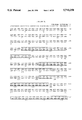
Claims (8)

What is claimed is:
1. A substantially pure (alpha)2 -subunit of a human calcium channel encoded by DNA comprising a sequence of nucleotides that encodes the (alpha)2 -subunit of a human calcium channel, wherein the sequence of nucleotides hybridizes under conditions of high stringency with a naturally occuring complementary DNA encoding a human calcium changed subunit that includes all or a portion of the nucleotide sequence set forth in FIG. 2a to 2f and the portion includes at least nucleotides 43-272 set forth in FIGS. 2a to 2f.
2. A substantially pure subunit of claim 1 that is a subunit of a skeletal muscle, cardiac or neuronal calcium channel.
3. A substantially pure subunit of claim 1 that is made by expressing in a eukaryotic cell cDNA encoding a subunit that comprises the sequence of amino acids set forth in SEQ ID No. 6.
4. A substantially pure subunit of claim 3, wherein the eukaryotic cell is a yeast cell or a mammalian cell.
5. The substantially pure subunit of claim 1, comprising a sequence of amino acids encoded by nucleotides 35-1558 of SEQ ID No. 3.
6. A substantially pure subunit of claim 1, that is a subunit of a human neuronal calcium channel.
7. A substantially pure subunit of claim 6 that is made by expressing in a eukaryotic cell a cDNA encoding a subunit that comprises the sequence of amino acids set forth in SEQ ID No. 3.
8. A substantially pure subunit of claim 7, wherein the eukaryotic cell is a yeast cell or a mammalian cell.
US08/435,675 1988-04-04 1995-05-05 Calcium channel Alpha 2 subunit polypeptides Expired - Fee Related US5710250A (en)

Priority Applications (1)

Application Number Priority Date Filing Date Title
US08/435,675 US5710250A (en) 1988-04-04 1995-05-05 Calcium channel Alpha 2 subunit polypeptides

Applications Claiming Priority (5)

Application Number Priority Date Filing Date Title
US17689988A 1988-04-04 1988-04-04
US60375190A 1990-11-08 1990-11-08
US07/914,231 US5407820A (en) 1988-04-04 1992-07-13 Calcium channel α-2 subunit DNAs and cells expressing them
US08/314,083 US5686241A (en) 1988-04-04 1994-09-28 Probes and assays for calcium channel α2 subunit-encoding nucleic acids
US08/435,675 US5710250A (en) 1988-04-04 1995-05-05 Calcium channel Alpha 2 subunit polypeptides

Related Parent Applications (1)

Application Number Title Priority Date Filing Date
US08/314,083 Continuation US5686241A (en) 1988-04-04 1994-09-28 Probes and assays for calcium channel α2 subunit-encoding nucleic acids

Publications (1)

Publication Number Publication Date
US5710250A true US5710250A (en) 1998-01-20

Family

ID=26872730

Family Applications (3)

Application Number Title Priority Date Filing Date
US07/914,231 Expired - Lifetime US5407820A (en) 1988-04-04 1992-07-13 Calcium channel α-2 subunit DNAs and cells expressing them
US08/314,083 Expired - Fee Related US5686241A (en) 1988-04-04 1994-09-28 Probes and assays for calcium channel α2 subunit-encoding nucleic acids
US08/435,675 Expired - Fee Related US5710250A (en) 1988-04-04 1995-05-05 Calcium channel Alpha 2 subunit polypeptides

Family Applications Before (2)

Application Number Title Priority Date Filing Date
US07/914,231 Expired - Lifetime US5407820A (en) 1988-04-04 1992-07-13 Calcium channel α-2 subunit DNAs and cells expressing them
US08/314,083 Expired - Fee Related US5686241A (en) 1988-04-04 1994-09-28 Probes and assays for calcium channel α2 subunit-encoding nucleic acids

Country Status (1)

Country Link
US (3) US5407820A (en)

Cited By (15)

* Cited by examiner, † Cited by third party
Publication number Priority date Publication date Assignee Title
US6013474A (en) * 1988-04-04 2000-01-11 Sibia Neurosciences, Inc. Calcium channel compositions and methods
US6090623A (en) * 1993-08-11 2000-07-18 Merck & Co., Inc. Recombinant human calcium channel β4 subunits
US6441156B1 (en) 1998-12-30 2002-08-27 The United States Of America As Represented By The Department Of Health And Human Services Calcium channel compositions and methods of use thereof
US6670465B1 (en) 1998-06-02 2003-12-30 Torben Bech-Hansen Retinal calcium channel (alpha)1F-subunit gene
US20090270338A1 (en) * 2008-04-28 2009-10-29 Galemmo Jr Robert Diaryl-cyclylalkyl derivatives as calcium channel blockers
US20090270394A1 (en) * 2008-04-28 2009-10-29 Galemmo Jr Robert Cyclylamine derivatives as calcium channel blockers
US20090270413A1 (en) * 2008-04-28 2009-10-29 Galemmo Jr Robert Di-t-butylphenyl piperazines as calcium channel blockers
US20100087446A1 (en) * 2007-04-26 2010-04-08 Chakravarty Prasun K 2-substituted indole derivatives as calcium channel blockers
US20100204247A1 (en) * 2007-10-04 2010-08-12 Duffy Joseph L N-substituted oxindoline derivatives as calcium channel blockers
US20100210620A1 (en) * 2007-10-04 2010-08-19 Chakravarty Prasun K Substituted Aryl Sulfone Derivatives as Calcium Channel Blockers
US20100216815A1 (en) * 2007-10-04 2010-08-26 Duffy Joseph L N-substituted oxindoline derivatives as calcium channel blockers
WO2011053542A1 (en) 2009-10-30 2011-05-05 Merck Sharp & Dohme Corp. Heterocycle amide t-type calcium channel antagonists
US20110172236A1 (en) * 2008-09-29 2011-07-14 Chakravarty Prasun K Substituted aryl sulfone derivatives as calcium channel blockers
WO2013148640A1 (en) 2012-03-29 2013-10-03 Merck Sharp & Dohme Corp. Imidazolyl methyl piperidine t-type calcium channel antagonists
US9402848B2 (en) 2008-02-29 2016-08-02 Vm Therapeutics Llc Method for treating pain syndrome and other disorders

Families Citing this family (16)

* Cited by examiner, † Cited by third party
Publication number Priority date Publication date Assignee Title
US5846757A (en) * 1988-04-04 1998-12-08 Sibia Neurosciences, Inc. Human calcium channel α1, α2, and β subunits and assays using them
US6096514A (en) * 1988-04-04 2000-08-01 Sibia Neurosciences, Inc. Human calcium channel compositions and methods
US20040018510A1 (en) 1990-11-08 2004-01-29 Merck & Co., Inc. Human calcium channel compositions and methods
US5876958A (en) * 1988-04-04 1999-03-02 Sibia Neurosciences, Inc. Assays of cells expressing human calcium channels containing α1 β subunits
US6653097B1 (en) 1991-08-15 2003-11-25 Merck & Co., Inc. Human calcium channel compositions and methods
US6387696B1 (en) 1988-04-04 2002-05-14 Merck & Co., Inc. Human calcium channel compositions and methods
US5401629A (en) 1990-08-07 1995-03-28 The Salk Institute Biotechnology/Industrial Associates, Inc. Assay methods and compositions useful for measuring the transduction of an intracellular signal
DE69132546T2 (en) * 1990-09-13 2001-10-04 Duke University, Durham EXPRESSION OF RECEPTORS COUPLED TO G-PROTEIN IN YEAST
US5670113A (en) * 1991-12-20 1997-09-23 Sibia Neurosciences, Inc. Automated analysis equipment and assay method for detecting cell surface protein and/or cytoplasmic receptor function using same
US6800452B1 (en) * 1994-08-08 2004-10-05 Science Applications International Corporation Automated methods for simultaneously performing a plurality of signal-based assays
US6362009B1 (en) 1997-11-21 2002-03-26 Merck & Co., Inc. Solid phase synthesis of heterocycles
US6528630B1 (en) 1997-12-03 2003-03-04 Merck & Co., Inc. Calcium channel compositions and methods
WO2000075660A1 (en) * 1999-06-08 2000-12-14 The Regents Of The University Of California Methods and compositions for identifying inhibitors of osteoclastic bone reabsorption
US7041475B2 (en) * 2000-12-22 2006-05-09 University Of North Carolina At Chapel Hill Purified and isolated platelet calcium channel nucleic acids
US7427488B2 (en) * 2000-12-22 2008-09-23 The University Of North Carolina At Chapel Hill Purified and isolated platelet calcium channel nucleic acids and polypeptides and therapeutic and screening methods using same
CA2555208A1 (en) * 2004-02-18 2005-09-01 Merck & Co., Inc. Nucleic acid molecules encoding novel murine low-voltage activated calcium channel proteins, designated-alpha 1h, encoded proteins and methods of use thereof

Citations (9)

* Cited by examiner, † Cited by third party
Publication number Priority date Publication date Assignee Title
US4788135A (en) * 1983-03-07 1988-11-29 The Board Of Trustees Of The Leland Stanford, Jr. University System for efficient isolation of genes using probes
US4912202A (en) * 1987-01-08 1990-03-27 Miles Inc. Dihydropyridine receptor and antibodies thereto
US4954436A (en) * 1987-08-06 1990-09-04 Trustees Of Dartmouth College Dihydropyridine-sensitive calcium channel as a tumor associated marker
US5051403A (en) * 1989-11-22 1991-09-24 Neurex Corporation Method of treating ischemia-related neuronal damage
WO1992002639A1 (en) * 1990-08-07 1992-02-20 The Salk Institute Biotechnology/Industrial Associates, Inc. Assay methods and compositions for detecting and evaluating the intracellular transduction of an extracellular signal
US5189020A (en) * 1989-11-22 1993-02-23 Neurex Corporation Method of reducing neuronal damage using omega conotoxin peptides
US5264371A (en) * 1989-11-22 1993-11-23 Neurex Corporation Screening method for neuroprotective compounds
WO1994002511A1 (en) * 1992-07-27 1994-02-03 Pfizer Inc. Calcium channel blocking polypeptide from agelenopsis aperta
WO1995004144A1 (en) * 1993-07-30 1995-02-09 Neurex Corporation Dna encoding a human calcium channel alpha-1e subunit

Family Cites Families (8)

* Cited by examiner, † Cited by third party
Publication number Priority date Publication date Assignee Title
US4906564A (en) * 1987-03-13 1990-03-06 The United States Of America As Represented By The Secretary Of The Army Antigenic determinants recognized by antibodies obtained using a pathogenic agent or a derivative thereof that presents a restricted set of antigens
US4950739A (en) * 1988-02-10 1990-08-21 New York University Membrane calcium channels and factors and methods for blocking, isolating and purifying calcium channels
US5386025A (en) * 1990-02-20 1995-01-31 The Salk Institute Biotechnology/Industrial Associates Calcium channel compositions and methods
US5256536A (en) * 1990-11-09 1993-10-26 Syntex (U.S.A.) Inc. Nucleotide probe for Neisseria gonrrhoeae
DE4110785A1 (en) * 1991-04-04 1992-10-08 Bayer Ag TISSUE-SPECIFIC HUMAN NEURONAL CALCIUM CHANNEL SUBTYPES AND THEIR USE
WO1993008469A1 (en) * 1991-10-23 1993-04-29 Trustees Of Dartmouth College Recombinant calcium channel polypeptides
AU3582593A (en) * 1992-01-10 1993-08-03 Sloan-Kettering Institute For Cancer Research Antigen recognized by patients with antibody associated lambert-eaton myasthenic syndrome (LEMS), DNA encoding same and uses thereof
DE4222126A1 (en) * 1992-02-17 1993-08-19 Bayer Ag HUMAN NEURONAL BETA SUBUNITS OF VOLTAGE-RELATED CALCIUM CHANNELS AND THEIR USE

Patent Citations (10)

* Cited by examiner, † Cited by third party
Publication number Priority date Publication date Assignee Title
US4788135A (en) * 1983-03-07 1988-11-29 The Board Of Trustees Of The Leland Stanford, Jr. University System for efficient isolation of genes using probes
US4912202A (en) * 1987-01-08 1990-03-27 Miles Inc. Dihydropyridine receptor and antibodies thereto
US4954436A (en) * 1987-08-06 1990-09-04 Trustees Of Dartmouth College Dihydropyridine-sensitive calcium channel as a tumor associated marker
US5051403A (en) * 1989-11-22 1991-09-24 Neurex Corporation Method of treating ischemia-related neuronal damage
US5189020A (en) * 1989-11-22 1993-02-23 Neurex Corporation Method of reducing neuronal damage using omega conotoxin peptides
US5264371A (en) * 1989-11-22 1993-11-23 Neurex Corporation Screening method for neuroprotective compounds
US5424218A (en) * 1989-11-22 1995-06-13 Neurex Corporation Screening method for neuroprotective compounds
WO1992002639A1 (en) * 1990-08-07 1992-02-20 The Salk Institute Biotechnology/Industrial Associates, Inc. Assay methods and compositions for detecting and evaluating the intracellular transduction of an extracellular signal
WO1994002511A1 (en) * 1992-07-27 1994-02-03 Pfizer Inc. Calcium channel blocking polypeptide from agelenopsis aperta
WO1995004144A1 (en) * 1993-07-30 1995-02-09 Neurex Corporation Dna encoding a human calcium channel alpha-1e subunit

Non-Patent Citations (96)

* Cited by examiner, † Cited by third party
Title
Barhanin, et al., "The Calcium Channel Antagonists Receptor from Rabbit Skeletal Muscle: Reconstruction after Purification and Subunit Characterization, " Eur. J. Biochem., 164:525-531 (1987).
Barhanin, et al., The Calcium Channel Antagonists Receptor from Rabbit Skeletal Muscle: Reconstruction after Purification and Subunit Characterization, Eur. J. Biochem ., 164:525 531 (1987). *
Borsotto, et al., "The 1,4-dihydropyridine receptor associated with the skeletal muscle voltage-dependent Ca2+ channel," J. Biol. Chem., 260(26):14255-14263 (1985).
Borsotto, et al., The 1,4 dihydropyridine receptor associated with the skeletal muscle voltage dependent Ca 2 channel, J. Biol. Chem. , 260(26):14255 14263 (1985). *
Brust, et al., "Human Neuronal Voltage-Dependent Calcium Channels: Studies on Subunit Structure and Role in Channel Assembly," Neuropharmacology, 32(11):1089-1102 (1993).
Brust, et al., Human Neuronal Voltage Dependent Calcium Channels: Studies on Subunit Structure and Role in Channel Assembly, Neuropharmacology , 32(11):1089 1102 (1993). *
Catterall, et al., "Molecular Properties of Dihydropyridine-sensitive Calcium Channels in Skeletal Muscle," J. Biol. Chem., 263:3535-3538 (1988).
Catterall, et al., Molecular Properties of Dihydropyridine sensitive Calcium Channels in Skeletal Muscle, J. Biol. Chem. , 263:3535 3538 (1988). *
Claudio, et al., "Genetic reconstitution of functional acetylcholine receptor channels in mouse fibroblasts,"Science, 238:1688-1694 (1987).
Claudio, et al., "Stable expression of transfected Torpedoacetylcholine receptor αsubunits in mouse fibroblast L cells," Proc.Natl.Acad.Sci., 84:5967-5971 (1987).
Claudio, et al., Genetic reconstitution of functional acetylcholine receptor channels in mouse fibroblasts, Science , 238:1688 1694 (1987). *
Claudio, et al., Stable expression of transfected Torpedo acetylcholine receptor subunits in mouse fibroblast L cells, Proc.Natl.Acad.Sci. , 84:5967 5971 (1987). *
Cooper, et al., "Purification and characterization of the dihydropyridine-sensitive voltage-dependent calcium channel from cardaic tissue," J.Biol.Chem., 262(2):509-512 (1987).
Cooper, et al., Purification and characterization of the dihydropyridine sensitive voltage dependent calcium channel from cardaic tissue, J.Biol.Chem. , 262(2):509 512 (1987). *
Curran and Morgan, "Barium Modulates c-fosExpression and Post-Translational Modification,"Proc. Natl. Acad. Sci. USA, 83:8521-8524 (1986).
Curran and Morgan, Barium Modulates c fos Expression and Post Translational Modification, Proc. Natl. Acad. Sci. USA , 83:8521 8524 (1986). *
Curtis, et al., "Purification of the calcium antagonist receptor of the voltage-sensitive calcium channel from skeletal muscle transverse tubules," Biochemistry, 23(10):2113-2118 (1984).
Curtis, et al., "Reconstruction of the voltage-sensitive calcium channel purified from skeletal muscle transverse tubules," Biochemistry, 25:3077-3083 (1986).
Curtis, et al., Purification of the calcium antagonist receptor of the voltage sensitive calcium channel from skeletal muscle transverse tubules, Biochemistry , 23(10):2113 2118 (1984). *
Curtis, et al., Reconstruction of the voltage sensitive calcium channel purified from skeletal muscle transverse tubules, Biochemistry , 25:3077 3083 (1986). *
Dascal, et al., "Expression of modulation of voltage-gated calcium channels after RNA injection in Xenopus oocytes," Science, 231:1147-1150 (1986).
Dascal, et al., Expression of modulation of voltage gated calcium channels after RNA injection in Xenopus oocytes , Science , 231:1147 1150 (1986). *
Ellis, et al., "Sequence and expression of mRNAs encoding the α1 and α2 subunits of DHP-sensitive calcium channel," Science, 241:1661-1664 (1988).
Ellis, et al., Sequence and expression of mRNAs encoding the 1 and 2 subunits of DHP sensitive calcium channel, Science , 241:1661 1664 (1988). *
Faramisco, et al., "Optimal spatial requirements for the location of basic residues in peptide substrates for the cyclic AMP-dependent protein kinase," J. Biol. Chem., 225(9):4240-4245 (1980).
Faramisco, et al., Optimal spatial requirements for the location of basic residues in peptide substrates for the cyclic AMP dependent protein kinase, J. Biol. Chem. , 225(9):4240 4245 (1980). *
Fisch, et al., "c-fos Sequences Necessary for Basal Expression and Induction by Epidermal Growth Factor, 12-O-Tetradecanoyl Phorbol-13-Acetate, and the Calcium lonophore," Mol. Cell. Biol., 7:3490-3502 (1987).
Fisch, et al., c fos Sequences Necessary for Basal Expression and Induction by Epidermal Growth Factor, 12 O Tetradecanoyl Phorbol 13 Acetate, and the Calcium lonophore, Mol. Cell. Biol. , 7:3490 3502 (1987). *
Gustin, et al., "Ion Channels in Yeast," Science, 233:1195-1197 (1986).
Gustin, et al., Ion Channels in Yeast, Science , 233:1195 1197 (1986). *
Hofmann, et al., "Regulation of the L-type calcium channel," TIPS, 8:393-398 (1987).
Hofmann, et al., Regulation of the L type calcium channel, TIPS , 8:393 398 (1987). *
Hubbard, et al., "Synthesis and processing of asparagine-linked oligosaccharides1,2," Ann. Rev. Biochem., 50:555-583 (1981).
Hubbard, et al., Synthesis and processing of asparagine linked oligosaccharides 1,2 , Ann. Rev. Biochem. , 50:555 583 (1981). *
Imagawa, et al., "Phosphorylation of the 1,4-dihydropyridine receptor of the voltage-dependent Ca2+ channel by an intrinsic protein kinase in isolated triads from rabbit skeletal muscle,"J. Biol. Science, 262(17):8333-8339 (1987).
Imagawa, et al., Phosphorylation of the 1,4 dihydropyridine receptor of the voltage dependent Ca 2 channel by an intrinsic protein kinase in isolated triads from rabbit skeletal muscle, J. Biol. Science , 262(17):8333 8339 (1987). *
Kozak, "An analysis of 5'-noncoding sequences from 699 vertebrate messenger RNAs," Nucleic Acids Research, 15(20):8125-8148 (1987).
Kozak, An analysis of 5 noncoding sequences from 699 vertebrate messenger RNAs, Nucleic Acids Research , 15(20):8125 8148 (1987). *
Lang, et al., "The Effect of Myasthenic Syndrome Antibody on Presynaptic Channels in the Mouse," J. Physiol., 390:257-270 (1987).
Lang, et al., The Effect of Myasthenic Syndrome Antibody on Presynaptic Channels in the Mouse, J. Physiol. , 390:257 270 (1987). *
Leung, et al., "Biochemical and ultrastructural characterization of the 1,4-dihydropyridine receptor from rabbit skeletal muscle," J. Biol. Chem., 263(2):994-1101 (1988).
Leung, et al., "Monoclonal antibody characterization of the 1,4-dihydropyridine receptor of rabbit skeletal muscle," Ann.N.Y.Acad.Sci., 522:43-46 (1988).
Leung, et al., "Structural characterization of the 1,4-dihydropyridine receptor of the voltage-dependent Ca2+ channel from rabbit skeletal muscle," J.Biol.Chem., 262(17):7943-7946 (1987).
Leung, et al., Biochemical and ultrastructural characterization of the 1,4 dihydropyridine receptor from rabbit skeletal muscle, J. Biol. Chem. , 263(2):994 1101 (1988). *
Leung, et al., Monoclonal antibody characterization of the 1,4 dihydropyridine receptor of rabbit skeletal muscle, Ann.N.Y.Acad.Sci. , 522:43 46 (1988). *
Leung, et al., Structural characterization of the 1,4 dihydropyridine receptor of the voltage dependent Ca 2 channel from rabbit skeletal muscle, J.Biol.Chem. , 262(17):7943 7946 (1987). *
Meshi, et al., "Nucleotide sequence of the 30K protein cistron of cowpea strain of tobacco mosaic virus," Nucleic Acids Research, 10:6111-6117 (1982).
Meshi, et al., Nucleotide sequence of the 30K protein cistron of cowpea strain of tobacco mosaic virus, Nucleic Acids Research , 10:6111 6117 (1982). *
Mierendorf, et al., "Gene Isolation by Screening λgt 11 Libraries with Antibodies," Methods in Enzymology, 152:458-469 (1986).
Mierendorf, et al., Gene Isolation by Screening gt 11 Libraries with Antibodies, Methods in Enzymology , 152:458 469 (1986). *
Miller, "Multiple calcium channels and neuronal function," Science, 234:46-52 (1987).
Miller, Multiple calcium channels and neuronal function, Science , 234:46 52 (1987). *
Morton and Froehner, "Monoclonal Antibody Identifies a 200-kDA Subunit of the Dihydropyridine-sensitive Calcium Channel," J. Biol. Chem., 262:11904-11907 (1987).
Morton and Froehner, Monoclonal Antibody Identifies a 200 kDA Subunit of the Dihydropyridine sensitive Calcium Channel, J. Biol. Chem. , 262:11904 11907 (1987). *
Nakayama, et al., "Purification of a Putative Ca+2 Channel Protein from Rabbit Skeletal Muscle," J. Biol. Chem., 262:6572-6576 (1987).
Nakayama, et al., Purification of a Putative Ca 2 Channel Protein from Rabbit Skeletal Muscle, J. Biol. Chem. , 262:6572 6576 (1987). *
Nikaido, et al., "Molecular cloning of cDNA encoding human interleukin-2 receptor," Nature, 311:631-636 (1984).
Nikaido, et al., Molecular cloning of cDNA encoding human interleukin 2 receptor, Nature , 311:631 636 (1984). *
Noda, et al., "Existence of distinct sodium channel messenger RNAs in rat brain," Nature, 320:188-192 (1986).
Noda, et al., "Expression of functional sodium channels from cloned cDNA," Nature, 322:826-828 (1986).
Noda, et al., Existence of distinct sodium channel messenger RNAs in rat brain, Nature , 320:188 192 (1986). *
Noda, et al., Expression of functional sodium channels from cloned cDNA, Nature , 322:826 828 (1986). *
Schmid, et al., "Immunochemical analysis of subunit structure of 1,4-dihydropyridine receptors associated with voltage-dependent Ca2+ channels in skeletal, cardiac, and smooth muscles," Biochemistry, 25:3492-3495 (1986).
Schmid, et al., Immunochemical analysis of subunit structure of 1,4 dihydropyridine receptors associated with voltage dependent Ca 2 channels in skeletal, cardiac, and smooth muscles, Biochemistry , 25:3492 3495 (1986). *
Seager, et al., Ann. N.Y. Acad. Sci. , 522:43 46 (1988). *
Seager, et al., Ann. N.Y. Acad. Sci., 522:43-46 (1988).
Sharp, et al., "Identification and Characterization of the Dihydropyridine-binding Subunit of the Skeletal Muscle Dihydropyridine Receptor," J. Biol. Chem., 62:12309-12315 (1987).
Sharp, et al., Identification and Characterization of the Dihydropyridine binding Subunit of the Skeletal Muscle Dihydropyridine Receptor, J. Biol. Chem. , 62:12309 12315 (1987). *
Smith, et al., "Calcium channel activity in a purified dihydropyridine-receptor preparation of skeletal muscle," Biochemistry, 26:7182-7188 (1987).
Smith, et al., Calcium channel activity in a purified dihydropyridine receptor preparation of skeletal muscle, Biochemistry , 26:7182 7188 (1987). *
Striessnig, et al., "Photoaffinity labelling of the phenylalkylamine receptor of the skeletal muscle transverse-tubule calcium channel," FEBS Letters, 212:247-253 (1987).
Striessnig, et al., Photoaffinity labelling of the phenylalkylamine receptor of the skeletal muscle transverse tubule calcium channel, FEBS Letters , 212:247 253 (1987). *
Takahashi and Catterall, "Dihydropyridine-sensitive Calcium Channels in Cardiac and Skeletal Muscle Membranes: Studies with Antibodies against the Alpha Subunits," Biochemistry, 26:5518-5526 (1987).
Takahashi and Catterall, "Identification of an αsubunit of dihydropyridine-sensitive brain calcium channels," Science, 236:88-91 (1987).
Takahashi and Catterall, Dihydropyridine sensitive Calcium Channels in Cardiac and Skeletal Muscle Membranes: Studies with Antibodies against the Alpha Subunits, Biochemistry , 26:5518 5526 (1987). *
Takahashi and Catterall, Identification of an subunit of dihydropyridine sensitive brain calcium channels, Science , 236:88 91 (1987). *
Takahashi et al., "Dihydropyridine-sensitive calcium channels in cardaic and skeletal muscle membranes: Studies with antibodies against the α-subunits," Biochemistry, 26(17):1518-1526 (1987).
Takahashi et al., Dihydropyridine sensitive calcium channels in cardaic and skeletal muscle membranes: Studies with antibodies against the subunits, Biochemistry , 26(17):1518 1526 (1987). *
Takahashi, et al., "Subunit Structure of Dihydropyridine-sensitive Calcium Channels from Skeletal Muscle," Proc. Natl. Acad. Sci. USA, 84:5478-5482 (1987).
Takahashi, et al., Subunit Structure of Dihydropyridine sensitive Calcium Channels from Skeletal Muscle, Proc. Natl. Acad. Sci. USA , 84:5478 5482 (1987). *
Tanabe, et al., "Primary Structure of the Receptor for Calcium Channel Blockers from Skeletal Muscle," Nature, 328:313-318 (1987).
Tanabe, et al., Primary Structure of the Receptor for Calcium Channel Blockers from Skeletal Muscle, Nature , 328:313 318 (1987). *
Vaghy, et al., "Identification of a Novel 1,4-Dihydropyridine-and Phenylalkylamine-binding Polypeptide in Calcium Channel Preparations," J. Biol. Chem., 262:14337-14342 (1987).
Vaghy, et al., "Mechanism of action of calcium channel modulator drugs," Ann.N.Y.Acad.Sci., 522:176-186 (1988).
Vaghy, et al., Identification of a Novel 1,4 Dihydropyridine and Phenylalkylamine binding Polypeptide in Calcium Channel Preparations, J. Biol. Chem. , 262:14337 14342 (1987). *
Vaghy, et al., Mechanism of action of calcium channel modulator drugs, Ann.N.Y.Acad.Sci. , 522:176 186 (1988). *
von Heijne, "Signal sequences: the limits of variation," J. Mol. Biol., 184:99-105 (1985).
von Heijne, Signal sequences: the limits of variation, J. Mol. Biol. , 184:99 105 (1985). *
Williams, "Structure and functional expression of α1, α2 and βsubunits of a novel human neuronal calcium channel subtype," Neuron, 8:71-84 (1992).
Williams, et al., "Structure and functional characterization of neuronal α1E calcium channel subtypes," J. Biol. Chem., 269(35):22347-22357 (1994).
Williams, et al., "Structure and Functional Expression of an ω-Conotoxin-Sensitive Human N-Type Calcium Channel," Science, 257:389-395 (1992).
Williams, et al., Structure and functional characterization of neuronal 1E calcium channel subtypes, J. Biol. Chem. , 269(35):22347 22357 (1994). *
Williams, et al., Structure and Functional Expression of an Conotoxin Sensitive Human N Type Calcium Channel, Science , 257:389 395 (1992). *
Williams, Structure and functional expression of 1 , 2 and subunits of a novel human neuronal calcium channel subtype, Neuron , 8:71 84 (1992). *
Wood, "Gene cloning based on long oligonucleotide probes," Methods in Enzymology, 152:443-447 (1987).
Wood, Gene cloning based on long oligonucleotide probes, Methods in Enzymology , 152:443 447 (1987). *

Cited By (21)

* Cited by examiner, † Cited by third party
Publication number Priority date Publication date Assignee Title
US6013474A (en) * 1988-04-04 2000-01-11 Sibia Neurosciences, Inc. Calcium channel compositions and methods
US6090623A (en) * 1993-08-11 2000-07-18 Merck & Co., Inc. Recombinant human calcium channel β4 subunits
US6670465B1 (en) 1998-06-02 2003-12-30 Torben Bech-Hansen Retinal calcium channel (alpha)1F-subunit gene
US6441156B1 (en) 1998-12-30 2002-08-27 The United States Of America As Represented By The Department Of Health And Human Services Calcium channel compositions and methods of use thereof
US20030044911A1 (en) * 1998-12-30 2003-03-06 Lerman Michael Isaac Calcium channel compositions and methods of use thereof
US6979724B2 (en) 1998-12-30 2005-12-27 The United States Of America As Represented By The Secretary Of The Department Of Health And Human Services Calcium channel proteins
US20100087446A1 (en) * 2007-04-26 2010-04-08 Chakravarty Prasun K 2-substituted indole derivatives as calcium channel blockers
US20100204247A1 (en) * 2007-10-04 2010-08-12 Duffy Joseph L N-substituted oxindoline derivatives as calcium channel blockers
US20100210620A1 (en) * 2007-10-04 2010-08-19 Chakravarty Prasun K Substituted Aryl Sulfone Derivatives as Calcium Channel Blockers
US20100216815A1 (en) * 2007-10-04 2010-08-26 Duffy Joseph L N-substituted oxindoline derivatives as calcium channel blockers
US8273749B2 (en) 2007-10-04 2012-09-25 Merck Sharp & Dohme Corp. N-substituted oxindoline derivatives as calcium channel blockers
US8304434B2 (en) 2007-10-04 2012-11-06 Merck Sharp & Dohme Corp. Substituted aryl sulfone derivatives as calcium channel blockers
US9402848B2 (en) 2008-02-29 2016-08-02 Vm Therapeutics Llc Method for treating pain syndrome and other disorders
US9834555B2 (en) 2008-02-29 2017-12-05 VM Therapeutics LLC. Method for treating pain syndrome and other disorders
EP3106166A1 (en) 2008-02-29 2016-12-21 VM Therapeutics LLC Compounds for treating pain syndrome and other disorders
US20090270394A1 (en) * 2008-04-28 2009-10-29 Galemmo Jr Robert Cyclylamine derivatives as calcium channel blockers
US20090270338A1 (en) * 2008-04-28 2009-10-29 Galemmo Jr Robert Diaryl-cyclylalkyl derivatives as calcium channel blockers
US20090270413A1 (en) * 2008-04-28 2009-10-29 Galemmo Jr Robert Di-t-butylphenyl piperazines as calcium channel blockers
US20110172236A1 (en) * 2008-09-29 2011-07-14 Chakravarty Prasun K Substituted aryl sulfone derivatives as calcium channel blockers
WO2011053542A1 (en) 2009-10-30 2011-05-05 Merck Sharp & Dohme Corp. Heterocycle amide t-type calcium channel antagonists
WO2013148640A1 (en) 2012-03-29 2013-10-03 Merck Sharp & Dohme Corp. Imidazolyl methyl piperidine t-type calcium channel antagonists

Also Published As

Publication number Publication date
US5407820A (en) 1995-04-18
US5686241A (en) 1997-11-11

Similar Documents

Publication Publication Date Title
US5710250A (en) Calcium channel Alpha 2 subunit polypeptides
US5618720A (en) Cells expressing calcium channel α2 subunit-encoding DNA, optionally with a reporter gene for screening assays
US5726035A (en) Recombinant production of mammalian calcium channel gamma subunits
US5429921A (en) Assays for agonists and antagonists of recombinant human calcium channels
JP3628693B2 (en) Human calcium channel composition and method of use thereof
US5981193A (en) Human neuronal nicotinic acetylcholine receptor compositions and methods employing same
US20030143668A1 (en) Guanosine triphosphate-binding protein coupled receptors
US5876958A (en) Assays of cells expressing human calcium channels containing α1 β subunits
JP2004194667A (en) Human neuronal nicotinic acetylcholine receptor compositions and methods of using them
US20090317905A1 (en) Mutations in ion channel proteins associated with sudden cardiac death
EP0598840B1 (en) Human calcium channel compositions and methods
Gu et al. Development and use of a receptor antibody to characterize the interaction between somatostatin receptor subtype 1 and G proteins.
US20030235833A1 (en) Guanosine triphosphate-binding protein coupled receptors
US6528630B1 (en) Calcium channel compositions and methods
US7084259B2 (en) G-protein coupled receptors
JP2003284573A (en) Guanosine triphosphate binding protein coupled receptor
US20030224429A1 (en) DNA sequence encoding a human imidazoline receptor and method for cloning the same
US6653097B1 (en) Human calcium channel compositions and methods
EP1730173A2 (en) Nucleic acid molecules encoding novel murine low-voltage activated calcium channel proteins, designated-alpha 1h, encoded proteins and methods of use thereof
US6387696B1 (en) Human calcium channel compositions and methods
ZA200208185B (en) G-protein coupled receptors.
WO2004055186A1 (en) Guanosine triphosphate-binding protein-coupled receptor
AU3390499A (en) Human calcium channel compositions and methods using them
JP2003012549A (en) Peptide leukotriene receptor
WO2003054542A1 (en) Novel g-protein coupled receptors

Legal Events

Date Code Title Description
AS Assignment

Owner name: SIBIA NEUROSCIENCES, INC., CALIFORNIA

Free format text: CHANGE OF NAME;ASSIGNOR:SALK INSTITUTE BIOTECHNOLOGY/INDUSTRIAL ASSOCIATES, INC., THE;REEL/FRAME:008240/0776

Effective date: 19960318

CC Certificate of correction
AS Assignment

Owner name: MERCK & CO., INC., NEW JERSEY

Free format text: ASSIGNMENT OF ASSIGNORS INTEREST;ASSIGNOR:SIBIA NEUROSCIENCES, INC.;REEL/FRAME:010514/0001

Effective date: 19991222

FPAY Fee payment

Year of fee payment: 4

FPAY Fee payment

Year of fee payment: 8

REMI Maintenance fee reminder mailed
LAPS Lapse for failure to pay maintenance fees
STCH Information on status: patent discontinuation

Free format text: PATENT EXPIRED DUE TO NONPAYMENT OF MAINTENANCE FEES UNDER 37 CFR 1.362

FP Lapsed due to failure to pay maintenance fee

Effective date: 20100120