US5270165A - Method of diagnosis of amyloidoses - Google Patents
Method of diagnosis of amyloidoses Download PDFInfo
- Publication number
- US5270165A US5270165A US07/779,070 US77907091A US5270165A US 5270165 A US5270165 A US 5270165A US 77907091 A US77907091 A US 77907091A US 5270165 A US5270165 A US 5270165A
- Authority
- US
- United States
- Prior art keywords
- βapp
- sample
- level
- disease
- mammal
- Prior art date
- Legal status (The legal status is an assumption and is not a legal conclusion. Google has not performed a legal analysis and makes no representation as to the accuracy of the status listed.)
- Expired - Lifetime
Links
Images



Classifications
-
- G—PHYSICS
- G01—MEASURING; TESTING
- G01N—INVESTIGATING OR ANALYSING MATERIALS BY DETERMINING THEIR CHEMICAL OR PHYSICAL PROPERTIES
- G01N33/00—Investigating or analysing materials by specific methods not covered by groups G01N1/00 - G01N31/00
- G01N33/48—Biological material, e.g. blood, urine; Haemocytometers
- G01N33/50—Chemical analysis of biological material, e.g. blood, urine; Testing involving biospecific ligand binding methods; Immunological testing
- G01N33/53—Immunoassay; Biospecific binding assay; Materials therefor
- G01N33/573—Immunoassay; Biospecific binding assay; Materials therefor for enzymes or isoenzymes
-
- G—PHYSICS
- G01—MEASURING; TESTING
- G01N—INVESTIGATING OR ANALYSING MATERIALS BY DETERMINING THEIR CHEMICAL OR PHYSICAL PROPERTIES
- G01N33/00—Investigating or analysing materials by specific methods not covered by groups G01N1/00 - G01N31/00
- G01N33/48—Biological material, e.g. blood, urine; Haemocytometers
- G01N33/50—Chemical analysis of biological material, e.g. blood, urine; Testing involving biospecific ligand binding methods; Immunological testing
- G01N33/68—Chemical analysis of biological material, e.g. blood, urine; Testing involving biospecific ligand binding methods; Immunological testing involving proteins, peptides or amino acids
- G01N33/6893—Chemical analysis of biological material, e.g. blood, urine; Testing involving biospecific ligand binding methods; Immunological testing involving proteins, peptides or amino acids related to diseases not provided for elsewhere
- G01N33/6896—Neurological disorders, e.g. Alzheimer's disease
-
- G—PHYSICS
- G01—MEASURING; TESTING
- G01N—INVESTIGATING OR ANALYSING MATERIALS BY DETERMINING THEIR CHEMICAL OR PHYSICAL PROPERTIES
- G01N33/00—Investigating or analysing materials by specific methods not covered by groups G01N1/00 - G01N31/00
- G01N33/48—Biological material, e.g. blood, urine; Haemocytometers
- G01N33/50—Chemical analysis of biological material, e.g. blood, urine; Testing involving biospecific ligand binding methods; Immunological testing
- G01N33/86—Chemical analysis of biological material, e.g. blood, urine; Testing involving biospecific ligand binding methods; Immunological testing involving blood coagulating time or factors, or their receptors
-
- G—PHYSICS
- G01—MEASURING; TESTING
- G01N—INVESTIGATING OR ANALYSING MATERIALS BY DETERMINING THEIR CHEMICAL OR PHYSICAL PROPERTIES
- G01N2333/00—Assays involving biological materials from specific organisms or of a specific nature
- G01N2333/435—Assays involving biological materials from specific organisms or of a specific nature from animals; from humans
- G01N2333/46—Assays involving biological materials from specific organisms or of a specific nature from animals; from humans from vertebrates
- G01N2333/47—Assays involving proteins of known structure or function as defined in the subgroups
- G01N2333/4701—Details
- G01N2333/4709—Amyloid plaque core protein
-
- G—PHYSICS
- G01—MEASURING; TESTING
- G01N—INVESTIGATING OR ANALYSING MATERIALS BY DETERMINING THEIR CHEMICAL OR PHYSICAL PROPERTIES
- G01N2800/00—Detection or diagnosis of diseases
- G01N2800/28—Neurological disorders
- G01N2800/2814—Dementia; Cognitive disorders
- G01N2800/2821—Alzheimer
Definitions
- the present invention relates generally to the field of proteins associated with neural lesions. More specifically, the present invention relates to the detection of protease nexin-2 (hereinafter "PN-2") and other precursors to amyloid deposited in the cerebrovasculature.
- PN-2 protease nexin-2
- PN-2 is believed to be derived from ⁇ -amyloid precursor protein (hereinafter " ⁇ APP").
- ⁇ APP ⁇ -amyloid precursor protein
- ⁇ APP shall be used to designate the unprocessed, non-secreted forms of this amyloid precursor protein.
- spliced forms of the two major mRNA transcripts for ⁇ APP produce an unprocessed, non-secreted, membrane bound or possibly intracellular, full length protein of either 695 or 751 amino acids.
- ⁇ APP 695 and “ ⁇ APP 751” are used herein to designate the 695 and 751 amino acid forms of the protein, respectively.
- ⁇ APP 751 includes a 56 to 57 amino acid residue insert which is homologous to that of a "Kunitz-type” protease inhibitor which inhibits trypsin.
- Each of the two major forms of ⁇ APP is processed to form the two major secreted forms. It is the major secreted form of the 751 amino acid translation product which is referred to herein as "PN-2".
- the secreted form of the 695 amino acid protein is referred to herein as "APP 695sec ".
- PN-2/ ⁇ APP is used herein generically to refer to all proteins having sequence homology with the amyloid precursor protein.
- AD Alzheimer's Disease
- ⁇ APP and its various processed forms are known to be associated with neural lesions of AD, as well as with Down's syndrome.
- AD is characterized by the accumulation of amyloid protein both intracellularly and extracellularly in the tissues of the brain, notably in neuritic plaques.
- the major protein subunit of these amyloid plaques has been identified as a polypeptide of about 4.5 kD having the ability to aggregate. This protein subunit is variously referred to as the amyloid ⁇ -protein or as amyloid A4, and is herein referred to as "A4".
- the cDNA corresponding to the mRNA for the 695 amino acid ⁇ APP lacking the Kunitz domain has been cloned and the nucleotide sequence determined. From the nucleotide sequence, the amino acid sequence has been predicted. The A4 peptide lies at residues 597 to 648 of the deduced amino acid sequence of ⁇ APP 695 .
- A4 is thought to have its origin, through proteolytic cleavage, in ⁇ APP. Release of the A4 unit is thought to occur by proteolysis of the precursor which may result from membrane damage. Because A4 is believed to be critical to the formation of amyloid plaques, there is a need for methods of preventing the release of A4.
- Down's syndrome is a genetic disease which usually causes mental retardation and other symptoms. An unusually high number of people with Down's also develop Alzheimer's after the age of 40. Thus, there is a need for a treatment for Down's.
- Alzheimer's disease is only available at autopsy. Such diagnosis involves examination of brain tissue for extracellular neuritic plaques and intracellular tangles of microtubule-associated proteins and other cytoskeletal elements. The plaques are believed to start to form years before any clinical sign of Alzheimer's appears.
- a method of diagnosing AD in a mammal comprising the steps of obtaining a sample of cerebrospinal fluid from the mammal, measuring the level of immunoreactivity toward a monoclonal antibody raised against native PN-2/ ⁇ APP in the sample, determining the level of immunoreactivity toward said antibody in a sample from a normal subject, and comparing the level measured in the sample from the mammal with the level determined in the normal subject, wherein a lower level in the CSF from the test mammal as compared to the normal subject indicates a likelihood of AD.
- the level measured in the sample from the mammal is compared with a level of immunoreactivity measured in a sample from a mammal suffering from a non-Alzheimer's type dementia.
- the measurement of immunoreactivity is accomplished by means of an ELISA or immunoblot assay, and the CSF is collected by lumbar puncture.
- microtiter plates coated with a cationic substance are used.
- a method of diagnosing AD in a mammal comprising the steps of obtaining a sample with a volume less than 100 ⁇ l of cerebrospinal fluid from the mammal, measuring the level of PN-2/ ⁇ APP in the sample, determining the level of PN-2/ ⁇ APP in a sample of the same volume of CSF from a normal subject, and comparing the level of PN-2/ ⁇ APP measured in the sample with the level measured in the normal subject, wherein a lower level in the CSF from the test mammal as compared to the normal subject indicates a likelihood of AD.
- the sample has a volume in the range of 2 ⁇ l to 20 ⁇ l and more preferably in the range of 2 ⁇ l to 10 ⁇ l.
- the measuring step preferably is done on unconcentrated, nondialyzed CSF.
- a method of diagnosing a disease associated with cerebrovascular deposition of amyloid in a mammal comprising: identifying an amyloid precursor protein which is the precursor to the amyloid deposited in the cerebrovasculature of mammals with the disease, obtaining a sample of cerebrospinal fluid from the mammal, measuring the level of immunoreactivity toward an antibody raised against the amyloid precursor protein in the sample, determining the level of immunoreactivity toward the antibody in a sample from a normal subject, and comparing the level in the sample from the mammal with the level measured in a normal subject, wherein a lower level in the CSF from the test mammal as compared to the normal subject indicates a likelihood of the disease.
- the disease is AD or hereditary cerebral hemorrhage with amyloidosis-Dutch type ("HCHWA-D") and the amyloid precursor protein is PN-2/ ⁇ APP.
- the disease is HCHWA-I and the amyloid precursor protein is cystatin-C.
- the identification step preferably comprises obtaining a sample of cerebrovascular amyloid deposits from a mammal suffering from the disease, and identifying amyloid precursor proteins found therein.
- the identifying step can comprise biochemical characterization of the sample of cerebrovascular deposits.
- this step can also comprise measuring immunoreactivity in the sample of amyloid deposits to a variety of antibodies raised against different amyloid precursor proteins, and identifying an amyloid precursor protein in which significant levels of immunoreactivity are found.
- a method of diagnosing a disease associated with cerebrovascular deposition of PN-2/ ⁇ APP in a mammal comprising: obtaining a sample of cerebrospinal fluid from the mammal, determining the level of PN-2/ ⁇ APP lacking the Kunitz protease inhibitory domain in the sample, determining the level of PN-2/ ⁇ APP lacking the Kunitz protease inhibitory domain in a sample from a normal subject, and comparing the level measured of PN-2/ ⁇ APP lacking the Kunitz protease inhibitory domain in the sample with the level of PN-2/ ⁇ APP lacking the Kunitz protease inhibitory domain in a sample from a normal subject, wherein a lower level measured in the sample from the test mammal as compared to the normal subject indicates a likelihood of the disease.
- the level of PN-2/BAPP lacking the Kunitz protease inhibitory domain in the sample is determined by subtracting the level of Kunitz protease inhibitory domain containing form of PN-2/ ⁇ APP from the total level of PN-2/ ⁇ APP.
- the determination step of the level of Kunitz protease inhibitory domain containing form of PN-2/ ⁇ APP step can comprise the performance of an assay for protease:PN-2/ ⁇ APP complex formation.
- FIG. 1 shows the alignment of portions of the PN-2 and ⁇ APP amino acid sequences, showing identity of PN-2 amino acid sequences within segments of the first 120 amino acids of the deduced ⁇ APP sequence.
- FIGS. 2a and 2b show immunoblot analysis of PN-2 in cell culture media and brain tissue homogenates.
- a Monoclonal antibody mAbP2-1 stained identical proteins in PN-2-enriched culture medium from normal human fibroblasts (lane 1), human glioblastoma cells (lane 2) and human neuroblastoma cells (lane 3).
- b This same monoclonal antibody stained apparently identical proteins in tissue homogenates from normal (lane 1) and Alzheimer's disease (lane 2) brain.
- FIGS. 3a and 3b show immunostaining of Alzheimer's disease neuritic plaques with monoclonal antibody mAbP2-1.
- a Photomicrograph showing strong immunoperoxidase reaction for PN-2 in scattered neuritic plaques (open arrows) within the CA1 region of the hippocampus of a 62-year-old female patient with Alzheimer's disease. Solid arrow points to a pyramidal neuron Vibratome section (40 ⁇ m) viewed by bright field microscopy.
- X200 Photomicrograph of a neuritic plaque on higher magnification showing strong immunoperoxidase reaction for PN-2 (open arrow) within the CA1 region of the hippocampus. Solid arrows point to pyramidal neurons. Vibratome section (40 ⁇ m) viewed by Nomarsky interference microscopy. X1,000.
- FIG. 4 shows the binding of 125 I-chymotrypsin to purified secreted forms of ⁇ APP/PN-2 after being subjected to SDS-PAGE and transferred to a nitrocellulose membrane.
- FIGS. 5a and 5b show 125 I-protease-PN-2 complex formation.
- Panel A 500 ng of purified PN-2 was incubated with 25 ng of 125 I-labeled protease for 15 minutes at 37.C. The incubation mixtures were then analyzed for protease-PN-2 complexes by 10% SDS-PAGE without prior boiling of the samples and subsequent autoradiography.
- Panel B 1 ⁇ g aliquots of purified PN-2 were subjected to SDS-PAGE; completed gels were transferred to nitrocellulose membranes, incubated with 125 I-labeled protease, washed and autoradiography was performed.
- FIG. 6 is an autoradiogram showing 125 I-EGF BP:PN-2/ ⁇ APP complex formation in platelet lysates.
- FIGS. 8a-8b show Platelet subcellular fractionation and localization of PN-2/ ⁇ APP.
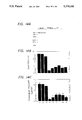
- FIG. 9 shows Cerebrospinal Fluid Levels of PN-2/ ⁇ APP in 13 Patients Diagnosed with Probable Alzheimer's Disease, 18 Patients Diagnosed with Dementia (Non-Alzheimer Type), and 16 Non-Demented, Healthy Controls.
- FIGS. 10A and 10B show an immunoblot analysis of PN-2/ ⁇ APP.
- FIG. 10A shows an immunoblot analysis of PN-2/ ⁇ APP in cerebrospinal fluid samples from 3 Non-Demented, Healthy Controls, 3 Patients Diagnosed with Dementia (Non-Alzheimer Type), and 3 Patients Diagnosed with Probable Alzheimer's Disease. The relative amount of immunoreactivity in each of the lanes of FIG. 10A, as measured by optical density scanning, is shown in FIG. 10B.
- FIGS. 12A and 12B show the recognition of PN-2/ ⁇ APP by nAb22C11.
- FIG. 12A shows the dose-dependent recognition of PN-2/ ⁇ APP by mAb22C11 (shown with open circles) and mAbP2-1 (shown in darkened circles) in ELISA assays on known quantities of PN-2/ ⁇ APP.
- FIG. 12B shows ELISAs using both mAb22C11 and mAbP2-1 on CSF samples from non-demented, demented (non-Alzheimer type) and probable AD patients with results using mAb22C11 shown in solid bars and results using mAbP2-1 shown in striped bars.
- FIG. 13 shows the detection of hereditary cerebral hemorrhage with amyloidosis-Dutch type ("HCHWA-D") mutation in three patients using the single stranded conformation polymorphism technique in conjunction with polymerase chain reaction. Lanes 1-3 show the results for the HCHWA-D patients. Lane 4 shows results for a normal patient.
- HCHWA-D hereditary cerebral hemorrhage with amyloidosis-Dutch type
- FIG. 15 shows an autoradiogram of radiolabeled protease:PN-2/ ⁇ APP complexes for the quantitation of KPI-Containing PN-2/ ⁇ APP in CSF samples: lanes 1-3 contained samples from age-matched normals, lanes 4-6 contained samples from HCHWA-D patients, lanes 7-9 contained samples from probable AD patients and lane 10 contained purified PN-2/ ⁇ APP. High molecular weight radiolabeled protease:PN-2/ ⁇ APP complexes are indicated by the arrows.
- PN-2 specific monoclonal antibody producing hybridoma cell line mAbP2-1 We have discovered the PN-2 specific monoclonal antibody producing hybridoma cell line mAbP2-1. We have further discovered an improved method for purifying PN-2 employing the monoclonal antibody produced by this cell line in an immunoaffinity step. In this method, we retained the primary dextran sulfate-Sepharose affinity step from our initial purification scheme reported in Van Nostrand, W. E., and Cunningham, D. D. J. Biol. Chem., 262: 8505-8514 (1987), the disclosure of which is hereby incorporated by reference. This step was retained because the step provides an effective means of concentrating the large volume of starting serum-free conditioned culture medium and enriches for PN-2.
- the pooled PN-2-containing fractions from the primary dextran sulfate-Sepharose affinity step were then directly applied to a mAbP2-1 monoclonal antibody immunoaffinity column. After washing, apparently homogeneous PN-2 was eluted with low pH buffer. The overall activity yield from numerous purifications was between 70-85%. Importantly, only PN-2 can be detected with mAbP2-1 in the starting conditioned culture medium or pooled dextran sulfate-Sepharose fractions; further demonstrating its specificity, as well as sensitivity. The specificity of monoclonal antibody mAbP2-1 facilitated the purification of PN-2 from complex starting solutions such as tissue homogenates. The following examples describe the immunopurification and testing of purified PN-2.
- Normal human neonatal foreskin fibroblasts were isolated from explants and cultured as previously described by Baker, J. B., et al., Cell, 21:37-45 (1980). Four liters of serum-free medium from microcarrier cultures of human fibroblasts were collected and chromatographed over a dextran sulfate-Sepharose affinity column.
- the PN-2 specific monoclonal hybridoma cell line mAbP2-1 ATCC No. HB 10424, was prepared following procedures we described in Wagner, S. L. et al. Biochemistry 27:2173-2176 (1988), the disclosure of which is hereby incorporated by reference.
- Monoclonal antibody mAbP2-1 was purified from ascites fluid using an Affi-Gel Protein A MAPS Kit (BioRad Laboratories) and coupled to cyanogen bromide activated-Sepharose 4B (Pharmacia Biochemicals) as described by the manufacturer.
- a 4 ml column of mAbP2-1-Sepharose equilibrated with 20 mM potassium phosphate, 1 M NaCl, pH 7.4 was prepared.
- PN-2-containing fractions from the dextran sulfate column were directly applied to the mAbP2-1-Sepharose column at a flow rate of 10 ml/h. After the column was loaded, it was washed with five column volumes of 20 mM potassium phosphate, 1 M NaCl, pH 7.4, followed by two column volumes of 20 mM potassium phosphate, 0.15 M NaCl, pH 7.4. The adsorbed PN-2 was eluted from the immunoaffinity column with 0.2 M glycine-HCl, 0.15 M NaCl, pH 2.8. 750 ⁇ l fractions were collected in tubes containing 75 ⁇ l of 2 M Tris-HCl, pH 8.3 to neutralize the elution buffer. During the purification, protein concentrations were determined by the method of Bradford, M. M., Anal. Biochem. 72: 680-685 (1976), the disclosure of which is hereby incorporated by reference.
- Example 2 In order to quantify the immunopurification of Example 2, known quantities of 125 I-EGF BP were incubated with aliquots of samples containing PN-2 for 15 minutes at 37° C. An equal volume of SDS-PAGE sample buffer was added and the mixtures were subjected to SDS-PAGE. After autoradiography, PN-2 activity was monitored by the formation of a 120-kDa complex with the 125 I-EGF BP. To quantitate PN-2 activity, the autoradiograms were aligned with the dried gels and the 125 I-labeled complexes were located, excised and measured in a gamma counter. Units were expressed as pMoles of 125 I-EGF BP complexed.
- Table I shows the progressive purification after each column of the immunopurification procedure of Examples 1 and 2.
- PN-2 Approximately 2 nmoles of purified PN-2 were digested with either CNBr or endoproteinase Lys-C (available from Boehringer Mannheim). The resulting peptides were subjected to SDS-polyacrylamide gel electrophoresis as described by Laemmli. The peptides were electroeluted from the gels onto Immobilon polyvinylidene difluoride membranes (available from Millipore) in a Transblot unit (available from BioRad Laboratories). After transfer, the membranes were stained with Coomassie Brilliant Blue R-250, destained and soaked in several changes of distilled water.
- KD 12 kilodalton
- 20 KD endoproteinase Lys-C peptide were excised from the membranes and directly subjected to amino terminal amino acid sequence analysis using an Applied Biosystems 473-A Gas Phase Sequencer with an on-line microbore PTH-amino acid separator and data analyzer (available from Applied Biosystems in models 120-A and 900-A). The sequence determined is shown in FIG. 1.
- the protein sequence database of the National Biomedical Research Foundation was searched with the PN-2 amino acid sequence data obtained from Example 4, and identity was found within the deduced sequence for the first 120 amino acids of ⁇ APP. Accordingly, the deduced sequence for ⁇ APP is shown in alignment with PN-2 sequences in FIG. 1.
- PN-2 As seen in FIG. 1, the amino terminus of PN-2 starts at position 18 of ⁇ APP. Underlined PN-2 residues at positions 46-72 were derived from the PN-2 CNBr peptide. PN-2 residues at positions 46-50 of ⁇ APP represent overlap from the amino terminal sequence of native PN-2 and the amino terminal sequence of the PN-2 CNBr peptide. The arrow at position 44 represents an uncertain phenylalanine from the original amino terminal sequence of native PN-2 and is the only discrepancy in the alignments. Underlined PN-2 residues at positions 107-116 were derived from a PN-2 endoproteinase Lys-C peptide. No determination could be made for position 108 of PN-2.
- FIG. 1 reveals that the only discrepancy between sequenced regions of PN-2 and corresponding segments of ⁇ APP was at amino acid residue 27 of PN-2.
- the ⁇ APP cDNA predicts a histidine residue at the position corresponding to position 27 of PN-2, which we reported as a questionable phenylalanine.
- a PN-2-specific monoclonal hybridoma cell line was prepared as discussed in Example 1. Normal human neonatal foreskin fibroblasts, human glioblastoma HTB-14 and human neuroblastoma HTB-11 cells were cultured in Dulbecco's Modified Eagle Medium containing 10% fetal bovine serum and antibiotics. Serum-free medium from the cultured cells was concentrated and enriched for PN-2 by passing 100 ml of medium through a 1 ml DEAE-Sepharose column; the adsorbed protein was eluted with 2 ml of 1 M NaCl.
- Human brain parietal cortex sections were placed in a buffer (20 ml/gm tissue) containing 200 mM NaCl, 20% glycerol, 1% Triton X-100 and 20 mM potassium phosphate, pH 7.4, homogenized for 5 minutes using a Polytron and centrifuged at 10,000 x g for 15 minutes at 4° C. to remove particulates.
- samples were subjected to SDS-PAGE; completed gels were soaked in transfer buffer and the proteins were electroeluted onto Immobilon polyvinylidene difluoride membranes for 2.5 hours at 0.4A in a Transblot unit.
- the membranes were gently agitated in TBS (50 mM Tris-HCl, 150 mM NaCl, pH 7.5) containing 0.25% gelatin overnight at 25° C. to block unoccupied sites followed by incubation with mouse monoclonal mAbP2-1 hybridoma culture supernatant for 1 hour at 37° C. with gentle agitation. After several washes with TBS containing 0.05% Tween-20, bound mouse mAbP2-1 was detected with a biotinylated-sheep anti-mouse IgG (Amersham) and a streptavidin-horseradish peroxidase complex with several washes between each step.
- TBS 50 mM Tris-HCl, 150 mM NaCl, pH 7.5
- FIG. 2a The immunoblots of FIG. 2a show that the PN-2-specific monoclonal antibody mAbP2-1 recognized a protein in the culture medium of glioblastoma cells (lane 2) and neuroblastoma cells (lane 3), cells known to secrete ⁇ APP. Moreover, it can be seen that the protein recognized in both of these cell cultures co-migrated in SDS-PAGE with the PN-2 present in human fibroblast culture medium (lane 1). Thus, Example 5 provides further support for our belief that the secreted form of ⁇ APP containing the Kunitz inhibitor domain and PN-2 are the same or very similar proteins.
- PN-2/ ⁇ APP is used herein to refer to the various forms of these proteins jointly.
- PN-2 and ⁇ APP are not equivalent terms, and where appropriate, the particular form of these related proteins is distinguished herein through use of the terms separately.
- PN-2 is used herein to refer to the "correctly” processed, secreted form of the 751 amino acid Kunitz protease inhibitory (KPI) domain containing form of ⁇ APP
- APP 695sec refers to the "correctly” processed, secreted form of the 695 amino acid non-KPI-containing form of ⁇ APP.
- PN-2 and APP 695sec represent the two most abundant forms of PN-2/ ⁇ APP present in human tissue.
- the processing which is referred to by use of the term " ⁇ correctly ⁇ processed” is the processing which results in the formation of these two abundant secreted forms of PN-2/ ⁇ APP in normal individuals.
- FIG. 2b shows these results; lane 1 is a blot of SDS-PAGE of parietal cortex homogenate of healthy brain and lane 2 of Alzheimer's brain.
- MAbP2-1 recognized a protein in tissue homogenates prepared from the parietal cortex of both healthy brain or Alzheimer's disease brain.
- PN-2 immunoreactivity in brain tissue homogenates does not serve as an indication of Alzheimer's.
- immunostaining with mAbP2-1 will selectively stain neuritic plaques in tissue sections of Alzheimer's disease brain.
- mAbP2-1 can be effectively used to diagnose Alzheimer's at autopsy.
- the following example shows a typical method for immunostaining brain tissue to reveal the presence of PN-2 immunoreactivity in Alzheimer's disease brain.
- Tissues were fixed overnight in 2% paraformaldehyde and 0.01% glutaraldehyde. After washing in phosphate buffered saline ("PBS"), vibratome sections were prepared and subsequently processed using a avidin-biotin complex immunoperoxidase detection system for PN-2 which uses the PN-2-specific antibody mAbP2-1. Results are seen in FIG. 3.
- PBS phosphate buffered saline
- FIG. 3a shows that mAbP2-1 exhibited intense staining of neuritic plaques with the CA1 region of the hippocampus of a patient with Alzheimer's disease. Staining was not observed in age-matched controls (data not shown). Higher magnification of a neuritic plaque, seen in FIG. 3b, showed that the staining was more pronounced at the periphery.
- Example 6 illustrates one method of diagnosing Alzheimer's at autopsy by the specific immunostaining of neuritic plaques with mAbP2-1.
- PN-2/ ⁇ APP chymotrypsin-like proteinase
- One such consideration is derived from the finding that neuritic plaques in Alzheimer's disease contain A4 which is cleaved from ⁇ APP by proteolytic cleavage.
- ⁇ APP can be translated from at least three alternatively spliced mRNAs, only two of which contain an insert encoding for a Kunitz-type protease inhibitor domain.
- Alzheimer's patients have been found to have an excess of mRNA coding for ⁇ APP lacking the Kunitz-type proteinase inhibitor domain. Thus, we believe that this proteinase inhibitor domain is critical in preventing the build-up of A4 in neuritic plaques.
- PN-2 was a potent inhibitor of chymotrypsin. Although the formation of complexes between chymotrypsin and PN-2 was not observed by SDS-PAGE, stable chymotrypsin-PN-2 binding was identified with a 125 I-chymotrypsin blotting assay. The following is an example of such an assay.
- PN-2 Two ⁇ g of purified PN-2 were subjected to SDS-PAGE. The complete gel was soaked for 10 minutes in a transfer buffer consisting of 10 mM sodium bicarbonate, 3mM sodium carbonate, 20% methanol, pH 9.9 and the PN-2 was electroeluted onto a nitrocellulose membrane for 2 hours at 400 mA in Transblot unit (available from BioRad Laboratories).
- Membranes were dried and exposed to X-ray film for 12 hours at -70° C. The resulting autoradiogram is shown in FIG. 4.
- the autoradiogram demonstrates that 125 I-chymotrypsin bound to purified PN-2 that had been transferred to a nitrocellulose membrane after SDS-PAGE.
- a similar assay showed that 125 I-chymotrypsin bound to PN-2 after SDS-PAGE of brain tissue homogenates and cell culture media from neuroblastoma and glioblastoma cells (data not shown).
- PN-2 has Kunitz-type inhibitor activity.
- FIG. 5(a) shows that the low molecular weight "trypsin-like” proteases including EGF BP (lane 2), NGF- ⁇ (lane 4) and trypsin (lane 6) formed SDS-stable complexes with PN-2/ ⁇ APP.
- EGF BP EGF BP
- NGF- ⁇ lane 4
- trypsin trypsin
- lane 6 the low molecular weight "trypsin-like” proteases including EGF BP (lane 2), NGF- ⁇ (lane 4) and trypsin
- lane 6 shows that the low molecular weight "trypsin-like” proteases including EGF BP (lane 2), NGF- ⁇ (lane 4) and trypsin (lane 6) formed SDS-stable complexes with PN-2/ ⁇ APP.
- FIG. 5(b) shows that 125 I-labeled proteases bound to PN-2/ ⁇ APP that was immobilized on nitrocellulose.
- Example 8 shows that a spectrum of different stabilities exist for complexes between PN-2/ ⁇ APP and the proteases it inhibits. Although complexes between certain proteases and PN-2/ ⁇ APP are stable in SDS-PAGE without prior boiling, the kinetic studies indicate that these complexes are indeed reversible.
- Table II lists the inhibition equilibrium constants (K i ) obtained in Example 8 for PN-2/ ⁇ APP with a variety of serine proteases.
- PN-2/ ⁇ APP was a potent inhibitor of the blood coagulation protease factor XIa.
- the finding that heparin enhanced the inhibition of factor XIa by PN-2/ ⁇ APP suggests that the other domains (i.e., heparin binding domains) may be important in the inhibition of certain target proteases.
- PN-2/ ⁇ APP effectively inhibited trypsin, chymotrypsin and two closely related serine proteases obtained from mouse submandibular gland, EGF BP and NGF- ⁇ .
- PN-2/ ⁇ APP did not significantly inhibit plasminogen activators, tissue kallikrein, pancreatic elastase or several other proteases from the coagulation pathway.
- PN-2/ ⁇ APP can inhibit serine proteases of two different class specificities.
- Factor XIa, trypsin, EGF BP, NGF- ⁇ and plasmin are all "trypsin-like" in specificity in that they cleave peptide bonds on the carboxyl side of the basic amino acids lysine or arginine.
- chymotrypsin and chymase preferentially cleave peptide bonds on the carboxyl side of large side chain amino acids.
- the deduced amino acid sequence of PN-2/ ⁇ APP aligned with other Kunitz-type serine protease inhibitors predicts Arg 301 to reside in the Pl site of the reactive center.
- PN-2 is the same or very similar protein as ⁇ APP 751 and that PN-2 has a Kunitz-type inhibitor domain led us to a further discovery that PN-2 is useful in inhibiting the altered extracellular proteolysis implicated in Alzheimer's disease.
- one aspect of the invention involves administration of PN-2 to a mammal to inhibit deposition of A4 in neuritic plaques.
- administration of PN-2 in sufficient amounts to inhibit cleavage of PN-2 to release A4 is effective in inhibiting the deposition of neuritic plaques.
- Neuritic plaques are implicated in Alzheimer's, Down's, and possibly other diseases.
- administration of effective plaque-deposition-inhibiting amounts of PN-2 are effective in the treatment and prevention of these diseases.
- PN-2 PN-2/ ⁇ APP in the CSF to near normal or above-normal levels.
- normal levels of PN-2/ ⁇ APP in the CSF are at approximately 3 ⁇ g/ml.
- therapeutic dosages of PN-2 will provide CSF levels of PN-2/ ⁇ APP within the range 1 ⁇ g/ml to 100 ⁇ g/ml, and more preferably in the range 3 ⁇ g/ml to 10 ⁇ g/ml.
- PN-2 is formulated into pharmaceutical preparations. These pharmaceutical preparations may further include other pharmaceutically active ingredients.
- any of the well-known pharmaceutically acceptable carriers or excipients may be combined with PN-2 in well-known manner. Administration may be intramuscular, intravenous, intraperitoneal, or by any other method suitable for delivering active pharmaceuticals to the body and to the brain.
- Example 9 shows an exemplary therapeutic composition for administering PN-2 to a patient.
- Therapeutic dosages of PN-2 when used for intravenous injections in accordance with a method of the preferred embodiment are, preferably, the amount required to provide a level of PN-2/ ⁇ APP in the CSF in the patient of 3 ⁇ g/ml to 10 ⁇ g/ml.
- Levels of PN-2/ ⁇ APP can be assayed by the method of Example 20 described below.
- the levels of PN-2/ ⁇ APP in the CSF can also be measured quantitatively using the monoclonal antibody of the present invention in either a quantitative Western Blot or by an ELISA assay.
- Example 10 illustrates one immunological method of quantitating the level of PN-2/ ⁇ APP in CSF used in order to determine appropriate therapeutic dosages of PN-2.
- Human CSF is obtained from a healthy human subject and subjected to SDS-PAGE. Standards having known amounts of PN-2/ ⁇ APP are also run on the gels. The resulting gels are transferred to nitrocellulose membranes and exposed to 125 I labeled mAbP2-1. The membranes are exposed to film and the resulting autoradiograms are analyzed for the presence of PN-2/ ⁇ APP immunoreactivity using a scanner instrument. The CSF values are compared with those for the known standards to make a quantitative determination of the amount of PN-2/ ⁇ APP in the CSF samples.
- Example 11 illustrates a preferred method of the present invention of preventing Alzheimer's disease in a susceptible patient.
- Example 9 Five patients with very early stage Alzheimer's disease receive 1.0 cc of the composition of Example 9 intracranially once per day.
- a matched control group of five patients receive an equal amount of the composition of Example 9 without any active ingredient.
- the treatments are continued every day for a period of five years.
- the level of PN-2/ ⁇ APP in each patient's CSF from the PN-2 group is monitored by the method of Example 10.
- the dosage is adjusted to keep the level of PN-2/ ⁇ APP in the patient's CSF within the range of 3 ⁇ g/ml to 10 ⁇ g/ml.
- the PN-2/ ⁇ APP group is functioning well with little or no reduction in levels of ability to care for themselves or in memory.
- the control group exhibits significantly deteriorated memory and ability to care for themselves.
- Example 11 shows the utility of native PN-2 in effectively preventing further neurodegeneration associated with Alzheimer's. It is believed that administration of PN-2 in the manner of Example 11 will prevent any further neurodegeneration associated with Down's syndrome and other diseases as well. However, still greater effectiveness is believed obtainable from PN-2/ ⁇ APP which has been modified by deletion of some or all of the A4 region of native PN-2/ ⁇ APP. This is because native PN-2 not only provides the protease inhibiting domain but also provides at least a portion of the A4 region itself.
- PN-2 contains at least some of the A4 region. It is not known which, if any, of the normal PN-2/ ⁇ APP proteins contain all of the A4 region.
- One theory is that normal, unprocessed ⁇ APP contains only a portion of the A4 region and that incorrectly processed ⁇ APP in Alzheimer's patients may have the entire A4 domain.
- a competing theory is that both normal and Alzheimer's ⁇ APP contain the entire A4 domain, but that the A4 protein is cleaved from Alzheimer's ⁇ APP as the protein is extruded through cell membranes to produce PN-2, and APP 695sec and incorrectly processed forms of ⁇ APP.
- Example 12 shows an exemplary method of obtaining a modified PN-2/ ⁇ APP containing the entire Kunitz inhibitory domain and lacking all of A4.
- a cDNA plasmid containing the gene for native PN-2/ ⁇ APP containing the Kunitz protease inhibitory domain is obtained and the cDNA containing the native sequence is excised.
- a unique restriction site between the region coding for the Kunitz inhibitor domain and the A4 domain is located.
- the appropriate restriction enzyme is applied and the fragment containing the Kunitz inhibitor domain is isolated.
- a vector is chosen for expression of cloned sequences in yeast. Appropriate linker fragments are added to the Kunitz inhibitor domain containing fragment and the fragment is inserted into the vector. Expression in yeast produces the modified PN-2/ ⁇ APP.
- Example 12 shows an exemplary method of cloning and expressing modified PN-2/ ⁇ APP.
- a similar method without the modification to the PN-2/ ⁇ APP gene can be employed to clone and express native PN-2/ ⁇ APP.
- modified PN-2/ ⁇ APP it may be possible to cleave and isolate the Kunitz domain from PN-2/ ⁇ APP. This isolated protein fragment is expected to prove effective in preventing the deposition of amyloid plaques.
- PN-2/ ⁇ APP group Five patients with very early stage Alzheimer's disease receive 1.0 cc of the composition of Example 13 intracranially once per day. A matched control group of five patients receive an equal amount of the composition of Example 13 without any active ingredient. The treatments are continued every day for a period of five years. At the end of five years, the PN-2/ ⁇ APP group is functioning well with no reduction in levels of ability to care for themselves or in memory. The control group exhibits significantly deteriorated memory and ability to care for themselves.
- PN-2/ ⁇ APP we have discovered the major circulating source of PN-2/ ⁇ APP by screening different fractions of whole blood employing functional and immunochemical assays.
- the functional assay was based on the ability of PN-2/ ⁇ APP to form SDS-stable complexes with EGF BP that can be detected after electrophoresis.
- PN-2/ ⁇ APP in fractionated plasma and in platelet lysates prepared from fresh blood of a control and Alzheimer's disease patient.
- the functional assay we performed involved incubating the blood fractions with 125 I labeled EGF BP in order to allow complexes of PN-2/ ⁇ APP:EGF BP to form. SDS-PAGE was run and the complexes were detected as high molecular weight labeled bands.
- Example 1 Before assaying the plasma, it was first fractionated over a DEAE-Sepharose anion exchange column to concentrate and enrich for PN-2/ ⁇ APP, as in Example 1. This step also removed the large amounts of albumin, immunoglobulins and other endogenous protease inhibitors.
- the following example shows a typical assay for PN-2/ ⁇ APP in platelet and plasma fractions.
- Platelet poor plasma and platelets were prepared from freshly collected blood obtained from control and diagnosed Alzheimer's disease patients. Ten ml aliquots of plasma were diluted with 20 ml of 20 mM potassium phosphate, 0.2 M NaCl, pH 7.4. As a control, purified PN-2/ ⁇ APP was added to some plasma aliquots at a final concentration of 0.5 nM. All plasma samples were then passed through 1 ml DEAE-Sepharose columns, the columns were then washed with 25 ml of the above buffer. Adsorbed proteins were eluted from the columns with 20mM potassium phosphate, 1 M NaCl, pH 7.4.
- Platelets were resuspended to a final concentration of 0.5 to 1.0 ⁇ 10 9 /ml and solubilized by incubation with 0.5% Triton X-100 for 30 minutes at room temperature. Aliquots of the DEAE-Sepharose eluates and platelet lysates were then incubated with 40 ng of 125 I-EGF BP (1.75 ⁇ 10 6 cpm/pmole) for 15 minutes at 37° C. An equal volume of SDS-sample buffer was added and the samples were subjected to nonreducing 10% SDS-PAGE. Completed gels were dried and autoradiograms were prepared.
- the autoradiogram from Example 15 is shown in FIG. 6.
- Lane 1 was 125 I-EGF BP alone;
- lane 2 was 125 I-EGF BP+purified PN-2/ ⁇ APP;
- lanes 3 and 6 were 125 I-EGF BP+plasma;
- lanes 4 and 7 were 125 I-EGF BP+platelet lysates;
- lanes 5 and 8 were 125 I-EGF BP+Plasma+purified PN-2/ ⁇ APP (0.5 nM).
- Lanes 5 and 8 were run to clearly show that purified PN-2/ ⁇ APP in an equivalent amount of plasma and followed by the same fractionation procedure would be detected by this assay.
- Samples of plasma and platelets from control and Alzheimer's disease patients were prepared as described in Example 15. Samples were subjected to 10% SDS-PAGE followed by electro-elution onto nitrocellulose membranes for 2.5 hours at 0.4 A in a Transblot unit (BioRad Laboratories). The membranes were gently agitated overnight at 25° C. in TBS (50mM Tris-HCl, 150 mM NaCl, pH 7.5) containing 0.25% gelatin to block unoccupied sites, and then incubated with mouse monoclonal mAbP2-1 hybridoma culture supernatant for 1 hour at 37° C. with gentle agitation.
- TBS 50mM Tris-HCl, 150 mM NaCl, pH 7.5
- mice mAbP2-1 was detected with a biotinylated sheep anti-mouse IgG (Amersham) and a streptavidin-horseradish peroxidase complex.
- a biotinylated sheep anti-mouse IgG Amersham
- streptavidin-horseradish peroxidase complex 48 mg of 4 chloronapthol were dissolved in 16 ml of ice-cold methanol which was added to 80 ml of ice-cold TBS, followed by addition of 64 ⁇ l of H 2 O 2 . Results are shown in FIG. 7, panel A.
- Lane 1 was purified human fibroblast PN-2/ ⁇ APP; lane 2 was fractionated plasma from a healthy patient; lane 3 was platelet lysate from a healthy patient; lane 4 was fractionated plasma from an Alzheimer's patient; and lane 5 was platelet lysate from an Alzheimer's patient.
- mAbP2-1 monoclonal antibody mAbP2-1 was used to effectively immunopurify PN-2/ ⁇ APP from platelet lysates to apparent homogeneity using a method similar to that of Example 1. The following is an example of one such immunopurification procedure.
- the 80% pellet was resuspended in 50 ml of 20mM potassium phosphate, 0.2 M NaCl, pH7.4, dialyzed against the same buffer and chromatographed over a 10 ml DEAE-Sepharose column.
- the adsorbed protein was eluted with 20 mM potassium phosphate, 0.2 M NaCl pH 7.4.
- the eluate was directly applied to a 3 ml immunoaffinity column of mAbP2-1-Sepharose, washed and eluted with 0.2 M glycine-HCl, 0.15 M NaCl, pH 2.7 followed by immediate neutralization with 2 M Tris-HCl, pH 8.0.
- Example 18 Two ⁇ g of purified PN-2/ ⁇ APP from Example 18 was subjected to Western Blot as in Example 16, except that rabbit polyclonal antiserum (1:200) was used as the primary antibody. Bound antibody was detected as in Example 17. Results are shown in FIG. 7, panel D. Lane 1 shows rabbit polyclonal antiserum to synthetic A4. Lane 2 was as in Lane 1, absorbed with synthetic A4.
- panel D the immunopurified PN-2/ ⁇ APP from platelet lysates was recognized by rabbit polyclonal antiserum to synthetic A4, demonstrating that at least part of the A4 protein is present in the PN-2/ ⁇ APP of platelet lysates.
- PN-2/ ⁇ APP Secretion of PN-2/ ⁇ APP from platelets after activation by the agonists collagen or thrombin was studied. Briefly, fresh platelets washed by albumin density gradient centrifugation and gel filtration were incubated for 30 minutes at 37° C. in the absence or presence of the combined metabolic inhibitors antimycin A (15 ⁇ g/ml), 2-deoxy-D-glucose (30 mM), and D-gluconic acid ⁇ -lactone (10 mM). The platelets were then placed into a cuvette 37° C. water bath with stirring at 1,200 rpm, and collagen (20 ⁇ g/ml or ⁇ -thrombin (1 U/ml) was added.
- a platelet pellet was prepared from 450 ml of blood, resuspended in 25 ml 10 mM HEPES, 1 mM EDTA, and 0.25 M sucrose and homogenized twice in a French pressure cell. Differential centrifugation of the homogenate, as described in Schmaier, et al., J. Clin. Invest..
- FIG. 8A represents a bar graph of the percent of each marker SEM found within each fraction of the differential centrifugation.
- FIG. 8A shows that approximately 53% of the total PN-2/ ⁇ APP was recovered in the granule fraction F 2 . Similar results were obtained for platelet fibrinogen and low affinity platelet factor-4, known ⁇ -granule proteins. Thus, this granule preparation was further fractionated by sucrose density ultracentrifugation, as shown in the following example.
- the granule fraction, F2 from Example 21, was further fractionated on a sucrose step gradient that increased from 0.8 to 2.0 M in 0.2 M increments. Centrifugation resulted in four major fractions: A, material which did not enter the gradient; B, lysosomal granule constituents; C, ⁇ -granule constituents; and D, a pellet which consists of dense granules.
- PN-2/ ⁇ APP and fibrinogen were quantitated as in Example 20.
- Serotonin was assayed by the procedure of Weissbach et al., J. Biol. Chem., 230:865 (1955), the disclosure of which is hereby incorporated by reference. The data were calculated as in Example 21 and the results, shown in FIG. 8B, were plotted as in Example 21. Each bar graph, except for the serotonin, is the mean ⁇ SEM of three experiments. The serotonin experiments are the mean of two identical experiments.
- FIG. 8B shows that approximately 80% of the PN-2/ ⁇ APP activity in the granule fraction F 2 was recovered in fraction C which is enriched for platelet ⁇ -granules. Similar results were obtained for fibrinogen and low affinity platelet factor-4. In contrast, serotonin, a known dense granule constituent, was recovered almost exclusively in fraction D, a pellet of the sucrose gradient.
- PN-2/ ⁇ APP does not circulate freely in plasma, but is contained in the ⁇ -granules of platelets. Moreover, the foregoing examples also show that we have further discovered that upon platelet activation, PN-2/ ⁇ APP is secreted along with other platelet ⁇ -granule constituents.
- Platelets from individuals with Alzheimer's disease have alterations in their plasma membranes. We believe that this may contribute to increased platelet adherence to the vasculature and/or increased secretion of PN-2/ ⁇ APP or related fragments. Therefore, we believe that platelets of Alzheimer's patients have altered levels of PN-2/ ⁇ APP and related fragments. Due to the long lag time during which neuritic plaques are forming without causing symptoms, we believe that these altered levels of PN-2/ ⁇ APP may be detectable years before clinical symptoms appear.
- PN-2 ⁇ ⁇ APP 695sec are believed to contain at least a portion of A4. It is believed that proteolytic cleavage of A4 occurs during normal processing of ⁇ APP. Thus, fragments of ⁇ APP slightly smaller than native PN-2 and ⁇ APP 695sec may be present in pentelets. It is possible that there is an increase in this proteolytic cleavage in Alzheimer's disease. Thus, increased amounts of this smaller fragment may be present in Alzheimer's disease patients.
- PN-2/ ⁇ APP from Alzheimer's patients contains all of A4 while PN-2/ ⁇ APP from normal subjects lacks at least a portion of A4.
- this theory is correct, the detection of fragments of PN-2/ ⁇ APP slightly larger than native PN-2 and/or ⁇ APP 695sec by mAbP2-1 in Western assays would be indicative of Alzheimer's disease.
- One such method comprises obtaining platelets from a subject and determining the level of PN-2/ ⁇ APP or any fragment thereof in those platelets.
- An Alzheimer's patient will have significantly altered levels of PN-2/ ⁇ APP or a fragment thereof than normal subjects, even if the test is performed long before clinical manifestations appear.
- Examples 23-27 are intended to illustrate typical methods of practicing this aspect of the present invention.
- PN-2/ ⁇ APP Platelet levels of PN-2/ ⁇ APP by drawing 25 cc of blood from each. Platelets are isolated and lysed, and the level of PN-2/ ⁇ APP determined by the method of Example 10. The levels of PN-2 and ⁇ APP 695sec collectively are found to be in the range of 150 ng/10 8 platelets to 2 ⁇ g/10 8 platelets, with an average of ⁇ g/10 8 platelets. A much lower amount of a smaller fragment lacking all of the A4 region is detected.
- a 60 year old female patient with no clinical symptoms of Alzheimer's disease is tested for Alzheimer's by drawing 25 cc of blood. Platelets are isolated and lysed, and the level of PN-2 and ⁇ APP 695sec determined by the method of Example 10. The level of PN and ⁇ APP 695sec collectively is found to be lower than the normal levels of determined in Example 23. The patient shows a higher level of the smaller fragment of PN-2/ ⁇ APP lacking the A4 region. The patient shows detectable levels of the larger fragment of PN-2/ ⁇ APP having all of the A4 region. Thus, it is concluded that the patient has a high potential for developing Alzheimer's symptoms within the next few years. Appropriate treatment may then be provided.
- the foregoing examples show quantitative and qualitative methods of the present invention in which platelet levels of the various fragments of PN-2/ ⁇ APP are indicative of Alzheimer's disease. These examples show that quantitative changes in the levels of PN-2 and ⁇ APP 695sec may be used to diagnose Alzheimer's disease. Additionally, the qualitative findings of either the larger fragment of PN-2/ ⁇ APP containing most or all of the A4 region or the smaller fragment lacking the A4 region may also be indicative of Alzheimer's disease.
- An additional method of the present invention is to detect Alzheimer's disease by altered levels of PN-2/ ⁇ APP in the CSF.
- An example of this method is shown in Example 25.
- PN-2/ ⁇ APP levels of PN-2/ ⁇ APP by drawing 3 cc of CSF from each.
- the level of PN-2/ ⁇ APP in each sample was determined by the method of Example 10 and by the method of Example 20.
- the levels of PN-2/ ⁇ APP were found to be in the range of 5 to 10 ⁇ g/ml, with an average of 7.5 ⁇ g/ml.
- PN-2/ ⁇ APP in the CSF was determined by the method of Example 10.
- the level of PN-2/ ⁇ APP was found to be at least 50% lower than the normal levels determined in Example 25.
- the decreases in PN-2/ ⁇ APP in CSF correlated with neurodegeneration.
- Example 26 shows a method of the present invention in which CSF levels of PN-2/ ⁇ APP are indicative of Alzheimer's disease.
- additional methods of the present invention may detect Alzheimer's disease by detecting altered levels of PN-2/ ⁇ APP in the any of a wide variety of tissues.
- Some particular tissues are believed to have normal levels of PN-2/ ⁇ APP that are substantially undetectable by the methods of the present invention in healthy patients, yet have elevated levels in Alzheimer's.
- the detection of any PN-2/ ⁇ APP is indicative of a disease state.
- These tissues include skin, subcutaneous tissue and intestine. It has been found that these tissues have normal levels of PN-2/ ⁇ APP in the range of 1 pg/mg tissue to 5 pg/mg tissue.
- the following example illustrates a method embodying this aspect of the present invention.
- a 62 year old male patient with no clinical symptoms of Alzheimer's disease is tested for Alzheimer's by first obtaining a small sample of skin from the top of the hand.
- the skin is homogenized and the level of PN-2/ ⁇ APP in the homogenate is determined by the method of Example 10.
- the level of PN-2/ ⁇ APP is found to be 0.5 pg/mg tissue.
- Appropriate treatment may then be provided.
- Examples 23 through 27 demonstrate that detecting altered levels of PN-2/ ⁇ APP in various body fluids and tissues may be used to diagnose AD.
- the assay involves an immunoassay for PN-2/ ⁇ APP using a monoclonal antibody raised against purified native PN-2/ ⁇ APP, e.g. monoclonal antibody mAbP2-1, described above.
- assays are performed using CSF samples in the range 0.5 ⁇ l to 100 ⁇ l, more preferably 2 ⁇ l to 20 ⁇ l, and still more preferably in the range 2 ⁇ l to 10 ⁇ l.
- the samples are collected by lumbar puncture.
- cerebrospinal fluid samples collected from the brain ventricles at autopsy We have observed significant variability with cerebrospinal fluid samples collected from the brain ventricles at autopsy.
- Alzheimer's disease patients Fifteen probable Alzheimer's disease patients, 18 demented (non-Alzheimer type) controls, and 16 normal healthy individuals underwent lumbar puncture to obtain CSF samples.
- the probable Alzheimer's disease group consisted of 8 men and 7 women, 50 to 78 years of age (mean, 65).
- the diagnosis of probable Alzheimer's disease conformed to the National Institute for Neurological and Communicative Disorders plus Stroke (NINCDS)/Alzheimer's Disease and Related Disorders Association (ADRDA) criteria.
- NINCDS National Institute for Neurological and Communicative Disorders plus Stroke
- ADRDA Alzheimer's Disease and Related Disorders Association
- the battery included the full Consortium to Establish a Registry for Alzheimer's Disease (CERAD) evaluation with additional tests for a more comprehensive neuropsychological examination.
- biochemical analyses on blood and urine, a chest roentgenogram, and electrocardiogram were performed. These tests allowed the diagnosis of organic versus non-organic causes of dementia.
- Each patient had a series of magnetic resonance imaging scans consisting of T 1 -weighted sagittal, T 2 -weighted axial, and inversion recovery coronal planes of section. The coronal images through the temporal lobe were used to visualize the hippocampus, a structure particularly vulnerable to Alzheimer's disease.
- single photon emission computerized tomography was employed using the HMPAO +/- Xenon methods to examine blood flow and cerebral metabolism as a further method to differentiate between vascular and degenerative dementia.
- AD patients were selected who exhibited strong indications for typical AD and did not present evidence for another basis for their dementia.
- the demented (non-Alzheimer type) group consisted of 12 men and 6 Women, 59 to 78 years of age (mean, 71). This group consisted of 14 diagnosed probable vascular dementia patients, patient with a combination of vascular dementia, a history of alcohol abuse and probable Wernicke-Korsakoff's syndrome, 2 patients diagnosed with fronto-temporal lobe dementia and 1 patient diagnosed with transient global amnesia.
- the non-demented controls consisted of 5 men and 11 women, 29 to 82 years of age, (mean 62); none had any acute or chronic illness or reported any symptoms related to Alzheimer's or vascular disease.
- a neurologist collected cerebrospinal fluid from each patient who did not appear too debilitated or fragile to safely undergo a lumbar puncture.
- Lumbar puncture was sterilely performed using a 20 gauge needle and 1.0% Xylocaine as a local anesthetic. Volumes of 3 to 5 ⁇ l were collected; cell counts and assays for glucose, protein and IgG levels were done to exclude any routine cerebrospinal fluid abnormalities.
- the protein concentrations in each sample were determined using an automated ACA analyzer (DuPont). Samples were aliquoted and stored at -70° C. until assayed.
- the hybridoma culture medium was removed and the wells were washed three times with phosphate-buffered saline containing 0.05% Tween-20. After washing, bound mouse monoclonal antibody was detected with a solution (1:400) of biotinylated-goat anti-mouse IgG that was adsorbed with human serum (Sigma, St. Louis, MO) and a solution (1:800) of streptavidin-horseradish peroxidase conjugate (Amersham, Arlington Heights, Ill.) in phosphate-buffered saline containing 1.0% ovalbumin with the above washing protocol performed after each step.
- the assay was developed by the addition of 100 ⁇ l/well of a solution of 10mM o-phenylenediamine, 0.1M sodium citrate, pH 4.5, containing 0.012% H 2 O 2 .
- the reactions were quenched with 50 ⁇ l/well of 4N H 2 SO 4 and the absorbance at 492 nm was recorded with a Titertek Multiskan (Flow Laboratories, McLean Va.). Values obtained from the CSF samples were compared to standard curves generated from known quantities of purified PN-2/ ⁇ APP.
- Results are shown quantitatively in Table IV with, individual data points shown graphically in FIG. 9.
- the enzyme-linked immunosorbent assays with monoclonal antibody mAbP2-1 showed that the probable Alzheimer's patients as a group had lower average cerebrospinal fluid levels of PN-2/ ⁇ APP (0.8 ⁇ 0.4 ⁇ g/ml) than did the demented (non-Alzheimer type) controls (2.9 ⁇ 1.0 ⁇ g/ml) and the normal healthy individuals (2.7 ⁇ 0.7 ⁇ g/ml).
- the demented (non-Alzheimer type) group had PN-2/ ⁇ APP levels slightly higher than those observed in the non-demented control group, with the levels in the demented (non-Alzheimer type) group being at approximately 111% of the levels observed for the non-demented control group.
- the cerebrospinal fluid levels of PN-2/ ⁇ APP in the probable Alzheimer's patients were at levels approximately 28% and 29%, respectively, of the levels in the demented (non-Alzheimer type) group and the non-demented control group.
- every individual AD patient had a level of PN-2/ ⁇ APP significantly lower than the lowest level of PN-2/ ⁇ APP seen in the non-demented control group.
- the assay of this Example reliably distinguishes between the non-demented controls and AD.
- every individual AD patient tested also had a lower level of PN-2/ ⁇ APP than the demented (non-Alzheimer type) group.
- the assay also appears to reliably distinguish between Alzheimer's type dementia and other forms of dementia.
- Example 29 In order to confirm the results obtained in the ELISA assay of Example 28, we performed an immunoblot analysis using the same monoclonal antibody. These assays are described in Example 29.
- FIG. 10A The immunoblot resulting from the procedure of Example 29 is shown in FIG. 10A.
- This immunoblot identifies the prominent PN-2/ ⁇ APP species at 116 kD that is detected in cerebrospinal fluid.
- monoclonal antibody mAbP2-1 recognizes forms of the amyloid ⁇ -protein precursor that contain or lack the Kunitz protease inhibitor domain.
- FIG. 10A also demonstrates that our monoclonal antibody mAbP2-1 does not cross-react with any other proteins in the cerebrospinal fluid samples, thus validating the results obtained in our enzyme-linked immunosorbent assay.
- the probable Alzheimer's group (lanes 7-9) showed significantly lower immunoreactivity on the immunoblot (approximately 3.5-fold lower), consistent with the findings of the enzyme-linked immunosorbent assay.
- this immunoblot analysis supports the results provided by the ELISA of Example 28 that use of monoclonal antibody raised against purified native PN-2/ ⁇ APP can provide a reliable assay to aid in the diagnosis of AD.
- FIG. 11A shows that the ELISAs using mAbP2-1 and purified PN-2/ ⁇ APP coated on tissue culture-treated 96-well microtiter plates showed a strong linear correlation between reaction absorbance at 492 nm and quantity of antigen. Cationically charged tissue culture-treated microtiter plates were used because of their selective binding of PN-2/ ⁇ APP which contains a highly anionic domain.
- FIG. 11A also shows that added exogenous PN-2/ ⁇ APP to control or AD CSF is completely recovered in the ELISA, further demonstrating the selective binding of PN-2/ ⁇ APP to the tissue culture-treated plates.
- PN-2/ ⁇ APP the forms of PN-2/ ⁇ APP measured in CSF are the secreted, processed forms, principally PN-2 and APP 695sec (as these terms are defined in the paragraph following Example 5). It is further noteworthy, from our findings reported hereinbelow at Example 33, that it is the APP 695sec form of PN-2/ ⁇ APP which is significantly reduced in the CSF of AD patients relative to normals. On the other hand, PN-2, the processed, secreted form of PN-2/ ⁇ APP containing the Kunitz protease inhibitory domain, remains relatively stable in both AD patients and patients with another amyloidosis.
- HCHWA-D Hereditary cerebral hemorrhage with amyloidosis-Dutch type
- This disease is a rare form of cerebral amyloid angiopathy described in four families in the Netherlands. Patients with this disease usually develop recurrent and often fatal intracerebral hemorrhages by the fifth or sixth decade of life.
- HCHWA-D is characterized by extensive deposition of the amyloid in the vessel walls of the meningeal and cortical arterioles. Amyloid deposits that resemble early senile plaques of AD have also been observed in the parenchyma of some patients.
- HCHWA-D Initial diagnosis of HCHWA-D was based on an extensive family history of the disease supported by clinical and pathological findings that included evidence for one or more cerebral hemorrhages confirmed by computerized tomography and nuclear magnetic resonance imaging.
- each HCHWA-D patient in this example exhibited the point mutation in their PN-2/ ⁇ APP gene, as demonstrated by single stranded conformation polymorphism in connection with polymerase chain reaction (PCR).
- PCR polymerase chain reaction
- Single stranded conformation polymorphism detection is described by Orita et al., Proc. Natl. Acad. Sci. U.S.A., 84:2766-2779 (1988). This is a rapid and sensitive technique for visualizing point mutations in genomic DNA.
- FIG. 13 shows that all three HCHWA-D patients (lanes 1-3) showed the same single stranded conformation polymorphism variation, as indicated by arrow, which was not present in 50 normal individuals. A single normal individual is shown in lane 4.
- Example 30 confirm that these three live patients carried the HCHWA-D mutation and were clinically manifesting the disease.
- the resulting immunoblot demonstrates that mAbP2-1 recognized only a single band in the CSF having an apparent mobility the same as PN-2/ ⁇ APP. This result supports the use of this antibody in the ELISA assays for PN-2/ ⁇ APP described herein.
- a similar gel was run using 2.5 ⁇ l aliquots of CSF and PN-2/ ⁇ APP proteins were quantified using an LKB scanning laser densitometer. The results of this quantitation are shown in the bar graph of FIG. 14B.
- Example 32 The data from the ELISA experiments of Example 32 is summarized in Table V. These data show that the normals had CSF PN-2/ ⁇ APP levels approximately 4-fold and 3-fold higher than the HCHWA-D patients and the probable AD patients, respectively. The CSF total protein content was similar in all three groups, demonstrating that the decreases in PN-2/ ⁇ APP levels in the HCHWA-D and probable AD patients were not due to a decrease in total CSF protein.
- Lanes 1-3 contained samples from age-matched normals
- lanes 4-6 contained samples from HCHWA-D patients
- lanes 7-9 contained samples from probable AD patients
- lane 10 contained purified PN-2/ ⁇ APP.
- High molecular weight radiolabeled protease:PN-2/ ⁇ APP complexes are indicated by the arrows.
- Radiolabeled protease:PN-2/ ⁇ APP complexes were quantitated from autoradiograms using an LKB scanning densitometer. Values for protease:PN-2/ ⁇ APP complexes obtained from the CSF samples were compared to standard curves of radiolabeled complexes obtained using the known quantities of purified PN-2/ ⁇ APP. These values are reported in Table V under "KPI-containing APP". In addition to the data reported in Table V, we conducted additional measurements with CSF samples from 7 normals and 8 probable AD patients. These additional studies yielded similar results (0.085 ⁇ 0.038 ⁇ g/ml for the normals and 0.081 ⁇ 0.041 ⁇ g/ml for the probable AD patients). The amounts of PN-2/ ⁇ APP lacking the KPI domain can be determined by subtracting these values from the total amounts of PN-2/ ⁇ APP in the CSF.
- Example 33 reveals that the levels of these minor CSF PN-2/ ⁇ APPs, which consist mostly of PN-2, were similar in normals, HCHWA-D and probable AD patients.
- CSF PN-2/ ⁇ APP levels were similar in normals, HCHWA-D and probable AD patients.
- PN-2/ ⁇ APP lacking the KPI domain in CSF are still more precise at indicating the presence of an amyloidogenic disease state than the total PN-2/ ⁇ APP levels due to the elimination of the background level of KPI containing forms. Accordingly, in one aspect of the present invention, levels of the non-KPI-containing form of PN-2/ ⁇ APP are measured in order to diagnose an amyloidosis associated with cerebrovascular deposition of PN-2/ ⁇ APP, such as AD. If the measured levels are lower than normal levels, then an amyloidosis is likely to be present.
- the level of non-KPI-containing form of PN-2/ ⁇ APP can be measured through a variety of methods.
- the level of the KPI-containing form of PN-2/ ⁇ APP can be measured and subtracted from the total amount of PN-2/ ⁇ APP. This can be accomplished through an assay for protease:precursor protein complex formation, as in Example 32, or through an immunoassay using an antibody directed to an epitope unique to the KPI domain. Alternatively, the level of the KPI-containing form of PN-2/ ⁇ APP can be measured directly through any method known to those of skill in the art for measuring levels of a known protein.
- HCHWA-I hereditary cerebral hemorrhage with amyloidosis
- Another disease where an amyloidogenic fragment is generated from a protease inhibitor precursor molecule The amyloid formed in HCHWA-I is the result of proteolytic processing of a variant form of the cysteine protease inhibitor cystatin-C.
- Individuals with HCHWA-I have a point mutation in their cystatin C gene which leads to altered proteolysis of the protein and deposition of an amyloid fragment in the vessel walls of the cerebrovasculature.
- Grubb et al., N. Engl. J. Med., 311:1547-1549 (1984) have shown that levels of cystatin C three-fold lower than normal controls can be found in the CSF of individuals with HCHWA-I.
- amyloidoses associated with altered processing of PN-2/ ⁇ APP can be detected by measuring CSF levels of this amyloid precursor protein in accordance with the methods described herein in connection with AD and HCHWA-D.
- amyloidoses associated with amyloid precursor proteins other than PN-2/ ⁇ APP can be diagnosed by measuring lowered CSF levels of the corresponding amyloid precursor protein in affected individuals.
- the methods of the present invention can be used before clinical manifestations of the amyloidosis, such as plaque deposition and the resulting neurological dysfunction, appear.
- CSF levels for a variety of amyloid precursor proteins can be measured in a number of individuals suffering from a disease suspected of being associated with cerebrovascular deposition of amyloid. These levels can be compared to normal levels of these proteins. If the disease is in fact associated with altered processing of amyloid precursor protein, lowered levels of a particular amyloid precursor protein will be identified.
- An alternative method of identifying the amyloid precursor protein associated with a particular amyloidosis is to obtain a sample of cerebrovascular amyloid deposits from a patient suffering from the disease and identifying amyloid precursor proteins found therein. This can be accomplished by measuring immunoreactivity to a variety of antibodies raised against different amyloid precursor proteins. Significant levels of immunoreactivity will be found of the amyloid precursor protein present in the deposits.
- amyloid precursor proteins are available for amyloid precursor proteins not previously identified as such.
- these novel amyloid precursor proteins can be identified by biochemical characterization of proteins found in the amyloid deposit, in accordance with methods known to those of ordinary skill in the art.
- the methods of the present invention can be used to identify other individuals suspected of being affected by the disease.
- CSF levels of the identified protein will be compared with normal controls, with lower levels of the identified protein being indicative of the presence of the disease.
- the determination of CSF levels of proteins other than PN-2/ ⁇ APP can be made using immunoblot assays, ELISA assays or other immunological assays, such as those developed in accordance with the methods described herein in connection with PN-2/ ⁇ APP.
- PN-2/ ⁇ APP is an ⁇ -granule constituent of platelets and that it may be secreted upon platelet activation are particularly significant when combined with recent reports that PN-2/ ⁇ APP possesses growth factor activity. It is known that platelets aggregate at wound sites and secrete the contents of their storage granules which include growth factors. Moreover, wound sites also contain elevated levels of proteases which: (a) mediate formation of the fibrin clot, (b) participate in tissue repair by stimulating cell division and cell migration, and (c) influence inflammatory response. Thus, we believe that PN-2/ ⁇ APP, which has both protease inhibitory activity and growth factor activity is involved in the complex events that lead to tissue repair.
- PN-2/ ⁇ APP has Factor XIa inhibitory activity.
- Factor XIa is critical in the events leading to blood coagulation. The inhibition of Factor XIa blocks nearly the entire cascade.
- Anti-coagulation treatment is useful in treating a variety of diseases in which blood clots may cause severe disabilities, such as myocardial infarction, phlebitis, stroke and other diseases.
- PN-2/ ⁇ APP or an analog thereof is formulated into pharmaceutical preparations having anti-coagulation activity.
- These pharmaceutical preparations may further include other pharmaceutically active ingredients.
- any of the well-known pharmaceutically acceptable carriers or excipients may be combined with PN-2/ ⁇ APP in well-known manner.
- Administration may be intramuscular, intravenous, intraperitoneal or by any other known method of delivering a pharmaceutical.
- Therapeutic dosage of PN-2/ ⁇ APP or an analog thereof when used intravenously in accordance with a method of the preferred embodiment for anti-coagulation is preferably in the range of 600 ⁇ g to 60 mg for a 70 kilogram adult per day, more preferably in the range of 3 mg to 12 mg active ingredient for a 70 kilogram adult per day.
- the total amount of active ingredient administered per day is preferably divided into two to four equal dosages per day.
- Example 34 provides one example of a therapeutic composition in accordance with the present invention.
- Example 34 The composition of Example 34 is injected intravenously by five patients suffering from phlebitis of the leg.
- Five matched control patients receive a composition like Example 34, however, without active ingredient.
- the composition is taken two times per day for a period of three months. At the end of the three month period, the patients receiving the control composition have unchanged symptoms. In contrast, the patients receiving PN-2/ ⁇ APP show increased blood flow through the leg relative to the start of this study.
- Example 31 is taken intravenously by five patients who are recent victims of stroke. Five matched control patients receive the composition of Example 31 lacking active ingredient. The composition is taken two times daily for a two year period. By the end of the two year period, several patients of the control group will suffer repeat strokes, with some patients dying. In the same period fewer of the PN-2/ ⁇ APP-treated group will have suffered a repeat stroke, and fewer will have died.
Landscapes
- Health & Medical Sciences (AREA)
- Life Sciences & Earth Sciences (AREA)
- Engineering & Computer Science (AREA)
- Immunology (AREA)
- Biomedical Technology (AREA)
- Hematology (AREA)
- Molecular Biology (AREA)
- Chemical & Material Sciences (AREA)
- Urology & Nephrology (AREA)
- Physics & Mathematics (AREA)
- General Physics & Mathematics (AREA)
- Cell Biology (AREA)
- Food Science & Technology (AREA)
- Medicinal Chemistry (AREA)
- Biotechnology (AREA)
- Analytical Chemistry (AREA)
- Biochemistry (AREA)
- General Health & Medical Sciences (AREA)
- Microbiology (AREA)
- Pathology (AREA)
- Neurology (AREA)
- Neurosurgery (AREA)
- Proteomics, Peptides & Aminoacids (AREA)
- Peptides Or Proteins (AREA)
- Television Signal Processing For Recording (AREA)
- Closed-Circuit Television Systems (AREA)
- Alarm Systems (AREA)
- Medicines That Contain Protein Lipid Enzymes And Other Medicines (AREA)
- Preparation Of Compounds By Using Micro-Organisms (AREA)
Priority Applications (1)
| Application Number | Priority Date | Filing Date | Title |
|---|---|---|---|
| US07/779,070 US5270165A (en) | 1990-04-24 | 1991-10-15 | Method of diagnosis of amyloidoses |
Applications Claiming Priority (2)
| Application Number | Priority Date | Filing Date | Title |
|---|---|---|---|
| US51378690A | 1990-04-24 | 1990-04-24 | |
| US07/779,070 US5270165A (en) | 1990-04-24 | 1991-10-15 | Method of diagnosis of amyloidoses |
Related Parent Applications (1)
| Application Number | Title | Priority Date | Filing Date |
|---|---|---|---|
| US51378690A Continuation-In-Part | 1990-04-24 | 1990-04-24 |
Publications (1)
| Publication Number | Publication Date |
|---|---|
| US5270165A true US5270165A (en) | 1993-12-14 |
Family
ID=24044677
Family Applications (1)
| Application Number | Title | Priority Date | Filing Date |
|---|---|---|---|
| US07/779,070 Expired - Lifetime US5270165A (en) | 1990-04-24 | 1991-10-15 | Method of diagnosis of amyloidoses |
Country Status (5)
| Country | Link |
|---|---|
| US (1) | US5270165A (enExample) |
| EP (1) | EP0527823A1 (enExample) |
| JP (1) | JPH05506990A (enExample) |
| CA (1) | CA2079880A1 (enExample) |
| WO (1) | WO1991016628A1 (enExample) |
Cited By (52)
| Publication number | Priority date | Publication date | Assignee | Title |
|---|---|---|---|---|
| WO1996015799A1 (en) * | 1994-11-22 | 1996-05-30 | Rutgers, The State University Of New Jersey | Methods for the prevention or treatment of vascular hemorrhaging and alzheimer's disease |
| US5538983A (en) * | 1990-05-16 | 1996-07-23 | The Rockefeller University | Method of treating amyloidosis by modulation of calcium |
| US5567724A (en) * | 1993-06-01 | 1996-10-22 | Cortex Pharmaceuticals, Inc. | Alkaline and acid phosphatase inhibitors in treatment of neurological disorders |
| EP0812569A1 (de) * | 1996-06-10 | 1997-12-17 | Arrowdean Ltd. | Verfahren zur Bestimmung der Bioverfügbarkeit und/oder Blut-Hirn-Schrankenpermeabilität einer chemischen Verbindung |
| US5714471A (en) * | 1995-01-06 | 1998-02-03 | Sibia Neurosciences, Inc. | Peptide and peptide analog protease inhibitors |
| WO1998019169A1 (en) * | 1996-10-31 | 1998-05-07 | Trustees Of Boston University | Diagnostic method for the detection of alzheimer's disease in living patients |
| US5863902A (en) * | 1995-01-06 | 1999-01-26 | Sibia Neurosciences, Inc. | Methods of treating neurodegenerative disorders using protease inhibitors |
| US5998149A (en) * | 1996-04-05 | 1999-12-07 | The United States Of America As Represented By The Department Of Health And Human Services | Method of detecting transmissible spongiform encephalopathies |
| RU2159438C2 (ru) * | 1999-03-01 | 2000-11-20 | Батыршин Ринат Авхадиевич | Способ дифференциальной диагностики геморрагической лихорадки с почечным синдромом у реконвалесцентов с острыми респираторными вирусными инфекциями |
| US6248545B1 (en) * | 1993-10-22 | 2001-06-19 | Daiichi Pure Chemicals Co., Ltd. | Assay of denatured lipoproteins |
| WO2001016364A3 (en) * | 1999-09-01 | 2002-03-14 | Evotec Neurosciences Gmbh | Methods of diagnosing or prognosticating age-related macular degeneration |
| US6498017B2 (en) * | 1907-11-28 | 2002-12-24 | Evotec Biosystems Ag | Method for measuring the association of substructures of pathological protein depositions |
| US6710226B1 (en) | 1997-12-02 | 2004-03-23 | Neuralab Limited | Transgenic mouse assay to determine the effect of Aβ antibodies and Aβ Fragments on alzheimer's disease characteristics |
| US6743427B1 (en) | 1997-12-02 | 2004-06-01 | Neuralab Limited | Prevention and treatment of amyloidogenic disease |
| US6750324B1 (en) | 1997-12-02 | 2004-06-15 | Neuralab Limited | Humanized and chimeric N-terminal amyloid beta-antibodies |
| US6761888B1 (en) | 2000-05-26 | 2004-07-13 | Neuralab Limited | Passive immunization treatment of Alzheimer's disease |
| US6773704B1 (en) | 1999-10-28 | 2004-08-10 | The Brigham And Women's Hospital, Inc. | Methods of treating vascular disease associated with cystatin C deficiency |
| US20040166119A1 (en) * | 1997-12-02 | 2004-08-26 | Neuralab Limited | Prevention and treatment of amyloidogenic disease |
| US6787637B1 (en) | 1999-05-28 | 2004-09-07 | Neuralab Limited | N-Terminal amyloid-β antibodies |
| US20040197831A1 (en) * | 2001-03-16 | 2004-10-07 | Cornell Research Foundation, Inc. | Anti-amyloid peptide antibody based diagnosis and treatment of a neurological disease or disorder |
| US6808712B2 (en) | 1997-12-02 | 2004-10-26 | Neuralab Limited | Prevention and treatment of amyloidogenic disease |
| US20040235045A1 (en) * | 1997-12-22 | 2004-11-25 | Stiftelsen Universitetsforskning Bergen Of Unifob | Method for disease prognosis based on Fc receptor genotyping |
| US20050019261A1 (en) * | 2001-11-30 | 2005-01-27 | Hugo Albrecht | Screening method for compounds that modulate neuronal activity |
| US20050059802A1 (en) * | 1998-04-07 | 2005-03-17 | Neuralab Ltd | Prevention and treatment of amyloidogenic disease |
| US6875434B1 (en) | 1997-12-02 | 2005-04-05 | Neuralab Limited | Methods of treatment of Alzheimer's disease |
| US6923964B1 (en) | 1997-12-02 | 2005-08-02 | Neuralab Limited | Active immunization of AScr for prion disorders |
| US7179892B2 (en) | 2000-12-06 | 2007-02-20 | Neuralab Limited | Humanized antibodies that recognize beta amyloid peptide |
| US7189819B2 (en) | 2000-12-06 | 2007-03-13 | Wyeth | Humanized antibodies that recognize beta amyloid peptide |
| US7256273B2 (en) | 2002-03-12 | 2007-08-14 | Elan Pharma International Limited | Humanized antibodies that recognize beta amyloid peptide |
| US20080248023A1 (en) * | 1999-06-01 | 2008-10-09 | Schenk Dale B | Prevention and treatment of amyloidogenic diseases |
| US7588766B1 (en) | 2000-05-26 | 2009-09-15 | Elan Pharma International Limited | Treatment of amyloidogenic disease |
| US7625560B2 (en) | 2004-12-15 | 2009-12-01 | Janssen Alzheimer Immunotherapy | Humanized antibodies that recognize beta amyloid peptide |
| US7700751B2 (en) | 2000-12-06 | 2010-04-20 | Janssen Alzheimer Immunotherapy | Humanized antibodies that recognize β-amyloid peptide |
| US7763250B2 (en) | 2005-04-29 | 2010-07-27 | Rinat Neuroscience Corp. | Antibodies directed against amyloid-beta peptide and nucleic acids encoding same |
| US20100203044A1 (en) * | 2006-12-22 | 2010-08-12 | Anatoly Nikolaev | Dr6 antagonists and uses thereof in treating neurological disorders |
| US7790856B2 (en) | 1998-04-07 | 2010-09-07 | Janssen Alzheimer Immunotherapy | Humanized antibodies that recognize beta amyloid peptide |
| US7807165B2 (en) | 2004-07-30 | 2010-10-05 | Rinat Neuroscience Corp. | Antibodies directed against amyloid-beta peptide and methods using same |
| US20100322932A1 (en) * | 1998-05-21 | 2010-12-23 | Alan Solomon | Methods for amyloid removal using anti-amyloid antibodies |
| US7871615B2 (en) | 2003-05-30 | 2011-01-18 | Janssen Alzheimer Immunotherapy | Humanized antibodies that recognize beta amyloid peptide |
| US7893214B2 (en) | 1997-12-02 | 2011-02-22 | Janssen Alzheimer Immunotherapy | Humanized antibodies that recognize beta amyloid peptide |
| US20110110942A1 (en) * | 2009-11-12 | 2011-05-12 | Genentech, Inc. | Method of promoting dendritic spine density |
| US7964192B1 (en) | 1997-12-02 | 2011-06-21 | Janssen Alzheimer Immunotherapy | Prevention and treatment of amyloidgenic disease |
| US8003097B2 (en) | 2007-04-18 | 2011-08-23 | Janssen Alzheimer Immunotherapy | Treatment of cerebral amyloid angiopathy |
| US20110223630A1 (en) * | 2008-06-12 | 2011-09-15 | Anatoly Nikolaev | Method for screening for compounds that inhibit neurodegeneration |
| US8501178B2 (en) | 2008-11-25 | 2013-08-06 | Biogen Idec Ma Inc. | Use of DR6 and p75 antagonists to promote survival of cells of the nervous system |
| US8613920B2 (en) | 2007-07-27 | 2013-12-24 | Janssen Alzheimer Immunotherapy | Treatment of amyloidogenic diseases |
| US8784810B2 (en) | 2006-04-18 | 2014-07-22 | Janssen Alzheimer Immunotherapy | Treatment of amyloidogenic diseases |
| US8916165B2 (en) | 2004-12-15 | 2014-12-23 | Janssen Alzheimer Immunotherapy | Humanized Aβ antibodies for use in improving cognition |
| US9067981B1 (en) | 2008-10-30 | 2015-06-30 | Janssen Sciences Ireland Uc | Hybrid amyloid-beta antibodies |
| US9644025B2 (en) | 2007-10-17 | 2017-05-09 | Wyeth Llc | Immunotherapy regimes dependent on ApoE status |
| US10393759B2 (en) | 2011-04-12 | 2019-08-27 | Quanterix Corporation | Methods of determining a treatment protocol for and/or a prognosis of a patient's recovery from a brain injury |
| CN113447660A (zh) * | 2021-07-08 | 2021-09-28 | 西南医科大学附属中医医院 | 人脑胶质瘤诊断elisa试剂盒及脑脊液app的应用 |
Families Citing this family (11)
| Publication number | Priority date | Publication date | Assignee | Title |
|---|---|---|---|---|
| AU652997B2 (en) * | 1991-01-21 | 1994-09-15 | Elan Pharmaceuticals, Inc. | Test and model for alzheimer's disease |
| DE69227380T3 (de) * | 1991-11-12 | 2007-01-11 | Prana Biotechnology Ltd., South Melbourne | Verfahren zur bestimmung und behandlung von alzheimer-krankheit |
| US5604102A (en) * | 1992-04-15 | 1997-02-18 | Athena Neurosciences, Inc. | Methods of screening for β-amyloid peptide production inhibitors |
| US5441870A (en) * | 1992-04-15 | 1995-08-15 | Athena Neurosciences, Inc. | Methods for monitoring cellular processing of β-amyloid precursor protein |
| US6610493B1 (en) | 1993-06-17 | 2003-08-26 | Brigham And Women's Hospital | Screening compounds for the ability to alter the production of amyloid-β peptide |
| US5605811A (en) * | 1992-10-26 | 1997-02-25 | Athena Neurosciences, Inc. | Methods and compositions for monitoring cellular processing of beta-amyloid precursor protein |
| AU702293B2 (en) | 1993-10-27 | 1999-02-18 | Athena Neurosciences, Inc. | Transgenic animals harboring APP allele having Swedish mutation |
| US5786180A (en) * | 1995-02-14 | 1998-07-28 | Bayer Corporation | Monoclonal antibody 369.2B specific for β A4 peptide |
| US6717031B2 (en) | 1995-06-07 | 2004-04-06 | Kate Dora Games | Method for selecting a transgenic mouse model of alzheimer's disease |
| CN104122400B (zh) * | 2014-07-01 | 2016-03-02 | 上海依科赛生物制品有限公司 | 一种人体β淀粉样蛋白检测试剂盒及其用途 |
| JP6405549B2 (ja) * | 2016-12-22 | 2018-10-17 | 国立研究開発法人理化学研究所 | 急性冠症候群のマーカー及びその利用 |
Citations (4)
| Publication number | Priority date | Publication date | Assignee | Title |
|---|---|---|---|---|
| EP0304013A2 (en) * | 1987-08-15 | 1989-02-22 | Asahi Kasei Kogyo Kabushiki Kaisha | A novel senile amyloid precursor protein and an antibody specific for the same |
| US4837164A (en) * | 1988-04-27 | 1989-06-06 | Bionix Corporation | Methods for diagonosing, monitoring and controlling the onset and progression of certain dementias and impeding memory loss or improving impairment of memory |
| WO1990014841A1 (en) * | 1989-06-06 | 1990-12-13 | California Biotechnology Inc. | Pharmaceutical compositions and methods of treatment using alzheimer's amyloid polypeptides |
| WO1990014840A1 (en) * | 1989-06-06 | 1990-12-13 | California Biotechnology Inc. | Recombinant alzheimer's amyloid protein |
Family Cites Families (1)
| Publication number | Priority date | Publication date | Assignee | Title |
|---|---|---|---|---|
| US5278049A (en) * | 1986-06-03 | 1994-01-11 | Incyte Pharmaceuticals, Inc. | Recombinant molecule encoding human protease nexin |
-
1991
- 1991-03-25 WO PCT/US1991/001971 patent/WO1991016628A1/en not_active Ceased
- 1991-03-25 EP EP91908640A patent/EP0527823A1/en not_active Withdrawn
- 1991-03-25 CA CA002079880A patent/CA2079880A1/en not_active Abandoned
- 1991-03-25 JP JP91508302A patent/JPH05506990A/ja active Pending
- 1991-10-15 US US07/779,070 patent/US5270165A/en not_active Expired - Lifetime
Patent Citations (4)
| Publication number | Priority date | Publication date | Assignee | Title |
|---|---|---|---|---|
| EP0304013A2 (en) * | 1987-08-15 | 1989-02-22 | Asahi Kasei Kogyo Kabushiki Kaisha | A novel senile amyloid precursor protein and an antibody specific for the same |
| US4837164A (en) * | 1988-04-27 | 1989-06-06 | Bionix Corporation | Methods for diagonosing, monitoring and controlling the onset and progression of certain dementias and impeding memory loss or improving impairment of memory |
| WO1990014841A1 (en) * | 1989-06-06 | 1990-12-13 | California Biotechnology Inc. | Pharmaceutical compositions and methods of treatment using alzheimer's amyloid polypeptides |
| WO1990014840A1 (en) * | 1989-06-06 | 1990-12-13 | California Biotechnology Inc. | Recombinant alzheimer's amyloid protein |
Non-Patent Citations (74)
| Title |
|---|
| Baker, J. B. et al., Cell, 21:37 45 (1980). * |
| Baker, J. B. et al., Cell, 21:37-45 (1980). |
| Bradford, M. M., Anal. Biochem., 72:248 254 (1976). * |
| Bradford, M. M., Anal. Biochem., 72:248-254 (1976). |
| Carrell, R. W., Nature, 331:478 479 (1988). * |
| Carrell, R. W., Nature, 331:478-479 (1988). |
| de Duve et al, Biochem J., 60:604 617 (1955). * |
| de Duve et al, Biochem J., 60:604-617 (1955). |
| Dyrks et al., The Embo Journal, 7:949 957 (1988). * |
| Dyrks et al., The Embo Journal, 7:949-957 (1988). |
| Ghiso et al., Alzheimer s Disease Amyloid Presucsor Protein is Present in Senile Plaques and Cerebrospinal Fluid, Bioch. Biophys. Res. Comm., 163:430 437 (1989). * |
| Ghiso et al., Alzheimer's Disease Amyloid Presucsor Protein is Present in Senile Plaques and Cerebrospinal Fluid, Bioch. Biophys. Res. Comm., 163:430-437 (1989). |
| Goldgaber et al., Science, 235:877 884 (1987). * |
| Goldgaber et al., Science, 235:877-884 (1987). |
| Grubb et al., "Abnormal Metabolism of y-Trace Alkaline Microprotein" Medical Intelligence, 311:1547-1549 (1984). |
| Grubb et al., Abnormal Metabolism of y Trace Alkaline Microprotein Medical Intelligence, 311:1547 1549 (1984). * |
| Henriksson, et al., Journal of Neurochemistry, 1991 1037 1042. * |
| Henriksson, et al., Journal of Neurochemistry, 1991 1037-1042. |
| Homsen et al., Anal. Biochem. 46:489 501 (1972). * |
| Homsen et al., Anal. Biochem. 46:489-501 (1972). |
| Hooper, C., J. NIH Res., 1:88 93 (1989). * |
| Hooper, C., J. NIH Res., 1:88-93 (1989). |
| Isolation & Characterization of Amyloid P Component Cerebral Amyoidosis Coria et al; Lab Investn 58, 4, pp. 454 458, 1988. * |
| Isolation & Characterization of Amyloid P Component--Cerebral Amyoidosis Coria et al; Lab Investn 58, #4, pp. 454-458, 1988. |
| Joachim et al., Nature, 341:226 230 (1989). * |
| Joachim et al., Nature, 341:226]230 (1989). |
| Kang et al., Nature, 325:733 736 (1987). * |
| Kang et al., Nature, 325:733-736 (1987). |
| Kitaguchi et al., Determination of Amyloid B Protein Precursors . . . , Bioch. Biophys. Res. Comm., 166:1453 1459 (1990). * |
| Kitaguchi et al., Determination of Amyloid B Protein Precursors . . . , Bioch. Biophys. Res. Comm., 166:1453-1459 (1990). |
| Laemmli, Nature, 227:680 685 (1970). * |
| Laemmli, Nature, 227:680-685 (1970). |
| Laurell, Anal. Biochem., 15:45 52 (1966). * |
| Laurell, Anal. Biochem., 15:45-52 (1966). |
| Marotta, C.A., et al. Proc. Natl. Acad. Sci. USA, 86:337 341 (1989). * |
| Marotta, C.A., et al. Proc. Natl. Acad. Sci. USA, 86:337-341 (1989). |
| Nature vol. 341 Oct. 12, 1989 Protease nexin II, a potent anti chymotrypsin, shows identity to amyloid B protein precursor . * |
| Nature--vol. 341 Oct. 12, 1989 "Protease nexin-II, a potent anti-chymotrypsin, shows identity to amyloid B-protein precursor". |
| Palmert et al., Science, 241:1080 1084 (1988). * |
| Palmert et al., Science, 241:1080-1084 (1988). |
| Palmert, et al., Neurology 40 Jul. 1990 1028 1034. * |
| Palmert, et al., Neurology 40 Jul. 1990 1028-1034. |
| Ponte et al., Nature, 331:525 532 (1988). * |
| Ponte et al., Nature, 331:525-532 (1988). |
| Potempa, et al., Science, 241:699 700 (1988). * |
| Potempa, et al., Science, 241:699-700 (1988). |
| Prior et al., Neuroscience Letters, 124 (1991) 69 73. * |
| Prior et al., Neuroscience Letters, 124 (1991) 69-73. |
| Rucinski et al., Blood, 53:47 62 (1979). * |
| Rucinski et al., Blood, 53:47-62 (1979). |
| Schmaier, et al., J. Clin. Invest., 75:242 250 (1985). * |
| Schmaier, et al., J. Clin. Invest., 75:242-250 (1985). |
| Shivers et al., The Embo Journal, 7:1365 1370 (1988). * |
| Shivers et al., The Embo Journal, 7:1365-1370 (1988). |
| Smith, et al, Science, vol. 248 1126 1128. * |
| Smith, et al, Science, vol. 248 1126-1128. |
| Tate Ostroff et al., Proc. Natl. Acad. Sci. USA, 86:745 749 (1989). * |
| Tate-Ostroff et al., Proc. Natl. Acad. Sci. USA, 86:745-749 (1989). |
| Van Nostrand et al, J. Biol. Chem., vol. 265, No. 17 pp. 9591 9594 (1990). * |
| Van Nostrand et al, J. Biol. Chem., vol. 265, No. 17 pp. 9591-9594 (1990). |
| Van Nostrand, et al., Science, vol. 248, May 11, 1990 745 748. * |
| Van Nostrand, et al., Science, vol. 248, May 11, 1990 745-748. |
| Van Nostrand, W. E., and Cunningham, D. D., J. Biol. Chem., 262:8508 8514 (1987). * |
| Van Nostrand, W. E., and Cunningham, D. D., J. Biol. Chem., 262:8508-8514 (1987). |
| Wagner, S. L., et al. Biochemistry, 27:2173 2176 (1988). * |
| Wagner, S. L., et al. Biochemistry, 27:2173-2176 (1988). |
| Weidemann et al., Cell, 57:115 126 (1989). * |
| Weidemann et al., Cell, 57:115-126 (1989). |
| Weidemann et al., Identification, Biogenesis, and Localization of Precursors of Alzheimer s Disease A4 Amyloid Protein, Cell, 57:115 126 (1989). * |
| Weidemann et al., Identification, Biogenesis, and Localization of Precursors of Alzheimer's Disease A4 Amyloid Protein, Cell, 57:115-126 (1989). |
| Weissbach et al., J. Biol. Chem., 230:865 871 (1955). * |
| Weissbach et al., J. Biol. Chem., 230:865-871 (1955). |
| Wroblewski and Ladue, Proc. Soc. Exper. Biol. Med., 90:210 213 (1955). * |
| Wroblewski and Ladue, Proc. Soc. Exper. Biol. Med., 90:210-213 (1955). |
Cited By (115)
| Publication number | Priority date | Publication date | Assignee | Title |
|---|---|---|---|---|
| US6498017B2 (en) * | 1907-11-28 | 2002-12-24 | Evotec Biosystems Ag | Method for measuring the association of substructures of pathological protein depositions |
| US5538983A (en) * | 1990-05-16 | 1996-07-23 | The Rockefeller University | Method of treating amyloidosis by modulation of calcium |
| US5567724A (en) * | 1993-06-01 | 1996-10-22 | Cortex Pharmaceuticals, Inc. | Alkaline and acid phosphatase inhibitors in treatment of neurological disorders |
| US6248545B1 (en) * | 1993-10-22 | 2001-06-19 | Daiichi Pure Chemicals Co., Ltd. | Assay of denatured lipoproteins |
| WO1996015799A1 (en) * | 1994-11-22 | 1996-05-30 | Rutgers, The State University Of New Jersey | Methods for the prevention or treatment of vascular hemorrhaging and alzheimer's disease |
| US5589154A (en) * | 1994-11-22 | 1996-12-31 | Rutgers, The State University Of New Jersey | Methods for the prevention or treatment of vascular hemorrhaging and Alzheimer's disease |
| US5962419A (en) * | 1995-01-06 | 1999-10-05 | Sibia Neurosciences, Inc. | Peptide and peptide analog protease inhibitors |
| US6051684A (en) * | 1995-01-06 | 2000-04-18 | Sibia Neurosciences Inc. | Methods of treating neurodegenerative disorders using protease inhibitors |
| US5863902A (en) * | 1995-01-06 | 1999-01-26 | Sibia Neurosciences, Inc. | Methods of treating neurodegenerative disorders using protease inhibitors |
| US5872101A (en) * | 1995-01-06 | 1999-02-16 | Sibia Neurosciences, Inc. | Methods of treating neurodegenerative disorders using protease inhibitors |
| US5804560A (en) * | 1995-01-06 | 1998-09-08 | Sibia Neurosciences, Inc. | Peptide and peptide analog protease inhibitors |
| US5969100A (en) * | 1995-01-06 | 1999-10-19 | Sibia Neurosciences, Inc. | Peptide, peptide analog and amino acid analog protease inhibitors |
| US5714471A (en) * | 1995-01-06 | 1998-02-03 | Sibia Neurosciences, Inc. | Peptide and peptide analog protease inhibitors |
| US6153171A (en) * | 1995-01-06 | 2000-11-28 | Sibia Neurosciences, Inc. | Methods for identifying compounds effective for treating neurodegenerative disorders and for monitoring the therapeutic intervention therefor |
| US6015879A (en) * | 1995-01-06 | 2000-01-18 | Sibia Neurosciences, Inc. | Peptide and peptide analog protease inhibitors |
| US6017887A (en) * | 1995-01-06 | 2000-01-25 | Sibia Neurosciences, Inc. | Peptide, peptide analog and amino acid analog protease inhibitors |
| US6406860B1 (en) | 1996-04-05 | 2002-06-18 | The United States Of America As Represented By The Department Of Health And Human Services | Method of detecting transmissible spongiform encephalopathies |
| US5998149A (en) * | 1996-04-05 | 1999-12-07 | The United States Of America As Represented By The Department Of Health And Human Services | Method of detecting transmissible spongiform encephalopathies |
| EP0812569A1 (de) * | 1996-06-10 | 1997-12-17 | Arrowdean Ltd. | Verfahren zur Bestimmung der Bioverfügbarkeit und/oder Blut-Hirn-Schrankenpermeabilität einer chemischen Verbindung |
| WO1998019169A1 (en) * | 1996-10-31 | 1998-05-07 | Trustees Of Boston University | Diagnostic method for the detection of alzheimer's disease in living patients |
| US5976817A (en) * | 1996-10-31 | 1999-11-02 | Trustees Of Boston University | Diagnostic method for detecting Alzheimer's disease in living patients |
| US6936246B1 (en) | 1997-12-02 | 2005-08-30 | Neuralab Limited | Passive immunization of ASCR for prion disorders |
| US8034339B2 (en) | 1997-12-02 | 2011-10-11 | Janssen Alzheimer Immunotherapy | Prevention and treatment of amyloidogenic disease |
| US6710226B1 (en) | 1997-12-02 | 2004-03-23 | Neuralab Limited | Transgenic mouse assay to determine the effect of Aβ antibodies and Aβ Fragments on alzheimer's disease characteristics |
| US6743427B1 (en) | 1997-12-02 | 2004-06-01 | Neuralab Limited | Prevention and treatment of amyloidogenic disease |
| US6750324B1 (en) | 1997-12-02 | 2004-06-15 | Neuralab Limited | Humanized and chimeric N-terminal amyloid beta-antibodies |
| US9051363B2 (en) | 1997-12-02 | 2015-06-09 | Janssen Sciences Ireland Uc | Humanized antibodies that recognize beta amyloid peptide |
| US8642044B2 (en) | 1997-12-02 | 2014-02-04 | Janssen Alzheimer Immunotherapy | Prevention and treatment of amyloidogenic disease |
| US20040166119A1 (en) * | 1997-12-02 | 2004-08-26 | Neuralab Limited | Prevention and treatment of amyloidogenic disease |
| US6787140B1 (en) | 1997-12-02 | 2004-09-07 | Neuralab Limited | Prevention and treatment of amyloidogenic disease |
| US6787143B1 (en) | 1997-12-02 | 2004-09-07 | Neuralab Limited | Prevention and treatment of amyloidogenic disease |
| US7893214B2 (en) | 1997-12-02 | 2011-02-22 | Janssen Alzheimer Immunotherapy | Humanized antibodies that recognize beta amyloid peptide |
| US6787144B1 (en) | 1997-12-02 | 2004-09-07 | Neuralab Limited | Prevention and treatment of amyloidogenic disease |
| US6787139B1 (en) | 1997-12-02 | 2004-09-07 | Neuralab Limited | Prevention and treatment of amyloidogenic disease |
| US6787523B1 (en) | 1997-12-02 | 2004-09-07 | Neuralab Limited | Prevention and treatment of amyloidogenic disease |
| US6787138B1 (en) | 1997-12-02 | 2004-09-07 | Neuralab Limited | Prevention and treatment of amyloidogenic disease |
| US8535673B2 (en) | 1997-12-02 | 2013-09-17 | Janssen Alzheimer Immunotherapy | Prevention and treatment of amyloidogenic disease |
| US6808712B2 (en) | 1997-12-02 | 2004-10-26 | Neuralab Limited | Prevention and treatment of amyloidogenic disease |
| US7014855B2 (en) | 1997-12-02 | 2006-03-21 | Neuralab Limited | Prevention and treatment of amyloidogenic disease |
| US6818218B2 (en) | 1997-12-02 | 2004-11-16 | Neuralab Limited | Prevention and treatment of amyloidogenic disease |
| US20040228865A1 (en) * | 1997-12-02 | 2004-11-18 | Neuralab Limited | Prevention and treatment of amyloidogenic disease |
| US6982084B2 (en) | 1997-12-02 | 2006-01-03 | Neuralab Limited | Prevention and treatment of amyloidogenic disease |
| US8034348B2 (en) | 1997-12-02 | 2011-10-11 | Janssen Alzheimer Immunotherapy | Prevention and treatment of amyloidogenic disease |
| US20050019343A1 (en) * | 1997-12-02 | 2005-01-27 | Neuralab Limited | Prevention and treatment of amyloidogenic disease |
| US6972127B2 (en) | 1997-12-02 | 2005-12-06 | Neuralab Limited | Prevention and treatment of amyloidogenic disease |
| US20050031629A1 (en) * | 1997-12-02 | 2005-02-10 | Neuralab Limited | Prevention and treatment of amyloidogenic disease |
| US20050037026A1 (en) * | 1997-12-02 | 2005-02-17 | Neuralab Limited | Prevention and treatment of amyloidogenic disease |
| US6866849B2 (en) | 1997-12-02 | 2005-03-15 | Neuralab Limited | Prevention and treatment of amyloidogenic disease |
| US6866850B2 (en) | 1997-12-02 | 2005-03-15 | Neuralab Limited | Prevention and treatment of amyloidogenic disease |
| US20050255122A1 (en) * | 1997-12-02 | 2005-11-17 | Neuralab Limited | Prevention and treatment of amyloidogenic disease |
| US6875434B1 (en) | 1997-12-02 | 2005-04-05 | Neuralab Limited | Methods of treatment of Alzheimer's disease |
| US6890535B1 (en) | 1997-12-02 | 2005-05-10 | Neuralab Limited | Pharmaceutical compositions and methods for treatment of amyloid diseases |
| US6905686B1 (en) | 1997-12-02 | 2005-06-14 | Neuralab Limited | Active immunization for treatment of alzheimer's disease |
| US6913745B1 (en) | 1997-12-02 | 2005-07-05 | Neuralab Limited | Passive immunization of Alzheimer's disease |
| US7964192B1 (en) | 1997-12-02 | 2011-06-21 | Janssen Alzheimer Immunotherapy | Prevention and treatment of amyloidgenic disease |
| US6923964B1 (en) | 1997-12-02 | 2005-08-02 | Neuralab Limited | Active immunization of AScr for prion disorders |
| US6962707B2 (en) | 1997-12-02 | 2005-11-08 | Neuralab Limited | Prevention and treatment of amyloidogenic disease |
| US20050191292A1 (en) * | 1997-12-02 | 2005-09-01 | Neuralab Limited | Prevention and treatment of amyloidogenic disease |
| US6946135B2 (en) | 1997-12-02 | 2005-09-20 | Neuralab Limited | Prevention and treatment of amyloidogenic disease |
| US20040235045A1 (en) * | 1997-12-22 | 2004-11-25 | Stiftelsen Universitetsforskning Bergen Of Unifob | Method for disease prognosis based on Fc receptor genotyping |
| US20050059802A1 (en) * | 1998-04-07 | 2005-03-17 | Neuralab Ltd | Prevention and treatment of amyloidogenic disease |
| US7790856B2 (en) | 1998-04-07 | 2010-09-07 | Janssen Alzheimer Immunotherapy | Humanized antibodies that recognize beta amyloid peptide |
| US8105594B2 (en) | 1998-05-21 | 2012-01-31 | Alan Solomon | Methods for amyloid removal using anti-amyloid antibodies |
| US20100322932A1 (en) * | 1998-05-21 | 2010-12-23 | Alan Solomon | Methods for amyloid removal using anti-amyloid antibodies |
| US7582733B2 (en) | 1998-11-30 | 2009-09-01 | Elan Pharma International Limited | Humanized antibodies that recognize beta amyloid peptide |
| RU2159438C2 (ru) * | 1999-03-01 | 2000-11-20 | Батыршин Ринат Авхадиевич | Способ дифференциальной диагностики геморрагической лихорадки с почечным синдромом у реконвалесцентов с острыми респираторными вирусными инфекциями |
| US6787637B1 (en) | 1999-05-28 | 2004-09-07 | Neuralab Limited | N-Terminal amyloid-β antibodies |
| US20080248029A1 (en) * | 1999-06-01 | 2008-10-09 | Schenk Dale B | Prevention and treatment of amyloidogenic diseases |
| US20080248023A1 (en) * | 1999-06-01 | 2008-10-09 | Schenk Dale B | Prevention and treatment of amyloidogenic diseases |
| US8124081B2 (en) | 1999-06-01 | 2012-02-28 | Crimagua Limited | Prevention and treatment of amyloidogenic diseases |
| US20110182893A1 (en) * | 1999-06-01 | 2011-07-28 | Elan Pharma International Limited | Prevention and treatment of amyloidogenic diseases |
| US20110177066A1 (en) * | 1999-06-01 | 2011-07-21 | Elan Pharma International Limited | Prevention and treatment of amyloidogenic diseases |
| US7977316B2 (en) | 1999-06-01 | 2011-07-12 | Elan Pharmaceuticals, Inc. | Prevention and treatment of amyloidogenic diseases |
| US20090285822A1 (en) * | 1999-06-01 | 2009-11-19 | Elan Pharmaceuticals, Inc. | Prevention and treatment of amyloidogenic disease |
| US20090285809A1 (en) * | 1999-06-01 | 2009-11-19 | Elan Pharmaceuticals, Inc. | Prevention and treatment of amyloidogenic diseases |
| US20110064734A1 (en) * | 1999-06-01 | 2011-03-17 | Elan Pharmaceuticals, Inc. | Prevention and treatment of amyloidogenic disease |
| US20070117122A1 (en) * | 1999-09-01 | 2007-05-24 | Evotec Neurosciences Gmbh | Methods of diagnosing or prognosticating age-related macular degeneration |
| WO2001016364A3 (en) * | 1999-09-01 | 2002-03-14 | Evotec Neurosciences Gmbh | Methods of diagnosing or prognosticating age-related macular degeneration |
| US6773704B1 (en) | 1999-10-28 | 2004-08-10 | The Brigham And Women's Hospital, Inc. | Methods of treating vascular disease associated with cystatin C deficiency |
| US20050158304A1 (en) * | 2000-05-26 | 2005-07-21 | Neuralab Limited | Prevention and treatment of amyloidogenic disease |
| US7588766B1 (en) | 2000-05-26 | 2009-09-15 | Elan Pharma International Limited | Treatment of amyloidogenic disease |
| US6761888B1 (en) | 2000-05-26 | 2004-07-13 | Neuralab Limited | Passive immunization treatment of Alzheimer's disease |
| US20040247590A1 (en) * | 2000-05-26 | 2004-12-09 | Neuralab Limited | Prevention and treatment of amyloidogenic disease |
| US7575880B1 (en) | 2000-05-26 | 2009-08-18 | Elan Pharma International Limited | Method of screening an antibody for activity in clearing an amyloid deposit |
| US7189819B2 (en) | 2000-12-06 | 2007-03-13 | Wyeth | Humanized antibodies that recognize beta amyloid peptide |
| US7179892B2 (en) | 2000-12-06 | 2007-02-20 | Neuralab Limited | Humanized antibodies that recognize beta amyloid peptide |
| US7700751B2 (en) | 2000-12-06 | 2010-04-20 | Janssen Alzheimer Immunotherapy | Humanized antibodies that recognize β-amyloid peptide |
| US6815175B2 (en) | 2001-03-16 | 2004-11-09 | Cornell Research Foundation, Inc. | Anti-amyloid peptide antibody based diagnosis and treatment of a neurological disease or disorder |
| US20040197831A1 (en) * | 2001-03-16 | 2004-10-07 | Cornell Research Foundation, Inc. | Anti-amyloid peptide antibody based diagnosis and treatment of a neurological disease or disorder |
| US20050019261A1 (en) * | 2001-11-30 | 2005-01-27 | Hugo Albrecht | Screening method for compounds that modulate neuronal activity |
| US7256273B2 (en) | 2002-03-12 | 2007-08-14 | Elan Pharma International Limited | Humanized antibodies that recognize beta amyloid peptide |
| US8128928B2 (en) | 2002-03-12 | 2012-03-06 | Wyeth Llc | Humanized antibodies that recognize beta amyloid peptide |
| US7871615B2 (en) | 2003-05-30 | 2011-01-18 | Janssen Alzheimer Immunotherapy | Humanized antibodies that recognize beta amyloid peptide |
| US7927594B2 (en) | 2004-07-30 | 2011-04-19 | Rinat Neuroscience Corp. | Antibodies directed against amyloid-beta peptide |
| US7807165B2 (en) | 2004-07-30 | 2010-10-05 | Rinat Neuroscience Corp. | Antibodies directed against amyloid-beta peptide and methods using same |
| US8268593B2 (en) | 2004-07-30 | 2012-09-18 | Rinat Neuroscience Corp. | Polynucleotides encoding antibodies directed against amyloid-beta peptide |
| US8916165B2 (en) | 2004-12-15 | 2014-12-23 | Janssen Alzheimer Immunotherapy | Humanized Aβ antibodies for use in improving cognition |
| US7625560B2 (en) | 2004-12-15 | 2009-12-01 | Janssen Alzheimer Immunotherapy | Humanized antibodies that recognize beta amyloid peptide |
| US7763250B2 (en) | 2005-04-29 | 2010-07-27 | Rinat Neuroscience Corp. | Antibodies directed against amyloid-beta peptide and nucleic acids encoding same |
| US8398978B2 (en) | 2005-04-29 | 2013-03-19 | Rinat Neuroscience Corp. | Antibodies directed against amyloid-beta peptide and methods using same |
| US8784810B2 (en) | 2006-04-18 | 2014-07-22 | Janssen Alzheimer Immunotherapy | Treatment of amyloidogenic diseases |
| US20100203044A1 (en) * | 2006-12-22 | 2010-08-12 | Anatoly Nikolaev | Dr6 antagonists and uses thereof in treating neurological disorders |
| US8003097B2 (en) | 2007-04-18 | 2011-08-23 | Janssen Alzheimer Immunotherapy | Treatment of cerebral amyloid angiopathy |
| US8613920B2 (en) | 2007-07-27 | 2013-12-24 | Janssen Alzheimer Immunotherapy | Treatment of amyloidogenic diseases |
| US9644025B2 (en) | 2007-10-17 | 2017-05-09 | Wyeth Llc | Immunotherapy regimes dependent on ApoE status |
| US20110223630A1 (en) * | 2008-06-12 | 2011-09-15 | Anatoly Nikolaev | Method for screening for compounds that inhibit neurodegeneration |
| US9067981B1 (en) | 2008-10-30 | 2015-06-30 | Janssen Sciences Ireland Uc | Hybrid amyloid-beta antibodies |
| US8501178B2 (en) | 2008-11-25 | 2013-08-06 | Biogen Idec Ma Inc. | Use of DR6 and p75 antagonists to promote survival of cells of the nervous system |
| US8894999B2 (en) | 2008-11-25 | 2014-11-25 | Biogen Idec Ma Inc. | Use of DR6 and p75 antagonists to promote survival of cells of the nervous system |
| US20110110942A1 (en) * | 2009-11-12 | 2011-05-12 | Genentech, Inc. | Method of promoting dendritic spine density |
| US10393759B2 (en) | 2011-04-12 | 2019-08-27 | Quanterix Corporation | Methods of determining a treatment protocol for and/or a prognosis of a patient's recovery from a brain injury |
| US11275092B2 (en) | 2011-04-12 | 2022-03-15 | Quanterix Corporation | Methods of determining a treatment protocol for and/or a prognosis of a patient's recovery from a brain injury |
| US12540950B2 (en) | 2011-04-12 | 2026-02-03 | Quanterix Corporation | Methods of assaying phosphorylated tau protein in a sample |
| US12571803B2 (en) | 2011-04-12 | 2026-03-10 | Quanterix Corporation | Methods of producing bodily fluid samples containing an analytically quantified amount of phosphorylated tau protein |
| CN113447660A (zh) * | 2021-07-08 | 2021-09-28 | 西南医科大学附属中医医院 | 人脑胶质瘤诊断elisa试剂盒及脑脊液app的应用 |
Also Published As
| Publication number | Publication date |
|---|---|
| JPH05506990A (ja) | 1993-10-14 |
| CA2079880A1 (en) | 1991-10-25 |
| EP0527823A1 (en) | 1993-02-24 |
| EP0527823A4 (enExample) | 1994-04-06 |
| WO1991016628A1 (en) | 1991-10-31 |
Similar Documents
| Publication | Publication Date | Title |
|---|---|---|
| EP0527823A1 (en) | Purification, detection and methods of use of protease nexin-2 | |
| El‐Agnaf et al. | Detection of oligomeric forms of α‐synuclein protein in human plasma as a potential biomarker for Parkinson's disease | |
| Wagner et al. | Protease nexin-1, an antithrombin with neurite outgrowth activity, is reduced in Alzheimer disease. | |
| EP0847530B1 (en) | QUANTITATION OF p97 TO DIAGNOSE AND MONITOR ALZHEIMER'S DISEASE | |
| US5213962A (en) | Purification, detection and methods of use of protease Nexin-2 | |
| US7387879B2 (en) | Diagnosis of tauopathies | |
| JP3309972B2 (ja) | 神経系疾患または機能障害の検出法 | |
| US7101680B2 (en) | Method for detecting the presence of monomeric brain associated human glutamine synthetase | |
| US5601985A (en) | Method of detecting abnormally phosphorylated tau(τ) | |
| JP4117017B2 (ja) | パーレカンドメインiスプライシング変異体の治療および診断への利用 | |
| Bush et al. | An abnormality of plasma amyloid protein precursor in Alzheimer's disease | |
| JPH07503316A (ja) | アルツハイマー病の試験方法と治療方法 | |
| US20130251731A1 (en) | Tau Acetylation in the Pathogenesis of Alzheimers Disease and Other Related Tauopathies | |
| Arsène et al. | Increased prevalence of factor V Leiden in patients with retinal vein occlusion and under 60 years of age | |
| Kunicki et al. | The effects of age, apolipoprotein E phenotype and gender on the concentration of amyloid-β (Aβ) 40, Aβ42, apolipoprotein E and transthyretin in human cerebrospinal fluid | |
| Rosenblatt et al. | Protease nexin I immunostaining in Alzheimer's disease | |
| Henriksson et al. | Analysis and quantitation of the β‐amyloid precursor protein in the cerebrospinal fluid of Alzheimer's disease patients with a monoclonal antibody‐based immunoassay | |
| US6458549B2 (en) | Methods of diagnosing renal salt wasting syndrome and Alzheimer's disease and methods of treating the same | |
| Pirttilä et al. | Apolipoprotein E genotype and amyloid load in Alzheimer disease and control brains | |
| Wagner et al. | Co-distribution of protease nexin-1 and protease nexin-2 in brains of non-human primates | |
| US7070945B2 (en) | Process for determining the presence of monomeric brain associated human glutamine synthetase in patients exhibiting mild cognitive impairment | |
| WO2000055187A1 (en) | Therapeutic and diagnostic applications of p400: a newly discovered beta-amyloid binding protein present in human biological fluids | |
| Amberla et al. | 669 Tau levels in CSF are related to cognitive functions in familial Alzheimer's disease | |
| Mehta | Amyloid beta and tau proteins in Alzheimer’s disease and Down syndrome | |
| Cavrilova et al. | BIOMARKERS AND LABORATORY TESTS |
Legal Events
| Date | Code | Title | Description |
|---|---|---|---|
| AS | Assignment |
Owner name: REGENTS OF THE UNIVERSITY OF CALIFORNIA, THE Free format text: ASSIGNMENT OF ASSIGNORS INTEREST.;ASSIGNORS:VAN NOSTRAND, WILLIAM E.;CUNNINGHAM, DENNIS D.;WAGNER, STEVEN L.;REEL/FRAME:005950/0720 Effective date: 19911204 Owner name: REGENTS OF THE UNIVERSITY OF CALIFORNIA, THE A Free format text: ASSIGNMENT OF ASSIGNORS INTEREST.;ASSIGNORS:CUNNINGHAM, DENNIS D.;NOSTRAND, WILLIAM E.;WAGNER, STEVEN L.;REEL/FRAME:005941/0908 Effective date: 19911204 |
|
| STCF | Information on status: patent grant |
Free format text: PATENTED CASE |
|
| CC | Certificate of correction | ||
| FEPP | Fee payment procedure |
Free format text: PAYOR NUMBER ASSIGNED (ORIGINAL EVENT CODE: ASPN); ENTITY STATUS OF PATENT OWNER: LARGE ENTITY |
|
| FPAY | Fee payment |
Year of fee payment: 4 |
|
| FPAY | Fee payment |
Year of fee payment: 8 |
|
| FPAY | Fee payment |
Year of fee payment: 12 |
|
| AS | Assignment |
Owner name: NATIONAL INSTITUTES OF HEALTH (NIH), U.S. DEPT. OF Free format text: EXECUTIVE ORDER 9424, CONFIRMATORY LICENSE;ASSIGNOR:UNIVERSITY OF CALIFORNIA;REEL/FRAME:022018/0272 Effective date: 19920828 |