US4338303A - Treatment of parasitic diseases - Google Patents
Treatment of parasitic diseases Download PDFInfo
- Publication number
- US4338303A US4338303A US06/118,186 US11818680A US4338303A US 4338303 A US4338303 A US 4338303A US 11818680 A US11818680 A US 11818680A US 4338303 A US4338303 A US 4338303A
- Authority
- US
- United States
- Prior art keywords
- group
- parasitic
- cyanate
- compound
- protozoa
- Prior art date
- Legal status (The legal status is an assumption and is not a legal conclusion. Google has not performed a legal analysis and makes no representation as to the accuracy of the status listed.)
- Expired - Lifetime
Links
- 208000030852 Parasitic disease Diseases 0.000 title claims abstract description 15
- 238000011282 treatment Methods 0.000 title abstract description 18
- 238000000034 method Methods 0.000 claims abstract description 18
- 150000001875 compounds Chemical class 0.000 claims abstract description 16
- 241001465754 Metazoa Species 0.000 claims abstract description 12
- 201000004792 malaria Diseases 0.000 claims abstract description 9
- 241000124008 Mammalia Species 0.000 claims abstract description 8
- 125000000962 organic group Chemical group 0.000 claims abstract description 8
- 125000000217 alkyl group Chemical group 0.000 claims abstract description 5
- 238000000338 in vitro Methods 0.000 claims abstract description 5
- 208000000230 African Trypanosomiasis Diseases 0.000 claims abstract description 4
- 206010001935 American trypanosomiasis Diseases 0.000 claims abstract description 4
- 208000024699 Chagas disease Diseases 0.000 claims abstract description 4
- 241000223109 Trypanosoma cruzi Species 0.000 claims abstract description 4
- 208000029080 human African trypanosomiasis Diseases 0.000 claims abstract description 4
- 238000001727 in vivo Methods 0.000 claims abstract description 4
- 201000002612 sleeping sickness Diseases 0.000 claims abstract description 4
- 125000003903 2-propenyl group Chemical group [H]C([*])([H])C([H])=C([H])[H] 0.000 claims abstract description 3
- QGZKDVFQNNGYKY-UHFFFAOYSA-O Ammonium Chemical compound [NH4+] QGZKDVFQNNGYKY-UHFFFAOYSA-O 0.000 claims abstract description 3
- 229910052783 alkali metal Inorganic materials 0.000 claims abstract description 3
- 150000001340 alkali metals Chemical class 0.000 claims abstract description 3
- 125000003118 aryl group Chemical group 0.000 claims abstract description 3
- 241000223960 Plasmodium falciparum Species 0.000 claims description 18
- 239000003795 chemical substances by application Substances 0.000 claims description 10
- 230000003071 parasitic effect Effects 0.000 claims description 7
- 241000223104 Trypanosoma Species 0.000 claims description 4
- -1 aroalky Chemical group 0.000 claims description 4
- ZVCDLGYNFYZZOK-UHFFFAOYSA-M sodium cyanate Chemical compound [Na]OC#N ZVCDLGYNFYZZOK-UHFFFAOYSA-M 0.000 claims description 4
- 241000223821 Plasmodium malariae Species 0.000 claims description 3
- 241001505293 Plasmodium ovale Species 0.000 claims description 3
- 241000223810 Plasmodium vivax Species 0.000 claims description 3
- 229940118768 plasmodium malariae Drugs 0.000 claims description 3
- QYTOONVFPBUIJG-UHFFFAOYSA-N azane;cyanic acid Chemical compound [NH4+].[O-]C#N QYTOONVFPBUIJG-UHFFFAOYSA-N 0.000 claims description 2
- GKKCIDNWFBPDBW-UHFFFAOYSA-M potassium cyanate Chemical compound [K]OC#N GKKCIDNWFBPDBW-UHFFFAOYSA-M 0.000 claims description 2
- 150000001913 cyanates Chemical class 0.000 abstract description 7
- 239000012948 isocyanate Substances 0.000 abstract description 6
- 150000002513 isocyanates Chemical class 0.000 abstract description 6
- 241000271566 Aves Species 0.000 abstract 1
- 210000004027 cell Anatomy 0.000 description 23
- LIXWSNVLHFNXAJ-UHFFFAOYSA-N sodium;oxidoazaniumylidynemethane Chemical compound [Na+].[O-][N+]#[C-] LIXWSNVLHFNXAJ-UHFFFAOYSA-N 0.000 description 23
- 230000000694 effects Effects 0.000 description 21
- XLJMAIOERFSOGZ-UHFFFAOYSA-M cyanate Chemical compound [O-]C#N XLJMAIOERFSOGZ-UHFFFAOYSA-M 0.000 description 15
- 244000045947 parasite Species 0.000 description 13
- 230000001360 synchronised effect Effects 0.000 description 12
- 230000012010 growth Effects 0.000 description 10
- 238000007792 addition Methods 0.000 description 7
- 210000003812 trophozoite Anatomy 0.000 description 7
- 210000003743 erythrocyte Anatomy 0.000 description 6
- 201000010099 disease Diseases 0.000 description 5
- 208000037265 diseases, disorders, signs and symptoms Diseases 0.000 description 5
- 239000002609 medium Substances 0.000 description 5
- 210000004369 blood Anatomy 0.000 description 3
- 239000008280 blood Substances 0.000 description 3
- FFQKYPRQEYGKAF-UHFFFAOYSA-N carbamoyl phosphate Chemical compound NC(=O)OP(O)(O)=O FFQKYPRQEYGKAF-UHFFFAOYSA-N 0.000 description 3
- 229960003677 chloroquine Drugs 0.000 description 3
- WHTVZRBIWZFKQO-UHFFFAOYSA-N chloroquine Natural products ClC1=CC=C2C(NC(C)CCCN(CC)CC)=CC=NC2=C1 WHTVZRBIWZFKQO-UHFFFAOYSA-N 0.000 description 3
- 229940079593 drug Drugs 0.000 description 3
- 239000003814 drug Substances 0.000 description 3
- 230000002401 inhibitory effect Effects 0.000 description 3
- 239000000203 mixture Substances 0.000 description 3
- 238000002203 pretreatment Methods 0.000 description 3
- 239000000725 suspension Substances 0.000 description 3
- WHTVZRBIWZFKQO-AWEZNQCLSA-N (S)-chloroquine Chemical compound ClC1=CC=C2C(N[C@@H](C)CCCN(CC)CC)=CC=NC2=C1 WHTVZRBIWZFKQO-AWEZNQCLSA-N 0.000 description 2
- 102000001554 Hemoglobins Human genes 0.000 description 2
- 108010054147 Hemoglobins Proteins 0.000 description 2
- LOUPRKONTZGTKE-WZBLMQSHSA-N Quinine Chemical compound C([C@H]([C@H](C1)C=C)C2)C[N@@]1[C@@H]2[C@H](O)C1=CC=NC2=CC=C(OC)C=C21 LOUPRKONTZGTKE-WZBLMQSHSA-N 0.000 description 2
- 230000021235 carbamoylation Effects 0.000 description 2
- 210000000170 cell membrane Anatomy 0.000 description 2
- 230000007423 decrease Effects 0.000 description 2
- BHEPBYXIRTUNPN-UHFFFAOYSA-N hydridophosphorus(.) (triplet) Chemical group [PH] BHEPBYXIRTUNPN-UHFFFAOYSA-N 0.000 description 2
- 208000015181 infectious disease Diseases 0.000 description 2
- 108090000623 proteins and genes Proteins 0.000 description 2
- 102000004169 proteins and genes Human genes 0.000 description 2
- 229920006395 saturated elastomer Polymers 0.000 description 2
- 241000894007 species Species 0.000 description 2
- OQURWGJAWSLGQG-UHFFFAOYSA-N 1-isocyanatopropane Chemical compound CCCN=C=O OQURWGJAWSLGQG-UHFFFAOYSA-N 0.000 description 1
- 208000002177 Cataract Diseases 0.000 description 1
- 235000001258 Cinchona calisaya Nutrition 0.000 description 1
- 208000035473 Communicable disease Diseases 0.000 description 1
- 241000255925 Diptera Species 0.000 description 1
- 208000002476 Falciparum Malaria Diseases 0.000 description 1
- 208000025499 G6PD deficiency Diseases 0.000 description 1
- 241001502121 Glossina brevipalpis Species 0.000 description 1
- 206010018444 Glucose-6-phosphate dehydrogenase deficiency Diseases 0.000 description 1
- 241000282412 Homo Species 0.000 description 1
- KDXKERNSBIXSRK-UHFFFAOYSA-N Lysine Natural products NCCCCC(N)C(O)=O KDXKERNSBIXSRK-UHFFFAOYSA-N 0.000 description 1
- 239000004472 Lysine Substances 0.000 description 1
- 229920002274 Nalgene Polymers 0.000 description 1
- 206010029240 Neuritis Diseases 0.000 description 1
- 241000845082 Panama Species 0.000 description 1
- 206010035500 Plasmodium falciparum infection Diseases 0.000 description 1
- 201000011336 Plasmodium falciparum malaria Diseases 0.000 description 1
- 206010035502 Plasmodium ovale infection Diseases 0.000 description 1
- 201000009705 Plasmodium ovale malaria Diseases 0.000 description 1
- 206010035503 Plasmodium vivax infection Diseases 0.000 description 1
- 201000009976 Plasmodium vivax malaria Diseases 0.000 description 1
- 206010036105 Polyneuropathy Diseases 0.000 description 1
- 101100386054 Saccharomyces cerevisiae (strain ATCC 204508 / S288c) CYS3 gene Proteins 0.000 description 1
- 208000005469 Vivax Malaria Diseases 0.000 description 1
- 230000002411 adverse Effects 0.000 description 1
- 125000003277 amino group Chemical group 0.000 description 1
- 229940124574 antisickling agent Drugs 0.000 description 1
- 239000003939 antisickling agent Substances 0.000 description 1
- 230000036765 blood level Effects 0.000 description 1
- 244000309464 bull Species 0.000 description 1
- LOUPRKONTZGTKE-UHFFFAOYSA-N cinchonine Natural products C1C(C(C2)C=C)CCN2C1C(O)C1=CC=NC2=CC=C(OC)C=C21 LOUPRKONTZGTKE-UHFFFAOYSA-N 0.000 description 1
- 230000003247 decreasing effect Effects 0.000 description 1
- 230000001419 dependent effect Effects 0.000 description 1
- 230000008030 elimination Effects 0.000 description 1
- 238000003379 elimination reaction Methods 0.000 description 1
- 230000008029 eradication Effects 0.000 description 1
- WUDNUHPRLBTKOJ-UHFFFAOYSA-N ethyl isocyanate Chemical compound CCN=C=O WUDNUHPRLBTKOJ-UHFFFAOYSA-N 0.000 description 1
- 238000001914 filtration Methods 0.000 description 1
- 239000012737 fresh medium Substances 0.000 description 1
- 208000008605 glucosephosphate dehydrogenase deficiency Diseases 0.000 description 1
- 230000007773 growth pattern Effects 0.000 description 1
- 230000036541 health Effects 0.000 description 1
- 244000052637 human pathogen Species 0.000 description 1
- 238000011534 incubation Methods 0.000 description 1
- 229910052738 indium Inorganic materials 0.000 description 1
- 230000005764 inhibitory process Effects 0.000 description 1
- 238000001990 intravenous administration Methods 0.000 description 1
- 230000007774 longterm Effects 0.000 description 1
- 230000007246 mechanism Effects 0.000 description 1
- 230000001404 mediated effect Effects 0.000 description 1
- HAMGRBXTJNITHG-UHFFFAOYSA-N methyl isocyanate Chemical compound CN=C=O HAMGRBXTJNITHG-UHFFFAOYSA-N 0.000 description 1
- 230000007935 neutral effect Effects 0.000 description 1
- 231100000957 no side effect Toxicity 0.000 description 1
- 230000008520 organization Effects 0.000 description 1
- 208000019629 polyneuritis Diseases 0.000 description 1
- 229960005179 primaquine Drugs 0.000 description 1
- INDBQLZJXZLFIT-UHFFFAOYSA-N primaquine Chemical compound N1=CC=CC2=CC(OC)=CC(NC(C)CCCN)=C21 INDBQLZJXZLFIT-UHFFFAOYSA-N 0.000 description 1
- 125000002924 primary amino group Chemical group [H]N([H])* 0.000 description 1
- WKSAUQYGYAYLPV-UHFFFAOYSA-N pyrimethamine Chemical compound CCC1=NC(N)=NC(N)=C1C1=CC=C(Cl)C=C1 WKSAUQYGYAYLPV-UHFFFAOYSA-N 0.000 description 1
- 229960000948 quinine Drugs 0.000 description 1
- 230000009467 reduction Effects 0.000 description 1
- 230000017259 schizogony Effects 0.000 description 1
- 210000001563 schizont Anatomy 0.000 description 1
- 239000004017 serum-free culture medium Substances 0.000 description 1
- 208000007056 sickle cell anemia Diseases 0.000 description 1
- 101150035983 str1 gene Proteins 0.000 description 1
- 239000000126 substance Substances 0.000 description 1
- SEEPANYCNGTZFQ-UHFFFAOYSA-N sulfadiazine Chemical compound C1=CC(N)=CC=C1S(=O)(=O)NC1=NC=CC=N1 SEEPANYCNGTZFQ-UHFFFAOYSA-N 0.000 description 1
- 229960004306 sulfadiazine Drugs 0.000 description 1
- 230000002459 sustained effect Effects 0.000 description 1
- 230000001225 therapeutic effect Effects 0.000 description 1
- 230000003442 weekly effect Effects 0.000 description 1
Images


Classifications
-
- A—HUMAN NECESSITIES
- A61—MEDICAL OR VETERINARY SCIENCE; HYGIENE
- A61K—PREPARATIONS FOR MEDICAL, DENTAL OR TOILETRY PURPOSES
- A61K31/00—Medicinal preparations containing organic active ingredients
- A61K31/21—Esters, e.g. nitroglycerine, selenocyanates
-
- A—HUMAN NECESSITIES
- A61—MEDICAL OR VETERINARY SCIENCE; HYGIENE
- A61K—PREPARATIONS FOR MEDICAL, DENTAL OR TOILETRY PURPOSES
- A61K31/00—Medicinal preparations containing organic active ingredients
- A61K31/275—Nitriles; Isonitriles
-
- Y—GENERAL TAGGING OF NEW TECHNOLOGICAL DEVELOPMENTS; GENERAL TAGGING OF CROSS-SECTIONAL TECHNOLOGIES SPANNING OVER SEVERAL SECTIONS OF THE IPC; TECHNICAL SUBJECTS COVERED BY FORMER USPC CROSS-REFERENCE ART COLLECTIONS [XRACs] AND DIGESTS
- Y02—TECHNOLOGIES OR APPLICATIONS FOR MITIGATION OR ADAPTATION AGAINST CLIMATE CHANGE
- Y02A—TECHNOLOGIES FOR ADAPTATION TO CLIMATE CHANGE
- Y02A50/00—TECHNOLOGIES FOR ADAPTATION TO CLIMATE CHANGE in human health protection, e.g. against extreme weather
- Y02A50/30—Against vector-borne diseases, e.g. mosquito-borne, fly-borne, tick-borne or waterborne diseases whose impact is exacerbated by climate change
Definitions
- This invention relates to a method for treating and curing various parasitic diseases of birds and mammals.
- Malaria, sleeping sickness and chagas disease are infectious diseases caused by any of various protozoa such as Plasmodium vivax, Plasmodium falciparum, Plasmodium malariae and Plasmodium ovale and trypanosoma protoza.
- Malarial infecting agents are parasitic in red blood corpuscles and are transmitted to birds and mammals by the bite of an infected Amopheles mosquito.
- the malaria parasite is one of the most important of human pathogens.
- the trypanosoma protozoa are also parasitic in the blood stream of mammals and may be transmitted by the bite of a tsetse fly.
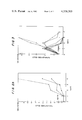
- FIG. 1 shows the effect of a pulse of NaCNO on a nonsynchronized P. falciparum culture.
- FIG. 2a shows the effect of a pulse addition of NaCNO on almost exclusively late trophozoites in a synchronized P. falciparum culture.
- FIG. 2b shows the effect of a pulse addition of NACNO on predominantly early trophozoites in a synchronized P. falciparum culture.
- FIG. 3 shows the effect on NaCNO during 48 hours, on P. falciparum in non-synchronized cultures.
- FIG. 4 shows the effect of pre-treatment of red cells with 50 mM NaCNO on the growth of P. falciparum.
- this present invention is a method for treatment of parasitic diseases in animals with a compound comprising a unit having the formula--O--C.N, wherein the N may be single, double or triple bonded to the C, whereby the parasitic disease undergoes remission or complete elimination.
- This unit will be called NCO in the rest of this application.
- this present invention comprises the treatment of parasitic diseases with isocyanates, cyanate salts and carbamylphosphates. More specifically, this invention may be said to be a method for the treatment of malaria, chagas disease and sleeping sickness in animals such as mammals and birds caused by any of various protozoa infecting agents such as Plasmodium vivax, Plasmodium falciparum, Plasmodium malariae and Plasmodium ovale and trypanosoma protozoa by either in vivo or in vitro exposure of said protozoa infecting agents to a substance, compound, mixture or complex which, at least in part, comprises a compound with the formula --[--O--C.N] wherein the N may be single, double or triple bonded with respect to C. More specifically, compounds of this formula may be selected from the group consisting of:
- R 1 is one selected from the group consisting of alkali metals, ammonium and low molecular weight organo groups
- R 2 is one selected from the group consisting of H and low molecular weight organo groups
- R 3 is one selected from a low molecular weight organo group, a phosphorous group or organo phosphorous group.
- compound (1) may be, but are not necessarily limited to, cyanate salts such as sodium cyanate, potassium cyanate and ammonium cyanate.
- compound (2) may be, but are not necessarily limited to isocyanates, such as methylisocyanate, propylisocyanate and ethylisocyanate.
- compound (3) may be, but is not necessarily limited to carbamylphosphate.
- the low molecular weight organo groups herein may comprise an alkyl, aryl, aroalkyl, allyl and substituted groups thereof, wherein the preferred is an alkyl of C 1 -C 8 .
- the isocyanates, carbamylphosphate and cyanate salts may also be utilizable with excorporeal modes of delivery wherein the blood removed from the effected animal is treated with the above compounds, is then dialized, and finally is refused into the animal.
- the FCR-3 strain of P. falciparum was obtained from Dr. J. B. Jensen, Rockefeller University, N.Y.C. and was maintained in culture utilizing the candle-jar method. See Jensen, J. B. et al, J. of Parasit., 63, 883-886 (1977).
- a suspension of 0.5% parasitized cells first was prepared by adding fresh washed uninfected cells to a stock culture containing approximately 10% parasitized cells. Complete medium was then added in order to obtain a 8% erythrocyte suspension. Four ml of this suspension was then placed into 60 ⁇ 15 mm plastic tissue culture petri dishes (Falcon) in triplicate.
- the parasitized cells were allowed to grow for 5 days.
- the cells were, after 5 days, characterized by "saturation" features: the number of parasitized cells decreases (having reached a population density of 10-15%) and a number of degenerated forms can be observed. These characteristics will appear earlier in the culture, if for example, feeding of fresh medium is increased in frequency.
- the "saturated" cultures have scyizonts (parasite developing within a red blood cell) not capable of completing schizogony. If this "saturated” culture is diluted to 1% of parasitized cells with fresh washed red cells and incubated for 18 hrs. a generation of synchronized ring form is observed.
- Recrystallized NaCNO (Diamond-Shansock, Baltimore, Md.) was dissolved in medium and sterilized by filtration through 0.45 Nalgene Filters just before adding the solution to the cultures.
- infected red cells were exposed to a short pulse of NaCNO.
- Parasitized cells were diluted with complete medium containing 50 mM and 25 mM/ml of NaCNO and incubated for 30 minutes at 37 degrees C.
- the cells were then spun at 1500 rpm for 10 minutes at 25 degrees C. in an International Centrifuge and the media was discarded.
- the cells were subsequently washed 3 times in drug and serum-free media, resuspended in complete media and placed back into culture. Similar tests were conducted in synchronized culture.
- concentrations of NaCNO ranging from 10 to 0.1 mM/ml were added to the culture for a full 48 hour period (one cycle). During this period the culture was changed at usual intervals with medium containing the same amount of cyanate. At the end of the 48 hour period, the cells were diluted with drug-free medium.
- red cells were pre-treated for 30 minutes with 50 mM NaCNO, washed and used to dilute the infected culture. The parasite growth in these host cells was then recorded.
- FIG. 1 illustrates the pulse addition (30 minutes incubation) of 50 mM CaCNO to a non-synchronized culture of P. falciparum on the first day of the culture. A significant decrease in the rate of growth of the culture is observed immediately after the treatment with cyanate.
- FIG. 2a and b illustrates the effect of the pulse addition of 50 mM and 25 mM concentration of NaCNO, when the synchronized culture is predominantly late trophozoites (later development form of intraesythrocytic parasite) or schizonts (FIG. 2a) or when the culture is predominantly ring forms (early trophoziotes) (FIG. 2b).
- a clear reduction in the rate of growth of the parasite is observed.
- the effect is greater with 50 mM than with 25 mM, and the culture seems to resume its growth potential in the post-pulse period, particularly with the lower doses.
- FIG. 3 illustrates the effect of several concentrations (10 mM to 0.1 mM) of NaCNO on the growth of P. falciparum.
- cyanate was in contact with the red cells in the culture for 48 hours. Concentrations above 1.0 mM destroyed the cultures and no parasitized forms were observed in day 3 and 4. Concentrations of 1.0 and 0.5 mM had a significant inhibitory effect but did not obliterate the culture. Cyanate at a concentration of 0.1 mM had no effect.
- FIG. 1 Effect of a pulse of NaCNO on a non-synchronized P. falciparum culture. --o--o -- control; --•--•-- 30 min. pulse of 50 mM NaCNO; ordinate: % of parasitized cells; abcissa: age of the culture.
- FIG. 2 Effect of a pulse of NaCNO on a synchronized P. falciparum culture. Days 1 and 3 of the culture are almost exclusively late trophozoites and days 2 and 4 are almost exclusively ring forms (early trophozoities).
- b Effect of a pulse addition of NaCNO on predominantly early trophozoites (ring forms) --o--o--- control; -- ⁇ -- ⁇ -- 25 mM NaCNO; --•--•-- 50 mM NaCNO.
- FIG. 3 Effect of additions of NaCNO during 48 hrs. on P. falciparum non-synchronized cultures. --x--x-- control; --o--o--O. mM; --•--•-- 0.5 mM; -- ⁇ -- ⁇ -- 1.0 mM -- -- -- 2.0 mM; -- ⁇ -- ⁇ -- 5.0 mM; -- -- -- 8 mM; -- ⁇ -- ⁇ -- 10.0 mM. Saturation: see text.
- FIG. 4 Effect of the pre-treatment of red cells with 50 mM NaCNO on the growth of P. falciparum. --o--o-- control; --•--•-- 50 mM NaCNO.
- the inhibitory effect of cyanate is obtained in vitro at concentration levels of 0.5 mM.
- Per os administration of cyanate can attain blood levels of about 0.4 mM with doses of 900 mg (22 mg/Kg) (see Nigen, A. N. et al, J. Pharmac. and Exp. Therapeut, 195, 333-330, (1975)).
- Intravenous administration of the drug at doses of 30 mg/Kg can reach blood concentration of about 0.8 mM (see Nigen, A. M. et al J. Lab. Clin. Med., 83, 139-146 (1974).
- extracorporeal delivery of cyanate has been recently developed (see Dietrich, D.
- cyanate appears to inhibit the growth of P. falciparum in human red cells and indicates that it should be an effective agent in the treatment of malaria and other related parasitic diseases.
Landscapes
- Health & Medical Sciences (AREA)
- Life Sciences & Earth Sciences (AREA)
- Chemical & Material Sciences (AREA)
- Medicinal Chemistry (AREA)
- Pharmacology & Pharmacy (AREA)
- Epidemiology (AREA)
- Animal Behavior & Ethology (AREA)
- General Health & Medical Sciences (AREA)
- Public Health (AREA)
- Veterinary Medicine (AREA)
- Emergency Medicine (AREA)
- Medicines That Contain Protein Lipid Enzymes And Other Medicines (AREA)
- Pharmaceuticals Containing Other Organic And Inorganic Compounds (AREA)
Abstract
A method is disclosed herein for the treatment of parasitic diseases in animals such as birds and mammals, more specifically, in vivo and in vitro treatments of malaria, chagas disease and sleeping sickness with a compound comprising a unit of the formula:
R.sub.1 --[--O--C.tbd.N]
wherein the N may be single, double or triple bonded with respect to C, wherein R1 is one selected from the group consisting of alkali metals, ammonium and low molecular weight organo groups selected from the group consisting of alkyl, aryl, aroalkyl and allyl groups, whereby said parasitic infection is either reduced in severity or entirely eliminated. The compounds may comprise isocyanates, cyanate salts and carbamylphosphates.
Description
This invention relates to a method for treating and curing various parasitic diseases of birds and mammals.
Malaria, sleeping sickness and chagas disease are infectious diseases caused by any of various protozoa such as Plasmodium vivax, Plasmodium falciparum, Plasmodium malariae and Plasmodium ovale and trypanosoma protoza. Malarial infecting agents are parasitic in red blood corpuscles and are transmitted to birds and mammals by the bite of an infected Amopheles mosquito. The malaria parasite is one of the most important of human pathogens. The trypanosoma protozoa are also parasitic in the blood stream of mammals and may be transmitted by the bite of a tsetse fly.
The prior art treatment of P. falciparum malaria in humans with chloroquine compound has been generally successful, but in recent years serious problems have arisen, see Center for Disease Control: Chemoprophylaxis of Malaria Morbidity Mortality Weekly Rep., 27 (Suppl.) 81-90 (1978). One problem is that the number of chloroquine resistant species is increasing in areas with already high incidence of the varients namely, Southeast Asia, Indonesia, Panama, and parts of the Indian subcontinent. See World Health Organization, W.H.O. Chronicles, 32, 9-17, (1978). In addition, chloroquine-resistant species have recently been reported for the first time in East Africa previously devoid of these mutants, See Fogh, S. et al, Trans. Royal Soc. Trop. Med. and Hygiene, 73, 228-229 (1979). The most commonly used alternative treatments, namely, quinine, primethamine and sulfadiazine, have shortcomings including adverse side-effects (some of them serious), as well as cost and availability. In addition, the use of primaquine for the eradication of the exoerythocytic forms in Ovale and Vivax malaria, is not recommended in glucose-6-phosphate dehydrogenase deficiency, a condition that has a high incidence among Blacks and some Caucasian ethnic groups, see Clyde, D. F., Bull. W.H.O, 50, 243-249 (1974).
The prior art was desirous of finding a possible new composition for treatment of these parasitic diseases. Previously certain cyanates were used for the treatment of sickle cell anemia, such as in U.S. Pat. No. 3,833,724, granted Sept. 3, 1974.
It is therefore a principal object of the present invention to provide a method as aforesaid which may be used in conjunction with parasitic disease causing agents.
It is another object of this invention to provide a method for a simplified and inexpensive treatment of parasitic diseases with a compound, a mixture or complex containing isocyanates, carbamylphosphates or cyanate salts.
It is a further object of this invention to provide a method for the in vivo or in vitro treatment of animals such as mammals and birds, for parasitic diseases.
The aforesaid as well as other objects and advantages will become apparent from a reading of the following description and adjoined claims.
FIG. 1 shows the effect of a pulse of NaCNO on a nonsynchronized P. falciparum culture.
FIG. 2a shows the effect of a pulse addition of NaCNO on almost exclusively late trophozoites in a synchronized P. falciparum culture.
FIG. 2b shows the effect of a pulse addition of NACNO on predominantly early trophozoites in a synchronized P. falciparum culture.
FIG. 3 shows the effect on NaCNO during 48 hours, on P. falciparum in non-synchronized cultures.
FIG. 4 shows the effect of pre-treatment of red cells with 50 mM NaCNO on the growth of P. falciparum.
Broadly speaking, this present invention is a method for treatment of parasitic diseases in animals with a compound comprising a unit having the formula--O--C.N, wherein the N may be single, double or triple bonded to the C, whereby the parasitic disease undergoes remission or complete elimination. This unit will be called NCO in the rest of this application.
Broadly speaking in another aspect this present invention comprises the treatment of parasitic diseases with isocyanates, cyanate salts and carbamylphosphates. More specifically, this invention may be said to be a method for the treatment of malaria, chagas disease and sleeping sickness in animals such as mammals and birds caused by any of various protozoa infecting agents such as Plasmodium vivax, Plasmodium falciparum, Plasmodium malariae and Plasmodium ovale and trypanosoma protozoa by either in vivo or in vitro exposure of said protozoa infecting agents to a substance, compound, mixture or complex which, at least in part, comprises a compound with the formula --[--O--C.N] wherein the N may be single, double or triple bonded with respect to C. More specifically, compounds of this formula may be selected from the group consisting of:
R.sub.1 --O--C.tbd.N; (1)
R.sub.1 --O--C═N--R.sub.2 ; (2)
and ##STR1## wherein R1 is one selected from the group consisting of alkali metals, ammonium and low molecular weight organo groups, R2 is one selected from the group consisting of H and low molecular weight organo groups and R3 is one selected from a low molecular weight organo group, a phosphorous group or organo phosphorous group. Examples of compound (1) may be, but are not necessarily limited to, cyanate salts such as sodium cyanate, potassium cyanate and ammonium cyanate. Examples of compound (2) may be, but are not necessarily limited to isocyanates, such as methylisocyanate, propylisocyanate and ethylisocyanate. An example of compound (3) may be, but is not necessarily limited to carbamylphosphate. The low molecular weight organo groups herein may comprise an alkyl, aryl, aroalkyl, allyl and substituted groups thereof, wherein the preferred is an alkyl of C1 -C8. The isocyanates, carbamylphosphate and cyanate salts may also be utilizable with excorporeal modes of delivery wherein the blood removed from the effected animal is treated with the above compounds, is then dialized, and finally is refused into the animal.
It has surprisingly been found that treating a parasitic infected animal system with isocyanates, carbamylphosphate or cyanate salts, such as sodium cyanate, the survivability of the disease causing infection agent is directly effected. With the dosages and treatment periods dependent upon the compound chosen and the individual characteristics of the animal being treated, the severity of the disease can be greatly decreased and even a complete 100% remission is both possible and probable. It is also probable that the method disclosed herein is applicable for treatment of other parasitic diseases in birds and/or mammals.
The following example is illustrative of the invention.
The FCR-3 strain of P. falciparum was obtained from Dr. J. B. Jensen, Rockefeller University, N.Y.C. and was maintained in culture utilizing the candle-jar method. See Jensen, J. B. et al, J. of Parasit., 63, 883-886 (1977).
In order to obtain non-synchronized cultures (cultures wherein the red blood cells infected with the parasite are not in the same stage of the disease), a suspension of 0.5% parasitized cells first was prepared by adding fresh washed uninfected cells to a stock culture containing approximately 10% parasitized cells. Complete medium was then added in order to obtain a 8% erythrocyte suspension. Four ml of this suspension was then placed into 60×15 mm plastic tissue culture petri dishes (Falcon) in triplicate.
In order to obtain synchronized cultures (cultures wherein all the red blood cells infected with the parasite are in the same stage of the disease) the parasitized cells were allowed to grow for 5 days. The cells were, after 5 days, characterized by "saturation" features: the number of parasitized cells decreases (having reached a population density of 10-15%) and a number of degenerated forms can be observed. These characteristics will appear earlier in the culture, if for example, feeding of fresh medium is increased in frequency.
The "saturated" cultures have scyizonts (parasite developing within a red blood cell) not capable of completing schizogony. If this "saturated" culture is diluted to 1% of parasitized cells with fresh washed red cells and incubated for 18 hrs. a generation of synchronized ring form is observed.
Recrystallized NaCNO (Diamond-Shansock, Baltimore, Md.) was dissolved in medium and sterilized by filtration through 0.45 Nalgene Filters just before adding the solution to the cultures.
In one series of tests infected red cells were exposed to a short pulse of NaCNO. Parasitized cells were diluted with complete medium containing 50 mM and 25 mM/ml of NaCNO and incubated for 30 minutes at 37 degrees C. The cells were then spun at 1500 rpm for 10 minutes at 25 degrees C. in an International Centrifuge and the media was discarded. The cells were subsequently washed 3 times in drug and serum-free media, resuspended in complete media and placed back into culture. Similar tests were conducted in synchronized culture.
In another series of tests, concentrations of NaCNO ranging from 10 to 0.1 mM/ml were added to the culture for a full 48 hour period (one cycle). During this period the culture was changed at usual intervals with medium containing the same amount of cyanate. At the end of the 48 hour period, the cells were diluted with drug-free medium.
To distinguish between the effect of cyanate on hemoglobin and the red cell membrane and its effects on the intraerythrocytic parasite, red cells were pre-treated for 30 minutes with 50 mM NaCNO, washed and used to dilute the infected culture. The parasite growth in these host cells was then recorded.
FIG. 1 illustrates the pulse addition (30 minutes incubation) of 50 mM CaCNO to a non-synchronized culture of P. falciparum on the first day of the culture. A significant decrease in the rate of growth of the culture is observed immediately after the treatment with cyanate.
FIG. 2a and b illustrates the effect of the pulse addition of 50 mM and 25 mM concentration of NaCNO, when the synchronized culture is predominantly late trophozoites (later development form of intraesythrocytic parasite) or schizonts (FIG. 2a) or when the culture is predominantly ring forms (early trophoziotes) (FIG. 2b). In both instances, a clear reduction in the rate of growth of the parasite is observed. The effect is greater with 50 mM than with 25 mM, and the culture seems to resume its growth potential in the post-pulse period, particularly with the lower doses.
FIG. 3 illustrates the effect of several concentrations (10 mM to 0.1 mM) of NaCNO on the growth of P. falciparum. In these tests cyanate was in contact with the red cells in the culture for 48 hours. Concentrations above 1.0 mM destroyed the cultures and no parasitized forms were observed in day 3 and 4. Concentrations of 1.0 and 0.5 mM had a significant inhibitory effect but did not obliterate the culture. Cyanate at a concentration of 0.1 mM had no effect.
Red cells treated with 50 mM cyanate prior to infection sustained the growth of the parasite just as well as untreated cells (FIG. 4).
FIG. 1. Effect of a pulse of NaCNO on a non-synchronized P. falciparum culture. --o--o -- control; --•--•-- 30 min. pulse of 50 mM NaCNO; ordinate: % of parasitized cells; abcissa: age of the culture.
FIG. 2: Effect of a pulse of NaCNO on a synchronized P. falciparum culture. Days 1 and 3 of the culture are almost exclusively late trophozoites and days 2 and 4 are almost exclusively ring forms (early trophozoities). a. Effect of a pulse addition of NaCNO on almost exclusively late trophozoites; --o--o-- control; --Δ--Δ-- 25 mM NaCNO; --•--•-- 50 mM NaCNO. b. Effect of a pulse addition of NaCNO on predominantly early trophozoites (ring forms) --o--o-- control; --Δ--Δ-- 25 mM NaCNO; --•--•-- 50 mM NaCNO.
FIG. 3: Effect of additions of NaCNO during 48 hrs. on P. falciparum non-synchronized cultures. --x--x-- control; --o--o--O. mM; --•--•-- 0.5 mM; --Δ--Δ-- 1.0 mM -- -- -- 2.0 mM; --□--□-- 5.0 mM; -- -- -- 8 mM; --∇--∇-- 10.0 mM. Saturation: see text.
FIG. 4: Effect of the pre-treatment of red cells with 50 mM NaCNO on the growth of P. falciparum. --o--o-- control; --•--•-- 50 mM NaCNO.
The data disclosed herein demonstrates that sodium cyanate is capable of inhibiting the intraerythrocytic growth of P. falciparum. At various concentrations the parasite fails to develop and appears to have been killed. In addition, both early (ring) and late trophozoite are inhibited by cyanate. The lack of effect of the pre-treatment of red cells by cyanate on the growth pattern of the parasite suggests that the mechanism of inhibition is not mediated by carbamylation of hemoglobin or the red cell membrane. A direct carbamylation of critical proteins in the parasite, seems to be the most likely explanation for this effect. Cyanate is known to carbamylate readily (at neutral pH), with amino terminal groups and some amino groups of lysine in proteins (see Stark, G. R. et al, J. Biol. Chem., 235, 3177-3181 (1960)).
The inhibitory effect of cyanate is obtained in vitro at concentration levels of 0.5 mM. Per os administration of cyanate can attain blood levels of about 0.4 mM with doses of 900 mg (22 mg/Kg) (see Nigen, A. N. et al, J. Pharmac. and Exp. Therapeut, 195, 333-330, (1975)). Intravenous administration of the drug at doses of 30 mg/Kg can reach blood concentration of about 0.8 mM (see Nigen, A. M. et al J. Lab. Clin. Med., 83, 139-146 (1974). Finally, extracorporeal delivery of cyanate has been recently developed (see Dietrich, D. et al, In Erythrocyte Structure and Function (Brewer, G. J. ed.) Allen R. Less, Inc., N.Y. (1955)) and could be still another therapeutic modality that could be useful for selected indications in the treatment of malaria.
No short-term side effects have been observed in individuals receiving cyanate in doses less than 30 mg/KG. Long term complications (polyneuritis and cataracts) were observed during trails of this drug as an antisickling agent, only after several months of administration and mostly with the higher doses (35 mg/Kg) (see Harkness, D. R. et al, Prog. Hematol., 9, 157-184 (1955)). In the case of malaria, cyanate would probably be used for short treatment periods in which no side effects have been observed.
In conclusion, cyanate appears to inhibit the growth of P. falciparum in human red cells and indicates that it should be an effective agent in the treatment of malaria and other related parasitic diseases.
Claims (9)
1. A method for treating a protozal parasitic disease in an animal comprising exposing the protozoal parasitic infecting agents of said diseased animals to an effective amount of the compound which comprises R1 --[O--C.tbd.N] wherein R1 is one selected from the group consisting of alkali metals, ammonium and low molecular weight organo groups selected from the group consisting of alkyl, aryl, aroalky, and allyl groups.
2. The method of claim 1, wherein the animal is a mammal.
3. The method of claim 1, wherein the animal is a bird.
4. The method of claim 1, wherein the exposure of the protozoa parasitic infecting agent to said compound occurs in vivo.
5. The method of claim 1, wherein the exposure of the protozoa parasitic infecting agent to said compound occurs in vitro.
6. The method of claim 1, wherein the protozoa parasitic disease is one selected from the group consisting of malaria, sleeping sickness and chagas disease.
7. The method of claim 1, wherein the protozoa parasitic infecting agent is one selected from the group consisting of Plasmodium vivax, Plasmodium falciparum, Plasmodium malariae, Plasmodium ovale, and trypanosoma protozoa.
8. The method of claim 1, wherein the low molecular weight organo group is an alkyl of from C1 to C8.
9. The method of claim 1, wherein the compound is one selected from the group consisting of sodium cyanate, potassium cyanate and ammonium cyanate.
Priority Applications (1)
| Application Number | Priority Date | Filing Date | Title |
|---|---|---|---|
| US06/118,186 US4338303A (en) | 1980-02-04 | 1980-02-04 | Treatment of parasitic diseases |
Applications Claiming Priority (1)
| Application Number | Priority Date | Filing Date | Title |
|---|---|---|---|
| US06/118,186 US4338303A (en) | 1980-02-04 | 1980-02-04 | Treatment of parasitic diseases |
Publications (1)
| Publication Number | Publication Date |
|---|---|
| US4338303A true US4338303A (en) | 1982-07-06 |
Family
ID=22377022
Family Applications (1)
| Application Number | Title | Priority Date | Filing Date |
|---|---|---|---|
| US06/118,186 Expired - Lifetime US4338303A (en) | 1980-02-04 | 1980-02-04 | Treatment of parasitic diseases |
Country Status (1)
| Country | Link |
|---|---|
| US (1) | US4338303A (en) |
Cited By (2)
| Publication number | Priority date | Publication date | Assignee | Title |
|---|---|---|---|---|
| US5861375A (en) * | 1994-07-27 | 1999-01-19 | Merck & Co., Inc. | Antiprotozoal cyclic tetrapeptides |
| US20070099109A1 (en) * | 2005-10-31 | 2007-05-03 | William Dorogy | System and method for radiation imaging by in-situ particle formation |
Citations (1)
| Publication number | Priority date | Publication date | Assignee | Title |
|---|---|---|---|---|
| US3833724A (en) * | 1971-09-15 | 1974-09-03 | Research Corp | Treatment of sickle cell anemia |
-
1980
- 1980-02-04 US US06/118,186 patent/US4338303A/en not_active Expired - Lifetime
Patent Citations (1)
| Publication number | Priority date | Publication date | Assignee | Title |
|---|---|---|---|---|
| US3833724A (en) * | 1971-09-15 | 1974-09-03 | Research Corp | Treatment of sickle cell anemia |
Cited By (3)
| Publication number | Priority date | Publication date | Assignee | Title |
|---|---|---|---|---|
| US5861375A (en) * | 1994-07-27 | 1999-01-19 | Merck & Co., Inc. | Antiprotozoal cyclic tetrapeptides |
| US20070099109A1 (en) * | 2005-10-31 | 2007-05-03 | William Dorogy | System and method for radiation imaging by in-situ particle formation |
| US7498117B2 (en) * | 2005-10-31 | 2009-03-03 | Hewlett-Packard Development Company, L.P. | System and method for radiation imaging by in-situ particle formation |
Similar Documents
| Publication | Publication Date | Title |
|---|---|---|
| Bacchi et al. | Differential susceptibility to DL-alpha-difluoromethylornithine in clinical isolates of Trypanosoma brucei rhodesiense | |
| Harnett | The anthelmintic action of praziquantel | |
| US4496545A (en) | Nonapeptide for treating addictive drug withdrawal conditions | |
| US4835140A (en) | Method for treating pneumocystis carinii pneumonia patients with clindamycin and primaquine | |
| Grewal | Pharmacology of 8-aminoquinolines | |
| Ling et al. | Protection of goldfish against some common ectoparasitic protozoans using Ichthyophthirius multifiliis and Tetrahymena pyriformis for vaccination | |
| Long et al. | Eimeria: effect of meticlorpindol and methyl benzoquate on endogenous stages in the chicken | |
| US4338303A (en) | Treatment of parasitic diseases | |
| Schmidt et al. | Development of resistance to chlorguanide (paludrine) during treatment of infections with Plasmodium cynomolgi | |
| Yeo et al. | Prolonged exposure of Plasmodium falciparum to ciprofloxacin increases anti-malarial activity | |
| JPS6256426A (en) | Medicinal composition for treating human malaria | |
| RU2006224C1 (en) | Membrane-stabilization and antioxidant medicinal agent | |
| NZ217431A (en) | Synergistically antimalarial combination preparations comprising an iron(iii) chelating agent and a schizontocide | |
| Feldman et al. | Pamaquine naphthoate as a prophylactic for malarial infections | |
| Zuckerman | Infections with Plasmodium gallinaceum in chick embryos induced by exoerythrocytic and blood stages | |
| KR100379026B1 (en) | Method for exterminating scutica in a cultivated flounder | |
| JP2002532552A (en) | Triazine-on compounds for treating diseases caused by sarcocystis, neospora and toxoplasma | |
| Nagel et al. | Effect of sodium cyanate on Plasmodium falciparum in vitro | |
| Sinou et al. | In vitro and in vivo inhibition of erythrocytic development of malarial parasites by docetaxel | |
| US4946849A (en) | Method for the treatment of malaria | |
| JP2003519088A (en) | Use of GSSG reductase for treatment and prevention of HIV infected patients | |
| US20040053208A1 (en) | Methods to selectively inactivate parasites in biological compositions | |
| RU2128507C1 (en) | Solution for intravascular administration, method of viral and infectious sicknesses control, method of aids control, method of tuberculosis control | |
| JPH08231401A (en) | Preventive or remedy for malaria | |
| US4681899A (en) | Method of preventing the growth of malaria parasites in erythrocytes |
Legal Events
| Date | Code | Title | Description |
|---|---|---|---|
| STCF | Information on status: patent grant |
Free format text: PATENTED CASE |