US4322477A - Electrical resistor material, resistor made therefrom and method of making the same - Google Patents
Electrical resistor material, resistor made therefrom and method of making the same Download PDFInfo
- Publication number
- US4322477A US4322477A US05/613,433 US61343375A US4322477A US 4322477 A US4322477 A US 4322477A US 61343375 A US61343375 A US 61343375A US 4322477 A US4322477 A US 4322477A
- Authority
- US
- United States
- Prior art keywords
- tin oxide
- resistance
- temperature
- glass frit
- resistor
- Prior art date
- Legal status (The legal status is an assumption and is not a legal conclusion. Google has not performed a legal analysis and makes no representation as to the accuracy of the status listed.)
- Expired - Lifetime
Links
- 238000004519 manufacturing process Methods 0.000 title claims description 7
- 239000000463 material Substances 0.000 title abstract description 88
- XOLBLPGZBRYERU-UHFFFAOYSA-N tin dioxide Chemical compound O=[Sn]=O XOLBLPGZBRYERU-UHFFFAOYSA-N 0.000 claims abstract description 56
- 229910001887 tin oxide Inorganic materials 0.000 claims abstract description 52
- 239000011521 glass Substances 0.000 claims abstract description 50
- 238000010304 firing Methods 0.000 claims abstract description 30
- 239000000203 mixture Substances 0.000 claims abstract description 24
- 239000000758 substrate Substances 0.000 claims abstract description 23
- 239000002245 particle Substances 0.000 claims abstract description 22
- 238000002156 mixing Methods 0.000 claims abstract description 13
- 239000012298 atmosphere Substances 0.000 claims description 13
- 238000010438 heat treatment Methods 0.000 claims description 7
- 239000007789 gas Substances 0.000 claims description 6
- 239000012299 nitrogen atmosphere Substances 0.000 claims description 5
- 239000000155 melt Substances 0.000 claims 4
- 239000000037 vitreous enamel Substances 0.000 abstract description 13
- 239000010419 fine particle Substances 0.000 abstract description 2
- 238000001816 cooling Methods 0.000 abstract 1
- 239000000156 glass melt Substances 0.000 abstract 1
- VYPSYNLAJGMNEJ-UHFFFAOYSA-N Silicium dioxide Chemical compound O=[Si]=O VYPSYNLAJGMNEJ-UHFFFAOYSA-N 0.000 description 18
- 239000000377 silicon dioxide Substances 0.000 description 9
- QVQLCTNNEUAWMS-UHFFFAOYSA-N barium oxide Chemical compound [Ba]=O QVQLCTNNEUAWMS-UHFFFAOYSA-N 0.000 description 6
- 230000000694 effects Effects 0.000 description 6
- JKWMSGQKBLHBQQ-UHFFFAOYSA-N diboron trioxide Chemical compound O=BOB=O JKWMSGQKBLHBQQ-UHFFFAOYSA-N 0.000 description 5
- 235000012239 silicon dioxide Nutrition 0.000 description 5
- VXQBJTKSVGFQOL-UHFFFAOYSA-N 2-(2-butoxyethoxy)ethyl acetate Chemical compound CCCCOCCOCCOC(C)=O VXQBJTKSVGFQOL-UHFFFAOYSA-N 0.000 description 4
- PXHVJJICTQNCMI-UHFFFAOYSA-N Nickel Chemical compound [Ni] PXHVJJICTQNCMI-UHFFFAOYSA-N 0.000 description 4
- 239000000919 ceramic Substances 0.000 description 4
- 238000005259 measurement Methods 0.000 description 3
- 229910000510 noble metal Inorganic materials 0.000 description 3
- 238000012216 screening Methods 0.000 description 3
- 238000012360 testing method Methods 0.000 description 3
- XLYOFNOQVPJJNP-UHFFFAOYSA-N water Substances O XLYOFNOQVPJJNP-UHFFFAOYSA-N 0.000 description 3
- 229910018404 Al2 O3 Inorganic materials 0.000 description 2
- XKRFYHLGVUSROY-UHFFFAOYSA-N Argon Chemical compound [Ar] XKRFYHLGVUSROY-UHFFFAOYSA-N 0.000 description 2
- IJGRMHOSHXDMSA-UHFFFAOYSA-N Atomic nitrogen Chemical compound N#N IJGRMHOSHXDMSA-UHFFFAOYSA-N 0.000 description 2
- ODINCKMPIJJUCX-UHFFFAOYSA-N Calcium oxide Chemical compound [Ca]=O ODINCKMPIJJUCX-UHFFFAOYSA-N 0.000 description 2
- BQCADISMDOOEFD-UHFFFAOYSA-N Silver Chemical compound [Ag] BQCADISMDOOEFD-UHFFFAOYSA-N 0.000 description 2
- YXFVVABEGXRONW-UHFFFAOYSA-N Toluene Chemical compound CC1=CC=CC=C1 YXFVVABEGXRONW-UHFFFAOYSA-N 0.000 description 2
- PNEYBMLMFCGWSK-UHFFFAOYSA-N aluminium oxide Inorganic materials [O-2].[O-2].[O-2].[Al+3].[Al+3] PNEYBMLMFCGWSK-UHFFFAOYSA-N 0.000 description 2
- 238000000576 coating method Methods 0.000 description 2
- 239000000470 constituent Substances 0.000 description 2
- 230000001351 cycling effect Effects 0.000 description 2
- 239000007788 liquid Substances 0.000 description 2
- 239000000395 magnesium oxide Substances 0.000 description 2
- CPLXHLVBOLITMK-UHFFFAOYSA-N magnesium oxide Inorganic materials [Mg]=O CPLXHLVBOLITMK-UHFFFAOYSA-N 0.000 description 2
- AXZKOIWUVFPNLO-UHFFFAOYSA-N magnesium;oxygen(2-) Chemical compound [O-2].[Mg+2] AXZKOIWUVFPNLO-UHFFFAOYSA-N 0.000 description 2
- 238000002844 melting Methods 0.000 description 2
- 230000008018 melting Effects 0.000 description 2
- 229910052759 nickel Inorganic materials 0.000 description 2
- TWNQGVIAIRXVLR-UHFFFAOYSA-N oxo(oxoalumanyloxy)alumane Chemical compound O=[Al]O[Al]=O TWNQGVIAIRXVLR-UHFFFAOYSA-N 0.000 description 2
- RVTZCBVAJQQJTK-UHFFFAOYSA-N oxygen(2-);zirconium(4+) Chemical compound [O-2].[O-2].[Zr+4] RVTZCBVAJQQJTK-UHFFFAOYSA-N 0.000 description 2
- BASFCYQUMIYNBI-UHFFFAOYSA-N platinum Chemical compound [Pt] BASFCYQUMIYNBI-UHFFFAOYSA-N 0.000 description 2
- 229910052709 silver Inorganic materials 0.000 description 2
- 239000004332 silver Substances 0.000 description 2
- -1 steatite Inorganic materials 0.000 description 2
- 229910001928 zirconium oxide Inorganic materials 0.000 description 2
- 229910011255 B2O3 Inorganic materials 0.000 description 1
- OYPRJOBELJOOCE-UHFFFAOYSA-N Calcium Chemical compound [Ca] OYPRJOBELJOOCE-UHFFFAOYSA-N 0.000 description 1
- RYGMFSIKBFXOCR-UHFFFAOYSA-N Copper Chemical compound [Cu] RYGMFSIKBFXOCR-UHFFFAOYSA-N 0.000 description 1
- 229910052787 antimony Inorganic materials 0.000 description 1
- WATWJIUSRGPENY-UHFFFAOYSA-N antimony atom Chemical compound [Sb] WATWJIUSRGPENY-UHFFFAOYSA-N 0.000 description 1
- 229910052786 argon Inorganic materials 0.000 description 1
- 238000000498 ball milling Methods 0.000 description 1
- 229910052788 barium Inorganic materials 0.000 description 1
- DSAJWYNOEDNPEQ-UHFFFAOYSA-N barium atom Chemical compound [Ba] DSAJWYNOEDNPEQ-UHFFFAOYSA-N 0.000 description 1
- JRPBQTZRNDNNOP-UHFFFAOYSA-N barium titanate Chemical compound [Ba+2].[Ba+2].[O-][Ti]([O-])([O-])[O-] JRPBQTZRNDNNOP-UHFFFAOYSA-N 0.000 description 1
- 229910002113 barium titanate Inorganic materials 0.000 description 1
- AYJRCSIUFZENHW-DEQYMQKBSA-L barium(2+);oxomethanediolate Chemical compound [Ba+2].[O-][14C]([O-])=O AYJRCSIUFZENHW-DEQYMQKBSA-L 0.000 description 1
- 239000006105 batch ingredient Substances 0.000 description 1
- KGBXLFKZBHKPEV-UHFFFAOYSA-N boric acid Chemical compound OB(O)O KGBXLFKZBHKPEV-UHFFFAOYSA-N 0.000 description 1
- 239000004327 boric acid Substances 0.000 description 1
- 230000001680 brushing effect Effects 0.000 description 1
- 229910052791 calcium Inorganic materials 0.000 description 1
- 239000011575 calcium Substances 0.000 description 1
- 239000011248 coating agent Substances 0.000 description 1
- 150000001875 compounds Chemical class 0.000 description 1
- 239000004020 conductor Substances 0.000 description 1
- 229910052802 copper Inorganic materials 0.000 description 1
- 239000010949 copper Substances 0.000 description 1
- 238000007598 dipping method Methods 0.000 description 1
- 230000002349 favourable effect Effects 0.000 description 1
- PCHJSUWPFVWCPO-UHFFFAOYSA-N gold Chemical compound [Au] PCHJSUWPFVWCPO-UHFFFAOYSA-N 0.000 description 1
- 229910052737 gold Inorganic materials 0.000 description 1
- 239000010931 gold Substances 0.000 description 1
- 239000001307 helium Substances 0.000 description 1
- 229910052734 helium Inorganic materials 0.000 description 1
- SWQJXJOGLNCZEY-UHFFFAOYSA-N helium atom Chemical compound [He] SWQJXJOGLNCZEY-UHFFFAOYSA-N 0.000 description 1
- 239000004615 ingredient Substances 0.000 description 1
- 239000011810 insulating material Substances 0.000 description 1
- 229910052751 metal Inorganic materials 0.000 description 1
- 239000002184 metal Substances 0.000 description 1
- 150000002739 metals Chemical class 0.000 description 1
- 229910052757 nitrogen Inorganic materials 0.000 description 1
- 239000003973 paint Substances 0.000 description 1
- 229910052697 platinum Inorganic materials 0.000 description 1
- 229910052573 porcelain Inorganic materials 0.000 description 1
- 239000000843 powder Substances 0.000 description 1
- 239000010970 precious metal Substances 0.000 description 1
- 238000002360 preparation method Methods 0.000 description 1
- 238000005507 spraying Methods 0.000 description 1
Images
Classifications
-
- H—ELECTRICITY
- H01—ELECTRIC ELEMENTS
- H01C—RESISTORS
- H01C17/00—Apparatus or processes specially adapted for manufacturing resistors
- H01C17/06—Apparatus or processes specially adapted for manufacturing resistors adapted for coating resistive material on a base
- H01C17/065—Apparatus or processes specially adapted for manufacturing resistors adapted for coating resistive material on a base by thick film techniques, e.g. serigraphy
- H01C17/06506—Precursor compositions therefor, e.g. pastes, inks, glass frits
- H01C17/06513—Precursor compositions therefor, e.g. pastes, inks, glass frits characterised by the resistive component
- H01C17/06533—Precursor compositions therefor, e.g. pastes, inks, glass frits characterised by the resistive component composed of oxides
Definitions
- the present invention relates to a resistor material, resistors made from the material, and a method of making the material. More particularly, the present invention relates to a vitreous enamel resistor material which provides resistors over a wide range of resistivities and with relatively low temperature coefficients of resistance, and which are made from relatively inexpensive materials.
- a type of electrical resistor material which has recently come into commercial use is a vitreous enamel resistor material which comprises a mixture of a glass frit and finely divided particles of an electrical conductive material.
- the vitreous enamel resistor material is coated on the surface of a substrate of an electrical insulating material, usually a ceramic, and fired to melt the glass frit. When cooled, there is provided a film of glass having the conductive particles dispersed therein.
- vitreous enamel resistor materials With respective properties which will allow the making of resistors over a wide range of resistance values.
- a problem has arisen with regard to providing a vitreous enamel resistor material which will provide resistors having a high resistivity and which are also relatively stable with changes in temperature, i.e., has a low temperature coefficient of resistance.
- the resistor materials which provide both wide range of resistivities and low temperature coefficients of resistance generally utilize the noble metals as the conductive particles and are therefore relatively expensive.
- a resistor material comprising a mixture of a glass frit and finely divided particles of tin oxide.
- the tin oxide is preferably heat treated prior to mixing with the glass frit.
- the invention accordingly comprises a composition of matter possessing the characteristics, properties, and the relation of components which are exemplified in the compositions hereinafter described, and the scope of the invention is indicated in the claims.
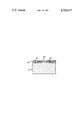
- FIGURE of the drawing is a sectional view of a portion of a resistor made with the resistor material of the present invention.
- the vitreous enamel resistor material of the present invention comprises a mixture of a vitreous glass frit and fine particles of tin oxide (SnO 2 ).
- the glass frit is present in the resistor material in the amount of 30% to 80% by volume, and preferably in the amount of 40% to 60% by volume.
- the glass frit used must have a softening point below that of the conductive phase. It has been found that the use of a borosilicate frit is preferable, and particularly an alkaline earth borosilicate frit, such as a barium or calcium borosilicate frit.
- the preparation of such frits is well known and consists, for example, of melting together the constituents of the glass in the form of the oxides of the constituents, and pouring such molten composition into water to form the frit.
- the batch ingredients may, of course, be any compound that will yield the desired oxides under the usual conditions of frit production.
- boric oxide will be obtained from boric acid
- silicon dioxide will be produced from flint
- barium oxide will be produced from barium carbonate, etc.
- the coarse frit is preferably milled in a ball mill with water to reduce the particle size of the frit and to obtain a frit of substantially uniform size.
- the resistor material of the present invention may be made by thoroughly mixing together the glass frit, and the tin oxide particles in the appropriate amounts.
- the mixing is preferably carried out by ball milling the ingredients in water or an organic medium, such as butyl carbitol acetate or a mixture of butyl carbitol acetate and toluol.
- the mixture is then adjusted to the proper viscosity for the desired manner of applying the resistor material to a substrate by either adding or removing the liquid medium of the mixture.
- the liquid may be evaporated and the mixture blended with a screening vehicle such as manufactured by L. Reusche and Company, Newark, N.J.
- Another method of making the resistor material which provides a wider resistance range and better control of temperature coefficient of resistivity is to first heat treat the tin oxide.
- the heat treated tin oxide is then mixed with the glass frit to form the resistor material.
- the tin oxide powder was heat treated in one of the following manners:
- a boat containing the tin oxide is placed on the belt of a continuous furnace.
- the boat is fired at a peak temperature of 1100° C. over a one hour cycle in a nitrogen atmosphere.
- a boat containing the tin oxide is placed in a tube furnace and forming gas (95% N 2 and 5% H 2 ) is introduced into the furnace so that it flows over the boat.
- the furnace is heated to 525° C. and held at that temperature for a short period of time (up to about 10 minutes).
- the furnace is then turned off and the boat containing the tin oxide is allowed to cool with the furnace to a temperature of 200° C. or lower.
- the forming gas atmosphere is maintained until the tin oxide is removed from the furnace.
- the resistor material is applied to a uniform thickness on the surface of a substrate.
- the substrate may be a body of any material which can withstand the firing temperature of the resistor material.
- the substrate is generally a body of a ceramic, such as glass, porcelain, steatite, barium titanate, alumina, or the like.
- the resistor material may be applied on the substrate by brushing, dipping, spraying, or screen stencil application.
- the resistor material is then dried, such as by heating at a low temperature, e.g., 150° C. for 15 minutes.
- the vehicle mixed with the tin oxide may be burned off by heating at a slightly higher temperature prior to the firing of the resistor. The vehicle burn off has been done in one of the following manners:
- the substrate with the resistor material coating is then fired in a conventional furnace at a temperature at which the glass frit becomes molten.
- the resistor material is fired in an inert atmosphere, such as argon, helium or nitrogen.
- the resistance and temperature coefficient of resistance varies with the firing temperature used.
- the firing temperature is selected to provide a desired resistance value with an optimum temperature coefficient of resistance.
- the minimum firing temperature is determined by the melting characteristics of the glass frit used.
- Resistor 10 comprises a ceramic substrate 12 having a layer 14 of the resistor material of the present invention coated and fired thereon.
- the resistor material layer 14 comprises the glass 16 containing the finely divided particles 18 of the tin oxide.
- the tin oxide particles 18 are embedded in and dispersed throughout the glass 16.
- a resistance material was made by mixing together 50% by volume of tin oxide particles and 50% by volume of particles of a glass of the composition, by weight, of 42% barium oxide (BaO), 20% boron oxide (B 2 O 3 ) and 38% silicon dioxide (SiO 2 ).
- the tin oxide and glass mixture was ball milled in butyl carbitol acetate for one day.
- the butyl carbitol acetate was then evaporated and the dry mixture was then blended with a Ruesche screening vehicle on a three roll mill.
- the resistance material was made into resistors by screening the material onto alumina substrates. The resistance material layers were dried for 15 minutes at 150° C. and subjected to vehicle burn off 1, previously described. Various ones of the resistors were then fired at different peak temperatures between 850° C. and 1150° C. over a one-half hour cycle in a nitrogen atmosphere in a continuous belt furnace. A conductive silver paint was applied to the substrate to form a six square resistor, i.e., a resistor having a length six times its width. The silver point was cured for one hour at 200° C.
- the values of the temperature coefficients of resistance provided in the following Tables are for measurements on the cold side taken at room temperature (25° C.) and at -81° C., except for Tables VIII and IX where cold side measurements were taken at room temperature and at -76° C.
- Tables I, VII, XIV and XV also provide values of the temperature coefficients of resistance for measurements on the hot side taken at room temperature and at +150° C. From a comparison of values of the temperature coefficients of resistance taken on the cold and hot sides, it is seen that the hot side values are generally more positive than the corresponding cold side values and that the temperature coefficients of resistance characterize the resistors as being extremely stable.
- Table I shows the resistance values and temperature coefficients of resistance of the various resistors made in accordance with Example I and fired at different temperatures.
- a resistance material was made in the same manner as in Example I, except that the resistance material contained 20% by volume of tin oxide and 80% by volume of the glass particles.
- the resistance material was made into resistors in the same manner as described in Example I.
- Table II shows the resistance values and temperature coefficients of resistance of the resistors which were fired at different temperatures.
- a resistance material was made in the same manner as in Example I, except that the resistance material contained 30% by volume of tin oxide and 70% by volume of the glass particles.
- the resistance material was made into resistors in the same manner as described in Example I.
- Table III shows the resistance values and temperature coefficients of resistance of the resistors which were fired at different temperatures.
- a resistance material was made in the same manner as in Example I, except that the resistance material contained 40% by volume of tin oxide and 60% by volume of the glass particles.
- the resistance material was made into resistors in the same manner as described in Example I.
- Table IV shows the resistance values and temperature coefficients of resistance of the resistors which were fired at different temperatures.
- a resistance material was made in the same manner as in Example I, except that the resistance material contained 60% by volume of tin oxide and 40% by volume of the glass particles.
- the resistance material was made into resistors in the same manner as described in Example I.
- Table V shows the resistance values and temperature coefficients of resistance of the resistors which were fired at different temperatures.
- a resistance material was made in the same manner as in Example I, except that the resistance material contained 70% by volume of tin oxide and 30% by volume of the glass particles.
- the resistance material was made into resistors in the same manner as described in Example I.
- Table VI shows the resistance values and temperature coefficients of resistance of the resistors which were fired at different temperatures.
- a resistance material was made in the same manner as described in Example I, except that the glass used was of a composition of, by weight, 48% barium oxide (BaO), 8% calcium oxide (CaO), 23% boron oxide (B 2 O 3 ) and 21% silicon dioxide (SiO 2 ).
- the resistance material was made into resistors in the same manner as described in Example I.
- Table VII shows the resistance values and temperature coefficients of resistance of the resistors fired at various temperatures.
- a resistance material was made in the same manner as described in Example I, except that the glass used was of a composition of, by weight, 46% barium oxide (BaO), 20% boron oxide (B 2 O 3 ), 4% aluminum oxide (Al 2 O 3 ) and 30% silicon dioxide (SiO 2 ).
- the resistance material was made into resistors in the same manner as described in Example I.
- Table VIII shows the resitance values and temperature coefficients of resistance of the resistors fired at various temperatures.
- a resistance material was made in the same manner as described in Example I, except that the glass used was of a composition of, by weight, 31% barium oxide (BaO), 0.7% magnesium oxide (MgO), 9.1% calcium oxide (CaO), 4.5% boron oxide (B 2 O 3 ), 6.3% aluminum oxide (Al 2 O 3 ), 45.6% silicon dioxide (SiO 2 ), and 2.8% zirconium oxide (ZrO 2 ).
- the resistance material was made into resistors in the same manner as described in Example I. Table IX shows the resistance values and temperature coefficients of resistance of the resistors fired at various temperatures.
- a resistance material was made in the same manner as described in Example I.
- the resistance material was made into resistors in the same manner as described in Example I, except that the resistance material was not subjected to a vehicle burn off after it was dried.
- Table X shows the resistance values and temperature coefficients of resistance of the resistors fired at various temperatures.
- a resistance material was made in the same manner as described in Example I.
- the resistance material was made into resistors in the same manner as described in Example I, except that the resistance material was subjected to vehicle burn off 2, previously described.
- Table XI shows the resistance values and temperature coefficients of resistance of the resistors fired at various temperatures.
- a resistance material was made in the same manner as described in Example I.
- the resistance material was made into resistors in the same manner as described in Example I, except that the resistance material was subjected to vehicle burn off 3, previously described.
- Table XII shows the resistance values and temperature coefficients of resistance of the resistors fired at various temperatures.
- a resistance material was made in the same manner as described in Example I.
- the resistance material was made into resistors in the same manner as described in Example I, except that the resistance material was subjected to vehicle burn off 4, previously described.
- Table XIII shows the resistance values and temperature coefficients of resistance of the resistors at various temperatures.
- a resistance material was made in the same manner as described in Example I, except that the tin oxide was subjected to heat treatment 1, prior to being mixed with the glass particles.
- the resistance material was made into resistors in the same manner as described in Example I.
- Table XIV shows the resistance values and temperature coefficients of resistance of the resistors fired at various temperatures.
- a resistance material was made in the same manner as described in Example I, except that the tin oxide was subjected to heat treatment 2 prior to being mixed with the glass particles.
- the resistance material was made into resistors in the same manner as described in Example I.
- Table XV shows the resistance values and temperature coefficients of resistance of the resistors fired at various temperatures.
- the resistors of the invention were terminated with the commercially available nickel glaze CERMALLOY 7128 and subjected to temperature cycling tests. During the tests the temperature was cycled five times between -55° C. and +85° C. The resulting changes in resistance were small, being less than 0.05%.
- the above results are very favorable when compared to the poor stability attained by Mochel and described in his U.S. Pat. No. 2,564,707 when his pyrolytically deposited tin oxide resistors were subjected to testing by temperature cycling.
- Resistor glazes based on noble metals are typically terminated with expensive precious metal materials such as platinum, paladium, and gold.
- This resistor is compatible with terminations made of non-noble metals such as copper and nickel. This has the advantage of both reducing the cost of the resistor, and providing a more solderable termination.
Landscapes
- Engineering & Computer Science (AREA)
- Manufacturing & Machinery (AREA)
- Microelectronics & Electronic Packaging (AREA)
- Non-Adjustable Resistors (AREA)
- Apparatuses And Processes For Manufacturing Resistors (AREA)
- Thermistors And Varistors (AREA)
Abstract
A vitreous enamel resistor material comprising a mixture of a vitreous glass frit and fine particles of tin oxide (SnO2). An electrical resistor is made from the resistor material by applying the material to a substrate and firing the coated substrate to a temperature at which the glass melts. The tin oxide is preferably heat treated prior to mixing with the glass frit. Upon cooling, the substrate has on the surface thereof, a film of the glass having the particles of the tin oxide embedded therein and dispersed therethroughout. The resistor material provides a resistor having a wide range of resistivity and a low temperature coefficient of resistance.
Description
The present invention relates to a resistor material, resistors made from the material, and a method of making the material. More particularly, the present invention relates to a vitreous enamel resistor material which provides resistors over a wide range of resistivities and with relatively low temperature coefficients of resistance, and which are made from relatively inexpensive materials.
A type of electrical resistor material which has recently come into commercial use is a vitreous enamel resistor material which comprises a mixture of a glass frit and finely divided particles of an electrical conductive material. The vitreous enamel resistor material is coated on the surface of a substrate of an electrical insulating material, usually a ceramic, and fired to melt the glass frit. When cooled, there is provided a film of glass having the conductive particles dispersed therein.
Since there are requirements for electrical resistors having a wide range of resistance values, it is desirable to have vitreous enamel resistor materials with respective properties which will allow the making of resistors over a wide range of resistance values. However, a problem has arisen with regard to providing a vitreous enamel resistor material which will provide resistors having a high resistivity and which are also relatively stable with changes in temperature, i.e., has a low temperature coefficient of resistance. The resistor materials which provide both wide range of resistivities and low temperature coefficients of resistance generally utilize the noble metals as the conductive particles and are therefore relatively expensive.
Pyrolytically deposited films of tin oxide have been used as a resistor as disclosed by R. H. W. Burkett in "Tin Oxide Resistors" published in the JOURNAL OF THE BRITISH I. R. E., April 1961, pp. 301-304. However, as disclosed by Burkett such tin oxide resistor films were relatively unstable and had a highly negative TCR. The instability of tin oxide resistors films is also disclosed in U.S. Pat. No. 2,564,707 issued to John M. Mochel, on Aug. 21, 1951, entitled "Electrically Conducting Coatings on Glass and Other Ceramic Bodies." Mochel attempted to overcome this instability by doping the tin oxide with other metals. Although, as described in the article by J. Dearden entitled "High Value, High Voltage Resistors," ELECTRONIC COMPONENTS, March 1967, pp. 259-262, tin oxide doped with antimony has been used in a vitreous enamel resistor material, this material has a high negative temperature coefficient of resistance.
It is therefore an object of the present invention to provide a novel resistor material and resistor made therefrom.
It is another object of the present invention to provide a novel vitreous enamel resistor material and a resistor made therefrom.
It is a still further object of the present invention to provide a vitreous enamel resistor material which provides resistors over a wide range of resistivities and with relatively low temperature coefficients of resistance.
It is another object of the present invention to provide a vitreous enamel resistor material which provides a resistor having a high resistivity and a relatively low temperature coefficient of resistance and which is made of a relatively inexpensive material.
Other objects will appear hereinafter.
These objects are achieved by a resistor material comprising a mixture of a glass frit and finely divided particles of tin oxide. The tin oxide is preferably heat treated prior to mixing with the glass frit.
The invention accordingly comprises a composition of matter possessing the characteristics, properties, and the relation of components which are exemplified in the compositions hereinafter described, and the scope of the invention is indicated in the claims.
For a fuller understanding of the nature and objects of the invention, reference should be had to the following detailed description taken in connection with the accompanying drawing in which:
The FIGURE of the drawing is a sectional view of a portion of a resistor made with the resistor material of the present invention.
In general the vitreous enamel resistor material of the present invention comprises a mixture of a vitreous glass frit and fine particles of tin oxide (SnO2). The glass frit is present in the resistor material in the amount of 30% to 80% by volume, and preferably in the amount of 40% to 60% by volume.
The glass frit used must have a softening point below that of the conductive phase. It has been found that the use of a borosilicate frit is preferable, and particularly an alkaline earth borosilicate frit, such as a barium or calcium borosilicate frit. The preparation of such frits is well known and consists, for example, of melting together the constituents of the glass in the form of the oxides of the constituents, and pouring such molten composition into water to form the frit. The batch ingredients may, of course, be any compound that will yield the desired oxides under the usual conditions of frit production. For example, boric oxide will be obtained from boric acid, silicon dioxide will be produced from flint, barium oxide will be produced from barium carbonate, etc. The coarse frit is preferably milled in a ball mill with water to reduce the particle size of the frit and to obtain a frit of substantially uniform size.
The resistor material of the present invention may be made by thoroughly mixing together the glass frit, and the tin oxide particles in the appropriate amounts. The mixing is preferably carried out by ball milling the ingredients in water or an organic medium, such as butyl carbitol acetate or a mixture of butyl carbitol acetate and toluol. The mixture is then adjusted to the proper viscosity for the desired manner of applying the resistor material to a substrate by either adding or removing the liquid medium of the mixture. For screen stencil application, the liquid may be evaporated and the mixture blended with a screening vehicle such as manufactured by L. Reusche and Company, Newark, N.J.
Another method of making the resistor material which provides a wider resistance range and better control of temperature coefficient of resistivity, is to first heat treat the tin oxide. The heat treated tin oxide is then mixed with the glass frit to form the resistor material. The tin oxide powder was heat treated in one of the following manners:
A boat containing the tin oxide is placed on the belt of a continuous furnace. The boat is fired at a peak temperature of 1100° C. over a one hour cycle in a nitrogen atmosphere.
A boat containing the tin oxide is placed in a tube furnace and forming gas (95% N2 and 5% H2) is introduced into the furnace so that it flows over the boat. The furnace is heated to 525° C. and held at that temperature for a short period of time (up to about 10 minutes). The furnace is then turned off and the boat containing the tin oxide is allowed to cool with the furnace to a temperature of 200° C. or lower. The forming gas atmosphere is maintained until the tin oxide is removed from the furnace.
To make a resistor with the resistor material of the present invention, the resistor material is applied to a uniform thickness on the surface of a substrate. The substrate may be a body of any material which can withstand the firing temperature of the resistor material. The substrate is generally a body of a ceramic, such as glass, porcelain, steatite, barium titanate, alumina, or the like. The resistor material may be applied on the substrate by brushing, dipping, spraying, or screen stencil application. The resistor material is then dried, such as by heating at a low temperature, e.g., 150° C. for 15 minutes. The vehicle mixed with the tin oxide may be burned off by heating at a slightly higher temperature prior to the firing of the resistor. The vehicle burn off has been done in one of the following manners:
Firing at a peak temperature of 350° C. in a continuous belt furnace over a one-half hour cycle in a nitrogen atmosphere.
Firing at a peak temperature of 350° C. in a continuous belt furnace over a one-half hour cycle in an air atmosphere.
Firing at a peak temperature of 400° C. in a continuous belt furnace over a one-half hour cycle in an air atmosphere.
Firing in a box type furnace at a temperature of 400° C. in an air atmosphere for one hour.
The substrate with the resistor material coating is then fired in a conventional furnace at a temperature at which the glass frit becomes molten. The resistor material is fired in an inert atmosphere, such as argon, helium or nitrogen. The resistance and temperature coefficient of resistance varies with the firing temperature used. The firing temperature is selected to provide a desired resistance value with an optimum temperature coefficient of resistance. The minimum firing temperature, however, is determined by the melting characteristics of the glass frit used. When the substrate and the resistor material are cooled, the vitreous enamel hardens to bond the resistance material to the substrate.
As shown in the FIGURE of the drawing, a resultant resistor of the present invention is generally designated as 10. Resistor 10 comprises a ceramic substrate 12 having a layer 14 of the resistor material of the present invention coated and fired thereon. The resistor material layer 14 comprises the glass 16 containing the finely divided particles 18 of the tin oxide. The tin oxide particles 18 are embedded in and dispersed throughout the glass 16.
The following examples are given to illustrate certain preferred details of the invention, it being understood that the details of the examples are not to be taken as in any way limiting the invention thereto.
A resistance material was made by mixing together 50% by volume of tin oxide particles and 50% by volume of particles of a glass of the composition, by weight, of 42% barium oxide (BaO), 20% boron oxide (B2 O3) and 38% silicon dioxide (SiO2). The tin oxide and glass mixture was ball milled in butyl carbitol acetate for one day. The butyl carbitol acetate was then evaporated and the dry mixture was then blended with a Ruesche screening vehicle on a three roll mill.
The resistance material was made into resistors by screening the material onto alumina substrates. The resistance material layers were dried for 15 minutes at 150° C. and subjected to vehicle burn off 1, previously described. Various ones of the resistors were then fired at different peak temperatures between 850° C. and 1150° C. over a one-half hour cycle in a nitrogen atmosphere in a continuous belt furnace. A conductive silver paint was applied to the substrate to form a six square resistor, i.e., a resistor having a length six times its width. The silver point was cured for one hour at 200° C.
The values of the temperature coefficients of resistance provided in the following Tables are for measurements on the cold side taken at room temperature (25° C.) and at -81° C., except for Tables VIII and IX where cold side measurements were taken at room temperature and at -76° C. Tables I, VII, XIV and XV also provide values of the temperature coefficients of resistance for measurements on the hot side taken at room temperature and at +150° C. From a comparison of values of the temperature coefficients of resistance taken on the cold and hot sides, it is seen that the hot side values are generally more positive than the corresponding cold side values and that the temperature coefficients of resistance characterize the resistors as being extremely stable.
Table I shows the resistance values and temperature coefficients of resistance of the various resistors made in accordance with Example I and fired at different temperatures.
              TABLE I
______________________________________
Peak       Average     Average Temperature
Firing     Resistance  Coefficient of Resistance
Temperature
           at 25° C.
                       -81° C.
                                   +150° C.
°C. ohms/square ppm/°C.
                                   ppm/°C.
______________________________________
 850       80.6 K      +60         --
 900       61.9 K      +86         --
 950       54.3 K      +182        +228
1000       36.3 K      +66         +222
1050       18.9 K      ±65      ±64
1100       8.24 K      -63         +264
1150       5.70 K      -691        --
______________________________________
A resistance material was made in the same manner as in Example I, except that the resistance material contained 20% by volume of tin oxide and 80% by volume of the glass particles. The resistance material was made into resistors in the same manner as described in Example I. Table II shows the resistance values and temperature coefficients of resistance of the resistors which were fired at different temperatures.
              TABLE II
______________________________________
Peak       Average     Average Temperature
Firing     Resistance  Coefficient of Resistance
Temperature
           at 25° C.
                       -81° C.
° C.
           ohms/square ppm/° C.
______________________________________
1000       >18 meg     --
1050       7.16 meg    -509
1100       883 K       -1078
______________________________________
A resistance material was made in the same manner as in Example I, except that the resistance material contained 30% by volume of tin oxide and 70% by volume of the glass particles. The resistance material was made into resistors in the same manner as described in Example I. Table III shows the resistance values and temperature coefficients of resistance of the resistors which were fired at different temperatures.
              TABLE III
______________________________________
Peak       Average     Average Temperature
Firing     Resistance  Coefficient of Resistance
Temperature
           at 25° C.
                       -81° C.
°C. ohms/square ppm/°C.
______________________________________
1000       >1.6 meg    --
1050       932 K       -229
1100       145 K       -39
______________________________________
A resistance material was made in the same manner as in Example I, except that the resistance material contained 40% by volume of tin oxide and 60% by volume of the glass particles. The resistance material was made into resistors in the same manner as described in Example I. Table IV shows the resistance values and temperature coefficients of resistance of the resistors which were fired at different temperatures.
              TABLE IV
______________________________________
Peak       Average     Average Temperature
Firing     Resistance  Coefficient of Resistance
Temperature
           at 25° C.
                       -81° C.
°C. ohms/square ppm°C.
______________________________________
 850       5.02 meg    -348
 900       3.95 meg    -482
 950       2.68 meg    -503
1000       833 K       -322
1050       209 K       -282
1100       50.5 k      -157
______________________________________
A resistance material was made in the same manner as in Example I, except that the resistance material contained 60% by volume of tin oxide and 40% by volume of the glass particles. The resistance material was made into resistors in the same manner as described in Example I. Table V shows the resistance values and temperature coefficients of resistance of the resistors which were fired at different temperatures.
              TABLE V
______________________________________
Peak       Average     Average Temperature
Firing     Resistance  Coefficient of Resistance
Temperature
           at 25° C.
                       -81° C.
°C. ohms/square ppm/°C.
______________________________________
 900       47.3 K       -88
 950       34.9 K      -100
1000       17.5 K      -209
1050       8.06 K      -270
1100       4.59 K      -660
1150        7.6 K       -2043
______________________________________
A resistance material was made in the same manner as in Example I, except that the resistance material contained 70% by volume of tin oxide and 30% by volume of the glass particles. The resistance material was made into resistors in the same manner as described in Example I. Table VI shows the resistance values and temperature coefficients of resistance of the resistors which were fired at different temperatures.
              TABLE VI
______________________________________
Peak       Average     Average Temperature
Firing     Resistance  Coefficient of Resistance
Temperature
           at 25° C.
                       -81° C.
°C. ohms/square ppm/°C.
______________________________________
 900       46.5 K       -837
 950       29.8 K       -971
1000       13.1 K      -1113
1050       6.56 K      -1142
1100       4.25 K      -1804
1150       10.3 K      -5404
______________________________________
A resistance material was made in the same manner as described in Example I, except that the glass used was of a composition of, by weight, 48% barium oxide (BaO), 8% calcium oxide (CaO), 23% boron oxide (B2 O3) and 21% silicon dioxide (SiO2). The resistance material was made into resistors in the same manner as described in Example I. Table VII shows the resistance values and temperature coefficients of resistance of the resistors fired at various temperatures.
              TABLE VII
______________________________________
Peak       Average     Average Temperature
Firing     Resistance  Coefficient of Resistance
Temperature
           at 25° C.
                       -81° C.
                                   +150° C.
°C. ohms/square ppm/°C.
                                   ppm/°C.
______________________________________
850         331 K      -377        --
900         157 K      -184        --
950        91.7 K       +39         +47
1000       42.9 K      +176        +221
1050       20.1 K      +176        +301
______________________________________
A resistance material was made in the same manner as described in Example I, except that the glass used was of a composition of, by weight, 46% barium oxide (BaO), 20% boron oxide (B2 O3), 4% aluminum oxide (Al2 O3) and 30% silicon dioxide (SiO2). The resistance material was made into resistors in the same manner as described in Example I. Table VIII shows the resitance values and temperature coefficients of resistance of the resistors fired at various temperatures.
              TABLE VIII
______________________________________
Peak       Average     Average Temperature
Firing     Resistance  Coefficient of Resistance
Temperature
           at 25° C.
                       -76° C.
°C. ohms/square ppm/°C.
______________________________________
 900       316 K       -264
 950       209 K       -226
1000        96 K       -24
1050       40.9 K      +58
______________________________________
A resistance material was made in the same manner as described in Example I, except that the glass used was of a composition of, by weight, 31% barium oxide (BaO), 0.7% magnesium oxide (MgO), 9.1% calcium oxide (CaO), 4.5% boron oxide (B2 O3), 6.3% aluminum oxide (Al2 O3), 45.6% silicon dioxide (SiO2), and 2.8% zirconium oxide (ZrO2). The resistance material was made into resistors in the same manner as described in Example I. Table IX shows the resistance values and temperature coefficients of resistance of the resistors fired at various temperatures.
              TABLE IX
______________________________________
Peak       Average     Average Temperature
Firing     Resistance  Coefficient of Resistance
Temperature
           at 25° C.
                       -76° C.
°C. ohms/square ppm/°C.
______________________________________
900        177 K       -442
950        115 K       -386
1000        96 K       -774
______________________________________
A resistance material was made in the same manner as described in Example I. The resistance material was made into resistors in the same manner as described in Example I, except that the resistance material was not subjected to a vehicle burn off after it was dried. Table X shows the resistance values and temperature coefficients of resistance of the resistors fired at various temperatures.
              TABLE X
______________________________________
Peak       Average     Average Temperature
Firing     Resistance  Coefficient of Resistance
Temperature
           at 25° C.
                       -81° C.
°C. ohms/square ppm/°C.
______________________________________
 950       50.7 K      +146
1000       32.2 K      -57
1050       18.2 K      -91
______________________________________
A resistance material was made in the same manner as described in Example I. The resistance material was made into resistors in the same manner as described in Example I, except that the resistance material was subjected to vehicle burn off 2, previously described. Table XI shows the resistance values and temperature coefficients of resistance of the resistors fired at various temperatures.
              TABLE XI
______________________________________
Peak       Average     Average Temperature
Firing     Resistance  Coefficient of Resistance
Temperature
           at 25° C.
                       -81° C.
°C. ohms/square ppm/°C.
______________________________________
 850       54.8 K      -28
 900       41.8 K      +146
 950       31.2 K      +142
1000       23.5 K      -24
1050       14.1 K      -54
1100       7.62 K      -290
______________________________________
A resistance material was made in the same manner as described in Example I. The resistance material was made into resistors in the same manner as described in Example I, except that the resistance material was subjected to vehicle burn off 3, previously described. Table XII shows the resistance values and temperature coefficients of resistance of the resistors fired at various temperatures.
              TABLE XII
______________________________________
Peak       Average     Average Temperature
Firing     Resistance  Coefficient of Resistance
Temperature
           at 25° C.
                       -81° C.
°C. ohms/square ppm/°C.
______________________________________
900          36 K      -2032
950          30 K      -1436
1000       28.5 K      -2668
______________________________________
A resistance material was made in the same manner as described in Example I. The resistance material was made into resistors in the same manner as described in Example I, except that the resistance material was subjected to vehicle burn off 4, previously described. Table XIII shows the resistance values and temperature coefficients of resistance of the resistors at various temperatures.
              TABLE XIII
______________________________________
Peak       Average     Average Temperature
Firing     Resistance  Coefficient of Resistance
Temperature
           at 25° C.
                       -81° C.
°C. ohms/square ppm/°C.
______________________________________
 850       34.8 K      -681
 900       24.2 K      -485
 950       24.4 K      -598
1000       24.9 K      -920
1050         23 K      -910
1100         24 K       -2944
______________________________________
A resistance material was made in the same manner as described in Example I, except that the tin oxide was subjected to heat treatment 1, prior to being mixed with the glass particles. The resistance material was made into resistors in the same manner as described in Example I. Table XIV shows the resistance values and temperature coefficients of resistance of the resistors fired at various temperatures.
              TABLE XIV
______________________________________
Peak       Average     Average Temperature
Firing     Resistance  Coefficient of Resistance
Temperature
           at 25° C.
                       -81° C.
                                   +150° C.
°C. ohms/square ppm/°C.
                                   ppm/°C.
______________________________________
 850        355 K      -290        --
 900        229 K      -367        --
 950        147 K      -109        -72
1000       77.5 k       -15        +55
1050       34.5 k       ± 27    +49
1100       12.1 k       + 64       --
______________________________________
A resistance material was made in the same manner as described in Example I, except that the tin oxide was subjected to heat treatment 2 prior to being mixed with the glass particles. The resistance material was made into resistors in the same manner as described in Example I. Table XV shows the resistance values and temperature coefficients of resistance of the resistors fired at various temperatures.
              TABLE XV
______________________________________
Peak       Average     Average Temperature
Firing     Resistance  Coefficient of Resistance
Temperature
           at 25° C.
                       -81° C.
                                   +150° C.
°C. ohms/square ppm/°C.
                                   ppm/°C.
______________________________________
 850        766 K      -307        --
 900        441 K      -273        --
 950        248 K      -138        -181
1000        101 K       -67        -100
1050       34.3 k       +40         +17
1100       8.28 k      95 +194     +228
1150       2.75 K      +236        +451
______________________________________
From the above examples there can be seen the effects, on the electrical characteristics of the resistor of the present invention, of variations in the composition of the resistance material and the method of making the resistance material. Examples I, II, III, IV, V and VI show the effects of varying the ratio of the tin oxide and the glass frit. Examples I, VII, VIII and IX show the effects of varying the composition of the glass frit. Examples I, X, XI, XII and XIII show the effects of varying the vehicle burn off conditions. Examples I, XIV and XV show the effects of heat treating the tin oxide. All of the Examples show the effect of varying the firing temperature of the resistors. Thus, there is provided by the present invention a vitreous enamel resistor using tin oxide as the conductive phase which is relatively stable with regard to temperature and is made of materials which are relatively inexpensive.
The resistors of the invention were terminated with the commercially available nickel glaze CERMALLOY 7128 and subjected to temperature cycling tests. During the tests the temperature was cycled five times between -55° C. and +85° C. The resulting changes in resistance were small, being less than 0.05%. The above results are very favorable when compared to the poor stability attained by Mochel and described in his U.S. Pat. No. 2,564,707 when his pyrolytically deposited tin oxide resistors were subjected to testing by temperature cycling.
Resistor glazes based on noble metals are typically terminated with expensive precious metal materials such as platinum, paladium, and gold. This resistor, however, is compatible with terminations made of non-noble metals such as copper and nickel. This has the advantage of both reducing the cost of the resistor, and providing a more solderable termination.
It will thus be seen that the objects set forth above, among those made apparent from the preceding description, are efficiently attained and, since certain changes may be made in the above composition of matter without departing from the scope of the invention, it is intended that all matter contained in the above description shall be interpreted as illustrative and not in a limiting sense.
Claims (4)
1. A method of making electrical resistors providing selected resistivities within a wide range and with controlled temperature coefficients of resistance comprising the steps of
mixing together a glass frit and conductive particles consisting essentially of tin oxide, the glass frit being present in the amount of 30% to 80% by volume and the tin oxide being heat treated in a furnace having a nitrogen atmosphere and a peak temperature of 1100° C. for about one hour prior to mixing the tin oxide with the glass frit,
applying said mixture to a surface of a substrate, and
firing said coated substrate in an inert atmosphere to a selected temperature at which the glass softens but below the point at which the tin oxide melts.
2. A method of making electrical resistors providing selected resistivities within a wide range and with controlled temperature coefficients of resistance comprising the steps of
mixing together a glass frit and conductive particles consisting essentially of tin oxide, the glass frit being present in the amount of 30% to 80% by volume and the tin oxide being heat treated by heating in an atmosphere of forming gas at about 525° C. for about 10 minutes and then allowed to cool in a forming gas atmosphere prior to mixing the tin oxide with the glass frit,
applying said mixture to a surface of a substrate, and
firing said coated substrate in an inert atmosphere to a selected temperature at which the glass softens but below the point at which the tin oxide melts.
3. An electrical resistor of the vitreous glaze type made by
mixing together a glass frit and conductive particles consisting essentially of tin oxide, the glass frit being present in the amount of 30% to 80% by volume and the tin oxide being heat treated in a furnace having a nitrogen atmosphere and a peak temperature of 1100° C. for about one hour prior to mixing the tin oxide with the glass frit,
applying said mixture to a surface of a substrate, and
firing said coated substrate in an inert atmosphere to a temperature at which the glass softens and below the point at which the tin oxide melts.
4. An electrical resistor of the vitreous glaze type made by
mixing together a glass frit and conductive particles consisting essentially of tin oxide, the glass frit being present in the amount of 30% to 80% by volume and the tin oxide being heat treated in an atmosphere of forming gas at about 525° C. for about 10 minutes and then allowed to cool in a forming gas atmosphere prior to mixing the tin oxide with the glass frit,
applying said mixture to a surface of a substrate, and
firing said coated substrate in an inert atmosphere to a temperature at which the glass softens and below the point at which the tin oxide melts.
Priority Applications (14)
| Application Number | Priority Date | Filing Date | Title |
|---|---|---|---|
| US05/613,433 US4322477A (en) | 1975-09-15 | 1975-09-15 | Electrical resistor material, resistor made therefrom and method of making the same |
| GB35457/76A GB1538144A (en) | 1975-09-15 | 1976-08-26 | Electrical resistor and method of making the same |
| AU17304/76A AU497390B2 (en) | 1975-09-15 | 1976-08-31 | Material usable for making resistors |
| DE2640316A DE2640316C2 (en) | 1975-09-15 | 1976-09-08 | Process for the production of electrical resistors |
| JP51109518A JPS5915161B2 (en) | 1975-09-15 | 1976-09-14 | Vitreous enamel resistor material |
| NLAANVRAGE7610167,A NL184515C (en) | 1975-09-15 | 1976-09-14 | METHOD FOR PREPARING ENAMEL RESISTANCE MATERIAL AND ELECTRICAL RESISTANCE |
| CA261,202A CA1091918A (en) | 1975-09-15 | 1976-09-14 | Electrical resistor material, resistor made therefrom and method of making the same |
| FR7627609A FR2324098A1 (en) | 1975-09-15 | 1976-09-14 | RESISTIVE MATERIAL, ELECTRICAL RESISTANCE AND ITS PRODUCTION PROCESS |
| DK416076A DK154372C (en) | 1975-09-15 | 1976-09-15 | METHOD OF MAKING ELECTRICAL RESISTANCE |
| SE7610232A SE7610232L (en) | 1975-09-15 | 1976-09-15 | ELECTRICAL RESISTANCE AND MANUFACTURE THEREOF |
| IT83645/76A IT1068708B (en) | 1975-09-15 | 1976-09-15 | METHOD AND MATERIAL FOR PRODUZZRE ELECTRIC HEATERS PRODUCED WITH SUCH METHOD AND MATERIAL |
| US06/298,997 US4378409A (en) | 1975-09-15 | 1981-09-03 | Electrical resistor material, resistor made therefrom and method of making the same |
| US06/298,998 US4397915A (en) | 1975-09-15 | 1981-09-03 | Electrical resistor material, resistor made therefrom and method of making the same |
| JP58223047A JPS59130401A (en) | 1975-09-15 | 1983-11-26 | Electric resistor and method of producing same |
Applications Claiming Priority (1)
| Application Number | Priority Date | Filing Date | Title |
|---|---|---|---|
| US05/613,433 US4322477A (en) | 1975-09-15 | 1975-09-15 | Electrical resistor material, resistor made therefrom and method of making the same |
Related Child Applications (2)
| Application Number | Title | Priority Date | Filing Date |
|---|---|---|---|
| US06/298,998 Continuation-In-Part US4397915A (en) | 1975-09-15 | 1981-09-03 | Electrical resistor material, resistor made therefrom and method of making the same |
| US06/298,997 Continuation US4378409A (en) | 1975-09-15 | 1981-09-03 | Electrical resistor material, resistor made therefrom and method of making the same |
Publications (1)
| Publication Number | Publication Date |
|---|---|
| US4322477A true US4322477A (en) | 1982-03-30 |
Family
ID=24457293
Family Applications (1)
| Application Number | Title | Priority Date | Filing Date |
|---|---|---|---|
| US05/613,433 Expired - Lifetime US4322477A (en) | 1975-09-15 | 1975-09-15 | Electrical resistor material, resistor made therefrom and method of making the same |
Country Status (11)
| Country | Link |
|---|---|
| US (1) | US4322477A (en) |
| JP (2) | JPS5915161B2 (en) |
| AU (1) | AU497390B2 (en) |
| CA (1) | CA1091918A (en) |
| DE (1) | DE2640316C2 (en) |
| DK (1) | DK154372C (en) |
| FR (1) | FR2324098A1 (en) |
| GB (1) | GB1538144A (en) |
| IT (1) | IT1068708B (en) |
| NL (1) | NL184515C (en) |
| SE (1) | SE7610232L (en) |
Cited By (6)
| Publication number | Priority date | Publication date | Assignee | Title |
|---|---|---|---|---|
| US4651126A (en) * | 1985-05-02 | 1987-03-17 | Shailendra Kumar | Electrical resistor material, resistor made therefrom and method of making the same |
| US4880665A (en) * | 1987-01-20 | 1989-11-14 | Zenith Electronics Corporation | Touch control arrangement for graphics display apparatus having saw reflectors of frit composition |
| US4880698A (en) * | 1985-12-20 | 1989-11-14 | Glaverbel | Coated flat glass |
| US5120579A (en) * | 1988-07-19 | 1992-06-09 | Ferro Corporation | Dielectric compositions |
| US5859581A (en) * | 1997-06-20 | 1999-01-12 | International Resistive Company, Inc. | Thick film resistor assembly for fan controller |
| US20060162381A1 (en) * | 2005-01-25 | 2006-07-27 | Ohmite Holdings, Llc | Method of manufacturing tin oxide-based ceramic resistors & resistors obtained thereby |
Families Citing this family (6)
| Publication number | Priority date | Publication date | Assignee | Title |
|---|---|---|---|---|
| US4322477A (en) * | 1975-09-15 | 1982-03-30 | Trw, Inc. | Electrical resistor material, resistor made therefrom and method of making the same |
| US4146677A (en) * | 1977-08-18 | 1979-03-27 | Trw Inc. | Resistor material, resistor made therefrom and method of making the same |
| US4215020A (en) * | 1978-04-03 | 1980-07-29 | Trw Inc. | Electrical resistor material, resistor made therefrom and method of making the same |
| US4293838A (en) * | 1979-01-29 | 1981-10-06 | Trw, Inc. | Resistance material, resistor and method of making the same |
| FR2512262B1 (en) * | 1981-08-28 | 1986-04-25 | Trw Inc | ENAMELLED MATERIAL WITH RESISTANCE, ELECTRIC RESISTANCE AND MANUFACTURING METHOD THEREOF |
| JPH07109808B2 (en) * | 1988-03-30 | 1995-11-22 | 昭栄化学工業株式会社 | Method for producing conductive composite powder and resistance composition using the powder |
Citations (9)
| Publication number | Priority date | Publication date | Assignee | Title |
|---|---|---|---|---|
| US2564707A (en) * | 1947-09-03 | 1951-08-21 | Corning Glass Works | Electrically conducting coatings on glass and other ceramic bodies |
| US2717946A (en) * | 1950-10-14 | 1955-09-13 | Sprague Electric Co | Electrical resistance elements |
| US3044901A (en) * | 1958-10-27 | 1962-07-17 | Welwyn Electric Ltd | Process for the production of electrical resistors and resulting article |
| US3108019A (en) * | 1958-02-14 | 1963-10-22 | Corning Glass Works | Method of stabilizing the electrical resistance of a metal oxide film |
| US3488767A (en) * | 1965-05-17 | 1970-01-06 | Air Reduction | Film resistor |
| US3546015A (en) * | 1967-06-12 | 1970-12-08 | Georges Francois Vulliez | Thin layer resistors |
| US3669907A (en) * | 1966-12-07 | 1972-06-13 | Matsushita Electric Industrial Co Ltd | Semiconductive elements |
| US3923698A (en) * | 1972-11-08 | 1975-12-02 | Nippon Denso Co | Resistors for ignition plugs |
| US4061827A (en) * | 1975-03-03 | 1977-12-06 | Imperial Chemical Industries Limited | Fibres |
Family Cites Families (6)
| Publication number | Priority date | Publication date | Assignee | Title |
|---|---|---|---|---|
| DE1193582B (en) * | 1958-10-27 | 1965-05-26 | Welwyn Electric Ltd | Process for the production of electrical resistance layers |
| GB857400A (en) * | 1958-10-27 | 1960-12-29 | Welwyn Electric Ltd | Improvements in or relating to electrical resistors |
| NL137152C (en) * | 1966-10-24 | |||
| GB1209947A (en) * | 1966-12-07 | 1970-10-21 | Matsushita Electric Industrial Co Ltd | Semiconductive elements |
| JPS493816B1 (en) * | 1969-10-11 | 1974-01-29 | ||
| US4322477A (en) * | 1975-09-15 | 1982-03-30 | Trw, Inc. | Electrical resistor material, resistor made therefrom and method of making the same |
-
1975
- 1975-09-15 US US05/613,433 patent/US4322477A/en not_active Expired - Lifetime
-
1976
- 1976-08-26 GB GB35457/76A patent/GB1538144A/en not_active Expired
- 1976-08-31 AU AU17304/76A patent/AU497390B2/en not_active Expired
- 1976-09-08 DE DE2640316A patent/DE2640316C2/en not_active Expired
- 1976-09-14 FR FR7627609A patent/FR2324098A1/en active Granted
- 1976-09-14 CA CA261,202A patent/CA1091918A/en not_active Expired
- 1976-09-14 JP JP51109518A patent/JPS5915161B2/en not_active Expired
- 1976-09-14 NL NLAANVRAGE7610167,A patent/NL184515C/en not_active IP Right Cessation
- 1976-09-15 SE SE7610232A patent/SE7610232L/en not_active Application Discontinuation
- 1976-09-15 DK DK416076A patent/DK154372C/en not_active IP Right Cessation
- 1976-09-15 IT IT83645/76A patent/IT1068708B/en active
-
1983
- 1983-11-26 JP JP58223047A patent/JPS59130401A/en active Pending
Patent Citations (9)
| Publication number | Priority date | Publication date | Assignee | Title |
|---|---|---|---|---|
| US2564707A (en) * | 1947-09-03 | 1951-08-21 | Corning Glass Works | Electrically conducting coatings on glass and other ceramic bodies |
| US2717946A (en) * | 1950-10-14 | 1955-09-13 | Sprague Electric Co | Electrical resistance elements |
| US3108019A (en) * | 1958-02-14 | 1963-10-22 | Corning Glass Works | Method of stabilizing the electrical resistance of a metal oxide film |
| US3044901A (en) * | 1958-10-27 | 1962-07-17 | Welwyn Electric Ltd | Process for the production of electrical resistors and resulting article |
| US3488767A (en) * | 1965-05-17 | 1970-01-06 | Air Reduction | Film resistor |
| US3669907A (en) * | 1966-12-07 | 1972-06-13 | Matsushita Electric Industrial Co Ltd | Semiconductive elements |
| US3546015A (en) * | 1967-06-12 | 1970-12-08 | Georges Francois Vulliez | Thin layer resistors |
| US3923698A (en) * | 1972-11-08 | 1975-12-02 | Nippon Denso Co | Resistors for ignition plugs |
| US4061827A (en) * | 1975-03-03 | 1977-12-06 | Imperial Chemical Industries Limited | Fibres |
Non-Patent Citations (2)
| Title |
|---|
| Burkett, R. H. W., "Tin Oxide Resistors", J. Brit. I.R.E., Apr. 1961, pp. 301-304. * |
| Dearden, J., "High Valve, High Voltage Resistors", Electronic Components, Mar. 1967, pp. 259-263. * |
Cited By (6)
| Publication number | Priority date | Publication date | Assignee | Title |
|---|---|---|---|---|
| US4651126A (en) * | 1985-05-02 | 1987-03-17 | Shailendra Kumar | Electrical resistor material, resistor made therefrom and method of making the same |
| US4880698A (en) * | 1985-12-20 | 1989-11-14 | Glaverbel | Coated flat glass |
| US4880665A (en) * | 1987-01-20 | 1989-11-14 | Zenith Electronics Corporation | Touch control arrangement for graphics display apparatus having saw reflectors of frit composition |
| US5120579A (en) * | 1988-07-19 | 1992-06-09 | Ferro Corporation | Dielectric compositions |
| US5859581A (en) * | 1997-06-20 | 1999-01-12 | International Resistive Company, Inc. | Thick film resistor assembly for fan controller |
| US20060162381A1 (en) * | 2005-01-25 | 2006-07-27 | Ohmite Holdings, Llc | Method of manufacturing tin oxide-based ceramic resistors & resistors obtained thereby |
Also Published As
| Publication number | Publication date |
|---|---|
| FR2324098A1 (en) | 1977-04-08 |
| GB1538144A (en) | 1979-01-10 |
| IT1068708B (en) | 1985-03-21 |
| JPS59130401A (en) | 1984-07-27 |
| CA1091918A (en) | 1980-12-23 |
| AU497390B2 (en) | 1978-12-14 |
| SE7610232L (en) | 1977-03-16 |
| DK416076A (en) | 1977-03-16 |
| JPS5915161B2 (en) | 1984-04-07 |
| NL7610167A (en) | 1977-03-17 |
| NL184515B (en) | 1989-03-16 |
| DE2640316C2 (en) | 1982-02-11 |
| NL184515C (en) | 1989-08-16 |
| JPS5236796A (en) | 1977-03-22 |
| DE2640316A1 (en) | 1977-03-24 |
| FR2324098B1 (en) | 1980-05-16 |
| AU1730476A (en) | 1978-03-09 |
| DK154372C (en) | 1989-04-10 |
| DK154372B (en) | 1988-11-07 |
Similar Documents
| Publication | Publication Date | Title |
|---|---|---|
| US4065743A (en) | Resistor material, resistor made therefrom and method of making the same | |
| US4215020A (en) | Electrical resistor material, resistor made therefrom and method of making the same | |
| US4286251A (en) | Vitreous enamel resistor and method of making the same | |
| US4172922A (en) | Resistor material, resistor made therefrom and method of making the same | |
| US2934736A (en) | Electrical resistor | |
| US4060663A (en) | Electrical resistor glaze composition and resistor | |
| US4397915A (en) | Electrical resistor material, resistor made therefrom and method of making the same | |
| US4209764A (en) | Resistor material, resistor made therefrom and method of making the same | |
| JPH06653B2 (en) | Method for producing pyrochlore compound containing tin oxide | |
| US4322477A (en) | Electrical resistor material, resistor made therefrom and method of making the same | |
| US4168344A (en) | Vitreous enamel material for electrical resistors and method of making such resistors | |
| US4091144A (en) | Article with electrically-resistive glaze for use in high-electric fields and method of making same | |
| US4340508A (en) | Resistance material, resistor and method of making the same | |
| US4378409A (en) | Electrical resistor material, resistor made therefrom and method of making the same | |
| US4293838A (en) | Resistance material, resistor and method of making the same | |
| US4299887A (en) | Temperature sensitive electrical element, and method and material for making the same | |
| US3788997A (en) | Resistance material and electrical resistor made therefrom | |
| US3277020A (en) | Glass composition and electrical resistance material made therefrom | |
| US3180841A (en) | Resistance material and resistor made therefrom | |
| US4651126A (en) | Electrical resistor material, resistor made therefrom and method of making the same | |
| US3951672A (en) | Glass frit containing lead ruthenate or lead iridate in relatively uniform dispersion and method to produce same | |
| US4205298A (en) | Resistor material, resistor made therefrom and method of making the same | |
| US4146677A (en) | Resistor material, resistor made therefrom and method of making the same | |
| US4137519A (en) | Resistor material, resistor made therefrom and method of making the same | |
| US4536329A (en) | Borosilicate glass compositions |
Legal Events
| Date | Code | Title | Description |
|---|---|---|---|
| STCF | Information on status: patent grant |
Free format text: PATENTED CASE |