US20030192089P1 - Miniature rose plant named `Baby Claire` - Google Patents
Miniature rose plant named `Baby Claire` Download PDFInfo
- Publication number
- US20030192089P1 US20030192089P1 US10/119,400 US11940002V US2003192089P1 US 20030192089 P1 US20030192089 P1 US 20030192089P1 US 11940002 V US11940002 V US 11940002V US 2003192089 P1 US2003192089 P1 US 2003192089P1
- Authority
- US
- United States
- Prior art keywords
- plant
- flowers
- medium
- miniature
- color
- Prior art date
- Legal status (The legal status is an assumption and is not a legal conclusion. Google has not performed a legal analysis and makes no representation as to the accuracy of the status listed.)
- Abandoned
Links
Images

Classifications
-
- A—HUMAN NECESSITIES
- A01—AGRICULTURE; FORESTRY; ANIMAL HUSBANDRY; HUNTING; TRAPPING; FISHING
- A01H—NEW PLANTS OR NON-TRANSGENIC PROCESSES FOR OBTAINING THEM; PLANT REPRODUCTION BY TISSUE CULTURE TECHNIQUES
- A01H6/00—Angiosperms, i.e. flowering plants, characterised by their botanic taxonomy
- A01H6/74—Rosaceae, e.g. strawberry, apple, almonds, pear, rose, blackberries or raspberries
- A01H6/749—Rosa, i.e. roses
-
- A—HUMAN NECESSITIES
- A01—AGRICULTURE; FORESTRY; ANIMAL HUSBANDRY; HUNTING; TRAPPING; FISHING
- A01H—NEW PLANTS OR NON-TRANSGENIC PROCESSES FOR OBTAINING THEM; PLANT REPRODUCTION BY TISSUE CULTURE TECHNIQUES
- A01H5/00—Angiosperms, i.e. flowering plants, characterised by their plant parts; Angiosperms characterised otherwise than by their botanic taxonomy
- A01H5/02—Flowers
Definitions
- the present invention relates to a new and distinct cultivar of hardy, dwarf, bush type rose plant of the miniature class.
- the cultivar being primarily characterized—as to novelty by its near white with deeply pink edged petal color and classic hybrid tea formed double flowers.
- the primary objective of this breeding was to produce a new rose variety having the near white with deeply pink edged petal color, being a blend of the colors of the parent plants, combined with the very good classic formed flowers of the seed parent ‘TALfairhope’, a non-patented exhibition type miniature rose.
- the objective was substantially achieved, along with other desirable improvements, as evidenced by the following unique combination of characteristics that are outstanding in the new variety and that distinguish it from its parents, as well as from all other varieties of which I am aware:
- cultivar ‘JACpoy’ a miniature rose (U.S. Plant Pat. No. PP9,015); the present cultivar is a somewhat more diminutive miniature rose and has slightly larger, near white edged deeply pink colored flowers instead of yellow orange blend colored blooms.
- the present cultivar of miniature rose was originated by James A. Sproul, located at his nursery in Bakersfield, Calif., under conditions of careful control and observation, as a result of a cross between ‘TALfairhope’, a miniature non-patented rose as the seed parent and ‘JACpoy’ (a miniature rose, U.S. Plant Pat. No. PP9,015) as the pollen parent.
- Seed parent. ‘TALfairhope’ a non-patented miniature rose.
- Botanical. Rosa hybrida.
- Peduncle. Medium length; slender but sturdy; erect; medium green, near Yellow Green Group 144C to 144D, usually tinted bronze (outdoors); having many fine hairs along its length. Before calyx breaks, size is small to medium.
- Form Pointed, with few small foliaceous appendages on surface of the bud; with foliaceous parts normally not extending beyond the tip of the bud.
- Color Medium green, near Green Group 143A, occasionally tinted with bronze (outdoors). As calyx breaks, color is a blend of, near Red Group 51A toward the edges of the petals blending to Yellow-Orange group 19D at petal bases.
- Petalage Double — averaging 25 to 30 or more petals, arranged regularly with a few central small petaloids.
- Form. Full, high centered at first, becoming rounded with petals rolled loosely outward and downward. Fully opened flowers may show stamens which are very light yellow.
- Sepals. Permanent; spear shaped; recurved very early in bloom development, green, near Green Group 143A. There are three normally appendaged sepals. There are two unappendaged sepals with serrated edges.
- Petals. Fairly thick; satiny on inside and on outside surface.
- Outside petal Outside surface — a blending of near Red Group 51A (may be darker at times) blender to a fighter cream color at the petal base.
- Inside surface near Red Purple Group 63A.
- Intermediate petal Outside surface similar to outside petal. Inside surface similar to outside petal.
- Inner petal Outside surface similar to intermediate petal. Inside surface similar to intermediate petal.
- Flower (petal) color fades or lightens as flowers age to near Red Purple Group 63D on both outside and inside petal surfaces.
- Stamens. Average, arranged regularly about the pistil.
- Anthers. Well formed, very light yellow.
- Leaves. Compound. of five (sometimes 3 or 7) leaflets; medium small); leathery; semi-glossy.
- Leaflets. Shape: Broad lanceolate; apex acute; base — rounded. Color: Upper surface, medium green (can be as dark as Green Group 135A), while lower surface is lighter near Green Group 137C; new growth is normal (medium) green most often tinted reddish. Rachis: medium strength; upper side smooth; grooved; underside smooth or may have several small thorns (or claws). Stipules — Medium to short length; medium width; medium to short length narrow points which turn out usually at about 45 degree. or less. Color similar to leaflets.
- the miniature rose plant and its flowers as heretofore described may vary in slight detail due to climate, soil and cultural conditions under which the cultivar may be grown; the present description being of the cultivar as grown outdoor in November 2001 at Bakersfield, Calif.
Landscapes
- Life Sciences & Earth Sciences (AREA)
- Health & Medical Sciences (AREA)
- Physiology (AREA)
- Botany (AREA)
- Developmental Biology & Embryology (AREA)
- Environmental Sciences (AREA)
- Natural Medicines & Medicinal Plants (AREA)
- Breeding Of Plants And Reproduction By Means Of Culturing (AREA)
Abstract
This invention relates to a new and distinct cultivar of miniature rose, primarily identified by the near white with darker pink edged color of its petals and classic hybrid tea formed double flowers.
Description
- The present invention relates to a new and distinct cultivar of hardy, dwarf, bush type rose plant of the miniature class. The cultivar being primarily characterized—as to novelty by its near white with deeply pink edged petal color and classic hybrid tea formed double flowers.
- The primary objective of this breeding was to produce a new rose variety having the near white with deeply pink edged petal color, being a blend of the colors of the parent plants, combined with the very good classic formed flowers of the seed parent ‘TALfairhope’, a non-patented exhibition type miniature rose. The objective was substantially achieved, along with other desirable improvements, as evidenced by the following unique combination of characteristics that are outstanding in the new variety and that distinguish it from its parents, as well as from all other varieties of which I am aware:
- 1. Miniature, classic hybrid tea type exhibition, flowers usually borne singly or in small clusters to the stem.
- 2 Moderate fruity fragrance.
- 3. A plant of somewhat diminutive and rounded shape, with semi-glossy foliage with broad, slightly folded pointed leaflets; the buds and flowers being similar in form to ‘TALfairhope’ (a miniature non-patented rose) but differing in color, being a near white with deeply pink edged blooms instead of white.
- 4. As compared to the pollen parent, cultivar ‘JACpoy’, a miniature rose (U.S. Plant Pat. No. PP9,015); the present cultivar is a somewhat more diminutive miniature rose and has slightly larger, near white edged deeply pink colored flowers instead of yellow orange blend colored blooms.
- 5. A plant which grows and blooms satisfactorily both in greenhouse and outdoors; with repeat bloom, is good for growing in pots, and provides excellent garden decoration as well as cut flowers the home or for exhibition.
- The present cultivar of miniature rose was originated by James A. Sproul, located at his nursery in Bakersfield, Calif., under conditions of careful control and observation, as a result of a cross between ‘TALfairhope’, a miniature non-patented rose as the seed parent and ‘JACpoy’ (a miniature rose, U.S. Plant Pat. No. PP9,015) as the pollen parent.
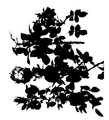
- Subsequent to origination of the cultivar it was successfully asexually reproduced by James A. Sproul in Bakersfield, Calif , by budding as well as by cuttings; the reproductions have run true in all respects. The photograph illustrates the cultivar including the foliage, buds, flowers, stems and canes.
- The accompanying illustration shows typical specimens of the vegetative growth and flowers of this new variety in different stages of development, depicted in color as nearly true as it is reasonably possible to make the same in a color illustration of this character.
- Referring now specifically to the new and distinct cultivar of miniature rose plant, the following is a detailed description thereof in outline; all major color plant identification being by reference to The Royal Horticultural Society (London) colour chart except where common terms of color definition are employed.
- Parentage:
- Seed parent.—‘TALfairhope’ a non-patented miniature rose.
- Pollen parent.—‘JACpoy’ (U.S. Plant Pat. No. PP9,015).
- Classification:
- Botanical.— Rosa hybrida.
- Commercial.—Miniature.
- Cultivar identification.—‘Baby Claire’.
- Flowers borne.—Usually singly or in small clusters, on sturdy, somewhat shortened miniature stems.
- Quantity of bloom.—Abundant both outside and inside greenhouse.
- Bud:
- Peduncle.—Medium length; slender but sturdy; erect; medium green, near Yellow Green Group 144C to 144D, usually tinted bronze (outdoors); having many fine hairs along its length. Before calyx breaks, size is small to medium.
- Form.—Pointed, with few small foliaceous appendages on surface of the bud; with foliaceous parts normally not extending beyond the tip of the bud.
- Color.—Medium green, near Green Group 143A, occasionally tinted with bronze (outdoors). As calyx breaks, color is a blend of, near Red Group 51A toward the edges of the petals blending to Yellow-Orange group 19D at petal bases.
- Bloom:
- Size when fully open.—Medium, averaging about 2¼″.
- Petalage.—Double — averaging 25 to 30 or more petals, arranged regularly with a few central small petaloids.
- Form.—Full, high centered at first, becoming rounded with petals rolled loosely outward and downward. Fully opened flowers may show stamens which are very light yellow.
- Sepals.—Permanent; spear shaped; recurved very early in bloom development, green, near Green Group 143A. There are three normally appendaged sepals. There are two unappendaged sepals with serrated edges.
- Behavior.—Opens well in all weather; spent petals of flowers do not drop off cleanly.
- Flower longevity (November 2001).—Plant in pot — 4 to 6 days or longer. Cut flowers at living room temperature — 5 to 7 days.
- Petals.—Fairly thick; satiny on inside and on outside surface.
- Shape.—Outside petals: broad lanceolate (wedge shaped) with very small acute tip. Intermediate: broad lanceolate with nearly round or short acute tip. Inside: lanceolate with acute tip.
- Color.—(Newly opening flower from plant grown outside in November, 2001, Bakersfield, Calif., photograph taken November 2001)). Outside petal: Outside surface — a blending of near Red Group 51A (may be darker at times) blender to a fighter cream color at the petal base. Inside surface — near Red Purple Group 63A. Intermediate petal: Outside surface similar to outside petal. Inside surface similar to outside petal. Inner petal: Outside surface similar to intermediate petal. Inside surface similar to intermediate petal. Flower (petal) color fades or lightens as flowers age to near Red Purple Group 63D on both outside and inside petal surfaces.
- Reproductive organs:
- Stamens.—Average, arranged regularly about the pistil.
- Filaments.—Fairly short, white to yellowish.
- Anthers.—Well formed, very light yellow.
- Pollen.—Scant to none.
- Pistils.—Average number.
- Styles.—Long; whitish; bunched.
- Ovaries.—All enclosed in calyx.
- Hips.—None have been observed as plant appears non-fertile.
- Seed.—None.
- Foliage:
- Leaves.—Compound. of five (sometimes 3 or 7) leaflets; medium small); leathery; semi-glossy.
- Leaflets.—Shape: Broad lanceolate; apex acute; base — rounded. Color: Upper surface, medium green (can be as dark as Green Group 135A), while lower surface is lighter near Green Group 137C; new growth is normal (medium) green most often tinted reddish. Rachis: medium strength; upper side smooth; grooved; underside smooth or may have several small thorns (or claws). Stipules — Medium to short length; medium width; medium to short length narrow points which turn out usually at about 45 degree. or less. Color similar to leaflets.
- Disease resistance.—Somewhat susceptible to mildews.
- Habit.—Medium; bush; upright; much branched. Plant height. 35-50 cm. Plant spread: 25-40 cm.
- Growth.—Average to slow; internodes shortened.
- Canes.—Medium slender; sturdy.
- Main stems.—Color: Medium green, near Green Group 143A.
- Prickles.—Average, slender, long, usually straight to slightly downward, color: brown to gray.
- Hairs.—few or none.
- The miniature rose plant and its flowers as heretofore described may vary in slight detail due to climate, soil and cultural conditions under which the cultivar may be grown; the present description being of the cultivar as grown outdoor in November 2001 at Bakersfield, Calif.
Claims (1)
1. A new and distinct cultivar of rose plant of the miniature class, of hardy, dwarf, bushy, moderately branched habit substantially as illustrated and described, characterized by buds and flowers, near white edge to deep pink, the bud being tapered and pointed in the early stage, with the sepals reflexing well ahead of the opening bloom and, with the open flower being double and rounded with 25 to 30 or more petals; and further characterized by a somewhat smaller plant, of upright habit, with main stems and shoots of average thorniness, the said plant being average to propagate from soft-wood cuttings with medium to small, semi-glossly foliage, the flowers being usually borne either singly or in small clusters on medium length stems.
Priority Applications (1)
| Application Number | Priority Date | Filing Date | Title |
|---|---|---|---|
| US10/119,400 US20030192089P1 (en) | 2002-04-09 | 2002-04-09 | Miniature rose plant named `Baby Claire` |
Applications Claiming Priority (1)
| Application Number | Priority Date | Filing Date | Title |
|---|---|---|---|
| US10/119,400 US20030192089P1 (en) | 2002-04-09 | 2002-04-09 | Miniature rose plant named `Baby Claire` |
Publications (1)
| Publication Number | Publication Date |
|---|---|
| US20030192089P1 true US20030192089P1 (en) | 2003-10-09 |
Family
ID=28674582
Family Applications (1)
| Application Number | Title | Priority Date | Filing Date |
|---|---|---|---|
| US10/119,400 Abandoned US20030192089P1 (en) | 2002-04-09 | 2002-04-09 | Miniature rose plant named `Baby Claire` |
Country Status (1)
| Country | Link |
|---|---|
| US (1) | US20030192089P1 (en) |
-
2002
- 2002-04-09 US US10/119,400 patent/US20030192089P1/en not_active Abandoned
Similar Documents
| Publication | Publication Date | Title |
|---|---|---|
| US20030192089P1 (en) | Miniature rose plant named `Baby Claire` | |
| USPP6673P (en) | Miniature rose plant/Minadco | |
| USPP11099P (en) | Miniature rose plant named `MORshodot` | |
| USPP8453P (en) | Miniature rose plant named `poly` | |
| USPP5791P (en) | Rose Plant/Var. MORquake | |
| USPP8193P (en) | Miniature rose plant named `MORalert` | |
| US20030110541P1 (en) | Miniature rose plant named 'Foumich' | |
| USPP13089P3 (en) | Hybrid tea rose plant named ‘JACepirt’ | |
| USPP4754P (en) | Miniature rose plant | |
| USPP4755P (en) | Miniature rose plant | |
| USPP6894P (en) | Miniature rose plant/Minajco | |
| USPP6547P (en) | Miniature rose plant/Minaico | |
| USPP7994P (en) | Miniature rose plant named `MORhill` | |
| USPP5033P (en) | Rose plant | |
| USPP4923P (en) | Rose plant | |
| USPP6546P (en) | Miniature rose plant/Minafco | |
| USPP5676P (en) | Miniature rose plant/var: MORwhy | |
| USPP4624P (en) | Rose plant | |
| USPP5330P (en) | Miniature rose plant | |
| USPP5331P (en) | Miniature rose plant | |
| USPP5741P (en) | Rose plant/var. Mormilli | |
| USPP5742P (en) | Miniature rose plant/Morlyn | |
| USPP8815P (en) | Miniature rose plant named `Mordashin` | |
| USPP7607P (en) | Miniature rose plane/Minazco | |
| USPP6618P (en) | Rose plant/var.: Morfire |