US20030191179A1 - Methods for administration of paclitaxel - Google Patents
Methods for administration of paclitaxel Download PDFInfo
- Publication number
- US20030191179A1 US20030191179A1 US10/351,262 US35126203A US2003191179A1 US 20030191179 A1 US20030191179 A1 US 20030191179A1 US 35126203 A US35126203 A US 35126203A US 2003191179 A1 US2003191179 A1 US 2003191179A1
- Authority
- US
- United States
- Prior art keywords
- paclitaxel
- acid
- pharmaceutical composition
- patient
- agent
- Prior art date
- Legal status (The legal status is an assumption and is not a legal conclusion. Google has not performed a legal analysis and makes no representation as to the accuracy of the status listed.)
- Granted
Links
- 229930012538 Paclitaxel Natural products 0.000 title claims abstract description 298
- 229960001592 paclitaxel Drugs 0.000 title claims abstract description 298
- RCINICONZNJXQF-MZXODVADSA-N taxol Chemical compound O([C@@H]1[C@@]2(C[C@@H](C(C)=C(C2(C)C)[C@H](C([C@]2(C)[C@@H](O)C[C@H]3OC[C@]3([C@H]21)OC(C)=O)=O)OC(=O)C)OC(=O)[C@H](O)[C@@H](NC(=O)C=1C=CC=CC=1)C=1C=CC=CC=1)O)C(=O)C1=CC=CC=C1 RCINICONZNJXQF-MZXODVADSA-N 0.000 title claims abstract description 298
- 238000000034 method Methods 0.000 title claims abstract description 80
- 239000002904 solvent Substances 0.000 claims abstract description 137
- 206010028980 Neoplasm Diseases 0.000 claims abstract description 91
- 229920001223 polyethylene glycol Polymers 0.000 claims abstract description 41
- 208000037265 diseases, disorders, signs and symptoms Diseases 0.000 claims abstract description 34
- 201000010099 disease Diseases 0.000 claims abstract description 29
- 201000011510 cancer Diseases 0.000 claims abstract description 28
- 239000002202 Polyethylene glycol Substances 0.000 claims abstract description 26
- 230000033115 angiogenesis Effects 0.000 claims abstract description 25
- GVJHHUAWPYXKBD-UHFFFAOYSA-N d-alpha-tocopherol Natural products OC1=C(C)C(C)=C2OC(CCCC(C)CCCC(C)CCCC(C)C)(C)CCC2=C1C GVJHHUAWPYXKBD-UHFFFAOYSA-N 0.000 claims abstract description 23
- KDYFGRWQOYBRFD-UHFFFAOYSA-L succinate(2-) Chemical compound [O-]C(=O)CCC([O-])=O KDYFGRWQOYBRFD-UHFFFAOYSA-L 0.000 claims abstract description 19
- GVJHHUAWPYXKBD-IEOSBIPESA-N α-tocopherol Chemical compound OC1=C(C)C(C)=C2O[C@@](CCC[C@H](C)CCC[C@H](C)CCCC(C)C)(C)CCC2=C1C GVJHHUAWPYXKBD-IEOSBIPESA-N 0.000 claims abstract description 18
- 229960000984 tocofersolan Drugs 0.000 claims abstract description 17
- 230000002159 abnormal effect Effects 0.000 claims abstract description 16
- 239000002076 α-tocopherol Substances 0.000 claims abstract description 15
- 235000004835 α-tocopherol Nutrition 0.000 claims abstract description 15
- 230000004663 cell proliferation Effects 0.000 claims abstract description 11
- LFQSCWFLJHTTHZ-UHFFFAOYSA-N Ethanol Chemical compound CCO LFQSCWFLJHTTHZ-UHFFFAOYSA-N 0.000 claims description 115
- 239000008194 pharmaceutical composition Substances 0.000 claims description 72
- 238000010790 dilution Methods 0.000 claims description 26
- 239000012895 dilution Substances 0.000 claims description 26
- 238000001802 infusion Methods 0.000 claims description 26
- 239000003795 chemical substances by application Substances 0.000 claims description 25
- CIWBSHSKHKDKBQ-JLAZNSOCSA-N Ascorbic acid Chemical compound OC[C@H](O)[C@H]1OC(=O)C(O)=C1O CIWBSHSKHKDKBQ-JLAZNSOCSA-N 0.000 claims description 21
- QTBSBXVTEAMEQO-UHFFFAOYSA-N Acetic acid Chemical compound CC(O)=O QTBSBXVTEAMEQO-UHFFFAOYSA-N 0.000 claims description 18
- 239000002246 antineoplastic agent Substances 0.000 claims description 17
- -1 fluoxymesterol Chemical compound 0.000 claims description 17
- 239000002535 acidifier Substances 0.000 claims description 16
- 235000010323 ascorbic acid Nutrition 0.000 claims description 16
- 239000011668 ascorbic acid Substances 0.000 claims description 16
- 229960005070 ascorbic acid Drugs 0.000 claims description 16
- 239000003978 infusion fluid Substances 0.000 claims description 16
- MUBZPKHOEPUJKR-UHFFFAOYSA-N Oxalic acid Chemical compound OC(=O)C(O)=O MUBZPKHOEPUJKR-UHFFFAOYSA-N 0.000 claims description 15
- KRKNYBCHXYNGOX-UHFFFAOYSA-N citric acid Chemical compound OC(=O)CC(O)(C(O)=O)CC(O)=O KRKNYBCHXYNGOX-UHFFFAOYSA-N 0.000 claims description 15
- 229920002556 Polyethylene Glycol 300 Polymers 0.000 claims description 12
- DNIAPMSPPWPWGF-UHFFFAOYSA-N Propylene glycol Chemical compound CC(O)CO DNIAPMSPPWPWGF-UHFFFAOYSA-N 0.000 claims description 12
- NBIIXXVUZAFLBC-UHFFFAOYSA-N Phosphoric acid Chemical compound OP(O)(O)=O NBIIXXVUZAFLBC-UHFFFAOYSA-N 0.000 claims description 11
- 108090000623 proteins and genes Proteins 0.000 claims description 11
- 229940090898 Desensitizer Drugs 0.000 claims description 10
- VEXZGXHMUGYJMC-UHFFFAOYSA-N Hydrochloric acid Chemical compound Cl VEXZGXHMUGYJMC-UHFFFAOYSA-N 0.000 claims description 10
- 108010002350 Interleukin-2 Proteins 0.000 claims description 10
- 102000000588 Interleukin-2 Human genes 0.000 claims description 10
- 239000002256 antimetabolite Substances 0.000 claims description 10
- WPYMKLBDIGXBTP-UHFFFAOYSA-N benzoic acid Chemical compound OC(=O)C1=CC=CC=C1 WPYMKLBDIGXBTP-UHFFFAOYSA-N 0.000 claims description 10
- JVTAAEKCZFNVCJ-UHFFFAOYSA-N lactic acid Chemical compound CC(O)C(O)=O JVTAAEKCZFNVCJ-UHFFFAOYSA-N 0.000 claims description 10
- BDAGIHXWWSANSR-UHFFFAOYSA-N methanoic acid Natural products OC=O BDAGIHXWWSANSR-UHFFFAOYSA-N 0.000 claims description 10
- 235000018102 proteins Nutrition 0.000 claims description 10
- 102000004169 proteins and genes Human genes 0.000 claims description 10
- OFOBLEOULBTSOW-UHFFFAOYSA-N Propanedioic acid Natural products OC(=O)CC(O)=O OFOBLEOULBTSOW-UHFFFAOYSA-N 0.000 claims description 9
- 229940100198 alkylating agent Drugs 0.000 claims description 9
- 239000002168 alkylating agent Substances 0.000 claims description 9
- 239000000427 antigen Substances 0.000 claims description 9
- 108091007433 antigens Proteins 0.000 claims description 9
- 102000036639 antigens Human genes 0.000 claims description 9
- 229940125697 hormonal agent Drugs 0.000 claims description 9
- 150000003431 steroids Chemical group 0.000 claims description 9
- JYGXADMDTFJGBT-VWUMJDOOSA-N hydrocortisone Chemical compound O=C1CC[C@]2(C)[C@H]3[C@@H](O)C[C@](C)([C@@](CC4)(O)C(=O)CO)[C@@H]4[C@@H]3CCC2=C1 JYGXADMDTFJGBT-VWUMJDOOSA-N 0.000 claims description 8
- 102000006992 Interferon-alpha Human genes 0.000 claims description 7
- 108010047761 Interferon-alpha Proteins 0.000 claims description 7
- 102000044209 Tumor Suppressor Genes Human genes 0.000 claims description 7
- 108700025716 Tumor Suppressor Genes Proteins 0.000 claims description 7
- 229940034982 antineoplastic agent Drugs 0.000 claims description 7
- 239000003124 biologic agent Substances 0.000 claims description 7
- 210000000056 organ Anatomy 0.000 claims description 7
- 238000001356 surgical procedure Methods 0.000 claims description 7
- 102000004269 Granulocyte Colony-Stimulating Factor Human genes 0.000 claims description 6
- 108010017080 Granulocyte Colony-Stimulating Factor Proteins 0.000 claims description 6
- 229940122957 Histamine H2 receptor antagonist Drugs 0.000 claims description 6
- KDYFGRWQOYBRFD-UHFFFAOYSA-N Succinic acid Natural products OC(=O)CCC(O)=O KDYFGRWQOYBRFD-UHFFFAOYSA-N 0.000 claims description 6
- QAOWNCQODCNURD-UHFFFAOYSA-N Sulfuric acid Chemical compound OS(O)(=O)=O QAOWNCQODCNURD-UHFFFAOYSA-N 0.000 claims description 6
- 150000001408 amides Chemical group 0.000 claims description 6
- 239000000739 antihistaminic agent Substances 0.000 claims description 6
- VZCYOOQTPOCHFL-UPHRSURJSA-N maleic acid Chemical compound OC(=O)\C=C/C(O)=O VZCYOOQTPOCHFL-UPHRSURJSA-N 0.000 claims description 6
- 239000011976 maleic acid Substances 0.000 claims description 6
- 230000009696 proliferative response Effects 0.000 claims description 6
- 229960004641 rituximab Drugs 0.000 claims description 6
- VZCYOOQTPOCHFL-UHFFFAOYSA-N trans-butenedioic acid Natural products OC(=O)C=CC(O)=O VZCYOOQTPOCHFL-UHFFFAOYSA-N 0.000 claims description 6
- OSWFIVFLDKOXQC-UHFFFAOYSA-N 4-(3-methoxyphenyl)aniline Chemical compound COC1=CC=CC(C=2C=CC(N)=CC=2)=C1 OSWFIVFLDKOXQC-UHFFFAOYSA-N 0.000 claims description 5
- 239000005711 Benzoic acid Substances 0.000 claims description 5
- FEWJPZIEWOKRBE-JCYAYHJZSA-N Dextrotartaric acid Chemical compound OC(=O)[C@H](O)[C@@H](O)C(O)=O FEWJPZIEWOKRBE-JCYAYHJZSA-N 0.000 claims description 5
- WHUUTDBJXJRKMK-UHFFFAOYSA-N Glutamic acid Natural products OC(=O)C(N)CCC(O)=O WHUUTDBJXJRKMK-UHFFFAOYSA-N 0.000 claims description 5
- CKLJMWTZIZZHCS-REOHCLBHSA-N L-aspartic acid Chemical compound OC(=O)[C@@H](N)CC(O)=O CKLJMWTZIZZHCS-REOHCLBHSA-N 0.000 claims description 5
- WHUUTDBJXJRKMK-VKHMYHEASA-N L-glutamic acid Chemical compound OC(=O)[C@@H](N)CCC(O)=O WHUUTDBJXJRKMK-VKHMYHEASA-N 0.000 claims description 5
- 206010027476 Metastases Diseases 0.000 claims description 5
- SECXISVLQFMRJM-UHFFFAOYSA-N N-Methylpyrrolidone Chemical compound CN1CCCC1=O SECXISVLQFMRJM-UHFFFAOYSA-N 0.000 claims description 5
- GRYLNZFGIOXLOG-UHFFFAOYSA-N Nitric acid Chemical compound O[N+]([O-])=O GRYLNZFGIOXLOG-UHFFFAOYSA-N 0.000 claims description 5
- FEWJPZIEWOKRBE-UHFFFAOYSA-N Tartaric acid Natural products [H+].[H+].[O-]C(=O)C(O)C(O)C([O-])=O FEWJPZIEWOKRBE-UHFFFAOYSA-N 0.000 claims description 5
- 229910000147 aluminium phosphate Inorganic materials 0.000 claims description 5
- YVPYQUNUQOZFHG-UHFFFAOYSA-N amidotrizoic acid Chemical compound CC(=O)NC1=C(I)C(NC(C)=O)=C(I)C(C(O)=O)=C1I YVPYQUNUQOZFHG-UHFFFAOYSA-N 0.000 claims description 5
- 235000003704 aspartic acid Nutrition 0.000 claims description 5
- SRSXLGNVWSONIS-UHFFFAOYSA-N benzenesulfonic acid Chemical compound OS(=O)(=O)C1=CC=CC=C1 SRSXLGNVWSONIS-UHFFFAOYSA-N 0.000 claims description 5
- 235000010233 benzoic acid Nutrition 0.000 claims description 5
- OQFSQFPPLPISGP-UHFFFAOYSA-N beta-carboxyaspartic acid Natural products OC(=O)C(N)C(C(O)=O)C(O)=O OQFSQFPPLPISGP-UHFFFAOYSA-N 0.000 claims description 5
- KDYFGRWQOYBRFD-NUQCWPJISA-N butanedioic acid Chemical compound O[14C](=O)CC[14C](O)=O KDYFGRWQOYBRFD-NUQCWPJISA-N 0.000 claims description 5
- 229940022399 cancer vaccine Drugs 0.000 claims description 5
- 238000009566 cancer vaccine Methods 0.000 claims description 5
- 235000015165 citric acid Nutrition 0.000 claims description 5
- 229960005223 diatrizoic acid Drugs 0.000 claims description 5
- 235000019253 formic acid Nutrition 0.000 claims description 5
- 239000004220 glutamic acid Substances 0.000 claims description 5
- 235000013922 glutamic acid Nutrition 0.000 claims description 5
- 239000004310 lactic acid Substances 0.000 claims description 5
- 235000014655 lactic acid Nutrition 0.000 claims description 5
- 230000009401 metastasis Effects 0.000 claims description 5
- 229910017604 nitric acid Inorganic materials 0.000 claims description 5
- 235000006408 oxalic acid Nutrition 0.000 claims description 5
- 229940113116 polyethylene glycol 1000 Drugs 0.000 claims description 5
- 235000002906 tartaric acid Nutrition 0.000 claims description 5
- 239000011975 tartaric acid Substances 0.000 claims description 5
- 208000012514 Cumulative Trauma disease Diseases 0.000 claims description 4
- AOJJSUZBOXZQNB-TZSSRYMLSA-N Doxorubicin Chemical compound O([C@H]1C[C@@](O)(CC=2C(O)=C3C(=O)C=4C=CC=C(C=4C(=O)C3=C(O)C=21)OC)C(=O)CO)[C@H]1C[C@H](N)[C@H](O)[C@H](C)O1 AOJJSUZBOXZQNB-TZSSRYMLSA-N 0.000 claims description 4
- 102000003996 Interferon-beta Human genes 0.000 claims description 4
- 108090000467 Interferon-beta Proteins 0.000 claims description 4
- 241001467552 Mycobacterium bovis BCG Species 0.000 claims description 4
- NWIBSHFKIJFRCO-WUDYKRTCSA-N Mytomycin Chemical compound C1N2C(C(C(C)=C(N)C3=O)=O)=C3[C@@H](COC(N)=O)[C@@]2(OC)[C@@H]2[C@H]1N2 NWIBSHFKIJFRCO-WUDYKRTCSA-N 0.000 claims description 4
- FXHOOIRPVKKKFG-UHFFFAOYSA-N N,N-Dimethylacetamide Chemical compound CN(C)C(C)=O FXHOOIRPVKKKFG-UHFFFAOYSA-N 0.000 claims description 4
- 229920002565 Polyethylene Glycol 400 Polymers 0.000 claims description 4
- NKANXQFJJICGDU-QPLCGJKRSA-N Tamoxifen Chemical compound C=1C=CC=CC=1C(/CC)=C(C=1C=CC(OCCN(C)C)=CC=1)/C1=CC=CC=C1 NKANXQFJJICGDU-QPLCGJKRSA-N 0.000 claims description 4
- RJURFGZVJUQBHK-UHFFFAOYSA-N actinomycin D Natural products CC1OC(=O)C(C(C)C)N(C)C(=O)CN(C)C(=O)C2CCCN2C(=O)C(C(C)C)NC(=O)C1NC(=O)C1=C(N)C(=O)C(C)=C2OC(C(C)=CC=C3C(=O)NC4C(=O)NC(C(N5CCCC5C(=O)N(C)CC(=O)N(C)C(C(C)C)C(=O)OC4C)=O)C(C)C)=C3N=C21 RJURFGZVJUQBHK-UHFFFAOYSA-N 0.000 claims description 4
- 239000003242 anti bacterial agent Substances 0.000 claims description 4
- 229940088710 antibiotic agent Drugs 0.000 claims description 4
- 229960000190 bacillus calmette–guérin vaccine Drugs 0.000 claims description 4
- 229940127093 camptothecin Drugs 0.000 claims description 4
- 229960001380 cimetidine Drugs 0.000 claims description 4
- CCGSUNCLSOWKJO-UHFFFAOYSA-N cimetidine Chemical group N#CNC(=N/C)\NCCSCC1=NC=N[C]1C CCGSUNCLSOWKJO-UHFFFAOYSA-N 0.000 claims description 4
- 229960003957 dexamethasone Drugs 0.000 claims description 4
- UREBDLICKHMUKA-CXSFZGCWSA-N dexamethasone Chemical compound C1CC2=CC(=O)C=C[C@]2(C)[C@]2(F)[C@@H]1[C@@H]1C[C@@H](C)[C@@](C(=O)CO)(O)[C@@]1(C)C[C@@H]2O UREBDLICKHMUKA-CXSFZGCWSA-N 0.000 claims description 4
- 229960000520 diphenhydramine Drugs 0.000 claims description 4
- 229940022353 herceptin Drugs 0.000 claims description 4
- 229960000890 hydrocortisone Drugs 0.000 claims description 4
- 230000002519 immonomodulatory effect Effects 0.000 claims description 4
- XOFYZVNMUHMLCC-ZPOLXVRWSA-N prednisone Chemical compound O=C1C=C[C@]2(C)[C@H]3C(=O)C[C@](C)([C@@](CC4)(O)C(=O)CO)[C@@H]4[C@@H]3CCC2=C1 XOFYZVNMUHMLCC-ZPOLXVRWSA-N 0.000 claims description 4
- 229960004618 prednisone Drugs 0.000 claims description 4
- HNJBEVLQSNELDL-UHFFFAOYSA-N pyrrolidin-2-one Chemical compound O=C1CCCN1 HNJBEVLQSNELDL-UHFFFAOYSA-N 0.000 claims description 4
- VMXUWOKSQNHOCA-LCYFTJDESA-N ranitidine Chemical compound [O-][N+](=O)/C=C(/NC)NCCSCC1=CC=C(CN(C)C)O1 VMXUWOKSQNHOCA-LCYFTJDESA-N 0.000 claims description 4
- 229960000620 ranitidine Drugs 0.000 claims description 4
- 239000001117 sulphuric acid Substances 0.000 claims description 4
- 235000011149 sulphuric acid Nutrition 0.000 claims description 4
- WYWHKKSPHMUBEB-UHFFFAOYSA-N 6-Mercaptoguanine Natural products N1C(N)=NC(=S)C2=C1N=CN2 WYWHKKSPHMUBEB-UHFFFAOYSA-N 0.000 claims description 3
- 201000001320 Atherosclerosis Diseases 0.000 claims description 3
- 102000052609 BRCA2 Human genes 0.000 claims description 3
- 108700020462 BRCA2 Proteins 0.000 claims description 3
- 108010006654 Bleomycin Proteins 0.000 claims description 3
- 101150008921 Brca2 gene Proteins 0.000 claims description 3
- PTOAARAWEBMLNO-KVQBGUIXSA-N Cladribine Chemical compound C1=NC=2C(N)=NC(Cl)=NC=2N1[C@H]1C[C@H](O)[C@@H](CO)O1 PTOAARAWEBMLNO-KVQBGUIXSA-N 0.000 claims description 3
- 206010016654 Fibrosis Diseases 0.000 claims description 3
- GHASVSINZRGABV-UHFFFAOYSA-N Fluorouracil Chemical compound FC1=CNC(=O)NC1=O GHASVSINZRGABV-UHFFFAOYSA-N 0.000 claims description 3
- 102000013462 Interleukin-12 Human genes 0.000 claims description 3
- 108010065805 Interleukin-12 Proteins 0.000 claims description 3
- 102000004388 Interleukin-4 Human genes 0.000 claims description 3
- 108090000978 Interleukin-4 Proteins 0.000 claims description 3
- FBOZXECLQNJBKD-ZDUSSCGKSA-N L-methotrexate Chemical compound C=1N=C2N=C(N)N=C(N)C2=NC=1CN(C)C1=CC=C(C(=O)N[C@@H](CCC(O)=O)C(O)=O)C=C1 FBOZXECLQNJBKD-ZDUSSCGKSA-N 0.000 claims description 3
- JXLYSJRDGCGARV-WWYNWVTFSA-N Vinblastine Natural products O=C(O[C@H]1[C@](O)(C(=O)OC)[C@@H]2N(C)c3c(cc(c(OC)c3)[C@]3(C(=O)OC)c4[nH]c5c(c4CCN4C[C@](O)(CC)C[C@H](C3)C4)cccc5)[C@@]32[C@H]2[C@@]1(CC)C=CCN2CC3)C JXLYSJRDGCGARV-WWYNWVTFSA-N 0.000 claims description 3
- 125000000217 alkyl group Chemical group 0.000 claims description 3
- 229960001561 bleomycin Drugs 0.000 claims description 3
- OYVAGSVQBOHSSS-UAPAGMARSA-O bleomycin A2 Chemical compound N([C@H](C(=O)N[C@H](C)[C@@H](O)[C@H](C)C(=O)N[C@@H]([C@H](O)C)C(=O)NCCC=1SC=C(N=1)C=1SC=C(N=1)C(=O)NCCC[S+](C)C)[C@@H](O[C@H]1[C@H]([C@@H](O)[C@H](O)[C@H](CO)O1)O[C@@H]1[C@H]([C@@H](OC(N)=O)[C@H](O)[C@@H](CO)O1)O)C=1N=CNC=1)C(=O)C1=NC([C@H](CC(N)=O)NC[C@H](N)C(N)=O)=NC(N)=C1C OYVAGSVQBOHSSS-UAPAGMARSA-O 0.000 claims description 3
- VSJKWCGYPAHWDS-FQEVSTJZSA-N camptothecin Chemical compound C1=CC=C2C=C(CN3C4=CC5=C(C3=O)COC(=O)[C@]5(O)CC)C4=NC2=C1 VSJKWCGYPAHWDS-FQEVSTJZSA-N 0.000 claims description 3
- VSJKWCGYPAHWDS-UHFFFAOYSA-N dl-camptothecin Natural products C1=CC=C2C=C(CN3C4=CC5=C(C3=O)COC(=O)C5(O)CC)C4=NC2=C1 VSJKWCGYPAHWDS-UHFFFAOYSA-N 0.000 claims description 3
- VJJPUSNTGOMMGY-MRVIYFEKSA-N etoposide Chemical compound COC1=C(O)C(OC)=CC([C@@H]2C3=CC=4OCOC=4C=C3[C@@H](O[C@H]3[C@@H]([C@@H](O)[C@@H]4O[C@H](C)OC[C@H]4O3)O)[C@@H]3[C@@H]2C(OC3)=O)=C1 VJJPUSNTGOMMGY-MRVIYFEKSA-N 0.000 claims description 3
- 230000004761 fibrosis Effects 0.000 claims description 3
- ODKNJVUHOIMIIZ-RRKCRQDMSA-N floxuridine Chemical compound C1[C@H](O)[C@@H](CO)O[C@H]1N1C(=O)NC(=O)C(F)=C1 ODKNJVUHOIMIIZ-RRKCRQDMSA-N 0.000 claims description 3
- 229960002949 fluorouracil Drugs 0.000 claims description 3
- 229940117681 interleukin-12 Drugs 0.000 claims description 3
- 229940028885 interleukin-4 Drugs 0.000 claims description 3
- 229960000485 methotrexate Drugs 0.000 claims description 3
- 208000037803 restenosis Diseases 0.000 claims description 3
- NRUKOCRGYNPUPR-QBPJDGROSA-N teniposide Chemical compound COC1=C(O)C(OC)=CC([C@@H]2C3=CC=4OCOC=4C=C3[C@@H](O[C@H]3[C@@H]([C@@H](O)[C@@H]4O[C@@H](OC[C@H]4O3)C=3SC=CC=3)O)[C@@H]3[C@@H]2C(OC3)=O)=C1 NRUKOCRGYNPUPR-QBPJDGROSA-N 0.000 claims description 3
- 229960003087 tioguanine Drugs 0.000 claims description 3
- MNRILEROXIRVNJ-UHFFFAOYSA-N tioguanine Chemical compound N1C(N)=NC(=S)C2=NC=N[C]21 MNRILEROXIRVNJ-UHFFFAOYSA-N 0.000 claims description 3
- 229960003048 vinblastine Drugs 0.000 claims description 3
- JXLYSJRDGCGARV-XQKSVPLYSA-N vincaleukoblastine Chemical compound C([C@@H](C[C@]1(C(=O)OC)C=2C(=CC3=C([C@]45[C@H]([C@@]([C@H](OC(C)=O)[C@]6(CC)C=CCN([C@H]56)CC4)(O)C(=O)OC)N3C)C=2)OC)C[C@@](C2)(O)CC)N2CCC2=C1NC1=CC=CC=C21 JXLYSJRDGCGARV-XQKSVPLYSA-N 0.000 claims description 3
- 229960004528 vincristine Drugs 0.000 claims description 3
- OGWKCGZFUXNPDA-XQKSVPLYSA-N vincristine Chemical compound C([N@]1C[C@@H](C[C@]2(C(=O)OC)C=3C(=CC4=C([C@]56[C@H]([C@@]([C@H](OC(C)=O)[C@]7(CC)C=CCN([C@H]67)CC5)(O)C(=O)OC)N4C=O)C=3)OC)C[C@@](C1)(O)CC)CC1=C2NC2=CC=CC=C12 OGWKCGZFUXNPDA-XQKSVPLYSA-N 0.000 claims description 3
- OGWKCGZFUXNPDA-UHFFFAOYSA-N vincristine Natural products C1C(CC)(O)CC(CC2(C(=O)OC)C=3C(=CC4=C(C56C(C(C(OC(C)=O)C7(CC)C=CCN(C67)CC5)(O)C(=O)OC)N4C=O)C=3)OC)CN1CCC1=C2NC2=CC=CC=C12 OGWKCGZFUXNPDA-UHFFFAOYSA-N 0.000 claims description 3
- 230000029663 wound healing Effects 0.000 claims description 3
- XMAYWYJOQHXEEK-OZXSUGGESA-N (2R,4S)-ketoconazole Chemical compound C1CN(C(=O)C)CCN1C(C=C1)=CC=C1OC[C@@H]1O[C@@](CN2C=NC=C2)(C=2C(=CC(Cl)=CC=2)Cl)OC1 XMAYWYJOQHXEEK-OZXSUGGESA-N 0.000 claims description 2
- DEQANNDTNATYII-OULOTJBUSA-N (4r,7s,10s,13r,16s,19r)-10-(4-aminobutyl)-19-[[(2r)-2-amino-3-phenylpropanoyl]amino]-16-benzyl-n-[(2r,3r)-1,3-dihydroxybutan-2-yl]-7-[(1r)-1-hydroxyethyl]-13-(1h-indol-3-ylmethyl)-6,9,12,15,18-pentaoxo-1,2-dithia-5,8,11,14,17-pentazacycloicosane-4-carboxa Chemical compound C([C@@H](N)C(=O)N[C@H]1CSSC[C@H](NC(=O)[C@H]([C@@H](C)O)NC(=O)[C@H](CCCCN)NC(=O)[C@@H](CC=2C3=CC=CC=C3NC=2)NC(=O)[C@H](CC=2C=CC=CC=2)NC1=O)C(=O)N[C@H](CO)[C@H](O)C)C1=CC=CC=C1 DEQANNDTNATYII-OULOTJBUSA-N 0.000 claims description 2
- FPVKHBSQESCIEP-UHFFFAOYSA-N (8S)-3-(2-deoxy-beta-D-erythro-pentofuranosyl)-3,6,7,8-tetrahydroimidazo[4,5-d][1,3]diazepin-8-ol Natural products C1C(O)C(CO)OC1N1C(NC=NCC2O)=C2N=C1 FPVKHBSQESCIEP-UHFFFAOYSA-N 0.000 claims description 2
- LKJPYSCBVHEWIU-KRWDZBQOSA-N (R)-bicalutamide Chemical compound C([C@@](O)(C)C(=O)NC=1C=C(C(C#N)=CC=1)C(F)(F)F)S(=O)(=O)C1=CC=C(F)C=C1 LKJPYSCBVHEWIU-KRWDZBQOSA-N 0.000 claims description 2
- VSNHCAURESNICA-NJFSPNSNSA-N 1-oxidanylurea Chemical compound N[14C](=O)NO VSNHCAURESNICA-NJFSPNSNSA-N 0.000 claims description 2
- NDMPLJNOPCLANR-UHFFFAOYSA-N 3,4-dihydroxy-15-(4-hydroxy-18-methoxycarbonyl-5,18-seco-ibogamin-18-yl)-16-methoxy-1-methyl-6,7-didehydro-aspidospermidine-3-carboxylic acid methyl ester Natural products C1C(CC)(O)CC(CC2(C(=O)OC)C=3C(=CC4=C(C56C(C(C(O)C7(CC)C=CCN(C67)CC5)(O)C(=O)OC)N4C)C=3)OC)CN1CCC1=C2NC2=CC=CC=C12 NDMPLJNOPCLANR-UHFFFAOYSA-N 0.000 claims description 2
- AOJJSUZBOXZQNB-VTZDEGQISA-N 4'-epidoxorubicin Chemical compound O([C@H]1C[C@@](O)(CC=2C(O)=C3C(=O)C=4C=CC=C(C=4C(=O)C3=C(O)C=21)OC)C(=O)CO)[C@H]1C[C@H](N)[C@@H](O)[C@H](C)O1 AOJJSUZBOXZQNB-VTZDEGQISA-N 0.000 claims description 2
- MMRCWWRFYLZGAE-ZBZRSYSASA-N 533u947v6q Chemical compound O([C@]12[C@H](OC(C)=O)[C@]3(CC)C=CCN4CC[C@@]5([C@H]34)[C@H]1N(C)C1=C5C=C(C(=C1)OC)[C@]1(C(=O)OC)C3=C(C4=CC=CC=C4N3)CCN3C[C@H](C1)C[C@@](C3)(O)CC)C(=O)N(CCCl)C2=O MMRCWWRFYLZGAE-ZBZRSYSASA-N 0.000 claims description 2
- VVIAGPKUTFNRDU-UHFFFAOYSA-N 6S-folinic acid Natural products C1NC=2NC(N)=NC(=O)C=2N(C=O)C1CNC1=CC=C(C(=O)NC(CCC(O)=O)C(O)=O)C=C1 VVIAGPKUTFNRDU-UHFFFAOYSA-N 0.000 claims description 2
- STQGQHZAVUOBTE-UHFFFAOYSA-N 7-Cyan-hept-2t-en-4,6-diinsaeure Natural products C1=2C(O)=C3C(=O)C=4C(OC)=CC=CC=4C(=O)C3=C(O)C=2CC(O)(C(C)=O)CC1OC1CC(N)C(O)C(C)O1 STQGQHZAVUOBTE-UHFFFAOYSA-N 0.000 claims description 2
- 102000015790 Asparaginase Human genes 0.000 claims description 2
- 108010024976 Asparaginase Proteins 0.000 claims description 2
- KLWPJMFMVPTNCC-UHFFFAOYSA-N Camptothecin Natural products CCC1(O)C(=O)OCC2=C1C=C3C4Nc5ccccc5C=C4CN3C2=O KLWPJMFMVPTNCC-UHFFFAOYSA-N 0.000 claims description 2
- UHDGCWIWMRVCDJ-CCXZUQQUSA-N Cytarabine Chemical compound O=C1N=C(N)C=CN1[C@H]1[C@@H](O)[C@H](O)[C@@H](CO)O1 UHDGCWIWMRVCDJ-CCXZUQQUSA-N 0.000 claims description 2
- 108010092160 Dactinomycin Proteins 0.000 claims description 2
- HTIJFSOGRVMCQR-UHFFFAOYSA-N Epirubicin Natural products COc1cccc2C(=O)c3c(O)c4CC(O)(CC(OC5CC(N)C(=O)C(C)O5)c4c(O)c3C(=O)c12)C(=O)CO HTIJFSOGRVMCQR-UHFFFAOYSA-N 0.000 claims description 2
- 108010069236 Goserelin Proteins 0.000 claims description 2
- XDXDZDZNSLXDNA-TZNDIEGXSA-N Idarubicin Chemical compound C1[C@H](N)[C@H](O)[C@H](C)O[C@H]1O[C@@H]1C2=C(O)C(C(=O)C3=CC=CC=C3C3=O)=C3C(O)=C2C[C@@](O)(C(C)=O)C1 XDXDZDZNSLXDNA-TZNDIEGXSA-N 0.000 claims description 2
- XDXDZDZNSLXDNA-UHFFFAOYSA-N Idarubicin Natural products C1C(N)C(O)C(C)OC1OC1C2=C(O)C(C(=O)C3=CC=CC=C3C3=O)=C3C(O)=C2CC(O)(C(C)=O)C1 XDXDZDZNSLXDNA-UHFFFAOYSA-N 0.000 claims description 2
- 102000008070 Interferon-gamma Human genes 0.000 claims description 2
- 108010074328 Interferon-gamma Proteins 0.000 claims description 2
- 108010000817 Leuprolide Proteins 0.000 claims description 2
- HLFSDGLLUJUHTE-SNVBAGLBSA-N Levamisole Chemical compound C1([C@H]2CN3CCSC3=N2)=CC=CC=C1 HLFSDGLLUJUHTE-SNVBAGLBSA-N 0.000 claims description 2
- 108010016076 Octreotide Proteins 0.000 claims description 2
- RJURFGZVJUQBHK-IIXSONLDSA-N actinomycin D Chemical compound C[C@H]1OC(=O)[C@H](C(C)C)N(C)C(=O)CN(C)C(=O)[C@@H]2CCCN2C(=O)[C@@H](C(C)C)NC(=O)[C@H]1NC(=O)C1=C(N)C(=O)C(C)=C2OC(C(C)=CC=C3C(=O)N[C@@H]4C(=O)N[C@@H](C(N5CCC[C@H]5C(=O)N(C)CC(=O)N(C)[C@@H](C(C)C)C(=O)O[C@@H]4C)=O)C(C)C)=C3N=C21 RJURFGZVJUQBHK-IIXSONLDSA-N 0.000 claims description 2
- ROBVIMPUHSLWNV-UHFFFAOYSA-N aminoglutethimide Chemical compound C=1C=C(N)C=CC=1C1(CC)CCC(=O)NC1=O ROBVIMPUHSLWNV-UHFFFAOYSA-N 0.000 claims description 2
- 229960003437 aminoglutethimide Drugs 0.000 claims description 2
- RGHILYZRVFRRNK-UHFFFAOYSA-N anthracene-1,2-dione Chemical compound C1=CC=C2C=C(C(C(=O)C=C3)=O)C3=CC2=C1 RGHILYZRVFRRNK-UHFFFAOYSA-N 0.000 claims description 2
- 229940045719 antineoplastic alkylating agent nitrosoureas Drugs 0.000 claims description 2
- 229940045985 antineoplastic platinum compound Drugs 0.000 claims description 2
- 229960003272 asparaginase Drugs 0.000 claims description 2
- DCXYFEDJOCDNAF-UHFFFAOYSA-M asparaginate Chemical compound [O-]C(=O)C(N)CC(N)=O DCXYFEDJOCDNAF-UHFFFAOYSA-M 0.000 claims description 2
- 150000001541 aziridines Chemical class 0.000 claims description 2
- 229960000997 bicalutamide Drugs 0.000 claims description 2
- 229960002436 cladribine Drugs 0.000 claims description 2
- 229960000684 cytarabine Drugs 0.000 claims description 2
- 229960000640 dactinomycin Drugs 0.000 claims description 2
- 229960000975 daunorubicin Drugs 0.000 claims description 2
- STQGQHZAVUOBTE-VGBVRHCVSA-N daunorubicin Chemical compound O([C@H]1C[C@@](O)(CC=2C(O)=C3C(=O)C=4C=CC=C(C=4C(=O)C3=C(O)C=21)OC)C(C)=O)[C@H]1C[C@H](N)[C@H](O)[C@H](C)O1 STQGQHZAVUOBTE-VGBVRHCVSA-N 0.000 claims description 2
- 229960004679 doxorubicin Drugs 0.000 claims description 2
- 229960001904 epirubicin Drugs 0.000 claims description 2
- 229960005420 etoposide Drugs 0.000 claims description 2
- 229960000961 floxuridine Drugs 0.000 claims description 2
- GIUYCYHIANZCFB-FJFJXFQQSA-N fludarabine phosphate Chemical compound C1=NC=2C(N)=NC(F)=NC=2N1[C@@H]1O[C@H](COP(O)(O)=O)[C@@H](O)[C@@H]1O GIUYCYHIANZCFB-FJFJXFQQSA-N 0.000 claims description 2
- 229960005304 fludarabine phosphate Drugs 0.000 claims description 2
- MKXKFYHWDHIYRV-UHFFFAOYSA-N flutamide Chemical compound CC(C)C(=O)NC1=CC=C([N+]([O-])=O)C(C(F)(F)F)=C1 MKXKFYHWDHIYRV-UHFFFAOYSA-N 0.000 claims description 2
- 229960002074 flutamide Drugs 0.000 claims description 2
- VVIAGPKUTFNRDU-ABLWVSNPSA-N folinic acid Chemical compound C1NC=2NC(N)=NC(=O)C=2N(C=O)C1CNC1=CC=C(C(=O)N[C@@H](CCC(O)=O)C(O)=O)C=C1 VVIAGPKUTFNRDU-ABLWVSNPSA-N 0.000 claims description 2
- 235000008191 folinic acid Nutrition 0.000 claims description 2
- 239000011672 folinic acid Substances 0.000 claims description 2
- SDUQYLNIPVEERB-QPPQHZFASA-N gemcitabine Chemical compound O=C1N=C(N)C=CN1[C@H]1C(F)(F)[C@H](O)[C@@H](CO)O1 SDUQYLNIPVEERB-QPPQHZFASA-N 0.000 claims description 2
- 229960005277 gemcitabine Drugs 0.000 claims description 2
- 229960003690 goserelin acetate Drugs 0.000 claims description 2
- 210000003714 granulocyte Anatomy 0.000 claims description 2
- 229960000908 idarubicin Drugs 0.000 claims description 2
- 229960003130 interferon gamma Drugs 0.000 claims description 2
- 229960001388 interferon-beta Drugs 0.000 claims description 2
- 229960004125 ketoconazole Drugs 0.000 claims description 2
- 229960001691 leucovorin Drugs 0.000 claims description 2
- GFIJNRVAKGFPGQ-LIJARHBVSA-N leuprolide Chemical compound CCNC(=O)[C@@H]1CCCN1C(=O)[C@H](CCCNC(N)=N)NC(=O)[C@H](CC(C)C)NC(=O)[C@@H](CC(C)C)NC(=O)[C@@H](NC(=O)[C@H](CO)NC(=O)[C@H](CC=1C2=CC=CC=C2NC=1)NC(=O)[C@H](CC=1N=CNC=1)NC(=O)[C@H]1NC(=O)CC1)CC1=CC=C(O)C=C1 GFIJNRVAKGFPGQ-LIJARHBVSA-N 0.000 claims description 2
- 229960004338 leuprorelin Drugs 0.000 claims description 2
- 229960001614 levamisole Drugs 0.000 claims description 2
- RQZAXGRLVPAYTJ-GQFGMJRRSA-N megestrol acetate Chemical compound C1=C(C)C2=CC(=O)CC[C@]2(C)[C@@H]2[C@@H]1[C@@H]1CC[C@@](C(C)=O)(OC(=O)C)[C@@]1(C)CC2 RQZAXGRLVPAYTJ-GQFGMJRRSA-N 0.000 claims description 2
- 229960004296 megestrol acetate Drugs 0.000 claims description 2
- GLVAUDGFNGKCSF-UHFFFAOYSA-N mercaptopurine Chemical compound S=C1NC=NC2=C1NC=N2 GLVAUDGFNGKCSF-UHFFFAOYSA-N 0.000 claims description 2
- VKHAHZOOUSRJNA-GCNJZUOMSA-N mifepristone Chemical compound C1([C@@H]2C3=C4CCC(=O)C=C4CC[C@H]3[C@@H]3CC[C@@]([C@]3(C2)C)(O)C#CC)=CC=C(N(C)C)C=C1 VKHAHZOOUSRJNA-GCNJZUOMSA-N 0.000 claims description 2
- 229960003248 mifepristone Drugs 0.000 claims description 2
- CFCUWKMKBJTWLW-BKHRDMLASA-N mithramycin Chemical compound O([C@@H]1C[C@@H](O[C@H](C)[C@H]1O)OC=1C=C2C=C3C[C@H]([C@@H](C(=O)C3=C(O)C2=C(O)C=1C)O[C@@H]1O[C@H](C)[C@@H](O)[C@H](O[C@@H]2O[C@H](C)[C@H](O)[C@H](O[C@@H]3O[C@H](C)[C@@H](O)[C@@](C)(O)C3)C2)C1)[C@H](OC)C(=O)[C@@H](O)[C@@H](C)O)[C@H]1C[C@@H](O)[C@H](O)[C@@H](C)O1 CFCUWKMKBJTWLW-BKHRDMLASA-N 0.000 claims description 2
- 229960004857 mitomycin Drugs 0.000 claims description 2
- BLCLNMBMMGCOAS-UHFFFAOYSA-N n-[1-[[1-[[1-[[1-[[1-[[1-[[1-[2-[(carbamoylamino)carbamoyl]pyrrolidin-1-yl]-5-(diaminomethylideneamino)-1-oxopentan-2-yl]amino]-4-methyl-1-oxopentan-2-yl]amino]-3-[(2-methylpropan-2-yl)oxy]-1-oxopropan-2-yl]amino]-3-(4-hydroxyphenyl)-1-oxopropan-2-yl]amin Chemical compound C1CCC(C(=O)NNC(N)=O)N1C(=O)C(CCCN=C(N)N)NC(=O)C(CC(C)C)NC(=O)C(COC(C)(C)C)NC(=O)C(NC(=O)C(CO)NC(=O)C(CC=1C2=CC=CC=C2NC=1)NC(=O)C(CC=1NC=NC=1)NC(=O)C1NC(=O)CC1)CC1=CC=C(O)C=C1 BLCLNMBMMGCOAS-UHFFFAOYSA-N 0.000 claims description 2
- XWXYUMMDTVBTOU-UHFFFAOYSA-N nilutamide Chemical compound O=C1C(C)(C)NC(=O)N1C1=CC=C([N+]([O-])=O)C(C(F)(F)F)=C1 XWXYUMMDTVBTOU-UHFFFAOYSA-N 0.000 claims description 2
- 229960002653 nilutamide Drugs 0.000 claims description 2
- 229960002700 octreotide Drugs 0.000 claims description 2
- 229960002340 pentostatin Drugs 0.000 claims description 2
- FPVKHBSQESCIEP-JQCXWYLXSA-N pentostatin Chemical compound C1[C@H](O)[C@@H](CO)O[C@H]1N1C(N=CNC[C@H]2O)=C2N=C1 FPVKHBSQESCIEP-JQCXWYLXSA-N 0.000 claims description 2
- 150000003058 platinum compounds Chemical class 0.000 claims description 2
- 229960003171 plicamycin Drugs 0.000 claims description 2
- 229960004622 raloxifene Drugs 0.000 claims description 2
- GZUITABIAKMVPG-UHFFFAOYSA-N raloxifene Chemical compound C1=CC(O)=CC=C1C1=C(C(=O)C=2C=CC(OCCN3CCCCC3)=CC=2)C2=CC=C(O)C=C2S1 GZUITABIAKMVPG-UHFFFAOYSA-N 0.000 claims description 2
- 150000003871 sulfonates Chemical class 0.000 claims description 2
- 229960001603 tamoxifen Drugs 0.000 claims description 2
- 229960001278 teniposide Drugs 0.000 claims description 2
- 150000003536 tetrazoles Chemical class 0.000 claims description 2
- 229960005026 toremifene Drugs 0.000 claims description 2
- XFCLJVABOIYOMF-QPLCGJKRSA-N toremifene Chemical compound C1=CC(OCCN(C)C)=CC=C1C(\C=1C=CC=CC=1)=C(\CCCl)C1=CC=CC=C1 XFCLJVABOIYOMF-QPLCGJKRSA-N 0.000 claims description 2
- 229960004355 vindesine Drugs 0.000 claims description 2
- GBABOYUKABKIAF-GHYRFKGUSA-N vinorelbine Chemical compound C1N(CC=2C3=CC=CC=C3NC=22)CC(CC)=C[C@H]1C[C@]2(C(=O)OC)C1=CC([C@]23[C@H]([C@]([C@H](OC(C)=O)[C@]4(CC)C=CCN([C@H]34)CC2)(O)C(=O)OC)N2C)=C2C=C1OC GBABOYUKABKIAF-GHYRFKGUSA-N 0.000 claims description 2
- 229960002066 vinorelbine Drugs 0.000 claims description 2
- 229950005839 vinzolidine Drugs 0.000 claims description 2
- 150000003772 α-tocopherols Chemical class 0.000 claims 4
- GUGOEEXESWIERI-UHFFFAOYSA-N Terfenadine Chemical compound C1=CC(C(C)(C)C)=CC=C1C(O)CCCN1CCC(C(O)(C=2C=CC=CC=2)C=2C=CC=CC=2)CC1 GUGOEEXESWIERI-UHFFFAOYSA-N 0.000 claims 2
- 230000001387 anti-histamine Effects 0.000 claims 2
- 239000003485 histamine H2 receptor antagonist Substances 0.000 claims 2
- 125000003158 alcohol group Chemical group 0.000 claims 1
- 230000000172 allergic effect Effects 0.000 claims 1
- ZZVUWRFHKOJYTH-UHFFFAOYSA-N diphenhydramine Chemical group C=1C=CC=CC=1C(OCCN(C)C)C1=CC=CC=C1 ZZVUWRFHKOJYTH-UHFFFAOYSA-N 0.000 claims 1
- 229960001428 mercaptopurine Drugs 0.000 claims 1
- WVDDGKGOMKODPV-ZQBYOMGUSA-N phenyl(114C)methanol Chemical compound O[14CH2]C1=CC=CC=C1 WVDDGKGOMKODPV-ZQBYOMGUSA-N 0.000 claims 1
- UGGWPQSBPIFKDZ-KOTLKJBCSA-N vindesine Chemical compound C([C@@H](C[C@]1(C(=O)OC)C=2C(=CC3=C([C@]45[C@H]([C@@]([C@H](O)[C@]6(CC)C=CCN([C@H]56)CC4)(O)C(N)=O)N3C)C=2)OC)C[C@@](C2)(O)CC)N2CCC2=C1N=C1[C]2C=CC=C1 UGGWPQSBPIFKDZ-KOTLKJBCSA-N 0.000 claims 1
- 239000008389 polyethoxylated castor oil Substances 0.000 abstract description 32
- 239000003981 vehicle Substances 0.000 abstract description 18
- 206010020751 Hypersensitivity Diseases 0.000 abstract description 11
- 150000003712 vitamin E derivatives Chemical class 0.000 abstract description 10
- 230000000118 anti-neoplastic effect Effects 0.000 abstract description 7
- 208000026935 allergic disease Diseases 0.000 abstract description 4
- 230000009610 hypersensitivity Effects 0.000 abstract description 3
- 230000001965 increasing effect Effects 0.000 abstract description 3
- 230000001154 acute effect Effects 0.000 abstract description 2
- 231100001274 therapeutic index Toxicity 0.000 abstract 1
- 239000000203 mixture Substances 0.000 description 178
- 238000009472 formulation Methods 0.000 description 108
- AOBORMOPSGHCAX-UHFFFAOYSA-N Tocophersolan Chemical compound OCCOC(=O)CCC(=O)OC1=C(C)C(C)=C2OC(CCCC(C)CCCC(C)CCCC(C)C)(C)CCC2=C1C AOBORMOPSGHCAX-UHFFFAOYSA-N 0.000 description 69
- 238000011282 treatment Methods 0.000 description 43
- 239000000693 micelle Substances 0.000 description 39
- 229960004756 ethanol Drugs 0.000 description 35
- XLYOFNOQVPJJNP-UHFFFAOYSA-N water Substances O XLYOFNOQVPJJNP-UHFFFAOYSA-N 0.000 description 34
- 239000007864 aqueous solution Substances 0.000 description 25
- 239000003814 drug Substances 0.000 description 24
- 229920000858 Cyclodextrin Polymers 0.000 description 22
- 241000699670 Mus sp. Species 0.000 description 20
- 230000002209 hydrophobic effect Effects 0.000 description 20
- 230000000694 effects Effects 0.000 description 19
- 229940079593 drug Drugs 0.000 description 18
- 239000000126 substance Substances 0.000 description 18
- 239000000243 solution Substances 0.000 description 17
- FAPWRFPIFSIZLT-UHFFFAOYSA-M Sodium chloride Chemical compound [Na+].[Cl-] FAPWRFPIFSIZLT-UHFFFAOYSA-M 0.000 description 16
- 241000699660 Mus musculus Species 0.000 description 15
- 239000002253 acid Substances 0.000 description 15
- 230000015572 biosynthetic process Effects 0.000 description 15
- 238000011580 nude mouse model Methods 0.000 description 15
- 230000001225 therapeutic effect Effects 0.000 description 15
- 150000002148 esters Chemical class 0.000 description 14
- 210000001519 tissue Anatomy 0.000 description 13
- 150000001335 aliphatic alkanes Chemical class 0.000 description 12
- 150000001336 alkenes Chemical class 0.000 description 12
- 150000001345 alkine derivatives Chemical class 0.000 description 12
- 238000001727 in vivo Methods 0.000 description 12
- 238000010253 intravenous injection Methods 0.000 description 12
- 239000011550 stock solution Substances 0.000 description 12
- 230000002195 synergetic effect Effects 0.000 description 12
- 102000004127 Cytokines Human genes 0.000 description 11
- 108090000695 Cytokines Proteins 0.000 description 11
- 210000004027 cell Anatomy 0.000 description 11
- 238000002648 combination therapy Methods 0.000 description 11
- TYQCGQRIZGCHNB-JLAZNSOCSA-N l-ascorbic acid Chemical compound OC[C@H](O)[C@H]1OC(O)=C(O)C1=O TYQCGQRIZGCHNB-JLAZNSOCSA-N 0.000 description 11
- 238000001556 precipitation Methods 0.000 description 11
- 231100000682 maximum tolerated dose Toxicity 0.000 description 10
- WVDDGKGOMKODPV-UHFFFAOYSA-N Benzyl alcohol Chemical compound OCC1=CC=CC=C1 WVDDGKGOMKODPV-UHFFFAOYSA-N 0.000 description 9
- 208000026310 Breast neoplasm Diseases 0.000 description 9
- 241001465754 Metazoa Species 0.000 description 9
- 230000001684 chronic effect Effects 0.000 description 9
- 229940127089 cytotoxic agent Drugs 0.000 description 9
- 238000007911 parenteral administration Methods 0.000 description 9
- 230000004044 response Effects 0.000 description 9
- 206010006187 Breast cancer Diseases 0.000 description 8
- 241000196324 Embryophyta Species 0.000 description 8
- 241000699666 Mus <mouse, genus> Species 0.000 description 8
- 230000037396 body weight Effects 0.000 description 8
- 230000010261 cell growth Effects 0.000 description 8
- 208000037976 chronic inflammation Diseases 0.000 description 8
- 230000034994 death Effects 0.000 description 8
- 231100000517 death Toxicity 0.000 description 8
- POULHZVOKOAJMA-UHFFFAOYSA-N dodecanoic acid Chemical compound CCCCCCCCCCCC(O)=O POULHZVOKOAJMA-UHFFFAOYSA-N 0.000 description 8
- 238000002474 experimental method Methods 0.000 description 8
- IPCSVZSSVZVIGE-UHFFFAOYSA-N hexadecanoic acid Chemical compound CCCCCCCCCCCCCCCC(O)=O IPCSVZSSVZVIGE-UHFFFAOYSA-N 0.000 description 8
- 239000000546 pharmaceutical excipient Substances 0.000 description 8
- 239000002244 precipitate Substances 0.000 description 8
- 230000002829 reductive effect Effects 0.000 description 8
- 150000007513 acids Chemical class 0.000 description 7
- 230000001687 destabilization Effects 0.000 description 7
- 150000007524 organic acids Chemical class 0.000 description 7
- 230000036961 partial effect Effects 0.000 description 7
- 239000000047 product Substances 0.000 description 7
- BJQHLKABXJIVAM-BGYRXZFFSA-N 1-o-[(2r)-2-ethylhexyl] 2-o-[(2s)-2-ethylhexyl] benzene-1,2-dicarboxylate Chemical compound CCCC[C@H](CC)COC(=O)C1=CC=CC=C1C(=O)OC[C@H](CC)CCCC BJQHLKABXJIVAM-BGYRXZFFSA-N 0.000 description 6
- IELOKBJPULMYRW-NJQVLOCASA-N D-alpha-Tocopheryl Acid Succinate Chemical compound OC(=O)CCC(=O)OC1=C(C)C(C)=C2O[C@@](CCC[C@H](C)CCC[C@H](C)CCCC(C)C)(C)CCC2=C1C IELOKBJPULMYRW-NJQVLOCASA-N 0.000 description 6
- BJQHLKABXJIVAM-UHFFFAOYSA-N Diethylhexyl phthalate Natural products CCCCC(CC)COC(=O)C1=CC=CC=C1C(=O)OCC(CC)CCCC BJQHLKABXJIVAM-UHFFFAOYSA-N 0.000 description 6
- XEKOWRVHYACXOJ-UHFFFAOYSA-N Ethyl acetate Chemical compound CCOC(C)=O XEKOWRVHYACXOJ-UHFFFAOYSA-N 0.000 description 6
- WQZGKKKJIJFFOK-GASJEMHNSA-N Glucose Natural products OC[C@H]1OC(O)[C@H](O)[C@@H](O)[C@@H]1O WQZGKKKJIJFFOK-GASJEMHNSA-N 0.000 description 6
- 206010018691 Granuloma Diseases 0.000 description 6
- 150000001298 alcohols Chemical class 0.000 description 6
- WHGYBXFWUBPSRW-FOUAGVGXSA-N beta-cyclodextrin Chemical compound OC[C@H]([C@H]([C@@H]([C@H]1O)O)O[C@H]2O[C@@H]([C@@H](O[C@H]3O[C@H](CO)[C@H]([C@@H]([C@H]3O)O)O[C@H]3O[C@H](CO)[C@H]([C@@H]([C@H]3O)O)O[C@H]3O[C@H](CO)[C@H]([C@@H]([C@H]3O)O)O[C@H]3O[C@H](CO)[C@H]([C@@H]([C@H]3O)O)O3)[C@H](O)[C@H]2O)CO)O[C@@H]1O[C@H]1[C@H](O)[C@@H](O)[C@@H]3O[C@@H]1CO WHGYBXFWUBPSRW-FOUAGVGXSA-N 0.000 description 6
- 229960004853 betadex Drugs 0.000 description 6
- 150000007942 carboxylates Chemical class 0.000 description 6
- 239000008121 dextrose Substances 0.000 description 6
- GDSRMADSINPKSL-HSEONFRVSA-N gamma-cyclodextrin Chemical compound OC[C@H]([C@H]([C@@H]([C@H]1O)O)O[C@H]2O[C@@H]([C@@H](O[C@H]3O[C@H](CO)[C@H]([C@@H]([C@H]3O)O)O[C@H]3O[C@H](CO)[C@H]([C@@H]([C@H]3O)O)O[C@H]3O[C@H](CO)[C@H]([C@@H]([C@H]3O)O)O[C@H]3O[C@H](CO)[C@H]([C@@H]([C@H]3O)O)O[C@H]3O[C@H](CO)[C@H]([C@@H]([C@H]3O)O)O3)[C@H](O)[C@H]2O)CO)O[C@@H]1O[C@H]1[C@H](O)[C@@H](O)[C@@H]3O[C@@H]1CO GDSRMADSINPKSL-HSEONFRVSA-N 0.000 description 6
- 229940080345 gamma-cyclodextrin Drugs 0.000 description 6
- 239000007788 liquid Substances 0.000 description 6
- HFHDHCJBZVLPGP-UHFFFAOYSA-N schardinger α-dextrin Chemical compound O1C(C(C2O)O)C(CO)OC2OC(C(C2O)O)C(CO)OC2OC(C(C2O)O)C(CO)OC2OC(C(O)C2O)C(CO)OC2OC(C(C2O)O)C(CO)OC2OC2C(O)C(O)C1OC2CO HFHDHCJBZVLPGP-UHFFFAOYSA-N 0.000 description 6
- 150000005846 sugar alcohols Polymers 0.000 description 6
- 230000004083 survival effect Effects 0.000 description 6
- 231100000331 toxic Toxicity 0.000 description 6
- 230000002588 toxic effect Effects 0.000 description 6
- 210000004881 tumor cell Anatomy 0.000 description 6
- WRIDQFICGBMAFQ-UHFFFAOYSA-N (E)-8-Octadecenoic acid Natural products CCCCCCCCCC=CCCCCCCC(O)=O WRIDQFICGBMAFQ-UHFFFAOYSA-N 0.000 description 5
- LQJBNNIYVWPHFW-UHFFFAOYSA-N 20:1omega9c fatty acid Natural products CCCCCCCCCCC=CCCCCCCCC(O)=O LQJBNNIYVWPHFW-UHFFFAOYSA-N 0.000 description 5
- QSBYPNXLFMSGKH-UHFFFAOYSA-N 9-Heptadecensaeure Natural products CCCCCCCC=CCCCCCCCC(O)=O QSBYPNXLFMSGKH-UHFFFAOYSA-N 0.000 description 5
- 229920001450 Alpha-Cyclodextrin Polymers 0.000 description 5
- 208000007766 Kaposi sarcoma Diseases 0.000 description 5
- 206010058467 Lung neoplasm malignant Diseases 0.000 description 5
- 239000005642 Oleic acid Substances 0.000 description 5
- ZQPPMHVWECSIRJ-UHFFFAOYSA-N Oleic acid Natural products CCCCCCCCC=CCCCCCCCC(O)=O ZQPPMHVWECSIRJ-UHFFFAOYSA-N 0.000 description 5
- 206010061535 Ovarian neoplasm Diseases 0.000 description 5
- 229920002685 Polyoxyl 35CastorOil Polymers 0.000 description 5
- HFHDHCJBZVLPGP-RWMJIURBSA-N alpha-cyclodextrin Chemical compound OC[C@H]([C@H]([C@@H]([C@H]1O)O)O[C@H]2O[C@@H]([C@@H](O[C@H]3O[C@H](CO)[C@H]([C@@H]([C@H]3O)O)O[C@H]3O[C@H](CO)[C@H]([C@@H]([C@H]3O)O)O[C@H]3O[C@H](CO)[C@H]([C@@H]([C@H]3O)O)O3)[C@H](O)[C@H]2O)CO)O[C@@H]1O[C@H]1[C@H](O)[C@@H](O)[C@@H]3O[C@@H]1CO HFHDHCJBZVLPGP-RWMJIURBSA-N 0.000 description 5
- 229940043377 alpha-cyclodextrin Drugs 0.000 description 5
- 230000002491 angiogenic effect Effects 0.000 description 5
- 230000003115 biocidal effect Effects 0.000 description 5
- 210000004204 blood vessel Anatomy 0.000 description 5
- 208000037893 chronic inflammatory disorder Diseases 0.000 description 5
- 238000000354 decomposition reaction Methods 0.000 description 5
- 206010020718 hyperplasia Diseases 0.000 description 5
- 208000015181 infectious disease Diseases 0.000 description 5
- 210000004969 inflammatory cell Anatomy 0.000 description 5
- 238000001990 intravenous administration Methods 0.000 description 5
- QXJSBBXBKPUZAA-UHFFFAOYSA-N isooleic acid Natural products CCCCCCCC=CCCCCCCCCC(O)=O QXJSBBXBKPUZAA-UHFFFAOYSA-N 0.000 description 5
- 230000003902 lesion Effects 0.000 description 5
- ZQPPMHVWECSIRJ-KTKRTIGZSA-N oleic acid Chemical compound CCCCCCCC\C=C/CCCCCCCC(O)=O ZQPPMHVWECSIRJ-KTKRTIGZSA-N 0.000 description 5
- QUANRIQJNFHVEU-UHFFFAOYSA-N oxirane;propane-1,2,3-triol Chemical compound C1CO1.OCC(O)CO QUANRIQJNFHVEU-UHFFFAOYSA-N 0.000 description 5
- 206010039073 rheumatoid arthritis Diseases 0.000 description 5
- 239000011780 sodium chloride Substances 0.000 description 5
- RCINICONZNJXQF-XAZOAEDWSA-N taxol® Chemical compound O([C@@H]1[C@@]2(CC(C(C)=C(C2(C)C)[C@H](C([C@]2(C)[C@@H](O)C[C@H]3OC[C@]3(C21)OC(C)=O)=O)OC(=O)C)OC(=O)[C@H](O)[C@@H](NC(=O)C=1C=CC=CC=1)C=1C=CC=CC=1)O)C(=O)C1=CC=CC=C1 RCINICONZNJXQF-XAZOAEDWSA-N 0.000 description 5
- 230000001988 toxicity Effects 0.000 description 5
- 231100000419 toxicity Toxicity 0.000 description 5
- 230000003442 weekly effect Effects 0.000 description 5
- OYHQOLUKZRVURQ-NTGFUMLPSA-N (9Z,12Z)-9,10,12,13-tetratritiooctadeca-9,12-dienoic acid Chemical compound C(CCCCCCC\C(=C(/C\C(=C(/CCCCC)\[3H])\[3H])\[3H])\[3H])(=O)O OYHQOLUKZRVURQ-NTGFUMLPSA-N 0.000 description 4
- 102100025064 Cellular tumor antigen p53 Human genes 0.000 description 4
- 208000011231 Crohn disease Diseases 0.000 description 4
- 101001012157 Homo sapiens Receptor tyrosine-protein kinase erbB-2 Proteins 0.000 description 4
- 208000022559 Inflammatory bowel disease Diseases 0.000 description 4
- 239000005639 Lauric acid Substances 0.000 description 4
- 206010025323 Lymphomas Diseases 0.000 description 4
- 206010033128 Ovarian cancer Diseases 0.000 description 4
- 235000021314 Palmitic acid Nutrition 0.000 description 4
- 102100030086 Receptor tyrosine-protein kinase erbB-2 Human genes 0.000 description 4
- 206010038933 Retinopathy of prematurity Diseases 0.000 description 4
- 206010039491 Sarcoma Diseases 0.000 description 4
- 235000021355 Stearic acid Nutrition 0.000 description 4
- 229940125715 antihistaminic agent Drugs 0.000 description 4
- YZXBAPSDXZZRGB-DOFZRALJSA-N arachidonic acid Chemical compound CCCCC\C=C/C\C=C/C\C=C/C\C=C/CCCC(O)=O YZXBAPSDXZZRGB-DOFZRALJSA-N 0.000 description 4
- 150000001735 carboxylic acids Chemical class 0.000 description 4
- 238000002144 chemical decomposition reaction Methods 0.000 description 4
- 150000001875 compounds Chemical class 0.000 description 4
- 238000011161 development Methods 0.000 description 4
- 230000018109 developmental process Effects 0.000 description 4
- 208000035475 disorder Diseases 0.000 description 4
- 210000001035 gastrointestinal tract Anatomy 0.000 description 4
- 239000007903 gelatin capsule Substances 0.000 description 4
- 230000012010 growth Effects 0.000 description 4
- 230000028993 immune response Effects 0.000 description 4
- 230000002401 inhibitory effect Effects 0.000 description 4
- 208000020816 lung neoplasm Diseases 0.000 description 4
- 239000000463 material Substances 0.000 description 4
- 150000007522 mineralic acids Chemical class 0.000 description 4
- WQEPLUUGTLDZJY-UHFFFAOYSA-N n-Pentadecanoic acid Natural products CCCCCCCCCCCCCCC(O)=O WQEPLUUGTLDZJY-UHFFFAOYSA-N 0.000 description 4
- QIQXTHQIDYTFRH-UHFFFAOYSA-N octadecanoic acid Chemical compound CCCCCCCCCCCCCCCCCC(O)=O QIQXTHQIDYTFRH-UHFFFAOYSA-N 0.000 description 4
- OQCDKBAXFALNLD-UHFFFAOYSA-N octadecanoic acid Natural products CCCCCCCC(C)CCCCCCCCC(O)=O OQCDKBAXFALNLD-UHFFFAOYSA-N 0.000 description 4
- 235000021313 oleic acid Nutrition 0.000 description 4
- 239000006186 oral dosage form Substances 0.000 description 4
- 239000004800 polyvinyl chloride Substances 0.000 description 4
- 238000009101 premedication Methods 0.000 description 4
- 230000003381 solubilizing effect Effects 0.000 description 4
- 239000008117 stearic acid Substances 0.000 description 4
- 238000003860 storage Methods 0.000 description 4
- 238000003786 synthesis reaction Methods 0.000 description 4
- 230000001052 transient effect Effects 0.000 description 4
- 230000004614 tumor growth Effects 0.000 description 4
- 230000002792 vascular Effects 0.000 description 4
- ZWEHNKRNPOVVGH-UHFFFAOYSA-N 2-Butanone Chemical compound CCC(C)=O ZWEHNKRNPOVVGH-UHFFFAOYSA-N 0.000 description 3
- SPCKHVPPRJWQRZ-UHFFFAOYSA-N 2-benzhydryloxy-n,n-dimethylethanamine;2-hydroxypropane-1,2,3-tricarboxylic acid Chemical compound OC(=O)CC(O)(C(O)=O)CC(O)=O.C=1C=CC=CC=1C(OCCN(C)C)C1=CC=CC=C1 SPCKHVPPRJWQRZ-UHFFFAOYSA-N 0.000 description 3
- CSCPPACGZOOCGX-UHFFFAOYSA-N Acetone Chemical compound CC(C)=O CSCPPACGZOOCGX-UHFFFAOYSA-N 0.000 description 3
- 102100022005 B-lymphocyte antigen CD20 Human genes 0.000 description 3
- 206010065553 Bone marrow failure Diseases 0.000 description 3
- 208000018084 Bone neoplasm Diseases 0.000 description 3
- 201000009030 Carcinoma Diseases 0.000 description 3
- 206010009900 Colitis ulcerative Diseases 0.000 description 3
- PEDCQBHIVMGVHV-UHFFFAOYSA-N Glycerine Chemical compound OCC(O)CO PEDCQBHIVMGVHV-UHFFFAOYSA-N 0.000 description 3
- 102100039620 Granulocyte-macrophage colony-stimulating factor Human genes 0.000 description 3
- 101000897405 Homo sapiens B-lymphocyte antigen CD20 Proteins 0.000 description 3
- 101000721661 Homo sapiens Cellular tumor antigen p53 Proteins 0.000 description 3
- OKKJLVBELUTLKV-UHFFFAOYSA-N Methanol Chemical compound OC OKKJLVBELUTLKV-UHFFFAOYSA-N 0.000 description 3
- 201000004681 Psoriasis Diseases 0.000 description 3
- 241000202349 Taxus brevifolia Species 0.000 description 3
- 208000025865 Ulcer Diseases 0.000 description 3
- 201000006704 Ulcerative Colitis Diseases 0.000 description 3
- 230000002378 acidificating effect Effects 0.000 description 3
- 230000002411 adverse Effects 0.000 description 3
- 238000013019 agitation Methods 0.000 description 3
- 238000004458 analytical method Methods 0.000 description 3
- 239000004037 angiogenesis inhibitor Substances 0.000 description 3
- 125000000129 anionic group Chemical group 0.000 description 3
- 230000000340 anti-metabolite Effects 0.000 description 3
- 230000000259 anti-tumor effect Effects 0.000 description 3
- 229940100197 antimetabolite Drugs 0.000 description 3
- 239000003125 aqueous solvent Substances 0.000 description 3
- 230000008901 benefit Effects 0.000 description 3
- 235000019445 benzyl alcohol Nutrition 0.000 description 3
- 230000001413 cellular effect Effects 0.000 description 3
- 230000006020 chronic inflammation Effects 0.000 description 3
- 238000000576 coating method Methods 0.000 description 3
- 239000000470 constituent Substances 0.000 description 3
- 230000006378 damage Effects 0.000 description 3
- 230000003247 decreasing effect Effects 0.000 description 3
- 229960000935 dehydrated alcohol Drugs 0.000 description 3
- 238000007865 diluting Methods 0.000 description 3
- 210000002889 endothelial cell Anatomy 0.000 description 3
- 230000002390 hyperplastic effect Effects 0.000 description 3
- 230000004941 influx Effects 0.000 description 3
- 239000003112 inhibitor Substances 0.000 description 3
- 150000002576 ketones Chemical class 0.000 description 3
- 201000005202 lung cancer Diseases 0.000 description 3
- 230000003211 malignant effect Effects 0.000 description 3
- 238000004519 manufacturing process Methods 0.000 description 3
- 201000001441 melanoma Diseases 0.000 description 3
- OHDXDNUPVVYWOV-UHFFFAOYSA-N n-methyl-1-(2-naphthalen-1-ylsulfanylphenyl)methanamine Chemical compound CNCC1=CC=CC=C1SC1=CC=CC2=CC=CC=C12 OHDXDNUPVVYWOV-UHFFFAOYSA-N 0.000 description 3
- 230000014399 negative regulation of angiogenesis Effects 0.000 description 3
- 239000003960 organic solvent Substances 0.000 description 3
- 230000008832 photodamage Effects 0.000 description 3
- 239000004014 plasticizer Substances 0.000 description 3
- 229920000915 polyvinyl chloride Polymers 0.000 description 3
- 230000001681 protective effect Effects 0.000 description 3
- 239000007787 solid Substances 0.000 description 3
- 238000012430 stability testing Methods 0.000 description 3
- 230000000087 stabilizing effect Effects 0.000 description 3
- 208000024891 symptom Diseases 0.000 description 3
- 238000002560 therapeutic procedure Methods 0.000 description 3
- 231100000041 toxicology testing Toxicity 0.000 description 3
- 208000016261 weight loss Diseases 0.000 description 3
- IAKHMKGGTNLKSZ-INIZCTEOSA-N (S)-colchicine Chemical compound C1([C@@H](NC(C)=O)CC2)=CC(=O)C(OC)=CC=C1C1=C2C=C(OC)C(OC)=C1OC IAKHMKGGTNLKSZ-INIZCTEOSA-N 0.000 description 2
- WROUWQQRXUBECT-UHFFFAOYSA-N 2-ethylacrylic acid Chemical compound CCC(=C)C(O)=O WROUWQQRXUBECT-UHFFFAOYSA-N 0.000 description 2
- KDCGOANMDULRCW-UHFFFAOYSA-N 7H-purine Chemical compound N1=CNC2=NC=NC2=C1 KDCGOANMDULRCW-UHFFFAOYSA-N 0.000 description 2
- IJGRMHOSHXDMSA-UHFFFAOYSA-N Atomic nitrogen Chemical compound N#N IJGRMHOSHXDMSA-UHFFFAOYSA-N 0.000 description 2
- 102000036365 BRCA1 Human genes 0.000 description 2
- 108700020463 BRCA1 Proteins 0.000 description 2
- 101150072950 BRCA1 gene Proteins 0.000 description 2
- 206010005949 Bone cancer Diseases 0.000 description 2
- 208000003174 Brain Neoplasms Diseases 0.000 description 2
- 206010055113 Breast cancer metastatic Diseases 0.000 description 2
- 108010022366 Carcinoembryonic Antigen Proteins 0.000 description 2
- 102100025475 Carcinoembryonic antigen-related cell adhesion molecule 5 Human genes 0.000 description 2
- 206010011017 Corneal graft rejection Diseases 0.000 description 2
- CMSMOCZEIVJLDB-UHFFFAOYSA-N Cyclophosphamide Chemical compound ClCCN(CCCl)P1(=O)NCCCO1 CMSMOCZEIVJLDB-UHFFFAOYSA-N 0.000 description 2
- 239000011627 DL-alpha-tocopherol Substances 0.000 description 2
- 235000001815 DL-alpha-tocopherol Nutrition 0.000 description 2
- 108020004414 DNA Proteins 0.000 description 2
- 230000007018 DNA scission Effects 0.000 description 2
- 206010012689 Diabetic retinopathy Diseases 0.000 description 2
- XTHFKEDIFFGKHM-UHFFFAOYSA-N Dimethoxyethane Chemical compound COCCOC XTHFKEDIFFGKHM-UHFFFAOYSA-N 0.000 description 2
- IAZDPXIOMUYVGZ-UHFFFAOYSA-N Dimethylsulphoxide Chemical compound CS(C)=O IAZDPXIOMUYVGZ-UHFFFAOYSA-N 0.000 description 2
- 102000004190 Enzymes Human genes 0.000 description 2
- 108090000790 Enzymes Proteins 0.000 description 2
- LYCAIKOWRPUZTN-UHFFFAOYSA-N Ethylene glycol Chemical compound OCCO LYCAIKOWRPUZTN-UHFFFAOYSA-N 0.000 description 2
- 208000010412 Glaucoma Diseases 0.000 description 2
- 108010017213 Granulocyte-Macrophage Colony-Stimulating Factor Proteins 0.000 description 2
- 208000012766 Growth delay Diseases 0.000 description 2
- WLJVNTCWHIRURA-UHFFFAOYSA-N Heptanedioic acid Natural products OC(=O)CCCCCC(O)=O WLJVNTCWHIRURA-UHFFFAOYSA-N 0.000 description 2
- NTYJJOPFIAHURM-UHFFFAOYSA-N Histamine Chemical compound NCCC1=CN=CN1 NTYJJOPFIAHURM-UHFFFAOYSA-N 0.000 description 2
- 206010061218 Inflammation Diseases 0.000 description 2
- 102000014150 Interferons Human genes 0.000 description 2
- 108010050904 Interferons Proteins 0.000 description 2
- XEEYBQQBJWHFJM-UHFFFAOYSA-N Iron Chemical compound [Fe] XEEYBQQBJWHFJM-UHFFFAOYSA-N 0.000 description 2
- QPJBONAWFAURGB-UHFFFAOYSA-L Lobenzarit disodium Chemical compound [Na+].[Na+].[O-]C(=O)C1=CC=CC=C1NC1=CC(Cl)=CC=C1C([O-])=O QPJBONAWFAURGB-UHFFFAOYSA-L 0.000 description 2
- 206010050513 Metastatic renal cell carcinoma Diseases 0.000 description 2
- CERQOIWHTDAKMF-UHFFFAOYSA-N Methacrylic acid Chemical compound CC(=C)C(O)=O CERQOIWHTDAKMF-UHFFFAOYSA-N 0.000 description 2
- 102000029749 Microtubule Human genes 0.000 description 2
- 108091022875 Microtubule Proteins 0.000 description 2
- 208000023137 Myotoxicity Diseases 0.000 description 2
- 206010029113 Neovascularisation Diseases 0.000 description 2
- 201000004404 Neurofibroma Diseases 0.000 description 2
- 102000007999 Nuclear Proteins Human genes 0.000 description 2
- 108010089610 Nuclear Proteins Proteins 0.000 description 2
- 208000002193 Pain Diseases 0.000 description 2
- 206010061902 Pancreatic neoplasm Diseases 0.000 description 2
- 108010072866 Prostate-Specific Antigen Proteins 0.000 description 2
- 102100038358 Prostate-specific antigen Human genes 0.000 description 2
- 206010037660 Pyrexia Diseases 0.000 description 2
- 201000000582 Retinoblastoma Diseases 0.000 description 2
- WYURNTSHIVDZCO-UHFFFAOYSA-N Tetrahydrofuran Chemical compound C1CCOC1 WYURNTSHIVDZCO-UHFFFAOYSA-N 0.000 description 2
- 102000004243 Tubulin Human genes 0.000 description 2
- 108090000704 Tubulin Proteins 0.000 description 2
- 102000007537 Type II DNA Topoisomerases Human genes 0.000 description 2
- 108010046308 Type II DNA Topoisomerases Proteins 0.000 description 2
- 206010046851 Uveitis Diseases 0.000 description 2
- 229930003427 Vitamin E Natural products 0.000 description 2
- 102000040856 WT1 Human genes 0.000 description 2
- 108700020467 WT1 Proteins 0.000 description 2
- 101150084041 WT1 gene Proteins 0.000 description 2
- 239000008186 active pharmaceutical agent Substances 0.000 description 2
- 239000000654 additive Substances 0.000 description 2
- 230000000996 additive effect Effects 0.000 description 2
- 208000009956 adenocarcinoma Diseases 0.000 description 2
- 239000002671 adjuvant Substances 0.000 description 2
- 230000002052 anaphylactic effect Effects 0.000 description 2
- 150000001450 anions Chemical class 0.000 description 2
- 229940045799 anthracyclines and related substance Drugs 0.000 description 2
- 230000001093 anti-cancer Effects 0.000 description 2
- 229940121363 anti-inflammatory agent Drugs 0.000 description 2
- 239000002260 anti-inflammatory agent Substances 0.000 description 2
- 238000013459 approach Methods 0.000 description 2
- 239000013011 aqueous formulation Substances 0.000 description 2
- 229940114079 arachidonic acid Drugs 0.000 description 2
- 235000021342 arachidonic acid Nutrition 0.000 description 2
- SESFRYSPDFLNCH-UHFFFAOYSA-N benzyl benzoate Chemical compound C=1C=CC=CC=1C(=O)OCC1=CC=CC=C1 SESFRYSPDFLNCH-UHFFFAOYSA-N 0.000 description 2
- 210000000481 breast Anatomy 0.000 description 2
- 210000000845 cartilage Anatomy 0.000 description 2
- 239000004359 castor oil Substances 0.000 description 2
- 235000019438 castor oil Nutrition 0.000 description 2
- 230000022131 cell cycle Effects 0.000 description 2
- 230000030833 cell death Effects 0.000 description 2
- 230000032823 cell division Effects 0.000 description 2
- 230000002490 cerebral effect Effects 0.000 description 2
- 238000002512 chemotherapy Methods 0.000 description 2
- 210000001072 colon Anatomy 0.000 description 2
- 201000000159 corneal neovascularization Diseases 0.000 description 2
- 229940097362 cyclodextrins Drugs 0.000 description 2
- 230000001086 cytosolic effect Effects 0.000 description 2
- 229940099418 d- alpha-tocopherol succinate Drugs 0.000 description 2
- 239000002552 dosage form Substances 0.000 description 2
- 239000003937 drug carrier Substances 0.000 description 2
- 239000002158 endotoxin Substances 0.000 description 2
- 230000002708 enhancing effect Effects 0.000 description 2
- 229940088598 enzyme Drugs 0.000 description 2
- JBKVHLHDHHXQEQ-UHFFFAOYSA-N epsilon-caprolactam Chemical compound O=C1CCCCCN1 JBKVHLHDHHXQEQ-UHFFFAOYSA-N 0.000 description 2
- 239000012634 fragment Substances 0.000 description 2
- 230000006870 function Effects 0.000 description 2
- WIGCFUFOHFEKBI-UHFFFAOYSA-N gamma-tocopherol Natural products CC(C)CCCC(C)CCCC(C)CCCC1CCC2C(C)C(O)C(C)C(C)C2O1 WIGCFUFOHFEKBI-UHFFFAOYSA-N 0.000 description 2
- ZEMPKEQAKRGZGQ-XOQCFJPHSA-N glycerol triricinoleate Natural products CCCCCC[C@@H](O)CC=CCCCCCCCC(=O)OC[C@@H](COC(=O)CCCCCCCC=CC[C@@H](O)CCCCCC)OC(=O)CCCCCCCC=CC[C@H](O)CCCCCC ZEMPKEQAKRGZGQ-XOQCFJPHSA-N 0.000 description 2
- WNLRTRBMVRJNCN-UHFFFAOYSA-N hexanedioic acid Natural products OC(=O)CCCCC(O)=O WNLRTRBMVRJNCN-UHFFFAOYSA-N 0.000 description 2
- 150000002430 hydrocarbons Chemical group 0.000 description 2
- 239000001257 hydrogen Substances 0.000 description 2
- 229910052739 hydrogen Inorganic materials 0.000 description 2
- 125000004435 hydrogen atom Chemical group [H]* 0.000 description 2
- 239000001866 hydroxypropyl methyl cellulose Substances 0.000 description 2
- 229920003088 hydroxypropyl methyl cellulose Polymers 0.000 description 2
- 235000010979 hydroxypropyl methyl cellulose Nutrition 0.000 description 2
- UFVKGYZPFZQRLF-UHFFFAOYSA-N hydroxypropyl methyl cellulose Chemical compound OC1C(O)C(OC)OC(CO)C1OC1C(O)C(O)C(OC2C(C(O)C(OC3C(C(O)C(O)C(CO)O3)O)C(CO)O2)O)C(CO)O1 UFVKGYZPFZQRLF-UHFFFAOYSA-N 0.000 description 2
- 239000002955 immunomodulating agent Substances 0.000 description 2
- 238000010348 incorporation Methods 0.000 description 2
- 208000027866 inflammatory disease Diseases 0.000 description 2
- 230000002757 inflammatory effect Effects 0.000 description 2
- 230000004054 inflammatory process Effects 0.000 description 2
- 239000004615 ingredient Substances 0.000 description 2
- 238000002347 injection Methods 0.000 description 2
- 239000007924 injection Substances 0.000 description 2
- 229940047124 interferons Drugs 0.000 description 2
- 230000000968 intestinal effect Effects 0.000 description 2
- 206010023332 keratitis Diseases 0.000 description 2
- 210000003734 kidney Anatomy 0.000 description 2
- 208000032839 leukemia Diseases 0.000 description 2
- 150000002632 lipids Chemical class 0.000 description 2
- 210000004185 liver Anatomy 0.000 description 2
- 210000004072 lung Anatomy 0.000 description 2
- 201000005296 lung carcinoma Diseases 0.000 description 2
- 208000002780 macular degeneration Diseases 0.000 description 2
- 230000036210 malignancy Effects 0.000 description 2
- 208000015486 malignant pancreatic neoplasm Diseases 0.000 description 2
- 230000004060 metabolic process Effects 0.000 description 2
- 210000004688 microtubule Anatomy 0.000 description 2
- 210000000653 nervous system Anatomy 0.000 description 2
- 208000002154 non-small cell lung carcinoma Diseases 0.000 description 2
- 102000039446 nucleic acids Human genes 0.000 description 2
- 108020004707 nucleic acids Proteins 0.000 description 2
- 150000007523 nucleic acids Chemical class 0.000 description 2
- 210000004789 organ system Anatomy 0.000 description 2
- 239000011368 organic material Substances 0.000 description 2
- 208000008443 pancreatic carcinoma Diseases 0.000 description 2
- JLFNLZLINWHATN-UHFFFAOYSA-N pentaethylene glycol Chemical compound OCCOCCOCCOCCOCCO JLFNLZLINWHATN-UHFFFAOYSA-N 0.000 description 2
- 239000000825 pharmaceutical preparation Substances 0.000 description 2
- 230000000144 pharmacologic effect Effects 0.000 description 2
- 208000028591 pheochromocytoma Diseases 0.000 description 2
- XNGIFLGASWRNHJ-UHFFFAOYSA-L phthalate(2-) Chemical compound [O-]C(=O)C1=CC=CC=C1C([O-])=O XNGIFLGASWRNHJ-UHFFFAOYSA-L 0.000 description 2
- 229920002523 polyethylene Glycol 1000 Polymers 0.000 description 2
- 238000002360 preparation method Methods 0.000 description 2
- 230000002062 proliferating effect Effects 0.000 description 2
- 230000035755 proliferation Effects 0.000 description 2
- 102000005962 receptors Human genes 0.000 description 2
- 108020003175 receptors Proteins 0.000 description 2
- 238000011084 recovery Methods 0.000 description 2
- 230000002207 retinal effect Effects 0.000 description 2
- 201000000306 sarcoidosis Diseases 0.000 description 2
- 229920006395 saturated elastomer Polymers 0.000 description 2
- 201000000849 skin cancer Diseases 0.000 description 2
- 206010040882 skin lesion Diseases 0.000 description 2
- 231100000444 skin lesion Toxicity 0.000 description 2
- 239000008247 solid mixture Substances 0.000 description 2
- 206010041823 squamous cell carcinoma Diseases 0.000 description 2
- 239000008223 sterile water Substances 0.000 description 2
- 230000000638 stimulation Effects 0.000 description 2
- 238000010254 subcutaneous injection Methods 0.000 description 2
- 239000007929 subcutaneous injection Substances 0.000 description 2
- HHVIBTZHLRERCL-UHFFFAOYSA-N sulfonyldimethane Chemical compound CS(C)(=O)=O HHVIBTZHLRERCL-UHFFFAOYSA-N 0.000 description 2
- 239000004094 surface-active agent Substances 0.000 description 2
- 238000013268 sustained release Methods 0.000 description 2
- 239000012730 sustained-release form Substances 0.000 description 2
- 208000011580 syndromic disease Diseases 0.000 description 2
- 208000006379 syphilis Diseases 0.000 description 2
- 230000009885 systemic effect Effects 0.000 description 2
- 229940124597 therapeutic agent Drugs 0.000 description 2
- 238000002054 transplantation Methods 0.000 description 2
- 238000011269 treatment regimen Methods 0.000 description 2
- URAYPUMNDPQOKB-UHFFFAOYSA-N triacetin Chemical compound CC(=O)OCC(OC(C)=O)COC(C)=O URAYPUMNDPQOKB-UHFFFAOYSA-N 0.000 description 2
- 231100000397 ulcer Toxicity 0.000 description 2
- 229940046009 vitamin E Drugs 0.000 description 2
- 235000019165 vitamin E Nutrition 0.000 description 2
- 239000011709 vitamin E Substances 0.000 description 2
- NGGMYCMLYOUNGM-UHFFFAOYSA-N (-)-fumagillin Natural products O1C(CC=C(C)C)C1(C)C1C(OC)C(OC(=O)C=CC=CC=CC=CC(O)=O)CCC21CO2 NGGMYCMLYOUNGM-UHFFFAOYSA-N 0.000 description 1
- HFVMEOPYDLEHBR-UHFFFAOYSA-N (2-fluorophenyl)-phenylmethanol Chemical compound C=1C=CC=C(F)C=1C(O)C1=CC=CC=C1 HFVMEOPYDLEHBR-UHFFFAOYSA-N 0.000 description 1
- MRXDGVXSWIXTQL-HYHFHBMOSA-N (2s)-2-[[(1s)-1-(2-amino-1,4,5,6-tetrahydropyrimidin-6-yl)-2-[[(2s)-4-methyl-1-oxo-1-[[(2s)-1-oxo-3-phenylpropan-2-yl]amino]pentan-2-yl]amino]-2-oxoethyl]carbamoylamino]-3-phenylpropanoic acid Chemical compound C([C@H](NC(=O)N[C@H](C(=O)N[C@@H](CC(C)C)C(=O)N[C@@H](CC=1C=CC=CC=1)C=O)C1NC(N)=NCC1)C(O)=O)C1=CC=CC=C1 MRXDGVXSWIXTQL-HYHFHBMOSA-N 0.000 description 1
- FDKXTQMXEQVLRF-ZHACJKMWSA-N (E)-dacarbazine Chemical compound CN(C)\N=N\c1[nH]cnc1C(N)=O FDKXTQMXEQVLRF-ZHACJKMWSA-N 0.000 description 1
- LZDKZFUFMNSQCJ-UHFFFAOYSA-N 1,2-diethoxyethane Chemical compound CCOCCOCC LZDKZFUFMNSQCJ-UHFFFAOYSA-N 0.000 description 1
- AXTGDCSMTYGJND-UHFFFAOYSA-N 1-dodecylazepan-2-one Chemical compound CCCCCCCCCCCCN1CCCCCC1=O AXTGDCSMTYGJND-UHFFFAOYSA-N 0.000 description 1
- NZJXADCEESMBPW-UHFFFAOYSA-N 1-methylsulfinyldecane Chemical compound CCCCCCCCCCS(C)=O NZJXADCEESMBPW-UHFFFAOYSA-N 0.000 description 1
- RTBFRGCFXZNCOE-UHFFFAOYSA-N 1-methylsulfonylpiperidin-4-one Chemical compound CS(=O)(=O)N1CCC(=O)CC1 RTBFRGCFXZNCOE-UHFFFAOYSA-N 0.000 description 1
- UEJJHQNACJXSKW-UHFFFAOYSA-N 2-(2,6-dioxopiperidin-3-yl)-1H-isoindole-1,3(2H)-dione Chemical compound O=C1C2=CC=CC=C2C(=O)N1C1CCC(=O)NC1=O UEJJHQNACJXSKW-UHFFFAOYSA-N 0.000 description 1
- NYPGBHKJFKQTIY-TYYBGVCCSA-N 2-cyanoethylazanium;(e)-4-hydroxy-4-oxobut-2-enoate Chemical compound NCCC#N.OC(=O)\C=C\C(O)=O NYPGBHKJFKQTIY-TYYBGVCCSA-N 0.000 description 1
- ZNQVEEAIQZEUHB-UHFFFAOYSA-N 2-ethoxyethanol Chemical compound CCOCCO ZNQVEEAIQZEUHB-UHFFFAOYSA-N 0.000 description 1
- 229940093475 2-ethoxyethanol Drugs 0.000 description 1
- SVONRAPFKPVNKG-UHFFFAOYSA-N 2-ethoxyethyl acetate Chemical compound CCOCCOC(C)=O SVONRAPFKPVNKG-UHFFFAOYSA-N 0.000 description 1
- CQOQDQWUFQDJMK-SSTWWWIQSA-N 2-methoxy-17beta-estradiol Chemical compound C([C@@H]12)C[C@]3(C)[C@@H](O)CC[C@H]3[C@@H]1CCC1=C2C=C(OC)C(O)=C1 CQOQDQWUFQDJMK-SSTWWWIQSA-N 0.000 description 1
- BOCATKBAKISRLA-UHFFFAOYSA-N 4-propyl-5-pyridin-4-yl-3h-1,3-oxazol-2-one Chemical compound N1C(=O)OC(C=2C=CN=CC=2)=C1CCC BOCATKBAKISRLA-UHFFFAOYSA-N 0.000 description 1
- IDPUKCWIGUEADI-UHFFFAOYSA-N 5-[bis(2-chloroethyl)amino]uracil Chemical compound ClCCN(CCCl)C1=CNC(=O)NC1=O IDPUKCWIGUEADI-UHFFFAOYSA-N 0.000 description 1
- FUXVKZWTXQUGMW-FQEVSTJZSA-N 9-Aminocamptothecin Chemical compound C1=CC(N)=C2C=C(CN3C4=CC5=C(C3=O)COC(=O)[C@]5(O)CC)C4=NC2=C1 FUXVKZWTXQUGMW-FQEVSTJZSA-N 0.000 description 1
- 208000030507 AIDS Diseases 0.000 description 1
- 102100028187 ATP-binding cassette sub-family C member 6 Human genes 0.000 description 1
- 208000004998 Abdominal Pain Diseases 0.000 description 1
- 208000003200 Adenoma Diseases 0.000 description 1
- 206010001233 Adenoma benign Diseases 0.000 description 1
- 206010001257 Adenoviral conjunctivitis Diseases 0.000 description 1
- 102100035991 Alpha-2-antiplasmin Human genes 0.000 description 1
- 102100023635 Alpha-fetoprotein Human genes 0.000 description 1
- PAYRUJLWNCNPSJ-UHFFFAOYSA-N Aniline Chemical compound NC1=CC=CC=C1 PAYRUJLWNCNPSJ-UHFFFAOYSA-N 0.000 description 1
- 206010003645 Atopy Diseases 0.000 description 1
- 208000028564 B-cell non-Hodgkin lymphoma Diseases 0.000 description 1
- 206010004146 Basal cell carcinoma Diseases 0.000 description 1
- 208000003609 Bile Duct Adenoma Diseases 0.000 description 1
- ROFVEXUMMXZLPA-UHFFFAOYSA-N Bipyridyl Chemical group N1=CC=CC=C1C1=CC=CC=N1 ROFVEXUMMXZLPA-UHFFFAOYSA-N 0.000 description 1
- 206010005003 Bladder cancer Diseases 0.000 description 1
- 206010048962 Brain oedema Diseases 0.000 description 1
- COVZYZSDYWQREU-UHFFFAOYSA-N Busulfan Chemical compound CS(=O)(=O)OCCCCOS(C)(=O)=O COVZYZSDYWQREU-UHFFFAOYSA-N 0.000 description 1
- 241000282472 Canis lupus familiaris Species 0.000 description 1
- 206010007269 Carcinogenicity Diseases 0.000 description 1
- DLGOEMSEDOSKAD-UHFFFAOYSA-N Carmustine Chemical compound ClCCNC(=O)N(N=O)CCCl DLGOEMSEDOSKAD-UHFFFAOYSA-N 0.000 description 1
- 241001200905 Carpilius corallinus Species 0.000 description 1
- 208000003163 Cavernous Hemangioma Diseases 0.000 description 1
- 206010008263 Cervical dysplasia Diseases 0.000 description 1
- 208000009043 Chemical Burns Diseases 0.000 description 1
- 229920002101 Chitin Polymers 0.000 description 1
- OLVPQBGMUGIKIW-UHFFFAOYSA-N Chymostatin Natural products C=1C=CC=CC=1CC(C=O)NC(=O)C(C(C)CC)NC(=O)C(C1NC(N)=NCC1)NC(=O)NC(C(O)=O)CC1=CC=CC=C1 OLVPQBGMUGIKIW-UHFFFAOYSA-N 0.000 description 1
- 108010040512 Clupeine Proteins 0.000 description 1
- 206010055665 Corneal neovascularisation Diseases 0.000 description 1
- VVNCNSJFMMFHPL-VKHMYHEASA-N D-penicillamine Chemical compound CC(C)(S)[C@@H](N)C(O)=O VVNCNSJFMMFHPL-VKHMYHEASA-N 0.000 description 1
- 230000004543 DNA replication Effects 0.000 description 1
- 230000006820 DNA synthesis Effects 0.000 description 1
- 206010012735 Diarrhoea Diseases 0.000 description 1
- 206010012741 Diarrhoea haemorrhagic Diseases 0.000 description 1
- QXNVGIXVLWOKEQ-UHFFFAOYSA-N Disodium Chemical compound [Na][Na] QXNVGIXVLWOKEQ-UHFFFAOYSA-N 0.000 description 1
- 206010013774 Dry eye Diseases 0.000 description 1
- 208000019878 Eales disease Diseases 0.000 description 1
- 206010014561 Emphysema Diseases 0.000 description 1
- 201000009273 Endometriosis Diseases 0.000 description 1
- 206010014967 Ependymoma Diseases 0.000 description 1
- ZPLVYYNMRMBNGE-UHFFFAOYSA-N Eponemycin Natural products CC(C)CCCCC(=O)NC(CO)C(=O)NC(CC(C)=C)C(=O)C1(CO)CO1 ZPLVYYNMRMBNGE-UHFFFAOYSA-N 0.000 description 1
- 102000003951 Erythropoietin Human genes 0.000 description 1
- 108090000394 Erythropoietin Proteins 0.000 description 1
- 239000001856 Ethyl cellulose Substances 0.000 description 1
- ZZSNKZQZMQGXPY-UHFFFAOYSA-N Ethyl cellulose Chemical compound CCOCC1OC(OC)C(OCC)C(OCC)C1OC1C(O)C(O)C(OC)C(CO)O1 ZZSNKZQZMQGXPY-UHFFFAOYSA-N 0.000 description 1
- 229920003136 Eudragit® L polymer Polymers 0.000 description 1
- 229920003153 Eudragit® NE polymer Polymers 0.000 description 1
- 229920003151 Eudragit® RL polymer Polymers 0.000 description 1
- 229920003152 Eudragit® RS polymer Polymers 0.000 description 1
- 229920003137 Eudragit® S polymer Polymers 0.000 description 1
- 229920003134 Eudragit® polymer Polymers 0.000 description 1
- 208000006168 Ewing Sarcoma Diseases 0.000 description 1
- 108090000386 Fibroblast Growth Factor 1 Proteins 0.000 description 1
- 102100031706 Fibroblast growth factor 1 Human genes 0.000 description 1
- 102100024785 Fibroblast growth factor 2 Human genes 0.000 description 1
- 108090000379 Fibroblast growth factor 2 Proteins 0.000 description 1
- 108090000380 Fibroblast growth factor 5 Proteins 0.000 description 1
- 102100028073 Fibroblast growth factor 5 Human genes 0.000 description 1
- 208000004057 Focal Nodular Hyperplasia Diseases 0.000 description 1
- 208000007569 Giant Cell Tumors Diseases 0.000 description 1
- 206010053759 Growth retardation Diseases 0.000 description 1
- 208000002250 Hematologic Neoplasms Diseases 0.000 description 1
- HTTJABKRGRZYRN-UHFFFAOYSA-N Heparin Chemical compound OC1C(NC(=O)C)C(O)OC(COS(O)(=O)=O)C1OC1C(OS(O)(=O)=O)C(O)C(OC2C(C(OS(O)(=O)=O)C(OC3C(C(O)C(O)C(O3)C(O)=O)OS(O)(=O)=O)C(CO)O2)NS(O)(=O)=O)C(C(O)=O)O1 HTTJABKRGRZYRN-UHFFFAOYSA-N 0.000 description 1
- 206010019629 Hepatic adenoma Diseases 0.000 description 1
- 102100021866 Hepatocyte growth factor Human genes 0.000 description 1
- 208000009889 Herpes Simplex Diseases 0.000 description 1
- 208000007514 Herpes zoster Diseases 0.000 description 1
- 201000002563 Histoplasmosis Diseases 0.000 description 1
- 241000282412 Homo Species 0.000 description 1
- 101000898034 Homo sapiens Hepatocyte growth factor Proteins 0.000 description 1
- 101001076408 Homo sapiens Interleukin-6 Proteins 0.000 description 1
- 101000578784 Homo sapiens Melanoma antigen recognized by T-cells 1 Proteins 0.000 description 1
- 101000868152 Homo sapiens Son of sevenless homolog 1 Proteins 0.000 description 1
- UFHFLCQGNIYNRP-UHFFFAOYSA-N Hydrogen Chemical compound [H][H] UFHFLCQGNIYNRP-UHFFFAOYSA-N 0.000 description 1
- 239000004354 Hydroxyethyl cellulose Substances 0.000 description 1
- 229920000663 Hydroxyethyl cellulose Polymers 0.000 description 1
- 229920002153 Hydroxypropyl cellulose Polymers 0.000 description 1
- 208000037147 Hypercalcaemia Diseases 0.000 description 1
- 206010051151 Hyperviscosity syndrome Diseases 0.000 description 1
- 208000001953 Hypotension Diseases 0.000 description 1
- 102000015696 Interleukins Human genes 0.000 description 1
- 108010063738 Interleukins Proteins 0.000 description 1
- 208000009164 Islet Cell Adenoma Diseases 0.000 description 1
- 206010024612 Lipoma Diseases 0.000 description 1
- 208000002404 Liver Cell Adenoma Diseases 0.000 description 1
- 206010067125 Liver injury Diseases 0.000 description 1
- GQYIWUVLTXOXAJ-UHFFFAOYSA-N Lomustine Chemical compound ClCCN(N=O)C(=O)NC1CCCCC1 GQYIWUVLTXOXAJ-UHFFFAOYSA-N 0.000 description 1
- 206010025412 Macular dystrophy congenital Diseases 0.000 description 1
- 238000000585 Mann–Whitney U test Methods 0.000 description 1
- 208000007054 Medullary Carcinoma Diseases 0.000 description 1
- 102100028389 Melanoma antigen recognized by T-cells 1 Human genes 0.000 description 1
- 206010027406 Mesothelioma Diseases 0.000 description 1
- 102100026262 Metalloproteinase inhibitor 2 Human genes 0.000 description 1
- 206010027480 Metastatic malignant melanoma Diseases 0.000 description 1
- VVQNEPGJFQJSBK-UHFFFAOYSA-N Methyl methacrylate Chemical compound COC(=O)C(C)=C VVQNEPGJFQJSBK-UHFFFAOYSA-N 0.000 description 1
- 208000024599 Mooren ulcer Diseases 0.000 description 1
- MSFSPUZXLOGKHJ-UHFFFAOYSA-N Muraminsaeure Natural products OC(=O)C(C)OC1C(N)C(O)OC(CO)C1O MSFSPUZXLOGKHJ-UHFFFAOYSA-N 0.000 description 1
- 206010062207 Mycobacterial infection Diseases 0.000 description 1
- MMOXZBCLCQITDF-UHFFFAOYSA-N N,N-diethyl-m-toluamide Chemical compound CCN(CC)C(=O)C1=CC=CC(C)=C1 MMOXZBCLCQITDF-UHFFFAOYSA-N 0.000 description 1
- 125000000520 N-substituted aminocarbonyl group Chemical group [*]NC(=O)* 0.000 description 1
- 206010029260 Neuroblastoma Diseases 0.000 description 1
- 206010051081 Nodular regenerative hyperplasia Diseases 0.000 description 1
- 108091005461 Nucleic proteins Proteins 0.000 description 1
- 208000010191 Osteitis Deformans Diseases 0.000 description 1
- 229910019142 PO4 Inorganic materials 0.000 description 1
- 208000027868 Paget disease Diseases 0.000 description 1
- 241001111421 Pannus Species 0.000 description 1
- 241001631646 Papillomaviridae Species 0.000 description 1
- 206010033733 Papule Diseases 0.000 description 1
- 208000004788 Pars Planitis Diseases 0.000 description 1
- 108010013639 Peptidoglycan Proteins 0.000 description 1
- 206010035226 Plasma cell myeloma Diseases 0.000 description 1
- 108010022233 Plasminogen Activator Inhibitor 1 Proteins 0.000 description 1
- 102000004179 Plasminogen Activator Inhibitor 2 Human genes 0.000 description 1
- 108090000614 Plasminogen Activator Inhibitor 2 Proteins 0.000 description 1
- 102100039418 Plasminogen activator inhibitor 1 Human genes 0.000 description 1
- 102000004211 Platelet factor 4 Human genes 0.000 description 1
- 108090000778 Platelet factor 4 Proteins 0.000 description 1
- 206010036049 Polycystic ovaries Diseases 0.000 description 1
- 208000002158 Proliferative Vitreoretinopathy Diseases 0.000 description 1
- XBDQKXXYIPTUBI-UHFFFAOYSA-M Propionate Chemical compound CCC([O-])=O XBDQKXXYIPTUBI-UHFFFAOYSA-M 0.000 description 1
- 206010060862 Prostate cancer Diseases 0.000 description 1
- 208000000236 Prostatic Neoplasms Diseases 0.000 description 1
- 108010007568 Protamines Proteins 0.000 description 1
- 102000007327 Protamines Human genes 0.000 description 1
- 108010029485 Protein Isoforms Proteins 0.000 description 1
- 102000001708 Protein Isoforms Human genes 0.000 description 1
- 208000010362 Protozoan Infections Diseases 0.000 description 1
- 201000004613 Pseudoxanthoma elasticum Diseases 0.000 description 1
- 201000002154 Pterygium Diseases 0.000 description 1
- 206010037649 Pyogenic granuloma Diseases 0.000 description 1
- 206010038848 Retinal detachment Diseases 0.000 description 1
- 206010038910 Retinitis Diseases 0.000 description 1
- 206010038934 Retinopathy proliferative Diseases 0.000 description 1
- 206010039705 Scleritis Diseases 0.000 description 1
- 201000010208 Seminoma Diseases 0.000 description 1
- 208000021386 Sjogren Syndrome Diseases 0.000 description 1
- 208000000453 Skin Neoplasms Diseases 0.000 description 1
- 206010041067 Small cell lung cancer Diseases 0.000 description 1
- CDBYLPFSWZWCQE-UHFFFAOYSA-L Sodium Carbonate Chemical compound [Na+].[Na+].[O-]C([O-])=O CDBYLPFSWZWCQE-UHFFFAOYSA-L 0.000 description 1
- 208000021712 Soft tissue sarcoma Diseases 0.000 description 1
- 102000005157 Somatostatin Human genes 0.000 description 1
- 108010056088 Somatostatin Proteins 0.000 description 1
- UIRKNQLZZXALBI-MSVGPLKSSA-N Squalamine Chemical compound C([C@@H]1C[C@H]2O)[C@@H](NCCCNCCCCN)CC[C@]1(C)[C@@H]1[C@@H]2[C@@H]2CC[C@H]([C@H](C)CC[C@H](C(C)C)OS(O)(=O)=O)[C@@]2(C)CC1 UIRKNQLZZXALBI-MSVGPLKSSA-N 0.000 description 1
- UIRKNQLZZXALBI-UHFFFAOYSA-N Squalamine Natural products OC1CC2CC(NCCCNCCCCN)CCC2(C)C2C1C1CCC(C(C)CCC(C(C)C)OS(O)(=O)=O)C1(C)CC2 UIRKNQLZZXALBI-UHFFFAOYSA-N 0.000 description 1
- 208000005718 Stomach Neoplasms Diseases 0.000 description 1
- QAOWNCQODCNURD-UHFFFAOYSA-L Sulfate Chemical compound [O-]S([O-])(=O)=O QAOWNCQODCNURD-UHFFFAOYSA-L 0.000 description 1
- 210000001744 T-lymphocyte Anatomy 0.000 description 1
- 206010043275 Teratogenicity Diseases 0.000 description 1
- 206010043276 Teratoma Diseases 0.000 description 1
- 208000018656 Terrien marginal degeneration Diseases 0.000 description 1
- 206010043298 Testicular atrophy Diseases 0.000 description 1
- FOCVUCIESVLUNU-UHFFFAOYSA-N Thiotepa Chemical compound C1CN1P(N1CC1)(=S)N1CC1 FOCVUCIESVLUNU-UHFFFAOYSA-N 0.000 description 1
- 108010031372 Tissue Inhibitor of Metalloproteinase-2 Proteins 0.000 description 1
- 201000005485 Toxoplasmosis Diseases 0.000 description 1
- 241000390203 Trachoma Species 0.000 description 1
- 108010040002 Tumor Suppressor Proteins Proteins 0.000 description 1
- 102000001742 Tumor Suppressor Proteins Human genes 0.000 description 1
- 102100039094 Tyrosinase Human genes 0.000 description 1
- 108060008724 Tyrosinase Proteins 0.000 description 1
- 206010064996 Ulcerative keratitis Diseases 0.000 description 1
- 208000007097 Urinary Bladder Neoplasms Diseases 0.000 description 1
- 108010073923 Vascular Endothelial Growth Factor C Proteins 0.000 description 1
- 102000009520 Vascular Endothelial Growth Factor C Human genes 0.000 description 1
- 102000005789 Vascular Endothelial Growth Factors Human genes 0.000 description 1
- 108010019530 Vascular Endothelial Growth Factors Proteins 0.000 description 1
- 229940122803 Vinca alkaloid Drugs 0.000 description 1
- 208000010011 Vitamin A Deficiency Diseases 0.000 description 1
- 206010047663 Vitritis Diseases 0.000 description 1
- 208000008383 Wilms tumor Diseases 0.000 description 1
- 208000020560 abdominal swelling Diseases 0.000 description 1
- KXKVLQRXCPHEJC-UHFFFAOYSA-N acetic acid trimethyl ester Natural products COC(C)=O KXKVLQRXCPHEJC-UHFFFAOYSA-N 0.000 description 1
- 208000004064 acoustic neuroma Diseases 0.000 description 1
- 230000009471 action Effects 0.000 description 1
- 230000001919 adrenal effect Effects 0.000 description 1
- 108700025316 aldesleukin Proteins 0.000 description 1
- 229960005310 aldesleukin Drugs 0.000 description 1
- 125000001931 aliphatic group Chemical group 0.000 description 1
- 125000005907 alkyl ester group Chemical group 0.000 description 1
- 230000007815 allergy Effects 0.000 description 1
- 230000000735 allogeneic effect Effects 0.000 description 1
- 108090000183 alpha-2-Antiplasmin Proteins 0.000 description 1
- 102000013529 alpha-Fetoproteins Human genes 0.000 description 1
- 108010026331 alpha-Fetoproteins Proteins 0.000 description 1
- 229960000473 altretamine Drugs 0.000 description 1
- 230000037354 amino acid metabolism Effects 0.000 description 1
- 229960002932 anastrozole Drugs 0.000 description 1
- YBBLVLTVTVSKRW-UHFFFAOYSA-N anastrozole Chemical compound N#CC(C)(C)C1=CC(C(C)(C#N)C)=CC(CN2N=CN=C2)=C1 YBBLVLTVTVSKRW-UHFFFAOYSA-N 0.000 description 1
- 239000003098 androgen Substances 0.000 description 1
- 229940030486 androgens Drugs 0.000 description 1
- 239000002870 angiogenesis inducing agent Substances 0.000 description 1
- JFCQEDHGNNZCLN-UHFFFAOYSA-N anhydrous glutaric acid Natural products OC(=O)CCCC(O)=O JFCQEDHGNNZCLN-UHFFFAOYSA-N 0.000 description 1
- 208000022531 anorexia Diseases 0.000 description 1
- 239000005557 antagonist Substances 0.000 description 1
- 230000002280 anti-androgenic effect Effects 0.000 description 1
- 229940046836 anti-estrogen Drugs 0.000 description 1
- 230000001833 anti-estrogenic effect Effects 0.000 description 1
- 230000000719 anti-leukaemic effect Effects 0.000 description 1
- 229940044684 anti-microtubule agent Drugs 0.000 description 1
- 239000000051 antiandrogen Substances 0.000 description 1
- 229940030495 antiandrogen sex hormone and modulator of the genital system Drugs 0.000 description 1
- 239000000063 antileukemic agent Substances 0.000 description 1
- 239000003080 antimitotic agent Substances 0.000 description 1
- 210000000436 anus Anatomy 0.000 description 1
- 230000006907 apoptotic process Effects 0.000 description 1
- 239000003886 aromatase inhibitor Substances 0.000 description 1
- 229940046844 aromatase inhibitors Drugs 0.000 description 1
- 150000004982 aromatic amines Chemical class 0.000 description 1
- 210000001367 artery Anatomy 0.000 description 1
- 206010003246 arthritis Diseases 0.000 description 1
- 210000003567 ascitic fluid Anatomy 0.000 description 1
- 239000008293 association colloid Substances 0.000 description 1
- 238000011717 athymic nude mouse Methods 0.000 description 1
- 201000010788 atrophy of testis Diseases 0.000 description 1
- 230000001580 bacterial effect Effects 0.000 description 1
- 229960002903 benzyl benzoate Drugs 0.000 description 1
- 210000000013 bile duct Anatomy 0.000 description 1
- 229950008548 bisantrene Drugs 0.000 description 1
- 239000010836 blood and blood product Substances 0.000 description 1
- 229940125691 blood product Drugs 0.000 description 1
- 210000000988 bone and bone Anatomy 0.000 description 1
- 208000006752 brain edema Diseases 0.000 description 1
- 208000029028 brain injury Diseases 0.000 description 1
- 210000000621 bronchi Anatomy 0.000 description 1
- 229960002092 busulfan Drugs 0.000 description 1
- 230000005907 cancer growth Effects 0.000 description 1
- 208000035269 cancer or benign tumor Diseases 0.000 description 1
- 150000001720 carbohydrates Chemical class 0.000 description 1
- 235000014633 carbohydrates Nutrition 0.000 description 1
- 125000002915 carbonyl group Chemical group [*:2]C([*:1])=O 0.000 description 1
- 125000003178 carboxy group Chemical group [H]OC(*)=O 0.000 description 1
- 231100000260 carcinogenicity Toxicity 0.000 description 1
- 230000007670 carcinogenicity Effects 0.000 description 1
- 208000002458 carcinoid tumor Diseases 0.000 description 1
- 229960005243 carmustine Drugs 0.000 description 1
- 208000003295 carpal tunnel syndrome Diseases 0.000 description 1
- 230000025084 cell cycle arrest Effects 0.000 description 1
- 230000012820 cell cycle checkpoint Effects 0.000 description 1
- 229920002301 cellulose acetate Polymers 0.000 description 1
- 210000001175 cerebrospinal fluid Anatomy 0.000 description 1
- 239000013522 chelant Substances 0.000 description 1
- 229960004630 chlorambucil Drugs 0.000 description 1
- JCKYGMPEJWAADB-UHFFFAOYSA-N chlorambucil Chemical compound OC(=O)CCCC1=CC=C(N(CCCl)CCCl)C=C1 JCKYGMPEJWAADB-UHFFFAOYSA-N 0.000 description 1
- 201000001883 cholelithiasis Diseases 0.000 description 1
- 208000019902 chronic diarrheal disease Diseases 0.000 description 1
- 108010086192 chymostatin Proteins 0.000 description 1
- PMMYEEVYMWASQN-IMJSIDKUSA-N cis-4-Hydroxy-L-proline Chemical compound O[C@@H]1CN[C@H](C(O)=O)C1 PMMYEEVYMWASQN-IMJSIDKUSA-N 0.000 description 1
- DQLATGHUWYMOKM-UHFFFAOYSA-L cisplatin Chemical compound N[Pt](N)(Cl)Cl DQLATGHUWYMOKM-UHFFFAOYSA-L 0.000 description 1
- 229960004316 cisplatin Drugs 0.000 description 1
- 239000011248 coating agent Substances 0.000 description 1
- 229960001338 colchicine Drugs 0.000 description 1
- 230000000112 colonic effect Effects 0.000 description 1
- 208000029742 colonic neoplasm Diseases 0.000 description 1
- 239000012141 concentrate Substances 0.000 description 1
- 230000001054 cortical effect Effects 0.000 description 1
- 239000006184 cosolvent Substances 0.000 description 1
- 239000000287 crude extract Substances 0.000 description 1
- 229960004397 cyclophosphamide Drugs 0.000 description 1
- 239000002254 cytotoxic agent Substances 0.000 description 1
- 230000001472 cytotoxic effect Effects 0.000 description 1
- 230000003013 cytotoxicity Effects 0.000 description 1
- 231100000135 cytotoxicity Toxicity 0.000 description 1
- 229960003901 dacarbazine Drugs 0.000 description 1
- 206010061428 decreased appetite Diseases 0.000 description 1
- 230000007850 degeneration Effects 0.000 description 1
- 238000000586 desensitisation Methods 0.000 description 1
- 238000013461 design Methods 0.000 description 1
- 206010012601 diabetes mellitus Diseases 0.000 description 1
- 239000003085 diluting agent Substances 0.000 description 1
- 229940113088 dimethylacetamide Drugs 0.000 description 1
- 230000003292 diminished effect Effects 0.000 description 1
- 229930004069 diterpene Natural products 0.000 description 1
- 150000004141 diterpene derivatives Chemical class 0.000 description 1
- 150000002066 eicosanoids Chemical class 0.000 description 1
- HKSZLNNOFSGOKW-UHFFFAOYSA-N ent-staurosporine Natural products C12=C3N4C5=CC=CC=C5C3=C3CNC(=O)C3=C2C2=CC=CC=C2N1C1CC(NC)C(OC)C4(C)O1 HKSZLNNOFSGOKW-UHFFFAOYSA-N 0.000 description 1
- 208000021373 epidemic keratoconjunctivitis Diseases 0.000 description 1
- ZPLVYYNMRMBNGE-TWOQFEAHSA-N eponemycin Chemical compound CC(C)CCCCC(=O)N[C@@H](CO)C(=O)N[C@@H](CC(C)=C)C(=O)[C@@]1(CO)CO1 ZPLVYYNMRMBNGE-TWOQFEAHSA-N 0.000 description 1
- 229940105423 erythropoietin Drugs 0.000 description 1
- 230000032050 esterification Effects 0.000 description 1
- 238000005886 esterification reaction Methods 0.000 description 1
- 239000003687 estradiol congener Substances 0.000 description 1
- 229940011871 estrogen Drugs 0.000 description 1
- 239000000262 estrogen Substances 0.000 description 1
- 239000000328 estrogen antagonist Substances 0.000 description 1
- LZCLXQDLBQLTDK-BYPYZUCNSA-N ethyl (2S)-lactate Chemical compound CCOC(=O)[C@H](C)O LZCLXQDLBQLTDK-BYPYZUCNSA-N 0.000 description 1
- BFMKFCLXZSUVPI-UHFFFAOYSA-N ethyl but-3-enoate Chemical compound CCOC(=O)CC=C BFMKFCLXZSUVPI-UHFFFAOYSA-N 0.000 description 1
- 229920001249 ethyl cellulose Polymers 0.000 description 1
- 235000019325 ethyl cellulose Nutrition 0.000 description 1
- FSXVSUSRJXIJHB-UHFFFAOYSA-M ethyl prop-2-enoate;methyl 2-methylprop-2-enoate;trimethyl-[2-(2-methylprop-2-enoyloxy)ethyl]azanium;chloride Chemical compound [Cl-].CCOC(=O)C=C.COC(=O)C(C)=C.CC(=C)C(=O)OCC[N+](C)(C)C FSXVSUSRJXIJHB-UHFFFAOYSA-M 0.000 description 1
- 239000000284 extract Substances 0.000 description 1
- 206010016629 fibroma Diseases 0.000 description 1
- 230000002344 fibroplastic effect Effects 0.000 description 1
- 230000003176 fibrotic effect Effects 0.000 description 1
- 230000001497 fibrovascular Effects 0.000 description 1
- 239000013020 final formulation Substances 0.000 description 1
- 230000003325 follicular Effects 0.000 description 1
- NGGMYCMLYOUNGM-CSDLUJIJSA-N fumagillin Chemical compound C([C@H]([C@H]([C@@H]1[C@]2(C)[C@H](O2)CC=C(C)C)OC)OC(=O)\C=C\C=C\C=C\C=C\C(O)=O)C[C@@]21CO2 NGGMYCMLYOUNGM-CSDLUJIJSA-N 0.000 description 1
- 229960000936 fumagillin Drugs 0.000 description 1
- 230000002538 fungal effect Effects 0.000 description 1
- 210000000232 gallbladder Anatomy 0.000 description 1
- 208000001130 gallstones Diseases 0.000 description 1
- 150000002270 gangliosides Chemical class 0.000 description 1
- 206010017758 gastric cancer Diseases 0.000 description 1
- 230000002496 gastric effect Effects 0.000 description 1
- 230000014509 gene expression Effects 0.000 description 1
- 150000004676 glycans Chemical class 0.000 description 1
- 239000001087 glyceryl triacetate Substances 0.000 description 1
- 235000013773 glyceryl triacetate Nutrition 0.000 description 1
- 229940015045 gold sodium thiomalate Drugs 0.000 description 1
- 208000010758 granulomatous inflammation Diseases 0.000 description 1
- 239000003102 growth factor Substances 0.000 description 1
- 231100000001 growth retardation Toxicity 0.000 description 1
- 229940093915 gynecological organic acid Drugs 0.000 description 1
- 210000003128 head Anatomy 0.000 description 1
- 201000010536 head and neck cancer Diseases 0.000 description 1
- 208000014829 head and neck neoplasm Diseases 0.000 description 1
- 230000036541 health Effects 0.000 description 1
- 210000002216 heart Anatomy 0.000 description 1
- 201000011066 hemangioma Diseases 0.000 description 1
- 230000011132 hemopoiesis Effects 0.000 description 1
- 229960002897 heparin Drugs 0.000 description 1
- 229920000669 heparin Polymers 0.000 description 1
- 231100000234 hepatic damage Toxicity 0.000 description 1
- 201000002735 hepatocellular adenoma Diseases 0.000 description 1
- UUVWYPNAQBNQJQ-UHFFFAOYSA-N hexamethylmelamine Chemical compound CN(C)C1=NC(N(C)C)=NC(N(C)C)=N1 UUVWYPNAQBNQJQ-UHFFFAOYSA-N 0.000 description 1
- 238000004128 high performance liquid chromatography Methods 0.000 description 1
- 229960001340 histamine Drugs 0.000 description 1
- 229940088597 hormone Drugs 0.000 description 1
- 239000005556 hormone Substances 0.000 description 1
- 208000013653 hyalitis Diseases 0.000 description 1
- 235000019447 hydroxyethyl cellulose Nutrition 0.000 description 1
- 239000001863 hydroxypropyl cellulose Substances 0.000 description 1
- 235000010977 hydroxypropyl cellulose Nutrition 0.000 description 1
- 230000000148 hypercalcaemia Effects 0.000 description 1
- 208000030915 hypercalcemia disease Diseases 0.000 description 1
- 230000036543 hypotension Effects 0.000 description 1
- 229960001101 ifosfamide Drugs 0.000 description 1
- HOMGKSMUEGBAAB-UHFFFAOYSA-N ifosfamide Chemical compound ClCCNP1(=O)OCCCN1CCCl HOMGKSMUEGBAAB-UHFFFAOYSA-N 0.000 description 1
- 210000003405 ileum Anatomy 0.000 description 1
- 125000002883 imidazolyl group Chemical group 0.000 description 1
- 230000036737 immune function Effects 0.000 description 1
- 210000000987 immune system Anatomy 0.000 description 1
- 201000004933 in situ carcinoma Diseases 0.000 description 1
- 230000001939 inductive effect Effects 0.000 description 1
- 230000028709 inflammatory response Effects 0.000 description 1
- 230000005764 inhibitory process Effects 0.000 description 1
- 208000014674 injury Diseases 0.000 description 1
- 230000003993 interaction Effects 0.000 description 1
- 230000002452 interceptive effect Effects 0.000 description 1
- 229940047122 interleukins Drugs 0.000 description 1
- 238000011835 investigation Methods 0.000 description 1
- 150000002500 ions Chemical class 0.000 description 1
- 229910052742 iron Inorganic materials 0.000 description 1
- 208000028867 ischemia Diseases 0.000 description 1
- 201000002529 islet cell tumor Diseases 0.000 description 1
- 238000002955 isolation Methods 0.000 description 1
- 230000035984 keratolysis Effects 0.000 description 1
- 108010045069 keyhole-limpet hemocyanin Proteins 0.000 description 1
- 208000022013 kidney Wilms tumor Diseases 0.000 description 1
- 206010023841 laryngeal neoplasm Diseases 0.000 description 1
- 201000010260 leiomyoma Diseases 0.000 description 1
- 210000000265 leukocyte Anatomy 0.000 description 1
- 230000021633 leukocyte mediated immunity Effects 0.000 description 1
- 230000002197 limbic effect Effects 0.000 description 1
- 229920006008 lipopolysaccharide Polymers 0.000 description 1
- 201000007270 liver cancer Diseases 0.000 description 1
- 230000008818 liver damage Effects 0.000 description 1
- 208000014018 liver neoplasm Diseases 0.000 description 1
- 229960002247 lomustine Drugs 0.000 description 1
- 230000007774 longterm Effects 0.000 description 1
- 208000037841 lung tumor Diseases 0.000 description 1
- 210000004324 lymphatic system Anatomy 0.000 description 1
- 230000000527 lymphocytic effect Effects 0.000 description 1
- 239000006166 lysate Substances 0.000 description 1
- 230000014759 maintenance of location Effects 0.000 description 1
- 208000027202 mammary Paget disease Diseases 0.000 description 1
- 239000011159 matrix material Substances 0.000 description 1
- 230000035800 maturation Effects 0.000 description 1
- 210000003519 mature b lymphocyte Anatomy 0.000 description 1
- 238000005259 measurement Methods 0.000 description 1
- 230000010534 mechanism of action Effects 0.000 description 1
- 229960004961 mechlorethamine Drugs 0.000 description 1
- HAWPXGHAZFHHAD-UHFFFAOYSA-N mechlorethamine Chemical compound ClCCN(C)CCCl HAWPXGHAZFHHAD-UHFFFAOYSA-N 0.000 description 1
- 230000001404 mediated effect Effects 0.000 description 1
- 238000002483 medication Methods 0.000 description 1
- 208000023356 medullary thyroid gland carcinoma Diseases 0.000 description 1
- 229960001924 melphalan Drugs 0.000 description 1
- SGDBTWWWUNNDEQ-LBPRGKRZSA-N melphalan Chemical compound OC(=O)[C@@H](N)CC1=CC=C(N(CCCl)CCCl)C=C1 SGDBTWWWUNNDEQ-LBPRGKRZSA-N 0.000 description 1
- 206010027191 meningioma Diseases 0.000 description 1
- 239000002207 metabolite Substances 0.000 description 1
- 239000003475 metalloproteinase inhibitor Substances 0.000 description 1
- 230000001394 metastastic effect Effects 0.000 description 1
- 208000037819 metastatic cancer Diseases 0.000 description 1
- 208000011575 metastatic malignant neoplasm Diseases 0.000 description 1
- 208000021039 metastatic melanoma Diseases 0.000 description 1
- 206010061289 metastatic neoplasm Diseases 0.000 description 1
- 238000012737 microarray-based gene expression Methods 0.000 description 1
- 230000025090 microtubule depolymerization Effects 0.000 description 1
- 230000011278 mitosis Effects 0.000 description 1
- 229960001156 mitoxantrone Drugs 0.000 description 1
- KKZJGLLVHKMTCM-UHFFFAOYSA-N mitoxantrone Chemical compound O=C1C2=C(O)C=CC(O)=C2C(=O)C2=C1C(NCCNCCO)=CC=C2NCCNCCO KKZJGLLVHKMTCM-UHFFFAOYSA-N 0.000 description 1
- 230000004048 modification Effects 0.000 description 1
- 238000012986 modification Methods 0.000 description 1
- 210000004877 mucosa Anatomy 0.000 description 1
- 230000021332 multicellular organism growth Effects 0.000 description 1
- 238000012243 multiplex automated genomic engineering Methods 0.000 description 1
- 230000035772 mutation Effects 0.000 description 1
- 208000027531 mycobacterial infectious disease Diseases 0.000 description 1
- 201000005962 mycosis fungoides Diseases 0.000 description 1
- 208000025113 myeloid leukemia Diseases 0.000 description 1
- 201000000050 myeloid neoplasm Diseases 0.000 description 1
- 230000003525 myelopoietic effect Effects 0.000 description 1
- 208000001491 myopia Diseases 0.000 description 1
- 230000004379 myopia Effects 0.000 description 1
- 208000009091 myxoma Diseases 0.000 description 1
- DNKKLDKIFMDAPT-UHFFFAOYSA-N n,n-dimethylmethanamine;2-methylprop-2-enoic acid Chemical compound CN(C)C.CC(=C)C(O)=O.CC(=C)C(O)=O DNKKLDKIFMDAPT-UHFFFAOYSA-N 0.000 description 1
- NJSMWLQOCQIOPE-OCHFTUDZSA-N n-[(e)-[10-[(e)-(4,5-dihydro-1h-imidazol-2-ylhydrazinylidene)methyl]anthracen-9-yl]methylideneamino]-4,5-dihydro-1h-imidazol-2-amine Chemical compound N1CCN=C1N\N=C\C(C1=CC=CC=C11)=C(C=CC=C2)C2=C1\C=N\NC1=NCCN1 NJSMWLQOCQIOPE-OCHFTUDZSA-N 0.000 description 1
- 229930014626 natural product Natural products 0.000 description 1
- 210000003739 neck Anatomy 0.000 description 1
- 230000009826 neoplastic cell growth Effects 0.000 description 1
- 201000003142 neovascular glaucoma Diseases 0.000 description 1
- 208000021971 neovascular inflammatory vitreoretinopathy Diseases 0.000 description 1
- 210000005036 nerve Anatomy 0.000 description 1
- 230000001537 neural effect Effects 0.000 description 1
- 229910052757 nitrogen Inorganic materials 0.000 description 1
- 230000000683 nonmetastatic effect Effects 0.000 description 1
- 235000005985 organic acids Nutrition 0.000 description 1
- 230000002188 osteogenic effect Effects 0.000 description 1
- 201000008968 osteosarcoma Diseases 0.000 description 1
- 229960003552 other antineoplastic agent in atc Drugs 0.000 description 1
- 230000002611 ovarian Effects 0.000 description 1
- 230000002018 overexpression Effects 0.000 description 1
- 210000000496 pancreas Anatomy 0.000 description 1
- 201000002528 pancreatic cancer Diseases 0.000 description 1
- 208000022102 pancreatic neuroendocrine neoplasm Diseases 0.000 description 1
- 230000000849 parathyroid Effects 0.000 description 1
- 230000037361 pathway Effects 0.000 description 1
- 229960001639 penicillamine Drugs 0.000 description 1
- 125000000538 pentafluorophenyl group Chemical group FC1=C(F)C(F)=C(*)C(F)=C1F 0.000 description 1
- 230000002093 peripheral effect Effects 0.000 description 1
- NBIIXXVUZAFLBC-UHFFFAOYSA-K phosphate Chemical compound [O-]P([O-])([O-])=O NBIIXXVUZAFLBC-UHFFFAOYSA-K 0.000 description 1
- 239000010452 phosphate Substances 0.000 description 1
- 230000004962 physiological condition Effects 0.000 description 1
- 230000035479 physiological effects, processes and functions Effects 0.000 description 1
- 201000010065 polycystic ovary syndrome Diseases 0.000 description 1
- 229920000642 polymer Polymers 0.000 description 1
- 229920001282 polysaccharide Polymers 0.000 description 1
- 239000005017 polysaccharide Substances 0.000 description 1
- 229920002689 polyvinyl acetate Polymers 0.000 description 1
- 239000011118 polyvinyl acetate Substances 0.000 description 1
- 239000011148 porous material Substances 0.000 description 1
- OXCMYAYHXIHQOA-UHFFFAOYSA-N potassium;[2-butyl-5-chloro-3-[[4-[2-(1,2,4-triaza-3-azanidacyclopenta-1,4-dien-5-yl)phenyl]phenyl]methyl]imidazol-4-yl]methanol Chemical compound [K+].CCCCC1=NC(Cl)=C(CO)N1CC1=CC=C(C=2C(=CC=CC=2)C2=N[N-]N=N2)C=C1 OXCMYAYHXIHQOA-UHFFFAOYSA-N 0.000 description 1
- 208000030266 primary brain neoplasm Diseases 0.000 description 1
- 210000001948 pro-b lymphocyte Anatomy 0.000 description 1
- 229960000624 procarbazine Drugs 0.000 description 1
- CPTBDICYNRMXFX-UHFFFAOYSA-N procarbazine Chemical compound CNNCC1=CC=C(C(=O)NC(C)C)C=C1 CPTBDICYNRMXFX-UHFFFAOYSA-N 0.000 description 1
- 229940002612 prodrug Drugs 0.000 description 1
- 239000000651 prodrug Substances 0.000 description 1
- 239000000583 progesterone congener Substances 0.000 description 1
- 238000004393 prognosis Methods 0.000 description 1
- 230000000750 progressive effect Effects 0.000 description 1
- 230000006785 proliferative vitreoretinopathy Effects 0.000 description 1
- 150000003147 proline derivatives Chemical class 0.000 description 1
- 230000002035 prolonged effect Effects 0.000 description 1
- 229940048914 protamine Drugs 0.000 description 1
- 238000001243 protein synthesis Methods 0.000 description 1
- 208000023558 pseudoxanthoma elasticum (inherited or acquired) Diseases 0.000 description 1
- 239000002212 purine nucleoside Substances 0.000 description 1
- 239000002718 pyrimidine nucleoside Substances 0.000 description 1
- 238000001959 radiotherapy Methods 0.000 description 1
- 239000003642 reactive oxygen metabolite Substances 0.000 description 1
- 210000000664 rectum Anatomy 0.000 description 1
- 230000000306 recurrent effect Effects 0.000 description 1
- 230000001105 regulatory effect Effects 0.000 description 1
- 230000008521 reorganization Effects 0.000 description 1
- 238000012827 research and development Methods 0.000 description 1
- 230000004264 retinal detachment Effects 0.000 description 1
- 150000004492 retinoid derivatives Chemical class 0.000 description 1
- 201000009410 rhabdomyosarcoma Diseases 0.000 description 1
- 239000002342 ribonucleoside Substances 0.000 description 1
- 201000004700 rosacea Diseases 0.000 description 1
- 102220289725 rs778831047 Human genes 0.000 description 1
- VHXNKPBCCMUMSW-FQEVSTJZSA-N rubitecan Chemical compound C1=CC([N+]([O-])=O)=C2C=C(CN3C4=CC5=C(C3=O)COC(=O)[C@]5(O)CC)C4=NC2=C1 VHXNKPBCCMUMSW-FQEVSTJZSA-N 0.000 description 1
- 150000003839 salts Chemical class 0.000 description 1
- 108010038379 sargramostim Proteins 0.000 description 1
- 229960002530 sargramostim Drugs 0.000 description 1
- 230000037390 scarring Effects 0.000 description 1
- 238000012216 screening Methods 0.000 description 1
- 208000011581 secondary neoplasm Diseases 0.000 description 1
- 201000006476 shipyard eye Diseases 0.000 description 1
- 208000007056 sickle cell anemia Diseases 0.000 description 1
- 201000008261 skin carcinoma Diseases 0.000 description 1
- 208000000649 small cell carcinoma Diseases 0.000 description 1
- 208000000587 small cell lung carcinoma Diseases 0.000 description 1
- AGHLUVOCTHWMJV-UHFFFAOYSA-J sodium;gold(3+);2-sulfanylbutanedioate Chemical compound [Na+].[Au+3].[O-]C(=O)CC(S)C([O-])=O.[O-]C(=O)CC(S)C([O-])=O AGHLUVOCTHWMJV-UHFFFAOYSA-J 0.000 description 1
- 230000007928 solubilization Effects 0.000 description 1
- 238000005063 solubilization Methods 0.000 description 1
- NHXLMOGPVYXJNR-ATOGVRKGSA-N somatostatin Chemical compound C([C@H]1C(=O)N[C@H](C(N[C@@H](CO)C(=O)N[C@@H](CSSC[C@@H](C(=O)N[C@@H](CCCCN)C(=O)N[C@@H](CC(N)=O)C(=O)N[C@@H](CC=2C=CC=CC=2)C(=O)N[C@@H](CC=2C=CC=CC=2)C(=O)N[C@@H](CC=2C3=CC=CC=C3NC=2)C(=O)N[C@@H](CCCCN)C(=O)N[C@H](C(=O)N1)[C@@H](C)O)NC(=O)CNC(=O)[C@H](C)N)C(O)=O)=O)[C@H](O)C)C1=CC=CC=C1 NHXLMOGPVYXJNR-ATOGVRKGSA-N 0.000 description 1
- 229960000553 somatostatin Drugs 0.000 description 1
- 230000007480 spreading Effects 0.000 description 1
- 238000003892 spreading Methods 0.000 description 1
- 229950001248 squalamine Drugs 0.000 description 1
- 230000006641 stabilisation Effects 0.000 description 1
- 238000011105 stabilization Methods 0.000 description 1
- 238000007619 statistical method Methods 0.000 description 1
- HKSZLNNOFSGOKW-FYTWVXJKSA-N staurosporine Chemical compound C12=C3N4C5=CC=CC=C5C3=C3CNC(=O)C3=C2C2=CC=CC=C2N1[C@H]1C[C@@H](NC)[C@@H](OC)[C@]4(C)O1 HKSZLNNOFSGOKW-FYTWVXJKSA-N 0.000 description 1
- CGPUWJWCVCFERF-UHFFFAOYSA-N staurosporine Natural products C12=C3N4C5=CC=CC=C5C3=C3CNC(=O)C3=C2C2=CC=CC=C2N1C1CC(NC)C(OC)C4(OC)O1 CGPUWJWCVCFERF-UHFFFAOYSA-N 0.000 description 1
- 230000001954 sterilising effect Effects 0.000 description 1
- 238000004659 sterilization and disinfection Methods 0.000 description 1
- 210000002784 stomach Anatomy 0.000 description 1
- 201000011549 stomach cancer Diseases 0.000 description 1
- 230000007019 strand scission Effects 0.000 description 1
- 229960001052 streptozocin Drugs 0.000 description 1
- ZSJLQEPLLKMAKR-GKHCUFPYSA-N streptozocin Chemical compound O=NN(C)C(=O)N[C@H]1[C@@H](O)O[C@H](CO)[C@@H](O)[C@@H]1O ZSJLQEPLLKMAKR-GKHCUFPYSA-N 0.000 description 1
- 229910021653 sulphate ion Inorganic materials 0.000 description 1
- 230000001629 suppression Effects 0.000 description 1
- 229960005314 suramin Drugs 0.000 description 1
- FIAFUQMPZJWCLV-UHFFFAOYSA-H suramin(6-) Chemical compound [O-]S(=O)(=O)C1=CC(S([O-])(=O)=O)=C2C(NC(=O)C3=CC=C(C(=C3)NC(=O)C=3C=C(NC(=O)NC=4C=C(C=CC=4)C(=O)NC=4C(=CC=C(C=4)C(=O)NC=4C5=C(C=C(C=C5C(=CC=4)S([O-])(=O)=O)S([O-])(=O)=O)S([O-])(=O)=O)C)C=CC=3)C)=CC=C(S([O-])(=O)=O)C2=C1 FIAFUQMPZJWCLV-UHFFFAOYSA-H 0.000 description 1
- 201000000596 systemic lupus erythematosus Diseases 0.000 description 1
- 230000008685 targeting Effects 0.000 description 1
- 150000004579 taxol derivatives Chemical class 0.000 description 1
- 231100000211 teratogenicity Toxicity 0.000 description 1
- 231100001044 testicular atrophy Toxicity 0.000 description 1
- 238000012360 testing method Methods 0.000 description 1
- YLQBMQCUIZJEEH-UHFFFAOYSA-N tetrahydrofuran Natural products C=1C=COC=1 YLQBMQCUIZJEEH-UHFFFAOYSA-N 0.000 description 1
- 229960003433 thalidomide Drugs 0.000 description 1
- DZLNHFMRPBPULJ-UHFFFAOYSA-N thioproline Chemical compound OC(=O)C1CSCN1 DZLNHFMRPBPULJ-UHFFFAOYSA-N 0.000 description 1
- 229960001196 thiotepa Drugs 0.000 description 1
- 210000001685 thyroid gland Anatomy 0.000 description 1
- 229950001139 timonacic Drugs 0.000 description 1
- 230000000699 topical effect Effects 0.000 description 1
- 206010044325 trachoma Diseases 0.000 description 1
- 238000013518 transcription Methods 0.000 description 1
- 230000035897 transcription Effects 0.000 description 1
- 230000014616 translation Effects 0.000 description 1
- 230000008733 trauma Effects 0.000 description 1
- 229960002622 triacetin Drugs 0.000 description 1
- 208000029729 tumor suppressor gene on chromosome 11 Diseases 0.000 description 1
- 231100000588 tumorigenic Toxicity 0.000 description 1
- 230000000381 tumorigenic effect Effects 0.000 description 1
- 238000011870 unpaired t-test Methods 0.000 description 1
- 229960001055 uracil mustard Drugs 0.000 description 1
- 201000005112 urinary bladder cancer Diseases 0.000 description 1
- 230000006444 vascular growth Effects 0.000 description 1
- 210000003462 vein Anatomy 0.000 description 1
- HHJUWIANJFBDHT-KOTLKJBCSA-N vindesine Chemical compound C([N@]1C[C@@H](C[C@]2(C(=O)OC)C=3C(=CC4=C([C@]56[C@H]([C@@]([C@H](O)[C@]7(CC)C=CCN([C@H]67)CC5)(O)C(N)=O)N4C)C=3)OC)C[C@@](C1)(O)CC)CC1=C2NC2=CC=CC=C12 HHJUWIANJFBDHT-KOTLKJBCSA-N 0.000 description 1
- 201000007790 vitelliform macular dystrophy Diseases 0.000 description 1
- 238000005303 weighing Methods 0.000 description 1
- 230000004580 weight loss Effects 0.000 description 1
Images


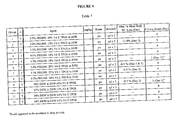
Classifications
-
- A—HUMAN NECESSITIES
- A61—MEDICAL OR VETERINARY SCIENCE; HYGIENE
- A61K—PREPARATIONS FOR MEDICAL, DENTAL OR TOILETRY PURPOSES
- A61K47/00—Medicinal preparations characterised by the non-active ingredients used, e.g. carriers or inert additives; Targeting or modifying agents chemically bound to the active ingredient
- A61K47/50—Medicinal preparations characterised by the non-active ingredients used, e.g. carriers or inert additives; Targeting or modifying agents chemically bound to the active ingredient the non-active ingredient being chemically bound to the active ingredient, e.g. polymer-drug conjugates
- A61K47/69—Medicinal preparations characterised by the non-active ingredients used, e.g. carriers or inert additives; Targeting or modifying agents chemically bound to the active ingredient the non-active ingredient being chemically bound to the active ingredient, e.g. polymer-drug conjugates the conjugate being characterised by physical or galenical forms, e.g. emulsion, particle, inclusion complex, stent or kit
- A61K47/6949—Medicinal preparations characterised by the non-active ingredients used, e.g. carriers or inert additives; Targeting or modifying agents chemically bound to the active ingredient the non-active ingredient being chemically bound to the active ingredient, e.g. polymer-drug conjugates the conjugate being characterised by physical or galenical forms, e.g. emulsion, particle, inclusion complex, stent or kit inclusion complexes, e.g. clathrates, cavitates or fullerenes
- A61K47/6951—Medicinal preparations characterised by the non-active ingredients used, e.g. carriers or inert additives; Targeting or modifying agents chemically bound to the active ingredient the non-active ingredient being chemically bound to the active ingredient, e.g. polymer-drug conjugates the conjugate being characterised by physical or galenical forms, e.g. emulsion, particle, inclusion complex, stent or kit inclusion complexes, e.g. clathrates, cavitates or fullerenes using cyclodextrin
-
- A—HUMAN NECESSITIES
- A61—MEDICAL OR VETERINARY SCIENCE; HYGIENE
- A61K—PREPARATIONS FOR MEDICAL, DENTAL OR TOILETRY PURPOSES
- A61K31/00—Medicinal preparations containing organic active ingredients
- A61K31/33—Heterocyclic compounds
- A61K31/335—Heterocyclic compounds having oxygen as the only ring hetero atom, e.g. fungichromin
- A61K31/337—Heterocyclic compounds having oxygen as the only ring hetero atom, e.g. fungichromin having four-membered rings, e.g. taxol
-
- A—HUMAN NECESSITIES
- A61—MEDICAL OR VETERINARY SCIENCE; HYGIENE
- A61K—PREPARATIONS FOR MEDICAL, DENTAL OR TOILETRY PURPOSES
- A61K9/00—Medicinal preparations characterised by special physical form
- A61K9/10—Dispersions; Emulsions
- A61K9/107—Emulsions ; Emulsion preconcentrates; Micelles
- A61K9/1075—Microemulsions or submicron emulsions; Preconcentrates or solids thereof; Micelles, e.g. made of phospholipids or block copolymers
-
- A—HUMAN NECESSITIES
- A61—MEDICAL OR VETERINARY SCIENCE; HYGIENE
- A61K—PREPARATIONS FOR MEDICAL, DENTAL OR TOILETRY PURPOSES
- A61K9/00—Medicinal preparations characterised by special physical form
- A61K9/48—Preparations in capsules, e.g. of gelatin, of chocolate
- A61K9/4841—Filling excipients; Inactive ingredients
- A61K9/4858—Organic compounds
-
- B—PERFORMING OPERATIONS; TRANSPORTING
- B82—NANOTECHNOLOGY
- B82Y—SPECIFIC USES OR APPLICATIONS OF NANOSTRUCTURES; MEASUREMENT OR ANALYSIS OF NANOSTRUCTURES; MANUFACTURE OR TREATMENT OF NANOSTRUCTURES
- B82Y5/00—Nanobiotechnology or nanomedicine, e.g. protein engineering or drug delivery
Definitions
- compositions that may be used as pharmaceutical compositions, methods and kits, more particularly to improved pharmaceutical formulations for paclitaxel that include vitamin-E derivatives.
- Paclitaxel is a unique diterpene anticancer compound derived from the bark of the Taxus brevifolia (Pacific yew) tree. A crude extract of the bark demonstrated antineoplastic activity in preclinical tumor screening 30 years ago as part of the National Cancer Institute's (NCI's) large-scale screening program. The active component of the extract, paclitaxel, was isolated and described by M. C. Wani et al, Plant antitumor agents, VI: The isolation and structure of Paclitaxel, a novel antileukemic and antitumor agent from Taxus brevifolia , J. Am. Chem. Soc. 93:2325-2327 (1971). This document, and all others referred to herein, are incorporated by reference as if reproduced fully below.
- Paclitaxel stabilizes the tubulin polymer and promotes microtubule assembly, rather than inducing microtubule disassembly like the antimicrotubule agents colchicine, vincristine, and vinblastine. This stabilization results in the inhibition of the normal dynamic reorganization of the microtubule network. Encouraging response rates (complete and partial) have been reported in single-agent phase II studies of paclitaxel in breast cancer, previously untreated non-small-cell lung cancer, head and neck cancer, and refractory ovarian cancer.
- paclitaxel is poorly soluble in water (less than 0.01 mg/mL) and other common vehicles used for the parenteral administration of drugs. Certain organic solvents, however, may at least partially dissolve paclitaxel. However, when a water-miscible organic solvent containing paclitaxel at near its saturation solubility is diluted with aqueous infusion fluid, the drug may precipitate.
- paclitaxel was administered after premedication with steroids (such as dexamethasone, prednisone and hydrocortisone), antihistamines (such as diphenhydramine), and H-2 receptor blockers (such as cimetidine or ranitidine), and the infusion time was extended to 24 hours in an attempt to eliminate the most serious allergic reactions.
- steroids such as dexamethasone, prednisone and hydrocortisone
- antihistamines such as diphenhydramine
- H-2 receptor blockers such as cimetidine or ranitidine
- Polyvinylchloride (PVC) infusion bags and intravenous administration sets usually contain diethylhexylphthalate (DEHP) as a plasticizer to maximize component flexibility.
- DEHP diethylhexylphthalate
- Exposure of animals to chronic high doses (more than 100 mg/kg) of DEHP has resulted in toxic effects including growth retardation, liver weight increase, liver damage, testicular atrophy, teratogenicity, and carcinogenicity.
- Cosolvents and surfactants may increase the amount of plasticizer leached.
- the present invention provides new and improved formulations of paclitaxel, methods of manufacturing these formulations, kits containing these formulations and methods of treating cancer patients using these formulations.
- the new and improved formulations include pharmaceutically acceptable, water miscible solubilizers other than Cremorphor which are believed to have improved long term stability and reduced adverse effects relative to existing formulations.
- a composition for delivering paclitaxel in vivo which comprises paclitaxel; a solvent; and a pharmaceutically-acceptable, water-miscible solubilizer selected from the group consisting of solubilizers having the general structures:
- R 1 is a hydrophobic C 3 -C 50 alkane, alkene or alkyne and R 2 is a hydrophilic moiety.
- the solubilizer is selected such that it does not have a pKa less than about 6.
- the solubilizer does not have a pKa less than about 7, more preferably not less than about 8.
- potential destabilization of paclitaxel catalyzed by anionic moieties may be reduced.
- the solubilizer forms micelles within which the paclitaxel is solubilized in the aqueous solution.
- the solubilizer may preferably be an ester (R 1 COOR 2 ) derived from a lipophilic acid (R 1 COOH) that has been esterified with a hydrophilic alcohol (R 2 OH).
- the lipophilic acids (R 1 COOH) include long chain carboxylic acids such as lauric acid, palmitic acid, stearic acid, oleic acid, linoleic acid, archidonic acid, and d- ⁇ -tocopheryl acid succinate.
- hydrophilic alcohols (R 2 OH) include polyalcohols such as polyethylene glycols (PEG): PEG 300, 400, and 1000.
- the solubilizer is a water miscible vitamin E derivative, and is most preferably d- ⁇ -tocopherol polyethylene glycol succinate (TPGS).
- the solvent in the composition may be pharmaceutically acceptable, water miscible organic solvent that can dissolve both paclitaxel and the solubilizer.
- suitable solvents include alcohols such as ethanol, propylene glycol and benzyl alcohol; polyalcohols such as polyethylene glycol (PEG); and amides such as 2-pyrrolidone, N-methyl-pyrrolidone and N,N-dimethyl acetamide.
- the concentration of paclitaxel in the composition may preferably range from about 5-20 mg/g, more preferably from about 8-15 mg/g, and most preferably from about 10-13 mg/g.
- the concentration of solubilzer in the composition may preferably range from about 40-90%w/w, more preferably from
- the weight ratio of the solubilizer to the solvent may preferably be between about 90:10-40:50, more preferably between about 70:30-45:55, and most preferably about 50:50.
- the weight ratio of paclitaxel to the solubilizer may preferably be between about 1:10-1:100, more preferably about 1:20-1:80, and most preferably about 1:30-1:70.
- the composition further comprises an acidifying agent added to the composition in a proportion such that the composition has a resulting pH between about 3 and 5.
- the acidifying agent may be an organic acid. Examples of organic acid include ascorbic acid, citric acid, tartaric acid, lactic acid, oxalic acid, formic acid, benzene sulphonic acid, benzoic acid, maleic acid, glutamic acid, succinic acid, aspartic acid, diatrizoic acid, and acetic acid.
- the acidifying agent may also be an inorganic acid, such as hydrochloric acid, sulphuric acid, phosphoric acid, and nitric acid.
- the solubilizer does not have a hydrogen with a pKa less than about 7, more preferably not less than about 8.
- a solubilizer to not have any acidic hydrogens, potential destabilization of paclitaxel catalyzed by anionic moieties may be reduced.
- composition may be diluted into aqueous solution by adding saline or other infusion fluid for parenteral administration or intravenous injection.
- the composition may optionally be incorporated into a pharmaceutical carrier suitable for oral administration.
- the composition may be filled into a soft or hard gelatin capsule, or other oral dosage forms.
- polyethylene glycols such as PEG 300 and PEG400 may preferably be used as the solvent for solubilizing paclitaxel, and the concentration of the solvent may preferably be less than about 40%w/w in the finally formed semi-solid or solid composition.
- These oral formulations may be administered into a host in need thereof, such as a cancer patient.
- composition which is made by the acts comprising: providing paclitaxel; and combining the paclitaxel with a pharmaceutically-acceptable, water-miscible solubilizer selected from the group consisting of solubilizers having the general structures:
- R 1 is a hydrophobic C 3 -C 50 alkane, alkene or alkyne and
- R 2 is a hydrophilic moiety.
- the solubilizer is selected such that it does not have a pKa less than about 6.
- a pharmaceutical formulation for delivering paclitaxel in vivo which comprises water; and micelles comprising paclitaxel and a pharmaceutically-acceptable, water-miscible solubilizer forming the micelles, the solubilizer selected from the group consisting of solubilizers having the general structures:
- R 1 is a hydrophobic C 3 -C 50 alkane, alkene or alkyne and R 2 is a hydrophilic moiety.
- the solubilizer is selected such that it does not have a pKa less than about 6.
- the solubilizer may preferably be an ester (R 1 COOR 2 ) derived from lipophilic acids (R 1 COOH) that are esterified with a hydrophilic alcohol (R 2 OH).
- the lipophilic acids R 1 COOH include long chain carboxylic acids such as lauric acid, palmitic acid, stearic acid, oleic acid, linoleic acid, archidonic acid, and d- ⁇ -tocopheryl acid succinate.
- hydrophilic alcohols (R 2 OH) include polyalcohols such as polyethylene glycols (PEG): PEG 300, 400, and 1000.
- the solubilizer is a water miscible vitamin E derivatives, and is most preferably d- ⁇ -tocopherol polyethylene glycol succinate (TPGS).
- the solubilizer contained in both the composition and the pharmaceutical formulation is an amphiphilic ester (R 1 COOR 2 ), an amphiphilic amide (R 1 CONR 2 ) or an amphiphilic ketone (R 1 COR 2 ) which is capable of forming micelle in aqueous solution.
- Hydrophobic tails (R 1 ) of the solubilizer aggregate with lipophilic paclitaxel while hydrophilic heads (R 2 ) of the solubilizer self-associate in water. Paclitaxel is thus solubized by associating with the hydrophobic tails of the micelles in aqueous solution.
- the weight ratio of paclitaxel to the solubilizer may preferably be between about 1:10-1:100, more preferably about 1:20-1:80, and most preferably about 1:30-1:70.
- the pharmaceutical formulation or the composition may optionally further include an excipient added to the composition in an amount sufficient to enhance the stability of the composition.
- excipient includes, but are not limited to, cyclodextrin such as ⁇ -, ⁇ -, and ⁇ -cyclodextrin and modified, amorphous cyclodextrin such as hydroxy-substituted ⁇ -, ⁇ - and ⁇ -cyclodextrin.
- Another pharmaceutical formulation is also provided, which is made by the acts comprising: providing a stock compostion comprising paclitaxel, a solvent and a pharmaceutically-acceptable, water-miscible solubilizer selected from the group consisting of solubilizers having the general structures:
- R 1 is a hydrophobic C 3 -C 50 alkane, alkene or alkyne and R 2 is a hydrophilic moiety, the solubilizer being selected such that it does not have a pKa less than about 6; and combining the composition with an aqueous solution, wherein, upon addition of the aqueous solution, the solubilizer forms micelles within which the paclitaxel is solubilized in the aqueous solution.
- One of the advantages of the above-described pharmaceutical formulations and compositions is the use of a non-ionic, amphiphilic solubilizer for paclitaxel.
- destabilization of paclitaxel by free carboxylate anion in formulations of Cremorphor occurred.
- the use of an ester, an amide or a ketone reduces this destabilization.
- the storage shelf life for the composition can be prolonged, while the potency or pharmaceutical activity of the pharmaceutical formulation can be enhanced.
- Another advantage of the pharmaceutical formulation is that paclitaxel is entrapped within the micelles formed by the solubilizer. As a result, light-induced damage to paclitaxel may be reduced during the period of infusion.
- a further advantage of the pharmaceutical formulation is that the aqueous solution contains paclitaxel-carrying micelles which remain physically and chemically stable.
- the formulation can be administered intravascularly without undue toxicity from undissolved drug or precipitates of the solubilizer.
- kits containing a pharmaceutical formulation for delivering paclitaxel in vivo comprising: water and micelles comprising paclitaxel and a pharmaceutically-acceptable, water-miscible solubilizer forming the micelles, the solubilizer having the general structures:
- R 1 is a hydrophobic C 3 -C 50 alkane, alkene or alkyne and R 2 is a hydrophilic moiety, the solubilizer being selected such that it does not have a pKa less than about 6.
- a method for administering paclitaxel to a host in need thereof is provided.
- the method comprises: providing a pharmaceutical formulation comprising: water and micelles comprising paclitaxel and a pharmaceutically-acceptable, water-miscible solubilizer forming the micelles, the solubilizer selected from the group consisting of solubilizers having the general structures:
- R 1 is a hydrophobic C 3 -C 50 alkane, alkene or alkyne and R 2 is a hydrophilic moiety, the solubilizer being selected such that it does not have a pKa less than about 6; and administering the pharmaceutical formulation in a therapeutically effective amount to a host in need thereof.
- the method may be used for administering paclitaxel to patients.
- paclitaxel A wide variety of uses are known for paclitaxel including the treatment of malignant diseases such as cancer including, but not limited to, human ovarian cancer, breast cancer, malignant lymphoma, lung cancer, melanoma, and Kaposi's sarcoma.
- malignant diseases such as cancer including, but not limited to, human ovarian cancer, breast cancer, malignant lymphoma, lung cancer, melanoma, and Kaposi's sarcoma.
- Other uses of paclitaxel may be developed in the future.
- the present invention may also intended to be used in conjunction with these future uses of paclitaxel.
- the method comprises: administering to a patient having a disease associated with abnormal cell proliferation and angiogenesis a pharmaceutical formulation containing paclitaxel, vitamin E-TPGS (D- ⁇ -tocopheryl polyethylene glycol succinate), and solvent.
- a pharmaceutical formulation containing paclitaxel, vitamin E-TPGS (D- ⁇ -tocopheryl polyethylene glycol succinate), and solvent.
- vitamin E-TPGS is solubilized by vitamin E-TPGS in a solvent, such as ethanol and polyethylene glycol (PEG), to form a homogenous composition.
- a solvent such as ethanol and polyethylene glycol (PEG)
- vitamin E-TPGS 1000 d- ⁇ -tocopherol succinate esterified with PEG 1000.
- the pharmaceutical formulation may further comprise an acidifying agent added to the formulation in a proportion such that the formulation has a resulting pH between about 3 and 5.
- the acidifying agent may be an organic acid including, but not limited to, ascorbic acid, citric acid, tartaric acid, lactic acid, oxalic acid, formic acid, benzene sulphonic acid, benzoic acid, maleic acid, glutamic acid, succinic acid, aspartic acid, diatrizoic acid, and acetic acid.
- the acidifying agent may also be an inorganic acid, including, but not limited to, hydrochloric acid, sulfuric acid, phosphoric acid, and nitric acid.
- An anhydrous organic acid may preferably be used in a composition that may be further formulated for oral administration, such as incorporation into soft or hard gelatin capsules, tablet or other oral dosage forms.
- the amount of acid added to the formulation may be sufficient to adjust the pH of the formulation at preferably between about pH 3-6, more preferably between about pH 3.5-5, and most preferably between about pH 3-4.
- the pharmaceutical formulation may optionally further include an excipient added to the composition in an amount sufficient to enhance the stability of the composition, maintain the product in solution, or prevent side effects associated with the administration of the inventive composition.
- excipients include but are not limited to, cyclodextrin such as ⁇ -, ⁇ -, and ⁇ -cyclodextrin and modified, amorphous cyclodextrin such as hydroxy-substituted ⁇ -, ⁇ -, and ⁇ -cyclodextrin.
- Cyclodextrins such as Encapsin® from Janssen Pharmaceuticals may be used for this purpose.
- the pharmaceutical formulations described above can be used for delivering paclitaxel in vivo via various routes of administration.
- the formulation may be administered or coadministered with other therapeutic agent(s) orally, parenterally, intraperitoneally, intravenously, intraarterially, transdermally, sublingually, intramuscularly, rectally, transbuccally, intranasally, liposomally, via inhalation, vaginally, intraoccularly, via local delivery (for example by catheter or stent), subcutaneously, intraadiposally, intraarticularly, or intrathecally.
- the formulation may also be administered or coadministered in slow release dosage forms.
- the method comprises: administering to the patient a pharmaceutical formulation comprising paclitaxel and vitamin E-TPGS at a dose of 0.1-50 mg/Kg, preferably 1-20 mg/Kg, more preferably 1-10 mg/Kg, and most preferably 2-8 mg/Kg.
- the administration may be repeated, preferably every two weeks, and more preferably every three weeks.
- This formulation may be administered parenterally or orally to patient having a disease associated with undesirable or uncontrolled cell proliferation or angiogenesis.
- paclitaxel formulated with vitamin E-TPGS may be administered parenterally at a dosage lower than the current clinical dosage of TAXOL®: 135 mg/m or 9 mg/Kg for an adult, for example, at dose below 100 mg/m 2 or 7 mg/Kg.
- Paclitaxel formulated with vitamin E-TPGS may also be administered to a cancer patient by infusion for 3 hours or a shorter time once every week at a dosage below 100 mg/m 2 , such as 80 mg/m 2 .
- a desensitizer may be administered to the patients in order to reduce any potential anaphylactic or hypersensitive responses such as allergic reactions, pain and suffering.
- desensitizer include, but are not limited to, steroids (such as dexamethasone, prednisone and hydrocortisone), antihistamines (such as diphenhydramine), and H-2 receptor blockers (such as cimetidine or ranitidine).
- steroids such as dexamethasone, prednisone and hydrocortisone
- antihistamines such as diphenhydramine
- H-2 receptor blockers such as cimetidine or ranitidine.
- the desensitizer is preferably administered to the patient prior to treatment with paclitaxel formulated with vitamin E-TPGS.
- cytokines such as granulocyte-colony stimulating factor (G-CSF) may be administered (e.g., by daily subcutaneous injection) to the patient treated with paclitaxel formulated with vitamin E-TPGS, preferably 24 hours after the paclitaxel treatment to ameliorate myelosuppression effects of paclitaxel or to speed up recovery from myotoxicity.
- G-CSF granulocyte-colony stimulating factor
- antineoplastic agents may have a therapeutic additive or synergistic effect with paclitaxel formulated with vitamin E-TPGS.
- Such antineoplastic agents may be hyperplastic inhibitory agents that addictively or synergistically combine with paclitaxel formulated with vitamin E-TPGS to inhibit undesirable cell growth, such as inappropriate cell growth resulting in undesirable benign conditions or tumor growth.
- examples of such antineoplastic agents include, but are not limited to, alkylating agents, antibiotic agents, antimetabolic agents, hormonal agents, plant-derived agents, and biologic agents.
- Preferable indications that may be treated using paclitaxel formulated with vitamin E-TPGS include those involving undesirable or uncontrolled cell proliferation.
- Such indications include restenosis (e.g. coronary, carotid, and cerebral lesions), benign tumors, a various types of cancers such as primary tumors and tumor metastasis, abnormal stimulation of endothelial cells (atherosclerosis), insults to body tissue due to surgery, abnormal wound healing, abnormal angiogenesis, diseases that produce fibrosis of tissue, repetitive motion disorders, disorders of tissues that are not highly vascularized, and proliferative responses associated with organ transplants.
- FIG. 1 shows Table 4 that summarizes results of the treatment of the nude mice with paclitaxel in 5% EVE, 5% EC and Clinical Taxol via i.v. injection.
- FIG. 2 shows Table 5 that summarizes results of toxicity studies of the nude mice treated with various paclitaxel formulations via i.v. injection.
- FIG. 3 shows Table 6 that summarizes results of toxicity studies of the nude mice treated with various paclitaxel formulations via oral administration.
- FIG. 4 shows Table 7 that summarizes results of toxicity studies of the nude mice treated with various paclitaxel formulations via oral administration.
- the present invention provides compositions, kits and methods for using paclitaxel for treating diseases associated with abnormal cell proliferation and angiogenesis.
- methods are provided for administration of paclitaxel formulated with vitamin E derivative to an animal, preferably a human.
- administering to a patient paclitaxel in a vehicle containing a solubilizer other than Cremophor avoids adverse effects associated with Cremophor and may confer stronger therapeutic effects on the patient.
- compositions which are used for delivering paclitaxel in vivo.
- the composition comprises paclitaxel, a solvent and a pharmaceutically-acceptable, water-miscible solubilizer selected from the group consisting of solubilizers having the general structures:
- R 1 is a hydrophobic C 3 -C 50 alkane, alkene or alkyne and R 2 is a hydrophilic moiety, the solubilizer being selected such that it does not have a pKa less than about 6.
- the solubilizer forms micelles within which the paclitaxel is solubilized in the aqueous solution.
- This composition may be used as a pharmaceutical composition to treat various diseases or conditions, such as those described in Section 6 below.
- the composition for paclitaxel is formulated based on a combination of a non-ionic, amphiphilic solubilizer that forms micelles to solubilize paclitaxel in an aqueous solution and a solvent that can dissolve paclitaxel and disperse the solubilizer in the composition to form a homogenous composition.
- a pharmaceutical formulation can be formed from the composition by adding an aqueous solution such as water, saline or other infusion fluid.
- an aqueous solution such as water, saline or other infusion fluid.
- hydrophobic tails of the solubilizer aggregate with paclitaxel and entrap paclitaxel within a micelle, thereby solubilizing and stabilizing paclitaxel in the resultant pharmaceutical formulation.
- the solubilizer is an ester, an amide or a ketone with a pKa less than about 6.
- the solubilizer is essentially non-ionic under pH 6 in an aqueous solution.
- the solubilizer may be selected such that the solubilizer does not have a pKa less than about 7, more preferably not less than about 8. Maintaining non-ionicity of the solubilzer is believed to prevent destabilization of paclitaxel catalyzed by anions such as carboxylate.
- the commercially available paclitaxel formulation with 50:50 ethanol: Cremorphor contains carboxylate moieties which ionize and may contribute to the decomposition of paclitaxel in the formulation.
- the present invention employs an amphiphilic ester as the solubilizer in the composition, carboxylate anion-catalyzed decomposition of paclitaxel may be minimized, thereby enhancing the stability and prolonging storage shelf-life of the drug.
- the solubilizer R 1 COOR 2 may preferably be an ester derived from lipophilic acids (R 1 COOH) that are esterified with hydrophilic alcohol (R 2 OH).
- lipophilic acids (R 1 COOH) include long chain carboxylic acids such as lauric acid, palmitic acid, stearic acid, oleic acid, linoleic acid, arachidonic acid, and d- ⁇ -tocopheryl acid succinate.
- hydrophilic alcohols (R 2 OH) include polyalcohols such as polyethylene glycols (PEG): PEG 300, 400, and 1000.
- the solubilizer is a water miscible vitamin E derivative, and most preferably is d-a-tocopherol polyethylene glycol succinate (TPGS).
- the solvent in the composition for delivering paclitaxel in vivo may preferably be pharmaceutically acceptable, water miscible, nonaqueous solvent that can dissolve both paclitaxel and the solubilizer.
- these solvents should be taken to include solvents that are generally acceptable for pharmaceutical use, substantially water-miscible, and substantially non-aqueous.
- these solvents do not cause phthalate plasticizes to leach when the solvents are used with medical equipment whose tubing contains phthalate plasticizers.
- Preferred examples of the pharmaceutically-acceptable, water-miscible, non-aqueous solvents include, but are not limited to, N-methyl pyrrolidone (NMP); propylene glycol; polyethylene glycol (e.g.
- compositions such as ethanol, propylene glycol and benzyl alcohol
- polyalcohols such as polyethylene glycol (PEG 300, PEG 400, etc.)
- amides such as 2-pyrrolidone, N-methyl-pyrrolidone and N,N-dimethyl acetamide.
- triacetin may also be used as a pharmaceutically-acceptable, water-miscible, non-aqueous solvent, as well as functioning as a solubilizer in certain circumstances.
- paclitaxel suitable for use in this invention may be obtained from a variety of sources, including the National Cancer Institute (Bethesda, Md.). In the context of this invention, paclitaxel is intended to include paclitaxel proper, and paclitaxel derivatives, analogs, metabolites, and prodrugs thereof.
- the composition may contain varying amounts of each of the paclitaxel, the pharmaceutically-acceptable, water-miscible solubilizer, solvent, and other ingredients.
- the inventive compositions comprise paclitaxel in an amount ranging from about 5-20 mg/g, more preferably from about 8-15 mg/g, and most preferably from about 10-13 mg/g.
- the composition comprises a solubilizer in an amount ranging from about 40-90% w/w, more preferably from 45-75% w/w, and most preferably from 50-60% w/w.
- the weight ratio of the solubilizer to the solvent may be between about 90:10-40:50, more preferably between about 70:30-45:55, and most preferably about 50:50.
- the weight ratio of paclitaxel to the solubilizer may be between about 1:10-1:100, more preferably about 1:20-1:80, and most preferably about 1:30-1:70.
- the composition further comprises an acidifying agent added to the composition in a proportion such that the composition has a resulting pH between about 3 and 5. Adding an acidifying agent to the composition serves to further stabilize the bond to the carbonyl bond of the solubilizer and prevent carbonyl anion-catalyzed decomposition of paclitaxel, if any.
- the solubilizer does not have a pKa less than about 7, more preferably not less than about 8.
- potential destabilization of paclitaxel catalyzed by anionic moieties may be reduced.
- the acidifying agent may be an organic acid including, but not limited to, ascorbic acid, citric acid, tartaric acid, lactic acid, oxalic acid, formic acid, benzene sulphonic acid, benzoic acid, maleic acid, glutamic acid, succinic acid, aspartic acid, diatrizoic acid, and acetic acid.
- the acidifying agent may also be an inorganic acid, including, but not limited to, hydrochloric acid, sulphuric acid, phosphoric acid, and nitric acid.
- An anhydrous organic acid may preferably be used in a composition that may be further formulated for oral administration, such as incorporation into soft or hard gelatin capsules, tablet or other oral dosage forms.
- the amount of acid added to the composition may be sufficient to adjust the pH of the composition at preferably between about pH 3-6, more preferably between about pH 3.5-5, and most preferably between about pH 3-4.
- the pharmaceutical formulation or the composition may optionally further include an excipient added to the composition in an amount sufficient to enhance the stability of the composition, maintain the product in solution, or prevent side effects associated with the administration of the inventive composition.
- excipients include but are not limited to, cyclodextrin such as ⁇ -, ⁇ -, and ⁇ -cyclodextrin and modified, amorphous cyclodextrin such as hydroxy-substituted ⁇ -., ⁇ -, and ⁇ -cyclodextrin.
- Cyclodextrins such as Encapsin® from Janssen Pharmaceuticals may be used for this purpose.
- the composition may be incorporated into a pharmaceutical carrier suitable for oral administration.
- polyethylene glycols such as PEG 300 and 400, may be used as the solvent for their capability of solubilizing paclitaxel and forming semi-solid to solid compositions.
- the concentration of polyethylene glycol may preferably be less than about 40%w/w in the finally formed composition.
- the composition may be filled into a soft or hard gelatin capsule, or another suitable oral dosage form with protective or sustained release coatings and orally administered into a host in need thereof, such as a cancer patient.
- the types of protective or sustained release coating include, but are not limited to, ethylcellulose, hydroxypropylmethylcellulose, hydroxypropylcellulose, hydroxyethylcellulose, and esters of methacrylic and ethacrylic acid (Eudragit RL, RS, and NE polymer products, Rohm Pharma, Darmstadt, Germany).
- the enteric protective materials or coatings may be, for example, cellulose acetate pthalate, hydroxypropylmethylcellulose, ethylvinylacetate pthalate, polyvinylacetate pthalate and esters of methacrylic and ethacrylic acid (Eudragit S, Eudragit L and Eudragit E30D, Rohm Pharma, Darmstadt, Ger.).
- composition may also be diluted into an aqueous solution to form a pharmaceutical formulation by adding saline or other infusion fluid for parenteral administration or intravenous injection.
- a pharmaceutical formulation will be described in details below.
- compositions for delivering paclitaxel in vivo comprise water and micelles comprising paclitaxel and a pharmaceutically-acceptable, water-miscible solubilizer forming the micelles, the solubilizer selected from the group consisting of solubilizers having the general structures:
- R 1 is a hydrophobic C 3 -C 50 alkane, alkene or alkyne and R 2 is a hydrophilic moiety, the solubilizer being selected such that it does not have a pKa less than about 6.
- the pharmaceutical formulation can be used for delivering paclitaxel in vivo, preferably via parenteral administration.
- Parenteral administration has been the preferred approach for paclitaxel as therapy for systemic malignancies.
- the currently available paclitaxel formulation which is based on a combination of ethanol and polyoxyethylated castor oil (Cremorphorg, BASF, Germany) may precipitate when added to an infusion fluid. Cremorphor has been associated with a series of clinical side effects necessitating extensive premedication to desensitize the side effects.
- the formulation of the present invention contains a non-ionic ester solubilizer which forms micelles in aqueous solution to solubilize paclitaxel without causing precipitation, and delivers the drug into the body of a host in need.
- micelles can solubilize otherwise insoluble organic material by incorporating the organic material within their hydrophobic interior.
- the micelle in a pharmaceutical formulation is an association colloid that displays regions of decreasing water solubility going from the outside of the structure to the inside.
- Micelles are formed by amphiphilic molecules with both hydrophobic and hydrophilic moieties.
- the solubilizer is an amphiphilic ester with a hydrophobic tail (R 1 ) and a hydrophilic head (R 2 ).
- the hydrophobic tail of the solubilizer aggregates with lipophilic paclitaxel to form the interior of the micelle while the hydrophilic head (R 2 ) of the solubilizer self-associates with other hydrophilic heads and faces water outside of the micelle.
- Paclitaxel which is substantially insoluble in aqueous solution is thus solubilized by micelle formation.
- the micelles may preferably be non-ionic, such that the head group region of a micelle resembles a concentrated aqueous solution of solute.
- a non-ionic head group e.g. sugar or PEG, becomes hydrated by the aqueous solution and solubilizes the micelle.
- the non-ionic tail group e.g. long hydrocarbon chain, aggregates with the lipophilic drug via van der Waals interactions, and occupies a range of areas by changing its extended length, compressing or extending its hydrocarbon chain.
- the solubilizer (R 1 COOR 2 ) may preferably be an ester derived from lipophilic acids (R 1 COOH) that are esterified with hydrophilic alcohol (R 2 OH).
- lipophilic acids (R 1 COOH) include long chain carboxylic acids such as lauric acid, palmitic acid, stearic acid, oleic acid, linoleic acid, arachidonic acid, and d- ⁇ -tocopheryl acid succinate.
- hydrophilic alcohols (R 2 OH) include polyalcohols such as polyethylene glycols (PEG): PEG 300, 400, and 1000.
- the solubilizer is a water miscible vitamin E derivative, and most preferably is d- ⁇ -tocopherol polyethylene glycol succinate (TPGS).
- TPGS is derived from vitamin E by esterification of the acid group of d- ⁇ -tocopherol succinate with polyethylene glycol.
- the commercially available TPGS 1000 esterified with PEG 1000 (Eastman Chemical Company) is water soluble up to approximately 20 wt % and stable under heat sterilization conditions.
- the viscosity of TPGS 1000 appears to be constant and low at concentrations below 20 wt %, a desirable property for a pharmaceutical formulation used in parenteral administration.
- water miscible, amphiphilic solubilizer derived from d- or dl- ⁇ -tocopherol may also be used.
- d- or dl- ⁇ -tocopherol may be esterified by water soluble aliphatic dicarboxylic acid such as malonic, succinic, glutaric, adipic, pimelic and maleic acid to form a salt, which is then further esterified with hydrophiles such as PEG to produce water miscible, amphiphilic solubilizers.
- the weight ratio of paclitaxel to the solubilizer may be between about 1:10-1:100, more preferably about 1:20-1:80, and most preferably about 1:30-1:70.
- the pharmaceutical formulation can be used for delivering paclitaxel in vivo, preferably via parenteral or intravenous administration. Since the aqueous formulation contains paclitaxel-carrying micelles which remain physically and chemically stable, this formulation can be administered intravascularly without undue toxicity from undissolved drug or precipitates of the solubilizer and still maintains its pharmacological potency. Further, in this formulation, paclitaxel is entrapped within the micelles formed by the solubilizer, thus light-induced damage to paclitaxel may be reduced during the period of infusion.
- the paclitaxel formulation comprises a derivative of vitamin E, vitamin E-TPGS (D- ⁇ -tocopheryl polyethylene glycol succinate).
- the formulation contains a solvent that can dissolve paclitaxel and disperse vitamin E-TPGS to form a homogenous composition, such as ethanol and polyethylene glycol (PEG).
- vitamin E-TPGS forms micelles within which the paclitaxel is solubilized in the aqueous solution.
- paclitaxel formulated with vitamin E-TPGS can be dispersed or diluted with water, saline or other infusion fluid.
- hydrophobic tails of vitamin E-TPGS aggregate with paclitaxel and entrap paclitaxel within a micelle, thereby solubilizing and stabilizing paclitaxel in the resultant pharmaceutical formulation.
- the paclitaxel formulated with vitamin E-TPGS can be used for delivering paclitaxel in vivo, for example, via parenteral or intravenous administration. Since the aqueous formulation contains paclitaxel-carrying vitamin E-TPGS micelles which remain physically and chemically stable, this formulation can be administered intravascularly without undue toxicity from undissolved drug or precipitates of the solubilizer and still maintains its pharmacological potency. Further, in this formulation, paclitaxel is entrapped within the micelles formed by vitamin E-TPGS, thus light-induced damage to paclitaxel may be reduced during the period of infusion.
- vitamin E-TPGS is essentially non-ionic under pH 6 in an aqueous solution. Maintaining non-ionicity of the solubilzer is believed to prevent destabilization of paclitaxel catalyzed by anions such as carboxylate.
- the commercially available paclitaxel formulation with 50:50 ethanol: Cremophor contains carboxylate moieties which ionize and may contribute to the decomposition of paclitaxel in the formulation.
- an amphiphilic ester as the solubilizer in the composition, carboxylate anion-catalyzed decomposition of paclitaxel may be minimized, thereby enhancing the stability and prolonging storage shelf-life of the drug.
- a pharmaceutical composition is made by the acts comprising: providing paclitaxel; and combining the paclitaxel with a pharmaceutically-acceptable, water-miscible solvent and a pharmaceutically-acceptable, water-miscible solubilizer selected from the group consisting of solubilizers having the general structures:
- R 1 is a hydrophobic C 3 -C 50 alkane, alkene or alkyne and R 2 is a hydrophilic moiety, the solubilizer being selected such that it does not have a pKa less than about 6.
- the pharmaceutical composition may be prepared by dissolving paclitaxel in a small quantity of a pharmaceutically-acceptable, water-miscible solvent with moderate agitation. The volume of the pharmaceutical composition is then made up with the solubilizer dissolved in the solvent and other ingredients and mixed thoroughly.
- the excipients such as hydroxypropyl cyclodextrin
- the excipients may also be dissolved in an aliquot of the pharmaceutically-acceptable, water-miscible solvent. This aliquot may then be mixed with a premixed solution of paclitaxel and solubilizer as described above. The mixed aliquots are then mixed together, and the remaining volume is made up with the solvent, all under moderate agitation.
- the acidifying agent may be added to the premixed solution of paclitaxel and solubilizer as described above and mixed under moderate agitation.
- the acidifying agent include organic acids such as ascorbic acid, citric acid, tartaric acid, lactic acid, oxalic acid, formic acid, benzene sulphonic acid, benzoic acid, maleic acid, glutamic acid, succinic acid, aspartic acid, diatrizoic acid, and acetic acid, and inorganic acids, such as hydrochloric acid, sulphuric acid, phosphoric acid, and nitric acid.
- the amount of the acidifying agent may be sufficient to adjust the pH of the final formulation to a desired range after dilution of the pharmaceutical composition with infusion fluid, such as saline.
- a pharmaceutical composition is made by the acts comprising: providing a compostion comprising paclitaxel, a solvent and a pharmaceutically-acceptable, water-miscible solubilizer selected from the group consisting of solubilizers having the general structures:
- R 1 is a hydrophobic C 3 -C 50 alkane, alkene or alkyne and R 2 is a hydrophilic moiety, the solubilizer being selected such that it does not have a pKa less than about 6; and combining the composition with an aqueous solution, wherein, upon addition of the aqueous solution, the solubilizer forms micelles within which the paclitaxel is solubilized in the aqueous solution.
- a kit containing a pharmaceutical formulation for delivering paclitaxel in vivo comprising: water and micelles comprising paclitaxel and a pharmaceutically-acceptable, water-miscible solubilizer forming the micelles, the solubilizer selected from the group consisting of solubilizers having the general structures:
- R 1 is a hydrophobic C 3 -C 50 alkane, alkene or alkyne and R 2 is a hydrophilic moiety, the solubilizer being selected such that it does not have a pKa less than about 6.
- a method for administering paclitaxel to a host in need thereof comprising: providing a pharmaceutical formulation comprising: water and micelles comprising paclitaxel and a pharmaceutically-acceptable, water-miscible solubilizer forming the micelles, the solubilizer selected from the group consisting of solubilizers having the general structures:
- R 1 is a hydrophobic C 3 -C 50 alkane, alkene or alkyne and R 2 is a hydrophilic moiety, the solubilizer being selected such that it does not have a pKa less than about 6; and administering the pharmaceutical formulation in a therapeutically effective amount to a host in need thereof.
- the pharmaceutical formulations according to the invention may be administered in any medically suitable manner, preferably parenterally or orally, more preferably parenterally, and still more preferably intravenously.
- the pharmaceutical formulation may be prepared by diluting the a composition as described in Section 1 with sterile water, normal saline, D5W, Ringer's solution or other equivalent infusion liquids.
- Dilutions of the composition may preferably range from about 5:1 to about 1:10 v/v of the composition to the diluting infusion liquids.
- the dilutions may also be appropriately adjusted according to specific treatment schemes adopted by clinicians.
- the ratio of v/v in this context refers to the ratio of the volume of the composition before dilution with the infusion fluids to the total volume of the pharmaceutical formulation following dilution with the infusion fluid.
- the pharmaceutical may be administered in a bolus fashion.
- Chemical stability of a formulation generally refers to the amount of chemical degradation of a particular agent in the formulation. Chemical stability of a pharmaceutical formulation depends upon the amount of chemical degradation of the active pharmaceutical ingredient in that preparation. Commonly, stability analysis of a pharmaceutical preparation, such as a liquid parenteral product, may be performed under accelerated temperature conditions, such as in a 50° C. oven. For example, stability data for 50° C. for one month can give assurance of stability for a minimum of two years at room temperature. The predictive nature of accelerated stability studies at elevated temperatures is governed by the Arrhenius equation.
- Developing formulations of acceptable chemical stability may be important, especially in cases where the composition comprises a cytotoxic drug like the paclitaxel. Physicians will find products which require determining the exact amount of paclitaxel present before using the products undesirable. Additionally, regulatory requirements may specify minimum stability requirements. Therefore, discovery of variables that impact stability is a useful step in development of new pharmaceutical formulations.
- Acceptable stability is well understood by one of skill to mean chemical stability that is sufficient for the material to be well accepted in clinical use, that definition being used herein.
- the chemical stability of paclitaxel in a 50° C. oven over four weeks is greater than about 85%.
- the chemical stability of paclitaxel in a 50° C. oven over four weeks is greater than about 90%.
- the chemical stability of paclitaxel in a 50° C. oven over four weeks is greater than about 93%.
- the chemical stability of paclitaxel in a 50° C. oven over four weeks is greater than about 96%.
- the paclitaxel formulations as described above can be used for delivering paclitaxel in vivo via various routes of administration.
- the formulation may be administered or coadministered with other therapeutic agent(s) orally, parenterally, intraperitoneally, intravenously, intraarterially, transdermally, sublingually, intramuscularly, rectally, transbuccally, intranasally, liposomally, via inhalation, vaginally, intraoccularly, via local delivery (for example by catheter or stent), subcutaneously, intraadiposally, intraarticularly, or intrathecally.
- the formulation may also be administered or coadministered in slow release dosage forms.
- Paclitaxel formulated with a non-ionic ester solubilizer such as vitamin E-TPGS which forms micelles in aqueous solution should be able to solubilize paclitaxel without causing precipitation, and delivers the drug into the body of a host in need without the clinical side effects associated with Cremophor.
- the present invention provides methods for administering to a patient in need thereof paclitaxel formulated with vitamin E derivatives, such as vitamin E-TPGS.
- the method comprise: administering to the patient a pharmaceutical formulation comprising paclitaxel and vitamin E-TPGS at a dose of 0.1-50 mg/Kg, preferably 1-20 mg/Kg, more preferably 1-10 mg/Kg, and most preferably 2-8 mg/Kg.
- the administration may be repeated, preferably every two weeks, and more preferably every three weeks.
- This formulation may administered parenterally or orally to patient having a disease associated with undesirable or uncontrolled cell proliferation or angiogenesis.
- paclitaxel formulated with vitamin E-TPGS is administered parenterally to a patient in need thereof. Since the antitumor activity of paclitaxel can be potentiated by vitamin E-TPGS as shown below in the “EXAMPLE” section, lower dosage of paclitaxel may be needed to achieve the same therapeutic effect as that of paclitaxel formulated with Cremophor (TAXOL®) at higher dosages.
- TAXOL® Cremophor
- the current clinical dosing schedule of TAXOL® is three-hour infusion for breast cancer at 175 mg/m 2 (about 13 mg/Kg for an adult weighing 70 Kg) every 3 weeks, ovarian cancer at 135 mg/m 2 (about 9 mg/Kg) or 175 mg/m 2 every 3 weeks, AIDS-related Kaposi's sarcoma (KS) at 135 mg/m 2 (about 9 mg/Kg) or 175 mg/m 2 every 3 weeks.
- paclitaxel formulated with vitamin E-TPGS may be administered parenterally at a dosage lower than 135 mg/m 2 or 9 mg/Kg for an adult, for example at dose below 100 mg/m 2 or 7 mg/Kg.
- paclitaxel formulated with vitamin E-TPGS may be better tolerated by patient due to lack of hypersensitivity caused by Cremophor, and therefore could be administered in a shorter infusion time more frequently at a lower dosage than TAXOL®.
- Long infusion time such as a 24-hr infusion, requires patients to stay in a hospital and be monitored for the entire period of infusion, thus increasing patients' inconvenience and expenses.
- Infusion of paclitaxel in a shorter period of time, e.g., 3 hours, would allow for patients to be treated on an out-patient basis, thereby reducing the cost and discomfort of patients.
- paclitaxel formulated with vitamin E-TPGS may be administered to a cancer patient by infusion for 3 hours or a shorter time once every week at a dosage below 100 mg/m 2 , such as 80 mg/m 2 .
- paclitaxel formulated with vitamin E-TPGS should not cause Cremophor associated hypersensitivity in patients
- a desensitizer may optionally be administered to the patients in order to reduce any potential anaphylactic or hypersensitive responses such as allergic reactions, pain and suffering.
- desensitizer include, but are not limited to, steroids (such as dexamethasone, prednisone and hydrocortisone), antihistamines (such as diphenhydramine), and H-2 receptor blockers (such as cimetidine or ranitidine).
- the desensitizer or a combination of desensitizers is preferably administered to the patient prior to treatment with paclitaxel formulated with vitamin E-TPGS.
- cytokines such as granulocyte-colony stimulating factor (G-CSF) may optionally administered (e.g., by daily subcutaneous injection) to the patient treated with paclitaxel formulated with vitamin E-TPGS, preferably 24 hours after the paclitaxel treatment to ameliorate myelosuppression effects of paclitaxel or to speed up recovery from myotoxicity.
- G-CSF granulocyte-colony stimulating factor
- infusion fluid containing paclitaxel formulated with vitamin E-TPGS may be prepared by dilution with sterile water, normal saline, D5W, Ringer's solution or other equivalent infusion liquids.
- Dilutions of the composition may preferably range from about 5:1 to about 1:10 v/v of the composition to the diluting infusion liquids.
- the dilutions may also be appropriately adjusted according to specific treatment schemes adopted by clinicians.
- the ratio of v/v in this context refers to the ratio of the volume of the composition before dilution with the infusion fluids to the total volume of the paclitaxel formulation following dilution with the infusion fluid.
- paclitaxel formulated with vitamin E-TPGS may be administered in a bolus fashion.
- Chemical stability of a formulation generally refers to the amount of chemical degradation of a particular agent in the formulation. Chemical stability of a pharmaceutical formulation depends upon the amount of chemical degradation of the active pharmaceutical ingredient in that preparation. Commonly, stability analysis of a pharmaceutical preparation, such as a liquid parenteral product, may be performed under accelerated temperature conditions, such as in a 50° C. oven. For example, stability data for 50° C. for one month can give assurance of stability for a minimum of two years at room temperature. The predictive nature of accelerated stability studies at elevated temperatures is governed by the Arrhenius equation.
- Acceptable stability is well understood by one of skill to mean chemical stability that is sufficient for the material to be well accepted in clinical use, that definition being used herein.
- chemical stability of paclitaxel formulated with vitamin E-TPGS in a 50° C. oven over four weeks is greater than 95% (Table 2).
- antineoplastic agents may have a therapeutic additive or synergistic effect with paclitaxel formulations of the present invention.
- Such antineoplastic agents may be hyperplastic inhibitory agents that addictively or synergistically combine with the inventive paclitaxel formulation to inhibit undesirable cell growth, such as inappropriate cell growth resulting in undesirable benign conditions or tumor growth.
- examples of such antineoplastic agents include, but are not limited to, alkylating agents, antibiotic agents, antimetabolic agents, hormonal agents, plant-derived agents, and biologic agents.
- the alkylating agents are polyfunctional compounds that have the ability to substitute alkyl groups for hydrogen ions.
- alkylating agents include, but are not limited to, bischloroethylamines (nitrogen mustards, e.g. chlorambucil, cyclophosphamide, ifosfamide, mechlorethamine, melphalan, uracil mustard), aziridines (e.g. thiotepa), alkyl alkone sulfonates (e.g. busulfan), nitrosoureas (e.g.
- the antibiotic agents are a group of drugs that produced in a manner similar to antibiotics as a modification of natural products.
- antibiotic agents include, but are not limited to, anthracyclines (e.g. doxorubicin, daunorubicin, epirubicin, idarubicin and anthracenedione), mitomycin C, bleomycin, dactinomycin, plicatomycin.
- anthracyclines e.g. doxorubicin, daunorubicin, epirubicin, idarubicin and anthracenedione
- mitomycin C e.g. doxorubicin, daunorubicin, epirubicin, idarubicin and anthracenedione
- mitomycin C e.g. doxorubicin, daunorubicin, epirubicin, idarubicin and anthracenedione
- mitomycin C e.g. doxorubicin
- Bleomycin is generally believed to chelate iron and forms an activated complex, which then binds to bases of DNA, causing strand scissions and cell death.
- Combination therapy including the inventive paclitaxel formulation and the antibiotic agent may have therapeutic synergistic effects on cancer and reduce sides affects associated with these chemotherapeutic agents.
- the antimetabolic agents are a group of drugs that interfere with metabolic processes vital to the physiology and proliferation of cancer cells. Actively proliferating cancer cells require continuous synthesis of large quantities of nucleic acids, proteins, lipids, and other vital cellular constituents. Many of the antimetabolites inhibit the synthesis of purine or pyrimidine nucleosides or inhibit the enzymes of DNA replication. Some antimetabolites also interfere with the synthesis of ribonucleosides and RNA and/or amino acid metabolism and protein synthesis as well. By interfering with the synthesis of vital cellular constituents, antimetabolites can delay or arrest the growth of cancer cells.
- antimetabolic agents include, but are not limited to, fluorouracil (5-FU), floxuridine (5-FUdR), methotrexate, leucovorin, hydroxyurea, thioguanine (6-TG), mercaptopurine (6-MP), cytarabine, pentostatin, fludarabine phosphate, cladribine (2-CDA), asparaginase, and gemcitabine.
- Combination therapy including the inventive paclitaxel formulation and the antimetabolic agent may have therapeutic synergistic effects on cancer and reduce sides affects associated with these chemotherapeutic agents.
- the hormonal agents are a group of drug that regulate the growth and development of their target organs. Most of the hormonal agents are sex steroids and their derivatives and analogs thereof, such as estrogens, androgens, and progestins. These hormonal agents may serve as antagonists of receptors for the sex steroids to down regulate receptor expression and transcription of vital genes. Examples of such hormonal agents are synthetic estrogens (e.g. diethylstibestrol), antiestrogens (e.g.
- Combination therapy including the inventive paclitaxel formulation and the hormonal agent may have therapeutic synergistic effects on cancer and reduce sides affects associated with these chemotherapeutic agents.
- Plant-derived agents are a group of drugs that are derived from plants or modified based on the molecular structure of the agents.
- plant-derived agents include, but are not limited to, vinca alkaloids (e.g., vincristine, vinblastine, vindesine, vinzolidine and vinorelbine), podophyllotoxins (e.g., etoposide (VP-16) and teniposide (VM-26)), camptothecin (e.g., 20(S)-camptothecin, 9-nitro-20(S)-camptothecin and 9-amino-20(S)-camptothecin).
- vinca alkaloids e.g., vincristine, vinblastine, vindesine, vinzolidine and vinorelbine
- podophyllotoxins e.g., etoposide (VP-16) and teniposide (VM-26)
- camptothecin e.g., 20(S)-camptothec
- plant-derived agents generally act as antimitotic agents that bind to tubulin and inhibit mitosis.
- Podophyllotoxins such as etoposide are believed to interfere with DNA synthesis by interacting with topoisomerase II, leading to DNA strand scission.
- Combination therapy including the inventive paclitaxel formulation and the plant-derived agent may have therapeutic synergistic effects on cancer and reduce sides affects associated with these chemotherapeutic agents.
- Biologic agents are a group of biomolecules that elicit cancer/tumor regression when used alone or in combination with chemotherapy and/or radiotherapy.
- biologic agents include, but are not limited to, immuno-modulating proteins such as cytokines, monoclonal antibodies against tumor antigens, tumor suppressor genes, and cancer vaccines.
- Combination therapy including the inventive paclitaxel formulation and the biologic agent may have therapeutic synergistic effects on cancer, enhance the patient's immune responses to tumorigenic signals, and reduce potential sides affects associated with this chemotherapeutic agent.
- IL-2 interleukin 2
- IL-4 interleukin 4
- IL-12 interleukin 12
- Interferon ⁇ include more than 23 related subtypes with overlapping activities, all of the IFN- ⁇ subtypes within the scope of the present invention. IFN- ⁇ has demonstrated activity against many solid and hematologic malignancies, the later appearing to be particularly sensitive. Examples of interferons that may be used in conjunction with paclitaxel formulated with vitamin E-TPGS include, but are not limited to, interferon ⁇ , interferon ⁇ (fibroblast interferon) and interferon ⁇ (fibroblast interferon).
- erythropoietin erythropoietin
- granulocyte-CSF filgrastin
- macrophage-CSF granulocyte, macrophage-CSF
- immuno-modulating agents other than cytokines may also be used in conjunction with CPT to inhibit abnormal cell growth.
- immuno-modulating agents include, but are not limited to bacillus Calmette-Guerin, levamisole, and octreotide, a long-acting octapeptide that mimics the effects of the naturally occurring hormone somatostatin.
- Monoclonal antibodies against tumor antigens are antibodies elicited against antigens expressed by tumors, preferably tumor-specific antigens.
- monoclonal antibody HERCEPTIN (Trastruzumab) is raised against human epidermal growth factor receptor2 (HER2) that is overexpressed in some breast tumors including metastatic breast cancer. Overexpression of HER2 protein is associated with more aggressive disease and poorer prognosis in the clinic.
- HERCEPTIN(t is used as a single agent for the treatment of patients with metastatic breast cancer whose tumors over express the HER2 protein.
- Combination therapy including paclitaxel formulated with vitamin E-TPGS and HERCEPTIN® may have therapeutic synergistic effects on tumors, especially on metastatic cancers.
- RITUXAN® (Rituximab) that is raised against CD20 on lymphoma cells and selectively deplete normal and maligant CD20 + pre-B and mature B cells.
- RITUXAN® is used as single agent for the treatment of patients with relapsed or refractory low-grade or follicular, CD20+, B cell non-Hodgkin's lymphoma.
- Combination therapy including paclitaxel formulated with vitamin E-TPGS and RITUXAN® may have therapeutic synergistic effects not only on lymphoma, but also on other forms or types of malignant tumors.
- Tumor suppressor genes are genes that function to inhibit the cell growth and division cycles, thus preventing the development of neoplasia. Mutions in tumor suppressor genes cause the cell to ignore one or more of the components of the network of inhibitory signals, overcoming the cell cycle check points and resulting in a higher rate of controlled cell growth cancer. Examples of the tumor suppressor genes include, but are not limited to, DPC-4, NF-1, NF-2, RB, p53, WT1, BRCA1 and BRCA2.
- DPC-4 is involved in pancreatic cancer and participates in a cytoplasmic pathway that inhibits cell division.
- NF-1 codes for a protein that inhibits Ras, a cytoplasmic inhibitory protein.
- NF-1 is involved in neurofibroma and pheochromocytomas of the nervous system and myeloid leukemia.
- NF-2 encodes a nuclear protein that is involved in meningioma, schwanoma, and ependymoma of the nervous system.
- RB codes for the pRB protein, a nuclear protein that is a major inhibitor of cell cycle. RB is involved in retinoblastoma as well as bone, bladder, small cell lung and breast cancer.
- P53 codes for p53 protein that regulates cell division and can induce apoptosis. Mutation and/or inaction of p53 is found in a wide ranges of cancers. WT1 is involved in Wilms tumor of the kidneys. BRCA1 is involved in breast and ovarian cancer, and BRCA2 is involved in breast cancer. The tumor suppressor gene can be transferred into the tumor cells where it exerts its tumor suppressing functions. Combination therapy including the inventive paclitaxel formulation and tumor suppressor may have therapeutic synergistic effects on patients suffering from various forms of cancers.
- TAA tumor-associated antigens
- GM2 gangliosides
- PSA prostate specific antigen
- AFP ⁇ -fetoprotein
- CEA carcinoembryonic antigen
- breast, lung, gastric, and pancreas cancer melanoma associated antigens (MART-1, gp100, MAGE 1,3 tyrosinase), papillomavirus E6 and E7 fragments, whole cells or portions/lysates of autologous tumor cells and allogeneic tumor cells.
- MART-1 melanoma associated antigens
- gp100 gp100
- MAGE 1,3 tyrosinase MAGE 1,3 tyrosinase
- papillomavirus E6 and E7 fragments whole cells or portions/lysates of autologous tumor cells and allogeneic tumor cells.
- An adjuvant may be used to augment the immune response to TAAs.
- adjuvants include, but are not limited to, bacillus Calmette-Guerin (BCG), endotoxin lipopolysaccharides, keyhole limpet hemocyanin (GKLH), interleukin-2 (IL-2), granulocyte-macrophage colony-stimulating factor (GM-CSF) and cytoxan, a chemotherapeutic agent which is believed to reduce tumor-induced suppression when given in low doses.
- BCG Bacillus Calmette-Guerin
- GKLH keyhole limpet hemocyanin
- IL-2 interleukin-2
- GM-CSF granulocyte-macrophage colony-stimulating factor
- cytoxan a chemotherapeutic agent which is believed to reduce tumor-induced suppression when given in low doses.
- a combination therapy including paclitaxel formulated with vitamin E-TPGS and cancer vaccines may have therapeutic synergistic effects on tumors, which would potentially reduce the dosage of paclitaxel needed for effective treatment.
- side effects associated with non-specific cytotoxicity due to high doses of chemotherapeutic agent can be reduced.
- Preferable indications that may be treated using the inventive paclitaxel formulation include those involving undesirable or uncontrolled cell proliferation.
- Such indications include restenosis (e.g. coronary, carotid, and cerebral lesions), benign tumors, a various types of cancers such as primary tumors and tumor metastasis, abnormal stimulation of endothelial cells (atherosclerosis), insults to body tissue due to surgery, abnormal wound healing, abnormal angiogenesis, diseases that produce fibrosis of tissue, repetitive motion disorders, disorders of tissues that are not highly vascularized, and proliferative responses associated with organ transplants.
- a benign tumor is usually localized and nonmetastatic.
- Specific types benign tumors that can be treated using the present invention include hemangiomas, hepatocellular adenoma, cavernous haemangioma, focal nodular hyperplasia, acoustic neuromas, neurofibroma, bile duct adenoma, bile duct cystanoma, fibroma, lipomas, leiomyomas, mesotheliomas, teratomas, myxomas, nodular regenerative hyperplasia, trachomas and pyogenic granulomas.
- malignant tumor cells become undifferentiated, do not respond to the body's growth control signals, and multiply in an uncontrolled manner.
- the malignant tumor is invasive and capable of spreading to distant sites (metastasizing).
- Malignant tumors are generally divided into two categories: primary and secondary.
- Primary tumors arise directly from the tissue in which they are found.
- a secondary tumor, or metastasis is a tumor which originated elsewhere in the body but has now spread to a distant organ.
- the common routes for metastasis are direct growth into adjacent structures, spread through the vascular or lymphatic systems, and tracking along tissue planes and body spaces (peritoneal fluid, cerebrospinal fluid, etc.)
- cancers or malignant tumors include leukemia, breast cancer, skin cancer, bone cancer, prostate cancer, liver cancer, lung cancer, brain cancer, cancer of the larynx, gallbladder, pancreas, rectum, parathyroid, thyroid, adrenal, neural tissue, head and neck, colon, stomach, bronchi, kidneys, basal cell carcinoma, squamous cell carcinoma of both ulcerating and papillary type, metastatic skin carcinoma, osteo sarcoma, Ewing's sarcoma, veticulum cell sarcoma, myeloma, giant cell tumor, small-cell lung tumor, gallstones, islet cell tumor, primary brain tumor, acute and chronic lymphocytic and granulocytic tumors, hairy-cell tumor, adenoma, hyperplasia, medullary carcinoma, pheochromocytoma, mucosal neuronms, intestinal ganglloneuromas, hyper
- Treatment of abnormal cell proliferation due to insults to body tissue during surgery may be possible for a variety of surgical procedures, including joint surgery, bowel surgery, and cheloid scarring.
- Diseases that produce fibrotic tissue include emphysema.
- Repetitive motion disorders that may be treated using the present invention include carpal tunnel syndrome.
- An example of cell proliferative disorders that may be treated using the invention is a bone tumor.
- the proliferative responses associated with organ transplantation that may be treated using this invention include those proliferative responses contributing to potential organ rejections or associated complications. Specifically, these proliferative responses may occur during transplantation of the heart, lung, liver, kidney, and other body organs or organ systems.
- Abnormal angiogenesis that may be may be treated using this invention include those abnormal angiogenesis accompanying rheumatoid arthritis, ischemic-reperfusion related brain edema and injury, cortical ischemia, ovarian hyperplasia and hypervascularity, (polycystic ovary syndrom), endometriosis, psoriasis, diabetic retinopaphy, and other ocular angiogenic diseases such as retinopathy of prematurity (retrolental fibroplastic), macular degeneration, corneal graft rejection, neuroscular glaucoma and Oster Webber syndrome.
- abnormal angiogenesis accompanying rheumatoid arthritis, ischemic-reperfusion related brain edema and injury, cortical ischemia, ovarian hyperplasia and hypervascularity, (polycystic ovary syndrom), endometriosis, psoriasis, diabetic retinopaphy,
- corneal angiogenesis involves three phases: a pre-vascular latent period, active neovascularization, and vascular maturation and regression.
- vascular maturation and regression The identity and mechanim of various angiogenic factors, including elements of the inflammatory response, such as leukocytes, platelets, cytokines, and eicosanoids, or unidentified plasma constituents have yet to be revealed.
- a method for treating diseases associated with undesired and uncontrolled angiogenesis.
- the method comprises administering to a patient suffering from uncontrolled angiogenesis a therapeutically effective amount of the inventive paclitaxel formulation, such that formation of blood vessels is inhibited.
- the particular dosage of paclitaxel formulated with vitamin E-TPGS requires to inhibit angiogenesis and/or angiogenic diseases may depend on the severity of the condition, the route of administration, and related factors that can be decided by the attending physician. Generally, accepted and effective daily doses are the amount sufficient to effectively inhibit angiogenesis and/or angiogenic diseases.
- the inventive paclitaxel formulation may be used to treat a variety of diseases associated with uncontrolled angiogenesis such as retinal/choroidal neuvascularization and corneal neovascularization.
- diseases associated with uncontrolled angiogenesis such as retinal/choroidal neuvascularization and corneal neovascularization.
- retinal/choroidal neuvascularization include, but are not limited to, Bests diseases, myopia, optic pits, Stargarts diseases, Pagets disease, vein occlusion, artery occlusion, sickle cell anemia, sarcoid, syphilis, pseudoxanthoma elasticum carotid abostructive diseases, chronic uveitis/vitritis, mycobacterial infections, Lyme's disese, systemic lupus erythematosis, retinopathy of prematurity, Eales disease, diabetic retinopathy, macular degeneration, Bechets diseases, infections causing a retinitis or chroiditis, presumed
- corneal neuvascularization examples include, but are not limited to, epidemic keratoconjunctivitis, Vitamin A deficiency, contact lens overwear, atopic keratitis, superior limbic keratitis, pterygium keratitis sicca, sjogrens, acne rosacea, phylectenulosis, diabetic retinopathy, retinopathy of prematurity, corneal graft rejection, Mooren ulcer, Terrien's marginal degeneration, marginal keratolysis, polyarteritis, Wegener sarcoidosis, Scleritis, periphigoid radial keratotomy, neovascular glaucoma and retrolental fibroplasia, syphilis, Mycobacteria infections, lipid degeneration, chemical burns, bacterial ulcers, fungal ulcers, Herpes simplex infections, Herpes zoster infections, protozoan infections and Kaposi sarcoma.
- a method for treating chronic inflammatory diseases associated with uncontrolled angiogenesis comprises administering the inventive paclitaxel formulation to a patient suffering from a chronic inflammatory disease associated with uncontrolled angiogenesis a therapeutically effective amount of the inventive paclitaxel formulation, such that formation of blood vessels is inhibited.
- the chronic inflammation depends on continuous formation of capillary sprouts to maintain an influx of inflammatory cells.
- the influx and presence of the inflammatory cells produce granulomas and thus, maintains the chronic inflammatory state.
- Inhibition of angiogenesis using the inventive paclitaxel formulation alone or in conjunction with other anti-inflammatory agents may prevent the formation of the granulosmas, thereby alleviating the disease.
- Examples of chronic inflammatory disease include, but are not limited to, inflammatory bowel diseases such as Crohn's disease and ulcerative colitis, psoriasis, sarcoidois, and rhematoid arthritis.
- Inflammatory bowel diseases such as Crohn's disease and ulcerative colitis are characterized by chronic inflammation and angiogenesis at various sites in the gastrointestinal tract.
- Crohn's disease occurs as a chronic transmural inflammatory disease that most commonly affects the distal ileum and colon but may also occur in any part of the gastrointestinal tract from the mouth to the anus and perianal area.
- Patients with Crohn's disease generally have chronic diarrhea associated with abdominal pain, fever, anorexia, weight loss and abdominal swelling.
- Ulcerative colitis is also a chronic, nonspecific, inflammatory and ulcerative disease arising in the colonic mucosa and is characterized by the presence of bloody diarrhea.
- inflammatory bowel diseases are generally caused by chronic granulomatous inflammation throughout the gastrointestinal tract, involving new capillary sprouts surrounded by a cylinder of inflammatory cells. Inhibition of angiogenesis by the inventive paclitaxel formulation should inhibit the formation of the sprouts and prevent the formation of granulomas.
- the inflammatory bowel diseases also exhibit extra intestinal manifectations, such as skin lesions. Such lesions are characterized by inflammation and angiogenesis and can occur at many sites other the gastrointestinal tract. Inhibition of angiogenesis by paclitaxel formulated with vitamin E-TPGS should reduce the influx of inflammatory cells and prevent the lesion formation.
- Sarcoidois another chronic inflammatory disease, is characterized as a multisystem granulomatous disorder.
- the granulomas of this disease can form anywhere in the body and, thus, the symptoms depend on the site of the granulomas and whether the disease is active.
- the granulomas are created by the angiogenic capillary sprouts providing a constant supply of inflammatory cells.
- Psoriasis also a chronic and recurrent inflammatory disease, is characterized by papules and plaques of various sizes. Treatment using the inventive paclitaxel formulation alone or in conjunction with other anti-inflammatory agents should prevent the formation of new blood vessels necessary to maintain the characteristic lesions and provide the patient relief from the symptoms.
- Rheumatoid arthritis is also a chronic inflammatory disease characterized by non-specific inflammation of the peripheral joints. It is believed that the blood vessels in the synovial lining of the joints undergo angiogenesis. In addition to forming new vascular networks, the endothelial cells release factors and reactive oxygen species that lead to pannus growth and cartilage destruction. The factors involved in angiogenesis may actively contribute to, and help maintain, the chronically inflamed state of rheumatoid arthritis. Treatment using paclitaxel formulated with vitamin E-TPGS alone or in conjunction with other anti-RA agents should prevent the formation of new blood vessels necessary to maintain the chronic inflammation and provide the RA patient relief from the symptoms.
- the inventive paclitaxel formulation may also be used in conjunction with other anti-angiogenesis agents to inhibit undesirable and uncontrolled angiogenesis.
- anti-angiogenesis agents include, but are not limited to, retinoid acid and derivatives thereof, 2-methoxyestradiol, ANGIOSTATINTM protein, ENDOSTATINTM protein, suramin, squalamine, tissue inhibitor of metalloproteinase-I, tissue inhibitor of metalloproteinase-2, plasminogen activator inhibitor-1, plasminogen activator inhibitor-2, cartilage-derived inhibitor, paclitaxel, platelet factor 4, protamine sulphate (clupeine), sulphated chitin derivatives (prepared from queen crab shells), sulphated polysaccharide peptidoglycan complex (sp-pg), staurosporine, modulators of matrix metabolism, including for example, proline analogs ((1-azetidine-2-carboxylic acid (LACA), cishydroxyproline,
- anti-angiogenesis agents include antibodies, preferably monoclonal antibodies against these angiogenic growth factors: bFGF, aFGF, FGF-5, VEGF isoforms, VEGF-C, HGF/SF and Ang-1/Ang-2.
- bFGF vascular endothelial growth factor
- aFGF vascular endothelial growth factor
- FGF-5 vascular endothelial growth factor
- VEGF isoforms VEGF-C
- HGF/SF Ang-1/Ang-2.
- Paclitaxel (10 mg) was dissolved in ethanol.
- Vitamin E TPGS (VTPGS, 700 mg, Eastman Chemical Company) was melted at 50° C. and dissolved separately in ethanol in a ratio of 3:1, respectively.
- the paclitaxel and VTPGS solutions were mixed and ethanol was added to the solution to a final amount of 300 mg, resulting in a 7:3 weight ratio of VTPGS to ethanol.
- Anhydrous ascorbic acid (5 mg) was then added to the mixture.
- the resultant stock solution (08-A) appears clear and yellow in color.
- the total volume of the stock solution was 25 mL.
- the mobile phase was made up of a 37:58:5 mixture of ACN:Water:MeOH (containing 1 mL/L of H 3 PO 4 ). The flow rate was 1.2 mL/minute. The diluent used was acidic methanol (MeOH containing 0.1% acetic acid). The sample concentration was 0.01 mg/mL. The injection volume was 20 ⁇ l. The retention time was 14.5 minutes. The results are shown in Tables 1A, 1B, 1C and 1D.
- Paclitaxel (10 mg) was dissolved in ethanol.
- Vitamin E TPGS (VTPGS, 600 mg) was melted at 50° C. and dissolved separately in ethanol in a ratio of 3:1, respectively.
- the paclitaxel and VTPGS solutions were mixed and ethanol was added to the solution to a final amount of 400 mg, resulting in a 6:4 weight ratio of VTPGS to ethanol.
- Anhydrous ascorbic acid (5 mg) was then added to the mixture.
- the resultant stock solution (08-B) appears clear and yellow in color.
- the total volume of the stock solution was 25 mL.
- Paclitaxel (10 mg) was dissolved in ethanol.
- Vitamin E TPGS (VTPGS, 500 mg) was melted at 50° C. and dissolved separately in ethanol in a ratio of 3:1, respectively.
- the paclitaxel and VTPGS solutions were mixed and ethanol was added to the solution to a final amount of 500 mg, resulting in a 5:5 weight ratio of VTPGS to ethanol.
- Anhydrous ascorbic acid (5 mg) was then added to the mixture.
- the resultant stock solution (08-C) appears clear and yellow in color.
- the total volume of the stock solution was 25 mL.
- Table 3 lists observation of precipitation at indicated time points after dilution of the paclitaxel formulation according the present invention with normal saline at indicated ratios.
- the paclitaxel formulation has paclitaxel at 12.5 mg/g in 50:50 ethanol: vitamin E TPGS.
- paclitaxel formulated according to the present invention was determined based on growth of human tumor xenografts in nude mice, and compared with that of paclitaxel formulations containing Cremophor.
- Paclitaxel was dissolved in 100% ethanol. Addition of an equal weight of vitamin E-TPGS (D- ⁇ -tocopheryl polyethylene glycol 1000 succinate) and ten-fold (10 ⁇ ) dilution with D5W (5% dextrose in water at pH 4.8) gave final concentration of 1.0-2.0 mg/ml paclitaxel in D5W containing 5% ethanol and 5% vitamin E-TPGS. This vehicle is designated as “5% EVE”.
- Paclitaxel formulations containing Cremophor were also prepared. Paclitaxel from the same source as the one used for the vitamin E-TPGS formulation above was dissolved in 50% ethanol:50% Cremophor® EL (Cremophor) and diluted 10-fold with D5W to give final paclitaxel concentrations of 1.5-2.0 mg/ml in 5% ethanol and 5% Cremophor. This vehicle is designated as “5%EC”.
- Clinical TAXOL® (paclitaxel 6.0 mg/ml in 50% ethanol and 50% Cremophor, designated as “Clinical Taxol” herein after) was obtained from Bristol-Myers Squibb and diluted with D5W to give two final dosing solutions: a) 1.5 mg/ml paclitaxel, 12.5% ethanol, 12.5% Cremophor; and b) 0.9 mg/ml paclitaxel, 7.5% ethanol, 7.5% Cremophor.
- TTD tumor growth delay
- Each animal was euthanized as a “cancer death” when its SKMES neoplasm reached a size of 1.5 g.
- Time to exceed endpoint (observed) number of days it takes for each tumor to grow past the endpoint (cut-off) size. This is the day the animal is euthanized as a cancer death.
- D 2 day animal is euthanized.
- D 1 last day of caliper measurement before tumor reaches the endpoint.
- Wt 1 tumor weight (mg) on D1.
- Endpoint weight predetermined “cut-off” tumor size for the model being used.
- TGD values which represent treatment-effected extension of survival time, were calculated from MDS treated ⁇ MDS control , the difference in MDS value for a given treatment groups and the MDS value for SKMES carcinoma-bearing mice that received no treatment.
- CR complete tumor regression
- PR partial tumor regression
- PD/SD progressive/stable disease
- MTD maximum tolerated dose
- the nude mice were matched into 9 groups of 10 animals and each of the paclitaxel formulations prepared above was administered at various doses (specified in Table 4 shown in FIG. 1) on Day 1 by I.V. injection following a qd ⁇ 5 schedule (1 dose daily for 5 days).
- the I.V. injections delivered volumes of 0.20 ml per 20-g mouse and were body-weight adjusted.
- the tumor control group received no treatment. Tumor dimensions were measured twice weekly until the experiment was terminated on Day 44.
- Results of the treatment of the nude mice with paclitaxel in 5% EVE, 5% EC and Clinical Taxol are summarized in Table 4 shown in FIG. 1, including MDS values and numbers of toxic deaths, survivors, CR, PR and SD/PD for each group of mice.
- paclitaxel formulated with 5% EVE has higher antineoplastic efficacy than that of paclitaxel formulated with 5% EC and Clinical Taxol.
- cytotoxic activity of paclitaxel was potentiated more by vitamin E-TPGS than by Cremophor. It was observed that paclitaxel in 5% EVE caused transient partial tumor regression to sizes below that of Day 1 in 5 ⁇ 6 mice at the high dose (20 mg/kg), in ⁇ fraction (7/9) ⁇ mice at the intermediate dose (15 mg/kg), and in ⁇ fraction (3/9) ⁇ at the low dose (10 mg/kg). Interestingly, treatment with low dose of paclitaxel in 5% EVE resulted in not only survival of a mouse at the termination of the experiment at Day 44, but also complete regression of the tumor implanted into this mouse.
- MTD maximum tolerated doses
- mice were matched into 6 groups of 10 animals and each of the paclitaxel formulation prepared above, paclitaxel in 5% EVE or 5% EC, and Clinical Taxol, was administered at various doses (specified in Table 5 shown in FIG. 2) on Day I by I.V. injection following a qod ⁇ 5 schedule.
- the I.V. injections delivered volumes of 0.20 ml per 20-g mouse and were body-weight adjusted.
- the tumor control group received no treatment. Tumor dimensions were measured twice weekly until the experiment was terminated on Day 61.
- results of the treatment of the nude mice with the paclitaxel formulations are summarized in Table 5, including MDS values and numbers of toxic deaths, survivors, CR, PR and SD/PD for each group of mice.
- paclitaxel formulated with 5% EVE has a antineoplastic efficacy comparable to that of paclitaxel formulated with Cremophor.
- Treatment with paclitaxel in 5% EVE at a dose of 20 mg/kg produced 2 survivors with 1 CR and 1 PR response. Since this formulation is well tolerated on the qod ⁇ 5 schedule at 20 mg/kg, a dose of 20 mg/kg falls below the MTD. Dose escalation should increase the response rate.
- PEG 300 was mixed with Vitamin E-TPGS (D- ⁇ -tocopheryl polyethylene glycol 1000 succinate) at 1:4 w/w ratio, and ascorbic acid at 1%.
- Vitamin E-TPGS D- ⁇ -tocopheryl polyethylene glycol 1000 succinate
- This vehicle is designated as “PVE”.
- the PVE vehicle was diluted with D5W (5% dextrose in water at pH 4.8) to provide specified concentrations as listed in Tables 6 and 7 and volumes of 0.20 ml per 20-g mouse, body weight adjusted, were administered orally on a pd ⁇ 5 schedule (once a day for 5 days) to groups of 5 mice.
- the concentration of ascorbic acid after the dilution with D5W ranged from 0.125% to 0.3%.
- Body weights of the treated mice were measured daily during dosing and twice weekly thereafter until the experiments were terminated on Day 20 or 22.
- the PVE vehicle containing up to 6% PEG 300 was well tolerated by the nude mice. According to the definition by the NCI (the highest dose at which no more than 10% of the animals die and the group mean body-weight loss is no more than 20%), this dose is below the MTD of the vehicle. Overt toxic effects on the mice were not observed during the experiments.
- Ethanol was mixed with Vitamin E-TPGS (D- ⁇ -tocopheryl polyethylene glycol 1000 succinate) at 1:1 w/w ratio, and ascorbic acid at 1%.
- This vehicle is designated as “EVE”.
- the EVE vehicle was diluted with D5W to provide specified concentrations as listed in Tables 6 and 7 and volumes of 0.20 ml per 20-g mouse, body weight adjusted, were administered orally on a pd ⁇ 5 schedule (once a day for 5 days) to groups of 5 mice.
- the concentration of ascorbic acid after the dilution with D5W ranged from 0.1% to 0.18%. Body weights of the treated mice were measured daily during dosing and twice weekly thereafter until the experiments were terminated on Day 20 or 22.
Landscapes
- Health & Medical Sciences (AREA)
- Chemical & Material Sciences (AREA)
- Life Sciences & Earth Sciences (AREA)
- General Health & Medical Sciences (AREA)
- Medicinal Chemistry (AREA)
- Pharmacology & Pharmacy (AREA)
- Public Health (AREA)
- Veterinary Medicine (AREA)
- Animal Behavior & Ethology (AREA)
- Epidemiology (AREA)
- Engineering & Computer Science (AREA)
- Molecular Biology (AREA)
- Biophysics (AREA)
- Bioinformatics & Cheminformatics (AREA)
- Nanotechnology (AREA)
- Biotechnology (AREA)
- General Engineering & Computer Science (AREA)
- Medical Informatics (AREA)
- Crystallography & Structural Chemistry (AREA)
- Dispersion Chemistry (AREA)
- Medicinal Preparation (AREA)
- Pharmaceuticals Containing Other Organic And Inorganic Compounds (AREA)
Abstract
Methods are provided for using paclitaxel for treating diseases associated with abnormal cell proliferation and angiogenesis. In particular, methods are provided for administration of paclitaxel formulated with vitamin E derivatives such as d-α-tocopherol polyethylene glycol succinate to a cancer patient. By administering to a patient paclitaxel in a vehicle containing a solubilizer other than Cremophor, acute hypersensitivity caused by Cremophor can be avoided and therapeutic index of paclitaxel may also be increased through potentiation of anti-neoplastic effects by the vitamin E derivatives.
Description
- This is a continuation-in-part of U.S. Application entitled “Paclitaxel Formulation”, Ser. No. 09/948,133, filed Sep. 5, 2001, which is a continuation of U.S. Application entitled “Oral Formulation For Paclitaxel”, Ser. No. 09/665,890, filed Sep. 20, 2000, now U.S. Pat. No. 6,319,943, which is a continuation of U.S. Application entitled “Formulation For Paclitaxel”, Ser. No. 09/427,153, filed Oct. 25, 1999, now U.S. Pat. No. 6,136,846. Theses applications are hereby incorporated by reference.
- 1. Field of the Invention
- This invention relates to compositions that may be used as pharmaceutical compositions, methods and kits, more particularly to improved pharmaceutical formulations for paclitaxel that include vitamin-E derivatives.
- 2. Description of Related Art
- Paclitaxel is a unique diterpene anticancer compound derived from the bark of the Taxus brevifolia (Pacific yew) tree. A crude extract of the bark demonstrated antineoplastic activity in preclinical tumor screening 30 years ago as part of the National Cancer Institute's (NCI's) large-scale screening program. The active component of the extract, paclitaxel, was isolated and described by M. C. Wani et al, Plant antitumor agents, VI: The isolation and structure of Paclitaxel, a novel antileukemic and antitumor agent from Taxus brevifolia, J. Am. Chem. Soc. 93:2325-2327 (1971). This document, and all others referred to herein, are incorporated by reference as if reproduced fully below.
- In 1979, Schiff and coworkers rekindled interest in the development of paclitaxel by demonstrating its novel mechanism of action. Paclitaxel stabilizes the tubulin polymer and promotes microtubule assembly, rather than inducing microtubule disassembly like the antimicrotubule agents colchicine, vincristine, and vinblastine. This stabilization results in the inhibition of the normal dynamic reorganization of the microtubule network. Encouraging response rates (complete and partial) have been reported in single-agent phase II studies of paclitaxel in breast cancer, previously untreated non-small-cell lung cancer, head and neck cancer, and refractory ovarian cancer.
- Unfortunately, paclitaxel is poorly soluble in water (less than 0.01 mg/mL) and other common vehicles used for the parenteral administration of drugs. Certain organic solvents, however, may at least partially dissolve paclitaxel. However, when a water-miscible organic solvent containing paclitaxel at near its saturation solubility is diluted with aqueous infusion fluid, the drug may precipitate.
- Solubilization of compounds with surfactants allows for dilution of saturated or near-saturated formulations. Consequently, researchers formulated paclitaxel formulations using 50% Cremophor EL/50% dehydrated alcohol (USP, United States Pharmacopoeia), diluted in NS normal saline or D5W (5% dextrose in water) to a final concentration of 5% Cremophor EL and 5% dehydrated alcohol or less, for the intravenous administration of the drug to humans in early clinical trials. (Cremophor EL; Badische Anilin und Soda Fabrik AG [BASF], Ludwigshafen, Federal Republic of Germany). Paclitaxel for injection concentrate is currently available from Bristol-Myers Squibb Co. (New York, N.Y.) in 30-mg (5-mL) single-dose vials. Each milliliter of formulation contains approximately 6 mg Paclitaxel, 527 mg of Cremophor EL, and 49.7% (vol/vol) dehydrated alcohol. This concentrated formulation must be further diluted with NS, D5W, D5NS (normal saline, 5% dextrose in water and 5% dextrose in normal saline) or D5W-R (Ringer's solution with 5% dextrose in water) prior to administration. It has been noted that the Cremophor/Ethanol formulation of paclitaxel precipitates upon dilution with infusion fluid, and fibrous precipitates formed in some compositions during storage for extended periods of time. Additional information regarding Cremophor formulations of paclitaxel may be found in Agharkar et al., U.S. Pat. No. 5,504,102.
- An unexpectedly high incidence of serious hypersensitivity reactions was noted in phase I studies of the paclitaxel/Cremophor formulations. D. M. Essayan et al., Successful Parenteral Desensitization to Paclitaxel, J. Allergy and Clin. Immun. 97:42-46 (1996). Studies have shown that the Cremophor EL vehicle induces histamine release and hypotension in dogs within 10 minutes of administration.
- In January 1985, the NCI sent a letter to all phase I investigators using paclitaxel, directing them to increase the duration of paclitaxel infusions and to pretreat all subjects with antihistamines (both H-1 and H-2 receptor blockers) and steroids. The incidence of hypersensitivity reactions subsequently decreased. Because the infusion duration was increased and pretreatment medications were added at the same time, it was not possible to determine whether infusion rate or pretreatment was the important factor.
- Further studies were carried out in which paclitaxel was administered after premedication with steroids (such as dexamethasone, prednisone and hydrocortisone), antihistamines (such as diphenhydramine), and H-2 receptor blockers (such as cimetidine or ranitidine), and the infusion time was extended to 24 hours in an attempt to eliminate the most serious allergic reactions. See Einzig, et al., Phase II Trial of Taxol in Patients with Metastatic Renal Cell Carcinoma, Cancer Investigation, 9:133-136 (1991); A. B. Miller et al., Reporting Results of Cancer Treatment, Cancer 47:207-214 (1981). Additional description of premedication techniques may be found in Carretta et al., U.S. Pat. No. 5,670,537.
- There are other disadvantages to using Cremophor formulations as well. Polyvinylchloride (PVC) infusion bags and intravenous administration sets usually contain diethylhexylphthalate (DEHP) as a plasticizer to maximize component flexibility. DEHP leaches to some extent into aqueous infusion fluids and blood products that come in contact with PVC materials. Exposure of animals to chronic high doses (more than 100 mg/kg) of DEHP has resulted in toxic effects including growth retardation, liver weight increase, liver damage, testicular atrophy, teratogenicity, and carcinogenicity. Cosolvents and surfactants may increase the amount of plasticizer leached. Waugh and colleagues evaluated the quantities of DEHP extracted from PVC infusion devices by the commercially available paclitaxel formulation. Substantial quantities of DEHP were extracted by all formulation concentrations tested. Therefore, there is a substantial health risk to patients receiving paclitaxel in the commercially available formulation using conventional PVC-containing equipment.
- There is therefore a need for improved formulations comprising paclitaxel, methods of treatment using these formulations and kits comprising these formulations, to overcome the stability problems and to alleviate the clinical side effects of conventional paclitaxel formulations as noted above and as known to one of skill in the art.
- The present invention provides new and improved formulations of paclitaxel, methods of manufacturing these formulations, kits containing these formulations and methods of treating cancer patients using these formulations. The new and improved formulations include pharmaceutically acceptable, water miscible solubilizers other than Cremorphor which are believed to have improved long term stability and reduced adverse effects relative to existing formulations.
- In one aspect of the present invention, a composition for delivering paclitaxel in vivo is provided, which comprises paclitaxel; a solvent; and a pharmaceutically-acceptable, water-miscible solubilizer selected from the group consisting of solubilizers having the general structures:
- R1COOR2, R1CONR2, and R1COR2,
- wherein R 1 is a hydrophobic C3-C50 alkane, alkene or alkyne and R2 is a hydrophilic moiety. The solubilizer is selected such that it does not have a pKa less than about 6. Optionally, the solubilizer does not have a pKa less than about 7, more preferably not less than about 8. By designing the solubilizer to not have any acidic hydrogens, potential destabilization of paclitaxel catalyzed by anionic moieties may be reduced. Upon the addition of water, the solubilizer forms micelles within which the paclitaxel is solubilized in the aqueous solution.
- The solubilizer may preferably be an ester (R 1COOR2) derived from a lipophilic acid (R1COOH) that has been esterified with a hydrophilic alcohol (R2OH). Examples of the lipophilic acids (R1COOH) include long chain carboxylic acids such as lauric acid, palmitic acid, stearic acid, oleic acid, linoleic acid, archidonic acid, and d-α-tocopheryl acid succinate. Examples of hydrophilic alcohols (R2OH) include polyalcohols such as polyethylene glycols (PEG): PEG 300, 400, and 1000. In a preferred embodiment, the solubilizer is a water miscible vitamin E derivative, and is most preferably d-α-tocopherol polyethylene glycol succinate (TPGS).
- The solvent in the composition may be pharmaceutically acceptable, water miscible organic solvent that can dissolve both paclitaxel and the solubilizer. Examples of suitable solvents include alcohols such as ethanol, propylene glycol and benzyl alcohol; polyalcohols such as polyethylene glycol (PEG); and amides such as 2-pyrrolidone, N-methyl-pyrrolidone and N,N-dimethyl acetamide.
- The concentration of paclitaxel in the composition may preferably range from about 5-20 mg/g, more preferably from about 8-15 mg/g, and most preferably from about 10-13 mg/g.
- The concentration of solubilzer in the composition may preferably range from about 40-90%w/w, more preferably from
- 45-75%w/w and most preferably from 50-60%w/w.
- The weight ratio of the solubilizer to the solvent may preferably be between about 90:10-40:50, more preferably between about 70:30-45:55, and most preferably about 50:50.
- The weight ratio of paclitaxel to the solubilizer may preferably be between about 1:10-1:100, more preferably about 1:20-1:80, and most preferably about 1:30-1:70.
- In a preferred embodiment, the composition further comprises an acidifying agent added to the composition in a proportion such that the composition has a resulting pH between about 3 and 5. The acidifying agent may be an organic acid. Examples of organic acid include ascorbic acid, citric acid, tartaric acid, lactic acid, oxalic acid, formic acid, benzene sulphonic acid, benzoic acid, maleic acid, glutamic acid, succinic acid, aspartic acid, diatrizoic acid, and acetic acid. The acidifying agent may also be an inorganic acid, such as hydrochloric acid, sulphuric acid, phosphoric acid, and nitric acid.
- Optionally, the solubilizer does not have a hydrogen with a pKa less than about 7, more preferably not less than about 8. By designing the solubilizer to not have any acidic hydrogens, potential destabilization of paclitaxel catalyzed by anionic moieties may be reduced.
- The composition may be diluted into aqueous solution by adding saline or other infusion fluid for parenteral administration or intravenous injection.
- The composition may optionally be incorporated into a pharmaceutical carrier suitable for oral administration. For example, the composition may be filled into a soft or hard gelatin capsule, or other oral dosage forms. In these oral formulations, polyethylene glycols such as PEG 300 and PEG400 may preferably be used as the solvent for solubilizing paclitaxel, and the concentration of the solvent may preferably be less than about 40%w/w in the finally formed semi-solid or solid composition. These oral formulations may be administered into a host in need thereof, such as a cancer patient.
- In another embodiment, a composition is provided which is made by the acts comprising: providing paclitaxel; and combining the paclitaxel with a pharmaceutically-acceptable, water-miscible solubilizer selected from the group consisting of solubilizers having the general structures:
- R1COOR2, R1CONR2, and R1COR2,
- wherein R 1 is a hydrophobic C3-C50 alkane, alkene or alkyne and
- R 2 is a hydrophilic moiety. The solubilizer is selected such that it does not have a pKa less than about 6.
- In another aspect of the present invention, a pharmaceutical formulation for delivering paclitaxel in vivo is provided, which comprises water; and micelles comprising paclitaxel and a pharmaceutically-acceptable, water-miscible solubilizer forming the micelles, the solubilizer selected from the group consisting of solubilizers having the general structures:
- R 1COOR2, R1CONR2, and R1COR2,
- wherein R 1 is a hydrophobic C3-C50 alkane, alkene or alkyne and R2 is a hydrophilic moiety. The solubilizer is selected such that it does not have a pKa less than about 6.
- The solubilizer may preferably be an ester (R 1COOR2) derived from lipophilic acids (R1COOH) that are esterified with a hydrophilic alcohol (R2OH). Examples of the lipophilic acids R1COOH include long chain carboxylic acids such as lauric acid, palmitic acid, stearic acid, oleic acid, linoleic acid, archidonic acid, and d-α-tocopheryl acid succinate. Examples of hydrophilic alcohols (R2OH) include polyalcohols such as polyethylene glycols (PEG): PEG 300, 400, and 1000. In a preferred embodiment, the solubilizer is a water miscible vitamin E derivatives, and is most preferably d-α-tocopherol polyethylene glycol succinate (TPGS).
- The solubilizer contained in both the composition and the pharmaceutical formulation is an amphiphilic ester (R 1COOR2), an amphiphilic amide (R1CONR2) or an amphiphilic ketone (R1COR2) which is capable of forming micelle in aqueous solution. Hydrophobic tails (R1) of the solubilizer aggregate with lipophilic paclitaxel while hydrophilic heads (R2) of the solubilizer self-associate in water. Paclitaxel is thus solubized by associating with the hydrophobic tails of the micelles in aqueous solution.
- The weight ratio of paclitaxel to the solubilizer may preferably be between about 1:10-1:100, more preferably about 1:20-1:80, and most preferably about 1:30-1:70.
- The pharmaceutical formulation or the composition may optionally further include an excipient added to the composition in an amount sufficient to enhance the stability of the composition. Examples of the excipient includes, but are not limited to, cyclodextrin such as α-, β-, and γ-cyclodextrin and modified, amorphous cyclodextrin such as hydroxy-substituted α-, β- and γ-cyclodextrin.
- Another pharmaceutical formulation is also provided, which is made by the acts comprising: providing a stock compostion comprising paclitaxel, a solvent and a pharmaceutically-acceptable, water-miscible solubilizer selected from the group consisting of solubilizers having the general structures:
- R 1COOR2, R1CONR2, and R1COR2,
- wherein R 1 is a hydrophobic C3-C50 alkane, alkene or alkyne and R2 is a hydrophilic moiety, the solubilizer being selected such that it does not have a pKa less than about 6; and combining the composition with an aqueous solution, wherein, upon addition of the aqueous solution, the solubilizer forms micelles within which the paclitaxel is solubilized in the aqueous solution.
- One of the advantages of the above-described pharmaceutical formulations and compositions is the use of a non-ionic, amphiphilic solubilizer for paclitaxel. Previously, destabilization of paclitaxel by free carboxylate anion in formulations of Cremorphor occurred. The use of an ester, an amide or a ketone reduces this destabilization. By stabilizing paclitaxel in the composition, the storage shelf life for the composition can be prolonged, while the potency or pharmaceutical activity of the pharmaceutical formulation can be enhanced.
- Another advantage of the pharmaceutical formulation is that paclitaxel is entrapped within the micelles formed by the solubilizer. As a result, light-induced damage to paclitaxel may be reduced during the period of infusion.
- A further advantage of the pharmaceutical formulation is that the aqueous solution contains paclitaxel-carrying micelles which remain physically and chemically stable. The formulation can be administered intravascularly without undue toxicity from undissolved drug or precipitates of the solubilizer.
- In yet another aspect of the present invention, a kit containing a pharmaceutical formulation for delivering paclitaxel in vivo is provided, the pharmaceutical formulation comprising: water and micelles comprising paclitaxel and a pharmaceutically-acceptable, water-miscible solubilizer forming the micelles, the solubilizer having the general structures:
- R1COOR2, R1CONR2, and R1COR2,
- wherein R 1 is a hydrophobic C3-C50 alkane, alkene or alkyne and R2 is a hydrophilic moiety, the solubilizer being selected such that it does not have a pKa less than about 6.
- In yet another aspect of the present invention, a method for administering paclitaxel to a host in need thereof is provided.
- In one embodiment, the method comprises: providing a pharmaceutical formulation comprising: water and micelles comprising paclitaxel and a pharmaceutically-acceptable, water-miscible solubilizer forming the micelles, the solubilizer selected from the group consisting of solubilizers having the general structures:
- R 1COOR2, R1CONR2, and R1COR2,
- wherein R 1 is a hydrophobic C3-C50 alkane, alkene or alkyne and R2 is a hydrophilic moiety, the solubilizer being selected such that it does not have a pKa less than about 6; and administering the pharmaceutical formulation in a therapeutically effective amount to a host in need thereof.
- The method may be used for administering paclitaxel to patients. A wide variety of uses are known for paclitaxel including the treatment of malignant diseases such as cancer including, but not limited to, human ovarian cancer, breast cancer, malignant lymphoma, lung cancer, melanoma, and Kaposi's sarcoma. Other uses of paclitaxel may be developed in the future. The present invention may also intended to be used in conjunction with these future uses of paclitaxel.
- In another embodiment, the method comprises: administering to a patient having a disease associated with abnormal cell proliferation and angiogenesis a pharmaceutical formulation containing paclitaxel, vitamin E-TPGS (D-α-tocopheryl polyethylene glycol succinate), and solvent.
- According to the embodiment, paclitaxel is solubilized by vitamin E-TPGS in a solvent, such as ethanol and polyethylene glycol (PEG), to form a homogenous composition. A particular example of vitamin E-TPGS is vitamin E-TPGS 1000 (d-α-tocopherol succinate esterified with PEG 1000).
- Also according to the embodiment, the pharmaceutical formulation may further comprise an acidifying agent added to the formulation in a proportion such that the formulation has a resulting pH between about 3 and 5. The acidifying agent may be an organic acid including, but not limited to, ascorbic acid, citric acid, tartaric acid, lactic acid, oxalic acid, formic acid, benzene sulphonic acid, benzoic acid, maleic acid, glutamic acid, succinic acid, aspartic acid, diatrizoic acid, and acetic acid. The acidifying agent may also be an inorganic acid, including, but not limited to, hydrochloric acid, sulfuric acid, phosphoric acid, and nitric acid. An anhydrous organic acid may preferably be used in a composition that may be further formulated for oral administration, such as incorporation into soft or hard gelatin capsules, tablet or other oral dosage forms.
- The amount of acid added to the formulation may be sufficient to adjust the pH of the formulation at preferably between about pH 3-6, more preferably between about pH 3.5-5, and most preferably between about pH 3-4.
- The pharmaceutical formulation may optionally further include an excipient added to the composition in an amount sufficient to enhance the stability of the composition, maintain the product in solution, or prevent side effects associated with the administration of the inventive composition. Examples of excipients include but are not limited to, cyclodextrin such as α-, β-, and γ-cyclodextrin and modified, amorphous cyclodextrin such as hydroxy-substituted α-, β-, and γ-cyclodextrin. Cyclodextrins such as Encapsin® from Janssen Pharmaceuticals may be used for this purpose.
- The pharmaceutical formulations described above can be used for delivering paclitaxel in vivo via various routes of administration. For example, the formulation may be administered or coadministered with other therapeutic agent(s) orally, parenterally, intraperitoneally, intravenously, intraarterially, transdermally, sublingually, intramuscularly, rectally, transbuccally, intranasally, liposomally, via inhalation, vaginally, intraoccularly, via local delivery (for example by catheter or stent), subcutaneously, intraadiposally, intraarticularly, or intrathecally. The formulation may also be administered or coadministered in slow release dosage forms.
- In a particular embodiment, the method comprises: administering to the patient a pharmaceutical formulation comprising paclitaxel and vitamin E-TPGS at a dose of 0.1-50 mg/Kg, preferably 1-20 mg/Kg, more preferably 1-10 mg/Kg, and most preferably 2-8 mg/Kg. The administration may be repeated, preferably every two weeks, and more preferably every three weeks. This formulation may be administered parenterally or orally to patient having a disease associated with undesirable or uncontrolled cell proliferation or angiogenesis.
- According to the present invention, paclitaxel formulated with vitamin E-TPGS may be administered parenterally at a dosage lower than the current clinical dosage of TAXOL®: 135 mg/m or 9 mg/Kg for an adult, for example, at dose below 100 mg/m 2 or 7 mg/Kg. Paclitaxel formulated with vitamin E-TPGS may also be administered to a cancer patient by infusion for 3 hours or a shorter time once every week at a dosage below 100 mg/m2, such as 80 mg/m2.
- Optionally, a desensitizer may be administered to the patients in order to reduce any potential anaphylactic or hypersensitive responses such as allergic reactions, pain and suffering. Examples of desensitizer include, but are not limited to, steroids (such as dexamethasone, prednisone and hydrocortisone), antihistamines (such as diphenhydramine), and H-2 receptor blockers (such as cimetidine or ranitidine). The desensitizer is preferably administered to the patient prior to treatment with paclitaxel formulated with vitamin E-TPGS.
- Also optionally, cytokines such as granulocyte-colony stimulating factor (G-CSF) may be administered (e.g., by daily subcutaneous injection) to the patient treated with paclitaxel formulated with vitamin E-TPGS, preferably 24 hours after the paclitaxel treatment to ameliorate myelosuppression effects of paclitaxel or to speed up recovery from myotoxicity.
- A wide variety of antineoplastic agents may have a therapeutic additive or synergistic effect with paclitaxel formulated with vitamin E-TPGS. Such antineoplastic agents may be hyperplastic inhibitory agents that addictively or synergistically combine with paclitaxel formulated with vitamin E-TPGS to inhibit undesirable cell growth, such as inappropriate cell growth resulting in undesirable benign conditions or tumor growth. Examples of such antineoplastic agents include, but are not limited to, alkylating agents, antibiotic agents, antimetabolic agents, hormonal agents, plant-derived agents, and biologic agents.
- Preferable indications that may be treated using paclitaxel formulated with vitamin E-TPGS include those involving undesirable or uncontrolled cell proliferation. Such indications include restenosis (e.g. coronary, carotid, and cerebral lesions), benign tumors, a various types of cancers such as primary tumors and tumor metastasis, abnormal stimulation of endothelial cells (atherosclerosis), insults to body tissue due to surgery, abnormal wound healing, abnormal angiogenesis, diseases that produce fibrosis of tissue, repetitive motion disorders, disorders of tissues that are not highly vascularized, and proliferative responses associated with organ transplants.
- FIG. 1 shows Table 4 that summarizes results of the treatment of the nude mice with paclitaxel in 5% EVE, 5% EC and Clinical Taxol via i.v. injection.
- FIG. 2 shows Table 5 that summarizes results of toxicity studies of the nude mice treated with various paclitaxel formulations via i.v. injection.
- FIG. 3 shows Table 6 that summarizes results of toxicity studies of the nude mice treated with various paclitaxel formulations via oral administration.
- FIG. 4 shows Table 7 that summarizes results of toxicity studies of the nude mice treated with various paclitaxel formulations via oral administration.
- The present invention provides compositions, kits and methods for using paclitaxel for treating diseases associated with abnormal cell proliferation and angiogenesis. In particular, methods are provided for administration of paclitaxel formulated with vitamin E derivative to an animal, preferably a human. According to the present invention, administering to a patient paclitaxel in a vehicle containing a solubilizer other than Cremophor avoids adverse effects associated with Cremophor and may confer stronger therapeutic effects on the patient.
- 1. Compositions of the Present Invention
- In the present invention, compositions are provided which are used for delivering paclitaxel in vivo. In one embodiment, the composition comprises paclitaxel, a solvent and a pharmaceutically-acceptable, water-miscible solubilizer selected from the group consisting of solubilizers having the general structures:
- R1 COOR2, R1CONR2, and R1COR2,
- wherein R 1 is a hydrophobic C3-C50 alkane, alkene or alkyne and R2 is a hydrophilic moiety, the solubilizer being selected such that it does not have a pKa less than about 6. Upon the addition of water, the solubilizer forms micelles within which the paclitaxel is solubilized in the aqueous solution. This composition may be used as a pharmaceutical composition to treat various diseases or conditions, such as those described in
Section 6 below. - The composition for paclitaxel is formulated based on a combination of a non-ionic, amphiphilic solubilizer that forms micelles to solubilize paclitaxel in an aqueous solution and a solvent that can dissolve paclitaxel and disperse the solubilizer in the composition to form a homogenous composition.
- A pharmaceutical formulation can be formed from the composition by adding an aqueous solution such as water, saline or other infusion fluid. When an aqueous solution is added, hydrophobic tails of the solubilizer aggregate with paclitaxel and entrap paclitaxel within a micelle, thereby solubilizing and stabilizing paclitaxel in the resultant pharmaceutical formulation.
- In the composition, the solubilizer is an ester, an amide or a ketone with a pKa less than about 6. As a result, the solubilizer is essentially non-ionic under
pH 6 in an aqueous solution. Optionally, the solubilizer may be selected such that the solubilizer does not have a pKa less than about 7, more preferably not less than about 8. Maintaining non-ionicity of the solubilzer is believed to prevent destabilization of paclitaxel catalyzed by anions such as carboxylate. In contrast, the commercially available paclitaxel formulation with 50:50 ethanol: Cremorphor contains carboxylate moieties which ionize and may contribute to the decomposition of paclitaxel in the formulation. The present invention employs an amphiphilic ester as the solubilizer in the composition, carboxylate anion-catalyzed decomposition of paclitaxel may be minimized, thereby enhancing the stability and prolonging storage shelf-life of the drug. - The solubilizer R 1COOR2 may preferably be an ester derived from lipophilic acids (R1COOH) that are esterified with hydrophilic alcohol (R2OH). Examples of lipophilic acids (R1COOH) include long chain carboxylic acids such as lauric acid, palmitic acid, stearic acid, oleic acid, linoleic acid, arachidonic acid, and d-α-tocopheryl acid succinate. Examples of hydrophilic alcohols (R2OH) include polyalcohols such as polyethylene glycols (PEG): PEG 300, 400, and 1000. In a preferred embodiment, the solubilizer is a water miscible vitamin E derivative, and most preferably is d-a-tocopherol polyethylene glycol succinate (TPGS).
- The solvent in the composition for delivering paclitaxel in vivo may preferably be pharmaceutically acceptable, water miscible, nonaqueous solvent that can dissolve both paclitaxel and the solubilizer. In the context of this invention, these solvents should be taken to include solvents that are generally acceptable for pharmaceutical use, substantially water-miscible, and substantially non-aqueous. Preferably, these solvents do not cause phthalate plasticizes to leach when the solvents are used with medical equipment whose tubing contains phthalate plasticizers. Preferred examples of the pharmaceutically-acceptable, water-miscible, non-aqueous solvents that may be used in this invention include, but are not limited to, N-methyl pyrrolidone (NMP); propylene glycol; polyethylene glycol (e.g. PEG300, PEG400, etc.); ethyl acetate; dimethyl sulfoxide; dimethyl acetamide; benzyl alcohol; 2-pyrrolidone; benzyl benzoate; C 2-6 alkanols; 2-ethoxyethanol; alkyl esters such as 2-ethoxyethyl acetate, methyl acetate, ethyl acetate, ethylene glycol diethyl ether, or ethylene glycol dimethyl ether; (s)-(−)-ethyl lactate; acetone; glycerol; alkyl ketones such as methylethyl ketone or dimethyl sulfone; tetrahydrofuran; cyclic alkyl amides such as caprolactam; decylmethylsulfoxide; oleic acid; aromatic amines such as N,N-diethyl-m-toluamide; or 1-dodecylazacycloheptan-2-one.
- Most preferred examples of pharmaceutically-acceptable, water-miscible, non-aqueous solvents include alcohols such as ethanol, propylene glycol and benzyl alcohol; polyalcohols such as polyethylene glycol (PEG 300, PEG 400, etc.); and amides such as 2-pyrrolidone, N-methyl-pyrrolidone and N,N-dimethyl acetamide. Additionally, triacetin may also be used as a pharmaceutically-acceptable, water-miscible, non-aqueous solvent, as well as functioning as a solubilizer in certain circumstances.
- Pharmaceutical grade paclitaxel suitable for use in this invention may be obtained from a variety of sources, including the National Cancer Institute (Bethesda, Md.). In the context of this invention, paclitaxel is intended to include paclitaxel proper, and paclitaxel derivatives, analogs, metabolites, and prodrugs thereof.
- The composition may contain varying amounts of each of the paclitaxel, the pharmaceutically-acceptable, water-miscible solubilizer, solvent, and other ingredients. In a preferred embodiment, the inventive compositions comprise paclitaxel in an amount ranging from about 5-20 mg/g, more preferably from about 8-15 mg/g, and most preferably from about 10-13 mg/g.
- In another preferred embodiment, the composition comprises a solubilizer in an amount ranging from about 40-90% w/w, more preferably from 45-75% w/w, and most preferably from 50-60% w/w.
- In yet another preferred embodiment, the weight ratio of the solubilizer to the solvent may be between about 90:10-40:50, more preferably between about 70:30-45:55, and most preferably about 50:50.
- In yet another preferred embodiment, the weight ratio of paclitaxel to the solubilizer may be between about 1:10-1:100, more preferably about 1:20-1:80, and most preferably about 1:30-1:70.
- In yet another preferred embodiment, the composition further comprises an acidifying agent added to the composition in a proportion such that the composition has a resulting pH between about 3 and 5. Adding an acidifying agent to the composition serves to further stabilize the bond to the carbonyl bond of the solubilizer and prevent carbonyl anion-catalyzed decomposition of paclitaxel, if any.
- Optionally, the solubilizer does not have a pKa less than about 7, more preferably not less than about 8. By designing the solubilizer not to include a proton doner under physilogical conditions, potential destabilization of paclitaxel catalyzed by anionic moieties may be reduced.
- The acidifying agent may be an organic acid including, but not limited to, ascorbic acid, citric acid, tartaric acid, lactic acid, oxalic acid, formic acid, benzene sulphonic acid, benzoic acid, maleic acid, glutamic acid, succinic acid, aspartic acid, diatrizoic acid, and acetic acid. The acidifying agent may also be an inorganic acid, including, but not limited to, hydrochloric acid, sulphuric acid, phosphoric acid, and nitric acid. An anhydrous organic acid may preferably be used in a composition that may be further formulated for oral administration, such as incorporation into soft or hard gelatin capsules, tablet or other oral dosage forms.
- The amount of acid added to the composition may be sufficient to adjust the pH of the composition at preferably between about pH 3-6, more preferably between about pH 3.5-5, and most preferably between about pH 3-4.
- The pharmaceutical formulation or the composition may optionally further include an excipient added to the composition in an amount sufficient to enhance the stability of the composition, maintain the product in solution, or prevent side effects associated with the administration of the inventive composition. Examples of excipients include but are not limited to, cyclodextrin such as α-, β-, and γ-cyclodextrin and modified, amorphous cyclodextrin such as hydroxy-substituted α-., β-, and γ-cyclodextrin. Cyclodextrins such as Encapsin® from Janssen Pharmaceuticals may be used for this purpose.
- The composition may be incorporated into a pharmaceutical carrier suitable for oral administration. In a preferred embodiment, polyethylene glycols, such as PEG 300 and 400, may be used as the solvent for their capability of solubilizing paclitaxel and forming semi-solid to solid compositions. In this embodiment, the concentration of polyethylene glycol may preferably be less than about 40%w/w in the finally formed composition. The composition may be filled into a soft or hard gelatin capsule, or another suitable oral dosage form with protective or sustained release coatings and orally administered into a host in need thereof, such as a cancer patient.
- The types of protective or sustained release coating that may be used include, but are not limited to, ethylcellulose, hydroxypropylmethylcellulose, hydroxypropylcellulose, hydroxyethylcellulose, and esters of methacrylic and ethacrylic acid (Eudragit RL, RS, and NE polymer products, Rohm Pharma, Darmstadt, Germany). The enteric protective materials or coatings may be, for example, cellulose acetate pthalate, hydroxypropylmethylcellulose, ethylvinylacetate pthalate, polyvinylacetate pthalate and esters of methacrylic and ethacrylic acid (Eudragit S, Eudragit L and Eudragit E30D, Rohm Pharma, Darmstadt, Ger.).
- Alternatively, the composition may also be diluted into an aqueous solution to form a pharmaceutical formulation by adding saline or other infusion fluid for parenteral administration or intravenous injection. The pharmaceutical formulation will be described in details below.
- 2. Pharmaceutical Formulations of the Present Invention
- In the present invention, pharmaceutical formulations for delivering paclitaxel in vivo are also provided, which comprise water and micelles comprising paclitaxel and a pharmaceutically-acceptable, water-miscible solubilizer forming the micelles, the solubilizer selected from the group consisting of solubilizers having the general structures:
- R 1 COOR2, R1 CONR2, and R1COR2,
- wherein R 1 is a hydrophobic C3-C50 alkane, alkene or alkyne and R2 is a hydrophilic moiety, the solubilizer being selected such that it does not have a pKa less than about 6.
- The pharmaceutical formulation can be used for delivering paclitaxel in vivo, preferably via parenteral administration. Parenteral administration has been the preferred approach for paclitaxel as therapy for systemic malignancies. Unfortunately, the currently available paclitaxel formulation which is based on a combination of ethanol and polyoxyethylated castor oil (Cremorphorg, BASF, Germany) may precipitate when added to an infusion fluid. Cremorphor has been associated with a series of clinical side effects necessitating extensive premedication to desensitize the side effects. By contrast, the formulation of the present invention contains a non-ionic ester solubilizer which forms micelles in aqueous solution to solubilize paclitaxel without causing precipitation, and delivers the drug into the body of a host in need.
- Generally, micelles can solubilize otherwise insoluble organic material by incorporating the organic material within their hydrophobic interior. The micelle in a pharmaceutical formulation is an association colloid that displays regions of decreasing water solubility going from the outside of the structure to the inside. Micelles are formed by amphiphilic molecules with both hydrophobic and hydrophilic moieties. In the present invention, the solubilizer is an amphiphilic ester with a hydrophobic tail (R 1) and a hydrophilic head (R2). The hydrophobic tail of the solubilizer aggregates with lipophilic paclitaxel to form the interior of the micelle while the hydrophilic head (R2) of the solubilizer self-associates with other hydrophilic heads and faces water outside of the micelle. Paclitaxel which is substantially insoluble in aqueous solution is thus solubilized by micelle formation.
- The micelles may preferably be non-ionic, such that the head group region of a micelle resembles a concentrated aqueous solution of solute. A non-ionic head group, e.g. sugar or PEG, becomes hydrated by the aqueous solution and solubilizes the micelle. The non-ionic tail group, e.g. long hydrocarbon chain, aggregates with the lipophilic drug via van der Waals interactions, and occupies a range of areas by changing its extended length, compressing or extending its hydrocarbon chain.
- The solubilizer (R 1COOR2) may preferably be an ester derived from lipophilic acids (R1COOH) that are esterified with hydrophilic alcohol (R2OH). Examples of the lipophilic acids (R1COOH) include long chain carboxylic acids such as lauric acid, palmitic acid, stearic acid, oleic acid, linoleic acid, arachidonic acid, and d-α-tocopheryl acid succinate. Examples of hydrophilic alcohols (R2OH) include polyalcohols such as polyethylene glycols (PEG): PEG 300, 400, and 1000. In a preferred embodiment, the solubilizer is a water miscible vitamin E derivative, and most preferably is d-α-tocopherol polyethylene glycol succinate (TPGS).
- TPGS is derived from vitamin E by esterification of the acid group of d-α-tocopherol succinate with polyethylene glycol. In particular, the commercially available TPGS 1000 esterified with PEG 1000 (Eastman Chemical Company) is water soluble up to approximately 20 wt % and stable under heat sterilization conditions. In addition, the viscosity of TPGS 1000 appears to be constant and low at concentrations below 20 wt %, a desirable property for a pharmaceutical formulation used in parenteral administration.
- Other water miscible, amphiphilic solubilizer derived from d- or dl-α-tocopherol may also be used. For example, d- or dl-α-tocopherol may be esterified by water soluble aliphatic dicarboxylic acid such as malonic, succinic, glutaric, adipic, pimelic and maleic acid to form a salt, which is then further esterified with hydrophiles such as PEG to produce water miscible, amphiphilic solubilizers.
- In another preferred embodiment, the weight ratio of paclitaxel to the solubilizer may be between about 1:10-1:100, more preferably about 1:20-1:80, and most preferably about 1:30-1:70.
- The pharmaceutical formulation can be used for delivering paclitaxel in vivo, preferably via parenteral or intravenous administration. Since the aqueous formulation contains paclitaxel-carrying micelles which remain physically and chemically stable, this formulation can be administered intravascularly without undue toxicity from undissolved drug or precipitates of the solubilizer and still maintains its pharmacological potency. Further, in this formulation, paclitaxel is entrapped within the micelles formed by the solubilizer, thus light-induced damage to paclitaxel may be reduced during the period of infusion.
- In a particular embodiment, the paclitaxel formulation comprises a derivative of vitamin E, vitamin E-TPGS (D-α-tocopheryl polyethylene glycol succinate). In addition, the formulation contains a solvent that can dissolve paclitaxel and disperse vitamin E-TPGS to form a homogenous composition, such as ethanol and polyethylene glycol (PEG).
- It is believed that upon the addition of water, vitamin E-TPGS forms micelles within which the paclitaxel is solubilized in the aqueous solution. Prior to administration, for example intravenous (I.V.) infusion, paclitaxel formulated with vitamin E-TPGS can be dispersed or diluted with water, saline or other infusion fluid. When an aqueous solution is added, hydrophobic tails of vitamin E-TPGS (the vitamin E moiety) aggregate with paclitaxel and entrap paclitaxel within a micelle, thereby solubilizing and stabilizing paclitaxel in the resultant pharmaceutical formulation.
- The paclitaxel formulated with vitamin E-TPGS can be used for delivering paclitaxel in vivo, for example, via parenteral or intravenous administration. Since the aqueous formulation contains paclitaxel-carrying vitamin E-TPGS micelles which remain physically and chemically stable, this formulation can be administered intravascularly without undue toxicity from undissolved drug or precipitates of the solubilizer and still maintains its pharmacological potency. Further, in this formulation, paclitaxel is entrapped within the micelles formed by vitamin E-TPGS, thus light-induced damage to paclitaxel may be reduced during the period of infusion.
- In addition, vitamin E-TPGS is essentially non-ionic under
pH 6 in an aqueous solution. Maintaining non-ionicity of the solubilzer is believed to prevent destabilization of paclitaxel catalyzed by anions such as carboxylate. In comparison, the commercially available paclitaxel formulation with 50:50 ethanol: Cremophor contains carboxylate moieties which ionize and may contribute to the decomposition of paclitaxel in the formulation. Thus, by employing an amphiphilic ester as the solubilizer in the composition, carboxylate anion-catalyzed decomposition of paclitaxel may be minimized, thereby enhancing the stability and prolonging storage shelf-life of the drug. - 3. Manufacture of Pharmaceutical Compositions
- The present invention also provides a method of manufacture of pharmaceutical compositions. In one embodiment, a pharmaceutical composition is made by the acts comprising: providing paclitaxel; and combining the paclitaxel with a pharmaceutically-acceptable, water-miscible solvent and a pharmaceutically-acceptable, water-miscible solubilizer selected from the group consisting of solubilizers having the general structures:
- R1COOR2, R1CONR2, and R1COR2
- wherein R 1 is a hydrophobic C3-C50 alkane, alkene or alkyne and R2 is a hydrophilic moiety, the solubilizer being selected such that it does not have a pKa less than about 6.
- In one variation of the embodiment, the pharmaceutical composition may be prepared by dissolving paclitaxel in a small quantity of a pharmaceutically-acceptable, water-miscible solvent with moderate agitation. The volume of the pharmaceutical composition is then made up with the solubilizer dissolved in the solvent and other ingredients and mixed thoroughly.
- In another variation of the embodiment, where the pharmaceutical composition further comprises excipients, the excipients, such as hydroxypropyl cyclodextrin, may also be dissolved in an aliquot of the pharmaceutically-acceptable, water-miscible solvent. This aliquot may then be mixed with a premixed solution of paclitaxel and solubilizer as described above. The mixed aliquots are then mixed together, and the remaining volume is made up with the solvent, all under moderate agitation.
- In yet another variation of the embodiment, where the pharmaceutical composition further comprises an acidifying agent, the acidifying agent, may be added to the premixed solution of paclitaxel and solubilizer as described above and mixed under moderate agitation. Examples of the acidifying agent include organic acids such as ascorbic acid, citric acid, tartaric acid, lactic acid, oxalic acid, formic acid, benzene sulphonic acid, benzoic acid, maleic acid, glutamic acid, succinic acid, aspartic acid, diatrizoic acid, and acetic acid, and inorganic acids, such as hydrochloric acid, sulphuric acid, phosphoric acid, and nitric acid. The amount of the acidifying agent may be sufficient to adjust the pH of the final formulation to a desired range after dilution of the pharmaceutical composition with infusion fluid, such as saline.
- In another embodiment, a pharmaceutical composition is made by the acts comprising: providing a compostion comprising paclitaxel, a solvent and a pharmaceutically-acceptable, water-miscible solubilizer selected from the group consisting of solubilizers having the general structures:
- R1COOR2, R1CONR2, and R1COR2,
- wherein R 1 is a hydrophobic C3-C50 alkane, alkene or alkyne and R2 is a hydrophilic moiety, the solubilizer being selected such that it does not have a pKa less than about 6; and combining the composition with an aqueous solution, wherein, upon addition of the aqueous solution, the solubilizer forms micelles within which the paclitaxel is solubilized in the aqueous solution.
- A kit containing a pharmaceutical formulation for delivering paclitaxel in vivo is also provided, the pharmaceutical formulation comprising: water and micelles comprising paclitaxel and a pharmaceutically-acceptable, water-miscible solubilizer forming the micelles, the solubilizer selected from the group consisting of solubilizers having the general structures:
- R1COOR2, R1CONR2, and R1COR2,
- wherein R 1 is a hydrophobic C3-C50 alkane, alkene or alkyne and R2 is a hydrophilic moiety, the solubilizer being selected such that it does not have a pKa less than about 6.
- 4. Methods of Administration of Paclitaxel Formulations of the Present Invention
- A method for administering paclitaxel to a host in need thereof is provided, comprising: providing a pharmaceutical formulation comprising: water and micelles comprising paclitaxel and a pharmaceutically-acceptable, water-miscible solubilizer forming the micelles, the solubilizer selected from the group consisting of solubilizers having the general structures:
- R1COOR2, R1CONR2, and R1COR2,
- wherein R 1 is a hydrophobic C3-C50 alkane, alkene or alkyne and R2 is a hydrophilic moiety, the solubilizer being selected such that it does not have a pKa less than about 6; and administering the pharmaceutical formulation in a therapeutically effective amount to a host in need thereof.
- The pharmaceutical formulations according to the invention may be administered in any medically suitable manner, preferably parenterally or orally, more preferably parenterally, and still more preferably intravenously. The pharmaceutical formulation may be prepared by diluting the a composition as described in
Section 1 with sterile water, normal saline, D5W, Ringer's solution or other equivalent infusion liquids. - Dilutions of the composition may preferably range from about 5:1 to about 1:10 v/v of the composition to the diluting infusion liquids. The dilutions may also be appropriately adjusted according to specific treatment schemes adopted by clinicians. The ratio of v/v in this context refers to the ratio of the volume of the composition before dilution with the infusion fluids to the total volume of the pharmaceutical formulation following dilution with the infusion fluid. Additionally, the pharmaceutical may be administered in a bolus fashion.
- When administering therapeutic agents such as paclitaxel, a highly stable formulation is desirable. Chemical stability of a formulation generally refers to the amount of chemical degradation of a particular agent in the formulation. Chemical stability of a pharmaceutical formulation depends upon the amount of chemical degradation of the active pharmaceutical ingredient in that preparation. Commonly, stability analysis of a pharmaceutical preparation, such as a liquid parenteral product, may be performed under accelerated temperature conditions, such as in a 50° C. oven. For example, stability data for 50° C. for one month can give assurance of stability for a minimum of two years at room temperature. The predictive nature of accelerated stability studies at elevated temperatures is governed by the Arrhenius equation.
- Developing formulations of acceptable chemical stability may be important, especially in cases where the composition comprises a cytotoxic drug like the paclitaxel. Physicians will find products which require determining the exact amount of paclitaxel present before using the products undesirable. Additionally, regulatory requirements may specify minimum stability requirements. Therefore, discovery of variables that impact stability is a useful step in development of new pharmaceutical formulations.
- Acceptable stability is well understood by one of skill to mean chemical stability that is sufficient for the material to be well accepted in clinical use, that definition being used herein. In a preferred embodiment, the chemical stability of paclitaxel in a 50° C. oven over four weeks is greater than about 85%. In a more preferred embodiment, the chemical stability of paclitaxel in a 50° C. oven over four weeks is greater than about 90%. In a still more preferred embodiment, the chemical stability of paclitaxel in a 50° C. oven over four weeks is greater than about 93%. In a most preferred embodiment, the chemical stability of paclitaxel in a 50° C. oven over four weeks is greater than about 96%.
- The paclitaxel formulations as described above can be used for delivering paclitaxel in vivo via various routes of administration. For example, the formulation may be administered or coadministered with other therapeutic agent(s) orally, parenterally, intraperitoneally, intravenously, intraarterially, transdermally, sublingually, intramuscularly, rectally, transbuccally, intranasally, liposomally, via inhalation, vaginally, intraoccularly, via local delivery (for example by catheter or stent), subcutaneously, intraadiposally, intraarticularly, or intrathecally. The formulation may also be administered or coadministered in slow release dosage forms.
- Since the discovery of the anti-cancer activity of paclitaxel, parenteral administration has been the preferred approach for paclitaxel as therapy for systemic malignancies. Unfortunately, the currently available paclitaxel formulation which is based on a combination of ethanol and polyoxyethylated castor oil (Cremophor®, BASF, Germany) sometimes precipitate when added to an infusion fluid. Cremophor has been associated with a series of clinical side effects necessitating extensive premedication to desensitize the side effects. Paclitaxel formulated with a non-ionic ester solubilizer such as vitamin E-TPGS which forms micelles in aqueous solution should be able to solubilize paclitaxel without causing precipitation, and delivers the drug into the body of a host in need without the clinical side effects associated with Cremophor.
- The present invention provides methods for administering to a patient in need thereof paclitaxel formulated with vitamin E derivatives, such as vitamin E-TPGS. In one embodiment, the method comprise: administering to the patient a pharmaceutical formulation comprising paclitaxel and vitamin E-TPGS at a dose of 0.1-50 mg/Kg, preferably 1-20 mg/Kg, more preferably 1-10 mg/Kg, and most preferably 2-8 mg/Kg. The administration may be repeated, preferably every two weeks, and more preferably every three weeks. This formulation may administered parenterally or orally to patient having a disease associated with undesirable or uncontrolled cell proliferation or angiogenesis.
- In a preferred embodiment, paclitaxel formulated with vitamin E-TPGS is administered parenterally to a patient in need thereof. Since the antitumor activity of paclitaxel can be potentiated by vitamin E-TPGS as shown below in the “EXAMPLE” section, lower dosage of paclitaxel may be needed to achieve the same therapeutic effect as that of paclitaxel formulated with Cremophor (TAXOL®) at higher dosages. For example, the current clinical dosing schedule of TAXOL® is three-hour infusion for breast cancer at 175 mg/m 2 (about 13 mg/Kg for an adult weighing 70 Kg) every 3 weeks, ovarian cancer at 135 mg/m2 (about 9 mg/Kg) or 175 mg/m2 every 3 weeks, AIDS-related Kaposi's sarcoma (KS) at 135 mg/m2 (about 9 mg/Kg) or 175 mg/m2 every 3 weeks. According to the present invention, paclitaxel formulated with vitamin E-TPGS may be administered parenterally at a dosage lower than 135 mg/m2 or 9 mg/Kg for an adult, for example at dose below 100 mg/m2 or 7 mg/Kg.
- In addition, paclitaxel formulated with vitamin E-TPGS may be better tolerated by patient due to lack of hypersensitivity caused by Cremophor, and therefore could be administered in a shorter infusion time more frequently at a lower dosage than TAXOL®. Long infusion time, such as a 24-hr infusion, requires patients to stay in a hospital and be monitored for the entire period of infusion, thus increasing patients' inconvenience and expenses. Infusion of paclitaxel in a shorter period of time, e.g., 3 hours, would allow for patients to be treated on an out-patient basis, thereby reducing the cost and discomfort of patients. Moreover, shorter duration of infusion and lower dosage of paclitaxel may cause less myelosuppression, thus reducing the incidence of infections and fever episodes. For example, paclitaxel formulated with vitamin E-TPGS may be administered to a cancer patient by infusion for 3 hours or a shorter time once every week at a dosage below 100 mg/m 2, such as 80 mg/m2.
- Although paclitaxel formulated with vitamin E-TPGS should not cause Cremophor associated hypersensitivity in patients, a desensitizer may optionally be administered to the patients in order to reduce any potential anaphylactic or hypersensitive responses such as allergic reactions, pain and suffering. Examples of desensitizer include, but are not limited to, steroids (such as dexamethasone, prednisone and hydrocortisone), antihistamines (such as diphenhydramine), and H-2 receptor blockers (such as cimetidine or ranitidine). The desensitizer or a combination of desensitizers is preferably administered to the patient prior to treatment with paclitaxel formulated with vitamin E-TPGS.
- In addition, cytokines such as granulocyte-colony stimulating factor (G-CSF) may optionally administered (e.g., by daily subcutaneous injection) to the patient treated with paclitaxel formulated with vitamin E-TPGS, preferably 24 hours after the paclitaxel treatment to ameliorate myelosuppression effects of paclitaxel or to speed up recovery from myotoxicity.
- When administered by infusion, infusion fluid containing paclitaxel formulated with vitamin E-TPGS may be prepared by dilution with sterile water, normal saline, D5W, Ringer's solution or other equivalent infusion liquids.
- Dilutions of the composition may preferably range from about 5:1 to about 1:10 v/v of the composition to the diluting infusion liquids. The dilutions may also be appropriately adjusted according to specific treatment schemes adopted by clinicians. The ratio of v/v in this context refers to the ratio of the volume of the composition before dilution with the infusion fluids to the total volume of the paclitaxel formulation following dilution with the infusion fluid. Additionally, paclitaxel formulated with vitamin E-TPGS may be administered in a bolus fashion.
- When administering therapeutic agents such as paclitaxel, a highly stable formulation is desirable. Chemical stability of a formulation generally refers to the amount of chemical degradation of a particular agent in the formulation. Chemical stability of a pharmaceutical formulation depends upon the amount of chemical degradation of the active pharmaceutical ingredient in that preparation. Commonly, stability analysis of a pharmaceutical preparation, such as a liquid parenteral product, may be performed under accelerated temperature conditions, such as in a 50° C. oven. For example, stability data for 50° C. for one month can give assurance of stability for a minimum of two years at room temperature. The predictive nature of accelerated stability studies at elevated temperatures is governed by the Arrhenius equation.
- Acceptable stability is well understood by one of skill to mean chemical stability that is sufficient for the material to be well accepted in clinical use, that definition being used herein. As shown below in the “EXAMPLE” section, the chemical stability of paclitaxel formulated with vitamin E-TPGS in a 50° C. oven over four weeks is greater than 95% (Table 2). In addition, paclitaxel at 12.5 mg/g in 50:50 ethanol: vitamin E-TPGS did not cause precipitation within 24 hours of dilution with normal saline (Table 3).
- 5. Combination Therapy of Paclitaxel with Other Antineoplastic Agents
- A wide variety of antineoplastic agents may have a therapeutic additive or synergistic effect with paclitaxel formulations of the present invention. Such antineoplastic agents may be hyperplastic inhibitory agents that addictively or synergistically combine with the inventive paclitaxel formulation to inhibit undesirable cell growth, such as inappropriate cell growth resulting in undesirable benign conditions or tumor growth. Examples of such antineoplastic agents include, but are not limited to, alkylating agents, antibiotic agents, antimetabolic agents, hormonal agents, plant-derived agents, and biologic agents.
- The alkylating agents are polyfunctional compounds that have the ability to substitute alkyl groups for hydrogen ions. Examples of alkylating agents include, but are not limited to, bischloroethylamines (nitrogen mustards, e.g. chlorambucil, cyclophosphamide, ifosfamide, mechlorethamine, melphalan, uracil mustard), aziridines (e.g. thiotepa), alkyl alkone sulfonates (e.g. busulfan), nitrosoureas (e.g. carmustine, lomustine, streptozocin), nonclassic alkylating agents (altretamine, dacarbazine, and procarbazine), platinum compounds (carboplastin and cisplatin). These compounds react with phosphate, amino, hydroxyl, sulfihydryl, carboxyl, and imidazole groups. Under physiological conditions, these drugs ionize and produce positively charged ion that attach to susceptible nucleic acids and proteins, leading to cell cycle arrest and/or cell death. Combination therapy including the inventive paclitaxel formulation and the alkylating agent may have therapeutic synergistic effects on cancer and reduce sides affects associated with these chemotherapeutic agents.
- The antibiotic agents are a group of drugs that produced in a manner similar to antibiotics as a modification of natural products. Examples of antibiotic agents include, but are not limited to, anthracyclines (e.g. doxorubicin, daunorubicin, epirubicin, idarubicin and anthracenedione), mitomycin C, bleomycin, dactinomycin, plicatomycin. These antibiotic agents interferes with cell growth by targeting different cellular components. For example, anthracyclines are generally believed to interfere with the action of DNA topoisomerase II in the regions of transcriptionally active DNA, which leads to DNA strand scissions. Bleomycin is generally believed to chelate iron and forms an activated complex, which then binds to bases of DNA, causing strand scissions and cell death. Combination therapy including the inventive paclitaxel formulation and the antibiotic agent may have therapeutic synergistic effects on cancer and reduce sides affects associated with these chemotherapeutic agents.
- The antimetabolic agents are a group of drugs that interfere with metabolic processes vital to the physiology and proliferation of cancer cells. Actively proliferating cancer cells require continuous synthesis of large quantities of nucleic acids, proteins, lipids, and other vital cellular constituents. Many of the antimetabolites inhibit the synthesis of purine or pyrimidine nucleosides or inhibit the enzymes of DNA replication. Some antimetabolites also interfere with the synthesis of ribonucleosides and RNA and/or amino acid metabolism and protein synthesis as well. By interfering with the synthesis of vital cellular constituents, antimetabolites can delay or arrest the growth of cancer cells. Examples of antimetabolic agents include, but are not limited to, fluorouracil (5-FU), floxuridine (5-FUdR), methotrexate, leucovorin, hydroxyurea, thioguanine (6-TG), mercaptopurine (6-MP), cytarabine, pentostatin, fludarabine phosphate, cladribine (2-CDA), asparaginase, and gemcitabine. Combination therapy including the inventive paclitaxel formulation and the antimetabolic agent may have therapeutic synergistic effects on cancer and reduce sides affects associated with these chemotherapeutic agents.
- The hormonal agents are a group of drug that regulate the growth and development of their target organs. Most of the hormonal agents are sex steroids and their derivatives and analogs thereof, such as estrogens, androgens, and progestins. These hormonal agents may serve as antagonists of receptors for the sex steroids to down regulate receptor expression and transcription of vital genes. Examples of such hormonal agents are synthetic estrogens (e.g. diethylstibestrol), antiestrogens (e.g. tamoxifen, toremifene, fluoxymesterol and raloxifene), antiandrogens (bicalutamide, nilutamide, flutamide), aromatase inhibitors (e.g., aminoglutethimide, anastrozole and tetrazole), ketoconazole, goserelin acetate, leuprolide, megestrol acetate and mifepristone. Combination therapy including the inventive paclitaxel formulation and the hormonal agent may have therapeutic synergistic effects on cancer and reduce sides affects associated with these chemotherapeutic agents.
- Plant-derived agents are a group of drugs that are derived from plants or modified based on the molecular structure of the agents. Examples of plant-derived agents include, but are not limited to, vinca alkaloids (e.g., vincristine, vinblastine, vindesine, vinzolidine and vinorelbine), podophyllotoxins (e.g., etoposide (VP-16) and teniposide (VM-26)), camptothecin (e.g., 20(S)-camptothecin, 9-nitro-20(S)-camptothecin and 9-amino-20(S)-camptothecin). These plant-derived agents generally act as antimitotic agents that bind to tubulin and inhibit mitosis. Podophyllotoxins such as etoposide are believed to interfere with DNA synthesis by interacting with topoisomerase II, leading to DNA strand scission. Combination therapy including the inventive paclitaxel formulation and the plant-derived agent may have therapeutic synergistic effects on cancer and reduce sides affects associated with these chemotherapeutic agents.
- Biologic agents are a group of biomolecules that elicit cancer/tumor regression when used alone or in combination with chemotherapy and/or radiotherapy. Examples of biologic agents include, but are not limited to, immuno-modulating proteins such as cytokines, monoclonal antibodies against tumor antigens, tumor suppressor genes, and cancer vaccines. Combination therapy including the inventive paclitaxel formulation and the biologic agent may have therapeutic synergistic effects on cancer, enhance the patient's immune responses to tumorigenic signals, and reduce potential sides affects associated with this chemotherapeutic agent.
- Cytokines possess profound immunomodulatory activity. Some cytokines such as interleukin-2 (IL-2, aldesleukin) and interferon α (IFN-α) demonstrated antitumor activity and have been approved for the treatment of patients with metastatic renal cell carcinoma and metastatic malignant melanoma. IL-2 is a T-cell growth factor that is central to T-cell-mediated immune responses. The selective antitumor effects of IL-2 on some patients are believed to be the result of a cell-mediated immune response that discriminate between self and nonself. Examples of interleukins that may be used in conjunction with the inventive paclitaxel formulation include, but are not limited to, interleukin 2 (IL-2), and interleukin 4 (IL-4), interleukin 12 (IL-12).
- Interferon α include more than 23 related subtypes with overlapping activities, all of the IFN-α subtypes within the scope of the present invention. IFN-α has demonstrated activity against many solid and hematologic malignancies, the later appearing to be particularly sensitive. Examples of interferons that may be used in conjunction with paclitaxel formulated with vitamin E-TPGS include, but are not limited to, interferon α, interferon β (fibroblast interferon) and interferon γ (fibroblast interferon).
- Other cytokines that may be used in conjunction with paclitaxel formulated with vitamin E-TPGS include those cytokines that exert profound effects on hematopoiesis and immune functions. Examples of such cytokines include, but are not limited to erythropoietin (epoietin a), granulocyte-CSF (filgrastin), and granulocyte, macrophage-CSF (sargramostim). These cytokines may be used in conjunction with CPT to reduce chemotherapy-induced myelopoietic toxicity.
- Other immuno-modulating agents other than cytokines may also be used in conjunction with CPT to inhibit abnormal cell growth. Examples of such immuno-modulating agents include, but are not limited to bacillus Calmette-Guerin, levamisole, and octreotide, a long-acting octapeptide that mimics the effects of the naturally occurring hormone somatostatin.
- Monoclonal antibodies against tumor antigens are antibodies elicited against antigens expressed by tumors, preferably tumor-specific antigens. For example, monoclonal antibody HERCEPTIN) (Trastruzumab) is raised against human epidermal growth factor receptor2 (HER2) that is overexpressed in some breast tumors including metastatic breast cancer. Overexpression of HER2 protein is associated with more aggressive disease and poorer prognosis in the clinic. HERCEPTIN(t is used as a single agent for the treatment of patients with metastatic breast cancer whose tumors over express the HER2 protein. Combination therapy including paclitaxel formulated with vitamin E-TPGS and HERCEPTIN® may have therapeutic synergistic effects on tumors, especially on metastatic cancers.
- Another example of monoclonal antibodies against tumor antigens is RITUXAN® (Rituximab) that is raised against CD20 on lymphoma cells and selectively deplete normal and maligant CD20 + pre-B and mature B cells. RITUXAN® is used as single agent for the treatment of patients with relapsed or refractory low-grade or follicular, CD20+, B cell non-Hodgkin's lymphoma. Combination therapy including paclitaxel formulated with vitamin E-TPGS and RITUXAN® may have therapeutic synergistic effects not only on lymphoma, but also on other forms or types of malignant tumors.
- Tumor suppressor genes are genes that function to inhibit the cell growth and division cycles, thus preventing the development of neoplasia. Mutions in tumor suppressor genes cause the cell to ignore one or more of the components of the network of inhibitory signals, overcoming the cell cycle check points and resulting in a higher rate of controlled cell growth cancer. Examples of the tumor suppressor genes include, but are not limited to, DPC-4, NF-1, NF-2, RB, p53, WT1, BRCA1 and BRCA2.
- DPC-4 is involved in pancreatic cancer and participates in a cytoplasmic pathway that inhibits cell division. NF-1 codes for a protein that inhibits Ras, a cytoplasmic inhibitory protein. NF-1 is involved in neurofibroma and pheochromocytomas of the nervous system and myeloid leukemia. NF-2 encodes a nuclear protein that is involved in meningioma, schwanoma, and ependymoma of the nervous system. RB codes for the pRB protein, a nuclear protein that is a major inhibitor of cell cycle. RB is involved in retinoblastoma as well as bone, bladder, small cell lung and breast cancer. P53 codes for p53 protein that regulates cell division and can induce apoptosis. Mutation and/or inaction of p53 is found in a wide ranges of cancers. WT1 is involved in Wilms tumor of the kidneys. BRCA1 is involved in breast and ovarian cancer, and BRCA2 is involved in breast cancer. The tumor suppressor gene can be transferred into the tumor cells where it exerts its tumor suppressing functions. Combination therapy including the inventive paclitaxel formulation and tumor suppressor may have therapeutic synergistic effects on patients suffering from various forms of cancers.
- Cancer vaccines are a group of agents that induce the body's specific immune response to tumors. Most of cancer vaccines under research and development and clinical trials are tumor-associated antigens (TAAs). TAA are structures (i.e. proteins, enzymes or carbohydrates) which are present on tumor cells and relatively absent or diminished on normal cells. By virtue of being fairly unique to teh tumor cell, TAAs provide targets for the immune system to recognize and cause their destruction. Example of TAAs include, but are not limited to gangliosides (GM2), prostate specific antigen (PSA), α-fetoprotein (AFP), carcinoembryonic antigen (CEA) (produced by colon cancers and other adenocarcinomas, e.g. breast, lung, gastric, and pancreas cancer), melanoma associated antigens (MART-1, gp100,
MAGE - An adjuvant may be used to augment the immune response to TAAs. Examples of adjuvants include, but are not limited to, bacillus Calmette-Guerin (BCG), endotoxin lipopolysaccharides, keyhole limpet hemocyanin (GKLH), interleukin-2 (IL-2), granulocyte-macrophage colony-stimulating factor (GM-CSF) and cytoxan, a chemotherapeutic agent which is believed to reduce tumor-induced suppression when given in low doses.
- A combination therapy including paclitaxel formulated with vitamin E-TPGS and cancer vaccines may have therapeutic synergistic effects on tumors, which would potentially reduce the dosage of paclitaxel needed for effective treatment. Thus, side effects associated with non-specific cytotoxicity due to high doses of chemotherapeutic agent can be reduced.
- 6. Indications for Treatment with the Inventive Paclitaxel Formulation
- Preferable indications that may be treated using the inventive paclitaxel formulation include those involving undesirable or uncontrolled cell proliferation. Such indications include restenosis (e.g. coronary, carotid, and cerebral lesions), benign tumors, a various types of cancers such as primary tumors and tumor metastasis, abnormal stimulation of endothelial cells (atherosclerosis), insults to body tissue due to surgery, abnormal wound healing, abnormal angiogenesis, diseases that produce fibrosis of tissue, repetitive motion disorders, disorders of tissues that are not highly vascularized, and proliferative responses associated with organ transplants.
- Generally, cells in a benign tumor retain their differentiated features and do not divide in a completely uncontrolled manner. A benign tumor is usually localized and nonmetastatic. Specific types benign tumors that can be treated using the present invention include hemangiomas, hepatocellular adenoma, cavernous haemangioma, focal nodular hyperplasia, acoustic neuromas, neurofibroma, bile duct adenoma, bile duct cystanoma, fibroma, lipomas, leiomyomas, mesotheliomas, teratomas, myxomas, nodular regenerative hyperplasia, trachomas and pyogenic granulomas.
- In a malignant tumor cells become undifferentiated, do not respond to the body's growth control signals, and multiply in an uncontrolled manner. The malignant tumor is invasive and capable of spreading to distant sites (metastasizing). Malignant tumors are generally divided into two categories: primary and secondary. Primary tumors arise directly from the tissue in which they are found. A secondary tumor, or metastasis, is a tumor which originated elsewhere in the body but has now spread to a distant organ. The common routes for metastasis are direct growth into adjacent structures, spread through the vascular or lymphatic systems, and tracking along tissue planes and body spaces (peritoneal fluid, cerebrospinal fluid, etc.)
- Specific types of cancers or malignant tumors, either primary or secondary, that can be treated using this invention include leukemia, breast cancer, skin cancer, bone cancer, prostate cancer, liver cancer, lung cancer, brain cancer, cancer of the larynx, gallbladder, pancreas, rectum, parathyroid, thyroid, adrenal, neural tissue, head and neck, colon, stomach, bronchi, kidneys, basal cell carcinoma, squamous cell carcinoma of both ulcerating and papillary type, metastatic skin carcinoma, osteo sarcoma, Ewing's sarcoma, veticulum cell sarcoma, myeloma, giant cell tumor, small-cell lung tumor, gallstones, islet cell tumor, primary brain tumor, acute and chronic lymphocytic and granulocytic tumors, hairy-cell tumor, adenoma, hyperplasia, medullary carcinoma, pheochromocytoma, mucosal neuronms, intestinal ganglloneuromas, hyperplastic corneal nerve tumor, marfanoid habitus tumor, Wilm's tumor, seminoma, ovarian tumor, leiomyomater tumor, cervical dysplasia and in situ carcinoma, neuroblastoma, retinoblastoma, soft tissue sarcoma, malignant carcinoid, topical skin lesion, mycosis fungoide, rhabdomyosarcoma, Kaposi's sarcoma, osteogenic and other sarcoma, malignant hypercalcemia, renal cell tumor, polycythermia vera, adenocarcinoma, gioblastoma multiforma, leukemias, lymphomas, malignant melanomas, epidermoid carcinomas, and other carcinomas and sarcomas.
- Treatment of abnormal cell proliferation due to insults to body tissue during surgery may be possible for a variety of surgical procedures, including joint surgery, bowel surgery, and cheloid scarring. Diseases that produce fibrotic tissue include emphysema. Repetitive motion disorders that may be treated using the present invention include carpal tunnel syndrome. An example of cell proliferative disorders that may be treated using the invention is a bone tumor.
- The proliferative responses associated with organ transplantation that may be treated using this invention include those proliferative responses contributing to potential organ rejections or associated complications. Specifically, these proliferative responses may occur during transplantation of the heart, lung, liver, kidney, and other body organs or organ systems.
- Abnormal angiogenesis that may be may be treated using this invention include those abnormal angiogenesis accompanying rheumatoid arthritis, ischemic-reperfusion related brain edema and injury, cortical ischemia, ovarian hyperplasia and hypervascularity, (polycystic ovary syndrom), endometriosis, psoriasis, diabetic retinopaphy, and other ocular angiogenic diseases such as retinopathy of prematurity (retrolental fibroplastic), macular degeneration, corneal graft rejection, neuroscular glaucoma and Oster Webber syndrome.
- Diseases associated with abnormal angiogenesis require or induce vascular growth. For example, corneal angiogenesis involves three phases: a pre-vascular latent period, active neovascularization, and vascular maturation and regression. The identity and mechanim of various angiogenic factors, including elements of the inflammatory response, such as leukocytes, platelets, cytokines, and eicosanoids, or unidentified plasma constituents have yet to be revealed.
- In another embodiment of the present invention, a method is provided for treating diseases associated with undesired and uncontrolled angiogenesis. The method comprises administering to a patient suffering from uncontrolled angiogenesis a therapeutically effective amount of the inventive paclitaxel formulation, such that formation of blood vessels is inhibited. The particular dosage of paclitaxel formulated with vitamin E-TPGS requires to inhibit angiogenesis and/or angiogenic diseases may depend on the severity of the condition, the route of administration, and related factors that can be decided by the attending physician. Generally, accepted and effective daily doses are the amount sufficient to effectively inhibit angiogenesis and/or angiogenic diseases.
- According to this embodiment, the inventive paclitaxel formulation may be used to treat a variety of diseases associated with uncontrolled angiogenesis such as retinal/choroidal neuvascularization and corneal neovascularization. Examples of retinal/choroidal neuvascularization include, but are not limited to, Bests diseases, myopia, optic pits, Stargarts diseases, Pagets disease, vein occlusion, artery occlusion, sickle cell anemia, sarcoid, syphilis, pseudoxanthoma elasticum carotid abostructive diseases, chronic uveitis/vitritis, mycobacterial infections, Lyme's disese, systemic lupus erythematosis, retinopathy of prematurity, Eales disease, diabetic retinopathy, macular degeneration, Bechets diseases, infections causing a retinitis or chroiditis, presumed ocular histoplasmosis, pars planitis, chronic retinal detachment, hyperviscosity syndromes, toxoplasmosis, trauma and post-laser complications, diseases associated with rubesis (neovascularization of the angle) and diseases caused by the abnormal proliferation of fibrovascular or fibrous tissue including all forms of proliferative vitreoretinopathy. Examples of corneal neuvascularization include, but are not limited to, epidemic keratoconjunctivitis, Vitamin A deficiency, contact lens overwear, atopic keratitis, superior limbic keratitis, pterygium keratitis sicca, sjogrens, acne rosacea, phylectenulosis, diabetic retinopathy, retinopathy of prematurity, corneal graft rejection, Mooren ulcer, Terrien's marginal degeneration, marginal keratolysis, polyarteritis, Wegener sarcoidosis, Scleritis, periphigoid radial keratotomy, neovascular glaucoma and retrolental fibroplasia, syphilis, Mycobacteria infections, lipid degeneration, chemical burns, bacterial ulcers, fungal ulcers, Herpes simplex infections, Herpes zoster infections, protozoan infections and Kaposi sarcoma.
- In yet another embodiment of the present invention, a method is provided for treating chronic inflammatory diseases associated with uncontrolled angiogenesis. The method comprises administering the inventive paclitaxel formulation to a patient suffering from a chronic inflammatory disease associated with uncontrolled angiogenesis a therapeutically effective amount of the inventive paclitaxel formulation, such that formation of blood vessels is inhibited. The chronic inflammation depends on continuous formation of capillary sprouts to maintain an influx of inflammatory cells. The influx and presence of the inflammatory cells produce granulomas and thus, maintains the chronic inflammatory state. Inhibition of angiogenesis using the inventive paclitaxel formulation alone or in conjunction with other anti-inflammatory agents may prevent the formation of the granulosmas, thereby alleviating the disease. Examples of chronic inflammatory disease include, but are not limited to, inflammatory bowel diseases such as Crohn's disease and ulcerative colitis, psoriasis, sarcoidois, and rhematoid arthritis.
- Inflammatory bowel diseases such as Crohn's disease and ulcerative colitis are characterized by chronic inflammation and angiogenesis at various sites in the gastrointestinal tract. For example, Crohn's disease occurs as a chronic transmural inflammatory disease that most commonly affects the distal ileum and colon but may also occur in any part of the gastrointestinal tract from the mouth to the anus and perianal area. Patients with Crohn's disease generally have chronic diarrhea associated with abdominal pain, fever, anorexia, weight loss and abdominal swelling. Ulcerative colitis is also a chronic, nonspecific, inflammatory and ulcerative disease arising in the colonic mucosa and is characterized by the presence of bloody diarrhea. These inflammatory bowel diseases are generally caused by chronic granulomatous inflammation throughout the gastrointestinal tract, involving new capillary sprouts surrounded by a cylinder of inflammatory cells. Inhibition of angiogenesis by the inventive paclitaxel formulation should inhibit the formation of the sprouts and prevent the formation of granulomas. The inflammatory bowel diseases also exhibit extra intestinal manifectations, such as skin lesions. Such lesions are characterized by inflammation and angiogenesis and can occur at many sites other the gastrointestinal tract. Inhibition of angiogenesis by paclitaxel formulated with vitamin E-TPGS should reduce the influx of inflammatory cells and prevent the lesion formation.
- Sarcoidois, another chronic inflammatory disease, is characterized as a multisystem granulomatous disorder. The granulomas of this disease can form anywhere in the body and, thus, the symptoms depend on the site of the granulomas and whether the disease is active. The granulomas are created by the angiogenic capillary sprouts providing a constant supply of inflammatory cells. By using the inventive paclitaxel formulation to inhibit angionesis, such granulomas formation can be inhibited. Psoriasis, also a chronic and recurrent inflammatory disease, is characterized by papules and plaques of various sizes. Treatment using the inventive paclitaxel formulation alone or in conjunction with other anti-inflammatory agents should prevent the formation of new blood vessels necessary to maintain the characteristic lesions and provide the patient relief from the symptoms.
- Rheumatoid arthritis (RA) is also a chronic inflammatory disease characterized by non-specific inflammation of the peripheral joints. It is believed that the blood vessels in the synovial lining of the joints undergo angiogenesis. In addition to forming new vascular networks, the endothelial cells release factors and reactive oxygen species that lead to pannus growth and cartilage destruction. The factors involved in angiogenesis may actively contribute to, and help maintain, the chronically inflamed state of rheumatoid arthritis. Treatment using paclitaxel formulated with vitamin E-TPGS alone or in conjunction with other anti-RA agents should prevent the formation of new blood vessels necessary to maintain the chronic inflammation and provide the RA patient relief from the symptoms.
- The inventive paclitaxel formulation may also be used in conjunction with other anti-angiogenesis agents to inhibit undesirable and uncontrolled angiogenesis. Examples of anti-angiogenesis agents include, but are not limited to, retinoid acid and derivatives thereof, 2-methoxyestradiol, ANGIOSTATIN™ protein, ENDOSTATIN™ protein, suramin, squalamine, tissue inhibitor of metalloproteinase-I, tissue inhibitor of metalloproteinase-2, plasminogen activator inhibitor-1, plasminogen activator inhibitor-2, cartilage-derived inhibitor, paclitaxel, platelet factor 4, protamine sulphate (clupeine), sulphated chitin derivatives (prepared from queen crab shells), sulphated polysaccharide peptidoglycan complex (sp-pg), staurosporine, modulators of matrix metabolism, including for example, proline analogs ((1-azetidine-2-carboxylic acid (LACA), cishydroxyproline, d,1-3,4-dehydroproline, thiaproline], α, α-dipyridyl, β-aminopropionitrile fumarate, 4-propyl-5-(4-pyridinyl)-2(3h)-oxazolone; methotrexate, mitoxantrone, heparin, interferons, 2 macroglobulin-serum, chimp-3, chymostatin, beta.-cyclodextrin tetradecasulfate, eponemycin; fumagillin, gold sodium thiomalate, d-penicillamine (CDPT), β-1-anticollagenase-serum, α-2-antiplasmin, bisantrene, lobenzarit disodium, n-(2-carboxyphenyl-4-chloroanthronilic acid disodium or “CCA”, thalidomide; angostatic steroid, cargboxynaminolmidazole; metalloproteinase inhibitors such as BB94. Other anti-angiogenesis agents include antibodies, preferably monoclonal antibodies against these angiogenic growth factors: bFGF, aFGF, FGF-5, VEGF isoforms, VEGF-C, HGF/SF and Ang-1/Ang-2. Ferrara N. and Alitalo, K. “Clinical application of angiogenic growth factors and their inhibitors” (1999) Nature Medicine 5:1359-1364.
- It will be apparent to those skilled in the art that various modifications and variations can be made in the compositions, kits, and methods of the present invention without departing from the spirit or scope of the invention. Thus, it is intended that the present invention cover the modifications and variations of this invention provided they come within the scope of the appended claims and their equivalents. Additionally, the following examples are appended for the purpose of illustrating the claimed invention, and should not be construed so as to limit the scope of the claimed invention.
- Paclitaxel (10 mg) was dissolved in ethanol. Vitamin E TPGS (VTPGS, 700 mg, Eastman Chemical Company) was melted at 50° C. and dissolved separately in ethanol in a ratio of 3:1, respectively. The paclitaxel and VTPGS solutions were mixed and ethanol was added to the solution to a final amount of 300 mg, resulting in a 7:3 weight ratio of VTPGS to ethanol. Anhydrous ascorbic acid (5 mg) was then added to the mixture. The resultant stock solution (08-A) appears clear and yellow in color. The total volume of the stock solution was 25 mL.
- Aliquots of the stock solution (08-A) was transferred into vials at 5 mL/vial, and incubated at 4° C., 25° C., 40° C. and 50° C. respectively for periods of time as listed in Tables 1A, 1B, 1C and 1D. Samples were taken at one week or predetermined intervals and tested for chemical stability. The stability testing was performed using an HPLC method. A LC-F (penta-fluorophenyl bonded phase) 5 μm, 100 Å pore size, 4.6×250 mm column was used. A UV detector set at 227 nm was used. The mobile phase was made up of a 37:58:5 mixture of ACN:Water:MeOH (containing 1 mL/L of H 3PO4). The flow rate was 1.2 mL/minute. The diluent used was acidic methanol (MeOH containing 0.1% acetic acid). The sample concentration was 0.01 mg/mL. The injection volume was 20 μl. The retention time was 14.5 minutes. The results are shown in Tables 1A, 1B, 1C and 1D.
- One milliliter of the stock solution (08-A) was diluted to 5.0 mL with 0.9% NaCl and observed for precipitation at room temperature for a period of at least 24 hr. The diluted solution had a pH of about 4. The formulation did not show any signs of precipitation after over 24 hrs,
- Paclitaxel (10 mg) was dissolved in ethanol. Vitamin E TPGS (VTPGS, 600 mg) was melted at 50° C. and dissolved separately in ethanol in a ratio of 3:1, respectively. The paclitaxel and VTPGS solutions were mixed and ethanol was added to the solution to a final amount of 400 mg, resulting in a 6:4 weight ratio of VTPGS to ethanol. Anhydrous ascorbic acid (5 mg) was then added to the mixture. The resultant stock solution (08-B) appears clear and yellow in color. The total volume of the stock solution was 25 mL.
- Aliquots of the stock solution (08-B) was transferred into vials at 5 mL/vial, and incubated at 4° C., 25° C., 40° C. and 50° C. respectively for periods of time as listed in Tables 1A, 1B, 1C and 1D. Samples were taken at one week or predetermined intervals and tested for chemical stability of paclitaxel. The stability testing was performed using the method outlined in Example 1. The results are shown in Tables 1A, 1B, 1C and 1D.
- One milliliter of the stock solution (08-B) was diluted to 5.0 mL with 0.9% NaCl and observed for precipitation at room temperature for a period of at least 24 hr. The diluted solution had a pH of about 4. The formulation did not show any signs of precipitation after over 24 hr or greater.
- Paclitaxel (10 mg) was dissolved in ethanol. Vitamin E TPGS (VTPGS, 500 mg) was melted at 50° C. and dissolved separately in ethanol in a ratio of 3:1, respectively. The paclitaxel and VTPGS solutions were mixed and ethanol was added to the solution to a final amount of 500 mg, resulting in a 5:5 weight ratio of VTPGS to ethanol. Anhydrous ascorbic acid (5 mg) was then added to the mixture. The resultant stock solution (08-C) appears clear and yellow in color. The total volume of the stock solution was 25 mL.
- Aliquots of the stock solution (08-C) was transferred into vials at 5 mL/vial, and incubated at 4° C., 25° C., 40° C. and 50° C. respectively for periods of time as listed in Tables 1A, 1B, 1C and 1D. Samples were taken at one week intervals and tested for chemical stability of paclitaxel. The stability testing was performed using the method outlined in Example 1. The results are shown in Tables 1A, 1B, 1C and 1D.
- One milliliter of the stock solution (08-C) was diluted to 5.0 mL with 0.9% NaCl and observed for precipitation at room temperature for a period of at least 24 hr. The diluted solution had a pH of about 4. The formulation did not show any signs of precipitation after over 24 hrs.
TABLE 1A Time 08-A 08-B 08-C (month at 4° C.) (% Paclitaxel Remaining) 0 100 100 100 1 99 102 103 3 103 103 104 -
TABLE 1B Time 08-A 08-B 08-C (month at 25° C.) (% Paclitaxel Remaining) 0 100 100 100 1 99 99 101 2 98 99 101 3 101 102 104 -
TABLE 1C Time 08-A 08-B 08-C (week at 40° C.) (% Paclitaxel Remaining) 0 100 100 100 2 100 101 101 4 97 98 100 12 102 103 104 -
TABLE 1D Time 08-A 08-B 08-C (week at 50° C.) (% Paclitaxel Remaining) 0 100 100 100 1 98 100 101 2 100 101 100 3 97 98 100 4 96 100 101 - Chemical and physical stability of the paclitaxel formulation following dilution with normal saline was determined at certain time points after the dilution. Table 2 lists percentages of paclitaxel at indicated time points for a period of 24 hr. after 1:10 dilution of two paclitaxel formulations: paclitaxel at 10 mg/g in 50:50 ethanol: vitamin E TPGS, and paclitaxel at 12.5 mg/g in 50:50 ethanol: vitamin E TPGS.
TABLE 2 Paclitaxel (10.06 mg/g), Paclitaxel (12.44 mg/g), at 1:10 dilution (1.01 mg/g) at 1:10 dilution (1.24 mg/g) Time (hr) % Paclitaxel remaining Time (hr) % Paclitaxel remaining 0 99.74 0 99.96 2 99.73 2 99.81 4 99.44 4 99.54 8 99.55 8 99.17 24 99.16 24 99.61 - Table 3 lists observation of precipitation at indicated time points after dilution of the paclitaxel formulation according the present invention with normal saline at indicated ratios. The paclitaxel formulation has paclitaxel at 12.5 mg/g in 50:50 ethanol: vitamin E TPGS.
TABLE 3 Dilution Precipitation after (hr) Ratio 0 24 32 47 71 1:5 None None Yes Yes Yes 1:6 None None Yes Yes Yes 1:7 None None Yes Yes Yes 1:8 None None None Yes Yes 1:9 None None None None Yes 1:10 None None None None Yes - The therapeutic efficacy of paclitaxel formulated according to the present invention was determined based on growth of human tumor xenografts in nude mice, and compared with that of paclitaxel formulations containing Cremophor.
- Paclitaxel was dissolved in 100% ethanol. Addition of an equal weight of vitamin E-TPGS (D-α-tocopheryl polyethylene glycol 1000 succinate) and ten-fold (10×) dilution with D5W (5% dextrose in water at pH 4.8) gave final concentration of 1.0-2.0 mg/ml paclitaxel in D5W containing 5% ethanol and 5% vitamin E-TPGS. This vehicle is designated as “5% EVE”.
- Paclitaxel formulations containing Cremophor were also prepared. Paclitaxel from the same source as the one used for the vitamin E-TPGS formulation above was dissolved in 50% ethanol:50% Cremophor® EL (Cremophor) and diluted 10-fold with D5W to give final paclitaxel concentrations of 1.5-2.0 mg/ml in 5% ethanol and 5% Cremophor. This vehicle is designated as “5%EC”.
- Clinical TAXOL® (paclitaxel 6.0 mg/ml in 50% ethanol and 50% Cremophor, designated as “Clinical Taxol” herein after) was obtained from Bristol-Myers Squibb and diluted with D5W to give two final dosing solutions: a) 1.5 mg/ml paclitaxel, 12.5% ethanol, 12.5% Cremophor; and b) 0.9 mg/ml paclitaxel, 7.5% ethanol, 7.5% Cremophor.
- Female athymic nude mice ((NCr)-nuJBr, Taconic Farms, Inc.) were implanted subcutaneously with an SKMES non-small cell lung carcinoma fragment (1 mm 3) in the flank of each mouse. When the neoplasms reached the 60-120 mg size range, the mice were sorted into different treatment groups on
Day 1 such that the group tumor sizes ranged from 85.0 mg-86.3 mg. Estimated tumor weight was calculated using the formula:
- where w=width and l=length in mm of an SKMES carcinoma.
- The tumor growth delay (TGD) method was used to assess efficacy. Each animal was euthanized as a “cancer death” when its SKMES neoplasm reached a size of 1.5 g. Mean Day of Survival (MDS) values for all groups were based on the calculated day of death of each mouse, which is given by the formula:

- where:
- Time to exceed endpoint (observed)=number of days it takes for each tumor to grow past the endpoint (cut-off) size. This is the day the animal is euthanized as a cancer death.
- D 2=day animal is euthanized.
- D 1=last day of caliper measurement before tumor reaches the endpoint.
- Wt 2=tumor weight (mg) on D2
- Wt 1=tumor weight (mg) on D1.
- Endpoint weight=predetermined “cut-off” tumor size for the model being used.
- The TGD values, which represent treatment-effected extension of survival time, were calculated from MDS treated−MDScontrol, the difference in MDS value for a given treatment groups and the MDS value for SKMES carcinoma-bearing mice that received no treatment.
- At the termination of the experiment, treatment responses in survivors were classified as either complete tumor regression (CR), partial tumor regression (PR), or progressive/stable disease (PD/SD). A CR response indicates the absence of measurable tumor. In a PR response, the final tumor weight is smaller than on
Day 1. In a PD/SD response, the therapy decreased the rate of neoplastic growth to such an extent that the tumor size did not reach the 1.5-g end point weight by the termination of the study. - To access toxicity of the formulations tested, animals were weighed twice weekly during the study. They were examined frequently for clinical signs of any adverse, drug-related side effects. The maximum tolerated dose (MTD) of the paclitaxel formulation of the present invention was measured in these nude mice. As defined by the National Cancer Institute (NCI), MTD is the dose associated with no more than one death among ten treated mice and less than 20% mean body-weight loss.
- The unpaired t-test and Mann-Whitney U test (analyzing means and medians, respectively) were used to determine the statistical significance of any difference in survival time between a treatment group and the control group, and among different treatment groups. All analyses for statistical significance were conducted at P level of 0.05 (two-tailed). Prism (GraphPad)
version 3 was used for the statistical analyses and graphic presentation. - 1) Treatment with Paclitaxel by I.V. Injection on a Daily Dosing Schedule
- On
Day 1, the nude mice were matched into 9 groups of 10 animals and each of the paclitaxel formulations prepared above was administered at various doses (specified in Table 4 shown in FIG. 1) onDay 1 by I.V. injection following a qd×5 schedule (1 dose daily for 5 days). The I.V. injections delivered volumes of 0.20 ml per 20-g mouse and were body-weight adjusted. The tumor control group received no treatment. Tumor dimensions were measured twice weekly until the experiment was terminated on Day 44. - Results of the treatment of the nude mice with paclitaxel in 5% EVE, 5% EC and Clinical Taxol are summarized in Table 4 shown in FIG. 1, including MDS values and numbers of toxic deaths, survivors, CR, PR and SD/PD for each group of mice.
- As shown in Table 4 in FIG. 1, paclitaxel formulated with 5% EVE has higher antineoplastic efficacy than that of paclitaxel formulated with 5% EC and Clinical Taxol. Treatment of the SKMES lung carcinoma xenografts in athymic mice with Paclitaxel in 5% EVE at 20, 15, 10 mg/kg, resulted in MDS values of 34.4, 29.7, and 23.7 days, causing TGD of 23.1, 18.3, and 12.3 days, respectively.
- In contrast, treatment of the same type of nude mice with Paclitaxel in 5% EC and in Clinical Taxol resulted in lower TGD values, i.e., shorter survival time of the mice. For example, treatment at a dose of 15 mg/kg paclitaxel in 5% EVE yielded TGD of 18.3 days, whereas TGD of the treatments with paclitaxel in 5% EC and in Clinical Taxol are 12.5 and 12.7, respectively. Thus, treatment with paclitaxel in the 5% EVE formulation caused an additional extension of survival of almost 5 days.
- According to this study, cytotoxic activity of paclitaxel was potentiated more by vitamin E-TPGS than by Cremophor. It was observed that paclitaxel in 5% EVE caused transient partial tumor regression to sizes below that of
Day 1 in ⅚ mice at the high dose (20 mg/kg), in {fraction (7/9)} mice at the intermediate dose (15 mg/kg), and in {fraction (3/9)} at the low dose (10 mg/kg). Interestingly, treatment with low dose of paclitaxel in 5% EVE resulted in not only survival of a mouse at the termination of the experiment at Day 44, but also complete regression of the tumor implanted into this mouse. - By contrast, treatment with Clinical Taxol only resulted in tumor growth delay, but no transient partial tumor regressions and no 44-day survivors, while paclitaxel in 5% EC formulation caused only {fraction (1/10)} transient partial regression at the high dose (20 mg/kg), {fraction (2/10)} at the intermediate dose (18 mg/kg), and {fraction (1/10)} at the low dose (15 mg/kg), and no 44-day survivors. These results indicate that the formulation of paclitaxel according to the present invention has higher antineoplastic efficacy than that of paclitaxel formulated with Cremophor.
- It is noted that the treatment regimen described above, i.e., 1 dose daily for consecutive 5 days (qd×5), was rather harsh and was designed to challenge the mice with maximum tolerated doses (MTD). According to the NCI's definition of MTD, for paclitaxel in 5% EVE the MTD is estimated to be about 15 mg/kg.
- 2) Treatment with Paclitaxel by I.V. Injection on an Alternate-Day Dosing Schedule
- To further test the antineoplastic efficacy of paclitaxel in various formulations containing vitamin E-TPGS or Cremophor, a treatment regimen that is less harsh than that (qd×5) described in Section 1) above was adopted. The nude mice bearing SKMES lung carcinoma xenografts were treated with the paclitaxel formulations by I.V. injection on a 5 dose alternate-day schedule (qod×5, i.e., I dose every other day with 5 doses total).
- On
Day 1, the nude mice were matched into 6 groups of 10 animals and each of the paclitaxel formulation prepared above, paclitaxel in 5% EVE or 5% EC, and Clinical Taxol, was administered at various doses (specified in Table 5 shown in FIG. 2) on Day I by I.V. injection following a qod×5 schedule. The I.V. injections delivered volumes of 0.20 ml per 20-g mouse and were body-weight adjusted. The tumor control group received no treatment. Tumor dimensions were measured twice weekly until the experiment was terminated on Day 61. - Results of the treatment of the nude mice with the paclitaxel formulations are summarized in Table 5, including MDS values and numbers of toxic deaths, survivors, CR, PR and SD/PD for each group of mice.
- As shown in Table 5, when administered via I.V. injection, paclitaxel in 5% EVE at a dose of 20 mg/kg is well tolerated by the mice. No toxic death was observed for the 5% EVE treatment groups, with 1 death for the group treated with 20 mg/kg paclitaxel in 5% EC.
- As also shown in Table 5, paclitaxel formulated with 5% EVE has a antineoplastic efficacy comparable to that of paclitaxel formulated with Cremophor. Treatment with paclitaxel in 5% EVE at a dose of 20 mg/kg produced 2 survivors with 1 CR and 1 PR response. Since this formulation is well tolerated on the qod×5 schedule at 20 mg/kg, a dose of 20 mg/kg falls below the MTD. Dose escalation should increase the response rate.
- Consistent with what was observed in the treatment with paclitaxel in 5% EVE on a qd×5 schedule, treatment with this formulation on a qod×5 schedule also resulted in more mice with transient partial tumor regression in sizes below that on
Day 1 at both the 20 mg/kg and 15 mg/kg doses (6 in 10 mice). In comparison, treatment with Clinical Taxol and paclitaxel in 5% EC resulted in such partial tumor shrinkage in 3 and 5 mice, respectively. - The safety of the orally delivered vehicles containing vitamin E-TPGS was tested on female nude mice ((NCr)-nufBr, Taconic Farms, Inc.). This information can be useful for guiding the design of oral formulations of paclitaxel containing vitamin E-TPGS.
- 1) Vehicle Combining Vitamin E-TPGS and PEG 300
- PEG 300 was mixed with Vitamin E-TPGS (D-α-tocopheryl polyethylene glycol 1000 succinate) at 1:4 w/w ratio, and ascorbic acid at 1%. This vehicle is designated as “PVE”. The PVE vehicle was diluted with D5W (5% dextrose in water at pH 4.8) to provide specified concentrations as listed in Tables 6 and 7 and volumes of 0.20 ml per 20-g mouse, body weight adjusted, were administered orally on a pd×5 schedule (once a day for 5 days) to groups of 5 mice. The concentration of ascorbic acid after the dilution with D5W ranged from 0.125% to 0.3%. Body weights of the treated mice were measured daily during dosing and twice weekly thereafter until the experiments were terminated on
Day - As shown in Tables 6 and 7 (shown in FIGS. 3 and 4, respectively), the PVE vehicle containing up to 6% PEG 300 was well tolerated by the nude mice. According to the definition by the NCI (the highest dose at which no more than 10% of the animals die and the group mean body-weight loss is no more than 20%), this dose is below the MTD of the vehicle. Overt toxic effects on the mice were not observed during the experiments.
- 2) Vehicle Combining Vitamin E-TPGS and Ethanol
- Ethanol was mixed with Vitamin E-TPGS (D-α-tocopheryl polyethylene glycol 1000 succinate) at 1:1 w/w ratio, and ascorbic acid at 1%. This vehicle is designated as “EVE”. The EVE vehicle was diluted with D5W to provide specified concentrations as listed in Tables 6 and 7 and volumes of 0.20 ml per 20-g mouse, body weight adjusted, were administered orally on a pd×5 schedule (once a day for 5 days) to groups of 5 mice. The concentration of ascorbic acid after the dilution with D5W ranged from 0.1% to 0.18%. Body weights of the treated mice were measured daily during dosing and twice weekly thereafter until the experiments were terminated on
Day - As shown in Tables 6 and 7, the EVE vehicle containing up to 16% ethanol was well tolerated by the nude mice, indicating that the dose is below the MTD of the vehicle. Overt toxic effects on the mice were not observed during the experiments.
Claims (52)
1. A method for treating a patient having a disease associated with undesirable cell proliferation or angiogenesis comprising: administering to the patient a pharmaceutical composition comprising paclitaxel at a dose of 0.1-50 mg/Kg and a d-α-tocopherol derivative.
2. The method of claim 1 , wherein the pharmaceutical composition is administered parenterally.
3. The method of claim 1 , wherein the pharmaceutical composition is administered intravenously.
4. The method of claim 1 , wherein paclitaxel is at a dose of 1-20 mg/Kg.
5. The method of claim 1 , wherein paclitaxel is at a dose of 1-10 mg/Kg.
6. The method of claim 1 , wherein paclitaxel is at a dose of 2-8 mg/Kg.
7. The method of claim 1 , wherein paclitaxel is at a dose of 3-6 mg/Kg.
8. The method of claim 1 , wherein the pharmaceutical composition is administered by infusion to the patient for less than 6 hours.
9. The method of claim 1 , wherein the pharmaceutical composition is administered by infusion to the patient for less than 3 hours.
10. The method of claim 1 , wherein the pharmaceutical composition is administered to the patient once every week.
11. The method of claim 1 , wherein the pharmaceutical composition is administered to the patient once every two weeks.
12. The method of claim 1 , wherein the pharmaceutical composition is administered to the patient once every three weeks.
13. The method of claim 1 , wherein the d-α-tocopherol derivative is d-α-tocopherol polyethylene glycol succinate.
14. The method of claim 13 , wherein the d-α-tocopherol polyethylene glycol succinate is d-α-tocopherol polyethylene glycol 1000 succinate.
15. The method of claim 1 , wherein the pharmaceutical composition further comprises a solvent.
16. The method of claim 15 , wherein the solvent is an alcohol.
17. The method of claim 16 , wherein the solvent is selected from the group consisting of ethanol, propylene glycol, benzyl alcohol, polyethylene glycol (PEG).
18. The method of claim 15 , wherein the solvent is an amide.
19. The method of claim 18 , wherein the solvent is selected from the group consisting of 2-pyrrolidone, N-methyl-pyrrolidone and N,N-dimethyl acetamide.
20. The method of claim 15 , wherein the weight ratio of d-α-tocopherol polyethylene glycol succinate to the solvent is between about 90:10 and 40:60.
21. The method of claim 15 , wherein the weight ratio of d-α-tocopherol polyethylene glycol succinate to the solvent is between about 70:30 and 45:55.
22. The method of claim 15 , wherein the weight ratio of d-α-tocopherol polyethylene glycol succinate to the solvent is between about 50:50.
23. The method of claim 1 , wherein the pharmaceutical composition further comprises an acidifying agent.
24. The method of claim 23 , wherein the acidify agent is selected from the group consisting of ascorbic acid, citric acid, tartaric acid, lactic acid, oxalic acid, formic acid, benzene sulphonic acid, benzoic acid, maleic acid, glutamic acid, succinic acid, aspartic acid, diatrizoic acid, acetic acid, hydrochloric acid, sulphuric acid, phosphoric acid, and nitric acid.
25. The method of claim 23 , wherein the acidifying agent is ascorbic acid, and the pharmaceutical composition is diluted with infusion fluid before administration to the patient parenterally.
26. The method of claim 25 , wherein the amount of ascorbic acid in the pharmaceutical composition before the dilution is between about 0.1-5% w/w.
27. The method of claim 25 , wherein the amount of ascorbic acid in the pharmaceutical composition before the dilution is between about 0.4-2% w/w.
28. The method of claim 25 , wherein the amount of ascorbic acid in the pharmaceutical composition before the dilution is between about 0.5-1% w/w.
29. The method of claim 1 , further comprising: administering to the patient a desensitizer that reduces allergic effects of the pharmaceutical composition on the patient.
30. The method of claim 29 , wherein the desensitizer is a steroid, antihistamine or an H-2 receptor blocker.
31. The method of claim 30 , wherein the steroid is selected from the group consisting of dexamethasone, prednisone and hydrocortisone.
32. The method of claim 30 , wherein the antihistamine is diphenhydramine.
33. The method of claim 30 , wherein the H-2 receptor blocker is cimetidine or ranitidine.
34. The method of claim 29 , wherein the desensitizer is administered to the patient prior to administration of the pharmaceutical composition.
35. The method of claim 1 , further comprising: administering to the patient granulocyte-colony stimulating factor.
36. The method of claim 35 , wherein granulocyte-colony stimulating factor is administered to the patient at least 24 hours after the administration of the pharmaceutical composition.
37. The method of claim 1 , further comprising: administering to the patient an antineoplastic agent selected from the group consisting of an alkylating agent, antibiotic agent, antimetabolic agent, hormonal agent, plant-derived agent, and biologic agent.
38. The method of claim 37 , wherein the alkylating agent is selected from the group consisting of bischloroethylamines, aziridines, alkyl alkone sulfonates, nitrosoureas, nonclassic alkylating agents and platinum compounds.
39. The method of claim 37 , wherein the antibiotic agent is selected from the group consisting of doxorubicin, daunorubicin, epirubicin, idarubicin and anthracenedione, mitomycin C, bleomycin, dactinomycin, and plicatomycin.
40. The method of claim 37 , wherein the antimetabolic agent is selected from the group consisting of fluorouracil, floxuridine, methotrexate, leucovorin, hydroxyurea, thioguanine, mercaptopurine, cytarabine, pentostatin, fludarabine phosphate, cladribine, asparaginase, and gemcitabine.
41. The method of claim 37 , wherein the hormonal agent is selected from the group consisting of diethylstibestrol, tamoxifen, toremifene, fluoxymesterol, raloxifene, bicalutamide, nilutamide, flutamide, aminoglutethimide, tetrazole, ketoconazole, goserelin acetate, leuprolide, megestrol acetate and mifepristone.
42. The method of claim 37 , wherein the plant-derived agent is selected from the group consisting of vincristine, vinblastine, vindesine, vinzolidine, vinorelbine, etoposide teniposide, camptothecin.
43. The method of claim 37 , wherein the biologic agent is selected from the group consisting of immuno-modulating proteins, monoclonal antibodies against tumor antigens, tumor suppressor genes, and cancer vaccines.
44. The method of claim 43 , wherein the immuno-modulating protein is selected from the group consisting of interleukin 2, interleukin 4, interleukin 12, interferon α, interferon β, interferon γ, erythropoictin, granulocyte-CSF, granulocyte, macrophage-CSF, bacillus Calmette-Guerin, levamisole, and octreotide.
45. The method of claim 43 , wherein the monoclonal antibody against tumor antigen is HERCEPTIN® (Trastruzumab), or RITUXAN® (Rituximab).
46. The method of claim 43 , wherein the tumor suppressor gene is selected from the group consisting of DPC-4, NF-1, NF-2, RB, p53, WT1, BRCA, and BRCA2.
47. The method of claim 1 , wherein the disease associated with undesirable cell proliferation or angiogenesis is selected from the group consisting of restenosis, benign tumors, malignant tumors and tumor metastasis, atherosclerosis, insults to body tissue due to surgery, abnormal wound healing, fibrosis of tissue, repetitive motion disorders, and proliferative responses associated with organ transplants.
48. A method for treating a patient having a disease associated with undesirable cell proliferation or angiogenesis comprising: orally administering to the patient a pharmaceutical composition comprising paclitaxel at a dose of 0.1-100 mg/Kg and a d-α-tocopherol derivative.
49. The method of claim 48 , wherein the d-α-tocopherol derivative is d-α-tocopherol polyethylene glycol succinate.
50. The method of claim 49 , wherein the d-α-tocopherol polyethylene glycol succinate is d-α-tocopherol polyethylene glycol 1000 succinate.
51. The method of claim 48 , wherein the pharmaceutical composition further comprises polyethylene glycol (PEG).
52. The method of claim 51 , wherein said polyethylene glycol is PEG 300 or PEG 400.
Priority Applications (1)
| Application Number | Priority Date | Filing Date | Title |
|---|---|---|---|
| US10/351,262 US6828346B2 (en) | 1999-10-25 | 2003-01-23 | Methods for administration of paclitaxel |
Applications Claiming Priority (4)
| Application Number | Priority Date | Filing Date | Title |
|---|---|---|---|
| US09/427,153 US6136846A (en) | 1999-10-25 | 1999-10-25 | Formulation for paclitaxel |
| US09/665,890 US6319943B1 (en) | 1999-10-25 | 2000-09-20 | Oral formulation for paclitaxel |
| US09/948,133 US6538020B2 (en) | 1999-10-25 | 2001-09-05 | Paclitaxel formulation |
| US10/351,262 US6828346B2 (en) | 1999-10-25 | 2003-01-23 | Methods for administration of paclitaxel |
Related Parent Applications (1)
| Application Number | Title | Priority Date | Filing Date |
|---|---|---|---|
| US09/948,133 Continuation-In-Part US6538020B2 (en) | 1999-10-25 | 2001-09-05 | Paclitaxel formulation |
Publications (2)
| Publication Number | Publication Date |
|---|---|
| US20030191179A1 true US20030191179A1 (en) | 2003-10-09 |
| US6828346B2 US6828346B2 (en) | 2004-12-07 |
Family
ID=27411539
Family Applications (1)
| Application Number | Title | Priority Date | Filing Date |
|---|---|---|---|
| US10/351,262 Expired - Fee Related US6828346B2 (en) | 1999-10-25 | 2003-01-23 | Methods for administration of paclitaxel |
Country Status (1)
| Country | Link |
|---|---|
| US (1) | US6828346B2 (en) |
Cited By (36)
| Publication number | Priority date | Publication date | Assignee | Title |
|---|---|---|---|---|
| WO2005053744A1 (en) * | 2003-11-26 | 2005-06-16 | Entelos, Inc. | TREATMENT OF RHEUMATOID ARTHRITIS WITH HYPOXIA-INDUCIBLE FACTOR 1α ANTAGONISTS |
| US20060083768A1 (en) * | 2004-09-28 | 2006-04-20 | Atrium Medical Corporation | Method of thickening a coating using a drug |
| US20060088596A1 (en) * | 2004-09-28 | 2006-04-27 | Atrium Medical Corporation | Solubilizing a drug for use in a coating |
| WO2006039268A3 (en) * | 2004-09-30 | 2006-07-27 | Eastman Chem Co | Pharmaceutical formulations containing vitamin e tpgs molecules that solubilize lipophilic drugs without significant efflux inhibition, and use of such formulations |
| WO2007103273A3 (en) * | 2006-03-03 | 2007-11-22 | Univ Boston | Thioredoxin and thioredoxin reductase inhibitors |
| US20080020011A1 (en) * | 2004-11-19 | 2008-01-24 | Zvi Finkelstein | Therapeutic implant |
| US20080287408A1 (en) * | 2007-05-14 | 2008-11-20 | Drugtech Corporation | Endometriosis treatment |
| WO2009070761A1 (en) * | 2007-11-28 | 2009-06-04 | Celator Pharmaceuticals, Inc | Improved taxane delivery system |
| US20110190876A1 (en) * | 2004-03-31 | 2011-08-04 | Zhao Jonathon Z | Device for local and/or regional delivery employing liquid formulations of therapeutic agents |
| RU2427323C1 (en) * | 2010-02-25 | 2011-08-27 | Федеральное государственное учреждение "Ростовский научно-исследовательский онкологический институт Федерального агентства по высокотехнологичной медицинской помощи" | Method of predicting process generalisation in case of malignant bone tumours |
| US20110245332A1 (en) * | 2004-06-02 | 2011-10-06 | Robert Falotico | Injectable formulations of taxanes for cad treatment |
| US8124127B2 (en) | 2005-10-15 | 2012-02-28 | Atrium Medical Corporation | Hydrophobic cross-linked gels for bioabsorbable drug carrier coatings |
| US8312836B2 (en) | 2004-09-28 | 2012-11-20 | Atrium Medical Corporation | Method and apparatus for application of a fresh coating on a medical device |
| US8367099B2 (en) | 2004-09-28 | 2013-02-05 | Atrium Medical Corporation | Perforated fatty acid films |
| US20130259921A1 (en) * | 2012-03-30 | 2013-10-03 | Abbott Cardiovascular Systems Inc. | Treatment Of Diabetic Patients With A Stent And An Adjunctive Drug Formulation |
| US8574627B2 (en) | 2006-11-06 | 2013-11-05 | Atrium Medical Corporation | Coated surgical mesh |
| US20130345147A1 (en) * | 2005-10-14 | 2013-12-26 | Allergan, Inc. | Prevention and treatment of ocular side effects with a cyclosporin |
| WO2014058329A1 (en) * | 2012-10-09 | 2014-04-17 | Florian Ryszka | Compositions based on hypophyseal hormones for adding to infusion fluids |
| WO2014015153A3 (en) * | 2012-07-20 | 2014-05-01 | Star Biotechnology, Llc | Treating ewing's sarcoma and ews-fli1 related disorders |
| US8795703B2 (en) | 2004-09-28 | 2014-08-05 | Atrium Medical Corporation | Stand-alone film and methods for making the same |
| US9000040B2 (en) | 2004-09-28 | 2015-04-07 | Atrium Medical Corporation | Cross-linked fatty acid-based biomaterials |
| US9012506B2 (en) | 2004-09-28 | 2015-04-21 | Atrium Medical Corporation | Cross-linked fatty acid-based biomaterials |
| US20150328183A1 (en) * | 2014-05-19 | 2015-11-19 | National Chiao Tung University | Pharmaceutical composition and use for applying 7,7''-dimethoxyagastisflavone in inhibiting tumor metastasis |
| US9220759B2 (en) | 2012-02-23 | 2015-12-29 | Abbott Cardiovascular Systems Inc. | Treatment of diabetic patients with a drug eluting stent and adjunctive therapy |
| US9220584B2 (en) | 2012-03-30 | 2015-12-29 | Abbott Cardiovascular Systems Inc. | Treatment of diabetic patients with a stent and locally administered adjunctive therapy |
| US9278161B2 (en) | 2005-09-28 | 2016-03-08 | Atrium Medical Corporation | Tissue-separating fatty acid adhesion barrier |
| US9427423B2 (en) | 2009-03-10 | 2016-08-30 | Atrium Medical Corporation | Fatty-acid based particles |
| US9492596B2 (en) | 2006-11-06 | 2016-11-15 | Atrium Medical Corporation | Barrier layer with underlying medical device and one or more reinforcing support structures |
| US9603822B2 (en) | 2005-12-16 | 2017-03-28 | Leo Laboratories Limited | Therapeutic compositions |
| CN106883404A (en) * | 2017-01-17 | 2017-06-23 | 沈阳药科大学 | TPGS derivative and its preparation method and application |
| US9801982B2 (en) | 2004-09-28 | 2017-10-31 | Atrium Medical Corporation | Implantable barrier device |
| US9839667B2 (en) | 2005-10-14 | 2017-12-12 | Allergan, Inc. | Prevention and treatment of ocular side effects with a cyclosporin |
| US9867880B2 (en) | 2012-06-13 | 2018-01-16 | Atrium Medical Corporation | Cured oil-hydrogel biomaterial compositions for controlled drug delivery |
| US9993583B2 (en) | 2004-01-02 | 2018-06-12 | Advanced Cardiovascular Systems, Inc. | High-density lipoprotein coated medical devices and methods of treatment using the devices |
| US10322213B2 (en) | 2010-07-16 | 2019-06-18 | Atrium Medical Corporation | Compositions and methods for altering the rate of hydrolysis of cured oil-based materials |
| US10864304B2 (en) | 2009-08-11 | 2020-12-15 | Atrium Medical Corporation | Anti-infective antimicrobial-containing biomaterials |
Families Citing this family (12)
| Publication number | Priority date | Publication date | Assignee | Title |
|---|---|---|---|---|
| WO2001051089A1 (en) * | 2000-01-13 | 2001-07-19 | Merck Patent Gmbh | Pharmaceutical preparations containing 2-pyrrolidone as the dissolving intermediary |
| WO2003061568A2 (en) * | 2002-01-16 | 2003-07-31 | Eliezer Rapaport | Methods and therapeutic compositions in the treatment of advanced cancer |
| US20060173174A1 (en) * | 2004-12-08 | 2006-08-03 | Anne-Ruth Born | Difluoronucleosides and process for preparation thereof |
| CN101023940A (en) * | 2006-02-20 | 2007-08-29 | 郝守祝 | Medicine composition of Taxane compounds, preparing method and use |
| US20070203091A1 (en) * | 2006-02-28 | 2007-08-30 | Eliezer Rapaport | Methods and therapeutic compositions for improving liver, blood flow and skeletal muscle functions in advanced diseases and aging |
| WO2008039482A2 (en) * | 2006-09-26 | 2008-04-03 | The Regents Of The University Of California | Methods and compositions for cancer prevention and treatment |
| US9517240B2 (en) | 2006-09-26 | 2016-12-13 | The Regents Of The University Of California | Methods and compositions for cancer prevention and treatment |
| WO2009047794A2 (en) * | 2007-10-01 | 2009-04-16 | Intas Pharmaceuticals Limited | Taxane derivative composition |
| US8420110B2 (en) * | 2008-03-31 | 2013-04-16 | Cordis Corporation | Drug coated expandable devices |
| US8409601B2 (en) | 2008-03-31 | 2013-04-02 | Cordis Corporation | Rapamycin coated expandable devices |
| JP5824511B2 (en) | 2010-05-03 | 2015-11-25 | テイコク ファーマ ユーエスエー インコーポレーテッド | Non-aqueous taxane proemulsion formulations and methods for preparing and using the same |
| JO3685B1 (en) | 2012-10-01 | 2020-08-27 | Teikoku Pharma Usa Inc | Non-aqueous taxane nanodispersion formulations and methods of using the same |
Citations (8)
| Publication number | Priority date | Publication date | Assignee | Title |
|---|---|---|---|---|
| US5504102A (en) * | 1993-09-29 | 1996-04-02 | Bristol-Myers Squibb Company | Stabilized pharmaceutical composition and stabilizing solvent |
| US5670537A (en) * | 1992-08-03 | 1997-09-23 | Bristol-Meyers Squibb Company | Method for effecting tumor regression with a low dose, short infusion taxol regimen |
| US5681846A (en) * | 1995-03-17 | 1997-10-28 | Board Of Regents, The University Of Texas System | Extended stability formulations for paclitaxel |
| US5925776A (en) * | 1997-12-24 | 1999-07-20 | Schein Pharmacetical, Inc. | Polyethoxylated castor oil, process of making the same and formulations thereof |
| US6017948A (en) * | 1998-10-30 | 2000-01-25 | Supergen, Inc. | Water-miscible pharmaceutical compositions |
| US6046230A (en) * | 1998-03-23 | 2000-04-04 | Kyu-Nung Chung | Stable injection formulation containing paclitaxel |
| US6136846A (en) * | 1999-10-25 | 2000-10-24 | Supergen, Inc. | Formulation for paclitaxel |
| US20030087954A1 (en) * | 1997-01-07 | 2003-05-08 | Sonus Pharmaceuticals, Inc. | Method of treating bladder carcinoma using a Taxane/Tocopherol formulation |
Family Cites Families (4)
| Publication number | Priority date | Publication date | Assignee | Title |
|---|---|---|---|---|
| US6964946B1 (en) * | 1995-10-26 | 2005-11-15 | Baker Norton Pharmaceuticals, Inc. | Oral pharmaceutical compositions containing taxanes and methods of treatment employing the same |
| US6458373B1 (en) * | 1997-01-07 | 2002-10-01 | Sonus Pharmaceuticals, Inc. | Emulsion vehicle for poorly soluble drugs |
| IL131217A0 (en) * | 1998-03-10 | 2001-01-28 | Napro Biotherapeutics Inc | Novel methods and compositions for delivery of taxanes |
| KR20070058028A (en) * | 1999-05-24 | 2007-06-07 | 소너스파머슈티칼즈인코포레이티드 | Emulsion excipients for poorly soluble drugs |
-
2003
- 2003-01-23 US US10/351,262 patent/US6828346B2/en not_active Expired - Fee Related
Patent Citations (8)
| Publication number | Priority date | Publication date | Assignee | Title |
|---|---|---|---|---|
| US5670537A (en) * | 1992-08-03 | 1997-09-23 | Bristol-Meyers Squibb Company | Method for effecting tumor regression with a low dose, short infusion taxol regimen |
| US5504102A (en) * | 1993-09-29 | 1996-04-02 | Bristol-Myers Squibb Company | Stabilized pharmaceutical composition and stabilizing solvent |
| US5681846A (en) * | 1995-03-17 | 1997-10-28 | Board Of Regents, The University Of Texas System | Extended stability formulations for paclitaxel |
| US20030087954A1 (en) * | 1997-01-07 | 2003-05-08 | Sonus Pharmaceuticals, Inc. | Method of treating bladder carcinoma using a Taxane/Tocopherol formulation |
| US5925776A (en) * | 1997-12-24 | 1999-07-20 | Schein Pharmacetical, Inc. | Polyethoxylated castor oil, process of making the same and formulations thereof |
| US6046230A (en) * | 1998-03-23 | 2000-04-04 | Kyu-Nung Chung | Stable injection formulation containing paclitaxel |
| US6017948A (en) * | 1998-10-30 | 2000-01-25 | Supergen, Inc. | Water-miscible pharmaceutical compositions |
| US6136846A (en) * | 1999-10-25 | 2000-10-24 | Supergen, Inc. | Formulation for paclitaxel |
Cited By (71)
| Publication number | Priority date | Publication date | Assignee | Title |
|---|---|---|---|---|
| US20050148496A1 (en) * | 2003-11-26 | 2005-07-07 | Entelos, Inc. | Treatment of rheumatoid arthritis with hypoxia inducible factor-1alpha antagonists |
| WO2005053744A1 (en) * | 2003-11-26 | 2005-06-16 | Entelos, Inc. | TREATMENT OF RHEUMATOID ARTHRITIS WITH HYPOXIA-INDUCIBLE FACTOR 1α ANTAGONISTS |
| US9993583B2 (en) | 2004-01-02 | 2018-06-12 | Advanced Cardiovascular Systems, Inc. | High-density lipoprotein coated medical devices and methods of treatment using the devices |
| US20110190876A1 (en) * | 2004-03-31 | 2011-08-04 | Zhao Jonathon Z | Device for local and/or regional delivery employing liquid formulations of therapeutic agents |
| US8557272B2 (en) * | 2004-03-31 | 2013-10-15 | Cordis Corporation | Device for local and/or regional delivery employing liquid formulations of therapeutic agents |
| US9402804B2 (en) * | 2004-06-02 | 2016-08-02 | CARDINAL HEALTH SWITZERLAND 515 GmbH | Injectable formulations of taxanes for cad treatment |
| US20110245332A1 (en) * | 2004-06-02 | 2011-10-06 | Robert Falotico | Injectable formulations of taxanes for cad treatment |
| US8795703B2 (en) | 2004-09-28 | 2014-08-05 | Atrium Medical Corporation | Stand-alone film and methods for making the same |
| US10016465B2 (en) | 2004-09-28 | 2018-07-10 | Atrium Medical Corporation | Cured gel and method of making |
| US10814043B2 (en) | 2004-09-28 | 2020-10-27 | Atrium Medical Corporation | Cross-linked fatty acid-based biomaterials |
| US9682175B2 (en) | 2004-09-28 | 2017-06-20 | Atrium Medical Corporation | Coating material and medical device system including same |
| US10792312B2 (en) | 2004-09-28 | 2020-10-06 | Atrium Medical Corporation | Barrier layer |
| US9801913B2 (en) | 2004-09-28 | 2017-10-31 | Atrium Medical Corporation | Barrier layer |
| US9801982B2 (en) | 2004-09-28 | 2017-10-31 | Atrium Medical Corporation | Implantable barrier device |
| US8263102B2 (en) | 2004-09-28 | 2012-09-11 | Atrium Medical Corporation | Drug delivery coating for use with a stent |
| US8312836B2 (en) | 2004-09-28 | 2012-11-20 | Atrium Medical Corporation | Method and apparatus for application of a fresh coating on a medical device |
| US8367099B2 (en) | 2004-09-28 | 2013-02-05 | Atrium Medical Corporation | Perforated fatty acid films |
| US10772995B2 (en) | 2004-09-28 | 2020-09-15 | Atrium Medical Corporation | Cross-linked fatty acid-based biomaterials |
| US9827352B2 (en) | 2004-09-28 | 2017-11-28 | Atrium Medical Corporation | Cross-linked fatty acid-based biomaterials |
| US20060083768A1 (en) * | 2004-09-28 | 2006-04-20 | Atrium Medical Corporation | Method of thickening a coating using a drug |
| US11793912B2 (en) | 2004-09-28 | 2023-10-24 | Atrium Medical Corporation | Cross-linked fatty acid-based biomaterials |
| US8574618B2 (en) | 2004-09-28 | 2013-11-05 | Atrium Medical Corporation | Perforated bioabsorbable oil film and methods for making the same |
| US10869902B2 (en) | 2004-09-28 | 2020-12-22 | Atrium Medical Corporation | Cured gel and method of making |
| US9012506B2 (en) | 2004-09-28 | 2015-04-21 | Atrium Medical Corporation | Cross-linked fatty acid-based biomaterials |
| US9000040B2 (en) | 2004-09-28 | 2015-04-07 | Atrium Medical Corporation | Cross-linked fatty acid-based biomaterials |
| US8962023B2 (en) | 2004-09-28 | 2015-02-24 | Atrium Medical Corporation | UV cured gel and method of making |
| US8722077B2 (en) | 2004-09-28 | 2014-05-13 | Atrium Medical Corporation | Drug delivery coating for use with a stent |
| US20060088596A1 (en) * | 2004-09-28 | 2006-04-27 | Atrium Medical Corporation | Solubilizing a drug for use in a coating |
| US8858978B2 (en) | 2004-09-28 | 2014-10-14 | Atrium Medical Corporation | Heat cured gel and method of making |
| WO2006039268A3 (en) * | 2004-09-30 | 2006-07-27 | Eastman Chem Co | Pharmaceutical formulations containing vitamin e tpgs molecules that solubilize lipophilic drugs without significant efflux inhibition, and use of such formulations |
| US20080020011A1 (en) * | 2004-11-19 | 2008-01-24 | Zvi Finkelstein | Therapeutic implant |
| US11083823B2 (en) | 2005-09-28 | 2021-08-10 | Atrium Medical Corporation | Tissue-separating fatty acid adhesion barrier |
| US9278161B2 (en) | 2005-09-28 | 2016-03-08 | Atrium Medical Corporation | Tissue-separating fatty acid adhesion barrier |
| US9839667B2 (en) | 2005-10-14 | 2017-12-12 | Allergan, Inc. | Prevention and treatment of ocular side effects with a cyclosporin |
| US20130345147A1 (en) * | 2005-10-14 | 2013-12-26 | Allergan, Inc. | Prevention and treatment of ocular side effects with a cyclosporin |
| US10610565B2 (en) | 2005-10-14 | 2020-04-07 | Allergan, Inc. | Prevention and treatment of ocular side effects with a cyclosporin |
| US8501229B2 (en) | 2005-10-15 | 2013-08-06 | Atrium Medical Corporation | Hydrophobic cross-linked gels for bioabsorbable drug carrier coatings |
| US8124127B2 (en) | 2005-10-15 | 2012-02-28 | Atrium Medical Corporation | Hydrophobic cross-linked gels for bioabsorbable drug carrier coatings |
| US9220820B2 (en) | 2005-10-15 | 2015-12-29 | Atrium Medical Corporation | Hydrophobic cross-linked gels for bioabsorbable drug carrier coatings |
| US9833429B2 (en) | 2005-12-16 | 2017-12-05 | Leo Laboratories Limited | Therapeutic compositions |
| US9820959B2 (en) | 2005-12-16 | 2017-11-21 | Leo Laboratories Limited | Therapeutic compositions |
| US9603822B2 (en) | 2005-12-16 | 2017-03-28 | Leo Laboratories Limited | Therapeutic compositions |
| US9861603B2 (en) | 2005-12-16 | 2018-01-09 | Leo Laboratories Limited | Therapeutic compositions |
| US9833428B2 (en) | 2005-12-16 | 2017-12-05 | Leo Laboratories Limited | Therapeutic compositions |
| WO2007103273A3 (en) * | 2006-03-03 | 2007-11-22 | Univ Boston | Thioredoxin and thioredoxin reductase inhibitors |
| US9492596B2 (en) | 2006-11-06 | 2016-11-15 | Atrium Medical Corporation | Barrier layer with underlying medical device and one or more reinforcing support structures |
| US9592324B2 (en) | 2006-11-06 | 2017-03-14 | Atrium Medical Corporation | Tissue separating device with reinforced support for anchoring mechanisms |
| US8574627B2 (en) | 2006-11-06 | 2013-11-05 | Atrium Medical Corporation | Coated surgical mesh |
| US20080287408A1 (en) * | 2007-05-14 | 2008-11-20 | Drugtech Corporation | Endometriosis treatment |
| US8486924B2 (en) | 2007-11-28 | 2013-07-16 | Celator Pharmaceuticals, Inc. | Taxane delivery system |
| WO2009070761A1 (en) * | 2007-11-28 | 2009-06-04 | Celator Pharmaceuticals, Inc | Improved taxane delivery system |
| US20100331290A1 (en) * | 2007-11-28 | 2010-12-30 | Celator Pharmaceuticals, Inc | Taxane delivery system |
| KR101563658B1 (en) | 2007-11-28 | 2015-10-27 | 셀라토 파마슈티칼즈, 인코포레이티드 | Improved taxane delivery system |
| CN104984463A (en) * | 2008-03-31 | 2015-10-21 | 科迪斯公司 | Device for local and/or regional delivery employing liquid formulations of therapeutic agents |
| US11166929B2 (en) | 2009-03-10 | 2021-11-09 | Atrium Medical Corporation | Fatty-acid based particles |
| US10285964B2 (en) | 2009-03-10 | 2019-05-14 | Atrium Medical Corporation | Fatty-acid based particles |
| US9427423B2 (en) | 2009-03-10 | 2016-08-30 | Atrium Medical Corporation | Fatty-acid based particles |
| US10864304B2 (en) | 2009-08-11 | 2020-12-15 | Atrium Medical Corporation | Anti-infective antimicrobial-containing biomaterials |
| RU2427323C1 (en) * | 2010-02-25 | 2011-08-27 | Федеральное государственное учреждение "Ростовский научно-исследовательский онкологический институт Федерального агентства по высокотехнологичной медицинской помощи" | Method of predicting process generalisation in case of malignant bone tumours |
| US11097035B2 (en) | 2010-07-16 | 2021-08-24 | Atrium Medical Corporation | Compositions and methods for altering the rate of hydrolysis of cured oil-based materials |
| US10322213B2 (en) | 2010-07-16 | 2019-06-18 | Atrium Medical Corporation | Compositions and methods for altering the rate of hydrolysis of cured oil-based materials |
| US9220759B2 (en) | 2012-02-23 | 2015-12-29 | Abbott Cardiovascular Systems Inc. | Treatment of diabetic patients with a drug eluting stent and adjunctive therapy |
| US20130259921A1 (en) * | 2012-03-30 | 2013-10-03 | Abbott Cardiovascular Systems Inc. | Treatment Of Diabetic Patients With A Stent And An Adjunctive Drug Formulation |
| US9750627B2 (en) | 2012-03-30 | 2017-09-05 | Abbott Cardiovascular Systems Inc. | Treatment of diabetic patients with a stent and locally administered adjunctive therapy |
| US9220584B2 (en) | 2012-03-30 | 2015-12-29 | Abbott Cardiovascular Systems Inc. | Treatment of diabetic patients with a stent and locally administered adjunctive therapy |
| US9867880B2 (en) | 2012-06-13 | 2018-01-16 | Atrium Medical Corporation | Cured oil-hydrogel biomaterial compositions for controlled drug delivery |
| US10888617B2 (en) | 2012-06-13 | 2021-01-12 | Atrium Medical Corporation | Cured oil-hydrogel biomaterial compositions for controlled drug delivery |
| WO2014015153A3 (en) * | 2012-07-20 | 2014-05-01 | Star Biotechnology, Llc | Treating ewing's sarcoma and ews-fli1 related disorders |
| WO2014058329A1 (en) * | 2012-10-09 | 2014-04-17 | Florian Ryszka | Compositions based on hypophyseal hormones for adding to infusion fluids |
| US20150328183A1 (en) * | 2014-05-19 | 2015-11-19 | National Chiao Tung University | Pharmaceutical composition and use for applying 7,7''-dimethoxyagastisflavone in inhibiting tumor metastasis |
| CN106883404A (en) * | 2017-01-17 | 2017-06-23 | 沈阳药科大学 | TPGS derivative and its preparation method and application |
Also Published As
| Publication number | Publication date |
|---|---|
| US6828346B2 (en) | 2004-12-07 |
Similar Documents
| Publication | Publication Date | Title |
|---|---|---|
| US6828346B2 (en) | Methods for administration of paclitaxel | |
| US6982253B2 (en) | Liquid formulation of decitabine and use of the same | |
| US6509370B1 (en) | Paclitaxel formulation | |
| AU724842B2 (en) | Taxane composition and method | |
| EP0215313B1 (en) | Emulsion compositions for the parenteral and/or oral administration of sparingly water soluble ionizable hydrophobic drugs | |
| US6630168B1 (en) | Gel delivery vehicles for anticellular proliferative agents | |
| US20070207196A1 (en) | Tocopherol-modified therapeutic drug compound formulations | |
| EP1124549B1 (en) | Water-miscible pharmaceutical compositions of paclitaxel | |
| US20060287301A1 (en) | Novel formulations for phenothiazines, including fluphenazine and its derivatives | |
| US20060104997A1 (en) | Monoterpene compositions and uses thereof | |
| CN111770752A (en) | Intratumoral injection preparations | |
| JP2011529930A (en) | Injectable taxane pharmaceutical composition | |
| EP0758237A1 (en) | Lactone stable formulation of camptothecin or 7-ethyl camptothecin | |
| HK40037126A (en) | Intratumor injection formulation | |
| Fahelelbom | Nanostructured Lipid Carriers Based Suppository for Enhanced Rectal Absorption of Ondansetron: In vitro and In vivo Evaluations | |
| HK1140130A (en) | Solubilized formulation of docetaxel without tween 80 |
Legal Events
| Date | Code | Title | Description |
|---|---|---|---|
| AS | Assignment |
Owner name: SUPERGEN INC., CALIFORNIA Free format text: ASSIGNMENT OF ASSIGNORS INTEREST;ASSIGNORS:JOSHI-HANGAL, RAJASHREE;SANDS, HOWARD;RUBINFIELD, JOSEPH;REEL/FRAME:014199/0550;SIGNING DATES FROM 20030520 TO 20030610 |
|
| REMI | Maintenance fee reminder mailed | ||
| LAPS | Lapse for failure to pay maintenance fees | ||
| STCH | Information on status: patent discontinuation |
Free format text: PATENT EXPIRED DUE TO NONPAYMENT OF MAINTENANCE FEES UNDER 37 CFR 1.362 |
|
| FP | Lapsed due to failure to pay maintenance fee |
Effective date: 20081207 |