US11684793B2 - Non-thermal atmospheric-pressure plasma keloid treatment device, and use thereof - Google Patents

Non-thermal atmospheric-pressure plasma keloid treatment device, and use thereof Download PDF

Info

Publication number
US11684793B2
US11684793B2 US16/648,883 US201816648883A US11684793B2 US 11684793 B2 US11684793 B2 US 11684793B2 US 201816648883 A US201816648883 A US 201816648883A US 11684793 B2 US11684793 B2 US 11684793B2
Authority
US
United States
Prior art keywords
plasma
keloid
treatment device
pressure plasma
present
Prior art date
Legal status (The legal status is an assumption and is not a legal conclusion. Google has not performed a legal analysis and makes no representation as to the accuracy of the status listed.)
Active, expires
Application number
US16/648,883
Other versions
US20200269061A1 (en
Inventor
Chul Ho Kim
Sung Un KANG
Current Assignee (The listed assignees may be inaccurate. Google has not performed a legal analysis and makes no representation or warranty as to the accuracy of the list.)
Ajou University Industry Academic Cooperation Foundation
Original Assignee
Ajou University Industry Academic Cooperation Foundation
Priority date (The priority date is an assumption and is not a legal conclusion. Google has not performed a legal analysis and makes no representation as to the accuracy of the date listed.)
Filing date
Publication date
Application filed by Ajou University Industry Academic Cooperation Foundation filed Critical Ajou University Industry Academic Cooperation Foundation
Assigned to AJOU UNIVERSITY INDUSTRY-ACADEMIC COOPERATION FOUNDATION reassignment AJOU UNIVERSITY INDUSTRY-ACADEMIC COOPERATION FOUNDATION ASSIGNMENT OF ASSIGNORS INTEREST (SEE DOCUMENT FOR DETAILS). Assignors: KANG, SUNG UN, KIM, CHUL HO
Publication of US20200269061A1 publication Critical patent/US20200269061A1/en
Application granted granted Critical
Publication of US11684793B2 publication Critical patent/US11684793B2/en
Active legal-status Critical Current
Adjusted expiration legal-status Critical

Links

Images

Classifications

    • AHUMAN NECESSITIES
    • A61MEDICAL OR VETERINARY SCIENCE; HYGIENE
    • A61NELECTROTHERAPY; MAGNETOTHERAPY; RADIATION THERAPY; ULTRASOUND THERAPY
    • A61N1/00Electrotherapy; Circuits therefor
    • A61N1/44Applying ionised fluids
    • AHUMAN NECESSITIES
    • A61MEDICAL OR VETERINARY SCIENCE; HYGIENE
    • A61KPREPARATIONS FOR MEDICAL, DENTAL OR TOILETRY PURPOSES
    • A61K31/00Medicinal preparations containing organic active ingredients
    • A61K31/70Carbohydrates; Sugars; Derivatives thereof
    • A61K31/7088Compounds having three or more nucleosides or nucleotides
    • A61K31/713Double-stranded nucleic acids or oligonucleotides
    • AHUMAN NECESSITIES
    • A61MEDICAL OR VETERINARY SCIENCE; HYGIENE
    • A61KPREPARATIONS FOR MEDICAL, DENTAL OR TOILETRY PURPOSES
    • A61K48/00Medicinal preparations containing genetic material which is inserted into cells of the living body to treat genetic diseases; Gene therapy
    • AHUMAN NECESSITIES
    • A61MEDICAL OR VETERINARY SCIENCE; HYGIENE
    • A61NELECTROTHERAPY; MAGNETOTHERAPY; RADIATION THERAPY; ULTRASOUND THERAPY
    • A61N5/00Radiation therapy
    • A61N5/06Radiation therapy using light
    • AHUMAN NECESSITIES
    • A61MEDICAL OR VETERINARY SCIENCE; HYGIENE
    • A61NELECTROTHERAPY; MAGNETOTHERAPY; RADIATION THERAPY; ULTRASOUND THERAPY
    • A61N5/00Radiation therapy
    • A61N5/06Radiation therapy using light
    • A61N5/0613Apparatus adapted for a specific treatment
    • A61N5/0616Skin treatment other than tanning
    • AHUMAN NECESSITIES
    • A61MEDICAL OR VETERINARY SCIENCE; HYGIENE
    • A61PSPECIFIC THERAPEUTIC ACTIVITY OF CHEMICAL COMPOUNDS OR MEDICINAL PREPARATIONS
    • A61P17/00Drugs for dermatological disorders
    • A61P17/02Drugs for dermatological disorders for treating wounds, ulcers, burns, scars, keloids, or the like
    • CCHEMISTRY; METALLURGY
    • C12BIOCHEMISTRY; BEER; SPIRITS; WINE; VINEGAR; MICROBIOLOGY; ENZYMOLOGY; MUTATION OR GENETIC ENGINEERING
    • C12NMICROORGANISMS OR ENZYMES; COMPOSITIONS THEREOF; PROPAGATING, PRESERVING, OR MAINTAINING MICROORGANISMS; MUTATION OR GENETIC ENGINEERING; CULTURE MEDIA
    • C12N15/00Mutation or genetic engineering; DNA or RNA concerning genetic engineering, vectors, e.g. plasmids, or their isolation, preparation or purification; Use of hosts therefor
    • C12N15/09Recombinant DNA-technology
    • C12N15/11DNA or RNA fragments; Modified forms thereof; Non-coding nucleic acids having a biological activity
    • C12N15/113Non-coding nucleic acids modulating the expression of genes, e.g. antisense oligonucleotides; Antisense DNA or RNA; Triplex- forming oligonucleotides; Catalytic nucleic acids, e.g. ribozymes; Nucleic acids used in co-suppression or gene silencing
    • C12N15/1138Non-coding nucleic acids modulating the expression of genes, e.g. antisense oligonucleotides; Antisense DNA or RNA; Triplex- forming oligonucleotides; Catalytic nucleic acids, e.g. ribozymes; Nucleic acids used in co-suppression or gene silencing against receptors or cell surface proteins
    • HELECTRICITY
    • H05ELECTRIC TECHNIQUES NOT OTHERWISE PROVIDED FOR
    • H05HPLASMA TECHNIQUE; PRODUCTION OF ACCELERATED ELECTRICALLY-CHARGED PARTICLES OR OF NEUTRONS; PRODUCTION OR ACCELERATION OF NEUTRAL MOLECULAR OR ATOMIC BEAMS
    • H05H1/00Generating plasma; Handling plasma
    • H05H1/24Generating plasma
    • AHUMAN NECESSITIES
    • A61MEDICAL OR VETERINARY SCIENCE; HYGIENE
    • A61MDEVICES FOR INTRODUCING MEDIA INTO, OR ONTO, THE BODY; DEVICES FOR TRANSDUCING BODY MEDIA OR FOR TAKING MEDIA FROM THE BODY; DEVICES FOR PRODUCING OR ENDING SLEEP OR STUPOR
    • A61M11/00Sprayers or atomisers specially adapted for therapeutic purposes
    • HELECTRICITY
    • H05ELECTRIC TECHNIQUES NOT OTHERWISE PROVIDED FOR
    • H05HPLASMA TECHNIQUE; PRODUCTION OF ACCELERATED ELECTRICALLY-CHARGED PARTICLES OR OF NEUTRONS; PRODUCTION OR ACCELERATION OF NEUTRAL MOLECULAR OR ATOMIC BEAMS
    • H05H2245/00Applications of plasma devices
    • H05H2245/30Medical applications

Definitions

  • the invention was made with government support under Serial No. 2017M3A9F7079339 awarded by the Ministry of Science and ICT (Republic of Korea), No. 1485019434 (based on 2023 number) awarded by Ministry of Environment (Republic of Korea), No. 2023R1A2C3002835 awarded by Ministry of Science and ICT (Republic of Korea), and No. HR21C1003 (HR21C1003010021) awarded by Ministry of Health and Welfare (Republic of Korea).
  • the present invention relates to a non-thermal atmospheric-pressure plasma keloid treatment device and a use thereof.
  • Keloid which refers to a disease wherein fibrous tissues abnormally, densely grow during wound healing after skin damage, has a property of spreading to surrounding areas beyond the size of a wound or an inflamed area.
  • Clinically cases wherein the epidermis is normal, but the dermis is proliferated, thus being thick and vessel-rich, and infiltration of inflammatory cells increases compared to normal scar tissues are diagnosed as keloid.
  • Collagen bundles in normal dermis are relaxed and distorted, whereas collagen bundles in keloids are thick and dense. Histologically, keloid results in large, broad, closely-aligned collagen fibers consisting of numerous fibrils, and thick and hyalinized collagen that is irregularly arranged in a spiral shape is called keloid collagen.
  • Plasma which is an ionized gas that satisfies the Debye sheath in physics or chemistry, is an aggregate of charged particles having electrical conductivity.
  • technologies such as “SKIN TREATMENT APPARATUS USING PLASMA (KR 10-1568380 B1)”, “METHOD OF TREATING SKIN WITH PLASMA (U.S. Pat. No. 9,226,790 B2)”, and “PLASMA APPARATUS FOR SKIN SURFACE MODIFICATION (U.S. Pat. No. 6,518,538 B2)” have been recently developed.
  • PLASMA KR 10-1568380 B1
  • PLASMA APPARATUS FOR SKIN SURFACE MODIFICATION U.S. Pat. No. 6,518,538 B2
  • the present invention relates to a plasma generation apparatus having a keloid prevention and treatment effect. Since a non-thermal atmospheric-pressure plasma keloid treatment device according to the present invention has effects of inhibiting collagen deposition in keloid fibroblasts and mobility thereof, it is expected to be widely used for the prevention and treatment of keloids.
  • the present invention has been made in view of the above problems, and it is one object of the present invention to provide a non-thermal atmospheric-pressure plasma keloid treatment device and a use thereof.
  • keloid is a disease wherein fibrous tissues abnormally, densely grow during wound healing after skin damage, and is also called “benign dermal fibrous tumor”. Keloid is caused by impairment in a function of properly regulating and inhibiting a wound healing process, is thought to be caused by abnormal accumulation of extracellular matrix (ECM) such as excessive secretion of collagen, and does not become malignant. Unlike normal scars, keloids are hard, protrude above the skin surface, and have red and irregular surfaces. Since keloids widely spread, they can cause cosmetic problems when occur on the face, and can cause movement disorders when occurring at important areas such as joints.
  • ECM extracellular matrix
  • Keloids can infiltrate surrounding normal skin beyond an original wound unlike hypertrophic scars. Accordingly, it is necessary to distinguish keloids from hypertrophic scars. More particularly, keloids occur months after trauma, do not improve over time, spread to surrounding areas beyond an original lesion site, occur only in people with genetic factors, and occur in people with dark skin, whereas hypertrophic scars occur quickly after trauma, improve over time, are confined to wound sites, more frequently occur, and are not related to skin color.
  • EGFR epidermal growth factor receptors
  • Overexpression or overactivity of EGFR by mutation is associated with the development of cancers such as lung cancer, colorectal cancer, and glioblastoma multiforme and is also associated with keloid.
  • the activity of EGFR was known to increase in fibroblasts from keloid skin.
  • signal transducer and activator of transcription 3 is an intercellular signal transducer and a transcription factor.
  • a phosphorylated form of STAT3, pSTAT3 (phosphorylated STAT3), is well known to be delivered into a cell nucleus, and the expression of most proteins is regulated by pSTAT3.
  • non-thermal atmospheric pressure plasma is also referred to as cold or non-equilibrium plasma and is a concept opposite to thermal plasma.
  • Non-thermal atmospheric pressure plasma can be easily produced with low energy under relatively low pressure.
  • the temperature of reaction gas is similar to that of the atmosphere, but electron temperature is about 10 to 100 times higher than the atmosphere temperature.
  • Non-thermal atmospheric pressure plasma generates chemically highly reactive reactants at normal and high pressures, and thus can promote chemical reactions that are difficult or impossible to achieve by conventional methods.
  • the pharmaceutical composition of the present invention refers to a composition administered for a specific purpose.
  • the pharmaceutical composition of the present invention is a composition including a product pretreated with the non-thermal atmospheric-pressure plasma keloid treatment device of the present invention and an expression inhibitor of EGFR or STAT3 gene as an effective ingredient.
  • the composition may include related proteins and a pharmaceutically acceptable carrier, excipient, or diluent.
  • the “pharmaceutically acceptable” carrier or excipient means those that are approved by the governmental regulatory authority or listed in the government or other generally approved pharmacopoeia for use in vertebrates and more particularly in humans.
  • the pharmaceutical composition of the present invention may be in the form of a suspension, solution or emulsion in an oily or aqueous carrier, and may be prepared in the form of a solid or a semisolid.
  • the pharmaceutical composition of the present invention may include a formulating agent such as a suspending agent, a stabilizer, a solubilizer, and/or a dispersant and may be sterilized.
  • the pharmaceutical composition may be stabilized under production and storage conditions, and may be preserved against the contaminating action of microorganisms such as bacteria or fungi.
  • the pharmaceutical composition of the present invention may be provided in a sterile powder form for reconstitution with a suitable carrier prior to use.
  • the pharmaceutical composition may be provided in a unit-dose form or in a microneedle patch from, or may be contained in ampoules, in other unit-dose containers, or in multi-dose containers.
  • the pharmaceutical composition may only be stored in a sterile liquid carrier, for example in a freeze-dried form that requires the addition of water for injection just before use.
  • Immediately injectable solutions and suspensions may be prepared from sterile powders, granules, or tablets.
  • the pharmaceutical composition of the present invention may be formulated or included in the form of microspheres in a liquid.
  • the pharmaceutical composition of the present invention may include a pharmaceutically acceptable compound and/or mixture at a concentration of 0.001 to 100,000 U/kg.
  • a suitable excipient of the pharmaceutical composition of the present invention may include a preservative, a suspending agent, an additional stabilizer, a dye, a buffer, an antibacterial agent, an antifungal agent, and an isotonic agent, for example, sugar or sodium chloride.
  • the term “stabilizer” refers to a compound optionally included in the pharmaceutical composition of the present invention to increase shelf lifespan.
  • a stabilizer may be a sugar, an amino acid, or a polymer.
  • the pharmaceutical composition of the present invention may include one or more pharmaceutically acceptable carriers.
  • the carrier may be a solvent or a dispersion medium.
  • Non-limiting examples of a pharmaceutically acceptable carrier include water, saline, ethanol, polyols (e.g., glycerol, propylene glycol, and liquid polyethylene glycols), oils, and suitable mixtures thereof.
  • Non-limiting examples of a sterilization technique applied to the pharmaceutical composition of the present invention include filtration through a bacteria-inhibiting filter, terminal sterilization, incorporation of sterile preparations, irradiation, sterile gas irradiation, heating, vacuum drying, and freeze drying.
  • administration means introducing the composition of the present invention to a patient in any suitable way, and the route of administration of the composition of the present invention may be any general route as long as it can reach a target tissue.
  • the pharmaceutical composition of the present invention may be applied through oral administration, intraperitoneal administration, intravenous administration, intramuscular administration, subcutaneous administration, intradermal administration, intranasal administration, pulmonary administration, rectal administration, intraluminal administration, intraperitoneal administration, or intradural administration, and most preferably by applying to the skin or through subcutaneous or intradermal injection, but the present invention is not limited thereto.
  • a treatment method according to the present invention may include administrating the pharmaceutical composition in a pharmaceutically effective amount.
  • An effective amount according to the present invention may be controlled depending upon various factors such as the type of disease, the severity of disease, effective ingredients contained in a composition, the types and amounts of other ingredients, the type of formulation, the age, weight, general health state, sex, and diet of a patient, administration time, administration route, a secretion rate of a composition, a treatment period, and concurrent drugs.
  • a non-thermal atmospheric-pressure plasma keloid treatment device including a power supply, a plasma generator, a gas supply path, and a housing, wherein the power supply includes a high-voltage transformer, the plasma generator includes an electrode, a metal electrode, a dielectric, and a reaction part, the plasma generator includes a non-thermal atmospheric-pressure plasma source with multiple nozzles, the dielectric is constituted of a quartz or ceramic tube, the non-thermal atmospheric-pressure plasma keloid treatment device uses argon and nitrogen gases, a required power of the non-thermal atmospheric-pressure plasma keloid treatment device is 10 to 50 kHz, and a power peak thereof is 0.1 to 10 kV.
  • a pharmaceutical composition for preventing or treating keloids including plasm generated by means of the non-thermal atmospheric-pressure plasma keloid treatment device; and an expression inhibitor of EGFR or STAT3 gene as an effective ingredient, wherein the expression inhibitor of EGFR or STAT3 gene is selected from a group consisting of antisense oligonucleotides, siRNA, shRNA and microRNA specific to EGFR or STAT3 gene.
  • a cosmetic composition for preventing or treating keloids including plasm generated by means of the non-thermal atmospheric-pressure plasma keloid treatment device; and an expression inhibitor of EGFR or STAT3 gene as an effective ingredient, wherein the expression inhibitor of EGFR or STAT3 gene is selected from a group consisting of antisense oligonucleotides, siRNA, shRNA and microRNA specific to EGFR or STAT3 gene.
  • a method of preventing or treating keloids including a step of treating the skin of a subject, except for humans, with plasma using the non-thermal atmospheric-pressure plasma keloid treatment device.
  • a method of preventing or treating keloids including (a) a step of treating the skin of a subject, except for humans, with plasma using the non-thermal atmospheric-pressure plasma keloid treatment device; and (b) a step of treating an expression inhibitor of EGFR or STAT3 gene, wherein the expression inhibitor of EGFR or STAT3 gene of step (b) is selected from the group consisting of antisense oligonucleotides, siRNA, shRNA and microRNA specific to EGFR or STAT3 gene.
  • the present invention relates to a non-thermal atmospheric-pressure plasma keloid treatment device and a use thereof.
  • the non-thermal atmospheric-pressure plasma keloid treatment device according to the present invention has effects of inhibiting collagen deposition in keloid fibroblasts and mobility thereof, and thus, is expected to be greatly useful for preventing and treating keloids.
  • FIG. 1 illustrates results of cell mobility according to plasma treatment in NF and KF according to an embodiment of the present invention.
  • FIGS. 2 A- 2 C illustrate results of FITC Annexin V/PI cell death staining performed to investigate cell viability changes according to plasma treatment in NF and KF according to an embodiment of the present invention.
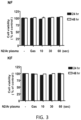
  • FIG. 3 illustrates results of MTT staining performed to investigate cell viability changes according to plasma treatment in NF and KF according to an embodiment of the present invention.
  • FIGS. 4 A and 4 B illustrate results of Western blotting performed to investigate protein expression changes according to plasma treatment in NF and KF according to an embodiment of the present invention.
  • FIG. 5 illustrates results of immunofluorescence staining performed to investigate protein expression changes according to plasma treatment in NF and KF according to an embodiment of the present invention.
  • FIG. 6 illustrates cell mobility changes in NF and KF after being treated with EGFR-specific siRNA according to an embodiment of the present invention.
  • FIG. 7 illustrates cell mobility changes in NF and KF after being treated with STAT3-specific siRNA according to an embodiment of the present invention.
  • FIG. 8 illustrates protein expression changes in NF and KF after being treated with EGFR or STAT3-specific siRNA according to an embodiment of the present invention.
  • FIG. 9 illustrates results of RT-PCR performed to investigate expression changes in Collagen Type 1, Collagen Type 3 and TGF- ⁇ according to plasma treatment in NF and KF according to an embodiment of the present invention.
  • FIG. 10 illustrates results of Sircol collagen assay performed to investigate changes in collagen deposition levels according to plasma treatment in NF and KF according to an embodiment of the present invention.
  • FIG. 11 illustrates results of immunofluorescence staining performed to investigate changes in collagen deposition levels according to plasma treatment in NF and KF according to an embodiment of the present invention.
  • FIG. 12 illustrates changes in collagen deposition levels after treating NF and KF with a combination of plasma and STAT3-specific siRNA according to an embodiment of the present invention.
  • a non-thermal atmospheric-pressure plasma keloid treatment device including a power supply, a plasma generator, a gas supply path, and a housing was manufactured.
  • the plasma generator includes an electrode, a metal electrode, a dielectric, and a reaction part
  • the power supply includes a high-voltage transformer
  • the plasma generator includes a non-thermal atmospheric-pressure plasma source with multiple nozzles
  • the dielectric is constituted of a quartz or ceramic tube.
  • the plasma generator of the present invention may include a high-voltage LF power module with a pulse width modulation controller IC to produce plasma under atmospheric pressure.
  • a required power is preferably 10 to 50 kHz, more preferably 20 to 30 kHz, most preferably 25 kHz.
  • a power peak by the high-voltage transformer is preferably 0.1 to 10 kV, more preferably 1 to 5 kV, most preferably 3 kV.
  • a gas used in the plasma generation apparatus is argon and nitrogen, but the present invention is not limited thereto.
  • Example 2-1 Culture of Normal Fibroblasts or Keloid Fibroblasts
  • Fibroblasts isolated from skin tissue, diagnosed as keloid, spread beyond an original wound boundary for one or more years even after a wounded skin tissue was recovered were termed “keloid fibroblasts (KF).”
  • Fibroblasts isolated from normal skin tissue were used as a control and termed “normal fibroblasts (NF).”
  • KF and NF were cultured in RPMI-1640 medium containing % by volume of FBS and 1% by volume of an antibiotic/antimicrobial under 5% by volume of CO 2 in a 37° C. wet environment. Passage culture was performed when KF proliferated to a density of 80 to 90%. The passage was performed using trypsin. In examples of the present invention, cells of F2 to F7 generations were only used.
  • NF or KF were cultured at a density of 5 ⁇ 10 5 /well in a 12-well culture plate.
  • the center of cells forming a monolayer sheet was scraped with a tip, followed by washing to remove cell debris due to the scraping, treating with plasma for 10 or 30 seconds using nitrogen and argon gases, and additionally culturing for 24 hours, followed by measuring cell migration.
  • NF and KF were cultured and treated with plasma in the same manner as in Example 2-2 and were additionally cultured for 24 or 48 hours, followed by being subjected to FITC Annexin V/PI cell death staining (Annexin-V and propidium iodide staining, BD Biosciences) according to the manufacturer's protocol and being measured by means of a flow cytometer. Results are shown in FIGS. 2 A- 2 C .
  • 3-(4,5-dimethylthiazol-2-yl)-2,5-diphenyl-tetrazoliumbromide (MTT, Sigma-Aldrich) staining was carried out to quantitatively measure cell proliferation rates. After staining, optical measurements were carried out at 540 nm using a microplate reader (Bio-Tek, Winooski, Vt., USA), and conversion into a percentage was made based on a control non-treated with plasma. Results are shown in FIG. 3 .
  • NF and KF were cultured and treated with plasma (10 seconds, 30 seconds, or 60 seconds) in the same manner as in Example 2-2 to measure intercellular protein expression changes.
  • antibodies for Western blotting EGFR, E-cadherin, p-STAT-3 (Y705), STAT-3, p-ERK, ERK, Collagen Type 1, and ⁇ -tubulin (Cell Signaling Technology, Danvers, Mass., 1:1000) were used, and immunofluorescence staining was carried out using an anti-p-STAT3 antibody to observe an intercellular position of p-STAT3.
  • FIGS. 4 A and 4 B Western blotting results are shown in FIGS. 4 A and 4 B , and immunofluorescence staining results are shown in FIG. 5 .
  • EGFR expression in NF treated with plasma was relatively maintained constant, but EGFR expression in KF treated with plasma was significantly reduced.
  • the expression of E-cadherin was decreased in NF, but increased in KF.
  • the expression level of p-ERK was not changed in NF, but was decreased in KF.
  • the expression levels of p-STAT3 and Collagen Type 1 were higher in NF, but, compared to respective controls, were decreased in KF.
  • Example 2-5-1 Confirmation of Cell Migration Mechanism Using EGFR siRNA and STAT3 siRNA
  • EGFR and STAT3 were treated with EGFR or STAT3-specific siRNA, and then cell mobility and protein expression changes were investigated.
  • siRNA Lipofectamine 2000 (Gibco/Invitrogen) reagent was used, a medium was removed after culturing cells for 24 hours, and the cells were washed with PBS and treated with siRNA for 24 or 48 hours.
  • EGFR-specific siRNA, STAT3-specific siRNA, and a control siRNA were obtained from Genolution Pharmaceuticals (Seoul, Korea).
  • Example 2-2 Cell mobility analysis was carried out in the same manner as in Example 2-2, and protein expression change analysis was carried out in the same manner as in Example 2-4 using EGFR, p-EGFR, p-AKT (Ser473), AKT, p-ERK, ERK, p-STAT-3 (Y705), STAT-3, Collagen Type 1, Vimentin, E-cadherin, and a-tubulin (Cell Signaling Technology, Danvers, Mass., 1:1000).
  • Results of the EGFR-specific siRNA treatment are shown in FIG. 6
  • results of the STAT3-specific siRNA treatment are shown in FIG. 7
  • results of the protein expression change analysis are shown in FIG. 8 .
  • Example 2-5-1 Based on the results of Example 2-5-1, it was confirmed whether plasma treatment suppressed collagen generation in KF.
  • Example 2-2 the expression levels of Collagen Type 1, Collagen Type 3 and TGF- ⁇ in NF and KF treated with plasma for 10 seconds, 30 seconds, or 60 seconds in the same manner as in Example 2-2 were assessed by RT-PCR.
  • Collagen deposition increased through activation of TGF- ⁇ signal transduction represents a major mechanism of keloid formation.
  • Primer sequences for RT-PCR are summarized in Table 1 below. Particularly, a sample was denatured at 94° C. for 3 minutes, and then amplified for 30 seconds at 94° C., 62° C. and 72° C., and then elongated for 5 minutes at 72° C. A final product was separated by electrophoresis on a 1.5% agarose gel, and bands were detected using ultraviolet light (Bio-Rad, Hercules, Calif., USA). Results are shown in FIG. 9 .
  • Example 2-6 Confirmation of Collagen Production Change in NF and KF Treated with Combination of Plasma and siRNA
  • NF and KF were treated with a combination of plasma and STAT3-specific siRNA.
  • results it was confirmed that, when treated with a combination of plasma and STAT3-specific siRNA, the generation of collagen was significantly reduced, compared to the cases of treating with only plasma or STAT3-specific siRNA.

Landscapes

  • Health & Medical Sciences (AREA)
  • Life Sciences & Earth Sciences (AREA)
  • Engineering & Computer Science (AREA)
  • General Health & Medical Sciences (AREA)
  • Animal Behavior & Ethology (AREA)
  • Public Health (AREA)
  • Veterinary Medicine (AREA)
  • Chemical & Material Sciences (AREA)
  • Biomedical Technology (AREA)
  • Nuclear Medicine, Radiotherapy & Molecular Imaging (AREA)
  • Pharmacology & Pharmacy (AREA)
  • Medicinal Chemistry (AREA)
  • Molecular Biology (AREA)
  • Genetics & Genomics (AREA)
  • Physics & Mathematics (AREA)
  • Plasma & Fusion (AREA)
  • Radiology & Medical Imaging (AREA)
  • Epidemiology (AREA)
  • Biotechnology (AREA)
  • Bioinformatics & Cheminformatics (AREA)
  • Organic Chemistry (AREA)
  • Biochemistry (AREA)
  • Spectroscopy & Molecular Physics (AREA)
  • Biophysics (AREA)
  • Dermatology (AREA)
  • Wood Science & Technology (AREA)
  • Zoology (AREA)
  • General Engineering & Computer Science (AREA)
  • Pathology (AREA)
  • Chemical Kinetics & Catalysis (AREA)
  • General Chemical & Material Sciences (AREA)
  • Microbiology (AREA)
  • Plant Pathology (AREA)
  • Medicines That Contain Protein Lipid Enzymes And Other Medicines (AREA)
  • Pharmaceuticals Containing Other Organic And Inorganic Compounds (AREA)
  • Medicines Containing Material From Animals Or Micro-Organisms (AREA)

Abstract

The present invention relates to a non-thermal atmospheric-pressure plasma keloid treatment device and a use thereof. The non-thermal atmospheric-pressure plasma keloid treatment device according to the present invention has effects of inhibiting collagen deposition in keloid fibroblasts and mobility thereof, and thus, is expected to be greatly useful for preventing and treating keloids.

Description

STATEMENT OF GOVERNMENTAL SUPPORT
The invention was made with government support under Serial No. 2017M3A9F7079339 awarded by the Ministry of Science and ICT (Republic of Korea), No. 1485019434 (based on 2023 number) awarded by Ministry of Environment (Republic of Korea), No. 2023R1A2C3002835 awarded by Ministry of Science and ICT (Republic of Korea), and No. HR21C1003 (HR21C1003010021) awarded by Ministry of Health and Welfare (Republic of Korea).
CROSS REFERENCE TO RELATED APPLICATIONS
This application is a National Stage of International Application No. PCT/KR2018/008518 filed Jul. 27, 2018, claiming priority based on Korean Patent Application No. 10-2017-0096163 filed Jul. 28, 2017.
TECHNICAL FIELD
The present invention relates to a non-thermal atmospheric-pressure plasma keloid treatment device and a use thereof.
BACKGROUND ART
Keloid, which refers to a disease wherein fibrous tissues abnormally, densely grow during wound healing after skin damage, has a property of spreading to surrounding areas beyond the size of a wound or an inflamed area. Clinically, cases wherein the epidermis is normal, but the dermis is proliferated, thus being thick and vessel-rich, and infiltration of inflammatory cells increases compared to normal scar tissues are diagnosed as keloid. Collagen bundles in normal dermis are relaxed and distorted, whereas collagen bundles in keloids are thick and dense. Histologically, keloid results in large, broad, closely-aligned collagen fibers consisting of numerous fibrils, and thick and hyalinized collagen that is irregularly arranged in a spiral shape is called keloid collagen. Since such keloid wildly proliferates, it may cause cosmetic problems and, when generated at joints, may obstruct joint function. Therefore, it is most important for people with the potential for keloids to avoid injury. Until now, there is no way to prevent for inevitably occurred wounds from proceeding to keloids, so there is an urgent need for development thereof.
Plasma, which is an ionized gas that satisfies the Debye sheath in physics or chemistry, is an aggregate of charged particles having electrical conductivity. As attempts to apply plasma to the biomedical field, technologies such as “SKIN TREATMENT APPARATUS USING PLASMA (KR 10-1568380 B1)”, “METHOD OF TREATING SKIN WITH PLASMA (U.S. Pat. No. 9,226,790 B2)”, and “PLASMA APPARATUS FOR SKIN SURFACE MODIFICATION (U.S. Pat. No. 6,518,538 B2)” have been recently developed. However, there is no technology development regarding the treatment of keloids using plasma.
Therefore, the present invention relates to a plasma generation apparatus having a keloid prevention and treatment effect. Since a non-thermal atmospheric-pressure plasma keloid treatment device according to the present invention has effects of inhibiting collagen deposition in keloid fibroblasts and mobility thereof, it is expected to be widely used for the prevention and treatment of keloids.
DISCLOSURE Technical Problem
Therefore, the present invention has been made in view of the above problems, and it is one object of the present invention to provide a non-thermal atmospheric-pressure plasma keloid treatment device and a use thereof.
It will be understood that technical problems of the present invention are not limited to the aforementioned problems and other technical problems not referred to herein will be clearly understood by those skilled in the art from disclosures below.
Technical Solution
Hereinafter, various embodiments described herein will be described with reference to the accompanying drawings. In the following description, for complete understanding of the present invention, various specific details, e.g., such as specific forms, compositions, processes, and the like, are described. However, certain embodiments may be implemented without one or more of these specific details or with other known methods and forms. In other embodiments, well-known process and manufacturing techniques are not described in specific forms, in order not to unnecessarily obscure the present invention. References throughout the specification for “one embodiment” or “an embodiment” mean that particular features, forms, compositions, or characteristics disclosed in connection with the embodiment are included in one or more embodiments of the present invention. Accordingly, “one embodiment” or “an embodiment” expressed in various parts throughout this specification does not necessarily represent the same embodiment of the present invention. Additionally, particular features, forms, compositions, or characteristics may be combined in any suitable manner in one or more embodiments.
In the present specification, “keloid” is a disease wherein fibrous tissues abnormally, densely grow during wound healing after skin damage, and is also called “benign dermal fibrous tumor”. Keloid is caused by impairment in a function of properly regulating and inhibiting a wound healing process, is thought to be caused by abnormal accumulation of extracellular matrix (ECM) such as excessive secretion of collagen, and does not become malignant. Unlike normal scars, keloids are hard, protrude above the skin surface, and have red and irregular surfaces. Since keloids widely spread, they can cause cosmetic problems when occur on the face, and can cause movement disorders when occurring at important areas such as joints.
Keloids can infiltrate surrounding normal skin beyond an original wound unlike hypertrophic scars. Accordingly, it is necessary to distinguish keloids from hypertrophic scars. More particularly, keloids occur months after trauma, do not improve over time, spread to surrounding areas beyond an original lesion site, occur only in people with genetic factors, and occur in people with dark skin, whereas hypertrophic scars occur quickly after trauma, improve over time, are confined to wound sites, more frequently occur, and are not related to skin color.
In an embodiment of the present invention, “epidermal growth factor receptors (EGFR)” are receptors for extracellular protein ligands in the epidermal growth factor family and are present on cell surfaces. EGFR is a subfamily of four kinases (EGFR, HER2/c-neu, Her 3, and Her 4) with similar functions. EGFR is activated by binding to ligands such as epidermal growth factor (EGF) and transforming growth factor α. Such EGFR activation is very important for the endogenous immune response of epidermal cells.
Overexpression or overactivity of EGFR by mutation is associated with the development of cancers such as lung cancer, colorectal cancer, and glioblastoma multiforme and is also associated with keloid. The activity of EGFR was known to increase in fibroblasts from keloid skin.
In an embodiment of the present invention, “signal transducer and activator of transcription 3 (STAT3)” is an intercellular signal transducer and a transcription factor. A phosphorylated form of STAT3, pSTAT3 (phosphorylated STAT3), is well known to be delivered into a cell nucleus, and the expression of most proteins is regulated by pSTAT3.
In an embodiment of the present invention, “non-thermal atmospheric pressure plasma” is also referred to as cold or non-equilibrium plasma and is a concept opposite to thermal plasma. Non-thermal atmospheric pressure plasma can be easily produced with low energy under relatively low pressure. In the case of non-thermal atmospheric pressure plasma, the temperature of reaction gas is similar to that of the atmosphere, but electron temperature is about 10 to 100 times higher than the atmosphere temperature. Non-thermal atmospheric pressure plasma generates chemically highly reactive reactants at normal and high pressures, and thus can promote chemical reactions that are difficult or impossible to achieve by conventional methods.
In the present specification, “pharmaceutical composition” refers to a composition administered for a specific purpose. According to the purpose of the present invention, the pharmaceutical composition of the present invention is a composition including a product pretreated with the non-thermal atmospheric-pressure plasma keloid treatment device of the present invention and an expression inhibitor of EGFR or STAT3 gene as an effective ingredient. The composition may include related proteins and a pharmaceutically acceptable carrier, excipient, or diluent. The “pharmaceutically acceptable” carrier or excipient means those that are approved by the governmental regulatory authority or listed in the government or other generally approved pharmacopoeia for use in vertebrates and more particularly in humans.
For parenteral administration, the pharmaceutical composition of the present invention may be in the form of a suspension, solution or emulsion in an oily or aqueous carrier, and may be prepared in the form of a solid or a semisolid. In addition, the pharmaceutical composition of the present invention may include a formulating agent such as a suspending agent, a stabilizer, a solubilizer, and/or a dispersant and may be sterilized. The pharmaceutical composition may be stabilized under production and storage conditions, and may be preserved against the contaminating action of microorganisms such as bacteria or fungi. Alternatively, the pharmaceutical composition of the present invention may be provided in a sterile powder form for reconstitution with a suitable carrier prior to use. The pharmaceutical composition may be provided in a unit-dose form or in a microneedle patch from, or may be contained in ampoules, in other unit-dose containers, or in multi-dose containers. Alternatively, the pharmaceutical composition may only be stored in a sterile liquid carrier, for example in a freeze-dried form that requires the addition of water for injection just before use. Immediately injectable solutions and suspensions may be prepared from sterile powders, granules, or tablets.
In some non-limiting embodiments, the pharmaceutical composition of the present invention may be formulated or included in the form of microspheres in a liquid. In certain non-limiting embodiments, the pharmaceutical composition of the present invention may include a pharmaceutically acceptable compound and/or mixture at a concentration of 0.001 to 100,000 U/kg. In addition, in certain non-limiting embodiments, a suitable excipient of the pharmaceutical composition of the present invention may include a preservative, a suspending agent, an additional stabilizer, a dye, a buffer, an antibacterial agent, an antifungal agent, and an isotonic agent, for example, sugar or sodium chloride. As used herein, the term “stabilizer” refers to a compound optionally included in the pharmaceutical composition of the present invention to increase shelf lifespan. In a non-limiting embodiment, a stabilizer may be a sugar, an amino acid, or a polymer. In addition, the pharmaceutical composition of the present invention may include one or more pharmaceutically acceptable carriers. The carrier may be a solvent or a dispersion medium. Non-limiting examples of a pharmaceutically acceptable carrier include water, saline, ethanol, polyols (e.g., glycerol, propylene glycol, and liquid polyethylene glycols), oils, and suitable mixtures thereof. Non-limiting examples of a sterilization technique applied to the pharmaceutical composition of the present invention include filtration through a bacteria-inhibiting filter, terminal sterilization, incorporation of sterile preparations, irradiation, sterile gas irradiation, heating, vacuum drying, and freeze drying.
In the present specification, “administration” means introducing the composition of the present invention to a patient in any suitable way, and the route of administration of the composition of the present invention may be any general route as long as it can reach a target tissue. The pharmaceutical composition of the present invention may be applied through oral administration, intraperitoneal administration, intravenous administration, intramuscular administration, subcutaneous administration, intradermal administration, intranasal administration, pulmonary administration, rectal administration, intraluminal administration, intraperitoneal administration, or intradural administration, and most preferably by applying to the skin or through subcutaneous or intradermal injection, but the present invention is not limited thereto.
A treatment method according to the present invention may include administrating the pharmaceutical composition in a pharmaceutically effective amount. An effective amount according to the present invention may be controlled depending upon various factors such as the type of disease, the severity of disease, effective ingredients contained in a composition, the types and amounts of other ingredients, the type of formulation, the age, weight, general health state, sex, and diet of a patient, administration time, administration route, a secretion rate of a composition, a treatment period, and concurrent drugs.
In an embodiment of the present invention, provided is a non-thermal atmospheric-pressure plasma keloid treatment device including a power supply, a plasma generator, a gas supply path, and a housing, wherein the power supply includes a high-voltage transformer, the plasma generator includes an electrode, a metal electrode, a dielectric, and a reaction part, the plasma generator includes a non-thermal atmospheric-pressure plasma source with multiple nozzles, the dielectric is constituted of a quartz or ceramic tube, the non-thermal atmospheric-pressure plasma keloid treatment device uses argon and nitrogen gases, a required power of the non-thermal atmospheric-pressure plasma keloid treatment device is 10 to 50 kHz, and a power peak thereof is 0.1 to 10 kV.
In another embodiment of the present invention, provided is a pharmaceutical composition for preventing or treating keloids, including plasm generated by means of the non-thermal atmospheric-pressure plasma keloid treatment device; and an expression inhibitor of EGFR or STAT3 gene as an effective ingredient, wherein the expression inhibitor of EGFR or STAT3 gene is selected from a group consisting of antisense oligonucleotides, siRNA, shRNA and microRNA specific to EGFR or STAT3 gene.
In still another embodiment of the present invention, provided is a cosmetic composition for preventing or treating keloids, including plasm generated by means of the non-thermal atmospheric-pressure plasma keloid treatment device; and an expression inhibitor of EGFR or STAT3 gene as an effective ingredient, wherein the expression inhibitor of EGFR or STAT3 gene is selected from a group consisting of antisense oligonucleotides, siRNA, shRNA and microRNA specific to EGFR or STAT3 gene.
In still another embodiment of the present invention, provided is a method of preventing or treating keloids, the method including a step of treating the skin of a subject, except for humans, with plasma using the non-thermal atmospheric-pressure plasma keloid treatment device.
In still another embodiment of the present invention, provided is a method of preventing or treating keloids, the method including (a) a step of treating the skin of a subject, except for humans, with plasma using the non-thermal atmospheric-pressure plasma keloid treatment device; and (b) a step of treating an expression inhibitor of EGFR or STAT3 gene, wherein the expression inhibitor of EGFR or STAT3 gene of step (b) is selected from the group consisting of antisense oligonucleotides, siRNA, shRNA and microRNA specific to EGFR or STAT3 gene.
Hereinafter, each step of the present invention will be described in detail.
Advantageous Effects
The present invention relates to a non-thermal atmospheric-pressure plasma keloid treatment device and a use thereof. The non-thermal atmospheric-pressure plasma keloid treatment device according to the present invention has effects of inhibiting collagen deposition in keloid fibroblasts and mobility thereof, and thus, is expected to be greatly useful for preventing and treating keloids.
DESCRIPTION OF DRAWINGS
FIG. 1 illustrates results of cell mobility according to plasma treatment in NF and KF according to an embodiment of the present invention.
FIGS. 2A-2C illustrate results of FITC Annexin V/PI cell death staining performed to investigate cell viability changes according to plasma treatment in NF and KF according to an embodiment of the present invention.
FIG. 3 illustrates results of MTT staining performed to investigate cell viability changes according to plasma treatment in NF and KF according to an embodiment of the present invention.
FIGS. 4A and 4B illustrate results of Western blotting performed to investigate protein expression changes according to plasma treatment in NF and KF according to an embodiment of the present invention.
FIG. 5 illustrates results of immunofluorescence staining performed to investigate protein expression changes according to plasma treatment in NF and KF according to an embodiment of the present invention.
FIG. 6 illustrates cell mobility changes in NF and KF after being treated with EGFR-specific siRNA according to an embodiment of the present invention.
FIG. 7 illustrates cell mobility changes in NF and KF after being treated with STAT3-specific siRNA according to an embodiment of the present invention.
FIG. 8 illustrates protein expression changes in NF and KF after being treated with EGFR or STAT3-specific siRNA according to an embodiment of the present invention.
FIG. 9 illustrates results of RT-PCR performed to investigate expression changes in Collagen Type 1, Collagen Type 3 and TGF-β according to plasma treatment in NF and KF according to an embodiment of the present invention.
FIG. 10 illustrates results of Sircol collagen assay performed to investigate changes in collagen deposition levels according to plasma treatment in NF and KF according to an embodiment of the present invention.
FIG. 11 illustrates results of immunofluorescence staining performed to investigate changes in collagen deposition levels according to plasma treatment in NF and KF according to an embodiment of the present invention.
FIG. 12 illustrates changes in collagen deposition levels after treating NF and KF with a combination of plasma and STAT3-specific siRNA according to an embodiment of the present invention.
BEST MODE
Hereinafter, the present invention will be described in more detail with reference to the following Examples. It will be apparent to those skilled in the art that Examples are merely for concretely explaining the invention and therefore, there is no intent to limit the invention to Examples.
Example 1. Manufacture of Non-Thermal Atmospheric-Pressure Plasma Keloid Treatment Device
A non-thermal atmospheric-pressure plasma keloid treatment device including a power supply, a plasma generator, a gas supply path, and a housing was manufactured. Here, the plasma generator includes an electrode, a metal electrode, a dielectric, and a reaction part, the power supply includes a high-voltage transformer, the plasma generator includes a non-thermal atmospheric-pressure plasma source with multiple nozzles, and the dielectric is constituted of a quartz or ceramic tube. In a non-limiting embodiment, the plasma generator of the present invention may include a high-voltage LF power module with a pulse width modulation controller IC to produce plasma under atmospheric pressure.
When the plasma generator for treating keloids of the present invention is used to treat keloids, a required power is preferably 10 to 50 kHz, more preferably 20 to 30 kHz, most preferably 25 kHz. A power peak by the high-voltage transformer is preferably 0.1 to 10 kV, more preferably 1 to 5 kV, most preferably 3 kV. A gas used in the plasma generation apparatus is argon and nitrogen, but the present invention is not limited thereto.
Example 2. Confirmation of Effects of Non-Thermal Atmospheric-Pressure Plasma Keloid Treatment Device Example 2-1. Culture of Normal Fibroblasts or Keloid Fibroblasts
Fibroblasts isolated from skin tissue, diagnosed as keloid, spread beyond an original wound boundary for one or more years even after a wounded skin tissue was recovered were termed “keloid fibroblasts (KF).” Fibroblasts isolated from normal skin tissue were used as a control and termed “normal fibroblasts (NF).”
KF and NF were cultured in RPMI-1640 medium containing % by volume of FBS and 1% by volume of an antibiotic/antimicrobial under 5% by volume of CO2 in a 37° C. wet environment. Passage culture was performed when KF proliferated to a density of 80 to 90%. The passage was performed using trypsin. In examples of the present invention, cells of F2 to F7 generations were only used.
Example 2-2. Confirmation of Cell Mobility According to Plasma Treatment in NF and KF
To investigate plasma effect on cell migration, as an important cellular mechanism in wound healing of NF and KF-mediated keloid formation, wound healing analysis was performed. For this, NF or KF were cultured at a density of 5×10⁵/well in a 12-well culture plate. The center of cells forming a monolayer sheet was scraped with a tip, followed by washing to remove cell debris due to the scraping, treating with plasma for 10 or 30 seconds using nitrogen and argon gases, and additionally culturing for 24 hours, followed by measuring cell migration.
As experimental results, treatment with plasma for 10 seconds did not cause significant differences in both NF and KF, compared to a control (a non-treated group or a group treated only with gas). When treated with plasma for 30 seconds, migration of NF increased by 28% compared to a control, but migration of KF rather decreased by 36%. These results are shown in FIG. 1 .
Example 2-3. Confirmation of Cell Viability According to Plasma Treatment in NF and KF
Whether molecular mechanisms related to cell viability according to plasma treatment in NF and KF were changed was confirmed.
NF and KF were cultured and treated with plasma in the same manner as in Example 2-2 and were additionally cultured for 24 or 48 hours, followed by being subjected to FITC Annexin V/PI cell death staining (Annexin-V and propidium iodide staining, BD Biosciences) according to the manufacturer's protocol and being measured by means of a flow cytometer. Results are shown in FIGS. 2A-2C.
In addition, 3-(4,5-dimethylthiazol-2-yl)-2,5-diphenyl-tetrazoliumbromide (MTT, Sigma-Aldrich) staining was carried out to quantitatively measure cell proliferation rates. After staining, optical measurements were carried out at 540 nm using a microplate reader (Bio-Tek, Winooski, Vt., USA), and conversion into a percentage was made based on a control non-treated with plasma. Results are shown in FIG. 3 .
From results of FIGS. 2A-2C and 3 , it was confirmed that plasma treatment did not induce a quantitative increase in NF or KF cells and did not significantly affect cell viability.
Example 2-4. Confirmation of Protein Expression Changes According to Plasma Treatment in NF and KF
NF and KF were cultured and treated with plasma (10 seconds, 30 seconds, or 60 seconds) in the same manner as in Example 2-2 to measure intercellular protein expression changes. As antibodies for Western blotting, EGFR, E-cadherin, p-STAT-3 (Y705), STAT-3, p-ERK, ERK, Collagen Type 1, and α-tubulin (Cell Signaling Technology, Danvers, Mass., 1:1000) were used, and immunofluorescence staining was carried out using an anti-p-STAT3 antibody to observe an intercellular position of p-STAT3.
Western blotting results are shown in FIGS. 4A and 4B, and immunofluorescence staining results are shown in FIG. 5 .
As experimental results, EGFR expression in NF treated with plasma was relatively maintained constant, but EGFR expression in KF treated with plasma was significantly reduced. The expression of E-cadherin was decreased in NF, but increased in KF. The expression level of p-ERK was not changed in NF, but was decreased in KF. Specifically, after being treated with plasma, the expression levels of p-STAT3 and Collagen Type 1 were higher in NF, but, compared to respective controls, were decreased in KF. Such results indicate that plasma treatment interferes with migration of keloid cells by inhibiting the pathways of EGFR, STAT3 and p-ERK in KF.
From immunofluorescence staining results, it was confirmed that plasma treatment caused a decrease in p-STAT3 expression in KF, but caused an increase in p-STAT3 expression in NF. However, translocation of STAT3 into a nucleus was not observed in any cell types.
Example 2-5. Confirmation of Migration Inhibition Mechanism in KF According to Plasma Treatment Example 2-5-1. Confirmation of Cell Migration Mechanism Using EGFR siRNA and STAT3 siRNA
To assess the roles of EGFR and STAT3 in cell migration, NF and KF were treated with EGFR or STAT3-specific siRNA, and then cell mobility and protein expression changes were investigated. For transfection with siRNA, Lipofectamine 2000 (Gibco/Invitrogen) reagent was used, a medium was removed after culturing cells for 24 hours, and the cells were washed with PBS and treated with siRNA for 24 or 48 hours. EGFR-specific siRNA, STAT3-specific siRNA, and a control siRNA were obtained from Genolution Pharmaceuticals (Seoul, Korea). Cell mobility analysis was carried out in the same manner as in Example 2-2, and protein expression change analysis was carried out in the same manner as in Example 2-4 using EGFR, p-EGFR, p-AKT (Ser473), AKT, p-ERK, ERK, p-STAT-3 (Y705), STAT-3, Collagen Type 1, Vimentin, E-cadherin, and a-tubulin (Cell Signaling Technology, Danvers, Mass., 1:1000). Results of the EGFR-specific siRNA treatment are shown in FIG. 6 , results of the STAT3-specific siRNA treatment are shown in FIG. 7 , and results of the protein expression change analysis are shown in FIG. 8 .
As experimental results, cell migration inhibition by EGFR-specific siRNA was effective in both NF and KF, and cell migration by STAT3-specific siRNA was also similarly inhibited in both NF and KF. From the protein expression change analysis, it was confirmed that the expressions of EGFR, p-AKT, p-STAT3, and Collagen Type 1 in NF and KF were reduced by treating with EGFR-specific siRNA. When STAT3-specific siRNA was simultaneously treated, the expression of Collagen Type 1 was reduced, but the expression levels of EGFR and p-AKT were not affected. Such results indicate that inhibition of EGFR and STAT3 may play a central epidemiological role in the inhibition of cell migration by plasma treatment.
Example 2-5-2. Confirmation of Cell Migration Mechanism in NF and KF Treated with Plasma
Based on the results of Example 2-5-1, it was confirmed whether plasma treatment suppressed collagen generation in KF.
First, the expression levels of Collagen Type 1, Collagen Type 3 and TGF-β in NF and KF treated with plasma for 10 seconds, 30 seconds, or 60 seconds in the same manner as in Example 2-2 were assessed by RT-PCR. Collagen deposition increased through activation of TGF-β signal transduction represents a major mechanism of keloid formation. Primer sequences for RT-PCR are summarized in Table 1 below. Particularly, a sample was denatured at 94° C. for 3 minutes, and then amplified for 30 seconds at 94° C., 62° C. and 72° C., and then elongated for 5 minutes at 72° C. A final product was separated by electrophoresis on a 1.5% agarose gel, and bands were detected using ultraviolet light (Bio-Rad, Hercules, Calif., USA). Results are shown in FIG. 9 .
TABLE 1
Target gene Direction Sequence
Collagen F(forward 5′-GGG CAA GAC AGT GAT TGA
Type
 1 direction) ATA-3′ (SEQ ID NO: 1)
R(reverse 5′-ACG TCC AAG CCG AAT TCC
direction) T-3′ (SEQ ID NO: 2)
Collagen F(forward 5′-AGG TCC TGC GGG TAA CAC
Type
 3 direction) T-3′ (SEQ ID NO: 3)
R(reverse 5′-ACT TTC ACC CTT GAC ACC
direction) CTG-3′ (SEQ ID NO: 4)
TGF-β F(forward 5′-CCG ACT ACT ACG CCA
direction) AGG-3′ (SEQ ID NO: 5)
R(reverse 5′-AGT GAA CCC GTT GAT
direction) CA-3′ (SEQ ID NO: 6)
GAPDH F(forward 5′-ACC ACA GTC CAT GCC ATC
direction) AC-3′ (SEQ ID NO: 7)
R(reverse 5′-TCC ACC ACC CTG TTG CTG
direction) TA-3′ (SEQ ID NO: 8)
As experimental results, the expression levels of Collagen Type 1, Collagen Type 3 and TGF-β mRNA in NF after being treated with plasma were not significantly changed. However, all of the three mRNA types in KF were significantly reduced.
Next, to investigate whether the deposition of soluble collagen at a cellular level by plasma treatment was reduced, total soluble collagen in a cell culture supernatant was quantified. For this, Sircol collagen assay (Biocolor, Belfast, UK) was carried out. Particularly, cells were cultured in a 60 mm2 culture plate for 24 hours, 400 μl of Sirius red stain, as an anionic dye specifically reacting with a basic collagen side chain group, was added to a supernatant, and then additional culture was performed while gently rotating for 30 minutes at room temperature, and then centrifugation was performed at 12,000 g for 10 minutes, and then a collagen binding dye was re-dissolved after addition of 1 ml of 0.5 M NaOH, and then an absorbance at 540 nm was measured by enzyme-linked immunosorbent assay (Bio-Tek, Winooski, Vt., USA). Absorbance is directly proportional to the amount of collagen newly formed in a cell culture supernatant.
As experimental results, it was confirmed that, by the plasma treatment, a soluble collagen content was slightly reduced in KF, but rather slightly increased in NF. Results are shown in FIG. 10 .
In addition, it was confirmed that the expression level changes in Collagen Type 1 by the plasma treatment were the same as the immunofluorescence staining results. These results are shown in FIG. 11 .
Example 2-6. Confirmation of Collagen Production Change in NF and KF Treated with Combination of Plasma and siRNA
NF and KF were treated with a combination of plasma and STAT3-specific siRNA. As results, it was confirmed that, when treated with a combination of plasma and STAT3-specific siRNA, the generation of collagen was significantly reduced, compared to the cases of treating with only plasma or STAT3-specific siRNA. These results are shown in FIG. 12 .
From the results of Examples 1 and 2, it was confirmed that cell mobility in KF was significantly reduced by plasma treatment, which was caused by collagen synthesis reduction in cells. In addition, it was confirmed that the generation of keloid could be further significantly inhibited when treated with a combination of plasma and STAT3-specific siRNA.

Claims (5)

The invention claimed is:
1. A method of preventing or treating keloids of a subject in need thereof, the method comprising:
(a) a step of treating a skin of the subject with plasma for at least 30 seconds using a non-thermal atmospheric-pressure plasma keloid treatment device,
wherein the non-thermal atmospheric-pressure plasma keloid treatment device comprises
a power supply;
a plasma generator;
a gas supply path; and
a housing,
wherein the power supply comprises a high-voltage transformer, the plasma generator comprises an electrode, a metal electrode, a dielectric, and a reaction part, the plasma generator comprises a non-thermal atmospheric-pressure plasma source with multiple nozzles, and the dielectric is constituted of a quartz or ceramic tube; and
(b) a step of administering an expression inhibitor of EGFR or STAT3 gene to the subject.
2. The method according to claim 1, wherein the expression inhibitor of EGFR or STAT3 gene of step (b) is selected from the group consisting of antisense oligonucleotides, siRNA, shRNA, and microRNA specific to EGFR or STAT3 gene.
3. The method according to claim 2, wherein the non-thermal atmospheric-pressure plasma keloid treatment device has a required power of 10 to 50 kHz and a power peak of 0.1 to 10 kV.
4. The method according to claim 1, wherein the non-thermal atmospheric-pressure plasma keloid treatment device uses argon and nitrogen gases.
5. The method according to claim 1, wherein the non-thermal atmospheric-pressure plasma keloid treatment device has a required power of 10 to 50 kHz and a power peak of 0.1 to 10 kV.
US16/648,883 2017-07-28 2018-07-27 Non-thermal atmospheric-pressure plasma keloid treatment device, and use thereof Active 2040-02-06 US11684793B2 (en)

Applications Claiming Priority (3)

Application Number Priority Date Filing Date Title
KR10-2017-0096163 2017-07-28
KR1020170096163A KR102039217B1 (en) 2017-07-28 2017-07-28 Apparatus for keloids using non-thermal atmospheric pressure plasma and uses thereof
PCT/KR2018/008518 WO2019022553A1 (en) 2017-07-28 2018-07-27 Non-thermal atmospheric-pressure plasma keloid treatment device, and use thereof

Publications (2)

Publication Number Publication Date
US20200269061A1 US20200269061A1 (en) 2020-08-27
US11684793B2 true US11684793B2 (en) 2023-06-27

Family

ID=65041444

Family Applications (1)

Application Number Title Priority Date Filing Date
US16/648,883 Active 2040-02-06 US11684793B2 (en) 2017-07-28 2018-07-27 Non-thermal atmospheric-pressure plasma keloid treatment device, and use thereof

Country Status (3)

Country Link
US (1) US11684793B2 (en)
KR (1) KR102039217B1 (en)
WO (1) WO2019022553A1 (en)

Families Citing this family (3)

* Cited by examiner, † Cited by third party
Publication number Priority date Publication date Assignee Title
KR20210043302A (en) * 2019-10-11 2021-04-21 사회복지법인 삼성생명공익재단 Method of inhibiting production or expression of collagen using ultrahigh frequency microwave plasma
KR20210061277A (en) 2019-11-19 2021-05-27 주식회사 플라리트 Plasma treatment device
KR102577970B1 (en) 2021-08-10 2023-09-12 충남대학교병원 Composition for preventing or treating keloid

Citations (10)

* Cited by examiner, † Cited by third party
Publication number Priority date Publication date Assignee Title
WO2007013852A1 (en) 2005-07-27 2007-02-01 Agency For Science, Technology & Research Modulators
JP2011000224A (en) 2009-06-17 2011-01-06 National Institute Of Advanced Industrial Science & Technology Plasma irradiation device
JP2014212839A (en) 2013-04-23 2014-11-17 沖野 晃俊 Method for caring biological cells and epidermis and the like using atmospheric pressure plasma, and device for caring biological cells and epidermis and the like using atmospheric pressure plasma
JP2015084290A (en) 2013-10-25 2015-04-30 立山マシン株式会社 Atmospheric pressure plasma generator
KR101577207B1 (en) 2015-01-12 2015-12-21 주식회사 다오닉스 Portable plasma apparatus for improving skin
KR20160072759A (en) 2014-12-15 2016-06-23 (주)와이에스 Portable Skin Beauty Machine using Cold Plasma
KR20170081962A (en) 2016-01-05 2017-07-13 한양대학교 산학협력단 Compositions of Prevention or Treatment of Keloid or Hypertrophic scar
KR101773846B1 (en) 2016-05-30 2017-09-01 광운대학교 산학협력단 Apparatus for dermatitis using non-thermal plasma with gas injection and uses thereof
KR101773847B1 (en) 2016-05-30 2017-09-01 광운대학교 산학협력단 Apparatus for skin care using non-thermal plasma with gas injection and uses thereof
KR20170135216A (en) 2016-05-30 2017-12-08 광운대학교 산학협력단 Apparatus for penetration enhancement using non-thermal plasma with gas injection and uses thereof

Patent Citations (10)

* Cited by examiner, † Cited by third party
Publication number Priority date Publication date Assignee Title
WO2007013852A1 (en) 2005-07-27 2007-02-01 Agency For Science, Technology & Research Modulators
JP2011000224A (en) 2009-06-17 2011-01-06 National Institute Of Advanced Industrial Science & Technology Plasma irradiation device
JP2014212839A (en) 2013-04-23 2014-11-17 沖野 晃俊 Method for caring biological cells and epidermis and the like using atmospheric pressure plasma, and device for caring biological cells and epidermis and the like using atmospheric pressure plasma
JP2015084290A (en) 2013-10-25 2015-04-30 立山マシン株式会社 Atmospheric pressure plasma generator
KR20160072759A (en) 2014-12-15 2016-06-23 (주)와이에스 Portable Skin Beauty Machine using Cold Plasma
KR101577207B1 (en) 2015-01-12 2015-12-21 주식회사 다오닉스 Portable plasma apparatus for improving skin
KR20170081962A (en) 2016-01-05 2017-07-13 한양대학교 산학협력단 Compositions of Prevention or Treatment of Keloid or Hypertrophic scar
KR101773846B1 (en) 2016-05-30 2017-09-01 광운대학교 산학협력단 Apparatus for dermatitis using non-thermal plasma with gas injection and uses thereof
KR101773847B1 (en) 2016-05-30 2017-09-01 광운대학교 산학협력단 Apparatus for skin care using non-thermal plasma with gas injection and uses thereof
KR20170135216A (en) 2016-05-30 2017-12-08 광운대학교 산학협력단 Apparatus for penetration enhancement using non-thermal plasma with gas injection and uses thereof

Non-Patent Citations (3)

* Cited by examiner, † Cited by third party
Title
International Preliminary Report on Patentability for PCT/KR2018/008518 dated Oct. 19, 2018.
International Search Report for PCT/KR2018/008518 dated Oct. 19, 2018 [PCT/ISA/210].
Sung Un Kang et al., "Opposite Effects of Non-thermal Plasma on Cell Migration and Collagen Production in Keloid and Normal Fibroblasts", PLOS ONE, Nov. 16, 2017, pp. 1-14.

Also Published As

Publication number Publication date
US20200269061A1 (en) 2020-08-27
KR102039217B1 (en) 2019-10-31
KR20190012723A (en) 2019-02-11
WO2019022553A1 (en) 2019-01-31

Similar Documents

Publication Publication Date Title
Zhao et al. Tetrahedral framework nucleic acid promotes the treatment of bisphosphonate-related osteonecrosis of the jaws by promoting angiogenesis and M2 polarization
US11684793B2 (en) Non-thermal atmospheric-pressure plasma keloid treatment device, and use thereof
Wang et al. Local administration of liposomal-based Srpx2 gene therapy reverses pulmonary fibrosis by blockading fibroblast-to-myofibroblast transition
US11707526B2 (en) Polymer hydrogels for in vivo applications and methods for using and preparing same
Li et al. MiR-124 down-regulation is critical for cancer associated fibroblasts-enhanced tumor growth of oral carcinoma
Kormelink et al. Mast cells as target in cancer therapy
Liu et al. Exosomes from M2c macrophages alleviate intervertebral disc degeneration by promoting synthesis of the extracellular matrix via MiR‐124/CILP/TGF‐β
CN109620959B (en) DNA tetrahedron-wogonin compound and preparation method and application thereof
JP2021512892A (en) Nanoparticle-hydrogel composite for nucleic acid molecule delivery
US11246885B2 (en) Keloid prevention or treatment method using liquid phase plasma
Kim et al. PDL1-binding peptide/anti-miRNA21 conjugate as a therapeutic modality for PD-L1high tumors and TAMs
Li et al. Role of biological mediators of tumor-associated macrophages in breast cancer progression
Zhang et al. Enhancing skin injury repair: combined application of PF-127 hydrogel and hADSC-Exos containing miR-148a-3p
Chen et al. Early application of quaternized chitin derivatives inhibits hypertrophic scar formation
JP2019196389A (en) Methods and compositions for inhibiting metastasis, treating fibrosis and improving wound healing
WO2022257401A1 (en) Anti-tumor application of melanin or polydopamine nanoparticles as immune checkpoint siglec-15 inhibitor
Li et al. Bioactive metal-protein matrix for promoting MRSA infection wound therapy through bioenergy-induced angiogenesis
EP3810200A1 (en) Compositions for treating melanoma
CN115177744A (en) MiR181A @ EM-Hb-IFI6 material for promoting healing of RISI and preparation method and application thereof
WO2017223492A1 (en) Micro-rna delivery compositions, devices, and methods
Balik et al. MSCs and CAFs interactions in the prostate and bladder cancer microenvironment as the potential cause of tumour progression
Wirohadidjojo et al. Epigenetic Alterations in Keloid a Possible Method to Find Novel Agents for Keloid Treatment
Hanumegowda et al. Hypoxia Inducible Factor-1α in Pulmonary Fibrosis: A Promising Therapeutic Target
WO2019184306A1 (en) Target for drug treatment of tumor metastasis and use thereof
Fei et al. Construction of a highly targeted therapeutic nanoparticle for osteoarthritis

Legal Events

Date Code Title Description
AS Assignment

Owner name: AJOU UNIVERSITY INDUSTRY-ACADEMIC COOPERATION FOUNDATION, KOREA, REPUBLIC OF

Free format text: ASSIGNMENT OF ASSIGNORS INTEREST;ASSIGNORS:KIM, CHUL HO;KANG, SUNG UN;REEL/FRAME:052191/0933

Effective date: 20200316

FEPP Fee payment procedure

Free format text: ENTITY STATUS SET TO UNDISCOUNTED (ORIGINAL EVENT CODE: BIG.); ENTITY STATUS OF PATENT OWNER: SMALL ENTITY

FEPP Fee payment procedure

Free format text: ENTITY STATUS SET TO SMALL (ORIGINAL EVENT CODE: SMAL); ENTITY STATUS OF PATENT OWNER: SMALL ENTITY

STPP Information on status: patent application and granting procedure in general

Free format text: APPLICATION DISPATCHED FROM PREEXAM, NOT YET DOCKETED

STPP Information on status: patent application and granting procedure in general

Free format text: DOCKETED NEW CASE - READY FOR EXAMINATION

STPP Information on status: patent application and granting procedure in general

Free format text: NON FINAL ACTION MAILED

STPP Information on status: patent application and granting procedure in general

Free format text: RESPONSE TO NON-FINAL OFFICE ACTION ENTERED AND FORWARDED TO EXAMINER

STPP Information on status: patent application and granting procedure in general

Free format text: NON FINAL ACTION MAILED

STCF Information on status: patent grant

Free format text: PATENTED CASE