US10700286B2 - Organic compound and organic optoelectric device and display device - Google Patents
Organic compound and organic optoelectric device and display device Download PDFInfo
- Publication number
- US10700286B2 US10700286B2 US15/417,454 US201715417454A US10700286B2 US 10700286 B2 US10700286 B2 US 10700286B2 US 201715417454 A US201715417454 A US 201715417454A US 10700286 B2 US10700286 B2 US 10700286B2
- Authority
- US
- United States
- Prior art keywords
- substituted
- group
- unsubstituted
- organic
- chemical formula
- Prior art date
- Legal status (The legal status is an assumption and is not a legal conclusion. Google has not performed a legal analysis and makes no representation as to the accuracy of the status listed.)
- Active
Links
- 0 [1*]N([2*])CC1=C2CC3=C(C([6*])=C([7*])C4=C3C3=C(C([9*])=C4[8*])C([10*])=C([11*])C([12*])=C3[13*])C2=C([5*])C([4*])=C1[3*] Chemical compound [1*]N([2*])CC1=C2CC3=C(C([6*])=C([7*])C4=C3C3=C(C([9*])=C4[8*])C([10*])=C([11*])C([12*])=C3[13*])C2=C([5*])C([4*])=C1[3*] 0.000 description 15
- PYBQNVBKJBTVLD-UHFFFAOYSA-N C1=CC=C(C2(C3=CC=CC=C3)C3=C(C=CC=C3)C3=C2C=C(N(C2=CC=C(C4=CC5=C(C=C4)SC4=C5C=CC=C4)C=C2)C2=CC=C(C4=C5OC6=C(C=CC7=C6C6=C(C=CC=C6)C=C7)C5=CC=C4)C=C2)C=C3)C=C1.C1=CC=C(C2=CC(N(C3=CC=C(C4=CC5=C(C=C4)SC4=C5C=CC=C4)C=C3)C3=CC=C(C4=C5OC6=C(C=CC7=C6C6=C(C=CC=C6)C=C7)C5=CC=C4)C=C3)=CC=C2)C=C1.CC1(C)C2=C(C=CC=C2)C2=C1C=C(N(C1=CC=C(C3=CC4=C(C=C3)SC3=C4C=CC=C3)C=C1)C1=CC=C(C3=C4OC5=C(C=CC6=C5C5=C(C=CC=C5)C=C6)C4=CC=C3)C=C1)C=C2 Chemical compound C1=CC=C(C2(C3=CC=CC=C3)C3=C(C=CC=C3)C3=C2C=C(N(C2=CC=C(C4=CC5=C(C=C4)SC4=C5C=CC=C4)C=C2)C2=CC=C(C4=C5OC6=C(C=CC7=C6C6=C(C=CC=C6)C=C7)C5=CC=C4)C=C2)C=C3)C=C1.C1=CC=C(C2=CC(N(C3=CC=C(C4=CC5=C(C=C4)SC4=C5C=CC=C4)C=C3)C3=CC=C(C4=C5OC6=C(C=CC7=C6C6=C(C=CC=C6)C=C7)C5=CC=C4)C=C3)=CC=C2)C=C1.CC1(C)C2=C(C=CC=C2)C2=C1C=C(N(C1=CC=C(C3=CC4=C(C=C3)SC3=C4C=CC=C3)C=C1)C1=CC=C(C3=C4OC5=C(C=CC6=C5C5=C(C=CC=C5)C=C6)C4=CC=C3)C=C1)C=C2 PYBQNVBKJBTVLD-UHFFFAOYSA-N 0.000 description 2
- YZOHIMHVKAMBTM-UHFFFAOYSA-N C1=CC=C(C2=CC(C3=CC=CC=C3)=CC(N(C3=CC=CC=C3)C3=CC=C(C4=C5OC6=C(C=CC7=C6C6=C(C=C7)C=C(C7=CC=CC=C7)C=C6)C5=CC=C4)C=C3)=C2)C=C1.C1=CC=C(C2=CC=C(C3=CC=C(N(C4=CC=C(C5=CC=CC=C5)C=C4)C4=CC=C(C5=C6OC7=C(C=CC8=C7C7=C(C=C8)C=C(C8=CC=CC=C8)C=C7)C6=CC=C5)C=C4)C=C3)C=C2)C=C1.C1=CC=C(C2=CC=CC(C3=CC=C(N(C4=CC=CC=C4)C4=CC=C(C5=C6OC7=C(C=CC8=C7C7=C(C=C8)C=C(C8=CC=CC=C8)C=C7)C6=CC=C5)C=C4)C=C3)=C2)C=C1 Chemical compound C1=CC=C(C2=CC(C3=CC=CC=C3)=CC(N(C3=CC=CC=C3)C3=CC=C(C4=C5OC6=C(C=CC7=C6C6=C(C=C7)C=C(C7=CC=CC=C7)C=C6)C5=CC=C4)C=C3)=C2)C=C1.C1=CC=C(C2=CC=C(C3=CC=C(N(C4=CC=C(C5=CC=CC=C5)C=C4)C4=CC=C(C5=C6OC7=C(C=CC8=C7C7=C(C=C8)C=C(C8=CC=CC=C8)C=C7)C6=CC=C5)C=C4)C=C3)C=C2)C=C1.C1=CC=C(C2=CC=CC(C3=CC=C(N(C4=CC=CC=C4)C4=CC=C(C5=C6OC7=C(C=CC8=C7C7=C(C=C8)C=C(C8=CC=CC=C8)C=C7)C6=CC=C5)C=C4)C=C3)=C2)C=C1 YZOHIMHVKAMBTM-UHFFFAOYSA-N 0.000 description 2
- KUVLNJOSFLIPAC-UHFFFAOYSA-N C1=CC=C(C2=CC(N(C3=CC=C(C4=C5OC6=C(C=CC7=C6C6=C(C=CC=C6)C=C7)C5=CC=C4)C=C3)C3=CC4=C(C=C3)SC3=C4C=CC=C3)=CC=C2)C=C1.C1=CC=C(C2=CC=C(N(C3=CC=C(C4=C5OC6=C(C=CC7=C6C6=C(C=CC=C6)C=C7)C5=CC=C4)C=C3)C3=CC=C(C4=C5SC6=C(C=CC=C6)C5=CC=C4)C=C3)C=C2)C=C1.C1=CC=C(N(C2=CC=C(C3=C4OC5=C(C=CC6=C5C5=C(C=CC=C5)C=C6)C4=CC=C3)C=C2)C2=CC=C(C3=C4SC5=C(C=CC=C5)C4=CC=C3)C=C2)C=C1 Chemical compound C1=CC=C(C2=CC(N(C3=CC=C(C4=C5OC6=C(C=CC7=C6C6=C(C=CC=C6)C=C7)C5=CC=C4)C=C3)C3=CC4=C(C=C3)SC3=C4C=CC=C3)=CC=C2)C=C1.C1=CC=C(C2=CC=C(N(C3=CC=C(C4=C5OC6=C(C=CC7=C6C6=C(C=CC=C6)C=C7)C5=CC=C4)C=C3)C3=CC=C(C4=C5SC6=C(C=CC=C6)C5=CC=C4)C=C3)C=C2)C=C1.C1=CC=C(N(C2=CC=C(C3=C4OC5=C(C=CC6=C5C5=C(C=CC=C5)C=C6)C4=CC=C3)C=C2)C2=CC=C(C3=C4SC5=C(C=CC=C5)C4=CC=C3)C=C2)C=C1 KUVLNJOSFLIPAC-UHFFFAOYSA-N 0.000 description 2
- MDHZJTJINJQMBA-UHFFFAOYSA-N C1=CC=C(C2=CC(N(C3=CC=C(C4=C5OC6=C(C=CC7=C6C6=C(C=CC=C6)C=C7)C5=CC=C4)C=C3)C3=CC=C(C4(C5=CC=CC=C5)C5=C(C=CC=C5)C5=C4C=CC=C5)C=C3)=CC=C2)C=C1.C1=CC=C(C2=CC=C(N(C3=CC=C(C4=C5OC6=C(C=CC7=C6C6=C(C=CC=C6)C=C7)C5=CC=C4)C=C3)C3=CC=C(C4(C5=CC=CC=C5)C5=C(C=CC=C5)C5=C4C=CC=C5)C=C3)C=C2)C=C1.C1=CC=C(N(C2=CC=C(C3=C4OC5=C(C=CC6=C5C5=C(C=CC=C5)C=C6)C4=CC=C3)C=C2)C2=CC=C(C3(C4=CC=CC=C4)C4=C(C=CC=C4)C4=C3C=CC=C4)C=C2)C=C1 Chemical compound C1=CC=C(C2=CC(N(C3=CC=C(C4=C5OC6=C(C=CC7=C6C6=C(C=CC=C6)C=C7)C5=CC=C4)C=C3)C3=CC=C(C4(C5=CC=CC=C5)C5=C(C=CC=C5)C5=C4C=CC=C5)C=C3)=CC=C2)C=C1.C1=CC=C(C2=CC=C(N(C3=CC=C(C4=C5OC6=C(C=CC7=C6C6=C(C=CC=C6)C=C7)C5=CC=C4)C=C3)C3=CC=C(C4(C5=CC=CC=C5)C5=C(C=CC=C5)C5=C4C=CC=C5)C=C3)C=C2)C=C1.C1=CC=C(N(C2=CC=C(C3=C4OC5=C(C=CC6=C5C5=C(C=CC=C5)C=C6)C4=CC=C3)C=C2)C2=CC=C(C3(C4=CC=CC=C4)C4=C(C=CC=C4)C4=C3C=CC=C4)C=C2)C=C1 MDHZJTJINJQMBA-UHFFFAOYSA-N 0.000 description 2
- RMFOMODQJXSVRG-UHFFFAOYSA-N C1=CC=C(C2=CC(N(C3=CC=C(C4=C5OC6=C(C=CC7=C6C6=C(C=CC=C6)C=C7)C5=CC=C4)C=C3)C3=CC=C(C4=C5SC6=C(C=CC=C6)C5=CC=C4)C=C3)=CC=C2)C=C1.C1=CC=C(C2=CC=C(N(C3=CC=C(C4=CC5=C(C=C4)SC4=C5C=CC=C4)C=C3)C3=CC=C(C4=C5OC6=C(C=CC7=C6C6=C(C=CC=C6)C=C7)C5=CC=C4)C=C3)C=C2)C=C1.C1=CC=C(N(C2=CC=C(C3=CC4=C(C=C3)SC3=C4C=CC=C3)C=C2)C2=CC=C(C3=C4OC5=C(C=CC6=C5C5=C(C=CC=C5)C=C6)C4=CC=C3)C=C2)C=C1 Chemical compound C1=CC=C(C2=CC(N(C3=CC=C(C4=C5OC6=C(C=CC7=C6C6=C(C=CC=C6)C=C7)C5=CC=C4)C=C3)C3=CC=C(C4=C5SC6=C(C=CC=C6)C5=CC=C4)C=C3)=CC=C2)C=C1.C1=CC=C(C2=CC=C(N(C3=CC=C(C4=CC5=C(C=C4)SC4=C5C=CC=C4)C=C3)C3=CC=C(C4=C5OC6=C(C=CC7=C6C6=C(C=CC=C6)C=C7)C5=CC=C4)C=C3)C=C2)C=C1.C1=CC=C(N(C2=CC=C(C3=CC4=C(C=C3)SC3=C4C=CC=C3)C=C2)C2=CC=C(C3=C4OC5=C(C=CC6=C5C5=C(C=CC=C5)C=C6)C4=CC=C3)C=C2)C=C1 RMFOMODQJXSVRG-UHFFFAOYSA-N 0.000 description 2
- CZDGGMOLIHTYFZ-UHFFFAOYSA-N C1=CC=C(C2=CC(N(C3=CC=C(C4=C5SC6=C(C=CC7=C6C6=C(C=CC=C6)C=C7)C5=CC=C4)C=C3)C3=CC=C(C4(C5=CC=CC=C5)C5=C(C=CC=C5)C5=C4C=CC=C5)C=C3)=CC=C2)C=C1.C1=CC=C(C2=CC=C(N(C3=CC=C(C4=C5SC6=C(C=CC7=C6C6=C(C=CC=C6)C=C7)C5=CC=C4)C=C3)C3=CC=C(C4(C5=CC=CC=C5)C5=C(C=CC=C5)C5=C4C=CC=C5)C=C3)C=C2)C=C1.C1=CC=C(N(C2=CC=C(C3=C4SC5=C(C=CC6=C5C5=C(C=CC=C5)C=C6)C4=CC=C3)C=C2)C2=CC=C(C3(C4=CC=CC=C4)C4=C(C=CC=C4)C4=C3C=CC=C4)C=C2)C=C1 Chemical compound C1=CC=C(C2=CC(N(C3=CC=C(C4=C5SC6=C(C=CC7=C6C6=C(C=CC=C6)C=C7)C5=CC=C4)C=C3)C3=CC=C(C4(C5=CC=CC=C5)C5=C(C=CC=C5)C5=C4C=CC=C5)C=C3)=CC=C2)C=C1.C1=CC=C(C2=CC=C(N(C3=CC=C(C4=C5SC6=C(C=CC7=C6C6=C(C=CC=C6)C=C7)C5=CC=C4)C=C3)C3=CC=C(C4(C5=CC=CC=C5)C5=C(C=CC=C5)C5=C4C=CC=C5)C=C3)C=C2)C=C1.C1=CC=C(N(C2=CC=C(C3=C4SC5=C(C=CC6=C5C5=C(C=CC=C5)C=C6)C4=CC=C3)C=C2)C2=CC=C(C3(C4=CC=CC=C4)C4=C(C=CC=C4)C4=C3C=CC=C4)C=C2)C=C1 CZDGGMOLIHTYFZ-UHFFFAOYSA-N 0.000 description 2
- DQRXOQZZVABXMU-UHFFFAOYSA-N C1=CC=C(C2=CC=C(C3=CC=C(N(C4=CC=C(C5=C6OC7=C(C=CC8=C7C7=C(C=C8)C=C(C8=CC=CC=C8)C=C7)C6=CC=C5)C=C4)C4=CC(C5=CC=CC=C5)=CC(C5=CC=CC=C5)=C4)C=C3)C=C2)C=C1.C1=CC=C(C2=CC=C(N(C3=CC=C(C4=C5OC6=C(C=CC7=C6C6=C(C=C7)C=C(C7=CC=CC=C7)C=C6)C5=CC=C4)C=C3)C3=CC(C4=CC=CC=C4)=CC(C4=CC=CC=C4)=C3)C=C2)C=C1.C1=CC=C(N(C2=CC=C(C3=C4OC5=C(C=CC6=C5C5=C(C=CC=C5)C=C6)C4=CC=C3)C=C2)C2=CC3=C(C=CC=C3)C=C2)C=C1 Chemical compound C1=CC=C(C2=CC=C(C3=CC=C(N(C4=CC=C(C5=C6OC7=C(C=CC8=C7C7=C(C=C8)C=C(C8=CC=CC=C8)C=C7)C6=CC=C5)C=C4)C4=CC(C5=CC=CC=C5)=CC(C5=CC=CC=C5)=C4)C=C3)C=C2)C=C1.C1=CC=C(C2=CC=C(N(C3=CC=C(C4=C5OC6=C(C=CC7=C6C6=C(C=C7)C=C(C7=CC=CC=C7)C=C6)C5=CC=C4)C=C3)C3=CC(C4=CC=CC=C4)=CC(C4=CC=CC=C4)=C3)C=C2)C=C1.C1=CC=C(N(C2=CC=C(C3=C4OC5=C(C=CC6=C5C5=C(C=CC=C5)C=C6)C4=CC=C3)C=C2)C2=CC3=C(C=CC=C3)C=C2)C=C1 DQRXOQZZVABXMU-UHFFFAOYSA-N 0.000 description 2
- AMLFJZPDSIOXDC-UHFFFAOYSA-N C1=CC=C(C2=CC=C(C3=CC=C(N(C4=CC=CC=C4)C4=C5OC6=C(C=CC7=C6C6=C(C=CC=C6)C=C7)C5=CC=C4)C=C3)C=C2)C=C1.C1=CC=C(C2=CC=C(N(C3=CC=C(C4=CC=CC=C4)C=C3)C3=C4OC5=C(C=CC6=C5C5=C(C=CC=C5)C=C6)C4=CC=C3)C=C2)C=C1.C1=CC=C(C2=CC=C(N(C3=CC=C4C=CC=CC4=C3)C3=C4OC5=C(C=CC6=C5C5=C(C=CC=C5)C=C6)C4=CC=C3)C=C2)C=C1.C1=CC=C(N(C2=CC=CC=C2)C2=C3OC4=C(C=CC5=C4C4=C(C=CC=C4)C=C5)C3=CC=C2)C=C1 Chemical compound C1=CC=C(C2=CC=C(C3=CC=C(N(C4=CC=CC=C4)C4=C5OC6=C(C=CC7=C6C6=C(C=CC=C6)C=C7)C5=CC=C4)C=C3)C=C2)C=C1.C1=CC=C(C2=CC=C(N(C3=CC=C(C4=CC=CC=C4)C=C3)C3=C4OC5=C(C=CC6=C5C5=C(C=CC=C5)C=C6)C4=CC=C3)C=C2)C=C1.C1=CC=C(C2=CC=C(N(C3=CC=C4C=CC=CC4=C3)C3=C4OC5=C(C=CC6=C5C5=C(C=CC=C5)C=C6)C4=CC=C3)C=C2)C=C1.C1=CC=C(N(C2=CC=CC=C2)C2=C3OC4=C(C=CC5=C4C4=C(C=CC=C4)C=C5)C3=CC=C2)C=C1 AMLFJZPDSIOXDC-UHFFFAOYSA-N 0.000 description 2
- LKYWYQHHYWWRQV-UHFFFAOYSA-N C1=CC=C(C2=CC=C(C3=CC=C(N(C4=CC=CC=C4)C4=CC=C(C5=C6OC7=C(C=CC8=C7C7=C(C=C8)C=C(C8=CC=CC=C8)C=C7)C6=CC=C5)C=C4)C=C3)C=C2)C=C1.C1=CC=C(C2=CC=C(N(C3=CC=C(C4=CC=CC=C4)C=C3)C3=CC=C(C4=C5OC6=C(C=CC7=C6C6=C(C=C7)C=C(C7=CC=CC=C7)C=C6)C5=CC=C4)C=C3)C=C2)C=C1.C1=CC=C(C2=CC=C(N(C3=CC=CC=C3)C3=CC=C(C4=C5OC6=C(C=CC7=C6C6=C(C=C7)C=C(C7=CC=CC=C7)C=C6)C5=CC=C4)C=C3)C=C2)C=C1 Chemical compound C1=CC=C(C2=CC=C(C3=CC=C(N(C4=CC=CC=C4)C4=CC=C(C5=C6OC7=C(C=CC8=C7C7=C(C=C8)C=C(C8=CC=CC=C8)C=C7)C6=CC=C5)C=C4)C=C3)C=C2)C=C1.C1=CC=C(C2=CC=C(N(C3=CC=C(C4=CC=CC=C4)C=C3)C3=CC=C(C4=C5OC6=C(C=CC7=C6C6=C(C=C7)C=C(C7=CC=CC=C7)C=C6)C5=CC=C4)C=C3)C=C2)C=C1.C1=CC=C(C2=CC=C(N(C3=CC=CC=C3)C3=CC=C(C4=C5OC6=C(C=CC7=C6C6=C(C=C7)C=C(C7=CC=CC=C7)C=C6)C5=CC=C4)C=C3)C=C2)C=C1 LKYWYQHHYWWRQV-UHFFFAOYSA-N 0.000 description 2
- QSYZONMMBNLJTL-UHFFFAOYSA-N C1=CC=C(C2=CC=C(N(C3=CC=C(C4=C5OC6=C(C=CC7=C6C6=C(C=CC=C6)C=C7)C5=CC=C4)C=C3)C3=CC4=C(C=CC=C4)C=C3)C=C2)C=C1.C1=CC=C(N(C2=CC=C(C3=C4OC5=C(C=CC6=C5C5=C(C=CC=C5)C=C6)C4=CC=C3)C=C2)C2=C3C=CC=CC3=CC=C2)C=C1.C1=CC=C(N(C2=CC=C(C3=C4OC5=C(C=CC6=C5C5=C(C=CC=C5)C=C6)C4=CC=C3)C=C2)C2=CC3=C(C=C2)C2=C(C=CC=C2)C=C3)C=C1 Chemical compound C1=CC=C(C2=CC=C(N(C3=CC=C(C4=C5OC6=C(C=CC7=C6C6=C(C=CC=C6)C=C7)C5=CC=C4)C=C3)C3=CC4=C(C=CC=C4)C=C3)C=C2)C=C1.C1=CC=C(N(C2=CC=C(C3=C4OC5=C(C=CC6=C5C5=C(C=CC=C5)C=C6)C4=CC=C3)C=C2)C2=C3C=CC=CC3=CC=C2)C=C1.C1=CC=C(N(C2=CC=C(C3=C4OC5=C(C=CC6=C5C5=C(C=CC=C5)C=C6)C4=CC=C3)C=C2)C2=CC3=C(C=C2)C2=C(C=CC=C2)C=C3)C=C1 QSYZONMMBNLJTL-UHFFFAOYSA-N 0.000 description 2
- FENGZCBVFOYYIL-UHFFFAOYSA-N C1=CC=C(C2=CC=C(N(C3=CC=C(C4=CC=C(C5=C6OC7=C(C=CC8=C7C7=C(C=CC=C7)C=C8)C6=CC=C5)C=C4)C=C3)C3=CC(C4=CC=CC=C4)=CC=C3)C=C2)C=C1.C1=CC=C(C2=CC=CC(N(C3=CC=C(C4=CC=C(C5=C6OC7=C(C=CC8=C7C7=C(C=CC=C7)C=C8)C6=CC=C5)C=C4)C=C3)C3=CC=CC(C4=CC=CC=C4)=C3)=C2)C=C1.C1=CC=C(C2=CC=CC(N(C3=CC=CC=C3)C3=CC=C(C4=CC=C(C5=C6OC7=C(C=CC8=C7C7=C(C=CC=C7)C=C8)C6=CC=C5)C=C4)C=C3)=C2)C=C1 Chemical compound C1=CC=C(C2=CC=C(N(C3=CC=C(C4=CC=C(C5=C6OC7=C(C=CC8=C7C7=C(C=CC=C7)C=C8)C6=CC=C5)C=C4)C=C3)C3=CC(C4=CC=CC=C4)=CC=C3)C=C2)C=C1.C1=CC=C(C2=CC=CC(N(C3=CC=C(C4=CC=C(C5=C6OC7=C(C=CC8=C7C7=C(C=CC=C7)C=C8)C6=CC=C5)C=C4)C=C3)C3=CC=CC(C4=CC=CC=C4)=C3)=C2)C=C1.C1=CC=C(C2=CC=CC(N(C3=CC=CC=C3)C3=CC=C(C4=CC=C(C5=C6OC7=C(C=CC8=C7C7=C(C=CC=C7)C=C8)C6=CC=C5)C=C4)C=C3)=C2)C=C1 FENGZCBVFOYYIL-UHFFFAOYSA-N 0.000 description 2
- CDFMCLKMAPLRLT-UHFFFAOYSA-N C1=CC=C(C2=CC=C(N(C3=CC=C(C4=CC=CC=C4)C=C3)C3=CC=C(C4=C5OC6=C(C=C(C7=CC=CC=C7)C7=C6C6=C(C=CC=C6)C=C7)C5=CC(C5=CC=CC=C5)=C4)C=C3)C=C2)C=C1 Chemical compound C1=CC=C(C2=CC=C(N(C3=CC=C(C4=CC=CC=C4)C=C3)C3=CC=C(C4=C5OC6=C(C=C(C7=CC=CC=C7)C7=C6C6=C(C=CC=C6)C=C7)C5=CC(C5=CC=CC=C5)=C4)C=C3)C=C2)C=C1 CDFMCLKMAPLRLT-UHFFFAOYSA-N 0.000 description 2
- APSCSWZFUWLNMQ-UHFFFAOYSA-N C1=CC=C(C2=CC=C(N(C3=CC=C(C4=CC=CC=C4)C=C3)C3=CC=C(C4=C5SC6=C(C=C(C7=CC=CC=C7)C7=C6C6=C(C=CC=C6)C=C7)C5=CC(C5=CC=CC=C5)=C4)C=C3)C=C2)C=C1.C1=CC=C(C2=CC=C(N(C3=CC=C(C4=CC=CC=C4)C=C3)C3=CC=C(C4=C5SC6=C(C=CC7=C6C6=C(C=CC=C6)C(C6=CC=CC=C6)=C7)C5=CC=C4)C=C3)C=C2)C=C1.C1=CC=C(C2=CC=C(N(C3=CC=CC=C3)C3=CC=C(C4=C5OC6=C(C=C(C7=CC=CC=C7)C7=C6C6=C(C=CC=C6)C=C7)C5=CC=C4)C=C3)C=C2)C=C1 Chemical compound C1=CC=C(C2=CC=C(N(C3=CC=C(C4=CC=CC=C4)C=C3)C3=CC=C(C4=C5SC6=C(C=C(C7=CC=CC=C7)C7=C6C6=C(C=CC=C6)C=C7)C5=CC(C5=CC=CC=C5)=C4)C=C3)C=C2)C=C1.C1=CC=C(C2=CC=C(N(C3=CC=C(C4=CC=CC=C4)C=C3)C3=CC=C(C4=C5SC6=C(C=CC7=C6C6=C(C=CC=C6)C(C6=CC=CC=C6)=C7)C5=CC=C4)C=C3)C=C2)C=C1.C1=CC=C(C2=CC=C(N(C3=CC=CC=C3)C3=CC=C(C4=C5OC6=C(C=C(C7=CC=CC=C7)C7=C6C6=C(C=CC=C6)C=C7)C5=CC=C4)C=C3)C=C2)C=C1 APSCSWZFUWLNMQ-UHFFFAOYSA-N 0.000 description 2
- AEJHFAIYJOPJHG-UHFFFAOYSA-N C1=CC=C(N2C3=CC=C(C4=CC=C(N(C5=CC=C(C6=CC=C7OC8=C(C=CC=C8)C7=C6)C=C5)C5=CC=C(C6=CC7=C(C=C6)OC6=C7C=CC=C6)C=C5)C=C4)C=C3C3=C2C2=C(C=CC=C2)C=C3)C=C1 Chemical compound C1=CC=C(N2C3=CC=C(C4=CC=C(N(C5=CC=C(C6=CC=C7OC8=C(C=CC=C8)C7=C6)C=C5)C5=CC=C(C6=CC7=C(C=C6)OC6=C7C=CC=C6)C=C5)C=C4)C=C3C3=C2C2=C(C=CC=C2)C=C3)C=C1 AEJHFAIYJOPJHG-UHFFFAOYSA-N 0.000 description 2
- IULUNTXBHHKFFR-UHFFFAOYSA-N CC1=CC=C(N(C2=CC=CC=C2)C2=CC=CC=C2)C=C1 Chemical compound CC1=CC=C(N(C2=CC=CC=C2)C2=CC=CC=C2)C=C1 IULUNTXBHHKFFR-UHFFFAOYSA-N 0.000 description 2
- ZHFBRHUCYHABGQ-UHFFFAOYSA-N *.B.C1=CC=C2C(=C1)OC1=C2C=CC2=C1C1=C(C=CC=C1)C=C2.O=CC1=C(C2=CC=CC3=C2OC2=CC=CC=C23)C=CC=C1 Chemical compound *.B.C1=CC=C2C(=C1)OC1=C2C=CC2=C1C1=C(C=CC=C1)C=C2.O=CC1=C(C2=CC=CC3=C2OC2=CC=CC=C23)C=CC=C1 ZHFBRHUCYHABGQ-UHFFFAOYSA-N 0.000 description 1
- DNSZDOVBCZWZAI-UHFFFAOYSA-N *.O=CC1=C(C2=CC=CC3=C2OC2=CC=CC=C23)C=CC=C1.O=CC1=CC=CC=C1Br.OB(O)C1=CC=CC2=C1OC1=CC=CC=C12 Chemical compound *.O=CC1=C(C2=CC=CC3=C2OC2=CC=CC=C23)C=CC=C1.O=CC1=CC=CC=C1Br.OB(O)C1=CC=CC2=C1OC1=CC=CC=C12 DNSZDOVBCZWZAI-UHFFFAOYSA-N 0.000 description 1
- FKJAQISVRXDQBR-UHFFFAOYSA-N B.C.C1=CC=C2C(=C1)OC1=C2C=CC2=C1C1=C(C=CC=C1)C=C2.OB(O)C1=C2OC3=C(C=CC4=C3C3=C(C=CC=C3)C=C4)C2=CC=C1 Chemical compound B.C.C1=CC=C2C(=C1)OC1=C2C=CC2=C1C1=C(C=CC=C1)C=C2.OB(O)C1=C2OC3=C(C=CC4=C3C3=C(C=CC=C3)C=C4)C2=CC=C1 FKJAQISVRXDQBR-UHFFFAOYSA-N 0.000 description 1
- USTHUGLFDFSANS-UHFFFAOYSA-N BrC1=CC=C(N(C2=CC=C(C3=CC=CC=C3)C=C2)C2=CC=C(C3=CC=CC=C3)C=C2)C=C1.C.C1=CC=C(C2=CC=C(N(C3=CC=C(C4=CC=CC=C4)C=C3)C3=CC=C(C4=C5OC6=C(C=CC7=C6C6=C(C=CC=C6)C=C7)C5=CC=C4)C=C3)C=C2)C=C1.OB(O)C1=C2OC3=C(C=CC4=C3C3=C(C=CC=C3)C=C4)C2=CC=C1 Chemical compound BrC1=CC=C(N(C2=CC=C(C3=CC=CC=C3)C=C2)C2=CC=C(C3=CC=CC=C3)C=C2)C=C1.C.C1=CC=C(C2=CC=C(N(C3=CC=C(C4=CC=CC=C4)C=C3)C3=CC=C(C4=C5OC6=C(C=CC7=C6C6=C(C=CC=C6)C=C7)C5=CC=C4)C=C3)C=C2)C=C1.OB(O)C1=C2OC3=C(C=CC4=C3C3=C(C=CC=C3)C=C4)C2=CC=C1 USTHUGLFDFSANS-UHFFFAOYSA-N 0.000 description 1
- HIYGDMIATUQCFE-UHFFFAOYSA-N BrC1=CC=C(N(C2=CC=C(C3=CC=CC=C3)C=C2)C2=CC=C(C3=CC=CC=C3)C=C2)C=C1.CC1(C)OB(C2=CC=C(N(C3=CC=C(C4=CC=CC=C4)C=C3)C3=CC=C(C4=CC=CC=C4)C=C3)C=C2)OC1(C)C Chemical compound BrC1=CC=C(N(C2=CC=C(C3=CC=CC=C3)C=C2)C2=CC=C(C3=CC=CC=C3)C=C2)C=C1.CC1(C)OB(C2=CC=C(N(C3=CC=C(C4=CC=CC=C4)C=C3)C3=CC=C(C4=CC=CC=C4)C=C3)C=C2)OC1(C)C HIYGDMIATUQCFE-UHFFFAOYSA-N 0.000 description 1
- GAMSMOHHTBNBEX-UHFFFAOYSA-N BrC1=CC=C(N(C2=CC=CC=C2)C2=CC=C(C3=CC=CC=C3)C=C2)C=C1.C.C1=CC=C(C2=CC=C(N(C3=CC=CC=C3)C3=CC=C(C4=C5OC6=C(C=CC7=C6C6=C(C=CC=C6)C=C7)C5=CC=C4)C=C3)C=C2)C=C1.OB(O)C1=C2OC3=C(C=CC4=C3C3=C(C=CC=C3)C=C4)C2=CC=C1 Chemical compound BrC1=CC=C(N(C2=CC=CC=C2)C2=CC=C(C3=CC=CC=C3)C=C2)C=C1.C.C1=CC=C(C2=CC=C(N(C3=CC=CC=C3)C3=CC=C(C4=C5OC6=C(C=CC7=C6C6=C(C=CC=C6)C=C7)C5=CC=C4)C=C3)C=C2)C=C1.OB(O)C1=C2OC3=C(C=CC4=C3C3=C(C=CC=C3)C=C4)C2=CC=C1 GAMSMOHHTBNBEX-UHFFFAOYSA-N 0.000 description 1
- LAUHKNCXRSAZEF-UHFFFAOYSA-N BrC1=CC=C(N(C2=CC=CC=C2)C2=CC=C(C3=CC=CC=C3)C=C2)C=C1.C1=CC=C(C2=CC=C(N(C3=CC=CC=C3)C3=CC=C(C4=C5SC6=C(C=CC7=C6C6=C(C=CC=C6)C=C7)C5=CC=C4)C=C3)C=C2)C=C1.F.OB(O)C1=C2SC3=C(C=CC4=C3C3=C(C=CC=C3)C=C4)C2=CC=C1 Chemical compound BrC1=CC=C(N(C2=CC=CC=C2)C2=CC=C(C3=CC=CC=C3)C=C2)C=C1.C1=CC=C(C2=CC=C(N(C3=CC=CC=C3)C3=CC=C(C4=C5SC6=C(C=CC7=C6C6=C(C=CC=C6)C=C7)C5=CC=C4)C=C3)C=C2)C=C1.F.OB(O)C1=C2SC3=C(C=CC4=C3C3=C(C=CC=C3)C=C4)C2=CC=C1 LAUHKNCXRSAZEF-UHFFFAOYSA-N 0.000 description 1
- UHKPQKOPGYCRQY-SGNQUONSSA-N BrC1=CC=CC(C2=CC=CC=C2)=C1.ClC1=CC=C(N(C2=CC=CC(C3=CC=CC=C3)=C2)C2=CC=CC(C3=CC=CC=C3)=C2)C=C1.NC1=CC=C(Cl)C=C1.[2HH] Chemical compound BrC1=CC=CC(C2=CC=CC=C2)=C1.ClC1=CC=C(N(C2=CC=CC(C3=CC=CC=C3)=C2)C2=CC=CC(C3=CC=CC=C3)=C2)C=C1.NC1=CC=C(Cl)C=C1.[2HH] UHKPQKOPGYCRQY-SGNQUONSSA-N 0.000 description 1
- QNQOMMUJMSBZKA-UHFFFAOYSA-N C(C(CCC=C1)=C1c(c(Cc1ccccc1)c1)ccc1N(c(cc1)ccc1-c1c2[s]c(c3c(cccc4)c4ccc3cc3)c3c2ccc1)c(cc1)cc2c1-c1ccccc1C2(c1ccccc1)c1ccccc1)c1ccccc1 Chemical compound C(C(CCC=C1)=C1c(c(Cc1ccccc1)c1)ccc1N(c(cc1)ccc1-c1c2[s]c(c3c(cccc4)c4ccc3cc3)c3c2ccc1)c(cc1)cc2c1-c1ccccc1C2(c1ccccc1)c1ccccc1)c1ccccc1 QNQOMMUJMSBZKA-UHFFFAOYSA-N 0.000 description 1
- JNVHMZCMEQPGBA-UHFFFAOYSA-N C.C.C1=CC=C(C2=CC(N(C3=CC=C(C4=C5OC6=C(C=CC7=C6C6=C(C=CC=C6)C=C7)C5=CC=C4)C=C3)C3=CC4=C(C=C3)C3=C(C=CC=C3)C4(C3=CC=CC=C3)C3=CC=CC=C3)=CC=C2)C=C1.CC1(C)C2=C(C=CC=C2)C2=C1C=C(N(C1=CC=C(C3=C4OC5=C(C=CC6=C5C5=C(C=CC=C5)C=C6)C4=CC=C3)C=C1)C1=CC=CC(C3=CC=CC=C3)=C1)C=C2.CC1(C)C2=C(C=CC=C2)C2=C1C=C(N(C1=CC=C(C3=C4OC5=C(C=CC6=C5C5=C(C=CC=C5)C=C6)C4=CC=C3)C=C1)C1=CC=CC=C1C1=CC=CC=C1)C=C2 Chemical compound C.C.C1=CC=C(C2=CC(N(C3=CC=C(C4=C5OC6=C(C=CC7=C6C6=C(C=CC=C6)C=C7)C5=CC=C4)C=C3)C3=CC4=C(C=C3)C3=C(C=CC=C3)C4(C3=CC=CC=C3)C3=CC=CC=C3)=CC=C2)C=C1.CC1(C)C2=C(C=CC=C2)C2=C1C=C(N(C1=CC=C(C3=C4OC5=C(C=CC6=C5C5=C(C=CC=C5)C=C6)C4=CC=C3)C=C1)C1=CC=CC(C3=CC=CC=C3)=C1)C=C2.CC1(C)C2=C(C=CC=C2)C2=C1C=C(N(C1=CC=C(C3=C4OC5=C(C=CC6=C5C5=C(C=CC=C5)C=C6)C4=CC=C3)C=C1)C1=CC=CC=C1C1=CC=CC=C1)C=C2 JNVHMZCMEQPGBA-UHFFFAOYSA-N 0.000 description 1
- WJFWKLLNIALKGT-UHFFFAOYSA-N C.C1=CC=C(C2=CC=CC(N(C3=CC=C(C4=C5OC6=C(C=CC7=C6C6=C(C=CC=C6)C=C7)C5=CC=C4)C=C3)C3=CC(C4=CC=CC=C4)=CC=C3)=C2)C=C1.ClC1=CC=C(N(C2=CC=CC(C3=CC=CC=C3)=C2)C2=CC=CC(C3=CC=CC=C3)=C2)C=C1.OB(O)C1=C2OC3=C(C=CC4=C3C3=C(C=CC=C3)C=C4)C2=CC=C1 Chemical compound C.C1=CC=C(C2=CC=CC(N(C3=CC=C(C4=C5OC6=C(C=CC7=C6C6=C(C=CC=C6)C=C7)C5=CC=C4)C=C3)C3=CC(C4=CC=CC=C4)=CC=C3)=C2)C=C1.ClC1=CC=C(N(C2=CC=CC(C3=CC=CC=C3)=C2)C2=CC=CC(C3=CC=CC=C3)=C2)C=C1.OB(O)C1=C2OC3=C(C=CC4=C3C3=C(C=CC=C3)C=C4)C2=CC=C1 WJFWKLLNIALKGT-UHFFFAOYSA-N 0.000 description 1
- QEPZTKRIMFPTNK-COBZOJJKSA-N C1=CC2=CC=C(C3=C4C=CC=CC4=C(C4=CC=C5C=CC=CC5=C4)C4=C3C=CC=C4)C=C2C=C1.CC(C)(C)C1=CC2=CC(C(C)(C)C)=CC3=C2C(=C1)/C1=C/C(C(C)(C)C)=C\C2=C1C3=CC(C(C)(C)C)=C2.CC1=CC=CC(N(C2=CC=C(N(C3=CC=CC=C3)C3=CC=C(C4=CC=C(N(C5=CC=CC=C5)C5=CC=C(N(C6=CC=CC(C)=C6)C6=CC(C)=CC=C6)C=C5)C=C4)C=C3)C=C2)C2=CC=CC(C)=C2)=C1.[2H]PN([2H])[3H] Chemical compound C1=CC2=CC=C(C3=C4C=CC=CC4=C(C4=CC=C5C=CC=CC5=C4)C4=C3C=CC=C4)C=C2C=C1.CC(C)(C)C1=CC2=CC(C(C)(C)C)=CC3=C2C(=C1)/C1=C/C(C(C)(C)C)=C\C2=C1C3=CC(C(C)(C)C)=C2.CC1=CC=CC(N(C2=CC=C(N(C3=CC=CC=C3)C3=CC=C(C4=CC=C(N(C5=CC=CC=C5)C5=CC=C(N(C6=CC=CC(C)=C6)C6=CC(C)=CC=C6)C=C5)C=C4)C=C3)C=C2)C2=CC=CC(C)=C2)=C1.[2H]PN([2H])[3H] QEPZTKRIMFPTNK-COBZOJJKSA-N 0.000 description 1
- FOOWYTGIAMDJNM-UHFFFAOYSA-N C1=CC=C(C2(C3=CC=C(N(C4=CC=C(C5=CC=CC6=C5OC5=C6C=CC=C5)C=C4)C4=CC=C(C5=C6OC7=C(C=CC8=C7C7=C(C=CC=C7)C=C8)C6=CC=C5)C=C4)C=C3)C3=C(C=CC=C3)C3=C2C=CC=C3)C=C1.C1=CC=C(C2(C3=CC=C(N(C4=CC=C(C5=CC=CC6=C5OC5=C6C=CC=C5)C=C4)C4=CC=C(C5=C6SC7=C(C=CC8=C7C7=C(C=CC=C7)C=C8)C6=CC=C5)C=C4)C=C3)C3=C(C=CC=C3)C3=C2C=CC=C3)C=C1.C1=CC=C(C2(C3=CC=C(N(C4=CC=C(C5=CC=CC6=C5SC5=C6C=CC=C5)C=C4)C4=CC=C(C5=C6SC7=C(C=CC8=C7C7=C(C=CC=C7)C=C8)C6=CC=C5)C=C4)C=C3)C3=C(C=CC=C3)C3=C2C=CC=C3)C=C1 Chemical compound C1=CC=C(C2(C3=CC=C(N(C4=CC=C(C5=CC=CC6=C5OC5=C6C=CC=C5)C=C4)C4=CC=C(C5=C6OC7=C(C=CC8=C7C7=C(C=CC=C7)C=C8)C6=CC=C5)C=C4)C=C3)C3=C(C=CC=C3)C3=C2C=CC=C3)C=C1.C1=CC=C(C2(C3=CC=C(N(C4=CC=C(C5=CC=CC6=C5OC5=C6C=CC=C5)C=C4)C4=CC=C(C5=C6SC7=C(C=CC8=C7C7=C(C=CC=C7)C=C8)C6=CC=C5)C=C4)C=C3)C3=C(C=CC=C3)C3=C2C=CC=C3)C=C1.C1=CC=C(C2(C3=CC=C(N(C4=CC=C(C5=CC=CC6=C5SC5=C6C=CC=C5)C=C4)C4=CC=C(C5=C6SC7=C(C=CC8=C7C7=C(C=CC=C7)C=C8)C6=CC=C5)C=C4)C=C3)C3=C(C=CC=C3)C3=C2C=CC=C3)C=C1 FOOWYTGIAMDJNM-UHFFFAOYSA-N 0.000 description 1
- ZICRWIPZIHOYBJ-UHFFFAOYSA-N C1=CC=C(C2(C3=CC=C(N(C4=CC=C(C5=CC=CC6=C5OC5=C6C=CC=C5)C=C4)C4=CC=C(C5=C6SC7=C(C=CC8=C7C7=C(C=CC=C7)C=C8)C6=CC=C5)C=C4)C=C3)C3=C(C=CC=C3)C3=C2C=CC=C3)C=C1.C1=CC=C(C2(C3=CC=C(N(C4=CC=C(C5=CC=CC6=C5OC5=C6C=CC=C5)C=C4)C4=CC=C(C5=C6SC7=C(C=CC8=C7C7=C(C=CC=C7)C=C8)C6=CC=C5)C=C4)C=C3)C3=C(C=CC=C3)C3=C2C=CC=C3)C=C1.C1=CC=C(C2(C3=CC=C(N(C4=CC=C(C5=CC=CC6=C5SC5=C6C=CC=C5)C=C4)C4=CC=C(C5=C6SC7=C(C=CC8=C7C7=C(C=CC=C7)C=C8)C6=CC=C5)C=C4)C=C3)C3=C(C=CC=C3)C3=C2C=CC=C3)C=C1 Chemical compound C1=CC=C(C2(C3=CC=C(N(C4=CC=C(C5=CC=CC6=C5OC5=C6C=CC=C5)C=C4)C4=CC=C(C5=C6SC7=C(C=CC8=C7C7=C(C=CC=C7)C=C8)C6=CC=C5)C=C4)C=C3)C3=C(C=CC=C3)C3=C2C=CC=C3)C=C1.C1=CC=C(C2(C3=CC=C(N(C4=CC=C(C5=CC=CC6=C5OC5=C6C=CC=C5)C=C4)C4=CC=C(C5=C6SC7=C(C=CC8=C7C7=C(C=CC=C7)C=C8)C6=CC=C5)C=C4)C=C3)C3=C(C=CC=C3)C3=C2C=CC=C3)C=C1.C1=CC=C(C2(C3=CC=C(N(C4=CC=C(C5=CC=CC6=C5SC5=C6C=CC=C5)C=C4)C4=CC=C(C5=C6SC7=C(C=CC8=C7C7=C(C=CC=C7)C=C8)C6=CC=C5)C=C4)C=C3)C3=C(C=CC=C3)C3=C2C=CC=C3)C=C1 ZICRWIPZIHOYBJ-UHFFFAOYSA-N 0.000 description 1
- FCSUAJUHFZMYLJ-UHFFFAOYSA-N C1=CC=C(C2(C3=CC=C(N(C4=CC=C(C5=CC=CC6=C5SC5=C6C=CC=C5)C=C4)C4=CC=C(C5=C6OC7=C(C=CC8=C7C7=C(C=CC=C7)C=C8)C6=CC=C5)C=C4)C=C3)C3=C(C=CC=C3)C3=C2C=CC=C3)C=C1.C1=CC=C(C2=CC(N(C3=CC=C(C4=C5OC6=C(C=CC7=C6C6=C(C=CC=C6)C=C7)C5=CC=C4)C=C3)C3=CC=CC(C4=CC=CC=C4)=C3)=CC=C2)C=C1 Chemical compound C1=CC=C(C2(C3=CC=C(N(C4=CC=C(C5=CC=CC6=C5SC5=C6C=CC=C5)C=C4)C4=CC=C(C5=C6OC7=C(C=CC8=C7C7=C(C=CC=C7)C=C8)C6=CC=C5)C=C4)C=C3)C3=C(C=CC=C3)C3=C2C=CC=C3)C=C1.C1=CC=C(C2=CC(N(C3=CC=C(C4=C5OC6=C(C=CC7=C6C6=C(C=CC=C6)C=C7)C5=CC=C4)C=C3)C3=CC=CC(C4=CC=CC=C4)=C3)=CC=C2)C=C1 FCSUAJUHFZMYLJ-UHFFFAOYSA-N 0.000 description 1
- HVWFGNJLZCOVEN-UHFFFAOYSA-N C1=CC=C(C2(C3=CC=C(N(C4=CC=C(C5=CC=CC6=C5SC5=C6C=CC=C5)C=C4)C4=CC=C(C5=C6OC7=C(C=CC8=C7C7=C(C=CC=C7)C=C8)C6=CC=C5)C=C4)C=C3)C3=C(C=CC=C3)C3=C2C=CC=C3)C=C1.C1=CC=C(C2=CC(N(C3=CC=C(C4=C5OC6=C(C=CC7=C6C6=C(C=CC=C6)C=C7)C5=CC=C4)C=C3)C3=CC=CC(C4=CC=CC=C4)=C3)=CC=C2)C=C1.C1=CC=C(N(C2=CC=CC=C2)C2=CC=C(C3=C4SC5=C(C=CC6=C5C5=C(C=CC=C5)C=C6)C4=CC=C3)C=C2)C=C1 Chemical compound C1=CC=C(C2(C3=CC=C(N(C4=CC=C(C5=CC=CC6=C5SC5=C6C=CC=C5)C=C4)C4=CC=C(C5=C6OC7=C(C=CC8=C7C7=C(C=CC=C7)C=C8)C6=CC=C5)C=C4)C=C3)C3=C(C=CC=C3)C3=C2C=CC=C3)C=C1.C1=CC=C(C2=CC(N(C3=CC=C(C4=C5OC6=C(C=CC7=C6C6=C(C=CC=C6)C=C7)C5=CC=C4)C=C3)C3=CC=CC(C4=CC=CC=C4)=C3)=CC=C2)C=C1.C1=CC=C(N(C2=CC=CC=C2)C2=CC=C(C3=C4SC5=C(C=CC6=C5C5=C(C=CC=C5)C=C6)C4=CC=C3)C=C2)C=C1 HVWFGNJLZCOVEN-UHFFFAOYSA-N 0.000 description 1
- KCQSCYIYIZOTAC-UHFFFAOYSA-N C1=CC=C(C2(C3=CC=CC=C3)C3=C(C=CC=C3)C3=C2C=C(N(C2=CC=C(C4=CC5=C(C=C4)OC4=C5C=CC=C4)C=C2)C2=CC=C(C4=C5OC6=C(C=CC7=C6C6=C(C=CC=C6)C=C7)C5=CC=C4)C=C2)C=C3)C=C1.C1=CC=C(C2=CC(N(C3=CC=C(C4=CC5=C(C=C4)OC4=C5C=CC=C4)C=C3)C3=CC=C(C4=C5OC6=C(C=CC7=C6C6=C(C=CC=C6)C=C7)C5=CC=C4)C=C3)=CC=C2)C=C1.CC1(C)C2=C(C=CC=C2)C2=C1C=C(N(C1=CC=C(C3=CC4=C(C=C3)OC3=C4C=CC=C3)C=C1)C1=CC=C(C3=C4OC5=C(C=CC6=C5C5=C(C=CC=C5)C=C6)C4=CC=C3)C=C1)C=C2 Chemical compound C1=CC=C(C2(C3=CC=CC=C3)C3=C(C=CC=C3)C3=C2C=C(N(C2=CC=C(C4=CC5=C(C=C4)OC4=C5C=CC=C4)C=C2)C2=CC=C(C4=C5OC6=C(C=CC7=C6C6=C(C=CC=C6)C=C7)C5=CC=C4)C=C2)C=C3)C=C1.C1=CC=C(C2=CC(N(C3=CC=C(C4=CC5=C(C=C4)OC4=C5C=CC=C4)C=C3)C3=CC=C(C4=C5OC6=C(C=CC7=C6C6=C(C=CC=C6)C=C7)C5=CC=C4)C=C3)=CC=C2)C=C1.CC1(C)C2=C(C=CC=C2)C2=C1C=C(N(C1=CC=C(C3=CC4=C(C=C3)OC3=C4C=CC=C3)C=C1)C1=CC=C(C3=C4OC5=C(C=CC6=C5C5=C(C=CC=C5)C=C6)C4=CC=C3)C=C1)C=C2 KCQSCYIYIZOTAC-UHFFFAOYSA-N 0.000 description 1
- AVVSEBCKEYLPOB-UHFFFAOYSA-N C1=CC=C(C2(C3=CC=CC=C3)C3=C(C=CC=C3)C3=C2C=C(N(C2=CC=C(C4=CC5=C(C=C4)OC4=C5C=CC=C4)C=C2)C2=CC=C(C4=C5OC6=C(C=CC7=C6C6=C(C=CC=C6)C=C7)C5=CC=C4)C=C2)C=C3)C=C1.C1=CC=C(C2=CC=C(N(C3=CC=C(C4=C5OC6=C(C=CC7=C6C6=C(C=CC=C6)C=C7)C5=CC=C4)C=C3)C3=CC4=C(C=C3)SC3=C4C=CC=C3)C=C2)C=C1.C1=CC=C(N(C2=CC=C(C3=C4OC5=C(C=CC6=C5C5=C(C=CC=C5)C=C6)C4=CC=C3)C=C2)C2=CC3=C(C=C2)SC2=C3C=CC=C2)C=C1 Chemical compound C1=CC=C(C2(C3=CC=CC=C3)C3=C(C=CC=C3)C3=C2C=C(N(C2=CC=C(C4=CC5=C(C=C4)OC4=C5C=CC=C4)C=C2)C2=CC=C(C4=C5OC6=C(C=CC7=C6C6=C(C=CC=C6)C=C7)C5=CC=C4)C=C2)C=C3)C=C1.C1=CC=C(C2=CC=C(N(C3=CC=C(C4=C5OC6=C(C=CC7=C6C6=C(C=CC=C6)C=C7)C5=CC=C4)C=C3)C3=CC4=C(C=C3)SC3=C4C=CC=C3)C=C2)C=C1.C1=CC=C(N(C2=CC=C(C3=C4OC5=C(C=CC6=C5C5=C(C=CC=C5)C=C6)C4=CC=C3)C=C2)C2=CC3=C(C=C2)SC2=C3C=CC=C2)C=C1 AVVSEBCKEYLPOB-UHFFFAOYSA-N 0.000 description 1
- GYJLFMOCBZNZPV-UHFFFAOYSA-N C1=CC=C(C2(C3=CC=CC=C3)C3=CC(N(C4=CC=C(C5=C6OC7=C(C=CC8=C7C7=C(C=CC=C7)C=C8)C6=CC=C5)C=C4)C4=CC5=C(C=C4)C4=C(C=CC=C4)C5(C4=CC=CC=C4)C4=CC=CC=C4)=CC=C3C3=C2C=CC=C3)C=C1.C1=CC=C(C2=CC3=C(C=C2)C2=C(C=C3)C=CC3=C2OC2=C(C4=CC=C(N(C5=CC=CC=C5)C5=CC=CC=C5)C=C4)C=CC=C32)C=C1.C1=CC=C(C2=CC=CC=C2N(C2=CC=C(C3=C4OC5=C(C=CC6=C5C5=C(C=CC=C5)C=C6)C4=CC=C3)C=C2)C2=CC3=C(C=C2)C2=C(C=CC=C2)C3(C2=CC=CC=C2)C2=CC=CC=C2)C=C1 Chemical compound C1=CC=C(C2(C3=CC=CC=C3)C3=CC(N(C4=CC=C(C5=C6OC7=C(C=CC8=C7C7=C(C=CC=C7)C=C8)C6=CC=C5)C=C4)C4=CC5=C(C=C4)C4=C(C=CC=C4)C5(C4=CC=CC=C4)C4=CC=CC=C4)=CC=C3C3=C2C=CC=C3)C=C1.C1=CC=C(C2=CC3=C(C=C2)C2=C(C=C3)C=CC3=C2OC2=C(C4=CC=C(N(C5=CC=CC=C5)C5=CC=CC=C5)C=C4)C=CC=C32)C=C1.C1=CC=C(C2=CC=CC=C2N(C2=CC=C(C3=C4OC5=C(C=CC6=C5C5=C(C=CC=C5)C=C6)C4=CC=C3)C=C2)C2=CC3=C(C=C2)C2=C(C=CC=C2)C3(C2=CC=CC=C2)C2=CC=CC=C2)C=C1 GYJLFMOCBZNZPV-UHFFFAOYSA-N 0.000 description 1
- DCFLUGBTCLMIEJ-UHFFFAOYSA-N C1=CC=C(C2(C3=CC=CC=C3)C3=CC(N(C4=CC=C(C5=C6OC7=C(C=CC8=C7C7=C(C=CC=C7)C=C8)C6=CC=C5)C=C4)C4=CC5=C(C=C4)C4=C(C=CC=C4)C5(C4=CC=CC=C4)C4=CC=CC=C4)=CC=C3C3=C2C=CC=C3)C=C1.C1=CC=C(C2=CC=CC=C2N(C2=CC=C(C3=C4OC5=C(C=CC6=C5C5=C(C=CC=C5)C=C6)C4=CC=C3)C=C2)C2=CC3=C(C=C2)C2=C(C=CC=C2)C3(C2=CC=CC=C2)C2=CC=CC=C2)C=C1 Chemical compound C1=CC=C(C2(C3=CC=CC=C3)C3=CC(N(C4=CC=C(C5=C6OC7=C(C=CC8=C7C7=C(C=CC=C7)C=C8)C6=CC=C5)C=C4)C4=CC5=C(C=C4)C4=C(C=CC=C4)C5(C4=CC=CC=C4)C4=CC=CC=C4)=CC=C3C3=C2C=CC=C3)C=C1.C1=CC=C(C2=CC=CC=C2N(C2=CC=C(C3=C4OC5=C(C=CC6=C5C5=C(C=CC=C5)C=C6)C4=CC=C3)C=C2)C2=CC3=C(C=C2)C2=C(C=CC=C2)C3(C2=CC=CC=C2)C2=CC=CC=C2)C=C1 DCFLUGBTCLMIEJ-UHFFFAOYSA-N 0.000 description 1
- ZIDICBOYEVIIEN-UHFFFAOYSA-N C1=CC=C(C2(C3=CC=CC=C3)C3=CC(N(C4=CC=C(C5=C6SC7=C(C=CC8=C7C7=C(C=CC=C7)C=C8)C6=CC=C5)C=C4)C4=CC5=C(C=C4)C4=C(C=CC=C4)C5(C4=CC=CC=C4)C4=CC=CC=C4)=CC=C3C3=C2C=CC=C3)C=C1.C1=CC=C(C2=CC(N(C3=CC=C(C4=C5SC6=C(C=CC7=C6C6=C(C=CC=C6)C=C7)C5=CC=C4)C=C3)C3=CC4=C(C=C3)C3=C(C=CC=C3)C4(C3=CC=CC=C3)C3=CC=CC=C3)=CC=C2)C=C1.C1=CC=C(C2=CC=CC=C2N(C2=CC=C(C3=C4SC5=C(C=CC6=C5C5=C(C=CC=C5)C=C6)C4=CC=C3)C=C2)C2=CC3=C(C=C2)C2=C(C=CC=C2)C3(C2=CC=CC=C2)C2=CC=CC=C2)C=C1.CC1(C)C2=C(C=CC=C2)C2=C1C=C(N(C1=CC=C(C3=C4SC5=C(C=CC6=C5C5=C(C=CC=C5)C=C6)C4=CC=C3)C=C1)C1=CC=CC=C1C1=CC=CC=C1)C=C2 Chemical compound C1=CC=C(C2(C3=CC=CC=C3)C3=CC(N(C4=CC=C(C5=C6SC7=C(C=CC8=C7C7=C(C=CC=C7)C=C8)C6=CC=C5)C=C4)C4=CC5=C(C=C4)C4=C(C=CC=C4)C5(C4=CC=CC=C4)C4=CC=CC=C4)=CC=C3C3=C2C=CC=C3)C=C1.C1=CC=C(C2=CC(N(C3=CC=C(C4=C5SC6=C(C=CC7=C6C6=C(C=CC=C6)C=C7)C5=CC=C4)C=C3)C3=CC4=C(C=C3)C3=C(C=CC=C3)C4(C3=CC=CC=C3)C3=CC=CC=C3)=CC=C2)C=C1.C1=CC=C(C2=CC=CC=C2N(C2=CC=C(C3=C4SC5=C(C=CC6=C5C5=C(C=CC=C5)C=C6)C4=CC=C3)C=C2)C2=CC3=C(C=C2)C2=C(C=CC=C2)C3(C2=CC=CC=C2)C2=CC=CC=C2)C=C1.CC1(C)C2=C(C=CC=C2)C2=C1C=C(N(C1=CC=C(C3=C4SC5=C(C=CC6=C5C5=C(C=CC=C5)C=C6)C4=CC=C3)C=C1)C1=CC=CC=C1C1=CC=CC=C1)C=C2 ZIDICBOYEVIIEN-UHFFFAOYSA-N 0.000 description 1
- UVBAXYHUGRNJCM-UHFFFAOYSA-N C1=CC=C(C2(C3=CC=CC=C3)C3=CC(N(C4=CC=C(C5=C6SC7=C(C=CC8=C7C7=C(C=CC=C7)C=C8)C6=CC=C5)C=C4)C4=CC5=C(C=C4)C4=C(C=CC=C4)C5(C4=CC=CC=C4)C4=CC=CC=C4)=CC=C3C3=C2C=CC=C3)C=C1.C1=CC=C(C2=CC=CC=C2N(C2=CC=C(C3=C4SC5=C(C=CC6=C5C5=C(C=CC=C5)C=C6)C4=CC=C3)C=C2)C2=CC3=C(C=C2)C2=C(C=CC=C2)C3(C2=CC=CC=C2)C2=CC=CC=C2)C=C1.C1=CC=C(N(C2=CC=CC=C2)C2=CC(C3=C4OC5=C(C=CC6=C5C5=C(C=CC=C5)C=C6)C4=CC=C3)=CC=C2)C=C1 Chemical compound C1=CC=C(C2(C3=CC=CC=C3)C3=CC(N(C4=CC=C(C5=C6SC7=C(C=CC8=C7C7=C(C=CC=C7)C=C8)C6=CC=C5)C=C4)C4=CC5=C(C=C4)C4=C(C=CC=C4)C5(C4=CC=CC=C4)C4=CC=CC=C4)=CC=C3C3=C2C=CC=C3)C=C1.C1=CC=C(C2=CC=CC=C2N(C2=CC=C(C3=C4SC5=C(C=CC6=C5C5=C(C=CC=C5)C=C6)C4=CC=C3)C=C2)C2=CC3=C(C=C2)C2=C(C=CC=C2)C3(C2=CC=CC=C2)C2=CC=CC=C2)C=C1.C1=CC=C(N(C2=CC=CC=C2)C2=CC(C3=C4OC5=C(C=CC6=C5C5=C(C=CC=C5)C=C6)C4=CC=C3)=CC=C2)C=C1 UVBAXYHUGRNJCM-UHFFFAOYSA-N 0.000 description 1
- MRPBDQZLMJFSCP-UHFFFAOYSA-N C1=CC=C(C2=C(N(C3=CC=C(C4=C5OC6=C(C=CC7=C6C6=C(C=CC=C6)C=C7)C5=CC=C4)C=C3)C3=C4C=CC=CC4=CC=C3)C=CC=C2)C=C1.C1=CC=C(C2=CC(N(C3=CC=C(C4=C5OC6=C(C=CC7=C6C6=C(C=CC=C6)C=C7)C5=CC=C4)C=C3)C3=C4C=CC=CC4=CC=C3)=CC=C2)C=C1.C1=CC=C(N(C2=CC=C(C3=C4OC5=C(C=CC6=C5C5=C(C=CC=C5)C=C6)C4=CC=C3)C=C2)C2=CC3=C(C=CC=C3)C3=C2C=CC=C3)C=C1 Chemical compound C1=CC=C(C2=C(N(C3=CC=C(C4=C5OC6=C(C=CC7=C6C6=C(C=CC=C6)C=C7)C5=CC=C4)C=C3)C3=C4C=CC=CC4=CC=C3)C=CC=C2)C=C1.C1=CC=C(C2=CC(N(C3=CC=C(C4=C5OC6=C(C=CC7=C6C6=C(C=CC=C6)C=C7)C5=CC=C4)C=C3)C3=C4C=CC=CC4=CC=C3)=CC=C2)C=C1.C1=CC=C(N(C2=CC=C(C3=C4OC5=C(C=CC6=C5C5=C(C=CC=C5)C=C6)C4=CC=C3)C=C2)C2=CC3=C(C=CC=C3)C3=C2C=CC=C3)C=C1 MRPBDQZLMJFSCP-UHFFFAOYSA-N 0.000 description 1
- OYTKZIJWYJKVEM-UHFFFAOYSA-N C1=CC=C(C2=C(N(C3=CC=C(C4=C5OC6=C(C=CC7=C6C6=C(C=CC=C6)C=C7)C5=CC=C4)C=C3)C3=C4C=CC=CC4=CC=C3)C=CC=C2)C=C1.C1=CC=C(C2=CC=C(N(C3=CC=C(C4=C5OC6=C(C=CC7=C6C6=C(C=CC=C6)C=C7)C5=CC=C4)C=C3)C3=CC4=C(C=CC=C4)C4=C3C=CC=C4)C=C2)C=C1.C1=CC=C(N(C2=CC=C(C3=C4OC5=C(C=CC6=C5C5=C(C=CC=C5)C=C6)C4=CC=C3)C=C2)C2=CC3=C(C=CC=C3)C3=C2C=CC=C3)C=C1 Chemical compound C1=CC=C(C2=C(N(C3=CC=C(C4=C5OC6=C(C=CC7=C6C6=C(C=CC=C6)C=C7)C5=CC=C4)C=C3)C3=C4C=CC=CC4=CC=C3)C=CC=C2)C=C1.C1=CC=C(C2=CC=C(N(C3=CC=C(C4=C5OC6=C(C=CC7=C6C6=C(C=CC=C6)C=C7)C5=CC=C4)C=C3)C3=CC4=C(C=CC=C4)C4=C3C=CC=C4)C=C2)C=C1.C1=CC=C(N(C2=CC=C(C3=C4OC5=C(C=CC6=C5C5=C(C=CC=C5)C=C6)C4=CC=C3)C=C2)C2=CC3=C(C=CC=C3)C3=C2C=CC=C3)C=C1 OYTKZIJWYJKVEM-UHFFFAOYSA-N 0.000 description 1
- PJFBCPUGRROPFN-UHFFFAOYSA-N C1=CC=C(C2=C(N(C3=CC=C(C4=C5OC6=C(C=CC7=C6C6=C(C=CC=C6)C=C7)C5=CC=C4)C=C3)C3=CC4=C(C=CC=C4)C=C3)C=CC=C2)C=C1.C1=CC=C(C2=CC(N(C3=CC=C(C4=C5OC6=C(C=CC7=C6C6=C(C=CC=C6)C=C7)C5=CC=C4)C=C3)C3=C4C=CC=CC4=CC=C3)=CC=C2)C=C1.C1=CC=C(C2=CC(N(C3=CC=C(C4=C5OC6=C(C=CC7=C6C6=C(C=CC=C6)C=C7)C5=CC=C4)C=C3)C3=CC4=C(C=CC=C4)C=C3)=CC=C2)C=C1.C1=CC=C(C2=CC=C(N(C3=CC=C(C4=C5OC6=C(C=CC7=C6C6=C(C=CC=C6)C=C7)C5=CC=C4)C=C3)C3=C4C=CC=CC4=CC=C3)C=C2)C=C1 Chemical compound C1=CC=C(C2=C(N(C3=CC=C(C4=C5OC6=C(C=CC7=C6C6=C(C=CC=C6)C=C7)C5=CC=C4)C=C3)C3=CC4=C(C=CC=C4)C=C3)C=CC=C2)C=C1.C1=CC=C(C2=CC(N(C3=CC=C(C4=C5OC6=C(C=CC7=C6C6=C(C=CC=C6)C=C7)C5=CC=C4)C=C3)C3=C4C=CC=CC4=CC=C3)=CC=C2)C=C1.C1=CC=C(C2=CC(N(C3=CC=C(C4=C5OC6=C(C=CC7=C6C6=C(C=CC=C6)C=C7)C5=CC=C4)C=C3)C3=CC4=C(C=CC=C4)C=C3)=CC=C2)C=C1.C1=CC=C(C2=CC=C(N(C3=CC=C(C4=C5OC6=C(C=CC7=C6C6=C(C=CC=C6)C=C7)C5=CC=C4)C=C3)C3=C4C=CC=CC4=CC=C3)C=C2)C=C1 PJFBCPUGRROPFN-UHFFFAOYSA-N 0.000 description 1
- POOYEPZUFIHTEX-UHFFFAOYSA-N C1=CC=C(C2=C(N(C3=CC=C(C4=C5OC6=C(C=CC7=C6C6=C(C=CC=C6)C=C7)C5=CC=C4)C=C3)C3=CC4=C(C=CC=C4)C=C3)C=CC=C2)C=C1.C1=CC=C(C2=CC(N(C3=CC=C(C4=C5OC6=C(C=CC7=C6C6=C(C=CC=C6)C=C7)C5=CC=C4)C=C3)C3=CC4=C(C=CC=C4)C=C3)=CC=C2)C=C1.C1=CC=C(C2=CC=C(N(C3=CC=C(C4=C5OC6=C(C=CC7=C6C6=C(C=CC=C6)C=C7)C5=CC=C4)C=C3)C3=C4C=CC=CC4=CC=C3)C=C2)C=C1 Chemical compound C1=CC=C(C2=C(N(C3=CC=C(C4=C5OC6=C(C=CC7=C6C6=C(C=CC=C6)C=C7)C5=CC=C4)C=C3)C3=CC4=C(C=CC=C4)C=C3)C=CC=C2)C=C1.C1=CC=C(C2=CC(N(C3=CC=C(C4=C5OC6=C(C=CC7=C6C6=C(C=CC=C6)C=C7)C5=CC=C4)C=C3)C3=CC4=C(C=CC=C4)C=C3)=CC=C2)C=C1.C1=CC=C(C2=CC=C(N(C3=CC=C(C4=C5OC6=C(C=CC7=C6C6=C(C=CC=C6)C=C7)C5=CC=C4)C=C3)C3=C4C=CC=CC4=CC=C3)C=C2)C=C1 POOYEPZUFIHTEX-UHFFFAOYSA-N 0.000 description 1
- JIPOBUFFHZMAGK-UHFFFAOYSA-N C1=CC=C(C2=CC(C3=CC=C(N(C4=CC=C(C5=CC=C(C6=C7OC8=C(C=CC9=C8C8=C(C=CC=C8)C=C9)C7=CC=C6)C=C5)C=C4)C4=CC=CC=C4C4=CC=CC=C4)C=C3)=CC=C2)C=C1.C1=CC=C(C2=CC(C3=CC=C(N(C4=CC=CC=C4)C4=CC=CC=C4)C=C3)=C3SC4=C(C=CC5=C4C4=C(C=CC=C4)C=C5)C3=C2)C=C1.C1=CC=C(C2=CC=C(N(C3=CC=CC=C3)C3=CC=C(C4=C5SC6=C(C=CC7=C6C6=C(C=CC=C6)C=C7)C5=CC(C5=CC=CC=C5)=C4)C=C3)C=C2)C=C1 Chemical compound C1=CC=C(C2=CC(C3=CC=C(N(C4=CC=C(C5=CC=C(C6=C7OC8=C(C=CC9=C8C8=C(C=CC=C8)C=C9)C7=CC=C6)C=C5)C=C4)C4=CC=CC=C4C4=CC=CC=C4)C=C3)=CC=C2)C=C1.C1=CC=C(C2=CC(C3=CC=C(N(C4=CC=CC=C4)C4=CC=CC=C4)C=C3)=C3SC4=C(C=CC5=C4C4=C(C=CC=C4)C=C5)C3=C2)C=C1.C1=CC=C(C2=CC=C(N(C3=CC=CC=C3)C3=CC=C(C4=C5SC6=C(C=CC7=C6C6=C(C=CC=C6)C=C7)C5=CC(C5=CC=CC=C5)=C4)C=C3)C=C2)C=C1 JIPOBUFFHZMAGK-UHFFFAOYSA-N 0.000 description 1
- YAGSTGLGVLGQSF-UHFFFAOYSA-N C1=CC=C(C2=CC(C3=CC=C(N(C4=CC=C(C5=CC=C(C6=C7OC8=C(C=CC9=C8C8=C(C=CC=C8)C=C9)C7=CC=C6)C=C5)C=C4)C4=CC=CC=C4C4=CC=CC=C4)C=C3)=CC=C2)C=C1.C1=CC=C(C2=CC=C(N(C3=CC=C(C4=CC=C(C5=C6OC7=C(C=CC8=C7C7=C(C=CC=C7)C=C8)C6=CC=C5)C=C4)C=C3)C3=CC=CC=C3C3=CC=CC=C3)C=C2)C=C1.C1=CC=C(C2=CC=CC=C2N(C2=CC=CC=C2)C2=CC=C(C3=CC=C(C4=C5OC6=C(C=CC7=C6C6=C(C=CC=C6)C=C7)C5=CC=C4)C=C3)C=C2)C=C1 Chemical compound C1=CC=C(C2=CC(C3=CC=C(N(C4=CC=C(C5=CC=C(C6=C7OC8=C(C=CC9=C8C8=C(C=CC=C8)C=C9)C7=CC=C6)C=C5)C=C4)C4=CC=CC=C4C4=CC=CC=C4)C=C3)=CC=C2)C=C1.C1=CC=C(C2=CC=C(N(C3=CC=C(C4=CC=C(C5=C6OC7=C(C=CC8=C7C7=C(C=CC=C7)C=C8)C6=CC=C5)C=C4)C=C3)C3=CC=CC=C3C3=CC=CC=C3)C=C2)C=C1.C1=CC=C(C2=CC=CC=C2N(C2=CC=CC=C2)C2=CC=C(C3=CC=C(C4=C5OC6=C(C=CC7=C6C6=C(C=CC=C6)C=C7)C5=CC=C4)C=C3)C=C2)C=C1 YAGSTGLGVLGQSF-UHFFFAOYSA-N 0.000 description 1
- BIGMTQFHJGVCHQ-UHFFFAOYSA-N C1=CC=C(C2=CC(C3=CC=C(N(C4=CC=CC=C4)C4=C5OC6=C(C=CC7=C6C6=C(C=CC=C6)C=C7)C5=CC=C4)C=C3)=CC=C2)C=C1.C1=CC=C(C2=CC=C(C3=CC=C(N(C4=CC=C(C5=CC=CC=C5)C=C4)C4=C5OC6=C(C=CC7=C6C6=C(C=CC=C6)C=C7)C5=CC=C4)C=C3)C=C2)C=C1.C1=CC=C(C2=CC=C(C3=CC=C(N(C4=CC=CC=C4)C4=C5OC6=C(C=CC7=C6C6=C(C=CC=C6)C=C7)C5=CC=C4)C=C3)C=C2C2=CC=CC=C2)C=C1 Chemical compound C1=CC=C(C2=CC(C3=CC=C(N(C4=CC=CC=C4)C4=C5OC6=C(C=CC7=C6C6=C(C=CC=C6)C=C7)C5=CC=C4)C=C3)=CC=C2)C=C1.C1=CC=C(C2=CC=C(C3=CC=C(N(C4=CC=C(C5=CC=CC=C5)C=C4)C4=C5OC6=C(C=CC7=C6C6=C(C=CC=C6)C=C7)C5=CC=C4)C=C3)C=C2)C=C1.C1=CC=C(C2=CC=C(C3=CC=C(N(C4=CC=CC=C4)C4=C5OC6=C(C=CC7=C6C6=C(C=CC=C6)C=C7)C5=CC=C4)C=C3)C=C2C2=CC=CC=C2)C=C1 BIGMTQFHJGVCHQ-UHFFFAOYSA-N 0.000 description 1
- CEBMLPRAVOLDJL-UHFFFAOYSA-N C1=CC=C(C2=CC(C3=CC=C(N(C4=CC=CC=C4)C4=C5OC6=C(C=CC7=C6C6=C(C=CC=C6)C=C7)C5=CC=C4)C=C3)=CC=C2)C=C1.C1=CC=C(C2=CC=C(C3=CC=C(N(C4=CC=C(C5=CC=CC=C5)C=C4)C4=C5OC6=C(C=CC7=C6C6=C(C=CC=C6)C=C7)C5=CC=C4)C=C3)C=C2)C=C1.C1=CC=C(C2=CC=C(N(C3=CC=C4C5=CC=CC=C5C5=C(C=CC=C5)C4=C3)C3=C4OC5=C(C=CC6=C5C5=C(C=CC=C5)C=C6)C4=CC=C3)C=C2)C=C1.C1=CC=C(C2=CC=C(N(C3=CC=CC=C3)C3=C4OC5=C(C=CC6=C5C5=C(C=CC=C5)C=C6)C4=CC=C3)C=C2C2=CC=CC=C2)C=C1 Chemical compound C1=CC=C(C2=CC(C3=CC=C(N(C4=CC=CC=C4)C4=C5OC6=C(C=CC7=C6C6=C(C=CC=C6)C=C7)C5=CC=C4)C=C3)=CC=C2)C=C1.C1=CC=C(C2=CC=C(C3=CC=C(N(C4=CC=C(C5=CC=CC=C5)C=C4)C4=C5OC6=C(C=CC7=C6C6=C(C=CC=C6)C=C7)C5=CC=C4)C=C3)C=C2)C=C1.C1=CC=C(C2=CC=C(N(C3=CC=C4C5=CC=CC=C5C5=C(C=CC=C5)C4=C3)C3=C4OC5=C(C=CC6=C5C5=C(C=CC=C5)C=C6)C4=CC=C3)C=C2)C=C1.C1=CC=C(C2=CC=C(N(C3=CC=CC=C3)C3=C4OC5=C(C=CC6=C5C5=C(C=CC=C5)C=C6)C4=CC=C3)C=C2C2=CC=CC=C2)C=C1 CEBMLPRAVOLDJL-UHFFFAOYSA-N 0.000 description 1
- YPHXRWFCWQUCOK-UHFFFAOYSA-N C1=CC=C(C2=CC(C3=CC=CC=C3)=CC(N(C3=CC=CC=C3)C3=CC=C(C4=C5OC6=C(C=CC7=C6C6=C(C=CC=C6)C=C7)C5=CC=C4)C=C3)=C2)C=C1.C1=CC=C(C2=CC=C(C3=CC=C(N(C4=CC=C(C5=C6OC7=C(C=CC8=C7C7=C(C=CC=C7)C=C8)C6=CC=C5)C=C4)C4=CC(C5=CC=CC=C5)=CC(C5=CC=CC=C5)=C4)C=C3)C=C2)C=C1.C1=CC=C(C2=CC=C(N(C3=CC=C(C4=C5OC6=C(C=CC7=C6C6=C(C=CC=C6)C=C7)C5=CC=C4)C=C3)C3=CC(C4=CC=CC=C4)=CC(C4=CC=CC=C4)=C3)C=C2)C=C1 Chemical compound C1=CC=C(C2=CC(C3=CC=CC=C3)=CC(N(C3=CC=CC=C3)C3=CC=C(C4=C5OC6=C(C=CC7=C6C6=C(C=CC=C6)C=C7)C5=CC=C4)C=C3)=C2)C=C1.C1=CC=C(C2=CC=C(C3=CC=C(N(C4=CC=C(C5=C6OC7=C(C=CC8=C7C7=C(C=CC=C7)C=C8)C6=CC=C5)C=C4)C4=CC(C5=CC=CC=C5)=CC(C5=CC=CC=C5)=C4)C=C3)C=C2)C=C1.C1=CC=C(C2=CC=C(N(C3=CC=C(C4=C5OC6=C(C=CC7=C6C6=C(C=CC=C6)C=C7)C5=CC=C4)C=C3)C3=CC(C4=CC=CC=C4)=CC(C4=CC=CC=C4)=C3)C=C2)C=C1 YPHXRWFCWQUCOK-UHFFFAOYSA-N 0.000 description 1
- VOGRXJBDDSVJOV-UHFFFAOYSA-N C1=CC=C(C2=CC(C3=CC=CC=C3)=CC(N(C3=CC=CC=C3)C3=CC=C(C4=C5OC6=C(C=CC7=C6C6=C(C=CC=C6)C=C7)C5=CC=C4)C=C3)=C2)C=C1.C1=CC=C(C2=CC=C(C3=CC=C(N(C4=CC=C(C5=CC=CC=C5)C=C4)C4=CC=C(C5=C6OC7=C(C=CC8=C7C7=C(C=CC=C7)C=C8)C6=CC=C5)C=C4)C=C3)C=C2)C=C1.C1=CC=C(C2=CC=CC(C3=CC=C(N(C4=CC=CC=C4)C4=CC=C(C5=C6OC7=C(C=CC8=C7C7=C(C=CC=C7)C=C8)C6=CC=C5)C=C4)C=C3)=C2)C=C1 Chemical compound C1=CC=C(C2=CC(C3=CC=CC=C3)=CC(N(C3=CC=CC=C3)C3=CC=C(C4=C5OC6=C(C=CC7=C6C6=C(C=CC=C6)C=C7)C5=CC=C4)C=C3)=C2)C=C1.C1=CC=C(C2=CC=C(C3=CC=C(N(C4=CC=C(C5=CC=CC=C5)C=C4)C4=CC=C(C5=C6OC7=C(C=CC8=C7C7=C(C=CC=C7)C=C8)C6=CC=C5)C=C4)C=C3)C=C2)C=C1.C1=CC=C(C2=CC=CC(C3=CC=C(N(C4=CC=CC=C4)C4=CC=C(C5=C6OC7=C(C=CC8=C7C7=C(C=CC=C7)C=C8)C6=CC=C5)C=C4)C=C3)=C2)C=C1 VOGRXJBDDSVJOV-UHFFFAOYSA-N 0.000 description 1
- YKVCYRVDWICYIA-UHFFFAOYSA-N C1=CC=C(C2=CC(C3=CC=CC=C3)=CC(N(C3=CC=CC=C3)C3=CC=C(C4=C5SC6=C(C=CC7=C6C6=C(C=CC=C6)C=C7)C5=CC=C4)C=C3)=C2)C=C1.C1=CC=C(C2=CC=C(C3=CC=C(N(C4=CC=C(C5=CC=CC=C5)C=C4)C4=CC=C(C5=C6SC7=C(C=CC8=C7C7=C(C=CC=C7)C=C8)C6=CC=C5)C=C4)C=C3)C=C2)C=C1.C1=CC=C(C2=CC=CC(C3=CC=C(N(C4=CC=CC=C4)C4=CC=C(C5=C6SC7=C(C=CC8=C7C7=C(C=CC=C7)C=C8)C6=CC=C5)C=C4)C=C3)=C2)C=C1 Chemical compound C1=CC=C(C2=CC(C3=CC=CC=C3)=CC(N(C3=CC=CC=C3)C3=CC=C(C4=C5SC6=C(C=CC7=C6C6=C(C=CC=C6)C=C7)C5=CC=C4)C=C3)=C2)C=C1.C1=CC=C(C2=CC=C(C3=CC=C(N(C4=CC=C(C5=CC=CC=C5)C=C4)C4=CC=C(C5=C6SC7=C(C=CC8=C7C7=C(C=CC=C7)C=C8)C6=CC=C5)C=C4)C=C3)C=C2)C=C1.C1=CC=C(C2=CC=CC(C3=CC=C(N(C4=CC=CC=C4)C4=CC=C(C5=C6SC7=C(C=CC8=C7C7=C(C=CC=C7)C=C8)C6=CC=C5)C=C4)C=C3)=C2)C=C1 YKVCYRVDWICYIA-UHFFFAOYSA-N 0.000 description 1
- UWFSJZGKFDMAQD-UHFFFAOYSA-N C1=CC=C(C2=CC(C3=CC=CC=C3)=CC(N(C3=CC=CC=C3)C3=CC=C(C4=C5SC6=C(C=CC7=C6C6=C(C=CC=C6)C=C7)C5=CC=C4)C=C3)=C2)C=C1.C1=CC=C(C2=CC=C(N(C3=CC=C(C4=C5SC6=C(C=CC7=C6C6=C(C=CC=C6)C=C7)C5=CC=C4)C=C3)C3=CC(C4=CC=CC=C4)=CC(C4=CC=CC=C4)=C3)C=C2)C=C1.C1=CC=C(C2=CC=CC(C3=CC=C(N(C4=CC=CC=C4)C4=CC=C(C5=C6SC7=C(C=CC8=C7C7=C(C=CC=C7)C=C8)C6=CC=C5)C=C4)C=C3)=C2)C=C1 Chemical compound C1=CC=C(C2=CC(C3=CC=CC=C3)=CC(N(C3=CC=CC=C3)C3=CC=C(C4=C5SC6=C(C=CC7=C6C6=C(C=CC=C6)C=C7)C5=CC=C4)C=C3)=C2)C=C1.C1=CC=C(C2=CC=C(N(C3=CC=C(C4=C5SC6=C(C=CC7=C6C6=C(C=CC=C6)C=C7)C5=CC=C4)C=C3)C3=CC(C4=CC=CC=C4)=CC(C4=CC=CC=C4)=C3)C=C2)C=C1.C1=CC=C(C2=CC=CC(C3=CC=C(N(C4=CC=CC=C4)C4=CC=C(C5=C6SC7=C(C=CC8=C7C7=C(C=CC=C7)C=C8)C6=CC=C5)C=C4)C=C3)=C2)C=C1 UWFSJZGKFDMAQD-UHFFFAOYSA-N 0.000 description 1
- CDJYAYBILVSPJK-UHFFFAOYSA-N C1=CC=C(C2=CC(C3=CC=CC=C3)=CC(N3C4=CC=C(C5=CC=C(N(C6=CC=CC=C6)C6=CC=C(C7=CC=CC8=C7OC7=C8C=CC=C7)C=C6)C=C5)C=C4C4=C3C=CC=C4)=C2)C=C1.CC1=CC2=C(C=C1)N(C1=CC=CC=C1)C1=CC=C(C3=CC=C(N(C4=CC=C(C5=CC=CC6=C5OC5=C6C=CC=C5)C=C4)C4=CC5=C(C=C4)C4=C(C=CC=C4)C4=C5C=CC=C4)C=C3)C=C12.CC1=CC=CC(N2C3=CC=C(C4=CC=C(N(C5=CC=C(C6=CC=CC7=C6OC6=C7C=CC=C6)C=C5)C5=CC6=C(C=C5)C5=C(C=CC=C5)C6(C)C)C=C4)C=C3C3=C2C=CC=C3)=C1.CC1=CC=CC(N2C3=CC=C(C4=CC=C(N(C5=CC=C(C6=CC=CC7=C6SC6=C7C=CC=C6)C=C5)C5=CC6=C(C=C5)C5=C(C=CC=C5)C6(C)C)C=C4)C=C3C3=C2C=CC=C3)=C1 Chemical compound C1=CC=C(C2=CC(C3=CC=CC=C3)=CC(N3C4=CC=C(C5=CC=C(N(C6=CC=CC=C6)C6=CC=C(C7=CC=CC8=C7OC7=C8C=CC=C7)C=C6)C=C5)C=C4C4=C3C=CC=C4)=C2)C=C1.CC1=CC2=C(C=C1)N(C1=CC=CC=C1)C1=CC=C(C3=CC=C(N(C4=CC=C(C5=CC=CC6=C5OC5=C6C=CC=C5)C=C4)C4=CC5=C(C=C4)C4=C(C=CC=C4)C4=C5C=CC=C4)C=C3)C=C12.CC1=CC=CC(N2C3=CC=C(C4=CC=C(N(C5=CC=C(C6=CC=CC7=C6OC6=C7C=CC=C6)C=C5)C5=CC6=C(C=C5)C5=C(C=CC=C5)C6(C)C)C=C4)C=C3C3=C2C=CC=C3)=C1.CC1=CC=CC(N2C3=CC=C(C4=CC=C(N(C5=CC=C(C6=CC=CC7=C6SC6=C7C=CC=C6)C=C5)C5=CC6=C(C=C5)C5=C(C=CC=C5)C6(C)C)C=C4)C=C3C3=C2C=CC=C3)=C1 CDJYAYBILVSPJK-UHFFFAOYSA-N 0.000 description 1
- AHQIVMLLGNRHTO-UHFFFAOYSA-N C1=CC=C(C2=CC(N(C3=CC=C(C4=C5OC6=C(C=CC7=C6C6=C(C=CC=C6)C=C7)C5=CC=C4)C=C3)C3=CC4=C(C=C3)C3=C(C=CC=C3)C4(C3=CC=CC=C3)C3=CC=CC=C3)=CC=C2)C=C1.CC1(C)C2=C(C=CC=C2)C2=C1C=C(N(C1=CC=C(C3=C4OC5=C(C=CC6=C5C5=C(C=CC=C5)C=C6)C4=CC=C3)C=C1)C1=CC=CC(C3=CC=CC=C3)=C1)C=C2.CC1(C)C2=C(C=CC=C2)C2=C1C=C(N(C1=CC=C(C3=C4OC5=C(C=CC6=C5C5=C(C=CC=C5)C=C6)C4=CC=C3)C=C1)C1=CC=CC=C1C1=CC=CC=C1)C=C2 Chemical compound C1=CC=C(C2=CC(N(C3=CC=C(C4=C5OC6=C(C=CC7=C6C6=C(C=CC=C6)C=C7)C5=CC=C4)C=C3)C3=CC4=C(C=C3)C3=C(C=CC=C3)C4(C3=CC=CC=C3)C3=CC=CC=C3)=CC=C2)C=C1.CC1(C)C2=C(C=CC=C2)C2=C1C=C(N(C1=CC=C(C3=C4OC5=C(C=CC6=C5C5=C(C=CC=C5)C=C6)C4=CC=C3)C=C1)C1=CC=CC(C3=CC=CC=C3)=C1)C=C2.CC1(C)C2=C(C=CC=C2)C2=C1C=C(N(C1=CC=C(C3=C4OC5=C(C=CC6=C5C5=C(C=CC=C5)C=C6)C4=CC=C3)C=C1)C1=CC=CC=C1C1=CC=CC=C1)C=C2 AHQIVMLLGNRHTO-UHFFFAOYSA-N 0.000 description 1
- AFEJPTDEMYYATL-UHFFFAOYSA-N C1=CC=C(C2=CC(N(C3=CC=C(C4=C5OC6=C(C=CC7=C6C6=C(C=CC=C6)C=C7)C5=CC=C4)C=C3)C3=CC4=C(C=C3)OC3=C4C=CC=C3)=CC=C2)C=C1.C1=CC=C(C2=CC=C(N(C3=CC=C(C4=C5OC6=C(C=CC7=C6C6=C(C=CC=C6)C=C7)C5=CC=C4)C=C3)C3=CC4=C(C=C3)OC3=C4C=CC=C3)C=C2)C=C1.C1=CC=C(N(C2=CC=C(C3=C4OC5=C(C=CC=C5)C4=CC=C3)C=C2)C2=CC=C(C3=C4OC5=C(C=CC6=C5C5=C(C=CC=C5)C=C6)C4=CC=C3)C=C2)C=C1 Chemical compound C1=CC=C(C2=CC(N(C3=CC=C(C4=C5OC6=C(C=CC7=C6C6=C(C=CC=C6)C=C7)C5=CC=C4)C=C3)C3=CC4=C(C=C3)OC3=C4C=CC=C3)=CC=C2)C=C1.C1=CC=C(C2=CC=C(N(C3=CC=C(C4=C5OC6=C(C=CC7=C6C6=C(C=CC=C6)C=C7)C5=CC=C4)C=C3)C3=CC4=C(C=C3)OC3=C4C=CC=C3)C=C2)C=C1.C1=CC=C(N(C2=CC=C(C3=C4OC5=C(C=CC=C5)C4=CC=C3)C=C2)C2=CC=C(C3=C4OC5=C(C=CC6=C5C5=C(C=CC=C5)C=C6)C4=CC=C3)C=C2)C=C1 AFEJPTDEMYYATL-UHFFFAOYSA-N 0.000 description 1
- QINOLWHNKSFNMH-UHFFFAOYSA-N C1=CC=C(C2=CC(N(C3=CC=C(C4=C5OC6=C(C=CC7=C6C6=C(C=CC=C6)C=C7)C5=CC=C4)C=C3)C3=CC4=C(C=C3)OC3=C4C=CC=C3)=CC=C2)C=C1.C1=CC=C(C2=CC=C(N(C3=CC=C(C4=C5OC6=C(C=CC=C6)C5=CC=C4)C=C3)C3=CC=C(C4=C5OC6=C(C=CC7=C6C6=C(C=CC=C6)C=C7)C5=CC=C4)C=C3)C=C2)C=C1.C1=CC=C(N(C2=CC=C(C3=C4OC5=C(C=CC=C5)C4=CC=C3)C=C2)C2=CC=C(C3=C4OC5=C(C=CC6=C5C5=C(C=CC=C5)C=C6)C4=CC=C3)C=C2)C=C1 Chemical compound C1=CC=C(C2=CC(N(C3=CC=C(C4=C5OC6=C(C=CC7=C6C6=C(C=CC=C6)C=C7)C5=CC=C4)C=C3)C3=CC4=C(C=C3)OC3=C4C=CC=C3)=CC=C2)C=C1.C1=CC=C(C2=CC=C(N(C3=CC=C(C4=C5OC6=C(C=CC=C6)C5=CC=C4)C=C3)C3=CC=C(C4=C5OC6=C(C=CC7=C6C6=C(C=CC=C6)C=C7)C5=CC=C4)C=C3)C=C2)C=C1.C1=CC=C(N(C2=CC=C(C3=C4OC5=C(C=CC=C5)C4=CC=C3)C=C2)C2=CC=C(C3=C4OC5=C(C=CC6=C5C5=C(C=CC=C5)C=C6)C4=CC=C3)C=C2)C=C1 QINOLWHNKSFNMH-UHFFFAOYSA-N 0.000 description 1
- CRLCFZYKSJAHHW-UHFFFAOYSA-N C1=CC=C(C2=CC(N(C3=CC=C(C4=C5OC6=C(C=CC=C6)C5=CC=C4)C=C3)C3=CC=C(C4=C5OC6=C(C=CC7=C6C6=C(C=CC=C6)C=C7)C5=CC=C4)C=C3)=CC=C2)C=C1.C1=CC=C(C2=CC=C(N(C3=CC=C(C4=C5OC6=C(C=CC=C6)C5=CC=C4)C=C3)C3=CC=C(C4=C5OC6=C(C=CC7=C6C6=C(C=CC=C6)C=C7)C5=CC=C4)C=C3)C=C2)C=C1.C1=CC=C(N(C2=CC=C(C3=CC4=C(C=C3)OC3=C4C=CC=C3)C=C2)C2=CC=C(C3=C4OC5=C(C=CC6=C5C5=C(C=CC=C5)C=C6)C4=CC=C3)C=C2)C=C1 Chemical compound C1=CC=C(C2=CC(N(C3=CC=C(C4=C5OC6=C(C=CC=C6)C5=CC=C4)C=C3)C3=CC=C(C4=C5OC6=C(C=CC7=C6C6=C(C=CC=C6)C=C7)C5=CC=C4)C=C3)=CC=C2)C=C1.C1=CC=C(C2=CC=C(N(C3=CC=C(C4=C5OC6=C(C=CC=C6)C5=CC=C4)C=C3)C3=CC=C(C4=C5OC6=C(C=CC7=C6C6=C(C=CC=C6)C=C7)C5=CC=C4)C=C3)C=C2)C=C1.C1=CC=C(N(C2=CC=C(C3=CC4=C(C=C3)OC3=C4C=CC=C3)C=C2)C2=CC=C(C3=C4OC5=C(C=CC6=C5C5=C(C=CC=C5)C=C6)C4=CC=C3)C=C2)C=C1 CRLCFZYKSJAHHW-UHFFFAOYSA-N 0.000 description 1
- ZGAVHGCFFBWAQS-UHFFFAOYSA-N C1=CC=C(C2=CC(N(C3=CC=C(C4=C5OC6=C(C=CC=C6)C5=CC=C4)C=C3)C3=CC=C(C4=C5OC6=C(C=CC7=C6C6=C(C=CC=C6)C=C7)C5=CC=C4)C=C3)=CC=C2)C=C1.C1=CC=C(C2=CC=C(N(C3=CC=C(C4=CC5=C(C=C4)OC4=C5C=CC=C4)C=C3)C3=CC=C(C4=C5OC6=C(C=CC7=C6C6=C(C=CC=C6)C=C7)C5=CC=C4)C=C3)C=C2)C=C1.C1=CC=C(N(C2=CC=C(C3=CC4=C(C=C3)OC3=C4C=CC=C3)C=C2)C2=CC=C(C3=C4OC5=C(C=CC6=C5C5=C(C=CC=C5)C=C6)C4=CC=C3)C=C2)C=C1 Chemical compound C1=CC=C(C2=CC(N(C3=CC=C(C4=C5OC6=C(C=CC=C6)C5=CC=C4)C=C3)C3=CC=C(C4=C5OC6=C(C=CC7=C6C6=C(C=CC=C6)C=C7)C5=CC=C4)C=C3)=CC=C2)C=C1.C1=CC=C(C2=CC=C(N(C3=CC=C(C4=CC5=C(C=C4)OC4=C5C=CC=C4)C=C3)C3=CC=C(C4=C5OC6=C(C=CC7=C6C6=C(C=CC=C6)C=C7)C5=CC=C4)C=C3)C=C2)C=C1.C1=CC=C(N(C2=CC=C(C3=CC4=C(C=C3)OC3=C4C=CC=C3)C=C2)C2=CC=C(C3=C4OC5=C(C=CC6=C5C5=C(C=CC=C5)C=C6)C4=CC=C3)C=C2)C=C1 ZGAVHGCFFBWAQS-UHFFFAOYSA-N 0.000 description 1
- JOXHCKXVTVPBEF-UHFFFAOYSA-N C1=CC=C(C2=CC(N(C3=CC=C(C4=C5SC6=C(C=CC7=C6C6=C(C=CC=C6)C=C7)C5=CC=C4)C=C3)C3=CC4=C(C=C3)C3=C(C=CC=C3)C4(C3=CC=CC=C3)C3=CC=CC=C3)=CC=C2)C=C1.CC1(C)C2=C(C=CC=C2)C2=C1C=C(N(C1=CC=C(C3=C4SC5=C(C=CC6=C5C5=C(C=CC=C5)C=C6)C4=CC=C3)C=C1)C1=CC=CC(C3=CC=CC=C3)=C1)C=C2.CC1(C)C2=C(C=CC=C2)C2=C1C=C(N(C1=CC=C(C3=C4SC5=C(C=CC6=C5C5=C(C=CC=C5)C=C6)C4=CC=C3)C=C1)C1=CC=CC=C1C1=CC=CC=C1)C=C2 Chemical compound C1=CC=C(C2=CC(N(C3=CC=C(C4=C5SC6=C(C=CC7=C6C6=C(C=CC=C6)C=C7)C5=CC=C4)C=C3)C3=CC4=C(C=C3)C3=C(C=CC=C3)C4(C3=CC=CC=C3)C3=CC=CC=C3)=CC=C2)C=C1.CC1(C)C2=C(C=CC=C2)C2=C1C=C(N(C1=CC=C(C3=C4SC5=C(C=CC6=C5C5=C(C=CC=C5)C=C6)C4=CC=C3)C=C1)C1=CC=CC(C3=CC=CC=C3)=C1)C=C2.CC1(C)C2=C(C=CC=C2)C2=C1C=C(N(C1=CC=C(C3=C4SC5=C(C=CC6=C5C5=C(C=CC=C5)C=C6)C4=CC=C3)C=C1)C1=CC=CC=C1C1=CC=CC=C1)C=C2 JOXHCKXVTVPBEF-UHFFFAOYSA-N 0.000 description 1
- LNOFZITYGZRIQC-UHFFFAOYSA-N C1=CC=C(C2=CC(N(C3=CC=C(C4=CC5=C(C=C4)OC4=C5C=CC=C4)C=C3)C3=CC=C(C4=C5OC6=C(C=CC7=C6C6=C(C=CC=C6)C=C7)C5=CC=C4)C=C3)=CC=C2)C=C1.C1=CC=C(C2=CC=C(N(C3=CC=C(C4=CC5=C(C=C4)OC4=C5C=CC=C4)C=C3)C3=CC=C(C4=C5OC6=C(C=CC7=C6C6=C(C=CC=C6)C=C7)C5=CC=C4)C=C3)C=C2)C=C1.CC1(C)C2=C(C=CC=C2)C2=C1C=C(N(C1=CC=C(C3=CC4=C(C=C3)OC3=C4C=CC=C3)C=C1)C1=CC=C(C3=C4OC5=C(C=CC6=C5C5=C(C=CC=C5)C=C6)C4=CC=C3)C=C1)C=C2 Chemical compound C1=CC=C(C2=CC(N(C3=CC=C(C4=CC5=C(C=C4)OC4=C5C=CC=C4)C=C3)C3=CC=C(C4=C5OC6=C(C=CC7=C6C6=C(C=CC=C6)C=C7)C5=CC=C4)C=C3)=CC=C2)C=C1.C1=CC=C(C2=CC=C(N(C3=CC=C(C4=CC5=C(C=C4)OC4=C5C=CC=C4)C=C3)C3=CC=C(C4=C5OC6=C(C=CC7=C6C6=C(C=CC=C6)C=C7)C5=CC=C4)C=C3)C=C2)C=C1.CC1(C)C2=C(C=CC=C2)C2=C1C=C(N(C1=CC=C(C3=CC4=C(C=C3)OC3=C4C=CC=C3)C=C1)C1=CC=C(C3=C4OC5=C(C=CC6=C5C5=C(C=CC=C5)C=C6)C4=CC=C3)C=C1)C=C2 LNOFZITYGZRIQC-UHFFFAOYSA-N 0.000 description 1
- FRLIAVWJPIQIJQ-UHFFFAOYSA-N C1=CC=C(C2=CC3=C(C=C2)C2=C(C=C3)C=CC3=C2OC2=C(N(C4=CC=CC=C4)C4=CC=CC=C4)C=CC=C32)C=C1.C1=CC=C(C2=CC=C(N(C3=CC=C(C4=CC=C5C6=CC=CC=C6C6=C(C=CC=C6)C5=C4)C=C3)C3=C4OC5=C(C=CC6=C5C5=C(C=CC=C5)C=C6)C4=CC=C3)C=C2)C=C1.C1=CC=C(N(C2=CC=CC=C2)C2=CC=C(C3=C4OC5=C(C=CC6=C5C5=C(C=CC=C5)C=C6)C4=CC=C3)C=C2)C=C1 Chemical compound C1=CC=C(C2=CC3=C(C=C2)C2=C(C=C3)C=CC3=C2OC2=C(N(C4=CC=CC=C4)C4=CC=CC=C4)C=CC=C32)C=C1.C1=CC=C(C2=CC=C(N(C3=CC=C(C4=CC=C5C6=CC=CC=C6C6=C(C=CC=C6)C5=C4)C=C3)C3=C4OC5=C(C=CC6=C5C5=C(C=CC=C5)C=C6)C4=CC=C3)C=C2)C=C1.C1=CC=C(N(C2=CC=CC=C2)C2=CC=C(C3=C4OC5=C(C=CC6=C5C5=C(C=CC=C5)C=C6)C4=CC=C3)C=C2)C=C1 FRLIAVWJPIQIJQ-UHFFFAOYSA-N 0.000 description 1
- JITBHZPUDQSPAW-UHFFFAOYSA-N C1=CC=C(C2=CC3=C(C=C2)C2=C(C=C3)C=CC3=C2OC2=C(N(C4=CC=CC=C4)C4=CC=CC=C4)C=CC=C32)C=C1.C1=CC=C(C2=CC=C(N(C3=CC=C(C4=CC=CC=C4)C=C3)C3=CC=C(C4=C5OC6=C(C=CC7=C6C6=C(C=CC=C6)C=C7)C5=CC=C4)C=C3)C=C2)C=C1.C1=CC=C(C2=CC=C(N(C3=CC=CC=C3)C3=CC=C(C4=C5OC6=C(C=CC7=C6C6=C(C=CC=C6)C=C7)C5=CC=C4)C=C3)C=C2)C=C1 Chemical compound C1=CC=C(C2=CC3=C(C=C2)C2=C(C=C3)C=CC3=C2OC2=C(N(C4=CC=CC=C4)C4=CC=CC=C4)C=CC=C32)C=C1.C1=CC=C(C2=CC=C(N(C3=CC=C(C4=CC=CC=C4)C=C3)C3=CC=C(C4=C5OC6=C(C=CC7=C6C6=C(C=CC=C6)C=C7)C5=CC=C4)C=C3)C=C2)C=C1.C1=CC=C(C2=CC=C(N(C3=CC=CC=C3)C3=CC=C(C4=C5OC6=C(C=CC7=C6C6=C(C=CC=C6)C=C7)C5=CC=C4)C=C3)C=C2)C=C1 JITBHZPUDQSPAW-UHFFFAOYSA-N 0.000 description 1
- BFMQDRAEQGWUJH-UHFFFAOYSA-N C1=CC=C(C2=CC3=C(SC4=C(C5=CC=C(N(C6=CC=CC=C6)C6=CC=CC=C6)C=C5)C=CC=C34)C3=C2C=CC2=C3C=CC=C2)C=C1.C1=CC=C(C2=CC=C(N(C3=CC=C(C4=CC=CC=C4)C=C3)C3=CC=C(C4=C5SC6=C(C=CC7=C6C6=C(C=CC=C6)C=C7)C5=CC(C5=CC=CC=C5)=C4)C=C3)C=C2)C=C1.C1=CC=C(C2=CC=C(N(C3=CC=CC=C3)C3=CC=C(C4=C5SC6=C(C=C(C7=CC=CC=C7)C7=C6C6=C(C=CC=C6)C=C7)C5=CC=C4)C=C3)C=C2)C=C1 Chemical compound C1=CC=C(C2=CC3=C(SC4=C(C5=CC=C(N(C6=CC=CC=C6)C6=CC=CC=C6)C=C5)C=CC=C34)C3=C2C=CC2=C3C=CC=C2)C=C1.C1=CC=C(C2=CC=C(N(C3=CC=C(C4=CC=CC=C4)C=C3)C3=CC=C(C4=C5SC6=C(C=CC7=C6C6=C(C=CC=C6)C=C7)C5=CC(C5=CC=CC=C5)=C4)C=C3)C=C2)C=C1.C1=CC=C(C2=CC=C(N(C3=CC=CC=C3)C3=CC=C(C4=C5SC6=C(C=C(C7=CC=CC=C7)C7=C6C6=C(C=CC=C6)C=C7)C5=CC=C4)C=C3)C=C2)C=C1 BFMQDRAEQGWUJH-UHFFFAOYSA-N 0.000 description 1
- BSTJKCVZHVAZRO-UHFFFAOYSA-N C1=CC=C(C2=CC=C(C3=CC=C(N(C4=CC=C(C5=C6OC7=C(C=CC8=C7C7=C(C=CC=C7)C=C8)C6=CC=C5)C=C4)C4=CC(C5=CC=CC=C5)=CC(C5=CC=CC=C5)=C4)C=C3)C=C2)C=C1.C1=CC=C(C2=CC=C(N(C3=CC=C(C4=C5OC6=C(C=CC7=C6C6=C(C=CC=C6)C=C7)C5=CC=C4)C=C3)C3=CC(C4=CC=CC=C4)=CC(C4=CC=CC=C4)=C3)C=C2)C=C1.CC1(C)C2=C(C=CC=C2)C2=C1C=C(N(C1=CC=CC=C1)C1=CC=C(C3=C4OC5=C(C=CC6=C5C5=C(C=CC=C5)C=C6)C4=CC=C3)C=C1)C=C2 Chemical compound C1=CC=C(C2=CC=C(C3=CC=C(N(C4=CC=C(C5=C6OC7=C(C=CC8=C7C7=C(C=CC=C7)C=C8)C6=CC=C5)C=C4)C4=CC(C5=CC=CC=C5)=CC(C5=CC=CC=C5)=C4)C=C3)C=C2)C=C1.C1=CC=C(C2=CC=C(N(C3=CC=C(C4=C5OC6=C(C=CC7=C6C6=C(C=CC=C6)C=C7)C5=CC=C4)C=C3)C3=CC(C4=CC=CC=C4)=CC(C4=CC=CC=C4)=C3)C=C2)C=C1.CC1(C)C2=C(C=CC=C2)C2=C1C=C(N(C1=CC=CC=C1)C1=CC=C(C3=C4OC5=C(C=CC6=C5C5=C(C=CC=C5)C=C6)C4=CC=C3)C=C1)C=C2 BSTJKCVZHVAZRO-UHFFFAOYSA-N 0.000 description 1
- JKBSTPRESABUGU-UHFFFAOYSA-N C1=CC=C(C2=CC=C(C3=CC=C(N(C4=CC=C(C5=C6SC7=C(C=CC8=C7C7=C(C=CC=C7)C=C8)C6=CC=C5)C=C4)C4=CC(C5=CC=CC=C5)=CC(C5=CC=CC=C5)=C4)C=C3)C=C2)C=C1.C1=CC=C(C2=CC=C(N(C3=CC=C(C4=C5SC6=C(C=CC7=C6C6=C(C=CC=C6)C=C7)C5=CC=C4)C=C3)C3=CC(C4=CC=CC=C4)=CC(C4=CC=CC=C4)=C3)C=C2)C=C1.CC1(C)C2=C(C=CC=C2)C2=C1C=C(N(C1=CC=CC=C1)C1=CC=C(C3=C4SC5=C(C=CC6=C5C5=C(C=CC=C5)C=C6)C4=CC=C3)C=C1)C=C2 Chemical compound C1=CC=C(C2=CC=C(C3=CC=C(N(C4=CC=C(C5=C6SC7=C(C=CC8=C7C7=C(C=CC=C7)C=C8)C6=CC=C5)C=C4)C4=CC(C5=CC=CC=C5)=CC(C5=CC=CC=C5)=C4)C=C3)C=C2)C=C1.C1=CC=C(C2=CC=C(N(C3=CC=C(C4=C5SC6=C(C=CC7=C6C6=C(C=CC=C6)C=C7)C5=CC=C4)C=C3)C3=CC(C4=CC=CC=C4)=CC(C4=CC=CC=C4)=C3)C=C2)C=C1.CC1(C)C2=C(C=CC=C2)C2=C1C=C(N(C1=CC=CC=C1)C1=CC=C(C3=C4SC5=C(C=CC6=C5C5=C(C=CC=C5)C=C6)C4=CC=C3)C=C1)C=C2 JKBSTPRESABUGU-UHFFFAOYSA-N 0.000 description 1
- BJAKXDANCIDULP-UHFFFAOYSA-N C1=CC=C(C2=CC=C(C3=CC=C(N(C4=CC=C(C5=C6SC7=C(C=CC8=C7C7=C(C=CC=C7)C=C8)C6=CC=C5)C=C4)C4=CC(C5=CC=CC=C5)=CC(C5=CC=CC=C5)=C4)C=C3)C=C2)C=C1.C1=CC=C(N(C2=CC=C(C3=C4SC5=C(C=CC6=C5C5=C(C=CC=C5)C=C6)C4=CC=C3)C=C2)C2=CC3=C(C=C2)C2=C(C=CC=C2)C3(C2=CC=CC=C2)C2=CC=CC=C2)C=C1.CC1(C)C2=C(C=CC=C2)C2=C1C=C(N(C1=CC=CC=C1)C1=CC=C(C3=C4SC5=C(C=CC6=C5C5=C(C=CC=C5)C=C6)C4=CC=C3)C=C1)C=C2 Chemical compound C1=CC=C(C2=CC=C(C3=CC=C(N(C4=CC=C(C5=C6SC7=C(C=CC8=C7C7=C(C=CC=C7)C=C8)C6=CC=C5)C=C4)C4=CC(C5=CC=CC=C5)=CC(C5=CC=CC=C5)=C4)C=C3)C=C2)C=C1.C1=CC=C(N(C2=CC=C(C3=C4SC5=C(C=CC6=C5C5=C(C=CC=C5)C=C6)C4=CC=C3)C=C2)C2=CC3=C(C=C2)C2=C(C=CC=C2)C3(C2=CC=CC=C2)C2=CC=CC=C2)C=C1.CC1(C)C2=C(C=CC=C2)C2=C1C=C(N(C1=CC=CC=C1)C1=CC=C(C3=C4SC5=C(C=CC6=C5C5=C(C=CC=C5)C=C6)C4=CC=C3)C=C1)C=C2 BJAKXDANCIDULP-UHFFFAOYSA-N 0.000 description 1
- LAFMRUMZVZVBRJ-UHFFFAOYSA-N C1=CC=C(C2=CC=C(C3=CC=C(N(C4=CC=C(C5=CC=CC=C5)C=C4)C4=CC(C5=C6OC7=C(C=CC8=C7C7=C(C=CC=C7)C=C8)C6=CC=C5)=CC=C4)C=C3)C=C2)C=C1.C1=CC=C(C2=CC=C(C3=CC=C(N(C4=CC=CC=C4)C4=CC(C5=C6OC7=C(C=CC8=C7C7=C(C=CC=C7)C=C8)C6=CC=C5)=CC=C4)C=C3)C=C2)C=C1 Chemical compound C1=CC=C(C2=CC=C(C3=CC=C(N(C4=CC=C(C5=CC=CC=C5)C=C4)C4=CC(C5=C6OC7=C(C=CC8=C7C7=C(C=CC=C7)C=C8)C6=CC=C5)=CC=C4)C=C3)C=C2)C=C1.C1=CC=C(C2=CC=C(C3=CC=C(N(C4=CC=CC=C4)C4=CC(C5=C6OC7=C(C=CC8=C7C7=C(C=CC=C7)C=C8)C6=CC=C5)=CC=C4)C=C3)C=C2)C=C1 LAFMRUMZVZVBRJ-UHFFFAOYSA-N 0.000 description 1
- HFHOYJMIQZPJNK-UHFFFAOYSA-N C1=CC=C(C2=CC=C(C3=CC=C(N(C4=CC=C(C5=CC=CC=C5)C=C4)C4=CC(C5=C6OC7=C(C=CC8=C7C7=C(C=CC=C7)C=C8)C6=CC=C5)=CC=C4)C=C3)C=C2)C=C1.C1=CC=C(C2=CC=CC(C3=CC=C(N(C4=CC=CC=C4)C4=CC(C5=C6OC7=C(C=CC8=C7C7=C(C=CC=C7)C=C8)C6=CC=C5)=CC=C4)C=C3)=C2)C=C1.C1=CC=C(N(C2=CC=CC=C2)C2=CC(C3=C4SC5=C(C=CC6=C5C5=C(C=CC=C5)C=C6)C4=CC=C3)=CC=C2)C=C1 Chemical compound C1=CC=C(C2=CC=C(C3=CC=C(N(C4=CC=C(C5=CC=CC=C5)C=C4)C4=CC(C5=C6OC7=C(C=CC8=C7C7=C(C=CC=C7)C=C8)C6=CC=C5)=CC=C4)C=C3)C=C2)C=C1.C1=CC=C(C2=CC=CC(C3=CC=C(N(C4=CC=CC=C4)C4=CC(C5=C6OC7=C(C=CC8=C7C7=C(C=CC=C7)C=C8)C6=CC=C5)=CC=C4)C=C3)=C2)C=C1.C1=CC=C(N(C2=CC=CC=C2)C2=CC(C3=C4SC5=C(C=CC6=C5C5=C(C=CC=C5)C=C6)C4=CC=C3)=CC=C2)C=C1 HFHOYJMIQZPJNK-UHFFFAOYSA-N 0.000 description 1
- KQWDPVZGQTWTLB-UHFFFAOYSA-N C1=CC=C(C2=CC=C(C3=CC=C(N(C4=CC=C(C5=CC=CC=C5)C=C4)C4=CC(C5=C6SC7=C(C=CC8=C7C7=C(C=CC=C7)C=C8)C6=CC=C5)=CC=C4)C=C3)C=C2)C=C1.C1=CC=C(C2=CC=CC(C3=CC=C(N(C4=CC=CC=C4)C4=CC(C5=C6SC7=C(C=CC8=C7C7=C(C=CC=C7)C=C8)C6=CC=C5)=CC=C4)C=C3)=C2)C=C1 Chemical compound C1=CC=C(C2=CC=C(C3=CC=C(N(C4=CC=C(C5=CC=CC=C5)C=C4)C4=CC(C5=C6SC7=C(C=CC8=C7C7=C(C=CC=C7)C=C8)C6=CC=C5)=CC=C4)C=C3)C=C2)C=C1.C1=CC=C(C2=CC=CC(C3=CC=C(N(C4=CC=CC=C4)C4=CC(C5=C6SC7=C(C=CC8=C7C7=C(C=CC=C7)C=C8)C6=CC=C5)=CC=C4)C=C3)=C2)C=C1 KQWDPVZGQTWTLB-UHFFFAOYSA-N 0.000 description 1
- LVHQSVLYQDNKNI-UHFFFAOYSA-N C1=CC=C(C2=CC=C(C3=CC=C(N(C4=CC=C(C5=CC=CC=C5)C=C4)C4=CC(C5=C6SC7=C(C=CC8=C7C7=C(C=CC=C7)C=C8)C6=CC=C5)=CC=C4)C=C3)C=C2)C=C1.C1=CC=C(C2=CC=CC(C3=CC=C(N(C4=CC=CC=C4)C4=CC(C5=C6SC7=C(C=CC8=C7C7=C(C=CC=C7)C=C8)C6=CC=C5)=CC=C4)C=C3)=C2)C=C1.C1=CC=C(N(C2=CC=CC=C2)C2=CC=C(C3=CC=C(C4=C5OC6=C(C=CC7=C6C6=C(C=CC=C6)C=C7)C5=CC=C4)C=C3)C=C2)C=C1 Chemical compound C1=CC=C(C2=CC=C(C3=CC=C(N(C4=CC=C(C5=CC=CC=C5)C=C4)C4=CC(C5=C6SC7=C(C=CC8=C7C7=C(C=CC=C7)C=C8)C6=CC=C5)=CC=C4)C=C3)C=C2)C=C1.C1=CC=C(C2=CC=CC(C3=CC=C(N(C4=CC=CC=C4)C4=CC(C5=C6SC7=C(C=CC8=C7C7=C(C=CC=C7)C=C8)C6=CC=C5)=CC=C4)C=C3)=C2)C=C1.C1=CC=C(N(C2=CC=CC=C2)C2=CC=C(C3=CC=C(C4=C5OC6=C(C=CC7=C6C6=C(C=CC=C6)C=C7)C5=CC=C4)C=C3)C=C2)C=C1 LVHQSVLYQDNKNI-UHFFFAOYSA-N 0.000 description 1
- JJWICYJKYOXPNA-UHFFFAOYSA-N C1=CC=C(C2=CC=C(C3=CC=C(N(C4=CC=C(C5=CC=CC=C5)C=C4)C4=CC=C(C5=C6OC7=C(C=CC8=C7C7=C(C=CC=C7)C=C8)C6=CC=C5)C=C4)C=C3)C=C2)C=C1.C1=CC=C(C2=CC=C(C3=CC=C(N(C4=CC=CC=C4)C4=CC=C(C5=C6OC7=C(C=CC8=C7C7=C(C=CC=C7)C=C8)C6=CC=C5)C=C4)C=C3)C=C2)C=C1.C1=CC=C(C2=CC=CC(C3=CC=C(N(C4=CC=CC=C4)C4=CC=C(C5=C6OC7=C(C=CC8=C7C7=C(C=CC=C7)C=C8)C6=CC=C5)C=C4)C=C3)=C2)C=C1 Chemical compound C1=CC=C(C2=CC=C(C3=CC=C(N(C4=CC=C(C5=CC=CC=C5)C=C4)C4=CC=C(C5=C6OC7=C(C=CC8=C7C7=C(C=CC=C7)C=C8)C6=CC=C5)C=C4)C=C3)C=C2)C=C1.C1=CC=C(C2=CC=C(C3=CC=C(N(C4=CC=CC=C4)C4=CC=C(C5=C6OC7=C(C=CC8=C7C7=C(C=CC=C7)C=C8)C6=CC=C5)C=C4)C=C3)C=C2)C=C1.C1=CC=C(C2=CC=CC(C3=CC=C(N(C4=CC=CC=C4)C4=CC=C(C5=C6OC7=C(C=CC8=C7C7=C(C=CC=C7)C=C8)C6=CC=C5)C=C4)C=C3)=C2)C=C1 JJWICYJKYOXPNA-UHFFFAOYSA-N 0.000 description 1
- JWOXPXRKFKKFME-UHFFFAOYSA-N C1=CC=C(C2=CC=C(C3=CC=C(N(C4=CC=C(C5=CC=CC=C5)C=C4)C4=CC=C(C5=CC=C6C(=C5)C5=C(C7=C(C=CC=C7)C=C5)N6C5=CC=CC=C5)C=C4)C=C3)C=C2)C=C1.CC1=CC2=C(C3=C1C=CC=C3)N(C1=CC=CC=C1)C1=CC=C(C3=CC=C(N(C4=CC=C(C5=CC=CC=C5)C=C4)C4=CC=CC5=C4C=CC=C5)C=C3)C=C12.CC1C2=CC(N(C3=CC=CC=C3)C3=CC=C(C4=CC=C5C(=C4)C4=C(C=CC6=C4C=CC=C6)N5C4=CC=CC=C4)C=C3)=CC=C2C2=C1C=CC=C2 Chemical compound C1=CC=C(C2=CC=C(C3=CC=C(N(C4=CC=C(C5=CC=CC=C5)C=C4)C4=CC=C(C5=CC=C6C(=C5)C5=C(C7=C(C=CC=C7)C=C5)N6C5=CC=CC=C5)C=C4)C=C3)C=C2)C=C1.CC1=CC2=C(C3=C1C=CC=C3)N(C1=CC=CC=C1)C1=CC=C(C3=CC=C(N(C4=CC=C(C5=CC=CC=C5)C=C4)C4=CC=CC5=C4C=CC=C5)C=C3)C=C12.CC1C2=CC(N(C3=CC=CC=C3)C3=CC=C(C4=CC=C5C(=C4)C4=C(C=CC6=C4C=CC=C6)N5C4=CC=CC=C4)C=C3)=CC=C2C2=C1C=CC=C2 JWOXPXRKFKKFME-UHFFFAOYSA-N 0.000 description 1
- OOJYCKCWTCUKGT-UHFFFAOYSA-N C1=CC=C(C2=CC=C(C3=CC=C(N(C4=CC=C(C5=CC=CC=C5)C=C4)C4=CC=C(C5=CC=C6C(=C5)C5=C(C=CC=C5)N6C5=CC=CC=C5)C=C4)C=C3)C=C2)C=C1.C1=CC=C(C2=CC=C(N(C3=CC=C(C4=CC=C5C(=C4)C4=C(C=CC=C4)N5C4=CC=CC=C4)C=C3)C3=CC=CC4=C3C=CC=C4)C=C2)C=C1.CC1C2=CC(N(C3=CC=CC=C3)C3=CC=C(C4=CC=C5C(=C4)C4=C(C=CC=C4)N5C4=CC=CC=C4)C=C3)=CC=C2C2=C1C=CC=C2 Chemical compound C1=CC=C(C2=CC=C(C3=CC=C(N(C4=CC=C(C5=CC=CC=C5)C=C4)C4=CC=C(C5=CC=C6C(=C5)C5=C(C=CC=C5)N6C5=CC=CC=C5)C=C4)C=C3)C=C2)C=C1.C1=CC=C(C2=CC=C(N(C3=CC=C(C4=CC=C5C(=C4)C4=C(C=CC=C4)N5C4=CC=CC=C4)C=C3)C3=CC=CC4=C3C=CC=C4)C=C2)C=C1.CC1C2=CC(N(C3=CC=CC=C3)C3=CC=C(C4=CC=C5C(=C4)C4=C(C=CC=C4)N5C4=CC=CC=C4)C=C3)=CC=C2C2=C1C=CC=C2 OOJYCKCWTCUKGT-UHFFFAOYSA-N 0.000 description 1
- PDKRLVMALPPLAL-UHFFFAOYSA-N C1=CC=C(C2=CC=C(C3=CC=C(N(C4=CC=CC=C4)C4=CC(C5=C6OC7=C(C=CC8=C7C7=C(C=CC=C7)C=C8)C6=CC=C5)=CC=C4)C=C3)C=C2)C=C1.C1=CC=C(C2=CC=C(N(C3=CC=C(C4=CC=CC=C4)C=C3)C3=CC(C4=C5OC6=C(C=CC7=C6C6=C(C=CC=C6)C=C7)C5=CC=C4)=CC=C3)C=C2)C=C1.C1=CC=C(C2=CC=C(N(C3=CC=CC=C3)C3=CC(C4=C5OC6=C(C=CC7=C6C6=C(C=CC=C6)C=C7)C5=CC=C4)=CC=C3)C=C2)C=C1 Chemical compound C1=CC=C(C2=CC=C(C3=CC=C(N(C4=CC=CC=C4)C4=CC(C5=C6OC7=C(C=CC8=C7C7=C(C=CC=C7)C=C8)C6=CC=C5)=CC=C4)C=C3)C=C2)C=C1.C1=CC=C(C2=CC=C(N(C3=CC=C(C4=CC=CC=C4)C=C3)C3=CC(C4=C5OC6=C(C=CC7=C6C6=C(C=CC=C6)C=C7)C5=CC=C4)=CC=C3)C=C2)C=C1.C1=CC=C(C2=CC=C(N(C3=CC=CC=C3)C3=CC(C4=C5OC6=C(C=CC7=C6C6=C(C=CC=C6)C=C7)C5=CC=C4)=CC=C3)C=C2)C=C1 PDKRLVMALPPLAL-UHFFFAOYSA-N 0.000 description 1
- NMABUYYHSPGUNB-UHFFFAOYSA-N C1=CC=C(C2=CC=C(C3=CC=C(N(C4=CC=CC=C4)C4=CC(C5=C6SC7=C(C=CC8=C7C7=C(C=CC=C7)C=C8)C6=CC=C5)=CC=C4)C=C3)C=C2)C=C1.C1=CC=C(C2=CC=C(N(C3=CC=C(C4=CC=CC=C4)C=C3)C3=CC(C4=C5SC6=C(C=CC7=C6C6=C(C=CC=C6)C=C7)C5=CC=C4)=CC=C3)C=C2)C=C1 Chemical compound C1=CC=C(C2=CC=C(C3=CC=C(N(C4=CC=CC=C4)C4=CC(C5=C6SC7=C(C=CC8=C7C7=C(C=CC=C7)C=C8)C6=CC=C5)=CC=C4)C=C3)C=C2)C=C1.C1=CC=C(C2=CC=C(N(C3=CC=C(C4=CC=CC=C4)C=C3)C3=CC(C4=C5SC6=C(C=CC7=C6C6=C(C=CC=C6)C=C7)C5=CC=C4)=CC=C3)C=C2)C=C1 NMABUYYHSPGUNB-UHFFFAOYSA-N 0.000 description 1
- GWABEXPLWKDOCP-UHFFFAOYSA-N C1=CC=C(C2=CC=C(C3=CC=C(N(C4=CC=CC=C4)C4=CC(C5=C6SC7=C(C=CC8=C7C7=C(C=CC=C7)C=C8)C6=CC=C5)=CC=C4)C=C3)C=C2)C=C1.C1=CC=C(C2=CC=C(N(C3=CC=C(C4=CC=CC=C4)C=C3)C3=CC(C4=C5SC6=C(C=CC7=C6C6=C(C=CC=C6)C=C7)C5=CC=C4)=CC=C3)C=C2)C=C1.C1=CC=C(C2=CC=C(N(C3=CC=CC=C3)C3=CC(C4=C5SC6=C(C=CC7=C6C6=C(C=CC=C6)C=C7)C5=CC=C4)=CC=C3)C=C2)C=C1 Chemical compound C1=CC=C(C2=CC=C(C3=CC=C(N(C4=CC=CC=C4)C4=CC(C5=C6SC7=C(C=CC8=C7C7=C(C=CC=C7)C=C8)C6=CC=C5)=CC=C4)C=C3)C=C2)C=C1.C1=CC=C(C2=CC=C(N(C3=CC=C(C4=CC=CC=C4)C=C3)C3=CC(C4=C5SC6=C(C=CC7=C6C6=C(C=CC=C6)C=C7)C5=CC=C4)=CC=C3)C=C2)C=C1.C1=CC=C(C2=CC=C(N(C3=CC=CC=C3)C3=CC(C4=C5SC6=C(C=CC7=C6C6=C(C=CC=C6)C=C7)C5=CC=C4)=CC=C3)C=C2)C=C1 GWABEXPLWKDOCP-UHFFFAOYSA-N 0.000 description 1
- YDGYIGHNOXGYKA-UHFFFAOYSA-N C1=CC=C(C2=CC=C(C3=CC=C(N(C4=CC=CC=C4)C4=CC=C(C5=C6OC7=C(C=CC8=C7C7=C(C=CC=C7)C=C8)C6=CC=C5)C=C4)C=C3)C=C2)C=C1.C1=CC=C(C2=CC=C(N(C3=CC=C(C4=CC=CC=C4)C=C3)C3=CC=C(C4=C5OC6=C(C=CC7=C6C6=C(C=CC=C6)C=C7)C5=CC=C4)C=C3)C=C2)C=C1.C1=CC=C(C2=CC=C(N(C3=CC=CC=C3)C3=CC=C(C4=C5OC6=C(C=CC7=C6C6=C(C=CC=C6)C=C7)C5=CC=C4)C=C3)C=C2)C=C1 Chemical compound C1=CC=C(C2=CC=C(C3=CC=C(N(C4=CC=CC=C4)C4=CC=C(C5=C6OC7=C(C=CC8=C7C7=C(C=CC=C7)C=C8)C6=CC=C5)C=C4)C=C3)C=C2)C=C1.C1=CC=C(C2=CC=C(N(C3=CC=C(C4=CC=CC=C4)C=C3)C3=CC=C(C4=C5OC6=C(C=CC7=C6C6=C(C=CC=C6)C=C7)C5=CC=C4)C=C3)C=C2)C=C1.C1=CC=C(C2=CC=C(N(C3=CC=CC=C3)C3=CC=C(C4=C5OC6=C(C=CC7=C6C6=C(C=CC=C6)C=C7)C5=CC=C4)C=C3)C=C2)C=C1 YDGYIGHNOXGYKA-UHFFFAOYSA-N 0.000 description 1
- RHZQIPDKIYKPCT-UHFFFAOYSA-N C1=CC=C(C2=CC=C(C3=CC=C(N(C4=CC=CC=C4)C4=CC=C(C5=C6SC7=C(C=CC8=C7C7=C(C=CC=C7)C=C8)C6=CC=C5)C=C4)C=C3)C=C2)C=C1.C1=CC=C(C2=CC=C(N(C3=CC=C(C4=CC=CC=C4)C=C3)C3=CC=C(C4=C5SC6=C(C=CC7=C6C6=C(C=CC=C6)C=C7)C5=CC=C4)C=C3)C=C2)C=C1.C1=CC=C(C2=CC=C(N(C3=CC=CC=C3)C3=CC=C(C4=C5SC6=C(C=CC7=C6C6=C(C=CC=C6)C=C7)C5=CC=C4)C=C3)C=C2)C=C1 Chemical compound C1=CC=C(C2=CC=C(C3=CC=C(N(C4=CC=CC=C4)C4=CC=C(C5=C6SC7=C(C=CC8=C7C7=C(C=CC=C7)C=C8)C6=CC=C5)C=C4)C=C3)C=C2)C=C1.C1=CC=C(C2=CC=C(N(C3=CC=C(C4=CC=CC=C4)C=C3)C3=CC=C(C4=C5SC6=C(C=CC7=C6C6=C(C=CC=C6)C=C7)C5=CC=C4)C=C3)C=C2)C=C1.C1=CC=C(C2=CC=C(N(C3=CC=CC=C3)C3=CC=C(C4=C5SC6=C(C=CC7=C6C6=C(C=CC=C6)C=C7)C5=CC=C4)C=C3)C=C2)C=C1 RHZQIPDKIYKPCT-UHFFFAOYSA-N 0.000 description 1
- RISPKWJIHYJVSR-UHFFFAOYSA-N C1=CC=C(C2=CC=C(C3=CC=C(N(C4=CC=CC=C4)C4=CC=C(C5=C6SC7=C(C=CC8=C7C7=C(C=CC=C7)C=C8)C6=CC=C5)C=C4)C=C3)C=C2)C=C1.C1=CC=C(C2=CC=C(N(C3=CC=C(C4=CC=CC=C4)C=C3)C3=CC=C(C4=C5SC6=C(C=CC7=C6C6=C(C=CC=C6)C=C7)C5=CC=C4)C=C3)C=C2)C=C1.C1=CC=C(C2=CC=C(N(C3=CC=CC=C3)C3=CC=C(C4=C5SC6=C(C=CC7=C6C6=C(C=CC=C6)C=C7)C5=CC=C4)C=C3)C=C2)C=C1.C1=CC=C(N(C2=CC=CC=C2)C2=CC=C(C3=C4SC5=C(C=CC6=C5C5=C(C=CC=C5)C=C6)C4=CC=C3)C=C2)C=C1 Chemical compound C1=CC=C(C2=CC=C(C3=CC=C(N(C4=CC=CC=C4)C4=CC=C(C5=C6SC7=C(C=CC8=C7C7=C(C=CC=C7)C=C8)C6=CC=C5)C=C4)C=C3)C=C2)C=C1.C1=CC=C(C2=CC=C(N(C3=CC=C(C4=CC=CC=C4)C=C3)C3=CC=C(C4=C5SC6=C(C=CC7=C6C6=C(C=CC=C6)C=C7)C5=CC=C4)C=C3)C=C2)C=C1.C1=CC=C(C2=CC=C(N(C3=CC=CC=C3)C3=CC=C(C4=C5SC6=C(C=CC7=C6C6=C(C=CC=C6)C=C7)C5=CC=C4)C=C3)C=C2)C=C1.C1=CC=C(N(C2=CC=CC=C2)C2=CC=C(C3=C4SC5=C(C=CC6=C5C5=C(C=CC=C5)C=C6)C4=CC=C3)C=C2)C=C1 RISPKWJIHYJVSR-UHFFFAOYSA-N 0.000 description 1
- FDDRTMAQZYJBEV-UHFFFAOYSA-N C1=CC=C(C2=CC=C(N(C3=CC=C(C4=C5OC6=C(C=CC7=C6C6=C(C=CC=C6)C=C7)C5=CC=C4)C=C3)C3=CC4=C(C=C3)C3=C(C=CC=C3)C4(C3=CC=CC=C3)C3=CC=CC=C3)C=C2)C=C1.C1=CC=C(N(C2=CC=C(C3=C4OC5=C(C=CC6=C5C5=C(C=CC=C5)C=C6)C4=CC=C3)C=C2)C2=CC3=C(C=C2)C2=C(C=CC=C2)C3(C2=CC=CC=C2)C2=CC=CC=C2)C=C1.CC1(C)C2=C(C=CC=C2)C2=C1C=C(N(C1=CC=C(C3=CC=CC=C3)C=C1)C1=CC=C(C3=C4OC5=C(C=CC6=C5C5=C(C=CC=C5)C=C6)C4=CC=C3)C=C1)C=C2 Chemical compound C1=CC=C(C2=CC=C(N(C3=CC=C(C4=C5OC6=C(C=CC7=C6C6=C(C=CC=C6)C=C7)C5=CC=C4)C=C3)C3=CC4=C(C=C3)C3=C(C=CC=C3)C4(C3=CC=CC=C3)C3=CC=CC=C3)C=C2)C=C1.C1=CC=C(N(C2=CC=C(C3=C4OC5=C(C=CC6=C5C5=C(C=CC=C5)C=C6)C4=CC=C3)C=C2)C2=CC3=C(C=C2)C2=C(C=CC=C2)C3(C2=CC=CC=C2)C2=CC=CC=C2)C=C1.CC1(C)C2=C(C=CC=C2)C2=C1C=C(N(C1=CC=C(C3=CC=CC=C3)C=C1)C1=CC=C(C3=C4OC5=C(C=CC6=C5C5=C(C=CC=C5)C=C6)C4=CC=C3)C=C1)C=C2 FDDRTMAQZYJBEV-UHFFFAOYSA-N 0.000 description 1
- AIVXVFAFTXHPOV-UHFFFAOYSA-N C1=CC=C(C2=CC=C(N(C3=CC=C(C4=C5OC6=C(C=CC7=C6C6=C(C=CC=C6)C=C7)C5=CC=C4)C=C3)C3=CC4=C(C=C3)C3=C(C=CC=C3)C4(C3=CC=CC=C3)C3=CC=CC=C3)C=C2)C=C1.C1=CC=C(N(C2=CC=C(C3=C4OC5=C(C=CC6=C5C5=C(C=CC=C5)C=C6)C4=CC=C3)C=C2)C2=CC3=C(C=C2)C2=C(C=CC=C2)C3(C2=CC=CC=C2)C2=CC=CC=C2)C=C1.CC1(C)C2=C(C=CC=C2)C2=C1C=C(N(C1=CC=C(C3=CC=CC=C3)C=C1)C1=CC=C(C3=C4OC5=C(C=CC6=C5C5=C(C=CC=C5)C=C6)C4=CC=C3)C=C1)C=C2.CC1(C)C2=C(C=CC=C2)C2=C1C=C(N(C1=CC=CC=C1)C1=CC=C(C3=C4OC5=C(C=CC6=C5C5=C(C=CC=C5)C=C6)C4=CC=C3)C=C1)C=C2 Chemical compound C1=CC=C(C2=CC=C(N(C3=CC=C(C4=C5OC6=C(C=CC7=C6C6=C(C=CC=C6)C=C7)C5=CC=C4)C=C3)C3=CC4=C(C=C3)C3=C(C=CC=C3)C4(C3=CC=CC=C3)C3=CC=CC=C3)C=C2)C=C1.C1=CC=C(N(C2=CC=C(C3=C4OC5=C(C=CC6=C5C5=C(C=CC=C5)C=C6)C4=CC=C3)C=C2)C2=CC3=C(C=C2)C2=C(C=CC=C2)C3(C2=CC=CC=C2)C2=CC=CC=C2)C=C1.CC1(C)C2=C(C=CC=C2)C2=C1C=C(N(C1=CC=C(C3=CC=CC=C3)C=C1)C1=CC=C(C3=C4OC5=C(C=CC6=C5C5=C(C=CC=C5)C=C6)C4=CC=C3)C=C1)C=C2.CC1(C)C2=C(C=CC=C2)C2=C1C=C(N(C1=CC=CC=C1)C1=CC=C(C3=C4OC5=C(C=CC6=C5C5=C(C=CC=C5)C=C6)C4=CC=C3)C=C1)C=C2 AIVXVFAFTXHPOV-UHFFFAOYSA-N 0.000 description 1
- XTUBFECTCGVZOP-UHFFFAOYSA-N C1=CC=C(C2=CC=C(N(C3=CC=C(C4=C5OC6=C(C=CC7=C6C6=C(C=CC=C6)C=C7)C5=CC=C4)C=C3)C3=CC4=C(C=C3)C3=C(C=CC=C3)C=C4)C=C2)C=C1.C1=CC=C(C2=CC=C(N(C3=CC=C(C4=C5OC6=C(C=CC7=C6C6=C(C=CC=C6)C=C7)C5=CC=C4)C=C3)C3=CC4=C(C=CC=C4)C4=C3C=CC=C4)C=C2)C=C1.C1=CC=C(N(C2=CC=C(C3=C4OC5=C(C=CC6=C5C5=C(C=CC=C5)C=C6)C4=CC=C3)C=C2)C2=CC=CC3=C2OC2=C3C=CC=C2)C=C1 Chemical compound C1=CC=C(C2=CC=C(N(C3=CC=C(C4=C5OC6=C(C=CC7=C6C6=C(C=CC=C6)C=C7)C5=CC=C4)C=C3)C3=CC4=C(C=C3)C3=C(C=CC=C3)C=C4)C=C2)C=C1.C1=CC=C(C2=CC=C(N(C3=CC=C(C4=C5OC6=C(C=CC7=C6C6=C(C=CC=C6)C=C7)C5=CC=C4)C=C3)C3=CC4=C(C=CC=C4)C4=C3C=CC=C4)C=C2)C=C1.C1=CC=C(N(C2=CC=C(C3=C4OC5=C(C=CC6=C5C5=C(C=CC=C5)C=C6)C4=CC=C3)C=C2)C2=CC=CC3=C2OC2=C3C=CC=C2)C=C1 XTUBFECTCGVZOP-UHFFFAOYSA-N 0.000 description 1
- ZFPAQHYRZBJNQR-UHFFFAOYSA-N C1=CC=C(C2=CC=C(N(C3=CC=C(C4=C5OC6=C(C=CC7=C6C6=C(C=CC=C6)C=C7)C5=CC=C4)C=C3)C3=CC4=C(C=C3)C3=C(C=CC=C3)C=C4)C=C2)C=C1.C1=CC=C(C2=CC=C(N(C3=CC=C(C4=C5OC6=C(C=CC7=C6C6=C(C=CC=C6)C=C7)C5=CC=C4)C=C3)C3=CC=CC4=C3OC3=C4C=CC=C3)C=C2)C=C1.C1=CC=C(N(C2=CC=C(C3=C4OC5=C(C=CC6=C5C5=C(C=CC=C5)C=C6)C4=CC=C3)C=C2)C2=CC=CC3=C2OC2=C3C=CC=C2)C=C1 Chemical compound C1=CC=C(C2=CC=C(N(C3=CC=C(C4=C5OC6=C(C=CC7=C6C6=C(C=CC=C6)C=C7)C5=CC=C4)C=C3)C3=CC4=C(C=C3)C3=C(C=CC=C3)C=C4)C=C2)C=C1.C1=CC=C(C2=CC=C(N(C3=CC=C(C4=C5OC6=C(C=CC7=C6C6=C(C=CC=C6)C=C7)C5=CC=C4)C=C3)C3=CC=CC4=C3OC3=C4C=CC=C3)C=C2)C=C1.C1=CC=C(N(C2=CC=C(C3=C4OC5=C(C=CC6=C5C5=C(C=CC=C5)C=C6)C4=CC=C3)C=C2)C2=CC=CC3=C2OC2=C3C=CC=C2)C=C1 ZFPAQHYRZBJNQR-UHFFFAOYSA-N 0.000 description 1
- OOMJAHLVUPECRB-UHFFFAOYSA-N C1=CC=C(C2=CC=C(N(C3=CC=C(C4=C5OC6=C(C=CC7=C6C6=C(C=CC=C6)C=C7)C5=CC=C4)C=C3)C3=CC4=C(C=C3)OC3=C4C=CC=C3)C=C2)C=C1.C1=CC=C(C2=CC=CC(N(C3=CC=C(C4=C5OC6=C(C=CC7=C6C6=C(C=CC=C6)C=C7)C5=CC=C4)C=C3)C3=CC=CC4=C3OC3=C4C=CC=C3)=C2)C=C1.C1=CC=C(N(C2=CC=C(C3=C4OC5=C(C=CC6=C5C5=C(C=CC=C5)C=C6)C4=CC=C3)C=C2)C2=CC3=C(C=C2)OC2=C3C=CC=C2)C=C1 Chemical compound C1=CC=C(C2=CC=C(N(C3=CC=C(C4=C5OC6=C(C=CC7=C6C6=C(C=CC=C6)C=C7)C5=CC=C4)C=C3)C3=CC4=C(C=C3)OC3=C4C=CC=C3)C=C2)C=C1.C1=CC=C(C2=CC=CC(N(C3=CC=C(C4=C5OC6=C(C=CC7=C6C6=C(C=CC=C6)C=C7)C5=CC=C4)C=C3)C3=CC=CC4=C3OC3=C4C=CC=C3)=C2)C=C1.C1=CC=C(N(C2=CC=C(C3=C4OC5=C(C=CC6=C5C5=C(C=CC=C5)C=C6)C4=CC=C3)C=C2)C2=CC3=C(C=C2)OC2=C3C=CC=C2)C=C1 OOMJAHLVUPECRB-UHFFFAOYSA-N 0.000 description 1
- DOCNNEOIGADNTD-UHFFFAOYSA-N C1=CC=C(C2=CC=C(N(C3=CC=C(C4=C5OC6=C(C=CC7=C6C6=C(C=CC=C6)C=C7)C5=CC=C4)C=C3)C3=CC4=C(C=C3)SC3=C4C=CC=C3)C=C2)C=C1.C1=CC=C(N(C2=CC=C(C3=C4OC5=C(C=CC6=C5C5=C(C=CC=C5)C=C6)C4=CC=C3)C=C2)C2=CC3=C(C=C2)SC2=C3C=CC=C2)C=C1 Chemical compound C1=CC=C(C2=CC=C(N(C3=CC=C(C4=C5OC6=C(C=CC7=C6C6=C(C=CC=C6)C=C7)C5=CC=C4)C=C3)C3=CC4=C(C=C3)SC3=C4C=CC=C3)C=C2)C=C1.C1=CC=C(N(C2=CC=C(C3=C4OC5=C(C=CC6=C5C5=C(C=CC=C5)C=C6)C4=CC=C3)C=C2)C2=CC3=C(C=C2)SC2=C3C=CC=C2)C=C1 DOCNNEOIGADNTD-UHFFFAOYSA-N 0.000 description 1
- JBOGYWVFXXJTQY-UHFFFAOYSA-N C1=CC=C(C2=CC=C(N(C3=CC=C(C4=C5OC6=C(C=CC7=C6C6=C(C=CC=C6)C=C7)C5=CC=C4)C=C3)C3=CC=CC4=C3OC3=C4C=CC=C3)C=C2)C=C1.C1=CC=C(C2=CC=CC(N(C3=CC=C(C4=C5OC6=C(C=CC7=C6C6=C(C=CC=C6)C=C7)C5=CC=C4)C=C3)C3=CC=CC4=C3OC3=C4C=CC=C3)=C2)C=C1.C1=CC=C(N(C2=CC=C(C3=C4OC5=C(C=CC6=C5C5=C(C=CC=C5)C=C6)C4=CC=C3)C=C2)C2=CC3=C(C=C2)OC2=C3C=CC=C2)C=C1 Chemical compound C1=CC=C(C2=CC=C(N(C3=CC=C(C4=C5OC6=C(C=CC7=C6C6=C(C=CC=C6)C=C7)C5=CC=C4)C=C3)C3=CC=CC4=C3OC3=C4C=CC=C3)C=C2)C=C1.C1=CC=C(C2=CC=CC(N(C3=CC=C(C4=C5OC6=C(C=CC7=C6C6=C(C=CC=C6)C=C7)C5=CC=C4)C=C3)C3=CC=CC4=C3OC3=C4C=CC=C3)=C2)C=C1.C1=CC=C(N(C2=CC=C(C3=C4OC5=C(C=CC6=C5C5=C(C=CC=C5)C=C6)C4=CC=C3)C=C2)C2=CC3=C(C=C2)OC2=C3C=CC=C2)C=C1 JBOGYWVFXXJTQY-UHFFFAOYSA-N 0.000 description 1
- SJABXOYNARXEKA-UHFFFAOYSA-N C1=CC=C(C2=CC=C(N(C3=CC=C(C4=C5SC6=C(C=CC7=C6C6=C(C=CC=C6)C=C7)C5=CC=C4)C=C3)C3=CC4=C(C=C3)C3=C(C=CC=C3)C4(C3=CC=CC=C3)C3=CC=CC=C3)C=C2)C=C1.C1=CC=C(N(C2=CC=C(C3=C4SC5=C(C=CC6=C5C5=C(C=CC=C5)C=C6)C4=CC=C3)C=C2)C2=CC3=C(C=C2)C2=C(C=CC=C2)C3(C2=CC=CC=C2)C2=CC=CC=C2)C=C1.CC1(C)C2=C(C=CC=C2)C2=C1C=C(N(C1=CC=C(C3=CC=CC=C3)C=C1)C1=CC=C(C3=C4SC5=C(C=CC6=C5C5=C(C=CC=C5)C=C6)C4=CC=C3)C=C1)C=C2 Chemical compound C1=CC=C(C2=CC=C(N(C3=CC=C(C4=C5SC6=C(C=CC7=C6C6=C(C=CC=C6)C=C7)C5=CC=C4)C=C3)C3=CC4=C(C=C3)C3=C(C=CC=C3)C4(C3=CC=CC=C3)C3=CC=CC=C3)C=C2)C=C1.C1=CC=C(N(C2=CC=C(C3=C4SC5=C(C=CC6=C5C5=C(C=CC=C5)C=C6)C4=CC=C3)C=C2)C2=CC3=C(C=C2)C2=C(C=CC=C2)C3(C2=CC=CC=C2)C2=CC=CC=C2)C=C1.CC1(C)C2=C(C=CC=C2)C2=C1C=C(N(C1=CC=C(C3=CC=CC=C3)C=C1)C1=CC=C(C3=C4SC5=C(C=CC6=C5C5=C(C=CC=C5)C=C6)C4=CC=C3)C=C1)C=C2 SJABXOYNARXEKA-UHFFFAOYSA-N 0.000 description 1
- MHPOCFNREKPGPR-UHFFFAOYSA-N C1=CC=C(C2=CC=C(N(C3=CC=C(C4=C5SC6=C(C=CC7=C6C6=C(C=CC=C6)C=C7)C5=CC=C4)C=C3)C3=CC4=C(C=C3)C3=C(C=CC=C3)C4(C3=CC=CC=C3)C3=CC=CC=C3)C=C2)C=C1.CC1(C)C2=C(C=CC=C2)C2=C1C=C(N(C1=CC=C(C3=C4SC5=C(C=CC6=C5C5=C(C=CC=C5)C=C6)C4=CC=C3)C=C1)C1=CC=CC(C3=CC=CC=C3)=C1)C=C2.CC1(C)C2=C(C=CC=C2)C2=C1C=C(N(C1=CC=C(C3=CC=CC=C3)C=C1)C1=CC=C(C3=C4SC5=C(C=CC6=C5C5=C(C=CC=C5)C=C6)C4=CC=C3)C=C1)C=C2 Chemical compound C1=CC=C(C2=CC=C(N(C3=CC=C(C4=C5SC6=C(C=CC7=C6C6=C(C=CC=C6)C=C7)C5=CC=C4)C=C3)C3=CC4=C(C=C3)C3=C(C=CC=C3)C4(C3=CC=CC=C3)C3=CC=CC=C3)C=C2)C=C1.CC1(C)C2=C(C=CC=C2)C2=C1C=C(N(C1=CC=C(C3=C4SC5=C(C=CC6=C5C5=C(C=CC=C5)C=C6)C4=CC=C3)C=C1)C1=CC=CC(C3=CC=CC=C3)=C1)C=C2.CC1(C)C2=C(C=CC=C2)C2=C1C=C(N(C1=CC=C(C3=CC=CC=C3)C=C1)C1=CC=C(C3=C4SC5=C(C=CC6=C5C5=C(C=CC=C5)C=C6)C4=CC=C3)C=C1)C=C2 MHPOCFNREKPGPR-UHFFFAOYSA-N 0.000 description 1
- DEXZVCRLQUDWPY-UHFFFAOYSA-N C1=CC=C(C2=CC=C(N(C3=CC=C(C4=CC=C(C5=C6OC7=C(C=CC8=C7C7=C(C=CC=C7)C=C8)C6=CC=C5)C=C4)C=C3)C3=CC=CC=C3C3=CC=CC=C3)C=C2)C=C1.C1=CC=C(C2=CC=CC=C2N(C2=CC=CC=C2)C2=CC=C(C3=CC=C(C4=C5OC6=C(C=CC7=C6C6=C(C=CC=C6)C=C7)C5=CC=C4)C=C3)C=C2)C=C1 Chemical compound C1=CC=C(C2=CC=C(N(C3=CC=C(C4=CC=C(C5=C6OC7=C(C=CC8=C7C7=C(C=CC=C7)C=C8)C6=CC=C5)C=C4)C=C3)C3=CC=CC=C3C3=CC=CC=C3)C=C2)C=C1.C1=CC=C(C2=CC=CC=C2N(C2=CC=CC=C2)C2=CC=C(C3=CC=C(C4=C5OC6=C(C=CC7=C6C6=C(C=CC=C6)C=C7)C5=CC=C4)C=C3)C=C2)C=C1 DEXZVCRLQUDWPY-UHFFFAOYSA-N 0.000 description 1
- PFRYHSZMFKXZLI-UHFFFAOYSA-N C1=CC=C(C2=CC=C(N(C3=CC=C(C4=CC=C5C(=C4)C4=C(C6=C(C=CC=C6)C=C4)N5C4=CC=CC=C4)C=C3)C3=CC4=C(C=C3)C3=C(C=CC=C3)C43C4=CC=CC=C4C4=C3C=CC=C4)C=C2)C=C1.CC1(C)C2=CC(C3=CC=C(N(C4=CC=C(C5=CC=C6C(=C5)C5=C(C=CC7=C5C=CC=C7)N6C5=CC=CC=C5)C=C4)C4=C5C=CC=CC5=CC=C4)C=C3)=CC=C2C2=C1C=CC=C2.CC1(C)C2=CC(C3=CC=C(N(C4=CC=CC=C4)C4=CC=C(C5=CC=C6C(=C5)C5=C(C7=C(C=CC=C7)C=C5)N6C5=CC=CC=C5)C=C4)C=C3)=CC=C2C2=C1C=CC=C2 Chemical compound C1=CC=C(C2=CC=C(N(C3=CC=C(C4=CC=C5C(=C4)C4=C(C6=C(C=CC=C6)C=C4)N5C4=CC=CC=C4)C=C3)C3=CC4=C(C=C3)C3=C(C=CC=C3)C43C4=CC=CC=C4C4=C3C=CC=C4)C=C2)C=C1.CC1(C)C2=CC(C3=CC=C(N(C4=CC=C(C5=CC=C6C(=C5)C5=C(C=CC7=C5C=CC=C7)N6C5=CC=CC=C5)C=C4)C4=C5C=CC=CC5=CC=C4)C=C3)=CC=C2C2=C1C=CC=C2.CC1(C)C2=CC(C3=CC=C(N(C4=CC=CC=C4)C4=CC=C(C5=CC=C6C(=C5)C5=C(C7=C(C=CC=C7)C=C5)N6C5=CC=CC=C5)C=C4)C=C3)=CC=C2C2=C1C=CC=C2 PFRYHSZMFKXZLI-UHFFFAOYSA-N 0.000 description 1
- AZUAHCWNQZYHKC-UHFFFAOYSA-N C1=CC=C(C2=CC=C(N(C3=CC=C(C4=CC=C5C(=C4)C4=C(C6=C(C=CC=C6)C=C4)N5C4=CC=CC=C4)C=C3)C3=CC=C4C(=C3)C3=C(C=CC=C3)C3=C4C=CC=C3)C=C2)C=C1.CC1(C)C2=C(C=CC=C2)C2=C1C=C(N(C1=CC=C(C3=CC=C4C(=C3)C3=C(C=C5C=CC=CC5=C3)N4C3=CC(C4=CC=CC=C4)=CC=C3)C=C1)C1=CC=C3C(=C1)C1=C(C=CC=C1)C1=C3C=CC=C1)C=C2.CC1(C2=CC=CC=C2)C2=C(C=CC=C2)C2=C1C=C(N(C1=CC=C(C3=CC=CC(C4=CC=CC=C4)=C3)C=C1)C1=CC=C(C3=C4C=CC=CC4=C4C(=C3)C3=C(C=CC=C3)N4C3=CC=CC=C3)C=C1)C=C2.CC1=CC=CC(N(C2=CC=C(C3=CC=C4C(=C3)C3=C(C=CC5=C3C=CC=C5)N4C3=CC=CC=C3)C=C2)C2=CC=C3C(=C2)C2=C(C=CC=C2)C2=C3C=CC=C2)=C1 Chemical compound C1=CC=C(C2=CC=C(N(C3=CC=C(C4=CC=C5C(=C4)C4=C(C6=C(C=CC=C6)C=C4)N5C4=CC=CC=C4)C=C3)C3=CC=C4C(=C3)C3=C(C=CC=C3)C3=C4C=CC=C3)C=C2)C=C1.CC1(C)C2=C(C=CC=C2)C2=C1C=C(N(C1=CC=C(C3=CC=C4C(=C3)C3=C(C=C5C=CC=CC5=C3)N4C3=CC(C4=CC=CC=C4)=CC=C3)C=C1)C1=CC=C3C(=C1)C1=C(C=CC=C1)C1=C3C=CC=C1)C=C2.CC1(C2=CC=CC=C2)C2=C(C=CC=C2)C2=C1C=C(N(C1=CC=C(C3=CC=CC(C4=CC=CC=C4)=C3)C=C1)C1=CC=C(C3=C4C=CC=CC4=C4C(=C3)C3=C(C=CC=C3)N4C3=CC=CC=C3)C=C1)C=C2.CC1=CC=CC(N(C2=CC=C(C3=CC=C4C(=C3)C3=C(C=CC5=C3C=CC=C5)N4C3=CC=CC=C3)C=C2)C2=CC=C3C(=C2)C2=C(C=CC=C2)C2=C3C=CC=C2)=C1 AZUAHCWNQZYHKC-UHFFFAOYSA-N 0.000 description 1
- TYILXRKMRZFGQH-UHFFFAOYSA-N C1=CC=C(C2=CC=C(N(C3=CC=C(C4=CC=C5C(=C4)C4=C(C=CC(C6=CC=CC=C6)=C4)N5C4=CC=CC=C4)C=C3)C3=CC4=C(C=C3)C3=C(C=CC=C3)C4(C3=CC=CC=C3)C3=CC=CC=C3)C=C2)C=C1.CC1(C)C2=C(C=CC=C2)C2=C1C=C(N(C1=CC=C(C3=CC=C4C(=C3)C3=C(C=CC=C3)N4C3=CC=C(C4=CC=CC=C4)C=C3)C=C1)C1=CC=CC3=C1C=CC=C3)C=C2.CC1(C)C2=CC(N(C3=CC=C(C4=CC(C5=CC=CC=C5)=CC=C4)C=C3)C3=CC=C(C4=CC=C5C(=C4)C4=C(C=CC=C4)N5C4=CC=CC=C4)C4=C3C=CC=C4)=CC=C2C2=C1C=CC=C2.CC1=CC2=C(C=C1)N(C1=CC=CC=C1)C1=CC=C(C3=CC=C(N(C4=CC=CC=C4)C4=CC5=C(C=C4)C4=C(C=CC=C4)C5(C4=CC=CC=C4)C4=CC=CC=C4)C=C3)C=C12 Chemical compound C1=CC=C(C2=CC=C(N(C3=CC=C(C4=CC=C5C(=C4)C4=C(C=CC(C6=CC=CC=C6)=C4)N5C4=CC=CC=C4)C=C3)C3=CC4=C(C=C3)C3=C(C=CC=C3)C4(C3=CC=CC=C3)C3=CC=CC=C3)C=C2)C=C1.CC1(C)C2=C(C=CC=C2)C2=C1C=C(N(C1=CC=C(C3=CC=C4C(=C3)C3=C(C=CC=C3)N4C3=CC=C(C4=CC=CC=C4)C=C3)C=C1)C1=CC=CC3=C1C=CC=C3)C=C2.CC1(C)C2=CC(N(C3=CC=C(C4=CC(C5=CC=CC=C5)=CC=C4)C=C3)C3=CC=C(C4=CC=C5C(=C4)C4=C(C=CC=C4)N5C4=CC=CC=C4)C4=C3C=CC=C4)=CC=C2C2=C1C=CC=C2.CC1=CC2=C(C=C1)N(C1=CC=CC=C1)C1=CC=C(C3=CC=C(N(C4=CC=CC=C4)C4=CC5=C(C=C4)C4=C(C=CC=C4)C5(C4=CC=CC=C4)C4=CC=CC=C4)C=C3)C=C12 TYILXRKMRZFGQH-UHFFFAOYSA-N 0.000 description 1
- QWMCVCOYSHSPGC-UHFFFAOYSA-N C1=CC=C(C2=CC=C(N(C3=CC=C(C4=CC=C5C(=C4)C4=C(C=CC6=C4C=CC=C6)N5C4=CC=CC=C4)C=C3)C3=CC4=C(C=C3)C3=C(C=CC=C3)C4(C3=CC=CC=C3)C3=CC=CC=C3)C=C2)C=C1.C1=CC=C(N(C2=CC=C(C3=CC=C4C(=C3)C3=C(C=CC5=C3C=CC=C5)N4C3=CC=CC=C3)C=C2)C2=CC3=C(C=C2)C2=C(C=CC=C2)C3(C2=CC=CC=C2)C2=CC=CC=C2)C=C1.CC1(C)C2=C(C=CC=C2)C2=C1C=C(N(C1=CC=C(C3=C4C=CC=CC4=C4C(=C3)C3=C(C=CC=C3)N4C3=CC=CC=C3)C=C1)C1=CC=CC3=C1C=CC=C3)C=C2.CC1(C)C2=CC(N(C3=CC=C(C4=CC=C5C(=C4)C4=C(C6=C(C=CC=C6)C=C4)N5C4=CC=CC=C4)C=C3)C3=CC=C(C4=CC(C5=CC=CC=C5)=CC=C4)C=C3)=CC=C2C2=C1C=CC=C2 Chemical compound C1=CC=C(C2=CC=C(N(C3=CC=C(C4=CC=C5C(=C4)C4=C(C=CC6=C4C=CC=C6)N5C4=CC=CC=C4)C=C3)C3=CC4=C(C=C3)C3=C(C=CC=C3)C4(C3=CC=CC=C3)C3=CC=CC=C3)C=C2)C=C1.C1=CC=C(N(C2=CC=C(C3=CC=C4C(=C3)C3=C(C=CC5=C3C=CC=C5)N4C3=CC=CC=C3)C=C2)C2=CC3=C(C=C2)C2=C(C=CC=C2)C3(C2=CC=CC=C2)C2=CC=CC=C2)C=C1.CC1(C)C2=C(C=CC=C2)C2=C1C=C(N(C1=CC=C(C3=C4C=CC=CC4=C4C(=C3)C3=C(C=CC=C3)N4C3=CC=CC=C3)C=C1)C1=CC=CC3=C1C=CC=C3)C=C2.CC1(C)C2=CC(N(C3=CC=C(C4=CC=C5C(=C4)C4=C(C6=C(C=CC=C6)C=C4)N5C4=CC=CC=C4)C=C3)C3=CC=C(C4=CC(C5=CC=CC=C5)=CC=C4)C=C3)=CC=C2C2=C1C=CC=C2 QWMCVCOYSHSPGC-UHFFFAOYSA-N 0.000 description 1
- CYQOZWGXXKBQHN-UHFFFAOYSA-N C1=CC=C(C2=CC=C(N(C3=CC=C(C4=CC=C5C(=C4)C4=C(C=CC6=C4C=CC=C6)N5C4=CC=CC=C4)C=C3)C3=CC=C(C4=CC=CC5=C4SC4=C5C=CC=C4)C=C3)C=C2)C=C1.C1=CC=C(C2=CC=CC(C3=CC=C(N(C4=CC=C(C5=CC=CC6=C5OC5=C6C=CC=C5)C=C4)C4=CC=C(C5=C6C=CC=CC6=C6C(=C5)C5=C(C=CC=C5)N6C5=CC=CC=C5)C=C4)C=C3)=C2)C=C1.C1=CC=C(N2C3=CC=C(C4=CC=C(N(C5=CC=C(C6=CC=CC7=C6SC6=C7C=CC=C6)C=C5)C5=CC=CC6=C5C=CC=C6)C=C4)C=C3C3=C2C2=C(C=CC=C2)C=C3)C=C1.CC1(C)C2=C(C=CC=C2)C2=C1C=C(N(C1=CC=C(C3=CC=C4C(=C3)C3=C(C=CC5=C3C=CC=C5)N4C3=CC=CC=C3)C=C1)C1=CC=C(C3=CC=CC4=C3OC3=C4C=CC=C3)C=C1)C=C2 Chemical compound C1=CC=C(C2=CC=C(N(C3=CC=C(C4=CC=C5C(=C4)C4=C(C=CC6=C4C=CC=C6)N5C4=CC=CC=C4)C=C3)C3=CC=C(C4=CC=CC5=C4SC4=C5C=CC=C4)C=C3)C=C2)C=C1.C1=CC=C(C2=CC=CC(C3=CC=C(N(C4=CC=C(C5=CC=CC6=C5OC5=C6C=CC=C5)C=C4)C4=CC=C(C5=C6C=CC=CC6=C6C(=C5)C5=C(C=CC=C5)N6C5=CC=CC=C5)C=C4)C=C3)=C2)C=C1.C1=CC=C(N2C3=CC=C(C4=CC=C(N(C5=CC=C(C6=CC=CC7=C6SC6=C7C=CC=C6)C=C5)C5=CC=CC6=C5C=CC=C6)C=C4)C=C3C3=C2C2=C(C=CC=C2)C=C3)C=C1.CC1(C)C2=C(C=CC=C2)C2=C1C=C(N(C1=CC=C(C3=CC=C4C(=C3)C3=C(C=CC5=C3C=CC=C5)N4C3=CC=CC=C3)C=C1)C1=CC=C(C3=CC=CC4=C3OC3=C4C=CC=C3)C=C1)C=C2 CYQOZWGXXKBQHN-UHFFFAOYSA-N 0.000 description 1
- GPQDDVUWMWJVNQ-UHFFFAOYSA-N C1=CC=C(C2=CC=C(N(C3=CC=C(C4=CC=C5C(=C4)C4=C(C=CC=C4)N5C4=C5C=CC=CC5=CC=C4)C=C3)C3=CC=C4C(=C3)C3=C(C=CC=C3)C3=C4C=CC=C3)C=C2)C=C1.C1=CC=C(C2=CC=CC(N3C4=CC=C(C5=CC=C(N(C6=CC=C(C7=CC=CC8=C7OC7=C8C=CC=C7)C=C6)C6=CC=CC7=C6C=CC=C7)C=C5)C=C4C4=C3C=CC=C4)=C2)C=C1.CC1=CC=CC(N(C2=CC=C(C3=CC=C4C(=C3)C3=C(C=CC=C3)N4C3=CC(C)=CC=C3)C=C2)C2=CC=C(C3=CC=CC4=C3OC3=C4C=CC=C3)C=C2)=C1.CC1=CC=CC(N2C3=CC=C(C4=CC=C(N(C5=CC=C6C(=C5)C5=C(C=CC=C5)C5=C6C=CC=C5)C5=CC6=C(C=C5)C5=C(C=CC=C5)C6(C)C)C=C4)C=C3C3=C2C=CC=C3)=C1 Chemical compound C1=CC=C(C2=CC=C(N(C3=CC=C(C4=CC=C5C(=C4)C4=C(C=CC=C4)N5C4=C5C=CC=CC5=CC=C4)C=C3)C3=CC=C4C(=C3)C3=C(C=CC=C3)C3=C4C=CC=C3)C=C2)C=C1.C1=CC=C(C2=CC=CC(N3C4=CC=C(C5=CC=C(N(C6=CC=C(C7=CC=CC8=C7OC7=C8C=CC=C7)C=C6)C6=CC=CC7=C6C=CC=C7)C=C5)C=C4C4=C3C=CC=C4)=C2)C=C1.CC1=CC=CC(N(C2=CC=C(C3=CC=C4C(=C3)C3=C(C=CC=C3)N4C3=CC(C)=CC=C3)C=C2)C2=CC=C(C3=CC=CC4=C3OC3=C4C=CC=C3)C=C2)=C1.CC1=CC=CC(N2C3=CC=C(C4=CC=C(N(C5=CC=C6C(=C5)C5=C(C=CC=C5)C5=C6C=CC=C5)C5=CC6=C(C=C5)C5=C(C=CC=C5)C6(C)C)C=C4)C=C3C3=C2C=CC=C3)=C1 GPQDDVUWMWJVNQ-UHFFFAOYSA-N 0.000 description 1
- KKJQLMPOPIOQIQ-UHFFFAOYSA-N C1=CC=C(C2=CC=C(N(C3=CC=C(C4=CC=C5C(=C4)C4=C(C=CC=C4)N5C4=C5C=CC=CC5=CC=C4)C=C3)C3=CC=C4C(=C3)C3=C(C=CC=C3)C3=C4C=CC=C3)C=C2)C=C1.CC1=CC2=C(C=C1)N(C1=CC=CC=C1)C1=CC=C(C3=CC=C(N(C4=CC=C(C5=CC=CC(C6=CC=CC=C6)=C5)C=C4)C4=CC5=C(C=C4)C4=C(C=CC=C4)C5(C)C4=CC=CC=C4)C=C3)C=C12.CC1=CC=CC(N(C2=CC=C(C3=CC=C4C(=C3)C3=C(C=CC=C3)N4C3=CC(C4=CC=CC=C4)=CC=C3)C=C2)C2=CC=C3C(=C2)C2=C(C=CC=C2)C2=C3C=CC=C2)=C1 Chemical compound C1=CC=C(C2=CC=C(N(C3=CC=C(C4=CC=C5C(=C4)C4=C(C=CC=C4)N5C4=C5C=CC=CC5=CC=C4)C=C3)C3=CC=C4C(=C3)C3=C(C=CC=C3)C3=C4C=CC=C3)C=C2)C=C1.CC1=CC2=C(C=C1)N(C1=CC=CC=C1)C1=CC=C(C3=CC=C(N(C4=CC=C(C5=CC=CC(C6=CC=CC=C6)=C5)C=C4)C4=CC5=C(C=C4)C4=C(C=CC=C4)C5(C)C4=CC=CC=C4)C=C3)C=C12.CC1=CC=CC(N(C2=CC=C(C3=CC=C4C(=C3)C3=C(C=CC=C3)N4C3=CC(C4=CC=CC=C4)=CC=C3)C=C2)C2=CC=C3C(=C2)C2=C(C=CC=C2)C2=C3C=CC=C2)=C1 KKJQLMPOPIOQIQ-UHFFFAOYSA-N 0.000 description 1
- RUPAGLYUOPAZNY-UHFFFAOYSA-N C1=CC=C(C2=CC=C(N(C3=CC=C(C4=CC=C5C(=C4)C4=C(C=CC=C4)N5C4=C5C=CC=CC5=CC=C4)C=C3)C3=CC=CC4=C3C=CC=C4)C=C2)C=C1.CC1=CC=CC(N2C3=CC=C(C4=CC=C(N(C5=CC=C(C6=CC=CC=C6)C=C5)C5=CC=C(C6=CC=C(C7=CC=CC=C7)C=C6)C=C5)C=C4)C=C3C3=C2C=CC=C3)=C1.CC1C2=CC(N(C3=CC=CC=C3)C3=CC=C(C4=CC=C5C(=C4)C4=C(C=CC=C4)N5C4=CC=CC=C4)C4=C3C=CC=C4)=CC=C2C2=C1C=CC=C2 Chemical compound C1=CC=C(C2=CC=C(N(C3=CC=C(C4=CC=C5C(=C4)C4=C(C=CC=C4)N5C4=C5C=CC=CC5=CC=C4)C=C3)C3=CC=CC4=C3C=CC=C4)C=C2)C=C1.CC1=CC=CC(N2C3=CC=C(C4=CC=C(N(C5=CC=C(C6=CC=CC=C6)C=C5)C5=CC=C(C6=CC=C(C7=CC=CC=C7)C=C6)C=C5)C=C4)C=C3C3=C2C=CC=C3)=C1.CC1C2=CC(N(C3=CC=CC=C3)C3=CC=C(C4=CC=C5C(=C4)C4=C(C=CC=C4)N5C4=CC=CC=C4)C4=C3C=CC=C4)=CC=C2C2=C1C=CC=C2 RUPAGLYUOPAZNY-UHFFFAOYSA-N 0.000 description 1
- YCBNSXWTPPBKDP-UHFFFAOYSA-N C1=CC=C(C2=CC=C(N(C3=CC=C(C4=CC=C5C(=C4)C4=C(C=CC=C4)N5C4=CC=CC=C4)C=C3)C3=CC4=C(C=C3)C3=C(C=CC=C3)C4(C3=CC=CC=C3)C3=CC=CC=C3)C=C2)C=C1.C1=CC=C(N(C2=CC=C(C3=CC=C4C(=C3)C3=C(C=CC=C3)N4C3=CC=CC=C3)C=C2)C2=CC3=C(C=C2)C2=C(C=CC=C2)C3(C2=CC=CC=C2)C2=CC=CC=C2)C=C1.CC1(C)C2=C(C=CC=C2)C2=C1C=C(N(C1=CC=C(C3=CC=C4C(=C3)C3=C(C=CC=C3)N4C3=CC=CC=C3)C=C1)C1=CC=CC3=C1C=CC=C3)C=C2.CC1(C)C2=CC(N(C3=CC=C(C4=CC=C5C(=C4)C4=C(C=CC=C4)N5C4=CC=CC=C4)C=C3)C3=CC=C(C4=CC(C5=CC=CC=C5)=CC=C4)C=C3)=CC=C2C2=C1C=CC=C2 Chemical compound C1=CC=C(C2=CC=C(N(C3=CC=C(C4=CC=C5C(=C4)C4=C(C=CC=C4)N5C4=CC=CC=C4)C=C3)C3=CC4=C(C=C3)C3=C(C=CC=C3)C4(C3=CC=CC=C3)C3=CC=CC=C3)C=C2)C=C1.C1=CC=C(N(C2=CC=C(C3=CC=C4C(=C3)C3=C(C=CC=C3)N4C3=CC=CC=C3)C=C2)C2=CC3=C(C=C2)C2=C(C=CC=C2)C3(C2=CC=CC=C2)C2=CC=CC=C2)C=C1.CC1(C)C2=C(C=CC=C2)C2=C1C=C(N(C1=CC=C(C3=CC=C4C(=C3)C3=C(C=CC=C3)N4C3=CC=CC=C3)C=C1)C1=CC=CC3=C1C=CC=C3)C=C2.CC1(C)C2=CC(N(C3=CC=C(C4=CC=C5C(=C4)C4=C(C=CC=C4)N5C4=CC=CC=C4)C=C3)C3=CC=C(C4=CC(C5=CC=CC=C5)=CC=C4)C=C3)=CC=C2C2=C1C=CC=C2 YCBNSXWTPPBKDP-UHFFFAOYSA-N 0.000 description 1
- BDAMGSHTUGICMO-UHFFFAOYSA-N C1=CC=C(C2=CC=C(N(C3=CC=C(C4=CC=C5C(=C4)C4=C(C=CC=C4)N5C4=CC=CC=C4)C=C3)C3=CC4=C(C=C3)C3=C(C=CC=C3)C43C4=CC=CC=C4C4=C3C=CC=C4)C=C2)C=C1.CC1(C)C2=CC(C3=CC=C(N(C4=CC=C(C5=CC=C6C(=C5)C5=C(C=CC=C5)N6C5=CC=CC=C5)C=C4)C4=C5C=CC=CC5=CC=C4)C=C3)=CC=C2C2=C1C=CC=C2.CC1(C)C2=CC(C3=CC=C(N(C4=CC=CC=C4)C4=CC=C(C5=CC=C6C(=C5)C5=C(C=CC=C5)N6C5=CC=CC=C5)C=C4)C=C3)=CC=C2C2=C1C=CC=C2 Chemical compound C1=CC=C(C2=CC=C(N(C3=CC=C(C4=CC=C5C(=C4)C4=C(C=CC=C4)N5C4=CC=CC=C4)C=C3)C3=CC4=C(C=C3)C3=C(C=CC=C3)C43C4=CC=CC=C4C4=C3C=CC=C4)C=C2)C=C1.CC1(C)C2=CC(C3=CC=C(N(C4=CC=C(C5=CC=C6C(=C5)C5=C(C=CC=C5)N6C5=CC=CC=C5)C=C4)C4=C5C=CC=CC5=CC=C4)C=C3)=CC=C2C2=C1C=CC=C2.CC1(C)C2=CC(C3=CC=C(N(C4=CC=CC=C4)C4=CC=C(C5=CC=C6C(=C5)C5=C(C=CC=C5)N6C5=CC=CC=C5)C=C4)C=C3)=CC=C2C2=C1C=CC=C2 BDAMGSHTUGICMO-UHFFFAOYSA-N 0.000 description 1
- IMRPIUBSKMATAN-UHFFFAOYSA-N C1=CC=C(C2=CC=C(N(C3=CC=C(C4=CC=C5C(=C4)C4=C(C=CC=C4)N5C4=CC=CC=C4)C=C3)C3=CC=C(C4=CC=CC5=C4OC4=C5C=CC=C4)C=C3)C=C2)C=C1.C1=CC=C(N2C3=CC=C(C4=CC=C(N(C5=CC=C(C6=CC=CC7=C6OC6=C7C=CC=C6)C=C5)C5=CC=CC6=C5C=CC=C6)C=C4)C=C3C3=C2C=CC=C3)C=C1.CC1=CC=CC(N(C2=CC=C(C3=CC=C4C(=C3)C3=C(C=CC=C3)N4C3=CC=CC=C3)C=C2)C2=CC=C(C3=CC=CC4=C3OC3=C4C=CC=C3)C=C2)=C1.CC1=CC=CC(N(C2=CC=C(C3=CC=C4C(=C3)C3=C(C=CC=C3)N4C3=CC=CC=C3)C=C2)C2=CC=C(C3=CC=CC4=C3SC3=C4C=CC=C3)C=C2)=C1 Chemical compound C1=CC=C(C2=CC=C(N(C3=CC=C(C4=CC=C5C(=C4)C4=C(C=CC=C4)N5C4=CC=CC=C4)C=C3)C3=CC=C(C4=CC=CC5=C4OC4=C5C=CC=C4)C=C3)C=C2)C=C1.C1=CC=C(N2C3=CC=C(C4=CC=C(N(C5=CC=C(C6=CC=CC7=C6OC6=C7C=CC=C6)C=C5)C5=CC=CC6=C5C=CC=C6)C=C4)C=C3C3=C2C=CC=C3)C=C1.CC1=CC=CC(N(C2=CC=C(C3=CC=C4C(=C3)C3=C(C=CC=C3)N4C3=CC=CC=C3)C=C2)C2=CC=C(C3=CC=CC4=C3OC3=C4C=CC=C3)C=C2)=C1.CC1=CC=CC(N(C2=CC=C(C3=CC=C4C(=C3)C3=C(C=CC=C3)N4C3=CC=CC=C3)C=C2)C2=CC=C(C3=CC=CC4=C3SC3=C4C=CC=C3)C=C2)=C1 IMRPIUBSKMATAN-UHFFFAOYSA-N 0.000 description 1
- MTHWUVFSNAUNJE-UHFFFAOYSA-N C1=CC=C(C2=CC=C(N(C3=CC=C(C4=CC=C5C(=C4)C4=C(C=CC=C4)N5C4=CC=CC=C4)C=C3)C3=CC=C(C4=CC=CC5=C4SC4=C5C=CC=C4)C=C3)C=C2)C=C1.C1=CC=C(C2=CC=CC(C3=CC=C(N(C4=CC=C(C5=CC=C6C(=C5)C5=C(C=CC=C5)N6C5=CC=CC=C5)C=C4)C4=CC=C(C5=CC=CC6=C5OC5=C6C=CC=C5)C=C4)C=C3)=C2)C=C1.C1=CC=C(N2C3=CC=C(C4=CC=C(N(C5=CC=C(C6=CC=CC7=C6SC6=C7C=CC=C6)C=C5)C5=CC=CC6=C5C=CC=C6)C=C4)C=C3C3=C2C=CC=C3)C=C1.CC1(C)C2=C(C=CC=C2)C2=C1C=C(N(C1=CC=C(C3=CC=C4C(=C3)C3=C(C=CC=C3)N4C3=CC=CC=C3)C=C1)C1=CC=C(C3=CC=CC4=C3OC3=C4C=CC=C3)C=C1)C=C2 Chemical compound C1=CC=C(C2=CC=C(N(C3=CC=C(C4=CC=C5C(=C4)C4=C(C=CC=C4)N5C4=CC=CC=C4)C=C3)C3=CC=C(C4=CC=CC5=C4SC4=C5C=CC=C4)C=C3)C=C2)C=C1.C1=CC=C(C2=CC=CC(C3=CC=C(N(C4=CC=C(C5=CC=C6C(=C5)C5=C(C=CC=C5)N6C5=CC=CC=C5)C=C4)C4=CC=C(C5=CC=CC6=C5OC5=C6C=CC=C5)C=C4)C=C3)=C2)C=C1.C1=CC=C(N2C3=CC=C(C4=CC=C(N(C5=CC=C(C6=CC=CC7=C6SC6=C7C=CC=C6)C=C5)C5=CC=CC6=C5C=CC=C6)C=C4)C=C3C3=C2C=CC=C3)C=C1.CC1(C)C2=C(C=CC=C2)C2=C1C=C(N(C1=CC=C(C3=CC=C4C(=C3)C3=C(C=CC=C3)N4C3=CC=CC=C3)C=C1)C1=CC=C(C3=CC=CC4=C3OC3=C4C=CC=C3)C=C1)C=C2 MTHWUVFSNAUNJE-UHFFFAOYSA-N 0.000 description 1
- VIHAXGLJWXZCTN-UHFFFAOYSA-N C1=CC=C(C2=CC=C(N(C3=CC=C(C4=CC=C5C(=C4)C4=C(C=CC=C4)N5C4=CC=CC=C4)C=C3)C3=CC=C4C(=C3)C3=C(C=CC=C3)C3=C4C=CC=C3)C=C2)C=C1.CC1(C)C2=C(C=CC=C2)C2=C1C=C(N(C1=CC=C(C3=CC=C4C(=C3)C3=C(C=CC=C3)N4C3=CC=CC=C3)C=C1)C1=CC=C3C(=C1)C1=C(C=CC=C1)C1=C3C=CC=C1)C=C2.CC1(C2=CC=CC=C2)C2=C(C=CC=C2)C2=C1C=C(N(C1=CC=C(C3=CC=CC(C4=CC=CC=C4)=C3)C=C1)C1=CC=C(C3=CC=C4C(=C3)C3=C(C=CC=C3)N4C3=CC=CC=C3)C=C1)C=C2.CC1=CC=CC(N(C2=CC=C(C3=CC=C4C(=C3)C3=C(C=CC=C3)N4C3=CC=CC=C3)C=C2)C2=CC=C3C(=C2)C2=C(C=CC=C2)C2=C3C=CC=C2)=C1 Chemical compound C1=CC=C(C2=CC=C(N(C3=CC=C(C4=CC=C5C(=C4)C4=C(C=CC=C4)N5C4=CC=CC=C4)C=C3)C3=CC=C4C(=C3)C3=C(C=CC=C3)C3=C4C=CC=C3)C=C2)C=C1.CC1(C)C2=C(C=CC=C2)C2=C1C=C(N(C1=CC=C(C3=CC=C4C(=C3)C3=C(C=CC=C3)N4C3=CC=CC=C3)C=C1)C1=CC=C3C(=C1)C1=C(C=CC=C1)C1=C3C=CC=C1)C=C2.CC1(C2=CC=CC=C2)C2=C(C=CC=C2)C2=C1C=C(N(C1=CC=C(C3=CC=CC(C4=CC=CC=C4)=C3)C=C1)C1=CC=C(C3=CC=C4C(=C3)C3=C(C=CC=C3)N4C3=CC=CC=C3)C=C1)C=C2.CC1=CC=CC(N(C2=CC=C(C3=CC=C4C(=C3)C3=C(C=CC=C3)N4C3=CC=CC=C3)C=C2)C2=CC=C3C(=C2)C2=C(C=CC=C2)C2=C3C=CC=C2)=C1 VIHAXGLJWXZCTN-UHFFFAOYSA-N 0.000 description 1
- ORWPEGXIYQBIPF-UHFFFAOYSA-N C1=CC=C(C2=CC=C(N(C3=CC=C(C4=CC=C5OC6=C(C=CC=C6)C5=C4)C=C3)C3=CC=C(C4=C5C=CC=CC5=C5C(=C4)C4=C(C=CC=C4)N5C4=CC=CC=C4)C=C3)C=C2)C=C1.C1=CC=C(N2C3=CC=C(C4=CC=C(N(C5=CC=C(C6=CC=C7OC8=C(C=CC=C8)C7=C6)C=C5)C5=CC=CC6=C5C=CC=C6)C=C4)C=C3C3=C2C2=C(C=CC=C2)C=C3)C=C1.CC1(C)C2=C(C=CC=C2)C2=C1C=C(N(C1=CC=C(C3=CC=C4OC5=C(C=CC=C5)C4=C3)C=C1)C1=CC=C(C3=CC=C4C(=C3)C3=C(C=CC5=C3C=CC=C5)N4C3=CC=CC=C3)C=C1)C=C2.CC1(C)C2=C(C=CC=C2)C2=C1C=C(N(C1=CC=C(C3=CC=C4SC5=C(C=CC=C5)C4=C3)C=C1)C1=CC=C(C3=CC=C4C(=C3)C3=C(C=CC5=C3C=CC=C5)N4C3=CC=CC=C3)C=C1)C=C2 Chemical compound C1=CC=C(C2=CC=C(N(C3=CC=C(C4=CC=C5OC6=C(C=CC=C6)C5=C4)C=C3)C3=CC=C(C4=C5C=CC=CC5=C5C(=C4)C4=C(C=CC=C4)N5C4=CC=CC=C4)C=C3)C=C2)C=C1.C1=CC=C(N2C3=CC=C(C4=CC=C(N(C5=CC=C(C6=CC=C7OC8=C(C=CC=C8)C7=C6)C=C5)C5=CC=CC6=C5C=CC=C6)C=C4)C=C3C3=C2C2=C(C=CC=C2)C=C3)C=C1.CC1(C)C2=C(C=CC=C2)C2=C1C=C(N(C1=CC=C(C3=CC=C4OC5=C(C=CC=C5)C4=C3)C=C1)C1=CC=C(C3=CC=C4C(=C3)C3=C(C=CC5=C3C=CC=C5)N4C3=CC=CC=C3)C=C1)C=C2.CC1(C)C2=C(C=CC=C2)C2=C1C=C(N(C1=CC=C(C3=CC=C4SC5=C(C=CC=C5)C4=C3)C=C1)C1=CC=C(C3=CC=C4C(=C3)C3=C(C=CC5=C3C=CC=C5)N4C3=CC=CC=C3)C=C1)C=C2 ORWPEGXIYQBIPF-UHFFFAOYSA-N 0.000 description 1
- MUIHBLNASWHDOC-UHFFFAOYSA-N C1=CC=C(C2=CC=C(N(C3=CC=C(C4=CC=C5OC6=C(C=CC=C6)C5=C4)C=C3)C3=CC=C(C4=CC=C5C(=C4)C4=C(C=CC=C4)N5C4=CC=CC=C4)C=C3)C=C2)C=C1.C1=CC=C(N2C3=CC=C(C4=CC=C(N(C5=CC=C(C6=CC=C7OC8=C(C=CC=C8)C7=C6)C=C5)C5=CC=CC6=C5C=CC=C6)C=C4)C=C3C3=C2C=CC=C3)C=C1.CC1(C)C2=C(C=CC=C2)C2=C1C=C(N(C1=CC=C(C3=CC=C4OC5=C(C=CC=C5)C4=C3)C=C1)C1=CC=C(C3=CC=C4C(=C3)C3=C(C=CC=C3)N4C3=CC=CC=C3)C=C1)C=C2 Chemical compound C1=CC=C(C2=CC=C(N(C3=CC=C(C4=CC=C5OC6=C(C=CC=C6)C5=C4)C=C3)C3=CC=C(C4=CC=C5C(=C4)C4=C(C=CC=C4)N5C4=CC=CC=C4)C=C3)C=C2)C=C1.C1=CC=C(N2C3=CC=C(C4=CC=C(N(C5=CC=C(C6=CC=C7OC8=C(C=CC=C8)C7=C6)C=C5)C5=CC=CC6=C5C=CC=C6)C=C4)C=C3C3=C2C=CC=C3)C=C1.CC1(C)C2=C(C=CC=C2)C2=C1C=C(N(C1=CC=C(C3=CC=C4OC5=C(C=CC=C5)C4=C3)C=C1)C1=CC=C(C3=CC=C4C(=C3)C3=C(C=CC=C3)N4C3=CC=CC=C3)C=C1)C=C2 MUIHBLNASWHDOC-UHFFFAOYSA-N 0.000 description 1
- MCQCGZZWPKSQDN-UHFFFAOYSA-N C1=CC=C(C2=CC=C(N(C3=CC=C(C4=CC=C5SC6=C(C=CC=C6)C5=C4)C=C3)C3=CC=C(C4=C5C=CC=CC5=C5C(=C4)C4=C(C=CC=C4)N5C4=CC=CC=C4)C=C3)C=C2)C=C1.C1=CC=C(N2C3=CC=C(C4=CC=C(N(C5=CC=C(C6=CC7=C(C=C6)OC6=C7C=CC=C6)C=C5)C5=CC=C(C6=CC=CC7=C6OC6=C7C=CC=C6)C=C5)C=C4)C=C3C3=C2C2=C(C=CC=C2)C=C3)C=C1.C1=CC=C(N2C3=CC=C(C4=CC=C(N(C5=CC=C(C6=CC=C7SC8=C(C=CC=C8)C7=C6)C=C5)C5=CC=CC6=C5C=CC=C6)C=C4)C=C3C3=C2C2=C(C=CC=C2)C=C3)C=C1.C1=CC=C(N2C3=CC=C(C4=CC=C(N(C5=CC=C(C6=CC=CC7=C6SC6=C7C=CC=C6)C=C5)C5=CC=C(C6=C7OC8=C(C=CC=C8)C7=CC=C6)C=C5)C=C4)C=C3C3=C2C=CC2=C3C=CC=C2)C=C1 Chemical compound C1=CC=C(C2=CC=C(N(C3=CC=C(C4=CC=C5SC6=C(C=CC=C6)C5=C4)C=C3)C3=CC=C(C4=C5C=CC=CC5=C5C(=C4)C4=C(C=CC=C4)N5C4=CC=CC=C4)C=C3)C=C2)C=C1.C1=CC=C(N2C3=CC=C(C4=CC=C(N(C5=CC=C(C6=CC7=C(C=C6)OC6=C7C=CC=C6)C=C5)C5=CC=C(C6=CC=CC7=C6OC6=C7C=CC=C6)C=C5)C=C4)C=C3C3=C2C2=C(C=CC=C2)C=C3)C=C1.C1=CC=C(N2C3=CC=C(C4=CC=C(N(C5=CC=C(C6=CC=C7SC8=C(C=CC=C8)C7=C6)C=C5)C5=CC=CC6=C5C=CC=C6)C=C4)C=C3C3=C2C2=C(C=CC=C2)C=C3)C=C1.C1=CC=C(N2C3=CC=C(C4=CC=C(N(C5=CC=C(C6=CC=CC7=C6SC6=C7C=CC=C6)C=C5)C5=CC=C(C6=C7OC8=C(C=CC=C8)C7=CC=C6)C=C5)C=C4)C=C3C3=C2C=CC2=C3C=CC=C2)C=C1 MCQCGZZWPKSQDN-UHFFFAOYSA-N 0.000 description 1
- PGUPUEFNVYIBFW-UHFFFAOYSA-N C1=CC=C(C2=CC=C(N(C3=CC=C(C4=CC=C5SC6=C(C=CC=C6)C5=C4)C=C3)C3=CC=C(C4=CC=C5C(=C4)C4=C(C=CC=C4)N5C4=CC=CC=C4)C=C3)C=C2)C=C1.C1=CC=C(N2C3=CC=C(C4=CC=C(N(C5=CC=C(C6=CC=C7SC8=C(C=CC=C8)C7=C6)C=C5)C5=CC=CC6=C5C=CC=C6)C=C4)C=C3C3=C2C=CC=C3)C=C1.CC1(C)C2=C(C=CC=C2)C2=C1C=C(N(C1=CC=C(C3=CC=C4SC5=C(C=CC=C5)C4=C3)C=C1)C1=CC=C(C3=CC=C4C(=C3)C3=C(C=CC=C3)N4C3=CC=CC=C3)C=C1)C=C2 Chemical compound C1=CC=C(C2=CC=C(N(C3=CC=C(C4=CC=C5SC6=C(C=CC=C6)C5=C4)C=C3)C3=CC=C(C4=CC=C5C(=C4)C4=C(C=CC=C4)N5C4=CC=CC=C4)C=C3)C=C2)C=C1.C1=CC=C(N2C3=CC=C(C4=CC=C(N(C5=CC=C(C6=CC=C7SC8=C(C=CC=C8)C7=C6)C=C5)C5=CC=CC6=C5C=CC=C6)C=C4)C=C3C3=C2C=CC=C3)C=C1.CC1(C)C2=C(C=CC=C2)C2=C1C=C(N(C1=CC=C(C3=CC=C4SC5=C(C=CC=C5)C4=C3)C=C1)C1=CC=C(C3=CC=C4C(=C3)C3=C(C=CC=C3)N4C3=CC=CC=C3)C=C1)C=C2 PGUPUEFNVYIBFW-UHFFFAOYSA-N 0.000 description 1
- LRMCEDGBKRJQPC-UHFFFAOYSA-N C1=CC=C(C2=CC=C(N(C3=CC=C(C4=CC=CC5=C4OC4=C5C=CC=C4)C=C3)C3=CC=C(C4=C5C=CC=CC5=C5C(=C4)C4=C(C=CC=C4)N5C4=CC=CC=C4)C=C3)C=C2)C=C1.C1=CC=C(N2C3=CC=C(C4=CC=C(N(C5=CC=C(C6=CC=CC7=C6OC6=C7C=CC=C6)C=C5)C5=CC=CC6=C5C=CC=C6)C=C4)C=C3C3=C2C2=C(C=CC=C2)C=C3)C=C1.CC1=CC=CC(N(C2=CC=C(C3=CC=C4C(=C3)C3=C(C=CC5=C3C=CC=C5)N4C3=CC=CC=C3)C=C2)C2=CC=C(C3=CC=CC4=C3OC3=C4C=CC=C3)C=C2)=C1.CC1=CC=CC(N(C2=CC=C(C3=CC=CC4=C3SC3=C4C=CC=C3)C=C2)C2=CC=C(C3=C4C=CC=CC4=C4C(=C3)C3=C(C=CC=C3)N4C3=CC=CC=C3)C=C2)=C1 Chemical compound C1=CC=C(C2=CC=C(N(C3=CC=C(C4=CC=CC5=C4OC4=C5C=CC=C4)C=C3)C3=CC=C(C4=C5C=CC=CC5=C5C(=C4)C4=C(C=CC=C4)N5C4=CC=CC=C4)C=C3)C=C2)C=C1.C1=CC=C(N2C3=CC=C(C4=CC=C(N(C5=CC=C(C6=CC=CC7=C6OC6=C7C=CC=C6)C=C5)C5=CC=CC6=C5C=CC=C6)C=C4)C=C3C3=C2C2=C(C=CC=C2)C=C3)C=C1.CC1=CC=CC(N(C2=CC=C(C3=CC=C4C(=C3)C3=C(C=CC5=C3C=CC=C5)N4C3=CC=CC=C3)C=C2)C2=CC=C(C3=CC=CC4=C3OC3=C4C=CC=C3)C=C2)=C1.CC1=CC=CC(N(C2=CC=C(C3=CC=CC4=C3SC3=C4C=CC=C3)C=C2)C2=CC=C(C3=C4C=CC=CC4=C4C(=C3)C3=C(C=CC=C3)N4C3=CC=CC=C3)C=C2)=C1 LRMCEDGBKRJQPC-UHFFFAOYSA-N 0.000 description 1
- XILIPFHXYYYDDD-UHFFFAOYSA-N C1=CC=C(C2=CC=C(N(C3=CC=C(C4=CC=CC=C4)C=C3)C3=CC(C4=C5OC6=C(C=CC7=C6C6=C(C=CC=C6)C=C7)C5=CC=C4)=CC=C3)C=C2)C=C1.C1=CC=C(C2=CC=C(N(C3=CC=CC=C3)C3=CC(C4=C5OC6=C(C=CC7=C6C6=C(C=CC=C6)C=C7)C5=CC=C4)=CC=C3)C=C2)C=C1.C1=CC=C(N(C2=CC=CC=C2)C2=CC(C3=C4OC5=C(C=CC6=C5C5=C(C=CC=C5)C=C6)C4=CC=C3)=CC=C2)C=C1 Chemical compound C1=CC=C(C2=CC=C(N(C3=CC=C(C4=CC=CC=C4)C=C3)C3=CC(C4=C5OC6=C(C=CC7=C6C6=C(C=CC=C6)C=C7)C5=CC=C4)=CC=C3)C=C2)C=C1.C1=CC=C(C2=CC=C(N(C3=CC=CC=C3)C3=CC(C4=C5OC6=C(C=CC7=C6C6=C(C=CC=C6)C=C7)C5=CC=C4)=CC=C3)C=C2)C=C1.C1=CC=C(N(C2=CC=CC=C2)C2=CC(C3=C4OC5=C(C=CC6=C5C5=C(C=CC=C5)C=C6)C4=CC=C3)=CC=C2)C=C1 XILIPFHXYYYDDD-UHFFFAOYSA-N 0.000 description 1
- JPJJWBOCLSAMLP-UHFFFAOYSA-N C1=CC=C(C2=CC=C(N(C3=CC=C(C4=CC=CC=C4)C=C3)C3=CC=C(C4=C5SC6=C(C=C(C7=CC=CC=C7)C7=C6C6=C(C=CC=C6)C=C7)C5=CC(C5=CC=CC=C5)=C4)C=C3)C=C2)C=C1.C1=CC=C(C2=CC=C(N(C3=CC=CC=C3)C3=CC=C(C4=C5SC6=C(C=C(C7=CC=CC=C7)C7=C6C6=C(C=CC=C6)C=C7)C5=CC=C4)C=C3)C=C2)C=C1 Chemical compound C1=CC=C(C2=CC=C(N(C3=CC=C(C4=CC=CC=C4)C=C3)C3=CC=C(C4=C5SC6=C(C=C(C7=CC=CC=C7)C7=C6C6=C(C=CC=C6)C=C7)C5=CC(C5=CC=CC=C5)=C4)C=C3)C=C2)C=C1.C1=CC=C(C2=CC=C(N(C3=CC=CC=C3)C3=CC=C(C4=C5SC6=C(C=C(C7=CC=CC=C7)C7=C6C6=C(C=CC=C6)C=C7)C5=CC=C4)C=C3)C=C2)C=C1 JPJJWBOCLSAMLP-UHFFFAOYSA-N 0.000 description 1
- DQFRRDOPWBNZGK-UHFFFAOYSA-N C1=CC=C(C2=CC=C(N(C3=CC=C(C4=CC=CC=C4)C=C3)C3=CC=C(C4=C5SC6=C(C=CC7=C6C6=C(C=CC=C6)C=C7)C5=CC(C5=CC=CC=C5)=C4)C=C3)C=C2)C=C1.C1=CC=C(C2=CC=C(N(C3=CC=CC=C3)C3=CC=C(C4=C5SC6=C(C=CC7=C6C6=C(C=CC=C6)C=C7)C5=CC(C5=CC=CC=C5)=C4)C=C3)C=C2)C=C1 Chemical compound C1=CC=C(C2=CC=C(N(C3=CC=C(C4=CC=CC=C4)C=C3)C3=CC=C(C4=C5SC6=C(C=CC7=C6C6=C(C=CC=C6)C=C7)C5=CC(C5=CC=CC=C5)=C4)C=C3)C=C2)C=C1.C1=CC=C(C2=CC=C(N(C3=CC=CC=C3)C3=CC=C(C4=C5SC6=C(C=CC7=C6C6=C(C=CC=C6)C=C7)C5=CC(C5=CC=CC=C5)=C4)C=C3)C=C2)C=C1 DQFRRDOPWBNZGK-UHFFFAOYSA-N 0.000 description 1
- IJXGGEUODBVSOW-UHFFFAOYSA-N C1=CC=C(C2=CC=C(N(C3=CC=C(C4=CC=CC=C4)C=C3)C3=CC=C(C4=CC=C(C5=C6OC7=C(C=CC8=C7C7=C(C=CC=C7)C=C8)C6=CC=C5)C=C4)C=C3)C=C2)C=C1.C1=CC=C(C2=CC=C(N(C3=CC=CC=C3)C3=CC=C(C4=CC=C(C5=C6OC7=C(C=CC8=C7C7=C(C=CC=C7)C=C8)C6=CC=C5)C=C4)C=C3)C=C2)C=C1 Chemical compound C1=CC=C(C2=CC=C(N(C3=CC=C(C4=CC=CC=C4)C=C3)C3=CC=C(C4=CC=C(C5=C6OC7=C(C=CC8=C7C7=C(C=CC=C7)C=C8)C6=CC=C5)C=C4)C=C3)C=C2)C=C1.C1=CC=C(C2=CC=C(N(C3=CC=CC=C3)C3=CC=C(C4=CC=C(C5=C6OC7=C(C=CC8=C7C7=C(C=CC=C7)C=C8)C6=CC=C5)C=C4)C=C3)C=C2)C=C1 IJXGGEUODBVSOW-UHFFFAOYSA-N 0.000 description 1
- UNHSUSZFKFJBMI-UHFFFAOYSA-N C1=CC=C(C2=CC=C(N(C3=CC=C(C4=CC=CC=C4)C=C3)C3=CC=C(C4=CC=C(C5=C6OC7=C(C=CC8=C7C7=C(C=CC=C7)C=C8)C6=CC=C5)C=C4)C=C3)C=C2)C=C1.C1=CC=C(C2=CC=C(N(C3=CC=CC=C3)C3=CC=C(C4=CC=C(C5=C6OC7=C(C=CC8=C7C7=C(C=CC=C7)C=C8)C6=CC=C5)C=C4)C=C3)C=C2)C=C1.C1=CC=C(N(C2=CC=CC=C2)C2=CC=C(C3=CC=C(C4=C5OC6=C(C=CC7=C6C6=C(C=CC=C6)C=C7)C5=CC=C4)C=C3)C=C2)C=C1 Chemical compound C1=CC=C(C2=CC=C(N(C3=CC=C(C4=CC=CC=C4)C=C3)C3=CC=C(C4=CC=C(C5=C6OC7=C(C=CC8=C7C7=C(C=CC=C7)C=C8)C6=CC=C5)C=C4)C=C3)C=C2)C=C1.C1=CC=C(C2=CC=C(N(C3=CC=CC=C3)C3=CC=C(C4=CC=C(C5=C6OC7=C(C=CC8=C7C7=C(C=CC=C7)C=C8)C6=CC=C5)C=C4)C=C3)C=C2)C=C1.C1=CC=C(N(C2=CC=CC=C2)C2=CC=C(C3=CC=C(C4=C5OC6=C(C=CC7=C6C6=C(C=CC=C6)C=C7)C5=CC=C4)C=C3)C=C2)C=C1 UNHSUSZFKFJBMI-UHFFFAOYSA-N 0.000 description 1
- VSIMEFHWUUVERN-UHFFFAOYSA-N C1=CC=C(C2=CC=C(N(C3=CC=C(C4=CC=CC=C4)C=C3)C3=CC=C(C4=CC=C5C(=C4)C4=C(C=CC6=C4C=CC=C6)N5C4=CC=CC=C4)C=C3)C=C2)C=C1.C1=CC=C(C2=CC=C(N(C3=CC=CC=C3)C3=CC=C(C4=CC=C5C(=C4)C4=C(C6=C(C=CC=C6)C=C4)N5C4=CC(C5=CC=CC=C5)=CC=C4)C=C3)C=C2)C=C1.C1=CC=C(N(C2=CC=C(C3=C4C=CC=CC4=C4C(=C3)C3=C(C=CC=C3)N4C3=CC=CC=C3)C=C2)C2=CC=CC3=C2C=CC=C3)C=C1.CC1=CC=CC(N(C2=CC=CC=C2)C2=CC=C(C3=CC=C4C(=C3)C3=C(C=CC5=C3C=CC=C5)N4C3=CC(C)=CC=C3)C=C2)=C1 Chemical compound C1=CC=C(C2=CC=C(N(C3=CC=C(C4=CC=CC=C4)C=C3)C3=CC=C(C4=CC=C5C(=C4)C4=C(C=CC6=C4C=CC=C6)N5C4=CC=CC=C4)C=C3)C=C2)C=C1.C1=CC=C(C2=CC=C(N(C3=CC=CC=C3)C3=CC=C(C4=CC=C5C(=C4)C4=C(C6=C(C=CC=C6)C=C4)N5C4=CC(C5=CC=CC=C5)=CC=C4)C=C3)C=C2)C=C1.C1=CC=C(N(C2=CC=C(C3=C4C=CC=CC4=C4C(=C3)C3=C(C=CC=C3)N4C3=CC=CC=C3)C=C2)C2=CC=CC3=C2C=CC=C3)C=C1.CC1=CC=CC(N(C2=CC=CC=C2)C2=CC=C(C3=CC=C4C(=C3)C3=C(C=CC5=C3C=CC=C5)N4C3=CC(C)=CC=C3)C=C2)=C1 VSIMEFHWUUVERN-UHFFFAOYSA-N 0.000 description 1
- PYMDVIVQCNVSTH-UHFFFAOYSA-N C1=CC=C(C2=CC=C(N(C3=CC=C(C4=CC=CC=C4)C=C3)C3=CC=C(C4=CC=C5C(=C4)C4=C(C=CC=C4)N5C4=CC=CC=C4)C=C3)C=C2)C=C1.C1=CC=C(C2=CC=C(N(C3=CC=CC=C3)C3=CC=C(C4=CC=C5C(=C4)C4=C(C=CC=C4)N5C4=CC=CC=C4)C=C3)C=C2)C=C1.C1=CC=C(N(C2=CC=C(C3=CC=C4C(=C3)C3=C(C=CC=C3)N4C3=CC=CC=C3)C=C2)C2=CC=CC3=C2C=CC=C3)C=C1.CC1=CC=CC(N(C2=CC=CC=C2)C2=CC=C(C3=CC=C4C(=C3)C3=C(C=CC=C3)N4C3=CC=CC=C3)C=C2)=C1 Chemical compound C1=CC=C(C2=CC=C(N(C3=CC=C(C4=CC=CC=C4)C=C3)C3=CC=C(C4=CC=C5C(=C4)C4=C(C=CC=C4)N5C4=CC=CC=C4)C=C3)C=C2)C=C1.C1=CC=C(C2=CC=C(N(C3=CC=CC=C3)C3=CC=C(C4=CC=C5C(=C4)C4=C(C=CC=C4)N5C4=CC=CC=C4)C=C3)C=C2)C=C1.C1=CC=C(N(C2=CC=C(C3=CC=C4C(=C3)C3=C(C=CC=C3)N4C3=CC=CC=C3)C=C2)C2=CC=CC3=C2C=CC=C3)C=C1.CC1=CC=CC(N(C2=CC=CC=C2)C2=CC=C(C3=CC=C4C(=C3)C3=C(C=CC=C3)N4C3=CC=CC=C3)C=C2)=C1 PYMDVIVQCNVSTH-UHFFFAOYSA-N 0.000 description 1
- BLSNKCFNBRHWHR-UHFFFAOYSA-N C1=CC=C(C2=CC=C(N(C3=CC=CC=C3)C3=CC(C4=C5SC6=C(C=CC7=C6C6=C(C=CC=C6)C=C7)C5=CC=C4)=CC=C3)C=C2)C=C1.C1=CC=C(C2=CC=CC(C3=CC=C(N(C4=CC=CC=C4)C4=CC(C5=C6OC7=C(C=CC8=C7C7=C(C=CC=C7)C=C8)C6=CC=C5)=CC=C4)C=C3)=C2)C=C1.C1=CC=C(N(C2=CC=CC=C2)C2=CC(C3=C4SC5=C(C=CC6=C5C5=C(C=CC=C5)C=C6)C4=CC=C3)=CC=C2)C=C1 Chemical compound C1=CC=C(C2=CC=C(N(C3=CC=CC=C3)C3=CC(C4=C5SC6=C(C=CC7=C6C6=C(C=CC=C6)C=C7)C5=CC=C4)=CC=C3)C=C2)C=C1.C1=CC=C(C2=CC=CC(C3=CC=C(N(C4=CC=CC=C4)C4=CC(C5=C6OC7=C(C=CC8=C7C7=C(C=CC=C7)C=C8)C6=CC=C5)=CC=C4)C=C3)=C2)C=C1.C1=CC=C(N(C2=CC=CC=C2)C2=CC(C3=C4SC5=C(C=CC6=C5C5=C(C=CC=C5)C=C6)C4=CC=C3)=CC=C2)C=C1 BLSNKCFNBRHWHR-UHFFFAOYSA-N 0.000 description 1
- NIGKVHCBIQIUAC-UHFFFAOYSA-N C1=CC=C(C2=CC=C(N(C3=CC=CC=C3)C3=CC=C(C4=CC=C5C(=C4)C4=C(C=CC=C4)N5C4=CC(C5=CC=CC=C5)=CC=C4)C=C3)C=C2)C=C1.C1=CC=C(C2=CC=C(N3C4=CC=C(C5=CC=C(N(C6=CC=CC=C6)C6=CC=CC7=C6C=CC=C7)C=C5)C=C4C4=C3C=CC=C4)C=C2)C=C1.CC1=CC=CC(N(C2=CC=CC=C2)C2=C3C=CC=CC3=C(C3=CC=C4C(=C3)C3=C(C=CC=C3)N4C3=CC=CC=C3)C=C2)=C1.CC1=CC=CC(N2C3=CC=C(C4=CC=C(N(C5=CC=C(C6=CC=CC=C6)C=C5)C5=CC=C(C6=CC=CC=C6)C=C5)C=C4)C=C3C3=C2C=CC=C3)=C1 Chemical compound C1=CC=C(C2=CC=C(N(C3=CC=CC=C3)C3=CC=C(C4=CC=C5C(=C4)C4=C(C=CC=C4)N5C4=CC(C5=CC=CC=C5)=CC=C4)C=C3)C=C2)C=C1.C1=CC=C(C2=CC=C(N3C4=CC=C(C5=CC=C(N(C6=CC=CC=C6)C6=CC=CC7=C6C=CC=C7)C=C5)C=C4C4=C3C=CC=C4)C=C2)C=C1.CC1=CC=CC(N(C2=CC=CC=C2)C2=C3C=CC=CC3=C(C3=CC=C4C(=C3)C3=C(C=CC=C3)N4C3=CC=CC=C3)C=C2)=C1.CC1=CC=CC(N2C3=CC=C(C4=CC=C(N(C5=CC=C(C6=CC=CC=C6)C=C5)C5=CC=C(C6=CC=CC=C6)C=C5)C=C4)C=C3C3=C2C=CC=C3)=C1 NIGKVHCBIQIUAC-UHFFFAOYSA-N 0.000 description 1
- CHZASSORQHFDKW-UHFFFAOYSA-N C1=CC=C(C2=CC=C(N3C4=CC=C(C5=CC=C(N(C6=CC=C(C7=CC(C8=CC=CC=C8)=CC=C7)C=C6)C6=CC=C(C7=CC=CC8=C7SC7=C8C=CC=C7)C=C6)C=C5)C=C4C4=C3C=CC=C4)C=C2)C=C1.CC1(C)C2=C(C=CC=C2)C2=C1C=C(N1C3=CC=C(C4=CC=C(N(C5=CC=C(C6=CC=C7OC8=C(C=CC=C8)C7=C6)C=C5)C5=CC=CC6=C5C=CC=C6)C=C4)C=C3C3=C1C=CC=C3)C=C2.CC1=CC(C)=CC(N2C3=CC=C(C4=CC=C(N(C5=CC=C(C6=CC=CC7=C6OC6=C7C=CC=C6)C=C5)C5=C6C=CC=CC6=C6C=CC=CC6=C5)C=C4)C=C3C3=C2C=CC=C3)=C1.CC1=CC=CC(N2C3=CC=C(C4=CC=C(N(C5=CC=C(C6=CC=C7OC8=C(C=CC=C8)C7=C6)C=C5)C5=CC6=C(C=C5)C5=C(C=CC=C5)C6(C)C)C=C4)C=C3C3=C2C=CC=C3)=C1 Chemical compound C1=CC=C(C2=CC=C(N3C4=CC=C(C5=CC=C(N(C6=CC=C(C7=CC(C8=CC=CC=C8)=CC=C7)C=C6)C6=CC=C(C7=CC=CC8=C7SC7=C8C=CC=C7)C=C6)C=C5)C=C4C4=C3C=CC=C4)C=C2)C=C1.CC1(C)C2=C(C=CC=C2)C2=C1C=C(N1C3=CC=C(C4=CC=C(N(C5=CC=C(C6=CC=C7OC8=C(C=CC=C8)C7=C6)C=C5)C5=CC=CC6=C5C=CC=C6)C=C4)C=C3C3=C1C=CC=C3)C=C2.CC1=CC(C)=CC(N2C3=CC=C(C4=CC=C(N(C5=CC=C(C6=CC=CC7=C6OC6=C7C=CC=C6)C=C5)C5=C6C=CC=CC6=C6C=CC=CC6=C5)C=C4)C=C3C3=C2C=CC=C3)=C1.CC1=CC=CC(N2C3=CC=C(C4=CC=C(N(C5=CC=C(C6=CC=C7OC8=C(C=CC=C8)C7=C6)C=C5)C5=CC6=C(C=C5)C5=C(C=CC=C5)C6(C)C)C=C4)C=C3C3=C2C=CC=C3)=C1 CHZASSORQHFDKW-UHFFFAOYSA-N 0.000 description 1
- WPJKNNRRXVRWRY-UHFFFAOYSA-N C1=CC=C(C2=CC=CC(C3=CC=C(N(C4=CC=C(C5=CC=C6C(=C5)C5=C(C=CC7=C5C=CC=C7)N6C5=CC=CC=C5)C=C4)C4=CC=CC5=C4C=CC=C5)C=C3)=C2)C=C1.CC1(C)C2=C(C=CC=C2)C2=C1C=C(N(C1=CC=C(C3=CC=C(C4=CC=CC=C4)C=C3)C=C1)C1=CC=C(C3=CC=C4C(=C3)C3=C(C=CC5=C3C=CC=C5)N4C3=CC=CC=C3)C=C1)C=C2.CC1=CC=CC(N2C3=CC=C(C4=CC=C(N(C5=CC=C(C6=CC=CC=C6)C=C5)C5=CC=C6C(=C5)C(C)(C)C5=C6C=CC=C5)C=C4)C=C3C3=C2C=CC2=C3C=CC=C2)=C1 Chemical compound C1=CC=C(C2=CC=CC(C3=CC=C(N(C4=CC=C(C5=CC=C6C(=C5)C5=C(C=CC7=C5C=CC=C7)N6C5=CC=CC=C5)C=C4)C4=CC=CC5=C4C=CC=C5)C=C3)=C2)C=C1.CC1(C)C2=C(C=CC=C2)C2=C1C=C(N(C1=CC=C(C3=CC=C(C4=CC=CC=C4)C=C3)C=C1)C1=CC=C(C3=CC=C4C(=C3)C3=C(C=CC5=C3C=CC=C5)N4C3=CC=CC=C3)C=C1)C=C2.CC1=CC=CC(N2C3=CC=C(C4=CC=C(N(C5=CC=C(C6=CC=CC=C6)C=C5)C5=CC=C6C(=C5)C(C)(C)C5=C6C=CC=C5)C=C4)C=C3C3=C2C=CC2=C3C=CC=C2)=C1 WPJKNNRRXVRWRY-UHFFFAOYSA-N 0.000 description 1
- JJVAHFYJBBKXIU-UHFFFAOYSA-N C1=CC=C(C2=CC=CC(C3=CC=C(N(C4=CC=C(C5=CC=C6C(=C5)C5=C(C=CC=C5)N6C5=CC(C6=CC=CC=C6)=CC=C5)C=C4)C4=CC=CC5=C4C=CC=C5)C=C3)=C2)C=C1.CC1=CC=CC(N2C3=CC=C(C4=CC=C(N(C5=CC=C(C6=CC=C(C7=CC=CC=C7)C=C6)C=C5)C5=CC6=C(C=C5)C5=C(C=CC=C5)C6(C)C)C=C4)C=C3C3=C2C=CC=C3)=C1.CC1C2=CC(N(C3=CC=C(C4=CC=CC=C4)C=C3)C3=CC=C(C4=CC=C5C(=C4)C4=C(C=CC=C4)N5C4=CC5=C(C=CC=C5)C=C4)C=C3)=CC=C2C2=C1C=CC=C2 Chemical compound C1=CC=C(C2=CC=CC(C3=CC=C(N(C4=CC=C(C5=CC=C6C(=C5)C5=C(C=CC=C5)N6C5=CC(C6=CC=CC=C6)=CC=C5)C=C4)C4=CC=CC5=C4C=CC=C5)C=C3)=C2)C=C1.CC1=CC=CC(N2C3=CC=C(C4=CC=C(N(C5=CC=C(C6=CC=C(C7=CC=CC=C7)C=C6)C=C5)C5=CC6=C(C=C5)C5=C(C=CC=C5)C6(C)C)C=C4)C=C3C3=C2C=CC=C3)=C1.CC1C2=CC(N(C3=CC=C(C4=CC=CC=C4)C=C3)C3=CC=C(C4=CC=C5C(=C4)C4=C(C=CC=C4)N5C4=CC5=C(C=CC=C5)C=C4)C=C3)=CC=C2C2=C1C=CC=C2 JJVAHFYJBBKXIU-UHFFFAOYSA-N 0.000 description 1
- SHKFLVUYEYHWQZ-UHFFFAOYSA-N C1=CC=C(C2=CC=CC(C3=CC=C(N(C4=CC=C(C5=CC=C6C(=C5)C5=C(C=CC=C5)N6C5=CC=CC=C5)C=C4)C4=CC=C(C5=CC=CC6=C5SC5=C6C=CC=C5)C=C4)C=C3)=C2)C=C1.C1=CC=C(N2C3=CC=C(C4=CC=C(N(C5=CC=C(C6=CC=CC7=C6OC6=C7C=CC=C6)C=C5)C5=C6C=CC=CC6=C6C=CC=CC6=C5)C=C4)C=C3C3=C2C=CC=C3)C=C1.C1=CC=C(N2C3=CC=C(C4=CC=C(N(C5=CC=C(C6=CC=CC7=C6OC6=C7C=CC=C6)C=C5)C5=CC6=C(C=C5)C5=C(C=CC=C5)C5=C6C=CC=C5)C=C4)C=C3C3=C2C=CC=C3)C=C1.CC1(C)C2=C(C=CC=C2)C2=C1C=C(N(C1=CC=C(C3=CC=C4C(=C3)C3=C(C=CC=C3)N4C3=CC=CC=C3)C=C1)C1=CC=C(C3=CC=CC4=C3SC3=C4C=CC=C3)C=C1)C=C2 Chemical compound C1=CC=C(C2=CC=CC(C3=CC=C(N(C4=CC=C(C5=CC=C6C(=C5)C5=C(C=CC=C5)N6C5=CC=CC=C5)C=C4)C4=CC=C(C5=CC=CC6=C5SC5=C6C=CC=C5)C=C4)C=C3)=C2)C=C1.C1=CC=C(N2C3=CC=C(C4=CC=C(N(C5=CC=C(C6=CC=CC7=C6OC6=C7C=CC=C6)C=C5)C5=C6C=CC=CC6=C6C=CC=CC6=C5)C=C4)C=C3C3=C2C=CC=C3)C=C1.C1=CC=C(N2C3=CC=C(C4=CC=C(N(C5=CC=C(C6=CC=CC7=C6OC6=C7C=CC=C6)C=C5)C5=CC6=C(C=C5)C5=C(C=CC=C5)C5=C6C=CC=C5)C=C4)C=C3C3=C2C=CC=C3)C=C1.CC1(C)C2=C(C=CC=C2)C2=C1C=C(N(C1=CC=C(C3=CC=C4C(=C3)C3=C(C=CC=C3)N4C3=CC=CC=C3)C=C1)C1=CC=C(C3=CC=CC4=C3SC3=C4C=CC=C3)C=C1)C=C2 SHKFLVUYEYHWQZ-UHFFFAOYSA-N 0.000 description 1
- WVRGHXPVPWGLBX-UHFFFAOYSA-N C1=CC=C(C2=CC=CC(C3=CC=C(N(C4=CC=C(C5=CC=C6C(=C5)C5=C(C=CC=C5)N6C5=CC=CC=C5)C=C4)C4=CC=CC5=C4C=CC=C5)C=C3)=C2)C=C1.CC1(C)C2=C(C=CC=C2)C2=C1C=C(N(C1=CC=C(C3=CC=C(C4=CC=CC=C4)C=C3)C=C1)C1=CC=C(C3=CC=C4C(=C3)C3=C(C=CC=C3)N4C3=CC=CC=C3)C=C1)C=C2.CC1(C)C2=CC(N(C3=CC=C(C4=CC=CC=C4)C=C3)C3=CC=C(C4=CC=C5C(=C4)C4=C(C=CC=C4)N5C4=CC=CC=C4)C=C3)=CC=C2C2=C1C=CC=C2 Chemical compound C1=CC=C(C2=CC=CC(C3=CC=C(N(C4=CC=C(C5=CC=C6C(=C5)C5=C(C=CC=C5)N6C5=CC=CC=C5)C=C4)C4=CC=CC5=C4C=CC=C5)C=C3)=C2)C=C1.CC1(C)C2=C(C=CC=C2)C2=C1C=C(N(C1=CC=C(C3=CC=C(C4=CC=CC=C4)C=C3)C=C1)C1=CC=C(C3=CC=C4C(=C3)C3=C(C=CC=C3)N4C3=CC=CC=C3)C=C1)C=C2.CC1(C)C2=CC(N(C3=CC=C(C4=CC=CC=C4)C=C3)C3=CC=C(C4=CC=C5C(=C4)C4=C(C=CC=C4)N5C4=CC=CC=C4)C=C3)=CC=C2C2=C1C=CC=C2 WVRGHXPVPWGLBX-UHFFFAOYSA-N 0.000 description 1
- SNENNFKDKKHMAQ-UHFFFAOYSA-N C1=CC=C(C2=CC=CC(C3=CC=C(N(C4=CC=C(C5=CC=CC6=C5SC5=C6C=CC=C5)C=C4)C4=CC=C(C5=C6C=CC=CC6=C6C(=C5)C5=C(C=CC=C5)N6C5=CC=CC=C5)C=C4)C=C3)=C2)C=C1.C1=CC=C(N2C3=CC=C(C4=CC=C(N(C5=CC=C(C6=CC=CC7=C6OC6=C7C=CC=C6)C=C5)C5=C6C=CC=CC6=C6C=CC=CC6=C5)C=C4)C=C3C3=C2C2=C(C=CC=C2)C=C3)C=C1.C1=CC=C(N2C3=CC=C(C4=CC=C(N(C5=CC=C(C6=CC=CC7=C6OC6=C7C=CC=C6)C=C5)C5=CC6=C(C=C5)C5=C(C=CC=C5)C5=C6C=CC=C5)C=C4)C=C3C3=C2C2=C(C=CC=C2)C=C3)C=C1.CC1(C)C2=C(C=CC=C2)C2=C1C=C(N(C1=CC=C(C3=CC=C4C(=C3)C3=C(C=CC5=C3C=CC=C5)N4C3=CC=CC=C3)C=C1)C1=CC=C(C3=CC=CC4=C3SC3=C4C=CC=C3)C=C1)C=C2 Chemical compound C1=CC=C(C2=CC=CC(C3=CC=C(N(C4=CC=C(C5=CC=CC6=C5SC5=C6C=CC=C5)C=C4)C4=CC=C(C5=C6C=CC=CC6=C6C(=C5)C5=C(C=CC=C5)N6C5=CC=CC=C5)C=C4)C=C3)=C2)C=C1.C1=CC=C(N2C3=CC=C(C4=CC=C(N(C5=CC=C(C6=CC=CC7=C6OC6=C7C=CC=C6)C=C5)C5=C6C=CC=CC6=C6C=CC=CC6=C5)C=C4)C=C3C3=C2C2=C(C=CC=C2)C=C3)C=C1.C1=CC=C(N2C3=CC=C(C4=CC=C(N(C5=CC=C(C6=CC=CC7=C6OC6=C7C=CC=C6)C=C5)C5=CC6=C(C=C5)C5=C(C=CC=C5)C5=C6C=CC=C5)C=C4)C=C3C3=C2C2=C(C=CC=C2)C=C3)C=C1.CC1(C)C2=C(C=CC=C2)C2=C1C=C(N(C1=CC=C(C3=CC=C4C(=C3)C3=C(C=CC5=C3C=CC=C5)N4C3=CC=CC=C3)C=C1)C1=CC=C(C3=CC=CC4=C3SC3=C4C=CC=C3)C=C1)C=C2 SNENNFKDKKHMAQ-UHFFFAOYSA-N 0.000 description 1
- JAEKUUBEXBALEN-UHFFFAOYSA-N C1=CC=C(C2=CC=CC(N3C4=CC=C(C5=CC=C(N(C6=CC=C(C7=CC8=C(C=C7)OC7=C8C=CC=C7)C=C6)C6=CC=C(C7=CC=CC8=C7OC7=C8C=CC=C7)C=C6)C=C5)C=C4C4=C3C=CC=C4)=C2)C=C1.CC1=CC2=C(C=C1)N(C1=CC=CC=C1)C1=CC=C(C3=CC=C(N(C4=CC=C(C5=CC=C6OC7=C(C=CC=C7)C6=C5)C=C4)C4=CC=C(C5=CC6=C(C=C5)OC5=C6C=CC=C5)C=C4)C=C3)C=C12.CC1=CC=CC(N2C3=CC=C(C4=CC=C(N(C5=CC=C(C6=CC=CC7=C6SC6=C7C=CC=C6)C=C5)C5=CC=C(C6=C7OC8=C(C=CC=C8)C7=CC=C6)C=C5)C=C4)C=C3C3=C2C=CC=C3)=C1 Chemical compound C1=CC=C(C2=CC=CC(N3C4=CC=C(C5=CC=C(N(C6=CC=C(C7=CC8=C(C=C7)OC7=C8C=CC=C7)C=C6)C6=CC=C(C7=CC=CC8=C7OC7=C8C=CC=C7)C=C6)C=C5)C=C4C4=C3C=CC=C4)=C2)C=C1.CC1=CC2=C(C=C1)N(C1=CC=CC=C1)C1=CC=C(C3=CC=C(N(C4=CC=C(C5=CC=C6OC7=C(C=CC=C7)C6=C5)C=C4)C4=CC=C(C5=CC6=C(C=C5)OC5=C6C=CC=C5)C=C4)C=C3)C=C12.CC1=CC=CC(N2C3=CC=C(C4=CC=C(N(C5=CC=C(C6=CC=CC7=C6SC6=C7C=CC=C6)C=C5)C5=CC=C(C6=C7OC8=C(C=CC=C8)C7=CC=C6)C=C5)C=C4)C=C3C3=C2C=CC=C3)=C1 JAEKUUBEXBALEN-UHFFFAOYSA-N 0.000 description 1
- XGGPREGXZHUZER-UHFFFAOYSA-N C1=CC=C(C2=CC=CC(N3C4=CC=C(C5=CC=C(N(C6=CC=C(C7=CC=CC8=C7OC7=C8C=CC=C7)C=C6)C6=CC=CC7=C6C=CC=C7)C=C5)C=C4C4=C3C=CC=C4)=C2)C=C1.CC1(C)C2=C(C=CC=C2)C2=C1C=C(N1C3=CC=C(C4=CC=C(N(C5=CC=CC=C5)C5=CC=C(C6=CC=CC7=C6OC6=C7C=CC=C6)C=C5)C=C4)C=C3C3=C1C=CC=C3)C=C2.CC1=CC=CC(N(C2=CC=C(C3=CC=C4C(=C3)C3=C(C=CC=C3)N4C3=CC(C)=CC=C3)C=C2)C2=CC=C(C3=CC=CC4=C3OC3=C4C=CC=C3)C=C2)=C1.CC1=CC=CC(N2C3=CC=C(C4=CC=C(N(C5=CC=C6C(=C5)C5=C(C=CC=C5)C5=C6C=CC=C5)C5=CC6=C(C=C5)C5=C(C=CC=C5)C6(C)C)C=C4)C=C3C3=C2C=CC=C3)=C1 Chemical compound C1=CC=C(C2=CC=CC(N3C4=CC=C(C5=CC=C(N(C6=CC=C(C7=CC=CC8=C7OC7=C8C=CC=C7)C=C6)C6=CC=CC7=C6C=CC=C7)C=C5)C=C4C4=C3C=CC=C4)=C2)C=C1.CC1(C)C2=C(C=CC=C2)C2=C1C=C(N1C3=CC=C(C4=CC=C(N(C5=CC=CC=C5)C5=CC=C(C6=CC=CC7=C6OC6=C7C=CC=C6)C=C5)C=C4)C=C3C3=C1C=CC=C3)C=C2.CC1=CC=CC(N(C2=CC=C(C3=CC=C4C(=C3)C3=C(C=CC=C3)N4C3=CC(C)=CC=C3)C=C2)C2=CC=C(C3=CC=CC4=C3OC3=C4C=CC=C3)C=C2)=C1.CC1=CC=CC(N2C3=CC=C(C4=CC=C(N(C5=CC=C6C(=C5)C5=C(C=CC=C5)C5=C6C=CC=C5)C5=CC6=C(C=C5)C5=C(C=CC=C5)C6(C)C)C=C4)C=C3C3=C2C=CC=C3)=C1 XGGPREGXZHUZER-UHFFFAOYSA-N 0.000 description 1
- FJEXLHKBFVNCRL-UHFFFAOYSA-N C1=CC=C(N2C3=CC=C(C4=CC=C(N(C5=CC=C(C6=CC7=C(C=C6)OC6=C7C=CC=C6)C=C5)C5=CC=C(C6=CC=CC7=C6OC6=C7C=CC=C6)C=C5)C=C4)C=C3C3=C2C=CC=C3)C=C1.C1=CC=C(N2C3=CC=C(C4=CC=C(N(C5=CC=C(C6=CC=C7OC8=C(C=CC=C8)C7=C6)C=C5)C5=CC=C(C6=CC7=C(C=C6)OC6=C7C=CC=C6)C=C5)C=C4)C=C3C3=C2C=CC=C3)C=C1.C1=CC=C(N2C3=CC=C(C4=CC=C(N(C5=CC=C(C6=CC=CC7=C6SC6=C7C=CC=C6)C=C5)C5=CC=C(C6=C7OC8=C(C=CC=C8)C7=CC=C6)C=C5)C=C4)C=C3C3=C2C=CC=C3)C=C1 Chemical compound C1=CC=C(N2C3=CC=C(C4=CC=C(N(C5=CC=C(C6=CC7=C(C=C6)OC6=C7C=CC=C6)C=C5)C5=CC=C(C6=CC=CC7=C6OC6=C7C=CC=C6)C=C5)C=C4)C=C3C3=C2C=CC=C3)C=C1.C1=CC=C(N2C3=CC=C(C4=CC=C(N(C5=CC=C(C6=CC=C7OC8=C(C=CC=C8)C7=C6)C=C5)C5=CC=C(C6=CC7=C(C=C6)OC6=C7C=CC=C6)C=C5)C=C4)C=C3C3=C2C=CC=C3)C=C1.C1=CC=C(N2C3=CC=C(C4=CC=C(N(C5=CC=C(C6=CC=CC7=C6SC6=C7C=CC=C6)C=C5)C5=CC=C(C6=C7OC8=C(C=CC=C8)C7=CC=C6)C=C5)C=C4)C=C3C3=C2C=CC=C3)C=C1 FJEXLHKBFVNCRL-UHFFFAOYSA-N 0.000 description 1
- RMVQYNBXZFGVBX-UHFFFAOYSA-N CC1(C)C2=C(C=CC=C2)C2=C1C=C(N1C3=CC=C(C4=CC=C(N(C5=CC=CC=C5)C5=CC=C(C6=CC=CC7=C6OC6=C7C=CC=C6)C=C5)C=C4)C=C3C3=C1C=CC=C3)C=C2.CC1=CC(C)=CC(N2C3=CC=C(C4=CC=C(N(C5=CC=C(C6=CC=CC=C6)C=C5)C5=CC=C(C6=CC=CC7=C6SC6=C7C=CC=C6)C=C5)C=C4)C=C3C3=C2C=CC=C3)=C1.CC1=CC=CC(N(C2=CC=C(C3=CC=CC4=C3SC3=C4C=CC=C3)C=C2)C2=C3C=CC=CC3=C(C3=CC=C4C(=C3)C3=C(C=CC=C3)N4C3=CC=CC=C3)C=C2)=C1.CC1=CC=CC(N2C3=CC=C(C4=CC=C(N(C5=CC=C(C6=CC=CC7=C6SC6=C7C=CC=C6)C=C5)C5=CC=CC6=C5C=CC=C6)C=C4)C=C3C3=C2C=CC=C3)=C1 Chemical compound CC1(C)C2=C(C=CC=C2)C2=C1C=C(N1C3=CC=C(C4=CC=C(N(C5=CC=CC=C5)C5=CC=C(C6=CC=CC7=C6OC6=C7C=CC=C6)C=C5)C=C4)C=C3C3=C1C=CC=C3)C=C2.CC1=CC(C)=CC(N2C3=CC=C(C4=CC=C(N(C5=CC=C(C6=CC=CC=C6)C=C5)C5=CC=C(C6=CC=CC7=C6SC6=C7C=CC=C6)C=C5)C=C4)C=C3C3=C2C=CC=C3)=C1.CC1=CC=CC(N(C2=CC=C(C3=CC=CC4=C3SC3=C4C=CC=C3)C=C2)C2=C3C=CC=CC3=C(C3=CC=C4C(=C3)C3=C(C=CC=C3)N4C3=CC=CC=C3)C=C2)=C1.CC1=CC=CC(N2C3=CC=C(C4=CC=C(N(C5=CC=C(C6=CC=CC7=C6SC6=C7C=CC=C6)C=C5)C5=CC=CC6=C5C=CC=C6)C=C4)C=C3C3=C2C=CC=C3)=C1 RMVQYNBXZFGVBX-UHFFFAOYSA-N 0.000 description 1
- QGYNNYRPHFTQOX-UHFFFAOYSA-N CC1(C)C2=CC(C3=CC=C(N(C4=CC=C(C5=CC=C6C(=C5)C5=C(C=CC=C5)N6C5=C6C=CC=CC6=CC=C5)C=C4)C4=C5C=CC=CC5=CC=C4)C=C3)=CC=C2C2=C1C=CC=C2.CC1(C)C2=CC(C3=CC=C(N(C4=CC=CC=C4)C4=CC=C(C5=CC=C6C(=C5)C5=C(C=CC=C5)N6C5=CC(C6=CC=CC=C6)=CC=C5)C=C4)C=C3)=CC=C2C2=C1C=CC=C2.CC1=CC=CC(N2C3=CC=C(C4=CC=C(N(C5=CC=C(C6=CC=CC=C6)C=C5)C5=CC6=C(C=C5)C5=C(C=CC=C5)C65C6=CC=CC=C6C6=C5C=CC=C6)C=C4)C=C3C3=C2C=CC=C3)=C1 Chemical compound CC1(C)C2=CC(C3=CC=C(N(C4=CC=C(C5=CC=C6C(=C5)C5=C(C=CC=C5)N6C5=C6C=CC=CC6=CC=C5)C=C4)C4=C5C=CC=CC5=CC=C4)C=C3)=CC=C2C2=C1C=CC=C2.CC1(C)C2=CC(C3=CC=C(N(C4=CC=CC=C4)C4=CC=C(C5=CC=C6C(=C5)C5=C(C=CC=C5)N6C5=CC(C6=CC=CC=C6)=CC=C5)C=C4)C=C3)=CC=C2C2=C1C=CC=C2.CC1=CC=CC(N2C3=CC=C(C4=CC=C(N(C5=CC=C(C6=CC=CC=C6)C=C5)C5=CC6=C(C=C5)C5=C(C=CC=C5)C65C6=CC=CC=C6C6=C5C=CC=C6)C=C4)C=C3C3=C2C=CC=C3)=C1 QGYNNYRPHFTQOX-UHFFFAOYSA-N 0.000 description 1
- CWALZACVUGYIKA-UHFFFAOYSA-N CC1(C)C2=CC(C3=CC=C(N(C4=CC=C(C5=CC=CC=C5)C=C4)C4=CC=C(C5=C6C=CC=CC6=C6C(=C5)C5=C(C=CC=C5)N6C5=CC=CC=C5)C=C4)C=C3)=CC=C2C2=C1C=CC=C2.CC1(C2=CC=CC=C2)C2=C(C=CC=C2)C2=C1C=C(N(C1=CC=C(C3=CC=CC=C3)C=C1)C1=CC=C(C3=CC=C4C(=C3)C3=C(C=CC5=C3C=CC=C5)N4C3=CC=CC=C3)C=C1)C=C2.CC1(C2=CC=CC=C2)C2=C(C=CC=C2)C2=C1C=C(N(C1=CC=CC=C1)C1=CC=C(C3=CC=C4C(=C3)C3=C(C=C5C=CC=CC5=C3)N4C3=CC=CC=C3)C=C1)C=C2 Chemical compound CC1(C)C2=CC(C3=CC=C(N(C4=CC=C(C5=CC=CC=C5)C=C4)C4=CC=C(C5=C6C=CC=CC6=C6C(=C5)C5=C(C=CC=C5)N6C5=CC=CC=C5)C=C4)C=C3)=CC=C2C2=C1C=CC=C2.CC1(C2=CC=CC=C2)C2=C(C=CC=C2)C2=C1C=C(N(C1=CC=C(C3=CC=CC=C3)C=C1)C1=CC=C(C3=CC=C4C(=C3)C3=C(C=CC5=C3C=CC=C5)N4C3=CC=CC=C3)C=C1)C=C2.CC1(C2=CC=CC=C2)C2=C(C=CC=C2)C2=C1C=C(N(C1=CC=CC=C1)C1=CC=C(C3=CC=C4C(=C3)C3=C(C=C5C=CC=CC5=C3)N4C3=CC=CC=C3)C=C1)C=C2 CWALZACVUGYIKA-UHFFFAOYSA-N 0.000 description 1
- KEEMKKLMTGBLPK-UHFFFAOYSA-N CC1(C)C2=CC(C3=CC=C(N(C4=CC=C(C5=CC=CC=C5)C=C4)C4=CC=C(C5=CC=C6C(=C5)C5=C(C=CC=C5)N6C5=CC=CC=C5)C5=C4C=CC=C5)C=C3)=CC=C2C2=C1C=CC=C2.CC1(C2=CC=CC=C2)C2=C(C=CC=C2)C2=C1C=C(N(C1=CC=CC=C1)C1=CC=C(C3=CC=C4C(=C3)C3=C(C=CC=C3)N4C3=CC(C4=CC=CC=C4)=CC=C3)C=C1)C=C2.CC1=CC=CC(N2C3=CC=C(C4=CC=C(N(C5=CC=C(C6=CC=CC=C6)C=C5)C5=CC6=C(C=C5)C5=C(C=CC=C5)C6(C)C5=CC=CC=C5)C=C4)C=C3C3=C2C=CC=C3)=C1 Chemical compound CC1(C)C2=CC(C3=CC=C(N(C4=CC=C(C5=CC=CC=C5)C=C4)C4=CC=C(C5=CC=C6C(=C5)C5=C(C=CC=C5)N6C5=CC=CC=C5)C5=C4C=CC=C5)C=C3)=CC=C2C2=C1C=CC=C2.CC1(C2=CC=CC=C2)C2=C(C=CC=C2)C2=C1C=C(N(C1=CC=CC=C1)C1=CC=C(C3=CC=C4C(=C3)C3=C(C=CC=C3)N4C3=CC(C4=CC=CC=C4)=CC=C3)C=C1)C=C2.CC1=CC=CC(N2C3=CC=C(C4=CC=C(N(C5=CC=C(C6=CC=CC=C6)C=C5)C5=CC6=C(C=C5)C5=C(C=CC=C5)C6(C)C5=CC=CC=C5)C=C4)C=C3C3=C2C=CC=C3)=C1 KEEMKKLMTGBLPK-UHFFFAOYSA-N 0.000 description 1
- PCNFJYMRLCTKPU-UHFFFAOYSA-N CC1(C)C2=CC(C3=CC=C(N(C4=CC=C(C5=CC=CC=C5)C=C4)C4=CC=C(C5=CC=C6C(=C5)C5=C(C=CC=C5)N6C5=CC=CC=C5)C=C4)C=C3)=CC=C2C2=C1C=CC=C2.CC1(C2=CC=CC=C2)C2=C(C=CC=C2)C2=C1C=C(N(C1=CC=C(C3=CC=CC=C3)C=C1)C1=CC=C(C3=CC=C4C(=C3)C3=C(C=CC=C3)N4C3=CC=CC=C3)C=C1)C=C2.CC1(C2=CC=CC=C2)C2=C(C=CC=C2)C2=C1C=C(N(C1=CC=CC=C1)C1=CC=C(C3=CC=C4C(=C3)C3=C(C=CC=C3)N4C3=CC=CC=C3)C=C1)C=C2 Chemical compound CC1(C)C2=CC(C3=CC=C(N(C4=CC=C(C5=CC=CC=C5)C=C4)C4=CC=C(C5=CC=C6C(=C5)C5=C(C=CC=C5)N6C5=CC=CC=C5)C=C4)C=C3)=CC=C2C2=C1C=CC=C2.CC1(C2=CC=CC=C2)C2=C(C=CC=C2)C2=C1C=C(N(C1=CC=C(C3=CC=CC=C3)C=C1)C1=CC=C(C3=CC=C4C(=C3)C3=C(C=CC=C3)N4C3=CC=CC=C3)C=C1)C=C2.CC1(C2=CC=CC=C2)C2=C(C=CC=C2)C2=C1C=C(N(C1=CC=CC=C1)C1=CC=C(C3=CC=C4C(=C3)C3=C(C=CC=C3)N4C3=CC=CC=C3)C=C1)C=C2 PCNFJYMRLCTKPU-UHFFFAOYSA-N 0.000 description 1
- PESBFNLGEMHNAM-UHFFFAOYSA-N CC1(C)OB(c(cc2)ccc2N(c(cc2)ccc2-c2ccccc2)c(cc2)ccc2-c2ccccc2)OC1(C)C Chemical compound CC1(C)OB(c(cc2)ccc2N(c(cc2)ccc2-c2ccccc2)c(cc2)ccc2-c2ccccc2)OC1(C)C PESBFNLGEMHNAM-UHFFFAOYSA-N 0.000 description 1
- WKERBOLZEPQFKP-UHFFFAOYSA-N CC1(C)c(cc(cc2)N(c(cc3)ccc3-c3cccc4c3[o]c3c4ccc4c3c3ccccc3cc4)c3cccc(-c4ccccc4)c3)c2-c2c1cccc2 Chemical compound CC1(C)c(cc(cc2)N(c(cc3)ccc3-c3cccc4c3[o]c3c4ccc4c3c3ccccc3cc4)c3cccc(-c4ccccc4)c3)c2-c2c1cccc2 WKERBOLZEPQFKP-UHFFFAOYSA-N 0.000 description 1
- RADSSKXXMHSIKV-UHFFFAOYSA-N CC1(C)c(cc(cc2)N(c(cc3)ccc3-c3ccccc3)c(cc3)ccc3-c3cccc4c3[o]c3c5c6ccccc6ccc5ccc43)c2-c2c1cccc2 Chemical compound CC1(C)c(cc(cc2)N(c(cc3)ccc3-c3ccccc3)c(cc3)ccc3-c3cccc4c3[o]c3c5c6ccccc6ccc5ccc43)c2-c2c1cccc2 RADSSKXXMHSIKV-UHFFFAOYSA-N 0.000 description 1
- NGMQNJPKLQGXIR-UHFFFAOYSA-N CC1(C)c(cc(cc2)N(c3ccccc3)c(cc3)ccc3-c3cccc4c3[o]c3c5c6ccccc6ccc5ccc43)c2-c2c1cccc2 Chemical compound CC1(C)c(cc(cc2)N(c3ccccc3)c(cc3)ccc3-c3cccc4c3[o]c3c5c6ccccc6ccc5ccc43)c2-c2c1cccc2 NGMQNJPKLQGXIR-UHFFFAOYSA-N 0.000 description 1
- GHFJBOPHNRUNTJ-UHFFFAOYSA-N CC1(C2=CC=CC=C2)C2=C(C=CC=C2)C2=C1C=C(N(C1=CC=CC=C1)C1=CC=C(C3=CC=C4C(=C3)C3=C(C=CC=C3)N4C3=CC(C4=CC=CC=C4)=CC=C3)C=C1)C=C2.CC1=CC2=C(C=C1)N(C1=CC=CC=C1)C1=CC=C(C3=CC=C(N(C4=CC=C(C5=CC=CC(C6=CC=CC=C6)=C5)C=C4)C4=CC5=C(C=C4)C4=C(C=CC=C4)C5(C)C4=CC=CC=C4)C=C3)C=C12.CC1=CC=CC(N(C2=CC=C(C3=CC=C4C(=C3)C3=C(C=CC=C3)N4C3=CC(C4=CC=CC=C4)=CC=C3)C=C2)C2=CC=C3C(=C2)C2=C(C=CC=C2)C2=C3C=CC=C2)=C1.CC1=CC=CC(N2C3=CC=C(C4=CC=C(N(C5=CC=C(C6=CC=CC=C6)C=C5)C5=CC6=C(C=C5)C5=C(C=CC=C5)C6(C)C5=CC=CC=C5)C=C4)C=C3C3=C2C=CC=C3)=C1 Chemical compound CC1(C2=CC=CC=C2)C2=C(C=CC=C2)C2=C1C=C(N(C1=CC=CC=C1)C1=CC=C(C3=CC=C4C(=C3)C3=C(C=CC=C3)N4C3=CC(C4=CC=CC=C4)=CC=C3)C=C1)C=C2.CC1=CC2=C(C=C1)N(C1=CC=CC=C1)C1=CC=C(C3=CC=C(N(C4=CC=C(C5=CC=CC(C6=CC=CC=C6)=C5)C=C4)C4=CC5=C(C=C4)C4=C(C=CC=C4)C5(C)C4=CC=CC=C4)C=C3)C=C12.CC1=CC=CC(N(C2=CC=C(C3=CC=C4C(=C3)C3=C(C=CC=C3)N4C3=CC(C4=CC=CC=C4)=CC=C3)C=C2)C2=CC=C3C(=C2)C2=C(C=CC=C2)C2=C3C=CC=C2)=C1.CC1=CC=CC(N2C3=CC=C(C4=CC=C(N(C5=CC=C(C6=CC=CC=C6)C=C5)C5=CC6=C(C=C5)C5=C(C=CC=C5)C6(C)C5=CC=CC=C5)C=C4)C=C3C3=C2C=CC=C3)=C1 GHFJBOPHNRUNTJ-UHFFFAOYSA-N 0.000 description 1
- BHFOCYFMWUHOLQ-UHFFFAOYSA-N CC1=C(C)C2=C(C=C1)/C=C\C1=C2CC2=CC=CC=C21 Chemical compound CC1=C(C)C2=C(C=C1)/C=C\C1=C2CC2=CC=CC=C21 BHFOCYFMWUHOLQ-UHFFFAOYSA-N 0.000 description 1
- YLPNJZLVPSOUBF-UHFFFAOYSA-N CC1=CC(N2C3=CC=C(C4=CC=C(N(C5=CC=C(C6=CC=C7SC8=C(C=CC=C8)C7=C6)C=C5)C5=CC(C)=CC6=C5C=CC=C6)C=C4)C=C3C3=C2C=CC=C3)=CC=C1.CC1=CC(N2C3=CC=C(C4=CC=C(N(C5=CC=C(C6=CC=CC=C6)C=C5)C5=CC=C(C6=CC=C7OC8=C(C=CC=C8)C7=C6)C=C5)C=C4)C=C3C3=C2C=CC(C)=C3)=CC=C1.CC1=CC=CC(C2=CC=C(N(C3=CC=C(C4=CC=C5SC6=C(C=CC=C6)C5=C4)C=C3)C3=CC=C(C4=CC=C5C(=C4)C4=C(C=CC=C4)N5C4=CC=CC=C4)C=C3)C=C2)=C1.CC1=CC=CC(N2C3=CC=C(C4=CC=C(N(C5=CC=C(C6=CC=C7SC8=C(C=CC=C8)C7=C6)C=C5)C5=CC6=C(C=C5)C5=C(C=CC=C5)C6(C)C)C=C4)C=C3C3=C2C=CC(C)=C3)=C1 Chemical compound CC1=CC(N2C3=CC=C(C4=CC=C(N(C5=CC=C(C6=CC=C7SC8=C(C=CC=C8)C7=C6)C=C5)C5=CC(C)=CC6=C5C=CC=C6)C=C4)C=C3C3=C2C=CC=C3)=CC=C1.CC1=CC(N2C3=CC=C(C4=CC=C(N(C5=CC=C(C6=CC=CC=C6)C=C5)C5=CC=C(C6=CC=C7OC8=C(C=CC=C8)C7=C6)C=C5)C=C4)C=C3C3=C2C=CC(C)=C3)=CC=C1.CC1=CC=CC(C2=CC=C(N(C3=CC=C(C4=CC=C5SC6=C(C=CC=C6)C5=C4)C=C3)C3=CC=C(C4=CC=C5C(=C4)C4=C(C=CC=C4)N5C4=CC=CC=C4)C=C3)C=C2)=C1.CC1=CC=CC(N2C3=CC=C(C4=CC=C(N(C5=CC=C(C6=CC=C7SC8=C(C=CC=C8)C7=C6)C=C5)C5=CC6=C(C=C5)C5=C(C=CC=C5)C6(C)C)C=C4)C=C3C3=C2C=CC(C)=C3)=C1 YLPNJZLVPSOUBF-UHFFFAOYSA-N 0.000 description 1
- QOYUBBFUGQVZPD-UHFFFAOYSA-N F.OB(O)C1=C2SC3=C(C=CC4=C3C3=C(C=CC=C3)C=C4)C2=CC=C1.OB(O)C1=C2SC3=C(C=CC=C3)C2=CC=C1 Chemical compound F.OB(O)C1=C2SC3=C(C=CC4=C3C3=C(C=CC=C3)C=C4)C2=CC=C1.OB(O)C1=C2SC3=C(C=CC=C3)C2=CC=C1 QOYUBBFUGQVZPD-UHFFFAOYSA-N 0.000 description 1
- GYHLVVAAHHEKMC-UHFFFAOYSA-N c(cc1)ccc1-c(cc1)ccc1-c(cc1)ccc1N(c(cc1)ccc1-c1ccccc1)c(cc1)ccc1-c1cccc(c2ccc3ccc4c5)c1[o]c2c3c4ccc5-c1ccccc1 Chemical compound c(cc1)ccc1-c(cc1)ccc1-c(cc1)ccc1N(c(cc1)ccc1-c1ccccc1)c(cc1)ccc1-c1cccc(c2ccc3ccc4c5)c1[o]c2c3c4ccc5-c1ccccc1 GYHLVVAAHHEKMC-UHFFFAOYSA-N 0.000 description 1
- DQAPYULQJGMIAP-UHFFFAOYSA-N c(cc1)ccc1-c(cc1)ccc1-c(cc1)ccc1N(c1ccccc1)c(cc1)ccc1-c1cccc(c2ccc3ccc4c5)c1[o]c2c3c4ccc5-c1ccccc1 Chemical compound c(cc1)ccc1-c(cc1)ccc1-c(cc1)ccc1N(c1ccccc1)c(cc1)ccc1-c1cccc(c2ccc3ccc4c5)c1[o]c2c3c4ccc5-c1ccccc1 DQAPYULQJGMIAP-UHFFFAOYSA-N 0.000 description 1
- DRIDGJKOQPQUAV-UHFFFAOYSA-N c(cc1)ccc1-c(cc1)ccc1N(c(cc1)ccc1-c1cccc2c1[o]c1c2ccc2ccc(cc(cc3)-c4ccccc4)c3c12)c1cc(-c2ccccc2)cc(-c2ccccc2)c1 Chemical compound c(cc1)ccc1-c(cc1)ccc1N(c(cc1)ccc1-c1cccc2c1[o]c1c2ccc2ccc(cc(cc3)-c4ccccc4)c3c12)c1cc(-c2ccccc2)cc(-c2ccccc2)c1 DRIDGJKOQPQUAV-UHFFFAOYSA-N 0.000 description 1
- FSGLWADCFUSIGP-UHFFFAOYSA-N c(cc1)ccc1-c(cc1)ccc1N(c1ccccc1)c1cccc(-c2cccc3c2[o]c2c4c5ccccc5ccc4ccc32)c1 Chemical compound c(cc1)ccc1-c(cc1)ccc1N(c1ccccc1)c1cccc(-c2cccc3c2[o]c2c4c5ccccc5ccc4ccc32)c1 FSGLWADCFUSIGP-UHFFFAOYSA-N 0.000 description 1
Images


Classifications
-
- C—CHEMISTRY; METALLURGY
- C07—ORGANIC CHEMISTRY
- C07D—HETEROCYCLIC COMPOUNDS
- C07D307/00—Heterocyclic compounds containing five-membered rings having one oxygen atom as the only ring hetero atom
- C07D307/77—Heterocyclic compounds containing five-membered rings having one oxygen atom as the only ring hetero atom ortho- or peri-condensed with carbocyclic rings or ring systems
- C07D307/78—Benzo [b] furans; Hydrogenated benzo [b] furans
- C07D307/79—Benzo [b] furans; Hydrogenated benzo [b] furans with only hydrogen atoms, hydrocarbon or substituted hydrocarbon radicals, directly attached to carbon atoms of the hetero ring
-
- H01L51/0061—
-
- C—CHEMISTRY; METALLURGY
- C07—ORGANIC CHEMISTRY
- C07D—HETEROCYCLIC COMPOUNDS
- C07D307/00—Heterocyclic compounds containing five-membered rings having one oxygen atom as the only ring hetero atom
- C07D307/77—Heterocyclic compounds containing five-membered rings having one oxygen atom as the only ring hetero atom ortho- or peri-condensed with carbocyclic rings or ring systems
-
- C—CHEMISTRY; METALLURGY
- C07—ORGANIC CHEMISTRY
- C07D—HETEROCYCLIC COMPOUNDS
- C07D333/00—Heterocyclic compounds containing five-membered rings having one sulfur atom as the only ring hetero atom
- C07D333/50—Heterocyclic compounds containing five-membered rings having one sulfur atom as the only ring hetero atom condensed with carbocyclic rings or ring systems
-
- C—CHEMISTRY; METALLURGY
- C07—ORGANIC CHEMISTRY
- C07D—HETEROCYCLIC COMPOUNDS
- C07D333/00—Heterocyclic compounds containing five-membered rings having one sulfur atom as the only ring hetero atom
- C07D333/50—Heterocyclic compounds containing five-membered rings having one sulfur atom as the only ring hetero atom condensed with carbocyclic rings or ring systems
- C07D333/72—Benzo[c]thiophenes; Hydrogenated benzo[c]thiophenes
-
- C—CHEMISTRY; METALLURGY
- C09—DYES; PAINTS; POLISHES; NATURAL RESINS; ADHESIVES; COMPOSITIONS NOT OTHERWISE PROVIDED FOR; APPLICATIONS OF MATERIALS NOT OTHERWISE PROVIDED FOR
- C09K—MATERIALS FOR MISCELLANEOUS APPLICATIONS, NOT PROVIDED FOR ELSEWHERE
- C09K11/00—Luminescent materials, e.g. electroluminescent or chemiluminescent
- C09K11/06—Luminescent materials, e.g. electroluminescent or chemiluminescent containing organic luminescent materials
-
- H01L51/0059—
-
- H—ELECTRICITY
- H10—SEMICONDUCTOR DEVICES; ELECTRIC SOLID-STATE DEVICES NOT OTHERWISE PROVIDED FOR
- H10K—ORGANIC ELECTRIC SOLID-STATE DEVICES
- H10K85/00—Organic materials used in the body or electrodes of devices covered by this subclass
- H10K85/60—Organic compounds having low molecular weight
- H10K85/631—Amine compounds having at least two aryl rest on at least one amine-nitrogen atom, e.g. triphenylamine
-
- H—ELECTRICITY
- H10—SEMICONDUCTOR DEVICES; ELECTRIC SOLID-STATE DEVICES NOT OTHERWISE PROVIDED FOR
- H10K—ORGANIC ELECTRIC SOLID-STATE DEVICES
- H10K85/00—Organic materials used in the body or electrodes of devices covered by this subclass
- H10K85/60—Organic compounds having low molecular weight
- H10K85/631—Amine compounds having at least two aryl rest on at least one amine-nitrogen atom, e.g. triphenylamine
- H10K85/636—Amine compounds having at least two aryl rest on at least one amine-nitrogen atom, e.g. triphenylamine comprising heteroaromatic hydrocarbons as substituents on the nitrogen atom
-
- H—ELECTRICITY
- H10—SEMICONDUCTOR DEVICES; ELECTRIC SOLID-STATE DEVICES NOT OTHERWISE PROVIDED FOR
- H10K—ORGANIC ELECTRIC SOLID-STATE DEVICES
- H10K85/00—Organic materials used in the body or electrodes of devices covered by this subclass
- H10K85/60—Organic compounds having low molecular weight
- H10K85/649—Aromatic compounds comprising a hetero atom
- H10K85/653—Aromatic compounds comprising a hetero atom comprising only oxygen as heteroatom
-
- H—ELECTRICITY
- H10—SEMICONDUCTOR DEVICES; ELECTRIC SOLID-STATE DEVICES NOT OTHERWISE PROVIDED FOR
- H10K—ORGANIC ELECTRIC SOLID-STATE DEVICES
- H10K85/00—Organic materials used in the body or electrodes of devices covered by this subclass
- H10K85/60—Organic compounds having low molecular weight
- H10K85/649—Aromatic compounds comprising a hetero atom
- H10K85/655—Aromatic compounds comprising a hetero atom comprising only sulfur as heteroatom
-
- C—CHEMISTRY; METALLURGY
- C09—DYES; PAINTS; POLISHES; NATURAL RESINS; ADHESIVES; COMPOSITIONS NOT OTHERWISE PROVIDED FOR; APPLICATIONS OF MATERIALS NOT OTHERWISE PROVIDED FOR
- C09K—MATERIALS FOR MISCELLANEOUS APPLICATIONS, NOT PROVIDED FOR ELSEWHERE
- C09K2211/00—Chemical nature of organic luminescent or tenebrescent compounds
- C09K2211/10—Non-macromolecular compounds
- C09K2211/1018—Heterocyclic compounds
- C09K2211/1025—Heterocyclic compounds characterised by ligands
- C09K2211/1088—Heterocyclic compounds characterised by ligands containing oxygen as the only heteroatom
-
- C—CHEMISTRY; METALLURGY
- C09—DYES; PAINTS; POLISHES; NATURAL RESINS; ADHESIVES; COMPOSITIONS NOT OTHERWISE PROVIDED FOR; APPLICATIONS OF MATERIALS NOT OTHERWISE PROVIDED FOR
- C09K—MATERIALS FOR MISCELLANEOUS APPLICATIONS, NOT PROVIDED FOR ELSEWHERE
- C09K2211/00—Chemical nature of organic luminescent or tenebrescent compounds
- C09K2211/10—Non-macromolecular compounds
- C09K2211/1018—Heterocyclic compounds
- C09K2211/1025—Heterocyclic compounds characterised by ligands
- C09K2211/1092—Heterocyclic compounds characterised by ligands containing sulfur as the only heteroatom
-
- H01L51/0073—
-
- H01L51/0074—
-
- H01L51/5012—
-
- H01L51/5064—
-
- H01L51/5206—
-
- H01L51/5221—
-
- H—ELECTRICITY
- H10—SEMICONDUCTOR DEVICES; ELECTRIC SOLID-STATE DEVICES NOT OTHERWISE PROVIDED FOR
- H10K—ORGANIC ELECTRIC SOLID-STATE DEVICES
- H10K50/00—Organic light-emitting devices
- H10K50/10—OLEDs or polymer light-emitting diodes [PLED]
- H10K50/11—OLEDs or polymer light-emitting diodes [PLED] characterised by the electroluminescent [EL] layers
-
- H—ELECTRICITY
- H10—SEMICONDUCTOR DEVICES; ELECTRIC SOLID-STATE DEVICES NOT OTHERWISE PROVIDED FOR
- H10K—ORGANIC ELECTRIC SOLID-STATE DEVICES
- H10K50/00—Organic light-emitting devices
- H10K50/10—OLEDs or polymer light-emitting diodes [PLED]
- H10K50/14—Carrier transporting layers
- H10K50/15—Hole transporting layers
- H10K50/156—Hole transporting layers comprising a multilayered structure
-
- H—ELECTRICITY
- H10—SEMICONDUCTOR DEVICES; ELECTRIC SOLID-STATE DEVICES NOT OTHERWISE PROVIDED FOR
- H10K—ORGANIC ELECTRIC SOLID-STATE DEVICES
- H10K50/00—Organic light-emitting devices
- H10K50/80—Constructional details
- H10K50/805—Electrodes
- H10K50/81—Anodes
-
- H—ELECTRICITY
- H10—SEMICONDUCTOR DEVICES; ELECTRIC SOLID-STATE DEVICES NOT OTHERWISE PROVIDED FOR
- H10K—ORGANIC ELECTRIC SOLID-STATE DEVICES
- H10K50/00—Organic light-emitting devices
- H10K50/80—Constructional details
- H10K50/805—Electrodes
- H10K50/82—Cathodes
-
- H—ELECTRICITY
- H10—SEMICONDUCTOR DEVICES; ELECTRIC SOLID-STATE DEVICES NOT OTHERWISE PROVIDED FOR
- H10K—ORGANIC ELECTRIC SOLID-STATE DEVICES
- H10K85/00—Organic materials used in the body or electrodes of devices covered by this subclass
- H10K85/60—Organic compounds having low molecular weight
- H10K85/649—Aromatic compounds comprising a hetero atom
- H10K85/657—Polycyclic condensed heteroaromatic hydrocarbons
- H10K85/6574—Polycyclic condensed heteroaromatic hydrocarbons comprising only oxygen in the heteroaromatic polycondensed ring system, e.g. cumarine dyes
-
- H—ELECTRICITY
- H10—SEMICONDUCTOR DEVICES; ELECTRIC SOLID-STATE DEVICES NOT OTHERWISE PROVIDED FOR
- H10K—ORGANIC ELECTRIC SOLID-STATE DEVICES
- H10K85/00—Organic materials used in the body or electrodes of devices covered by this subclass
- H10K85/60—Organic compounds having low molecular weight
- H10K85/649—Aromatic compounds comprising a hetero atom
- H10K85/657—Polycyclic condensed heteroaromatic hydrocarbons
- H10K85/6576—Polycyclic condensed heteroaromatic hydrocarbons comprising only sulfur in the heteroaromatic polycondensed ring system, e.g. benzothiophene
Definitions
- An organic compound, an organic optoelectric device, and a display device are disclosed.
- An organic optoelectric device is a device that converts electrical energy into photoenergy, and vice versa.
- An organic optoelectric device may be classified as follows in accordance with its driving principles.
- One is an optoelectric device where excitons are generated by photoenergy, separated into electrons and holes, and are transferred to different electrodes to generate electrical energy
- the other is a light emitting device where a voltage or a current is supplied to an electrode to generate photoenergy from electrical energy.
- Examples of the organic optoelectric device may be an organic photoelectric device, an organic light emitting diode, an organic solar cell, and an organic photo conductor drum.
- organic light emitting diode converts electrical energy into light by applying current to an organic light emitting material and has a structure in which an organic layer is interposed between an anode and a cathode.
- Performance of an organic light emitting diode may be affected by characteristics of the organic layer, and among them, may be mainly affected by characteristics of an organic material of the organic layer. Particularly, development for an organic material being capable of increasing hole and electron mobility and simultaneously increasing electrochemical stability is needed so that the organic light emitting diode may be applied to a large-size flat panel display.
- An embodiment provides an organic compound capable of realizing an organic optoelectric device having high efficiency and a long life-span.
- Another embodiment provides an organic optoelectric device including the organic compound.
- Yet another embodiment provides a display device including the organic optoelectric device.
- an organic compound represented by Chemical Formula 1 is provided.
- X is O or S
- L 1 is a single bond, a substituted or unsubstituted C6 to C30 arylene group, or a substituted or unsubstituted C2 to C30 heterocyclic group,
- R 1 and R 2 are independently a substituted or unsubstituted C1 to C20 alkyl group, a substituted or unsubstituted C6 to C30 aryl group, a substituted or unsubstituted C2 to C30 heterocyclic group, a substituted or unsubstituted C3 to C40 silyl group, or a combination thereof, and
- R 3 to R 13 are independently hydrogen, deuterium, a halogen, a cyano group, a hydroxyl group, an amino group, a substituted or unsubstituted C1 to C20 amine group, a nitro group, a substituted or unsubstituted C1 to C20 alkyl group, a substituted or unsubstituted C6 to C30 aryl group, a substituted or unsubstituted C1 to C20 alkoxy group, a substituted or unsubstituted C6 to C20 aryloxy group, a substituted or unsubstituted C2 to C30 heterocyclic group, a substituted or unsubstituted C3 to C40 silyl group, or a combination thereof.
- Another embodiment provides an organic optoelectric device including an anode and a cathode facing each other and at least one organic layer between the anode and the cathode, wherein the organic layer includes the organic compound.
- Yet another embodiment provides a display device including the organic optoelectric device.
- An organic optoelectric device having high efficiency and a long life-span may be realized.
- FIGS. 1 to 3 are cross-sectional views showing organic light emitting diodes according to embodiments.
- substituted refers to one substituted with deuterium, a halogen, a hydroxy group, an amino group, a substituted or unsubstituted C1 to C30 amine group, a nitro group, a substituted or unsubstituted C1 to C40 silyl group, a C1 to C30 alkyl group, a C1 to C10 alkylsilyl group, a C3 to C30 cycloalkyl group, a C3 to C30 heterocycloalkyl group, a C6 to C30 aryl group, a C6 to C30 heterocyclic group, a C1 to C20 alkoxy group, a fluoro group, a C1 to C10 trifluoroalkyl group such as a trifluoromethyl group, or a cyano group, instead of at least one hydrogen of a substituent or a compound.
- the substituted C6 to C30 aryl group may be fused with another adjacent substituted C6 to C30 aryl group to form a substituted or unsubstituted fluorene ring.
- hetero refers to one including at least one heteroatom selected from the group consisting of N, O, S, P, and Si, and remaining carbons in one functional group.
- an aryl group refers to a group having at least one hydrocarbon ring aromatic moiety, and broadly hydrocarbon ring aromatic moieties linked by a single bond and a non-aromatic fused ring including hydrocarbon ring aromatic moieties fused directly or indirectly.
- An aryl group may be monocyclic, polycyclic or fused ring polycyclic (i.e., rings sharing adjacent pairs of carbon atoms) functional group.
- a heterocyclic group includes a heteroaryl group, and a cyclic group including at least one heteroatom selected from N, O, S, P, and Si instead of carbon (C) of a cyclic compound such as an aryl group, a cycloalkyl group, a fused ring or a combination thereof.
- a cyclic compound such as an aryl group, a cycloalkyl group, a fused ring or a combination thereof.
- each or entire ring of the heterocyclic group may include at least one heteroatom.
- a substituted or unsubstituted C6 to C30 aryl group and/or a substituted or unsubstituted C2 to C30 heterocyclic group refer to a substituted or unsubstituted phenyl group, a substituted or unsubstituted naphthyl group, a substituted or unsubstituted anthracenyl group, a substituted or unsubstituted phenanthryl group, a substituted or unsubstituted naphthacenyl group, a substituted or unsubstituted pyrenyl group, a substituted or unsubstituted biphenyl group, a substituted or unsubstituted p-terphenyl group, a substituted or unsubstituted m-terphenyl group, a substituted or unsubstituted chrysenyl group, a substituted or unsubstituted triphenylenyl group,
- a substituted or unsubstituted arylene group or a substituted or unsubstituted heteroarylene group refer to a substituted or unsubstituted aryl group or a substituted or unsubstituted heteroaryl group which is defined above and has two linking points, for example, a substituted or unsubstituted phenylene group, a substituted or unsubstituted naphthylene group, a substituted or unsubstituted anthracenylene group, a substituted or unsubstituted phenanthrylene group, a substituted or unsubstituted naphthacenylene group, a substituted or unsubstituted pyrenylene group, a substituted or unsubstituted biphenylene group, a substituted or unsubstituted terphenylene group, a substituted or unsubstituted quaterphenylene group, a substituted or unsubsti
- hole characteristics refer to an ability to donate an electron to form a hole when an electric field is applied and that a hole formed in the anode may be easily injected into the light-emitting layer, and a hole formed in a light-emitting layer may be easily transported into an anode and transported in the light-emitting layer due to conductive characteristics according to a highest occupied molecular orbital (HOMO) level.
- HOMO highest occupied molecular orbital
- electron characteristics refer to an ability to accept an electron when an electric field is applied and that an electron formed in a cathode may be easily injected into the light-emitting layer, and an electron formed in a light-emitting layer may be easily transported into a cathode and transported in the light-emitting layer due to conductive characteristics according to a lowest unoccupied molecular orbital (LUMO) level.
- LUMO lowest unoccupied molecular orbital
- an organic optoelectric device or an organic photoelectric display device refers to have the same meaning as an organic light emitting diode or an organic light emitting diode (OLED) display.
- An organic compound according to an embodiment is represented by Chemical Formula 1.
- X is O or S
- L 1 is a single bond, a substituted or unsubstituted C6 to C30 arylene group, or a substituted or unsubstituted C2 to C30 heterocyclic group,
- R 1 and R 2 are independently a substituted or unsubstituted C1 to C20 alkyl group, a substituted or unsubstituted C6 to C30 aryl group, a substituted or unsubstituted C2 to C30 heterocyclic group, a substituted or unsubstituted C3 to C40 silyl group, or a combination thereof, and
- R 3 to R 13 are independently hydrogen, deuterium, a halogen, a cyano group, a hydroxyl group, an amino group, a substituted or unsubstituted C1 to C20 amine group, a nitro group, a substituted or unsubstituted C1 to C20 alkyl group, a substituted or unsubstituted C6 to C30 aryl group, a substituted or unsubstituted C1 to C20 alkoxy group, a substituted or unsubstituted C6 to C20 aryloxy group, a substituted or unsubstituted C2 to C30 heterocyclic group, a substituted or unsubstituted C3 to C40 silyl group, or a combination thereof.
- the organic compound represented by Chemical Formula 1 is an amine compound substituted with a fused ring having a heteroatom, and the amine compound is boned at an ortho position of a ring closest to the fused ring having the heteroatom.
- a layer (a hole transport layer (HTL), an electron transport layer (ETL)) neighboring an emission layer should have a higher Si energy level than the emission layer to increase luminous efficiency and a life-span, and particularly, the hole transport layer (HTL) should have a high LUMO energy level to effectively block electrons transported through the emission layer from the electron transport layer (ETL).
- the organic compound represented by Chemical Formula 1 is the amine compound bonded at the ortho position of a ring closest to the fused ring and thus has higher Si energy level and LUMO energy level than amine compounds bonded at other positions of the fused ring and accordingly, may increase efficiency and a life-span of the organic light emitting diode.
- the organic compound has the fused ring group and maintains a flat molecular structure and thus may have a large effect on increasing stability of a thin film and thus increasing the life-span.
- the fused ring of the organic compound represented by Chemical Formula 1 has one more ring fused at a position of R′ and R′′ compared with a fused ring represented by Chemical Formula A and thus may further increase the molecular flatness and maintain a stable thin film state during formation of an organic deposition film and resultantly have a large effect on realizing an organic light emitting diode having high efficiency and a long life-span and simultaneously, electrochemical and thermal stability under a low driving voltage.
- the organic compound represented by Chemical Formula 1 may be, for example represented by one selected from Chemical Formula 2-1 to Chemical Formula 2-4.
- X is O or S
- R 1 to R 13 are independently hydrogen, deuterium, a halogen, a cyano group, a hydroxyl group, an amino group, a substituted or unsubstituted C1 to C20 amine group, a nitro group, a substituted or unsubstituted C1 to C20 alkyl group, a substituted or unsubstituted C6 to C30 aryl group, a substituted or unsubstituted C1 to C20 alkoxy group, a substituted or unsubstituted C6 to C20 aryloxy group, a substituted or unsubstituted C2 to C30 heterocyclic group, a substituted or unsubstituted C3 to C40 silyl group, or a combination thereof.
- the R 1 and R 2 may independently be a substituted or unsubstituted C6 to C30 aryl group or a substituted or unsubstituted (monovalent) C3 to C12 heterocyclic group.
- the R 1 and R 2 are independently a substituted or unsubstituted phenyl group, a substituted or unsubstituted biphenyl group, a substituted or unsubstituted triphenylene group, a substituted or unsubstituted terphenyl group, a substituted or unsubstituted fluorene group, a substituted or unsubstituted bisfluorene group, a substituted or unsubstituted naphthyl group, a substituted or unsubstituted isochrysene group, a substituted or unsubstituted anthracene group, a substituted or unsubstituted dibenzofuran group, a substituted or unsubstituted dibenzothiophenyl group, a combination thereof, or a fused ring of a combination thereof.
- R 1 and R 2 may independently be one of groups of Group 1, but are not limited thereto.
- the organic compound represented by Chemical Formula 1 may be selected from Chemical Formula(CF) A-1 to Chemical Formula(CF) A-9, Chemical Formula(CF) B-1 to Chemical Formula(CF) B-93, Chemical Formula(CF) C-1 to Chemical Formula(CF) C-12, Chemical Formula(CF) D-1 to Chemical Formula(CF) D-9, and Chemical Formula(CF) E-1 to Chemical Formula(CF) E-9, but is not limited thereto.
- CF means “Chemical Formula”.
- the organic compound may be applied to an organic optoelectric device.
- the organic compound may be applied to an organic optoelectric device alone or along with other organic compounds.
- the organic compound may be applied with other organic compounds in a form of a composition.
- the organic optoelectric device may be any device to convert electrical energy into photoenergy and vice versa without particular limitation, and may be, for example an organic photoelectric diode, an organic light emitting diode, an organic solar cell, and an organic photo conductor drum.
- the organic optoelectric device may include an anode and a cathode facing each other, at least one organic layer between the anode and the cathode, and the organic layer includes the organic compound.
- FIGS. 1 to 3 are cross-sectional views showing organic light emitting diodes according to each embodiment.
- an organic light emitting diode 100 includes an anode 120 and a cathode 110 and an organic layer 105 between the anode 120 and the cathode 110 .
- the anode 120 may be made of a conductor having a large work function to help hole injection, and may be for example metal, metal oxide and/or a conductive polymer.
- the anode 120 may be, for example a metal nickel, platinum, vanadium, chromium, copper, zinc, gold, and the like or an alloy thereof; metal oxide such as zinc oxide, indium oxide, indium tin oxide (ITO), indium zinc oxide (IZO), and the like; a combination of metal and oxide such as ZnO and Al or SnO 2 and Sb; a conductive polymer such as poly(3-methylthiophene), poly(3,4-(ethylene-1,2-dioxy)thiophene) (PEDT), polypyrrole, and polyaniline, but is not limited thereto.
- the cathode 110 may be made of a conductor having a small work function to help electron injection, and may be for example metal, metal oxide and/or a conductive polymer.
- the cathode 110 may be for example a metal or an alloy thereof such as magnesium, calcium, sodium, potassium, titanium, indium, yttrium, lithium, gadolinium, aluminum silver, tin, lead, cesium, barium, and the like; a multi-layer structure material such as LiF/Al, LiO 2 /Al, LiF/Ca, LiF/Al and BaF 2 /Ca, but is not limited thereto.
- the organic layer 105 includes the organic compound.
- an organic light emitting diode 200 includes an anode 120 and a cathode 110 facing each other, and an organic layer 105 between the anode 120 and the cathode 110 , and the organic layer 105 includes an emission layer 130 and a hole transport layer 140 .
- the hole transport layer 140 is disposed between the anode 120 and the emission layer 130 , and includes the organic compound.
- an organic light emitting diode 300 includes an anode 120 and a cathode 110 facing each other, and an organic layer 105 between the anode 120 and the cathode 110 .
- the organic layer 105 includes an emission layer 130 and a hole transport layer 140
- the hole transport layer 140 includes a first hole transport layer 141 adjacent to the anode 120 and a second hole transport layer 142 adjacent to the emission layer 130 .
- the organic compound may be included in the second hole transport layer 142 adjacent to the emission layer 130 .
- the first hole transport layer 141 may include, for example an organic compound represented by Chemical Formula 3.
- R 71 to R 74 are independently hydrogen, deuterium, a substituted or unsubstituted
- R 71 and R 72 are independently present or form a fused ring
- R 73 and R 74 are independently present or form a fused ring
- Ar 4 to Ar 6 are independently a substituted or unsubstituted C6 to C30 aryl group or a substituted or unsubstituted C2 to C30 heterocyclic group, and
- L 4 to L 7 are independently a single bond, a substituted or unsubstituted C2 to
- C10 alkylene group a substituted or unsubstituted C2 to C10 alkenylene group, a substituted or unsubstituted C2 to C10 alkynylene group, a substituted or unsubstituted C6 to C30 arylene group, a substituted or unsubstituted C2 to C30 heterocyclic group or a combination thereof.
- Ar 4 of Chemical Formula 3 may be a substituted or unsubstituted phenyl group, or a substituted or unsubstituted biphenyl group
- Ar 5 and Ar 6 of Chemical Formula 3 may independently be a substituted or unsubstituted phenyl group, a substituted or unsubstituted biphenyl group, a substituted or unsubstituted fluorene group, a substituted or unsubstituted bisfluorene group, a substituted or unsubstituted triphenylene group, a substituted or unsubstituted anthracene group, a substituted or unsubstituted terphenyl group, a substituted or unsubstituted dibenzofuran group, or a substituted or unsubstituted dibenzothiophenyl group.
- the compound represented by Chemical Formula 3 may be, for example one of compounds represented by Chemical Formula J-1 to Chemical Formula J-144, but is not limited thereto.
- the organic layer 105 may further include a hole injection layer, an electron blocking layer, an electron transport layer, an electron injection layer, and/or a hole blocking layer in addition to the emission layer 130 and the hole transport layer 140 .
- the organic light emitting diodes 100 , 200 , and 300 may be manufactured by forming an anode or a cathode on a substrate, forming an organic layer using a dry film formation method such as a vacuum deposition method (evaporation), sputtering, plasma plating, and ion plating, and forming a cathode or an anode thereon.
- a dry film formation method such as a vacuum deposition method (evaporation), sputtering, plasma plating, and ion plating, and forming a cathode or an anode thereon.
- the organic light emitting diode may be applied to a display device, for example an organic light emitting diode (OLED) display.
- OLED organic light emitting diode
- ITO indium tin oxide
- a solvent such as isopropyl alcohol, acetone, methanol, and the like and dried and then, moved to a plasma cleaner, cleaned by using oxygen plasma for 5 minutes, and moved to a vacuum depositor.
- This obtained ITO transparent electrode was used as an anode, a 600 ⁇ -thick hole injection layer was formed on the ITO substrate by vacuum depositing 4,4′-bis[N-[4- ⁇ N,N-bis(3-methylphenyl)amino ⁇ -phenyl]-N-phenylamino]biphenyl (DNTPD). Subsequently, a 250 ⁇ -thick first hole transport layer was formed by vacuum-depositing the compound represented by Chemical Formula J-9 and a 50 ⁇ -thick second hole transport layer was formed by vacuum-depositing the compound (Chemical Formula B-2) synthesized in Example 1.
- DNTPD 4,4′-bis[N-[4- ⁇ N,N-bis(3-methylphenyl)amino ⁇ -phenyl]-N-phenylamino]biphenyl
- a 250 ⁇ -thick emission layer was formed by vacuum-depositing 9,10-di-(2-naphthyl)anthracene (ADN) as a host and 2,5,8,11-tetra(tert-butyl)perylene (TBPe) as a dopant in a doping amount of 3 wt %.
- ADN 9,10-di-(2-naphthyl)anthracene
- TBPe 2,5,8,11-tetra(tert-butyl)perylene
- LiF (10 ⁇ ) and Al (1000 ⁇ ) were sequentially vacuum-deposited on the electron transport layer to form a cathode, manufacturing an organic light emitting diode.
- An organic light emitting diode was manufactured according to the same method as Device Example 1 except for using the compound (Chemical Formula B-3) of Example 2 instead of the compound (Chemical Formula B-2) of Example 1 to form the second hole transport layer (HTL).
- An organic light emitting diode was manufactured according to the same method as Device Example 1 except for using the compound (Chemical Formula B-76) of Example 3 instead of the compound (Chemical Formula B-2) of Example 1 to form the second hole transport layer (HTL).
- An organic light emitting diode was manufactured according to the same method as Device Example 1 except for using the compound (Chemical Formula B-78) of Example 4 instead of the compound (Chemical Formula B-2) of Example 1 to form the second hole transport layer (HTL).
- An organic light emitting diode was manufactured according to the same method as Device Example 1 except for forming the first hole transport layer (HTL) to be 300 ⁇ thick without forming the second hole transport layer (HTL).
- the obtained organic light emitting diodes were measured regarding a current value flowing in the unit device, while increasing the voltage from 0 V to 10 V using a current-voltage meter (Keithley 2400), and the measured current value was divided by area to provide the results.
- Luminance was measured by using a luminance meter (Minolta Cs-1000A), while the voltage of the organic light emitting diodes was increased from 0 V to 10 V.
- the HOMO energy level is obtained by structurally being optimized in a B3LYP/6-31G (d, p) level using a DFT method of a Gaussian program.
- the organic light emitting diodes according to Device Example 1 to Device Example 4 showed a lower driving voltage, and improved efficiency and life-span characteristics compared with the organic light emitting diode according to Device Comparative Example 1.
Landscapes
- Chemical & Material Sciences (AREA)
- Organic Chemistry (AREA)
- Engineering & Computer Science (AREA)
- Materials Engineering (AREA)
- Physics & Mathematics (AREA)
- Spectroscopy & Molecular Physics (AREA)
- Electroluminescent Light Sources (AREA)
Abstract
Description


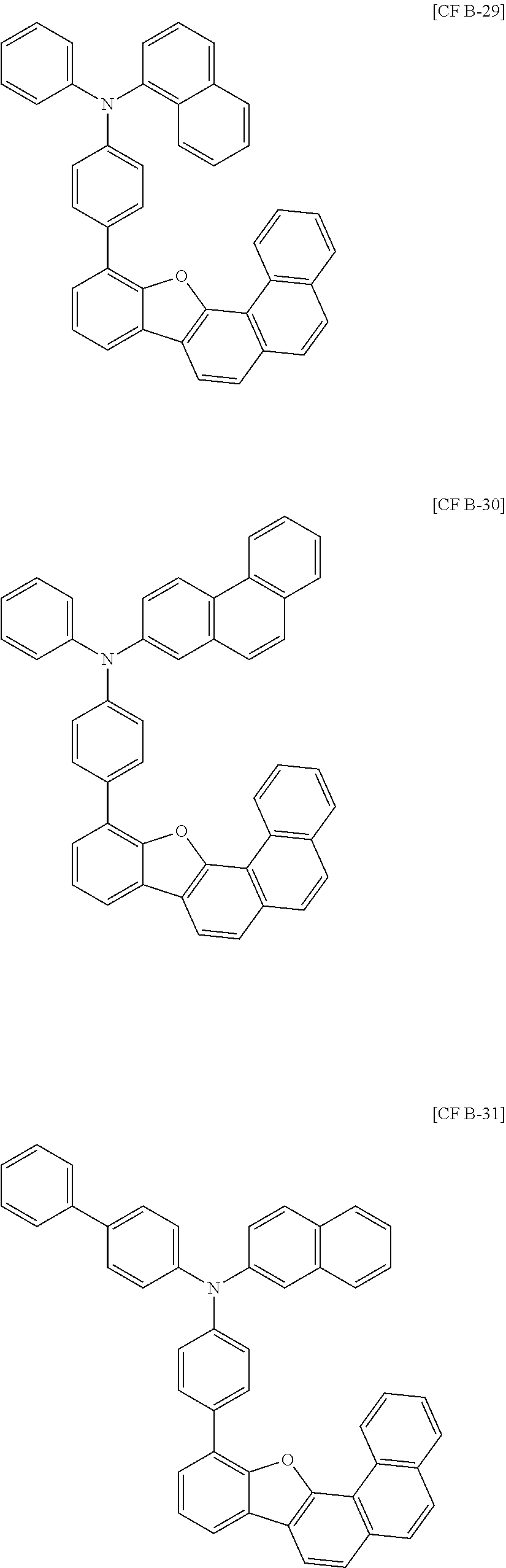


| TABLE 1 | |||||
| Compound | |||||
| used | Half-life | ||||
| in second | life-span | ||||
| hole | Driving | Color | (h) at | ||
| transport | voltage | (EL | Efficiency | 1000 | |
| Devices | layer | (V) | color) | (cd/A) | cd/m2 |
| Device Example 1 | B-2 | 5.9 | Blue | 6.3 | 2,000 |
| Device Example 2 | B-3 | 6.0 | Blue | 6.6 | 1,910 |
| Device Example 3 | B-76 | 6.0 | Blue | 6.9 | 1,940 |
| Device Example 4 | B-78 | 5.9 | Blue | 6.8 | 1,870 |
| Device | NA | 6.4 | Blue | 5.9 | 1,380 |
| Comparative | |||||
| Example 1 | |||||
Claims (11)


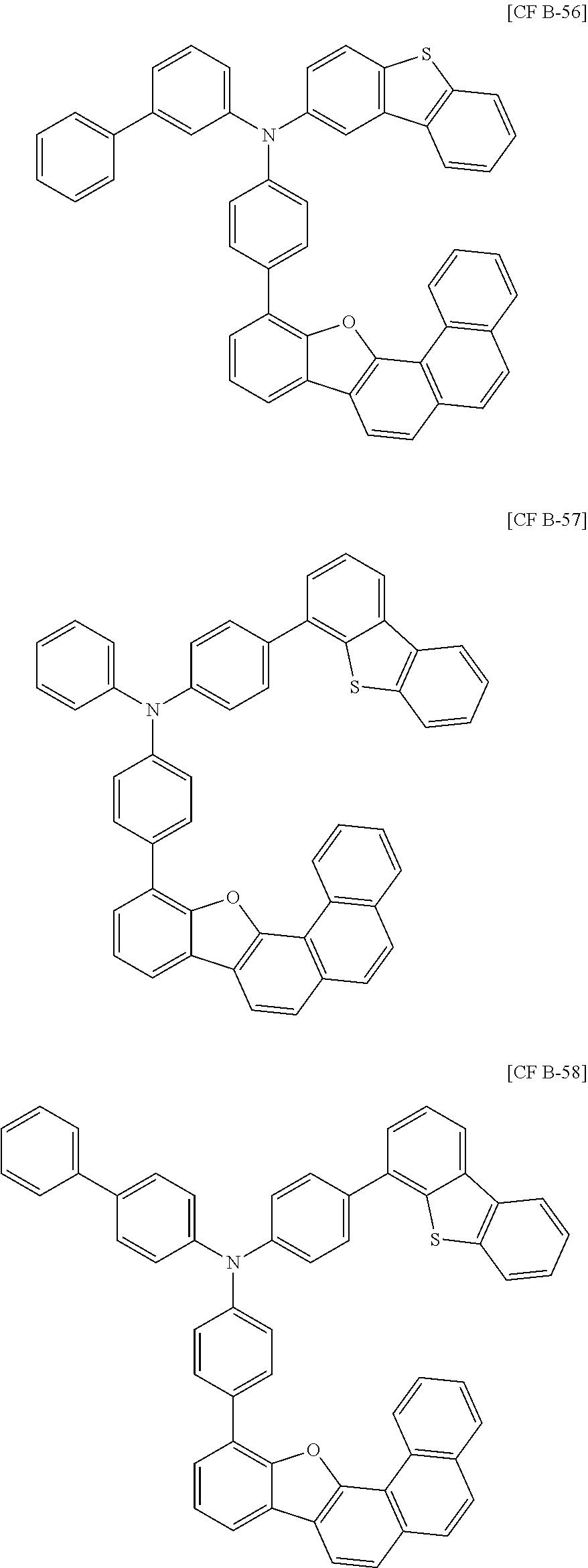


Applications Claiming Priority (2)
| Application Number | Priority Date | Filing Date | Title |
|---|---|---|---|
| KR1020160034769A KR102042191B1 (en) | 2016-03-23 | 2016-03-23 | Organic compound and organic optoelectric device and display device |
| KR10-2016-0034769 | 2016-03-23 |
Publications (2)
| Publication Number | Publication Date |
|---|---|
| US20170279053A1 US20170279053A1 (en) | 2017-09-28 |
| US10700286B2 true US10700286B2 (en) | 2020-06-30 |
Family
ID=59896752
Family Applications (1)
| Application Number | Title | Priority Date | Filing Date |
|---|---|---|---|
| US15/417,454 Active US10700286B2 (en) | 2016-03-23 | 2017-01-27 | Organic compound and organic optoelectric device and display device |
Country Status (3)
| Country | Link |
|---|---|
| US (1) | US10700286B2 (en) |
| KR (1) | KR102042191B1 (en) |
| CN (1) | CN107226799B (en) |
Cited By (1)
| Publication number | Priority date | Publication date | Assignee | Title |
|---|---|---|---|---|
| US12312437B2 (en) | 2016-04-15 | 2025-05-27 | Beckman Coulter, Inc. | Photoactive macromolecules and uses thereof |
Families Citing this family (5)
| Publication number | Priority date | Publication date | Assignee | Title |
|---|---|---|---|---|
| CN108084124A (en) * | 2017-11-02 | 2018-05-29 | 中节能万润股份有限公司 | A kind of class new Organic Electro Luminescent Materials in the wrong and preparation method thereof |
| KR102792708B1 (en) * | 2018-11-14 | 2025-04-08 | 주식회사 동진쎄미켐 | Novel compound and organic electroluminescent divice including the same |
| KR102685637B1 (en) | 2020-12-24 | 2024-07-19 | 엘티소재주식회사 | Heterocyclic compound, organic light emitting device comprising same, manufacturing method of same and composition for organic layer of organic light emitting device |
| KR102570243B1 (en) * | 2021-05-17 | 2023-08-25 | 엘티소재주식회사 | Heterocyclic compound, organic light emitting device comprising the same, manufacturing method of the same and composition for organic layer of organic light emitting device |
| KR102787032B1 (en) * | 2021-09-28 | 2025-03-26 | 삼성에스디아이 주식회사 | Compound for organic optoelectronic device, composition for organic optoelectronic device, organic optoelectronic device and display device |
Citations (30)
| Publication number | Priority date | Publication date | Assignee | Title |
|---|---|---|---|---|
| US20040164292A1 (en) | 2003-02-21 | 2004-08-26 | Yeh-Jiun Tung | Transflective display having an OLED backlight |
| KR20110107051A (en) * | 2010-03-24 | 2011-09-30 | 주식회사 진산기계 | Lane spreader with reflector for adjusting bead ejection angle |
| KR20110127784A (en) | 2010-05-20 | 2011-11-28 | 주식회사 두산 | New hybrid organic compound and organic electroluminescent device using same |
| KR20120116881A (en) | 2011-04-13 | 2012-10-23 | 에스에프씨 주식회사 | Condensed aryl compound and organic light-diode including the same |
| CN103058987A (en) | 2011-10-19 | 2013-04-24 | 三星显示有限公司 | Condensed-cyclic compound, method for preparing the condensed-cyclic compound and organic light-emitting device including the condensed-cyclic compound |
| KR20130110347A (en) | 2012-03-29 | 2013-10-10 | 에스에프씨 주식회사 | Indenophenanthrene derivatives and organic light emitting diodes comprising the derivatives |
| KR20140015305A (en) | 2010-12-23 | 2014-02-06 | 메르크 파텐트 게엠베하 | Organic electroluminescent device |
| KR20140021293A (en) | 2012-08-09 | 2014-02-20 | 희성소재 (주) | Novel compounds and organic light emitting device display comprising the same |
| KR20140043224A (en) | 2012-09-26 | 2014-04-08 | 희성소재 (주) | Novel compounds and organic light emitting device display comprising the same |
| KR20140055137A (en) | 2012-10-30 | 2014-05-09 | 삼성디스플레이 주식회사 | Heterocyclic compound and organic light emitting device comprising the same |
| KR20140067914A (en) | 2012-11-27 | 2014-06-05 | 유니버셜 디스플레이 코포레이션 | Organic electroluminescent device with delayed fluorescence |
| KR20140079595A (en) | 2012-12-17 | 2014-06-27 | 주식회사 두산 | Organic compounds and organic electro luminescence device comprising the same |
| KR20140102089A (en) | 2013-02-13 | 2014-08-21 | 삼성디스플레이 주식회사 | Organic light emitting diode comprising the same |
| KR20140103436A (en) | 2013-02-18 | 2014-08-27 | 주식회사 두산 | Organic compounds and organic electro luminescence device comprising the same |
| US20140319494A1 (en) | 2013-04-30 | 2014-10-30 | Canon Kabushiki Kaisha | Novel organic compound, organic light-emitting element, and image display unit |
| KR20140147374A (en) | 2013-06-19 | 2014-12-30 | 삼성디스플레이 주식회사 | Amined-basd compound and organic light emitting diode including the same |
| KR20150022898A (en) | 2012-10-05 | 2015-03-04 | 캐논 가부시끼가이샤 | INDENO[1,2-b]PHENANTHRENE COMPOUND AND ORGANIC LIGHT EMITTING ELEMENT INCLUDING THE SAME |
| KR20150052705A (en) | 2013-11-06 | 2015-05-14 | 주식회사 두산 | Organic compounds and organic electro luminescence device comprising the same |
| CN104638202A (en) | 2013-11-08 | 2015-05-20 | 北京鼎材科技有限公司 | Organic thin-film transistor and production method thereof |
| CN104649955A (en) | 2013-11-21 | 2015-05-27 | 北京鼎材科技有限公司 | Naphthocarbazole derivative and application of naphthocarbazole derivative in organic electroluminescence devices |
| KR20150079664A (en) | 2012-11-02 | 2015-07-08 | 이데미쓰 고산 가부시키가이샤 | Organic electroluminescence element |
| KR20150097703A (en) | 2012-12-17 | 2015-08-26 | 신닛테츠 수미킨 가가쿠 가부시키가이샤 | Organic electrical field light-emitting element |
| KR20150098631A (en) | 2012-12-26 | 2015-08-28 | 이데미쓰 고산 가부시키가이샤 | Oxygen-containing fused ring amine compound, sulphur-containing fused ring amine compound, and organic electroluminescent element |
| KR101551526B1 (en) | 2009-08-19 | 2015-09-08 | 이데미쓰 고산 가부시키가이샤 | Aromatic amine derivatives and organic electroluminescent elements using same |
| US20150255726A1 (en) | 2013-06-04 | 2015-09-10 | Idemitsu Kosan Co., Ltd. | Nitrogen-containing heterocyclic derivative, organic electroluminescence element material using same, and organic electroluminescence element and electronic device using same |
| WO2015174639A1 (en) | 2014-05-12 | 2015-11-19 | 삼성에스디아이 주식회사 | Organic compound, organic optoelectric diode, and display device |
| WO2015182887A1 (en) | 2014-05-30 | 2015-12-03 | 삼성에스디아이 주식회사 | Organic photoelectric element and display device |
| WO2015194791A2 (en) | 2014-06-18 | 2015-12-23 | 덕산네오룩스 주식회사 | Compound for organic electronic element, organic electronic element using same, and electronic device thereof |
| US20160133850A1 (en) * | 2014-11-07 | 2016-05-12 | Samsung Display Co., Ltd. | Organic electroluminescent device |
| KR20170030289A (en) | 2015-09-09 | 2017-03-17 | 삼성에스디아이 주식회사 | Organic compound and organic optoelectric device and display device |
-
2016
- 2016-03-23 KR KR1020160034769A patent/KR102042191B1/en active Active
-
2017
- 2017-01-27 US US15/417,454 patent/US10700286B2/en active Active
- 2017-03-16 CN CN201710158941.1A patent/CN107226799B/en active Active
Patent Citations (34)
| Publication number | Priority date | Publication date | Assignee | Title |
|---|---|---|---|---|
| US20040164292A1 (en) | 2003-02-21 | 2004-08-26 | Yeh-Jiun Tung | Transflective display having an OLED backlight |
| KR101551526B1 (en) | 2009-08-19 | 2015-09-08 | 이데미쓰 고산 가부시키가이샤 | Aromatic amine derivatives and organic electroluminescent elements using same |
| KR20110107051A (en) * | 2010-03-24 | 2011-09-30 | 주식회사 진산기계 | Lane spreader with reflector for adjusting bead ejection angle |
| KR20110127784A (en) | 2010-05-20 | 2011-11-28 | 주식회사 두산 | New hybrid organic compound and organic electroluminescent device using same |
| KR20140015305A (en) | 2010-12-23 | 2014-02-06 | 메르크 파텐트 게엠베하 | Organic electroluminescent device |
| KR20120116881A (en) | 2011-04-13 | 2012-10-23 | 에스에프씨 주식회사 | Condensed aryl compound and organic light-diode including the same |
| CN103058987A (en) | 2011-10-19 | 2013-04-24 | 三星显示有限公司 | Condensed-cyclic compound, method for preparing the condensed-cyclic compound and organic light-emitting device including the condensed-cyclic compound |
| KR20130042901A (en) | 2011-10-19 | 2013-04-29 | 삼성디스플레이 주식회사 | A condensed-cyclic compound and an organic light emitting diode comprising the same |
| KR20130110347A (en) | 2012-03-29 | 2013-10-10 | 에스에프씨 주식회사 | Indenophenanthrene derivatives and organic light emitting diodes comprising the derivatives |
| KR20140021293A (en) | 2012-08-09 | 2014-02-20 | 희성소재 (주) | Novel compounds and organic light emitting device display comprising the same |
| KR20140043224A (en) | 2012-09-26 | 2014-04-08 | 희성소재 (주) | Novel compounds and organic light emitting device display comprising the same |
| KR20150022898A (en) | 2012-10-05 | 2015-03-04 | 캐논 가부시끼가이샤 | INDENO[1,2-b]PHENANTHRENE COMPOUND AND ORGANIC LIGHT EMITTING ELEMENT INCLUDING THE SAME |
| KR20140055137A (en) | 2012-10-30 | 2014-05-09 | 삼성디스플레이 주식회사 | Heterocyclic compound and organic light emitting device comprising the same |
| KR20150079664A (en) | 2012-11-02 | 2015-07-08 | 이데미쓰 고산 가부시키가이샤 | Organic electroluminescence element |
| KR20140067914A (en) | 2012-11-27 | 2014-06-05 | 유니버셜 디스플레이 코포레이션 | Organic electroluminescent device with delayed fluorescence |
| KR20150097703A (en) | 2012-12-17 | 2015-08-26 | 신닛테츠 수미킨 가가쿠 가부시키가이샤 | Organic electrical field light-emitting element |
| KR20140079595A (en) | 2012-12-17 | 2014-06-27 | 주식회사 두산 | Organic compounds and organic electro luminescence device comprising the same |
| KR20150098631A (en) | 2012-12-26 | 2015-08-28 | 이데미쓰 고산 가부시키가이샤 | Oxygen-containing fused ring amine compound, sulphur-containing fused ring amine compound, and organic electroluminescent element |
| KR20140102089A (en) | 2013-02-13 | 2014-08-21 | 삼성디스플레이 주식회사 | Organic light emitting diode comprising the same |
| KR20140103436A (en) | 2013-02-18 | 2014-08-27 | 주식회사 두산 | Organic compounds and organic electro luminescence device comprising the same |
| US20140319494A1 (en) | 2013-04-30 | 2014-10-30 | Canon Kabushiki Kaisha | Novel organic compound, organic light-emitting element, and image display unit |
| US20150255726A1 (en) | 2013-06-04 | 2015-09-10 | Idemitsu Kosan Co., Ltd. | Nitrogen-containing heterocyclic derivative, organic electroluminescence element material using same, and organic electroluminescence element and electronic device using same |
| KR20140147374A (en) | 2013-06-19 | 2014-12-30 | 삼성디스플레이 주식회사 | Amined-basd compound and organic light emitting diode including the same |
| KR20150052705A (en) | 2013-11-06 | 2015-05-14 | 주식회사 두산 | Organic compounds and organic electro luminescence device comprising the same |
| CN104638202A (en) | 2013-11-08 | 2015-05-20 | 北京鼎材科技有限公司 | Organic thin-film transistor and production method thereof |
| CN104649955A (en) | 2013-11-21 | 2015-05-27 | 北京鼎材科技有限公司 | Naphthocarbazole derivative and application of naphthocarbazole derivative in organic electroluminescence devices |
| WO2015174639A1 (en) | 2014-05-12 | 2015-11-19 | 삼성에스디아이 주식회사 | Organic compound, organic optoelectric diode, and display device |
| WO2015182887A1 (en) | 2014-05-30 | 2015-12-03 | 삼성에스디아이 주식회사 | Organic photoelectric element and display device |
| WO2015194791A2 (en) | 2014-06-18 | 2015-12-23 | 덕산네오룩스 주식회사 | Compound for organic electronic element, organic electronic element using same, and electronic device thereof |
| US20170125689A1 (en) * | 2014-06-18 | 2017-05-04 | Duk San Neolux Co., Ltd. | Compound for organic electronic element, organic electronic element using the same, and an electronic device thereof |
| US20160133850A1 (en) * | 2014-11-07 | 2016-05-12 | Samsung Display Co., Ltd. | Organic electroluminescent device |
| KR20160055675A (en) | 2014-11-07 | 2016-05-18 | 삼성디스플레이 주식회사 | Organic electroluminescence device |
| KR20170030289A (en) | 2015-09-09 | 2017-03-17 | 삼성에스디아이 주식회사 | Organic compound and organic optoelectric device and display device |
| CN107849000A (en) | 2015-09-09 | 2018-03-27 | 三星Sdi株式会社 | Organic compound and organic optoelectronic device and display device |
Non-Patent Citations (2)
| Title |
|---|
| Chinese Office Action dated Feb. 6, 2020. |
| Office Action dated Mar. 28, 2019, and/or the accompanying Search Report dated Mar. 20, 2019, of the corresponding Chinese Patent Application No. 201710158941.1. |
Cited By (1)
| Publication number | Priority date | Publication date | Assignee | Title |
|---|---|---|---|---|
| US12312437B2 (en) | 2016-04-15 | 2025-05-27 | Beckman Coulter, Inc. | Photoactive macromolecules and uses thereof |
Also Published As
| Publication number | Publication date |
|---|---|
| KR102042191B1 (en) | 2019-11-07 |
| US20170279053A1 (en) | 2017-09-28 |
| KR20170110412A (en) | 2017-10-11 |
| CN107226799A (en) | 2017-10-03 |
| CN107226799B (en) | 2021-04-30 |
Similar Documents
| Publication | Publication Date | Title |
|---|---|---|
| US12378207B2 (en) | Heterocyclic compound and organic electroluminescent device comprising same | |
| US20240206323A1 (en) | Composition for organic optoelectronic device, organic optoelectronic device, and display device | |
| US9882146B2 (en) | Heterocyclic compound and organic electronic element containing same | |
| US20220069226A1 (en) | Composition for organic optoelectronic element, organic optoelectronic element, and display device | |
| US10131632B2 (en) | Dopant for organic optoelectronic device, organic optoelectronic device and display device | |
| US12295254B2 (en) | Compound for organic optoelectronic device, composition for organic optoelectronic device, organic optoelectronic device, and display device | |
| US9299935B2 (en) | Nitrogen-containing heterocyclic compounds and organic electronic device comprising the same | |
| US20160351826A1 (en) | Condensed cyclic compound and organic light-emitting device including the same | |
| US10700286B2 (en) | Organic compound and organic optoelectric device and display device | |
| US20130334517A1 (en) | Novel compound and organic light-emitting device comprising same | |
| US10784447B2 (en) | Organic compound, composition, and organic optoelectronic diode | |
| US20220093868A1 (en) | Organic light emitting diode | |
| US12473256B2 (en) | Composition for organic optoelectronic device and organic optoelectronic device and display device | |
| US10516113B2 (en) | Organic compound, organic optoelectric device and display device | |
| US10446764B2 (en) | Organic compound, composition, organic optoelectric device, and display device | |
| US20230200225A1 (en) | Nitrogen-containing compound, electronic component, and electronic device | |
| US20230200234A1 (en) | Organic compound, and electronic component and electronic device therefor | |
| US20210130313A1 (en) | Nitrogen-containing compound, electronic component and electronic device | |
| US20230025656A1 (en) | Triarylamine derivative and organic electroluminescent device thereof | |
| US10446760B2 (en) | Organic compound, organic optoelectric diode, and display device | |
| US12077699B2 (en) | Dopant for organic optoelectronic device, organic optoelectronic device, and display device | |
| US20240172561A1 (en) | Composition for organic optoelectronic device, organic optoelectronic device, and display device | |
| US10141521B2 (en) | Compound, organic optoelectronic element comprising same, and display device | |
| US20250120306A1 (en) | Triarylamine compound and organic electroluminescent device thereof | |
| US12338217B2 (en) | Nitrogen-containing compound, electronic element and electronic device |
Legal Events
| Date | Code | Title | Description |
|---|---|---|---|
| AS | Assignment |
Owner name: SAMSUNG SDI CO., LTD., KOREA, REPUBLIC OF Free format text: ASSIGNMENT OF ASSIGNORS INTEREST;ASSIGNORS:SHIN, CHANG JU;HONG, JINSEOK;RYU, DONG WAN;AND OTHERS;REEL/FRAME:041101/0398 Effective date: 20170116 |
|
| STPP | Information on status: patent application and granting procedure in general |
Free format text: NOTICE OF ALLOWANCE MAILED -- APPLICATION RECEIVED IN OFFICE OF PUBLICATIONS |
|
| STPP | Information on status: patent application and granting procedure in general |
Free format text: AWAITING TC RESP., ISSUE FEE NOT PAID |
|
| STPP | Information on status: patent application and granting procedure in general |
Free format text: WITHDRAW FROM ISSUE AWAITING ACTION |
|
| STPP | Information on status: patent application and granting procedure in general |
Free format text: DOCKETED NEW CASE - READY FOR EXAMINATION |
|
| STPP | Information on status: patent application and granting procedure in general |
Free format text: NON FINAL ACTION MAILED |
|
| STPP | Information on status: patent application and granting procedure in general |
Free format text: RESPONSE TO NON-FINAL OFFICE ACTION ENTERED AND FORWARDED TO EXAMINER |
|
| STPP | Information on status: patent application and granting procedure in general |
Free format text: NOTICE OF ALLOWANCE MAILED -- APPLICATION RECEIVED IN OFFICE OF PUBLICATIONS |
|
| STCF | Information on status: patent grant |
Free format text: PATENTED CASE |
|
| MAFP | Maintenance fee payment |
Free format text: PAYMENT OF MAINTENANCE FEE, 4TH YEAR, LARGE ENTITY (ORIGINAL EVENT CODE: M1551); ENTITY STATUS OF PATENT OWNER: LARGE ENTITY Year of fee payment: 4 |