US10693741B2 - Network monitoring system, network monitoring method, and computer-readable storage medium - Google Patents

Network monitoring system, network monitoring method, and computer-readable storage medium Download PDF

Info

Publication number
US10693741B2
US10693741B2 US15/901,744 US201815901744A US10693741B2 US 10693741 B2 US10693741 B2 US 10693741B2 US 201815901744 A US201815901744 A US 201815901744A US 10693741 B2 US10693741 B2 US 10693741B2
Authority
US
United States
Prior art keywords
performance information
virtual network
abnormality
network function
abnormality detection
Prior art date
Legal status (The legal status is an assumption and is not a legal conclusion. Google has not performed a legal analysis and makes no representation as to the accuracy of the status listed.)
Active, expires
Application number
US15/901,744
Other versions
US20180183682A1 (en
Inventor
Tomonobu Niwa
Masanori Miyazawa
Michiaki Hayashi
Current Assignee (The listed assignees may be inaccurate. Google has not performed a legal analysis and makes no representation or warranty as to the accuracy of the list.)
KDDI Corp
Original Assignee
KDDI Corp
Priority date (The priority date is an assumption and is not a legal conclusion. Google has not performed a legal analysis and makes no representation as to the accuracy of the date listed.)
Filing date
Publication date
Application filed by KDDI Corp filed Critical KDDI Corp
Assigned to KDDI CORPORATION reassignment KDDI CORPORATION ASSIGNMENT OF ASSIGNORS INTEREST (SEE DOCUMENT FOR DETAILS). Assignors: HAYASHI, MICHIAKI, MIYAZAWA, MASANORI, NIWA, TOMONOBU
Publication of US20180183682A1 publication Critical patent/US20180183682A1/en
Application granted granted Critical
Publication of US10693741B2 publication Critical patent/US10693741B2/en
Active legal-status Critical Current
Adjusted expiration legal-status Critical

Links

Images

Classifications

    • GPHYSICS
    • G06COMPUTING OR CALCULATING; COUNTING
    • G06FELECTRIC DIGITAL DATA PROCESSING
    • G06F11/00Error detection; Error correction; Monitoring
    • G06F11/30Monitoring
    • G06F11/3003Monitoring arrangements specially adapted to the computing system or computing system component being monitored
    • G06F11/3006Monitoring arrangements specially adapted to the computing system or computing system component being monitored where the computing system is distributed, e.g. networked systems, clusters, multiprocessor systems
    • GPHYSICS
    • G06COMPUTING OR CALCULATING; COUNTING
    • G06FELECTRIC DIGITAL DATA PROCESSING
    • G06F11/00Error detection; Error correction; Monitoring
    • G06F11/30Monitoring
    • G06F11/3003Monitoring arrangements specially adapted to the computing system or computing system component being monitored
    • G06F11/301Monitoring arrangements specially adapted to the computing system or computing system component being monitored where the computing system is a virtual computing platform, e.g. logically partitioned systems
    • GPHYSICS
    • G06COMPUTING OR CALCULATING; COUNTING
    • G06FELECTRIC DIGITAL DATA PROCESSING
    • G06F11/00Error detection; Error correction; Monitoring
    • G06F11/30Monitoring
    • G06F11/3003Monitoring arrangements specially adapted to the computing system or computing system component being monitored
    • G06F11/3024Monitoring arrangements specially adapted to the computing system or computing system component being monitored where the computing system component is a central processing unit [CPU]
    • GPHYSICS
    • G06COMPUTING OR CALCULATING; COUNTING
    • G06FELECTRIC DIGITAL DATA PROCESSING
    • G06F11/00Error detection; Error correction; Monitoring
    • G06F11/30Monitoring
    • G06F11/3003Monitoring arrangements specially adapted to the computing system or computing system component being monitored
    • G06F11/3031Monitoring arrangements specially adapted to the computing system or computing system component being monitored where the computing system component is a motherboard or an expansion card
    • GPHYSICS
    • G06COMPUTING OR CALCULATING; COUNTING
    • G06FELECTRIC DIGITAL DATA PROCESSING
    • G06F11/00Error detection; Error correction; Monitoring
    • G06F11/30Monitoring
    • G06F11/3003Monitoring arrangements specially adapted to the computing system or computing system component being monitored
    • G06F11/3037Monitoring arrangements specially adapted to the computing system or computing system component being monitored where the computing system component is a memory, e.g. virtual memory, cache
    • GPHYSICS
    • G06COMPUTING OR CALCULATING; COUNTING
    • G06FELECTRIC DIGITAL DATA PROCESSING
    • G06F11/00Error detection; Error correction; Monitoring
    • G06F11/30Monitoring
    • G06F11/3003Monitoring arrangements specially adapted to the computing system or computing system component being monitored
    • G06F11/3041Monitoring arrangements specially adapted to the computing system or computing system component being monitored where the computing system component is an input/output interface
    • GPHYSICS
    • G06COMPUTING OR CALCULATING; COUNTING
    • G06FELECTRIC DIGITAL DATA PROCESSING
    • G06F11/00Error detection; Error correction; Monitoring
    • G06F11/30Monitoring
    • G06F11/34Recording or statistical evaluation of computer activity, e.g. of down time, of input/output operation ; Recording or statistical evaluation of user activity, e.g. usability assessment
    • GPHYSICS
    • G06COMPUTING OR CALCULATING; COUNTING
    • G06FELECTRIC DIGITAL DATA PROCESSING
    • G06F11/00Error detection; Error correction; Monitoring
    • G06F11/30Monitoring
    • G06F11/34Recording or statistical evaluation of computer activity, e.g. of down time, of input/output operation ; Recording or statistical evaluation of user activity, e.g. usability assessment
    • G06F11/3409Recording or statistical evaluation of computer activity, e.g. of down time, of input/output operation ; Recording or statistical evaluation of user activity, e.g. usability assessment for performance assessment
    • GPHYSICS
    • G06COMPUTING OR CALCULATING; COUNTING
    • G06FELECTRIC DIGITAL DATA PROCESSING
    • G06F11/00Error detection; Error correction; Monitoring
    • G06F11/30Monitoring
    • G06F11/34Recording or statistical evaluation of computer activity, e.g. of down time, of input/output operation ; Recording or statistical evaluation of user activity, e.g. usability assessment
    • G06F11/3409Recording or statistical evaluation of computer activity, e.g. of down time, of input/output operation ; Recording or statistical evaluation of user activity, e.g. usability assessment for performance assessment
    • G06F11/3428Benchmarking
    • GPHYSICS
    • G06COMPUTING OR CALCULATING; COUNTING
    • G06FELECTRIC DIGITAL DATA PROCESSING
    • G06F11/00Error detection; Error correction; Monitoring
    • G06F11/30Monitoring
    • G06F11/34Recording or statistical evaluation of computer activity, e.g. of down time, of input/output operation ; Recording or statistical evaluation of user activity, e.g. usability assessment
    • G06F11/3452Performance evaluation by statistical analysis
    • GPHYSICS
    • G06COMPUTING OR CALCULATING; COUNTING
    • G06FELECTRIC DIGITAL DATA PROCESSING
    • G06F9/00Arrangements for program control, e.g. control units
    • G06F9/06Arrangements for program control, e.g. control units using stored programs, i.e. using an internal store of processing equipment to receive or retain programs
    • G06F9/44Arrangements for executing specific programs
    • G06F9/455Emulation; Interpretation; Software simulation, e.g. virtualisation or emulation of application or operating system execution engines
    • G06F9/45533Hypervisors; Virtual machine monitors
    • G06F9/45558Hypervisor-specific management and integration aspects
    • GPHYSICS
    • G06COMPUTING OR CALCULATING; COUNTING
    • G06FELECTRIC DIGITAL DATA PROCESSING
    • G06F9/00Arrangements for program control, e.g. control units
    • G06F9/06Arrangements for program control, e.g. control units using stored programs, i.e. using an internal store of processing equipment to receive or retain programs
    • G06F9/46Multiprogramming arrangements
    • GPHYSICS
    • G06COMPUTING OR CALCULATING; COUNTING
    • G06FELECTRIC DIGITAL DATA PROCESSING
    • G06F9/00Arrangements for program control, e.g. control units
    • G06F9/06Arrangements for program control, e.g. control units using stored programs, i.e. using an internal store of processing equipment to receive or retain programs
    • G06F9/46Multiprogramming arrangements
    • G06F9/50Allocation of resources, e.g. of the central processing unit [CPU]
    • G06F9/5061Partitioning or combining of resources
    • G06F9/5077Logical partitioning of resources; Management or configuration of virtualized resources
    • HELECTRICITY
    • H04ELECTRIC COMMUNICATION TECHNIQUE
    • H04LTRANSMISSION OF DIGITAL INFORMATION, e.g. TELEGRAPHIC COMMUNICATION
    • H04L41/00Arrangements for maintenance, administration or management of data switching networks, e.g. of packet switching networks
    • H04L41/04Network management architectures or arrangements
    • H04L41/046Network management architectures or arrangements comprising network management agents or mobile agents therefor
    • HELECTRICITY
    • H04ELECTRIC COMMUNICATION TECHNIQUE
    • H04LTRANSMISSION OF DIGITAL INFORMATION, e.g. TELEGRAPHIC COMMUNICATION
    • H04L41/00Arrangements for maintenance, administration or management of data switching networks, e.g. of packet switching networks
    • H04L41/06Management of faults, events, alarms or notifications
    • H04L41/0681Configuration of triggering conditions
    • HELECTRICITY
    • H04ELECTRIC COMMUNICATION TECHNIQUE
    • H04LTRANSMISSION OF DIGITAL INFORMATION, e.g. TELEGRAPHIC COMMUNICATION
    • H04L41/00Arrangements for maintenance, administration or management of data switching networks, e.g. of packet switching networks
    • H04L41/08Configuration management of networks or network elements
    • H04L41/0893Assignment of logical groups to network elements
    • HELECTRICITY
    • H04ELECTRIC COMMUNICATION TECHNIQUE
    • H04LTRANSMISSION OF DIGITAL INFORMATION, e.g. TELEGRAPHIC COMMUNICATION
    • H04L41/00Arrangements for maintenance, administration or management of data switching networks, e.g. of packet switching networks
    • H04L41/08Configuration management of networks or network elements
    • H04L41/0895Configuration of virtualised networks or elements, e.g. virtualised network function or OpenFlow elements
    • HELECTRICITY
    • H04ELECTRIC COMMUNICATION TECHNIQUE
    • H04LTRANSMISSION OF DIGITAL INFORMATION, e.g. TELEGRAPHIC COMMUNICATION
    • H04L41/00Arrangements for maintenance, administration or management of data switching networks, e.g. of packet switching networks
    • H04L41/08Configuration management of networks or network elements
    • H04L41/0896Bandwidth or capacity management, i.e. automatically increasing or decreasing capacities
    • HELECTRICITY
    • H04ELECTRIC COMMUNICATION TECHNIQUE
    • H04LTRANSMISSION OF DIGITAL INFORMATION, e.g. TELEGRAPHIC COMMUNICATION
    • H04L41/00Arrangements for maintenance, administration or management of data switching networks, e.g. of packet switching networks
    • H04L41/14Network analysis or design
    • H04L41/142Network analysis or design using statistical or mathematical methods
    • HELECTRICITY
    • H04ELECTRIC COMMUNICATION TECHNIQUE
    • H04LTRANSMISSION OF DIGITAL INFORMATION, e.g. TELEGRAPHIC COMMUNICATION
    • H04L41/00Arrangements for maintenance, administration or management of data switching networks, e.g. of packet switching networks
    • H04L41/14Network analysis or design
    • H04L41/147Network analysis or design for predicting network behaviour
    • HELECTRICITY
    • H04ELECTRIC COMMUNICATION TECHNIQUE
    • H04LTRANSMISSION OF DIGITAL INFORMATION, e.g. TELEGRAPHIC COMMUNICATION
    • H04L43/00Arrangements for monitoring or testing data switching networks
    • H04L43/08Monitoring or testing based on specific metrics, e.g. QoS, energy consumption or environmental parameters
    • H04L43/0805Monitoring or testing based on specific metrics, e.g. QoS, energy consumption or environmental parameters by checking availability
    • H04L43/0817Monitoring or testing based on specific metrics, e.g. QoS, energy consumption or environmental parameters by checking availability by checking functioning
    • HELECTRICITY
    • H04ELECTRIC COMMUNICATION TECHNIQUE
    • H04LTRANSMISSION OF DIGITAL INFORMATION, e.g. TELEGRAPHIC COMMUNICATION
    • H04L43/00Arrangements for monitoring or testing data switching networks
    • H04L43/16Threshold monitoring
    • HELECTRICITY
    • H04ELECTRIC COMMUNICATION TECHNIQUE
    • H04LTRANSMISSION OF DIGITAL INFORMATION, e.g. TELEGRAPHIC COMMUNICATION
    • H04L43/00Arrangements for monitoring or testing data switching networks
    • H04L43/20Arrangements for monitoring or testing data switching networks the monitoring system or the monitored elements being virtualised, abstracted or software-defined entities, e.g. SDN or NFV
    • HELECTRICITY
    • H04ELECTRIC COMMUNICATION TECHNIQUE
    • H04MTELEPHONIC COMMUNICATION
    • H04M3/00Automatic or semi-automatic exchanges
    • HELECTRICITY
    • H04ELECTRIC COMMUNICATION TECHNIQUE
    • H04MTELEPHONIC COMMUNICATION
    • H04M3/00Automatic or semi-automatic exchanges
    • H04M3/22Arrangements for supervision, monitoring or testing
    • GPHYSICS
    • G06COMPUTING OR CALCULATING; COUNTING
    • G06FELECTRIC DIGITAL DATA PROCESSING
    • G06F9/00Arrangements for program control, e.g. control units
    • G06F9/06Arrangements for program control, e.g. control units using stored programs, i.e. using an internal store of processing equipment to receive or retain programs
    • G06F9/44Arrangements for executing specific programs
    • G06F9/455Emulation; Interpretation; Software simulation, e.g. virtualisation or emulation of application or operating system execution engines
    • G06F9/45533Hypervisors; Virtual machine monitors
    • G06F9/45558Hypervisor-specific management and integration aspects
    • G06F2009/45591Monitoring or debugging support
    • GPHYSICS
    • G06COMPUTING OR CALCULATING; COUNTING
    • G06FELECTRIC DIGITAL DATA PROCESSING
    • G06F9/00Arrangements for program control, e.g. control units
    • G06F9/06Arrangements for program control, e.g. control units using stored programs, i.e. using an internal store of processing equipment to receive or retain programs
    • G06F9/44Arrangements for executing specific programs
    • G06F9/455Emulation; Interpretation; Software simulation, e.g. virtualisation or emulation of application or operating system execution engines
    • G06F9/45533Hypervisors; Virtual machine monitors
    • G06F9/45558Hypervisor-specific management and integration aspects
    • G06F2009/45595Network integration; Enabling network access in virtual machine instances
    • HELECTRICITY
    • H04ELECTRIC COMMUNICATION TECHNIQUE
    • H04LTRANSMISSION OF DIGITAL INFORMATION, e.g. TELEGRAPHIC COMMUNICATION
    • H04L43/00Arrangements for monitoring or testing data switching networks
    • H04L43/06Generation of reports
    • HELECTRICITY
    • H04ELECTRIC COMMUNICATION TECHNIQUE
    • H04LTRANSMISSION OF DIGITAL INFORMATION, e.g. TELEGRAPHIC COMMUNICATION
    • H04L43/00Arrangements for monitoring or testing data switching networks
    • H04L43/08Monitoring or testing based on specific metrics, e.g. QoS, energy consumption or environmental parameters

Definitions

  • the present invention relates to a technique for monitoring a virtual network function on a network.
  • NFV network function virtualization
  • VNF virtual network function
  • NFVI virtualization infrastructure
  • the virtual network function is characterized in that the allocation of virtualization infrastructure resources for the VNF, such as distribution of VNF arrangement locations, and CPU and a memory resource amount for the VNF, is flexible. For this reason, for example, a technique of automatically scaling out or scaling in according to the communication amount or server load (auto-scale function) and a technique of automatically recovering from damage by causing a VNF to transition to another healthy server if an abnormality or damage is detected in the VNF (auto-heal function) have been considered.
  • the auto-scale function and the auto-heal function are executed by being triggered by detection of an abnormality in a virtual network function, a virtualization infrastructure, or hardware.
  • FIG. 6 is a schematic diagram showing a configuration of a conventional network function monitoring system.
  • a NFV infrastructure constituted by a hypervisor, a virtual machine, virtual switches, and the like is constructed on a general-purpose server, virtual network functions (VNFs) such as a firewall, a load balancer, and a router are included in the virtualization infrastructure, and a monitoring system monitors these virtual network functions and the virtualization infrastructure.
  • VNFs virtual network functions
  • a monitoring system monitors these virtual network functions and the virtualization infrastructure.
  • the NFV control system operates the VNFs and the NFVI using the auto-scale function, the auto-heal function, and the like.
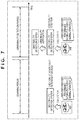
  • PLT1 discloses a technique of detecting an abnormality by comprehensively analyzing the performance information of the NFVI. As shown in FIG. 7 , based on the performance information during normal operation of the networks, an abnormality determination rule utilizing statistical processing and machine learning with no teacher is generated, and by comparing the performance information collected in a certain period and the abnormality detection rule, an abnormality detection function is provided.
  • PLT2 discloses a technique of analyzing the temporal periodicity of the performance information of an apparatus being monitored, deriving an appropriate threshold value based on density distribution model information generated in each of the periods, and detecting an abnormality based on the threshold value.
  • PLT3 discloses a technique of detecting an abnormality based on whether or not a correlative function generated at a time of normal operation has broken down, by deriving a correlative function for pieces of performance information of any two managed target apparatuses and a time series.
  • PLT1 Japanese Patent Laid-Open No. 2015-070528
  • PLT2 Japanese Patent Laid-Open No. 2013-214171
  • PLT3 Japanese Patent No. 5590196
  • PLT4 discloses a technique in which an aggregated flow is constructed using the information included in the IP header and the TCP/UDP header of the traffic flow included in a group of apparatuses to be monitored, and abnormality detection is performed by generating a reference distribution to be used in abnormality determination according to the aggregated flow. Due to the reference distribution undergoing feedback processing using the newly-acquired flow information, the fluctuating traffic is followed in real time and the accuracy of the abnormality determination is improved.
  • the performance information during normal operation suddenly changes due to a change in the arrangement location of the VNF and resource allocation in the virtualization infrastructure, and therefore the performance information prediction method disclosed in PLT4 cannot be applied to the virtual network function.
  • PLT5 discloses a technique for performing performance prediction for an entire virtualization system by generating performance prediction models for the operations of applications and hardware and synthesizing the two performance prediction models in a virtual environment.
  • performance prediction models for VNF application operations provided from multiple vendors cannot be generated in a shared manner and cannot be synthesized with that of a hardware operation, performance prediction cannot be performed.
  • a network monitoring system for monitoring a virtual network function, comprising: a prediction unit configured to acquire information needed for detecting an abnormality in a virtual network function provided in a virtualization infrastructure, and predict performance information of a virtual network function that is to be newly provided and monitored; a generation unit configured to generate an abnormality determination rule that is to serve as a reference for determining whether or not actual performance information of a virtual network function falls within an allowed range that is set based on the predicted performance information; a determination unit configured to perform abnormality determination using the actual performance information of the virtual network function and the abnormality determination rule; and an output unit configured to output an abnormality notification if it is determined by the determination unit that there is an abnormality.
  • FIG. 1 is a drawing showing a schematic configuration of a network monitoring system according to an embodiment.
  • FIG. 2 is a sequence diagram showing a basic operation (generation) for abnormality detection according to an embodiment.
  • FIG. 3 is a sequence diagram showing a basic operation (deletion) for abnormality detection according to an embodiment.
  • FIG. 4 is a diagram showing an example of information stored in a performance information DB.
  • FIG. 5A is a graph showing performance changes according to VNF type.
  • FIG. 5B is a graph showing a distribution relating to CPU usage rate.
  • FIG. 6 is a schematic diagram showing a configuration of a conventional network function monitoring system.
  • FIG. 7 is a diagram showing a mechanism of a conventional abnormality detection system.
  • the network monitoring system of the present invention is a network monitoring system for monitoring a virtual network function, including: a function of acquiring information needed for detecting an abnormality in a virtual network function provided in a virtualization infrastructure, and predicting performance information of a virtual network function that is to be newly provided and monitored; a function of generating an abnormality determination rule that is to serve as a reference for determining whether or not actual performance information of a virtual network function falls within an allowed range that is set based on the predicted performance information; a function of performing abnormality determination using the actual performance information of the virtual network function and the abnormality determination rule; and a function of outputting an abnormality notification if it is determined by the determination means that there is an abnormality, and a function of outputting an abnormality notification if the result of the determination is that there is an abnormality.
  • the performance information of the virtual network function being monitored can be predicted using the accumulated performance information, and the virtual network function can be monitored promptly without providing a certain period for collecting performance information. As a result, it is possible to continuously perform abnormality detection.
  • an embodiment of the present invention will be described in detail with reference to the drawings.
  • FIG. 1 is a drawing showing a schematic configuration of a network monitoring system according to the present embodiment.
  • a network monitoring system 1 is constituted by an abnormality detection control apparatus 100 and an abnormality detection agent 200 .
  • the configuration shown in FIG. 1 is illustrated in order to facilitate understanding of the description, but the abnormality detection agent 200 is not limited to being arranged in the virtualization infrastructure and may be arranged anywhere as long as it is in the network.
  • the abnormality detection control apparatus 100 includes a control unit 101 , a performance information database 103 , and a calculation unit 105 .
  • the control unit 101 controls the creation, deletion, and re-configuration of the abnormality detection agent on the network. If an external system such as an NFV control system 2 newly generates a virtual network function, the abnormality detection control apparatus 100 acquires the information needed for abnormality detection, such as the VNF type, the management IP address of the arrangement server, and the allocated resource amount for the VNF from the NFV control system 2 .
  • the performance information database 103 collects and stores the performance information during normal operation of the virtual network function on a network that was or is currently being monitored, from the abnormality detection agent 200 arranged on the network.
  • the calculation unit 105 uses information (hereinafter referred to simply as “performance information”) relating to the resource amount and the like stored in the performance information database 103 to predict the performance information of the newly-generated virtual network function, the virtual network function related to the newly-generated virtual network function, and the server in which the virtual network function is arranged.
  • the abnormality detection control apparatus 100 transmits the predicted performance information to the abnormality detection agent 200 .
  • the abnormality detection agent 200 includes a performance information cache 201 , an abnormality determination rule designing unit 203 , a collection unit 205 , an analyzing unit 207 , an abnormality notification unit 209 , and a transmission unit 211 .
  • the performance information cache 201 acquires the performance information predicted by the abnormality detection control apparatus 100 , which is transmitted from the abnormality detection control apparatus 100 , and accumulates the data as performance information during normal operation.
  • the abnormality determination rule designing unit 203 generates an abnormality determination rule based on the performance information accumulated in the performance information cache 201 and applies the generated abnormality determination rule to the analyzing unit 207 .
  • the collection unit 205 periodically collects actual performance information (CPU usage rate, memory usage rate, network interface I/O, disk I/O, etc.) of the virtualization infrastructure, such as the virtual machine 7 and the hypervisor 9 , which are used by the virtual network function 5 , using a protocol such as SNMP (Simple Network Management Protocol) and CLI (Command Line Interface) command output results.
  • SNMP Simple Network Management Protocol
  • CLI Common Line Interface
  • the analyzing unit 207 applies the abnormality determination rule to the collected actual performance information and performs abnormality determination processing. Then, the abnormality determination result is transmitted to the abnormality notification unit 209 . Also, if the abnormality determination result is “normal”, the actual performance information is transmitted to the performance information cache 201 and the actual performance information is accumulated in the performance information cache 201 . If the acquired abnormality determination result is “abnormal”, the abnormality notification unit 209 performs notification of the VNF abnormality information to an external system such as the monitoring system 3 .
  • the transmission unit 211 transmits the performance information during normal operation, which is accumulated in the performance information cache 201 , to the performance information database 103 in response to a request from the abnormality detection control apparatus 100 .
  • FIG. 2 is a sequence diagram showing a basic operation (generation) for abnormality detection according to the present embodiment.
  • the external system such as the NFV control system requests generation of a monitoring function to the abnormality detection control apparatus due to generation or reconfiguration of a virtual network function or a virtualization infrastructure (step S 1 - 1 ).
  • the request to generate the monitoring function includes information that is needed for abnormality detection, such as an identifier of the VNF type, a management IP address of the arrangement server, a management IP address of the VNF, information relating to the allocated resource amount for the VNF, and the like.
  • the abnormality detection control apparatus receives the request to generate the monitoring function from the NFV control system and requests prediction calculation of the performance information during normal operation for the virtual network function that is to be generated or reorganized (step S 1 - 2 ).
  • the calculation unit receives the request to perform prediction calculation of the performance information during normal operation and performs prediction calculation of the performance information during normal operation of the virtual network function that is to be generated or reorganized, based on the performance information during normal operation corresponding to the VNF type and the information (hereinafter also referred to as resource amount index) relating to the amount of resources allocated to the VNF, which are stored in the performance information database (step S 1 - 3 ).
  • resource amount index information relating to the amount of resources allocated to the VNF
  • the performance information during normal operation of an arranged virtual network function that is of the same type and has about the same resource amount as the virtual network function to be generated or reconfigured is acquired from the abnormality detection agent that has been applied to the arranged virtual network function.
  • the abnormality detection control apparatus generates an abnormality detection agent (step S 1 - 4 ).
  • the abnormality detection agent is loaded as an application on the network and operates as at least one monitoring process for the virtual network function being monitored.
  • the abnormality detection agent stores the predicted performance information generated in step S 1 - 3 in the performance information cache.
  • the abnormality detection agent performs notification of a request to generate an abnormality determination rule to the abnormality determination rule designing unit (step S 1 - 5 ).
  • the abnormality determination rule designing unit generates the abnormality determination rule based on the performance information accumulated in the performance information cache (step S 1 - 6 ).
  • the generated abnormality determination rule is reflected in the analyzing unit (step S 1 - 7 ).
  • the abnormality detection agent starts abnormality detection (step S 1 - 8 ).
  • the abnormality detection request performed by the abnormality detection agent is executed every predetermined period.
  • the collection unit collects the actual performance information for a predetermined period (e.g., six intervals of ten seconds) using a management protocol such as SNMP and a CLI command output result (step S 1 - 9 ).
  • the collection unit notifies the analyzing unit of the collected actual performance information (step S 1 - 10 ).
  • the analyzing unit carries out abnormality determination by comparing the abnormality determination rule with the collected actual performance information (step S 1 - 11 ).
  • the notification unit is notified of the determination result (step S 1 - 12 ). If the acquired determination result is “abnormal”, the external system such as the monitoring system is notified of the abnormality of the virtual network function (step S 1 - 13 ).
  • the information of which the monitoring system is notified includes information that uniquely identifies the virtual network function.
  • step S 1 - 12 if the determination result is “normal”, feedback processing for applying the collected actual performance information to the abnormality determination rule is performed.
  • the collected actual performance information is accumulated in the performance information cache and the abnormality determination rule designing unit uses the accumulated actual performance information to perform updating of the abnormality determination rule (step S 1 - 14 ).
  • the updated abnormality determination rule is reflected in the analyzing unit (step S 1 - 15 ).
  • FIG. 3 is a sequence diagram showing a basic operation (deletion) for abnormality detection according to the present embodiment.
  • the external system such as the NFV control system requests deletion of a function to the abnormality detection control apparatus due to deletion of a virtual network function or a virtualization infrastructure (step S 2 - 1 ).
  • the monitoring function deletion request includes information such as an identifier of the VNF type and the management IP address.
  • the abnormality detection control apparatus receives the request to delete the monitoring function from the NFV control system and requests deletion to the abnormality detection agent (step S 2 - 2 ).
  • the abnormality detection agent receives the deletion request and performs the following deletion processing (step S 2 - 3 ).
  • the performance information included in the performance information cache is transmitted to the performance information database.
  • the processes relating to abnormality detection are stopped.
  • the abnormality detection agent is deleted.
  • the abnormality detection control apparatus performs notification of the completion of the deletion of the monitoring function to the NFV control system.
  • FIG. 4 is a diagram showing an example of information stored in a performance information database.
  • the performance information database uses the VNF type as an index to hold at least the resource amount index and the performance information that are derived based on the amount of resources allocated to the VNF.
  • the resource amount index is calculated based on a pre-defined calculation equation for resource amount indices such as the CPU (allocated core number and allocation policy), memory (allocated memory and swap amount), network interface (interface type and band allocation policy information), and disk (disk interface type and disk resource policy information).
  • the type and calculation equation for the stored information relating to the resource amount calculation can be changed flexibly by a maintenance operator or a system administrator changing the setting file description of the abnormality detection control apparatus.
  • the CPU resource amount indices can be calculated using the CPU processing time allocated to the VM, the interval for re-allocating access to the CPU, and the number of CPU cores allocated to the VM.
  • the MEM resource amount index can be calculated using the ensured capacity [KB] of the memory and the ensured capacity [KB] for swapping.
  • the NIC resource amount index can be calculated using the input band limit [B/s] and the output band limit [B/s].
  • the DISK resource amount index can be calculated using the Disk I/O throughput per second [B/s] and the number of read/written bytes per second [B/s].
  • FIG. 5A is a graph showing performance changes according to VNF type.
  • [Step 1 ] the variation in the resource amount indices for the performance information is obtained.
  • a general regressive analysis method such as linear approximation or polynomial approximation is used on the already-collected resource amount indices to derive the correlative relationship of the performance information with respect to the resource amount indices.
  • a reference value ( ⁇ ) for the performance information of the virtual network function is set according to the resource amount index (B) and the correlative relationship of the virtual network function that is newly being monitored.
  • FIG. 5B is a graph showing a distribution relating to CPU usage rate.
  • [Step 2 ] which follows [Step 1 ], the distribution relating to the CPU usage rate is obtained.
  • shaping processing is performed on the pieces of performance information using the performance information (A) that is the closest to (has the smallest Euclidean distance from) the resource amount index as a sample and using the correlative relationship obtained in Step 1 .
  • the performance information subjected to the shaping processing is stored in the performance cache of the abnormality detection agent as predicted performance information.
  • the performance information of the virtual network function being monitored can be predicted using the accumulated performance information, and the virtual network function can be monitored promptly without providing a certain period for collecting performance information.
  • the network monitoring system acquires the information needed to detect an abnormality in the virtual network function provided in the virtualization infrastructure, predicts the performance information of the virtual network function that is to be newly provided and monitored, generates an abnormality determination rule that is to serve as a reference for determining whether or not the actual performance information of the virtual network function falls within an allowed range that is set based on the predicted performance information, carries out abnormality determination using the actual performance information and the abnormality determination rule of the virtual network function, and outputs an abnormality notification if the result of the determination is that there is an abnormality.
  • the performance information of the virtual network function to be monitored can be predicted using the accumulated performance information, and thus the virtual network function can be monitored promptly without providing a certain period for collecting performance information. As a result, it is possible to continuously perform abnormality detection.
  • the information that is needed for detecting an abnormality in the virtual network function can include at least the virtual network function type of the virtual network function and the amount of resources allocated to the virtual network function. Accordingly, even if there is no performance information relating to the newly-generated virtual network function, the performance information of the newly-generated virtual network function can be calculated using the performance information of the information of a virtual network function that has a similar configuration and is arranged in the environment, and it is possible to promptly monitor the virtual network function.
  • the abnormality detection control apparatus accumulates performance information during normal operation for each virtual network function, acquires information needed for detecting an abnormality in a virtual network function, and predicts performance information of a virtual network function that is to be newly provided and monitored, and generates, reconfigures, or deletes an abnormality detection agent on a virtualization infrastructure on the network, and the abnormality detection agent collects actual performance information on a virtual network function being monitored and on a virtualization infrastructure; generates an abnormality determination rule that is to serve as a reference for determining whether or not actual performance information of a virtual network function on a virtualization infrastructure falls within an allowed range that is set based on the predicted performance information, performs abnormality determination using the collected actual performance information and the generated abnormality determination rule, and outputs an abnormality notification if the result of the determination is that there is an abnormality.
  • the performance information of the virtual network function to be monitored can be predicted using the accumulated performance information and the virtual network function can be monitored promptly without providing a certain period for collecting performance information. As a result, it is possible to continuously perform abnormality detection.
  • the abnormality detection agent can accumulate the collected actual performance information. Accordingly, abnormality detection can be performed based on the actual performance information of the virtual network function, and it is possible to provide a higher-quality network.
  • the abnormality detection agent in response to a request from the abnormality detection control apparatus, can transmit the actual performance information accumulated in the performance information cache to the performance information database. Accordingly, it can be used if a virtual network function is newly generated or reconfigured, or if the performing information during normal operation is to be predicted. Also, when there is a request from the abnormality detection control apparatus, the load on the network can be reduced by transmitting the accumulated actual performance information from the performance information cache to the performance information database.
  • the abnormality determination rule designing unit can update the abnormality determination rule using the collected actual performance information and thus can create an abnormality determination rule that is suitable for the virtual network function being monitored.
  • the information that is needed for detecting an abnormality in the virtual network function can include at least the virtual network function type of the virtual network function and the amount of resources allocated to the virtual network function. Accordingly, suitable performance information can be predicted promptly and abnormality detection can be performed, even for a newly-generated virtual network function.

Landscapes

  • Engineering & Computer Science (AREA)
  • Theoretical Computer Science (AREA)
  • Physics & Mathematics (AREA)
  • General Engineering & Computer Science (AREA)
  • Signal Processing (AREA)
  • General Physics & Mathematics (AREA)
  • Computer Networks & Wireless Communication (AREA)
  • Computing Systems (AREA)
  • Quality & Reliability (AREA)
  • Mathematical Physics (AREA)
  • Software Systems (AREA)
  • Computer Hardware Design (AREA)
  • Probability & Statistics with Applications (AREA)
  • Mathematical Analysis (AREA)
  • Mathematical Optimization (AREA)
  • Pure & Applied Mathematics (AREA)
  • Algebra (AREA)
  • Life Sciences & Earth Sciences (AREA)
  • Bioinformatics & Cheminformatics (AREA)
  • Bioinformatics & Computational Biology (AREA)
  • Evolutionary Biology (AREA)
  • Environmental & Geological Engineering (AREA)
  • Data Exchanges In Wide-Area Networks (AREA)
  • Debugging And Monitoring (AREA)
  • Monitoring And Testing Of Exchanges (AREA)
  • Telephonic Communication Services (AREA)

Abstract

A network monitoring system comprising: a prediction unit configured to acquire information needed for detecting an abnormality in a virtual network function provided in a virtualization infrastructure, and predict performance information of a virtual network function that is to be newly provided and monitored; a generation unit configured to generate an abnormality determination rule to serve as a reference for determining whether or not actual performance information of a virtual network function falls within an allowed range that is set based on the predicted performance information; a determination unit configured to perform abnormality determination using the actual performance information of the virtual network function and the abnormality determination rule; and an output unit configured to output an abnormality notification if it is determined by the determination unit that there is an abnormality.

Description

CROSS-REFERENCE TO RELATED APPLICATIONS
This application is a continuation of International Patent Application No. PCT/JP2016/075642 filed on Sep. 1, 2016, and claims priority to Japanese Patent Application No. 2015-172958 filed on Sep. 2, 2015, the entire content of both of which is incorporated herein by reference.
TECHNICAL FIELD
The present invention relates to a technique for monitoring a virtual network function on a network.
BACKGROUND ART
Conventionally, dedicated apparatuses in which network functions and hardware were integrated were commonly used in communication equipment, but a network function virtualization (NFV) technique for providing a general-purpose server with a network function by making use of a virtualization technique has been attracting attention due to increased functions of general-purpose servers and the advancement of virtualization techniques.
By arranging a virtual network function (VNF) in a virtualization infrastructure (NFVI) using an NFV technique, a reduction in equipment cost, effective use of infrastructure resources, and an increase in the speed of service provision are expected. Furthermore, by providing the virtualization infrastructure with the network function, provision and deletion of the network function are easier, and therefore automization of network operation management is also expected.
The virtual network function is characterized in that the allocation of virtualization infrastructure resources for the VNF, such as distribution of VNF arrangement locations, and CPU and a memory resource amount for the VNF, is flexible. For this reason, for example, a technique of automatically scaling out or scaling in according to the communication amount or server load (auto-scale function) and a technique of automatically recovering from damage by causing a VNF to transition to another healthy server if an abnormality or damage is detected in the VNF (auto-heal function) have been considered. The auto-scale function and the auto-heal function are executed by being triggered by detection of an abnormality in a virtual network function, a virtualization infrastructure, or hardware.
FIG. 6 is a schematic diagram showing a configuration of a conventional network function monitoring system. A NFV infrastructure constituted by a hypervisor, a virtual machine, virtual switches, and the like is constructed on a general-purpose server, virtual network functions (VNFs) such as a firewall, a load balancer, and a router are included in the virtualization infrastructure, and a monitoring system monitors these virtual network functions and the virtualization infrastructure. Also, when an abnormality is detected in the monitoring system, abnormality notification is performed to the NFV control system, and after receiving the abnormality notification, the NFV control system operates the VNFs and the NFVI using the auto-scale function, the auto-heal function, and the like.
In this manner, in order to provide a highly-reliable network, it is essential that abnormalities in the network are found out rapidly. However, in particular, in performance monitoring of an NFVI, various types of performance information, such as a CPU usage rate, a memory usage rate, a band usage rate, and a disk usage rate, need to be monitored for a virtualization infrastructure, such as a hypervisor, a virtual machine, or a virtual switch, and therefore the items to be monitored become complicated.
Normally, by providing thresholds for the pieces of performance information, it is determined whether or not there is an abnormality, but settings become complicated accompanying enlargement of the monitoring region and diversification of the items being managed. For example, when an abnormality occurs in a hypervisor, an alarm for performing notification of an abnormality is generated from related virtual machines as well, and therefore as a result, the designation of the abnormal location and the influence range becomes difficult, there is a significant likelihood that the auto-heal function and the auto-scale function will not function appropriately, and there is concern that the real-time property will be lost. Furthermore, in the conventional detection procedure, there is a phenomenon in which an abnormality inside of a virtual switch that crosslinks virtual machines or the like is difficult to detect.
With respect to this kind of problem, PLT1 discloses a technique of detecting an abnormality by comprehensively analyzing the performance information of the NFVI. As shown in FIG. 7, based on the performance information during normal operation of the networks, an abnormality determination rule utilizing statistical processing and machine learning with no teacher is generated, and by comparing the performance information collected in a certain period and the abnormality detection rule, an abnormality detection function is provided.
Also, PLT2 discloses a technique of analyzing the temporal periodicity of the performance information of an apparatus being monitored, deriving an appropriate threshold value based on density distribution model information generated in each of the periods, and detecting an abnormality based on the threshold value.
Also, PLT3 discloses a technique of detecting an abnormality based on whether or not a correlative function generated at a time of normal operation has broken down, by deriving a correlative function for pieces of performance information of any two managed target apparatuses and a time series.
CITATION LIST Patent Literature
PLT1: Japanese Patent Laid-Open No. 2015-070528
PLT2: Japanese Patent Laid-Open No. 2013-214171
PLT3: Japanese Patent No. 5590196
PLT4: Japanese Patent No. 5666685
PLT5: International Publication No. WO 2012/081718
SUMMARY OF INVENTION Technical Problem
However, in PLT1, it is necessary to collect performance information for a certain period in order to generate the abnormality determination rule, and for example, if the VNF transitions to other hardware, after the transition, abnormality detection cannot be carried out until the abnormality determination rule is generated.
Also, since a probability distribution model is created in PLT2 and since a correlation model is generated in PLT3, it is necessary to accumulate performance information at a time of normal operation in advance, similarly to PLT1, and for example, if the VNF transitions to other hardware, the abnormality detection cannot be carried out after the transition until the abnormality determination rule is generated.
On the other hand, a technique relating to a method for predicting the performance information during normal operation is disclosed as a technique according to which performance information can be dealt with without performing accumulation in advance. PLT4 discloses a technique in which an aggregated flow is constructed using the information included in the IP header and the TCP/UDP header of the traffic flow included in a group of apparatuses to be monitored, and abnormality detection is performed by generating a reference distribution to be used in abnormality determination according to the aggregated flow. Due to the reference distribution undergoing feedback processing using the newly-acquired flow information, the fluctuating traffic is followed in real time and the accuracy of the abnormality determination is improved. However, with a virtual network function, the performance information during normal operation suddenly changes due to a change in the arrangement location of the VNF and resource allocation in the virtualization infrastructure, and therefore the performance information prediction method disclosed in PLT4 cannot be applied to the virtual network function.
Also, PLT5 discloses a technique for performing performance prediction for an entire virtualization system by generating performance prediction models for the operations of applications and hardware and synthesizing the two performance prediction models in a virtual environment. However, in an embodiment of NFV, since performance prediction models for VNF application operations provided from multiple vendors cannot be generated in a shared manner and cannot be synthesized with that of a hardware operation, performance prediction cannot be performed.
Solution to Problem
According to an aspect of the present invention, a network monitoring system for monitoring a virtual network function, comprising: a prediction unit configured to acquire information needed for detecting an abnormality in a virtual network function provided in a virtualization infrastructure, and predict performance information of a virtual network function that is to be newly provided and monitored; a generation unit configured to generate an abnormality determination rule that is to serve as a reference for determining whether or not actual performance information of a virtual network function falls within an allowed range that is set based on the predicted performance information; a determination unit configured to perform abnormality determination using the actual performance information of the virtual network function and the abnormality determination rule; and an output unit configured to output an abnormality notification if it is determined by the determination unit that there is an abnormality.
Other characteristics and advantages of the present invention will become apparent from the following description with reference to the accompanying drawings. Note that in the accompanying drawings, configurations that are the same or similar are denoted by the same reference numerals.
BRIEF DESCRIPTION OF DRAWINGS
FIG. 1 is a drawing showing a schematic configuration of a network monitoring system according to an embodiment.
FIG. 2 is a sequence diagram showing a basic operation (generation) for abnormality detection according to an embodiment.
FIG. 3 is a sequence diagram showing a basic operation (deletion) for abnormality detection according to an embodiment.
FIG. 4 is a diagram showing an example of information stored in a performance information DB.
FIG. 5A is a graph showing performance changes according to VNF type.
FIG. 5B is a graph showing a distribution relating to CPU usage rate.
FIG. 6 is a schematic diagram showing a configuration of a conventional network function monitoring system.
FIG. 7 is a diagram showing a mechanism of a conventional abnormality detection system.
DESCRIPTION OF EMBODIMENTS
The inventors noticed that when new generation of various virtual network functions occurs or there is a change in the arrangement location of the virtual network function or the allocated resource amount therefore, abnormality detection cannot be carried out promptly due to there not being performance information for determining whether or not there is an abnormality, and the inventors achieved the present invention upon finding that virtual network function abnormality detection can be carried out promptly by accumulating performance information for virtual network functions and predicting performance information of virtual network functions that are newly generated or in which there is a change in the arrangement location or allocated resource amount, based on the accumulated performance information.
In other words, the network monitoring system of the present invention is a network monitoring system for monitoring a virtual network function, including: a function of acquiring information needed for detecting an abnormality in a virtual network function provided in a virtualization infrastructure, and predicting performance information of a virtual network function that is to be newly provided and monitored; a function of generating an abnormality determination rule that is to serve as a reference for determining whether or not actual performance information of a virtual network function falls within an allowed range that is set based on the predicted performance information; a function of performing abnormality determination using the actual performance information of the virtual network function and the abnormality determination rule; and a function of outputting an abnormality notification if it is determined by the determination means that there is an abnormality, and a function of outputting an abnormality notification if the result of the determination is that there is an abnormality.
Accordingly, according to the inventors, if a network function or a virtualization infrastructure is newly generated or if the network function arrangement location or allocated resource amount changes, the performance information of the virtual network function being monitored can be predicted using the accumulated performance information, and the virtual network function can be monitored promptly without providing a certain period for collecting performance information. As a result, it is possible to continuously perform abnormality detection. Hereinafter, an embodiment of the present invention will be described in detail with reference to the drawings.
FIG. 1 is a drawing showing a schematic configuration of a network monitoring system according to the present embodiment. A network monitoring system 1 is constituted by an abnormality detection control apparatus 100 and an abnormality detection agent 200. The configuration shown in FIG. 1 is illustrated in order to facilitate understanding of the description, but the abnormality detection agent 200 is not limited to being arranged in the virtualization infrastructure and may be arranged anywhere as long as it is in the network.
The abnormality detection control apparatus 100 includes a control unit 101, a performance information database 103, and a calculation unit 105. The control unit 101 controls the creation, deletion, and re-configuration of the abnormality detection agent on the network. If an external system such as an NFV control system 2 newly generates a virtual network function, the abnormality detection control apparatus 100 acquires the information needed for abnormality detection, such as the VNF type, the management IP address of the arrangement server, and the allocated resource amount for the VNF from the NFV control system 2.
The performance information database 103 collects and stores the performance information during normal operation of the virtual network function on a network that was or is currently being monitored, from the abnormality detection agent 200 arranged on the network. The calculation unit 105 uses information (hereinafter referred to simply as “performance information”) relating to the resource amount and the like stored in the performance information database 103 to predict the performance information of the newly-generated virtual network function, the virtual network function related to the newly-generated virtual network function, and the server in which the virtual network function is arranged. The abnormality detection control apparatus 100 transmits the predicted performance information to the abnormality detection agent 200.
The abnormality detection agent 200 includes a performance information cache 201, an abnormality determination rule designing unit 203, a collection unit 205, an analyzing unit 207, an abnormality notification unit 209, and a transmission unit 211. The performance information cache 201 acquires the performance information predicted by the abnormality detection control apparatus 100, which is transmitted from the abnormality detection control apparatus 100, and accumulates the data as performance information during normal operation.
The abnormality determination rule designing unit 203 generates an abnormality determination rule based on the performance information accumulated in the performance information cache 201 and applies the generated abnormality determination rule to the analyzing unit 207. The collection unit 205 periodically collects actual performance information (CPU usage rate, memory usage rate, network interface I/O, disk I/O, etc.) of the virtualization infrastructure, such as the virtual machine 7 and the hypervisor 9, which are used by the virtual network function 5, using a protocol such as SNMP (Simple Network Management Protocol) and CLI (Command Line Interface) command output results.
The analyzing unit 207 applies the abnormality determination rule to the collected actual performance information and performs abnormality determination processing. Then, the abnormality determination result is transmitted to the abnormality notification unit 209. Also, if the abnormality determination result is “normal”, the actual performance information is transmitted to the performance information cache 201 and the actual performance information is accumulated in the performance information cache 201. If the acquired abnormality determination result is “abnormal”, the abnormality notification unit 209 performs notification of the VNF abnormality information to an external system such as the monitoring system 3. The transmission unit 211 transmits the performance information during normal operation, which is accumulated in the performance information cache 201, to the performance information database 103 in response to a request from the abnormality detection control apparatus 100.
Next, basic operations of the system according to the present embodiment will be described with reference to FIGS. 2 and 3. FIG. 2 is a sequence diagram showing a basic operation (generation) for abnormality detection according to the present embodiment. First, the external system such as the NFV control system requests generation of a monitoring function to the abnormality detection control apparatus due to generation or reconfiguration of a virtual network function or a virtualization infrastructure (step S1-1). The request to generate the monitoring function includes information that is needed for abnormality detection, such as an identifier of the VNF type, a management IP address of the arrangement server, a management IP address of the VNF, information relating to the allocated resource amount for the VNF, and the like.
The abnormality detection control apparatus receives the request to generate the monitoring function from the NFV control system and requests prediction calculation of the performance information during normal operation for the virtual network function that is to be generated or reorganized (step S1-2). The calculation unit receives the request to perform prediction calculation of the performance information during normal operation and performs prediction calculation of the performance information during normal operation of the virtual network function that is to be generated or reorganized, based on the performance information during normal operation corresponding to the VNF type and the information (hereinafter also referred to as resource amount index) relating to the amount of resources allocated to the VNF, which are stored in the performance information database (step S1-3). An example of a calculation method for predicting the performance information during normal operation will be described later. Also, if the information that is needed for calculation of the performance information during normal operation of the virtual network function that is to be generated or reconfigured is not stored in the performance information database, the performance information during normal operation of an arranged virtual network function that is of the same type and has about the same resource amount as the virtual network function to be generated or reconfigured is acquired from the abnormality detection agent that has been applied to the arranged virtual network function.
Next, the abnormality detection control apparatus generates an abnormality detection agent (step S1-4). The abnormality detection agent is loaded as an application on the network and operates as at least one monitoring process for the virtual network function being monitored. The abnormality detection agent stores the predicted performance information generated in step S1-3 in the performance information cache.
The abnormality detection agent performs notification of a request to generate an abnormality determination rule to the abnormality determination rule designing unit (step S1-5). The abnormality determination rule designing unit generates the abnormality determination rule based on the performance information accumulated in the performance information cache (step S1-6). The generated abnormality determination rule is reflected in the analyzing unit (step S1-7).
The abnormality detection agent starts abnormality detection (step S1-8). The abnormality detection request performed by the abnormality detection agent is executed every predetermined period. When the abnormality detection request is executed, the collection unit collects the actual performance information for a predetermined period (e.g., six intervals of ten seconds) using a management protocol such as SNMP and a CLI command output result (step S1-9). The collection unit notifies the analyzing unit of the collected actual performance information (step S1-10). The analyzing unit carries out abnormality determination by comparing the abnormality determination rule with the collected actual performance information (step S1-11). Then, the notification unit is notified of the determination result (step S1-12). If the acquired determination result is “abnormal”, the external system such as the monitoring system is notified of the abnormality of the virtual network function (step S1-13). The information of which the monitoring system is notified includes information that uniquely identifies the virtual network function.
In step S1-12, if the determination result is “normal”, feedback processing for applying the collected actual performance information to the abnormality determination rule is performed. In other words, the collected actual performance information is accumulated in the performance information cache and the abnormality determination rule designing unit uses the accumulated actual performance information to perform updating of the abnormality determination rule (step S1-14). The updated abnormality determination rule is reflected in the analyzing unit (step S1-15).
FIG. 3 is a sequence diagram showing a basic operation (deletion) for abnormality detection according to the present embodiment. First, the external system such as the NFV control system requests deletion of a function to the abnormality detection control apparatus due to deletion of a virtual network function or a virtualization infrastructure (step S2-1). The monitoring function deletion request includes information such as an identifier of the VNF type and the management IP address.
The abnormality detection control apparatus receives the request to delete the monitoring function from the NFV control system and requests deletion to the abnormality detection agent (step S2-2). The abnormality detection agent receives the deletion request and performs the following deletion processing (step S2-3). First, the performance information included in the performance information cache is transmitted to the performance information database. The processes relating to abnormality detection are stopped. Then, the abnormality detection agent is deleted. After the deletion of the abnormality detection agent is complete, the abnormality detection control apparatus performs notification of the completion of the deletion of the monitoring function to the NFV control system.
Next, the information stored in the performance information database will be described. FIG. 4 is a diagram showing an example of information stored in a performance information database. The performance information database uses the VNF type as an index to hold at least the resource amount index and the performance information that are derived based on the amount of resources allocated to the VNF. For example, the resource amount index is calculated based on a pre-defined calculation equation for resource amount indices such as the CPU (allocated core number and allocation policy), memory (allocated memory and swap amount), network interface (interface type and band allocation policy information), and disk (disk interface type and disk resource policy information). The type and calculation equation for the stored information relating to the resource amount calculation can be changed flexibly by a maintenance operator or a system administrator changing the setting file description of the abnormality detection control apparatus.
As the method for calculating the resource amount index, for example, the CPU resource amount indices can be calculated using the CPU processing time allocated to the VM, the interval for re-allocating access to the CPU, and the number of CPU cores allocated to the VM. The MEM resource amount index can be calculated using the ensured capacity [KB] of the memory and the ensured capacity [KB] for swapping. Also, the NIC resource amount index can be calculated using the input band limit [B/s] and the output band limit [B/s]. Also, the DISK resource amount index can be calculated using the Disk I/O throughput per second [B/s] and the number of read/written bytes per second [B/s].
Next, a method for calculating the performance information will be described. FIG. 5A is a graph showing performance changes according to VNF type. First, as [Step 1], the variation in the resource amount indices for the performance information is obtained. A general regressive analysis method such as linear approximation or polynomial approximation is used on the already-collected resource amount indices to derive the correlative relationship of the performance information with respect to the resource amount indices. A reference value (β) for the performance information of the virtual network function is set according to the resource amount index (B) and the correlative relationship of the virtual network function that is newly being monitored.
FIG. 5B is a graph showing a distribution relating to CPU usage rate. In [Step 2], which follows [Step 1], the distribution relating to the CPU usage rate is obtained. In the collected performance information, shaping processing is performed on the pieces of performance information using the performance information (A) that is the closest to (has the smallest Euclidean distance from) the resource amount index as a sample and using the correlative relationship obtained in Step 1. In FIG. 5B, the performance information distribution is assumed to be a regular distribution model and parallel displacement of β/α is carried out in the pieces of performance information relating to the CPU for metric_cpu=A. The performance information subjected to the shaping processing is stored in the performance cache of the abnormality detection agent as predicted performance information.
As described above, according to the present embodiment, if a network function or a virtualization infrastructure is newly generated or if the arrangement location or allocated resource amount for a virtual network function changes on a network, the performance information of the virtual network function being monitored can be predicted using the accumulated performance information, and the virtual network function can be monitored promptly without providing a certain period for collecting performance information.
In the description above, the network monitoring system acquires the information needed to detect an abnormality in the virtual network function provided in the virtualization infrastructure, predicts the performance information of the virtual network function that is to be newly provided and monitored, generates an abnormality determination rule that is to serve as a reference for determining whether or not the actual performance information of the virtual network function falls within an allowed range that is set based on the predicted performance information, carries out abnormality determination using the actual performance information and the abnormality determination rule of the virtual network function, and outputs an abnormality notification if the result of the determination is that there is an abnormality. Accordingly, if a virtual network function or a virtualization infrastructure is newly generated, or if the arrangement location or allocated resource amount of a virtual network function changes, the performance information of the virtual network function to be monitored can be predicted using the accumulated performance information, and thus the virtual network function can be monitored promptly without providing a certain period for collecting performance information. As a result, it is possible to continuously perform abnormality detection.
Also, by accumulating the actual performance information of the newly-acquired virtual network function in the performance information cache, it is possible to perform abnormality detection based on the actual performance information of the virtual network function and a higher-quality network can be provided.
Furthermore, by updating the generated abnormality determination rule using the accumulated performance information, it is possible to create an abnormality detection rule that is suitable for the virtual network function and a higher-quality network can be provided.
Furthermore, the information that is needed for detecting an abnormality in the virtual network function can include at least the virtual network function type of the virtual network function and the amount of resources allocated to the virtual network function. Accordingly, even if there is no performance information relating to the newly-generated virtual network function, the performance information of the newly-generated virtual network function can be calculated using the performance information of the information of a virtual network function that has a similar configuration and is arranged in the environment, and it is possible to promptly monitor the virtual network function.
Also, the abnormality detection control apparatus accumulates performance information during normal operation for each virtual network function, acquires information needed for detecting an abnormality in a virtual network function, and predicts performance information of a virtual network function that is to be newly provided and monitored, and generates, reconfigures, or deletes an abnormality detection agent on a virtualization infrastructure on the network, and the abnormality detection agent collects actual performance information on a virtual network function being monitored and on a virtualization infrastructure; generates an abnormality determination rule that is to serve as a reference for determining whether or not actual performance information of a virtual network function on a virtualization infrastructure falls within an allowed range that is set based on the predicted performance information, performs abnormality determination using the collected actual performance information and the generated abnormality determination rule, and outputs an abnormality notification if the result of the determination is that there is an abnormality. Accordingly, if a virtual network function or a virtualization infrastructure is newly generated, or if the arrangement location or allocated resource amount for a virtual network function changes, the performance information of the virtual network function to be monitored can be predicted using the accumulated performance information and the virtual network function can be monitored promptly without providing a certain period for collecting performance information. As a result, it is possible to continuously perform abnormality detection.
Also, the abnormality detection agent can accumulate the collected actual performance information. Accordingly, abnormality detection can be performed based on the actual performance information of the virtual network function, and it is possible to provide a higher-quality network.
Also, in response to a request from the abnormality detection control apparatus, the abnormality detection agent can transmit the actual performance information accumulated in the performance information cache to the performance information database. Accordingly, it can be used if a virtual network function is newly generated or reconfigured, or if the performing information during normal operation is to be predicted. Also, when there is a request from the abnormality detection control apparatus, the load on the network can be reduced by transmitting the accumulated actual performance information from the performance information cache to the performance information database.
Also, the abnormality determination rule designing unit can update the abnormality determination rule using the collected actual performance information and thus can create an abnormality determination rule that is suitable for the virtual network function being monitored.
Also, the information that is needed for detecting an abnormality in the virtual network function can include at least the virtual network function type of the virtual network function and the amount of resources allocated to the virtual network function. Accordingly, suitable performance information can be predicted promptly and abnormality detection can be performed, even for a newly-generated virtual network function.
The present invention is not limited to the above-described embodiment, and various changes and modifications are possible without departing from the spirit and scope of the present invention. Accordingly, the following claims are attached in order to publish the scope of the present invention.

Claims (12)

The invention claimed is:
1. A network monitoring system for monitoring a virtual network function, comprising:
a prediction unit configured to acquire information needed for detecting an abnormality in a virtual network function provided in a virtualization infrastructure, and predict performance information of a virtual network function that is to be newly provided and monitored;
a generation unit configured to generate an abnormality determination rule that is to serve as a reference for determining whether or not actual performance information of a virtual network function falls within an allowed range that is set based on the predicted performance information;
a determination unit configured to perform abnormality determination using the actual performance information of the virtual network function and the abnormality determination rule; and
an output unit configured to output an abnormality notification if it is determined by the determination unit that there is an abnormality.
2. The network monitoring system according to claim 1, further comprising an accumulation unit configured to accumulate actual performance information of a newly-acquired virtual network function in a performance information cache as performance information during normal operation.
3. The network monitoring system according to claim 2, further comprising an updating unit configured to update the generated abnormality determination rule using the accumulated performance information.
4. The network monitoring system according to claim 1, wherein the information needed for determining an abnormality in the virtual network function includes at least a virtual network function type of a virtual network function, and an allocated resource amount for the virtual network function.
5. A network monitoring system in which at least one abnormality detection agent and an abnormality detection control apparatus monitor a virtual network function, wherein
the abnormality detection control apparatus includes:
a performance information database configured to accumulate performance information during normal operation for each virtual network function;
a calculation unit configured to acquire information needed for detecting an abnormality in a virtual network function, and predict performance information of a virtual network function that is to be newly provided and monitored; and
a control unit configured to generate, reconfigure, or delete an abnormality detection agent on any virtualization infrastructure on a network, and
the abnormality detection agent includes:
a collection unit configured to collect actual performance information on a virtual network function being monitored and on a virtualization infrastructure;
an abnormality determination rule designing unit configured to generate an abnormality determination rule that is to serve as a reference for determining whether or not actual performance information of a virtual network function on a virtualization infrastructure falls within an allowed range that is set based on the predicted performance information;
an analyzing unit configured to perform abnormality determination using the collected actual performance information and the generated abnormality determination rule; and
a notification unit configured to output an abnormality notification if the result of the determination is that there is an abnormality.
6. The network monitoring system according to claim 5, wherein the abnormality detection agent further includes a performance information cache configured to accumulate the collected actual performance information.
7. The network monitoring system according to claim 6, wherein the abnormality detection agent further includes a transmission unit configured to transmit the actual performance information accumulated in the performance information cache to the performance information database in response to a request from the abnormality detection control apparatus.
8. The network monitoring system according to claim 5, wherein the abnormality determination rule designing unit includes an updating unit configured to update the abnormality determination rule using the collected actual performance information.
9. The network monitoring system according to claim 5, wherein the information needed for determining an abnormality in the virtual network function includes at least a virtual network function type of a virtual network function, and an allocated resource amount for the virtual network function.
10. A network monitoring method for monitoring a virtual network function, wherein
an abnormality detection control apparatus performs:
accumulating performance information during normal operation of a virtual network function provided on a virtualization infrastructure;
acquiring information needed for detecting an abnormality in a virtual network function and predicting performance information of a virtual network function that is to be newly provided and monitored; and
generating an abnormality detection agent on a virtualization infrastructure in which the virtual network function to be monitored exists, and
the abnormality detection agent performs:
collecting actual performance information on a virtual network function being monitored and a virtualization infrastructure;
generating an abnormality determination rule that is to serve as a reference for determining whether or not actual performance information of a virtual network function on a virtualization infrastructure falls within an allowed range that is set based on the predicted performance information;
performing abnormality determination using the collected actual performance information and the generated abnormality determination rule; and
outputting an abnormality notification if the result of the determination is that there is an abnormality.
11. A non-transitory computer-readable storage medium including a computer program for a network monitoring system in which a virtual network function is monitored by an abnormality detection control apparatus configured to perform control for accumulating performance information during normal operation of at least one abnormality detection agent and for network functions in a performance information database, acquiring information needed for detecting an abnormality in a virtual network function, predicting performance information of a virtual network function that is to be newly provided and monitored, and generating, reconfiguring, or deleting an abnormality detection agent on any virtualization infrastructure on a network, the program being for causing a computer to execute:
collecting actual performance information on a virtual network function being monitored and on a virtualization infrastructure;
generating an abnormality determination rule that is to serve as a reference for determining whether or not actual performance information of a virtual network function on a virtualization infrastructure falls within an allowed range that is set based on the predicted performance information;
performing abnormality determination using the collected actual performance information and the generated abnormality determination rule; and
outputting an abnormality notification if the result of the determination is that there is an abnormality.
12. A non-transitory computer-readable storage medium including a computer program for a network monitoring system in which a virtual network function is monitored by an abnormality detection control apparatus and at least one abnormality detection agent configured to collect actual performance information on a virtual network function that is to be monitored and on a virtualization infrastructure, generate an abnormality determination rule that is to serve as a reference for determining whether or not the actual performance information of each virtual network function on the virtualization infrastructure falls within an allowed range that is set based on the predicted performance information, perform abnormality determination using the collected actual information and the generated abnormality determination rule, and output an abnormality notification if the result of the determination is that there is an abnormality, the program being for causing a computer to execute:
accumulating performance information during normal operation for each virtual network function;
acquiring information needed for detecting an abnormality in a virtual network function and predicting performance information of a virtual network function that is to be newly provided and monitored; and
performing control for generating, reconfiguring, or deleting an abnormality detection agent on any virtualization infrastructure on a network.
US15/901,744 2015-09-02 2018-02-21 Network monitoring system, network monitoring method, and computer-readable storage medium Active 2037-02-21 US10693741B2 (en)

Applications Claiming Priority (3)

Application Number Priority Date Filing Date Title
JP2015-172958 2015-09-02
JP2015172958A JP6440203B2 (en) 2015-09-02 2015-09-02 Network monitoring system, network monitoring method and program
PCT/JP2016/075642 WO2017038934A1 (en) 2015-09-02 2016-09-01 Network monitoring system, network monitoring method, and program

Related Parent Applications (1)

Application Number Title Priority Date Filing Date
PCT/JP2016/075642 Continuation WO2017038934A1 (en) 2015-09-02 2016-09-01 Network monitoring system, network monitoring method, and program

Publications (2)

Publication Number Publication Date
US20180183682A1 US20180183682A1 (en) 2018-06-28
US10693741B2 true US10693741B2 (en) 2020-06-23

Family

ID=58188908

Family Applications (1)

Application Number Title Priority Date Filing Date
US15/901,744 Active 2037-02-21 US10693741B2 (en) 2015-09-02 2018-02-21 Network monitoring system, network monitoring method, and computer-readable storage medium

Country Status (5)

Country Link
US (1) US10693741B2 (en)
EP (1) EP3346650B1 (en)
JP (1) JP6440203B2 (en)
CN (1) CN107925612B (en)
WO (1) WO2017038934A1 (en)

Cited By (1)

* Cited by examiner, † Cited by third party
Publication number Priority date Publication date Assignee Title
US20220417120A1 (en) * 2021-06-24 2022-12-29 Hewlett Packard Enterprise Development Lp Communicating node events in network configuration

Families Citing this family (63)

* Cited by examiner, † Cited by third party
Publication number Priority date Publication date Assignee Title
US10454714B2 (en) 2013-07-10 2019-10-22 Nicira, Inc. Method and system of overlay flow control
US10749711B2 (en) 2013-07-10 2020-08-18 Nicira, Inc. Network-link method useful for a last-mile connectivity in an edge-gateway multipath system
US10498652B2 (en) 2015-04-13 2019-12-03 Nicira, Inc. Method and system of application-aware routing with crowdsourcing
US10135789B2 (en) 2015-04-13 2018-11-20 Nicira, Inc. Method and system of establishing a virtual private network in a cloud service for branch networking
WO2017168484A1 (en) * 2016-03-28 2017-10-05 株式会社日立製作所 Management computer and performance degradation sign detection method
US11706127B2 (en) 2017-01-31 2023-07-18 Vmware, Inc. High performance software-defined core network
US20180219765A1 (en) 2017-01-31 2018-08-02 Waltz Networks Method and Apparatus for Network Traffic Control Optimization
US10992568B2 (en) * 2017-01-31 2021-04-27 Vmware, Inc. High performance software-defined core network
US20200036624A1 (en) 2017-01-31 2020-01-30 The Mode Group High performance software-defined core network
US10778528B2 (en) 2017-02-11 2020-09-15 Nicira, Inc. Method and system of connecting to a multipath hub in a cluster
WO2018181826A1 (en) * 2017-03-30 2018-10-04 日本電気株式会社 Recommendation system, method, device and program
US10523539B2 (en) 2017-06-22 2019-12-31 Nicira, Inc. Method and system of resiliency in cloud-delivered SD-WAN
CN109257240B (en) * 2017-07-12 2021-02-23 上海诺基亚贝尔股份有限公司 Method and device for monitoring performance of virtualized network functional unit
JP6875702B2 (en) * 2017-09-20 2021-05-26 日本電信電話株式会社 Network evaluation method, network evaluation device and program
US11855805B2 (en) 2017-10-02 2023-12-26 Vmware, Inc. Deploying firewall for virtual network defined over public cloud infrastructure
US11115480B2 (en) 2017-10-02 2021-09-07 Vmware, Inc. Layer four optimization for a virtual network defined over public cloud
US10999100B2 (en) 2017-10-02 2021-05-04 Vmware, Inc. Identifying multiple nodes in a virtual network defined over a set of public clouds to connect to an external SAAS provider
US11223514B2 (en) 2017-11-09 2022-01-11 Nicira, Inc. Method and system of a dynamic high-availability mode based on current wide area network connectivity
JP6944155B2 (en) * 2018-09-21 2021-10-06 日本電信電話株式会社 Orchestrator equipment, programs, information processing systems, and control methods
US12425288B2 (en) * 2019-02-12 2025-09-23 Apple Inc. Systems and methods to deploy user plane function (UPF) and edge computing virtualized network functions (VNFS) in network functions virtualization (NFV) environment networks
KR102068440B1 (en) * 2019-06-17 2020-01-20 한국과학기술원 Apparatus for performance analysis of virtual network functions in network functional virtualization platform and the method thereof
US11153230B2 (en) 2019-08-27 2021-10-19 Vmware, Inc. Having a remote device use a shared virtual network to access a dedicated virtual network defined over public clouds
JP7359608B2 (en) * 2019-09-12 2023-10-11 アズビル株式会社 Information presentation device, information presentation method, and information presentation system
US11132217B2 (en) * 2019-11-03 2021-09-28 Microsoft Technology Licensing, Llc Cloud-based managed networking service that enables users to consume managed virtualized network functions at edge locations
US11489783B2 (en) 2019-12-12 2022-11-01 Vmware, Inc. Performing deep packet inspection in a software defined wide area network
US11689959B2 (en) 2020-01-24 2023-06-27 Vmware, Inc. Generating path usability state for different sub-paths offered by a network link
US11611517B2 (en) * 2020-05-29 2023-03-21 Equinix, Inc. Tenant-driven dynamic resource allocation for virtual network functions
US11245641B2 (en) 2020-07-02 2022-02-08 Vmware, Inc. Methods and apparatus for application aware hub clustering techniques for a hyper scale SD-WAN
US11363124B2 (en) 2020-07-30 2022-06-14 Vmware, Inc. Zero copy socket splicing
CN112311803B (en) * 2020-11-06 2023-02-24 杭州安恒信息技术股份有限公司 Rule base updating method and device, electronic equipment and readable storage medium
US11575591B2 (en) 2020-11-17 2023-02-07 Vmware, Inc. Autonomous distributed forwarding plane traceability based anomaly detection in application traffic for hyper-scale SD-WAN
US11575600B2 (en) 2020-11-24 2023-02-07 Vmware, Inc. Tunnel-less SD-WAN
US11601356B2 (en) 2020-12-29 2023-03-07 Vmware, Inc. Emulating packet flows to assess network links for SD-WAN
US12218845B2 (en) 2021-01-18 2025-02-04 VMware LLC Network-aware load balancing
CN116783874A (en) 2021-01-18 2023-09-19 Vm维尔股份有限公司 Network-aware load balancing
US11979325B2 (en) 2021-01-28 2024-05-07 VMware LLC Dynamic SD-WAN hub cluster scaling with machine learning
KR102522005B1 (en) * 2021-02-09 2023-04-13 포항공과대학교 산학협력단 Apparatus for VNF Anomaly Detection based on Machine Learning for Virtual Network Management and a method thereof
US12368676B2 (en) 2021-04-29 2025-07-22 VMware LLC Methods for micro-segmentation in SD-WAN for virtual networks
US12009987B2 (en) 2021-05-03 2024-06-11 VMware LLC Methods to support dynamic transit paths through hub clustering across branches in SD-WAN
US11509571B1 (en) 2021-05-03 2022-11-22 Vmware, Inc. Cost-based routing mesh for facilitating routing through an SD-WAN
US11729065B2 (en) 2021-05-06 2023-08-15 Vmware, Inc. Methods for application defined virtual network service among multiple transport in SD-WAN
US12015536B2 (en) 2021-06-18 2024-06-18 VMware LLC Method and apparatus for deploying tenant deployable elements across public clouds based on harvested performance metrics of types of resource elements in the public clouds
US12250114B2 (en) 2021-06-18 2025-03-11 VMware LLC Method and apparatus for deploying tenant deployable elements across public clouds based on harvested performance metrics of sub-types of resource elements in the public clouds
US12047282B2 (en) 2021-07-22 2024-07-23 VMware LLC Methods for smart bandwidth aggregation based dynamic overlay selection among preferred exits in SD-WAN
US12267364B2 (en) 2021-07-24 2025-04-01 VMware LLC Network management services in a virtual network
TWI827974B (en) * 2021-09-08 2024-01-01 財團法人工業技術研究院 Virtual function performance analyzing system and analyzing method thereof
US11943146B2 (en) 2021-10-01 2024-03-26 VMware LLC Traffic prioritization in SD-WAN
US12184557B2 (en) 2022-01-04 2024-12-31 VMware LLC Explicit congestion notification in a virtual environment
US12507120B2 (en) 2022-01-12 2025-12-23 Velocloud Networks, Llc Heterogeneous hub clustering and application policy based automatic node selection for network of clouds
US12425395B2 (en) 2022-01-15 2025-09-23 VMware LLC Method and system of securely adding an edge device operating in a public network to an SD-WAN
US12506678B2 (en) 2022-01-25 2025-12-23 VMware LLC Providing DNS service in an SD-WAN
US11909815B2 (en) 2022-06-06 2024-02-20 VMware LLC Routing based on geolocation costs
US12166661B2 (en) 2022-07-18 2024-12-10 VMware LLC DNS-based GSLB-aware SD-WAN for low latency SaaS applications
US12316524B2 (en) 2022-07-20 2025-05-27 VMware LLC Modifying an SD-wan based on flow metrics
US20240073743A1 (en) 2022-08-28 2024-02-29 Vmware, Inc. Dynamic use of multiple wireless network links to connect a vehicle to an sd-wan
US12425332B2 (en) 2023-03-27 2025-09-23 VMware LLC Remediating anomalies in a self-healing network
US12057993B1 (en) 2023-03-27 2024-08-06 VMware LLC Identifying and remediating anomalies in a self-healing network
US12034587B1 (en) 2023-03-27 2024-07-09 VMware LLC Identifying and remediating anomalies in a self-healing network
US12507153B2 (en) 2023-08-16 2025-12-23 Velocloud Networks, Llc Dynamic edge-to-edge across multiple hops in multi-regional large scale deployments with distributed gateways
US12261777B2 (en) 2023-08-16 2025-03-25 VMware LLC Forwarding packets in multi-regional large scale deployments with distributed gateways
US12355655B2 (en) 2023-08-16 2025-07-08 VMware LLC Forwarding packets in multi-regional large scale deployments with distributed gateways
US12507148B2 (en) 2023-08-16 2025-12-23 Velocloud Networks, Llc Interconnecting clusters in multi-regional large scale deployments with distributed gateways
US12483968B2 (en) 2023-08-16 2025-11-25 Velocloud Networks, Llc Distributed gateways for multi-regional large scale deployments

Citations (24)

* Cited by examiner, † Cited by third party
Publication number Priority date Publication date Assignee Title
US20020138753A1 (en) 1999-05-11 2002-09-26 Munson John C. Method and system for simplifying the structure of dynamic execution profiles
US20060109793A1 (en) * 2004-11-25 2006-05-25 Kim Hwan K Network simulation apparatus and method for analyzing abnormal network
CN1882924A (en) 2003-11-17 2006-12-20 株式会社知识潮 Invalidity monitoring program, invalidity monitoring method, and invalidity monitoring system
CN101136784A (en) 2006-08-31 2008-03-05 环达电脑(上海)有限公司 Network testing device and method
CN101398768A (en) 2008-10-28 2009-04-01 北京航空航天大学 Construct method of distributed virtual machine monitor system
CN101969391A (en) 2010-10-27 2011-02-09 北京邮电大学 Cloud platform supporting fusion network service and operating method thereof
WO2012081718A1 (en) 2010-12-15 2012-06-21 日本電気株式会社 Performance prediction device, performance prediction method and performance prediction program
US20120284713A1 (en) 2008-02-13 2012-11-08 Quest Software, Inc. Systems and methods for analyzing performance of virtual environments
US20130080625A1 (en) * 2011-09-27 2013-03-28 Fujitsu Limited Monitoring apparatus, control method, and computer-readable recording medium
JP2013214171A (en) 2012-03-31 2013-10-17 Nec Corp Performance monitoring device, performance monitoring method and program thereof
JP5590196B2 (en) 2013-07-22 2014-09-17 日本電気株式会社 Operation management apparatus, operation management system, information processing method, and operation management program
US20150032793A1 (en) * 2013-07-29 2015-01-29 Digital Arts Inc. Information processing apparatus
JP5666685B2 (en) 2011-03-03 2015-02-12 株式会社日立製作所 Failure analysis apparatus, system thereof, and method thereof
WO2015032435A1 (en) 2013-09-06 2015-03-12 Huawei Technologies Co., Ltd. System and method for service embedding and resource orchestration
JP2015050772A (en) 2013-08-29 2015-03-16 株式会社Nttドコモ Apparatus and method for implementing packet gateway user plane
US20150081882A1 (en) 2013-09-17 2015-03-19 Stackdriver, Inc. System and method of alerting on ephemeral resources from an iaas provider
JP2015056182A (en) 2013-09-13 2015-03-23 株式会社Nttドコモ Method and apparatus for network virtualization
JP2015070528A (en) 2013-09-30 2015-04-13 Kddi株式会社 Network management system, network device and control device
CN104583887A (en) 2012-09-13 2015-04-29 欧姆龙株式会社 Monitoring device, monitoring method, program, and recording medium
US20150161008A1 (en) * 2013-12-05 2015-06-11 Vmware, Inc. Virtual machine crash management
US20150180730A1 (en) 2013-12-19 2015-06-25 Amdocs Software Systems Limited System, method, and computer program for inter-module communication in a network based on network function virtualization (nfv)
US20160077861A1 (en) * 2014-09-11 2016-03-17 Fujitsu Limited Information processing system, storage apparatus, and program
US20160139977A1 (en) * 2013-07-01 2016-05-19 Agent Video Intelligence Ltd. System and method for abnormality detection
US20180210771A1 (en) * 2017-01-24 2018-07-26 Canon Kabushiki Kaisha Information processing system and control method

Patent Citations (27)

* Cited by examiner, † Cited by third party
Publication number Priority date Publication date Assignee Title
US20020138753A1 (en) 1999-05-11 2002-09-26 Munson John C. Method and system for simplifying the structure of dynamic execution profiles
CN1882924A (en) 2003-11-17 2006-12-20 株式会社知识潮 Invalidity monitoring program, invalidity monitoring method, and invalidity monitoring system
US20070083938A1 (en) 2003-11-17 2007-04-12 Osamu Aoki Invalidity monitoring program, invalidity monitoring method and invalidity monitoring system
US20060109793A1 (en) * 2004-11-25 2006-05-25 Kim Hwan K Network simulation apparatus and method for analyzing abnormal network
CN101136784A (en) 2006-08-31 2008-03-05 环达电脑(上海)有限公司 Network testing device and method
US20120284713A1 (en) 2008-02-13 2012-11-08 Quest Software, Inc. Systems and methods for analyzing performance of virtual environments
CN101398768A (en) 2008-10-28 2009-04-01 北京航空航天大学 Construct method of distributed virtual machine monitor system
CN101969391A (en) 2010-10-27 2011-02-09 北京邮电大学 Cloud platform supporting fusion network service and operating method thereof
WO2012081718A1 (en) 2010-12-15 2012-06-21 日本電気株式会社 Performance prediction device, performance prediction method and performance prediction program
JP5666685B2 (en) 2011-03-03 2015-02-12 株式会社日立製作所 Failure analysis apparatus, system thereof, and method thereof
US9065728B2 (en) 2011-03-03 2015-06-23 Hitachi, Ltd. Failure analysis device, and system and method for same
US20130080625A1 (en) * 2011-09-27 2013-03-28 Fujitsu Limited Monitoring apparatus, control method, and computer-readable recording medium
JP2013214171A (en) 2012-03-31 2013-10-17 Nec Corp Performance monitoring device, performance monitoring method and program thereof
CN104583887A (en) 2012-09-13 2015-04-29 欧姆龙株式会社 Monitoring device, monitoring method, program, and recording medium
US9494932B2 (en) 2012-09-13 2016-11-15 Omron Corporation Monitoring device, monitoring method, and recording medium
US20160139977A1 (en) * 2013-07-01 2016-05-19 Agent Video Intelligence Ltd. System and method for abnormality detection
JP5590196B2 (en) 2013-07-22 2014-09-17 日本電気株式会社 Operation management apparatus, operation management system, information processing method, and operation management program
US20150032793A1 (en) * 2013-07-29 2015-01-29 Digital Arts Inc. Information processing apparatus
JP2015050772A (en) 2013-08-29 2015-03-16 株式会社Nttドコモ Apparatus and method for implementing packet gateway user plane
WO2015032435A1 (en) 2013-09-06 2015-03-12 Huawei Technologies Co., Ltd. System and method for service embedding and resource orchestration
JP2015056182A (en) 2013-09-13 2015-03-23 株式会社Nttドコモ Method and apparatus for network virtualization
US20150081882A1 (en) 2013-09-17 2015-03-19 Stackdriver, Inc. System and method of alerting on ephemeral resources from an iaas provider
JP2015070528A (en) 2013-09-30 2015-04-13 Kddi株式会社 Network management system, network device and control device
US20150161008A1 (en) * 2013-12-05 2015-06-11 Vmware, Inc. Virtual machine crash management
US20150180730A1 (en) 2013-12-19 2015-06-25 Amdocs Software Systems Limited System, method, and computer program for inter-module communication in a network based on network function virtualization (nfv)
US20160077861A1 (en) * 2014-09-11 2016-03-17 Fujitsu Limited Information processing system, storage apparatus, and program
US20180210771A1 (en) * 2017-01-24 2018-07-26 Canon Kabushiki Kaisha Information processing system and control method

Non-Patent Citations (6)

* Cited by examiner, † Cited by third party
Title
Chiba et al., "Study on Management and Orchestration Function to Ensure Required Service Levels in NFV Environment", IEICE Technical Report, NS2013-247, vol. 113, No. 472, Feb. 2014, pp. 409 to 414 (English abstract included).
CNIPA; Application No. 201680049567.5; Office Action dated Feb. 3, 2020.
Extended European Search Report dated Jun. 21, 2018, concerning the corresponding European Patent Application No. 16841963.8 (16 pages).
Hato et al., "Implementation and Evaluation of Scale Out and Disaster Recovery Mechanisms between Multiple Different Clouds", Information Processing Society of Japan Journal of Digital Practices, vol. 4, No. 4, Oct. 2013, pp. 314 to 322.
International Search Report dated Nov. 22, 2016, issued in corresponding International Patent Application No. PCT/JP2016/075642. (4 pages).
Xia, L. et al., Requirements and Use Cases for Virtual Network Functions, draft-xia-vnfpool-use-cases-02.txt, Nov. 2014 (19 pages).

Cited By (2)

* Cited by examiner, † Cited by third party
Publication number Priority date Publication date Assignee Title
US20220417120A1 (en) * 2021-06-24 2022-12-29 Hewlett Packard Enterprise Development Lp Communicating node events in network configuration
US11848838B2 (en) * 2021-06-24 2023-12-19 Hewlett Packard Enterprise Development Lp Communicating node events in network configuration

Also Published As

Publication number Publication date
CN107925612A (en) 2018-04-17
CN107925612B (en) 2020-10-13
EP3346650B1 (en) 2019-11-06
US20180183682A1 (en) 2018-06-28
EP3346650A4 (en) 2018-07-25
WO2017038934A1 (en) 2017-03-09
JP6440203B2 (en) 2018-12-19
EP3346650A1 (en) 2018-07-11
JP2017050715A (en) 2017-03-09

Similar Documents

Publication Publication Date Title
US10693741B2 (en) Network monitoring system, network monitoring method, and computer-readable storage medium
JP6025753B2 (en) Computer-implemented method, computer-readable storage medium, and system for monitoring performance metrics
US9367424B2 (en) Method for performance monitoring and optimization via trend detection and forecasting
US10797971B2 (en) Diagnostic framework in computing systems
US20200112489A1 (en) Intelligent Network Equipment Failure Prediction System
US10489232B1 (en) Data center diagnostic information
WO2013072232A1 (en) Method to manage performance in multi-tier applications
US10467087B2 (en) Plato anomaly detection
KR20190070659A (en) Cloud computing apparatus for supporting resource allocation based on container and cloud computing method for the same
US9400731B1 (en) Forecasting server behavior
JP2016146020A (en) Data analysis system and analysis method
KR20250065317A (en) System and method for managing operation in trust reality viewpointing networking infrastructure
US11036561B2 (en) Detecting device utilization imbalances
US20170017602A1 (en) Storage system cabling analysis
WO2025079097A1 (en) System and method for detecting anomalies in a network
Jha et al. Holistic measurement-driven system assessment
WO2025079103A1 (en) Method and system for anomaly detection in a network
WO2025074430A1 (en) Method and system of management of network functions (nfs) in a network
WO2025120657A1 (en) Method and system for predicting clear code failures count in the network function (nf)
WO2025099773A1 (en) Method and system for managing resources in a communication network
WO2025052445A1 (en) Method and system for determining a cause of an anomaly in a network
WO2025017678A1 (en) Method and system of detecting anomaly in a network
WO2025079095A1 (en) System and method for processing alarm data
WO2025079111A1 (en) System and method for managing network slicing
WO2025074449A1 (en) Method and system of identifying one or more abnormalities in a communication network

Legal Events

Date Code Title Description
AS Assignment

Owner name: KDDI CORPORATION, JAPAN

Free format text: ASSIGNMENT OF ASSIGNORS INTEREST;ASSIGNORS:NIWA, TOMONOBU;MIYAZAWA, MASANORI;HAYASHI, MICHIAKI;SIGNING DATES FROM 20180115 TO 20180116;REEL/FRAME:044994/0534

FEPP Fee payment procedure

Free format text: ENTITY STATUS SET TO UNDISCOUNTED (ORIGINAL EVENT CODE: BIG.); ENTITY STATUS OF PATENT OWNER: LARGE ENTITY

STPP Information on status: patent application and granting procedure in general

Free format text: DOCKETED NEW CASE - READY FOR EXAMINATION

STPP Information on status: patent application and granting procedure in general

Free format text: NOTICE OF ALLOWANCE MAILED -- APPLICATION RECEIVED IN OFFICE OF PUBLICATIONS

STPP Information on status: patent application and granting procedure in general

Free format text: PUBLICATIONS -- ISSUE FEE PAYMENT VERIFIED

STPP Information on status: patent application and granting procedure in general

Free format text: WITHDRAW FROM ISSUE AWAITING ACTION

STPP Information on status: patent application and granting procedure in general

Free format text: AWAITING TC RESP., ISSUE FEE NOT PAID

STCF Information on status: patent grant

Free format text: PATENTED CASE

MAFP Maintenance fee payment

Free format text: PAYMENT OF MAINTENANCE FEE, 4TH YEAR, LARGE ENTITY (ORIGINAL EVENT CODE: M1551); ENTITY STATUS OF PATENT OWNER: LARGE ENTITY

Year of fee payment: 4