US10313253B2 - Non-blocking request processing method and device - Google Patents
Non-blocking request processing method and device Download PDFInfo
- Publication number
- US10313253B2 US10313253B2 US15/535,647 US201615535647A US10313253B2 US 10313253 B2 US10313253 B2 US 10313253B2 US 201615535647 A US201615535647 A US 201615535647A US 10313253 B2 US10313253 B2 US 10313253B2
- Authority
- US
- United States
- Prior art keywords
- request
- timestamp
- blocking request
- execution completion
- blocking
- Prior art date
- Legal status (The legal status is an assumption and is not a legal conclusion. Google has not performed a legal analysis and makes no representation as to the accuracy of the status listed.)
- Active, expires
Links
- 238000003672 processing method Methods 0.000 title claims abstract description 54
- 230000000903 blocking effect Effects 0.000 claims abstract description 384
- 230000004044 response Effects 0.000 claims description 53
- 238000004364 calculation method Methods 0.000 claims description 18
- 230000002452 interceptive effect Effects 0.000 description 18
- 238000000034 method Methods 0.000 description 14
- 230000008569 process Effects 0.000 description 9
- 230000003993 interaction Effects 0.000 description 5
- 238000010586 diagram Methods 0.000 description 4
- 230000002093 peripheral effect Effects 0.000 description 3
- 238000004891 communication Methods 0.000 description 2
- 238000004590 computer program Methods 0.000 description 2
- 238000012986 modification Methods 0.000 description 2
- 230000004048 modification Effects 0.000 description 2
- 230000006870 function Effects 0.000 description 1
- 230000008520 organization Effects 0.000 description 1
- 230000003252 repetitive effect Effects 0.000 description 1
Images




Classifications
-
- H—ELECTRICITY
- H04—ELECTRIC COMMUNICATION TECHNIQUE
- H04L—TRANSMISSION OF DIGITAL INFORMATION, e.g. TELEGRAPHIC COMMUNICATION
- H04L47/00—Traffic control in data switching networks
- H04L47/10—Flow control; Congestion control
- H04L47/24—Traffic characterised by specific attributes, e.g. priority or QoS
- H04L47/2466—Traffic characterised by specific attributes, e.g. priority or QoS using signalling traffic
-
- H—ELECTRICITY
- H04—ELECTRIC COMMUNICATION TECHNIQUE
- H04W—WIRELESS COMMUNICATION NETWORKS
- H04W28/00—Network traffic management; Network resource management
- H04W28/02—Traffic management, e.g. flow control or congestion control
- H04W28/0215—Traffic management, e.g. flow control or congestion control based on user or device properties, e.g. MTC-capable devices
- H04W28/0221—Traffic management, e.g. flow control or congestion control based on user or device properties, e.g. MTC-capable devices power availability or consumption
-
- H—ELECTRICITY
- H04—ELECTRIC COMMUNICATION TECHNIQUE
- H04L—TRANSMISSION OF DIGITAL INFORMATION, e.g. TELEGRAPHIC COMMUNICATION
- H04L43/00—Arrangements for monitoring or testing data switching networks
- H04L43/10—Active monitoring, e.g. heartbeat, ping or trace-route
- H04L43/106—Active monitoring, e.g. heartbeat, ping or trace-route using time related information in packets, e.g. by adding timestamps
-
- H—ELECTRICITY
- H04—ELECTRIC COMMUNICATION TECHNIQUE
- H04L—TRANSMISSION OF DIGITAL INFORMATION, e.g. TELEGRAPHIC COMMUNICATION
- H04L67/00—Network arrangements or protocols for supporting network services or applications
- H04L67/50—Network services
- H04L67/60—Scheduling or organising the servicing of application requests, e.g. requests for application data transmissions using the analysis and optimisation of the required network resources
- H04L67/62—Establishing a time schedule for servicing the requests
-
- H—ELECTRICITY
- H04—ELECTRIC COMMUNICATION TECHNIQUE
- H04L—TRANSMISSION OF DIGITAL INFORMATION, e.g. TELEGRAPHIC COMMUNICATION
- H04L69/00—Network arrangements, protocols or services independent of the application payload and not provided for in the other groups of this subclass
- H04L69/28—Timers or timing mechanisms used in protocols
-
- H—ELECTRICITY
- H04—ELECTRIC COMMUNICATION TECHNIQUE
- H04W—WIRELESS COMMUNICATION NETWORKS
- H04W28/00—Network traffic management; Network resource management
- H04W28/02—Traffic management, e.g. flow control or congestion control
-
- H—ELECTRICITY
- H04—ELECTRIC COMMUNICATION TECHNIQUE
- H04W—WIRELESS COMMUNICATION NETWORKS
- H04W52/00—Power management, e.g. Transmission Power Control [TPC] or power classes
- H04W52/02—Power saving arrangements
-
- H—ELECTRICITY
- H04—ELECTRIC COMMUNICATION TECHNIQUE
- H04L—TRANSMISSION OF DIGITAL INFORMATION, e.g. TELEGRAPHIC COMMUNICATION
- H04L67/00—Network arrangements or protocols for supporting network services or applications
- H04L67/01—Protocols
- H04L67/12—Protocols specially adapted for proprietary or special-purpose networking environments, e.g. medical networks, sensor networks, networks in vehicles or remote metering networks
Definitions
- the present disclosure relates to a non-blocking request processing method and a device.
- the OneM2M TS-0001 functional architecture defines an overall framework of the protocol and defines three categories of functional entities: an Application Entity (AE), a Common Service Entity (CSE), and a Network Service Entity (NSE). Between the Application Entity (AE) and the Common Service Entity (CSE), between the Common Service Entity (CSE) and the Common Service Entity (CSE), and between the Common Service Entity (CSE) and the Network Service Entity (NSE), interaction is performed through a Request Primitive and a Response Primitive.
- AE Application Entity
- CSE Common Service Entity
- NSE Network Service Entity
- the OneM2M defines three interactive modes: blocking request, non-blocking request synchronization, and non-blocking request asynchronization.
- a requestor needs to send a request to the resource index Req-Ref multiple times, attempting to retrieve an execution result, and correspondingly, a receiver should send a response of execution uncompleted to the requestor for many times, which, thus, increases workload of the requestor and the receiver, and increases apparatus power consumption of the requestor and the receiver.
- the present disclosure proposes a non-blocking request processing method and a device; by determining an execution completion estimated timestamp of a non-blocking request after the receiver receives the non-blocking request, and providing the execution completion estimated timestamp to the receiver, it may be avoided a case where the receiver cannot predict an execution completion timestamp of a request so as to attempt to retrieve an execution result for many times, which thus reduces workload and apparatus power consumption of the requestor and the receiver caused by frequent execution result retrieving request.
- An aspect of the present disclosure provides a non-blocking request processing method, applying for the receiver, comprising: receiving a non-blocking request from a requestor; determining an execution completion estimated timestamp of the non-blocking request; and sending the execution completion estimated timestamp to the requestor.
- determining of the execution completion estimated timestamp of the non-blocking request includes: determining the execution completion estimated timestamp of the non-blocking request according to a determination strategy of the execution completion estimated timestamp.
- the determination strategy of the execution completion estimated timestamp is determined according to at least one of: an indication of the requestor; a current state of the receiver; and an execution parameter of the non-blocking request.
- determining of the execution completion estimated timestamp of the non-blocking request according to a determination strategy of the execution completion estimated timestamp includes: calculating the execution completion estimated timestamp of the non-blocking request according to a predetermined calculation strategy of the execution completion estimated timestamp, the predetermined calculation strategy of the execution completion estimated timestamp being used for calculating the execution completion estimated timestamp according to at least one of a request ideal execution timestamp of the non-blocking request, task priority of the non-blocking request, and receiver load capacity.
- the receiver load capacity includes at least one of: a processor occupancy rate, a memory occupancy rate, and a network occupancy rate.
- calculating of the execution completion estimated timestamp includes: calculating the execution completion estimated timestamp of the non-blocking request according to the ideal execution timestamp of the non-blocking request, a delay timestamp of the task priority corresponding to the non-blocking request, and a delay timestamp corresponding to the receiver load capacity.
- determining of the execution completion estimated timestamp of the non-blocking request according to a determination strategy of the execution completion estimated timestamp includes: determining the execution completion estimated timestamp of the non-blocking request according to an execution completion timestamp of various categories of historical requests recorded.
- determining of the execution completion estimated timestamp of the non-blocking request according to an execution completion timestamp of various categories of historical requests recorded includes: selecting at least one historical request that matches with the non-blocking request; retrieving a historical execution completion timestamp of the at least one historical request; and determining the execution completion estimated timestamp of the non-blocking request, according to the historical execution completion timestamp of the at least one historical request.
- the at least one historical request that matches with the non-blocking request is selected according to a request type of the non-blocking request, or according to the request type and a request operation object of the non-blocking request.
- determining of the execution completion estimated timestamp of the non-blocking request, according to the historical execution completion timestamp of the at least one historical request includes: determining a maximum value of the historical execution completion timestamp of the plurality of historical requests as the execution completion estimated timestamp of the non-blocking request.
- determining of the execution completion estimated timestamp of the non-blocking request according to a determination strategy of the execution completion estimated timestamp includes: determining the execution completion estimated timestamp of the non-blocking request received according to the execution completion estimated timestamp of various categories of non-blocking requests.
- determining of the execution completion estimated timestamp of the non-blocking request received according to the execution completion estimated timestamp of various categories of non-blocking requests includes: categorizing the non-blocking request received, according to the request type of the non-blocking request, or according to the request type and the request operation object of the non-blocking request, to determine the request category of the non-blocking request received, and taking the preset execution completion estimated timestamp corresponding to the request category as the execution completion estimated timestamp of the non-blocking request received.
- sending of the execution completion estimated timestamp to the requestor includes: including the execution completion estimated timestamp in a response primitive, and sending the execution completion estimated timestamp to the requestor through the response primitive.
- the non-blocking request processing method further comprises: creating a request resource and a resource index after receiving the non-blocking request from the requestor; and sending the resource index to the requestor.
- the resource index and the execution completion estimated timestamp are included in a response primitive, and the resource index and the execution completion estimated timestamp are sent to the requestor through the response primitive.
- the non-blocking request processing method further comprises: sending the execution result of the non-blocking request to the requestor, after the execution completion estimated timestamp, and after the execution result retrieving request of the non-blocking request from the requestor is received.
- Another aspect of the present disclosure provides a non-blocking request processing method, applying to a requester, comprising: sending a non-blocking request to a receiver; and receiving an execution completion estimated timestamp of the non-blocking request from the receiver.
- the non-blocking request processing method further comprises: timing the execution completion estimated timestamp, and after completion of the timing of the execution completion estimated timestamp, sending an execution result retrieving request to the receiver.
- the receiving an execution completion estimated timestamp of the non-blocking request from the receiver is implemented through a response primitive.
- the non-blocking request processing method further comprises: receiving, from the receiver, a resource index of a request resource created for the non-blocking request, the receiving an execution completion estimated timestamp of the non-blocking request from the receiver and the receiving, from the receiver, a resource index of a request resource created for the non-blocking request being both implemented through the response primitive.
- a non-blocking request processing device comprising: a request receiving module, configured to receive a non-blocking request from a requestor; a timestamp estimating module, configured to determine an execution completion estimated timestamp of the non-blocking request; and a response module, configured to send the execution completion estimated timestamp to the requestor.
- the timestamp estimating module is configured to determine the execution completion estimated timestamp of the non-blocking request according to a determination strategy of the execution completion estimated timestamp.
- the timestamp estimating module is configured to determine the determination strategy of the execution completion estimated timestamp according to at least one of: an indication of the requestor; a current state of the receiver; and an execution parameter of the non-blocking request.
- the timestamp estimating module is configured to calculate the execution completion estimated timestamp of the non-blocking request according to a predetermined calculation strategy of the execution completion estimated timestamp, the predetermined calculation strategy of the execution completion estimated timestamp being used for calculating the execution completion estimated timestamp according to at least one of a request ideal execution timestamp of the non-blocking request, task priority of the non-blocking request, and receiver load capacity.
- the receiver load capacity includes at least one of: a processor occupancy rate, a memory occupancy rate, and a network occupancy rate.
- the timestamp estimating module is configured to calculate the execution completion estimated timestamp of the non-blocking request according to the ideal execution timestamp of the non-blocking request, a delay timestamp of the task priority corresponding to the non-blocking request, and a delay timestamp corresponding to the receiver load capacity.
- the timestamp estimating module is configured to determine the execution completion estimated timestamp of the non-blocking request according to an execution completion timestamp of various categories of historical requests recorded.
- the timestamp estimating module is configured to select at least one historical request that matches with the non-blocking request, retrieve the historical execution completion timestamp of at least one historical request, and determine the execution completion estimated timestamp of the non-blocking request, according to the historical execution completion timestamp of the at least one historical request.
- the timestamp estimating module is configured to select the at least one historical request that matches with the non-blocking request, according to a request type and a request operation object of the non-blocking request, or according to the request type of the non-blocking request.
- the timestamp estimating module is configured to determine a maximum value of the historical execution completion timestamp of the at least one historical request as the execution completion estimated timestamp of the non-blocking request.
- the timestamp estimating module is configured to determine the execution completion estimated timestamp of the non-blocking request received according to the execution completion estimated timestamp of various categories of non-blocking requests.
- the timestamp estimating module is configured to categorize the non-blocking request received according to a request type, or according to the request type and a request operation object, to determine the request category of the non-blocking request received, and take the preset execution completion estimated timestamp corresponding to the request category as the execution completion estimated timestamp of the non-blocking request received.
- the response module is configured to include the execution completion estimated timestamp to a response primitive, and to send the execution completion estimated timestamp to the requestor through the response primitive.
- the non-blocking request processing device further comprises: a resource creating module, configured to create a request resource and a resource index; wherein the response module is configured to send the resource index to the requestor.
- the response module is configured to include the resource index and the execution completion estimated timestamp in a response primitive, and send the resource index and the execution completion estimated timestamp to the requestor through the response primitive.
- the non-blocking request processing device further comprises: a request executing module, configured to execute the non-blocking request.
- the request receiving module is further configured to receive an execution result retrieving request from the requestor, the execution result retrieving request being used for retrieving an execution result for the non-blocking request; and the response module is further configured to send the execution result of the non-blocking request to the requestor.
- the non-blocking request processing apparatuses and the non-blocking request processing devices by estimating the execution completion estimated timestamp of the non-blocking request after receiving the non-blocking request and sending the estimated execution completion estimated timestamp to the requestor, enables the requestor to roughly understand the expected execution completion timestamp of the non-blocking request, and avoids a case where the requestor continuously sends the execution result retrieving request to attempt to retrieve the execution result.
- the requestor may, after sending the non-blocking request, firstly wait for the execution completion estimated timestamp, and then send the execution result retrieving request to the receiver, so as to avoid the case where the requestor continuously sends the execution result retrieving request to attempt to retrieve the execution result, and reduce the workload and the apparatus power consumption of the requestor and the receiver caused by the frequent execution result retrieving request.
- FIG. 1A , FIG. 1B and FIG. 1C respectively show schematic interactive procedures of three interactive modes defined by the OneM2M;
- FIG. 2 shows a general interactive process of non-blocking request synchronization
- FIG. 3A and FIG. 3B show schematic flow charts of a non-blocking request processing method according to an embodiment of the present disclosure
- FIG. 4 shows a schematic interactive procedure between a requestor and a receiver according to an embodiment of the present disclosure
- FIG. 5 shows an example of a response parameter sent by the requestor to the receiver according to the embodiment of the present disclosure
- FIG. 6 shows a schematic interactive procedure between a requestor and a receiver according to some embodiments of the present disclosure
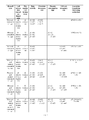
- FIG. 7 shows a schematic table of calculation of an execution completion estimated timestamp according to some embodiments of the present disclosure
- FIG. 8 shows a schematic interactive process flow chart between a requestor and a receiver according to some embodiments of the present disclosure
- FIG. 9 shows a method for determining an execution completion estimated timestamp of the non-blocking request according to an execution completion timestamp of various categories of historical requests recorded according to some embodiments of the present disclosure
- FIG. 10 shows a schematic table of calculation of an execution completion estimated timestamp according to some embodiments of the present disclosure
- FIG. 11 shows a schematic interactive process flow chart between a requestor and a receiver according to some embodiments of the present disclosure
- FIG. 12 shows a schematic table of calculation of an execution completion estimated timestamp according to some embodiments of the present disclosure
- FIG. 13 shows a schematic block diagram of a non-blocking request processing apparatus implemented at a receiver according to some embodiments of the present disclosure
- FIG. 14 shows a schematic block diagram of a non-blocking request processing device implemented at a receiver according to some embodiments of the present disclosure
- FIG. 15 shows a schematic block diagram of a non-blocking request processing apparatus implemented at a requestor according to some embodiments of the present disclosure.
- FIG. 16 shows a schematic block diagram of a non-blocking request processing device implemented at a requestor according to some embodiments of the present disclosure.
- the OneM2M defines three interactive modes: blocking request, non-blocking request synchronization and non-blocking request asynchronization.
- FIG. 1A , FIG. 1B and FIG. 1C respectively show the three interactive modes, and show difference among the three interactive modes.
- the blocking request refers to that after a requestor sends a request, session connection is maintained, until an execution result response sent by a receiver is received.
- the non-blocking request synchronization refers to that after the requestor sends the request, the receiver immediately sends a response to notify the requestor that the request has been successfully received, then after having received the response message sent by the receiver for a period of time, the requestor initiatively sends a request to the receiver to retrieve an execution result.
- FIG. 1A the blocking request refers to that after a requestor sends a request, session connection is maintained, until an execution result response sent by a receiver is received.
- the non-blocking request synchronization refers to that after the requestor sends the request, the receiver immediately sends a response to notify the requestor that the request has been successfully received, then after having received the response message sent by the receiver for a period of time, the requestor initiatively sends a request to the receiver to retrieve an execution result.
- the non-blocking request asynchronization refers to that, after the requestor sends the request, the receiver immediately sends the response to notify the requestor that the request has been successfully received, then after having completed execution, the receiver sends an execution completion notification carrying the execution result to the requestor.
- the non-blocking request synchronization and the non-blocking request asynchronization are applicable to different scenarios, the non-blocking request synchronization is applicable to a scenario where the requestor cannot receive a notification message, and the non-blocking request asynchronization is applicable to a scenario where the requestor can receive the notification message.
- FIG. 2 shows a general interactive process of the non-blocking request synchronization.
- the requestor sends a resource request;
- the receiver creates a request resource, and records detailed information of the resource request in the request resource, and at the same time, creates a resource index Req-Ref;
- the receiver returns the resource index Req-Ref to the requestor;
- the receiver executes the request resource;
- the requestor sends an execution result retrieving request to the resource index Req-Ref;
- step S 6 since the receiver has not yet completed execution of the non-blocking request, the receiver sends a response of request execution uncompleted to the requestor;
- the requestor after a period of time, again sends an execution result retrieving request to the resource index Req-Ref;
- the receiver sends a response of
- the requestor after having received the resource index Req-Ref, the requestor cannot predict an execution completion timestamp of the receiver, and needs to send the request attempting to retrieve the execution result to the resource index Req-Ref multiple times, and correspondingly, the receiver should send the response of execution uncompleted to the requestor for many times, so workload of the requestor and the receiver is increased, and apparatus power consumption of the requestor and the receiver is increased.
- the non-blocking request processing method according to the embodiment of the present disclosure is described from the perspective of the receiver.
- step S 31 the receiver receives the non-blocking request from the requestor.
- step S 32 the receiver determines the execution completion estimated timestamp of the non-blocking request.
- step S 33 the receiver sends the execution completion estimated timestamp to the requestor.
- the execution completion estimated timestamp may be an estimated time point when the receiver completes execution of the non-blocking request, or may be a time period from a time point when the receiver receives the non-blocking request to the estimated time point when the receiver completes the execution of the non-blocking request.
- step S 36 the requestor sends the non-blocking request to the receiver.
- step S 37 the requestor receives the execution completion estimated timestamp of the non-blocking request from the receiver.
- the execution completion estimated timestamp of the non-blocking request is estimated after receiving the non-blocking request and the estimated execution completion estimated timestamp is sent to the requestor, so that the requestor can roughly understand an expected execution completion timestamp of the non-blocking request, which avoids a case where the requestor continuously sends the execution result retrieving request so as to attempt to retrieve the execution result.
- the requestor may be an Application Entity (AE), and the receiver may be a Common Service Entity (CSE); or the requestor may be a Common Service Entity (CSE), and the receiver may be a Common Service Entity (CSE); or the requestor may be a Common Service Entity (CSE), and the receiver may be a Network Service Entity (NSE).
- AE Application Entity
- CSE Common Service Entity
- CSE Common Service Entity
- CSE Common Service Entity
- NSE Network Service Entity
- the non-blocking request processing method according to the embodiment of the present disclosure will be described with the requestor being the Application Entity (AE), and the receiver being the Common Service Entity (CSE) as an example.
- AE Application Entity
- CSE Common Service Entity
- FIG. 4 shows the interactive process between the requestor and the receiver according to the embodiment of the present disclosure.
- step S 41 the requestor sends the non-blocking request to the receiver, and the receiver receives the non-blocking request.
- the receiver determines the execution completion estimated timestamp of the non-blocking request.
- the receiver also creates the request resource, and creates the resource index Req-Ref.
- detailed information of the resource request may also be recorded in the request resource.
- the request resource ( ⁇ request>) may record relevant information of the non-blocking request, including: the requestor, the receiver, a request ID, a request content, a request status, a request execution result, and so on.
- step S 43 the receiver sends the execution completion estimated timestamp of the non-blocking request to the requestor.
- the receiver sends the created resource index Req-Ref and the execution completion estimated timestamp of the non-blocking request to the requestor simultaneously, and the requestor receives the resource index Req-Ref and the execution completion estimated timestamp.
- step S 441 the requestor waits for the execution completion estimated timestamp.
- step S 442 the receiver executes the received non-blocking request and records the execution result.
- step S 45 the requestor sends the execution result retrieving request to the receiver, and the receiver receives the execution result retrieving request, the execution result retrieving request being used for retrieving the execution result of the non-blocking request.
- the requestor sends the execution result retrieving request with respect to the resource index Req-Ref to the receiver.
- step S 46 the receiver sends the execution result of the non-blocking request to the requestor, and the requestor receives the execution result.
- the execution completion estimated timestamp of the request is sent to the requestor, the requestor may, after waiting for the execution completion estimated timestamp, sends the execution result retrieving request to the receiver, so as to avoid the case where the requestor continuously sends the execution result retrieving request to attempt to retrieve the execution result, and reduce the workload and the apparatus power consumption of the requestor and the receiver caused by the frequent execution result retrieving request.
- the OneM2M protocol is based on a resource
- the receiver creates the request resource and creates the resource index, and then information interaction is performed between the requestor and the receiver through the resource index.
- other protocols to which the non-blocking request is applied may not be based on the resource, in which case, the receiver does not need to create the request resource and create the resource index, that is, in steps S 42 , S 43 and S 45 , the contents of creation of the request resource and interaction with the resource index are not required, but optional.
- FIG. 5 shows a response primitive of the execution completion estimated timestamp of the request provided by the receiver to the requestor according to the embodiment of the present disclosure.
- a response parameter: Result Estimated Timestamp is added to the response primitive provided by the receiver to the requestor.
- the result estimated timestamp response parameter is used for indicating a timestamp when the receiver completes the execution of the non-blocking request, and the requestor can retrieve the execution result of the non-blocking request.
- the response primitive further includes at least part of response parameters as follows: Response Status Code, Request Identifier, content (including Req-Ref), To, From, Originating Timestamp, Result Expiration Timestamp, and Event Category.
- determining of the execution completion estimated timestamp of the non-blocking request according to a determination strategy of the execution completion estimated timestamp includes: calculating the execution completion estimated timestamp of the non-blocking request according to a predetermined calculation strategy of the execution completion estimated timestamp.
- the calculation strategy of the execution completion estimated timestamp is predetermined at a receiver, and the execution completion estimated timestamp of the non-blocking request is calculated according to the predetermined calculation strategy of the execution completion estimated timestamp.
- step S 61 a requestor sends the non-blocking request to the receiver, and the receiver receives the non-blocking request.
- step S 62 the receiver calculates the execution completion estimated timestamp of the non-blocking request according to the predetermined calculation strategy of the execution completion estimated timestamp.
- the receiver creates a request resource, and creates a resource index Req-Ref, and may further record detailed information of a resource request in the request resource.
- step S 63 the receiver sends the execution completion estimated timestamp of the non-blocking request to the requestor.
- the receiver sends the created resource index Req-Ref to the requestor along with the execution completion estimated timestamp of the non-blocking request, and the requestor receives the resource index Req-Ref and the execution completion estimated timestamp.
- step S 641 the requestor waits for the execution completion estimated timestamp.
- step S 642 the receiver executes the non-blocking request and records an execution result.
- step S 65 the requestor sends an execution result retrieving request to the receiver, and the receiver receives the execution result retrieving request, the execution result retrieving request being used for retrieving the execution result of the non-blocking request.
- the requestor sends the execution result retrieving request with respect to the resource index Req-Ref to the receiver.
- step S 66 the receiver sends the execution result of the non-blocking request to the requestor, and the requestor receives the execution result.
- the predetermined calculation strategy of the execution completion estimated timestamp may take into account at least one of: a request ideal execution timestamp, task priority and receiver load capacity, that is, the execution completion estimated timestamp is calculated by the predetermined calculation strategy of the execution completion estimated timestamp according to at least one of the request ideal execution timestamp, the task priority and the receiver load capacity.
- the receiver load capacity may include at least one of: a processor occupancy rate, a memory occupancy rate, and a network occupancy rate.
- the non-blocking request may be divided into request types below according to the resource it needs: a processor consumption type, a memory consumption type, a network consumption type, a processor and memory consumption type, a processor and network consumption type, a memory and network consumption type, and a processor and memory and network consumption type.
- the ideal execution timestamp of the non-blocking request may be calculated according to the number of instructions of the non-blocking request and a unit instruction execution timestamp.
- the execution completion estimated timestamp of the non-blocking request may be calculated according to the ideal execution timestamp of the non-blocking request, a delay timestamp of the task priority corresponding to the non-blocking request, and a delay timestamp of the receiver load capacity corresponding to the non-blocking request.
- the receiver load capacity includes the processor occupancy rate; with respect to the non-blocking request of the memory consumption type, the receiver load capacity includes the memory occupancy rate; with respect to the non-blocking request of the network consumption type, the receiver load capacity includes the network occupancy rate; with respect to the non-blocking request of the processor and memory consumption type, the receiver load capacity includes the processor occupancy rate and the memory occupancy rate; with respect to the non-blocking request of the processor and network consumption type, the receiver load capacity includes the processor occupancy rate and the network occupancy rate; with respect to the non-blocking request of the memory and network consumption type, the receiver load capacity includes the memory occupancy rate and the network occupancy rate; and with respect to the non-blocking request of the processor and memory and network consumption type, the receiver load capacity includes the processor occupancy rate, the memory occupancy rate and the network occupancy rate.
- FIG. 7 shows a schematic table of calculation of the execution completion estimated timestamp according to the first embodiment of the present disclosure. It should be noted that: “ ⁇ ” is a multiplication operation symbol, and “+” is an addition operation symbol.
- the execution completion estimated timestamp may be: unit instruction execution timestamp (a1 microseconds/instruction) ⁇ the number of instructions for the non-blocking request (a2 instruction)+delay timestamp corresponding to task priority of the non-blocking request (t1x)+delay timestamp corresponding to a current processor occupancy rate (t2x).
- the execution completion estimated timestamp may be: unit instruction execution timestamp (b1 microseconds/instruction) ⁇ the number of instructions for the non-blocking request (b2 instruction)+delay timestamp corresponding to task priority of the non-blocking request (t1x)+delay timestamp corresponding to a current memory occupancy rate (t3x).
- the execution completion estimated timestamp may be: unit instruction execution timestamp (c1 microseconds/instruction) ⁇ the number of instructions for the non-blocking request (c2 instruction)+delay timestamp corresponding to task priority of the non-blocking request (t1x)+delay timestamp corresponding to a current network occupancy rate (t4x).
- determining of the execution completion estimated timestamp of the non-blocking request according to a determination strategy of the execution completion estimated timestamp specifically includes: determining the execution completion estimated timestamp of the non-blocking request received currently according to an execution completion timestamp of various categories of historical requests recorded.
- the receiver determines the execution completion estimated timestamp of the non-blocking request received currently according to the execution completion timestamp of various categories of historical requests recorded.
- step S 81 the requestor sends the non-blocking request to the receiver, and the receiver receives the non-blocking request.
- step S 82 after having received the non-blocking request, the receiver determines the execution completion estimated timestamp of the non-blocking request according to the execution completion timestamp of various categories of historical requests recorded.
- the receiver creates a request resource, and creates a resource index Req-Ref, and may further record detailed information of a resource request in the request resource.
- step S 83 the receiver sends the execution completion estimated timestamp of the non-blocking request to the requestor.
- the receiver sends the created resource index Req-Ref to the requestor along with the execution completion estimated timestamp of the non-blocking request, and the requestor receives the resource index Req-Ref and the execution completion estimated timestamp.
- step S 841 the requestor waits for the execution completion estimated timestamp.
- step S 842 the receiver executes the non-blocking request and records an execution result.
- step S 85 the requestor sends the execution result retrieving request to the receiver, and the receiver receives the execution result retrieving request, the execution result retrieving request being used for retrieving the execution result of the non-blocking request.
- the requestor sends the execution result retrieving request with respect to the resource index Req-Ref to the receiver.
- step S 86 the receiver sends the execution result of the non-blocking request to the requestor, and the requestor receives the execution result.
- Step S 91 selecting at least one historical request matching with the non-blocking request.
- the at least one historical request that matches with the non-blocking request may be selected, according to a request type of the non-blocking request.
- the at least one historical request that exactly matches with the non-blocking request may be selected, or the at least one historical request that matches with the non-blocking request to a higher degree may be selected, according to the request type and a request operation object of the non-blocking request.
- FIG. 10 shows the request type and the request operation object of the various categories of historical requests as well as a historical execution completion timestamp according to the second embodiment of the present disclosure.
- the request type of the non-blocking request may include: Create, Retrieve, Update, Delete, and Notify.
- the request operation object of the non-blocking request may include: CSEBase, AE, remoteAE, container, and so on.
- Step S 92 retrieving the historical execution completion timestamp of the at least one historical request.
- Step S 93 determining the execution completion estimated timestamp of the non-blocking request, according to the historical execution completion timestamp of the at least one historical request.
- one historical request close to the non-blocking request is selected according to the request type and the request operation object of the non-blocking request, and the historical execution completion timestamp of the historical request is taken as the execution completion estimated timestamp of the non-blocking request.
- a maximum value of the historical execution completion timestamp of the plurality of historical requests may be selected as the execution completion estimated timestamp of the non-blocking request; or an average value of the historical execution completion timestamp of the plurality of historical requests may be selected as the execution completion estimated timestamp of the non-blocking request.
- the maximum value of the historical execution completion timestamp of the plurality of historical requests may be selected as the execution completion estimated timestamp of the non-blocking request.
- determining of the execution completion estimated timestamp of the non-blocking request according to a determination strategy of the execution completion estimated timestamp includes: determining the execution completion estimated timestamp of the non-blocking request received according to the execution completion estimated timestamp of various categories of non-blocking requests.
- the receiver takes the execution completion estimated timestamp of a category of non-blocking requests closest to the non-blocking request received as the execution completion estimated timestamp of the non-blocking request received.
- step S 111 the requestor sends the non-blocking request to the receiver, and the receiver receives the non-blocking request.
- step S 112 the receiver determines the execution completion estimated timestamp of the non-blocking request received according to the preset execution completion estimated timestamp of the various categories of non-blocking requests.
- the receiver creates a request resource, and creates a resource index Req-Ref, and may further record detailed information of a resource request in the request resource.
- the receiver may categorize the non-blocking request received according to the request type, or according to the request type and the request operation object, to determine the request category of the non-blocking request received currently, and takes the preset execution completion estimated timestamp corresponding to the request category as the execution completion estimated timestamp of the non-blocking request received currently.
- step S 113 the receiver sends the execution completion estimated timestamp of the non-blocking request to the requestor.
- the receiver sends the created resource index Req-Ref to the requestor along with the execution completion estimated timestamp of the non-blocking request, and the requestor receives the resource index Req-Ref and the execution completion estimated timestamp.
- step S 1141 the requestor waits for the execution completion estimated timestamp.
- step S 1142 the receiver executes the non-blocking request and records an execution result.
- step S 1142 the receiver updates the execution completion estimated timestamp of the category corresponding to the non-blocking request according to an actual execution completion timestamp of the non-blocking request.
- step S 115 the requestor sends the execution result retrieving request to the receiver, and the receiver receives the execution result retrieving request, the execution result retrieving request being used for retrieving the execution result of the non-blocking request.
- the requestor sends the execution result retrieving request with respect to the resource index Req-Ref to the receiver.
- step S 116 the receiver sends the execution result of the non-blocking request to the requestor, and the requestor receives the execution result.
- determining of the execution completion estimated timestamp of the non-blocking request received according to the execution completion estimated timestamp of various categories of non-blocking requests includes: the receiver may categorize the non-blocking request received according to the request type, or according to the request type and the request operation object.
- the execution completion estimated timestamp matching with the request category of the non-blocking request is determined from corresponding relationship between the request category and the execution completion estimated timestamp, as the execution completion estimated timestamp of the non-blocking request received.
- the non-blocking request may be divided into: create, retrieve, update, delete, and notify.
- the execution completion estimated timestamp of the request type may be preset, or the execution completion estimated timestamp of the request type may be calculated in real time.
- the execution completion estimated timestamp of the request type may be preset according to the maximum value of the historical execution completion timestamp of respective historical requests of the request type.
- the maximum value of the historical execution completion timestamp of respective historical requests of the request type may be determined in real time, and the maximum value is taken as the execution completion estimated timestamp.
- FIG. 12 shows an example of presetting the execution completion estimated timestamp of the request type for each request type according to the third embodiment of the present disclosure.
- each request type may be further divided into a plurality of request sub-types: CSEBase, AE, remoteCSE, container, etc.
- the execution completion estimated timestamp of the request sub-type may be preset according to a maximum value of the historical execution completion timestamp of respective historical requests of the request sub-type.
- t11, t12, . . . t54, etc. may respectively represent maximum historical execution completion timestamps corresponding to the respective request sub-types.
- the preset execution completion estimated timestamp of the request category i.e., the request type or the request sub-type corresponding to the non-blocking request is updated to the actual execution completion timestamp of the non-blocking request; on the contrary, in a case where the actual execution completion timestamp of the non-blocking request is not greater than the preset execution completion estimated timestamp of the request category (i.e., the request type or the request sub-type) corresponding to the non-blocking request, the preset execution completion estimated timestamp of the request category (i.e., the request type or the request sub-type) corresponding to the non-blocking request remains unchanged.
- the OneM2M protocol is a protocol based on the resource request, the receiver creates the request resource and creates the resource index, and then information interaction is performed between the requestor and the receiver through the resource index.
- other protocols to which the non-blocking request is applied may not be based on the resource request, in which case, the receiver does not need to create a resource and create the resource index, that is to say, from the first embodiment to the third embodiment of the present disclosure, in steps S 62 , S 63 , S 65 , S 82 , S 83 , S 85 , S 112 , S 113 , and S 115 , the contents of creation of the request resource and interaction with the resource index are not required.
- non-blocking request processing apparatus according to an embodiment of the present disclosure will be described with reference to FIG. 13 , and the non-blocking request processing apparatus is implemented at a receiver of a non-blocking request.
- the non-blocking request processing apparatus comprises a communicating module 131 , a processor 132 , and a memory 133 .
- the communicating module 131 is configured to perform data communication with a peripheral, so as to receive various categories of requests from the peripheral, for example, receive a task execution request and an execution result retrieving request from a requestor, and sends various categories of response messages to the external, for example, sends a request reception response and an execution result response to the requestor.
- the memory 133 is configured to store a program instruction.
- the processor 132 is configured to execute the program instruction stored in the memory, so as to perform the above-described non-blocking request processing method according to the embodiment of the present disclosure, and to implement the non-blocking request processing device according to the embodiment of the present disclosure.
- non-blocking request processing device according to an embodiment of the present disclosure will be described with reference to FIG. 14 , and the non-blocking request processing device is implemented at a receiver of a non-blocking request.
- the non-blocking request processing device may comprise a request receiving module 141 , a resource creating module 142 , a timestamp estimating module 143 , a request executing module 144 , and a response module 145 .
- the request receiving module 141 is configured to receive the non-blocking request, and accordingly execute steps S 31 , S 41 , S 61 , S 81 and S 111 of the non-blocking request processing methods according to the embodiments of the present disclosure.
- the request receiving module 141 is further configured to receive an execution result retrieving request, and accordingly execute steps S 45 , S 65 , S 85 and S 115 of the non-blocking request processing methods according to the embodiments of the present disclosure.
- the resource creating module 142 is configured to create a request resource and a resource index Req-Ref for the non-blocking request received by the request receiving module 141 , and accordingly execute a portion of steps S 42 , S 62 , S 82 and S 112 of the non-blocking request processing methods according to the embodiments of the present disclosure.
- the timestamp estimating module 143 is configured to determine an execution completion estimated timestamp of the non-blocking request, and accordingly execute a portion of steps S 42 , S 62 , S 82 and S 112 of the non-blocking request processing methods according to the embodiments of the present disclosure.
- the timestamp estimating module 143 may be configured to determine the execution completion estimated timestamp of the non-blocking request according to a determination strategy of the execution completion estimated timestamp.
- the timestamp estimating module 143 may be configured to determine the determination strategy of the execution completion estimated timestamp according to at least one of: an indication of the requestor; a current state of the receiver; and an execution parameter of the non-blocking request.
- the timestamp estimating module 143 may be configured to calculate the execution completion estimated timestamp of the non-blocking request according to a predetermined calculation strategy of the execution completion estimated timestamp (for example, step S 62 of the non-blocking request processing method according to the first embodiment of the present disclosure).
- a predetermined calculation strategy of the execution completion estimated timestamp for the predetermined calculation strategy of the execution completion estimated timestamp, at least one of items below may be considered: a request ideal execution timestamp, task priority and receiver load capacity; the receiver load capacity may include at least one of: a processor occupancy rate, a memory occupancy rate, and a network occupancy rate.
- the timestamp estimating module 143 may be configured to determine the execution completion estimated timestamp of the non-blocking request according to an execution completion timestamp of various categories of historical requests recorded (for example, step S 82 of the non-blocking request processing method according to the second embodiment of the present disclosure). As described in the second embodiment of the present disclosure, the timestamp estimating module 143 may select the at least one historical request close to the non-blocking request, according to a request type of the non-blocking request, or according to a request type and a request operation object of the non-blocking request, and then determine the execution completion estimated timestamp of the non-blocking request according to a historical execution completion timestamp of the at least one historical request.
- the historical execution completion timestamp of the historical request is taken as the execution completion estimated timestamp of the non-blocking request.
- a maximum value of the historical execution completion timestamp of the plurality of historical requests may be selected as the execution completion estimated timestamp of the non-blocking request; or an average value of the historical execution completion timestamp of the plurality of historical requests may be selected as the execution completion estimated timestamp of the non-blocking request.
- the timestamp estimating module 143 may be configured to determine the execution completion estimated timestamp of the non-blocking request according to a preset execution completion estimated timestamp of various categories of non-blocking requests (for example, step S 112 of the non-blocking request processing method according to the third embodiment of the present disclosure). As described in the third embodiment of the present disclosure, the timestamp estimating module 143 may categorize the non-blocking request received according to the request type, or according to the request type and the request operation object, to determine the request category of the non-blocking request received currently, and take the preset execution completion estimated timestamp corresponding to the request category as the execution completion estimated timestamp of the non-blocking request received currently.
- the request executing module 144 is configured to execute the non-blocking request, optionally record the execution result, and accordingly perform steps S 442 , S 642 , S 842 and S 1142 of the non-blocking request processing methods according to the embodiments of the present disclosure.
- the response module 145 is configured to send the execution completion estimated timestamp to the requestor after the request receiving module 141 receives the non-blocking request and the timestamp estimating module 143 determines the execution completion estimated timestamp, and accordingly execute steps S 33 , S 43 , S 63 , S 83 and S 113 of the non-blocking request processing methods according to the embodiments of the present disclosure.
- the response module 145 is configured to send a created resource index Req-Ref to the requestor along with the execution completion estimated timestamp, after the request receiving module 141 receives the non-blocking request, the resource creating module 142 creates the request resource and creates the resource index Req-Ref, and the timestamp estimating module 143 determines the execution completion estimated timestamp, and accordingly execute steps S 43 , S 63 , S 83 and S 113 of the non-blocking request processing methods according to the embodiments of the present disclosure.
- the response module 145 is further configured to send the execution result of the non-blocking request to the requestor, after the request receiving module 141 receives the execution result retrieving request and the request executing module 144 completes execution of the non-blocking request, and accordingly execute steps S 46 , S 66 , S 86 and S 116 of the non-blocking request processing methods according to the embodiments of the present disclosure.
- non-blocking request processing apparatus according to an embodiment of the present disclosure will be described with reference to FIG. 15 , and the non-blocking request processing apparatus is implemented at a requestor of a non-blocking request.
- the non-blocking request processing apparatus comprises a communicating module 151 , a processor 152 and a memory 153 .
- the communicating module 151 is configured to perform data communication with a peripheral, so as to send various categories of requests to a receiver and receive various categories of responses from the receiver, for example, send the non-blocking request to the receiver, receive a request reception response from the receiver, send an execution result retrieving request to the receiver, and receive an execution result response from the receiver.
- the memory 153 is configured to store a program instruction.
- the processor 152 is configured to execute the program instruction stored in the memory, so as to perform the above-described non-blocking request processing method according to the embodiment of the present disclosure, and to implement the non-blocking request processing device according to the embodiment of the present disclosure.
- non-blocking request processing device according to an embodiment of the present disclosure will be described with reference to FIG. 16 , and the non-blocking request processing device is implemented at a requestor of a non-blocking request.
- the non-blocking request processing device may comprise a request sending module 161 , a timer 162 , and a response receiving module 163 .
- the request sending module 161 is configured to send the non-blocking request to the receiver.
- the response receiving module 163 is configured to receive the execution completion estimated timestamp of the non-blocking request from the receiver.
- the timer 162 is configured to time the execution completion estimated timestamp.
- the request sending module 161 sends an execution result retrieving request to the receiver. Then, the response receiving module 163 receives the execution result of the non-blocking request from the receiver.
- the non-blocking request processing apparatuses and the non-blocking request processing devices by estimating the execution completion estimated timestamp of the non-blocking request after receiving the non-blocking request and sending the estimated execution completion estimated timestamp to the requestor, enables the requestor to roughly understand the expected execution completion timestamp of the non-blocking request, and avoids a case where the requestor continuously sends the execution result retrieving request to attempt to retrieve the execution result.
- the requestor may, after sending the non-blocking request, firstly wait for the execution completion estimated timestamp, and then send the execution result retrieving request to the receiver, so as to avoid the case where the requestor continuously sends the execution result retrieving request to attempt to retrieve the execution result, and reduce the workload and the apparatus power consumption of the requestor and the receiver caused by the frequent execution result retrieving request.
- a computer readable storage medium having a computer program code stored thereon, which, when the computer program code is run by a computer or a processor, implements the above-described non-blocking request processing device according to the embodiment of the present disclosure and executes the above-described non-blocking request processing method according to the embodiment of the present disclosure.
Landscapes
- Engineering & Computer Science (AREA)
- Computer Networks & Wireless Communication (AREA)
- Signal Processing (AREA)
- Computer Security & Cryptography (AREA)
- Health & Medical Sciences (AREA)
- Cardiology (AREA)
- General Health & Medical Sciences (AREA)
- Computer And Data Communications (AREA)
- Mobile Radio Communication Systems (AREA)
- Debugging And Monitoring (AREA)
- Information Transfer Between Computers (AREA)
Applications Claiming Priority (4)
| Application Number | Priority Date | Filing Date | Title |
|---|---|---|---|
| CN201610127891.6A CN107172656B (zh) | 2016-03-07 | 2016-03-07 | 非阻塞请求处理方法及装置 |
| CN201610127891.6 | 2016-03-07 | ||
| CN201610127891 | 2016-03-07 | ||
| PCT/CN2016/085831 WO2017152535A1 (zh) | 2016-03-07 | 2016-06-15 | 非阻塞请求处理方法及装置 |
Publications (2)
| Publication Number | Publication Date |
|---|---|
| US20180063005A1 US20180063005A1 (en) | 2018-03-01 |
| US10313253B2 true US10313253B2 (en) | 2019-06-04 |
Family
ID=59788880
Family Applications (1)
| Application Number | Title | Priority Date | Filing Date |
|---|---|---|---|
| US15/535,647 Active 2036-09-22 US10313253B2 (en) | 2016-03-07 | 2016-06-15 | Non-blocking request processing method and device |
Country Status (4)
| Country | Link |
|---|---|
| US (1) | US10313253B2 (de) |
| EP (1) | EP3429261B1 (de) |
| CN (1) | CN107172656B (de) |
| WO (1) | WO2017152535A1 (de) |
Families Citing this family (2)
| Publication number | Priority date | Publication date | Assignee | Title |
|---|---|---|---|---|
| CN108206856B (zh) * | 2017-09-30 | 2021-11-30 | 中兴通讯股份有限公司 | 信息反馈方法及装置 |
| CN109901921B (zh) * | 2019-02-22 | 2022-02-11 | 北京致远互联软件股份有限公司 | 任务队列执行时间预测方法、装置及实现装置 |
Citations (6)
| Publication number | Priority date | Publication date | Assignee | Title |
|---|---|---|---|---|
| US5748959A (en) * | 1996-05-24 | 1998-05-05 | International Business Machines Corporation | Method of conducting asynchronous distributed collective operations |
| US5802590A (en) * | 1994-12-13 | 1998-09-01 | Microsoft Corporation | Method and system for providing secure access to computer resources |
| US6157972A (en) * | 1997-12-05 | 2000-12-05 | Texas Instruments Incorporated | Apparatus and method for processing packetized information over a serial bus |
| CN102446219A (zh) | 2010-11-18 | 2012-05-09 | 微软公司 | 异步在线搜索 |
| CN102760085A (zh) | 2011-04-29 | 2012-10-31 | 无锡江南计算技术研究所 | 通信轨迹扩展方法及装置、通信轨迹驱动模拟方法及系统 |
| CN104243405A (zh) | 2013-06-08 | 2014-12-24 | 华为技术有限公司 | 一种请求处理方法、装置及系统 |
Family Cites Families (3)
| Publication number | Priority date | Publication date | Assignee | Title |
|---|---|---|---|---|
| US8055845B2 (en) * | 2005-02-03 | 2011-11-08 | Hewlett-Packard Development Company, L.P. | Method of cooperative caching for distributed storage system |
| KR20140102923A (ko) * | 2013-02-15 | 2014-08-25 | 주식회사 케이티 | M2m 디바이스 관리 명령의 수행 예측 시간을 송수신하는 방법, 장치 및 시스템 |
| CN105183544B (zh) * | 2015-09-17 | 2018-08-31 | 中国科学院计算技术研究所 | 一种非阻塞式容错的分布式事务提交方法及系统 |
-
2016
- 2016-03-07 CN CN201610127891.6A patent/CN107172656B/zh active Active
- 2016-06-15 US US15/535,647 patent/US10313253B2/en active Active
- 2016-06-15 EP EP16871784.1A patent/EP3429261B1/de active Active
- 2016-06-15 WO PCT/CN2016/085831 patent/WO2017152535A1/zh not_active Ceased
Patent Citations (7)
| Publication number | Priority date | Publication date | Assignee | Title |
|---|---|---|---|---|
| US5802590A (en) * | 1994-12-13 | 1998-09-01 | Microsoft Corporation | Method and system for providing secure access to computer resources |
| US5748959A (en) * | 1996-05-24 | 1998-05-05 | International Business Machines Corporation | Method of conducting asynchronous distributed collective operations |
| US6157972A (en) * | 1997-12-05 | 2000-12-05 | Texas Instruments Incorporated | Apparatus and method for processing packetized information over a serial bus |
| CN102446219A (zh) | 2010-11-18 | 2012-05-09 | 微软公司 | 异步在线搜索 |
| US20120131037A1 (en) | 2010-11-18 | 2012-05-24 | Microsoft Corporation | Asynchronous online searches |
| CN102760085A (zh) | 2011-04-29 | 2012-10-31 | 无锡江南计算技术研究所 | 通信轨迹扩展方法及装置、通信轨迹驱动模拟方法及系统 |
| CN104243405A (zh) | 2013-06-08 | 2014-12-24 | 华为技术有限公司 | 一种请求处理方法、装置及系统 |
Non-Patent Citations (3)
| Title |
|---|
| International Search Report of PCT/CN2016/085831 in Chinese, dated Dec. 12, 2016 with English translation. |
| Notice of Transmittal of the International Search Report and Written Opinion of PCT/CN2016/085831 in Chinese, dated Dec. 12, 2016. |
| Written Opinion of the International Searching Authority of PCT/CN2016/085831 in Chinese, dated Dec. 12, 2016 with English translation. |
Also Published As
| Publication number | Publication date |
|---|---|
| EP3429261B1 (de) | 2021-07-28 |
| EP3429261A1 (de) | 2019-01-16 |
| WO2017152535A1 (zh) | 2017-09-14 |
| EP3429261A4 (de) | 2019-11-13 |
| US20180063005A1 (en) | 2018-03-01 |
| CN107172656A (zh) | 2017-09-15 |
| CN107172656B (zh) | 2021-01-22 |
Similar Documents
| Publication | Publication Date | Title |
|---|---|---|
| CN115022176B (zh) | Nwdaf网元的选择方法、装置、电子设备及可读存储介质 | |
| CN104601696B (zh) | 服务处理方法、服务调用系统、装置和系统 | |
| US8380820B1 (en) | Sending synchronous responses to requests from frontend applications | |
| CN110471749B (zh) | 任务处理方法、装置、计算机可读存储介质和计算机设备 | |
| US20150363340A1 (en) | Providing multiple synchronous serial console sessions using data buffering | |
| EP3489825A1 (de) | Verfahren, vorrichtung und computerlesbares speichermedium zur verarbeitung von diensten | |
| CN106815066A (zh) | 一种定时任务调度方法、装置及系统 | |
| CN108055311B (zh) | Http异步请求方法、装置、服务器、终端和存储介质 | |
| CN116097691B (zh) | 服务请求处置 | |
| CN107888787B (zh) | 一种媒体接入请求的处理方法及装置 | |
| CN110519388A (zh) | 区块链请求的处理方法、装置、电子设备及可读存储介质 | |
| CN110912805A (zh) | 消息读取状态的同步方法、终端、服务端及系统 | |
| US20180063005A1 (en) | Non-blocking request processing method and device | |
| CN113596105A (zh) | 内容的获取方法、边缘节点及计算机可读存储介质 | |
| CN114979276B (zh) | 一种资源动态调度方法、装置、设备及存储介质 | |
| JP4516594B2 (ja) | メッセージ送信制御方法、メッセージ送信制御装置、及びメッセージ送信制御プログラム | |
| EP3687133B1 (de) | System und verfahren zur synchronisierung von medienobjekten zwischen in einem mehrraumsystem betriebenen vorrichtungen | |
| US8332498B2 (en) | Synchronized relay messaging and coordinated network processing using SNMP | |
| CN112688982B (zh) | 一种用户请求处理方法和装置 | |
| CN113238919A (zh) | 一种用户访问数的统计方法、装置及系统 | |
| CN116366700B (zh) | 一种命令传输方法、装置、设备及介质 | |
| CN118694490A (zh) | 报文发送装置及接收装置 | |
| US8549537B2 (en) | Middleware bridge system and method | |
| CN112328394B (zh) | 协议仿真中消息序列处理方法、装置及可读介质 | |
| US9674282B2 (en) | Synchronizing SLM statuses of a plurality of appliances in a cluster |
Legal Events
| Date | Code | Title | Description |
|---|---|---|---|
| AS | Assignment |
Owner name: BOE TECHNOLOGY GROUP CO., LTD., CHINA Free format text: ASSIGNMENT OF ASSIGNORS INTEREST;ASSIGNORS:ZHAO, JUNJIE;GUO, ZHENPENG;REEL/FRAME:042696/0853 Effective date: 20170509 |
|
| STPP | Information on status: patent application and granting procedure in general |
Free format text: NOTICE OF ALLOWANCE MAILED -- APPLICATION RECEIVED IN OFFICE OF PUBLICATIONS |
|
| STPP | Information on status: patent application and granting procedure in general |
Free format text: PUBLICATIONS -- ISSUE FEE PAYMENT VERIFIED |
|
| STCF | Information on status: patent grant |
Free format text: PATENTED CASE |
|
| MAFP | Maintenance fee payment |
Free format text: PAYMENT OF MAINTENANCE FEE, 4TH YEAR, LARGE ENTITY (ORIGINAL EVENT CODE: M1551); ENTITY STATUS OF PATENT OWNER: LARGE ENTITY Year of fee payment: 4 |