US10167339B2 - Antagonistic anti-OX40L antibodies and methods of their use - Google Patents
Antagonistic anti-OX40L antibodies and methods of their use Download PDFInfo
- Publication number
- US10167339B2 US10167339B2 US15/501,526 US201515501526A US10167339B2 US 10167339 B2 US10167339 B2 US 10167339B2 US 201515501526 A US201515501526 A US 201515501526A US 10167339 B2 US10167339 B2 US 10167339B2
- Authority
- US
- United States
- Prior art keywords
- seq
- antibody
- ox40l
- cells
- cdr
- Prior art date
- Legal status (The legal status is an assumption and is not a legal conclusion. Google has not performed a legal analysis and makes no representation as to the accuracy of the status listed.)
- Active
Links
Images




Classifications
-
- C—CHEMISTRY; METALLURGY
- C07—ORGANIC CHEMISTRY
- C07K—PEPTIDES
- C07K16/00—Immunoglobulins [IG], e.g. monoclonal or polyclonal antibodies
- C07K16/18—Immunoglobulins [IG], e.g. monoclonal or polyclonal antibodies against material from animals or humans
- C07K16/28—Immunoglobulins [IG], e.g. monoclonal or polyclonal antibodies against material from animals or humans against receptors, cell surface antigens or cell surface determinants
- C07K16/2875—Immunoglobulins [IG], e.g. monoclonal or polyclonal antibodies against material from animals or humans against receptors, cell surface antigens or cell surface determinants against the NGF/TNF superfamily, e.g. CD70, CD95L, CD153, CD154
-
- A—HUMAN NECESSITIES
- A61—MEDICAL OR VETERINARY SCIENCE; HYGIENE
- A61P—SPECIFIC THERAPEUTIC ACTIVITY OF CHEMICAL COMPOUNDS OR MEDICINAL PREPARATIONS
- A61P1/00—Drugs for disorders of the alimentary tract or the digestive system
- A61P1/04—Drugs for disorders of the alimentary tract or the digestive system for ulcers, gastritis or reflux esophagitis, e.g. antacids, inhibitors of acid secretion, mucosal protectants
-
- A—HUMAN NECESSITIES
- A61—MEDICAL OR VETERINARY SCIENCE; HYGIENE
- A61P—SPECIFIC THERAPEUTIC ACTIVITY OF CHEMICAL COMPOUNDS OR MEDICINAL PREPARATIONS
- A61P11/00—Drugs for disorders of the respiratory system
- A61P11/06—Antiasthmatics
-
- A—HUMAN NECESSITIES
- A61—MEDICAL OR VETERINARY SCIENCE; HYGIENE
- A61P—SPECIFIC THERAPEUTIC ACTIVITY OF CHEMICAL COMPOUNDS OR MEDICINAL PREPARATIONS
- A61P17/00—Drugs for dermatological disorders
-
- A—HUMAN NECESSITIES
- A61—MEDICAL OR VETERINARY SCIENCE; HYGIENE
- A61P—SPECIFIC THERAPEUTIC ACTIVITY OF CHEMICAL COMPOUNDS OR MEDICINAL PREPARATIONS
- A61P19/00—Drugs for skeletal disorders
- A61P19/02—Drugs for skeletal disorders for joint disorders, e.g. arthritis, arthrosis
-
- A—HUMAN NECESSITIES
- A61—MEDICAL OR VETERINARY SCIENCE; HYGIENE
- A61P—SPECIFIC THERAPEUTIC ACTIVITY OF CHEMICAL COMPOUNDS OR MEDICINAL PREPARATIONS
- A61P21/00—Drugs for disorders of the muscular or neuromuscular system
-
- A—HUMAN NECESSITIES
- A61—MEDICAL OR VETERINARY SCIENCE; HYGIENE
- A61P—SPECIFIC THERAPEUTIC ACTIVITY OF CHEMICAL COMPOUNDS OR MEDICINAL PREPARATIONS
- A61P25/00—Drugs for disorders of the nervous system
-
- A—HUMAN NECESSITIES
- A61—MEDICAL OR VETERINARY SCIENCE; HYGIENE
- A61P—SPECIFIC THERAPEUTIC ACTIVITY OF CHEMICAL COMPOUNDS OR MEDICINAL PREPARATIONS
- A61P29/00—Non-central analgesic, antipyretic or antiinflammatory agents, e.g. antirheumatic agents; Non-steroidal antiinflammatory drugs [NSAID]
-
- A—HUMAN NECESSITIES
- A61—MEDICAL OR VETERINARY SCIENCE; HYGIENE
- A61P—SPECIFIC THERAPEUTIC ACTIVITY OF CHEMICAL COMPOUNDS OR MEDICINAL PREPARATIONS
- A61P3/00—Drugs for disorders of the metabolism
- A61P3/08—Drugs for disorders of the metabolism for glucose homeostasis
- A61P3/10—Drugs for disorders of the metabolism for glucose homeostasis for hyperglycaemia, e.g. antidiabetics
-
- A—HUMAN NECESSITIES
- A61—MEDICAL OR VETERINARY SCIENCE; HYGIENE
- A61P—SPECIFIC THERAPEUTIC ACTIVITY OF CHEMICAL COMPOUNDS OR MEDICINAL PREPARATIONS
- A61P37/00—Drugs for immunological or allergic disorders
- A61P37/02—Immunomodulators
-
- A—HUMAN NECESSITIES
- A61—MEDICAL OR VETERINARY SCIENCE; HYGIENE
- A61P—SPECIFIC THERAPEUTIC ACTIVITY OF CHEMICAL COMPOUNDS OR MEDICINAL PREPARATIONS
- A61P37/00—Drugs for immunological or allergic disorders
- A61P37/02—Immunomodulators
- A61P37/06—Immunosuppressants, e.g. drugs for graft rejection
-
- A—HUMAN NECESSITIES
- A61—MEDICAL OR VETERINARY SCIENCE; HYGIENE
- A61P—SPECIFIC THERAPEUTIC ACTIVITY OF CHEMICAL COMPOUNDS OR MEDICINAL PREPARATIONS
- A61P37/00—Drugs for immunological or allergic disorders
- A61P37/08—Antiallergic agents
-
- A—HUMAN NECESSITIES
- A61—MEDICAL OR VETERINARY SCIENCE; HYGIENE
- A61P—SPECIFIC THERAPEUTIC ACTIVITY OF CHEMICAL COMPOUNDS OR MEDICINAL PREPARATIONS
- A61P43/00—Drugs for specific purposes, not provided for in groups A61P1/00-A61P41/00
-
- A—HUMAN NECESSITIES
- A61—MEDICAL OR VETERINARY SCIENCE; HYGIENE
- A61P—SPECIFIC THERAPEUTIC ACTIVITY OF CHEMICAL COMPOUNDS OR MEDICINAL PREPARATIONS
- A61P9/00—Drugs for disorders of the cardiovascular system
- A61P9/10—Drugs for disorders of the cardiovascular system for treating ischaemic or atherosclerotic diseases, e.g. antianginal drugs, coronary vasodilators, drugs for myocardial infarction, retinopathy, cerebrovascula insufficiency, renal arteriosclerosis
-
- A—HUMAN NECESSITIES
- A61—MEDICAL OR VETERINARY SCIENCE; HYGIENE
- A61K—PREPARATIONS FOR MEDICAL, DENTAL OR TOILETRY PURPOSES
- A61K39/00—Medicinal preparations containing antigens or antibodies
- A61K2039/505—Medicinal preparations containing antigens or antibodies comprising antibodies
-
- A—HUMAN NECESSITIES
- A61—MEDICAL OR VETERINARY SCIENCE; HYGIENE
- A61K—PREPARATIONS FOR MEDICAL, DENTAL OR TOILETRY PURPOSES
- A61K39/00—Medicinal preparations containing antigens or antibodies
- A61K2039/545—Medicinal preparations containing antigens or antibodies characterised by the dose, timing or administration schedule
-
- C—CHEMISTRY; METALLURGY
- C07—ORGANIC CHEMISTRY
- C07K—PEPTIDES
- C07K2317/00—Immunoglobulins specific features
- C07K2317/20—Immunoglobulins specific features characterized by taxonomic origin
- C07K2317/24—Immunoglobulins specific features characterized by taxonomic origin containing regions, domains or residues from different species, e.g. chimeric, humanized or veneered
-
- C—CHEMISTRY; METALLURGY
- C07—ORGANIC CHEMISTRY
- C07K—PEPTIDES
- C07K2317/00—Immunoglobulins specific features
- C07K2317/50—Immunoglobulins specific features characterized by immunoglobulin fragments
- C07K2317/56—Immunoglobulins specific features characterized by immunoglobulin fragments variable (Fv) region, i.e. VH and/or VL
- C07K2317/565—Complementarity determining region [CDR]
-
- C—CHEMISTRY; METALLURGY
- C07—ORGANIC CHEMISTRY
- C07K—PEPTIDES
- C07K2317/00—Immunoglobulins specific features
- C07K2317/70—Immunoglobulins specific features characterized by effect upon binding to a cell or to an antigen
- C07K2317/76—Antagonist effect on antigen, e.g. neutralization or inhibition of binding
Definitions
- the present invention relates generally to the field of medicine. More particularly, it concerns pharmaceutical compositions for treating autoimmune and inflammatory disorders and modifying immune responses.
- Autoimmune diseases and some inflammatory disorders arise from an abnormal immune response of the body against substances and tissues normally present in the body (autoimmunity or auto-inflammatory). This may be restricted to certain organs (e.g. in autoimmune thyroiditis) or involve a particular tissue in different places (e.g. Goodpasture's disease which may affect the basement membrane in both the lung and the kidney). Autoimmune diseases affect up to 50 million people in America alone, and the cause of autoimmunity remains unknown. Furthermore, there are many inflammatory diseases that are not associated with autoimmunity and may be idiopathic or associated with a chronic or acute disorder.
- the treatment of autoimmune and inflammatory diseases is typically with immunosuppression or anti-inflammatants—medication that decreases the immune and/or inflammation response.
- immunosuppressants such as cyclosporine, tacroliums, methotrexate or anti-TNFa/IL-6 non-specifically suppress the function of T cell including non-pathogenic T cells in the host. Therefore, treatment with these immunesuppressants often results in the development of severe infections and sometimes leads to the lethal consequences.
- Described herein are methods and compositions for treating autoimmunity and inflammatory conditions without non-specific suppression of the host immune system.
- the anti-OX40L antibodies described herein are unique in that they not only inhibit the differentiation of inflammatory T cells but also promote the generation and function of regulatory T cells by inducing IL-10 and inhibiting TNF- ⁇ and by reducing aberrant Th2 cell responses.
- the methods and compositions described herein eliminate or reduce aberrant T follicular helper cell—(Tfh) responses that may contribute to the pathogenicity of autoimmune disease.
- a pharmaceutical composition comprising an isolated anti-OX40L antibody or antigen-binding fragment thereof comprising a heavy chain variable domain comprising three complementarity determining region (CDR) amino acid sequences, wherein one or more of the CDRs comprise an amino acid sequence selected from SEQ ID NOs: 5-7, 19-21, 33-35, or an equivalent thereof.
- an antibody of antigen binding fragment comprises three CDRs from a variable domain.
- the three heavy chain variable domain CDRs comprise each of the amino acid sequences of SEQ ID NOs: 5-7 or an equivalent thereof.
- the three heavy chain variable domain CDRs each comprise the amino acid sequence of SEQ ID NOs: 19-21 or an equivalent thereof.
- the three heavy chain variable domain CDRs each comprise the amino acid sequence of SEQ ID NOs: 33-35 or an equivalent thereof.
- the anti-OX40L antibody or antigen binding fragment thereof further comprises a light chain variable domain comprising three complementarity determining region (CDR) amino acid sequences, wherein one or more of the CDRs comprise an amino acid sequence selected from SEQ ID NOs: 12-14, 26-28, 40-42, or an equivalent thereof.
- CDR complementarity determining region
- the anti-OX40L antibody or antigen binding fragment thereof binds to human OX40L or an equivalent thereof.
- the OX40L antibody is a neutralizing antibody that disrupts, prevents, or impedes a function or interaction (e.g. OX40-OX40L interaction) of the OX40L protein.
- the anti-OX40L antibody comprises the 5C6, 19A3, or 44F3 monoclonal antibody.
- the antibody is a human antibody, humanized antibody, recombinant antibody, chimeric antibody, an antibody derivative, a veneered antibody, a diabody, an engineered antibody, a multi-specific antibody, a DARPin (designed ankyrin repeat protein), a monoclonal antibody, or a polyclonal antibody.
- the antibody is a humanized antibody.
- the OX40L antibody comprises a modification.
- the modification is a conservative amino acid mutation within the VH and/or VL CDR 1, CDR 2 and/or CDR 3 regions; of conservative amino acid mutations in the Fc hinge region; pegylation. conjugation to a serum protein; conjugation to human serum albumin; conjugation to a detectable label; conjugation to a diagnostic agent; conjugation to an enzyme; conjugation to a fluorescent, luminescent, or bioluminescent material; conjugation to a radioactive material; or conjugation to a therapeutic agent.
- compositions comprising an isolated humanized IgG anti-OX40L antibody or antigen-binding fragment thereof comprising a heavy chain variable domain comprising the complementarity determining region (CDR) amino acid sequences of SEQ ID NO: 5, SEQ ID NO: 6, and SEQ ID NO: 7 and a light chain variable domain comprising the complementarity determining region (CDR) amino acid sequences of SEQ ID NO: 12, SEQ ID NO: 13, and SEQ ID NO: 14.
- CDR complementarity determining region
- compositions comprising an isolated humanized IgG anti-OX40L antibody or antigen-binding fragment thereof comprising a heavy chain variable domain comprising the complementarity determining region (CDR) amino acid sequences of SEQ ID NO: 19, SEQ ID NO: 20, and SEQ ID NO: 21 and a light chain variable domain comprising the complementarity determining region (CDR) amino acid sequences of SEQ ID NO: 26, SEQ ID NO: 27, and SEQ ID NO: 28.
- CDR complementarity determining region
- compositions comprising an isolated humanized IgG anti-OX40L antibody or antigen-binding fragment thereof comprising a heavy chain variable domain comprising the complementarity determining region (CDR) amino acid sequences of SEQ ID NO: 33, SEQ ID NO: 34, and SEQ ID NO: 35 and a light chain variable domain comprising the complementarity determining region (CDR) amino acid sequences of SEQ ID NO: 40, SEQ ID NO: 41, and SEQ ID NO: 42.
- CDR complementarity determining region
- an isolated polynucleotide comprising a nucleic acid sequence encoding a polypeptide chain of an anti-OX40L antibody or antigen-binding fragment thereof comprising a heavy chain variable domain comprising three complementarity determining region (CDR) amino acid sequences, wherein one or more of the CDRs comprise an amino acid sequence selected from SEQ ID NOs: 5-7, 19-21, 33-35, or an equivalent thereof.
- CDR complementarity determining region
- a further aspect relates to an isolated polynucleotide comprising a nucleic acid sequence encoding a polypeptide chain of an anti-OX40L antibody or antigen-binding fragment thereof comprising a light chain variable domain comprising three complementarity determining region (CDR) amino acid sequences, wherein one or more of the CDRs comprise an amino acid sequence selected from SEQ ID NOs: 12-14, 26-28, 40-42, or an equivalent thereof.
- CDR complementarity determining region
- an expression vector comprising a polynucleotide described herein and a host cell comprising a polynucleotide described herein operably linked to a regulatory sequence.
- the anti-OX40L antibody or antigen-binding fragment thereof comprises one or more CDR domains from an antibody that specifically binds to OX40L.
- the anti-OX40L antibody or antigen-binding fragment thereof comprises one, two, three, four, five, six, or more CDR domains from among the VH or VL domain of the 19A3, 5C6, and 44F3 monoclonal antibodies.
- the anti-OX40L antibody or antigen-binding fragment thereof comprises six CDR domains from among the VH or VL domains of the 19A3, 5C6, and 44F3 monoclonal antibodies.
- the anti-OX40L antibody or antigen-binding fragment thereof comprises a sequence at least or at most 70%, 75%, 80%, 85%, 90%, 95%, or 99% (or any range derivable therein) identical to the VH or VL domain of the 19A3, 5C6, and 44F3 monoclonal antibodies.
- the anti-OX40L antibody or antigen-binding fragment thereof comprises the VH domain from the 19A3, 5C6, or 44F3 monoclonal antibody and/or the VL domain the 19A3, 5C6, or 44F3 monoclonal antibody.
- the antibody or antigen-binding fragment thereof is recombinant.
- the recombinant polypeptide comprises at least 90%, 95%, or 99% of one or more CDR domains from the VH or VL domain of the 19A3, 5C6, and 44F3 monoclonal antibodies.
- the recombinant polypeptide comprises two, three, four, five, six, or more CDR domains from the VH or VL domain of the 19A3, 5C6, and 44F3 monoclonal antibodies.
- a recombinant polypeptide comprises i) CDR1, CDR2, and/or CDR3 from the variable light chain of 19A3 (SEQ ID NOS:12-14); and/or ii) CDR1, CDR2, and/or CDR3 from the variable heavy chain of 19A3 (SEQ ID NOS:5-7).
- a recombinant polypeptide comprises i) CDR1, CDR2, and/or CDR3 from the variable light chain of 5C6 (SEQ ID NOS:26-28); and/or ii) CDR1, CDR2, and/or CDR3 from the variable heavy chain of 5C6 (SEQ ID NOS:19-21).
- a recombinant polypeptide comprises i) CDR1, CDR2, and/or CDR3 from the variable light chain of 44F3 (SEQ ID NOS:40-42); and/or ii) CDR1, CDR2, and/or CDR3 from the variable heavy chain of 44F3 (SEQ ID NOS:33-35).
- the sequences for these CDRs can be found in the disclosure that follows.
- polypeptide comprising one or more anti-OX40L antibody CDR domains.
- the polypeptide may comprise 1, 2, 3, 4, 5, or 6 CDRs from the light and/or heavy chain variable regions of an anti-OX40L antibody.
- a polypeptide contains CDR1, CDR2, and/or CDR3 from the light chain variable region of a particular antibody. It is contemplated that while in some embodiments a polypeptide has a CDR1, CDR2, and CDR3 from the variable region of a light chain and/or the variable region of a heavy chain that the CDR1, CDR2, and CDR3 need not be from the same antibody.
- polypeptides While some polypeptides have CDR1, CDR2, and CDR3 from the same antibody or based on the same antibody, it is contemplated that a CDR1 from one antibody may be substituted with a CDR from or based on another antibody.
- a polypeptide may comprise a CDR1 from or based on the light chain variable region of 19A3, a CDR2 from or based on the light chain variable region of 19A3, but have a CDR3 from or based on the variable light chain region of 5C6. It is generally contemplated, however, that when a single set of CDR1, CDR2, and CDR3 are employed together that they all be from a light chain variable region or from a heavy chain variable region, but not a mix from both.
- the polypeptide may contain a CDR1 sequence that is, is at most or is at least 70, 75, 80, 85, 90, 95, 96, 97, 98, 99, 100% identical (or any range derivable therein) to the entire sequence set forth in SEQ ID NOs:12, 26, and 40, which are CDR1 sequences from the light chain variable region of an anti-OX40L antibody.
- the polypeptide may contain a CDR2 sequence that is, is at most or is at least 70, 75, 80, 85, 90, 95, 96, 97, 98, 99, 100% identical (or any range derivable therein) to the entire sequence set forth in SEQ ID NOs:13, 27, and 41, which are CDR2 sequences from the light chain variable region of an anti-OX40L antibody.
- the polypeptide may contain a CDR3 sequence that is, is at most or is at least 70, 75, 80, 85, 90, 95, 96, 97, 98, 99, 100% identical (or any range derivable therein) to the entire sequence set forth in SEQ ID NOs:14, 28, and 42, which are CDR3 sequence from the light chain variable region of an anti-OX40L antibody.
- the polypeptide may contain a CDR1 sequence that is, is at most or is at least 70, 75, 80, 85, 90, 95, 96, 97, 98, 99, 100% identical (or any range derivable therein) to the entire sequence set forth in SEQ ID NOs: 5, 19, and 33, which are CDR1 sequences from the heavy chain variable region of an anti-OX40L antibody.
- the polypeptide may contain a CDR2 sequence that is, is at most or is at least 70, 75, 80, 85, 90, 95, 96, 97, 98, 99, 100% identical (or any range derivable therein) to the entire sequence set forth in SEQ ID NOs:6, 20, and 34, which are CDR2 sequences from the heavy chain variable region of an anti-OX40L antibody.
- the polypeptide may contain a CDR3 sequence that is, is at most or is at least 70, 75, 80, 85, 90, 95, 96, 97, 98, 99, 100% identical (or any range derivable therein) to the entire sequence set forth in SEQ ID NOs:7, 21, and 35, which are CDR3 sequences from the heavy chain variable region of an anti-OX40L antibody.
- Method aspects of the disclosure relate to a method for treating or preventing inflammation in a subject in need thereof comprising administering to the subject a therapeutically effective amount of an OX40L inhibitor.
- Further aspects relate to a method for treating or preventing an autoimmune disease in a subject in need thereof comprising administering to the subject a therapeutically effective amount of an OX40L inhibitor.
- the method is for preventing inflammation associated with an autoimmune disease in a subject in need thereof comprising administering to the subject a therapeutically effective amount of an OX40L inhibitor.
- inflammatory Th2 cell responses for increasing IL-10 production and/or for reducing TNF-a production in a subject in need thereof comprising administering to the subject a therapeutically effective amount of an OX40L inhibitor.
- the inflammatory Th2 cell responses comprise IL-10 low/TNF- ⁇ height producing inflammatory Th2 cells.
- Other aspects relate to a method for decreasing pathogenic Tfh cell responses in a subject in need thereof comprising administering a therapeutically effective amount of an OX40L inhibitor.
- the subject being treated is one that has an autoimmune disease.
- the autoimmune disorder in the subject is treated by the administration of an OX40L inhibitor, which decreases pathogenic Tfh cell responses in the subject.
- the subject has inflammation.
- the inflammation in the subject may be reduced or eliminated by administering an OX40L inhibitor, which increases IL-10 production and reduces TNF-a production in the subject.
- the OX40L inhibitor may also reduce inflammation by reducing inflammatory Th2 cell responses in the subject.
- the subject being treated has an autoimmune disorder or has inflammation as a result of an autoimmune disorder.
- the autoimmune disease selected from the group allergic disease asthma, atopic dermatitis, experimental autoimmune encephalomyelitis, inflammatory bowel disease, contact hypersensitivity, asthmatic airway hyperreaction, autoimmune diabetes, atherosclerosis, systemic lupus erythematosus, Sjogren's syndrome, type 1 diabetes, rheumatoid arthritis, multiple sclerosis, ulcerative colitis, polymyositis, mixed connective tissue disease, systemic sclerosis, myasthenia gravis, thyroiditis, autoimmune hemolytic anemia, immune thrombocytopenic purpura, dermatomyositis, antineutrophil cytoplasmic autoantibody-mediated disease, IgA-mediated vasculitis, and Ig4-related disorders.
- the autoimmune disease is systemic lupus erythematosus.
- the inflammation may be idiopathic. In yet further embodiments, the inflammation may be the result of a disease or condition that is not autoimmune related, such as an injury.
- Further aspects relate to a method for treating or preventing graft versus host disease or graft rejection in a subject in need thereof comprising administering to the subject a therapeutically effective amount of an OX40L inhibitor.
- GVHD graft-versus-host disease
- Graft rejection occurs when transplanted tissue is rejected by the recipient's immune system, which destroys the transplanted tissue. Graft rejection may also be referred to as transplant rejection or host versus graft disease.
- the subject is one that will receive or has received transplanted tissues.
- the transplanted tissue is an allograft.
- An allograft also known as allotransplantation, allogeneic transplant, or homograft
- the subject is one that has a complication from the transplanted tissue, wherein the complication is graft rejection or GVHD.
- subject refers to a vertebrate, for example a primate, a mammal or preferably a human.
- Mammals include, but are not limited to equines, canines, bovines, ovines, murines, rats, simians, humans, farm animals, sport animals and pets.
- the subject is a human subject.
- the OX40L inhibitor may be an siRNA, dsRNA, miRNA, ribozyme, molecular inhibitor, small molecule, antibody, or antigen binding fragment.
- the OX40L inhibitor is an OX40L antibody or antigen-binding fragment thereof.
- the OX40L inhibitor comprises a composition as described herein.
- the OX40L inhibitor comprises a polypeptide, polynucleotide, antibody, host cell, or expression vector described herein.
- FIG. 1 depicts the results of an assay in which Dendritic cells and T cells were cocultured in the presence of 5C6 (AB104_105.5C6.3F9) anti-OX40L mAb, ik-5 anti-OX40L mAb, or control antibody (IgG2a) according to methods described in Example 1.
- 5C6 AB104_105.5C6.3F9
- anti-OX40L mAb ik-5 anti-OX40L mAb
- control antibody IgG2a
- FIG. 2 depicts the results of an assay in which Dendritic cells and T cells were cocultured in the presence of 19A3 (AB104_105.19A3.2C4) anti-OX40L mAb, ik-5 anti-OX40L mAb, or control antibodies (IgG2a and IgG2b) according to methods described in Example 1.
- 19A3 AB104_105.19A3.2C4
- anti-OX40L mAb ik-5 anti-OX40L mAb
- control antibodies IgG2a and IgG2b
- FIG. 3 depicts the results of an assay in which Dendritic cells and T cells were cocultured in the presence of 5C6 (AB104_105.5C6.3F9) anti-OX40L mAb, 44F3 (AB104_105.44F3.2F7) anti-OX40L mAb, 19A3 (AB104_105.19A3.2C4) anti-OX40L mAb, ik-5 anti-OX40L mAb, or control antibodies (IgG2a and IgG2b) according to methods described in Example 1.
- the production of IL-4, IL-5, IL-10, IL-13, TNF- ⁇ and IFN- ⁇ were measured by ELISA.
- FIG. 4 depicts the results of an assay in which Dendritic cells and T cells were cocultured in the presence of 5C6 (AB104_105.5C6.3F9) anti-OX40L mAb, ik-5 anti-OX40L mAb, or control antibody (IgG2a) according to methods described in Example 1. Cells were harvested, and the proliferation and viability of the cells was determined.
- 5C6 AB104_105.5C6.3F9
- IgG2a control antibody
- FIG. 5 depicts the results of an assay in which Dendritic cells and T cells were cocultured in the presence of 19A3 (AB104_105.19A3.2C4) anti-OX40L mAb, ik-5 anti-OX40L mAb, or control antibodies (IgG2a and IgG2b) according to methods described in Example 1. Cells were harvested, and the proliferation and viability of the cells was determined.
- 19A3 AB104_105.19A3.2C4
- anti-OX40L mAb ik-5 anti-OX40L mAb
- control antibodies IgG2a and IgG2b
- FIG. 6 depicts the results of an assay in which Dendritic cells and T cells were cocultured in the presence of 5C6 (AB104_105.5C6.3F9) anti-OX40L mAb, 44F3 (AB104_105.44F3.2F7) anti-OX40L mAb, 19A3 (AB104_105.19A3.2C4) anti-OX40L mAb, ik-5 anti-OX40L mAb, or control antibodies (IgG2a and IgG2b) according to methods described in Example 1. Cells were harvested, and the proliferation and viability of the cells was determined.
- FIG. 7 depicts the results of an assay in which Dendritic cells and T cells were cocultured in the presence of 19A3 (AB104_105.19A3.2C4) or control antibody (Mouse IgG2b) according to methods described in Example 1.
- the production of IL-10 and TNF- ⁇ were measured by ELISA.
- FIG. 8 shows a repeat of the experiment described in FIG. 7 .
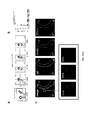
- FIG. 9A-9C shows that increased OX40L expression by myeloid APCs in inflammatory tonsils.
- A Expression of OX40L, ICOSL, 4-1BBL and GITRL on myeloid CD11c + HLA-DR + APCs from pediatric tonsils. A representative result out of 9 independent experiments.
- C OX40L + CD11c + APCs in inflammatory tonsils. GC: germinal center; MZ: mantle zone; Epi: Epithelial layers. The scale bars on the top and the bottom panels shows 100 ⁇ m and 10 ⁇ m, respectively.
- FIG. 10A-10E shows that OX40L expression by myeloid APCs from SLE patients.
- B Representative flow data on OX40L expression by blood myeloid CD11c + HLA-DR + APCs from the three groups: healthy donors (HD), inactive (iSLE) and active (aSLE) SLE patients.
- C Frequency of OX40L + cells within blood myeloid APCs in the three groups in adult and pediatric cohorts.
- FIG. 11A-11C shows that OX40 signals induce upregulation of Tfh genes.
- B Tfh gene expression profiles by na ⁇ ve and memory Th cells activated with anti-CD3 and anti-CD28 in the presence of indicated reagents for 48 h.
- Transcript counts in Th cells cultured in the presence of the indicated reagents were normalized to those in control Th cells in each donor.
- C Transcript counts in memory Th cells activated with anti-CD3 and anti-CD28 in the presence of indicated reagents.
- FIG. 12A-12C shows that OX40L stimulation promotes the differentiation of na ⁇ ve and memory T cells into Tfh-like cells.
- A Expression of CXCR5, IL-21 and CD40L by na ⁇ ve and memory Th cells activated for 4 d with anti-CD3 and anti-CD28 in the presence or absence of sOX40L and/or IL-12. Gated to FSCh hi SSC hi activated cells. A representative result out of 3 independent experiments is shown.
- FIG. 13A-13F shows that blood CD14 + APCs in human SLE promote the generation of Tfh-like cells via OX40L.
- B Expression of CXCR5 and IL-21 by na ⁇ ve Th cells cultured with allogeneic SLE CD14 + APCs in the presence of an OX40L neutralizing mAb or a control IgG.
- FIG. 14A-14E shows that RNP/anti-RNP ICs promote OX40L expression by myeloid APCs in a TLR7-dependent manner.
- B OX40L expression upon stimulation of purified normal monocytes by TLR3, TLR7 or TLR9 agonists. A representative staining out of 4 different experiments is shown.
- FIG. 15 shows that OX40L expression by myeloid APCs in SLE. Analysis of OX40L expression by blood CD11c + HLA-DR + cells in 15 healthy donor (HD), 37 SLE, 13 systemic sclerosis (SSc) and 11 rheumatoid arthritis (RA) patients. One-way ANOVA. *** P ⁇ 0.001.
- FIG. 16A-16B demonstrates that blood myeloid APCs in active SLE patients do not express ICOSL, 4-1BBL, or GITRL. Analysis of OX40L, GITRL, ICOSL, 4-1BBL expression by blood myeloid APCs in 8 active SLE patients. A representative flow result is shown in panel a. b. One-way ANOVA. ** P ⁇ 0.01, * P ⁇ 0.05.
- FIG. 17 demonstrates that a majority of blood OX40L + myeloid APCs express CD14.
- CD14 and CD16 expression was analyzed on blood OX40L+ myeloid APCs in adult and pediatric SLE patients. A representative flow result from 11 adult SLE and 12 pediatric SLE patient samples is shown.
- FIG. 18 shows that OX40L expression on blood myeloid APCs decreases after treatment in adult SLE patients.
- the expression of OX40L on blood myeloid APCs was analyzed in 11 flaring previously untreated adult SLE patients before and after treatment (Tx).
- Tx previously untreated adult SLE patients before and after treatment
- FIG. 19 demonstrates that OX40 signals induce na ⁇ ve Th cells to express Tfh genes.
- Tfh gene expression profiles by na ⁇ ve Th cells activated with anti-CD3 and anti-CD28 in the presence of indicated reagents for 48 h.
- FIG. 20 shows that OX40L stimulation promotes na ⁇ ve and memory Th cells to acquire the phenotype of Tfh cells.
- Na ⁇ ve and memory Th cells were cultured with anti-CD3 and CD28 in the presence or absence of IL-12 and/or soluble OX40L.
- the phenotype of activated (FSChiSSChi) cells was analysed by flow cytometry at day 5. A representative flow result is shown in the top panel.
- the percentage of CXCR5 + ICOS + and CXCR5 + CCR7 ⁇ cells within activated cells in the different conditions is shown in the bottom panel.
- FIG. 21 shows that OX40L stimulation induces na ⁇ ve and memory Th cells to express IL-21, IL-2 and TNF- ⁇ .
- CXCR5, IL-21 and CD40L expression of na ⁇ ve and memory Th cells activated with anti-CD3 and anti-CD28 in the presence or absence of sOX40L.
- Cultured Th cells were re-stimulated for 6 h with PMA and ionomycin in the presence of brefeldin A and monensin to analyze the intracytplasmic cytokines. Paired t-test. *** P ⁇ 0.001, ** P ⁇ 0.01, * P ⁇ 0.05.
- FIG. 22 shows that the percentage of OX40L + cells within blood myeloid APCs correlate with the frequency of blood Tfh cells in SLE patients.
- the correlation between the frequency of OX40L + cells within blood myeloid APCs and the frequency of blood Tfh cells was analyzed in 19 SLE patients. Statistical analysis was performed with the Spearman test.
- FIG. 23 shows that the percentage of OX40L + cells within blood myeloid APCs does not correlate with the frequency of blood Th1, Th2, and Th17 cells in SLE patients.
- Gating strategy for the analysis of blood Th1, Th2, and Th17 cells is shown in the top panel.
- the correlation between the frequency of OX40L + cells within blood myeloid APCs and the frequency of blood Th1, Th2, and Th17 cells was analyzed in 19 SLE patients. Statistical analysis was performed with the Spearman test.
- FIG. 24 shows that OX40L expression by SLE sera is dependent on RNA.
- FIG. 25 shows the percent survival of animals after transplantation of graft tissue.
- FIG. 26A-B shows that anti-OX40L antibody does not interfere with human chimerism. Shown are FACS plots with IgG2b treated ( FIG. 26A ) and anti-OX40L ( FIG. 26B ) treated mice.
- OX40L neutralizing MAbs which 1) recognize unique epitopes on human OX40L; 2) inhibit the differentiation of IL-10 low/TNFa high producing inflammatory Th2 primed by TSLP-mDCs; and 3) inhibit the proliferation and the production of TNF-a, and promote IL-10 by CD4 T cells cultured with OX40L-transfected cell line.
- OX40L blocking monoclonal antibodies are powerful immune modulators and provide promising therapeutics for the inflammatory diseases such as graft versus host disease, system lupus erythematosus, cardiovascular disease (e.g. atherosclerosis), and inflammatory diseases such as those described herein.
- OX40L refers to a protein that has been found to be involved in T cell antigen-presenting cell (APC) interactions.
- OX40L may also be known as TNFSF4, GP34, CD252, OX40L, TXGP1, and CD134L.
- This protein is a ligand for OX40 (also known as CD134, TNFRSF4, ACT35, IMD16, and TXGP1L).
- the human protein sequence of OX40L is represented by Genbank Accession Nos: NP_003317.1, P23510.1, BAB18304.1, and P43489.1. The sequences associated with these accession numbers are specifically incorporated by reference.
- the OX40L inhibitor is an antibody or antigen-binding fragment thereof.
- an “antibody” includes whole antibodies and any antigen binding fragment or a single chain thereof.
- the term “antibody” includes any protein or peptide containing molecule that comprises at least a portion of an immunoglobulin molecule. Examples of such include, but are not limited to a complementarity determining region (CDR) of a heavy or light chain or a ligand binding portion thereof, a heavy chain or light chain variable region, a heavy chain or light chain constant region, a framework (FR) region or any portion thereof or at least one portion of a binding protein.
- the antibody or antigen binding fragment specifically binds human OX40L.
- the antibody can be any of the various antibodies described herein, non-limiting, examples of such include a polyclonal antibody, a monoclonal antibody, a chimeric antibody, a human antibody, a veneered antibody, a diabody, a humanized antibody, an antibody derivative, a recombinant antibody, a recombinant humanized antibody, an engineered antibody, a multi-specific antibody, a DARPin, or a derivative or fragment of each thereof.
- Antibodies can be generated using conventional techniques known in the art and are well-described in the literature. Several methodologies exist for production of polyclonal antibodies. For example, polyclonal antibodies are typically produced by immunization of a suitable mammal such as, but not limited to, chickens, goats, guinea pigs, hamsters, horses, mice, rats, and rabbits. An antigen is injected into the mammal, induces the B-lymphocytes to produce immunoglobulins specific for the antigen. Immunoglobulins may be purified from the mammal's serum. Common variations of this methodology include modification of adjuvants, routes and site of administration, injection volumes per site and the number of sites per animal for optimal production and humane treatment of the animal.
- a suitable mammal such as, but not limited to, chickens, goats, guinea pigs, hamsters, horses, mice, rats, and rabbits.
- An antigen is injected into the mammal, induces the B-
- adjuvants typically are used to improve or enhance an immune response to antigens.
- Most adjuvants provide for an injection site antigen depot, which allows for a stow release of antigen into draining lymph nodes.
- Other adjuvants include surfactants which promote concentration of protein antigen molecules over a large surface area and immunostimulatory molecules.
- Non-limiting examples of adjuvants for polyclonal antibody generation include Freund's adjuvants, Ribi adjuvant system, and Titermax.
- Polyclonal antibodies can be generated using methods known in the art some of which are described in U.S. Pat. Nos. 7,279,559; 7,119,179; 7,060,800; 6,709,659; 6,656,746; 6,322,788; 5,686,073; and 5,670,153.
- the antibodies can be polyclonal or monoclonal and can be isolated from any suitable biological source, e.g., murine, rat, rabbit, goat, camelid, sheep or canine.
- monoclonal antibody refers to an antibody obtained from a substantially homogeneous antibody population. Monoclonal antibodies are highly specific, as each monoclonal antibody is directed against a single determinant on the antigen.
- the antibodies may be detectably labeled, e.g., with a radioisotope, an enzyme which generates a detectable product, a fluorescent protein, and the like.
- the antibodies may be further conjugated to other moieties, such as members of specific binding pairs, e.g., biotin (member of biotin-avidin specific binding pair), and the like.
- the antibodies may also be bound to a solid support, including, but not limited to, polystyrene plates or beads, and the like.
- the antibodies are indirectly labeled. Indirect labelling may involve the labeling of a protein that binds to the antibody, such as a secondary antibody.
- Monoclonal antibodies can be generated using conventional hybridoma techniques known in the art and well-described in the literature.
- a hybridoma is produced by fusing a suitable immortal cell line (e.g., a myeloma cell line such as, but not limited to, Sp2/0, Sp2/0-AG14, NSO, NS1, NS2, AE-1, L.5, P3X63Ag8,653, Sp2 SA3, Sp2 MAI, Sp2 SS1, Sp2 SA5, U397, MIA 144, ACT IV, MOLT4, DA-1, JURKAT, WEHI, K-562, COS, RAJI, NIH 313, HL-60, MLA 144, NAMAIWA, NEURO 2A, CHO, PerC.6, YB2/O) or the like, or heteromyelomas, fusion products thereof, or any cell or fusion cell derived there from, or any other suitable cell line as known in the art, with antibody producing cells, such as, but not limited to
- Antibody producing cells can also be obtained from the peripheral blood or, preferably the spleen or lymph nodes, of humans or other suitable animals that have been immunized with the antigen of interest. Any other suitable host cell can also be used for expressing-heterologous or endogenous nucleic acid encoding an antibody, specified fragment or variant thereof, of the present invention.
- the fused cells (hybridomas) or recombinant cells can be isolated using selective culture conditions or other suitable known methods, and cloned by limiting dilution or cell sorting, or other known methods.
- Suitable methods of producing or isolating antibodies of the requisite specificity can be used, including, but not limited to, methods that select recombinant antibody from a peptide or protein library (e.g., but not limited to, a bacteriophage, ribosome, oligonucleotide, cDNA, or the like, display library; e.g., as available from various commercial vendors such as MorphoSys (Martinsreid/Planegg, Del.), BioInvent (Lund, Sweden), Affitech (Oslo, Norway) using methods known in the art. Art known methods are described in the patent literature some of which include U.S. Pat. Nos.
- polyclonal antibody or “polyclonal antibody composition” as used herein refer to a preparation of antibodies that are derived from different B-cell lines. They are a mixture of immunoglobulin molecules secreted against a specific antigen, each recognizing a different epitope.
- mouse antibody as used herein, is intended to include antibodies having variable and constant regions derived from mouse germline immunoglobulin sequences.
- chimeric antibodies are antibodies whose light and heavy chain genes have been constructed, typically by genetic engineering, from antibody variable and constant region genes belonging to different species.
- the anti-OX40L antibody or antigen binding fragment thereof is a neutralizing antibody or antigen-binding fragment thereof.
- neutralizing in the context of an OX40L neutralizing antibody refers to an antibody that may do one or more of: interfere with the OX40/OX40L interaction; reduce the concentration of OX40/OX40L interacted species in a subject or a cell; prevent the OX40/OX40L interaction in a subject or a cell; and/or reduce the biological function of OX40L, which may include one or more of: inhibiting the proliferation and the production of TNF-a, promoting IL-10 production by CD4 + T cells, suppressing the activation of inflammatory T cells, and/or converting the differentiation of inflammatory T cells into regulatory T cells.
- the antibody comprises a modification and is an “antibody derivative.”
- antibody derivative includes post-translational modification to linear polypeptide sequence of the antibody or fragment.
- U.S. Pat. No. 6,602,684 B1 describes a method for the generation of modified glycol-forms of antibodies, including whole antibody molecules, antibody fragments, or fusion proteins that include a region equivalent to the Fc region of an immunoglobulin, having enhanced Fe-mediated cellular toxicity, and glycoproteins so generated.
- the antibodies of the invention also include derivatives that are modified by the covalent attachment of any type of molecule to the antibody such that covalent attachment does not prevent the antibody from generating an anti-idiotypic response.
- Antibody derivatives include, but are not limited to, antibodies that have been modified by glycosylation, acetylation, pegylation, phosphorylation, amidation, derivatization by known protecting/blocking groups, proteolytic cleavage, linkage to a cellular ligand or other protein, etc. Additionally, the derivatives may contain one or more non-classical amino acids.
- Antibody derivatives of the present invention can also be prepared by delivering a polynucleotide encoding an antibody of this invention to a suitable host such as to provide transgenic animals or mammals, such as goats, cows, horses, sheep, and the like, that produce such antibodies in their milk.
- a suitable host such as to provide transgenic animals or mammals, such as goats, cows, horses, sheep, and the like, that produce such antibodies in their milk.
- Antibody derivatives also can be prepared by delivering a polynucleotide of this invention to provide transgenic plants and cultured plant cells (e.g., but not limited to tobacco, maize, and duckweed) that produce such antibodies, specified portions or variants in the plant parts or in cells cultured therefrom.
- Antibody derivatives have also been produced in large amounts from transgenic plant seeds including antibody fragments, such as single chain antibodies (scFv's), including tobacco seeds and potato tubers. See, e.g., Conrad et al., 1998 and references cited therein.
- scFv's single chain antibodies
- Antibody derivatives also can be produced, for example, by adding exogenous sequences to modify immunogenicity or reduce, enhance or modify binding, affinity, on-rate, off-rate, avidity, specificity, half-life, or any other suitable characteristic. Generally part or all of the non-human or human CDR sequences are maintained while the non-human sequences of the variable and constant regions are replaced with human or other amino acids.
- variable region refers to a portion of the antibody that gives the antibody its specificity for binding antigen.
- the variable region is typically located at the ends of the heavy and light chains.
- Variable loops of ⁇ -strands, three each on the light (VL) and heavy (VH) chains are responsible for binding to the antigen. These loops are referred to as the “complementarity determining regions” (CDRs).
- CDR residues are directly and most substantially involved in influencing antigen binding.
- Humanization or engineering of antibodies can be performed using any known method such as, but not limited to, those described in U.S. Pat. Nos. 5,723,323; 5,976,862; 5,824,514; 5,817,483; 5,814,476; 5,763,192; 5,723,323; 5,766,886; 5,714,352; 6,204,023; 6,180,370; 5,693,762; 5,530,101; 5,585,089; 5,225,539; and 4,816,567.
- constant region refers to a portion of the antibody that is identical in all antibodies of the same isotype.
- the constant region differs in antibodies of different isotypes.
- humanized antibody or “humanized immunoglobulin” refers to a human/non-human chimeric antibody that contains a minimal sequence derived from non-human immunoglobulin.
- humanized antibodies are human immunoglobulins (recipient antibody) in which residues from a variable region of the recipient are replaced by residues from a variable region of a non-human species (donor antibody) such as mouse, rat, rabbit, or non-human primate having the desired specificity, affinity and capacity.
- donor antibody such as mouse, rat, rabbit, or non-human primate having the desired specificity, affinity and capacity.
- Humanized antibodies may comprise residues that are not found in the recipient antibody or in the donor antibody.
- the humanized antibody can optionally also comprise at least a portion of an immunoglobulin constant region (Fc), typically that of a human immunoglobulin, a non-human antibody containing one or more amino acids in a framework region, a constant region or a CDR, that have been substituted with a correspondingly positioned amino acid from a human antibody.
- Fc immunoglobulin constant region
- humanized antibodies are expected to produce a reduced immune response in a human host, as compared to a non-humanized version of the same antibody.
- the humanized antibodies may have conservative amino acid substitutions which have substantially no effect on antigen binding or other antibody functions.
- Conservative substitutions groupings include: glycine-alanine, valine-leucine-isoleucine, phenylalanine-tyrosine, lysine-arginine, alanine-valine, serine-threonine and asparagine-glutamine.
- Chimeric, humanized or primatized antibodies of the present invention can be prepared based on the sequence of a reference monoclonal antibody prepared using standard molecular biology techniques.
- DNA encoding the heavy and light chain immunoglobulins can be obtained from the hybridoma of interest and engineered to contain non-reference (e.g., human) immunoglobulin sequences using standard molecular biology techniques.
- the murine variable regions can be linked to human constant regions using methods known in the art (U.S. Pat. No. 4,816,567).
- the murine CDR regions can be inserted into a human framework using methods known in the art (U.S. Pat. No. 5,225,539 and U.S. Pat.
- Fully human antibody sequences are made in a transgenic mouse which has been engineered to express human heavy and light chain antibody genes. Multiple strains of such transgenic mice have been made which can produce different classes of antibodies. B cells from transgenic mice which are producing a desirable antibody can be fused to make hybridoma cell lines for continuous production of the desired antibody.
- the antibodies of this invention also can be modified to create chimeric antibodies.
- Chimeric antibodies are those in which the various domains of the antibodies' heavy and light chains are coded for by DNA from more than one species. See, e.g., U.S. Pat. No. 4,816,567.
- the antibodies of this invention can also be modified to create veneered antibodies.
- Veneered antibodies are those in which the exterior amino acid residues of the antibody of one species are judiciously replaced or “veneered” with those of a second species so that the antibodies of the first species will not be immunogenic in the second species thereby reducing the immunogenicity of the antibody. Since the antigenicity of a protein is primarily dependent on the nature of its surface, the immunogenicity of an antibody could be reduced by replacing the exposed residues which differ from those usually found in another mammalian species antibodies. This judicious replacement of exterior residues should have little, or no, effect on the interior domains, or on the interdomain contacts.
- ligand binding properties should be unaffected as a consequence of alterations which are limited to the variable region framework residues.
- the process is referred to as “veneering” since only the outer surface or skin of the antibody is altered, the supporting residues remain undisturbed.
- veneered antibodies make use of the available sequence data for human antibody variable domains compiled by Kabat et al. (1987) Sequences of Proteins of Immunological interest, 4th ed., Bethesda, Md., National Institutes of Health, updates to this database, and other accessible U.S. and foreign databases (both nucleic acid and protein).
- Non-limiting examples of the methods used to generate veneered antibodies include EP 519596; U.S. Pat. No. 6,797,492; and described in Padlan et al., 1991.
- antibody derivative also includes “diabodies” which are small antibody fragments with two antigen-binding sites, wherein fragments comprise a heavy chain variable domain (VH) connected to a light chain variable domain (VL) in the same polypeptide chain.
- VH heavy chain variable domain
- VL light chain variable domain
- antibody derivative further includes engineered antibody molecules, fragments and single domains such as scFv, dAbs, nanobodies, minibodies, Unibodies, and Affibodies (Holliger & Hudson, 2005; U.S. Patent Publication US 2006/0211088; PCT Publication WO2007/059782; U.S. Pat. No. 5,831,012).
- antibody derivative further includes “linear antibodies”.
- linear antibodies The procedure for making linear antibodies is known in the art and described in Zapata et al., 1995. Briefly, these antibodies comprise a pair of tandem Ed segments (V.sub.H-C.sub.H1-VH-C.sub.H1) which form a pair of antigen binding regions.
- Linear antibodies can be bispecific or monospecific.
- the antibodies of this invention can be recovered and purified from recombinant cell cultures by known methods including, but not limited to, protein A purification, ammonium sulfate or ethanol precipitation, acid extraction, anion or cation exchange chromatography, phosphocellulose chromatography, hydrophobic interaction chromatography, affinity chromatography, hydroxylapatite chromatography and lectin chromatography.
- High performance liquid chromatography (“HPLC”) can also be used for purification.
- the antibodies of the invention are recombinant antibodies.
- a recombinant antibody differs from an endogenously-produced antibody.
- recombinant antibodies differ with respect to their glycosylation status (see, for example, Jefferis, R. “Glycolsylation of Recombinant Antibody Therapeutics” Biotechnol. Prog. 2005, 21:11-16 which is herein incorporated by reference).
- the antibody is an engineered antibody.
- the Fc region may be engineered to increase binding to Fc ⁇ receptors of effector cells. This may involve modifying antibody glycosylation patterns or mutating amino acids in the Fc region. Glycoengineering may be performed by methods known in the art such as POTELLIGENT and Glycart. Methods for amino acid engineering are also known and used in the art (e.g. Xmab approach by Xencor). Amino acid changes to the Fc region can improve antibody-dependent cell-mediated cytotoxicity and complement dependent cytotoxicity by way of improved binding to effector cells, but may also allow for an extended half-life. See Evans and Syed, Nature Reviews, 2014, 13:413-414, for further examples.
- Antibodies of the disclosure may be mono-, bi-, or multi-specific.
- Bi and multi-specific antibodies are antibodies that recognize two or multiple antigenic targets.
- Multispecific antibodies engineered antibodies and various other platforms are described in Evans and Syed, “Next-generation antibodies,” Nature Reviews, 2014, 13:413-414, which is hereby incorporated by reference in its entirety.
- an equivalent is one that binds OX40L and provides the same neutralizing activity and/or cell response (i.e. inhibit the differentiation of IL-10 low/TNF-a high producing inflammatory Th2 primed by TSLP-mDCs and/or inhibit the proliferation and the production of TNF-1 and promote IL-10 by CD4+ T cells).
- an antibody has the same specificity as the antibody of this invention by determining whether the antibody being tested prevents an antibody of this invention from binding the protein or polypeptide with which the antibody is normally reactive. If the antibody being tested competes with the antibody of the invention as shown by a decrease in binding by the monoclonal antibody of this invention, then it is likely that the two antibodies bind to the same or a closely related epitope. Alternatively, one can pre-incubate the antibody of this invention with a protein with which it is normally reactive, and determine if the antibody being tested is inhibited in its ability to bind the antigen. If the antibody being tested is inhibited then, in all likelihood, it has the same, or a closely related, epitopic specificity as the antibody of this invention.
- antibody also is intended to include antibodies of all immunoglobulin isotypes and subclasses unless specified otherwise.
- An isotype refers to the genetic variations or differences in the constant regions of the heavy and light chains of an antibody. In humans, there are five heavy chain isotypes: IgA, IgD, IgG, IgE, and IgM and two light chain isotypes: kappa and lambda.
- the IgG class is divided into four isotypes: IgG1, IgG2, IgG3 and IgG4 in humans, and IgG1, IgG2a, IgG2b and IgG3 in mice.
- isotypes of a monoclonal antibody can be prepared either directly by selecting from an initial fusion, or prepared secondarily, from a parental hybridoma secreting a monoclonal antibody of different isotype by using the sib selection technique to isolate class switch variants using the procedure described in Steplewski et al., 1985; Spira et al, 1984). Alternatively, recombinant DNA techniques may be used.
- An anti-idiotypic antibody is an antibody which recognizes unique determinants present on the monoclonal antibody of interest.
- antibodies can be labeled with a detectable moiety such as a radioactive atom, a chromophore, a fluorophore, or the like.
- a detectable moiety such as a radioactive atom, a chromophore, a fluorophore, or the like.
- Such labeled antibodies can be used for diagnostic techniques, either in vivo, or in an isolated test sample.
- label intends a directly or indirectly detectable compound or composition that is conjugated directly or indirectly to the composition to be detected, e.g., polynucleotide or protein such as an antibody so as to generate a “labeled” composition.
- the term also includes sequences conjugated to the polynucleotide that will provide a signal upon expression of the inserted sequences, such as green fluorescent protein (GFP) and the like.
- the label may be detectable by itself (e.g. radioisotope labels or fluorescent labels) or, in the case of an enzymatic label, may catalyze chemical alteration of a substrate compound or composition which is detectable.
- the labels can be suitable for small scale detection or more suitable for high-throughput screening.
- suitable labels include, but are not limited to radioisotopes, fluorochromes, chemiluminescent compounds, dyes, and proteins, including enzymes.
- the label may be simply detected or it may be quantified.
- a response that is simply detected generally comprises a response whose existence merely is confirmed, whereas a response that is quantified generally comprises a response having a quantifiable (e.g., numerically reportable) value such as an intensity, polarization, and/or other property.
- the detectable response may be generated directly using a luminophore or fluorophore associated with an assay component actually involved in binding, or indirectly using a luminophore or fluorophore associated with another (e.g., reporter or indicator) component.
- luminescent labels that produce signals include, but are not limited to bioluminescence and chemiluminescence. Detectable luminescence response generally comprises a change in, or an occurrence of, a luminescence signal. Suitable methods and luminophores for luminescently labeling assay components are known in the art and described for example in Haugland, Richard P. (1996) Handbook of Fluorescent Probes and Research Chemicals (6.sup.th ed.). Examples of luminescent probes include, but are not limited to, aequorin and luciferases.
- fluorescent labels include, but are not limited to, fluorescein, rhodamine, tetramethylrhodamine, eosin, erythrosin, coumarin, methyl-coumarins, pyrene, Malacite green, stilbene, Lucifer Yellow, Cascade BlueTM, and Texas Red.
- suitable optical dyes are described in the Haugland, Richard P. (1996) Handbook of Fluorescent Probes and Research Chemicals (6.sup.th ed.).
- the fluorescent label is functionalized to facilitate covalent attachment to a cellular component present in or on the surface of the cell or tissue such as a cell surface marker.
- Suitable functional groups including, but not are limited to, isothiocyanate groups, amino groups, haloacetyl groups, maleimides, succinimidyl esters, and sulfonyl halides, all of which may be used to attach the fluorescent label to a second molecule.
- the choice of the functional group of the fluorescent label will depend on the site of attachment to either a linker, the agent, the marker, or the second labeling agent.
- Attachment of the fluorescent label may be either directly to the cellular component or compound or alternatively, can by via a linker.
- Suitable binding pairs for use in indirectly linking the fluorescent label to the intermediate include, but are not limited to, antigens/antibodies, e.g., rhodamine/anti-rhodamine, biotin/avidin and biotin/strepavidin.
- the coupling of antibodies to low molecular weight haptens can increase the sensitivity of the antibody in an assay.
- the haptens can then be specifically detected by means of a second reaction.
- haptens such as biotin, which reacts avidin, or dinitrophenol, pyridoxal, and fluorescein, which can react with specific anti-hapten antibodies. See, Harlow and Lane (1988) supra.
- variable region of the antibodies of the present invention can be modified by mutating amino acid residues within the VH and/or VL CDR 1, CDR 2 and/or CDR 3 regions to improve one or more binding properties (e.g., affinity) of the antibody.
- Mutations may be introduced by site-directed mutagenesis or PCR-mediated mutagenesis and the effect on antibody binding, or other functional property of interest, can be evaluated in appropriate in vitro or in vivo assays. Preferably conservative modifications are introduced and typically no more than one, two, three, four or five residues within a CDR region are altered.
- the mutations may be amino acid substitutions, additions or deletions.
- Framework modifications can be made to the antibodies to decrease immunogenicity, for example, by “backmutating” one or more framework residues to the corresponding germline sequence.
- the antibodies of the invention may be engineered to include modifications within the Fc region to alter one or more functional properties of the antibody, such as serum half-fife, complement fixation, Fc receptor binding, and/or antigen-dependent cellular cytotoxicity.
- modifications include, but are not limited to, alterations of the number of cysteine residues in the hinge region to facilitate assembly of the light and heavy chains or to increase or decrease the stability of the antibody (U.S. Pat. No. 5,677,425) and amino acid mutations in the Fc hinge region to decrease die biological half life of the antibody (U.S. Pat. No. 6,165,745).
- the antibodies of the invention may be chemically modified. Glycosylation of an antibody can be altered, for example, by modifying one or more sites of glycosylation within the antibody sequence to increase the affinity of the antibody for antigen (U.S. Pat. Nos. 5,714,350 and 6,350,861).
- a hypofucosylated antibody having reduced amounts of fucosyl residues or an antibody having increased bisecting GlcNac structures can be obtained by expressing the antibody in a host cell.sub.—with altered glycosylation mechanism (Shields, et al., 2002; Umana et al., 1999).
- the antibodies of the invention can be pegylated to increase biological half-life by reacting the antibody or fragment thereof with polyethylene glycol (PEG) or a reactive ester or aldehyde derivative of PEG, under conditions in which one or more PEG groups become attached to the antibody or antibody fragment.
- Antibody pegylation may be carried out by an acylation reaction or an alkylation reaction with a reactive PEG molecule (or an analogous reactive watersoluble polymer).
- the term “polyethylene glycol” is intended to encompass any of the forms of PEG that have been used to derivatize other proteins, such as mono (C1-C10) alkoxy- or aryloxy-polyethylene glycol or polyethylene glycol-maleimide.
- the antibody to be pegylated can be an aglycosylated antibody. Methods for pegylating proteins are known in the art and can be applied to the antibodies of the invention (EP 0 154 316 and EP 0 401 384).
- antibodies may be chemically modified by conjugating or fusing the antigen-binding region of the antibody to serum protein, such as human serum albumin, to increase half-life of the resulting molecule.
- serum protein such as human serum albumin
- the antibodies or fragments thereof of the present invention may be conjugated to a diagnostic agent and used diagnostically, for example, to monitor the development or progression of a disease and determine the efficacy of a given treatment regimen.
- diagnostic agents include enzymes, prosthetic groups, fluorescent materials, luminescent materials, bioluminescent materials, radioactive materials, positron emitting metals using various positron emission tomographies, and nonradioactive paramagnetic metal ions.
- the detectable substance may be coupled or conjugated either directly to the antibody or fragment thereof, or indirectly, through a linker using techniques known in the art.
- suitable enzymes include horseradish peroxidase, alkaline phosphatase, beta-galactosidase, or acetylcholinesterase.
- suitable prosthetic group complexes include streptavidin/biotin and avidin/biotin.
- suitable fluorescent materials include umbelliferone, fluorescein, fluorescein isothiocyanate, rhodamine, dichlorotriazinylamine fluorescein, dansyl chloride or phycoerythrin.
- An example of a luminescent material includes luminol.
- bioluminescent materials include luciferase, luciferin, and aequorin.
- radioactive material examples include .sup.125I, .sup.131I, Indium-111, Lutetium-171, Bismuth-212, Bismuth-213, Astatine-211, Copper-62, Copper-64, Copper-67, Yttrium-90, Iodine-125, Iodine-131, Phosphorus-32, Phosphorus-33, Scandium-47, Silver-111, Gallium-67, Praseodymium-142, Samarium-153, Terbium-161, Dysprosium-166, Holmium-166, Rhenium-186, Ithenium-188, Rhenium-189, Lead-212, Radium-223, Actinium-225, Iron-59, Selenium-75, Arsenic-77, Strontium-89, Molybdenum-99, Rhodium-1105, Palladium-109, Praseodymium-143, Promethium-149, Erbium-169, Iridium-194, Gold-198, Gold-
- Monoclonal antibodies may be indirectly conjugated with radiometal ions through the use of bifunctional chelating agents that are covalently linked to the antibodies.
- Chelating agents may be attached through amities (Meares et al., 1984); sulfhydral groups (Koyama 1994) of amino acid residues and carbohydrate groups (Rodwell et al., 1986; Quadri et al., 1993).
- Suitable conjugated molecules include ribonuclease (RNase), DNase I, an antisense nucleic acid, an inhibitory RNA molecule such as a siRNA molecule, an immunostimulatory nucleic acid, aptamers, ribozymes, triplex forming molecules, and external guide sequences.
- Aptamers are small nucleic acids ranging from 15-50 bases in length that fold into defined secondary and tertiary structures, such as stern-loops or G-quartets, and can bind small molecules, such as ATP (U.S. Pat. No. 5,631,146) and theophiline (U.S. Pat. No. 5,580,737), as well as large molecules, such as reverse transcriptase (U.S. Pat.
- Ribozymes are nucleic acid molecules that are capable of catalyzing a chemical reaction, either intramolecularly or intermolecularly. Ribozymes typically cleave nucleic acid substrates through recognition and binding of the target substrate with subsequent cleavage. Triplex forming function nucleic acid molecules can interact with double-stranded or single-stranded nucleic acid by forming a triplex, in which three strands of DNA form a complex dependant on both Watson-Crick and Hoogsteen base-pairing. Triplex molecules can bind target regions with high affinity and specificity.
- the functional nucleic acid molecules may act as effectors, inhibitors, modulators, and stimulators of a specific activity possessed by a target molecule, or the functional nucleic acid molecules may possess a de novo activity independent of any other molecules.
- the conjugated agents can be linked to the antibody directly or indirectly, using any of a large number of available methods.
- an agent can be attached at the hinge region of the reduced antibody component via disulfide bond formation, using cross-linkers such as N-succinyl 3-(2-pyridyldithio)proprionate (SPDP), or via a carbohydrate moiety in the Fc region of the antibody (Yu et al., 1994; Upeslacis et al., 1995; Price, 1995).
- SPDP N-succinyl 3-(2-pyridyldithio)proprionate
- the antibodies of the invention or antigen-binding regions thereof can be linked to another functional molecule such as another antibody or ligand for a receptor to generate a bi-specific or multi-specific molecule that binds to at least two or more different binding sites or target molecules.
- Linking of the antibody to one or more other binding molecules, such as another antibody, antibody fragment, peptide or binding mimetic, can be done, for example, by chemical coupling, genetic fusion, or noncovalent association.
- Multi-specific molecules can further include a third binding specificity, in addition to the first and second target epitope.
- Bi-specific and multi-specific molecules can be prepared using methods known in the art. For example, each binding unit of the hi-specific molecule can be generated separately and then conjugated to one another. When the binding molecules are proteins or peptides, a variety of coupling or cross-linking agents can be used for covalent conjugation.
- cross-linking agents examples include protein A, carbodiimide, N-succinimidyl-S-acetyl-thioacetate (SATA), 5,5′-dithiobis(2-nitroberizoic acid) (DTNB), o-phenylenedimaleimide (oRDM), N-succinimidyl-3-(2-pyridyldithio)propionate (SPDP), and sulfosuccinimidyl 4-(N-maleimidomethyl)cyclohaxane-I-carboxylate (sulfo-SMCC) (Karpovsky et al., 1984; Liu et al., 1985).
- the binding molecules are antibodies, they can be conjugated by sulfhydryl bonding of the C-terminus hinge regions of the two heavy chains.
- the antibodies or fragments thereof of the present invention may be linked to a moiety that is toxic to a cell to which the antibody is bound to form “depleting” antibodies. These antibodies are particularly useful in applications where it is desired to deplete an NK cell.
- the antibodies of the invention may also be attached to solid supports, which are particularly useful for immunoassays or purification of the target antigen.
- solid supports include, but are not limited to, glass, cellulose, polyacrylamide, nylon, polystyrene, polyvinyl chloride or polypropylene.
- the antibodies also can be bound to many different carriers.
- this invention also provides compositions containing the antibodies and another substance, active or inert.
- examples of well-known carriers include glass, polystyrene, polypropylene, polyethylene, dextran, nylon, amylase, natural and modified cellulose, polyacrylamide, agarose, and magnetite.
- the nature of the carrier can be either soluble or insoluble for purposes of the invention. Those skilled in the art will know of other suitable carriers for binding monoclonal antibodies, or will be able to ascertain such, using routine experimentation.
- OX40L inhibitors include polynucleotides that decreases the biological activity of the OX40L gene and/or protein and can be, for example, a miRNA, a siRNA, a shRNA, a dsRNA or an antisense RNA directed to OX40L DNA or mRNA, or a polynucleotide encoding the miRNA, siRNA, shRNA, dsRNA or antisense RNA, or a vector comprising the polynucleotide.
- RNA interference refers to sequence-specific or gene specific suppression of gene expression (protein synthesis) that is mediated by short interfering RNA (siRNA).
- siRNA includes short hairpin RNAs (shRNAs).
- a siRNA directed to a gene or the mRNA of a gene may be a siRNA that recognizes the mRNA of the gene and directs a RNA-induced silencing complex (RISC) to the mRNA, leading to degradation of the mRNA.
- RISC RNA-induced silencing complex
- a siRNA directed to a gene or the mRNA of a gene may also be a siRNA that recognizes the mRNA and inhibits translation of the mRNA.
- a siRNA may be chemically modified to increase its stability and safety. See, e.g. Dykxhoom & Lieberman, 2006 and U.S. Patent Application Publication No.: 2008/0249055.
- dsRNA Double stranded RNAs
- dsRNA double stranded RNA molecules that may be of any length and may be cleaved intracellularly into smaller RNA molecules, such as siRNA.
- longer dsRNA such as those longer than about 30 base pair in length, may trigger the interferon response.
- dsRNA may be used to trigger specific RNAi.
- miRNAs refer to single-stranded RNA molecules of 21-23 nucleotides in length, which regulate gene expression. miRNAs are encoded by genes from whose DNA they are transcribed but miRNAs are not translated into protein (non-coding RNA); instead each primary transcript (a pri-miRNA) is processed into a short stem-loop structure called a pre-miRNA and finally into a functional miRNA. Mature miRNA molecules are partially complementary to one or more messenger RNA (mRNA) molecules, and their main function is to down-regulate gene expression.
- mRNA messenger RNA
- siRNA, dsRNA, and miRNA to inhibit gene expression can be designed following procedures known in the art. See, e.g., Dykxhoorn & Lieberman, 2006; Dykxhoorn et al., 2006; Aagaard & Rossi, 2007; de Fougerolles et al., 2007; Krueger et al., 2007; U.S. Patent Application Publication No.: 2008/0188430; and U.S. Patent Application Publication No.: 2008/0249055.
- siRNA, dsRNA or miRNA Delivery of siRNA, dsRNA or miRNA to a cell can be made with methods known in the art. See, e.g., Dykxhoorn & Lieberman, 2006; Dykxhoorn et al., 2006; Aagaard & Rossi, 2007; de Fougerolles et al., 2007; Krueger et al., 2007; U.S. Patent Application Publication No.: 2008/0188430; and U.S. Patent Application Publication No.: 2008/0249055.
- “Antisense” oligonucleotides have nucleotide sequences complementary to the protein coding or “sense” sequence.
- Antisense RNA sequences function as regulators of gene expression by hybridizing to complementary mRNA sequences and arresting translation (Mizuno et al., 1984; Heywood et al., 1986).
- An antisense polynucleotide comprising the entire sequence of the target transcript or any part thereof can be synthesized with methods known in the art. See e.g., Ferretti et al., 1986.
- the antisense polynucleotide can be placed into vector constructs, and effectively introduced into cells to inhibit gene expression (Izant et al., 1984).
- the antisense sequence is substantially complementary to the target sequence. In certain embodiments, the antisense sequence is exactly complementary to the target sequence.
- the antisense polynucleotides may also include, however, nucleotide substitutions, additions, deletions, transitions, transpositions, or modifications, or other nucleic acid sequences or non-nucleic acid moieties so long as specific binding to the relevant target sequence corresponding to the gene is retained as a functional property of the polynucleotide.
- antisense nucleic acids can be made using any suitable method for producing a nucleic acid, such as the chemical synthesis and recombinant methods disclosed herein and known to one of skill in the art.
- antisense RNA molecules of the invention may be prepared by de novo chemical synthesis or by cloning.
- an antisense RNA can be made by inserting (ligating) a gene sequence in reverse orientation operably linked to a promoter in a vector (e.g., plasmid).
- the strand of the inserted sequence corresponding to the noncoding strand will be transcribed and act as an antisense oligonucleotide of the invention.
- the oligonucleotides can be made using nonstandard bases (e.g., other than adenine, cytidine, guanine, thymine, and uridine) or nonstandard backbone structures to provides desirable properties (e.g., increased nuclease-resistance, tighter-binding, stability or a desired T.sub.m).
- nonstandard bases e.g., other than adenine, cytidine, guanine, thymine, and uridine
- nonstandard backbone structures e.g., other than adenine, cytidine, guanine, thymine, and uridine
- desirable properties e.g., increased nuclease-resistance, tighter-binding, stability or a desired T.sub.m.
- Techniques for rendering oligonucleotides nuclease-resistant include those described in PCT Publication WO 94/12633.
- modified oligonucleotides may be produced, including oligonucleotides having a peptide-nucleic acid (PNA) backbone (Nielsen et al., 1991) or incorporating 2′-O-methyl ribonucleotides, phosphorothioate nucleotides, methyl phosphonate nucleotides, phosphotriester nucleotides, phosphorothioate nucleotides, phosphoramidates.
- PNA peptide-nucleic acid
- Another example of the modification is replacement of a non-bridging phosphoryl oxygen atom with a sulfur atom which increases resistance to nuclease digestion.
- Increased antisense polynucleotide stability can also be achieved using molecules with 2-methyoxyethyl substituted backbones. See e.g., U.S. Pat. Nos. 6,451,991 and 6,900,187.
- ribozymes can be used (see, e.g., Cech, 1995; and Edgington, 1992; Hu et al., PCT Publication WO 94/03596).
- a ribonucleic acid enzyme (“ribozymes”, “RNA enzyme”, or “catalytic RNA”) is an RNA molecule that catalyzes a chemical reaction. Many natural ribozymes catalyze either the hydrolysis of one of their own phosphodiester bonds, or the hydrolysis of bonds in other RNAs, but they have also been found to catalyze the aminotransferase activity of the ribosome. Methods of making and using ribozymes can be found in e.g., U.S. Patent Application Publication No. 2006/0178326.
- Tripleplex ribozymes configurations allow for increased target cleavage relative to conventionally expressed ribozymes.
- Examples of triplex ribozymes include hairpin ribozymes and hammerhead ribozymes. Methods of making and using triplex ribozymes are found in, e.g., Aguino-Jarguin et al., 2008 and U.S. Patent Application Publication No. 2005/0260163.
- Proteins have been described that have the ability to translocate desired nucleic acids across a cell membrane. Typically, such proteins have amphiphilic or hydrophobic subsequences that have the ability to act as membrane-translocating carriers.
- homeodomain proteins have the ability to translocate across cell membranes.
- the shortest internalizable peptide of a homeodomain protein, Antennapedia was found to be the third helix of the protein, from amino acid position 43 to 58 (see, e.g., Prochiantz, 1996).
- Another subsequence, the h (hydrophobic) domain of signal peptides was found to have similar cell membrane translocation characteristics (see, e.g., Lin et al., 1995).
- Such subsequences can be used to translocate oligonucleotides across a cell membrane. Oligonucleotides can be conveniently derivatized with such sequences.
- a linker can be used to link the oligonucleotides and the translocation sequence. Any suitable linker can be used, e.g., a peptide linker or any other suitable chemical linker.
- This disclosure features methods and compositions for decreasing the biological activity of OX40L in a cell.
- the OX40L inhibitors described herein may be expressed in cells using expression vectors, viral vectors, and other techniques known in the art for transferring genetic material to the cells of a patient with resulting therapeutic benefit to the patient.
- polypeptides or polynucleotides encoding the polypeptides (e.g. antibodies and antibody fragments) described herein may be delivered to humans or to host cells.
- expression vectors encoding the OX40L inhibitor polynucleotide of interest is administered directly to the patient.
- the vectors are taken up by the target cells (e.g., neurons or pluripotent stem cells) and the polynucleotide is expressed.
- target cells e.g., neurons or pluripotent stem cells
- U.S. Pat. No. 6,080,728 also provides a discussion of a wide variety of gene delivery methods and compositions.
- Adenoviruses are able to transfect a wide variety of cell types, including non-dividing cells. There are more than 50 serotypes of adenoviruses that are known in the art, but the most commonly used serotypes for gene therapy are type 2 and type 5. Typically, these viruses are replication-defective; and genetically-modified to prevent unintended spread of the virus. This is normally achieved through the deletion of the E1 region, deletion of the E1 region along with deletion of either the E2 or E4 region, or deletion of the entire adenovirus genome except the cis-acting inverted terminal repeats and a packaging signal (Gardlik et al., 2005).
- Retroviruses are also useful as vectors and usually (with the exception of lentiviruses) are not capable of transfecting non-dividing cells. Accordingly, any appropriate type of retrovirus that is known in the art may be used, including, but not limited to, HIV, SIV, FIV, EIAV, and Moloney Murine Leukaemia Virus (MoMLV). Typically, therapeutically useful retroviruses including deletions of the gag, pol, or env genes.
- the invention features the methods of inhibiting OX40L with a lentiviral vector that expresses an OX40L inhibiting polynucleotide in a patient.
- Lentiviruses are a type of retroviruses with the ability to infect both proliferating and quiescent cells.
- An exemplary lentivirus vector for use in gene therapy is the HIV-1 lentivirus.
- Previously constructed genetic modifications of lentiviruses include the deletion of all protein encoding genes except those of the gag, pol, and rev genes (Moreau-Gaudry et al., 2001)
- Exemplary non-viral vectors for delivering nucleic acids include naked DNA; DNA complexed with cationic lipids, alone or in combination with cationic polymers; anionic and cationic liposomes; DNA-protein complexes and particles comprising DNA condensed with cationic polymers such as heterogeneous polylysine, defined-length oligopeptides, and polyethylene imine, in some cases contained in liposomes; and the use of ternary complexes comprising a virus and polylysine-DNA.
- naked DNA may be administered using an injection, a gene gun, or electroporation. Naked DNA can provide long-term expression in muscle.
- DNA-mediated gene transfer has also been characterized in liver, heart, lung, brain and endothelial cells. See Zhu et al., 1993; Nabel et al., 1989. DNA for gene transfer also may be used in association with various cationic lipids, polycations and other conjugating substances. See Przybylska et al., 2004; Svahn et al., 2004.
- cationic liposomes for use in this invention are DOTMA, DOPE, DOSPA, DOTAP, DC-Chol, Lipid GL-67TM, and EDMPC. These liposomes may be used in vivo or ex vivo to encapsulate a vector for delivery into target cells (e.g., neurons or pluripotent stem cells).
- target cells e.g., neurons or pluripotent stem cells.
- vectors made in accordance with the principles of this disclosure will contain regulatory elements that will cause constitutive expression of the coding sequence.
- neuron-specific regulatory elements such as neuron-specific promoters are used in order to limit or eliminate ectopic gene expression in the event that the vector is incorporated into cells outside of the target region.
- Several regulatory elements are well known in the art to direct neuronal specific gene expression including, for example, the neural-specific enolase (NSE), and synapsin-1 promoters (Morelli et al., 1999).
- substantially homologous and biologically equivalent polypeptides to the inventive polypeptides and polypeptide complexes.
- substantially homologous and biologically equivalent intends those having varying degrees of homology, such as at least 80%, or alternatively, at least 85%, or alternatively at least 90%, or alternatively, at least 95%, or alternatively at least 98% homologous as defined above and which encode polypeptides having the biological activity as described herein. It should be understood although not always explicitly stated that embodiments to substantially homologous polypeptides and polynucleotides are intended for each aspect of this disclosure, e.g., polypeptides, polynucleotides and antibodies.
- the polynucleotides of this disclosure can be replicated using conventional recombinant techniques.
- the polynucleotides can be replicated using PCR technology.
- PCR is the subject matter of U.S. Pat. Nos. 4,683,195; 4,800,159; 4,754,065; and 4,683,202 and described in PCR: The Polymerase Chain Reaction (Mullis et al. eds, Birkhauser Press, Boston (1994)) and references cited therein.
- one of skill in the art can use the sequences provided herein and a commercial DNA synthesizer to replicate the DNA.
- this disclosure also provides a process for obtaining the polynucleotides of this disclosure by providing the linear sequence of the polynucleotide, appropriate primer molecules, chemicals such as enzymes and instructions for their replication and chemically replicating or linking the nucleotides in the proper orientation to obtain the polynucleotides.
- these polynucleotides are further isolated.
- one of skill in the art can operatively link the polynucleotides to regulatory sequences for their expression in a host cell, described below.
- the polynucleotides and regulatory sequences are inserted into the host cell (prokaryotic or eukaryotic) for replication and amplification.
- the DNA so amplified can be isolated from the cell by methods well known to those of skill in the art.
- a process for obtaining polynucleotides by this method is further provided herein as well as the polynucleotides so obtained.
- host cells comprising one or more of the polypeptides or polynucleotides of this disclosure.
- an isolated transformed host cell expressing an isolated polypeptide, an antibody or a biologically active fragment of the antibody of the disclosure.
- the isolated host cells can be a prokaryotic or a eukaryotic cell.
- the polypeptides are expressed and can be isolated from the host cells.
- the polypeptides are expressed and secreted.
- the polypeptides are expressed and present on the cell surface (extracellularly).
- Suitable cells containing the inventive polypeptides include prokaryotic and eukaryotic cells, which include, but are not limited to bacterial cells, algae cells, yeast cells, insect cells, plant cells, animal cells, mammalian cells, murine cells, rat cells, sheep cells, simian cells and human cells.
- a non-limiting example of algae cells is red alga Griffithsia sp. from which Griffithsin was isolated (Toshiyuki et al., 2005).
- a non-limiting example of plant cells is a Nicotiana benthamiana leaf cell from which Griffithsin can be produced in a large scale (O'Keefe, 2009).
- Examples of bacterial cells include Escherichia coli (Giomarelli et al.
- the cells can be purchased from a commercial vendor such as the American Type Culture Collection (ATCC, Rockville Md., USA) or cultured from an isolate using methods known in the art.
- ATCC American Type Culture Collection
- suitable eukaryotic cells include, but are not limited to 293T HEK cells, as well as the hamster cell line CHO, BHK-21; the murine cell lines designated NIH3T3, NSO, C127, the simian cell lines COS, Vero; and the human cell lines HeLa, PER.C6 (commercially available from Crucell) U-937 and Hep G2.
- a non-limiting example of insect cells include Spodoptera frugiperda .
- yeast useful for expression include, but are not limited to Saccharomyces, Schizosaccharomyces, Hansenula, Candida, Torulopsis, Yarrowia , or Pichia . See e.g., U.S. Pat. Nos. 4,812,405; 4,818,700; 4,929,555; 5,736,383; 5,955,349; 5,888,768 and 6,258,559.
- the OX40L inhibitor may also be a molecular inhibitor.
- Methods for screening various agents that modulate the activity of the protein are known in the art and are described herein.
- a “molecular inhibitor” is intended to include, but not be limited to a biological or chemical compound such as a simple or complex organic or inorganic molecule, a peptide, a protein (e.g. antibody), a polynucleotide (e.g. anti-sense) or a ribozyme.
- a vast array of compounds can be synthesized, for example polymers, such as polypeptides and polynucleotides, and synthetic organic compounds based on various core structures, and these are also included in the term “molecular inhibitor.”
- various natural sources can provide compounds for screening, such as plant or animal extracts, and the like. It should be understood, although not always explicitly stated that the molecular inhibitor is used alone or in combination with another agent, having the same or different biological activity as the agents identified by the inventive screen.
- the OX40L inhibitor is a small molecule capable of interacting with the OX40L protein.
- small molecules are molecules having low molecular weights (MW) that are, in one embodiment, capable of binding to a protein of interest thereby altering the function of the protein.
- the MW of a small molecule is no more than 1,000.
- suitable cell culture or tissue infected with the microbial to be treated are first provided.
- the cells are cultured under conditions (temperature, growth or culture medium and gas (CO 2 )) and for an appropriate amount of time to attain exponential proliferation without density dependent constraints. It also is desirable to maintain an additional separate cell culture that is not infected as a control.
- suitable cells can be cultured in micro-titer plates and several small molecule inhibitors can be assayed at the same time by noting genotypic changes, phenotypic changes or a reduction in microbial titer.
- the small molecule inhibitor can be directly added to the cell culture or added to culture medium for addition.
- an “effective” amount must be added which can be empirically determined.
- the present invention includes methods and compositions for inhibiting OX40L in a subject in need thereof.
- Administration of the compositions according to the present invention will typically be via any common route. This includes, but is not limited to parenteral, orthotopic, intradermal, subcutaneous, intramuscular, intraperitoneal, intranasal, or intravenous injection.
- a vaccine composition may be inhaled (e.g., U.S. Pat. No. 6,651,655, which is specifically incorporated by reference). Additional formulations which are suitable for other modes of administration include oral formulations.
- Oral formulations include such normally employed excipients as, for example, pharmaceutical grades of mannitol, lactose, starch, magnesium stearate, sodium saccharine, cellulose, magnesium carbonate and the like. These compositions take the form of solutions, suspensions, tablets, pills, capsules, sustained release formulations or powders and contain about 10% to about 95% of active ingredient, preferably about 25% to about 70%.
- compositions of the invention are administered in a manner compatible with the dosage formulation, and in such amount as will be therapeutically effective and immune modifying.
- the quantity to be administered depends on the subject to be treated. Precise amounts of active ingredient required to be administered depend on the judgment of the practitioner.
- the manner of application may be varied widely. Any of the conventional methods for administration of an antibody are applicable. These are believed to include oral application on a solid physiologically acceptable base or in a physiologically acceptable dispersion, parenterally, by injection and the like.
- the dosage of the pharmaceutical composition will depend on the route of administration and will vary according to the size and health of the subject.
- administrations of at most about or at least about 3, 4, 5, 6, 7, 8, 9, 10 or more.
- the administrations may range from 2 day to twelve week intervals, more usually from one to two week intervals.
- the course of the administrations may be followed by assays for alloreactive immune responses and T cell activity.
- phrases “pharmaceutically acceptable” or “pharmacologically acceptable” refer to molecular entities and compositions that do not produce an adverse, allergic, or other untoward reaction when administered to an animal, or human.
- pharmaceutically acceptable carrier includes any and all solvents, dispersion media, coatings, antibacterial and antifungal agents, isotonic and absorption delaying agents, and the like. The use of such media and agents for pharmaceutical active substances is well known in the art. Except insofar as any conventional media or agent is incompatible with the active ingredients, its use in immunogenic and therapeutic compositions is contemplated.
- compositions of the present invention can be formulated for parenteral administration, e.g., formulated for injection via the intravenous, intramuscular, sub-cutaneous, or even intraperitoneal routes.
- parenteral administration e.g., formulated for injection via the intravenous, intramuscular, sub-cutaneous, or even intraperitoneal routes.
- such compositions can be prepared as injectables, either as liquid solutions or suspensions; solid forms suitable for use to prepare solutions or suspensions upon the addition of a liquid prior to injection can also be prepared; and, the preparations can also be emulsified.
- the pharmaceutical forms suitable for injectable use include sterile aqueous solutions or dispersions; formulations including sesame oil, peanut oil, or aqueous propylene glycol; and sterile powders for the extemporaneous preparation of sterile injectable solutions or dispersions.
- the form must be sterile and must be fluid to the extent that it may be easily injected. It also should be stable under the conditions of manufacture and storage and must be preserved against the contaminating action of microorganisms, such as bacteria and fungi.
- compositions may be formulated into a neutral or salt form.
- Pharmaceutically acceptable salts include the acid addition salts (formed with the free amino groups of the protein) and which are formed with inorganic acids such as, for example, hydrochloric or phosphoric acids, or such organic acids as acetic, oxalic, tartaric, mandelic, and the like. Salts formed with the free carboxyl groups can also be derived from inorganic bases such as, for example, sodium, potassium, ammonium, calcium, or ferric hydroxides, and such organic bases as isopropylamine, trimethylamine, histidine, procaine and the like.
- the carrier can also be a solvent or dispersion medium containing, for example, water, ethanol, polyol (for example, glycerol, propylene glycol, and liquid polyethylene glycol, and the like), suitable mixtures thereof, and vegetable oils.
- the prevention of the action of microorganisms can be brought about by various antibacterial and antifungal agents, for example, parabens, chlorobutanol, phenol, sorbic acid, thimerosal, and the like. In many cases, it will be preferable to include isotonic agents, for example, sugars or sodium chloride.
- Prolonged absorption of the injectable compositions can be brought about by the use in the compositions of agents delaying absorption, for example, aluminum monostearate and gelatin.
- Sterile injectable solutions are prepared by incorporating the active ingredients in the required amount in the appropriate solvent with various of the other ingredients enumerated above, as required, followed by filtered sterilization.
- dispersions are prepared by incorporating the various sterilized active ingredients into a sterile vehicle which contains the basic dispersion medium and the required other ingredients from those enumerated above.
- the preferred methods of preparation are vacuum-drying and freeze-drying techniques, which yield a powder of the active ingredient, plus any additional desired ingredient from a previously sterile-filtered solution thereof.
- unit dose refers to physically discrete units suitable for use in a subject, each unit containing a predetermined quantity of the composition calculated to produce the desired responses discussed above in association with its administration, i.e., the appropriate route and regimen.
- the quantity to be administered depends on the result and/or protection desired. Precise amounts of the composition also depend on the judgment of the practitioner and are peculiar to each individual. Factors affecting dose include physical and clinical state of the subject, route of administration, intended goal of treatment (alleviation of symptoms versus cure), and potency, stability, and toxicity of the particular composition.
- solutions will be administered in a manner compatible with the dosage formulation and in such amount as is therapeutically or prophylactically effective.
- the formulations are easily administered in a variety of dosage forms, such as the type of injectable solutions described above.
- Methods of the present invention include treatment or prevention of inflammation and autoimmunity.
- Inflammation may be treated by administering OX40L inhibitors that inhibit the differentiation of inflammatory T cells, promote the generation and function of regulatory T cells by inducing IL-10 and inhibiting TNF- ⁇ , and reduce aberrant Th2 cell responses.
- the inflammation may be a component of an autoimmune disease or inflammation as a result of a non-autoimmune related dysfunction (e.g. cancer, injury, etc.). In further instances, the inflammation may be idiopathic, or of unknown cause.
- the methods of the present invention also include the treatment or prevention of autoimmunity by the administration of OX40L inhibitors that eliminate or reduce aberrant T follicular helper cell-(Tfh) responses that may contribute to the pathogenicity of autoimmune disease.
- OX40L inhibitors that eliminate or reduce aberrant T follicular helper cell-(Tfh) responses that may contribute to the pathogenicity of autoimmune disease.
- the compositions of the present invention have been shown to have in vivo utility for the treatment of GVHD and graft rejection.
- Embodiments of the invention can be used to treat or ameliorate a number of immune-mediated, inflammatory, or autoimmune diseases, e.g., diabetes, graft rejection, etc.
- diseases or disorders include, but are not limited to arthritis (rheumatoid arthritis such as acute arthritis, chronic rheumatoid arthritis, gout or gouty arthritis, acute gouty arthritis, acute immunological arthritis, chronic inflammatory arthritis, degenerative arthritis, type II collagen-induced arthritis, infectious arthritis, Lyme arthritis, proliferative arthritis, psoriatic arthritis, Still's disease, vertebral arthritis, and juvenile-onset rheumatoid arthritis, osteoarthritis, arthritis chronica progrediente, arthritis deformans, polyarthritis chronica primaria, reactive arthritis, and ankylosing spondylitis), inflammatory hyperproliferative skin diseases, psoriasis such as plaque psoriasis, gutatte psoriasis, pustular psori
- vasculitides including vasculitis, large-vessel vasculitis (including polymyalgia rheumatica and gianT cell (Takayasu's) arteritis), medium-vessel vasculitis (including Kawasaki's disease and polyarteritis nodosa /periarteritis nodosa ), microscopic polyarteritis, immunovasculitis, CNS vasculitis, cutaneous vasculitis, hypersensitivity vasculitis, necrotizing vasculitis such as systemic necrotizing vasculitis, and ANCA-associated vasculitis, such as Churg-Strauss vasculitis or syndrome (CSS) and
- in vitro administration refers to manipulations performed on cells removed from or outside of a subject, including, but not limited to cells in culture.
- ex vivo administration refers to cells which have been manipulated in vitro, and are subsequently administered to a subject.
- in vivo administration includes all manipulations performed within a subject, including administrations.
- compositions may be administered either in vitro, ex vivo, or in vivo.
- autologous T cells are incubated with compositions of this invention. The cells can then be used for in vitro analysis, or alternatively for ex vivo administration.
- compositions and related methods of the present invention may also be used in combination with the administration of traditional therapies. These include, but are not limited to, the administration of immunosuppressive or immunomodulating therapies or treatments.
- an OX40L antibody or antigen binding fragment is used in conjunction with an additional therapy.
- antibody administration may precede or follow the other treatment by intervals ranging from minutes to weeks.
- the other agents are administered separately, one would generally ensure that a significant period of time did not expire between the time of each delivery, such that the agent and antibody would still be able to exert an advantageously combined effect on the subject.
- one may administer both modalities within about 12-24 h of each other and, more preferably, within about 6-12 h of each other.
- OX40L antibody or antigen binding fragment of the present invention administered to a patient/subject will follow general protocols for the administration of such compounds, taking into account the toxicity, if any. It is expected that the treatment cycles would be repeated as necessary. It also is contemplated that various standard therapies, such as hydration, may be applied in combination with the described therapy.
- the classical TTXP signature is underlined MEWSWIFLFLLSGTAGVHSEVQLQQSGPELGQPGASVKISCKASGYSFTG YSMHWVKQSHRKSPEWIGKIDPYNGVITYNQRFTGKATLTVDTSSSTAYM HLNSLTSEDSAIFYCAREGFAYWGQGTLVSVSEAK TTPP SVYPLAPGCGD TTGSSVTLGCLVKGYFPESVTVTWNSGSLSSSVHTFPALLQSGLYTMSSS VTVPSSTWPSQTVTCSVAHPASSTTVDKKLEPSGPISTINPCPPCKECHK CPAPNLEGGPSVFIFPPNIKDVLMISLTPKVTCVVVDVSEDDPDVQISWF VNNVEVHTAQTQTHREDYNSTIRVVSTLPIQHQDWMSGKEFKCKVNNKDL PSPIERTISKIKGLVRAPQVYILPPPAEQLSRKDVSLICLVVGFNPGDIS VEWTSNGHTEENYKDTAPVLDSD
- the LE classical signature is underlined MHFQVQIFSFLLISASVIMSRGQIVLTQSPAIMSASPGEKVTITCSASSS VRYIHWFQQKPGTSPKLLIYSTSDLASGVPARFSGGGSGTSYSLTISRME AEDAATYYCQQRTGYPLTFGAGTK LE LKRADAAPTVSIFPPSSEQLTSGG ASVVCFLNNFYPKDINVKWKIDGSERQNGVLNSWTDQDSKDSTYSMSSTL TLIKDEYERHNSYTCEATHKASTSPIVKSFNRNEC (SEQ ID NO: 9) SEQ ID NO: 10-the leader peptide of the VL region of mouse anti-hOX40L_19A3 (9295)-antibody kappa light chain mIgK: MHFQVQIFSFLLISASVIMSRG (SEQ ID NO: 10) SEQ ID NO: 11 Variable region of mouse anti- hOX40L_19A3 (9295)-antibody kappa
- OX40L antibodies 5C6 (also labeled as AB104_105.5C6.3F9), 19A3 (also labeled as AB104_105.19A3.2C4), and 44F3 (also labeled as AB104_105.44F3.2F7) were tested for their ability to promote cytokine production by na ⁇ ve T cells co-cultured with mDCs using the following assays.
- the effect of the OX40L antibodies on the proliferation and viability of mDC cultures were also tested using the assays described in this example.
- the OX40L antibody clones 5C6, 19A3, and 44F3 were found to 1) recognize unique epitopes on human OX40L, 2) inhibit the differentiation of IL-10 low/TNFa high producing inflammatory Th2 primed by TSLP-mDCs, 3) inhibit the proliferation and the production of TNF-a, and promote IL-10 by CD4 T cells cultured with OX40L-transfected cell line. These results are shown in FIGS. 1-8 .
- PBMCs peripheral ⁇ , CD4 + , CD11c +
- mDCs lineage ⁇ , CD4 + , CD11c +
- the enriched mDCs were stained with FITC-CD3 (#349201), CD14 (#347493).
- CD16 (#555406), CD19 (#555412), CD20 (#555622), CD56 (#3032769), APC-CD11c (#340544), and V450-CD4 (#2342693) (all antibodies are from BD), and then linage ⁇ CD11c + CD4 + population was sorted as myeloid DCs by a FACS Aria2 (BD Biosciences).
- mDCs were cultured in RPMI+GlutaMAX (gibco), 10 mM HEPES (gibco), Penicillin/Streptmycin/L-Glutamine (gibco), 1 mM Sodium Pyruvate (SIGMA) and MEM Non-Essential Amino Acids Solution (Hyclone) containing 10% human AB serum (GemCell#100-512).
- Cells were seeded at a density of 1 ⁇ 2 ⁇ 10 5 /200 ul medium in flat-bottomed 96-well plate in the presence of 20 ng/ml recombinant human TSLP.
- the recombinant human TSLP had been prepared in-house using an adenovirus vector system as described previously (Soumelis, et al., 2002). After incubation for 20 ⁇ 24 hours, mDCs are harvested and washed with culture medium.
- PBMCs were isolated form buffy coats blood or apheresis blood samples obtained from adult healthy volunteers.
- CD4 + na ⁇ ve T cells were enriched from the PBMCs using Human CD4 + T cell Enrichment Cocktail (STEMCELL#15062) and Human Na ⁇ ve CD4 + T cell Enrichment kit (STEMCELL#19155).
- the enriched CD4 + na ⁇ ve T cells were stained with FITC-CD8 (#340692), CD14 (#347493), CD16 (#555406), CD19 (#555412), CD20 (#555622), CD25 (#340694), CD56 (#3032769), BDCA-2 (130-090-510; Miltenyi Biotech), CD11c (#3011791), TCR ⁇ (#347903), PE-CCR7 (#353204; BioLegend), PE-Cy7-CD45RO (#337168), APC-CD45RA (#304112; BioLegend), and V450-CD4 (#2342693) (all antibodies are from BD except BDCA-2, CCR7 and CD45RA).
- the linage ⁇ CD4 + CD45RA + CD45RO ⁇ CCR7 + population was sorted as na ⁇ ve CD4 + T cells by a FACS Aria2.
- Freshly purified allogeneic na ⁇ ve CD4 + T cells (2.5 ⁇ 10 4 cells per well) were cocultured with TSLP DCs (5 ⁇ 10 3 cells per well) at DC/T cell ratio 1:5 in round-bottom 96-well culture plates in the presence of 50 ug/ml anti-OX40L mAb (ik-5, provided by Dr. Toshiyuki Hori), in-house anti-OX40L mAbs (5C6, 19A3, and 44F3).
- Mouse IgG2a (16-4724-85; eBioscience) and IgG2b (MAB004; R&D systems) were used as controls.
- na ⁇ ve T cells were harvested and re-stimulated with immobilized anti-CD3 (OKT3: 1 ug/ml) plus anti-CD28 (1 ug/ml) at a concentration of 10 5 cells/100 ul in flat-bottom 96-well plates for 20 ⁇ 24 hours.
- immobilized anti-CD3 OKT3: 1 ug/ml
- anti-CD28 1 ug/ml
- the production of IL-4, IL-5, IL-10, IL-13, TNF- ⁇ and IFN- ⁇ were measured by ELISA (all kits from R&D Systems) or Luminex (Milliopore).
- CD4 + T cells were isolated from the buffy coat of blood from healthy adult volunteers by using Human CD4 + T cell Enrichment Cocktail (STEMCELL#15062) followed by cell sorting as a CD4 Lineage fraction using FITC-CD8 (#340692), CD14 (#347493), CD16 (#555406), CD19 (#555412), CD20 (#555622), CD25 (#340694), CD56 (#3032769), BDCA-2 (130-090-510; Miltenyi Biotech), CD11c (#3011791), TCR ⁇ (#347903), and APC-Cy7 CD4 (#) (all antibodies are from BD except BDCA-2). After sorting, CD4 + T cell were labeled by CSFE as the manufacture instructions
- Activated CD4 + T cell were re-stimulated with immobilized anti-CD3 (OKT3: 1 ug/ml) plus anti-CD28 (1 ug/ml) at a concentration of 10 5 cells/100 ul in flat-bottom 96-well plates for 24 hours.
- the production of IL-4, IL-5, IL-10, IL-13, TNF- ⁇ and IFN- ⁇ were measured by ELISA (all kits from R&D Systems) or Luminex (Milliopore).
- SLE Systemic lupus erythematosus
- Tsokos nuclear antigens
- GWAS Genome-wide association studies
- APCs including dendritic cells (DCs) are aberrantly activated in SLE patients, and promote the activation of autoreactive T and B cells (Blanco et al., 2001; Blanco et al., 2008).
- the developed autoreactive plasma cells produce pathogenic autoantibodies directed against nuclear components and cause tissue injury.
- T follicular helper cells (Craft, 2012; Linterman et al., 2009; Vinuesa et al., 2005), a CD4 + helper T (Th) cell subset specialized for provision of help to B cells (Crotty, 2011), play a major pathogenic role in lupus.
- Tfh T follicular helper cells
- Th CD4 + helper T
- sanroque mice that display single recessive defect in Roquin gene develop a lupus-like autoimmune disease by generating excessive Tfh cell responses (Linterman et al., 2009; Vinuesa et al., 2005).
- Tfh cells are essential for the formation of germinal centers (GCs), the site for the selection of high-affinity B cells and for the development of B cell memory (MacLennan, 1994; Vinuesa and Cyster, 2011). Tfh cells are equipped with multiple features required for B cell help (Crotty, 2011; King et al., 2008). IL-21 secreted by Tfh cells and their precursors (Bentebibel et al., 2011; Bryant et al., 2007; Chtanova et al., 2004) potently promotes the growth, differentiation, and class-switching of B cells (Spolski and Leonard, 2008).
- Inducible co-stimulator is highly expressed by GC Tfh cells and mediates the interaction with B cells (Crotty, 2011; King et al., 2008; Xu et al., 2013).
- CD40 ligand (CD40L) expressed by Tfh cells provides signals to B cells through CD40 for their differentiation and class-switching (Banchereau et al., 1994).
- Tfh molecules in lupus pathogenesis is underscored by the observations in lupus mouse models that inhibition of the function of CD40L (Boumpas et al., 2003; Kalled et al., 1998), ICOS (Odegard et al., 2008), IL-21 and/or IL-21 receptor (Bubier et al., 2009; Herber et al., 2007) delays the disease course and improves the clinical symptoms. Furthermore, an inhibition of the generation of Tfh cells in lupus prone sanroque mice model by deleting SAP molecule abrogates the development of renal pathology by inhibiting the (Linterman et al., 2009). These studies provide a strong rationale to suppress the generation and/or activity of Tfh cells for the prevention of lupus disease from subjects with susceptible loci and/or for the treatment of lupus patients.
- Tfh cells In human lupus, a majority of IgG class autoantibody-producing B cells are somatically mutated (Tiller et al., 2007), suggesting that they are derived from GCs through interactions with Tfh cells. Multiple studies show that the frequency of blood Tfh cells with active phenotype is increased in active SLE patients (He et al., 2013; Simpson et al., 2000). Furthermore, Tfh cells are also found in T-cell and B-cell aggregates and ectopic germinal centers in the kidneys of patients with lupus nephritis (Chang et al., 2011; Liarski et al., 2014). These observations support the pathogenic role of Tfh cells in human lupus. However, the mechanisms involved in increased Tfh response in SLE patients remains unknown.
- OX40 ligand (OX40L) expressed by myeloid APCs contributes to the aberrant Tfh response in SLE.
- OX40L was expressed by myeloid APCs in blood as well as in inflamed tissues in adult and pediatric active SLE patients.
- OX40L stimulation induced human CD4 + T cells to express Tfh-associated molecules, and was sufficient to induce them to become functional B cell helpers.
- immune complexes (ICs) containing ribonucleoprotein (RNP) present in lupus sera induce OX40L expression by myeloid APCs through activation of TLR7.
- ICs immune complexes
- RNP ribonucleoprotein
- Skin and Kidney biopsies (class IV lupus nephritis) were randomly selected in regard to patient characteristics from the adult SLE population. Control skin samples were obtained from patients undergoing plastic surgery. Control kidney samples were obtained from cancer patients who underwent nephrectomy.
- OX40L expression whole blood samples were stained with anti-CD14-PC5, CD16-FITC, CD11c-APC, HLA-DR-PC7, and OX40L-PE mAbs, and red blood cells were lysed with Versalyse (Beckman Coulter).
- whole blood samples were stained with anti-CXCR5-AF488, CCR6-PE, CXCR3-PC5, CCR4-PC7, CD3-AF700, CD8-APCH7, CD4-Pacific Blue (all from Becton Dickinson), CD45RA-ECD (Beckman Coulter), ICOS-APC (Biolegend) and CD45-Pacific Orange (Invitrogen). Data were collected using a BD LSR II instrument (BD Biosciences) and analyzed with Flowjo software (Tree Star Inc.).
- OX40L and CD11c expression in skin and kidney biopsies from SLE patients and subjects without autoimmune diseases was analyzed using immunofluorescence microscopy. Briefly, 5- ⁇ m-thick sections of formalin-fixed, paraffin-embedded tissues from skin and kidney were deparaffinized and subjected to a heat-induced epitope retrieval step. Slides were rinsed in cool running water and washed in Tris-buffered saline, pH 7.4, before overnight incubation with primary anti-CD11c (Novocsatra, clone 5D11), and anti-OX40L (R&D Systems, clone 159403) or isotype-matched control antibody.
- primary anti-CD11c Novocsatra, clone 5D11
- anti-OX40L R&D Systems, clone 159403
- Tonsil samples were obtained from healthy subjects undergoing tonsillectomies, and single cells were collected by mechanical disruption.
- cells were incubated with fluorochrome conjugated antibodies CD11c-PC7 (B-ly6), HLA-DR-PerCP (L243), CD19-FITC (HIB19), CD19-APC (HIB19) and 41BBL-PE (C65-485) from BD Biosciences, OX40L-PE (ANC10G1) from Ancell Corporation, CD14-APC-AF750 (TuK4), CD16-APC (3G8) and CD3-PB (UCHT1) from Invitrogen, ICOSL-FITC (MIH12) from Miltenyi, GITRL-PE (109101) from R&D in the presence of LIVE/DEAD FIXABLE Aqua (Invitrogen) for 15 minutes, followed by analysis on the BD LSRII. Data were further analysed using FlowJo software (Tree Star Inc.).
- Th cells were sorted by flow cytometry as described before (Schmitt et al., 2009). Th cells were stimulated overnight with CD3/CD28 Dynabeads (Invitrogen) in RPMI complete medium supplemented with 10% FCS. Cells were then transferred to flat-bottomed 96 well plates coated with CD3 mAb (5 ⁇ g/ml, OKT3) supplemented with soluble CD28 mAb (1 ⁇ g/ml. CD28.2), in the presence or absence of recombinant IL-12 (100 pg/ml), and/or soluble OX40L (100 ng/ml (R&D systems).
- CD3/CD28 Dynabeads Invitrogen
- RPMI complete medium supplemented with 10% FCS. Cells were then transferred to flat-bottomed 96 well plates coated with CD3 mAb (5 ⁇ g/ml, OKT3) supplemented with soluble CD28 mAb (1 ⁇ g/ml. CD28.2), in the presence or
- cultured cells were re-stimulated with 25 ng/ml PMA, 1 ⁇ g/ml ionomycin for 6 hours in the presence of Brefeldine (eBioscience) and monensin for the last 4 hours.
- Th cells were co-cultured with autologous na ⁇ ve or memory B cells (5 ⁇ 10 3 T cells for 40 ⁇ 10 3 memory B cells per well) in 96-well round-bottom plates in Yssel medium/10% FBS in the presence of endotoxin-reduced SEB (0.25 ng/ml; Toxin technology, Inc.). IgG produced in the cultures were analyzed by ELISA at day 14.
- CD14 + monocytes were purified from blood samples from healthy donors by negative selection (Schmitt et al., 2009) and then exposed to SLE serum (10%) or control serum for 3 days in a 6 well-plate. The phenotype was analyzed by FACS with anti-CD14-PC5, anti-HLA-DR-PC7, and anti-OX40L-PE. TLR3 (poly-IC, 10 ⁇ g/ml), TLR7 (R837, 5 ⁇ g/ml), TLR9 (ODN2216, 10 ⁇ g/ml) agonists were purchased from InvivoGen. The TLR7 inhibitor IRS-661 (1 ⁇ M)(Barrat et al., 2005) was incubated for 10 min with the monocytes before with the addition of SLE serum or anti-RNP IgG (50 ⁇ g/ml).
- Anti-RNP titer levels were measured using commercially available enzyme-linked immunosorbant assay (ELISA) kits (Corgenix). Samples were compared with a positive control provided by the manufacturer. Positive anti-RNP samples had an activity greater than 22 U/ml.
- IgG were purified from anti-RNP + SLE patients' serum samples using HiTrap Protein G HP column (GE Healthcare). Purified IgG were desalted and then quantified.
- Th cells cultured with IL-12 and/or sOX40L for 48 h were lysed in RLT buffer.
- Total RNA was purified using RNeasy Micro Kit (Qiagen). The NanoString reactions were done according to manufacturer's instructions. The data were normalized to housekeeping genes included in the codeset.
- the normality of the variable distribution was assessed and as the normality of the distribution was rejected, analyses were performed by the non-parametric paired Wilcoxon test or unpaired Mann-Whitney U tests as appropriate. When necessary, comparisons were analyzed with Kruskall Wallis test followed by Dunn post hoc test. To compare more than three parameters, one-way ANOVA with multiple comparison tests was used. Correlation between variables was determined by using the Spearman test. All statistical analyses were performed using StatView 5.0 software (SAS Institute).
- OX40L is Abundantly Expressed in Inflamed Tonsils—
- dermal CD14+ DCs preferentially induce the generation of Tfh-like cells in vitro (Klechevsky et al., 2008).
- Skin DC subsets including dermal CD14+ DCs migrate into the draining lymph nodes (Segura et al., 2012), and interact with T cells at the T cell zone.
- CD206+ DCs in the lymph nodes a proposed counterpart of migrating dermal CD14+ DCs, promote na ⁇ ve Th cells to produce CXCL13 (Segura et al., 2012), the chemokine abundantly expressed by Tfh cells (Bentebibel et al., 2011; Kim et al., 2004).
- ICOSL ICOS ligand
- FIG. 9A Other TNF ligand family molecules such as GITRL and 4-1BBL were undetectable or expressed only at low levels ( FIG. 9 A, B).
- OX40L+ myeloid APCs are not present in all the secondary lymphoid organs, and appear to be restricted to those with inflammation.
- tonsil tissues were stained with anti-OX40L and anti-CD11c and analyzed by immunofluorescence microscopy. Applicants found that OX40L was abundantly expressed in tonsils, in particular subepithelial area, T cell zones, and mantle zones; but less in GCs ( FIG. 9C ). OX40L + CD11c + myeloid APCs were mainly found in the T cell zone ( FIG. 9C ). It is notable that OX40L was also expressed by CD11c ⁇ cells. This is consistent with the fact that OX40L can be expressed by a broad range of immune cells including B cells, vascular endothelial cells, mast cells, activated NK cells, and activated Th cells (Croft, 2010). These observation suggests that inflammatory environment in tonsils induces upregulation of OX40L expression on different types of cells by unknown mechanisms.
- OX40L was also expressed in inflammatory tissues from SLE patients. Applicants found that OX40L was abundantly expressed by cells including CD11c + myeloid APCs in inflammatory kidney tissues from active adult SLE patients with nephritis, but absent in tissues from subjects without autoimmune diseases ( FIG. 10A ). OX40L + myeloid APCs were also found in skin biopsy samples from SLE patients, but not from controls ( FIG. 10A ). Similar to tonsils, OX40L + CD11c ⁇ cells were also present in both tissues from SLE patients.
- OX40L expression was significantly increased on the surface of blood myeloid APCs from adult and pediatric patients with active SLE compared to healthy subjects, inactive SLE patients, and other autoimmune disease patients ( FIG. 12B , and FIG. 15 ). Similar to tonsillar myeloid APCs ( FIG. 9A, 9B ), the expression of ICOSL, GITRL, or 4-1BBL on blood myeloid APCs was not observed ( FIG. 16 ). The percentage of OX40L + cells in blood was significantly higher in active patients (assessed by the SLE Disease Activity Index (SLEDAI)) than in inactive patients, both in adult and pediatric SLE ( FIG. 10C ).
- SLEDAI SLE Disease Activity Index
- OX40L + cells within myeloid APCs correlated with disease activity as assessed by the SLEDAI in both adult and pediatric SLE ( FIG. 10D ).
- OX40L was mainly expressed by CD14 + CD16 + and CD14 + CD16 ⁇ monocytes ( FIG. 10E , and FIG. 17 ).
- OX40L + myeloid APCs in blood and inflamed tissues suggests that OX40L expression is globally increased on myeloid APCs in active SLE patients.
- inflamed tissues in SLE patients appear to create an OX40L-rich environment where Th cells receive OX40 signals together with T cell receptor signals ( FIG. 10A ).
- OX40 signals While providing signals important for T cell proliferation and survival, OX40 signals also regulate Th differentiation in collaboration with other factors derived from APCs, microenvironment, and Th cells themselves (Croft, 2010).
- Applicants hypothesized that OX40 signals might display an intrinsic property to promote the differentiation of human Th cells towards the Tfh lineage.
- OX40 signaling upregulated multiple Tfh genes, including CXCR5, BCL6, IL21, CXCL13, and PDCD1 (encoding PD-1) in both na ⁇ ve and memory Th cells ( FIG. 11A ). Furthermore, OX40L stimulation downregulated the expression of PRDM1 (encoding Blimp-1), the transcription repressor that inhibits Tfh generation (Crotty, 2011).
- IL-12 induces activated human na ⁇ ve Th cells to express multiple Tfh molecules including IL-21, ICOS, CXCR5, and Bcl-6 at higher levels than other cytokines (Ma et al., 2009; Schmitt et al., 2013; Schmitt et al., 2009).
- Subjects deficient of IL-12 receptor ⁇ 1 (IL-12R ⁇ 1) chain display reduced Tfh and GC responses (in particular children), providing in vivo evidence that signals via IL-12 receptor is essential for the generation of Tfh cell differentiation in humans (Schmitt et al., 2013).
- IL-12R ⁇ 1 IL-12 receptor ⁇ 1
- applicants compared the expression of Tfh genes between OX40- and IL-12-stimulated Th cells.
- OX40 signals induced na ⁇ ve Th cells to express Tfh genes at equivalent levels with IL-12 signals ( FIG. 19 ). Furthermore, overall expression patterns of Tfh genes were largely similar between OX40- and IL-12-stimulated naive Th cells ( FIG. 11B , left). While mouse studies suggest the positive role of IFN- ⁇ for the generation of Tfh cells (Lee et al., 2012), the upregulation of Tfh molecules in these cells was not due to IFN- ⁇ secreted in the cultures, as IFN- ⁇ -stimulated na ⁇ ve Th cells did not show the similar gene patterns ( FIG. 19B , left). The combination of the two signals further increased the expression of IL21, but not other Tfh molecules.
- OX40 signals were more potent than IL-12 signals at inducing memory Th cells to modulate the expression of global Tfh genes ( FIG. 11B , right) and at promoting the upregulation of Tfh genes (BCL6, CXCR5, IL-21, CXCL13, and PDCD1), and the downregulation of PRDM1 gene ( FIG. 11C ). It was notable that OX40 signals differentially modulated the expression of MAF and BATF, genes associated with Tfh development and functions (Crotty, 2011), between na ⁇ ve and memory Th cells. OX40 signals induced upregulation of the two genes in na ⁇ ve Th cells, but downregulation in memory Th cells ( FIG. 11B ). Nonetheless, IL-12 signals cooperated with OX40 signals to increase the expression of IL21 by memory Th cells ( FIG. 11C ).
- na ⁇ ve and memory Th cells were activated by anti-CD3 and anti-CD28 in the presence or absence of sOX40L for three days, and the phenotype was analyzed by flow cytometry. Consistent with transcriptional data ( FIG. 11A, 11B ), OX40 signals promoted both na ⁇ ve and memory Th cells to express Tfh molecules including CXCR5, CD40L, and IL-21, and increased the generation of CXCR5 + cells co-expressing IL-21, CD40L and ICOS ( FIGS. 12A and 12B ; FIG. 20 ).
- OX40 signals induced the expression of IL-2 and TNF- ⁇ , but not IFN- ⁇ or IL-4 ( FIG. 21 ).
- OX40L stimulation induced na ⁇ ve Th cells to downregulate the expression of CCR7 on CXCR5 + cells ( FIG. 20 ), and increased the generation of CXCR5+CCR7 ⁇ cells, a chemokine receptor expression profile required for homing to B cell follicles (Haynes et al., 2007).
- OX40 signals induced memory Th cells to express Tfh molecules including CXCR5, CD40L, and IL-21 more efficiently than IL-12 signals ( FIG. 12B ).
- OX40 signals decreased the expression of ICOS on memory Th cells compared to the control culture ( FIG. 20 ), which was consistent with the transcriptional data ( FIG. 11B ).
- ICOS expression levels remained high, and more than 80% of CXCR5 + cells stimulated with OX40 signals expressed ICOS.
- OX40 signals were sufficient to induce Th cells to become functional helpers.
- stimulated Th cells were co-cultured with autologous B cells and the produced IgG were measured at day 14.
- OX40 signals were sufficient to induce both na ⁇ ve and memory Th cells to become B cell helpers ( FIG. 12C ).
- OX40 signals were more efficient than IL-12 signals to induce memory Th cells to become helpers ( FIG. 12C ).
- OX40 signals display an intrinsic property to induce human na ⁇ ve and memory Th cells to express multiple Tfh molecules and to become functional B cell helpers.
- Myeloid APCs from SLE Patients Promote the Generation of IL-21 + Th Cells in an OX40L Dependent Manner—
- CXCR5 + IL-21 + cells were largely dependent on OX40L, because blocking the OX40-OX40L interactions with a OX40L-neutralizing mAb strongly inhibited it ( FIGS. 13B and 13C ). Furthermore, the number of the generated CXCR5 + IL-21 + cells positively correlated with the frequency of OX40L + monocytes in the cultures ( FIG. 13D ).
- RNP/anti-RNP ICs promote OX40L expression through TLR7 activation.
- Applicants investigated which mechanism is involved in OX40L expression by myeloid APCs in active SLE patients.
- SLE sera induce monocytes to acquire the properties of DCs (Blanco et al., 2001). Therefore, applicants hypothesized that SLE sera might contain components that induce OX40L expression by myeloid APCs. Accordingly, applicants found that SLE sera, but not control sera, induced OX40L expression on normal monocytes at variable levels ( FIG. 14A ).
- OX40L + myeloid APCs in blood of active SLE patients were largely confined to CD14 + CD16 ⁇ and CD14 + CD16 + monocyte populations.
- OX40L + myeloid APCs in pediatric tonsils were also largely limited to the CD14 + population.
- Increased OX40L expression on blood monocyte populations was also reported in patients with sepsis (Karulf et al., 2010) and patients with chronic hepatitis C (Zhang et al., 2013).
- both disease conditions are known to be often associated with hyper gammaglobulinemia.
- ICs containing self nucleic acid activate plasmacytoid DCs via TLR9 and TLR7, and induce them to produce large amounts of type I interferons (Lovgren et al., 2006).
- Type I IFN stimulation induces neutrophils to upregulate TLR7, and renders them able to respond to RNP/anti-RNP ICs. Then neutrophils produce DNA-containing components that activate pDCs (Garcia-Romo et al., 2011; Lande et al., 2011).
- RNP/anti-RNP ICs also target the CD16 + CD14 dim monocyte population, and induce these cells to produce cytokines that damage the endothelium, including TNF- ⁇ , IL-1, and CCL3 (Cros et al., 2010). While these mechanisms activate the innate immune system and cause inflammation, this study shows that RNP/anti-RNP ICs also activate the adaptive immune system.
- the inventors found that RNP/anti-RNP ICs contribute to OX40L expression by monocytes/macrophages via TLR7. Tfh responses increased by the RNP/anti-RNP IC-OX40L axis further accelerate the generation of autoantibodies including those against self nucleic acid. Therefore, the RNP/anti-RNP IC-OX40L axis appear to provide an amplification loop of the generation of autoantibodies in SLE.
- OX40 signals together with TCR and CD28 signals promote na ⁇ ve and memory Th cells to express multiple Tfh molecules, including CXCR5, IL-21, and Bcl-6, while suppressing the expression of Blimp-1.
- the inventors also found that OX40 signals and IL-12 signals were almost equivalently efficient at inducing human na ⁇ ve Th cells to express Tfh molecules. Furthermore, the two signals cooperate in the upregulation of IL-21 expression by Th cells.
- OX40 signals were more potent than IL-12 signals to induce memory Th cells to express Tfh molecules, and were sufficient to render them to become efficient B cell helpers.
- OX40L stimulation promotes mouse na ⁇ ve Th cells to express CXCR5 (Flynn et al., 1998), and their migration into B cell follicles (Brocker et al., 1999; Fillatreau and Gray, 2003). Furthermore, an OX40L-transgenic mice model (T cell-specific overexpression) showed development an autoimmune-like disease characterized by interstitial pneumonia, colitis, and high levels of anti-nuclear antibodies (Murata et al., 2002).
- OX40 signals regulate Th differentiation in collaboration with other factors derived from APCs, microenvironment, and Th cells themselves (Croft, 2010), it is possible that OX40 signals promote or suppress Tfh cell differentiation according to the microenvironment where Th cells interact with APCs. Another possibility is that OX40 signals differentially induce Tfh molecules between human and mouse Th cells.
- TNFSF4 (encoding OX40L) polymorphism has been found to confer susceptibility to SLE (Cunninghame Graham et al., 2008; Delgado-Vega et al., 2009) and other autoimmune diseases, such as Sjögren syndrome, and rheumatoid arthritis (Kim et al., 2014; Nordmark et al., 2011).
- the TNFSF4 risk allele is also associated with renal disorder in Caucasian SLE patients (Sanchez et al., 2011).
- Anti-OX40L antibodies did not interfere with human chimerism ( FIG. 26A-B ). It was then tested whether anti-OX40L antibody (clone 19A3, IgG2b) treatment could result in the suppression of GVHD in animal model.
- anti-OX40L antibody clone 19A3, IgG2b
- human T cells activated with human DCs are the major causes of diseases. Fifteen NOG mice were ⁇ -irradiated one day before human PBMC (10 million cells, intravenously) transplantation.
- FIG. 25 shows that all animals treated with 200 ⁇ g anti-OX40L were still alive at day 112 whereas all the animals treated with the isotype control had died (or had to be sacrificed due to adverse health reasons) by day 42. Two-thirds of the animals treated with 2 ⁇ g anti-OX40L had died by day 112, and one-third was still alive.
Landscapes
- Health & Medical Sciences (AREA)
- Chemical & Material Sciences (AREA)
- Organic Chemistry (AREA)
- Medicinal Chemistry (AREA)
- Life Sciences & Earth Sciences (AREA)
- General Health & Medical Sciences (AREA)
- Bioinformatics & Cheminformatics (AREA)
- Engineering & Computer Science (AREA)
- Chemical Kinetics & Catalysis (AREA)
- General Chemical & Material Sciences (AREA)
- Veterinary Medicine (AREA)
- Nuclear Medicine, Radiotherapy & Molecular Imaging (AREA)
- Pharmacology & Pharmacy (AREA)
- Animal Behavior & Ethology (AREA)
- Public Health (AREA)
- Immunology (AREA)
- Diabetes (AREA)
- Pulmonology (AREA)
- Rheumatology (AREA)
- Physical Education & Sports Medicine (AREA)
- Orthopedic Medicine & Surgery (AREA)
- Neurology (AREA)
- Molecular Biology (AREA)
- Biochemistry (AREA)
- Proteomics, Peptides & Aminoacids (AREA)
- Genetics & Genomics (AREA)
- Biophysics (AREA)
- Cardiology (AREA)
- Obesity (AREA)
- Dermatology (AREA)
- Biomedical Technology (AREA)
- Heart & Thoracic Surgery (AREA)
- Neurosurgery (AREA)
- Emergency Medicine (AREA)
- Vascular Medicine (AREA)
- Pain & Pain Management (AREA)
- Transplantation (AREA)
- Hematology (AREA)
- Urology & Nephrology (AREA)
- Endocrinology (AREA)
Priority Applications (1)
| Application Number | Priority Date | Filing Date | Title |
|---|---|---|---|
| US15/501,526 US10167339B2 (en) | 2014-08-04 | 2015-08-03 | Antagonistic anti-OX40L antibodies and methods of their use |
Applications Claiming Priority (3)
| Application Number | Priority Date | Filing Date | Title |
|---|---|---|---|
| US201462032959P | 2014-08-04 | 2014-08-04 | |
| US15/501,526 US10167339B2 (en) | 2014-08-04 | 2015-08-03 | Antagonistic anti-OX40L antibodies and methods of their use |
| PCT/US2015/043408 WO2016022468A1 (en) | 2014-08-04 | 2015-08-03 | Antagonistic anti-ox40l antibodies and methods of their use |
Related Parent Applications (1)
| Application Number | Title | Priority Date | Filing Date |
|---|---|---|---|
| PCT/US2015/043408 A-371-Of-International WO2016022468A1 (en) | 2014-08-04 | 2015-08-03 | Antagonistic anti-ox40l antibodies and methods of their use |
Related Child Applications (1)
| Application Number | Title | Priority Date | Filing Date |
|---|---|---|---|
| US16/210,188 Division US10570208B2 (en) | 2014-08-04 | 2018-12-05 | Antagonistic anti-OX40L antibodies and methods of their use |
Publications (2)
| Publication Number | Publication Date |
|---|---|
| US20170349661A1 US20170349661A1 (en) | 2017-12-07 |
| US10167339B2 true US10167339B2 (en) | 2019-01-01 |
Family
ID=55264394
Family Applications (2)
| Application Number | Title | Priority Date | Filing Date |
|---|---|---|---|
| US15/501,526 Active US10167339B2 (en) | 2014-08-04 | 2015-08-03 | Antagonistic anti-OX40L antibodies and methods of their use |
| US16/210,188 Active US10570208B2 (en) | 2014-08-04 | 2018-12-05 | Antagonistic anti-OX40L antibodies and methods of their use |
Family Applications After (1)
| Application Number | Title | Priority Date | Filing Date |
|---|---|---|---|
| US16/210,188 Active US10570208B2 (en) | 2014-08-04 | 2018-12-05 | Antagonistic anti-OX40L antibodies and methods of their use |
Country Status (7)
| Country | Link |
|---|---|
| US (2) | US10167339B2 (enExample) |
| EP (1) | EP3194445A4 (enExample) |
| JP (1) | JP6628787B2 (enExample) |
| CN (1) | CN107074951B (enExample) |
| AU (1) | AU2015301338C1 (enExample) |
| IL (1) | IL250428B (enExample) |
| WO (1) | WO2016022468A1 (enExample) |
Cited By (1)
| Publication number | Priority date | Publication date | Assignee | Title |
|---|---|---|---|---|
| US20220372153A1 (en) * | 2015-03-03 | 2022-11-24 | Kymab Limited | Synergistic combinations of ox40l antibodies for the treatment of gvhd |
Families Citing this family (17)
| Publication number | Priority date | Publication date | Assignee | Title |
|---|---|---|---|---|
| GB201403775D0 (en) | 2014-03-04 | 2014-04-16 | Kymab Ltd | Antibodies, uses & methods |
| US9139653B1 (en) | 2015-04-30 | 2015-09-22 | Kymab Limited | Anti-human OX40L antibodies and methods of treatment |
| US9512229B2 (en) | 2015-03-03 | 2016-12-06 | Kymab Limited | Synergistic combinations of OX40L antibodies for the treatment of GVHD |
| US9434785B1 (en) | 2015-04-30 | 2016-09-06 | Kymab Limited | Anti-human OX40L antibodies and methods of treating graft versus host disease with the same |
| KR102379464B1 (ko) | 2016-06-20 | 2022-03-29 | 키맵 리미티드 | 항-pd-l1 항체 |
| WO2018083248A1 (en) | 2016-11-03 | 2018-05-11 | Kymab Limited | Antibodies, combinations comprising antibodies, biomarkers, uses & methods |
| WO2018170764A1 (zh) * | 2017-03-22 | 2018-09-27 | 深圳市博奥康生物科技有限公司 | 一种用于 RNAi 的载体及其应用 |
| JP7282760B2 (ja) * | 2017-10-18 | 2023-05-29 | アルパイン イミューン サイエンシズ インコーポレイテッド | バリアントicosリガンド免疫調節タンパク質ならびに関連する組成物および方法 |
| CN108458964A (zh) * | 2017-10-31 | 2018-08-28 | 天津协和华美医学诊断技术有限公司 | 一种抗体组合物及其在淋巴浆细胞性淋巴瘤微小残留检测中的应用 |
| MX2021010766A (es) * | 2019-03-12 | 2021-12-10 | Univ Health Network | Anticuerpos que se unen a la proteína del gen 6 inducible por el factor de necrosis tumoral (tsg-6) y usos de estos. |
| AU2020397210A1 (en) * | 2019-12-06 | 2022-07-28 | Ablynx Nv | Polypeptides comprising immunoglobulin single variable domains targeting TNFa and OX40L |
| CA3176425A1 (en) * | 2020-04-24 | 2021-10-28 | Millennium Pharmaceuticals, Inc. | Anti-cd19 antibodies and uses thereof |
| WO2022079036A1 (en) * | 2020-10-13 | 2022-04-21 | Almirall, S.A. | Bispecific molecules and methods of treatment using the same |
| KR102705172B1 (ko) * | 2020-12-09 | 2024-09-11 | 에이치케이이노엔 주식회사 | 항 OX40L 항체, 항 OX40L 및 항 TNFα 이중 특이성 항체 및 이들의 용도 |
| AU2020480890B2 (en) * | 2020-12-09 | 2026-07-02 | Hk Inno.N Corporation | ANTI-OX40L ANTIBODY, ANTI-OX40L/ANTI-TNFα BISPECIFIC ANTIBODY, AND USES THEREOF |
| MX2024001877A (es) * | 2021-08-10 | 2024-02-28 | Kymab Ltd | Tratamiento de dermatitis atopica. |
| EP4755917A1 (en) * | 2023-08-04 | 2026-06-10 | Fortvita Biologics Inc. | Anti-ox40l antibody and use thereof |
Citations (6)
| Publication number | Priority date | Publication date | Assignee | Title |
|---|---|---|---|---|
| EP0978287A1 (en) | 1997-09-25 | 2000-02-09 | Mitsui Chemicals, Inc. | MEDICINAL COMPOSITION CONTAINING gp34 BINDING INHIBITOR AS THE ACTIVE INGREDIENT |
| WO2007133290A2 (en) | 2005-12-16 | 2007-11-22 | Genentech, Inc. | Anti-ox40l antibodies and methods using same |
| US7501496B1 (en) * | 2004-09-17 | 2009-03-10 | Roche Palo Alto Llc | Anti-OX40L antibodies |
| WO2011073180A1 (en) | 2009-12-14 | 2011-06-23 | Ablynx N.V. | Single variable domain antibodies against ox40l, constructs and therapeutic use |
| US20120020960A1 (en) | 2010-07-26 | 2012-01-26 | Baylor Research Institute | Thymic Stromal Lymphopoietin (TSLP) and OX40 Ligand in Cancer |
| US8551477B1 (en) | 2002-09-11 | 2013-10-08 | La Jolla Institute For Allergy And Immunology | Methods of treating OX40 mediated recall immune responses using OX40L antibodies and agents useful for identifying same |
Family Cites Families (1)
| Publication number | Priority date | Publication date | Assignee | Title |
|---|---|---|---|---|
| TWI461436B (zh) * | 2005-11-25 | 2014-11-21 | Kyowa Hakko Kirin Co Ltd | 人類cd134(ox40)之人類單株抗體及其製造及使用方法 |
-
2015
- 2015-08-03 CN CN201580052180.0A patent/CN107074951B/zh active Active
- 2015-08-03 JP JP2017506286A patent/JP6628787B2/ja active Active
- 2015-08-03 AU AU2015301338A patent/AU2015301338C1/en active Active
- 2015-08-03 WO PCT/US2015/043408 patent/WO2016022468A1/en not_active Ceased
- 2015-08-03 US US15/501,526 patent/US10167339B2/en active Active
- 2015-08-03 EP EP15829426.4A patent/EP3194445A4/en active Pending
-
2017
- 2017-02-02 IL IL250428A patent/IL250428B/en active IP Right Grant
-
2018
- 2018-12-05 US US16/210,188 patent/US10570208B2/en active Active
Patent Citations (8)
| Publication number | Priority date | Publication date | Assignee | Title |
|---|---|---|---|---|
| EP0978287A1 (en) | 1997-09-25 | 2000-02-09 | Mitsui Chemicals, Inc. | MEDICINAL COMPOSITION CONTAINING gp34 BINDING INHIBITOR AS THE ACTIVE INGREDIENT |
| US8551477B1 (en) | 2002-09-11 | 2013-10-08 | La Jolla Institute For Allergy And Immunology | Methods of treating OX40 mediated recall immune responses using OX40L antibodies and agents useful for identifying same |
| US7501496B1 (en) * | 2004-09-17 | 2009-03-10 | Roche Palo Alto Llc | Anti-OX40L antibodies |
| WO2007133290A2 (en) | 2005-12-16 | 2007-11-22 | Genentech, Inc. | Anti-ox40l antibodies and methods using same |
| US7812133B2 (en) * | 2005-12-16 | 2010-10-12 | Genentech, Inc | Anti-OX40L antibodies and methods using same |
| WO2011073180A1 (en) | 2009-12-14 | 2011-06-23 | Ablynx N.V. | Single variable domain antibodies against ox40l, constructs and therapeutic use |
| US8962807B2 (en) * | 2009-12-14 | 2015-02-24 | Ablynx N.V. | Single variable domain antibodies against OX40L, constructs and therapeutic use |
| US20120020960A1 (en) | 2010-07-26 | 2012-01-26 | Baylor Research Institute | Thymic Stromal Lymphopoietin (TSLP) and OX40 Ligand in Cancer |
Non-Patent Citations (31)
Cited By (1)
| Publication number | Priority date | Publication date | Assignee | Title |
|---|---|---|---|---|
| US20220372153A1 (en) * | 2015-03-03 | 2022-11-24 | Kymab Limited | Synergistic combinations of ox40l antibodies for the treatment of gvhd |
Also Published As
| Publication number | Publication date |
|---|---|
| IL250428B (en) | 2021-03-25 |
| US20170349661A1 (en) | 2017-12-07 |
| JP2017523984A (ja) | 2017-08-24 |
| CN107074951A (zh) | 2017-08-18 |
| AU2015301338B2 (en) | 2021-03-25 |
| AU2015301338A1 (en) | 2017-02-23 |
| IL250428A0 (en) | 2017-03-30 |
| WO2016022468A1 (en) | 2016-02-11 |
| CN107074951B (zh) | 2021-08-03 |
| US20190092869A1 (en) | 2019-03-28 |
| EP3194445A4 (en) | 2018-05-23 |
| US10570208B2 (en) | 2020-02-25 |
| CA2957314A1 (en) | 2016-02-11 |
| JP6628787B2 (ja) | 2020-01-15 |
| EP3194445A1 (en) | 2017-07-26 |
| AU2015301338C1 (en) | 2021-07-22 |
Similar Documents
| Publication | Publication Date | Title |
|---|---|---|
| US10570208B2 (en) | Antagonistic anti-OX40L antibodies and methods of their use | |
| AU2023282255B2 (en) | Methods and compositions for treating autoimmune and inflammatory conditions | |
| US12590145B2 (en) | Bi-specific chimeric antigen receptor | |
| US20200165336A1 (en) | Mcam antagonists and methods of treatment | |
| CA2861793C (en) | Method of providing monoclonal auto-antibodies with desired specificity | |
| EP3506943B1 (en) | Methods and compositions involving interleukin-6 receptor alpha-binding single chain variable fragments | |
| US10131709B2 (en) | Nucleic acid molecules encoding monoclonal antibodies specific for IL-22 | |
| WO2019104245A1 (en) | Use and production of engineered immune cells | |
| SG11202112536UA (en) | Engineered immune cells comprising a recognition molecule | |
| CA2957314C (en) | Antagonistic anti-ox40l antibodies and methods of their use |
Legal Events
| Date | Code | Title | Description |
|---|---|---|---|
| AS | Assignment |
Owner name: BAYLOR RESEARCH INSTITUTE, TEXAS Free format text: ASSIGNMENT OF ASSIGNORS INTEREST;ASSIGNORS:LIU, YONG-JUN;ZURAWSKI, SANDRA;OH, SANGKON;AND OTHERS;SIGNING DATES FROM 20160226 TO 20160506;REEL/FRAME:041166/0288 |
|
| STCF | Information on status: patent grant |
Free format text: PATENTED CASE |
|
| MAFP | Maintenance fee payment |
Free format text: PAYMENT OF MAINTENANCE FEE, 4TH YR, SMALL ENTITY (ORIGINAL EVENT CODE: M2551); ENTITY STATUS OF PATENT OWNER: SMALL ENTITY Year of fee payment: 4 |
|
| MAFP | Maintenance fee payment |
Free format text: PAYMENT OF MAINTENANCE FEE, 8TH YR, SMALL ENTITY (ORIGINAL EVENT CODE: M2552); ENTITY STATUS OF PATENT OWNER: SMALL ENTITY Year of fee payment: 8 |