RU2732503C1 - Agent possessing hypolipidemic activity - Google Patents
Agent possessing hypolipidemic activity Download PDFInfo
- Publication number
- RU2732503C1 RU2732503C1 RU2020104977A RU2020104977A RU2732503C1 RU 2732503 C1 RU2732503 C1 RU 2732503C1 RU 2020104977 A RU2020104977 A RU 2020104977A RU 2020104977 A RU2020104977 A RU 2020104977A RU 2732503 C1 RU2732503 C1 RU 2732503C1
- Authority
- RU
- Russia
- Prior art keywords
- dyslipidemia
- animals
- cholesterol
- jnk
- model
- Prior art date
Links
- 230000000055 hyoplipidemic effect Effects 0.000 title description 8
- YSYIWCNPSZNNKW-UHFFFAOYSA-N 11-nitroso-10h-indeno[1,2-b]quinoxaline Chemical compound C1=CC=C[C]2N[C]3C(N=O)=C(C=CC=C4)C4=C3N=C21 YSYIWCNPSZNNKW-UHFFFAOYSA-N 0.000 claims abstract description 15
- 239000003524 antilipemic agent Substances 0.000 claims abstract description 7
- HVYWMOMLDIMFJA-DPAQBDIFSA-N cholesterol Chemical compound C1C=C2C[C@@H](O)CC[C@]2(C)[C@@H]2[C@@H]1[C@@H]1CC[C@H]([C@H](C)CCCC(C)C)[C@@]1(C)CC2 HVYWMOMLDIMFJA-DPAQBDIFSA-N 0.000 abstract description 42
- 210000002966 serum Anatomy 0.000 abstract description 19
- 230000000694 effects Effects 0.000 abstract description 9
- 150000003626 triacylglycerols Chemical class 0.000 abstract description 8
- 239000000126 substance Substances 0.000 abstract description 4
- 208000032928 Dyslipidaemia Diseases 0.000 description 29
- 208000017170 Lipid metabolism disease Diseases 0.000 description 26
- 241001465754 Metazoa Species 0.000 description 25
- 238000000034 method Methods 0.000 description 18
- 229940107161 cholesterol Drugs 0.000 description 17
- 235000012000 cholesterol Nutrition 0.000 description 17
- 241000700159 Rattus Species 0.000 description 15
- 108010055717 JNK Mitogen-Activated Protein Kinases Proteins 0.000 description 14
- 238000010171 animal model Methods 0.000 description 13
- 235000009200 high fat diet Nutrition 0.000 description 13
- 239000007900 aqueous suspension Substances 0.000 description 11
- 150000001875 compounds Chemical class 0.000 description 11
- 238000007912 intraperitoneal administration Methods 0.000 description 10
- 239000012825 JNK inhibitor Substances 0.000 description 8
- 239000003112 inhibitor Substances 0.000 description 8
- 108010023302 HDL Cholesterol Proteins 0.000 description 7
- 239000003795 chemical substances by application Substances 0.000 description 6
- 102100023132 Transcription factor Jun Human genes 0.000 description 5
- 210000004369 blood Anatomy 0.000 description 5
- 239000008280 blood Substances 0.000 description 5
- 208000037265 diseases, disorders, signs and symptoms Diseases 0.000 description 5
- 235000013305 food Nutrition 0.000 description 5
- 150000002632 lipids Chemical class 0.000 description 5
- 238000002560 therapeutic procedure Methods 0.000 description 5
- 201000001320 Atherosclerosis Diseases 0.000 description 4
- 229940118135 JNK inhibitor Drugs 0.000 description 4
- 108010028554 LDL Cholesterol Proteins 0.000 description 4
- 230000000923 atherogenic effect Effects 0.000 description 4
- 238000011161 development Methods 0.000 description 4
- 230000018109 developmental process Effects 0.000 description 4
- 201000010099 disease Diseases 0.000 description 4
- 238000002474 experimental method Methods 0.000 description 4
- 101001050288 Homo sapiens Transcription factor Jun Proteins 0.000 description 3
- ZSJLQEPLLKMAKR-UHFFFAOYSA-N Streptozotocin Natural products O=NN(C)C(=O)NC1C(O)OC(CO)C(O)C1O ZSJLQEPLLKMAKR-UHFFFAOYSA-N 0.000 description 3
- 210000001744 T-lymphocyte Anatomy 0.000 description 3
- 230000003110 anti-inflammatory effect Effects 0.000 description 3
- 239000003814 drug Substances 0.000 description 3
- 230000014509 gene expression Effects 0.000 description 3
- 229940043355 kinase inhibitor Drugs 0.000 description 3
- 239000000203 mixture Substances 0.000 description 3
- 239000003757 phosphotransferase inhibitor Substances 0.000 description 3
- 108090000765 processed proteins & peptides Proteins 0.000 description 3
- 230000019491 signal transduction Effects 0.000 description 3
- ZSJLQEPLLKMAKR-GKHCUFPYSA-N streptozocin Chemical compound O=NN(C)C(=O)N[C@H]1[C@@H](O)O[C@H](CO)[C@@H](O)[C@@H]1O ZSJLQEPLLKMAKR-GKHCUFPYSA-N 0.000 description 3
- 229960001052 streptozocin Drugs 0.000 description 3
- 208000001072 type 2 diabetes mellitus Diseases 0.000 description 3
- CABVTRNMFUVUDM-VRHQGPGLSA-N (3S)-3-hydroxy-3-methylglutaryl-CoA Chemical compound O[C@@H]1[C@H](OP(O)(O)=O)[C@@H](COP(O)(=O)OP(O)(=O)OCC(C)(C)[C@@H](O)C(=O)NCCC(=O)NCCSC(=O)C[C@@](O)(CC(O)=O)C)O[C@H]1N1C2=NC=NC(N)=C2N=C1 CABVTRNMFUVUDM-VRHQGPGLSA-N 0.000 description 2
- GVJHHUAWPYXKBD-UHFFFAOYSA-N (±)-α-Tocopherol Chemical compound OC1=C(C)C(C)=C2OC(CCCC(C)CCCC(C)CCCC(C)C)(C)CCC2=C1C GVJHHUAWPYXKBD-UHFFFAOYSA-N 0.000 description 2
- 201000006474 Brain Ischemia Diseases 0.000 description 2
- 206010008120 Cerebral ischaemia Diseases 0.000 description 2
- 108090000695 Cytokines Proteins 0.000 description 2
- 102000004127 Cytokines Human genes 0.000 description 2
- 208000009386 Experimental Arthritis Diseases 0.000 description 2
- 241000282412 Homo Species 0.000 description 2
- 101000950695 Homo sapiens Mitogen-activated protein kinase 8 Proteins 0.000 description 2
- 101000950669 Homo sapiens Mitogen-activated protein kinase 9 Proteins 0.000 description 2
- 206010022489 Insulin Resistance Diseases 0.000 description 2
- 108010007622 LDL Lipoproteins Proteins 0.000 description 2
- 102000007330 LDL Lipoproteins Human genes 0.000 description 2
- 102100037808 Mitogen-activated protein kinase 8 Human genes 0.000 description 2
- 102100037809 Mitogen-activated protein kinase 9 Human genes 0.000 description 2
- 241000699670 Mus sp. Species 0.000 description 2
- PVNIIMVLHYAWGP-UHFFFAOYSA-N Niacin Chemical compound OC(=O)C1=CC=CN=C1 PVNIIMVLHYAWGP-UHFFFAOYSA-N 0.000 description 2
- 108091000080 Phosphotransferase Proteins 0.000 description 2
- 108010018242 Transcription Factor AP-1 Proteins 0.000 description 2
- 230000000702 anti-platelet effect Effects 0.000 description 2
- 239000003146 anticoagulant agent Substances 0.000 description 2
- 230000036778 atheroma formation Effects 0.000 description 2
- 210000004027 cell Anatomy 0.000 description 2
- 206010008118 cerebral infarction Diseases 0.000 description 2
- 230000008859 change Effects 0.000 description 2
- 238000012937 correction Methods 0.000 description 2
- 206010012601 diabetes mellitus Diseases 0.000 description 2
- 229940079593 drug Drugs 0.000 description 2
- -1 fibrates) Substances 0.000 description 2
- 230000000633 hematostimulatory effect Effects 0.000 description 2
- 125000001072 heteroaryl group Chemical group 0.000 description 2
- 208000030159 metabolic disease Diseases 0.000 description 2
- 230000004060 metabolic process Effects 0.000 description 2
- 238000013508 migration Methods 0.000 description 2
- 230000005012 migration Effects 0.000 description 2
- 102000020233 phosphotransferase Human genes 0.000 description 2
- 238000012360 testing method Methods 0.000 description 2
- 210000004509 vascular smooth muscle cell Anatomy 0.000 description 2
- XLYOFNOQVPJJNP-UHFFFAOYSA-N water Substances O XLYOFNOQVPJJNP-UHFFFAOYSA-N 0.000 description 2
- PYAXMGCRUJSCPE-UHFFFAOYSA-N 10h-naphtho[3,2-e][2,1]benzothiazol-9-one Chemical compound C12=CSN=C2C=CC2=C1C=C1CC(=O)C=CC1=C2 PYAXMGCRUJSCPE-UHFFFAOYSA-N 0.000 description 1
- YONIZQONLRVUOF-UHFFFAOYSA-N 10h-naphtho[3,2-e][2,1]benzoxazol-9-one Chemical compound C12=CON=C2C=CC2=C1C=C1CC(=O)C=CC1=C2 YONIZQONLRVUOF-UHFFFAOYSA-N 0.000 description 1
- 150000005228 3‐azabicyclo[3.1.0]hexanes Chemical class 0.000 description 1
- 208000004476 Acute Coronary Syndrome Diseases 0.000 description 1
- 206010003497 Asphyxia Diseases 0.000 description 1
- 208000037260 Atherosclerotic Plaque Diseases 0.000 description 1
- 241000723377 Coffea Species 0.000 description 1
- 244000019459 Cynara cardunculus Species 0.000 description 1
- 235000019106 Cynara scolymus Nutrition 0.000 description 1
- 102000008946 Fibrinogen Human genes 0.000 description 1
- 108010049003 Fibrinogen Proteins 0.000 description 1
- 108010010234 HDL Lipoproteins Proteins 0.000 description 1
- 102000015779 HDL Lipoproteins Human genes 0.000 description 1
- 229940121710 HMGCoA reductase inhibitor Drugs 0.000 description 1
- 208000035150 Hypercholesterolemia Diseases 0.000 description 1
- 208000031226 Hyperlipidaemia Diseases 0.000 description 1
- 229940122348 JNK1 inhibitor Drugs 0.000 description 1
- 229940100495 JNK2 inhibitor Drugs 0.000 description 1
- 102100023418 Ketohexokinase Human genes 0.000 description 1
- 108010062852 Ketohexokinase Proteins 0.000 description 1
- 241000222732 Leishmania major Species 0.000 description 1
- 108090001030 Lipoproteins Proteins 0.000 description 1
- 102000004895 Lipoproteins Human genes 0.000 description 1
- 102000002569 MAP Kinase Kinase 4 Human genes 0.000 description 1
- 108010068304 MAP Kinase Kinase 4 Proteins 0.000 description 1
- WSMYVTOQOOLQHP-UHFFFAOYSA-N Malondialdehyde Chemical compound O=CCC=O WSMYVTOQOOLQHP-UHFFFAOYSA-N 0.000 description 1
- 101150101215 Mapk8 gene Proteins 0.000 description 1
- 208000001145 Metabolic Syndrome Diseases 0.000 description 1
- 208000008589 Obesity Diseases 0.000 description 1
- 240000007817 Olea europaea Species 0.000 description 1
- 235000002725 Olea europaea Nutrition 0.000 description 1
- 108090000854 Oxidoreductases Proteins 0.000 description 1
- 108010038512 Platelet-Derived Growth Factor Proteins 0.000 description 1
- 102000010780 Platelet-Derived Growth Factor Human genes 0.000 description 1
- 102000001253 Protein Kinase Human genes 0.000 description 1
- 108010015499 Protein Kinase C-theta Proteins 0.000 description 1
- 102000001892 Protein Kinase C-theta Human genes 0.000 description 1
- 206010063837 Reperfusion injury Diseases 0.000 description 1
- 208000006011 Stroke Diseases 0.000 description 1
- 230000006044 T cell activation Effects 0.000 description 1
- 230000024932 T cell mediated immunity Effects 0.000 description 1
- 108010065917 TOR Serine-Threonine Kinases Proteins 0.000 description 1
- 102000013530 TOR Serine-Threonine Kinases Human genes 0.000 description 1
- 210000000447 Th1 cell Anatomy 0.000 description 1
- 229930003427 Vitamin E Natural products 0.000 description 1
- 201000000690 abdominal obesity-metabolic syndrome Diseases 0.000 description 1
- 230000002159 abnormal effect Effects 0.000 description 1
- 238000010521 absorption reaction Methods 0.000 description 1
- 230000004913 activation Effects 0.000 description 1
- 239000002269 analeptic agent Substances 0.000 description 1
- 238000000540 analysis of variance Methods 0.000 description 1
- 238000004458 analytical method Methods 0.000 description 1
- 230000033115 angiogenesis Effects 0.000 description 1
- 230000000489 anti-atherogenic effect Effects 0.000 description 1
- 230000000879 anti-atherosclerotic effect Effects 0.000 description 1
- 230000003178 anti-diabetic effect Effects 0.000 description 1
- 230000002225 anti-radical effect Effects 0.000 description 1
- 230000000259 anti-tumor effect Effects 0.000 description 1
- 230000000840 anti-viral effect Effects 0.000 description 1
- 239000003472 antidiabetic agent Substances 0.000 description 1
- 239000003963 antioxidant agent Substances 0.000 description 1
- 230000003078 antioxidant effect Effects 0.000 description 1
- 235000006708 antioxidants Nutrition 0.000 description 1
- 230000003143 atherosclerotic effect Effects 0.000 description 1
- 125000002618 bicyclic heterocycle group Chemical group 0.000 description 1
- 230000015572 biosynthetic process Effects 0.000 description 1
- 230000003293 cardioprotective effect Effects 0.000 description 1
- 230000022131 cell cycle Effects 0.000 description 1
- 230000024245 cell differentiation Effects 0.000 description 1
- 230000004663 cell proliferation Effects 0.000 description 1
- 238000012512 characterization method Methods 0.000 description 1
- 239000007979 citrate buffer Substances 0.000 description 1
- 235000019864 coconut oil Nutrition 0.000 description 1
- 239000003240 coconut oil Substances 0.000 description 1
- 230000002950 deficient Effects 0.000 description 1
- 235000005911 diet Nutrition 0.000 description 1
- 230000037213 diet Effects 0.000 description 1
- 230000004069 differentiation Effects 0.000 description 1
- 208000035475 disorder Diseases 0.000 description 1
- 230000009977 dual effect Effects 0.000 description 1
- 230000020595 eating behavior Effects 0.000 description 1
- 210000003162 effector t lymphocyte Anatomy 0.000 description 1
- 230000002255 enzymatic effect Effects 0.000 description 1
- 239000000284 extract Substances 0.000 description 1
- OLNTVTPDXPETLC-XPWALMASSA-N ezetimibe Chemical compound N1([C@@H]([C@H](C1=O)CC[C@H](O)C=1C=CC(F)=CC=1)C=1C=CC(O)=CC=1)C1=CC=C(F)C=C1 OLNTVTPDXPETLC-XPWALMASSA-N 0.000 description 1
- 235000019197 fats Nutrition 0.000 description 1
- 229940125753 fibrate Drugs 0.000 description 1
- 229940012952 fibrinogen Drugs 0.000 description 1
- 235000021323 fish oil Nutrition 0.000 description 1
- 210000000497 foam cell Anatomy 0.000 description 1
- WIGCFUFOHFEKBI-UHFFFAOYSA-N gamma-tocopherol Natural products CC(C)CCCC(C)CCCC(C)CCCC1CCC2C(C)C(O)C(C)C(C)C2O1 WIGCFUFOHFEKBI-UHFFFAOYSA-N 0.000 description 1
- 239000008187 granular material Substances 0.000 description 1
- 230000002443 hepatoprotective effect Effects 0.000 description 1
- 102000043827 human Smooth muscle Human genes 0.000 description 1
- 108700038605 human Smooth muscle Proteins 0.000 description 1
- 239000002471 hydroxymethylglutaryl coenzyme A reductase inhibitor Substances 0.000 description 1
- 230000000871 hypocholesterolemic effect Effects 0.000 description 1
- 230000036039 immunity Effects 0.000 description 1
- 230000001771 impaired effect Effects 0.000 description 1
- 208000015181 infectious disease Diseases 0.000 description 1
- 230000004968 inflammatory condition Effects 0.000 description 1
- 230000002401 inhibitory effect Effects 0.000 description 1
- 230000005764 inhibitory process Effects 0.000 description 1
- 238000002347 injection Methods 0.000 description 1
- 239000007924 injection Substances 0.000 description 1
- 229910052500 inorganic mineral Inorganic materials 0.000 description 1
- 210000000936 intestine Anatomy 0.000 description 1
- 230000003902 lesion Effects 0.000 description 1
- 210000000265 leukocyte Anatomy 0.000 description 1
- 239000003615 lipoprotein lipase activator Substances 0.000 description 1
- 210000001853 liver microsome Anatomy 0.000 description 1
- 229940118019 malondialdehyde Drugs 0.000 description 1
- 238000005259 measurement Methods 0.000 description 1
- 230000007246 mechanism Effects 0.000 description 1
- 239000011707 mineral Substances 0.000 description 1
- 235000020786 mineral supplement Nutrition 0.000 description 1
- 210000002464 muscle smooth vascular Anatomy 0.000 description 1
- CTAWBMDQTAZKIE-UHFFFAOYSA-N n,n-diaminoformamide Chemical class NN(N)C=O CTAWBMDQTAZKIE-UHFFFAOYSA-N 0.000 description 1
- 229960003512 nicotinic acid Drugs 0.000 description 1
- 235000001968 nicotinic acid Nutrition 0.000 description 1
- 239000011664 nicotinic acid Substances 0.000 description 1
- 235000020824 obesity Nutrition 0.000 description 1
- 230000036542 oxidative stress Effects 0.000 description 1
- 150000002923 oximes Chemical class 0.000 description 1
- 230000008506 pathogenesis Effects 0.000 description 1
- 230000001717 pathogenic effect Effects 0.000 description 1
- 230000001575 pathological effect Effects 0.000 description 1
- 230000037361 pathway Effects 0.000 description 1
- 238000013146 percutaneous coronary intervention Methods 0.000 description 1
- 150000004633 phorbol derivatives Chemical class 0.000 description 1
- 239000002644 phorbol ester Substances 0.000 description 1
- 210000002381 plasma Anatomy 0.000 description 1
- 230000029279 positive regulation of transcription, DNA-dependent Effects 0.000 description 1
- 230000002265 prevention Effects 0.000 description 1
- 230000008569 process Effects 0.000 description 1
- 238000012545 processing Methods 0.000 description 1
- 230000000770 proinflammatory effect Effects 0.000 description 1
- 230000035755 proliferation Effects 0.000 description 1
- 230000002035 prolonged effect Effects 0.000 description 1
- 108060006633 protein kinase Proteins 0.000 description 1
- 230000017854 proteolysis Effects 0.000 description 1
- MISVBCMQSJUHMH-UHFFFAOYSA-N pyrimidine-4,6-diamine Chemical class NC1=CC(N)=NC=N1 MISVBCMQSJUHMH-UHFFFAOYSA-N 0.000 description 1
- 150000003230 pyrimidines Chemical class 0.000 description 1
- 230000010410 reperfusion Effects 0.000 description 1
- 150000003839 salts Chemical class 0.000 description 1
- 102000014452 scavenger receptors Human genes 0.000 description 1
- 108010078070 scavenger receptors Proteins 0.000 description 1
- 210000000329 smooth muscle myocyte Anatomy 0.000 description 1
- 239000007787 solid Substances 0.000 description 1
- 239000000243 solution Substances 0.000 description 1
- UFTFJSFQGQCHQW-UHFFFAOYSA-N triformin Chemical compound O=COCC(OC=O)COC=O UFTFJSFQGQCHQW-UHFFFAOYSA-N 0.000 description 1
- 239000003981 vehicle Substances 0.000 description 1
- 235000019165 vitamin E Nutrition 0.000 description 1
- 229940046009 vitamin E Drugs 0.000 description 1
- 239000011709 vitamin E Substances 0.000 description 1
- 235000019195 vitamin supplement Nutrition 0.000 description 1
- 239000008215 water for injection Substances 0.000 description 1
- 238000005303 weighing Methods 0.000 description 1
Images
Classifications
-
- A—HUMAN NECESSITIES
- A61—MEDICAL OR VETERINARY SCIENCE; HYGIENE
- A61K—PREPARATIONS FOR MEDICAL, DENTAL OR TOILETRY PURPOSES
- A61K31/00—Medicinal preparations containing organic active ingredients
- A61K31/33—Heterocyclic compounds
- A61K31/395—Heterocyclic compounds having nitrogen as a ring hetero atom, e.g. guanethidine or rifamycins
- A61K31/495—Heterocyclic compounds having nitrogen as a ring hetero atom, e.g. guanethidine or rifamycins having six-membered rings with two or more nitrogen atoms as the only ring heteroatoms, e.g. piperazine or tetrazines
- A61K31/498—Pyrazines or piperazines ortho- and peri-condensed with carbocyclic ring systems, e.g. quinoxaline, phenazine
-
- A—HUMAN NECESSITIES
- A61—MEDICAL OR VETERINARY SCIENCE; HYGIENE
- A61P—SPECIFIC THERAPEUTIC ACTIVITY OF CHEMICAL COMPOUNDS OR MEDICINAL PREPARATIONS
- A61P9/00—Drugs for disorders of the cardiovascular system
- A61P9/10—Drugs for disorders of the cardiovascular system for treating ischaemic or atherosclerotic diseases, e.g. antianginal drugs, coronary vasodilators, drugs for myocardial infarction, retinopathy, cerebrovascula insufficiency, renal arteriosclerosis
-
- C—CHEMISTRY; METALLURGY
- C07—ORGANIC CHEMISTRY
- C07D—HETEROCYCLIC COMPOUNDS
- C07D241/00—Heterocyclic compounds containing 1,4-diazine or hydrogenated 1,4-diazine rings
- C07D241/36—Heterocyclic compounds containing 1,4-diazine or hydrogenated 1,4-diazine rings condensed with carbocyclic rings or ring systems
- C07D241/38—Heterocyclic compounds containing 1,4-diazine or hydrogenated 1,4-diazine rings condensed with carbocyclic rings or ring systems with only hydrogen or carbon atoms directly attached to the ring nitrogen atoms
- C07D241/40—Benzopyrazines
Landscapes
- Health & Medical Sciences (AREA)
- Chemical & Material Sciences (AREA)
- Organic Chemistry (AREA)
- Pharmacology & Pharmacy (AREA)
- Engineering & Computer Science (AREA)
- Bioinformatics & Cheminformatics (AREA)
- Veterinary Medicine (AREA)
- Public Health (AREA)
- General Health & Medical Sciences (AREA)
- Animal Behavior & Ethology (AREA)
- Life Sciences & Earth Sciences (AREA)
- Medicinal Chemistry (AREA)
- Urology & Nephrology (AREA)
- Nuclear Medicine, Radiotherapy & Molecular Imaging (AREA)
- General Chemical & Material Sciences (AREA)
- Chemical Kinetics & Catalysis (AREA)
- Heart & Thoracic Surgery (AREA)
- Cardiology (AREA)
- Vascular Medicine (AREA)
- Epidemiology (AREA)
- Medicines That Contain Protein Lipid Enzymes And Other Medicines (AREA)
- Pharmaceuticals Containing Other Organic And Inorganic Compounds (AREA)
Abstract
Description
Изобретение относится к медицине, конкретно к фармакологии, и касается средств, обладающих гиполипидемическими свойствами, и может быть использовано в лечении заболеваний, сопровождающихся развитием дислипидемий. Изобретение позволяет снизить уровень холестерина и триглицеридов в сыворотке крови и обеспечивает расширение арсенала гиполипидемических средств.The invention relates to medicine, specifically to pharmacology, and concerns agents with hypolipidemic properties, and can be used in the treatment of diseases accompanied by the development of dyslipidemia. The invention allows to reduce the level of cholesterol and triglycerides in the blood serum and provides an expansion of the arsenal of lipid-lowering agents.
Для коррекции нарушений липидного профиля крови (дислипидемий) имеются гиполипидемические средства с разнообразными механизмами влияния на метаболизм холестерола и триглицеролов. Центральное место занимает терапия ингибиторами 3-гидрокси-3-метилглутарил коэнзим А (ГМГ-КоА) редуктазы (статины), активаторами липопротеинлипазы (никотиновая кислота, фибраты), средствами, тормозящими всасывание холестерола в кишечнике (эзетимиб) [1, 2]. В патогенезе дислипидемий и состояний, ассоциированных с нарушением липидного состава сыворотки крови, значительную роль играет JNK (c-Jun N-terminal kinase) [3-7]. Известны способы лечения заболеваний или патологических состояний человека с использованием химических соединений, обладающих способностью ингибировать активность протеинкиназ, в том числе JNK [8]. Однако, гиполипидемическая активность JNK ингибиторов предполагается авторами исходя из биологической роли этой киназы и не подкреплена экспериментальными данными.For the correction of violations of the lipid profile of the blood (dyslipidemias), there are lipid-lowering agents with various mechanisms of influence on the metabolism of cholesterol and triglycerols. The central place is taken by therapy with inhibitors of 3-hydroxy-3-methylglutaryl coenzyme A (HMG-CoA) reductase (statins), lipoprotein lipase activators (nicotinic acid, fibrates), agents that inhibit the absorption of cholesterol in the intestine (ezetimibe) [1, 2]. JNK (c-Jun N-terminal kinase) plays a significant role in the pathogenesis of dyslipidemias and conditions associated with impaired lipid composition of blood serum [3-7]. Known methods of treating diseases or pathological conditions in humans using chemical compounds with the ability to inhibit the activity of protein kinases, including JNK [8]. However, the hypolipidemic activity of JNK inhibitors is assumed by the authors based on the biological role of this kinase and is not supported by experimental data.
Известны также способы коррекции атеросклероза с применением гетероарильных соединений, обладающих свойствами ингибитора протеинкиназы Cθ, mTOR и JNK [9], а также с использованием диаминопиримидиновых соединений, обладающих свойствами ингибитора JNK1/JNK2 [10]. Описан способ применения изотиазолоантрона, изоксазолоантрона, изоиндолантрона и их производных, включая их фармацевтически приемлемые соли [11]. Однако, мишенью такого воздействия в подавляющем большинстве случаев является контроль клеточного цикла и ангиогенез, а не снижение уровней ТАГ и ХС крови до целевых значений. There are also known methods for the correction of atherosclerosis using heteroaryl compounds with the properties of an inhibitor of protein kinase Cθ, mTOR and JNK [9], as well as using diaminopyrimidine compounds with the properties of a JNK1 / JNK2 inhibitor [10]. A method of using isothiazoloanthrone, isoxazoloanthrone, isoindolanthrone and their derivatives, including their pharmaceutically acceptable salts, has been described [11]. However, the target of such an effect in the overwhelming majority of cases is the control of the cell cycle and angiogenesis, rather than a decrease in blood TAG and cholesterol levels to target values.
Кроме того, известен способ коррекции метаболических нарушений (включая нарушения липидного обмена) с использованием высокоселективных ингибиторов JNK [12-15], но приведенные способы относятся к терапии или предотвращению развития инсулинорезистентности, диабета и/или ожирения, а также состояний, при которых требуется изменение пищевого поведения. Возможность влияния на липидный профиль крови не представлена.In addition, there is a known method for correcting metabolic disorders (including lipid metabolism disorders) using highly selective JNK inhibitors [12-15], but these methods relate to the therapy or prevention of the development of insulin resistance, diabetes and / or obesity, as well as conditions in which a change is required. eating behavior. The possibility of influencing the blood lipid profile is not presented.
Описаны способы [16-17], в соответствии с которыми ингибиторы JNK могут быть использованы для лечения метаболических нарушений (в т.ч. дислипидемий). Тем не менее, в этих изобретениях не изучена способность ингибиторов модулировать уровни нормы холестерина (ХС) и триглицеридов (ТАГ) в сыворотке крови. Вещества представлены пептидными ингибиторами пути передачи сигнала JNK, отличающимися коротким периодом жизни после проникновения в клетку. Это связано с тем, что данные вещества быстро подвергаются протеолитической деградации.Methods are described [16-17], according to which JNK inhibitors can be used to treat metabolic disorders (including dyslipidemias). However, these inventions have not studied the ability of inhibitors to modulate serum cholesterol (CS) and triglyceride (TAG) levels in blood serum. The substances are represented by peptide inhibitors of the JNK signaling pathway, characterized by a short lifespan after entering the cell. This is due to the fact that these substances are rapidly subject to proteolytic degradation.
Описано изобретение, которое относится к способу лечения атеросклероза и включает введение пациенту ингибитора JNK [18]. В указанном способе антиатеросклеротическое действие ингибитора JNK достигается за счет подавления основных стадий формирования атером в интиме сосудов: миграции лейкоцитов [19], образования пенистых клеток [20], вовлечения Т-клеток в процесс [21-25], аномальной пролиферации гладких мышц сосудов [26-27]. Недостатком приведенного выше способа является его влияние на патогенетические звенья развития атеросклеротического поражения на стадиях формирования атером с отсутствием влияния на липидный профиль крови,Described is the invention, which relates to a method for the treatment of atherosclerosis and includes the administration of a JNK inhibitor to a patient [18]. In this method, the anti-atherosclerotic effect of the JNK inhibitor is achieved by suppressing the main stages of atheroma formation in the intima of vessels: migration of leukocytes [19], formation of foam cells [20], involvement of T cells in the process [21-25], abnormal proliferation of vascular smooth muscles [ 26-27]. The disadvantage of the above method is its effect on the pathogenetic links in the development of atherosclerotic lesions at the stages of atheroma formation with no effect on the blood lipid profile,
Применение ингибиторов JNK с целью снижения уровней ТАГ и ХС в сыворотке крови в литературе не описано.The use of JNK inhibitors to reduce serum TAG and CS levels has not been described in the literature.
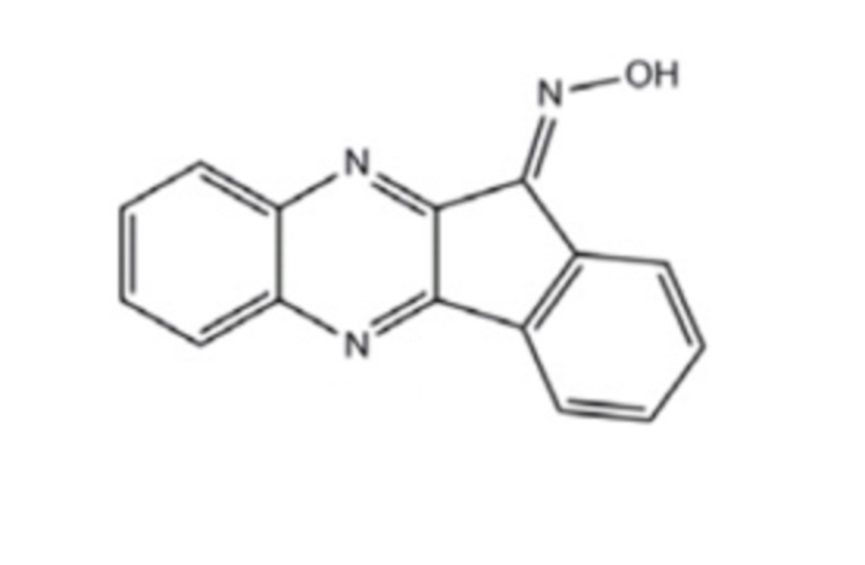
Таким образом, принципиально новым в предполагаемом изобретении является то, что в качестве гиполипидемического средства используется 11Н-индено[1,2-b]хиноксалин-11-он-оксим (IQ-1). Соединение может быть использовано для коррекции заболеваний, связанных с дислипидемией.Thus, fundamentally new in the proposed invention is that 11H-indeno [1,2-b] quinoxalin-11-one-oxime (IQ-1) is used as a hypolipidemic agent. The compound can be used to correct diseases associated with dyslipidemia.
В основу настоящего изобретения положена задача расширения номенклатуры средств, обладающих гиполипидемическими свойствами.The present invention is based on the task of expanding the range of agents with hypolipidemic properties.
Поставленная задача решается использованием 11Н-индено[1,2-b]хиноксалин-11-он оксима в качестве гиполипидемического средства.The problem is solved by using 11H-indeno [1,2-b] quinoxalin-11-one oxime as a hypolipidemic agent.
Известно, что соединение обладает свойствами специфического ингибитора с-Jun-N-терминальной киназы [28] и противовоспалительной активностью на модели коллаген-индуцированного артрита [29]. Также имеются данные о том, что IQ-1 улучшает исход инсульта у мышей в условиях модели фокальной ишемии головного мозга с реперфузией и может быть донатором NO в ходе ферментативного метаболизма в микросомах печени [30]. Кроме того, у соединения IQ-1 выявлен антирадикальный эффект [31]. Известны способы использования данного соединения в качестве гемостимулирующего средства [32], а также средства, обладающего антиагрегантной активностью [33]. Исследование гипотриацилглицеролемических и гипохолестеролемических свойств соединения при дислипидемиях в литературе не описано.It is known that the compound has the properties of a specific inhibitor of c-Jun-N-terminal kinase [28] and anti-inflammatory activity in a model of collagen-induced arthritis [29]. There is also evidence that IQ-1 improves the outcome of stroke in mice in a model of focal cerebral ischemia with reperfusion and can donate NO in the course of enzymatic metabolism in liver microsomes [30]. In addition, compound IQ-1 has an antiradical effect [31]. There are known methods of using this compound as a hemo-stimulating agent [32], as well as an agent with antiplatelet activity [33]. The study of hypotriacylglycerololemic and hypocholesterolemic properties of the compound in dyslipidemia has not been described in the literature.
Гиполипидемическая активность 11Н-индено[1,2-b]хиноксалин-11-он оксима (IQ-1) была обнаружена благодаря экспериментальным исследованиям.The hypolipidemic activity of 11H-indeno [1,2-b] quinoxalin-11-one oxime (IQ-1) has been discovered through experimental studies.
Эксперименты проводили на 24 аутбредных крысах самцах массой 300-350 г. Животные находились в стандартных условиях содержания в виварии на естественном световом режиме, при свободном доступе к воде и пище.The experiments were carried out on 24 male outbred rats weighing 300-350 g. The animals were kept under standard conditions in the vivarium under natural light conditions, with free access to water and food.
Для изучения гиполипидемической активности новых веществ широкое применение находит способ моделирования гиперлипидемии с помощью длительного (5-6 недель) кормления экспериментальных животных высокожировой диетой, богатой холестеролом с последующей инъекцией низкой дозы диабетогена стрептозотоцина [34, 35]. Готовый высокожировой корм, состоял из 26% кокосового масла, 2% холестерина и 72% стандартного корма для лабораторных животных (55% энергии за счет жира). Стандартный лабораторный корм представлял собой гранулы с минеральными и витаминными добавками для лабораторных крыс с общей калорийностью 3660 ккал / кг. To study the hypolipidemic activity of new substances, a method for simulating hyperlipidemia by prolonged (5-6 weeks) feeding of experimental animals with a high-fat diet rich in cholesterol followed by injection of a low dose of the diabetogen streptozotocin is widely used [34, 35]. The finished high-fat feed consisted of 26% coconut oil, 2% cholesterol, and 72% standard laboratory animal feed (55% energy from fat). The standard laboratory food consisted of granules with mineral and vitamin supplements for laboratory rats with a total caloric value of 3660 kcal / kg.
Животные были рандомизированы случайным образом на три группы: 1-я группа - контрольные животные, получавшие стандартный лабораторный корм в течение всего эксперимента, 2-я группа - животные с экспериментальной дислипидемией, 3-я группа - животные с экспериментальной дислипидемией, получавшие исследуемое соединение. Экспериментальные животные 2 и 3 групп получали атерогенную диету (высокожировой корм) в течение 4 недель. На 29 сутки животным, получавшим высокожировой корм, после 12-часового голодания, вводили однократно внутрибрюшинно свежеприготовленный раствор стрептозотоцина (35 мг/кг) в 0,1 М цитратном буфере (pH 4,5), после чего животные содержались на высокожировой диете в течение 2 недель. Начиная с 44 дня экспериимента животным 3 группы ежедневно интраперитонеально вводили водную суспензию 11H-индено[1,2-b]хиноксалин-11-он-оксима IQ-1 (20 мг/кг) в течение 14 суток. Животным 1 и 2 групп вводили носитель (вода для инъекций).The animals were randomly assigned to three groups: group 1 - control animals that received standard laboratory food throughout the experiment, group 2 - animals with experimental dyslipidemia, group 3 - animals with experimental dyslipidemia treated with the test compound. Experimental animals of groups 2 and 3 received an atherogenic diet (high-fat food) for 4 weeks. On the 29th day, the animals receiving high-fat food, after 12-hour fasting, were injected once intraperitoneally with a freshly prepared solution of streptozotocin (35 mg / kg) in 0.1 M citrate buffer (pH 4.5), after which the animals were kept on a high-fat diet for 2 weeks. Starting from the 44th day of the experiment, the animals of the 3rd group were intraperitoneally injected with an aqueous suspension of 11H-indeno [1,2-b] quinoxalin-11-one-oxime IQ-1 (20 mg / kg) daily for 14 days. Animals of groups 1 and 2 were injected with vehicle (water for injection).
В конце эксперимента крыс декапитировали после СО2-асфиксии. В сыворотке крови определяли уровень общего холестерола (ХС), холестерола в липопротеинах низкой (ХС-ЛНП) и высокой (ХС-ЛВП) плотности, а также триацилглицеролов. Измерения проводили спектрофотометрически с использованием наборов фирмы Chronolab и RANDOX. На основе полученных экспериментальных данных был вычислен индекс атерогенности по формуле ИА = (общий ХС - ЛПВП-ХС)/ЛПВП-ХС [36].At the end of the experiment, the rats were decapitated after CO 2 asphyxia. In the blood serum, the level of total cholesterol (CS), cholesterol in lipoproteins of low (LDL-C) and high (HDL-C) density, as well as triacylglycerols, were determined. Measurements were carried out spectrophotometrically using Chronolab and RANDOX kits. On the basis of the experimental data obtained, the atherogenic index was calculated using the formula IA = (total cholesterol - HDL-cholesterol) / HDL-cholesterol [36].
Для статистической обработки полученных результатов использовался пакет прикладных программ SPSS Statistics 23 (IBM). Применялся непараметрический дисперсионный анализ Краскела-Уоллиса для независимых групп с последующим попарным сравнением по критерию Манна-Уитни.For statistical processing of the results obtained, the SPSS Statistics 23 software package (IBM) was used. Nonparametric Kruskal-Wallis analysis of variance for independent groups was used, followed by pairwise comparison by the Mann-Whitney test.
Результаты исследований гиполипидемической активности IQ-1 представлены в примерах 1-5.The results of studies of the hypolipidemic activity of IQ-1 are presented in examples 1-5.
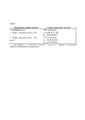
Пример 1. Кормление лабораторных животных высокожировой диетой в течение 28 дней приводит к развитию значительной гиперхолестеролемии: уровень общего холестерола в плазме крови крыс (табл. 1: Модель дислипидемии) составил 13,59 (8,29-17,34) ммоль/л. Ежедневное интраперитонеальное введение водной суспензии IQ-1 в дозе 20 мг/кг приводит к снижению содержания общего холестерола в сыворотке крови лабораторных животных с моделью экспериментальной дислипидемии до 5,75 (3,58-7,88) ммоль/л (табл. 1).Example 1. Feeding laboratory animals with a high-fat diet for 28 days leads to the development of significant hypercholesterolemia: the total cholesterol level in the blood plasma of rats (Table 1: Dyslipidemia model) was 13.59 (8.29-17.34) mmol / L. Daily intraperitoneal administration of an aqueous suspension of IQ-1 at a dose of 20 mg / kg leads to a decrease in the total cholesterol content in the blood serum of laboratory animals with a model of experimental dyslipidemia to 5.75 (3.58-7.88) mmol / L (Table 1) ...
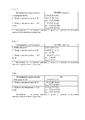
Пример 2. Кормление лабораторных животных высокожировой диетой в течение 28 дней приводит к увеличению содержания холестерола в липопротеинах низкой плотности (ХС-ЛНП) сыворотки крови крыс (табл. 2: Модель дислипидемии) до 5,55 (3,76-7,59) ммоль/л. Ежедневное интраперитонеальное введение водной суспензии IQ-1 в дозе 20 мг/кг приводит к снижению содержания ХС-ЛНП в сыворотке крови лабораторных животных с моделью экспериментальной дислипидемии до 1,83 (1,05-4,14) ммоль/л (табл. 2).Example 2. Feeding laboratory animals with a high-fat diet for 28 days leads to an increase in serum low-density lipoprotein (LDL-C) cholesterol in rats (Table 2: Dyslipidemia Model) to 5.55 (3.76-7.59) mmol / l. Daily intraperitoneal administration of an aqueous suspension of IQ-1 at a dose of 20 mg / kg leads to a decrease in the content of LDL-C in the blood serum of laboratory animals with a model of experimental dyslipidemia to 1.83 (1.05-4.14) mmol / L (Table 2 ).
Пример 3. Кормление лабораторных животных высокожировой диетой в течение 28 дней не приводит к изменению содержания холестерола в липопротеинах высокой плотности (ХС-ЛВП) сыворотки крови крыс (табл. 3: Модель дислипидемии). Ежедневное интраперитонеальное введение водной суспензии IQ-1 в дозе 20 мг/кг также не приводит к снижению содержания антиатерогенного ХС-ЛВП в сыворотке крови лабораторных животных с моделью экспериментальной дислипидемии (табл. 3).Example 3: Feeding laboratory animals with a high-fat diet for 28 days did not change serum high-density lipoprotein (HDL-C) cholesterol in rats (Table 3: Dyslipidemia Model). Daily intraperitoneal administration of an aqueous suspension of IQ-1 at a dose of 20 mg / kg also does not lead to a decrease in the content of antiatherogenic HDL-C in the blood serum of laboratory animals with a model of experimental dyslipidemia (Table 3).
Пример 4. Кормление лабораторных животных высокожировой диетой в течение 28 дней приводит к увеличению индекса атерогенности (ИА) сыворотки крови крыс (табл. 4: Модель дислипидемии) до 14,0 (8,86-16,62). Ежедневное интраперитонеальное введение водной суспензии IQ-1 в дозе 20 мг/кг приводит к снижению ИА сыворотки крови лабораторных животных с моделью экспериментальной дислипидемии до 4,93 (3,75-7,12) (табл. 4).Example 4. Feeding laboratory animals with a high-fat diet for 28 days leads to an increase in the atherogenic index (AI) of the blood serum of rats (Table 4: Dyslipidemia Model) to 14.0 (8.86-16.62). Daily intraperitoneal administration of an aqueous suspension of IQ-1 at a dose of 20 mg / kg leads to a decrease in the AI of blood serum in laboratory animals with a model of experimental dyslipidemia to 4.93 (3.75-7.12) (Table 4).
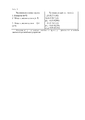
Пример 5. Кормление лабораторных животных высокожировой диетой в течение 28 дней приводит к увеличению уровня триацилглицеролов в сыворотке крови крыс (табл. 5) до 5,08 (2,92-7,03) ммоль/л. Ежедневное интраперитонеальное введение водной суспензии IQ-1 в дозе 20 мг/кг приводит к снижению уровня триацилглицеролов в сыворотке крови лабораторных животных с моделью экспериментальной дислипидемии до 1,85 (1,33-3,11) ммоль/л (табл. 5).Example 5. Feeding laboratory animals with a high-fat diet for 28 days leads to an increase in the level of triacylglycerols in the blood serum of rats (Table 5) to 5.08 (2.92-7.03) mmol / l. Daily intraperitoneal administration of an aqueous suspension of IQ-1 at a dose of 20 mg / kg leads to a decrease in the level of triacylglycerols in the blood serum of laboratory animals with a model of experimental dyslipidemia to 1.85 (1.33-3.11) mmol / L (Table 5).
Таким образом, соединение 11H-индено[1,2-b]хинокса-лин-11-он-оксим (IQ-1) обладает гиполипидемической активностью и эффективно нормализует показатели липидного профиля крови лабораторных крыс в условиях экспериментальной дислипидемии.Thus, the compound 11H-indeno [1,2-b] quinoxa-lin-11-one-oxime (IQ-1) has hypolipidemic activity and effectively normalizes the blood lipid profile of laboratory rats under experimental dyslipidemia.
Источники литературы, принятые во вниманиеLiterature sources taken into account
1. Карпов, Ю. А. Европейские рекомендации по лечению дислипидемий - 2016. Липидснижающая терапия у пациентов с острым коронарным синдромом и чрескожными коронарными вмешательствами / Ю. А. Карпов, О. С. Булкина // Медицинский совет. - 2016. - № 17. - С. 18-23.1. Karpov, Yu. A. European guidelines for the treatment of dyslipidemias - 2016. Lipid-lowering therapy in patients with acute coronary syndrome and percutaneous coronary interventions / Yu. A. Karpov, O.S. Bulkina // Medical Council. - 2016. - No. 17. - S. 18-23.
2. Efficacy and safety of LDL-lowering therapy among men and women: me-ta-analysis of individual data from 174,000 participants in 27 random-ized trials / J. Fulcher, R. O'Connell, M. Voysey et al. // Lancet. - 2015. - Vol. 385, N 9976. - P. 1397-1405.2. Efficacy and safety of LDL-lowering therapy among men and women: me-ta-analysis of individual data from 174,000 participants in 27 randomized trials / J. Fulcher, R. O'Connell, M. Voysey et al. // Lancet. - 2015. - Vol. 385, N 9976. - P. 1397-1405.
3. RU 2657757 C2 «Новые экстракты из cynara scolymus, coffea spp. и olea europaea для лечения метаболического синдрома»3. RU 2657757 C2 “New extracts from cynara scolymus, coffea spp. and olea europaea for the treatment of metabolic syndrome "
4. RU 2432959 C1 «Средство, обладающее антиоксидантным, кардиопротекторным, противодиабетическим, противовоспалительным, гепатопротекторным, противоопухолевым и противовирусным действием»4. RU 2432959 C1 "A drug with antioxidant, cardioprotective, antidiabetic, anti-inflammatory, hepatoprotective, antitumor and antiviral effects"
5. RU 2696310 C1 «Бициклические гетероциклические соединения и их применение в терапии»5. RU 2696310 C1 "Bicyclic heterocyclic compounds and their use in therapy"
6. RU 2696269 C1 «Замещенные 3-азабицикло[3.1.0]гексаны в качестве ингибиторов кетогексокиназы»6. RU 2696269 C1 "Substituted 3-azabicyclo [3.1.0] hexanes as inhibitors of ketohexokinase"
7. WO 2006130297 «Solid forms of a JNK inhibitor»7. WO 2006130297 "Solid forms of a JNK inhibitor"
8. RU 2487121 C2 «Соединения и способы модулирования киназ и показания к применению указанных соединений и способов»8. RU 2487121 C2 "Compounds and methods for modulating kinases and indications for the use of these compounds and methods"
9. RU 2478635 C2 «Гетероарильные соединения, содержащие их композиции и способы лечения с применением этих соединений»9. RU 2478635 C2 "Heteroaryl compounds, compositions containing them and methods of treatment using these compounds"
10. RU 2697712 C2 «Замещенные диаминокарбоксамидные и диаминокарбонитрильные производные пиримидинов, их композиции и способы лечения с их помощью»10. RU 2697712 C2 "Substituted diaminocarboxamide and diaminocarbonitrile derivatives of pyrimidines, their compositions and methods of treatment with them"
11. US 2004092562 «Methods for treating inflammatory conditions or inhibiting JNK»11. US 2004092562 "Methods for treating inflammatory conditions or inhibiting JNK"
12. US 2016185818 «Bidentate-binding modulators of lrrk2 and JNK kinases»12. US 2016185818 "Bidentate-binding modulators of lrrk2 and JNK kinases"
13. US 2005148624 «JNK inhibitor»13. US 2005148624 "JNK inhibitor"
14. US 2006019910 «Methods for treating and preventing insulin resistance and related disorders»14. US 2006019910 "Methods for treating and preventing insulin resistance and related disorders"
15. US 2007207137 «Inhibition of Jun Kinase»15. US 2007207137 "Inhibition of Jun Kinase"
16. MX 2016017308 «New use of cell-permeable peptide inhibitors of the JNK signal transduction pathway for the treatment of various diseases»16. MX 2016017308 "New use of cell-permeable peptide inhibitors of the JNK signal transduction pathway for the treatment of various diseases"
17. JP 2013081479 «Cell-permeable peptide inhibitor of JNK signal transduction pathway»17. JP 2013081479 "Cell-permeable peptide inhibitor of JNK signal transduction pathway"
18. WO 2005074921 «Treatment of atherosclerosis»18. WO 2005074921 "Treatment of atherosclerosis"
19. The Ras-JNK pathway is involved in shear-induced gene expression / Y.S.Li, J.Y. Shyy, S. Li et al. // Mol Cell Biol. – 1996. - Vol. 16, N 11. - P. 5947-5419. The Ras-JNK pathway is involved in shear-induced gene expression / Y.S. Li, J.Y. Shyy, S. Li et al. // Mol Cell Biol. - 1996. - Vol. 16, N 11. - P. 5947-54
20. Mietus-Snyder M., Glass C.K., Pitas R.E. Transcriptional activation of scavenger receptor expression in human smooth muscle cells requires AP-1/c-Jun and C/EBPbeta: both AP-1 binding and JNK activation are induced by phorbol esters and oxidative stress / M. Mietus-Snyder, C.K. Glass, R.E. Pitas // Arterioscler Thromb Vasc Biol. – 1998 – Vol. 18, N 9. – P. 1440-920. Mietus-Snyder M., Glass C.K., Pitas R.E. Transcriptional activation of scavenger receptor expression in human smooth muscle cells requires AP-1 / c-Jun and C / EBPbeta: both AP-1 binding and JNK activation are induced by phorbol esters and oxidative stress / M. Mietus-Snyder, C.K. Glass, R.E. Pitas // Arterioscler Thromb Vasc Biol. - 1998 - Vol. 18, N 9. - P. 1440-9
21. Cytokine expression in advanced human atherosclerotic plaques: dominance of pro-inflammatory (Th1) and macrophage-stimulating cytokines / J. Frostegеrd, A.K. Ulfgren, P. Nyberg et al. // Atherosclerosis. – 1999. – Vol. 145, N 1. – P. 33-4321. Cytokine expression in advanced human atherosclerotic plaques: dominance of pro-inflammatory (Th1) and macrophage-stimulating cytokines / J. Frostegerd, A.K. Ulfgren, P. Nyberg et al. // Atherosclerosis. - 1999. - Vol. 145, No. 1. - P. 33-43
22. JNK1 is required for T cell-mediated immunity against Leishmania major infection / S.L. Constant, C. Dong, D.D. Yang et al. // J Immunol. – 2000. – Vol. 165, N 5, P. 2671-6.22. JNK1 is required for T cell-mediated immunity against Leishmania major infection / S.L. Constant, C. Dong, D.D. Yang et al. // J Immunol. - 2000. - Vol. 165, No. 5, P. 2671-6.
23. JNK is required for effector T-cell function but not for T-cell activation / C. Dong, D.D. Yang, C. Tournier et al. // Nature. – 2000 – Vol. 405, N 6782. – P. 91-4.23. JNK is required for effector T-cell function but not for T-cell activation / C. Dong, D.D. Yang, C. Tournier et al. // Nature. - 2000 - Vol. 405, N 6782. - P. 91-4.
24. Differentiation of CD4+ T cells to Th1 cells requires MAP kinase JNK2 / D.D. Yang, D. Conze, A.J. Whitmarsh et al. // Immunity. – 1998 – Vol. 9, N 4. – P. 575-8524. Differentiation of CD4 + T cells to Th1 cells requires MAP kinase JNK2 / D.D. Yang, D. Conze, A.J. Whitmarsh et al. // Immunity. - 1998 - Vol. 9, N 4. - P. 575-85
25. Defective T cell differentiation in the absence of Jnk1 / C. Dong, D.D. Yang, M. Wysk et al. // Science. – 1998. – Vol. 282, N 5396. – P. 2092-525. Defective T cell differentiation in the absence of Jnk1 / C. Dong, D.D. Yang, M. Wysk et al. // Science. - 1998. - Vol. 282, N 5396. - P. 2092-5
26. Dominant negative c-Jun inhibits platelet-derived growth factor-directed migration by vascular smooth muscle cells / T. Ioroi, M. Yamamori, K, Yagi et al. // J Pharmacol Sci. – 2003. – Vol. 91, N 2. – P. 145-826. Dominant negative c-Jun inhibits platelet-derived growth factor-directed migration by vascular smooth muscle cells / T. Ioroi, M. Yamamori, K, Yagi et al. // J Pharmacol Sci. - 2003. - Vol. 91, N 2. - P. 145-8
27. Effects of dominant-negative c-Jun on platelet-derived growth factor-induced vascular smooth muscle cell proliferation / Y. Zhan, S. Kim, H. Yasumoto et al. // Arterioscler Thromb Vasc Biol. – 2002. – Vol. 22, N 1. – P. 82-8.27. Effects of dominant-negative c-Jun on platelet-derived growth factor-induced vascular smooth muscle cell proliferation / Y. Zhan, S. Kim, H. Yasumoto et al. // Arterioscler Thromb Vasc Biol. - 2002. - Vol. 22, No. 1. - P. 82-8.
28. Schepetkin I.A., Kirpotina I.N, Khlebnikov A.I. et al. Identification and characterization of a novel class of c-Jun N-terminal kinase inhibitors // Mol. Pharmacol. – 2012. – Vol. 81. – P. 832-845.28. Schepetkin I.A., Kirpotina I.N, Khlebnikov A.I. et al. Identification and characterization of a novel class of c-Jun N-terminal kinase inhibitors // Mol. Pharmacol. - 2012. - Vol. 81. - P. 832-845.
29. Schepetkin I.A., Kirpotina I.N, Hammaker D.et al. Anti-inflammatory effects and joint protection in collagen-induced arthritis following treatment with IQ-1S, a selective c-Jun N-terminal kinase inhibitor // J. Pharmacol. Exp.Ther. – 2015. – Vol. 353. – P. 505–516.29. Schepetkin I. A., Kirpotina I. N, Hammaker D. et al. Anti-inflammatory effects and joint protection in collagen-induced arthritis following treatment with IQ-1S, a selective c-Jun N-terminal kinase inhibitor // J. Pharmacol. Exp.Ther. - 2015. - Vol. 353. - P. 505-516.
30. Atochin D.N., Schepetkin I.A., Khlebnikov A.I. et al. A Novel dual NO-donating oxime and c-Jun N-terminal kinase inhibitor protects against cer-ebral ischemia-reperfusion injury in mice // Neurosci. Lett. – 2016. – Vol. 618. – Р. 45–49. 30. Atochin D.N., Schepetkin I.A., Khlebnikov A.I. et al. A Novel dual NO-donating oxime and c-Jun N-terminal kinase inhibitor protects against cer-ebral ischemia-reperfusion injury in mice // Neurosci. Lett. - 2016. - Vol. 618. - P. 45–49.
31. Хлебников А.И., Аточин Д.Н., Щепеткин И.А. и др. Поиск нейропротекторов с мультитаргетными свойствами в ряду производных инденохиноксалина // Сборник тезисов докладов Третьего Междисципли-нарного Симпозиума по Медицинской, Органической и Биологической Химии и Фармацевтике 2017 / под редакцией К.В. Кудрявцева и Е.М. Пниной. – М.: «Перо», 2017. – С. 55.31. Khlebnikov A.I., Atochin D.N., Shchepetkin I.A. The search for neuroprotectors with multi-targeting properties in the series of indenoquinoxaline derivatives // Collection of abstracts of the Third Interdisciplinary Symposium on Medical, Organic and Biological Chemistry and Pharmaceuticals 2017 / edited by K.V. Kudryavtseva and E.M. Pnina. - M .: "Pero", 2017. - S. 55.
32. RU 2647833 C1«Гемостимулирующее средство»32. RU 2647833 C1 "Hemostimulating agent"
33. RU 2696583 C1«Средство, обладающее антиагрегантной активностью»33. RU 2696583 C1 "An agent with antiplatelet activity"
34. Руководство по проведению доклинических исследований лекарственных средств. Часть первая / Под ред. А. Н. Миронова. - М.: Гриф и К. - 2013. - 944 с34. Guidelines for conducting preclinical studies of drugs. Part One / Ed. A. N. Mironov. - M .: Grif and K. - 2013 .-- 944 s
35. Skovs∅ S. Modeling type 2 diabetes in rats using high fat diet and streptozotocin / S. Skovs∅ // J Diabetes Investig. - 2014. - Vol. 5, N 4. - P. 349-58. 35. Skovs∅ S. Modeling type 2 diabetes in rats using high fat diet and streptozotocin / S. Skovs∅ // J Diabetes Investig. - 2014. - Vol. 5, No. 4. - P. 349-58.
36. Haglund, O. The effects of fish oil on triglycerides, cholesterol, fibrinogen and malondialdehyde in humans supplemented with vitamin E / O. Haglund, R. Luostarinen, R. Wallin // J. Nutr. - 1991. - V. 121. - P.165-169.36. Haglund, O. The effects of fish oil on triglycerides, cholesterol, fibrinogen and malondialdehyde in humans supplemented with vitamin E / O. Haglund, R. Luostarinen, R. Wallin // J. Nutr. - 1991. - V. 121. - P.165-169.
Приложениеapplication
Табл.1Table 1
р 2_1<0,05 (0,001)13.59 (8.29-17.34)
p 2 _1 <0.05 (0.001)
(п=8)3. Model of dyslipidemia + IQ-1
(n = 8)
р з.}<0,05 (0,002)
р з-2<0,05 (0^005)5.75 (3.58-7.88)
p s.} <0.05 (0.002)
p s-2 <0.05 (0 ^ 005)
Примечание, п - количество животных в группе; р - уровень статистической значимости различий между группами.Note, n - the number of animals in the group; p is the level of statistical significance of differences between groups.
р2-1<0,05 (0,001)5.55 (3.76-7.59)
p 2 -1 <0.05 (0.001)
р 3_1<0.05 (0,002)
р з-2<0,05 (0,021)1.83 (1.05-4.14)
p 3 _1 <0.05 (0.002)
p s-2 <0.05 (0.021)
Примечание: n - количество животных в группе; р - уровень статистической значимости различий между группами.Note: n is the number of animals in the group; p is the level of statistical significance of differences between groups.
Табл.3Table 3
р 2-1“0,7520.99 (0.77-1.12)
p 2-1 “0.752
р з-1 = 0,958
Р 34 =0,7531.06 (0.83-1.113)
p s-1 = 0.958
P 34 = 0.753
Примечание: п - количество животных в группе; р - уровень статистической значимости различий между группами.Note: n is the number of animals in the group; p is the level of statistical significance of differences between groups.
Табл. 4Tab. 4
р 2-1 <0,05 (0,00.1)14.0 (8.86-16.62)
p 2-1 <0.05 (0.00.1)
р 3_1<0,05 (0,003)
р з_2<0,05 (0,006)4.93 (3.75-7.12)
p 3 _1 <0.05 (0.003)
p s_2 <0.05 (0.006)
Примечание: п - количество животных в группе; р - уровень статистической значимости различий между- группами.Note: n is the number of animals in the group; p is the level of statistical significance of differences between groups.
Табл. 5Tab. five
p2-i<0,05 (0,001)5.08 (2.92-7.03)
p 2 -i <0.05 (0.001)
р з_1<0.05 (0.036)
р з-2<0,05 (0,016)1.85 (1.33-3.11)
p s_1 <0.05 (0.036)
p s-2 <0.05 (0.016)
Примечание: п - количество животных в группе; р - уровень статистической значимости различий между группами.Note: n is the number of animals in the group; p is the level of statistical significance of differences between groups.
Claims (1)
Priority Applications (1)
| Application Number | Priority Date | Filing Date | Title |
|---|---|---|---|
| RU2020104977A RU2732503C1 (en) | 2020-02-04 | 2020-02-04 | Agent possessing hypolipidemic activity |
Applications Claiming Priority (1)
| Application Number | Priority Date | Filing Date | Title |
|---|---|---|---|
| RU2020104977A RU2732503C1 (en) | 2020-02-04 | 2020-02-04 | Agent possessing hypolipidemic activity |
Publications (1)
| Publication Number | Publication Date |
|---|---|
| RU2732503C1 true RU2732503C1 (en) | 2020-09-18 |
Family
ID=72516434
Family Applications (1)
| Application Number | Title | Priority Date | Filing Date |
|---|---|---|---|
| RU2020104977A RU2732503C1 (en) | 2020-02-04 | 2020-02-04 | Agent possessing hypolipidemic activity |
Country Status (1)
| Country | Link |
|---|---|
| RU (1) | RU2732503C1 (en) |
Citations (2)
| Publication number | Priority date | Publication date | Assignee | Title |
|---|---|---|---|---|
| RU2680526C1 (en) * | 2016-07-05 | 2019-02-22 | Федеральное государственное бюджетное научное учреждение "Томский национальный исследовательский медицинский центр Российской академии наук" (Томский НИМЦ) | Neuroprotective means, having the properties of antioxidant and nitric oxide donator |
| RU2696583C1 (en) * | 2019-03-21 | 2019-08-05 | Федеральное государственное бюджетное научное учреждение "Томский национальный исследовательский медицинский центр Российской академии наук" (Томский НИМЦ) | Agent possessing antiaggregant activity |
-
2020
- 2020-02-04 RU RU2020104977A patent/RU2732503C1/en active
Patent Citations (2)
| Publication number | Priority date | Publication date | Assignee | Title |
|---|---|---|---|---|
| RU2680526C1 (en) * | 2016-07-05 | 2019-02-22 | Федеральное государственное бюджетное научное учреждение "Томский национальный исследовательский медицинский центр Российской академии наук" (Томский НИМЦ) | Neuroprotective means, having the properties of antioxidant and nitric oxide donator |
| RU2696583C1 (en) * | 2019-03-21 | 2019-08-05 | Федеральное государственное бюджетное научное учреждение "Томский национальный исследовательский медицинский центр Российской академии наук" (Томский НИМЦ) | Agent possessing antiaggregant activity |
Non-Patent Citations (3)
| Title |
|---|
| I.A.SCHEPETKIN et al., Identification and characterization of a novel class of c-Jun N-terminal kinase inhibitors, MOLECULAR PHARMACOLOGY, 2012, V.81, No.6, p.832-845. * |
| I.A.SCHEPETKIN et al., Identification and characterization of a novel class of c-Jun N-terminal kinase inhibitors, MOLECULAR PHARMACOLOGY, 2012, V.81, No.6, p.832-845. T. LIU et al., Curcumin inhibits monocyte chemoattractant protein-1 expression and enhances cholesterol efflux by suppressing the c-Jun N-terminal kinase pathway in macrophage, INFLAMMATION RESEARCH, 2014, V.63, No.10, p.841-850. * |
| T. LIU et al., Curcumin inhibits monocyte chemoattractant protein-1 expression andenhances cholesterol efflux by suppressing the c-Jun N-terminal kinase pathway inmacrophage, INFLAMMATION RESEARCH, 2014, V.63, No.10, p.841-850 * |
Similar Documents
| Publication | Publication Date | Title |
|---|---|---|
| CN100475208C (en) | Drugs for the treatment of hyperlipidemia | |
| Zhu et al. | Neuroprotection by transforming growth factor-β1 involves activation of nuclear factor-κB through phosphatidylinositol-3-OH kinase/Akt and mitogen-activated protein kinase-extracellular-signal regulated kinase1, 2 signaling pathways | |
| Lima et al. | Poisonous mushrooms; a review of the most common intoxications | |
| KR102011641B1 (en) | Oral immediate release formulations for substituted quinazolinones | |
| EP2310003B1 (en) | Inhibitors of carnitin-palmitoyl-transferase-1 for the treatment and prevention of disorders caused by delipidation of neural tissue | |
| RS20080072A (en) | Compositions comprising a cholesterol absorbtion inhibitor, and hmg-coa reductase inhibitor and stabilizing agent | |
| KR20010093845A (en) | Combination of Cerivastatin and Fibrates | |
| KR20220139907A (en) | Compounds and their pharmaceutical uses | |
| EP1594499A1 (en) | Dosage forms containing a proton pump inhibitor, a nsaid, and a buffer | |
| Kim et al. | The anti-inflammatory effect of 3-deoxysappanchalcone is mediated by inducing heme oxygenase-1 via activating the AKT/mTOR pathway in murine macrophages | |
| US20180028482A1 (en) | Chlorogenic acid composition and method for its use in the treatment of alzheimer's disease | |
| Park et al. | Furosin, an ellagitannin, suppresses RANKL-induced osteoclast differentiation and function through inhibition of MAP kinase activation and actin ring formation | |
| JP2010506846A (en) | Phenylalkyl carbamate composition | |
| JP2002518448A (en) | Compositions and methods for treating high blood cholesterol | |
| SK287602B6 (en) | Pharmaceutical composition comprising a lipase inhibitor and a sucrose fatty acid mono-ester, process for preparing the composition and its use for the treatment of obesity | |
| SK7292002A3 (en) | Pharmaceutical composition with controlled release for increasing the dose or system exposure of a medicament inhibiting pde4 | |
| Takuma et al. | T-588 inhibits astrocyte apoptosis via mitogen-activated protein kinase signal pathway | |
| KR20200007876A (en) | Compositions and Methods for the Treatment of Rheumatoid Arthritis | |
| Boniface et al. | Unveiling the targets involved in the quest of antileishmanial leads using in silico methods | |
| US11219641B2 (en) | Use of lithium ascorbate to prevent and treat alcoholism and alcohol intoxication | |
| CA2492781A1 (en) | Medicinal composition for mitigating blood lipid or lowering blood homocystein | |
| US20080070938A1 (en) | Medicinal composition for mitigating blood lipid or lowering blood homocysteine | |
| Liu et al. | An evodiamine derivative inhibits osteoclast differentiation and protects against OVX‐induced bone loss in mice | |
| KR100824704B1 (en) | Composition for the treatment and prevention of obesity, containing fruit extract as an active ingredient | |
| EP3349584B1 (en) | Medicinal ambrosia plant extracts |