KR20120016632A - Imidazolidine-2,4-dione derivatives and their use as cancer drugs - Google Patents
Imidazolidine-2,4-dione derivatives and their use as cancer drugs Download PDFInfo
- Publication number
- KR20120016632A KR20120016632A KR1020117027276A KR20117027276A KR20120016632A KR 20120016632 A KR20120016632 A KR 20120016632A KR 1020117027276 A KR1020117027276 A KR 1020117027276A KR 20117027276 A KR20117027276 A KR 20117027276A KR 20120016632 A KR20120016632 A KR 20120016632A
- Authority
- KR
- South Korea
- Prior art keywords
- formula
- compound
- dimethyl
- trifluoromethyl
- phenyl
- Prior art date
- Legal status (The legal status is an assumption and is not a legal conclusion. Google has not performed a legal analysis and makes no representation as to the accuracy of the status listed.)
- Granted
Links
- 0 *C(*)(C(N1C(C=C2)=CC=C*2NC(*)=O)=O)N(*S*)C1=O Chemical compound *C(*)(C(N1C(C=C2)=CC=C*2NC(*)=O)=O)N(*S*)C1=O 0.000 description 2
Images

Classifications
-
- C—CHEMISTRY; METALLURGY
- C07—ORGANIC CHEMISTRY
- C07D—HETEROCYCLIC COMPOUNDS
- C07D233/00—Heterocyclic compounds containing 1,3-diazole or hydrogenated 1,3-diazole rings, not condensed with other rings
- C07D233/54—Heterocyclic compounds containing 1,3-diazole or hydrogenated 1,3-diazole rings, not condensed with other rings having two double bonds between ring members or between ring members and non-ring members
- C07D233/66—Heterocyclic compounds containing 1,3-diazole or hydrogenated 1,3-diazole rings, not condensed with other rings having two double bonds between ring members or between ring members and non-ring members with hetero atoms or with carbon atoms having three bonds to hetero atoms with at the most one bond to halogen, e.g. ester or nitrile radicals, directly attached to ring carbon atoms
- C07D233/72—Two oxygen atoms, e.g. hydantoin
-
- A—HUMAN NECESSITIES
- A61—MEDICAL OR VETERINARY SCIENCE; HYGIENE
- A61K—PREPARATIONS FOR MEDICAL, DENTAL OR TOILETRY PURPOSES
- A61K31/00—Medicinal preparations containing organic active ingredients
- A61K31/33—Heterocyclic compounds
- A61K31/395—Heterocyclic compounds having nitrogen as a ring hetero atom, e.g. guanethidine or rifamycins
- A61K31/41—Heterocyclic compounds having nitrogen as a ring hetero atom, e.g. guanethidine or rifamycins having five-membered rings with two or more ring hetero atoms, at least one of which being nitrogen, e.g. tetrazole
- A61K31/4164—1,3-Diazoles
- A61K31/4166—1,3-Diazoles having oxo groups directly attached to the heterocyclic ring, e.g. phenytoin
-
- A—HUMAN NECESSITIES
- A61—MEDICAL OR VETERINARY SCIENCE; HYGIENE
- A61P—SPECIFIC THERAPEUTIC ACTIVITY OF CHEMICAL COMPOUNDS OR MEDICINAL PREPARATIONS
- A61P35/00—Antineoplastic agents
-
- A—HUMAN NECESSITIES
- A61—MEDICAL OR VETERINARY SCIENCE; HYGIENE
- A61P—SPECIFIC THERAPEUTIC ACTIVITY OF CHEMICAL COMPOUNDS OR MEDICINAL PREPARATIONS
- A61P43/00—Drugs for specific purposes, not provided for in groups A61P1/00-A61P41/00
-
- C—CHEMISTRY; METALLURGY
- C07—ORGANIC CHEMISTRY
- C07D—HETEROCYCLIC COMPOUNDS
- C07D233/00—Heterocyclic compounds containing 1,3-diazole or hydrogenated 1,3-diazole rings, not condensed with other rings
- C07D233/54—Heterocyclic compounds containing 1,3-diazole or hydrogenated 1,3-diazole rings, not condensed with other rings having two double bonds between ring members or between ring members and non-ring members
- C07D233/66—Heterocyclic compounds containing 1,3-diazole or hydrogenated 1,3-diazole rings, not condensed with other rings having two double bonds between ring members or between ring members and non-ring members with hetero atoms or with carbon atoms having three bonds to hetero atoms with at the most one bond to halogen, e.g. ester or nitrile radicals, directly attached to ring carbon atoms
- C07D233/72—Two oxygen atoms, e.g. hydantoin
- C07D233/76—Two oxygen atoms, e.g. hydantoin with substituted hydrocarbon radicals attached to the third ring carbon atom
-
- C—CHEMISTRY; METALLURGY
- C07—ORGANIC CHEMISTRY
- C07D—HETEROCYCLIC COMPOUNDS
- C07D233/00—Heterocyclic compounds containing 1,3-diazole or hydrogenated 1,3-diazole rings, not condensed with other rings
- C07D233/54—Heterocyclic compounds containing 1,3-diazole or hydrogenated 1,3-diazole rings, not condensed with other rings having two double bonds between ring members or between ring members and non-ring members
- C07D233/66—Heterocyclic compounds containing 1,3-diazole or hydrogenated 1,3-diazole rings, not condensed with other rings having two double bonds between ring members or between ring members and non-ring members with hetero atoms or with carbon atoms having three bonds to hetero atoms with at the most one bond to halogen, e.g. ester or nitrile radicals, directly attached to ring carbon atoms
- C07D233/72—Two oxygen atoms, e.g. hydantoin
- C07D233/76—Two oxygen atoms, e.g. hydantoin with substituted hydrocarbon radicals attached to the third ring carbon atom
- C07D233/78—Radicals substituted by oxygen atoms
Landscapes
- Chemical & Material Sciences (AREA)
- Organic Chemistry (AREA)
- Health & Medical Sciences (AREA)
- Life Sciences & Earth Sciences (AREA)
- General Health & Medical Sciences (AREA)
- Veterinary Medicine (AREA)
- Public Health (AREA)
- Pharmacology & Pharmacy (AREA)
- Medicinal Chemistry (AREA)
- Animal Behavior & Ethology (AREA)
- Chemical Kinetics & Catalysis (AREA)
- General Chemical & Material Sciences (AREA)
- Nuclear Medicine, Radiotherapy & Molecular Imaging (AREA)
- Engineering & Computer Science (AREA)
- Bioinformatics & Cheminformatics (AREA)
- Epidemiology (AREA)
- Pharmaceuticals Containing Other Organic And Inorganic Compounds (AREA)
Abstract
본원은 하기 화학식 I의 신규한 이미다졸리딘-2,4-디온 유도체에 관한 것이다. 상기 물질은 항증식 활성을 갖는다. 이들은 비정상적인 세포 증식과 관련된 병리학적 상태 및 질환, 예컨대 암의 치료에 특히 유용하다. 본 발명은 또한 상기 물질을 함유하는 제약 조성물, 및 의약의 제조에서의 그의 용도에 관한 것이다.
<화학식 I>

(상기 식에서, R1, R2, R3, R4, X 및 Y는 가변기임)The present application relates to novel imidazolidine-2,4-dione derivatives of formula (I) The substance has antiproliferative activity. They are particularly useful for the treatment of pathological conditions and diseases associated with abnormal cell proliferation, such as cancer. The invention also relates to pharmaceutical compositions containing such substances and their use in the manufacture of a medicament.
<Formula I>
Wherein R 1 , R 2 , R 3 , R 4 , X and Y are variable groups
Description
발명의 분야Field of invention
본원의 대상은 신규한 이미다졸리딘-2,4-디온 유도체이다. 이러한 생성물은 항증식 활성을 갖는다. 이들은 비정상적으로 증식하는 세포와 관련된 병리학적 상태 및 질환, 예컨대 암의 치료에 특히 유용하다. 본 발명은 또한 상기 생성물을 함유하는 제약 조성물, 및 의약의 제조에서의 그의 용도에 관한 것이다.Subject of the invention are novel imidazolidine-2,4-dione derivatives. Such products have antiproliferative activity. They are particularly useful for the treatment of pathological conditions and diseases associated with abnormally proliferating cells such as cancer. The invention also relates to pharmaceutical compositions containing said product, and to their use in the manufacture of a medicament.
기술 상태Technical condition
요즈음, 의약 시장에 수많은 분가가 있음에도 불구하고 암은 여전히 사망의 주요 원인 중 하나를 구성한다.Nowadays, despite the high prices in the pharmaceutical market, cancer still constitutes one of the leading causes of death.
따라서, 특히 종양 세포 콜로니의 증식에 대한 양호한 억제 활성에 의해 보다 양호한 항종양 반응을 허용하는 더욱 강력한 신규 분자를 확인하는 것이 필요하다.Thus, there is a need to identify more potent new molecules that allow for better antitumor responses, in particular by good inhibitory activity on the proliferation of tumor cell colonies.
따라서, 이러한 분자는 비정상적으로 증식하는 세포와 관련된 병리학적 상태의 치료에 특히 유용하다. 따라서, 이들은 종양 또는 암, 예를 들어 식도, 위, 장, 직장, 구강, 인두, 후두, 폐, 결장, 유방, 자궁경부, 자궁체부 내막, 난소, 전립선, 고환, 방광, 신장, 간, 췌장, 골, 결합 조직, 피부 (예컨대 흑색종), 눈, 뇌 및 중추신경계의 암, 뿐만 아니라 갑상선의 암, 백혈병, 호지킨병, 비-호지킨 림프종, 다발성 골수종 및 다른 암의 치료에 사용될 수 있다.Thus, such molecules are particularly useful for the treatment of pathological conditions associated with abnormally proliferating cells. Thus, they may be tumors or cancers such as the esophagus, stomach, intestines, oral cavity, pharynx, larynx, lungs, colon, breast, cervix, uterine lining, ovary, prostate, testes, bladder, kidney, liver, pancreas. Can be used for the treatment of cancers of the bone, connective tissue, skin (such as melanoma), eyes, brain and central nervous system, as well as cancer of the thyroid, leukemia, Hodgkin's disease, non-Hodgkin's lymphoma, multiple myeloma and other cancers have.
호르몬-의존성 암, 안드로겐 수용체를 발현하는 종양, 유방 및 전립선의 암을 위한 요법을 찾는 것이 특별한 관심사이다.Of particular interest are finding therapies for hormone-dependent cancers, tumors expressing androgen receptors, cancers of the breast and prostate.
전립선암에서 항안드로겐의 사용은 안드로겐 수용체의 천연 효능제와 경쟁하는 그의 특성을 기반으로 한다. 그러나, 이러한 항안드로겐의 효능은 시간이 지남에 따라 제한적인 것으로 여겨지고, 결국 환자를 치료하는데 실패한다. 이들 분자의 길항제 활성 대신에 효능제 활성을 보여주는 이러한 실패와 관련된 몇몇 가설이 개발되었다 (문헌 [Veldscholte J, Berrevoets CA, Brinkmann AO, Grootegoed JA, Mulder E. Biochemistry 1992 Mar 3;31(8):2393-9]). 예를 들어, 닐루타미드는 배양물 중 인간 전립선암 세포의 성장을 자극할 수 있다. 이러한 실험적 지시 뿐만 아니라, 임상 데이터는 또한 항안드로겐의 이러한 해로운 역할을 뒷받침한다 (문헌 [Akimoto S.; Antiandrogen withdrawal syndrome Nippon Rinsho. 1998 Aug;56(8):2135-9], [Paul R, Breul J. Antiandrogen withdrawal syndrome associated with prostate cancer therapies: incidence and clinical significance Drug Saf. 2000 Nov;23(5):381-90]).The use of anti-androgens in prostate cancer is based on its properties competing with the natural agonists of androgen receptors. However, the efficacy of such antiandrogens is considered to be limited over time and eventually fails to treat patients. Several hypotheses related to this failure have been developed showing agonist activity instead of antagonist activity of these molecules (Veldscholte J, Berrevoets CA, Brinkmann AO, Grootegoed JA, Mulder E. Biochemistry 1992 Mar 3; 31 (8): 2393 -9]). For example, nilutamide can stimulate the growth of human prostate cancer cells in culture. In addition to these experimental instructions, clinical data also support this detrimental role of antiandrogens (Akimoto S .; Antiandrogen withdrawal syndrome Nippon Rinsho. 1998 Aug; 56 (8): 2135-9), Paul R, Breul. J. Antiandrogen withdrawal syndrome associated with prostate cancer therapies: incidence and clinical significance Drug Saf. 2000 Nov; 23 (5): 381-90].
또한, 순수한 항안드로겐 화합물을 수득하는 것은 간단하지 않은 것으로 여겨지며, 따라서 문헌 [K. Tachibana et al. in Bioorg. Med. Chem. 15 (2007) 174-185] 뿐만 아니라 [Cantin et al. in The Journal of Biological Chemistry, 282, 42, (2007) 30910-30919]의 작업은 안드로겐 수용체의 리간드-기재 약물작용발생단을 갖는, 매우 유사한 화학 구조를 갖는 화합물이 효능제 뿐만 아니라 길항제 생물학적 활성으로 이어질 수 있음을 보여준다. It is also believed that obtaining pure antiandrogen compounds is not straightforward and is therefore described in K. Tachibana et al. in Bioorg. Med. Chem. 15 (2007) 174-185, as well as Cantin et al. in The Journal of Biological Chemistry , 282, 42, (2007) 30910-30919] have shown that compounds with very similar chemical structures, having ligand-based pharmacogenetic stages of androgen receptors, may not only act as agonists but also as antagonist biological activities. It can lead to.
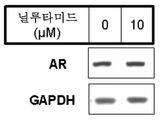
이 경우, 본 출원인은 놀랍게도 닐루타미드가 효능제와 같이 거동하는 농도에서 효능제 활성을 나타내지 않는, 전립선 종양에 대한 항증식 활성을 보여주는 화합물을 확인하였다. 닐루타미드와 비교해서 증식에 대한 상기 신규 화합물의 거동의 이러한 차이는 그의 단백질 형태에서 안드로겐 수용체의 소멸을 유도하는 그의 능력에 의해 뒷받침된다. 닐루타미드는 상기 수용체 수준에 대해 어떠한 영향도 미치지 않는다.In this case, we have identified compounds that surprisingly show antiproliferative activity against prostate tumors, where nilutamide does not exhibit agonist activity at concentrations that behave like agonists. This difference in the behavior of the novel compound on proliferation compared to nilutamide is supported by its ability to induce the disappearance of androgen receptors in its protein form. Nilutamide has no effect on these receptor levels.
이러한 신규 분자의 특성은 현행 항안드로겐의 실패를 피하면서 전립선암의 보다 양호한 관리를 허용하여야 한다.The nature of these new molecules should allow better management of prostate cancer while avoiding the failure of current antiandrogens.
더욱이, 본 발명의 화합물은 또한 안드로겐 수용체의 존재와 관련된 병리상태, 예컨대 양성 전립선 비대증, 전립선비대증, 여드름, 안드로겐성 탈모증, 다모증 등을 치료하는데 사용될 수 있다.Moreover, the compounds of the present invention can also be used to treat pathologies associated with the presence of androgen receptors such as benign prostatic hyperplasia, prostatic hyperplasia, acne, androgenetic alopecia, hirsutism and the like.
발명의 개요Summary of the Invention
따라서, 본 발명의 대상은 라세미체 또는 거울상이성질체 형태 또는 이들 형태의 임의의 조합물인 하기 화학식 I의 화합물 또는 그의 제약상 허용되는 염이다.Accordingly, the subject of the present invention is a compound of formula (I) or a pharmaceutically acceptable salt thereof, in racemic or enantiomeric form or any combination thereof.
<화학식 I><Formula I>

상기 식에서,Where
R1 및 R2는 독립적으로 할로겐 원자, 또는 알킬, 할로알킬, 알콕시, 시아노, 니트로, 아미노, 알킬아미노, 디알킬아미노, -NR8-CO-R5, -NR8-SO2-R5, -NR8-CO-(CH2)n-NR6R7, -NR8-SO2-(CH2)n-NR6R7 또는 -CO-NH2 라디칼을 나타내고;R 1 and R 2 are independently halogen atom or alkyl, haloalkyl, alkoxy, cyano, nitro, amino, alkylamino, dialkylamino, -NR 8 -CO-R 5 , -NR 8 -SO 2 -R 5 , —NR 8 —CO— (CH 2 ) n —NR 6 R 7 , —NR 8 —SO 2 — (CH 2 ) n —NR 6 R 7 or —CO—NH 2 radicals;
n은 0, 1, 2, 3, 4, 5 및 6으로부터 선택된 정수를 나타내고;n represents an integer selected from 0, 1, 2, 3, 4, 5 and 6;
R5는 알킬, 아릴 또는 헤테로아릴 라디칼을 나타내고;R 5 represents an alkyl, aryl or heteroaryl radical;
R6 및 R7은 독립적으로 수소 원자, 알킬 또는 알킬옥시카르보닐 라디칼을 나타내고;R 6 and R 7 independently represent a hydrogen atom, an alkyl or alkyloxycarbonyl radical;
R8은 수소 원자 또는 알킬 라디칼을 나타내고;R 8 represents a hydrogen atom or an alkyl radical;
R3은 알킬 라디칼 또는 수소 원자를 나타내거나, 또는 2개의 R3 라디칼은 이들이 부착되어 있는 탄소 원자와 함께 3 내지 6개의 구성원을 포함하는 시클로알킬 라디칼을 형성하고;R 3 represents an alkyl radical or a hydrogen atom, or two R 3 radicals together with the carbon atom to which they are attached form a cycloalkyl radical comprising 3 to 6 members;
R4는 2 내지 10개의 탄소 원자를 갖는 할로알킬 라디칼을 나타내고;R 4 represents a haloalkyl radical having 2 to 10 carbon atoms;
Y는 2 내지 14개의 탄소 원자를 갖는 선형 또는 분지형 알킬렌 쇄를 나타내고, 상기 쇄는 포화 또는 불포화일 수 있고, 1개 이상의 추가의 -O- 구성원을 함유할 수 있고;Y represents a linear or branched alkylene chain having 2 to 14 carbon atoms, which chain may be saturated or unsaturated and may contain one or more additional —O— members;
X는 -S-, -SO-, -SO2-, -S=N(R9)- 또는 -S(O)=N(R9)-를 나타내고;X represents -S-, -SO-, -SO 2- , -S = N (R 9 )-or -S (O) = N (R 9 )-;
R9는 수소 원자 또는 할로알킬카르보닐 라디칼을 나타낸다.R 9 represents a hydrogen atom or a haloalkylcarbonyl radical.
바람직하게는, Y는 2 내지 14개의 탄소 원자를 갖는 포화 선형 알킬렌 쇄를 나타낸다.Preferably, Y represents a saturated linear alkylene chain having 2 to 14 carbon atoms.
바람직하게는, R1은 할로겐 원자, 또는 알킬, 알콕시, 시아노, 니트로, 아미노, 알킬아미노, 디알킬아미노, -NR8-CO-R5, -NR8-SO2-R5, -NR8-CO-(CH2)n-NR6R7, -NR8-SO2-(CH2)n-NR6R7, 또는 -CO-NH2 라디칼을 나타내고; R2는 할로겐 원자, 알킬 또는 할로알킬 라디칼을 나타낸다.Preferably, R 1 is a halogen atom or alkyl, alkoxy, cyano, nitro, amino, alkylamino, dialkylamino, -NR 8 -CO-R 5 , -NR 8 -SO 2 -R 5 , -NR 8- CO- (CH 2 ) n -NR 6 R 7 , -NR 8 -SO 2- (CH 2 ) n -NR 6 R 7 , or -CO-NH 2 radicals; R 2 represents a halogen atom, an alkyl or haloalkyl radical.
바람직하게는, R2는 수소 원자를 나타낸다.Preferably, R 2 represents a hydrogen atom.
바람직하게는, R8은 수소 원자를 나타낸다.Preferably, R 8 represents a hydrogen atom.
바람직하게는, R5는 알킬 라디칼을 나타낸다.Preferably, R 5 represents an alkyl radical.
바람직하게는, R3은 알킬 라디칼을 나타낸다.Preferably, R 3 represents an alkyl radical.
바람직하게는, R4는 4 내지 6개의 탄소 원자 및 3 내지 9개의 불소 원자를 포함하는 할로알킬 라디칼을 나타내고; Y는 5 내지 10개의 탄소 원자를 갖는 알킬렌 쇄를 나타낸다.Preferably, R 4 represents a haloalkyl radical comprising 4 to 6 carbon atoms and 3 to 9 fluorine atoms; Y represents an alkylene chain having 5 to 10 carbon atoms.
바람직하게는, n은 0, 1, 2, 3 및 4로부터 선택된 정수를 나타낸다. 바람직하게는, n은 0 또는 1이다. 바람직하게는, n은 0이다. 바람직하게는, n은 1이다. 대안적으로, n은 2이다. 대안적으로, n은 3이다.Preferably, n represents an integer selected from 0, 1, 2, 3 and 4. Preferably, n is 0 or 1. Preferably, n is zero. Preferably, n is one. Alternatively, n is two. Alternatively, n is three.
바람직하게는, R1은 파라 위치에 있다.Preferably, R 1 is in the para position.
바람직하게는, R2는 메타 위치에 있다.Preferably, R 2 is in the meta position.
바람직하게는, R1은 시아노, 니트로, 아미노, -NR8-CO-R5, -NR8-SO2-R5, -NR8-CO-(CH2)n-NR6R7, -NR8-SO2-(CH2)n-NR6R7, 또는 -CO-NH2 라디칼을 나타내고;Preferably, R 1 is cyano, nitro, amino, -NR 8 -CO-R 5 , -NR 8 -SO 2 -R 5 , -NR 8 -CO- (CH 2 ) n -NR 6 R 7 , -NR 8 -SO 2- (CH 2 ) n -NR 6 R 7 , or -CO-NH 2 radicals;
R2는 알킬 또는 할로알킬 라디칼을 나타내고;R 2 represents an alkyl or haloalkyl radical;
R5는 알킬 라디칼을 나타내고;R 5 represents an alkyl radical;
R6 및 R7은 독립적으로 수소 원자, 알킬 또는 알킬옥시카르보닐 라디칼을 나타내고;R 6 and R 7 independently represent a hydrogen atom, an alkyl or alkyloxycarbonyl radical;
R3은 알킬 라디칼을 나타내거나, 또는 2개의 R3 라디칼은 이들이 부착되어 있는 탄소 원자와 함께 3 내지 6개의 구성원을 포함하는 시클로알킬 라디칼을 형성하고;R 3 represents an alkyl radical, or two R 3 radicals together with the carbon atom to which they are attached form a cycloalkyl radical comprising 3 to 6 members;
R4는 4 내지 6개의 탄소 원자 및 3 내지 9개의 불소 원자를 포함하는 할로알킬 라디칼을 나타내고;R 4 represents a haloalkyl radical comprising 4 to 6 carbon atoms and 3 to 9 fluorine atoms;
n은 0 또는 1이고;n is 0 or 1;
R9는 수소 원자 또는 -COCF3을 나타낸다.R 9 represents a hydrogen atom or -COCF 3 .
바람직하게는, R1은 시아노, 니트로, 아미노, -NH-CO-R5, -CO-NH2, -NH-CO-NHR6, -NH-SO2-NHR6 라디칼을 나타내고;Preferably, R 1 represents a cyano, nitro, amino, -NH-CO-R 5 , -CO-NH 2 , -NH-CO-NHR 6 , -NH-SO 2 -NHR 6 radicals;
R2는 알킬 또는 할로알킬 라디칼을 나타내고;R 2 represents an alkyl or haloalkyl radical;
R5는 알킬 라디칼을 나타내고;R 5 represents an alkyl radical;
R6은 수소 원자, 알킬 또는 알킬옥시카르보닐 라디칼을 나타내고;R 6 represents a hydrogen atom, an alkyl or alkyloxycarbonyl radical;
R3은 알킬 라디칼을 나타내고;R 3 represents an alkyl radical;
R4는 4 내지 6개의 탄소 원자 및 3 내지 9개의 불소 원자를 포함하는 할로알킬 라디칼을 나타내고;R 4 represents a haloalkyl radical comprising 4 to 6 carbon atoms and 3 to 9 fluorine atoms;
n은 5 내지 11의 정수를 나타낸다.n represents the integer of 5-11.
바람직하게는, R1은 시아노, 니트로, -NR8-CO-R5, -NR8-SO2-R5, -NR8-CO-(CH2)nNR6R7, -NR8-SO2-(CH2)n-NR6R7 또는 -CO-NH2 라디칼을 나타내고; n은 0 또는 1이고; R5는 알킬 라디칼을 나타내고, R6 및 R7은 독립적으로 수소 원자 또는 알킬 라디칼을 나타내고, R2는 알킬 또는 할로알킬 라디칼을 나타낸다.Preferably, R 1 is cyano, nitro, -NR 8 -CO-R 5 , -NR 8 -SO 2 -R 5 , -NR 8 -CO- (CH 2 ) n NR 6 R 7 , -NR 8 -SO 2- (CH 2 ) n -NR 6 R 7 or -CO-NH 2 radicals; n is 0 or 1; R 5 represents an alkyl radical, R 6 and R 7 independently represent a hydrogen atom or an alkyl radical, and R 2 represents an alkyl or haloalkyl radical.
바람직하게는, R1은 시아노, 니트로, -NH-CO-R5, -CO-NH2, -NH-CO-NHR6, -NH-SO2-NHR6 라디칼을 나타내고; R5는 알킬 라디칼을 나타내고, R6은 수소 원자 또는 알킬 라디칼을 나타내고, R2는 알킬 또는 할로알킬 라디칼을 나타낸다.Preferably, R 1 represents a cyano, nitro, -NH-CO-R 5 , -CO-NH 2 , -NH-CO-NHR 6 , -NH-SO 2 -NHR 6 radicals; R 5 represents an alkyl radical, R 6 represents a hydrogen atom or an alkyl radical, and R 2 represents an alkyl or haloalkyl radical.
바람직하게는, R1은 니트로 또는 -NR8-CO-R5 라디칼을 나타내고, 여기서 R5는 알킬 라디칼을 나타낸다.Preferably, R 1 represents a nitro or -NR 8 -CO-R 5 radical, wherein R 5 represents an alkyl radical.
바람직하게는, R1은 니트로 또는 -NH-CO-R5 라디칼을 나타내고, 여기서 R5는 알킬 라디칼을 나타낸다.Preferably, R 1 represents nitro or —NH—CO—R 5 radicals, wherein R 5 represents an alkyl radical.
바람직하게는, 알킬 라디칼은 메틸 기를 나타내고/거나, 할로알킬 라디칼은 트리플루오로메틸 기 또는 분자식 C5H6F5, C5H4F7, C6H8F5, C6H6F7 또는 C6H4F9의 라디칼을 나타낸다.Preferably, the alkyl radical represents a methyl group and / or the haloalkyl radical represents a trifluoromethyl group or molecular formula C 5 H 6 F 5 , C 5 H 4 F 7 , C 6 H 8 F 5 , C 6 H 6 F 7 or C 6 H 4 F 9 .
바람직하게는, Y는 9 내지 10개의 탄소 원자를 갖는 알킬렌 쇄를 나타낸다.Preferably, Y represents an alkylene chain having 9 to 10 carbon atoms.
우선적으로, 본 발명의 대상은 하기로부터 선택된 화학식 I의 화합물이다:Preferentially, the subject of the invention is a compound of formula (I) selected from:
- 5,5-디메틸-3-[4-니트로-3-(트리플루오로메틸)페닐]-1-{9-[(4,4,5,5,5-펜타플루오로펜틸)티오]노닐}이미다졸리딘-2,4-디온5,5-dimethyl-3- [4-nitro-3- (trifluoromethyl) phenyl] -1- {9-[(4,4,5,5,5-pentafluoropentyl) thio] nonyl } Imidazolidine-2,4-dione
- 5,5-디메틸-3-[4-니트로-3-(트리플루오로메틸)페닐]-1-{9-[(4,4,5,5,5-펜타플루오로펜틸)술피닐]노닐}이미다졸리딘-2,4-디온5,5-dimethyl-3- [4-nitro-3- (trifluoromethyl) phenyl] -1- {9-[(4,4,5,5,5-pentafluoropentyl) sulfinyl] Nonyl} imidazolidine-2,4-dione
- 5,5-디메틸-3-[4-니트로-3-(트리플루오로메틸)페닐]-1-{9-[(4,4,5,5,5-펜타플루오로펜틸)술포닐]노닐}이미다졸리딘-2,4-디온5,5-dimethyl-3- [4-nitro-3- (trifluoromethyl) phenyl] -1- {9-[(4,4,5,5,5-pentafluoropentyl) sulfonyl] Nonyl} imidazolidine-2,4-dione
- 5,5-디메틸-3-[4-니트로-3-(트리플루오로메틸)페닐]-1-{5-[(4,4,5,5,5-펜타플루오로펜틸)티오]펜틸}이미다졸리딘-2,4-디온5,5-dimethyl-3- [4-nitro-3- (trifluoromethyl) phenyl] -1- {5-[(4,4,5,5,5-pentafluoropentyl) thio] pentyl } Imidazolidine-2,4-dione
- 5,5-디메틸-3-[4-니트로-3-(트리플루오로메틸)페닐]-1-{5-[(4,4,5,5,5-펜타플루오로펜틸)술피닐]펜틸}이미다졸리딘-2,4-디온5,5-dimethyl-3- [4-nitro-3- (trifluoromethyl) phenyl] -1- {5-[(4,4,5,5,5-pentafluoropentyl) sulfinyl] Pentyl} imidazolidine-2,4-dione
- 5,5-디메틸-3-[4-니트로-3-(트리플루오로메틸)페닐]-1-{8-[(4,4,5,5,5-펜타플루오로펜틸)티오]옥틸}이미다졸리딘-2,4-디온5,5-dimethyl-3- [4-nitro-3- (trifluoromethyl) phenyl] -1- {8-[(4,4,5,5,5-pentafluoropentyl) thio] octyl } Imidazolidine-2,4-dione
- 5,5-디메틸-3-[4-니트로-3-(트리플루오로메틸)페닐]-1-{8-[(4,4,5,5,5-펜타플루오로펜틸)술피닐]옥틸}이미다졸리딘-2,4-디온5,5-dimethyl-3- [4-nitro-3- (trifluoromethyl) phenyl] -1- {8-[(4,4,5,5,5-pentafluoropentyl) sulfinyl] Octyl} imidazolidine-2,4-dione
- 5,5-디메틸-3-[4-니트로-3-(트리플루오로메틸)페닐]-1-{10-[(4,4,5,5,5-펜타플루오로펜틸)티오]데실}이미다졸리딘-2,4-디온5,5-dimethyl-3- [4-nitro-3- (trifluoromethyl) phenyl] -1- {10-[(4,4,5,5,5-pentafluoropentyl) thio] decyl } Imidazolidine-2,4-dione
- 5,5-디메틸-3-[4-니트로-3-(트리플루오로메틸)페닐]-1-{10-[(4,4,5,5,5-펜타플루오로펜틸)술피닐]데실}이미다졸리딘-2,4-디온5,5-dimethyl-3- [4-nitro-3- (trifluoromethyl) phenyl] -1- {10-[(4,4,5,5,5-pentafluoropentyl) sulfinyl] Decyl} imidazolidine-2,4-dione
- 5,5-디메틸-3-[4-니트로-3-(트리플루오로메틸)페닐]-1-{11-[(4,4,5,5,5-펜타플루오로펜틸)티오]운데실}이미다졸리딘-2,4-디온5,5-dimethyl-3- [4-nitro-3- (trifluoromethyl) phenyl] -1- {11-[(4,4,5,5,5-pentafluoropentyl) thio] ound Imidazolidine-2,4-dione
- 5,5-디메틸-3-[4-니트로-3-(트리플루오로메틸)페닐]-1-{11-[(4,4,5,5,5-펜타플루오로펜틸)술피닐]운데실}이미다졸리딘-2,4-디온5,5-dimethyl-3- [4-nitro-3- (trifluoromethyl) phenyl] -1- {11-[(4,4,5,5,5-pentafluoropentyl) sulfinyl] Undecyl} imidazolidine-2,4-dione
- 5,5-디메틸-3-[4-니트로-3-(트리플루오로메틸)페닐]-1-{9-[(4,4,4-트리플루오로부틸)티오]노닐}이미다졸리딘-2,4-디온5,5-dimethyl-3- [4-nitro-3- (trifluoromethyl) phenyl] -1- {9-[(4,4,4-trifluorobutyl) thio] nonyl} imidazoli Dean-2,4-dione
- 5,5-디메틸-3-[4-니트로-3-(트리플루오로메틸)페닐]-1-{9-[(4,4,4-트리플루오로부틸)술피닐]노닐}이미다졸리딘-2,4-디온5,5-dimethyl-3- [4-nitro-3- (trifluoromethyl) phenyl] -1- {9-[(4,4,4-trifluorobutyl) sulfinyl] nonyl} imida Zolidine-2,4-dione
- 5,5-디메틸-3-[4-니트로-3-(트리플루오로메틸)페닐]-1-{9-[(3,3,4,4,5,5,6,6,6-노나플루오로헥실)티오]노닐}이미다졸리딘-2,4-디온5,5-dimethyl-3- [4-nitro-3- (trifluoromethyl) phenyl] -1- {9-[(3,3,4,4,5,5,6,6,6- Nonafluorohexyl) thio] nonyl} imidazolidine-2,4-dione
- 5,5-디메틸-3-[4-니트로-3-(트리플루오로메틸)페닐]-1-{9-[(3,3,4,4,5,5,6,6,6-노나플루오로헥실)술피닐]노닐}이미다졸리딘-2,4-디온5,5-dimethyl-3- [4-nitro-3- (trifluoromethyl) phenyl] -1- {9-[(3,3,4,4,5,5,6,6,6- Nonafluorohexyl) sulfinyl] nonyl} imidazolidine-2,4-dione
- 3-[4-아미노-3-(트리플루오로메틸)페닐]-5,5-디메틸-1-{9-[(4,4,5,5,5-펜타플루오로펜틸)티오]노닐}이미다졸리딘-2,4-디온3- [4-amino-3- (trifluoromethyl) phenyl] -5,5-dimethyl-1- {9-[(4,4,5,5,5-pentafluoropentyl) thio] nonyl } Imidazolidine-2,4-dione
- N-[4-(4,4-디메틸-2,5-디옥소-3-{9-[(4,4,5,5,5-펜타플루오로펜틸)티오]-노닐}이미다졸리딘-1-일)-2-(트리플루오로메틸)페닐]아세트아미드N- [4- (4,4-dimethyl-2,5-dioxo-3- {9-[(4,4,5,5,5-pentafluoropentyl) thio] -nonyl} imidazoli Din-1-yl) -2- (trifluoromethyl) phenyl] acetamide
- N-[4-(4,4-디메틸-2,5-디옥소-3-{9-[(4,4,5,5,5-펜타플루오로펜틸)술피닐]-노닐}이미다졸리딘-1-일)-2-(트리플루오로메틸)페닐]아세트아미드N- [4- (4,4-dimethyl-2,5-dioxo-3- {9-[(4,4,5,5,5-pentafluoropentyl) sulfinyl] -nonyl} imida Zolidin-1-yl) -2- (trifluoromethyl) phenyl] acetamide
- 4-(4,4-디메틸-2,5-디옥소-3-{9-[(4,4,5,5,5-펜타플루오로펜틸술파닐]노닐}이미다졸리딘-1-일)-2-(트리플루오로메틸)벤조니트릴4- (4,4-dimethyl-2,5-dioxo-3- {9-[(4,4,5,5,5-pentafluoropentylsulfanyl] nonyl} imidazolidine-1- Yl) -2- (trifluoromethyl) benzonitrile
- 4-(4,4-디메틸-2,5-디옥소-3-{9-[(4,4,5,5,5-펜타플루오로펜틸)술피닐]노닐}이미다졸리딘-1-일)-2-(트리플루오로메틸)벤조니트릴4- (4,4-dimethyl-2,5-dioxo-3- {9-[(4,4,5,5,5-pentafluoropentyl) sulfinyl] nonyl} imidazolidine-1 -Yl) -2- (trifluoromethyl) benzonitrile
- 4-(4,4-디메틸-2,5-디옥소-3-{9-[(4,4,5,5,5-펜타플루오로펜틸)술파닐]노닐}이미다졸리딘-1-일)-2-(트리플루오로메틸)벤즈아미드4- (4,4-dimethyl-2,5-dioxo-3- {9-[(4,4,5,5,5-pentafluoropentyl) sulfanyl] nonyl} imidazolidine-1 -Yl) -2- (trifluoromethyl) benzamide
- 4-(4,4-디메틸-2,5-디옥소-3-{9-[(4,4,5,5,5-펜타플루오로펜틸)술피닐]노닐}이미다졸리딘-1-일)-2-(트리플루오로메틸)벤즈아미드4- (4,4-dimethyl-2,5-dioxo-3- {9-[(4,4,5,5,5-pentafluoropentyl) sulfinyl] nonyl} imidazolidine-1 -Yl) -2- (trifluoromethyl) benzamide
- 5,5-디메틸-3-(3-메틸-4-니트로페닐)-1-{9-[(4,4,5,5,5-펜타플루오로펜틸)술파닐]노닐}이미다졸리딘-2,4-디온5,5-dimethyl-3- (3-methyl-4-nitrophenyl) -1- {9-[(4,4,5,5,5-pentafluoropentyl) sulfanyl] nonyl} imidazoli Dean-2,4-dione
- 5,5-디메틸-3-(3-메틸-4-니트로페닐)-1-{9-[(4,4,5,5,5-펜타플루오로펜틸)술피닐]노닐}이미다졸리딘-2,4-디온5,5-dimethyl-3- (3-methyl-4-nitrophenyl) -1- {9-[(4,4,5,5,5-pentafluoropentyl) sulfinyl] nonyl} imidazoli Dean-2,4-dione
- 3-(4-아미노-3-메틸페닐)-5,5-디메틸-1-{9-[(4,4,5,5,5-펜타플루오로펜틸)술파닐]노닐}이미다졸리딘-2,4-디온3- (4-amino-3-methylphenyl) -5,5-dimethyl-1- {9-[(4,4,5,5,5-pentafluoropentyl) sulfanyl] nonyl} imidazolidine -2,4-dione
- 3-(4-아미노-3-메틸페닐)-5,5-디메틸-1-{9-[(4,4,5,5,5-펜타플루오로펜틸)술피닐]노닐}이미다졸리딘-2,4-디온3- (4-amino-3-methylphenyl) -5,5-dimethyl-1- {9-[(4,4,5,5,5-pentafluoropentyl) sulfinyl] nonyl} imidazolidine -2,4-dione
- 1-[4-(4,4-디메틸-2,5-디옥소-3-{9-[(4,4,5,5,5-펜타플루오로펜틸)술파닐]노닐}이미다졸리딘-1-일)-2-메틸페닐]-3-(1-메틸프로필)우레아1- [4- (4,4-dimethyl-2,5-dioxo-3- {9-[(4,4,5,5,5-pentafluoropentyl) sulfanyl] nonyl} imidazoli Din-1-yl) -2-methylphenyl] -3- (1-methylpropyl) urea
- 1-[4-(4,4-디메틸-2,5-디옥소-3-{9-[(4,4,5,5,5-펜타플루오로펜틸)술피닐]노닐}이미다졸리딘-1-일)-2-메틸페닐]-3-(1-메틸프로필)우레아1- [4- (4,4-dimethyl-2,5-dioxo-3- {9-[(4,4,5,5,5-pentafluoropentyl) sulfinyl] nonyl} imidazoli Din-1-yl) -2-methylphenyl] -3- (1-methylpropyl) urea
- tert-부틸 {[4-(4,4-디메틸-2,5-디옥소-3-{9-[(4,4,5,5,5-펜타플루오로펜틸)술파닐]노닐}이미다졸리딘-1-일)-2-메틸페닐]술파모일}카르바메이트tert-butyl {[4- (4,4-dimethyl-2,5-dioxo-3- {9-[(4,4,5,5,5-pentafluoropentyl) sulfanyl] nonyl} already Dazolidin-1-yl) -2-methylphenyl] sulfamoyl} carbamate
- N-[4-(4,4-디메틸-2,5-디옥소-3-{9-[(4,4,5,5,5-펜타플루오로펜틸)술파닐]노닐}이미다졸리딘-1-일)-2-메틸페닐]술파미드N- [4- (4,4-dimethyl-2,5-dioxo-3- {9-[(4,4,5,5,5-pentafluoropentyl) sulfanyl] nonyl} imidazoli Din-1-yl) -2-methylphenyl] sulfamide
- N-[4-(4,4-디메틸-2,5-디옥소-3-{9-[(4,4,5,5,5-펜타플루오로펜틸)술피닐]노닐}이미다졸리딘-1-일)-2-메틸페닐]술파미드N- [4- (4,4-dimethyl-2,5-dioxo-3- {9-[(4,4,5,5,5-pentafluoropentyl) sulfinyl] nonyl} imidazoli Din-1-yl) -2-methylphenyl] sulfamide
- N-[4-(4,4-디메틸-2,5-디옥소-3-{9-[(4,4,5,5,5-펜타플루오로펜틸)술포닐]노닐}이미다졸리딘-1-일)-2-메틸페닐]술파미드N- [4- (4,4-dimethyl-2,5-dioxo-3- {9-[(4,4,5,5,5-pentafluoropentyl) sulfonyl] nonyl} imidazoli Din-1-yl) -2-methylphenyl] sulfamide
- 3-[4-아미노-3-(트리플루오로메틸)페닐]-5,5-디메틸-1-{9-[(4,4,5,5,5-펜타플루오로펜틸)술피닐]노닐}이미다졸리딘-2,4-디온3- [4-amino-3- (trifluoromethyl) phenyl] -5,5-dimethyl-1- {9-[(4,4,5,5,5-pentafluoropentyl) sulfinyl] Nonyl} imidazolidine-2,4-dione
- 7-[4-니트로-3-(트리플루오로메틸)페닐]-5-{9-[(4,4,5,5,5-펜타플루오로펜틸)술피닐]노닐}-5,7-디아자스피로[3.4]옥탄-6,8-디온7- [4-nitro-3- (trifluoromethyl) phenyl] -5- {9-[(4,4,5,5,5-pentafluoropentyl) sulfinyl] nonyl} -5,7 Diazaspiro [3.4] octane-6,8-dione
- 5,5-디메틸-3-[4-니트로-2-(트리플루오로메틸)페닐]-1-{9-[(4,4,5,5,5-펜타플루오로펜틸)술피닐]노닐}이미다졸리딘-2,4-디온5,5-dimethyl-3- [4-nitro-2- (trifluoromethyl) phenyl] -1- {9-[(4,4,5,5,5-pentafluoropentyl) sulfinyl] Nonyl} imidazolidine-2,4-dione
- 5,5-디메틸-3-[4-니트로-3-(트리플루오로메틸)페닐]-1-[2-(2-{2-[(4,4,5,5,5-펜타플루오로펜틸)술파닐]에톡시}에톡시)에틸]이미다졸리딘-2,4-디온5,5-dimethyl-3- [4-nitro-3- (trifluoromethyl) phenyl] -1- [2- (2- {2-[(4,4,5,5,5-pentafluoro) Lofentyl) sulfanyl] ethoxy} ethoxy) ethyl] imidazolidine-2,4-dione
- 5,5-디메틸-3-[4-니트로-3-(트리플루오로메틸)페닐]-1-[2-(2-{2-[(4,4,5,5,5-펜타플루오로펜틸)술피닐]에톡시}에톡시)에틸]이미다졸리딘-2,4-디온5,5-dimethyl-3- [4-nitro-3- (trifluoromethyl) phenyl] -1- [2- (2- {2-[(4,4,5,5,5-pentafluoro) Lofentyl) sulfinyl] ethoxy} ethoxy) ethyl] imidazolidine-2,4-dione
- N-[4-{4,4-디메틸-2,5-디옥소-3-[2-(2-{2-[(4,4,5,5,5-펜타플루오로펜틸)술파닐]에톡시}에톡시)에틸]이미다졸리딘-1-일}-2-(트리플루오로메틸)페닐]아세트아미드N- [4- {4,4-dimethyl-2,5-dioxo-3- [2- (2- {2-[(4,4,5,5,5-pentafluoropentyl) sulfanyl ] Ethoxy} ethoxy) ethyl] imidazolidin-1-yl} -2- (trifluoromethyl) phenyl] acetamide
- N-[4-{4,4-디메틸-2,5-디옥소-3-[2-(2-{2-[(4,4,5,5,5-펜타플루오로펜틸)술피닐]에톡시}에톡시)에틸]이미다졸리딘-1-일}-2-(트리플루오로메틸)페닐]아세트아미드N- [4- {4,4-dimethyl-2,5-dioxo-3- [2- (2- {2-[(4,4,5,5,5-pentafluoropentyl) sulfinyl ] Ethoxy} ethoxy) ethyl] imidazolidin-1-yl} -2- (trifluoromethyl) phenyl] acetamide
- N-[4-(4,4-디메틸-2,5-디옥소-3-{9-[(4,4,5,5,5-펜타플루오로펜틸)술피닐]노닐}이미다졸리딘-1-일)-2-(트리플루오로메틸)페닐]-N-메틸아세트아미드N- [4- (4,4-dimethyl-2,5-dioxo-3- {9-[(4,4,5,5,5-pentafluoropentyl) sulfinyl] nonyl} imidazoli Din-1-yl) -2- (trifluoromethyl) phenyl] -N-methylacetamide
- N-[4-(4,4-디메틸-2,5-디옥소-3-{9-[(4,4,5,5,5-펜타플루오로펜틸)술피닐]노닐}이미다졸리딘-1-일)-2-(트리플루오로메틸)페닐]메탄술폰아미드N- [4- (4,4-dimethyl-2,5-dioxo-3- {9-[(4,4,5,5,5-pentafluoropentyl) sulfinyl] nonyl} imidazoli Din-1-yl) -2- (trifluoromethyl) phenyl] methanesulfonamide
- N-[4-(4,4-디메틸-2,5-디옥소-3-{9-[(4,4,5,5,5-펜타플루오로펜틸)술파닐]노닐}이미다졸리딘-1-일)-2-(트리플루오로메틸)페닐]-N2,N2-디메틸글리신아미드N- [4- (4,4-dimethyl-2,5-dioxo-3- {9-[(4,4,5,5,5-pentafluoropentyl) sulfanyl] nonyl} imidazoli Din-1-yl) -2- (trifluoromethyl) phenyl] -N2, N2-dimethylglycinamide
- N-[4-(4,4-디메틸-2,5-디옥소-3-{9-[(4,4,5,5,5-펜타플루오로펜틸)술피닐]노닐}이미다졸리딘-1-일)-2-(트리플루오로메틸)페닐]-N2,N2-디메틸글리신아미드N- [4- (4,4-dimethyl-2,5-dioxo-3- {9-[(4,4,5,5,5-pentafluoropentyl) sulfinyl] nonyl} imidazoli Din-1-yl) -2- (trifluoromethyl) phenyl] -N2, N2-dimethylglycinamide
- N-[4-(4,4-디메틸-2,5-디옥소-3-{9-[(4,4,5,5,5-펜타플루오로펜틸)술피닐]노닐}이미다졸리딘-1-일)-2-(트리플루오로메틸)페닐]-N2,N2-디메틸글리신아미드 히드로클로라이드N- [4- (4,4-dimethyl-2,5-dioxo-3- {9-[(4,4,5,5,5-pentafluoropentyl) sulfinyl] nonyl} imidazoli Din-1-yl) -2- (trifluoromethyl) phenyl] -N2, N2-dimethylglycinamide hydrochloride
- N-[(1Z)-(9-{5,5-디메틸-3-[4-니트로-3-(트리플루오로메틸)페닐]-2,4-디옥소이미다졸리딘-1-일}노닐)(4,4,5,5,5-펜타플루오로펜틸)-4-술파닐리덴]-2,2,2-트리플루오로아세트아미드N-[(1Z)-(9- {5,5-dimethyl-3- [4-nitro-3- (trifluoromethyl) phenyl] -2,4-dioxoimidazolidin-1-yl } Nonyl) (4,4,5,5,5-pentafluoropentyl) -4-sulfanylidene] -2,2,2-trifluoroacetamide
- N-[(9-{5,5-디메틸-3-[4-니트로-3-(트리플루오로메틸)페닐]-2,4-디옥소이미다졸리딘-1-일}노닐)(옥시도)(4,4,5,5,5-펜타플루오로펜틸)-4-술파닐리덴]-2,2,2-트리플루오로아세트아미드N-[(9- {5,5-dimethyl-3- [4-nitro-3- (trifluoromethyl) phenyl] -2,4-dioxoimidazolidin-1-yl} nonyl) ( Oxido) (4,4,5,5,5-pentafluoropentyl) -4-sulfanylidene] -2,2,2-trifluoroacetamide
- 5,5-디메틸-3-[4-니트로-3-(트리플루오로메틸)페닐]-1-{9-[S-(4,4,5,5,5-펜타플루오로펜틸)술폰이미도일]노닐}이미다졸리딘-2,4-디온.5,5-dimethyl-3- [4-nitro-3- (trifluoromethyl) phenyl] -1- {9- [S- (4,4,5,5,5-pentafluoropentyl) sulfone Imidoyl] nonyl} imidazolidine-2,4-dione.
바람직하게는, 화학식 I의 화합물은 하기로부터 선택된다:Preferably, the compound of formula (I) is selected from:
- 5,5-디메틸-3-[4-니트로-3-(트리플루오로메틸)페닐]-1-{9-[(4,4,5,5,5-펜타플루오로펜틸)티오]노닐}이미다졸리딘-2,4-디온5,5-dimethyl-3- [4-nitro-3- (trifluoromethyl) phenyl] -1- {9-[(4,4,5,5,5-pentafluoropentyl) thio] nonyl } Imidazolidine-2,4-dione
- 5,5-디메틸-3-[4-니트로-3-(트리플루오로메틸)페닐]-1-{9-[(4,4,5,5,5-펜타플루오로펜틸)술피닐]노닐}이미다졸리딘-2,4-디온5,5-dimethyl-3- [4-nitro-3- (trifluoromethyl) phenyl] -1- {9-[(4,4,5,5,5-pentafluoropentyl) sulfinyl] Nonyl} imidazolidine-2,4-dione
- 5,5-디메틸-3-[4-니트로-3-(트리플루오로메틸)페닐]-1-{9-[(4,4,5,5,5-펜타플루오로펜틸)술포닐]노닐}이미다졸리딘-2,4-디온5,5-dimethyl-3- [4-nitro-3- (trifluoromethyl) phenyl] -1- {9-[(4,4,5,5,5-pentafluoropentyl) sulfonyl] Nonyl} imidazolidine-2,4-dione
- 5,5-디메틸-3-[4-니트로-3-(트리플루오로메틸)페닐]-1-{5-[(4,4,5,5,5-펜타플루오로펜틸)티오]펜틸}이미다졸리딘-2,4-디온5,5-dimethyl-3- [4-nitro-3- (trifluoromethyl) phenyl] -1- {5-[(4,4,5,5,5-pentafluoropentyl) thio] pentyl } Imidazolidine-2,4-dione
- 5,5-디메틸-3-[4-니트로-3-(트리플루오로메틸)페닐]-1-{5-[(4,4,5,5,5-펜타플루오로펜틸)술피닐]펜틸}이미다졸리딘-2,4-디온5,5-dimethyl-3- [4-nitro-3- (trifluoromethyl) phenyl] -1- {5-[(4,4,5,5,5-pentafluoropentyl) sulfinyl] Pentyl} imidazolidine-2,4-dione
- 5,5-디메틸-3-[4-니트로-3-(트리플루오로메틸)페닐]-1-{8-[(4,4,5,5,5-펜타플루오로펜틸)티오]옥틸}이미다졸리딘-2,4-디온5,5-dimethyl-3- [4-nitro-3- (trifluoromethyl) phenyl] -1- {8-[(4,4,5,5,5-pentafluoropentyl) thio] octyl } Imidazolidine-2,4-dione
- 5,5-디메틸-3-[4-니트로-3-(트리플루오로메틸)페닐]-1-{8-[(4,4,5,5,5-펜타플루오로펜틸)술피닐]옥틸}이미다졸리딘-2,4-디온5,5-dimethyl-3- [4-nitro-3- (trifluoromethyl) phenyl] -1- {8-[(4,4,5,5,5-pentafluoropentyl) sulfinyl] Octyl} imidazolidine-2,4-dione
- 5,5-디메틸-3-[4-니트로-3-(트리플루오로메틸)페닐]-1-{10-[(4,4,5,5,5-펜타플루오로펜틸)티오]데실}이미다졸리딘-2,4-디온5,5-dimethyl-3- [4-nitro-3- (trifluoromethyl) phenyl] -1- {10-[(4,4,5,5,5-pentafluoropentyl) thio] decyl } Imidazolidine-2,4-dione
- 5,5-디메틸-3-[4-니트로-3-(트리플루오로메틸)페닐]-1-{10-[(4,4,5,5,5-펜타플루오로펜틸)술피닐]데실}이미다졸리딘-2,4-디온5,5-dimethyl-3- [4-nitro-3- (trifluoromethyl) phenyl] -1- {10-[(4,4,5,5,5-pentafluoropentyl) sulfinyl] Decyl} imidazolidine-2,4-dione
- 5,5-디메틸-3-[4-니트로-3-(트리플루오로메틸)페닐]-1-{11-[(4,4,5,5,5-펜타플루오로펜틸)티오]운데실}이미다졸리딘-2,4-디온5,5-dimethyl-3- [4-nitro-3- (trifluoromethyl) phenyl] -1- {11-[(4,4,5,5,5-pentafluoropentyl) thio] ound Imidazolidine-2,4-dione
- 5,5-디메틸-3-[4-니트로-3-(트리플루오로메틸)페닐]-1-{11-[(4,4,5,5,5-펜타플루오로펜틸)술피닐]운데실}이미다졸리딘-2,4-디온5,5-dimethyl-3- [4-nitro-3- (trifluoromethyl) phenyl] -1- {11-[(4,4,5,5,5-pentafluoropentyl) sulfinyl] Undecyl} imidazolidine-2,4-dione
- 5,5-디메틸-3-[4-니트로-3-(트리플루오로메틸)페닐]-1-{9-[(4,4,4-트리플루오로부틸)티오]노닐}이미다졸리딘-2,4-디온5,5-dimethyl-3- [4-nitro-3- (trifluoromethyl) phenyl] -1- {9-[(4,4,4-trifluorobutyl) thio] nonyl} imidazoli Dean-2,4-dione
- 5,5-디메틸-3-[4-니트로-3-(트리플루오로메틸)페닐]-1-{9-[(4,4,4-트리플루오로부틸)술피닐]노닐}이미다졸리딘-2,4-디온5,5-dimethyl-3- [4-nitro-3- (trifluoromethyl) phenyl] -1- {9-[(4,4,4-trifluorobutyl) sulfinyl] nonyl} imida Zolidine-2,4-dione
- 5,5-디메틸-3-[4-니트로-3-(트리플루오로메틸)페닐]-1-{9-[(3,3,4,4,5,5,6,6,6-노나플루오로헥실)티오]노닐}이미다졸리딘-2,4-디온5,5-dimethyl-3- [4-nitro-3- (trifluoromethyl) phenyl] -1- {9-[(3,3,4,4,5,5,6,6,6- Nonafluorohexyl) thio] nonyl} imidazolidine-2,4-dione
- 5,5-디메틸-3-[4-니트로-3-(트리플루오로메틸)페닐]-1-{9-[(3,3,4,4,5,5,6,6,6-노나플루오로헥실)술피닐]노닐}이미다졸리딘-2,4-디온5,5-dimethyl-3- [4-nitro-3- (trifluoromethyl) phenyl] -1- {9-[(3,3,4,4,5,5,6,6,6- Nonafluorohexyl) sulfinyl] nonyl} imidazolidine-2,4-dione
- 3-[4-아미노-3-(트리플루오로메틸)페닐]-5,5-디메틸-1-{9-[(4,4,5,5,5-펜타플루오로펜틸)티오]노닐}이미다졸리딘-2,4-디온3- [4-amino-3- (trifluoromethyl) phenyl] -5,5-dimethyl-1- {9-[(4,4,5,5,5-pentafluoropentyl) thio] nonyl } Imidazolidine-2,4-dione
- N-[4-(4,4-디메틸-2,5-디옥소-3-{9-[(4,4,5,5,5-펜타플루오로펜틸)티오]-노닐}이미다졸리딘-1-일)-2-(트리플루오로메틸)페닐]아세트아미드N- [4- (4,4-dimethyl-2,5-dioxo-3- {9-[(4,4,5,5,5-pentafluoropentyl) thio] -nonyl} imidazoli Din-1-yl) -2- (trifluoromethyl) phenyl] acetamide
- N-[4-(4,4-디메틸-2,5-디옥소-3-{9-[(4,4,5,5,5-펜타플루오로펜틸)술피닐]-노닐}이미다졸리딘-1-일)-2-(트리플루오로메틸)페닐]아세트아미드N- [4- (4,4-dimethyl-2,5-dioxo-3- {9-[(4,4,5,5,5-pentafluoropentyl) sulfinyl] -nonyl} imida Zolidin-1-yl) -2- (trifluoromethyl) phenyl] acetamide
- 4-(4,4-디메틸-2,5-디옥소-3-{9-[(4,4,5,5,5-펜타플루오로펜틸술파닐]노닐}이미다졸리딘-1-일)-2-(트리플루오로메틸)벤조니트릴4- (4,4-dimethyl-2,5-dioxo-3- {9-[(4,4,5,5,5-pentafluoropentylsulfanyl] nonyl} imidazolidine-1- Yl) -2- (trifluoromethyl) benzonitrile
- 4-(4,4-디메틸-2,5-디옥소-3-{9-[(4,4,5,5,5-펜타플루오로펜틸)술피닐]노닐}이미다졸리딘-1-일)-2-(트리플루오로메틸)벤조니트릴4- (4,4-dimethyl-2,5-dioxo-3- {9-[(4,4,5,5,5-pentafluoropentyl) sulfinyl] nonyl} imidazolidine-1 -Yl) -2- (trifluoromethyl) benzonitrile
- 4-(4,4-디메틸-2,5-디옥소-3-{9-[(4,4,5,5,5-펜타플루오로펜틸)술파닐]노닐}이미다졸리딘-1-일)-2-(트리플루오로메틸)벤즈아미드4- (4,4-dimethyl-2,5-dioxo-3- {9-[(4,4,5,5,5-pentafluoropentyl) sulfanyl] nonyl} imidazolidine-1 -Yl) -2- (trifluoromethyl) benzamide
- 4-(4,4-디메틸-2,5-디옥소-3-{9-[(4,4,5,5,5-펜타플루오로펜틸)술피닐]노닐}이미다졸리딘-1-일)-2-(트리플루오로메틸)벤즈아미드4- (4,4-dimethyl-2,5-dioxo-3- {9-[(4,4,5,5,5-pentafluoropentyl) sulfinyl] nonyl} imidazolidine-1 -Yl) -2- (trifluoromethyl) benzamide
- 5,5-디메틸-3-(3-메틸-4-니트로페닐)-1-{9-[(4,4,5,5,5-펜타플루오로펜틸)술파닐]노닐}이미다졸리딘-2,4-디온5,5-dimethyl-3- (3-methyl-4-nitrophenyl) -1- {9-[(4,4,5,5,5-pentafluoropentyl) sulfanyl] nonyl} imidazoli Dean-2,4-dione
- 5,5-디메틸-3-(3-메틸-4-니트로페닐)-1-{9-[(4,4,5,5,5-펜타플루오로펜틸)술피닐]노닐}이미다졸리딘-2,4-디온5,5-dimethyl-3- (3-methyl-4-nitrophenyl) -1- {9-[(4,4,5,5,5-pentafluoropentyl) sulfinyl] nonyl} imidazoli Dean-2,4-dione
- 3-(4-아미노-3-메틸페닐)-5,5-디메틸-1-{9-[(4,4,5,5,5-펜타플루오로펜틸)술파닐]노닐}이미다졸리딘-2,4-디온3- (4-amino-3-methylphenyl) -5,5-dimethyl-1- {9-[(4,4,5,5,5-pentafluoropentyl) sulfanyl] nonyl} imidazolidine -2,4-dione
- 3-(4-아미노-3-메틸페닐)-5,5-디메틸-1-{9-[(4,4,5,5,5-펜타플루오로펜틸)술피닐]노닐}이미다졸리딘-2,4-디온3- (4-amino-3-methylphenyl) -5,5-dimethyl-1- {9-[(4,4,5,5,5-pentafluoropentyl) sulfinyl] nonyl} imidazolidine -2,4-dione
- 1-[4-(4,4-디메틸-2,5-디옥소-3-{9-[(4,4,5,5,5-펜타플루오로펜틸)술파닐]노닐}이미다졸리딘-1-일)-2-메틸페닐]-3-(1-메틸프로필)우레아1- [4- (4,4-dimethyl-2,5-dioxo-3- {9-[(4,4,5,5,5-pentafluoropentyl) sulfanyl] nonyl} imidazoli Din-1-yl) -2-methylphenyl] -3- (1-methylpropyl) urea
- 1-[4-(4,4-디메틸-2,5-디옥소-3-{9-[(4,4,5,5,5-펜타플루오로펜틸)술피닐]노닐}이미다졸리딘-1-일)-2-메틸페닐]-3-(1-메틸프로필)우레아1- [4- (4,4-dimethyl-2,5-dioxo-3- {9-[(4,4,5,5,5-pentafluoropentyl) sulfinyl] nonyl} imidazoli Din-1-yl) -2-methylphenyl] -3- (1-methylpropyl) urea
- tert-부틸 {[4-(4,4-디메틸-2,5-디옥소-3-{9-[(4,4,5,5,5-펜타플루오로펜틸)술파닐]노닐}이미다졸리딘-1-일)-2-메틸페닐]술파모일}카르바메이트tert-butyl {[4- (4,4-dimethyl-2,5-dioxo-3- {9-[(4,4,5,5,5-pentafluoropentyl) sulfanyl] nonyl} already Dazolidin-1-yl) -2-methylphenyl] sulfamoyl} carbamate
- N-[4-(4,4-디메틸-2,5-디옥소-3-{9-[(4,4,5,5,5-펜타플루오로펜틸)술파닐]노닐}이미다졸리딘-1-일)-2-메틸페닐]술파미드N- [4- (4,4-dimethyl-2,5-dioxo-3- {9-[(4,4,5,5,5-pentafluoropentyl) sulfanyl] nonyl} imidazoli Din-1-yl) -2-methylphenyl] sulfamide
- N-[4-(4,4-디메틸-2,5-디옥소-3-{9-[(4,4,5,5,5-펜타플루오로펜틸)술피닐]노닐}이미다졸리딘-1-일)-2-메틸페닐]술파미드N- [4- (4,4-dimethyl-2,5-dioxo-3- {9-[(4,4,5,5,5-pentafluoropentyl) sulfinyl] nonyl} imidazoli Din-1-yl) -2-methylphenyl] sulfamide
- N-[4-(4,4-디메틸-2,5-디옥소-3-{9-[(4,4,5,5,5-펜타플루오로펜틸)술포닐]노닐}이미다졸리딘-1-일)-2-메틸페닐]술파미드N- [4- (4,4-dimethyl-2,5-dioxo-3- {9-[(4,4,5,5,5-pentafluoropentyl) sulfonyl] nonyl} imidazoli Din-1-yl) -2-methylphenyl] sulfamide
- 3-[4-아미노-3-(트리플루오로메틸)페닐]-5,5-디메틸-1-{9-[(4,4,5,5,5-펜타플루오로펜틸)술피닐]노닐}이미다졸리딘-2,4-디온.3- [4-amino-3- (trifluoromethyl) phenyl] -5,5-dimethyl-1- {9-[(4,4,5,5,5-pentafluoropentyl) sulfinyl] Nonyl} imidazolidine-2,4-dione.
보다 더 바람직하게는, 본 발명의 대상은 하기로부터 선택된 화학식 I의 화합물이다:Even more preferably, the subject of the invention is a compound of formula (I) selected from:
- 5,5-디메틸-3-[4-니트로-3-(트리플루오로메틸)페닐]-1-{9-[(4,4,5,5,5-펜타플루오로펜틸)술피닐]노닐}이미다졸리딘-2,4-디온5,5-dimethyl-3- [4-nitro-3- (trifluoromethyl) phenyl] -1- {9-[(4,4,5,5,5-pentafluoropentyl) sulfinyl] Nonyl} imidazolidine-2,4-dione
- 5,5-디메틸-3-[4-니트로-3-(트리플루오로메틸)페닐]-1-{10-[(4,4,5,5,5-펜타플루오로펜틸)술피닐]데실}이미다졸리딘-2,4-디온5,5-dimethyl-3- [4-nitro-3- (trifluoromethyl) phenyl] -1- {10-[(4,4,5,5,5-pentafluoropentyl) sulfinyl] Decyl} imidazolidine-2,4-dione
- 5,5-디메틸-3-[4-니트로-3-(트리플루오로메틸)페닐]-1-{9-[(4,4,4-트리플루오로부틸)티오]노닐}이미다졸리딘-2,4-디온5,5-dimethyl-3- [4-nitro-3- (trifluoromethyl) phenyl] -1- {9-[(4,4,4-trifluorobutyl) thio] nonyl} imidazoli Dean-2,4-dione
- 5,5-디메틸-3-[4-니트로-3-(트리플루오로메틸)페닐]-1-{9-[(4,4,4-트리플루오로부틸)술피닐]노닐}이미다졸리딘-2,4-디온5,5-dimethyl-3- [4-nitro-3- (trifluoromethyl) phenyl] -1- {9-[(4,4,4-trifluorobutyl) sulfinyl] nonyl} imida Zolidine-2,4-dione
- N-[4-(4,4-디메틸-2,5-디옥소-3-{9-[(4,4,5,5,5-펜타플루오로펜틸)술피닐]-노닐}이미다졸리딘-1-일)-2-(트리플루오로메틸)페닐]아세트아미드N- [4- (4,4-dimethyl-2,5-dioxo-3- {9-[(4,4,5,5,5-pentafluoropentyl) sulfinyl] -nonyl} imida Zolidin-1-yl) -2- (trifluoromethyl) phenyl] acetamide
- N-[4-(4,4-디메틸-2,5-디옥소-3-{9-[(4,4,5,5,5-펜타플루오로펜틸)술피닐]노닐}이미다졸리딘-1-일)-2-(트리플루오로메틸)페닐]-N2,N2-디메틸글리신아미드N- [4- (4,4-dimethyl-2,5-dioxo-3- {9-[(4,4,5,5,5-pentafluoropentyl) sulfinyl] nonyl} imidazoli Din-1-yl) -2- (trifluoromethyl) phenyl] -N2, N2-dimethylglycinamide
- N-[4-(4,4-디메틸-2,5-디옥소-3-{9-[(4,4,5,5,5-펜타플루오로펜틸)술피닐]노닐}이미다졸리딘-1-일)-2-(트리플루오로메틸)페닐]-N2,N2-디메틸글리신아미드 히드로클로라이드.N- [4- (4,4-dimethyl-2,5-dioxo-3- {9-[(4,4,5,5,5-pentafluoropentyl) sulfinyl] nonyl} imidazoli Din-1-yl) -2- (trifluoromethyl) phenyl] -N2, N2-dimethylglycinamide hydrochloride.
바람직하게는, 화합물은 하기로부터 선택된다:Preferably, the compound is selected from:
- 5,5-디메틸-3-[4-니트로-3-(트리플루오로메틸)페닐]-1-{9-[(4,4,5,5,5-펜타플루오로펜틸)술피닐]노닐}이미다졸리딘-2,4-디온;5,5-dimethyl-3- [4-nitro-3- (trifluoromethyl) phenyl] -1- {9-[(4,4,5,5,5-pentafluoropentyl) sulfinyl] Nonyl} imidazolidine-2,4-dione;
- 5,5-디메틸-3-[4-니트로-3-(트리플루오로메틸)페닐]-1-{10-[(4,4,5,5,5-펜타플루오로펜틸)술피닐]데실}이미다졸리딘-2,4-디온;5,5-dimethyl-3- [4-nitro-3- (trifluoromethyl) phenyl] -1- {10-[(4,4,5,5,5-pentafluoropentyl) sulfinyl] Decyl} imidazolidine-2,4-dione;
- 5,5-디메틸-3-[4-니트로-3-(트리플루오로메틸)페닐]-1-{9-[(4,4,4-트리플루오로부틸)티오]노닐}이미다졸리딘-2,4-디온;5,5-dimethyl-3- [4-nitro-3- (trifluoromethyl) phenyl] -1- {9-[(4,4,4-trifluorobutyl) thio] nonyl} imidazoli Din-2,4-dione;
- 5,5-디메틸-3-[4-니트로-3-(트리플루오로메틸)페닐]-1-{9-[(4,4,4-트리플루오로부틸)술피닐]노닐}이미다졸리딘-2,4-디온;5,5-dimethyl-3- [4-nitro-3- (trifluoromethyl) phenyl] -1- {9-[(4,4,4-trifluorobutyl) sulfinyl] nonyl} imida Zolidine-2,4-dione;
- N-[4-(4,4-디메틸-2,5-디옥소-3-{9-[(4,4,5,5,5-펜타플루오로펜틸)술피닐]-노닐}이미다졸리딘-1-일)-2-(트리플루오로메틸)페닐]아세트아미드.N- [4- (4,4-dimethyl-2,5-dioxo-3- {9-[(4,4,5,5,5-pentafluoropentyl) sulfinyl] -nonyl} imida Zolidin-1-yl) -2- (trifluoromethyl) phenyl] acetamide.
바람직하게는, 화합물은 N-[4-(4,4-디메틸-2,5-디옥소-3-{9-[(4,4,5,5,5-펜타플루오로펜틸)술피닐]-노닐}이미다졸리딘-1-일)-2-(트리플루오로메틸)페닐]아세트아미드이다.Preferably, the compound is N- [4- (4,4-dimethyl-2,5-dioxo-3- {9-[(4,4,5,5,5-pentafluoropentyl) sulfinyl] -Nonyl} imidazolidin-1-yl) -2- (trifluoromethyl) phenyl] acetamide.
바람직하게는, 화합물은 N-[4-(4,4-디메틸-2,5-디옥소-3-{9-[(4,4,5,5,5-펜타플루오로펜틸)술피닐]노닐}이미다졸리딘-1-일)-2-(트리플루오로메틸)페닐]-N2,N2-디메틸글리신아미드이다.Preferably, the compound is N- [4- (4,4-dimethyl-2,5-dioxo-3- {9-[(4,4,5,5,5-pentafluoropentyl) sulfinyl] Nonyl} imidazolidin-1-yl) -2- (trifluoromethyl) phenyl] -N2, N2-dimethylglycinamide.
바람직하게는, 화합물은 N-[4-(4,4-디메틸-2,5-디옥소-3-{9-[(4,4,5,5,5-펜타플루오로펜틸)술피닐]노닐}이미다졸리딘-1-일)-2-(트리플루오로메틸)페닐]-N2,N2-디메틸글리신아미드 히드로클로라이드이다.Preferably, the compound is N- [4- (4,4-dimethyl-2,5-dioxo-3- {9-[(4,4,5,5,5-pentafluoropentyl) sulfinyl] Nonyl} imidazolidin-1-yl) -2- (trifluoromethyl) phenyl] -N 2, N 2 -dimethylglycinamide hydrochloride.
본 발명의 대상은 또한 Subject of the invention is also
- 무수 극성 용매 중에서 25 내지 60℃의 온도에서 강염기의 존재 하에 하기 화학식 II의 히단토인 유도체를 하기 화학식 III의 메실레이트 유도체와 축합시킴으로써Condensation of a hydantoin derivative of formula II with a mesylate derivative of formula III in anhydrous polar solvent in the presence of a strong base at a temperature of 25-60 ° C.
<화학식 II><Formula II>
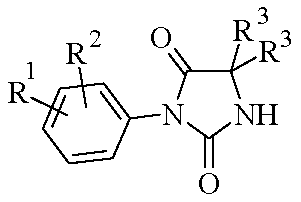
(상기 식에서, R1, R2 및 R3은 상기 정의된 바와 같음)Wherein R 1 , R 2 and R 3 are as defined above
<화학식 III><Formula III>
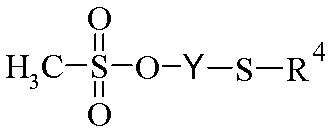
(상기 식에서, R4 및 Y는 상기 정의된 바와 같음), 또는Wherein R 4 and Y are as defined above, or
- 극성 양성자성 용매 중에서 하기 화학식 V의 티오벤조일 유도체를 알콜레이트로 처리한 후 Treatment of a thiobenzoyl derivative of the general formula (V) with an alcoholate in a polar protic solvent
<화학식 V>(V)

(상기 식에서, R4는 상기 정의된 바와 같음),Wherein R 4 is as defined above,
- 극성 용매 중의 용액에서 하기 화학식 IV의 할로겐화 유도체를 첨가함으로써By adding a halogenated derivative of formula IV in a solution in a polar solvent
<화학식 IV><Formula IV>
(상기 식에서, R1, R2, R3 및 Y는 상기 정의된 바와 같음),Wherein R 1 , R 2 , R 3 and Y are as defined above,
하기 화학식 I.1의 화합물 (X가 황 원자를 나타내는 화학식 I의 화합물)을 수득하는 것을 포함함을 특징으로 하는, 상기 정의된 바와 같은 화학식 I의 화합물의 제조 방법이다.A process for preparing a compound of formula (I) as defined above, comprising obtaining a compound of formula (I.1) (compound of formula (I) wherein X represents a sulfur atom).
<화학식 I.1><Formula I.1>
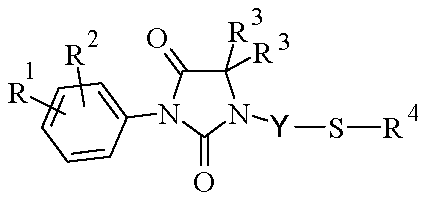
(상기 식에서, R1, R2, R3, R4 및 Y는 상기 정의된 바와 같음)Wherein R 1 , R 2 , R 3 , R 4 and Y are as defined above
바람직하게는, 상기 방법은 화학식 I.1의 화합물을 하기 화학식 I.2의 술폭시드 (X가 -SO- 라디칼을 나타내는 화학식 I의 화합물)로 산화시키는 단계를 추가로 포함한다.Preferably, the method further comprises the step of oxidizing the compound of formula I.1 to the sulfoxide of formula I.2 (compound of formula I wherein X represents -SO- radical).
<화학식 I.2><Formula I.2>
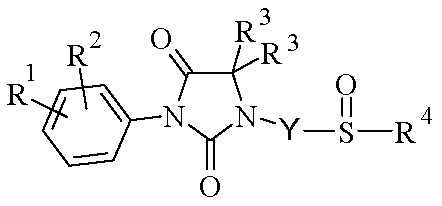
(상기 식에서, R1, R2, R3, R4 및 Y는 상기 정의된 바와 같음)Wherein R 1 , R 2 , R 3 , R 4 and Y are as defined above
바람직하게는, 화학식 I의 화합물의 제조 방법은 화학식 I.2의 술폭시드 유도체를 하기 화학식 I.3의 술폰 (X가 -SO2- 기를 나타내는 화학식 I의 화합물)으로 산화시키는 단계를 추가로 포함한다.Preferably, the process for the preparation of the compound of formula (I) further comprises the step of oxidizing the sulfoxide derivative of formula (I.2) to the sulfone of formula (I.3) (the compound of formula (I) wherein X represents a -SO 2 -group) do.
<화학식 I.3><Formula I.3>

(상기 식에서, R1, R2, R3, R4 및 Y는 상기 정의된 바와 같음)Wherein R 1 , R 2 , R 3 , R 4 and Y are as defined above
본 발명의 대상은 또한 중간체로서 하기 화합물 중 하나이다:Subjects of the invention are also one of the following compounds as intermediates:
- 1-(5-요오도펜틸)-5,5-디메틸-3-[4-니트로-3-(트리플루오로메틸)페닐]이미다졸리딘-2,4-디온1- (5-iodopentyl) -5,5-dimethyl-3- [4-nitro-3- (trifluoromethyl) phenyl] imidazolidine-2,4-dione
- 1-(8-요오도옥틸)-5,5-디메틸-3-[4-니트로-3-(트리플루오로메틸)페닐]이미다졸리딘-2,4-디온1- (8-iodooctyl) -5,5-dimethyl-3- [4-nitro-3- (trifluoromethyl) phenyl] imidazolidine-2,4-dione
- 1-(9-브로모노닐)-5,5-디메틸-3-[4-니트로-3-(트리플루오로메틸)페닐]이미다졸리딘-2,4-디온1- (9-bromononyl) -5,5-dimethyl-3- [4-nitro-3- (trifluoromethyl) phenyl] imidazolidine-2,4-dione
- 4-[3-(9-브로모노닐)-4,4-디메틸-2,5-디옥소이미다졸리딘-1-일]-2-(트리플루오로메틸)벤조니트릴4- [3- (9-bromononyl) -4,4-dimethyl-2,5-dioxoimidazolidin-1-yl] -2- (trifluoromethyl) benzonitrile
- 5,5-디메틸-3-(3-메틸-4-니트로페닐)이미다졸리딘-2,4-디온5,5-dimethyl-3- (3-methyl-4-nitrophenyl) imidazolidine-2,4-dione
- 1-(9-브로모노닐)-5,5-디메틸-3-(3-메틸-4-니트로페닐)이미다졸리딘-2,4-디온.1- (9-bromononyl) -5,5-dimethyl-3- (3-methyl-4-nitrophenyl) imidazolidine-2,4-dione.
본 발명의 대상은 또한 의약으로서의 화학식 I의 화합물 중 하나이다.Subject of the invention is also one of the compounds of formula (I) as a medicament.
본 발명의 대상은 또한 활성 성분으로서 상기 정의된 바와 같은 하나 이상의 화학식 I의 화합물을 제약상 허용되는 지지체와 함께 함유하는 제약 조성물이다.Subjects of the invention are also pharmaceutical compositions which contain, as active ingredient, at least one compound of the formula (I) as defined above together with a pharmaceutically acceptable support.
본 발명의 대상은 또한 암의 치료를 위한 의약의 제조에서의 화학식 I의 화합물의 용도이다.Subject of the invention is also the use of a compound of formula (I) in the manufacture of a medicament for the treatment of cancer.
바람직하게는, 의약은 호르몬-의존성 암의 치료를 위해 의도된다.Preferably the medicament is intended for the treatment of hormone-dependent cancer.
바람직하게는, 의약은 안드로겐 수용체를 발현하는 암의 치료를 위해 의도된다Preferably, the medicament is intended for the treatment of cancer expressing androgen receptors.
바람직하게는, 의약은 유방 또는 전립선의 암의 치료를 위해 의도된다.Preferably the medicament is intended for the treatment of cancer of the breast or prostate.
도면의 간단한 설명
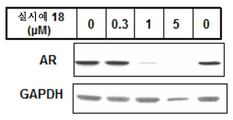
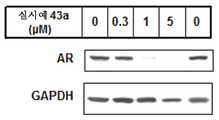
도 1은 스테로이드 없이 배지 중에서 배양된 LNCaP 세포의 증식에 대한 화합물 18 및 43a의 효과를 나타낸다.
도 2 및 3은 안드로겐 수용체의 단백질 발현에서의 감소에 대한 화합물 18 및 43a의 효과를 나타낸다.
도 4는 안드로겐 수용체의 단백질 발현에서의 감소에 대한 닐루타미드의 효과를 나타낸다.Brief description of the drawings
1 shows the effect of
2 and 3 show the effect of
4 shows the effect of nilutamide on reduction in protein expression of androgen receptors.
발명의 실시양태의 상세한 설명Detailed Description of Embodiments of the Invention
따라서, 본 발명의 대상은 라세미체 또는 거울상이성질체 형태 또는 이들 형태의 임의의 조합물인 하기 화학식 I의 화합물이다.Accordingly, the subject of the invention is a compound of formula (I) in racemic or enantiomeric form or any combination of these forms.
<화학식 I><Formula I>
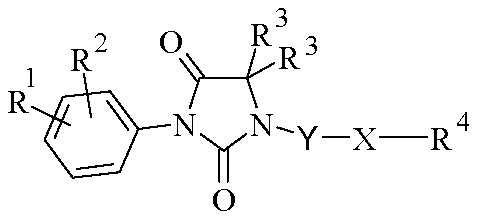
상기 식에서,Where
R1 및 R2는 독립적으로 할로겐 원자, 또는 알킬, 할로알킬, 알콕시, 시아노, 니트로, 아미노, 알킬아미노, 디알킬아미노, -NR8-CO-R5, -NR8-SO2-R5, -NR8-CO-(CH2)n-NR6R7, -NR8-SO2-(CH2)n-NR6R7 또는 -CO-NH2 라디칼을 나타낸다.R 1 and R 2 are independently halogen atom or alkyl, haloalkyl, alkoxy, cyano, nitro, amino, alkylamino, dialkylamino, -NR 8 -CO-R 5 , -NR 8 -SO 2 -R 5 , —NR 8 —CO— (CH 2 ) n —NR 6 R 7 , —NR 8 —SO 2 — (CH 2 ) n —NR 6 R 7 or —CO—NH 2 radicals.
n은 0 내지 6에 포함된 정수를 나타낸다.n represents the integer contained in 0-6.
R5는 알킬, 아릴 또는 헤테로아릴 라디칼을 나타낸다. 바람직하게는, R5는 알킬 라디칼이다.R 5 represents an alkyl, aryl or heteroaryl radical. Preferably, R 5 is an alkyl radical.
R6 및 R7은 독립적으로 수소 원자, 알킬 또는 알킬옥시카르보닐 라디칼을 나타낸다.R 6 and R 7 independently represent a hydrogen atom, an alkyl or alkyloxycarbonyl radical.
R8은 수소 원자 또는 알킬 라디칼을 나타낸다. 바람직하게는, R8은 수소 원자를 나타낸다.R 8 represents a hydrogen atom or an alkyl radical. Preferably, R 8 represents a hydrogen atom.
R3은 알킬 라디칼 또는 수소 원자를 나타낸다. 대안적으로, 2개의 R3 라디칼은 이들이 부착되어 있는 탄소 원자와 함께 3 내지 6개의 구성원을 포함하는 시클로알킬 라디칼을 형성한다.R 3 represents an alkyl radical or a hydrogen atom. Alternatively, two R 3 radicals together with the carbon atoms to which they are attached form a cycloalkyl radical comprising 3 to 6 members.
R4는 2 내지 10개의 탄소 원자를 갖는 할로알킬 라디칼을 나타낸다.R 4 represents a haloalkyl radical having 2 to 10 carbon atoms.
Y는 2 내지 14개의 탄소 원자를 갖는 알킬렌 쇄를 나타낸다. Y 쇄는 선형 또는 분지형일 수 있다. 이 쇄는 포화 또는 불포화일 수 있다. 이는 하나 이상의 추가의 -O- 구성원을 함유할 수 있다.Y represents an alkylene chain having 2 to 14 carbon atoms. Y chains may be linear or branched. This chain may be saturated or unsaturated. It may contain one or more additional -O- members.
X는 -S-, -SO-, -SO2-, -S=N(R9)- 또는 -S(O)=N(R9)-를 나타낸다.X represents -S-, -SO-, -SO 2- , -S = N (R 9 )-or -S (O) = N (R 9 )-.
R9는 수소 원자 또는 할로알킬카르보닐 라디칼을 나타낸다.R 9 represents a hydrogen atom or a haloalkylcarbonyl radical.
화학식 I의 화합물은 제약상 허용되는 염 형태일 수 있다.The compound of formula (I) may be in pharmaceutically acceptable salt form.
제약상 허용되는 염은 특히 무기 산의 부가염, 예컨대 히드로클로라이드, 히드로브로마이드, 술페이트, 포스페이트, 디포스페이트 및 니트레이트, 또는 유기 산의 부가염, 예컨대 아세테이트, 말레에이트, 푸마레이트, 타르트레이트, 숙시네이트, 시트레이트, 락테이트, 메탄술포네이트, 벤젠술포네이트, p-톨루엔술포네이트, 파모에이트 및 스테아레이트를 의미한다. 또한, 염기로부터 형성된 염, 예컨대 수산화나트륨 또는 수산화칼륨은, 사용될 수 있는 경우, 본 발명의 범위내에 포함된다. 제약상 허용되는 염의 다른 예에 대해서는 문헌 ["Salt selection for basic drugs", Int. J. Pharm. (1986), 33, 201-217]을 참고할 수 있다. Pharmaceutically acceptable salts are in particular addition salts of inorganic acids such as hydrochloride, hydrobromide, sulfates, phosphates, diphosphates and nitrates, or addition salts of organic acids such as acetates, maleates, fumarates, tartrate, Succinate, citrate, lactate, methanesulfonate, benzenesulfonate, p-toluenesulfonate, pamoate and stearate. In addition, salts formed from bases, such as sodium or potassium hydroxide, are included within the scope of the present invention when they can be used. For other examples of pharmaceutically acceptable salts, see "Salt selection for basic drugs", Int. J. Pharm. (1986), 33, 201-217.
상기 언급된 정의에서, 할로겐 (또는 할로)의 표현은 플루오로, 클로로, 브로모 또는 요오도 라디칼, 바람직하게는 클로로, 플루오로 또는 브로모를 나타낸다. 더욱 우선적으로, 할로겐 (또는 할로)의 표현은 플루오로 라디칼을 나타낸다.In the above-mentioned definition, the expression of halogen (or halo) denotes a fluoro, chloro, bromo or iodo radical, preferably chloro, fluoro or bromo. More preferentially, the expression of halogen (or halo) represents a fluoro radical.
달리 명시되지 않는 한, 본 발명의 의미 내에서 용어 알킬은 1 내지 12개의 탄소 원자를 포함하는 선형 또는 분지형 알킬 라디칼, 예컨대 메틸, 에틸, 프로필, 이소프로필, 부틸, 이소부틸, sec-부틸 및 tert-부틸, 펜틸 또는 아밀, 이소펜틸, 네오펜틸, 헥실 또는 이소헥실, 헵틸, 옥틸, 노닐, 데실, 운데실 또는 도데실 라디칼을 나타낸다. 우선적으로, 알킬 라디칼은 상기에 정의된 바와 같이 1 내지 6개의 탄소 원자를 갖는 알킬 라디칼을 나타내는 (C1-C6)알킬 라디칼, 또는 1 내지 4개의 탄소 원자를 갖는 알킬 라디칼을 나타내는 (C1-C4)알킬 라디칼, 예컨대 메틸, 에틸, 프로필, 이소프로필, 부틸, 이소부틸, sec-부틸 및 tert-부틸 라디칼이다.Unless otherwise specified, within the meaning of the present invention the term alkyl refers to linear or branched alkyl radicals containing 1 to 12 carbon atoms, such as methyl, ethyl, propyl, isopropyl, butyl, isobutyl, sec-butyl and tert-butyl, pentyl or amyl, isopentyl, neopentyl, hexyl or isohexyl, heptyl, octyl, nonyl, decyl, undecyl or dodecyl radicals. Preferred alkyl radicals represent (C 1 -C 6 ) alkyl radicals which represent alkyl radicals having 1 to 6 carbon atoms as defined above, or (C 1 which represent alkyl radicals having 1 to 4 carbon atoms -C 4 ) alkyl radicals such as the methyl, ethyl, propyl, isopropyl, butyl, isobutyl, sec-butyl and tert-butyl radicals.
알콕시 (또는 알킬옥시), 알킬아미노, 디알킬아미노, 할로알킬 또는 알콕시카르보닐 (또는 알킬옥시카르보닐)의 표현에서 용어 알킬은 상기에 정의된 바와 같은 알킬 라디칼을 나타낸다.The term alkyl in the expression of alkoxy (or alkyloxy), alkylamino, dialkylamino, haloalkyl or alkoxycarbonyl (or alkyloxycarbonyl) refers to an alkyl radical as defined above.
보다 특히, 할로알킬은 수소 원자 중 1개 이상이 (및 임의로 모두가) 할로겐 원자 (할로)로 대체된 알킬 라디칼, 예컨대 및 우선적으로 트리플루오로메틸 또는 분자식 C5H6F5, C5H4F7, C6H8F5, C6H6F7 또는 C6H4F9의 라디칼을 의미한다. More particularly, haloalkyl is an alkyl radical wherein at least one (and optionally all) of the hydrogen atoms are replaced with halogen atoms (halo) such as and preferentially trifluoromethyl or molecular formula C 5 H 6 F 5 , C 5 H 4 F 7 , C 6 H 8 F 5 , C 6 H 6 F 7 or C 6 H 4 F 9 .
할로알킬카르보닐의 표현에서 용어 할로알킬은 상기에 정의된 바와 같은 할로알킬 라디칼을 나타낸다.The term haloalkyl in the expression of haloalkylcarbonyl refers to a haloalkyl radical as defined above.
달리 명시되지 않는 한, 시클로알킬은 3 내지 6개의 구성원을 포함하는 포화 시클릭 탄소 라디칼, 예컨대 시클로프로필, 시클로부틸, 시클로펜틸 또는 시클로헥실을 의미한다.Unless otherwise specified, cycloalkyl means saturated cyclic carbon radicals containing 3 to 6 members, such as cyclopropyl, cyclobutyl, cyclopentyl or cyclohexyl.
본 발명의 의미 내에서, 아릴 라디칼은 모노 또는 폴리시클릭 방향족 유형일 수 있다. 모노시클릭 아릴 라디칼은 페닐, 톨릴, 크실릴, 메시틸, 쿠메닐 라디칼 및 바람직하게는 페닐로부터 선택될 수 있다. 폴리시클릭 아릴 라디칼은 나프틸, 안트릴, 페난트릴, 플루오레닐 라디칼로부터 선택될 수 있다. 이들은 1개 이상의 동일하거나 상이한 라디칼, 예컨대 알킬, 할로알킬, 알콕시, 알콕시카르보닐, 알킬카르보닐옥시, 할로, 시아노, 니트로, 아릴, 아릴옥시, 아릴옥시카르보닐 또는 아릴카르보닐옥시에 의해 임의로 치환될 수 있다. Within the meaning of the present invention, aryl radicals may be of mono or polycyclic aromatic type. The monocyclic aryl radical can be selected from phenyl, tolyl, xylyl, mesityl, cumenyl radicals and preferably phenyl. The polycyclic aryl radicals can be selected from naphthyl, anthryl, phenanthryl, fluorenyl radicals. These are optionally selected by one or more identical or different radicals such as alkyl, haloalkyl, alkoxy, alkoxycarbonyl, alkylcarbonyloxy, halo, cyano, nitro, aryl, aryloxy, aryloxycarbonyl or arylcarbonyloxy Can be substituted.
본 발명의 의미 내에서, 용어 헤테로아릴은 N, O 및 S로부터 선택된 1개 이상의 동일하거나 상이한 헤테로원자를 포함하는 불포화 방향족 고리, 예컨대 푸릴, 티에닐 이속사졸릴, 벤조티아디아졸릴, 피리디닐, 옥사졸릴, 피라졸릴, 피리미디닐 또는 퀴녹살릴을 지칭한다.Within the meaning of the present invention, the term heteroaryl refers to an unsaturated aromatic ring comprising at least one same or different heteroatom selected from N, O and S, such as furyl, thienyl isoxazolyl, benzothiadiazolyl, pyridinyl, Oxazolyl, pyrazolyl, pyrimidinyl or quinoxalyl.
2 내지 14개의 탄소 원자를 갖는, 선형 또는 분지형, 포화 또는 불포화 알킬렌 쇄는 예를 들어 메틸, 에틸, 프로필, 이소프로필, 부틸, 이소부틸, sec-부틸 및 tert-부틸, 펜틸 또는 아밀, 이소펜틸, 네오펜틸, 헥실 또는 이소헥실, 헵틸, 옥틸, 노닐, 데실, 운데실, 도데실, 에텐, 프로펜, 부텐, 펜텐, 헥센, 헵텐, 옥텐, 노넨, 데실렌, 운데실렌, 도데실렌 또는 부타-1,3-디엔 쇄를 의미한다.Linear or branched, saturated or unsaturated alkylene chains having 2 to 14 carbon atoms are for example methyl, ethyl, propyl, isopropyl, butyl, isobutyl, sec-butyl and tert-butyl, pentyl or amyl, Isopentyl, neopentyl, hexyl or isohexyl, heptyl, octyl, nonyl, decyl, undecyl, dodecyl, ethene, propene, butene, pentene, hexene, heptene, octene, nonene, decylene, undecylene, dodecylene Or buta-1,3-diene chain.
제약상 허용되는 염은 특히 무기 산의 부가염, 예컨대 히드로클로라이드, 히드로브로마이드, 술페이트, 포스페이트, 디포스페이트 및 니트레이트, 또는 유기 산의 부가염, 예컨대 아세테이트, 말레에이트, 푸마레이트, 타르트레이트, 숙시네이트, 시트레이트, 락테이트, 메탄술포네이트, 벤젠술포네이트, p-톨루엔술포네이트, 파모에이트 및 스테아레이트를 의미한다. 또한 염기로부터 형성된 염, 예컨대 수산화나트륨 또는 수산화칼륨은, 사용될 수 있는 경우, 본 발명의 범위내에 포함된다. 제약상 허용되는 염의 다른 예에 대해서는 문헌 ["Salt selection for basic drugs", Int. J. Pharm. (1986), 33, 201-217]을 참고할 수 있다.Pharmaceutically acceptable salts are in particular addition salts of inorganic acids such as hydrochloride, hydrobromide, sulfates, phosphates, diphosphates and nitrates, or addition salts of organic acids such as acetates, maleates, fumarates, tartrate, Succinate, citrate, lactate, methanesulfonate, benzenesulfonate, p-toluenesulfonate, pamoate and stearate. Also salts formed from bases, such as sodium or potassium hydroxide, are included within the scope of the present invention when they can be used. For other examples of pharmaceutically acceptable salts, see "Salt selection for basic drugs", Int. J. Pharm. (1986), 33, 201-217.
본 발명의 대상은 또한 상기에 정의된 바와 같은 화학식 I의 화합물의 제조 방법이다. 하기 화학식 I.1의 화합물 (X가 황 원자를 나타내는 화학식 I의 화합물)은 하기 화학식 II의 히단토인 유도체와 하기 화학식 III의 메실레이트 유도체의 축합에 의해 수득할 수 있다.Subject of the invention is also a process for the preparation of compounds of formula (I) as defined above. The compound of formula I.1 (compound of formula I wherein X represents a sulfur atom) can be obtained by condensation of a hydantoin derivative of formula II with a mesylate derivative of formula III.
<화학식 I.1><Formula I.1>
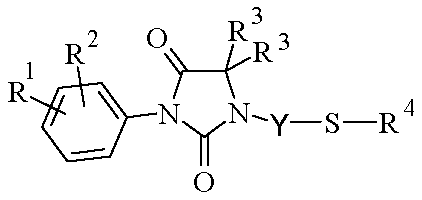
(상기 식에서, R1, R2, R3, R4 및 Y는 상기 정의된 바와 같음) Wherein R 1 , R 2 , R 3 , R 4 and Y are as defined above
<화학식 II><Formula II>

(상기 식에서, R1, R2 및 R3은 상기 정의된 바와 같음)Wherein R 1 , R 2 and R 3 are as defined above
<화학식 III><Formula III>
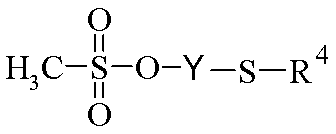
(상기 식에서, R4 및 Y는 상기 정의된 바와 같음)Wherein R 4 and Y are as defined above
축합은 강염기의 존재 하에 수행된다. 축합은 25 내지 60℃의 온도에서 수행된다. 용매는 바람직하게는 무수 극성 용매이다.Condensation is carried out in the presence of a strong base. Condensation is carried out at a temperature of 25 to 60 ° C. The solvent is preferably anhydrous polar solvent.
화학식 I.1의 화합물은 또한 Compounds of Formula I.1 also
(i) 하기 화학식 V의 티오벤조일 유도체를 극성 양성자성 용매 중에서 알콜레이트로로 처리한 후, 극성 용매 중의 용액에서 하기 화학식 IV의 할로겐화 유도체를 첨가함으로써 수득될 수 있다.(i) A thiobenzoyl derivative of formula (V) can be obtained by treatment with an alcoholate in a polar protic solvent, followed by addition of a halogenated derivative of formula (IV) in a solution in a polar solvent.
<화학식 V>(V)
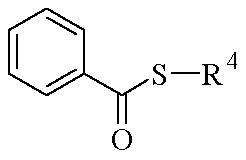
(상기 식에서, R4는 상기 정의된 바와 같음)Wherein R 4 is as defined above
<화학식 IV><Formula IV>
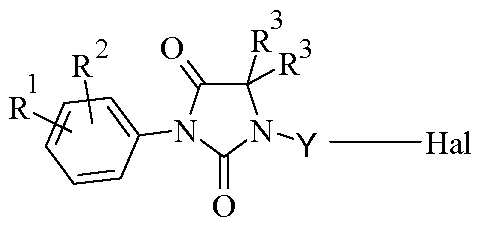
(상기 식에서, R1, R2, R3 및 Y는 상기 정의된 바와 같음)Wherein R 1 , R 2 , R 3 and Y are as defined above
바람직하게는, 화학식 I.1의 화합물은 산화에 의해 하기 화학식 I.2의 술폭시드 (X가 -SO- 라디칼을 나타내는 화학식 I의 화합물)로 전환된다. Preferably, the compound of formula I.1 is converted to sulfoxide of formula I.2 (compound of formula I wherein X represents -SO- radical) by oxidation.
<화학식 I.2><Formula I.2>

(상기 식에서, R1, R2, R3, R4 및 Y는 상기 정의된 바와 같음)Wherein R 1 , R 2 , R 3 , R 4 and Y are as defined above
바람직하게는, 화학식 I.2의 술폭시드 유도체는 산화에 의해 하기 화학식 I.3의 술폰 (X가 -SO2- 기를 나타내는 화학식 I의 화합물)로 전환될 수 있다.Preferably, the sulfoxide derivatives of formula I.2 can be converted to sulfones of formula I.3 (compounds of formula I wherein X represents a -SO 2 -group) by oxidation.
<화학식 I.3><Formula I.3>

(상기 식에서, R1, R2, R3, R4 및 Y는 상기 정의된 바와 같음)Wherein R 1 , R 2 , R 3 , R 4 and Y are as defined above
본 발명에 따른 화학식 I의 화합물은 하기 반응식 1에 나타낸 합성 경로에 따라 제조될 수 있다. 화학식 I의 화합물 (여기서, R1, R2, R3, R4 및 Y는 상기 정의된 바와 같음)은 중간체의 접근 용이성에 따라 두 가지 상이한 접근법으로 수득될 수 있다. 화학식 I.1의 화합물을 제조하기 위해, 화학식 II의 히단토인 유도체와 화학식 III의 메실레이트 유도체 (WO 2005077968에 기재된 실험 프로토콜에 따라 제조됨)의 축합은 염기, 예컨대 NaH의 존재 하에, 바람직하게는 무수 극성 용매, 예컨대 THF 또는 DMF 중에서 25 내지 60℃에서 5 내지 15 시간 동안 가열함으로써 수행된다. 대안적으로, 화학식 I.1의 화합물은 화학식 V의 티오벤조일 유도체 (WO 2005077968에 기재된 실험 프로토콜에 따라 제조됨)를 극성 양성자성 용매, 우선적으로 MeOH 중의 용액에서 30 분 내지 2 시간 동안 알콜레이트, 예컨대 tBuO-K+로 처리한 후, 극성 용매, 예컨대 MeOH 중의 용액에서 화학식 IV의 할로겐화 유도체를 첨가함으로써 제조될 수 있다. 반응은 일반적으로 약 20℃에서 10 내지 24 시간의 다양한 시간 동안 수행된다. 화학식 I.1의 화합물의 티오에테르 기를 화학식 I.2의 술폭시드로 산화시키는 것은 용매, 예컨대 THF 및 물의 혼합물 중에서 20℃의 온도에서 15 내지 30 분의 시간 동안 1 당량보다 적은 양의 옥손의 존재 하에 수행된다. Compounds of formula (I) according to the invention can be prepared according to the synthetic routes shown in
화학식 I.2의 술폭시드 유도체의 화학식 I.3의 술폰으로의 전환은 또한 용매, 예컨대 THF 및 물의 혼합물 중에서 옥손의 존재 하에 수행된다. 전체 전환을 수행하기 위해서는 일반적으로 3 당량의 산화제 및 3 내지 5 시간의 반응 시간이 필요하다. The conversion of the sulfoxide derivatives of formula I.2 to sulfones of formula I.3 is also carried out in the presence of oxone in a solvent such as a mixture of THF and water. To carry out the full conversion generally requires 3 equivalents of oxidant and a reaction time of 3 to 5 hours.
<반응식 1><

화학식 I.2의 술파닐리덴 유도체 (여기서, R2, R3, R4, R9 및 Y는 상기 정의된 바와 같음)는 반응식 I-a에 따라 화학식 I.1의 티오 알킬 유도체로부터 제조된다. 반응은 문헌 [C. Bolm et al. in Organic Letters 2004, vol.6, No. 17, 1305-1307]에 기재된 것과 유사한 실험 조건 하에 수행된다. 반응은 산화제, 예컨대 산화마그네슘의 존재 하에, 20℃ 내지 30℃ (바람직하게는 25℃)의 온도에서, 불활성 용매, 예컨대 테트라히드로푸란 또는 염소화 용매 및 특히 디클로로메탄 중에서 수 시간 동안 아세트아미드 유도체 R9-NH2와 화학식 I.1의 티오 알킬 화합물의 반응에 의해 수행된다. 이어서, 화학식 I.2-a의 유도체를 20℃ 내지 30℃ (바람직하게는 25℃)의 온도에서, 무기 염기 및 특히 수산화칼륨의 존재 하에, 불활성 용매, 예컨대 테트라히드로푸란, 알콜화 용매 및 특히 메탄올 중에서 수 시간 동안 반응시켜, 화학식 I-2의 화합물을 수득한다.Sulfanylidene derivatives of Formula I.2, wherein R 2 , R 3 , R 4 , R 9 and Y are as defined above, are prepared from thioalkyl derivatives of Formula I.1 according to Scheme Ia. The reaction is described in C. Bolm et al. in Organic Letters 2004, vol. 6, No. 17 , 1305-1307, under similar experimental conditions. The reaction is an oxidizing agent, for example in the presence of magnesium oxide, at a temperature of 20 ℃ to 30 ℃ (preferably 25 ℃), in an inert solvent such as tetrahydrofuran or a chlorinated solvent, and in particular dichloromethane for several hours in a methane acetamide derivative R 9 -NH 2 and the thio alkyl compound of formula I.1. The derivatives of formula I.2-a are then subjected to an inert solvent such as tetrahydrofuran, an alcoholic solvent and in particular in the presence of an inorganic base and in particular potassium hydroxide at temperatures of 20 ° C. to 30 ° C. (preferably 25 ° C.). Reaction in methanol for several hours affords the compound of formula I-2.
<반응식 I-a><Scheme I-a>

화학식 I.3의 술폰이미드 유도체 (여기서, R2, R3, R4, R9 및 Y는 상기 정의된 바와 같음)는 반응식 I-b에 따라 화학식 I.2의 술폭시드 유도체로부터 제조된다. 반응은 문헌 [C. Bolm et al. in Organic Letters 2004, vol.6, No. 17, 1305-1307]에 기재된 것과 유사한 실험 조건 하에 수행된다. 반응은 산화제, 예컨대 산화마그네슘의 존재 하에, 20℃ 내지 30℃ (바람직하게는 25℃)의 온도에서, 불활성 용매, 예컨대 테트라히드로푸란 또는 염소화 용매 및 특히 디클로로메탄 중에서 수 시간 동안 아세트아미드 유도체 R9-NH2와 화학식 I.2의 술폭시드 화합물의 반응에 의해 수행된다. 이어서, 화학식 I.3-b의 유도체를 20℃ 내지 30℃ (바람직하게는 25℃)의 온도에서, 무기 염기 및 특히 탄산칼륨의 존재 하에, 불활성 용매, 예컨대 테트라히드로푸란 또는 알콜화 용매 및 특히 메탄올 중에서 수 시간 동안 반응시켜, 화학식 I.3의 화합물을 수득한다.Sulfonimide derivatives of formula I.3, wherein R 2 , R 3 , R 4 , R 9 and Y are as defined above, are prepared from sulfoxide derivatives of formula I.2 according to Scheme Ib. The reaction is described in C. Bolm et al. in Organic Letters 2004, vol. 6, No. 17 , 1305-1307, under similar experimental conditions. The reaction is an oxidizing agent, for example in the presence of magnesium oxide, at a temperature of 20 ℃ to 30 ℃ (preferably 25 ℃), in an inert solvent such as tetrahydrofuran or a chlorinated solvent, and in particular dichloromethane for several hours in a methane acetamide derivative R 9 -NH 2 by the reaction of the sulfoxide compound of formula I.2. The derivatives of formula I.3-b are then inert in the presence of an inorganic base and in particular potassium carbonate, at temperatures of 20 ° C. to 30 ° C. (preferably 25 ° C.), in particular tetrahydrofuran or alcoholic solvents and in particular Reaction in methanol for several hours gives a compound of formula I.3.
<반응식 I-b><Scheme I-b>

A) A) RR 1One 이 임의로 치환된 아미노 기인 화학식 I.1의 화합물의 제조Preparation of the compound of formula I.1 which is an optionally substituted amino group ::
A.1) 아닐린 유도체의 제조:A.1) Preparation of Aniline Derivatives:
R1이 니트로 기이고, R2, R3 및 R4가 상기 정의된 바와 같은 특별한 경우, 화학식 I.1A1의 아닐린 유도체의 제조를 반응식 A1에 나타낸다. 화학식 I.1의 화합물의 니트로 기의 환원은 SnCl2, 2H2O를 이용하여 (문헌 [J. Heterocyclic Chem. 1987, 24, 927-930]; [Tetrahedron Letters 1984, 25 (8), 839-842]) 반응 혼합물을 환류 하에 용매, 예컨대 에틸 아세테이트 중에서 수 시간 동안 가열함으로써 수행한다. R 1 is a nitro group, R 2, R 3 and R 4 is a special case as defined above, it illustrates the preparation of aniline derivatives of the formula I.1 in scheme A1 A1. Reduction of the nitro group of the compound of formula I.1 is carried out using SnCl 2 , 2H 2 O ( J. Heterocyclic Chem. 1987, 24 , 927-930; Tetrahedron Letters 1984, 25 (8), 839-). 842) The reaction mixture is carried out by heating under reflux in a solvent such as ethyl acetate for several hours.
<반응식 A1><Scheme A1>
A.2) 아세트아미드 유도체의 제조:A.2) Preparation of Acetamide Derivatives:
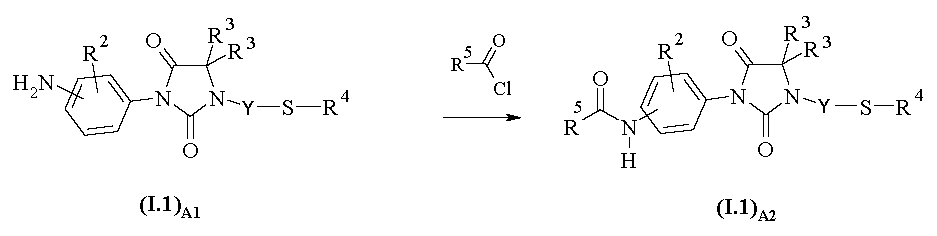
화학식 I.1A2의 아세트아미드 유도체 (여기서, R2, R3, R4 및 R5는 상기 정의된 바와 같음)는 반응식 A2에 따라 화학식 I.1A1의 아닐린 유도체로부터 한 단계로 제조가능하다. 아실화 반응은 과량의 화학식 R5-COCl의 산 클로라이드, 예를 들어 아세틸 클로라이드, 또는 (R5-CO)2O 유형의 무수물, 예컨대 아세트산 무수물을 이용하여 수행될 수 있다. 반응은 일반적으로 약 20℃에서 무수 용매, 예컨대 디클로로메탄 중에서 수 시간 동안 수행된다.Acetamide derivatives of Formula I.1 A2 , wherein R 2 , R 3 , R 4 and R 5 are as defined above, can be prepared in one step from aniline derivatives of Formula I.1 A1 according to Scheme A2. . The acylation reaction can be carried out using an excess of an acid chloride of the formula R 5 -COCl, for example acetyl chloride, or anhydrides of the (R 5 -CO) 2 O type, such as acetic anhydride. The reaction is generally carried out at about 20 ° C. for several hours in anhydrous solvent such as dichloromethane.
<반응식 A2><Scheme A2>
반응식 A2a에서 화학식 I.1A2a의 중간체 (여기서, R2, R3, R4, R5, R8 및 Y는 상기 정의된 바와 같음)의 합성은 화학식 R8-Hal의 할로겐화 시약의 할로겐 원자를 염기, 예컨대 NaH의 존재 하에 극성 비양성자성 용매, 예컨대 DMF 또는 DMSO 중에서 생성된 화학식 I.1A2의 아세트아미드의 음이온으로 친핵성 치환시킴으로써 수행된다. 반응은 일반적으로 20 내지 30℃의 온도에서 1 내지 5 시간 동안 수행된다.In Scheme A2a the synthesis of intermediates of Formula I.1 A2a , wherein R 2 , R 3 , R 4 , R 5 , R 8 and Y are as defined above, is given by the halogen atom of the halogenating reagent of Formula R 8 -Hal Is carried out by nucleophilic substitution in the presence of a base such as NaH with an anion of acetamide of formula I.1 A2 produced in a polar aprotic solvent such as DMF or DMSO. The reaction is generally carried out at a temperature of 20 to 30 ° C. for 1 to 5 hours.
<반응식 A2a><Scheme A2a>

A.3) 우레아 유도체의 제조:A.3) Preparation of Urea Derivatives:
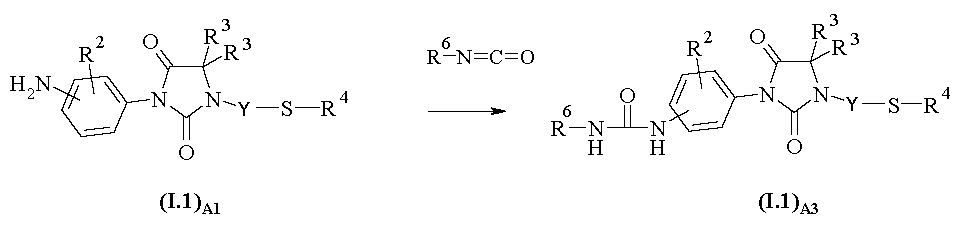
화학식 I.1A3의 우레아 유도체 (여기서, R2, R3, R4 및 R6은 상기 정의된 바와 같음)는 반응식 A3에 따라 화학식 I.1A1의 아닐린 유도체로부터 한 단계로 제조된다. 반응은 이소시아네이트 유도체 R6-N=C=O의 존재 하에 반응 혼합물을 일반적으로 불활성 용매, 예컨대 염소화 용매 및 특히 1,2-디클로로에탄 중에서 수 시간 동안 70 내지 120℃의 온도로 가열함으로써 수행된다.Urea derivatives of formula I.1 A3 , wherein R 2 , R 3 , R 4 and R 6 are as defined above, are prepared in one step from aniline derivatives of formula I.1 A1 according to Scheme A3. The reaction is carried out by heating the reaction mixture in the presence of an isocyanate derivative R 6 -N═C═O, generally to an temperature of 70 to 120 ° C. for several hours in an inert solvent such as a chlorinated solvent and in particular 1,2-dichloroethane.
<반응식 A3>Scheme A3
A.4) 술파미드 유도체의 제조:A.4) Preparation of sulfamide derivatives:
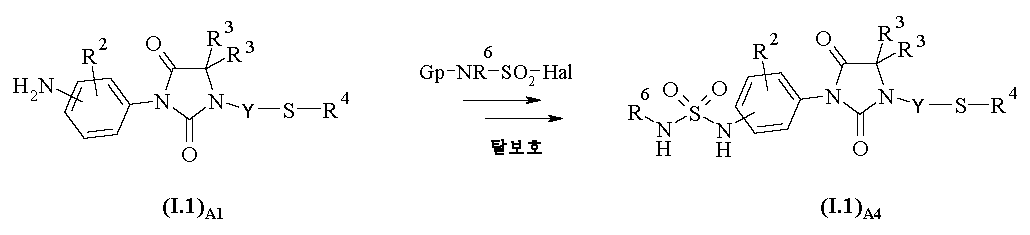
화학식 I.1A3의 술파미드 유도체 (여기서, R2, R3, R4 및 R6은 상기 정의된 바와 같음)는 반응식 A4에 따라 화학식 I.1A1의 아닐린 유도체로부터 제조된다. 반응은 WO2007125197에 기재된 것과 유사한 실험 조건 하에 수행된다.The sulfamide derivatives of Formula I.1 A3 , wherein R 2 , R 3 , R 4 and R 6 are as defined above, are prepared from aniline derivatives of Formula I.1 A1 according to Scheme A4. The reaction is carried out under experimental conditions similar to those described in WO2007125197.
<반응식 A4><Scheme A4>
A.5) 술폰아미드 유도체의 제조:A.5) Preparation of sulfonamide derivatives:
화학식 I.1A5의 술폰아미드 유도체 (여기서, R2, R3, R4, R5 및 Y는 상기 정의된 바와 같음)는 반응식 A5에 따라 화학식 I.1A1의 아닐린 유도체로부터 제조된다. 반응은 문헌 [G.H. Chu et al. in Bioorg. Med. Chem. Lett. 2007, 17, 1951-1955]에 기재된 것과 유사한 실험 조건 하에 수행된다. 반응은 20℃ 내지 30℃ (바람직하게는 25℃)의 온도에서, 불활성 용매, 예컨대 테트라히드로푸란, 염소화 용매 및 특히 1,2-디클로로에탄 중에서, 수 시간 동안 술포닐 클로라이드 유도체 R5-SO2-Cl과 화학식 I.1A1의 아닐린 화합물 (여기서, R2, R3, R4는 상기 정의된 바와 같음)의 반응에 의해 수행된다. 이어서, 화학식 I.1A5-1의 디술폰아미드 유도체를 20℃ 내지 30℃ (바람직하게는 25℃)의 온도에서, 무기 염기 및 특히 수산화리튬의 존재 하에, 불활성 용매, 예컨대 테트라히드로푸란, 알콜화 용매 및 특히 메탄올 중에서 수 시간 동안 반응시킨다.Sulfonamide derivatives of Formula I.1 A5 , wherein R 2 , R 3 , R 4 , R 5 and Y are as defined above, are prepared from aniline derivatives of Formula I1 A1 according to Scheme A5. The reaction is described in GH Chu et al. in Bioorg. Med. Chem. Lett. 2007, 17 , 1951-1955] is carried out under similar experimental conditions. The reaction is carried out for several hours at a temperature of 20 ° C. to 30 ° C. (preferably 25 ° C.) in an inert solvent such as tetrahydrofuran, a chlorinated solvent and especially 1,2-dichloroethane for several hours R 5 -SO 2 It is carried out by the reaction of —Cl with an aniline compound of formula I1 A1 , wherein R 2 , R 3 , R 4 are as defined above. The disulfonamide derivatives of formula I.1 A5-1 are then inert solvents such as tetrahydrofuran, alcohols at temperatures of 20 ° C. to 30 ° C. (preferably 25 ° C.), in the presence of inorganic bases and especially lithium hydroxide. The reaction is carried out for several hours in a solvent and especially methanol.
<반응식 A5><Scheme A5>

B) B) RR 1One 이 카르복스아미드 기인 화학식 I.1의 화합물의 제조를 위한 합성Synthesis for the preparation of compounds of formula I.1 which are carboxamide groups ::
B.1) 카르복스아미드 유도체의 제조:B.1) Preparation of Carboxamide Derivatives:
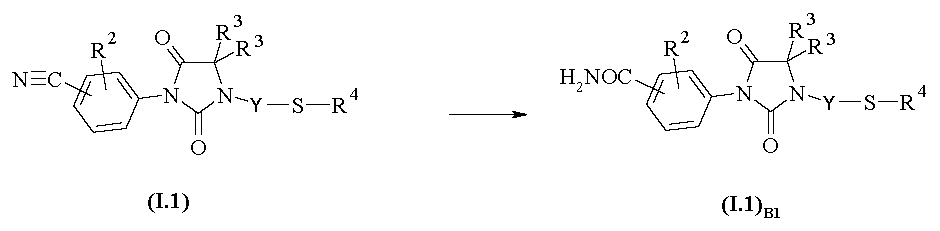
화학식 I.1B1의 카르복스아미드 유도체 (여기서, R2, R3 및 R4는 상기 정의된 바와 같음)는 반응식 B1에 따라 화학식 I.1의 니트릴 유도체로부터 한 단계로 제조된다. 가수분해 반응을 트리플루오로아세트산 및 황산의 혼합물 중에서 수행한 후, 수성 매질 중에서 처리한다 (문헌 [J. Org. Chem. 2005, 70 (5), 1926-1929]).Carboxamide derivatives of Formula I.1 B1 , wherein R 2 , R 3 and R 4 are as defined above, are prepared in one step from nitrile derivatives of Formula I.1 according to Scheme B1. The hydrolysis reaction is carried out in a mixture of trifluoroacetic acid and sulfuric acid and then treated in an aqueous medium ( J. Org. Chem . 2005, 70 (5), 1926-1929).
<반응식 B1><Scheme B1>
C) C) 화학식 II의 중간체의 제조Preparation of Intermediate of Formula (II) ::
화학식 II의 아릴히단토인 중간체 (여기서, R1, R2 및 R3은 상기 정의된 바와 같음)의 합성은 하기 반응식에 기재된 전략에 따라 수행될 수 있다:Synthesis of the arylhydantoin intermediate of Formula II, wherein R 1 , R 2 and R 3 are as defined above, can be carried out according to the strategy described in the following scheme:
C.1) 축합에 의한 아릴히단토인의 제조:C.1) Preparation of Arylhydantoin by Condensation:
반응식 B1에서 화학식 II의 아릴히단토인의 합성은 화학식 II1의 화합물의 방향족 고리에 보유된 불소 원자를 염기, 예컨대 K2CO3의 존재 하에 생성된 화학식 II2의 히단토인의 음이온으로 친핵성 치환시킴으로써 수행될 수 있다. 반응은 65 내지 140℃의 온도에서 극성 비양성자성 용매, 예컨대 DMF 또는 DMSO 중에서 수행된다. 상기 온도 및 반응 시간은 R1 및 R2의 성질에 의해 크게 좌우되는 불소 원자의 핵 배척 이탈기 특성의 함수이다. 상업적으로 입수되지 않는 화학식 II2의 히단토인은 문헌 (예를 들어 [J. Med. Chem. 1984, 27 (12), 1663-8])에 기재된 방법에 따라 제조될 수 있다. 상업적으로 입수되지 않는 화학식 II2의 히단토인은 문헌 (예를 들어 [J. Med. Chem. 1984, 27 (12), 1663-8])에 기재된 방법에 따라 제조될 수 있다.Synthesis of arylhydantoin of formula (II) in Scheme B1 involves nucleophilic substitution of fluorine atoms held in aromatic rings of compounds of formula (II 1 ) with anions of hydantoin of formula (II 2) produced in the presence of a base, such as K 2 CO 3 Can be carried out. The reaction is carried out in a polar aprotic solvent such as DMF or DMSO at a temperature of 65 to 140 ° C. The temperature and reaction time are a function of the nuclear rejection character of the fluorine atom, which is largely dependent on the properties of R 1 and R 2 . Hydantoin of Formula II 2 , which is not commercially available, can be prepared according to the methods described in, for example, J. Med. Chem. 1984, 27 (12), 1663-8. Hydantoin of Formula II 2 , which is not commercially available, can be prepared according to the methods described in, for example, J. Med. Chem. 1984, 27 (12), 1663-8.
<반응식 C1><Scheme C1>
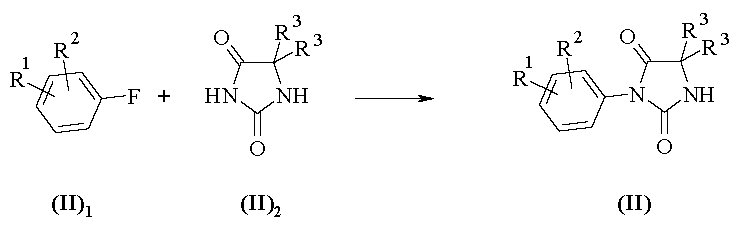
R1 및 R2가 반응식 C1에 기재된 방향족 친핵성 치환을 촉진시키기에는 불충분게 전자를 끄는 경우에는, 화학식 II의 화합물을 수득하기 위해서, 아세트산구리의 존재 하에 아릴 보론산과 화학식 II2의 히단토인의 커플링에 의한 접근법이 고려될 수 있다 (문헌 [Synlett 2006, 14, 2290-2]).When R 1 and R 2 attract electrons insufficiently to promote the aromatic nucleophilic substitution described in Scheme C1, in order to obtain a compound of formula II, the aryl boronic acid and the hydantoin of formula II 2 are present in the presence of copper acetate. An approach by coupling can be considered ( Synlett 2006, 14, 2290-2).
C.2) 아릴이소시아네이트로부터 히단토인 고리의 구성에 의한 아릴히단토인으 제조:C.2) Preparation of arylhydantoin by construction of a hydantoin ring from arylisocyanate:
이 경우에는, 화학식 II의 히단토인의 형성은 문헌 [Bioorg. Med. Chem. Lett. 2004, 14, 5285]에 기재된 프로토콜에 따라 수행된다. In this case, the formation of hydantoin of formula II is described by Bioorg. Med. Chem. Lett. 2004, 14 , 5285].
C.3) 아미노에스테르의 이소시아네이트로부터 히단토인 고리의 구성에 의한 아릴히단토인의 제조:C.3) Preparation of Arylhydantoin by Constitution of Hydantoin Ring from Isocyanate of Aminoester:
대안적으로, 화학식 II의 아릴히단토인은 문헌 [Eur. J. Med. Chem. 1984, 19 (3), 261]에 기재된 바와 같이 아미노에스테르의 이소시아네이트로부터 합성될 수 있다.Alternatively, arylhydantoin of formula (II) is described in Eur. J. Med. Chem. 1984, 19 (3), 261, can be synthesized from isocyanates of aminoesters.
D) D) 화학식 IV의 중간체의 제조Preparation of Intermediate of Formula IV ::
반응식 D1에서 화학식 IV의 중간체 (여기서, R1, R1, R3 및 Y는 상기 정의된 바와 같음)의 합성은 화학식 Hal-(CH2)n-Hal의 디할로겐화 시약의 할로겐 원자를 염기, 예컨대 NaH의 존재 하에 극성 비양성자성 용매, 예컨대 DMF 또는 DMSO 중에서 생성된 화학식 II의 히단토인의 음이온으로 친핵성 치환시킴으로써 수행된다. 반응은 일반적으로 20 내지 60℃의 온도에서 1 내지 15 시간 동안 수행된다.In Scheme D1 the synthesis of intermediates of formula IV, wherein R 1 , R 1 , R 3 and Y are as defined above, is characterized by the base of the halogen atom of the dihalogenation reagent of formula Hal- (CH 2 ) n -Hal, By nucleophilic substitution with an anion of hydantoin of formula II produced in a polar aprotic solvent such as DMF or DMSO in the presence of NaH, for example. The reaction is generally carried out at a temperature of 20 to 60 ° C. for 1 to 15 hours.
<반응식 D1><Scheme D1>

따라서, 본 발명의 대상은 또한 Thus, the subject matter of the present invention is also
강염기의 존재 하에 25 내지 60℃의 온도에서 무수 극성 용매 중에서 하기 화학식 II의 히단토인 유도체를 하기 화학식 III의 메실레이트 유도체와 축합시킴으로써Condensation of a hydantoin derivative of formula II with a mesylate derivative of formula III in anhydrous polar solvent in the presence of a strong base in a temperature of 25-60 ° C.
<화학식 II><Formula II>

(상기 식에서, R1, R2 및 R3은 상기 정의된 바와 같음)Wherein R 1 , R 2 and R 3 are as defined above
<화학식 III><Formula III>

(상기 식에서, R4 및 Y는 상기 정의된 바와 같음), 또는Wherein R 4 and Y are as defined above, or
하기 화학식 V의 티오벤조일 유도체를 극성 양성자성 용매 중에서 알콜레이트로 처리한 후, 극성 용매 중의 용액에서 하기 화학식 IV의 할로겐화 유도체를 첨가함으로써 Treatment of thiobenzoyl derivatives of formula V with alcoholates in polar protic solvents followed by addition of halogenated derivatives of formula IV in a solution in polar solvents
<화학식 V>(V)

(상기 식에서, R4는 상기 정의된 바와 같음)Wherein R 4 is as defined above
<화학식 IV><Formula IV>
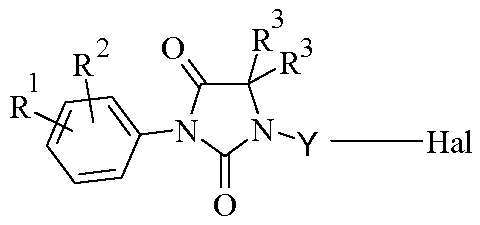
(상기 식에서, R1, R2, R3 및 Y는 상기 정의된 바와 같음)Wherein R 1 , R 2 , R 3 and Y are as defined above
하기 화학식 I.1의 화합물 (X가 황 원자를 나타내는 화학식 I의 화합물)을 수득하고To obtain a compound of formula I.1 (a compound of formula I wherein X represents a sulfur atom)
<화학식 I.1><Formula I.1>
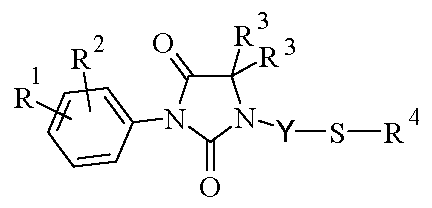
(상기 식에서, R1, R2, R3, R4 및 Y는 상기 정의된 바와 같음),(Wherein R 1 , R 2 , R 3 , R 4 and Y are as defined above),
화학식 I.1의 화합물의 티오에테르 기를 하기 화학식 I.2의 술폭시드 (X가 -SO- 라디칼을 나타내는 화학식 I의 화합물)로 산화시키고The thioether group of the compound of formula I.1 is oxidized to the sulfoxide of formula I.2 (compound of formula I wherein X represents -SO- radical)
<화학식 I.2><Formula I.2>
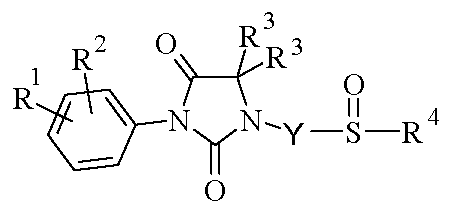
(상기 식에서, R1, R2, R3, R4 및 Y가 상기 정의된 바와 같음),(Wherein R 1 , R 2 , R 3 , R 4 and Y are as defined above),
화학식 I.2의 술폭시드 유도체를 하기 화학식 I.3의 술폰 (X가 -SO2- 기를 나타내는 화학식 I의 화합물)으로 산화시키는 것을 포함하는, 상기 정의된 바와 같은 화학식 I의 화합물의 제조 방법이다.A process for preparing a compound of formula (I) as defined above comprising oxidizing a sulfoxide derivative of formula (I.2) to a sulfone of formula (I.3) (a compound of formula (I) wherein X represents a -SO 2 -group) .
<화학식 I.3><Formula I.3>

(상기 식에서, R1, R2, R3, R4 및 Y는 상기 정의된 바와 같음)Wherein R 1 , R 2 , R 3 , R 4 and Y are as defined above
우선적으로, 상기 언급된 산화는 옥손(Oxone?)의 존재 하에 수행된다.Firstly, the above-mentioned oxidation is carried out in the presence of Oxone ?.
화학식 I의 화합물의 염화는 당업자에게 공지된 방법에 의해 수행될 수 있다. 예를 들어, 염화는 염기 또는 산, 예를 들어 수산화나트륨, 수산화칼륨, 또는 염산의 첨가에 의해 수행될 수 있다.Chloride of the compound of formula (I) can be carried out by methods known to those skilled in the art. For example, the chloride can be carried out by the addition of a base or an acid such as sodium hydroxide, potassium hydroxide, or hydrochloric acid.
변형예에 따르면, 본 발명의 대상은 중간체로서 하기 화합물 중 하나이다:According to a variant, the subject of the invention is one of the following compounds as intermediate:
- 1-(5-요오도펜틸)-5,5-디메틸-3-[4-니트로-3-(트리플루오로메틸)페닐]이미다졸리딘-2,4-디온1- (5-iodopentyl) -5,5-dimethyl-3- [4-nitro-3- (trifluoromethyl) phenyl] imidazolidine-2,4-dione
1-(8-요오도옥틸)-5,5-디메틸-3-[4-니트로-3-(트리플루오로메틸)페닐]이미다졸리딘-2,4-디온1- (8-iodooctyl) -5,5-dimethyl-3- [4-nitro-3- (trifluoromethyl) phenyl] imidazolidine-2,4-dione
- 1-(9-브로모노닐)-5,5-디메틸-3-[4-니트로-3-(트리플루오로메틸)페닐]이미다졸리딘-2,4-디온1- (9-bromononyl) -5,5-dimethyl-3- [4-nitro-3- (trifluoromethyl) phenyl] imidazolidine-2,4-dione
- 4-(4,4-디메틸-2,5-디옥소이미다졸리딘-1-일)-2-(트리플루오로메틸)벤조니트릴4- (4,4-dimethyl-2,5-dioxoimidazolidin-1-yl) -2- (trifluoromethyl) benzonitrile
- 4-[3-(9-브로모노닐)-4,4-디메틸-2,5-디옥소이미다졸리딘-1-일]-2-(트리플루오로메틸)벤조니트릴4- [3- (9-bromononyl) -4,4-dimethyl-2,5-dioxoimidazolidin-1-yl] -2- (trifluoromethyl) benzonitrile
- 5,5-디메틸-3-(3-메틸-4-니트로페닐)이미다졸리딘-2,4-디온5,5-dimethyl-3- (3-methyl-4-nitrophenyl) imidazolidine-2,4-dione
- 1-(9-브로모노닐)-5,5-디메틸-3-(3-메틸-4-니트로페닐)이미다졸리딘-2,4-디온.1- (9-bromononyl) -5,5-dimethyl-3- (3-methyl-4-nitrophenyl) imidazolidine-2,4-dione.
본 발명에 따른 화학식 I의 화합물은 유용한 약리학적 특성을 갖는다. 실제로, 본 발명의 화학식 I의 화합물이 항종양 (항암) 활성, 보다 특히 안드로겐 수용체를 발현하는 세포, 예컨대 LnCAP 유형 전립선 세포의 세포 증식에 대한 억제 활성을 갖는다는 것이 이미 발견되었다. 따라서, 본 발명의 화합물은 상이한 치료 적용에 사용될 수 있다. 이들은 유리하게는 암, 특히 호르몬-의존성 암, 안드로겐 수용체를 발현하는 암 및 보다 특히 유방암 및 전립선암의 치료에 사용된다. 본 발명의 화합물의 약리학적 특성의 설명은 이후 실험 부분에서 확인될 것이다.The compounds of formula (I) according to the invention have useful pharmacological properties. Indeed, it has already been discovered that the compounds of formula I of the present invention have antitumor (anticancer) activity, more particularly inhibitory activity on cell proliferation of cells expressing androgen receptors, such as LnCAP type prostate cells. Thus, the compounds of the present invention can be used for different therapeutic applications. They are advantageously used for the treatment of cancers, in particular hormone-dependent cancers, cancers expressing androgen receptors and more particularly breast and prostate cancers. A description of the pharmacological properties of the compounds of the present invention will be found in the experimental section below.
따라서, 본원의 대상은 또한 의약으로서 상기 정의된 바와 같은 화학식 I의 화합물이다.Accordingly, the subject matter of the present application is also a compound of formula (I) as defined above as a medicament.
또한, 본원의 대상은 증식성 질환, 우선적으로 암, 매우 우선적으로 호르몬-의존성 암 또는 안드로겐 수용체를 발현하는 암, 또는 전립선암 및 유방암 및 매우 우선적으로 전립선암의 치료를 위한 의약으로서 상기 정의된 바와 같은 화학식 I의 화합물이다. In addition, the subject herein is as defined above as a medicament for the treatment of proliferative disease, preferentially cancer, very preferentially hormone-dependent cancer or androgen receptor, or prostate and breast cancer and very preferentially prostate cancer, as defined above. Same compound of formula (I).
본원의 대상은 또한 활성 성분으로서 상기 정의된 바와 같은 하나 이상의 화학식 I의 화합물을 제약상 허용되는 지지체와 함께 함유하는 제약 조성물이다.Subject of the present application is also a pharmaceutical composition containing as an active ingredient at least one compound of the formula (I) as defined above together with a pharmaceutically acceptable support.
본원의 대상은 또한 항종양 의약의 제조에서의 본 발명에 따른 화학식 I의 화합물의 용도이다.Subject of the invention is also the use of a compound of formula I according to the invention in the manufacture of an anti-tumor medicament.
본원의 대상은 또한 세포 증식의 억제를 위한 의약의 제조에서의 본 발명에 따른 화학식 I의 화합물의 용도이다.Subject of the invention is also the use of a compound of formula I according to the invention in the manufacture of a medicament for the inhibition of cell proliferation.
본원의 대상은 또한 증식성 질환, 우선적으로 암, 매우 우선적으로 호르몬-의존성 암 또는 안드로겐 수용체를 발현하는 암, 또는 전립선암 및 유방암 및 매우 우선적으로 전립선암의 치료를 위한 의약의 제조에서의 본 발명에 따른 화학식 I의 화합물의 용도이다.The subject matter also relates to the present invention in the manufacture of a medicament for the treatment of proliferative disease, preferentially cancer, very preferentially hormone-dependent cancer or androgen receptor, or prostate and breast cancer and very preferentially prostate cancer. The use of compounds of formula (I) according to the invention.
제약 조성물은 고체 형태, 예를 들어 분말, 과립, 정제, 젤라틴 캡슐일 수 있다. 적절한 고체 지지체는 예를 들어 인산칼슘, 스테아르산마그네슘, 활석, 당, 락토스, 덱스트린, 전분, 젤라틴, 셀룰로스, 메틸 셀룰로스, 나트륨 카르복시메틸 셀룰로스, 폴리비닐피롤리딘 및 왁스일 수 있다.The pharmaceutical composition may be in solid form, for example powder, granules, tablets, gelatin capsules. Suitable solid supports can be, for example, calcium phosphate, magnesium stearate, talc, sugars, lactose, dextrin, starch, gelatin, cellulose, methyl cellulose, sodium carboxymethyl cellulose, polyvinylpyrrolidine and waxes.
본 발명의 화합물을 함유하는 제약 조성물은 또한 액체 형태, 예를 들어 용액, 에멀젼, 현탁액 또는 시럽으로 제시될 수 있다. 적절한 액체 지지체는 예를 들어 물, 유기 용매, 예컨대 글리세롤 또는 글리콜, 뿐만 아니라 제약상 허용되는 오일 또는 지방에 첨가된 물 중에서 다양한 비율의 이들의 혼합물일 수 있다. 멸균 액체 조성물은 근육내, 복강내 또는 피하 주사에 사용될 수 있고, 멸균 조성물은 또한 정맥내 경로에 의해 투여될 수 있다.Pharmaceutical compositions containing a compound of the present invention may also be presented in liquid form, for example solutions, emulsions, suspensions or syrups. Suitable liquid supports can be, for example, water, organic solvents such as glycerol or glycols, as well as mixtures thereof in various proportions in water added to pharmaceutically acceptable oils or fats. Sterile liquid compositions can be used for intramuscular, intraperitoneal or subcutaneous injection, and sterile compositions can also be administered by the intravenous route.
본문에 사용된 모든 전문 학술 용어는 당업자에게 공지된 의미를 갖는다. 더욱이, 모든 특허 (또는 특허 출원) 뿐만 아니라 다른 문헌 참고은 본원에 참고로 포함된다.All technical terms used herein have meanings known to those skilled in the art. Moreover, all patents (or patent applications) as well as other literature references are incorporated herein by reference.
<실시예><Examples>
실험 부분Experimental part
가변기 R1, R2, R3, X, n 및 R4의 정의에 따라, 본 발명에 따른 화합물은 상기 기재된 상이한 방법에 따라 제조될 수 있다. According to the definitions of the variable groups R 1 , R 2 , R 3 , X, n and R 4 , the compounds according to the invention can be prepared according to the different methods described above.
실시예는 상기 절차를 설명하기 위해 제시되며, 어떠한 경우에도 본 발명의 범위를 제한하는 것으로 고려되어서는 안된다. The examples are presented to illustrate the above procedure and in no case should be considered as limiting the scope of the invention.
실시예 1 : 5,5-디메틸-3-[4-니트로-3-(트리플루오로메틸)페닐]-1-{9-[(4,4,5,5,5-펜타플루오로펜틸)티오]노닐}이미다졸리딘-2,4-디온Example 1 5,5-dimethyl-3- [4-nitro-3- (trifluoromethyl) phenyl] -1- {9-[(4,4,5,5,5-pentafluoropentyl) Thio] nonyl} imidazolidine-2,4-dione
NaH (60%에서) (44 mg, 1.1 mmol)를 아르곤 하에 무수 DMF (8 ml) 중 5,5-디메틸-3-[4-니트로-3-(트리플루오로메틸)페닐]-이미다졸리딘-2,4-디온 (317 mg, 1 mmol)의 용액에 첨가하였다. 기체 방출에 의해 반응 매질의 색이 오렌지색으로 변하였다. 23℃에서 1 시간 동안 교반을 유지한 후, 9-[(4,4,5,5,5-펜타플루오로펜틸)-티오]노닐 메탄술포네이트 (WO 2005077968에 기재된 실험 프로토콜에 따라 제조됨) (332 mg, 0.8 mmol)를 첨가하였다. 15 시간 동안 반응시킨 후, 반응 매질을 물 (25 ml)에 붓고, AcOEt (2 x 25 ml)로 추출하였다. 유기상을 합하고, 물 (25 ml) 및 소금물 (25 ml)로 연속 세척하였다. Na2SO4 상에서 건조시킨 후, 유기 용액을 여과하고, 진공하에 농축시켰다. 증발 잔류물을 실리카 칼럼 상에서 정제하였다 (용리액: CH2Cl2/AcOEt: 1/1 -> 0/1). 목적 화합물을 72% (364 mg)의 수율로 연황색 오일의 형태로 수득하였다.NaH (at 60%) (44 mg, 1.1 mmol) was added 5,5-dimethyl-3- [4-nitro-3- (trifluoromethyl) phenyl] -imidazoli in anhydrous DMF (8 ml) under argon. To a solution of dean-2,4-dione (317 mg, 1 mmol). The gaseous release changed the color of the reaction medium to orange. After maintaining stirring at 23 ° C. for 1 hour, 9-[(4,4,5,5,5-pentafluoropentyl) -thio] nonyl methanesulfonate (prepared according to the experimental protocol described in WO 2005077968) (332 mg, 0.8 mmol) was added. After reacting for 15 hours, the reaction medium was poured into water (25 ml) and extracted with AcOEt (2 × 25 ml). The organic phases were combined and washed successively with water (25 ml) and brine (25 ml). After drying over Na 2 SO 4 , the organic solution was filtered and concentrated in vacuo. The evaporation residue was purified on silica column (eluent: CH 2 Cl 2 / AcOEt: 1/1-> 0/1). The desired compound was obtained in the form of light yellow oil in a yield of 72% (364 mg).

실시예 2 : 5,5-디메틸-3-[4-니트로-3-(트리플루오로메틸)페닐]-1-{9-[(4,4,5,5,5-펜타플루오로펜틸)술피닐]노닐}이미다졸리딘-2,4-디온Example 2: 5,5-dimethyl-3- [4-nitro-3- (trifluoromethyl) phenyl] -1- {9-[(4,4,5,5,5-pentafluoropentyl) Sulfinyl] nonyl} imidazolidine-2,4-dione
옥손? (211 mg, 0.34 mmol) 및 물 (10 ml)을 THF (75 ml) 중 실시예 1에 기재된 화합물 (364 mg, 0.57 mmol)의 용액에 첨가하였다. 반응 혼합물을 20 분 동안 (출발 생성물의 완전한 전환에 필요한 시간) 교반한 다음, 물 (100 ml)에 부었다. 상기 화합물을 AcOEt (2 x 75 ml)로 추출하고, 유기상을 합하고, 소금물로 세척하였다. Na2SO4 상에서 건조시킨 후, 유기 용액을 여과하고, 진공하에 농축시켰다. 증발 잔류물을 실리카 칼럼 상에서 정제하였다 (용리액: CH2Cl2/AcOEt: 1/1 -> 1/4). 목적 화합물을 86% (321 mg)의 수율로 무색 오일의 형태로 수득하였다.Oxon® (211 mg, 0.34 mmol) and water (10 ml) were added to a solution of the compound described in Example 1 (364 mg, 0.57 mmol) in THF (75 ml). The reaction mixture was stirred for 20 minutes (time required for complete conversion of the starting product) and then poured into water (100 ml). The compound was extracted with AcOEt (2 x 75 ml), the organic phases were combined and washed with brine. After drying over Na 2 SO 4 , the organic solution was filtered and concentrated in vacuo. The evaporation residue was purified on silica column (eluent: CH 2 Cl 2 / AcOEt: 1/1-> 1/4). The desired compound was obtained in the form of a colorless oil in a yield of 86% (321 mg).

실시예 3 : 5,5-디메틸-3-[4-니트로-3-(트리플루오로메틸)페닐]-1-{9-[(4,4,5,5,5-펜타플루오로펜틸)술포닐]노닐}이미다졸리딘-2,4-디온Example 3: 5,5-dimethyl-3- [4-nitro-3- (trifluoromethyl) phenyl] -1- {9-[(4,4,5,5,5-pentafluoropentyl) Sulfonyl] nonyl} imidazolidine-2,4-dione
옥손? (566 mg, 0.93 mmol)을 THF (6 ml) 중 실시예 2의 화합물 (200 mg, 0.31 mmol)의 용액에 첨가하였다. 반응 혼합물을 물 (3 ml)로 마무리하고, 23℃에서 3 시간 30 분 동안 (출발 생성물의 전체 전환에 필요한 시간) 교반하였다. 이어서, 혼합물을 물 (25 ml)에 붓고, AcOEt (2 x 25 ml)로 추출하였다. 경사분리한 후, 유기상을 합하고, 소금물 (20 ml)로 세척하고, Na2SO4 상에서 건조시키고, 여과하고, 진공 하에 농축에 의해 건조시켰다. 증발 잔류물을 실리카 칼럼 상에서 정제하였다 (용리액: 헵탄/AcOEt: 1/1 -> 3/7). 목적 화합물을 89% (185 mg)의 수율로 무색 오일의 형태로 수득하였다.Oxon® (566 mg, 0.93 mmol) was added to a solution of the compound of Example 2 (200 mg, 0.31 mmol) in THF (6 ml). The reaction mixture was finished with water (3 ml) and stirred at 23 ° C. for 3 h 30 min (time required for full conversion of starting product). Then the mixture was poured into water (25 ml) and extracted with AcOEt (2 × 25 ml). After decantation, the organic phases were combined, washed with brine (20 ml), dried over Na 2 SO 4 , filtered and concentrated to dryness in vacuo. The evaporation residue was purified on silica column (eluent: heptane / AcOEt: 1/1-> 3/7). The desired compound was obtained in the form of a colorless oil in a yield of 89% (185 mg).

실시예 4 : 5,5-디메틸-3-[4-니트로-3-(트리플루오로메틸)페닐]-1-{5-[(4,4,5,5,5-펜타플루오로펜틸)티오]펜틸}이미다졸리딘-2,4-디온Example 4: 5,5-dimethyl-3- [4-nitro-3- (trifluoromethyl) phenyl] -1- {5-[(4,4,5,5,5-pentafluoropentyl) Thio] pentyl} imidazolidine-2,4-dione
4.1) 1-(5-요오도펜틸)-5,5-디메틸-3-[4-니트로-3-(트리플루오로메틸)페닐]이미다졸리딘-2,4-디온4.1) 1- (5-iodopentyl) -5,5-dimethyl-3- [4-nitro-3- (trifluoromethyl) phenyl] imidazolidine-2,4-dione
NaH (60%까지) (65 mg, 1.6 mmol)를 아르곤 하에 무수 DMF (20 ml) 중 5,5-디메틸-3-[4-니트로-3-(트리플루오로메틸)페닐]-이미다졸리딘-2,4-디온 (500 mg, 1.6 mmol)의 용액에 첨가하였다. 기체 방출에 의해 반응 매질의 색이 오렌지색으로 변하였다. 23℃에서 1 시간 동안 교반을 유지한 후, 희석하지 않고, 1,5-디요오도펜탄 (350 ㎕, 2.4 mmol)을 첨가하였다. 15 시간 동안 반응시킨 후, 반응 매질을 NH4Cl의 포화 수용액 (25 ml)에 붓고, AcOEt (2 x 25 ml)로 추출하였다. 유기상을 합하고, 물 (25 ml) 및 소금물 (25 ml)로 연속 세척하였다. Na2SO4 상에서 건조시킨 후, 유기 용액을 여과하고, 진공하에 농축시켰다. 증발 잔류물을 실리카 칼럼 상에서 정제하였다 (용리액: 헵탄/AcOEt: 7/3 -> 6/4). 목적 화합물을 47% (380 mg)의 수율로 무색 오일의 형태로 수득하였다.NaH (up to 60%) (65 mg, 1.6 mmol) was added 5,5-dimethyl-3- [4-nitro-3- (trifluoromethyl) phenyl] -imidazoli in anhydrous DMF (20 ml) under argon. To a solution of dean-2,4-dione (500 mg, 1.6 mmol). The gaseous release changed the color of the reaction medium to orange. After stirring for 1 hour at 23 ° C., without dilution, 1,5-dioodopentane (350 μl, 2.4 mmol) was added. After reacting for 15 hours, the reaction medium was poured into a saturated aqueous solution of NH 4 Cl (25 ml) and extracted with AcOEt (2 × 25 ml). The organic phases were combined and washed successively with water (25 ml) and brine (25 ml). After drying over Na 2 SO 4 , the organic solution was filtered and concentrated in vacuo. Evaporation residue was purified on silica column (eluent: heptane / AcOEt: 7/3-> 6/4). The desired compound was obtained in the form of a colorless oil in a yield of 47% (380 mg).

4.2) 5,5-디메틸-3-[4-니트로-3-(트리플루오로메틸)페닐]-1-{5-[(4,4,5,5,5-펜타플루오로펜틸)티오]펜틸}이미다졸리딘-2,4-디온4.2) 5,5-dimethyl-3- [4-nitro-3- (trifluoromethyl) phenyl] -1- {5-[(4,4,5,5,5-pentafluoropentyl) thio] Pentyl} imidazolidine-2,4-dione
tBuO-K+ (124 mg, 1.11 mmol)를 아르곤 하에 MeOH (10 ml) 중 S-(4,4,5,5,5-펜타플루오로펜틸) 벤젠-카르보티오에이트 (WO 2005077968에 기재된 실험 프로토콜에 따라 제조됨) (221 mg, 0.74 mmol)의 용액에 첨가하고, 23℃에서 30 분 동안 교반을 유지하였다. 이어서, MeOH (10 ml) 중 중간체 4.1 (380 mg, 0.74 mmol)의 용액을 한번에 첨가하였다. 24 시간 동안 교반한 후, 반응 혼합물을 물 (25 ml)에 붓고, AcOEt (2 x 25 ml)로 추출하였다. 경사분리한 후, 유기상을 합하고, 물 (20 ml) 및 소금물 (20 ml)로 세척하고, Na2SO4 상에서 건조시키고, 여과하고, 진공 하에 농축에 의해 건조시켰다. 증발 잔류물을 실리카 칼럼 상에서 정제하였다 (용리액: 헵탄/AcOEt: 7/3 -> 6/4). 목적 화합물을 75% (320 mg)의 수율로 무색 오일의 형태로 수득하였다.tBuO - K + (124 mg, 1.11 mmol) was tested in S- (4,4,5,5,5-pentafluoropentyl) benzene-carbothioate (WO 2005077968) in MeOH (10 ml) under argon. Prepared according to protocol) (221 mg, 0.74 mmol) and kept stirring at 23 ° C. for 30 minutes. Then a solution of intermediate 4.1 (380 mg, 0.74 mmol) in MeOH (10 ml) was added in one portion. After stirring for 24 hours, the reaction mixture is poured into water (25 ml) and extracted with AcOEt (2 × 25 ml). After decantation, the organic phases were combined, washed with water (20 ml) and brine (20 ml), dried over Na 2 SO 4 , filtered and concentrated to dryness in vacuo. Evaporation residue was purified on silica column (eluent: heptane / AcOEt: 7/3-> 6/4). The desired compound was obtained in the form of a colorless oil in a yield of 75% (320 mg).

실시예 5 : 5,5-디메틸-3-[4-니트로-3-(트리플루오로메틸)페닐]-1-{5-[(4,4,5,5,5-펜타플루오로펜틸)술피닐]펜틸}이미다졸리딘-2,4-디온Example 5: 5,5-dimethyl-3- [4-nitro-3- (trifluoromethyl) phenyl] -1- {5-[(4,4,5,5,5-pentafluoropentyl) Sulfinyl] pentyl} imidazolidine-2,4-dione
이용된 실험 프로토콜은 실시예 2의 화합물의 합성에 대해 기재된 것과 동일하지만, 실시예 1의 화합물을 실시예 4의 화합물로 교체하였다. 136 mg의 백색 고체를 수득하였다 (73%). 융점: 95-96℃.The experimental protocol used was the same as described for the synthesis of the compound of Example 2, but the compound of Example 1 was replaced with the compound of Example 4. 136 mg of a white solid were obtained (73%). Melting point: 95-96 ° C.

실시예 6 : 5,5-디메틸-3-[4-니트로-3-(트리플루오로메틸)페닐]-1-{8-[(4,4,5,5,5-펜타플루오로펜틸)티오]옥틸}이미다졸리딘-2,4-디온Example 6: 5,5-dimethyl-3- [4-nitro-3- (trifluoromethyl) phenyl] -1- {8-[(4,4,5,5,5-pentafluoropentyl) Thio] octyl} imidazolidine-2,4-dione
6.1) 1-(8-요오도옥틸)-5,5-디메틸-3-[4-니트로-3-(트리플루오로메틸)페닐]이미다졸리딘-2,4-디온6.1) 1- (8-iodooctyl) -5,5-dimethyl-3- [4-nitro-3- (trifluoromethyl) phenyl] imidazolidine-2,4-dione
이용된 실험 프로토콜은 중간체 4.1의 합성에 대해 기재된 것과 동일하지만, 1,5-디요오도펜탄을 1,8-디요오도옥탄으로 교체하였다. 목적 화합물을 44% (229 mg)의 수율로 연황색 오일의 형태로 수득하였다.The experimental protocol used was the same as described for the synthesis of intermediate 4.1, but 1,5-diiodopentane was replaced with 1,8-diiodooctane. The desired compound was obtained in the form of light yellow oil in a yield of 44% (229 mg).

6.2) 5,5-디메틸-3-[4-니트로-3-(트리플루오로메틸)페닐]-1-{8-[(4,4,5,5,5-펜타플루오로펜틸)티오]옥틸}이미다졸리딘-2,4-디온6.2) 5,5-dimethyl-3- [4-nitro-3- (trifluoromethyl) phenyl] -1- {8-[(4,4,5,5,5-pentafluoropentyl) thio] Octyl} imidazolidine-2,4-dione
이용된 실험 프로토콜은 실시예 4의 화합물의 합성에 대해 기재된 것과 동일하지만, 중간체 4.1을 중간체 6.1로 교체하였다. 연황색 오일을 78%의 수율로 수득하였다.The experimental protocol used was the same as described for the synthesis of the compounds of Example 4, but Intermediate 4.1 was replaced with Intermediate 6.1. A light yellow oil was obtained with a yield of 78%.

실시예 7 : 5,5-디메틸-3-[4-니트로-3-(트리플루오로메틸)페닐]-1-{8-[(4,4,5,5,5-펜타플루오로펜틸)술피닐]옥틸}이미다졸리딘-2,4-디온Example 7: 5,5-dimethyl-3- [4-nitro-3- (trifluoromethyl) phenyl] -1- {8-[(4,4,5,5,5-pentafluoropentyl) Sulfinyl] octyl} imidazolidine-2,4-dione
이용된 실험 프로토콜은 실시예 2의 화합물의 합성에 대해 기재된 것과 동일하지만, 실시예 1의 화합물을 실시예 6으로 교체하였다. 61 mg의 연황색 오일을 수득하였다 (64%).The experimental protocol used was the same as described for the synthesis of the compound of Example 2, but the compound of Example 1 was replaced with Example 6. 61 mg of pale yellow oil was obtained (64%).

실시예 8 : 5,5-디메틸-3-[4-니트로-3-(트리플루오로메틸)페닐]-1-{10-[(4,4,5,5,5-펜타플루오로펜틸)티오]데실}이미다졸리딘-2,4-디온Example 8 5,5-dimethyl-3- [4-nitro-3- (trifluoromethyl) phenyl] -1- {10-[(4,4,5,5,5-pentafluoropentyl) Thio] decyl} imidazolidine-2,4-dione
이용된 실험 프로토콜은 실시예 1의 화합물의 합성에 대해 기재된 것과 동일하지만, 9-[(4,4,5,5,5-펜타플루오로펜틸)-티오]노닐 메탄술포네이트를 10-[(4,4,5,5,5-펜타플루오로펜틸)티오]데실 메탄술포네이트 (WO 2005077968에 기재된 것과 유사한 실험 프로토콜에 따라 제조됨)로 교체하였다. 목적 화합물을 13% (125 mg)의 수율로 연황색 오일의 형태로 수득하였다.The experimental protocol used was the same as that described for the synthesis of the compound of Example 1, except that 9-[(4,4,5,5,5-pentafluoropentyl) -thio] nonyl methanesulfonate was 10-[( 4,4,5,5,5-pentafluoropentyl) thio] decyl methanesulfonate (prepared according to an experimental protocol similar to that described in WO 2005077968). The desired compound was obtained in the form of light yellow oil in a yield of 13% (125 mg).
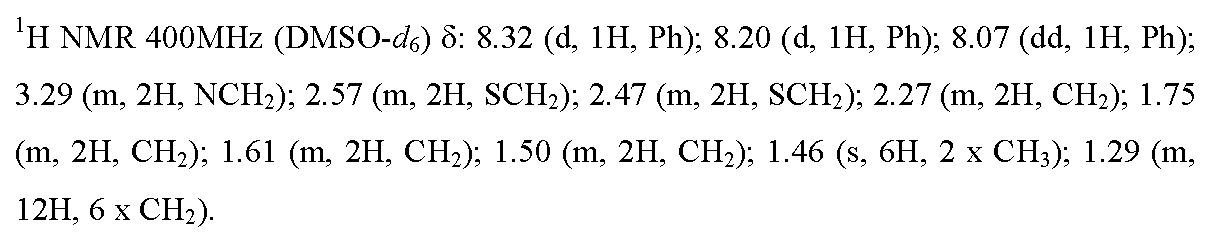
실시예 9 : 5,5-디메틸-3-[4-니트로-3-(트리플루오로메틸)페닐]-1-{10-[(4,4,5,5,5-펜타플루오로펜틸)술피닐]데실}이미다졸리딘-2,4-디온Example 9 5,5-dimethyl-3- [4-nitro-3- (trifluoromethyl) phenyl] -1- {10-[(4,4,5,5,5-pentafluoropentyl) Sulfinyl] decyl} imidazolidine-2,4-dione
이용된 실험 프로토콜은 실시예 2의 화합물의 합성에 대해 기재된 것과 동일하지만, 실시예 1의 화합물을 실시예 8의 화합물로 교체하였다. 목적 화합물을 74% (71 mg)의 수율로 연황색 오일의 형태로 수득하였다.The experimental protocol used was the same as described for the synthesis of the compound of Example 2, but the compound of Example 1 was replaced with the compound of Example 8. The desired compound was obtained in the form of light yellow oil in a yield of 74% (71 mg).

실시예 10 : 5,5-디메틸-3-[4-니트로-3-(트리플루오로메틸)페닐]-1-{11-[(4,4,5,5,5-펜타플루오로펜틸)티오]운데실}이미다졸리딘-2,4-디온Example 10 5,5-dimethyl-3- [4-nitro-3- (trifluoromethyl) phenyl] -1- {11-[(4,4,5,5,5-pentafluoropentyl) Thio] undecyl} imidazolidine-2,4-dione
이용된 실험 프로토콜은 실시예 1의 화합물의 합성에 대해 기재된 것과 동일하지만, 9-[(4,4,5,5,5-펜타플루오로펜틸)-티오]노닐 메탄술포네이트를 10-[(4,4,5,5,5-펜타플루오로펜틸)티오]운데실 메탄술포네이트 (WO 2005077968에 기재된 것과 유사한 실험 프로토콜에 따라 제조됨)로 교체하였다. 목적 화합물을 43% (328 mg)의 수율로 연황색 오일의 형태로 수득하였다.The experimental protocol used was the same as that described for the synthesis of the compound of Example 1, except that 9-[(4,4,5,5,5-pentafluoropentyl) -thio] nonyl methanesulfonate was 10-[( 4,4,5,5,5-pentafluoropentyl) thio] undecyl methanesulfonate (prepared according to an experimental protocol similar to that described in WO 2005077968). The desired compound was obtained in the form of light yellow oil in a yield of 43% (328 mg).

실시예 11 : 5,5-디메틸-3-[4-니트로-3-(트리플루오로메틸)페닐]-1-{11-[(4,4,5,5,5-펜타플루오로펜틸)술피닐]운데실}이미다졸리딘-2,4-디온Example 11 5,5-dimethyl-3- [4-nitro-3- (trifluoromethyl) phenyl] -1- {11-[(4,4,5,5,5-pentafluoropentyl) Sulfinyl] undecyl} imidazolidine-2,4-dione
이용된 실험 프로토콜은 실시예 2의 화합물의 합성에 대해 기재된 것과 동일하지만, 실시예 1의 화합물을 실시예 10으로 교체하였다. 목적 화합물을 72% (240 mg)의 수율로 연황색 오일의 형태로 수득하였다.The experimental protocol used was the same as described for the synthesis of the compound of Example 2, but the compound of Example 1 was replaced with Example 10. The desired compound was obtained in the form of light yellow oil in a yield of 72% (240 mg).

실시예 12 : 5,5-디메틸-3-[4-니트로-3-(트리플루오로메틸)페닐]-1-{9-[(4,4,4-트리플루오로부틸)티오]노닐}이미다졸리딘-2,4-디온Example 12: 5,5-dimethyl-3- [4-nitro-3- (trifluoromethyl) phenyl] -1- {9-[(4,4,4-trifluorobutyl) thio] nonyl} Imidazolidine-2,4-dione
12.1) 1-(9-브로모노닐)-5,5-디메틸-3-[4-니트로-3-(트리플루오로메틸)페닐]-이미다졸리딘-2,4-디온12.1) 1- (9-bromononyl) -5,5-dimethyl-3- [4-nitro-3- (trifluoromethyl) phenyl] -imidazolidine-2,4-dione
이용된 실험 프로토콜은 중간체 4.1의 합성에 대해 기재된 것과 동일하지만, 1,5-디요오도펜탄을 1,9-디브로모노난으로 교체하였다. 목적 화합물을 45% (1.24 g)의 수율로 연황색 오일의 형태로 수득하였다.The experimental protocol used was the same as described for the synthesis of intermediate 4.1, but the 1,5-diiodopentane was replaced with 1,9-dibromononane. The desired compound was obtained in the form of light yellow oil in a yield of 45% (1.24 g).

12.2) 5,5-디메틸-3-[4-니트로-3-(트리플루오로메틸)페닐]-1-{9-[(4,4,4-트리플루오로부틸)티오]노닐}이미다졸리딘-2,4-디온12.2) 5,5-dimethyl-3- [4-nitro-3- (trifluoromethyl) phenyl] -1- {9-[(4,4,4-trifluorobutyl) thio] nonyl} imida Zolidine-2,4-dione
이용된 실험 프로토콜은 실시예 4의 합성에 대해 기재된 것과 동일하지만, 중간체 4.1을 중간체 12.1로 교체하고, 중간체 S-(4,4,5,5,5-펜타플루오로펜틸) 벤젠-카르보티오에이트를 S-(4,4,4-트리플루오로부틸) 벤젠카르보티오에이트 (WO 2005077968에 따라 제조됨)로 교체하였다. 목적 화합물을 83% (231 mg)의 수율로 연황색 오일의 형태로 수득하였다.The experimental protocol used was the same as described for the synthesis of Example 4, but Intermediate 4.1 was replaced with Intermediate 12.1 and Intermediate S- (4,4,5,5,5-pentafluoropentyl) benzene-carbothio The ate was replaced with S- (4,4,4-trifluorobutyl) benzenecarbothioate (made according to WO 2005077968). The desired compound was obtained in the form of light yellow oil in the yield of 83% (231 mg).

실시예 13 : 5,5-디메틸-3-[4-니트로-3-(트리플루오로메틸)페닐]-1-{9-[(4,4,4-트리플루오로부틸)술피닐]노닐}이미다졸리딘-2,4-디온Example 13: 5,5-dimethyl-3- [4-nitro-3- (trifluoromethyl) phenyl] -1- {9-[(4,4,4-trifluorobutyl) sulfinyl] nonyl } Imidazolidine-2,4-dione
이용된 실험 프로토콜은 실시예 2의 화합물의 합성에 대해 기재된 것과 동일하지만, 실시예 1의 화합물을 실시예 12의 화합물로 교체하였다. 연황색 오일을 73% (140 mg)의 수율로 수득하였다.The experimental protocol used was the same as described for the synthesis of the compound of Example 2, but the compound of Example 1 was replaced with the compound of Example 12. A light yellow oil was obtained with a yield of 73% (140 mg).

실시예 14 : 5,5-디메틸-3-[4-니트로-3-(트리플루오로메틸)페닐]-1-{9-[(3,3,4,4,5,5,6,6,6-노나플루오로헥실)티오]노닐}이미다졸리딘-2,4-디온Example 14 5,5-dimethyl-3- [4-nitro-3- (trifluoromethyl) phenyl] -1- {9-[(3,3,4,4,5,5,6,6 , 6-nonnafluorohexyl) thio] nonyl} imidazolidine-2,4-dione
이용된 실험 프로토콜은 실시예 4의 합성에 대해 기재된 것과 동일하지만, 중간체 4.1을 중간체 12.1로 교체하고, 중간체 S-(4,4,5,5,5-펜타플루오로펜틸) 벤젠-카르보티오에이트를 S-(3,3,4,4,5,5,6,6,6-노나플루오로헥실) 벤젠카르보티오에이트 (WO 2005077968에 따라 제조됨)로 교체하였다. 목적 화합물을 78% (212 mg)의 수율로 연황색 오일의 형태로 수득하였다.The experimental protocol used was the same as described for the synthesis of Example 4, but Intermediate 4.1 was replaced with Intermediate 12.1 and Intermediate S- (4,4,5,5,5-pentafluoropentyl) benzene-carbothio Eates were replaced with S- (3,3,4,4,5,5,6,6,6-nonnafluorohexyl) benzenecarbothioate (prepared according to WO 2005077968). The desired compound was obtained in the form of light yellow oil in a yield of 78% (212 mg).

실시예 15 : 5,5-디메틸-3-[4-니트로-3-(트리플루오로메틸)페닐]-1-{9-[(3,3,4,4,5,5,6,6,6-노나플루오로헥실)술피닐]노닐}이미다졸리딘-2,4-디온Example 15 5,5-dimethyl-3- [4-nitro-3- (trifluoromethyl) phenyl] -1- {9-[(3,3,4,4,5,5,6,6 , 6-nonnafluorohexyl) sulfinyl] nonyl} imidazolidine-2,4-dione
이용된 실험 프로토콜은 실시예 2의 화합물의 합성에 대해 기재된 것과 동일하지만, 실시예 1의 화합물을 실시예 14의 화합물로 교체하였다. 연황색 오일을 85% (145 mg)의 수율로 수득하였다.The experimental protocol used was the same as described for the synthesis of the compound of Example 2, but the compound of Example 1 was replaced with the compound of Example 14. A light yellow oil was obtained in a yield of 85% (145 mg).

실시예 16 : 3-[4-아미노-3-(트리플루오로메틸)페닐]-5,5-디메틸-1-{9-[(4,4,5,5,5-펜타플루오로펜틸)티오]노닐}이미다졸리딘-2,4-디온Example 16: 3- [4-amino-3- (trifluoromethyl) phenyl] -5,5-dimethyl-1- {9-[(4,4,5,5,5-pentafluoropentyl) Thio] nonyl} imidazolidine-2,4-dione
SnCl2, 2H2O (3.84 g, 17 mmol)를 AcOEt (30 ml)에 용해된 실시예 1의 화합물 (1.08 g, 1.7 mmol)에 첨가하였다. 반응 혼합물을 환류 하에 출발 화합물이 사라질 때까지 (5 시간 30 분) 가열한 다음, 빙조를 이용하여 냉각시켰다. AcOEt (30 ml)로 희석한 후, 혼합물을 NaHCO3의 1M 수용액 (120 ml)에 부었다. 혼합물을 수 시간 동안 교반하였고, 이 동안 백색 침전물이 형성되었다. 이 침전물을 셀라이트 상에서 여과에 의해 제거하였다. 여과물을 경사분리하고, 유기 용액을 Na2SO4 상에서 건조시키고, 여과하고, 진공 하에 농축에 의해 건조시켰다. 목적 화합물을 84% (868 mg)의 수율로 황색 오일의 형태로 수득하였다.SnCl 2 , 2H 2 O (3.84 g, 17 mmol) was added to the compound of Example 1 (1.08 g, 1.7 mmol) dissolved in AcOEt (30 ml). The reaction mixture was heated at reflux until the starting compound disappeared (5 h 30 min) and then cooled using an ice bath. After dilution with AcOEt (30 ml), the mixture was poured into 1M aqueous solution of NaHCO 3 (120 ml). The mixture was stirred for several hours, during which a white precipitate formed. This precipitate was removed by filtration over celite. The filtrate was decanted and the organic solution was dried over Na 2 SO 4 , filtered and concentrated to dryness in vacuo. The desired compound was obtained in the form of a yellow oil in 84% (868 mg) yield.

실시예 17 : N-[4-(4,4-디메틸-2,5-디옥소-3-{9-[(4,4,5,5,5-펜타플루오로펜틸)티오]-노닐}이미다졸리딘-1-일)-2-(트리플루오로메틸)페닐]아세트아미드Example 17 N- [4- (4,4-Dimethyl-2,5-dioxo-3- {9-[(4,4,5,5,5-pentafluoropentyl) thio] -nonyl} Imidazolidin-1-yl) -2- (trifluoromethyl) phenyl] acetamide
아세틸 클로라이드 (1 ml, 37 eq)를 23℃에서 무수 CH2Cl2 (2 ml) 중 실시예 16 (230 mg, 0.38 mmol)의 용액에 적가하였다. 반응 혼합물을 1 시간 동안 교반하고, 진공 하에 농축에 의해 건조시켰다. 증발 잔류물을 실리카 칼럼 상에서 정제하였다 (용리액: 헵탄/AcOEt: 1/1 -> 3/7). 순수한 분획을 수집하고 농축시킨 후, 목적 화합물을 무색 오일의 형태로 수득하였고, 이를 91% (225 mg)의 수율로 천천히 결정화시켰다. 융점: 84-86℃.Acetyl chloride (1 ml, 37 eq) was added dropwise to a solution of Example 16 (230 mg, 0.38 mmol) in anhydrous CH 2 Cl 2 (2 ml) at 23 ° C. The reaction mixture was stirred for 1 hour and dried by concentration in vacuo. The evaporation residue was purified on silica column (eluent: heptane / AcOEt: 1/1-> 3/7). After pure fractions were collected and concentrated, the desired compound was obtained in the form of a colorless oil, which was slowly crystallized in a yield of 91% (225 mg). Melting point: 84-86 ° C.

실시예 18 : N-[4-(4,4-디메틸-2,5-디옥소-3-{9-[(4,4,5,5,5-펜타플루오로펜틸)술피닐]-노닐}이미다졸리딘-1-일)-2-(트리플루오로메틸)페닐]아세트아미드Example 18 N- [4- (4,4-dimethyl-2,5-dioxo-3- {9-[(4,4,5,5,5-pentafluoropentyl) sulfinyl] -nonyl } Imidazolidin-1-yl) -2- (trifluoromethyl) phenyl] acetamide
이용된 실험 프로토콜은 실시예 2의 화합물의 합성에 대해 기재된 것과 동일하지만, 실시예 1의 화합물을 실시예 17의 화합물로 교체하였다. 무색 오일을 61% (98 mg)의 수율로 수득하였다.The experimental protocol used was the same as described for the synthesis of the compound of Example 2, but the compound of Example 1 was replaced with the compound of Example 17. A colorless oil was obtained with a yield of 61% (98 mg).

실시예 19 : 4-(4,4-디메틸-2,5-디옥소-3-{9-[(4,4,5,5,5-펜타플루오로펜틸술파닐]노닐}이미다졸리딘-1-일)-2-(트리플루오로메틸)벤조니트릴Example 19 4- (4,4-dimethyl-2,5-dioxo-3- {9-[(4,4,5,5,5-pentafluoropentylsulfanyl] nonyl} imidazolidine -1-yl) -2- (trifluoromethyl) benzonitrile
19.1) 4-(4,4-디메틸-2,5-디옥소이미다졸리딘-1-일)-2-(트리플루오로메틸)벤조니트릴19.1) 4- (4,4-dimethyl-2,5-dioxoimidazolidin-1-yl) -2- (trifluoromethyl) benzonitrile
DMF (45 ml) 중 4-플루오로-2-(트리플루오로메틸)벤조니트릴 (5.67 mg, 30 mmol), 5,5-디메틸-히단토인 (7.68 g, 60 mmol), K2CO3 (8.28 g, 60 mmol)의 혼합물을 3개의 튜브에 동일한 분량으로 분배하여 마이크로파 오븐에 넣었다. 자기 교반 하에, 각각의 튜브를 140℃에서 20 분 동안 조사하였다. 이어서, 반응 물질들을 합하고, 물 (200 ml)에 붓고, AcOEt (2 x 75 ml)로 추출하였다. 유기상을 합하고, 소금물로 세척하고, Na2SO4 상에서 건조시키고, 여과하였다. 여과물을 감압하에 농축시키고, 잔류물을 Et2O (25 ml)로부터 결정화시켰다. EtOH (75 ml)로부터 재결정화시킨 후, 분말을 여과하고, 진공하에 건조시켰다. 목적 화합물을 46% (4.1 g)의 수율로 백색 고체의 형태로 수득하였다. 융점: 212-213℃.4-fluoro-2- (trifluoromethyl) benzonitrile (5.67 mg, 30 mmol) in DMF (45 ml), 5,5-dimethyl-hydantoin (7.68 g, 60 mmol), K 2 CO 3 ( 8.28 g, 60 mmol) was distributed in equal portions into three tubes and placed in a microwave oven. Under magnetic stirring, each tube was irradiated at 140 ° C. for 20 minutes. The reaction materials were then combined, poured into water (200 ml) and extracted with AcOEt (2 × 75 ml). The organic phases are combined, washed with brine, dried over Na 2 S0 4 and filtered. The filtrate was concentrated under reduced pressure and the residue was crystallized from Et 2 O (25 ml). After recrystallization from EtOH (75 ml), the powder was filtered and dried under vacuum. The desired compound was obtained in the form of a white solid in a yield of 46% (4.1 g). Melting point: 212-213 ° C.

19.2) 4-[3-(9-브로모노닐)-4,4-디메틸-2,5-디옥소이미다졸리딘-1-일]-2-(트리플루오로메틸)벤조니트릴19.2) 4- [3- (9-bromononyl) -4,4-dimethyl-2,5-dioxoimidazolidin-1-yl] -2- (trifluoromethyl) benzonitrile
이용된 실험 프로토콜은 중간체 12.1의 합성에 대해 기재된 것과 동일하지만, 5,5-디메틸-3-[4-니트로-3-(트리플루오로메틸)페닐]이미다졸리딘-2,4-디온을 중간체 19.1로 교체하였다. 목적 화합물을 80%의 수율로 황색 오일의 형태로 수득하였다.The experimental protocol used was the same as described for the synthesis of intermediate 12.1, but with 5,5-dimethyl-3- [4-nitro-3- (trifluoromethyl) phenyl] imidazolidine-2,4-dione. Replaced with intermediate 19.1. The desired compound was obtained in the form of a yellow oil in 80% yield.

19.3) 4-(4,4-디메틸-2,5-디옥소-3-{9-[(4,4,5,5,5-펜타플루오로펜틸술파닐]노닐}이미다졸리딘-1-일)-2-(트리플루오로메틸)벤조니트릴19.3) 4- (4,4-dimethyl-2,5-dioxo-3- {9-[(4,4,5,5,5-pentafluoropentylsulfanyl] nonyl} imidazolidine-1 -Yl) -2- (trifluoromethyl) benzonitrile
이용된 실험 프로토콜은 중간체 4.2의 합성에 대해 기재된 것과 동일하지만, 중간체 4.1을 중간체 19.2로 교체하였다. 목적 화합물을 89%의 수율로 황색 오일의 형태로 수득하였다.The experimental protocol used was the same as described for the synthesis of intermediate 4.2, but intermediate 4.1 was replaced with intermediate 19.2. The desired compound was obtained in the form of a yellow oil in 89% yield.

실시예 20 : 4-(4,4-디메틸-2,5-디옥소-3-{9-[(4,4,5,5,5-펜타플루오로펜틸)술피닐]노닐}이미다졸리딘-1-일)-2-(트리플루오로메틸)벤조니트릴Example 20 4- (4,4-dimethyl-2,5-dioxo-3- {9-[(4,4,5,5,5-pentafluoropentyl) sulfinyl] nonyl} imidazoli Din-1-yl) -2- (trifluoromethyl) benzonitrile
이용된 실험 프로토콜은 실시예 2의 화합물의 합성에 대해 기재된 것과 동일하지만, 실시예 1의 화합물을 실시예 19의 화합물로 교체하였다. 무색 오일을 78%의 수율로 수득하였다.The experimental protocol used was the same as described for the synthesis of the compound of Example 2, but the compound of Example 1 was replaced with the compound of Example 19. A colorless oil was obtained with a yield of 78%.

실시예 21 : 4-(4,4-디메틸-2,5-디옥소-3-{9-[(4,4,5,5,5-펜타플루오로펜틸)술파닐]노닐}이미다졸리딘-1-일)-2-(트리플루오로메틸)벤즈아미드Example 21 4- (4,4-dimethyl-2,5-dioxo-3- {9-[(4,4,5,5,5-pentafluoropentyl) sulfanyl] nonyl} imidazoli Din-1-yl) -2- (trifluoromethyl) benzamide
실시예 19의 화합물 (359 mg, 0.58 mmol)을 트리플루오로아세트산 (4 ml) 및 황산 (1 ml)과 혼합하였다. 60℃에서 15 시간 동안 교반한 후, 반응 매질을 물-얼음 혼합물에 붓고, AcOEt (2 x 50 ml)로 추출하였다. 유기상을 합하고, 물, NaHCO3의 포화 수용액 및 소금물로 연속 세척하였다. 이어서, 유기 용액을 Na2SO4 상에서 건조시키고, 여과하고, 용매를 감압 하에 증발시켰다. 증발 잔류물을 실리카 칼럼 상의 크로마토그래피에 의해 정제하였다 (용리액: 헵탄/AcOEt: 9/1 -> 4/6). 목적 화합물을 70%의 수율로 황색 오일의 형태로 수득하였다.The compound of Example 19 (359 mg, 0.58 mmol) was mixed with trifluoroacetic acid (4 ml) and sulfuric acid (1 ml). After stirring at 60 ° C. for 15 hours, the reaction medium is poured into a water-ice mixture and extracted with AcOEt (2 × 50 ml). The organic phases were combined and washed successively with water, saturated aqueous solution of NaHCO 3 and brine. The organic solution was then dried over Na 2 SO 4 , filtered and the solvent was evaporated under reduced pressure. The evaporation residue was purified by chromatography on a silica column (eluent: heptane / AcOEt: 9/1-> 4/6). The desired compound was obtained in the form of a yellow oil in a yield of 70%.

실시예 22 : 4-(4,4-디메틸-2,5-디옥소-3-{9-[(4,4,5,5,5-펜타플루오로펜틸)술피닐]노닐}이미다졸리딘-1-일)-2-(트리플루오로메틸)벤즈아미드Example 22 4- (4,4-dimethyl-2,5-dioxo-3- {9-[(4,4,5,5,5-pentafluoropentyl) sulfinyl] nonyl} imidazoli Din-1-yl) -2- (trifluoromethyl) benzamide
이용된 실험 프로토콜은 실시예 2의 화합물의 합성에 대해 기재된 것과 동일하지만, 실시예 1의 화합물을 실시예 21의 화합물로 교체하였다. 무색 오일을 50%의 수율로 수득하였다.The experimental protocol used was the same as described for the synthesis of the compound of Example 2, but the compound of Example 1 was replaced with the compound of Example 21. A colorless oil was obtained with a yield of 50%.

실시예 23 : 5,5-디메틸-3-(3-메틸-4-니트로페닐)-1-{9-[(4,4,5,5,5-펜타플루오로펜틸)술파닐]노닐}이미다졸리딘-2,4-디온Example 23 5,5-dimethyl-3- (3-methyl-4-nitrophenyl) -1- {9-[(4,4,5,5,5-pentafluoropentyl) sulfanyl] nonyl} Imidazolidine-2,4-dione
23.1) 5,5-디메틸-3-(3-메틸-4-니트로페닐)이미다졸리딘-2,4-디온23.1) 5,5-dimethyl-3- (3-methyl-4-nitrophenyl) imidazolidine-2,4-dione
DMF (15 ml) 중 5-플루오로-2-니트로톨루엔 (1.55 g, 10 mmol), 5,5-디메틸히단토인 (1.28 g, 10 mmol), K2CO3 (1.38 g, 10 mmol)의 혼합물을 바이알에 도입하여 마이크로파 오븐에 넣고, 자기 교반 하에 100℃에서 70 분 동안 조사하였다. 이어서, 반응 혼합물을 물 (200 ml)에 붓고, AcOEt (2 x 75 ml)로 추출하였다. 유기상을 합하고, 소금물로 세척하고, Na2SO4 상에서 건조시키고, 여과하였다. 여과물을 감압하에 농축시키고, 잔류물을 실리카 칼럼 상의 크로마토그래피에 의해 정제하였다 (용리액: 헵탄/AcOEt: 7/3). 목적 화합물을 25% (666 mg)의 수율로 백색 고체의 형태로 수득하였다. 융점: 177-178℃.Of 5-fluoro-2-nitrotoluene (1.55 g, 10 mmol), 5,5-dimethylhydantoin (1.28 g, 10 mmol), K 2 CO 3 (1.38 g, 10 mmol) in DMF (15 ml) The mixture was introduced into a vial and placed in a microwave oven and irradiated for 70 minutes at 100 ° C. under magnetic stirring. The reaction mixture was then poured into water (200 ml) and extracted with AcOEt (2 × 75 ml). The organic phases are combined, washed with brine, dried over Na 2 S0 4 and filtered. The filtrate was concentrated under reduced pressure and the residue was purified by chromatography on a silica column (eluent: heptane / AcOEt: 7/3). The desired compound was obtained in the form of a white solid in 25% (666 mg) yield. Melting point: 177-178 ° C.

23.2) 1-(9-브로모노닐)-5,5-디메틸-3-(3-메틸-4-니트로페닐)이미다졸리딘-2,4-디온23.2) 1- (9-bromononyl) -5,5-dimethyl-3- (3-methyl-4-nitrophenyl) imidazolidine-2,4-dione
이용된 실험 프로토콜은 중간체 12.1의 합성에 대해 기재된 것과 동일하지만, 5,5-디메틸-3-[4-니트로-3-(트리플루오로메틸)페닐]이미다졸리딘-2,4-디온을 중간체 23.1로 교체하였다. 목적 화합물을 74%의 수율로 황색 오일의 형태로 수득하였다.The experimental protocol used was the same as described for the synthesis of intermediate 12.1, but with 5,5-dimethyl-3- [4-nitro-3- (trifluoromethyl) phenyl] imidazolidine-2,4-dione. Replaced with intermediate 23.1. The desired compound was obtained in the form of a yellow oil in a yield of 74%.

23.3) 5,5-디메틸-3-(3-메틸-4-니트로페닐)-1-{9-[(4,4,5,5,5-펜타플루오로펜틸)술파닐]노닐}이미다졸리딘-2,4-디온23.3) 5,5-dimethyl-3- (3-methyl-4-nitrophenyl) -1- {9-[(4,4,5,5,5-pentafluoropentyl) sulfanyl] nonyl} imida Zolidine-2,4-dione
이용된 실험 프로토콜은 중간체 4.2의 합성에 대해 기재된 것과 동일하지만, 중간체 4.1을 중간체 23.2로 교체하였다. 목적 화합물을 90%의 수율로 황색 오일의 형태로 수득하였다.The experimental protocol used was the same as described for the synthesis of intermediate 4.2, but intermediate 4.1 was replaced with intermediate 23.2. The desired compound was obtained in the form of a yellow oil in 90% yield.

실시예 24 : 5,5-디메틸-3-(3-메틸-4-니트로페닐)-1-{9-[(4,4,5,5,5-펜타플루오로펜틸)술피닐]노닐}이미다졸리딘-2,4-디온Example 24 5,5-dimethyl-3- (3-methyl-4-nitrophenyl) -1- {9-[(4,4,5,5,5-pentafluoropentyl) sulfinyl] nonyl} Imidazolidine-2,4-dione
이용된 실험 프로토콜은 실시예 2의 화합물의 합성에 대해 기재된 것과 동일하지만, 실시예 1의 화합물을 실시예 23의 화합물로 교체하였다. 무색 오일을 50%의 수율로 수득하였다.The experimental protocol used was the same as described for the synthesis of the compound of Example 2, but the compound of Example 1 was replaced with the compound of Example 23. A colorless oil was obtained with a yield of 50%.

실시예 25 : 3-(4-아미노-3-메틸페닐)-5,5-디메틸-1-{9-[(4,4,5,5,5-펜타플루오로펜틸)술파닐]노닐}이미다졸리딘-2,4-디온Example 25 3- (4-amino-3-methylphenyl) -5,5-dimethyl-1- {9-[(4,4,5,5,5-pentafluoropentyl) sulfanyl] nonyl} already Dazolidine-2,4-dione
실험 프로토콜은 실시예 16의 화합물에 대해 기재된 것과 동일하지만, 실시예 1의 화합물을 실시예 23의 화합물로 교체하였다. 목적 화합물을 93%의 수율로 갈색 오일의 형태로 수득하였다.The experimental protocol was the same as described for the compound of Example 16, but the compound of Example 1 was replaced with the compound of Example 23. The desired compound was obtained in the form of a brown oil in 93% yield.
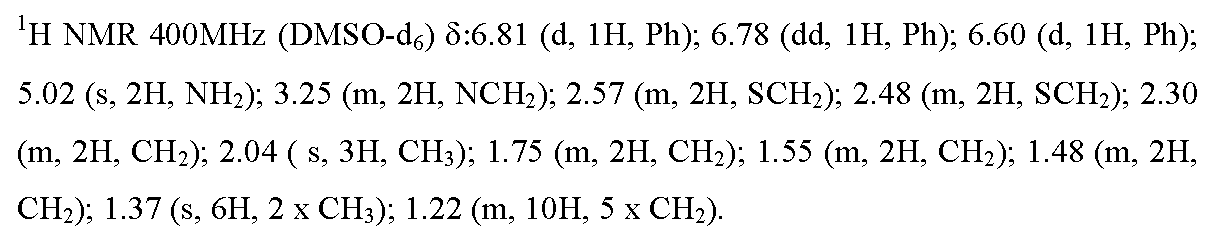
실시예 26 : 3-(4-아미노-3-메틸페닐)-5,5-디메틸-1-{9-[(4,4,5,5,5-펜타플루오로펜틸)술피닐]노닐}이미다졸리딘-2,4-디온Example 26 3- (4-amino-3-methylphenyl) -5,5-dimethyl-1- {9-[(4,4,5,5,5-pentafluoropentyl) sulfinyl] nonyl} already Dazolidine-2,4-dione
이용된 실험 프로토콜은 실시예 2의 화합물의 합성에 대해 기재된 것과 동일하지만, 실시예 1의 화합물을 실시예 25의 화합물로 교체하였다. 무색 오일을 56%의 수율로 수득하였다.The experimental protocol used was the same as described for the synthesis of the compound of Example 2, but the compound of Example 1 was replaced with the compound of Example 25. A colorless oil was obtained with a yield of 56%.

실시예 27 : 1-[4-(4,4-디메틸-2,5-디옥소-3-{9-[(4,4,5,5,5-펜타플루오로펜틸)술파닐]노닐}이미다졸리딘-1-일)-2-메틸페닐]-3-(1-메틸프로필)우레아Example 27 1- [4- (4,4-Dimethyl-2,5-dioxo-3- {9-[(4,4,5,5,5-pentafluoropentyl) sulfanyl] nonyl} Imidazolidin-1-yl) -2-methylphenyl] -3- (1-methylpropyl) urea
실시예 25의 화합물 (395 mg, 0.72 mmol)을 아르곤 분위기하에 무수 1,2-디클로로에탄 (10 ml)에 용해시킨 후, 23℃에서 sec-부틸이소시아네이트 (0.35 ml, 3 mmol)를 적가하였다. 이어서, 혼합물을 환류 하에 24 시간 동안 가열하였다. 이어서, 반응 매질을 냉수에 붓고, CH2Cl2로 추출하였다. 경사분리한 후, 유기상을 물 및 소금물로 세척하였다. 이어서, 유기 용액을 MgSO4 상에서 건조시키고, 여과하고, 진공 하에 농축에 의해 건조시키고, 증발 잔류물을 실리카 칼럼 상에서 정제하였다 (용리액: 헵탄/AcOEt: 1/0 -> 4/6). 목적 화합물을 36%의 수율로 무색 오일의 형태로 수득하였다.The compound of Example 25 (395 mg, 0.72 mmol) was dissolved in

실시예 28 : 1-[4-(4,4-디메틸-2,5-디옥소-3-{9-[(4,4,5,5,5-펜타플루오로펜틸)술피닐]노닐}이미다졸리딘-1-일)-2-메틸페닐]-3-(1-메틸프로필)우레아Example 28 1- [4- (4,4-Dimethyl-2,5-dioxo-3- {9-[(4,4,5,5,5-pentafluoropentyl) sulfinyl] nonyl} Imidazolidin-1-yl) -2-methylphenyl] -3- (1-methylpropyl) urea
이용된 실험 프로토콜은 실시예 2의 화합물의 합성에 대해 기재된 것과 동일하지만, 실시예 1의 화합물을 실시예 25의 화합물로 교체하였다. 무색 오일을 63%의 수율로 수득하였다.The experimental protocol used was the same as described for the synthesis of the compound of Example 2, but the compound of Example 1 was replaced with the compound of Example 25. A colorless oil was obtained with a yield of 63%.
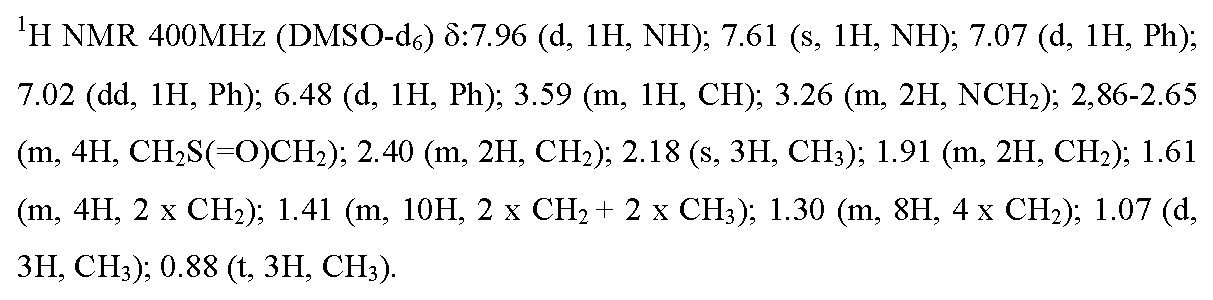
실시예 29 : tert-부틸 {[4-(4,4-디메틸-2,5-디옥소-3-{9-[(4,4,5,5,5-펜타플루오로펜틸)술파닐]노닐}이미다졸리딘-1-일)-2-메틸페닐]술파모일}카르바메이트Example 29 tert-butyl {[4- (4,4-dimethyl-2,5-dioxo-3- {9-[(4,4,5,5,5-pentafluoropentyl) sulfanyl] Nonyl} imidazolidin-1-yl) -2-methylphenyl] sulfamoyl} carbamate
무수 CH2Cl2 (30 ml) 중 실시예 25의 화합물 (612 mg, 1.1 mmol) 및 Et3N (0.19 ml, 1.33 mmol)의 용액을 0℃에서 교반하였다. 이어서, 0℃로 냉각된 무수 CH2Cl2 (10 ml) 중 클로로술포닐 이소시아네이트 (0.11 ml, 1.22 mmol)의 용액을 t-BuOH (0.12 ml, 1.22 mmol)로 마무리한 후, 실시예 25의 화합물의 용액을 신속히 첨가하였다. 혼합물을 0℃에서 30 분 동안 교반한 후, 23℃에서 1 시간 반 동안 교반하였다. 이어서, 반응 매질을 물 (2 x 100 ml), NaHCO3의 포화 수용액 (50 ml) 및 소금물 (50 ml)로 연속 세척하였다. 유기 용액을 Na2SO4 상에서 건조시키고, 여과하고, 농축에 의해 건조시켰다. 증발 잔류물을 실리카 칼럼 상에서 정제하였다 (용리액: 헵탄/AcOEt: 1/0 -> 6/4). 목적 화합물을 85%의 수율로 백색 고체의 형태로 수득하였다. 융점 122-124℃.A solution of Example 25 compound (612 mg, 1.1 mmol) and Et 3 N (0.19 ml, 1.33 mmol) in anhydrous CH 2 Cl 2 (30 ml) was stirred at 0 ° C. Subsequently, a solution of chlorosulfonyl isocyanate (0.11 ml, 1.22 mmol) in anhydrous CH 2 Cl 2 (10 ml) cooled to 0 ° C. was finished with t-BuOH (0.12 ml, 1.22 mmol), followed by Example 25 A solution of the compound was added quickly. The mixture was stirred at 0 ° C. for 30 minutes and then at 23 ° C. for 1 and a half hours. The reaction medium was then washed successively with water (2 × 100 ml), saturated aqueous solution of NaHCO 3 (50 ml) and brine (50 ml). The organic solution was dried over Na 2 SO 4 , filtered and concentrated to dryness. The evaporation residue was purified on silica column (eluent: heptane / AcOEt: 1/0-> 6/4). The desired compound was obtained in the form of a white solid in 85% yield. Melting point 122-124 ° C.

실시예 30 : N-[4-(4,4-디메틸-2,5-디옥소-3-{9-[(4,4,5,5,5-펜타플루오로펜틸)술파닐]노닐}이미다졸리딘-1-일)-2-메틸페닐]술파미드Example 30 N- [4- (4,4-dimethyl-2,5-dioxo-3- {9-[(4,4,5,5,5-pentafluoropentyl) sulfanyl] nonyl} Imidazolidin-1-yl) -2-methylphenyl] sulfamide
에틸 에테르 중 HCl의 용액 (2N, 3 ml)을 0℃로 냉각된 CH2Cl2/AcOEt 혼합물 (5 ml/3 ml) 중 실시예 29 (250 mg, 0.36 mmol)의 용액에 1-ml 분량으로 3회 첨가하고, 혼합물을 23℃에서 60 시간 동안 교반하였다. 휘발성 물질을 진공하에 증발시키고, 잔류물을 CH2Cl2 (50 ml) 및 NaHCO3 (50 ml) 혼합물에 녹였다. 교반하고 경사분리한 후, 유기상을 물 (50 ml)에 이어 소금물로 세척하였다. Na2SO4 상에서 건조시키고, 여과하고, 농축에 의해 건조시킨 후, 잔류물을 실리카 칼럼 상에서 정제하였다 (헵탄/AcOEt: 10/0 -> 1/1). 목적 생성물을 76%의 수율로 백색 고체의 형태로 수득하였다. 융점: 102-104℃.A solution of HCl in ethyl ether (2N, 3 ml) was added to a solution of Example 29 (250 mg, 0.36 mmol) in a CH 2 Cl 2 / AcOEt mixture (5 ml / 3 ml) cooled to 0 ° C. in a 1-ml aliquot. Was added three times and the mixture was stirred at 23 ° C. for 60 hours. The volatiles were evaporated in vacuo and the residue was taken up in a mixture of CH 2 Cl 2 (50 ml) and NaHCO 3 (50 ml). After stirring and decantation, the organic phase was washed with water (50 ml) followed by brine. After drying over Na 2 SO 4 , filtered and concentrated to dryness, the residue was purified on silica column (heptane / AcOEt: 10/0-> 1/1). The desired product was obtained in the form of a white solid in 76% yield. Melting point: 102-104 ° C.

실시예 31 : N-[4-(4,4-디메틸-2,5-디옥소-3-{9-[(4,4,5,5,5-펜타플루오로펜틸)술피닐]노닐}이미다졸리딘-1-일)-2-메틸페닐]술파미드Example 31 N- [4- (4,4-dimethyl-2,5-dioxo-3- {9-[(4,4,5,5,5-pentafluoropentyl) sulfinyl] nonyl} Imidazolidin-1-yl) -2-methylphenyl] sulfamide
이용된 실험 프로토콜은 실시예 2의 화합물의 합성에 대해 기재된 것과 동일하지만, 실시예 1의 화합물을 실시예 30의 화합물로 교체하였다. 백색 고체를 62%의 수율로 수득하였다.The experimental protocol used was the same as described for the synthesis of the compound of Example 2, but the compound of Example 1 was replaced with the compound of Example 30. A white solid was obtained in 62% yield.

실시예 32 : N-[4-(4,4-디메틸-2,5-디옥소-3-{9-[(4,4,5,5,5-펜타플루오로펜틸)술포닐]노닐}이미다졸리딘-1-일)-2-메틸페닐]술파미드Example 32 N- [4- (4,4-dimethyl-2,5-dioxo-3- {9-[(4,4,5,5,5-pentafluoropentyl) sulfonyl] nonyl} Imidazolidin-1-yl) -2-methylphenyl] sulfamide
이용된 실험 프로토콜은 실시예 3의 화합물의 합성에 대해 기재된 것과 동일하지만, 실시예 2의 화합물을 실시예 31의 화합물로 교체하였다. 무색 오일을 수득하였다.The experimental protocol used was the same as described for the synthesis of the compound of Example 3, but the compound of Example 2 was replaced with the compound of Example 31. A colorless oil was obtained.

실시예 33 : 3-[4-아미노-3-(트리플루오로메틸)페닐]-5,5-디메틸-1-{9-[(4,4,5,5,5-펜타플루오로펜틸)술피닐]노닐}이미다졸리딘-2,4-디온Example 33: 3- [4-amino-3- (trifluoromethyl) phenyl] -5,5-dimethyl-1- {9-[(4,4,5,5,5-pentafluoropentyl) Sulfinyl] nonyl} imidazolidine-2,4-dione
이용된 실험 프로토콜은 실시예 3의 화합물의 합성에 대해 기재된 것과 동일하지만, 실시예 2의 화합물을 실시예 16의 화합물로 교체하였다.The experimental protocol used was the same as described for the synthesis of the compound of Example 3, but the compound of Example 2 was replaced with the compound of Example 16.

실시예 34 : 7-[4-니트로-3-(트리플루오로메틸)페닐]-5-{9-[(4,4,5,5,5-펜타플루오로펜틸)술피닐]노닐}-5,7-디아자스피로[3.4]옥탄-6,8-디온Example 34 7- [4-nitro-3- (trifluoromethyl) phenyl] -5- {9-[(4,4,5,5,5-pentafluoropentyl) sulfinyl] nonyl}- 5,7-diazaspiro [3.4] octane-6,8-dion
34.1) 5,7-디아자스피로[3.4]옥탄-6,8-디온34.1) 5,7-diazaspiro [3.4] octane-6,8-dion
시안화나트륨 (1.47 g, 30 mmol)에 이어, 탄산암모늄 (7.5 g, 78 mmol)을 아르곤 하에 23℃에서 에탄올-물 용매 혼합물 (16 ml)에 용해된 시클로부타논 (1.49 ml, 20 mmol)의 용액에 첨가하였다. 반응 혼합물을 6 시간 동안 70℃에서 가열하였다. 반응 매질을 냉각시킨 후, 물 (15 ml)을 부은 다음, 진한 염산 용액 (13 ml)을 주의해서 첨가하였다. 23℃에서 10 시간 동안 교반한 후, 반응 혼합물의 에탄올 및 일부 물 함량을 회전식 증발기에 의해 증발시켰다. 침전물을 프릿 상에서 여과시킨 다음, 물로 세척하였다. 목적 화합물을 39% (1.1 g)의 수율로 베이지색 분말의 형태로 수득하였다.Sodium cyanide (1.47 g, 30 mmol) followed by ammonium carbonate (7.5 g, 78 mmol) of cyclobutanone (1.49 ml, 20 mmol) dissolved in ethanol-water solvent mixture (16 ml) at 23 ° C. under argon. To the solution. The reaction mixture was heated at 70 ° C. for 6 hours. After cooling the reaction medium, water (15 ml) was poured and then concentrated hydrochloric acid solution (13 ml) was added carefully. After stirring at 23 ° C. for 10 hours, the ethanol and some water content of the reaction mixture was evaporated by a rotary evaporator. The precipitate was filtered over frit and then washed with water. The desired compound was obtained in the form of a beige powder in a yield of 39% (1.1 g).

융점: 223-225℃Melting Point: 223-225 ℃
34.2) 7-[4-니트로-3-(트리플루오로메틸)페닐]-5,7-디아자스피로[3.4]옥탄-6,8-디온34.2) 7- [4-nitro-3- (trifluoromethyl) phenyl] -5,7-diazaspiro [3.4] octane-6,8-dione
탄산칼륨 (1.09 g, 7.85 mmol) 및 화합물 5-플루오로-2-니트로-3-(트리플루오로메틸)페닐]-이미다졸리딘-2,4-디온 (500 mg, 1.6 mmol)을 아르곤 하에 DMF (6 ml) 중 5,7-디아자스피로[3.4]옥탄-6,8-디온 (상기에서 제조됨) (221 mg, 0.74 mmol)의 용액에 첨가하였다. 반응 혼합물을 65℃에서 2 시간 동안 가열한 다음, 23℃에서 12 시간 동안 교반을 유지하였다. 반응 매질을 NH4Cl의 포화 수용액 (25 ml)에 붓고, AcOEt (2 x 25 ml)로 추출하였다. 유기상을 합하고, 물 (25 ml) 및 소금물 (25 ml)로 연속 세척하였다. Na2SO4 상에서 건조시킨 후, 유기 용액을 여과하고, 진공하에 농축시켰다. 증발 잔류물을 실리카 칼럼 상에서 정제하였다 (용리액: 헵탄/AcOEt: 7/3 -> 3/7). 이소펜탄으로 세척한 다음, 여과한 후, 목적 화합물을 50% (645 mg)의 수율로 연황색 분말의 형태로 수득하였다.Potassium carbonate (1.09 g, 7.85 mmol) and compound 5-fluoro-2-nitro-3- (trifluoromethyl) phenyl] -imidazolidine-2,4-dione (500 mg, 1.6 mmol) To a solution of 5,7-diazaspiro [3.4] octane-6,8-dione (prepared above) (221 mg, 0.74 mmol) in DMF (6 ml). The reaction mixture was heated at 65 ° C. for 2 hours and then kept stirring at 23 ° C. for 12 hours. The reaction medium was poured into a saturated aqueous solution of NH 4 Cl (25 ml) and extracted with AcOEt (2 × 25 ml). The organic phases were combined and washed successively with water (25 ml) and brine (25 ml). After drying over Na 2 SO 4 , the organic solution was filtered and concentrated in vacuo. The evaporation residue was purified on silica column (eluent: heptane / AcOEt: 7/3-> 3/7). After washing with isopentane and then filtration, the desired compound was obtained in the form of a pale yellow powder in a yield of 50% (645 mg).

34.3) 7-[4-니트로-3-(트리플루오로메틸)페닐]-5-{9-[(4,4,5,5,5-펜타플루오로펜틸)술파닐]노닐}-5,7-디아자스피로[3.4]옥탄-6,8-디온34.3) 7- [4-nitro-3- (trifluoromethyl) phenyl] -5- {9-[(4,4,5,5,5-pentafluoropentyl) sulfanyl] nonyl} -5, 7-diazaspiro [3.4] octane-6,8-dion
NaH (60%까지) (44 mg, 1.1 mmol)를 아르곤 하에 무수 DMF (9 ml) 중 7-[4-니트로-3-(트리플루오로메틸)페닐]-5,7-디아자스피로[3.4]옥탄-6,8-디온 (329 mg, 1 mmol)의 용액에 첨가하였다. 기체 방출에 의해 반응 매질의 색이 오렌지색으로 변하였다. 23℃에서 1 시간 동안 교반을 유지한 후, 9-[(4,4,5,5,5-펜타플루오로펜틸)-티오]노닐 메탄술포네이트 (WO 2005077968에 기재된 실험 프로토콜에 따라 제조됨) (332 mg, 0.8 mmol)를 첨가하였다. 15 시간 동안 반응시킨 후, 반응 매질을 물 (25 ml)에 붓고, AcOEt (2 x 25 ml)로 추출하였다. 유기상을 합하고, 물 (25 ml) 및 소금물 (25 ml)로 연속 세척하였다. Na2SO4 상에서 건조시킨 후, 유기 용액을 여과하고, 진공하에 농축시켰다. 증발 잔류물을 RP18 실리카 칼럼 상에서 정제하였다 (용리액: ACN/H2O: 8/2 -> 100). 목적 화합물을 33% (214 mg)의 수율로 무색 오일의 형태로 수득하였다.NaH (up to 60%) (44 mg, 1.1 mmol) was dissolved 7- [4-nitro-3- (trifluoromethyl) phenyl] -5,7-diazaspiro [3.4 in anhydrous DMF (9 ml) under argon. ] To a solution of octane-6,8-dione (329 mg, 1 mmol). The gaseous release changed the color of the reaction medium to orange. After maintaining stirring at 23 ° C. for 1 hour, 9-[(4,4,5,5,5-pentafluoropentyl) -thio] nonyl methanesulfonate (prepared according to the experimental protocol described in WO 2005077968) (332 mg, 0.8 mmol) was added. After reacting for 15 hours, the reaction medium was poured into water (25 ml) and extracted with AcOEt (2 × 25 ml). The organic phases were combined and washed successively with water (25 ml) and brine (25 ml). After drying over Na 2 SO 4 , the organic solution was filtered and concentrated in vacuo. The evaporation residue was purified on RP18 silica column (eluent: ACN / H 2 O: 8/ 2- > 100). The desired compound was obtained in the form of a colorless oil in a yield of 33% (214 mg).

34.4) 7-[4-니트로-3-(트리플루오로메틸)페닐]-5-{9-[(4,4,5,5,5-펜타플루오로펜틸)술피닐]노닐}-5,7-디아자스피로[3.4]옥탄-6,8-디온34.4) 7- [4-nitro-3- (trifluoromethyl) phenyl] -5- {9-[(4,4,5,5,5-pentafluoropentyl) sulfinyl] nonyl} -5, 7-diazaspiro [3.4] octane-6,8-dion
하기 기재된 화합물 34.4는 실시예 2에 기재된 것과 유사한 방법에 따라 합성하였지만, 실시예 1의 5,5-디메틸-3-[4-니트로-3-(트리플루오로메틸)페닐]-1-{9-[(4,4,5,5,5-펜타플루오로펜틸)티오]노닐}이미다졸리딘-2,4-디온을 중간체 34.3으로 교체하였다. 목적 화합물을 79% (170 mg)의 수율로 연황색 오일의 형태로 수득하였다.Compound 34.4 described below was synthesized according to a method analogous to that described in Example 2, except that 5,5-dimethyl-3- [4-nitro-3- (trifluoromethyl) phenyl] -1- {9 of Example 1 -[(4,4,5,5,5-pentafluoropentyl) thio] nonyl} imidazolidine-2,4-dione was replaced with intermediate 34.3. The desired compound was obtained in the form of light yellow oil in a yield of 79% (170 mg).

실시예 35 : 5,5-디메틸-3-[4-니트로-2-(트리플루오로메틸)페닐]-1-{9-[(4,4,5,5,5-펜타플루오로펜틸)술피닐]노닐}이미다졸리딘-2,4-디온Example 35 5,5-dimethyl-3- [4-nitro-2- (trifluoromethyl) phenyl] -1- {9-[(4,4,5,5,5-pentafluoropentyl) Sulfinyl] nonyl} imidazolidine-2,4-dione
35.1) 5,5-디메틸-3-[4-니트로-2-(트리플루오로메틸)페닐]이미다졸리딘-2,4-디온35.1) 5,5-dimethyl-3- [4-nitro-2- (trifluoromethyl) phenyl] imidazolidine-2,4-dione
이용된 실험 프로토콜은 실시예 19.1의 화합물의 합성에 대해 기재된 것과 동일하지만, 4-플루오로-2-(트리플루오로메틸)벤조니트릴을 1-플루오로-4-니트로-2-(트리플루오로메틸)벤젠으로 교체하였다. 목적 화합물을 77%의 수율로 백색 분말의 형태로 수득하였다.The experimental protocol used was the same as described for the synthesis of the compounds of Example 19.1, but 4-fluoro-2- (trifluoromethyl) benzonitrile was replaced with 1-fluoro-4-nitro-2- (trifluoro Methyl) benzene. The desired compound was obtained in the form of a white powder in 77% yield.
융점: 201-203℃Melting Point: 201-203 ℃
35.2) 5,5-디메틸-3-[4-니트로-2-(트리플루오로메틸)페닐]-1-{9-[(4,4,5,5,5-펜타플루오로펜틸)술파닐]노닐}이미다졸리딘-2,4-디온35.2) 5,5-dimethyl-3- [4-nitro-2- (trifluoromethyl) phenyl] -1- {9-[(4,4,5,5,5-pentafluoropentyl) sulfanyl ] Nonyl} imidazolidine-2,4-dione
이용된 실험 프로토콜은 실시예 1의 합성에 대해 기재된 것과 동일하지만, 5,5-디메틸-3-[4-니트로-3-(트리플루오로메틸)페닐]이미다졸리딘-2,4-디온을 중간체 35.1로 교체하였다. 목적 화합물을 50%의 수율로 무색 오일의 형태로 수득하였다.The experimental protocol used was the same as that described for the synthesis of Example 1, but 5,5-dimethyl-3- [4-nitro-3- (trifluoromethyl) phenyl] imidazolidine-2,4-dione Was replaced with intermediate 35.1. The desired compound was obtained in the form of a colorless oil in 50% yield.

35.3) 5,5-디메틸-3-[4-니트로-2-(트리플루오로메틸)페닐]-1-{9-[(4,4,5,5,5-펜타플루오로펜틸)술피닐]노닐}이미다졸리딘-2,4-디온35.3) 5,5-dimethyl-3- [4-nitro-2- (trifluoromethyl) phenyl] -1- {9-[(4,4,5,5,5-pentafluoropentyl) sulfinyl ] Nonyl} imidazolidine-2,4-dione
이용된 실험 프로토콜은 실시예 2의 화합물의 합성에 대해 기재된 것과 동일하지만, 실시예 1의 5,5-디메틸-3-[4-니트로-3-(트리플루오로메틸)페닐]-1-{9-[(4,4,5,5,5-펜타플루오로펜틸)티오]노닐}이미다졸리딘-2,4-디온을 중간체 35.2로 교체하였다. 목적 화합물을 85%의 수율로 무색 오일의 형태로 수득하였다.The experimental protocol used is the same as that described for the synthesis of the compound of Example 2, but the 5,5-dimethyl-3- [4-nitro-3- (trifluoromethyl) phenyl] -1- { 9-[(4,4,5,5,5-pentafluoropentyl) thio] nonyl} imidazolidine-2,4-dione was replaced with intermediate 35.2. The desired compound was obtained in the form of a colorless oil in a yield of 85%.

실시예 36 : 5,5-디메틸-3-[4-니트로-3-(트리플루오로메틸)페닐]-1-[2-(2-{2-[(4,4,5,5,5-펜타플루오로펜틸)술파닐]에톡시}에톡시)에틸]이미다졸리딘-2,4-디온Example 36 5,5-dimethyl-3- [4-nitro-3- (trifluoromethyl) phenyl] -1- [2- (2- {2-[(4,4,5,5,5 -Pentafluoropentyl) sulfanyl] ethoxy} ethoxy) ethyl] imidazolidine-2,4-dione
36.1) 1-{2-[2-(2-요오도에톡시)에톡시]에틸}-5,5-디메틸-3-[4-니트로-3-(트리플루오로메틸)페닐]이미다졸리딘-2,4-디온36.1) 1- {2- [2- (2-iodoethoxy) ethoxy] ethyl} -5,5-dimethyl-3- [4-nitro-3- (trifluoromethyl) phenyl] imidazoli Dean-2,4-dione
이용된 실험 프로토콜은 중간체 4.1의 합성에 대해 기재된 것과 동일하지만, 1,5-디요오도펜탄을 1,2비스-(2-요오도에톡시)에탄으로 교체하였다. 목적 화합물을59% (666 mg)의 수율로 연황색 오일의 형태로 수득하였다.The experimental protocol used was the same as described for the synthesis of intermediate 4.1, but 1,5-diiodopentane was replaced with 1,2bis- (2-iodoethoxy) ethane. The desired compound was obtained in the form of light yellow oil in 59% (666 mg) yield.

36.2) 5,5-디메틸-3-[4-니트로-3-(트리플루오로메틸)페닐]-1-[2-(2-{2-[(4,4,5,5,5-펜타플루오로펜틸)술파닐]에톡시}에톡시)에틸]이미다졸리딘-2,4-디온36.2) 5,5-dimethyl-3- [4-nitro-3- (trifluoromethyl) phenyl] -1- [2- (2- {2-[(4,4,5,5,5-penta Fluoropentyl) sulfanyl] ethoxy} ethoxy) ethyl] imidazolidine-2,4-dione
이용된 실험 프로토콜은 실시예 4의 합성에 대해 기재된 것과 동일하지만, 1-(5-요오도펜틸)-5,5-디메틸-3-[4-니트로-3-(트리플루오로메틸)페닐]이미다졸리딘-2,4-디온을 중간체 36.1로 교체하였다. 목적 화합물을 73%의 수율로 무색 오일의 형태로 수득하였다.The experimental protocol used was the same as that described for the synthesis of Example 4, but 1- (5-iodopentyl) -5,5-dimethyl-3- [4-nitro-3- (trifluoromethyl) phenyl] Imidazolidine-2,4-dione was replaced with intermediate 36.1. The desired compound was obtained in the form of colorless oil in 73% yield.

실시예 37 : 5,5-디메틸-3-[4-니트로-3-(트리플루오로메틸)페닐]-1-[2-(2-{2-[(4,4,5,5,5-펜타플루오로펜틸)술피닐]에톡시}에톡시)에틸]이미다졸리딘-2,4-디온Example 37 5,5-dimethyl-3- [4-nitro-3- (trifluoromethyl) phenyl] -1- [2- (2- {2-[(4,4,5,5,5 -Pentafluoropentyl) sulfinyl] ethoxy} ethoxy) ethyl] imidazolidine-2,4-dione
하기 기재된 화합물 37은 출발 시약으로서 5,5-디메틸-3-[4-니트로-3-(트리플루오로메틸)페닐]-1-{9-[(4,4,5,5,5-펜타플루오로펜틸)티오]노닐}이미다졸리딘-2,4-디온 대신에 화합물 36을 사용하여 실시예 2에 기재된 것과 유사한 방법에 따라 합성하였다. 목적 화합물을 88%의 수율로 연황색 오일의 형태로 수득하였다.Compound 37 described below is 5,5-dimethyl-3- [4-nitro-3- (trifluoromethyl) phenyl] -1- {9-[(4,4,5,5,5-penta) as starting reagent. Synthesis was carried out according to a method analogous to that described in Example 2, using compound 36 instead of fluoropentyl) thio] nonyl} imidazolidine-2,4-dione. The desired compound was obtained in the form of light yellow oil in 88% yield.

실시예 38 : N-[4-{4,4-디메틸-2,5-디옥소-3-[2-(2-{2-[(4,4,5,5,5-펜타플루오로펜틸)술파닐]에톡시}에톡시)에틸]이미다졸리딘-1-일}-2-(트리플루오로메틸)페닐]아세트아미드Example 38 N- [4- {4,4-dimethyl-2,5-dioxo-3- [2- (2- {2-[(4,4,5,5,5-pentafluoropentyl ) Sulfanyl] ethoxy} ethoxy) ethyl] imidazolidin-1-yl} -2- (trifluoromethyl) phenyl] acetamide
38.1) 3-[4-아미노-3-(트리플루오로메틸)페닐]-5,5-디메틸-1-[2-(2-{2-[(4,4,5,5,5-펜타플루오로펜틸)술파닐]에톡시}에톡시)에틸]이미다졸리딘-2,4-디온38.1) 3- [4-amino-3- (trifluoromethyl) phenyl] -5,5-dimethyl-1- [2- (2- {2-[(4,4,5,5,5-penta Fluoropentyl) sulfanyl] ethoxy} ethoxy) ethyl] imidazolidine-2,4-dione
하기 기재된 화합물 38은 출발 시약으로서 5,5-디메틸-3-[4-니트로-3-(트리플루오로메틸)페닐]-1-{9-[(4,4,5,5,5-펜타플루오로펜틸)티오]노닐}이미다졸리딘-2,4-디온 대신에 화합물 36을 사용하여 실시예 16에 기재된 것과 유사한 방법에 따라 합성하였다. 목적 화합물을 88%의 수율로 연황색 오일의 형태로 수득하였다.Compound 38 described below is 5,5-dimethyl-3- [4-nitro-3- (trifluoromethyl) phenyl] -1- {9-[(4,4,5,5,5-penta) as starting reagent. Synthesis was carried out according to a method analogous to that described in Example 16, using compound 36 instead of fluoropentyl) thio] nonyl} imidazolidine-2,4-dione. The desired compound was obtained in the form of light yellow oil in 88% yield.

38.2) N-[4-{4,4-디메틸-2,5-디옥소-3-[2-(2-{2-[(4,4,5,5,5-펜타플루오로펜틸)술파닐]에톡시}에톡시)에틸]이미다졸리딘-1-일}-2-(트리플루오로메틸)페닐]아세트아미드38.2) N- [4- {4,4-dimethyl-2,5-dioxo-3- [2- (2- {2-[(4,4,5,5,5-pentafluoropentyl) sulphate Panyl] ethoxy} ethoxy) ethyl] imidazolidin-1-yl} -2- (trifluoromethyl) phenyl] acetamide
하기 기재된 화합물 38은 출발 시약으로서 3-[4-아미노-3-(트리플루오로메틸)페닐]-5,5-디메틸-1-{9-[(4,4,5,5,5-펜타플루오로펜틸)티오]노닐}이미다졸리딘-2,4-디온 대신에 화합물 38.1을 사용하여 실시예 17에 기재된 것과 유사한 방법에 따라 합성하였다. 목적 화합물을 88%의 수율로 연황색 오일의 형태로 수득하였다.Compound 38 described below is 3- [4-amino-3- (trifluoromethyl) phenyl] -5,5-dimethyl-1- {9-[(4,4,5,5,5-penta) as starting reagent. Synthesis was carried out according to a method analogous to that described in Example 17, using compound 38.1 instead of fluoropentyl) thio] nonyl} imidazolidine-2,4-dione. The desired compound was obtained in the form of light yellow oil in 88% yield.

실시예 39 : N-[4-{4,4-디메틸-2,5-디옥소-3-[2-(2-{2-[(4,4,5,5,5-펜타플루오로펜틸)술피닐]에톡시}에톡시)에틸]이미다졸리딘-1-일}-2-(트리플루오로메틸)페닐]아세트아미드Example 39 N- [4- {4,4-dimethyl-2,5-dioxo-3- [2- (2- {2-[(4,4,5,5,5-pentafluoropentyl ) Sulfinyl] ethoxy} ethoxy) ethyl] imidazolidin-1-yl} -2- (trifluoromethyl) phenyl] acetamide
하기 기재된 화합물 39는 출발 시약으로서 실시예 1의 화합물 대신에 실시예 38의 화합물을 사용하여 실시예 2에 기재된 것과 유사한 방법에 따라 합성하였다. 목적 화합물을 75%의 수율로 연황색 오일의 형태로 수득하였다.Compound 39 described below was synthesized according to a similar method as described in Example 2, using the compound of Example 38 in place of the compound of Example 1 as starting reagent. The desired compound was obtained in the form of light yellow oil in 75% yield.

실시예 40 : N-[4-(4,4-디메틸-2,5-디옥소-3-{9-[(4,4,5,5,5-펜타플루오로펜틸)술피닐]노닐}이미다졸리딘-1-일)-2-(트리플루오로메틸)페닐]-N-메틸아세트아미드Example 40 N- [4- (4,4-dimethyl-2,5-dioxo-3- {9-[(4,4,5,5,5-pentafluoropentyl) sulfinyl] nonyl} Imidazolidin-1-yl) -2- (trifluoromethyl) phenyl] -N-methylacetamide
NaH (60%까지) (6 mg, 0.16 mmol)를 아르곤 하에 무수 DMF (2 ml) 중 N-[4-(4,4-디메틸-2,5-디옥소-3-{9-[(4,4,5,5,5-펜타플루오로펜틸)술피닐]-노닐}이미다졸리딘-1-일)-2-(트리플루오로메틸)페닐]아세트아미드 (100 mg, 0.15 mmol) (실시예 18에 따라 제조됨)의 용액에 첨가하였다. 기체 방출에 의해 반응 매질의 색이 변하였다. 23℃에서 1 시간 동안 교반을 유지한 후, 메틸 요오다이드 (10 ㎕, 0.16 mmol)를 첨가하였다. 1 시간 동안 반응시킨 후, 상기 기재된 바와 같이 동일한 양의 수소화나트륨 및 메틸 요오다이드를 첨가한 다음, 반응 혼합물을 다시 23℃에서 3 시간 동안 교반하였다. 반응 매질을 물 (25 ml)에 붓고, AcOEt (2 x 25 ml)로 추출하였다. 유기상을 합하고, 물 (25 ml) 및 소금물 (25 ml)로 연속 세척하였다. Na2SO4 상에서 건조시킨 후, 유기 용액을 여과하고, 진공하에 농축시켰다. 증발 잔류물을 실리카 칼럼 상에서 정제하였다 (용리액: CH2Cl2/MeOH: 95/5 -> 90/10). 목적 화합물을 72% (72 mg)의 수율로 무색 오일의 형태로 수득하였다.NaH (up to 60%) (6 mg, 0.16 mmol) was dissolved in N- [4- (4,4-dimethyl-2,5-dioxo-3- {9-[(4) in anhydrous DMF (2 ml) under argon. , 4,5,5,5-pentafluoropentyl) sulfinyl] -nonyl} imidazolidin-1-yl) -2- (trifluoromethyl) phenyl] acetamide (100 mg, 0.15 mmol) ( To the solution of (prepared according to example 18). The gaseous release changed the color of the reaction medium. After stirring at 23 ° C. for 1 hour, methyl iodide (10 μl, 0.16 mmol) was added. After reacting for 1 hour, the same amount of sodium hydride and methyl iodide were added as described above, then the reaction mixture was stirred again at 23 ° C. for 3 hours. The reaction medium was poured into water (25 ml) and extracted with AcOEt (2 × 25 ml). The organic phases were combined and washed successively with water (25 ml) and brine (25 ml). After drying over Na 2 SO 4 , the organic solution was filtered and concentrated in vacuo. The evaporation residue was purified on silica column (eluent: CH 2 Cl 2 / MeOH: 95/5-> 90/10). The desired compound was obtained in the form of a colorless oil in a yield of 72% (72 mg).

실시예 41 : N-[4-(4,4-디메틸-2,5-디옥소-3-{9-[(4,4,5,5,5-펜타플루오로펜틸)술피닐]노닐}이미다졸리딘-1-일)-2-(트리플루오로메틸)페닐]메탄술폰아미드Example 41 N- [4- (4,4-dimethyl-2,5-dioxo-3- {9-[(4,4,5,5,5-pentafluoropentyl) sulfinyl] nonyl} Imidazolidin-1-yl) -2- (trifluoromethyl) phenyl] methanesulfonamide
41.1) N-[4-(4,4-디메틸-2,5-디옥소-3-{9-[(4,4,5,5,5-펜타플루오로펜틸)술피닐]노닐}이미다졸리딘-1-일)-2-(트리플루오로메틸)페닐]-N-(메틸술포닐)메탄술폰아미드41.1) N- [4- (4,4-dimethyl-2,5-dioxo-3- {9-[(4,4,5,5,5-pentafluoropentyl) sulfinyl] nonyl} imida Zolidin-1-yl) -2- (trifluoromethyl) phenyl] -N- (methylsulfonyl) methanesulfonamide
술포닐 클로라이드 (193 ㎕, 10 eq)를 23℃에서 무수 CH2Cl2 (5 ml) 중 실시예 16 (151 mg, 0.25 mmol)의 용액에 적가하였다. 23℃에서 15 시간 동안 교반을 유지한 다음, 술포닐 클로라이드 (0.58 ml, 30 eq) 및 디이소프로필에틸아민 (1.75 ml, 40 eq)을 첨가하였다. 23℃에서 3 시간 동안 교반을 유지한 다음, 반응 혼합물을 진공 하에 농축에 의해 건조시켰다. 증발 잔류물을 테트라히드로푸란/메탄올/물 1/1/1 (3 ml)의 용매 혼합물로 희석하고, 수산화리튬 (25 mg, 1 mmol)을 첨가하였다. 23℃에서 15 시간 동안 교반을 유지한 다음, 테트라히드로푸란/메탄올/물 2/2/2 (6 ml)의 용매 혼합물 중 수산화리튬 (50 mg, 2 mmol)을 첨가하였다. 23℃에서 2 시간 후, 반응 매질을 물 (25 ml)에 붓고, AcOEt (2 x 25 ml)로 추출하였다. 유기상을 합하고, 물 (25 ml) 및 소금물 (25 ml)로 연속 세척하였다. Na2SO4 상에서 건조시킨 후, 유기 용액을 여과하고, 진공하에 농축시켰다. 증발 잔류물을 실리카 칼럼 상에서 정제하였다 (용리액: 헵탄/AcOEt: 7/3 -> 5/5). 순수한 분획을 수집하고 농축시킨 후, 목적 화합물을 무색 오일의 형태로 수득하였고, 이를 47% (81 mg)의 수율로 천천히 결정화시켰다.Sulfonyl chloride (193 μl, 10 eq) was added dropwise to a solution of Example 16 (151 mg, 0.25 mmol) in anhydrous CH 2 Cl 2 (5 ml) at 23 ° C. Stirring was maintained at 23 ° C. for 15 hours, then sulfonyl chloride (0.58 ml, 30 eq) and diisopropylethylamine (1.75 ml, 40 eq) were added. Stirring was maintained at 23 ° C. for 3 hours and then the reaction mixture was dried by concentration in vacuo. The evaporation residue was diluted with a solvent mixture of tetrahydrofuran / methanol /

41.2) N-[4-(4,4-디메틸-2,5-디옥소-3-{9-[(4,4,5,5,5-펜타플루오로펜틸)술피닐]노닐}이미다졸리딘-1-일)-2-(트리플루오로메틸)페닐]메탄술폰아미드41.2) N- [4- (4,4-dimethyl-2,5-dioxo-3- {9-[(4,4,5,5,5-pentafluoropentyl) sulfinyl] nonyl} imida Zolidin-1-yl) -2- (trifluoromethyl) phenyl] methanesulfonamide
하기 기재된 화합물 41은 출발 시약으로서 실시예 1의 화합물 대신에 실시예 41.1의 화합물을 사용하여 실시예 2에 기재된 것과 유사한 방법에 따라 합성하였다. 목적 화합물을 71%의 수율로 연황색 오일의 형태로 수득하였다.Compound 41 described below was synthesized according to a similar method as described in Example 2, using the compound of Example 41.1 instead of the compound of Example 1 as starting reagent. The desired compound was obtained in the form of light yellow oil in a yield of 71%.

실시예 42 : N-[4-(4,4-디메틸-2,5-디옥소-3-{9-[(4,4,5,5,5-펜타플루오로펜틸)술파닐]노닐}이미다졸리딘-1-일)-2-(트리플루오로메틸)페닐]-N2,N2-디메틸글리신아미드Example 42 N- [4- (4,4-dimethyl-2,5-dioxo-3- {9-[(4,4,5,5,5-pentafluoropentyl) sulfanyl] nonyl} Imidazolidin-1-yl) -2- (trifluoromethyl) phenyl] -N 2 , N 2 -dimethylglycinamide
하기 기재된 화합물 41은 출발 시약으로서 아세틸 클로라이드 대신에 히드로클로라이드 형태의 디메틸 아미노 아세틸 클로라이드를 사용하여 실시예 17에 기재된 것과 유사한 방법에 따라 합성하였다 . 목적 화합물을 83%의 수율로 연황색 오일의 형태로 수득하였다.Compound 41 described below was synthesized according to a similar method as described in Example 17, using dimethyl amino acetyl chloride in hydrochloride form instead of acetyl chloride as starting reagent. The desired compound was obtained in the form of light yellow oil in 83% yield.

실시예 43a : N-[4-(4,4-디메틸-2,5-디옥소-3-{9-[(4,4,5,5,5-펜타플루오로펜틸)술피닐]노닐}이미다졸리딘-1-일)-2-(트리플루오로메틸)페닐]-N2,N2-디메틸글리신아미드Example 43a: N- [4- (4,4-dimethyl-2,5-dioxo-3- {9-[(4,4,5,5,5-pentafluoropentyl) sulfinyl] nonyl} Imidazolidin-1-yl) -2- (trifluoromethyl) phenyl] -N 2 , N 2 -dimethylglycinamide
하기 기재된 화합물 43a는 출발 시약으로서 실시예 1의 화합물 대신에 실시예 42의 화합물을 사용하여 실시예 2에 기재된 것과 유사한 방법에 따라 합성하였다. 목적 화합물을 65%의 수율로 연황색 오일의 형태로 수득하였다.

실시예 43b : N-[4-(4,4-디메틸-2,5-디옥소-3-{9-[(4,4,5,5,5-펜타플루오로펜틸)술피닐]노닐}이미다졸리딘-1-일)-2-(트리플루오로메틸)페닐]-N2,N2-디메틸글리신아미드 히드로클로라이드Example 43b N- [4- (4,4-dimethyl-2,5-dioxo-3- {9-[(4,4,5,5,5-pentafluoropentyl) sulfinyl] nonyl} Imidazolidin-1-yl) -2- (trifluoromethyl) phenyl] -N 2 , N 2 -dimethylglycinamide hydrochloride
2N 에테르 중 염산의 용액 (904 ㎕, 2 eq)을 23℃에서 무수 에테르 (35 ml) 중 실시예 43a (639 mg, 0.904 mmol)의 용액에 적가하였다. 23℃에서 15 시간 동안 교반을 유지한 다음, 에테르 (2 x 20 ml)로 2회에 이어 이소펜탄 (2 x 20 ml)으로 2회 녹인 반응 혼합물을 진공 하에 농축에 의해 건조시켰다. 증발 잔류물을 55℃에서 진공하에 건조시켰다. 목적 화합물을 93% (624 mg)의 수율로 베이지색 분말의 형태로 수득하였다.A solution of hydrochloric acid in 2N ether (904 μl, 2 eq) was added dropwise to a solution of Example 43a (639 mg, 0.904 mmol) in anhydrous ether (35 ml) at 23 ° C. Stirring was maintained at 23 ° C. for 15 hours, then the reaction mixture was dissolved twice with ether (2 × 20 ml) and then twice with isopentane (2 × 20 ml) and concentrated to dryness in vacuo. The evaporation residue was dried under vacuum at 55 ° C. The desired compound was obtained in the form of a beige powder in 93% (624 mg) yield.
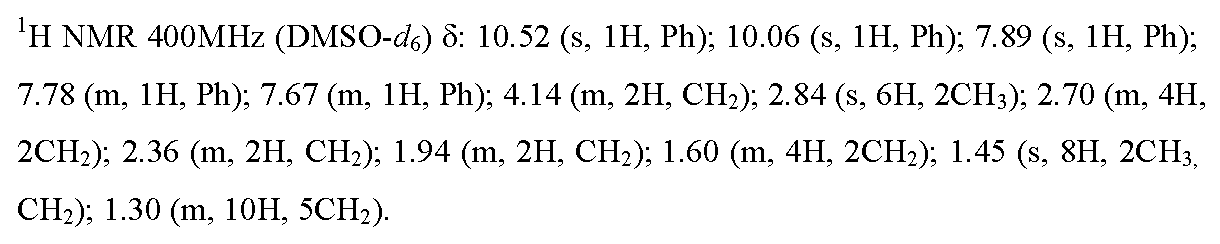
실시예 44 : N-[(1Z)-(9-{5,5-디메틸-3-[4-니트로-3-(트리플루오로메틸)페닐]-2,4-디옥소이미다졸리딘-1-일}노닐)(4,4,5,5,5-펜타플루오로펜틸)-λ4-술파닐리덴]-2,2,2-트리플루오로아세트아미드Example 44 N-[(1Z)-(9- {5,5-dimethyl-3- [4-nitro-3- (trifluoromethyl) phenyl] -2,4-dioxoimidazolidine- 1-yl} nonyl) (4,4,5,5,5-pentafluoropentyl) -λ 4 -sulfanylidene] -2,2,2-trifluoroacetamide
2,2,2-트리플루오로아세트아미드 (106 mg, 0.94 mmol), 산화마그네슘 (76 mg, 4 eq), 이량체 형태의 로듐 아세테이트 (5.2 mg, 0.025 eq) 및 요오도벤젠 디아세테이트 (228 mg, 1.5 eq)를 23℃에서 무수 CH2Cl2 (5 ml) 중 실시예 1 (300 mg, 0.48 mmol)의 용액에 첨가하였다. 23℃에서 6 시간 동안 교반을 유지한 다음, 반응 혼합물을 진공 하에 여과하였다. 여과물을 물 (25 ml)에 붓고, AcOEt (2 x 25 ml)로 추출하였다. 유기상을 합하고, 물 (25 ml) 및 소금물 (25 ml)로 연속 세척하였다. Na2SO4 상에서 건조시킨 후, 유기 용액을 여과하고, 진공하에 농축시켰다. 증발 잔류물을 실리카 칼럼 상에서 정제하였다 (용리액: 헵탄/AcOEt: 5/5 -> 3/7). 순수한 분획을 수집하고 농축시킨 후, 목적 화합물을 34% (77 mg)의 수율로 무색 오일의 형태로 수득하였다.2,2,2-trifluoroacetamide (106 mg, 0.94 mmol), magnesium oxide (76 mg, 4 eq), rhodium acetate (5.2 mg, 0.025 eq) in dimer form and iodobenzene diacetate (228 mg, 1.5 eq) was added to a solution of Example 1 (300 mg, 0.48 mmol) in anhydrous CH 2 Cl 2 (5 ml) at 23 ° C. Stirring was maintained at 23 ° C. for 6 hours and then the reaction mixture was filtered under vacuum. The filtrate was poured into water (25 ml) and extracted with AcOEt (2 × 25 ml). The organic phases were combined and washed successively with water (25 ml) and brine (25 ml). After drying over Na 2 SO 4 , the organic solution was filtered and concentrated in vacuo. The evaporation residue was purified on silica column (eluent: heptane / AcOEt: 5/5-> 3/7). After pure fractions were collected and concentrated, the desired compound was obtained in the form of colorless oil in 34% (77 mg) yield.

실시예 45 : N-[(9-{5,5-디메틸-3-[4-니트로-3-(트리플루오로메틸)페닐]-2,4-디옥소이미다졸리딘-1-일}노닐)(옥시도)(4,4,5,5,5-펜타플루오로펜틸)-λ4-술파닐리덴]-2,2,2-트리플루오로아세트아미드Example 45 N-[(9- {5,5-dimethyl-3- [4-nitro-3- (trifluoromethyl) phenyl] -2,4-dioxoimidazolidin-1-yl} Nonyl) (oxido) (4,4,5,5,5-pentafluoropentyl) -λ 4 -sulfanylidene] -2,2,2-trifluoroacetamide
2,2,2-트리플루오로아세트아미드 (38 mg, 0.33 mmol), 산화마그네슘 (27 mg, 4 eq), 이량체 형태의 로듐 아세테이트 (1.8 mg, 0.025 eq) 및 요오도벤젠 디아세테이트 (81 mg, 1.5 eq)를 23℃에서 무수 CH2Cl2 (5 ml) 중 실시예 2 (109 mg, 0.17 mmol)의 용액에 첨가하였다. 23℃에서 6 시간 동안 교반을 유지한 다음, 반응 혼합물을 진공 하에 여과하였다. 여과물을 물 (25 ml)에 붓고, AcOEt (2 x 25 ml)로 추출하였다. 유기상을 합하고, 물 (25 ml) 및 소금물 (25 ml)로 연속 세척하였다. Na2SO4 상에서 건조시킨 후, 유기 용액을 여과하고, 진공하에 농축시켰다. 증발 잔류물을 실리카 칼럼 상에서 정제하였다 (용리액: 헵탄/AcOEt: 5/5 -> 2/8). 순수한 분획을 수집하고 농축시킨 후, 목적 화합물을 88% (114 mg)의 수율로 무색 오일의 형태로 수득하였다.2,2,2-trifluoroacetamide (38 mg, 0.33 mmol), magnesium oxide (27 mg, 4 eq), rhodium acetate (1.8 mg, 0.025 eq) in dimer form and iodobenzene diacetate (81 mg, 1.5 eq) was added to a solution of Example 2 (109 mg, 0.17 mmol) in anhydrous CH 2 Cl 2 (5 ml) at 23 ° C. Stirring was maintained at 23 ° C. for 6 hours and then the reaction mixture was filtered under vacuum. The filtrate was poured into water (25 ml) and extracted with AcOEt (2 × 25 ml). The organic phases were combined and washed successively with water (25 ml) and brine (25 ml). After drying over Na 2 SO 4 , the organic solution was filtered and concentrated in vacuo. The evaporation residue was purified on silica column (eluent: heptane / AcOEt: 5/5-> 2/8). After pure fractions were collected and concentrated, the desired compound was obtained in the form of colorless oil in 88% (114 mg) yield.

실시예 46 : 5,5-디메틸-3-[4-니트로-3-(트리플루오로메틸)페닐]-1-{9-[S-(4,4,5,5,5-펜타플루오로펜틸)술폰이미도일]노닐}이미다졸리딘-2,4-디온Example 46: 5,5-dimethyl-3- [4-nitro-3- (trifluoromethyl) phenyl] -1- {9- [S- (4,4,5,5,5-pentafluoro Pentyl) sulfonimidoyl] nonyl} imidazolidine-2,4-dione
탄산칼륨 (35 mg, 0.25 mmol)을 23℃에서 무수 MeOH (0.5 ml) 중 실시예 45 (38 mg, 0.05 mmol)의 용액에 첨가하였다. 23℃에서 15 시간 동안 교반을 유지한 다음, 반응 혼합물을 진공 하에 여과하였다. 여과물을 물 (25 ml)에 붓고, AcOEt (2 x 25 ml)로 추출하였다. 여과물을 진공 하에 농축시켰다. 증발 잔류물을 실리카 칼럼 상에서 정제하였다 (용리액 2 x 10 ml의 AcOEt/CH2Cl2: 5/5에 이어, 10 ml의 AcOEt/헵탄 7.5/2.5). 순수한 분획을 수집하고 농축시킨 후, 목적 화합물을 67% (22 mg)의 수율로 무색 오일의 형태로 수득하였다.Potassium carbonate (35 mg, 0.25 mmol) was added to a solution of Example 45 (38 mg, 0.05 mmol) in anhydrous MeOH (0.5 ml) at 23 ° C. Stirring was maintained at 23 ° C. for 15 hours, then the reaction mixture was filtered under vacuum. The filtrate was poured into water (25 ml) and extracted with AcOEt (2 × 25 ml). The filtrate was concentrated in vacuo. The evaporation residue was purified on a silica column (eluent 2 × 10 ml of AcOEt / CH 2 Cl 2 : 5/5, followed by 10 ml of AcOEt / heptane 7.5 / 2.5). After pure fractions were collected and concentrated, the desired compound was obtained in the form of a colorless oil in a yield of 67% (22 mg).

본 발명에 따른 화합물의 약리학적 연구Pharmacological study of the compounds according to the invention
항증식 활성의 측정:Determination of antiproliferative activity:
1. 완전 배지에서 LNCaP에 대한 항증식 활성1. Antiproliferative Activity against LNCaP in Complete Medium
본 발명의 화합물의 항증식 활성을 하기 실험 절차를 적용하여 완전 배지에서 LNCaP에 대해 측정하였다:Antiproliferative activity of the compounds of the invention was measured for LNCaP in complete medium by applying the following experimental procedure:
LNCaP 세포 유형 (ATCC, 1740)은 안드로겐 수용체를 발현하는 전립선 암종으로부터 유래되며, 상기 세포주는 호르몬-의존성이다.LNCaP cell type (ATCC, 1740) is derived from prostate carcinoma expressing androgen receptors, and the cell line is hormone-dependent.
LNCaP 세포주의 유지는 완전 배양 배지에서 수행하였다: RPMI, 10%의 소 태아 혈청, 2 mM 글루타민, 100 U/ml 페니실린, 0.1 mg/ml의 스트렙토마이신 및 0.01M HEPES, 1 mM 나트륨 피루베이트, 40%의 D-글루코스.Maintenance of LNCaP cell lines was performed in complete culture medium: RPMI, 10% fetal bovine serum, 2 mM glutamine, 100 U / ml penicillin, 0.1 mg / ml streptomycin and 0.01 M HEPES, 1 mM sodium pyruvate, 40 % D-glucose.
ㆍ 플레이트 시딩:Plate seeding:
LNCaP 세포주를 폴리-D-리신 (바이오코트(Biocoat), 코스타(Costar))으로 코팅된 96-웰 플레이트 중의 90 ㎕의 완전 배지에 20,000 세포/웰로 시딩하였다.LNCaP cell lines were seeded at 20,000 cells / well in 90 μl of complete medium in 96-well plates coated with poly-D-lysine (Biocoat, Costar).
ㆍ 세포의 처리: 시딩 24 시간 후, 세포를 배양 배지에 희석된 10 ㎕/웰의 화합물로 처리하였다. 화합물의 용량 효과의 실험은 1 nM 내지 100 μM의 규모로 수행하였다. 이용된 농도는 1 nM/10/30/100/300/1000/3000/10,000/100,000 nM이었다. 테스토스테론 (시그마(SIGMA) T1500)은 참고로 사용되어 동일한 농도에서 시험하였다. 세포를 37℃, 5% CO2에서 144 시간 동안 인큐베이션하였다.Treatment of Cells: After 24 hours of seeding, cells were treated with 10 μl / well of compound diluted in culture medium. Experiments of the dose effect of the compounds were performed on a scale of 1 nM to 100 μM. The concentration used was 1 nM / 10/30/100/300/1000/3000 / 10,000 / 100,000 nM. Testosterone (SIGMA T1500) was used as reference and tested at the same concentration. Cells were incubated at 37 ° C., 5% CO 2 for 144 hours.
ㆍ 판독: 제6일에, 10 ㎕의 "WST-1 세포 증식" 시약 (로슈(Roche) 참고번호 1644807)을 각 웰에 첨가하였다. 37℃, 5% CO2에서 2 시간 동안 인큐베이션한 후, 450 nm에서의 흡광도를 분광광도측정법 (엔비젼(Envision), 퍼킨 엘머(Perkin Elmer))에 의해 측정하였다.Read: On
ㆍ 결과: 실험은 2벌식으로 수행하였고, 최상의 화합물을 2회 시험하였다. 증식하는 세포를 50% 억제하는 농도 값 (IC50)을 계산하였다.Results: The experiment was performed in duplicate and the best compound was tested twice. The concentration value (IC 50 ) which inhibits 50% of the proliferating cells was calculated.
하기 실시예의 화합물은 배양물 중 LNCaP 세포에 대해 2000 nM 미만의 IC50을 갖는다: 1, 2, 3, 4, 5, 7, 9, 11, 12, 13, 15, 17, 18, 20, 22, 24, 28, 30, 31, 32, 34, 35, 36, 37, 38, 40, 41, 42, 43, 44, 45 및 46.The compounds of the following examples have IC 50 of less than 2000 nM for LNCaP cells in culture: 1, 2, 3, 4, 5, 7, 9, 11, 12, 13, 15, 17, 18, 20, 22 , 24, 28, 30, 31, 32, 34, 35, 36, 37, 38, 40, 41, 42, 43, 44, 45 and 46.
이들 중에서, 하기 실시예의 화합물은 배양물 중 LNCaP 세포에 대해 1000 nM 미만의 IC50을 갖는다: 2, 3, 9, 12, 13, 15, 17, 18, 20, 22, 24, 32, 34, 35, 36, 38, 41, 43, 44, 45 및 46.Among them, the compounds of the following examples have IC 50 of less than 1000 nM for LNCaP cells in culture: 2, 3, 9, 12, 13, 15, 17, 18, 20, 22, 24, 32, 34, 35, 36, 38, 41, 43, 44, 45 and 46.
하기 실시예의 화합물은 배양물 중 LNCaP 세포에 대해 500 nM 미만의 IC50을 갖는다: 2, 9, 12, 13, 18, 35, 36, 38, 43, 44 및 45.The compounds of the following examples have IC 50 of less than 500 nM for LNCaP cells in culture: 2, 9, 12, 13, 18, 35, 36, 38, 43, 44 and 45.
2. 스테로이드 비함유 배지에서 LNCaP에 대한 항증식 활성:2. Antiproliferative Activity against LNCaP in Steroid-Free Medium:
본 발명의 화합물의 항증식 활성을 스테로이드 비함유 배지에서 LNCaP에 대해 측정하였다.Antiproliferative activity of the compounds of the invention was measured for LNCaP in steroid free media.
LNCaP 세포주의 유지는 RPMI, 10%의 소 태아 혈청, 2 mM의 글루타민, 100 U/mL의 페니실린, 0.1 mg/ml의 스트렙토마이신 및 0.01M HEPES, 1 mM 나트륨 피루베이트, 40%의 D-글루코스 중에서 통상적인 조건 하에 수행하였다.Maintenance of the LNCaP cell line was achieved using RPMI, 10% fetal bovine serum, 2 mM glutamine, 100 U / mL penicillin, 0.1 mg / ml streptomycin and 0.01 M HEPES, 1 mM sodium pyruvate, 40% D-glucose. In the usual conditions.
스테로이드 비함유 조건 하에서의 연구의 경우, 시딩하기 24 시간 전에 세포의 배양 배지를 제거하였다. 세포를 PBS로 세척한 다음, 페놀 레드 비함유 RPMI 배지, 스테로이드 비함유 10% 소 태아 혈청 (탄소로 처리), 2 mM의 글루타민, 100 U/ml의 페니실린, 0.1 mg/ml의 스트렙토마이신 및 0.01M HEPES, 1 mM의 나트륨 피루베이트, 40%의 D-글루코스의 존재 하에 인큐베이션하였다.For studies under steroid free conditions, the culture medium of the cells was removed 24 hours before seeding. Cells were washed with PBS, then phenol red free RPMI medium, steroid free 10% fetal bovine serum (carburized), 2 mM glutamine, 100 U / ml penicillin, 0.1 mg / ml streptomycin and 0.01 Incubated in the presence of M HEPES, 1 mM sodium pyruvate, 40% D-glucose.
ㆍ 플레이트 시딩:Plate seeding:
LNCaP 세포주를 폴리-D-리신 (바이오코트, 코스타)으로 코팅된 96-웰 플레이트 중의 스테로이드 비함유 10% 소 태아 혈청을 갖는 90 ㎕의 RPMI 배지에 20,000 세포/웰로 시딩하였다.LNCaP cell lines were seeded at 20,000 cells / well in 90 μl of RPMI medium with steroid free 10% fetal bovine serum in 96-well plates coated with poly-D-lysine (Biocoat, Costa).
ㆍ 세포의 처리: 시딩 24 시간 후, 세포를 배양 배지에 희석된 10 ㎕/웰의 화합물로 처리하였다. 화합물의 용량 효과를 보여주는 실험은 1 nM 내지 100 μM의 규모로 수행하였다. 이용된 농도는 1 nM/10/30/100/300/1000/3000/10,000/100,000 nM이었다. 테스토스테론 (시그마 T1500)은 참고로 사용되어 동일한 농도에서 시험하였다. 세포를 37℃, 5% CO2에서 144 시간 동안 인큐베이션하였다.Treatment of Cells: After 24 hours of seeding, cells were treated with 10 μl / well of compound diluted in culture medium. Experiments showing the dose effect of the compounds were performed on a scale of 1 nM to 100 μM. The concentration used was 1 nM / 10/30/100/300/1000/3000 / 10,000 / 100,000 nM. Testosterone (Sigma T1500) was used as a reference and tested at the same concentration. Cells were incubated at 37 ° C., 5% CO 2 for 144 hours.
ㆍ 판독: 제6일에, 10 ㎕의 세포 증식 시약 WST-1 (로슈 참고번호 1644807)을 각 웰에 첨가하였다. 37℃, 5% CO2에서 2 내지 4 시간 동안 인큐베이션한 후, 450 nm에서의 흡광도를 분광광도측정법 (엔비젼, 퍼킨 엘머)에 의해 측정하였다.Read: On
ㆍ 결과: 실험은 2벌식으로 수행하였고, 최상의 화합물을 2회 시험하였다. 증식하는 세포를 50% 억제하는 농도 값 (IC50)을 계산하였다.Results: The experiment was performed in duplicate and the best compound was tested twice. The concentration value (IC 50 ) which inhibits 50% of the proliferating cells was calculated.
실시예 1 내지 46의 생성물은 스테로이드 비함유 배지에서 LNCaP에 대해 효능제 효과를 나타내지 않는다.The products of Examples 1 to 46 show no agonist effect on LNCaP in steroid free medium.
도 1은 스테로이드 비함유 배지에서 배양된 LNCaP의 세포 증식에 대한 실시예 18 및 43a의 화합물의 효과를 도시한다.1 shows the effect of the compounds of Examples 18 and 43a on cell proliferation of LNCaP cultured in steroid free medium.
화합물 18 및 43a는 놀랍게도 효능제 효과 없이 LNCaP 세포에 대해 항증식 활성을 보여준다. 정반대로, 닐루타미드는 저농도에서의 효능제 활성 이후 고농도에서의 억제 활성을 갖는 2상 프로파일을 갖는다.
3. 완전 배지에서 DU-145에 대한 항증식 활성:3. Antiproliferative Activity for DU-145 in Complete Medium:
본 발명의 화합물의 항증식 활성을 완전 배지에서 DU-145에 대해 측정하였다.Antiproliferative activity of the compounds of the invention was measured for DU-145 in complete medium.
DU-145 세포주의 유지는 DMEM, 10%의 소 태아 혈청, 2 mM의 글루타민, 100 U/ml의 페니실린, 0.1 mg/ml의 스트렙토마이신 중에서 수행하였다.Maintenance of the DU-145 cell line was performed in DMEM, 10% fetal bovine serum, 2 mM glutamine, 100 U / ml penicillin, 0.1 mg / ml streptomycin.
ㆍ 플레이트 시딩:Plate seeding:
DU145 세포주를 96-웰 플레이트 (TPP) 중의 90 ㎕의 DMEM 완전 배지에 400 또는 800 세포/웰로 시딩하였다.DU145 cell lines were seeded at 400 or 800 cells / well in 90 μl of DMEM complete medium in 96-well plates (TPP).
ㆍ 세포의 처리: 시딩 24 시간 후, 세포를 배양 배지에 희석된 10 ㎕/웰의 화합물로 처리하였다. 화합물의 용량 효과를 보여주는 실험은 1 nM 내지 100 μM의 규모로 수행하였다. 이용된 농도는 1 nM/10/30/100/300/1000/3000/10,000/100,000 nM이었다. 세포를 37℃, 5% CO2에서 144 시간 동안 인큐베이션하였다.Treatment of Cells: After 24 hours of seeding, cells were treated with 10 μl / well of compound diluted in culture medium. Experiments showing the dose effect of the compounds were performed on a scale of 1 nM to 100 μM. The concentration used was 1 nM / 10/30/100/300/1000/3000 / 10,000 / 100,000 nM. Cells were incubated at 37 ° C., 5% CO 2 for 144 hours.
ㆍ 판독: 제6일에, 10 ㎕의 세포 증식 시약 WST-1 (로슈 참고번호 1644807)을 각 웰에 첨가하였다. 37℃, 5% CO2에서 2 내지 4 시간 동안 인큐베이션한 후, 450 nm에서의 흡광도를 분광광도측정법 (엔비젼, 퍼킨 엘머)에 의해 측정하였다.Read: On
ㆍ 결과: 실험은 2벌식으로 수행하였고, 최상의 화합물을 2회 시험하였다. 세포 증식을 50% 억제하는 농도 값 (IC50)을 계산하였다.Results: The experiment was performed in duplicate and the best compound was tested twice. Concentration values (IC 50 ) that inhibit 50% cell proliferation were calculated.
ㆍ 하기 실시예의 화합물은 배양물 중의 DU145 세포에 대해 10,000 nM 초과의 IC50을 갖는다: 1, 2, 3, 4, 5, 7, 8, 9, 11, 14, 15, 16, 17, 18, 20, 22, 24, 26, 28, 30, 31, 32, 34, 35, 36, 37, 38, 39, 40, 41, 42, 43, 44 및 45.The compounds of the following examples have IC 50 greater than 10,000 nM for DU145 cells in culture: 1, 2, 3, 4, 5, 7, 8, 9, 11, 14, 15, 16, 17, 18, 20, 22, 24, 26, 28, 30, 31, 32, 34, 35, 36, 37, 38, 39, 40, 41, 42, 43, 44 and 45.
4. 안드로겐 수용체의 소멸의 측정4. Measurement of the disappearance of androgen receptor
화합물이 안드로겐 수용체의 단백질 발현의 수준을 감소시킨다는 것을 보여줄 것이다.It will be shown that the compound reduces the level of protein expression of the androgen receptor.
LNCaP 세포주의 세포를 RPMI, 10%의 소 태아 혈청, 2 mM의 글루타민, 100 U/mL의 페니실린, 0.1 mg/mL의 스트렙토마이신 및 0.01M HEPES, 1 mM의 나트륨 피루베이트, 40%의 D-글루코스 중에서 10 cm의 페트리 디쉬 당 250만개 세포의 비율로 시딩하였다. 4 일 후, 세포를 시험할 화합물로 처리하였다. 처리 72 시간 후, 세포를 용해 완충제 (50 mM 트리스 pH 7.4, 150 mM NaCl, 1 mM EDTA, 20 mM NaF, 100 mM Na2VO3, 0.5%의 NP40, 1%의 트리톤 X-100, 1 mM EGTA, 페파블록(Pefabloc), 프로테아제 억제제 칵테일 11836170001 로슈다이아그노스틱스(RocheDiagnostics), 포스파타제 억제제 칵테일 세트 II 칼바이오켐(Calbiochem)) 중에 용해시켰다. 이어서, 세포를 스크랩하고, 용해물을 4℃에서 15 분 동안 13,000 rpm에서의 원심분리를 위해 퀴아슈레더(QIAshredder) 튜브 (카탈로그 번호 79656 퀴아젠(Qiagen))로 옮겼다. DNA 필라멘트를 완전히 제거하기 위해, 상청액을 5 분 동안 13,000 rpm에서의 제2 원심분리를 위해 퀴아슈레더로 옮겼다. -80℃에서 동결시킨 후, 단백질 농도를 측정하고 (바이오-라드(Bio-Rad) DC 단백질 검정 키트), 웰당 10 내지 20 ㎍으로 조정하였다. 1% 베타-메르캅토에탄올 및 50 mM DTT가 첨가된 로딩 완충제 (샘플 로딩 완충제 3X 참고번호 7722 셀 시그널링 테크놀로지(Cell signaling technology))를 샘플에 첨가한 다음, 90℃에서 10 분 동안 가열하였다. 샘플을 NuPAGE 4-12% 비스-트리스 겔 (카탈로그 번호 NP0322BOX, 인비트로젠(Invitrogen)) 상에서 20 ㎕의 부피 하에 침착시켰다. 이동을 MOPS 완충제 (인비트로젠) 중에서 실시하고, 180V에서 1 시간 동안 수행하였다. 단백질을 반건조 조건 하에 전달 완충제 (NP0006-1, 인비트로젠)의 존재 하에 15V에서 45 분에 걸쳐 니트로셀룰로스 막 (하이본드(Hybond) ECL RPN78D, 지이 헬쓰케어(GE Healthcare))으로 옮겼다. 이어서, 막을 TBS 0.1% 트윈 20 중 5%로 차단 완충제 (비-지방 건조 우유, 카탈로그 170-6404, 바이오라드) 중에서 1 시간 동안 차단시켰다. 이어서, 이를 차단 완충제 중에서 1/2000로 희석된 안드로겐 수용체 (AR441, sc-7305, 산타 크루즈(Santa Cruz))에 대해 지정된 일차 항체의 존재 하에서 뿐만 아니라, 차단 완충제 중에서 1/20,000로 희석된 GAPDH (카탈로그 MAB374, 밀리포어(Millipore))에 대해 지정된 일차 항체의 존재 하에서 4℃에서 밤새 인큐베이션하였다 (단백질 로드의 모니터링). 이어서, 막을 세척 완충제 (TBS, 0.1% 트윈 20) 중에서 3회 세척하였다. 이어서, 막을 차단 완충제 중에서 1/5000로 희석된 HRP (염소 항-마우스 IgG-HRP, sc 2031, 산타 크루즈)와 커플링된 이차 항-이뮤노글로불린 마우스 항체의 존재 하에 인큐베이션하였다.The cells of the LNCaP cell line were RPMI, 10% fetal bovine serum, 2 mM glutamine, 100 U / mL penicillin, 0.1 mg / mL streptomycin and 0.01 M HEPES, 1 mM sodium pyruvate, 40% D- Seeds in glucose at a rate of 2.5 million cells per 10 cm of Petri dishes. After 4 days, cells were treated with the compound to be tested. After 72 hours of treatment, cells were lysed in lysis buffer (50 mM Tris pH 7.4, 150 mM NaCl, 1 mM EDTA, 20 mM NaF, 100 mM Na 2 VO 3 , 0.5% NP40, 1% Triton X-100, 1 mM EGTA, Pefabloc, Protease Inhibitor Cocktail 11836170001 RocheDiagnostics, Phosphatase Inhibitor Cocktail Set II Calbiochem. Cells were then scraped and lysates were transferred to QIAshredder tubes (catalog number 79656 Qiagen) for centrifugation at 13,000 rpm for 15 minutes at 4 ° C. In order to completely remove the DNA filament, the supernatant was transferred to a Qia shredder for a second centrifugation at 13,000 rpm for 5 minutes. After freezing at −80 ° C., protein concentration was measured (Bio-Rad DC Protein Assay Kit) and adjusted to 10-20 μg per well. Loading buffer (Sample Loading Buffer 3X Ref. 7722 Cell signaling technology) with 1% beta-mercaptoethanol and 50 mM DTT was added to the sample and then heated at 90 ° C. for 10 minutes. Samples were deposited on a NuPAGE 4-12% Bis-Tris gel (Cat. No. NP0322BOX, Invitrogen) under a volume of 20 μl. Transfer was performed in MOPS buffer (Invitrogen) and performed at 180V for 1 hour. Proteins were transferred to nitrocellulose membrane (Hybond ECL RPN78D, GE Healthcare) over 15 minutes at 15V in the presence of delivery buffer (NP0006-1, Invitrogen) under semi-dry conditions. The membrane was then blocked for 1 hour in blocking buffer (non-fat dry milk, catalog 170-6404, Biorad) with 5% in TBS 0.1% Tween 20. This was then followed by GAPDH diluted 1 / 20,000 in blocking buffer, as well as in the presence of primary antibodies directed against the androgen receptor (AR441, sc-7305, Santa Cruz) diluted 1/2000 in blocking buffer. Incubate overnight at 4 ° C. in the presence of primary antibody designated for catalog MAB374, Millipore (Monitoring of protein load). The membrane was then washed three times in wash buffer (TBS, 0.1% Tween 20). The membrane was then incubated in the presence of secondary anti-immunoglobulin mouse antibody coupled with HRP (goat anti-mouse IgG-HRP, sc 2031, Santa Cruz) diluted 1/5000 in blocking buffer.
이어서, 막을 세척 완충제 중에서 3회 세척하였다. 단백질을 사진용 필름 (바이오맥스(Biomax) 광, 시그마)의 이용에 의해 또는 화학발광 획득 시스템 (지:박스(G:Box), 신젠(Syngene))에 의해 검출되는 전자화학발광 (웨스턴 블롯팅 검출 시스템 ECL+, 아머샴(Amersham))에 의해 밝혔다. 도 2 및 3은 수용체의 발현에 대해 화합물 18 및 43a의 효과를 나타낸다. 도 4는 안드로겐 수용체의 발현에 대한 닐루타미드의 효과의 부재를 나타낸다.
The membrane was then washed three times in wash buffer. Proteins are electrochemiluminescent (western blotting detected by the use of photographic films (Biomax light, Sigma) or by chemiluminescence acquisition systems (G: Box, Syngene) Detection system ECL +, Amersham. 2 and 3 show the effect of
Claims (24)
<화학식 I>
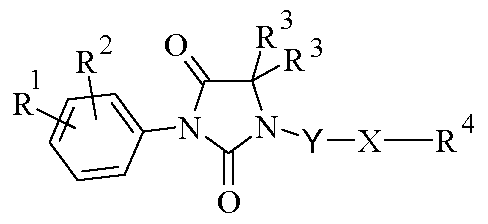
상기 식에서,
R1 및 R2는 독립적으로 할로겐 원자, 또는 알킬, 할로알킬, 알콕시, 시아노, 니트로, 아미노, 알킬아미노, 디알킬아미노, -NR8-CO-R5, -NR8-SO2-R5, -NR8-CO-(CH2)n-NR6R7, -NR8-SO2-(CH2)n-NR6R7 또는 -CO-NH2 라디칼을 나타내고;
n은 0, 1, 2, 3, 4, 5 및 6으로부터 선택된 정수를 나타내고;
R5는 알킬, 아릴 또는 헤테로아릴 라디칼을 나타내고;
R6 및 R7은 독립적으로 수소 원자, 알킬 또는 알킬옥시카르보닐 라디칼을 나타내고;
R8은 수소 원자 또는 알킬 라디칼을 나타내고;
R3은 알킬 라디칼 또는 수소 원자를 나타내거나, 또는 2개의 R3 라디칼은 이들이 부착되어 있는 탄소 원자와 함께 3 내지 6개의 구성원을 포함하는 시클로알킬 라디칼을 형성하고;
R4는 2 내지 10개의 탄소 원자를 갖는 할로알킬 라디칼을 나타내고;
Y는 2 내지 14개의 탄소 원자를 갖는 선형 또는 분지형 알킬렌 쇄를 나타내고, 상기 쇄는 포화 또는 불포화일 수 있고, 1개 이상의 추가의 -O- 구성원을 함유할 수 있고;
X는 -S-, -SO-, -SO2-, -S=N(R9)- 또는 -S(O)=N(R9)-를 나타내고;
R9는 수소 원자 또는 할로알킬카르보닐 라디칼을 나타낸다.A compound of formula (I) or a pharmaceutically acceptable salt thereof, in racemic or enantiomeric form or any combination thereof.
<Formula I>
Where
R 1 and R 2 are independently halogen atom or alkyl, haloalkyl, alkoxy, cyano, nitro, amino, alkylamino, dialkylamino, -NR 8 -CO-R 5 , -NR 8 -SO 2 -R 5 , —NR 8 —CO— (CH 2 ) n —NR 6 R 7 , —NR 8 —SO 2 — (CH 2 ) n —NR 6 R 7 or —CO—NH 2 radicals;
n represents an integer selected from 0, 1, 2, 3, 4, 5 and 6;
R 5 represents an alkyl, aryl or heteroaryl radical;
R 6 and R 7 independently represent a hydrogen atom, an alkyl or alkyloxycarbonyl radical;
R 8 represents a hydrogen atom or an alkyl radical;
R 3 represents an alkyl radical or a hydrogen atom, or two R 3 radicals together with the carbon atom to which they are attached form a cycloalkyl radical comprising 3 to 6 members;
R 4 represents a haloalkyl radical having 2 to 10 carbon atoms;
Y represents a linear or branched alkylene chain having 2 to 14 carbon atoms, which chain may be saturated or unsaturated and may contain one or more additional —O— members;
X represents -S-, -SO-, -SO 2- , -S = N (R 9 )-or -S (O) = N (R 9 )-;
R 9 represents a hydrogen atom or a haloalkylcarbonyl radical.
R1이 시아노, 니트로, 아미노, -NR8-CO-R5, -NR8-SO2-R5, -NR8-CO-(CH2)n-NR6R7, -NR8-SO2-(CH2)n-NR6R7, 또는 -CO-NH2 라디칼을 나타내고;
R2가 알킬 또는 할로알킬 라디칼을 나타내고;
R5가 알킬 라디칼을 나타내고;
R6 및 R7이 독립적으로 수소 원자, 알킬 또는 알킬옥시카르보닐 라디칼을 나타내고;
R3이 알킬 라디칼을 나타내거나, 또는 2개의 R3 라디칼이 이들이 부착되어 있는 탄소 원자와 함께 3 내지 6개의 구성원을 포함하는 시클로알킬 라디칼을 형성하고;
R4가 4 내지 6개의 탄소 원자 및 3 내지 9개의 불소 원자를 포함하는 할로알킬 라디칼을 나타내고;
n이 0 또는 1이고;
R9가 수소 원자 또는 -COCF3을 나타내는 것을 특징으로 하는 화합물.The method according to any one of claims 1 to 7,
R 1 is cyano, nitro, amino, -NR 8 -CO-R 5 , -NR 8 -SO 2 -R 5 , -NR 8 -CO- (CH 2 ) n -NR 6 R 7 , -NR 8- SO 2- (CH 2 ) n -NR 6 R 7 , or a -CO-NH 2 radical;
R 2 represents an alkyl or haloalkyl radical;
R 5 represents an alkyl radical;
R 6 and R 7 independently represent a hydrogen atom, an alkyl or alkyloxycarbonyl radical;
R 3 represents an alkyl radical, or two R 3 radicals together with the carbon atom to which they are attached form a cycloalkyl radical comprising 3 to 6 members;
R 4 represents a haloalkyl radical comprising 4 to 6 carbon atoms and 3 to 9 fluorine atoms;
n is 0 or 1;
R 9 represents a hydrogen atom or —COCF 3 .
- 5,5-디메틸-3-[4-니트로-3-(트리플루오로메틸)페닐]-1-{10-[(4,4,5,5,5-펜타플루오로펜틸)술피닐]데실}이미다졸리딘-2,4-디온
- 5,5-디메틸-3-[4-니트로-3-(트리플루오로메틸)페닐]-1-{9-[(4,4,4-트리플루오로부틸)티오]노닐}이미다졸리딘-2,4-디온
- 5,5-디메틸-3-[4-니트로-3-(트리플루오로메틸)페닐]-1-{9-[(4,4,4-트리플루오로부틸)술피닐]노닐}이미다졸리딘-2,4-디온
- N-[4-(4,4-디메틸-2,5-디옥소-3-{9-[(4,4,5,5,5-펜타플루오로펜틸)술피닐]-노닐}이미다졸리딘-1-일)-2-(트리플루오로메틸)페닐]아세트아미드
- N-[4-(4,4-디메틸-2,5-디옥소-3-{9-[(4,4,5,5,5-펜타플루오로펜틸)술피닐]노닐}이미다졸리딘-1-일)-2-(트리플루오로메틸)페닐]-N2,N2-디메틸글리신아미드
- N-[4-(4,4-디메틸-2,5-디옥소-3-{9-[(4,4,5,5,5-펜타플루오로펜틸)술피닐]노닐}이미다졸리딘-1-일)-2-(트리플루오로메틸)페닐]-N2,N2-디메틸글리신아미드 히드로클로라이드
로부터 선택된 것을 특징으로 하는 화학식 I의 화합물 또는 그의 제약상 허용되는 염.5,5-dimethyl-3- [4-nitro-3- (trifluoromethyl) phenyl] -1- {9-[(4,4,5,5,5-pentafluoropentyl) sulfinyl] Nonyl} imidazolidine-2,4-dione
5,5-dimethyl-3- [4-nitro-3- (trifluoromethyl) phenyl] -1- {10-[(4,4,5,5,5-pentafluoropentyl) sulfinyl] Decyl} imidazolidine-2,4-dione
5,5-dimethyl-3- [4-nitro-3- (trifluoromethyl) phenyl] -1- {9-[(4,4,4-trifluorobutyl) thio] nonyl} imidazoli Dean-2,4-dione
5,5-dimethyl-3- [4-nitro-3- (trifluoromethyl) phenyl] -1- {9-[(4,4,4-trifluorobutyl) sulfinyl] nonyl} imida Zolidine-2,4-dione
N- [4- (4,4-dimethyl-2,5-dioxo-3- {9-[(4,4,5,5,5-pentafluoropentyl) sulfinyl] -nonyl} imida Zolidin-1-yl) -2- (trifluoromethyl) phenyl] acetamide
N- [4- (4,4-dimethyl-2,5-dioxo-3- {9-[(4,4,5,5,5-pentafluoropentyl) sulfinyl] nonyl} imidazoli Din-1-yl) -2- (trifluoromethyl) phenyl] -N2, N2-dimethylglycinamide
N- [4- (4,4-dimethyl-2,5-dioxo-3- {9-[(4,4,5,5,5-pentafluoropentyl) sulfinyl] nonyl} imidazoli Din-1-yl) -2- (trifluoromethyl) phenyl] -N2, N2-dimethylglycinamide hydrochloride
Or a pharmaceutically acceptable salt thereof.
<화학식 II>
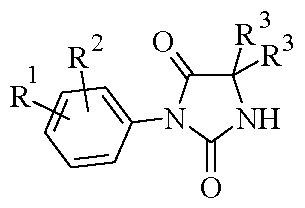
(상기 식에서, R1, R2 및 R3은 제1항 내지 제14항 중 어느 한 항에 정의된 바와 같음)
<화학식 III>
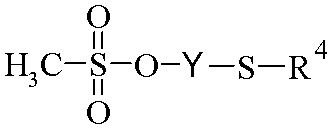
(상기 식에서, R4 및 Y는 제1항 내지 제12항 중 어느 한 항에 정의된 바와 같음), 또는
- 극성 양성자성 용매 중에서 하기 화학식 V의 티오벤조일 유도체를 알콜레이트로 처리한 후
<화학식 V>
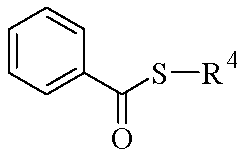
(상기 식에서, R4는 제1항 내지 제14항 중 어느 한 항에 정의된 바와 같음),
- 극성 용매 중의 용액에서 하기 화학식 IV의 할로겐화 유도체를 첨가함으로써
<화학식 IV>
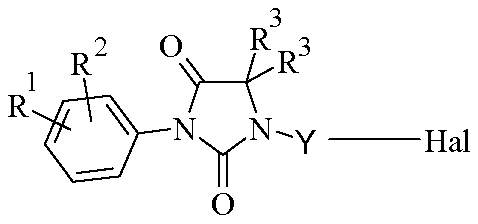
(상기 식에서, R1, R2, R3 및 Y는 제1항 내지 제14항 중 어느 한 항에 정의된 바와 같음),
하기 화학식 I.1의 화합물 (X가 황 원자를 나타내는 화학식 I의 화합물)을 수득하는 것을 포함함을 특징으로 하는, 제1항 내지 제14항 중 어느 한 항에 정의된 바와 같은 화학식 I의 화합물의 제조 방법.
<화학식 I.1>
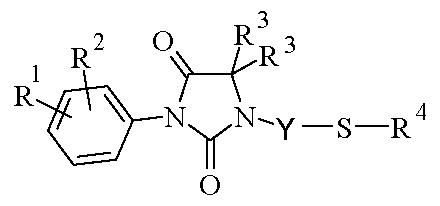
(상기 식에서, R1, R2, R3, R4 및 Y는 제1항 내지 제14항 중 어느 한 항에 정의된 바와 같음)Condensation of a hydantoin derivative of formula II with a mesylate derivative of formula III in anhydrous polar solvent in the presence of a strong base at a temperature of 25-60 ° C.
<Formula II>
Wherein R 1 , R 2 and R 3 are as defined in any one of claims 1 to 14.
<Formula III>
(Wherein R 4 and Y are as defined in any one of claims 1 to 12), or
Treatment of a thiobenzoyl derivative of the general formula (V) with an alcoholate in a polar protic solvent
<Formula V>
Wherein R 4 is as defined in any one of claims 1-14,
By adding a halogenated derivative of formula IV in a solution in a polar solvent
<Formula IV>
Wherein R 1 , R 2 , R 3 and Y are as defined in any one of claims 1-14,
15. A compound of formula I as defined in any of claims 1 to 14, characterized by obtaining a compound of formula I.1 (compound of formula I wherein X represents a sulfur atom) Method of preparation.
<Formula I.1>
Wherein R 1 , R 2 , R 3 , R 4 and Y are as defined in any one of claims 1 to 14.
<화학식 I.2>

(상기 식에서, R1, R2, R3, R4 및 Y는 제1항 내지 제14항 중 어느 한 항에 정의된 바와 같음)The method of claim 16, further comprising oxidizing a compound of formula I.1 as defined in claim 15 to a sulfoxide of formula I.2 (a compound of formula I wherein X represents a -SO- radical). A method of making a compound of formula (I), comprising.
<Formula I.2>
Wherein R 1 , R 2 , R 3 , R 4 and Y are as defined in any one of claims 1 to 14.
<화학식 I.3>

(상기 식에서, R1, R2, R3, R4 및 Y는 제1항 내지 제14항 중 어느 한 항에 정의된 바와 같음)The compound of formula I according to claim 16, further comprising the step of oxidizing a sulfoxide derivative of formula I.2 to a sulfone of formula I.3 (a compound of formula I wherein X represents a -SO 2 -group). Method of preparation.
<Formula I.3>
Wherein R 1 , R 2 , R 3 , R 4 and Y are as defined in any one of claims 1 to 14.
- 1-(5-요오도펜틸)-5,5-디메틸-3-[4-니트로-3-(트리플루오로메틸)페닐]이미다졸리딘-2,4-디온
- 1-(8-요오도옥틸)-5,5-디메틸-3-[4-니트로-3-(트리플루오로메틸)페닐]이미다졸리딘-2,4-디온
- 1-(9-브로모노닐)-5,5-디메틸-3-[4-니트로-3-(트리플루오로메틸)페닐]이미다졸리딘-2,4-디온
- 4-[3-(9-브로모노닐)-4,4-디메틸-2,5-디옥소이미다졸리딘-1-일]-2-(트리플루오로메틸)벤조니트릴
- 5,5-디메틸-3-(3-메틸-4-니트로페닐)이미다졸리딘-2,4-디온
- 1-(9-브로모노닐)-5,5-디메틸-3-(3-메틸-4-니트로페닐)이미다졸리딘-2,4-디온 중 하나의 화합물.As an intermediate
1- (5-iodopentyl) -5,5-dimethyl-3- [4-nitro-3- (trifluoromethyl) phenyl] imidazolidine-2,4-dione
1- (8-iodooctyl) -5,5-dimethyl-3- [4-nitro-3- (trifluoromethyl) phenyl] imidazolidine-2,4-dione
1- (9-bromononyl) -5,5-dimethyl-3- [4-nitro-3- (trifluoromethyl) phenyl] imidazolidine-2,4-dione
4- [3- (9-bromononyl) -4,4-dimethyl-2,5-dioxoimidazolidin-1-yl] -2- (trifluoromethyl) benzonitrile
5,5-dimethyl-3- (3-methyl-4-nitrophenyl) imidazolidine-2,4-dione
A compound of one of 1- (9-bromononyl) -5,5-dimethyl-3- (3-methyl-4-nitrophenyl) imidazolidine-2,4-dione.
Applications Claiming Priority (3)
| Application Number | Priority Date | Filing Date | Title |
|---|---|---|---|
| FR0901865A FR2944524B1 (en) | 2009-04-17 | 2009-04-17 | IMIDAZOLIDINE-2,4-DIONE DERIVATIVES AND THEIR USE AS A MEDICINAL PRODUCT |
| FR0901865 | 2009-04-17 | ||
| PCT/FR2010/000315 WO2010119193A1 (en) | 2009-04-17 | 2010-04-16 | Imidazolidine-2,4-dione derivatives, and use thereof as a cancer drug |
Publications (2)
| Publication Number | Publication Date |
|---|---|
| KR20120016632A true KR20120016632A (en) | 2012-02-24 |
| KR101678710B1 KR101678710B1 (en) | 2016-11-23 |
Family
ID=41349313
Family Applications (1)
| Application Number | Title | Priority Date | Filing Date |
|---|---|---|---|
| KR1020117027276A Expired - Fee Related KR101678710B1 (en) | 2009-04-17 | 2010-04-16 | Imidazolidine-2,4-dione derivatives, and use thereof as a cancer drug |
Country Status (13)
| Country | Link |
|---|---|
| US (1) | US8710091B2 (en) |
| EP (1) | EP2419410B1 (en) |
| JP (1) | JP5730855B2 (en) |
| KR (1) | KR101678710B1 (en) |
| CN (1) | CN102428073B (en) |
| BR (1) | BRPI1014436A2 (en) |
| CA (1) | CA2758630C (en) |
| ES (1) | ES2405988T3 (en) |
| FR (1) | FR2944524B1 (en) |
| MX (1) | MX2011010693A (en) |
| RU (1) | RU2497812C2 (en) |
| UA (1) | UA107349C2 (en) |
| WO (1) | WO2010119193A1 (en) |
Families Citing this family (9)
| Publication number | Priority date | Publication date | Assignee | Title |
|---|---|---|---|---|
| UY34646A (en) * | 2012-03-02 | 2013-10-31 | Novartis Ag | ESPIROHIDANTOINE COMPOUNDS AND THEIR USE AS SELECTIVE MODULATORS OF THE ANDROGEN RECEIVER |
| EP3089975B1 (en) * | 2013-12-31 | 2018-06-06 | Ipsen Pharma S.A.S. | Novel imidazolidine-2, 4-dione derivatives |
| RU2650678C2 (en) * | 2013-12-31 | 2018-04-17 | Ипсен Фарма С.А.С. | Novel imidazolidine-2,4-dione derivatives |
| WO2015171585A1 (en) | 2014-05-05 | 2015-11-12 | The University Of Toledo | Biodegradable magnesium alloys and composites |
| HK1252412A1 (en) | 2015-05-06 | 2019-05-24 | Wageningen Universiteit | Use of a polypeptide for effecting immune signalling and/or affecting intestinal barrier function and/or modulating metabolic status |
| SI3319939T1 (en) * | 2015-07-08 | 2025-04-30 | Cv6 Therapeutics (Ni) Limited | Hydantoin containing deoxyuridine triphosphatase inhibitors |
| BR112018004532B1 (en) | 2015-09-10 | 2022-03-15 | Université Catholique de Louvain | Use of pasteurized akkermansia for the treatment of metabolic disorders |
| SG11202011135WA (en) | 2018-05-14 | 2020-12-30 | Nuvation Bio Inc | Anti-cancer nuclear hormone receptor-targeting compounds |
| US11826430B2 (en) | 2019-05-14 | 2023-11-28 | Nuvation Bio Inc. | Anti-cancer nuclear hormone receptor-targeting compounds |
Citations (1)
| Publication number | Priority date | Publication date | Assignee | Title |
|---|---|---|---|---|
| US20070249697A1 (en) * | 2004-08-03 | 2007-10-25 | Kazutaka Tachibana | Novel Imidazolidine Derivatives |
Family Cites Families (11)
| Publication number | Priority date | Publication date | Assignee | Title |
|---|---|---|---|---|
| FR2329276A1 (en) * | 1975-10-29 | 1977-05-27 | Roussel Uclaf | NEW SUBSTITUTES IMIDAZOLIDINES, METHOD OF PREPARATION, APPLICATION AS A MEDICINAL PRODUCT AND COMPOSITIONS CONTAINING THEM |
| FR2693461B1 (en) * | 1992-07-08 | 1994-09-02 | Roussel Uclaf | New substituted phenylimidazolidines, process for their preparation, their use as medicaments and the pharmaceutical compositions containing them. |
| FR2671348B1 (en) * | 1991-01-09 | 1993-03-26 | Roussel Uclaf | NOVEL PHENYLIMIDAZOLIDINES, THEIR PREPARATION PROCESS, THEIR APPLICATION AS MEDICAMENTS AND THE PHARMACEUTICAL COMPOSITIONS CONTAINING THEM. |
| US5411981A (en) | 1991-01-09 | 1995-05-02 | Roussel Uclaf | Phenylimidazolidines having antiandrogenic activity |
| JP3146596B2 (en) * | 1992-03-10 | 2001-03-19 | 住友化学工業株式会社 | Method for producing 3-hydroxymethyl-1-propargylimidazolidine-2,4-dione |
| FR2715402B1 (en) | 1994-01-05 | 1996-10-04 | Roussel Uclaf | New phenylimidazolines optionally substituted, their process and preparation intermediates, their use as medicaments and the pharmaceutical compositions containing them. |
| TW521073B (en) * | 1994-01-05 | 2003-02-21 | Hoechst Marion Roussel Inc | New optionally substituted phenylimidazolidines, their preparation process, their use as anti-androgenic agent and the pharmaceutical compositions containing them |
| SE0100902D0 (en) | 2001-03-15 | 2001-03-15 | Astrazeneca Ab | Compounds |
| TW200523235A (en) * | 2003-10-15 | 2005-07-16 | Gtx Inc | Anti-cancer compounds and methods of use thereof |
| KR20080081359A (en) * | 2006-01-30 | 2008-09-09 | 아이알엠 엘엘씨 | Spiroimidazole Derivatives As PPA Regulators |
| ES2689292T3 (en) * | 2006-03-27 | 2018-11-13 | The Regents Of The University Of California | Androgen receptor modulator for the treatment of prostate cancer and diseases associated with the androgen receptor |
-
2009
- 2009-04-17 FR FR0901865A patent/FR2944524B1/en not_active Expired - Fee Related
-
2010
- 2010-04-16 WO PCT/FR2010/000315 patent/WO2010119193A1/en not_active Ceased
- 2010-04-16 EP EP10717193A patent/EP2419410B1/en not_active Not-in-force
- 2010-04-16 ES ES10717193T patent/ES2405988T3/en active Active
- 2010-04-16 CN CN201080021638.3A patent/CN102428073B/en not_active Expired - Fee Related
- 2010-04-16 RU RU2011146641/04A patent/RU2497812C2/en not_active IP Right Cessation
- 2010-04-16 MX MX2011010693A patent/MX2011010693A/en active IP Right Grant
- 2010-04-16 UA UAA201113518A patent/UA107349C2/en unknown
- 2010-04-16 US US13/264,971 patent/US8710091B2/en active Active
- 2010-04-16 KR KR1020117027276A patent/KR101678710B1/en not_active Expired - Fee Related
- 2010-04-16 JP JP2012505196A patent/JP5730855B2/en active Active
- 2010-04-16 BR BRPI1014436A patent/BRPI1014436A2/en not_active IP Right Cessation
- 2010-04-16 CA CA2758630A patent/CA2758630C/en not_active Expired - Fee Related
Patent Citations (1)
| Publication number | Priority date | Publication date | Assignee | Title |
|---|---|---|---|---|
| US20070249697A1 (en) * | 2004-08-03 | 2007-10-25 | Kazutaka Tachibana | Novel Imidazolidine Derivatives |
Also Published As
| Publication number | Publication date |
|---|---|
| AU2010238380A1 (en) | 2011-11-10 |
| EP2419410A1 (en) | 2012-02-22 |
| CN102428073B (en) | 2015-09-30 |
| UA107349C2 (en) | 2014-12-25 |
| EP2419410B1 (en) | 2013-03-06 |
| RU2011146641A (en) | 2013-05-27 |
| FR2944524A1 (en) | 2010-10-22 |
| CN102428073A (en) | 2012-04-25 |
| JP5730855B2 (en) | 2015-06-10 |
| WO2010119193A1 (en) | 2010-10-21 |
| MX2011010693A (en) | 2011-10-28 |
| CA2758630A1 (en) | 2010-10-21 |
| FR2944524B1 (en) | 2012-11-30 |
| RU2497812C2 (en) | 2013-11-10 |
| BRPI1014436A2 (en) | 2016-04-19 |
| US8710091B2 (en) | 2014-04-29 |
| CA2758630C (en) | 2017-03-07 |
| HK1165797A1 (en) | 2012-10-12 |
| ES2405988T3 (en) | 2013-06-04 |
| JP2012524050A (en) | 2012-10-11 |
| US20120083514A1 (en) | 2012-04-05 |
| KR101678710B1 (en) | 2016-11-23 |
Similar Documents
| Publication | Publication Date | Title |
|---|---|---|
| KR101678710B1 (en) | Imidazolidine-2,4-dione derivatives, and use thereof as a cancer drug | |
| KR0174752B1 (en) | Bicyclic heterocyclic sulfonamide and sulfonic ester derivatives | |
| CN102448951B (en) | Pyruvate kinase M2 modulators, therapeutic compositions, and related methods of use | |
| EP2173734B1 (en) | Chemical compounds | |
| HK1256310A1 (en) | N-sulphonylpyrrole derivatives | |
| JP2012532136A (en) | Therapeutic compositions and related methods of use | |
| EP0275312A1 (en) | Thiazole derivatives | |
| KR101699100B1 (en) | Imidazolidine-2,4-dione derivatives and use thereof as a medicament | |
| KR101109948B1 (en) | Novel imidazole derivatives, the production thereof, and the use of the same as a medicament | |
| JP2010513395A (en) | Compound showing a combination of cannabinoid-CB1 antagonism and acetylcholinesterase inhibition | |
| EP1656360B1 (en) | Thiazoline derivatives as selective androgen receptor modulators (sarms) | |
| US4263455A (en) | Novel 2-sulphonyl- (or -sulphinyl)-2'-aminoacetophenones | |
| EP3089974B1 (en) | Novel imidazolidine-2,4-dione derivatives | |
| HK1165797B (en) | Imidazolidine-2,4-dione derivatives, and use thereof as a cancer drug | |
| HK1165796B (en) | Imidazolidine-2,4-dione derivatives and use thereof as a medicament | |
| MXPA05013599A (en) | Thiazoline derivatives as selective androgen receptor modulators (sarms) |
Legal Events
| Date | Code | Title | Description |
|---|---|---|---|
| PA0105 | International application |
St.27 status event code: A-0-1-A10-A15-nap-PA0105 |
|
| PG1501 | Laying open of application |
St.27 status event code: A-1-1-Q10-Q12-nap-PG1501 |
|
| A201 | Request for examination | ||
| E13-X000 | Pre-grant limitation requested |
St.27 status event code: A-2-3-E10-E13-lim-X000 |
|
| P11-X000 | Amendment of application requested |
St.27 status event code: A-2-2-P10-P11-nap-X000 |
|
| P13-X000 | Application amended |
St.27 status event code: A-2-2-P10-P13-nap-X000 |
|
| PA0201 | Request for examination |
St.27 status event code: A-1-2-D10-D11-exm-PA0201 |
|
| E902 | Notification of reason for refusal | ||
| PE0902 | Notice of grounds for rejection |
St.27 status event code: A-1-2-D10-D21-exm-PE0902 |
|
| P22-X000 | Classification modified |
St.27 status event code: A-2-2-P10-P22-nap-X000 |
|
| E13-X000 | Pre-grant limitation requested |
St.27 status event code: A-2-3-E10-E13-lim-X000 |
|
| P11-X000 | Amendment of application requested |
St.27 status event code: A-2-2-P10-P11-nap-X000 |
|
| P13-X000 | Application amended |
St.27 status event code: A-2-2-P10-P13-nap-X000 |
|
| E701 | Decision to grant or registration of patent right | ||
| PE0701 | Decision of registration |
St.27 status event code: A-1-2-D10-D22-exm-PE0701 |
|
| GRNT | Written decision to grant | ||
| PR0701 | Registration of establishment |
St.27 status event code: A-2-4-F10-F11-exm-PR0701 |
|
| PR1002 | Payment of registration fee |
St.27 status event code: A-2-2-U10-U12-oth-PR1002 Fee payment year number: 1 |
|
| PG1601 | Publication of registration |
St.27 status event code: A-4-4-Q10-Q13-nap-PG1601 |
|
| PC1903 | Unpaid annual fee |
St.27 status event code: A-4-4-U10-U13-oth-PC1903 Not in force date: 20191117 Payment event data comment text: Termination Category : DEFAULT_OF_REGISTRATION_FEE |
|
| PC1903 | Unpaid annual fee |
St.27 status event code: N-4-6-H10-H13-oth-PC1903 Ip right cessation event data comment text: Termination Category : DEFAULT_OF_REGISTRATION_FEE Not in force date: 20191117 |
|
| R18 | Changes to party contact information recorded |
Free format text: ST27 STATUS EVENT CODE: A-5-5-R10-R18-OTH-X000 (AS PROVIDED BY THE NATIONAL OFFICE) |
|
| R18-X000 | Changes to party contact information recorded |
St.27 status event code: A-5-5-R10-R18-oth-X000 |