JP7686829B2 - COMMUNICATION METHOD, APPARATUS, SYSTEM AND COMPUTER STORAGE MEDIUM - Google Patents
COMMUNICATION METHOD, APPARATUS, SYSTEM AND COMPUTER STORAGE MEDIUM Download PDFInfo
- Publication number
- JP7686829B2 JP7686829B2 JP2024060541A JP2024060541A JP7686829B2 JP 7686829 B2 JP7686829 B2 JP 7686829B2 JP 2024060541 A JP2024060541 A JP 2024060541A JP 2024060541 A JP2024060541 A JP 2024060541A JP 7686829 B2 JP7686829 B2 JP 7686829B2
- Authority
- JP
- Japan
- Prior art keywords
- time
- request
- resource
- frequency
- frequency resource
- Prior art date
- Legal status (The legal status is an assumption and is not a legal conclusion. Google has not performed a legal analysis and makes no representation as to the accuracy of the status listed.)
- Active
Links
Images






Classifications
-
- H—ELECTRICITY
- H04—ELECTRIC COMMUNICATION TECHNIQUE
- H04L—TRANSMISSION OF DIGITAL INFORMATION, e.g. TELEGRAPHIC COMMUNICATION
- H04L5/00—Arrangements affording multiple use of the transmission path
- H04L5/0001—Arrangements for dividing the transmission path
- H04L5/0003—Two-dimensional division
- H04L5/0005—Time-frequency
- H04L5/0007—Time-frequency the frequencies being orthogonal, e.g. OFDM(A) or DMT
-
- H—ELECTRICITY
- H04—ELECTRIC COMMUNICATION TECHNIQUE
- H04L—TRANSMISSION OF DIGITAL INFORMATION, e.g. TELEGRAPHIC COMMUNICATION
- H04L5/00—Arrangements affording multiple use of the transmission path
- H04L5/0001—Arrangements for dividing the transmission path
- H04L5/0003—Two-dimensional division
- H04L5/0005—Time-frequency
-
- H—ELECTRICITY
- H04—ELECTRIC COMMUNICATION TECHNIQUE
- H04L—TRANSMISSION OF DIGITAL INFORMATION, e.g. TELEGRAPHIC COMMUNICATION
- H04L5/00—Arrangements affording multiple use of the transmission path
- H04L5/003—Arrangements for allocating sub-channels of the transmission path
- H04L5/0044—Allocation of payload; Allocation of data channels, e.g. PDSCH or PUSCH
-
- H—ELECTRICITY
- H04—ELECTRIC COMMUNICATION TECHNIQUE
- H04L—TRANSMISSION OF DIGITAL INFORMATION, e.g. TELEGRAPHIC COMMUNICATION
- H04L5/00—Arrangements affording multiple use of the transmission path
- H04L5/003—Arrangements for allocating sub-channels of the transmission path
- H04L5/0053—Allocation of signalling, i.e. of overhead other than pilot signals
-
- H—ELECTRICITY
- H04—ELECTRIC COMMUNICATION TECHNIQUE
- H04L—TRANSMISSION OF DIGITAL INFORMATION, e.g. TELEGRAPHIC COMMUNICATION
- H04L5/00—Arrangements affording multiple use of the transmission path
- H04L5/0091—Signalling for the administration of the divided path, e.g. signalling of configuration information
- H04L5/0094—Indication of how sub-channels of the path are allocated
-
- H—ELECTRICITY
- H04—ELECTRIC COMMUNICATION TECHNIQUE
- H04W—WIRELESS COMMUNICATION NETWORKS
- H04W4/00—Services specially adapted for wireless communication networks; Facilities therefor
- H04W4/30—Services specially adapted for particular environments, situations or purposes
- H04W4/40—Services specially adapted for particular environments, situations or purposes for vehicles, e.g. vehicle-to-pedestrians [V2P]
- H04W4/48—Services specially adapted for particular environments, situations or purposes for vehicles, e.g. vehicle-to-pedestrians [V2P] for in-vehicle communication
-
- H—ELECTRICITY
- H04—ELECTRIC COMMUNICATION TECHNIQUE
- H04W—WIRELESS COMMUNICATION NETWORKS
- H04W72/00—Local resource management
- H04W72/12—Wireless traffic scheduling
-
- H—ELECTRICITY
- H04—ELECTRIC COMMUNICATION TECHNIQUE
- H04W—WIRELESS COMMUNICATION NETWORKS
- H04W72/00—Local resource management
- H04W72/40—Resource management for direct mode communication, e.g. D2D or sidelink
-
- H—ELECTRICITY
- H04—ELECTRIC COMMUNICATION TECHNIQUE
- H04L—TRANSMISSION OF DIGITAL INFORMATION, e.g. TELEGRAPHIC COMMUNICATION
- H04L5/00—Arrangements affording multiple use of the transmission path
- H04L5/003—Arrangements for allocating sub-channels of the transmission path
- H04L5/0037—Inter-user or inter-terminal allocation
-
- H—ELECTRICITY
- H04—ELECTRIC COMMUNICATION TECHNIQUE
- H04W—WIRELESS COMMUNICATION NETWORKS
- H04W72/00—Local resource management
- H04W72/20—Control channels or signalling for resource management
- H04W72/25—Control channels or signalling for resource management between terminals via a wireless link, e.g. sidelink
Landscapes
- Engineering & Computer Science (AREA)
- Signal Processing (AREA)
- Computer Networks & Wireless Communication (AREA)
- Mobile Radio Communication Systems (AREA)
Description
この出願は、無線通信技術の分野に関し、特に、通信方法、装置及びシステム並びにコンピュータ記憶媒体に関し、特に短距離無線通信、例えばコックピットドメイン通信に適用可能である。 This application relates to the field of wireless communication technologies, in particular to communication methods, devices and systems, and computer storage media, particularly applicable to short-range wireless communication, e.g., cockpit domain communication.
グローバル通信技術は急速に進化している。無線通信技術の開発速度及び適用分野は有線通信技術のものを凌駕しており、力強い開発動向を示している。例えば、車載通信技術の開発及び適用はますます人々の注目を集めている。既存の有線通信と比較して、車載無線通信は、車両の内部のワイヤーハーネスの数、長さ及び重量と、対応する設置及び保守コストとを更に低減できる。したがって、車載通信技術は次第に無線になっている。車載適用の多様化は、車載通信ノードの増加した数及びタイプをもたらし、車載通信能力に対してより高い要件を課している。 Global communication technology is evolving rapidly. The development speed and application fields of wireless communication technology have surpassed those of wired communication technology, showing a strong development trend. For example, the development and application of in-vehicle communication technology has increasingly attracted people's attention. Compared with the existing wired communication, in-vehicle wireless communication can further reduce the number, length and weight of wire harnesses inside the vehicle and the corresponding installation and maintenance costs. Therefore, in-vehicle communication technology is gradually becoming wireless. The diversification of in-vehicle applications has led to an increased number and types of in-vehicle communication nodes, imposing higher requirements on in-vehicle communication capabilities.
多くの無線通信シナリオでは、複数の通信ノードは通信ドメインを使用することにより互いに通信する。特定の通信領域又は範囲に1つ以上の通信ドメインが存在してもよい。通信ドメインは、通信関係を有する通信ノードのグループと、通信ノードの間の通信接続関係(すなわち、通信リンク)とを含むシステムである。1つの通信ドメインは、1つのプライマリ通信ノード(略してプライマリノードと呼ばれてもよい)と、少なくとも1つのセカンダリ通信ノード(略してセカンダリノードと呼ばれてもよい)とを含む。プライマリノードは、通信ドメインの時間・周波数リソースを管理し、プライマリノードとセカンダリノードとの間の通信リンクのためのリソースをスケジューリングする機能を有する。プライマリノードにより管理される時間・周波数リソースは、アクセス要求リソース、スケジューリング要求リソース、及び他の制御シグナリング及び/又はサービスデータを伝送するために使用されるリソースを含む。アクセス要求リソースは、通信ドメインに属していないノード(略して外部ノードと呼ばれてもよい)によりアクセス要求を通信ドメインにおけるプライマリノードに送信するために使用され、アクセス要求は、外部ノードにより通信ドメインに参加するプロセスを開始することを要求するために使用される。スケジューリング要求リソースは、セカンダリノードによりスケジューリング要求(scheduling request, SR)をプライマリノードに送信するために使用され、スケジューリング要求は、リソースを割り当てることをプライマリノードに要求するために使用され、リソースは、プライマリノードとセカンダリノードとの間で制御シグナリング及び/又はサービスデータを伝送するために使用される。一般的には、プライマリノードは、それぞれのスケジューリング要求リソースをセカンダリノードに割り当てる。 In many wireless communication scenarios, multiple communication nodes communicate with each other by using communication domains. There may be one or more communication domains in a particular communication area or range. A communication domain is a system including a group of communication nodes having a communication relationship and a communication connection relationship (i.e., a communication link) between the communication nodes. A communication domain includes one primary communication node (may be called a primary node for short) and at least one secondary communication node (may be called a secondary node for short). The primary node has the function of managing the time-frequency resources of the communication domain and scheduling resources for the communication link between the primary node and the secondary node. The time-frequency resources managed by the primary node include access request resources, scheduling request resources, and resources used to transmit other control signaling and/or service data. The access request resource is used by a node not belonging to the communication domain (may be called an external node for short) to send an access request to a primary node in the communication domain, and the access request is used by an external node to request to start the process of joining the communication domain. The scheduling request resource is used by the secondary node to send a scheduling request (SR) to the primary node, the scheduling request is used to request the primary node to allocate resources, and the resources are used to transmit control signaling and/or service data between the primary node and the secondary node. In general, the primary node allocates each scheduling request resource to the secondary node.
しかし、通常では外部ノードによりアクセス要求を送信する頻度及びセカンダリノードによりスケジューリング要求を送信する頻度は相対的に低いので、現在、通常ではアクセス要求リソース利用率及びスケジューリング要求リソース利用率は相対的に低く、相対的に低い全体的な時間・周波数リソース利用率を生じている。 However, since the frequency at which an external node transmits an access request and the frequency at which a secondary node transmits a scheduling request are typically relatively low, currently the access request resource utilization rate and the scheduling request resource utilization rate are typically relatively low, resulting in a relatively low overall time-frequency resource utilization rate.
この出願は、関連技術における相対的に低い全体的な時間・周波数リソース利用率の問題を解決するための、通信方法、装置及びシステム並びにコンピュータ記憶媒体を提供する。 This application provides a communication method, apparatus and system, and computer storage medium to solve the problem of relatively low overall time-frequency resource utilization in the related art.
第1の態様によれば、通信方法が提供される。当該方法は以下を含む。ターゲットデバイスは、第1の時間・周波数サブリソースを決定し、第1の時間・周波数サブリソースは第1の時間・周波数リソースに属する。ターゲットデバイスは、第1の時間・周波数サブリソースで第1の要求を送信し、第1の要求はアクセスを要求するため或いはスケジューリングを要求するために使用される。第1の時間・周波数リソースは、ターゲットデバイスの要求を搬送するために使用される事前定義又は事前構成されたリソースである。ターゲットデバイスの要求は、アクセスを要求するために使用される要求及びスケジューリングを要求するために使用される要求を含む。ターゲットデバイスは、外部ノード又は通信ドメインにおけるセカンダリノードである。この出願のこの実施形態では、アクセスを要求するために使用される要求はアクセス要求と呼ばれ、スケジューリングを要求するために使用される要求はスケジューリング要求と呼ばれる。外部ノードは、通信ドメインに参加していないデバイスと、通信ドメインに参加しており、次いで通信ドメインを退出したデバイスとを含み、現在通信ドメインに属していないデバイスを意味する。 According to a first aspect, a communication method is provided. The method includes: A target device determines a first time-frequency sub-resource, the first time-frequency sub-resource belonging to the first time-frequency resource; The target device transmits a first request on the first time-frequency sub-resource, the first request being used to request access or to request scheduling; The first time-frequency resource is a predefined or preconfigured resource used to carry the request of the target device; The request of the target device includes a request used to request access and a request used to request scheduling. The target device is an external node or a secondary node in the communication domain. In this embodiment of the application, a request used to request access is called an access request, and a request used to request scheduling is called a scheduling request. An external node means a device that does not currently belong to the communication domain, including a device that is not participating in the communication domain and a device that participated in the communication domain and then left the communication domain.
任意選択で、当該方法は以下を含む。ターゲットデバイスは、第1の時間・周波数サブリソースを決定し、第1の時間・周波数サブリソースは第1の時間・周波数リソースに属する。ターゲットデバイスは、第1の時間・周波数サブリソースでアクセス要求又はスケジューリング要求を送信する。第1の時間・周波数リソースは、少なくとも1つのターゲットデバイスのアクセス要求及びスケジューリング要求を搬送するために使用される事前定義又は事前構成されたリソースである。この出願では、アクセス要求は、プライマリノードが位置する通信ドメインに参加することを外部ノードが要求するプロセスにおいて使用される(すなわち、アクセスを要求するために使用される)。スケジューリング要求は、セカンダリノードによりリソースを割り当てることをプライマリノードに要求するために使用され(すなわち、スケジューリングを要求するために使用され)、リソースは、プライマリノードとセカンダリノードとの間で制御シグナリング及び/又はサービスデータを伝送するために使用される。ターゲットデバイスがアクセス要求及びスケジューリング要求を送信するとき、ターゲットデバイス及び通信ドメインは異なる関係にある。例えば、アクセス要求を送信するとき、ターゲットデバイスは通信ドメインに属しておらず、通信ドメインの外部ノードである。スケジューリング要求を送信するとき、ターゲットデバイスは通信ドメインにおけるセカンダリノードである。 Optionally, the method includes: The target device determines a first time-frequency sub-resource, where the first time-frequency sub-resource belongs to the first time-frequency resource; The target device transmits an access request or a scheduling request on the first time-frequency sub-resource; The first time-frequency resource is a predefined or preconfigured resource used to carry the access request and the scheduling request of at least one target device. In this application, the access request is used in a process of an external node requesting to join the communication domain in which the primary node is located (i.e., used to request access); The scheduling request is used to request the primary node to allocate resources by the secondary node (i.e., used to request scheduling), and the resources are used to transmit control signaling and/or service data between the primary node and the secondary node. When the target device transmits the access request and the scheduling request, the target device and the communication domain are in a different relationship. For example, when transmitting the access request, the target device does not belong to the communication domain and is an external node of the communication domain; when transmitting the scheduling request, the target device is a secondary node in the communication domain.
この出願では、ターゲットデバイスは、アクセス要求及び/又はスケジューリング要求を送信するために第1の時間・周波数リソースを再利用する。ターゲットデバイスがそれぞれアクセス要求及びスケジューリング要求を送信するために異なる時間・周波数リソースを使用する方式と比較して、この出願における解決策は時間・周波数リソース利用率を改善し、アクセス要求及びスケジューリング要求のためのリソースを別々に構成又は定義する必要はない。 In this application, the target device reuses the first time-frequency resource for transmitting an access request and/or a scheduling request. Compared with a scheme in which the target device uses different time-frequency resources for transmitting an access request and a scheduling request, respectively, the solution in this application improves time-frequency resource utilization and does not require separate configuration or definition of resources for access requests and scheduling requests.
任意選択で、第1の時間・周波数リソースは、複数のターゲットデバイスの要求を搬送するために使用される。言い換えると、複数のターゲットデバイスは、第1の時間・周波数リソースでアクセス要求及び/又はスケジューリング要求を送信してもよい。 Optionally, the first time-frequency resource is used to carry requests of the multiple target devices. In other words, the multiple target devices may transmit access requests and/or scheduling requests on the first time-frequency resource.
この出願では、複数のターゲットデバイスは、アクセス要求及び/又はスケジューリング要求を送信するために、第1の時間・周波数リソースを再利用する。ターゲットデバイスがアクセス要求及びスケジューリング要求を送信するために異なる時間・周波数リソースを使用し、異なるターゲットデバイスがスケジューリング要求を送信するために異なる時間・周波数リソースを使用する方式と比較して、この出願における解決策は時間・周波数リソース利用率を改善でき、各ターゲットデバイスに対応するスケジューリング要求及びアクセス要求のためのリソースを別々に構成又は定義する必要はない。 In this application, multiple target devices reuse a first time-frequency resource to transmit access requests and/or scheduling requests. Compared with a scheme in which a target device uses different time-frequency resources to transmit access requests and scheduling requests, and different target devices use different time-frequency resources to transmit scheduling requests, the solution in this application can improve time-frequency resource utilization, and does not require separate configuration or definition of resources for scheduling requests and access requests corresponding to each target device.
任意選択で、第1の要求はアクセスを要求するために使用され(すなわち、第1の要求はアクセス要求であり)、第1の要求は第1のアイデンティティを含む。当該方法は以下を更に含む。ターゲットデバイスは、第2の時間・周波数サブリソースで第2の要求を送信し、第2の要求はスケジューリングを要求するために使用される(すなわち、第2の要求はスケジューリング要求である)。第2の時間・周波数サブリソースは第1の時間・周波数リソースに属し、第2の要求は第2のアイデンティティを含み、第2のアイデンティティは第1のアイデンティティとは異なる。第1のアイデンティティは、第1の要求を送信するデバイスが通信システムにおける外部ノードであり、第1の要求がアクセス要求であることを示すために使用される。言い換えると、第1のアイデンティティは、外部ノードがプライマリノードにアクセスすること又はプライマリノードが位置する通信ドメインにアクセスすることを要求することを示すために使用される。第2のアイデンティティは、第2の要求を送信するデバイスが通信ドメインにおけるセカンダリノードであることを示すために使用され、第2のアイデンティティは通信ドメインにおいて第2の要求を送信するデバイスを一意に識別する。 Optionally, the first request is used to request access (i.e., the first request is an access request), and the first request includes the first identity. The method further includes: The target device transmits a second request on a second time-frequency sub-resource, and the second request is used to request scheduling (i.e., the second request is a scheduling request). The second time-frequency sub-resource belongs to the first time-frequency resource, and the second request includes a second identity, and the second identity is different from the first identity. The first identity is used to indicate that the device transmitting the first request is an external node in the communication system and that the first request is an access request. In other words, the first identity is used to indicate that the external node requests to access the primary node or to access the communication domain in which the primary node is located. The second identity is used to indicate that the device transmitting the second request is a secondary node in the communication domain, and the second identity uniquely identifies the device transmitting the second request in the communication domain.
この出願では、通信システムは1つ以上の留保されたアイデンティティを留保する。留保されたアイデンティティは第2のアイデンティティとは異なるが、第2のアイデンティティが第1のアイデンティティとは異なることを確保するために、第1のアイデンティティは明らかに留保されたアイデンティティである。要求のタイプがアクセス要求であるか否かは、要求に含まれるアイデンティティが留保されたアイデンティティであるか否かに基づいて区別されてもよい。さらに、第1の要求がスケジューリング要求である場合、第2のアイデンティティは通信ドメインにおいてスケジューリング要求を送信するデバイスを一意に識別するので、通信ドメインにおけるプライマリノードは、スケジューリング要求に含まれる第2のアイデンティティに基づいて、スケジューリング要求を送信するデバイスを決定してもよい。任意選択で、1つ以上の留保されたアイデンティティは事前定義されてもよく、例えば標準又はプロトコルで定義されてもよく、或いは、事前構成されてもよく、例えばプライマリノードにより事前構成されてもよい。 In this application, the communication system reserves one or more reserved identities. The reserved identities are different from the second identity, but the first identity is explicitly a reserved identity to ensure that the second identity is different from the first identity. Whether the type of the request is an access request may be distinguished based on whether the identity included in the request is a reserved identity. Furthermore, if the first request is a scheduling request, the primary node in the communication domain may determine the device to send the scheduling request based on the second identity included in the scheduling request, since the second identity uniquely identifies the device sending the scheduling request in the communication domain. Optionally, the one or more reserved identities may be predefined, e.g., defined in a standard or protocol, or may be preconfigured, e.g., preconfigured by the primary node.
任意選択で、第1の要求はアクセスを要求するために使用され、第1の要求は第1のアイデンティティを含む。当該方法は以下を更に含む。ターゲットデバイスはブロードキャストメッセージを受信し、ブロードキャストメッセージは1つ以上の留保されたアイデンティティに関する情報を含み、第1のアイデンティティは1つ以上の留保されたアイデンティティに属する。 Optionally, the first request is used to request access, the first request including the first identity. The method further includes: the target device receives a broadcast message, the broadcast message including information about one or more reserved identities, the first identity belonging to the one or more reserved identities.
第1の時間・周波数リソースは、事前定義又は事前構成されてもよい。第1の時間・周波数リソースが事前定義されることは以下を含む。第1の時間・周波数リソースは標準又はプロトコルで定義される。第1の時間・周波数リソースが事前構成されることは以下を含む。第1の時間・周波数リソースは、通信ドメインにおけるプライマリノードによりブロードキャストメッセージを使用することにより事前構成される。任意選択で、第1の時間・周波数リソースは事前構成される。当該方法は以下を更に含む。ターゲットデバイスはブロードキャストメッセージを受信し、ブロードキャストメッセージは第1の時間・周波数リソースの構成情報を含む。 The first time-frequency resource may be predefined or preconfigured. Predefining the first time-frequency resource includes: The first time-frequency resource is defined in a standard or protocol. Preconfiguring the first time-frequency resource includes: The first time-frequency resource is preconfigured by a primary node in the communication domain by using a broadcast message. Optionally, the first time-frequency resource is preconfigured. The method further includes: The target device receives the broadcast message, the broadcast message including configuration information for the first time-frequency resource.
この出願では、第1の時間・周波数リソースは標準又はプロトコルで事前定義され、それにより、実現メカニズムが簡単である。代替として、プライマリノードは第1の時間・周波数リソースを事前構成し、それにより、柔軟性が高く、適用シナリオが相対的に豊富である。 In this application, the first time-frequency resource is predefined in a standard or protocol, which makes the implementation mechanism simple. Alternatively, the primary node preconfigures the first time-frequency resource, which makes it more flexible and relatively rich in application scenarios.
任意選択で、ブロードキャストメッセージはシステムメッセージである。 Optionally, the broadcast message is a system message.
この出願では、留保されたアイデンティティ及び第1の時間・周波数リソースの双方がプライマリノードにより割り当てられるとき、プライマリノードは、送信するために、1つ以上の留保されたアイデンティティに関する情報及び第1の時間・周波数リソースの構成情報を1つのブロードキャストメッセージに追加してもよい。代替として、プライマリノードは、送信するために、1つ以上の留保されたアイデンティティに関する情報を1つのブロードキャストメッセージに追加し、送信するために、第1の時間・周波数リソースの構成情報を他のブロードキャストメッセージに追加してもよい。言い換えると、プライマリノードは、それぞれ留保されたアイデンティティに関する情報及び第1の時間・周波数リソースの構成情報を2つのブロードキャストメッセージに追加する。これはこの出願では限定されない。 In this application, when both the reserved identities and the first time-frequency resource are assigned by the primary node, the primary node may add information about the one or more reserved identities and the configuration information of the first time-frequency resource to one broadcast message for transmission. Alternatively, the primary node may add information about the one or more reserved identities to one broadcast message for transmission and add the configuration information of the first time-frequency resource to another broadcast message for transmission. In other words, the primary node adds information about the reserved identities and the configuration information of the first time-frequency resource to two broadcast messages, respectively. This is not limited in this application.
任意選択で、第1の要求はアクセスを要求するために使用される。当該方法は以下を更に含む。ターゲットデバイスはターゲットメッセージを受信し、ターゲットメッセージは第2のアイデンティティに関する情報を含み、第2のアイデンティティは第2の要求で搬送され、第2の要求はスケジューリングを要求するために使用される。第2のアイデンティティは通信ドメインにおいてターゲットデバイスを一意に識別するために使用される。 Optionally, the first request is used to request access. The method further includes: the target device receiving a target message, the target message including information about a second identity, the second identity being carried in the second request, the second request being used to request scheduling. The second identity is used to uniquely identify the target device in the communication domain.
任意選択で、ターゲットメッセージはアクセス応答(すなわち、アクセスクエストへの応答)であり、アクセス応答は第2の時間・周波数リソースを使用することにより受信され、第2の時間・周波数リソースは第1の時間・周波数サブリソースに基づいて決定される。 Optionally, the target message is an access response (i.e., a response to the access request), and the access response is received by using a second time-frequency resource, the second time-frequency resource being determined based on the first time-frequency sub-resource.
この出願では、ターゲットデバイスは、第1の時間・周波数サブリソースでアクセス要求を送信し、第1の時間・周波数サブリソースに基づいて、アクセス応答を受信するために使用される第2の時間・周波数リソースを決定してもよい。任意選択で、第1の時間・周波数リソース内の各時間・周波数サブリソースに対応する確認応答リソースは標準又はプロトコルで事前定義されるか、或いは、プライマリノードにより事前構成されてもよい。ターゲットデバイスは、標準若しくはプロトコルにおける定義又はプライマリノードの構成に基づいて、第1の時間・周波数サブリソースに対応する確認応答リソースが第2の時間・周波数リソースであると決定してもよい。 In this application, the target device may transmit an access request on a first time-frequency sub-resource and determine a second time-frequency resource used to receive an access response based on the first time-frequency sub-resource. Optionally, an acknowledgement resource corresponding to each time-frequency sub-resource in the first time-frequency resource may be predefined in a standard or protocol or preconfigured by the primary node. The target device may determine that the acknowledgement resource corresponding to the first time-frequency sub-resource is the second time-frequency resource based on the definition in the standard or protocol or the configuration of the primary node.
任意選択で、第1の要求はスケジューリングを要求するために使用される(すなわち、第1の要求はスケジューリング要求である)。当該方法は以下を更に含む。ターゲットデバイスは、第3の時間・周波数リソースを使用することによりスケジューリング応答を受信し、スケジューリング応答は第4の時間・周波数リソースの構成情報を含み、第4の時間・周波数リソースは、サービスデータ及び/又は制御情報を伝送するために使用される。スケジューリング応答は第2のアイデンティティを含んでもよい。第2のアイデンティティは、スケジューリング応答がターゲットデバイスにより送信されたスケジューリング要求への応答であることを示すために使用される。 Optionally, the first request is used to request scheduling (i.e., the first request is a scheduling request). The method further includes: the target device receives a scheduling response by using a third time-frequency resource, the scheduling response including configuration information of a fourth time-frequency resource, and the fourth time-frequency resource is used to transmit service data and/or control information. The scheduling response may include a second identity. The second identity is used to indicate that the scheduling response is a response to the scheduling request sent by the target device.
任意選択で、第3の時間・周波数リソースは、第1の時間・周波数サブリソースに基づいて決定される。代替として、第3の時間・周波数リソースは、第1の時間・周波数サブリソース及び第1の要求のスケジューリングタイプに基づいて決定される。異なるスケジューリングタイプのスケジューリング応答に必要な処理時間、及びスケジューリング応答を伝送するために必要なリソースの数は異なる可能性があるので、異なるスケジューリングタイプのスケジューリング応答を伝送するために使用される必要がある確認応答リソースも異なる。したがって、この出願では、第3の時間・周波数リソースは、第1の時間・周波数サブリソース及び第1の要求のスケジューリングタイプに基づいて決定されてもよい。 Optionally, the third time-frequency resource is determined based on the first time-frequency sub-resource. Alternatively, the third time-frequency resource is determined based on the first time-frequency sub-resource and the scheduling type of the first request. Since the processing time required for the scheduling response of different scheduling types and the number of resources required to transmit the scheduling response may be different, the acknowledgement resources that need to be used to transmit the scheduling response of different scheduling types are also different. Therefore, in this application, the third time-frequency resource may be determined based on the first time-frequency sub-resource and the scheduling type of the first request.
この出願では、ターゲットデバイスは、第1の時間・周波数サブリソースでスケジューリング要求を送信し、第1の時間・周波数サブリソースに基づいて、スケジューリング応答を受信するために使用される第3の時間・周波数リソースを決定してもよい。任意選択で、第1の時間・周波数リソース内の各時間・周波数サブリソースに対応する確認応答リソースは、標準又はプロトコルで事前定義されるか、或いは、プライマリノードにより事前構成されてもよい。ターゲットデバイスは、標準若しくはプロトコルにおける定義又はプライマリノードの構成に基づいて、第1の時間・周波数サブリソースに対応する確認応答リソースが第3の時間・周波数リソースであると決定してもよい。 In this application, the target device may transmit a scheduling request on the first time-frequency sub-resource and determine a third time-frequency resource used to receive a scheduling response based on the first time-frequency sub-resource. Optionally, an acknowledgement resource corresponding to each time-frequency sub-resource in the first time-frequency resource may be predefined in a standard or protocol or preconfigured by the primary node. The target device may determine that the acknowledgement resource corresponding to the first time-frequency sub-resource is the third time-frequency resource based on the definition in the standard or protocol or the configuration of the primary node.
第2の態様によれば、通信方法が提供される。当該方法は以下を含む。第1のデバイスは、第1の時間・周波数サブリソースで第1の要求を受信し、第1の要求はアクセスを要求するため或いはスケジューリングを要求するために使用され、第1の時間・周波数サブリソースは第1の時間・周波数リソースに属する。第1の時間・周波数リソースは、ターゲットデバイスの要求を搬送するために使用される事前定義又は事前構成されたリソースであり、ターゲットデバイスの要求は、アクセスを要求するために使用される要求及びスケジューリングを要求するために使用される要求を含む。第1のデバイスは通信ドメインにおけるプライマリノードであり、ターゲットデバイスは外部ノード又は通信ドメインにおけるセカンダリノードである。 According to a second aspect, a communication method is provided. The method includes: a first device receives a first request on a first time-frequency sub-resource, the first request being used to request access or to request scheduling, the first time-frequency sub-resource belonging to a first time-frequency resource; the first time-frequency resource is a predefined or preconfigured resource used to carry requests of a target device, the requests of the target device including a request used to request access and a request used to request scheduling; the first device is a primary node in a communication domain, and the target device is an external node or a secondary node in the communication domain.
任意選択で、第1のデバイスは、第2の時間・周波数サブリソースで第2の要求を受信し、第2の要求はアクセスを要求するため或いはスケジューリングを要求するために使用され、第2の時間・周波数サブリソースは第1の時間・周波数リソースに属する。第1の要求及び第2の要求は、異なるデバイスからのものでもよい。言い換えると、第1の時間・周波数リソースは、複数のターゲットデバイスの要求を搬送するために使用されてもよい。 Optionally, the first device receives a second request on a second time-frequency sub-resource, the second request being used to request access or to request scheduling, the second time-frequency sub-resource belonging to the first time-frequency resource. The first request and the second request may be from different devices. In other words, the first time-frequency resource may be used to carry requests of multiple target devices.
任意選択で、第1の要求はアクセスを要求するために使用され、第1の要求は第1のアイデンティティを含む。当該方法は以下を更に含む。第1のデバイスは、第2の時間・周波数サブリソースで第2の要求を受信し、第2の要求はスケジューリングを要求するために使用され、第2の時間・周波数サブリソースは第1の時間・周波数リソースに属し、第2の要求は第2のアイデンティティを含み、第2のアイデンティティは第1のアイデンティティとは異なる。第1のデバイスは、第2の要求内の第2のアイデンティティに基づいて、第2の要求を送信するデバイスが通信ドメインにおけるセカンダリノードであると決定する。 Optionally, the first request is used to request access, and the first request includes the first identity. The method further includes: the first device receives a second request on a second time-frequency sub-resource, the second request is used to request scheduling, the second time-frequency sub-resource belongs to the first time-frequency resource, the second request includes a second identity, and the second identity is different from the first identity. The first device determines, based on the second identity in the second request, that the device sending the second request is a secondary node in the communication domain.
任意選択で、第1の要求はアクセスを要求するために使用され、第1の要求は第1のアイデンティティを含む。当該方法は以下を更に含む。第1のデバイスはブロードキャストメッセージを送信し、ブロードキャストメッセージは1つ以上の留保されたアイデンティティに関する情報を含み、第1のアイデンティティは1つ以上の留保されたアイデンティティに属する。 Optionally, the first request is used to request access, the first request including the first identity. The method further includes: the first device transmitting a broadcast message, the broadcast message including information about the one or more reserved identities, the first identity belonging to the one or more reserved identities.
任意選択で、当該方法は以下を更に含む。第1のデバイスはブロードキャストメッセージを送信し、ブロードキャストメッセージは第1の時間・周波数リソースの構成情報を含む。 Optionally, the method further includes: the first device transmitting a broadcast message, the broadcast message including configuration information for the first time-frequency resource.
任意選択で、ブロードキャストメッセージはシステムメッセージである。 Optionally, the broadcast message is a system message.
任意選択で、第1の要求はアクセスを要求するために使用される。当該方法は以下を更に含む。第1のデバイスはターゲットメッセージを送信し、ターゲットメッセージは第2のアイデンティティに関する情報を含み、第2のアイデンティティは第2の要求で搬送され、第2の要求はスケジューリングを要求するために使用される。 Optionally, the first request is used to request access. The method further includes: the first device sending a targeted message, the targeted message including information about a second identity, the second identity being carried in the second request, and the second request being used to request scheduling.
任意選択で、ターゲットメッセージはアクセス応答であり、アクセス応答は第2の時間・周波数リソースを使用することにより送信され、第2の時間・周波数リソースは第1の時間・周波数サブリソースに基づいて決定される。 Optionally, the target message is an access response, and the access response is transmitted by using a second time-frequency resource, the second time-frequency resource being determined based on the first time-frequency sub-resource.
任意選択で、第1の要求はスケジューリングを要求するために使用される。当該方法は以下を更に含む。第1のデバイスは、第1の要求に基づいてスケジューリング応答を生成し、第1のデバイスは、第3の時間・周波数リソースを使用することによりスケジューリング応答を送信する。スケジューリング応答は第4の時間・周波数リソースの構成情報を含み、第4の時間・周波数リソースはサービスデータ及び/又は制御情報を伝送するために使用される。 Optionally, the first request is used to request scheduling. The method further includes: the first device generates a scheduling response based on the first request, and the first device transmits the scheduling response by using a third time-frequency resource. The scheduling response includes configuration information of a fourth time-frequency resource, and the fourth time-frequency resource is used to transmit service data and/or control information.
任意選択で、第3の時間・周波数リソースは、第1の時間・周波数サブリソースに基づいて決定される。代替として、第3の時間・周波数リソースは、第1の時間・周波数サブリソース及び第1の要求のスケジューリングタイプに基づいて決定される。 Optionally, the third time-frequency resource is determined based on the first time-frequency sub-resource. Alternatively, the third time-frequency resource is determined based on the first time-frequency sub-resource and a scheduling type of the first request.
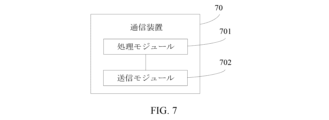
第3の態様によれば、通信装置が提供される。当該装置は複数の機能モジュールを含む。複数の機能モジュールは、第1の態様及び第1の態様の実現方式による方法を実現するように互いに相互作用する。複数の機能モジュールは、ソフトウェア、ハードウェア又はソフトウェアとハードウェアとの組み合わせに基づいて実現されてもよく、複数の機能モジュールは特定の実現方式に基づいてランダムに結合又は分割されてもよい。 According to a third aspect, a communication device is provided. The device includes a plurality of functional modules. The plurality of functional modules interact with each other to realize the method according to the first aspect and the implementation manner of the first aspect. The plurality of functional modules may be realized based on software, hardware, or a combination of software and hardware, and the plurality of functional modules may be randomly combined or divided based on a specific implementation manner.
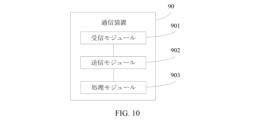
第4の態様によれば、通信装置が提供される。当該装置は複数の機能モジュールを含み、複数の機能モジュールは、第2の態様及び第2の態様の実現方式における方法を実現するように互いに相互作用する。複数の機能モジュールは、ソフトウェア、ハードウェア又はソフトウェアとハードウェアとの組み合わせに基づいて実現されてもよく、複数の機能モジュールは特定の実現方式に基づいてランダムに結合又は分割されてもよい。 According to a fourth aspect, a communication device is provided. The device includes a plurality of functional modules that interact with each other to implement the method of the second aspect and the implementation manner of the second aspect. The plurality of functional modules may be implemented based on software, hardware, or a combination of software and hardware, and the plurality of functional modules may be randomly combined or divided based on a specific implementation manner.
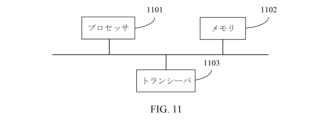
第5の態様によれば、プロセッサ、メモリ及びトランシーバを含む通信装置が提供される。 According to a fifth aspect, there is provided a communication device including a processor, a memory and a transceiver.
メモリは、コンピュータプログラムを記憶するように構成され、コンピュータプログラムはプログラム命令を含む。 The memory is configured to store a computer program, the computer program including program instructions.
プロセッサは、コンピュータプログラムを呼び出して、トランシーバと連携して第1の態様のいずれか1つによる通信方法を実現するように構成される。 The processor is configured to invoke a computer program to cooperate with the transceiver to implement a communication method according to any one of the first aspects.
第6の態様によれば、プロセッサ、メモリ及びトランシーバを含む通信装置が提供される。 According to a sixth aspect, there is provided a communication device including a processor, a memory and a transceiver.
メモリは、コンピュータプログラムを記憶するように構成され、コンピュータプログラムはプログラム命令を含む。 The memory is configured to store a computer program, the computer program including program instructions.
プロセッサは、コンピュータプログラムを呼び出して、トランシーバと連携して第2の態様のいずれか1つによる通信方法を実現するように構成される。 The processor is configured to invoke a computer program to cooperate with the transceiver to implement a communication method according to any one of the second aspects.
第7の態様によれば、第1のデバイス及び第2のデバイスを含む通信システムが提供され、第1のデバイスはプライマリ通信であり、第2のデバイスはセカンダリ通信ノード又は外部ノードである。 According to a seventh aspect, a communication system is provided that includes a first device and a second device, the first device being a primary communication node and the second device being a secondary communication node or an external node.
第1のデバイスは、第4の態様又は第6の態様による通信装置を含む。 The first device includes a communication device according to the fourth or sixth aspect.
第2のデバイスは、第3の態様又は第5の態様による通信装置を含む。 The second device includes a communication device according to the third or fifth aspect.
第8の態様によれば、コンピュータ記憶媒体が提供される。コンピュータ記憶媒体は命令を記憶する。命令がコンピュータデバイスのプロセッサにより実行されると、第1の態様又は第2の態様のいずれか1つによる通信方法が実現される。 According to an eighth aspect, a computer storage medium is provided. The computer storage medium stores instructions that, when executed by a processor of a computing device, result in a communication method according to either the first or second aspect.
第9の態様によれば、チップが提供される。チップはプログラム可能論理回路及び/又はプログラム命令を含む。チップが動作すると、第1の態様又は第2の態様のいずれか1つによる通信方法が実現される。 According to a ninth aspect, there is provided a chip. The chip includes programmable logic circuitry and/or program instructions. When the chip is operated, the communication method according to either the first aspect or the second aspect is realized.
この出願において提供される技術的解決策は、少なくとも以下の有益な効果を含む。 The technical solution provided in this application includes at least the following beneficial effects:
この出願では、1つ以上のデバイスのアクセス要求及びスケジューリング要求を搬送するために、同じ時間・周波数リソースが使用される。デバイスがそれぞれアクセス要求及びスケジューリング要求を送信するために異なる時間・周波数リソースを使用する方式と比較して、デバイスが同じ時間・周波数リソースを再利用することによりアクセス要求及び/又はスケジューリング要求を送信する解決策は、時間・周波数リソース利用率を改善する。異なるデバイスがスケジューリング要求を送信するために異なる時間・周波数リソースを使用する方式と比較して、複数のデバイスが同じ時間・周波数リソースを再利用することによりスケジューリング要求を送信する解決策は、時間・周波数リソース利用率を改善する。さらに、複数のデバイスが同じ時間・周波数リソースを使用することを競合し、それにより、各デバイスに対応するアクセス要求及びスケジューリング要求のために異なる時間・周波数リソースを別々に設計する必要がない。これは通信メカニズムを簡略化する。 In this application, the same time-frequency resource is used to carry access requests and scheduling requests of one or more devices. Compared with a scheme in which devices use different time-frequency resources to transmit access requests and scheduling requests, respectively, the solution in which devices transmit access requests and/or scheduling requests by reusing the same time-frequency resource improves time-frequency resource utilization. Compared with a scheme in which different devices use different time-frequency resources to transmit scheduling requests, the solution in which multiple devices transmit scheduling requests by reusing the same time-frequency resource improves time-frequency resource utilization. Furthermore, multiple devices compete to use the same time-frequency resource, so there is no need to separately design different time-frequency resources for access requests and scheduling requests corresponding to each device. This simplifies the communication mechanism.
この出願の目的、技術的解決策及び利点をより明確にするために、以下に、添付の図面を参照してこの出願の実現方式について詳細に更に説明する。 In order to make the objectives, technical solutions and advantages of this application clearer, the implementation method of this application is further described in detail below with reference to the accompanying drawings.
この出願の実施形態は通信システムを提供する。通信システムは1つ以上の通信ドメインを含む。各通信ドメインは、1つのプライマリ通信ノード(略してプライマリノード)と1つ以上のセカンダリ通信ノード(略してセカンダリノード)とを含む。通信ドメインにおける各セカンダリノードは、プライマリノードへの通信リンクを確立する。或る通信ドメインにおけるセカンダリノードは、他の通信ドメインにおけるプライマリノードとして機能してもよい。任意選択で、通信システムは外部ノードを更に含む。外部ノードは、通信システムにおいてどの通信ドメインにも参加していないノードを意味する。言い換えると、外部ノードは、通信システムにおけるどの通信ドメインにおいてもプライマリノードへの通信リンクを確立しておらず、すなわち、現在、外部ノードは通信ドメインに属していない。プライマリノードは、通信ドメインの時間・周波数リソースを管理し、プライマリノードとセカンダリノードとの間の通信リンクのためのリソースをスケジューリングする機能を有する。プライマリノードにより管理される時間・周波数リソースは、アクセス要求リソース、スケジューリング要求リソース、及び他の制御シグナリング及び/又はサービスデータを伝送するために使用されるリソースを含む。アクセス要求リソースは、外部ノードによりアクセス要求を通信ドメインにおけるプライマリノードに送信するために使用され、アクセス要求は、外部ノードにより通信ドメインに参加するプロセスを開始することを要求するために使用される。スケジューリング要求リソースは、セカンダリノードによりスケジューリング要求をプライマリノードに送信するために使用され、スケジューリング要求は、リソースを割り当てることをプライマリノードに要求するために使用され、リソースは、プライマリノードとセカンダリノードとの間で制御シグナリング及び/又はサービスデータを伝送するために使用される。 An embodiment of this application provides a communication system. The communication system includes one or more communication domains. Each communication domain includes one primary communication node (primary node for short) and one or more secondary communication nodes (secondary nodes for short). Each secondary node in a communication domain establishes a communication link to the primary node. A secondary node in a communication domain may function as a primary node in another communication domain. Optionally, the communication system further includes an external node. An external node means a node that does not participate in any communication domain in the communication system. In other words, an external node has not established a communication link to a primary node in any communication domain in the communication system, i.e., currently, the external node does not belong to a communication domain. The primary node has a function of managing time-frequency resources of the communication domain and scheduling resources for the communication link between the primary node and the secondary node. The time-frequency resources managed by the primary node include access request resources, scheduling request resources, and other resources used to transmit control signaling and/or service data. The access request resource is used by an external node to send an access request to a primary node in a communication domain, and the access request is used by the external node to request initiation of a process of joining the communication domain. The scheduling request resource is used by a secondary node to send a scheduling request to a primary node, and the scheduling request is used to request the primary node to allocate resources, and the resources are used to transmit control signaling and/or service data between the primary node and the secondary node.
任意選択で、図1は、この出願の実施形態による通信システムの構造の概略図である。図1に示すように、通信システムは、第1のデバイス110と、第2のデバイス120A及び120B(併せて第2のデバイス120と呼ばれる)と、第3のデバイス130A及び130B(併せて第3のデバイス130と呼ばれる)とを含む。第1のデバイス110は通信ドメインにおけるプライマリノードであり、第2のデバイス120は通信ドメインにおけるセカンダリノードであり、第3のデバイス130は外部ノードである。図1における第2のデバイス及び第3のデバイスの数は、単に例として使用されており、この出願のこの実施形態において提供される通信システムを限定することを意図するものではない。例えば、代替として、第3のデバイスの数は0でもよく、すなわち、通信システムは第3のデバイスを含まない。
Optionally, FIG. 1 is a schematic diagram of the structure of a communication system according to an embodiment of this application. As shown in FIG. 1, the communication system includes a
任意選択で、この出願のこの実施形態において提供される通信システムは、車載ネットワーク、無線ローカルエリアネットワーク(wireless local area network, WLAN)又はセルラネットワークのような無線ネットワークに適用されてもよい。通信システムが車載ネットワークに適用されるとき、第1のデバイス110はコックピットドメインコントローラ(cockpit domain controller, CDC)でもよく、第2のデバイス120及び第3のデバイス130はマイク、サウンドボックス又は携帯電話のような端末でもよい。代替として、第1のデバイス110はパッシブエントリ・パッシブスタート(passive entry passive start, PEPS)でもよく、第2のデバイス120及び第3のデバイス130はモバイルキー、車のキー等でもよい。代替として、第1のデバイス110は携帯電話でもよく、第2のデバイス120及び第3のデバイス130はヘッドセット、ウェアラブルデバイス等でもよい。通信システムがWLANに適用されるとき、第1のデバイス110はアクセスポイント(access point, AP)でもよく、第2のデバイス120及び第3のデバイス130はステーション(station, STA)でもよい。通信システムがセルラネットワークに適用されるとき、第1のデバイス110は基地局でもよく、第2のデバイス及び第3のデバイスはユーザ機器(user equipment, UE)でもよい。
Optionally, the communication system provided in this embodiment of the application may be applied to a wireless network such as an in-vehicle network, a wireless local area network (WLAN) or a cellular network. When the communication system is applied to an in-vehicle network, the
この出願の実施形態では、通信システムが車載ネットワークに適用される例が説明に使用される。例えば、図2は、この出願の実施形態による他の通信システムの構造の概略図である。図2に示すように、通信システムは3つの通信ドメインC1~C3を含む。 In the embodiment of this application, an example in which the communication system is applied to an in-vehicle network is used for explanation. For example, FIG. 2 is a schematic diagram of the structure of another communication system according to an embodiment of this application. As shown in FIG. 2, the communication system includes three communication domains C1 to C3.
通信ドメインC1は、CDC101、マイク102、サウンドボックス103及び携帯電話104を含む。CDC101はプライマリノードであり、マイク102、サウンドボックス103及び携帯電話104は全てセカンダリノードである。マイク102、サウンドボックス103及び携帯電話104は、別々に無線でCDC101に接続される。CDC101は有線で車載システムのディスプレイに更に接続されてもよい。
The communication domain C1 includes
通信ドメインC2は、PEPS105、携帯電話のキー106及び車のキー107を含む。PEPS105はプライマリノードであり、携帯電話のキー106及び車のキー107の双方はセカンダリノードである。携帯電話のキー106及び車のキー107は別々に無線でPEPS105に接続される。PEPS105は、有線でボディコントロールモジュール(body control module, BCM)に更に接続されてもよい。
Communication domain C2 includes
通信ドメインC3は、携帯電話104、ヘッドセット108及びウェアラブルデバイス109を含む。携帯電話104はプライマリノードであり、ヘッドセット108及びウェアラブルデバイス109の双方はセカンダリノードである。ヘッドセット108及びウェアラブルデバイス109は別々に無線で携帯電話104に接続される。
Communication domain C3 includes
図2の通信システムでは、携帯電話104は、通信ドメインC1におけるセカンダリノードであると共に、通信ドメインC3におけるプライマリノードでもある。
In the communication system of FIG. 2,
車載ネットワークでは、外部ノードによりアクセス要求をプライマリノードに送信する頻度は相対的に低く、セカンダリノードによりスケジューリング要求をプライマリノードに送信する頻度も相対的に低い。外部ノードがアクセス要求をプライマリノードに送信するシナリオは以下を含む。携帯電話のキー又は車のキーが車両に近づくか或いは入ると、アクセス要求がPEPSに送信され、車両内のサウンドボックス又はマイクのようなデバイスが手動でオンにされるか或いは携帯電話がCDCにアクセスしようとすると、アクセス要求がCDCに送信される。これらのイベントの発生の頻度は相対的に低いので、外部ノードによりアクセス要求を車載ネットワークにおけるプライマリノードに送信する頻度は相対的に低い。セカンダリノードがスケジューリング要求をプライマリノードに送信するシナリオは以下を含む。セカンダリノードが新たなサービスを開始するか或いは半永続スケジューリング(semi-persistent scheduling, SPS)サービス変更を開始する必要があるとき、セカンダリノードはスケジューリング要求をプライマリノードに送信する。車載ネットワークにおけるサービスは、メインサービス及びいくつかのバーストサービスを含む。メインサービスのトラフィック量は安定している。一般的に、SPSモードがスケジューリングに使用され、新たなサービスは頻繁に開始される必要はない。バーストサービスはランダムに発生する。一般的に、動的スケジューリングが使用される。バーストサービスのトラフィック量は小さいので、新たなサービスも頻繁に開始されない。したがって、セカンダリノードが新たなサービスを開始する必要があるために、セカンダリノードがスケジューリング要求を送信することをトリガする頻度は相対的に低い。SPSサービス変更は、一般的に、チャネル条件における変化によるトラフィック量における変化又は変調及び符号化方式(modulation and coding scheme, MCS)における変化により引き起こされる。車両内のノードの間の距離は短く、相対的な動きは低いので、車載ネットワークにおける無線チャネルはフラットな周波数領域及び遅い時間領域の変換を特徴とし、すなわち、チャネル条件が相対的に安定している。したがって、セカンダリノードがSPSサービスを開始する必要があるために、セカンダリノードがスケジューリング要求を送信することをトリガする頻度は相対的に低い。 In an in-vehicle network, the frequency of an external node sending an access request to a primary node is relatively low, and the frequency of a secondary node sending a scheduling request to a primary node is also relatively low. Scenarios in which an external node sends an access request to a primary node include the following: When a mobile phone key or a car key approaches or enters a vehicle, an access request is sent to the PEPS; when a device such as a sound box or microphone in a vehicle is manually turned on or a mobile phone tries to access a CDC, an access request is sent to the CDC. Since the occurrence frequency of these events is relatively low, the frequency of an external node sending an access request to a primary node in an in-vehicle network is relatively low. Scenarios in which a secondary node sends a scheduling request to a primary node include the following: When a secondary node needs to start a new service or initiate a semi-persistent scheduling (SPS) service change, the secondary node sends a scheduling request to the primary node. Services in an in-vehicle network include a main service and some burst services. The traffic volume of the main service is stable. Generally, the SPS mode is used for scheduling, and new services do not need to be started frequently. Burst services occur randomly. Generally, dynamic scheduling is used. Because the traffic volume of burst services is small, new services are not started frequently. Therefore, the frequency at which the secondary node is triggered to send a scheduling request because it needs to start a new service is relatively low. SPS service changes are generally caused by changes in traffic volume due to changes in channel conditions or changes in modulation and coding scheme (MCS). Because the distance between nodes in a vehicle is short and the relative movement is low, the wireless channel in the vehicular network is characterized by flat frequency domain and slow time domain transformation, i.e., the channel conditions are relatively stable. Therefore, the frequency at which the secondary node is triggered to send a scheduling request because it needs to start an SPS service is relatively low.
現在、外部ノードがアクセス要求を送信するために、時間・周波数リソースのグループが割り当てられ、対応するセカンダリノードがスケジューリング要求を送信するために、時間・周波数リソースのグループが各セカンダリノードに割り当てられる。すなわち、アクセス要求及びスケジューリング要求を運ぶために使用される時間・周波数リソースは異なり、異なるセカンダリノードにより送信されるスケジューリング要求を運ぶために使用される時間・周波数リソースも異なる。外部ノードによりアクセス要求を送信する頻度及びセカンダリノードによりスケジューリング要求を送信する頻度は相対的に低いので、現在、全体的な時間・周波数リソース利用率は相対的に低い。しかし、この出願の実施形態において提供される通信方法では、同じ時間・周波数リソースのグループが、アクセスを要求するために使用される要求(すなわち、アクセス要求)及びスケジューリングを要求するために使用される要求(すなわち、スケジューリング要求)を搬送する。アクセス要求及びスケジューリング要求が同じ時間・周波数リソースのグループで搬送されるので、時間・周波数リソース利用率が改善される。さらに、この出願の実施形態では、複数のデバイスは、スケジューリング要求を送信するために同じ時間・周波数リソースのグループを共有してもよい。これは、時間・周波数リソース利用率を更に改善する。 Currently, a group of time-frequency resources is assigned for an external node to transmit an access request, and a group of time-frequency resources is assigned to each secondary node for the corresponding secondary node to transmit a scheduling request. That is, the time-frequency resources used to carry the access request and the scheduling request are different, and the time-frequency resources used to carry the scheduling requests transmitted by different secondary nodes are also different. Since the frequency of transmitting an access request by an external node and the frequency of transmitting a scheduling request by a secondary node are relatively low, the overall time-frequency resource utilization is currently relatively low. However, in the communication method provided in the embodiment of this application, the same group of time-frequency resources carries a request used to request access (i.e., an access request) and a request used to request scheduling (i.e., a scheduling request). Since the access request and the scheduling request are carried in the same group of time-frequency resources, the time-frequency resource utilization is improved. Furthermore, in the embodiment of this application, multiple devices may share the same group of time-frequency resources to transmit a scheduling request. This further improves the time-frequency resource utilization.
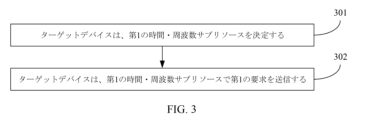
図3は、この出願の実施形態による通信方法の概略フローチャートである。当該方法は、図1又は図2に示す通信システムに適用されてもよい。図3に示すように、当該方法は以下のステップを含む。 Figure 3 is a schematic flowchart of a communication method according to an embodiment of the present application. The method may be applied to the communication system shown in Figure 1 or Figure 2. As shown in Figure 3, the method includes the following steps:
ステップ301:ターゲットデバイスは、第1の時間・周波数サブリソースを決定する。 Step 301: The target device determines a first time-frequency sub-resource.
第1の時間・周波数サブリソースは第1の時間・周波数リソースに属する。第1の時間・周波数リソースは、ターゲットデバイスの要求を搬送するために使用される事前定義又は事前構成されたリソースである。ターゲットデバイスの要求は、アクセスを要求するために使用される要求及びスケジューリングを要求するために使用される要求を含む。この出願のこの実施形態で言及される第1の時間・周波数リソースは、サービスデータを伝送するために使用されず、ターゲットデバイスに利用可能な全てのリソースではない点に留意すべきである。この出願のこの実施形態では、アクセスを要求するために使用される要求はアクセス要求と呼ばれ、スケジューリングを要求するために使用される要求はスケジューリング要求と呼ばれる。任意選択で、ターゲットデバイスは通信システムにおけるセカンダリノード又は外部ノードである。例えば、ターゲットデバイスは、図1に示す通信システムにおける第2のデバイス120又は第3のデバイス130でもよい。 The first time-frequency sub-resource belongs to the first time-frequency resource. The first time-frequency resource is a predefined or preconfigured resource used to carry the requests of the target device. The requests of the target device include requests used to request access and requests used to request scheduling. It should be noted that the first time-frequency resource referred to in this embodiment of the application is not used to transmit service data and is not all resources available to the target device. In this embodiment of the application, a request used to request access is called an access request, and a request used to request scheduling is called a scheduling request. Optionally, the target device is a secondary node or an external node in the communication system. For example, the target device may be the second device 120 or the third device 130 in the communication system shown in FIG. 1.
第1の時間・周波数リソースが事前定義されることは以下を含む。第1の時間・周波数リソースは標準又はプロトコルで定義される。第1の時間・周波数リソースが事前構成されることは以下を含む。第1の時間・周波数リソースは、第1のデバイスによりブロードキャストメッセージを使用することにより事前構成される。第1のデバイスは、通信システムにおけるプライマリノードである。例えば、第1のデバイスは、図1に示す通信システムにおける第1のデバイス110でもよい。第1の時間・周波数リソースは、ターゲットデバイスの要求を搬送するために使用されるリソースである。言い換えると、第1の時間・周波数リソースは、ターゲットデバイスのアクセス要求及びスケジューリング要求を搬送するために使用される。アクセス要求は第1のデバイスにアクセスすることを要求するために使用され、スケジューリング要求は第1のデバイスからスケジューリング要求リソースを要求するために使用され、スケジューリング要求リソースはターゲットデバイスによりサービスデータ及び/又は制御情報を伝送するために使用される。
The first time-frequency resource being predefined includes: The first time-frequency resource is defined in a standard or protocol; The first time-frequency resource being preconfigured includes: The first time-frequency resource is preconfigured by the first device by using a broadcast message; The first device is a primary node in the communication system. For example, the first device may be the
任意選択で、第1の時間・周波数リソースは第1のデバイスにより事前構成される。第1のデバイスは、通信システムにおいてブロードキャストメッセージを送信する。例えば、第1のデバイスは通信システムにおいて周期的にブロードキャストメッセージを送信してもよく、ブロードキャストメッセージは第1の時間・周波数リソースの構成情報を含む。ブロードキャストメッセージを受信した後に、ターゲットデバイスは、第1の時間・周波数リソース内の第1の時間・周波数サブリソースを決定する。第1の時間・周波数リソースは1つ以上の時間・周波数サブリソースを含む。任意選択で、第1の時間・周波数リソースが複数の時間・周波数サブリソースを含むとき、ターゲットデバイスは、第1の時間・周波数リソース内のいずれかの時間・周波数サブリソースを第1の時間・周波数サブリソースとして決定してもよい。言い換えると、第1の時間・周波数サブリソースは、第1の時間・周波数リソース内のいずれかの時間・周波数リソースでもよい。代替として、ターゲットデバイスは、第1の時間・周波数リソース内の最初の時間・周波数サブリソースを第1の時間・周波数サブリソースとして決定してもよい。言い換えると、第1の時間・周波数サブリソースは、第1の時間・周波数リソース内の最初の時間・周波数サブリソースでもよい。第1の時間・周波数リソース内の第1の時間・周波数サブリソースを決定する方式は、この出願のこの実施形態では限定されない。任意選択で、ブロードキャストメッセージはシステムメッセージである。 Optionally, the first time-frequency resource is pre-configured by the first device. The first device transmits a broadcast message in the communication system. For example, the first device may periodically transmit a broadcast message in the communication system, and the broadcast message includes configuration information of the first time-frequency resource. After receiving the broadcast message, the target device determines a first time-frequency sub-resource in the first time-frequency resource. The first time-frequency resource includes one or more time-frequency sub-resources. Optionally, when the first time-frequency resource includes multiple time-frequency sub-resources, the target device may determine any time-frequency sub-resource in the first time-frequency resource as the first time-frequency sub-resource. In other words, the first time-frequency sub-resource may be any time-frequency resource in the first time-frequency resource. Alternatively, the target device may determine a first time-frequency sub-resource in the first time-frequency resource as the first time-frequency sub-resource. In other words, the first time-frequency sub-resource may be the first time-frequency sub-resource in the first time-frequency resource. The manner of determining the first time-frequency sub-resource in the first time-frequency resource is not limited in this embodiment of the application. Optionally, the broadcast message is a system message.
第1の時間・周波数リソースの構成情報は、第1の時間・周波数リソース内の各時間・周波数サブリソースの時間領域情報及び周波数領域情報を含む。この出願のこの実施形態では、1つの時間・周波数サブリソースは、対応して時間領域における直交周波数分割多重(orthogonal frequency division multiplexing, OFDM)シンボルでもよく、対応して周波数領域におけるサブキャリアでもよい。言い換えると、1つの時間・周波数サブリソースは1つのOFDMシンボル及び1つのサブキャリアを含んでもよい。通常では、時間・周波数リソースは周期的なリソースである。第1の時間・周波数リソース内の時間・周波数サブリソースは、1つの周期において第iのOFDMシンボル及び第jのサブキャリアを含んでもよく、i及びjの双方は正の整数であり、iは1つの周期におけるOFDMシンボルの総数以下であり、jは1つの周期におけるサブキャリアの総数以下である。任意選択で、第1の時間・周波数リソースの構成情報は{(i1,j1);(i2,j2);...;(in,jn)}であり、第1の時間・周波数リソースがn個の時間・周波数サブリソースを含むことを示し、inは第nの時間・周波数サブリソースが時間領域内の第inのOFDMシンボルであることを示し、jnは第nの時間・周波数サブリソースが周波数領域内の第jnのサブキャリアであることを示し、nは正の整数であり、nは1つの周期におけるOFDMシンボルの総数と1つの周期におけるサブキャリアの総数との積以下である。例えば、図4は、この出願の実施形態による第1の時間・周波数リソースの概略図である。水平座標は時間領域を表し、垂直座標は周波数領域を表し、各時間・周波数サブリソースは1つの小さいブロックに対応する。図4に示すように、総時間・周波数リソースはマトリクス状に配置された複数の時間・周波数サブリソースを含み、第1の時間・周波数リソースはマトリクス内の複数の時間・周波数サブリソースを含む。 The configuration information of the first time-frequency resource includes time domain information and frequency domain information of each time-frequency sub-resource in the first time-frequency resource. In this embodiment of the application, one time-frequency sub-resource may be an orthogonal frequency division multiplexing (OFDM) symbol in the time domain, and may be a sub-carrier in the frequency domain. In other words, one time-frequency sub-resource may include one OFDM symbol and one sub-carrier. In general, the time-frequency resource is a periodic resource. The time-frequency sub-resource in the first time-frequency resource may include an i-th OFDM symbol and j-th sub-carrier in one period, where i and j are both positive integers, i is less than or equal to the total number of OFDM symbols in one period, and j is less than or equal to the total number of sub-carriers in one period. Optionally, the configuration information of the first time-frequency resource is {(i 1 ,j 1 );(i 2 ,j 2 );...;(i n ,j n )}, indicating that the first time-frequency resource includes n time-frequency sub-resources, where i n indicates that the nth time-frequency sub-resource is the i nth OFDM symbol in the time domain, and j n indicates that the nth time-frequency sub-resource is the j nth sub-carrier in the frequency domain, where n is a positive integer, and n is less than or equal to the product of the total number of OFDM symbols in one period and the total number of sub-carriers in one period. For example, FIG. 4 is a schematic diagram of a first time-frequency resource according to an embodiment of this application. The horizontal coordinate represents the time domain, the vertical coordinate represents the frequency domain, and each time-frequency sub-resource corresponds to one small block. As shown in FIG. 4, the total time-frequency resource includes multiple time-frequency sub-resources arranged in a matrix, and the first time-frequency resource includes multiple time-frequency sub-resources in a matrix.
この出願のこの実施形態では、第1の時間・周波数リソースは標準又はプロトコルで事前定義され、それにより、実現メカニズムが簡単である。代替として、プライマリノードは第1の時間・周波数リソースを事前構成し、それにより、柔軟性が高く、適用シナリオが相対的に豊富である。 In this embodiment of the application, the first time-frequency resource is predefined in a standard or protocol, which makes the implementation mechanism simple. Alternatively, the primary node preconfigures the first time-frequency resource, which makes it more flexible and relatively rich in application scenarios.
任意選択で、第1の時間・周波数リソースは、複数のターゲットデバイスの要求を搬送するために使用される。複数のターゲットデバイスは、通信システムの1つの通信ドメインに位置してもよく、或いは、通信システムの異なる通信ドメインに位置してもよい。この出願のこの実施形態では、複数のターゲットデバイスは、アクセス要求及び/又はスケジューリング要求を送信するために第1の時間・周波数リソースを再利用する。ターゲットデバイスがそれぞれアクセス要求及びスケジューリング要求を送信するために異なる時間・周波数リソースを使用し、異なるターゲットデバイスがスケジューリング要求を送信するために異なる時間・周波数リソースを使用する方式と比較して、この出願における解決策は時間・周波数リソース利用率を改善し、各ターゲットデバイスに対応するスケジューリング要求及びアクセス要求のためのリソースを別々に構成又は定義する必要はない。 Optionally, the first time-frequency resource is used to carry requests of multiple target devices. The multiple target devices may be located in one communication domain of the communication system, or may be located in different communication domains of the communication system. In this embodiment of the application, the multiple target devices reuse the first time-frequency resource to transmit access requests and/or scheduling requests. Compared with a scheme in which the target devices use different time-frequency resources to transmit access requests and scheduling requests, respectively, and different target devices use different time-frequency resources to transmit scheduling requests, the solution in this application improves time-frequency resource utilization, and does not require separate configuration or definition of resources for scheduling requests and access requests corresponding to each target device.
任意選択で、第1の時間・周波数リソースは、アクセス要求及びスケジューリング要求以外の他の要求、例えば、システム情報を取得することを要求するために使用される要求又はチャネル情報を取得することを要求するために使用される要求を搬送するために更に使用されてもよい。これは、この出願のこの実施形態では限定されない。 Optionally, the first time-frequency resource may be further used to carry other requests than the access request and the scheduling request, for example a request used to request to obtain system information or a request used to request to obtain channel information. This is not limited in this embodiment of the application.
ステップ302:ターゲットデバイスは、第1の時間・周波数サブリソースで第1の要求を送信する。 Step 302: The target device transmits a first request on a first time-frequency sub-resource.
対応して、第1のデバイスは、第1の時間・周波数サブリソースで第1の要求を受信する。第1の要求を受信した後に、第1のデバイスは、第1の要求の要求タイプ、第1の要求を送信するノード、ノードタイプ等のうち少なくとも1つを決定してもよい。第1の要求は、アクセスを要求するため或いはスケジューリングを要求するために使用される。言い換えると、第1の要求はアクセス要求又はスケジューリング要求である。ターゲットデバイスが通信システムにおける外部ノードであるとき、第1の要求はアクセス要求であり、第1のデバイスにアクセスすることを要求するために使用される。言い換えると、第1の要求は、第1のデバイスへの通信リンクを確立することを要求するために使用される。ターゲットデバイスが、第1のデバイスが位置する通信ドメインにおけるセカンダリノードであるとき、第1の要求はスケジューリング要求であり、第1のデバイスからスケジューリング要求リソースを要求するために使用される。スケジューリング要求リソースは、サービスデータ及び/又は制御情報を伝送するために使用される時間・周波数リソースである。制御情報は、サービス変更命令、MCS変更命令、スケジューリングシグナリング及びチャネル品質指示情報を含むが、これらに限定されない。 Correspondingly, the first device receives a first request on the first time-frequency sub-resource. After receiving the first request, the first device may determine at least one of the request type of the first request, the node transmitting the first request, the node type, etc. The first request is used to request access or to request scheduling. In other words, the first request is an access request or a scheduling request. When the target device is an external node in the communication system, the first request is an access request and is used to request access to the first device. In other words, the first request is used to request establishing a communication link to the first device. When the target device is a secondary node in the communication domain in which the first device is located, the first request is a scheduling request and is used to request scheduling request resources from the first device. The scheduling request resources are time-frequency resources used to transmit service data and/or control information. The control information includes, but is not limited to, a service change command, an MCS change command, scheduling signaling, and channel quality indication information.
この出願のこの実施形態では、ターゲットデバイスは、アクセス要求及び/又はスケジューリング要求を送信するために第1の時間・周波数リソースを再利用する。ターゲットデバイスがそれぞれアクセス要求及びスケジューリング要求を送信するために異なる時間・周波数リソースを使用する方式と比較して、この実施形態における解決策は時間・周波数リソース利用率を改善し、スケジューリング要求及びアクセス要求のためのリソースを別々に構成又は定義する必要はない。 In this embodiment of the application, the target device reuses the first time-frequency resource for transmitting an access request and/or a scheduling request. Compared with a scheme in which the target device uses different time-frequency resources for transmitting an access request and a scheduling request, respectively, the solution in this embodiment improves time-frequency resource utilization and does not require separate configuration or definition of resources for scheduling requests and access requests.
任意選択で、アクセス要求は第1のアイデンティティ(identity, ID)を含む。スケジューリング要求は第2のアイデンティティを含む。第2のアイデンティティは第1のアイデンティティとは異なる。第1のアイデンティティは、要求を送信するデバイスが通信システムにおける外部ノードであり、要求がアクセス要求であることを示すために使用される。言い換えると、第1のアイデンティティは、外部ノードがプライマリノードにアクセスすること又はプライマリノードが位置する通信ドメインにアクセスすることを要求することを示すために使用される。第2のアイデンティティは、要求を送信するデバイスが通信ドメインにおけるセカンダリノードであることを示すために使用され、第2のアイデンティティは通信ドメインにおいて要求を送信するデバイスを一意に識別する。 Optionally, the access request includes a first identity. The scheduling request includes a second identity. The second identity is different from the first identity. The first identity is used to indicate that the device sending the request is an external node in the communication system and that the request is an access request. In other words, the first identity is used to indicate that the external node requests access to a primary node or to a communication domain in which the primary node is located. The second identity is used to indicate that the device sending the request is a secondary node in the communication domain, and the second identity uniquely identifies the device sending the request in the communication domain.
この出願のこの実施形態では、通信システムは1つ以上の留保されたアイデンティティを留保する。留保されたアイデンティティは第2のアイデンティティとは異なるが、第2のアイデンティティが第1のアイデンティティとは異なることを確保するために、第1のアイデンティティは明らかに留保されたアイデンティティである。要求のタイプがアクセス要求であるか否かは、要求に含まれるアイデンティティが留保されたアイデンティティであるか否かに基づいて区別されてもよい。さらに、第1の要求がスケジューリング要求である場合、第2のアイデンティティは通信ドメインにおいてスケジューリング要求を送信するデバイスを一意に識別するので、第1のデバイス(すなわち、通信ドメインにおけるプライマリノード)は、スケジューリング要求に含まれる第2のアイデンティティに基づいて、スケジューリング要求を送信するデバイスを決定してもよい。 In this embodiment of the application, the communication system reserves one or more reserved identities. The reserved identities are different from the second identity, but the first identity is explicitly a reserved identity to ensure that the second identity is different from the first identity. Whether the type of the request is an access request may be distinguished based on whether the identity included in the request is a reserved identity. Furthermore, if the first request is a scheduling request, the first device (i.e., a primary node in the communication domain) may determine the device to send the scheduling request based on the second identity included in the scheduling request, since the second identity uniquely identifies the device that sends the scheduling request in the communication domain.
留保されたアイデンティティ及び第2のアイデンティティの双方は第1のデバイスにより割り当てられてもよい。例えば、第1のデバイスは1つ以上の留保されたアイデンティティを事前構成する。代替として、留保されたアイデンティティは標準又はプロトコルで定義されてもよく、第2のアイデンティティは第1のデバイスにより割り当てられる。留保されたアイデンティティが標準又はプロトコルで定義されるとき、外部ノードは標準又はプロトコルにより定義された1つ以上の留保されたアイデンティティのうち1つを取得し、留保されたアイデンティティを第1のアイデンティティとしてアクセス要求に追加する。 Both the reserved identity and the second identity may be assigned by the first device. For example, the first device pre-configures one or more reserved identities. Alternatively, the reserved identities may be defined in a standard or protocol, and the second identity is assigned by the first device. When the reserved identities are defined in a standard or protocol, the external node obtains one of the one or more reserved identities defined by the standard or protocol and adds the reserved identity to the access request as the first identity.
例えば、この出願のこの実施形態において提供される留保されたアイデンティティ及び第2のアイデンティティは表1に示すものでもよく、nは正の整数であり、mはnよりも大きい整数である。
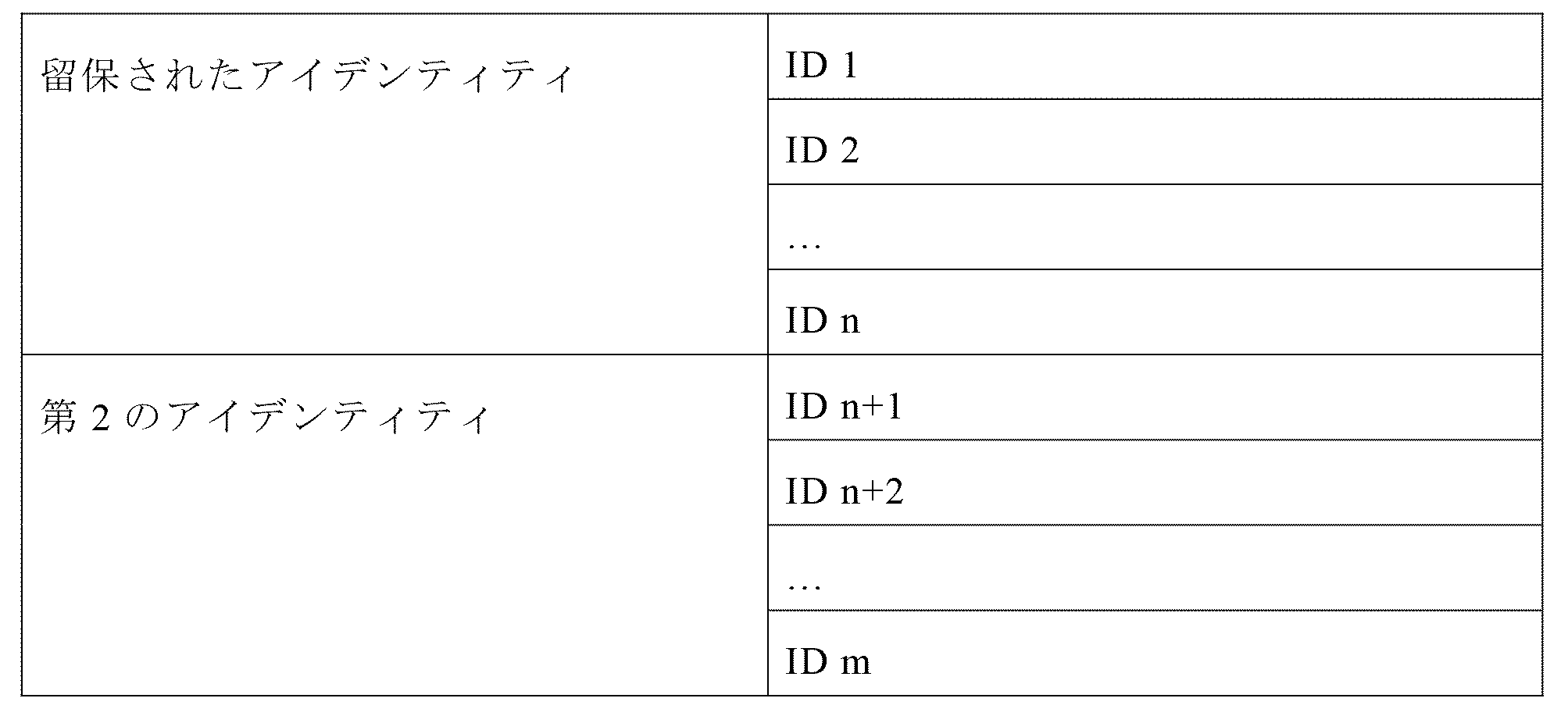
表1を参照する。第1のデバイス又はプロトコルは、それぞれID1~IDnであるn個の留保されたアイデンティティを留保する。第1のデバイスは、第1のデバイスにアクセスする(m-n)個のセカンダリノードのそれぞれに1つの第2のアイデンティティを割り当て、第2のアイデンティティはIDn+1~IDmである。第2のアイデンティティはセカンダリノードのMACアドレスでもよく、或いは、第2のアイデンティティは第1のデバイスにより決定されてもよく、例えば、文字、数字、字又はこれらの組み合わせでもよく、第1のデバイスが位置する通信ドメインにおいてデバイスを一意に識別するために使用される。 See Table 1. The first device or protocol reserves n reserved identities, ID1 to IDn, respectively. The first device assigns one second identity to each of the (m-n) secondary nodes that access the first device, and the second identities are IDn+1 to IDm. The second identity may be the MAC address of the secondary node, or the second identity may be determined by the first device, for example, letters, numbers, characters, or a combination thereof, and is used to uniquely identify the device in the communication domain in which the first device is located.
任意選択で、留保されたアイデンティティは第1のデバイスにより割り当てられる。第1のデバイスは、通信システムにおいてブロードキャストメッセージを送信する。例えば、第1のデバイスは通信システムにおいてブロードキャストメッセージを周期的に送信してもよく、ブロードキャストメッセージは1つ以上の留保されたアイデンティティに関する情報を含む。留保されたアイデンティティに関する情報は、留保されたアイデンティティでもよく、或いは、留保されたアイデンティティの指示情報でもよい。留保されたアイデンティティは、指示情報を使用することにより取得できる。ブロードキャストメッセージを受信した後に、ターゲットデバイスは、1つ以上の留保されたアイデンティティから1つの留保されたアイデンティティを第1のアイデンティティとして取得する。言い換えると、第1のアイデンティティは1つ以上の留保されたアイデンティティに属する。 Optionally, the reserved identity is assigned by the first device. The first device sends a broadcast message in the communication system. For example, the first device may periodically send a broadcast message in the communication system, where the broadcast message includes information about one or more reserved identities. The information about the reserved identity may be the reserved identity or may be indication information of the reserved identity. The reserved identity can be obtained by using the indication information. After receiving the broadcast message, the target device obtains one reserved identity from the one or more reserved identities as the first identity. In other words, the first identity belongs to one or more reserved identities.
任意選択で、ブロードキャストメッセージはシステムメッセージである。この出願のこの実施形態では、ブロードキャストメッセージはブロードキャストで送信されるメッセージである。システムメッセージは、ブロードキャストで送信され且つシステム構成を含むメッセージである。言い換えると、システムメッセージはブロードキャストメッセージである。代替として、ブロードキャストメッセージは、システムメッセージ以外のブロードキャストで送信される他のメッセージでもよい。これは、この出願のこの実施形態では限定されない。 Optionally, the broadcast message is a system message. In this embodiment of the application, the broadcast message is a message that is sent by broadcast. The system message is a message that is sent by broadcast and includes a system configuration. In other words, the system message is a broadcast message. Alternatively, the broadcast message may be another message that is sent by broadcast other than a system message. This is not limited in this embodiment of the application.
この出願のこの実施形態では、留保されたアイデンティティ及び第1の時間・周波数リソースの構成情報の双方が第1のデバイスにより割り当てられるとき、第1のデバイスは、送信するために、1つ以上の留保されたアイデンティティに関する情報及び第1の時間・周波数リソースの構成情報を1つのブロードキャストメッセージに追加してもよい。代替として、第1のデバイスは、送信するために、1つ以上の留保されたアイデンティティに関する情報を1つのブロードキャストメッセージに追加し、送信するために、第1の時間・周波数リソースの構成情報を他のブロードキャストメッセージに追加してもよい。言い換えると、第1のデバイスは、それぞれ留保されたアイデンティティに関する情報及び第1の時間・周波数リソースの構成情報を2つのブロードキャストメッセージに追加する。これは、この出願のこの実施形態では限定されない。 In this embodiment of the application, when both the reserved identities and the configuration information of the first time-frequency resource are assigned by the first device, the first device may add information about one or more reserved identities and the configuration information of the first time-frequency resource to one broadcast message for transmission. Alternatively, the first device may add information about one or more reserved identities to one broadcast message for transmission and add the configuration information of the first time-frequency resource to another broadcast message for transmission. In other words, the first device adds information about the reserved identities and the configuration information of the first time-frequency resource to two broadcast messages, respectively. This is not limited in this embodiment of the application.
第1のデバイスは、第1のデバイスにアクセスする各ターゲットデバイスに第2のアイデンティティを割り当てる。任意選択で、ターゲットデバイスにより送信されたアクセス要求を受信した後に、第1のデバイスはターゲットメッセージをターゲットデバイスに送信してもよく、ターゲットメッセージは第2のアイデンティティに関する情報を含む。任意選択で、第1のデバイスは、ターゲットデバイスが第1のデバイスにアクセスする(すなわち、ターゲットデバイスが第1のデバイスがプライマリノードである通信ドメインに参加する)プロセスにおいて、第2のアイデンティティをターゲットデバイスに割り当ててもよい。ターゲットメッセージはアクセス要求への応答(すなわち、アクセス応答)でもよい。代替として、ターゲットメッセージはアクセス応答でなくてもよい。ターゲットデバイスにより送信されたアクセス要求を受信した後に、第1のデバイスは、第2のアイデンティティに関する情報のみを搬送するために使用されるターゲットメッセージで応答してもよい。例えば、ターゲットデバイスが第1のデバイスに正常にアクセスしたと決定した後に、第1のデバイスは、第2のアイデンティティを搬送するターゲットメッセージをターゲットデバイスに送信する。 The first device assigns a second identity to each target device that accesses the first device. Optionally, after receiving an access request sent by the target device, the first device may send a target message to the target device, where the target message includes information about the second identity. Optionally, the first device may assign a second identity to the target device in the process of the target device accessing the first device (i.e., the target device joining the communication domain in which the first device is a primary node). The target message may be a response to the access request (i.e., an access response). Alternatively, the target message may not be an access response. After receiving an access request sent by the target device, the first device may respond with a target message used to carry only information about the second identity. For example, after determining that the target device has successfully accessed the first device, the first device sends a target message carrying the second identity to the target device.
この出願のこの実施形態では、様々なタイプの情報が伝送のためにメッセージで搬送される。例えば、第1の時間・周波数リソースの構成情報は伝送のためにブロードキャストメッセージで搬送され、留保されたアイデンティティに関する情報は伝送のためにブロードキャストメッセージで搬送され、第1のデバイスによりセカンダリノードに割り当てられた第2のアイデンティティに関する情報は伝送のためにターゲットメッセージで搬送される。この出願のこの実施形態に関連するメッセージは、プロトコルデータユニット(protocol data unit, PDU)のヘッダ及び/又はデータフィールドを含んでもよい。言い換えると、メッセージはデータフィールドのみを含むデータパケットでもよく、或いは、メッセージはPDUヘッダでもよく或いはPDUヘッダ及びデータフィールドを含んでもよい。代替として、メッセージは情報を搬送する信号でもよい。例えば、メッセージは時間領域系列を含む信号でもよく、信号で搬送される情報は系列の巡回シフトを使用することにより示される。メッセージのタイプは、この出願のこの実施形態では限定されない。 In this embodiment of the application, various types of information are carried in messages for transmission. For example, configuration information of a first time-frequency resource is carried in a broadcast message for transmission, information about reserved identities is carried in a broadcast message for transmission, and information about a second identity assigned by the first device to a secondary node is carried in a target message for transmission. A message related to this embodiment of the application may include a header and/or a data field of a protocol data unit (PDU). In other words, the message may be a data packet including only a data field, or the message may include a PDU header or a PDU header and a data field. Alternatively, the message may be a signal carrying information. For example, the message may be a signal including a time domain sequence, and the information carried in the signal is indicated by using a cyclic shift of the sequence. The type of message is not limited in this embodiment of the application.
任意選択で、この出願は以下の2つの任意選択の実施形態を提供する。通信方法の実現プロセスを説明するために、ターゲットデバイスが通信システムにおける外部ノード及びセカンダリノードである例が使用される。 Optionally, this application provides the following two optional embodiments: To explain the implementation process of the communication method, an example in which the target device is an external node and a secondary node in the communication system is used.
この出願の第1の任意選択の実施形態では、ターゲットデバイスは通信システムにおける外部ノードであり、第1の要求はアクセス要求である。図5は、この出願の実施形態による他の通信方法の概略フローチャートである。当該方法が適用される通信システムは、少なくともデバイス1及びデバイス2を含み、デバイス1はプライマリノードであり、デバイス2は外部ノードである。例えば、デバイス1は図1に示す通信システムにおける第1のデバイス110でもよく、デバイス2は図1に示す通信システムにおける第3のデバイス130でもよい。当該方法は、具体的には、図3に対応する実施形態に示す方法を実行するために使用されてもよい。例えば、デバイス1は第1のデバイスでもよく、デバイス2はターゲットデバイスでもよい。図5に示すように、当該方法は以下のステップを含む。
In a first optional embodiment of this application, the target device is an external node in the communication system, and the first request is an access request. FIG. 5 is a schematic flowchart of another communication method according to an embodiment of this application. The communication system to which the method is applied includes at
ステップ501:デバイス2は、第1の時間・周波数サブリソースを決定する。 Step 501: Device 2 determines a first time-frequency sub-resource.
第1の時間・周波数サブリソースは第1の時間・周波数リソースに属する。デバイス2が第1の時間・周波数サブリソースを決定するプロセスについては、ステップ301においてターゲットデバイスが第1の時間・周波数サブリソースを決定するプロセスを参照する。この出願のこの実施形態では、詳細はここで再び説明しない。
The first time-frequency sub-resource belongs to the first time-frequency resource. For the process of device 2 determining the first time-frequency sub-resource, refer to the process of the target device determining the first time-frequency sub-resource in
ステップ502:デバイス2は、第1の時間・周波数サブリソースでアクセス要求を送信する。 Step 502: Device 2 transmits an access request on the first time-frequency sub-resource.
任意選択で、アクセス要求は第1のアイデンティティ(identity, ID)を含む。第1のアイデンティティは、デバイス2が外部ノードであることを示し、送信された要求の要求タイプがアクセス要求であることを示すために使用される。 Optionally, the access request includes a first identity (ID). The first identity is used to indicate that device 2 is an external node and that the request type of the transmitted request is an access request.
この出願のこの実施形態では、デバイス1は、第1の時間・周波数リソースの各時間・周波数サブリソースで要求を受信することを試みる。デバイス2は第1の時間・周波数サブリソースでアクセス要求を送信し、デバイス1は第1の時間・周波数サブリソースでアクセス要求を受信してもよい。任意選択で、第1の時間・周波数サブリソースは、第1の時間・周波数リソース内のいずれかの時間・周波数サブリソースである。デバイス2は、競合方式で第1の時間・周波数サブリソースでアクセス要求を送信する。具体的には、デバイス2は、まず、第1の時間・周波数サブリソースでアクセス要求を送信することを試みる。デバイス2が第1の時間・周波数サブリソースでアクセス要求を送信できない場合、例えば、第1の時間・周波数サブリソースがビジーであるとデバイス2が決定した場合又はデバイス2がデバイス1にアクセスできない場合、デバイス2は第1の時間・周波数リソース内の新たな時間・周波数サブリソースを決定し、アクセス要求を再び送信することを試みる。任意選択で、新たな時間・周波数サブリソースを決定する方式は、バックオフ期間をランダムに選択し、バックオフ期間の後に時間・周波数サブリソース(例えば、最初の時間・周波数サブリソース)を選択することである。現在の通信システムでは、デバイスによりアクセス要求を開始する頻度及びスケジューリング要求を開始する頻度が相対的に低いので、デバイス2が第1の時間・周波数サブリソースでアクセス要求を送信するとき、アクセス要求が他のデバイスにより送信されたアクセス要求又はスケジューリング要求と競合する可能性は相対的に低い。したがって、デバイスが第1の時間・周波数リソース内の時間・周波数サブリソースで要求を正常に送信する確率は相対的に高い。競合が発生した場合であっても、デバイス2は、依然としてアクセス要求を送信するための新たな時間・周波数サブリソースを1回以上決定し、アクセス要求を送信してもよい。
In this embodiment of the application,
ステップ503:デバイス1は、第2の時間・周波数リソースでアクセス応答を送信する。
Step 503:
任意選択で、第2の時間・周波数リソースは、第1の時間・周波数サブリソースに基づいて決定される。第1の時間・周波数サブリソースでデバイス2により送信されたアクセス要求を受信した後に、デバイス1は、第1の時間・周波数サブリソースに基づいて、アクセス応答を送信するために使用される第2の時間・周波数リソースを決定してもよい。この出願のこの実施形態では、第1の時間・周波数リソース内の各時間・周波数サブリソースに対応する確認応答リソースは、標準又はプロトコルで事前定義されてもよく、或いは、プライマリノードにより事前構成されてもよい。第1の時間・周波数サブリソースでアクセス要求を受信した後に、デバイス1は、標準若しくはプロトコルにおける定義又はプライマリノードの構成に基づいて、第1の時間・周波数サブリソースに対応する確認応答リソースを第2の時間・周波数リソースとして決定してもよい。さらに、第1の時間・周波数サブリソースでアクセス要求を送信するとき、デバイス2はまた、同じルール(デバイス1により使用されるルール)に従って、第1の時間・周波数サブリソースに対応する第2の時間・周波数リソースを決定し、第2の時間・周波数リソースでアクセス応答を受信することを試みてもよい。標準若しくはプロトコルで第1の時間・周波数リソース内の各時間・周波数サブリソースに対応する確認応答リソースを事前定義する方式、又はプライマリノードにより第1の時間・周波数リソース内の各時間・周波数サブリソースに対応する確認応答リソースを事前構成する方式については、標準若しくはプロトコルで第1の時間・周波数リソースを事前定義する方式、又はプライマリノードにより第1の時間・周波数リソースを事前構成する方式を参照する。この出願のこの実施形態では、詳細はここでは再び説明しない。
Optionally, the second time-frequency resource is determined based on the first time-frequency sub-resource. After receiving the access request sent by device 2 on the first time-frequency sub-resource,
任意選択で、アクセス応答は第2のアイデンティティを含む。 Optionally, the access response includes a second identity.
ステップ504:デバイス2は、第2の時間・周波数サブリソースを決定する。 Step 504: Device 2 determines a second time-frequency sub-resource.
第2の時間・周波数サブリソースは第1の時間・周波数リソースに属する。第2の時間・周波数サブリソースは第1の時間・周波数サブリソースと同じでもよく或いは異なってもよい。デバイス2が第2の時間・周波数サブリソースを決定するプロセスについては、ステップ301においてターゲットデバイスが第1の時間・周波数サブリソースを決定するプロセスを参照する。この出願のこの実施形態では、詳細はここでは再び説明しない。
The second time-frequency sub-resource belongs to the first time-frequency resource. The second time-frequency sub-resource may be the same as or different from the first time-frequency sub-resource. For the process of device 2 determining the second time-frequency sub-resource, refer to the process of target device determining the first time-frequency sub-resource in
ステップ505:デバイス2は、第2の時間・周波数サブリソースでスケジューリング要求を送信する。 Step 505: Device 2 transmits a scheduling request on the second time-frequency sub-resource.
スケジューリング要求は、デバイス1からサービスデータ及び/又は制御情報を伝送するために使用される時間・周波数リソースを要求するために使用される。任意選択で、スケジューリング要求は第2のアイデンティティを含む。第2のアイデンティティは、デバイス2がデバイス1のセカンダリノードであることを示すために使用され、第2のアイデンティティは、デバイス1及びデバイス2が位置する通信ドメインにおいてデバイス2を一意に識別するために使用される。
The scheduling request is used to request time-frequency resources to be used for transmitting service data and/or control information from
この出願の実施形態では、デバイス1は、第1の時間・周波数リソースの各時間・周波数サブリソースで要求を受信することを試みる。デバイス2は、第2の時間・周波数サブリソースでスケジューリング要求を送信し、デバイス1は、第2の時間・周波数サブリソースでスケジューリング要求を受信してもよい。任意選択で、第2の時間・周波数サブリソースは第1の時間・周波数リソース内のいずれかの時間・周波数サブリソースである。デバイス2は、競合方式で第2の時間・周波数サブリソースでスケジューリング要求を送信する。デバイス2が競合方式で第2の時間・周波数サブリソースでスケジューリング要求を送信するプロセスについては、ステップ502においてデバイス2が競合方式で第1の時間・周波数サブリソースでアクセス要求を送信するプロセスを参照する。この出願のこの実施形態では、詳細はここでは再び説明しない。
In an embodiment of this application,
ステップ506:デバイス1は、第3の時間・周波数リソースでスケジューリング応答を送信する。
Step 506:
スケジューリング応答は第4の時間・周波数リソースの構成情報を含み、第4の時間・周波数リソースはサービスデータ及び/又は制御情報を伝送するために使用される。第4の時間・周波数リソースの構成情報の説明については、ステップ301における第1の時間・周波数リソースの構成情報の説明を参照する。この出願のこの実施形態では、詳細はここでは再び説明しない。任意選択で、スケジューリング応答は第2のアイデンティティを更に含む。デバイス1は複数のデバイスにより送信されたアクセス要求及び/又はスケジューリング要求を受信してもよいので、応答がスケジューリング要求への応答であり、応答が特定のデバイスにより送信されたスケジューリング要求への応答であることを示すために、第2のアイデンティティがスケジューリング応答で搬送される。例えば、スケジューリング応答がデバイス2に対応する第2のアイデンティティを搬送する場合、これは、スケジューリング応答がデバイス2により送信されたスケジューリング要求への応答であることを示してもよい。
The scheduling response includes configuration information of the fourth time-frequency resource, and the fourth time-frequency resource is used to transmit service data and/or control information. For a description of the configuration information of the fourth time-frequency resource, please refer to the description of the configuration information of the first time-frequency resource in
任意選択で、第3の時間・周波数リソースは、第2の時間・周波数サブリソースに基づいて決定される。代替として、第3の時間・周波数リソースは、第2の時間・周波数サブリソース及びスケジューリング要求のタイプに基づいて決定される。スケジューリング要求のタイプは、スケジューリング要求により要求されるスケジューリング要求リソースで伝送される必要がある特定のコンテンツを示すために使用される。例えば、スケジューリング要求のタイプは、サービスデータ又は制御情報を伝送することを示すために使用される。代替として、スケジューリング要求のタイプは、サービス変更命令、MCS変更命令、スケジューリングシグナリング又はチャネル品質指示情報を含むがこれらに限定されない、伝送された制御情報の特定のタイプを示すために使用される。 Optionally, the third time-frequency resource is determined based on the second time-frequency sub-resource. Alternatively, the third time-frequency resource is determined based on the second time-frequency sub-resource and a type of scheduling request. The type of scheduling request is used to indicate a particular content that needs to be transmitted on the scheduling request resource requested by the scheduling request. For example, the type of scheduling request is used to indicate transmitting service data or control information. Alternatively, the type of scheduling request is used to indicate a particular type of transmitted control information, including but not limited to a service change command, an MCS change command, scheduling signaling, or channel quality indication information.
実現方式では、第3の時間・周波数リソースは、第2の時間・周波数サブリソースに基づいて決定される。第2の時間・周波数サブリソースでデバイス2により送信されたスケジューリング要求を受信した後に、デバイス1は、第2の時間・周波数サブリソースに基づいて、スケジューリング応答を送信するために使用される第3の時間・周波数リソースを決定してもよい。この出願のこの実施形態では、第1の時間・周波数リソース内の各時間・周波数サブリソースに対応する確認応答リソースは、標準又はプロトコルで事前定義されてもよく、或いは、プライマリノードにより事前構成されてもよい。第2の時間・周波数サブリソースでスケジューリング要求を受信した後に、デバイス1は、標準若しくはプロトコルにおける定義又はプライマリノードの構成に基づいて、第2の時間・周波数サブリソースに対応する確認応答リソースを第3の時間・周波数リソースとして決定してもよい。さらに、第2の時間・周波数サブリソースでスケジューリング要求を送信するとき、デバイス2はまた、同じルール(デバイス1により使用されるルール)に従って、第2の時間・周波数サブリソースに対応する第3の時間・周波数リソースを決定し、第3の時間・周波数リソースでスケジューリング応答を受信することを試みてもよい。標準若しくはプロトコルで第1の時間・周波数リソース内の各時間・周波数サブリソースに対応する確認応答リソースを事前定義する方式、又はプライマリノードにより第1の時間・周波数リソース内の各時間・周波数サブリソースに対応する確認応答リソースを事前構成する方式については、標準若しくはプロトコルで第1の時間・周波数リソースを事前定義する方式、又はプライマリノードにより第1の時間・周波数リソースを事前構成する方式を参照する。この出願のこの実施形態では、詳細はここでは再び説明しない。
In the implementation, the third time-frequency resource is determined based on the second time-frequency sub-resource. After receiving the scheduling request sent by device 2 on the second time-frequency sub-resource,
他の実現方式では、第3の時間・周波数リソースは、第2の時間・周波数サブリソース及びスケジューリング要求のスケジューリングタイプに基づいて決定される。異なるスケジューリングタイプのスケジューリング応答に必要な処理時間、及びスケジューリング応答を伝送するために必要なリソースの数は異なる可能性があるので、異なるスケジューリングタイプのスケジューリング応答を伝送するために使用される必要がある確認応答リソースも異なる。したがって、この出願のこの実施形態では、第3の時間・周波数リソースは、第2の時間・周波数サブリソース及びスケジューリング要求のスケジューリングタイプに基づいて決定されてもよい。第2の時間・周波数サブリソースでデバイス2により送信されたスケジューリング要求を受信した後に、デバイス1は、第2の時間・周波数サブリソース及びスケジューリング要求のタイプに基づいて、スケジューリング応答を送信するために使用される第3の時間・周波数リソースを決定してもよい。この出願のこの実施形態では、第1の時間・周波数リソース内の各時間・周波数サブリソースに対応する確認応答リソースは、標準又はプロトコルで事前定義されてもよく、或いは、プライマリノードにより事前構成されてもよい。1つの時間・周波数サブリソースは、1つ以上の確認応答リソースに対応する。1つの時間・周波数サブリソースが複数の確認応答リソースに対応するとき、各確認応答リソースに対応する要求タイプは標準又はプロトコルで事前定義されてもよく、或いは、プライマリノードにより事前構成されてもよい。例えば、確認応答リソース1はアクセス要求に対応し、確認応答リソース2はスケジューリング要求1に対応し、確認応答リソース3はスケジューリング要求2に対応し、スケジューリング要求1及びスケジューリング要求2は異なるタイプを有する。第2の時間・周波数サブリソースでスケジューリング要求を受信した後に、デバイス1は、標準若しくはプロトコルにおける定義又はプライマリノードの構成に基づいて、第2の時間・周波数サブリソース及びスケジューリング要求のタイプに対応する確認応答リソースが第3の時間・周波数リソースであると決定してもよい。さらに、第2の時間・周波数サブリソースでスケジューリング要求を送信するとき、デバイス2はまた、同じルール(デバイス1により使用されるルール)に従って、第2の時間・周波数サブリソースに対応する第3の時間・周波数リソースを決定し、第3の時間・周波数リソースでスケジューリング応答を受信することを試みてもよい。
In another implementation, the third time-frequency resource is determined based on the second time-frequency sub-resource and the scheduling type of the scheduling request. Since the processing time required for the scheduling response of different scheduling types and the number of resources required to transmit the scheduling response may be different, the acknowledgement resource that needs to be used to transmit the scheduling response of different scheduling types is also different. Therefore, in this embodiment of the application, the third time-frequency resource may be determined based on the second time-frequency sub-resource and the scheduling type of the scheduling request. After receiving the scheduling request transmitted by the device 2 on the second time-frequency sub-resource, the
この出願の実施形態では、複数のデバイスは、同じ時間・周波数リソース内の時間・周波数サブリソースを使用することを競合することにより、アクセス要求及び/又はスケジューリング要求を通信ドメインにおけるプライマリノードに送信する。デバイスがそれぞれアクセス要求及びスケジューリング要求を送信するために異なる時間・周波数リソースを使用し、異なるデバイスがスケジューリング要求を送信するために異なる時間・周波数リソースを使用する方式と比較して、この実施形態における解決策は時間・周波数リソース利用率を改善する。さらに、アクセス要求及びスケジューリング要求のために異なる時間・周波数リソースを別々に設計する必要がなく、通信メカニズムを簡略化する。 In an embodiment of this application, multiple devices transmit access requests and/or scheduling requests to a primary node in a communication domain by competing to use time-frequency sub-resources in the same time-frequency resource. Compared with the scheme in which devices use different time-frequency resources to transmit access requests and scheduling requests, respectively, and different devices use different time-frequency resources to transmit scheduling requests, the solution in this embodiment improves time-frequency resource utilization. Moreover, there is no need to separately design different time-frequency resources for access requests and scheduling requests, simplifying the communication mechanism.
この出願の第2の任意選択の実施形態では、ターゲットデバイスは通信システムにおけるセカンダリノードであり、第1の要求はスケジューリング要求である。図6は、この出願の実施形態による更に他の通信方法の概略フローチャートである。当該方法が適用される通信システムは、少なくともデバイス3及びデバイス4を含み、デバイス3はプライマリノードであり、デバイス4はセカンダリノードである。例えば、デバイス3は図1に示す通信システムにおける第1のデバイス110でもよく、デバイス4は図1に示す通信システムにおける第2のデバイス120でもよい。代替として、デバイス3は図2に示す通信システムにおけるCDC101でもよく、デバイス4は図2に示す通信システムにおけるマイク102でもよい。当該方法は、具体的には、図3に対応する実施形態に示す方法を実行するために使用されてもよい。例えば、デバイス3は第1のデバイスでもよく、デバイス4はターゲットデバイスでもよい。図6に示すように、当該方法は以下のステップを含む。
In a second optional embodiment of this application, the target device is a secondary node in the communication system, and the first request is a scheduling request. FIG. 6 is a schematic flowchart of yet another communication method according to an embodiment of this application. The communication system to which the method is applied includes at least device 3 and device 4, where device 3 is a primary node and device 4 is a secondary node. For example, device 3 may be the
ステップ601:デバイス4は、第1の時間・周波数サブリソースを決定する。 Step 601: Device 4 determines a first time-frequency sub-resource.
デバイス2が第1の時間・周波数サブリソースを決定するプロセスについては、ステップ301においてターゲットデバイスが第1の時間・周波数サブリソースを決定するプロセスを参照する。この出願のこの実施形態では、詳細はここでは再び説明しない。
For the process of device 2 determining the first time-frequency sub-resource, refer to the process of the target device determining the first time-frequency sub-resource in
ステップ602:デバイス4は、第1の時間・周波数サブリソースでスケジューリング要求を送信する。 Step 602: Device 4 transmits a scheduling request on the first time-frequency sub-resource.
このステップの説明については、ステップ505の説明を参照する。この出願のこの実施形態では、詳細はここでは再び説明しない。 For a description of this step, see the description of step 505. In this embodiment of the application, the details will not be described again here.
ステップ603:デバイス3は、第3の時間・周波数リソースでスケジューリング応答を送信する。 Step 603: Device 3 transmits a scheduling response on the third time-frequency resource.
このステップの説明については、ステップ506の説明を参照する。この出願のこの実施形態では、詳細はここでは再び説明しない。 For a description of this step, see the description of step 506. In this embodiment of the application, the details will not be described again here.
結論として、この出願のこの実施形態において提供される通信方法によれば、1つ以上のデバイスのアクセス要求及びスケジューリング要求を搬送するために、同じ時間・周波数リソースが使用される。デバイスが異なる時間・周波数リソースを使用することによりアクセス要求及びスケジューリング要求を送信する方式と比較して、デバイスが同じ時間・周波数リソースを再利用することによりアクセス要求及び/又はスケジューリング要求を送信する解決策は、時間・周波数リソース利用率を改善する。異なるデバイスが異なる時間・周波数リソースを使用することによりスケジューリング要求を送信する方式と比較して、複数のデバイスが同じ時間・周波数リソースを再利用することによりスケジューリング要求を送信する解決策は、時間・周波数リソース利用率を改善する。さらに、複数のデバイスが同じ時間・周波数リソース内の時間・周波数サブリソースを使用することを競合し、それにより、各デバイスに対応するアクセス要求及びスケジューリング要求のために異なる時間・周波数リソースを別々に設計する必要がない。これは通信メカニズムを簡略化する。 In conclusion, according to the communication method provided in this embodiment of the application, the same time-frequency resource is used to carry access requests and scheduling requests of one or more devices. Compared with the scheme in which devices transmit access requests and scheduling requests by using different time-frequency resources, the solution in which devices transmit access requests and/or scheduling requests by reusing the same time-frequency resource improves time-frequency resource utilization. Compared with the scheme in which different devices transmit scheduling requests by using different time-frequency resources, the solution in which multiple devices transmit scheduling requests by reusing the same time-frequency resource improves time-frequency resource utilization. Furthermore, multiple devices compete to use time-frequency sub-resources in the same time-frequency resource, so there is no need to separately design different time-frequency resources for access requests and scheduling requests corresponding to each device. This simplifies the communication mechanism.
図7は、この出願の実施形態による通信装置の構造の概略図である。当該装置は、図1に示す通信システムにおける第2のデバイス120又は第3のデバイス130に適用されてもよい。代替として、当該装置は、第2のデバイス120又は第3のデバイス130内のチップ又は集積回路でもよい。図7に示すように、装置70は、
第1の時間・周波数サブリソースを決定するように構成された処理モジュール701であり、第1の時間・周波数サブリソースは第1の時間・周波数リソースに属する、処理モジュール701と、
第1の時間・周波数サブリソースで第1の要求を送信するように構成された送信モジュール702であり、第1の要求はアクセスを要求するため或いはスケジューリングを要求するために使用される、送信モジュール702と
を含む。
7 is a schematic diagram of the structure of a communication device according to an embodiment of the present application. The device may be applied to the second device 120 or the third device 130 in the communication system shown in FIG. 1. Alternatively, the device may be a chip or an integrated circuit in the second device 120 or the third device 130. As shown in FIG. 7, the
A
a
第1の時間・周波数リソースは、ターゲットデバイスの要求を搬送するために使用される事前定義又は事前構成されたリソースであり、ターゲットデバイスの要求は、アクセスを要求するために使用される要求及びスケジューリングを要求するために使用される要求を含む。 The first time-frequency resource is a predefined or preconfigured resource used to carry requests of the target device, including requests used to request access and requests used to request scheduling.
結論として、この出願のこの実施形態において提供される通信装置では、ターゲットデバイスが異なる時間・周波数リソース内の時間・周波数サブリソースを使用することによりアクセス要求及びスケジューリング要求を送信する方式と比較して、ターゲットデバイスが処理モジュールにより決定された第1の時間・周波数リソース内の時間・周波数サブリソースを使用することによりアクセス要求及び/又はスケジューリング要求を送信する解決策は、時間・周波数リソース利用率を改善する。 In conclusion, in the communication device provided in this embodiment of the application, the solution in which the target device transmits the access request and/or the scheduling request by using the time-frequency sub-resources in the first time-frequency resource determined by the processing module improves the time-frequency resource utilization rate, compared with the scheme in which the target device transmits the access request and the scheduling request by using the time-frequency sub-resources in a different time-frequency resource.
任意選択で、第1の時間・周波数リソースは、複数のターゲットデバイスの要求を搬送するために使用される。 Optionally, the first time-frequency resource is used to carry requests of multiple target devices.
任意選択で、第1の要求はアクセスを要求するために使用され、第1の要求は第1のアイデンティティを含み、送信モジュール702は、第2の時間・周波数サブリソースで第2の要求を送信するように更に構成され、第2の要求はスケジューリングを要求するために使用され、第2の時間・周波数サブリソースは第1の時間・周波数リソースに属し、第2の要求は第2のアイデンティティを含み、第2のアイデンティティは第1のアイデンティティとは異なる。
Optionally, the first request is used to request access, the first request includes a first identity, and the
任意選択で、図8に示すように、装置70は受信モジュール703を更に含む。
Optionally, as shown in FIG. 8, the
任意選択で、第1の要求はアクセスを要求するために使用され、第1の要求は第1のアイデンティティを含み、受信モジュール703は、ブロードキャストメッセージを受信するように構成され、ブロードキャストメッセージは1つ以上の留保されたアイデンティティに関する情報を含み、第1のアイデンティティは1つ以上の留保されたアイデンティティに属する。
Optionally, the first request is used to request access, the first request includes a first identity, and the receiving
任意選択で、受信モジュール703はブロードキャストメッセージを受信するように構成され、ブロードキャストメッセージは第1の時間・周波数リソースの構成情報を含む。
Optionally, the receiving
任意選択で、ブロードキャストメッセージはシステムメッセージである。 Optionally, the broadcast message is a system message.
任意選択で、第1の要求はアクセスを要求するために使用され、受信モジュール703は、ターゲットメッセージを受信するように構成され、ターゲットメッセージは第2のアイデンティティに関する情報を含み、第2のアイデンティティは第2の要求で搬送され、第2の要求はスケジューリングを要求するために使用される。
Optionally, the first request is used to request access, and the receiving
任意選択で、ターゲットメッセージはアクセス応答であり、アクセス応答は第2の時間・周波数リソースを使用することにより受信され、第2の時間・周波数リソースは第1の時間・周波数サブリソースに基づいて決定される。 Optionally, the target message is an access response, and the access response is received by using a second time-frequency resource, the second time-frequency resource being determined based on the first time-frequency sub-resource.
任意選択で、第1の要求はスケジューリングを要求するために使用され、受信モジュール703は、第3の時間・周波数リソースを使用することによりスケジューリング応答を受信するように構成され、スケジューリング応答は第4の時間・周波数リソースの構成情報を含み、第4の時間・周波数リソースは、サービスデータ及び/又は制御情報を伝送するために使用される。
Optionally, the first request is used to request scheduling, and the receiving
任意選択で、第3の時間・周波数リソースは、第1の時間・周波数サブリソースに基づいて決定される。代替として、第3の時間・周波数リソースは、第1の時間・周波数サブリソース及び第1の要求のスケジューリングタイプに基づいて決定される。 Optionally, the third time-frequency resource is determined based on the first time-frequency sub-resource. Alternatively, the third time-frequency resource is determined based on the first time-frequency sub-resource and a scheduling type of the first request.
任意選択で、図7又は図8に示す通信装置は、図5に示す通信方法におけるデバイス2又は図6に示す通信方法におけるデバイス4に適用されてもよい。各モジュールにより実行される具体的な動作については、関連するステップを参照する。ここで説明しない詳細については、図5又は図6に示す通信方法における詳細な説明を参照する。詳細については、ステップ501及びステップ502並びにステップ504及びステップ505における関連する説明を参照するか、或いは、ステップ601及びステップ602における関連する説明を参照する。 Optionally, the communication device shown in FIG. 7 or FIG. 8 may be applied to device 2 in the communication method shown in FIG. 5 or device 4 in the communication method shown in FIG. 6. For specific operations performed by each module, refer to the relevant steps. For details not described here, refer to the detailed description in the communication method shown in FIG. 5 or FIG. 6. For details, refer to the relevant descriptions in steps 501 and 502 and steps 504 and 505, or refer to the relevant descriptions in steps 601 and 602.
結論として、この出願のこの実施形態において提供される通信装置では、ターゲットデバイスは、処理モジュールにより決定された第1の時間・周波数リソースを再利用することによりアクセス要求及び/又はスケジューリング要求を送信する。ターゲットデバイスがそれぞれアクセス要求及びスケジューリング要求を送信するために異なる時間・周波数リソースを使用する方式と比較して、この出願における解決策は時間・周波数リソース利用率を改善する。さらに、ターゲットデバイスがそれぞれアクセス要求及びスケジューリング要求を送信するために異なる時間・周波数リソースを使用し、異なるターゲットデバイスがスケジューリング要求を送信するために異なる時間・周波数リソースを使用する方式と比較して、複数のターゲットデバイスが第1の時間・周波数リソースを再利用することによりアクセス要求及び/又はスケジューリング要求を送信する解決策は、時間・周波数リソース利用率を改善できる。 In conclusion, in the communication device provided in this embodiment of the application, the target device transmits an access request and/or a scheduling request by reusing the first time-frequency resource determined by the processing module. Compared with a scheme in which the target devices use different time-frequency resources to transmit the access request and the scheduling request, respectively, the solution in this application improves the time-frequency resource utilization rate. Furthermore, compared with a scheme in which the target devices use different time-frequency resources to transmit the access request and the scheduling request, respectively, and different target devices use different time-frequency resources to transmit the scheduling request, the solution in which multiple target devices transmit the access request and/or the scheduling request by reusing the first time-frequency resource can improve the time-frequency resource utilization rate.
図9は、この出願の実施形態による更に他の通信装置の構造の概略図である。当該装置は、図1に示す通信システムにおける第1のデバイス110に適用されてもよい。代替として、当該装置は、第1のデバイス110内のチップ又は集積回路でもよい。図9に示すように、装置90は、
第1の時間・周波数サブリソースで第1の要求を受信するように構成された受信モジュール901であり、第1の要求はアクセスを要求するため或いはスケジューリングを要求するために使用され、第1の時間・周波数サブリソースは第1の時間・周波数リソースに属する、受信モジュール901を含む。
9 is a schematic diagram of the structure of yet another communication device according to an embodiment of the present application. The device may be applied to the
The present invention includes a receiving
第1の時間・周波数リソースは、ターゲットデバイスの要求を搬送するために使用される事前定義又は事前構成されたリソースであり、ターゲットデバイスの要求は、アクセスを要求するために使用される要求及びスケジューリングを要求するために使用される要求を含む。 The first time-frequency resource is a predefined or preconfigured resource used to carry requests of the target device, including requests used to request access and requests used to request scheduling.
結論として、この出願のこの実施形態において提供される通信装置では、ターゲットデバイスは、第1の時間・周波数リソース内の時間・周波数サブリソースを使用することによりアクセス要求及び/又はスケジューリング要求を送信する。ターゲットデバイスがそれぞれアクセス要求及びスケジューリング要求を送信するために異なる時間・周波数リソース内の時間・周波数サブリソースを使用する方式と比較して、この実施形態における解決策は、時間・周波数リソース利用率を改善する。 In conclusion, in the communication device provided in this embodiment of the application, the target device transmits an access request and/or a scheduling request by using time-frequency sub-resources in a first time-frequency resource. Compared with the scheme in which the target device uses time-frequency sub-resources in different time-frequency resources to transmit the access request and the scheduling request, respectively, the solution in this embodiment improves the time-frequency resource utilization rate.
任意選択で、第1の時間・周波数リソースは、複数のターゲットデバイスの要求を搬送するために使用される。 Optionally, the first time-frequency resource is used to carry requests of multiple target devices.
任意選択で、第1の要求はアクセスを要求するために使用され、第1の要求は第1のアイデンティティを含み、受信モジュール901は、第2の時間・周波数サブリソースで第2の要求を受信するように更に構成され、第2の要求はスケジューリングを要求するために使用され、第2の時間・周波数サブリソースは第1の時間・周波数リソースに属し、第2の要求は第2のアイデンティティを含み、第2のアイデンティティは第1のアイデンティティとは異なる。
Optionally, the first request is used to request access, the first request includes a first identity, and the receiving
任意選択で、図10に示すように、装置90は送信モジュール902及び処理モジュール903を更に含む。
Optionally, as shown in FIG. 10, the
任意選択で、第1の要求はアクセスを要求するために使用され、第1の要求は第1のアイデンティティを含み、送信モジュール902は、ブロードキャストメッセージを送信するように構成され、ブロードキャストメッセージは1つ以上の留保されたアイデンティティに関する情報を含み、第1のアイデンティティは1つ以上の留保されたアイデンティティに属する。
Optionally, the first request is used to request access, the first request includes a first identity, and the sending
任意選択で、送信モジュール902は、ブロードキャストメッセージを送信するように構成され、ブロードキャストメッセージは第1の時間・周波数リソースの構成情報を含む。
Optionally, the
任意選択で、ブロードキャストメッセージはシステムメッセージである。 Optionally, the broadcast message is a system message.
任意選択で、第1の要求はアクセスを要求するために使用され、送信モジュール902は、ターゲットメッセージを送信するように構成され、ターゲットメッセージは第2のアイデンティティに関する情報を含み、第2のアイデンティティは第2の要求で搬送され、第2の要求はスケジューリングを要求するために使用される。
Optionally, the first request is used to request access, and the sending
任意選択で、ターゲットメッセージはアクセス応答であり、アクセス応答は第2の時間・周波数リソースを使用することにより送信され、第2の時間・周波数リソースは第1の時間・周波数サブリソースに基づいて決定される。 Optionally, the target message is an access response, and the access response is transmitted by using a second time-frequency resource, the second time-frequency resource being determined based on the first time-frequency sub-resource.
任意選択で、第1の要求はスケジューリングを要求するために使用され、処理モジュール903は、第1の要求に基づいてスケジューリング応答を生成するように構成され、送信モジュール902は、第3の時間・周波数リソースを使用することによりスケジューリング応答を送信するように構成され、スケジューリング応答は第4の時間・周波数リソースの構成情報を含み、第4の時間・周波数リソースはサービスデータ及び/又は制御情報を伝送するために使用される。
Optionally, the first request is used to request scheduling, the
任意選択で、第3の時間・周波数リソースは、第1の時間・周波数サブリソースに基づいて決定される。代替として、第3の時間・周波数リソースは、第1の時間・周波数サブリソース及び第1の要求のスケジューリングタイプに基づいて決定される。 Optionally, the third time-frequency resource is determined based on the first time-frequency sub-resource. Alternatively, the third time-frequency resource is determined based on the first time-frequency sub-resource and a scheduling type of the first request.
任意選択で、図9又は図10に示す通信装置は、図5に示す通信方法におけるデバイス1又は図6に示す通信方法におけるデバイス3に適用されてもよい。各モジュールにより実行される具体的な動作については、関連するステップを参照する。ここで説明しない詳細については、図5又は図6に示す通信方法における詳細な説明を参照する。詳細については、ステップ503及びステップ506における関連する説明を参照するか、或いは、ステップ603における関連する説明を参照する。
Optionally, the communication device shown in FIG. 9 or FIG. 10 may be applied to
結論として、この出願のこの実施形態において提供される通信装置では、ターゲットデバイスは、第1の時間・周波数リソース内の時間・周波数サブリソースを再利用することによりアクセス要求及び/又はスケジューリング要求を送信する。ターゲットデバイスがそれぞれアクセス要求及びスケジューリング要求を送信するために異なる時間・周波数リソースを使用する方式と比較して、この実施形態における解決策は時間・周波数リソース利用率を改善する。さらに、ターゲットデバイスがそれぞれアクセス要求及びスケジューリング要求を送信するために異なる時間・周波数リソースを使用し、異なるターゲットデバイスがスケジューリング要求を送信するために異なる時間・周波数リソースを使用する方式と比較して、複数のターゲットデバイスが第1の時間・周波数リソース内の時間・周波数サブリソースを再利用することによりアクセス要求及び/又はスケジューリング要求を送信する解決策は、時間・周波数リソース利用率を改善できる。 In conclusion, in the communication device provided in this embodiment of the application, the target device transmits an access request and/or a scheduling request by reusing time-frequency sub-resources in the first time-frequency resource. Compared with the scheme in which the target devices use different time-frequency resources to transmit the access request and the scheduling request, respectively, the solution in this embodiment improves the time-frequency resource utilization rate. Furthermore, compared with the scheme in which the target devices use different time-frequency resources to transmit the access request and the scheduling request, respectively, and the different target devices use different time-frequency resources to transmit the scheduling request, the solution in which multiple target devices transmit the access request and/or the scheduling request by reusing time-frequency sub-resources in the first time-frequency resource can improve the time-frequency resource utilization rate.
この出願の実施形態は、第1のデバイス及び第2のデバイスを含む通信システムを更に提供する。第1のデバイスはプライマリ通信ノード(例えば、図1に示す通信システムにおける第1のデバイス110)であり、第2のデバイスは外部ノード(例えば、図1に示す通信システムにおける第3のデバイス130)又は通信ドメインにおけるセカンダリ通信ノード(例えば、図1に示す通信システムにおける第2のデバイス120)である。
An embodiment of the present application further provides a communication system including a first device and a second device. The first device is a primary communication node (e.g., the
第1のデバイスは、図9又は図10に示す通信装置を含み、第2のデバイスは、図7又は図8に示す通信装置を含む。 The first device includes a communication device shown in FIG. 9 or FIG. 10, and the second device includes a communication device shown in FIG. 7 or FIG. 8.
この出願の実施形態は、少なくとも1つのプロセッサ、少なくとも1つのメモリ及びトランシーバを含む通信装置を更に提供する。 An embodiment of the present application further provides a communication device including at least one processor, at least one memory, and a transceiver.
メモリは、コンピュータプログラムを記憶するように構成され、コンピュータプログラムはプログラム命令を含む。 The memory is configured to store a computer program, the computer program including program instructions.
プロセッサは、コンピュータプログラムを呼び出し、トランシーバと連携して、図3に示す通信方法、図5に示す通信方法においてデバイス2により実行されるステップ、又は図6に示す通信方法においてデバイス4により実行されるステップを実行するように構成される。 The processor is configured to call a computer program and, in cooperation with the transceiver, execute the steps performed by device 2 in the communication method shown in FIG. 3, the communication method shown in FIG. 5, or the steps performed by device 4 in the communication method shown in FIG. 6.
この出願の実施形態は、少なくとも1つのプロセッサ、少なくとも1つのメモリ及びトランシーバを含む通信装置を更に提供する。 An embodiment of the present application further provides a communication device including at least one processor, at least one memory, and a transceiver.
メモリは、コンピュータプログラムを記憶するように構成され、コンピュータプログラムはプログラム命令を含む。 The memory is configured to store a computer program, the computer program including program instructions.
プロセッサは、コンピュータプログラムを呼び出し、トランシーバと連携して、図5に示す通信方法においてデバイス1により実行されるステップ、又は図6に示す通信方法においてデバイス3により実行されるステップを実現するように構成される。
The processor is configured to call a computer program and cooperate with the transceiver to implement the steps performed by
例えば、図11は、この出願の実施形態による通信装置のブロック図である。通信装置は、通信システムにおける外部ノード、通信システム内の通信ドメインにおけるプライマリノード、又は通信システム内の通信ドメインにおけるセカンダリノードでもよい。図11に示すように、通信装置1100は、プロセッサ1101、メモリ1102及びトランシーバ1103を含む。
For example, FIG. 11 is a block diagram of a communication device according to an embodiment of the present application. The communication device may be an external node in a communication system, a primary node in a communication domain in the communication system, or a secondary node in a communication domain in the communication system. As shown in FIG. 11, the communication device 1100 includes a
メモリ1102は、コンピュータプログラムを記憶するように構成され、コンピュータプログラムはプログラム命令を含む。
The
プロセッサ1101は、コンピュータプログラムを呼び出し、トランシーバ1103と連携して、方法の実施形態における関連するステップを実現するように構成される。トランシーバは、送信及び受信ステップを実行するように構成される。プロセッサは、受信及び送信ステップ以外のステップを実行するように構成される。
The
プロセッサ1101は、1つ以上の処理コアを含んでもよく、プロセッサ1101は、コンピュータプログラムを実行することにより、様々な機能アプリケーション及びデータ処理を実行する。
The
任意選択で、メモリ1102は、オペレーティングシステム及び少なくとも1つの機能に必要なアプリケーションプログラムユニットを記憶してもよい。オペレーティングシステムは、リアルタイムオペレーティングシステム(Real Time eXecutive, RTX)、LINUX、UNIX、WINDOWS又はOS Xのようなオペレーティングシステムでもよい。
Optionally, the
この出願の実施形態は、少なくとも1つのプロセッサ及び通信インタフェースを含む他の通信装置を更に提供する。通信インタフェースは、少なくとも1つのプロセッサのための入力/出力を提供するように構成される。通信装置がプライマリ通信ノードに適用される場合、プロセッサは、図5に示す通信方法においてデバイス1により実行されるステップ、又は図6に示す通信方法においてデバイス3により実行されるステップを実現するためのプログラム又はコードを実行するように構成される。通信装置がセカンダリ通信ノード又は外部ノードに適用される場合、プロセッサは、図5に示す通信方法においてデバイス2により実行されるステップ、又は図6に示す通信方法においてデバイス4により実行されるステップを実現するためのプログラム又はコードを実行するように構成される。
An embodiment of this application further provides another communication device including at least one processor and a communication interface. The communication interface is configured to provide input/output for the at least one processor. When the communication device is applied to a primary communication node, the processor is configured to execute a program or code for implementing the steps performed by
任意選択で、通信装置はチップ又は集積回路でもよい。少なくとも1つのプロセッサは、中央処理装置(central processing unit, CPU)、ネットワークプロセッサ(network processor, NP)、デジタルシグナルプロセッサ(digital signal processor, DSP)又はこれらのいずれかの組み合わせを含んでもよい。プロセッサはハードウェアチップを更に含んでもよい。ハードウェアチップは、特定用途向け集積回路(application-specific integrated circuit, ASIC)、プログラマブルロジックデバイス(programmable logic device, PLD)又はこれらの組み合わせでもよい。PLDは、コンプレックスプログラマブルロジックデバイス(complex programmable logic device, CPLD)、フィールド・プログラマブル・ゲート・アレイ(field-programmable gate array, FPGA)、ジェネリックアレイロジック(generic array logic, GAL)又はこれらのいずれかの組み合わせでもよい。 Optionally, the communication device may be a chip or an integrated circuit. The at least one processor may include a central processing unit (CPU), a network processor (NP), a digital signal processor (DSP), or any combination thereof. The processor may further include a hardware chip. The hardware chip may be an application-specific integrated circuit (ASIC), a programmable logic device (PLD), or any combination thereof. The PLD may be a complex programmable logic device (CPLD), a field-programmable gate array (FPGA), a generic array logic (GAL), or any combination thereof.
この出願の実施形態はコンピュータ記憶媒体を更に提供する。コンピュータの記憶媒体は命令を記憶する。命令がコンピュータデバイスのプロセッサにより命令が実行されると、方法の実施形態における通信方法が実現される。 An embodiment of the application further provides a computer storage medium. The computer storage medium stores instructions that, when executed by a processor of a computing device, result in a communication method in a method embodiment.
この出願の実施形態はチップを更に提供する。チップはプログラム可能論理回路及び/又はプログラム命令を含む。チップが動作すると、方法の実施形態における通信方法が実現される。 An embodiment of this application further provides a chip. The chip includes programmable logic circuitry and/or program instructions. When the chip is operated, the communication method of the method embodiment is realized.
この出願の実施形態は端末を更に提供する。端末は、輸送ツール又はインテリジェントデバイスでもよい。輸送車両は無人輸送車両、車両又は無人航空機でもよく、インテリジェントデバイスはロボット等でもよい。端末は少なくとも1つの通信ドメイン(コックピットドメインとも呼ばれてもよい)を含む。通信ドメインはプライマリ通信ノードを含む。さらに、通信ドメインは少なくとも1つのセカンダリ通信ノードを更に含んでもよい。プライマリ通信ノードは図9又は図10に示す通信装置を含み、セカンダリ通信ノードは図7又は図8に示す通信装置を含む。 An embodiment of this application further provides a terminal. The terminal may be a transportation tool or an intelligent device. The transportation vehicle may be an unmanned transportation vehicle, a vehicle or an unmanned aerial vehicle, and the intelligent device may be a robot, etc. The terminal includes at least one communication domain (which may also be referred to as a cockpit domain). The communication domain includes a primary communication node. Furthermore, the communication domain may further include at least one secondary communication node. The primary communication node includes the communication device shown in FIG. 9 or FIG. 10, and the secondary communication node includes the communication device shown in FIG. 7 or FIG. 8.
例えば、車両内のプライマリ通信ノードはCDCであり、セカンダリ通信ノードはマイク、サウンドボックス及び携帯電話のうち1つ以上を含む。代替として、車両内のプライマリ通信ノードはPEPSであり、セカンダリ通信ノードは携帯電話のキー及び/又は車のキーを含む。 For example, the primary communication node in the vehicle may be a CDC and the secondary communication nodes may include one or more of a microphone, a sound box and a mobile phone. Alternatively, the primary communication node in the vehicle may be a PEPS and the secondary communication nodes may include a mobile phone key and/or a car key.
当業者は、実施形態のステップの全部又は一部がハードウェア又は関連するハードウェアに命令するプログラムにより実現されてもよいことを理解し得る。プログラムはコンピュータ読み取り可能記憶媒体に記憶されてもよい。記憶媒体は、読み取り専用メモリ、磁気ディスク、光ディスク等でもよい。 Those skilled in the art may understand that all or part of the steps of the embodiments may be realized by hardware or a program instructing related hardware. The program may be stored in a computer-readable storage medium. The storage medium may be a read-only memory, a magnetic disk, an optical disk, etc.
この出願の実施形態では、「第1」、「第2」及び「第3」という用語は、単に説明のために使用されており、相対的な重要性の指示又は暗示として理解できるものではない。 In the embodiments of this application, the terms "first," "second," and "third" are used merely for descriptive purposes and are not to be understood as indicating or implying relative importance.
この出願における「及び/又は」という用語は、関連するオブジェクトを記述するための関連付け関係のみを記述しており、3つの関係が存在してもよいことを表す。例えば、A及び/又はBは、以下の3つの場合、すなわち、Aのみが存在すること、AとBとの双方が存在すること、及びBのみが存在することを表してもよい。さらに、この明細書における「/」という文字は、一般的に関連するオブジェクトの間の「又は」の関係を示す。 The term "and/or" in this application describes only an association relationship to describe related objects and indicates that three relationships may exist. For example, A and/or B may represent the following three cases: only A is present, both A and B are present, and only B is present. Furthermore, the character "/" in this specification generally indicates an "or" relationship between related objects.
上記の説明は、この出願の単なる例示的な実施形態であり、この出願を限定することを意図するものではない。この出願の真意及び原理を逸脱せずになされた如何なる修正、等価置換又は改良も、この出願の保護範囲に入るべきである。 The above description is merely an exemplary embodiment of this application and is not intended to limit this application. Any modification, equivalent replacement or improvement made without departing from the spirit and principle of this application should fall within the scope of protection of this application.
Claims (14)
ブロードキャストメッセージを受信するステップであり、前記ブロードキャストメッセージは1つ以上の予約されたアイデンティティ及び第1の時間・周波数リソースの構成情報を含み、前記第1の時間・周波数リソースは、複数のターゲットデバイスの要求を搬送するために使用され、前記第1の時間・周波数リソースは、サービスデータを伝送するために使用されない、ステップと、
前記複数のターゲットデバイスのうち1つにより、第1の時間・周波数サブリソースで第1の要求を送信するステップであり、前記第1の要求はアクセスを要求するために使用され、前記第1の時間・周波数サブリソースは第1の時間・周波数リソースに属し、前記第1の要求は第1のアイデンティティを含み、前記第1のアイデンティティは前記1つ以上の予約されたアイデンティティに属し、前記第1のアイデンティティは前記第1の要求がアクセス要求であることを示すために使用される、ステップと、
前記複数のターゲットデバイスのうち他のものにより、第2の時間・周波数サブリソースで第2の要求を送信するステップであり、前記第2の要求はスケジューリングを要求するために使用され、前記第2の時間・周波数サブリソースは前記第1の時間・周波数リソースに属し、前記第2の要求は第2のアイデンティティを含み、前記第2のアイデンティティは前記第1のアイデンティティとは異なり、前記第2のアイデンティティは前記第2の要求を送信するデバイスを示すために使用される、ステップと
を含む方法。 1. A communication method comprising:
receiving a broadcast message, the broadcast message including one or more reserved identities and configuration information of a first time-frequency resource, the first time-frequency resource being used to carry requests of a plurality of target devices , and the first time-frequency resource being not used to transmit service data ;
sending, by one of the plurality of target devices, a first request on a first time-frequency sub-resource, the first request being used to request access, the first time-frequency sub-resource belonging to a first time-frequency resource, the first request including a first identity, the first identity belonging to the one or more reserved identities, the first identity being used to indicate that the first request is an access request;
transmitting a second request on a second time-frequency sub-resource by another of the plurality of target devices, the second request being used to request scheduling, the second time-frequency sub-resource belonging to the first time-frequency resource, the second request including a second identity, the second identity being different from the first identity, and the second identity being used to indicate a device transmitting the second request;
The method includes :
ブロードキャストメッセージを受信するように構成された受信モジュールであり、前記ブロードキャストメッセージは1つ以上の予約されたアイデンティティ及び第1の時間・周波数リソースの構成情報を含み、前記第1の時間・周波数リソースは、複数のターゲットデバイスの要求を搬送するために使用され、前記第1の時間・周波数リソースは、サービスデータを伝送するために使用されない、受信モジュールと、
前記複数のターゲットデバイスのうち1つにより、前記第1の時間・周波数サブリソースで第1の要求を送信するように構成された送信モジュールであり、前記第1の要求はアクセスを要求するために使用され、前記第1の時間・周波数サブリソースは第1の時間・周波数リソースに属し、前記第1の要求は第1のアイデンティティを含み、前記第1のアイデンティティは前記1つ以上の予約されたアイデンティティに属し、前記第1のアイデンティティは前記第1の要求がアクセス要求であることを示すために使用される、送信モジュールと
を含み、
送信モジュールは、前記複数のターゲットデバイスのうち他のものにより、第2の時間・周波数サブリソースで第2の要求を送信するように構成され、前記第2の要求はスケジューリングを要求するために使用され、前記第2の時間・周波数サブリソースは前記第1の時間・周波数リソースに属し、前記第2の要求は第2のアイデンティティを含み、前記第2のアイデンティティは前記第1のアイデンティティとは異なり、前記第2のアイデンティティは前記第2の要求を送信するデバイスを示すために使用される、装置。 A communication device, comprising:
a receiving module configured to receive a broadcast message, the broadcast message including one or more reserved identities and configuration information of a first time-frequency resource, the first time-frequency resource being used to carry requests of a plurality of target devices , and the first time-frequency resource being not used to carry service data;
a transmission module configured to transmit, by one of the plurality of target devices, a first request on the first time-frequency sub-resource, the first request being used to request access, the first time-frequency sub-resource belonging to a first time-frequency resource, the first request including a first identity, the first identity belonging to the one or more reserved identities, the first identity being used to indicate that the first request is an access request; and
Including,
the transmitting module is configured to transmit a second request on a second time-frequency sub-resource by another of the plurality of target devices, the second request being used to request scheduling, the second time-frequency sub-resource belonging to the first time-frequency resource, the second request including a second identity, the second identity being different from the first identity, and the second identity being used to indicate a device transmitting the second request .
当該コンピュータ記憶媒体は命令を記憶し、前記命令がコンピュータデバイスのプロセッサにより実行されると、請求項1乃至6のうちいずれか1項に記載の通信方法が実現される、コンピュータ記憶媒体。 1. A computer storage medium, comprising:
A computer storage medium having instructions stored thereon which, when executed by a processor of a computing device, result in a method of communication according to any one of claims 1 to 6 .
当該チップはプログラム可能論理回路又はプログラム命令を含み、当該チップが動作すると、請求項1乃至6のうちいずれか1項に記載の通信方法が実現される、チップ。
A chip,
A chip comprising programmable logic circuits or program instructions, the chip implementing the communication method of any one of claims 1 to 6 when the chip is operated.
Priority Applications (2)
| Application Number | Priority Date | Filing Date | Title |
|---|---|---|---|
| JP2024060541A JP7686829B2 (en) | 2020-03-24 | 2024-04-04 | COMMUNICATION METHOD, APPARATUS, SYSTEM AND COMPUTER STORAGE MEDIUM |
| JP2025084955A JP2025131630A (en) | 2020-03-24 | 2025-05-21 | Communication method, device, system, and computer storage medium |
Applications Claiming Priority (3)
| Application Number | Priority Date | Filing Date | Title |
|---|---|---|---|
| PCT/CN2020/080820 WO2021189231A1 (en) | 2020-03-24 | 2020-03-24 | Communication method, device and system, and computer storage medium |
| JP2022557950A JP7469505B2 (en) | 2020-03-24 | 2020-03-24 | COMMUNICATION METHOD, APPARATUS, SYSTEM AND COMPUTER STORAGE MEDIUM |
| JP2024060541A JP7686829B2 (en) | 2020-03-24 | 2024-04-04 | COMMUNICATION METHOD, APPARATUS, SYSTEM AND COMPUTER STORAGE MEDIUM |
Related Parent Applications (1)
| Application Number | Title | Priority Date | Filing Date |
|---|---|---|---|
| JP2022557950A Division JP7469505B2 (en) | 2020-03-24 | 2020-03-24 | COMMUNICATION METHOD, APPARATUS, SYSTEM AND COMPUTER STORAGE MEDIUM |
Related Child Applications (1)
| Application Number | Title | Priority Date | Filing Date |
|---|---|---|---|
| JP2025084955A Division JP2025131630A (en) | 2020-03-24 | 2025-05-21 | Communication method, device, system, and computer storage medium |
Publications (2)
| Publication Number | Publication Date |
|---|---|
| JP2024099543A JP2024099543A (en) | 2024-07-25 |
| JP7686829B2 true JP7686829B2 (en) | 2025-06-02 |
Family
ID=77889908
Family Applications (3)
| Application Number | Title | Priority Date | Filing Date |
|---|---|---|---|
| JP2022557950A Active JP7469505B2 (en) | 2020-03-24 | 2020-03-24 | COMMUNICATION METHOD, APPARATUS, SYSTEM AND COMPUTER STORAGE MEDIUM |
| JP2024060541A Active JP7686829B2 (en) | 2020-03-24 | 2024-04-04 | COMMUNICATION METHOD, APPARATUS, SYSTEM AND COMPUTER STORAGE MEDIUM |
| JP2025084955A Pending JP2025131630A (en) | 2020-03-24 | 2025-05-21 | Communication method, device, system, and computer storage medium |
Family Applications Before (1)
| Application Number | Title | Priority Date | Filing Date |
|---|---|---|---|
| JP2022557950A Active JP7469505B2 (en) | 2020-03-24 | 2020-03-24 | COMMUNICATION METHOD, APPARATUS, SYSTEM AND COMPUTER STORAGE MEDIUM |
Family Applications After (1)
| Application Number | Title | Priority Date | Filing Date |
|---|---|---|---|
| JP2025084955A Pending JP2025131630A (en) | 2020-03-24 | 2025-05-21 | Communication method, device, system, and computer storage medium |
Country Status (6)
| Country | Link |
|---|---|
| US (1) | US20230014202A1 (en) |
| EP (1) | EP4113880A4 (en) |
| JP (3) | JP7469505B2 (en) |
| KR (1) | KR102891354B1 (en) |
| CN (2) | CN114097191B (en) |
| WO (1) | WO2021189231A1 (en) |
Citations (1)
| Publication number | Priority date | Publication date | Assignee | Title |
|---|---|---|---|---|
| CN108401261A (en) | 2018-02-28 | 2018-08-14 | 武汉虹信通信技术有限责任公司 | A kind of exchange method of signaling, apparatus and system |
Family Cites Families (16)
| Publication number | Priority date | Publication date | Assignee | Title |
|---|---|---|---|---|
| JP4819129B2 (en) * | 2006-10-27 | 2011-11-24 | 三菱電機株式会社 | Data communication method, communication system, and mobile terminal |
| CN105515747B (en) * | 2007-04-27 | 2019-04-19 | 华为技术有限公司 | Time-frequency resource allocation method, device and base station for resource request indication information |
| KR101549022B1 (en) * | 2008-11-03 | 2015-09-01 | 엘지전자 주식회사 | In a wireless communication system supporting uplink and downlink multicarrier, a random access method to a base station of a user equipment |
| EP2764649A1 (en) * | 2011-10-03 | 2014-08-13 | Telefonaktiebolaget LM Ericsson (PUBL) | Channel selection and channel-state information collision handling |
| EP2642782B1 (en) * | 2012-03-21 | 2016-03-02 | Mitsubishi Electric R&D Centre Europe B.V. | Method and a system for enabling a mobile terminal to continue to be served by a home base station |
| EP2982186B1 (en) * | 2013-04-05 | 2019-01-16 | Huawei Technologies Co., Ltd. | Method for controlling network access points |
| CN104144437A (en) * | 2013-05-08 | 2014-11-12 | 中兴通讯股份有限公司 | Device to device measurement processing method and device |
| WO2015021318A2 (en) * | 2013-08-07 | 2015-02-12 | Interdigital Patent Holdings, Inc. | Coverage enhancements of low cost mtc devices in uplink/downlink decoupled scenario |
| CN106162885B (en) * | 2015-03-30 | 2021-08-13 | 索尼公司 | Apparatus and method for wireless communication, base station, and apparatus on the side of user equipment |
| WO2018050214A1 (en) * | 2016-09-14 | 2018-03-22 | Huawei Technologies Co., Ltd. | Method and apparatus for accessing a wireless network |
| CN108289337B (en) * | 2017-01-09 | 2023-05-26 | 北京三星通信技术研究有限公司 | Method for uplink scheduling request, user equipment, and base station equipment |
| KR102367840B1 (en) * | 2017-03-24 | 2022-02-25 | 삼성전자 주식회사 | Method and appatarus for performing paging in mobile communication system |
| CN109005587B (en) * | 2017-06-07 | 2020-11-06 | 华为技术有限公司 | Data transmission method, device and system |
| CN109151832B (en) * | 2017-06-16 | 2021-07-09 | 展讯通信(上海)有限公司 | Authorization-free resource access method, scheduling method and device, storage medium, terminal, base station |
| US11552750B2 (en) * | 2017-12-15 | 2023-01-10 | Qualcomm Incorporated | Subband-based random access and scheduling request for new-radio-spectrum sharing (NR-SS) |
| WO2019204995A1 (en) * | 2018-04-24 | 2019-10-31 | 北京小米移动软件有限公司 | Scheduling request transmission method and device, and resource allocation method and device |
-
2020
- 2020-03-24 JP JP2022557950A patent/JP7469505B2/en active Active
- 2020-03-24 CN CN202080018464.9A patent/CN114097191B/en active Active
- 2020-03-24 EP EP20926429.0A patent/EP4113880A4/en active Pending
- 2020-03-24 WO PCT/CN2020/080820 patent/WO2021189231A1/en not_active Ceased
- 2020-03-24 KR KR1020227036319A patent/KR102891354B1/en active Active
- 2020-03-24 CN CN202310330081.0A patent/CN116418476A/en active Pending
-
2022
- 2022-09-23 US US17/951,783 patent/US20230014202A1/en active Pending
-
2024
- 2024-04-04 JP JP2024060541A patent/JP7686829B2/en active Active
-
2025
- 2025-05-21 JP JP2025084955A patent/JP2025131630A/en active Pending
Patent Citations (1)
| Publication number | Priority date | Publication date | Assignee | Title |
|---|---|---|---|---|
| CN108401261A (en) | 2018-02-28 | 2018-08-14 | 武汉虹信通信技术有限责任公司 | A kind of exchange method of signaling, apparatus and system |
Also Published As
| Publication number | Publication date |
|---|---|
| JP2025131630A (en) | 2025-09-09 |
| JP2024099543A (en) | 2024-07-25 |
| CN116418476A (en) | 2023-07-11 |
| EP4113880A4 (en) | 2023-04-26 |
| KR20220156592A (en) | 2022-11-25 |
| CN114097191A (en) | 2022-02-25 |
| US20230014202A1 (en) | 2023-01-19 |
| KR102891354B1 (en) | 2025-11-25 |
| JP7469505B2 (en) | 2024-04-16 |
| JP2023518590A (en) | 2023-05-02 |
| CN114097191B (en) | 2023-03-28 |
| WO2021189231A1 (en) | 2021-09-30 |
| EP4113880A1 (en) | 2023-01-04 |
Similar Documents
| Publication | Publication Date | Title |
|---|---|---|
| US11968682B2 (en) | Uplink dynamic grant-free transmission method and apparatus | |
| US11723091B2 (en) | Unicast connection establishment method for direct link, terminal and device | |
| WO2020088688A1 (en) | Resource configuration method and device | |
| CN109587790B (en) | Resource configuration method and device | |
| US12581464B2 (en) | Information transmission method and apparatus | |
| WO2022246803A1 (en) | Access method and communication apparatus | |
| CN110876193A (en) | Information transmission method, communication equipment and network equipment | |
| CN110113781A (en) | The reporting of Buffer Status Report, resource allocation methods, terminal and the network equipment | |
| CN101730233B (en) | Method for processing resource | |
| WO2023202397A1 (en) | Information transmission method, terminal and storage medium | |
| WO2022267931A1 (en) | Communication method and communication apparatus | |
| JP7686829B2 (en) | COMMUNICATION METHOD, APPARATUS, SYSTEM AND COMPUTER STORAGE MEDIUM | |
| WO2023279359A1 (en) | Communication method and apparatus | |
| US12513686B2 (en) | Method and device for communication | |
| JP7498853B2 (en) | Resource processing method, device and medium | |
| WO2023029976A1 (en) | Communication method and apparatus | |
| US20240155650A1 (en) | Resource selection method and apparatus | |
| WO2025087054A1 (en) | Downlink data transmission method and apparatus, and device and storage medium | |
| CN117793674A (en) | A communication method and device | |
| CN118489289A (en) | Method, device and system for configuring frame structure for side link communication between devices |
Legal Events
| Date | Code | Title | Description |
|---|---|---|---|
| A521 | Request for written amendment filed |
Free format text: JAPANESE INTERMEDIATE CODE: A523 Effective date: 20240426 |
|
| A621 | Written request for application examination |
Free format text: JAPANESE INTERMEDIATE CODE: A621 Effective date: 20240426 |
|
| A131 | Notification of reasons for refusal |
Free format text: JAPANESE INTERMEDIATE CODE: A131 Effective date: 20250114 |
|
| A521 | Request for written amendment filed |
Free format text: JAPANESE INTERMEDIATE CODE: A523 Effective date: 20250410 |
|
| TRDD | Decision of grant or rejection written | ||
| A01 | Written decision to grant a patent or to grant a registration (utility model) |
Free format text: JAPANESE INTERMEDIATE CODE: A01 Effective date: 20250422 |
|
| A61 | First payment of annual fees (during grant procedure) |
Free format text: JAPANESE INTERMEDIATE CODE: A61 Effective date: 20250521 |
|
| R150 | Certificate of patent or registration of utility model |
Ref document number: 7686829 Country of ref document: JP Free format text: JAPANESE INTERMEDIATE CODE: R150 |