JP7640887B2 - Information processing device, control method for information processing device, and program - Google Patents
Information processing device, control method for information processing device, and program Download PDFInfo
- Publication number
- JP7640887B2 JP7640887B2 JP2023126068A JP2023126068A JP7640887B2 JP 7640887 B2 JP7640887 B2 JP 7640887B2 JP 2023126068 A JP2023126068 A JP 2023126068A JP 2023126068 A JP2023126068 A JP 2023126068A JP 7640887 B2 JP7640887 B2 JP 7640887B2
- Authority
- JP
- Japan
- Prior art keywords
- interpretation
- image
- image reading
- result
- request
- Prior art date
- Legal status (The legal status is an assumption and is not a legal conclusion. Google has not performed a legal analysis and makes no representation as to the accuracy of the status listed.)
- Active
Links
- 238000000034 method Methods 0.000 title claims description 43
- 230000010365 information processing Effects 0.000 title claims description 29
- 238000010586 diagram Methods 0.000 description 14
- 230000006870 function Effects 0.000 description 13
- 238000005516 engineering process Methods 0.000 description 11
- 238000004891 communication Methods 0.000 description 6
- 238000003384 imaging method Methods 0.000 description 4
- 230000003902 lesion Effects 0.000 description 4
- 230000004048 modification Effects 0.000 description 4
- 238000012986 modification Methods 0.000 description 4
- 238000002591 computed tomography Methods 0.000 description 3
- 238000002595 magnetic resonance imaging Methods 0.000 description 3
- 238000004590 computer program Methods 0.000 description 2
- 206010027476 Metastases Diseases 0.000 description 1
- 230000005856 abnormality Effects 0.000 description 1
- 238000004458 analytical method Methods 0.000 description 1
- 238000004364 calculation method Methods 0.000 description 1
- 229940079593 drug Drugs 0.000 description 1
- 239000003814 drug Substances 0.000 description 1
- 230000000694 effects Effects 0.000 description 1
- 238000009434 installation Methods 0.000 description 1
- 230000009401 metastasis Effects 0.000 description 1
- 238000003058 natural language processing Methods 0.000 description 1
- 230000003287 optical effect Effects 0.000 description 1
- 238000002601 radiography Methods 0.000 description 1
Images


Landscapes
- Medical Treatment And Welfare Office Work (AREA)
- Measuring And Recording Apparatus For Diagnosis (AREA)
Description
本発明は、情報処理装置、情報処理装置の制御方法、及びプログラムに関する。 The present invention relates to an information processing device, a control method for an information processing device, and a program.
従来、放射線技師が、CT(Computed Tomography)装置やMRI(Magnetic Resonance Imaging)装置といったモダリティを用いて患者を撮影し、その後、読影医が撮影により得られた医用画像を読影している。 Traditionally, radiologists would take images of patients using modalities such as CT (Computed Tomography) and MRI (Magnetic Resonance Imaging) devices, and then doctors would interpret the medical images obtained by the images.
しかしながら、読影医は全ての病院及び診療所に存在するわけではない。そのため、読影医が不在の病院及び診療所は、遠隔読影サービスを利用することがある。遠隔読影サービスとは、依頼施設である病院又は診療所が外部の読影センターに読影依頼を行うことで、読影センターの読影医に読影をしてもらうサービスである。 However, not all hospitals and clinics have radiology doctors who can interpret images. For this reason, hospitals and clinics that do not have radiology doctors may use a remote radiology service. A remote radiology service is a service in which the requesting facility, a hospital or clinic, makes an image reading request to an external radiology center, and the image is interpreted by a radiology doctor at the center.
読影センターが依頼施設から読影依頼を受けると、読影センターの業務担当者が読影を担当する読影医を決定する。この読影医を決定する際には、業務担当者は、読影医の担当分野やスケジュール等を考慮し、手動で読影依頼を読影医に振り分けている。そのため、業務担当者の作業に時間がかかっていた。また、業務担当者の業務経験が不足している場合には、読影医ごとの負荷がうまく分散できないという問題があった。 When the image interpretation center receives an image interpretation request from the requesting facility, the image interpretation center's staff decides which image interpretation doctor will interpret the image. When deciding which image interpretation doctor to use, the staff takes into consideration the doctor's field of expertise and schedule, and manually assigns the image interpretation request to the doctor. This makes the staff's work time-consuming. In addition, if the staff does not have enough work experience, there is a problem that the workload of each doctor cannot be properly distributed.
そこで、特許文献1では、複数の読影医のスケジュールに基づいて、医用画像を読影する読影医を自動的に決定する技術が開示されている。
Therefore,
特許文献1に記載の技術は、1つの読影依頼に対して1人の読影医が割り当てられる技術である。しかしながら、特許文献1では、1つの読影依頼に対して複数人の読影医が読影を行う場合を考慮していない。例えば、読影依頼に係る医用画像を2人の読影医が読影する場合である。この場合、2人の読影医が互いの読影結果を閲覧せずに読影するため、このような読影方法は所謂セカンドオピニオンとして活用される。
The technology described in
しかしながら、2人の読影医の読影結果が互いに異なる場合、依頼施設はどちらの読影結果を信頼すればよいのか迷ってしまう可能性がある。そこで、3人目の読影医が夫々の読影結果を参照して、最終的な読影(三次読影)をすることが考えられる。この場合、全ての読影依頼に対して三次読影が行われると、読影医の負担が大きいという問題がある。 However, if the interpretation results of the two radiologists differ, the requesting facility may be unsure of which interpretation result to trust. As a solution, it is possible for a third radiologist to refer to each interpretation result and perform the final interpretation (tertiary interpretation). In this case, if a tertiary interpretation is performed for every interpretation request, there is a problem that the burden on the radiologist is heavy.
本発明は、一次読影結果と二次読影結果との少なくとも一方に特定の結果が含まれる場合に三次読影を行う決定ができる仕組みを提供することを目的とする。 The present invention aims to provide a mechanism for deciding to perform a tertiary interpretation when a specific result is included in at least one of the primary interpretation result and the secondary interpretation result .
本発明に係る情報処理装置は、読影依頼に係る一次読影において、第一の読影主により入力された第一の読影結果と、読影依頼に係る二次読影において、第二の読影主により入力された第二の読影結果と、に関する情報を取得する取得手段と、前記取得手段で取得した情報に基づいて、前記第一の読影結果と、前記第二の読影結果との少なくとも一方に、特定の判定結果、特定の所見名、特定の部位の所見、の少なくともいずれかが含まれていた場合に、三次読影を行う第三の読影主を決定するための制御を行う制御手段と、を有することを特徴とする。 The information processing device of the present invention is characterized by having an acquisition means for acquiring information regarding a first interpretation result input by a first chief image reader in a primary interpretation related to an image reading request and a second interpretation result input by a second chief image reader in a secondary interpretation related to an image reading request, and a control means for performing control to determine a third chief image reader to perform a tertiary interpretation when at least one of the first interpretation result and the second interpretation result includes at least one of a specific judgment result, a specific finding name, or a finding in a specific area based on the information acquired by the acquisition means .
本発明により、一次読影結果と二次読影結果との少なくとも一方に特定の結果が含まれる場合に三次読影を行う決定ができる。 According to the present invention, it is possible to decide to perform a tertiary interpretation when a specific result is included in at least one of the primary interpretation result and the secondary interpretation result .
以下、添付図面に従って本発明に係る情報処理装置の好ましい実施形態について詳説する。ただし、発明の範囲は図示例に限定されるものではない。 Below, a preferred embodiment of an information processing device according to the present invention will be described in detail with reference to the attached drawings. However, the scope of the invention is not limited to the illustrated examples.
<第一の実施形態>
第一の実施形態における情報処理装置は、一次読影で得られた第一の読影結果に含まれる所見の数と、二次読影で得られた第二の読影結果に含まれる所見の数とを用いて算出される値が所定の条件を満たす場合に、三次読影を行う読影医を決定する装置である。
First Embodiment
The information processing device in the first embodiment is a device that determines the radiologist to perform the tertiary reading when a value calculated using the number of findings contained in the first reading result obtained in the primary reading and the number of findings contained in the second reading result obtained in the secondary reading satisfies a specified condition.
具体的には、依頼施設から読影センターに読影依頼が送信されると、情報処理装置は、その読影依頼に係る一次読影を行う第一の読影医と、該読影依頼に係る二次読影を行う第二の読影医とを決定する。そして、一次読影と二次読影とが第一の読影医と第二の読影医とによって行われる。このとき、一次読影と二次読影とにおいては、第一の読影医と第二の読影医とが互いの読影結果を閲覧せずに読影する。これは、所謂ブラインドダブル読影である。夫々の読影が完了すると、情報処理装置は、一次読影の読影結果である第一の読影結果と、二次読影の読影結果である第二の読影結果とを取得する。そして、情報処理装置は、各読影結果に含まれる所見の数を取得する。1回の読影で複数の所見が認められる場合がある。よって、ここで情報処理装置が取得する所見の数は、2つとは限らない。情報処理装置は、取得した所見の数の合計値を算出し、この合計値が閾値以上であるか否かを判定する。閾値以上であると判定されると、情報処理装置は、読影依頼に係る三次読影を行う第三の読影医を決定するための情報(三次読影の割当枠)を生成する。そして、情報処理装置は、少なくともこの生成された情報を用いて、第三の読影医を決定する。 Specifically, when an image reading request is sent from the requesting facility to the image reading center, the information processing device determines a first image reading doctor who will perform the primary image reading related to the image reading request and a second image reading doctor who will perform the secondary image reading related to the image reading request. Then, the primary image reading and the secondary image reading are performed by the first image reading doctor and the second image reading doctor. At this time, in the primary image reading and the secondary image reading, the first image reading doctor and the second image reading doctor read without viewing each other's image reading results. This is so-called blind double image reading. When each image reading is completed, the information processing device acquires the first image reading result, which is the image reading result of the primary image reading, and the second image reading result, which is the image reading result of the secondary image reading. Then, the information processing device acquires the number of findings included in each image reading result. There are cases where multiple findings are recognized in one image reading. Therefore, the number of findings acquired by the information processing device here is not limited to two. The information processing device calculates the total number of acquired findings and determines whether this total value is equal to or greater than a threshold value. If it is determined that the threshold value is exceeded, the information processing device generates information (a tertiary reading allocation frame) for determining a third image reading physician who will perform the tertiary image reading request. The information processing device then uses at least this generated information to determine the third image reading physician.
所見の数が多い場合、転移のように、複数の箇所で病変が進行している可能性が高い。また、複数の病変が存在するものの、互いに関連がない場合であっても、病変の箇所が多ければ読影医の見落としが発生しやすい。よって、こうした場合には三次読影によって、一次読影の結果と二次読影の結果とに間違いがないか否かを確認したほうがよい。第一の実施形態では、このような課題を解決するべく、情報処理装置が前述した処理を行っている。また、第一の実施形態における情報処理装置は、前述した処理により、三次読影が必要な読影依頼に関して、第三の読影医を決定することが可能となるので、全ての読影依頼に関して第三の読影医を決定するよりも、第三の読影医の負担を軽減することができる。以下、図1から図11を用いて、第一の実施形態の構成及び処理を説明する。 When there are many findings, it is highly likely that the lesion has progressed in multiple locations, such as metastasis. In addition, even if multiple lesions are present but are not related to each other, if there are many lesions, the image reading physician is likely to overlook them. Therefore, in such cases, it is better to check whether there are any errors in the results of the primary image reading and the secondary image reading by tertiary image reading. In the first embodiment, the information processing device performs the above-mentioned processing to solve such problems. In addition, the information processing device in the first embodiment can determine a third image reading physician for image reading requests that require tertiary image reading by the above-mentioned processing, so that the burden on the third image reading physician can be reduced compared to determining a third image reading physician for all image reading requests. The configuration and processing of the first embodiment will be described below with reference to Figures 1 to 11.
[システム構成]
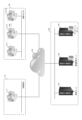
図1は、第一の実施形態に係る情報処理システムとしての遠隔読影システムのシステム構成の一例を示す。第一の実施形態において、遠隔読影システムは、データセンター100、依頼施設110、読影センター120、および読影医の自宅(不図示)を含む。各施設は、インターネット等のネットワーク130によって、互いに通信可能に接続されている。尚、第一の実施形態における各施設は、現実空間上の位置が異なる別の施設であるものとして説明するが、これに限らない。読影センター120内にデータセンター100が存在してもよいし、依頼施設110と読影センター120とが同一の施設であってもよい。
[System configuration]
1 shows an example of a system configuration of a remote image reading system as an information processing system according to the first embodiment. In the first embodiment, the remote image reading system includes a
データセンター100は、業務サーバ101と画像管理サーバ102とデータベースサーバ103とを含む。業務サーバ101は、本発明における情報処理装置の一例に相当する。第一の実施形態では、データセンター100は物理的なサーバ装置を記載しているが、仮想化技術により、1又は複数のサーバ装置において必要な数の仮想サーバを動作させる形態であってもよい。依頼施設110は、業務担当者が操作するクライアント端末111を含む。読影センター120は、業務担当者と読影医が操作するクライアント端末121を含む。業務担当者と読影医とが操作するため、読影センター120には複数台(N台)のクライアント端末121が用意されている。第一の実施形態では、業務担当者が操作するクライアント端末をクライアント端末121-1とし、読影医が操作するクライアント端末をクライアント端末121-2とする。尚、業務担当者と読影医は、夫々複数存在するので、ユーザごとにクライアント端末121-1及びクライアント端末121-2を用意してもよいし、複数のユーザが所定数のクライアント端末121を共有してもよい。
The
依頼施設110では、放射線技師がCT装置、MRI装置、CR(computed radiography)装置等のモダリティ(撮影装置)によって、患者を撮影する。撮影により生成された医用画像データは、各種記録媒体や通信手段等を介してクライアント端末111に集められる。医用画像データは、例えば、DICOM(Digital Imaging and COmmunication in Medicine)規格の画像データである。DICOM規格の画像データは、患者名、患者ID、患者の性別といった患者情報、モダリティの種類、撮像条件等を含む付帯情報と、画像データとから構成されている。
At the requesting
依頼施設110の読影依頼業務を行う業務担当者は、クライアント端末111を用いて、読影依頼に必要な情報(依頼情報)を入力し、その依頼情報を医用画像データと共にデータセンター100へ送信する。依頼情報は、データセンター100のデータベースサーバ103に保管される。医用画像データは、データセンター100の画像管理サーバ102に送信される。画像管理サーバ102は、各医用画像データに対してユニークな画像ID(識別情報)を発行し保管する。
The person in charge of the image reading request at the requesting
依頼施設110からの読影依頼の受付業務を行う読影センター120の業務担当者は、クライアント端末121-1を用いて読影の依頼情報が十分に入力されているか確認するとともに、各読影依頼を読影医に振り分ける振分作業を行う。振分作業では、業務担当者が各読影医の得意分野等を加味して手動で読影依頼を振り分けてもよいし、各読影医の得意分野や読影のスケジュール等を予め業務サーバ101に設定しておき、業務サーバ101に自動振分処理を指示して読影依頼を振り分けてもよい。尚、以下の説明では、読影依頼を読影医に振り分けることと、読影依頼に対応する1又は複数の割当枠に読影医を割り当てることは同義であるものとして、説明する。割当枠については後述する。
The staff member at the
読影を行う読影医は、読影センター120に配置された読影端末であるクライアント端末121-2(若しくは、自宅の読影端末)を用いて、業務担当者によって振り分けられた読影依頼に対応する医用画像データを、画像管理サーバ102からダウンロードする。ダウンロードが完了したら、クライアント端末121-2は医用画像データをディスプレイ等の表示装置に表示させ、読影医はこれを参照しながら、読影を行う。そして、読影医は、読影結果をデータセンター100に対して送信する。読影医のクライアント端末121-2から送信された読影結果は、データセンター100のデータベースサーバ103で保管される。ここで保管される読影結果は、依頼情報に対応付けて保管される。その後、読影結果は、依頼施設110に対してレポートや報告書という形式に変換された上で返送される。尚、第一の実施形態では、クライアント端末121-2が配置される施設として、読影センター120及び読影医の自宅の例を示したが、これ以外の場所に配置されてもよい。
The radiologist who performs the image interpretation downloads the medical image data corresponding to the image interpretation request assigned by the person in charge from the
[ハードウェア構成]
図2は、遠隔読影システムに含まれる各サーバ装置や端末装置のハードウェア構成の一例を示す図である。
[Hardware configuration]
FIG. 2 is a diagram illustrating an example of the hardware configuration of each server device and terminal device included in the remote image interpretation system.
CPU201は、システムバス204に接続される各デバイスやコントローラを統括的に制御する。ROM202あるいは外部メモリ211には、BIOS(Basic Input/Output System)やオペレーティングシステム(OS)、および各端末の機能を実現するために必要な各種プログラム等が記憶される。
The
RAM203は、CPU201の主メモリ、ワークエリア等として機能する。CPU201は、処理の実行に際して必要なプログラム等をROM202あるいは外部メモリ211からRAM203にロードし、実行することで各種動作を実現する。入力コントローラ205は、キーボードやマウス等のポインティングデバイス(不図示)等の入力デバイス209からの入力を制御する。ビデオコントローラ206は、ディスプレイ210(表示部)への表示を制御する。
The
メモリコントローラ207は、各種データ等を記憶する外部メモリ211へのアクセスを制御する。外部メモリ211としては例えば、外部記憶装置(HD)や、フレキシブルディスク(FD)、PCMCIAカードスロットにアダプタを介して接続されるコンパクトフラッシュ(登録商標)メモリ等が挙げられる。通信I/Fコントローラ208は、ネットワーク(例えば、図1に示すネットワーク130)を介して外部機器と接続および通信制御を行う。通信I/Fコントローラ208は、例えば、TCP/IPを用いた通信等が可能である。
The
本実施形態における各種処理を実現するための各種プログラムは、外部メモリ211に記録されており、必要に応じてRAM203にロードされることによりCPU201によって実行される。さらに、プログラムの実行時に用いられる定義ファイル及び各種情報テーブル等も、外部メモリ211に格納されており、これらの詳細な説明については後述する。
Various programs for implementing various processes in this embodiment are recorded in the
[機能構成]
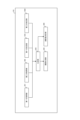
図3は、業務サーバ101の機能構成の一例を示す図である。業務サーバ101は機能部として、第一の取得部301と、第二の取得部302と、生成部303と、画面生成部304と、読影医決定部305とを有する。
[Functional configuration]
3 is a diagram showing an example of the functional configuration of the
第一の取得部301は、一次読影において第一の読影医が読影を行った結果である第一の読影結果をデータベースサーバ103から取得する。読影結果には、所見(所見が認められた部位、所見名、判定結果、所見テキスト等)が含まれる。所見が認められた部位が複数存在する場合には、読影医は複数の部位夫々に対する所見を入力する。よって、1つの読影結果には、複数の所見を含む場合がある。この場合は読影結果に、部位、所見名、判定結果、所見テキスト等の組み合わせが複数含まれる。また、第一の取得部301は、取得された第一の読影結果に含まれる所見の数を示す第一の所見数を取得する。第一の読影結果に含まれる所見の数とは、前述した組み合わせの数を示す。尚、単に第一の読影結果に含まれる所見名の数であってもよい。そして、第一の取得部301は、取得された第一の所見数を生成部303に出力する。このように、第一の取得部301は、読影依頼に係る一次読影において、第一の読影医により入力された第一の読影結果に含まれる所見の数を示す第一の所見数を取得する第一の取得手段の一例に相当する。
The
第二の取得部302は、二次読影において第二の読影医が読影を行った結果である第二の読影結果をデータベースサーバ103から取得する。また、第二の取得部302は、取得された第二の読影結果に含まれる所見の数を示す第二の所見数を取得する。これらの処理は、第一の取得部301と同様の処理である。そして、第二の取得部302は、取得された第二の所見数を生成部303に出力する。このように、第二の取得部302は、前記読影依頼に係る二次読影において、第二の読影医により入力された第二の読影結果に含まれる所見の数を示す第二の所見数を取得する第二の取得手段の一例に相当する。
The
生成部303は、第一の取得部301で取得された第一の所見数と、第二の取得部302で取得された第二の所見数とを用いて値を算出する。具体的には、第一の所見数と第二の所見数との合計値を算出する。尚、生成部303は、合計値に限らず、平均値を算出してもよいし、第一の所見数と第二の所見数の差を算出してもよい。また、生成部303とは異なる別の機能部(例えば算出部)が値を算出してもよい。そして、生成部303は、算出された値が所定の条件を満たすか否かを判定する。具体的には、算出された合計値が閾値以上であるか否かを判定する。所定の条件を満たすと判定された場合には、生成部303は、三次読影を行う第三の読影医を決定するための情報を生成する。第三の読影医を決定するための情報とは、三次読影の割当枠を示す情報である。割当枠とは、読影を担当する読影医を割り当てる仮想的な枠である。読影医決定部305は、この割当枠に読影医を割り当てる。例えば、読影センター120がブラインドダブル読影に関する読影依頼を受け付けた場合には、読影医決定部305は、読影センター120での読影依頼受付時に生成された一次読影の割当枠と二次読影の割当枠に、夫々読影医を割り当てる。このように、割当枠を示す情報を生成することにより、新たな読影医を決定することができる。そして、生成部303は、生成された情報を画面生成部304と読影医決定部305とに出力する。このように、生成部303は、前記取得された第一の所見数と前記取得された第二の所見数とを用いて算出される値が所定の条件を満たす場合に、前記読影依頼に係る三次読影を行う第三の読影医を決定するための情報を生成する生成手段の一例に相当する。
The generating
画面生成部304は、生成部303で生成された情報を用いて、画面を生成する。具体的には、画面生成部304は、三次読影の割当枠に読影医を割り当てるための依頼振分画面を生成する。尚、画面を生成する際に用いられる情報は、生成部303で生成された情報に限らない。画面生成部304は、予め業務サーバ101の外部メモリ211に記憶された情報を用いてもよい。依頼振分画面には、読影医が未決定の割当枠が表示される。この画面は、例えばクライアント端末121のウェブブラウザで表示可能なウェブページである。よって、画面生成部304は、生成された画面をクライアント端末121に送信する。そして、業務担当者がこの画面に対して手動又は自動の振分指示を行うことで、読影医決定部305が割当枠に読影医を割り当てる。このように、画面生成部304は、少なくとも前記生成された情報を用いて、前記第三の読影医を決定するための画面を生成する画面生成手段の一例に相当する。
The
読影医決定部305は、読影医が未決定の割当枠に読影医を割り当てる。その際、読影医のスケジュール、担当分野、経験等を加味して、自動的に読影医を割当枠に割り当ててもよいし、業務担当者から指定された読影医を割当枠に割り当ててもよい。自動的に割り当てる技術は、例えば、特開2016-035739号公報に記載の技術を用いてもよいし、特許文献1に記載の技術を用いてもよい。このように、読影医決定部305は、少なくとも前記生成された情報を用いて、前記第三の読影医を決定する第三の決定手段の一例に相当する。
The image reading
[処理フロー]
次に、第一の実施形態における処理の流れについて、図4から図11を用いて説明する。まず、依頼施設から読影依頼を受けた読影センターの業務担当者が、読影医を割当枠に割り当てる(読影依頼を読影医に振り分ける)一連の流れについて説明する。
[Processing flow]
Next, a process flow in the first embodiment will be described with reference to Fig. 4 to Fig. 11. First, a process flow in which an operator at an image interpretation center who receives an image interpretation request from a requesting facility assigns image interpretation doctors to an allocation slot (distributes image interpretation requests to image interpretation doctors) will be described.
図4は、読影医を割当枠に割り当てる処理の流れの一例を示す図である。 Figure 4 shows an example of the process flow for assigning radiology doctors to allocation slots.
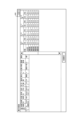
ステップS401では、クライアント端末121-1は、業務サーバ101から送信された依頼振分画面600をディスプレイ210に表示する。依頼振分画面600の一例を図6に示す。依頼振分画面600の左側には、読影センター120が読影依頼を受けて、読影医の割り当てが完了していない割当枠が一覧表示される。割当枠の情報は、図5に示す依頼情報テーブル500に示すような形態でデータベースサーバ103が管理している。よって、業務サーバ101は、データベースサーバ103から依頼情報テーブル500を取得し、読影医が決定していない割当枠の情報(依頼情報テーブルのレコード)を特定する。そして、特定された割当枠の情報を用いて、依頼振分画面600を生成し、クライアント端末121-1に送信する。クライアント端末121-1は、受信した依頼振分画面600をディスプレイ210に表示させる。
In step S401, the client terminal 121-1 displays the
ステップS402では、クライアント端末121-1は、依頼振分画面600に表示された割当枠のうち、読影医を割り当てたい割当枠に対する選択を受け付ける。そして、ステップS403では、クライアント端末121-1は、依頼振分画面600に表示された自動振分ボタンが押下されたか否かを判定する。自動振分ボタンが押下された場合には、ステップS404に処理を進める。そうでない場合には、待機する。図4では、自動的に読影医を割当枠に割り当てる処理について説明するが、前述した通り、手動で割り当ててもよい。手動割当の場合は、クライアント端末121-1は、選択を受け付けた割当枠に割り当てる読影医に対する選択を受け付けて、割当枠と読影医のペアを作成する。そして、そのペアの情報を業務サーバ101に送信し、業務サーバ101がそのペアを依頼情報テーブル500に登録すればよい。
In step S402, the client terminal 121-1 accepts a selection of the allocation slot to which the image reading doctor is to be assigned from among the allocation slots displayed on the
ステップS404では、クライアント端末121-1は、選択された割当枠の自動振分を業務サーバ101に指示する。そして、ステップS405では、読影医決定部305は、ステップS402で選択を受け付けた割当枠に対する読影医の割り当てを自動的に行う自動振分を実行する。自動振分は、前述した通り、例えば、特開2016-035739号公報に記載の技術を用いてもよいし、特許文献1に記載の技術を用いてもよい。ステップS406では、読影医決定部305は、自動振分の結果をクライアント端末121-1に送信する。
In step S404, the client terminal 121-1 instructs the
ステップS407では、クライアント端末121-1は、自動振分の結果を依頼振分画面600に表示する。つまり、図6の依頼振分画面600の右側に示すように、各読影医がいつ、何件の読影を行うのかを表示する。読影センターの業務担当者は、この内容を確認し、問題がなければ保存ボタンを押下する。
In step S407, the client terminal 121-1 displays the results of the automatic allocation on the
ステップS408は、クライアント端末121-1は、保存ボタンが押下されたか否かを判定する。保存ボタンが押下されたと判定された場合には、ステップS410に処理を進める。そうでない場合、すなわち自動振分の結果に問題がある場合には、ステップS409に処理を進める。 In step S408, the client terminal 121-1 determines whether the Save button has been pressed. If it is determined that the Save button has been pressed, the process proceeds to step S410. If not, that is, if there is a problem with the results of the automatic sorting, the process proceeds to step S409.
ステップS409では、クライアント端末121-1は、ステップS405で実行された自動振分の結果を破棄する。ステップS410では、クライアント端末121-1は、ステップS405で実行された自動振分の結果をデータベースサーバ103の依頼情報テーブル500に登録する。このようにすることで、割当枠に対する読影医の割り当てが行われる。
In step S409, the client terminal 121-1 discards the result of the automatic allocation performed in step S405. In step S410, the client terminal 121-1 registers the result of the automatic allocation performed in step S405 in the request information table 500 of the
その後、割当結果に従って、各読影医が読影を実行する。読影医は、クライアント端末121-2にダウンロードした医用画像を読影し、所見の有無を判断する。 After that, each radiologist performs image interpretation according to the allocation results. The radiologist interprets the medical images downloaded to the client terminal 121-2 and determines whether there are any findings.
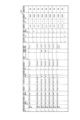
ここで、読影医がクライアント端末121-2で読影する際に表示される画面の一例について説明する。図7は、読影画面の一例を示す図である。図7(a)に示すように、読影すべき医用画像700がディスプレイ210に表示される。表示された医用画像700において、読影医が所見の認められる位置をクリックすると、所見入力画面701が医用画像上に表示される。所見入力画面701の拡大図を、図7(b)に示す。図7(b)に示すように、画面左側にシェーマ、画面右側に所見入力欄が設けられている。シェーマでは、読影医からクリックされた位置702が表示される。所見入力欄には、所見が認められた部位を選択する部位選択欄、所見名を選択する所見名選択欄、判定結果を選択する判定結果選択欄、所見に関するコメントを入力する所見テキスト入力欄、新たな所見を追加するための所見追加ボタンが備えられている。所見追加ボタンが押下されると、所見欄703に入力済みの所見が追加されていく。このように、複数の箇所に所見が認められる場合には、読影医は、複数の所見を入力することが可能である。入力された所見は、図9に示すような読影結果テーブル900に登録される。読影結果テーブル900は、データベースサーバ103に記憶されるデータテーブルである。読影結果テーブル900には、読影依頼に係る割当枠ごとに、読影医の情報と所見(所見が認められた部位の情報、所見名の情報、判定結果の情報、及び所見テキスト)とが格納される。
Here, an example of a screen displayed when the image interpretation doctor performs image interpretation on the client terminal 121-2 will be described. FIG. 7 is a diagram showing an example of an image interpretation screen. As shown in FIG. 7(a), a
そして、その読影結果の入力をクライアント端末121-2が受け付けて、データベースサーバ103に登録する。
Then, the client terminal 121-2 accepts the input of the image reading results and registers them in the
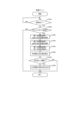
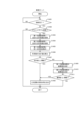
図8は、三次読影の割当枠を生成する処理の流れの一例を示す図である。ステップS801からステップS807の処理は、業務サーバ101によって実行される。
Figure 8 shows an example of the process flow for generating an allocation frame for tertiary reading. The processes from step S801 to step S807 are executed by the
ステップS801では、業務サーバ101は、読影依頼に係る全ての読影が完了したか否かを判定する。具体的には、ある読影依頼を処理対象とした場合に、業務サーバ101は、該読影依頼に対応する読影を、依頼情報テーブル500を用いて特定する。そして、特定された読影が完了したことを示すフラグが存在すれば、業務サーバ101は、読影が完了したと判定する。
In step S801, the
ステップS801で読影が完了したと判定された場合には、ステップS802に処理を戻す。読影が完了していないと判定された場合には、読影が完了するまで待機する。 If it is determined in step S801 that the interpretation is complete, the process returns to step S802. If it is determined that the interpretation is not complete, the process waits until the interpretation is complete.
ステップS802では、業務サーバ101は、処理対象の読影依頼がブラインドダブル読影であり、且つ三次読影の割当枠がまだ生成されていないか否かを判定する。ブラインドダブル読影か否かは、依頼情報テーブル500の読影方法の項目を参照することで判定可能である。三次読影の割当枠が未生成か否かは、割当枠IDを参照することで判定可能である。ブラインドダブル読影であると判定された場合には、ステップS803に処理を進める。ブラインドダブル読影でないと判定された場合には、本一連の処理を終了する。
In step S802, the
ステップS803では、第一の取得部301は、一次読影において第一の読影医により入力された第一の読影結果に含まれる所見の数(第一の所見数)を取得する。具体的には、読影結果テーブル900の割当枠IDが「1」のレコードの数を、第一の所見数として取得する。図9の例では、第一の所見数は「1」である。
In step S803, the
ステップS804では、第二の取得部302は、二次読影において第二の読影医により入力された第二の読影結果に含まれる所見の数(第二の所見数)を取得する。第二の所見数についても、ステップS803と同様に取得する。図9の例では、第二の所見数は「2」である。
In step S804, the
ステップS805では、生成部303は、ステップS803で取得された第一の所見数と、ステップS804で取得された第二の所見数との合計値を算出する。図9の例では、合計値は「3」となる。前述した通り、合計値に限らず、平均値や第一の所見数と第二の所見数との差を求めてもよい。
In step S805, the generating
ステップS806では、生成部303は、ステップS805で求めた合計値が閾値以上であるか否かを判定する。尚、合計値が閾値より大きいか否かを判定してもよい。また、閾値は読影センターの運用に応じて予め設定されているものとする。合計値が閾値以上であると判定された場合には、ステップS807に処理を進める。そうでない場合には、本一連の処理を終了する。
In step S806, the
ステップS807では、生成部303は、処理対象の読影依頼に係る三次読影の割当枠を依頼情報テーブル500に生成する。依頼情報テーブル500の依頼ID「7」は、ブラインドダブル読影の読影依頼である。この読影依頼に、三次読影の割当枠を生成した結果の一例が、図10である。図10に示す依頼情報テーブル500における最下部のレコードが、新たに生成された三次読影の割当枠である。このように、三次読影の割当枠が生成された後に、前述した図4のステップS401を実行すると、生成された三次読影の割当枠が依頼振分画面600に表示される。この表示結果の一例が、図11である。図11に示す依頼振分画面600の左側には、前述した依頼ID「7」に係る三次読影の割当枠を示す情報が表示されている。この状態で、自動又は手動で読影医を割当枠に割り当てることにより、読影医決定部305が三次読影を行う第三の読影医を決定する。
In step S807, the generating
以上説明したように、業務サーバ101が、第一の所見数と第二の所見数とに応じて三次読影の必要性を判断し、三次読影が必要な場合には、三次読影を行う第三の読影医を決定するための情報を生成することができる。よって、全ての読影依頼に関して第三の読影医を決定するよりも、第三の読影医の負担を軽減することができる。
As described above, the
<第二の実施形態>
第一の実施形態では、第一の所見数と第二の所見数との合計値を閾値と比較していた。しかしながら、第一の読影結果に含まれる所見と同一の所見が第二の読影結果に含まれていた場合、合計値が不要に大きくなってしまう。例えば、第一の所見数と第二の所見数が何れも2つだった場合を想定する。この場合は、一次読影と二次読影とで全く同一の所見が入力された場合と、一次読影と二次読影とで全く異なる所見が入力された場合とでは、重要度が異なる。すなわち、前者は所見が認められる箇所が2つであるのに対し、後者は所見が認められる箇所が4つであるので、後者のほうが前者よりも確認すべき事項が多い。よって、この問題点を解決するべく、第二の実施形態では、第一の実施形態よりも適切に三次読影の必要性を判断する技術について説明する。
Second Embodiment
In the first embodiment, the total value of the number of first findings and the number of second findings is compared with a threshold value. However, if the same findings as those included in the first interpretation result are included in the second interpretation result, the total value becomes unnecessarily large. For example, assume that the number of first findings and the number of second findings are both two. In this case, the importance differs between a case where the same findings are input in the first interpretation and the second interpretation and a case where completely different findings are input in the first interpretation and the second interpretation. That is, the former has two locations where findings are recognized, while the latter has four locations where findings are recognized, so the latter has more items to be confirmed than the former. Therefore, in order to solve this problem, in the second embodiment, a technology for determining the necessity of a third interpretation more appropriately than the first embodiment will be described.
第二の実施形態は、図8に示すフローチャートにおける処理以外は、第一の実施形態と同様であるので、第一の実施形態と異なる部分についてのみ、説明する。 The second embodiment is similar to the first embodiment except for the processing in the flowchart shown in FIG. 8, so only the parts that differ from the first embodiment will be explained.
[処理フロー]
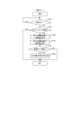
図12は、第二の実施形態における、三次読影の割当枠を生成する処理の流れの一例を示す図である。図12のステップS1201からステップS1204は、前述した図8のステップS801からステップS804と同様であるので説明を省略する。また、図12のステップS1207からステップS1208は、前述した図8のステップS806からステップS807と同様であるので説明を省略する。
[Processing flow]
Fig. 12 is a diagram showing an example of the flow of a process for generating an allocation frame for tertiary reading in the second embodiment. Steps S1201 to S1204 in Fig. 12 are similar to steps S801 to S804 in Fig. 8 described above, and therefore their explanations are omitted. Also, steps S1207 to S1208 in Fig. 12 are similar to steps S806 to S807 in Fig. 8 described above, and therefore their explanations are omitted.
ステップS1205では、第二の取得部302は、取得された第二の読影結果に含まれる所見のうち、第一の読影結果に含まれる所見と同一の所見を除いた数を算出し、これを第二の所見数として取得する。具体的には、第二の取得部302は、第一の読影結果に含まれる各所見と、第二の読影結果に含まれる各所見とを比較する。そして、第一の読影結果に含まれる所見と同一の所見が第二の読影結果に含まれる場合には、第二の取得部302は、その同一である所見の数を、ステップS1204で取得した第二の所見数から差し引く。つまり、第一の読影結果に含まれる所見と同一の所見は、第二の所見数のカウント対象から除外する。このようにすることで、所見数としてカウントされる所見の重複を防止する。図9の例では、第一の読影結果である1レコード目の所見と第二の読影結果である3レコード目の所見とが同一である。よって、ステップS1204で取得された第二の所見数「2」から同一所見の数「1」を差し引き、演算後の第二の所見数が「1」となる。
In step S1205, the
尚、同一か否かは、図9に示す読影結果テーブル900に示すような、部位、所見名、判定結果といった所見を示す各項目が互いに全て一致する場合に、同一であると判定してもよいし、一部が一致する場合に同一であると判定してもよい。例えば、第一の読影結果に含まれる所見の判定結果と、第二の読影結果に含まれる所見の判定結果とが異なったとしても、夫々の所見名が一致すれば、二つの所見は同一であると判定してもよい。 Whether or not the findings are the same may be determined when all items indicating the findings, such as the location, finding name, and judgment result, as shown in the image reading result table 900 in FIG. 9, match each other, or when only some of them match. For example, even if the judgment result of the finding included in the first image reading result differs from the judgment result of the finding included in the second image reading result, the two findings may be determined to be the same if the names of the findings match.
ステップS1206では、生成部303は、ステップS1203で取得された第一の所見数と、ステップS1205で取得された第二の所見数との合計値を算出する。前述した通り、合計値に限らず、平均値や第一の所見数と第二の所見数との差を求めてもよい。こうして求められた合計値と閾値とをステップS1207で比較する。
In step S1206, the generating
以上説明した通り、ユニークな所見のみが所見数としてカウントされるので、第一の実施形態よりも精度よく三次読影の必要性を判断することが可能となる。 As explained above, only unique findings are counted in the number of findings, making it possible to determine the need for a tertiary reading with greater accuracy than in the first embodiment.
<変形例2-1>
第二の実施形態では、第一の読影結果に含まれる所見と第二の読影結果に含まれる所見とが同一か否かの判断が、読影結果テーブル900が示す所見の各項目を用いた一致判定に基づくことについて説明した。一方、読影結果テーブル900に含まれる所見テキストを一致判定に用いてもよい。所見テキストは所見に関するコメントである。これは、読影医が自由に入力したテキストであるため、完全に一致することは稀である。よって、業務サーバ101が第一の読影結果に含まれる所見テキストと第二の読影結果に含まれる所見テキストとを既知の自然言語処理により意味解析し、同一の意味であるか否かを判定することで、各所見が同一か否かを判定してもよい。
<Modification 2-1>
In the second embodiment, it has been described that the determination of whether the finding included in the first image interpretation result and the finding included in the second image interpretation result are the same or not is based on a match determination using each item of the finding shown in the image interpretation result table 900. On the other hand, the finding text included in the image interpretation result table 900 may be used for the match determination. The finding text is a comment on the finding. This is text freely entered by the image interpretation doctor, so it is rare for the text to match completely. Therefore, the
また、図7(b)を用いて前述した通り、所見が認められる位置702がシェーマ上で特定されているので、これを読影結果として読影結果テーブル900に保存しておき、ステップS1205における一致判定に用いてもよい。この場合も、第一の読影結果に含まれる所見の位置と第二の読影結果に含まれる所見の位置とが完全に一致することは稀である。よって、第一の読影結果に含まれる所見の位置を中心とした所定範囲内に、第二の読影結果に含まれる所見の位置が含まれるか否かを判定することで、一致判定を行えばよい。
As described above with reference to FIG. 7(b), the
<変形例2-2>
第二の実施形態では、ステップS1206において、ステップS1203で取得された第一の所見数と、ステップS1205で取得された、同一所見が除外された第二の所見数との合計値を算出していた。しかし、必ずしもこの順番で処理を実行しなくてもよい。具体的には、ステップS1203で取得された第一の所見数とステップS1204で取得された第二の所見数との合計値を先に算出する。そして、この合計値から同一と判断された所見の数を差し引く。このような形態であっても、第二の実施形態と同様の効果を得ることができる。
<Modification 2-2>
In the second embodiment, in step S1206, the sum of the number of first findings acquired in step S1203 and the number of second findings acquired in step S1205, from which identical findings have been excluded, is calculated. However, the processes do not necessarily have to be performed in this order. Specifically, the sum of the number of first findings acquired in step S1203 and the number of second findings acquired in step S1204 is first calculated. Then, the number of findings determined to be identical is subtracted from this sum. Even in this form, the same effect as in the second embodiment can be obtained.
<第三の実施形態>
次に、第三の実施形態について説明する。第一の実施形態と第二の実施形態では、第一の所見数と第二の所見数との合計値が閾値以上であれば、三次読影の割当枠を生成していた。しかし、この条件を満たさない場合であっても、判定結果によっては三次読影が必要な場合がある。例えば、判定結果が「要精検」と入力された場合は、患者が検査を受ける必要があり、患者に負担を強いることになる。よって、本当に「要精検」であるかを三次読影で読影医に確認させることで、患者に不要な負担を強いることを抑止できる。第三の実施形態では、こうした場合にも三次読影を行うことができるようにするための技術について説明する。
Third Embodiment
Next, a third embodiment will be described. In the first and second embodiments, if the total value of the number of first findings and the number of second findings is equal to or greater than a threshold value, an allocation frame for tertiary reading is generated. However, even if this condition is not met, tertiary reading may be necessary depending on the judgment result. For example, if the judgment result is input as "further examination required", the patient needs to undergo an examination, which imposes a burden on the patient. Therefore, by having the reading doctor confirm whether "further examination is really required" in the tertiary reading, it is possible to prevent the patient from being forced to bear an unnecessary burden. In the third embodiment, a technology for enabling tertiary reading to be performed even in such a case will be described.
第三の実施形態は、図3の機能構成と図8に示すフローチャートにおける処理以外は、第一の実施形態及び第二の実施形態と同様であるので、第一の実施形態及び第二の実施形態と異なる部分についてのみ、説明する。 The third embodiment is similar to the first and second embodiments except for the functional configuration in FIG. 3 and the processing in the flowchart in FIG. 8, so only the parts that differ from the first and second embodiments will be described.
[機能構成]
図13は、業務サーバ101の機能構成の一例を示す図である。業務サーバ101は第一の実施形態で説明した機能部以外に、第一の決定部1301と第二の決定部1302とを有する。
[Functional configuration]
13 is a diagram showing an example of the functional configuration of the
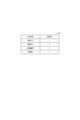
第一の決定部1301は、判定結果と重要度とが対応付けられた重要度テーブル(重要度情報)を参照し、一次読影において入力された第一の読影結果に含まれる判定結果の重要度(第一の重要度)を決定する。図15に重要度テーブル1500の一例を示す。図15に示す例では、判定結果ごとに重要度が対応付けられており、「異常なし」が最も重要度が低く、「要精密」が最も重要度が高くなるように、設定されている。第三の実施形態では、第一の決定部1301がこのような重要度テーブル1500を用いて、第一の読影結果に含まれる所見ごとに重要度を決定する。つまり、第一の読影結果に複数の所見が含まれていた場合は、複数の重要度が決定される。このうち、第一の決定部1301は、最も高い重要度を第一の読影結果の重要度として決定する。尚、重要度は、部位、所見名、所見テキスト等の判定結果以外の情報に対応付けられていてもよい。例えば、所見名の「結節性病変」と重要度の「4」とを対応付けておき、これに基づいて重要度を決定してもよい。また、第一の読影結果に含まれる所見の項目ごとに重要度を決定し、その合計値や平均値を第一の読影結果の重要度として決定してもよい。このように、第一の決定部1301は、判定結果と重要度とが対応付けられた重要度情報を用いて、前記第一の読影結果に含まれる判定結果の重要度を示す第一の重要度を決定する第一の決定手段の一例に相当する。
The
第二の決定部1302は、判定結果と重要度とが対応付けられた重要度テーブルを参照し、二次読影において入力された第二の読影結果に含まれる判定結果の重要度(第二の重要度)を決定する。重要度の決定方法は、第一の決定部1301と同様である。このように、第二の決定部1302は、前記重要度情報を用いて、前記第二の読影結果に含まれる判定結果の重要度を示す第二の重要度を決定する第二の決定手段の一例に相当する。
The
[処理フロー]
図14は、第三の実施形態における、三次読影の割当枠を生成する処理の流れの一例を示す図である。図14のステップS1401からステップS1406は、前述した図12のステップS1201からステップS1206と同様であるので説明を省略する。また、図14のステップS1408は、前述した図12のステップS1208と同様であるので説明を省略する。
[Processing flow]
Fig. 14 is a diagram showing an example of a process flow for generating an allocation frame for tertiary reading in the third embodiment. Steps S1401 to S1406 in Fig. 14 are similar to steps S1201 to S1206 in Fig. 12 described above, and therefore their explanation will be omitted. Also, step S1408 in Fig. 14 is similar to step S1208 in Fig. 12 described above, and therefore its explanation will be omitted.
ステップS1407では、生成部303は、ステップS1406で求めた合計値が閾値以上であるか否かを判定する。尚、合計値が閾値より大きいか否かを判定してもよい。合計値が閾値以上であると判定された場合には、ステップS1408に処理を進める。そうでない場合には、ステップS1409に処理を進める。
In step S1407, the
ステップS1409では、第一の決定部1301は、重要度テーブル1500を参照し、第一の読影結果に含まれる所見の判定結果に対応する重要度を、第一の重要度として決定する。重要度の決定方法は、前述した通りである。
In step S1409, the
ステップS1410では、第二の決定部1302は、重要度テーブル1500を参照し、第二の読影結果に含まれる所見の判定結果に対応する重要度を、第二の重要度として決定する。本ステップについても、重要度の決定方法は、前述した通りである。
In step S1410, the
ステップS1411では、生成部303は、ステップS1409で取得された第一の重要度、又はステップS1410で取得された第二の重要度が所定の条件を満たすか否かを判定する。具体的には、第一の重要度又は第二の重要度が閾値以上であるか否かを判定する。尚、第一の重要度又は第二の重要度が閾値より大きいか否かを判定してもよい。また、第一の重要度及び第二の重要度が閾値以上であるか否か(又は閾値より大きいか否か)を判定してもよい。更に、閾値は読影センターの運用に応じて予め設定されているものとする。第一の重要度又は第二の重要度が閾値以上であると判定された場合には、ステップS1408に処理を進める。そうでない場合には、本一連の処理を終了する。
In step S1411, the
以上説明したように、所見の数だけでなく、判定結果の重要度を考慮することで、所見の数が少なくても、重要な所見が入力された場合に、三次読影を読影医に行わせることができる。 As explained above, by taking into consideration not only the number of findings but also the importance of the judgment results, it is possible to have the image interpreter perform tertiary interpretation when important findings are input, even if the number of findings is small.
<変形例3-1>
第三の実施形態では、図14に示すように、所見数の合計値が閾値以上でない場合に、重要度による判定が行われていた。一方、図16に示すように、重要度による判定のみが行われる形態であってもよい。図16は、図14のフローチャートの変形例である。図16のステップS1601からステップS1602、ステップS1608からステップS1611は、夫々図14のステップS1401からステップS1402、ステップS1408からステップS1411と同様である。対象の読影依頼がブラインドダブル読影である場合には、業務サーバ101は、第一の重要度と第二の重要度とを決定し、これらの何れかが閾値以上であるか否かを判定する。このように、所見数の合計値は考慮せず、重要度による判定により、第三の読影医を決定するための情報を生成してもよい。
<Modification 3-1>
In the third embodiment, as shown in FIG. 14, when the total number of findings is not equal to or greater than the threshold, the determination based on the importance is performed. On the other hand, as shown in FIG. 16, only the determination based on the importance may be performed. FIG. 16 is a modified example of the flowchart in FIG. 14. Steps S1601 to S1602 and steps S1608 to S1611 in FIG. 16 are the same as steps S1401 to S1402 and steps S1408 to S1411 in FIG. 14, respectively. When the target image reading request is a blind double image reading, the
<変形例3-2>
第三の実施形態では、第一の重要度又は第二の重要度が閾値以上であるか否かを判定していた。一方、第一の重要度と第二の重要度の合計値が閾値以上であるか否かを判定してもよい。また、合計値に限らず、第一の重要度と第二の重要度の平均値や第一の重要度と第二の重要度との差を用いてもよい。
<Modification 3-2>
In the third embodiment, it is determined whether the first importance or the second importance is equal to or greater than a threshold. Alternatively, it may be determined whether the sum of the first importance and the second importance is equal to or greater than a threshold. In addition, instead of the sum, an average value of the first importance and the second importance or a difference between the first importance and the second importance may be used.
<その他の実施形態>
以上、実施形態を詳述したが、本発明は、例えば、システム、装置、方法、プログラム若しくは記憶媒体等としての実施形態も可能である。具体的には、複数の機器から構成されるシステムに適用してもよいし、また、1つの機器からなる装置に適用してもよい。
<Other embodiments>
Although the embodiments have been described above in detail, the present invention can also be embodied as, for example, a system, an apparatus, a method, a program, or a storage medium, etc. Specifically, the present invention may be applied to a system composed of multiple devices, or may be applied to an apparatus composed of a single device.
尚、本発明は、前述した実施形態の機能を実現するソフトウェアのプログラムを、システム或いは装置に直接、或いは遠隔から供給するものを含む。そして、そのシステム或いは装置のコンピュータが前記供給されたプログラムコードを読み出して実行することによっても達成される場合も本発明に含まれる。 The present invention also includes the provision of software programs that realize the functions of the above-mentioned embodiments to a system or device, either directly or remotely. The present invention also includes cases where the functions are achieved by the computer of the system or device reading and executing the provided program code.
したがって、本発明の機能処理をコンピュータで実現するために、前記コンピュータにインストールされるプログラムコード自体も本発明を実現するものである。つまり、本発明は、本発明の機能処理を実現するためのコンピュータプログラム自体も含まれる。 Therefore, the program code installed in a computer to realize the functional processing of the present invention also realizes the present invention. In other words, the present invention includes the computer program itself for realizing the functional processing of the present invention.
その場合、プログラムの機能を有していれば、オブジェクトコード、インタプリタにより実行されるプログラム、OSに供給するスクリプトデータ等の形態であってもよい。 In that case, as long as it has the functionality of a program, it may be in the form of object code, a program executed by an interpreter, script data supplied to the OS, etc.
プログラムを供給するための記録媒体としては、例えば、フレキシブルディスク、ハードディスク、光ディスク、光磁気ディスク、MO、CD-ROM、CD-R、CD-RWなどがある。また、磁気テープ、不揮発性のメモリカード、ROM、DVD(DVD-ROM,DVD-R)などもある。 Recording media for supplying programs include, for example, flexible disks, hard disks, optical disks, magneto-optical disks, MO, CD-ROMs, CD-Rs, and CD-RWs. Other examples include magnetic tapes, non-volatile memory cards, ROMs, and DVDs (DVD-ROMs and DVD-Rs).
その他、プログラムの供給方法としては、クライアントコンピュータのブラウザを用いてインターネットのホームページに接続する。そして、前記ホームページから本発明のコンピュータプログラムそのもの、若しくは圧縮され自動インストール機能を含むファイルをハードディスク等の記録媒体にダウンロードすることによっても供給できる。 As another method of supplying the program, the browser of the client computer is used to connect to an Internet homepage. Then, the computer program of the present invention itself, or a compressed file including an automatic installation function, can be downloaded from the homepage to a recording medium such as a hard disk.
また、本発明のプログラムを構成するプログラムコードを複数のファイルに分割し、それぞれのファイルを異なるホームページからダウンロードすることによっても実現可能である。つまり、本発明の機能処理をコンピュータで実現するためのプログラムファイルを複数のユーザに対してダウンロードさせるWWWサーバも、本発明に含まれるものである。 It is also possible to realize the program of the present invention by dividing the program code constituting the program into multiple files and downloading each file from a different homepage. In other words, the present invention also includes a WWW server that allows multiple users to download program files for implementing the functional processing of the present invention on a computer.
また、本発明のプログラムを暗号化してCD-ROM等の記憶媒体に格納してユーザに配布し、所定の条件をクリアしたユーザに対し、インターネットを介してホームページから暗号化を解く鍵情報をダウンロードさせる。そして、ダウンロードした鍵情報を使用することにより暗号化されたプログラムを実行してコンピュータにインストールさせて実現することも可能である。 The program of the present invention can also be encrypted and stored on a storage medium such as a CD-ROM and distributed to users, and users who meet certain conditions can download key information to decrypt the program from a website via the Internet. The downloaded key information can then be used to execute the encrypted program and install it on a computer, thereby achieving the present invention.
また、コンピュータが、読み出したプログラムを実行することによって、前述した実施形態の機能が実現される。その他、そのプログラムの指示に基づき、コンピュータ上で稼動しているOSなどが、実際の処理の一部又は全部を行い、その処理によっても前述した実施形態の機能が実現され得る。 The functions of the above-mentioned embodiments are realized by the computer executing the read program. In addition, the OS running on the computer may perform some or all of the actual processing based on the instructions of the program, and the functions of the above-mentioned embodiments may also be realized by this processing.
更に、記録媒体から読み出されたプログラムが、コンピュータに挿入された機能拡張ボードやコンピュータに接続された機能拡張ユニットに備わるメモリに書き込まれる。その後、そのプログラムの指示に基づき、その機能拡張ボードや機能拡張ユニットに備わるCPUなどが実際の処理の一部又は全部を行い、その処理によっても前述した実施形態の機能が実現される。 The program read from the recording medium is then written to memory on a function expansion board inserted into the computer or on a function expansion unit connected to the computer. Then, based on the instructions of the program, a CPU on the function expansion board or function expansion unit performs some or all of the actual processing, and the functions of the above-mentioned embodiment are also realized through this processing.
尚、前述した実施形態は、本発明を実施するにあたっての具体化の例を示したものに過ぎず、これらによって本発明の技術的範囲が限定的に解釈されてはならないものである。即ち、本発明はその技術思想、又はその主要な特徴から逸脱することなく、様々な形で実施することができる。 The above-described embodiments are merely examples of the implementation of the present invention, and the technical scope of the present invention should not be interpreted in a limiting manner. In other words, the present invention can be implemented in various forms without departing from its technical concept or main features.
101 業務サーバ
301 第一の取得部
302 第二の取得部
303 生成部
101
Claims (11)
読影依頼に係る二次読影において、第二の読影主による第二の読影結果と、
に関する情報を取得する取得手段と、
前記取得手段で取得した情報に基づいて、前記第一の読影結果と、前記第二の読影結果との少なくとも一方に、特定の部位の所見が含まれていた場合に、三次読影を行う第三の読影主を決定するための制御を行う制御手段と、
を有することを特徴とする情報処理装置。 In a first image reading request, a first image reading result by a first image reading master;
In the second interpretation related to the interpretation request, a second interpretation result by a second image interpretation person;
An acquisition means for acquiring information regarding
a control means for performing control to determine a third image reader who will perform a tertiary image reading when at least one of the first image reading result and the second image reading result includes a finding of a specific region based on the information acquired by the acquisition means;
13. An information processing device comprising:
読影依頼に係る二次読影において、第二の読影主による第二の読影結果と、
に関する情報を取得する取得手段と、
前記取得手段で取得した情報に基づいて、前記第一の読影結果と、前記第二の読影結果との少なくとも一方に含まれる、部位に関する重要度が特定の条件を満たす場合に、三次読影を行う第三の読影主を決定するための制御を行う制御手段と、
を有することを特徴とする情報処理装置。 In a first image reading request, a first image reading result by a first image reading master;
In the second interpretation related to the interpretation request, a second interpretation result by a second image interpretation person;
An acquisition means for acquiring information regarding
a control means for performing control to determine a third image interpretation unit to perform a tertiary image interpretation when the importance of a site included in at least one of the first image interpretation result and the second image interpretation result satisfies a specific condition based on the information acquired by the acquisition means;
13. An information processing device comprising:
読影依頼に係る二次読影において、第二の読影主による第二の読影結果と、
に関する情報を取得する取得ステップと、
前記取得ステップで取得した情報に基づいて、前記第一の読影結果と、前記第二の読影結果との少なくとも一方に、特定の部位の所見が含まれていた場合に、三次読影を行う第三の読影主を決定するための制御を行う制御ステップと、
を有することを特徴とする情報処理装置の制御方法。 In a first image reading request, a first image reading result by a first image reading master;
In the second interpretation related to the interpretation request, a second interpretation result by a second image interpretation person;
An acquisition step of acquiring information regarding
a control step of performing control to determine a third image reader who will perform a tertiary image reading when at least one of the first image reading result and the second image reading result includes a finding of a specific region based on the information obtained in the obtaining step;
13. A method for controlling an information processing apparatus comprising:
読影依頼に係る二次読影において、第二の読影主による第二の読影結果と、
に関する情報を取得する取得ステップと、
前記取得ステップで取得した情報に基づいて、前記第一の読影結果と、前記第二の読影結果との少なくとも一方に含まれる、部位に関する重要度が特定の条件を満たす場合に、三次読影を行う第三の読影主を決定するための制御を行う制御ステップと、
を有することを特徴とする情報処理装置の制御方法。 In a first image reading request, a first image reading result by a first image reading master;
In the second interpretation related to the interpretation request, a second interpretation result by a second image interpretation person;
An acquisition step of acquiring information regarding
a control step of performing control to determine a third image interpretation unit to perform a tertiary image interpretation when the importance of a site included in at least one of the first image interpretation result and the second image interpretation result satisfies a specific condition based on the information acquired in the acquisition step;
13. A method for controlling an information processing apparatus comprising the steps of:
Priority Applications (2)
| Application Number | Priority Date | Filing Date | Title |
|---|---|---|---|
| JP2023126068A JP7640887B2 (en) | 2019-03-27 | 2023-08-02 | Information processing device, control method for information processing device, and program |
| JP2025025211A JP2025071209A (en) | 2019-03-27 | 2025-02-19 | Information processing device, control method for information processing device, and program |
Applications Claiming Priority (2)
| Application Number | Priority Date | Filing Date | Title |
|---|---|---|---|
| JP2019060951A JP7328501B2 (en) | 2019-03-27 | 2019-03-27 | Information processing device, control method for information processing device, and program |
| JP2023126068A JP7640887B2 (en) | 2019-03-27 | 2023-08-02 | Information processing device, control method for information processing device, and program |
Related Parent Applications (1)
| Application Number | Title | Priority Date | Filing Date |
|---|---|---|---|
| JP2019060951A Division JP7328501B2 (en) | 2019-03-27 | 2019-03-27 | Information processing device, control method for information processing device, and program |
Related Child Applications (1)
| Application Number | Title | Priority Date | Filing Date |
|---|---|---|---|
| JP2025025211A Division JP2025071209A (en) | 2019-03-27 | 2025-02-19 | Information processing device, control method for information processing device, and program |
Publications (2)
| Publication Number | Publication Date |
|---|---|
| JP2023133501A JP2023133501A (en) | 2023-09-22 |
| JP7640887B2 true JP7640887B2 (en) | 2025-03-06 |
Family
ID=72643566
Family Applications (3)
| Application Number | Title | Priority Date | Filing Date |
|---|---|---|---|
| JP2019060951A Active JP7328501B2 (en) | 2019-03-27 | 2019-03-27 | Information processing device, control method for information processing device, and program |
| JP2023126068A Active JP7640887B2 (en) | 2019-03-27 | 2023-08-02 | Information processing device, control method for information processing device, and program |
| JP2025025211A Pending JP2025071209A (en) | 2019-03-27 | 2025-02-19 | Information processing device, control method for information processing device, and program |
Family Applications Before (1)
| Application Number | Title | Priority Date | Filing Date |
|---|---|---|---|
| JP2019060951A Active JP7328501B2 (en) | 2019-03-27 | 2019-03-27 | Information processing device, control method for information processing device, and program |
Family Applications After (1)
| Application Number | Title | Priority Date | Filing Date |
|---|---|---|---|
| JP2025025211A Pending JP2025071209A (en) | 2019-03-27 | 2025-02-19 | Information processing device, control method for information processing device, and program |
Country Status (1)
| Country | Link |
|---|---|
| JP (3) | JP7328501B2 (en) |
Citations (2)
| Publication number | Priority date | Publication date | Assignee | Title |
|---|---|---|---|---|
| JP2002329190A (en) | 2001-04-26 | 2002-11-15 | Doctor Net:Kk | Remote reading system, remote reading method, medical image storage management method, and medical image server |
| JP2018142145A (en) | 2017-02-27 | 2018-09-13 | キヤノンマーケティングジャパン株式会社 | Remote image reading system, its control method, and program |
Family Cites Families (2)
| Publication number | Priority date | Publication date | Assignee | Title |
|---|---|---|---|---|
| JP3228532B2 (en) * | 1991-08-23 | 2001-11-12 | コニカ株式会社 | Medical radiation image reading device |
| JP5100285B2 (en) * | 2007-09-28 | 2012-12-19 | キヤノン株式会社 | MEDICAL DIAGNOSIS SUPPORT DEVICE, ITS CONTROL METHOD, PROGRAM, AND STORAGE MEDIUM |
-
2019
- 2019-03-27 JP JP2019060951A patent/JP7328501B2/en active Active
-
2023
- 2023-08-02 JP JP2023126068A patent/JP7640887B2/en active Active
-
2025
- 2025-02-19 JP JP2025025211A patent/JP2025071209A/en active Pending
Patent Citations (2)
| Publication number | Priority date | Publication date | Assignee | Title |
|---|---|---|---|---|
| JP2002329190A (en) | 2001-04-26 | 2002-11-15 | Doctor Net:Kk | Remote reading system, remote reading method, medical image storage management method, and medical image server |
| JP2018142145A (en) | 2017-02-27 | 2018-09-13 | キヤノンマーケティングジャパン株式会社 | Remote image reading system, its control method, and program |
Also Published As
| Publication number | Publication date |
|---|---|
| JP2020160910A (en) | 2020-10-01 |
| JP7328501B2 (en) | 2023-08-17 |
| JP2025071209A (en) | 2025-05-02 |
| JP2023133501A (en) | 2023-09-22 |
Similar Documents
| Publication | Publication Date | Title |
|---|---|---|
| US9542481B2 (en) | Radiology data processing and standardization techniques | |
| EP2169577A1 (en) | Method and system for medical imaging reporting | |
| US20090287500A1 (en) | Distributed integrated image data management system | |
| JP6683934B2 (en) | Remote interpretation system, control method thereof, information processing device, and program | |
| JP7071441B2 (en) | Equipment, methods, systems and programs | |
| JP6380281B2 (en) | Remote interpretation system, information processing apparatus, server apparatus, control method thereof, and program | |
| US20230197252A1 (en) | Medical image processing system, medical image processing method, information processing apparatus, and program | |
| JP6579849B2 (en) | Interpretation report creation support system, interpretation report creation support method, and interpretation report creation support program | |
| JP7640887B2 (en) | Information processing device, control method for information processing device, and program | |
| JP7358090B2 (en) | Order creation support device and order creation support method | |
| JP2017191520A (en) | Medical image diagnosis support system, control method thereof, and program, and information processing device, control method thereof, and program | |
| JP2017118913A (en) | Information processing device, control method and program thereof, server, control method and program thereof, information processing system, and control method and program thereof | |
| US20230187059A1 (en) | Automated ticket attachment creation | |
| JP6669965B2 (en) | Information processing apparatus, information processing apparatus control method, and program | |
| JP2018106335A (en) | Information processing apparatus, method for controlling information processing apparatus, and program | |
| EP2120170A1 (en) | Distributed integrated image data management system | |
| JP6597465B2 (en) | Information processing apparatus, information processing apparatus control method, and program | |
| JP6875640B2 (en) | Remote interpretation system, its control method, and program | |
| CN110622255B (en) | Device, system and method for determining reading environment by integrating downstream requirements | |
| JP2017120562A (en) | Information processing system, control method thereof, and program | |
| JP2006065483A (en) | Medical image management system | |
| JP6561895B2 (en) | Interpretation request management system, interpretation request management apparatus, control method thereof, and program | |
| JP7311814B2 (en) | Information processing system, information processing system control method, and program | |
| JP2019159597A (en) | Remote image interpretation system, control method therefor, and program | |
| JP6666565B2 (en) | Medical image diagnosis support apparatus, control method of medical image diagnosis support apparatus, program, and medical image diagnosis support system |
Legal Events
| Date | Code | Title | Description |
|---|---|---|---|
| A621 | Written request for application examination |
Free format text: JAPANESE INTERMEDIATE CODE: A621 Effective date: 20230830 |
|
| A521 | Request for written amendment filed |
Free format text: JAPANESE INTERMEDIATE CODE: A523 Effective date: 20230913 |
|
| A977 | Report on retrieval |
Free format text: JAPANESE INTERMEDIATE CODE: A971007 Effective date: 20240731 |
|
| A131 | Notification of reasons for refusal |
Free format text: JAPANESE INTERMEDIATE CODE: A131 Effective date: 20240820 |
|
| A521 | Request for written amendment filed |
Free format text: JAPANESE INTERMEDIATE CODE: A523 Effective date: 20241015 |
|
| TRDD | Decision of grant or rejection written | ||
| A01 | Written decision to grant a patent or to grant a registration (utility model) |
Free format text: JAPANESE INTERMEDIATE CODE: A01 Effective date: 20250121 |
|
| A61 | First payment of annual fees (during grant procedure) |
Free format text: JAPANESE INTERMEDIATE CODE: A61 Effective date: 20250203 |
|
| R150 | Certificate of patent or registration of utility model |
Ref document number: 7640887 Country of ref document: JP Free format text: JAPANESE INTERMEDIATE CODE: R150 |