JP7635482B2 - Information processing device, method, and program - Google Patents
Information processing device, method, and program Download PDFInfo
- Publication number
- JP7635482B2 JP7635482B2 JP2021030870A JP2021030870A JP7635482B2 JP 7635482 B2 JP7635482 B2 JP 7635482B2 JP 2021030870 A JP2021030870 A JP 2021030870A JP 2021030870 A JP2021030870 A JP 2021030870A JP 7635482 B2 JP7635482 B2 JP 7635482B2
- Authority
- JP
- Japan
- Prior art keywords
- detection
- image
- human
- images
- object detection
- Prior art date
- Legal status (The legal status is an assumption and is not a legal conclusion. Google has not performed a legal analysis and makes no representation as to the accuracy of the status listed.)
- Active
Links
Images


Landscapes
- Image Analysis (AREA)
Description
本発明は、情報処理装置、方法、およびプログラムに関する。 The present invention relates to an information processing device, method, and program.
従来、侵入者を検知するために、防犯、監視カメラを用いて、オフィス、住居、車内等に侵入した人を検出する技術が知られている。 Conventionally, there is known technology for detecting intruders using security and surveillance cameras to detect people who have entered offices, homes, cars, etc.
特許文献1では、人の検出の技術として、魚眼カメラにより得られた魚眼画像から検出された人体候補のバウンディングボックスの形状やサイズを、予め定められた形状やサイズの基準と比較することが開示されている。 Patent Document 1 discloses a technology for detecting people that compares the shape and size of the bounding box of a human body candidate detected from a fisheye image obtained by a fisheye camera with predetermined shape and size criteria.
しかしながら、防犯、監視カメラが撮影した画像内の侵入者は、身体の一部が隠蔽されていたり(つまり、身体の一部しか判別できない)、さまざまな体勢(例えば、立っているだけではなく、しゃがんでいたり、ほふく前進をしていたりする)であったりする。そのため、防犯、監視カメラの画像内の侵入者の検出においては、バウンディングボックスの形状やサイズによる対処では、画像内の人以外の物体を誤って検出してしまう可能性がある。また、撮像エリア内にマネキン等の人の形をした静物があった場合も、誤って人と検出してしまう可能性がある。 However, intruders in images captured by security and surveillance cameras may have parts of their body hidden (meaning that only parts of the body can be identified) or may be in a variety of postures (for example, they may not only be standing, but also crouching or crawling). Therefore, when detecting intruders in images captured by security and surveillance cameras, using the shape and size of the bounding box may result in the incorrect detection of objects other than people in the image. Also, if there is a still object in the shape of a human, such as a mannequin, in the captured area, it may be incorrectly detected as a person.
そこで、本発明では、人以外の物体を人であると誤検出することを低減し、精度よく人を検出することを目的とする。 Therefore, the present invention aims to reduce the false detection of non-human objects as humans and to detect humans with high accuracy.
本発明の一実施形態に係る情報処理装置は、撮像装置から複数の画像を取得する画像取得部と、前記画像内において人らしい物体を検出する物体検出部と、前記物体が検出された物体検出画像と、該物体検出画像以外の複数の画像と、が類似するか否かに基づいて、前記物体の動きの有無を判定する動き判定部と、前記物体の動きが有る場合には前記検出した物体は人であると判定し、前記物体の動きが無い場合には前記検出した物体は人でないと判定する人検出判定部と、を備える。 An information processing device according to one embodiment of the present invention includes an image acquisition unit that acquires multiple images from an imaging device, an object detection unit that detects a human-like object within the images, a motion determination unit that determines whether or not the object is moving based on whether an object detection image in which the object is detected is similar to multiple images other than the object detection image, and a human detection determination unit that determines that the detected object is a human if the object is moving, and determines that the detected object is not a human if the object is not moving.
本発明によれば、人以外の物体を人であると誤検出することを低減し、精度よく人を検出することができる。 The present invention reduces the false detection of non-human objects as humans, enabling accurate detection of humans.
以下、図面に基づいて本発明の実施の形態を説明する。 The following describes an embodiment of the present invention based on the drawings.
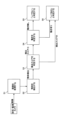
図1は、本発明の一実施形態に係る概要を説明するための図である。本発明の一実施形態では、監視エリア内に撮像装置20が設置されている。撮像装置20は、赤外線等による人感センサまたは画像処理技術による侵入者検知の仕組みを備え、人等の対象を検知するとその前後数秒間に撮影した複数の画像データを監視センターへ送信する。監視センターの情報処理装置10において、撮像装置20が撮影した画像データ内で物体(具体的には、人であると想定される物体)を検出した場合、物体を検出した物体検出領域と画像データ内での座標位置が同一である他の画像データの領域とを比較して類似度を算出することで、物体の動きを検出する。これにより、物体に動きがあった場合はその物体は人であり、動きがない場合は人ではないと判定することができる。
FIG. 1 is a diagram for explaining an overview of one embodiment of the present invention. In one embodiment of the present invention, an
ステップ1(S1)において、防犯、監視カメラ等が撮影した複数枚の画像が取得される。画像が取得されると、ステップ2へ進む。 In step 1 (S1), multiple images taken by security or surveillance cameras, etc. are acquired. Once the images have been acquired, the process proceeds to step 2.
ステップ2(S2)において、S1の複数枚の画像内で物体(具体的には、人であると想定される物体)を検出する。ここでは、物体が検出されたとして、ステップ3へ進む。 In step 2 (S2), an object (specifically, an object assumed to be a person) is detected within the multiple images of S1. Here, assuming that an object has been detected, the process proceeds to step 3.
ステップ3(S3)において、S2の検出のスコア(検出の信頼度)が閾値以上であるか、あるいは、閾値より小さいかが判定される。閾値以上である場合(S3:検出スコア大)には、ステップ6へ進み、S2で検出された物体は人であると判定される。閾値よりも小さい場合(S3:検出スコア小)には、ステップ4へ進む。 In step 3 (S3), it is determined whether the detection score (detection reliability) of S2 is equal to or greater than a threshold value or less than the threshold value. If it is equal to or greater than the threshold value (S3: detection score large), the process proceeds to step 6, where the object detected in S2 is determined to be a person. If it is less than the threshold value (S3: detection score small), the process proceeds to step 4.
ステップ4(S4)において、S2で検出された物体の動きの有無が判定される。動きが有る場合には、ステップ6へ進み、S2で検出された物体は人であると判定される。動きが無い場合には、ステップ5へ進む。 In step 4 (S4), it is determined whether the object detected in S2 is moving. If there is movement, the process proceeds to step 6, where the object detected in S2 is determined to be a person. If there is no movement, the process proceeds to step 5.
ステップ5(S5)において、S2で検出された物体の動きが無い場合には(S4:動き無し)、S2で検出された物体は人ではないと判定される。 In step 5 (S5), if there is no movement of the object detected in S2 (S4: no movement), it is determined that the object detected in S2 is not a person.
ステップ6(S6)において、S2での検出のスコア(検出の信頼度)が閾値以上である場合、または、S2での検出のスコア(検出の信頼度)が閾値よりも小さくかつS2で検出された物体の動きが有る場合には、S2で検出した物体は人であると判定される。 In step 6 (S6), if the detection score (detection reliability) in S2 is equal to or greater than a threshold, or if the detection score (detection reliability) in S2 is smaller than a threshold and the object detected in S2 is moving, it is determined that the object detected in S2 is a person.
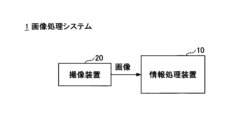
図2は、本発明の一実施形態に係る全体のシステム構成図である。図2に示されるように、画像処理システム1は、情報処理装置10および防犯、監視カメラ等の撮像装置20を含む。情報処理装置10は、任意のネットワークあるいは記憶媒体を介して、撮像装置20が撮影した画像を取得することができる。以下、それぞれについて説明する。
Figure 2 is a diagram showing the overall system configuration according to one embodiment of the present invention. As shown in Figure 2, the image processing system 1 includes an
情報処理装置10は、撮像装置20が撮影した画像内で物体(具体的には、人であると想定される物体)が検出された場合に、その物体が人であるか、あるいは、人ではないかを判定する。情報処理装置10は、サーバ等のコンピュータである。後段で、図3を参照しながら、情報処理装置10について詳細に説明する。
When an object (specifically, an object assumed to be a person) is detected in an image captured by the
撮像装置20は、オフィス、住居、車内等に侵入した人を撮影する防犯、監視カメラ等である。例えば、撮像装置20は、赤外線センサ等の侵入者検知部(図示せず)が何らかの対象物を検知すると、検知時の前後数秒間に撮影した画像を内部メモリ(図示せず)に記録し、情報処理装置10へ送信する。赤外線センサ等を撮像装置20と分けて設置し、赤外線センサ等が対象物を検知すると、撮像装置20が対象エリアを撮影するよう連動させてもよい。また、赤外線センサ等が検知信号を情報処理装置10へ送信すると、情報処理装置10が、検知信号の内容に応じて、撮影した画像を自らに送信するよう撮像装置20に要求するようにしてもよい。
The
図3は、本発明の一実施形態に係る情報処理装置10の機能ブロック図である。図3に示されるように、情報処理装置10は、画像取得部101と、物体検出部102と、検出スコア判定部103と、動き判定部104(類似度算出部141および判定部142を有する)と、人検出判定部105と、を備えることができる。また、情報処理装置10は、プログラムを実行することで、画像取得部101、物体検出部102、検出スコア判定部103、動き判定部104(類似度算出部141および判定部142を有する)、人検出判定部105として機能することができる。
Figure 3 is a functional block diagram of an
画像取得部101は、撮像装置20が撮影した複数の画像(つまり、複数のフレーム(静止画像)からなる動画)を取得する。または、画像取得部101は、前述の赤外線センサ等から検知信号を受信し、その検知信号の内容に応じて、撮像装置20に対して撮影した画像を自らに送信するよう要求し、その要求に応じて撮像装置20が送信した複数の画像を取得してもよい。
The
物体検出部102は、画像取得部101が取得した複数の画像の各々(つまり、各フレーム)内で物体(具体的には、人であると想定される身体のパーツあるいは全身)を検出する。物体検出部102は、画像内で物体が検出された領域(例えば、矩形)の座標情報、および、検出のスコア(検出の信頼度)、を情報処理装置10内の図示しないメモリ等に記憶させる。以下、物体検出部102が物体を検出した画像(フレーム)を物体検出画像、また、物体検出画像内で物体を検出した領域を物体検出領域ともいう。
The
例えば、物体検出部102は、ディープラーニング等の機械学習により、画像内で物体を検出することができる。具体的には、物体検出部102は、予め人体の全体および部分的な画像をニューラルネットワーク等により学習させた学習済みモデルに画像を入力させ、画像内に人であると想定される物体があれば検出し、画像内の物体検出領域、および、検出のスコア(検出の信頼度)を出力させる。ここでは、「アンカーボックスによる人・物体の検出」を例として示す。例えば、「SSD(Single Shot Multibox Detector)」、「M2Det」、「Faster R-CNN」のような物体検出手法では、画像を入力することで得られる特徴マップの各セルに対して、複数の縦横比のアンカーボックスを適用し、「人の矩形」と「人検出のスコア」の候補を得る。その後、NMS(Non-Maximum Suppression)を適用して、「人の矩形」の重なりが一定以上の場合は、「人検出のスコア」が高い矩形だけを残して出力とする。人・物体検出の手法は様々あるが、「人の矩形(物体検出領域)」と「人検出のスコア」を出力する手法であれば、手法は問わない。
For example, the
なお、1つまたは複数の画像(フレーム)内で物体が検出されうる。 Note that objects may be detected in one or more images (frames).
検出スコア判定部103は、物体検出部102による検出のスコア(検出の信頼度(機械学習による予測・出力の確かさを示す))が閾値よりも小さいか否かを判定する。
The detection
動き判定部104は、物体検出部102が検出した物体の動きの有無を判定する。具体的には、動き判定部104は、物体検出画像(人と想定される(人らしい)物体が検出されたフレーム)と、他の画像(つまり、動画に含まれる他のフレーム)と、が類似するか否かに基づいて、物体の動きの有無を判定する。以下、動き判定部104の類似度算出部141と判定部142に分けて説明する。
The
類似度算出部141は、物体検出画像(人らしい物体が検出されたフレーム)と、他の画像(つまり、動画に含まれる他のフレーム)と、の類似度を算出する。具体的には、類似度算出部141は、物体検出画像内で物体が含まれる領域(物体検出領域)と、他の画像内にある、物体検出画像内の物体検出領域と同一の座標位置の領域と、を比較する。なお、他のフレームは、動画に含まれる全ての他のフレームであってもよいし、動画に含まれる一部の他のフレームであってもよい。画像全体を比較し類似度を判定する方法では、画像全体における人物のサイズは一般的に小さいことが多いため、物体検出画像における物体検出領域に絞って比較し類似度を判定する方法とすることで、類似度の差をより出しやすくすることができるという効果がある。
The
なお、複数の画像(フレーム)内で人らしい物体が検出された場合には、類似度算出部141は、各物体検出画像(各フレーム)について、それぞれの他の画像(つまり、動画に含まれる他のフレーム)と、の類似度を算出する。
When a human-like object is detected in multiple images (frames), the
<<類似度の算出>>
ここで、類似度の算出について詳細に説明する。例えば、類似度算出部141は、ZNCC(Zero-mean Normalized Cross Correlation、零平均正規化相互相関)の手法を用いることができる。例えば、物体が含まれるM画素×N画素の矩形と、他の画像内でのM画素×N画素の矩形と、の類似度を算出するとする。2つの矩形の同一の座標の各画素(T(i,j)とI(i,j)とする)を用いる。類似度算出部141は、類似度として、
<<Calculation of similarity>>
Here, the calculation of the similarity will be described in detail. For example, the

を算出することができる。
can be calculated.

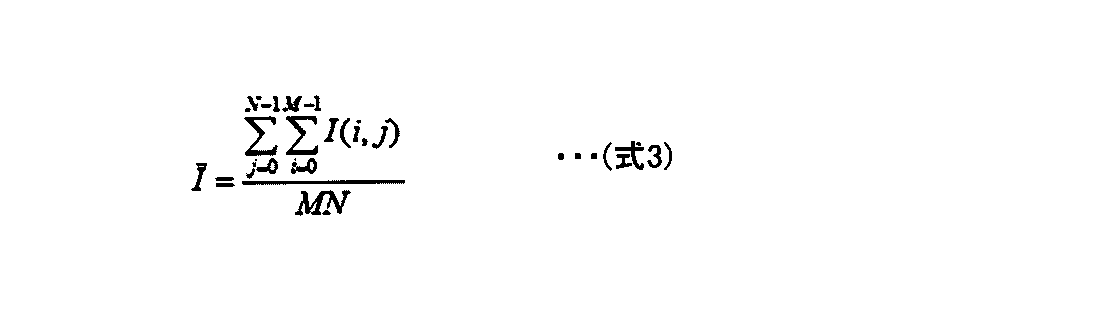
である。なお、
In addition,

である。類似度が1であると画像に変化がない、つまり画像内の物体の動きが無いと判定することができ、類似度が-1に近づくほど画像が類似していない、つまり画像内の物体の動きが有ると判定することができる。
When the similarity is 1, it can be determined that there is no change in the image, that is, there is no movement of the object in the image, and as the similarity approaches -1, it can be determined that the images are less similar, that is, there is movement of the object in the image.
なお、類似度は、ZNCCの手法に限られず、NCC(Normalized Cross-Correlation、正規化相互相関)、SSD(Sum of Squared Difference)、SAD(Sum of Absolute Difference)等の任意のテンプレートマッチングの手法により算出されうる。 The similarity is not limited to the ZNCC method, but can be calculated using any template matching method such as NCC (Normalized Cross-Correlation), SSD (Sum of Squared Difference), or SAD (Sum of Absolute Difference).
判定部142は、物体検出部102が物体を検出した物体検出画像における物体検出領域ごとに、類似度が閾値以下である他の画像が所定の個数以上あるか否かを判定する。具体的には、判定部142は、少なくとも1つの物体検出領域において、類似度が閾値以下である他の画像の個数が所定の個数以上である場合には、物体の動きが有ると判定する。判定部142は、全ての物体検出領域において、類似度が閾値以下である他の画像の個数が所定の個数未満である場合には、物体の動きが無いと判定する。なお、所定の個数は、1つでもよいし、2つ以上でもよい。また、同一の物体検出画像内に複数の物体検出領域がある場合には、それぞれの物体検出領域に対しこれらの判定処理を行い、少なくとも1つの物体検出領域について類似度が閾値以下である他の画像の個数が所定の個数以上であれば、物体の動きが有ると判定することができる。
The
人検出判定部105は、物体検出部102が検出した物体に動きが有るので人であると判定、あるいは、物体検出部102が検出した物体に動きが無いので人ではないと判定する。
The human
<方法>
以下、図4を参照しながら人検出判定処理について説明し、図5を参照しながら動き判定処理について説明する。
Methods
Hereinafter, the human detection determination process will be described with reference to FIG. 4, and the movement determination process will be described with reference to FIG.
図4は、本発明の一実施形態に係る人検出判定処理のフローチャートである。 Figure 4 is a flowchart of the human detection determination process according to one embodiment of the present invention.
ステップ11(S11)において、画像取得部101は、撮像装置20が撮影した複数の画像(つまり、複数のフレーム(静止画像)からなる動画)を取得する。
In step 11 (S11), the
ステップ12(S12)において、物体検出部102は、S11で取得された複数の画像の各々(つまり、各フレーム)内で人と想定される(人らしい)物体を検出する。なお、1つまたは複数の画像(フレーム)内で物体が検出されうる。物体が検出された場合にはステップ13へ進み、人らしい物体が検出されなかった場合には処理を終了する。
In step 12 (S12), the
ステップ13(S13)において、検出スコア判定部103は、S12の検出のスコア(検出の信頼度)が閾値よりも小さいか否かを判定する。閾値未満であると判定された場合にはステップ14へ進み、閾値以上であると判定された場合には人であると判定する。
In step 13 (S13), the detection
ステップ14(S14)において、動き判定部104は、S12で検出された物体の動きの有無を判定する。動きが有ると判定された場合にはステップ15へ進み、動きが無いと判定された場合にはステップ16へ進む。
In step 14 (S14), the
ステップ15(S15)において、人検出判定部105は、S12で検出した物体が人でないと判定する。
In step 15 (S15), the human
ステップ16(S16)において、人検出判定部105は、S12で検出した物体が人であると判定する。
In step 16 (S16), the human
図5は、本発明の一実施形態に係る動き判定処理(図4のS14)のフローチャートである。 Figure 5 is a flowchart of the motion determination process (S14 in Figure 4) according to one embodiment of the present invention.
ステップ21(S21)において、類似度算出部141は、物体検出部102が人と想定される(人らしい)物体を検出した画像(物体検出画像)における、物体検出領域のうちの1つを選択する。
In step 21 (S21), the
ステップ22(S22)において、類似度算出部141は、S21で選択された物体検出領域と、他の画像における座標位置が同一の領域と、の類似度を算出する。
In step 22 (S22), the
ステップ23(S23)において、類似度算出部141は、物体検出部102が物体を検出した全ての物体検出領域についての類似度の算出が終了したか否かを判断する。終了した場合にはステップ24へ進み、終了していない場合にはステップ21へ戻る。
In step 23 (S23), the
ステップ24(S24)において、判定部142は、物体検出部102が物体を検出した物体検出領域ごとに、類似度が閾値以下である他の画像の該物体検出領域と同一の座標位置の領域が所定の個数以上あるか否かを判定する。少なくとも1つの物体検出領域において、類似度が閾値以下である他の画像の該物体検出領域と同一の座標位置の領域の個数が所定の個数以上である場合にはステップ25へ進み、全ての物体検出領域において、類似度が閾値以下である他の画像の該物体検出領域と同一の座標位置の領域の個数が所定の個数未満である場合にはステップ26へ進む。
In step 24 (S24),
ステップ25(S25)において、判定部142は、物体の動きが有ると判定する。
In step 25 (S25), the
ステップ26(S26)において、判定部142は、物体の動きが無いと判定する。
In step 26 (S26), the
<動きの判定>
動きの判定について詳細に説明する。
<Movement Judgment>
The motion determination will now be described in detail.
図6は、本発明の一実施形態に係る動きの判定について説明するための図である。防犯、監視カメラ等の撮像装置20が撮影し、画像取得部101が取得した動画が、1フレーム目から15フレーム目までの時系列の15フレームで構成されるとする。そして、物体検出部102が、10フレーム目内で人らしい物体を検出したとする。検出のスコア(検出の信頼度)は、0.5であり、閾値未満であるとする。
Figure 6 is a diagram for explaining movement determination according to one embodiment of the present invention. Assume that a video captured by an
まず、動き判定部104の類似度算出部141は、物体が検出された画像(図6では、10フレーム目)における、物体を検出した物体検出領域と、動画に含まれる他のフレーム(図6では、1、2、3、4、5、6、7、8、9、11、12、13、14、15フレーム目)における、先述の物体を検出した物体検出領域と同一の座標位置の領域と、の類似度をそれぞれ算出する。
First, the
次に、動き判定部104の判定部142は、類似度算出部141が算出したそれぞれの類似度について、閾値以下となった個数を数え、それが所定の個数(例えば、8)以上あるか否かを判定する。図6の例では、類似度の閾値を0.7とし、類似度が閾値以下であるもの(図6で丸印のもの)が11フレームあったとする。この場合、動き判定部104は、類似度が閾値以下である他の画像の個数が所定の個数以上であるので、物体の動きが有ると判定する。
Next, the
なお、複数の画像(フレーム)内で物体が検出された場合(つまり、10フレーム目以外でも物体が検出された場合)には、類似度算出部141は、物体が検出された画像(物体検出画像)の物体検出領域ごとに、他の画像(つまり、動画に含まれる他のフレーム)の該物体検出領域と同一の座標位置の領域と、の類似度を算出する。そして、判定部142は、物体が検出された物体検出領域ごとに、類似度が閾値以下である他の画像の該物体検出領域と同一の座標位置の領域が所定の個数あるか否かを判定する(つまり、上記の10フレーム目での判定と同様の判定が行われる)。少なくとも1つの物体検出領域において、類似度が閾値以下である他の画像の該物体検出領域と同一の座標位置の領域の個数が所定の個数以上である場合には動きが有ると判定され、全ての物体検出画像において、閾値以下の類似度の個数が所定の個数未満である場合には動きが無いと判定される。また、同一の画像内に複数の物体検出領域がある場合も同様に、各物体検出領域について、他の画像との類似度を算出し、類似度が閾値以下となった他の画像(領域)の個数を数え、動きを判定する。
In addition, when an object is detected in a plurality of images (frames) (i.e., when an object is detected in frames other than the tenth frame), the
ここで、類似度が閾値以下である画像が複数あることを条件に判定することについて説明する。人らしい物体を検出した画像の物体検出領域を他の画像と比較するとき、たまたま虫や車の光等の外乱光等の映り込みがあると、類似度が低く算出される場合がある。このとき、その前後の画像における同一の座標位置の領域のみと類似度を算出して比較する方法では、虫や外乱光等を人であると誤検出してしまうことがある。前後の画像だけでなく他の複数の画像とも比較し、類似度が閾値以下である画像(領域)の数を含めた判定条件とすることで、虫や外乱光等のノイズによる誤検出の発生を抑制し、動きのある人体であることを精度よく判定することができる。
Here, a description will be given of the determination based on the condition that there are a plurality of images whose similarity is equal to or less than a threshold value . When comparing the object detection region of an image in which a human-like object is detected with other images, if there happens to be an insect or ambient light such as a car light reflected therein, the similarity may be calculated to be low. In this case, a method of calculating and comparing the similarity only with the region at the same coordinate position in the previous and next images may erroneously detect the insect or ambient light as a human. By comparing not only the previous and next images but also multiple other images and setting the determination condition to include the number of images (regions) whose similarity is equal to or less than a threshold value, it is possible to suppress the occurrence of erroneous detection due to noise such as insects or ambient light, and to accurately determine that it is a moving human body.
<他の実施形態>
以下、他の実施形態について説明する。
<Other embodiments>
Other embodiments will be described below.
<<身体のパーツごとの動き判定>>
本発明の一実施形態では、情報処理装置10は、人の身体のパーツ(例えば、全身に限らず、頭、腕、上半身、下半身、左右半身等の一部分)を検出して、検出された人の身体のパーツの動きを判定することができる。
<<Determining the movement of each body part>>
In one embodiment of the present invention, the
具体的には、物体検出部102は、人の身体のパーツを機械学習等により検出する。検出スコア判定部103は、検出のスコア(検出の信頼度)が閾値よりも小さいか否かを判定する。動き判定部104は、人の身体のパーツの動きの有無を判定する。この際、人の身体のパーツごとに、検出のスコア(検出の信頼度)の閾値および動きの判定の閾値を設定できるようにしてもよい。
Specifically, the
例えば、頭や腕の形状を学習している場合、室内に置かれた帽子やヘルメットを「頭部」として、また、椅子、机のフレーム、柱といった細長い物体を「腕部」として誤検出してしまうことがある。これらの誤検出を防ぐため、一律に、より多い枚数において類似度が閾値未満である場合に人(動体)であると判定させるように条件を設定すると、人の検知を取り逃がしてしまうおそれがある。そこで、一般的な人の動作において、動きが大きくなりやすい部位である腕部や脚部等として検出された物体検出領域については、頭部等、動きが比較的少ない部位として検出された物体検出領域よりも多くの画像枚数において類似度が閾値未満となった場合に人であると判定するようにすることで、精度よく人である物体を検出することができる。 For example, when learning the shapes of heads and arms, a hat or helmet placed indoors may be mistakenly detected as a "head," and long, thin objects such as chairs, desk frames, and pillars as "arms." In order to prevent these false detections, if conditions are set to uniformly determine that a person (moving object) is present when the similarity is below a threshold in a larger number of images, there is a risk that a person will be missed. Therefore, for object detection areas detected as arms, legs, and other parts of the body that tend to move a lot in typical human movements, it is possible to accurately detect objects that are human by determining that the object is present as a person when the similarity is below a threshold in a larger number of images than for object detection areas detected as parts of the body that move less, such as the head.
<<輝度による動き判定>>
上記では、ZNCC等のテンプレートマッチングにより2つの画像(フレーム)の物体検出領域が類似しているか否かを判定する実施形態を説明したが、本発明は、2つの画像(フレーム)の物体検出領域の輝度による評価値(例えば、輝度の差の平均)により2つの画像(フレーム)が類似しているか否かを判定する実施形態にも適用することができる。
<<Motion determination based on brightness>>
The above describes an embodiment in which whether or not the object detection areas of two images (frames) are similar is determined by template matching such as ZNCC. However, the present invention can also be applied to an embodiment in which whether or not two images (frames) are similar is determined based on an evaluation value based on the brightness of the object detection areas of the two images (frames) (e.g., the average brightness difference).
また、物体検出領域を比較したときの、各画素における輝度の差を画像にして得た複数枚の画像を、3DCNN(複数枚の一連の画像(動画像)を入力するとその内容を出力するAI)のような、動画像を分類するAIのモデルに学習させ、どの動きのパターンに該当するかを出力させることもできる。なお、学習済みモデルは、物体検出部102が物体を検出した画像(図6の例であれば、10フレーム目)以外の画像(例えば、1フレーム目)と他の画像との類似度をもとに学習されたモデルであってもよい。また、複数フレームの隣り合うフレームの画像の類似度(例えば、1フレーム目と2フレーム目の画像の類似度、2フレーム目と3フレーム目の画像の類似度等)をもとに学習されたモデルであってもよい。
In addition, the multiple images obtained by comparing the luminance difference of each pixel when the object detection area is compared can be trained into an AI model that classifies moving images, such as 3DCNN (AI that inputs a series of multiple images (moving images) and outputs their contents), and output which movement pattern it corresponds to. The trained model may be a model trained based on the similarity between an image (e.g., the first frame) other than the image in which the
<<周期的な動きの除外>>
本発明の一実施形態では、動き判定部104は、物体の動きが周期的な動きであるか否かをさらに判定することができる。そして、人検出判定部105は、物体の動きが周期的な動きである場合には物体の検出は人でない(例えば、風によって揺れる照明・旗・カーテン、車のライトの点滅等の人以外の検出である)と判定する。
<<Excluding cyclical movements>>
In one embodiment of the present invention, the
具体的には、動き判定部104は、物体検出部102が物体を検出した物体検出領域と他の画像における同一の座標位置の領域との類似度(図6の例であれば、10フレーム目と1~9、11~15フレーム目との類似度)をサポートベクターマシンやランダムフォレスト等の手法を用いた学習済みモデルに入力させて、周期的な動きであるか否かを出力させることができる。なお、学習済みモデルは、物体検出部102が物体を検出した画像(図6の例であれば、10フレーム目)以外の画像(例えば、1フレーム目)と他の画像との類似度をもとに学習されたモデルであってもよい。また、複数フレームの隣り合うフレームの画像の類似度(例えば、1フレーム目と2フレーム目の画像の類似度、2フレーム目と3フレーム目の画像の類似度等)をもとに学習されたモデルであってもよい。
Specifically, the
<<人らしい動きの学習>>
学習済みモデルは、人らしい動き(人が移動している、人が静止している等)のパターンを予め学習していてもよい。動き判定部104は、複数のフレームから、多クラスでどの動きのパターンに該当するかを出力するようにしてもよい。
<<Learning human-like movements>>
The trained model may have previously learned patterns of human-like movements (such as a person moving or standing still). The
<効果>
このように、本発明の一実施形態では、防犯、監視カメラ等が撮影した画像内で人らしいと想定されて検出した物体が人であるか、あるいは、人ではないかを精度よく判定することができる。さらに、本発明の一実施形態では、人の身体のパーツごとに、検出のスコア(検出の信頼度)の閾値および動きの判定の閾値を設定することによって、身体の一部が隠蔽されていたり、さまざまな体勢であったりする侵入者の判定の精度を向上させることができる。
<Effects>
In this way, in one embodiment of the present invention, it is possible to accurately determine whether an object that is assumed to be human and detected in an image captured by a security or surveillance camera, etc. is a human or not. Furthermore, in one embodiment of the present invention, by setting a detection score (detection reliability) threshold and a movement determination threshold for each part of a person's body, it is possible to improve the accuracy of determining an intruder whose body is partially hidden or in various postures.
<ハードウェア構成>
図7は、本発明の一実施形態に係る情報処理装置10のハードウェア構成の一例を示すブロック図である。情報処理装置10は、CPU(Central Processing Unit)1001、ROM(Read Only Memory)1002、RAM(Random Access Memory)1003を有する。CPU1001、ROM1002、RAM1003は、いわゆるコンピュータを形成する。
<Hardware Configuration>
7 is a block diagram showing an example of a hardware configuration of an
また、情報処理装置10は、補助記憶装置1004、表示装置1005、操作装置1006、I/F(Interface)装置1007、ドライブ装置1008を有することができる。なお、情報処理装置10の各ハードウェアは、バスBを介して相互に接続されている。
The
CPU1001は、補助記憶装置1004にインストールされている各種プログラムを実行する演算デバイスである。
The
ROM1002は、不揮発性メモリである。ROM1002は、補助記憶装置1004にインストールされている各種プログラムをCPU1001が実行するために必要な各種プログラム、データ等を格納する主記憶デバイスとして機能する。具体的には、ROM1002はBIOS(Basic Input/Output System)やEFI(Extensible Firmware Interface)等のブートプログラム等を格納する、主記憶デバイスとして機能する。
The
RAM1003は、DRAM(Dynamic Random Access Memory)やSRAM(Static Random Access Memory)等の揮発性メモリである。RAM1003は、補助記憶装置1004にインストールされている各種プログラムがCPU1001によって実行される際に展開される作業領域を提供する、主記憶デバイスとして機能する。
補助記憶装置1004は、各種プログラムや、各種プログラムが実行される際に用いられる情報を格納する補助記憶デバイスである。
The
表示装置1005は、情報処理装置10の内部状態等を表示する表示デバイスである。
The
操作装置1006は、情報処理装置10の管理者が情報処理装置10に対して各種指示を入力する入力デバイスである。
The
I/F装置1007は、ネットワークに接続し、他の装置と通信を行うための通信デバイスである。
The I/
ドライブ装置1008は記憶媒体1009をセットするためのデバイスである。ここでいう記憶媒体1009には、CD-ROM、フレキシブルディスク、光磁気ディスク等のように情報を光学的、電気的あるいは磁気的に記録する媒体が含まれる。また、記憶媒体1009には、EPROM (Erasable Programmable Read Only Memory)、フラッシュメモリ等のように情報を電気的に記録する半導体メモリ等が含まれていてもよい。
The
なお、補助記憶装置1004にインストールされる各種プログラムは、例えば、配布された記憶媒体1009がドライブ装置1008にセットされ、該記憶媒体1009に記録された各種プログラムがドライブ装置1008により読み出されることでインストールされる。あるいは、補助記憶装置1004にインストールされる各種プログラムは、I/F装置1007を介して、ネットワークよりダウンロードされることでインストールされてもよい。
The various programs to be installed in the
以上、本発明の実施例について詳述したが、本発明は上述した特定の実施形態に限定されるものではなく、特許請求の範囲に記載された本発明の要旨の範囲内において、種々の変形・変更が可能である。 Although the examples of the present invention have been described in detail above, the present invention is not limited to the specific embodiments described above, and various modifications and variations are possible within the scope of the gist of the present invention as described in the claims.
1 画像処理システム
10 情報処理装置
20 撮像装置
101 画像取得部
102 物体検出部
103 検出スコア判定部
104 動き判定部
105 人検出判定部
141 類似度算出部
142 判定部
1001 CPU
1002 ROM
1003 RAM
1004 補助記憶装置
1005 表示装置
1006 操作装置
1007 I/F装置
1008 ドライブ装置
1009 記憶媒体
Reference Signs List 1
1002 ROM
1003 RAM
1004
Claims (7)
前記画像内において人の身体の一部分らしい物体を検出する物体検出部と、
前記人の身体の一部分ごとの動きの大きさに基づいて設定された、物体の動きの有無を判定するための閾値であって、少なくとも腕部と脚部との一方を含む動きが大きい部位に対して設定される閾値は、少なくとも頭部を含む動きが少ない部位に対して設定される閾値より大きい値に設定された閾値に基づいて、前記物体が検出された物体検出画像と、該物体検出画像以外の複数の画像と、が類似するか否かに基づいて、前記物体の動きの有無を判定する動き判定部と、
前記人の身体の一部分ごとに設定された、前記物体の検出の信頼度を判定するための閾値に基づいて、前記画像内での物体の検出の信頼度が閾値よりも大きい場合、および前記物体の動きが有る場合には前記検出した物体は人であると判定し、前記物体の動きが無い場合には前記検出した物体は人でないと判定する人検出判定部と
を備えた情報処理装置。 an image acquisition unit that acquires a plurality of images from an imaging device;
an object detection unit that detects an object that is likely to be a part of a human body within the image;
a motion determination unit that determines whether or not an object is moving based on whether an object detection image in which the object is detected is similar to a plurality of images other than the object detection image, the threshold value being set based on the magnitude of movement of each part of the person's body, the threshold value being set for parts with large movement including at least one of the arms and legs being greater than the threshold value being set for parts with little movement including at least the head; and
and a human detection determination unit that determines that the detected object is a human if the reliability of the detection of the object in the image is greater than a threshold value set for each part of the person's body for determining the reliability of the detection of the object, and determines that the detected object is not a human if there is no movement of the object.
前記人検出判定部は、前記物体の動きが周期的な動きである場合には前記検出した物体は人でないと判定する、請求項1から4のいずれか一項に記載の情報処理装置。 The motion determination unit further determines whether the motion of the object is a periodic motion;
The information processing device according to claim 1 , wherein the human detection determination unit determines that the detected object is not a human when the movement of the object is a periodic movement.
撮像装置から複数の画像を取得するステップと、
前記画像内において人の身体の一部分らしい物体を検出するステップと、
前記人の身体の一部分ごとの動きの大きさに基づいて設定された、物体の動きの有無を判定するための閾値であって、少なくとも腕部と脚部との一方を含む動きが大きい部位に対して設定される閾値は、少なくとも頭部を含む動きが少ない部位に対して設定される閾値より大きい値に設定された閾値に基づいて、前記物体が検出された物体検出画像と、該物体検出画像以外の複数の画像と、が類似するか否かに基づいて、前記物体の動きの有無を判定するステップと、
前記人の身体の一部分ごとに設定された、前記物体の検出の信頼度を判定するための閾値に基づいて、前記画像内での物体の検出の信頼度が閾値よりも大きい場合、および前記物体の動きが有る場合には前記検出した物体は人であると判定し、前記物体の動きが無い場合には前記検出した物体は人でないと判定するステップと
を含む方法。 A method executed by an information processing device, comprising:
acquiring a plurality of images from an imaging device;
detecting an object in the image that is likely to be a part of a human body ;
a step of determining whether or not an object is moving based on whether an object detection image in which the object is detected is similar to a plurality of images other than the object detection image, the threshold value for determining whether or not an object is moving is set based on the magnitude of movement of each part of the person's body, the threshold value set for parts with large movement including at least one of the arms and legs being set to a value greater than the threshold value set for parts with small movement including at least the head;
and determining that the detected object is a human if the reliability of the detection of the object in the image is greater than a threshold value for determining the reliability of the detection of the object, the threshold value being set for each part of the person's body, and if there is movement of the object, determining that the detected object is not a human if there is no movement of the object.
撮像装置から複数の画像を取得する画像取得部、
前記画像内において人の身体の一部分らしい物体を検出する物体検出部、
前記人の身体の一部分ごとの動きの大きさに基づいて設定された、物体の動きの有無を判定するための閾値であって、少なくとも腕部と脚部との一方を含む動きが大きい部位に対して設定される閾値は、少なくとも頭部を含む動きが少ない部位に対して設定される閾値より大きい値に設定された閾値に基づいて、前記物体が検出された物体検出画像と、該物体検出画像以外の複数の画像と、が類似するか否かに基づいて、前記物体の動きの有無を判定する動き判定部、
前記人の身体の一部分ごとに設定された、前記物体の検出の信頼度を判定するための閾値に基づいて、前記画像内での物体の検出の信頼度が閾値よりも大きい場合、および前記物体の動きが有る場合には前記検出した物体は人であると判定し、前記物体の動きが無い場合には前記検出した物体は人でないと判定する人検出判定部
として機能させるためのプログラム。 The information processing device includes an image acquisition unit that acquires a plurality of images from an imaging device;
an object detection unit that detects an object that is likely to be a part of a human body within the image;
a motion determination unit that determines the presence or absence of object motion based on whether an object detection image in which the object has been detected is similar to a plurality of images other than the object detection image, based on a threshold value for determining the presence or absence of object motion, the threshold value being set based on the magnitude of motion of each part of the person's body, the threshold value being set for parts with large motion including at least one of the arms and the legs being set to a value greater than the threshold value being set for parts with little motion including at least the head;
A program for functioning as a human detection determination unit that determines that the detected object is a human if the reliability of the detection of the object in the image is greater than a threshold value set for each part of the person's body for determining the reliability of the detection of the object, and determines that the detected object is not a human if there is no movement of the object.
Priority Applications (1)
| Application Number | Priority Date | Filing Date | Title |
|---|---|---|---|
| JP2021030870A JP7635482B2 (en) | 2021-02-26 | 2021-02-26 | Information processing device, method, and program |
Applications Claiming Priority (1)
| Application Number | Priority Date | Filing Date | Title |
|---|---|---|---|
| JP2021030870A JP7635482B2 (en) | 2021-02-26 | 2021-02-26 | Information processing device, method, and program |
Publications (3)
| Publication Number | Publication Date |
|---|---|
| JP2022131758A JP2022131758A (en) | 2022-09-07 |
| JP2022131758A5 JP2022131758A5 (en) | 2023-12-12 |
| JP7635482B2 true JP7635482B2 (en) | 2025-02-26 |
Family
ID=83152831
Family Applications (1)
| Application Number | Title | Priority Date | Filing Date |
|---|---|---|---|
| JP2021030870A Active JP7635482B2 (en) | 2021-02-26 | 2021-02-26 | Information processing device, method, and program |
Country Status (1)
| Country | Link |
|---|---|
| JP (1) | JP7635482B2 (en) |
Citations (3)
| Publication number | Priority date | Publication date | Assignee | Title |
|---|---|---|---|---|
| JP2008104130A (en) | 2006-10-23 | 2008-05-01 | Hitachi Ltd | Video surveillance device and video surveillance system |
| US20170169574A1 (en) | 2015-12-10 | 2017-06-15 | Microsoft Technology Licensing, Llc | Motion detection of object |
| US20170213080A1 (en) | 2015-11-19 | 2017-07-27 | Intelli-Vision | Methods and systems for automatically and accurately detecting human bodies in videos and/or images |
Family Cites Families (1)
| Publication number | Priority date | Publication date | Assignee | Title |
|---|---|---|---|---|
| WO2021161365A1 (en) * | 2020-02-10 | 2021-08-19 | 株式会社 テクノミライ | Digital motion formula security system, method and program |
-
2021
- 2021-02-26 JP JP2021030870A patent/JP7635482B2/en active Active
Patent Citations (3)
| Publication number | Priority date | Publication date | Assignee | Title |
|---|---|---|---|---|
| JP2008104130A (en) | 2006-10-23 | 2008-05-01 | Hitachi Ltd | Video surveillance device and video surveillance system |
| US20170213080A1 (en) | 2015-11-19 | 2017-07-27 | Intelli-Vision | Methods and systems for automatically and accurately detecting human bodies in videos and/or images |
| US20170169574A1 (en) | 2015-12-10 | 2017-06-15 | Microsoft Technology Licensing, Llc | Motion detection of object |
Also Published As
| Publication number | Publication date |
|---|---|
| JP2022131758A (en) | 2022-09-07 |
Similar Documents
| Publication | Publication Date | Title |
|---|---|---|
| US11048942B2 (en) | Method and apparatus for detecting a garbage dumping action in real time on video surveillance system | |
| JP3812985B2 (en) | Automatic monitoring device | |
| JP6551512B2 (en) | Monitoring system, monitoring control device, monitoring method, and program | |
| US5243418A (en) | Display monitoring system for detecting and tracking an intruder in a monitor area | |
| US10083376B2 (en) | Human presence detection in a home surveillance system | |
| US20200394384A1 (en) | Real-time Aerial Suspicious Analysis (ASANA) System and Method for Identification of Suspicious individuals in public areas | |
| KR20190046351A (en) | Method and Apparatus for Detecting Intruder | |
| US20220366570A1 (en) | Object tracking device and object tracking method | |
| Dubuisson et al. | A survey of datasets for visual tracking | |
| JP5279517B2 (en) | Object detection apparatus and object detection method | |
| CN114140745A (en) | Method, system, device and medium for detecting personnel attributes of construction site | |
| US10496874B2 (en) | Facial detection device, facial detection system provided with same, and facial detection method | |
| US20180260964A1 (en) | System and method for detecting moving object in an image | |
| CN115116136B (en) | Abnormal behavior detection method, device, and medium | |
| JP7748526B2 (en) | False detection determination device, method, and program | |
| JP2020106970A (en) | Person detection device and person detection method | |
| JP7214437B2 (en) | Information processing device, information processing method and program | |
| KR20230051848A (en) | System for preventing safety accidents in dangerous areas and operation method thereof | |
| US10990859B2 (en) | Method and system to allow object detection in visual images by trainable classifiers utilizing a computer-readable storage medium and processing unit | |
| JP7635482B2 (en) | Information processing device, method, and program | |
| CN111144260A (en) | A detection method, device and system for jumping over a gate | |
| CN114511930A (en) | Behavior detection method, apparatus, electronic device, and computer-readable storage medium | |
| JP7074174B2 (en) | Discriminator learning device, discriminator learning method and computer program | |
| Gil-Jiménez et al. | Automatic control of video surveillance camera sabotage | |
| JP4528103B2 (en) | Image recognition device |
Legal Events
| Date | Code | Title | Description |
|---|---|---|---|
| A521 | Request for written amendment filed |
Free format text: JAPANESE INTERMEDIATE CODE: A523 Effective date: 20231204 |
|
| A621 | Written request for application examination |
Free format text: JAPANESE INTERMEDIATE CODE: A621 Effective date: 20231204 |
|
| A977 | Report on retrieval |
Free format text: JAPANESE INTERMEDIATE CODE: A971007 Effective date: 20240827 |
|
| A131 | Notification of reasons for refusal |
Free format text: JAPANESE INTERMEDIATE CODE: A131 Effective date: 20240910 |
|
| A521 | Request for written amendment filed |
Free format text: JAPANESE INTERMEDIATE CODE: A523 Effective date: 20241001 |
|
| TRDD | Decision of grant or rejection written | ||
| A01 | Written decision to grant a patent or to grant a registration (utility model) |
Free format text: JAPANESE INTERMEDIATE CODE: A01 Effective date: 20250114 |
|
| A61 | First payment of annual fees (during grant procedure) |
Free format text: JAPANESE INTERMEDIATE CODE: A61 Effective date: 20250120 |
|
| R150 | Certificate of patent or registration of utility model |
Ref document number: 7635482 Country of ref document: JP Free format text: JAPANESE INTERMEDIATE CODE: R150 |
|
| S533 | Written request for registration of change of name |
Free format text: JAPANESE INTERMEDIATE CODE: R313533 |
|
| R350 | Written notification of registration of transfer |
Free format text: JAPANESE INTERMEDIATE CODE: R350 |