JP7635182B2 - Homologous recombination method - Google Patents
Homologous recombination method Download PDFInfo
- Publication number
- JP7635182B2 JP7635182B2 JP2022124956A JP2022124956A JP7635182B2 JP 7635182 B2 JP7635182 B2 JP 7635182B2 JP 2022124956 A JP2022124956 A JP 2022124956A JP 2022124956 A JP2022124956 A JP 2022124956A JP 7635182 B2 JP7635182 B2 JP 7635182B2
- Authority
- JP
- Japan
- Prior art keywords
- sequence
- homologous recombination
- homologous
- recombination
- recombinase
- Prior art date
- Legal status (The legal status is an assumption and is not a legal conclusion. Google has not performed a legal analysis and makes no representation as to the accuracy of the status listed.)
- Active
Links
Images




Classifications
-
- C—CHEMISTRY; METALLURGY
- C12—BIOCHEMISTRY; BEER; SPIRITS; WINE; VINEGAR; MICROBIOLOGY; ENZYMOLOGY; MUTATION OR GENETIC ENGINEERING
- C12N—MICROORGANISMS OR ENZYMES; COMPOSITIONS THEREOF; PROPAGATING, PRESERVING, OR MAINTAINING MICROORGANISMS; MUTATION OR GENETIC ENGINEERING; CULTURE MEDIA
- C12N15/00—Mutation or genetic engineering; DNA or RNA concerning genetic engineering, vectors, e.g. plasmids, or their isolation, preparation or purification; Use of hosts therefor
- C12N15/09—Recombinant DNA-technology
- C12N15/10—Processes for the isolation, preparation or purification of DNA or RNA
-
- C—CHEMISTRY; METALLURGY
- C12—BIOCHEMISTRY; BEER; SPIRITS; WINE; VINEGAR; MICROBIOLOGY; ENZYMOLOGY; MUTATION OR GENETIC ENGINEERING
- C12N—MICROORGANISMS OR ENZYMES; COMPOSITIONS THEREOF; PROPAGATING, PRESERVING, OR MAINTAINING MICROORGANISMS; MUTATION OR GENETIC ENGINEERING; CULTURE MEDIA
- C12N15/00—Mutation or genetic engineering; DNA or RNA concerning genetic engineering, vectors, e.g. plasmids, or their isolation, preparation or purification; Use of hosts therefor
- C12N15/09—Recombinant DNA-technology
- C12N15/87—Introduction of foreign genetic material using processes not otherwise provided for, e.g. co-transformation
- C12N15/90—Stable introduction of foreign DNA into chromosome
- C12N15/902—Stable introduction of foreign DNA into chromosome using homologous recombination
-
- C—CHEMISTRY; METALLURGY
- C12—BIOCHEMISTRY; BEER; SPIRITS; WINE; VINEGAR; MICROBIOLOGY; ENZYMOLOGY; MUTATION OR GENETIC ENGINEERING
- C12N—MICROORGANISMS OR ENZYMES; COMPOSITIONS THEREOF; PROPAGATING, PRESERVING, OR MAINTAINING MICROORGANISMS; MUTATION OR GENETIC ENGINEERING; CULTURE MEDIA
- C12N15/00—Mutation or genetic engineering; DNA or RNA concerning genetic engineering, vectors, e.g. plasmids, or their isolation, preparation or purification; Use of hosts therefor
- C12N15/09—Recombinant DNA-technology
- C12N15/87—Introduction of foreign genetic material using processes not otherwise provided for, e.g. co-transformation
- C12N15/90—Stable introduction of foreign DNA into chromosome
- C12N15/902—Stable introduction of foreign DNA into chromosome using homologous recombination
- C12N15/905—Stable introduction of foreign DNA into chromosome using homologous recombination in yeast
-
- C—CHEMISTRY; METALLURGY
- C12—BIOCHEMISTRY; BEER; SPIRITS; WINE; VINEGAR; MICROBIOLOGY; ENZYMOLOGY; MUTATION OR GENETIC ENGINEERING
- C12N—MICROORGANISMS OR ENZYMES; COMPOSITIONS THEREOF; PROPAGATING, PRESERVING, OR MAINTAINING MICROORGANISMS; MUTATION OR GENETIC ENGINEERING; CULTURE MEDIA
- C12N9/00—Enzymes; Proenzymes; Compositions thereof; Processes for preparing, activating, inhibiting, separating or purifying enzymes
- C12N9/10—Transferases (2.)
- C12N9/12—Transferases (2.) transferring phosphorus containing groups, e.g. kinases (2.7)
- C12N9/1241—Nucleotidyltransferases (2.7.7)
-
- C—CHEMISTRY; METALLURGY
- C12—BIOCHEMISTRY; BEER; SPIRITS; WINE; VINEGAR; MICROBIOLOGY; ENZYMOLOGY; MUTATION OR GENETIC ENGINEERING
- C12N—MICROORGANISMS OR ENZYMES; COMPOSITIONS THEREOF; PROPAGATING, PRESERVING, OR MAINTAINING MICROORGANISMS; MUTATION OR GENETIC ENGINEERING; CULTURE MEDIA
- C12N9/00—Enzymes; Proenzymes; Compositions thereof; Processes for preparing, activating, inhibiting, separating or purifying enzymes
- C12N9/14—Hydrolases (3)
- C12N9/16—Hydrolases (3) acting on ester bonds (3.1)
- C12N9/22—Ribonucleases [RNase]; Deoxyribonucleases [DNase]
Landscapes
- Health & Medical Sciences (AREA)
- Life Sciences & Earth Sciences (AREA)
- Genetics & Genomics (AREA)
- Engineering & Computer Science (AREA)
- Chemical & Material Sciences (AREA)
- Organic Chemistry (AREA)
- Bioinformatics & Cheminformatics (AREA)
- Wood Science & Technology (AREA)
- Zoology (AREA)
- Biomedical Technology (AREA)
- Biotechnology (AREA)
- General Engineering & Computer Science (AREA)
- Molecular Biology (AREA)
- Microbiology (AREA)
- Biochemistry (AREA)
- General Health & Medical Sciences (AREA)
- Mycology (AREA)
- Physics & Mathematics (AREA)
- Biophysics (AREA)
- Plant Pathology (AREA)
- Medicinal Chemistry (AREA)
- Crystallography & Structural Chemistry (AREA)
- Micro-Organisms Or Cultivation Processes Thereof (AREA)
Description
本開示は、相同組換え方法に関する。 This disclosure relates to a homologous recombination method.
従来、DNA分子における組換えに関して、種々の技術が知られている。例えば、相同性の高い塩基配列間で起こる組換えを利用した相同組換え方法が、原核生物から動物までの比較的幅広い生物種で利用可能であることが知られている(例えば、非特許文献1~4参照)。また、DNA分子から特定DNA配列を削除する方法としては、部位特異的組換え酵素を用いた部位特異的組換えが知られている(例えば、非特許文献5,6参照)。また、特定DNA配列を削除するさらに他の方法として、トランスポゾン特異的逆位末端配列間に削除したい配列を配置しておき、トランスポゼースを用いて、上記削除したい配列を逆位末端配列ごと除去する方法が知られている(例えば、非特許文献7参照)。
Conventionally, various techniques are known for recombination in DNA molecules. For example, it is known that the homologous recombination method, which utilizes the recombination that occurs between highly homologous base sequences, can be used in a relatively wide range of organisms, from prokaryotes to animals (see, for example, Non-Patent
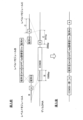
図15は、相同組換えの一例として、同一のDNA分子上にある一対の相同配列間で相同組換えが行われて、相同配列間のマーカー遺伝子が削除される様子を表す説明図である。図16は、相同組換えの他の例として、ゲノム編集技術を利用した相同組換え方法を表す説明図である。この方法では、ゲノム編集技術(例えば、ZFN、TALEN、CRISPR-Cas等)により相同組換えターゲット配列(相同配列)近傍のDNAを切断することで、相同組換え修復が活性化され、ターゲット配列を介した相同組換えの効率が高められる。図17は、部位特異的組換え反応を表す説明図である。図17では、一例として、CreリコンビナーゼとloxP配列とを用いるCre-loxP組換え系における部位特異的組換え反応を示している。このような部位特異的組換え反応は、例えばマーカー遺伝子による選抜が不要になる程度の高い効率で、loxP配列等の標的配列間のDNA配列(図17ではマーカー遺伝子を含むDNA配列)を除去することが可能になる。図18は、トランスポゾンの切り出し酵素を利用した反応の例を示す説明図である。図18では、一例として、トランスポゾンPiggyBacによる切り出し反応を示している。このような反応では、切り出し酵素(トランスポゼース)が認識可能な特異的逆位末端配列(反復配列)間のDNA配列(図18ではマーカー遺伝子を含むDNA配列)を削除することができ、図17に示した部位特異的組換え反応とは異なり、反応後に痕跡となる配列を残すことなく高効率に上記DNA配列を削除することが可能になる。 Figure 15 is an explanatory diagram showing, as an example of homologous recombination, how homologous recombination is performed between a pair of homologous sequences on the same DNA molecule, and a marker gene between the homologous sequences is deleted. Figure 16 is an explanatory diagram showing a homologous recombination method using genome editing technology, as another example of homologous recombination. In this method, DNA near a homologous recombination target sequence (homologous sequence) is cut using genome editing technology (e.g., ZFN, TALEN, CRISPR-Cas, etc.), thereby activating homologous recombination repair and increasing the efficiency of homologous recombination via the target sequence. Figure 17 is an explanatory diagram showing a site-specific recombination reaction. As an example, Figure 17 shows a site-specific recombination reaction in a Cre-loxP recombination system using Cre recombinase and loxP sequences. Such a site-specific recombination reaction makes it possible to remove a DNA sequence between target sequences such as loxP sequences (a DNA sequence containing a marker gene in Figure 17) with such high efficiency that selection by a marker gene is not necessary. FIG. 18 is an explanatory diagram showing an example of a reaction using a transposon excision enzyme. FIG. 18 shows an excision reaction using the transposon PiggyBac as an example. In such a reaction, a DNA sequence (in FIG. 18, a DNA sequence including a marker gene) between specific inverted terminal sequences (repeated sequences) that can be recognized by the excision enzyme (transposase) can be deleted, and unlike the site-specific recombination reaction shown in FIG. 17, the DNA sequence can be deleted with high efficiency without leaving any trace sequence after the reaction.
しかしながら、例えば、図15に示したDNA切断を伴わない相同組換え修復機構を利用した相同組換え技術は、相同組換え修復活性が高い酵母、ニワトリのDT40細胞、マウスES細胞などの限られた生物種を利用対象とする必要があった。そして、特に効率が良いとされる出芽酵母(Saccharomyces cerevisiae)であっても、非特許文献1に記載のように、組換え頻度が10-6程度と比較的低く、相同組換え株の取得にはマーカー遺伝子を用いた選抜が必要であった。また、図16に示したゲノム編集技術を利用した相同組換え方法では、多くの生物において相同組換え修復よりも非相同末端連結が優先されて、切断部位同士が直接結合して修復されるため、所望の組換え反応が起こる頻度が不十分となってマーカー遺伝子を用いた選抜が必要となる場合が多かった。また、ゲノム編集技術を利用した相同組換え方法では、例えばベクターの作製やDNA切断の誘導といった一連の操作が比較的煩雑であるという問題があった。
However, for example, the homologous recombination technique using the homologous recombination repair mechanism without DNA cleavage shown in FIG. 15 had to be used only in limited species of organisms, such as yeast, chicken DT40 cells, and mouse ES cells, which have high homologous recombination repair activity. Even in the case of budding yeast (Saccharomyces cerevisiae), which is considered to be particularly efficient, the recombination frequency is relatively low at about 10 −6 , as described in
また、図17に示した部位特異的組換え酵素を用いた部位特異的組換え反応は、用いる部位特異的組換え酵素によって標的配列が定まるため、標的配列を自由に設計することができず、さらに、組換えによって上記DNA配列を除去したDNA分子中に標的配列が残るという問題がある。残った標的配列は、組換え後のDNA分子を再び同様の部位特異的組換え反応に供する際に、意図しない組換え反応を引き起こすという問題を生じる可能性がある。 In addition, in the site-specific recombination reaction using the site-specific recombinase shown in Figure 17, the target sequence is determined by the site-specific recombinase used, so the target sequence cannot be freely designed, and there is a problem that the target sequence remains in the DNA molecule from which the above DNA sequence has been removed by recombination. The remaining target sequence may cause an unintended recombination reaction when the recombined DNA molecule is subjected to a similar site-specific recombination reaction again.
また、図18に示したトランスポゾンの切り出し酵素を利用した反応では、DNA配列の切り出し箇所がゲノム上の特定のターゲット配列(図18の例ではTTAAの4塩基)に限定されるという問題がある。そのため、より高い効率で組換えが可能であって、標的のDNA配列に対する制限がなく、DNA配列を除去した分子に痕跡となる配列が残らず、より簡便な操作で行うことができる組み換え技術が望まれていた。 In addition, the reaction using the transposon excision enzyme shown in Figure 18 has the problem that the site of DNA sequence excision is limited to a specific target sequence on the genome (the four bases TTAA in the example of Figure 18). For this reason, there has been a demand for a recombination technology that allows for more efficient recombination, has no restrictions on the target DNA sequence, leaves no trace sequences in the molecule after the DNA sequence has been removed, and can be performed with simpler operations.
本開示は、以下の形態として実現することが可能である。
(1)本開示の一形態によれば、DNA分子から特定DNA配列を削除する相同組換え方法が提案される。この相同組換え方法によれば、前記DNA分子として、部位特異的組換え酵素の標的となる一対の標的配列が、前記特定DNA配列を間に挟んで互いに異なる向きとなるように配置されると共に、相同性のあるDNA配列である一対の相同配列が、前記特定DNA配列を挟んで配置される一対の前記標的配列のさらに外側に配置されるDNA分子を用意し、前記DNA分子に前記部位特異的組換え酵素を作用させて、前記一対の相同配列間の相同組換えにより、前記DNA分子から前記一対の標的配列と共に前記特定DNA配列を削除する。
この形態の相同組換え方法によれば、組換え効率が比較的高い部位特異的組み換え酵素を用いた部位特異的組み換え反応を利用して、相同組換えの頻度、すなわち組換え効率を高めることができる。このような組換え反応は、相同組換えを行わせるものであるため、組換え反応の標的となるDNA配列に対する制限を抑えることができる。また、特定DNA配列の削除に伴って、相同配列間よりも特定DNA配列側に配置される標的配列も除去することができるため、DNA配列を除去した分子に痕跡となる配列が残ることを抑えることができる。さらに、上記した特定DNA配列と標的配列と相同配列とを備える特徴的な配列構造は、一般的な遺伝子組み換え技術を用いた比較的簡便な工程で得ることが可能となる。
(2)上記形態の相同組換え方法において、前記部位特異的組換え酵素は、インテグラーゼファミリーに属する酵素であり、前記標的配列における組換え反応として、可逆的な反応を進行することとしてもよい。このような構成とすれば、相同組換えの頻度を高める効果を向上させることができる。
(3)上記形態の相同組換え方法において、前記部位特異的組換え酵素は、双方向性のチロシンリコンビナーゼサブファミリーに属する酵素であることとしてもよい。このような構成とすれば、相同組換えの頻度を高める効果を向上させることができる。
(4)上記形態の相同組換え方法において、前記部位特異的組換え酵素は、Creリコンビナーゼ、FLPリコンビナーゼ、Rリコンビナーゼ、Dreリコンビナーゼから選択される酵素であることとしてもよい。このような構成とすれば、相同組換えの頻度を高める効果を向上させることができる。
(5)上記形態の相同組換え方法において、相同組換えを行わせる細胞として、出芽酵母(Saccharomyces cerevisiae)または大腸菌(Escherichia coli)を用い、前記特定DNA配列の上流側または下流側において、隣り合って配置される前記標的配列と前記相同配列との間の距離が1000bp以下であることとしてもよい。このような構成とすれば、特定DNA配列と、互いに異なる向きの一対の標的配列と、一対の相同配列とを、既述した配置とすることにより組換え効率を高める効果を、上記距離を調節することで確保することができる。
(6)上記形態の相同組換え方法において、前記相同配列として、60bp以下の長さの配列を用いることとしてもよい。このような構成とすれば、従来、相同組換えを行うことが比較的困難であった短い相同配列を用いる場合であっても、相同組換え効率を高めることができる。
(7)上記形態の相同組換え方法において、前記相同配列として、25bp以上の長さの配列を用いることとしてもよい。このような構成とすれば、特定DNA配列と、互いに異なる向きの一対の標的配列と、一対の相同配列とを、既述した配置とすることにより組換え効率を高める効果を、上記相同配列の長さを調節することで確保することができる。
本開示は、上記以外の種々の形態で実現可能であり、例えば、相同組換えのために用いるベクターや、相同組換えによって得られる組換え体などの形態で実現することが可能である。
The present disclosure can be realized in the following forms.
(1) According to one embodiment of the present disclosure, a method for homologous recombination for deleting a specific DNA sequence from a DNA molecule is proposed. According to this method for homologous recombination, a DNA molecule is prepared in which a pair of target sequences targeted by a site-specific recombinase are arranged in different orientations with the specific DNA sequence sandwiched therebetween, and a pair of homologous sequences, which are DNA sequences having homology, are arranged outside the pair of target sequences arranged with the specific DNA sequence sandwiched therebetween, and the site-specific recombinase is allowed to act on the DNA molecule, thereby deleting the specific DNA sequence together with the pair of target sequences from the DNA molecule by homologous recombination between the pair of homologous sequences.
According to this form of homologous recombination method, the frequency of homologous recombination, i.e., the efficiency of recombination, can be increased by utilizing a site-specific recombination reaction using a site-specific recombinase with a relatively high recombination efficiency. Since such a recombination reaction is for carrying out homologous recombination, restrictions on the DNA sequence targeted by the recombination reaction can be suppressed. In addition, since the target sequence located closer to the specific DNA sequence than between the homologous sequences can also be removed with the deletion of the specific DNA sequence, it is possible to suppress the remaining of a trace sequence in the molecule from which the DNA sequence has been removed. Furthermore, the characteristic sequence structure comprising the above-mentioned specific DNA sequence, the target sequence, and the homologous sequence can be obtained by a relatively simple process using general gene recombination technology.
(2) In the above-described homologous recombination method, the site-specific recombinase may be an enzyme belonging to the integrase family, and may be configured to proceed as a reversible reaction as the recombination reaction in the target sequence. With such a configuration, it is possible to improve the effect of increasing the frequency of homologous recombination.
(3) In the above-described homologous recombination method, the site-specific recombinase may be an enzyme belonging to the bidirectional tyrosine recombinase subfamily, which can improve the effect of increasing the frequency of homologous recombination.
(4) In the homologous recombination method of the above aspect, the site-specific recombinase may be an enzyme selected from Cre recombinase, FLP recombinase, R recombinase, and Dre recombinase. With such a configuration, the effect of increasing the frequency of homologous recombination can be improved.
(5) In the above-described homologous recombination method, Saccharomyces cerevisiae or Escherichia coli may be used as the cells for performing homologous recombination, and the distance between the target sequence and the homologous sequence adjacent to each other on the upstream or downstream side of the specific DNA sequence may be 1000 bp or less. With this configuration, the effect of increasing the recombination efficiency by arranging the specific DNA sequence, a pair of target sequences in different orientations, and a pair of homologous sequences as described above can be ensured by adjusting the distance.
(6) In the above-described homologous recombination method, the homologous sequence may be a sequence having a length of 60 bp or less. With such a configuration, even when a short homologous sequence, which has been relatively difficult to use for homologous recombination in the past, is used, the efficiency of homologous recombination can be increased.
(7) In the above-described homologous recombination method, the homologous sequence may be a sequence having a length of 25 bp or more. With such a configuration, the effect of increasing the recombination efficiency by arranging a specific DNA sequence, a pair of target sequences in different orientations, and a pair of homologous sequences in the above-described arrangement can be ensured by adjusting the length of the homologous sequences.
The present disclosure can be realized in various forms other than those described above, for example, in the form of a vector used for homologous recombination, or a recombinant obtained by homologous recombination.
A.第1実施形態:
図1は、本実施形態の相同組換え方法に係るDNAの配列構造を模式的に表す説明図である。本実施形態の相同組換え方法は、部位特異的組換えおよび相同組換えを組み合わせることにより、DNA分子から特定DNA配列を削除する方法である。図1に示すように、本実施形態では、相同組換えを行う対象となるDNA分子10において、部位特異的組換え酵素(配列特異的組換え酵素)の標的となる一対の標的配列12a,12bが、削除対象である特定DNA配列15を間に挟んで互いに異なる向きとなるように配置されている。そして、相同性のあるDNA配列である一対の相同配列14が、特定DNA配列15を挟んで逆向きに配置される一対の標的配列12a,12bのさらに外側に配置される。本実施形態では、このようなDNA分子10において上記した部位特異的組換え酵素を作用させて、一対の相同配列14間の相同組換えを進行させることにより、DNA分子10から一対の標的配列12a,12bと共に特定DNA配列15を削除する。
A. First embodiment:
FIG. 1 is an explanatory diagram showing a schematic diagram of the sequence structure of DNA related to the homologous recombination method of this embodiment. The homologous recombination method of this embodiment is a method for deleting a specific DNA sequence from a DNA molecule by combining site-specific recombination and homologous recombination. As shown in FIG. 1, in this embodiment, in a
標的配列12a,12bは、使用する部位特異的組換え酵素(リコンビナーゼ)に合わせて適宜設定すればよい。ここで用いる部位特異的組換え酵素は、一対の標的配列12a,12b間で起こる組換え反応として、可逆的な反応が進行する組換え酵素とすることが望ましい。ここで、「可逆的な反応が進行する」とは、組換え反応の後に、この組換え反応前の状態に戻る組換え反応が進行し得ることをいう。
The
このような「可逆的な反応が進行する」部位特異的組換え酵素としては、例えば、インテグラーゼファミリーに属するリコンビナーゼを用いることができる。ここで、インテグラーゼファミリーに属する部位特異的リコンビナーゼは、チロシンリコンビナーゼファミリーと、セリンリコンビナーゼファミリーの2つのグループに分類される(非特許文献5参照)。これらは、酵素の触媒ドメイン内の活性部位に、チロシン残基とセリン残基のいずれを持つかによって分類されている。チロシンリコンビナーゼファミリーは、さらに、その作用機序に基づいて、双方向性のチロシンリコンビナーゼサブファミリー(以下では、「双方向性チロシンサブファミリー」とも呼ぶ)と、一方向性のチロシンリコンビナーゼサブファミリー(以下では、「一方向性チロシンサブファミリー」とも呼ぶ)と、に分類される。また、セリンリコンビナーゼファミリーは、そのサイズに基づいて、largeセリンリコンビナーゼサブファミリー(以下では、「largeセリンサブファミリー」とも呼ぶ)と、smallセリンリコンビナーゼファミリー(以下では、「smallセリンサブファミリー」とも呼ぶ)と、に分類される。 As a site-specific recombinase that undergoes a "reversible reaction," for example, a recombinase belonging to the integrase family can be used. Here, site-specific recombinases belonging to the integrase family are classified into two groups, the tyrosine recombinase family and the serine recombinase family (see Non-Patent Document 5). These are classified according to whether they have a tyrosine residue or a serine residue at the active site in the catalytic domain of the enzyme. The tyrosine recombinase family is further classified into a bidirectional tyrosine recombinase subfamily (hereinafter also referred to as the "bidirectional tyrosine subfamily") and a unidirectional tyrosine recombinase subfamily (hereinafter also referred to as the "unidirectional tyrosine subfamily") based on their mechanism of action. In addition, the serine recombinase family is classified into a large serine recombinase subfamily (hereinafter also referred to as the "large serine subfamily") and a small serine recombinase family (hereinafter also referred to as the "small serine subfamily") based on their size.
双方向性チロシンサブファミリーと標的配列との組み合わせとしては、例えば、CreリコンビナーゼとloxP配列とを用いるCre-loxP組換え系、FLPリコンビナーゼとFRT配列とを用いるFLP-FRT組換え系、RリコンビナーゼとRS配列とを用いるR-RS組換え系、Dreリコンビナーゼとrox配列とを用いるDre-rox組換え系を挙げることができる。このような双方向性チロシンサブファミリーを介した遺伝的交差は、2つの同一の標的配列(認識部位)の間で起こり、認識部位が同一であるため、組換え反応は完全に可逆的になる。 Examples of combinations of bidirectional tyrosine subfamilies and target sequences include the Cre-loxP recombination system, which uses Cre recombinase and a loxP sequence, the FLP-FRT recombination system, which uses FLP recombinase and a FRT sequence, the R-RS recombination system, which uses R recombinase and a RS sequence, and the Dre-rox recombination system, which uses Dre recombinase and a rox sequence. Such genetic crossover via the bidirectional tyrosine subfamily occurs between two identical target sequences (recognition sites), and because the recognition sites are identical, the recombination reaction is completely reversible.
一方向性チロシンサブファミリーとしては、例えば、λリコンビナーゼ、HK101リコンビナーゼ、pSAM2リコンビナーゼを挙げることができる。また、largeセリンサブファミリーとしては、例えば、PhiC31リコンビナーゼ、TP901-1リコンビナーゼ、Bxb1リコンビナーゼ、R4リコンビナーゼを挙げることができる。これらの一方向性チロシンサブファミリーやlargeセリンサブファミリーは、attBおよびattPとして知られる配列の異なる2つの認識部位に作用して、attLおよびattRとして知られるハイブリッド組換え部位を生成する(ACS Synth. Biol. 7, 299-310(2018))。このように、認識部位である配列attBおよびattPが配列attLおよびattRに変化するため、リコンビナーゼだけでは逆反応は起こらないが、RDF(recombination directionality factor)を加えることで組換えの方向性が切り替わり、可逆的な反応が可能になる。このとき、リコンビナーゼとRDFとの濃度を調整することにより、それぞれの方向の反応速度を調整することが可能になり(Nucleic Acids Res. 44(15), 7360-7372(2016))、連続的に可逆反応を進行させることができる。 Examples of the unidirectional tyrosine subfamily include λ recombinase, HK101 recombinase, and pSAM2 recombinase. Examples of the large serine subfamily include PhiC31 recombinase, TP901-1 recombinase, Bxb1 recombinase, and R4 recombinase. These unidirectional tyrosine subfamily and large serine subfamily act on two recognition sites with different sequences, known as attB and attP, to generate hybrid recombination sites known as attL and attR (ACS Synth. Biol. 7, 299-310(2018)). In this way, the recognition sites, attB and attP, are changed to attL and attR, so that the recombinase alone does not cause a reverse reaction, but the addition of RDF (recombination directionality factor) switches the direction of recombination, making the reaction reversible. At this time, by adjusting the concentrations of the recombinase and RDF, it is possible to adjust the reaction rate in each direction (Nucleic Acids Res. 44(15), 7360-7372(2016)), allowing the reversible reaction to proceed continuously.
上記のように、可逆反応を継続させる部位特異的組換え酵素としては、インテグラーゼファミリーに属するリコンビナーゼを好適に用いることができる。特に、双方向性チロシンサブファミリーを用いる場合には、RDF等のさらなる構成要素を用いることなく、簡素な反応系で、より容易に可逆反応を継続させることができる。なお、既述したsmallセリンサブファミリーは、反応の方向性が一方向であり、反応を反転させる方法が知られていないため、本実施形態では、可逆的な反応を進行させるためには用いていない。 As described above, a recombinase belonging to the integrase family can be preferably used as a site-specific recombinase that continues the reversible reaction. In particular, when the bidirectional tyrosine subfamily is used, the reversible reaction can be more easily continued in a simple reaction system without using additional components such as RDF. Note that the small serine subfamily described above is not used in this embodiment to advance the reversible reaction because the reaction is unidirectional and there is no known method for reversing the reaction.
一対の相同配列14間の同一性の程度は、相同組換えが可能であれば特に限定されない。相同組換えが可能となる程度の同一性であるか否かは、相同配列の長さ等の影響を受けるが、同一性の程度は、例えば、少なくとも80%以上とすればよく、85%以上とすることが好ましく、90%以上とすることがより好ましく、95%以上とすることがさらに好ましく、100%とすることが最も好ましい。相同配列14の長さは、相同組換えが可能であれば特に限定されない。相同配列14の長さは、意図しない組換え反応を抑える観点から、例えば、20bp以上とすればよく、30bp以上とすることが望ましく、40bp以上とすることがより望ましい。相同配列14における相同組換え効率を高める観点からは、相同配列14の長さは25bp以上とすることが望ましく、30bp以上とすることがより望ましい。また、相同配列14の長さは、所望の配列構造を有するベクター等の作製を容易にする観点から、例えば、500bp以下とすればよく、400bp以下とすることが望ましく、300bp以下とすることがより望ましい。一般に、相同配列14が短すぎると、相同組換えが進行し難くなり、組換え効率が低下するが、本実施形態の相同組換え方法では、相同配列14の長さを、例えば60bp以下、さらには50bp以下にしても、高い相同組換え効率を実現することが可能になる。
The degree of identity between a pair of
図1に示すように、標的配列12a,12bのうちの、特定DNA配列15の上流側(5’側)に配置された標的配列12aの5’端と、一対の相同配列14のうちの上記標的配列12aに近接する相同配列14の3’端と、の間に、第1スペーサ配列Spuを設けてもよい。また、標的配列12a,12bのうちの、特定DNA配列15の下流側(3’側)に配置された標的配列12bの3’端と、一対の相同配列14のうちの上記標的配列12bに近接する相同配列14の5’端と、の間に、第2スペーサ配列Spdを設けてもよい。第1スペーサ配列Spuおよび第2スペーサ配列Spdの長さ、すなわち、特定DNA配列15の上流側または下流側において、隣り合って配置される標的配列と相同配列との間の距離は、0bp以上とすることができる。上記距離は、例えば、50bp以上とすることができ、また、1500bp以下とすることができる。
As shown in FIG. 1, a first spacer sequence Spu may be provided between the 5' end of the
例えば、リコンビナーゼと標的配列の組み合わせとして、CreリコンビナーゼとloxP配列とを用いて、出芽酵母(Saccharomyces cerevisiae)あるいは、大腸菌(Escherichia coli)において相同組換えを行わせる場合には、上記距離は、1500bp以下とすることができ、1200bp以下としてもよく、1000bp以下とすることが望ましい。このように、部位特異的組換え酵素およびその標的配列や、組換えを行わせる細胞の種類や、細胞内において組換えを行わせる遺伝子座等に応じて、上記した第1スペーサ配列Spuや第2スペーサ配列Spdの長さを適宜設定することにより、相同組換えによる組換え効率を高めることが可能となる。 For example, when homologous recombination is performed in Saccharomyces cerevisiae or Escherichia coli using Cre recombinase and a loxP sequence as a combination of a recombinase and a target sequence, the distance can be 1500 bp or less, may be 1200 bp or less, and is preferably 1000 bp or less. In this way, by appropriately setting the lengths of the first spacer sequence Spu and the second spacer sequence Spd described above according to the site-specific recombinase and its target sequence, the type of cell in which recombination is to be performed, the gene locus in which recombination is to be performed within the cell, etc., it is possible to increase the efficiency of recombination by homologous recombination.
図2は、本実施形態の相同組換え方法により起こる相同組換えの一例であって、リコンビナーゼと標的配列の組み合わせとして、CreリコンビナーゼとloxP配列とを用いた例を示す説明図である。図1と同様の図2(A)の状態で、部位特異的組換え酵素(図2の場合にはCreリコンビナーゼ)を作用させると、相同配列間の相同組換えが起こり、DNA分子10から標的配列(loxP配列)と共に特定DNA配列15が削除される(図2(E))。このような相同組換えが進行する機構は、以下のように考えられる。
Figure 2 is an explanatory diagram showing an example of homologous recombination that occurs by the homologous recombination method of this embodiment, in which Cre recombinase and loxP sequences are used as a combination of recombinase and target sequence. When a site-specific recombinase (Cre recombinase in the case of Figure 2) is allowed to act in the state of Figure 2(A) similar to Figure 1, homologous recombination between homologous sequences occurs, and a
すなわち、上記のようにCreリコンビナーゼを作用させると、標的配列(図2ではloxP配列)間の距離が比較的近い同一のDNA分子10内において、一対の標的配列間で、可逆的な組換え反応が進行し、特定DNA配列15の反転が継続する。このように、標的配列間において可逆的な組換え反応が継続して行われることによるDNAの不安定化が、相同組換えによるDNA修復機構を活性化する可能性があり、DNA分子10内において一対の標的配列に近接して配置される一対の相同配列間で相同組換えが誘導されると考えられる。また、相同配列間の距離が近接を繰り返すこと自体も、相同組換えの頻度を上げる一因となる可能性もある。そのため、標的配列間において可逆的な組換え反応が継続して行われる過程において相同組換えの頻度が高まる、すなわち、標的配列間における可逆的な反応が進行しない状態で自然に相同組換えが起こる頻度よりもはるかに高い頻度で、相同組換えが進行すると考えられる。図2の例では、図2(A)~図2(D)に示す状態間での変化によって、互いに逆向きのloxP配列間において、「特定DNA配列15」が逆転する反応が繰り返される様子を示している。図2(A)とは異なり、一対のloxP配列を同じ向きに配置する場合には、一対のloxP配列間における部位特異的組換えによって特定DNA配列15が切り出される反応が進行し、このような切り出し反応の方が、切り出された特定DNA配列15がDNA分子10における切り出し前の位置に組み込まれる逆反応に比べて圧倒的に高頻度で進行する。そのため、大部分のDNA分子10は、一対の標的配列(loxP配列)間で特定DNA配列15が切り出された状態で安定する。これに対して、本実施形態のように一対のloxP配列を互いに逆向きに配置する場合には、特定DNA配列15の逆転反応が繰り返されることにより、DNAが不安定な状態が継続し、一対の相同配列14間の距離を、より長く近接させた状態にすることができる。そのため、相同配列間で標的配列と共に特定DNA配列15が切り出される相同組換え効率を、向上させることができる。
That is, when Cre recombinase is allowed to act as described above, a reversible recombination reaction proceeds between a pair of target sequences in the
このとき、例えば、特定DNA配列15が、薬剤耐性等のマーカー遺伝子を含む場合には、このマーカー遺伝子の発現を指標として、相同組換えが起こったDNA分子10を含む細胞を選択することが可能になる。また、特定DNA配列15が、部位特異的組換え酵素の遺伝子を含む場合には、標的配列間において可逆的な組換え反応が継続して行われる間は、部位特異的組換え酵素の遺伝子が発現可能な状態となっているときに部位特異的組換え酵素が生成されて、部位特異的組換え反応を継続することができる。そして、相同組換えが起こった後には、部位特異的組換え酵素の遺伝子を含む特定DNA配列15が削除されて、不要となった上記酵素の遺伝子の影響を抑えることができる。
At this time, for example, if the
以上のように構成された本実施形態の相同組換え方法によれば、一対の標的配列12a,12bが、特定DNA配列15を間に挟んで互いに異なる向きとなるように配置されると共に、一対の相同配列14が、特定DNA配列15を挟んで配置される一対の標的配列12a,12bのさらに外側に配置されるDNA分子10を用いる。そして、このDNA分子10に対して、部位特異的組換え酵素を作用させて、一対の相同配列14間の相同組換えにより、DNA分子10から特定DNA配列15を削除する。一般的に、相同配列14間で進行する相同組換えに比べて、標的配列12a,12b間で進行する部位特異的組換えの方が、組換え反応の頻度がはるかに高い。同一分子内の標的配列12a,12b間で部位特異的組換え反応が進行する際には、図2(B)および図2(C)に示すように、同じDNA分子10において標的配列12a,12bの外側に配置された一対の相同配列14間の距離が縮まる。その結果、相同配列14間で相同組換えが行われる頻度が高まり、相同組換えにより、DNA分子10から特定DNA配列15を削除することが容易になる。特に、部位特異的組換え酵素として、インテグラーゼファミリーに属する酵素であって、標的配列12a,12bにおける組換え反応として、可逆的な反応を進行する酵素を用いることで、一対の相同配列14間の距離を縮めて相同組換えの頻度を高める効果を向上させることができる。
According to the homologous recombination method of the present embodiment configured as described above, a
また、本実施形態によれば、部位特異的組換え酵素の反応を利用しつつ、標的配列12a,12bの外側に配置される一対の相同配列14間で相同組換えを行って特定DNA配列15の削除を行うため、標的配列12a,12bを特定DNA配列15と共にDNA分子10から削除することができる。このように、特定DNA配列15を削除した後のDNA分子10に標的配列12a,12bが残存しないため、例えば、特定DNA配列15を削除した後のDNA分子10に対して、同様の部位特異的組換え技術を適用する場合であっても、残存する標的配列に起因する意図しない組換え反応を抑えることができる。
In addition, according to this embodiment, the
さらに、相同組換えにより特定DNA配列15の切り出しを行うため、部位特異的組換え酵素を用いた部位特異的組換えによって特定DNA配列15を切り出す場合とは異なり、切り出しのための配列(相同配列14)の設計の自由度を確保することができる。また、本実施形態の相同組換え方法によれば、一般的な遺伝子組み換え技術を用いた比較的簡便な工程で、図1に示すように遺伝子が集積された配列構造を得るための操作(例えば、ベクターの作製やDNA切断の誘導などの一連の操作)を行うことができる。図1に示す配列構造を得るための遺伝子集積方法としては、DNAの末端形状に関わらず複数のDNA断片を繋ぎ合せることが可能となる公知の種々の方法を採用することができる。具体的には、図1の配列構造を得るためのクローニング工程は、例えば、古典的な制限酵素を使用する方法、Golden gate法、Gibson Assemblyシステム(Nature Methods 6 (5), 343-345(2009))、あるいは、NEBuilder HiFi DNA Assembly Cloning Kit(NEB社製)や、In-Fusion HD Cloning Kit(タカラバイオ株式会社製)(IN-FUSIONは登録商標)を用いる方法などにより行うことができる。そのため、既述した図15~図18に示した従来知られるDNAの組換え方法とは異なり、より高い効率で組換えを行うことと、組換え反応の標的となるDNA配列に対する制限を抑えることと、DNA配列を除去した分子に痕跡となる配列が残らないことと、より簡便な操作でDNAの組み換えを行うことと、を実現することが可能になる。
Furthermore, because the
さらに、本実施形態の相同組換え方法によれば、原核生物や真核生物や動物培養細胞を含めた、より広い範囲の細胞を用いるシステムや、in vitroのシステムにおいても、高い組換え効率を実現することが可能になる。例えば、従来知られる相同組換えでは、生物種や細胞種によって組換え効率が大きく異なり、相同組換え効率が比較的高いとされる出芽酵母(Saccharomyces cerevisiae)であっても、非特許文献1に記載のように、組換え頻度は10-6程度であった。また、大腸菌(Escherichia coli)においては、最も効率的なゲノム相同組換え方法として、Lambdaファージ由来の相同組換え酵素を導入・誘導しながら形質転換を行う方法が知られているが、その場合で10-3程度の効率であった(Front. Microbiol., 11 September 2020, https://doi.org/10.3389/fmicb.2020.548410)。本実施形態の相同組換え方法によれば、大腸菌においてLambdaファージ由来の相同組換え酵素を用いる場合のように、組換え対象の細胞と酵素とを特定の組み合わせに定めることなく、より広い細胞種等に適用可能な一般的な部位特異的組換え酵素を用いることで、例えば10-0~10-2程度の、より高い効率で相同組換えを行うことが可能になる。
Furthermore, according to the homologous recombination method of this embodiment, it is possible to achieve high recombination efficiency in systems using a wider range of cells, including prokaryotes, eukaryotes, and cultured animal cells, and in in vitro systems. For example, in conventionally known homologous recombination, the recombination efficiency varies greatly depending on the organism and cell type, and even in Saccharomyces cerevisiae, which is said to have a relatively high homologous recombination efficiency, the recombination frequency was about 10 −6 as described in
上記のように、本実施形態の相同組換え方法では、相同配列14における相同組換えを行わせるために、種々の部位特異的組換え酵素を用いることができる。特に、種々の生物種において、in vivoのシステムも含めて広く用いられており、幅広い反応性を示すことで知られるCreリコンビナーゼを用いる系が望ましい。Creリコンビナーゼを用いる系を利用すれば、原核生物であるか真核生物であるか、あるいは動物細胞であるか植物細胞であるか等を問わず、広い範囲の生物種を対象として、相同組換え効率を高めることが可能になる。また、Creリコンビナーゼを用いる系の他、例えば、Creリコンビナーゼと同様に双方向性チロシンサブファミリーに属するFLPリコンビナーゼ、Rリコンビナーゼ、Dreリコンビナーゼを用いる系も、同様に、種々の生物種を対象として広く用いることができる。また、双方向性チロシンサブファミリーに属するリコンビナーゼのうち、例えば、Dre、VCre、SCre、Vika、Nigriの各リコンビナーゼは、その遺伝子が、いずれもCreリコンビナーゼ遺伝子の相同遺伝子であり、標的配列は異なるものの、作用機構もCreリコンビナーゼとほぼ同じであることが知られている。このような、Creリコンビナーゼ遺伝子の相同遺伝子から得られるリコンビナーゼを用いる場合にも、Creリコンビナーゼを用いる場合と同様に、広い生物種において相同組換え効率を効果的に高めることができて望ましい。
As described above, in the homologous recombination method of this embodiment, various site-specific recombinases can be used to perform homologous recombination in the
以下では、本開示を実施例によりさらに具体的に説明するが、本開示はこれらの実施例の記載に限定されるものではない。以下に説明する実施例では、図1に示す配列構造を有するベクターを作製し、ベクター中の配列構造を、実験室酵母の一倍体であるSaccharomyces cerevisiae BY4742株のゲノムに組み込むことにより、あるいは、大腸菌DH5α株またはBL21(DE3)株にプラスミドとして導入することにより、真核生物と原核生物の双方において相同組換え効率を調べた。 The present disclosure will be described in more detail below with reference to examples, but the present disclosure is not limited to the description of these examples. In the examples described below, a vector having the sequence structure shown in FIG. 1 was prepared, and the sequence structure in the vector was incorporated into the genome of Saccharomyces cerevisiae BY4742 strain, which is a haploid strain of laboratory yeast, or introduced as a plasmid into Escherichia coli DH5α strain or BL21(DE3) strain, to examine the efficiency of homologous recombination in both eukaryotes and prokaryotes.
<クローニング用ベクターセットの作製>
試験に使用したベクターはすべて、Golden Gate法(PLoS ONE 6, e16765(2011))によって構築した。Golden Gate法は、Type IIS制限酵素およびT4DNAリガーゼを用いて、予め設計した順序で複数のDNA断片をベクターに挿入する、周知の遺伝子集積方法である。Golden Gate法に必要なサブクローニング用のベクターとして、レベル0用、レベル1用、および、レベル2用のデスティネーションベクターに相当するベクターを作製した。以下では、レベル0用、レベル1用、および、レベル2用のデスティネーションベクターの作製方法を順次説明する。
<Preparation of cloning vector set>
All vectors used in the test were constructed by the Golden Gate method (PLoS ONE 6, e16765(2011)). The Golden Gate method is a well-known gene integration method in which multiple DNA fragments are inserted into a vector in a pre-designed order using Type IIS restriction enzymes and T4 DNA ligase. As subcloning vectors required for the Golden Gate method, vectors corresponding to destination vectors for
図3は、レベル0用のデスティネーションベクターを示す説明図である。レベル0用のデスティネーションベクターは、図3に示すように、BsaI認識部位を含むベクターである。レベル0用のデスティネーションベクターを作製する際には、pUC19や合成DNAを鋳型として、目的のDNA断片をPCRで増幅した。PCRで用いたプライマーは、各DNA断片を結合するため隣接DNA配列と約15bp重複するようにDNA配列を付加されたものを、人工合成して利用した。増幅したPCR断片は、In-Fusion HD Cloning Kit(タカラバイオ株式会社製)(IN-FUSIONは登録商標)を用いて順次結合して、レベル0用のデスティネーションベクターを完成させた。
Figure 3 is an explanatory diagram showing a destination vector for
図4は、レベル1用のデスティネーションベクターを示す説明図である。図4に示すように、レベル1用のデスティネーションベクターは、複数種類のベクターのセットであり、各々のベクターは、蛍光タンパクのzFP538遺伝子(Nat Biotechnol.17, 969-973(1999))、および、これを挟んで配置される互いに逆向きのBsaI認識部位を備える。また、レベル1用のデスティネーションベクターの各々は、loxP配列、後述する配列1~4、および、Golden Gate反応に使用する制限酵素サイトと切断部位の有無や組み合わせや配置がそれぞれ異なっている。これらのレベル1用のデスティネーションベクターは、pUC19および合成DNA(カナマイシン耐性遺伝子も含む)を鋳型として、目的のDNA断片を増幅し、In-Fusion HD Cloning Kitを用いて順次DNA断片を結合して作製した。ここで、上記した配列1~4は、PCRで増幅して得られた各増幅断片を所望の順序で結合するために、各増幅断片の末端に設けた57bpの相同配列である。配列1~4は、互いに配列の類似性が十分に低ければ、任意の配列を採用することができる。ここでは、酵母のゲノム配列との類似性が少ない人工的な配列を設定しており、配列1,2は、Microb Cell Fact 12, 47(2013)に記載された配列を用い、配列3,4は、Nucleic Acids Res. 43, 6620-6630(2015)に記載された配列を用いた。
Figure 4 is an explanatory diagram showing a destination vector for
図5は、レベル2用のデスティネーションベクターP1301を示す説明図である。レベル2用のデスティネーションベクターは、Golden Gate反応を2回繰り返してベクターを作製する大腸菌での検討に使用するベクターであり、上記したレベル0用およびレベル1用のデスティネーションベクターと同様の方法で作製した。
Figure 5 is an explanatory diagram showing the destination vector P1301 for
<酵母用ベクターセットの作製>
図6は、既述したレベル0用のデスティネーションベクターおよびレベル1用のデスティネーションベクターを用いて作製したレベル1モジュールの相同組換えにより、図1に示した配列構造を酵母ゲノムのECM38遺伝子座に導入する様子を表す説明図である。図7は、比較例の配列構造を同様にして酵母ゲノムに導入する様子を表す説明図である。ここでは、標的配列12a,12bとしてloxP配列を用いており、相同配列14を、相同配列Aとして示している。図6および図7に示すように、相同配列Aは、導入対象となる酵母ゲノムDNAにおけるECM38のタンパク質をコードする領域(CDS)の3’末端側301bpから、20bpまで、30bpまで、または、50bpまでの範囲の配列とした。相同配列Aとしては、このように、20bpの長さの配列、30bpの長さの配列、または、50bpの長さの配列を用いた(後述する図9、図10、図13を参照)。なお、図7に示す比較例の配列構造は、標的配列であるloxP配列を有していない。
<Preparation of yeast vector set>
FIG. 6 is an explanatory diagram showing how the sequence structure shown in FIG. 1 is introduced into the ECM38 locus of the yeast genome by homologous recombination of the
図8は、図6と同様にして、図1に示した配列構造を酵母ゲノムのALD4遺伝子座に導入する様子を表す説明図である。ここでは、図6と同様に標的配列12a,12bとしてloxP配列を用いており、相同配列14を、相同配列AAとして示している。図8に示すように、相同配列AAは、導入対象となる酵母ゲノムDNAにおけるALD4のタンパク質をコードする領域(CDS)の3’末端側から50bpまでの範囲の配列とした。相同配列AAとしては、このように、50bpの長さの配列を用いた(後述する図9、図10、図13を参照)。
Figure 8 is an explanatory diagram showing how the sequence structure shown in Figure 1 is introduced into the ALD4 gene locus of the yeast genome in the same manner as in Figure 6. Here, loxP sequences are used as the
図6~図8に示すように、酵母用に供試した全てのベクターは、3断片セットで混合して形質転換することにより、それぞれの断片の相同領域(配列1~4のいずれか)間で組換えが起こり、最終的に1断片になって酵母ゲノムに導入されるように設計した。図6~図8では、酵母ゲノムに導入する1断片を得るための3断片セットを構成する各断片を、結合後の5’側からの順序で、レベル1モジュールA、レベル1モジュールB、レベル1モジュールCとして示している。
As shown in Figures 6 to 8, all vectors tested for yeast were designed so that by mixing and transforming the three fragment sets, recombination would occur between the homologous regions of each fragment (any of
図9は、図6~図8に示した酵母ゲノムへの導入に用いたレベル1モジュールの各々の構成を示す説明図である。すなわち、図9では、レベル1モジュールの各々について、用いたレベル1用デスティネーションベクターの種類(図4参照)、レベル0モジュールの種類、および、レベル0モジュールインサートの構成をまとめて示している。なお、図9では、後述する大腸菌での相同組換え効率の評価に用いたレベル1モジュールについても併せて示している。
Figure 9 is an explanatory diagram showing the configuration of each of the
以下では、まず、図9に示した各レベル1モジュールの作製方法について説明する。ここでは、まず、ゲノムと相同組換えを行うためのECM38のタンパク質をコードする領域(CDS)の一部の配列であって、ECM38のORFの先頭から1080bpの配列である配列B(図6参照)と、既述した50bpの長さの配列Aとを、S. cerevisiae BY4742株ゲノム、大腸菌K12株ゲノム、または合成DNAを鋳型として、PCRにより増幅した。目的のDNA断片をIn-Fusion HD Cloning Kitを用いて順次DNA断片を結合し、Golden Gate法のレベル0用デスティネーションベクターに相当するベクター(図3)にサブクローニングし、得られたモジュールをレベル0モジュールのV1P1042と命名した。また、レベル0モジュールのV1P1042に類似するレベル0モジュールであって、V1P1042のインサート3’側下流に、loxP配列と配列A間のスペーサ配列(図1の第1スペーサ配列Spu)となる配列4種類(50bp、100bp、200bp、1000bp)をそれぞれ追加したベクターとして、レベル0モジュールV1P1087、V1P1245、V1P1246、V1P1260を得た。さらに、レベル0モジュールのV1P1246に類似するレベル0モジュールであって、配列Aの長さを20bpと30bpに変更したレベル0モジュールV1P1265およびV1P1263と、V1P1042のインサートから配列Aを削除したレベル0モジュールV1P1248とを得た(図9参照)。なお、スペーサ配列(第1スペーサ配列Spu)としては、大腸菌K12株のaraB遺伝子のCDSの一部の配列を使用した。これらのレベル0モジュールは、図6および図7に示すレベル1モジュールAを得るために用いるものである。
In the following, the method of producing each
同様にして、ゲノムと相同組換えを行うためのALD4遺伝子のCDSの5’末端側804bpの範囲の相同組換え領域を含むDNA断片である配列BB(図8参照)と、既述した50bpの長さの配列AAとをサブクローニングし、得られたモジュールをレベル0モジュールのV1P1262と命名した。また、レベル0モジュールのV1P1262に類似するレベル0モジュールであって、V1P1262のインサート3’側下流に、loxP配列と配列AA間のスペーサ配列(図1の第1スペーサ配列Spu)となる配列(200bp)を追加したベクターとして、レベル0モジュールV1P1274を得た。これらのレベル0モジュールは、図8に示すレベル1モジュールAを得るために用いるものである。
In the same manner, sequence BB (see FIG. 8), which is a DNA fragment containing a homologous recombination region in the range of 804 bp on the 5' end side of the CDS of the ALD4 gene for performing homologous recombination with the genome, and sequence AA of a length of 50 bp described above were subcloned, and the resulting module was named
また、G418耐性遺伝子 (G418マーカー)、GFP遺伝子の改変型であるEGFP遺伝子(Gene, 173, 33-38(1996))、およびガラクトースで誘導されるGAL10遺伝子のプロモーターに結合されたCre遺伝子の融合DNA断片を、レベル0用デスティネーションベクター(図3)にサブクローニングし、得られたモジュールをレベル0モジュールのV1P256と命名した(図9参照)。これは、図6~図8に示すレベル1モジュールBを得るために用いるものである。
In addition, a fusion DNA fragment of the G418 resistance gene (G418 marker), the EGFP gene (Gene, 173, 33-38 (1996)), which is a modified version of the GFP gene, and the Cre gene linked to the promoter of the GAL10 gene induced by galactose, was subcloned into a
また、導入対象となる酵母ゲノムDNAにおけるECM38遺伝子のCDSの3’末端側301bpから、さらに841bpの範囲の相同組換え領域を含むDNA断片(図6および図7に示す配列C)を、レベル0用デスティネーションベクター(図3)にサブクローニングし、得られたモジュールをレベル0モジュールのV1P70と命名した(図9参照)。さらに、レベル0モジュールのV1P70のインサート5’側上流において、loxP配列と相同組換え配列Aの間にスペーサ配列(図1の第2スペーサ配列Spd)となる配列(200bp、50bp)を追加したベクターとして、レベル0モジュールV1P1261およびV1P1249を得た(図9参照)。なお、スペーサ配列(第2スペーサ配列Spd)としては、大腸菌K12株のaraA遺伝子のCDSの一部の配列を使用した。これらのレベル0モジュールは、図6および図7に示すレベル1モジュールCを得るために用いるものである。
A DNA fragment (sequence C shown in Figures 6 and 7) containing a homologous recombination region ranging from 301 bp on the 3' end of the CDS of the ECM38 gene in the yeast genomic DNA to be introduced to a further 841 bp was subcloned into a
同様にして、導入対象となる酵母ゲノムDNAにおけるALD4遺伝子のCDSの3’末端側から、さらに849bpの範囲の相同組換え領域を含むDNA断片(図8に示す配列CC)を、レベル0用デスティネーションベクター(図3)にサブクローニングし、得られたモジュールをレベル0モジュールのV1P73と命名した(図9参照)。このレベル0モジュールは、図8に示すレベル1モジュールCを得るために用いるものである。
Similarly, a DNA fragment (sequence CC shown in Figure 8) containing a homologous recombination region extending 849 bp from the 3' end of the CDS of the ALD4 gene in the yeast genomic DNA to be introduced was subcloned into a
上記した各レベル0モジュールのベクターは、図9に記載された対応するレベル1用デスティネーションベクターとそれぞれGolden Gate 反応(制限酵素はBsaI)を行い、レベル1モジュールを作製した。得られたレベル1モジュールを3種類組み合わせて、V3Pベクターセットとして、図6~図8に示すように酵母ゲノムへの導入に供した。
Each of the
図10は、酵母ゲノムに導入したV3Pベクターセットの構成を示す説明図である。図10では、各V3Pベクターセットを構成する3種類のレベル1モジュールの組み合わせと、各V3Pベクターセットを導入した酵母の株の名称と、図1の配列構造を導入した遺伝子座と、各V3Pベクターセットにおける、loxP配列の有無、第1スペーサ配列Spuの長さ、第2スペーサ配列Spdの長さ、および相同配列(AまたはAA)の長さを示している。図6~図8に示すように、各V3Pベクターセットは、そのインサートに、酵母ゲノムDNAにおける導入箇所の5’側上流と相同組換え可能な相同組換え配列(配列Bまたは配列BB)、酵母ゲノムDNAにおける導入箇所の3’側下流と相同組換え可能な相同組換え配列(配列Cまたは配列CC)、あるいは、それぞれのインサート間で相同組換え可能な配列1~4から選択される配列を持つ。図10に示すようなV3Pプラスミドセットの3種類のインサートを酵母に形質転換すると、それぞれの配列間および酵母のゲノムと相同組換えが起こり、最終的にはすべての断片が繋がり、図10において「レベル1モジュール組み合わせ」として示す順序で酵母ゲノムに導入される。
Figure 10 is an explanatory diagram showing the configuration of a V3P vector set introduced into a yeast genome. Figure 10 shows the combination of three types of
<酵母ゲノムへのベクター導入>
作製した各ベクターセットの各プラスミドからインサートをPCRで増幅し、それぞれの増幅断片を用いて、Saccharomyces cerevisiae BY4742株の形質転換を行い、G418を含むYPD寒天培地に塗布し、生育したコロニーを純化した。そして、PCRにて想定通りに相同組換えを起こした株を選抜した。なお、形質転換はAkadaらの方法 (BioTechniques 28,854(2000)) に従って行った。作製した酵母の形質転換体は図10に示す。
<Introduction of vectors into the yeast genome>
The inserts from each plasmid of each vector set were amplified by PCR, and the amplified fragments were used to transform Saccharomyces cerevisiae BY4742 strain, which was then spread onto YPD agar medium containing G418, and the grown colonies were purified. Then, strains that had undergone homologous recombination as expected were selected by PCR. The transformation was performed according to the method of Akada et al. (BioTechniques 28,854(2000)). The yeast transformants prepared are shown in FIG. 10.
<酵母における相同組換えの誘導と相同組換え効率の測定>
作製した株を100または1000細胞/プレートの濃度でYPGa(10g/Lイーストエキス、20g/Lペプトン、20g/Lガラクトース)寒天培地で培養し、Cre遺伝子の発現を誘導した。Cre遺伝子の発現に伴って相同組換えを起こすと、相同配列(配列Aまたは配列AA)に挟まれるマーカー遺伝子、EGFP遺伝子、Cre遺伝子がセットでゲノム上から脱落し、EGFPの蛍光が消光すると考えられる。そこで、生育したコロニーの内、蛍光が消光した部分があるコロニーを、相同組換えを起こしたコロニーの候補としてカウントし、全コロニーを分母としてコロニーの消光率を調べた。コントロールとして、Uz4161株については、Cre遺伝子の発現が誘導されないYPD培地条件でも効率を測定した。さらに、一部の株については、消光したコロニーについて、ゲノム導入部位の両側を挟むように設定したプライマーを用いてPCRを行い、増幅したDNAサイズレベルで相同組換えが正確に行なわれているか否かを評価した。
<Induction of homologous recombination in yeast and measurement of homologous recombination efficiency>
The prepared strains were cultured in YPGa (10 g/L yeast extract, 20 g/L peptone, 20 g/L galactose) agar medium at a concentration of 100 or 1000 cells/plate, and the expression of the Cre gene was induced. When homologous recombination occurs with the expression of the Cre gene, the marker gene, EGFP gene, and Cre gene sandwiched between the homologous sequences (sequence A or sequence AA) are dropped off from the genome as a set, and the fluorescence of EGFP is thought to be quenched. Therefore, among the grown colonies, colonies with a part where the fluorescence was quenched were counted as candidates for colonies that had undergone homologous recombination, and the quenching rate of the colonies was examined using the total colonies as the denominator. As a control, the efficiency of the Uz4161 strain was also measured under YPD medium conditions in which the expression of the Cre gene was not induced. Furthermore, for some strains, PCR was performed on quenched colonies using primers set to sandwich both sides of the genome introduction site, and it was evaluated whether or not homologous recombination was accurately performed at the amplified DNA size level.
<大腸菌用ベクターの作製>
供試した全てのベクターは2段階のGolden Gate法にて作製し、環状プラスミドとして大腸菌で相同組換え効率を評価した。相同組換用の配列は酵母で用いた配列Aを使用しており、ベクターも酵母用のベクターと共用しているが(図9)、一部のモジュールについては追加で作製した。
<Preparation of vector for E. coli>
All the tested vectors were constructed by the two-step Golden Gate method, and the efficiency of homologous recombination was evaluated in E. coli as circular plasmids. The sequence for homologous recombination was sequence A used in yeast, and the vector was also shared with the yeast vector (Figure 9), but some modules were additionally constructed.
ここでは、相同組換え用のベクターを得るために、スペクチノマイシン耐性遺伝子を含む遺伝子配列(SpRマーカー)およびmRFP1.1遺伝子(Nat Biotechnol 22, 1567(2004))を、大腸菌K12株ゲノムDNAおよび合成DNAを鋳型としてPCRにより増幅して、レベル0用デスティネーションベクター(図3)にサブクローニングし、得られたモジュールをレベル0モジュールのV1P415と命名した(図9参照)。
Here, to obtain a vector for homologous recombination, a gene sequence containing a spectinomycin resistance gene (SpR marker) and the mRFP1.1 gene (
次に、各レベル0モジュールのベクターを、図9に記載されたレベル1用デスティネーションベクターとそれぞれGolden Gate 反応(制限酵素はBsaI)を行い、レベル1モジュールを作製した。各レベル1モジュールは、レベル2用デスティネーションベクターP1301(図5)と2回目のGolden Gate 反応(制限酵素はEps3I)を行い、レベル2のベクターとして完成させた。
Next, each
図11は、大腸菌用ベクターであって、上記のようにして作製した相同組換え効率評価用のレベル2ベクターの代表的な構成を示す説明図である。また、図12は、大腸菌に導入した各レベル2ベクターの内容を示す説明図である。
Figure 11 is an explanatory diagram showing a typical structure of a
また、上記したレベル2ベクターとは別に、Cre遺伝子の発現ベクターを作製した。ここでは、テトラサイクリンで誘導されるTet onシステムに必要なtetR遺伝子、および、tetAプロモーターに結合されたCre遺伝子の融合DNA断片を、大腸菌K12株ゲノムDNAおよび合成DNAを鋳型としてPCRにより増幅して、レベル0用デスティネーションベクター(図3)にサブクローニングし、得られたモジュールをレベル0モジュールV1P408と命名した。そして、このレベル0モジュールV1P408と、レベル1用デスティネーションベクターV1P402(図4)とを用いて、Golden Gate 反応(制限酵素はBsaI)を行い、レベル1モジュールV2P591を作製した(図9参照)。
In addition to the
<大腸菌での相同組換え評価用株の作製>
相同組換え実験を行う際には、図12に示したレベル2のベクターのいずれかと、Cre遺伝子の発現ベクターであるV2P591とを、同時に、大腸菌DH5α株またはBL21(DE3)株に形質転換し、得られた形質転換体を相同組換え実験に供試した。また、コントロールとして、レベル2のベクターのみを形質転換した株も評価した。
<Preparation of strains for evaluating homologous recombination in E. coli>
When carrying out a homologous recombination experiment, any of the
<大腸菌における相同組換えの誘導と相同組換え効率の測定>
相同組換えを起こすと、mRFP1.1の蛍光が消光すると考えられる。2つのベクターを形質転換した大腸菌を生育させた培地で、すでに大部分の形質転換コロニーは消光していたことから、すでにCre遺伝子が弱く発現して相同組換えが生じていると想定された。そこで生育したコロニーの内、蛍光が消光した部分があるコロニーを、相同組換えを起こした候補のコロニーとしてカウントし、全コロニーを分母としてコロニーの消光率を調べた。消光したコロニーの一部についてはアンヒドロテトラサイクリンを加えたLB培地に単離して培養し、Cre遺伝子の発現を誘導した上で、相同組換え領域の両側を挟むように設定したプライマーを用いてPCRを行い、バンドサイズから相同組換え効率を計算した。
<Induction of homologous recombination in E. coli and measurement of homologous recombination efficiency>
It is believed that the fluorescence of mRFP1.1 is quenched when homologous recombination occurs. Since most of the transformed colonies were already quenched in the medium in which E. coli transformed with the two vectors were grown, it was assumed that the Cre gene was already weakly expressed and homologous recombination had occurred. Therefore, among the grown colonies, colonies with parts where the fluorescence was quenched were counted as colonies that were candidates for homologous recombination, and the quenching rate of the colonies was examined using the total colonies as the denominator. Some of the quenched colonies were isolated and cultured in LB medium supplemented with anhydrotetracycline, and the expression of the Cre gene was induced. PCR was performed using primers set to sandwich both sides of the homologous recombination region, and the efficiency of homologous recombination was calculated from the band size.
<評価結果>
図13は、酵母での相同組換えの実験結果を示す説明図である。図13に示すように、酵母においては、「(i)一対のloxP配列の外側にあたる部分に相同配列がない(Uz4167株)」、「(ii)loxP配列がない(Uz4163株)」、「(iii)すべての構成要素はあるもののCreが発現しない条件である(Uz4161株)」、のうちのいずれかを満たすコントロールの条件では、消光したコロニーが観察されず、相同組換えはまったく起こっていないと考えられる結果であった。一方、スペーサ配列(第1スペーサ配列Spuあるいは第2スペーサ配列Spd)の有無にかかわらず、方向性が異なる2つのloxP配列、および、その外側にある一対の相同配列を備え、Cre遺伝子を発現させた条件では、いずれも、コントロールと比較して、少なくとも100倍以上の効率で蛍光が消光することが判明し、条件によってはほとんどの細胞の蛍光が消光したケースもあった。PCRの結果から、相同組換えの領域(相同配列長さ)が30bp以上の場合は、組換えの起こったコロニーの90%以上は正しく相同組換えが起こっていると考えられるが、相同配列長さが20bpの場合は、正しく相同組換えが起こる割合は約33%に低下した。そのため、相同配列長さは25bp以上とすることが望ましいと考えられる。ただし、Cre遺伝子の誘導培地に生育させた細胞の生存率(コロニー数からカウント)は10~100%であったことから、いずれの条件においても、生育させた細胞は10-0~10-2の確率で相同組換えが起きていると考えられる。そのため、図13に示す結果では、相同配列長さが20bpの場合を含めて、酵母の外来遺伝子の導入によるゲノム相同組換え効率として知られる10-6(非特許文献1参照)と比較して、極めて高頻度で相同組換えが起こっているといえる。
<Evaluation Results>
FIG. 13 is an explanatory diagram showing the results of an experiment on homologous recombination in yeast. As shown in FIG. 13, in yeast, under control conditions that satisfy any of the following conditions: "(i) no homologous sequence in the portion outside the pair of loxP sequences (Uz4167 strain)", "(ii) no loxP sequence (Uz4163 strain)", and "(iii) all components are present but Cre is not expressed (Uz4161 strain)", no quenched colonies were observed, and it was considered that no homologous recombination occurred at all. On the other hand, regardless of the presence or absence of a spacer sequence (first spacer sequence Spu or second spacer sequence Spd), under conditions in which two loxP sequences with different orientations and a pair of homologous sequences outside them are provided and the Cre gene is expressed, it was found that the fluorescence was quenched at least 100 times more efficiently than the control, and in some cases the fluorescence of most of the cells was quenched under certain conditions. From the results of PCR, it is considered that when the region of homologous recombination (homologous sequence length) is 30 bp or more, homologous recombination has occurred correctly in more than 90% of the colonies in which recombination has occurred, but when the homologous sequence length is 20 bp, the rate of correct homologous recombination dropped to about 33%. Therefore, it is considered desirable to set the length of the homologous sequence to 25 bp or more. However, since the survival rate (counted from the number of colonies) of the cells grown in the Cre gene induction medium was 10 to 100%, it is considered that homologous recombination has occurred with a probability of 10 -0 to 10 -2 in the cells grown under any condition. Therefore, in the results shown in FIG. 13, it can be said that homologous recombination has occurred at an extremely high frequency, including the case where the homologous sequence length is 20 bp, compared with 10 -6 (see Non-Patent Document 1), which is known as the efficiency of genome homologous recombination due to the introduction of a foreign gene in yeast.
なお、Uz4161株については、DNAサイズレベルで正しい組換えが起こっていると推定された5クローンについてシークエンスを行い、正しい相同組換えが起こっていることも確認した。また、組換え効率が悪い条件であっても、蛍光を消失した細胞を単離せずに細胞を継代培養するだけで大部分の細胞は蛍光を消失し、相同組換えを起こした細胞集団に変化することを確認した。また、一対の標的配列(loxP配列)を同じ向き(順方向)に配置した場合(Uz4162株)には、順方向に配置された一対のloxP配列での部位特異的組換え反応が行われて、蛍光消失コロニーの割合は、99.9%以上という極めて高い値になった。これは、順方向に配置された一対のloxP配列での部位特異的組換え反応が行われると、一対のloxP配列間で特定DNA配列15が切り出された状態で、DNA分子(酵母ゲノム)が安定することによると考えられる。
For the Uz4161 strain, five clones in which correct recombination was presumed to have occurred at the DNA size level were sequenced, and it was confirmed that correct homologous recombination had occurred. In addition, even under conditions of poor recombination efficiency, it was confirmed that most cells lost their fluorescence and changed into a cell population that had undergone homologous recombination simply by subculturing the cells without isolating the cells that had lost their fluorescence. In addition, when a pair of target sequences (loxP sequences) was arranged in the same direction (forward direction) (Uz4162 strain), a site-specific recombination reaction was performed with a pair of loxP sequences arranged in the forward direction, and the percentage of colonies that lost fluorescence was an extremely high value of 99.9% or more. This is thought to be because when a site-specific recombination reaction was performed with a pair of loxP sequences arranged in the forward direction, the DNA molecule (yeast genome) was stabilized in a state in which a
図14は、大腸菌での相同組換えの実験結果を示す説明図である。図14に示すように、大腸菌においては、酵母の場合と同様にコントロールの条件では蛍光消光コロニーが観察されなかった。一方、スペーサ配列(第1スペーサ配列Spu)の有無にかかわらず、方向性が異なる2つのloxP配列、および、その外側にある一対の相同配列を備え、Cre遺伝子を発現させた条件では、いずれも、ほぼ全部のコロニーの蛍光が消光した。しかし、loxP配列と相同配列Aとの間(第1スペーサ配列Spuの長さ)が比較的長くなると、正確に相同組換えを起こす確率がやや低下する傾向があった。大腸菌では、形質転換によるゲノム相同組換えにおいて、lambdaファージ由来の相同組換え酵素を使用しない場合には、50bp程度の比較的短い相同配列では相同組換えは起こらず、lambdaファージ由来の相同組換え酵素を使用する場合であっても、相同配列長さが50bpのときの相同組換え効率は10-3程度であることが、従来知られている(Front. Microbiol., 11 September 2020, https://doi.org/10.3389/fmicb.2020.548410)。これに対して、図14に示す結果では、いずれの条件においても、生育させた細胞は50bpの相同配列において10-0~10-1の確率で相同組換えが起こっていることから、従来の技術では想定できない高頻度の相同組換えが起こっているといえる。 14 is an explanatory diagram showing the experimental results of homologous recombination in E. coli. As shown in FIG. 14, in E. coli, no fluorescence quenching colonies were observed under the control conditions, as in the case of yeast. On the other hand, regardless of the presence or absence of a spacer sequence (first spacer sequence Spu), under the conditions in which two loxP sequences with different orientations and a pair of homologous sequences outside them were provided and the Cre gene was expressed, the fluorescence of almost all colonies was quenched. However, when the distance between the loxP sequence and the homologous sequence A (the length of the first spacer sequence Spu) became relatively long, the probability of accurate homologous recombination tended to decrease slightly. In Escherichia coli, it has been known that in genome homologous recombination by transformation, when a homologous recombination enzyme derived from lambda phage is not used, homologous recombination does not occur with a relatively short homologous sequence of about 50 bp, and even when a homologous recombination enzyme derived from lambda phage is used, the efficiency of homologous recombination when the homologous sequence length is 50 bp is about 10 -3 (Front. Microbiol., 11 September 2020, https://doi.org/10.3389/fmicb.2020.548410). In contrast, in the results shown in FIG. 14, under all conditions, the cells grown had a probability of 10 -0 to 10 -1 in a 50 bp homologous sequence, which means that a high frequency of homologous recombination that cannot be expected by conventional technology is occurring.
上記のように、図1に示す配列構造を用いた相同組換え方法を用いることで、酵母を用いる場合だけでなく、上記した大腸菌で50bp程度の長さの相同配列を用いる場合のように、相同組換えが起こり難い生物種においても、同様に高い相同組換え効率が得られた。そのため、図1に示す配列構造を用いた相同組換え方法は、組換え対象が原核生物であるか真核生物であるかを問わず、また、宿主本来の相同組換え効率とは関係なく、より広い生物種の範囲において普遍性のある反応として、相同組換え効率を高めることができると考えられる。 As described above, by using the homologous recombination method using the sequence structure shown in Figure 1, high homologous recombination efficiency was obtained not only when yeast was used, but also in organisms in which homologous recombination is difficult to occur, such as when a homologous sequence of about 50 bp in length was used in E. coli as described above. Therefore, the homologous recombination method using the sequence structure shown in Figure 1 is considered to be able to increase the efficiency of homologous recombination as a universal reaction in a wider range of organisms, regardless of whether the recombination target is a prokaryote or a eukaryote, and regardless of the host's inherent homologous recombination efficiency.
本開示は、上述の実施形態等に限られるものではなく、その趣旨を逸脱しない範囲において種々の構成で実現することができる。例えば、発明の概要の欄に記載した各形態中の技術的特徴に対応する実施形態中の技術的特徴は、上述の課題の一部又は全部を解決するために、あるいは、上述の効果の一部又は全部を達成するために、適宜、差し替えや、組み合わせを行うことが可能である。また、その技術的特徴が本明細書中に必須なものとして説明されていなければ、適宜、削除することが可能である。 The present disclosure is not limited to the above-mentioned embodiments, and can be realized in various configurations without departing from the spirit of the present disclosure. For example, the technical features in the embodiments corresponding to the technical features in each form described in the Summary of the Invention column can be replaced or combined as appropriate to solve some or all of the above-mentioned problems or to achieve some or all of the above-mentioned effects. Furthermore, if a technical feature is not described as essential in this specification, it can be deleted as appropriate.
本開示は、以下の形態としても実現することが可能である。
[適用例1]
DNA分子から特定DNA配列を削除する相同組換え方法であって、
前記DNA分子として、部位特異的組換え酵素の標的となる一対の標的配列が、前記特定DNA配列を間に挟んで互いに異なる向きとなるように配置されると共に、相同性のあるDNA配列である一対の相同配列が、前記特定DNA配列を挟んで配置される一対の前記標的配列のさらに外側に配置されるDNA分子を用意し、
前記DNA分子に前記部位特異的組換え酵素を作用させて、前記一対の相同配列間の相同組換えにより、前記DNA分子から前記一対の標的配列と共に前記特定DNA配列を削除する
相同組換え方法。
[適用例2]
適用例1に記載の相同組換え方法であって、
前記部位特異的組換え酵素は、インテグラーゼファミリーに属する酵素であり、前記標的配列における組換え反応として、可逆的な反応を進行する
相同組換え方法。
[適用例3]
適用例2に記載の相同組換え方法であって、
前記部位特異的組換え酵素は、双方向性のチロシンリコンビナーゼサブファミリーに属する酵素である
相同組換え方法。
[適用例4]
適用例3に記載の相同組換え方法であって、
前記部位特異的組換え酵素は、Creリコンビナーゼ、FLPリコンビナーゼ、Rリコンビナーゼ、Dreリコンビナーゼから選択される酵素である
相同組換え方法。
[適用例5]
適用例1から4までのいずれか一項に記載の相同組換え方法であって、
相同組換えを行わせる細胞として、出芽酵母(Saccharomyces cerevisiae)または大腸菌(Escherichia coli)を用い、
前記特定DNA配列の上流側または下流側において、隣り合って配置される前記標的配列と前記相同配列との間の距離が1000bp以下である
相同組換え方法。
[適用例6]
適用例1から5までのいずれか一項に記載の相同組換え方法であって、
前記相同配列として、60bp以下の長さの配列を用いる
相同組換え方法。
[適用例7]
適用例1から6までのいずれか一項に記載の相同組換え方法であって、
前記相同配列として、25bp以上の長さの配列を用いる
相同組換え方法。
The present disclosure can also be realized in the following forms.
[Application Example 1]
1. A method of homologous recombination for deleting a specific DNA sequence from a DNA molecule, comprising:
As the DNA molecule, a pair of target sequences targeted by a site-specific recombinase are arranged in different orientations with the specific DNA sequence sandwiched between them, and a pair of homologous sequences, which are DNA sequences having homology, are arranged outside the pair of target sequences arranged with the specific DNA sequence sandwiched between them,
a homologous recombination method for deleting the specific DNA sequence together with the pair of target sequences from the DNA molecule by allowing the site-specific recombinase to act on the DNA molecule, thereby causing homologous recombination between the pair of homologous sequences.
[Application Example 2]
The method for homologous recombination according to Application Example 1,
A method for homologous recombination, wherein the site-specific recombinase is an enzyme belonging to the integrase family and proceeds as a reversible reaction as a recombination reaction in the target sequence.
[Application Example 3]
The method for homologous recombination according to Application Example 2,
The site-specific recombinase is an enzyme belonging to the bidirectional tyrosine recombinase subfamily.
[Application Example 4]
The method for homologous recombination according to Application Example 3,
The method for homologous recombination, wherein the site-specific recombinase is an enzyme selected from the group consisting of Cre recombinase, FLP recombinase, R recombinase, and Dre recombinase.
[Application Example 5]
The method for homologous recombination according to any one of Application Examples 1 to 4,
As cells for carrying out homologous recombination, budding yeast (Saccharomyces cerevisiae) or Escherichia coli is used.
A method for homologous recombination, wherein the distance between the target sequence and the homologous sequence adjacent to each other on the upstream or downstream side of the specific DNA sequence is 1000 bp or less.
[Application Example 6]
The method for homologous recombination according to any one of Application Examples 1 to 5,
A method for homologous recombination, wherein the homologous sequence is a sequence having a length of 60 bp or less.
[Application Example 7]
The method for homologous recombination according to any one of Application Examples 1 to 6,
A method for homologous recombination, wherein a sequence having a length of 25 bp or more is used as the homologous sequence.
10…DNA分子
12a,12b…標的配列
14…相同配列
15…特定DNA配列
10...
Claims (7)
前記DNA分子として、部位特異的組換え酵素の標的となる一対の標的配列が、前記特定DNA配列を間に挟んで互いに異なる向きとなるように配置されると共に、相同性のあるDNA配列である一対の相同配列が、前記特定DNA配列を挟んで配置される一対の前記標的配列のさらに外側に配置されるDNA分子を用意し、
前記DNA分子に前記部位特異的組換え酵素を作用させて、前記一対の相同配列間の相同組換えにより、前記DNA分子から前記一対の標的配列と共に前記特定DNA配列を削除する
相同組換え方法。 1. A method of homologous recombination for deleting a specific DNA sequence from a DNA molecule, comprising:
As the DNA molecule, a pair of target sequences targeted by a site-specific recombinase are arranged in different orientations with the specific DNA sequence sandwiched between them, and a pair of homologous sequences, which are DNA sequences having homology, are arranged outside the pair of target sequences arranged with the specific DNA sequence sandwiched between them,
a homologous recombination method for deleting the specific DNA sequence together with the pair of target sequences from the DNA molecule by allowing the site-specific recombinase to act on the DNA molecule, thereby causing homologous recombination between the pair of homologous sequences.
前記部位特異的組換え酵素は、インテグラーゼファミリーに属する酵素であり、前記標的配列における組換え反応として、可逆的な反応を進行する
相同組換え方法。 The method for homologous recombination according to claim 1,
A method for homologous recombination, wherein the site-specific recombinase is an enzyme belonging to the integrase family and proceeds as a reversible reaction as a recombination reaction in the target sequence.
前記部位特異的組換え酵素は、双方向性のチロシンリコンビナーゼサブファミリーに属する酵素である
相同組換え方法。 The method for homologous recombination according to claim 2,
The site-specific recombinase is an enzyme belonging to the bidirectional tyrosine recombinase subfamily.
前記部位特異的組換え酵素は、Creリコンビナーゼ、FLPリコンビナーゼ、Rリコンビナーゼ、Dreリコンビナーゼから選択される酵素である
相同組換え方法。 The method for homologous recombination according to claim 3,
The method for homologous recombination, wherein the site-specific recombinase is an enzyme selected from the group consisting of Cre recombinase, FLP recombinase, R recombinase, and Dre recombinase.
相同組換えを行わせる細胞として、出芽酵母(Saccharomyces cerevisiae)または大腸菌(Escherichia coli)を用い、
前記特定DNA配列の上流側または下流側において、隣り合って配置される前記標的配列と前記相同配列との間の距離が1000bp以下である
相同組換え方法。 The method for homologous recombination according to claim 2,
As cells for carrying out homologous recombination, budding yeast (Saccharomyces cerevisiae) or Escherichia coli is used.
A method for homologous recombination, wherein the distance between the target sequence and the homologous sequence adjacent to each other on the upstream or downstream side of the specific DNA sequence is 1000 bp or less.
前記相同配列として、60bp以下の長さの配列を用いる
相同組換え方法。 The method for homologous recombination according to claim 2,
A method for homologous recombination, wherein the homologous sequence is a sequence having a length of 60 bp or less.
前記相同配列として、25bp以上の長さの配列を用いる
相同組換え方法。 The method for homologous recombination according to claim 2 or 6,
A method for homologous recombination, wherein a sequence having a length of 25 bp or more is used as the homologous sequence.
Priority Applications (5)
| Application Number | Priority Date | Filing Date | Title |
|---|---|---|---|
| JP2022124956A JP7635182B2 (en) | 2022-08-04 | 2022-08-04 | Homologous recombination method |
| CN202380068870.XA CN120051569A (en) | 2022-08-04 | 2023-06-30 | Homologous recombination method |
| EP23849812.5A EP4567098A1 (en) | 2022-08-04 | 2023-06-30 | Homologous recombination method |
| US19/100,041 US20260043047A1 (en) | 2022-08-04 | 2023-06-30 | Homologous recombination method |
| PCT/JP2023/024424 WO2024029253A1 (en) | 2022-08-04 | 2023-06-30 | Homologous recombination method |
Applications Claiming Priority (1)
| Application Number | Priority Date | Filing Date | Title |
|---|---|---|---|
| JP2022124956A JP7635182B2 (en) | 2022-08-04 | 2022-08-04 | Homologous recombination method |
Publications (2)
| Publication Number | Publication Date |
|---|---|
| JP2024021835A JP2024021835A (en) | 2024-02-16 |
| JP7635182B2 true JP7635182B2 (en) | 2025-02-25 |
Family
ID=89849177
Family Applications (1)
| Application Number | Title | Priority Date | Filing Date |
|---|---|---|---|
| JP2022124956A Active JP7635182B2 (en) | 2022-08-04 | 2022-08-04 | Homologous recombination method |
Country Status (5)
| Country | Link |
|---|---|
| US (1) | US20260043047A1 (en) |
| EP (1) | EP4567098A1 (en) |
| JP (1) | JP7635182B2 (en) |
| CN (1) | CN120051569A (en) |
| WO (1) | WO2024029253A1 (en) |
Citations (6)
| Publication number | Priority date | Publication date | Assignee | Title |
|---|---|---|---|---|
| JP2006109711A (en) | 2004-10-12 | 2006-04-27 | Okayama Univ | Method for producing mutant protein by controlling gene mutation function of cell |
| WO2006075671A1 (en) | 2005-01-13 | 2006-07-20 | Kyoto University | Method for removing desired chromosome and tailor-made medical treatment utilizing the same |
| JP2013509192A (en) | 2009-10-29 | 2013-03-14 | リジェネロン・ファーマシューティカルズ・インコーポレイテッド | Multifunctional allele |
| JP2015502142A (en) | 2011-10-28 | 2015-01-22 | カイマブ・リミテッド | Transgenic non-human assays vertebrates, assays and kits |
| JP2015149933A (en) | 2014-02-13 | 2015-08-24 | 学校法人 名城大学 | Recombinant vector for use in plants and use thereof |
| JP2022088751A (en) | 2020-12-03 | 2022-06-15 | トヨタ自動車株式会社 | Method for producing transformant |
-
2022
- 2022-08-04 JP JP2022124956A patent/JP7635182B2/en active Active
-
2023
- 2023-06-30 EP EP23849812.5A patent/EP4567098A1/en active Pending
- 2023-06-30 CN CN202380068870.XA patent/CN120051569A/en active Pending
- 2023-06-30 WO PCT/JP2023/024424 patent/WO2024029253A1/en not_active Ceased
- 2023-06-30 US US19/100,041 patent/US20260043047A1/en active Pending
Patent Citations (6)
| Publication number | Priority date | Publication date | Assignee | Title |
|---|---|---|---|---|
| JP2006109711A (en) | 2004-10-12 | 2006-04-27 | Okayama Univ | Method for producing mutant protein by controlling gene mutation function of cell |
| WO2006075671A1 (en) | 2005-01-13 | 2006-07-20 | Kyoto University | Method for removing desired chromosome and tailor-made medical treatment utilizing the same |
| JP2013509192A (en) | 2009-10-29 | 2013-03-14 | リジェネロン・ファーマシューティカルズ・インコーポレイテッド | Multifunctional allele |
| JP2015502142A (en) | 2011-10-28 | 2015-01-22 | カイマブ・リミテッド | Transgenic non-human assays vertebrates, assays and kits |
| JP2015149933A (en) | 2014-02-13 | 2015-08-24 | 学校法人 名城大学 | Recombinant vector for use in plants and use thereof |
| JP2022088751A (en) | 2020-12-03 | 2022-06-15 | トヨタ自動車株式会社 | Method for producing transformant |
Non-Patent Citations (1)
| Title |
|---|
| Ying DING et al.,"Increasing the homologous recombination efficiency of eukaryotic microorganisms for enhanced genome engineering",Applied Microbiology and Biotechnology,2019年04月24日,Vol. 103,No. 11,p.4313-4324,DOI: 10.1007/s00253-019-09802-2 |
Also Published As
| Publication number | Publication date |
|---|---|
| CN120051569A (en) | 2025-05-27 |
| JP2024021835A (en) | 2024-02-16 |
| US20260043047A1 (en) | 2026-02-12 |
| WO2024029253A1 (en) | 2024-02-08 |
| EP4567098A1 (en) | 2025-06-11 |
Similar Documents
| Publication | Publication Date | Title |
|---|---|---|
| RU2645475C2 (en) | Nuclease-mediated targeting with large targeting vectors | |
| Watson et al. | Gene tagging and gene replacement using recombinase-mediated cassette exchange in Schizosaccharomyces pombe | |
| KR20230021657A (en) | Enzymes containing RUVC domains | |
| CN110577971B (en) | CRISPR/Sa-SauriCas9 gene editing system and its application | |
| AU2021350637A9 (en) | Systems and methods for transposing cargo nucleotide sequences | |
| CN110551761B (en) | CRISPR/Sa-SepCas9 gene editing system and its application | |
| JP7635182B2 (en) | Homologous recombination method | |
| WO2024093962A1 (en) | Use of compact editing tool ebcas12a in gene editing | |
| CN110551760B (en) | CRISPR/Sa-SeqCas9 gene editing system and its application | |
| WO2022050377A1 (en) | Method for editing target dna, method for producing cell having edited target dna, and dna edition system for use in said methods | |
| CN106086070A (en) | A kind of ProtoRAG Transposon System and application thereof | |
| JPWO2018015995A1 (en) | Method for preparing long single stranded DNA | |
| JP4568378B2 (en) | Gene expression stabilizing element | |
| EP4008778A2 (en) | Method for producing transformant | |
| CN110577970B (en) | CRISPR/Sa-SlutCas9 gene editing system and its application | |
| JP2022048163A (en) | How to prepare long single-stranded DNA | |
| JP5652842B2 (en) | Circular double-stranded DNA and DNA amplification method using the same | |
| Jamsai et al. | Insertion of modifications in the β-globin locus using GET recombination with single-stranded oligonucleotides and denatured PCR fragments | |
| CN101313064B (en) | Method for gene amplification | |
| US11473066B2 (en) | Flp-TAL recombinases | |
| CN110577972A (en) | CRISPR/Sa-ShaCas9 gene editing system and its application | |
| WO2024202160A1 (en) | Gene expression method | |
| Swartjes et al. | Towards sequential conjugation-assisted laboratory evolution (SCALE) of Cas nucleases | |
| WO2025206382A1 (en) | Nucleic acid cleavage enzyme, nucleic acid, vector, nucleic acid modification kit, method for modifying nucleic acid, method for producing variant, method for expressing gene, eukaryotic cell, vector or dna fragment, kit, and method for producing genetically engineered eukaryotic cell | |
| Wang | Quantitative computational analysis-based site-specific integrases in precision gene editing |
Legal Events
| Date | Code | Title | Description |
|---|---|---|---|
| A621 | Written request for application examination |
Free format text: JAPANESE INTERMEDIATE CODE: A621 Effective date: 20231218 |
|
| TRDD | Decision of grant or rejection written | ||
| A01 | Written decision to grant a patent or to grant a registration (utility model) |
Free format text: JAPANESE INTERMEDIATE CODE: A01 Effective date: 20250204 |
|
| A61 | First payment of annual fees (during grant procedure) |
Free format text: JAPANESE INTERMEDIATE CODE: A61 Effective date: 20250212 |
|
| R150 | Certificate of patent or registration of utility model |
Ref document number: 7635182 Country of ref document: JP Free format text: JAPANESE INTERMEDIATE CODE: R150 |