JP7613402B2 - Manufacturing method for all-solid-state batteries - Google Patents
Manufacturing method for all-solid-state batteries Download PDFInfo
- Publication number
- JP7613402B2 JP7613402B2 JP2022049685A JP2022049685A JP7613402B2 JP 7613402 B2 JP7613402 B2 JP 7613402B2 JP 2022049685 A JP2022049685 A JP 2022049685A JP 2022049685 A JP2022049685 A JP 2022049685A JP 7613402 B2 JP7613402 B2 JP 7613402B2
- Authority
- JP
- Japan
- Prior art keywords
- positive electrode
- active material
- electrode active
- solid
- state battery
- Prior art date
- Legal status (The legal status is an assumption and is not a legal conclusion. Google has not performed a legal analysis and makes no representation as to the accuracy of the status listed.)
- Active
Links
Images

Classifications
-
- H—ELECTRICITY
- H01—ELECTRIC ELEMENTS
- H01M—PROCESSES OR MEANS, e.g. BATTERIES, FOR THE DIRECT CONVERSION OF CHEMICAL ENERGY INTO ELECTRICAL ENERGY
- H01M4/00—Electrodes
- H01M4/02—Electrodes composed of, or comprising, active material
- H01M4/13—Electrodes for accumulators with non-aqueous electrolyte, e.g. for lithium-accumulators; Processes of manufacture thereof
- H01M4/139—Processes of manufacture
- H01M4/1391—Processes of manufacture of electrodes based on mixed oxides or hydroxides, or on mixtures of oxides or hydroxides, e.g. LiCoOx
-
- C—CHEMISTRY; METALLURGY
- C01—INORGANIC CHEMISTRY
- C01G—COMPOUNDS CONTAINING METALS NOT COVERED BY SUBCLASSES C01D OR C01F
- C01G53/00—Compounds of nickel
- C01G53/40—Complex oxides containing nickel and at least one other metal element
- C01G53/42—Complex oxides containing nickel and at least one other metal element containing alkali metals, e.g. LiNiO2
- C01G53/44—Complex oxides containing nickel and at least one other metal element containing alkali metals, e.g. LiNiO2 containing manganese
- C01G53/50—Complex oxides containing nickel and at least one other metal element containing alkali metals, e.g. LiNiO2 containing manganese of the type (MnO2)n-, e.g. Li(NixMn1-x)O2 or Li(MyNixMn1-x-y)O2
-
- C—CHEMISTRY; METALLURGY
- C01—INORGANIC CHEMISTRY
- C01G—COMPOUNDS CONTAINING METALS NOT COVERED BY SUBCLASSES C01D OR C01F
- C01G53/00—Compounds of nickel
- C01G53/40—Complex oxides containing nickel and at least one other metal element
- C01G53/42—Complex oxides containing nickel and at least one other metal element containing alkali metals, e.g. LiNiO2
- C01G53/44—Complex oxides containing nickel and at least one other metal element containing alkali metals, e.g. LiNiO2 containing manganese
- C01G53/50—Complex oxides containing nickel and at least one other metal element containing alkali metals, e.g. LiNiO2 containing manganese of the type (MnO2)n-, e.g. Li(NixMn1-x)O2 or Li(MyNixMn1-x-y)O2
- C01G53/502—Complex oxides containing nickel and at least one other metal element containing alkali metals, e.g. LiNiO2 containing manganese of the type (MnO2)n-, e.g. Li(NixMn1-x)O2 or Li(MyNixMn1-x-y)O2 containing lithium and cobalt
- C01G53/504—Complex oxides containing nickel and at least one other metal element containing alkali metals, e.g. LiNiO2 containing manganese of the type (MnO2)n-, e.g. Li(NixMn1-x)O2 or Li(MyNixMn1-x-y)O2 containing lithium and cobalt with the molar ratio of nickel with respect to all the metals other than alkali metals higher than or equal to 0.5, e.g. Li(MzNixCoyMn1-x-y-z)O2 with x ≥ 0.5
-
- C—CHEMISTRY; METALLURGY
- C01—INORGANIC CHEMISTRY
- C01G—COMPOUNDS CONTAINING METALS NOT COVERED BY SUBCLASSES C01D OR C01F
- C01G53/00—Compounds of nickel
- C01G53/40—Complex oxides containing nickel and at least one other metal element
- C01G53/42—Complex oxides containing nickel and at least one other metal element containing alkali metals, e.g. LiNiO2
- C01G53/44—Complex oxides containing nickel and at least one other metal element containing alkali metals, e.g. LiNiO2 containing manganese
- C01G53/50—Complex oxides containing nickel and at least one other metal element containing alkali metals, e.g. LiNiO2 containing manganese of the type (MnO2)n-, e.g. Li(NixMn1-x)O2 or Li(MyNixMn1-x-y)O2
- C01G53/502—Complex oxides containing nickel and at least one other metal element containing alkali metals, e.g. LiNiO2 containing manganese of the type (MnO2)n-, e.g. Li(NixMn1-x)O2 or Li(MyNixMn1-x-y)O2 containing lithium and cobalt
- C01G53/504—Complex oxides containing nickel and at least one other metal element containing alkali metals, e.g. LiNiO2 containing manganese of the type (MnO2)n-, e.g. Li(NixMn1-x)O2 or Li(MyNixMn1-x-y)O2 containing lithium and cobalt with the molar ratio of nickel with respect to all the metals other than alkali metals higher than or equal to 0.5, e.g. Li(MzNixCoyMn1-x-y-z)O2 with x ≥ 0.5
- C01G53/506—Complex oxides containing nickel and at least one other metal element containing alkali metals, e.g. LiNiO2 containing manganese of the type (MnO2)n-, e.g. Li(NixMn1-x)O2 or Li(MyNixMn1-x-y)O2 containing lithium and cobalt with the molar ratio of nickel with respect to all the metals other than alkali metals higher than or equal to 0.5, e.g. Li(MzNixCoyMn1-x-y-z)O2 with x ≥ 0.5 with the molar ratio of nickel with respect to all the metals other than alkali metals higher than or equal to 0.8, e.g. Li(MzNixCoyMn1-x-y-z)O2 with x ≥ 0.8
-
- C—CHEMISTRY; METALLURGY
- C09—DYES; PAINTS; POLISHES; NATURAL RESINS; ADHESIVES; COMPOSITIONS NOT OTHERWISE PROVIDED FOR; APPLICATIONS OF MATERIALS NOT OTHERWISE PROVIDED FOR
- C09D—COATING COMPOSITIONS, e.g. PAINTS, VARNISHES OR LACQUERS; FILLING PASTES; CHEMICAL PAINT OR INK REMOVERS; INKS; CORRECTING FLUIDS; WOODSTAINS; PASTES OR SOLIDS FOR COLOURING OR PRINTING; USE OF MATERIALS THEREFOR
- C09D1/00—Coating compositions, e.g. paints, varnishes or lacquers, based on inorganic substances
-
- C—CHEMISTRY; METALLURGY
- C09—DYES; PAINTS; POLISHES; NATURAL RESINS; ADHESIVES; COMPOSITIONS NOT OTHERWISE PROVIDED FOR; APPLICATIONS OF MATERIALS NOT OTHERWISE PROVIDED FOR
- C09D—COATING COMPOSITIONS, e.g. PAINTS, VARNISHES OR LACQUERS; FILLING PASTES; CHEMICAL PAINT OR INK REMOVERS; INKS; CORRECTING FLUIDS; WOODSTAINS; PASTES OR SOLIDS FOR COLOURING OR PRINTING; USE OF MATERIALS THEREFOR
- C09D5/00—Coating compositions, e.g. paints, varnishes or lacquers, characterised by their physical nature or the effects produced; Filling pastes
- C09D5/24—Electrically-conducting paints
-
- H—ELECTRICITY
- H01—ELECTRIC ELEMENTS
- H01M—PROCESSES OR MEANS, e.g. BATTERIES, FOR THE DIRECT CONVERSION OF CHEMICAL ENERGY INTO ELECTRICAL ENERGY
- H01M10/00—Secondary cells; Manufacture thereof
- H01M10/05—Accumulators with non-aqueous electrolyte
- H01M10/052—Li-accumulators
- H01M10/0525—Rocking-chair batteries, i.e. batteries with lithium insertion or intercalation in both electrodes; Lithium-ion batteries
-
- H—ELECTRICITY
- H01—ELECTRIC ELEMENTS
- H01M—PROCESSES OR MEANS, e.g. BATTERIES, FOR THE DIRECT CONVERSION OF CHEMICAL ENERGY INTO ELECTRICAL ENERGY
- H01M10/00—Secondary cells; Manufacture thereof
- H01M10/05—Accumulators with non-aqueous electrolyte
- H01M10/056—Accumulators with non-aqueous electrolyte characterised by the materials used as electrolytes, e.g. mixed inorganic/organic electrolytes
- H01M10/0561—Accumulators with non-aqueous electrolyte characterised by the materials used as electrolytes, e.g. mixed inorganic/organic electrolytes the electrolyte being constituted of inorganic materials only
- H01M10/0562—Solid materials
-
- H—ELECTRICITY
- H01—ELECTRIC ELEMENTS
- H01M—PROCESSES OR MEANS, e.g. BATTERIES, FOR THE DIRECT CONVERSION OF CHEMICAL ENERGY INTO ELECTRICAL ENERGY
- H01M10/00—Secondary cells; Manufacture thereof
- H01M10/05—Accumulators with non-aqueous electrolyte
- H01M10/058—Construction or manufacture
- H01M10/0585—Construction or manufacture of accumulators having only flat construction elements, i.e. flat positive electrodes, flat negative electrodes and flat separators
-
- H—ELECTRICITY
- H01—ELECTRIC ELEMENTS
- H01M—PROCESSES OR MEANS, e.g. BATTERIES, FOR THE DIRECT CONVERSION OF CHEMICAL ENERGY INTO ELECTRICAL ENERGY
- H01M4/00—Electrodes
- H01M4/02—Electrodes composed of, or comprising, active material
- H01M4/13—Electrodes for accumulators with non-aqueous electrolyte, e.g. for lithium-accumulators; Processes of manufacture thereof
- H01M4/131—Electrodes based on mixed oxides or hydroxides, or on mixtures of oxides or hydroxides, e.g. LiCoOx
-
- H—ELECTRICITY
- H01—ELECTRIC ELEMENTS
- H01M—PROCESSES OR MEANS, e.g. BATTERIES, FOR THE DIRECT CONVERSION OF CHEMICAL ENERGY INTO ELECTRICAL ENERGY
- H01M4/00—Electrodes
- H01M4/02—Electrodes composed of, or comprising, active material
- H01M4/36—Selection of substances as active materials, active masses, active liquids
- H01M4/362—Composites
- H01M4/366—Composites as layered products
-
- H—ELECTRICITY
- H01—ELECTRIC ELEMENTS
- H01M—PROCESSES OR MEANS, e.g. BATTERIES, FOR THE DIRECT CONVERSION OF CHEMICAL ENERGY INTO ELECTRICAL ENERGY
- H01M4/00—Electrodes
- H01M4/02—Electrodes composed of, or comprising, active material
- H01M4/36—Selection of substances as active materials, active masses, active liquids
- H01M4/48—Selection of substances as active materials, active masses, active liquids of inorganic oxides or hydroxides
- H01M4/50—Selection of substances as active materials, active masses, active liquids of inorganic oxides or hydroxides of manganese
- H01M4/505—Selection of substances as active materials, active masses, active liquids of inorganic oxides or hydroxides of manganese of mixed oxides or hydroxides containing manganese for inserting or intercalating light metals, e.g. LiMn2O4 or LiMn2OxFy
-
- H—ELECTRICITY
- H01—ELECTRIC ELEMENTS
- H01M—PROCESSES OR MEANS, e.g. BATTERIES, FOR THE DIRECT CONVERSION OF CHEMICAL ENERGY INTO ELECTRICAL ENERGY
- H01M4/00—Electrodes
- H01M4/02—Electrodes composed of, or comprising, active material
- H01M4/36—Selection of substances as active materials, active masses, active liquids
- H01M4/48—Selection of substances as active materials, active masses, active liquids of inorganic oxides or hydroxides
- H01M4/52—Selection of substances as active materials, active masses, active liquids of inorganic oxides or hydroxides of nickel, cobalt or iron
- H01M4/525—Selection of substances as active materials, active masses, active liquids of inorganic oxides or hydroxides of nickel, cobalt or iron of mixed oxides or hydroxides containing iron, cobalt or nickel for inserting or intercalating light metals, e.g. LiNiO2, LiCoO2 or LiCoOxFy
-
- H—ELECTRICITY
- H01—ELECTRIC ELEMENTS
- H01M—PROCESSES OR MEANS, e.g. BATTERIES, FOR THE DIRECT CONVERSION OF CHEMICAL ENERGY INTO ELECTRICAL ENERGY
- H01M4/00—Electrodes
- H01M4/02—Electrodes composed of, or comprising, active material
- H01M4/62—Selection of inactive substances as ingredients for active masses, e.g. binders, fillers
-
- H—ELECTRICITY
- H01—ELECTRIC ELEMENTS
- H01M—PROCESSES OR MEANS, e.g. BATTERIES, FOR THE DIRECT CONVERSION OF CHEMICAL ENERGY INTO ELECTRICAL ENERGY
- H01M4/00—Electrodes
- H01M4/02—Electrodes composed of, or comprising, active material
- H01M4/62—Selection of inactive substances as ingredients for active masses, e.g. binders, fillers
- H01M4/628—Inhibitors, e.g. gassing inhibitors, corrosion inhibitors
-
- C—CHEMISTRY; METALLURGY
- C01—INORGANIC CHEMISTRY
- C01P—INDEXING SCHEME RELATING TO STRUCTURAL AND PHYSICAL ASPECTS OF SOLID INORGANIC COMPOUNDS
- C01P2004/00—Particle morphology
- C01P2004/80—Particles consisting of a mixture of two or more inorganic phases
-
- C—CHEMISTRY; METALLURGY
- C01—INORGANIC CHEMISTRY
- C01P—INDEXING SCHEME RELATING TO STRUCTURAL AND PHYSICAL ASPECTS OF SOLID INORGANIC COMPOUNDS
- C01P2006/00—Physical properties of inorganic compounds
- C01P2006/40—Electric properties
-
- H—ELECTRICITY
- H01—ELECTRIC ELEMENTS
- H01M—PROCESSES OR MEANS, e.g. BATTERIES, FOR THE DIRECT CONVERSION OF CHEMICAL ENERGY INTO ELECTRICAL ENERGY
- H01M4/00—Electrodes
- H01M4/02—Electrodes composed of, or comprising, active material
- H01M2004/026—Electrodes composed of, or comprising, active material characterised by the polarity
- H01M2004/028—Positive electrodes
-
- H—ELECTRICITY
- H01—ELECTRIC ELEMENTS
- H01M—PROCESSES OR MEANS, e.g. BATTERIES, FOR THE DIRECT CONVERSION OF CHEMICAL ENERGY INTO ELECTRICAL ENERGY
- H01M2300/00—Electrolytes
- H01M2300/0017—Non-aqueous electrolytes
- H01M2300/0065—Solid electrolytes
- H01M2300/0068—Solid electrolytes inorganic
-
- Y—GENERAL TAGGING OF NEW TECHNOLOGICAL DEVELOPMENTS; GENERAL TAGGING OF CROSS-SECTIONAL TECHNOLOGIES SPANNING OVER SEVERAL SECTIONS OF THE IPC; TECHNICAL SUBJECTS COVERED BY FORMER USPC CROSS-REFERENCE ART COLLECTIONS [XRACs] AND DIGESTS
- Y02—TECHNOLOGIES OR APPLICATIONS FOR MITIGATION OR ADAPTATION AGAINST CLIMATE CHANGE
- Y02E—REDUCTION OF GREENHOUSE GAS [GHG] EMISSIONS, RELATED TO ENERGY GENERATION, TRANSMISSION OR DISTRIBUTION
- Y02E60/00—Enabling technologies; Technologies with a potential or indirect contribution to GHG emissions mitigation
- Y02E60/10—Energy storage using batteries
Landscapes
- Chemical & Material Sciences (AREA)
- Organic Chemistry (AREA)
- Inorganic Chemistry (AREA)
- Chemical Kinetics & Catalysis (AREA)
- Electrochemistry (AREA)
- General Chemical & Material Sciences (AREA)
- Engineering & Computer Science (AREA)
- Materials Engineering (AREA)
- Manufacturing & Machinery (AREA)
- Composite Materials (AREA)
- Life Sciences & Earth Sciences (AREA)
- Wood Science & Technology (AREA)
- Condensed Matter Physics & Semiconductors (AREA)
- General Physics & Mathematics (AREA)
- Physics & Mathematics (AREA)
- Battery Electrode And Active Subsutance (AREA)
- Secondary Cells (AREA)
Description
本開示は、コーティング液、複合粒子の製造方法、および全固体電池の製造方法に関する。 The present disclosure relates to a coating solution, a method for producing composite particles, and a method for producing an all-solid-state battery.
特開2003-338321号公報(特許文献1)は、硝酸リチウムとリン酸とを「LiNO3/H3PO4=3/1」となるようにエタノール中に溶解し、該溶液を正極活物質上に噴霧または滴下して析出させることを開示する。 Japanese Patent Laid-Open Publication No. 2003-338321 (Patent Document 1) discloses dissolving lithium nitrate and phosphoric acid in ethanol so that the ratio is LiNO 3 /H 3 PO 4 =3/1, and spraying or dropping the solution onto a positive electrode active material to cause precipitation.
硫化物系全固体電池(以下「全固体電池」と略記され得る。)が開発されている。全固体電池は、硫化物固体電解質を含む。硫化物固体電解質が正極活物質粒子と直接接触すると、硫化物固体電解質が劣化し得る。硫化物固体電解質(イオン伝導パス)の劣化により、電池抵抗が増大し得る。そこで、正極活物質粒子の表面にコーティング膜を形成することが提案されている。コーティング膜が正極活物質粒子と硫化物固体電解質との直接接触を阻害することにより、硫化物固体電解質の劣化が軽減され得る。これにより電池抵抗の低減が期待される。 A sulfide-based all-solid-state battery (hereinafter may be abbreviated as "all-solid-state battery") has been developed. The all-solid-state battery contains a sulfide solid electrolyte. If the sulfide solid electrolyte comes into direct contact with the positive electrode active material particles, the sulfide solid electrolyte may deteriorate. The deterioration of the sulfide solid electrolyte (ion conduction path) may increase the battery resistance. Therefore, it has been proposed to form a coating film on the surface of the positive electrode active material particles. The coating film prevents direct contact between the positive electrode active material particles and the sulfide solid electrolyte, which may reduce the deterioration of the sulfide solid electrolyte. This is expected to reduce the battery resistance.
従来、コーティング膜の原料として、リン酸化合物が検討されている。コーティング処理は、例えば、次の方法で実施され得る。すなわち、硝酸リチウムおよびリン酸が溶媒に溶解されることにより、コーティング液が準備される。コーティング液が正極活物質粒子の表面に付着する。粒子表面に付着したコーティング液が乾燥することにより、コーティング膜が形成され得る。 Conventionally, phosphoric acid compounds have been considered as a raw material for coating films. The coating process can be carried out, for example, by the following method. That is, a coating liquid is prepared by dissolving lithium nitrate and phosphoric acid in a solvent. The coating liquid is adhered to the surface of the positive electrode active material particles. A coating film can be formed by drying the coating liquid adhered to the particle surface.
本開示の目的は、電池抵抗の低減にある。 The purpose of this disclosure is to reduce battery resistance.
以下、本開示の技術的構成および作用効果が説明される。ただし本明細書の作用メカニズムは推定を含む。作用メカニズムは本開示の技術的範囲を限定しない。 The technical configuration and effects of the present disclosure are explained below. However, the mechanism of action in this specification includes assumptions. The mechanism of action does not limit the technical scope of the present disclosure.
1.コーティング液は、溶質と溶媒とを含む。溶質は、リン酸化合物とリチウム化合物とを含む。コーティング液は、2.5~10.7のpHを有する。 1. The coating liquid contains a solute and a solvent. The solute contains a phosphate compound and a lithium compound. The coating liquid has a pH of 2.5 to 10.7.
従来、コーティング液は、強い酸性を示す傾向がある。溶質にリン酸塩等が使用されているためと考えられる。従来、コーティング液は、2.5未満のpHを有し得る。 Conventionally, coating solutions tend to be strongly acidic. This is thought to be due to the use of phosphates and the like as solutes. Conventionally, coating solutions may have a pH of less than 2.5.
本開示の新知見によると、強い酸性を示すコーティング液が、正極活物質粒子の表面を侵すことにより、電池抵抗が増加する側面がある。そのため、コーティング膜によって、正極活物質粒子と硫化物固体電解質との直接接触が低減しても、電池抵抗が低減しない可能性がある。 According to the new findings of this disclosure, the coating liquid, which is highly acidic, corrodes the surface of the positive electrode active material particles, which can increase the battery resistance. Therefore, even if the coating film reduces direct contact between the positive electrode active material particles and the sulfide solid electrolyte, the battery resistance may not be reduced.
本開示のコーティング液は、2.5以上のpHを有する。これにより、電池抵抗の低減が期待される。ただし、pHが10.7を超えると、リン酸化合物の沈殿物が生成しやすくなる。そのため、pHは2.5~10.7である。 The coating solution disclosed herein has a pH of 2.5 or higher. This is expected to reduce battery resistance. However, if the pH exceeds 10.7, precipitates of phosphate compounds are more likely to form. Therefore, the pH is 2.5 to 10.7.
2.上記「1.」に記載のコーティング液において、リンに対する、リチウムのモル比は、0.45~1.09であってもよい。 2. In the coating solution described in "1." above, the molar ratio of lithium to phosphorus may be 0.45 to 1.09.
リン(P)に対する、リチウム(Li)のモル比「nLi/nP」が、0.45~1.09である時、コーティング液中およびコーティング膜中において、リン酸骨格が維持されやすい傾向がある。コーティング膜がリン酸骨格を含むことにより、電池抵抗の低減が期待される。 When the molar ratio of lithium (Li) to phosphorus (P), "n Li /n P ", is 0.45 to 1.09, the phosphate skeleton tends to be easily maintained in the coating solution and the coating film. The inclusion of the phosphate skeleton in the coating film is expected to reduce the battery resistance.
3.上記「1.」または「2.」に記載のコーティング液において、リチウム化合物は、例えば、水酸化リチウムを含んでいてもよい。 3. In the coating solution described in "1." or "2." above, the lithium compound may contain, for example, lithium hydroxide.
コーティング液が、リン酸化合物に加えて、水酸化リチウムを含むことにより、コーティング液のpHが高くなりやすい傾向がある。 When the coating solution contains lithium hydroxide in addition to the phosphate compound, the pH of the coating solution tends to be high.
4.上記「1.」~「3.」のいずれか1項に記載のコーティング液において、リン酸化合物は、例えば、メタリン酸およびポリリン酸からなる群より選択される少なくとも1種を含んでいてもよい。 4. In the coating liquid described in any one of "1." to "3." above, the phosphoric acid compound may contain, for example, at least one selected from the group consisting of metaphosphoric acid and polyphosphoric acid.
メタリン酸およびポリリン酸は、リン酸化合物である。メタリン酸およびポリリン酸は、その他のリン酸化合物に比して、長い分子鎖を有し得る。溶質がメタリン酸およびポリリン酸の少なくとも一方を含むことにより、例えば、連続性を有するコーティング膜が形成されやすくなることが期待される。これにより、例えば、被覆率の向上が期待される。 Metaphosphoric acid and polyphosphoric acid are phosphate compounds. Metaphosphoric acid and polyphosphoric acid may have longer molecular chains than other phosphate compounds. When the solute contains at least one of metaphosphoric acid and polyphosphoric acid, it is expected that, for example, a coating film having continuity will be easily formed. This is expected to improve the coverage, for example.
5.複合粒子の製造方法は、下記(a)および(b)を含む。
(a)上記「1.」~「4.」のいずれか1項に記載のコーティング液と、正極活物質粒子とを混合することにより、混合物を準備する。
(b)混合物を乾燥することにより、複合粒子を製造する。
5. A method for producing composite particles includes the following (a) and (b):
(a) A mixture is prepared by mixing the coating liquid according to any one of the above items "1." to "4." with positive electrode active material particles.
(b) drying the mixture to produce composite particles.
6.上記「5.」に記載の複合粒子の製造方法において、正極活物質粒子は、例えば下記式(1)により表される化学組成を有していてもよい。
LiNixM1
1-xO2…(1)
上記式(1)中、
M1は、Co、Mn、およびAlからなる群より選択される少なくとも1種を含む。
xは、0.5≦x≦1の関係を満たす。
6. In the method for producing composite particles described in "5." above, the positive electrode active material particles may have a chemical composition represented by, for example, the following formula (1).
LiNi x M 1 1-x O 2 …(1)
In the above formula (1),
M1 includes at least one selected from the group consisting of Co, Mn, and Al.
x satisfies the relationship 0.5≦x≦1.
上記式(1)において、xが0.5以上である材料は、ハイニッケル材料とも称されている。ハイニッケル材料は、高容量、高出力を有し得る。ハイニッケル材料は、酸に弱い傾向がある。ハイニッケル材料に対して、従来のコーティング液が使用されると、電池抵抗が増加しやすいと考えられる。上記「1.」のコーティング液は、ハイニッケル材料に好適であると考えられる。 In the above formula (1), materials where x is 0.5 or more are also called high-nickel materials. High-nickel materials can have high capacity and high output. High-nickel materials tend to be weak against acids. It is believed that if a conventional coating solution is used on high-nickel materials, the battery resistance is likely to increase. The coating solution in "1." above is believed to be suitable for high-nickel materials.
7.全固体電池の製造方法は、下記(c)および(d)を含む。
(c)上記「5.」または「6.」に記載の複合粒子の製造方法により製造された複合粒子と、硫化物固体電解質とを含む正極を製造する。
(d)正極を含む全固体電池を製造する。
7. A method for producing an all-solid-state battery includes the following steps (c) and (d):
(c) A positive electrode is produced, the positive electrode including the composite particles produced by the method for producing composite particles described in the above "5." or "6." and a sulfide solid electrolyte.
(d) fabricating an all-solid-state battery including the positive electrode;
上記「7.」の製造方法においては、電池抵抗の低減が期待される。コーティング液による正極活物質粒子の腐食が軽減され、なおかつ正極活物質粒子と硫化物固体電解質との直接接触が低減され得るためである。 The manufacturing method described in "7." above is expected to reduce battery resistance. This is because corrosion of the positive electrode active material particles by the coating liquid is reduced, and direct contact between the positive electrode active material particles and the sulfide solid electrolyte can be reduced.
以下、本開示の実施形態(以下「本実施形態」と略記され得る。)、および本開示の実施例(以下「本実施例」と略記され得る。)が説明される。ただし、本実施形態および本実施例は、本開示の技術的範囲を限定しない。 Below, an embodiment of the present disclosure (hereinafter may be abbreviated as "this embodiment") and an example of the present disclosure (hereinafter may be abbreviated as "this example") are described. However, this embodiment and this example do not limit the technical scope of the present disclosure.
<用語の定義等>
「備える」、「含む」、「有する」、および、これらの変形(例えば「から構成される」等)の記載は、オープンエンド形式である。オープンエンド形式は必須要素に加えて、追加要素をさらに含んでいてもよいし、含んでいなくてもよい。「からなる」との記載はクローズド形式である。ただしクローズド形式であっても、通常において付随する不純物であったり、本開示技術に無関係であったりする付加的な要素は排除されない。「実質的に…からなる」との記載はセミクローズド形式である。セミクローズド形式においては、本開示技術の基本的かつ新規な特性に実質的に影響しない要素の付加が許容される。
<Definitions of terms>
The words "comprise,""include,""have," and variations thereof (e.g., "consisting of") are open-ended. The open-ended form may or may not include additional elements in addition to the required elements. The words "consisting of" are closed-ended. However, the closed form does not exclude additional elements that are normally associated with the technology or that are unrelated to the technology disclosed. The words "consisting essentially of" are semi-closed. The semi-closed form allows for the addition of elements that do not substantially affect the basic and novel characteristics of the technology disclosed.
「してもよい」、「し得る」等の表現は、義務的な意味「しなければならないという意味」ではなく、許容的な意味「する可能性を有するという意味」で使用されている。 Expressions such as "may" and "may" are used in the permissive sense, meaning "there is a possibility," rather than in the obligatory sense, meaning "must."
単数形で表現される要素は、特に断りの無い限り、複数形も含む。例えば「粒子」は「1つの粒子」のみならず、「粒子の集合体(粉体、粉末、粒子群)」も意味し得る。 Elements expressed in the singular form include the plural form unless otherwise specified. For example, a "particle" can mean not only "one particle" but also "an aggregate of particles (powder, powder, particle group)."
各種方法に含まれる複数のステップ、動作および操作等は、特に断りのない限り、その実行順序が記載順序に限定されない。例えば、複数のステップが同時進行してもよい。例えば複数のステップが相前後してもよい。 Unless otherwise specified, the order of execution of multiple steps, actions, operations, etc. included in various methods is not limited to the order described. For example, multiple steps may proceed simultaneously. For example, multiple steps may be performed in succession.
例えば「m~n%」等の数値範囲は、特に断りのない限り、上限値および下限値を含む。すなわち「m~n%」は、「m%以上n%以下」の数値範囲を示す。また「m%以上n%以下」は「m%超n%未満」を含む。さらに数値範囲内から任意に選択された数値が、新たな上限値または下限値とされてもよい。例えば、数値範囲内の数値と、本明細書中の別の部分、表中、図中等に記載された数値とが任意に組み合わされることにより、新たな数値範囲が設定されてもよい。 For example, a numerical range such as "m-n%" includes the upper and lower limits unless otherwise specified. That is, "m-n%" indicates a numerical range of "m% or more and n% or less." Furthermore, "m% or more and n% or less" includes "more than m% and less than n%." Furthermore, a numerical value arbitrarily selected from within the numerical range may be set as a new upper or lower limit. For example, a new numerical range may be set by arbitrarily combining a numerical value within the numerical range with a numerical value described in another part of this specification, in a table, in a figure, etc.
全ての数値は用語「約」によって修飾されている。用語「約」は、例えば±5%、±3%、±1%等を意味し得る。全ての数値は、本開示技術の利用形態によって変化し得る近似値であり得る。全ての数値は有効数字で表示され得る。測定値は、複数回の測定における平均値であり得る。測定回数は、3回以上であってもよいし、5回以上であってもよいし、10回以上であってもよい。一般に測定回数が多い程、平均値の信頼性が向上することが期待される。測定値は有効数字の桁数に基づいて、四捨五入により端数処理され得る。測定値は、例えば測定装置の検出限界等に伴う誤差等を含み得る。 All numerical values are modified by the term "about." The term "about" may mean, for example, ±5%, ±3%, ±1%, etc. All numerical values may be approximations that may vary depending on the manner in which the disclosed technology is used. All numerical values may be expressed with significant figures. Measurements may be average values of multiple measurements. The number of measurements may be three or more, five or more, or ten or more. In general, the more measurements are made, the more reliable the average value is expected to be. Measurements may be rounded off based on the number of significant figures. Measurements may include errors associated with, for example, the detection limits of the measuring device.
幾何学的な用語(例えば「平行」、「垂直」、「直交」等)は、厳密な意味に解されるべきではない。例えば「平行」は、厳密な意味での「平行」から多少ずれていてもよい。幾何学的な用語は、例えば、設計上、作業上、製造上等の公差、誤差等を含み得る。各図中の寸法関係は、実際の寸法関係と一致しない場合がある。本開示技術の理解を助けるために、各図中の寸法関係(長さ、幅、厚さ等)が変更されている場合がある。さらに一部の構成が省略されている場合もある。 Geometric terms (e.g., "parallel," "perpendicular," "orthogonal," etc.) should not be interpreted in a strict sense. For example, "parallel" may deviate slightly from the strict meaning of "parallel." Geometric terms may include, for example, tolerances, errors, etc. in design, operation, manufacturing, etc. The dimensional relationships in each figure may not match the actual dimensional relationships. In order to facilitate understanding of the disclosed technology, the dimensional relationships (length, width, thickness, etc.) in each figure may be changed. Furthermore, some configurations may be omitted.
化合物が化学量論的組成式(例えば「LiCoO2」等)によって表現されている場合、該化学量論的組成式は該化合物の代表例に過ぎない。化合物は、非化学量論的組成を有していてもよい。例えば、コバルト酸リチウムが「LiCoO2」と表現されている時、特に断りのない限り、コバルト酸リチウムは「Li/Co/O=1/1/2」の組成比に限定されず、任意の組成比でLi、CoおよびOを含み得る。さらに、微量元素によるドープ、置換等も許容され得る。 When a compound is expressed by a stoichiometric composition formula (e.g., "LiCoO 2 ", etc.), the stoichiometric composition formula is merely a representative example of the compound. The compound may have a non-stoichiometric composition. For example, when lithium cobalt oxide is expressed as "LiCoO 2 ", unless otherwise specified, the lithium cobalt oxide is not limited to a composition ratio of "Li/Co/O = 1/1/2" and may contain Li, Co and O in any composition ratio. Furthermore, doping with trace elements, substitution, etc. may also be allowed.
「D50」は、体積基準の粒子径分布において、粒子径が小さい側からの頻度の累積が50%に到達する粒子径を示す。D50は、レーザ回折法により測定され得る。 "D50" refers to the particle size at which the cumulative frequency from the smaller particle size side reaches 50% in the volume-based particle size distribution. D50 can be measured by the laser diffraction method.
《pH測定》
コーティング液のpHは、温度補償機能を有するpHメータにより測定される。例えば、堀場アドバンスドテクノ社製の卓上型pHメータ「製品名 F-71」(またはこれと同等品)が使用されてもよい。pH電極としては、例えば、堀場アドバンスドテクノ社製のGRT複合電極「製品名 スタンダード ToupH 電極」(またはこれと同等品)が使用されてもよい。
<pH measurement>
The pH of the coating liquid is measured by a pH meter having a temperature compensation function. For example, a tabletop pH meter "Product name F-71" (or an equivalent product) manufactured by Horiba Advanced Techno Co., Ltd. may be used. As the pH electrode, for example, a GRT composite electrode "Product name Standard ToupH electrode" (or an equivalent product) manufactured by Horiba Advanced Techno Co., Ltd. may be used.
《ICP測定》
コーティング液中のモル比「nLi/nP」は、次の手順で測定される。0.01gのコーティング液が純水で希釈されることにより、100mlの試料液が準備される。P、Liの水溶液(1000ppm、10000ppm)が準備される。0.01gの水溶液が純水で希釈されることにより、標準液が準備される。ICP-AES(Inductively Coupled Plasma Atomic Emission Spectroscopy)装置が準備される。ICP-AES装置により、標準液の発光強度が測定される。標準液の発光強度から、検量線が作成される。ICP-AES装置により、試料液(コーティング液の希釈液)の発光強度が測定される。試料液の発光強度と、検量線とから、コーティング液におけるP、Liの質量濃度が求まる。さらにP、Liの質量濃度がモル濃度に変換される。Liのモル濃度(nLi)がPのモル濃度(nP)で除されることにより、モル比「nLi/nP」が求まる。
<ICP measurement>
The molar ratio "n Li /n P " in the coating liquid is measured by the following procedure. 100 ml of sample liquid is prepared by diluting 0.01 g of the coating liquid with pure water. P and Li aqueous solutions (1000 ppm, 10000 ppm) are prepared. 0.01 g of the aqueous solution is prepared with pure water to prepare a standard solution. An ICP-AES (Inductively Coupled Plasma Atomic Emission Spectroscopy) device is prepared. The emission intensity of the standard solution is measured by the ICP-AES device. A calibration curve is created from the emission intensity of the standard solution. The emission intensity of the sample liquid (diluted solution of the coating liquid) is measured by the ICP-AES device. The mass concentrations of P and Li in the coating liquid are obtained from the emission intensity of the sample liquid and the calibration curve. The mass concentrations of P and Li are further converted to molar concentrations. The molar concentration of Li (n Li ) is divided by the molar concentration of P (n P ) to obtain the molar ratio "n Li /n P ".
《XPS測定》
複合粒子の被覆率は、X線光電子分光法(X-ray Photoelectron Spectroscopy,XPS)により測定される。測定手順は次のとおりである。XPS装置が準備される。例えば、アルバック・ファイ社製のXPS装置「製品名 PHI X-tool」(またはこれと同等品)が使用されてもよい。複合粒子からなる試料粉末がXPS装置にセットされる。224eVのパスエネルギーにより、ナロースキャン分析が実施される。測定データが解析ソフトフェアにより処理される。例えば、アルバック・ファイ社製の解析ソフトフェア「製品名 MulTiPak」(またはこれと同等品)が使用されてもよい。
<XPS Measurement>
The coverage of the composite particles is measured by X-ray photoelectron spectroscopy (XPS). The measurement procedure is as follows: An XPS device is prepared. For example, an XPS device manufactured by ULVAC-PHI, Inc., product name: PHI X-tool (or equivalent) may be used. A sample powder consisting of composite particles is set in the XPS device. Narrow scan analysis is performed with a pass energy of 224 eV. The measurement data is processed by analysis software. For example, analysis software manufactured by ULVAC-PHI, Inc., product name: MulTiPak (or equivalent) may be used.
測定データが解析されることにより、C1s、O1s、P2p、M2p(またはM2p3/2)の各ピーク面積から、各元素の比率(元素濃度)が求まる。下記式(2)により、被覆率が求まる。
θ=P/(P+M)×100…(2)
上記式(2)中、θは被覆率(%)を示す。P、Mは、各元素の比率を示す。
By analyzing the measurement data, the ratio of each element (element concentration) is determined from the peak areas of C1s, O1s, P2p, and M2p (or M2p 3/2 ).The coverage is determined by the following formula (2).
θ=P/(P+M)×100…(2)
In the above formula (2), θ represents the coverage (%), and P and M represent the ratio of each element.
「M2p(またはM2p3/2)」および上記式(2)中のMは、正極活物質粒子の構成元素であって、LiおよびO以外の元素を示す。すなわち、正極活物質粒子は下記式(3)により表されてもよい。
LiM3O2…(3)
M3は「M2p(またはM2p3/2)」および上記式(2)中のMに相当する。M3は、1種の元素からなっていてもよいし、複数の元素からなっていてもよい。M3は、例えば、ニッケル(Ni)、コバルト(Co)、マンガン(Mn)およびアルミニウム(Al)からなる群より選択される少なくとも1種であってもよい。M3が複数の元素を含む時、各元素の組成比の合計は1であってもよい。
“M2p (or M2p 3/2 )” and M in the above formula (2) are constituent elements of the positive electrode active material particles and represent an element other than Li and O. That is, the positive electrode active material particles may be represented by the following formula (3).
LiM3O2 ...( 3 )
M3 corresponds to "M2p (or M2p3 /2 )" and M in the above formula (2). M3 may consist of one element or may consist of multiple elements. M3 may be, for example, at least one element selected from the group consisting of nickel (Ni), cobalt (Co), manganese (Mn) and aluminum (Al). When M3 contains multiple elements, the sum of the composition ratios of the respective elements may be 1.
例えば、正極活物質粒子が「LiNi1/3Co1/3Mn1/3O2」である時、上記式(2)は、下記式(2’)に変形され得る。
θ=P/(P+Ni+Co+Mn)×100…(2’)
上記式(2’)中のNiは、Ni2p3/2のピーク面積から求まるニッケルの元素比率を示す。Coは、Co2p3/2のピーク面積から求まるコバルトの元素比率を示す。Mnは、Mn2p3/2のピーク面積から求まるマンガンの元素比率を示す。
For example, when the positive electrode active material particles are "LiNi 1/3 Co 1/3 Mn 1/3 O 2 ", the above formula (2) can be transformed into the following formula (2').
θ=P/(P+Ni+Co+Mn)×100...(2')
In the above formula (2'), Ni represents the element ratio of nickel determined from the peak area of Ni2p3 /2 , Co represents the element ratio of cobalt determined from the peak area of Co2p3 /2 , and Mn represents the element ratio of manganese determined from the peak area of Mn2p3 /2 .
《膜厚測定》
膜厚(コーティング膜の厚さ)は、次の手順で測定され得る。複合粒子が樹脂材料に包埋されることにより、試料が準備される。イオンミリング装置により、試料に断面出し加工が施される。例えば、日立ハイテクノロジーズ社製のイオンミリング装置「製品名 Arblade(登録商標)5000」(またはこれと同等品)が使用されてもよい。試料の断面がSEM(Scanning Electron Microscope)により観察される。例えば、日立ハイテクノロジーズ社製のSEM装置「製品名 SU8030」(またはこれと同等品)が使用されてもよい。10個の複合粒子について、それぞれ、20個の視野で膜厚が測定される。合計で200箇所の膜厚の算術平均が、膜厚とみなされる。
<Film thickness measurement>
The film thickness (thickness of the coating film) can be measured by the following procedure. A sample is prepared by embedding composite particles in a resin material. A cross-section is processed on the sample by an ion milling device. For example, an ion milling device "Product name Arblade (registered trademark) 5000" (or an equivalent product) manufactured by Hitachi High-Technologies Corporation may be used. The cross-section of the sample is observed by a SEM (Scanning Electron Microscope). For example, an SEM device "Product name SU8030" (or an equivalent product) manufactured by Hitachi High-Technologies Corporation may be used. For 10 composite particles, the film thickness is measured in 20 fields of view. The arithmetic average of the film thicknesses at a total of 200 points is regarded as the film thickness.
<コーティング液>
コーティング液は、正極活物質粒子の表面にコーティング膜を形成するために使用される。コーティング液は、溶質と溶媒とを含む。
<Coating Liquid>
The coating liquid is used to form a coating film on the surfaces of the positive electrode active material particles. The coating liquid contains a solute and a solvent.
コーティング液は、2.5~10.7のpHを有する。コーティング液が2.5以上のpHを有することにより、電池抵抗の低減が期待される。コーティング液は、例えば、6以上のpHを有していてもよいし、8以上のpHを有していてもよいし、8.6以上のpHを有していてもよい。コーティング液が10.7以下のpHを有することにより、沈殿物の低減が期待される。コーティング液は、例えば8.6以下のpHを有していてもよいし、8以下のpHを有していてもよいし、6以下のpHを有していてもよい。 The coating liquid has a pH of 2.5 to 10.7. When the coating liquid has a pH of 2.5 or more, it is expected that the battery resistance will be reduced. The coating liquid may have a pH of, for example, 6 or more, a pH of 8 or more, or a pH of 8.6 or more. When the coating liquid has a pH of 10.7 or less, it is expected that the amount of precipitate will be reduced. The coating liquid may have a pH of, for example, 8.6 or less, a pH of 8 or less, or a pH of 6 or less.
《溶質》
溶質量は、100質量部の溶媒に対して、例えば、0.1~20質量部であってもよいし、1~15質量部であってもよいし、5~10質量部であってもよい。
Solute
The amount of the solute may be, for example, 0.1 to 20 parts by mass, 1 to 15 parts by mass, or 5 to 10 parts by mass relative to 100 parts by mass of the solvent.
溶質は、リン酸化合物を含む。リン酸化合物は、例えば、無水リン酸(P2O5)、オルトリン酸、ピロリン酸、メタリン酸、およびポリリン酸からなる群より選択される少なくとも1種を含んでいてもよい。リン酸化合物は、例えば、メタリン酸、およびポリリン酸からなる群より選択される少なくとも1種を含んでいてもよい。メタリン酸およびポリリン酸は、その他のリン酸化合物に比して、長い分子鎖を有し得る。溶質がメタリン酸およびポリリン酸の少なくとも一方を含むことにより、例えば、連続性を有するコーティング膜が形成されやすくなることが期待される。これにより、例えば、被覆率の向上が期待される。 The solute includes a phosphoric acid compound. The phosphoric acid compound may include at least one selected from the group consisting of phosphoric anhydride (P 2 O 5 ), orthophosphoric acid, pyrophosphoric acid, metaphosphoric acid, and polyphosphoric acid. The phosphoric acid compound may include at least one selected from the group consisting of metaphosphoric acid and polyphosphoric acid. Metaphosphoric acid and polyphosphoric acid may have a longer molecular chain than other phosphoric acid compounds. By including at least one of metaphosphoric acid and polyphosphoric acid in the solute, it is expected that, for example, a coating film having continuity will be easily formed. This is expected to improve, for example, the coverage rate.
溶質は、リン酸化合物に加えて、リチウム化合物を含む。リチウム化合物は、塩基性であってもよいし、酸性であってもよいし、中性であってもよい。例えば、リチウム化合物の溶解量により、コーティング液のpHが調整されてもよい。すなわちリチウム化合物は、pH調整剤として機能してもよい。リチウム化合物は、例えば、水酸化リチウム(LiOH)等を含んでいてもよい。リチウム化合物は、例えば、硝酸リチウム、炭酸リチウム等を含んでいてもよい。 The solute includes a lithium compound in addition to a phosphate compound. The lithium compound may be basic, acidic, or neutral. For example, the pH of the coating liquid may be adjusted depending on the amount of the lithium compound dissolved. In other words, the lithium compound may function as a pH adjuster. The lithium compound may include, for example, lithium hydroxide (LiOH) or the like. The lithium compound may include, for example, lithium nitrate, lithium carbonate, or the like.
コーティング液において、Pに対するLiのモル比「nLi/nP」は、例えば、0.45~1.09であってもよい。モル比「nLi/nP」が、0.45~1.09である時、コーティング液中およびコーティング膜中において、リン酸骨格が維持されやすい傾向がある。コーティング膜がリン酸骨格を含むことにより、電池抵抗の低減が期待される。モル比「nLi/nP」は、例えば、0.75以上であってもよいし、1.05以上であってもよいし、1.07以上であってもよい。モル比「nLi/nP」は、例えば、1.07以下であってもよいし、1.05以下であってもよいし、0.75以下であってもよい。 In the coating solution, the molar ratio of Li to P, "n Li /n P ", may be, for example, 0.45 to 1.09. When the molar ratio "n Li /n P " is 0.45 to 1.09, the phosphate skeleton tends to be easily maintained in the coating solution and the coating film. When the coating film contains the phosphate skeleton, a reduction in battery resistance is expected. The molar ratio "n Li /n P " may be, for example, 0.75 or more, 1.05 or more, or 1.07 or more. The molar ratio "n Li /n P " may be, for example, 1.07 or less, 1.05 or less, or 0.75 or less.
《溶媒》
溶媒は、溶質が溶解する限り、任意の成分を含み得る。溶媒は、例えば、水、アルコール等を含んでいてもよい。溶媒は、例えば、イオン交換水、エタノール等を含んでいてもよい。
"solvent"
The solvent may contain any component as long as the solute dissolves in the solvent. The solvent may contain, for example, water, alcohol, etc. The solvent may contain, for example, ion-exchanged water, ethanol, etc.
<製造方法>
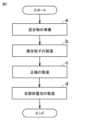
図1は、本実施形態における製造方法の概略フローチャートである。以下「本実施形態における製造方法」が「本製造方法」と略記され得る。本製造方法は、「複合粒子の製造方法」と、「全固体電池の製造方法」とを含み得る。複合粒子の製造方法は、「(a)混合物の準備」および「(b)複合粒子の製造」を含む。全固体電池の製造方法は、「(c)正極の製造」および「(d)全固体電池の製造」を含む。
<Production Method>
FIG. 1 is a schematic flow chart of the manufacturing method in this embodiment. Hereinafter, the "manufacturing method in this embodiment" may be abbreviated as "the present manufacturing method". The present manufacturing method may include a "manufacturing method of composite particles" and a "manufacturing method of an all-solid-state battery". The manufacturing method of composite particles includes "(a) preparation of a mixture" and "(b) manufacturing of composite particles". The manufacturing method of an all-solid-state battery includes "(c) manufacturing of a positive electrode" and "(d) manufacturing of an all-solid-state battery".
《複合粒子の製造方法》
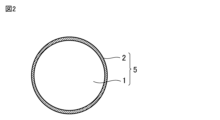
図2は、本実施形態における複合粒子を示す概念図である。本製造方法においては、複合粒子5が製造される。複合粒子5は、例えば「被覆正極活物質」等と称され得る。複合粒子5は、正極活物質粒子1とコーティング膜2とを含む。複合粒子5は、例えば凝集体を形成していてもよい。
<<Method for producing composite particles>>
2 is a conceptual diagram showing a composite particle in this embodiment. In this manufacturing method, a
《(a)混合物の準備》
本製造方法は、コーティング液と、正極活物質粒子1とを混合することにより、混合物を準備することを含む。コーティング液の詳細は、前述のとおりである。混合物は、例えば、懸濁液であってもよいし、湿粉であってもよい。例えば、コーティング液中に正極活物質粒子1(粉末)が分散されることにより、懸濁液が形成されてもよい。例えば、粉末中に、コーティング液が噴霧されることにより、湿粉が形成されてもよい。本製造方法においては、任意の混合装置、造粒装置等が使用され得る。
(a) Preparation of the mixture
The present manufacturing method includes preparing a mixture by mixing a coating liquid with positive electrode
正極活物質粒子1は、複合粒子5のコアである。正極活物質粒子1は、二次粒子(一次粒子の集合体)であってもよい。正極活物質粒子1(二次粒子)は、例えば、1~50μmのD50を有していてもよいし、1~20μmのD50を有していてもよいし、5~15μmのD50を有していてもよい。一次粒子は、例えば、0.1~3μmの最大フェレ径を有していてもよい。
The positive electrode
正極活物質粒子1は、任意の成分を含み得る。正極活物質粒子1は、例えば、LiCoO2、LiNiO2、LiMnO2、LiMn2O4、Li(NiCoMn)O2、Li(NiCoAl)O2、およびLiFePO4からなる群より選択される少なくとも1種を含んでいてもよい。例えば「Li(NiCoMn)O2」における「(NiCoMn)」は、括弧内の組成比の合計が1であることを示す。合計が1である限り、個々の成分量は任意である。Li(NiCoMn)O2は、例えばLiNi1/3Co1/3Mn1/3O2、LiNi0.5Co0.2Mn0.3O2、LiNi0.8Co0.1Mn0.1O2等を含んでいてもよい。Li(NiCoAl)O2は、例えば、LiNi0.8Co0.15Al0.05O2等を含んでいてもよい。
The positive electrode
正極活物質粒子1は、例えば、式(1)「LiNixM1
1-xO2(0.5≦x≦1、M1はCo、MnおよびAlからなる群より選択される少なくとも1種を含む。)」で表される化学組成を有していてもよい。すなわち正極活物質粒子1は、ハイニッケル材料を含んでいてもよい。ハイニッケル材料は、酸に弱い傾向がある。本実施形態におけるコーティング液は、ハイニッケル材料に好適である。xは、例えば、0.6以上であってもよいし、0.7以上であってもよいし、0.8以上であってもよいし、0.9以上であってもよい。Niの組成比(x)が大きくなる程、比容量が増加する傾向がある。その半面、耐酸性は低下する傾向がある。Niの組成比(x)が大きくなる程、本実施形態のコーティング液による抵抗低減効果が大きくなることが期待される。
The positive electrode
《(b)複合粒子の製造》
本製造方法は、混合物を乾燥することにより、複合粒子5を製造することを含む。正極活物質粒子1の表面に付着したコーティング液が乾燥することにより、コーティング膜2が生成される。本製造方法においては、任意の乾燥方法が使用され得る。本製造方法においては、コーティング液が2.5以上のpHを有するため、正極活物質粒子1の腐食が軽減され得る。
(b) Production of Composite Particles
The present production method includes drying the mixture to produce
例えば、スプレードライ法により、複合粒子5が形成されてもよい。すなわち、懸濁液がノズルから噴霧されることにより、液滴が形成される。液滴は、正極活物質粒子1とコーティング液とを含む。例えば、熱風により、液滴が乾燥されることにより、複合粒子5が形成され得る。スプレードライ法の使用により、例えば、被覆率の向上が期待される。
For example, the
スプレードライ用の懸濁液の固形分率は、体積分率で、例えば、1~50%であってもよいし、10~30%であってもよい。ノズル径は、例えば、0.1~10mmであってもよいし、0.1~1mmであってもよい。熱風温度は、例えば、100~200℃であってもよい。 The solid content of the suspension for spray drying may be, for example, 1 to 50% or 10 to 30% by volume. The nozzle diameter may be, for example, 0.1 to 10 mm or 0.1 to 1 mm. The hot air temperature may be, for example, 100 to 200°C.
例えば、転動流動層コーティング装置により、複合粒子5が製造されてもよい。転動流動層コーティング装置においては、「(a)混合物の準備」および「(b)複合粒子の製造」が同時に実施され得る。
For example, the
以上より、複合粒子5が製造され得る。コーティング膜2はリン化合物を含む。コーティング膜2は、リン酸化合物を含んでいてもよい。従来、コーティング膜2の材料として、ニオブ酸化物(LiNbO3等)も知られている。リン化合物は、ニオブ酸化物に比して、高電位下における耐久性に優れる傾向がある。
In this manner, the
本実施形態のコーティング液が使用されることにより、被覆率の向上も期待される。複合粒子5は、例えば、88%以上の被覆率を有するように形成されてもよい。被覆率が88%以上であることにより、電池抵抗の低減が期待される。被覆率は、例えば、91%以上であってもよいし、92%以上であってもよいし、95%以上であってもよいし、100%であってもよい。被覆率は、例えば、100%以下であってもよいし、95%以下であってもよい。
By using the coating liquid of this embodiment, an improvement in the coverage rate is also expected. The
コーティング膜2は、例えば、5~100nmの厚さを有するように形成されてもよいし、10~30nmの厚さを有するように形成されてもよいし、20~30nmの厚さを有するように形成されてもよい。
The
本製造方法は、複合粒子5に熱処理を施すことを含んでいてもよい。熱処理によりコーティング膜2が定着し得る。熱処理は「焼成」とも称され得る。本製造方法においては、任意の熱処理装置が使用され得る。熱処理温度は、例えば、150~300℃であってもよい。熱処理時間は、例えば、1~10時間であってもよい。例えば、空気中で熱処理が実施されてもよいし、不活性雰囲気下で熱処理が実施されてもよい。
The present manufacturing method may include subjecting the
《全固体電池の製造方法》
図3は、本実施形態における全固体電池を示す概念図である。本製造方法においては、全固体電池100が製造される。全固体電池100は、発電要素50を含む。発電要素50は、正極10とセパレータ層30と負極20とを含む。セパレータ層30は正極10と負極20との間に介在している。
<<Manufacturing method of all-solid-state batteries>>
3 is a conceptual diagram showing an all-solid-state battery in this embodiment. In this manufacturing method, an all-solid-
《(c)正極の製造》
本製造方法は、複合粒子5と硫化物固体電解質とを含む正極10を製造することを含む。複合粒子5の詳細は、前述のとおりである。
(c) Production of Positive Electrode
This manufacturing method includes manufacturing a
例えば、複合粒子5と、硫化物固体電解質と、導電材と、バインダと、分散媒とが混合されることにより、スラリーが準備されてもよい。分散媒は、例えば、ヘプタン、酪酸ブチル等を含んでいてもよい。スラリーが正極集電体の表面に塗布されることにより、正極活物質層が形成されてもよい。正極活物質層は、乾燥後に圧縮されてもよい。正極活物質層は、例えば、10~200μmの厚さを有するように形成されてもよい。正極集電体は、例えば、Al箔等を含んでいてもよい。正極集電体は、例えば、5~50μmの厚さを有していてもよい。
For example, a slurry may be prepared by mixing the
硫化物固体電解質は、正極活物質層内にイオン伝導パスを形成し得る。硫化物固体電解質の配合量は、100体積部の複合粒子5(正極活物質)に対して、例えば、1~200体積部であってもよいし、50~150体積部であってもよいし、50~100体積部であってもよい。硫化物固体電解質は、硫黄(S)を含む。硫化物固体電解質は、例えば、Li、P、およびSを含んでいてもよい。硫化物固体電解質は、例えば、酸素(O)、珪素(Si)等をさらに含んでいてもよい。硫化物固体電解質は、例えばハロゲン等をさらに含んでいてもよい。硫化物固体電解質は、例えばヨウ素(I)、臭素(Br)等をさらに含んでいてもよい。硫化物固体電解質は、例えばガラスセラミックス型であってもよいし、アルジロダイト型であってもよい。硫化物固体電解質は、例えば、LiI-LiBr-Li3PS4、Li2S-SiS2、LiI-Li2S-SiS2、LiI-Li2S-P2S5、LiI-Li2O-Li2S-P2S5、LiI-Li2S-P2O5、LiI-Li3PO4-P2S5、Li2S-P2S5、およびLi3PS4からなる群より選択される少なくとも1種を含んでいてもよい。 The sulfide solid electrolyte can form an ion conduction path in the positive electrode active material layer. The amount of the sulfide solid electrolyte may be, for example, 1 to 200 parts by volume, 50 to 150 parts by volume, or 50 to 100 parts by volume, relative to 100 parts by volume of the composite particles 5 (positive electrode active material). The sulfide solid electrolyte contains sulfur (S). The sulfide solid electrolyte may contain, for example, Li, P, and S. The sulfide solid electrolyte may further contain, for example, oxygen (O), silicon (Si), or the like. The sulfide solid electrolyte may further contain, for example, a halogen, or the like. The sulfide solid electrolyte may further contain, for example, iodine (I), bromine (Br), or the like. The sulfide solid electrolyte may be, for example, a glass ceramic type or an argyrodite type. The sulfide solid electrolyte may include at least one selected from the group consisting of , for example, LiI-LiBr- Li3PS4 , Li2S - SiS2 , LiI - Li2S - SiS2 , LiI- Li2S - P2S5 , LiI - Li2O - Li2S -P2S5 , LiI - Li2S - P2O5 , LiI-Li3PO4- P2S5 , Li2S - P2S5 , and Li3PS4 .
例えば、「LiI-LiBr-Li3PS4」は、LiIとLiBrとLi3PS4とが任意のモル比で混合されることにより生成された硫化物固体電解質を示す。例えば、メカノケミカル法により硫化物固体電解質が生成されてもよい。「Li2S-P2S5」はLi3PS4を含む。Li3PS4は、例えばLi2SとP2S5とが「Li2S/P2S5=75/25(モル比)」で混合されることにより生成され得る。 For example, "LiI-LiBr-Li 3 PS 4 " indicates a sulfide solid electrolyte produced by mixing LiI, LiBr, and Li 3 PS 4 in any molar ratio. For example, the sulfide solid electrolyte may be produced by a mechanochemical method. "Li 2 S-P 2 S 5 " includes Li 3 PS 4. Li 3 PS 4 can be produced, for example, by mixing Li 2 S and P 2 S 5 in "Li 2 S/P 2 S 5 = 75/25 (molar ratio)".
導電材は、正極活物質層内に電子伝導パスを形成し得る。導電材の配合量は、100質量部の複合粒子5(正極活物質)に対して、例えば0.1~10質量部であってもよい。導電材は、任意の成分を含み得る。導電材は、例えば、カーボンブラック、気相成長炭素繊維(VGCF)、カーボンナノチューブ(CNT)およびグラフェンフレークからなる群より選択される少なくとも1種を含んでいてもよい。 The conductive material can form an electronic conduction path within the positive electrode active material layer. The amount of conductive material may be, for example, 0.1 to 10 parts by mass per 100 parts by mass of composite particles 5 (positive electrode active material). The conductive material may contain any component. The conductive material may contain, for example, at least one selected from the group consisting of carbon black, vapor grown carbon fiber (VGCF), carbon nanotubes (CNT), and graphene flakes.
バインダは固体材料を結合し得る。バインダの配合量は、100質量部の複合粒子5(正極活物質)に対して、例えば0.1~10質量部であってもよい。バインダは任意の成分を含み得る。バインダは、例えば、ポリフッ化ビニリデン(PVdF)、フッ化ビニリデン-ヘキサフルオロプロピレン共重合体(PVdF-HFP)、スチレンブタジエンゴム(SBR)、およびポリテトラフルオロエチレン(PTFE)からなる群より選択される少なくとも1種を含んでいてもよい。 The binder can bind solid materials. The amount of binder may be, for example, 0.1 to 10 parts by mass per 100 parts by mass of composite particles 5 (positive electrode active material). The binder may contain any component. The binder may contain, for example, at least one selected from the group consisting of polyvinylidene fluoride (PVdF), vinylidene fluoride-hexafluoropropylene copolymer (PVdF-HFP), styrene butadiene rubber (SBR), and polytetrafluoroethylene (PTFE).
《(d)全固体電池の製造》
本製造方法は、正極10を含む全固体電池100を製造することを含む。例えば、負極20、セパレータ層30がそれぞれ準備される。例えば、正極10、セパレータ層30および負極20がこの順序で積層されることにより、積層体が形成され得る。積層体にホットプレス加工が施されることにより、発電要素50が形成され得る。発電要素50に端子等が接続される。発電要素50が外装体に封入されることにより、全固体電池100が製造され得る。外装体は、例えば、金属箔ラミネートフィルム製のパウチ等であってもよい。全固体電池100は、1個の発電要素50を単独で含むように製造されてもよいし、複数個の発電要素50を含むように製造されてもよい。複数個の発電要素50は、直列回路を形成してもよいし、並列回路を形成してもよい。
(d) Production of all-solid-state battery
This manufacturing method includes manufacturing an all-solid-
例えば、負極活物質粒子と、硫化物固体電解質と、導電材と、バインダと、分散媒とが混合されることにより、スラリーが準備されてもよい。分散媒は、例えば、酪酸ブチル等を含んでいてもよい。スラリーが負極集電体の表面に塗布されることにより、負極活物質層が形成されてもよい。負極活物質層は、乾燥後に圧縮されてもよい。負極活物質層は、例えば、10~200μmの厚さを有するように形成されてもよい。負極活物質粒子は、任意の成分を含み得る。負極活物質粒子は、例えば、黒鉛、Si、SiOx(0<x<2)、およびLi4Ti5O12からなる群より選択される少なくとも1種を含んでいてもよい。負極集電体は、例えば、銅(Cu)箔等を含んでいてもよい。負極集電体は、例えば、5~50μmの厚さを有していてもよい。 For example, the negative electrode active material particles, the sulfide solid electrolyte, the conductive material, the binder, and the dispersion medium may be mixed to prepare a slurry. The dispersion medium may include, for example, butyl butyrate or the like. The negative electrode active material layer may be formed by applying the slurry to the surface of the negative electrode current collector. The negative electrode active material layer may be compressed after drying. The negative electrode active material layer may be formed to have a thickness of, for example, 10 to 200 μm. The negative electrode active material particles may include any component. The negative electrode active material particles may include, for example, at least one selected from the group consisting of graphite, Si, SiO x (0<x<2), and Li 4 Ti 5 O 12. The negative electrode current collector may include, for example, copper (Cu) foil or the like. The negative electrode current collector may have a thickness of, for example, 5 to 50 μm.
例えば、硫化物固体電解質と、バインダと、分散媒とが混合されることにより、スラリーが準備されてもよい。例えば、スラリーが電極(正極10または負極20)の表面に塗布されることによりセパレータ層30が形成されてもよい。例えば、スラリーが仮支持体(例えば金属箔)の表面に塗布されることにより、セパレータ層30が形成されてもよい。セパレータ層30が仮支持体から電極の表面に転写されてもよい。正極10、セパレータ層30および負極20の間で、同種の硫化物固体電解質が使用されてもよいし、異種の硫化物固体電解質が使用されてもよい。
For example, a sulfide solid electrolyte, a binder, and a dispersion medium may be mixed to prepare a slurry. For example, the
以上より、全固体電池100が製造され得る。全固体電池100は、低い電池抵抗を有することが期待される。
In this way, an all-solid-
<全固体電池の製造>
以下のように、No.1~14に係るコーティング液、複合粒子および全固体電池が製造された。以下、例えば「No.1に係るコーティング液」等が「No.1」と略記され得る。
<Manufacturing of all-solid-state batteries>
Coating solutions, composite particles, and all-solid-state batteries according to Nos. 1 to 14 were produced as follows. Hereinafter, for example, "coating solution according to No. 1" may be abbreviated as "No. 1".
《No.1》
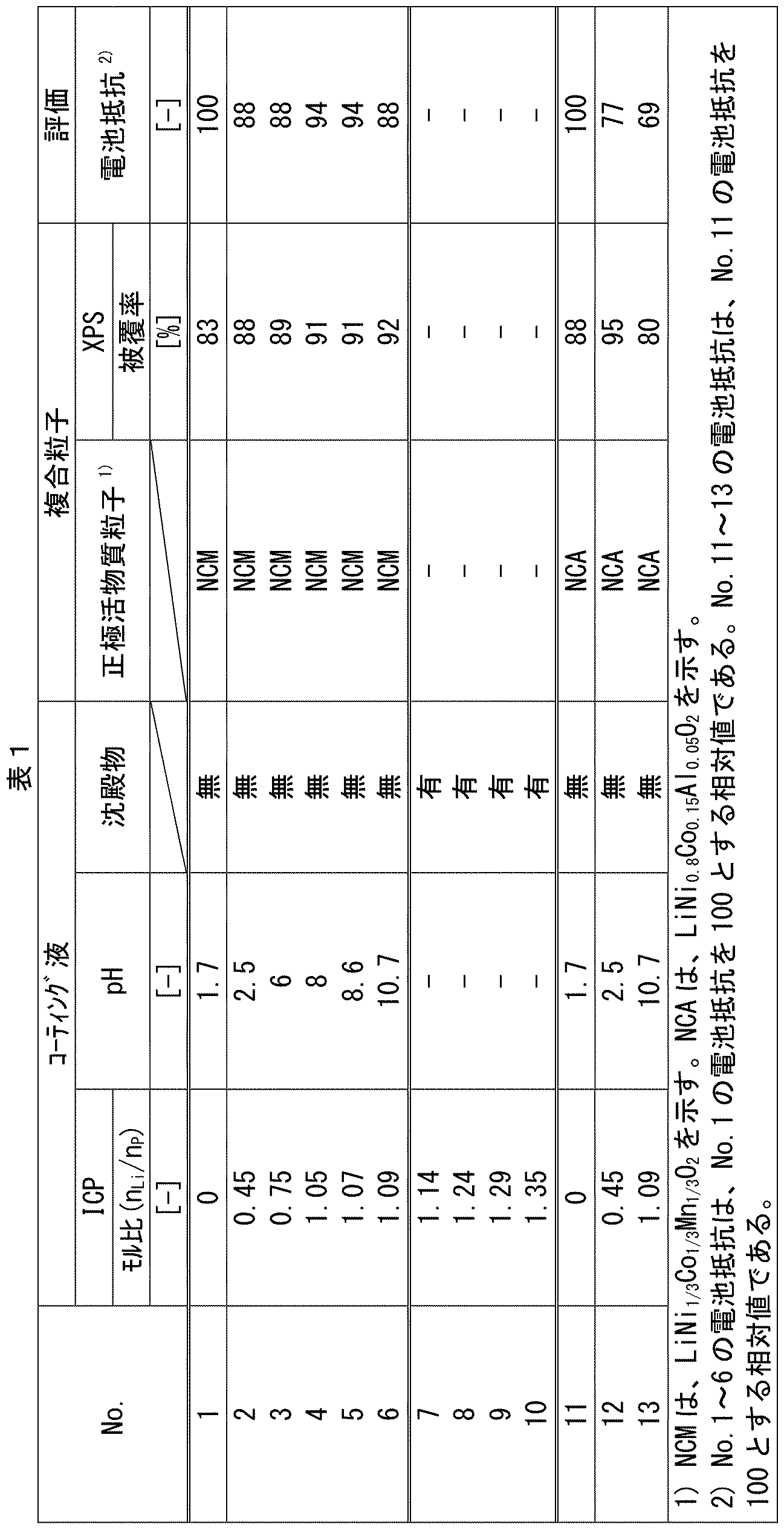
166gのイオン交換水に、10.8gのメタリン酸(富士フイルム和光純薬社製)が溶解されることにより、コーティング液が製造された。コーティング液のpHが測定された。測定結果は、下記表1に示される。
"No. 1"
A coating solution was prepared by dissolving 10.8 g of metaphosphoric acid (manufactured by Fujifilm Wako Pure Chemical Industries, Ltd.) in 166 g of ion-exchanged water. The pH of the coating solution was measured. The measurement results are shown in Table 1 below.
正極活物質粒子として、NCM(LiNi1/3Co1/3Mn1/3O2)が準備された。正極活物質粒子の粉末がコーティング液に分散されることにより、懸濁液が準備された。BUCHI社製のスプレードライヤー「製品名 Mini Spray Dryer B-290」が準備された。懸濁液がスプレードライヤーに供給されることにより、複合粒子の粉末が製造された。スプレードライヤーの給気温度は200℃であり、給気風量は0.45m3/minであった。複合粒子が空気中で熱処理された。熱処理温度は200℃であった。熱処理時間は5時間であった。 NCM (LiNi 1/3 Co 1/3 Mn 1/3 O 2 ) was prepared as the positive electrode active material particles. A suspension was prepared by dispersing the powder of the positive electrode active material particles in a coating liquid. A spray dryer manufactured by BUCHI, product name Mini Spray Dryer B-290, was prepared. The suspension was supplied to the spray dryer to produce a powder of composite particles. The supply air temperature of the spray dryer was 200° C., and the supply air volume was 0.45 m 3 /min. The composite particles were heat-treated in air. The heat treatment temperature was 200° C., and the heat treatment time was 5 hours.
下記材料が準備された。
硫化物固体電解質:10LiI-15LiBr-75Li3PS4
導電材:VGCF
バインダ:SBR
分散媒:ヘプタン
正極集電体:Al箔
The following materials were prepared:
Sulfide solid electrolyte: 10LiI-15LiBr-75Li 3 PS 4
Conductive material: VGCF
Binder: SBR
Dispersion medium: heptane Positive electrode current collector: Al foil
複合粒子と、硫化物固体電解質と、導電材と、バインダと、分散媒とが混合されることにより、スラリーが準備された。複合粒子と硫化物固体電解質との混合比は「複合粒子/硫化物固体電解質=6/4(体積比)」であった。導電材の配合量は、100質量部の複合粒子に対して3質量部であった。バインダの配合量は、100質量部の複合粒子に対して3質量部であった。超音波ホモジナイザーにより、スラリーが十分攪拌された。スラリーが正極集電体の表面に塗工されることにより、塗膜が形成された。ホットプレートにより、塗膜が100℃で30分間乾燥された。これにより正極原反が製造された。正極原反から、円盤状の正極が切り出された。正極の面積は1cm2であった。 The composite particles, the sulfide solid electrolyte, the conductive material, the binder, and the dispersion medium were mixed to prepare a slurry. The mixing ratio of the composite particles and the sulfide solid electrolyte was "composite particles/sulfide solid electrolyte = 6/4 (volume ratio)". The amount of the conductive material was 3 parts by mass per 100 parts by mass of the composite particles. The amount of the binder was 3 parts by mass per 100 parts by mass of the composite particles. The slurry was thoroughly stirred by an ultrasonic homogenizer. The slurry was applied to the surface of the positive electrode current collector to form a coating film. The coating film was dried at 100 ° C. for 30 minutes by a hot plate. This produced a positive electrode raw sheet. A disk-shaped positive electrode was cut out from the positive electrode raw sheet. The area of the positive electrode was 1 cm 2 .
負極およびセパレータ層が準備された。負極活物質粒子は黒鉛であった。正極、セパレータ層および負極の間で、同種の硫化物固体電解質が使用された。筒状治具内において、正極とセパレータ層と負極とが積層されることにより、積層体が形成された。積層体がプレスされることにより、発電要素が形成された。発電要素に端子が接続されることにより、全固体電池が製造された。 A negative electrode and a separator layer were prepared. The negative electrode active material particles were graphite. The same type of sulfide solid electrolyte was used between the positive electrode, the separator layer, and the negative electrode. A laminate was formed by stacking the positive electrode, the separator layer, and the negative electrode in a cylindrical jig. A power generating element was formed by pressing the laminate. A terminal was connected to the power generating element to produce an all-solid-state battery.
《No.2》
166gのイオン交換水に、10.8gのメタリン酸(富士フイルム和光純薬社製)が溶解されることにより、リン酸溶液が形成された。モル比「nLi/nP」が0.45となるように、リン酸溶液に水酸化リチウム・1水和物(LiOH・H2O)が溶解されることにより、コーティング液が製造された。コーティング液のpHが測定された。測定結果は、下記表1に示される。これ以降、No.1と同様に、複合粒子および全固体電池が製造された。
"No. 2"
A phosphoric acid solution was formed by dissolving 10.8 g of metaphosphoric acid (manufactured by Fujifilm Wako Pure Chemical Industries, Ltd.) in 166 g of ion-exchanged water. A coating solution was produced by dissolving lithium hydroxide monohydrate (LiOH.H 2 O) in the phosphoric acid solution so that the molar ratio “n Li /n P ” was 0.45. The pH of the coating solution was measured. The measurement results are shown in Table 1 below. After this, composite particles and all-solid-state batteries were produced in the same manner as in No. 1.
《No.3~6》
下記表1のモル比「nLi/nP」となるように、水酸化リチウム・1水和物の溶解量が変更されることを除いては、No.2と同様に、コーティング液、複合粒子および全固体電池がそれぞれ製造された。
"No. 3 to 6"
A coating solution, composite particles, and an all-solid-state battery were manufactured in the same manner as in No. 2, except that the amount of lithium hydroxide monohydrate dissolved was changed so as to have the molar ratio " nLi / nP " in Table 1 below.
《No.7~10》
下記表1のモル比「nLi/nP」となるように、水酸化リチウム・1水和物の溶解量が変更されることを除いては、No.2と同様に、コーティング液がそれぞれ製造された。No.7~10においては、コーティング液中に沈殿物が生成した。そのため、No.7~10においては、複合粒子、全固体電池が製造されなかった。
"No. 7 to 10"
Each coating solution was produced in the same manner as in No. 2, except that the amount of lithium hydroxide monohydrate dissolved was changed so as to obtain the molar ratio "n Li /n P " in Table 1 below. In Nos. 7 to 10, precipitates were formed in the coating solution. Therefore, in Nos. 7 to 10, composite particles and all-solid-state batteries were not produced.
《No.11~13》
正極活物質粒子として、NCA(LiNi0.8Co0.15Al0.05O2)が使用されることを除いては、No.1、2、6と同様に、コーティング液、複合粒子および全固体電池がそれぞれ製造された。
《No. 11-13》
The coating solution, composite particles, and all-solid-state batteries were manufactured in the same manner as in Nos. 1, 2, and 6, except that NCA (LiNi 0.8 Co 0.15 Al 0.05 O 2 ) was used as the positive electrode active material particles. It was done.
<評価>
電池抵抗が測定された。測定結果は下記表1に示される。下記表1において、No.1~6の電池抵抗は、No.1の電池抵抗を100とする相対値である。No.11~13の電池抵抗は、No.11の電池抵抗を100とする相対値である。
<Evaluation>
The battery resistance was measured. The measurement results are shown in Table 1 below. In Table 1 below, the battery resistances of No. 1 to 6 are relative values with the battery resistance of No. 1 being 100. The battery resistances of No. 11 to 13 are relative values with the battery resistance of No. 11 being 100.
<結果>
上記表1に示されるように、コーティング液のpHが2.5以上であることにより、電池抵抗が低減する傾向がみられる(No.1~6)。コーティング液のpHが10.7を超えると、沈殿物が生成する傾向がみられる(No.6~10)。
<Results>
As shown in Table 1, when the pH of the coating solution is 2.5 or more, the battery resistance tends to decrease (Nos. 1 to 6). When the pH of the coating solution exceeds 10.7, a precipitate tends to form (Nos. 6 to 10).
正極活物質粒子がNCA(ハイニッケル材料)を含む場合、正極活物質粒子がNCMを含む場合に比して、電池抵抗の低減幅が大きい傾向がみられる(No.1、2、6、11~13)。 When the positive electrode active material particles contain NCA (high nickel material), there is a tendency for the reduction in battery resistance to be greater than when the positive electrode active material particles contain NCM (No. 1, 2, 6, 11-13).
本実施形態および本実施例は、全ての点で例示である。本実施形態および本実施例は、制限的ではない。本開示の技術的範囲は、特許請求の範囲の記載と均等の意味および範囲内における全ての変更を包含する。例えば、本実施形態および本実施例から、任意の構成が抽出され、それらが任意に組み合わされることも当初から予定されている。 The present embodiment and the present examples are illustrative in all respects. The present embodiment and the present examples are not limiting. The technical scope of the present disclosure includes all modifications within the meaning and scope equivalent to the description of the claims. For example, it is contemplated from the beginning that any configuration may be extracted from the present embodiment and the present examples and that they may be combined in any desired manner.
1 正極活物質粒子、2 コーティング膜、5 複合粒子、10 正極、20 負極、30 セパレータ層、50 発電要素、100 全固体電池。 1 Positive electrode active material particles, 2 Coating film, 5 Composite particles, 10 Positive electrode, 20 Negative electrode, 30 Separator layer, 50 Power generating element, 100 All-solid-state battery.
Claims (5)
(b)前記混合物を乾燥することにより、複合粒子を製造すること、
(c)前記複合粒子と、硫化物固体電解質とを含む正極を製造すること、および
(d)前記正極を含む全固体電池を製造すること、
を含み、
前記コーティング液は、
溶質と
溶媒と
を含み、
前記溶質は、リン酸化合物とリチウム化合物とを含み、
2.5~10.7のpHを有する、
全固体電池の製造方法。 (a) preparing a mixture by mixing a coating liquid with positive electrode active material particles ;
(b) drying the mixture to produce composite particles;
(c) producing a positive electrode comprising the composite particles and a sulfide solid electrolyte; and
(d) producing an all-solid-state battery comprising the positive electrode;
Including,
The coating liquid is
A solute and a solvent are included,
the solute includes a phosphate compound and a lithium compound;
having a pH of 2.5 to 10.7;
How solid-state batteries are manufactured.
請求項1に記載の全固体電池の製造方法。 The molar ratio of lithium to phosphorus is 0.45 to 1.09;
The method for producing the all-solid-state battery according to claim 1 .
請求項1または請求項2に記載の全固体電池の製造方法。 The lithium compound includes lithium hydroxide.
The method for producing the all-solid-state battery according to claim 1 or 2.
請求項1から請求項3のいずれか1項に記載の全固体電池の製造方法。 The phosphoric acid compound includes at least one selected from the group consisting of metaphosphoric acid and polyphosphoric acid.
The method for producing the all-solid-state battery according to any one of claims 1 to 3.
LiNixM1 1-xO2…(1)
により表される化学組成を有し、
上記式(1)中、
M1は、Co、Mn、およびAlからなる群より選択される少なくとも1種を含み、
xは、0.5≦x≦1の関係を満たす、
請求項1から請求項4のいずれか1項に記載の全固体電池の製造方法。 The positive electrode active material particles have the following formula (1):
LiNi x M 1 1-x O 2 …(1)
and having a chemical composition represented by
In the above formula (1),
M1 includes at least one selected from the group consisting of Co, Mn, and Al;
x satisfies the relationship 0.5≦x≦1.
The method for producing the all-solid-state battery according to any one of claims 1 to 4.
Priority Applications (3)
| Application Number | Priority Date | Filing Date | Title |
|---|---|---|---|
| JP2022049685A JP7613402B2 (en) | 2022-03-25 | 2022-03-25 | Manufacturing method for all-solid-state batteries |
| CN202310090040.9A CN116805672A (en) | 2022-03-25 | 2023-01-19 | Coating liquid, method for producing composite particles, and method for producing all-solid-state battery |
| US18/103,065 US12312497B2 (en) | 2022-03-25 | 2023-01-30 | Coating liquid, manufacturing method of composite particle, and manufacturing method of all solid state battery |
Applications Claiming Priority (1)
| Application Number | Priority Date | Filing Date | Title |
|---|---|---|---|
| JP2022049685A JP7613402B2 (en) | 2022-03-25 | 2022-03-25 | Manufacturing method for all-solid-state batteries |
Publications (2)
| Publication Number | Publication Date |
|---|---|
| JP2023142669A JP2023142669A (en) | 2023-10-05 |
| JP7613402B2 true JP7613402B2 (en) | 2025-01-15 |
Family
ID=88078648
Family Applications (1)
| Application Number | Title | Priority Date | Filing Date |
|---|---|---|---|
| JP2022049685A Active JP7613402B2 (en) | 2022-03-25 | 2022-03-25 | Manufacturing method for all-solid-state batteries |
Country Status (3)
| Country | Link |
|---|---|
| US (1) | US12312497B2 (en) |
| JP (1) | JP7613402B2 (en) |
| CN (1) | CN116805672A (en) |
Citations (4)
| Publication number | Priority date | Publication date | Assignee | Title |
|---|---|---|---|---|
| WO2013132663A1 (en) | 2012-03-09 | 2013-09-12 | トヨタ自動車株式会社 | Non-aqueous electrolyte secondary battery |
| JP2019050083A (en) | 2017-09-08 | 2019-03-28 | Fdk株式会社 | Method of manufacturing solid electrolyte, method of manufacturing electrode material for all solid battery, and method of manufacturing all solid battery |
| WO2021029534A1 (en) | 2019-08-13 | 2021-02-18 | 주식회사 엘지화학 | Iron oxyhydroxynitrate having phosphoric acid anion-adsorbed surface, preparation method therefor, cathode comprising iron oxyhydroxynitrate having phosphoric acid anion-adsorbed surface for lithium secondary battery, and lithium secondary battery comprising same |
| JP2021048037A (en) | 2019-09-18 | 2021-03-25 | 太平洋セメント株式会社 | Positive electrode active material composite for lithium ion secondary battery and method for producing the same |
Family Cites Families (10)
| Publication number | Priority date | Publication date | Assignee | Title |
|---|---|---|---|---|
| DE59505192D1 (en) * | 1994-12-01 | 1999-04-08 | Philips Patentverwaltung | Luminescent screen with a phosphor composition |
| JP4783537B2 (en) * | 2002-05-20 | 2011-09-28 | 財団法人電力中央研究所 | Secondary battery |
| KR101623963B1 (en) * | 2008-08-04 | 2016-05-24 | 소니 가부시끼가이샤 | Positive electrode active material, positive electrode using the same and non-aqueous electrolyte secondary battery |
| JP6600449B2 (en) * | 2013-10-04 | 2019-10-30 | 旭化成株式会社 | Lithium ion secondary battery |
| JP5825455B2 (en) * | 2013-11-15 | 2015-12-02 | 住友金属鉱山株式会社 | Method for producing surface-treated oxide particles and oxide particles obtained by the method |
| JP6137088B2 (en) * | 2014-08-29 | 2017-05-31 | トヨタ自動車株式会社 | Method for producing positive electrode active material layer for lithium ion battery, and positive electrode active material layer for lithium ion battery |
| JP7024505B2 (en) * | 2018-03-02 | 2022-02-24 | トヨタ自動車株式会社 | Method for manufacturing positive electrode active material particles, method for manufacturing positive electrode paste, method for manufacturing positive electrode plate, and method for manufacturing lithium ion secondary battery |
| JP7207288B2 (en) * | 2019-12-20 | 2023-01-18 | トヨタ自動車株式会社 | Method for manufacturing composite active material |
| CN114171723A (en) | 2020-09-11 | 2022-03-11 | 丰田自动车株式会社 | Method for producing coated active material and coated active material |
| JP7749972B2 (en) | 2020-09-11 | 2025-10-07 | トヨタ自動車株式会社 | Method for producing coated active material and coated active material |
-
2022
- 2022-03-25 JP JP2022049685A patent/JP7613402B2/en active Active
-
2023
- 2023-01-19 CN CN202310090040.9A patent/CN116805672A/en active Pending
- 2023-01-30 US US18/103,065 patent/US12312497B2/en active Active
Patent Citations (4)
| Publication number | Priority date | Publication date | Assignee | Title |
|---|---|---|---|---|
| WO2013132663A1 (en) | 2012-03-09 | 2013-09-12 | トヨタ自動車株式会社 | Non-aqueous electrolyte secondary battery |
| JP2019050083A (en) | 2017-09-08 | 2019-03-28 | Fdk株式会社 | Method of manufacturing solid electrolyte, method of manufacturing electrode material for all solid battery, and method of manufacturing all solid battery |
| WO2021029534A1 (en) | 2019-08-13 | 2021-02-18 | 주식회사 엘지화학 | Iron oxyhydroxynitrate having phosphoric acid anion-adsorbed surface, preparation method therefor, cathode comprising iron oxyhydroxynitrate having phosphoric acid anion-adsorbed surface for lithium secondary battery, and lithium secondary battery comprising same |
| JP2021048037A (en) | 2019-09-18 | 2021-03-25 | 太平洋セメント株式会社 | Positive electrode active material composite for lithium ion secondary battery and method for producing the same |
Also Published As
| Publication number | Publication date |
|---|---|
| CN116805672A (en) | 2023-09-26 |
| JP2023142669A (en) | 2023-10-05 |
| US20230303864A1 (en) | 2023-09-28 |
| US12312497B2 (en) | 2025-05-27 |
Similar Documents
| Publication | Publication Date | Title |
|---|---|---|
| JP7622716B2 (en) | Positive electrode for solid-state battery and solid-state battery | |
| CN105322166A (en) | Olivine-type lithium iron phosphate, positive electrode mixture containing same, and analysis method thereof | |
| JP7528969B2 (en) | Composite particles, cathodes and solid-state batteries | |
| KR20260041042A (en) | Composite Particle, Positive Electrode, All-Solid-State Battery, and Method of Producing Composite Particle | |
| JP7800628B2 (en) | Composite particles, cathodes, and all-solid-state batteries | |
| JP7655264B2 (en) | Composite particles, positive electrode, all-solid-state battery, and method for producing composite particles | |
| US12312497B2 (en) | Coating liquid, manufacturing method of composite particle, and manufacturing method of all solid state battery | |
| JP7652121B2 (en) | Composite particle, positive electrode, all-solid-state battery, and method for producing composite particle | |
| JP7655258B2 (en) | Manufacturing method for all-solid-state batteries | |
| JP7619301B2 (en) | Method for producing composite particles, composite particles, and all-solid-state battery | |
| JP7613407B2 (en) | Composite particles, cathodes and solid-state batteries | |
| JP7619319B2 (en) | Composite particles, cathodes and solid-state batteries | |
| JP7707984B2 (en) | Composite particles, positive electrode, all-solid-state battery, and method for producing composite particles | |
| JP7694450B2 (en) | Method for producing composite particles, positive electrode, and all-solid-state battery | |
| JP7589718B2 (en) | Composite particles, cathodes and solid-state batteries |
Legal Events
| Date | Code | Title | Description |
|---|---|---|---|
| A621 | Written request for application examination |
Free format text: JAPANESE INTERMEDIATE CODE: A621 Effective date: 20230718 |
|
| A977 | Report on retrieval |
Free format text: JAPANESE INTERMEDIATE CODE: A971007 Effective date: 20240522 |
|
| A131 | Notification of reasons for refusal |
Free format text: JAPANESE INTERMEDIATE CODE: A131 Effective date: 20240618 |
|
| A521 | Request for written amendment filed |
Free format text: JAPANESE INTERMEDIATE CODE: A523 Effective date: 20240626 |
|
| A131 | Notification of reasons for refusal |
Free format text: JAPANESE INTERMEDIATE CODE: A131 Effective date: 20240903 |
|
| A521 | Request for written amendment filed |
Free format text: JAPANESE INTERMEDIATE CODE: A523 Effective date: 20240930 |
|
| TRDD | Decision of grant or rejection written | ||
| A01 | Written decision to grant a patent or to grant a registration (utility model) |
Free format text: JAPANESE INTERMEDIATE CODE: A01 Effective date: 20241126 |
|
| A61 | First payment of annual fees (during grant procedure) |
Free format text: JAPANESE INTERMEDIATE CODE: A61 Effective date: 20241209 |
|
| R150 | Certificate of patent or registration of utility model |
Ref document number: 7613402 Country of ref document: JP Free format text: JAPANESE INTERMEDIATE CODE: R150 |