JP7611552B2 - A program executed by a computer of a user's communication device to reserve a parking space - Google Patents
A program executed by a computer of a user's communication device to reserve a parking space Download PDFInfo
- Publication number
- JP7611552B2 JP7611552B2 JP2023179207A JP2023179207A JP7611552B2 JP 7611552 B2 JP7611552 B2 JP 7611552B2 JP 2023179207 A JP2023179207 A JP 2023179207A JP 2023179207 A JP2023179207 A JP 2023179207A JP 7611552 B2 JP7611552 B2 JP 7611552B2
- Authority
- JP
- Japan
- Prior art keywords
- parking lot
- parking
- visitor
- password
- mobile terminal
- Prior art date
- Legal status (The legal status is an assumption and is not a legal conclusion. Google has not performed a legal analysis and makes no representation as to the accuracy of the status listed.)
- Active
Links
- 238000004891 communication Methods 0.000 title claims description 57
- 230000006870 function Effects 0.000 claims description 24
- 230000005540 biological transmission Effects 0.000 claims description 5
- 238000007726 management method Methods 0.000 description 245
- 230000015654 memory Effects 0.000 description 54
- 238000000034 method Methods 0.000 description 45
- 230000004044 response Effects 0.000 description 31
- 230000008569 process Effects 0.000 description 30
- 238000010586 diagram Methods 0.000 description 17
- 238000005516 engineering process Methods 0.000 description 17
- 230000000694 effects Effects 0.000 description 9
- 238000012545 processing Methods 0.000 description 7
- 238000004364 calculation method Methods 0.000 description 6
- 238000012790 confirmation Methods 0.000 description 5
- 238000005259 measurement Methods 0.000 description 4
- 230000009471 action Effects 0.000 description 3
- 230000008901 benefit Effects 0.000 description 3
- 230000007704 transition Effects 0.000 description 3
- 230000004308 accommodation Effects 0.000 description 2
- 239000004973 liquid crystal related substance Substances 0.000 description 2
- 238000013459 approach Methods 0.000 description 1
- 238000006243 chemical reaction Methods 0.000 description 1
- 230000005611 electricity Effects 0.000 description 1
- 230000001939 inductive effect Effects 0.000 description 1
- 238000007689 inspection Methods 0.000 description 1
- 238000012423 maintenance Methods 0.000 description 1
- 238000012986 modification Methods 0.000 description 1
- 230000004048 modification Effects 0.000 description 1
- 230000003287 optical effect Effects 0.000 description 1
- 238000011160 research Methods 0.000 description 1
Images








Landscapes
- Devices For Checking Fares Or Tickets At Control Points (AREA)
- Time Recorders, Dirve Recorders, Access Control (AREA)
- Management, Administration, Business Operations System, And Electronic Commerce (AREA)
- Traffic Control Systems (AREA)
Description
本発明は、測位機能を有するユーザの通信機器を用いて駐車場を管理する技術、ユーザの通信機器を用いて駐車場を管理する技術、パスワードもしくは認証コードを用いて駐車場を管理する技術、パスワード照合もしくは認証コード照合を用いて駐車場を管理する技術、および/またはユーザが駐車場に駐車することをオンラインで予約することを可能とする技術に関するものである。 The present invention relates to a technology for managing a parking lot using a user's communication device having a positioning function , a technology for managing a parking lot using a user's communication device, a technology for managing a parking lot using a password or authentication code, a technology for managing a parking lot using password matching or authentication code matching, and/or a technology that allows a user to reserve parking in a parking lot online .
駐車のための空間領域である駐車場の種類として、同じユーザによって継続的に使用される駐車場もあれば、異なるユーザによって不規則的に使用される駐車場もある。 There are types of parking lots, which are spatial areas for parking. Some parking lots are used continuously by the same user, while others are used irregularly by different users.
後者の駐車場としては、施設への来訪者(例えば、来客者、業者)のための駐車場がある。この種の駐車場としては、例えば、複数の居室が一棟に集合した集合住宅(例えば、同じ敷地に複数の居宅が互いに独立して存在する形態、同じ建物内に複数の居宅が存在する共同住宅(例えば、マンションなど)を含む)への来客者のためにその集合住宅に関連付けて設置される駐車場(例えば、来客者用駐車場)、商業施設(例えば、店舗、展示場、宿泊施設など)への来客者のためにその商業施設に関連付けて設置される駐車場、公共施設(例えば、市役所、体育館、博物館、美術館、学校、駅、空港など)への来訪者のためにその公共施設に関連付けて設置される駐車場などが存在する。 The latter type of parking lot includes parking lots for visitors to a facility (e.g., guests, contractors). Examples of this type of parking lot include parking lots (e.g., visitor parking lots) that are installed in association with an apartment complex where multiple rooms are gathered in one building (including, for example, a form in which multiple homes exist independently of each other on the same site, and a collective housing complex (e.g., an apartment building) where multiple homes exist in the same building), parking lots that are installed in association with a commercial facility (e.g., a store, an exhibition center, an accommodation facility, etc.) for visitors to the commercial facility, and parking lots that are installed in association with a public facility (e.g., a city hall, a gymnasium, a museum, an art gallery, a school, a station, an airport, etc.) for visitors to the public facility.
施設によって事前に許可された来訪者のみが駐車場に駐車するようにその駐車場を管理したいという要望が既に存在する。その要望を満たすかもしれない技術の一例が特許文献1に開示されている。
There is already a demand for managing parking lots so that only visitors who have been pre-authorized by the facility can park there. One example of technology that may meet this demand is disclosed in
特許文献1は、マンション等の集合住宅の共用部分における設備(例えば、扉、エレベータ、宅配ロッカー、立体駐車場など。以下、「共用設備」という)が、遠隔的・電子的な解錠・施錠が可能な鍵を有することを前提として、事前に許可された居住者または来客者のみに利用されるように、共用設備を管理する技術を開示する。
具体的には、この開示されている技術によれば、共用設備の利用を希望する者は、固有の製造番号情報を記録された汎用のICカードを携帯し、また、ハードウエアとして、ICカードから製造番号情報を読み取る読取装置であって前記共用設備に設置されるものと、その読取装置から受信した製造番号情報に基づいて前記ICカードの認証を行い、それに成功すると、前記共用設備の利用を許可し、その共用設備の鍵を遠隔的にかつ電子的に解錠する認証管理装置とが使用される。 Specifically, according to the disclosed technology, a person who wishes to use a shared facility carries a general-purpose IC card on which unique serial number information is recorded, and the hardware used includes a reader that is installed in the shared facility and reads the serial number information from the IC card, and an authentication management device that authenticates the IC card based on the serial number information received from the reader and, if successful, permits use of the shared facility and remotely and electronically unlocks the shared facility.
この技術によれば、共用設備の利用を無人で管理することが可能となる。しかし、この技術では、共用設備の利用を管理するために、遠隔的・電子的な解錠・施錠が可能な鍵、読取装置および認証管理装置という複数のハードウエアを使用することが必要である。そのため、そのような専用のハードウエアの使用個数を可及的に少なくすることが、この種の管理を運営するのに必要な費用(例えば、設備購入費、保守・点検のための人件費など)を削減するために有用である。 This technology makes it possible to manage the use of shared facilities without human intervention. However, this technology requires the use of multiple pieces of hardware to manage the use of shared facilities: a key that can be remotely and electronically unlocked and locked, a reader, and an authentication management device. For this reason, minimizing the amount of such dedicated hardware used is useful in reducing the costs required to operate this type of management (e.g., equipment purchase costs, labor costs for maintenance and inspection, etc.).
一方、本発明者らは、施設によって(例えば、施設内に居住する者、施設の使用者、施設の所有者、施設の従業者、施設の運営者、施設の管理者など、施設の関係者によって)事前に許可された来訪者のみが駐車場に駐車するようにその駐車場を管理する技術について種々の研究を行った。その結果、本発明者らは、専用であるか汎用であるかを問わず、可及的に少ない個数のハードウエアを用いてこの種の管理を行うことが望ましく、かつ、それが実現可能であることに気が付いた。 Meanwhile, the inventors have conducted various studies on technology for managing parking lots so that only visitors who have been approved in advance by the facility (e.g., by those involved in the facility, such as residents, users, owners, employees, operators, and managers of the facility) are allowed to park in the parking lot. As a result, the inventors have realized that it is desirable and possible to perform this type of management using as few pieces of hardware as possible, whether dedicated or general-purpose.
さらに、本発明者らは、特定の施設に付随しない一般的な駐車場に駐車することをオンラインで予約することを可能とする技術についても種々の研究を行った。 Furthermore, the inventors have also conducted various researches into technologies that allow for online reservations for parking in general parking lots that are not attached to any particular facility.
それらの事情を背景として、本発明は、測位機能を有するユーザの通信機器を用いて駐車場を管理する技術、ユーザの通信機器を用いて駐車場を管理する技術、パスワードもしくは認証コードを用いて駐車場を管理する技術、パスワード照合もしくは認証コード照合を用いて駐車場を管理する技術、および/またはユーザが駐車場に駐車することをオンラインで予約することを可能とする技術を提供することを課題としてなされたものである。 Against this background, the present invention has been made with the objective of providing technology for managing a parking lot using a user's communication device having a positioning function , technology for managing a parking lot using a user's communication device, technology for managing a parking lot using a password or authentication code, technology for managing a parking lot using password matching or authentication code matching, and/or technology that enables a user to reserve parking in a parking lot online .
その課題を解決するために、本発明の一側面によれば、複数の駐車場のうちのいずれかを、それへの入場前に、ユーザが利用したい駐車場としてオンラインで予約するためにユーザの通信機器のコンピュータによって実行されるプログラムであって、
前記通信機器は、複数の機能として、
前記複数の駐車場のそれぞれに関連付けて、各駐車場の位置を表す駐車場位置データを含む駐車場データを管理サーバから受信する受信機能と、
前記管理サーバから受信した前記駐車場位置データに基づき、前記複数の駐車場のうち前記通信機器の測位部によって測位された現在位置に対して所定領域内に位置するものを前記複数の駐車場より少数の候補駐車場として選択し、その選択された少数の候補駐車場を地図上にオーバーレイされる状態で、かつ、対応する候補駐車場が空いている車室を有する場合にそのことを表す第1マークと共に前記通信機器の画面上に表示する第1表示機能と、
前記ユーザが、前記少数の候補駐車場のうちのいずれかを選択するための駐車場選択用操作を前記通信機器の画面上で行った場合に、その選択されたいずれかの候補駐車場における複数の候補車室を画像として、かつ、対応する候補車室が空室である場合にそのことを表す第2マークと共に前記通信機器の画面上に表示する第2表示機能と、
前記ユーザが、前記複数の候補車室のうちのいずれかを選択するための車室選択用操作を前記通信機器の画面上で行った場合に、前記いずれかの候補駐車場および前記選択されたいずれかの候補車室を特定するための駐車場・車室特定用データを前記管理サーバに送信する送信機能と
を含み、
前記管理サーバは、前記通信機器から受信した前記駐車場・車室特定用データに基づき、前記ユーザによって選択された駐車場および車室を特定して前記ユーザのために予約し、
前記複数の機能を実現するために実行されるプログラムが提供される。
In order to solve the problem, according to one aspect of the present invention, there is provided a program executed by a computer of a user's communication device for reserving one of a plurality of parking lots online as a parking lot that the user wishes to use before entering the parking lot, the program comprising:
The communication device has a plurality of functions,
a receiving function for receiving parking lot data from a management server, the parking lot data including parking lot position data representing a position of each of the plurality of parking lots being associated with each of the plurality of parking lots;
a first display function that selects, based on the parking lot position data received from the management server, from among the plurality of parking lots, those that are located within a predetermined area relative to the current location determined by the positioning unit of the communication device as a small number of candidate parking lots, and displays the selected small number of candidate parking lots on the screen of the communication device in a state in which they are overlaid on a map, and if a corresponding candidate parking lot has an available parking space, displays the selected small number of candidate parking lots together with a first mark indicating this on the screen of the communication device;
a second display function that, when the user performs a parking lot selection operation on the screen of the communication device to select one of the small number of candidate parking lots, displays on the screen of the communication device a plurality of candidate parking spaces in the selected candidate parking lot as images, together with a second mark indicating that the corresponding candidate parking space is vacant;
a transmission function of transmitting parking lot/car room identification data for identifying one of the candidate parking lots and one of the selected candidate car rooms to the management server when the user performs a car room selection operation on the screen of the communication device to select one of the multiple candidate car rooms;
Including,
The management server identifies the parking lot and vehicle space selected by the user based on the parking lot/vehicle space identification data received from the communication device, and reserves the parking lot and vehicle space for the user;
A program is provided that is executed to realize the above-mentioned functions .
本発明によって下記の各態様が得られる。各態様は、項に区分し、各項には番号を付し、必要に応じて他の項の番号を引用する形式で記載する。これは、本発明が採用し得る技術的特徴の一部およびそれの組合せの理解を容易にするためであり、本発明が採用し得る技術的特徴およびそれの組合せが以下の態様に限定されると解釈すべきではない。すなわち、下記の態様には記載されていないが本明細書には記載されている技術的特徴を本発明の技術的特徴として適宜抽出して採用することは妨げられないと解釈すべきなのである。 The present invention provides the following aspects. Each aspect is divided into clauses, each clause is numbered, and the numbers of other clauses are cited as necessary. This is to facilitate understanding of some of the technical features that the present invention may employ and their combinations, and should not be construed as limiting the technical features and combinations that the present invention may employ to the following aspects. In other words, it should be construed that there is no prohibition on appropriately extracting and employing technical features that are not described in the following aspects but are described in this specification as technical features of the present invention.
さらに、各項を他の項の番号を引用する形式で記載することが必ずしも、各項に記載の技術的特徴を他の項に記載の技術的特徴から分離させて独立させることを妨げることを意味するわけではなく、各項に記載の技術的特徴をその性質に応じて適宜独立させることが可能であると解釈すべきである。 Furthermore, describing each paragraph in a form that refers to the number of other paragraphs does not necessarily mean that it is prohibited to separate and make independent the technical features described in each paragraph from the technical features described in other paragraphs, and it should be interpreted that it is possible to make independent the technical features described in each paragraph as appropriate depending on their nature.
(1) 施設によって事前に許可された来訪者のみが、前記施設によって指定された駐車場に駐車するように、その駐車場を管理する駐車場管理システムであって、
前記施設によって指定された指定駐車場に設置される発信機であって、固有の正規発信機コードを表す識別信号を発信し、その識別信号は、前記来訪者の携帯端末が前記指定駐車場において近距離通信方式で受信することが可能であるものと、
前記施設からのリクエストに応答し、固有の正規認証コードを発行する正規認証コード発行部であって、前記発行された正規認証コードは、最終的に、前記来訪者に通知されるものと、
前記来訪者の携帯端末に入力された実認証コードが前記正規認証コードと一致するという条件と、前記来訪者の携帯端末が、前記指定駐車場への入庫時に、その指定駐車場において前記発信機から受信した識別信号によって表される実発信機コードが前記正規発信機コードと一致するという条件とを含む複数の条件が一緒に成立する場合に、前記来訪者の前記指定駐車場への入庫を許可する入庫許可部と
を含む駐車場管理システム。
(1) A parking management system that manages a parking lot so that only visitors who have been approved in advance by a facility may park in the parking lot designated by the facility, comprising:
A transmitter installed in a designated parking lot designated by the facility, which transmits an identification signal representing a unique authorized transmitter code, and the identification signal can be received by a mobile terminal of the visitor in the designated parking lot via a short-distance communication method;
a regular authentication code issuing unit that issues a unique regular authentication code in response to a request from the facility, and the issued regular authentication code is ultimately notified to the visitor;
and an entry permission unit that permits the visitor to enter the designated parking lot when multiple conditions are met simultaneously, including a condition that the actual authentication code entered into the visitor's mobile terminal matches the authorized authentication code, and a condition that the actual transmitter code represented by the identification signal received from the transmitter at the designated parking lot when the visitor's mobile terminal enters the designated parking lot matches the authorized transmitter code.
(2) 前記正規認証コードが発行されると、その正規認証コードは、前記施設を介して前記来訪者に通知される(1)項に記載の駐車場管理システム。 (2) A parking management system as described in paragraph (1), in which, when the authentic authentication code is issued, the authentic authentication code is notified to the visitor via the facility.
(3) さらに、基準時刻から所定時間が経過すると前記正規認証コードを失効させる正規認証コード失効部を含み、
前記正規認証コード発行部は、前記正規認証コードが有効である間は、前記指定駐車場について別の正規認証コードを発行しない(1)または(2)項に記載の駐車場管理システム。
(3) further comprising a genuine authentication code invalidation unit that invalidates the genuine authentication code when a predetermined time has elapsed from a reference time,
A parking management system as described in (1) or (2), wherein the regular authentication code issuing unit does not issue another regular authentication code for the designated parking lot while the regular authentication code is valid.
(4) 前記基準時刻は、前記正規認証コードが発行された発行時刻を含む(3)項に記載の駐車場管理システム。 (4) The parking management system described in (3) above, in which the reference time includes the time when the authentic authentication code was issued.
(5) 前記正規認証コード発行部は、前記正規認証コードを発行すると、その正規認証コードを、それに対応する前記正規発信機コードに関連付けてメモリに保存し、それにより、前記正規認証コードと前記正規発信機コードとの間に、相互に一義的に誘導可能であるという関係が成立する(1)ないし(4)項のいずれかに記載の駐車場管理システム。 (5) A parking management system according to any one of (1) to (4), in which the authorized authentication code issuing unit, upon issuing the authorized authentication code, associates the authorized authentication code with the corresponding authorized transmitter code and stores the code in memory, thereby establishing a relationship between the authorized authentication code and the authorized transmitter code that allows them to be uniquely derived from each other.
(6) 施設によって事前に許可された来訪者のみが、前記施設によって指定された駐車場に駐車するように、その駐車場を管理する駐車場管理方法であって、
当該駐車場管理方法は、
前記来客者の携帯端末と、
前記施設によって指定された指定駐車場に設置された発信機であって、固有の正規発信機コードを表す識別信号を発信し、その識別信号は、前記来訪者の携帯端末が前記指定駐車場において近距離通信方式で受信することが可能であるものと、
管理サーバと
を用いて実行され、
当該駐車場管理方法は、
前記施設からのリクエストに応答し、固有の正規認証コードを発行する正規認証コード発行工程であって、前記発行された正規認証コードは、最終的に、前記来訪者に通知されるものと、
前記来訪者の携帯端末に入力された実認証コードが前記正規認証コードと一致するという条件と、前記来訪者の携帯端末が、前記指定駐車場への入庫時に、その指定駐車場において前記発信機から受信した識別信号によって表される実発信機コードが前記正規発信機コードと一致するという条件とを含む複数の条件が一緒に成立する場合に、前記管理サーバが、前記来訪者の前記指定駐車場への入庫を許可する入庫許可工程と
を含む駐車場管理方法。
(6) A parking lot management method for managing a parking lot so that only visitors who have been approved in advance by a facility may park in the parking lot designated by the facility, comprising the steps of:
The parking lot management method includes:
A mobile terminal of the visitor;
A transmitter installed in a designated parking lot designated by the facility, which transmits an identification signal representing a unique authorized transmitter code, and the identification signal can be received by a mobile terminal of the visitor in the designated parking lot via a short-distance communication method;
The management server and the
The parking lot management method includes:
a genuine authentication code issuing step of issuing a unique genuine authentication code in response to a request from the facility, the issued genuine authentication code being ultimately notified to the visitor;
and an entry permission step in which the management server permits the visitor to enter the designated parking lot when multiple conditions are met simultaneously, including a condition that the actual authentication code entered into the visitor's mobile terminal matches the genuine authentication code, and a condition that the actual transmitter code represented by the identification signal received from the transmitter at the designated parking lot when the visitor's mobile terminal enters the designated parking lot matches the genuine transmitter code.
(7) (6)項に記載の来訪者の携帯端末を実施するためにその携帯端末のコンピュータによって実行されるプログラム。 (7) A program executed by the computer of the visitor's mobile terminal to implement the mobile terminal described in paragraph (6).
本明細書の全体を通じて、「プログラム」という用語は、例えば、それの機能を果たすためにコンピュータにより実行される指令の組合せを意味するように解釈したり、それら指令の組合せのみならず、各指令に従って処理されるファイルやデータをも含むように解釈することが可能であるが、それらに限定されない。 Throughout this specification, the term "program" may be interpreted to mean, for example, but not limited to, a combination of instructions that are executed by a computer to perform a function, and may also include not only that combination of instructions, but also the files and data that are processed in accordance with each instruction.
また、このプログラムは、それ単独でコンピュータにより実行されることにより、所期の目的を達するものとしたり、他のプログラムと共にコンピュータにより実行されることにより、所期の目的を達するものとすることができるが、それらに限定されない。後者の場合、本項に係るプログラムは、データを主体とするものとすることができるが、それに限定されない。 This program can be, but is not limited to, a program that achieves the intended purpose by being executed by a computer on its own, or a program that achieves the intended purpose by being executed by a computer together with other programs. In the latter case, the program in this section can be, but is not limited to, a program that is mainly comprised of data.
(8) (6)項に記載の管理サーバを実施するためにその管理サーバのコンピュータによって実行されるプログラム。 (8) A program executed by the management server computer to implement the management server described in (6).
(9) (7)または(8)項に記載のプログラムをコンピュータ読み取り可能に記録した記録媒体。 (9) A recording medium on which the program described in (7) or (8) is recorded in a computer-readable manner.
本明細書の全体を通じて、「記録媒体」という用語は、種々な形式の記録媒体を意味するように解釈することが可能であり、そのような記録媒体は、例えば、フレキシブル・ディスク等の磁気記録媒体、CD、CD-ROM等の光記録媒体、MO等の光磁気記録媒体、ROM等のアンリムーバブル・ストレージ等を含むが、それらに限定されない。 Throughout this specification, the term "recording medium" may be interpreted to mean various types of recording medium, including, but not limited to, magnetic recording media such as floppy disks, optical recording media such as CDs and CD-ROMs, magneto-optical recording media such as MOs, and non-removable storage such as ROMs.
(10) 前記正規認証コードは、前記来訪者による1回の駐車に限って有効である(1)項に記載の駐車場管理システム。 (10) A parking management system as described in paragraph (1), in which the authentic authentication code is valid only for one parking session by the visitor.
(11) 前記来訪者の携帯端末は、その来訪者が実認証コードを入力することを支援する入力画面を表示し、
前記入庫許可部は、前記入力画面の表示開始時刻またはそれに関連する時刻から所定の第1制限時間内に実認証コードが前記来訪者の携帯端末に入力されないと、前記入庫を許可しない(1)項に記載の駐車場管理システム。
(11) the mobile terminal of the visitor displays an input screen that assists the visitor in inputting the real authentication code;
The parking lot management system described in (1) above, wherein the entry permission unit does not permit entry unless the actual authentication code is entered into the visitor's mobile terminal within a predetermined first time limit from the start time of displaying the input screen or a time related thereto.
(12) さらに、前記正規認証コードが前記正規認証コード発行部によって発行された発行時刻またはそれに関連する時刻から所定の第2制限時間が経過すると、前記正規認証コードを失効させる第1失効部を含む(1)項に記載の駐車場管理システム。 (12) The parking lot management system described in (1) further includes a first expiration unit that expires the genuine authentication code when a second predetermined time limit has elapsed from the time when the genuine authentication code was issued by the genuine authentication code issuing unit or from a time related thereto.
(13) さらに、前記来訪者が前記実認証コードを前記来訪者の携帯端末を介して前記入庫許可部に送信するために前記実認証コードを前記来訪者の携帯端末に入力した入力時刻またはそれに関連する時刻から所定の第3制限時間が経過すると、前記正規認証コードを失効させる第2失効部を含む(1)項に記載の駐車場管理システム。 (13) The parking management system described in (1) further includes a second expiration unit that expires the genuine authentication code when a third predetermined time limit has elapsed from the time when the visitor inputs the real authentication code into the visitor's mobile terminal to transmit the real authentication code to the parking permission unit via the visitor's mobile terminal or from a time related thereto.
(14) さらに、前記来訪者の携帯端末が、前記指定駐車場からの出庫時に、その指定駐車場において前記発信機から受信した識別信号によって表される実発信機コードが前記正規発信機コードと一致するという条件を含む少なくとも一つの条件が成立する場合に、前記来訪者の前記指定駐車場からの出庫を許可する出庫許可部を含む(1)項に記載の駐車場管理システム。 (14) The parking lot management system described in (1) further includes an exit permission unit that permits the visitor to exit the designated parking lot when at least one condition is met, including the condition that, when the visitor's mobile terminal exits the designated parking lot, the actual transmitter code represented by the identification signal received from the transmitter at the designated parking lot matches the genuine transmitter code.
(15) さらに、前記指定駐車場における複数の車室のそれぞれにつき、前記来訪者の入庫および出庫に際して前記来訪者の携帯端末からそれぞれ受信した信号に基づき、各車室の使用状況の履歴を反映する管理リストを作成する管理リスト作成部を含む(1)項に記載の駐車場管理システム。 (15) The parking management system described in (1) further includes a management list creation unit that creates a management list reflecting the usage history of each of a plurality of parking spaces in the designated parking lot based on signals received from the mobile terminal of the visitor when the visitor enters and leaves the parking lot.
(16) 前記正規認証コード発行部は、前記管理リストに基づき、前記指定駐車場に空室が存在するか否かを判定し、空室が存在しないと判定された場合には、前記正規認証コードを発行しない(15)項に記載の駐車場管理システム。 (16) The parking management system described in (15) in which the authorized authentication code issuing unit determines whether or not there is a vacant space in the designated parking lot based on the management list, and does not issue the authorized authentication code if it is determined that there is no vacant space.
(17) 前記施設は、複数人が入居している集合住宅を含み、
前記来訪者は、その集合住宅のいずれかの入居者への来客者を含み、
前記集合住宅のいずれかの入居者は、前記正規認証コード発行部に対し、前記指定駐車場の決定と、前記リクエストの発行とを行う(1)項に記載の駐車場管理システム。
(17) The facility includes an apartment building occupied by multiple people,
The visitor includes a visitor to any resident of the apartment complex;
A parking management system as described in (1) above, in which a resident of one of the apartment buildings determines the designated parking lot and issues the request to the official authentication code issuing unit.
(18) 前記正規認証コードは、前記来訪者が前記実認証コードを前記来訪者の携帯端末を介して前記入庫許可部に送信するために前記実認証コードを前記来訪者の携帯端末に入力した入力時刻またはそれに関連する時刻から所定の第2制限時間が経過する前に、来客者の入庫操作が完了すれば、失効しないが、その入庫操作の完了前に前記第2制限時間が経過すると、失効する(1)項に記載の駐車場管理システム。 (18) In the parking lot management system described in paragraph (1), the genuine authentication code does not expire if the visitor completes the entry operation before a predetermined second time limit has elapsed from the input time or a related time when the visitor inputs the real authentication code into the visitor's mobile terminal to transmit the real authentication code to the entry permission unit via the visitor's mobile terminal, but the genuine authentication code expires if the second time limit has elapsed before the entry operation is completed.
(19) 前記正規認証コードは、その正規認証コードが前記正規認証コード発行部によって発行された発行時刻またはそれに関連する時刻から所定の第3制限時間が経過する前に、来客者の、入庫に関する所定の行為が完了すれば、失効しないが、前記行為の完了前に前記第3制限時間が経過すると、失効する(1)項に記載の駐車場管理システム。 (19) The parking lot management system described in paragraph (1) in which the genuine authentication code does not expire if a visitor completes a specified action related to entering the parking lot before a specified third time limit has elapsed from the time the genuine authentication code is issued by the genuine authentication code issuing unit or a time related thereto, but the genuine authentication code expires if the third time limit has elapsed before the action is completed.
(20) ユーザが駐車場に駐車することを予約することが可能であるように、その駐車場を管理する駐車場管理システムであって、
前記駐車場に設置される発信機であって、固有の正規発信機コードを表す識別信号を発信し、その識別信号は、前記ユーザの携帯端末が前記駐車場において近距離通信方式で受信することが可能であるものと、
前記ユーザまたは他の者からのリクエストに応答し、固有の正規パスワードを発行してメモリに登録するパスワード発行部と、
前記ユーザの携帯端末に入力された実パスワードが認証されたという条件と、前記ユーザの携帯端末が、前記駐車場への入庫時に、その駐車場において前記発信機から受信した識別信号によって表される実発信機コードが認証されたという条件とを含む複数の条件が一緒に成立する場合に、前記ユーザの前記駐車場への入庫を許可する入庫許可部と
を含む駐車場管理システム。
(20) A parking management system that manages a parking lot so that a user can reserve parking in the parking lot, comprising:
a transmitter installed in the parking lot, which transmits an identification signal representing a unique authorized transmitter code, the identification signal being capable of being received by the user's mobile terminal in the parking lot via a short-distance communication method;
a password issuing unit that issues a unique authorized password in response to a request from the user or another person and registers the password in a memory;
a parking permission unit that permits the user to enter the parking lot when multiple conditions are met simultaneously, including a condition that a real password entered into the user's mobile terminal is authenticated and a condition that a real transmitter code represented by an identification signal received from the transmitter at the parking lot when the user's mobile terminal enters the parking lot is authenticated.
(21) 前記パスワード発行部は、前記正規パスワードを発行すると、その正規パスワードを、それに対応する前記正規発信機コードに関連付けてメモリに保存し、それにより、前記正規パスワードと前記正規発信機コードとの間に、相互に一義的に誘導可能であるという関係が成立する(20)項に記載の駐車場管理システム。 (21) The parking management system described in (20) in which, when the password issuing unit issues the genuine password, the password issuing unit associates the genuine password with the corresponding genuine transmitter code and stores the password in memory, thereby establishing a relationship between the genuine password and the genuine transmitter code that allows them to be uniquely derived from each other.
(22) さらに、基準時刻から所定の制限時間が経過すると、前記パスワードを失効させるパスワード失効部を含む(20)項に記載の駐車場管理システム。 (22) The parking management system according to (20) further includes a password expiration unit that expires the password when a predetermined time limit has elapsed from a reference time.
(23) さらに、前記パスワードが失効することが予定される失効予定時刻を計算し、その失効予定時刻を前記ユーザの携帯端末の画面上に表示させる表示部を含む(22)項に記載の駐車場管理システム。 (23) The parking management system described in (22) further includes a display unit that calculates the expected expiration time when the password is scheduled to expire and displays the expected expiration time on the screen of the user's mobile terminal.
(24) 前記基準時刻は、前記パスワードが発行された時刻である(22)項に記載の駐車場管理システム。 (24) The parking management system described in (22), wherein the reference time is the time when the password is issued.
(25) 前記駐車場は、複数の車室を含み、
前記パスワードは、それら車室のうち指定されたものに固有である(20)項に記載の駐車場管理システム。
(25) The parking lot includes a plurality of parking spaces,
The parking management system according to
(26) 前記発信機は、前記複数の車室に共通に使用される(20)項に記載の駐車場管理システム。 (26) A parking management system as described in (20) in which the transmitter is used commonly by the multiple parking spaces.
(27) 前記入庫許可部は、前記メモリに前記パスワードが存在していれば、そのパスワードが有効であると判定し、前記パスワードが存在していなければ、そのパスワードが失効していると判定し、
前記パスワード失効部は、前記パスワードを前記メモリにおいてクリアすることにより、前記パスワードが失効しているという状態を前記メモリに記録する(22)項に記載の駐車場管理システム。
(27) The warehousing permission unit determines that the password is valid if the password exists in the memory, and determines that the password has expired if the password does not exist in the memory,
The parking lot management system described in (22) above, wherein the password expiration unit records in the memory that the password has expired by clearing the password in the memory.
(28) 前記メモリに、前記パスワードが有効状態にあるときと失効状態にあるときとで状態が異なるステータス・フラグが存在し、
前記入庫許可部は、前記ステータス・フラグの状態に基づいて、前記パスワードが有効であるか失効しているかを判定し、
前記パスワード失効部は、前記メモリにおいて前記ステータス・フラグの状態を、前記パスワードが失効状態にあることを表すように変更することにより、前記パスワードが失効しているという状態を前記メモリに記録する(22)項に記載の駐車場管理システム。
(28) A status flag is present in the memory, the status flag being in a different state when the password is in a valid state and when the password is in an invalid state;
The warehousing permission unit determines whether the password is valid or expired based on a state of the status flag,
A parking lot management system as described in paragraph (22), wherein the password expiration unit records in the memory that the password has expired by changing the state of the status flag in the memory to indicate that the password has expired.
(29) 前記パスワードは、そのパスワードの有効状態において、前記ユーザが前記駐車場について駐車を予約することを許可するとともに、他のユーザが同じ駐車場について駐車を予約することを排除するように機能する(20)項に記載の駐車場管理システム。 (29) A parking management system as described in paragraph (20), in which the password, when the password is valid, functions to permit the user to reserve parking at the parking lot and to exclude other users from reserving parking at the same parking lot.
(30) ユーザが駐車場に駐車することをオンラインで予約することが可能であるように、その駐車場を管理する駐車場管理方法であって、
当該駐車場管理方法は、
前記ユーザの携帯端末と、
前記駐車場に設置される発信機であって、固有の正規発信機コードを表す識別信号を発信し、その識別信号は、前記ユーザの携帯端末が前記駐車場において近距離通信方式で受信することが可能であるものと、
管理サーバと
を用いて実行され、
当該駐車場管理方法は、
前記ユーザの携帯端末または前記管理サーバが、前記ユーザまたは他の者からのリクエストに応答し、固有のパスワードを発行してメモリに登録するとともに、基準時刻から所定の制限時間が経過すると、前記パスワードを失効させるパスワード発行・失効工程と、
前記ユーザの携帯端末に入力されたパスワードが認証されたという条件と、前記ユーザの携帯端末が、前記駐車場への入庫時に、その駐車場において前記発信機から受信した識別信号によって表される発信機コードが認証されたという条件とを含む複数の条件が一緒に成立する場合に、前記ユーザの前記駐車場への入庫を許可する入庫許可工程と
を含む駐車場管理方法。
(30) A parking lot management method for managing a parking lot so that a user can reserve parking in the parking lot online, comprising:
The parking lot management method includes:
A mobile terminal of the user;
a transmitter installed in the parking lot, which transmits an identification signal representing a unique authorized transmitter code, the identification signal being capable of being received by the user's mobile terminal in the parking lot via a short-distance communication method;
The management server and the
The parking lot management method includes:
a password issuing/expiring step in which the user's mobile terminal or the management server issues a unique password in response to a request from the user or another person, registers the unique password in a memory, and expires the password when a predetermined time limit has elapsed from a reference time;
and an entry permission step of permitting the user to enter the parking lot when multiple conditions are met simultaneously, including a condition that a password entered into the user's mobile terminal is authenticated and a condition that a transmitter code represented by an identification signal received from the transmitter at the parking lot when the user's mobile terminal enters the parking lot is authenticated.
(31) さらに、前記正規認証コードが発行されると、その正規認証コードが失効することが予定される時刻またはその時刻までの残り時間を前記入居者に通知する通知部を含む(3)項に記載の駐車場管理システム。 (31) The parking management system described in (3) further includes a notification unit that, when the authentic authentication code is issued, notifies the occupant of the time when the authentic authentication code is scheduled to expire or the time remaining until that time.
(32) さらに、前記パスワードが発行されると、そのパスワードが失効することが予定される時刻またはその時刻までの残り時間を前記ユーザの携帯端末を介して前記ユーザに通知する通知部を含む(22)項に記載の駐車場管理システム。 (32) The parking management system described in (22) further includes a notification unit that, when the password is issued, notifies the user via the user's mobile terminal of the time when the password is scheduled to expire or the time remaining until that time.
以下、本発明の例示的ないくつかの実施形態を図面に基づいて詳細に説明する。 Below, several exemplary embodiments of the present invention will be described in detail with reference to the drawings.
<第1実施形態> <First embodiment>
まず、図1を参照するに、本発明の例示的な第1実施形態に従う駐車場管理システム(以下、単に「システム」という。)10を説明する。このシステム10は、地理的に分散した複数の駐車場20を集中的に管理する。このシステム10は、本発明の例示的な一実施形態に従う駐車場管理方法を実施するように設計されている。
First, referring to FIG. 1, a parking management system (hereinafter, simply referred to as "system") 10 according to a first exemplary embodiment of the present invention will be described. This
<駐車場の分類> <Parking lot classification>
それら駐車場20としては、次の2種類が存在する。 There are two types of parking lots 20:
1.他の施設から独立して設置される一般的な駐車場 1. A typical parking lot that is set up separately from other facilities
(1)この駐車場は、このシステム10によって提供される駐車サービスの会員(以下、単に「会員」という)であれば何人も利用可能である。 (1) This parking lot can be used by anyone who is a member of the parking service provided by this system 10 (hereinafter simply referred to as "member").
(2)駐車サービスの形態は、予約なしの時間貸し駐車サービスである。 (2) The parking service is a time-based parking service without reservations.
2.施設に付随して設置される入居者・来客者用駐車場(前記施設の共用設備) 2. Parking spaces for residents and visitors that are provided in conjunction with the facility (shared facilities for the facility)
(1)この駐車場は、会員であって、集合住宅22の入居者(住人、管理組合、駐在管理業者など、集合住宅22の関係者)と、会員であって、来客者(知人、友人、業者など)とが利用可能である。 (1) This parking lot is available to members who are residents of the apartment complex 22 (residents, the management association, the resident management company, and other related parties to the apartment complex 22) and members who are visitors (acquaintances, friends, business people, etc.).
(2)駐車サービスの形態は、入居者にあっては、月極駐車サービスであり、来客者にあっては、パスワードを用いた予約ありの時間貸し駐車サービスである。 (2) The type of parking service is monthly parking service for residents and hourly parking service with reservation using a password for visitors.
(3)駐車料金の支払い方法として、本実施形態においては、駐車料金を支払うべき決済者(入居者または来客者)が、来客者の出庫時に、実際の駐車時間の長さに見合う額の駐車料金を支払う後払い方式が採用されているが、来客者の入庫時に、見込み駐車時間の長さに応じた額の駐車料金を支払う前払い方式を採用してもよい。 (3) In this embodiment, the parking fee payment method is a post-payment method in which the person who should pay the parking fee (the resident or visitor) pays the parking fee in an amount corresponding to the actual parking time when the visitor leaves the parking lot. However, a pre-payment method may also be used in which the parking fee is paid in an amount corresponding to the expected parking time when the visitor enters the parking lot.
<駐車場の構成> <Parking lot configuration>
図1には、入居者・来客者用駐車場の一例として、施設の一例としての集合住宅22に、その集合住宅22の共用設備として付帯設置されている共用駐車場20が示されている。この共用駐車場20の形式としては、例えば、屋外駐車場、屋内駐車場、地上駐車場、地下駐車場、平面駐車場、立体駐車場などがある。この共用駐車場20は、同じ連続した敷地内において複数の車室を有する。
Figure 1 shows a shared
ここに、「車室」とは、駐車しようとする車両1台分に割り当てられる2次元または3次元の空間領域を意味する。よって、任意の駐車場において、車室の数と、駐車可能な車両の台数とは互いに一致する。 Here, a "space" refers to a two-dimensional or three-dimensional spatial area allocated for one vehicle to be parked. Therefore, in any parking lot, the number of spaces and the number of vehicles that can be parked are the same.
ここに、「車両」なる用語は、明細書の全体を通じて、自動車のみならず、自転車、自動二輪車等、あらゆる種類の移動体を包含する用語として解釈すべきである。 Here, the term "vehicle" should be construed throughout the specification to include not only automobiles but also all kinds of moving objects, such as bicycles, motorcycles, etc.
この共用駐車場20において、各車室ごとに、集合住宅22の入居者(または管理組合)の意思で、選択的に、入居者用駐車スペース24または来客者用駐車スペース26に割り当てることが可能である。
In this shared
ここに、「駐車スペース」なる用語は、1つの車室または1つの駐車場内の複数の車室の集まり(例えば、互いに隣接した複数の車室)を意味する。 As used herein, the term "parking space" refers to a single vehicle compartment or a collection of multiple vehicle compartments (e.g., multiple vehicle compartments adjacent to each other) within a single parking lot.
この共用駐車場20は、無人式である。さらに、設備の削減・簡素化のため、共用駐車場20には、その共用駐車場20の入出庫口からの不正車両の出庫を阻止するために適宜開閉するゲート装置も、共用駐車場20からの不正車両の出庫を阻止するために適宜、地面から突出し、地面内に埋没する車止め装置も、ユーザに対し、駐車料金の支払いを条件に駐車券を共用駐車場20のユーザに対して発行する発券機および精算機も設置されていない。
This shared
<駐車場管理方法の概略> <Outline of parking lot management method>
一般に、複数の駐車場20の管理方式として、各駐車場20ごとに、その駐車場20に設置された設備のみを用いて自立的に(個別的にないしは自己完結的に)管理される自立管理方式と、複数の駐車場20が遠隔的にある管理センタ40の管理サーバ50(図2参照)と通信することによってそれら駐車場20を集中的に管理する集中管理方式とが存在する。これに対し、このシステム10は、後者の集中管理方式を採用している。
Typically, there are two ways to manage multiple parking lots 20: an autonomous management method in which each
まず、基本的なハードウエア構成を説明するに、図2に示すように、このシステム10を実現するために、各駐車場20に1台ずつ設置される発信機30と、複数の駐車場20を集中的に管理する管理センタ40に設置されるかまたは管理センタ40によって運営ないしは使用される管理サーバ50と、入居者の携帯端末90と、来客者の携帯端末90とが使用される。
First, to explain the basic hardware configuration, as shown in Figure 2, to realize this
来客者の携帯端末90は、来客者によって携帯されるとともに無線通信機能を有するデバイス、例えば、携帯電話機、スマートフォン、ラップトップ型コンピュータ、タブレット型コンピュータ、PDAなどである。
The visitor's
入居者の携帯端末90は、来客者の携帯端末90と同様であるが、入居者は、その携帯端末90に代えて、例えば、携帯に適しないパソコンなどの通信機器を用いてもよい。
The resident's
次に、基本的なソフトウエア構成(アルゴリズム)を説明するに、このシステム10を実現するために、前記駐車場管理方法が実行される。その駐車場管理方法は、次のようないくつかの基本的な工程を有する。
Next, we will explain the basic software configuration (algorithm). To realize this
1.正規パスワード発行工程 1. Official password issuing process
これは、図2に示すように、管理サーバ50が、集合住宅22内のある入居者によって指定された指定駐車場20に来客者(来訪者の一例)が入庫することを事前に許可するために、前記入居者からのリクエストに応答し、来客者に割り当てられる正規パスワード(正規認証コードの一例)であって指定駐車場20にもそこに設置されるはずの発信機30にも固有のものを発行する工程である。ここに、「パスワード」は、数字列であっても、文字列であっても、数字と文字の組合せであってもよい。
As shown in FIG. 2, this is a process in which the
図3に示すように、この正規パスワード発行工程を実行するために、このシステム10においては、入居者が、自身の携帯端末90(他の通信機器でも可)を用いて、管理センタ40の管理サーバ50との間で遠距離双方向無線通信を行う。
As shown in FIG. 3, in order to execute this official password issuing process, in this
<パスワードの特徴> <Password characteristics>
後述のように、複数の駐車場20を管理するために、一般駐車場レコードと、入居者・来客者用駐車場レコードとが存在する。一般駐車場レコードは、前記駐車サービスの会員であれば、一般の会員でも、入居者でも、来客者でもアクセスできる。しかし、入居者・来客者用駐車場レコードは、本来であれば、入居者しかアクセスできない。
As described below, in order to manage
これに対し、来客者は、入居者から通知されたパスワードを使用することを条件に、居者・来客者用駐車場レコードにアクセスし、入居者・来客者用駐車場を利用することが許可される。 In response, visitors are permitted to access the resident/guest parking records and use the resident/guest parking lots, provided they use the password provided by the resident.
本実施形態においては、前記パスワードが、来客者による1回の駐車に限って有効であるワンタイム・パスワードである。また、このパスワードは、例えば、一定増分でインクリメントする数字(例えば、10進法、16進法、36進法で表現される)であって最大値に到達すると最小値に戻るように循環的に規則正しく生成したり、乱数発生器を用いて不規則的に生成することが可能である。いずれにしても、同じ車室について、その後、同じパスワードが複数個の過去値のうちの少なくとも前回値と同一とならないように、パスワードが生成される。 In this embodiment, the password is a one-time password that is valid only for one parking session by a visitor. The password can be generated, for example, as a number (e.g., expressed in decimal, hexadecimal, or 36) that increments by a fixed amount and returns to a minimum value when it reaches a maximum value, or it can be generated irregularly using a random number generator. In either case, the password is generated so that the same password will not be the same as at least the previous value among multiple past values for the same vehicle compartment in the future.
さらに、このパスワードには、2種類の制限時間が与えられている。 In addition, this password has two time limits.
(1)第1制限時間 (1) First time limit
来訪者の携帯端末90が、その来訪者がパスワードを入力することを支援する入力画面(図14(c)参照)の表示を開始してから所定の第1制限時間内に来客者がパスワードを携帯端末90に入力しないと、その後の処理が打ち切られ、その結果、その来客者に対する入庫が許可されない。
If the visitor does not enter the password into the
このように、来客者が入力画面の表示開始時刻から所定の第1制限時間が経過しないうちにパスワードを入力しない場合には、来客者が入庫する意思を有しないとみなされて、例えば、その携帯端末90と管理サーバ50との間の今回の通信が強制的に遮断される。
In this way, if the visitor does not enter the password before the first predetermined time limit has elapsed from the time when the input screen started to be displayed, the visitor is deemed not to have the intention to enter the warehouse, and, for example, the current communication between the
(2)第2制限時間 (2) Second time limit
このパスワードは、管理サーバ50がそのパスワードを発行した発行時刻(基準時刻の一例)から所定の第2制限時間(例えば、10分、1時間、6時間、12時間、24時間)が経過すると、失効する。すなわち、このパスワードは、時限パスワードなのであり、管理サーバ50(または来訪者の携帯端末90)は、パスワード発行時刻からカウントアップを開始し、第2制限時間が経過するとタイプアップとなってパスワードを失効させる第1タイマを有するのである。 This password will expire when a specified second time limit (for example, 10 minutes, 1 hour, 6 hours, 12 hours, or 24 hours) has elapsed from the time the password was issued by the management server 50 (an example of a reference time). In other words, this password is a time-limited password, and the management server 50 (or the visitor's mobile terminal 90) has a first timer that starts counting up from the time the password was issued and times out when the second time limit has elapsed, expiring the password.
ところで、このパスワードを用いれば、ユーザが駐車場を予約できるため、ユーザにとっては、来客者が指定駐車場20に行ったときに満室で駐車できないかもしれないという心配をせずに済む。
By using this password, the user can reserve a parking space, so the user does not have to worry that the designated
さらに、このパスワードが後述のメモリ162に存在することは、指定車室に先約があることをも表すため、このパスワードを用いれば、同じ指定車室について他の来客者が重複して予約することを排除できる。
Furthermore, the presence of this password in
ところで、このパスワードが、パスワードの発行時刻から来客者の出庫操作が完了するまでの期間、必ず有効であるように設定される場合には、来客者が任意の時刻に指定駐車場20に入庫してもよい。よって、来客者が入庫時刻として選択できる時間的範囲が拡大するため、来客者にとり、使い勝手が向上する。
However, if the password is set to be valid from the time the password is issued until the visitor completes the exit operation, the visitor may enter the designated
しかし、この場合には、駐車場管理者にとっては、指定車室につき、来客者にも入居者にも課金できないにもかかわらず、他の駐車希望者が居てもその指定車室を使用できないため、車室が無駄に放置され、経済的に不利となる。 In this case, however, the parking lot manager cannot charge either visitors or residents for the designated parking space, and the designated parking space cannot be used by other people who wish to park there, so the space is left unused and is economically disadvantageous to the parking lot manager.
すなわち、来客者にとっての利点が駐車場管理者にとっての欠点となり、このようなトレードオフの関係を簡単に解決する対策として、この第2制限時間が存在する。 In other words, what is an advantage for visitors becomes a disadvantage for the parking lot manager, and this second time limit exists as a simple solution to this trade-off relationship.
この第2制限時間のおかげで、来客者は、事実上、パスワード発行時刻から、限られた時間が経過する前に、指定車室に入庫することを強制される。パスワードが失効するまでに来客者が指定車室に入庫しないと、入庫前にパスワードが失効してその来客者の予約が事実上取り消される。そのため、その後に同じ車室に入庫しようとしても、同じ車室につき、別の来客者が予約してしまう可能性があるというペナルティが最初の来客者に科される。 This second time limit effectively forces the visitor to enter the designated parking space before the limited time has elapsed from the time the password was issued. If the visitor does not enter the designated parking space before the password expires, the password will expire before the visitor enters the space, and the visitor's reservation will effectively be canceled. Therefore, if the first visitor subsequently attempts to enter the same parking space, the first visitor is penalized in that the same parking space may be reserved by another visitor.
これに対し、パスワードが失効するまでに来客者が指定車室に入庫すれば、入庫後にパスワードが失効してその来客者の予約が事実上取り消されても、見かけ上(後述の管理リストにおいて、入庫時刻および出庫時刻が記録され、その結果、各車室ごとに、駐車車両の有無が監視されている)はもちろん、来客者が指定車室を車両で物理的に占有しているため、他の来客者が同じ車室についての予約することも実際に入庫することもできない。 On the other hand, if a visitor enters a designated parking space before the password expires, even if the password expires after the visitor enters and the visitor's reservation is effectively canceled, not only will the visitor appear to be occupying the designated parking space (the entry and exit times are recorded in the management list described below, and as a result, the presence or absence of a parked vehicle is monitored for each parking space), but other visitors will not be able to make a reservation for or actually enter the same parking space, since the visitor will still be physically occupying the designated parking space with their vehicle.
その結果、パスワード発行時刻から指定車室への実際の入庫時刻までの期間、すなわち、来客者は駐車しないとともに別の来客者は駐車の予約ができない無駄期間が短縮される。よって、駐車場管理者にとり、同じ車室の稼働率が向上し、経済的に有利となる。 As a result, the period between the time the password is issued and the time the vehicle actually enters the designated parking space, i.e., the wasted period during which the visitor does not park and other visitors cannot reserve parking, is shortened. This improves the utilization rate of the same parking space, which is economically advantageous for the parking lot manager.
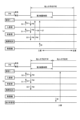
図20には、この第2制限時間をパスワードが有することによる効果を説明するために、2つのシナリオが示されている。 Figure 20 shows two scenarios to illustrate the effect of having this second time limit on a password.
図20(a)は、前記第2制限時間内に来客者が自身の携帯端末90にパスワードPWを入力した第1のシナリオを示し、一方、図20(b)は、その期限内のパスワード入力を来客者が怠った第2のシナリオを示している。
Figure 20(a) shows a first scenario in which the visitor enters the password PW into his/her
それらシナリオに共通のシーケンスとして、次の動作が存在する。 The following sequence of actions is common to these scenarios:
S1:入居者への訪問を希望する来客者(知人、友人、配送業者、引っ越し業者、修理業者、営業担当者など)は、その入居者への訪問に先立ち(例えば、前日以前、当日、駐車場への到着直前)、その入居者に対し、電話や電子メールなどで、入居者を訪問したい旨を連絡する。 S1: A visitor (an acquaintance, friend, delivery person, moving company, repairman, salesperson, etc.) wishing to visit a resident will contact the resident by phone, email, etc. prior to the visit (for example, the day before or on the day, or just before arriving at the parking lot) to inform the resident that they would like to visit.
S2:入居者は、指定駐車場への来客者のための駐車の許可および予約のために、来客者の訪問予定時刻より早い時刻(例えば、訪問予定時刻の直前など)に、携帯端末90から管理サーバ50にアクセスして、固有のパスワードPWの発行を管理サーバ50に要望する(後述のパスワード発行・予約シーケンス)。
S2: To allow and reserve parking for a visitor in a designated parking space, the resident accesses the
S3:管理サーバ50は、パスワードPWを発行し、入居者の携帯端末90に送信する(後述のパスワード発行・予約シーケンス)。
S3: The
S4:入居者は、前記パスワードPWを、来客者に対し、電話や電子メールなどで通知し、来客者は、そのパスワードPWを、例えば、指定駐車場付近または指定駐車場内において受領する。 S4: The resident informs the visitor of the password PW by telephone or email, and the visitor receives the password PW, for example, near or inside the designated parking lot.
S5:来客者は、自身の携帯端末90に前記パスワードPWを入力する。
S5: The visitor enters the password PW into his/her
S6:来客者の携帯端末90は、前記パスワードPWを管理サーバ50に送信する。
S6: The visitor's
パスワードPWの効果として、いずれのシナリオにおいても、パスワードPWの有効期間中、その有効なパスワードPWが存在するおかげで、別の来客者が割り込んで同じ車室についての駐車を予約することが排除される。 The effect of the password PW is that in either scenario, during the validity period of the password PW, the presence of the valid password PW precludes another visitor from cutting in and reserving parking for the same parking space.
図20(a)に示すこの第1のシナリオにおいては、来客者が、パスワードPWの有効期間中に、自身の携帯端末90にパスワードPWを入力し(S6)、さらに、自身の携帯端末90を発信機30にかざしてその発信機30のIDを認証し(S7)、それにより、入庫操作が完了する。
In the first scenario shown in FIG. 20(a), the visitor enters the password PW into his/her
このシナリオにおいては、前記第2制限時間が経過してパスワードPWが無効になった後であっても、来客者が指定車室に車両を駐車していることを後述の管理リスト(図12参照)を参照すれば判明するため、他の来客者が同じ車室について駐車を予約することが依然として排除される。 In this scenario, even after the second time limit has elapsed and the password PW has become invalid, it is possible to determine that the visitor has parked their vehicle in the designated parking space by referring to the management list described below (see FIG. 12), so other visitors are still prevented from reserving parking in the same parking space.
これに対し、図20(b)に示す第2のシナリオにおいては、来客者が、パスワードPWの有効期間中に、自身の携帯端末90にパスワードPWを入力することを怠る。そのため、パスワードPWの入力時刻から前記第2制限時間が経過してパスワードPWが無効になった後は、来客者が指定車室に車両を駐車したとしても、そのことを前記管理リストを参照しても判明しない。そのため、他の来客者が同じ車室について駐車を予約することができてしまう可能性がある。 In contrast, in the second scenario shown in FIG. 20(b), the visitor neglects to enter the password PW into his/her mobile terminal 90 during the validity period of the password PW. Therefore, even if the visitor parks a vehicle in a designated parking space after the second time limit has elapsed since the password PW was entered and the password PW becomes invalid, this fact cannot be detected by referring to the management list. Therefore, there is a possibility that another visitor may be able to reserve parking in the same parking space.
2.正規パスワード通知工程 2. Official password notification process
これは、図2に示すように、入居者が、前記発行されたパスワードを来客者に事前に、口頭、電話、電子メール、SNSまたは他の通信方法(例えば、携帯端末90、パソコンなどの通信機器を用いる通信方法)で通知する工程である。
As shown in FIG. 2, this is the process in which the resident notifies the visitor of the issued password in advance, either verbally, by telephone, by email, SNS, or by other communication methods (e.g., communication methods using communication devices such as a
一例においては、図3に示すように、この正規パスワード通知工程を実行するために、入居者が、自身の携帯端末90(他の情報機器でも可)を用いて、来客者の携帯端末90との間で遠距離双方向無線通信を行う。
In one example, as shown in FIG. 3, to execute this official password notification process, the resident uses his/her own mobile terminal 90 (or another information device) to perform long-distance two-way wireless communication with the visitor's
3.識別信号受信工程 3. Identification signal receiving process
これは、図2に示すように、来客者が、指定駐車場20への入庫時に、その指定駐車場20において自身の携帯端末90が発信機30から識別信号を受信することを可能にする工程である。
As shown in Figure 2, this is a process that enables a visitor's mobile terminal 90 to receive an identification signal from a
図4に示すように、この識別信号受信工程を実行するために、このシステム10においては、来客者が、自身の携帯端末90を、来客者が現在訪問している駐車場20に設置されている発信機30にかざすかまたは接触させ、それにより、自身の携帯端末90を用いて、その発信機30から前述の識別信号を近距離一方向無線通信方式で受信する。
As shown in FIG. 4, in order to execute this identification signal receiving process, in this
4.実パスワード送信工程 4. Actual password transmission process
これは、図2に示すように、来客者が、自身の携帯端末90を介して、実パスワード(実認証コードの一例)を入力して管理サーバ50に送信する工程である。
As shown in Figure 2, this is the process in which the visitor inputs the real password (an example of a real authentication code) via his/her
5.入庫許可工程 5. Warehouse permission process
これは、来客者の携帯端末90から受信した実パスワードが正規パスワードと一致する(パスワード認証に成功する)という条件と、来客者の携帯端末90が発信機30から受信した識別信号によって表される実発信機ID(実発信機コードの一例)が、その発信機30に対応する正規発信機ID(正規発信機コードの一例)と一致する(発信機ID認証に成功する)という条件とを含む複数の条件が一緒に成立する場合に、来客者の指定駐車場20への入庫を許可する工程である。
This is a process for permitting a visitor to enter the designated
図4に示すように、この入庫許可工程を実行するために、来客者が、自身の携帯端末90を用いて、管理センタ40の管理サーバ50との間で遠距離双方向無線通信を行う。
As shown in FIG. 4, to execute this entry permission process, the visitor uses his/her mobile terminal 90 to perform long-distance two-way wireless communication with the
6.出庫許可工程 6. Release permission process
これは、来訪者の携帯端末90が、指定駐車場20からの出庫時に、その指定駐車場20において発信機30から受信した識別信号によって表される実発信機コードが正規発信機コードと一致する(発信機ID認証に成功する)という条件を含む少なくとも一つの条件が成立する場合に、来訪者の指定駐車場20からの出庫を許可する工程である。
This is a process for permitting a visitor to leave a designated
図4に示すように、この出庫許可工程を実行するために、来客者が、自身の携帯端末90を用いて、管理センタ40の管理サーバ50との間で遠距離双方向無線通信を行う。
As shown in FIG. 4, to execute this release permission process, the visitor uses his/her mobile terminal 90 to perform long-distance two-way wireless communication with the
なお、本実施形態においては、出庫に際し、来客者が、前記パスワードを携帯端末90に入力してパスワード認証を受けることが要求されていないが、要求されるようにして本発明を実施してもよい。
In this embodiment, the visitor is not required to enter the password into the
<発信機> <Transmitter>
本実施形態においては、同じ駐車場20に複数の車室が設置されており、それら車室に共通に1台の発信機30が使用される。ただし、各車室ごとに1台の発信機30が使用される態様で本発明を実施してもよい。
In this embodiment, multiple vehicle compartments are installed in the
各発信機30は、自身に固有の発信機ID(前述の「発信機コード」の一例)を表す識別信号を発信するように構成される。1つの発信機IDは、1つの駐車場20にとって固有であるため、後述のように、1つの駐車場ID(「駐車場コード」の一例)に1対1で対応付けられる。
Each
発信機30は、例えば、駐車場20の地面に機械的に固着されないように、すなわち、その地面から簡単に離脱可能であるようにその地面に設置される可能性がある。換言するに、各発信機30は、空間上において、対応する位置(対応する駐車場20)に物理的に固定されているわけではないのである。なぜなら、駐車場20として運営される土地の所有者が、ある期間には、駐車場20としての運営を管理会社に依頼したが、突然、その依頼を解消する可能性があるからである。
The
そのような場合には、駐車サービスのためのすべての設備を管理会社が速やかに駐車場20から撤去し、その際、現状回復のための手間を最小化するために、発信機30が単に当該土地の地面に載置される可能性がある。そのため、発信機30は、駐車場管理業者の意に反し、何者かによる不正行為により、その発信機30が正規に設置される駐車場20とは異なる場所(例えば、正規に設置される駐車場20から離れた別の駐車場、正規に設置される駐車場20に該当しない別の場所など)に設置されてしまう可能性がある。
In such a case, the management company will promptly remove all equipment for the parking service from the
ここで、1台の発信機30につき、ハードウエア構成(図5参照)およびソフトウエア構成(図6参照)を説明する。
Here, we will explain the hardware configuration (see Figure 5) and software configuration (see Figure 6) for one
まず、概念的に説明するに、発信機30は、対応する駐車場20に少なくとも1台ずつ設置され、対応する駐車場20に固有の駐車場IDを識別し得る識別信号を発信する非接触式または接触式の通信デバイスである。発信機30は、少なくとも送信機能を有すれば足りるが、必要に応じ、受信機能をも併有するように構成してもよい。
First, conceptually, the
次に、作動方式を説明するに、発信機30は、固有の識別信号を外部からのトリガ信号を要することなく能動的に、かつ、供給電力が不足しない限り永続的に発信する。
Next, to explain how it works, the
発信機30は、一般に、識別信号としてのビーコン信号を発信するビーコン装置、無線標識などの名称でも知られている装置である。この発信機30は、一例においては、原信号を変調することにより、対応する駐車場IDを表す識別信号を生成し、その生成された識別信号を、IR信号、Bluetooth(登録商標)信号、NFC(近距離無線通信)信号などとして発信する。
The
次に、機能ブロック図である図5を参照してハードウエア構成を説明するに、発信機30は、プロセッサ100およびそのプロセッサ100によって実行される複数のアプリケーションを記憶するメモリ102を有するコンピュータ104を主体として構成されている。
Next, the hardware configuration will be explained with reference to the functional block diagram in FIG. 5. The
この発信機30は、さらに、電源としての交換可能な使い捨て電池106を有している。電池106に代えて、充電可能な電池を採用したり、外部電源としての商用電源を採用したり、外部の磁界を利用して発電する発電機(例えば、トランスポンダ)を採用することが可能である。
The
この発信機30は、さらに、識別信号を生成して発信する発信部108を有している。その発信部108は、電池106によって作動させられるとともに、コントローラ110によって制御される。そのコントローラ110は、コンピュータ100によって制御される。
The
次に、図6を参照して発信機30のソフトウエア構成を説明するに、発信機30のプロセッサ100は、図6にフローチャートで概念的に表されているプログラムを反復的に実行する。
Next, referring to FIG. 6, the software configuration of the
このプログラムの各回の実行時には、まず、ステップS1において、メモリ102から発信機IDが読み込まれる。その発信機IDは、その発信機30が設置される1つの駐車場20に割り当てられた駐車場IDに1対1に対応する。
When this program is executed each time, first, in step S1, the transmitter ID is read from
続いて、ステップS2において、前記読み込まれた発信機IDが反映されるように、原信号(例えば、搬送信号)を変調するための信号がコントローラ110に対して出力される。そのコントローラ110は、発信部108を制御し、その結果、発信部108は、今回発信すべき識別信号を生成する。その後、ステップS3において、その生成された識別信号が発信部108から発信される。続いて、ステップS1に戻る。
Next, in step S2, a signal for modulating the original signal (e.g., carrier signal) is output to the
ここで、この発信機30に関連付けて携帯端末90の一機能を説明するに、その携帯端末90は、発信機30から識別信号を受信している状態で、その携帯端末90のコンピュータ134(図8参照)に予めインストールされているあるプログラムを起動させると、前記受信した識別信号をリアルタイムで復調し、それにより、前記発信機IDをリアルタイムで解読する。
Here, we will explain one function of the
さらに、携帯端末90は、発信機30から識別信号を受信している状態で、その受信した識別信号に基づき、その識別信号を発信したときの発信機30の位置と、その識別信号を受信したときの携帯端末90の位置との間の距離を測定することも行う。
Furthermore, while receiving an identification signal from the
すなわち、携帯端末90は、発信機30から受信した識別信号に基づき、その発信機30に対応する発信機IDと、そのときの発信機30との距離との双方を獲得するようになっているのである。
In other words, based on the identification signal received from the
携帯端末90のユーザ(例えば、来客者)は、自身の携帯端末90を持ったまま発信機30に接近し、その携帯端末90を発信機30のうちの発信部108に完全にまたはほぼ接触させると、携帯端末90は、発信機30から識別信号を接触式で受信することができる。
When a user of the mobile terminal 90 (e.g., a visitor) approaches the
これに対し、携帯端末90のユーザが自身の携帯端末90を持ったまま特定の受信エリア内に進入すると、携帯端末90は、発信機30から識別信号を非接触式で受信することができる。
In contrast, when a user of the
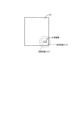
図7に概念的に平面図で示すように、各発信機30には、2種類の受信エリアが割り当てられる。それらは、受信可能エリアと有効受信エリアである。それらエリアは、いずれも、各発信機30を発信源とする円で概して定義され、受信可能エリアは、最大受信半径を有するのに対し、有効受信エリアは、有効受信半径を有する。
As conceptually shown in a plan view in FIG. 7, each
しかし、具体的には、受信可能エリアは、各発信機30の電力供給が正常である場合に、その発信機30からの識別信号が到達可能なエリア、すなわち、そのエリア内に存在する限り、携帯端末90がその識別信号を受信可能なエリアを意味する。
However, specifically, the reception area refers to the area in which the identification signal from each
これに対し、有効受信エリアは、受信可能エリアの最大受信半径より小さい有効受信半径を有している。最大受信半径は、任意に設定することが不可能であるのに対し、有効受信半径は、任意に設定することが可能である。有効受信半径は、例えば、0cmないし50cmの範囲内または30cmないし50cmの範囲内にある。また、最大受信半径は、例えば、50mないし70mの範囲内にある。 In contrast, the effective reception area has an effective reception radius that is smaller than the maximum reception radius of the coverage area. The maximum reception radius cannot be set arbitrarily, whereas the effective reception radius can be set arbitrarily. The effective reception radius is, for example, within the range of 0 cm to 50 cm or within the range of 30 cm to 50 cm. Also, the maximum reception radius is, for example, within the range of 50 m to 70 m.
すなわち、最大受信半径は、ハードウエアによって決まる受信限度を意味するのに対し、有効受信半径は、ソフトウエアによって決まる受信限度を意味すると言うことが可能なのである。 In other words, it can be said that the maximum reception radius refers to the reception limit determined by the hardware, whereas the effective reception radius refers to the reception limit determined by the software.
前述のように、携帯端末90は、それが受信した識別信号を発信したときの発信機30との距離を測定する。その距離測定値は、有効受信半径を超えることもあれば、超えないこともある。そして、その距離測定値が受信有効半径を超えないときは、携帯端末90が有効受信エリア内に存在するときであるのに対し、その距離測定値が受信有効半径を超えるときは、携帯端末90が受信可能エリア内には存在するが有効受信エリア内には存在しないときである。
As described above, the mobile terminal 90 measures the distance to the
携帯端末90は、発信機30から識別信号を受信した後、前記距離測定値が有効受信半径の設定値以下であるか否かを判定し、その設定値以下であると判定すると、携帯端末90が現在、有効受信エリア内に位置するから、携帯端末90は、「発信機30からの識別信号を有効に受信した(以下、単に「識別信号を受信した」ともいう。)」と判定する。
After receiving the identification signal from the
これに対し、携帯端末90は、前記距離測定値が前記設定値より大きいと判定すると、携帯端末90が現在、有効受信エリア外に位置するから、携帯端末90は、「発信機30からの識別信号を有効に受信していない(以下、単に「識別信号を受信していない」ともいう。)」と判定する。
In contrast, if the
すなわち、本実施形態においては、携帯端末90が有効受信エリア外に位置する場合には、実際には、携帯端末90が識別信号を受信しているにもかかわらず、みかけ上、携帯端末90は識別信号を受信していないこととしてソフトウエア上で取り扱われることになるのである。
In other words, in this embodiment, when the
本実施形態においては、各発信機30の受信可能エリアおよび有効受信エリアのうち少なくとも有効受信エリアが、別の発信機30の少なくとも有効受信エリアとの間でオーバラップしないように、各発信機30の個別性能および相対的位置関係ならびに前記有効受信半径の設定値が設定されている。
In this embodiment, the individual performance and relative positional relationship of each
<携帯端末> <Mobile devices>
次に、機能ブロック図である図8を参照して携帯端末90のハードウエア構成を説明するに、携帯端末90は、プロセッサ130およびそのプロセッサ130によって実行される複数のアプリケーションを記憶するメモリ132を有するコンピュータ134を主体として構成されている。
Next, the hardware configuration of the
この携帯端末90は、さらに、情報を、例えば図14において符号「135」で示す画面(面積が有限で可変または不変であるウィンドウを有する)上に表示する表示部(例えば、液晶ディスプレイ)136と、発信機30および管理サーバ50からの信号を受信する受信部138と、信号を生成してその信号を管理サーバ50に送信する送信部140とを有する。
The
この携帯端末90は、さらに、来客者または入居者であるユーザからデータやコマンドを入力するための入力部150を有する。その入力部150は、例えば、所望の情報(例えば、コマンド、データなど)を携帯端末90に入力するためにユーザによって操作可能な操作部を有する。その操作部としては、ユーザによって操作可能なアイコン(例えば、仮想的なボタン)を表示するタッチスクリーン、ユーザによって操作可能な物理的な操作部(例えば、キーボード、キーパッド、ボタンなど)、音声を感知するマイクなどがあるが、これらに限定されない。
The
この携帯端末90は、さらに、GPS(衛星測位システム)受信機152を有する。GPS受信機152は、よく知られているように、複数のGPS衛星から複数のGPS信号を受信し、それらGPS信号に基づき、GPS受信機152の地球上における位置(緯度、経度および高度)を三角測量によって測定する。
The
図8に示すように、メモリ132は、地図データメモリ161、駐車場データメモリ163および発信機データメモリ165を含む複数のデータメモリを有する。
As shown in FIG. 8, the
地図データメモリ161には、地図データであって、管理サーバ50または別の地図データベース(図示しない)からダウンロードされたものが一時的に記憶される。その地図データに基づき、表示部136の画面135(図14(a)および図19(a)参照)上に地図(前述の「部分地図」の一例)が表示される。その画面135上に表示される地図は、携帯端末90およびそのユーザが移動するにつれて時々刻々変化する。
駐車場データメモリ163には、図1に示す共用駐車場20および他の駐車場20(図示しない)のうち少なくとも共用駐車場20に関する駐車場データであって、管理サーバ50からダウンロードされたものが記憶されることが可能である。
The parking
その駐車場データは、後に、図11および図12を参照して詳述するが、概略的に説明するに、各瞬間ごとに、画面135上に表示される地図上に地理的に存在する複数の駐車場20(すなわち、図1に示す共用駐車場20および他の駐車場20(図示しない)を含み、各駐車場20は、ユーザにとっての候補駐車場である)に対応する複数の駐車場位置データを、駐車場IDおよび発信機IDに関連付けて含んでいる。
The parking lot data will be described in detail later with reference to Figures 11 and 12, but in brief, it includes a plurality of parking lot position data corresponding to a plurality of parking lots 20 (i.e., including the shared
携帯端末90においては、画面135上に、前記地図データに基づく地図が表示され、さらに、その地図上に、各瞬間ごとに、そのときに駐車場データメモリ163に記憶されている複数の駐車場位置データに基づき、複数の駐車場(すなわち、複数の候補駐車場)20の各位置がオーバーレイ表示される(図14(a)および図19(a)参照)。
On the
これに対し、発信機データメモリ165には、共用駐車場20に設置されているはずの発信機30および他の駐車場20に設置されているはずの発信機30のうち少なくとも共用駐車場20に設置されているはずの発信機30に関するデータであって、管理サーバ50からダウンロードされたものが記憶されることが可能である。
In contrast, the
<管理サーバ> <Administration Server>
次に、機能ブロック図である図9を参照して管理サーバ50のハードウエア構成を説明するに、管理サーバ50は、プロセッサ160およびそのプロセッサ160によって実行される複数のアプリケーションを記憶するメモリ162を有するコンピュータ164を主体として構成されている。
Next, the hardware configuration of the
この管理サーバ50は、さらに、情報を表示する表示部(例えば、液晶ディスプレイ)166と、携帯端末90からの信号を受信する受信部168と、信号を生成してその信号を携帯端末90に送信する送信部170と、現在時刻を計測する時計172とを有する。この管理サーバ50は、発信機30からの受信を直接的には行わず、事実上、携帯端末90を介して行うことになる。
This
<システムの全体構成> <Overall system configuration>
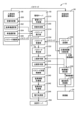
図10には、このシステム10の全体構成が機能ブロック図で表されている。
Figure 10 shows the overall configuration of this
<入居者用携帯端末> <Mobile devices for residents>
入居者用の携帯端末90は、次の機能部を有する。
The
1.空室判定部200
1.
これは、後述の管理リスト内の駐車場データに基づき、前記複数の候補駐車場20のうち、空いている車室(空室)を有するものを選択する。
This involves selecting one of the multiple
2.駐車場選択部202
2. Parking
これは、入居者の操作に応じ、空室を有する複数の候補駐車場20のうちのいずれかを指定駐車場20として選択する(今回は、図1に示す共用駐車場20を選択すると仮定する)。
In response to the tenant's operation, one of multiple
3.車室選択部204
3. Vehicle
これは、入居者の操作に応じ、その指定駐車場20に属する複数の車室のうちのいずれかを指定車室として選択する。
This involves selecting one of the multiple parking spaces belonging to the designated
4.パスワード受信部204
4.
これは、前記正規パスワードを管理サーバ50から受信する。
This receives the authentic password from the
<管理サーバ> <Administration Server>
管理サーバ50は、図11および図12に示す前記駐車場データを管理する。その駐車場データは、図11に示すように、概念的には、複数のレコードであり、それらレコードは、一般駐車場レコードおよび入居者・来客者用駐車場レコードを含んでいる。
The
一般駐車場レコードは、複数の一般駐車場に関するデータの集まりである。入居者・来客者用駐車場レコードは、複数の入居者・来客者用駐車場に関するデータの集まりである。 A general parking lot record is a collection of data related to multiple general parking lots. A resident/guest parking lot record is a collection of data related to multiple resident/guest parking lots.
いずれのレコードも、複数のファイルから構成されている。このことを、入居者・来客者用駐車場レコードを例にとり説明するに、図12に示すように、入居者・来客者用駐車場レコードは、複数のファイルから構成されており、各ファイルは、各共用駐車場20ごとに用意されている。
Each record is made up of multiple files. To explain this, using the resident/guest parking lot record as an example, as shown in Figure 12, the resident/guest parking lot record is made up of multiple files, and each file is prepared for each shared
具体的には、入居者・来客者用駐車場レコードに属する各ファイルは、1つの共用駐車場20の基準位置を表す1つの地図上位置(経度X,緯度Y)と、その共用駐車場20の所在地(住所、居所など)と、その共用駐車場20に固有の駐車場IDと、その共用駐車場20に設置されているはずの1つの発信機30に固有の発信機IDと、管理リストと、その他の関連情報とを有する。
Specifically, each file belonging to the resident/visitor parking record has a map position (longitude X, latitude Y) representing the reference position of one shared
その他の関連情報としては、駐車料金に関する情報(料金支払者名、料金計算条件など)、指定駐車場20に駐車可能な車種(サイズなど)に関する情報、指定駐車場20を撮影した画像データなどがある。
Other relevant information includes information about parking fees (such as the name of the fee payer and fee calculation conditions), information about the types of vehicles (such as size) that can be parked in the designated
その管理リストは、各共有駐車場20に属する複数の車室のそれぞれにつき、次のような複数の項目を始め、複数の項目を有する。
The management list has multiple items for each of the multiple parking spaces belonging to each shared
1.各車室を利用可能な利用可能者(予約なしの時間貸駐車サービスを受ける一般利用者か、予約ありの時間貸駐車サービスを受ける来客者か、月極駐車サービスを受ける入居者か) 1. Who can use each parking space (general users who use hourly parking service without reservation, visitors who use hourly parking service with reservation, or residents who use monthly parking service)
2.前記時限ワンタイム・パスワード(以下、単に「パスワード」という) 2. The time-limited one-time password (hereinafter simply referred to as "password")
3.管理サーバ50が今回のパスワードを発行した発行時刻
3. The time when the
4.駐車場利用者に付与されたパスワードが本人によって自身の携帯端末90に入力された入力時刻
4. The time when the password given to the parking lot user was entered by the user into his/her
5.駐車場利用者が今回の車室に入庫した入庫時刻 5. The time when the parking user entered the parking space.
6.駐車場利用者が今回の車室から出庫した出庫時刻 6. The time when the parking user left the parking space
7.決済者(駐車料金を支払う者が入居者か来客者か) 7. Payer (whether the person paying the parking fee is a resident or a visitor)
この管理リストを作成するために、図10に示すように、管理サーバ50は、管理リスト作成部210を有する。
To create this management list, the
その管理リスト作成部210は、各駐車場20における複数の車室のそれぞれにつき、入庫および出庫に際してユーザ(入居者、来客者または他の駐車場利用者)の携帯端末90からそれぞれ受信した信号に基づき、各車室の使用状況の履歴を反映するように、前記管理リストを作成し、適宜更新する。
The management
その管理リストは、理想的には、管理サーバ50と来客者用の携帯端末90との間で共有されるが、その携帯端末90が管理サーバ50にアクセスしない時間が長くなると、最新の管理リストが携帯端末90において反映されない可能性がある。よって、携帯端末90は、管理リストの更新のみを目的にして管理サーバ50にアクセスすることも有効である。
Ideally, the management list is shared between the
来客者用の携帯端末90の前記空室判定部200は、その管理リストの内容から、来客者によって選択された駐車場20に属する複数の車室のうち空室が存在するか否かを判定する。
The
なお、図10に示す例においては、空室判定部200が来客者用の携帯端末90に設置されているが、それに代えてまたはそれに加えて、同様な空室判定部200を管理サーバ50に設置してもよい。
In the example shown in FIG. 10, the
図10に示すように、管理サーバ50は、前記パスワードを発行するパスワード発行部214を有する。そのパスワード発行部214は、パスワードを発行すると、前記管理リストにおいて、今回の指定車室についてそのパスワードを記録する。指定車室についてパスワードが記録されていることは、その指定車室が、来客者によって駐車されることが予約済みであることを意味する。
As shown in FIG. 10, the
さらに、管理サーバ50は、前記パスワードの有効・無効状態を時間の経過につれて制御するパスワード状態制御部216を有する。そのパスワード状態制御部216は、前記第2制限時間との関係においてパスワードの状態を制御する(図21参照)。
Furthermore, the
前記パスワード発行部214から発行されたパスワードは、管理サーバ50から入居者に送信され、その入居者は、そのパスワードを来客者に通知する。このように、本実施形態においては、管理サーバ50によって発行されたパスワードが、その管理サーバ50から直接的に来客者に通知されるのではなく、その来客者に駐車権限を付与した入居者から直接的に来客者に通知される。
The password issued by the
その結果、来客者は、そのパスワードの重要性を、管理サーバ50から直接的に、人間味なく通知される場合より、高く認識し、そのパスワードを大切に扱うことが期待される。
As a result, the visitor is expected to recognize the importance of the password more clearly than if the password were notified directly and impersonally by the
図10に示すように、来客者用の携帯端末90は、入居者から通知されたパスワードを管理サーバ50に送信するパスワード送信部220を有する。
As shown in FIG. 10, the visitor's
さらに、来客者用の携帯端末90は、前記管理リストを参照することにより、指定駐車場20に設置されているはずの発信機30に固有の発信機IDを正規発信機IDとして設定する正規発信機ID設定部222と、指定駐車場20において発信機30から識別信号を受信する識別信号受信部224を有する。
Furthermore, the visitor's
さらに、来客者用の携帯端末90は、発信機30から受信した識別信号によって表される実発信機IDと、前記設定された正規発信機IDとが一致するか否か(発信機ID照合ないしは発信機ID認証に成功したか否か)を判定する発信機ID照合部(すなわち、発信機ID認証部)226を有する。
Furthermore, the visitor's
なお、図10に示す例においては、正規発信機ID設定部222および発信機ID照合部226が来客者用の携帯端末90に設置されているが、このことは本発明にとって不可欠なことではなく、それら正規発信機ID設定部222および/または発信機ID照合部226を管理サーバ50に設置してもよい。
In the example shown in FIG. 10, the authorized transmitter
これに対し、管理サーバ50は、来客者用の携帯端末90からパスワードを受信するパスワード受信部230と、その受信されたパスワード(実パスワード)と、前記設定された正規パスワードとが一致するか否か(パスワード照合ないしはパスワード認証に成功したか否か)を判定するパスワード照合部(すなわち、パスワード認証部)232とを有する。
In response to this, the
さらに、管理サーバ50は、パスワード照合部232からの一致判定(すなわち、パスワード認証成立判定)と、発信機ID照合部226からの一致判定(すなわち、発信機ID認証成立判定)との双方を受けて、来客者の指定駐車場20の指定車室への入庫を許可する入庫許可部234と、発信機ID照合部226からの一致判定(すなわち、発信機ID認証成立判定)を受けて、来客者の指定駐車場20の指定車室からの出庫を許可する出庫許可部236とを有する。
The
さらに、管理サーバ50は、出庫時に、前記管理リストにおける入庫時刻と出庫時刻との差として駐車時間を計算する駐車時間計算部240と、その計算された駐車時間の長さに基づいて駐車料金を計算する駐車料金計算部242と、その計算された駐車料金を電子決算するための電子決済部244とを有する。その電子決済部244は、例えば、外部の決済サーバ250と遠距離通信可能に接続される。
The
なお、電子決済部244は、管理サーバ50にではなく、別のサーバ、または、来客者の携帯端末90に設置してもよい。
The
<パスワード発行・予約シーケンス> <Password issuing/reservation sequence>
図13には、このシステム10において、入居者が、来客者に来客者用駐車スペース26への駐車を許可するためのパスワードを管理サーバ50に事前に発行させるために入居者の携帯端末90と管理サーバ50との間で行われる通信の一例と、前記発行されたパスワードを入居者が来客者に通知するために入居者の携帯端末90と来客者の携帯端末90との間で行われる通信の一例とを時系列的に表すパスワード発行・予約シーケンスがフローチャートで表されている。
Figure 13 shows a flowchart of a password issuance and reservation sequence that chronologically illustrates an example of communication between the resident's
入居者がオンデマンドで管理サーバ50からパスワードを発行してもらうに際し、入居者の携帯端末90においては、プロセッサ130が、メモリ132に格納されている駐車サービス・アプリケーションのうち、パスワード発行・予約処理に関連する部分を実行する。管理サーバ50においては、プロセッサ160が、メモリ162に格納されている駐車場管理プログラムのうち、パスワード発行・予約処理に関連する部分を実行する。
When a resident requests a password to be issued on demand from the
まず、入居者の携帯端末90は、ステップS101において、管理サーバ50にログインするためのログイン・リクエスト(「サービス開始信号」の一例)を、入居者である今回のユーザを識別するためのユーザIDと共に管理サーバ50に送信する。
First, in step S101, the resident's
これに対し、管理サーバ50は、ステップS201において、前記ログイン・リクエストをユーザIDと共に受信する。続いて、ステップS202において、前記入居者・来客者用駐車場レコードをメモリ162のデータベース(図13において、「DB」で表す。)から読み出す。その後、ステップS203において、それら読み出された入居者・来客者用駐車場レコードを携帯端末90に送信する。
In response, in step S201, the
これに対し、入居者の携帯端末90は、ステップS102において、前記送信された入居者・来客者用駐車場レコードを管理サーバ50から受信し、その受信した入居者・来客者用駐車場レコードを図8に示す駐車場データメモリ163に保存する。これにより、現内容での入居者・来客者用駐車場レコードが、管理サーバ50と来客者の携帯端末90との間で共有されることになる。
In response to this, in step S102, the resident's
このシーケンスにおいては、管理サーバ50からダウンロードされて駐車場データメモリ163に保存されている入居者・来客者用駐車場レコードに属するすべての入居者・来客者用駐車場およびそれら入居者・来客者用駐車場内のすべての車室が注目されるわけではない。すべての入居者・来客者用駐車場のうち、来客者が使用可能な車室、すなわち、来客者用駐車スペース26を有するもののみが注目される。しかし、以下、単に、「入居者・来客者用駐車場」という。
In this sequence, attention is not focused on all resident/guest parking lots belonging to the resident/guest parking lot records downloaded from the
続いて、入居者の携帯端末90は、ステップS103において、GPS受信機152が外部から受信したGPS信号に基づき、ユーザ(今回は入居者)の現在位置(経緯度)を測定する。
Next, in step S103, the resident's mobile terminal 90 measures the current location (longitude and latitude) of the user (in this case the resident) based on the GPS signal received from the outside by the
次に、入居者の携帯端末90は、ステップS104において、その測定されたユーザ(今回は入居者)の現在位置を、地図を表示部136の画面135上に表示するためにプロセッサ130によって参照される基準位置(表示基準点の位置(経緯度))とする。さらに、全体地図のうち、画面135上のウィンドウ内に一度に表示可能なサイズを有する部分であって前記基準位置が存在するものを、地図の表示範囲(すなわち、前記全体地図のうち、前記ウィンドウ内に各瞬間に表示される領域)に決定する。
Next, in step S104, the resident's mobile terminal 90 sets the measured current position of the user (the resident in this case) as the reference position (position of the display reference point (longitude and latitude)) referenced by the
続いて、入居者の携帯端末90は、ステップS105において、駐車場データメモリ163に保存されている入居者・来客者用駐車場レコードに基づき、複数の駐車場20のそれぞれにつき、空いている少なくとも一つの車室が存在するか否かを判定する。
Next, in step S105, the resident's
例えば、前記管理リストにおいて、各車室ごとに、パスワードが存在すること(有効であること)と、入庫時刻は存在するが出庫時刻は存在しないもの(当該車室に入庫はしたが出庫はしていないという事実を表すもの)とのうちの少なくとも一方を満たすか否かを判定し、その判定が肯定的である場合には、その車室が空室であると判定する。この空室判定手法によれば、事実上、パスワード発行時刻から実際の出庫時刻までの期間が満室期間とみなされて他の来客者による予約が排除される。 For example, in the management list, a determination is made as to whether or not at least one of the following is true for each vehicle compartment: a password exists (is valid), and there is an entry time but no exit time (indicating that the vehicle has entered the vehicle compartment but not exited), and if the determination is positive, the vehicle compartment is determined to be vacant. With this vacancy determination method, the period from the time the password is issued to the actual exit time is considered to be a fully booked period, and reservations by other visitors are excluded.
なお、この空室判定は、それに代えて、前記管理リストにおいて、各車室ごとに、パスワードが存在する(有効である)か否かを判定し、その判定が肯定的である場合には、その車室が空室であると判定するように行ってもよい。この空室判定手法によれば、事実上、パスワード有効期間のみが満室期間とみなされて他の来客者による予約が排除される。 In addition, this vacancy determination can instead be performed by determining whether or not a password exists (is valid) for each vehicle compartment in the management list, and if the determination is positive, determining that the vehicle compartment is vacant. With this vacancy determination method, in effect, only the password valid period is considered to be a fully booked period, and reservations by other guests are excluded.
さらに、複数の駐車場20のうち、その空室が一つでも存在するものを複数の空室あり候補駐車場20として抽出し、一方、複数の駐車場20のうち、その空室が一つも存在しないものを複数の空室なし候補駐車場20として抽出する。
Furthermore, among the
なお、このステップS105を入居者の携帯端末90において省略し、代わりに、同等のステップを管理サーバ50に追加し、前記管理リストを参照して、同様な空室判定を行ってもよい。
In addition, this step S105 may be omitted on the resident's
また、このステップS105を入居者の携帯端末90により、車室ごとに、前記管理リストにおいて、入庫時刻は記録されているが、出庫時刻は記録されていない場合に、その車室は、満車であると判定する態様で実施してもよい。 This step S105 may also be performed by the resident's mobile terminal 90 in such a manner that, for each vehicle compartment, if the entry time is recorded in the management list but the exit time is not recorded, the vehicle compartment is determined to be full.
それらの態様によれば、入居者の携帯端末90がパスワードを参照せずに済むため、その携帯端末90に、前記入居者・来客者用駐車場レコードのうちパスワード情報を除くもののみ管理サーバ50からダウンロードすれば足りる。その結果、入居者の携帯端末90が他人のパスワード情報を保有せずに済み、セキュリティが向上する。
According to these aspects, the resident's
続いて、入居者の携帯端末90は、ステップS106において、受信されたすべての駐車場レコードに属する複数の駐車場位置データ(座標値X,Y)に基づき、画面135上に表示されている地図上に複数の候補駐車場20(空室あり候補駐車場および空室なし候補駐車場)をオーバーレイ表示する。
Next, in step S106, the resident's
図14(a)には、その表示の一例が示されている。図において、「空」という記号は、その表示位置に1つの空室あり候補駐車場20が存在することを表している。空室なし候補駐車場20は、「満」という記号を用いて表示される。
An example of such a display is shown in FIG. 14(a). In the figure, the symbol "vacant" indicates that there is one
このステップ106においては、画面135上に、管理サーバ50のメモリ162に保存されているすべての駐車場20が表示されるわけではない。入居者の現在位置と画面135のサイズとによって決まるウインドウ内に位置する、前記複数の駐車場20より少数の複数の候補駐車場20のみが画面135上に表示される。すなわち、管理サーバ50から受信した複数の駐車場20が、入居者の現在位置と画面135のサイズとによってさらに、少数の候補駐車場20に絞り込まれるのである。
In this
その後、ステップS107において、入居者が、自身の携帯端末90において、いずれかの空室あり候補駐車場20の表示位置に指でタッチすることにより、いずれかの駐車場20を、来客者のための指定駐車場として選択する。
Then, in step S107, the resident touches the display position of one of the
続いて、入居者の携帯端末90は、ステップS110において、今回の指定駐車場20に対応する駐車場IDを今回の正規駐車場IDとして設定する。続いて、ステップS111において、今回の指定駐車場20に設置されているはずの発信機30に固有の発信機IDを正規発信機IDとして設定する。
Then, in step S110, the resident's mobile terminal 90 sets the parking lot ID corresponding to the currently designated
その後、入居者の携帯端末90は、ステップS112において、所定のメニュー画面を車室と共に画面135上に表示する。具体的には、選択された指定駐車場20における複数の車室を画面135上に表示する。このとき、空いている車室にはピンが表示される。
Then, in step S112, the resident's
図14(b)には、その表示の一例が示されている。この表示例においては、指定駐車場20に4個の空室が存在し、それぞれに対応して、車室番号と、その車室が空室であることを示す、入居者によって選択可能なピンとが表示されている。
An example of such a display is shown in FIG. 14(b). In this display example, there are four vacant spaces in the designated
さらに、この表示例においては、入居者によって選択可能な複数のボタンの一つとして、「来客者用パスワード」と表示される入居者用パスワード発行ボタン300が表示されている。この表示例においては、今回の指定駐車場20に4個の車室が存在し、それら車室はいずれも空室である。
In addition, in this example display, a resident
続いて、ステップS113において、入居者が、携帯端末90において、画面135上に表示されている複数のピンのうちいずれかを選択することにより、来客者のための車室を指定する。その後、ステップS114において、入居者が、携帯端末90において、画面135上に表示されている入居者用パスワード発行ボタン300を選択する。
Next, in step S113, the resident selects one of the pins displayed on the
なお、ステップS113の実行直前に、入居者の携帯端末90が管理サーバ50にアクセスしてその管理サーバ50から最新の前記管理リストを携帯端末90にダウンロードし、それにより、携帯端末90において前記管理リストを更新することが望ましい。管理サーバ50において、前記管理リストは、いつ更新されるかもしれないからである。
It is desirable that immediately before executing step S113, the
続いて、入居者の携帯端末90は、ステップS115において、今回の正規駐車場IDまたはそれを特定するためのデータ(例えば、今回の正規発信機ID)と、今回の指定車室の車室番号またはそれを特定するためのデータと、パスワードの発行をリクエストする旨のパスワード・リクエストとを管理サーバ50に送信する。
Next, in step S115, the resident's mobile terminal 90 transmits to the
これに対し、管理サーバ50は、ステップS204において、それら情報を携帯端末90から受信する。続いて、ステップS205において、固有のパスワードを発行する。そのパスワードは、例えば、一定増分でインクリメントする数字であって最大値に到達すると最小値に戻るように循環的に規則正しく発生させられたり、乱数発生器を用いて不規則的に発生させられる。
In response, in step S204, the
このステップS205において、前記空室判定部200を実施し、それにより、前記管理リストに基づき、今回の指定車室が空室であることを確認してもよい。ただし、一例においては、今回の指定車室につき、先約を有する別の来客者にパスワードが発行された時刻から、その別の来客者が指定車室から出庫する時刻までの期間、その指定車室が満室として扱われる。この場合には、今回の来客者にパスワードが発行されず、よって、今回の来客者が同じ車室について予約することが排除される。
In this step S205, the
これに対し、車室ごとに、先約を有する別の来客者にパスワードが発行された時刻から、そのパスワードが失効する時刻までの期間、その車室が満室として扱われ、今回の来客者が同じ車室について予約することが排除される態様で本発明を実施してもよい。 In contrast, the present invention may be implemented in such a way that for each vehicle compartment, the vehicle compartment is treated as fully booked from the time a password is issued to another guest with a prior reservation until the time the password expires, and the current guest is precluded from making a reservation for the same vehicle compartment.
また、車室ごとに、先約を有する別の来客者がその車室に入庫した時刻からその車室から出庫する時刻までの期間、その車室が満室として扱われ、今回の来客者が同じ車室について予約することが排除される態様で本発明を実施してもよい。 The present invention may also be implemented in such a way that for each vehicle compartment, the vehicle compartment is treated as being fully booked from the time another guest with a prior reservation enters the vehicle compartment until the time the other guest leaves the vehicle compartment, and the current guest is precluded from reserving the same vehicle compartment.
その後、管理サーバ50は、ステップS206において、前記管理リストにおいて、今回の指定車室について、前記発行されたパスワードを記録し、それにより、その指定車室につき、来客者が駐車することが予約される。続いて、ステップS207において、前記管理リストを更新する。その後、ステップS208において、前記発行されたパスワードを入居者の携帯端末90に送信する。
Then, in step S206, the
これに対し、入居者の携帯端末90は、ステップS116において、管理サーバ50から今回のパスワードを受信する。続いて、ステップS117において、その受信したパスワードを画面135上に表示する。
In response, in step S116, the resident's
図14(c)には、その表示の一例が示されている。この表示例においては、パスワードが「9680」であり、また、そのパスワードの前記第2制限時間が10分である。 An example of such a display is shown in FIG. 14(c). In this display example, the password is "9680" and the second time limit for that password is 10 minutes.
図14(c)の表示例においては、入居者の携帯端末90の画面135上に、さらに、発行されたパスワードが失効することが予定される時刻までの経過時間、すなわち、前記第2制限時間のうちの残り時間も表示される。
In the display example of FIG. 14(c), the
よって、入居者は、来客者が今回のパスワードを使用して指定車室に入庫することが許可される期間の最終時刻を知ることができ、その知見に基づき、来客者に対し、その最終時刻を伝えることが可能となる。 The resident can therefore know the final time during which the visitor is permitted to use the current password to enter the designated parking space, and can use that knowledge to inform the visitor of that final time.
前記残り時間は、入居者の携帯端末90が計算してもよいが、後述のように、管理サーバ50がその計算を行って、随時、その計算値を入居者の携帯端末90に送信してもよい。
The remaining time may be calculated by the resident's
また、管理サーバ50は、前記残り時間の計算値を来客者の携帯端末90に送信し、それに応答して、来客者の携帯端末90が前記残り時間を画面135上に表示し、それにより、前記残り時間を来客者、すなわち、指定駐車場20のユーザに通知してもよい。
The
その後、入居者の携帯端末90は、ステップS118において、管理サーバ50からのログアウトを要求するログアウト・リクエストを管理サーバ50に送信する。
Then, in step S118, the resident's
これに対し、管理サーバ50は、ステップS209において、そのログアウト・リクエストを受信する。続いて、ステップS210において、そのログアウト・リクエストの受信が正常に完了したことを表す確認応答信号ACKを携帯端末90に送信する。
In response, in step S209, the
その後、入居者は、ステップ119において、今回のパスワードを来客者に通知するために、携帯端末90を用いて電子媒体(例えば、今回のパスワードを含む電子メッセージ)を作成する。続いて、入居者は、自身の携帯端末90から、その作成された電子媒体を来客者の携帯端末90に送信する。
Then, in step 119, the resident uses the
これに対し、来客者は、ステップS131において、自身の携帯端末90において、入居者の携帯端末90から今回のパスワードを受信する。
In response, in step S131, the visitor receives the current password from the resident's
管理サーバ50は、さらに、パスワードの有効・無効状態を時間の経過に合わせて制御するために、図21にフローチャートで表されるパスワード状態制御プログラムを実行する。
The
このパスワード状態制御プログラムにおいては、まず、ステップS801において、複数の駐車場20のうち、今回の注目対象を特定する駐車場番号mが1にセットされる。次に、ステップS802において、今回の駐車場20に属する複数の車室のうち、今回の注目対象を特定する車室番号nが1にセットされる。
In this password status control program, first, in step S801, the parking lot number m that identifies the current target of attention among the
続いて、ステップS803において、今回の駐車場20のうちの今回の車室につき、前記管理リストからパスワード発行時刻が読み出される。その後、ステップS804において、時計172を用いて現在時刻が測定される。続いて、ステップS805において、現在時刻からパスワード発行時刻を減算することにより、そのパスワード入力時刻からの経過時間Tが計算される。
Next, in step S803, the password issuance time for the current parking space in the
その後、ステップS806において、その経過時間Tが前記第2制限時間T2以上であるか否か、すなわち、パスワード入力時刻から第2制限時間T2が経過したか否かが判定される。 Then, in step S806, it is determined whether the elapsed time T is equal to or greater than the second time limit T2, i.e., whether the second time limit T2 has elapsed since the password was entered.
今回は、経過時間Tが第2制限時間T2以上であると仮定すれば、このステップS806の判定がYESとなり、ステップS807において、今回の駐車場20のうちの今回の車室につき、今回のパスワードが失効させられ、前記管理リストから、今回のパスワードがクリアされる。
If we assume that the elapsed time T is equal to or greater than the second time limit T2 this time, the determination in step S806 will be YES, and in step S807, the current password for the current parking space in the
これに対し、今回は、経過時間Tが第2制限時間T2より短いと仮定すれば、ステップS806の判定がNOとなり、ステップS807がスキップされる。 In contrast, if we assume that the elapsed time T is shorter than the second time limit T2 this time, the determination in step S806 will be NO, and step S807 will be skipped.
いずれにしても、その後、ステップS808において、車室番号nの現在値が最大値nmax以上であるか否か、すなわち、今回の駐車場20につき、すべての車室についての処理が完了したか否かが判定される。その判定がNOであれば、ステップS809において、車室番号nが1だけインクリメントされた後、ステップS803に戻る。
In any case, thereafter, in step S808, it is determined whether the current value of the vehicle compartment number n is equal to or greater than the maximum value nmax , i.e., whether processing has been completed for all the vehicle compartments in the
これに対し、今回は、ステップS808の判定がYESであれば、ステップS810において、駐車場番号mの現在値が最大値mmax以上であるか否か、すなわち、すべての駐車場20についての処理が完了したか否かが判定される。その判定がNOであれば、ステップS811において、駐車場番号mが1だけインクリメントされた後、ステップS803に戻る。ステップS810の判定がYESであれば、ステップS801に戻る。
In contrast, if the determination in step S808 is YES this time, then in step S810, it is determined whether the current value of the parking lot number m is equal to or greater than the maximum value mmax , i.e., whether processing has been completed for all
なお、一例においては、管理サーバ50が、第2制限時間T2のうち、未だ経過していない時間、すなわち、残り時間を逐次計算し、その計算値を入居者の携帯端末90に送信する。それを受けて、入居者の携帯端末90は、図14(c)に例示するように、前記残り時間を数値および/またはバーチャートで画面135上に表示する。
In one example, the
なお、その残り時間に代わるかまたはそれに加えて、第2制限時間T2が経過することが予定される時刻の計算値を入居者の携帯端末90に表示してもよい。
In addition to or instead of the remaining time, a calculated value of the time when the second time limit T2 is scheduled to elapse may be displayed on the resident's
<入庫シーケンス> <Storage sequence>
図15には、来客者が指定駐車場20のうちの指定車室に入庫した直後に、今回の駐車を開始するために、同じ駐車場20に位置する発信機30および来客者の携帯端末90と、遠隔地に位置する管理サーバ50との間で行われる通信の一例を時系列的に表す入庫シーケンスがフローチャートで表されている。
Figure 15 shows a flow chart of an entrance sequence that chronologically illustrates an example of communication that takes place between a
発信機30は、自身に固有の識別信号を自発的にかつ継続的に発信する。駐車場20への入庫に際し、来客者の携帯端末90においては、プロセッサ130が、メモリ132に格納されている前記駐車サービス・アプリケーションのうち、入庫処理に関連する部分を実行する。管理サーバ50においては、プロセッサ160が、メモリ162に格納されている前記駐車場管理プログラムのうち、入庫処理に関連する部分を実行する。
The
まず、来客者の携帯端末90は、ステップS301において、管理サーバ50にログインするためのログイン・リクエスト(「サービス開始信号」の一例)を、来客者である今回のユーザを識別するためのユーザIDと共に管理サーバ50に送信する。
First, in step S301, the visitor's
これに対し、管理サーバ50は、ステップS401において、前記ログイン・リクエストをユーザIDと共に受信する。続いて、ステップS402において、一般駐車場レコードおよび前記入居者・来客者用駐車場レコードをメモリ162のデータベース(図13において、「DB」で表す。)から読み出す。その後、ステップS403において、それら読み出された一般駐車場レコードおよび入居者・来客者用駐車場レコードを携帯端末90に送信する。
In response, in step S401, the
これに対し、来客者の携帯端末90は、ステップS302において、前記送信された駐車場レコードを管理サーバ50から受信し、その受信された駐車場レコードを図8に示す駐車場データメモリ163に保存する。これにより、現内容での一般駐車場レコードおよび入居者・来客者用駐車場レコードが、管理サーバ50と来客者の携帯端末90との間で共有されることになる。
In response to this, in step S302, the visitor's
続いて、来客者の携帯端末90は、ステップS303において、メモリ132に予め保存されているデータに基づき、メニュー画面を画面135上に表示する。
Next, in step S303, the visitor's
図16(a)には、その一表示例が示されている。この表示例においては、来客者によって選択可能な複数のボタンとして、来客者が入庫をリクエストする旨の来客者入庫ボタン310と、ログアウトする旨のログアウト・ボタン312とが表示されている。その後、ステップS304において、来客者は、来客者入庫ボタン310を選択する。
Figure 16(a) shows an example of such a display. In this example, a
続いて、来客者の携帯端末90は、ステップS305において、来客者のパスワードの入力を支援する入力画面を画面135上に表示する。
Next, in step S305, the visitor's
図16(b)には、その一表示例が示されている。この表示例においては、パスワードが入力されるスペース314と、来客者によって選択可能な複数のボタンとしての、取消ボタン316および確認ボタン318と、複数の数字キーおよび複数のアルファベット・キーを有するキー・パッド320とが表示されている。来客者の携帯端末90により、スペース314の表示開始時刻から、前記第1制限時間の残り時間のカウント・ダウンが開始される。
An example of such a display is shown in FIG. 16(b). In this example, a
その後、来客者の携帯端末90は、ステップS306において、前記第1制限時間の残り時間が0ではないか否かを判定し、0であると判定すると、ステップS307において、エラー終了を行う。この場合、来客者の携帯端末90は、その後の処理を中止し、その結果、来客者による入庫が禁止される。
Then, in step S306, the visitor's
これに対し、前記第1制限時間の残り時間が0ではないと判定された場合には、ステップS308において、図16(c)に例示するように、来客者が、スペース314にパスワードを入力する。その入力が終了すると、ステップS309において、図16(c)に例示するように、来客者が確認ボタン318を選択する。
In contrast, if it is determined that the remaining time of the first time limit is not 0, then in step S308, the visitor inputs a password in
続いて、来客者の携帯端末90は、ステップS310において、前記入力されたパスワードを実パスワードとして管理サーバ50に送信する。
Then, in step S310, the visitor's mobile terminal 90 transmits the entered password to the
これに対し、管理サーバ50は、ステップS404において、前記実パスワードを受信する。その後、ステップS405において、その受信した実パスワードと同じものが前記入居者・来客者用駐車場レコードの前記管理リスト内に存在するか否かの判定、すなわち、パスワード照合を行う。続いて、ステップS406において、そのパスワード照合に成功したか否かが判定される。
In response, in step S404, the
そのパスワード照合に失敗した場合には、管理サーバ50は、ステップS407において、エラー終了を行う。この場合、管理サーバ50は、その後の処理を中止し、その結果、来客者による入庫が禁止される。
If the password matching fails, the
これに対し、前記パスワード照合に成功した場合には、管理サーバ50は、ステップS409において、パスワード照合に成功した旨のメッセージと、前記入居者・来客者用駐車場レコードの前記管理リストに属する複数の車室別データセットのうち今回のパスワードが存在するもの(以下、「該当車室別データセット」という。)を管理サーバ50のメモリ162から読み出して来客者の携帯端末90に送信する。
In contrast, if the password matching is successful, in step S409, the
このように、来客者は、正規なパスワードを携帯端末90を介して管理サーバ50に送信したため、本来であれば入居者しかアクセスできない前記入居者・来客者用駐車場レコードにアクセスできるのである。
In this way, the visitor transmits the correct password to the
前記該当車室別データセットは、図12に例示するように、今回の指定駐車場20を特定するデータ(例えば、駐車場ID)と、その指定駐車場20の所在地を表すデータ(図示しない)と、今回の指定車室の車室番号を特定するデータと、その指定車室に設置されているはずである発信機30の発信機IDと、今回のパスワードと、そのパスワードの発行時刻とを含む複数のデータによって構成される。
As shown in FIG. 12, the relevant vehicle compartment-specific data set is composed of multiple pieces of data, including data identifying the currently designated parking lot 20 (e.g., parking lot ID), data indicating the location of the designated parking lot 20 (not shown), data identifying the vehicle compartment number of the currently designated vehicle compartment, the transmitter ID of the
これに対し、来客者の携帯端末90は、ステップS311において、前記パスワード照合に成功した旨のメッセージと、前記該当車室別データセットとを管理サーバ50から受信する。その受信した該当車室別データセットは、携帯端末90の駐車場データメモリ163に保存される。
In response, in step S311, the visitor's
続いて、来客者の携帯端末90は、ステップS312において、その保存された該当車室別データセット内の各種データに基づき、図17に例示するように、今回の指定車室の車室番号および所在地を含む複数のデータを画面135上に表示する。その後、来客者は、その表示内容を確認すると、ステップS313において、その指定車室への入庫をリクエストする旨の入庫ボタン322を選択する。
Then, in step S312, the visitor's
続いて、来客者の携帯端末90は、ステップS314において、携帯端末90が発信機30から識別信号を有効に受信したか否かを判定する。
Next, in step S314, the visitor's
来客者の携帯端末90が現在、前記受信可能エリア外に位置する場合には、携帯端末90は発信機30から識別信号を全く受信できない。
If the visitor's
これに対し、来客者の携帯端末90が現在、前記受信可能エリア内に位置する場合には、携帯端末90は発信機30から識別信号を受信できる。
In contrast, if the visitor's
この場合、このステップS314において、さらに、その受信した識別信号に基づき、今回の発信機30と来客者の携帯端末90との距離が測定される。このステップS314においては、さらに、その距離測定値が前記設定値より小さいか否か、すなわち、来客者の携帯端末90が現在、前記有効受信エリア内に位置するか否かが判定される。要するに、このステップS314においては、来客者の携帯端末90がいずれかの発信機30を特定したか否かが判定されるのである。
In this case, in step S314, the distance between the
前記距離測定値が前記設定値より小さい場合には、来客者の携帯端末90がいずれかの発信機30を特定したため、ステップS315に移行するが、そうではない場合には、今回の駐車場20への入庫(駐車サービスの開始)がユーザに許可されない。
If the distance measurement value is smaller than the set value, the visitor's
その後、来客者の携帯端末90は、ステップS315において、前記受信した識別信号を復調し、続いて、ステップS316において、その復調された識別信号によって表される発信機IDを実発信機IDとして解読する。
Then, in step S315, the visitor's
すなわち、今回の発信機30が特定されるのである。前記復調された識別信号は、複数桁の二進数で表記されるコードである場合には、例えば、そのコードが、予め準備された変換表(例えば、管理サーバ50から事前にダウンロードされたもの)を用いて、発信機IDに変換される。ただし、用法上、「コード」であるか「ID」であるかという違いは、その用途が識別である以上、重要ではない。
In other words, the
続いて、来客者の携帯端末90は、ステップS317において、駐車場データメモリ163に保存されている該当車室別データセットに存在する発信機IDを正規発信機IDとする。
Next, in step S317, the visitor's mobile terminal 90 sets the transmitter ID present in the corresponding vehicle compartment-specific data set stored in the parking
その後、来客者の携帯端末90は、ステップS318において、前記解読された実発信機IDと正規発信機IDとが互いに一致するか否かを判定する。すなわち、ID照合が行われるのである。
Then, in step S318, the visitor's
その後、来客者の携帯端末90は、ステップS319において、そのID照合に成功したか否かを判定する。そのID照合に失敗した場合には、ステップS320において、エラー終了を行う。この場合、来客者の携帯端末90は、その後の処理を中止し、その結果、来客者による入庫が禁止される。
Then, in step S319, the visitor's
これに対し、前記ID照合に成功した場合には、来客者の携帯端末90は、ステップS321において、ID認証に成功したことを意味する「認証」というメッセージを画面135上に表示し、それにより、来客者による入庫操作が完了したことが来客者に視覚的に伝達される。続いて、来客者の携帯端末90は、ステップS322において、前記認証に成功した(前記ID照合に成功した)旨のメッセージを管理サーバ50に送信する。
In contrast, if the ID matching is successful, the visitor's
これに対し、管理サーバ50は、ステップS410において、来客者の入庫を許可し、続いて、ステップS411において、時計172を用いることにより、現在時刻と等しい時刻として入庫時刻を計算する。その後、ステップS411において、その入庫時刻を前記管理リストに、今回のパスワードに対応する指定車室に関連付けて記録する。
In response, in step S410, the
その後、来客者の携帯端末90は、ステップS322において、管理サーバ50からのログアウトを要求するログアウト・リクエストを管理サーバ50に送信する。
Then, in step S322, the visitor's
これに対し、管理サーバ50は、ステップS412において、そのログアウト・リクエストを受信する。続いて、ステップS413において、そのログアウト・リクエストの受信が正常に完了したことを表す確認応答信号ACKを来客者の携帯端末90に送信する。
In response, in step S412, the
<入庫許可判定のための基礎的な概念> <Basic concepts for determining whether to allow storage>
ここで、図23を参照することにより、本実施形態における基礎的な概念であって入庫許可判定を行うためのものを具体的に説明する。 Here, by referring to FIG. 23, we will specifically explain the basic concept of this embodiment for determining whether to allow entry.
入庫に先立ち、入居者は、管理サーバ50から正規パスワードを受信し、その正規パスワードを来客者に通知する。来客者は、その正規パスワードを再現するように、実パスワードを携帯端末90に入力する。
Prior to entering the storehouse, the resident receives a genuine password from the
続いて、その実パスワードが、前記管理リストに記憶されている複数の正規パスワードのうちのいずれと一致するか否かが判定される。いずれかの正規パスワードと一致すれば、今回の実パスワードがとりあえず認証され、今回の実パスワードと一致する正規パスワードが、今回の正規パスワードであると仮定される(第1の仮定)。 Next, it is determined whether the real password matches any of the multiple authorized passwords stored in the management list. If it matches any of the authorized passwords, the current real password is authenticated for the time being, and the authorized password that matches the current real password is assumed to be the current authorized password (first assumption).
本実施形態においては、予め、来客者本人と、入居者から通知された正規パスワードとが互いに直接的に関連付けられていない。すなわち、今回の実パスワードが正規であるか否かを判定するために、来客者のユーザIDなど、個人認証情報が参照されない。 In this embodiment, the visitor and the legitimate password notified by the resident are not directly associated with each other in advance. In other words, personal authentication information such as the visitor's user ID is not referenced to determine whether the actual password is legitimate.
そのため、今回の実パスワードが、入居者から来客者に通知されたものでなくても、偶然に、いずれかの正規パスワードと一致してしまうと、実パスワードの認証に成功してしまう(誤認証の可能性)。 Therefore, even if the actual password in this case was not notified to the visitor by the resident, if it happens to match one of the legitimate passwords, the actual password will be successfully authenticated (possibility of erroneous authentication).
その後、前記管理リストに記憶されている複数の車室のうち、仮定された今回の正規パスワードに対応するものが、今回の正規車室であると仮定される(第2の仮定)。 Then, among the multiple compartments stored in the management list, the one that corresponds to the assumed current authorized password is assumed to be the current authorized compartment (second assumption).
続いて、前記管理リストに記憶されている複数の正規発信機IDのうち、仮定された今回の正規車室に対応するものが、今回の正規発信機IDであると仮定される(第3の仮定)。 Next, it is assumed that the authentic transmitter ID of the current authorized vehicle compartment is the authentic transmitter ID of the current authorized vehicle compartment among the multiple authentic transmitter IDs stored in the management list (third assumption).
その後、来客者が携帯端末90を介して実発信機30から受信した識別信号によって表される実発信機IDが、仮定された今回の正規発信機IDと一致するか否かが判定される。
Then, it is determined whether the actual transmitter ID represented by the identification signal received by the visitor from the
ところで、前述のように、実発信機30は、いずれの駐車場20においても、固定的に設置されていないため、何らかの不正行為により、非正規の駐車場20に移動させられてしまう可能性があり、実際の駐車場20と実際の発信機30との間の関係が不変であるというわけではない。そのため、実発信機IDがいずれかの正規発信機IDと一致したという事実のみをもって、実発信機30が今回の正規の駐車場20に設置されていると断定することはできない。
However, as mentioned above, the
しかし、実発信機IDが、仮定された今回の正規発信機IDと一致する場合には、上述の3つの仮定がすべて妥当であることが判明し、その結果、次の複数の事実が誘導される。 However, if the actual transmitter ID matches the assumed legitimate transmitter ID, then all three of the above assumptions prove valid, leading to the following facts:
1.今回の来客者が本人であるか否かは不明であるが、いずれかの入居者から正規パスワードを通知されていて、その入居者により、指定車室に駐車する権限を事前に付与された者であること。 1. It is unclear whether the visitor this time was the person in question, but the visitor has been notified of the official password by one of the residents and has been granted permission in advance by that resident to park in the designated parking space.
2.今回の来客者が携帯端末90に入力した実パスワードは、いずれかの入居者から通知された正規パスワードに一致していること。 2. The actual password entered by the visitor into the mobile terminal 90 matches the legitimate password notified by one of the residents.
3.今回の正規パスワードに対応する車室は、今回の指定車室に一致していること。 3. The vehicle compartment that corresponds to this official password must match the designated vehicle compartment.
4.今回の実発信機30は、今回の指定車室に設置されていること。
4. The
5.今回の来客者は、今回の指定車室に現在、滞在していること。 5. The visitor is currently staying in the designated vehicle compartment.
このように、この概念によれば、パスワードの認証プロセスと、発信機IDの認証プロセスとが、互いに独立して行われるのではなく、指定車室を媒介として、互いに連携させられ、具体的には、正規パスワードと正規発信機IDとが互いに、双方向に誘導可能に関連付けられる。 Thus, according to this concept, the password authentication process and the transmitter ID authentication process are not carried out independently of each other, but are linked to each other via the designated vehicle compartment; specifically, the official password and the official transmitter ID are associated with each other in a bidirectionally inducible manner.
よって、この概念を採用すれば、来客者の個人認証を行うことも、実発信機30を正規の駐車場20に固定的に設置することも不可欠とすることなく、入居者から権限を付与された来客者のみが指定車室に入庫したか否かを遠隔的に監視することが可能となる。
Therefore, by adopting this concept, it becomes possible to remotely monitor whether only visitors who have been granted authority by the resident have entered the designated parking space, without the need to perform personal authentication of visitors or to permanently install the
なお、図23に示す例においては、パスワードの認証後に発信機IDの認証が行われるが、逆に、発信機IDの認証後にパスワードの認証が行われる態様で本発明を実施してもよい。 In the example shown in FIG. 23, the transmitter ID is authenticated after the password is authenticated, but the present invention may be implemented in a manner in which the password is authenticated after the transmitter ID is authenticated.
<出庫シーケンス> <Shipping sequence>
図18には、来客者が指定駐車場20から出庫する直前に、共に同じ駐車場20に位置する発信機30および来客者の携帯端末90と、遠隔地に位置する管理サーバ50との間で行われる通信の一例を時系列的に表す出庫シーケンスがフローチャートで表されている。
Figure 18 shows a flow chart of an exit sequence that chronologically illustrates an example of communication that takes place between the
発信機30は、自身に固有の識別信号を自発的にかつ継続的に発信する。指定駐車場20からの出庫に際し、来客者の携帯端末90においては、プロセッサ130が、メモリ132に格納されている前記駐車サービス・アプリケーションのうち、出庫処理に関連する部分を実行する。管理サーバ50においては、プロセッサ160が、メモリ162に格納されている前記駐車場管理プログラムのうち、出庫処理に関連する部分を実行する。
The
具体的には、来客者の携帯端末90が、まず、ステップS501において、GPS受信機152が外部から受信したGPS信号に基づき、ユーザ(今回は来客者)の現在位置(経緯度)を測定する。
Specifically, in step S501, the visitor's mobile terminal 90 first measures the current location (longitude and latitude) of the user (the visitor in this case) based on the GPS signal received from the outside by the
次に、来客者の携帯端末90は、ステップS502において、その測定されたユーザ(今回は来客者)の現在位置を、地図を表示部136の画面上に表示するためにプロセッサ130によって参照される基準位置(表示基準点の位置(経緯度))とする。さらに、全体地図のうち、画面135上のウィンドウ内に一度に表示可能なサイズを有する部分であって前記基準位置が存在するものを、地図の表示範囲(すなわち、前記全体地図のうち、前記ウィンドウ内に各瞬間に表示される領域)に決定する。
Next, in step S502, the visitor's mobile terminal 90 sets the measured current position of the user (the visitor in this case) as the reference position (position (longitude and latitude) of the display reference point) referenced by the
続いて、来客者の携帯端末90は、ステップS503において、管理サーバ50にログインするためのログイン・リクエスト(前述の「サービス開始信号」の一例)を、今回のユーザを識別するためのユーザIDと共に管理サーバ50に送信する。
Next, in step S503, the visitor's
これに対し、管理サーバ50は、ステップS601において、前記ログイン・リクエストを前記現在位置および前記ユーザIDと共に受信する。続いて、ステップS602において、前記一般駐車場レコードおよび前記入居者・来客者用駐車場レコードをメモリ162のデータベース(図13において、「DB」で表す。)から読み出す。その後、ステップS603において、それら読み出された駐車場レコードを携帯端末90に送信する。
In response, in step S601, the
これに対し、来客者の携帯端末90は、ステップS504において、前記送信された駐車場レコードを管理サーバ50から受信する。続いて、ステップS505において、受信された駐車場レコードに属する複数の駐車場位置データ(座標値X,Y)に基づき、画面135上に表示されている地図上に複数の候補駐車場20(一般駐車場および入居者・来客者用駐車場)をオーバーレイ表示する。
In response, in step S504, the visitor's
一例においては、図19(a)に示すように、画面135上に表示されている地図上に、ユーザの現在位置が黒色の三角形332を用いてオーバーレイ表示されるとともに、複数の候補駐車場20が複数の駐車場アイコン334を用いてオーバーレイ表示される。この表示により、来客者は、自身が、出庫すべき駐車場20に居ることを確認することができる。
In one example, as shown in FIG. 19(a), the user's current location is overlaid on the map displayed on the
その後、来客者の携帯端末90は、ステップS506において、図19(b)に示すように、画面135上に表示されている地図上に、出庫をリクエストするためにユーザによって操作される出庫ボタン330(文字や記号、画像などで表示される仮想的ボタン)をオーバーレイ表示する。続いて、ステップS507において、ユーザが、自身の携帯端末90において、出庫ボタン330を選択する。
Then, in step S506, the visitor's
続いて、来客者の携帯端末90は、ステップS508において、図15に示すステップS314と同様にして、携帯端末90が発信機30から識別信号を有効に受信したか否かを判定する。
Next, in step S508, the visitor's
その後、来客者の携帯端末90は、ステップS509において、ステップS315と同様にして、前記受信した識別信号を復調し、続いて、ステップS510において、ステップS316と同様にして、その復調された識別信号によって表される発信機IDを実発信機IDとして解読する。すなわち、今回の発信機30が特定されるのである。
Then, in step S509, the visitor's
続いて、来客者の携帯端末90は、ステップS511において、ステップS318と同様にして、その解読された実発信機IDと、前記受信した今回の正規発信機IDとが互いに一致するか否かを判定する。すなわち、ID照合を行うのである。
Next, in step S511, the visitor's
続いて、来客者の携帯端末90は、ステップS512において、そのID照合に成功したか否かを判定する。失敗した場合には、ステップS513において、エラー終了を行う。この場合、来客者の携帯端末90は、その後の処理を中止し、その結果、来客者による出庫が禁止される。
Then, in step S512, the visitor's
前記ID照合に成功した場合には、来客者の携帯端末90は、ステップ514において、図19(b)に示すように、ユーザが今回の駐車場20から本当に出庫することを確認するためにユーザによって操作される確認ボタン342を画面135上に表示する。
If the ID matching is successful, in step 514, the visitor's
続いて、ステップS515において、ユーザは、自身の携帯端末90において、確認ボタン342を選択する。その後、来客者の携帯端末90は、ステップS516において、ユーザによって確認ボタン342が選択されたことを表す最終確認データ(ID照合に成功したことも表す)を、今回の実発信機IDと共に管理サーバ50に送信する。
Next, in step S515, the user selects the
これに対し、管理サーバ50は、ステップS604において、その最終確認データを今回の実発信機IDと共に受信する。その結果、今回の駐車場20からの出庫すなわち駐車サービスの終了がユーザに許可される。
In response, in step S604, the
続いて、管理サーバ50は、ステップS605において、時計172が示す現在時刻を出庫時刻とする。その出庫時刻は、今回の実発信機IDに関連付けて前記管理リストに記録される。その後、ステップS606において、メモリ162の前記管理リストから、今回の実発信機IDに関連付けて保存されている入庫時刻を読み出し、その入庫時刻から前記出庫時刻までの経過時間を駐車時間として計算する。
Next, in step S605, the
その後、管理サーバ50は、ステップS607において、前記計算された駐車時間の長さに見合う額の駐車料金を計算する。その計算のために、メモリ162に保存されている料金計算テーブルが参照される。続いて、ステップS608において、前記計算された駐車料金を入居者または来客者(前記管理リストの決済者データに従う)の口座から差し引かれるように電子決済を行う。
Then, in step S607, the
このステップS608においては、さらに、その電子決済が終了すると、新たな来客者が同じ車室を使用することを許可するために、前記管理リストにおいて、その車室について、パスワード、発行時刻、入力時刻、入庫時刻および出庫時刻がクリアされる。その後、管理サーバ50は、ステップS609において、出庫手続が正常に完了した旨のメッセージを来客者の携帯端末90に送信する。
Furthermore, in this step S608, when the electronic payment is completed, the password, issue time, input time, entry time, and exit time for that vehicle compartment are cleared in the management list in order to allow a new visitor to use the same vehicle compartment. Then, in step S609, the
これに対し、来客者の携帯端末90は、ステップS517において、前記メッセージを受信し、続いて、ステップS518において、出庫手続が正常に完了した旨のメッセージを画面135上に表示する。その後、ステップS519において、管理サーバ50からのログアウトを要求するログアウト・リクエストを管理サーバ50に送信する。
In response to this, the visitor's
これに対し、管理サーバ50は、ステップS610において、そのログアウト・リクエストを受信する。続いて、ステップS611において、確認応答信号ACKを携帯端末90に送信する。
In response, in step S610, the
これに対し、携帯端末90は、その確認応答信号ACKを管理サーバ50から受信する。
In response, the
なお、本実施形態においては、来客者の駐車時間に見合う駐車料金を来客者ではなく入居者が負担する義務を負っている。そのため、万一来客者が、自身の車両を指定車室から出庫させるのを失念するか、または出庫させたにもかかわらず、携帯端末90と管理サーバ50との通信による必要な出庫操作を失念すると、駐車が継続していると管理サーバ50は認識し、駐車時間が長くなって駐車料金も高額となってしまう。
In this embodiment, the resident, not the visitor, is obligated to pay the parking fee corresponding to the visitor's parking time. Therefore, if the visitor forgets to move his/her vehicle out of the designated parking space, or if the visitor moves his/her vehicle out but forgets to perform the necessary operation to move the vehicle out through communication between the
このような出庫操作忘れを防止するため、このシステム10は、不安になった入居者が、来客者になりすまして管理サーバ50にアクセスすることが可能となっている。このとき、入居者は、自分のユーザIDを使って管理サーバ50にログインし、図18に示す出庫シーケンスを開始する。
To prevent such forgetting to perform the withdrawal operation, the
そのシーケンスにおいては、入居者は、指定車室に赴いて、来客者が使用したものと同じパスワードを入力するとともに、自身の携帯端末90を用いて発信機30からの識別信号を受信する。このとき、入居者のユーザIDと発信機IDとの関係は、来客者のユーザIDと発信機IDとの関係とは不一致であり、その意味で、その関係は不正であるとも言える。しかし、このシステム10は、そのような不正を管理サーバ50は無視する。その結果、入居者は、来客者になりすまして出庫操作を行うことができる。
In this sequence, the resident goes to the designated parking space, enters the same password used by the visitor, and receives an identification signal from the
<第2実施形態> <Second embodiment>
次に、本発明の例示的な第2実施形態に従う駐車場管理方法を説明する。ただし、第1実施形態と共通する要素については、同一の符号または名称を使用して引用することにより、重複した説明を省略し、異なる要素についてのみ、詳細に説明する。 Next, a parking lot management method according to an exemplary second embodiment of the present invention will be described. However, elements common to the first embodiment will be referred to using the same reference numerals or names to avoid duplicate explanations, and only the different elements will be described in detail.
本実施形態においては、前記パスワードに、前記第1制限時間と、後述の第3制限時間および第4制限時間とが付与されている。 In this embodiment, the password is assigned the first time limit, as well as the third and fourth time limits described below.
(1)第3制限時間 (1) Third time limit
このパスワードは、管理サーバ50がそのパスワードを発行した発行時刻から所定の第3制限時間(例えば、10分、1時間、6時間、12時間、24時間)が経過する前に、来客者が自身の携帯端末90にそのパスワードを入力すると、失効しない。これに対し、このパスワードは、来客者がそのパスワードを入力する前に前記第3制限時間が経過すると、失効する。すなわち、管理サーバ50(または来訪者の携帯端末90)は、パスワード発行時刻からカウントアップを開始し、第3制限時間が経過するとタイムアップとなって、条件付きで、パスワードを失効させる第2タイマを有するのである。
This password will not expire if the visitor enters the password into his/her
このパスワードによれば、パスワード発行時刻から、来客者が実際に指定車室に入庫する時刻までの前述の無駄時間が短縮される。 This password reduces the aforementioned wasted time between the time the password is issued and the time the visitor actually enters the designated parking space.
(2)第4制限時間 (2) Fourth time limit
このパスワードは、入庫時に来客者の携帯端末90から管理サーバ50に送信するために来客者がパスワードを携帯端末90に入力した入力時刻から所定の第4制限時間(例えば、10分)が経過する前に、来客者が自身の携帯端末90を発信機30にかざしてその発信機30のID認証に成功すれば、失効しない。これに対し、このパスワードは、そのID認証が成功する前に前記第4制限時間が経過すると、失効する。すなわち、管理サーバ50(または来訪者の携帯端末90)は、パスワード入力時刻からカウントアップを開始し、第4制限時間が経過するとタイムアップとなって、条件付きで、パスワードを失効させる第3タイマを有するのである。
This password will not expire if the visitor holds his/her mobile terminal 90 over the
それら2種類の制限時間の組合せのおかげで、第3制限時間の経過前に実際に来客者が指定車室に入庫してその入庫のための操作がすべて完了すれば、実際に来客者が指定車室から出庫するまで、今回のパスワードがクリアされずに残るという効果が得られる。 The combination of these two types of time limits has the effect that if the visitor actually enters the designated parking space and completes all procedures for entering before the third time limit has elapsed, the current password will remain uncleared until the visitor actually leaves the designated parking space.
よって、同じ車室について、その出庫後に同じ来客者または別の来客者に発行されることとなる新たなパスワードが、先行するパスワードと一致しないことを保証することが容易となる。 This makes it easy to ensure that a new password issued to the same visitor or a different visitor for the same vehicle compartment after the vehicle leaves the parking lot will not match the previous password.
図20と同様にして、図22には、このパスワードの効果を説明するために、2つのシナリオが示されている。 Similar to Figure 20, Figure 22 shows two scenarios to illustrate the effect of this password.
図22(a)は、第3制限時間内に来客者が自身の携帯端末90にパスワードPWを入力し(S6)、かつ、第4制限時間内に来客者が自身の携帯端末90を発信機30にかざしてその発信機30のIDを認証した(S7)第1のシナリオを示し、一方、図22(b)は、第4制限時間内に来客者が自身の携帯端末90を発信機30にかざすことを怠った第2のシナリオを示している。
Figure 22(a) shows a first scenario in which the visitor inputs the password PW into his/her
図22(a)に示すこの第1のシナリオにおいては、来客者が、第4制限時間内に、自身の携帯端末90を発信機30にかざしてその発信機30のIDを認証し、それにより、入庫操作が完了する。よって、パスワードは、発行時刻から出庫時刻まで有効状態に維持される。パスワードが有効である限り、他の来客者が同じ車室に駐車することを予約することが排除される。
In this first scenario shown in FIG. 22(a), the visitor holds his/her mobile terminal 90 over the
これに対し、図22(b)に示す第2のシナリオにおいては、来客者が、第4制限時間内に、自身の携帯端末90を発信機30にかざすことを怠る。そのため、第4制限時間が経過してパスワードPWが無効になった後は、見かけ上(携帯端末90の画面上)はもちろん、来客者が指定車室を車両で物理的に占有していないため、他の来客者が同じ車室についての予約することも実際に入庫することもできる。
In contrast, in the second scenario shown in FIG. 22(b), the visitor neglects to hold his/her mobile terminal 90 over the
以上、本発明の例示的ないくつかの実施形態として、「施設」が集合住宅22であり、「来訪者」が、その集合住宅22の入居者の来客者である事例を説明したが、本発明は、他の態様で実施することが可能である。例えば、「施設」として、商業施設(例えば、店舗、展示場、宿泊施設など)、公共施設(例えば、市役所、体育館、博物館、美術館、学校、駅、空港など)などを選択してもよい。
As exemplary embodiments of the present invention, examples have been described in which the "facility" is an
また、以上説明したいくつかの実施形態においては、管理サーバ50が、入居者からのリクエストに応答してパスワードを発行して入居者に送信し、その入居者がそのパスワードを来客者に通知するように設計されているが、これに代えて、管理サーバ50が、来客者からのリクエストに応答してパスワードを発行して来客者に送信する態様で本発明を実施してもよい。
In addition, in some of the embodiments described above, the
また、以上説明したいくつかの実施形態においては、各車室ごとに、メモリ162にパスワードが存在していれば、そのパスワードが有効であると判定され、前記パスワードが存在していなければ、そのパスワードが失効していると判定される。さらに、前記パスワードをメモリ162においてクリアすることにより、前記パスワードが失効しているという状態がメモリ162に記録される。
In addition, in some of the embodiments described above, if a password exists in
これに対し、次の態様で本発明を実施することが可能である。すなわち、メモリ162に、パスワードが有効状態にあるときと失効状態にあるときとで状態が異なるステータス・フラグが存在する。そのステータス・フラグの状態に基づいて、前記パスワードが有効であるか失効しているかが判定される。メモリ162において前記ステータス・フラグの状態が、前記パスワードが失効状態にあることを表すように変更されることにより、前記パスワードが失効しているという状態がメモリ162に記録される。
In response to this, the present invention can be implemented in the following manner. That is, a status flag exists in
<いくつかの実施形態による効果> <Effects of some embodiments>
以上説明したいくつかの実施形態によれば、パスワード(来客者に固有のパスワードまたは指定車室に固有のパスワード)を発行して登録することにより、次のようないくつかの効果が得られる。 According to the several embodiments described above, by issuing and registering a password (a password unique to a visitor or a password unique to a designated vehicle compartment), several advantages can be obtained, such as:
1.パスワードが発行されるおかげで、来客者といえども、本来であれば入居者しかアクセスできない駐車場データにアクセス可能となり、それにより、パスワード発行後に、入居者の介入なしで、来客者が駐車するために管理サーバ50にログインして入庫を許可してもらうことが可能となるという効果(パスワードにより、来客者に、本来であれば入居者しかアクセスできない駐車場データにアクセスするという権限が付与される)
1. Thanks to the issuance of a password, even visitors can access parking lot data that would normally only be accessible to residents, and as a result, after the password is issued, the visitor can log in to the
2.来客者が指定車室について駐車を予約できるという効果(パスワードにより、来客者に、駐車場を予約するという権限が付与される) 2. The benefit of visitors being able to reserve parking in a designated parking space (a password gives visitors the authority to reserve a parking space)
3.同じ指定車室について他の来客者が駐車を予約することを排除できるという効果(パスワードにより、来客者に、その来客者が駐車場を予約すれば同じ車室について別の来客者が予約することを排除するという権限が付与される) 3. The effect of excluding other visitors from reserving the same designated parking space (the password gives the visitor the authority to exclude other visitors from reserving the same parking space if the visitor reserves the parking space)
それら効果のうち2番目および3番目の効果は、駐車場20が集合住宅22に付随するというように独立性を有しない駐車場20について本発明が実施される場合のみならず、他の施設からの独立性を有する一般駐車場について本発明が実施される場合にも実現可能である。
The second and third of these effects can be realized not only when the present invention is implemented for a
以上、本発明の例示的な実施の形態のいくつかを図面に基づいて詳細に説明したが、これらは例示であり、前記[発明の概要]の欄に記載の態様を始めとして、当業者の知識に基づいて種々の変形、改良を施した他の形態で本発明を実施することが可能である。 Although several exemplary embodiments of the present invention have been described in detail above with reference to the drawings, these are merely examples, and the present invention can be embodied in other forms that incorporate various modifications and improvements based on the knowledge of those skilled in the art, including the forms described in the "Summary of the Invention" section above.
Claims (6)
前記通信機器は、複数の機能として、
前記複数の駐車場のそれぞれに関連付けて、各駐車場の位置を表す駐車場位置データを含む駐車場データを管理サーバから受信する受信機能と、
前記管理サーバから受信した前記駐車場位置データに基づき、前記複数の駐車場のうち前記通信機器の測位部によって測位された現在位置に対して所定領域内に位置するものを前記複数の駐車場より少数の候補駐車場として選択し、その選択された少数の候補駐車場を地図上にオーバーレイされる状態で、かつ、対応する候補駐車場が空いている車室を有する場合にそのことを表す第1マークと共に前記通信機器の画面上に表示する第1表示機能と、
前記ユーザが、前記少数の候補駐車場のうちのいずれかを選択するための駐車場選択用操作を前記通信機器の画面上で行った場合に、その選択されたいずれかの候補駐車場における複数の候補車室を画像として、かつ、対応する候補車室が空室である場合にそのことを表す第2マークと共に前記通信機器の画面上に表示する第2表示機能と、
前記ユーザが、前記複数の候補車室のうちのいずれかを選択するための車室選択用操作を前記通信機器の画面上で行った場合に、前記いずれかの候補駐車場および前記選択されたいずれかの候補車室を特定するための駐車場・車室特定用データを前記管理サーバに送信する送信機能と
を含み、
前記管理サーバは、前記通信機器から受信した前記駐車場・車室特定用データに基づき、前記ユーザによって選択された駐車場および車室を特定して前記ユーザのために予約し、
前記複数の機能を実現するために実行されるプログラム。 A program executed by a computer of a user's communication device for reserving online any one of a plurality of parking lots as a parking lot that the user wishes to use before entering the parking lot, the program comprising:
The communication device has a plurality of functions,
a receiving function for receiving parking lot data from a management server, the parking lot data including parking lot position data representing a position of each of the plurality of parking lots being associated with each of the plurality of parking lots;
a first display function that selects, based on the parking lot position data received from the management server , from among the plurality of parking lots, those that are located within a predetermined area relative to the current location determined by the positioning unit of the communication device as a small number of candidate parking lots , and displays the selected small number of candidate parking lots on the screen of the communication device in a state in which they are overlaid on a map, and if a corresponding candidate parking lot has an available parking space, displays the selected small number of candidate parking lots together with a first mark indicating this on the screen of the communication device;
a second display function that, when the user performs a parking lot selection operation on the screen of the communication device to select one of the small number of candidate parking lots, displays on the screen of the communication device a plurality of candidate parking spaces in the selected candidate parking lot as images, together with a second mark indicating that the corresponding candidate parking space is vacant;
a transmission function of transmitting parking lot /car room identification data for identifying one of the candidate parking lots and one of the selected candidate car rooms to the management server when the user performs a car room selection operation on the screen of the communication device to select one of the multiple candidate car rooms;
Including,
The management server identifies the parking lot and vehicle space selected by the user based on the parking lot/vehicle space identification data received from the communication device, and reserves the parking lot and vehicle space for the user;
A program executed to realize the functions.
Priority Applications (1)
| Application Number | Priority Date | Filing Date | Title |
|---|---|---|---|
| JP2023179207A JP7611552B2 (en) | 2021-09-07 | 2023-10-18 | A program executed by a computer of a user's communication device to reserve a parking space |
Applications Claiming Priority (4)
| Application Number | Priority Date | Filing Date | Title |
|---|---|---|---|
| JP2021145284A JP7084663B2 (en) | 2017-11-28 | 2021-09-07 | Parking lot management system |
| JP2022086663A JP7136520B2 (en) | 2021-09-07 | 2022-05-27 | parking lot management system |
| JP2022133775A JP2022173199A (en) | 2021-09-07 | 2022-08-25 | Parking lot authentication system |
| JP2023179207A JP7611552B2 (en) | 2021-09-07 | 2023-10-18 | A program executed by a computer of a user's communication device to reserve a parking space |
Related Parent Applications (1)
| Application Number | Title | Priority Date | Filing Date |
|---|---|---|---|
| JP2022133775A Division JP2022173199A (en) | 2021-09-07 | 2022-08-25 | Parking lot authentication system |
Publications (2)
| Publication Number | Publication Date |
|---|---|
| JP2023181251A JP2023181251A (en) | 2023-12-21 |
| JP7611552B2 true JP7611552B2 (en) | 2025-01-10 |
Family
ID=82750486
Family Applications (3)
| Application Number | Title | Priority Date | Filing Date |
|---|---|---|---|
| JP2022086663A Active JP7136520B2 (en) | 2021-09-07 | 2022-05-27 | parking lot management system |
| JP2022133775A Pending JP2022173199A (en) | 2021-09-07 | 2022-08-25 | Parking lot authentication system |
| JP2023179207A Active JP7611552B2 (en) | 2021-09-07 | 2023-10-18 | A program executed by a computer of a user's communication device to reserve a parking space |
Family Applications Before (2)
| Application Number | Title | Priority Date | Filing Date |
|---|---|---|---|
| JP2022086663A Active JP7136520B2 (en) | 2021-09-07 | 2022-05-27 | parking lot management system |
| JP2022133775A Pending JP2022173199A (en) | 2021-09-07 | 2022-08-25 | Parking lot authentication system |
Country Status (1)
| Country | Link |
|---|---|
| JP (3) | JP7136520B2 (en) |
Citations (4)
| Publication number | Priority date | Publication date | Assignee | Title |
|---|---|---|---|---|
| JP2004302987A (en) | 2003-03-31 | 2004-10-28 | Choei:Kk | Parking lot information providing system and program |
| JP2012202920A (en) | 2011-03-28 | 2012-10-22 | Denso Corp | Parking lot guide system |
| JP5978414B1 (en) | 2016-03-30 | 2016-08-24 | 株式会社オーガスタス | Online rental system and online rental method |
| JP5988184B1 (en) | 2016-01-18 | 2016-09-07 | 株式会社大都製作所 | Parking lot management system |
Family Cites Families (10)
| Publication number | Priority date | Publication date | Assignee | Title |
|---|---|---|---|---|
| JPH1074300A (en) * | 1996-06-28 | 1998-03-17 | Denso Corp | Parking lot reservation management system |
| JP4827311B2 (en) * | 2001-03-30 | 2011-11-30 | 富士通株式会社 | Parking lot management system, management device, and parking lot management method |
| JP2002324137A (en) * | 2001-04-25 | 2002-11-08 | Masahito Kageyama | Parking lot management system |
| JP2005031766A (en) * | 2003-07-07 | 2005-02-03 | Park 24 Co Ltd | Parking lot reservation time change system, parking lot reservation time change method and computer program |
| JP2006079557A (en) * | 2004-09-13 | 2006-03-23 | Toyota Tsusho Corp | Reservation method, reservation system warehousing method, wireless call number acquisition method, communication processing method, parking lot reservation system |
| JP2006301697A (en) * | 2005-04-15 | 2006-11-02 | Namiko Harada | Parking lot management system |
| JP5171976B2 (en) * | 2011-02-21 | 2013-03-27 | 株式会社フルタイムシステム | Equipment usage management system |
| JP2013019797A (en) * | 2011-07-12 | 2013-01-31 | Hitachi Automotive Systems Ltd | Method of providing power generation information to vehicle equipped with photovoltaic generator |
| JP5997858B1 (en) * | 2016-02-26 | 2016-09-28 | 株式会社オーガスタス | Vehicle rental system and vehicle rental management method |
| JP6186529B1 (en) * | 2017-03-24 | 2017-08-23 | 株式会社オーガスタス | Parking lot management system and parking lot management method |
-
2022
- 2022-05-27 JP JP2022086663A patent/JP7136520B2/en active Active
- 2022-08-25 JP JP2022133775A patent/JP2022173199A/en active Pending
-
2023
- 2023-10-18 JP JP2023179207A patent/JP7611552B2/en active Active
Patent Citations (4)
| Publication number | Priority date | Publication date | Assignee | Title |
|---|---|---|---|---|
| JP2004302987A (en) | 2003-03-31 | 2004-10-28 | Choei:Kk | Parking lot information providing system and program |
| JP2012202920A (en) | 2011-03-28 | 2012-10-22 | Denso Corp | Parking lot guide system |
| JP5988184B1 (en) | 2016-01-18 | 2016-09-07 | 株式会社大都製作所 | Parking lot management system |
| JP5978414B1 (en) | 2016-03-30 | 2016-08-24 | 株式会社オーガスタス | Online rental system and online rental method |
Also Published As
| Publication number | Publication date |
|---|---|
| JP2023181251A (en) | 2023-12-21 |
| JP2022118017A (en) | 2022-08-12 |
| JP7136520B2 (en) | 2022-09-13 |
| JP2022173199A (en) | 2022-11-18 |
Similar Documents
| Publication | Publication Date | Title |
|---|---|---|
| JP6186529B1 (en) | Parking lot management system and parking lot management method | |
| JP6560783B2 (en) | User interface method for aggregate selection | |
| ES2807610T3 (en) | Methods and systems for key exchange management | |
| JP5978414B1 (en) | Online rental system and online rental method | |
| JP7583476B2 (en) | Entrance and exit management system and program | |
| JP6253841B1 (en) | Parking lot management system | |
| US11004287B2 (en) | Seamless hands-free reader route to a destination | |
| JP7365092B1 (en) | Parking management systems and programs | |
| JP6216478B1 (en) | Parking lot management system | |
| WO2021198936A1 (en) | Visitor management system and method | |
| JP7084663B2 (en) | Parking lot management system | |
| JP6741374B2 (en) | Online rental system and online rental method | |
| JP7136520B2 (en) | parking lot management system | |
| JP7572746B2 (en) | Interference prevention system | |
| JP7659786B2 (en) | Space management systems and programs | |
| JP7477228B2 (en) | Rental vehicle management system and program | |
| JP2022186700A (en) | space management system |
Legal Events
| Date | Code | Title | Description |
|---|---|---|---|
| A621 | Written request for application examination |
Free format text: JAPANESE INTERMEDIATE CODE: A621 Effective date: 20231018 |
|
| A131 | Notification of reasons for refusal |
Free format text: JAPANESE INTERMEDIATE CODE: A131 Effective date: 20240910 |
|
| A521 | Request for written amendment filed |
Free format text: JAPANESE INTERMEDIATE CODE: A523 Effective date: 20241101 |
|
| TRDD | Decision of grant or rejection written | ||
| A01 | Written decision to grant a patent or to grant a registration (utility model) |
Free format text: JAPANESE INTERMEDIATE CODE: A01 Effective date: 20241127 |
|
| A61 | First payment of annual fees (during grant procedure) |
Free format text: JAPANESE INTERMEDIATE CODE: A61 Effective date: 20241216 |
|
| R150 | Certificate of patent or registration of utility model |
Ref document number: 7611552 Country of ref document: JP Free format text: JAPANESE INTERMEDIATE CODE: R150 |