JP7581358B2 - Reinforcement learning using adaptive return calculation method - Google Patents
Reinforcement learning using adaptive return calculation method Download PDFInfo
- Publication number
- JP7581358B2 JP7581358B2 JP2022548005A JP2022548005A JP7581358B2 JP 7581358 B2 JP7581358 B2 JP 7581358B2 JP 2022548005 A JP2022548005 A JP 2022548005A JP 2022548005 A JP2022548005 A JP 2022548005A JP 7581358 B2 JP7581358 B2 JP 7581358B2
- Authority
- JP
- Japan
- Prior art keywords
- reward
- return
- environment
- agent
- action
- Prior art date
- Legal status (The legal status is an assumption and is not a legal conclusion. Google has not performed a legal analysis and makes no representation as to the accuracy of the status listed.)
- Active
Links
Images

Classifications
-
- G—PHYSICS
- G06—COMPUTING OR CALCULATING; COUNTING
- G06N—COMPUTING ARRANGEMENTS BASED ON SPECIFIC COMPUTATIONAL MODELS
- G06N3/00—Computing arrangements based on biological models
- G06N3/004—Artificial life, i.e. computing arrangements simulating life
- G06N3/006—Artificial life, i.e. computing arrangements simulating life based on simulated virtual individual or collective life forms, e.g. social simulations or particle swarm optimisation [PSO]
-
- G—PHYSICS
- G06—COMPUTING OR CALCULATING; COUNTING
- G06N—COMPUTING ARRANGEMENTS BASED ON SPECIFIC COMPUTATIONAL MODELS
- G06N3/00—Computing arrangements based on biological models
- G06N3/02—Neural networks
- G06N3/04—Architecture, e.g. interconnection topology
- G06N3/044—Recurrent networks, e.g. Hopfield networks
- G06N3/0442—Recurrent networks, e.g. Hopfield networks characterised by memory or gating, e.g. long short-term memory [LSTM] or gated recurrent units [GRU]
-
- G—PHYSICS
- G06—COMPUTING OR CALCULATING; COUNTING
- G06N—COMPUTING ARRANGEMENTS BASED ON SPECIFIC COMPUTATIONAL MODELS
- G06N3/00—Computing arrangements based on biological models
- G06N3/02—Neural networks
- G06N3/04—Architecture, e.g. interconnection topology
- G06N3/045—Combinations of networks
-
- G—PHYSICS
- G06—COMPUTING OR CALCULATING; COUNTING
- G06N—COMPUTING ARRANGEMENTS BASED ON SPECIFIC COMPUTATIONAL MODELS
- G06N3/00—Computing arrangements based on biological models
- G06N3/02—Neural networks
- G06N3/04—Architecture, e.g. interconnection topology
- G06N3/0464—Convolutional networks [CNN, ConvNet]
-
- G—PHYSICS
- G06—COMPUTING OR CALCULATING; COUNTING
- G06N—COMPUTING ARRANGEMENTS BASED ON SPECIFIC COMPUTATIONAL MODELS
- G06N3/00—Computing arrangements based on biological models
- G06N3/02—Neural networks
- G06N3/04—Architecture, e.g. interconnection topology
- G06N3/047—Probabilistic or stochastic networks
-
- G—PHYSICS
- G06—COMPUTING OR CALCULATING; COUNTING
- G06N—COMPUTING ARRANGEMENTS BASED ON SPECIFIC COMPUTATIONAL MODELS
- G06N3/00—Computing arrangements based on biological models
- G06N3/02—Neural networks
- G06N3/08—Learning methods
-
- G—PHYSICS
- G06—COMPUTING OR CALCULATING; COUNTING
- G06N—COMPUTING ARRANGEMENTS BASED ON SPECIFIC COMPUTATIONAL MODELS
- G06N3/00—Computing arrangements based on biological models
- G06N3/02—Neural networks
- G06N3/08—Learning methods
- G06N3/084—Backpropagation, e.g. using gradient descent
-
- G—PHYSICS
- G06—COMPUTING OR CALCULATING; COUNTING
- G06N—COMPUTING ARRANGEMENTS BASED ON SPECIFIC COMPUTATIONAL MODELS
- G06N3/00—Computing arrangements based on biological models
- G06N3/02—Neural networks
- G06N3/08—Learning methods
- G06N3/09—Supervised learning
-
- G—PHYSICS
- G06—COMPUTING OR CALCULATING; COUNTING
- G06N—COMPUTING ARRANGEMENTS BASED ON SPECIFIC COMPUTATIONAL MODELS
- G06N3/00—Computing arrangements based on biological models
- G06N3/02—Neural networks
- G06N3/08—Learning methods
- G06N3/092—Reinforcement learning
-
- G—PHYSICS
- G06—COMPUTING OR CALCULATING; COUNTING
- G06N—COMPUTING ARRANGEMENTS BASED ON SPECIFIC COMPUTATIONAL MODELS
- G06N7/00—Computing arrangements based on specific mathematical models
- G06N7/01—Probabilistic graphical models, e.g. probabilistic networks
-
- H—ELECTRICITY
- H04—ELECTRIC COMMUNICATION TECHNIQUE
- H04N—PICTORIAL COMMUNICATION, e.g. TELEVISION
- H04N7/00—Television systems
- H04N7/002—Special television systems not provided for by H04N7/007 - H04N7/18
- H04N7/005—Special television systems not provided for by H04N7/007 - H04N7/18 using at least one opto-electrical conversion device
Landscapes
- Engineering & Computer Science (AREA)
- Physics & Mathematics (AREA)
- Theoretical Computer Science (AREA)
- General Physics & Mathematics (AREA)
- Mathematical Physics (AREA)
- Computing Systems (AREA)
- Data Mining & Analysis (AREA)
- Evolutionary Computation (AREA)
- Artificial Intelligence (AREA)
- Software Systems (AREA)
- General Engineering & Computer Science (AREA)
- Molecular Biology (AREA)
- Life Sciences & Earth Sciences (AREA)
- General Health & Medical Sciences (AREA)
- Computational Linguistics (AREA)
- Biophysics (AREA)
- Biomedical Technology (AREA)
- Health & Medical Sciences (AREA)
- Probability & Statistics with Applications (AREA)
- Multimedia (AREA)
- Signal Processing (AREA)
- Pure & Applied Mathematics (AREA)
- Mathematical Analysis (AREA)
- Algebra (AREA)
- Mathematical Optimization (AREA)
- Computational Mathematics (AREA)
- Management, Administration, Business Operations System, And Electronic Commerce (AREA)
- Feedback Control In General (AREA)
- Geophysics And Detection Of Objects (AREA)
Description
本明細書は、機械学習モデルを使用してデータを処理することに関する。 This specification relates to processing data using machine learning models.
機械学習モデルは、入力を受信し、受信された入力に基づいて出力、たとえば予測出力を生成する。いくつかの機械学習モデルは、パラメトリックモデルであり、受信された入力およびモデルのパラメータの値に基づいて出力を生成する。 A machine learning model receives input and generates an output, e.g., a predicted output, based on the received input. Some machine learning models are parametric models and generate an output based on the received input and the values of the parameters of the model.
いくつかの機械学習モデルは、受信された入力に対する出力を生成するために複数層のモデルを採用するディープモデルである。たとえば、ディープニューラルネットワークは、出力層と、出力を生成するために受信された入力に非線形変換をそれぞれ適用する1つまたは複数の隠れ層とを含むディープ機械学習モデルである。 Some machine learning models are deep models that employ multiple layers of models to generate an output for a received input. For example, a deep neural network is a deep machine learning model that includes an output layer and one or more hidden layers that each apply a nonlinear transformation to the received input to generate an output.
本明細書は、環境と相互作用しているエージェントを制御するために、1つまたは複数のアクション選択ニューラルネットワークのセットを訓練するための、1つまたは複数のロケーションにおける1つまたは複数のコンピュータ上のコンピュータプログラムとして実装されるシステムを説明する。 This specification describes a system, implemented as a computer program on one or more computers at one or more locations, for training a set of one or more action selection neural networks to control an agent interacting with an environment.
本明細書で説明する主題の特定の実施形態は、以下の利点のうちの1つまたは複数を実現するために実装され得る。 Particular embodiments of the subject matter described herein may be implemented to achieve one or more of the following advantages:
本明細書で説明するシステムは、タスクを実行するために環境と相互作用しているエージェントを制御するために使用される1つまたは複数のアクション選択ニューラルネットワークのセットの訓練中に実行される任意の所与のタスクエピソードのために使用するための最適リターン計算方式を選択するためにシステムが使用するポリシーを維持する。各可能なリターン計算方式は、エージェントが環境と相互作用する間に、環境の探査に対して異なる重要度を割り当てる。特に、各可能なリターン補償方式は、リターンの計算に使用されるディスカウントファクタ、総報酬の計算に使用される内発的報酬スケーリングファクタ、または両方を規定する。より具体的には、システムは、適応機構を使用して訓練プロセスを通してポリシーを調整し、異なるリターン計算方式が、訓練中に異なるポイントにおいて選択される可能性がより大きくなることをもたらす。この適応機構を使用することで、システムが、訓練中の任意の所与の時間において、リターンを計算するために最も適切な計画対象期間、最も適切な探査の程度、または両方を効果的に選択することが可能になる。これは、様々なタスクのうちのいずれかを実行するためにエージェントを制御するとき、改善された性能を示すことができる訓練されたニューラルネットワークをもたらす。 The system described herein maintains a policy that the system uses to select an optimal return calculation scheme to use for any given task episode performed during training of a set of one or more action selection neural networks used to control an agent interacting with an environment to perform a task. Each possible return calculation scheme assigns a different importance to exploration of the environment while the agent interacts with the environment. In particular, each possible return compensation scheme specifies a discount factor used to calculate the return, an intrinsic reward scaling factor used to calculate the total reward, or both. More specifically, the system uses an adaptation mechanism to adjust the policy throughout the training process, resulting in a greater likelihood that different return calculation schemes will be selected at different points during training. The use of this adaptation mechanism allows the system to effectively select, at any given time during training, the most appropriate time horizon for calculating the return, the most appropriate degree of exploration, or both. This results in a trained neural network that can exhibit improved performance when controlling an agent to perform any of a variety of tasks.
加えて、いくつかの実装形態では、システムは、任意の所与のアクションの「値」を推定するための2つの別々のニューラルネットワーク、すなわち外発的報酬だけを使用して訓練される外発的リターンアクション選択ニューラルネットワークと、内発的報酬だけを使用して訓練される内発的リターンアクション選択ニューラルネットワークとを使用する。アーキテクチャのこの新規のパラメータ化は、より一貫して安定した学習を可能にし、訓練に必要な計算リソースの訓練の時間および量を低減し、ならびに得られた、訓練されたニューラルネットワークの性能を改善する。特に、これらの2つのニューラルネットワークは、同じ軌道上で(しかし、軌道と異なるタイプの報酬を使用して)訓練され得、それゆえ、データ効率の低下を伴うことなく、向上した一貫性と安定性とを達成することができる。 In addition, in some implementations, the system uses two separate neural networks to estimate the "value" of any given action: an extrinsic return action selection neural network trained using only extrinsic rewards, and an intrinsic return action selection neural network trained using only intrinsic rewards. This novel parameterization of the architecture enables more consistent and stable learning, reduces training time and the amount of computational resources required for training, and improves the performance of the resulting trained neural network. In particular, these two neural networks can be trained on the same trajectory (but using trajectories and different types of rewards), thus achieving improved consistency and stability without a loss of data efficiency.
従来のシステムと比較すると、本明細書で説明するシステムは、アクション選択ニューラルネットワークを訓練することによってより少ない計算リソース(たとえば、メモリおよび計算能力)を消費して、より少ない訓練の反復に対して許容レベルの性能を達成し得る。その上、本明細書で説明するシステムによって訓練された1つまたは複数のアクション選択ニューラルネットワークのセットは、エージェントが、代替システムによって訓練されたアクション選択ニューラルネットワークより効果的に(たとえば、より速やかに)タスクを完遂することを可能にするアクションを選択することができる。 Compared to conventional systems, the systems described herein may consume fewer computational resources (e.g., memory and computing power) by training action selection neural networks to achieve acceptable levels of performance for fewer training iterations. Moreover, a set of one or more action selection neural networks trained by the systems described herein may select actions that enable an agent to complete a task more effectively (e.g., more quickly) than action selection neural networks trained by alternative systems.
本明細書の主題の1つまたは複数の実施形態の詳細が、添付の図面および以下の説明において説明される。主題の他の特徴、態様、および利点は、説明、図面および特許請求の範囲から明白となろう。 The details of one or more embodiments of the subject matter herein are set forth in the accompanying drawings and the description below. Other features, aspects, and advantages of the subject matter will become apparent from the description, drawings, and claims.
様々な図における同様の参照番号および記号は、同様の要素を示す。 Like reference numbers and symbols in the various drawings indicate like elements.
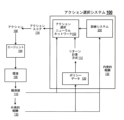
図1は、例示的なアクション選択システム100を示す。アクション選択システム100は、以下で説明するシステム、構成要素および技法が実装される1つまたは複数のロケーションにおける、1つまたは複数のコンピュータ上にコンピュータプログラムとして実装されるシステムの一例である。 Figure 1 illustrates an exemplary action selection system 100. Action selection system 100 is an example of a system implemented as a computer program on one or more computers at one or more locations where the systems, components, and techniques described below are implemented.
アクション選択システム100は、1つまたは複数のアクション選択ニューラルネットワーク102およびポリシーデータ120を使用して、タスクのエピソードの実行中に複数の時間ステップの各々においてエージェント104によって実行されるアクション108を選択することによって、タスクを完遂するために環境106と相互作用するエージェント104を制御する。
The action selection system 100 controls an
タスクの「エピソード」は反復のシーケンスであり、その間に、エージェントは、環境のいくつかの開始状態から開始するタスクのインスタンスを実行することを試みる。言い換えれば、各タスクエピソードは、初期状態、たとえば固定された初期状態またはランダムに選択された初期状態にある環境で開始し、エージェントがタスクを完了することに成功したとき、またはいくつかの終了基準が満たされたとき、たとえば環境が終端状態として指定された状態に入るか、もしくはエージェントがタスクの完了に成功せずにしきい値の数のアクションを実行したときに終了する。 An "episode" of a task is a sequence of iterations during which the agent attempts to execute an instance of the task starting from some starting state of the environment. In other words, each task episode begins with the environment in an initial state, e.g., a fixed or randomly selected initial state, and ends when the agent successfully completes the task or when some exit criterion is met, e.g., the environment enters a state designated as a terminal state, or the agent performs a threshold number of actions without successfully completing the task.
任意の所与のタスクエピソードの間の各時間ステップにおいて、システム100は、時間ステップにおける環境106の現在の状態を特徴づける観測値110を受信し、それに応じて、その時間ステップにおいてエージェント104によって実行されるアクション108を選択する。エージェントがアクション108を実行した後、環境106は新しい状態に移行し、システム100は環境106から外発的報酬130を受信する。
At each time step during any given task episode, the system 100 receives
一般に、外発的報酬130は、スカラーの数値であり、タスクの完了に向けたエージェント104の進歩を特徴づける。 In general, the extrinsic reward 130 is a scalar, numerical value that characterizes the agent's 104 progress toward completing the task.
特定の例として、外発的報酬130は、アクションが実行された結果として、タスクが完了に成功しなかった場合にゼロであり、タスクが完了に成功した場合に1である、スパースな2値報酬であり得る。 As a particular example, the extrinsic reward 130 may be a sparse binary reward that is zero if the task is not successfully completed and one if the task is successfully completed as a result of the action being taken.
別の特定の例として、外発的報酬130は、タスクの実行を試みるエピソードの間に受信された個々の観測値に基づいて決定されたときに、タスクの完了に向けたエージェントの進歩を測定する密な報酬であり得、すなわち、それにより、タスクが完了に成功する前に非ゼロ報酬が頻繁に受信され得る。 As another specific example, the extrinsic reward 130 may be a dense reward that measures the agent's progress toward completing the task as determined based on individual observations received during an episode of attempting to perform the task, i.e., whereby a non-zero reward may be received frequently before the task is successfully completed.
任意の所与のタスクエピソードを実行する間、システム100は、タスクエピソードにわたって受信されたリターンを最大化することを試みるためにアクションを選択する。 While performing any given task episode, the system 100 selects actions to attempt to maximize the returns received over the task episode.
すなわち、エピソードの間の各時間ステップにおいて、システム100は、時間ステップから開始するタスクエピソードの残りに対して受信されるリターンを最大化することを試みるアクションを選択する。 That is, at each time step during an episode, the system 100 selects an action that attempts to maximize the return received for the remainder of the task episode starting at the time step.
一般に、任意の所与の時間ステップにおいて、受信されるリターンは、エピソード内の所与の時間ステップの後の時間ステップにおいて受信される報酬の組合せである。 In general, at any given time step, the return received is a combination of the rewards received at time steps following the given time step in the episode.
たとえば、時間ステップtにおいて、リターンは、
Σiγi-t-1ri、
を満足する。ここでiは、エピソード内のtの後の時間ステップのすべてにわたって、またはエピソード内のtの後の時間ステップのいくつかの固定数に対して変動し、γはディスカウントファクタであり、riは時間ステップiにおける総報酬である。上式から分かるように、ディスカウントファクタの値が高いほど、リターン計算に対してより長い計画対象期間をもたらし、すなわち、時間ステップtから時間的により離れた時間ステップからの報酬が、リターン計算においてより大きい重みを与えられることをもたらす。
For example, at time step t, the return is
Σ i γ it-1 r i ,
where i varies over all of the time steps after t in the episode or for some fixed number of time steps after t in the episode, γ is the discount factor, and r i is the total reward at time step i. As can be seen from the above equation, a higher value of the discount factor results in a longer time horizon for the return calculation, i.e., rewards from time steps that are further away in time from time step t are given more weight in the return calculation.
いくつかの実装形態では、所与の時間ステップに対する総報酬は、時間ステップにおいて受信された、すなわち前の時間ステップにおいて実行されたアクションの結果として受信された、外発的報酬に等しい。 In some implementations, the total reward for a given time step is equal to the extrinsic rewards received in the time step, i.e., received as a result of actions performed in previous time steps.
いくつかの他の実装形態では、システム100はまた、少なくとも時間ステップにおいて受信された観測値から内発的報酬132を取得、すなわち受信または生成する。内発的報酬132は、実行されるタスクとは無関係の方法で、すなわち外発的報酬130のように、時間ステップの時点でタスクの完了に向けたエージェントの進歩を特徴づけるのではなく、時間ステップの時点で環境の探査に向けたエージェントの進歩を特徴づける。すなわち、内発的報酬132は、タスクに対するエージェントの成績を測定するのではなく、環境の探査を測定する。たとえば、内発的報酬は、全環境および/または環境内の物体の可能な構成についての情報を観測値が提供する程度を示す値であり得、たとえば、環境が実世界の環境であり、観測値が環境の対応部分に関する画像(または他のセンサデータ)である場合、内発的報酬は、どれほど多くの環境が画像のうちの少なくとも1つの中に現れたかを示す値であり得る。時間ステップに対する内発的報酬の計算について、図2および図3を参照して以下でより詳細に説明する。 In some other implementations, the system 100 also obtains, i.e., receives or generates, an intrinsic reward 132 from the observations received at least in the time step. The intrinsic reward 132 characterizes the agent's progress toward exploring the environment at the time step in a manner independent of the task performed, i.e., rather than characterizing the agent's progress toward completing a task at the time step, as the extrinsic reward 130 does. That is, the intrinsic reward 132 measures the exploration of the environment rather than measuring the agent's performance on a task. For example, the intrinsic reward may be a value indicative of the extent to which the observations provide information about the entire environment and/or possible configurations of objects within the environment, e.g., if the environment is a real-world environment and the observations are images (or other sensor data) of a corresponding portion of the environment, the intrinsic reward may be a value indicative of how much of the environment appeared in at least one of the images. The calculation of the intrinsic reward for a time step is described in more detail below with reference to Figures 2 and 3.
これらの実装形態では、システム100は、少なくとも(i)時間ステップに対する外発的報酬、(ii)時間ステップに対する内発的報酬、および(iii)内発的報酬スケーリングファクタに基づいて、時間ステップにおいてエージェントによって受信された「総」報酬を決定することができる。 In these implementations, the system 100 can determine a "total" reward received by the agent in a time step based on at least (i) the extrinsic reward for the time step, (ii) the intrinsic reward for the time step, and (iii) an intrinsic reward scaling factor.
特定の例として、システム100は、時間ステップtに対して総報酬γtを、たとえば、
ポリシーデータ120は、リターン計算方式のセットからの複数の異なるリターン計算方式の間で選択するためのポリシーを規定するデータである。 Policy data 120 is data that defines a policy for selecting between multiple different return calculation methods from a set of return calculation methods.
セット内の各リターン計算方式は、タスクのエピソードを実行しながら環境を探査することに対して異なる重要度を割り当てる。言い換えれば、セット内のいくつかのリターン計算方式は、環境を探査すること、すなわち環境について新しい情報を収集することに対してより大きい重要度を割り当てる一方で、セット内の他のリターン計算方式は、環境を利用すること、すなわち環境についての現在の知識を利用することに対してより大きい重要度を割り当てる。 Each return computation scheme in the set assigns a different importance to exploring the environment while performing an episode of the task. In other words, some return computation schemes in the set assign a greater importance to exploring the environment, i.e., gathering new information about the environment, while other return computation schemes in the set assign a greater importance to exploiting the environment, i.e., exploiting current knowledge about the environment.
特定の一例として、各リターン計算方式は、リターンを生成するために報酬を組み合わせることにおいて使用される少なくとも1つのそれぞれのディスカウントファクタγを規定することができる。言い換えれば、いくつかのリターン計算方式が、比較的より大きいディスカウントファクタを規定することができ、すなわち今後の時間ステップにおいて報酬をもたらすディスカウントファクタが、現在の時間ステップに対するリターン計算において、他のリターン計算方式より比較的より重く重みづけられる。 As one particular example, each return calculation scheme may define at least one respective discount factor γ that is used in combining rewards to generate a return. In other words, some return calculation schemes may define relatively larger discount factors, i.e., discount factors that result in rewards in future time steps are weighted relatively more heavily in the return calculation for the current time step than other return calculation schemes.
別の特定の例として、各リターン計算方式は、リターンを生成するときに環境から受信された外発的報酬に対する内発的報酬の重要度を定義する少なくとも1つのそれぞれの内発的報酬スケーリングファクタβを規定することができる。 As another specific example, each return calculation scheme may define at least one respective intrinsic reward scaling factor β that defines the importance of intrinsic rewards relative to extrinsic rewards received from the environment when generating the return.
特に、上記で説明したように、内発的報酬スケーリングファクタは、所与の時間ステップに対する内発的報酬が、時間ステップに対する総報酬を生成するために所与の時間ステップに対する外発的報酬に加えられる前に、どの程度にスケーリングされるかを定義する。言い換えれば、いくつかのリターン計算方式は、比較的大きい内発的報酬スケーリングファクタ、すなわち時間ステップにおける内発的報酬が、時間ステップにおける総リターンの計算において、他のリターン計算方式よりも比較的大きい重みを割り当てられることをもたらすスケーリングファクタを規定することができる。 In particular, as explained above, the intrinsic reward scaling factor defines the extent to which the intrinsic reward for a given time step is scaled before being added to the extrinsic reward for a given time step to generate the total reward for the time step. In other words, some return calculation schemes may define a relatively large intrinsic reward scaling factor, i.e., a scaling factor that results in the intrinsic reward at a time step being assigned a relatively larger weight in the calculation of the total return at the time step than other return calculation schemes.
別の特定の例として、各リターン計算方式は、それぞれのディスカウントファクタ-内発的報酬スケーリングファクタペア、すなわちγ-βペアを規定することができ、それにより、セット内の各方式は、方式内のそれぞれの他のセットからのディスカウントファクタおよびスケーリングファクタに対する値の異なる組合せを規定する。 As another specific example, each return calculation scheme may define a respective discount factor-intrinsic reward scaling factor pair, i.e., γ-β pairs, such that each scheme in the set defines a different combination of values for the discount factors and scaling factors from each other set in the scheme.
エピソードを実行する前に、システム100は、ポリシーデータ120によって現在規定されているポリシーを使用してセット内の複数の異なる方式からリターン計算方式を選択する。たとえば、システム100は、ポリシーによって方式に割り当てられた報酬スコアに基づいて方式を選択することができる。方式を選択することについて、図4を参考して以下でより詳細に説明する。以下でより詳細に説明するように、ポリシーは、異なる方式が訓練中に異なる時間に選択される可能性がより高くなるように、訓練中に適応的に修正される。 Prior to running an episode, system 100 selects a return calculation scheme from multiple different schemes in the set using the policy currently specified by policy data 120. For example, system 100 may select a scheme based on a reward score assigned to the scheme by the policy. Selecting a scheme is described in more detail below with reference to FIG. 4. As described in more detail below, the policy is adaptively modified during training such that different schemes are more likely to be selected at different times during training.
次いで、システム100は、選択された方式に従ってタスクエピソードを実行するように、すなわち、1つまたは複数のアクション選択ニューラルネットワーク102を使用して、選択された方式を使用して計算されたリターンを最大化するように、エージェント104を制御する。
The system 100 then controls the
そうするために、エピソード内の各時間ステップにおいて、システム100は、アクション選択ニューラルネットワーク102を使用して、(i)時間ステップにおいて環境の現在の状態を特徴づける観測値110と、(ii)アクションスコア114を生成するために選択されたリターン計算方式112を規定する選択された方式データとを含む入力を処理する。選択された方式データは、任意の適切な方法において、たとえば、学習済み埋め込みとして、または選択された方式に対応する位置において「1」の値を有し、セット内のすべての他の方式に対応する位置において「0」の値を有するワンホットベクトルとして、選択される方式112を規定することができる。
To do so, at each time step within the episode, the system 100 uses an action selection neural network 102 to process inputs including: (i)
アクションスコア114(「リターン推定」とも呼ばれる)は、可能なアクションのセット内の各アクションに対するそれぞれの数値を含むことができ、時間ステップにおいてエージェント104によって実行されるアクション108を選択するためにシステム100によって使用される。
The action scores 114 (also called "return estimates") may include respective numerical values for each action in a set of possible actions and are used by the system 100 to select an
アクション選択ニューラルネットワーク102は、セット内の可能なリターン計算方式によって索引を付けられたアクション選択ポリシーのファミリーを実装することとして理解され得る。特に、訓練システム200(図2を参照してより詳細に説明する)は、選択されたリターン計算方式が、対応するアクション選択ポリシーが「探査的である」度合を特徴づけるように、すなわち、エージェントに環境を探査させるアクションを選択するように、アクション選択ニューラルネットワーク102を訓練することができる。言い換えれば、訓練システム200は、選択された方式上のニューラルネットワークを調整することが、どの方式が選択されたかに応じて環境の探査対環境の利用に対して、より多いまたはより少ない重点を置くアクション選択ポリシーを定義する出力をネットワークに生成させるように、アクション選択ニューラルネットワーク102を訓練する。
The action selection neural network 102 may be understood as implementing a family of action selection policies indexed by the possible return computation schemes in the set. In particular, the training system 200 (described in more detail with reference to FIG. 2) may train the action selection neural network 102 such that a selected return computation scheme characterizes the degree to which the corresponding action selection policy is "exploratory," i.e., to select actions that cause the agent to explore the environment. In other words, the
いくつかの実装形態では、1つまたは複数のアクション選択ニューラルネットワーク102は、観測値110と、選択されたリターン計算方式112を規定するデータとを含む入力を受信し、アクションスコア114を出力として生成する単一のニューラルネットワークである。すなわち、これらの実装形態では、アクションスコア114は、単一のアクション選択ニューラルネットワーク102の出力である。
In some implementations, the one or more action selection neural networks 102 are a single neural network that receives inputs including the
アクション選択ニューラルネットワーク102は、その説明された機能の実行を可能にする、任意の適切なニューラルネットワークアーキテクチャを用いて実装され得る。一例では、アクション選択ニューラルネットワーク102は、「埋め込み」サブネットワークと、「コア」サブネットワークと、「選択」サブネットワークとを含み得る。ニューラルネットワークのサブネットワークは、ニューラルネットワーク内の1つまたは複数のニューラルネットワーク層のグループを指す。観測値が画像であるとき、埋め込みサブネットワークは、畳み込みサブネットワークであり得、すなわち、時間ステップに対する観測値を処理するように構成された1つまたは複数の畳み込みニューラルネットワーク層を含む。観測値がより低次元のデータであるとき、埋め込みサブネットワークは、完全に接続されたサブネットワークであり得る。コアサブネットワークは、たとえば、1つまたは複数の長・短期記憶(LSTM:long short-term memory)ニューラルネットワーク層を含む回帰サブネットワークであり得、LSTMニューラルネットワーク層は、(i)埋め込みサブネットワークの出力、(ii)選択されたリターン計算方式を表す選択された方式データ、ならびに随意に(iii)直近に受信された外発的報酬(および随意に内発的報酬)および/または直近に実行されたアクションを規定するデータを処理するように構成される。選択サブネットワークは、アクションスコア114を生成するためにコアサブネットワークの出力を処理するように構成され得る。 The action selection neural network 102 may be implemented using any suitable neural network architecture that enables performance of its described functions. In one example, the action selection neural network 102 may include an "embedding" sub-network, a "core" sub-network, and a "selection" sub-network. A sub-network of a neural network refers to a group of one or more neural network layers in a neural network. When the observations are images, the embedding sub-network may be a convolutional sub-network, i.e., it includes one or more convolutional neural network layers configured to process the observations for a time step. When the observations are lower dimensional data, the embedding sub-network may be a fully connected sub-network. The core sub-network may be, for example, a recurrent sub-network including one or more long short-term memory (LSTM) neural network layers configured to process (i) the output of the embedding sub-network, (ii) selected scheme data representing a selected return calculation scheme, and optionally (iii) data specifying a most recently received extrinsic reward (and optionally an intrinsic reward) and/or a most recently performed action. The selection sub-network may be configured to process the output of the core sub-network to generate an action score 114.
いくつかの他の実装形態では、1つまたは複数のアクション選択ニューラルネットワーク102は、2つの別々のニューラルネットワーク、すなわち(i)環境との相互作用の間に受信された観測値に基づいて内発的報酬システムによって生成された内発的報酬のみから計算された内発的リターンを推定する内発的報酬アクション選択ニューラルネットワーク、および(ii)環境との相互作用の結果として環境から受信された外発的報酬のみから計算された外発的リターンを推定する外発的報酬アクション選択ニューラルネットワークである。 In some other implementations, the one or more action selection neural networks 102 are two separate neural networks: (i) an intrinsic reward action selection neural network that estimates an intrinsic return calculated solely from intrinsic rewards generated by the intrinsic reward system based on observations received during interaction with the environment, and (ii) an extrinsic reward action selection neural network that estimates an extrinsic return calculated solely from extrinsic rewards received from the environment as a result of interaction with the environment.
これらの実装形態では、2つの別々のニューラルネットワークは同じアーキテクチャを有することができるが、異なる量を推定するように訓練された結果として、すなわち、内発的報酬アクション選択ニューラルネットワークが内発的リターンを推定するように訓練されかつ外発的報酬アクション選択ニューラルネットワークが外発的リターンを推定するように訓練された結果として、異なるパラメータ値を有することができる。 In these implementations, the two separate neural networks may have the same architecture but may have different parameter values as a result of being trained to estimate different quantities, i.e., the intrinsic reward action selection neural network is trained to estimate intrinsic returns and the extrinsic reward action selection neural network is trained to estimate extrinsic returns.
これらの実装形態では、システム100は、各アクションに対してそれぞれの内発的アクションスコア(「推定された内発的リターン」)を生成するために内発的報酬アクション選択ニューラルネットワークを使用して入力を処理し、各アクションに対してそれぞれの外発的アクションスコア(「推定された外発的リターン」)を生成するために外発的報酬アクション選択ニューラルネットワークを使用して入力を処理する。 In these implementations, the system 100 processes the inputs using an intrinsic reward action selection neural network to generate a respective intrinsic action score for each action (an "estimated intrinsic return"), and processes the inputs using an extrinsic reward action selection neural network to generate a respective extrinsic action score for each action (an "estimated extrinsic return").
次いで、システム100は、アクションに対する最終アクションスコア(「最終リターン推定」)を生成するために内発的報酬スケーリングファクタに従って各アクションに対する内発的アクションスコアと外発的アクションスコアとを組み合わせることができる。 The system 100 can then combine the intrinsic and extrinsic action scores for each action according to the intrinsic reward scaling factor to generate a final action score for the action ("final return estimate").
一例として、j番目の方式が選択されたと仮定すると、観測値xに応答するアクションaに対する最終アクションスコアQ(x, a, j: θ)は、
Q(x, a, j: θ)=Q(x, a, j: θe)+βj・Q(x, a, j: θi)
を満たすことができ、ここでQ(x, a, j: θe)はアクションaに対する外発的アクションスコアであり、Q(x, a, j: θi)はアクションaに対する内発的アクションスコアであり、βjはj番目の方式内のスケーリングファクタである。
As an example, suppose the jth strategy is selected, the final action score Q(x, a, j: θ) for action a in response to observation x is
Q(x, a, j: θ)=Q(x, a, j: θ e )+β j・Q(x, a, j: θ i )
where Q(x, a, j: θ e ) is the extrinsic action score for action a, Q(x, a, j: θ i ) is the intrinsic action score for action a, and β j is a scaling factor within the j-th scheme.
別の例として、最終アクションスコアQ(x, a, j: θ)は、
Q(x, a, j: θ)=h(h-1(Q(x, a, j: θe))+βjh-1(Q(x, a, j: θi)))
を満たすことができ、ここでhは、ニューラルネットワークのために概算することを容易にするために、状態-アクション値関数、すなわち外発的および内発的報酬関数をスケーリングする単調増加の反転可能なスカッシング関数である。
As another example, the final action score Q(x, a, j: θ) is
Q(x, a, j: θ)=h(h -1 (Q(x, a, j: θ e ))+β j h -1 (Q(x, a, j: θ i )))
where h is a monotonically increasing, invertible squashing function that scales the state-action value functions, i.e., the extrinsic and intrinsic reward functions, to make them easy to estimate for neural networks.
したがって、リターン方式におけるβjの異なる値は、最終アクションスコアを計算するときに、内発的アクション選択ニューラルネットワークの予測が異なって重みを加えられることを生じさせる。 Thus, different values of β j in the return scheme cause the predictions of the intrinsic action selection neural network to be weighted differently when calculating the final action score.
システム100は、時間ステップにおいてエージェント104によって実行されるアクション108を選択するためにアクションスコア114を使用することができる。たとえば、システム100は、可能なアクションのセットにわたる確率分布を生成するためにアクションスコア114を処理し、次いで、確率分布に従ってアクションをサンプリングすることによって、エージェント104によって実行されるアクション108を選択し得る。システム100は、たとえば、ソフトマックス関数(soft-max function)を使用してアクションスコア114を処理することによって、可能なアクションのセットにわたって確率分布を生成することができる。別の例として、システム100は、最高のアクションスコア114に関連付けられた可能なアクションとしてエージェント104によって実行されるアクション108を選択し得る。随意に、システム100は、探査ポリシー、たとえば、システム100が確率1-εの最高の最終リターン推定を有するアクションを選択し、確率εのアクションのセットからランダムアクションを選択するε-greedy探査ポリシーを使用して時間ステップにおいてエージェント104によって実行されるアクション108を選択し得る。
The system 100 can use the action scores 114 to select an
タスクエピソードが実行されると、すなわち、エージェントがタスクの実行に成功すると、またはタスクエピソードに対するいくつかの終了基準が満たされると、システム100は、(i)ポリシーデータ120によって現在規定されているリターン計算方式の間で選択するためのポリシーを更新するために、(ii)アクション選択ニューラルネットワーク102を訓練するために、または両方のために、タスクエピソードの結果を使用することができる。 Once a task episode is executed, i.e., the agent successfully executes the task or some termination criteria for the task episode are met, the system 100 can use the results of the task episode to (i) update the policy for selecting between the return computation schemes currently specified by the policy data 120, (ii) train the action selection neural network 102, or both.
より一般的には、ポリシーデータ120によって規定されたポリシーと、アクション選択ニューラルネットワーク102のパラメータ値の両方が、エージェント104の環境との相互作用の結果として生成された軌道に基づいて訓練中に更新される。 More generally, both the policy prescribed by the policy data 120 and the parameter values of the action selection neural network 102 are updated during training based on trajectories generated as a result of the agent's 104 interactions with the environment.
特に、訓練中、システム100は、最近生成された軌道、たとえば直近に生成された軌道の固定サイズのスライディングウィンドウ内で生成された軌道を使用してリターン方式選択ポリシーを更新する。この適応機構を使用して訓練プロセスを通してリターン計算方式選択ポリシーを調整することによって、異なるリターン計算方式が、アクション選択ニューラルネットワークの訓練中に異なるポイントにおいて選択される可能性がより高い。この適応機構を使用することで、システム100が、訓練中の任意の所与の時間において、最も適切な計画対象期間、最も適切な探査の程度、または両方を効果的に選択することが可能になる。これは、様々なタスクのうちのいずれかを実行するためにエージェントを制御するとき、改善された性能を示すことができる訓練されたニューラルネットワークをもたらす。 In particular, during training, the system 100 updates the return scheme selection policy using recently generated trajectories, e.g., trajectories generated within a fixed-size sliding window of the most recently generated trajectories. By using this adaptation mechanism to adjust the return computation scheme selection policy throughout the training process, different return computation schemes are more likely to be selected at different points during the training of the action selection neural network. Using this adaptation mechanism allows the system 100 to effectively select the most appropriate time horizon, the most appropriate degree of exploration, or both, at any given time during training. This results in a trained neural network that can exhibit improved performance when controlling an agent to perform any of a variety of tasks.
リターン方式選択ポリシーを更新することについて、図4を参照して以下でより詳細に説明する。 Updating the return method selection policy is described in more detail below with reference to Figure 4.
システム100は、システム100によって生成され、リプレーバッファと呼ばれるデータストアに追加される軌道を使用してアクション選択ニューラルネットワーク102を訓練する。言い換えれば、訓練中に規定された間隔において、システム100は、リプレーバッファから軌道をサンプリングし、この軌道を軌道に使用してニューラルネットワーク102を訓練する。いくつかの実装形態では、リターン方式選択ポリシーを更新するために使用される軌道は、同じく、ニューラルネットワーク102の訓練に後で使用するためにリプレーバッファに追加される。他の実装形態では、リターン方式選択ポリシーを更新するために使用される軌道は、リプレーバッファに追加されず、ポリシーを更新するためにだけ使用される。たとえば、システム100は、ポリシーを更新するために使用されるタスクエピソードを実行することと、リプレーバッファに追加されるタスクエピソードを実行することとの間を交互に入れ替わり得る。 The system 100 trains the action selection neural network 102 using trajectories generated by the system 100 and added to a data store called a replay buffer. In other words, at defined intervals during training, the system 100 samples trajectories from the replay buffer and uses the trajectories to train the neural network 102. In some implementations, trajectories used to update the return strategy selection policy are also added to the replay buffer for later use in training the neural network 102. In other implementations, trajectories used to update the return strategy selection policy are not added to the replay buffer and are only used to update the policy. For example, the system 100 may alternate between executing task episodes used to update the policy and executing task episodes that are added to the replay buffer.
アクション選択ニューラルネットワークを訓練することについて、図2を参照して以下で説明する。 Training the action selection neural network is described below with reference to Figure 2.
いくつかの実装形態では、環境は実世界の環境であり、エージェントは、たとえば、(環境の中の並進および/もしくは回転によって、ならびに/またはその構成を変更することによって)実世界の環境の中を移動して、および/もしくは実世界の環境を修正して、実世界の環境と相互作用する機械的エージェントである。たとえば、エージェントは、たとえば、関心のあるオブジェクトを環境の中に位置付けること、関心のあるオブジェクトを環境の中の特定のロケーションに移動させること、関心のあるオブジェクトを環境の中で物理的に操作すること、もしくは環境の中の特定の目的地にナビゲートすることを行うために環境と相互作用するロボットであり得るか、またはエージェントは、環境内の指定された目的地に向けて環境を通り抜ける自律的もしくは半自律的な、地上、空中もしくは海上(海中)の車両であり得る。 In some implementations, the environment is a real-world environment and the agent is a mechanical agent that interacts with the real-world environment, e.g., by moving through and/or rotating within the environment and/or by changing its configuration, and/or by modifying the real-world environment. For example, the agent may be a robot that interacts with the environment, e.g., to locate an object of interest within the environment, move an object of interest to a particular location within the environment, physically manipulate an object of interest within the environment, or navigate to a particular destination within the environment, or the agent may be an autonomous or semi-autonomous ground, air, or sea (underwater) vehicle that moves through the environment toward a specified destination within the environment.
これらの実装形態では、観測値は、たとえば、画像、オブジェクト位置データ、およびエージェントが環境と相互作用するときに観測値を捕捉するためのセンサデータ、たとえば画像、距離もしくは位置のセンサからのまたはアクチュエータからのセンサデータのうちの1つまたは複数を含み得る。 In these implementations, the observations may include, for example, one or more of images, object position data, and sensor data, e.g., from image, distance or position sensors or from actuators, to capture the observations as the agent interacts with the environment.
たとえば、ロボットの場合、観測値は、ロボットの現在の状態を特徴づけるデータ、たとえば、ジョイント位置、ジョイント速度、ジョイントの力、トルクまたは加速度、たとえば重力補償トルクフィードバック、およびロボットによって把持される品目の大域的または相対的姿勢(global or relative pose)のうちの1つまたは複数を含み得る。 For example, in the case of a robot, the observations may include data characterizing the current state of the robot, such as one or more of joint positions, joint velocities, joint forces, torques or accelerations, such as gravity compensated torque feedback, and the global or relative pose of an item being grasped by the robot.
ロボットまたは他の機械的エージェントもしくは車両の場合、観測値は、同様に、エージェントの1つまたは複数の部分の位置、線速度または角速度、力、トルクまたは加速度、および大域的または相対的姿勢のうちの1つまたは複数を含み得る。観測値は、1次元、2次元または3次元において規定され得、絶対的および/または相対的観測値であり得る。 In the case of a robot or other mechanical agent or vehicle, the observables may similarly include one or more of the position, linear or angular velocity, force, torque or acceleration, and global or relative pose of one or more parts of the agent. The observables may be specified in one, two or three dimensions and may be absolute and/or relative observables.
観測値は、たとえば、実世界の環境を感知する1つもしくは複数のセンサデバイスによって取得されたデータ、たとえば、モータ電流もしくは温度信号などの感知された電気信号、および/または、たとえばカメラもしくはLIDARセンサからの画像もしくはビデオデータ、たとえばエージェントのセンサからのデータもしくは環境内のエージェントから離れて位置するセンサからのデータも含み得る。 The observations may include, for example, data acquired by one or more sensor devices sensing the real-world environment, e.g., sensed electrical signals such as motor currents or temperature signals, and/or image or video data, e.g., from a camera or LIDAR sensor, e.g., data from a sensor on the agent or from a sensor located remotely from the agent in the environment.
電子的エージェントの場合、観測値は、電流、電圧、電力、温度などの工場またはサービス設備の部分をモニタする1つまたは複数のセンサからの、ならびに機器の電子的および/または機械的品目の機能を表す他のセンサおよび/または電子信号からのデータを含み得る。 In the case of electronic agents, the observations may include data from one or more sensors monitoring parts of a plant or service facility, such as current, voltage, power, temperature, and other sensors and/or electronic signals that represent the functioning of electronic and/or mechanical items of equipment.
アクションは、ロボットを制御するための制御入力、たとえばロボットのジョイントに対するトルクまたはより高いレベルの制御コマンド、あるいは自律的もしくは半自律的な地上もしくは空中もしくは海上(海中)の車両、たとえば車両の制御面もしくは他の制御要素に対するトルクまたはより高いレベルの制御コマンドであり得る。 An action can be a control input for controlling a robot, e.g., torque or higher level control commands for the joints of the robot, or an autonomous or semi-autonomous ground, air or sea (subsea) vehicle, e.g., torque or higher level control commands for a control surface or other control element of the vehicle.
言い換えれば、アクションは、たとえば、ロボットの1つもしくは複数のジョイントまたは別の機械的エージェントの部分に対する位置、速度または力/トルク/加速度のデータを含むことができる。アクションは、追加または代替として、モータ制御データなどの電子制御データ、またはより一般的には、環境内の1つもしくは複数の電子デバイスを制御するためのデータを含んでよく、それらの制御は、観測された環境の状態に影響を及ぼす。たとえば、自律的または半自律的な地上、空中または海上(海中)の車両の場合、アクションは、ナビゲーション、たとえば操舵、および運動、たとえば車両の制動および/または加速を制御するためのアクションを含み得る。 In other words, an action may include, for example, position, velocity, or force/torque/acceleration data for one or more joints of a robot or part of another mechanical agent. An action may additionally or alternatively include electronic control data, such as motor control data, or more generally, data for controlling one or more electronic devices in the environment, the control of which affects the observed state of the environment. For example, in the case of an autonomous or semi-autonomous ground, air, or sea (subsea) vehicle, the action may include actions for controlling navigation, e.g., steering, and motion, e.g., braking and/or acceleration of the vehicle.
いくつかの実装形態では、環境はシミュレートされた環境であり、エージェントは、シミュレートされた環境と相互作用する1つまたは複数のコンピュータとして実装される。 In some implementations, the environment is a simulated environment and the agent is implemented as one or more computers that interact with the simulated environment.
たとえば、シミュレートされた環境は、ロボットまたは車両のシミュレーションであり得、アクション選択ネットワークは、シミュレーション上で訓練され得る。たとえば、シミュレートされた環境は、モーションシミュレーション環境、たとえばドライビングシミュレーションまたはフライトシミュレーションであり得、エージェントはモーションシミュレーションを介してナビゲートするシミュレートされた車両であり得る。これらの実装形態では、アクションは、シミュレートされたユーザまたはシミュレートされた車両を制御するための制御入力であり得る。 For example, the simulated environment may be a simulation of a robot or vehicle, and the action selection network may be trained on the simulation. For example, the simulated environment may be a motion simulation environment, such as a driving simulation or a flight simulation, and the agent may be a simulated vehicle that navigates through the motion simulation. In these implementations, the actions may be control inputs for controlling a simulated user or a simulated vehicle.
別の例では、シミュレートされた環境はビデオゲームであり得、エージェントは、ビデオゲームをプレイするシミュレートされたユーザであり得る。 In another example, the simulated environment may be a video game and the agent may be a simulated user playing the video game.
さらなる例では、環境は、各状態がタンパク質鎖のそれぞれの状態であり、エージェントは、タンパク質鎖をいかにして折り畳むかを決定するためのコンピュータシステムであるような、タンパク質フォールディング環境であり得る。この例では、アクションは、タンパク質鎖を折り畳むための可能なフォールディングアクションであり、達成されるべき結果は、たとえば、タンパク質が安定しているように、およびタンパク質が特定の生物学的機能を達成するようにタンパク質を折り畳むことを含み得る。別の例として、エージェントは、人による相互作用なしに、システムによって自動的に選択されたタンパク質フォールディングアクションを実行または制御する機械的エージェントであり得る。観測値は、タンパク質の状態の直接的もしくは間接的観測値を含んでよく、および/またはシミュレーションから導出され得る。 In a further example, the environment may be a protein folding environment, where each state is a respective state of a protein chain, and the agent is a computer system for determining how to fold the protein chain. In this example, the actions are possible folding actions for folding the protein chain, and the results to be achieved may include, for example, folding the protein so that it is stable and so that it achieves a particular biological function. As another example, the agent may be a mechanical agent that performs or controls protein folding actions automatically selected by the system without human interaction. The observations may include direct or indirect observations of the protein's state and/or may be derived from a simulation.
一般に、シミュレートされた環境の場合、観測値は、前に説明した観測値または観測値のタイプのうちの1つまたは複数のシミュレートされたバージョンを含んでよく、アクションは、前に説明したアクションまたはアクションのタイプのうちの1つまたは複数のシミュレートされたバージョンを含んでよい。 In general, for a simulated environment, the observations may include simulated versions of one or more of the observations or types of observations previously described, and the actions may include simulated versions of one or more of the actions or types of actions previously described.
シミュレートされた環境内のエージェントを訓練することは、エージェントが大量のシミュレートされた訓練データから学習しながら、実世界の環境の中でエージェントを訓練することに関連するリスク、たとえば不十分に選択されたアクションの実行に起因するエージェントへの損傷を回避することを可能にし得る。シミュレートされた環境内で訓練されるエージェントは、その後、実世界の環境の中に配置され得る。 Training an agent in a simulated environment may allow the agent to learn from large amounts of simulated training data while avoiding the risks associated with training an agent in a real-world environment, such as damage to the agent due to the execution of poorly selected actions. Agents trained in a simulated environment may then be deployed in a real-world environment.
いくつかの他のアプリケーションでは、エージェントは、たとえば、データセンター、または配管網から引き込んだ電力もしくは水の分配システムの中、あるいは製造工場もしくはサービス設備の中の機器の品目を含む、実世界の環境内のアクションを制御し得る。次いで、観測値は、工場または設備の動作に関連し得る。たとえば、観測値は、機器による電力もしくは水の使用量の観測値、または電力の生成もしくは分配の制御の観測値、またはリソースの使用量もしくは廃棄物産出の観測値を含み得る。エージェントは、たとえばリソース使用量を低減することによって効率を向上させるため、および/または、たとえば廃棄物を低減することによって環境内の動作の環境影響を低減するために、環境内のアクションを制御し得る。アクションは、工場/設備の機器の品目に対する動作条件を制御するかもしくは課するアクション、および/または、たとえば工場/設備の構成要素を調整もしくはオン/オフするために工場/設備の動作における設定に変更をもたらすアクションを含み得る。 In some other applications, the agent may control actions in a real-world environment, including, for example, items of equipment in a data center, or a power or water distribution system drawn from a grid, or in a manufacturing plant or service facility. The observations may then relate to the operation of the plant or facility. For example, the observations may include observations of power or water usage by equipment, or observations of control of power generation or distribution, or observations of resource usage or waste production. The agent may control actions in the environment to improve efficiency, for example by reducing resource usage, and/or to reduce the environmental impact of operations in the environment, for example by reducing waste. The actions may include actions that control or impose operating conditions on items of equipment in the plant/facility, and/or actions that effect changes in settings in the operation of the plant/facility, for example to adjust or turn on/off components of the plant/facility.
随意に、上記の実装形態のいずれかにおいて、任意の所与の時間ステップにおける観測値は、環境を特徴づけるのに有益であり得る、前の時間ステップからのデータ、たとえば、前の時間ステップにおいて実行されたアクション、前の時間ステップにおいて実行されたことに応答して受信された報酬などを含み得る。 Optionally, in any of the above implementations, the observations at any given time step may include data from previous time steps that may be useful in characterizing the environment, such as actions performed in the previous time step, rewards received in response to actions performed in the previous time step, etc.
訓練システム200は、各時間ステップにおいてエージェント104によって受信された報酬を決定することができ、エージェントによって受信された報酬の累積測度(cumulative measure)を最適化するために強化学習技法を使用してアクション選択ニューラルネットワーク102を訓練し得る。エージェントによって受信された報酬は、たとえば、スカラーの数値によって表され得る。訓練システム200は、時間ステップにおいてアクション選択ニューラルネットワーク102によって処理された内発的報酬スケーリングファクタ112に少なくとも部分的に基づいて各時間ステップにおいてエージェントによって受信された報酬を決定することができる。特に、内発的報酬スケーリングファクタ112の値は、環境106の探査がエージェントによって受信された報酬に貢献する程度を決定することができる。このようにして、訓練システム200は、内発的報酬スケーリングファクタ112のより高い値に対して、アクション選択ニューラルネットワーク102が、エージェントに環境をより速やかに探査させるアクションを選択するように、アクション選択ニューラルネットワーク102を訓練し得る。
The
図2は、例示的な訓練システム200を示す。訓練システム200は、以下で説明するシステム、構成要素および技法が実装される1つまたは複数のロケーションにおける、1つまたは複数のコンピュータ上にコンピュータプログラムとして実装されるシステムの一例である。
Figure 2 illustrates an
訓練システム200は、アクション選択ニューラルネットワーク102を使用して選択されたアクションを実行することによってエージェントによって受信された総報酬の累積測度を最適化するために、(図1を参照して説明したように)アクション選択ニューラルネットワーク102を訓練するように構成される。
The
上記で説明したように、訓練システム200は、少なくとも(i)時間ステップに対する「外発的」報酬204、(ii)時間ステップに対する「探査」報酬206、および(iii)時間ステップが属するエピソードに対してサンプリングされたリターン計算方式210によって規定される内発的報酬スケーリングファクタに基づいて、時間ステップにおいてエージェントによって受信された「総」報酬202を決定することができる。
As explained above, the
上記で説明したように、内発的報酬206は、時間ステップにおいて環境を探査することに向けたエージェントの進歩を特徴づけ得る。たとえば、訓練システム200は、(i)時間ステップにおける環境の状態を特徴づける観測値212の埋め込みと、(ii)それぞれの前の時間ステップにおける環境の状態を特徴づける1つまたは複数の前の観測値の埋め込みとの間の類似性測度に基づいて、時間ステップに対する内発的報酬206を決定することができる。特に、時間ステップにおける観測値の埋め込みと前の時間ステップにおける観測値の埋め込みとの間のより低い類似性は、エージェントが、前に見ていない環境の様相を探査しており、それゆえ、より高い内発的報酬206をもたらすことを示し得る。訓練システム200は、図3を参照してより詳細に説明する内発的報酬システム300を使用して、時間ステップにおける環境の状態を特徴づける観測値212を処理することによって、時間ステップに対する内発的報酬206を生成することができる。
As described above, the intrinsic reward 206 may characterize the agent's progress toward exploring the environment at the time step. For example, the
アクション選択ニューラルネットワーク102を訓練するために、訓練システム200は、タスクエピソードの間に1つまたは複数の(連続する)時間ステップにわたってエージェントの環境との相互作用を特徴づける「軌道」を取得する。特に、軌道は、各時間ステップに対して、(i)時間ステップにおける環境の状態を特徴づける観測値212、(ii)時間ステップに対する内発的報酬202、および(iii)時間ステップに対する外発的報酬を規定し得る。軌道はまた、軌道に対応する、すなわちタスクエピソードの間にエージェントによって実行されるアクションを選択するために使用された、リターン計算方式を規定する。
To train the action selection neural network 102, the
単一のアクション選択ニューラルネットワークが存在するとき、訓練エンジン208は、その後、時間ステップに対する内発的報酬から、時間ステップに対する外発的報酬から、および上記で説明した内発的報酬スケーリングファクタから、すなわち一定の内発的報酬スケーリングファクタかまたは異なるリターン計算方式が異なる内発的報酬スケーリングファクタを規定する場合は軌道に対応するリターン計算方式によって規定された内発的報酬スケーリングファクタのいずれかから、各時間ステップに対するそれぞれの総報酬を計算することによってアクション選択ニューラルネットワーク102を訓練することができる。
When there is a single action selection neural network, the
次いで、訓練エンジン208は、強化学習技法を使用して軌道上のアクション選択ニューラルネットワークを訓練することができる。強化学習技法は、たとえばQ学習技法、たとえばリトレースQ学習技法、または変換されたベルマン演算子を有するリトレースQ学習技法であり得、それにより、アクション選択ニューラルネットワークはQニューラルネットワークであり、アクションスコアは、対応するアクションがエージェントによって実行される場合に受信される、予期されるリターンを推定するQ値である。
The
一般的に、強化学習技法は、アクション選択ニューラルネットワークを訓練するための目標出力を計算するために、軌道内で今後の時間ステップにおいて受信される報酬に対するディスカウントファクタを使用すること、任意の所与の時間ステップの後に受信される今後のリターンを推定すること、または両方を行う。軌道上で訓練するとき、システム200は、軌道に対応するリターン計算方式内のディスカウントファクタを使用する。これは、アクション選択ニューラルネットワークが、異なるディスカウントファクタ上で調整されたときに、今後の報酬を異なって重みづけるアクションスコアを生成するように訓練されることをもたらす。
In general, reinforcement learning techniques use discount factors for rewards received at future time steps in a trajectory, estimate future returns received after any given time step, or both, to calculate target outputs for training an action selection neural network. When training on a trajectory,
2つのアクション選択ニューラルネットワーク102が存在するとき、訓練エンジン208は、同じ軌道上で別々に、すなわち軌道内の時間ステップに対する総報酬を計算することなく、2つのアクション選択ニューラルネットワーク102を訓練することができる。より具体的には、訓練エンジン208は、強化学習技法を使用して、しかし軌道内の時間ステップに対する内発的報酬だけを使用して、内発的報酬アクション選択ニューラルネットワークを訓練することができる。訓練エンジン208はまた、強化学習技法を使用して、しかし軌道内の時間ステップに対する外発的報酬だけを使用して、外発的報酬アクション選択ニューラルネットワークを訓練することができる。
When there are two action selection neural networks 102, the
両ニューラルネットワークを訓練するために、訓練エンジン208は、訓練に対して同じ「目標」ポリシー、すなわち、対応するリターン計算方式210内のスケーリングファクタを使用して計算された総報酬を最大化するアクションを選択するポリシーを使用することができる。同様に、上記で説明したように、軌道上で訓練するとき、システム200は、軌道に対応するリターン計算方式におけるディスカウントファクタを使用する。これは、アクション選択ニューラルネットワークが、異なるディスカウントファクタ上で調整されたときに今後の報酬を異なって重みづけるアクションスコアを生成するように訓練されることをもたらす。
To train both neural networks, the
そうすることにおいて、システム200は、対応するアクションがエージェントによって実行される場合に受信される内発的リターンの推定である内発的アクションスコア(「推定された内発的リターン」)を生成するように内発的報酬アクション選択ニューラルネットワークを訓練しながら、対応するアクションがエージェントによって実行される場合に受信される外発的リターンの推定である外発的アクションスコア(「推定された外発的リターン」)を生成するように外発的報酬アクション選択ニューラルネットワークを訓練する。
In doing so, the
いくつかの実装形態では、訓練中、システム100は、複数のアクターコンピューティングユニット(actor computing unit)を使用してアクション選択ニューラルネットワーク102を訓練することにおいて訓練システム200によって使用するための軌道を生成することができる。これらの実装形態のいくつかでは、各アクターコンピューティングユニットは、複数の異なるリターン計算方式の間で選択するためのポリシーを維持しかつ別々に更新する。これは、異なるアクターコンピューティングユニットがε-greedy制御におけるεの異なる値を使用するか、または場合によっては、エージェントを異なって制御するときに有利であり得る。いくつかの他の実装形態では、システムは、アクターコンピューティングユニットのすべてに対して同じである中央ポリシーを維持することができる。
In some implementations, during training, the system 100 can generate trajectories for use by the
複数のアクターコンピューティングユニットが使用されるとき、各アクターコンピューティングユニットは、タスクエピソードを実行し、タスクエピソードの間のエージェントの相互作用の結果を使用してリターン計算方式選択ポリシー、すなわち中央ポリシーかまたはアクターコンピューティングユニットによって別々に維持されているポリシーのいずれかを更新するためにエージェントのインスタンスを制御することと、アクション選択ニューラルネットワークを訓練するための訓練データを生成することとを行うために、図1を参照して上記で説明した演算を反復して実行することができる。 When multiple actor computing units are used, each actor computing unit may iteratively perform the operations described above with reference to FIG. 1 to control an instance of an agent to execute a task episode and use the results of the agent's interactions during the task episode to update a return computational selection policy, i.e., either a central policy or a policy maintained separately by the actor computing unit, and to generate training data for training an action selection neural network.
コンピューティングユニットは、たとえば、コンピュータ、複数のコアを有するコンピュータ内のコア、または他のハードウェアもしくはソフトウェア、たとえば、演算を別々に実行することができるコンピュータ内の専用スレッドであり得る。コンピューティングユニットは、プロセッサコア、プロセッサ、マイクロプロセッサ、専用論理回路、たとえばFPGA(フィールドプログラマブルゲートアレー)もしくはASIC(特定用途向け集積回路)、または任意の他の適切なコンピューティングユニットを含み得る。いくつかの例では、コンピューティングユニットは、すべて同じタイプのコンピューティングユニットである。他の例では、コンピューティングユニットは、異なるタイプのコンピューティングユニットであり得る。たとえば、1つのコンピューティングユニットはCPUであり得る一方で、他のコンピューティングユニットはGPUであり得る。 A computing unit may be, for example, a computer, a core in a computer with multiple cores, or other hardware or software, e.g., a dedicated thread in a computer that can perform operations separately. A computing unit may include a processor core, a processor, a microprocessor, a dedicated logic circuit, e.g., an FPGA (field programmable gate array) or an ASIC (application specific integrated circuit), or any other suitable computing unit. In some examples, the computing units are all the same type of computing unit. In other examples, the computing units may be different types of computing units. For example, one computing unit may be a CPU while another computing unit may be a GPU.
訓練システム200は、リプレーバッファと呼ばれるデータストア内の各アクターコンピューティングユニットによって生成された軌道を記憶し、複数の訓練反復の各々において、アクション選択ニューラルネットワーク102の訓練に使用するためにリプレーバッファから一群の軌道をサンプリングする。訓練システム200は、たとえば、それぞれのスコアを各記憶された軌道に割り当て、そのスコアに関連付けられた軌道をサンプリングすることによって、優先順位をつけられた経験リプレーアルゴリズム(prioritized experience replay algorithm)に従ってリプレーバッファから軌道をサンプリングすることができる。例示的な優先順位をつけられた経験リプレーアルゴリズムは、T. Schulら、「Prioritized experience replay」、arXiv:1511.05952v4 (2016年)において記載されている。
The
セット内のリターン計算方式内に含まれる、可能な内発的報酬スケーリングファクタ
他の可能な内発的報酬スケーリングファクタは、それぞれの正数(一般的にすべてが他の各々と異なる)であり得、それぞれの「探査」アクション選択ポリシーをアクション選択ニューラルネットワークに実施させると見なされ得る。探査アクション選択ポリシーは、対応する内発的報酬スケーリングファクタによって規定される程度に、そのタスクを解決することだけでなく環境を探査することも行うようにエージェントを促す。 The other possible intrinsic reward scaling factors can be each positive number (generally all different from each other) and can be thought of as having the action selection neural network implement a respective "exploratory" action selection policy. The exploratory action selection policy encourages the agent to explore the environment as well as to solve its task to the extent dictated by the corresponding intrinsic reward scaling factor.
アクション選択ニューラルネットワーク102は、探査アクション選択ポリシーによって提供される情報を使用して、より効果的な利用アクション選択ポリシーを学習することができる。探査ポリシーによって提供される情報は、たとえば、アクション選択ニューラルネットワークの共有される重みの中に記憶される情報を含み得る。アクション選択ポリシーの範囲を一緒に学習することによって、訓練システム200は、アクション選択ニューラルネットワーク102が、各個々のアクション選択ポリシーをより効率的に、たとえば、より少ない訓練反復にわたって学習することを可能にし得る。その上、探査ポリシーを学習することは、外発的報酬がスパースである、たとえばまれに非ゼロである場合でも、システムがアクション選択ニューラルネットワークを継続的に訓練することを可能にする。
The action selection neural network 102 can use information provided by the exploration action selection policy to learn a more effective exploitation action selection policy. Information provided by the exploration policy may include, for example, information stored in the shared weights of the action selection neural network. By jointly learning a range of action selection policies, the
アクション選択ニューラルネットワークの訓練が完了した後、システム100は、方式選択ポリシーを更新して上記で説明したように方式を選択することを継続すること、または方式選択ポリシーを固定して、方式選択ポリシーが最高の報酬スコアを示す方式を、貪欲に選択することによってエージェントを制御することのいずれかを行うことができる。 After training of the action selection neural network is complete, the system 100 can either update the scheme selection policy and continue to select schemes as described above, or fix the scheme selection policy and control the agent by greedily selecting the scheme for which the scheme selection policy shows the highest reward score.
一般に、システムは、内発的報酬としてタスクの進歩ではなく探査の進歩を特徴づける、任意の種類の報酬を使用することができる。内発的報酬および内発的報酬を生成するシステムの説明の特定の一例について、図3を参照して以下で説明する。 In general, the system can use any type of reward that characterizes exploration progress rather than task progress as an intrinsic reward. A specific example of an intrinsic reward and a description of a system that generates intrinsic rewards is described below with reference to FIG. 3.
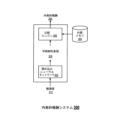
図3は、例示的な内発的報酬システム300を示す。内発的報酬システム300は、以下で説明するシステム、構成要素および技法が実装される1つまたは複数のロケーションにおける1つまたは複数のコンピュータ上にコンピュータプログラムとして実装されるシステムの一例である。
Figure 3 illustrates an example
内発的報酬システム300は、環境を探査することにおいてエージェントの進歩を特徴づける内発的報酬206を生成するために環境の現在の状態を特徴づける現在の観測値212を処理するように構成される。システム300によって生成された内発的報酬206は、たとえば、図2を参照して説明した訓練システム200によって使用され得る。
The
システム300は、埋め込みニューラルネットワーク302と、外部メモリ304と、比較エンジン306とを含み、それらの各々について、次により詳細に説明する。
The
埋め込みニューラルネットワーク302は、「可制御性表現」308(または「埋め込まれた可制御性表現」)と呼ばれる現在の観測値の埋め込みを生成するために現在の観測値212を処理するように構成される。現在の観測値212の可制御性表現308は、数値の順序づけられた収集、たとえば、数値の配列として表され得る。埋め込みニューラルネットワーク302は、複数の層を有するニューラルネットワークとして実装され得、層のうちの1つまたは複数は、埋め込みニューラルネットワーク302の訓練中に修正される重みによって規定される関数を実行する。場合によっては、特に現在の観測値が少なくとも1つの画像の形であるとき、埋め込みニューラルネットワークの層のうちの1つまたは複数、たとえば少なくとも第1の層は、畳み込み層として実装され得る。
The embedded neural network 302 is configured to process the
システム300は、エージェントによって制御可能である環境の状態の態様を特徴づける観測値の可制御性表現を生成するために埋め込みニューラルネットワーク302を訓練し得る。環境の状態の一態様は、それがエージェントによって実行されたアクションによって(少なくとも部分的に)決定される場合、エージェントによって制御可能であると呼ばれ得る。たとえば、ロボットエージェントのアクチュエータによって把持される物体の位置は、エージェントによって制御可能であり得る一方で、周囲の照明条件または環境内の他のエージェントの動きは、エージェントによって制御可能ではない。埋め込みニューラルネットワーク302を訓練するための例示的な技法について、以下でより詳細に説明する。
The
外部メモリ304は、前の時間ステップにおける環境の状態を特徴づける前の観測値の可制御性表現を記憶する。 The external memory 304 stores a controllability representation of previous observations that characterize the state of the environment at the previous time step.
比較エンジン306は、現在の観測値212の可制御性表現308と外部メモリ304内に記憶されている前の観測値の可制御性表現とを比較することによって内発的報酬206を生成するように構成される。一般的に、比較エンジン306は、現在の観測値212の可制御性表現308が、外部メモリ内に記憶されている前の観測値の可制御性表現にあまり似ていない場合、より高い内発的報酬206を生成することができる。
The comparison engine 306 is configured to generate the intrinsic reward 206 by comparing the
たとえば、比較エンジン306は、内発的報酬γtを、

環境の状態の制御可能な態様を特徴づける可制御性表現に基づいて内発的報酬206を決定することは、アクション選択ニューラルネットワークのより効果的な訓練を可能にし得る。たとえば、環境の状態は、たとえば、照明および妨害物体の存在における変動を有する実世界の環境の場合、エージェントによって実行されるアクションとは無関係に変動する場合がある。特に、環境の現在の状態を特徴づける観測値は、エージェントが時間ステップの間に介在するアクションを実行していない場合でも、環境の前の状態を特徴づける観測値と実質的に異なる場合がある。それゆえ、環境の状態を特徴づける観測値を直接比較することによって決定された内発的報酬を最大化するように訓練されたエージェントは、たとえば、そのエージェントが、アクションを実行しないのに正の内発的報酬を受信する場合があるので、有意な環境の探査を実行しない場合がある。対照的に、システム300は、環境の制御可能な態様の有意な探査を達成することをエージェントに動機づける内発的報酬を生成する。
Determining the intrinsic reward 206 based on a controllability representation that characterizes controllable aspects of the state of the environment may enable more effective training of the action selection neural network. For example, the state of the environment may vary independently of the actions performed by the agent, e.g., in the case of real-world environments having variations in lighting and the presence of obstructing objects. In particular, the observations that characterize the current state of the environment may differ substantially from the observations that characterize the previous state of the environment even if the agent has not performed an intervening action during the time step. Therefore, an agent trained to maximize an intrinsic reward determined by directly comparing the observations that characterize the state of the environment may not perform significant exploration of the environment, for example, because the agent may receive a positive intrinsic reward without performing an action. In contrast, the
現在の時間ステップに対して内発的報酬206を生成するために現在の観測値212の可制御性表現308を使用することに加えて、システム300は、外部メモリ304に現在の観測値212の可制御性表現308を記憶し得る。
In addition to using the
いくつかの実装形態では、外部メモリ304は、「一時的」メモリであり得、すなわち、それにより、システム300は、メモリリセット基準が満たされるたびに、外部メモリを(たとえば、その内容を消去することによって)「リセットする」。たとえば、システム300は、現在の時間ステップの前にメモリリセット基準が時間ステップの所定の数N>1を最後に満たした場合、またはエージェントが現在の時間ステップにおけるそのタスクを完遂する場合、メモリリセット基準が現在の時間ステップにおいて満たされたと決定することができる。外部メモリ304が一時的メモリである実装形態では、比較エンジン306によって生成された内発的報酬206は、「一時的」内発的報酬と呼ばれることがある。一時的内発的報酬は、環境の状態を各可能な状態に反復的に遷移させるアクションを実行することによって、環境を継続的に探査するようにエージェントを促し得る。
In some implementations, the external memory 304 may be a "temporary" memory, i.e., the
一時的内発的報酬を決定することに加えて、システム300はまた、「非一時的」内発的報酬、すなわち、最後に一時的メモリがリセットされて以来のそれらの時間ステップだけではなく、前の時間ステップごとの環境の状態に応じた内発的報酬、を決定し得る。非一時的内発的報酬は、たとえば、Y. Burdaら、「Exploration by random network distillation」、arXiv:1810.12894v1、(2018年)に関して記載されるランダムネットワーク蒸留(RND:random network distillation)報酬であり得る。非一時的内発的報酬は、エージェントが環境を探査しながら時間がたつにつれて減少する場合があり、環境のすべての可能な状態を反復して再訪するようにエージェントを促さない。
In addition to determining the episodic intrinsic reward, the
随意に、システム300は、一時的報酬と非一時的報酬の両方に基づいて現在の時間ステップに対する内発的報酬206を生成することができる。たとえば、システム300は、時間ステップに対する内発的報酬Rtを、



埋め込みニューラルネットワーク302を訓練するためのいくつかの例示的な技法について、次により詳細に説明する。 Some example techniques for training the embedded neural network 302 are described in more detail below.
一例では、システム300は、アクション予測ニューラルネットワークを用いて埋め込みニューラルネットワーク302を一緒に訓練することができる。アクション予測ニューラルネットワークは、(i)第1の時間ステップにおいて環境の状態を特徴づける第1の観測値と、(ii)次の時間ステップにおいて環境の状態を特徴づける第2の観測値とのそれぞれの可制御性表現(埋め込みニューラルネットワークによって生成された)を含む入力を受信するように構成され得る。アクション予測ニューラルネットワークは、環境の状態を第1の観測値から第2の観測値に遷移させたエージェントによって実行されるアクションに対する予測を生成するために入力を処理し得る。システム300は、(i)アクション予測ニューラルネットワークによって生成された予測されたアクションと、(ii)エージェントによって実際に実行された「目標」アクションとの間の誤差を測定する目的関数を最適化するために、埋め込みニューラルネットワーク302とアクション予測ニューラルネットワークとを訓練し得る。特に、システム300は、目的関数の勾配を、アクション予測ニューラルネットワークを介して複数の訓練反復の各々において埋め込みニューラルネットワーク302に逆伝播し得る。目的関数は、たとえば、交差エントロピー目的関数であり得る。この方式で埋め込みニューラルネットワークを訓練することは、エージェントのアクションによって影響される環境についての情報、すなわち、環境の制御可能な態様を符号化するように可制御性表現を促す。
In one example, the
別の例では、システム300は、状態予測ニューラルネットワークを用いて埋め込みニューラルネットワーク302を一緒に訓練することができる。状態予測ニューラルネットワークは、(i)時間ステップにおいて環境の状態を特徴づける観測値の可制御性表現(埋め込みニューラルネットワーク302によって生成される)と、(ii)時間ステップにおいてエージェントによって実行されるアクションの表現とを含む入力を処理するように構成され得る。状態予測ニューラルネットワークは、次のステップにおいて、すなわちエージェントがアクションを実行した後に入力を処理して、予測される環境の状態を特徴づける出力を生成し得る。出力は、たとえば、次の時間ステップにおいて予測される環境の状態を特徴づける、予測される可制御性表現を含み得る。システム300は、(i)状態予測ニューラルネットワークによって生成された予測される可制御性表現と、(ii)次の時間ステップにおいて環境の実際の状態を特徴づける「目標」可制御性表現との間の誤差を測定する目的関数を最適化するために、埋め込みニューラルネットワーク302と状態予測ニューラルネットワークとを一緒に訓練することができる。「目標」可制御性表現は、次の時間ステップにおける環境の実際の状態を特徴づける観測値に基づいて埋め込みニューラルネットワークによって生成され得る。特に、システム300は、目的関数の勾配を、状態予測ニューラルネットワークを介して複数の訓練反復の各々において埋め込みニューラルネットワーク302に逆伝播させ得る。目的関数は、たとえば、二乗誤差目的関数であり得る。この方式で埋め込みニューラルネットワークを訓練することは、エージェントのアクションによって影響される環境についての情報、すなわち、環境の制御可能な態様を符号化するように可制御性表現を促す。
In another example, the
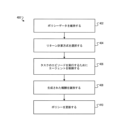
図4は、タスクエピソードを実行するため、およびリターン計算方式選択ポリシーを更新するための例示的なプロセス400の流れ図である。便宜上、プロセス400は、1つまたは複数のロケーション内に配置された1つまたは複数のコンピュータのシステムによって実行されているものとして説明する。たとえば、アクション選択システム、たとえば、本明細書に従って適切にプログラムされた図1のアクション選択システム100は、プロセス500を実行することができる。 FIG. 4 is a flow diagram of an exemplary process 400 for executing a task episode and updating a return calculation method selection policy. For convenience, process 400 is described as being performed by one or more computer systems located in one or more locations. For example, an action selection system, such as action selection system 100 of FIG. 1, suitably programmed in accordance with this specification, can perform process 500.
システムは、複数の異なるリターン計算方式の間で選択するためのポリシーを規定するポリシーデータを維持し、各リターン計算方式は、異なる重要度を、タスクのエピソードを実行しながら環境を探査することに対して割り当てる(ステップ402)。 The system maintains policy data that specifies a policy for selecting between multiple different return calculation schemes, each of which assigns a different importance to exploring the environment while executing an episode of the task (step 402).
システムは、ポリシーを使用して、複数の異なるリターン計算方式からリターン計算方式を選択する(ステップ404)。たとえば、ポリシーは、方式が1つのエピソードに対してエージェントを制御するために使用される場合、受信される報酬信号の現在の推定を表す各方式に、それぞれの報酬スコアを割り当てることができる。一例として、ポリシーを選択するために、システムは、最高の報酬スコアを有する方式を選択することができる。別の例として、確率εを用いて、システムは、方式のセットからランダム方式を選択することができ、確率1-εを用いて、システムは、ポリシーによって規定された最高の報酬スコアを有する方式を選択することができる。別の例として、ポリシーを選択するために、システムは、リターン計算方式のセットにわたって報酬スコアを確率分布に対してマッピングし、次いで、確率分布から方式をサンプリングすることができる。 The system uses the policy to select a return calculation scheme from a number of different return calculation schemes (step 404). For example, the policy may assign a respective reward score to each scheme that represents a current estimate of the reward signal that will be received if the scheme is used to control the agent for one episode. As an example, to select a policy, the system may select the scheme with the highest reward score. As another example, with probability ε, the system may select a random scheme from the set of schemes, and with probability 1-ε, the system may select the scheme with the highest reward score as prescribed by the policy. As another example, to select a policy, the system may map reward scores over the set of return calculation schemes to a probability distribution and then sample a scheme from the probability distribution.
システムは、選択されたリターン計算方式に従って計算されたリターンを最大化するようにタスクのエピソードを実行するためにエージェントを制御する(ステップ406)。すなわち、タスクエピソードの間に、システムは、選択されたリターン計算方式を識別するデータ上でアクション選択ニューラルネットワークを調整する。 The system controls the agent to execute the task episode to maximize the return calculated according to the selected return calculation scheme (step 406). That is, during the task episode, the system trains the action selection neural network on data identifying the selected return calculation scheme.
システムは、エージェントがタスクのエピソードを実行した結果として生成された報酬を識別する(ステップ408)。特定の例として、システムは、外発的報酬、すなわちタスクエピソード内の時間ステップの各々において受信された、タスク上の進歩を測定する報酬を識別することができる。 The system identifies rewards generated as a result of the agent performing the task episode (step 408). As a particular example, the system can identify extrinsic rewards, i.e., rewards received at each of the time steps within the task episode that measure progress on the task.
システムは、識別された報酬を使用して、複数の異なるリターン計算方式の間で選択するためにポリシーを更新する(ステップ410)。 The system uses the identified rewards to update the policy to select between different return calculation methods (step 410).
一般に、システムは、リターン計算方式の各々に対応するそれぞれの腕を有する非定常多腕バンディットアルゴリズムを使用してポリシーを更新する。 Typically, the system updates the policy using a non-stationary multi-armed bandit algorithm with each arm corresponding to each of the return calculation methods.
より具体的には、システムは、識別された報酬からバンディットアルゴリズムに対する報酬信号を生成し、次いで、報酬信号を使用してポリシーを更新することができる。報酬信号は、タスクエピソードの間に受信された外発的報酬の組合せ、たとえば、受信された報酬のディスカウントされない合計であるディスカウントされない外発的報酬であり得る。 More specifically, the system can generate a reward signal for the bandit algorithm from the identified rewards and then use the reward signal to update the policy. The reward signal can be a combination of the extrinsic rewards received during the task episode, for example, an undiscounted extrinsic reward that is the undiscounted sum of the rewards received.
システムは、様々な非定常多腕バンディットアルゴリズムのいずれかを使用して更新を実行することができる。 The system can perform updates using any of a variety of non-stationary multi-armed bandit algorithms.
特定の例として、システムは、各方式に対して、現在のエピソードのいくつかの固定数のタスクエピソード内、すなわち固定長の直近の計画期間(horizon)内のエピソードに対して受信された報酬信号の経験的平均(empirical mean)を計算することができる。次いで、システムは、方式に対する経験的平均から各方式に対する報酬スコアを計算することができる。たとえば、システムは、信頼限界ボーナス(confidence bound bonus)を所与の方式に対する経験的平均に追加することによって所与の方式に対する報酬スコアを計算することができる。信頼限界ボーナスは、すなわちより少ない時間を選択された方式が、より大きいボーナスを割り当てられるように、どれほど多くの回数を、所与の方式が最近の計画期間内に選択されたかに基づいて決定され得る。特定の例として、k番目のタスクエピソードの後に計算された所与の方式aに対するボーナスは、

したがって、システムは、アクション選択ニューラルネットワークの訓練中のリターン計算方式の間で選択するためのポリシーを適応的に修正し、異なるリターン計算方式が、訓練中の異なる時間においてポリシーによって好まれる(それゆえ、選択される可能性がより高くなる)ことをもたらす。ポリシーは、訓練中の任意の所与のポイントにおいて異なる方式に対して(外発的報酬に基づく)予期される報酬信号に基づくので、システムは、より高い外発的報酬がタスクエピソードにわたって収集されることをもたらす可能性がより高い方式を選択する可能性がより高く、より高い品質の訓練データがアクション選択ニューラルネットワークに対して生成されることをもたらす。 Thus, the system adaptively modifies a policy for selecting between return computation schemes during training of the action selection neural network, resulting in different return computation schemes being preferred (and therefore more likely to be selected) by the policy at different times during training. Because the policy is based on expected reward signals (based on extrinsic rewards) for the different schemes at any given point during training, the system is more likely to select a scheme that is more likely to result in higher extrinsic rewards being collected over a task episode, resulting in higher quality training data being generated for the action selection neural network.
本明細書は、システムおよびコンピュータプログラム構成要素との接続において「構成される」という用語を使用する。特定の動作またはアクションを実行するように構成されるべき1つまたは複数のコンピュータのシステムは、システムが、動作中に動作またはアクションをシステムに実行させるソフトウェア、ファームウェア、ハードウェアまたはそれらの組合せを、システム上にインストールしていることを意味する。特定の動作またはアクションを実行するように構成されるべき1つまたは複数のコンピュータプログラムは、1つまたは複数のプログラムが命令を含み、その命令は、データ処理装置によって実行されたとき、装置に動作またはアクションを実行させることを意味する。 This specification uses the term "configured" in connection with systems and computer program components. A system of one or more computers to be configured to perform a particular operation or action means that the system has installed thereon software, firmware, hardware, or a combination thereof that causes the system to perform the operation or action during operation. A computer program or programs to be configured to perform a particular operation or action means that the program or programs include instructions that, when executed by a data processing device, cause the device to perform the operation or action.
本明細書で説明する主題および関数演算の実施形態は、本明細書で開示する構造およびそれらの構造的等価物を含めて、ディジタル電子回路、明確に具現化されたコンピュータソフトウェアもしくはファームウェア、コンピュータハードウェア、またはそれらのうちの1つまたは複数の組合せの中に実装され得る。本明細書で説明する主題の実施形態は、1つまたは複数のコンピュータプログラム、すなわち、データ処理装置による実行のためにまたはデータ処理装置の動作を制御するために、有形の非一時的記憶媒体上に符号化されたコンピュータプログラム命令の1つまたは複数のモジュールとして実装され得る。コンピュータ記憶媒体は、機械可読記憶デバイス、機械可読記憶基板、ランダムもしくはシリアルアクセスメモリデバイス、またはそれらのうちの1つまたは複数の組合せであり得る。代替または追加として、プログラム命令は、データ処理装置による実行に好適な受信機装置に送信するための情報を符号化するために生成される、人工的に生成された伝播信号、たとえば機械的に生成された電気、光、または電磁の信号上に符号化され得る。 Embodiments of the subject matter and functional operations described herein, including the structures disclosed herein and their structural equivalents, may be implemented in digital electronic circuitry, tangibly embodied computer software or firmware, computer hardware, or a combination of one or more of them. Embodiments of the subject matter described herein may be implemented as one or more computer programs, i.e., one or more modules of computer program instructions encoded on a tangible, non-transitory storage medium for execution by or to control the operation of a data processing apparatus. The computer storage medium may be a machine-readable storage device, a machine-readable storage substrate, a random or serial access memory device, or a combination of one or more of them. Alternatively or additionally, the program instructions may be encoded on an artificially generated propagated signal, e.g., a mechanically generated electrical, optical, or electromagnetic signal, that is generated to encode information for transmission to a receiver device suitable for execution by a data processing apparatus.
「データ処理装置」という用語はデータ処理ハードウェアを指し、例としてプログラム可能な一プロセッサ、一コンピュータ、または複数のプロセッサもしくはコンピュータを含む、データを処理するためのあらゆる種類の装置、デバイス、および機械を包含する。装置はまた、専用論理回路、たとえばFPGA(フィールドプログラマブルゲートアレー)またはASIC(特定用途向け集積回路)であり得、またはそれをさらに含むことができる。装置は、随意に、ハードウェアに加えて、コンピュータプログラムに対する実行環境を生成するコード、たとえばプロセッサファームウェア、プロトコルスタック、データベース管理システム、オペレーティングシステム、またはそれらのうちの1つもしくは複数の組合せを構成するコード含むことができる。 The term "data processing apparatus" refers to data processing hardware and encompasses any kind of apparatus, device, and machine for processing data, including, by way of example, a programmable processor, computer, or multiple processors or computers. An apparatus may also be or further include special purpose logic circuitry, such as an FPGA (field programmable gate array) or an ASIC (application specific integrated circuit). An apparatus may optionally include, in addition to hardware, code that creates an execution environment for a computer program, such as code constituting a processor firmware, a protocol stack, a database management system, an operating system, or any combination of one or more of these.
プログラム、ソフトウェア、ソフトウェアアプリケーション、アプリ、モジュール、ソフトウェアモジュール、スクリプト、またはコードと呼ばれるかまたは記述されることがあるコンピュータプログラムは、コンパイラ型もしくはインタプリタ型の言語、または宣言型もしくは手続き型の言語を含む任意の形態のプログラミング言語で書かれてもよく、コンピュータプログラムは、スタンドアローンプログラムとして、またはモジュール、コンポーネント、サブルーチン、もしくはコンピューティング環境で使用するのに好適な他のユニットとして含む、任意の形態で配布され得る。プログラムは、ファイルシステム内のファイルに相当する場合があるが、必ずしも必要ではない。プログラムは、他のプログラムもしくはデータを保持するファイルの一部、たとえば、マークアップ言語文書内に記憶された1つもしくは複数のスクリプトの中、当該のプログラムに専用の単一のファイルの中、または複数の協調的ファイル、たとえば、1つもしくは複数のモジュール、サブプログラムもしくはコードの部分を記憶するファイルの中に記憶され得る。コンピュータプログラムは、1つのサイトに配置されるかまたは複数のサイトにわたって分配されてデータ通信ネットワークで相互接続される、1つのコンピュータまたは複数のコンピュータ上で実行されるように配備され得る。 A computer program, which may be referred to or written as a program, software, software application, app, module, software module, script, or code, may be written in any form of programming language, including compiled or interpreted languages, or declarative or procedural languages, and the computer program may be distributed in any form, including as a stand-alone program or as a module, component, subroutine, or other unit suitable for use in a computing environment. A program may correspond to a file in a file system, but this is not necessary. A program may be stored as part of a file that holds other programs or data, for example, in one or more scripts stored in a markup language document, in a single file dedicated to the program, or in multiple cooperating files, for example, files that store one or more modules, subprograms, or portions of code. A computer program may be deployed to run on one computer or on multiple computers, located at one site or distributed across multiple sites and interconnected by a data communications network.
本明細書では、「エンジン」という用語が、ソフトウェアベースシステム、サブシステム、または1つもしくは複数の特定の機能を実行するためにプログラムされたプロセスを指すために広く使用される。一般に、エンジンは、1つまたは複数のコンピュータ上の1つまたは複数のロケーションに設置される1つまたは複数のソフトウェアモジュールまたは構成要素として実装される。場合によっては、1つまたは複数のコンピュータが特定のエンジンに専用であり、他の場合には、複数のエンジンが同じ1つまたは複数のコンピュータ上に設置されて実行することができる。 The term "engine" is used broadly herein to refer to a software-based system, subsystem, or process programmed to perform one or more specific functions. Generally, an engine is implemented as one or more software modules or components that are installed in one or more locations on one or more computers. In some cases, one or more computers are dedicated to a particular engine, and in other cases, multiple engines may be installed and run on the same computer or computers.
本明細書で説明するプロセスおよび論理フローは、入力データに対して動作して出力を生成することによって関数を実行するために、1つまたは複数のコンピュータプログラムを実行する1つまたは複数のプログラム可能なコンピュータによって実行され得る。プロセスおよび論理フローもまた、専用の論理回路、たとえばFPGAもしくはASICによって、または専用の論理回路と1つもしくは複数のプログラムされたコンピュータとの組合せによって実行され得る。 The processes and logic flows described herein may be performed by one or more programmable computers executing one or more computer programs to perform functions by operating on input data to generate output. The processes and logic flows may also be performed by special purpose logic circuitry, e.g., an FPGA or an ASIC, or by a combination of special purpose logic circuitry and one or more programmed computers.
コンピュータプログラムの実行に好適なコンピュータは、汎用もしくは専用のマイクロプロセッサ、または汎用および専用のマイクロプロセッサ、あるいは任意の他の種類の中央処理装置に基づくことができる。一般的に、中央処理装置は、リードオンリーメモリもしくはランダムアクセスメモリ、または両メモリから命令およびデータを受信することになる。コンピュータの必須要素は、命令を実行または実施するための中央処理装置と、命令およびデータを記憶するための1つまたは複数のメモリデバイスとである。中央処理装置およびメモリは、専用論理回路によって補完され得るか、または専用論理回路内に組み込まれ得る。一般に、コンピュータはまた、データを記憶するための1つもしくは複数の大容量記憶デバイス、たとえば磁気ディスク、磁気光ディスクもしくは光ディスクを含むか、またはその記憶デバイスからデータを受信するかその記憶デバイスにデータを伝達するかもしくはその両方を行うように動作可能に結合される。しかしながら、コンピュータは、必ずしもそのようなデバイスを有する必要があるとは限らない。その上、コンピュータは、別のデバイス、たとえば数例を挙げると、モバイル電話、携帯情報端末(PDA)、モバイルオーディオもしくはビデオプレーヤ、ゲームコンソール、全地球測位システム(GPS)受信機、またはユニバーサルシリアルバス(USB)フラッシュドライブなどのポータブルストレージデバイスの中に組み込まれ得る。 A computer suitable for executing a computer program may be based on a general purpose or special purpose microprocessor, or a general purpose and special purpose microprocessor, or any other type of central processing unit. Typically, the central processing unit will receive instructions and data from a read-only memory or a random access memory, or both. The essential elements of a computer are a central processing unit for executing or implementing instructions, and one or more memory devices for storing instructions and data. The central processing unit and memory may be supplemented by or incorporated in special purpose logic circuitry. Typically, a computer also includes one or more mass storage devices, such as magnetic disks, magnetic optical disks, or optical disks, for storing data, or is operatively coupled to receive data from or communicate data to the storage device, or both. However, a computer need not necessarily have such devices. Moreover, a computer may be incorporated in another device, such as a mobile phone, a personal digital assistant (PDA), a mobile audio or video player, a game console, a global positioning system (GPS) receiver, or a portable storage device such as a universal serial bus (USB) flash drive, to name a few.
コンピュータプログラム命令およびデータを記憶するのに好適なコンピュータ可読媒体は、例として、EPROM、EEPROMおよびフラッシュメモリデバイスなどの半導体メモリデバイスと、内部ハードディスクまたはリムーバブルディスクなどの磁気ディスクと、磁気光ディスクと、CD-ROMおよびDVD-ROMディスクとを含む、あらゆる形態の不揮発性メモリ、メディアおよびメモリデバイスを含む。 Computer-readable media suitable for storing computer program instructions and data include all forms of non-volatile memory, media and memory devices, including, by way of example, semiconductor memory devices such as EPROM, EEPROM and flash memory devices, magnetic disks such as internal hard disks or removable disks, magnetic optical disks, and CD-ROM and DVD-ROM disks.
ユーザとの相互作用を提供するために、本明細書で説明する主題の実施形態は、ユーザに情報を表示するのための表示デバイス、たとえばCRT(陰極線管)もしくはLCD(液晶ディスプレイ)のモニタと、ユーザがコンピュータに入力を与えることができるキーボードおよびポインティングデバイス、たとえばマウスもしくはトラックボールとを有するコンピュータ上に実装され得る。他の種類のデバイスは、同様にユーザとの相互作用を提供するために使用され得、たとえば、ユーザに与えられるフィードバックは、任意の形態の知覚フィードバック、たとえば視覚フィードバック、聴覚フィードバックまたは触覚フィードバックであり得、ユーザからの入力は、音響、音声または触覚の入力を含む任意の形態で受信され得る。加えて、コンピュータは、ユーザによって使用されるデバイスに文書を送信すること、およびそのデバイスから文書を受信することによって、たとえば、ウェブブラウザから受信された要求に応答してユーザのデバイス上のウェブブラウザにウェブページを送信することによって、ユーザと相互作用することができる。同じく、コンピュータは、テキストメッセージまたは他の形式のメッセージをパーソナルデバイス、たとえばメッセージングアプリケーションを実行しているスマートフォンに送信し、返報としてユーザから応答メッセージを受信することによってユーザと相互作用することができる。 To provide for interaction with a user, embodiments of the subject matter described herein may be implemented on a computer having a display device, e.g., a CRT (cathode ray tube) or LCD (liquid crystal display) monitor, for displaying information to the user, and a keyboard and pointing device, e.g., a mouse or trackball, by which the user can provide input to the computer. Other types of devices may be used to provide interaction with the user as well, e.g., feedback given to the user may be any form of sensory feedback, e.g., visual feedback, auditory feedback, or tactile feedback, and input from the user may be received in any form, including acoustic, speech, or tactile input. In addition, the computer may interact with the user by sending documents to and receiving documents from a device used by the user, e.g., by sending a web page to a web browser on the user's device in response to a request received from the web browser. Similarly, the computer may interact with the user by sending text messages or other forms of messages to a personal device, e.g., a smartphone running a messaging application, and receiving a response message from the user in return.
機械学習モデルを実装するためのデータ処理装置はまた、たとえば、機械学習訓練または製作の共通の計算集約型の部分、すなわち、推論、仕事量を処理するための専用ハードウェアアクセラレータユニットを含むことができる。 Data processing devices for implementing machine learning models may also include dedicated hardware accelerator units, for example, for handling the common computationally intensive parts of machine learning training or production, i.e., inference, workload.
機械学習モデルは、機械学習フレームワーク、たとえば、TensorFlowフレームワーク、マイクロソフトコグニティブツールキットフレームワーク、Apache Singaフレームワーク、またはApache MXNetフレームワークを使用して実装され、配備され得る。 The machine learning model may be implemented and deployed using a machine learning framework, for example, the TensorFlow framework, the Microsoft Cognitive Toolkit framework, the Apache Singa framework, or the Apache MXNet framework.
本明細書で説明する主題の実施形態は、たとえばデータサーバとしてバックエンド構成要素を含むか、またはアプリケーションサーバなどのミドルウェア構成要素を含むか、またはユーザが、本明細書で説明する主題の実装形態と相互作用し得るグラフィカルユーザインターフェース、ウェブブラウザ、もしくはアプリを有するクライアントコンピュータなどのフロントエンド構成要素を含むコンピューティングシステムの中、あるいは1つまたは複数のそのようなバックエンド、ミドルウェアまたはフロントエンドの構成要素の任意の組合せの中に実装され得る。システムの構成要素は、任意の形態または媒体のディジタルデータ通信、たとえば通信ネットワークによって相互接続され得る。通信ネットワークの例には、ローカルエリアネットワーク(LAN)と、ワイドエリアネットワーク(WAN)、たとえばインターネットとが含まれる。 Embodiments of the subject matter described herein may be implemented in a computing system that includes back-end components, e.g., as a data server, or includes middleware components, such as an application server, or includes front-end components, such as a client computer having a graphical user interface, web browser, or app through which a user may interact with an implementation of the subject matter described herein, or in any combination of one or more such back-end, middleware, or front-end components. The components of the system may be interconnected by any form or medium of digital data communication, e.g., a communications network. Examples of communications networks include a local area network (LAN) and a wide area network (WAN), e.g., the Internet.
コンピューティングシステムは、クライアントとサーバとを含むことができる。クライアントおよびサーバは、一般に互いに離れており、通常通信ネットワークを介して相互作用する。クライアントとサーバとの関係は、それぞれのコンピュータ上で動作し、互いにクライアント-サーバ関係を有するコンピュータプログラムによって生じる。いくつかの実施形態では、サーバは、データ、たとえば、HTMLページをユーザデバイスに、たとえば、クライアントとして働くデバイスと相互作用するユーザにデータを表示し、そのユーザからユーザ入力を受信するために送信する。ユーザデバイスにおいて生成されたデータ、たとえば、ユーザとの相互作用の結果は、サーバにおいてデバイスから受信され得る。 A computing system may include clients and servers. Clients and servers are generally remote from each other and typically interact through a communication network. The relationship of client and server arises by virtue of computer programs running on the respective computers and having a client-server relationship to each other. In some embodiments, a server transmits data, e.g., HTML pages, to a user device, e.g., to display data to a user interacting with the device acting as a client and to receive user input from the user. Data generated at the user device, e.g., a result of a user interaction, may be received from the device at the server.
本明細書は多くの特定の実装形態の詳細を含むが、これらは、発明の範囲または請求されるものの範囲を限定するものと解釈されるべきではなく、特定の発明の特定の実施形態に特有の特徴を説明するものと解釈されるべきである。個別の実施形態の文脈において本明細書で説明されるいくつかの特徴はまた、単一の実施形態の中で組み合わせて実装され得る。反対に、単一の実施形態の文脈において説明される様々な特徴はまた、複数の実施形態において個別に、または任意の適切な部分的組合せにおいて実装され得る。その上、特徴は、特定の組合せにおいて働くように上記で説明され、最初にそのようなものとして請求されるが、いくつかの場合には、請求される組合せからの1つまたは複数の特徴は、その組合せから削除されてもよく、請求される組合せは、部分的組合せ、または部分的組合せの変形態に移されてもよい。 Although the specification contains many specific implementation details, these should not be construed as limiting the scope of the invention or what is claimed, but rather as describing features specific to particular embodiments of a particular invention. Some features described herein in the context of a separate embodiment may also be implemented in combination in a single embodiment. Conversely, various features described in the context of a single embodiment may also be implemented in multiple embodiments separately or in any suitable subcombination. Moreover, although features are described above as working in a particular combination and are initially claimed as such, in some cases one or more features from a claimed combination may be deleted from the combination, or the claimed combination may be relegated to a subcombination or a variation of the subcombination.
同様に、動作は特定の順序で図に示され、請求項に記載されるが、これは、望ましい結果を達成するために、そのような動作が図示の特定の順序で、もしくは一連の順序で実行されること、または図示の動作のすべてが実行されることを必要とするものと理解されるべきではない。いくつかの状況では、多重タスク処理および並列処理が有利であり得る。その上、上記で説明した実施形態における様々なシステムモジュールおよび構成要素の分離は、すべての実施形態においてそのような分離を必要とするものと理解されるべきではなく、説明したプログラム構成要素およびシステムは、一般に、単一のソフトウェア製品中に一緒に一体化されてもよく、または複数のソフトウェア製品中にパッケージ化されてもよいものと理解されるべきである。 Similarly, although operations are shown in the figures and recited in the claims in a particular order, this should not be understood as requiring that such operations be performed in the particular order or sequence shown, or that all of the illustrated operations be performed, to achieve desirable results. In some situations, multitasking and parallel processing may be advantageous. Moreover, the separation of various system modules and components in the embodiments described above should not be understood as requiring such separation in all embodiments, and it should be understood that the program components and systems described may generally be integrated together in a single software product or packaged in multiple software products.
主題の特定の実施形態が説明された。他の実施形態は、以下の特許請求の範囲の中にある。たとえば、特許請求の範囲に記載される行動は、異なる順序で実行されても、依然として望ましい結果を達成することができる。一例として、添付の図に示すプロセスは、望ましい結果を達成するために、必ずしも図示の特定の順序または一連の順序を必要とするとは限らない。場合によっては、多重タスク処理および並列処理が有利であり得る。 Specific embodiments of the subject matter have been described. Other embodiments are within the scope of the following claims. For example, the actions recited in the claims may be performed in a different order and still achieve desirable results. As an example, the processes depicted in the accompanying figures do not necessarily require the particular order depicted, or sequential order, to achieve desirable results. In some cases, multitasking and parallel processing may be advantageous.
100 アクション選択システム
102 アクション選択ニューラルネットワーク
104 エージェント
106 環境
108 アクション
110 観測値
112 リターン計算方式
114 アクションスコア
120 ポリシーデータ
130 外発的報酬
132 内発的報酬
200 訓練システム
202 総報酬
204 外発的報酬
206 内発的報酬、探査報酬
208 訓練エンジン
210 リターン計算方式
212 観測値
300 内発的報酬システム
302 埋め込みニューラルネットワーク
304 外部メモリ
306 比較エンジン
308 可制御性表現
100 Action Selection System
102 Action Selection Neural Network
104 Agent
106 Environment
108 Action
110 observations
112 Return Calculation Method
114 Action Score
120 Policy Data
130 Extrinsic Rewards
132 Intrinsic Rewards
200 Training System
202 Total Rewards
204 Extrinsic Rewards
206 Intrinsic rewards, exploration rewards
208 Training Engine
210 Return Calculation Method
212 observations
300 Intrinsic Reward System
302 Embedded Neural Networks
304 External Memory
306 Comparison Engine
308 Controllability Expression
Claims (15)
複数の異なるリターン計算方式の間で選択するためのポリシーを規定するデータを維持するステップであって、各リターン計算方式が、異なる重要度を、前記タスクの前記エピソードを実行しながら前記環境を探査することに対して割り当て、前記ポリシーは、前記リターン計算方式の各々にそれぞれの報酬スコアを割り当てる、ステップと、
前記ポリシーを使用して、前記複数の異なるリターン計算方式からリターン計算方式を選択するステップと、
前記選択されたリターン計算方式に従って計算されたリターンを最大化するように前記タスクの前記エピソードを実行するために前記エージェントを制御するステップと、
前記エージェントが前記タスクの前記エピソードを実行した結果として生成された報酬を識別するステップと、
前記識別された報酬を使用して、複数の異なるリターン計算方式の間で選択するために前記ポリシーを更新するステップと
を含む、方法。 1. A method implemented by one or more computers for controlling an agent that interacts with an environment to perform episodes of a task, comprising:
maintaining data defining a policy for selecting between a plurality of different return calculation schemes, each return calculation scheme assigning a different importance to exploring the environment while performing the episode of the task, the policy assigning each of the return calculation schemes a respective reward score;
selecting a return calculation scheme from the plurality of different return calculation schemes using the policy;
controlling the agent to perform the episodes of the task to maximize a return calculated according to the selected return calculation scheme;
identifying a reward generated as a result of the agent performing the episode of the task;
and updating the policy using the identified reward to select among a plurality of different return calculation formulas.
前記環境の現在の状態を特徴づける観測値を受信するステップと、
アクション選択出力を生成するために1つまたは複数のアクション選択ニューラルネットワークを使用して、前記観測値と前記選択されたリターン計算方式を規定するデータとを処理するステップと、
前記アクション選択出力を使用して前記エージェントによって実行されるアクションを選択するステップと
を反復して実行するステップを含む、請求項1から3のいずれか一項に記載の方法。 controlling the agent to perform the episode of the task to maximize a return calculated according to the selected return calculation scheme, comprising:
receiving observations characterizing a current state of the environment;
processing the observations and data defining the selected return calculation scheme using one or more action selection neural networks to generate an action selection output;
and selecting an action to be performed by the agent using the action selection output.
複数の異なるリターン計算方式の間で選択するためのポリシーを規定するデータを維持するステップであって、各リターン計算方式が、異なる重要度を、前記タスクの前記エピソードを実行しながら前記環境を探査することに対して割り当てる、ステップと、
前記ポリシーを使用して、前記複数の異なるリターン計算方式からリターン計算方式を選択するステップと、
前記選択されたリターン計算方式に従って計算されたリターンを最大化するように前記タスクの前記エピソードを実行するために前記エージェントを制御するステップであって、
前記環境の現在の状態を特徴づける観測値を受信するステップと、
アクション選択出力を生成するために1つまたは複数のアクション選択ニューラルネットワークを使用して、前記観測値と、前記選択されたリターン計算方式を規定するデータとを処理するステップと、
前記アクション選択出力を使用して前記エージェントによって実行されるアクションを選択するステップと
を反復して実行するステップを含む、制御するステップと、
前記エージェントが前記タスクの前記エピソードを実行した結果として生成された報酬を識別するステップと、
前記識別された報酬を使用して、複数の異なるリターン計算方式の間で選択するために前記ポリシーを更新するステップと
を含み、
前記1つまたは複数のアクション選択ニューラルネットワークが、
前記環境との相互作用の間に受信された観測値に基づいて内発的報酬システムによって生成された内発的報酬のみから計算された内発的リターンを推定する内発的報酬アクション選択ニューラルネットワークと、
前記環境との相互作用の結果として前記環境から受信された外発的報酬のみから計算された外発的リターンを推定する外発的報酬アクション選択ニューラルネットワークとを含む、方法。 1. A method implemented by one or more computers for controlling an agent that interacts with an environment to perform episodes of a task, comprising:
maintaining data defining a policy for selecting between a plurality of different return calculation schemes, each return calculation scheme assigning a different importance to exploring the environment while executing the episodes of the task;
selecting a return calculation scheme from the plurality of different return calculation schemes using the policy;
controlling the agent to perform the episodes of the task to maximize a return calculated according to the selected return calculation scheme;
receiving observations characterizing a current state of the environment;
processing the observations and data defining the selected return calculation scheme using one or more action selection neural networks to generate an action selection output;
selecting an action to be performed by the agent using the action selection output;
identifying a reward generated as a result of the agent performing the episode of the task;
and updating the policy using the identified reward to select between a plurality of different return calculation formulas;
the one or more action selection neural networks
an intrinsic reward action selection neural network that estimates an intrinsic return calculated solely from intrinsic rewards generated by an intrinsic reward system based on observations received during interaction with the environment;
and an extrinsic reward action selection neural network that estimates an extrinsic return calculated solely from extrinsic rewards received from the environment as a result of interaction with the environment.
前記エージェントが前記観測値に応答して前記アクションを実行する場合に受信される推定された内発的リターンを生成するために、前記内発的報酬アクション選択ニューラルネットワークを使用して、前記観測値と、前記アクションと、前記選択されたリターン計算方式を規定する前記データと、を処理するステップと、
前記エージェントが前記観測値に応答して前記アクションを実行する場合に受信される推定された外発的リターンを生成するために、前記外発的報酬アクション選択ニューラルネットワークを使用して、前記観測値と、前記アクションと、前記選択されたリターン計算方式を規定する前記データと、を処理するステップと、
前記推定された内発的報酬および前記推定された外発的報酬から最終リターン推定を決定するステップとを含む、請求項6に記載の方法。 processing the observations and data defining the selected return calculation scheme using one or more action selection neural networks to generate an action selection output, the step including, for each action in the set of actions:
processing the observations, the actions, and the data defining the selected return calculation scheme using the intrinsic reward action selection neural network to generate an estimated intrinsic return that will be received if the agent performs the action in response to the observations;
processing the observations, the actions, and the data defining the selected return calculation scheme using the extrinsic reward action selection neural network to generate an estimated extrinsic return that will be received if the agent performs the action in response to the observations;
and determining a final return estimate from the estimated intrinsic reward and the estimated extrinsic reward.
前記アクションのセット内の各アクションに対して決定した最終リターン推定のうち、最高の最終リターン推定に対応するアクションを確率1-εで選択し、確率εでアクションの前記セットからランダムアクションを選択するステップとを含む、請求項7に記載の方法。 selecting an action to be performed by the agent using the action selection output,
selecting, with probability 1-ε, an action corresponding to a highest final return estimate among the final return estimates determined for each action in the set of actions, and selecting a random action from the set of actions with probability ε.
強化学習を通して前記訓練データ上で前記1つまたは複数のアクション選択ニューラルネットワークを訓練するステップとをさらに含む、請求項6から9のいずれか一項に記載の方法。 generating training data from performance of episodes of the task;
and training the one or more action selection neural networks on the training data through reinforcement learning.
前記タスクのエピソードの前記実行の結果として生成された内発的報酬のみを使用して前記内発的報酬アクション選択ニューラルネットワークを訓練するステップと、
前記タスクのエピソードの前記実行の間に受信された外発的報酬のみを使用して前記外発的報酬アクション選択ニューラルネットワークを訓練するステップとを含む、請求項10に記載の方法。 training the one or more action selection neural networks on the training data,
training the intrinsic reward action selection neural network using only intrinsic rewards generated as a result of the performance of episodes of the task;
and training the extrinsic reward action selection neural network using only extrinsic rewards received during the performance of episodes of the task.
複数の異なるリターン計算方式の間で選択するためのポリシーを規定するデータを維持するステップであって、各リターン計算方式が、異なる重要度を、前記タスクの前記エピソードを実行しながら前記環境を探査することに対して割り当てる、ステップと、
前記ポリシーを使用して、前記複数の異なるリターン計算方式からリターン計算方式を選択するステップと、
前記選択されたリターン計算方式に従って計算されたリターンを最大化するように前記タスクの前記エピソードを実行するために前記エージェントを制御するステップと、
前記エージェントが前記タスクの前記エピソードを実行した結果として生成された報酬を識別するステップと、
前記識別された報酬を使用して、複数の異なるリターン計算方式の間で選択するために前記ポリシーを更新するステップであって、前記ポリシーは、前記リターン計算方式の各々に対応するそれぞれの腕を有する非定常多腕バンディットアルゴリズムを使用して更新される、ステップと
を含む、方法。 1. A method implemented by one or more computers for controlling an agent that interacts with an environment to perform episodes of a task, comprising:
maintaining data defining a policy for selecting between a plurality of different return calculation schemes, each return calculation scheme assigning a different importance to exploring the environment while executing the episodes of the task;
selecting a return calculation scheme from the plurality of different return calculation schemes using the policy;
controlling the agent to perform the episodes of the task to maximize a return calculated according to the selected return calculation scheme;
identifying a reward generated as a result of the agent performing the episode of the task;
and updating the policy using the identified reward to select among a plurality of different return calculation schemes, the policy being updated using a non-stationary multi-armed bandit algorithm having a respective arm corresponding to each of the return calculation schemes.
前記タスクのエピソードの実行の間に受信された外発的報酬からディスカウントされない外発的リターンを決定するステップと、
前記ディスカウントされない外発的報酬を前記非定常多腕バンディットアルゴリズムに対する報酬信号として使用することによって前記ポリシーを更新するステップとを含む、請求項12に記載の方法。 using the identified reward to update the policy to select among a plurality of different return calculation schemes;
determining an undiscounted extrinsic return from extrinsic rewards received during performance of an episode of the task;
and updating the policy by using the undiscounted extrinsic reward as a reward signal for the non-stationary multi-armed bandit algorithm.
Applications Claiming Priority (3)
| Application Number | Priority Date | Filing Date | Title |
|---|---|---|---|
| US202062971890P | 2020-02-07 | 2020-02-07 | |
| US62/971,890 | 2020-02-07 | ||
| PCT/EP2021/052988 WO2021156518A1 (en) | 2020-02-07 | 2021-02-08 | Reinforcement learning with adaptive return computation schemes |
Publications (2)
| Publication Number | Publication Date |
|---|---|
| JP2023512722A JP2023512722A (en) | 2023-03-28 |
| JP7581358B2 true JP7581358B2 (en) | 2024-11-12 |
Family
ID=74591970
Family Applications (1)
| Application Number | Title | Priority Date | Filing Date |
|---|---|---|---|
| JP2022548005A Active JP7581358B2 (en) | 2020-02-07 | 2021-02-08 | Reinforcement learning using adaptive return calculation method |
Country Status (6)
| Country | Link |
|---|---|
| US (1) | US20230059004A1 (en) |
| EP (1) | EP4100881B1 (en) |
| JP (1) | JP7581358B2 (en) |
| KR (1) | KR20220137732A (en) |
| CN (1) | CN115298668A (en) |
| WO (1) | WO2021156518A1 (en) |
Families Citing this family (13)
| Publication number | Priority date | Publication date | Assignee | Title |
|---|---|---|---|---|
| US12704836B2 (en) * | 2021-12-09 | 2026-08-11 | Intel Products Ip Llc | Learning-based techniques for autonomous agent task allocation |
| CN114362773B (en) * | 2021-12-29 | 2022-12-06 | 西南交通大学 | Real-time adaptive tracking decision method oriented to optical radio frequency cancellation |
| GB202202994D0 (en) * | 2022-03-03 | 2022-04-20 | Deepmind Tech Ltd | Agent control through cultural transmission |
| CN114676635B (en) * | 2022-03-31 | 2022-11-11 | 香港中文大学(深圳) | Optical resonant cavity reverse design and optimization method based on reinforcement learning |
| CN114492845B (en) * | 2022-04-01 | 2022-07-15 | 中国科学技术大学 | A method to improve the efficiency of reinforcement learning exploration under the condition of limited resources |
| EP4569439A1 (en) * | 2022-09-15 | 2025-06-18 | DeepMind Technologies Limited | Data-efficient reinforcement learning with adaptive return computation schemes |
| US20240112038A1 (en) * | 2022-09-26 | 2024-04-04 | Deepmind Technologies Limited | Controlling agents using reporter neural networks |
| CN116050749A (en) * | 2022-12-26 | 2023-05-02 | 阿里巴巴(中国)有限公司 | Network Training Method for Task Scheduling Based on Deep Reinforcement Learning |
| CN116225008B (en) * | 2023-02-24 | 2025-10-21 | 上海大学 | A method and control system for autonomous ocean cruising path planning of a surface and underwater dual-mode unmanned vehicle |
| CN116360435A (en) * | 2023-03-24 | 2023-06-30 | 南京大学 | Training method and system for multi-agent cooperative strategy based on episodic memory |
| CN117010475B (en) * | 2023-08-07 | 2025-11-14 | 同济大学 | An Unsupervised Skill Learning System Based on Maximum Entropy Intrinsic Reward |
| KR20250098675A (en) | 2023-12-22 | 2025-07-01 | 고려대학교 산학협력단 | Language model generating method by reinforcement learning from human feedback without human labor |
| KR102696218B1 (en) * | 2024-02-27 | 2024-08-20 | 한화시스템 주식회사 | Multi-agent reinforcement learning cooperation framework system in sparse reward battlefield environment and method for thereof |
Citations (1)
| Publication number | Priority date | Publication date | Assignee | Title |
|---|---|---|---|---|
| JP2019537136A (en) | 2016-11-04 | 2019-12-19 | ディープマインド テクノロジーズ リミテッド | Environmental prediction using reinforcement learning |
Family Cites Families (3)
| Publication number | Priority date | Publication date | Assignee | Title |
|---|---|---|---|---|
| KR102424893B1 (en) * | 2016-11-04 | 2022-07-25 | 딥마인드 테크놀로지스 리미티드 | Reinforcement Learning with Assistive Tasks |
| US20180165602A1 (en) * | 2016-12-14 | 2018-06-14 | Microsoft Technology Licensing, Llc | Scalability of reinforcement learning by separation of concerns |
| WO2018189404A1 (en) * | 2017-04-14 | 2018-10-18 | Deepmind Technologies Limited | Distributional reinforcement learning |
-
2021
- 2021-02-08 JP JP2022548005A patent/JP7581358B2/en active Active
- 2021-02-08 CN CN202180021105.3A patent/CN115298668A/en active Pending
- 2021-02-08 WO PCT/EP2021/052988 patent/WO2021156518A1/en not_active Ceased
- 2021-02-08 US US17/797,878 patent/US20230059004A1/en active Pending
- 2021-02-08 KR KR1020227030755A patent/KR20220137732A/en active Pending
- 2021-02-08 EP EP21704741.4A patent/EP4100881B1/en active Active
Patent Citations (1)
| Publication number | Priority date | Publication date | Assignee | Title |
|---|---|---|---|---|
| JP2019537136A (en) | 2016-11-04 | 2019-12-19 | ディープマインド テクノロジーズ リミテッド | Environmental prediction using reinforcement learning |
Non-Patent Citations (1)
| Title |
|---|
| ZHANG, Jingwei ほか,Scheduled Intrinsic Drive: A Hierarchical Take on Intrinsically Motivated Exploration,arXiv[online],2019年06月21日,[retrieved on 2023.08.17], Retrieved from the Internet: <URL: https://arxiv.org/pdf/1903.07400v2.pdf> |
Also Published As
| Publication number | Publication date |
|---|---|
| JP2023512722A (en) | 2023-03-28 |
| WO2021156518A1 (en) | 2021-08-12 |
| EP4100881A1 (en) | 2022-12-14 |
| CA3167201A1 (en) | 2021-08-12 |
| US20230059004A1 (en) | 2023-02-23 |
| CN115298668A (en) | 2022-11-04 |
| EP4100881B1 (en) | 2025-12-03 |
| KR20220137732A (en) | 2022-10-12 |
Similar Documents
| Publication | Publication Date | Title |
|---|---|---|
| EP4100881B1 (en) | Reinforcement learning with adaptive return computation schemes | |
| US20240028866A1 (en) | Jointly learning exploratory and non-exploratory action selection policies | |
| US12067491B2 (en) | Multi-agent reinforcement learning with matchmaking policies | |
| JP7516666B2 (en) | Constrained Reinforcement Learning Neural Network System Using Pareto Front Optimization | |
| US11663441B2 (en) | Action selection neural network training using imitation learning in latent space | |
| CN112119404B (en) | Sample-Efficient Reinforcement Learning | |
| US20220164673A1 (en) | Unsupervised control using learned rewards | |
| CN110520868B (en) | Method, program product and storage medium for distributed reinforcement learning | |
| CN112119406A (en) | Deep Reinforcement Learning Using Fast and Slow Updating Recurrent Neural Networks | |
| JP7354460B2 (en) | Learning environment representation for agent control using bootstrapped latency predictions | |
| US12008077B1 (en) | Training action-selection neural networks from demonstrations using multiple losses | |
| CN110088774A (en) | Environment Navigation Using Reinforcement Learning | |
| EP3593292A1 (en) | Training action selection neural networks | |
| JP2025518439A (en) | Large-scale hierarchical reinforcement learning | |
| US20240086703A1 (en) | Controlling agents using state associative learning for long-term credit assignment | |
| JP7818750B2 (en) | Training an action selection system using relative entropy Q-learning | |
| WO2023012234A1 (en) | Controlling agents by switching between control policies during task episodes | |
| WO2024056891A1 (en) | Data-efficient reinforcement learning with adaptive return computation schemes |
Legal Events
| Date | Code | Title | Description |
|---|---|---|---|
| A621 | Written request for application examination |
Free format text: JAPANESE INTERMEDIATE CODE: A621 Effective date: 20221005 |
|
| A977 | Report on retrieval |
Free format text: JAPANESE INTERMEDIATE CODE: A971007 Effective date: 20230818 |
|
| A131 | Notification of reasons for refusal |
Free format text: JAPANESE INTERMEDIATE CODE: A131 Effective date: 20230904 |
|
| A521 | Request for written amendment filed |
Free format text: JAPANESE INTERMEDIATE CODE: A523 Effective date: 20231204 |
|
| A131 | Notification of reasons for refusal |
Free format text: JAPANESE INTERMEDIATE CODE: A131 Effective date: 20240304 |
|
| A521 | Request for written amendment filed |
Free format text: JAPANESE INTERMEDIATE CODE: A523 Effective date: 20240604 |
|
| TRDD | Decision of grant or rejection written | ||
| A01 | Written decision to grant a patent or to grant a registration (utility model) |
Free format text: JAPANESE INTERMEDIATE CODE: A01 Effective date: 20240930 |
|
| A61 | First payment of annual fees (during grant procedure) |
Free format text: JAPANESE INTERMEDIATE CODE: A61 Effective date: 20241030 |
|
| R150 | Certificate of patent or registration of utility model |
Ref document number: 7581358 Country of ref document: JP Free format text: JAPANESE INTERMEDIATE CODE: R150 |
|
| S111 | Request for change of ownership or part of ownership |
Free format text: JAPANESE INTERMEDIATE CODE: R313113 |
|
| R350 | Written notification of registration of transfer |
Free format text: JAPANESE INTERMEDIATE CODE: R350 |