JP7575813B2 - Document generation system, document generation method, and program - Google Patents
Document generation system, document generation method, and program Download PDFInfo
- Publication number
- JP7575813B2 JP7575813B2 JP2023019540A JP2023019540A JP7575813B2 JP 7575813 B2 JP7575813 B2 JP 7575813B2 JP 2023019540 A JP2023019540 A JP 2023019540A JP 2023019540 A JP2023019540 A JP 2023019540A JP 7575813 B2 JP7575813 B2 JP 7575813B2
- Authority
- JP
- Japan
- Prior art keywords
- data
- trained model
- document
- generation unit
- unit
- Prior art date
- Legal status (The legal status is an assumption and is not a legal conclusion. Google has not performed a legal analysis and makes no representation as to the accuracy of the status listed.)
- Active
Links
- 238000000034 method Methods 0.000 title claims description 21
- 238000012549 training Methods 0.000 claims description 70
- 238000000605 extraction Methods 0.000 claims description 36
- 238000013480 data collection Methods 0.000 claims description 35
- 238000010801 machine learning Methods 0.000 claims description 31
- 238000012545 processing Methods 0.000 claims description 19
- 239000000284 extract Substances 0.000 claims description 16
- 230000007115 recruitment Effects 0.000 claims description 4
- 238000010586 diagram Methods 0.000 description 8
- 230000006870 function Effects 0.000 description 6
- 230000005540 biological transmission Effects 0.000 description 4
- 238000004891 communication Methods 0.000 description 3
- 230000000694 effects Effects 0.000 description 3
- 238000011156 evaluation Methods 0.000 description 2
- 239000000463 material Substances 0.000 description 2
- 241000797344 Carlia pulla Species 0.000 description 1
- 238000013528 artificial neural network Methods 0.000 description 1
- 230000002093 peripheral effect Effects 0.000 description 1
- 238000011160 research Methods 0.000 description 1
- 238000010200 validation analysis Methods 0.000 description 1
- 238000012795 verification Methods 0.000 description 1
Images

Landscapes
- Machine Translation (AREA)
Description
本発明は、文書生成システム、文書生成方法およびプログラムに関する。 The present invention relates to a document generation system, a document generation method, and a program.
近年、機械学習に関する研究が盛んに進められており、文書生成に関する分野においても機械学習を用いたシステムが開発されている。
機械学習を用いたシステムでは、推論の対象を特定する要件を定め、予め多数の教師データを用いて、当該推論を行うためのモデルを学習する(例えば、非特許文献1参照)。
In recent years, research into machine learning has been actively conducted, and systems using machine learning have been developed in the field of document generation.
In a system using machine learning, requirements for identifying the target of inference are defined, and a model for performing the inference is learned in advance using a large amount of training data (see, for example, Non-Patent Document 1).
文書生成に関する分野においては、上記の多数の教師データを得る手法として、アノテーションが用いられることが多く、アノテーションは、学習済みモデルの評価に大きな影響を与える重要なプロセスであると言える(例えば、特許文献1参照)。 In the field of document generation, annotation is often used as a method to obtain the large amount of training data mentioned above, and annotation can be said to be an important process that has a significant impact on the evaluation of trained models (see, for example, Patent Document 1).
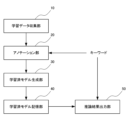
図7は、アノテーションと機械学習とを用いた従来の文書生成システムの構成を示した図である。
図7に示すように、文書生成システムは、学習データ収集部10と、アノテーション部20と、学習済モデル生成部30と、学習済モデル記憶部40と、推論結果出力部50と、を含んで構成され、学習データ収集部10と、アノテーション部20と、学習済モデル生成部30と、学習済モデル記憶部40と、により実行される処理工程が学習工程、推論結果出力部50と、によって実行される処理工程が推論工程となっている。
FIG. 7 is a diagram showing the configuration of a conventional document generation system using annotations and machine learning.
As shown in Figure 7, the document generation system is composed of a learning
学習工程では、学習データ収集部10は、膨大な学習データを収集し、アノテーション部20は、学習データ収集部10において収集された膨大な学習データとキーワードとを入力してアノテーション処理を実行する。
アノテーション部20において処理された学習データは、学習済モデル生成部30において機械学習が実行され、学習済モデルが生成される。
そして、生成された学習済モデルを学習済モデル記憶部40に格納して、処理を終了する。
In the learning process, the learning
The learning data processed in the
Then, the generated trained model is stored in the trained
推論工程では、推論結果出力部50が学習済モデル記憶部40から読み出した学習済モデルとキーワードとに基づいて、推論結果を出力する。
In the inference process, the inference
一般に、文書生成システムに用いられる学習データは、インターネットやSNS等に開示された文書データであり、この種の学習データには、ノイズが含まれている。
そのため、こうしたノイズを含んだ文書データを用いて学習済みモデルを生成するために、文書の生成精度が低くなるという課題があった。
In general, the learning data used in a document generation system is document data disclosed on the Internet, SNS, etc., and this type of learning data contains noise.
Therefore, there was a problem that the accuracy of document generation was low because a trained model was generated using document data containing such noise.
また、上記の文書の生成精度を抑制するためには、人手を用いて、膨大な学習データの中からノイズを含む学習データを除去する必要があるため、コストが高くなるという課題もあった。 In addition, in order to reduce the accuracy of generating the above documents, it is necessary to manually remove training data containing noise from a huge amount of training data, which increases costs.
そこで、本発明は、上述の課題に鑑みてなされたものであり、コストを抑えつつ、文書生成の精度を向上させる文書生成システム、文書生成方法およびプログラムを提供することを目的とする。 Therefore, the present invention has been made in consideration of the above-mentioned problems, and aims to provide a document generation system, document generation method, and program that improve the accuracy of document generation while reducing costs.
形態1;本発明の1またはそれ以上の実施形態は、文書データとしての学習データを収集する学習データ収集部と、該収集された前記学習データの中から特定の前記学習データを教師データとして抽出する抽出部と、該抽出された前記教師データを入力し、第1の機械学習を実行して、第1の学習済モデルを生成する第1の学習済モデル生成部と、該生成された前記第1の学習済モデルを用いて、前記学習データから選別データを生成する選別データ生成部と、該生成された前記選別データとキーワードとを入力し、第2の機械学習を実行して、第2の学習済モデルを生成する第2の学習済モデル生成部と、前記第2の学習済モデルとキーワードと用いて、推論結果としての文書データを出力する推論結果出力部と、前記第1の学習済モデルを用いて、推論結果としての文書データを評価し、評価の高い文書データを出力する文書データ出力部と、を備えたことを特徴とする文書生成システムを提案している。 Form 1: One or more embodiments of the present invention propose a document generation system including a learning data collection unit that collects learning data as document data, an extraction unit that extracts specific learning data from the collected learning data as teacher data, a first trained model generation unit that inputs the extracted teacher data and performs a first machine learning to generate a first trained model, a selection data generation unit that uses the generated first trained model to generate selection data from the learning data, a second trained model generation unit that inputs the generated selection data and keywords and performs a second machine learning to generate a second trained model, an inference result output unit that uses the second trained model and keywords to output document data as an inference result, and a document data output unit that uses the first trained model to evaluate the document data as an inference result and output highly evaluated document data.
形態2;本発明の1またはそれ以上の実施形態は、前記教師データは、前記特定の前記学習データにラベルが付された文書データであり、前記ラベルには、文書に種別に応じた複数のパラメータに対する充足度が示されており、前記第1の学習済モデル生成部は、前記教師データとして、前記特定の前記学習データとラベルとを入力し、前記選別データ生成部は、前記第1の学習済モデルを用いて、前記特定の学習データ以外の前記学習データに前記ラベルを付し、前記パラメータごとの充足度が高い前記ラベルが多く付された前記学習データを選別データとして生成することを特徴とする文書生成システムを提案している。 Form 2: One or more embodiments of the present invention propose a document generation system in which the teacher data is document data in which a label is attached to the specific training data, and the label indicates the degree of fulfillment of a plurality of parameters according to the type of document, the first trained model generation unit inputs the specific training data and the label as the teacher data, and the selected data generation unit uses the first trained model to attach the label to the training data other than the specific training data, and generates the training data to which many of the labels with a high degree of fulfillment for each parameter are attached as selected data.
形態3;本発明の1またはそれ以上の実施形態は、前記第1の学習済モデル生成部および前記選別データ生成部は、前記特定の前記学習データと前記複数のパラメータのうち、1つの前記パラメータに対する充足度とを組み合わせた文書データに対して、処理を実行することを特徴とする文書生成システムを提案している。 Form 3: One or more embodiments of the present invention propose a document generation system characterized in that the first trained model generation unit and the selected data generation unit execute processing on document data that combines the specific training data with a degree of satisfaction for one of the multiple parameters.
形態4;本発明の1またはそれ以上の実施形態は、前記文書データ出力部から出力される前記文書データは、前記選別データ生成部の前記学習データとしてフィードバックされることを特徴とする文書生成システムを提案している。 Function 4: One or more embodiments of the present invention propose a document generation system in which the document data output from the document data output unit is fed back as the learning data of the selected data generation unit.
形態5;本発明の1またはそれ以上の実施形態は、前記パラメータに対する充足度は、2値で示されることを特徴とする文書生成システムを提案している。 Form 5: One or more embodiments of the present invention propose a document generation system in which the degree of satisfaction with the parameters is indicated by a binary value.
形態6;本発明の1またはそれ以上の実施形態は、前記文書データが求人票の募集要項であることを特徴とする文書生成システムを提案している。 Mode 6: One or more embodiments of the present invention propose a document generation system in which the document data is the recruitment requirements of a job posting.
形態7;本発明の1またはそれ以上の実施形態は、前記パラメータが、自社の現状、やってほしい仕事、ポジション、仕事の進め方、将来像を含み、前記充足度は、各パラメータに関する記載が前記文書データに記載されているか否かを2値で示していることを特徴とする文書生成システムを提案している。 Form 7: One or more embodiments of the present invention propose a document generation system in which the parameters include the company's current situation, the work desired to be done, the position, the way work is carried out, and a vision for the future, and the degree of satisfaction is expressed as a binary value indicating whether or not a description of each parameter is included in the document data.
形態8;本発明の1またはそれ以上の実施形態は、学習データ収集部と、抽出部と、第1の学習済モデル生成部と、選別データ生成部と、第2の学習済モデル生成部と、推論結果出力部と、文書データ出力部と、を含む文書生成システムにおける文書生成方法であって、前記学習データ収集部が、文書データとしての学習データを収集する第1の工程と、前記抽出部が、該収集された前記学習データの中から特定の前記学習データを教師データとして抽出する第2の工程と、前記第1の学習済モデル生成部が、該抽出された前記教師データを入力し、第1の機械学習を実行して、第1の学習済モデルを生成する第3の工程と、前記選別データ生成部が、該生成された前記第1の学習済モデルを用いて、前記学習データから選別データを生成する第4の工程と、前記第2の学習済モデル生成部が、該生成された前記選別データとキーワードとを入力し、第2の機械学習を実行して、第2の学習済モデルを生成する第5の工程と、前記推論結果出力部が、前記第2の学習済モデルとキーワードと用いて、推論結果としての学習済モデルを出力する第6の工程と、前記文書データ出力部が、前記第1の学習済モデルを用いて、推論結果としての学習済モデルを評価し、評価の高い文書データを出力する第7の工程と、を備えたことを特徴とする文書生成方法を提案している。 Form 8: One or more embodiments of the present invention are a document generation method in a document generation system including a training data collection unit, an extraction unit, a first trained model generation unit, a selection data generation unit, a second trained model generation unit, an inference result output unit, and a document data output unit, the method including a first step in which the training data collection unit collects training data as document data, a second step in which the extraction unit extracts specific training data from the collected training data as teacher data, a third step in which the first trained model generation unit inputs the extracted teacher data and performs a first machine learning to generate a first trained model, and The document generation method includes a fourth step in which a data generation unit uses the generated first trained model to generate selected data from the training data; a fifth step in which the second trained model generation unit inputs the generated selected data and keywords and executes second machine learning to generate a second trained model; a sixth step in which the inference result output unit uses the second trained model and keywords to output a trained model as an inference result; and a seventh step in which the document data output unit uses the first trained model to evaluate the trained model as an inference result and output highly evaluated document data.
形態9;本発明の1またはそれ以上の実施形態は、学習データ収集部と、抽出部と、第1の学習済モデル生成部と、選別データ生成部と、第2の学習済モデル生成部と、推論結果出力部と、文書データ出力部と、を含む文書生成システムにおける文書生成方法をコンピュータに実行させるためのプログラムであって、前記学習データ収集部が、文書データとしての学習データを収集する第1の工程と、前記抽出部が、該収集された前記学習データの中から特定の前記学習データを教師データとして抽出する第2の工程と、前記第1の学習済モデル生成部が、該抽出された前記教師データを入力し、第1の機械学習を実行して、第1の学習済モデルを生成する第3の工程と、前記選別データ生成部が、該生成された前記第1の学習済モデルを用いて、前記学習データから選別データを生成する第4の工程と、前記第2の学習済モデル生成部が、該生成された前記選別データとキーワードとを入力し、第2の機械学習を実行して、第2の学習済モデルを生成する第5の工程と、前記推論結果出力部が、前記第2の学習済モデルとキーワードと用いて、推論結果としての学習済モデルを出力する第6の工程と、前記文書データ出力部が、前記第1の学習済モデルを用いて、推論結果としての学習済モデルを評価し、評価の高い文書データを出力する第7の工程と、をコンピュータに実行させるためのプログラムを提案している。 Form 9: One or more embodiments of the present invention are a program for causing a computer to execute a document generation method in a document generation system including a training data collection unit, an extraction unit, a first trained model generation unit, a selection data generation unit, a second trained model generation unit, an inference result output unit, and a document data output unit, the program including a first step in which the training data collection unit collects training data as document data, a second step in which the extraction unit extracts specific training data from the collected training data as teacher data, and a third step in which the first trained model generation unit inputs the extracted teacher data and executes a first machine learning to generate a first trained model. The proposed program causes a computer to execute the steps of: a fourth step in which the selected data generation unit uses the generated first trained model to generate selected data from the trained data; a fifth step in which the second trained model generation unit inputs the generated selected data and keywords and executes second machine learning to generate a second trained model; a sixth step in which the inference result output unit uses the second trained model and keywords to output a trained model as an inference result; and a seventh step in which the document data output unit uses the first trained model to evaluate the trained model as an inference result and output highly evaluated document data.
本発明の1またはそれ以上の実施形態によれば、コストを抑えつつ、文書生成の精度を向上させることができる。 One or more embodiments of the present invention can improve the accuracy of document generation while reducing costs.
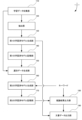
以下、図1から図6を用いて、本発明の実施形態について、説明する。 Below, an embodiment of the present invention will be described using Figures 1 to 6.
<第1の実施形態>
以下、図1、図2を用いて、本実施形態に係る文書生成システム1について、説明する。
First Embodiment
Hereinafter, a document generation system 1 according to the present embodiment will be described with reference to FIGS.
<文書生成システム1の構成>
図1に示すように、本実施形態に係る文書生成システム1は、学習データ収集部110と、抽出部120と、第1の学習済モデル生成部130と、第1の学習済モデル記憶部140と、選別データ生成部150と、第2の学習済モデル生成部160と、第2の学習済モデル記憶部170と、推論結果出力部180と、文書データ出力部190と、を含んで構成されている。
<Configuration of document generation system 1>
As shown in FIG. 1, the document generation system 1 of this embodiment is configured to include a learning
学習データ収集部110は、文書データとしての学習データを収集する。
学習データ収集部110において収集された学習データは、後述する抽出部120に出力される。
なお、文書データとしては、例えば、報告書やプレゼン資料等のビジネス文書をはじめとする種々の文書を例示できるが、以下では、求人票の募集要項を文書データとして例示して、説明する。
The learning
The learning data collected by the learning
Although document data can be exemplified by various documents including business documents such as reports and presentation materials, the following description will be given using the recruitment requirements of a job posting as an example of document data.
抽出部120は、学習データ収集部110において収集された学習データの中から特定の学習データを教師データとして抽出する。
抽出部120において抽出された教師データは、後述する第1の学習済モデル生成部130に出力される。
また、抽出部120において抽出された教師データは、図示しない記憶部に記憶保存される。
教師データは、例えば、特定の学習データにラベルが付された文書データであり、ラベルには、文書に種別に応じた複数のパラメータに対する充足度が示されている。
また、パラメータに対する充足度は、例えば、2値で示される。
例えば、文書データを求人票の募集要項とした場合、パラメータとしては、自社の現状、やってほしい仕事、ポジション、仕事の進め方、将来像等を例示でき、充足度は、各パラメータに関する記載が文書データに記載されているか否かを2値で示している。
抽出部120は、学習データ収集部110において収集された学習データの中から、複数のパラメータに対して、その充足度が少なくとも、1つ満たされた厳選された少量の教師データを抽出する。
The
The teacher data extracted by the
Furthermore, the teacher data extracted by the
The training data is, for example, document data in which specific learning data is labeled, and the label indicates the degree of satisfaction with a plurality of parameters according to the type of document.
Furthermore, the degree of satisfaction with respect to a parameter is indicated, for example, by a binary value.
For example, if the document data is the recruitment requirements of a job posting, examples of parameters could include the company's current situation, the work desired, the position, how the work is carried out, and future vision, and the degree of satisfaction is indicated by a binary value indicating whether or not a description of each parameter is included in the document data.
The
第1の学習済モデル生成部130は、抽出された教師データを入力し、第1の機械学習を実行して、第1の学習済モデルを生成する。
ここで、第1の学習済モデル生成部130において生成される第1の学習済モデルは、後述する選別データ生成部において、選別データを生成するために用いられる学習済モデルである。
第1の学習済モデル生成部130において生成された第1の学習済モデルは、後述する第1の学習済モデル記憶部140に記憶される。
The first trained
Here, the first trained model generated in the first trained
The first trained model generated in the first trained
第1の学習済モデル記憶部140は、RAM(Random Access Memory)等から構成され、第1の学習済モデルを記憶保存する。
The first trained
選別データ生成部150は、第1の学習済モデル記憶部140から第1の学習済モデルを読み出して、学習データから選別された選別データを生成する。
選別データ生成部150において生成された選別データは、膨大な量の文書データとなる。
選別データ生成部150において生成された選別データは、後述する第2の学習済モデル生成部160に出力される。
The selected
The selected data generated by the selected
The selected data generated in the selected
第2の学習済モデル生成部160は、選別データ生成部150において生成された選別データとキーワードとを入力し、第2の機械学習を実行して、第2の学習済モデルを生成する。
キーワードは文書の種別や内容に応じたものであり、予め準備されたものである。
第2の学習済モデル生成部160において生成された第2の学習済モデルは、後述する第2の学習済モデル記憶部170に記憶される。
The second trained
The keywords correspond to the type and contents of the document and are prepared in advance.
The second trained model generated in the second trained
第2の学習済モデル記憶部170は、RAM(Random Access Memory)等から構成され、第2の学習済モデルを記憶保存する。
The second trained
推論結果出力部180は、第2の学習済モデル生成部160において生成された第2の学習済モデルとキーワードと用いて、推論結果としての文書データを出力する。
推論結果出力部180における推論結果としての文書データは、後述する文書データ出力部190に出力される。
The inference
The document data as the inference result in inference
文書データ出力部190は、第1の学習済モデル生成部130において生成された第1の学習済モデルを用いて、推論結果としての文書データを評価し、評価の高い文書データを出力する。
なお、文書データ出力部190の評価としては、ラベルに示された文書に種別に応じた複数のパラメータに対する充足度が高いもの、具体的には、充足度の高いパラメータの数により、評価を行う。
The document
The document
<文書生成システム1の処理>
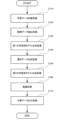
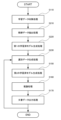
図2を用いて、本実施形態に係る文書生成システム1の処理について説明する。
<Processing of Document Generation System 1>
The process of the document generation system 1 according to this embodiment will be described with reference to FIG.
図2に示すように、学習データ収集部110は、文書データとしての学習データを収集する(ステップS110)。
学習データ収集部110において収集された学習データは、抽出部120に出力される。
As shown in FIG. 2, the learning
The learning data collected by the learning
抽出部120は、学習データ収集部110において収集された学習データの中から特定の学習データを教師データとして抽出する(ステップS120)。
抽出部120において抽出された教師データは、第1の学習済モデル生成部130に出力される。
The
The teacher data extracted by the
第1の学習済モデル生成部130は、抽出された教師データを入力し、第1の機械学習を実行して、第1の学習済モデルを生成する(ステップS130)。
第1の学習済モデル生成部130において生成された第1の学習済モデルは、第1の学習済モデル記憶部140に記憶される。
The first trained
The first trained model generated in the first trained
選別データ生成部150は、第1の学習済モデル記憶部140から第1の学習済モデルを読み出して、学習データから選別した選別データを生成する(ステップS140)。
選別データ生成部150において生成された膨大な量の選別データは、第2の学習済モデル生成部160に出力される。
The selected
The huge amount of selected data generated by the selected
第2の学習済モデル生成部160は、選別データ生成部150において生成された選別データとキーワードとを入力し、第2の機械学習を実行して、第2の学習済モデルを生成する(ステップS150)。
第2の学習済モデル生成部160において生成された第2の学習済モデルは、第2の学習済モデル記憶部170に記憶される。
The second trained
The second trained model generated in the second trained
推論結果出力部180は、第2の学習済モデル生成部160において生成された第2の学習済モデルとキーワードと用いて、推論結果としての文書データを出力する(ステップS160)。
推論結果出力部180における推論結果としての文書データは、文書データ出力部190に出力される。
The inference
The document data as the inference result in inference
文書データ出力部190は、第1の学習済モデル生成部130において生成された第1の学習済モデルを用いて、推論結果としての文書データを評価し、評価の高い文書データを出力する(ステップS160)。
The document
<作用・効果>
以上、説明したように、本実施形態に係る文書生成システム1は、文書データとしての学習データを収集する学習データ収集部110と、該収集された学習データの中から特定の学習データを教師データとして抽出する抽出部120と、該抽出された教師データを入力し、第1の機械学習を実行して、第1の学習済モデルを生成する第1の学習済モデル生成部130と、該生成された第1の学習済モデルを用いて、学習データから選別した文書データを生成する選別データ生成部150と、該生成された選別データとキーワードとを入力し、第2の機械学習を実行して、第2の学習済モデルを生成する第2の学習済モデル生成部160と、第2の学習済モデルとキーワードと用いて、推論結果としての文書データを出力する推論結果出力部180と、第1の学習済モデルを用いて、推論結果としての文書データを評価し、評価の高い文書データを出力する文書データ出力部190と、を備えている。
抽出部120は、収集された学習データの中から特定の学習データを教師データとして抽出する。
ここで、教師データは、例えば、特定の学習データにラベルが付された文書データであり、ラベルには、文書に種別に応じた複数のパラメータに対する充足度が示されている。
抽出部120は、学習データ収集部110において収集された学習データの中から、複数のパラメータに対して、その充足度が少なくとも1つ満たされた厳選された少量の教師データを抽出する。
つまり、抽出部120は、学習データ収集部110において収集された学習データの中から、複数のパラメータに対して、その充足度が少なくとも1つ満たされた厳選された少量の教師データを抽出するため、工数を大幅に削減できる。
なお、これが実現できるのは、後述する第1の学習済モデル生成部130、選別データ生成部150、第2の学習済モデル生成部160、推論結果出力部180、文書データ出力部190を備えているためである。
第1の学習済モデル生成部130は、抽出部120において抽出された教師データを入力し、第1の機械学習を実行して、第1の学習済モデルを生成し、選別データ生成部150は、該生成された第1の学習済モデルを用いて、学習データから選別した文書データを生成し、第2の学習済モデル生成部160は、該生成された選別データとキーワードとを入力し、第2の機械学習を実行して、第2の学習済モデルを生成する。
つまり、第1の学習済モデル生成部130は、教師データを入力し、第1の学習済モデルを生成し、選別データ生成部150は、第1の学習済モデルを用いて、学習データから選別した膨大な選別データを生成し、第2の学習済モデル生成部160は、選別データとキーワードとを入力し、第2の学習済モデルを生成する。
そのため、厳選された少量の教師データから第1の学習済モデルが生成することによって、精度の高い学習済モデルを生成することができる。
また、第1の学習済モデルを用いて、学習データから選別した膨大な文書データが生成されるため、少ない工数で、精度が高く、従来のアノテーション処理を凌駕する文書データを生成することができる。
さらに、選別データとキーワードとを入力し、第2の学習済モデルが生成されるため、精度の高い処理が実現できる。
推論結果出力部180は、第2の学習済モデルとキーワードと用いて、推論結果としての文書データを出力し、文書データ出力部190は、第1の学習済モデルを用いて、推論結果としての文書データを評価し、評価の高い文書データを出力する。
つまり、推論結果出力部180は、第1の学習済モデルを用いて、学習データから選別した膨大な選別データから生成された第2の学習済モデルから推論結果としての文書データを出力し、文書データ出力部190は、第1の学習済モデル生成部130において生成された第1の学習済モデルを用いて、推論結果としての文書データを評価し、評価の高い文書データを出力するため、確度の高い推論と評価によって、高い品質の文書データを生成することができる。
<Action and Effects>
As described above, the document generation system 1 according to this embodiment includes a learning
The
Here, the training data is, for example, document data in which specific learning data is labeled, and the label indicates the degree of satisfaction with a plurality of parameters according to the type of document.
The
In other words, the
This is possible because the system is equipped with a first trained
The first trained
In other words, the first trained
Therefore, by generating the first trained model from a small amount of carefully selected training data, a highly accurate trained model can be generated.
In addition, since a huge amount of document data selected from the training data is generated using the first trained model, it is possible to generate highly accurate document data with little labor required, which surpasses conventional annotation processing.
Furthermore, by inputting the selected data and keywords, a second trained model is generated, thereby enabling highly accurate processing.
The inference
In other words, the inference
<第2の実施形態>
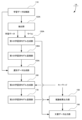
以下、図3、図4を用いて、本実施形態に係る文書生成システム1Aについて、説明する。
Second Embodiment
The
<文書生成システム1Aの構成>
図3に示すように、本実施形態に係る文書生成システム1Aは、学習データ収集部110と、抽出部120Aと、第1の学習済モデル生成部130Aと、第1の学習済モデル記憶部140Aと、選別データ生成部150Aと、第2の学習済モデル生成部160と、第2の学習済モデル記憶部170と、推論結果出力部180と、文書データ出力部190と、を含んで構成されている。
なお、第1の実施形態と同一の符号を付す構成要素については、同様の機能を有することから、その詳細な説明は、省略する。
<Configuration of
As shown in Figure 3, the
In addition, since the components having the same reference numerals as those in the first embodiment have the same functions, detailed description thereof will be omitted.
抽出部120Aは、学習データ収集部110において収集された学習データの中から特定の学習データを教師データとして抽出する。
抽出部120Aは、抽出された教師データを学習データとラベルとに分離して、後述する第1の学習済モデル生成部130Aに出力する。
The
The
第1の学習済モデル生成部130Aは、教師データとしての学習データとラベルとを入力し、第1の機械学習を実行して、第1の学習済モデルを生成する。
第1の学習済モデル生成部130において生成された第1の学習済モデルは、後述する第1の学習済モデル記憶部140Aに記憶される。
なお、第1の学習済モデル生成部130Aは、特定の学習データと複数のパラメータのうち、1つのパラメータに対する充足度とを組み合わせた文書データに対して、繰り返し処理を実行する。
The first trained
The first trained model generated in the first trained
In addition, the first trained
第1の学習済モデル記憶部140Aは、RAM(Random Access Memory)等から構成され、第1の学習済モデル生成部130Aにおいて生成された第1の学習済モデルを記憶保存する。
The first trained
選別データ生成部150Aは、第1の学習済モデル記憶部140Aから第1の学習済モデルを読み出して、特定の学習データ以外の学習データにラベルを付し、パラメータごとの充足度が高い学習データを選別データとして生成する。
選別データ生成部150Aにおいて生成される選別データは、膨大な量の文書データとなる。
選別データ生成部150Aにおいて生成された選別データは、後述する第2の学習済モデル生成部160に出力される。
なお、選別データ生成部150Aは、特定の学習データと複数のパラメータのうち、1つのパラメータに対する充足度とを組み合わせた文書データに対して、繰り返し処理を実行する。
The selected
The selected data generated by the selected
The selected data generated in the selected
The selected
<文書生成システム1の処理>
図2を用いて、本実施形態に係る文書生成システム1の処理について説明する。
<Processing of Document Generation System 1>
The process of the document generation system 1 according to this embodiment will be described with reference to FIG.
図2に示すように、学習データ収集部110は、文書データとしての学習データを収集する(ステップS110)。
学習データ収集部110において収集された学習データは、抽出部120に出力される。
As shown in FIG. 2, the learning
The learning data collected by the learning
抽出部120Aは、学習データ収集部110において収集された学習データの中から特定の学習データを教師データとして抽出する(ステップS210)。
抽出部120Aは、抽出された教師データを学習データとラベルとに分離して、後述する第1の学習済モデル生成部130Aに出力する。
The
The
第1の学習済モデル生成部130Aは、教師データとしての学習データとラベルとを入力し、第1の機械学習を実行して、第1の学習済モデルを生成する(ステップS220)。
なお、第1の学習済モデル生成部130Aは、特定の学習データと複数のパラメータのうち、1つのパラメータに対する充足度とを組み合わせた文書データに対して、繰り返し処理を実行する。
第1の学習済モデル生成部130Aにおいて生成された第1の学習済モデルは、第1の学習済モデル記憶部140Aに記憶される。
The first trained
In addition, the first trained
The first trained model generated in the first trained
選別データ生成部150Aは、第1の学習済モデル記憶部140Aから第1の学習済モデルを読み出して、特定の学習データ以外の学習データにラベルを付し、パラメータごとの充足度が高い学習データを選別データとして生成する(ステップS230)。
選別データ生成部150Aにおいて生成された膨大な量の選別データは、第2の学習済モデル生成部160に出力される。
なお、選別データ生成部150Aは、特定の学習データと複数のパラメータのうち、1つのパラメータに対する充足度とを組み合わせた文書データに対して、繰り返し処理を実行する。
The selected
The huge amount of selected data generated in the selected
The selected
第2の学習済モデル生成部160は、選別データ生成部150Aにおいて生成された選別データとキーワードとを入力し、第2の機械学習を実行して、第2の学習済モデルを生成する(ステップS150)。
第2の学習済モデル生成部160において生成された第2の学習済モデルは、第2の学習済モデル記憶部170に記憶される。
The second trained
The second trained model generated in the second trained
推論結果出力部180は、第2の学習済モデル生成部160において生成された第2の学習済モデルとキーワードと用いて、推論結果としての文書データを出力する(ステップS160)。
推論結果出力部180における推論結果としての文書データは、文書データ出力部190に出力される。
The inference
The document data as the inference result in inference
文書データ出力部190は、第1の学習済モデル生成部130において生成された第1の学習済モデルを用いて、推論結果としての文書データを評価し、評価の高い文書データを出力する(ステップS170)。
The document
<作用・効果>
以上、説明したように、本実施形態に係る文書生成システム1Aにおいて、教師データは、特定の学習データにラベルが付された文書データであり、ラベルには、文書の種別に応じた複数のパラメータに対する充足度が示されており、第1の学習済モデル生成部130Aは、教師データとして、特定の学習データとラベルとを入力し、選別データ生成部150Aは、第1の学習済モデルを用いて、特定の学習データ以外の学習データにラベルを付し、パラメータごとの充足度が高い学習データを選別データとして生成する。
つまり、第1の学習済モデル生成部130Aは、教師データとして、特定の学習データとラベルとを入力し、選別データ生成部150Aは、第1の学習済モデルを用いて、特定の学習データ以外の学習データにラベルを付し、パラメータごとの充足度が高い学習データを選別データとして生成する。
そのため、パラメータごとの充足度が高い学習データを選別データとして生成することにより、教師データが従来よりも少数であっても、文書生成の精度を向上させることができる。
また、教師データが従来よりも少数であることから、教師データを得るための工数が削減され、システム全体のコストを低減することができる。
<Action and Effects>
As described above, in the
In other words, the first trained
Therefore, by generating learning data with a high degree of satisfaction for each parameter as selected data, the accuracy of document generation can be improved even if the amount of training data is smaller than before.
In addition, since the amount of training data is smaller than before, the amount of work required to obtain the training data is reduced, thereby reducing the overall cost of the system.
また、本実施形態に係る文書生成システム1において、第1の学習済モデル生成部130Aおよび選別データ生成部150Aは、特定の学習データと複数のパラメータのうち、1つのパラメータに対する充足度とを組み合わせた文書データに対して、繰り返し処理を実行する。
つまり、第1の機械学習により、ラベルが付された学習データを生成し、その中からパラメータごとの充足度が高い学習データを選別データとして生成する。
そのため、パラメータごとの充足度が高い学習データを選別データとして生成することにより、教師データが従来よりも少数であっても、文書生成の精度を向上させることができる。
In addition, in the document generation system 1 according to this embodiment, the first trained
That is, the first machine learning generates labeled learning data, and from that data, learning data that has a high degree of satisfaction for each parameter is generated as selected data.
Therefore, by generating learning data with a high degree of satisfaction for each parameter as selected data, the accuracy of document generation can be improved even if the amount of training data is smaller than before.
<第3の実施形態>
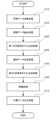
以下、図5、図6を用いて、本実施形態に係る文書生成システム1Bについて、説明する。
Third Embodiment
Hereinafter, the
<文書生成システム1Bの構成>
図5に示すように、本実施形態に係る文書生成システム1Bは、学習データ収集部110と、抽出部120Aと、第1の学習済モデル生成部130Aと、第1の学習済モデル記憶部140Aと、選別データ生成部150Aと、第2の学習済モデル生成部160と、第2の学習済モデル記憶部170と、推論結果出力部180と、文書データ出力部190Aと、を含んで構成されている。
なお、第1の実施形態および第2の実施形態と同一の符号を付す構成要素については、同様の機能を有することから、その詳細な説明は、省略する。
<Configuration of
As shown in Figure 5, the
Note that components having the same reference numerals as those in the first and second embodiments have similar functions, and therefore detailed descriptions thereof will be omitted.
文書データ出力部190Aは、第1の学習済モデル生成部130において生成された第1の学習済モデルを用いて、推論結果としての文書データを評価し、評価の高い文書データを出力する。
また、文書データ出力部190Aから出力される評価の高い文書データは、選別データ生成部150Aの学習データとしてフィードバックされる。
The document
Moreover, highly evaluated document data output from document
<文書生成システム1Bの処理>
図6を用いて、本実施形態に係る文書生成システム1Bの処理について説明する。
<Processing of
The process of the
図2に示すように、学習データ収集部110は、文書データとしての学習データを収集する(ステップS110)。
学習データ収集部110において収集された学習データは、抽出部120に出力される。
As shown in FIG. 2, the learning
The learning data collected by the learning
抽出部120Aは、学習データ収集部110において収集された学習データの中から特定の学習データを教師データとして抽出する(ステップS210)。
抽出部120Aは、抽出された教師データを学習データとラベルとに分離して、後述する第1の学習済モデル生成部130Aに出力する。
The
The
第1の学習済モデル生成部130Aは、教師データとしての学習データとラベルとを入力し、第1の機械学習を実行して、第1の学習済モデルを生成する(ステップS220)。
第1の学習済モデル生成部130Aにおいて生成された第1の学習済モデルは、第1の学習済モデル記憶部140Aに記憶される。
なお、第1の学習済モデル生成部130Aは、特定の学習データと複数のパラメータのうち、1つのパラメータに対する充足度とを組み合わせた文書データに対して、繰り返し処理を実行する。
The first trained
The first trained model generated in the first trained
In addition, the first trained
選別データ生成部150Aは、第1の学習済モデル記憶部140Aから第1の学習済モデルを読み出して、特定の学習データ以外の学習データにラベルを付し、パラメータごとの充足度が高いラベルが多く付された学習データを選別データとして生成する(ステップS230)。
選別データ生成部150Aにおいて生成された膨大な量の選別データは、第2の学習済モデル生成部160に出力される。
なお、選別データ生成部150Aは、特定の学習データと複数のパラメータのうち、1つのパラメータに対する充足度とを組み合わせた文書データに対して、繰り返し処理を実行する。
The selected
The huge amount of selected data generated in the selected
The selected
第2の学習済モデル生成部160は、選別データ生成部150Aにおいて生成された選別データとキーワードとを入力し、第2の機械学習を実行して、第2の学習済モデルを生成する(ステップS150)。
第2の学習済モデル生成部160において生成された第2の学習済モデルは、第2の学習済モデル記憶部170に記憶される。
The second trained
The second trained model generated in the second trained
推論結果出力部180は、第2の学習済モデル生成部160において生成された第2の学習済モデルとキーワードと用いて、推論結果としての文書データを出力する(ステップS160)。
推論結果出力部180における推論結果としての文書データは、文書データ出力部190に出力される。
The inference
The document data as the inference result in inference
文書データ出力部190Aは、第1の学習済モデル生成部130において生成された第1の学習済モデルを用いて、推論結果としての文書データを評価し、評価の高い文書データを出力する。
また、文書データ出力部190Aから出力される文書データは、選別データ生成部150Aの学習データとしてフィードバックされる。
The document
Furthermore, the document data output from document
<作用・効果>
以上、説明したように、本実施形態に係る文書生成システム1Bにおいて、文書データ出力部190Aから出力される文書データは、選別データ生成部150Aの学習データとしてフィードバックされる。
つまり、文書データ出力部190Aにおいて、評価が高いとされる文書データを選別データ生成部150Aで用いられる学習データに加える。
そのため、更に精度の高い文書データの作成が期待できる。
<Action and Effects>
As described above, in
That is, in document
This is expected to lead to the creation of more accurate document data.
<応用例>
本実施形態に係る文書生成システム1、1A、1Bを用いることによって、Webサイトや求人サイトあるいは報告書、プレゼン資料等の種々の文書を自動的に生成することができる。
また、文書生成の観点やポイントを教育するためのツールとして活用することも期待できる。
また、文書を添削するためのツールや記載されている文書の構成や内容を分析するためのツールとして活用することも期待できる。
<Application Examples>
By using the
It is also expected that it can be used as a tool for teaching perspectives and key points on document generation.
It is also expected that it can be used as a tool for correcting documents and for analyzing the structure and content of written documents.
なお、第1の学習済モデル生成部130、130A、選別データ生成部150、150A、第2の学習済モデル生成部160、推論結果出力部180、文書データ出力部190、190Aの処理をコンピュータシステムが読み取り可能な記録媒体に記録し、この記録媒体に記録されたプログラムを第1の学習済モデル生成部130、130A、選別データ生成部150、150A、第2の学習済モデル生成部160、推論結果出力部180、文書データ出力部190、190Aに読み込ませ、実行することによって本発明の文書生成システム1、1A、1Bを実現することができる。
ここでいうコンピュータシステムとは、OSや周辺装置等のハードウェアを含む。
The processing of the first trained
The computer system here includes hardware such as an OS and peripheral devices.
また、「コンピュータシステム」は、WWW(World Wide Web)システムを利用している場合であれば、ホームページ提供環境(あるいは表示環境)も含むものとする。また、上記プログラムは、このプログラムを記憶装置等に格納したコンピュータシステムから、伝送媒体を介して、あるいは、伝送媒体中の伝送波により他のコンピュータシステムに伝送されてもよい。ここで、プログラムを伝送する「伝送媒体」は、インターネット等のネットワーク(通信網)や電話回線等の通信回線(通信線)のように情報を伝送する機能を有する媒体のことをいう。 In addition, "computer system" also includes the homepage providing environment (or display environment) if a WWW (World Wide Web) system is used. The above program may be transmitted from a computer system in which the program is stored in a storage device or the like to another computer system via a transmission medium, or by transmission waves in the transmission medium. Here, the "transmission medium" that transmits the program refers to a medium that has the function of transmitting information, such as a network (communication network) such as the Internet or a communication line (communication line) such as a telephone line.
また、上記プログラムは、前述した機能の一部を実現するためのものであってもよい。さらに、前述した機能をコンピュータシステムにすでに記録されているプログラムとの組合せで実現できるもの、いわゆる差分ファイル(差分プログラム)であってもよい。 The above program may also be one that realizes some of the functions described above. Furthermore, it may be one that realizes the functions described above in combination with a program that is already recorded in the computer system, a so-called differential file (differential program).
以上、この発明の実施形態につき、図面を参照して詳述してきたが、具体的な構成はこの実施形態に限られるものではなく、この発明の要旨を逸脱しない範囲の設計等も含まれる。 The above describes an embodiment of the present invention in detail with reference to the drawings, but the specific configuration is not limited to this embodiment and includes designs that do not deviate from the gist of the present invention.
1;文書データ生成システム
1A;文書データ生成システム
1B;文書データ生成システム
110;学習データ収集部
120;抽出部
120A;抽出部
130;第1の学習済モデル生成部
130A;第1の学習済モデル生成部
140;第1の学習済モデル記憶部
140A;第1の学習済モデル記憶部
150;選別データ生成部
150A;選別データ生成部
160;第2の学習済モデル生成部
170;第2の学習済モデル記憶部
180;推論結果出力部
190;文書データ出力部
190A;文書データ出力部
1; Document
Claims (8)
該収集された前記学習データの中から特定の前記学習データを教師データとして抽出する抽出部と、
該抽出された前記教師データを入力し、第1の機械学習を実行して、第1の学習済モデルを生成する第1の学習済モデル生成部と、
該生成された前記第1の学習済モデルを用いて、前記学習データから選別データを生成する選別データ生成部と、
該生成された前記選別データとキーワードとを入力し、第2の機械学習を実行して、第2の学習済モデルを生成する第2の学習済モデル生成部と、
前記第2の学習済モデルとキーワードと用いて、推論結果としての文書データを出力する推論結果出力部と、
前記第1の学習済モデルを用いて、推論結果としての文書データを評価し、評価の高い文書データを出力する文書データ出力部と、
を備え、
前記教師データは、前記特定の前記学習データにラベルが付されたデータであり、前記ラベルには、文書に種別に応じた複数のパラメータに対する充足度が示されており、
前記第1の学習済モデル生成部は、前記教師データとして、前記特定の前記学習データとラベルとを入力し、
前記選別データ生成部は、前記第1の学習済モデルを用いて、前記特定の学習データ以外の前記学習データに前記ラベルを付し、前記パラメータごとの充足度が高い前記ラベルが多く付された前記学習データを前記選別データとして生成することを特徴とする文書生成システム。 a learning data collection unit that collects learning data as document data;
an extraction unit that extracts specific learning data from the collected learning data as teacher data;
a first trained model generation unit that receives the extracted teacher data, executes a first machine learning, and generates a first trained model;
a selection data generation unit that generates selection data from the training data using the generated first trained model;
a second trained model generation unit that receives the generated selected data and keywords, executes second machine learning, and generates a second trained model;
an inference result output unit that uses the second trained model and keywords to output document data as an inference result;
a document data output unit that uses the first trained model to evaluate document data as an inference result and output highly evaluated document data;
Equipped with
The teacher data is data in which the specific learning data is labeled, and the label indicates a degree of satisfaction with a plurality of parameters according to a document type,
the first trained model generation unit receives as input the specific training data and a label as the teacher data;
The selected data generation unit uses the first trained model to assign the labels to the training data other than the specific training data, and generates the training data to which many of the labels having a high degree of satisfaction for each parameter are assigned as the selected data .
前記学習データ収集部が、文書データとしての学習データを収集する第1の工程と、前記抽出部が、該収集された前記学習データの中から特定の前記学習データを教師データとして抽出する第2の工程と、
前記第1の学習済モデル生成部が、該抽出された前記教師データを入力し、第1の機械学習を実行して、第1の学習済モデルを生成する第3の工程と、
前記選別データ生成部が、該生成された前記第1の学習済モデルを用いて、前記学習データから選別データを生成する第4の工程と、
前記第2の学習済モデル生成部が、該生成された前記選別データとキーワードとを入力し、第2の機械学習を実行して、第2の学習済モデルを生成する第5の工程と、
前記推論結果出力部が、前記第2の学習済モデルとキーワードと用いて、推論結果としての学習済モデルを出力する第6の工程と、
前記文書データ出力部が、前記第1の学習済モデルを用いて、推論結果としての学習済モデルを評価し、評価の高い文書データを出力する第7の工程と、
を備え、
前記教師データは、前記特定の前記学習データにラベルが付されたデータであり、前記ラベルには、文書に種別に応じた複数のパラメータに対する充足度が示されており、
前記第3の工程において、前記第1の学習済モデル生成部は、前記教師データとして、前記特定の前記学習データとラベルとを入力し、
前記第4の工程において、前記選別データ生成部は、前記第1の学習済モデルを用いて、前記特定の学習データ以外の前記学習データに前記ラベルを付し、前記パラメータごとの充足度が高い前記ラベルが多く付された前記学習データを前記選別データとして生成することを特徴とする文書生成方法。 A document generation method in a document generation system including a training data collection unit, an extraction unit, a first trained model generation unit, a selection data generation unit, a second trained model generation unit, an inference result output unit, and a document data output unit,
A first step in which the learning data collection unit collects learning data as document data, and a second step in which the extraction unit extracts specific learning data from the collected learning data as teacher data;
A third step in which the first trained model generation unit inputs the extracted teacher data and performs a first machine learning to generate a first trained model;
A fourth step in which the selected data generation unit generates selected data from the training data by using the generated first trained model;
A fifth step in which the second trained model generation unit inputs the generated selected data and keywords, and performs a second machine learning to generate a second trained model;
A sixth step in which the inference result output unit outputs a trained model as an inference result by using the second trained model and a keyword;
a seventh step in which the document data output unit uses the first trained model to evaluate a trained model as an inference result and outputs highly evaluated document data;
Equipped with
The teacher data is data in which the specific learning data is labeled, and the label indicates a degree of satisfaction with a plurality of parameters according to a document type,
In the third step, the first trained model generation unit inputs the specific training data and a label as the teacher data,
a fourth step of generating the document using the first trained model, the selected data generation unit applying the labels to the training data other than the specific training data, and generating the training data to which many of the labels having a high degree of satisfaction for each parameter are applied as the selected data .
前記学習データ収集部が、文書データとしての学習データを収集する第1の工程と、前記抽出部が、該収集された前記学習データの中から特定の前記学習データを教師データとして抽出する第2の工程と、
前記第1の学習済モデル生成部が、該抽出された前記教師データを入力し、第1の機械学習を実行して、第1の学習済モデルを生成する第3の工程と、
前記選別データ生成部が、該生成された前記第1の学習済モデルを用いて、前記学習データから選別データを生成する第4の工程と、
前記第2の学習済モデル生成部が、該生成された前記選別データとキーワードとを入力し、第2の機械学習を実行して、第2の学習済モデルを生成する第5の工程と、
前記推論結果出力部が、前記第2の学習済モデルとキーワードと用いて、推論結果としての学習済モデルを出力する第6の工程と、
前記文書データ出力部が、前記第1の学習済モデルを用いて、推論結果としての学習済モデルを評価し、評価の高い文書データを出力する第7の工程と、
を備え、
前記教師データは、前記特定の前記学習データにラベルが付されたデータであり、前記ラベルには、文書に種別に応じた複数のパラメータに対する充足度が示されており、
前記第3の工程において、前記第1の学習済モデル生成部は、前記教師データとして、前記特定の前記学習データとラベルとを入力し、
前記第4の工程において、前記選別データ生成部は、前記第1の学習済モデルを用いて、前記特定の学習データ以外の前記学習データに前記ラベルを付し、前記パラメータごとの充足度が高い前記ラベルが多く付された前記学習データを前記選別データとして生成するプログラム。 A program for causing a computer to execute a document generation method in a document generation system including a learning data collection unit, an extraction unit, a first trained model generation unit, a selection data generation unit, a second trained model generation unit, an inference result output unit, and a document data output unit,
A first step in which the learning data collection unit collects learning data as document data, and a second step in which the extraction unit extracts specific learning data from the collected learning data as teacher data;
A third step in which the first trained model generation unit inputs the extracted teacher data and performs a first machine learning to generate a first trained model;
A fourth step in which the selected data generation unit generates selected data from the training data by using the generated first trained model;
A fifth step in which the second trained model generation unit inputs the generated selected data and keywords, and performs a second machine learning to generate a second trained model;
A sixth step in which the inference result output unit outputs a trained model as an inference result by using the second trained model and a keyword;
a seventh step in which the document data output unit uses the first trained model to evaluate a trained model as an inference result and outputs highly evaluated document data;
Equipped with
The teacher data is data in which the specific learning data is labeled, and the label indicates a degree of satisfaction with a plurality of parameters according to a document type,
In the third step, the first trained model generation unit inputs the specific training data and a label as the teacher data,
In the fourth step, the selected data generation unit uses the first trained model to assign the labels to the training data other than the specific training data, and generates, as the selected data, the training data to which many of the labels having a high degree of satisfaction for each parameter are assigned .
Priority Applications (1)
| Application Number | Priority Date | Filing Date | Title |
|---|---|---|---|
| JP2023019540A JP7575813B2 (en) | 2023-02-10 | 2023-02-10 | Document generation system, document generation method, and program |
Applications Claiming Priority (1)
| Application Number | Priority Date | Filing Date | Title |
|---|---|---|---|
| JP2023019540A JP7575813B2 (en) | 2023-02-10 | 2023-02-10 | Document generation system, document generation method, and program |
Publications (2)
| Publication Number | Publication Date |
|---|---|
| JP2024114102A JP2024114102A (en) | 2024-08-23 |
| JP7575813B2 true JP7575813B2 (en) | 2024-10-30 |
Family
ID=92456409
Family Applications (1)
| Application Number | Title | Priority Date | Filing Date |
|---|---|---|---|
| JP2023019540A Active JP7575813B2 (en) | 2023-02-10 | 2023-02-10 | Document generation system, document generation method, and program |
Country Status (1)
| Country | Link |
|---|---|
| JP (1) | JP7575813B2 (en) |
Citations (4)
| Publication number | Priority date | Publication date | Assignee | Title |
|---|---|---|---|---|
| WO2014136316A1 (en) | 2013-03-04 | 2014-09-12 | 日本電気株式会社 | Information processing device, information processing method, and program |
| JP2019159576A (en) | 2018-03-09 | 2019-09-19 | 富士通株式会社 | Learning program, learning method and learning device |
| JP2020119044A (en) | 2019-01-18 | 2020-08-06 | 富士通株式会社 | Learning method, learning program and learning device |
| JP2021179859A (en) | 2020-05-14 | 2021-11-18 | 株式会社日立製作所 | Learning model generation system and learning model generation method |
-
2023
- 2023-02-10 JP JP2023019540A patent/JP7575813B2/en active Active
Patent Citations (4)
| Publication number | Priority date | Publication date | Assignee | Title |
|---|---|---|---|---|
| WO2014136316A1 (en) | 2013-03-04 | 2014-09-12 | 日本電気株式会社 | Information processing device, information processing method, and program |
| JP2019159576A (en) | 2018-03-09 | 2019-09-19 | 富士通株式会社 | Learning program, learning method and learning device |
| JP2020119044A (en) | 2019-01-18 | 2020-08-06 | 富士通株式会社 | Learning method, learning program and learning device |
| JP2021179859A (en) | 2020-05-14 | 2021-11-18 | 株式会社日立製作所 | Learning model generation system and learning model generation method |
Also Published As
| Publication number | Publication date |
|---|---|
| JP2024114102A (en) | 2024-08-23 |
Similar Documents
| Publication | Publication Date | Title |
|---|---|---|
| US20230334254A1 (en) | Fact checking | |
| Wu et al. | Human preference score v2: A solid benchmark for evaluating human preferences of text-to-image synthesis | |
| US11663409B2 (en) | Systems and methods for training machine learning models using active learning | |
| Carmichael et al. | Data science vs. statistics: two cultures? | |
| CN112257841B (en) | Data processing method, device, equipment and storage medium in graph neural network | |
| US8498950B2 (en) | System for training classifiers in multiple categories through active learning | |
| US20200143265A1 (en) | Systems and methods for automated conversations with feedback systems, tuning and context driven training | |
| Rai | Identifying key product attributes and their importance levels from online customer reviews | |
| JP6976910B2 (en) | Data classification system, data classification method, and data classification device | |
| JP7365267B2 (en) | Advertising text automatic creation system | |
| US20160140106A1 (en) | Phrase-based data classification system | |
| US8650143B2 (en) | Determination of document credibility | |
| WO2019113122A1 (en) | Systems and methods for improved machine learning for conversations | |
| KR20050035066A (en) | Computer aided query to task mapping | |
| US20250103919A1 (en) | Systems and methods for applying rules via artificial intelligence for document processing | |
| CN118193851B (en) | A method and system for processing electronic book documents | |
| KR20120087881A (en) | Keyword assignment to a web page | |
| JP7703599B2 (en) | Opinion analysis system, opinion analysis method, and program | |
| JP6201792B2 (en) | Information processing apparatus and information processing program | |
| US12277162B1 (en) | Using generative AI models for content searching and generation of confabulated search results | |
| JP2020013541A (en) | System and method for creating title to summarize interactive document, and method, program, arithmetic unit and computer apparatus of creating title for document | |
| CN117725458A (en) | Method and device for obtaining threat information sample data generation model | |
| Sun et al. | Docagent: An agentic framework for multi-modal long-context document understanding | |
| Nigatu et al. | Co-designing for transparency: Lessons from building a document organization tool in the criminal justice domain | |
| US20240211518A1 (en) | Automated document intake system |
Legal Events
| Date | Code | Title | Description |
|---|---|---|---|
| A621 | Written request for application examination |
Free format text: JAPANESE INTERMEDIATE CODE: A621 Effective date: 20230213 |
|
| A131 | Notification of reasons for refusal |
Free format text: JAPANESE INTERMEDIATE CODE: A131 Effective date: 20240430 |
|
| A601 | Written request for extension of time |
Free format text: JAPANESE INTERMEDIATE CODE: A601 Effective date: 20240701 |
|
| A521 | Request for written amendment filed |
Free format text: JAPANESE INTERMEDIATE CODE: A523 Effective date: 20240828 |
|
| TRDD | Decision of grant or rejection written | ||
| A01 | Written decision to grant a patent or to grant a registration (utility model) |
Free format text: JAPANESE INTERMEDIATE CODE: A01 Effective date: 20240910 |
|
| A61 | First payment of annual fees (during grant procedure) |
Free format text: JAPANESE INTERMEDIATE CODE: A61 Effective date: 20241010 |
|
| R150 | Certificate of patent or registration of utility model |
Ref document number: 7575813 Country of ref document: JP Free format text: JAPANESE INTERMEDIATE CODE: R150 |