JP7547534B2 - Optical code reading - Google Patents
Optical code reading Download PDFInfo
- Publication number
- JP7547534B2 JP7547534B2 JP2023043250A JP2023043250A JP7547534B2 JP 7547534 B2 JP7547534 B2 JP 7547534B2 JP 2023043250 A JP2023043250 A JP 2023043250A JP 2023043250 A JP2023043250 A JP 2023043250A JP 7547534 B2 JP7547534 B2 JP 7547534B2
- Authority
- JP
- Japan
- Prior art keywords
- read
- schema
- characters
- character
- message
- Prior art date
- Legal status (The legal status is an assumption and is not a legal conclusion. Google has not performed a legal analysis and makes no representation as to the accuracy of the status listed.)
- Active
Links
Images

Classifications
-
- G—PHYSICS
- G06—COMPUTING OR CALCULATING; COUNTING
- G06K—GRAPHICAL DATA READING; PRESENTATION OF DATA; RECORD CARRIERS; HANDLING RECORD CARRIERS
- G06K7/00—Methods or arrangements for sensing record carriers, e.g. for reading patterns
- G06K7/10—Methods or arrangements for sensing record carriers, e.g. for reading patterns by electromagnetic radiation, e.g. optical sensing; by corpuscular radiation
- G06K7/10544—Methods or arrangements for sensing record carriers, e.g. for reading patterns by electromagnetic radiation, e.g. optical sensing; by corpuscular radiation by scanning of the records by radiation in the optical part of the electromagnetic spectrum
- G06K7/10821—Methods or arrangements for sensing record carriers, e.g. for reading patterns by electromagnetic radiation, e.g. optical sensing; by corpuscular radiation by scanning of the records by radiation in the optical part of the electromagnetic spectrum further details of bar or optical code scanning devices
-
- G—PHYSICS
- G06—COMPUTING OR CALCULATING; COUNTING
- G06K—GRAPHICAL DATA READING; PRESENTATION OF DATA; RECORD CARRIERS; HANDLING RECORD CARRIERS
- G06K7/00—Methods or arrangements for sensing record carriers, e.g. for reading patterns
- G06K7/10—Methods or arrangements for sensing record carriers, e.g. for reading patterns by electromagnetic radiation, e.g. optical sensing; by corpuscular radiation
- G06K7/14—Methods or arrangements for sensing record carriers, e.g. for reading patterns by electromagnetic radiation, e.g. optical sensing; by corpuscular radiation using light without selection of wavelength, e.g. sensing reflected white light
- G06K7/1404—Methods for optical code recognition
-
- G—PHYSICS
- G06—COMPUTING OR CALCULATING; COUNTING
- G06K—GRAPHICAL DATA READING; PRESENTATION OF DATA; RECORD CARRIERS; HANDLING RECORD CARRIERS
- G06K7/00—Methods or arrangements for sensing record carriers, e.g. for reading patterns
- G06K7/10—Methods or arrangements for sensing record carriers, e.g. for reading patterns by electromagnetic radiation, e.g. optical sensing; by corpuscular radiation
- G06K7/14—Methods or arrangements for sensing record carriers, e.g. for reading patterns by electromagnetic radiation, e.g. optical sensing; by corpuscular radiation using light without selection of wavelength, e.g. sensing reflected white light
- G06K7/1404—Methods for optical code recognition
- G06K7/1408—Methods for optical code recognition the method being specifically adapted for the type of code
- G06K7/1413—1D bar codes
-
- G—PHYSICS
- G06—COMPUTING OR CALCULATING; COUNTING
- G06K—GRAPHICAL DATA READING; PRESENTATION OF DATA; RECORD CARRIERS; HANDLING RECORD CARRIERS
- G06K7/00—Methods or arrangements for sensing record carriers, e.g. for reading patterns
- G06K7/10—Methods or arrangements for sensing record carriers, e.g. for reading patterns by electromagnetic radiation, e.g. optical sensing; by corpuscular radiation
- G06K7/14—Methods or arrangements for sensing record carriers, e.g. for reading patterns by electromagnetic radiation, e.g. optical sensing; by corpuscular radiation using light without selection of wavelength, e.g. sensing reflected white light
- G06K7/1404—Methods for optical code recognition
- G06K7/1408—Methods for optical code recognition the method being specifically adapted for the type of code
- G06K7/1417—2D bar codes
-
- G—PHYSICS
- G06—COMPUTING OR CALCULATING; COUNTING
- G06K—GRAPHICAL DATA READING; PRESENTATION OF DATA; RECORD CARRIERS; HANDLING RECORD CARRIERS
- G06K7/00—Methods or arrangements for sensing record carriers, e.g. for reading patterns
- G06K7/10—Methods or arrangements for sensing record carriers, e.g. for reading patterns by electromagnetic radiation, e.g. optical sensing; by corpuscular radiation
- G06K7/14—Methods or arrangements for sensing record carriers, e.g. for reading patterns by electromagnetic radiation, e.g. optical sensing; by corpuscular radiation using light without selection of wavelength, e.g. sensing reflected white light
- G06K7/1404—Methods for optical code recognition
- G06K7/1439—Methods for optical code recognition including a method step for retrieval of the optical code
- G06K7/1443—Methods for optical code recognition including a method step for retrieval of the optical code locating of the code in an image
-
- G—PHYSICS
- G06—COMPUTING OR CALCULATING; COUNTING
- G06K—GRAPHICAL DATA READING; PRESENTATION OF DATA; RECORD CARRIERS; HANDLING RECORD CARRIERS
- G06K7/00—Methods or arrangements for sensing record carriers, e.g. for reading patterns
- G06K7/10—Methods or arrangements for sensing record carriers, e.g. for reading patterns by electromagnetic radiation, e.g. optical sensing; by corpuscular radiation
- G06K7/14—Methods or arrangements for sensing record carriers, e.g. for reading patterns by electromagnetic radiation, e.g. optical sensing; by corpuscular radiation using light without selection of wavelength, e.g. sensing reflected white light
- G06K7/1404—Methods for optical code recognition
- G06K7/146—Methods for optical code recognition the method including quality enhancement steps
- G06K7/1473—Methods for optical code recognition the method including quality enhancement steps error correction
-
- H—ELECTRICITY
- H03—ELECTRONIC CIRCUITRY
- H03M—CODING; DECODING; CODE CONVERSION IN GENERAL
- H03M13/00—Coding, decoding or code conversion, for error detection or error correction; Coding theory basic assumptions; Coding bounds; Error probability evaluation methods; Channel models; Simulation or testing of codes
- H03M13/03—Error detection or forward error correction by redundancy in data representation, i.e. code words containing more digits than the source words
- H03M13/05—Error detection or forward error correction by redundancy in data representation, i.e. code words containing more digits than the source words using block codes, i.e. a predetermined number of check bits joined to a predetermined number of information bits
- H03M13/09—Error detection only, e.g. using cyclic redundancy check [CRC] codes or single parity bit
- H03M13/095—Error detection codes other than CRC and single parity bit codes
- H03M13/096—Checksums
-
- H—ELECTRICITY
- H03—ELECTRONIC CIRCUITRY
- H03M—CODING; DECODING; CODE CONVERSION IN GENERAL
- H03M13/00—Coding, decoding or code conversion, for error detection or error correction; Coding theory basic assumptions; Coding bounds; Error probability evaluation methods; Channel models; Simulation or testing of codes
- H03M13/29—Coding, decoding or code conversion, for error detection or error correction; Coding theory basic assumptions; Coding bounds; Error probability evaluation methods; Channel models; Simulation or testing of codes combining two or more codes or code structures, e.g. product codes, generalised product codes, concatenated codes, inner and outer codes
Landscapes
- Engineering & Computer Science (AREA)
- Physics & Mathematics (AREA)
- Theoretical Computer Science (AREA)
- Electromagnetism (AREA)
- General Health & Medical Sciences (AREA)
- Toxicology (AREA)
- Artificial Intelligence (AREA)
- Computer Vision & Pattern Recognition (AREA)
- General Physics & Mathematics (AREA)
- Health & Medical Sciences (AREA)
- Quality & Reliability (AREA)
- Probability & Statistics with Applications (AREA)
- Character Discrimination (AREA)
Description
本発明は、請求項1及び14のプレアンブルにそれぞれ記載の光学コード読み取り方法及び光電式コードリーダに関する。
The present invention relates to an optical code reading method and a photoelectric code reader as described in the preambles of
コードリーダは、スーパーマーケットのレジ、荷物の自動識別、郵便物の仕分け、空港での手荷物の発送等、物流での利用が知られている。コードスキャナの場合、読み取り光線が回転ミラー又はポリゴンミラーホイールでコードを横切るように案内される。カメラベースのコードリーダは画像センサを用いて物体の画像をその表面にあるコードとともに撮影し、画像解析ソフトウエアがその画像からコード情報を抽出する。 Code readers are known for their use in logistics, such as at supermarket checkouts, automatic package identification, mail sorting and baggage dispatch at airports. In a code scanner, the reading beam is guided across the code by a rotating mirror or polygonal mirror wheel. Camera-based code readers use an image sensor to take an image of an object with any code present on it, and image analysis software extracts the code information from the image.
ある重要な一群の利用形態では、コードを付した物体がコードリーダの近くを通過するように搬送される。そして、走査型コードリーダがその読み取り領域内に次々に入ってくるコードをそれぞれ検出する。他方、カメラベースのコードリーダでは、ライン走査カメラがコード情報を持つ物体画像を相対運動に伴って次々に1ラインずつ読み取る。2次元画像センサを用いる場合は、撮像レートと搬送速度に応じて多少重なり合う複数の画像データが規則的に取得される。物体をコンベア上で任意の向きに配置できるようにするため、読み取りトンネルに複数のコードリーダを設け、物体を複数の側又は全ての側から撮影できるようにすることも多い。走査型コードリーダも拡散反射光を捕らえ、最終的には複数の画像ラインを捕らえてそれらを物体画像に合成することができるが、このためには実際には画像センサが好まれる。このような物体画像内でコード領域を識別して一次元又は二次元のコードを読み取ることができる。 In one important group of applications, coded objects are conveyed past a code reader. A scanning code reader detects each successive code that enters its reading field. In camera-based code readers, on the other hand, a line-scan camera reads the object image carrying the code information line by line as it moves relative to the object. When using a two-dimensional image sensor, multiple image data are regularly acquired, with some overlap depending on the imaging rate and the conveying speed. To allow objects to be positioned on the conveyor in any orientation, multiple code readers are often provided in the reading tunnel, so that the object can be imaged from multiple or all sides. Scanning code readers can also capture diffuse reflected light and ultimately capture multiple image lines that can be combined into an object image, but in practice image sensors are preferred for this purpose. Code regions can be identified in such object images to read one- or two-dimensional codes.
コードリーダや読み取りトンネルにとっては読み取り率が高いことが最も重要な品質基準の1つとなっている。読み取りエラーになれば、手動での再スキャンや事後的な仕分け等、コストのかかるエラー除去作業が必要になる。このようなエラーの原因となり得るのは、コードそのものの品質、不利な読み取り状況(例えば反射を生じさせるフィルムの下にコードがある場合)、そして最後に、グレースケール値の二値化の過程での評価エラーや計算された走査位置が不正確であるという形の評価エラー等である。 A high read rate is one of the most important quality criteria for a code reader and reading tunnel. Reading errors require costly rectification procedures, such as manual rescanning or subsequent sorting. Possible causes of such errors include the quality of the code itself, unfavourable reading conditions (e.g. the code being underneath a film that creates reflections) and finally evaluation errors in the form of binarisation of greyscale values or inaccurate calculated scanning positions.
読み取りエラーを避けるため、DataMatrix、QR、Aztec、Maxicode、Dot-Code等の2次元コードやPDF417、MicroPDF等の積層型コード(Stapelcode)に対応した従来のデコーダはリードソロモン訂正を備えている。これにより、大面積の欠陥があるコードでさえ正しく読み取られる強力な訂正処理が可能となる。それにより、そうでなければ読み取りができなかったコード(NoRead)をなおも読み取ることができるだけでなく、いわゆる誤読(MisRead)も回避される。誤読の場合、コードが間違って読み取られ、それが気付かれない。リードソロモン訂正ではそれは事実上生じない。そのエラー訂正能力を超えると、該当するコードは単にそれ以上デコードできない(NoRead)だけである。 To avoid reading errors, conventional decoders for 2D codes such as DataMatrix, QR, Aztec, Maxicode, Dot-Code, etc., and for stacked codes (Stapelcode) such as PDF417, MicroPDF, etc., are equipped with Reed-Solomon correction. This allows a powerful correction process in which even codes with large surface defects are correctly read. Not only can it still read codes that would otherwise be unreadable (NoRead), but it also avoids so-called misreads (MisRead). In the case of a misread, the code is read incorrectly and goes unnoticed. With Reed-Solomon correction this practically does not happen. If the error correction capability is exceeded, the code in question simply cannot be decoded any further (NoRead).
ところがバーコードにはリードソロモン訂正は利用できない。ここで「バーコード」という概念は1次元バーコードと理解すべきであるが、文献ではそれに反して2次元コードもバーコードと呼ばれることがある。バーコードの読み取りは普通、検査合計又はチェックサムを用いて検証される。読み取られたペイロードから算出された検査合計と、一緒に読み取られた検査合計が一致していれば、デコードは正しいものと想定される。違いがあれば、それはペイロード又は検査合計中の少なくとも1つの文字が間違って読み取られたことを意味しており、それは通例、読み取りエラー(NoRead)となる。 However, Reed-Solomon correction is not available for barcodes. The concept "barcode" here should be understood as a one-dimensional barcode, although in the literature two-dimensional codes are sometimes also called barcodes. The reading of a barcode is usually verified using a checksum. If the checksum calculated from the read payload matches the checksum read together, the decoding is assumed to be correct. Any difference means that at least one character in the payload or checksum was read incorrectly, which usually results in a read error (NoRead).
検査合計を用いてデコード不能の又は欠陥のある単一のペイロード文字を訂正することができる。即ち、検査合計法を逆にしたやり方で、該当のペイロード文字を、ペイロードから算出される検査合計と読み取られた検査合計とが一致するような値に事後的に設定するのである。この形の訂正は単一の文字に限定されており、それより広い面積で損なわれたコードには応用できない。その場合は読み取りエラー(NoRead)のままである。 The checksum can be used to correct a single undecodable or defective payload character by reversing the checksum technique and subsequently setting the payload character to a value such that the checksum calculated from the payload matches the checksum read. This form of correction is limited to a single character and cannot be applied to codes corrupted over a larger area; a read error (NoRead) will still result.
その上、検査合計も気付かれずに間違って読み取られている可能性がある。そうなると、デコード不能な又は欠陥のあるペイロード文字が訂正の試みにより間違った値に設定される結果となる。それどころか、ペイロード文字は全て完全に正しかったのに、そもそも間違った検査合計を用いた訂正の試みによって初めてエラーが入り込む、ということさえあり得る。同様のことは検査合計が正しくても起こり得る。それは、2つ以上のペイロード文字が気付かれずに間違ってデコードされ、それらのエラーが累積した結果、偶然に正しい検査合計となる、という場合である。従って、バーコード用の検査合計に基づく簡単な訂正法は読み取り率が高まると同時に誤読(MisRead)のリスクも高まる。 Moreover, the checksum may be read incorrectly without being noticed, resulting in undecodable or defective payload characters being set to the wrong value in a correction attempt. Or even worse, all payload characters may be perfectly correct, but errors may only be introduced by a correction attempt using an incorrect checksum. The same can happen with a correct checksum, where two or more payload characters are unnoticedly decoded incorrectly, and the cumulative result of these errors happens to be the correct checksum. Thus, a simple checksum-based correction method for barcodes increases the read rate but also increases the risk of misreads.
従って検査合計では単独のエラーしか確実に捕らえられず、故にバーコード用の従来の補正は複数のエラーがある状況に弱い。しかし実際には1つのコードが複数箇所で損なわれていることは全く異例ではない。例えば、紙袋のような軟らかい包装の場合に下地が大きく波打っていたり、バーコードラベルの一部が厚紙包装の継ぎ目に貼り付けられていたり、多数の局所的で平面的な欠陥がある高反射性フィルムの下にバーコードがあったりする。 Therefore, a checksum can only reliably catch a single error, and therefore traditional corrections for barcodes are vulnerable to situations where there are multiple errors. But in practice, it is not at all unusual for a code to be corrupted in multiple places, for example, in a soft packaging such as a paper bag with a highly wavy substrate, or when part of a barcode label is stuck to the seam of a cardboard package, or when the barcode is underneath a highly reflective film with numerous localized planar defects.
特許文献1に、検査処理の前に行われる予備訂正においてコードの少なくとも1箇所でコードワードを該位置に対応する既知のコードワードで置き換えるという光学コード読み取り方法が紹介されている。その既知のコードワードはパラメータ設定されたり、上位システムのデータベースにより予め決められたり、コードの読み取り履歴から学習したりする。これは後段のリードソロモン訂正を補完するために考えられた予備訂正である。この予備訂正はコードワードが分かっていない可変的なコード部分については何の改善ももたらさない。可変的な部分におけるエラー訂正は後段のリードソロモン訂正の担当であり、特許文献1の利点は、予備訂正の後はエラー訂正能力が全てリードソロモン訂正のために利用でき、その一部が既知のコードワードの訂正のために先に消費されることがない、ということにある。従って、リードソロモン訂正ができないバーコードの場合、少なくともコードの可変的な部分に関しては、検査合計を用いた非常に限定的な訂正しかできない場合について述べた全ての欠点が残っている。
In the
故に本発明の課題は、より確実且つ頑強な光学コード読み取り方法を示すことである。 Therefore, the objective of the present invention is to provide a more reliable and robust method for reading optical codes.
この課題は請求項1及び14にそれぞれ記載の光学コード読み取り方法及び光電式コードリーダにより解決される。念のために説明しておくと、ここで関係するのは自動的に実行される方法、特にコンピュータで実装される方法である。人間に見させることは、その情報の多さから、いずれにせよあまりに過大な要求である。光学コードはメッセージを含んでいる。それは該光学コードにより伝えられるべき平文であり、該コード内に符号化されている。このメッセージは多数の文字を有する文字列を備えている。メッセージは好ましくはペイロード文字の他に少なくとも1つの検査文字、例えば検査合計(チェックサム)も含んでいる。コード、そしてメッセージを読み取るため、まず冒頭で説明したいずれかの公知のやり方で、光学コードを含む画像データを取得する。そしてその画像データ中で好ましくは前処理によりコード領域を見つけ出する。前処理では画像データが例えばコントラストに基づいてセグメント化される。そしてコード領域中の各コードがデコードされ、それによりメッセージが読み取られる。
This problem is solved by a method for reading an optical code and an optoelectronic code reader as described in
読み取られたメッセージの文字がスキーマと比較される。スキーマには読み取るべきコードに関する予備知識が入っている。それには固定部分が属している。即ち、スキーマにより、メッセージの少なくとも1箇所において特定の固定文字が期待される。つまり、そこにどの文字があるべきか、若しくはメッセージがその箇所でどのような内容になっているべきかが分かっている。ある使用状況においてそれぞれ独自の固定部分を持って現れる複数のコードファミリーが存在する場合、複数のスキーマがあってもよく、この場合、まず、適切なスキーマ(例えば現在のコードと最も一致するもの)を識別して使用することが好ましい。スキーマによれば、該スキーマの固定部分がメッセージ中で期待通りに読み取られなかったときに、間違って読み取られたメッセージを認識すること、及び/又は、スキーマの固定部分の予備知識に基づくメッセージの部分的な訂正又は置換によって読み取られたメッセージを訂正することが可能である。ここまでは、本発明の方法と冒頭に挙げた特許文献1とは類似しており、補足のために該文献を参照されたい。 The characters of the read message are compared with a schema. The schema contains prior knowledge about the code to be read. It has a fixed part. That is, a certain fixed character is expected at least at one point in the message by the schema. That is, it is known which character should be there or what the message should be at that point. If there are several code families that appear in a certain context of use, each with its own fixed part, there may be several schemas, in which case it is preferable to first identify and use the appropriate schema (for example the one that best matches the current code). The schema makes it possible to recognize an incorrectly read message when a fixed part of the schema is not read as expected in the message and/or to correct the read message by partial correction or replacement of the message based on prior knowledge of the fixed part of the schema. Up to this point, the method of the present invention is similar to the above-mentioned US Pat. No. 5,399,433, which is referred to for supplementary information.
本発明の出発点となる基本思想は、スキーマに可変部分を追加的に設けることにある。メッセージの少なくとも1箇所について、決まった文字に固定されてはいないものの、全ての取り得る文字のうちの部分範囲内でのみ変わる可変文字が待ち受けられる。可変文字の典型例は数字又は表音文字である。メッセージ中の読み取られた文字とスキーマとの比較には可変部分も含まれる。可変文字の箇所においてスキーマと一致しない文字がメッセージ中で読み取られた場合、それはエラーと認識される。例えば、スキーマによれば表音文字があるはずの箇所で数字が読み取られる。このエラーはそのまま出力すること(MisRead)もできるし、例えば検査合計に基づいて訂正を試みることもできる。各々の定義から固定文字と可変文字は互いに排他的であり、従ってスキーマによれば各々の位置は異なっている。 The basic idea from which the invention starts is to provide an additional variable part in the schema. At least one place in the message is awaited, which is not fixed to a fixed character, but varies only within a partial range of all possible characters. Typical examples of variable characters are numbers or phonetic characters. The comparison of the read characters in the message with the schema also includes the variable part. If a character is read in the message at the location of a variable character that does not match the schema, it is recognized as an error. For example, a number is read at a place where a phonetic character should be according to the schema. This error can be output as it is (MisRead) or an attempt can be made to correct it, for example based on a checksum. By their respective definitions, fixed characters and variable characters are mutually exclusive, and therefore their respective positions are different according to the schema.
本発明には、読み取り率が更に高まり、しかもそれが読み取りなし(NoRead)と誤読(MisRead)のいずれにも当てはまるという利点がある。読み取りなしになると、例えば改めて手動でコードを取得するといった骨の折れる事後処理が必要となり、誤読になると、仕分け、発送等、コードにより制御される割り当ての際、気付かれることなく非常に高くつくエラーが生じることになる可能性さえある。本発明による訂正は単独のエラーに限定されない。欠落した文字を補うこともでき、その際にコード長を再び正しく再構成することができる。特に、誤読が訂正失敗後に気付かれずに残るリスクが大幅に低減される。後でより詳しく説明するように、スキーマは、効率的な文法を用いて、例えばユーザインターフェイスにおいて分かりやすくパラメータ設定したり、それどころか自動的にデコード工程又は適宜のログファイルから学習したりすることができる。本発明はバーコードに特に適している。それは、バーコードの場合は後段でリードソロモン訂正を利用できないため、特許文献1の予備訂正では不十分だからである。もっとも、本発明をリードソロモン訂正の代わり又はその補完として2次元コードに用いることは依然として可能である。リードソロモン訂正はそれだけでも頑強且つ強力ではあるが、そのエラー訂正能力は無限ではない。 The invention has the advantage that the reading rate is further increased, and this applies both to no-reads (NoRead) and to misreads (MisReads). No-reads require laborious post-processing, e.g. manual acquisition of the code again, and misreads can even lead to very expensive errors that go unnoticed during code-controlled allocations, such as sorting, dispatching, etc. The correction according to the invention is not limited to single errors. Missing characters can also be filled in, and the code length can then be correctly reconstructed again. In particular, the risk that a misread will remain unnoticed after a correction failure is significantly reduced. As will be explained in more detail later, the schema can be parameterized in an understandable way, e.g. in a user interface, using an efficient grammar, or even automatically learned from the decoding process or from a suitable log file. The invention is particularly suitable for barcodes, since in the latter case no Reed-Solomon correction is available, and therefore the preliminary correction of US Pat. No. 5,399,323 is insufficient. However, it is still possible to use the invention for two-dimensional codes instead of or as a complement to Reed-Solomon correction. Although Reed-Solomon correction is robust and powerful on its own, its error correction capability is not infinite.
スキーマはコード長を備えている及び/又は位置毎に1つの固定文字又は1つの可変文字を含んでいることが好ましい。従って、このスキーマにはコード長の情報、即ちメッセージの文字の総数が属している。スキーマは完全であること、つまり、そのスキーマから、メッセージの位置毎に、そこにどの固定文字があるか、或いは、取り得る文字のどの部分範囲がそこに可変文字としてあり得るかが分かること好ましい。この完全性にはコード長が暗に入っているが、それを追加的にスキーマの明示的なパラメータとすることもできる。また、スキーマは不完全であることも可能であり、その場合、基本的なコード仕様の制限内で完全に自由な文字が少なくとも1つある。これは特にスキーマの学習中に現れる一時的な状態とすることができる。 The schema preferably comprises the code length and/or contains one fixed or one variable character per position. The code length information, i.e. the total number of characters in the message, therefore belongs to this schema. The schema is preferably complete, i.e. it is known from the schema for each position of the message which fixed character is there or which subrange of possible characters can be there as variable characters. This completeness implies the code length, but it can also be an explicit parameter of the schema in addition. The schema can also be incomplete, in which case there is at least one character that is completely free within the limits of the basic code specification. This can be a temporary state that appears especially during the learning of the schema.
複数のスキーマのうち適用すべきスキーマとして、読み取られたメッセージ内で最も良く見つかる固定文字群を持つスキーマを選択することが好ましい。ある使用状況において期待される様々なコードファミリーに対応したスキーマのプールが存在する可能性ができる。その場合、どのスキーマを用いて、間違って読み取られたメッセージの検査を行うか、或いは読み取られたメッセージを訂正するかという選択を行う。そのためにスキーマの固定部分を一種の指紋と解することができる。読み取られたメッセージに最も合う指紋を持つスキーマが用いられる。理想的な場合には、あるスキーマの固定部分全体がメッセージ内で読み取られる。部分的にしか一致しない場合は、例えば、スキーマと一致して読み取られた固定文字の数及び/又はそのように読み取られた固定文字の最も高い割合を通じて評価を行うことができる。 The schema to be applied from among several schemata is preferably selected to have a set of fixed characters that are most often found in the read message. There may be a pool of schemata corresponding to various code families expected in a given usage situation. A selection is then made as to which schema is to be used to check an incorrectly read message or to correct a read message. For this purpose, the fixed part of the schema can be interpreted as a kind of fingerprint. The schema with the fingerprint that best matches the read message is used. In the ideal case, the entire fixed part of a schema is read in the message. In case of only partial matches, an evaluation can be made, for example, via the number of fixed characters read in agreement with the schema and/or the highest percentage of fixed characters thus read.
コードが検査合計を備え、メッセージの読み取りの妥当性を該検査合計に基づいて確認することが好ましい。この場合、メッセージはペイロード文字の他に少なくとも1つの検査文字を含んでいる。読み取られたペイロード文字から検査合計を計算する。それには、最初にコードを生成した時に検査合計の計算に用いられたアルゴリズムと同じアルゴリズムが用いられる。計算した検査合計と読み取られた検査合計が一致したら、メッセージは妥当なものと認められる。これにより誤読(MisRead)が捕らえられる。 It is preferred that the code comprises a checksum and that the validity of the read of the message is verified based on this checksum. In this case, the message contains at least one check character in addition to the payload characters. The checksum is calculated from the read payload characters using the same algorithm that was used to calculate the checksum when the code was first generated. If the calculated checksum matches the read checksum, the message is considered valid. This catches any misreads (MisReads).
ある可変文字の位置において、該可変文字が取り得る文字の部分範囲に入らない文字又は読み取り不能の文字を、検査合計を用いて訂正し、訂正された文字が前記可変文字が取り得る文字の部分範囲に入る場合にのみ、その結果を、正しく読み取られたメッセージとして受け入れることが好ましい。ここでは、可変部分において検査合計に基づく訂正が行われる。冒頭で、この訂正は単独のエラーに対してしか可能ではなく、複数のエラーがある場合には追加の誤読(MisRead)が生じ得ることを説明した。検査合計は基本的に、メッセージの完全性を検証したり、訂正には最終的に検査合計との完全な一致が必須であるから該訂正のために考慮したりすることしかできない。ここでスキーマにより追加的に安全性を確保できる。それは、訂正したメッセージはなおもそのスキーマを満たさなければならないからである。これにより追加の誤読の少なくとも一部が捕らえられる。 At the position of a variable character, it is preferable to correct characters that are not within the subrange of characters that the variable character can take or that are unreadable using a checksum, and to accept the result as a correctly read message only if the corrected character is within the subrange of characters that the variable character can take. Here, a correction based on the checksum is performed in the variable part. At the beginning, it was explained that this correction is only possible for single errors, and that in the case of multiple errors, additional misreads (MisReads) may occur. The checksum can basically only verify the completeness of the message or be taken into account for the correction, since a perfect match with the checksum is necessary in the end. Here, the schema provides additional security, since the corrected message must still satisfy the schema. This catches at least some of the additional misreads.
スキーマの固定文字群の最小限の割合、特に少なくとも半分がメッセージ中で正しく読み取られた場合に、スキーマの残りの固定文字をメッセージ内に引き継ぐようにすると好ましい。これもまた固定部分を利用した訂正に該当する。ここではそれに、読み取られたメッセージ中にスキーマの固定部分が十分な信頼性で見つかるという追加条件が課される。そのために、固定文字のうち最小限の割合、特に少なくとも半分がスキーマと一致して読み出されることが要求される。メッセージの固定文字を固定部分の文字で上書きしてもよいが、それによりメッセージが長くなるという意味でそれらの文字を挿入してもよい。この訂正が必要であるという指示は、検査合計を用いた妥当性確認が失敗したときに出すことができる。検査合計を用いてメッセージの妥当性が確認された場合は、効率上の理由から、固定部分の検査と場合によっては訂正を省くことができる。逆に、訂正の後で再び検査合計に基づいて妥当性を確認したりコード長を検査したりすることが好ましい。なおもエラーがあれば、それを読み取りエラー(NoRead)として出力する。検査合計を用いて可変部分で訂正を前もって試みることもなお考えられるが、それは誤読(MisRead)を誘発するという既に説明したリスクを伴う。正しく読み取られた固定文字が最小限の割合に達しなかった場合も読み取りエラー(NoRead)とすることが好ましい。その場合、スキーマへの割り当てを行っても、訂正を試みるにはあまりに不確実である。この点に関しては最小限の割合を通じて頑強性を調節することができる。 If a minimum percentage, in particular at least half, of the fixed characters of the schema are read correctly in the message, then the remaining fixed characters of the schema are preferably carried over into the message. This also corresponds to a correction using the fixed part. Here, the additional condition is imposed that the fixed part of the schema is found with sufficient reliability in the read message. For this purpose, it is required that a minimum percentage, in particular at least half, of the fixed characters are read in accordance with the schema. The fixed characters of the message may be overwritten by characters from the fixed part, but these characters may also be inserted in the sense that this lengthens the message. An indication that this correction is necessary can be given if the validation using the checksum fails. If the message is validated using the checksum, then for efficiency reasons the check and possibly the correction of the fixed part can be omitted. Conversely, it is preferable to check the validation and/or the code length again based on the checksum after the correction. If there are still errors, they are output as a read error (NoRead). It is still conceivable to attempt a correction in advance in the variable part using the checksum, but this entails the already explained risk of inducing a misread (MisRead). It is also preferable to call it a read error (NoRead) if the minimum percentage of fixed characters is not read correctly. In that case, the assignment to the schema is too uncertain to attempt a correction. Robustness in this regard can be adjusted via the minimum percentage.
スキーマの長さと一致しない長さを有するメッセージ、又は、ある可変文字の位置に該可変文字が取り得る文字の部分範囲内にない文字を有するメッセージは、誤読に分類することが好ましい。このステップは訂正の後で行うことが好ましいが、特に最初から検査合計に基づいてメッセージの妥当性確認を行うことができた場合、訂正から独立して行うことも可能である。コード長と、可変文字に関するスキーマの事前設定とにより、多重エラーの場合の誤読を少なくとも部分的にまだ見つけ出すことができる。原則的には、複数の文字が間違っていても、可変文字がスキーマを満たしていれば、読み取られた検査合計が算出される可能性があるが、そのような多重エラーの可能性は明らかに低減されている。それは言わば、検査合計はそれとして正しく読み取られたが、その検査合計自体が多重エラーの一部である、という場合に当たる。 Messages with a length that does not match the length of the scheme or with a character at the position of a variant character that is not within the subrange of characters that the variant character can take are preferably classified as misread. This step is preferably performed after the correction, but can also be performed independently of the correction, especially if the message can be validated on the basis of the checksum from the beginning. Due to the code length and the presetting of the scheme for the variant characters, misreadings in the case of multiple errors can still be at least partially found. In principle, the read checksum could be calculated even if several characters are incorrect, provided that the variant characters satisfy the scheme, but the possibility of such multiple errors is clearly reduced. It is, so to speak, the case that the checksum is read correctly as such, but the checksum itself is part of a multiple error.
スキーマは、印刷不能文字、特殊文字、数字、表音文字、小文字及び大文字という、可変文字が取り得る文字の各部分範囲のうち少なくとも1つを備えていることが好ましい。これらはメッセージ中で考えられる文字の区分又はクラスの特に好適な例である。原則的には区分は全く任意に行うことができる。ただ、上記のような意味論的なクラスはユーザにとって理解しやすく、その結果、その使い方をより簡単に診断して最適化することができる。その上、コード中の規則性も実際には同様に任意の区分よりむしろ意味論的なクラスの形になっている。コードが取り得る文字はASCIIコードの0~127で表現されることがよくある。先に挙げた部分範囲はASCIIコード中にも見つけることができる。 The schema preferably comprises at least one of the subranges of characters that the variable characters can take: non-printable characters, special characters, digits, phonograms, lowercase letters and uppercase letters. These are particularly suitable examples of divisions or classes of characters that can be considered in a message. In principle the division can be made entirely arbitrary. However, such semantic classes are easier for the user to understand, so that the usage can be diagnosed and optimized more easily. Moreover, the regularities in the code are also in practice in the form of semantic classes rather than arbitrary divisions. The characters that the code can take are often represented by the ASCII code 0 to 127. The above-mentioned subranges can also be found in the ASCII code.
スキーマは、位置毎に許容文字を示す正規表現として表されることが好ましい。正規表現はユーザがスキーマを理解し、場合によっては編集することを容易にする。しかも内部処理が簡単になり、デコーダのプログラミング時にエラーが発生しにくくなる。代わりにスキーマを独自に定義することも考えられるが、それは正規表現の持つ分かりやすさと形式的な規則性に少なくとも近似的に達していることが好ましい。 The schema is preferably expressed as a regular expression indicating the allowable characters at each position. Regular expressions make it easier for users to understand and possibly edit the schema, and also simplify internal processing and make programming the decoder less error-prone. Alternatively, one could define their own schema, but preferably this would at least approximate the understandability and formal regularity of regular expressions.
スキーマを学習するために多数の読み取られたメッセージを評価し、その際、特に、該読み取られたメッセージを稼働中に取得する又はログファイルから読み出すことが好ましい。確かに、スキーマを直接決めておくことは基本的には考えられよう。それは特にグラフィカルユーザインターフェイスにおけるパラメータ設定によってもよいし、データ記憶媒体若しくはネットワークを用いた読み取りによってもよい。スキーマの診断又は改良にとってそれは全く有益である。しかし、本実施形態では自動的に学習を行い、以てユーザをこの業務から解放するものである。学習は読み取られたメッセージに基づいて行い、そのメッセージは好ましくは現在又は過去の稼働(特にログファイル)から得ることができる。更に稼働中にスキーマの適合化を行うことも考えられる。スキーマを学習する基になったメッセージが正しく読み取られたメッセージであるということが分かっていれば有利である。加えて、最初から正しく読み取られた読み取り結果だけ、特に、検査合計に基づく訂正を受けなかった読み取り結果だけを用いることが好ましい。ただし、文字が欠落しているメッセージ及び/又は誤った文字を含んでいるメッセージが少しあったとしても、例えば統計的な方法により、読み取られたメッセージからスキーマを導き出すことは可能である。学習の際には、1つのコードファミリーからのコードだけを入力すること、或いは、複数のコードファミリーのために複数のスキーマを学習することができるように、読み取られたメッセージの仕分けを行うことが好ましい。仕分けの基準はコード長とすることができるが、スキーマそのものの一部、特に異なる固定部分でもよい。そうすると、学習の進行中に1つのスキーマから固定部分の違いによって2つ以上のスキーマが作成されることが起こり得る。 To learn the schema, a large number of read messages are evaluated, preferably in particular by obtaining the read messages during operation or reading them out from a log file. It is certainly conceivable in principle to determine the schema directly, in particular by parameter setting in a graphical user interface or by reading them out using a data carrier or a network. This is entirely useful for diagnosing or improving the schema. In the present embodiment, however, the learning is carried out automatically, thus relieving the user of this task. The learning is carried out on the basis of read messages, which can preferably be obtained from the current or previous operation (in particular from a log file). It is also conceivable to adapt the schema during operation. It is advantageous if it is known that the messages on which the schema is learned are correctly read messages. In addition, it is preferable to use only the read results which were correctly read from the beginning, in particular those which have not been subjected to correction based on a checksum. However, even if there are a few messages with missing characters and/or containing incorrect characters, it is still possible to derive the schema from the read messages, for example by statistical methods. During learning, it is preferable to input only codes from one code family, or to sort the messages read so that multiple schemata can be learned for multiple code families. The sorting criterion can be the code length, but it can also be parts of the schema itself, in particular different fixed parts. Then, during the course of learning, it may happen that two or more schemata are created from one schema due to differences in the fixed parts.
スキーマは、読み取られたメッセージの各位置における読み取られた文字の分布から学習することが好ましい。これによれば、メッセージの各位置にどの文字が現れるかが確定される。加えて、ある文字が各位置においてどのような頻度で読み取られたかを数えることができる。 The schema is preferably learned from the distribution of characters read at each position in the message read. This establishes which characters appear in each position of the message. In addition, it can be counted how frequently a character is read at each position.
常に同じ文字が読み取られる位置においてはその該当する固定文字を学習し、様々な文字が読み取られる位置においてはそれらの文字により形成される部分範囲を可変文字として学習することが好ましい。これによれば、ある位置で繰り返し変わらずに読み取られる文字はスキーマの固定部分に加えられる。その際、例えば固定部分は隣接し合う文字のブロックを形成するとか、メッセージの始め又は終わりにあるといった追加の規準を設けることができる。ある位置において読み取られる文字が様々に変わる場合、それにより張られる部分範囲はスキーマの可変文字とみなされる。この部分範囲は、ある特別な部分範囲を全体として覆うために、場合によっては更に拡大することができる。例えば、ある位置で文字1、3、6が読み取られたとすると、部分範囲は、実施形態に応じて、正確にそれらの文字{1,3,6}から成るものでもよいし、読み取られた最小及び最大の文字である1と6の間で読み取られなかった文字2、4、5も含めた全区間{1,2,3,4,5,6}から成るものでもよいし、完全な数字のクラスから成るものでもよい。ある位置においてほぼ任意のランダムな文字が読み取られた場合、ここではスキーマのために固定部分も有用な可変部分も学習することはできない。スキーマ内に自由な箇所、つまり事実上制限のない可変文字を残すか、或いは学習を中断する。更に、読み取られたメッセージのうちこの状況を招いた異常値を取り除いた部分集合を見つけ出すことを試みることができる。その異常値を出力することで、この読み取られたメッセージをスキーマ中で考慮しないことが適正かどうかをユーザが調べることが可能となるようにすることができる。
Preferably, at positions where the same character is always read, a fixed character is learned, and at positions where various characters are read, the subrange formed by these characters is learned as a variable character. In this way, the characters that are read repeatedly and invariably at a position are added to the fixed part of the schema. Additional criteria can be provided, for example that the fixed part forms a block of adjacent characters or is at the beginning or end of the message. If the characters read at a position vary, the subrange spanned by them is considered as a variable character of the schema. This subrange can possibly be further expanded in order to cover a special subrange as a whole. For example, if the
スキーマをまず空の領域で位置毎に初期化し、それぞれある位置で読み取られた最初の文字を該位置のために保存し、ある位置で該位置に対して最初の文字より後で読み取られた文字が該位置に対してまだ知られていなかった文字であれば、該位置のための部分範囲を前記読み取られた文字が含まれるように拡大する、というようにすることが好ましい。これはスキーマの学習の有利な実装である。ここでも例のごとく、それぞれのスキーマを学習する基になる読み取られたメッセージが同じコードファミリーに属するように仕分けをすることが好ましい。まずはどの位置についても予備知識がない空のスキーマが初期化される。それぞれある位置で読み取られた文字が最初はスキーマの固定文字とみなされる。しかしそれはその後、更に読み取られるメッセージを通じて正しいと証明されなければならない。その際、固定文字は少なくともm回又はn回中m回読み取られたものであるということを要求することもできる。ある位置において別の文字が読み取られたら、それをn回中m回の基準に従って異常値とみなすことができる。しかし好ましくは、それまでこの位置で読み取られた文字により可変文字の部分範囲を張る。ある可変文字の位置において新規の文字が読み取られるたびにその部分範囲を拡大することができる。好ましくは部分範囲を1つのクラス(数字、表音文字等)に限定しておく。そうでなければ、部分範囲を非常に大きくすること、或いは学習のエラーメッセージを出すことが考えられる。なぜなら、この位置にはスキーマ中で有意義に捕らえられる規則性又は体系性が認められないからである。 Preferably, the schema is first initialized position by position with an empty area, the first character read at each position is stored for that position, and the subrange for that position is expanded to include a character read at that position after the first character if that character is not yet known for that position. This is an advantageous implementation of learning the schema. As always, it is preferable to sort the read messages on which each schema is learned so that they belong to the same code family. First, an empty schema is initialized with no prior knowledge of any position. The character read at each position is initially considered to be the fixed character of the schema. However, it must then be proven correct through further read messages. One can then require that the fixed character has been read at least m times or m out of n times. If another character is read at a position, it can be considered an outlier according to the m out of n criterion. However, preferably, the subrange of the variable character is spanned by the characters read at this position up to that point. The subrange of a variable character can be expanded each time a new character is read at that position. Preferably, the subrange should be limited to one class (digits, phonograms, etc.). Otherwise, the subrange may be too large, or a learning error message may be issued, since there is no regularity or systematicity at this location that can be meaningfully captured in the schema.
好ましい発展形態では、光電式コードリーダに、受信光から画像データを生成するための少なくとも1つの受光素子と、本発明に係る光学コード読み取り方法が実装された内部及び/又は外部の制御及び評価ユニットとが設けられる。 In a preferred development, the photoelectric code reader is provided with at least one light receiving element for generating image data from the received light and an internal and/or external control and evaluation unit in which the optical code reading method according to the invention is implemented.
以下、本発明について、更なる特徴及び利点をも考慮しつつ、模範的な実施形態に基づき、添付の図面を参照しながら詳しく説明する。 The present invention will now be described in detail with reference to the accompanying drawings, based on exemplary embodiments, taking into account further features and advantages.
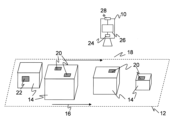
図1はベルトコンベア12の上方に取り付けられた光電式コードリーダ10を示している。ベルトコンベア12は矢印16で示したようにコードリーダ10の検出領域18を通過するように物体14を搬送する。物体14はその外側表面にコード領域20を持っており、これがコードリーダ10により検出されて評価される。このコード領域20は上面に付されているか、少なくとも上から見えるように付されている場合にのみコードリーダ10で認識できる。そこで、図1の描画から逸脱して、例えば側面又は底面に付されたコード22を読み取るために複数のコードリーダ10を異なる方向から取り付けることで、いわゆる全方向からの多重読み取りを可能にしてもよい。読み取りシステムにおける複数のコードリーダ10の配置は実際には読み取りトンネルとして実施することがほとんどである。このようにコードリーダをベルトコンベア付近に固定して用いることは実際に非常によくある。しかし、本発明はコードの読み取り若しくはコードリーダ10そのものに関するものであるから、本例を限定的なものとして解釈してはならない。例えば、コードは手動でスキャンすることもできる。また、プレゼンテーション型の応用ではコード又はコードを付した物体14をコードリーダ10の読み取り領域内にかざすことができる。
1 shows a
コードリーダ10は搬送されている物体14及びコード領域20の画像データを受光器24で取得し、そのデータが制御及び評価ユニット26によって画像解析及びデコード法を用いて更に処理される。本発明にとって具体的な撮像法は重要ではないため、コードリーダ10はそれ自体公知である任意の原理により構成することができる。例えばその都度1ラインだけを捕らえる場合、ライン状の画像センサを用いてもよいしスキャン法によってもよく、制御及び評価ユニット26は搬送運動の進行中に得られる複数のラインを結合して画像データにする。マトリクス状の画像センサを用いれば一度の撮影だけでより広い領域を捕らえることができる。ここでもまた複数の撮影画像の結合を搬送方向にもそれと交差する方向にも行うことができる。コードリーダ10の最も重要な機能はデコード、即ち光学コード内に符号化されたメッセージを平文として読み取ることである。メッセージはペイロード文字から成る文字列であり、好ましくは少なくとも1つの検査文字が付されている。検査文字は典型的には末尾にある。コードリーダ10はインターフェイス28を通じて情報(コードから読み取られたメッセージ、画像データ等)を出力する。
The
以下、コードからそれぞれ読み出されたメッセージの検査及び/又は訂正について図2~6を参照しながら説明する。これは制御及び評価ユニット26において行われることが好ましい。もっとも、画像データ又は中間結果をインターフェイス28経由で出力し、デコード、検査及び/又は訂正の少なくとも一部を、制御用コンピュータ、ネットワーク又はクラウド等の外部の上位システムに出すことも同様に考えられる。コード領域20のセグメント化及び発見のための画像データの前処理、並びにデコードそのものは公知であるものとし、説明を行わない。
The inspection and/or correction of the messages respectively read out from the code will now be described with reference to Figs. 2 to 6. This is preferably performed in the control and
図2は、フィルムの下にあり、反射のため読み取りが難しい光学コードの画像例を示している。ラベル上には実際よくあるように複数のコードがある。コードの読み取りにとって特に重要なのは、後段での物品の仕分けに関する情報を保持している、いわゆる仕分け関連コードである。そばに他のコードが付されている可能性もある。しかし、例えば図2の一番上のコードが読み取ることができても仕分け関連コードが読み取れなければ役に立たない。また、コードの反射又は他の破損若しくは妨害がコード領域20の全てのコードに該当するという状況や、逆に全てのコードが仕分けに関連している若しくはそれらの正しいデコードが他の所で使用上不可欠であるという状況も当然想定される。
Figure 2 shows an example image of an optical code that is under a film and difficult to read due to reflections. As is often the case in practice, there are several codes on a label. Of particular importance for the reading of the codes are the so-called sorting-related codes, which carry information about the subsequent sorting of the goods. There may be other codes nearby. However, it is of no use to be able to read, for example, the top code in Figure 2, if the sorting-related codes cannot be read. It is also natural to envisage situations in which code reflections or other damage or interference apply to all codes in the
図2のように反射又は他の破損により損なわれたコードに対する読み取り率を上げるため、スキーマ中にあるコードに関する予備知識を考慮に入れる。そうすると、読み取られたメッセージをスキーマに基づいて補完することで、読み取りエラー(NoRead)をなおも避けたり、誤読(MisRead)を検出したりできる。これについて、図2にも示したようなバーコードの例で説明する。本発明はバーコードに特に有用である。なぜなら、他のコード形式ではリードソロモン符号化等の強力な訂正が利用可能だからである。ただし、それにより他の種類のコードへの本発明の応用を排除するものではない。 To increase the read rate for codes damaged by reflections or other corruption as in Figure 2, prior knowledge about the code is taken into account in the scheme. Then, by completing the read message based on the scheme, read errors (NoRead) can still be avoided or misreads (MisRead) can be detected. This is explained with the example of a barcode as also shown in Figure 2. The invention is particularly useful for barcodes, since powerful corrections such as Reed-Solomon coding are available for other code formats, but this does not exclude the application of the invention to other types of codes.
図3はスキーマの自動学習のための模範的なフローチャートを示している。代わりに、スキーマを特にグラフィカルユーザインターフェイスを介して入力したり、データ記憶媒体から読み込んだりすることもできる。ユーザインターフェイスは学習したスキーマを表示し、検査し、場合により編集することにも適している。 Figure 3 shows an exemplary flow chart for automatic learning of a schema. Alternatively, the schema can in particular be entered via a graphical user interface or read from a data storage medium. The user interface is suitable for displaying, inspecting and possibly also editing the learned schema.
ステップT1では多数の読み取られたメッセージが取得される。それらはその後の使用時に出現するような光学コードをデコードした結果である。それらの読み取られたメッセージは稼働の進行中に徐々に及び/又は過去(例えば以前の読み取り結果を含むログファイル)から取得することができる、 In step T1, a number of read messages are obtained, which are the result of decoding the optical code as it appears in subsequent use. These read messages can be obtained incrementally during the course of operation and/or from the past (e.g., a log file containing previous reads),
ステップT2では、読み取られたメッセージを評価し、出現するコード形式を求める。これは例えば出現するコード長の統計量による。それにより、どのコードファミリーのためにスキーマを生成すべきかを確認することができる。例えば、後でスキーマに基づいて仕分け関連コードのみを検査若しくは訂正しさえすればよい場合、それに対応するコードファミリーがそのコード長、特定の識別子又は内容によって認識される。スキーマはその都度、読み取られたメッセージのうち該当のコードファミリーに属する部分集合のみを基にして作り上げられる。単一のスキーマだけを、最も頻出するコード又は所与のコードファミリーのためだけに学習することが考えられる。その場合、ステップT1では、そのコードファミリーに合った仕分け済みの読み取られたメッセージのみを用意することが好ましい。 In step T2, the read messages are evaluated to determine which code types occur, for example by statistics of the code lengths that occur. This makes it possible to ascertain for which code families a schema should be generated. For example, if only sorting-relevant codes need to be checked or corrected later on based on the schema, the corresponding code families are recognized by their code lengths, specific identifiers or content. A schema is built up in each case only on the basis of a subset of the read messages that belong to the relevant code family. It is conceivable to learn only a single schema for the most frequent codes or for a given code family. In that case, step T1 preferably provides only sorted read messages that match that code family.
ステップT3では、読み取られたメッセージに基づき、あるコードファミリー若しくはスキーマに対して、どの文字がどの位置に現れるかを評価する。それには例えば、単に各位置に対して読み込まれた大量の未整理の文字をその位置に結びつけたり、該位置において読み取られた文字が全て入るような領域をそれぞれ設けたり、読み取られた文字の真の頻度分布を位置毎に形成したりすることができる。 In step T3, based on the read message, it is evaluated which characters appear in which positions for a given code family or schema. This can be done, for example, by simply associating a large number of unsorted characters read for each position with that position, by creating a region for each position that contains all the characters read at that position, or by forming a true frequency distribution for each position of the characters read.
そしてステップT4では、文字毎の分布からスキーマが導き出される。スキーマは普通、固定部分と可変部分を備えている。スキーマの固定部分の固定文字は、各コードファミリーにおいて学習中に読み取られる全ての文字において繰り返されるか、或いは異常値を考慮するためにn回の事例のうち少なくとも過半数であるm回繰り返される。固定部分はスキーマのコードファミリーを識別する手段でもある。それ故、少なくとも1つの追加のスキーマを生成することがあり得る。なぜなら、読み取られたメッセージ中に2つの異なる固定部分が同じ位置にあれば、それは恐らく実際には同じコードファミリーではなく2つのコードファミリーだからである。固定部分は後で稼働中に、読み取られた最新のコードに対する正しいスキーマを見つけ出すために役に立つ。 Then, in step T4, a schema is derived from the character-by-character distribution. The schema usually has a fixed part and a variable part. The fixed characters of the fixed part of the schema are repeated in every character read during training in each code family, or are repeated m times, which is at least a majority of n cases, to allow for outliers. The fixed part is also a means of identifying the code family of the schema. Therefore, at least one additional schema can be generated, because if two different fixed parts are found in the same position in the read message, it is probably not actually the same code family but two code families. The fixed part is later useful during run-time to find the correct schema for the latest code read.
スキーマの可変部分の可変文字は、固定文字のように読み取られたメッセージを超えて同一ではなく、取り得る文字の部分範囲内に留まる。それは例えば表音文字又は数字である。ステップT3においてある位置で求められた分布の区間幅があまりに大きくなる場合、その可変文字にはもう予測力がほとんどないからいつかその意味を失う。そうするとそれは自由文字となる。これをスキーマ中で容認してもよいが、これらの読み取られたメッセージの入力データには適切なスキーマがあり得ないというエラーメッセージを結果として出すこともできる(特に複数の自由文字がある場合)。 The variable characters in the variable part of the schema are not the same across the messages read like fixed characters, but remain within a subrange of possible characters, e.g. phonograms or digits. If the interval width of the distribution determined at a certain position in step T3 becomes too large, the variable character will eventually lose its meaning since it no longer has much predictive power. It then becomes a free character. This may be accepted in the schema, but may also result in an error message saying that there is no suitable schema for the input data of these read messages (especially if there are multiple free characters).
ステップT1~T4は上述のように厳密に一度だけ実行しなければならないわけではない。特に段階的又は反復的なやり方が可能であり、その場合、更に別の読み取られたメッセージが次々に評価される。その場合、それに応じて、可能であればステップT2において別のスキーマを新たに開き、ステップT3とT4においてそれを補完することで、読み取られたメッセージに適したスキーマにする。このようなスキーマの反復的な適合化は本来の読み取り稼働の間にオンザフライで行うことも考えられる。スキーマの説得力を統計的に実証するため、少なくとも最小数の読み取られたメッセージをスキーマに取り込むことを要求することができる。 Steps T1 to T4 do not have to be performed exactly once as described above. In particular, a stepwise or iterative approach is possible, in which case further read messages are evaluated one after the other. In that case, if possible, a further schema is opened accordingly in step T2 and supplemented in steps T3 and T4 to make it suitable for the read message. Such an iterative adaptation of the schema could also be performed on the fly during the actual reading run. In order to statistically demonstrate the plausibility of the schema, it can be required that at least a minimum number of read messages are included in the schema.
図4は複数の読み取られたメッセージをそれらから学習したスキーマの説明図と共に示している。これは図3に示した学習の特別に有利な実装であり、これを用いて、スキーマの形で予備知識を獲得する処理について更に説明する。 Figure 4 shows a number of read messages together with an illustration of the schemata learned from them. This is a particularly advantageous implementation of the learning shown in Figure 3 and will be used to further illustrate the process of acquiring prior knowledge in the form of schemata.
このために図5はスキーマの可変文字のための各部分範囲で取り得る文字の模範的な区分を補足的に示している。表にはバーコードに特に関係のある0~127のASCII値が含まれており、それらが印刷不能文字、特殊文字#1、数字、特殊文字#2、大文字、特殊文字#3及び小文字という7クラスに区分されている。対応するASCII値の範囲は表中の凡例と強調用のバーからすぐに見て取ることができる。当然ながら本発明は特にこれらのクラスに限定されるものではない。しかし、意味論的なクラス分けには意味がある。なぜならそれはユーザにとってより理解しやすく、また、実際のコードファミリーは、可変文字が任意ではなく意味論的な部分範囲に限定されているような体系に従うことが典型的だからである。
For this purpose, FIG. 5 additionally shows an exemplary division of possible characters in each subrange for the variable characters of the schema. The table contains ASCII values from 0 to 127 that are particularly relevant for bar codes and are divided into seven classes: non-printable characters,
図4に戻って、同図の左上には。図3のステップT1に記載の入力データとして、コード長が21の10個の読み取られたメッセージが示されている。読み取られたメッセージは訂正されていないことが好ましい。この単純な例では、読み取られたメッセージが全て同じコードファミリーに属しており、スキーマを1つだけ学習すればよいものと定めているため、図3のステップT2は考慮されない。 Returning to FIG. 4, in the upper left corner, 10 read messages with code length 21 are shown as input data according to step T1 of FIG. 3. Preferably, the read messages are uncorrected. In this simple example, step T2 of FIG. 3 is not taken into account, since all read messages belong to the same code family, defining that only one schema needs to be learned.
図4の右上には、図3のステップT3に対応して、コードの位置毎にそれまでに出現して読み取られた文字のASCIIコードの下限と上限が示されている。これらは文字にとってあり得ない値(例えば[-1,-1])で初期化される。その後、それぞれの位置毎に測定された文字で境界が変更される。例えば、1行目において1番目の文字としてASCIIコード74を持つ「J」が読み取られ、下限がその値74に設定される。2行目の1番目の位置で「J」が再び現れて読み取られ、上限も値74に設定される。あるいは、ある位置における文字を最初に読み取ったときにその値を上限に配置したり、両方の境界に配置したりしてもよい。図示したやり方には、少なくとも、値の繰り返しを最初に確認したことが認識できる状態で残るという利点がある。ここで、繰り返しを計数する別のパラメータを補ったり境界内に符号化したりしてもよい。 At the top right of FIG. 4, corresponding to step T3 of FIG. 3, the lower and upper bounds of the ASCII codes of the characters that have appeared and been read so far are shown for each code position. They are initialized with values that are impossible for characters (for example [-1,-1]). The bounds are then modified with the measured characters for each position. For example, in the first line, a "J" with ASCII code 74 is read as the first character, and the lower bound is set to its value 74. In the second line, in the first position, a "J" appears again and is read, and the upper bound is also set to value 74. Alternatively, the first reading of a character in a position could place its value at the upper bound or at both bounds. The illustrated approach has the advantage that at least the first identification of a repetition of a value remains recognizable. Another parameter that counts the repetitions could then be added or coded in the bounds.
後半の可変文字は、文字の最初の読み取り時にはその位置において全く同様に扱われる。そのような位置においてその後に読み取られる文字は、既知の境界の間に入っているか、或いは下限又は上限を上書きするから、その新たに読み取られた文字はもうその部分範囲内に含まれている。例えば末尾の文字の場合、まず、読み取られた「0」のASCIIコードである48が下限に現れている。2行目では、上限が、読み取られた「6」に対応して、これに該当するASCIIコードである54に設定されている。10個のメッセージを読み取った後では、数字「0」と「9」に対応するASCIIコードを境界とする部分範囲[48,57]が得られている。なぜならこれらは10個のメッセージ中でこの位置に現れる両極端の値だからである。 Later variable characters are treated exactly the same at the first reading of the character in that position. Any subsequent characters read at such a position either fall between known boundaries or overwrite the lower or upper bounds, so that the newly read character is now included in the subrange. For example, in the case of the last character, the lower bound is first set to 48, which is the ASCII code for the read "0". In the second line, the upper bound is set to 54, which is the ASCII code for the read "6". After reading ten messages, we have the subrange [48,57] bounded by the ASCII codes for the digits "0" and "9", because these are the extreme values that appear at this position in the ten messages.
図4の下部には図3のステップT4により生成されるスキーマが示されている。そのために、ステップT3においてメッセージ若しくはスキーマの位置毎に得られた分布が評価される。その分布が図4の右上部分の最終行に示されている。読み取られたメッセージの前半部分では「JJD01460000」という文字列が常に繰り返されている。これがスキーマの固定部分である。これは、これらの各位置において下限と上限が一致していること、即ち10個の全メッセージにおいてそれぞれ同じ文字が読み取られていることから分かる。 The lower part of Figure 4 shows the schema generated by step T4 of Figure 3. To this end, the distribution obtained in step T3 for each position in the message or schema is evaluated. This distribution is shown in the last line in the upper right part of Figure 4. The string "JJD01460000" is always repeated in the first half of the message read. This is the fixed part of the schema. This can be seen from the fact that the lower and upper limits are the same in each of these positions, i.e. the same characters are read in each of the 10 messages.
メッセージの残りの後半部分は可変部分である。ここではそれぞれ下限と上限が互いに違っている。基本的には、それぞれの可変文字に対して、下限と上限によりそこで得られた区間をそのまま用いることができる。しかし、好ましくはクラスにまで一般化し、上限と下限をそのクラスの上下の境界にそれぞれ設定する。例えば、図4の10個のメッセージ中の12番目の位置、即ち可変部分の最初の位置では、数字の「8」又は「9」しか現れていないから、[56,57]という部分範囲が定められている。しかし、この元々の部分範囲から逸脱してクラスを開き、スキーマ中ではこの位置において全ての数字を許容するものとする。故にスキーマの部分範囲は[48,57]となる。 The remaining second half of the message is the variable part. Here, the lower and upper bounds are different. Basically, for each variable character, the interval obtained by the lower and upper bounds can be used as is. However, it is preferable to generalize to a class and set the upper and lower bounds to the upper and lower boundaries of the class, respectively. For example, in the 12th position of the 10 messages in Figure 4, i.e., the first position of the variable part, only the digits "8" and "9" appear, so the subrange [56, 57] is defined. However, we deviate from this original subrange to open a class and allow all digits at this position in the schema. Therefore, the subrange of the schema is [48, 57].
ある位置で読み取られた文字がクラスの境界を超えてしまうことが考えられる。これは訓練を中断する理由となり得る。なぜなら、そのようなスキーマは信頼できないはずだからである。代案では複数のクラスを許容する。その場合、そのために、最初に算出された境界をその下又は上に隣接するクラスの境界にずらすことができる。これにより、複数のクラスに亘る繋がった部分範囲ができる。原則的には、図5のASCII表において互いに離れている数字と小文字のように、分離したクラスも考えられる。その場合、既に部分範囲の決定時に、新たに読み取られた文字がそれまでのクラス境界を超えているかどうか検査する必要があり、超えているときには新たなクラスを含めるために2つの追加の境界を補う。このように複数クラスを持つ可変文字のクラスの1つを単一の文字に置き換えることができる。例えばその場合、この可変文字には数字と特殊文字「+」が許容される。クラスをちょうど必要なだけ大きくすることが有意義である。可変文字は稼働中に出現する文字をカバーすべきであるが、この条件下でできるだけ区分けを精密にするべきである。 It is possible that a character read at a certain position exceeds the class boundary. This can be a reason to stop training, since such a schema would be unreliable. An alternative is to allow multiple classes. In this case, the initially calculated boundary can be shifted to the boundary of the adjacent class below or above. This results in a connected subrange that spans several classes. In principle, separate classes are also possible, such as the numbers and lowercase letters that are separated from each other in the ASCII table of Figure 5. In that case, already when determining the subrange, it is necessary to check whether the newly read character exceeds the previous class boundary, and if so, to fill in two additional boundaries to include the new class. In this way, one of the classes of a variable character with multiple classes can be replaced by a single character. For example, in that case, this variable character allows numbers and the special character "+". It makes sense to make the classes just as large as necessary. The variable character should cover the characters that occur during operation, but should be as precise as possible under these conditions.
図4のスキーマは始めに固定部分があり、終わりに可変部分がある。本発明はこれに限定されず、複数の固定部分及び/又は複数の可変部分を任意に配置することができる。原則的には位置及び文字毎にそれが固定文字か可変文字かを決めることができ、この点については何の制限もない。 The schema in Figure 4 has a fixed part at the beginning and a variable part at the end. The present invention is not limited to this, and multiple fixed parts and/or multiple variable parts can be arranged arbitrarily. In principle, it is possible to determine for each position and character whether it is a fixed character or a variable character, and there are no restrictions in this regard.
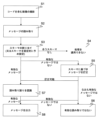
図6は光学コードから読み出されたメッセージをスキーマに基づいて検査及び/又は訂正するための模範的なフローチャートである。予め少なくとも1つのスキーマを決めておくか、図3~5を参照して説明した方法で学習しておく。 Figure 6 is an exemplary flow chart for inspecting and/or correcting a message read from an optical code based on a schema. At least one schema is predefined or learned in the manner described with reference to Figures 3-5.
ステップS1では、コードリーダ10によりコード領域20を含む画像が撮影される。ステップS2では、その画像データを図1を参照して述べたようにデコーダで評価することで、コードに含まれているメッセージが読み出される。
In step S1, the
ステップS3では適切なスキーマが割り当てられる。これはコード長、コード形式及び/又はメッセージの一部に基づいて決定される。特に、そのスキーマに合ったコードを識別するために該スキーマの固定部分を一種の指紋として利用することができる。或いは、スキーマが1つしかない、又は1つのスキーマが予め固定的に決められている。メッセージに合うスキーマがない場合、図6に示したその後の手順は適用できないため、ステップS4で中断されるか、跳び超えられる。その場合、読み取られたメッセージは本発明がなかったかのように扱われる。即ち、読み取られたメッセージを出力するか、認識されたエラーをそのまま残すか、或いはスキーマに基づく本発明の訂正又は検査とは別の訂正又は検査を更に行うことができる。 In step S3, a suitable schema is assigned. This is determined based on the code length, the code type and/or a part of the message. In particular, a fixed part of the schema can be used as a kind of fingerprint to identify codes that match the schema. Alternatively, there is only one schema or one schema is pre-defined and fixed. If no schema matches the message, the subsequent procedure shown in FIG. 6 cannot be applied and is therefore interrupted or skipped in step S4. In that case, the read message is treated as if the present invention had not been present, i.e. the read message is output, the recognized errors are left as they are, or further corrections or checks can be made that are different from the corrections or checks of the present invention based on the schema.
適切なスキーマを用いて今度は、ステップS2において読み取られたメッセージが有効なメッセージかどうかが区別される。そのために例えば検査合計を参照することができる。場合によってはメッセージの少なくとも一部が全く読み取り不能かもしれない。 Using an appropriate schema, it is now possible to distinguish whether the message read in step S2 is a valid message or not. For this purpose, for example, a checksum can be referenced. In some cases, at least part of the message may be completely unreadable.
メッセージが無効の場合、ステップS5においてスキーマに基づく訂正を試みる。そのために、スキーマの固定部分が、読み取られたメッセージ中の対応する位置にある文字と比較される。好ましくは、スキーマ中及び読み取られたメッセージ中において固定文字のうち最小限の割合、例えば少なくとも半分が一致すべきであるとすることで、当該スキーマに合った固定部分を持つコードが本当に読み取られたことを十分確実にする。可能であれば、このような検査を既にステップS3で行っておけば、それを繰り返さずに済む。 If the message is invalid, in step S5 a correction based on the schema is attempted. To this end, the fixed parts of the schema are compared with the characters in the corresponding positions in the read message. Preferably, a minimum percentage of the fixed characters in the schema and in the read message should match, for example at least half, to be sufficiently sure that a code with a fixed part that matches the schema has really been read. If possible, such a check has already been performed in step S3, so that it does not need to be repeated.
比較の結果が肯定的であれば、スキーマの固定部分をメッセージに転記する。その際、メッセージの固定文字をスキーマの固定文字で上書きし、必要であれば文字を割り込ませることで全体として正しいコード長になるようにする。別の実施形態として、メッセージのコード長が訂正前に既にスキーマの必要コード長と一致することを要求することができ、その場合は文字の割り込みは行わない。 If the comparison is positive, the fixed part of the schema is transcribed into the message, overwriting the fixed characters of the message with the fixed characters of the schema, and interleaving characters if necessary to ensure the correct overall code length. An alternative embodiment can require that the code length of the message already matches the required code length of the schema before correction, in which case no interleaving characters are used.
メッセージの固定部分はステップS5による訂正により強制的に正しくなる。ただ、固定部分における最小限の割合の一致では不十分であり、読み取られたコードが実際にはその固定部分を有していない、という可能性がまだ残っている。しかし、場合によってはエラーが固定部分だけにあるのではなく、更に可変部分でも1又は複数の文字が間違ってデコードされていることがある。このような場合を排除するため、訂正されたメッセージを例えば検査合計に基づいて再び検査する。それが成功した場合、訂正されたメッセージは正しい読み取り結果であるものとみなす。そうでなければ、冒頭で説明したように、検査合計により可変部分における訂正を試みることができるが、このやり方の強力さと信頼性は限られている。 The fixed part of the message is forced to be correct by the correction in step S5. However, it still remains possible that a minimum percentage match in the fixed part is not sufficient and the read code does not actually have that fixed part. However, in some cases the error is not only in the fixed part, but also in the variable part where one or more characters have been incorrectly decoded. To exclude such cases, the corrected message is checked again, for example based on a checksum. If this is successful, the corrected message is considered to be a correct reading. Otherwise, as explained at the beginning, a correction in the variable part can be attempted by checksum, but this approach is only limited in its robustness and reliability.
第1の訂正例では、スキーマが図4で学習したものであり、コード長が21、位置1~11が固定部分「JJD01460000」で、その後ろの位置12~21が数字から成る可変部分であるものとする。このスキーマを他の全ての訂正例でも参照する。いま、例としてメッセージ「XJD023600009278066464」が読み取られたとする。検査合計は18で、太字の箇所(1番目、5番目及び6番目の文字)がスキーマの固定部分と違っている。検査合計に基づく検査は成功しないため、訂正が試みられ、半分を明らかに超えて一致している固定部分が、読み取られたメッセージに転記され、「JJD014600009278066464」となる。今度は検査合計も合っているため、これは有効なメッセージである。 In the first correction example, the schema is the one learned in Figure 4, with a code length of 21, positions 1-11 being the fixed part "JJD01460000", followed by positions 12-21 being the variable part consisting of digits. This schema will be referenced in all other correction examples. Now, as an example, the message "XJD023600009278066464" is read. The checksum is 18, and the bolded parts (the 1st, 5th and 6th characters) differ from the fixed part of the schema. The checksum based check is unsuccessful, so a correction is attempted and the fixed part, which clearly matches more than half, is transcribed into the read message, resulting in "JJD014600009278066464". This time the checksum is correct, so this is a valid message.
第2の訂正例では、読み取られたメッセージが「D014600009278066464」であるものとする。今度のエラーは最初の2つの文字が読み取られなかったこと、即ち先頭の「JJ」がないことである。故にこのメッセージは必要なコード長である21より2文字だけ短い。従って、もし検査合計が偶然に誤って有効なメッセージを示していても大した問題ではでない。それは独立した第2の指標である。固定部分の一致は、要求された最小限の割合である50%を依然として超えている。故に、スキーマの固定部分を正しい位置に割り込ませることができる。即ち、固定部分の最初の2つの文字「JJ」を、訂正のために、読み取られたメッセージの前に置くことができる。これにより、読み取られたメッセージのコード長は正しい値である21になり、算出される検査合計も今度は正しくなる。 In the second correction example, suppose the message read is "D014600009278066464". The error this time is that the first two characters were not read, i.e. the leading "JJ" is missing. Therefore the message is two characters shorter than the required code length of 21. Therefore it is not a big deal if the checksum accidentally erroneously indicates a valid message. It is an independent second indicator. The match of the fixed part is still above the required minimum percentage of 50%. Therefore the fixed part of the schema can be inserted in the correct position. That is, the first two characters of the fixed part, "JJ", can be placed in front of the read message for correction. This will result in the code length of the read message being the correct value of 21, and the calculated checksum will now be correct.
第3の訂正例では、検査合計が読み取れなかったために訂正前のメッセージが無効になっている。それでもまず訂正の方法に何ら変わりはない。ただ、その後の検査ができず、コード長だけがなお検査できるにすぎないから、その結果は非常に信頼性が低い。ここでコード読み取りの反復を要求することが考えられる。いくつかの実施形態ではそうでなくても各コードが複数回読み取られるから、その場合は、可変部分の位置にある文字をエラーなしで読み出すことができたと十分に確信できるようにするために、複数回のデコード成功に相当する閾値を上げることが考えられる。 In the third correction example, the uncorrected message is invalid because the checksum could not be read. This does not change the correction method in the first place. However, since no further checks can be made, and only the code length can still be checked, the result is very unreliable. It is possible to require repeated code reading at this point. Since in some embodiments each code is otherwise read multiple times, it is possible to raise the threshold for multiple successful decodes in order to be reasonably sure that the character at the variable part position has been read without error.
ステップS5の訂正に続いて今度は場合分けが行われる。訂正によっても有効なメッセージが再構成できなかった場合、ステップS6は読み取りエラー(ここではNoRead)のままである。そうではなく訂正が成功した場合、誤読の認識を行うステップS7の処理に進む。ステップS3に続く場合分けの2番目の経路、即ち、メッセージがステップS5による訂正なしで既に有効となった場合も、このステップS7に至る。なお、図6から離れて、メッセージの元々の読み取り又はスキーマに対してより高い信頼性が必要かどうかによって、ステップS3で既に有効とされたメッセージについてもステップS5による訂正を常に実行することも考えられよう。 Following the correction in step S5, a case analysis is now performed. If the correction does not allow a valid message to be reconstructed, step S6 remains a read error (here NoRead). If the correction is otherwise successful, the process proceeds to step S7, where a misread is recognized. This step S7 is also reached via the second case analysis path following step S3, i.e. if the message was already valid without the correction in step S5. However, it would be conceivable to depart from FIG. 6 and always perform the correction in step S5 for messages already valid in step S3, depending on whether more confidence is required in the original reading or schema of the message.
ステップS7で今度は更に誤読(MisRead)が認識される。これは、ステップS5による訂正あり又は訂正なしで有効なメッセージが読み取られた場合であって、特にペイロード文字から算出された検査合計と読み取られた検査合計が一致している場合である。つまりこの妥当性確認は冒頭で既に論じたようにエラーが1つだけの場合にのみ信頼できるものであり、エラーが複数あれば偶然に正しい検査合計が算出され得る。 In step S7, a further misread is now recognized if a valid message is read, with or without the corrections made in step S5, and in particular if the checksum calculated from the payload characters and the read checksum match. This means that, as already discussed at the beginning, this validation is only reliable in the case of a single error; if there are multiple errors, a correct checksum may be calculated by chance.
最初に任意選択で、これが既にステップS3又はS5において行われていなければ、スキーマの固定部分とその固定部分の位置に対応するメッセージ中の文字との比較に基づいて、スキーマがメッセージに合っていることを確かめる。それには固定部分が最小限の割合(例えば50%)まで一致していなければならない。 First, optionally, if this has not already been done in steps S3 or S5, verify that the schema matches the message based on a comparison of fixed parts of the schema with characters in the message that correspond to the positions of the fixed parts, which must match to a minimum percentage (e.g. 50%).
スキーマの可変部分については、読み取られたメッセージの可変文字がその属する位置においてスキーマの部分範囲内にあるかどうかを検査する。例えば、ある位置においてスキーマが数字を要求しているのに、特殊文字が読み取られていたら、そのメッセージは有効とはみなされない。加えて、スキーマのコード長が読み取られたメッセージのコード長と等しいかどうか検査することができる。ステップS7の基準によって有効でないメッセージがあれば、図6のフローは有効な読み取りなし(この場合はMisRead)としてステップS6で終わる。 For the variable part of the schema, it is checked whether the variable character of the read message is within the partial range of the schema at the position to which it belongs. For example, if the schema requires a number at a certain position, but a special character is read, the message is not considered valid. In addition, it can be checked whether the code length of the schema is equal to the code length of the read message. If any message is not valid according to the criteria of step S7, the flow of FIG. 6 ends at step S6 with no valid read (MisRead in this case).
それ以外の場合、メッセージは有効であるとみなされる。デコーダが元々エラーなしで読み取ることができた可能性もあれば、ステップS5でエラーが訂正され、ステップS7で誤読も認識されなかった可能性もある。このメッセージはステップS8で出力されるか、本発明より前から既に通例となっているステップにより更に処理される。 Otherwise, the message is considered valid. It may have been originally read by the decoder without error, or the errors may have been corrected in step S5 and no misreading may have been recognized in step S7. The message is either output in step S8 or further processed by steps already customary prior to the present invention.
以下の誤読の認識のいくつかの例でも図4で学習したスキーマが引き続き用いられる。第1の非常に簡単な例では「JJD014600005183211」というメッセージが読み取られた。これは18文字であり、スキーマのコード長である21より短いから誤読である。 The following examples of misreadings continue to use the schema learned in Figure 4. In the first, very simple example, the message "JJD014600005183211" is read. This is a misreading because it is 18 characters long, which is shorter than the code length of the schema, which is 21.
第2の例では「JJD01460000MJ18321108」というメッセージが読み取られた。今度はコード長は合っているが、太字の箇所(12番目と13番目の文字)がスキーマにいう数字ではなく大文字の「MJ」と読み取られている。これも同様に誤読である。 In the second example, the message "JJD01460000MJ18321108" is read. This time the code length is correct, but the bolded parts (the 12th and 13th characters) are read as capital "MJ" instead of numbers as specified in the schema. This is also a misreading.
第3の例では、ステップS7の処置でも見つけることのできない誤読が生じている。固定文字とは違って可変文字には、複数のエラーがなおも補い合い、読み取った検査合計になる一定の余地がある。その際、検査合計は正しく読み取られている可能性もあれば、それ自身が間違って読み取られていて複数のエラーの一部になっている可能性もある。今度は正しいメッセージは「JJD014600009283279219」、読み取られたメッセージは「JJD014600009275279219」であって、太字で示した数字(14番目と15番目)は間違って読み出された検査合計を用いて訂正されている。このエラーは認識できない。1つには検査合計が合っており、その機能は訂正を試みたことにより言わば消尽されている。その上、数字が組み込まれているため、スキーマを満たしている。検査合計を用いた訂正により数字以外が組み込まれていたとしたら、それはスキーマを用いればなお見つかったであろう。この第3の例では、読み取られたメッセージが実は誤読(MisRead)であるにも関わらずステップS8で有効とみなされる。当然ながら、検査合計を用いた訂正を試みていなかった可能性もあり、その場合は読み取りなし(NoRead)に留まる。既に冒頭で論じたように、このリスクは検査合計を用いた訂正の場合には常に存在しており、それにより読み取り率が上がる(NoReadが減る)が、同時に誤読(MisRead)の危険性も高まる。本発明に係るスキーマによって後者の危険性は少なくとも更に低減される。 In the third example, a misreading occurs that cannot be found even in the process of step S7. Unlike fixed characters, variable characters have a certain amount of room for multiple errors to still complement each other and become part of the read checksum. The checksum can then be read correctly or it can itself be read incorrectly and become part of multiple errors. Now the correct message is "JJD014600009283279219" and the read message is "JJD014600009275279219", with the bolded digits (the 14th and 15th) corrected using the incorrectly read checksum. This error cannot be recognized. For one thing, the checksum matches and its function is, so to speak, exhausted by the correction attempt. Moreover, it satisfies the schema because it incorporates digits. If the correction using the checksum had incorporated something other than a digit, it would still have been found using the schema. In this third example, the read message is considered valid in step S8, even though it is in fact a misread (MisRead). Of course, it is possible that no correction using the checksum was attempted, in which case there would only be a NoRead. As already discussed at the beginning, this risk is always present in the case of correction using the checksum, which increases the read rate (reducing NoReads), but at the same time increases the risk of a misread (MisRead). The latter risk is at least further reduced by the scheme according to the invention.
スキーマを、一目で分かり、跡づけて理解できるやり方で描出又は表現すれば有意義である。そうすれば診断や、場合によっては手動での最適化が容易になる他、スキーマに関連するステップのプログラミングをエラーなしで体系的に行うことも容易になる。簡単な実装として、図4の例のようにスキーマの位置に部分範囲の境界を結びつけることができる。これは複数のクラスの境界及び/又は部分範囲中の許容文字のリストに拡張することができる。 It is useful to depict or represent a schema in a way that is visible, traceable, and understandable. This makes it easier to diagnose and possibly even manually optimize it, as well as to program the steps related to the schema in a systematic and error-free way. A simple implementation is to associate subrange boundaries with positions in the schema, as in the example in Figure 4. This can be extended to multiple class boundaries and/or lists of allowed characters in subranges.
これは疑似コードで次のように表現することができる。ここではクラス(Type)のリストが拡張可能であり、特に図5のリストを用いて拡張できる。 This can be expressed in pseudocode as follows, where the list of classes (Types) is extensible, specifically using the list in Figure 5.
Schema=CodeCharSchemaの配列
CodeCharSchema=SingleSchemaEntryのリスト
SingleSchemaEntry=
Record
Type: (SingleCharacter, CharInterval)
Value: Char; /* 個々の文字、例えば特殊文字 */
Min, Max: Char; /* これにより区間を既述する */
End;
Schema=Array of CodeCharSchema
CodeCharSchema=List of SingleSchemaEntry
SingleSchemaEntry=
Record
Type: (SingleCharacter, CharInterval)
Value: Char; /* An individual character, e.g. a special character */
Min, Max: Char; /* This describes the interval */
End;
スキーマを既述するための更なる代替物は正規表現である。これを用いれば、スキーマの定義が、多くのユーザに知られている厳密に定義された構造に還元され、しかもそのために設計、編集及び変換用の標準的なコンポーネントが存在する。正規表現として定義されたスキーマの例は「JJD...[a-z][a-z][0-9]...」である。これは「JJD」という固定部分で始まり、それに3つの任意の文字が続き、その後ろに2つの小文字、1つの数字、そして再び3つの任意の文字が続く。ただし、どの正規表現もスキーマになり得るわけではないことに注意されたい。例えば、「^...[0-9]...$」には行の初めと行の終わりが含まれているが、スキーマにはこれに対応するものはあり得ない。編集機能はこれらの可能性を最初から全く提供しないか、少なくとも警告により制止すべきであろう。 A further alternative for describing schemas is regular expressions, which reduce the definition of a schema to a well-defined structure known to many users and for which standard components exist for design, editing and transformation. An example of a schema defined as a regular expression is "JJD...[a-z][a-z][0-9]...". This starts with the fixed part "JJD", followed by three arbitrary characters, followed by two lower case letters, a digit and three arbitrary characters again. Note, however, that not every regular expression can be a schema. For example, "^...[0-9]...$" contains the beginning of a line and the end of a line, but there can be no corresponding schema. The editor should not offer these possibilities at all in the first place, or at least suppress them with a warning.
正規表現の代わりになる独自の体系又は言語をスキーマのために設計することが考えられる。そうすればスキーマの必要条件により良く適合させることができる。例えば、大文字を「C」、小文字を「c」、数字を「N」で表し、固定文字は括弧に入れ、自由文字はここでも「.」で表すことができる。そうすると上記の正規表現の例は「[JJD]...ccN...」という、よりコンパクトな書き方になる。 It is conceivable that an alternative system or language of regular expressions could be designed for a schema, which could better suit the requirements of the schema. For example, uppercase letters could be represented by "C", lowercase letters by "c", numbers by "N", fixed characters could be enclosed in brackets, and free characters could again be represented by ".". Then the example regular expression above could be written more compactly as "[JJD]...ccN...".
Claims (12)
前記光学コード(20)を含む画像データを取得する手順、
前記画像データを評価して前記メッセージを読み取る手順、
読み取られたメッセージの文字とスキーマとを比較する手順であって、該スキーマが、前記メッセージ中の少なくとも1つの位置に対して、読み取り対象の光学コード(20)中で該位置において期待される固定文字を含む、という手順、
及び、
前記スキーマとの比較に基づいて、間違って読み取られたメッセージを認識する及び/又は該間違って読み取られたメッセージを訂正する手順
を含む方法において、
前記スキーマが前記メッセージの少なくとも1つの位置に対して読み取り対象の光学コード(20)中で該位置において期待される可変文字を含み、可変文字が、取り得る文字の部分範囲上で設定されているが、固定文字ではないこと、
前記光学コード(20)が検査合計を備え、前記メッセージの読み取りの妥当性を該検査合計に基づいて確認すること、及び
ある可変文字の位置において、該可変文字が取り得る文字の部分範囲に入らない文字又は読み取り不能の文字を、前記検査合計を用いて訂正し、訂正された文字が前記可変文字が取り得る文字の部分範囲に入る場合にのみ、その結果を、正しく読み取られたメッセージとして受け入れること
を特徴とする方法。 1. A computer-implemented method for reading an optical code (20) encoding a message comprising a string of characters, the method comprising:
acquiring image data including said optical code (20) ;
evaluating said image data to read said message ;
a step of comparing the characters of the read message with a schema, said schema comprising, for at least one position in said message, a fixed character expected at said position in the optical code (20) to be read;
And,
11. A method comprising the steps of recognising misinterpreted messages and/or correcting misinterpreted messages based on a comparison with said schema,
said schema comprising, for at least one position of said message, a variable character expected at said position in the optical code (20) to be read, said variable character being set over a subrange of possible characters but not a fixed character ;
the optical code (20) comprises a checksum, and validating the reading of the message based on the checksum; and
using said checksum to correct any character at a variable character position that is not within the subrange of characters that the variable character can take or that is unreadable, and accepting the result as a correctly read message only if the corrected character is within the subrange of characters that the variable character can take.
The method comprising:
Applications Claiming Priority (2)
| Application Number | Priority Date | Filing Date | Title |
|---|---|---|---|
| EP22166611 | 2022-04-05 | ||
| EP22166611.8A EP4258160B1 (en) | 2022-04-05 | 2022-04-05 | Reading of optical codes |
Publications (2)
| Publication Number | Publication Date |
|---|---|
| JP2023153742A JP2023153742A (en) | 2023-10-18 |
| JP7547534B2 true JP7547534B2 (en) | 2024-09-09 |
Family
ID=81325106
Family Applications (1)
| Application Number | Title | Priority Date | Filing Date |
|---|---|---|---|
| JP2023043250A Active JP7547534B2 (en) | 2022-04-05 | 2023-03-17 | Optical code reading |
Country Status (6)
| Country | Link |
|---|---|
| US (1) | US12093780B2 (en) |
| EP (1) | EP4258160B1 (en) |
| JP (1) | JP7547534B2 (en) |
| KR (1) | KR102764938B1 (en) |
| CN (1) | CN116894447A (en) |
| PL (1) | PL4258160T3 (en) |
Families Citing this family (6)
| Publication number | Priority date | Publication date | Assignee | Title |
|---|---|---|---|---|
| US20230402161A1 (en) * | 2022-06-14 | 2023-12-14 | Medi-Sense Inc. | Smart locker system for on-demand medical supply |
| DE102023102950B3 (en) * | 2023-02-07 | 2023-11-30 | Sick Ag | Code reading device and method for reading a plurality of codes in parallel |
| EP4557161B1 (en) | 2023-11-15 | 2025-11-05 | Sick Ag | Reading optical codes |
| EP4571570B1 (en) | 2023-12-12 | 2025-12-03 | Sick Ag | Reading an optical code |
| EP4571571B1 (en) | 2023-12-12 | 2026-02-04 | Sick Ag | Reading an optical code |
| EP4672082A1 (en) | 2024-06-27 | 2025-12-31 | Sick Ag | READ OPTICAL CODES |
Citations (3)
| Publication number | Priority date | Publication date | Assignee | Title |
|---|---|---|---|---|
| JP2002288592A (en) | 2001-03-23 | 2002-10-04 | Toshiba Corp | ID card issuing system |
| WO2013179436A1 (en) | 2012-05-31 | 2013-12-05 | 株式会社オプトエレクトロニクス | Read-in device, read-in result output method, and program |
| JP2019049967A (en) | 2017-07-12 | 2019-03-28 | ジック アーゲー | Photoelectric code reader and method of reading optical code |
Family Cites Families (11)
| Publication number | Priority date | Publication date | Assignee | Title |
|---|---|---|---|---|
| US6585157B2 (en) * | 1998-09-14 | 2003-07-01 | Psc Scanning, Inc. | Symbology determination to aid decoding in a bar code scanning system |
| US6513714B1 (en) * | 1998-09-14 | 2003-02-04 | Psc Scanning, Inc. | Character reconstruction and element level processing in bar code scanning system |
| US11049349B2 (en) * | 2004-06-01 | 2021-06-29 | Daniel William Onischuk | Computerized voting system |
| GB0702091D0 (en) * | 2007-02-02 | 2007-03-14 | Fracture Code Corp Aps | Secure Barcode |
| US8245926B2 (en) * | 2008-11-19 | 2012-08-21 | Datalogic ADC, Inc. | Method of preventing multiple reads when scanning groups of optical codes |
| US10635876B2 (en) * | 2014-12-23 | 2020-04-28 | Hand Held Products, Inc. | Method of barcode templating for enhanced decoding performance |
| DK3428835T3 (en) * | 2017-07-13 | 2019-07-01 | Sick Ag | METHOD FOR READING AN OPTICAL CODE |
| US20210326665A1 (en) * | 2018-04-26 | 2021-10-21 | Shanghai Dobe Innovation Technology Development Co., Ltd. | Two-dimensional barcode encryption method, two-dimensional barcode transmission system and storage medium |
| US10963659B1 (en) * | 2019-06-27 | 2021-03-30 | Amazon Technologies, Inc. | Identifying item barcodes |
| JP2021141396A (en) * | 2020-03-04 | 2021-09-16 | 富士フイルムビジネスイノベーション株式会社 | Information processing equipment and information processing programs |
| JP2023125002A (en) * | 2022-02-28 | 2023-09-07 | キヤノン株式会社 | Inspection equipment, inspection methods, printing systems, inspection systems |
-
2022
- 2022-04-05 EP EP22166611.8A patent/EP4258160B1/en active Active
- 2022-04-05 PL PL22166611.8T patent/PL4258160T3/en unknown
-
2023
- 2023-03-14 US US18/121,502 patent/US12093780B2/en active Active
- 2023-03-17 JP JP2023043250A patent/JP7547534B2/en active Active
- 2023-03-20 KR KR1020230035864A patent/KR102764938B1/en active Active
- 2023-04-04 CN CN202310353421.1A patent/CN116894447A/en active Pending
Patent Citations (3)
| Publication number | Priority date | Publication date | Assignee | Title |
|---|---|---|---|---|
| JP2002288592A (en) | 2001-03-23 | 2002-10-04 | Toshiba Corp | ID card issuing system |
| WO2013179436A1 (en) | 2012-05-31 | 2013-12-05 | 株式会社オプトエレクトロニクス | Read-in device, read-in result output method, and program |
| JP2019049967A (en) | 2017-07-12 | 2019-03-28 | ジック アーゲー | Photoelectric code reader and method of reading optical code |
Also Published As
| Publication number | Publication date |
|---|---|
| EP4258160C0 (en) | 2024-05-08 |
| US12093780B2 (en) | 2024-09-17 |
| KR20230143563A (en) | 2023-10-12 |
| EP4258160A1 (en) | 2023-10-11 |
| PL4258160T3 (en) | 2024-09-02 |
| EP4258160B1 (en) | 2024-05-08 |
| KR102764938B1 (en) | 2025-02-06 |
| CN116894447A (en) | 2023-10-17 |
| JP2023153742A (en) | 2023-10-18 |
| US20230316025A1 (en) | 2023-10-05 |
Similar Documents
| Publication | Publication Date | Title |
|---|---|---|
| JP7547534B2 (en) | Optical code reading | |
| CN109255271B (en) | Electro-optical code reader and method for reading optical codes | |
| US5929421A (en) | Method and apparatus for recognizing and assembling optical code information from partially scanned segments | |
| EP1086439B1 (en) | Techniques for reading postal codes | |
| CN109255276B (en) | Method for reading an optical code | |
| EP2393038A1 (en) | Matrix-type two-dimensional barcode decoding chip and decoding method thereof | |
| US10621470B2 (en) | Methods for optical character recognition (OCR) | |
| JP6095194B2 (en) | Stack bar code reading apparatus and stack bar code reading method | |
| CN111783495A (en) | Bar code identification method and device, electronic equipment and storage medium | |
| CN106650715A (en) | Method for detecting and correcting errors of OCR recognition results of character strings according to permission set | |
| KR100308415B1 (en) | Bar code reading device, bar code reading method and computer readable medium | |
| JP5379626B2 (en) | Stack bar code information reading method and stack bar code information reading device | |
| CN103339641A (en) | Method for decoding a two-dimensional optical code | |
| CN109299628B (en) | Bar code decoding method and device | |
| US20250265432A1 (en) | Reading an optical code | |
| US20250191396A1 (en) | Reading an optical code | |
| JPH0773267A (en) | Method and apparatus for discrimination and correction of error | |
| US20260004601A1 (en) | Reading optical codes | |
| JPH0981660A (en) | Bar code reader and bar code reading method | |
| US20250190730A1 (en) | Reading an optical code | |
| JP4641315B2 (en) | Method for decoding bar code symbols using a plurality of scanning lines | |
| JP4403063B2 (en) | Symbol information reading method and symbol information reading apparatus | |
| JP2007102386A (en) | Symbol information reading method and symbol information reading device | |
| JP3308931B2 (en) | Barcode symbol reader | |
| JPH09153110A (en) | Barcode reader |
Legal Events
| Date | Code | Title | Description |
|---|---|---|---|
| A621 | Written request for application examination |
Free format text: JAPANESE INTERMEDIATE CODE: A621 Effective date: 20230501 |
|
| A977 | Report on retrieval |
Free format text: JAPANESE INTERMEDIATE CODE: A971007 Effective date: 20240604 |
|
| A131 | Notification of reasons for refusal |
Free format text: JAPANESE INTERMEDIATE CODE: A131 Effective date: 20240611 |
|
| A521 | Request for written amendment filed |
Free format text: JAPANESE INTERMEDIATE CODE: A523 Effective date: 20240802 |
|
| TRDD | Decision of grant or rejection written | ||
| A01 | Written decision to grant a patent or to grant a registration (utility model) |
Free format text: JAPANESE INTERMEDIATE CODE: A01 Effective date: 20240820 |
|
| A61 | First payment of annual fees (during grant procedure) |
Free format text: JAPANESE INTERMEDIATE CODE: A61 Effective date: 20240828 |
|
| R150 | Certificate of patent or registration of utility model |
Ref document number: 7547534 Country of ref document: JP Free format text: JAPANESE INTERMEDIATE CODE: R150 |