JP7547528B2 - Asset Management Systems - Google Patents
Asset Management Systems Download PDFInfo
- Publication number
- JP7547528B2 JP7547528B2 JP2023034758A JP2023034758A JP7547528B2 JP 7547528 B2 JP7547528 B2 JP 7547528B2 JP 2023034758 A JP2023034758 A JP 2023034758A JP 2023034758 A JP2023034758 A JP 2023034758A JP 7547528 B2 JP7547528 B2 JP 7547528B2
- Authority
- JP
- Japan
- Prior art keywords
- user
- asset
- assets
- inheritance
- transfer
- Prior art date
- Legal status (The legal status is an assumption and is not a legal conclusion. Google has not performed a legal analysis and makes no representation as to the accuracy of the status listed.)
- Active
Links
Images





Landscapes
- Management, Administration, Business Operations System, And Electronic Commerce (AREA)
Description
本発明は、資産管理の技術に関し、特に、被相続人となり得る者が行う相続等の資産移転に係る各種の処理を支援する資産管理システムに適用して有効な技術に関するものである。 The present invention relates to a technology for asset management, and in particular to a technology that is effective when applied to an asset management system that supports various processes related to asset transfers, such as inheritance, carried out by potential decedents.
IT技術の進展に伴い、例えば、ユーザの家計簿を生成・管理したり、銀行口座の情報を管理したりなど、個人の資産状況を管理する仕組みが提案されている。近年では、各ユーザが保有するスマートフォンなどの携帯端末を用いて手軽に情報の収集や閲覧を行う仕組みも提案されている。 As IT technology advances, systems have been proposed for managing personal financial situations, such as creating and managing a user's household accounting book and managing bank account information. In recent years, systems have also been proposed that allow users to easily collect and view information using their own mobile devices, such as smartphones.
例えば、特開2001-306798号公報(特許文献1)には、デビットカードでの取引情報や金融機関の口座情報を含む収支情報をホストコンピュータから収集し、これに基づいて世帯の家計簿データを生成する家計簿データ作成システムに係る技術が記載されている。 For example, Japanese Patent Application Laid-Open No. 2001-306798 (Patent Document 1) describes technology relating to a household accounting data creation system that collects income and expenditure information, including debit card transaction information and financial institution account information, from a host computer and generates household accounting data for a household based on this information.
また、特開2005-38130号公報(特許文献2)には、アグリゲーション用のWebサイトが、複数の金融機関の入出金明細を取得してまとめて表示することで、入出金明細を家計簿アプリケーションに一括して容易に取り込めるようにする技術が記載されている。 In addition, Japanese Patent Laid-Open Publication No. 2005-38130 (Patent Document 2) describes a technology in which an aggregation website acquires and consolidates deposit and withdrawal details from multiple financial institutions, making it easy to import the deposit and withdrawal details into a household accounting application all at once.
また、家計簿アプリケーションであるマネーフォワード(登録商標、非特許文献1)では、銀行や証券会社、クレジットカード会社等の複数の金融機関がそれぞれ提供するインターネットサービスと連携し、ユーザが保有する複数の口座やアカウントに係る情報を取得して自動的に家計簿を作成したり資産状況を確認したりすることができる。 Money Forward (registered trademark, non-patent document 1), a household accounting application, works in conjunction with Internet services provided by multiple financial institutions such as banks, securities companies, and credit card companies, and can obtain information related to multiple accounts held by the user to automatically create a household accounting book and check the status of assets.
一方、例えば、特開2015-132882号公報(特許文献3)には、相続税の試算の際に利用する家系図の作成において、ユーザから、法定相続人候補のアイコンや追加のアイコンの配置、配偶者や子の情報の入力等を受け付けることで操作性を向上させる技術が記載されている。 On the other hand, for example, Japanese Patent Application Laid-Open No. 2015-132882 (Patent Document 3) describes a technology that improves operability when creating a family tree to be used when calculating inheritance tax by accepting input from the user of icons of potential legal heirs, the placement of additional icons, and input of information on spouses and children.
従来技術を利用することによって、主に個人が現在および将来における日々の生活を行うにあたって必要となる金融資産の把握・形成および管理を行うことができる。しかしながら、従来技術では、当該個人の金融資産としての管理にとどまる。したがって、例えば、主に相続を中心とした、当該個人の近親者等に対する余剰資産の分配やこれらの者の資産形成等、近親者や親族等の一定のグループにおける資産管理については全く考慮されていない。 Conventional technology makes it possible to grasp, create, and manage financial assets that are primarily needed by individuals to live their daily lives now and in the future. However, conventional technology only manages the financial assets of the individual. Therefore, no consideration is given at all to asset management within a certain group of close relatives or kin, such as the distribution of surplus assets to close relatives of the individual, mainly through inheritance, or the asset creation of these individuals.
そこで本発明の目的は、個人の金融資産の管理にとどまらず、相続を含む近親者等への資産の移転に係る各種の処理を支援する資産管理システムを提供することにある。 The object of the present invention is to provide an asset management system that not only manages an individual's financial assets, but also supports various processes related to the transfer of assets to close relatives, including inheritance.
本発明の前記ならびにその他の目的と新規な特徴は、本明細書の記述および添付図面から明らかになるであろう。 The above and other objects and novel features of the present invention will become apparent from the description of this specification and the accompanying drawings.
本願において開示される発明のうち、代表的なものの概要を簡単に説明すれば、以下のとおりである。 The following is a brief summary of the representative inventions disclosed in this application.
本発明の代表的な実施の形態による資産管理システムは、ユーザ端末を利用してネットワークを介して接続するユーザが保有する資産の管理を支援する資産管理システムであって、前記ユーザが保有する資産に係る情報を資産状況記録部に記録し、また、前記ユーザと他のユーザとの間の資産の移転に係る処理を行い、その内容を移転履歴記録部に記録する資産管理部と、前記ユーザが保有する資産につき、その少なくとも一部についての前記ユーザの生前もしくは死亡後における移転に係る処理を行う相続管理部と、を有する。 The asset management system according to a representative embodiment of the present invention is an asset management system that supports the management of assets owned by a user who connects via a network using a user terminal, and has an asset management unit that records information related to the assets owned by the user in an asset status recording unit, and also processes the transfer of assets between the user and other users and records the details of the transfer in a transfer history recording unit, and an inheritance management unit that processes the transfer of at least a portion of the assets owned by the user during or after the user's lifetime.
前記相続管理部は、さらに、第1のユーザの生前において、前記第1のユーザから所定の範囲の他の第2のユーザに対する生前贈与もしくは死因贈与の内容の登録を受け付けて、その内容を相続財産記録部に記録する贈与管理部と、前記第1のユーザの生前において、前記第1のユーザから遺言の内容の登録を受け付けて、その内容を遺言管理情報記録部に記録する遺言管理部と、前記第1のユーザの死亡後において、前記遺言管理情報記録部に記録された前記第1のユーザの遺言の内容を所定の範囲の前記第2のユーザに参照可能とし、前記第1のユーザが保有していた資産に係る前記第2のユーザへの移転に係る情報を受け付けて、その内容を前記相続財産記録部に記録する相続処理部と、を有し、前記資産管理部は、前記相続財産記録部に記録された資産の移転に係る内容が、移転の条件を充足している場合には、当該資産の移転に係る処理を行う。 The inheritance management unit further includes a gift management unit that receives registration of the contents of gifts made during the first user's lifetime or gifts causa de novo to other second users within a predetermined range during the first user's lifetime and records the contents in the inheritance property record unit, a will management unit that receives registration of the contents of a will from the first user during the first user's lifetime and records the contents in the will management information record unit, and an inheritance processing unit that makes the contents of the will of the first user recorded in the will management information record unit accessible to second users within a predetermined range after the death of the first user, receives information related to the transfer of assets held by the first user to the second user and records the contents in the inheritance property record unit, and when the contents related to the transfer of assets recorded in the inheritance property record unit satisfy the conditions for transfer, the asset management unit performs processing related to the transfer of the assets.
本願において開示される発明のうち、代表的なものによって得られる効果を簡単に説明すれば以下のとおりである。 The effects achieved by the representative inventions disclosed in this application can be briefly explained as follows:
すなわち、本発明の代表的な実施の形態によれば、個人の金融資産の管理にとどまらず、相続を含む近親者等への資産の移転に係る各種の処理を支援することが可能となる。 In other words, a representative embodiment of the present invention will not only enable management of an individual's financial assets, but will also be able to assist with various processes related to the transfer of assets to close relatives, including inheritance.
以下、本発明の実施の形態を図面に基づいて詳細に説明する。なお、実施の形態を説明するための全図において、同一部には原則として同一の符号を付し、その繰り返しの説明は省略する。一方で、ある図において符号を付して説明した部位について、他の図の説明の際に再度の図示はしないが同一の符号を付して言及する場合がある。 The following describes in detail an embodiment of the present invention with reference to the drawings. In all the drawings used to explain the embodiment, the same parts are generally given the same reference numerals, and repeated explanations will be omitted. However, there are cases where a part that has been described with a reference numeral in one drawing will be referred to with the same reference numeral when explaining other drawings, although it will not be shown again.
(実施の形態1)
<システム構成>
図1は、本発明の実施の形態1である資産管理システムの構成例について概要を示した図である。資産管理システム1は、例えば、サーバ機器やクラウドコンピューティングサービス上に構築された仮想サーバ等に実装された資産管理サーバにより構成される。この資産管理サーバ10に対して、インターネット等のネットワーク20を介して1つ以上のユーザ端末30がクライアントとして接続される構成を有する。
(Embodiment 1)
<System Configuration>
1 is a diagram showing an overview of a configuration example of an asset management system according to a first embodiment of the present invention. The asset management system 1 is configured by an asset management server implemented in, for example, a server device or a virtual server constructed on a cloud computing service. One or
資産管理サーバ10は、ユーザ端末30を介して、複数のユーザのそれぞれの資産管理および相続を含む近親者等への資産の移転に係る各種の処理を支援する機能を有するサーバシステムである。ここで、資産の移転に係る各種の処理には、相続人に対する相続としての資産の移転の他に、生前贈与、死因贈与、特定遺贈等、相続人以外に資産を移転することができる制度を含む。以下ではこれらの資産移転を広く「相続」と記載する場合がある。また、被相続人となり得る者から見て、(推定)相続人および相続人以外の資産を移転される可能性のある者を「近親者」と総称する場合がある。
The
資産管理サーバ10は、例えば、図示しないOS(Operating System)やDBMS(DataBase Management System)、Webサーバプログラム等のミドルウェア上で稼働するソフトウェアとして実装されたユーザ管理部110、資産管理部120、相続管理部130、および外部サービスインタフェース(I/F)140などの各部を有する。これらのミドルウェアやソフトウェアを図示しないメモリ上に展開してCPU(Central Processing Unit)が実行することにより、後述するような各種機能やサービスを実現する。資産管理サーバ10は、また、図示しないハードディスク等の記憶媒体上にデータベースやファイルテーブル等として実装されたユーザデータベース(DB)151、資産状況DB152、移転履歴DB153、相続財産DB154、および遺言管理DB155等の各データストアを有する。
The
ユーザ管理部110は、資産管理サーバ10を利用して資産管理および相続等による資産の移転を行うユーザのアカウント情報を管理する機能を有する。具体的には、ユーザによりユーザ端末30を介して登録されたアカウント情報をユーザDB151に登録し、また、その参照や変更等の要求を受け付けて、ユーザDB151に対して対応する処理を行う。本実施の形態では、被相続人となり得る者に限らず、これらの者からの資産移転の対象となる近親者の情報も可能な限り把握できていることが望ましい。したがって、本実施の形態では、推定相続人を含む近親者についても、アカウント情報の登録を行ってユーザとして資産管理システム1により資産管理を行うことができるものとする。あるユーザから見た近親者の情報は、例えば、対象のユーザを中心とした近親者のグループを構成することで管理することができる。
The
資産管理部120は、ユーザが保有する資産の状況を把握し、その管理を行うのに資する各種機能を提供する。例えば、従来技術のような一般的な資産管理・家計簿アプリケーションが有する機能と同様に、金融資産等の各種資産の状況を取得・収集して、資産状況DB152に登録する。また、これらの情報を適宜加工・集計等して、ユーザ端末30を介して閲覧できるようにする。これらの情報を、自身以外の他のユーザ(親や配偶者、兄弟姉妹等、自身に対して被相続人もしくは相続人となり得る近親者等)にも閲覧可能なように開示するか否か等のアクセス制御をユーザが指定できるようにしてもよい。アクセス制御には、例えば、他のユーザへの開示を拒否する場合に、相続に係る処理においてシステムのみが参照することも拒否するか否かの指定や、他のユーザへ開示するとした場合の内容や範囲等の指定も含まれ得る。
The
なお、上記では、資産管理機能の例として一般的な資産管理・家計簿アプリケーションが有する機能と同様であるとしているが、あくまで一例であり、資産管理機能を提供することができるものであればどのような形態のものであってもよい。例えば、個人向けの銀行アプリケーションや証券アプリケーションが有する機能と同様のものであってもよい。また、これらのアプリケーション自体、さらにはSNS(Social Networking Service)やポータルサイトのメールシステム等の中に、本実施の形態の資産管理システム1における資産管理部120の機能が取り込まれ、もしくはこれらのサービスと連携して、本実施の形態における資産管理機能を提供する構成であってもよい。
In the above, the asset management function is described as being similar to the functions of a general asset management/household accounting application, but this is merely an example, and any form that can provide the asset management function may be used. For example, it may be similar to the functions of a banking application or a securities application for individuals. Furthermore, the functions of the
状況を取得して管理の対象とする資産は、一般的な資産管理・家計簿アプリケーション等と同様な、預貯金や株式、年金、生命保険等の金融資産に限らず、例えば、不動産や、自動車、船舶、貴金属等の資産価値が高い動産も含む。また、住宅ローンや事業資金の融資等の債務や負債についてもマイナス資産として把握・管理する。相続の対象となり得るこれらの資産の特定、およびその資産状況の把握は、例えば、銀行等の金融機関や他の各種の事業者等が外部に公開・提供する情報処理システムやWebサイト等(図中では外部サービス40として示す)から、外部サービスインタフェース(I/F)140を介して自動的に取得する。 The assets whose status is acquired and managed are not limited to financial assets such as savings, stocks, pensions, and life insurance, as in general asset management and household accounting applications, but also include movable assets with high asset value, such as real estate, automobiles, ships, and precious metals. In addition, debts and liabilities such as mortgages and business loans are also tracked and managed as negative assets. Identification of these assets that may be subject to inheritance and understanding of their asset status are automatically acquired via an external service interface (I/F) 140 from information processing systems and websites (shown as external services 40 in the figure) that are published and provided to the outside by financial institutions such as banks and various other businesses.
例えば、定期的に、もしくは指示を受けて随時に、外部サービス40のWebサイトからいわゆるWebスクレイピング技術等を利用して、ユーザの資産に係る情報を抽出・収集する。外部サービス40の情報処理システムが外部に公開しているAPI(Application Programming Interface)をコールして情報を抽出・収集してもよい。自動的に取得・収集された資産を候補としてユーザ端末30を介してユーザに提示し、候補の中からユーザが管理対象とする資産を取捨選択するようにしてもよい。また、自動的に把握できなかった資産についてはユーザが手動で入力してもよい。これにより、例えば、金融機関に保持している金融資産の情報を把握することができる。また、振込履歴や税金の支払い状況等の入出金の履歴に係る情報を参照・分析することで、例えば、仕向先や金額等の情報から、管理対象となり得る不動産や動産の存在を把握することも可能である。
For example, periodically or whenever instructed, information on the user's assets is extracted and collected from the website of the external service 40 using so-called web scraping technology. Information may be extracted and collected by calling an API (Application Programming Interface) that the information processing system of the external service 40 makes public. The automatically acquired and collected assets may be presented to the user via the
資産管理部120は、他の各種の機能を実現するためさらに、資産移転部121、資産評価部122、予測処理部123等の各部を有する。
The
資産移転部121は、被相続人となるユーザから近親者に対する実際の資産の移転に係る処理を行う。近親者には、資産管理システム1のユーザである近親者だけでなく、アカウント登録を有さない近親者を含んでいてもよい。資産の移転は、対象のユーザの生前もしくは死亡後のいずれでも可能である。対象ユーザの生前には、例えば、不動産等の生前贈与など、相続の前倒しとしての資産移転に加えて、事業資金や結婚資金、住宅購入資金の援助等、相続としてではないが実際の相続時には考慮され得る資産移転が行われ得る。また、対象ユーザの死亡後には、後述する相続管理部130により確定された相続内容の実行としての資産移転が行われ得る。
The
資産移転部121は、例えば、資産状況DB152上において、対象のユーザのアカウントから対象の近親者のアカウントに対して移転対象の資産を移転させる機能を有する。例えば、資産移転部121が自動的に判断し、もしくはユーザから指示された資産移転につき、その移転の内容に基づいて、外部サービスI/F140を利用して、金融機関等の外部サービス40に対して資産移転の内容を反映させるようにしてもよい。例えば、銀行口座間での送金や、不動産登記の移転(もしくは登録動産の名義変更)等を行うことができる。
The
金銭や動産の譲渡等、システム外で現実に行われた資産移転については、当該資産移転の結果の入力をユーザから受け付けて、その内容を資産状況DB152等に反映させるようにしてもよい。なお、実行した資産移転(特に生前のもの)の内容は、移転履歴DB153に、移転の理由(例えば、「結婚資金」や「事業資金」等)を付して記録しておく。また、例えば、契約書や登記移転の際の書類等、資産移転が実際に行われた際に発生した書類をスキャンしたデータ等を、証跡データとして記録するようにしてもよい。対象のユーザが死亡した後、これらの記録を参照することで、生前の資産の移転に係る無用な争いを防止することができる。
For asset transfers that are actually performed outside the system, such as the transfer of money or movable property, the results of the asset transfer may be input from the user, and the details may be reflected in the
資産評価部122は、資産状況DB152への資産の登録や、資産移転部121による資産移転に際して、金銭以外の資産について金銭的評価を行う機能を有する。例えば、外部サービスI/F140を介して、金融資産の現在・将来の価値を評価するようなサービスを提供する外部サービス40にアクセスし、評価結果を取得することができる。また、不動産や動産についての中古品市場を提供する外部サービス40にアクセスし、同一物件や製品等に係る価格相場から金銭的評価を行うことも可能である。また、現在の資産内容をデータファイルやPDF(Portable Document Format)ファイル等に出力し、専門家宛に電子メールで送信して評価を受けることも可能である。
The
予測処理部123は、対象のユーザが死亡すると予想される時期までに必要となる生活資金等の必要費をシミュレーション等により予測する機能を有する。例えば、最も単純な予測モデルとして、対象ユーザの現在の年齢と性別毎の平均寿命から余命の長さを算出し、現在の単位期間あたりの必要費が余命の間継続すると仮定してこれを乗算し、さらに所望の余裕率を掛け合わせて算出することができる。これに対してさらに、例えば、退職までの給与収入やその後の年金収入、金融収入、医療費、住居費、教育費等、生活環境の変化に伴う収入と支出の将来予想、さらには居住地域の特性等を考慮して補正することができる。当該補正については、例えば、予め定めた所定のモデルを自動的に適用してもよいし、ユーザがモデルや予想値等を直接指定・入力するようにしてもよい。外部サービスI/F140を介して外部の専門家に問い合わせてもよい。
The
また、予測処理部123は、保有する資産についても、死亡予想時期における予想評価額をそれぞれ算出する。これについても、予め定めた所定のモデルを自動的に適用して算出してもよいし、ユーザが予想評価額を直接指定・入力するようにしてもよい。外部サービスI/F140を介して外部の専門家に問い合わせてもよい。得られた死亡予想時期における全資産の予想評価額の合計から、死亡予想時期までの必要費の総額を減算したものが、相続により近親者に移転させることが可能な資産の総額と仮定される。ユーザはこの移転可能資産総額を参考に、相続等による資産移転を設計・管理することができる。
The
相続管理部130は、対象ユーザの資産について、相続による資産移転の設計・管理および実行に資する各種機能を提供する。すなわち、対象ユーザの生前には、例えば、資産管理部120によって予測された移転可能資産総額の範囲内で、ユーザによる生前贈与を利用した資産移転の設計・管理や、その実行を支援する。また、遺言の作成による資産移転の設計、および遺言の管理を支援する。対象ユーザの死亡後には、相続人や遺言執行者による遺産や遺言の把握・管理、さらには遺言もしくは遺産分割による資産移転の設計・管理や、その実行を支援する。
The
相続管理部130は、上記の機能を実現するためさらに、贈与管理部131、遺言管理部132、相続処理部133等の各部を有する。
To realize the above functions, the
贈与管理部131は、近親者への贈与により資産移転を行う対象となる資産の登録・管理を行う機能を有する。例えば、ユーザ端末30を介した対象ユーザからの指示により、資産状況DB152に登録されている資産の中から、生前贈与もしくは死因贈与の契約の成立により贈与対象となった資産とその内容を特定して、相続財産DB154に登録する。なお、本実施の形態において、贈与には、無負担の贈与の他に負担付贈与も含まれるものとする。また、その全部もしくは一部を低利もしくは無利息での貸与とする場合も含まれる。
The
生前贈与の場合は、対象ユーザからの指示により、もしくは指定された条件の成就を契機として、資産管理部120の資産移転部121を介して対象の資産が対象の近親者に贈与される。死因贈与の場合は、対象ユーザの死亡により、もしくは死亡後における指定された条件の成就を契機として、資産管理部120の資産移転部121を介して対象の資産が対象の近親者に贈与される。生前か死亡後かに関わらず、指定された条件の成就が契機となる場合、当該条件の内容に応じて、資産管理システム1が自動で検知することができる条件の場合は、これを検知した際に自動的に資産移転部121による贈与等の処理を行うことができる。自動で検知できない条件の場合も含めて、条件が成就したことを検知したユーザが、ユーザ端末30を介してその旨を入力することにより検知するようにしてもよい。
In the case of a gift made during one's lifetime, the assets of the target are donated to the target's next of kin via the
どの資産を誰にどれだけ贈与するか、生前贈与した方がよいのか死因贈与もしくは遺贈とした方がよいのか等の判断をユーザが行うのに資する参考情報として、本実施の形態では、贈与税・相続税のシミュレーションを行う機能も有しているのが望ましい。贈与管理部131自身が、指定された資産についての贈与税・相続税を計算する手段を直接有していてもよい。もしくは、外部サービスI/F140を介して、シミュレーションサービスを提供する外部サービス40にアクセスし、シミュレーション結果を取得する構成であってもよい。
In this embodiment, it is desirable to have a function for simulating gift and inheritance taxes, as reference information to assist the user in making decisions such as which assets to donate to whom and how much, and whether it is better to donate during one's lifetime, or to make a posthumous gift or bequest. The
また、贈与税・相続税のシミュレーションのみに限らず、例えば、贈与等による資産移転の金額や相手方の近親者自体の妥当性について評価・判定する機能を有していてもよい。例えば、移転可能資産総額の範囲内での贈与であっても、相手方である近親者の資産状況によっては贈与が不要・過剰である場合もあり得る。また、相手方である近親者の資産状況自体は対象のユーザからの贈与を必要とする状況であっても、そのような状況に至った経緯が無計画な浪費によるものであった場合等、贈与が不適切となる場合もあり得る。 In addition to simulating gift tax and inheritance tax, the system may also have a function to evaluate and determine the amount of asset transfer by gift, etc., and the appropriateness of the recipient's close relative. For example, even if the gift is within the total amount of transferable assets, the gift may be unnecessary or excessive depending on the asset situation of the recipient's close relative. Also, even if the asset situation of the recipient's close relative requires a gift from the target user, the circumstances that led to such a situation may be due to unplanned wasteful spending, making the gift inappropriate.
資産移転を行おうとするユーザがその妥当性について評価・判定する際に、相手方である近親者のユーザが、資産状況の開示を許容している場合は、対象のユーザは、相手方である近親者のユーザの資産状況を参照することで、ある程度の判断を独自に行うことができる。一方で、相手方である近親者の資産状況を参照できたとしても、対象のユーザの知識等によっては客観的な妥当性の判断が難しい場合もあり得る。また、相手方である近親者を含む近親者グループの一部もしくは全部のユーザが資産状況の開示を拒否しており、その資産状況を参照することができない場合も、当該近親者に対して資産移転することの妥当性や、他のより適切な相手先の有無の判断が難しい場合がある。 When a user who is about to transfer assets evaluates and judges the appropriateness of such transfer, if the other party (close relative) allows disclosure of their asset status, the target user can make a certain degree of independent judgment by referring to the asset status of the other party (close relative). On the other hand, even if the target user is able to refer to the asset status of the other party (close relative), it may be difficult to judge the appropriateness objectively depending on the target user's knowledge, etc. In addition, if some or all of the users in the close relative group, including the other party (close relative), refuse to disclose their asset status and it is not possible to refer to their asset status, it may be difficult to judge the appropriateness of transferring assets to the close relative and whether there are other more appropriate recipients.
そこで本実施の形態では、近親者グループに属する他の近親者のユーザが、自身に対する資産状況の開示を許容していない場合であっても、贈与管理部131等が資産状況DB152や移転履歴DB153等をシステム的に参照して、他の近親者のユーザの現在の資産状況や過去の資産移転の履歴等を総合的に判断するようにしてもよい。そして、当該近親者に対する資産移転の妥当性を評価・判定し、その結果を一意見やアドバイスとして対象のユーザに提示するようにしてもよい。
In this embodiment, even if another close relative user belonging to the close relative group does not permit the disclosure of his/her asset status, the
単純なモデルでは、例えば、相手方である近親者が住宅等を購入予定である場合に、その支出予定金額と現在の保有資産の金額との差分に基づいて必要額を評価し、必要額より多額の贈与を不要(もしくは減額する)と判定することができる。また、相手方である近親者の現在の保有資産の金額が少ない場合に、例えば、一般的な家計簿分析サービス等において行われているような消費行動履歴の分析を行い、無用な浪費が多いと判断される場合には、贈与を不要(もしくは減額する)と判定してもよい。 In a simple model, for example, if the other party, a close relative, is planning to purchase a house or the like, the amount needed can be evaluated based on the difference between the planned expenditure and the value of the current assets, and it can be determined that a gift greater than the needed amount is unnecessary (or should be reduced). Also, if the other party, a close relative, currently has a small amount of assets, an analysis of the consumption behavior history, such as that performed in general household accounting analysis services, can be performed, and if it is determined that there is a lot of unnecessary waste, it can be determined that a gift is unnecessary (or should be reduced).
対象のユーザによる上記のような資産移転の妥当性等の検討は、対象のユーザが能動的に資産管理システム1にアクセスして行ってもよい。もしくは、近親者が資産の移転を明示的/黙示的に希望している状況を資産管理システム1が検知して、対象のユーザに検討を促す通知等を行い、これを契機として対象のユーザが行うようにしてもよい。 The target user may actively access the asset management system 1 to consider the appropriateness of the asset transfer as described above. Alternatively, the asset management system 1 may detect a situation in which a close relative explicitly or implicitly wishes to transfer assets, and may notify the target user to prompt the user to consider the matter, which may then be used as an opportunity for the target user to make a decision.
近親者が資産移転を希望している状況の検知は、例えば、当該近親者が住宅の購入や事業の開始等に際して資金の提供を必要とする旨を資産管理システム1にアクセスして入力し、これを資産管理システム1が検知するようにしてもよい。当該近親者が資金の提供を必要とする旨を入力する際、依頼先の候補となる1人以上のユーザ(例えば、自身に対する被相続人となり得るユーザ)を指定できるようにしてもよい。その際、当該近親者が、自身に対する被相続人となり得るユーザの資産状況を参照できるようにしてもよい。当該近親者の入力や指示によるのではなく、例えば、当該近親者が住宅の購入に関連する銀行取引や、各種シミュレーション等を行ったことを資産管理部120等により検知して、資金の提供を必要としている状況であることを自動的に判断するようにしてもよい。
The situation in which a close relative wishes to transfer assets may be detected, for example, by the close relative accessing the asset management system 1 and inputting that the close relative needs funds for purchasing a house or starting a business, and the asset management system 1 detects this. When the close relative inputs that he or she needs funds, one or more users (for example, users who may be his or her heirs) who are candidates for the request may be specified. In this case, the close relative may be able to refer to the asset status of the users who may be his or her heirs. Rather than being based on input or instructions from the close relative, for example, the
遺言管理部132は、ユーザの生前における遺言の作成とその管理を支援する機能を有する。対象のユーザは、資産管理部120によって予測された移転可能資産総額や資産状況DB152に記録された個々の資産の内容を、ユーザ端末30を介して参照しつつ、どの資産を誰にどれだけ移転させるかを決定し、遺言として登録することができる。ユーザが遺言を作成するにあたり、上述した贈与管理部131が有するような贈与税・相続税のシミュレーション機能や、個別の資産移転の妥当性評価機能を利用できるようにしてもよい。
The
例えば、遺言の内容として、法定相続分に従った場合をデフォルトとしつつ、資産移転の複数のパターン毎に贈与税・相続税の差分を算出して提示するのが望ましい。例えば、ユーザが任意に設定した資産移転のパターン間の比較に加えて、これらと、法定相続分に従った場合のデフォルトの資産移転のパターンとの間での比較も行うことも可能とする。なお、ユーザが任意に資産移転のパターンを設定する際は、例えば、法定相続分に従ったデフォルトの資産移転のパターンをベースに、ユーザがこれを修正して設定できるようにする。 For example, it is desirable to calculate and present the difference in gift tax and inheritance tax for multiple asset transfer patterns, with the default being the case where the will follows legal inheritance shares. For example, in addition to comparing asset transfer patterns set by the user, it is also possible to compare these with the default asset transfer pattern when following legal inheritance shares. When the user sets an asset transfer pattern of their own volition, for example, the user can modify the default asset transfer pattern based on the default asset transfer pattern that follows legal inheritance shares.
また、資産移転のパターンを設計するにあたり、遺言管理部132が、各種のデータを斟酌して所定の条件により重み付け等の最適化を行い、各推定相続人の遺留分等も計算して考慮しつつ、1つ以上の候補パターン案を作成して提示するようにしてもよい。また、選択された候補パターンをベースに対象のユーザからの修正を受け付け、これに対して再計算した贈与税・相続税を提示することで、資産移転の内容を漸次改善することができるようにしてもよい。
In addition, when designing a pattern for asset transfer, the
斟酌するデータとしては、例えば、対象のユーザの生前における各近親者との間の資産移転の額や時期、およびその理由、各近親者が現在保有している資産の額や内容、各近親者の年齢や家族構成、職業、居住地等の情報が含まれ得る。対象のユーザとの同居や介護等の有無の情報を登録しておくことにより、これらの情報を斟酌することもできる(例えば、同居の近親者には現住する不動産を優先的に移転する等)。対象のユーザの資産内容をデータファイルやPDFファイル等に出力し、専門家宛に電子メールで送信してアドバイスを受けることも可能である。 Data to be taken into consideration may include, for example, the amount and timing of asset transfers between the target user and each close relative during the user's lifetime, as well as the reasons for such transfers, the amount and type of assets currently held by each close relative, and information such as the age, family structure, occupation, and place of residence of each close relative. By registering information on whether the target user lives together with the user or is providing care, this information can also be taken into consideration (for example, preferentially transferring the current real estate to a close relative who lives together). It is also possible to output the target user's asset content to a data file, PDF file, etc., and send it by email to an expert to receive advice.
なお、上述の贈与も含めて、資産移転の対象とする近親者として、対象のユーザに対して資産状況を開示している近親者のみを対象とできるようにしてもよい(すなわち、資産状況を開示しない近親者は、例えば相続放棄したものと同様に取り扱う)。 In addition, the relatives who are eligible for asset transfer, including the above-mentioned gifts, may be limited to those who have disclosed their asset status to the target user (in other words, relatives who do not disclose their asset status may be treated the same as those who have renounced inheritance, for example).
登録された遺言は遺言管理DB155に記録される。また、ユーザは、生存中は遺言管理DB155に登録された遺言の内容を随時変更することができる。登録された遺言については、その内容を近親者が自由に参照できるようにしてもよいし、少なくとも一部の近親者については秘密として参照できないようにアクセス制御を行ってもよい。この場合、例えば、誰にどこまで開示するかを個別に設定し、その内容を遺言管理DB155に併せて登録できるようにする。推定相続人となる一部もしくは全ての近親者が遺言の内容を全て参照できるようにしてもよいし、相続全体に係る内容のみを参照できるようにしてもよい。各推定相続人が、自身の相続内容に係る部分のみ参照できるように制限してもよい。
The registered will is recorded in the
また、対象のユーザが遺言内容を登録するに際して、自由意志に基づいて任意に内容を登録したことを証明できるような手段を設けてもよい。例えば、自由意思を証明するための認証情報として、遺言入力時の本人の映像や音声を、ユーザ端末30が備える図示しないカメラやマイクにより録画・録音し、そのデータを遺言内容と併せて遺言管理DB155に登録しておくようにしてもよい。また、心拍数等、遺言時の精神状態を推認することができる生体情報を図示しないセンサ等により取得して登録しておいてもよい。また、手書きによる署名の画像データを、ユーザ端末30が備えるタッチパネルでの手書き入力や、カメラでの撮影等により取得して登録しておいてもよい。また、立会人や証人の証明情報を登録できるようにしてもよい。
In addition, a means may be provided that allows the target user to prove that they have voluntarily registered the contents of their will based on their own free will when registering the contents of their will. For example, as authentication information to prove free will, the image and voice of the person at the time of entering the will may be recorded using a camera or microphone (not shown) equipped in the
さらに、遺言内容を書面として印刷もしくはPDFファイルにより出力し、公正証書遺言の基礎としてもよいし、可能な場合には、例えば、署名および/または捺印することでそのまま遺言として取り扱うようにしてもよい。また、可能な場合には、遺言管理DB155に登録された内容をそのまま遺言として取り扱うようにしてもよい。
Furthermore, the contents of the will may be printed out in writing or output as a PDF file and used as the basis for a notarized will, or, if possible, may be treated as a will as is, for example, by signing and/or stamping it. Also, if possible, the contents registered in the
相続処理部133は、対象のユーザの死亡後において、相続人もしくは遺言執行者等による相続に係る処理を支援する機能を有する。相続開始の契機となる対象のユーザの死亡という事象は、例えば、その旨の情報を相続人等がユーザ端末30を介して指定することで検知することができる。もしくは、外部サービスI/F140を介して役所や医療機関、介護施設等のシステムから自動的に取得することで検知することも技術的には可能である。
The
遺言管理DB155に対象のユーザの遺言が登録されている場合は、例えば、資産管理部120の資産移転部121を介して、遺言内容に沿った資産移転を自動的に行うようにしてもよい。もしくは、遺言内容を相続人等に参照可能とし、システム外で手動により資産移転を行わせるようにして、その結果についてのみ入力を受け付けて履歴として移転履歴DB153等に記録するようにしてもよい。
If the will of the target user is registered in the
また、対象のユーザの全部もしくは一部の資産について遺言による指定がされていない(遺言が登録されていない)場合には、相続人等から遺産分割協議等の結果の入力を受け付けて、その内容に沿った資産移転を自動的に行うようにしてもよい。もしくは、遺産分割協議等の結果に基づいてシステム外で手動により行われた資産移転の結果についてのみ入力を受け付けて、履歴として移転履歴DB153等に記録するようにしてもよい。 In addition, if all or part of the target user's assets have not been designated in a will (if the will has not been registered), the system may accept input of the results of estate division negotiations, etc. from the heirs, etc., and automatically transfer assets in accordance with the contents of those inputs. Alternatively, the system may accept input only of the results of asset transfers that have been manually performed outside the system based on the results of estate division negotiations, etc., and record the results as history in the transfer history DB153, etc.
また、相続人が遺産分割協議を行うのに資する情報として、例えば、対象のユーザ(被相続人)の資産状況に係る情報を資産状況DB152から取得して提示するようにしてもよい。また、相続人が限定承認や相続放棄をした旨の入力を受け付けて、相続に係る自動処理もしくは相続人への情報提供の内容に反映させるようにしてもよい。また、遺産分割協議を行う前提として、対象のユーザが死亡して相続が開始した旨や、遺産分割協議を行うべき旨等を、近親者のユーザに通知するようにしてもよい。 In addition, as information that helps the heirs to hold inheritance division negotiations, for example, information related to the asset status of the target user (deceased) may be obtained from asset status DB152 and presented. Also, input that the heir has made a limited acceptance or renounced the inheritance may be accepted and reflected in the automatic processing related to the inheritance or in the content of the information provided to the heirs. Furthermore, as a prerequisite for holding inheritance division negotiations, close relatives may be notified that the inheritance has begun due to the death of the target user, and that inheritance division negotiations should be held.
また、どの資産を誰にどれだけ割り当てるかの判断を相続人が行うのに資する参考情報を提供するため、上記の贈与管理部131や遺言管理部132と同様に、贈与税・相続税のシミュレーションを行う機能や、個別の資産移転の妥当性評価機能を有しているのが望ましい。
In addition, in order to provide reference information that will help the heirs decide which assets to allocate to whom and in what amounts, it is desirable for the system to have a function for simulating gift and inheritance taxes, as well as a function for evaluating the appropriateness of individual asset transfers, similar to the
この場合、例えば、法定相続分に従った場合をデフォルトとしつつ、遺産分割の複数のパターン毎に贈与税・相続税の差分を算出して提示するのが望ましい。また、遺産分割のパターンを設計するにあたり、相続処理部133が、各種のデータを斟酌して所定の条件により重み付け等の最適化を行い、各相続人の遺留分等も計算して考慮しつつ、1つ以上の候補パターン案を作成して提示するようにしてもよい。また、選択された候補パターンをベースに対象のユーザからの修正を受け付け、これに対して再計算した相続税を提示することで、遺産分割の内容を漸次改善することができるようにしてもよい。
In this case, it is desirable to calculate and present the difference in gift tax and inheritance tax for each of multiple patterns of estate division, with the case following the statutory inheritance shares as the default. In addition, when designing the pattern of estate division, the
斟酌するデータとしては、例えば、被相続人の生前における相続人との間の資産移転の額や時期、およびその理由、各相続人が現在保有している資産の額や内容、各相続人の年齢や家族構成、職業、居住地等の情報が含まれ得る。被相続人との同居や介護等の有無の情報を登録しておくことにより、これらの情報を斟酌することもできる。対象のユーザ(被相続人)の資産内容をデータファイルやPDFファイル等に出力し、専門家宛に電子メールで送信してアドバイスを受けることも可能である。 Data to be taken into consideration may include, for example, the amount and timing of asset transfers between the decedent and the heirs during their lifetime, as well as the reasons for such transfers, the amount and type of assets currently held by each heir, and information such as the age, family structure, occupation, and place of residence of each heir. By registering information on whether or not the heirs are living together with the decedent or providing care, this information can also be taken into consideration. It is also possible to output the asset details of the target user (decedent) to a data file, PDF file, etc., and send it by email to an expert to receive advice.
ユーザ端末30は、資産管理システム1により提供される資産管理サービスを利用するユーザが使用する情報処理端末であり、例えば、PC(Personal Computer)やタブレット端末、スマートフォン等の汎用の情報処理端末を利用することができる。情報処理機能を有する機器であれば特にこれらの情報処理端末に限定されず、テレビ等の家電であってもよい。本実施の形態では、相続等による資産移転を対象として含むことから、一般的なサービスと比較してユーザにおける高齢者の比率が高くなるものと考えられる。したがって、ユーザがその場で移動することなく、適時かつ容易に贈与や遺言の作成等の資産移転に係る処理や操作を行うことができるよう、タブレット端末やスマートフォン等の携帯端末によるタッチ操作での利用が主に想定される。
The
ユーザは、ユーザ端末30に導入した図示しないクライアントアプリケーションやWebブラウザ等のソフトウェアを利用して、ネットワーク20を介して資産管理サーバ10の各部の機能にアクセスする。そして、ユーザがアプリケーション等を操作するインタフェースとしては、キーボードやマウス等の入力デバイスに加えて、タッチパネルによる操作や、マイクを介した音声認識による操作も含むことができる。上述したように、カメラ機能により撮影されたユーザの映像を入力データとすることもできる。
The user accesses the functions of each part of the
<処理の流れ(生前)>
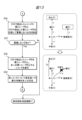
図2は、対象のユーザが生前において行う相続等に係る各種の処理を支援する流れの例について概要を示したフローチャートである。生前における管理処理を行う前提として、対象のユーザは、資産管理システム1にユーザ登録することでユーザDB151にアカウント情報が登録されているものとする。また、資産管理部120により自身の資産に係る情報を資産状況DB152に登録して管理しているものとする。
<Processing procedure (while alive)>
2 is a flowchart outlining an example of a flow for supporting various processes related to inheritance, etc., performed by a target user while alive. As a prerequisite for performing management processes while alive, it is assumed that the target user has account information registered in the
対象のユーザは、相続等による資産移転を設計するため、ユーザ端末30を利用してネットワーク20を介して資産管理サーバ10にアクセスする。ユーザ端末30を介したユーザからの指示を受けて、資産管理サーバ10の資産管理部120は、資産状況DB152から対象ユーザに係る現在の資産の情報を取得してユーザ端末30に出力する(S01)。資産状況DB152の内容のみに限らず、ユーザからの指示等に応じて移転履歴DB153に記録された過去の資産移転の内容や、相続財産DB154に既に登録されている相続(予定)資産の内容、遺言管理DB155に既に登録されている遺言の内容を取得して応答してもよい。
In order to design an asset transfer due to inheritance or the like, the target user uses the
ユーザが相続内容の設計をするにあたり移転可能資産総額を把握するために、ユーザ端末30を介して資産等の将来予測が必要である旨の指示を受けた場合(S02:Yes)、資産管理部120の予測処理部123は、対象のユーザの将来の死亡予想時期における全資産の予想評価額を算出してユーザ端末30に出力する(S03)。さらに、対象のユーザの死亡予想時期までに必要となる生活資金等の必要費の総額をシミュレーション等により予測して出力する(S04)。ステップS03で算出した全資産の予想評価額の合計から、ステップS04で算出した必要費の総額を減算したものが移転可能資産総額と仮定される。
When the user receives an instruction via the
ステップS02で資産等の将来予測が必要である旨の指示がされなかった場合(S02:No)も含め、さらに、ユーザからの指示に応じて、資産移転の対象となり得る近親者(近親者グループに属するユーザ)の資産を資産状況DB152から取得してユーザ端末30に出力する(S05)。なお、このとき、近親者グループに含まれるユーザのうち、資産状況の開示を許容しているユーザについての資産状況のみを対象のユーザに開示するようアクセス制御する。対象のユーザは上記の一連の処理で得られた各種の情報を参照して、相続管理部130が有する贈与税や相続税のシミュレーション機能等も利用しつつ、誰にどの資産をどれくらい、いつどのように移転するかといった近親者の資産形成の設計を行う。
In cases where no instruction was given in step S02 that future predictions of assets, etc. are necessary (S02: No), and in response to instructions from the user, the assets of close relatives (users belonging to the close relatives group) who may be the subject of asset transfer are obtained from the
そして、対象のユーザから贈与を行う旨の指示を受けた場合(S06:Yes)、相続管理部130の贈与管理部131は、相手方の近親者との間に成立した贈与契約の内容の入力をユーザから受けて、これを相続財産DB154に登録する(S07)。複数の贈与契約がある場合は、これらをそれぞれ登録する。贈与契約の内容には、例えば、相手方、移転する資産の内容(金額や物件、持分等)、移転条件(一定の日付の到来やその他の条件の成就等)、相手方の負担の有無等が含まれ得る。
If an instruction to make a gift is received from the target user (S06: Yes), the
そして、移転条件等の内容に基づいて、各贈与が生前贈与であり、かつ移転の条件が成就していると判断された場合は(S08:Yes)、ユーザからの指示に基づいて、資産管理部120の資産移転部121により、贈与対象の資産を相手方である近親者に贈与として移転する(S09)。上述したように、システム外で行われた贈与の結果についての入力を受け付けて移転履歴DB153に登録するものであってもよい。移転により、これらの資産についての管理処理は終了する。
If it is determined based on the contents of the transfer conditions, etc. that each gift is a gift made during one's lifetime and that the conditions for transfer have been met (S08: Yes), the
ステップS08で各贈与が生前贈与であるものの移転の条件が未成就である、もしくは死因贈与であると判断された場合は(S08:No)、これらの資産についての管理処理を終了する。なお、生前贈与であるが移転条件が未成就のものについては、例えば、贈与管理部131等により定期的に条件成就の有無を確認する。そして、成就したと判断された場合には、対象のユーザに通知して承諾・指示を得た上で、資産移転部121により移転処理を行うようにしてもよい。
If it is determined in step S08 that each gift is a gift made during one's lifetime but the conditions for transfer have not been met, or that the gift is a gift made posthumously (S08: No), the management process for these assets is terminated. Note that, for gifts made during one's lifetime but for which the conditions for transfer have not been met, the
一方、ステップS06で対象のユーザから遺言を行う旨の指示を受けた場合(S06:No)、相続管理部130の遺言管理部132は、ユーザ端末30を介したユーザからの遺言内容の入力を受け付けて、これを遺言管理DB155に登録する(S10)。遺言内容には、個々の資産の移転内容の情報に加えて、遺言内容の開示許否および開示するとした場合の対象や範囲の情報等のアクセス制御に係る情報も含まれる。
On the other hand, if an instruction to make a will is received from the target user in step S06 (S06: No), the
遺言内容の登録に加えて、さらに、対象のユーザが自由意志により任意に遺言内容を作成して入力していることを証明するための認証情報についても併せて取得・記録するのが望ましい(S11)。認証情報には、例えば、上述したように、遺言登録時の映像や音声のデータ、署名データ、生体情報等が含まれ得る。さらに、例えば、ユーザから遺言内容を出力する旨の指示を受けた場合は、これを書面やPDFファイル等のデータとして出力する(S12)。これらの処理により、遺言についての管理処理は終了する。なお、遺言の内容は、生存中であれば対象のユーザが随時変更することができる。その場合は、上記のステップS10以降の処理を繰り返せばよい。 In addition to registering the contents of the will, it is also desirable to obtain and record authentication information to prove that the target user has created and entered the contents of the will of their own free will (S11). The authentication information may include, for example, as described above, video and audio data, signature data, biometric information, etc., at the time of will registration. Furthermore, for example, if an instruction is received from the user to output the contents of the will, this is output as data such as written document or a PDF file (S12). With these processes, the management process for the will is completed. Note that the contents of the will can be changed at any time by the target user while they are alive. In that case, the processes from step S10 onwards can be repeated.
<処理の流れ(死亡後)>
図3は、対象のユーザの死亡後において行う相続等に係る各種の処理を支援する流れの例について概要を示したフローチャートである。死亡後における管理処理を行う前提として、対象のユーザ(被相続人)が死亡して相続が開始したという事象は、自動もしくは手動により資産管理システム1に入力されているものとする。
<Processing procedure (after death)>
3 is a flowchart outlining an example of a flow for supporting various processes related to inheritance, etc., performed after the death of a target user. As a prerequisite for performing management processes after death, it is assumed that the event of the death of the target user (decedent) and the start of inheritance has been automatically or manually input into the asset management system 1.
資産管理サーバ10の相続管理部130は、ユーザDB151を参照して、対象のユーザ(被相続人)の近親者グループに属するユーザを、資産移転の対象となり得る者として抽出する(S21)。ここでは、被相続人に対して資産状況の開示を許容しているユーザのみを対象の近親者として抽出するようにしてもよい。抽出したユーザに対しては、電子メールやユーザ端末30へのプッシュ通知等により、相続が開始した旨を通知するようにしてもよい。その後、相続管理部130は、資産状況DB152を参照して、資産移転の対象となる全資産(遺産)を確定する(S22)。
The
その後、相続処理部133は、相続財産DB154を参照し、生前に対象のユーザ(被相続人)により登録されている死因贈与の契約がある場合にはこれを取得して、ステップS21で抽出した近親者が参照可能なように出力する(S23)。例えば、各近親者がユーザ端末30を介して参照できるように画面出力したり、印刷出力したりする。また同様に、遺言管理DB155を参照し、被相続人により登録されている遺言がある場合にはこれを取得して、近親者が参照可能なように出力する(S24)。
Then, the
近親者は、ステップS23、S24で出力された死因贈与や遺言の内容を参照して、遺産分割協議を行う。相続処理部133は、遺産分割協議の結果の内容の入力を受け付けて、誰にどの資産をどれくらいどのように移転するかの情報を相続財産DB154に登録する(S25)。なお、遺産分割協議に資するため、上述したように、相続管理部130は、例えば、被相続人の資産状況に係る情報を資産状況DB152から取得して近親者に出力するようにしてもよい。また、相続人が限定承認や相続放棄をした旨の入力を受け付けて、相続に係る自動処理もしくは相続人への情報提供の内容に反映させるようにしてもよい。
The next of kin conducts the estate division negotiations by referring to the contents of the posthumous gift and the will output in steps S23 and S24. The
また、贈与税や相続税のシミュレーションを行うことができるのが望ましい。この場合、例えば、法定相続分に従った場合をデフォルトとしつつ、遺産分割の複数のパターン毎に贈与税や相続税の差分を算出して提示するのが望ましい。また、遺産分割のパターンを設計するにあたり、相続処理部133が、各種のデータを斟酌して所定の条件により重み付け等の最適化を行い、各相続人の遺留分等も計算して考慮しつつ、1つ以上の候補パターン案を作成して提示するようにしてもよい。
It is also desirable to be able to perform simulations of gift tax and inheritance tax. In this case, for example, it is desirable to calculate and present the difference in gift tax and inheritance tax for multiple patterns of inheritance division, with the case following the statutory inheritance share as the default. In addition, when designing patterns of inheritance division, the
その後、被相続人によって既に登録されている死因贈与や遺贈等と併せて、最終的に、被相続人の資産を移転する対象となる近親者および各近親者に対する資産移転の内容を確定し、相続財産DB154に登録・更新する(S26、S27)。そして、近親者や遺言執行者等からの指示により、もしくは自動で、資産管理部120の資産移転部121により、相続財産DB154の登録内容に従って資産の移転を行う(S28)。システム外で行われた資産移転の結果についての入力を受け付けて移転履歴DB153に登録するものであってもよい。移転により、対象のユーザ(被相続人)に係る資産管理は終了する。
After that, in addition to any gifts causa mortis or bequests already registered by the decedent, the details of the asset transfer to the next of kin and each next of kin to whom the decedent's assets are to be transferred are finally determined and registered/updated in the inheritance property DB 154 (S26, S27). Then, in response to instructions from the next of kin or executor, etc., the
なお、上記のように、相続に伴う資産移転には、資産管理システム1自身が処理を実行(もしくは他の外部サービス40等に依頼)することができるもの(単独移転可能行為)と、資産管理システム1自身では処理を実行することができないもの(単独移転不可行為)がある。単独移転可能行為には、例えば、被相続人の口座から一または複数の相続人の口座への現金振込等がある。また、単独移転不可行為には、例えば、被相続人の不動産の相続人への移転等がある。 As described above, there are two types of asset transfers associated with inheritance: those that the asset management system 1 itself can process (or request other external services 40, etc.) (independently transferable actions) and those that the asset management system 1 itself cannot process (independently non-transferable actions). An example of an independently transferable action is a cash transfer from the account of the deceased to the account of one or more heirs. An example of an independently non-transferable action is the transfer of real estate of the deceased to an heir.
単独移転可能行為については、例えば、相続人(もしくは被相続人の法定代理人や任意代理人、遺言執行者等)がユーザ端末30を利用して資産管理システム1にアクセスして指示を入力し、その内容に基づいて資産管理システム1が実行するようにしてもよい。また、単独移転不可行為については、例えば、その行為内容を相続人(もしくは被相続人の法定代理人や任意代理人、遺言執行者等)のユーザ端末30上にガイド的に表示したり印刷したりしてもよい。また、システム外で行われた処理結果の入力を受け付けて、その内容を表示したり印刷したりしてもよい。
For independently transferable acts, for example, an heir (or a legal representative or voluntary representative of the decedent, an executor, etc.) may use a
また、単独移転可能行為および単独移転不可行為を区別することなく、単独移転可能行為および/または単独移転不可行為の移転の手続き内容を外部に出力する構成であってもよい。出力先は、相続人(もしくは被相続人の法定代理人や任意代理人、遺言執行者等)のユーザ端末30の他、被相続人が設定した対象者のユーザ端末30や外部サービス40等であってもよい。対象者は、例えば、相続関連サービスを提供している銀行や証券会社等の事業者であってもよい。この場合、例えば、本実施の形態の資産管理システム1が、資産内容に係る情報をこれらの事業者に提供して手数料等の見積もりを依頼し、見積もり結果を受け付ける構成とすることもできる。さらに、相続関連サービスを提供しているこれらの事業者の報酬体系は、一般的に、相続財産額に応じた所定の報酬料率を乗算するものであることから、このような計算を資産管理システム1において計算して出力するようにしてもよい。
In addition, the configuration may be such that the procedure contents of the transfer of the separately transferable act and/or the separately non-transferable act are output to the outside without distinguishing between the separately transferable act and the separately non-transferable act. The output destination may be the
<データ構成>
図4は、資産管理サーバ10が保持するユーザDB151のデータ構成の例について概要を示した図である。ユーザDB151は、資産管理システム1を利用するユーザ(資産移転を行う被相続人となり得る者に加えて資産移転を受け得る近親者となる者も含む)に係る情報を保持するテーブルであり、例えば、ユーザテーブル151a、近親者グループテーブル151bの2つのテーブルを有する。
<Data structure>
4 is a diagram showing an overview of an example of the data configuration of the
図4(a)に示したユーザテーブル151aは、各ユーザのアカウント情報や属性情報等を保持するマスタテーブルであり、例えば、ユーザID、認証情報、近親者グループID、氏名、生年月日、性別、住所、職業、健康状況、被相続人毎相続意思等の各項目を有する。 The user table 151a shown in FIG. 4(a) is a master table that holds the account information and attribute information of each user, and includes items such as user ID, authentication information, close relative group ID, name, date of birth, gender, address, occupation, health status, and inheritance intentions of each deceased person.
ユーザIDの項目は、対象のユーザを一意に識別するためのID情報を保持する。認証情報は、対象のユーザに係るパスワードや生体情報等の個人認証情報を保持する。近親者グループIDは、対象のユーザに係る近親者グループを一意に識別するID情報を保持する。近親者グループは、対象のユーザを中心として、対象のユーザからの生前・死亡後の資産移転の対象となり得る近親者のユーザからなるグループであり、メンバーの内容は図4(b)に示す近親者グループテーブル151bに登録される。 The user ID field holds ID information for uniquely identifying the target user. The authentication information holds personal authentication information such as the password and biometric information related to the target user. The close relatives group ID holds ID information for uniquely identifying the close relatives group related to the target user. The close relatives group is a group consisting of close relatives of the target user who may be the recipients of asset transfers from the target user during or after their death, with the members registered in the close relatives group table 151b shown in Figure 4(b).
氏名の項目は、対象のユーザの氏名の情報を保持する。生年月日、性別、住所、職業、および健康状況の各項目は、それぞれ、対象のユーザの属性情報としての生年月日、性別、住所、職業、および健康状況を示す情報を保持する。職業および健康状況についてはコード値等により指定するようにしてもよい。これらの属性情報は、例えば、相続処理部133が遺産分割のパターンの候補を作成する際に重み付けを行なって斟酌するパラメータとすることができる。また、属性情報はこれらの項目に限られず、属性情報を保持する項目を適宜追加・削除等してもよい。
The name field holds information on the name of the target user. The date of birth, gender, address, occupation, and health status fields hold information indicating the date of birth, gender, address, occupation, and health status as attribute information of the target user, respectively. Occupation and health status may be specified by code values, etc. These pieces of attribute information may be used as parameters that are weighted and taken into consideration when the
被相続人毎相続意思の項目は、対象のユーザが資産移転を受け得る近親者となる場合に、被相続人となり得る者毎に、その相続人として相続財産の移転を受ける意思があるか否かを示すコード値等の情報を保持する。この情報は、対象のユーザが予め設定しておくことができる。この情報により、対象のユーザに対する被相続人となり得るユーザが相続による資産移転の設計をする際や、当該ユーザの死亡後の遺産分割の際に、対象のユーザを検討対象から除外することが可能となる。 The item "Inheritance intention for each decedent" holds information such as a code value indicating whether or not the potential decedent intends to receive the transfer of inherited assets as an heir in the event that the target user becomes a close relative who may receive the asset transfer. This information can be set in advance by the target user. This information makes it possible for the potential decedent to exclude the target user from consideration when designing the transfer of assets through inheritance or when dividing the estate after the death of the user.
図4(b)に示した近親者グループテーブル151bは、ユーザ毎に、当該ユーザを中心とした近親者グループの構成に係る情報を保持するテーブルであり、例えば、近親者グループID、近親者ユーザID、続柄、開示許否、およびメモ等の各項目を有する。 The close relatives group table 151b shown in FIG. 4(b) is a table that holds, for each user, information related to the composition of a close relatives group centered on that user, and has items such as a close relatives group ID, close relatives user ID, relationship, disclosure permission, and memos.
近親者グループIDの項目は、各近親者グループを一意に識別するID情報を保持する。近親者グループは、対象のユーザからの生前・死亡後の資産移転の対象となり得る相続人等の近親者からなるグループである。近親者ユーザIDの項目は、対象の近親者グループに属する近親者を特定するユーザIDの情報を保持する。この近親者ユーザIDの値は、上記のユーザテーブル151aのユーザIDの項目に登録されている値となる。 The close relatives group ID field holds ID information that uniquely identifies each close relatives group. A close relatives group is a group consisting of close relatives such as heirs who may be the subject of asset transfers from the target user during their lifetime or after their death. The close relatives user ID field holds user ID information that identifies close relatives who belong to the target close relatives group. The value of this close relatives user ID is the value registered in the user ID field of the user table 151a described above.
続柄の項目は、対象の近親者についての、対象の近親者グループにおける被相続人となるユーザとの間の続柄を示すコード値等の情報を保持する。開示許否の項目は、対象の近親者が、対象の近親者グループにおける被相続人に対して、自身の資産状況の内容についての開示を許容するか否かを示すコード値等の情報を保持する。開示を許否する旨を指定した近親者は、対象の被相続人からの相続を放棄したものとして取り扱ってもよい。メモの項目は、対象の近親者グループにおける被相続人が、対象の近親者に対する特記事項や注意事項等をフリーフォームで指定したテキストの内容を保持する。これにより、対象の近親者に対する被相続人の個人的・主観的な評価等を記録しておくことができる。 The relationship field holds information such as a code value indicating the relationship between the target relative and the user who will be the deceased in the target relative group. The disclosure permission field holds information such as a code value indicating whether the target relative allows the deceased in the target relative group to disclose details of his or her own financial situation. A relative who specifies that they do not allow disclosure may be treated as having renounced inheritance from the target deceased. The notes field holds the content of text specified in free form by the deceased in the target relative group as special notes or cautions regarding the target relative. This makes it possible to record the deceased's personal and subjective evaluation of the target relative.
図5は、資産管理サーバ10が保持する資産状況DB152のデータ構成の例について概要を示した図である。資産状況DB152は、資産管理システム1を利用する各ユーザが保有する資産の情報を保持するテーブルである。例えば、ユーザID、資産ID、資産名称、資産種別、情報取得方法、評価金額、評価基準日、共有持分、共有者等の各項目を有する。
Figure 5 is a diagram outlining an example of the data configuration of the
ユーザIDの項目は、対象の資産を保有するユーザを特定するID情報を保持する。このユーザIDの値は、上記のユーザテーブル151aのユーザIDの項目に登録されている値となる。なお、この項目により特定されるユーザは、資産移転を行う者(被相続人となり得る者)のみに限らず、資産移転を受ける者(近親者となり得る者)も全て含まれる。資産IDの項目は、対象の資産を一意に識別するID情報を保持する。資産名称の項目は、対象の資産の表示名称の情報を保持する。資産種別の項目は、対象の資産の種別を特定するコード値等の情報を保持する。コード値には、例えば、預貯金や現金、土地、建物、自動車、貴金属、債務等を区別する値が設定される。 The User ID field holds ID information that identifies the user who owns the target asset. The value of this user ID is the value registered in the User ID field of the above user table 151a. Note that the users identified by this field are not limited to those who transfer assets (potential heirs), but also include all those who receive the asset transfer (potential relatives). The Asset ID field holds ID information that uniquely identifies the target asset. The Asset Name field holds information on the display name of the target asset. The Asset Type field holds information such as a code value that identifies the type of the target asset. For example, the code value is set to a value that distinguishes between savings, cash, land, buildings, automobiles, precious metals, debt, etc.
情報取得方法の項目は、対象の資産に係る情報を外部サービスI/F140を介して外部サービス40から取得する必要がある場合に、その取得方法に係る情報を保持する。例えば、Webスクレイピングにより取得する場合の、アクセス先のURL(Uniform Resource Locator)や、アクセス時に入力するIDやパスワード等の情報を保持する。APIを呼び出す場合には、対象となるAPIや指定するパラメータ等の情報を保持する。これらの情報を指定した取得方法を実際に実行するためのスクリプトやプログラム等を指定するものであってもよい。
The information acquisition method item holds information related to the acquisition method when information related to the target asset needs to be acquired from the external service 40 via the external service I/
評価金額および評価基準日の項目は、それぞれ、対象の資産についての金銭的評価の結果、および金銭的評価の基準日の情報を保持する。共有持分および共有者の項目は、それぞれ、対象の資産が対象のユーザ以外の他の者との共有に係る場合に、対象のユーザの共有持分の割合(もしくは金額)、および他の共有者を特定する情報(資産管理システム1のユーザである場合はユーザIDでもよい)を保持する。 The valuation amount and valuation base date items respectively hold the results of the monetary valuation of the target asset and information on the base date of the monetary valuation. The co-ownership interest and co-owner items respectively hold the percentage (or amount) of the target user's co-ownership interest when the target asset is shared with someone other than the target user, and information identifying the other co-owner (which may be a user ID if the other co-owner is a user of the asset management system 1).
図6は、資産管理サーバ10が保持する移転履歴DB153のデータ構成の例について概要を示した図である。移転履歴DB153は、資産管理システム1を利用する各ユーザについての資産移転の履歴の情報を保持するテーブルである。例えば、ユーザID、資産移転日、供与/取得区分、移転資産ID、移転金額/割合、相手方ユーザID、資産移転理由等の各項目を有する。
Figure 6 is a diagram outlining an example of the data structure of the
ユーザIDの項目は、対象の資産移転を行ったユーザを特定するID情報を保持する。このユーザIDの値は、上記のユーザテーブル151aのユーザIDの項目に登録されている値となる。資産移転日の項目は、対象の資産移転が行われた日付の情報を保持する。供与/取得区分の項目は、対象の資産移転について、対象のユーザが資産を供与したのか、取得したのかを区分するコード値等の情報を保持する。移転資産IDの項目は、対象の資産移転において移転された資産を特定するID情報を保持する。この移転資産IDの値は、上記の資産状況DB152の資産IDの項目に登録されている値となる。
The User ID field holds ID information that identifies the user who performed the target asset transfer. The value of this User ID will be the value registered in the User ID field of the above user table 151a. The Asset Transfer Date field holds information on the date on which the target asset transfer was performed. The Donation/Acquisition Classification field holds information regarding the target asset transfer, such as a code value that classifies whether the target user donated or acquired the asset. The Transferred Assets ID field holds ID information that identifies the assets transferred in the target asset transfer. The Transferred Assets ID value will be the value registered in the Assets ID field of the above
移転金額/割合の項目は、対象の資産移転において移転された資産の評価金額、もしくは資産が不可分の場合等にはその割合の情報を保持する。相手方ユーザIDの項目は、対象の資産移転における相手方のユーザを特定するID情報を保持する。このユーザIDの値は、上記のユーザテーブル151aのユーザIDの項目に登録されている値となる。資産移転理由の項目は、対象の資産移転が行われた理由や付随する条件等の内容に係る情報をテキストやコード値等により保持する。例えば、結婚資金や事業資金等として贈与した旨や、負担付贈与とした場合の負担の内容等(例えば、同居義務や介護等)を記録しておくことができる。これにより、相続による近親者の資産形成を設計する際の参考情報とすることができる。 The Transfer Amount/Ratio field holds the appraised value of the assets transferred in the target asset transfer, or the ratio in cases where the assets are indivisible. The Other Party User ID field holds ID information that identifies the other party in the target asset transfer. The value of this user ID is the value registered in the User ID field of the above user table 151a. The Reason for Asset Transfer field holds information related to the reason for the target asset transfer and the contents of the accompanying conditions, etc., in the form of text or code values. For example, it is possible to record the fact that the asset was donated as wedding funds or business funds, and the contents of the burden in the case of a gift with burdens (for example, the obligation to live together or caregiving, etc.). This can be used as reference information when designing asset formation for close relatives through inheritance.
図7は、資産管理サーバ10が保持する相続財産DB154のデータ構成の例について概要を示した図である。相続財産DB154は、資産管理システム1を利用する各ユーザを被相続人として、相続等により近親者に移転される資産(相続財産)の情報を保持するテーブルである。例えば、ユーザID、移転資産ID、移転対象者、移転金額/割合、移転区分、移転条件、移転状況等の各項目を有する。
Figure 7 is a diagram outlining an example of the data configuration of the inherited
ユーザIDの項目は、対象の相続財産に係る資産を保有するユーザを特定するID情報を保持する。このユーザIDの値は、上記のユーザテーブル151aのユーザIDの項目に登録されている値となる。移転資産IDの項目は、対象の相続財産に係る資産を特定するID情報を保持する。この移転資産IDの値は、上記の資産状況DB152の資産IDの項目に登録されている値となる。移転対象者の項目は、対象の相続財産が移転される近親者を特定する情報(資産管理システム1のユーザである場合はユーザIDでもよい)を保持する。
The User ID field holds ID information identifying the user who holds the assets related to the target inheritance. The value of this user ID is the value registered in the User ID field of the above user table 151a. The Transferred Assets ID field holds ID information identifying the assets related to the target inheritance. The value of this Transferred Assets ID is the value registered in the Assets ID field of the above
移転金額/割合の項目は、対象の相続財産に係る資産が移転される際の評価金額、もしくは資産が不可分の場合等にはその割合の情報を保持する。移転区分の項目は、対象の相続財産の移転が生前贈与、死因贈与、遺贈、遺産分割等による相続のいずれによるものかを区分するコード値等の情報を保持する。移転条件の項目は、対象の相続財産の移転に条件が付されている場合(例えば、相手方の結婚や住居購入、自身の要介護認定等)、その内容に係る情報をテキストやコード値等により保持する。移転状況の項目は、対象の相続財産の移転の状況(例えば、未移転、移転済み等)を示すコード値等を保持する。 The Transfer Amount/Ratio field holds the assessed amount at the time the assets related to the target inheritance are transferred, or information on the ratio in cases where the assets are indivisible. The Transfer Category field holds information such as a code value that classifies whether the transfer of the target inheritance is due to a gift made during one's lifetime, a gift causa de mortis, a bequest, or inheritance through estate division. The Transfer Condition field holds information related to the details of conditions attached to the transfer of the target inheritance (for example, the other party's marriage or purchase of a home, or one's own certification of need for nursing care, etc.) as text or a code value. The Transfer Status field holds a code value that indicates the status of the transfer of the target inheritance (for example, not transferred, transferred, etc.).
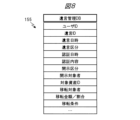
図8は、資産管理サーバ10が保持する遺言管理DB155のデータ構成の例について概要を示した図である。遺言管理DB155は、資産管理システム1を利用する各ユーザによる遺言の内容に係る情報を保持するテーブルである。例えば、ユーザID、遺言ID、遺言日時、遺言区分、認証日時、認証内容、開示区分、開示対象者、対象資産ID、移転対象者、移転金額/割合、移転条件等の各項目を有する。
Figure 8 is a diagram outlining an example of the data configuration of the
ユーザIDの項目は、対象の遺言を行ったユーザを特定するID情報を保持する。このユーザIDの値は、上記のユーザテーブル151aのユーザIDの項目に登録されている値となる。遺言IDの項目は、対象の遺言を一意に識別するID情報を保持する。遺言日時の項目は、対象の遺言が作成(もしくは遺言管理DB155に登録)された日時の情報を保持する。 The User ID field holds ID information that identifies the user who made the will in question. The value of this user ID is the value registered in the User ID field of the above-mentioned user table 151a. The Will ID field holds ID information that uniquely identifies the will in question. The Will date and time field holds information on the date and time when the will in question was created (or registered in the will management DB 155).
遺言区分の項目は、対象の遺言の区分(自筆証書遺言、公正証書遺言、秘密証書遺言、その他法定外の遺言等)を示すコード値等の情報を保持する。法定された自筆証書遺言や公正証書遺言の場合は、自筆もしくは公証人の筆記が必要であり、秘密証書遺言の場合も書面としての出力が必要となる。したがって、当該遺言管理DB155に登録された遺言の内容は、現行法では、これらの遺言の内容を示す、もしくはこれらの遺言の基礎となる情報となる。一方で、現行法の狭義の遺言としての様式を満たさなくても、例えば、遺産分割協議において被相続人の生前の意思を斟酌する広義の遺言として用いることは可能である。
The will category item holds information such as a code value indicating the category of the will in question (holographic will, notarized will, secret will, other non-statutory will, etc.). In the case of a statutory holographic will or notarized will, it must be written by hand or by a notary, and in the case of a secret will, it must be output in writing. Therefore, under current law, the content of the will registered in the
認証日時の項目は、対象の遺言について、遺言を行ったユーザや公証人、立会人等が確認や認証を行った日時の情報を保持する。また、認証内容の項目は、対象の遺言について行われた認証の内容を特定するテキストやコード値等の情報を保持する。認証は、法的なものとして公証人や立会人等がシステム外で行ったものに限られない。上述したように、例えば、ユーザが遺言の内容を資産管理システム1に登録する際に、資産管理システム1が、内容が正しいこと、および本人の自由意志により登録したものであることを認証することも可能である。この場合の認証内容としては、例えば、ユーザ端末30が備えるカメラやマイクによる録画・録音データや、センサにより取得した心拍数等の生体情報、手書きの署名の画像データ等が含まれ得る。
The authentication date and time field holds information on the date and time when the will was confirmed or authenticated by the user who made the will, a notary public, a witness, etc. The authentication content field holds information such as text and code values that specify the content of the authentication performed on the will. Authentication is not limited to legal authentication performed outside the system by a notary public or a witness, etc. As described above, for example, when a user registers the content of a will in the asset management system 1, the asset management system 1 can also certify that the content is correct and that it was registered of the user's own free will. The authentication content in this case can include, for example, video and audio data recorded by a camera and microphone equipped in the
開示区分の項目は、対象の遺言を他の近親者等に開示するか否かを指定するコード値等の情報を保持する。また、開示対象者の項目は、対象の遺言を開示するとした場合において、その対象者を制限する場合に、開示する対象者を特定する情報(資産管理システム1のユーザである場合はユーザIDでもよい)を保持する。これらの情報により、遺言に対するアクセス制御を行うことができる。 The disclosure category item holds information such as a code value that specifies whether or not the will in question should be disclosed to other close relatives, etc. The disclosure recipient item holds information that identifies the recipient to whom the will is to be disclosed (this may be a user ID if the recipient is a user of the asset management system 1) if the recipient is to be restricted when the will in question is to be disclosed. This information makes it possible to control access to the will.
対象資産IDの項目は、対象の遺言において移転の対象となる資産を特定するID情報を保持する。この対象資産IDの値は、上記の資産状況DB152の資産IDの項目に登録されている値となる。複数の資産を登録できるようにしてもよい。移転対象者の項目は、対象の資産が移転される近親者等を特定する情報(資産管理システム1のユーザである場合はユーザIDでもよい)を保持する。移転金額/割合の項目は、対象の遺言によって移転する資産の金額、もしくは資産が不可分の場合等にはその割合の情報を保持する。移転条件の項目は、対象の資産を移転するにあたり、条件が付されている場合(例えば、遺贈において、結婚や事業開始等が条件とされている場合等)に、その内容を示すテキストやコード値等の情報を保持する。
The target asset ID field holds ID information that identifies the assets to be transferred in the target will. The value of this target asset ID is the value registered in the asset ID field of the
なお、上述の図4~図8で示した各テーブルのデータ構成(項目)はあくまで一例であり、同様のデータを保持・管理することが可能な構成であれば、他のテーブル構成やデータ構成であってもよい。 Note that the data configurations (items) of each table shown in Figures 4 to 8 above are merely examples, and other table and data configurations may be used as long as they are capable of holding and managing similar data.
以上に説明したように、本発明の実施の形態1である資産管理システム1によれば、個人の金融資産の管理にとどまらず、相続を含む近親者等への資産の移転に係る各種の処理を支援することが可能である。 As described above, the asset management system 1 according to the first embodiment of the present invention is capable of not only managing an individual's financial assets, but also supporting various processes related to the transfer of assets to close relatives, including inheritance.
具体的には、個人の金融資産に限らず、不動産や動産等の、相続による資産移転の対象となり得る財産を、自動・手動により把握し、管理することができる。また、これらの資産の将来(死亡予想時期)における評価額を予想し、また、当該時期までに必要となる生活費等の必要費をシミュレーション等より予測することで、移転可能資産総額を算出する。これらにより、被相続人となり得るユーザが資産移転により近親者の資産形成を設計することが容易になるとともに、若年世代への早期の資産移転を促すことも可能となる。また、遺言の作成・管理も容易となる。 Specifically, it is possible to automatically or manually grasp and manage not only an individual's financial assets, but also real estate, movable property, and other assets that may be subject to transfer through inheritance. In addition, it is possible to predict the future (anticipated time of death) assessed value of these assets, and calculate the total amount of transferable assets by predicting the necessary expenses, such as living expenses, that will be required up to that time through simulations, etc. This makes it easier for users who may become heirs to plan asset formation for close relatives through asset transfer, and also makes it possible to encourage early asset transfer to younger generations. It also makes it easier to create and manage wills.
そして、ユーザが死亡して相続が開始した場合にも、遺産となり得る当該ユーザの資産や、遺言の内容の把握を容易にし、相続人等が遺産分割を含む資産移転を容易に行えるような情報やシミュレーション機能等を提供することが可能である。 And when a user dies and inheritance begins, it will be easy to understand the user's assets that could become an inheritance and the contents of the will, and it will be possible to provide information and simulation functions that will make it easy for heirs to transfer assets, including dividing the inheritance.
(実施の形態2)
本発明の実施の形態2である資産管理システム1では、相続等により資産移転を行おうとするユーザが、どの近親者にどの資産をどれだけ移転するかを決定する際に、当該ユーザ個人の資産だけでなく、他の近親者の資産状況も含めた近親者グループ全体での資産状況を視覚的に把握しやすくするとともに、簡易な操作で資産移転の指定ができるようなユーザインタフェースを有するものである。資産管理システム1の基本的な構成や動作内容については、上述した実施の形態1と同様であるため、再度の説明は省略し、ユーザインタフェースの内容およびその実現方法について主に説明する。
(Embodiment 2)
In the asset management system 1 according to the second embodiment of the present invention, when a user who wishes to transfer assets due to inheritance or the like decides which assets to transfer to which relative and how much, the system has a user interface that allows the user to visually grasp not only the user's personal assets but also the asset status of the entire relative group, including the asset status of other relatives, and allows the user to specify the asset transfer with a simple operation. The basic configuration and operation of the asset management system 1 are the same as those of the first embodiment described above, so a repeated explanation will be omitted and the contents of the user interface and the method of realizing it will be mainly explained.
<バランスシートによる資産管理>
図9は、本実施の形態におけるユーザ端末30に表示されるユーザインタフェースの例について概要を示した図である。ここでは、ユーザ端末30としてスマートフォンを例としており、タッチパネルからなるディスプレイに対して、スマートフォンに導入されたクライアントアプリケーションにより表示される画面の例を示している。図9では、対象のユーザについて、その近親者(親族・家族)の一部の資産も含んだ近親者グループとして管理可能な資産(すなわち、対象のユーザが「あてにできる」資産、同じ「財布」とみなせる資産)の状況について、バランスシートの形式で表示する例を示している。
<Asset management through balance sheets>
Fig. 9 is a diagram outlining an example of a user interface displayed on the
図9(a)では、ユーザが指定した基準日における、対象のユーザの近親者グループとしての資産状況について、左側に借方(資産)、右側に貸方(負債+純資産)のバランスシートの形で表示している。本実施の形態では、純資産に相当する部分が移転可能資産総額(図中では「可相続資産」)となる。すなわち、「可相続資産」は、現在保有する資産(図中では「預金」や「株式」、「不動産」等)の評価額の合計から、負債(図中では「住宅ローン」や「自動車ローン」の総額に「将来生活費」を加えたもの)を減算したものである。 In Figure 9(a), the asset status of the target user's close relatives group on a reference date specified by the user is displayed in the form of a balance sheet with debits (assets) on the left and credits (liabilities + net assets) on the right. In this embodiment, the portion equivalent to net assets is the total amount of transferable assets (in the figure, "inheritable assets"). In other words, "inheritable assets" is the total assessed value of currently held assets (in the figure, "deposits," "stocks," "real estate," etc.) minus liabilities (in the figure, the total amount of "mortgage" and "car loan" plus "future living expenses")).
なお、実施の形態1において示したように、移転可能資産総額(可相続資産)は、ユーザの死亡予想時期における全資産の予想評価額の合計から、死亡予想時期までの必要費の総額を減算したものである。したがって、例えば、株式や不動産等の資産の評価額は、死亡予想時期における予想評価額であることが望ましいが、現時点での評価額で簡略化してもよい。また、「将来生活費」は、死亡予想時期までに予想される支出(生活費や医療費等)の総額から、予想される収入(給与や株式配当等)の総額を減算したものである。 As shown in the first embodiment, the total amount of transferable assets (inheritable assets) is the sum of the estimated valuation of all assets at the time of the user's expected death minus the total amount of necessary expenses up to the time of expected death. Therefore, for example, the valuation of assets such as stocks and real estate is preferably the estimated valuation at the time of expected death, but it may be simplified to the valuation at the current time. Furthermore, "future living expenses" is the total amount of expected expenses (living expenses, medical expenses, etc.) up to the time of expected death minus the total amount of expected income (salary, stock dividends, etc.).
さらに、本実施の形態では、図9(a)に示すように、近親者グループの資産として、対象のユーザ本人の預金(「預金(本人)」)に加えて、妻の預金(「預金(妻)」)や父から贈与された(される)預金(「預金(from父)」)等、対象のユーザ以外の資産についても取り込んで表示している。これにより、ユーザは、近親者グループ内での資産状況を全体的に、かつ視覚的に把握して、資産移転の要否を決定することができる。なお、資産に限らず、負債についても同様に、対象のユーザ以外のものを取り込むことができる。 Furthermore, in this embodiment, as shown in FIG. 9(a), in addition to the target user's own deposits ("Deposits (Self)"), assets of the close relatives group are also imported and displayed, such as the wife's deposits ("Deposits (Wife)") and deposits donated (given) by the father ("Deposits (from Father)"), as assets of those other than the target user. This allows the user to visually grasp the overall asset situation within the close relatives group and decide whether or not to transfer assets. Note that not only assets but also liabilities other than those of the target user can be imported in the same way.
図9(a)の画面において、ユーザが、例えば、「基準日」欄の日付を将来の任意の日付に変更すると、図9(b)に示すように、変更された基準日における資産の状況を再計算して、計算結果に基づいてバランスシートを更新する。なお、資産や負債に相当する項目の額は、図示するように時間の経過とともに変動するが、可相続資産の額は基本的には不変である。 On the screen of FIG. 9(a), for example, if the user changes the date in the "Base Date" column to any future date, the asset status on the changed base date is recalculated and the balance sheet is updated based on the calculation results, as shown in FIG. 9(b). Note that the amounts of items equivalent to assets and liabilities fluctuate over time as shown in the figure, but the amount of inheritable assets basically remains constant.
また、図9(a)の画面において、ユーザが、バランスシートにおける資産の各項目を選択すると、選択された資産を管理する画面に遷移する。図9(c)は、図9(a)の例においてユーザが「株式(本人)」の資産を選択した場合に表示される、株式を管理する画面の例を示している。この画面を介して、ユーザは、対象の資産(株式)を近親者に割り当てる(移転する)ことができる。 In addition, when the user selects an asset item on the balance sheet on the screen of FIG. 9(a), the screen transitions to a screen for managing the selected asset. FIG. 9(c) shows an example of a screen for managing stocks that is displayed when the user selects the asset "Stocks (owner)" in the example of FIG. 9(a). Via this screen, the user can allocate (transfer) the target asset (stocks) to a close relative.
図9(c)の例では、株式の銘柄毎に、保有数や時価等の情報が一覧表示されている。また、銘柄毎に、近親者のグループにおける情報の開示範囲の設定内容についても表示されている。そして、ユーザは、対象の銘柄の「割当」欄のボタンを押下することで表示されるポップアップ画面を介して、対象の銘柄を近親者に割り当てることができる。このとき、割り当てる対象の近親者の候補を、例えば、図9(c)に示すようにプルダウンメニュー等から選択できるようにするのが望ましい。近親者の候補は、例えば、実施の形態1に示した近親者グループに属するユーザとしてもよいが、本実施の形態では、後述するように家系図の情報を参照して、さらに詳細な続柄単位で指定できるようにする。 In the example of FIG. 9(c), information such as the number of shares held and current value is displayed in a list for each stock. The settings for the disclosure range of information for the close relatives group are also displayed for each stock. The user can then assign the target stock to a close relative via a pop-up screen that is displayed by pressing a button in the "assign" column for the target stock. At this time, it is desirable to allow candidates for close relatives to be selected from a pull-down menu or the like as shown in FIG. 9(c). Candidates for close relatives may be, for example, users who belong to the close relatives group shown in embodiment 1, but in this embodiment, more detailed relationship units can be specified by referring to family tree information as described below.
資産を近親者に割り当てる(移転する)と、図9(d)に示すように、バランスシートにその内容が反映される。図9(d)の例では、「株式(本人)」の一部が、近親者のグループの資産として、子供に割り当てられたことを示している(「株式(to子供)」)。このように、ユーザは、可相続資産を含む近親者のグループでの資産の状況を視覚的に把握しながら、誰にどのくらいの資産を移転するかを容易に決定することができる。 When assets are allocated (transferred) to a close relative, the details are reflected in the balance sheet, as shown in Figure 9(d). The example in Figure 9(d) shows that a portion of "Stocks (self)" has been allocated to a child as an asset of the close relatives group ("Stocks (to child)"). In this way, the user can visually grasp the asset status of the close relatives group, including inheritable assets, and easily decide to whom and how much assets to transfer.
<家系図情報の形成>
本実施の形態では、ユーザが親族等の近親者に対して資産の移転を行うことができるが、その決定の際に、上述したように、各近親者がユーザに対して資産状況の開示を許容する場合としない場合とがある。逆に、ユーザが各近親者に対して資産移転を行う候補とする場合と除外する場合とがある。このような事情に柔軟に対応できるようにするため、本実施の形態では、実施の形態1のように資産を移転する対象となる可能性のあるユーザを近親者グループとして一律に管理するのではなく、より詳細に続柄単位で管理することができるよう、家系図情報を形成して保持する。
<Creating genealogical information>
In this embodiment, the user can transfer assets to close relatives such as family members, but when deciding to do so, as described above, each close relative may or may not permit the user to disclose their asset status. Conversely, the user may or may not select each close relative as a candidate for asset transfer. In order to flexibly respond to such circumstances, in this embodiment, family tree information is formed and held so that users who may be the target of asset transfer can be managed in more detail by relationship, rather than managing them uniformly as a close relative group as in the first embodiment.
図10は、ユーザが家系図を作成する画面の例について概要を示した図である。ここでは、例えば、特許文献3に記載されたような技術を用いて、ユーザは、ユーザ端末30上でアイコンをドラッグ&ドロップする等の操作により家系図を構成することができる。また、贈与や相続による資産移転の対象の候補とするか否か、資産状況を他の近親者に開示するか否か等を、個別の近親者毎に設定することもできる。
Figure 10 is a diagram outlining an example of a screen on which a user creates a family tree. Here, using technology such as that described in Patent Document 3, the user can create a family tree by dragging and dropping icons on the
図11は、資産管理の対象となる近親者が属する家系図情報を形成するためのデータ構成の例について概要を示した図である。ここでは、管理対象の資産として、証券会社の口座に保有する株式や銀行口座に保有する預金等の金融資産を対象とした場合の例を示している。具体的には、例えば、図1におけるユーザDB151に含まれるテーブルとして、ユーザテーブル151a、および近親者テーブル151cの各テーブルを有する。また、資産状況DB152に含まれるテーブルとして、口座テーブル152a、資産テーブル152b、資産属性テーブル152c、資産開示テーブル152d、資産割当テーブル152eの各テーブルを有する。
Figure 11 is a diagram outlining an example of a data structure for forming family tree information including close relatives who are the subject of asset management. In this example, the assets to be managed are financial assets such as stocks held in a securities account and deposits held in a bank account. Specifically, for example, the tables contained in the
ユーザテーブル151aは、各ユーザのマスタ情報を有するテーブルであり、上述の図4(a)に示したものと概ね同様である。図11の例では、簡略化してユーザID、および性別の各項目を有するものとしている。ユーザIDは、各ユーザを一意に識別するID情報を保持する。性別の項目は、対象のユーザの性別を示すコード値等の情報を保持する。 The user table 151a is a table that holds master information for each user, and is generally similar to that shown in FIG. 4(a) above. In the example of FIG. 11, it is simplified to have the fields User ID and Gender. The User ID holds ID information that uniquely identifies each user. The Gender field holds information such as a code value that indicates the gender of the target user.
近親者テーブル151cは、近親者である1対のユーザ間の続柄を管理するテーブルであり、例えば、続柄ID、第1ユーザID、第2ユーザID、続柄、続柄名称、逆向レコード続柄ID、および表示有無等の各項目を有する。続柄IDの項目は、各続柄(ユーザ間の関係を示す有向グラフ)を一意に識別するID情報を保持する。 The close relatives table 151c is a table that manages the relationships between a pair of users who are close relatives, and has fields such as relationship ID, first user ID, second user ID, relationship, relationship name, reverse record relationship ID, and whether to display. The relationship ID field holds ID information that uniquely identifies each relationship (a directed graph showing the relationship between users).
第1ユーザIDの項目は、対象の続柄の有向グラフにおける元のノードにあたる者(例えば、「本人」)のユーザIDの情報を保持する。第2ユーザIDの項目は、対象の続柄の有向グラフにおける先のノードにあたる者(例えば、「妻」、「子供A」等)のユーザIDの情報を保持する。続柄の項目は、対象の続柄を示す有向グラフの情報を保持する。例えば、第1ユーザIDの項目に対応するユーザから見た場合の「夫婦」や「親子」等を示す情報を保持する。家系図をxy座標平面とした場合のベクトル等により表現してもよい。この場合、同世代はx軸方向、上下世代はy軸方向で表される。続柄名称の項目は、対象の続柄の表示名(「妻」、「子供A」等)の情報を保持する。これらの情報は、例えば、特許文献3に記載されたような技術を用いた家系図作成手法により設定することができる。 The first user ID field holds information on the user ID of the person (e.g., "self") who is the original node in the directed graph of the target relationship. The second user ID field holds information on the user ID of the person (e.g., "wife", "child A", etc.) who is the previous node in the directed graph of the target relationship. The relationship field holds information on the directed graph indicating the target relationship. For example, it holds information indicating "couple" or "parent and child" from the perspective of the user corresponding to the first user ID field. It may be expressed by vectors or the like when the family tree is on an xy coordinate plane. In this case, the same generation is represented in the x-axis direction, and the upper and lower generations are represented in the y-axis direction. The relationship name field holds information on the display name of the target relationship (e.g., "wife", "child A", etc.). This information can be set, for example, by a family tree creation method using a technology such as that described in Patent Document 3.
逆向レコード続柄IDの項目は、対象の続柄に係る有向グラフに対する逆向きの続柄のレコードに係る続柄IDの情報を保持する。また、表示有無の項目は、家系図の表示の際に、対象の続柄に係る結線を表示するか否かを示すフラグやコード値等の情報を保持する。これらの項目は、後述する家系図の形成に係る処理における制御に用いられる情報である。 The reverse record relationship ID field holds information about the relationship ID of the record with the reverse relationship to the directed graph related to the target relationship. The display/non-display field holds information such as a flag or code value indicating whether or not to display the connection related to the target relationship when displaying the family tree. These fields are information used to control the process related to the formation of the family tree, which will be described later.
口座テーブル152aは、管理対象の資産である株式を保有する証券会社等の口座のマスタ情報を保持するテーブルであり、例えば、口座ID、およびユーザID等の各項目を有する。口座IDの項目は、対象の口座を一意に識別するID情報を保持する。ユーザIDの項目は、対象の口座を保有するユーザに係るユーザIDの情報を保持する。なお、口座の情報は、ユーザがユーザ端末30を利用して登録する。
The account table 152a is a table that holds master information for accounts of securities companies and the like that hold stocks, which are assets to be managed, and has items such as an account ID and a user ID. The account ID item holds ID information that uniquely identifies the target account. The user ID item holds user ID information related to the user who holds the target account. The account information is registered by the user using the
資産テーブル152bは、管理対象の資産に係る情報を保持するテーブルであり、例えば、資産ID、口座ID、銘柄コード、数量、および資産属性ID等の各項目を有する。資産IDの項目は、対象の資産を一意に識別するID情報を保持する。口座IDの項目は、対象の資産が保有されている口座に係る口座IDの情報を保持する。銘柄コードの項目は、対象の資産である株式の銘柄コードの情報を保持する。数量の項目は、対象の資産である株式の保有数の情報を保持する。これらの項目の値は、例えば、図1における外部サービスI/F140により、金融機関のWebサイトやシステム等が提供するAPIを呼び出して取得することができる。資産属性IDの項目は、対象の資産の種別等の属性に係る資産属性IDの情報を保持する。この値は、後述する資産属性テーブル152cに登録されている。
The asset table 152b is a table that holds information related to the assets to be managed, and has items such as an asset ID, an account ID, a stock code, a quantity, and an asset attribute ID. The asset ID item holds ID information that uniquely identifies the target asset. The account ID item holds account ID information related to the account in which the target asset is held. The stock code item holds stock code information of the target asset, that is, the stock. The quantity item holds information on the number of shares held, that is, the target asset. The values of these items can be obtained, for example, by calling an API provided by the financial institution's website or system, etc., via the external service I/
資産属性テーブル152cは、資産の種別等の属性に係るマスタ情報を保持するテーブルであり、例えば、資産属性ID、および資産属性名称等の各項目を有する。資産属性IDの項目は、対象の属性を一意に識別するID情報を保持する。資産属性名称の項目は、対象の属性の表示名の情報を保持する。属性には、例えば、「預金」や「株式」等が含まれる。 The asset attribute table 152c is a table that holds master information related to attributes such as asset type, and has items such as asset attribute ID and asset attribute name. The asset attribute ID item holds ID information that uniquely identifies the target attribute. The asset attribute name item holds information on the display name of the target attribute. Attributes include, for example, "deposits" and "stocks".
資産開示テーブル152dは、ある続柄において特定の資産に係る情報を開示する(もしくはしない)旨の情報を保持するテーブルであり、例えば、資産ID、および続柄IDの各項目を有する。資産IDの項目は、開示する(もしくはしない)対象の資産を特定する資産IDの情報を保持する。続柄IDの項目は、対象の資産を開示する(もしくはしない)続柄を特定する続柄IDの情報を保持する。続柄単位ではなく開示の相手方となるユーザ単位で指定するものとしてもよい。開示する(もしくはしない)旨の指定は、ユーザがユーザ端末30を利用して上述の図9に示したような画面を用いて登録する。
The asset disclosure table 152d is a table that holds information on whether or not information on a specific asset will be disclosed in a certain relationship, and has items for asset ID and relationship ID, for example. The asset ID item holds asset ID information that specifies the target asset to be disclosed (or not). The relationship ID item holds relationship ID information that specifies the relationship to disclose (or not) the target asset. It may be specified on a user-by-user basis to which disclosure will be made, rather than on a relationship-by-relationship basis. The user uses the
資産割当テーブル152eは、ある続柄に係るユーザ間で特定の資産の割当が行われた場合の内容に係る情報を保持するテーブルであり、例えば、資産ID、続柄ID、および数量等の各項目を有する。資産IDの項目は、割り当てられた資産を特定する資産IDの情報を保持する。続柄IDの項目は、資産割当が行われた続柄を特定する続柄IDの情報を保持する。続柄ではなく割当の相手方のユーザを特定するユーザIDであってもよい。数量の項目は、割り当てられた資産の数量の情報を保持する。これらの項目の値は、ユーザがユーザ端末30を利用して上述の図9に示したような画面を用いて登録する。
The asset allocation table 152e is a table that holds information related to the allocation of specific assets between users related to a certain relationship, and has items such as an asset ID, relationship ID, and quantity. The asset ID item holds asset ID information that identifies the allocated asset. The relationship ID item holds relationship ID information that identifies the relationship in which the asset allocation was made. It may be a user ID that identifies the user to whom the allocation was made, rather than a relationship. The quantity item holds information on the quantity of the allocated asset. The values of these items are registered by the user using the
図12、図13は、近親者の情報に基づいて家系図情報を形成する処理の流れの例について概要を示した図である。ここでは、図10に示したようなユーザインタフェースを用いて他の近親者のユーザが既に行っている近親者の登録情報(家系図情報)を利用して、本人に係る家系図情報を形成する例を示している。 Figures 12 and 13 are diagrams outlining an example of the process flow for forming family tree information based on information about close relatives. Here, an example is shown in which family tree information for an individual is formed using close relative registration information (family tree information) that has already been registered by users of other close relatives using a user interface such as that shown in Figure 10.
家系図形成処理では、まず、図11に示した近親者テーブル151cから、本人(X)であるユーザが第2ユーザID(有向グラフの先のユーザ)として既に設定されているレコードを抽出する(S31)。図12の右側には、具体例として、配偶者(B)→本人(X)、親(C)→本人(X)、および子供(A)→本人(X)の各有向グラフに係るレコードが抽出されたことを示している。なお、図中の矢印およびx、-xやy、-yの記号は、家系図をxy座標平面とした場合の有向グラフをベクトルで示しており、同一世代間はx(図中の右方向)、-x(図中の左方向)で表し、上の世代へはy(図中の上方向)、下の世代へは-y(図中の下方向)で表している。 In the family tree formation process, first, records in which the user (X) has already been set as the second user ID (user at the end of the digraph) are extracted from the close relatives table 151c shown in FIG. 11 (S31). The right side of FIG. 12 shows, as specific examples, records related to the digraphs of spouse (B) → person (X), parent (C) → person (X), and child (A) → person (X) that have been extracted. Note that the arrows and the symbols x, -x, y, and -y in the figure represent digraphs as vectors when the family tree is on an xy coordinate plane, with x (rightward in the figure) and -x (leftward in the figure) representing connections between the same generation, y (upward in the figure) representing connections to upper generations, and -y (downward in the figure) representing connections to lower generations.
次に、ステップS31で抽出した各レコードについて、続柄を逆向きとした上で、本人(X)を第1ユーザIDとするレコードを作成する(S32)。図12の例では、本人(X)→配偶者(B)、本人(X)→親(C)、および本人(X)→子供(A)の各有向グラフに係るレコードを新たに追加する。このとき、追加するレコードにおける「逆向レコード続柄ID」の項目の値を、ステップS31で抽出した各レコードの続柄IDとして追加する。また、ステップS31で抽出した元のレコードにおける「逆向レコード続柄ID」の項目の値も、ステップS32で追加する対応するレコードの続柄IDに更新する。 Next, for each record extracted in step S31, the relationship is reversed and a record with the person (X) as the first user ID is created (S32). In the example of FIG. 12, records related to each directed graph of person (X) → spouse (B), person (X) → parent (C), and person (X) → child (A) are newly added. At this time, the value of the "reverse record relationship ID" field in the record to be added is added as the relationship ID of each record extracted in step S31. The value of the "reverse record relationship ID" field in the original record extracted in step S31 is also updated to the relationship ID of the corresponding record to be added in step S32.
その後、ステップS32で作成された各レコードに係る続柄(有向グラフ)について、家系図の表示の際に、対象の続柄に係る結線を表示するか否かを、本人(X)であるユーザが決定し、ユーザ端末30を介して入力する(S33)。このとき、例えば、ステップS32で作成されたレコードに係る暫定的な家系図の情報をユーザ端末30上に表示し、これに対してユーザが指示できるようにする。
Then, for the relationships (directed graphs) related to each record created in step S32, the user (X) decides whether or not to display the lines related to the relationships when displaying the family tree, and inputs this via the user terminal 30 (S33). At this time, for example, provisional family tree information related to the records created in step S32 is displayed on the
その後、ステップS31とは逆に、近親者テーブル151cから、本人(X)が第1ユーザIDとして設定されているレコードの第2ユーザIDをそれぞれ抽出する(S34)。図12の例では、配偶者(B)、親(C)、および子供(A)が抽出される。そして、抽出した第2ユーザIDが、第1ユーザID(有向グラフの元のユーザ)として設定されているレコードを抽出する(S35)。このとき、本人(X)が第2ユーザIDとして設定されているものは除外する。図12の例では、配偶者(B)、親(C)、子供(A)がそれぞれ第1ユーザIDとして設定されているレコードに係る有向グラフを点線の矢印で示している。このうち、本人(X)が第2ユーザIDとして設定されていない親(C)→祖父(D)、配偶者(B)→親(E)、および配偶者(B)→子供(A)の各有向グラフ(図中で実線枠で囲われたもの)のみが抽出されることになる。 After that, in the reverse of step S31, the second user IDs of the records in which the person (X) is set as the first user ID are extracted from the close relatives table 151c (S34). In the example of FIG. 12, spouse (B), parent (C), and child (A) are extracted. Then, records in which the extracted second user IDs are set as the first user ID (the original user of the digraph) are extracted (S35). At this time, records in which the person (X) is set as the second user ID are excluded. In the example of FIG. 12, the digraphs related to the records in which spouse (B), parent (C), and child (A) are set as the first user ID are indicated by dotted arrows. Of these, only the digraphs (enclosed in a solid line frame in the figure) of parent (C) → grandfather (D), spouse (B) → parent (E), and spouse (B) → child (A) in which the person (X) is not set as the second user ID are extracted.
図13に移り、次に、ステップS35で抽出したレコードの第2ユーザIDと、ステップS34で抽出した第2ユーザIDとを比較して、重複しないものを抽出する(S36)。このとき、重複しないユーザIDがない場合は(S37:No)、家系図形成処理を終了する。図12、図13の例では、ステップS35で抽出したレコードの第2ユーザIDである祖父(D)、親(E)、および子供(A)と、ステップS34で抽出した第2ユーザIDである配偶者(B)、親(C)、および子供(A)とを比較すると、重複しないものとして祖父(D)、および親(E)が抽出される。したがって、家系図形成処理は終了しない。 Moving on to FIG. 13, the second user IDs of the records extracted in step S35 are compared with the second user IDs extracted in step S34 to extract non-overlapping ones (S36). At this time, if there are no non-overlapping user IDs (S37: No), the family tree formation process ends. In the example of FIG. 12 and FIG. 13, when the second user IDs of the records extracted in step S35, grandfather (D), parent (E), and child (A), are compared with the second user IDs of the spouse (B), parent (C), and child (A) extracted in step S34, grandfather (D) and parent (E) are extracted as non-overlapping ones. Therefore, the family tree formation process does not end.
ステップS36において重複しないユーザIDが抽出された場合は(S37:Yes)、当該ユーザIDを第2ユーザIDとし、本人(X)を第1ユーザとするレコードに係る続柄(有向グラフ)の情報を家系図上に表示する(S38)。このとき、対象のレコードが存在しない場合は、作成した上で表示する。そして、表示された各続柄について、実際に家系図への表示を行うか否かを、本人(X)であるユーザが決定し、ユーザ端末30を介して入力する(S39)。図13の例では、ステップS38において新たに本人(X)→祖父(D)と本人(X)→親(E)の続柄が表示され、ステップS39において本人(X)→親(E)の続柄は非表示とする決定がされたことを示している。 If a unique user ID is extracted in step S36 (S37: Yes), the user ID is set as the second user ID, and information on the relationship (directed graph) related to the record in which the person (X) is the first user is displayed on the family tree (S38). At this time, if the target record does not exist, it is created and then displayed. Then, the user who is the person (X) decides whether or not to actually display each of the displayed relationships on the family tree, and inputs this via the user terminal 30 (S39). In the example of FIG. 13, the relationships from the person (X) to grandfather (D) and from the person (X) to parent (E) are newly displayed in step S38, and it is shown that a decision has been made in step S39 to hide the relationship from the person (X) to parent (E).
その後、図12のステップS34に戻り、ステップS37で重複しないIDが抽出されなくなるまで一連の処理を繰り返す。以上のような処理により、他の近親者のユーザが既に行っている近親者の登録情報(家系図情報)を利用して、本人に係る家系図情報を容易に形成することができる。 Then, return to step S34 in FIG. 12 and repeat the series of processes until no unique IDs are extracted in step S37. Through the above process, family tree information relating to the individual can be easily created using the registration information (family tree information) of close relatives that have already been registered by other close relative users.
図14は、家系図情報に基づいて図9に示したような近親者のグループとしてのバランスシートを表示する処理の流れの例について概要を示した図である。処理を開始すると、まず、近親者テーブル151cから、本人が第1ユーザIDまたは第2ユーザIDとして設定されているレコードの続柄IDを抽出する(S41)。そして、資産割当テーブル152eから、ステップS41で抽出した続柄IDが設定されているレコードの資産IDを抽出する(S42)。資産割当テーブル152eにおいて続柄IDではなくユーザIDにより割当が設定されている場合は、本人のユーザIDが設定されているレコードが対象となる。 Figure 14 is a diagram outlining an example of the process flow for displaying a balance sheet for a group of close relatives as shown in Figure 9 based on family tree information. When the process starts, first, the relationship ID of the record in which the person himself/herself is set as the first user ID or second user ID is extracted from the close relatives table 151c (S41). Then, the asset ID of the record in which the relationship ID extracted in step S41 is set is extracted from the asset allocation table 152e (S42). If the allocation is set by user ID rather than relationship ID in the asset allocation table 152e, the record in which the person's user ID is set is targeted.
一方、近親者テーブル151cから、本人が第2ユーザIDとして設定されているレコードの続柄IDを抽出する(S43)。そして、資産開示テーブル152dから、ステップS43で抽出した続柄IDが設定されているレコードの資産IDを抽出する(S44)。資産開示テーブル152dにおいて続柄IDではなくユーザIDにより開示が設定されている場合は、本人のユーザIDが設定されているレコードが対象となる。 On the other hand, the relationship ID of the record in which the person himself/herself is set as the second user ID is extracted from the close relatives table 151c (S43). Then, the asset ID of the record in which the relationship ID extracted in step S43 is set is extracted from the asset disclosure table 152d (S44). If disclosure is set by user ID instead of relationship ID in the asset disclosure table 152d, the record in which the person himself/herself's user ID is set is targeted.
その後、資産テーブル152bから、ステップS42、S44で抽出した資産IDが設定されているレコードの資産属性IDと銘柄コードを抽出する(S45)。そして、資産属性テーブル152cから、ステップS45で抽出した資産属性IDが設定されているレコードの資産属性名称を取得する(S46)。また、外部サービスI/F140を介して、ステップS45で抽出した銘柄コードをキーとして外部サービス40から時価の情報を取得する(S47)。
Then, the asset attribute ID and stock code of the record in which the asset ID extracted in steps S42 and S44 is set are extracted from the asset table 152b (S45). Then, the asset attribute name of the record in which the asset attribute ID extracted in step S45 is set is obtained from the asset attribute table 152c (S46). In addition, current price information is obtained from the external service 40 via the external service I/
その後、ステップS45で抽出した資産属性ID、およびステップS41、S43で抽出した続柄ID毎に、ステップS47で取得した時価を集計する。そして、全体の額に占める割合が分かるバランスシート等の形式で、ステップS46で取得した資産属性名称と併せてユーザ端末30上に表示する(S48)。さらに、以下の一連の処理によって続柄IDに対応する続柄名称についてもユーザ端末30上に表示して、処理を終了する。
Then, the current values obtained in step S47 are tallied for each asset attribute ID extracted in step S45 and each relationship ID extracted in steps S41 and S43. Then, the current values are displayed on the
具体的には、対象の資産について、近親者テーブル151cにおいて本人が第1ユーザIDとして設定されているレコードの続柄IDに係るものであるか否かを判定する(S49)。そして、本人が第1ユーザIDとして設定されているのではなく、第2ユーザIDとして設定されているレコードの続柄IDに係るものである場合(S49:No)、近親者テーブル151cから、当該続柄IDが逆向レコード続柄IDに設定されているレコードを特定し、そのレコードの続柄IDの値を取得する(S50)。 Specifically, it is determined whether the target asset is related to the relationship ID of a record in the close relatives table 151c in which the person is set as the first user ID (S49). Then, if the asset is related to the relationship ID of a record in which the person is set as the second user ID rather than the first user ID (S49: No), a record in the close relatives table 151c in which the relationship ID is set as the reverse record relationship ID is identified, and the value of the relationship ID of that record is obtained (S50).
その後、ステップS49にて本人が第1ユーザIDとして設定されているレコードの続柄IDに係るものである場合は(S49:Yes)、当該続柄IDを対象の続柄IDとし、本人が第2ユーザIDとして設定されているレコードの続柄IDに係るものである場合は(S49:No)、ステップS50で取得した続柄IDをそれぞれ対象の続柄IDとする。そして、近親者テーブル151cから、対象の続柄IDが設定されているレコードの続柄名称の値を取得して、ユーザ端末30上に表示する(S51)。 After that, if the relationship ID is related to the record in which the person is set as the first user ID in step S49 (S49: Yes), the relationship ID is set as the target relationship ID, and if the relationship ID is related to the record in which the person is set as the second user ID (S49: No), the relationship ID obtained in step S50 is set as the target relationship ID. Then, the value of the relationship name of the record in which the target relationship ID is set is obtained from the close relatives table 151c and displayed on the user terminal 30 (S51).
以上に説明したように、本発明の実施の形態2である資産管理システム1によれば、相続等により資産移転を行おうとするユーザが、どの近親者にどの資産をどれだけ移転するかを決定する際に、当該ユーザ個人の資産だけでなく、他の近親者の資産状況も含めた近親者グループ全体での資産状況をバランスシートとして視覚的に把握しやすくするとともに、簡易な操作で資産移転の指定ができるようなユーザインタフェースを実現することができる。 As described above, the asset management system 1, which is the second embodiment of the present invention, allows a user who wishes to transfer assets due to inheritance or the like to decide which assets to transfer to which relative and how much, to visually grasp the asset status of the entire relative group, including not only the user's personal assets but also the asset status of other relatives, in the form of a balance sheet, and realizes a user interface that allows the user to specify asset transfers with simple operations.
また、近親者のグループを特定するための家系図情報の形成と、これに基づいた近親者のグループとしての資産管理を容易に行うことができる。 It also makes it easy to create family tree information to identify groups of close relatives and to manage assets as groups of close relatives based on this information.
以上、本発明者によってなされた発明を実施の形態に基づき具体的に説明したが、本発明は上記の実施の形態に限定されるものではなく、その要旨を逸脱しない範囲で種々変更可能であることはいうまでもない。例えば、上記の実施の形態は本発明を分かりやすく説明するために詳細に説明したものであり、必ずしも説明した全ての構成を備えるものに限定されるものではない。また、ある実施の形態の構成の一部を他の実施の形態の構成に置き換えることが可能であり、また、ある実施の形態の構成に他の実施の形態の構成を加えることも可能である。また、各実施の形態の構成の一部について、他の構成の追加・削除・置換をすることが可能である。 The invention made by the inventor has been specifically described above based on the embodiments, but it goes without saying that the present invention is not limited to the above embodiments and can be modified in various ways without departing from the gist of the invention. For example, the above embodiments have been described in detail to clearly explain the invention, and the invention is not necessarily limited to having all of the configurations described. It is also possible to replace part of the configuration of one embodiment with the configuration of another embodiment, and it is also possible to add the configuration of another embodiment to the configuration of one embodiment. It is also possible to add, delete, or replace part of the configuration of each embodiment with other configurations.
例えば、上述した本発明の実施の形態1および2における資産管理システム1では、個人が資産管理を行う仕組みやサービスを対象として説明したが、これに限られない。例えば、資産管理システム1が保有する個人の資産管理に係る情報を、対象のユーザが特定されない形式で外部の第三者等に提供する機能を有していてもよい。そして、提供を受けた第三者が資産管理システム1を介して対象のユーザに対して何らかのマーケティングサービスを提供することができる構成であってもよい。なお、この場合、資産管理に係る情報を第三者に提供するには、対象のユーザから事前の同意・承諾を得た上で行う構成であることが望ましい。 For example, the asset management system 1 in the above-mentioned first and second embodiments of the present invention has been described with reference to a mechanism or service for an individual to manage assets, but is not limited to this. For example, the asset management system 1 may have a function for providing information related to an individual's asset management held by the asset management system 1 to an external third party in a format that does not identify the target user. The third party who receives the information may be able to provide some kind of marketing service to the target user via the asset management system 1. Note that in this case, it is desirable to provide the asset management information to a third party only after obtaining prior consent and approval from the target user.
また、上記の各構成、機能、処理部、処理手段等は、それらの一部または全部を、例えば、集積回路で設計する等によりハードウェアで実現してもよい。また、上記の各構成、機能等は、プロセッサがそれぞれの機能を実現するプログラムを解釈し、実行することによりソフトウェアで実現してもよい。各機能を実現するプログラム、テーブル、ファイル等の情報は、メモリやハードディスク、SSD(Solid State Drive)等の記録装置、またはICカード、SDカード、DVD等の記録媒体に置くことができる。 Furthermore, the above-mentioned configurations, functions, processing units, processing means, etc. may be realized in part or in whole in hardware, for example by designing them as integrated circuits. Furthermore, the above-mentioned configurations, functions, etc. may be realized in software by a processor interpreting and executing a program that realizes each function. Information on the programs, tables, files, etc. that realize each function can be stored in a recording device such as a memory, a hard disk, or an SSD (Solid State Drive), or in a recording medium such as an IC card, an SD card, or a DVD.
また、上記の各図において、制御線や情報線は説明上必要と考えられるものを示しており、必ずしも実装上の全ての制御線や情報線を示しているとは限らない。実際にはほとんど全ての構成が相互に接続されていると考えてもよい。 In addition, in each of the above figures, the control lines and information lines shown are those considered necessary for explanation, and do not necessarily show all of the control lines and information lines in the actual implementation. In reality, it can be assumed that almost all components are interconnected.
本発明は、被相続人となり得る者が行う相続等の資産移転に係る各種の処理を支援する資産管理システムに利用可能である。 The present invention can be used in asset management systems that support various processes related to asset transfers, such as inheritances, carried out by potential decedents.
1…資産管理システム、
10…資産管理サーバ、20…ネットワーク、30…ユーザ端末、40…外部サービス、
110…ユーザ管理部、120…資産管理部、121…資産移転部、122…資産評価部、123…予測処理部、130…相続管理部、131…贈与管理部、132…遺言管理部、133…相続処理部、140…外部サービスI/F、151…ユーザDB、151a…ユーザテーブル、151b…近親者グループテーブル、152…資産状況DB、153…移転履歴DB、154…相続財産DB、155…遺言管理DB
1...Asset management system,
10: asset management server, 20: network, 30: user terminal, 40: external service,
110: User management unit, 120: Asset management unit, 121: Asset transfer unit, 122: Asset evaluation unit, 123: Prediction processing unit, 130: Inheritance management unit, 131: Gift management unit, 132: Will management unit, 133: Inheritance processing unit, 140: External service I/F, 151: User DB, 151a: User table, 151b: Close relatives group table, 152: Asset status DB, 153: Transfer history DB, 154: Inherited property DB, 155: Will management DB
Claims (4)
生前贈与を行う前記ユーザ、および、相続人または近親者である他のユーザのそれぞれのユーザのアカウント情報を管理するユーザ管理部と、
前記ユーザが保有する資産に係る情報および前記他のユーザの保有する資産に係る情報を資産状況記録部に記録し、また、前記ユーザと前記他のユーザとの間の資産の移転に係る処理を行い、その内容を移転履歴記録部に記録する資産管理部と、
前記ユーザが保有する少なくとも金融資産を含む資産につき、その少なくとも一部についての前記ユーザの生前もしくは死亡後における移転に係る処理を行う相続管理部と、を有し、
前記相続管理部は、さらに、
第1のユーザから移転条件を含む前記生前贈与の内容の登録を受け付けて、その内容を相続財産記録部に記録し、
前記相続財産記録部に記録された前記移転条件を含む前記生前贈与の内容について、前記移転条件が成就した場合に、前記第1のユーザに、前記移転条件が成就したことを通知し、
前記資産管理部は、前記移転条件が成就し、かつ、前記第1のユーザからの指示を受けた場合に、前記相続財産記録部に記録された前記移転条件を含む前記生前贈与の内容に基づいて、前記第1のユーザから前記他のユーザへの前記生前贈与における資産の移転に係る処理を行い、
前記ユーザ端末には、前記第1のユーザが保有する資産と、前記他のユーザの保有する資産の少なくとも一部と、が同一画面上に表示され、さらに、前記他のユーザの保有する資産のうち、前記第1のユーザから前記他のユーザに移転された資産が識別可能に表示される、
資産管理システム。 An asset management system that supports management of assets owned by a user who connects via a network using a user terminal, comprising:
a user management unit that manages account information of the user who makes the gift during his/her lifetime and other users who are his/her heirs or close relatives;
an asset management unit that records information on assets held by the user and information on assets held by the other users in an asset status recording unit, and also performs processing related to asset transfer between the user and the other users and records the details of the transfer in a transfer history recording unit;
an inheritance management unit that processes the transfer of at least a portion of the assets, including at least financial assets, held by the user during the user's lifetime or after the user's death;
The inheritance management department further
Accepting registration of the contents of the inter vivos gift including the transfer conditions from the first user, and recording the contents in the inheritance property record unit;
When the transfer conditions are fulfilled, the first user is notified that the transfer conditions have been fulfilled regarding the contents of the gift during one's lifetime, including the transfer conditions recorded in the inheritance property record unit;
When the transfer conditions are fulfilled and an instruction is received from the first user, the asset management unit performs a process for transferring assets in the inter vivos gift from the first user to the other user based on the content of the inter vivos gift including the transfer conditions recorded in the inheritance property recording unit ;
In the user terminal, assets held by the first user and at least a part of assets held by the other users are displayed on the same screen, and further, assets transferred from the first user to the other users among the assets held by the other users are displayed in an identifiable manner.
Asset management system.
前記相続管理部は、前記相続財産記録部に記録された前記移転条件の成就の有無を定期的に確認し、前記移転条件が成就したと判断した場合に、前記第1のユーザに、前記移転条件が成就したことを通知する、資産管理システム。 2. The asset management system according to claim 1,
An asset management system in which the inheritance management unit periodically checks whether the transfer conditions recorded in the inheritance property recording unit have been fulfilled, and if it determines that the transfer conditions have been fulfilled, notifies the first user that the transfer conditions have been fulfilled.
前記相続管理部は、前記相続財産記録部に記録された前記移転条件について、前記移転条件が成就したことを検知したユーザから、前記移転条件が成就したことの入力を受けた場合に、前記移転条件が成就したと判断する、資産管理システム。 2. The asset management system according to claim 1,
An asset management system in which the inheritance management unit determines that the transfer conditions recorded in the inheritance property recording unit have been fulfilled when it receives input from a user who detects that the transfer conditions have been fulfilled.
前記相続管理部は、前記相続財産記録部に登録する前記生前贈与の内容として、前記生前贈与を行う前記第1のユーザと、前記相続人となる他のユーザとの間での、移転する資産の内容を含む、贈与契約の内容を登録する、資産管理システム。 2. The asset management system according to claim 1,
An asset management system in which the inheritance management unit registers the contents of a gift contract, including the contents of the assets to be transferred, between the first user making the gift during one's lifetime and another user who will be the heir , as the contents of the gift during one's lifetime to be registered in the inheritance property recording unit.
Priority Applications (1)
| Application Number | Priority Date | Filing Date | Title |
|---|---|---|---|
| JP2023034758A JP7547528B2 (en) | 2021-01-15 | 2023-03-07 | Asset Management Systems |
Applications Claiming Priority (2)
| Application Number | Priority Date | Filing Date | Title |
|---|---|---|---|
| JP2021004880A JP7241785B2 (en) | 2021-01-15 | 2021-01-15 | Asset management system |
| JP2023034758A JP7547528B2 (en) | 2021-01-15 | 2023-03-07 | Asset Management Systems |
Related Parent Applications (1)
| Application Number | Title | Priority Date | Filing Date |
|---|---|---|---|
| JP2021004880A Division JP7241785B2 (en) | 2021-01-15 | 2021-01-15 | Asset management system |
Publications (2)
| Publication Number | Publication Date |
|---|---|
| JP2023060231A JP2023060231A (en) | 2023-04-27 |
| JP7547528B2 true JP7547528B2 (en) | 2024-09-09 |
Family
ID=75380393
Family Applications (3)
| Application Number | Title | Priority Date | Filing Date |
|---|---|---|---|
| JP2021004880A Active JP7241785B2 (en) | 2021-01-15 | 2021-01-15 | Asset management system |
| JP2023034756A Pending JP2023060230A (en) | 2021-01-15 | 2023-03-07 | Asset management system |
| JP2023034758A Active JP7547528B2 (en) | 2021-01-15 | 2023-03-07 | Asset Management Systems |
Family Applications Before (2)
| Application Number | Title | Priority Date | Filing Date |
|---|---|---|---|
| JP2021004880A Active JP7241785B2 (en) | 2021-01-15 | 2021-01-15 | Asset management system |
| JP2023034756A Pending JP2023060230A (en) | 2021-01-15 | 2023-03-07 | Asset management system |
Country Status (1)
| Country | Link |
|---|---|
| JP (3) | JP7241785B2 (en) |
Families Citing this family (7)
| Publication number | Priority date | Publication date | Assignee | Title |
|---|---|---|---|---|
| US20220391907A1 (en) * | 2021-06-04 | 2022-12-08 | Verity Advisors, LLC | Automated systems and methods for copious electronic asset transfers |
| US12394005B2 (en) | 2021-06-04 | 2025-08-19 | Veritypay Intellectual Properties, Llc | Automated system and methods for copious electronic asset transfers |
| JP7084068B1 (en) * | 2021-08-13 | 2022-06-14 | シーロムパートナーズ税理士法人 | Inheritance diagnosis support system and inheritance diagnosis support method by statistical analysis method |
| JP7754681B2 (en) * | 2021-10-26 | 2025-10-15 | Tis株式会社 | Information processing system, information processing method, and information processing program |
| JP7373595B2 (en) * | 2022-01-06 | 2023-11-02 | 株式会社ブロードリーフ | Property management device, property management program, property management method, and evaluation support device |
| JP2023183550A (en) * | 2022-06-16 | 2023-12-28 | 株式会社日立製作所 | Information processing system and information processing method |
| WO2025173607A1 (en) * | 2024-02-14 | 2025-08-21 | 日本電気株式会社 | Information generation device, information generation method, and recording medium |
Citations (2)
| Publication number | Priority date | Publication date | Assignee | Title |
|---|---|---|---|---|
| JP2008033975A (en) | 2007-10-26 | 2008-02-14 | Fujitsu Ltd | Future event service providing method and apparatus |
| JP2015225609A (en) | 2014-05-29 | 2015-12-14 | 三菱Ufj信託銀行株式会社 | Donation support system and donation support method |
Family Cites Families (6)
| Publication number | Priority date | Publication date | Assignee | Title |
|---|---|---|---|---|
| JP4159866B2 (en) * | 2002-12-19 | 2008-10-01 | 株式会社大和証券グループ本社 | Automatic gift providing method, automatic gift system, and program |
| JP2004303131A (en) * | 2003-04-01 | 2004-10-28 | Daiwa House Ind Co Ltd | Investment mediation system, investment mediation method, investment mediation device and investment mediation program |
| JP2005115406A (en) * | 2003-10-02 | 2005-04-28 | Nec Corp | Inheritance system using portable terminal |
| JP5544265B2 (en) * | 2010-09-30 | 2014-07-09 | 株式会社ゼンリンデータコム | Will management apparatus, will management system, and will management method |
| JP2012168574A (en) * | 2011-01-31 | 2012-09-06 | Nihon Shisan Soken:Kk | Not disclosed |
| JP2016045604A (en) * | 2014-08-21 | 2016-04-04 | 株式会社野村総合研究所 | Asset succession support system |
-
2021
- 2021-01-15 JP JP2021004880A patent/JP7241785B2/en active Active
-
2023
- 2023-03-07 JP JP2023034756A patent/JP2023060230A/en active Pending
- 2023-03-07 JP JP2023034758A patent/JP7547528B2/en active Active
Patent Citations (2)
| Publication number | Priority date | Publication date | Assignee | Title |
|---|---|---|---|---|
| JP2008033975A (en) | 2007-10-26 | 2008-02-14 | Fujitsu Ltd | Future event service providing method and apparatus |
| JP2015225609A (en) | 2014-05-29 | 2015-12-14 | 三菱Ufj信託銀行株式会社 | Donation support system and donation support method |
Also Published As
| Publication number | Publication date |
|---|---|
| JP2021061064A (en) | 2021-04-15 |
| JP2023060231A (en) | 2023-04-27 |
| JP2023060230A (en) | 2023-04-27 |
| JP7241785B2 (en) | 2023-03-17 |
Similar Documents
| Publication | Publication Date | Title |
|---|---|---|
| JP7547528B2 (en) | Asset Management Systems | |
| JP6826388B2 (en) | Asset management system | |
| US20160117650A1 (en) | Payment system | |
| JP2008517405A (en) | Transaction establishment promotion method and system | |
| US20200380889A1 (en) | Systems and methods for using challenges to achieve goals | |
| Chakraborty et al. | The impact of financial inclusion on economic development: the mediating roles of gross savings, social empowerment and economic empowerment | |
| CN104700197A (en) | Electronic donation processing method and system | |
| US11830067B1 (en) | Automatically generating and updating loan profiles | |
| US12468834B2 (en) | Centralized platform for processing artifacts of distributed entities | |
| Taylor et al. | Consumer finance research methods toolkit | |
| JP2020170556A (en) | Debt customer management system, debt customer management method, and debt customer management program | |
| Saxena et al. | Designing pro-poor mobile financial services: Learning from the financial diaries of urban poor in India | |
| JP6971449B1 (en) | Sales support device | |
| Kehinde-Peters | Fintech and financial inclusion: Closing the gender gap | |
| JP7493170B2 (en) | PROGRAM, INFORMATION PROCESSING METHOD AND INFORMATION PROCESSING APPARATUS | |
| Moro-Visconti | The impact of technology on microfinance | |
| JP7130293B1 (en) | Trust business support server, trust business support method and trust business support program | |
| JP2021064082A (en) | Financial situation improvement advice system, financial situation improvement advice method, and financial situation improvement advice program | |
| Sambre et al. | Analysing the impact of artificial intelligence (AI) in the finance and banking sector | |
| JP2024004041A (en) | Information processing equipment, information processing system, user terminal, information processing method and program | |
| Fang | Finance and technology: why fintech is the future of finance–a case study of Singapore’s financial sector | |
| Dahmen et al. | Hyperledger composer—Syndicated loans | |
| JP7105401B1 (en) | Automatic withdrawal support system for taxes and social insurance premiums | |
| JP2021196700A (en) | Transportation expense payment system and transportation expense payment method | |
| JP7215664B1 (en) | Trade promotion system, trade promotion method and trade promotion program |
Legal Events
| Date | Code | Title | Description |
|---|---|---|---|
| A621 | Written request for application examination |
Free format text: JAPANESE INTERMEDIATE CODE: A621 Effective date: 20230307 |
|
| A977 | Report on retrieval |
Free format text: JAPANESE INTERMEDIATE CODE: A971007 Effective date: 20240327 |
|
| A131 | Notification of reasons for refusal |
Free format text: JAPANESE INTERMEDIATE CODE: A131 Effective date: 20240402 |
|
| A521 | Request for written amendment filed |
Free format text: JAPANESE INTERMEDIATE CODE: A523 Effective date: 20240510 |
|
| TRDD | Decision of grant or rejection written | ||
| A01 | Written decision to grant a patent or to grant a registration (utility model) |
Free format text: JAPANESE INTERMEDIATE CODE: A01 Effective date: 20240806 |
|
| A61 | First payment of annual fees (during grant procedure) |
Free format text: JAPANESE INTERMEDIATE CODE: A61 Effective date: 20240828 |
|
| R150 | Certificate of patent or registration of utility model |
Ref document number: 7547528 Country of ref document: JP Free format text: JAPANESE INTERMEDIATE CODE: R150 |