JP7334792B2 - RULE GENERATION DEVICE, METHOD AND PROGRAM - Google Patents
RULE GENERATION DEVICE, METHOD AND PROGRAM Download PDFInfo
- Publication number
- JP7334792B2 JP7334792B2 JP2021553883A JP2021553883A JP7334792B2 JP 7334792 B2 JP7334792 B2 JP 7334792B2 JP 2021553883 A JP2021553883 A JP 2021553883A JP 2021553883 A JP2021553883 A JP 2021553883A JP 7334792 B2 JP7334792 B2 JP 7334792B2
- Authority
- JP
- Japan
- Prior art keywords
- failure
- rule
- event
- importance
- combination
- Prior art date
- Legal status (The legal status is an assumption and is not a legal conclusion. Google has not performed a legal analysis and makes no representation as to the accuracy of the status listed.)
- Active
Links
Images


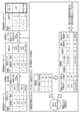


Classifications
-
- G—PHYSICS
- G06—COMPUTING OR CALCULATING; COUNTING
- G06F—ELECTRIC DIGITAL DATA PROCESSING
- G06F11/00—Error detection; Error correction; Monitoring
- G06F11/07—Responding to the occurrence of a fault, e.g. fault tolerance
-
- G—PHYSICS
- G06—COMPUTING OR CALCULATING; COUNTING
- G06F—ELECTRIC DIGITAL DATA PROCESSING
- G06F11/00—Error detection; Error correction; Monitoring
- G06F11/07—Responding to the occurrence of a fault, e.g. fault tolerance
- G06F11/0703—Error or fault processing not based on redundancy, i.e. by taking additional measures to deal with the error or fault not making use of redundancy in operation, in hardware, or in data representation
- G06F11/0766—Error or fault reporting or storing
Landscapes
- Engineering & Computer Science (AREA)
- Theoretical Computer Science (AREA)
- Quality & Reliability (AREA)
- Physics & Mathematics (AREA)
- General Engineering & Computer Science (AREA)
- General Physics & Mathematics (AREA)
- Debugging And Monitoring (AREA)
Description
この発明の実施形態は、ルール生成装置、方法及びプログラムに関する。 TECHNICAL FIELD Embodiments of the present invention relate to a rule generation device, method, and program.
監視対象装置において、ある障害により発生するイベント(以下、障害イベントと称する)を基に、その障害の発生要因である障害要因を判定するIF-THENルールの作成に関する技術がある。 2. Description of the Related Art There is a technique related to creation of an IF-THEN rule for determining a failure factor that causes a failure based on an event (hereinafter referred to as a failure event) that occurs due to a failure in a monitored device.
例えば、特許文献1に開示されるように、障害事例データベースに登録されている他の障害ケースと重複しないように、障害ケース毎にユニークな障害イベントの組合せを抽出し、特徴的な障害イベントとして、障害要因箇所を判定可能なルールを自動で作成及び修正する技術がある。
For example, as disclosed in
しかし、上記特許文献1に開示された技術では、障害要因箇所を判定するルールを作成する際、全ての障害イベントを一律で扱っている。そのため、障害の特徴をとらえた適切な障害イベントの組合せを抽出することができず、適切なルールを作成できない場合があり得る。また、一般的に監視対象装置または監視システムで付加される障害イベントの重要度を重み付けに利用しても、重要度が低い障害イベントが実際は障害要因との関連性が強い場合もあり、適切でないことも多い。
However, in the technique disclosed in
この発明は、障害の特徴をとらえた適切なルールを作成し、障害の誤検出や過大検出を防止するようにした技術を提供しようとするものである。 SUMMARY OF THE INVENTION It is an object of the present invention to provide a technique for preventing erroneous detection or over-detection of a fault by creating an appropriate rule that captures the characteristics of the fault.
上記課題を解決するために、この発明の一態様に係るルール生成装置は、障害毎に、障害要因箇所及び障害要因を含む障害要因情報と、この障害により発生する障害イベントと、条件部と結論部を含むルールに対応付けられたルールIDと、を関連付けて登録しているデータベースと、新規の障害である新規障害の障害イベントが前記データベースに登録されたとき、前記データベースに登録されている、障害イベント以外の情報または障害イベントの情報全体に対する統計処理または分析処理を通じて算出された値の少なくとも一つを基に、前記新規障害の障害イベントの重要度を判定する重要度判定部と、前記新規障害の障害イベントの組合せと、過去の全ての障害に対応する障害イベントの組合せと、前記重要度とからユニークパターンを抽出し、該ユニークパターン及び前記障害要因情報を用いて、前記新規障害に対するルールを生成するルール生成部と、を備える。 To solve the above problems, a rule generation device according to an aspect of the present invention includes, for each failure, failure factor information including a failure factor location and a failure factor, a failure event caused by this failure, a condition part, a conclusion A database that associates and registers a rule ID associated with a rule that includes a part, and registered in the database when a failure event of a new failure that is a new failure is registered in the database, an importance determination unit that determines the importance of the failure event of the new failure based on at least one of values calculated through statistical processing or analysis processing for information other than the failure event or the entire information of the failure event; A unique pattern is extracted from a combination of failure events of failures, a combination of failure events corresponding to all past failures, and the degree of importance, and a rule for the new failure is created using the unique pattern and the failure factor information. and a rule generation unit that generates
この発明の一態様によれば、障害イベント以外の情報または障害イベント情報全体に対する統計処理または分析処理を通じて算出された値の少なくとも一つを基に、障害イベント毎に重みを付けることで、より障害の特徴をとらえた適切なルールを作成し、障害の誤検出や過大検出を防止するようにした技術を提供することができる。 According to one aspect of the present invention, each failure event is weighted based on at least one of values calculated through statistical processing or analysis processing for information other than failure events or the entire failure event information, thereby increasing the failure rate. It is possible to provide a technique for creating appropriate rules that capture the characteristics of failures and preventing erroneous detection and over-detection of failures.
以下、図面を参照して、この発明に係わる実施形態を説明する。なお、以下の実施形態では、同一の番号を付した部分については同様の動作を行うものとして、重ねての説明を省略する。 Embodiments of the present invention will be described below with reference to the drawings. It should be noted that, in the following embodiments, the parts with the same numbers are assumed to perform the same operations, and repeated explanations will be omitted.
[第1実施形態]
(構成例)
図1は、この発明の第1実施形態に係るルール生成装置としてのパターン抽出及びルール生成装置1と、ルールエンジン2と、を含む異常箇所推定システムのソフトウェア構成の一例を示すブロック図であり、図2は、パターン抽出及びルール生成装置1とルールエンジン2のハードウェア構成の一例を示す図である。[First embodiment]
(Configuration example)
FIG. 1 is a block diagram showing an example of the software configuration of an abnormal location estimation system including a pattern extraction and
まず、ハードウェア構成について説明する。
パターン抽出及びルール生成装置1は、図2に示すように、例えばサーバコンピュータ(Server computer)またはパーソナルコンピュータ(Personal computer)により構成され、CPU(Central Processing Unit)等のハードウェアプロセッサ(Hardware processor)11を有する。そして、パターン抽出及びルール生成装置1では、このハードウェアプロセッサ11に対し、プログラムメモリ(Program memory)12と、データメモリ(Data memory)13と、通信インタフェース14と、入出力インタフェース(図2では入出力IFと記す)15とが、バス(Bus)16を介して接続される。First, the hardware configuration will be explained.
As shown in FIG. 2, the pattern extraction and
通信インタフェース14は、例えば一つ以上の有線または無線の通信モジュールを含むことができる。通信インタフェース14は、ルールエンジン2との間で通信を行い、パターン抽出及びルール生成装置1とルールエンジン2との情報交換を可能とする。
入出力インタフェース15には、入力部17及び表示部18が接続されている。入力部17及び表示部18は、例えば液晶または有機EL(Electro Luminescence)を使用した表示デバイスの表示画面上に、静電方式または圧力方式を採用した入力検知シートを配置した、いわゆるタブレット型の入力・表示デバイスを用いたものが用いられる。なお、入力部17及び表示部18は独立するデバイスにより構成されてもよい。入出力インタフェース15は、上記入力部17において入力された操作情報をプロセッサ11に入力するとともに、プロセッサ11で生成された表示情報を表示部18に表示させる。
An
なお、入力部17及び表示部18は、入出力インタフェース15に接続されていなくてもよい。入力部17及び表示部18は、通信インタフェース24と直接またはネットワークを介して接続するための通信ユニットを備えることで、プロセッサ11との間で情報の授受を行い得る。
Note that the
プログラムメモリ12は、非一時的な有形のコンピュータ可読記憶媒体として、例えば、HDD(Hard Disk Drive)またはSSD(Solid State Drive)等の随時書込み及び読出しが可能な不揮発性メモリと、ROM等の不揮発性メモリとが組合せて使用されたものである。このプログラムメモリ12には、プロセッサ11が第1実施形態に係る各種制御処理を実行するために必要なプログラムが格納されている。
The
データメモリ13は、有形のコンピュータ可読記憶媒体として、例えば、上記の不揮発性メモリと、RAM(Random Access Memory)等の揮発性メモリとが組合せて使用されたものである。このデータメモリ13は、各種処理が行われる過程で取得及び作成された各種データが記憶されるために用いられる。
The
ルールエンジン2は、例えば通信ネットワークを構成するルータやサーバ等の各装置(ノードとも云う)との間で通信が可能な管理装置、または保守端末に設けられる。ルールエンジン2は、図2に示すように、例えばサーバコンピュータまたはパーソナルコンピュータにより構成され、CPU等のハードウェアプロセッサ21を有する。そして、ルールエンジン2では、このハードウェアプロセッサ21に対し、プログラムメモリ22と、データメモリ23と、通信インタフェース24と、入出力インタフェース25とが、バス26を介して接続される。
The
通信インタフェース24は、例えば一つ以上の有線または無線の通信モジュールを含むことができる。通信インタフェース24は、パターン抽出及びルール生成装置1との間で通信を行い、パターン抽出及びルール生成装置1とルールエンジン2との情報交換を可能とする。また、通信インタフェース24は、ネットワークを構成する複数の装置、及びこれらの装置間の接続情報を記憶するネットワーク構成情報データベース(図1参照)との間で通信を行い、各装置が発生する障害イベント情報、及びネットワーク構成情報データベースに記憶されたネットワーク構成情報を取得することができる。
入出力インタフェース25には、入力部27及び表示部28が接続されている。入力部27及び表示部28は、例えば液晶または有機EL(Electro Luminescence)を使用した表示デバイスの表示画面上に、静電方式または圧力方式を採用した入力検知シートを配置した、いわゆるタブレット型の入力・表示デバイスを用いたものが用いられる。なお、入力部27及び表示部28は、独立するデバイスにより構成されてもよい。入出力インタフェース25は、上記入力部27において入力された操作情報をプロセッサ21に入力するとともに、プロセッサ21で生成された表示情報を表示部28に表示させる。
An
なお、入力部27及び表示部28は、入出力インタフェース25に接続されていなくてもよい。入力部27及び表示部28は、通信インタフェース24と直接またはネットワークを介して接続するための通信ユニットを備えることで、プロセッサ21との間で情報の授受を行い得る。この場合、入力部27及び表示部28は、パターン抽出及びルール生成装置1の入力部17及び表示部18として機能させてもよい。すなわち、パターン抽出及びルール生成装置1の入力部17及び表示部18とルールエンジン2の入力部27及び表示部28とは、一つの入力部及び表示部を兼用されるものしてもよい。
Note that the
プログラムメモリ22は、非一時的な有形のコンピュータ可読記憶媒体として、例えば、HDDまたはSSD等の随時書込み及び読出しが可能な不揮発性メモリと、ROM等の不揮発性メモリとが組合せて使用されたものである。このプログラムメモリ22には、プロセッサ21がこの第1実施形態に係る各種制御処理を実行するために必要なプログラムが格納されている。
The
データメモリ23は、有形のコンピュータ可読記憶媒体として、例えば、上記の不揮発性メモリと、上記のRAM等の揮発性メモリとが組合せて使用されたものである。このデータメモリ23は、各種処理が行われる過程で取得及び作成された各種データが記憶されるために用いられる。
The
次に、ソフトウェア構成を説明する。
図1に示すように、パターン抽出及びルール生成装置1は、ソフトウェアによる処理機能部として、障害イベント登録部101、ユニーク判定部102、ルール生成及び修正部103、過去障害再検証部104、及び障害事例データベース105を備えるデータ処理装置として構成できる。ユニーク判定部102は、障害イベント重要度判定部102Aを備える。ここで、上記の障害イベント登録部101、障害イベント重要度判定部102Aを含むユニーク判定部102、ルール生成及び修正部103、及び過去障害再検証部104の各部における処理機能部は、いずれも、プログラムメモリ12に格納されたプログラムを上記ハードウェアプロセッサ11により読み出させて実行させることにより実現される。なお、これらの処理機能部の一部または全部は、特定用途向け集積回路(ASIC:Application Specific Integrated Circuit)またはFPGA(field-programmable gate array)などの集積回路を含む、他の多様な形式によって実現されてもよい。Next, the software configuration will be explained.
As shown in FIG. 1, the pattern extraction and
障害事例データベース105は、図2に示されたデータメモリ13を用いて構成され得る。ただし、障害事例データベース105は、パターン抽出及びルール生成装置1内に必須の構成ではなく、例えば、USB(Universal Serial Bus)メモリなどの外付け記憶媒体、またはクラウド(Cloud)に配置されたデータベースサーバ(Database server)等の記憶装置に設けられたものであってもよい。
The
障害イベント登録部101は、新たに発生した障害(本障害、新規障害とも称す)に対応する一つ以上の障害イベント(障害イベント群)を、(1)本障害の障害ID、(2)保守者が真の原因及びその位置を特定した障害要因情報、及び(3)対応するルールIDと関連付けて障害事例データベース105に登録する。
The failure
障害IDは、発生した障害毎に付される。ルールIDは、ルール毎に付される。
障害イベントは、障害IDに対応付けられ、障害IDに対応する障害により発生するイベントを示す。この障害イベントは、例えば、ある監視対象装置からのアラーム、ログ情報、閾値監視情報である。
障害要因情報は、障害要因箇所の情報と、障害要因の情報とを含む。
障害要因は、障害が発生した原因を示し、障害要因箇所は、障害が起きた位置(例えば装置ID)を示す。障害要因箇所は、上記ある監視対象装置である。A failure ID is assigned to each failure that has occurred. A rule ID is assigned to each rule.
A failure event is associated with a failure ID and indicates an event caused by a failure corresponding to the failure ID. This failure event is, for example, an alarm from a monitoring target device, log information, or threshold monitoring information.
The fault factor information includes fault factor location information and fault factor information.
The fault factor indicates the cause of the fault, and the fault factor location indicates the position (for example, device ID) where the fault occurred. The location of the failure factor is the above-mentioned monitoring target device.
なお、一つ以上の障害イベントを障害イベント群とも称す。一つ以上のルールをルールセットとも称す。
ルールセットは、例えばルールエンジン2が有しており、ルールは、条件部と結論部を含む。
本第1実施形態では、条件部は障害イベントである。この障害イベントは、例えば装置IDとアラーム種別とを含み得る。また、本第1実施形態では、結論部は障害要因情報である。この障害要因情報は、例えば装置IDと障害要因種別とを含み得る。One or more failure events are also referred to as a failure event group. One or more rules are also called a rule set.
The rule set is held by, for example, the
In the first embodiment, the condition part is a failure event. This failure event may include, for example, the device ID and alarm type. Further, in the first embodiment, the conclusion part is the fault factor information. This fault factor information may include, for example, the device ID and the fault factor type.
ユニーク判定部102の障害イベント重要度判定部102Aは、障害事例データベース105に格納されている、障害イベントの重要度の算出に必要な情報である、障害イベント以外の情報または障害イベントの情報全体に対する統計処理または分析処理を通じて算出された値の少なくとも一つに基づいて、障害イベントの重要度を判定する。本第1実施形態では、障害イベントの情報全体に対する分析処理を通じて算出された値である、全体の障害イベントの発生状況に基づいて、障害イベントの重要度を判定する。この重要度の判定手法の一例は、後に説明する。
The failure event
ユニーク判定部102は、障害事例データベース105に登録されている、本障害の障害イベント群から、本障害を特徴付けるユニークパターンの候補となる一つ以上の障害イベントを含む障害イベントの組合せを生成し、本障害の全通りの障害イベントの組合せを障害事例データベース105に登録する。この登録とともに、ユニーク判定部102は、障害事例データベース105に登録されている過去の全ての障害における障害イベントの組合せを参照する。ユニーク判定部102は、障害イベント重要度判定部102Aによって判定した障害イベントの重要度を加味して、これら参照された全ての組合せから、それぞれの障害を特徴付ける障害イベントの組合せをユニークパターンとして障害毎(すなわち、障害ID毎)に抽出し、この抽出の結果を障害IDに関連付けて障害事例データベース105に登録する。
障害イベントの組合せは、障害ID毎に存在し、その障害IDに対応付けられた全ての障害イベントの組合せである。The
A combination of failure events exists for each failure ID and is a combination of all failure events associated with that failure ID.
ユニークパターンは、障害ID毎に障害イベントの組合せから所定の手法で算出され、障害ID毎に一つ算出される。このユニークパターンの算出手法の一例は、後に説明する。ユニークパターンは、ルールIDと一対一で対応している。 A unique pattern is calculated by a predetermined method from a combination of failure events for each failure ID, and one unique pattern is calculated for each failure ID. An example of this unique pattern calculation method will be described later. A unique pattern corresponds to a rule ID on a one-to-one basis.
また、障害対応において判定結果が正解の場合の障害イベント登録がなされるように(図3を参照)、一つのルールIDは、複数の障害IDに対応して登録される場合がある。さらに、一つのルールIDは、一つ以上の障害イベントに対応するので、多数の障害イベントと対応する場合もある。以下の説明では、ある一つのルールIDに対応する障害イベントをまとめて「障害ケース」と称する。すなわち、一つの「障害ケース」には複数の障害イベントが対応しており、「障害ケース」と「ルール」との間には一対一の関係が成り立つ。 Also, one rule ID may be registered corresponding to a plurality of failure IDs so that a failure event is registered when the determination result is correct in failure handling (see FIG. 3). Furthermore, since one rule ID corresponds to one or more failure events, it may correspond to many failure events. In the following description, failure events corresponding to one rule ID are collectively referred to as "failure case". That is, one "failure case" corresponds to a plurality of failure events, and a one-to-one relationship is established between the "failure case" and the "rule".
ルール生成及び修正部103は、本障害についてはユニーク判定部102で抽出されたユニークパターンを条件部として採用し、保守者により登録した障害要因情報を結論部として採用する。ルール生成及び修正部103は、これらの条件部及び結論部を用いてルールを新規生成することでルールセットを改訂し、新たなルールIDを障害IDと関連付けて障害事例データベース105に登録する。
For this failure, the rule generation and
一方、障害事例データベース105に登録されている、過去のある一つの障害に対応する、ユニーク判定部102で抽出されたユニークパターンが、この障害IDに対応して登録されているルールの条件部に定義されている障害イベントの組合せと異なっている場合は、ルール生成及び修正部103は、ルールを修正する必要があると判断する。この場合、ルール生成及び修正部103は、抽出されたユニークパターンを条件部として採用し、既存ルールを上書き修正して、この修正の結果を障害事例データベース105に登録する。
On the other hand, the unique pattern extracted by the
過去障害再検証部104は、障害ID毎に、障害事例データベース105に登録されている障害イベント群の情報を基に、ルールエンジン2を用いることによる再判定を行う。過去障害再検証部104は、この判定の結果である障害要因情報と、障害事例データベース105に登録されている障害要因情報とを照合する。この障害要因情報は、過去に保守者によって登録されたものである。
過去障害再検証部104は、この照合結果が合致する場合、つまり照合OKである場合は、新たなルール追加が成功したと判断し、さらに既存ルールを上書き修正した場合にはルール修正も成功したと判断して、処理を終了する。
一方、過去障害再検証部104は、上記の照合結果が合致しない場合、つまり照合NGである場合は、ユニーク判定部102に再び異なるユニークパターンを抽出させる。The past
If the collation results match, that is, if the collation is OK, the past
On the other hand, if the matching result does not match, that is, if the matching is NG, the past
過去障害再検証部104による再判定では、殆ど全ての場合で照合OKとなるが、希にデータが改変等されていて上記の照合NGとなる場合がある。過去障害再検証部104は、このように照合NGである場合にも対応するために設けられる。
In the re-determination by the past
障害事例データベース105では、(1)障害ID、(2)一つ以上の障害イベント、(3)障害要因情報、(4)障害イベントの組合せ、(5)組合せのうちのユニークパターン、及び(6)ルールID、が関連付けて登録される。障害事例データベース105では、通常は、多数の障害IDについて上記の情報が関連付けられて保存される。
In the
(動作)
次に、パターン抽出及びルール生成装置1の動作を説明する。図3は、図1に示されたパターン抽出及びルール生成装置1の処理動作の一例を示すフローチャートである。(motion)
Next, the operation of the pattern extraction and
障害が発生したら、ルールエンジン2は、障害に対応する一つ以上の障害イベント(例えば、装置IDとアラーム種別)を通信インタフェース24により取得して、ネットワーク構成情報とルールセットとを参照してルール判定を行う。ルールエンジン2は、どこで障害が発生したか、及びどんな原因で障害が発生したかをそれぞれ示す、ルール判定結果を表示部18により表示する。
When a failure occurs, the
その後、保守者は、この表示されたルールエンジン2によるルール判定の結果と、真の原因である障害対応結果とを比較して、判定結果が正解であるどうかを判定する。
After that, the maintenance person compares the displayed result of the rule determination by the
判定結果が正解であると判定された場合には、パターン抽出及びルール生成装置1は、入力部17に対する保守者による操作にしたがい、この障害イベントを障害事例データベース105に、他の情報(上記の「障害事例データベース105」を参照)と関連付けて登録する。
When it is determined that the determination result is correct, the pattern extraction and
一方、判定結果が正解でないと判定された場合には、パターン抽出及びルール生成装置1では、障害イベント登録部101は、入力部17に対する保守者による操作にしたがい、障害対応によって真の原因とその位置が保守者により特定された障害要因情報を、この障害イベントに対応させて障害事例データベース105に、他の情報に関連付けて新たに登録する(ステップS201)。
On the other hand, when it is determined that the determination result is not correct, in the pattern extraction and
ステップS201の次に、ユニーク判定部102は、図1を参照して説明されたように、本障害の障害IDに対して関連付けられる一つ以上の障害イベントを含む全通りの障害イベントの組合せを生成する。また、ユニーク判定部102の障害イベント重要度判定部102Aは、障害事例データベース105に登録されている情報に基づいて、ステップS201で登録された、本障害の障害IDに対して関連付けられる一つ以上の障害イベントの重要度を判定する。本第1実施形態では、障害イベント重要度判定部102Aは、障害事例データベース105に登録されている全体の障害イベントの発生状況に関する情報に基づいて、上記一つ以上の障害イベントの重要度を判定する。例えば、障害イベント重要度判定部102Aは、過去の障害イベント全体の発生頻度に基づいて、上記一つ以上の障害イベントの重要度を判定することができる。そして、ユニーク判定部102は、本障害に対応する障害イベントの組合せと、過去の全ての障害に対応する障害イベントの組合せ(過去分は、既に障害事例データベース105に登録されている)と、上記判定した重要度とから、一つのユニークパターンを障害ID毎に抽出する(ステップS202)。抽出されたユニークパターンは、障害事例データベース105に、他の情報と関連付けて登録される。一方、このユニークパターンが抽出できない場合には、ステップS205に進む。
After step S201, the
ステップS202でユニークパターンが抽出された場合は、ルール生成及び修正部103は、本障害におけるユニークパターンを条件部として採用するとともに、保守者により入力された障害要因情報を結論部として採用して、これらの条件部及び結論部を用いてルールを新規生成する。そして、ルール生成及び修正部103は、この生成したルールを障害事例データベース105に登録する。また、ルール生成及び修正部103は、生成したルールに対応するルールIDを生成し、このルールIDを障害事例データベース105に登録する(ステップS203)。
If a unique pattern is extracted in step S202, the rule generation and
なお、このステップS203では、障害事例データベース105に登録されている、過去のある障害において、当該障害に対して登録されているルールの条件部に定義されている障害イベントの組合せが、上記ステップS202で抽出されたユニークパターンと異なる場合がある。このような場合には、ルール生成及び修正部103は、該当障害のルールを修正し、修正後のルールを障害事例データベース105に登録する。
In this step S203, for a past failure registered in the
ステップS203の次に、過去障害再検証部104は、障害事例データベース105に登録されている全ての障害において、判定結果が正しく判定されるか否かをルールエンジン2を使用して再判定し、ルールセットの更新により判定精度が低下していないか否かを検証する(ステップS204)。
After step S203, the past
過去のいずれかの障害において判定結果が不正解である場合は、ステップS202に戻り、ユニーク判定部102は、別の障害イベントの組合せを抽出する。なお、ステップS204において、ユニークパターンから生成されたルールが、いずれも過去障害再検証部104で照合NGであった場合には、ステップS205へ進む。
If the determination result is incorrect for any of the past failures, the process returns to step S202, and the
一方、過去障害再検証部104で検証されて照合OKとなって判定結果が正解である場合には、新たなルール追加またはルール修正が成功したとして、処理が終了される。
On the other hand, when the past
ステップS205では、ユニーク判定部102は、本障害を特徴付ける障害イベントが抽出できないときに、ルール化できない障害である旨を表示部18により保守者に提示し、データをロールバックする。すなわち、この場合は、ユニーク判定部102は、対応する本障害の障害IDに対応する障害イベントと保守者により登録した障害要因情報との登録をキャンセルする。
In step S205, when the failure event that characterizes this failure cannot be extracted, the
次に、図4、図5、図6A、図6B及び図6Cを参照して、本第1実施形態のパターン抽出及びルール生成装置1と、ルールエンジン2と、監視対象装置300と、保守者400との処理の流れを説明する。なお、図5に記載される「*」はインスタンス数を示し、ゼロ以上の数値を意味する。
Next, referring to FIGS. 4, 5, 6A, 6B and 6C, the pattern extraction and
まず、n個の監視対象装置300のうち一つ以上の装置で障害が発生すると仮定する(図6AのステップSA1)。その後、監視対象装置300は、障害イベントをルールエンジン2に通知する(ステップSA2)。ここでの障害イベントは、例えば、(1)IPアドレス、(2)装置種別、(3)アラーム種別、及び(4)アラームレベルを含む。なお、ここではアラーム種別は、イベント種別の一種であり、その下位概念として使用される。アラームレベルは、イベントレベルの一種であり、その下位概念として使用される。イベントレベルは、監視対象装置300または監視システムで付加される障害イベントの重要度を示す。障害イベントは、アラームレベルを含まない場合もある。
First, it is assumed that one or more of the n monitored
ルールエンジン2では、障害イベント送受信部201は、外部の監視対象装置300から通知された障害イベントを取得し、これをパターン抽出及びルール生成装置1に通知する(ステップSB1)。この段階では、障害イベント送受信部201は、障害イベントとして、例えば、装置IDとアラーム種別とアラームレベルをパターン抽出及びルール生成装置1に通知する。この障害イベントの通知を受けた障害イベント登録部101は、この障害イベントを、障害事例データベース105に登録する(ステップSD1)。
In the
また、ルールエンジン2では、ネットワーク構成情報データベース202は、ネットワーク構成情報を外部から取得して外部情報と同期させておく。ネットワーク構成情報は、監視対象装置情報と、監視対象装置間接続情報とを含む。監視対象装置情報は、図5に示されるように、例えば、監視対象装置の(1)装置ID、(2)装置名、(3)IPアドレス、及び(4)装置種別、を含む。監視対象装置間接続情報は、図5に示されるように、例えば、(1)接続元装置ID、(2)接続先装置ID、及び(3)これらの(1)、(2)でなる組の識別子、を含む。図4及び図5に示された例では、監視対象装置情報は、監視対象装置の数であるn個分設けられる。なお、監視対象装置間接続情報は、n個分とは限らない。
In the
また、ルールエンジン2では、障害イベント群と障害要因情報とを関連付けるIF-THENルールのセットが、例えばデータメモリ23に格納されている。IF-THENルールは、前提または条件を表すif部と、このif部が真である場合の結論または動作を表すthen部とから構成される(より詳しくは図7の説明を参照)。
Further, in the
さらに、ルールエンジン2は、判定ロジック部203を有する。判定ロジック部203は、ネットワーク構成情報(ネットワーク構成情報データベース202内)と、障害イベントと、ルールセットとをそれぞれ受け取り、これらに基づいて、どこで障害が発生したか(障害箇所)、及びどんな原因で障害が発生したか(障害要因)をそれぞれ示す判定結果を得る(ステップSB2)。その後、判定ロジック部203は、判定結果、例えば、(1)対応ルールID、(2)装置ID及び/または装置名、及び(3)障害要因種別、をパターン抽出及びルール生成装置1に送るとともに、判定結果、例えば(1)装置名、及び(2)障害要因種別、を保守者400に送る(ステップSB3)。なお、判定結果を保守者400に送るとは、表示部28により判定結果を保守者400に提示することを意味する。
Furthermore, the
パターン抽出及びルール生成装置1では、障害イベント登録部101は、障害事例データベース105に、判定ロジック部203からの判定結果、例えば(1)対応ルールID、(2)装置ID及び/または装置名、及び(3)障害要因種別、を登録する(ステップSD2)。
In the pattern extraction and
保守者400は、表示部28により、ルールエンジン2からの判定結果を受け取り、内容を確認する(ステップSC1)。その後、保守者400が、ルールエンジン2による判定結果と真の原因である障害対応結果とを比較して、上記判定結果が正解であるか否かを判定する(ステップSC2)。
The
ステップSC2において、判定結果が正解であると判定された場合には、保守者400は何もせず終了となる。
In step SC2, if the determination result is determined to be correct, the
一方、ステップSC2において、判定結果が正解でないと判定された場合には、保守者400による障害対応によって真の原因(装置名)とその位置が特定された情報である障害要因情報が保守者400からパターン抽出及びルール生成装置1に通知される。すなわち、保守者400が入力部17を操作して、障害要因情報を入力する。パターン抽出及びルール生成装置1では、障害イベント登録部101は、この保守者400による障害要因情報を、この障害イベントに対応させて障害事例データベース105に登録する(ステップSD3)。
On the other hand, in step SC2, when it is determined that the determination result is not correct, failure factor information, which is information specifying the true cause (apparatus name) and its position, is sent to the
その後は、パターン抽出及びルール生成装置1での処理が続く。すなわち、ユニーク判定部102は、本障害の障害イベント群から一つ以上の障害イベントを含む障害イベントの組合せを全通り生成し、この生成の結果を障害事例データベース105に登録する(図6BのステップSD4)。
After that, the processing in the pattern extraction and
また、ユニーク判定部102の障害イベント重要度判定部102Aは、障害事例データベース105に登録されている全体の障害イベントの発生状況に関する情報に基づいて、一つ以上の障害イベントの重要度を判定する(ステップSD5)。例えば、全体の障害イベントの発生状況は、勿論これに限定するものではないが、例えば、障害事例データベース105に登録されている全体の障害イベントの発生頻度とすることができる。障害イベントの重要度は、障害イベント全体の中の発生頻度を基に、同じ障害イベントがどれくらい発生しているかを数値化した値となる。この障害イベントの重要度の算出手法としては、tf-idf(term frequency - inverse document frequency)等の技術を利用することができる。該当の障害ケースの障害イベント以外の障害イベントも含めて発生回数を判別し、多数発生している場合は低く、該当の障害ケース内で多数発生している場合は高くなるように定義する。
Further, the failure event
以下、全体の障害イベントの発生状況である、全体の障害イベントの発生頻度による障害イベントの重要度判定の計算方法の一例を説明する。勿論、この計算方法に限定するものではない。 An example of a calculation method for determining the degree of importance of failure events based on the frequency of occurrence of all failure events, which is the occurrence status of all failure events, will be described below. Of course, it is not limited to this calculation method.
障害イベントは、次のように定義される。
障害イベント全体の集合L={l1,l2,…,lm}、
障害ケース全体の集合C={c1,c2,…,cn}、
イベント種別(アラーム種別)全体の集合E={e1,e2,…,em}。
ここで、各障害ケースcにはいくつかの事例が含まれ、それぞれの事例にはいくつかの障害イベントlが含まれる。また、イベント種別(アラーム種別)全体の集合Eは、それぞれが排他的なLの部分集合とみなす。A failure event is defined as follows.
A set of all failure events L={l 1 , l 2 , . . . , l m },
A set of all fault cases C={c 1 ,c 2 , . . . ,c n },
A set of all event types (alarm types) E={e 1 , e 2 , . . . , e m }.
Here, each fault case c contains several cases, and each case contains several fault events l. A set E of all event types (alarm types) is regarded as a subset of L, each of which is exclusive.
あるイベント種別eが、ある障害ケースcの中の事例の中で出現する回数をFtfと記すこととする。FtfはEの元とCの元のペアに対して自然数(0以上の整数)を対応させる写像とみなすことができる:
Ftf:E×C→NLet F tf be the number of times an event type e appears in a failure case c. F tf can be viewed as a mapping that maps natural numbers (integers greater than or equal to 0) to pairs of elements of E and C:
F tf : E×C→N
障害ケースcにおけるイベント種別eの頻度による重要度は、以下の式(1)で示されるStf(e,c)の値と、以下の式(2)で示されるSidf(e)の値との積であると定義される。ここで、Stf(e,c)は、イベント種別eが障害ケースc内でどれだけ発生しているかの指標である。同一障害ケース内で発生している数が多いものほど、重要とみなされる。また、Sidf(e)は、イベント種別eが障害イベント全体でどれだけ発生しているかの指標である。障害イベント全体で発生している数が多いものほど、重要でないとみなされる。The importance of event type e in failure case c based on the frequency is the value of S tf (e, c) given by equation (1) below and the value of S idf (e) given by equation (2) below. is defined to be the product of Here, S tf (e, c) is an index of how many event types e occur within failure case c. The more frequently occurring within the same fault case, the more important it is considered. Also, S idf (e) is an index of how many event types e occur in all failure events. The more frequently occurring overall fault events are considered less important.

一般的なtf-idfとは以下の点が異なっている。すなわち、イベント種別(アラーム種別)をtfにおける「単語」、障害ケースをtfにおける「文書」としている。また、一般的なidfでいう「単語を含むかどうか」をイベント種別に対応させ、個々の障害イベントを「文書」とみなしている。 It differs from general tf-idf in the following points. That is, the event type (alarm type) is "word" in tf, and the failure case is "document" in tf. Also, "whether or not a word is included" in general idf is associated with the event type, and each failure event is regarded as a "document".
このように、いわゆるtf-idfの考え方を参考にして、ルールに採用された障害イベントだけでなく、ルールに採用されなかった障害イベントも含めて、発生頻度がカウントされる。そして、障害と関連しない状況で頻度が高かった障害イベントの重要度は低くし(idf的な考え方)、逆に、ある障害に関連して何度も発生している障害イベントについては重要度を高くして(tf的な考え方)、ある障害に着目したときに、その障害に関連する障害イベントの「レア度」が相対的に算出され、これが障害イベントの重要度に反映される。 In this way, referring to the concept of so-called tf-idf, the frequency of occurrence is counted including not only failure events adopted in rules, but also failure events not adopted in rules. Then, lower the importance of failure events that occur frequently in situations unrelated to failures (idf way of thinking), and conversely lower the importance of failure events that occur many times in relation to a certain failure. By increasing (tf-like way of thinking), when focusing on a certain failure, the "rarity" of the failure event related to the failure is relatively calculated, and this is reflected in the importance of the failure event.
ユニーク判定部102は、障害事例データベース105に登録されている、全ての障害における障害イベントの組合せから、障害イベント重要度判定部102Aによって判定した障害イベントの重要度を参照して、各障害を特徴付けるユニークパターンを抽出し、この抽出の結果を障害事例データベース105に登録する(ステップSD6)。なお、後述するように過去障害再検証部104が各障害における判定結果を再検証し照合NGとなった場合は、ユニーク判定部102は、該当の障害において次にユニークな障害イベントの組合せをユニークパターンとして障害事例データベース105に登録する。
The
ルール生成及び修正部103は、障害事例データベース105に登録されている過去のある障害において、登録されているルールの条件部に定義されている障害イベントの組合せと、これまでの処理にて登録したユニークパターンとを比較する。ルール生成及び修正部103は、この比較された両者が異なる場合は、ルールを修正する必要があると判断する(ステップSD7)。ルール生成及び修正部103は、本障害についてはユニークパターンを条件部として採用するとともに、保守者400により登録した障害要因情報を結論部として採用して、これら条件部及び結論部を用いてルールを新規生成する。ルール生成及び修正部103は、既存ルールの修正としては、抽出されたユニークパターンを条件部として既存ルールを上書き修正する(ステップSD8)。その後、ルール生成及び修正部103は、生成されたルールのルールIDを障害事例データベース105において上書き登録する(ステップSD9)。
The rule generation and
また、ルール生成及び修正部103は、生成及び修正されたルールをルールエンジン2にフィードバックする(ステップSD10)。ルールエンジン2は、この生成及び修正されたルールを取り込んで、ルールセットを更新する(ステップSB4)。
Also, the rule generation and
パターン抽出及びルール生成装置1は、障害事例データベース105に登録される全ての障害イベントを障害ID単位でルールエンジン2に渡す(図6CのステップSD11)。ルールエンジン2は、全ての障害イベントを受け取り、障害ID毎に入力された障害イベント群とネットワーク構成情報及びルールセットを基に、障害要因と障害要因箇所とをそれぞれ判定する(ステップSB5)。そして、ルールエンジン2は、障害ID毎の判定結果、例えば、装置ID及び障害要因種別、をパターン抽出及びルール生成装置1に通知する(ステップSB6)。
The pattern extraction and
パターン抽出及びルール生成装置1では、過去障害再検証部104は、障害ID毎に、ルールエンジン2から通知された判定結果、例えば装置ID及び障害要因種別と、障害事例データベース105に登録されている障害要因情報とを照合する(ステップSD12)。この照合がNGである障害IDがあった場合には、ステップSD4に戻り、ユニーク判定部102は、ユニークパターンを抽出し、ルール生成または修正を行う。一方、全ての障害イベントが照合OKである場合には、このパターン抽出及びルール生成装置1による処理は終了する。
In the pattern extraction and
ここで、ルールエンジン2で使用されるIF-THENルールについて図7を参照して簡単に説明する。
IF-THENルールは、ある事実から導出される結論というような推論知識、及び、ある条件が成立したときに行われる行動に関する知識を記述する。一般に、IF-THENルールは、「α→β」や「if α then β」という形式で記述され、上記のように、前提または条件を表すif部と、if部が真である場合に実行される結論または動作を表すthen部とから構成される。Here, the IF-THEN rule used by the
IF-THEN rules describe inference knowledge, such as conclusions drawn from certain facts, and knowledge about actions to be taken when certain conditions are met. In general, an IF-THEN rule is written in the form of "α→β" or "if α then β", and is executed when the if part representing the premise or condition and the if part is true as described above. It consists of a then part that expresses the conclusion or action to be taken.
図7に示される例は、障害要因箇所を判定するルールであり、左側の図が障害例、右側の図がIF-THENルールをそれぞれ示している。この例では、IF-THENルールは、装置Aで障害イベントaが発生し、装置Cで障害イベントcが発生している場合には、装置Bでは「device fail」になっていることを示している。なお、IF-THENルールにおける「装置A」、「装置B」、及び「装置C」は、IPアドレスなど装置を一意に特定する情報である。 The examples shown in FIGS. 7A and 7B are rules for judging failure factor locations. The left figure shows an example of a failure, and the right figure shows an IF-THEN rule. In this example, the IF-THEN rule indicates that if failure event a occurs on device A and failure event c occurs on device C, then device B is "device fail". there is Note that "device A", "device B", and "device C" in the IF-THEN rule are information that uniquely identifies devices such as IP addresses.
次に、上記ステップSD5での、全体の障害イベントの発生状況に関する情報に基づく一つ以上の障害イベントの重要度の判定、及び、上記ステップSD6での、各障害におけるユニークな障害イベントの抽出の処理について、具体例を挙げて説明する。
ここで、障害事例データベース105には、ステップSD2及びSD3の処理によって、図8の左上図に示されるように障害ID毎に障害イベントが対応付けられて登録されている。ここでの例では、障害イベントは、装置IDとイベント種別(アラーム種別)とイベントレベル(アラームレベル)を含んでいる。イベントレベルは、監視対象装置300または監視システムで付加される重要度を示す。この例では、イベントレベルは「major」、「warning」、「cleared」の3種類が存在し、重要度はmajor>warning>clearedの順となっている。ユニーク判定部102はまず、ステップSD4において、各障害で取り得る障害イベントの組合せを生成して、障害事例データベース105に登録する。この例では、障害ID=1では、(装置ID,イベント種別,イベントレベル)=(sw1,a,major),(sw2,b,warning)があり、図8の中上図に示されるように全ての組合せは3組あり、(sw1,a)のみ(図では「sw1a」)、(sw2,b)のみ(図では「sw2b」)、(sw1,a)と(sw2,b)(図では「sw1a,sw2b」)である。障害ID=2では、(装置ID,イベント種別,イベントレベル)=(sw1,a,major)、(sw3,c,cleared)があり、全ての組合せはsw1a、sw3c、及びsw1aとsw3cの3組ある。ユニーク判定部102は、障害イベントが含むイベントレベルを考慮しない。Next, in step SD5, the importance of one or more failure events is determined based on the information regarding the occurrence status of all failure events, and in step SD6, a unique failure event for each failure is extracted. The processing will be described with a specific example.
Here, in the
その後、ステップSD5において、全体の障害イベントの発生状況に関する情報に基づく一つ以上の障害イベントの重要度の判定を行うものであるが、比較のために、まず、図8を参照して、特許文献1に開示されているような、従来の技術による抽出手順を説明する。従来は、上記ステップSD5の動作は行わずに、ユニークパターンを抽出している。すなわち、従来は、ステップSD6において、ユニーク判定部102は、障害イベントの組合せから、ユニークパターン抽出ロジックに従ってユニークパターンを抽出する。ユニークパターン抽出ロジックはまず、障害イベントの組合せ毎に他の障害IDでの登録率を全ての他の障害IDについて算出し、その後、障害イベントの組合せ毎に登録率(他の障害IDが複数ある場合は複数ある)のうちの最大の登録率を決定する。ユニークパターン抽出ロジックは、次に、全ての障害イベントの組合せの最大登録率をソートして、そのうちの最小の値に対応する組合せをユニークパターンとして抽出する。
After that, in step SD5, the degree of importance of one or more failure events is determined based on the information regarding the occurrence status of all failure events. An extraction procedure according to a conventional technique, such as that disclosed in
ここで、登録率とは、障害イベントの組合せのイベント数を分母とし組合せのうちの他の障害イベント群に登録されている個数を分子として算出する。これによると登録率は、0から1までの値を取り、ある障害IDの障害イベントの一つの組合せが他のある障害IDにどの程度登録されているかを示す。例えば、登録率が1の場合は注目している障害IDの障害イベントの一つの組合せが他のある障害IDにおける障害イベント群に全て登録されていることを示し、登録率が0.5の場合は注目している障害IDの障害イベントの一つの組合せが他のある障害IDに半分のみ登録されていることを示し、登録率が0の場合は注目している障害IDの障害イベントの一つの組合せが他のある障害IDに全く登録されていないことを示す。また、ユニークパターンは、注目している障害IDの障害イベントの組合せのうち、他の障害IDの障害イベントの組合せで最も発生していない組合せ(換言すれば、最も他の障害IDの組合せと被らない組合せ、すなわち、ユニークな組合せ)であると言える。 Here, the registration rate is calculated using the number of events in a combination of failure events as the denominator and the number of events registered in other failure event groups in the combination as the numerator. According to this, the registration rate takes a value from 0 to 1, and indicates how many combinations of failure events of a certain failure ID are registered to other certain failure IDs. For example, when the registration rate is 1, it indicates that one combination of failure events with the failure ID of interest is all registered in a failure event group with another failure ID, and when the registration rate is 0.5 indicates that one combination of failure events of the failure ID of interest is only half registered to some other failure ID, and if the registration rate is 0, one of the failure events of the failure ID of interest is Indicates that the combination is not registered with any other failure ID. Further, the unique pattern is a combination of failure events with other failure IDs that is least likely to occur among combinations of failure events with the failure ID of interest (in other words, a combination of other failure IDs and the most affected event). unique combination).
次に、図8の下方の具体例を参照してユニークパターンの抽出を説明する。
図8の例では、障害ID=2の障害イベントの組合せは、上述したようにsw1a、sw3c、及びsw1aとsw3cの3組ある。また、この例では、障害IDは1と2の二つのみなので、ID=2の他の障害となるのはID=1のみとなる。Next, extraction of a unique pattern will be described with reference to a specific example at the bottom of FIG.
In the example of FIG. 8, there are three combinations of failure events with failure ID=2: sw1a, sw3c, and sw1a and sw3c, as described above. Also, in this example, since there are only two failure IDs, namely 1 and 2, ID=1 is the only failure other than ID=2.
sw1aの場合は、他の障害ID=1でイベント群はsw1a、sw2bとなる。従って、障害イベント数はsw1aのみなので分母は1、sw1aは他の障害ID=1のイベント群に登録されているため分子は1となり、登録率は1/1=1.0になる。 In the case of sw1a, another fault ID=1 and the event group is sw1a and sw2b. Therefore, since the number of failure events is only sw1a, the denominator is 1, sw1a is registered in the event group of another failure ID=1, so the numerator is 1, and the registration rate is 1/1=1.0.
sw3cの場合は、他の障害ID=1でイベント群はsw1a、sw2bとなる。従って、障害イベント数はsw3cのみなので分母は1、sw3cは他の障害ID=1のイベント群に登録されていないので分子は0となり、登録率は0/1=0.0になる。 In the case of sw3c, another fault ID=1 and the event group is sw1a and sw2b. Therefore, since the number of failure events is only sw3c, the denominator is 1, and sw3c is not registered in the event group with another failure ID=1, so the numerator is 0, and the registration rate is 0/1=0.0.
sw1a、sw3cの場合は、他の障害ID=1でイベント群はsw1a、sw2bとなる。従って、障害イベント数はsw1a及びsw3cなので分母は2、sw1a、sw3cは他の障害ID=1のイベント群に1つだけ登録されているので分子は1となり、登録率は1/2=0.5になる。 In the case of sw1a and sw3c, another fault ID=1 and the event group is sw1a and sw2b. Therefore, since the number of failure events is sw1a and sw3c, the denominator is 2, and since only one of sw1a and sw3c is registered in the event group of another failure ID=1, the numerator is 1, and the registration rate is 1/2=0. Become 5.
以上により最大登録率が最小なのは0.0であるのでその組合せはsw3cとなり、図8の例での障害ID=2のユニークパターンはsw3cである。 As described above, the minimum maximum registration rate is 0.0, so the combination is sw3c, and the unique pattern of failure ID=2 in the example of FIG. 8 is sw3c.
これに対して、本第1実施形態では、図9に示すようなユニークパターンの抽出手順となる。すなわち、本第1実施形態では、上記ステップSD5において、ユニーク判定部102の障害イベント重要度判定部102Aは、障害事例データベース105に登録されている全体の障害イベントの発生状況を基に、一つ以上の障害イベントの重要度を判定する。例えば、障害イベント重要度判定部102Aは、イベント種別毎に、過去の障害イベント全体の中の発生頻度を基に、同じ障害イベントがどれくらい発生しているかを数値化した値として、重要度を算出する。
On the other hand, in the first embodiment, the unique pattern extraction procedure is as shown in FIG. That is, in the first embodiment, at step SD5, the failure event importance
その後、ステップSD6において、ユニーク判定部102はこれらの障害イベントの組合せから、障害イベントの重要度に基づいて、本第1実施形態に係るユニークパターン抽出ロジックに従ってユニークパターンを抽出する。このユニークパターン抽出ロジックによれば、ユニーク判定部102は、まず、障害イベントの組合せ毎に障害イベントの重要度に基づいて組合せの重みを算出する。その後、ユニーク判定部102は、障害イベントの組合せ毎に他の障害IDでの登録率を全ての他の障害IDについて算出し、障害イベントの組合せ毎に登録率(他の障害IDが複数ある場合は複数ある)のうちの最大の登録率を決定する。ユニーク判定部102は、次に、決定した最大の登録率に対し組合せの重みにより重み付けして、重み付け登録率を算出する。そして、ユニーク判定部102は、全ての障害イベントの組合せの重み付け最大登録率をソートして、そのうちの最小の値に対応する組合せをユニークパターンとして抽出する。
Thereafter, in step SD6, the
次に図9の下方の具体例を参照してユニークパターンの抽出を説明する。
図9の下方の具体例では、障害ID=2の障害イベントの組合せは、図8の例と同様にsw1a、sw3c、及びsw1aとsw3cの3組ある。また、この例では、障害IDは1と2の二つのみなので、ID=2の他の障害となるのはID=1のみとなる。一方、イベント種別毎の重要度は、この例では、イベント種別=aでは60、イベント種別=bでは100、イベント種別=cでは40と判定されたものとする。よって、この例では、障害イベントの組合せsw1aの場合の組合せの重みは、イベント種別=aの重要度である60、障害イベントの組合せsw3cの場合の組合せの重みは、イベント種別=cの重要度である40となる。障害イベントの組合せsw1aとsw3cの場合の組合せの重みは、sw1aの組合せの重み60とsw3cの組合せの重み40との算術平均値である50(=(60+40)/2)となる。なお、ここでは、ユニーク判定部102は、二つのイベントが組合せるパターンに対する組合せの重みの算出手法として、算術平均値を採用しているが、最大値や最小値や調和平均値等で組合せの重みを算出しても良い。Next, extraction of a unique pattern will be described with reference to a specific example at the bottom of FIG.
In the specific example at the bottom of FIG. 9, there are three combinations of failure events with failure ID=2, sw1a, sw3c, and sw1a and sw3c, as in the example of FIG. Also, in this example, since there are only two failure IDs, namely 1 and 2, ID=1 is the only failure other than ID=2. On the other hand, in this example, the importance of each event type is determined to be 60 for event type=a, 100 for event type=b, and 40 for event type=c. Therefore, in this example, the combination weight for the failure event combination sw1a is 60, which is the importance of the event type=a, and the combination weight for the failure event combination sw3c is the importance of the event type=c. , which is 40. The combination weight for the combination sw1a and sw3c of the fault events is 50 (=(60+40)/2), which is the arithmetic mean value of the
その後、ユニーク判定部102は、障害イベントの組合せ毎に他の障害IDでの登録率を全ての他の障害IDについて算出する。この場合、ユニーク判定部102は、障害イベントの組合せの全てについて登録率を算出しても良いし、しなくても良い。すなわち、ユニーク判定部102は、必ずしも障害イベントの組合せについて登録率を算出しなくても良い。例えば、ユニーク判定部102は、組合せの重みに閾値を設定し、その閾値未満の重み値を持つ組合せについては登録率の算出対象から、すなわちユニークパターンの抽出対象から除外している。これにより、計算量の削減ができ、処理時間の短縮化を図ることが可能となる。図9の下方の具体例では、閾値を50と設定することで、組合せの重みが40である障害イベントの組合せsw3cが除外されている。
After that, the
次に、ユニーク判定部102は、こうして算出した障害イベントの組合せ毎に登録率(他の障害IDが複数ある場合は複数ある)のうちの最大の登録率を決定する。図9の下方の具体例では、他の障害IDが一つしかないので、算出した登録率=最大の登録率となっている。すなわち、障害イベントの組合せsw1aの最大の登録率は1.0、障害イベントの組合せsw1aとsw3cの最大の登録率は0.5になる。
Next, the unique determining
ユニーク判定部102は、次に、決定した最大の登録率に対し組合せの重みにより重み付けして、重み付け最大登録率を算出する。ここで、登録率は「小さいほどユニーク」であるのに対して、発生頻度を基に算出した重要度は「大きいほど重要」という指標になっており、大小関係が反転している。そこで、この重み付け最大登録率は、最大登録率×組合せの重みの逆数(つまり、最大登録率÷組合せの重み)により算出することができる。図9の下方の具体例では、障害イベントの組合せsw1aの重み付け最大登録率は1.0÷60≒0.017、障害イベントの組合せsw1aとsw3cの重み付け最大登録率は0.5÷50=0.010になる。なお、この重み付け最大登録率の算出手法は一例であり、もし最大値を持つ算出手法によって重要度を算出した場合には、最大登録率に、最大値から組合せの重みを引いた値をかける等、別の算出手法で重み付け最大登録率を求めることができる。また、障害イベントの組合せにおけるイベント数等の何らかの別の条件により加重を付加しても良い。
The
そして、ユニーク判定部102は、全ての障害イベントの組合せの重み付け最大登録率でソートして、そのうちの最小の値に対応する組合せをユニークパターンとして抽出するので、図9の下方の具体例では、組合せの重み付け最大登録率が最小なのは25であるのでその組合せはsw1aとsw3cとなり、図9の例での障害ID=2のユニークパターンはsw1aとsw3cである。
Then, the
このように、特許文献1に開示されているような全ての障害イベントを一律で扱う抽出手順では、障害イベントの組合せとしてsw3cが抽出されるのに対して、本第1実施形態では、障害事例データベース105に登録されている全体の障害イベントの発生状況を基に判定した障害イベントの重要度に基づいて、障害の特徴をとらえた障害イベントの組合せであるsw1aとsw3cが抽出される。
As described above, in the extraction procedure that treats all failure events uniformly as disclosed in
以上に説明した第1実施形態によれば、障害発生とは関係なく発生していた障害イベントを、ルールへの採用候補から除外し、一方で多数の障害事例で発生した障害イベントをルールへ採用することで、より対象の障害の特徴をとらえたルールを作成することが可能となる。すなわち、全体の障害イベントの発生状況を基に、各障害イベントに重みを付けることで、より障害の特徴をとらえた適切なルールを作成し、障害の誤検出や過大検出を防止することが可能となる。 According to the first embodiment described above, failure events that have occurred independently of failure occurrences are excluded from adoption candidates for rules, while failure events that have occurred in a large number of failure cases are adopted for rules. By doing so, it becomes possible to create a rule that better captures the characteristics of the target failure. In other words, by assigning a weight to each failure event based on the overall occurrence of failure events, it is possible to create appropriate rules that better capture the characteristics of failures and prevent false or excessive detection of failures. becomes.
[第2実施形態]
上記第1実施形態は、障害イベントの情報全体に対する分析処理を通じて算出された値として、全体の障害イベントの発生状況を基に障害イベントの重要度を判定しているが、本第2実施形態は、過去のルール作成実績を基に障害イベントの重要度を判定するものである。この場合の障害イベントの重要度は、過去のルールに採用された障害イベントに似ているかどうか(ルールに採用された障害イベントに含まれていた単語を含んでいるかどうか)を数値化した値となる。この障害イベントの重要度の算出手法としては、勿論それに限定するものではないが、例えば、ルールに採用され易い重要単語をベイズ推定により抽出し、そのような重要単語を含む障害イベントの重要度を高くするように定義する。[Second embodiment]
In the above-described first embodiment, the importance of a failure event is determined based on the occurrence status of all failure events as a value calculated through analysis processing for the entire failure event information. , to determine the importance of failure events based on past rule creation results. In this case, the severity of the trouble event is a value that quantifies whether or not it is similar to the trouble event adopted in the past rule (whether or not the words included in the trouble event adopted in the rule are included). Become. The method for calculating the degree of importance of a failure event is, of course, not limited to this, but for example, an important word that is likely to be adopted in a rule is extracted by Bayesian estimation, and the importance of a failure event containing such an important word is calculated. Define higher.
以下、過去のルール作成実績である、重要単語による障害イベントの重要度判定の計算方法の一例を説明する。勿論、この計算方法に限定するものではない。 An example of a calculation method for judging the degree of importance of a failure event based on important words, which is the result of past rule creation, will be described below. Of course, it is not limited to this calculation method.
障害イベントは、次のように定義される。ここで、Wは、障害イベント群に含まれる単語全体の集合(重複なしの集合)、Lは、障害イベント全体の集合、liは、各障害イベントに含まれる単語の列である。すなわち、liは、ni個の単語からなる文である。ここで、各wijは、Wの元である。単語の内容は重複があっても良く、ある単語が複数回登場することもあり得る。A failure event is defined as follows. Here, W is a set of all words included in the failure event group (a set without duplication), L is a set of all failure events, and l i is a string of words included in each failure event. That is, l i is a sentence consisting of n i words. where each w ij is an element of W. Word content may overlap, and a word may appear multiple times.

すなわち、障害イベントは、障害イベント全体の集合Lとその中身を指す。各障害イベントの中身は、元の障害イベントの文字列に対し、単語毎の分割(tokenization)と、不要な部分(日時、番号に相当する部分)の削除を行った結果得られる単語の系列である。各単語の順序は、処理上では不要であり、出現回数が必要である。なお、不要な部分の削除としては、例えばアルファベットのみからなる単語を残す(記号、数字を含む単語を削除)ような処理が考えられる。 In other words, the failure event indicates a set L of all failure events and its contents. The content of each failure event is a sequence of words obtained by dividing the original failure event character string into words (tokenization) and deleting unnecessary parts (parts corresponding to dates and numbers). be. The order of each word is not required for processing, the number of occurrences is required. As for the deletion of unnecessary parts, for example, a process of leaving words consisting only of alphabets (deleting words including symbols and numbers) can be considered.
また、ルールに採用された障害イベントは、次のように定義される。 Also, failure events adopted in rules are defined as follows.

ここで、Rは、ルールに採用された障害イベントの集合であり、実際の処理では、ルールの作成結果により要素が決まる。このルールに採用された障害イベントの集合Rは、ルールが作成または修正された際に、条件として採用された障害イベント文を、ルール採用障害イベントに追加することで更新される。また、Rは、ルールに採用されなかった障害イベントの集合である。すなわち、RとRは、以下の関係がある。Here, R is a set of failure events adopted in the rule, and in actual processing, the element is determined by the result of creating the rule. The set R of failure events adopted in this rule is updated by adding failure event sentences adopted as conditions to the rule-adopted failure events when the rule is created or modified. Also, R is the set of fault events that were not taken into the rule. That is, R and R have the following relationship.

また、単語の数は、次のように定義される。ここで、FR(w)は、ある単語がルールに採用された障害イベントに含まれていた数(出現する回数)であり、F R (w)は、ある単語がルールに採用されなかった障害イベントに含まれていた数(出現する回数)である。Also, the number of words is defined as follows. where F R (w) is the number of times a word was included in a failure event that was adopted in the rule (the number of occurrences), and F R (w) is the number of times a word was not adopted in the rule. This is the number included in the failure event (the number of occurrences).
FR(w):W→N、
F R (w):W→N。F R (w): W→N,
F R (w): W→N.
また、確率は、次のように定義される。以下はルールに採用された障害イベントの集合Rに対する定義であるが、ルールに採用されなかった障害イベントの集合Rに対しても同様に定義される。ここで、P(R)は、ルールに採用された障害イベントの割合であり、P(w|R)は、ルールに採用された障害イベントが単語wを含む確率(割合)である。Also, the probability is defined as follows. The following is the definition for the set R of failure events adopted by the rule, but the set R of failure events not adopted by the rule is similarly defined. Here, P(R) is the percentage of failure events adopted in the rule, and P(w|R) is the probability (percentage) that the failure events adopted in the rule include the word w.

ここで、P(R)の式の右辺の分母は、障害イベントの数、すなわち障害イベント全体の集合Lの要素数であり、分子は、ルールに採用された障害イベントの数、すなわちルールに採用された障害イベントの集合Rの要素数である。νは、ルールに採用された障害イベント(すなわちRの元)に現れ得る単語全体を動く。P(w|R)の式の右辺の分母及び分子において加算されているのは、ラプラス法(加算スムージング)である。 Here, the denominator on the right-hand side of the expression P(R) is the number of failure events, that is, the number of elements in the set L of all failure events, and the numerator is the number of failure events adopted in the rule, that is, is the number of elements in the set R of fault events that have been processed. ν runs through words that can appear in the failure events (ie, under R) adopted in the rule. Added in the denominator and numerator on the right hand side of the equation for P(w|R) is the Laplace method (additive smoothing).
障害イベントの重要度は、以下のように算出される。ここで、S(R|li)は、障害イベントliがルールに採用される確率の指標であり、S(R|li)は、障害イベントliがルールに採用されない確率の指標である。これは、ナイーブベイズの考え方を採用したものであり、本来であれば、単語の共起関係に独立性は無いかもしれないが、あえて独立していると仮定して、同時に発生する事象の確率を単純な掛け算で算出し、ベイズの定理を適用し、事後確率を計算している。The severity of a failure event is calculated as follows. Here, S(R|l i ) is an index of the probability that the failure event l i is adopted in the rule, and S( R |l i ) is an index of the probability that the failure event l i is not adopted in the rule. be. This is based on Naive Bayes' conception. Originally, the co-occurrence relationships of words may not be independent, but assuming that they are independent, the probability of events occurring at the same time is calculated. is calculated by simple multiplication, Bayes' theorem is applied, and the posterior probability is calculated.

そして、ある障害イベントに対し、以下の値が障害イベントの重要度として採用されることができる。 Then, for a certain failure event, the following values can be adopted as the severity of the failure event.

このようにして過去のルール作成実績を基に障害イベントの重要度を判定する場合、パターン抽出及びルール生成装置1の構成は、図1に示した第1実施形態における構成と同様であって良い。ユニーク判定部102及び障害イベント重要度判定部102Aの動作が第1実施形態とは異なる。
When the degree of importance of a failure event is determined based on past rule creation results in this way, the configuration of the pattern extraction and
図10A及び図10Bは、本第2実施形態に係るルール生成装置としてのパターン抽出及びルール生成装置1と、ルールエンジン2と、を含む異常箇所推定システムでの処理動作の一例を示すフローチャートである。ここで、第1実施形態における異常箇所推定システムでの処理動作と同様の処理については図6A及び図6Bと同じ参照符号を付し、その説明は省略する。なお、図6Cに示した処理動作については、本第2実施形態でも同様のため、図示及び説明を省略する。
FIGS. 10A and 10B are flowcharts showing an example of processing operations in an abnormal location estimation system including a pattern extraction and
本第2実施形態におけるパターン抽出及びルール生成装置1では、ステップSD1において障害イベントが障害事例データベース105に登録されると、ユニーク判定部102の障害イベント重要度判定部102Aは、障害事例データベース105に登録された障害イベントの文字列に対し、単語毎の分割と不要な部分の削除を行った上で、障害事例データベース105に登録されている、障害イベント全体の集合Lに追加登録する。また、障害イベント重要度判定部102Aは、この分割した単語のうち、障害事例データベース105に登録されている、障害イベント群に含まれる単語全体の集合Wに未だ登録されていないものが存在すれば、それを障害イベント群に含まれる単語全体の集合Wに追加登録する。さらに障害イベント重要度判定部102Aは、障害事例データベース105に登録されている、ある単語がルールに採用されなかった障害イベントに含まれていた数(出現する回数)F R (w)を更新する(ステップSD21)。In the pattern extraction and
また、本第2実施形態におけるパターン抽出及びルール生成装置1では、ユニーク判定部102の障害イベント重要度判定部102Aは、第1実施形態におけるステップSD5に代えて、障害事例データベース105に登録されている過去のルール作成実績、例えば重要単語に基づいて、一つ以上の障害イベントの重要度を判定する(ステップSD22)。そして、ユニーク判定部102は、ステップSD6において、この判定した障害イベントの重要度を基に、ユニークパターンを抽出することとなる。
Further, in the pattern extraction and
また、本第2実施形態におけるパターン抽出及びルール生成装置1では、ユニーク判定部102の障害イベント重要度判定部102Aは、ステップSD8においてルールが作成または修正された際に、条件として採用された障害イベントの文を、障害事例データベース105に登録されている、ルールに採用された障害イベントの集合Rに追加登録する。さらに障害イベント重要度判定部102Aは、障害事例データベース105に登録されている、ある単語がルールに採用された障害イベントに含まれていた数(出現する回数)FR(w)を更新する(ステップSD23)。Further, in the pattern extraction and
以上に説明した第2実施形態によれば、過去のルールから障害イベントに採用され易い傾向の単語を抽出することにより、過去のルール作成実績に基づいて重要とみなされるルールを作成することが可能となる。すなわち、過去のルール作成実績を基に、各障害イベントに重みを付けることで、より障害の特徴をとらえた適切なルールを作成し、障害の誤検出や過大検出を防止することが可能となる。 According to the second embodiment described above, by extracting words that tend to be easily adopted in failure events from past rules, it is possible to create rules that are considered important based on past rule creation results. becomes. In other words, by assigning a weight to each failure event based on past rule creation results, it is possible to create appropriate rules that better capture the characteristics of failures and prevent false or over-detection of failures. .
[第3実施形態]
次に、第3実施形態を説明する。本第3実施形態は、障害イベントの重要度を、障害イベント以外の情報に対する分析処理を通じて算出された値である、障害要因箇所すなわち障害イベントが発生した装置のネットワーク上の位置付けに基づいて判定するものである。この場合の障害イベントの重要度は、例えば、ネットワークトポロジに対する発生箇所の位置(レイヤ)を数値化した値となる。この障害イベントの重要度の算出手法としては、例えば、上位レイヤまたは下位レイヤであるほど値が大きくなるよう定義する。また、障害イベントの重要度は、ノード内部の故障個所の位置(シャーシ、カード、ポート)を数値化した値としても良い。この場合の障害イベントの重要度の算出手法としては、例えば、上位レイヤまたは下位レイヤであるほど値が大きくなるよう定義する。例えば、リソース種別に応じて重要度を定義することができる。なお、障害イベントが発生した装置のネットワーク上の位置付けは、このようなネットワークトポロジ位置やノード内部位に限定するものでないことは勿論である。[Third Embodiment]
Next, a third embodiment will be described. In the third embodiment, the degree of importance of a failure event is determined based on the location of the failure factor, that is, the position on the network of the device in which the failure event occurred, which is a value calculated through analysis processing of information other than the failure event. It is a thing. In this case, the degree of importance of the failure event is, for example, a value obtained by digitizing the position (layer) of the occurrence location with respect to the network topology. As a method for calculating the degree of importance of the failure event, for example, the value is defined to increase as the layer is higher or lower. Also, the importance of a failure event may be a value obtained by digitizing the location of the failure location (chassis, card, port) inside the node. In this case, as a method of calculating the degree of importance of a failure event, for example, it is defined such that the higher the layer or the lower the layer, the larger the value. For example, importance can be defined according to resource type. It goes without saying that the positioning of a device in which a failure event has occurred on the network is not limited to such a network topology position or a part within a node.
このように障害イベントが発生した装置のネットワーク上の位置付けを基に障害イベントの重要度を判定する場合、パターン抽出及びルール生成装置1の構成は、図1に示した第1実施形態における構成と同様であって良い。ユニーク判定部102及び障害イベント重要度判定部102Aの動作が第1実施形態とは異なる。
When determining the importance of a failure event based on the position of the device in which the failure event occurred on the network, the configuration of the pattern extraction and
図11は、本第3実施形態に係るルール生成装置としてのパターン抽出及びルール生成装置1と、ルールエンジン2と、を含む異常箇所推定システムでの処理動作の一例を示すフローチャートである。ここで、第1実施形態における異常箇所推定システムでの処理動作と同様の処理については図6Bと同じ参照符号を付し、その説明は省略する。なお、図6A及び図6Cに示した処理動作については、本第3実施形態でも同様のため、図示及び説明を省略する。
FIG. 11 is a flow chart showing an example of processing operations in an abnormal point estimation system including a pattern extraction and
本第3実施形態におけるパターン抽出及びルール生成装置1では、ユニーク判定部102の障害イベント重要度判定部102Aは、第1実施形態におけるステップSD5に代えて、障害事例データベース105に登録されている、障害イベントが発生した装置のネットワーク上の位置付けに基づいて、一つ以上の障害イベントの重要度を判定する(ステップSD31)。そして、ユニーク判定部102は、ステップSD6において、この判定した障害イベントの重要度を基に、ユニークパターンを抽出することとなる。
In the pattern extraction and
図12は、このステップSD6でのユニークパターンの抽出手順の一例を示す図である。以下、図12の下方の具体例を参照してユニークパターンの抽出を説明する。
図12の下方の具体例では、障害ID=2の障害イベントの組合せは、第1実施形態における図9の例と同様にsw1a、sw3c、及びsw1aとsw3cの3組ある。また、この例では、障害IDは1と2の二つのみなので、ID=2の他の障害となるのはID=1のみとなる。一方、ステップSD31において、障害イベントの重要度である装置ID毎の重要度として、この例では、装置ID=sw1では40、装置ID=sw2では80、装置ID=sw3では50と判定されたものとする。よって、この例では、障害イベントの組合せsw1aの場合の組合せの重みは、装置ID=sw1の重要度である40、障害イベントの組合せsw3cの場合の組合せの重みは、装置ID=sw3の重要度である50となる。障害イベントの組合せsw1aとsw3cの場合の組合せの重みは、sw1aの組合せの重み40とsw3cの組合せの重み50との算術平均値である45(=(40+50)/2)となる。なお、ここでは、ユニーク判定部102は、二つのイベントが組合せるパターンに対する組合せの重みの算出手法として、算術平均値を採用しているが、最大値や最小値や調和平均値等で組合せの重みを算出しても良い。FIG. 12 is a diagram showing an example of the unique pattern extraction procedure in this step SD6. Extraction of a unique pattern will be described below with reference to a specific example at the bottom of FIG.
In the specific example at the bottom of FIG. 12, there are three combinations of failure events with failure ID=2: sw1a, sw3c, and sw1a and sw3c, as in the example of FIG. 9 in the first embodiment. Also, in this example, since there are only two failure IDs, namely 1 and 2, ID=1 is the only failure other than ID=2. On the other hand, in step SD31, the degree of importance for each device ID, which is the degree of importance of the failure event, is determined to be 40 for device ID=sw1, 80 for device ID=sw2, and 50 for device ID=sw3 in this example. and Therefore, in this example, the combination weight for the failure event combination sw1a is 40, which is the importance of the device ID=sw1, and the combination weight for the failure event combination sw3c is the importance of the device ID=sw3. , which is 50. The combination weight for the combination sw1a and sw3c of the failure events is 45 (=(40+50)/2), which is the arithmetic mean value of the
その後、ユニーク判定部102は、障害イベントの組合せ毎に他の障害IDでの登録率を全ての他の障害IDについて算出する。ここで、第1実施形態と同様に、組合せの重みに閾値50を設定し、その閾値未満の重み値を持つ組合せを除外することで、組合せの重みが40である障害イベントの組合せsw1a、及び、組合せの重みが45である障害イベントの組合せsw1aとsw3cを除外することができる。
After that, the
次に、ユニーク判定部102は、こうして算出した障害イベントの組合せ毎に登録率(他の障害IDが複数ある場合は複数ある)のうちの最大の登録率を決定する。図12の下方の具体例では、他の障害IDが一つしかないので、算出した登録率=最大の登録率となっている。すなわち、障害イベントの組合せsw3cの最大の登録率は0.0になる。
Next, the unique determining
ユニーク判定部102は、次に、決定した最大の登録率に対し組合せの重みにより重み付けして、重み付け最大登録率を算出する。この重み付け最大登録率は、最大登録率×組合せの重みの逆数(つまり、最大登録率÷組合せの重み)により算出することができる。図12の下方の具体例では、障害イベントの組合せsw3cの重み付け最大登録率は0.0÷50=0.000になる。なお、この重み付け最大登録率の算出手法は一例であり、障害イベントの組合せにおけるイベント数等の何らかの別の条件により加重を付加しても良い。
The
そして、ユニーク判定部102は、全ての障害イベントの組合せの重み付け最大登録率でソートして、そのうちの最小の値に対応する組合せをユニークパターンとして抽出するので、図12の下方の具体例では、組合せの重み付け最大登録率が最小の組合せは、重み付け最大登録率が0の組合せであるsw3cとなり、図12の例での障害ID=2のユニークパターンはsw3cである。
Then, the
このように、本第3実施形態では、障害イベントが発生した装置のネットワーク上の位置付けを基に判定した障害イベントの重要度に基づいて、障害の特徴をとらえた障害イベントの組合せであるsw3cが抽出される。 As described above, in the third embodiment, sw3c, which is a combination of failure events that capture the characteristics of the failure, is determined based on the importance of the failure event determined based on the position of the device in which the failure event occurred on the network. extracted.
以上に説明した第3実施形態によれば、ネットワーク上で影響が高いと想定される上位層の装置の障害イベントを重要とみなすことで、より影響度の高い障害イベントを優先的にルールへ採用することができる。あるいは、装置上で影響が高いと想定される部位の障害イベントを重要とみなすことで、より影響度の高い障害イベントを優先的にルールへ採用することができる。よって、障害イベントが発生した装置のネットワーク上の位置付けを基に、各障害イベントに重みを付けることで、より障害の特徴をとらえた適切なルールを作成し、障害の誤検出や過大検出を防止することが可能となる。 According to the third embodiment described above, failure events of upper-layer devices that are assumed to have a high impact on the network are regarded as important, so that failure events with a higher impact are preferentially adopted in rules. can do. Alternatively, it is possible to preferentially adopt failure events with a higher degree of impact into rules by regarding failure events in areas that are assumed to have a high impact on the device as being important. Therefore, by assigning a weight to each failure event based on the network positioning of the device where the failure event occurred, it is possible to create an appropriate rule that better captures the characteristics of the failure, thereby preventing false or excessive detection of failures. It becomes possible to
[第4実施形態]
第1実施形態では全体の障害イベントの発生状況、第2実施形態では過去のルール作成実績、そして第3実施形態では障害イベントが発生した装置のネットワーク上の位置付け、に基づいて障害イベントの重要度を判定している。これらの判定基準は組合せても良い。すなわち、第1実施形態における全体の障害イベントの発生状況と第2実施形態での過去のルール作成実績とを組合せても良いし、第1実施形態における全体の障害イベントの発生状況と第3実施形態における障害イベントが発生した装置のネットワーク上の位置付けとを組合せても良いし、第2実施形態での過去のルール作成実績と第3実施形態における障害イベントが発生した装置のネットワーク上の位置付けとを組合せても良い。さらに、第1実施形態における全体の障害イベントの発生状況と、第2実施形態での過去のルール作成実績と、第3実施形態における障害イベントが発生した装置のネットワーク上の位置付けとの三つを組合せても良い。[Fourth embodiment]
The importance of failure events based on the overall failure event occurrence situation in the first embodiment, the past rule creation results in the second embodiment, and the position of the device in which the failure event occurred on the network in the third embodiment. are judging. These criteria may be combined. That is, the overall failure event occurrence status in the first embodiment and the past rule creation results in the second embodiment may be combined, or the overall failure event occurrence status in the first embodiment and the third embodiment may be combined. It is also possible to combine the network positioning of a device in which a failure event has occurred in the embodiment, or the past rule creation record in the second embodiment and the network positioning of a device in which a failure event has occurred in the third embodiment. may be combined. Furthermore, the overall failure event occurrence situation in the first embodiment, the past rule creation record in the second embodiment, and the position on the network of the device in which the failure event occurred in the third embodiment are described. May be combined.
以下、一例として、第1実施形態における全体の障害イベントの発生状況と第3実施形態における障害イベントが発生した装置のネットワーク上の位置付けとの組合せを、第4実施形態として説明する。 Hereinafter, as an example, a combination of the overall failure event occurrence situation in the first embodiment and the positioning of the device in which the failure event has occurred in the third embodiment on the network will be described as the fourth embodiment.
この場合、パターン抽出及びルール生成装置1の構成は、図1に示した第1実施形態における構成と同様であって良い。ユニーク判定部102及び障害イベント重要度判定部102Aの動作が第1実施形態とは異なる。
In this case, the configuration of the pattern extraction and
図13は、本第4実施形態に係るルール生成装置としてのパターン抽出及びルール生成装置1と、ルールエンジン2と、を含む異常箇所推定システムでの処理動作の一例を示すフローチャートである。ここで、第1実施形態における異常箇所推定システムでの処理動作と同様の処理については図6Bと同じ参照符号を付し、その説明は省略する。なお、図6A及び図6Cに示した処理動作については、本第4実施形態でも同様のため、図示及び説明を省略する。
FIG. 13 is a flow chart showing an example of processing operations in an abnormal point estimation system including a pattern extraction and
本第4実施形態におけるパターン抽出及びルール生成装置1では、ユニーク判定部102の障害イベント重要度判定部102Aは、第1実施形態におけるステップSD5に代えて、障害事例データベース105に登録されている、全体の障害イベントの発生状況と、障害イベントが発生した装置のネットワーク上の位置付けと、に基づいて、一つ以上の障害イベントの重要度を判定する(ステップSD41)。そして、ユニーク判定部102は、ステップSD6において、この判定した障害イベントの重要度を基に、ユニークパターンを抽出することとなる。
In the pattern extraction and
図14は、このステップSD6でのユニークパターンの抽出手順の一例を示す図である。以下、図14の下方の具体例を参照してユニークパターンの抽出を説明する。
図14の下方の具体例では、障害ID=2の障害イベントの組合せは、第1実施形態における図9の例と同様にsw1a、sw3c、及びsw1aとsw3cの3組ある。また、この例では、障害IDは1と2の二つのみなので、ID=2の他の障害となるのはID=1のみとなる。一方、ステップSD41において、障害イベントの重要度であるイベント種別毎の重要度として、この例では、イベント種別=aでは60、イベント種別=bでは100、イベント種別=cでは40と判定され、また、障害イベントの重要度である装置ID毎の重要度として、装置ID=sw1では40、装置ID=sw2では80、装置ID=sw3では50と判定されたものとする。FIG. 14 is a diagram showing an example of the unique pattern extraction procedure in step SD6. Extraction of a unique pattern will be described below with reference to a specific example at the bottom of FIG.
In the specific example at the bottom of FIG. 14, there are three combinations of failure events with failure ID=2: sw1a, sw3c, and sw1a and sw3c, as in the example of FIG. 9 in the first embodiment. Also, in this example, since there are only two failure IDs, namely 1 and 2, ID=1 is the only failure other than ID=2. On the other hand, in step SD41, the degree of importance for each event type, which is the degree of importance of the failure event, is determined to be 60 for event type=a, 100 for event type=b, and 40 for event type=c in this example. , the degree of importance for each device ID, which is the degree of importance of the failure event, is determined to be 40 for device ID=sw1, 80 for device ID=sw2, and 50 for device ID=sw3.
よって、この例では、障害イベントの組合せsw1aの場合の組合せの重みは、イベント種別=aの重要度である60と装置ID=sw1の重要度である40との算術平均値である50(=(60+40)/2)となる。なお、ここでは、組合せの重みの算出手法として、算術平均値を採用しているが、一方に重み付けした加重平均値としても良い。また、最大値や最小値や調和平均値等で組合せの重みを算出しても良い。同様に、障害イベントの組合せsw3cの場合の組合せの重みは、イベント種別=cの重要度である40と装置ID=sw3の重要度である50との算術平均値である45(=(40+50)/2)となる。障害イベントの組合せsw1aとsw3cの場合の組合せの重みは、sw1aの組合せの重み50とsw3cの組合せの重み45との算術平均値である47.5(=(50+45)/2)となる。なお、ここでは、ユニーク判定部102は、二つのイベントが組合せるパターンに対する組合せの重みの算出手法として、算術平均値を採用しているが、最大値や最小値や調和平均値等で組合せの重みを算出しても良い。
Therefore, in this example, the weight of the combination for the failure event combination sw1a is 50 (= (60+40)/2). In addition, here, as a method of calculating the weight of the combination, the arithmetic mean value is adopted, but it is also possible to use a weighted mean value in which one side is weighted. Alternatively, the weight of the combination may be calculated using the maximum value, the minimum value, the harmonic average value, or the like. Similarly, the weight of the combination in the case of the failure event combination sw3c is the arithmetic mean value of 40, which is the importance of event type=c, and 50, which is the importance of device ID=sw3, 45 (=(40+50) /2). The combination weight for the failure event combination sw1a and sw3c is 47.5 (=(50+45)/2), which is the arithmetic mean value of the
その後、ユニーク判定部102は、障害イベントの組合せ毎に他の障害IDでの登録率を全ての他の障害IDについて算出する。ここで、第1実施形態と同様に、組合せの重みに閾値50を設定し、その閾値未満の重み値を持つ組合せを除外することで、組合せの重みが45である障害イベントの組合せsw3c、及び、組合せの重みが47.5である障害イベントの組合せsw1aとsw3cを除外することができる。
After that, the
次に、ユニーク判定部102は、こうして算出した障害イベントの組合せ毎に登録率(他の障害IDが複数ある場合は複数ある)のうちの最大の登録率を決定する。図14の下方の具体例では、他の障害IDが一つしかないので、算出した登録率=最大の登録率となっている。すなわち、障害イベントの組合せsw1aの最大の登録率は1.0になる。
Next, the unique determining
ユニーク判定部102は、次に、決定した最大の登録率に対し組合せの重みにより重み付けして、重み付け最大登録率を算出する。この重み付け最大登録率は、最大登録率×組合せの重みの逆数(つまり、最大登録率÷組合せの重み)により算出することができる。図14の下方の具体例では、障害イベントの組合せsw1aの重み付け最大登録率は1.0÷50=0.020になる。なお、この重み付け最大登録率の算出手法は一例であり、障害イベントの組合せにおけるイベント数等の何らかの別の条件により加重を付加しても良い。
The
そして、ユニーク判定部102は、全ての障害イベントの組合せの重み付け最大登録率でソートして、そのうちの最小の値に対応する組合せをユニークパターンとして抽出するので、図14の下方の具体例では、組合せの重み付け最大登録率が最小なのは50であるのでその組合せはsw1aとなり、図14の例での障害ID=2のユニークパターンはsw1aである。
Then, the
このように、本第4実施形態では、全体の障害イベントの発生状況及び障害イベントが発生した装置のネットワーク上の位置付けを基に判定した障害イベントの重要度に基づいて、障害の特徴をとらえた障害イベントの組合せであるsw1aが抽出される。 As described above, in the fourth embodiment, the characteristics of a failure are captured based on the degree of importance of the failure event determined based on the overall status of occurrence of failure events and the position of the device in which the failure event occurred on the network. sw1a, which is a combination of failure events, is extracted.
以上に説明した第4実施形態によれば、複数の基準を基に判定した障害イベントの重要度を基に、各障害イベントに重みを付けることで、より障害の特徴をとらえた適切なルールを作成し、障害の誤検出や過大検出を防止することが可能となる。 According to the fourth embodiment described above, each failure event is weighted based on the importance of the failure event determined based on a plurality of criteria. It is possible to prevent erroneous detection and excessive detection of faults.
[他の実施形態]
前記実施形態では、パターン抽出及びルール生成装置1とルールエンジン2とを別々のコンピュータにより構成したが、一つのコンピュータにより構成してもよい。[Other embodiments]
In the above embodiment, the pattern extraction and
また、各実施形態に記載した手法は、計算機(コンピュータ)に実行させることができるプログラム(ソフトウェア手段)として、例えば磁気ディスク(フロッピー(登録商標)ディスク、ハードディスク等)、光ディスク(CD-ROM、DVD、MO等)、半導体メモリ(ROM、RAM、フラッシュメモリ等)等の記録媒体に格納し、また通信媒体により伝送して頒布することもできる。なお、媒体側に格納されるプログラムには、計算機に実行させるソフトウェア手段(実行プログラムのみならずテーブル、データ構造も含む)を計算機内に構成させる設定プログラムをも含む。本装置を実現する計算機は、記録媒体に記録されたプログラムを読み込み、また場合により設定プログラムによりソフトウェア手段を構築し、このソフトウェア手段によって動作が制御されることにより上述した処理を実行する。なお、本明細書でいう記録媒体は、頒布用に限らず、計算機内部あるいはネットワークを介して接続される機器に設けられた磁気ディスク、半導体メモリ等の記憶媒体を含むものである。 Further, the method described in each embodiment can be executed by a computer (computer) as a program (software means), for example, a magnetic disk (floppy (registered trademark) disk, hard disk, etc.), an optical disk (CD-ROM, DVD , MO, etc.), a semiconductor memory (ROM, RAM, flash memory, etc.), or the like, or may be transmitted and distributed via a communication medium. The programs stored on the medium also include a setting program for configuring software means (including not only execution programs but also tables and data structures) to be executed by the computer. A computer that realizes this apparatus reads a program recorded on a recording medium, and optionally constructs software means by a setting program. The operation is controlled by this software means to execute the above-described processes. The term "recording medium" as used herein is not limited to those for distribution, and includes storage media such as magnetic disks, semiconductor memories, etc. provided in computers or devices connected via a network.
要するに、この発明は上記実施形態に限定されるものではなく、実施段階ではその要旨を逸脱しない範囲で種々に変形することが可能である。また、各実施形態は可能な限り適宜組合せて実施してもよく、その場合組合せた効果が得られる。さらに、上記実施形態には種々の段階の発明が含まれており、開示される複数の構成要件における適当な組合せにより種々の発明が抽出され得る。 In short, the present invention is not limited to the above-described embodiments, and can be modified in various ways without departing from the scope of the present invention. Moreover, each embodiment may be implemented in combination as much as possible, and in that case, the effect of the combination can be obtained. Furthermore, the above-described embodiments include inventions at various stages, and various inventions can be extracted by appropriately combining a plurality of disclosed constituent elements.
1…パターン抽出及びルール生成装置
2…ルールエンジン
11,21…プロセッサ
12,22…プログラムメモリ
13,23…データメモリ
14,24…通信インタフェース
15,25…入出力インタフェース
16,26…バス
17,27…入力部
18,28…表示部
101…障害イベント登録部
102…ユニーク判定部
102A…障害イベント重要度判定部
103…ルール生成及び修正部
104…過去障害再検証部
105…障害事例データベース
201…障害イベント送受信部
202…ネットワーク構成情報データベース
203…判定ロジック部
300…監視対象装置
400…保守者
Claims (9)
新規の障害である新規障害の障害イベントが前記データベースに登録されたとき、前記データベースに登録されている、障害イベント以外の情報または障害イベントの情報全体に対する統計処理または分析処理を通じて算出された値の少なくとも一つを基に、前記新規障害の障害イベントの重要度を判定する重要度判定部と、
前記新規障害の障害イベントの組合せと、過去の全ての障害に対応する障害イベントの組合せと、前記重要度とからユニークパターンを抽出し、該ユニークパターン及び前記障害要因情報を用いて、前記新規障害に対するルールを生成するルール生成部と、
を備えるルール生成装置。 For each fault, fault factor information including a fault factor location and a fault factor, a fault event generated by this fault, and a rule ID associated with a rule including a condition part and a conclusion part are associated and registered. a database;
When a failure event of a new failure, which is a new failure, is registered in the database, the value calculated through statistical processing or analytical processing of information other than the failure event or the entire information of the failure event registered in the database an importance determination unit that determines the importance of the failure event of the new failure based on at least one;
A unique pattern is extracted from a combination of failure events of the new failure, a combination of failure events corresponding to all past failures, and the degree of importance , and the new failure is extracted using the unique pattern and the failure factor information. a rule generator that generates rules for
A rule generation device comprising:
前記データベースに登録されている過去の障害である過去障害の障害イベント全体のそれぞれの障害イベントに対して、前記障害イベント以外の情報または前記障害イベントの情報全体に対する統計処理または分析処理を通じて算出された値の少なくとも一つを基に算出された重要度により、過去障害の障害イベント毎の重要度を判定し、Calculated through statistical processing or analytical processing of information other than the failure event or the entire information of the failure event for each failure event of all past failures that are past failures registered in the database determining the importance of each past failure event based on the importance calculated based on at least one of the values;
前記ルール生成部は、The rule generation unit
前記新規障害の障害イベントの組合せを全通り生成し、前記新規障害の障害イベントの組合せと過去の障害である過去障害の障害イベントの組合せとから、前記新規障害に基づいて、最も発生していない組合せと判定されるユニークパターンのうち、過去障害の障害イベント毎の前記重要度が高い障害イベントを組み合わせたパターンを抽出するユニーク判定部と、generating all of the failure event combinations of the new failure, and generating the least occurring failure event combination of the new failure and the failure event combination of the past failure, which is a past failure, based on the new failure; a unique determination unit for extracting, from among unique patterns determined as a combination, a pattern obtained by combining failure events of high importance for each failure event of past failures;
前記障害毎に対応する前記ユニークパターンに応じて、前記新規障害に対する前記ルールを生成し、かつ、前記過去障害に対する前記ルールを修正するルール生成及び修正部と、a rule generation and modification unit that generates the rule for the new failure and modifies the rule for the past failure according to the unique pattern corresponding to each failure;
を有する、請求項1に記載のルール生成装置。The rule generation device according to claim 1, comprising:
新規の障害である新規障害の障害イベントが前記データベースに登録されたとき、前記データベースに登録されている、障害イベント以外の情報または障害イベントの情報全体に対する統計処理または分析処理を通じて算出された値の少なくとも一つを基に、前記新規障害の障害イベントの重要度を判定し、
前記新規障害の障害イベントの組合せと、過去の全ての障害に対応する障害イベントの組合せと、前記重要度とからユニークパターンを抽出し、該ユニークパターン及び前記障害要因情報を用いて、前記新規障害に対するルールを生成すること、
を備えるルール生成方法。 For each failure, the failure factor information including the location of the failure factor and the failure factor, the failure event generated by this failure, and the rule ID associated with the rule including the condition part and the conclusion part are registered in the database in association with each other. ,
When a failure event of a new failure, which is a new failure, is registered in the database, the value calculated through statistical processing or analytical processing of information other than the failure event or the entire information of the failure event registered in the database determining the severity of the failure event of the new failure based on at least one;
A unique pattern is extracted from a combination of failure events of the new failure, a combination of failure events corresponding to all past failures, and the degree of importance , and the new failure is extracted using the unique pattern and the failure factor information. generating rules for
A rule generation method comprising:
Applications Claiming Priority (1)
| Application Number | Priority Date | Filing Date | Title |
|---|---|---|---|
| PCT/JP2019/042045 WO2021079521A1 (en) | 2019-10-25 | 2019-10-25 | Rule generation device, method, and program |
Publications (2)
| Publication Number | Publication Date |
|---|---|
| JPWO2021079521A1 JPWO2021079521A1 (en) | 2021-04-29 |
| JP7334792B2 true JP7334792B2 (en) | 2023-08-29 |
Family
ID=75620603
Family Applications (1)
| Application Number | Title | Priority Date | Filing Date |
|---|---|---|---|
| JP2021553883A Active JP7334792B2 (en) | 2019-10-25 | 2019-10-25 | RULE GENERATION DEVICE, METHOD AND PROGRAM |
Country Status (3)
| Country | Link |
|---|---|
| US (1) | US20240118959A1 (en) |
| JP (1) | JP7334792B2 (en) |
| WO (1) | WO2021079521A1 (en) |
Families Citing this family (2)
| Publication number | Priority date | Publication date | Assignee | Title |
|---|---|---|---|---|
| JPWO2024252479A1 (en) * | 2023-06-05 | 2024-12-12 | ||
| WO2025177563A1 (en) * | 2024-02-22 | 2025-08-28 | Ntt株式会社 | Failure estimation device and failure estimation method |
Citations (4)
| Publication number | Priority date | Publication date | Assignee | Title |
|---|---|---|---|---|
| JP2012174079A (en) | 2011-02-23 | 2012-09-10 | Dainippon Printing Co Ltd | Equipment management system |
| JP2013201695A (en) | 2012-03-26 | 2013-10-03 | Nec Corp | Fault severity level processing device, network management system, fault severity level estimation method, and program |
| JP2018028778A (en) | 2016-08-17 | 2018-02-22 | 日本電信電話株式会社 | Pattern extraction and rule generation device, and method thereof |
| JP2019179990A (en) | 2018-03-30 | 2019-10-17 | 富士通株式会社 | Abnormality detection method, abnormality detection program, and abnormality detection device |
Family Cites Families (6)
| Publication number | Priority date | Publication date | Assignee | Title |
|---|---|---|---|---|
| JPH06131214A (en) * | 1992-10-20 | 1994-05-13 | Matsushita Electric Ind Co Ltd | Test item importance evaluation device |
| JP5419746B2 (en) * | 2010-02-23 | 2014-02-19 | 株式会社日立製作所 | Management device and management program |
| US9916194B2 (en) * | 2015-10-01 | 2018-03-13 | International Business Machines Corporation | System component failure diagnosis |
| US11592810B2 (en) * | 2019-12-16 | 2023-02-28 | Woven Planet North America, Inc. | Systems and methods for injecting faults into an autonomy system |
| KR102425525B1 (en) * | 2020-11-30 | 2022-07-26 | 가천대학교 산학협력단 | System and method for log anomaly detection using bayesian probability and closed pattern mining method and computer program for the same |
| US12326777B2 (en) * | 2021-04-16 | 2025-06-10 | Workspot, Inc. | Method and system for real-time identification of root cause of a fault in a globally distributed virtual desktop fabric |
-
2019
- 2019-10-25 JP JP2021553883A patent/JP7334792B2/en active Active
- 2019-10-25 US US17/768,445 patent/US20240118959A1/en not_active Abandoned
- 2019-10-25 WO PCT/JP2019/042045 patent/WO2021079521A1/en not_active Ceased
Patent Citations (4)
| Publication number | Priority date | Publication date | Assignee | Title |
|---|---|---|---|---|
| JP2012174079A (en) | 2011-02-23 | 2012-09-10 | Dainippon Printing Co Ltd | Equipment management system |
| JP2013201695A (en) | 2012-03-26 | 2013-10-03 | Nec Corp | Fault severity level processing device, network management system, fault severity level estimation method, and program |
| JP2018028778A (en) | 2016-08-17 | 2018-02-22 | 日本電信電話株式会社 | Pattern extraction and rule generation device, and method thereof |
| JP2019179990A (en) | 2018-03-30 | 2019-10-17 | 富士通株式会社 | Abnormality detection method, abnormality detection program, and abnormality detection device |
Also Published As
| Publication number | Publication date |
|---|---|
| US20240118959A1 (en) | 2024-04-11 |
| WO2021079521A1 (en) | 2021-04-29 |
| JPWO2021079521A1 (en) | 2021-04-29 |
Similar Documents
| Publication | Publication Date | Title |
|---|---|---|
| US11418534B2 (en) | Threat analysis system and threat analysis method | |
| JP6307453B2 (en) | Risk assessment system and risk assessment method | |
| US20180075235A1 (en) | Abnormality Detection System and Abnormality Detection Method | |
| JP6788635B2 (en) | Event monitoring device, event management system, and event monitoring method | |
| US11822578B2 (en) | Matching machine generated data entries to pattern clusters | |
| US11757708B2 (en) | Anomaly detection device, anomaly detection method, and anomaly detection program | |
| WO2015037118A1 (en) | Task-directing system and task-directing method | |
| JP7636997B2 (en) | Maintenance record input support device | |
| JP7435799B2 (en) | Rule learning device, rule engine, rule learning method, and rule learning program | |
| JP7334792B2 (en) | RULE GENERATION DEVICE, METHOD AND PROGRAM | |
| US12547941B2 (en) | Context-based anomaly detection | |
| US11681576B2 (en) | Anomaly coping support apparatus, method, and program | |
| JP2016099938A (en) | Event analysis system and method | |
| US8909768B1 (en) | Monitoring of metrics to identify abnormalities in a large scale distributed computing environment | |
| CN111694804B (en) | Troubleshooting method and device | |
| JP7156543B2 (en) | Pattern extraction and rule generation device, method and program | |
| JP7268748B2 (en) | Information analysis device, method and program | |
| JPWO2019049521A1 (en) | Risk assessment device, risk assessment system, risk assessment method, and risk assessment program | |
| WO2020055230A1 (en) | System and method for performing vulnerability assessment of a computer network | |
| US12216528B2 (en) | Monitoring system, monitoring apparatus, and monitoring method | |
| JP5435225B2 (en) | Operation management apparatus, operation management method, and program | |
| US12081562B2 (en) | Predictive remediation action system | |
| US20170293852A1 (en) | Systems and methods for assigning a fire system safety score and for predictive analysis via data mining | |
| US20220398143A1 (en) | Network monitoring apparatus, method, and program | |
| JP6547341B2 (en) | INFORMATION PROCESSING APPARATUS, METHOD, AND PROGRAM |
Legal Events
| Date | Code | Title | Description |
|---|---|---|---|
| A621 | Written request for application examination |
Free format text: JAPANESE INTERMEDIATE CODE: A621 Effective date: 20220203 |
|
| RD02 | Notification of acceptance of power of attorney |
Free format text: JAPANESE INTERMEDIATE CODE: A7422 Effective date: 20230104 |
|
| RD04 | Notification of resignation of power of attorney |
Free format text: JAPANESE INTERMEDIATE CODE: A7424 Effective date: 20230208 |
|
| A131 | Notification of reasons for refusal |
Free format text: JAPANESE INTERMEDIATE CODE: A131 Effective date: 20230214 |
|
| A521 | Request for written amendment filed |
Free format text: JAPANESE INTERMEDIATE CODE: A523 Effective date: 20230417 |
|
| TRDD | Decision of grant or rejection written | ||
| A01 | Written decision to grant a patent or to grant a registration (utility model) |
Free format text: JAPANESE INTERMEDIATE CODE: A01 Effective date: 20230718 |
|
| A61 | First payment of annual fees (during grant procedure) |
Free format text: JAPANESE INTERMEDIATE CODE: A61 Effective date: 20230731 |
|
| R150 | Certificate of patent or registration of utility model |
Ref document number: 7334792 Country of ref document: JP Free format text: JAPANESE INTERMEDIATE CODE: R150 |
|
| S533 | Written request for registration of change of name |
Free format text: JAPANESE INTERMEDIATE CODE: R313533 |
|
| R350 | Written notification of registration of transfer |
Free format text: JAPANESE INTERMEDIATE CODE: R350 |