JP7244635B2 - Charge/discharge management method, electronic device, and electrical system for parallel-connected battery set - Google Patents
Charge/discharge management method, electronic device, and electrical system for parallel-connected battery set Download PDFInfo
- Publication number
- JP7244635B2 JP7244635B2 JP2021517969A JP2021517969A JP7244635B2 JP 7244635 B2 JP7244635 B2 JP 7244635B2 JP 2021517969 A JP2021517969 A JP 2021517969A JP 2021517969 A JP2021517969 A JP 2021517969A JP 7244635 B2 JP7244635 B2 JP 7244635B2
- Authority
- JP
- Japan
- Prior art keywords
- charge
- battery
- power bus
- battery set
- sets
- Prior art date
- Legal status (The legal status is an assumption and is not a legal conclusion. Google has not performed a legal analysis and makes no representation as to the accuracy of the status listed.)
- Active
Links
Images



Classifications
-
- H—ELECTRICITY
- H02—GENERATION; CONVERSION OR DISTRIBUTION OF ELECTRIC POWER
- H02J—ELECTRIC POWER NETWORKS; CIRCUIT ARRANGEMENTS OR SYSTEMS FOR SUPPLYING OR DISTRIBUTING ELECTRIC POWER; SYSTEMS FOR STORING ELECTRIC ENERGY
- H02J7/00—Circuit arrangements for charging or discharging batteries or for supplying loads from batteries
- H02J7/90—Regulation of charging or discharging current or voltage
- H02J7/933—Regulation of charging or discharging current or voltage the cycle being controlled or terminated in response to electric parameters
-
- H—ELECTRICITY
- H02—GENERATION; CONVERSION OR DISTRIBUTION OF ELECTRIC POWER
- H02J—ELECTRIC POWER NETWORKS; CIRCUIT ARRANGEMENTS OR SYSTEMS FOR SUPPLYING OR DISTRIBUTING ELECTRIC POWER; SYSTEMS FOR STORING ELECTRIC ENERGY
- H02J7/00—Circuit arrangements for charging or discharging batteries or for supplying loads from batteries
- H02J7/865—Battery or charger load switching, e.g. concurrent charging and load supply
-
- H—ELECTRICITY
- H02—GENERATION; CONVERSION OR DISTRIBUTION OF ELECTRIC POWER
- H02J—ELECTRIC POWER NETWORKS; CIRCUIT ARRANGEMENTS OR SYSTEMS FOR SUPPLYING OR DISTRIBUTING ELECTRIC POWER; SYSTEMS FOR STORING ELECTRIC ENERGY
- H02J7/00—Circuit arrangements for charging or discharging batteries or for supplying loads from batteries
- H02J7/90—Regulation of charging or discharging current or voltage
- H02J7/96—Regulation of charging or discharging current or voltage in response to battery voltage
-
- H—ELECTRICITY
- H02—GENERATION; CONVERSION OR DISTRIBUTION OF ELECTRIC POWER
- H02J—ELECTRIC POWER NETWORKS; CIRCUIT ARRANGEMENTS OR SYSTEMS FOR SUPPLYING OR DISTRIBUTING ELECTRIC POWER; SYSTEMS FOR STORING ELECTRIC ENERGY
- H02J7/00—Circuit arrangements for charging or discharging batteries or for supplying loads from batteries
- H02J7/50—Circuit arrangements for charging or discharging batteries or for supplying loads from batteries acting upon multiple batteries simultaneously or sequentially
- H02J7/585—Sequential battery discharge in systems with a plurality of batteries
-
- G—PHYSICS
- G01—MEASURING; TESTING
- G01R—MEASURING ELECTRIC VARIABLES; MEASURING MAGNETIC VARIABLES
- G01R19/00—Arrangements for measuring currents or voltages or for indicating presence or sign thereof
- G01R19/165—Indicating that current or voltage is either above or below a predetermined value or within or outside a predetermined range of values
- G01R19/16533—Indicating that current or voltage is either above or below a predetermined value or within or outside a predetermined range of values characterised by the application
- G01R19/16538—Indicating that current or voltage is either above or below a predetermined value or within or outside a predetermined range of values characterised by the application in AC or DC supplies
- G01R19/16542—Indicating that current or voltage is either above or below a predetermined value or within or outside a predetermined range of values characterised by the application in AC or DC supplies for batteries
-
- G—PHYSICS
- G01—MEASURING; TESTING
- G01R—MEASURING ELECTRIC VARIABLES; MEASURING MAGNETIC VARIABLES
- G01R31/00—Arrangements for testing electric properties; Arrangements for locating electric faults; Arrangements for electrical testing characterised by what is being tested not provided for elsewhere
- G01R31/36—Arrangements for testing, measuring or monitoring the electrical condition of accumulators or electric batteries, e.g. capacity or state of charge [SoC]
- G01R31/382—Arrangements for monitoring battery or accumulator variables, e.g. SoC
-
- G—PHYSICS
- G01—MEASURING; TESTING
- G01R—MEASURING ELECTRIC VARIABLES; MEASURING MAGNETIC VARIABLES
- G01R31/00—Arrangements for testing electric properties; Arrangements for locating electric faults; Arrangements for electrical testing characterised by what is being tested not provided for elsewhere
- G01R31/36—Arrangements for testing, measuring or monitoring the electrical condition of accumulators or electric batteries, e.g. capacity or state of charge [SoC]
- G01R31/382—Arrangements for monitoring battery or accumulator variables, e.g. SoC
- G01R31/3835—Arrangements for monitoring battery or accumulator variables, e.g. SoC involving only voltage measurements
-
- H—ELECTRICITY
- H01—ELECTRIC ELEMENTS
- H01M—PROCESSES OR MEANS, e.g. BATTERIES, FOR THE DIRECT CONVERSION OF CHEMICAL ENERGY INTO ELECTRICAL ENERGY
- H01M10/00—Secondary cells; Manufacture thereof
- H01M10/42—Methods or arrangements for servicing or maintenance of secondary cells or secondary half-cells
- H01M10/44—Methods for charging or discharging
- H01M10/441—Methods for charging or discharging for several batteries or cells simultaneously or sequentially
-
- H—ELECTRICITY
- H02—GENERATION; CONVERSION OR DISTRIBUTION OF ELECTRIC POWER
- H02J—ELECTRIC POWER NETWORKS; CIRCUIT ARRANGEMENTS OR SYSTEMS FOR SUPPLYING OR DISTRIBUTING ELECTRIC POWER; SYSTEMS FOR STORING ELECTRIC ENERGY
- H02J7/00—Circuit arrangements for charging or discharging batteries or for supplying loads from batteries
- H02J7/50—Circuit arrangements for charging or discharging batteries or for supplying loads from batteries acting upon multiple batteries simultaneously or sequentially
-
- H—ELECTRICITY
- H02—GENERATION; CONVERSION OR DISTRIBUTION OF ELECTRIC POWER
- H02J—ELECTRIC POWER NETWORKS; CIRCUIT ARRANGEMENTS OR SYSTEMS FOR SUPPLYING OR DISTRIBUTING ELECTRIC POWER; SYSTEMS FOR STORING ELECTRIC ENERGY
- H02J7/00—Circuit arrangements for charging or discharging batteries or for supplying loads from batteries
- H02J7/60—Circuit arrangements for charging or discharging batteries or for supplying loads from batteries including safety or protection arrangements
-
- H—ELECTRICITY
- H02—GENERATION; CONVERSION OR DISTRIBUTION OF ELECTRIC POWER
- H02J—ELECTRIC POWER NETWORKS; CIRCUIT ARRANGEMENTS OR SYSTEMS FOR SUPPLYING OR DISTRIBUTING ELECTRIC POWER; SYSTEMS FOR STORING ELECTRIC ENERGY
- H02J7/00—Circuit arrangements for charging or discharging batteries or for supplying loads from batteries
- H02J7/80—Circuit arrangements for charging or discharging batteries or for supplying loads from batteries including monitoring or indicating arrangements
-
- H—ELECTRICITY
- H02—GENERATION; CONVERSION OR DISTRIBUTION OF ELECTRIC POWER
- H02J—ELECTRIC POWER NETWORKS; CIRCUIT ARRANGEMENTS OR SYSTEMS FOR SUPPLYING OR DISTRIBUTING ELECTRIC POWER; SYSTEMS FOR STORING ELECTRIC ENERGY
- H02J7/00—Circuit arrangements for charging or discharging batteries or for supplying loads from batteries
- H02J7/80—Circuit arrangements for charging or discharging batteries or for supplying loads from batteries including monitoring or indicating arrangements
- H02J7/82—Control of state of charge [SOC]
-
- H—ELECTRICITY
- H02—GENERATION; CONVERSION OR DISTRIBUTION OF ELECTRIC POWER
- H02J—ELECTRIC POWER NETWORKS; CIRCUIT ARRANGEMENTS OR SYSTEMS FOR SUPPLYING OR DISTRIBUTING ELECTRIC POWER; SYSTEMS FOR STORING ELECTRIC ENERGY
- H02J7/00—Circuit arrangements for charging or discharging batteries or for supplying loads from batteries
- H02J7/80—Circuit arrangements for charging or discharging batteries or for supplying loads from batteries including monitoring or indicating arrangements
- H02J7/84—Control of state of health [SOH]
-
- Y—GENERAL TAGGING OF NEW TECHNOLOGICAL DEVELOPMENTS; GENERAL TAGGING OF CROSS-SECTIONAL TECHNOLOGIES SPANNING OVER SEVERAL SECTIONS OF THE IPC; TECHNICAL SUBJECTS COVERED BY FORMER USPC CROSS-REFERENCE ART COLLECTIONS [XRACs] AND DIGESTS
- Y02—TECHNOLOGIES OR APPLICATIONS FOR MITIGATION OR ADAPTATION AGAINST CLIMATE CHANGE
- Y02E—REDUCTION OF GREENHOUSE GAS [GHG] EMISSIONS, RELATED TO ENERGY GENERATION, TRANSMISSION OR DISTRIBUTION
- Y02E60/00—Enabling technologies; Technologies with a potential or indirect contribution to GHG emissions mitigation
- Y02E60/10—Energy storage using batteries
Landscapes
- Engineering & Computer Science (AREA)
- Power Engineering (AREA)
- Physics & Mathematics (AREA)
- General Physics & Mathematics (AREA)
- Manufacturing & Machinery (AREA)
- Chemical & Material Sciences (AREA)
- Chemical Kinetics & Catalysis (AREA)
- Electrochemistry (AREA)
- General Chemical & Material Sciences (AREA)
- Charge And Discharge Circuits For Batteries Or The Like (AREA)
- Secondary Cells (AREA)
- Health & Medical Sciences (AREA)
- General Health & Medical Sciences (AREA)
- Medical Informatics (AREA)
Description
本出願は電源技術分野に関し、特に並列接続電池セットの充放電管理方法、電子装置及び電気システムに関する。 TECHNICAL FIELD The present application relates to the field of power supply technology, and more particularly to a charge/discharge management method, an electronic device and an electrical system for parallel-connected battery sets.
蓄電池のパワーおよび航続時間に対するユーザ需要の高まりに従って、シングル電池セットの方式を採用すると、必ず電池セットの電池セルのエネルギー密度及び容量を増加させ、電池セットの体積および重量を増加させ、電池セットの開発、製造、輸送および実装コストを増加させる。一方、電池セットの並列方式を採用すると、開発の観点から、一セットの低容量方案を設計するだけでよく、開発者の開発と安全基準認証のコストを削減した。 With the increasing user demand for storage battery power and cruising time, adopting the single battery set mode will inevitably increase the energy density and capacity of the battery cells of the battery set, increase the volume and weight of the battery set, and increase the size of the battery set. Increase development, manufacturing, transportation and implementation costs. On the other hand, adopting the battery set parallel method, from the development point of view, only needs to design one set of low-capacity schemes, which reduces the development and safety standard certification costs of developers.
電池セットの並列接続の肝心なところは、親機電池セットが子機電池セットの状態情報をリアルタイムに監視する必要があり、電池セットの故障時に、親機電池セットがエネルギー蓄積インバータ(PCS)に故障情報を適時にフィードバックし、そこで、PCSがすぐにパワーを下げるか、または負荷を遮断して、並列に接続した電池セットの安全運行を確保する。 The key to the parallel connection of battery sets is that the parent battery set must monitor the status information of the child battery set in real time, and when the battery set fails, the parent battery set will switch to the energy storage inverter (PCS). Timely feedback of the failure information, so that the PCS immediately powers down or cuts off the load to ensure the safe operation of the battery set connected in parallel.
従来のエネルギー貯蔵システムの並列技術には、以下のような問題がある。 The parallel technology of conventional energy storage systems has the following problems.
1.電池セットは、静置、電圧が一致している場合に並列に接続しなければならず、充放電の時に、電池セットの電圧を人工的に調整しなければならず、実装デバッグの複雑さやコストを増やした。
2、電池セットが充放電の場合に並列を行うため、電圧のみを並列の唯一の根拠とするしかなく、電池セットの並列接続時に、ループの流れが大きいことによるパワー回路焼失のリスクが増加した。
1. The battery set must be connected in parallel when stationary and the voltage is consistent, and when charging and discharging, the voltage of the battery set must be artificially adjusted, which increases the complexity and cost of implementation debugging. increased.
2. Since the battery set is connected in parallel when charging and discharging, the only reason for parallel connection is the voltage. When the battery set is connected in parallel, the loop current is large, which increases the risk of power circuit burnout. .
上記の課題を解決するための解決手段として、以下の解決策が提出された。 The following solution was submitted as a solution for solving the above problems.
1、並列接続された各電池セットが並列に先立って、手動で電池セットの総電圧の調整を行い、各々の電池セットの総電圧を一つの固定電圧値まで充電または放電し、全ての電池セットの総電圧の調整が完了すると、各電池セットを並列接続して使用する。
2、並列の各電池セットが充放電過程において並列に接続されるが、並列の参考基準は電池セットの電圧だけであり、且つ並列過程の充放電電流は後段負荷に依存するが、充放電過程では、パワー回路に先に合併される電池セットの電圧が上昇又は低下し、合併されていない電池セットの電圧が一致すると、前記合併されていない電池セットをパワー回路に並列的に接続する。
1. Before parallel connection of each battery set, manually adjust the total voltage of the battery set, charge or discharge the total voltage of each battery set to a fixed voltage value, and all battery sets When the adjustment of the total voltage is completed, each battery set is connected in parallel and used.
2. Each battery set in parallel is connected in parallel in the charging and discharging process, but the parallel reference is only the voltage of the battery set, and the charging and discharging current in the parallel process depends on the post-load, but the charging and discharging process In, when the voltage of the battery set first merged with the power circuit rises or falls and the voltage of the unmerged battery set matches, the unmerged battery set is connected in parallel to the power circuit.
しかしながら、従来技術における解決策には、以下の欠点がある。 However, the solutions in the prior art have the following drawbacks.
1、解決策1において、電池セットの電圧を手動で調整する必要があり、電池セットの並列接続はスマートではなく、実装デバッグの複雑さやコストが増加する。
2、解決策2において、電池セットが並列接続する時の参考基準が単一であり、充放電電流は制限されず、並列の電池セット間の電圧が一致するが実際の容量の差が大きく、並列後の電池セットの間のループ電流が大きすぎて、電池セットのセル、パワー回路、及び素子もループ大電流によって、ダメージされる。
<先行技術文献>
<特許文献>
[特許文献1]CN105814768A
[特許文献2]CN108206560A
1. In solution 1, the voltage of the battery set needs to be manually adjusted, and the parallel connection of the battery set is not smart, increasing the complexity and cost of implementation debugging.
2. In solution 2, when the battery set is connected in parallel, the reference standard is single, the charging and discharging current is not limited, the voltage between the parallel battery sets is the same, but the actual capacity difference is large; The loop current between the battery sets after paralleling is too large, and the cells, power circuits and elements of the battery set are also damaged by the large loop current.
<Prior art document>
<Patent document>
[Patent Document 1] CN105814768A
[Patent Document 2] CN108206560A
これに鑑みて、電池セットのコンビネーションの自動化度を高め、コンビネーションシステムの適応性を強化し、コンビネーションの実行効率を高め、運営維持コストをさらに低減し、ユーザの体験度を向上させることができる並列接続電池セットの充放電管理方法、電子装置及び電気システムを提供する必要がある。 In view of this, the degree of automation of the battery set combination can be enhanced, the adaptability of the combination system can be enhanced, the execution efficiency of the combination can be improved, the operation and maintenance costs can be further reduced, and the user experience can be improved. There is a need to provide a method, electronic device and electrical system for managing the charging and discharging of connected battery sets.
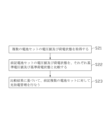
本発明の一実施形態は、並列接続電池セットの充放電管理方法を開示する。前記並列接続電池セットの充放電管理方法は、複数の電池セットの電圧値及び荷電状態を取得するステップと、前記電池セットの電圧値及び荷電状態を、それぞれ基準電圧値及び基準荷電状態とを比較するステップと、比較結果に基づいて、前記複数の電池セットに対して充放電管理を行なうステップと、を含む。 An embodiment of the present invention discloses a charge/discharge management method for a parallel connected battery set. The charge/discharge management method for the parallel-connected battery set includes the steps of obtaining voltage values and charge states of a plurality of battery sets, and comparing the voltage values and charge states of the battery sets with a reference voltage value and a reference charge state, respectively. and performing charge/discharge management for the plurality of battery sets based on the comparison result.
本願の幾つかの態様によれば、前記基準電圧値は、以下の方法で取得可能である。前記複数の電池セットがいずれもパワーバスにアクセスしアクセスしていない場合には、前記複数の電池セットの電圧値のうちの最小値を前記基準電圧値とする。 According to some aspects of the present application, the reference voltage value can be obtained in the following manner. When none of the plurality of battery sets accesses the power bus and does not access the power bus, the minimum value among the voltage values of the plurality of battery sets is set as the reference voltage value.
本願の幾つかの態様によれば、前記基準荷電状態は、以下の方法で取得可能である。前記複数の電池セットがいずれもパワーバスにアクセスしていない場合には、前記複数の電池セットの荷電状態のうちの最小値を前記基準荷電状態とする。 According to some aspects of the present application, the reference charge state can be obtained in the following manner. When none of the plurality of battery sets accesses the power bus, the minimum value among the charge states of the plurality of battery sets is set as the reference charge state.
本願の幾つかの態様によれば、前記基準電圧値は、以下の方法で取得されてもよい。前記電池セットがパワーバスに既にアクセスしている場合、パワーバスに既にアクセスしている前記電池セットの電圧値のうちの最小値を前記基準電圧値とする。 According to some aspects of the present application, the reference voltage value may be obtained in the following manner. If the battery set has already accessed the power bus, the reference voltage value is the minimum value among the voltage values of the battery sets that have already accessed the power bus.
本願の幾つかの態様によれば、前記基準荷電状態は、以下の方法で取得されてもよい。前記電池セットがパワーバスに既にアクセスしている場合、パワーバスに既にアクセスしている前記電池セットの荷電状態のうちの最小値を前記基準荷電状態とする。 According to some aspects of the present application, the reference charge state may be obtained in the following manner. If the battery set has already accessed the power bus, the minimum value among the charge states of the battery set that has already accessed the power bus is taken as the reference charge state.
本願の幾つかの態様によれば、前記並列接続電池セットの充放電管理方法は、さらに、パワーバスに既にアクセスした前記電池セットの数を取得することと、エネルギー蓄積インバータの充電限流値Ichargeおよび放電限流値Idischargeを決定することと、を含む。 According to some aspects of the present application, the method for managing charging and discharging of the parallel-connected battery sets further comprises: obtaining a number of the battery sets that have already accessed a power bus; and determining a discharge current limit value Idischarge.
本願の幾つかの態様によれば、前記充電限流値Ichargeは、以下の式を満たす。 According to some aspects of the present application, the charging current limit value Icharge satisfies the following equation.
Icharge=a×k1×Pm。 Icharge=a*k1*Pm.
ここで、aは電池セットのIC電流であり、k1は充電限流係数であり、Pmはパワーバスにアクセスした前記電池セットの数である。 where a is the IC current of the battery set, k1 is the charge current limiting factor, and Pm is the number of said battery sets accessing the power bus.
本願の幾つかの態様によれば、前記放電限流値Idischargeは、以下の式を満たす。 According to some aspects of the present application, the discharge current limiting value Idischarge satisfies the following equation.
Idischarge=a×k2×Pm。 Idischarge=a*k2*Pm.
ここで、aは電池セットのIC電流であり、k2は放電限流係数であり、Pmはパワーバスに既にアクセスした前記電池セットの数である。 where a is the IC current of the battery set, k2 is the discharge current limiting factor, and Pm is the number of said battery sets that have already accessed the power bus.
本願の幾つかの態様によれば、前記比較結果に基づいて、前記複数の電池セットに対して充放電管理を行なうステップは、前記複数の電池セットがいずれもパワーバスにアクセスしアクセスしていない場合、前記複数の電池セットの電圧値と基準電圧値との差分がいずれも第1の閾値よりも小さいか否か、及び、前記複数の電池セットの荷電状態と前記基準荷電状態との差分がいずれも第2の閾値よりも小さいか否か、を判断することと、前記複数の電池セットの電圧値と基準電圧値との差分がいずれも第1の閾値より小さく、且つ前記複数の電池セットの荷電状態と前記基準荷電状態との差分がいずれも第2の閾値より小さいであれば、前記複数の電池セットが順次にパワーバスにアクセスするように制御することと、をさらに含む。 According to some aspects of the present application, the step of performing charge/discharge management for the plurality of battery sets based on the comparison result includes determining that none of the plurality of battery sets accesses and does not access the power bus. if the difference between the voltage values of the plurality of battery sets and the reference voltage value is less than a first threshold, and whether the difference between the charge state of the plurality of battery sets and the reference charge state is Determining whether each of the plurality of battery sets is smaller than a second threshold, and the difference between the voltage values of the plurality of battery sets and the reference voltage value is all smaller than the first threshold, and the plurality of battery sets controlling the plurality of battery sets to access the power bus in sequence if the difference between the state of charge of and the reference state of charge is less than a second threshold.
本願の幾つかの態様によれば、前記比較結果に基づいて、前記複数の電池セットに対して充放電管理を行なうステップは、少なくとも1つの電池セットが既にパワーバスにアクセスし、且つ電池セットが充電状態にある場合、パワーバスにアクセスしアクセスしていない電池セットの電圧値と基準電圧値との差分が第1の区間内にあるか否か、且つパワーバスにアクセスしアクセスしていない電池セットの荷電状態と前記基準荷電状態との差分が第2の区間内にあるか否かを判断し、パワーバスにアクセスしアクセスしていない電池セットの電圧値と基準電圧値との差分がいずれも第1の区間内にあり、且つパワーバスにアクセスしアクセスしていない電池セットの荷電状態と基準荷電状態との差分が第2の区間内にあれば、電池セットが順次にパワーバスにアクセスするように制御することをさらに含む。 According to some aspects of the present application, the step of performing charge/discharge management for the plurality of battery sets based on the comparison result includes: at least one battery set has already accessed the power bus; When in the charging state, whether the difference between the voltage value of the battery set that has accessed the power bus and has not accessed and the reference voltage value is within the first interval, and whether the battery that has accessed the power bus and has not accessed determining whether the difference between the charge state of the set and the reference charge state is within a second interval; is within the first interval, and the difference between the charge state of the battery set that has accessed the power bus but not accessed and the reference charge state is within the second interval, the battery sets sequentially access the power bus. further comprising controlling to
本願の幾つかの態様によれば、前記比較結果に基づいて、前記複数の電池セットに対して充放電管理を行なうステップは、少なくとも1つの電池セットがパワーバスにアクセスし、且つパワーバスにアクセスしアクセスしていない電池セットが放電状態にある場合、前記基準電圧値と前記パワーバスにアクセスしていない電池セットの電圧値との差分が第3の区間内にあるか否か、且つ前記基準荷電状態とパワーバスにアクセスしアクセスしていない電池セットの荷電状態との差分が第4の区間内にあるか否かを判断し、前記基準電圧値とパワーバスにアクセスしていない電池セットの電圧値との差分がいずれも第3の区間内にあり、且つ、前記基準荷電状態とパワーバスにアクセスしアクセスしていない電池セットの荷電状態との差分がいずれも第4の区間内にあれば、電池セットが順次にパワーバスにアクセスするように制御することをさらに含む。 According to some aspects of the present application, the step of performing charge/discharge management for the plurality of battery sets based on the comparison result includes: at least one battery set accessing a power bus; and if the battery set not accessing the power bus is in a discharging state, whether or not the difference between the reference voltage value and the voltage value of the battery set not accessing the power bus is within a third interval; determining whether the difference between the state of charge and the state of charge of the battery set that has accessed the power bus but not accessed is within a fourth interval; If the differences between the reference charge state and the charge state of the battery set that accesses the power bus and does not access the power bus are all within the fourth interval. For example, the method further includes controlling the battery sets to access the power bus in sequence.
本願の幾つかの態様によれば、前記並列接続電池セットの充放電管理方法は、電池セットに故障警告が発生する場合には、この故障警告情報を受信することと、全ての電池セットがパワーバスから切断するか又は故障した電池セットが単独でパワーバスから切断するように制御することと、をさらに含む。 According to some aspects of the present application, the charging/discharging management method for the parallel-connected battery sets includes, when a failure warning occurs in a battery set, receiving the failure warning information; disconnecting from the bus or controlling the failed battery set to disconnect from the power bus alone.
また、本発明の一実施形態は、電子装置を開示する。前記電子装置は、複数の電池セットと、上述のような充放電管理方法を実行する電池管理ユニットと、を備える。 An embodiment of the present invention also discloses an electronic device. The electronic device includes a plurality of battery sets and a battery management unit that executes the charging/discharging management method as described above.
本発明の幾つかの態様によれば、前記電子装置は、前記複数の電池セットと一々対応する複数のスイッチをさらに備え、各スイッチは、電池セットとエネルギー蓄積インバータとの間に接続されている。本願の一実施形態は、電気システムをさらに開示する。前記電気システムは、エネルギー蓄積インバータと、上記の電子装置と、を備え、前記電子装置は、前記複数の電池セットと一々対応する複数のスイッチをさらに備え、各スイッチは、電池セットと前記エネルギー蓄積インバータとの間に接続されている。 According to some aspects of the invention, the electronic device further comprises a plurality of switches, one for each of the plurality of battery sets, each switch connected between a battery set and an energy storage inverter. . An embodiment of the present application further discloses an electrical system. The electrical system comprises an energy storage inverter and the electronic device described above, wherein the electronic device further comprises a plurality of switches corresponding respectively to the plurality of battery sets, each switch being associated with a battery set and the energy storage. It is connected between the inverter.
本願の実施形態に係る並列接続電池セットの充放電管理方法、電子装置及び電気システムは、複数の電池セットの電圧値及び荷電状態を取得し、且つ前記電池セットの電圧値及び荷電状態を、それぞれ基準電圧値及び基準荷電状態と比較して、比較結果に基づいて前記複数の電池セットに対して充放電管理を行なう。このように、本願発明が提供する技術提案は、電池セットのコンビネーションの自動化度を高め、コンビネーションシステムの適応性を強化し、コンビネーションの実行効率を高め、運営維持コストをさらに低減し、ユーザの体験度を向上させることができる。 A charge/discharge management method, an electronic device, and an electric system for a parallel-connected battery set according to an embodiment of the present application acquire voltage values and charge states of a plurality of battery sets, and obtain the voltage values and charge states of the battery sets, respectively. A comparison is made with the reference voltage value and the reference charge state, and charge/discharge management is performed on the plurality of battery sets based on the comparison result. In this way, the technical proposal provided by the present invention can improve the automation degree of battery set combination, enhance the adaptability of the combination system, improve the efficiency of combination execution, further reduce the operation and maintenance cost, and improve the user experience. degree can be improved.
以下、本願実施形態の図面を参照しながら、本願実施形態における技術提案を明確且つ完全に説明する。説明した実施形態は、全ての実施形態ではなく、本願の一部の実施形態であることは明らかである。 The technical proposals in the embodiments of the present application will be clearly and completely described below with reference to the drawings of the embodiments of the present application. Apparently, the described embodiments are some but not all embodiments of the present application.
図1に示すように、図1は、本発明の一実施形態に係る並列接続電池セット10のコンビネーションシステムの構成図である。 As shown in FIG. 1, FIG. 1 is a configuration diagram of a combination system of a parallel-connected battery set 10 according to one embodiment of the present invention.
本願の実施形態に係る電気システムは、電子装置100と、エネルギー蓄積インバータ20とを含む。本願実施形態における電子装置100は、エネルギー蓄積インバータ20に電気的に接続されており、並列接続電池セット10を備えていてもよい。
An electrical system according to embodiments of the present application includes an
具体的には、前記並列接続電池セット10は、複数の並列接続された電池セット(図1は3つの電池セット10a、10b、10cのみを例として説明し、3つよりも多くまたは少なくてもよい)を含むことができる。
Specifically, the parallel-connected battery set 10 includes a plurality of parallel-connected battery sets (FIG. 1 describes only three
各電池セット10a、10b、10cは、正極B+および負極B-を含み、電池セット10a~10cの各々の正極B+は、一体に連結して並列接続電池セット10の正極を構成し、電池セット10a~10cの各々の負極B-は、一体に連結して並列接続電池セット10の負極を構成する。並列接続電池セット10の出力は、エネルギー蓄積インバータ20の直流入力側に合流する。具体的には、各電池セット10a、10b、10cの負極B-は、前記エネルギー蓄積インバータ20のパワーバスラインP-に電気的に接続され、各電池セット10a、10b、10cの正極B+は、スイッチKを介して前記エネルギー蓄積インバータ20のパワーバスラインP+に電気的に接続されている。本願の実施形態において、前記スイッチの数は、前記電池セットの数と同じであり且つ一々対応している。即ち、各電池セットのパワーラインは、対応するスイッチKを介してパワーバスラインP+、P-に並列的に接続されることが可能である。
Each battery set 10a, 10b, 10c includes a positive electrode B+ and a negative electrode B-, and the positive electrodes B+ of each of the battery sets 10a-10c are coupled together to form the positive electrode of the parallel-connected battery set 10, and the battery set
本願一実施形態では、各電池セット10a、10b、10cは、内部バスインタフェースおよび外部バスインタフェースをさらに備え、内部バスインタフェースは内部バス通信機能を実現し、外部バスインタフェースは外部バス通信機能を実現することができる。また、内部バス通信機能は各電池セット10a~10cの間の内部通信を実現するために用いられ、外部バス通信機能は親機とエネルギー蓄積インバータ20との間の通信を実現するために用いられる。
In one embodiment of the present application, each battery set 10a, 10b, 10c further comprises an internal bus interface and an external bus interface, the internal bus interface realizing the internal bus communication function, and the external bus interface realizing the external bus communication function. be able to. Also, the internal bus communication function is used to realize internal communication between the battery sets 10a to 10c, and the external bus communication function is used to realize communication between the parent device and the
好ましい一実施形態において、前記内部バス及び外部バスは、CAN通信バス又はRS485通信バスであってもよい。 In one preferred embodiment, the internal and external buses may be CAN communication buses or RS485 communication buses.
本発明の一実施形態において、並列接続電池セット10のうちの一つの電池セットは親機であってもよく、残りの電池セットは子機であってもよい。 In one embodiment of the present invention, one battery set of the parallel-connected battery sets 10 may be a parent device, and the remaining battery sets may be child devices.
また、いずれの電池セットにも、電池管理ユニットが設置されており、この中で、各電池セットの電池セルは対応する電源管理ユニットによって管理される。つまり、本願の実施形態では、複数のスイッチKは、それぞれ対応する電池管理ユニットによってスイッチ状態が制御されることができる。具体的には、本願の実施形態では、電池セット10aは親機であり、電池セット10b、10cは子機である。電池セット10aには、電池管理ユニットBMU1が設けられており、電池セット10b、10cには、電池管理ユニットBMU2、BMU3がそれぞれ設けられている。 Each battery set is also provided with a battery management unit, in which the battery cells of each battery set are managed by the corresponding power management unit. That is, in the embodiment of the present application, the switch states of the plurality of switches K can be controlled by the respective corresponding battery management units. Specifically, in the embodiment of the present application, the battery set 10a is the parent device, and the battery sets 10b and 10c are the child devices. The battery set 10a is provided with a battery management unit BMU1, and the battery sets 10b and 10c are provided with battery management units BMU2 and BMU3, respectively.
次に、子機における電池管理ユニットは、対応する電池セットのデータ情報及び状態を、内部バスを介して親機における電池管理ユニットに送信する。これにより、親機における電池管理ユニットは、各電池管理ユニット(親機の電池管理ユニットを含む)のデータ情報および状態をまとめて分析し、且つ対応する制御パラメータを算出し、内部バスを介して各電池管理ユニットをそれぞれ制御するとともに、外部バスを介してエネルギー蓄積インバータ20とデータのやり取りと運転スケジュールを行うこともできる。
Next, the battery management unit in the child device transmits the data information and status of the corresponding battery set to the battery management unit in the parent device via the internal bus. With this, the battery management unit in the parent device collectively analyzes the data information and status of each battery management unit (including the battery management unit of the parent device), calculates the corresponding control parameters, and In addition to controlling each battery management unit, it is also possible to exchange data with the
図2に示すように、図2は本願の一実施形態による並列接続電池セットの充放電管理方法の手順のフローチャートである。前記並列接続電池セットの充放電管理方法は、以下のステップを含んでもよい。 As shown in FIG. 2, FIG. 2 is a flow chart of a method for managing charging and discharging of a parallel-connected battery set according to an embodiment of the present application. The charge/discharge management method for the parallel-connected battery set may include the following steps.
ステップS21では、複数の電池セットの電圧値及び荷電状態を取得する。 In step S21, voltage values and charge states of a plurality of battery sets are obtained.
本願の実施形態では、各子機の電池管理ユニットは、対応する電池セットのデータ情報及び状態を、内部バスを介して親機の電池管理ユニットに送信する。例えば、上記の電池セット10aにおける電池管理ユニットBMU1は、電池管理ユニットBMU2、BMU3により、電池セット10b、10cの電圧値及び充電状態を取得してもよい。 In the embodiment of the present application, the battery management unit of each child device transmits the data information and status of the corresponding battery set to the battery management unit of the parent device via the internal bus. For example, the battery management unit BMU1 in the battery set 10a described above may acquire the voltage values and charge states of the battery sets 10b and 10c from the battery management units BMU2 and BMU3.
荷電状態(State of Charge,SOC)とは、電池の残容量と、当該電池のフル容量との比を意味する。 State of Charge (SOC) refers to the ratio between the remaining capacity of a battery and the full capacity of the battery.
ステップS22では、前記電池セットの電圧値及び荷電状態を、それぞれ基準電圧値及び基準荷電状態と比較する。 In step S22, the voltage value and charge state of the battery set are compared with a reference voltage value and a reference charge state, respectively.
具体的には、パワーを動的に合併する際に、各電池セットの総電圧値と基準電圧値とを比較するとともに、各電池セットの荷電状態と基準荷電状態とを比較する必要がある。 Specifically, when dynamically merging power, it is necessary to compare the total voltage value of each battery set with a reference voltage value, and compare the state of charge of each battery set with a reference state of charge.
ここで、パワーを動的に合併する際の基準電圧値と基準荷電状態は、いずれも親機の電池管理ユニットによって算出される。 Here, both the reference voltage value and the reference charge state for dynamically combining power are calculated by the battery management unit of the parent device.
好ましい一実施形態において、前記基準電圧値は、以下の方法により取得可能である。前記複数の電池セット10a~10cがいずれもパワーバスにアクセスしていなければ、前記複数の電池セット10a~10cの電圧値のうちの最小値を前記基準電圧値とする。 In a preferred embodiment, the reference voltage value can be obtained by the following method. If none of the plurality of battery sets 10a to 10c access the power bus, the minimum value among the voltage values of the plurality of battery sets 10a to 10c is set as the reference voltage value.
好ましい一実施形態において、前記基準荷電状態は、以下の方法で取得可能である。前記複数の電池セット10a~10cがいずれもパワーバスにアクセスしていなければ、前記複数の電池セット10a~10cの荷電状態のうちの最小値を前記基準荷電状態とする。 In one preferred embodiment, the reference charge state can be obtained by the following method. If none of the plurality of battery sets 10a-10c accesses the power bus, the minimum value among the charge states of the plurality of battery sets 10a-10c is set as the reference charge state.
他の好ましい実施形態において、前記基準電圧値は、以下の方法で取得されてもよい。前記複数の電池セット10a~10cの中にパワーがパワーバスにアクセスした電池セットが存在していれば、パワーバスに既にアクセスした前記電池セットの電圧値のうちの最小値を前記基準電圧値とする。 In another preferred embodiment, the reference voltage value may be obtained in the following manner. If there is a battery set whose power has accessed the power bus among the plurality of battery sets 10a to 10c, the minimum value of the voltage values of the battery sets that have already accessed the power bus is taken as the reference voltage value. do.
さらに他の好ましい実施形態において、前記基準荷電状態は、以下の方法で取得されてもよい。前記複数の電池セット10a~10cの中にパワーがパワーバスにアクセスした電池セットが存在していれば、パワーバスに既にアクセスした前記電池セットの荷電状態のうちの最小値を前記基準荷電状態とする。 In yet another preferred embodiment, the reference state of charge may be obtained in the following manner. If there is a battery set whose power has accessed the power bus among the plurality of battery sets 10a to 10c, the minimum value among the charge states of the battery sets that have already accessed the power bus is taken as the reference charge state. do.
ステップS23では、比較結果に基づいて、前記複数の電池セットに対して充放電管理を行なう。 In step S23, charge/discharge management is performed for the plurality of battery sets based on the comparison result.
本願の実施形態では、前記親機の電池管理ユニットは、前記基準電圧値および前記基準荷電状態が特定された後に、前記電池セットの電圧値および荷電状態を、それぞれ基準電圧値および基準荷電状態と比較して、比較結果に基づいて前記複数の電池セットを充放電管理することができる。 In the embodiment of the present application, after the reference voltage value and the reference charge state are identified, the battery management unit of the parent device sets the voltage value and charge state of the battery set as the reference voltage value and the reference charge state, respectively. The charging and discharging of the plurality of battery sets can be managed based on the comparison result.
パワーを動的に合併することは、エネルギー蓄積インバータ20の協力を必要とする。即ち、電池セットを動的に合併する過程では、エネルギー蓄積インバータは、親機の電池管理ユニットで算出された限流値に従って充電または放電を行う必要がある。
Combining power dynamically requires cooperation of the
好ましい一実施形態において、図3に示すように、親機の電池管理ユニットは、充電限流値及び放電限流値を計算し、具体的には、以下のステップで行ってもよい。 In a preferred embodiment, as shown in FIG. 3, the battery management unit of the parent device may calculate the charging current limit value and the discharging current limit value, specifically by the following steps.
ステップS31では、パワーバスに既にアクセスした前記電池セットの数を取得する。 In step S31, the number of battery sets that have already accessed the power bus is obtained.
本願の実施形態では、前記親機の電池管理ユニットは、パワーバスに既にアクセスした前記電池セットの数を取得する。 In an embodiment of the present application, the battery management unit of the parent device obtains the number of the battery sets that have already accessed the power bus.
ステップS32では、エネルギー蓄積インバータの充電限流値及び放電限流値を決定する。 In step S32, the charge current limit and discharge current limit of the energy storage inverter are determined.
本願の実施形態では、エネルギー蓄積インバータの充電限流値をIchargeと表記し、前記放電限流値をIdischargeと表記する。 In the embodiments of the present application, the charge current limit value of the energy storage inverter is denoted as I charge , and the discharge current limit value is denoted as I discharge .
具体的には、前記充電電流値Ichargeは、以下の式を満たす。 Specifically, the charging current value I charge satisfies the following equation.
Icharge=a×k1×Pm(1) I charge = a x k1 x Pm (1)
ここで、aは電池セットのIC電流であり、k1は充電限流係数であり、Pmはパワーバスに既にアクセスした前記電池セットの数である。 where a is the IC current of the battery set, k1 is the charge current limiting factor, and Pm is the number of said battery sets that have already accessed the power bus.
さらに、前記放電限流値Idischargeは、以下の式を満たす。 Further, the discharge current limit value I discharge satisfies the following equation.
Idischarge=a×k2×Pm(2) I discharge = a x k2 x Pm (2)
ここで、aは電池セットのIC電流であり、k2は放電限流係数であり、Pmはパワーバスに既にアクセスした前記電池セットの数である。 where a is the IC current of the battery set, k2 is the discharge current limiting factor, and Pm is the number of said battery sets that have already accessed the power bus.
本願の実施形態では、パワーバスに電池セットのパワーがアクセスしていない場合、即ち、Pm=0であり、上記の式から分かるように、エネルギー蓄積インバータの充電限流値Ichargeと放電限流値Idischargeも0に等しい。 In the embodiment of the present application, when the power bus is not accessed by the power of the battery set, that is, P m =0, and as can be seen from the above equation, the charge current limit value I charge and the discharge limit value of the energy storage inverter The flow value I discharge is also equal to zero.
好ましい一実施形態では、図4に示すように、前記電池管理ユニットは、前記電池セットの電圧値及び荷電状態と、基準電圧値及び基準荷電状態との比較結果に基づいて、前記複数の電池セットの充放電管理方式を特定する。具体的には、以下のステップによって実現される。 In a preferred embodiment, as shown in FIG. 4, the battery management unit determines the plurality of battery sets based on a comparison result between the voltage value and charge state of the battery set and a reference voltage value and reference charge state. Identify the charge/discharge management method for Specifically, it is realized by the following steps.
ステップS41では、前記複数の電池セットがいずれもパワーバスにアクセスしていないことが決定される。 At step S41, it is determined that none of the plurality of battery sets are accessing the power bus.
本願の実施形態では、前記親機の電池管理ユニットは、各子機の電池管理ユニットからフィードバックされる電池セットのデータ情報及び状態に基づいて、前記複数の電池セットがいずれもパワーバスにアクセスしていないか否かを判断してもよい。 In the embodiment of the present application, the battery management unit of the parent device determines whether all of the plurality of battery sets access the power bus based on the data information and status of the battery sets fed back from the battery management unit of each child device. It may be determined whether or not
具体的には、各電池セットのパワーがいずれもパワーバスにアクセスしていなく、即ち、本願の実施形態における電池セット10a、10b、10cがいずれもパワーバスにアクセスしていないか場合、電池セット10aの電池管理ユニットBMU1が外部バスを通じてエネルギー蓄積インバータに送信する充電限流値Ichargeおよび放電限流値Idischargeはいずれも0である。このとき、パワーを動的に合併する際の基準電圧値を複数の電池セットの電圧値のうちの最小値に決定し、且つパワーを動的に合併する際の基準荷電状態を複数の電池セットの荷電状態のうちの最小値に決定する。 Specifically, if the power of each battery set does not access the power bus, that is, if none of the battery sets 10a, 10b, and 10c in the embodiment of the present application access the power bus, the battery set Both the charge current limit value I charge and the discharge current limit value I discharge that the battery management unit BMU1 of 10a transmits to the energy storage inverter through the external bus are zero. At this time, the reference voltage value for dynamically combining the power is determined to be the minimum value among the voltage values of the plurality of battery sets, and the reference charge state for dynamically combining the power is set to the plurality of battery sets. is determined to be the minimum value among the charge states of
ステップS42では、前記複数の電池セット10a~10cの電圧値と基準電圧値との差分がいずれも第1の閾値よりも小さく、且つ、前記複数の電池セット10a~10cの荷電状態と前記基準荷電状態との差分がいずれも第2の閾値よりも小さいか否かを判断する。「はい」であれば、ステップS43に進む。 In step S42, the differences between the voltage values of the plurality of battery sets 10a to 10c and the reference voltage value are all smaller than a first threshold, and the charge states of the plurality of battery sets 10a to 10c and the reference charge It is determined whether any difference from the state is smaller than the second threshold. If "yes", the process proceeds to step S43.
本願の実施形態では、前記電池セット10aの電池管理ユニットBMU1は、収集した電池セット毎の総電圧と基準電圧値とを比較するとともに、収集した電池セット毎の荷電状態と基準荷電状態とを比較する。 In the embodiment of the present application, the battery management unit BMU1 of the battery set 10a compares the collected total voltage of each battery set with the reference voltage value, and also compares the collected charge state of each battery set with the reference charge state. do.
次に、電池セット10aの電池管理ユニットBMU1は、前記複数の電池セットの電圧値と基準電圧値との差分がいずれも第1の閾値より小さいか否か、且つ、前記複数の電池セットの荷電状態と基準荷電状態との差分がいずれもが第2の閾値より小さいか否かを判断する。 Next, the battery management unit BMU1 of the battery set 10a determines whether the differences between the voltage values of the plurality of battery sets and the reference voltage value are all smaller than a first threshold, and determines whether the plurality of battery sets are charged. A determination is made whether any difference between the state and the reference state of charge is less than a second threshold.
ステップS43では、電池セットが順次にパワーバスにアクセスするように制御する。 In step S43, the battery sets are controlled to access the power bus in sequence.
本願の実施形態では、前記複数の電池セット10a~10cの電圧値と基準電圧値との差分がいずれも第1の閾値より小さく、且つ、前記複数の電池セット10a~10cの荷電状態と前記基準荷電状態との差分もいずれも第2の閾値より小さい場合、前記電池セット10aの電池管理ユニットBMU1は、各電池セットのパワーを合併させるための命令を送信し、次に、各電池管理ユニットBMU1、BMU2、BMU3はスイッチKを切り、前記複数の電池セット10a~10cは順次にパワーバスにアクセスする。これにより、各電池セットのパワーがパワーバスにアクセスするように合併して、パワー合併完成の標識が設定される。 In the embodiment of the present application, the differences between the voltage values of the plurality of battery sets 10a to 10c and the reference voltage value are all smaller than a first threshold, and the charge states of the plurality of battery sets 10a to 10c and the reference If the difference with the state of charge is also less than a second threshold, the battery management unit BMU1 of the battery set 10a will send a command to merge the power of each battery set, and then each battery management unit BMU1 , BMU2, and BMU3 turn off the switch K, and the plurality of battery sets 10a-10c sequentially access the power bus. This merges the power of each battery set to access the power bus and sets the power merging completed indicator.
他の好ましい実施の形態では、図5に示すように、前記電池管理ユニットは、前記電池セットの電圧値及び荷電状態と、基準電圧値及び基準荷電状態との比較結果に基づいて、前記複数の電池セットの充放電管理方式を特定する。具体的には、以下のステップで実現される。 In another preferred embodiment, as shown in FIG. 5, the battery management unit determines the plurality of battery packs based on comparison results between the voltage value and charge state of the battery set and a reference voltage value and reference charge state. Specify the charge/discharge management method of the battery set. Specifically, it is realized by the following steps.
ステップS51では、少なくとも1つの電池セットがパワーバスにアクセスし、且つ電池セットが充電状態にあることが特定される。 At step S51, it is determined that at least one battery set has access to the power bus and that the battery set is in a charging state.
本願の実施形態では、少なくとも1つの電池セットがパワーバスに既にアクセスし且つ電池セットが充電状態にあると特定された場合、親機の電池管理ユニットは、外部バスを通じて、充電限流値Ichargeおよび放電限流値Idischargeをエネルギー蓄積インバータ20に送信する。これにより、エネルギー蓄積インバータ20は、それなりの充電限流値及び放電限流値に従って充放電電流を出力する。
In an embodiment of the present application, when at least one battery set has already accessed the power bus and the battery set is identified as being in a charging state, the battery management unit of the parent device sets the charging current limit value I charge through the external bus. and the discharge current limit value I discharge to the
ステップS52では、パワーバスにアクセスしていない電池セットの電圧値と基準電圧値との差分が第1の区間内にあるか否か、かつ、荷電状態と前記基準荷電状態との差分が第2の区間内にあるか否かを判断する。「はい」であれば、ステップS53に進む。 In step S52, it is determined whether the difference between the voltage value of the battery set that is not accessing the power bus and the reference voltage value is within the first interval, and the difference between the charge state and the reference charge state is within the second interval. It is determined whether it is within the interval of If "yes", the process proceeds to step S53.
例えば、本願の実施形態では、前記電池セット10aが既にパワーバスにアクセスしていたが、電池セット10b、10cがパワーバスにアクセスしていない場合、前記電池管理ユニットBMU1は、電池セット10b、10cの電圧値と基準電圧値との差分が第1の区間内にあるか否かを判断する。また、前記電池管理ユニットBMU1は、電池セット10b、10cの荷電状態と基準荷電状態との差分が第2の区間内にあるか否かを判断する。 For example, in the embodiment of the present application, if the battery set 10a has already accessed the power bus, but the battery sets 10b and 10c have not accessed the power bus, the battery management unit BMU1 will and the reference voltage value is within the first interval. Also, the battery management unit BMU1 determines whether or not the difference between the charge state of the battery sets 10b and 10c and the reference charge state is within the second interval.
ステップS53では、電池セットが順次にパワーバスにアクセスするように制御する。 In step S53, the battery sets are controlled to access the power bus in sequence.
本願の実施形態では、パワーバスにアクセスしていない電池セットの電圧値と基準電圧値との差分が第1の区間内にあり、且つ、荷電状態と前記基準荷電状態との差分も第2の区間内にある場合、前記親機の電池管理ユニットBMU1は、各電池セットのパワーを合併させるための命令を送信し、次に電池管理ユニットはスイッチKを切り、パワーバスにアクセスしていない電池セットが順次にパワーバスにアクセスする。これにより、各電池セットのパワーがパワーバスにアクセスするように合併して、パワー合併完成の標識が設定される。他の好ましい実施形態では、図6に示すように、前記電池管理ユニットは、前記電池セットの電圧値及び荷電状態と、基準電圧値及び基準荷電状態との比較結果に基づいて、前記複数の電池セットの充放電管理方式を特定する。具体的には、以下のステップで実現される。 In the embodiment of the present application, the difference between the voltage value of the battery set not accessing the power bus and the reference voltage value is within the first interval, and the difference between the charge state and the reference charge state is also within the second interval. If it is in the interval, the battery management unit BMU1 of the parent device will send a command to merge the power of each battery set, then the battery management unit will turn off the switch K, and the battery that is not accessing the power bus will Sets access the power bus sequentially. This merges the power of each battery set to access the power bus and sets the power merging completed indicator. In another preferred embodiment, as shown in FIG. 6, the battery management unit determines whether the plurality of batteries based on a comparison result between the voltage value and charge state of the battery set and a reference voltage value and reference charge state. Specify the charge/discharge management method of the set. Specifically, it is realized by the following steps.
ステップS61では、少なくとも1つの電池セットがパワーバスに既にアクセスし、且つ電池セットが放電状態にあることが特定される。 In step S61, it is determined that at least one battery set has already accessed the power bus and the battery set is in a discharging state.
本願の実施形態では、少なくとも1つの電池セットがパワーバスに既にアクセスし、且つ電池セットが放電状態にある場合、親機の電池管理ユニットは、外部バスを通じて、充電限流値Ichargeおよび放電限流値Idischargeをエネルギー蓄積インバータ20に送信する。これにより、エネルギー蓄積インバータ20は、それなりの充電限流値及び放電限流値に従って充放電電流を出力する。
In an embodiment of the present application, when at least one battery set has already accessed the power bus and the battery set is in a discharging state, the battery management unit of the parent device sets the charge current limit value I charge and the discharge limit value through the external bus. Send the flow value I discharge to the
ステップS62では、前記基準電圧値とパワーバスにアクセスしていない電池セットの電圧値との差分が第3の区間内にあるか否か、且つ、前記基準荷電状態とパワーバスにアクセスしていない電池セットの荷電状態との差分が第4の区間内にあるか否かを判断する。「はい」であれば、ステップS63に進む。 In step S62, it is determined whether the difference between the reference voltage value and the voltage value of the battery set that is not accessing the power bus is within a third interval, and if the reference state of charge and the power bus are not being accessed. It is determined whether the difference from the state of charge of the battery set is within the fourth interval. If "yes", the process proceeds to step S63.
例えば、本願の実施形態では、電池セット10aがパワーバスに既にアクセスしていたが、電池セット10b、10cがパワーバスにアクセスしていない場合、前記電池管理ユニットBMU1は、基準電圧値と電池セット10b、10cの電圧値との差分が第3の区間内にあるか否かを判断する。また、前記電池管理ユニットBMU1は、基準荷電状態と電池セット10b、10cの荷電状態との差分が第4の区間内にあるか否かを判断する。 For example, in the embodiment of the present application, the battery set 10a has already accessed the power bus, but the battery sets 10b and 10c have not accessed the power bus. It is determined whether the difference between the voltage values of 10b and 10c is within the third interval. Also, the battery management unit BMU1 determines whether the difference between the reference charge state and the charge states of the battery sets 10b and 10c is within the fourth interval.
ステップS63では、電池セットが順次にパワーバスにアクセスするように制御する。 In step S63, the battery sets are controlled to access the power bus in sequence.
本願の実施形態では、前記基準電圧値とパワーバスにアクセスしていない電池セットの電圧値との差分が第3の区間内にあり、且つ、前記基準荷電状態とパワーバスにアクセスしていない電池セットの荷電状態との差分も第4の区間内にある場合には、前記親機の電池管理ユニットBMU1は、各電池セットのパワーを合併させるための命令を送信し、次に電池管理ユニットはスイッチKを切り、パワーバスにアクセスしていない電池セットが順次にパワーバスにアクセスする。これにより、各電池セットのパワーがパワーバスにアクセスするように合併して、パワー合併完成の標識が設定される。 In the embodiment of the present application, the difference between the reference voltage value and the voltage value of the battery set not accessing the power bus is within a third interval, and the battery not accessing the reference charge state and the power bus If the difference with the charge state of the set is also within the fourth interval, the battery management unit BMU1 of the parent device sends a command to merge the power of each battery set, then the battery management unit The switch K is turned off, and the battery sets not accessing the power bus sequentially access the power bus. This merges the power of each battery set to access the power bus and sets the power merging completed indicator.
また、エネルギー蓄積インバータ20の充電や放電の継続に伴い、前記親機の電池管理ユニットは、基準電圧値と基準荷電状態とをリアルタイムに算出して更新する。パワーが合併されていない電池セットは、充電または放電中に電圧値と荷電状態とが1つずつパワー合併条件を満たして、パワーバスにアクセスし、電池セットのパワー合併完成の標識は1つずつ設定される。合併される電池セットの数が1つずつ増えるにつれて、充電限流値Ichargeおよび放電限流値Idischargeも、全ての電池セットがパワー合併を完成し、全ての電池セットのパワー合併完成標識が設定され、親機がパワー合併完成の総標識を設定し、基準電圧値及び基準荷電状態の計算から退出し、充電限流値Ichargeおよび放電限流値Idischargeの計算方法がパワー合併モード限流方法からエネルギー蓄積システムの通常運転モードの充放電限流方法に変更され、即ち、エネルギー蓄積システムの全ての電池セットがパワー合併モードを終了するまでリアルタイムに計算して更新する。エネルギー蓄積インバータは、親機電池管理ユニットからのパワー合併完成総標識及び通常運転モードの充放電限流値を受信すると、エネルギー蓄積システムと同期して通常運転モードに移行する。
Further, as the
本願の実施形態では、各電池セットの電池管理ユニット(例えば、電池セット10b内のBMU2)に故障警告が発生する場合、親機の電池管理ユニット(例えば、電池セット10a内のBMU1)は、各電池セットの故障警告情報を受信すると、全ての電池セットがパワーバスから切断するか又は障害した電池セットを単独でパワーバスから切断する。パワーが切断された電池セットは、パワー合併完成標識の設定をクリアして、親機における電池管理ユニットBMU1は、パワー合併完成総標識をクリアして、エネルギー蓄積システムは、通常運転モードから退出し、再びパワー合併判断モードに入る。
In the embodiment of the present application, when a failure warning occurs in the battery management unit of each battery set (eg, BMU2 in
図7は、本発明の一実施形態による並列接続電池セットの充放電管理システム30の模式図である。本実施形態において、前記並列接続電池セットの充放電管理システム30は、前記電池管理ユニットBMU1に格納され、且つ前記電池管理ユニットBMU1によって実行される1つ又は複数のモジュールに分割される。前記電池管理ユニットBMU1が前記コンピュータプログラムを実行する際に、前記並列接続電池セットの充放電管理方法の実施形態におけるステップを実現して、本願発明を完成する。前記1つ又は複数のモジュールは、特定の機能を達成することができる一連のコンピュータプログラム命令セグメントであってもよく、これらの命令セグメントは、前記並列接続電池セットの充放電管理システム30の電子装置100での実行過程を説明するために使用される。例えば、前記並列接続電池セットの充放電管理システム30は、図7に示される取得モジュール301と、比較モジュール302と、制御モジュール303とに分割されてもよい。
FIG. 7 is a schematic diagram of a charge/
前記取得モジュール301は、複数の電池セットの電圧値および荷電状態を取得する。
The obtaining
前記比較モジュール302は、前記電池セットの電圧値および荷電状態を、それぞれ基準電圧値および基準荷電状態と比較する。
The
前記制御モジュール303は、比較結果に基づいて前記複数の電池セットに対して充放電管理を行なう。
The
前記並列接続電池セットの充放電管理システム30により、電池セット10a~10cを充放電管理することができ、電池セットのコンビネーションの自動化の程度を向上させ、コンビネーションシステムの適応性を向上させ、コンビネーションの実行効率を高め、運営維持コストをさらに低減し、ユーザの体験度を向上させることができる。詳細は、上述した並列接続電池セットの充放電管理方法の実施例を参照でき、ここでは説明を省略する。
The charge/
なお、以上説明したモジュール分割は、論理的な機能分割であり、実際に実現される際に他の分割方式があり得る。また、本願の各実施形態における各機能モジュールは同一の処理ユニットに統合されてもよいし、各モジュールが単独で物理的に存在してもよいし、2つ又は2つ以上のモジュールが同一のユニットに統合されてもよい。上記統合されたモジュールは、ハードウェアの形態で実現されてもよいし、ハードウェアプラスソフトウェア機能モジュールの形態で実現されてもよい。 Note that the module division described above is logical function division, and other division methods are possible when actually implemented. In addition, each functional module in each embodiment of the present application may be integrated into the same processing unit, each module may physically exist independently, or two or more modules may be may be integrated into the unit. The integrated modules may be implemented in the form of hardware, or may be implemented in the form of hardware plus software function modules.
以上の実施形態が本願を説明するためのものに過ぎず、本願を限定するものではなく、本出願の実質的精神範囲内において、以上の実施形態に対して行った適切な変更と変化も本出願の保護範囲内に属される。 The above embodiments are merely for the purpose of explaining the present application, and are not intended to limit the present application. fall within the protection scope of the application.
100 電子装置
10 並列接続電池セット
10a、10b、10c 電池セット
20 エネルギー蓄積インバータ
30 並列接続電池セットの充放電管理システム
K スイッチ
BMU1、BMU2、BMU3 電池管理ユニット
301 取得モジュール
302 比較モジュール
303 制御モジュール
REFERENCE SIGNS
Claims (13)
複数の電池セットの電圧値及び荷電状態を取得するステップと、
前記電池セットの電圧値及び荷電状態を、それぞれ基準電圧値及び基準荷電状態と比較するステップと、
比較結果に基づいて、前記複数の電池セットに対して充放電管理を行なうステップと、
パワーバスにアクセスした前記電池セットの数を取得するステップと、
エネルギー蓄積インバータの充電限流値I charge および放電限流値I discharge を決定するステップとを含み、
電池セットを動的に合併する過程では、前記エネルギー蓄積インバータは、前記充電限流値I charge および前記放電限流値I discharge に従って充電または放電を行うことを特徴とする並列接続電池セットの充放電管理方法。 A charge/discharge management method for a parallel-connected battery set, comprising:
obtaining voltage values and charge states of a plurality of battery sets;
comparing the voltage value and charge state of the battery set to a reference voltage value and reference charge state, respectively;
performing charge/discharge management for the plurality of battery sets based on the comparison result;
obtaining a number of said battery sets that have accessed a power bus;
determining a charge current limit I charge and a discharge current limit I discharge of the energy storage inverter;
Charging and discharging of parallel-connected battery sets, characterized in that in the process of dynamically merging battery sets, the energy storage inverter charges or discharges according to the charge current limit value I charge and the discharge current limit value I discharge . Management method.
Icharge=a×k1×Pm
ここで、aは電池セットのIC電流であり、k1は充電限流係数であり、Pmはパワーバスに既にアクセスした前記電池セットの数であることを特徴とする請求項1に記載の並列接続電池セットの充放電管理方法。 The charging current limit value I charge satisfies the following formula,
Icharge =a* k1 * Pm
2. The method of claim 1 , wherein a is the IC current of the battery set, k1 is the charge current limiting factor, and Pm is the number of said battery sets that have already accessed the power bus. A charge/discharge management method for a parallel-connected battery set.
Idischarge=a×k2×Pm
ここで、aは電池セットのIC電流であり、k2は放電限流係数であり、Pmはパワーバスに既にアクセスした前記電池セットの数であることを特徴とする請求項1に記載の並列接続電池セットの充放電管理方法。 The discharge current limit value I discharge satisfies the following formula,
Idischarge =a* k2 * Pm
2. The method of claim 1 , wherein a is the IC current of the battery set, k2 is the discharge current limiting factor, and Pm is the number of said battery sets that have already accessed the power bus. A charge/discharge management method for a parallel-connected battery set.
前記複数の電池セットがいずれもパワーバスにアクセスしていない場合、前記複数の電池セットの電圧値と基準電圧値との差分がいずれも第1の閾値よりも小さいか否か、及び、前記複数の電池セットの荷電状態と前記基準荷電状態との差分がいずれも第2の閾値よりも小さいか否か、を判断することと、
前記複数の電池セットの電圧値と基準電圧値との差分がいずれも第1の閾値より小さく、且つ、前記複数の電池セットの荷電状態と前記基準荷電状態との差分がいずれも第2の閾値より小さいであれば、前記複数の電池セットが順次にパワーバスにアクセスするように制御することと、を含むことを特徴とする請求項1に記載の並列接続電池セットの充放電管理方法。 The step of performing charge/discharge management for the plurality of battery sets based on the comparison result further comprises:
When none of the plurality of battery sets accesses the power bus, whether or not the difference between the voltage values of the plurality of battery sets and the reference voltage value is smaller than a first threshold; determining whether the difference between the state of charge of the set of batteries and the reference state of charge is both less than a second threshold;
Differences between the voltage values of the plurality of battery sets and the reference voltage value are all smaller than a first threshold, and differences between the state of charge of the plurality of battery sets and the reference state of charge are all the second threshold. If smaller, controlling the plurality of battery sets to access the power bus sequentially.
少なくとも1つの電池セットが既にパワーバスにアクセスし、且つ電池セットが充電状態にある場合、パワーバスにアクセスしていない電池セットの電圧値と基準電圧値との差分が第1の区間内にあるか否か、且つパワーバスにアクセスしていない電池セットの荷電状態と前記基準荷電状態との差分が第2の区間内にあるか否かを判断し、
パワーバスにアクセスしていない電池セットの電圧値と基準電圧値との差分がいずれも第1の区間内にあり、且つパワーバスにアクセスしていない電池セットの荷電状態と基準荷電状態との差分が第2の区間内にあれば、電池セットが順次にパワーバスにアクセスするように制御することを含むことを特徴とする請求項8に記載の並列接続電池セットの充放電管理方法。 The step of performing charge/discharge management for the plurality of battery sets based on the comparison result further comprises:
If at least one battery set has already accessed the power bus and the battery set is in a charging state, the difference between the voltage value of the battery set not accessing the power bus and the reference voltage value is within the first interval. and whether the difference between the charge state of the battery set not accessing the power bus and the reference charge state is within the second interval;
The difference between the voltage value of the battery set not accessing the power bus and the reference voltage value is both within the first interval, and the difference between the charge state of the battery set not accessing the power bus and the reference charge state 10. The charge/discharge management method for parallel connected battery sets according to claim 8 , further comprising: controlling the battery sets to access the power bus in sequence if is within the second interval.
少なくとも1つの電池セットがパワーバスにアクセスし、且つパワーバスにアクセスしていない電池セットが放電状態にある場合、前記基準電圧値と前記パワーバスにアクセスしていない電池セットの電圧値との差分が第3の区間内にあるか否か、且つ前記基準荷電状態とパワーバスにアクセスしていない電池セットの荷電状態との差分が第4の区間内にあるか否かを判断し、
前記基準電圧値とパワーバスにアクセスしていない電池セットの電圧値との差分がいずれも第3の区間内にあり、且つ、前記基準荷電状態とパワーバスにアクセスしていない電池セットの荷電状態との差分がいずれも第4の区間内にあれば、電池セットが順次にパワーバスにアクセスするように制御することを含むことを特徴とする請求項9に記載の並列接続電池セットの充放電管理方法。 The step of performing charge/discharge management for the plurality of battery sets based on the comparison result further comprises:
When at least one battery set accesses the power bus and battery sets not accessing the power bus are in a discharging state, the difference between the reference voltage value and the voltage value of the battery set not accessing the power bus. is within a third interval and whether the difference between the reference charge state and the charge state of the battery set not accessing the power bus is within a fourth interval;
Both the difference between the reference voltage value and the voltage value of the battery set not accessing the power bus are within the third interval, and the reference charge state and the charge state of the battery set not accessing the power bus is within a fourth interval, the battery sets are controlled to access the power bus in sequence. Management method.
電池セットに故障警告が発生する場合には、この故障警告情報を受信することと、
全ての電池セットがパワーバスから切断するか又は故障した電池セットが単独でパワーバスから切断するように制御することと、
を含むことを特徴とする請求項10に記載の並列接続電池セットの充放電管理方法。 The charge/discharge management method for the parallel-connected battery set further comprises:
receiving the failure warning information when a failure warning occurs in the battery set;
controlling all battery sets to disconnect from the power bus or a single failed battery set to disconnect from the power bus;
11. The charge/discharge management method for a parallel-connected battery set according to claim 10 , comprising:
請求項1~11の何れか一項に記載の充放電管理方法を実行するための電池管理ユニットと、を備えることを特徴とする電子装置。 a plurality of battery sets;
An electronic device comprising a battery management unit for executing the charge/discharge management method according to any one of claims 1 to 11 .
エネルギー蓄積インバータと、請求項12に記載する電子装置と、を備え、
前記電子装置は、前記複数の電池セットと一々対応する複数のスイッチをさらに備え、各スイッチは、前記電池セットと前記エネルギー蓄積インバータとの間に接続されていることを特徴とする電気システム。 an electrical system,
An energy storage inverter and an electronic device according to claim 12 ,
The electrical system, wherein the electronic device further comprises a plurality of switches, one for each of the plurality of battery sets, each switch connected between the battery set and the energy storage inverter.
Applications Claiming Priority (3)
| Application Number | Priority Date | Filing Date | Title |
|---|---|---|---|
| CN202010230929.9 | 2020-03-27 | ||
| CN202010230929.9A CN111431228B (en) | 2020-03-27 | 2020-03-27 | Parallel battery charge and discharge management method and electronic device |
| PCT/CN2021/076382 WO2021190196A1 (en) | 2020-03-27 | 2021-02-09 | Charging and discharging management method for parallel battery packs, electronic device, and electrical system |
Publications (2)
| Publication Number | Publication Date |
|---|---|
| JP2022530291A JP2022530291A (en) | 2022-06-29 |
| JP7244635B2 true JP7244635B2 (en) | 2023-03-22 |
Family
ID=71555516
Family Applications (1)
| Application Number | Title | Priority Date | Filing Date |
|---|---|---|---|
| JP2021517969A Active JP7244635B2 (en) | 2020-03-27 | 2021-02-09 | Charge/discharge management method, electronic device, and electrical system for parallel-connected battery set |
Country Status (7)
| Country | Link |
|---|---|
| US (1) | US11949273B2 (en) |
| EP (1) | EP4131706A4 (en) |
| JP (1) | JP7244635B2 (en) |
| KR (1) | KR102659479B1 (en) |
| CN (1) | CN111431228B (en) |
| AU (1) | AU2021202731B2 (en) |
| WO (1) | WO2021190196A1 (en) |
Families Citing this family (24)
| Publication number | Priority date | Publication date | Assignee | Title |
|---|---|---|---|---|
| JP7191873B2 (en) * | 2020-01-17 | 2022-12-19 | 株式会社東芝 | Charge/discharge control device, charge/discharge system, charge/discharge control method, and charge/discharge control program |
| CN111431228B (en) * | 2020-03-27 | 2023-06-20 | 东莞新能安科技有限公司 | Parallel battery charge and discharge management method and electronic device |
| KR102607999B1 (en) * | 2020-06-17 | 2023-12-01 | 동관 파워앰프 테크놀로지 리미티드 | Battery protection circuit, battery management system, battery device and control method thereof |
| US20220029431A1 (en) * | 2020-07-23 | 2022-01-27 | Aurora Flight Sciences Corporation, a subsidiary of The Boeing Company | Switchable Battery Management System |
| CN114079300A (en) * | 2020-08-12 | 2022-02-22 | 比亚迪股份有限公司 | Method, device and system for controlling multiple groups of energy storage batteries and storage medium thereof |
| WO2022070715A1 (en) * | 2020-09-29 | 2022-04-07 | パナソニックIpマネジメント株式会社 | Management device and power supply system |
| CN112737018B (en) * | 2020-12-24 | 2022-07-15 | 东莞新能安科技有限公司 | Battery pack master-slave dynamic parallel method, electrical equipment and storage medium |
| CN112798968B (en) * | 2020-12-24 | 2024-07-23 | 重庆峘能电动车科技有限公司 | Method for estimating SOC of battery parallel system, power-consuming equipment and medium |
| CN113472039A (en) * | 2021-06-29 | 2021-10-01 | 东莞新能安科技有限公司 | Parallel battery pack detection method and energy storage system |
| CN114030384B (en) * | 2021-11-19 | 2024-01-09 | 广州小鹏汽车科技有限公司 | Battery pack charging control method, battery management system, device and vehicle |
| CN114336888B (en) * | 2022-01-11 | 2024-04-12 | 阳光电源股份有限公司 | Energy storage unit parallel operation control method, battery management system and battery energy storage system |
| KR102689216B1 (en) | 2022-04-26 | 2024-07-30 | 부산외국어대학교 산학협력단 | A system for operating and managing battery packs by KNN machine learning algorithm |
| EP4290648A4 (en) * | 2022-04-28 | 2024-06-19 | Contemporary Amperex Technology Co., Limited | CHARGE CONTROL METHOD AND CHARGE CONTROL DEVICE FOR A BATTERY SYSTEM |
| US20240088692A1 (en) * | 2022-09-09 | 2024-03-14 | Renesas Electronics America Inc. | Battery status detection using forced battery mode |
| CN115639395B (en) * | 2022-11-18 | 2023-03-14 | 湖南恩智测控技术有限公司 | Electronic load parallel operation current echo algorithm, parallel operation system and electronic equipment |
| CN115954970B (en) * | 2022-12-21 | 2024-11-26 | 国广顺能(上海)能源科技有限公司 | A parallel discharge method, storage medium and electronic equipment |
| CN115833322A (en) * | 2022-12-23 | 2023-03-21 | 惠州市德赛电池有限公司 | Low-voltage household energy storage control method, parallel operation system and circuit |
| CN115954976A (en) * | 2022-12-29 | 2023-04-11 | 中国铁塔股份有限公司 | Multi-channel bidirectional, independent shunt control power supply system and charging and discharging control method |
| CN116317007A (en) * | 2023-03-31 | 2023-06-23 | 阳光电源股份有限公司 | A method for parallel connection of battery clusters, battery management system, equipment and storage medium |
| CN116660768B (en) * | 2023-08-01 | 2024-01-05 | 宁德时代新能源科技股份有限公司 | Circulation test method and battery test system |
| CN117293964B (en) * | 2023-09-27 | 2024-07-09 | 广州奥鹏能源科技有限公司 | A battery parallel data processing method, device and terminal equipment |
| CN118367638A (en) * | 2024-03-29 | 2024-07-19 | 厦门新能达科技有限公司 | Battery parallel system and battery parallel method |
| CN118630858A (en) * | 2024-05-24 | 2024-09-10 | 九江恒通自动控制器有限公司 | A control system and control method for parallel connection of energy storage battery packs |
| CN120691546B (en) * | 2025-06-30 | 2026-04-14 | 苏州科锐电源科技有限公司 | Control method, system, device and storage medium of rectifying and standby power and energy storage integrated machine |
Citations (18)
| Publication number | Priority date | Publication date | Assignee | Title |
|---|---|---|---|---|
| US4553081A (en) | 1982-06-07 | 1985-11-12 | Norand Corporation | Portable battery powered system |
| JP2010521947A (en) | 2007-03-26 | 2010-06-24 | ザ ジレット カンパニー | Portable energy storage and charging device |
| JP2010271286A (en) | 2009-05-25 | 2010-12-02 | Mitsubishi Heavy Ind Ltd | Device and method of determining deterioration of battery, and program |
| WO2012049965A1 (en) | 2010-10-15 | 2012-04-19 | 三洋電機株式会社 | Power management system |
| CN202260493U (en) | 2011-07-07 | 2012-05-30 | 天津市松正电动汽车技术股份有限公司 | Battery management system compatible with various batteries |
| CN103414224A (en) | 2013-08-14 | 2013-11-27 | 惠州市亿能电子有限公司 | High-capacity high-voltage integrated battery pack system and control method thereof |
| JP2015080334A (en) | 2013-10-16 | 2015-04-23 | トヨタ自動車株式会社 | Power storage system |
| US20150194707A1 (en) | 2014-01-06 | 2015-07-09 | Samsung Sdi Co., Ltd. | Battery pack, energy storage system including the battery pack, and method of operating the battery pack |
| CN105098920A (en) | 2015-08-25 | 2015-11-25 | 哈尔滨工业大学(威海) | Switching mode power supply and controlling method thereof |
| US20160336767A1 (en) | 2014-01-07 | 2016-11-17 | Utah State University | Autonomous battery control and optimization |
| WO2018056263A1 (en) | 2016-09-21 | 2018-03-29 | オートモーティブエナジーサプライ株式会社 | Power supply system |
| CN108206560A (en) | 2016-12-20 | 2018-06-26 | 宁德时代新能源科技股份有限公司 | Battery equalization method |
| CN110266066A (en) | 2019-05-05 | 2019-09-20 | 江苏苏美达机电有限公司 | Charging control device and charging control method for parallel connection of multiple lithium battery packs |
| CN110281811A (en) | 2019-04-29 | 2019-09-27 | 山东沂星电动汽车有限公司 | A kind of current limiting protecting method and system of the battery of electric car |
| JP2019532605A (en) | 2017-09-01 | 2019-11-07 | スーチョウ ディーエスエム グリーン パワー リミテッド | Electric vehicle power supply system, control method, and electric vehicle |
| CN110783989A (en) | 2019-11-08 | 2020-02-11 | 海宁昱能电子有限公司 | Control method and related device for parallel operation of battery packs |
| US20200055405A1 (en) | 2018-08-16 | 2020-02-20 | Ford Global Technologies, Llc | Electrified vehicle dc power conversion with balancing of battery states |
| CN110838737A (en) | 2018-08-15 | 2020-02-25 | 中国长城科技集团股份有限公司 | Charge-discharge control method and charge-discharge control device for retired power battery pack |
Family Cites Families (34)
| Publication number | Priority date | Publication date | Assignee | Title |
|---|---|---|---|---|
| CN102082307B (en) * | 2010-12-31 | 2013-08-07 | 华为技术有限公司 | Method and system for parallel use of lithium battery modules |
| JP5469625B2 (en) * | 2011-03-01 | 2014-04-16 | 株式会社日立製作所 | Battery system |
| JP5967378B2 (en) * | 2011-06-03 | 2016-08-10 | パナソニックIpマネジメント株式会社 | Battery control system and power supply system including the same |
| JP5748689B2 (en) | 2012-02-28 | 2015-07-15 | 三菱重工業株式会社 | Battery system |
| WO2013161068A1 (en) * | 2012-04-27 | 2013-10-31 | 日立ビークルエナジー株式会社 | Battery monitoring device and battery system monitoring device |
| WO2013161067A1 (en) * | 2012-04-27 | 2013-10-31 | 日立ビークルエナジー株式会社 | Battery monitoring device and battery system monitoring device |
| US9991723B2 (en) * | 2012-09-17 | 2018-06-05 | The Boeing Company | Virtual cell method for battery management |
| KR101973054B1 (en) * | 2012-10-16 | 2019-04-26 | 삼성에스디아이 주식회사 | Battery pack and method of controlling the battery pack |
| EP3048663B1 (en) * | 2013-09-20 | 2019-12-18 | Hitachi Chemical Co., Ltd. | Power storage system and method of maintaining power storage system |
| KR102332337B1 (en) | 2015-01-30 | 2021-11-29 | 삼성에스디아이 주식회사 | Battery system and energy storage system including the same |
| JP6665826B2 (en) * | 2016-07-22 | 2020-03-13 | 株式会社村田製作所 | Battery device |
| EP3497776A4 (en) * | 2016-08-10 | 2020-02-05 | Briggs & Stratton Corporation | USER-SCALE POWER SUPPLY UNIT COMPRISING REMOVABLE BATTERIES |
| KR20180049545A (en) * | 2016-11-03 | 2018-05-11 | 주식회사 로코스 | Battery pack with multi-charging function and energy storage system considered extensibility of battery pack |
| CN206313501U (en) | 2016-12-31 | 2017-07-07 | 深圳市沃特玛电池有限公司 | A kind of management of charging and discharging device of batteries in parallel connection |
| US10110033B1 (en) * | 2018-01-31 | 2018-10-23 | Kitty Hawk Corporation | Multi-battery charging station which selectively connects battery sub-modules to a common power bus for charging |
| KR102361334B1 (en) | 2018-05-09 | 2022-02-09 | 주식회사 엘지에너지솔루션 | Battery control apparatus, and energy storage system including the same |
| US11336111B2 (en) * | 2018-06-08 | 2022-05-17 | Powin, Llc | Microgrid power system |
| EP3827659B1 (en) * | 2018-08-01 | 2022-06-22 | Nanjing Chervon Industry Co., Ltd. | Riding lawn mower |
| WO2020086973A1 (en) * | 2018-10-26 | 2020-04-30 | Cummins Inc. | BATTERY CHARGING AND DISCHARGING OF MULTIPLE PACKS AT DIFFERENT STATES OF CHARGE (SOCs) |
| WO2020087161A1 (en) * | 2018-11-02 | 2020-05-07 | Gbatteries Energy Canada Inc. | Balancing a battery pack with pulse charging |
| US10854933B2 (en) * | 2019-01-18 | 2020-12-01 | GM Global Technology Operations LLC | Battery pack voltage-switching systems and control logic for multi-pack electric-drive motor vehicles |
| US11543458B2 (en) * | 2019-04-18 | 2023-01-03 | Briggs & Stratton, Llc | Power unit including multiple battery packs for use with outdoor power equipment |
| US11515712B2 (en) * | 2019-05-22 | 2022-11-29 | Samsung Electronics Co., Ltd. | Battery including battery sub packs for increasing battery capacity |
| US11398734B2 (en) * | 2019-06-27 | 2022-07-26 | International Business Machines Corporation | Dynamic adjustment of hold-up time between battery packs |
| US11165265B2 (en) * | 2019-06-28 | 2021-11-02 | Microsoft Technology Licensing, Llc | Parallel battery discharge management |
| US11101680B2 (en) * | 2019-06-28 | 2021-08-24 | Microsoft Technology Licensing, Llc | Parallel battery charge management |
| CN113994562A (en) * | 2019-07-04 | 2022-01-28 | 沃尔沃建筑设备公司 | Ways to give a used electric vehicle battery pack a second life by reusing it as a power source for a battery charger |
| JP2022545841A (en) * | 2019-08-28 | 2022-10-31 | スパークチャージ インコーポレイテッド | Battery module with smart electronic isolation system |
| CN114430867B (en) * | 2019-08-28 | 2024-08-20 | 布里格斯斯特拉顿有限责任公司 | Battery system with parallel connection protection |
| US11214171B2 (en) * | 2019-09-13 | 2022-01-04 | Ford Global Technologies, Llc | Mixed battery pack control |
| KR102335019B1 (en) * | 2019-11-04 | 2021-12-02 | 삼성에스디아이 주식회사 | Battery pack and control method thereof |
| US11605839B2 (en) * | 2020-02-10 | 2023-03-14 | Anduril Industries, Inc. | Battery system |
| AU2021231693B2 (en) * | 2020-03-02 | 2026-01-22 | The Toro Company | Modular battery system for power equipment |
| CN111431228B (en) | 2020-03-27 | 2023-06-20 | 东莞新能安科技有限公司 | Parallel battery charge and discharge management method and electronic device |
-
2020
- 2020-03-27 CN CN202010230929.9A patent/CN111431228B/en active Active
-
2021
- 2021-02-09 WO PCT/CN2021/076382 patent/WO2021190196A1/en not_active Ceased
- 2021-02-09 AU AU2021202731A patent/AU2021202731B2/en active Active
- 2021-02-09 US US17/281,667 patent/US11949273B2/en active Active
- 2021-02-09 EP EP21776075.0A patent/EP4131706A4/en active Pending
- 2021-02-09 KR KR1020217009259A patent/KR102659479B1/en active Active
- 2021-02-09 JP JP2021517969A patent/JP7244635B2/en active Active
Patent Citations (18)
| Publication number | Priority date | Publication date | Assignee | Title |
|---|---|---|---|---|
| US4553081A (en) | 1982-06-07 | 1985-11-12 | Norand Corporation | Portable battery powered system |
| JP2010521947A (en) | 2007-03-26 | 2010-06-24 | ザ ジレット カンパニー | Portable energy storage and charging device |
| JP2010271286A (en) | 2009-05-25 | 2010-12-02 | Mitsubishi Heavy Ind Ltd | Device and method of determining deterioration of battery, and program |
| WO2012049965A1 (en) | 2010-10-15 | 2012-04-19 | 三洋電機株式会社 | Power management system |
| CN202260493U (en) | 2011-07-07 | 2012-05-30 | 天津市松正电动汽车技术股份有限公司 | Battery management system compatible with various batteries |
| CN103414224A (en) | 2013-08-14 | 2013-11-27 | 惠州市亿能电子有限公司 | High-capacity high-voltage integrated battery pack system and control method thereof |
| JP2015080334A (en) | 2013-10-16 | 2015-04-23 | トヨタ自動車株式会社 | Power storage system |
| US20150194707A1 (en) | 2014-01-06 | 2015-07-09 | Samsung Sdi Co., Ltd. | Battery pack, energy storage system including the battery pack, and method of operating the battery pack |
| US20160336767A1 (en) | 2014-01-07 | 2016-11-17 | Utah State University | Autonomous battery control and optimization |
| CN105098920A (en) | 2015-08-25 | 2015-11-25 | 哈尔滨工业大学(威海) | Switching mode power supply and controlling method thereof |
| WO2018056263A1 (en) | 2016-09-21 | 2018-03-29 | オートモーティブエナジーサプライ株式会社 | Power supply system |
| CN108206560A (en) | 2016-12-20 | 2018-06-26 | 宁德时代新能源科技股份有限公司 | Battery equalization method |
| JP2019532605A (en) | 2017-09-01 | 2019-11-07 | スーチョウ ディーエスエム グリーン パワー リミテッド | Electric vehicle power supply system, control method, and electric vehicle |
| CN110838737A (en) | 2018-08-15 | 2020-02-25 | 中国长城科技集团股份有限公司 | Charge-discharge control method and charge-discharge control device for retired power battery pack |
| US20200055405A1 (en) | 2018-08-16 | 2020-02-20 | Ford Global Technologies, Llc | Electrified vehicle dc power conversion with balancing of battery states |
| CN110281811A (en) | 2019-04-29 | 2019-09-27 | 山东沂星电动汽车有限公司 | A kind of current limiting protecting method and system of the battery of electric car |
| CN110266066A (en) | 2019-05-05 | 2019-09-20 | 江苏苏美达机电有限公司 | Charging control device and charging control method for parallel connection of multiple lithium battery packs |
| CN110783989A (en) | 2019-11-08 | 2020-02-11 | 海宁昱能电子有限公司 | Control method and related device for parallel operation of battery packs |
Also Published As
| Publication number | Publication date |
|---|---|
| AU2021202731A1 (en) | 2021-10-14 |
| EP4131706A1 (en) | 2023-02-08 |
| JP2022530291A (en) | 2022-06-29 |
| KR102659479B1 (en) | 2024-04-23 |
| CN111431228B (en) | 2023-06-20 |
| US20220123576A1 (en) | 2022-04-21 |
| CN111431228A (en) | 2020-07-17 |
| AU2021202731B2 (en) | 2023-03-09 |
| WO2021190196A1 (en) | 2021-09-30 |
| KR20210042402A (en) | 2021-04-19 |
| US11949273B2 (en) | 2024-04-02 |
| EP4131706A4 (en) | 2023-11-22 |
Similar Documents
| Publication | Publication Date | Title |
|---|---|---|
| CN111431228B (en) | Parallel battery charge and discharge management method and electronic device | |
| KR102572526B1 (en) | Temperature control method for energy storage battery compartment and discharging control method for energy storage system, and energy storage application system | |
| US20250007299A1 (en) | Battery management method and apparatus, battery system, and computer-readable storage medium | |
| CN102082307A (en) | Method and system for using lithium battery modules in parallel | |
| CN115064788B (en) | SOC equalization control method and related devices for energy storage systems | |
| EP4693796A1 (en) | Energy storage system and control method therefor | |
| CN115986893A (en) | A battery system and multi-cluster inter-cluster balanced operation method | |
| WO2025260924A1 (en) | Charging device | |
| JP2021506207A (en) | Communication system and method between BMS | |
| WO2024060062A1 (en) | Power equalization method and apparatus for electric power system, and computer device and storage medium | |
| CN114243789A (en) | Microgrid control method and device, microgrid main controller and storage medium | |
| CN104617592A (en) | Control method of energy storage system and control device thereof | |
| CN114123261B (en) | A control method and device for energy storage system in microgrid | |
| WO2023125709A1 (en) | Bidirectional charger, power supply system, and power management method and apparatus | |
| CN112865261B (en) | Energy storage battery, application device thereof and charge and discharge control method | |
| CN114784947A (en) | Heterogeneous redundant power supply system | |
| CN120073947A (en) | Operation control method and device of energy storage system, electronic equipment and storage medium | |
| CN115776149A (en) | A flexible intelligent battery management system, method, device and electronic equipment | |
| CN113422402B (en) | Battery device and power supply system thereof | |
| JP2024109365A (en) | Power distribution system and power distribution method | |
| CN114421503A (en) | Hybrid energy storage system and control method and control device thereof | |
| CN220732407U (en) | Energy storage unit | |
| CN206340972U (en) | A kind of DC power system of achievable on-line rapid estimation | |
| US20240106247A1 (en) | Power Storage System | |
| CN117048435B (en) | Coordinated control method for power supply of multiple fuel cells and related device |
Legal Events
| Date | Code | Title | Description |
|---|---|---|---|
| A521 | Request for written amendment filed |
Free format text: JAPANESE INTERMEDIATE CODE: A523 Effective date: 20210401 |
|
| A621 | Written request for application examination |
Free format text: JAPANESE INTERMEDIATE CODE: A621 Effective date: 20210331 |
|
| A131 | Notification of reasons for refusal |
Free format text: JAPANESE INTERMEDIATE CODE: A131 Effective date: 20220719 |
|
| A521 | Request for written amendment filed |
Free format text: JAPANESE INTERMEDIATE CODE: A523 Effective date: 20221018 |
|
| TRDD | Decision of grant or rejection written | ||
| A01 | Written decision to grant a patent or to grant a registration (utility model) |
Free format text: JAPANESE INTERMEDIATE CODE: A01 Effective date: 20230221 |
|
| A61 | First payment of annual fees (during grant procedure) |
Free format text: JAPANESE INTERMEDIATE CODE: A61 Effective date: 20230309 |
|
| R150 | Certificate of patent or registration of utility model |
Ref document number: 7244635 Country of ref document: JP Free format text: JAPANESE INTERMEDIATE CODE: R150 |
|
| S111 | Request for change of ownership or part of ownership |
Free format text: JAPANESE INTERMEDIATE CODE: R313113 |
|
| R350 | Written notification of registration of transfer |
Free format text: JAPANESE INTERMEDIATE CODE: R350 |
|
| R250 | Receipt of annual fees |
Free format text: JAPANESE INTERMEDIATE CODE: R250 |