JP7027552B2 - Gesture recognition using mobile devices - Google Patents
Gesture recognition using mobile devices Download PDFInfo
- Publication number
- JP7027552B2 JP7027552B2 JP2020536953A JP2020536953A JP7027552B2 JP 7027552 B2 JP7027552 B2 JP 7027552B2 JP 2020536953 A JP2020536953 A JP 2020536953A JP 2020536953 A JP2020536953 A JP 2020536953A JP 7027552 B2 JP7027552 B2 JP 7027552B2
- Authority
- JP
- Japan
- Prior art keywords
- mobile device
- depth camera
- sensor
- change
- vehicle information
- Prior art date
- Legal status (The legal status is an assumption and is not a legal conclusion. Google has not performed a legal analysis and makes no representation as to the accuracy of the status listed.)
- Active
Links
Images




Classifications
-
- G—PHYSICS
- G06—COMPUTING OR CALCULATING; COUNTING
- G06F—ELECTRIC DIGITAL DATA PROCESSING
- G06F3/00—Input arrangements for transferring data to be processed into a form capable of being handled by the computer; Output arrangements for transferring data from processing unit to output unit, e.g. interface arrangements
- G06F3/01—Input arrangements or combined input and output arrangements for interaction between user and computer
- G06F3/017—Gesture based interaction, e.g. based on a set of recognized hand gestures
-
- G—PHYSICS
- G06—COMPUTING OR CALCULATING; COUNTING
- G06F—ELECTRIC DIGITAL DATA PROCESSING
- G06F18/00—Pattern recognition
- G06F18/20—Analysing
- G06F18/285—Selection of pattern recognition techniques, e.g. of classifiers in a multi-classifier system
-
- G—PHYSICS
- G06—COMPUTING OR CALCULATING; COUNTING
- G06F—ELECTRIC DIGITAL DATA PROCESSING
- G06F3/00—Input arrangements for transferring data to be processed into a form capable of being handled by the computer; Output arrangements for transferring data from processing unit to output unit, e.g. interface arrangements
- G06F3/01—Input arrangements or combined input and output arrangements for interaction between user and computer
- G06F3/03—Arrangements for converting the position or the displacement of a member into a coded form
- G06F3/0304—Detection arrangements using opto-electronic means
-
- G—PHYSICS
- G06—COMPUTING OR CALCULATING; COUNTING
- G06F—ELECTRIC DIGITAL DATA PROCESSING
- G06F3/00—Input arrangements for transferring data to be processed into a form capable of being handled by the computer; Output arrangements for transferring data from processing unit to output unit, e.g. interface arrangements
- G06F3/01—Input arrangements or combined input and output arrangements for interaction between user and computer
- G06F3/03—Arrangements for converting the position or the displacement of a member into a coded form
- G06F3/033—Pointing devices displaced or positioned by the user, e.g. mice, trackballs, pens or joysticks; Accessories therefor
- G06F3/0346—Pointing devices displaced or positioned by the user, e.g. mice, trackballs, pens or joysticks; Accessories therefor with detection of the device orientation or free movement in a three-dimensional [3D] space, e.g. 3D mice, 6-DOF [six degrees of freedom] pointers using gyroscopes, accelerometers or tilt-sensors
-
- G—PHYSICS
- G06—COMPUTING OR CALCULATING; COUNTING
- G06V—IMAGE OR VIDEO RECOGNITION OR UNDERSTANDING
- G06V10/00—Arrangements for image or video recognition or understanding
- G06V10/70—Arrangements for image or video recognition or understanding using pattern recognition or machine learning
- G06V10/87—Arrangements for image or video recognition or understanding using pattern recognition or machine learning using selection of the recognition techniques, e.g. of a classifier in a multiple classifier system
-
- G—PHYSICS
- G06—COMPUTING OR CALCULATING; COUNTING
- G06V—IMAGE OR VIDEO RECOGNITION OR UNDERSTANDING
- G06V40/00—Recognition of biometric, human-related or animal-related patterns in image or video data
- G06V40/20—Movements or behaviour, e.g. gesture recognition
-
- G—PHYSICS
- G06—COMPUTING OR CALCULATING; COUNTING
- G06V—IMAGE OR VIDEO RECOGNITION OR UNDERSTANDING
- G06V40/00—Recognition of biometric, human-related or animal-related patterns in image or video data
- G06V40/20—Movements or behaviour, e.g. gesture recognition
- G06V40/28—Recognition of hand or arm movements, e.g. recognition of deaf sign language
Landscapes
- Engineering & Computer Science (AREA)
- Theoretical Computer Science (AREA)
- Physics & Mathematics (AREA)
- General Physics & Mathematics (AREA)
- General Engineering & Computer Science (AREA)
- Human Computer Interaction (AREA)
- Computer Vision & Pattern Recognition (AREA)
- General Health & Medical Sciences (AREA)
- Multimedia (AREA)
- Health & Medical Sciences (AREA)
- Social Psychology (AREA)
- Psychiatry (AREA)
- Artificial Intelligence (AREA)
- Evolutionary Computation (AREA)
- Computing Systems (AREA)
- Medical Informatics (AREA)
- Software Systems (AREA)
- Databases & Information Systems (AREA)
- Data Mining & Analysis (AREA)
- Life Sciences & Earth Sciences (AREA)
- Bioinformatics & Cheminformatics (AREA)
- Bioinformatics & Computational Biology (AREA)
- Evolutionary Biology (AREA)
- User Interface Of Digital Computer (AREA)
- Image Analysis (AREA)
Description
本開示は、モバイル機器を用いたジェスチャー認識に関する。 The present disclosure relates to gesture recognition using a mobile device.
ここで提供される"背景"の記載は、本開示における背景を大まかに公開するためのものである。ここで指名されている発明者の研究開発は、出願時に従来技術とみなされない本開示における態様の説明と同様に、この背景セクションで説明される範囲で、本開示に対する従来技術として明示的にも黙示的にも認められない。
車両情報および/またはエンターテインメントシステムの1つ以上の操作機能を制御するための、ジェスチャー認識を使用することが提案される。
The description of "background" provided herein is for the purpose of broadly disclosing the background in this disclosure. The research and development of the inventor nominated herein, as well as the description of aspects in the present disclosure that are not considered prior art at the time of filing, is expressly as prior art to the present disclosure to the extent described in this background section. Not even implied.
It is suggested to use gesture recognition to control vehicle information and / or one or more operational functions of the entertainment system.
また、深度カメラを搭載した携帯電話端末などのモバイル機器を使用して、ユーザのジェスチャーを検出することも提案される。
前段落は、一般的な導入によって提供され、以下の請求の範囲を制限するものではない。本開示において記載された実施形態は、さらなる利益と共に、添付図面と併用された以下の詳細な説明を参照することによって、最もよく理解される。
It is also proposed to detect user gestures using a mobile device such as a mobile phone terminal equipped with a depth camera.
The preceding paragraph is provided by a general introduction and does not limit the scope of the following claims. The embodiments described in the present disclosure are best understood by reference to the following detailed description combined with the accompanying drawings, with additional benefit.
本発明の例示的な一実施形態は、車両情報および/またはエンターテインメントシステム用のジェスチャー認識を行うように構成されたモバイル機器を提供する。このモバイル機器は、
深度カメラと、
姿勢センサと、
ジェスチャー検出アルゴリズムに従って上記深度カメラによってキャプチャされた画像から1つ以上のジェスチャーを検出するように構成されたプロセッサと
を具備する。
上記プロセッサは、上記姿勢センサによって検出された上記モバイル機器の姿勢に応じて上記ジェスチャー検出アルゴリズムを変更するように構成されている。
An exemplary embodiment of the invention provides a mobile device configured to perform gesture recognition for vehicle information and / or entertainment systems. This mobile device
With a depth camera
Posture sensor and
It comprises a processor configured to detect one or more gestures from an image captured by the depth camera according to a gesture detection algorithm.
The processor is configured to change the gesture detection algorithm according to the posture of the mobile device detected by the posture sensor.
本発明の例示的な他実施形態は、車両情報および/またはエンターテインメントシステム用のジェスチャー認識システムを提供する。このシステムは、
深度カメラおよび姿勢センサを有するモバイル機器と、
ジェスチャー検出アルゴリズムに従って上記深度カメラによってキャプチャされた画像から1つ以上のジェスチャーを検出するように構成されたプロセッサと
を具備する。
上記プロセッサは、上記姿勢センサによって検出された上記モバイル機器の姿勢に応じて、上記ジェスチャー検出アルゴリズムを変更するように構成される。
Other exemplary embodiments of the invention provide a gesture recognition system for vehicle information and / or entertainment systems. This system
With mobile devices with depth cameras and attitude sensors,
It comprises a processor configured to detect one or more gestures from an image captured by the depth camera according to a gesture detection algorithm.
The processor is configured to change the gesture detection algorithm according to the posture of the mobile device detected by the posture sensor.
本発明の例示的な他実施形態は、車両情報および/またはエンターテインメントシステム用のジェスチャー認識を行うためのモバイル機器の作動方法を提供する。この方法は、
上記モバイル機器の深度カメラを用いて画像を検出するステップと、
上記モバイル機器の姿勢を検出するステップと、
ジェスチャー検出アルゴリズムに従って、上記深度カメラによってキャプチャされた画像から1つ以上のジェスチャーを検出するステップと
を含む。
上記1つ以上のジェスチャーを検出するステップは、上記姿勢センサによって検出された上記モバイル機器の姿勢に応じて、上記ジェスチャー検出アルゴリズムを変更することを含む。
Other exemplary embodiments of the invention provide a method of operating a mobile device for performing gesture recognition for vehicle information and / or entertainment systems. This method
Steps to detect images using the depth camera of the above mobile device,
The steps to detect the posture of the above mobile device and
It comprises a step of detecting one or more gestures from an image captured by the depth camera according to a gesture detection algorithm.
The step of detecting one or more gestures includes modifying the gesture detection algorithm according to the posture of the mobile device detected by the posture sensor.
本開示は、深度カメラを有するモバイル機器のプロセッサによって実行されると、上記モバイル機器に上記で定義した方法を実行させるコンピュータソフトウェアをさらに提供する。 The present disclosure further provides computer software that, when executed by the processor of a mobile device having a depth camera, causes the mobile device to perform the method defined above.
本発明の例示的な実施形態は、このようなコンピュータソフトウェアを保存する非一時的な機械可読記憶媒体を提供する。 An exemplary embodiment of the invention provides a non-temporary machine-readable storage medium for storing such computer software.
本開示における様々な他の態様および特徴が、添付の請求の範囲および添付の詳細な説明の文章内で定義され、そして、ディスプレイ、ならびに、頭部に取り付け可能な機器を操作する方法、および、コンピュータプログラムなどの、頭部に取り付け可能な機器を少なくとも含む。 Various other aspects and features in the present disclosure are defined within the claims of the attachment and the detailed description of the attachment, and how to operate the display, as well as the head-mounted device, and. Includes at least head-mounted devices such as computer programs.
本開示が、以下の添付図面に関連して考慮される際に、以下の詳細な説明を参照することによってよりよく理解されるように、本開示のより完全な理解とそれに付随する多くの利点とが、容易に得られる。 A more complete understanding of this disclosure and many of the benefits that accompany it, as this disclosure is better understood by reference to the detailed description below as it is considered in the context of the accompanying drawings below. And can be easily obtained.
図1は、例えば携帯電話端末のようなモバイル機器の模式図であるが、本開示における考察を明確にするために、一部の通話機能が図1から省略されている。 FIG. 1 is a schematic diagram of a mobile device such as a mobile phone terminal, but some call functions are omitted from FIG. 1 in order to clarify the consideration in the present disclosure.
モバイル機器100は、深度カメラ110を含む。この深度カメラは、いわゆる視野における奥行き画像をキャプチャすることができる。それ故に、深度カメラ110によって見られる視野の状況を示すキャプチャ画像データと、各画像特徴の奥行き、つまりカメラ110からの距離を示す情報とが、キャプチャされる。
これに関連して、図1は、深度カメラ110に適用可能な座標系の表示112を含み、この座標系112において、図示されるように、x軸およびy軸がモバイル機器100の一面に存在し、z軸がこの一面に対して垂直であり、深度カメラ110の視野方向に延びる。この深度カメラ110によってキャプチャされる奥行き情報は、キャプチャ画像における特定の位置(x、y)におけるピクセルに対する奥行き値すなわちz値を含むことができる。
The
In this regard, FIG. 1 includes a
深度カメラ110は例えば、いわゆる飛行時間型(ToF)画像センサ、ステレオカメラ、またはストラクチャードライトカメラである。ストラクチャードライトカメラ方式においては、エミッタが既知のパターンの光照射、例えば格子状の赤外線の光照射を提供するので、ストラクチャードライト方式におけるキャプチャ画像のゆがみは、画像特徴の奥行きを示すことができる。当業者は、他の方式の深度カメラが代わりに使用されてもよいことを理解するであろう。
The
図1に戻ると、深度カメラ110によってキャプチャされた画像は、記憶装置130に保存されたコンピュータソフトウェアであるプログラム命令の制御の下で動作するプロセッサ120に提供される。記憶装置130は、不揮発性メモリのような非一時的な機械可読記憶媒体である。例えば、フラッシュメモリ、固定記憶装置(ROM)、若しくは、磁気または光ディスクメモリが含まれる。
Returning to FIG. 1, the image captured by the
例えばディスプレイ要素(図示せず)やタッチパネル(図示せず)の形式でユーザーインターフェース140が提供される。インターフェース150が、車両情報および/またはエンターテインメントシステムに無線または有線通信を提供する。このようなインターフェースの例は、いわゆるBluetooth(登録商標)インターフェースである。
For example, the
最後に図1に関して、1つ以上のセンサ160が提供される。センサ160は例えば1つ以上の三次元位置・姿勢センサを含み、モバイル機器の現在の姿勢を検出することができる。センサ160は例えば、ジャイロセンサ、加速度計、重力センサ、および磁気センサで構成されるリストから選択される1つ以上のセンサを含むことができる。
Finally, with respect to FIG. 1, one or
上記のように、図1のモバイル機器100は、有線または無線通信によって車両情報および/またはエンターテインメントシステムに接続可能である。以下で説明されるように、モバイル機器100は、車両情報および/またはエンターテインメントシステム用のジェスチャー認識を行うように構成されたモバイル機器の一例を提供する。モバイル機器100は、深度カメラ110、姿勢センサ160、およびプロセッサ120を含み、ジェスチャー検出アルゴリズムによって、深度カメラ110によってキャプチャされた画像から1つ以上のジェスチャーを検出するように構成される。
As mentioned above, the
以下で説明される技術を用いて、プロセッサ120は、姿勢センサ160によって検出されるモバイル機器100の姿勢によって、(例えば、異なるアルゴリズムまたはアルゴリズムのバージョンを選択することによって、かつ/もしくは、使用中のアルゴリズムのパラメータを変化させることによって)ジェスチャー検出アルゴリズムを変更するように構成される。
Using the techniques described below, the
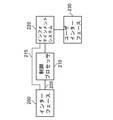
図2は、モバイル機器100のインターフェース150と協調し、少なくともいくつかの例において、モバイル機器100のプロセッサ120によって生成される制御信号を受け取るインターフェース200を含んだ車両情報および/またはエンターテインメントシステムの模式図である。
この制御信号205は、表示画面および/または1つ以上のラウドスピーカなどのユーザーインターフェース230によって、ユーザに提示する情報および/またはエンターテインメントを生み出すいわゆる"インフォテインメント(娯楽情報)"システム220の動作を制御する制御プロセッサ210に通される。
FIG. 2 is a schematic diagram of a vehicle information and / or entertainment system including an
The
インターフェース200もまた、Bluetooth(登録商標)無線インターフェースであってよい。ここで、インターフェース200は、モバイル機器100からの音声信号215を受け取るために用いられてもよい。音声信号215は、例えばユーザへの出力用の音楽または電話通信信号であり、それ自体は制御信号ではなく、インフォテインメントシステム220に直接通される。
The
それ故に、図2の構成は、情報および/またはエンターテインメントシステム220を含んだ車両情報および/またはエンターテインメント機器の一例を含む。このシステム220は、モバイル機器100からの制御信号を(インターフェース200を介して)受け取り、受け取った制御信号に従って、情報および/またはエンターテインメントシステム220の動作を(制御プロセッサ210によって)変えるように構成されている。
Therefore, the configuration of FIG. 2 includes an example of vehicle information and / or entertainment equipment including information and / or
したがって前述のように、図1のモバイル機器100、および、図2の車両情報および/またはエンターテインメントシステム220の各々は、無線インターフェース150、200のようなインターフェースをそれぞれ含み、モバイル機器100と、車両情報および/またはエンターテインメントシステム220との間で制御信号を伝達する。
Thus, as described above, each of the
ジェスチャーがインフォテインメントシステム220を制御するために用いられる手段の例としては、音声ボリュームの調整、ラジオチャンネルの変更、電話の呼び出しの開始、エアコンの設定の変更、または同様のものの事柄を含む。
肉体的制御を探らなければならない、すなわち、画面メニューのオプションに触れなければならないことによって車両の運転手が集中力を失うことなく、ジェスチャーベースのシステムが、様々な車両システムを制御可能になるよう、運転手によく適するように熟慮されている。
Examples of means by which gestures are used to control the
Gesture-based systems can control a variety of vehicle systems without the vehicle driver losing concentration by having to explore physical control, ie touching screen menu options. , Carefully considered to be well suited to the driver.
図3aおよび3bは、図1のモバイル機器100によって検出・認識されるジェスチャーの例を模式的に例示・表示した図である。特に、図3aは、複数のジェスチャーのグラフィック描写を提供し、図3bは、これらの一連のジェスチャーと関連した術語(テクニカルターム)の一覧表を提供している。
このうちいくつかのジェスチャーは、300, 305, 310, 320, 330, 335, 340, 345のように、ユーザの手の動きを検出することを含む。他のジェスチャーは、350, 355のように、ユーザの手の静的配置を検出することを含んでもよい。
3a and 3b are diagrams schematically illustrating and displaying examples of gestures detected and recognized by the
Some of these gestures include detecting the movement of the user's hand, such as 300, 305, 310, 320, 330, 335, 340, 345. Other gestures may include detecting the static placement of the user's hand, such as 350, 355.
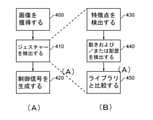
図4aおよび4bは、例示的なジェスチャー認識アルゴリズムを表す概略フローチャートを提供している。ステップ400において、奥行き画像が、モバイル機器100の深度カメラ110によって獲得される。ステップ410は、以下に詳述されるジェスチャー検出ステップであり、ステップ420は、検出されたジェスチャーによって決まり、例えばインフォテインメントシステム220へ提供される制御信号の生成を含む。
このようなジェスチャー検出および/または認識技術のさらなる例は、国際公開第2015/104257号パンフレットに開示されており、その内容は、参照によって本明細書に組み込まれる。
4a and 4b provide schematic flow charts representing exemplary gesture recognition algorithms. In
Further examples of such gesture detection and / or recognition techniques are disclosed in International Publication No. 2015/104257, the contents of which are incorporated herein by reference.
図4bにおいては、ステップ410がより詳細に示されており、ステップ430において、指先および同類のもののいわゆる特徴点が、キャプチャ画像において検出される。ステップ440において、その特徴点の動きおよび/または配置が検出される。
ステップ450において、この検出された動きおよび/または配置が、特徴点の例示的な動きおよび/または配置が特定のジェスチャーを示すライブラリに設定(比較)される。
In FIG. 4b,
In step 450, this detected movement and / or placement is set (compared) to a library in which the exemplary movement and / or placement of feature points exhibits a particular gesture.
例示的なジェスチャー300、305が、図5から図7を参照して以下に検討・詳述される。
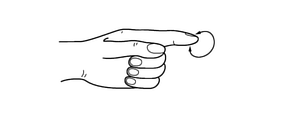
図5は、人さし指が大まかな円運動を行ったときの、ユーザの手が指し示す配置を示した側面図である。図6は、同様の動作を行っているが、人差し指の軸に沿って見た同一の手を示している。 FIG. 5 is a side view showing the arrangement pointed by the user's hand when the index finger makes a rough circular motion. FIG. 6 shows the same hand as seen along the axis of the index finger, although the same operation is performed.
車両内で動作するシステムという状況の中で、ユーザは、運転手座席または乗客席の位置によって制限される固定位置の状態にある。しかし、モバイル機器100は、例えば、概ね水平上向きに2つのフロントシートの間に位置するか、若しくは、後ろ向きにウインドウまたは換気口の取付具に取り付けられるように、車両内の様々な異なる位置をとることができる。
In the context of a system operating in a vehicle, the user is in a fixed position restricted by the position of the driver's seat or passenger's seat. However, the
しかしながら、システムのユーザが、単にモバイル機器100が異なる位置にあるという理由で、同様の制御結果を得るために彼または彼女のジェスチャーを変える必要がないことが望ましい。この点に関しては、ユーザの手700が一貫したジェスチャーを実行しようとしているが、下図の上向きから上図の後ろ向きまでのモバイル機器710の考えられる複数の配置、および、それらに関連した視野720を示す図7において、より詳細に図解されている。
However, it is desirable that the user of the system does not have to change his or her gestures to obtain similar control results, simply because the
車両環境において、ユーザがモバイル機器100を(例えば、上向きの2つのフロントシートの間に、フロントガラス、通気口、または同様のものに)収容できる、または、取り付けられる場所において概ね制限される範囲があると仮定すると、モバイル機器100の位置および姿勢は、幾分互いに関連がある。
そうなると、各々の位置において、ユーザが手のジェスチャーを行うことを検出されるときに、ユーザは、モバイル機器100の向きがユーザに向かっていることが必要であることを十分に理解するであろう。
In a vehicle environment, the extent to which the user can accommodate or mount the mobile device 100 (eg, between two upward facing front seats, on a windshield, vent, or the like) is largely limited. Assuming there are, the positions and orientations of the
Then, at each position, when it is detected that the user makes a hand gesture, the user will fully understand that the orientation of the
ユーザが一貫したジェスチャーを行うことを可能にする課題に対応して、モバイル機器100が異なる位置や姿勢にあったとしても、ジェスチャーを検出・認識することができるように、プロセッサ120は、姿勢センサ160によって検出されるモバイル機器100の姿勢に応じて検出アルゴリズムを変更するように構成される。
例えば、2つ以上のジェスチャー検出アルゴリズムが提供されてもよい。そのうちの1つは、モバイル機器710の位置および姿勢の範囲730により適しており、そのうちの1つは、モバイル機器710の位置および姿勢の範囲740により適している。
In response to the task of enabling the user to perform consistent gestures, the
For example, two or more gesture detection algorithms may be provided. One of them is more suitable for the position and
モバイル機器710の位置および姿勢のそれぞれの範囲730、740内において(または、1つのアルゴリズムのみが、モバイル機器710の位置および姿勢の全範囲(730+740)にわたって提供されるところに)、例えば、認識されるべきジェスチャーを行い始める手の、深度カメラによって予想されるビュー(表示)を較正するために較正データが用いられる。
Within the
図8は、このプロセスを示す例示的な概略フローチャートである。 FIG. 8 is an exemplary schematic flow chart illustrating this process.
ステップ800において、プロセッサ120は、センサ160から姿勢データを検出する。
プロセッサ120によって利用可能な複数の候補検出アルゴリズム810が存在する場合、その後のステップ820において、プロセッサ120は、(例えば)モバイル機器の姿勢の部分範囲に各々適したものを、つまり、複数の候補検出器810の中から1つのジェスチャー検出アルゴリズムすなわちジェスチャー検出器を選択する。
In
If there are a plurality of candidate detection algorithms 810 available by the
ステップ830において、プロセッサ120は、選択された検出アルゴリズムを較正、つまり、検出された姿勢に従って検出アルゴリズムの設定またはパラメータを変化させる。ステップ840において、プロセッサ120は、選択されたジェスチャー検出アルゴリズムを適用する。
In
それ故に、ステップ820では、プロセッサ120は、姿勢センサによって検出されるモバイル機器の姿勢に従って、候補となる2つ以上のジェスチャー検出アルゴリズムから選択するように構成される構成の一例が提供される。
Therefore, in
ステップ820と共にまたはステップ820なしで用いられるステップ830において、プロセッサ120が、姿勢センサによって検出されるモバイル機器の姿勢に従って、ジェスチャー検出アルゴリズムの較正パラメータを変化させるか、または、ステップ820を用いた場合には選択されたジェスチャー検出アルゴリズムを変更するように構成される一例が提供される。
In
図9および10は、特に車載システム技術に関する姿勢センサの使用を模式的に表した図である。
図9において、姿勢センサ900は、重力または下方向ベクトル910に対するモバイル機器100の姿勢を検出して、ベクトル910に対するモバイル機器の姿勢の表示を提供する。これは、例えば、重力センサ、加速度センサ、またはジャイロセンサで実行される。
9 and 10 are diagrams schematically showing the use of attitude sensors, especially with respect to in-vehicle system technology.
In FIG. 9, the
次に、車両が急旋回するか、若しくは、非常に急激に加速または減速する状況を考える。急旋回の例が、図10の矢印1000で示されている。この状況では、検出された重力ベクトルは、例えば、ベクトル1010で表される角度で実際の垂直から傾く傾向がある。
これは、原則として、モバイル機器100の姿勢の変化として図8のプロセスによって誤って検出され、上述したジェスチャー検出アルゴリズムの変更をもたらす。これが生じるのを回避するために、さまざまな対策を講じることができる。
Next, consider a situation in which the vehicle makes a sharp turn or accelerates or decelerates very rapidly. An example of a sharp turn is shown by
This, in principle, is erroneously detected by the process of FIG. 8 as a change in posture of the
その一例として、プロセッサ120は、ジェスチャー検出アルゴリズムを、深度カメラの画像キャプチャレートよりも低い頻度で、例えば、キャプチャ画像n枚ごとの頻度で変更するように構成される。nは、例えば100である。
As an example, the
その上またはその代わりに、プロセッサ120は、ローパスフィルタリングプロセスのような平滑化操作を、ジェスチャー検出アルゴリズムの変更に適用するように構成される。
その結果、例えば、検出された姿勢が、(通常の急旋回が車両において実行されるのにかかる時間よりも長いと考えられる数秒または60秒の時定数で)平滑化すなわちローパスフィルタ処理される。そして、平滑化された検出姿勢が、ジェスチャー検出アルゴリズムの変更を制御するために適用される。
On or instead, the
As a result, for example, the detected attitude is smoothed or lowpass filtered (with a time constant of a few seconds or 60 seconds, which is considered to be longer than the time it takes for a normal sharp turn to be performed in the vehicle). The smoothed detection posture is then applied to control changes in the gesture detection algorithm.
これらの構成を実現するために、プロセッサ120は、プログラム命令制御の下で作動して、姿勢の検出および/または検出アルゴリズムに適用される変更に関するフィルタおよび/または遅延操作を実施・制御することができる。
To achieve these configurations, the
本発明における他の例示的な構成が、図11および12を参照して説明される。この構成においても、(環境がより多く変わり得るフリースペースまたは部屋ベースのシステムというよりはむしろ)モバイル機器の周囲が固定される傾向にある車載システムに特に関する。 Other exemplary configurations in the present invention are described with reference to FIGS. 11 and 12. This configuration is also particularly relevant for in-vehicle systems that tend to be fixed around mobile devices (rather than free space or room-based systems where the environment can change more).
図11は、車両前方のほうの取り付け位置の、概ね後方に取り付けられたモバイル機器の深度カメラによって見える例示的な車両内部を概略的に表している。ここで、リアウィンドウ1100、ならびに、運転席および助手席のシート1110が、車両のドア1120、1130と共に見える(分かりやすくするために、運転手および乗客は省略されている)。
FIG. 11 schematically illustrates the interior of an exemplary vehicle as seen by a depth camera of a mobile device mounted approximately rearward at a mounting position towards the front of the vehicle. Here, the
カメラが同じ位置および姿勢、つまり同じ背景に留まっている限り、カメラに対して移動しないものに関するキャプチャ画像を用いると、いわゆるオプティカルフロー技術を用いて、姿勢センサ160によって検出された姿勢変化を確認または拒否することができる。換言すると、姿勢変化が検出されたが、それが背景画像の画像の動きと一致しない場合は、この変化は拒否される。
Using a captured image of something that does not move relative to the camera as long as the camera remains in the same position and orientation, that is, in the same background, the so-called optical flow technique is used to confirm or confirm the attitude change detected by the
背景全体の動きを検知する必要はない。(リアワイパー1140のような)特定の車内の特徴が、参照ポイントすなわちマーカーとして用いられる。または、連続またはパルス符号の赤外線エミッタ1150、1160が、オプティカルフローの基準点として使用されるために車内に設けられるといった1つ以上のビーコン(望ましくは、間隔を空けて配置された2つ以上のビーコン)が、特定の車内の特徴として用いられる。
It is not necessary to detect the movement of the entire background. Certain in-vehicle features (such as the rear wiper 1140) are used as reference points or markers. Alternatively, one or more beacons (preferably two or more spaced apart) such that a continuous or pulse code
実際、そのようなオプティカルフロー技術は、1つの(または唯一の)姿勢感知構成であると考えられる。そのため、姿勢センサは、深度カメラによってキャプチャされた画像の、車両内のオブジェクトの位置変化を検出する検出器を含むと考えられる。 In fact, such optical flow technology is considered to be one (or only) attitude-sensitive configuration. Therefore, the attitude sensor is considered to include a detector that detects a change in the position of an object in the vehicle in the image captured by the depth camera.
例えば、プロセッサは、姿勢センサによって検出された姿勢変化が、深度カメラによってキャプチャされた画像の、車両内の1つ以上のオブジェクトの位置変化と一致するかどうかを検出するように構成される。 For example, the processor is configured to detect whether the attitude change detected by the attitude sensor matches the position change of one or more objects in the vehicle in the image captured by the depth camera.
図12は、そのような技術の一例を示す概略フローチャートである。 FIG. 12 is a schematic flowchart showing an example of such a technique.
ステップ1200において、プロセッサ120は、キャプチャされた画像の背景部分を(例えば実際には、20枚の画像の期間にわたって画像から画像へ実質的に変化しないキャプチャ画像の大部分を)検出する。ステップ1210は、図8のステップ800に相当するセンサ160による姿勢変化の検出である。
In
ステップ1220において、プロセッサ120は、センサによって検出された姿勢変化が、キャプチャされた画像の背景部分において検出された変化または変化の欠如と一致するかどうかを検出する。
その結果が「はい」の場合は、センサによって検出された変化が承諾され、その後のステップ1230で実装される。答えが「いいえ」の場合は、検出された変化は、その後のステップ1240で確認されたときに実装拒否または保留がなされる。
In
If the result is "yes", the changes detected by the sensor are accepted and implemented in
図13は、モバイル機器1300と、車両情報および/またはエンターテイメントシステム(「IVI」すなわち「車載インフォテインメント」[情報および/またはエンターテイメント]システム)1310とを概略的に示している。
上述したように、深度カメラ1320は、図1のプロセッサ120で実行されるソフトウェア1330と通信する。ソフトウェア1330は、図1のセンサ160に相当するセンサ1340からの信号にも応答する。
FIG. 13 schematically illustrates a
As mentioned above, the
深度カメラからの画像は、フィルタリング部1332、キャリブレーション部1334、背景除去部1336、セグメンテーション部1338および手ポーズ分類部1342に当てられ、選択されたジェスチャー検出アルゴリズム選択部1344への入力を提供する。ジェスチャー検出アルゴリズムは、少なくとも手ポーズ分類部1342を含む。検出されたジェスチャーに基づいて、制御信号1350が、例えば無線通信リンクによってIVI 1310に伝達される。
Images from the depth camera are applied to the
他の例では、モバイル機器は、ジェスチャー認識が行われる車両情報および/またはエンターテインメントシステムへの(例えば、インターフェース150/200による)送信のために、深度画像を単にキャプチャして用いられることに留意されたい。
上述したようなジェスチャー検出アルゴリズムの変更を行うことができるように、モバイル機器は、モバイル機器の姿勢もキャプチャする必要がある。これに関しては、本開示の実施形態は、車両情報および/またはエンターテインメントシステム用のジェスチャー認識システムを含む。このジェスチャー認識システムはモバイル機器およびプロセッサを含み、モバイル機器は、深度カメラおよび姿勢センサを有し、プロセッサは、ジェスチャー検出アルゴリズムに従って深度カメラによってキャプチャされた画像から1つ以上のジェスチャーを検出するように構成される。
In another example, it is noted that mobile devices are simply captured and used for depth images for transmission to vehicle information and / or entertainment systems where gesture recognition takes place (eg, by
The mobile device also needs to capture the attitude of the mobile device so that the gesture detection algorithm can be modified as described above. In this regard, embodiments of the present disclosure include a gesture recognition system for vehicle information and / or entertainment systems. This gesture recognition system includes a mobile device and a processor, the mobile device having a depth camera and a posture sensor, so that the processor detects one or more gestures from an image captured by the depth camera according to a gesture detection algorithm. It is composed.
プロセッサは、姿勢センサによって検出されたモバイル機器の姿勢に応じてジェスチャー検出アルゴリズムを変更するように構成されている。プロセッサは、物理的にIVIまたはモバイル機器の一部とすることができ、かつ/または、処理タスクは、これら2つの機器の間で共有できることに留意されたい。 The processor is configured to change the gesture detection algorithm according to the posture of the mobile device detected by the posture sensor. Note that the processor can be physically part of an IVI or mobile device and / or processing tasks can be shared between these two devices.
図14は、車両情報および/またはエンターテインメントシステム用のジェスチャー認識を行うためのモバイル機器の作動方法を示す概略フローチャートである。この方法は、
(ステップ1400において)モバイル機器の深度カメラを用いて画像を検出するステップと、
(ステップ1410において)モバイル機器の姿勢を検出するステップと、
(ステップ1420において)ジェスチャー検出アルゴリズムに従って、深度カメラによってキャプチャされた画像から1つ以上のジェスチャーを検出するステップと
を含む。
1つ以上のジェスチャーを検出するステップは、姿勢センサによって検出されたモバイル機器の姿勢に応じて、ジェスチャー検出アルゴリズムを変更すること1430を含む。
FIG. 14 is a schematic flowchart showing how a mobile device operates to perform gesture recognition for vehicle information and / or entertainment systems. This method
The step of detecting an image using the depth camera of the mobile device (in step 1400),
The step of detecting the posture of the mobile device (in step 1410) and
Includes a step of detecting one or more gestures from an image captured by a depth camera according to a gesture detection algorithm (in step 1420).
The step of detecting one or more gestures comprises changing the
上述したように、上記の方法は、図1の記憶装置130に保存されたソフトウェアに従って、図1のモバイル機器のプロセッサ120によって実行される。
As mentioned above, the above method is performed by the
他の例示的な実施形態が、ゲーム機のような汎用コンピューティングシステム上で作動するコンピュータソフトウェアによって実施されることが理解される。これらの例では、コンピュータソフトウェアは、コンピュータによって実行されると、コンピュータに、本開示の実施形態と見なされる上記のいずれかの方法を実行させる。
同様に、本開示の実施形態は、そのようなコンピュータソフトウェアを保存する非一時的な機械可読記憶媒体によって提供される。
It is understood that other exemplary embodiments are implemented by computer software running on general purpose computing systems such as game consoles. In these examples, the computer software, when executed by the computer, causes the computer to perform any of the above methods which is considered to be an embodiment of the present disclosure.
Similarly, embodiments of the present disclosure are provided by non-transitory machine-readable storage media that store such computer software.
上記の教示に照らして、本開示の多くの修正および変形が可能であることも明らかである。したがって、添付の特許請求の範囲内で、本開示は、本明細書に具体的に記載されている以外の方法で実施されてもよいことが理解される。 It is also clear that many modifications and variations of the present disclosure are possible in the light of the above teachings. Therefore, it is understood that, within the scope of the appended claims, the present disclosure may be carried out in a manner other than that specifically described herein.
(1)車両情報および/またはエンターテインメントシステム用のジェスチャー認識を行うように構成されたモバイル機器であって、
深度カメラと、
姿勢センサと、
ジェスチャー検出アルゴリズムに従って前記深度カメラによってキャプチャされた画像から1つ以上のジェスチャーを検出するように構成されたプロセッサと
を具備し、
前記プロセッサは、前記姿勢センサによって検出された前記モバイル機器の姿勢に応じて前記ジェスチャー検出アルゴリズムを変更するように構成されている
モバイル機器。
(2)上記(1)に記載のモバイル機器であって、
前記プロセッサは、前記姿勢センサによって検出される前記モバイル機器の姿勢に従って、候補となる2つ以上のジェスチャー検出アルゴリズムから選択するように構成される
モバイル機器。
(3)上記(2)に記載のモバイル機器であって、
前記プロセッサは、前記姿勢センサによって検出される前記モバイル機器の姿勢に従って、選択されたジェスチャー検出アルゴリズムの較正パラメータを変化させるように構成される
モバイル機器。
(4)上記(1)に記載のモバイル機器であって、
前記プロセッサは、前記姿勢センサによって検出される前記モバイル機器の姿勢に従って、前記ジェスチャー検出アルゴリズムの較正パラメータを変化させるように構成される
モバイル機器。
(5)上記(1)~(4)のいずれかに記載のモバイル機器であって、
前記深度カメラは、
飛行時間型画像センサと、
ステレオカメラと、
ストラクチャードライトカメラと
で構成されるリストから選択されたセンサを含む
モバイル機器。
(6)上記(1)~(5)のいずれかに記載のモバイル機器であって、
前記姿勢センサは、
ジャイロセンサと、
加速度センサと
重力センサと、
磁気センサと
で構成されるリストから選択された1つ以上のセンサを含む
モバイル機器。
(7)上記(1)~(6)のいずれかに記載のモバイル機器であって、
前記プロセッサは、前記姿勢センサによって検出された姿勢変化が、前記深度カメラによってキャプチャされた画像の、車両内の1つ以上のオブジェクトの位置変化と一致するかどうかを検出するように構成される
モバイル機器。
(8)上記(1)~(5)のいずれかに記載のモバイル機器であって、
前記姿勢センサは、前記深度カメラによってキャプチャされた画像の、車両内のオブジェクトの位置変化を検出する検出器を含む
モバイル機器。
(9)上記(1)~(8)のいずれかに記載のモバイル機器であって、
前記プロセッサは、前記ジェスチャー検出アルゴリズムを、前記深度カメラの画像キャプチャレートよりも低い頻度で変更するように構成される
モバイル機器。
(10)上記(1)~(9)のいずれかに記載のモバイル機器であって、
前記プロセッサは、平滑化を、前記ジェスチャー検出アルゴリズムの変更に適用するように構成される
モバイル機器。
(11)上記(1)~(10)のいずれかに記載のモバイル機器であって、
前記プロセッサは、検出されたジェスチャーによって決まる、前記車両情報および/またはエンターテインメントシステム用の制御信号を生成するように構成される
モバイル機器。
(12)上記(11)に記載のモバイル機器であって、
前記車両情報および/またはエンターテインメントシステムに前記制御信号を伝達する無線インターフェースをさらに含む
モバイル機器。
(13)1つ以上の検出されたジェスチャーによって決まる制御信号を生成するように作動する上記(1)~(11)のいすれかに記載のモバイル機器と、
前記制御信号を受信し、受信した前記制御信号に従って、システム内の作動を変化させるように構成された車両情報および/またはエンターテインメントシステムシステムと
を具備する
車両情報および/またはエンターテインメント機器。
(14)上記(13)に記載の車両情報および/またはエンターテインメント機器であって、
前記モバイル機器および前記車両情報および/またはエンターテインメントシステムシステムの各々は、前記モバイル機器と、前記車両情報および/またはエンターテインメントシステムとの間で前記制御信号を伝達する無線インターフェースを含む
車両情報および/またはエンターテインメント機器。
(15)深度カメラおよび姿勢センサを有するモバイル機器と、
ジェスチャー検出アルゴリズムに従って前記深度カメラによってキャプチャされた画像から1つ以上のジェスチャーを検出するように構成されたプロセッサと
を具備し、
前記プロセッサは、前記姿勢センサによって検出された前記モバイル機器の姿勢に応じて、前記ジェスチャー検出アルゴリズムを変更するように構成される
車両情報および/またはエンターテインメントシステム用のジェスチャー認識システム。
(16)車両情報および/またはエンターテインメントシステム用のジェスチャー認識を行うためのモバイル機器の作動方法であって、
前記モバイル機器の深度カメラを用いて画像を検出するステップと、
前記モバイル機器の姿勢を検出するステップと、
ジェスチャー検出アルゴリズムに従って、前記深度カメラによってキャプチャされた画像から1つ以上のジェスチャーを検出するステップと
を含み、
前記1つ以上のジェスチャーを検出するステップは、前記姿勢センサによって検出された前記モバイル機器の姿勢に応じて、前記ジェスチャー検出アルゴリズムを変更することを含む
方法。
(17)深度カメラを有するモバイル機器のプロセッサによって実行されると、前記モバイル機器に上記(16)に記載の方法を実行させる
コンピュータソフトウェア。
(18)上記(17)に記載のコンピュータソフトウェアを保存する非一時的な機械可読記憶媒体。
(1) A mobile device configured to perform gesture recognition for vehicle information and / or entertainment systems.
With a depth camera
Posture sensor and
It comprises a processor configured to detect one or more gestures from an image captured by the depth camera according to a gesture detection algorithm.
The processor is a mobile device configured to change the gesture detection algorithm according to the posture of the mobile device detected by the posture sensor.
(2) The mobile device according to (1) above.
The processor is a mobile device configured to select from two or more candidate gesture detection algorithms according to the posture of the mobile device detected by the posture sensor.
(3) The mobile device described in (2) above.
The processor is a mobile device configured to change the calibration parameters of the selected gesture detection algorithm according to the posture of the mobile device detected by the posture sensor.
(4) The mobile device according to (1) above.
The processor is a mobile device configured to change the calibration parameters of the gesture detection algorithm according to the posture of the mobile device detected by the posture sensor.
(5) The mobile device according to any one of (1) to (4) above.
The depth camera is
Time-of-flight image sensor and
With a stereo camera
A mobile device that contains a sensor selected from a list consisting of a structured light camera.
(6) The mobile device according to any one of (1) to (5) above.
The posture sensor is
With a gyro sensor,
Accelerometer, gravity sensor,
A mobile device that contains one or more sensors selected from a list consisting of magnetic sensors.
(7) The mobile device according to any one of (1) to (6) above.
The processor is configured to detect whether the attitude change detected by the attitude sensor matches the position change of one or more objects in the vehicle in the image captured by the depth camera. machine.
(8) The mobile device according to any one of (1) to (5) above.
The attitude sensor is a mobile device including a detector that detects a change in the position of an object in a vehicle in an image captured by the depth camera.
(9) The mobile device according to any one of (1) to (8) above.
The processor is a mobile device configured to change the gesture detection algorithm less frequently than the image capture rate of the depth camera.
(10) The mobile device according to any one of (1) to (9) above.
The processor is a mobile device configured to apply smoothing to changes in the gesture detection algorithm.
(11) The mobile device according to any one of (1) to (10) above.
The processor is a mobile device configured to generate control signals for the vehicle information and / or entertainment system as determined by the detected gesture.
(12) The mobile device according to (11) above.
A mobile device further comprising a wireless interface that transmits the control signal to the vehicle information and / or entertainment system.
(13) The mobile device according to any one of (1) to (11) above, which operates to generate a control signal determined by one or more detected gestures.
A vehicle information and / or entertainment device comprising a vehicle information and / or an entertainment system system configured to receive the control signal and change its operation in the system according to the received control signal.
(14) The vehicle information and / or entertainment device according to (13) above.
Each of the mobile device and the vehicle information and / or entertainment system system includes vehicle information and / or entertainment including a radio interface that transmits the control signal between the mobile device and the vehicle information and / or entertainment system. machine.
(15) Mobile devices with depth cameras and attitude sensors,
It comprises a processor configured to detect one or more gestures from an image captured by the depth camera according to a gesture detection algorithm.
The processor is a gesture recognition system for vehicle information and / or entertainment systems configured to change the gesture detection algorithm according to the posture of the mobile device detected by the posture sensor.
(16) A method of operating a mobile device for performing gesture recognition for vehicle information and / or an entertainment system.
The step of detecting an image using the depth camera of the mobile device,
The step of detecting the posture of the mobile device and
Including a step of detecting one or more gestures from an image captured by the depth camera according to a gesture detection algorithm.
The step of detecting one or more gestures comprises modifying the gesture detection algorithm according to the posture of the mobile device detected by the posture sensor.
(17) Computer software that, when executed by a processor of a mobile device having a depth camera, causes the mobile device to perform the method according to (16) above.
(18) A non-temporary machine-readable storage medium for storing the computer software according to (17) above.
Claims (14)
深度カメラと、
姿勢センサと、
ジェスチャー検出アルゴリズムに従って前記深度カメラによってキャプチャされた画像から1つ以上のジェスチャーを検出するように構成されたプロセッサと
を具備し、
前記プロセッサは、前記姿勢センサによって検出された前記モバイル機器の姿勢の変化が、前記深度カメラによってキャプチャされた画像の、車両内の1つ以上のオブジェクトの位置変化と一致するかどうかを検出し、一致する場合、前記姿勢センサによって検出された前記モバイル機器の姿勢に応じて前記ジェスチャー検出アルゴリズムを変更するように構成された
モバイル機器。 A mobile device configured to perform gesture recognition for vehicle information and / or entertainment systems.
With a depth camera
Posture sensor and
It comprises a processor configured to detect one or more gestures from an image captured by the depth camera according to a gesture detection algorithm.
The processor detects whether the change in attitude of the mobile device detected by the attitude sensor matches the change in position of one or more objects in the vehicle in the image captured by the depth camera. If there is a match, the mobile device is configured to change the gesture detection algorithm according to the posture of the mobile device detected by the posture sensor.
前記深度カメラは、
飛行時間型画像センサと、
ステレオカメラと、
ストラクチャードライトカメラと
で構成されるリストから選択されたセンサを含む
モバイル機器。 The mobile device according to claim 1.
The depth camera is
Time-of-flight image sensor and
With a stereo camera
A mobile device that contains a sensor selected from a list consisting of a structured light camera.
前記姿勢センサは、
ジャイロセンサと、
加速度センサと
重力センサと、
磁気センサと
で構成されるリストから選択された1つ以上のセンサを含む
モバイル機器。 The mobile device according to claim 1.
The posture sensor is
With a gyro sensor,
Accelerometer, gravity sensor,
A mobile device containing one or more sensors selected from a list consisting of magnetic sensors.
前記姿勢センサは、前記深度カメラによってキャプチャされた画像の、車両内のオブジェクトの位置変化を検出する検出器を含む
モバイル機器。 The mobile device according to claim 1.
The attitude sensor is a mobile device including a detector that detects a change in the position of an object in a vehicle in an image captured by the depth camera.
前記プロセッサは、前記ジェスチャー検出アルゴリズムを、前記深度カメラの画像キャプチャレートよりも低い頻度で変更するように構成される
モバイル機器。 The mobile device according to claim 1.
The processor is a mobile device configured to change the gesture detection algorithm less frequently than the image capture rate of the depth camera.
前記プロセッサは、平滑化を、前記ジェスチャー検出アルゴリズムの変更に適用するように構成される
モバイル機器。 The mobile device according to claim 5 .
The processor is a mobile device configured to apply smoothing to changes in the gesture detection algorithm.
前記プロセッサは、検出されたジェスチャーによって決まる、前記車両情報および/またはエンターテインメントシステム用の制御信号を生成するように構成される
モバイル機器。 The mobile device according to claim 1.
The processor is a mobile device configured to generate control signals for the vehicle information and / or entertainment system as determined by the detected gesture.
前記車両情報および/またはエンターテインメントシステムに前記制御信号を伝達する無線インターフェースをさらに含む
モバイル機器。 The mobile device according to claim 7 .
A mobile device further comprising a wireless interface that transmits the control signal to the vehicle information and / or entertainment system.
前記制御信号を受信し、受信した前記制御信号に従って、システム内の作動を変化させるように構成された車両情報および/またはエンターテインメントシステムと
を具備する
車両情報および/またはエンターテインメント機器。 The mobile device according to claim 1, which operates to generate a control signal determined by one or more detected gestures.
A vehicle information and / or entertainment device comprising a vehicle information and / or an entertainment system configured to receive the control signal and change its operation in the system according to the received control signal.
前記モバイル機器および前記車両情報および/またはエンターテインメントシステムの各々は、前記モバイル機器と、前記車両情報および/またはエンターテインメントシステムとの間で前記制御信号を伝達する無線インターフェースを含む
車両情報および/またはエンターテインメント機器。 The vehicle information and / or entertainment device according to claim 9 .
Each of the mobile device and the vehicle information and / or entertainment system is a vehicle information and / or entertainment device including a radio interface that transmits the control signal between the mobile device and the vehicle information and / or the entertainment system. ..
ジェスチャー検出アルゴリズムに従って前記深度カメラによってキャプチャされた画像から1つ以上のジェスチャーを検出するように構成されたプロセッサと
を具備し、
前記プロセッサは、前記姿勢センサによって検出された前記モバイル機器の姿勢の変化が、前記深度カメラによってキャプチャされた画像の、車両内の1つ以上のオブジェクトの位置変化と一致するかどうかを検出し、一致する場合、前記姿勢センサによって検出された前記モバイル機器の姿勢に応じて、前記ジェスチャー検出アルゴリズムを変更するように構成される
車両情報および/またはエンターテインメントシステム用のジェスチャー認識システム。 With mobile devices with depth cameras and attitude sensors,
It comprises a processor configured to detect one or more gestures from an image captured by the depth camera according to a gesture detection algorithm.
The processor detects whether the change in attitude of the mobile device detected by the attitude sensor matches the change in position of one or more objects in the vehicle in the image captured by the depth camera. A gesture recognition system for vehicle information and / or entertainment systems configured to change the gesture detection algorithm according to the attitude of the mobile device detected by the attitude sensor if matched .
前記モバイル機器の深度カメラを用いて画像を検出するステップと、
前記モバイル機器の姿勢を姿勢センサを用いて検出するステップと、
ジェスチャー検出アルゴリズムに従って、前記深度カメラによってキャプチャされた画像から1つ以上のジェスチャーを検出するステップと
を含み、
前記1つ以上のジェスチャーを検出するステップは、前記姿勢センサによって検出された前記モバイル機器の姿勢の変化が、前記深度カメラによってキャプチャされた画像の、車両内の1つ以上のオブジェクトの位置変化と一致するかどうかを検出し、一致する場合、前記姿勢センサによって検出された前記モバイル機器の姿勢に応じて、前記ジェスチャー検出アルゴリズムを変更することを含む
方法。 A method of operating a mobile device for performing gesture recognition for vehicle information and / or entertainment systems.
The step of detecting an image using the depth camera of the mobile device,
The step of detecting the posture of the mobile device using the posture sensor, and
Including a step of detecting one or more gestures from an image captured by the depth camera according to a gesture detection algorithm.
In the step of detecting the one or more gestures, the change in the posture of the mobile device detected by the posture sensor is the change in the position of one or more objects in the vehicle in the image captured by the depth camera. A method comprising detecting whether or not there is a match and, if so, modifying the gesture detection algorithm according to the posture of the mobile device detected by the posture sensor.
コンピュータソフトウェア。 Computer software that, when executed by a processor of a mobile device having a depth camera, causes the mobile device to perform the method of claim 12 .
Applications Claiming Priority (3)
| Application Number | Priority Date | Filing Date | Title |
|---|---|---|---|
| EP18150191 | 2018-01-03 | ||
| EP18150191.7 | 2018-01-03 | ||
| PCT/EP2018/097032 WO2019134888A1 (en) | 2018-01-03 | 2018-12-27 | Gesture recognition using a mobile device |
Publications (2)
| Publication Number | Publication Date |
|---|---|
| JP2021509988A JP2021509988A (en) | 2021-04-08 |
| JP7027552B2 true JP7027552B2 (en) | 2022-03-01 |
Family
ID=60935708
Family Applications (1)
| Application Number | Title | Priority Date | Filing Date |
|---|---|---|---|
| JP2020536953A Active JP7027552B2 (en) | 2018-01-03 | 2018-12-27 | Gesture recognition using mobile devices |
Country Status (5)
| Country | Link |
|---|---|
| US (2) | US11662827B2 (en) |
| EP (1) | EP3735652A1 (en) |
| JP (1) | JP7027552B2 (en) |
| CN (1) | CN111417957B (en) |
| WO (1) | WO2019134888A1 (en) |
Families Citing this family (6)
| Publication number | Priority date | Publication date | Assignee | Title |
|---|---|---|---|---|
| EP4281946A1 (en) | 2021-01-25 | 2023-11-29 | Sony Semiconductor Solutions Corporation | Electronic device, method and computer program |
| DE102021111712A1 (en) | 2021-05-05 | 2022-11-10 | Bayerische Motoren Werke Aktiengesellschaft | Method and device for calibrating a depth sensor in a vehicle interior |
| US12105884B2 (en) * | 2021-07-30 | 2024-10-01 | Jadelynn Kim Dao | Touchless, gesture-based human interface device |
| KR20240017702A (en) * | 2022-08-01 | 2024-02-08 | 삼성전자주식회사 | Display apparatus that recognizes user gesture through sensor and controlling method thereof |
| WO2024141985A1 (en) * | 2022-12-30 | 2024-07-04 | Gentex Corporation | 3d skeleton detection for in-cabin automotive application |
| US12389109B1 (en) * | 2023-03-31 | 2025-08-12 | Amazon Technologies, Inc. | Acceleration and image based motion detection in vehicles |
Citations (6)
| Publication number | Priority date | Publication date | Assignee | Title |
|---|---|---|---|---|
| JP2006143159A (en) | 2004-11-25 | 2006-06-08 | Alpine Electronics Inc | Vehicular motion recognition device |
| JP2012000165A (en) | 2010-06-14 | 2012-01-05 | Sega Corp | Video game apparatus |
| JP2014135668A (en) | 2013-01-11 | 2014-07-24 | Sharp Corp | Portable terminal device |
| US20140306877A1 (en) | 2011-08-11 | 2014-10-16 | Itay Katz | Gesture Based Interface System and Method |
| JP2016081286A (en) | 2014-10-16 | 2016-05-16 | 株式会社東芝 | Terminal operation support apparatus and terminal operation support method |
| JP2019219904A (en) | 2018-06-20 | 2019-12-26 | ソニー株式会社 | Program, recognition apparatus, and recognition method |
Family Cites Families (23)
| Publication number | Priority date | Publication date | Assignee | Title |
|---|---|---|---|---|
| KR100575906B1 (en) * | 2002-10-25 | 2006-05-02 | 미츠비시 후소 트럭 앤드 버스 코포레이션 | Hand pattern switching apparatus |
| US8972902B2 (en) * | 2008-08-22 | 2015-03-03 | Northrop Grumman Systems Corporation | Compound gesture recognition |
| US8952832B2 (en) * | 2008-01-18 | 2015-02-10 | Invensense, Inc. | Interfacing application programs and motion sensors of a device |
| CN102112945B (en) * | 2008-06-18 | 2016-08-10 | 奥布隆工业有限公司 | Attitude-Based Control System for Vehicle Interface |
| CN102713794A (en) * | 2009-11-24 | 2012-10-03 | 奈克斯特控股公司 | Methods and apparatus for gesture recognition mode control |
| US20110181510A1 (en) * | 2010-01-26 | 2011-07-28 | Nokia Corporation | Gesture Control |
| US8760432B2 (en) * | 2010-09-21 | 2014-06-24 | Visteon Global Technologies, Inc. | Finger pointing, gesture based human-machine interface for vehicles |
| US9785335B2 (en) * | 2010-12-27 | 2017-10-10 | Sling Media Inc. | Systems and methods for adaptive gesture recognition |
| WO2012141352A1 (en) * | 2011-04-13 | 2012-10-18 | Lg Electronics Inc. | Gesture recognition agnostic to device orientation |
| US20130155237A1 (en) * | 2011-12-16 | 2013-06-20 | Microsoft Corporation | Interacting with a mobile device within a vehicle using gestures |
| US9223415B1 (en) * | 2012-01-17 | 2015-12-29 | Amazon Technologies, Inc. | Managing resource usage for task performance |
| US8942881B2 (en) * | 2012-04-02 | 2015-01-27 | Google Inc. | Gesture-based automotive controls |
| DE102012110460A1 (en) * | 2012-10-31 | 2014-04-30 | Audi Ag | A method for entering a control command for a component of a motor vehicle |
| US20140258942A1 (en) | 2013-03-05 | 2014-09-11 | Intel Corporation | Interaction of multiple perceptual sensing inputs |
| CN104969148B (en) * | 2013-03-14 | 2018-05-29 | 英特尔公司 | Depth-based user interface gesture control |
| US8886399B2 (en) * | 2013-03-15 | 2014-11-11 | Honda Motor Co., Ltd. | System and method for controlling a vehicle user interface based on gesture angle |
| EP2891950B1 (en) | 2014-01-07 | 2018-08-15 | Sony Depthsensing Solutions | Human-to-computer natural three-dimensional hand gesture based navigation method |
| US10613642B2 (en) * | 2014-03-12 | 2020-04-07 | Microsoft Technology Licensing, Llc | Gesture parameter tuning |
| US10199008B2 (en) * | 2014-03-27 | 2019-02-05 | North Inc. | Systems, devices, and methods for wearable electronic devices as state machines |
| US10481696B2 (en) * | 2015-03-03 | 2019-11-19 | Nvidia Corporation | Radar based user interface |
| US10747327B2 (en) * | 2016-06-28 | 2020-08-18 | Intel Corporation | Technologies for adaptive downsampling for gesture recognition |
| JP6274264B2 (en) | 2016-06-29 | 2018-02-07 | カシオ計算機株式会社 | Portable terminal device and program |
| US11340706B2 (en) * | 2017-11-13 | 2022-05-24 | Zyetric Gaming Limited | Gesture recognition based on depth information and computer vision |
-
2018
- 2018-12-27 WO PCT/EP2018/097032 patent/WO2019134888A1/en not_active Ceased
- 2018-12-27 JP JP2020536953A patent/JP7027552B2/en active Active
- 2018-12-27 EP EP18830853.0A patent/EP3735652A1/en active Pending
- 2018-12-27 CN CN201880077267.7A patent/CN111417957B/en active Active
- 2018-12-27 US US16/958,024 patent/US11662827B2/en active Active
-
2023
- 2023-05-26 US US18/324,881 patent/US20230305636A1/en not_active Abandoned
Patent Citations (6)
| Publication number | Priority date | Publication date | Assignee | Title |
|---|---|---|---|---|
| JP2006143159A (en) | 2004-11-25 | 2006-06-08 | Alpine Electronics Inc | Vehicular motion recognition device |
| JP2012000165A (en) | 2010-06-14 | 2012-01-05 | Sega Corp | Video game apparatus |
| US20140306877A1 (en) | 2011-08-11 | 2014-10-16 | Itay Katz | Gesture Based Interface System and Method |
| JP2014135668A (en) | 2013-01-11 | 2014-07-24 | Sharp Corp | Portable terminal device |
| JP2016081286A (en) | 2014-10-16 | 2016-05-16 | 株式会社東芝 | Terminal operation support apparatus and terminal operation support method |
| JP2019219904A (en) | 2018-06-20 | 2019-12-26 | ソニー株式会社 | Program, recognition apparatus, and recognition method |
Non-Patent Citations (2)
| Title |
|---|
| Francisco Parada-Loira, Elisardo Gonzalez-Agulla, Jose L. Alba-Castro,Hand Gestures to Control Infotainment Equipement in Cars,2014 IEEE Intelligent Vehicles Symposium Proceedings,米国,IEEE,2014年06月08日,pp. 1-6,https://ieeexplore.ieee.org/document/6856614/ |
| 長谷川 秀太, 赤池 英夫, 角田 博保,姿勢を考慮したハンドジェスチャーを利用する機器操作の提案・評価,情報処理学会研究報告,日本,情報処理学会,2012年04月15日,Vol. 2012-HCI-147, No. 24 (2012/3/22),pp. 1-6 |
Also Published As
| Publication number | Publication date |
|---|---|
| US20210064147A1 (en) | 2021-03-04 |
| US11662827B2 (en) | 2023-05-30 |
| US20230305636A1 (en) | 2023-09-28 |
| CN111417957A (en) | 2020-07-14 |
| JP2021509988A (en) | 2021-04-08 |
| CN111417957B (en) | 2023-10-27 |
| WO2019134888A1 (en) | 2019-07-11 |
| EP3735652A1 (en) | 2020-11-11 |
Similar Documents
| Publication | Publication Date | Title |
|---|---|---|
| JP2021509988A (en) | Gesture recognition using mobile devices | |
| JP5261554B2 (en) | Human-machine interface for vehicles based on fingertip pointing and gestures | |
| US9738158B2 (en) | Motor vehicle control interface with gesture recognition | |
| KR101490908B1 (en) | System and method for providing a user interface using hand shape trace recognition in a vehicle | |
| CN106030460B (en) | Use gesture guide device, moving body of moving body uses gesture guiding system and moving body uses gesture bootstrap technique | |
| US20110310001A1 (en) | Display reconfiguration based on face/eye tracking | |
| JP2018150043A (en) | System for information transmission in automobiles | |
| KR102084032B1 (en) | User interface, means of transport and method for distinguishing a user | |
| KR101438615B1 (en) | System and method for providing a user interface using 2 dimension camera in a vehicle | |
| WO2018022329A1 (en) | Detecting user interactions with a computing system of a vehicle | |
| KR101946746B1 (en) | Positioning of non-vehicle objects in the vehicle | |
| WO2014165218A1 (en) | System and method for identifying handwriting gestures in an in-vehicle infromation system | |
| US20200278745A1 (en) | Vehicle and control method thereof | |
| JP2021512392A (en) | How to operate a head-mounted electronic display device for displaying virtual contents and a display system for displaying virtual contents | |
| US20130187845A1 (en) | Adaptive interface system | |
| JP2018055614A (en) | Gesture operation system, and gesture operation method and program | |
| KR20170079045A (en) | Method and apparatus for providing user interface for vehicle | |
| JP5800361B2 (en) | Display control device and display device using the same | |
| US9235295B2 (en) | Vehicle graphical user interface arrangement | |
| US20240166153A1 (en) | Camera-Based Vehicle Occupant Sensing | |
| JP2006327526A (en) | In-vehicle device operation device | |
| US11281337B1 (en) | Mirror accessory for camera based touch detection | |
| JP6371589B2 (en) | In-vehicle system, line-of-sight input reception method, and computer program | |
| JP2018041219A (en) | View point acquisition system and view point acquire program | |
| CN118474312A (en) | Projection method, projection device, electronic equipment and storage medium |
Legal Events
| Date | Code | Title | Description |
|---|---|---|---|
| A621 | Written request for application examination |
Free format text: JAPANESE INTERMEDIATE CODE: A621 Effective date: 20200708 |
|
| A977 | Report on retrieval |
Free format text: JAPANESE INTERMEDIATE CODE: A971007 Effective date: 20210827 |
|
| A131 | Notification of reasons for refusal |
Free format text: JAPANESE INTERMEDIATE CODE: A131 Effective date: 20210907 |
|
| A601 | Written request for extension of time |
Free format text: JAPANESE INTERMEDIATE CODE: A601 Effective date: 20211104 |
|
| RD02 | Notification of acceptance of power of attorney |
Free format text: JAPANESE INTERMEDIATE CODE: A7422 Effective date: 20211104 |
|
| A521 | Request for written amendment filed |
Free format text: JAPANESE INTERMEDIATE CODE: A523 Effective date: 20220105 |
|
| TRDD | Decision of grant or rejection written | ||
| A01 | Written decision to grant a patent or to grant a registration (utility model) |
Free format text: JAPANESE INTERMEDIATE CODE: A01 Effective date: 20220118 |
|
| A61 | First payment of annual fees (during grant procedure) |
Free format text: JAPANESE INTERMEDIATE CODE: A61 Effective date: 20220216 |
|
| R150 | Certificate of patent or registration of utility model |
Ref document number: 7027552 Country of ref document: JP Free format text: JAPANESE INTERMEDIATE CODE: R150 |