JP6996490B2 - Transmitter, transmitter, receiver and receiver - Google Patents
Transmitter, transmitter, receiver and receiver Download PDFInfo
- Publication number
- JP6996490B2 JP6996490B2 JP2018507292A JP2018507292A JP6996490B2 JP 6996490 B2 JP6996490 B2 JP 6996490B2 JP 2018507292 A JP2018507292 A JP 2018507292A JP 2018507292 A JP2018507292 A JP 2018507292A JP 6996490 B2 JP6996490 B2 JP 6996490B2
- Authority
- JP
- Japan
- Prior art keywords
- frame rate
- image data
- picture
- display
- video stream
- Prior art date
- Legal status (The legal status is an assumption and is not a legal conclusion. Google has not performed a legal analysis and makes no representation as to the accuracy of the status listed.)
- Active
Links
Images










Classifications
-
- H—ELECTRICITY
- H04—ELECTRIC COMMUNICATION TECHNIQUE
- H04N—PICTORIAL COMMUNICATION, e.g. TELEVISION
- H04N19/00—Methods or arrangements for coding, decoding, compressing or decompressing digital video signals
- H04N19/30—Methods or arrangements for coding, decoding, compressing or decompressing digital video signals using hierarchical techniques, e.g. scalability
- H04N19/31—Methods or arrangements for coding, decoding, compressing or decompressing digital video signals using hierarchical techniques, e.g. scalability in the temporal domain
-
- H—ELECTRICITY
- H04—ELECTRIC COMMUNICATION TECHNIQUE
- H04N—PICTORIAL COMMUNICATION, e.g. TELEVISION
- H04N21/00—Selective content distribution, e.g. interactive television or video on demand [VOD]
- H04N21/20—Servers specifically adapted for the distribution of content, e.g. VOD servers; Operations thereof
- H04N21/23—Processing of content or additional data; Elementary server operations; Server middleware
- H04N21/234—Processing of video elementary streams, e.g. splicing of video streams or manipulating encoded video stream scene graphs
- H04N21/2343—Processing of video elementary streams, e.g. splicing of video streams or manipulating encoded video stream scene graphs involving reformatting operations of video signals for distribution or compliance with end-user requests or end-user device requirements
-
- H—ELECTRICITY
- H04—ELECTRIC COMMUNICATION TECHNIQUE
- H04N—PICTORIAL COMMUNICATION, e.g. TELEVISION
- H04N19/00—Methods or arrangements for coding, decoding, compressing or decompressing digital video signals
- H04N19/70—Methods or arrangements for coding, decoding, compressing or decompressing digital video signals characterised by syntax aspects related to video coding, e.g. related to compression standards
-
- H—ELECTRICITY
- H04—ELECTRIC COMMUNICATION TECHNIQUE
- H04N—PICTORIAL COMMUNICATION, e.g. TELEVISION
- H04N21/00—Selective content distribution, e.g. interactive television or video on demand [VOD]
- H04N21/20—Servers specifically adapted for the distribution of content, e.g. VOD servers; Operations thereof
- H04N21/23—Processing of content or additional data; Elementary server operations; Server middleware
- H04N21/234—Processing of video elementary streams, e.g. splicing of video streams or manipulating encoded video stream scene graphs
- H04N21/2343—Processing of video elementary streams, e.g. splicing of video streams or manipulating encoded video stream scene graphs involving reformatting operations of video signals for distribution or compliance with end-user requests or end-user device requirements
- H04N21/234381—Processing of video elementary streams, e.g. splicing of video streams or manipulating encoded video stream scene graphs involving reformatting operations of video signals for distribution or compliance with end-user requests or end-user device requirements by altering the temporal resolution, e.g. decreasing the frame rate by frame skipping
-
- H—ELECTRICITY
- H04—ELECTRIC COMMUNICATION TECHNIQUE
- H04N—PICTORIAL COMMUNICATION, e.g. TELEVISION
- H04N21/00—Selective content distribution, e.g. interactive television or video on demand [VOD]
- H04N21/20—Servers specifically adapted for the distribution of content, e.g. VOD servers; Operations thereof
- H04N21/23—Processing of content or additional data; Elementary server operations; Server middleware
- H04N21/236—Assembling of a multiplex stream, e.g. transport stream, by combining a video stream with other content or additional data, e.g. inserting a URL [Uniform Resource Locator] into a video stream, multiplexing software data into a video stream; Remultiplexing of multiplex streams; Insertion of stuffing bits into the multiplex stream, e.g. to obtain a constant bit-rate; Assembling of a packetised elementary stream
-
- H—ELECTRICITY
- H04—ELECTRIC COMMUNICATION TECHNIQUE
- H04N—PICTORIAL COMMUNICATION, e.g. TELEVISION
- H04N21/00—Selective content distribution, e.g. interactive television or video on demand [VOD]
- H04N21/40—Client devices specifically adapted for the reception of or interaction with content, e.g. set-top-box [STB]; Operations thereof
- H04N21/43—Processing of content or additional data, e.g. demultiplexing additional data from a digital video stream; Elementary client operations, e.g. monitoring of home network or synchronising decoder's clock; Client middleware
- H04N21/44—Processing of video elementary streams, e.g. splicing a video clip retrieved from local storage with an incoming video stream or rendering scenes according to encoded video stream scene graphs
- H04N21/4402—Processing of video elementary streams, e.g. splicing a video clip retrieved from local storage with an incoming video stream or rendering scenes according to encoded video stream scene graphs involving reformatting operations of video signals for household redistribution, storage or real-time display
- H04N21/440281—Processing of video elementary streams, e.g. splicing a video clip retrieved from local storage with an incoming video stream or rendering scenes according to encoded video stream scene graphs involving reformatting operations of video signals for household redistribution, storage or real-time display by altering the temporal resolution, e.g. by frame skipping
-
- H—ELECTRICITY
- H04—ELECTRIC COMMUNICATION TECHNIQUE
- H04N—PICTORIAL COMMUNICATION, e.g. TELEVISION
- H04N7/00—Television systems
- H04N7/01—Conversion of standards, e.g. involving analogue television standards or digital television standards processed at pixel level
- H04N7/0112—Conversion of standards, e.g. involving analogue television standards or digital television standards processed at pixel level one of the standards corresponding to a cinematograph film standard
Landscapes
- Engineering & Computer Science (AREA)
- Multimedia (AREA)
- Signal Processing (AREA)
- Compression Or Coding Systems Of Tv Signals (AREA)
- Two-Way Televisions, Distribution Of Moving Picture Or The Like (AREA)
Description
本技術は、送信装置、送信方法、受信装置および受信方法に関する。詳しくは、本技術は、低フレームレートの動画像データをそれよりも大きなフレームレートで符号化して送信する送信装置等に関する。 The present technology relates to a transmitting device, a transmitting method, a receiving device and a receiving method. More specifically, the present technology relates to a transmission device or the like that encodes and transmits low frame rate moving image data at a higher frame rate.
従来、表示装置における画質向上のために受信側でフレームレートを高く変換して表示することが知られている(例えば、特許文献1参照)。また、従来、例えば、24Hzの動画像データを60Hzのフレームレートで符号化して送信し、受信側で3-2プルダウンの表示リピートを行って60Hzの表示再生を行うことが知られている。この場合、3回リピートと2回リピートが交互に繰り返されることから、例えば動きのあるシーンで、その動きが不自然に見える、いわゆるジャダーが、視聴者に知覚される。 Conventionally, it is known that the frame rate is converted to a high value on the receiving side and displayed in order to improve the image quality in the display device (see, for example, Patent Document 1). Further, conventionally, for example, it is known that 24 Hz moving image data is encoded at a frame rate of 60 Hz and transmitted, and 3-2 pull-down display repeat is performed on the receiving side to perform 60 Hz display reproduction. In this case, since the repeats are repeated three times and repeats twice, for example, in a moving scene, the so-called judder, in which the movement looks unnatural, is perceived by the viewer.
24Hzの動画像データを120Hzのフレームレートで符号化して送信する場合、24Hzに対して120Hzは整数倍になるので、受信側では5回リピートを繰り返すことで、素材の滑らかさを損ねることなく、120Hzの表示再生が可能となる。 When 24Hz moving image data is encoded at a frame rate of 120Hz and transmitted, 120Hz is an integral multiple of 24Hz, so by repeating 5 times on the receiving side, the smoothness of the material is not impaired. Display reproduction at 120 Hz is possible.
本技術の目的は、例えば、24Hzの動画像データを60Hzのフレームレートで符号化して送信する場合であっても受信側で120Hz表示を良好に行い得るようにすることにある。 An object of the present technology is to enable good 120 Hz display on the receiving side even when, for example, 24 Hz moving image data is encoded at a frame rate of 60 Hz and transmitted.
本技術の概念は、
第1のフレームレートの動画像データを構成する各ピクチャを上記第1のフレームレートより大きな第2のフレームレートで符号化して該第2のフレームレートのビデオストリームを得る符号化部と、
上記第2のフレームレートのビデオストリームを構成する上記各ピクチャの符号化画像データに、上記第1のフレームレートと表示開始タイミングとの同期関係を示す識別情報を挿入する情報挿入部と、
上記識別情報が挿入された上記第2のフレームレートのビデオストリームを送信する送信部を備える
送信装置にある。The concept of this technology is
A coding unit that encodes each picture constituting the moving image data of the first frame rate at a second frame rate larger than the first frame rate to obtain a video stream at the second frame rate.
An information insertion unit that inserts identification information indicating a synchronization relationship between the first frame rate and the display start timing into the coded image data of each of the pictures constituting the video stream having the second frame rate.
It is in a transmission device including a transmission unit that transmits a video stream having the second frame rate into which the identification information is inserted.
本技術において、符号化部により、第1のフレームレートの動画像データを構成する各ピクチャが第1のフレームレートより大きな第2のフレームレートで符号化されて第2のフレームレートのビデオストリームが得られる。情報挿入部により、第2のフレームレートのビデオストリームを構成する各ピクチャの符号化画像データに、第1のフレームレートと表示開始タイミングとの同期関係を示す識別情報が挿入される。送信部により、識別情報が挿入された第2のフレームレートのビデオストリームが送信される。 In the present technology, the coding unit encodes each picture constituting the moving image data of the first frame rate at a second frame rate larger than the first frame rate to obtain a video stream having a second frame rate. can get. The information insertion unit inserts identification information indicating a synchronization relationship between the first frame rate and the display start timing into the coded image data of each picture constituting the video stream having the second frame rate. The transmitter transmits a video stream at a second frame rate with the identification information inserted.
例えば、情報挿入部は、識別情報を含むSEIメッセージを第2のフレームレートのビデオストリームに挿入する、ようにされてもよい。また、例えば、同期関係を示す識別情報は、第1のフレームレートと同期しているか否かを示す識別情報を含む、ようにされてもよい。さらに、この場合、例えば、同期関係を示す識別情報は、第1のフレームレートと同期していないとき、この第1のフレームレートに対して進んでいるか遅れているかを示す識別情報をさらに含む、ようにされてもよい。また、例えば、第1のフレームレートは24Hzであって第2のフレームレートは60Hzであるか、第1のフレームレートは48Hzであって第2のフレームレートは120Hzである、ようにされてもよい。 For example, the information insertion unit may be configured to insert an SEI message containing identification information into a video stream at a second frame rate. Further, for example, the identification information indicating the synchronization relationship may include the identification information indicating whether or not the synchronization is synchronized with the first frame rate. Further, in this case, for example, the identification information indicating the synchronization relationship further includes the identification information indicating whether the first frame rate is advanced or delayed when not synchronized with the first frame rate. May be done. Also, for example, the first frame rate is 24 Hz and the second frame rate is 60 Hz, or the first frame rate is 48 Hz and the second frame rate is 120 Hz. good.
このように本技術においては、第2のフレームレートのビデオストリームを構成する各ピクチャの符号化画像データに第1のフレームレートと表示開始タイミングとの同期関係を示す識別情報を挿入して送信するものである。そのため、受信側では、この識別情報に基づいて、各ピクチャの画像データの表示開始タイミングを、第1のフレームレートの動画像データを構成する各ピクチャを第1のフレームレートのN倍の第3のフレームレートで符号化した場合と同じ状態に容易に補正でき、各ピクチャの画像データにNの回数の表示リピート処理を行うことで、第3のフレームレートの表示を第1のフレームレートの素材の滑らかさを損なうことなく良好に行い得る。 As described above, in the present technology, identification information indicating the synchronization relationship between the first frame rate and the display start timing is inserted into the coded image data of each picture constituting the video stream of the second frame rate and transmitted. It is a thing. Therefore, on the receiving side, based on this identification information, the display start timing of the image data of each picture is set, and each picture constituting the moving image data of the first frame rate is set to the third, which is N times the first frame rate. It can be easily corrected to the same state as when encoded at the frame rate of, and by performing display repeat processing of N times on the image data of each picture, the display of the third frame rate can be displayed as the material of the first frame rate. It can be done well without compromising the smoothness of.
また、本技術の他の概念は、
第1のフレームレートの動画像データを構成する各ピクチャを上記第1のフレームレートより大きな第2のフレームレートで符号化して得られた該第2のフレームレートのビデオストリームを受信する受信部を備え、
上記第2のフレームレートのビデオストリームを構成する上記各ピクチャの符号化画像データを復号化して該各ピクチャの画像データを得る復号化処理と、上記各ピクチャの画像データの表示開始タイミングを、上記第1のフレームレートの動画像データを構成する各ピクチャを上記第2のフレームレートより大きく、かつ上記第1のフレームレートのN倍(Nは整数)の第3のフレームレートで符号化した場合と同じ状態に補正するタイミング補正処理と、該表示開始タイミングが補正された上記各ピクチャの画像データを上記第3のフレームレートで上記Nの回数だけ繰り返し出力する表示リピート処理を制御する制御部をさらに備える
受信装置にある。In addition, other concepts of this technology
A receiver that receives a video stream of the second frame rate obtained by encoding each picture constituting the moving image data of the first frame rate at a second frame rate larger than the first frame rate. Prepare,
The decoding process of decoding the encoded image data of each of the pictures constituting the video stream having the second frame rate to obtain the image data of each picture, and the display start timing of the image data of each of the pictures are described above. When each picture constituting the moving image data of the first frame rate is encoded at a third frame rate that is larger than the second frame rate and is N times the first frame rate (N is an integer). A control unit that controls a timing correction process that corrects to the same state as the above, and a display repeat process that repeatedly outputs the image data of each of the above pictures whose display start timing has been corrected by the above N times at the third frame rate. In addition, it is in the receiving device.
本技術において、受信部により、第2のフレームレートのビデオストリームが受信される。この第2のフレームレートのビデオストリームは、第1のフレームレートの動画像データを構成する各ピクチャをこの第1のフレームレートより大きな第2のフレームレートで符号化して得られたものである。 In the present technology, the receiving unit receives a video stream having a second frame rate. The video stream having the second frame rate is obtained by encoding each picture constituting the moving image data at the first frame rate at a second frame rate larger than the first frame rate.
制御部により、第2のフレームレートのビデオストリームを構成する各ピクチャの符号化画像データを復号化して各ピクチャの画像データを得る復号化処理が制御される。また、制御部により、各ピクチャの画像データの表示開始タイミングを、第1のフレームレートの動画像データを構成する各ピクチャを第2のフレームレートより大きく、かつ第1のフレームレートのN倍(Nは整数)の第3のフレームレートで符号化した場合と同じ状態に補正するタイミング補正処理が制御される。また、制御部により、表示開始タイミングが補正された各ピクチャの画像データを第3のフレームレートでNの回数だけ繰り返し出力する表示リピート処理が制御される。 The control unit controls the decoding process of decoding the encoded image data of each picture constituting the video stream having the second frame rate to obtain the image data of each picture. Further, by the control unit, the display start timing of the image data of each picture is set so that each picture constituting the moving image data of the first frame rate is larger than the second frame rate and N times the first frame rate (N times the first frame rate). N is an integer), and the timing correction process for correcting to the same state as when encoded at the third frame rate is controlled. Further, the control unit controls a display repeat process in which the image data of each picture whose display start timing has been corrected is repeatedly output N times at a third frame rate.
例えば、第1のフレームレートは24Hzであり、第2のフレームレートは60Hzであり、第3のフレームレートは120Hzであって、Nは5であるか、第1のフレームレートは24Hzであり、第2のフレームレートは60Hzであり、第3のフレームレートは240Hzであって、Nは10であるか、あるいは第1のフレームレートは48Hzであり、第2のフレームレートは120Hzであり、第3のフレームレートは240Hzであって、Nは5である、ようにされてもよい。 For example, the first frame rate is 24 Hz, the second frame rate is 60 Hz, the third frame rate is 120 Hz, N is 5, or the first frame rate is 24 Hz. The second frame rate is 60 Hz, the third frame rate is 240 Hz, N is 10, or the first frame rate is 48 Hz, the second frame rate is 120 Hz, and the second. The frame rate of 3 may be 240 Hz and N may be 5.
このように本技術においては、各ピクチャの画像データの表示開始タイミングを、第1のフレームレートのN倍の第3のフレームレートで符号化した場合と同じ状態に補正し、このように表示開始タイミングが補正された各ピクチャの画像データを第3のフレームレートでNの回数だけ繰り返し出力する表示リピートの処理を行うものである。そのため、第3のフレームレートの表示を第1のフレームレートの素材の滑らかさを損なうことなく良好に行い得る。 As described above, in the present technology, the display start timing of the image data of each picture is corrected to the same state as when encoded at the third frame rate, which is N times the first frame rate, and the display is started in this way. This is a display repeat process in which the image data of each picture whose timing has been corrected is repeatedly output N times at a third frame rate. Therefore, the display of the third frame rate can be performed satisfactorily without impairing the smoothness of the material of the first frame rate.
なお、本技術において、例えば、第2のフレームレートのビデオストリームを構成する各ピクチャの符号化画像データに、第1のフレームレートと表示開始タイミングとの同期関係を示す識別情報が挿入されており、制御部は、タイミング補正処理を、同期関係を示す識別情報に基づいて制御する、ようにされてもよい。この場合、例えば、同期関係を示す識別情報は、第1のフレームレートと同期しているか否かを示す識別情報を含む、ようにされてもよい。さらに、この場合、例えば、同期関係を示す識別情報は、第1のフレームレートと同期していないとき、この第1のフレームレートに対して進んでいるか遅れているかを示す識別情報をさらに含む、ようにされてもよい。 In the present technology, for example, identification information indicating the synchronization relationship between the first frame rate and the display start timing is inserted into the coded image data of each picture constituting the video stream of the second frame rate. , The control unit may be configured to control the timing correction process based on the identification information indicating the synchronization relationship. In this case, for example, the identification information indicating the synchronization relationship may include the identification information indicating whether or not the synchronization is synchronized with the first frame rate. Further, in this case, for example, the identification information indicating the synchronization relationship further includes the identification information indicating whether the first frame rate is advanced or delayed when not synchronized with the first frame rate. May be done.
このように同期関係を示す識別情報に基づいてタイミング補正処理を制御することで、複数の第2のフレームレートのビデオストリームを扱う場合に、タイミング補正を行う段階で複数のストリーム間にずれが生じることが防止され、複数のビデオストリームの第3のフレームレートでの同期表示を保証できる。また、同期関係を示す識別情報に、第1のフレームレートと同期していないとき、この第1のフレームレートに対して進んでいるか遅れているかを示す識別情報を含めることで、表示開始タイミングの補正方向を容易に判断可能となる。 By controlling the timing correction process based on the identification information indicating the synchronization relationship in this way, when handling a plurality of video streams having a second frame rate, a deviation occurs between the plurality of streams at the stage of performing the timing correction. This is prevented and a synchronized display of multiple video streams at a third frame rate can be guaranteed. Further, by including the identification information indicating whether the first frame rate is advanced or delayed when not synchronized with the first frame rate, the identification information indicating the synchronization relationship is included in the display start timing. The correction direction can be easily determined.
本技術によれば、例えば、24Hzの動画像データを60Hzのフレームレートで符号化して送信する場合であっても受信側で120Hz表示を良好に行い得る。なお、ここに記載された効果は必ずしも限定されるものではなく、本開示中に記載されたいずれかの効果であってもよい。 According to the present technology, for example, even when the moving image data of 24 Hz is encoded at a frame rate of 60 Hz and transmitted, the 120 Hz display can be satisfactorily performed on the receiving side. The effects described herein are not necessarily limited, and may be any of the effects described in the present disclosure.
以下、発明を実施するための形態(以下、「実施の形態」とする)について説明する。なお、説明は以下の順序で行う。
1.実施の形態
2.変形例Hereinafter, embodiments for carrying out the invention (hereinafter referred to as “embodiments”) will be described. The explanation will be given in the following order.
1. 1.
<1.実施の形態>
[送受信システム]
図1は、実施の形態としての送受信システム10の構成例を示している。この送受信システム10は、送信装置100と、受信装置200とを有する構成となっている。<1. Embodiment>
[Transmission / reception system]
FIG. 1 shows a configuration example of a transmission /
送信装置100は、コンテナで伝送されるビデオストリームVS(以下、単に「ビデオストリームVS」という)を、放送波あるいはネットのパケットに載せて送信する。このビデオストリームVSには、24Hzのフレームレート(第1のフレームレート)の動画像データを構成する各ピクチャを60Hzのフレームレート(第2のフレームレート)で符号化して得られた60Hzのビデオストリーム(60pストリーム)が含まれる。この場合、例えば、H.264/AVC、H.265/HEVCなどの符号化が施される。
The
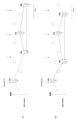
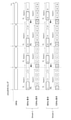
図2(a)は、符号化の一例を示している。図示の例は、3階層に階層符号化されているが、1階層であってもよい。横軸は、表示順(POC:Picture Order of Composition)を示している。実線矩形枠のそれぞれが、24Hzの動画像データを構成する各ピクチャを示し、これらのピクチャの符号化画像データのみが60Hzのビデオストリームに含まれる。実線矩形枠において、かっこ付きでない数字は表示順を示し、かっこ付きの数字は符号化されているピクチャの順、つまりエンコード順(受信側ではデコード順)を示している。 FIG. 2A shows an example of coding. The illustrated example is hierarchically coded in three layers, but may be one layer. The horizontal axis shows the display order (POC: Picture Order of Composition). Each of the solid rectangular frames indicates each picture constituting the moving image data of 24 Hz, and only the coded image data of these pictures is included in the video stream of 60 Hz. In the solid rectangular frame, the numbers without parentheses indicate the display order, and the numbers with parentheses indicate the order of the encoded pictures, that is, the encoding order (decoding order on the receiving side).
また、図示の例では、Iピクチャ(表示順「6」、符号化順「0」)を参照する形で、このIピクチャの前にBピクチャ(表示順「0」、符号化順「1」)が存在する。また、Iピクチャ(表示順「6」、符号化順「0」)を参照する形で、このIピクチャの後にPピクチャ(表示順「16」、符号化順「2」)が存在する。また、Iピクチャ(表示順「6」、符号化順「0」)およびPピクチャ(表示順「16」、符号化順「2」)を参照する形で、これらIピクチャおよびPピクチャの間にBピクチャ(表示順「10」、符号化順「3」)が存在する。 Further, in the illustrated example, the I picture (display order "6", coding order "0") is referred to, and the B picture (display order "0", coding order "1"" precedes the I picture. ) Exists. Further, there is a P picture (display order "16", coding order "2") after the I picture in the form of referring to the I picture (display order "6", coding order "0"). Further, in the form of referring to the I picture (display order "6", coding order "0") and the P picture (display order "16", coding order "2"), between these I picture and P picture. There is a B picture (display order "10", coding order "3").
実線矩形枠で示す各ピクチャの符号化画像データには、ピクチャ・タイミング・SEIメッセージ(Picture_timing SEI message)が挿入され、その「pic_struct」のフィールドでリピート回数が指定される。この場合、Bピクチャ(表示順「0」、符号化順「1」)、Bピクチャ(表示順「10」、符号化順「3」)ではリピート回数が3に指定され、Iピクチャ(表示順「6」、符号化順「0」)、Pピクチャ(表示順「16」、符号化順「2」)ではリピート回数が2に指定される。これにより、受信側では、3-2プルダウン(3-2 pulldown)による60Hzのフレームレートによる表示(60Hz表示)が可能とされている。 A picture timing SEI message (Picture_timing SEI message) is inserted into the coded image data of each picture shown by the solid rectangular frame, and the number of repeats is specified in the "pic_struct" field. In this case, the number of repeats is specified as 3 in the B picture (display order "0", coding order "1") and the B picture (display order "10", coding order "3"), and the I picture (display order). In "6", coding order "0"), and P picture (display order "16", coding order "2"), the number of repeats is specified as 2. As a result, on the receiving side, it is possible to display at a frame rate of 60 Hz (60 Hz display) by 3-2 pulldown.
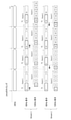
図2(b)は、符号化の他の一例を示している。図示の例は、3階層に階層符号化されているが、1階層であってもよい。横軸は、表示順(POC:Picture Order of Composition)を示している。実線矩形枠のそれぞれが、24Hzの動画像データを構成する各ピクチャを示し、これらのピクチャの符号化画像データのみが60Hzのビデオストリームに含まれる。実線矩形枠において、かっこ付きでない数字は表示順を示し、かっこ付きの数字は符号化されているピクチャの順、つまりエンコード順(受信側ではデコード順)を示している。 FIG. 2B shows another example of coding. The illustrated example is hierarchically coded in three layers, but may be one layer. The horizontal axis shows the display order (POC: Picture Order of Composition). Each of the solid rectangular frames indicates each picture constituting the moving image data of 24 Hz, and only the coded image data of these pictures is included in the video stream of 60 Hz. In the solid rectangular frame, the numbers without parentheses indicate the display order, and the numbers with parentheses indicate the order of the encoded pictures, that is, the encoding order (decoding order on the receiving side).
また、図示の例では、Iピクチャ(表示順「4」、符号化順「0」)を参照する形で、このIピクチャの前にBピクチャ(表示順「0」、符号化順「1」)が存在する。また、Iピクチャ(表示順「4」、符号化順「0」)を参照する形で、このIピクチャの後にPピクチャ(表示順「14」、符号化順「2」)が存在する。また、Iピクチャ(表示順「4」、符号化順「0」)およびPピクチャ(表示順「14」、符号化順「2」)を参照する形で、これらIピクチャおよびPピクチャの間にBピクチャ(表示順「10」、符号化順「3」)が存在する。 Further, in the illustrated example, the I picture (display order "4", coding order "0") is referred to, and the B picture (display order "0", coding order "1"" precedes the I picture. ) Exists. Further, there is a P picture (display order "14", coding order "2") after the I picture in the form of referring to the I picture (display order "4", coding order "0"). Further, in the form of referring to the I picture (display order "4", coding order "0") and the P picture (display order "14", coding order "2"), between these I picture and P picture. There is a B picture (display order "10", coding order "3").
実線矩形枠で示す各ピクチャの符号化画像データには、ピクチャ・タイミング・SEIメッセージ(Picture_timing SEI message)が挿入され、その「pic_struct」のフィールドでリピート回数が指定される。この場合、Bピクチャ(表示順「0」、符号化順「1」)、Bピクチャ(表示順「10」、符号化順「3」)ではリピート回数が2に指定され、Iピクチャ(表示順「4」、符号化順「0」)、Pピクチャ(表示順「14」、符号化順「2」)ではリピート回数が3に指定される。これにより、受信側では、3-2プルダウン(3-2 pulldown)による60Hzのフレームレートによる表示(60Hz表示)が可能とされている。 A picture timing SEI message (Picture_timing SEI message) is inserted into the coded image data of each picture shown by the solid rectangular frame, and the number of repeats is specified in the "pic_struct" field. In this case, the number of repeats is specified as 2 in the B picture (display order "0", coding order "1") and the B picture (display order "10", coding order "3"), and the I picture (display order). In "4", coding order "0"), and P picture (display order "14", coding order "2"), the number of repeats is specified as 3. As a result, on the receiving side, it is possible to display at a frame rate of 60 Hz (60 Hz display) by 3-2 pulldown.
60Hzのフレームレートのビデオストリームに含まれる各ピクチャの符号化画像データに、24Hzのフレームレートと表示開始タイミングとの同期関係を示す識別情報が挿入される。 Identification information indicating the synchronization relationship between the frame rate of 24 Hz and the display start timing is inserted into the coded image data of each picture included in the video stream having a frame rate of 60 Hz.
例えば、図2(a)の符号化例では、Bピクチャ(表示順「0」、符号化順「1」)、Bピクチャ(表示順「10」、符号化順「3」)のピクチャの表示開始タイミングが24Hzタイミングに一致する。そのため、これらのピクチャには、表示開始タイミングが24Hzタイミングと一致することを示す識別情報「PS」が挿入される。 For example, in the coding example of FIG. 2A, B pictures (display order “0”, coding order “1”) and B pictures (display order “10”, coding order “3”) are displayed. The start timing coincides with the 24Hz timing. Therefore, the identification information "PS" indicating that the display start timing coincides with the 24 Hz timing is inserted into these pictures.
また、図2(a)の符号化例では、Iピクチャ(表示順「6」、符号化順「0」)、Pピクチャ(表示順「16」、符号化順「2」)のピクチャの表示開始タイミングが24Hzタイミングより遅れる。そのため、これらのピクチャには、表示開始タイミングが24Hzタイミングより遅れることを示す識別情報「PA」が挿入される。 Further, in the coding example of FIG. 2A, the pictures of the I picture (display order “6”, coding order “0”) and the P picture (display order “16”, coding order “2”) are displayed. The start timing is delayed from the 24Hz timing. Therefore, the identification information "PA" indicating that the display start timing is delayed from the 24 Hz timing is inserted in these pictures.
例えば、図2(b)の符号化例では、Bピクチャ(表示順「0」、符号化順「1」)、Bピクチャ(表示順「10」、符号化順「3」)のピクチャの表示開始タイミングが24Hzタイミングに一致する。そのため、これらのピクチャには、表示開始タイミングが24Hzタイミングと一致することを示す識別情報「PS」が挿入される。 For example, in the coding example of FIG. 2B, the B picture (display order “0”, coding order “1”) and the B picture (display order “10”, coding order “3”) are displayed. The start timing coincides with the 24Hz timing. Therefore, the identification information "PS" indicating that the display start timing coincides with the 24 Hz timing is inserted into these pictures.
また、図2(b)の符号化例では、Iピクチャ(表示順「4」、符号化順「0」)、Pピクチャ(表示順「14」、符号化順「2」)のピクチャの表示開始タイミングが24Hzタイミングより早まる。そのため、これらのピクチャには、表示開始タイミングが24Hzタイミングより早まることを示す識別情報「PB」が挿入される。 Further, in the coding example of FIG. 2B, I-pictures (display order "4", coding order "0") and P-pictures (display order "14", coding order "2") are displayed. The start timing is earlier than the 24Hz timing. Therefore, the identification information "PB" indicating that the display start timing is earlier than the 24 Hz timing is inserted in these pictures.
受信装置200は、送信装置100から放送波あるいはネットのパケットに載せて送られてくるビデオストリームVSを受信する。このビデオストリームVSには、24Hzの動画像データを構成する各ピクチャを60Hzで符号化して得られた60Hzのビデオストリーム(60pストリーム)が含まれる(図2(a),図2(b)参照)。この60Hzのフレームレートのビデオストリームに含まれる各ピクチャの符号化画像データに、24Hzのフレームレートと表示開始タイミングとの同期関係を示す識別情報(「PS」、「PA」、「PB」)が挿入されている。
The receiving
受信装置200は、60Hzのフレームレートによる表示(60Hz表示)を行う場合、ピクチャ・タイミング・SEIメッセージ(Picture_timing SEI message)の「pic_struct」のフィールドで指定されるリピート回数で表示リピートの処理を行って、60Hzのフレームレートによる表示(60Hz表示)をする。
When displaying at a frame rate of 60 Hz (60 Hz display), the receiving
一方、受信装置200は、120Hzのフレームレートによる表示(120Hz表示)を行う場合、各ピクチャの画像データの表示開始タイミングを、識別情報に基づいて、24Hzの動画像データを構成する各ピクチャを120Hzのフレームレートで符号化した場合と同じ状態に補正し、この表示開始タイミングが補正された各ピクチャの画像データに、120Hzのフレームレートで5回のリピート回数で表示リピートの処理を行って、120Hzのフレームレートによる表示(120Hz表示)をする。
On the other hand, when the receiving
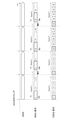
図3は、図2(a)の符号化例に対応した、各ピクチャのデコードタイミングと、表示開始タイミングを示している。この場合、Iピクチャ(表示順「6」、符号化順「0」)→Bピクチャ(表示順「0」、符号化順「1」)→Pピクチャ(表示順「16」、符号化順「2」)→Bピクチャ(表示順「10」、符号化順「3」)の順にデコードされていく。そして、Bピクチャ(表示順「0」、符号化順「1」)のデコード後に、Bピクチャ(表示順「0」、符号化順「1」)→Iピクチャ(表示順「6」、符号化順「0」)→Bピクチャ(表示順「10」、符号化順「3」)→Pピクチャ(表示順「16」、符号化順「2」)の順に表示されていく。 FIG. 3 shows the decoding timing and the display start timing of each picture corresponding to the coding example of FIG. 2A. In this case, I picture (display order "6", coding order "0") → B picture (display order "0", coding order "1") → P picture (display order "16", coding order " 2 ”) → B picture (display order“ 10 ”, coding order“ 3 ”). Then, after decoding the B picture (display order "0", coding order "1"), the B picture (display order "0", coding order "1") → I picture (display order "6", coding). The order is "0")-> B picture (display order "10", coding order "3")-> P picture (display order "16", coding order "2").
60Hz表示の場合、各ピクチャの表示開始タイミングはそのままで、Bピクチャ(表示順「0」)は60Hzのフレームレートで3回表示リピート、Iピクチャ(表示順「6」)は60Hzのフレームレートで2回表示リピート、Bピクチャ(表示順「10」)は60Hzのフレームレートで3回表示リピート、Pピクチャ(表示順「16」)は60Hzのフレームレートで2回表示リピート、のように処理される。 In the case of 60Hz display, the display start timing of each picture remains the same, B picture (display order "0") is displayed three times at a frame rate of 60Hz, and I picture (display order "6") is displayed at a frame rate of 60Hz. Twice display repeat, B picture (display order "10") is processed three times at a frame rate of 60 Hz, P picture (display order "16") is processed twice at a frame rate of 60 Hz, and so on. To.
120Hz表示の場合、Bピクチャ(表示順「0」)はその表示開始タイミングがそのままで120Hzのフレームレートで5回表示リピート、Iピクチャ(表示順「6」)はその表示開始タイミングが1/120 秒だけ早くなるように補正された後に120Hzのフレームレートで5回表示リピート、Bピクチャ(表示順「10」)はその表示開始タイミングがそのままで120Hzのフレームレートで5回表示リピート、Pピクチャ(表示順「16」)はその表示開始タイミングが1/120 秒だけ早くなるように補正された後に120Hzのフレームレートで5回表示リピート、のように処理される。
In the case of 120Hz display, the display start timing of the B picture (display order "0") remains the same and the display repeat is displayed 5 times at the frame rate of 120Hz, and the display start timing of the I picture (display order "6") is 1/120. After being corrected to be faster by seconds,
図4は、24Hzのタイミングと、60Hz表示および120Hz表示における各ピクチャの表示開始タイミングとの対応関係の一例を示している。“TS”は、各ピクチャの符号化画像データに付加されて伝送される表示開始タイミングを与えるタイムスタンプを示している。60Hz表示の場合には、2ピクチャ毎にその表示開始タイミングが24Hzのタイミングより遅れたものとなる。これに対して、120Hz表示の場合には、表示開始タイミングが補正され、全てのピクチャの表示開始タイミングが24Hzのタイミングと一致したものとされる。そのため、120Hz表示の場合には、動きのあるシーンでも滑らかな表示が行われる。 FIG. 4 shows an example of the correspondence between the timing of 24 Hz and the display start timing of each picture in the 60 Hz display and the 120 Hz display. “TS” indicates a time stamp that gives a display start timing that is added to and transmitted to the coded image data of each picture. In the case of 60 Hz display, the display start timing is delayed from the 24 Hz timing every two pictures. On the other hand, in the case of 120 Hz display, the display start timing is corrected, and it is assumed that the display start timing of all the pictures coincides with the 24 Hz timing. Therefore, in the case of 120 Hz display, smooth display is performed even in a moving scene.
図5は、図2(b)の符号化例に対応した、各ピクチャのデコードタイミングと、表示開始タイミングを示している。この場合、Iピクチャ(表示順「4」、符号化順「0」)→Bピクチャ(表示順「0」、符号化順「1」)→Pピクチャ(表示順「14」、符号化順「2」)→Bピクチャ(表示順「10」、符号化順「3」)の順にデコードされていく。そして、Bピクチャ(表示順「0」、符号化順「1」)のデコード後に、Bピクチャ(表示順「0」、符号化順「1」)→Iピクチャ(表示順「4」、符号化順「0」)→Bピクチャ(表示順「10」、符号化順「3」)→Pピクチャ(表示順「14」、符号化順「2」)の順に表示されていく。 FIG. 5 shows the decoding timing and the display start timing of each picture corresponding to the coding example of FIG. 2B. In this case, I picture (display order "4", coding order "0") → B picture (display order "0", coding order "1") → P picture (display order "14", coding order " 2 ”) → B picture (display order“ 10 ”, coding order“ 3 ”). Then, after decoding the B picture (display order "0", coding order "1"), the B picture (display order "0", coding order "1") → I picture (display order "4", coding). The order is "0")-> B picture (display order "10", coding order "3")-> P picture (display order "14", coding order "2").
60Hz表示の場合、各ピクチャの表示開始タイミングはそのままで、Bピクチャ(表示順「0」)は60Hzのフレームレートで2回表示リピート、Iピクチャ(表示順「4」)は60Hzのフレームレートで3回表示リピート、Bピクチャ(表示順「10」)は60Hzのフレームレートで2回表示リピート、Pピクチャ(表示順「14」)は60Hzのフレームレートで3回表示リピート、のように処理される。 In the case of 60Hz display, the display start timing of each picture remains the same, B picture (display order "0") is displayed twice at a frame rate of 60Hz, and I picture (display order "4") is displayed at a frame rate of 60Hz. 3 display repeats, B picture (display order "10") is processed twice at a frame rate of 60 Hz, P picture (display order "14") is processed 3 times at a frame rate of 60 Hz, and so on. To.
120Hz表示の場合、Bピクチャ(表示順「0」)はその表示開始タイミングがそのままで120Hzのフレームレートで5回表示リピート、Iピクチャ(表示順「4」)はその表示開始タイミングが1/120 秒だけ遅くなるように補正された後に120Hzのフレームレートで5回表示リピート、Bピクチャ(表示順「10」)はその表示開始タイミングがそのままで120Hzのフレームレートで5回表示リピート、Pピクチャ(表示順「16」)はその表示開始タイミングが1/120 秒だけ遅くなるように補正された後に120Hzのフレームレートで5回表示リピート、のように処理される。
In the case of 120Hz display, the display start timing of the B picture (display order "0") remains the same and the display repeat is displayed 5 times at the frame rate of 120Hz, and the display start timing of the I picture (display order "4") is 1/120. After being corrected to be delayed by seconds,
図6は、24Hzのタイミングと、60Hz表示および120Hz表示における各ピクチャの表示開始タイミングとの対応関係の一例を示している。“TS”は、各ピクチャの符号化画像データに付加されて伝送される表示開始タイミングを与えるタイムスタンプを示している。60Hz表示の場合には、2ピクチャ毎にその表示開始タイミングが24Hzのタイミングより早まったものとなる。これに対して、120Hz表示の場合には、表示開始タイミングが補正され、全てのピクチャの表示開始タイミングが24Hzのタイミングと一致したものとされる。そのため、120Hz表示の場合には、動きのあるシーンでも滑らかな表示が行われる。 FIG. 6 shows an example of the correspondence between the timing of 24 Hz and the display start timing of each picture in the 60 Hz display and the 120 Hz display. “TS” indicates a time stamp that gives a display start timing that is added to and transmitted to the coded image data of each picture. In the case of 60 Hz display, the display start timing is earlier than the 24 Hz timing every two pictures. On the other hand, in the case of 120 Hz display, the display start timing is corrected, and it is assumed that the display start timing of all the pictures coincides with the 24 Hz timing. Therefore, in the case of 120 Hz display, smooth display is performed even in a moving scene.
「送信装置の構成」
図7は、送信装置100の構成例を示している。この送信装置100は、CPU(Central Processing Unit)101と、エンコーダ102と、マルチプレクサ103と、送信部104を有している。CPU101は、制御部であり、送信装置100の各部の動作を制御する。"Configuration of transmitter"
FIG. 7 shows a configuration example of the
エンコーダ102は、24Hzのフレームレートの動画像データVDを入力とし、この動画像データVDを構成する各ピクチャを、60Hzのフレームレートで符号化し(図2(a),(b)の符号化例参照)、60Hzのフレームレートのビデオストリームを得る。この場合、例えば、H.264/AVC、H.265/HEVCなどの符号化が施される。
The
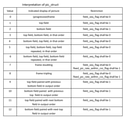
エンコーダ102は、60Hzのフレームレートのビデオストリームに実際に含まれる各ピクチャの符号化画像データに、ピクチャ・タイミング・SEIメッセージ(Picture_timing SEI message)を挿入し、その「pic_struct」のフィールドでリピート回数を指定する。これにより、受信側では、3-2プルダウン(3-2 pulldown)による60Hzのフレームレートによる表示(60Hz表示)が可能とされる。図8は、ピクチャ・タイミング・SEIメッセージの構造例(Syntax)を示している。図9は、「pic_struct」の表示シーケンスを示している。
The
図2(a),(b)の符号化例において、実線矩形枠は、60Hzのフレームレートに実際に含まれる各ピクチャの符号化画像データを示している。図2(a)の符号化例の場合、Bピクチャ(表示順「0」、符号化順「1」)、Bピクチャ(表示順「10」、符号化順「3」)ではリピート回数が3に指定され、Iピクチャ(表示順「6」、符号化順「0」)、Pピクチャ(表示順「16」、符号化順「2」)ではリピート回数が2に指定される。また、図2(b)の符号化例の場合、Bピクチャ(表示順「0」、符号化順「1」)、Bピクチャ(表示順「10」、符号化順「3」)ではリピート回数が2に指定され、Iピクチャ(表示順「4」、符号化順「0」)、Pピクチャ(表示順「14」、符号化順「2」)ではリピート回数が3に指定される。 In the coding example of FIGS. 2A and 2B, the solid rectangular frame shows the coded image data of each picture actually included in the frame rate of 60 Hz. In the case of the coding example of FIG. 2A, the number of repeats is 3 in the B picture (display order “0”, coding order “1”) and the B picture (display order “10”, coding order “3”). In the I picture (display order "6", coding order "0") and P picture (display order "16", coding order "2"), the number of repeats is specified as 2. Further, in the case of the coding example of FIG. 2B, the number of repeats in the B picture (display order "0", coding order "1") and the B picture (display order "10", coding order "3"). Is specified as 2, and the number of repeats is specified as 3 in the I picture (display order "4", coding order "0") and the P picture (display order "14", coding order "2").
また、エンコーダ102は、60Hzのフレームレートのビデオストリームに実際に含まれる各ピクチャの符号化画像データに、24Hzのフレームレートと表示開始タイミングとの同期関係を示す識別情報、すなわち位相情報(Phase information)を挿入する。なお、各ピクチャの表示開始タイミングは、各ピクチャの符号化画像データに付加された表示用のタイムスタンプ(TS:Time Stamp)で与えられる。
Further, the
この場合、各ピクチャの符号化画像データには、表示開始タイミングが24Hzタイミングと一致することを示す識別情報「PS」、表示開始タイミングが24Hzタイミングより遅れることを示す識別情報「PA」、表示開始タイミングが24Hzタイミングより早まることを示す識別情報「PB」のいずれかが挿入される。 In this case, in the coded image data of each picture, the identification information "PS" indicating that the display start timing coincides with the 24 Hz timing, the identification information "PA" indicating that the display start timing is delayed from the 24 Hz timing, and the display start. Any of the identification information "PB" indicating that the timing is earlier than the 24 Hz timing is inserted.
図2(a)の符号化例の場合、Bピクチャ(表示順「0」、符号化順「1」)、Bピクチャ(表示順「10」、符号化順「3」)には識別情報「PS」が挿入され、Iピクチャ(表示順「6」、符号化順「0」)、Pピクチャ(表示順「16」、符号化順「2」)には識別情報「PA」が挿入される。また、図2(b)の符号化例の場合、Bピクチャ(表示順「0」、符号化順「1」)、Bピクチャ(表示順「10」、符号化順「3」)には識別情報「PS」が挿入され、Iピクチャ(表示順「4」、符号化順「0」)、Pピクチャ(表示順「14」、符号化順「2」)には識別情報「PB」が挿入される。 In the case of the coding example of FIG. 2A, the identification information " "PS" is inserted, and the identification information "PA" is inserted in the I picture (display order "6", coding order "0") and the P picture (display order "16", coding order "2"). .. Further, in the case of the coding example of FIG. 2B, the B picture (display order "0", coding order "1") and the B picture (display order "10", coding order "3") are identified. Information "PS" is inserted, and identification information "PB" is inserted in I picture (display order "4", coding order "0") and P picture (display order "14", coding order "2"). Will be done.
エンコーダ102は、各ピクチャの符号化画像データにこれらの識別情報を挿入するため、アクセスユニット(AU)の“SEIs”の部分に、新規定義する、ピクチャ・タイミング・デスプレースメント・SEIメッセージ(Picture_timing_displacement SEI message)を挿入する。
In order to insert these identification information into the coded image data of each picture, the
図10は、符号化方式がHEVCである場合におけるGOP(Group Of Pictures)の先頭のアクセスユニットを示している。また、図11は、符号化方式がHEVCである場合におけるGOPの先頭以外のアクセスユニットを示している。HEVCの符号化方式の場合、画素データが符号化されているスライス(slices)の前にデコード用のSEIメッセージ群「Prefix_SEIs」が配置され、このスライス(slices)の後に表示用のSEIメッセージ群「Suffix_SEIs」が配置される。図10、図11に示すように、ピクチャ・タイミング・デスプレースメント・SEIメッセージは、例えば、SEIメッセージ群「Suffix_SEIs」として配置される。 FIG. 10 shows the first access unit of GOP (Group Of Pictures) when the coding method is HEVC. Further, FIG. 11 shows an access unit other than the head of the GOP when the coding method is HEVC. In the case of the HEVC coding method, the SEI message group "Prefix_SEIs" for decoding is placed before the slices in which the pixel data is encoded, and the SEI message group for display "Prefix_SEIs" is placed after the slices. "Suffix_SEIs" is placed. As shown in FIGS. 10 and 11, the picture timing death placement SEI message is arranged as, for example, the SEI message group “Suffix_SEIs”.
図12(a)は、ピクチャ・タイミング・デスプレースメント・SEIメッセージの構造例(Syntax)を示している。図12(b)は、その構造例における主要な情報の内容(Semantics)を示している。「resync_to_picstruct_flag」の1ビットフィールドは、「pic_struct」が示すリピートの起点と元の24Hz素材のタイミングが同じか否かを示す。例えば、“1”は同じであることを示し、“0”は同じでないことを示す。「resync_to_picstruct_flag」=“1”は、表示開始タイミングが24Hzタイミングと一致することを示す識別情報「PS」を構成する。 FIG. 12 (a) shows a structural example (Syntax) of a picture timing death placement SEI message. FIG. 12B shows the content (Semantics) of the main information in the structural example. The 1-bit field of "resync_to_picstruct_flag" indicates whether or not the start point of the repeat indicated by "pic_struct" and the timing of the original 24 Hz material are the same. For example, "1" indicates that they are the same, and "0" indicates that they are not the same. “Resync_to_picstruct_flag” = “1” constitutes the identification information “PS” indicating that the display start timing coincides with the 24 Hz timing.
「early_display_flag」の1ビットフィールドは、表示開始タイミングが24Hzタイミングより遅れるか否かを示すもので、この値が“1”である場合は、一つ前の「pic_struct」で示されるフレームリピート数よりも早く読みだすと24Hzとの同期表示ができること、すなわち識別情報「PA」を示し、“0”はそうではないことを示す。 The 1-bit field of "early_display_flag" indicates whether the display start timing is delayed from the 24Hz timing. If this value is "1", it is from the number of frame repeats indicated by the previous "pic_struct". If it is read out as soon as possible, it indicates that it can be displayed in synchronization with 24 Hz, that is, the identification information "PA" is indicated, and "0" indicates that it is not.
「late_display_flag」のの1ビットフィールドは、表示開始タイミングが24Hzタイミングより早まるか否かを示すもので、この値が“1”である場合は、一つ前の「pic_struct」で示されるフレームリピート数よりも遅く読みだすと24Hzとの同期表示ができること、即ち識別情報「PB」を示し、“0”はそうではないことを示す。 The 1-bit field of "late_display_flag" indicates whether the display start timing is earlier than the 24Hz timing. If this value is "1", the number of frame repeats indicated by the previous "pic_struct". If it is read later than that, it can be displayed in synchronization with 24 Hz, that is, it indicates the identification information "PB", and "0" indicates that it is not.
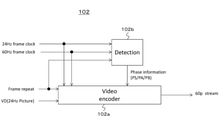
図13は、エンコーダ102の構成例を示している。エンコーダ102は、ビデオエンコード部102aと、検出部102bを有している。ビデオエンコード部102aには、24Hzのフレームレートの動画像データVDが入力される。また、動画像データVDの各ピクチャに対応して3-2プルダウン処理のためのリピート回数を示すフレームリピート(Frame repeat)情報が、ビデオエンコード部102aおよび検出部102bに供給される。
FIG. 13 shows a configuration example of the
また、動画像データVDにフレーム同期した24Hzフレームクロック(24Hz frame clock)が、ビデオエンコード部102aおよび検出部102bに供給される。また、24Hzフレームクロックの1つおきに同期する60Hzフレームクロック(60Hz frame clock)が、ビデオエンコード部102aおよび検出部102bに供給される。
Further, a 24 Hz frame clock frame-synchronized with the moving image data VD is supplied to the
ビデオエンコード部102aでは、動画像データVDを構成する各ピクチャが、60Hzフレームクロックに基づいて、60Hzのフレームレートで符号化され(図2(a),(b)の符号化例参照)、60Hzのフレームレートのビデオストリーム(60pストリーム)が得られる。また、ビデオエンコード部102aでは、動画像データVDを構成する各ピクチャに対応したフレームリピート(Frame repeat)情報に基づいて、60Hzのフレームレートのビデオストリームに実際に含まれる各ピクチャの符号化画像データに挿入されるピクチャ・タイミング・SEIメッセージの「pic_struct」のフィールドにリピート回数が指定される。
In the
また、検出部102bでは、24Hzフレームクロックと60Hzフレームクロックの位相関係に基づいて、60Hzのフレームレートのビデオストリームに実際に含まれる各ピクチャの表示開始タイミングと24Hzのフレームレートとの同期関係を示す識別情報(PS/PA/PB)が生成され、ビデオエンコード部102aに供給される。そして、60Hzのフレームレートのビデオストリームに実際に含まれる各ピクチャの符号化画像データに、それぞれのピクチャに対応した識別情報を持つピクチャ・タイミング・デスプレースメント・SEIメッセージ(図12(a)参照)が挿入される。
Further, the
図7に戻って、マルチプレクサ103は、エンコーダ102で生成されたビデオストリームを、PES(Packetized Elementary Stream)パケット化し、さらにトランスポートパケット化して多重し、多重化ストリームとしてのビデオストリームVSを得る。送信部104は、マルチプレクサ103で得られたビデオストリームVSを、放送波あるいはネットのパケットに載せて、受信装置200に送信する。
Returning to FIG. 7, the
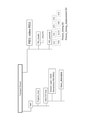
図14は、ビデオストリームVSの構成例を示している。この構成例では、PID1で識別されるビデオストリームのPESパケット「video PES1」が存在する。PESヘッダには、DTS、PTSが配置されている。PESペイロードに含まれる各ピクチャの符号化画像データは、「AUD」、「VPS」、「SPS」、「PPS」、「PSEI」、「SLICE」、「SSEI」、「EOS」などのNALユニットにより構成されている。SEIメッセージとして、上述したピクチャ・タイミング・SEIメッセージ、ピクチャ・タイミング・デスプレースメント・SEIメッセージなどが挿入されている。 FIG. 14 shows a configuration example of the video stream VS. In this configuration example, there is a PES packet "video PES1" of the video stream identified by PID1. DTS and PTS are arranged in the PES header. The coded image data of each picture included in the PES payload is determined by NAL units such as "AUD", "VPS", "SPS", "PPS", "PSEI", "SLICE", "SSEI", and "EOS". It is configured. As the SEI message, the above-mentioned picture timing SEI message, picture timing death placement, SEI message, and the like are inserted.
また、ビデオストリームVSには、PSI(Program Specific Information)として、PMT(Program Map Table)が含まれている。このPSIは、各エレメンタリストリームがどのプログラムに属しているかを記した情報である。PMTには、プログラム全体に関連する情報を記述するプログラム・ループ(Program loop)が存在する。また、PMTには、各エレメンタリストリームに関連した情報を持つエレメンタリストリームループが存在する。この構成例では、ビデオエレメンタリストリームループ(video ES1 loop)が存在する。 Further, the video stream VS includes PMT (Program Map Table) as PSI (Program Specific Information). This PSI is information describing which program each elementary stream belongs to. The PMT has a program loop that describes information related to the entire program. Further, the PMT has an elementary stream loop having information related to each elementary stream. In this configuration example, there is a video elementary stream loop (video ES1 loop).
ビデオエレメンタリストリームループには、ビデオストリーム(video PES1)に対応して、ストリームタイプ、パケット識別子(PID)等の情報が配置されると共に、そのビデオストリームに関連する情報を記述するデスクリプタも配置される。 In the video elemental stream loop, information such as the stream type and packet identifier (PID) is arranged corresponding to the video stream (video PES1), and a descriptor that describes the information related to the video stream is also arranged. To.
図7に示す送信装置100の動作を簡単に説明する。エンコーダ102には、24Hzのフレームレートの動画像データVDが入力される。エンコーダ102では、この動画像データVDを構成する各ピクチャが、60Hzのフレームレートで、例えば、H.264/AVC、H.265/HEVCなどの符号化が施され(図2(a),(b)の符号化例参照)、60Hzのフレームレートのビデオストリームが得られる。
The operation of the
また、エンコーダ102では、60Hzのフレームレートのビデオストリームに実際に含まれる各ピクチャの符号化画像データに、ピクチャ・タイミング・SEIメッセージが挿入され、その「pic_struct」のフィールドで、受信側における3-2プルダウン処理のためのリピート回数が指定される。
Further, in the
また、エンコーダ102では、60Hzのフレームレートのビデオストリームに実際に含まれる各ピクチャの符号化画像データに、24Hzのフレームレートと表示開始タイミングとの同期関係を示す識別情報(PS/PA/PB)を持つ、ピクチャ・タイミング・デスプレースメント・SEIメッセージ(図12(a)参照)が挿入される。
Further, in the
エンコーダ102で生成されたビデオストリームは、マルチプレクサ103に供給される。マルチプレクサ103では、ビデオストリームのPESパケット化、さらにトランスポートパケット化が行われて多重され、コンテナ(多重化ストリーム)としてのビデオストリームVSが得られる。このビデオストリームVSは、送信部104に送られる。送信部104では、このビデオストリームVSが、放送波あるいはネットのパケットに載せて送信される。
The video stream generated by the
「受信装置の構成」
図15は、受信装置200の構成例を示している。この受信装置200は、CPU(Central Processing Unit)201と、受信部202と、デマルチプレクサ203と、インバッファ204と、デコーダ205と、アウトバッファ206と、表示処理部207と、表示部208を有している。CPU201は、制御部を構成し、受信装置200の各部の動作を制御する。"Configuration of receiver"
FIG. 15 shows a configuration example of the receiving
受信部202は、送信装置100から放送波あるいはネットのパケットに載せて送られてくるビデオストリームVSを受信する。このビデオストリームVSには、24Hzのフレームレートの動画像データを構成する各ピクチャが60Hzのフレームレートで符号化されて得られた60Hzのビデオストリーム(60pストリーム)が含まれている。
The receiving
デマルチプレクサ203は、ビデオストリームVSから、PIDのフィルタリングによってビデオストリームを取り出す。また、デマルチプレクサ203は、ビデオストリームVSのレイヤに含まれるセクション情報を抽出し、CPU201に送る。インバッファ204は、デマルチプレクサ203で取り出されたビデオストリームを一時的に記憶しておく。
The
デコーダ205は、インバッファ204に記憶されたビデオストリームに復号化処理を施して、ビデオストリームに実際に含まれている、24Hzのフレームレートの動画像データを構成する各ピクチャの画像データを得る。アウトバッファ206は、デコーダ205で得られた各ピクチャの画像データを一時的に記憶しておく。
The
また、デコーダ205は、各ピクチャの表示開始タイミングを示すPTS、さらには各ピクチャの符号化画像データ(アクセスユニット)に挿入されているパラメータセットやSEIメッセージを抽出し、CPU201に送る。この場合、3-2プルダウン処理を行うためのリピート回数情報を持つピクチャ・タイミング・SEIメッセージ(図8参照)や各ピクチャの表示開始タイミングと24Hzのフレームレートとの同期関係を示す識別情報(PS/PA/PB)を持つピクチャ・タイミング・デスプレースメント・SEIメッセージ(図12(a)参照)なども抽出される。
Further, the
CPU201は、60Hzのフレームレートによる表示(60Hz表示)を行う場合、アウトバッファ206に記憶されている各ピクチャの表示開始タイミングとして、PTSが示す表示開始タイミングをそのまま用いる。この場合、表示処理部207は、CPU201の制御のもと、アウトバッファ206からそれぞれのピクチャの画像データの読み出しをPTSが示す表示開始タイミングで開始し、ピクチャ・タイミング・SEIメッセージの「pic_struct」のフィールドで指定されるリピート回数だけ60Hzのフレームレートで表示リピート処理し、3-2プルダウン処理による60Hzのフレームレートの動画像データを得る(図4、図6の「60Hz表示」部分参照)。
When displaying at a frame rate of 60 Hz (60 Hz display), the
一方、CPU201は、120Hzのフレームレート(第3のフレームレート)による表示(120Hz表示)を行う場合、アウトバッファ206に記憶されている各ピクチャの表示開始タイミングとして、PTSが示す表示開始タイミングをそのまま用いるのではなく、各ピクチャの符号化画像データに挿入されている識別情報(PS/PA/PB)に基づいて、当該PTSが示す表示開始タイミングを適宜補正して用いる。
On the other hand, when the
この場合、CPU201は、識別情報「PS」が挿入されているピクチャの表示開始タイミングに関しては、PTSが示す表示開始タイミングをそのまま用いる。また、CPU201は、識別情報「PA」が挿入されているピクチャの表示開始タイミングに関しては、PTSが示す表示開始タイミングを、120Hzのフレームレートで1ピクチャだけ、すなわち1/120秒だけ早くする方向にシフト補正して用いる。また、CPU201は、識別情報「PB」が挿入されているピクチャの表示開始タイミングに関しては、PTSが示す表示開始タイミングを、120Hzのフレームレートで1ピクチャだけ、すなわち1/120秒だけ遅くする方向にシフト補正して用いる。
In this case, the
この場合、表示処理部207は、CPU201の制御のもと、アウトバッファ206からそれぞれのピクチャの画像データの読み出しを上述の補正された表示開始タイミングで開始し、5回だけ120Hzのフレームレートで表示リピート処理を行って、120Hzのフレームレートの動画像データを得る(図4、図6の「120Hz表示」部分参照)。
In this case, under the control of the
ここで、表示リピート回数「Frame Repeat At Display Rate」は、第3のフレームレートである表示フレームレート「Display Frame Rate (Hz)」と、第1のフレームレートである元素材のフレームレート「Original Frame Rate (Hz)」とから、以下の数式(1)で算出できる。
{Frame Repeat at Display Rate} = {Display Frame Rate} / {Original Frame Rate}
・・・(1)Here, the display repeat count "Frame Repeat At Display Rate" is the display frame rate "Display Frame Rate (Hz)" which is the third frame rate and the frame rate "Original Frame" of the original material which is the first frame rate. It can be calculated from "Rate (Hz)" by the following formula (1).
{Frame Repeat at Display Rate} = {Display Frame Rate} / {Original Frame Rate}
... (1)
また、シフトピクチャ数「Num of pictures to Shift Timing」は、第3のフレームレートである表示フレームレート「Display Frame Rate (Hz)」と、第2のフレームレートであるエンコードフレームレート「Encoding Frame Rate (Hz)」とから、以下の数式(2)で算出できる。
{Num of pictures to Shift Timing}
= {Display Frame Rate} / {Encoding Frame Rate * 2}
・・・(2)The number of shift pictures "Num of pictures to Shift Timing" is a display frame rate "Display Frame Rate (Hz)" which is a third frame rate and an encode frame rate "Encoding Frame Rate" which is a second frame rate. From Hz) ”, it can be calculated by the following formula (2).
{Num of pictures to Shift Timing}
= {Display Frame Rate} / {Encoding Frame Rate * 2}
... (2)
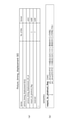
図16は、元素材のフレームレート「Original Frame Rate (Hz)」と、表示フレームレート「Display Frame Rate (Hz)」と、エンコードフレームレート「Encoding Frame Rate (Hz)」と、表示リピート回数「Frame Repeat At Display Rate」と、シフトピクチャ数「Num of pictures to Shift Timing」との対応関係の一例を示している。 FIG. 16 shows the frame rate “Original Frame Rate (Hz)” of the original material, the display frame rate “Display Frame Rate (Hz)”, the encoding frame rate “Encoding Frame Rate (Hz)”, and the number of display repeats “Frame”. An example of the correspondence between "Repeat At Display Rate" and the number of shift pictures "Num of pictures to Shift Timing" is shown.
この実施の形態では、「Original Frame Rate (Hz)」が24Hz、「Display Frame Rate (Hz)」が120Hz、「Encoding Frame Rate (Hz)」が60Hzであり、「Frame Repeat At Display Rate」は5、「Num of pictures to Shift Timing」は1となる。また、他の例として、「Original Frame Rate (Hz)」が24Hz、「Display Frame Rate (Hz)」が240Hz、「Encoding Frame Rate (Hz)」が60Hzであるとき、「Frame Repeat At Display Rate」は10、「Num of pictures to Shift Timing」は2となる。さらに、他の例として、「Original Frame Rate (Hz)」が48Hz、「Display Frame Rate (Hz)」が240Hz、「Encoding Frame Rate (Hz)」が120Hzであるとき、「Frame Repeat At Display Rate」は5、「Num of pictures to Shift Timing」は1となる。なお、図示の例は一例であって、これに限定されるものではない。 In this embodiment, the "Original Frame Rate (Hz)" is 24 Hz, the "Display Frame Rate (Hz)" is 120 Hz, the "Encoding Frame Rate (Hz)" is 60 Hz, and the "Frame Repeat At Display Rate" is 5. , "Num of pictures to Shift Timing" is 1. As another example, when "Original Frame Rate (Hz)" is 24Hz, "Display Frame Rate (Hz)" is 240Hz, and "Encoding Frame Rate (Hz)" is 60Hz, "Frame Repeat At Display Rate". Is 10 and "Num of pictures to Shift Timing" is 2. Further, as another example, when "Original Frame Rate (Hz)" is 48 Hz, "Display Frame Rate (Hz)" is 240 Hz, and "Encoding Frame Rate (Hz)" is 120 Hz, "Frame Repeat At Display Rate". Is 5, and "Num of pictures to Shift Timing" is 1. The illustrated example is an example, and the present invention is not limited to this.
ここで、上述したように表示処理部207で非同期ピクチャ(識別情報「PA」、「PB」が挿入されているピクチャ)の表示開始タイミングをシフト補正して早読みあるいは遅読みする場合のアウトバッファ206への影響について考える。
Here, as described above, the
まず、デコードタイミングは、インバッファ204からのピクチャの引き抜きタイミングであり、アウトバッファ206には影響しない。次に、デコード後のアウトバッファ206のバッファサイズ(buffer occupancy)は、非同期ピクチャを早読みあるいは遅読みすることから、送信側のエンコーダが意図したものとは異なる。
First, the decoding timing is the timing of extracting the picture from the
アウトバッファ206のタイミングを受信機側で変える場合、後続するデコードピクチャの被参照画として破綻をきたさないかが危惧される。しかし、非同期ピクチャを早読みあるいは遅読みするということは、アウトバッファ206からの読出しを開始するタイミングを早くするか、または遅くするかであり、非参照画としてアウトバッファ206に滞留する時間には影響しない。しかも、読出しのズレは120Hzの精度で1ピクチャ分である。また、そのズレは波及することなく、2ピクチャ間隔で24Hzと同期リフレッシュされる。従って、アウトバッファ206バッファ管理については問題ない。
When the timing of the
図15に戻って、表示部208は、表示処理部207で得られた動画像データによる動画像を表示する。この表示部208は、例えば、LCD(Liquid Crystal Display)、有機EL(Organic Electro-Luminescence)パネル等で構成されている。なお、この表示部208は、受信装置200に接続される外部機器であってもよい。
Returning to FIG. 15, the
図15に示す受信装置200の動作を簡単に説明する。受信部202では、送信装置100から放送波あるいはネットのパケットに載せて送られてくるビデオストリームVSが受信される。このビデオストリームVSには、24Hzのフレームレートの動画像データを構成する各ピクチャが60Hzのフレームレートで符号化されて得られた60Hzのビデオストリーム(60pストリーム)が含まれている。
The operation of the receiving
受信部202で受信されたビデオストリームVSは、デマルチプレクサ203に供給される。デマルチプレクサ203では、ビデオストリームVSから、PIDのフィルタリングによってビデオストリームが取り出される。また、デマルチプレクサ203では、ビデオストリームVSのレイヤに含まれるセクション情報が抽出され、CPU201に送られる。
The video stream VS received by the receiving
デマルチプレクサ203で取り出されたビデオストリームは、インバッファ204に供給され、一時的に記憶される。このビデオストリームには、24Hzのフレームレートの動画像データを構成する各ピクチャの符号化画像データが含まれている。インバッファ204に記憶された各ピクチャの符号化画像データは、それぞれ、DTS(Decoding Time Stamp)で示されるタイミングでデコーダ205に取り込まれてデコードされる。そして、デコーダ205で得られる各ピクチャの画像データは、アウトバッファ206に供給され、一時的に記憶される。
The video stream taken out by the
また、デコーダ205では、各ピクチャの表示開始タイミングを示すPTS、さらには各ピクチャの符号化画像データ(アクセスユニット)に挿入されているパラメータセットやSEIメッセージが抽出され、CPU201に送られる。この場合、3-2プルダウン処理を行うためのリピート回数情報を持つピクチャ・タイミング・SEIメッセージや各ピクチャの表示開始タイミングと24Hzのフレームレートとの同期関係を示す識別情報(PS/PA/PB)を持つピクチャ・タイミング・デスプレースメント・SEIメッセージなども抽出される。
Further, the
以下、受信装置200が60Hzのフレームレートによる表示(60Hz表示)を行う場合の動作と、受信装置200が120Hzのフレームレートによる表示(120Hz表示)を行う場合の動作を分けて説明する。
Hereinafter, the operation when the receiving
まず、受信装置200が60Hzのフレームレートによる表示(60Hz表示)を行う場合について説明する。この場合、CPU201では、アウトバッファ206に記憶されている各ピクチャの表示開始タイミングとして、PTSが示す表示開始タイミングがそのまま用いられる。表示処理部207では、CPU201の制御のもと、アウトバッファ206からのそれぞれのピクチャの画像データの読み出しが、PTSが示す表示開始タイミングで開始される。
First, a case where the receiving
そして、表示処理部207では、ピクチャ・タイミング・SEIメッセージの「pic_struct」のフィールドで指定されるリピート回数だけ60Hzのフレームレートで表示リピート処理がされ、3-2プルダウン処理による60Hzのフレームレートの動画像データが得られる。この動画像データは表示部208に供給され、この表示部208には、60Hzのフレームレートによる表示(60Hz表示)が行われる。
Then, the
次に、受信装置200が120Hzのフレームレートによる表示(120Hz表示)を行う場合について説明する。この場合、CPU201では、アウトバッファ206に記憶されている各ピクチャの表示開始タイミングとして、各ピクチャの符号化画像データに挿入されている識別情報(PS/PA/PB)に基づいてPTSが示す表示開始タイミングが適宜補正されて用いられる。
Next, a case where the receiving
この場合、識別情報「PS」が挿入されているピクチャの表示開始タイミングに関しては、PTSが示す表示開始タイミングがそのまま用いられる。また、識別情報「PA」が挿入されているピクチャの表示開始タイミングに関しては、PTSが示す表示開始タイミングが、120Hzのフレームレートで1ピクチャだけ、すなわち1/120秒け早くする方向にシフト補正されて用いられる。また、識別情報「PB」が挿入されているピクチャの表示開始タイミングに関しては、PTSが示す表示開始タイミングが、120Hzのフレームレートで1ピクチャだけ、すなわち1/120秒だけ遅くする方向にシフト補正されて用いられる。 In this case, as for the display start timing of the picture in which the identification information "PS" is inserted, the display start timing indicated by the PTS is used as it is. Further, regarding the display start timing of the picture in which the identification information "PA" is inserted, the display start timing indicated by the PTS is shift-corrected in the direction of advancing only one picture at a frame rate of 120 Hz, that is, 1/120 second earlier. Used for. Further, regarding the display start timing of the picture in which the identification information "PB" is inserted, the display start timing indicated by the PTS is shift-corrected in the direction of delaying only one picture at a frame rate of 120 Hz, that is, 1/120 second. Used for.
表示処理部207では、CPU201の制御のもと、アウトバッファ206からそれぞれのピクチャの画像データの読み出しが、上述の補正された表示開始タイミングで開始される。そして、表示処理部207では、5回だけ120Hzのフレームレートで表示リピート処理が行われ、120Hzのフレームレートの動画像データが得られる。この動画像データは表示部208に供給され、この表示部208には、120Hzのフレームレートによる表示(120Hz表示)が行われる。
Under the control of the
以上説明したように、図1に示す送受信システム10において、送信装置100は、60Hzのフレームレートのビデオストリームを構成する各ピクチャの符号化画像データに、24Hzのフレームレートと表示開始タイミングとの同期関係を示す識別情報(「PS」、「PA」、「PB」)を挿入するものである。そのため、受信側では、この識別情報に基づいて、各ピクチャの画像データの表示開始タイミングを、24Hzのフレームレートの動画像データを構成する各ピクチャを120Hzのフレームレートで符号化した場合と同じ状態に容易に補正でき、各ピクチャの画像データに5回の表示リピート処理を行って120Hzのフレームレートの動画像データを得て、120Hzのフレームレートによる表示(120Hz表示)を、24Hzの素材の滑らかさを損ねることなく良好に行うことができる。
As described above, in the transmission /
また、図1に示す送受信システム10において、受信装置200は、各ピクチャの符号化画像データに挿入されている識別情報(「PS」、「PA」、「PB」)に基づいて、各ピクチャの画像データの表示開始タイミングを24Hzのフレームレートの動画像データを構成する各ピクチャを120Hzのフレームレートで符号化した場合と同じ状態に補正し、各ピクチャの画像データに5回の表示リピート処理をして120Hzのフレームレートの動画像データを得るものである。そのため、120Hzのフレームレートによる表示(120Hz表示)を、24Hzの素材の滑らかさを損ねることなく良好に行うことができる。
Further, in the transmission /
<2.変形例>
なお、上述実施の形態においては、60Hzのフレームレートのビデオストリームを構成する各ピクチャの符号化画像データに、24Hzのフレームレートと表示開始タイミングとの同期関係を示す識別情報として、識別情報「PS」の他に、識別情報「PA」、「PB」を挿入する例を示した。しかし、識別情報「PS」だけを挿入し、識別情報「PA」、「PB」を挿入せずに、受信側で同様の処理を行わせることも考えられる。<2. Modification example>
In the above-described embodiment, the identification information "PS" is used as the identification information indicating the synchronization relationship between the frame rate of 24 Hz and the display start timing in the coded image data of each picture constituting the video stream having a frame rate of 60 Hz. , And an example of inserting the identification information "PA" and "PB" is shown. However, it is also conceivable to insert only the identification information "PS" and perform the same processing on the receiving side without inserting the identification information "PA" and "PB".
図17(a)は、識別情報「PS」だけを挿入する場合におけるピクチャ・タイミング・デスプレースメント・SEIメッセージの構造例(Syntax)を示している。図17(b)は、その構造例における主要な情報の内容(Semantics)を示している。この場合、図12(a)に示すピクチャ・タイミング・デスプレースメント・SEIメッセージの構造例では存在していた「early_display_flag」、「late_display_flag」のフィールドはない。 FIG. 17A shows a structural example (Syntax) of a picture timing displacement SEI message when only the identification information “PS” is inserted. FIG. 17B shows the content (Semantics) of the main information in the structural example. In this case, there are no "early_display_flag" and "late_display_flag" fields that existed in the picture timing placement placement SEI message structure example shown in FIG. 12 (a).
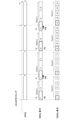
図18、図19は、それぞれ、上述の図4、図6と同様に、24Hzのタイミングと、60Hz表示および120Hz表示における各ピクチャの表示開始タイミングとの対応関係の一例を示している。図18、図19の例では、図4、図6の例とは異なり、識別情報「PS」だけが挿入され、識別情報「PA」、「PB」は挿入されていない。 18 and 19, respectively, show an example of the correspondence between the timing of 24 Hz and the display start timing of each picture in the 60 Hz display and the 120 Hz display, respectively, as in FIGS. 4 and 6, respectively. In the examples of FIGS. 18 and 19, unlike the examples of FIGS. 4 and 6, only the identification information “PS” is inserted, and the identification information “PA” and “PB” are not inserted.
図4、図6の例のように識別情報「PA」、「PB」が存在する場合、受信装置200では、識別情報「PA」,「PB」に基づいて、この識別情報「PA」、「PB」が挿入されているピクチャが24Hzのフレームレートに対して早まっているか遅れているかが判断され、当該ピクチャの表示開始タイミングは補正すべきものと認識されると共に、その補正方向が決定される。
When the identification information "PA" and "PB" are present as in the examples of FIGS. 4 and 6, the receiving
例えば、図4の例において、Iピクチャ(表示順「6」)には識別情報「PA」が挿入されており、受信装置200では、この識別情報「PA」に基づいて、このIピクチャ(表示順「6」)の表示開始タイミングが24Hzのフレームレートに対して遅れていることがわかり、このIピクチャ(表示順「6」)の表示開始タイミングは補正すべきものと認識され、その補正方向は早くする方向に決定される。
For example, in the example of FIG. 4, the identification information "PA" is inserted in the I picture (display order "6"), and the receiving
また、例えば、図6の例において、Iピクチャ(表示順「4」)には識別情報「PB」が挿入されており、受信装置200では、この識別情報「PB」に基づいて、このIピクチャ(表示順「4」)の表示開始タイミングが24Hzのフレームレートに対して早まっていることがわかり、このIピクチャ(表示順「4」)の表示開始タイミングは補正すべきものと認識され、その補正方向は遅くする方向に決定される。
Further, for example, in the example of FIG. 6, the identification information "PB" is inserted in the I picture (display order "4"), and in the receiving
図18、図19の例のように識別情報「PA」、PB」が存在しない場合、受信装置200では、あるピクチャで識別情報「PS」が抽出されるとき、ピクチャ・タイミング・SEIメッセージの「pic_struct」で指定されている3-2プルダウン処理のためのリピート回数に基づいて、次のピクチャが24Hzのフレームレートに対して早まっているか遅れているかが判断され、当該ピクチャの表示開始タイミングは補正すべきものと認識されると共に、その補正方向が決定される。
When the identification information "PA" and PB "do not exist as in the examples of FIGS. 18 and 19, when the identification information" PS "is extracted from a certain picture in the receiving
例えば、図18の例において、Bピクチャ(表示順「0」)には識別情報「PS」が挿入されており、また、このピクチャのリピート回数は3に指定されている。そのため、受信装置200では、次のピクチャであるIピクチャ(表示順「6」)の表示開始タイミングが24Hzのフレームレートに対して遅れていることがわかり、このIピクチャ(表示順「6」)の表示開始タイミングは補正すべきものと認識され、その補正方向は早くする方向に決定される。
For example, in the example of FIG. 18, the identification information “PS” is inserted in the B picture (display order “0”), and the number of repeats of this picture is specified as 3. Therefore, in the receiving
例えば、図19の例において、Bピクチャ(表示順「0」)には識別情報「PS」が挿入されており、また、このピクチャのリピート回数は2に指定されている。そのため、受信装置200では、次のピクチャであるIピクチャ(表示順「4」)の表示開始タイミングが24Hzのフレームレートに対して早まっていることがわかり、このIピクチャ(表示順「4」)の表示開始タイミングは補正すべきものと認識され、その補正方向は遅くする方向に決定される。
For example, in the example of FIG. 19, the identification information “PS” is inserted in the B picture (display order “0”), and the number of repeats of this picture is specified as 2. Therefore, in the receiving
図20のフローチャートは、受信装置200のCPU201が、上述のように識別情報「PS」のみが挿入される場合、あるいはその識別情報「PS」も挿入されていない場合に、表示開始タイミングを補正すべきピクチャを認識すると共にその補正方向(早くするか遅くするか)を決定する処理手順の一例を示している。このフローチャートの処理は、ピクチャ毎に行われる。
The flowchart of FIG. 20 corrects the display start timing when the
CPU201は、ステップST1において、処理を開始する。次に、CPU201は、ステップST2において、現在のピクチャにピクチャ・タイミング・デスプレースメント・SEIメッセージが存在するか否かを判断する。ピクチャ・タイミング・デスプレースメント・SEIメッセージが存在するとき、CPU201は、ステップST3において、識別情報「PS」があるか否か、つまり「resync_to_picstruct_flag」が“1”であるか“0”であるかを判断する。
The
識別情報「PS」があるとき、CPU201は、ステップST4において、ピクチャ・タイミング・SEIメッセージの「pic_struct」で指定されている表示リピート数が3であるか否かを判断する。表示リピート数が3であるとき、CPU201は、ステップST5において、次のピクチャの表示開始タイミングを補正すべきものと認識して補正対象とし、その補正方向を早くする方向に決定する。CPU201は、このステップST5の処理の後、ステップST6において、処理を終了する。
When there is the identification information "PS", the
また、ステップST4で表示リピート数が3でないとき、CPU201は、ステップST7において、ピクチャ・タイミング・SEIメッセージの「pic_struct」で指定されている表示リピート数が2であるか否かを判断する。表示リピート数が2であるとき、CPU201は、ステップST8において、次のピクチャの表示開始タイミングを補正すべきものと認識して補正対象とし、その補正方向を遅くする方向に決定する。CPU201は、このステップST8の処理の後、ステップST6において、処理を終了する。
Further, when the display repeat number is not 3 in step ST4, the
また、ステップST3で識別情報「PS」がないとき、あるいはステップST7で表示リピート数が2でないとき、CPU201は、直ちにステップST6に進み、処理を終了する。
Further, when there is no identification information "PS" in step ST3, or when the number of display repeats is not 2 in step ST7, the
また、ステップST2でピクチャ・タイミング・デスプレースメント・SEIメッセージが存在しないとき、CPU201は、ステップST9において、現在のピクチャは表示タイミングの補正対象か否かを判断する。現在のピクチャが補正対象でないとき、CPU201は、ステップST4の処理に進み、以下上述したと同様の処理をする。一方、現在のピクチャが補正対象であるとき、CPU201は、直ちにステップST6に進み、処理を終了する。
Further, when the picture timing displacement placement SEI message does not exist in step ST2, the
上述の図20のフローチャートの説明でも明らかなように、ピクチャ・タイミング・デスプレースメント・SEIメッセージが存在せず、従って識別情報「PS」の挿入がされていなくとも、各ピクチャの画像データの表示開始タイミングを、24Hzのフレームレートの動画像データを構成する各ピクチャを120Hzのフレームレートで符号化した場合と同じ状態に補正できる。そして、この場合も、各ピクチャの画像データに5回の表示リピート処理をして120Hzのフレームレートの動画像データを得ることで、120Hzのフレームレートによる表示(120Hz表示)を、24Hzの素材の滑らかさを損ねることなく良好に行うことができる。 As is clear from the explanation of the flowchart of FIG. 20 above, the display of the image data of each picture is started even if the picture timing displacement placement SEI message does not exist and therefore the identification information “PS” is not inserted. The timing can be corrected to the same state as when each picture constituting the moving image data having a frame rate of 24 Hz is encoded at a frame rate of 120 Hz. In this case as well, the image data of each picture is repeatedly displayed five times to obtain moving image data having a frame rate of 120 Hz, so that the display at the frame rate of 120 Hz (120 Hz display) can be displayed with the material of 24 Hz. It can be done well without impairing the smoothness.
このように識別情報「PS」の挿入がされていなくとも各ピクチャの画像データの表示開始タイミングの補正は可能である。識別情報「PS」の挿入がある場合には、複数の60Hzのフレームレートのビデオストリームを扱う場合に、タイミング補正を行う段階で複数のストリーム間にずれが生じることを防止でき、複数の120Hzのフレームレートの同期表示を保証できる。 Even if the identification information "PS" is not inserted in this way, it is possible to correct the display start timing of the image data of each picture. When the identification information "PS" is inserted, when handling multiple video streams with a frame rate of 60 Hz, it is possible to prevent a shift between the multiple streams at the stage of timing correction, and the multiple 120 Hz. You can guarantee the synchronized display of the frame rate.
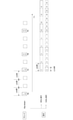
図21は、2つの60Hzのフレームレートのビデオストリームを扱う場合であって、識別情報「PS」の挿入がある場合の例を示している。この場合、識別情報「PS」の挿入があることで、表示開始タイミングを補正するピクチャが、ストリーム1(Stream 1)とストリーム2(Stream 2)において対応したものが特定される。そのため、タイミング補正を行う段階で2つのストリーム間にずれが生じることはなく、2つのストリームの120Hzのフレームレートでの同期表示が可能となる。 FIG. 21 shows an example in which two video streams having a frame rate of 60 Hz are handled and the identification information “PS” is inserted. In this case, by inserting the identification information "PS", it is specified that the pictures for which the display start timing is corrected correspond to those in the stream 1 (Stream 1) and the stream 2 (Stream 2). Therefore, there is no deviation between the two streams at the stage of timing correction, and synchronous display of the two streams at a frame rate of 120 Hz is possible.
図22は、2つの60Hzのフレームレートのビデオストリームを扱う場合であって、識別情報「PS」の挿入がない場合の例を示している。2つのストリームは60Hzの表示を行う場合は表示タイムスタンプTSで同期がとれている。この場合、識別情報「PS」の挿入がないことで、120Hzの表示のために表示開始タイミングを補正する段階で、表示開始タイミングを補正するピクチャが、図示のようにストリーム1(Stream 1)とストリーム2(Stream 2)で補正対象が同一でない可能性がある。この場合には、2つの120Hzのフレームレートの同期表示が不可能となる。
FIG. 22 shows an example in which two video streams having a frame rate of 60 Hz are handled and the identification information “PS” is not inserted. When displaying 60 Hz, the two streams are synchronized by the display time stamp TS. In this case, since the identification information "PS" is not inserted, the picture for which the display start timing is corrected is the stream 1 (Stream 1) as shown in the figure at the stage where the display start timing is corrected for the display of 120 Hz. There is a possibility that the correction targets are not the same in
また、本技術は、以下のような構成を取ることもできる。
(1)第1のフレームレートの動画像データを構成する各ピクチャを上記第1のフレームレートより大きな第2のフレームレートで符号化して該第2のフレームレートのビデオストリームを得る符号化部と、
上記第2のフレームレートのビデオストリームを構成する上記各ピクチャの符号化画像データに、上記第1のフレームレートと表示開始タイミングとの同期関係を示す識別情報を挿入する情報挿入部と、
上記識別情報が挿入された上記第2のフレームレートのビデオストリームを送信する送信部を備える
送信装置。
(2)上記同期関係を示す識別情報は、
上記第1のフレームレートと同期しているか否かを示す識別情報を含む
前記(1)に記載の送信装置。
(3)上記同期関係を示す識別情報は、
上記第1のフレームレートと同期していないとき、該第1のフレームレートに対して進んでいるか遅れているかを示す識別情報をさらに含む
前記(2)に記載の送信装置。
(4)上記第1のフレームレートは24Hzであって上記第2のフレームレートは60Hzであるか、上記第1のフレームレートは48Hzであって上記第2のフレームレートは120Hzである
前記(1)から(3)のいずれかに記載の送信装置。
(5)上記情報挿入部は、
上記識別情報を含むSEIメッセージを上記第2のフレームレートのビデオストリームに挿入する
前記(1)から(4)のいずれかに記載の送信装置。
(6)第1のフレームレートの動画像データを構成する各ピクチャを上記第1のフレームレートより大きな第2のフレームレートで符号化して該第2のフレームレートのビデオストリームを得る符号化ステップと、
上記第2のフレームレートのビデオストリームを構成する上記各ピクチャの符号化画像データに、上記第1のフレームレートと表示開始タイミングとの同期関係を示す識別情報を挿入する情報挿入ステップと、
送信部により、上記識別情報が挿入された上記第2のフレームレートのビデオストリームを送信する送信ステップを有する
送信方法。
(7)第1のフレームレートの動画像データを構成する各ピクチャを上記第1のフレームレートより大きな第2のフレームレートで符号化して得られた該第2のフレームレートのビデオストリームを受信する受信部を備え、
上記第2のフレームレートのビデオストリームを構成する上記各ピクチャの符号化画像データを復号化して該各ピクチャの画像データを得る復号化処理と、上記各ピクチャの画像データの表示開始タイミングを、上記第1のフレームレートの動画像データを構成する各ピクチャを上記第2のフレームレートより大きく、かつ上記第1のフレームレートのN倍(Nは整数)の第3のフレームレートで符号化した場合と同じ状態に補正するタイミング補正処理と、該表示開始タイミングが補正された上記各ピクチャの画像データを上記第3のフレームレートで上記Nの回数だけ繰り返し出力する表示リピート処理を制御する制御部をさらに備える
受信装置。
(8)上記第2のフレームレートのビデオストリームを構成する上記各ピクチャの符号化画像データに、上記第1のフレームレートと表示開始タイミングとの同期関係を示す識別情報が挿入されており、
上記制御部は、上記タイミング補正処理を、上記同期関係を示す識別情報に基づいて制御する
前記(7)に記載の受信装置。
(9)上記同期関係を示す識別情報は、
上記第1のフレームレートと同期しているか否かを示す識別情報を含む
前記(9)に記載の受信装置。
(10)上記同期関係を示す識別情報は、
上記第1のフレームレートと同期していないとき、該第1のフレームレートに対して進んでいるか遅れているかを示す識別情報をさらに含む
前記(9)に記載の受信装置。
(11)上記第1のフレームレートは24Hzであり、上記第2のフレームレートは60Hzであり、上記第3のフレームレートは120Hzであって、上記Nは5であるか、上記第1のフレームレートは24Hzであり、上記第2のフレームレートは60Hzであり、上記第3のフレームレートは240Hzであって、上記Nは10であるか、あるいは上記第1のフレームレートは48Hzであり、上記第2のフレームレートは120Hzであり、上記第3のフレームレートは240Hzであって、上記Nは5である
前記(7)から(10)のいずれかに記載の受信装置。
(12)受信部により、第1のフレームレートの動画像データを構成する各ピクチャを上記第1のフレームレートより大きな第2のフレームレートで符号化して得られた該第2のフレームレートのビデオストリームを受信する受信ステップを有し、
上記第2のフレームレートのビデオストリームを構成する上記各ピクチャの符号化画像データを復号化して該各ピクチャの画像データを得る復号化ステップと、
上記各ピクチャの画像データの表示開始タイミングを、上記第1のフレームレートの動画像データを構成する各ピクチャを上記第2のフレームレートより大きく、かつ上記第1のフレームレートのN倍(Nは整数)の第3のフレームレートで符号化した場合と同じ状態に補正する補正ステップと、
上記表示開始タイミングが補正された上記各ピクチャの画像データを、上記第3のフレームレートで上記Nの回数だけ繰り返し出力する表示リピートステップをさらに有する
受信方法。In addition, this technology can also have the following configurations.
(1) With a coding unit that encodes each picture constituting the moving image data of the first frame rate at a second frame rate larger than the first frame rate to obtain a video stream at the second frame rate. ,
An information insertion unit that inserts identification information indicating a synchronization relationship between the first frame rate and the display start timing into the coded image data of each of the pictures constituting the video stream having the second frame rate.
A transmission device including a transmission unit that transmits a video stream having the second frame rate into which the identification information is inserted.
(2) The identification information indicating the above synchronization relationship is
The transmission device according to (1) above, which includes identification information indicating whether or not the frame rate is synchronized with the first frame rate.
(3) The identification information indicating the above synchronization relationship is
The transmitter according to (2) above, further including identification information indicating whether the device is ahead or behind the first frame rate when it is not synchronized with the first frame rate.
(4) The first frame rate is 24 Hz and the second frame rate is 60 Hz, or the first frame rate is 48 Hz and the second frame rate is 120 Hz (1). ) To (3).
(5) The above information insertion part is
The transmission device according to any one of (1) to (4), wherein the SEI message including the identification information is inserted into the video stream having the second frame rate.
(6) With a coding step of encoding each picture constituting the moving image data of the first frame rate at a second frame rate larger than the first frame rate to obtain a video stream at the second frame rate. ,
An information insertion step of inserting identification information indicating a synchronization relationship between the first frame rate and the display start timing into the coded image data of each of the pictures constituting the video stream having the second frame rate.
A transmission method comprising a transmission step of transmitting a video stream having the second frame rate into which the identification information is inserted by the transmission unit.
(7) Receiving a video stream having a second frame rate obtained by encoding each picture constituting the moving image data having a first frame rate at a second frame rate larger than the first frame rate. Equipped with a receiver
The decoding process of decoding the encoded image data of each of the pictures constituting the video stream having the second frame rate to obtain the image data of each picture, and the display start timing of the image data of each of the pictures are described above. When each picture constituting the moving image data of the first frame rate is encoded at a third frame rate that is larger than the second frame rate and is N times the first frame rate (N is an integer). A control unit that controls a timing correction process that corrects to the same state as the above, and a display repeat process that repeatedly outputs the image data of each of the above pictures whose display start timing has been corrected by the above N times at the third frame rate. Further equipped receiver.
(8) Identification information indicating the synchronization relationship between the first frame rate and the display start timing is inserted into the coded image data of each of the pictures constituting the video stream having the second frame rate.
The receiving device according to (7), wherein the control unit controls the timing correction process based on the identification information indicating the synchronization relationship.
(9) The identification information indicating the above synchronization relationship is
The receiving device according to (9) above, which includes identification information indicating whether or not the frame rate is synchronized with the first frame rate.
(10) The identification information indicating the above synchronization relationship is
The receiving device according to (9) above, further including identification information indicating whether the device is ahead or behind the first frame rate when it is not synchronized with the first frame rate.
(11) The first frame rate is 24 Hz, the second frame rate is 60 Hz, the third frame rate is 120 Hz, and N is 5, or the first frame. The rate is 24 Hz, the second frame rate is 60 Hz, the third frame rate is 240 Hz, the N is 10, or the first frame rate is 48 Hz, the above. The receiving device according to any one of (7) to (10) above, wherein the second frame rate is 120 Hz, the third frame rate is 240 Hz, and the N is 5.
(12) The video of the second frame rate obtained by encoding each picture constituting the moving image data of the first frame rate with a second frame rate larger than the first frame rate by the receiving unit. Has a receive step to receive the stream,
A decoding step of decoding the coded image data of each of the pictures constituting the video stream having the second frame rate to obtain the image data of the pictures, and the decoding step.
The display start timing of the image data of each of the above pictures is set so that each picture constituting the moving image data of the first frame rate is larger than the second frame rate and is N times the first frame rate (N is). A correction step that corrects to the same state as when encoded at the third frame rate of (integer), and
A receiving method further comprising a display repeat step of repeatedly outputting the image data of each of the pictures whose display start timing has been corrected at the third frame rate for the number of times of N.
本技術の主な特徴は、60Hzのフレームレートのビデオストリームを構成する各ピクチャの符号化画像データに、24Hzのフレームレートと表示開始タイミングとの同期関係を示す識別情報を挿入することで、受信側では、各ピクチャの画像データの表示開始タイミングを、24Hzのフレームレートの動画像データを構成する各ピクチャを120Hzのフレームレートで符号化した場合と同じ状態に容易に補正して、120Hzのフレームレートによる表示(120Hz表示)を24Hzの素材の滑らかさを損ねることなく良好に行い得るようにしたことである(図4、図6参照)。 The main feature of this technology is that it is received by inserting identification information indicating the synchronization relationship between the frame rate of 24 Hz and the display start timing into the coded image data of each picture constituting the video stream with a frame rate of 60 Hz. On the side, the display start timing of the image data of each picture is easily corrected to the same state as when each picture constituting the moving image data having a frame rate of 24 Hz is encoded at a frame rate of 120 Hz, and the frame of 120 Hz is used. The rate display (120 Hz display) can be performed satisfactorily without impairing the smoothness of the 24 Hz material (see FIGS. 4 and 6).
10・・・送受信システム
100・・・送信装置
101・・・CPU
102・・・エンコーダ
102a・・・ビデオエンコード部
102b・・・検出部
103・・・マルチプレクサ
104・・・送信部
200・・・受信装置
201・・・CPU
202・・・受信部
203・・・デマルチプレクサ
204・・・インバッファ
205・・・デコーダ
206・・・アウトバッファ
207・・・表示処理部
208・・・表示部10 ... Transmission /
102 ... Encoder 102a ...
202 ...
Claims (9)
上記第2のフレームレートのビデオストリームに間欠的に含まれる上記第1のフレームレートの動画像データを構成する各ピクチャの符号化画像データに表示開始タイミングを示す情報を挿入すると共に、上記第2のフレームレートのビデオストリームに間欠的に含まれる上記第1のフレームレートの動画像データを構成する各ピクチャの符号化画像データのうち上記表示開始タイミングが上記第1のフレームレートのタイミングと一致するピクチャの符号化画像データに一致していることを示す識別情報を挿入する情報挿入部と、
上記第2のフレームレートのビデオストリームを送信する送信部を備える
送信装置。 Encoding of each picture constituting the moving image data of the first frame rate by encoding each picture constituting the moving image data of the first frame rate at a second frame rate larger than the first frame rate. An encoding unit for obtaining a video stream having the second frame rate intermittently containing image data, and
Information indicating the display start timing is inserted into the coded image data of each picture constituting the moving image data of the first frame rate intermittently included in the video stream of the second frame rate, and the second frame rate is described. Of the encoded image data of each picture constituting the moving image data of the first frame rate intermittently included in the video stream of the frame rate, the display start timing coincides with the timing of the first frame rate. An information insertion unit that inserts identification information indicating that the data matches the coded image data of the picture, and an information insertion unit.
A transmission device including a transmission unit for transmitting the video stream having the second frame rate.
請求項1に記載の送信装置。 The information insertion unit has the display start timing of the coded image data of each picture constituting the moving image data of the first frame rate intermittently included in the video stream of the second frame rate. Further insert identification information indicating that the image is advanced or delayed in the coded image data of the picture that does not match the timing of the frame rate of 1.
The transmitter according to claim 1 .
請求項1または2に記載の送信装置。 The first frame rate is 24 Hz and the second frame rate is 60 Hz, or the first frame rate is 48 Hz and the second frame rate is 120 Hz. The transmitter described.
上記識別情報を含むSEIメッセージを上記第2のフレームレートのビデオストリームに挿入する
請求項1から3のいずれかに記載の送信装置。 The above information insertion part is
The transmitting device according to any one of claims 1 to 3 , wherein the SEI message including the identification information is inserted into the video stream having the second frame rate.
上記第2のフレームレートのビデオストリームに間欠的に含まれる上記第1のフレームレートの動画像データを構成する各ピクチャの符号化画像データに表示開始タイミングを示す情報を挿入すると共に、上記第2のフレームレートのビデオストリームに間欠的に含まれる上記第1のフレームレートの動画像データを構成する各ピクチャの符号化画像データのうち上記表示開始タイミングが上記第1のフレームレートのタイミングと一致するピクチャの符号化画像データに一致していることを示す識別情報を挿入する情報挿入ステップと、
送信部により、上記第2のフレームレートのビデオストリームを送信する送信ステップを有する
送信方法。 Encoding of each picture constituting the moving image data of the first frame rate by encoding each picture constituting the moving image data of the first frame rate at a second frame rate larger than the first frame rate. A coding step to obtain a video stream with a second frame rate that intermittently contains image data ,
Information indicating the display start timing is inserted into the coded image data of each picture constituting the moving image data of the first frame rate intermittently included in the video stream of the second frame rate, and the second frame rate is described. Of the encoded image data of each picture constituting the moving image data of the first frame rate intermittently included in the video stream of the frame rate, the display start timing coincides with the timing of the first frame rate. An information insertion step that inserts identification information indicating that the data matches the coded image data of the picture, and an information insertion step.
A transmission method comprising a transmission step of transmitting a video stream having the second frame rate by a transmission unit.
上記第2のフレームレートのビデオストリームに間欠的に含まれる上記第1のフレームレートの動画像データを構成する各ピクチャの符号化画像データに表示開始タイミングを示す情報が挿入されていると共に、上記第2のフレームレートのビデオストリームに間欠的に含まれる上記第1のフレームレートの動画像データを構成する各ピクチャの符号化画像データのうち上記表示開始タイミングが上記第1のフレームレートのタイミングと一致するピクチャの符号化画像データに一致していることを示す識別情報が挿入されており、
上記第2のフレームレートのビデオストリームに間欠的に含まれる上記第1のフレームレートの動画像データを構成する各ピクチャの符号化画像データを復号化して該各ピクチャの画像データを得る復号化処理と、上記各ピクチャの画像データの表示開始タイミングを、上記一致していることを示す識別情報に基づいて、上記第1のフレームレートの動画像データを構成する各ピクチャを上記第2のフレームレートより大きく、かつ上記第1のフレームレートのN倍(Nは整数)の第3のフレームレートで符号化した場合と同じ状態に補正するタイミング補正処理と、該表示開始タイミングが補正された上記各ピクチャの画像データを上記第3のフレームレートで上記Nの回数だけ繰り返し出力する表示リピート処理を制御する制御部をさらに備える
受信装置。 Each picture constituting the moving image data of the first frame rate obtained by encoding each picture constituting the moving image data of the first frame rate with a second frame rate larger than the first frame rate. A receiver that receives a video stream at a second frame rate that intermittently contains the encoded image data of the above.
Information indicating the display start timing is inserted in the coded image data of each picture constituting the moving image data of the first frame rate intermittently included in the video stream of the second frame rate, and the above is described. Of the encoded image data of each picture constituting the moving image data of the first frame rate intermittently included in the video stream of the second frame rate, the display start timing is the timing of the first frame rate. Identification information indicating that the coded image data of the matching picture is matched is inserted, and identification information is inserted.
Decoding to obtain the image data of each picture by decoding the encoded image data of each picture constituting the moving image data of the first frame rate intermittently included in the video stream of the second frame rate. Based on the identification information indicating that the processing and the display start timing of the image data of each of the pictures match, each picture constituting the moving image data of the first frame rate is set to the second frame. The timing correction process for correcting to the same state as when encoded at the third frame rate, which is larger than the rate and is N times (N is an integer) of the first frame rate, and the display start timing is corrected. A receiving device further comprising a control unit for controlling a display repeat process for repeatedly outputting image data of each picture at the third frame rate for the number of times of the above N times.
上記タイミング補正処理では、上記一致していることを示す識別情報と共に上記進んでいることを示す識別情報、あるいは遅れていることを示す識別情報に基づいて、補正する
請求項6に記載の受信装置。 Of the encoded image data of each picture constituting the moving image data of the first frame rate intermittently included in the video stream of the second frame rate, the display start timing is the timing of the first frame rate. The coded image data of the picture that does not match with is further inserted with the identification information indicating that the data is advanced or the identification information indicating that the data is delayed.
In the timing correction process, correction is made based on the above-mentioned identification information indicating that they match, the above-mentioned identification information indicating that they are advancing, or the above-mentioned identification information indicating that they are delayed.
The receiving device according to claim 6 .
請求項6または7に記載の受信装置。 The first frame rate is 24 Hz, the second frame rate is 60 Hz, the third frame rate is 120 Hz, the N is 5, or the first frame rate is 24 Hz. The second frame rate is 60 Hz, the third frame rate is 240 Hz, the N is 10, or the first frame rate is 48 Hz, the second frame rate. The receiving device according to claim 6 or 7 , wherein the frame rate is 120 Hz, the third frame rate is 240 Hz, and N is 5.
上記第2のフレームレートのビデオストリームに間欠的に含まれる上記第1のフレームレートの動画像データを構成する各ピクチャの符号化画像データに表示開始タイミングを示す情報が挿入されていると共に、上記第2のフレームレートのビデオストリームに間欠的に含まれる上記第1のフレームレートの動画像データを構成する各ピクチャの符号化画像データのうち上記表示開始タイミングが上記第1のフレームレートのタイミングと一致するピクチャの符号化画像データに一致していることを示す識別情報が挿入されており、
上記第2のフレームレートのビデオストリームに間欠的に含まれる上記第1のフレームレートの動画像データを構成する各ピクチャの符号化画像データを復号化して該各ピクチャの画像データを得る復号化ステップと、
上記各ピクチャの画像データの表示開始タイミングを、上記一致していることを示す識別情報に基づいて、上記第1のフレームレートの動画像データを構成する各ピクチャを上記第2のフレームレートより大きく、かつ上記第1のフレームレートのN倍(Nは整数)の第3のフレームレートで符号化した場合と同じ状態に補正する補正ステップと、
上記表示開始タイミングが補正された上記各ピクチャの画像データを、上記第3のフレームレートで上記Nの回数だけ繰り返し出力する表示リピートステップをさらに有する
受信方法。 The receiving unit encodes each picture constituting the moving image data of the first frame rate at a second frame rate larger than the first frame rate, and obtains the moving image data of the first frame rate. It has a receive step of receiving a video stream at a second frame rate that intermittently contains the encoded image data of each of the constituent pictures .
Information indicating the display start timing is inserted in the coded image data of each picture constituting the moving image data of the first frame rate intermittently included in the video stream of the second frame rate, and the above is described. Of the encoded image data of each picture constituting the moving image data of the first frame rate intermittently included in the video stream of the second frame rate, the display start timing is the timing of the first frame rate. Identification information indicating that the coded image data of the matching picture is matched is inserted, and identification information is inserted.
Decoding to obtain the image data of each picture by decoding the encoded image data of each picture constituting the moving image data of the first frame rate intermittently included in the video stream of the second frame rate. Steps and
The display start timing of the image data of each of the above pictures is set to be larger than that of the second frame rate for each picture constituting the moving image data of the first frame rate based on the identification information indicating that they match. In addition, a correction step of correcting to the same state as when coding with a third frame rate of N times the first frame rate (N is an integer), and
A receiving method further comprising a display repeat step of repeatedly outputting the image data of each of the pictures whose display start timing has been corrected at the third frame rate for the number of times of N.
Applications Claiming Priority (3)
| Application Number | Priority Date | Filing Date | Title |
|---|---|---|---|
| JP2016060956 | 2016-03-24 | ||
| JP2016060956 | 2016-03-24 | ||
| PCT/JP2017/010795 WO2017164087A1 (en) | 2016-03-24 | 2017-03-16 | Transmission device, transmission method, reception device, and reception method |
Publications (2)
| Publication Number | Publication Date |
|---|---|
| JPWO2017164087A1 JPWO2017164087A1 (en) | 2019-02-14 |
| JP6996490B2 true JP6996490B2 (en) | 2022-01-17 |
Family
ID=59900261
Family Applications (1)
| Application Number | Title | Priority Date | Filing Date |
|---|---|---|---|
| JP2018507292A Active JP6996490B2 (en) | 2016-03-24 | 2017-03-16 | Transmitter, transmitter, receiver and receiver |
Country Status (6)
| Country | Link |
|---|---|
| US (1) | US10659795B2 (en) |
| EP (1) | EP3435678B1 (en) |
| JP (1) | JP6996490B2 (en) |
| CN (1) | CN108781301B (en) |
| TW (1) | TWI744292B (en) |
| WO (1) | WO2017164087A1 (en) |
Families Citing this family (2)
| Publication number | Priority date | Publication date | Assignee | Title |
|---|---|---|---|---|
| MX2020004273A (en) * | 2017-11-02 | 2020-07-29 | Sony Corp | Transmission device, transmission method, reception device, and reception method. |
| CN112866745B (en) * | 2020-12-31 | 2023-04-25 | 南方电网大数据服务有限公司 | Streaming video data processing method, device, computer equipment and storage medium |
Citations (4)
| Publication number | Priority date | Publication date | Assignee | Title |
|---|---|---|---|---|
| JP2005354361A (en) | 2004-06-10 | 2005-12-22 | Sony Computer Entertainment Inc | Encoding apparatus and encoding method, decoding apparatus and decoding method, program and program recording medium, data recording medium and data structure, and reproducing apparatus |
| WO2012137269A1 (en) | 2011-04-01 | 2012-10-11 | パナソニック株式会社 | Video signal frame rate conversion device and method, and video processing device using said frame rate conversion |
| JP2012227799A (en) | 2011-04-21 | 2012-11-15 | Mitsubishi Electric Corp | Image display device |
| WO2015053157A1 (en) | 2013-10-11 | 2015-04-16 | ソニー株式会社 | Transmission device, transmission method, and reception device |
Family Cites Families (6)
| Publication number | Priority date | Publication date | Assignee | Title |
|---|---|---|---|---|
| US7433683B2 (en) * | 2000-12-28 | 2008-10-07 | Northstar Acquisitions, Llc | System for fast macrodiversity switching in mobile wireless networks |
| JP2004159191A (en) * | 2002-11-07 | 2004-06-03 | Seiko Epson Corp | Conversion of frame rate according to image data |
| JP3729189B2 (en) * | 2003-07-18 | 2005-12-21 | ソニー株式会社 | Imaging device |
| CN101534405B (en) * | 2004-03-31 | 2011-06-01 | 松下电器产业株式会社 | Video recording equipment for variable frame rate recording |
| GB0428155D0 (en) * | 2004-12-22 | 2005-01-26 | British Telecomm | Buffer underflow prevention |
| JP2013143646A (en) | 2012-01-10 | 2013-07-22 | Sony Corp | Display device, frame rate conversion apparatus, and display method |
-
2017
- 2017-03-13 TW TW106108185A patent/TWI744292B/en not_active IP Right Cessation
- 2017-03-16 CN CN201780017916.XA patent/CN108781301B/en not_active Expired - Fee Related
- 2017-03-16 WO PCT/JP2017/010795 patent/WO2017164087A1/en not_active Ceased
- 2017-03-16 EP EP17770129.9A patent/EP3435678B1/en active Active
- 2017-03-16 JP JP2018507292A patent/JP6996490B2/en active Active
- 2017-03-16 US US16/078,086 patent/US10659795B2/en active Active
Patent Citations (4)
| Publication number | Priority date | Publication date | Assignee | Title |
|---|---|---|---|---|
| JP2005354361A (en) | 2004-06-10 | 2005-12-22 | Sony Computer Entertainment Inc | Encoding apparatus and encoding method, decoding apparatus and decoding method, program and program recording medium, data recording medium and data structure, and reproducing apparatus |
| WO2012137269A1 (en) | 2011-04-01 | 2012-10-11 | パナソニック株式会社 | Video signal frame rate conversion device and method, and video processing device using said frame rate conversion |
| JP2012227799A (en) | 2011-04-21 | 2012-11-15 | Mitsubishi Electric Corp | Image display device |
| WO2015053157A1 (en) | 2013-10-11 | 2015-04-16 | ソニー株式会社 | Transmission device, transmission method, and reception device |
Also Published As
| Publication number | Publication date |
|---|---|
| CN108781301A (en) | 2018-11-09 |
| EP3435678A1 (en) | 2019-01-30 |
| TWI744292B (en) | 2021-11-01 |
| JPWO2017164087A1 (en) | 2019-02-14 |
| EP3435678A4 (en) | 2019-01-30 |
| US20190052889A1 (en) | 2019-02-14 |
| EP3435678B1 (en) | 2021-04-28 |
| US10659795B2 (en) | 2020-05-19 |
| TW201739257A (en) | 2017-11-01 |
| WO2017164087A1 (en) | 2017-09-28 |
| CN108781301B (en) | 2021-04-16 |
Similar Documents
| Publication | Publication Date | Title |
|---|---|---|
| US8385413B2 (en) | Decoding and presentation time stamps for MPEG-4 advanced video coding | |
| US8351514B2 (en) | Method, protocol, and apparatus for transporting advanced video coding content | |
| US9456209B2 (en) | Method of multiplexing H.264 elementary streams without timing information coded | |
| EP2866457B1 (en) | Reception device, and synchronous processing method therefor | |
| EP2574064A1 (en) | Image data transmitting device, image data transmitting method and image data receiving device | |
| US8643698B2 (en) | Method and system for transmitting a 1080P60 video in 1080i format to a legacy 1080i capable video receiver without resolution loss | |
| US20120092453A1 (en) | Broadcast transmitter, broadcast receiver and 3d video processing method thereof | |
| EP2866458B1 (en) | Reception device, and synchronous processing method therefor | |
| EP2346261A1 (en) | Method and apparatus for multiplexing H.264 elementary streams without timing information coded | |
| KR101824278B1 (en) | Receiver and method at the receiver for enabling channel change with a single decoder | |
| EP2600619A1 (en) | Transmitter, transmission method and receiver | |
| US20150109411A1 (en) | Image playback apparatus for 3dtv and method performed by the apparatus | |
| EP2528334A1 (en) | Reception device, transmission device, communication system, method for controlling reception device, and program | |
| EP2651138A1 (en) | Image data transmitting device, image data transmitting method, image data receiving device, and image data receiving method | |
| US20140327740A1 (en) | Transmission apparatus, transmisson method, receiver and receiving method | |
| EP3435678B1 (en) | Transmission device, transmission method, reception device, and reception method |
Legal Events
| Date | Code | Title | Description |
|---|---|---|---|
| A521 | Request for written amendment filed |
Free format text: JAPANESE INTERMEDIATE CODE: A523 Effective date: 20200214 |
|
| A621 | Written request for application examination |
Free format text: JAPANESE INTERMEDIATE CODE: A621 Effective date: 20200214 |
|
| A131 | Notification of reasons for refusal |
Free format text: JAPANESE INTERMEDIATE CODE: A131 Effective date: 20210413 |
|
| A521 | Request for written amendment filed |
Free format text: JAPANESE INTERMEDIATE CODE: A523 Effective date: 20210608 |
|
| TRDD | Decision of grant or rejection written | ||
| A01 | Written decision to grant a patent or to grant a registration (utility model) |
Free format text: JAPANESE INTERMEDIATE CODE: A01 Effective date: 20211116 |
|
| A61 | First payment of annual fees (during grant procedure) |
Free format text: JAPANESE INTERMEDIATE CODE: A61 Effective date: 20211129 |
|
| R151 | Written notification of patent or utility model registration |
Ref document number: 6996490 Country of ref document: JP Free format text: JAPANESE INTERMEDIATE CODE: R151 |