JP6458317B2 - Method and apparatus for managing electrical energy generated locally for self-consumption and distributed to multiple users belonging to one or multiple communities of multiple users - Google Patents
Method and apparatus for managing electrical energy generated locally for self-consumption and distributed to multiple users belonging to one or multiple communities of multiple users Download PDFInfo
- Publication number
- JP6458317B2 JP6458317B2 JP2014559343A JP2014559343A JP6458317B2 JP 6458317 B2 JP6458317 B2 JP 6458317B2 JP 2014559343 A JP2014559343 A JP 2014559343A JP 2014559343 A JP2014559343 A JP 2014559343A JP 6458317 B2 JP6458317 B2 JP 6458317B2
- Authority
- JP
- Japan
- Prior art keywords
- electrical energy
- users
- energy
- local power
- user
- Prior art date
- Legal status (The legal status is an assumption and is not a legal conclusion. Google has not performed a legal analysis and makes no representation as to the accuracy of the status listed.)
- Active
Links
Images

Classifications
-
- H—ELECTRICITY
- H02—GENERATION; CONVERSION OR DISTRIBUTION OF ELECTRIC POWER
- H02J—ELECTRIC POWER NETWORKS; CIRCUIT ARRANGEMENTS OR SYSTEMS FOR SUPPLYING OR DISTRIBUTING ELECTRIC POWER; SYSTEMS FOR STORING ELECTRIC ENERGY
- H02J3/00—Circuit arrangements for AC mains or AC distribution networks
- H02J3/38—Arrangements for feeding a single network from two or more generators or sources in parallel; Arrangements for feeding already energised networks from additional generators or sources in parallel
- H02J3/46—Controlling the sharing of generated power between the generators, sources or networks
-
- G—PHYSICS
- G05—CONTROLLING; REGULATING
- G05B—CONTROL OR REGULATING SYSTEMS IN GENERAL; FUNCTIONAL ELEMENTS OF SUCH SYSTEMS; MONITORING OR TESTING ARRANGEMENTS FOR SUCH SYSTEMS OR ELEMENTS
- G05B15/00—Systems controlled by a computer
- G05B15/02—Systems controlled by a computer electric
-
- H—ELECTRICITY
- H02—GENERATION; CONVERSION OR DISTRIBUTION OF ELECTRIC POWER
- H02J—ELECTRIC POWER NETWORKS; CIRCUIT ARRANGEMENTS OR SYSTEMS FOR SUPPLYING OR DISTRIBUTING ELECTRIC POWER; SYSTEMS FOR STORING ELECTRIC ENERGY
- H02J4/00—Circuit arrangements for mains or distribution networks not specified as AC or DC; Circuit arrangements for mains or distribution networks combining AC and DC sections or sub-networks
Landscapes
- Engineering & Computer Science (AREA)
- Power Engineering (AREA)
- General Engineering & Computer Science (AREA)
- Physics & Mathematics (AREA)
- General Physics & Mathematics (AREA)
- Automation & Control Theory (AREA)
- Remote Monitoring And Control Of Power-Distribution Networks (AREA)
- Management, Administration, Business Operations System, And Electronic Commerce (AREA)
- Supply And Distribution Of Alternating Current (AREA)
Description
本発明は、電気エネルギー分配システムの分野に関し、より具体的には、自己消費のためにローカルに生成され、1又は複数のユーザコミュニティーに属する複数のユーザに分配される電気エネルギーを管理するための方法及び装置に関する。 The present invention relates to the field of electrical energy distribution systems, and more specifically for managing electrical energy generated locally for self-consumption and distributed to multiple users belonging to one or more user communities. The present invention relates to a method and an apparatus.
発明の範囲は、その最終的なユーザにもなりうる対象者によってローカルに生成可能な電気エネルギーの管理に関する。 The scope of the invention relates to the management of electrical energy that can be generated locally by a subject who can also be the ultimate user.
この種類のエネルギー生成は、典型的には、例えば太陽放射、風、又はバイオマス燃焼のような、いわゆる再生可能なエネルギー源を利用する。 This type of energy generation typically utilizes so-called renewable energy sources such as solar radiation, wind, or biomass combustion.
発明は、分配された電力生成シナリオの全ての典型的な状況に利用可能であり、しかし、好適な応用では、通常は生成場所の近くに住む潜在的なユーザのコミュニティーに属するシステムを用いて、再生可能なエネルギー源(以下、FER(イタリア語でFonti Energia Rinnovabile)、即ちFER再生可能エネルギー源と称され、これは、以下でいかなる限定する意図もなく参照される)から生成されたエネルギーの管理に関係する。 The invention can be used for all typical situations of distributed power generation scenarios, but in a preferred application, using a system belonging to a community of potential users who usually live near the generation site, Management of energy generated from renewable energy sources (hereinafter referred to as FER (Italian Fonti Energia Rinnovabile), or FER renewable energy source, which is referred to below without any intent to limit) Related to.
プライベートFERシステムと個人用のFERシステムは、多くの場合、太陽エネルギーを変換するシステムであり、近年、太陽光発電システムは主に2つの要因でかなりの進歩を遂げてきた。その2つの要因は、そのようなシステムに投資することが先進国に住む人々にとって有利になるようにするとても強いインセンティブと、そのようなシステムの購入に生じるコストの著しい低減である。 Private FER systems and personal FER systems are often systems that convert solar energy, and in recent years solar power systems have made significant progress mainly due to two factors. The two factors are a very strong incentive that makes it advantageous for people living in developed countries to invest in such a system and a significant reduction in the cost of purchasing such a system.
従来技術のシステム設計では、個人用太陽光発電システムから得られる産物は、自己消費に向けられて、例えば、生成されたエネルギーは、電力分配システムに送られることなく、システムオーナーによって直接消費され、あるいは、それは双方向のメーターを介してパブリックネットワークに送られることがある。 In the prior art system design, the product obtained from the personal photovoltaic system is directed to self-consumption, for example, the generated energy is consumed directly by the system owner without being sent to the power distribution system, Alternatively, it may be sent to the public network via a bi-directional meter.
このため、一般的には、FERで生成されたエネルギーは、最初に、生成システムの下流に備えられたメーターで測定される。
その後、2つの部分に分けられ、一方の部分は、ローカルで消費され、他方の部分は、ネットワークに送られる。
そのため、各システムによって、ネットワーク、大抵パブリックネットワークに送られたエネルギーを測定するために、追加のメーターが必要である。
For this reason, in general, the energy produced in the FER is first measured with a meter provided downstream of the production system.
It is then divided into two parts, one part being consumed locally and the other part being sent to the network.
Therefore, an additional meter is required by each system to measure the energy sent to the network, usually the public network.
そのようなシステムの1つのとても重要な特徴は、発電が地域にわたって拡散、散在されているということである。
至る所に小さな又はとても小さなシステムがあり、その重要な部分は個人の家に関連づけられている。
もはやごくわずかの大きな発電所ではなく、たくさんの小さな生成施設で行われる電気エネルギー生成のこの新たな特徴は、確実に、国の電気システムのインフラ全般へのとても強いインパクトを有する。
概して、大きな発電所とは対照的に、小さな分散型のエネルギー源の数の増加傾向は、FERの数の増加によって進められるが、理論的にはFERの数のみには限定されない。
FERのものと太陽光発電システムの場合の例を参照するが、本発明の範囲は、実際には、例えば、風、バイオマス、化石燃料等を用いる電力生成システムのようなローカルで分散された方法で電気エネルギーを生成するいかなるシステムにも及ぶ。
One very important feature of such a system is that power generation is spread and scattered throughout the region.
Everywhere there is a small or very small system, an important part of which is associated with a private house.
This new feature of electrical energy generation, which is no longer just a few large power plants, but in many small generation facilities, will certainly have a very strong impact on the overall infrastructure of the country's electrical system.
In general, in contrast to large power plants, the increasing trend in the number of small distributed energy sources is driven by an increase in the number of FERs, but theoretically is not limited to only the number of FERs.
Reference is made to examples of FER's and solar power generation systems, but the scope of the present invention is actually a locally distributed method such as a power generation system using wind, biomass, fossil fuel, etc. Extends to any system that produces electrical energy.
そのため、以下の説明は、通常は包括的なローカルエネルギーソースFLE(イタリア語でFonti Locali di Energia)を参照する。 Therefore, the following description usually refers to a comprehensive local energy source FLE (Fonti Locali di Energyia in Italian).
そのため、従来技術では、ローカル発電システムFLE又はFERを含むレイアウトは、交流として利用可能にされた生成エネルギーが、合計発電量を測定する機能を実行するメーターを介して、最初に測定されることを必要とする。
続いて、エネルギーは、ローカルユーザーに消費されるか、又は、ローカルのエネルギー配給者のネットワークに送られてエネルギー配給者に売られる。
ローカルに生成された余剰エネルギーがローカルな配給者に売られるケースだけではないので、ローカルな配給者とのエネルギー交換は、概して双方向の交換であることは明確である。
実際、ローカルに生成されたエネルギーがローカルユーザーの要求を満たすには不足しているので、ローカルユーザーがローカルな配給者からエネルギーを買う必要がある場合がある。
従来技術では、そのような場合には、ローカルシステムと配給者の間のメーターが、概して双方向のメーターである。
Therefore, in the prior art, the layout including the local power generation system FLE or FER is such that the generated energy made available as alternating current is first measured through a meter that performs the function of measuring the total power generation. I need.
Subsequently, the energy is consumed by local users or sent to a local energy distributor network for sale to the energy distributor.
Since the locally generated surplus energy is not only sold to local distributors, it is clear that energy exchange with local distributors is generally a two-way exchange.
In fact, local users may need to buy energy from local distributors because locally generated energy is insufficient to meet local user demands.
In the prior art, in such cases, the meter between the local system and the distributor is generally a bidirectional meter.
例えば共同所有のシステムのようなより複雑な自己消費の要件について、又はより一般的にはユーザのコミュニティーに関する要件について、たくさんの問題が生じ、それは、独身ユーザの自己消費の制御管理を提供する問題を含む。独身ユーザは、ネットワークから受け取った電力を測定するそれ自身のメーターによってそれぞれ、すべて個別にネットワークに接続され、独身ユーザは、ローカル発電が不足しネットワークからエネルギーを受け取ることを許可されるべきであるため、ネットワークに接続されたままにする必要がある。 A number of issues arise, for example for more complex self-consumption requirements such as co-owned systems, or more generally for user community requirements, which provide control over the control of single user self-consumption. including. Single users are all individually connected to the network by their own meters that measure the power received from the network, and single users should be allowed to receive energy from the network due to lack of local power generation Need to remain connected to the network.
多くの共同所有のシステム又は概してコミュニティーシステムは、既に取り付けられ、存在し、運転可能である。
例えば、適切なサイズの太陽光発電システムを作成するために、複数の対象者が組織化され投資する場合がある。
このような共同の投資は、規模の経済から、及びいくつかの場合には、共通領域(例えば共同所有の建物の屋根)の使用から恩恵を受けるようにできる。
Many co-owned systems, or generally community systems, are already installed, existing and operational.
For example, in order to create an appropriately sized solar power generation system, a plurality of target persons may be organized and invested.
Such joint investments can benefit from economies of scale and in some cases from the use of common areas (eg, roofs of co-owned buildings).
この種の典型的な共同システムでは、システムが(通常は必須ではないが個々のユーザも接続される)配給者のネットワークに接続される。
この配給者は、システムで生成されたエネルギーを取り入れ、必要なエネルギーを複数の独身のユーザに供給する仕事を引き受ける。
生成されたエネルギーと消費されたエネルギーの間のバランスは、オフラインで実施され、このため、外部の分配システムを通ることなく、生成システムで利用可能なようにされて即時に使用されるエネルギーの自己消費は実際にはない。
In a typical collaborative system of this type, the system is connected to a distributor's network (which is usually not required, but individual users are also connected).
This distributor takes on the task of taking the energy generated by the system and supplying the necessary energy to multiple single users.
The balance between the generated energy and the consumed energy is performed off-line, so that the energy self made available immediately in the generating system without going through an external distribution system. There is no actual consumption.
最もありふれた従来技術は、この問題にとても過度に単純化した解決策を提供する。それは、場合によっては、(通常共同所有おいて)一人の独身ユーザにのみ限定される極端に低い局在性の自己消費によって、電気エネルギー生成のほとんどの部分を受け入れるために、ローカルな配給者の存在を利用する。
この種の管理は、一人の独身ユーザを有することによって特徴付けられた個人用システムのために意図された同じレイアウトを同様にコミュニティーシステムにも適用することを可能にする。
The most common prior art provides a very overly simplified solution to this problem. It is sometimes the case of local distributors to accept most parts of electrical energy generation by extremely low localization self-consumption, which is limited to only one single user (usually co-owned). Utilize existence.
This type of management allows the same layout intended for personal systems characterized by having a single user to be applied to community systems as well.
従来技術は、エネルギーを受け入れることができ、接続されたユーザに供給できる1又は複数の配給者が依然として存在し、複数のユーザについてローカルな自己消費を最大化させる解決策を提案していない。 The prior art still has one or more distributors that can accept energy and supply to connected users, and do not propose a solution that maximizes local self-consumption for multiple users.
電気ネットワークを、エネルギー移動が最小化されるますます経済的なシステムにし、消費施設をより自発的にする観点で、局所的にされた自己消費が、追求されるべき目標であることは明らかである。
事実、エネルギーが生成されてすぐにその場で消費されうる場合、移動、管理及び充電コストの観点で節約が達成される。
It is clear that local self-consumption is the goal to be pursued in terms of making the electrical network an increasingly economical system where energy transfer is minimized and making the consuming facility more spontaneous. is there.
In fact, if energy can be generated and consumed immediately on the spot, savings are achieved in terms of travel, management and charging costs.
このため、解決される必要がある問題としては、ローカルに生成されたエネルギーがエネルギー配給者のネットワークに送られる前に、コミュニティーに属する複数の別個の独身ユーザが、そのようなエネルギーを直接消費することを可能にすることである。
しかし、ローカルな発電が無い又は不足しているときはいつでも、このような独身のユーザは、彼らのエネルギー要求量を満たすことが可能なエネルギー配給者に、独立したメーターにより接続されるべきである。
Thus, the problem that needs to be solved is that multiple single single users belonging to the community consume such energy directly before locally generated energy is sent to the energy distributor network. Is to make it possible.
However, whenever there is no local power generation or shortage, such single users should be connected by independent meters to energy distributors capable of meeting their energy requirements .
より一般的には、解決される必要がある問題としては、包括的な配給者に(又は複数の異なる配給者にさえも)接続された複数のユーザが、ローカルに生成されたエネルギーの調節された電力消費管理について一緒に参加し、このような調節は、直接消費及び関連した測定を含む。 More generally, the problem that needs to be solved is that multiple users connected to a generic distributor (or even several different distributors) can adjust the locally generated energy. Such adjustments include direct consumption and related measurements.
概して、コミュニティーのユーザがエネルギー生成コストに異なって貢献しうるので、複数のユーザがそれらのエネルギーの割り当てに参加するときに、利用可能なエネルギーが各ユーザの権利に従って分割されるべきであるため、ローカルに生成されて自己消費されるエネルギーの割り当ては、十分に柔軟に処理されるべきである。 In general, community users can contribute differently to energy generation costs, so when multiple users participate in their energy allocation, the available energy should be divided according to each user's rights, The allocation of locally generated and self-consumed energy should be handled with sufficient flexibility.
最後に、解決策は、コミュニティーが電気エネルギーの生成と自己消費に参加する複数のユーザを含む(場合によって除外する)可能性を提供することが重要である。
概して、特に限定せずにコミュニティーが変更され拡大されることができることが重要であり、このため、解決策が、装置に関する限りは、全ての新たなユーザに対する1つの装置の追加の取り付けに基づいていることや、システムの全体のレイアウトがスカラー(scalar)で、容易にアップグレード可能であることが有用である。
Finally, it is important that the solution offers the possibility that the community will include (and possibly exclude) multiple users participating in the generation and self-consumption of electrical energy.
In general, it is important that the community can be changed and expanded without particular limitation, so the solution is based on the additional installation of one device to all new users as far as the device is concerned. It is useful that the overall layout of the system is scalar and can be easily upgraded.
特許特開2003−134672号公報には、ユーザのグループによってローカルに生成された電気エネルギーを管理するシステムが記載されている。
システムは、電力購入のために電力会社とそれぞれ契約した複数のユーザが、エネルギー生成太陽光発電施設を共同で所有することを可能にし、これにより、複数のグループユーザに割り当てられた固定の分け前に従って生成電力を使用でき、又は、いかなる余剰電気エネルギーも電力会社に売ることができる。
このシステムは、ローカルな電源によって利用可能にされたエネルギーについて、グループの各ユーザの権利に比例する固定されて公平な分配を確保することを目的とする。
任意のユーザの太陽光発電電力システムが電気エネルギーの余剰分まで生成した場合には、それは電力会社に売られる。
ユーザ間でのローカルに生成された電気エネルギーの固定された分配を前提とすると、ユーザがさらにエネルギーを必要とするときには、彼/彼女はそれをネットワークから購入する必要がある。このため、余剰エネルギーが1以上のユーザによって生成され、電力会社へ売られ、さらにエネルギーを必要とするユーザにネットワークからエネルギーが戻り、電力会社のネットワークへの及び電力会社のネットワークからの無駄な2重の移動を生成し、これが、より高いコストとライン損失をもたらす。
このため、この特許で記載されたシステムは、ローカルな消費の最適化及びエネルギー節約に関する上記問題を解決しない。
Japanese Patent Application Laid-Open No. 2003-134672 describes a system for managing electrical energy generated locally by a group of users.
The system allows multiple users, each contracted with a power company to purchase power, to jointly own an energy-generating solar power facility, thereby following a fixed share assigned to multiple group users The generated power can be used, or any surplus electrical energy can be sold to the power company.
This system aims to ensure a fixed and equitable distribution of energy made available by a local power source that is proportional to the rights of each user of the group.
If any user's photovoltaic power system generates up to a surplus of electrical energy, it is sold to a power company.
Given a fixed distribution of locally generated electrical energy among users, when a user needs more energy, he / she needs to purchase it from the network. For this reason, surplus energy is generated by one or more users, sold to the power company, and energy is returned from the network to users who need the energy, and wasteful 2 to the power company network and from the power company network. Produces heavy movement, which results in higher costs and line losses.
For this reason, the system described in this patent does not solve the above problems related to local consumption optimization and energy savings.
このため、本発明の目的は、自己消費のためにローカルに生成され、ユーザの1又は複数のコミュニティーに属する複数のユーザに分配される電気エネルギーを管理するための方法及び装置を提供することであり、これらは、上記の問題を克服するために構成される。 Thus, it is an object of the present invention to provide a method and apparatus for managing electrical energy generated locally for self-consumption and distributed to multiple users belonging to one or more communities of users. Yes, these are configured to overcome the above problems.
本発明の目的は、ユーザのコミュニティーへの電気エネルギーの供給を管理する方法を提供することであり、コミュニティーは、ローカルな電源から電気エネルギーを生成するための少なくとも1つのシステムと、外部の配給者によって管理された電気エネルギーを供給するための少なくとも1つのシステムとを利用可能に備え、当該方法は、ローカルな電源から電気エネルギーを生成する少なくとも1つのシステムからくる電気エネルギーと、外部の配給者によって管理されたエネルギーを供給する少なくとも1つのシステムからくる電気エネルギーとの組み合わせの、複数のユーザのコミュニティーの各ユーザへの供給を決定する段階であって、電気エネルギーの組み合わせは各ユーザに特有である、段階と外部の配給者によって管理された電気エネルギーを供給する少なくとも1つのシステムについて、ローカルな電源からエネルギーを生成するシステムから、電気エネルギーを直接受け取ることを優先するように、複数のユーザのコミュニティーの各ユーザについて、ローカルな電源からくる電気エネルギーの部分の供給を、複数のユーザのコミュニティーの他のユーザに分配されるローカルな電源からくる電気エネルギーの関数として調整する段階とを含む。 It is an object of the present invention to provide a method for managing the supply of electrical energy to a user's community, the community comprising at least one system for generating electrical energy from a local power source and an external distributor. And at least one system for supplying electrical energy managed by the method, the method comprising: an electrical energy coming from at least one system generating electrical energy from a local power source; and an external distributor Determining a combination of electrical energy from at least one system that supplies managed energy to each user in a community of multiple users, the combination of electrical energy being unique to each user Managed by stage, external distributor For at least one system that supplies electrical energy, for each user in a multi-user community, from a local power source, in preference to receiving electrical energy directly from a system that generates energy from a local power source Adjusting the supply of the electrical energy portion as a function of electrical energy coming from a local power source distributed to other users of the multiple user community.
本発明の更なる目的は、複数のユーザのコミュニティーに属するユーザへの電気エネルギーの供給を管理するための装置を提供することであり、コミュニティーは、ローカルな電源から電気エネルギーを生成する少なくとも1つのシステムと、外部の配給者によって管理された電気エネルギーを供給する少なくとも1つのシステムとを利用可能に有し、当該装置は、ローカルな電源から電気エネルギーを生成する少なくとも1つのシステムからくる電気エネルギーと、外部の配給者によって管理されたエネルギーを供給する少なくとも1つのシステムからくる電気エネルギーとを組み合わせる組み合わせ手段と、ユーザに供給されるローカルな電源からくる電気エネルギーの部分を、複数のユーザのコミュニティーの他のユーザに分配されるローカルな電源からくる電気エネルギーの関数として調整する手段と、を備え、調整手段は、外部の配給者によって管理された電気エネルギーを供給する少なくとも1つのシステムに対して、ローカルな電源からエネルギーを生成する少なくとも1つのシステムから、電気エネルギーを直接受け取ることを優先するように構成される。 A further object of the present invention is to provide an apparatus for managing the supply of electrical energy to users belonging to a community of multiple users, wherein the community generates at least one of generating electrical energy from a local power source. A system and at least one system for supplying electrical energy managed by an external distributor, the device comprising electrical energy from at least one system that generates electrical energy from a local power source; A combination means of combining electrical energy from at least one system that supplies energy managed by an external distributor, and a portion of the electrical energy from a local power source supplied to the user, for multiple user communities Distributed to other users And means for generating energy from a local power source for at least one system that supplies electrical energy managed by an external distributor. Configured to prioritize receiving electrical energy directly from at least one system.
本発明の特定の目的は、本記載の不可欠の部分である添付されたクレームで提示されているように、自己消費のためにローカルに生成され、複数のユーザの1又は複数のコミュニティーに属する複数のユーザに分配される電気エネルギーを管理する方法及び装置を提供することである。 It is a specific object of the present invention to be generated locally for self-consumption and belonging to one or more communities of multiple users, as presented in the appended claims which are an integral part of the description. It is an object to provide a method and apparatus for managing the electrical energy distributed to the users.
本発明のさらなる目的と利点は、好ましい実施形態(及びその変形例)の以下の詳細な説明と添付の図面とから明らかになる。これらは、限定しない例によって供給されるのみである。
図において、矢印は、電力潮流の方向を示し、一方、データ伝送は全ての電気接続ライン上で双方向に生じることが可能である。
図において、同じ参照符号と文字は、同じ要素又は素子を特定する。
In the figure, the arrows indicate the direction of power flow, while data transmission can occur in both directions on all electrical connection lines.
In the figures, the same reference signs and characters identify the same element or element.
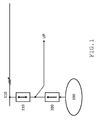
図1は、符号100で指定された、ローカル電力生成FLEのためのシステムを挿入したレイアウトを示す。
この従来技術のレイアウトは、エネルギーがFLEオーナーによって自己消費されるか、又は、ローカルエネルギーサービス配給者によって管理されたネットワークへ送られることを可能にし、以下、DLSE(イタリア語で、Distributore Locale di Servizi Energetici)として参照され、図において、当該DLSEのネットワークは、符号110で指定される。
図1のレイアウトは、2つのメーターを必要とするのみであり、メーター200は、FLE100によって生成された全エネルギーを測定し、メーター210は、単一の相互接続点でのDLSEとのエネルギー交換を測定する。
FIG. 1 shows a layout in which a system for local power generation FLE, designated by
This prior art layout allows energy to be self-consumed by the FLE owner or sent to a network managed by a local energy service distributor, hereinafter referred to as DLSE (Italian, Locale Locale di Servicei And the DLSE network is designated by
The layout of FIG. 1 only requires two meters,
このため、一般的なブロック100は様々な特質のFLEであってよく、この詳細な説明は、本発明の目的にとって必要ではない。
全体として、FLE100は、電気エネルギーが、公共の電力配給ネットワークと互換性がある形態で、例えば、交流電流(このため、必要であれば、FLEはDC/AC変換のインバータステージを組み込んでよいことが想定される)として、利用可能である出力接続を提供する。
For this reason, the
Overall, the
図から分かるように、生成され、FLEの下流に配置されたメーター200によって測定されたエネルギーは、配給者のネットワークに送られる前に、個人のユーザUPへ運ばれることができる。
As can be seen, the energy generated and measured by the
上記したように、メーター210は双方向性であり、このため、ローカル発電が不足している場合にユーザによって配給者に要求されたエネルギー(購入されたエネルギー)と同様に、ネットワークに送られる生成され未使用のエネルギー(売られたエネルギー)も測定できる。
事実、FER発電システムを有するユーザがエネルギーの観点から完全に自給自足ではなく、彼/彼女自身のシステムでエネルギー生成が不足しているか又は全く生成していない時にエネルギーを必要とすることは、しばしば生じ、この可能性は、考慮に入れられるべきである。
As mentioned above, the
In fact, it is often the case that a user with a FER power generation system is not completely self-sufficient from an energy point of view and needs energy when his / her own system is generating little or no energy This possibility arises and should be taken into account.
太陽放射と風はエネルギー要求量に応じて自由自在に活発化できるものではないので、太陽光又は風エネルギー変換システムは、この点で代表的なものであり、このため、パブリックネットワークから、ユーザがエネルギーを受け取る必要が生じる可能性があり、エネルギーがそのとき適切に測定されるべきである。
これが、さらに、DLSEとの関係が双方向のメーターによってサポートされるべき理由である。
図2は、発明に従ったFLE100の管理の基本的な図を示す。
この場合、FLE100は、ユーザUP1のコミュニティーに属する。
UPNは、DLSE110のネットワークに送られる前にそれによって生成されたエネルギーを消費できる。
Since solar radiation and wind cannot be activated freely according to energy requirements, solar or wind energy conversion systems are typical in this regard, and therefore, from public networks, users can It may be necessary to receive energy, and energy should then be measured appropriately.
This is also why the relationship with DLSE should be supported by a bi-directional meter.
FIG. 2 shows a basic diagram of the management of
In this case, the
The UPN can consume the energy generated by it before it is sent to the
提案された解決策は、図2のレイアウトに示されるように、図1の典型的なレイアウトから、多くの新たな装置300が加えられたもの(取り付けられる必要があるもの)になり、当該新たな装置300は、1つずつが各ユーザに対応する。加えて、共有ユーザUCは、ユーザのグループによって共有された複数の装置、例えば、共同所有の建物については、階段照明、エレベーター、共通の暖房システム等に電力を供給することができる。本発明の構成内で、「共同所有」という言葉は、ビルディング又は家を共同で所有するユーザに限定されると理解されるべきものではなく、より一般的な意味では、グループに属し、どのような権限によっても、FLEによって生成されたエネルギーを利用する権利を有するいかなるユーザについて参照される。
The proposed solution, as shown in the layout of FIG. 2, is the typical layout of FIG. 1 with many
複数の装置300を設置する時に実際に採用されるべき十分な解決策としては、配給者に接続されるために、各ユーザに必要とされるメーター220の近くにそれらを取り付けることである。
新たな装置300の機能は、短期間及び中期間で広がることが期待されているいわゆるスマートメーターに、それらが将来一体化され、これにより新たなタイプのスマートメーターの機能性特徴になるように標準化されてよい。
A sufficient solution to be actually employed when installing
The functions of the
図2は、複数のメーター220を示し、それらは、エネルギー消費を測定してレートや他の契約条件(タイムスロット、電力制限等)を設定する目的で各ユーザにDLSEによって典型的に設置されたメーターのような従来のメーターである。
それらは、従来のメーター(すなわち、電気機械式メーター)又は最新世代のメーター(例えばスマートメーター)のいずれかであってよい。
それらは、各共有ユーザUPNのN個のメーターであり、通常の一方向メーターであり、例えば、それらは、すべての単身のユーザの消費量を測定するのみである。
FIG. 2 shows a plurality of
They can be either conventional meters (ie electromechanical meters) or the latest generation meters (eg smart meters).
They are N meters for each shared user UPN, which is a normal one-way meter, for example, they only measure the consumption of all single users.
図2は全体として、FLEを有するコミュニティーの構成の1例を示す。
上記のように、このレイアウトは、従来技術のレイアウトの進化を表し、このため、少なくとも1つの双方向のメーター210を含み、当該双方向のメーターは、ローカルエネルギー配給者DLSEのネットワーク、又はより一般的には、コミュニティーの外部にあって、それと電気エネルギーの交換が可能な対象のネットワークに、生成されたがコミュニティーで自己消費されないエネルギーを送ることができる位置に取り付けられる。
FIG. 2 generally shows an example of a community configuration with FLE.
As noted above, this layout represents an evolution of the prior art layout and thus includes at least one
単身のユーザのメーターと独立した双方向のメーター210の存在によって、コミュニティーシステムへ接続されている単身ユーザが複数であろうと単数であろうと、多様な配給者との関係上いかなる動作も要求しないで、コミュニティーへの又はコミュニティーからの単身ユーザの参加と除外を促進する。
The presence of a
このレイアウトは、複数の単身ユーザが装置300を介してローカルな発電からエネルギーを受け取ることも可能である方法を強調する。
ユーザ毎に(共同所有の各ユーザについて、一般的には、ローカル発電に参加しているコミュニティーの各ユーザについて少なくとも1つの)装置があり、装置は、図1において例示されたような既知のシステムレイアウトに加えられる必要がある装置のみとなるために想到された革新的なものである。
This layout highlights how multiple single users can also receive energy from local power generation via the
There is a device per user (for each co-owned user, typically at least one for each user in the community participating in local power generation), the device being a known system as illustrated in FIG. It is an innovative one conceived to be the only device that needs to be added to the layout.
上記のような装置300は、革新的装置であり、典型的には、以下の機能を実行する。
十分に利用可能なローカルエネルギーがある場合には、装置は、ネットワークからの供給を遮断する。
装置は、場合によっては、配給者DLSEのネットワークから供給されたエネルギーを、必要な場合にはFLEによって提供されたローカル発電から受け取ったエネルギーと組み合わせて、各ユーザに必要な瞬時電力を提供する。
装置は、ローカル発電から受け取ったエネルギーを測定し、場合によっては、ローカルに生成されたエネルギーの競合を処理するために、他のユーザの装置と通信する。
The
If there is enough local energy available, the device will cut off the supply from the network.
The device, in some cases, combines the energy supplied from the distributor DLSE's network with the energy received from the local power generation provided by the FLE, if necessary, to provide each user with the necessary instantaneous power.
The device measures energy received from local power generation and, in some cases, communicates with other users' devices to handle locally generated energy conflicts.
注目すべきは、全体的なシナリオにおいて、1のオペレータのみに接続されるべきエネルギー生成システムFLEという点では制限はなく、理論上は、事実、それは複数の配給者に接続されてよく、コミュニティーは、そのエネルギーを複数の異なる相手と交換してよい。
この後者の選択肢は、相手が通常の公共の配給者である場合には非常に有用となり、他の対象は、それらの仲間とエネルギーを交換できる複数の隣接するコミュニティーである。
It should be noted that in the overall scenario there is no limit in terms of the energy generation system FLE that should be connected to only one operator, in theory it can in fact be connected to multiple distributors, , You may exchange that energy with several different opponents.
This latter option is very useful when the other party is a regular public distributor, and other targets are multiple neighboring communities that can exchange energy with their peers.
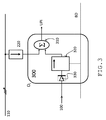
図3は、革新的装置300の1つを示し、その主要な構成要素を強調する。
FIG. 3 shows one of the
従来のメーター220に関連し、同じく各ユーザに関連する送電線110は、今は一般的なように、その特定のユーザの住宅のネットワークと直接には接続されず、代わりに、革新的装置300を介してユーザに接続される。当該革新的装置は、少なくとも、ネットワーク電力とローカルに発電された電力の両方がユーザに供給されるようにするコンバイナ310と、FLEによってローカルに生成され、ユーザに供給される(この消費量は内部の共有管理目的で測定される)エネルギーの部分を測定するように構成された「スマート」メーター320と、ローカル発電システムから来ないエネルギーが双方向のメーター210の方に流れることを防止し、ローカルな電源(100)から電気エネルギーを生成する少なくとも1つのシステムから来る電気エネルギーが、装置(300)が関連付けられたユーザの方向にのみ流れるようにする、ダイオード記号で表された要素330とを備える。
The
ユーザの瞬時の要求が内部発電で満たされる場合には、コンバイナ310は、ネットワークからの供給をオフにし、このため、内部発電の最大限の利用を確保する。それはまた、外部のパブリックネットワークからの供給を、ユーザの要求を完全に満たすのに必要なエネルギーに制限してよい。
If the user's instantaneous demand is met by internal power generation, the
スマートメーター320は、単純な計測タスク以上のことを行う機能も実行する。事実、コミュニティーが、できる限り多くのエネルギーを自己消費することは概して有意義であり、単身ユーザが、ローカルに生成されたエネルギーを消費することは、(その同等のもののコストがより低いため)概して有意義である。
当然、ローカルな生成が全ての共有者の要求を満たすには不足している場合、内部生成から利用可能であるエネルギーについての潜在的な競争がある。このエネルギーは、予め合意された管理基準又は方針に従って単身ユーザの間で分割されるべきである。例えば、幾人かの共同所有者がFLEの取り付けにより貢献した場合には、彼らは、利用可能なエネルギーが、彼らのより大きな貢献に比例して考慮され、分割されることを期待する権利を有してよい。 Of course, if local generation is insufficient to meet the demands of all sharers, there is a potential competition for energy available from internal generation. This energy should be divided among single users according to pre-agreed management criteria or policies. For example, if some co-owners contributed by installing FLE, they have the right to expect the available energy to be considered and divided in proportion to their greater contribution. You may have.
基準、より一般的には、コミュニティーに属する複数のユーザ間でローカルに生成されたエネルギーを分配するために採用された方針は、様々な方法で定義可能であり、複数の異なるユーザの複数の装置300の間で、異なるレベルの通信を必要としてよい。これは、他のユーザの消費を考慮せずに(結果他の装置300と通信する必要がなく)、各ユーザに適用される固定された制限に従ってローカルに生成されたエネルギーを受動的に分配するように制限する、装置300が全く通信しないという極端なケースから、ユーザのコミュニティーについて定義されたエネルギー分配基準を実行するのに必要な情報を交換する、装置300が互いに通信するケースまで、多岐にわたる。
The criteria, and more generally, the policy adopted to distribute locally generated energy among multiple users belonging to the community can be defined in various ways, and multiple devices of multiple different users Different levels of communication between 300 may be required. This passively distributes locally generated energy according to fixed restrictions that apply to each user, without taking into account the consumption of other users (and thus need not communicate with other devices 300) From the extreme case where the
特に単純なケースでは、全ユーザが、コミュニティーのFLEでローカルに生成された瞬時電力PFLE(t)を等分される権利を有することが想定される。
このため、N人のユーザの各一人ずつが、公称電力PFLE(t)/Nを得る権利がある。
In a particularly simple case, it is assumed that all users have the right to equally divide the instantaneous power P FLE (t) generated locally at the community FLE.
For this reason, each of N users has the right to obtain nominal power P FLE (t) / N.
ユーザUiが公称値より小さい電力を取り入れる間、優先権が自己消費に与えられる場合、各装置300(Di)は、利用可能であればFLEからの全てのエネルギーを受け取ることによって要求されたエネルギーを供給するように自身を制限する。 Each device 300 (D i ) was requested by receiving all energy from the FLE if available, if priority is given to self-consumption while user U i takes less than nominal power. Limit yourself to supplying energy.
図3又は4の分岐100−310上に、公称値と等しい瞬時値を有する譲渡可能な電力の動的リミッターがあってよく、これにより、各ユーザがローカルに生成された電力のそのような量を消費することのみ許可される。
ユーザのコミュニティーのFLEから利用可能な合計の瞬時電力値PFLE(t)は、一方向メーター200によって、例えば、同じ送電線を介して又は専用データラインを介して装置300に通信される。
装置300は、この合計の値から、各ユーザについての全ての及び利用可能であるのと同じ閾値、PFLE(t)/N、を容易に取得できる。
There may be a transferable power dynamic limiter on the branches 100-310 of FIG. 3 or 4 having an instantaneous value equal to the nominal value, so that each user has such an amount of locally generated power. Is only allowed to consume.
The total instantaneous power value P FLE (t) available from the user community's FLE is communicated to the
From this total value, the
ユーザに割り当てられる最大電力の部分PFLE(t)/Nが、ユーザのエネルギー要求量を満たすには不十分である場合には、コンバイナ310は、DLSEネットワーク110から取り入れることによって、その部分に不足分を追加する。
If the portion of the maximum power allocated to the user, P FLE (t) / N, is insufficient to meet the user's energy requirements, the
このため、装置300は、適切なモニタリング頻度で、そのユーザの瞬時電力消費と、FLE100から利用可能な瞬時電力PFLE(t)を監視でき、コンバイナ310を制御して、全ての利用可能エネルギーの利用の基準に準拠し、後者の瞬時電力要件に従って、関連のユーザの電力継続性を確保する。
For this reason, the
もちろん、スマートメーター320は、ローカルシステム100から来て、その各ユーザに供給されるエネルギーを測定でき、そのため、コミュニティーの単身ユーザによって実際に自己消費されたエネルギーの部分を最後に集計可能にする。
単身ユーザの消費の合計を超えるFLEによって生成されたいかなる瞬時電力量も、その値を測定する双方向のメーター210を介して、DLSEネットワーク110へ売られることができる。
Of course, the
Any instantaneous energy generated by the FLE that exceeds the total consumption of a single user can be sold to the
より複雑なケースでは、平等の原理に基づいてはいるがローカル発電からの直接の供給を優先することによって、公称部分PFLE(t)/Nを超えるローカルユーザーによって要求されたいかなる電力使用の残りも満たされることができるということに従った共有エネルギー管理基準を考慮に入れ、これにより、他の共有ユーザにそれらの瞬時電力要求を満たすべくネットワーク110から電力を取ることをさせることなく、DLSEに売られた損失量にまでエネルギーの自己消費を最大化できる。
In more complex cases, the rest of any power usage required by the local user exceeding the nominal part P FLE (t) / N, by prioritizing direct supply from local power generation, based on the principle of equality Can take into account the shared energy management criteria according to the fact that it can also be satisfied, thereby allowing DLSE without having other shared users draw power from the
予め説明したケースとは異なり、このシナリオでは、他のユーザによって使用された瞬時電力を知り、FLE110から取得可能な最大電力値を計算することができるようにするために、装置300はまた、他のユーザの電力使用を監視し、一方同時に、エネルギー管理基準によって課された条件を監視する。ユーザが過度に電力を使用しているときに、FLEによって生成されたローカルな瞬時電力が合計の共有者の要求量未満であれば、他のユーザがそれらの要求を満たすためにネットワーク110からエネルギーをとる必要がない。
Unlike the previously described case, in this scenario, in order to know the instantaneous power used by other users and to be able to calculate the maximum power value that can be obtained from the
この条件が満たされた場合、装置300は、ローカルな電源FLE100によって瞬間的に生成された余剰エネルギーの全てをそのユーザに供給し、コンバイナ310は、ネットワーク110から、ユーザによって必要とされうる任意の残りの電力部分を受け取る。
If this condition is met, the
他のユーザにネットワーク110からのそれらのエネルギー要求量の部分を満たすようにさせることなく、余剰消費量の部分のみがFLEから受け取り可能な場合には、装置300は、FLEからの電力の供給を、その制限を超えることない範囲で許可される最大値にまで制限し、通常、コンバイナ310は、DLSEのネットワーク110から損失電力を受け取ることによって、残りの要求量の埋め合わせをする。
If only a portion of the surplus consumption can be received from the FLE without having other users meet their energy requirements portion from the
他の共有ユーザのエネルギー消費に関連し、他の装置300で測定されたデータは、全ての装置300の入力によって共有された同じ送電線上で又は専用データラインを介して運ばれた波を用いて、送信されることができる。
In relation to the energy consumption of other shared users, the data measured by
ユーザの要求量が公称電力値を超える場合、ローカルな発電の減少及び/又は複数の共有ユーザの合計使用の増大のために、ローカルなエネルギー発電が使用の超過分をまかなうことができないことが生じうる。
そのような場合、FLE100から使用した電力に対して、超過前に採用された公称値に制限することによって、及び、コンバイナ310を介してネットワーク110からユーザの要求量を満たすために必要な残り部分を受け取ることによって、装置300は、新たな状況に自身を適用させる。
If the user demand exceeds the nominal power value, local energy generation may not be able to cover the excess usage due to a decrease in local power generation and / or an increase in the total usage of multiple shared users. sell.
In such a case, the remaining portion needed to meet the user's requirements from the
1又は複数の特権ユーザが、それらに特に予約された分配基準に従ってFLEの全てのエネルギーをそれら自身に確保することができ、その特権グループの全消費量に加えて、FLEの任意の過剰な発電のみが、残りのユーザに予約された他の分配基準に従って分配可能であり、当該残りのユーザは、このため、特権ユーザの合計消費量を超える余剰分がある場合のみ、ローカルに生成されたエネルギーを利用する権利を有するユーザの第2の非特権グループに属するということが考えられる。 One or more privileged users can reserve themselves all the energy of the FLE according to the distribution criteria specifically reserved for them, in addition to the total consumption of that privileged group, any excess power generation of the FLE Can only be distributed according to other distribution criteria reserved for the remaining users, and the remaining users can therefore generate locally generated energy only if there is a surplus that exceeds the total consumption of privileged users. Can belong to a second non-privileged group of users who have the right to use.
他のシナリオにおいて、複数のユーザが、ローカルエネルギー源110から来るエネルギーを使用する多様な権利を有するということが生じてよく、たとえば、これは、彼らが後者の設置に異なる貢献(割り当てqiと呼ぶ)を提供したためである。
In other scenarios, it may occur that multiple users have various rights to use energy coming from the
例としては、N=3の共有ユーザU1,U2及びU3がおり、U1がFLEで生成されたエネルギーの50%を使用する権利があり、U2が30%を使用でき、U3が20%を使用できる場合の例がある。 As an example, there are N = 3 shared users U 1 , U 2 and U 3, where U 1 has the right to use 50% of the energy generated by FLE, U 2 can use 30%, There is an example in which 3 can use 20%.
このため、FLEエネルギーが、それぞれ、q1=0.5,q2=0.3及びq3=0.2に分けられる。 For this reason, the FLE energy is divided into q 1 = 0.5, q 2 = 0.3, and q 3 = 0.2, respectively.
均等に分割されるケースについてすでに説明した同じエネルギー管理基準が適用されることができ、ただし、前のケースで全ての3人のユーザについて同じであった公称電力PFEL(t)/3が、多様化された公称電力(U1についてはq1・.PFEL(t)、U2についてはq2・.PFEL(t)、及びU3についてはq3・.PFEL(t))により変更される。
The same energy management criteria already described for the equally split case can be applied, except that the nominal power P FEL (t) / 3, which was the same for all three users in the previous case, is diversified
この同様のシナリオでは、ユーザに割り当てられる公称電力が超える場合には、装置300が全ての損失エネルギーをネットワーク110からいつも受け取るということに従った固定の変化がない管理基準、又は、装置300が、DLSEのネットワークを用いる前に、共有ユーザの合計要求量を超えるFLEによって生成された利用可能な部分からのそのエネルギーを受け取るということに従ったより柔軟な基準のいずれかを適用できる。
In this similar scenario, if the nominal power allocated to the user exceeds, the management criteria without a fixed change according to the fact that the
装置300によって強いられるユーザへのローカルエネルギーの供給の制限は、また、適切なスケジュールに従ってプログラム可能であってよい。
Limits on the supply of local energy to the user imposed by the
いかなる場合も、装置Di300は、エネルギーを要求する潜在的なユーザの数の関数として、(動的に又はプリセットされた基準に従って)ローカルに利用可能なエネルギーの分配を調節する。
概して、同じコミュニティーのユーザについて同一の又は多様化された基準を用いることによって、特に各ユーザについて、単一の装置300における電力源(ローカルな電源100及びDLSEのネットワーク110)からのエネルギー供給の方針を決定することが可能である。
それらは、装置設置時又は任意の操作上の必要性を満たすために操作が変更された時、例えば、ハウジングユニットの再分割又は統合、共同所有管理方針の変更等のためにユーザが追加又は減った時、規定されることもできる。
In any case,
In general, by using the same or diversified criteria for users in the same community, the policy of energy supply from power sources (
They can be added or reduced by the user when the equipment is installed or when operation is changed to meet any operational needs, e.g. due to subdivision or integration of housing units, changes in joint ownership policy, etc. Can also be specified.
分配装置300は、実施中のエネルギー基準に基づいて適切な決定を行い、結果的に、エネルギーの流れに影響するのと同様に、入力及び出力電力を測定できるように、空ではない(non−null)期間を必要とする。
さらに、装置300を構成する電子要素又は電気機械要素は、装置がその予定の挙動から逸れることができるようにする許容範囲を運用することによって影響される。
The
Further, the electronic or electromechanical elements that make up the
これらの理由のため、複数の公称閾値電力値が計算のために用いられる場合、配給者300によって供給されるユーザの瞬時要求量に比べ、電気エネルギーの供給の突然の変更又は断絶さえありうる。
これを避けるために、例えばいくらかの安全なマージンを維持するために、ローカルな電源によって実際に生成された瞬時電力PFEL(t)に基づかないで、より小さい、典型的には10%−20%小さい値P'FEL(t)に基づいて、装置Di300が自身の計算を行うようにすることが有利である。
For these reasons, when multiple nominal threshold power values are used for calculations, there may be a sudden change or even disruption in the supply of electrical energy compared to the user's instantaneous demand supplied by the
To avoid this, for example, to maintain some safe margin, do not rely on the instantaneous power P FEL (t) actually generated by the local power supply, and are typically smaller, typically 10% -20 It is advantageous to have the
いかなる残りのFLE電力もネットワークに売られ、例えば、それが失われないため、エネルギーが消耗されない。
この方法では、ユーザへの電力供給の中断を生じさせないように、コンバイナ機構を操作することによって、使用の突然のピークが起きると装置300が瞬時に行動を起こすことができる。
Any remaining FLE power is sold to the network, for example, it is not lost so no energy is consumed.
In this manner, the
全てのユーザへの供給が中断されることができない状況、例えば、使用が契約条件に合う状態である限りは、例えばこの具体的なケースとして、最大許容電力の公称値以下であれば、電力供給システムが供給の継続性を確保すべきである状況が想定される。 In a situation where the supply to all users cannot be interrupted, eg as long as the use is in accordance with the contract terms, for example in this specific case the power supply is below the nominal maximum allowable power A situation is assumed where the system should ensure continuity of supply.
もちろん、エネルギー管理基準が、中断可能なユーザのケースに採用されてよく、当該ケースでは、いくらかの制限の内だけで及び特定の条件で、例えば、いつも又は、1日のうちの所定の時間及び/又は一週間のうちの所定の日数及び/又は所定のタイムスロット及び/又は所定の最大中断期間等で、電気供給の中断が容認されてよい。
そのような場合、各ユーザへエネルギーを供給するとき、また合計利用可能エネルギーと共同所有者エネルギー消費を考慮するとき、配給者300はその基準を考慮する。
Of course, energy management standards may be adopted in the case of users who can be interrupted, in which case only within some limits and under certain conditions, for example, always or a predetermined time of the day and An interruption of electricity supply may be tolerated, such as for a predetermined number of days in a week and / or for a predetermined time slot and / or for a predetermined maximum interruption period.
In such cases,
同じシステムにおいて中断可能なユーザと中断可能でないユーザが同時に存在する場合、異なる優先権グループを有するエネルギー管理基準が使用されることができ、FLEで生成された電力PFEL(t)が、所定の分配基準に従って、第1の閾値P1まで、中断可能でないユーザグループに全て割り当てられ、一方、P1を超えるエネルギーは、閾値P2>P1まで、他のエネルギー分配基準に従って、中断可能なユーザのグループに割り当てられる。 If there are simultaneous and non-interruptable users in the same system, energy management standards with different priority groups can be used, and the power P FEL (t) generated in FLE is given by All are allocated to non-interruptable user groups up to a first threshold P1 according to the distribution criteria, while energy above P1 is allocated to groups of users that can be interrupted according to other energy distribution criteria until threshold P2> P1 It is done.
代わりとして、PFEL(t)は、中断可能でないユーザグループの要求量にいつも向けられ、一方、当該要求量を超えるいかなる生成も、中断可能なユーザに割り当てられる。 Instead, P FEL (t) is always directed to a non-interruptable user group request quantity, while any generation exceeding the request quantity is assigned to an interruptible user.
このため、複数の装置300に一体にされた複数のスマートメーター320が、互いに及び場合によっては(共同所有又はDLSEで提供されたもののいずれであっても)管理サーバとも通信でき、これによって、それらが、エネルギーフロー調整器として動的に動作できる。
Thus, multiple
通信インターフェースを搭載している場合、装置300に組み込まれたスマートメーターは、このため、家庭内消費の「スマート」で協調的な管理のための住居ノードとして動作できる。
それらは、このため、複数の単身ユーザの電気機器(例えば、家電、照明装置、バッテリー充電器、空調システム等)と通信でき、これにより、スマートグリッドに特有である全ての管理消費技術を実行できる。
When equipped with a communication interface, the smart meter incorporated in the
They can therefore communicate with multiple single-user electrical devices (eg, home appliances, lighting devices, battery chargers, air conditioning systems, etc.), thereby implementing all the management and consumption technologies that are unique to smart grids. .
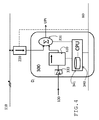
図4は、いわゆるスマートグリッドのために用いる目的での一般的な装置300の機能を改善する概略図である。
特に、当該装置が、スマートグリッドに特有のより複雑な管理機能(例えば、電気機器をオン/オフする、電気機器と通信する、又はコスト情報及び利用可能な瞬時エネルギーに応じたその使用を調整する)を実行するのに必要なプロセッシング及びストレージ機能を有することができるということが強調される。
FIG. 4 is a schematic diagram that improves the functionality of a
In particular, the device is more complex management functions specific to smart grids (eg turning on / off electrical equipment, communicating with electrical equipment, or adjusting its use depending on cost information and available instantaneous energy It is emphasized that the processing and storage functions necessary to perform
公共のエネルギー配給者のメーター220と装置300との間の破線の接続は、後者は、エネルギーが、情報を交換可能にされたスマートメーターを用いて分配されるコンテキストと、供給されたエネルギーを測定するのみの単純なメーターを介して分配が慣例的に行われるコンテキストの両方に含まれることができることを示す。
The dashed connection between the public
前のケースでは、スマートメーター220が存在し、装置300は、エネルギー管理基準の適用に有用な多様な性質のデータを交換でき、これらのデータは、ネットワーク110の状態についての情報(全体的な消費ピーク、適用されたレート)、消費履歴、ネットワーク110から受け取った瞬時電力、及び共有システムについての情報(FLEからユーザが受け取った電力)を含み、又は、装置300が上記のスマートグリッド機能を含む場合には住宅のユーザ装置の状態さえ含むことができる。
図4に示されるように、これらのデータ交換は、専用の接続ラインBDを介して、又は装置Di300とメーター200との間の送電線を用いて生じてよい。
In the previous case, there is a
As shown in FIG. 4, these data exchanges may occur via a dedicated connection line BD or using a transmission line between the
上記のような装置300を含むことによって提供された複数の利点の間には、スマートグリッド基準を用いて、そのような機能をまだ採用していない、そのため進化したスマートメーターを用いていない配給者によってエネルギーが供給される状況も管理する場合がある。
Among the benefits provided by including the
さらに、装置300はメーター220(スマートメーター又は従来のメーターのいずれの場合も)とは別個に形成可能であるので、異なるDLSEの会員である複数のユーザ間での消費量調整基準の利用が促進される。
In addition, the
概して、そのタスクを実行するために、装置300は、ローカルメモリに格納されたデータを基に動作する(例えばマイクロプロセッサ又はワイヤードロジックを有する)データ処理ユニットを必要とし、当該ローカルメモリは、制御マイクロプログラム、及び所望のエネルギー配給基準を実行するために要求されたデータを含む。
データ処理ユニットが他の装置300と及び/又は共有管理サーバと情報を交換できるようにすべく、複数のデータ通信インターフェースも含まれてよい。
In general, in order to perform that task, the
Multiple data communication interfaces may also be included to allow the data processing unit to exchange information with
任意に、外部ユニット(例えばPC、パーソナルデジタルアシスタント等)のための直接通信インターフェースもあってよく、それを介して、オペレータが、ソフトウェア更新、診断テスト、データ交換等のような種々の動作を実行するために、装置300とデータを交換できる。
これらの後者の動作は、集中化された方法で装置300を管理するように構成された共有サーバ(不図示)によって実行されてもよい。
Optionally, there may also be a direct communication interface for external units (eg PC, personal digital assistant, etc.), through which the operator performs various operations such as software updates, diagnostic tests, data exchanges, etc. In order to do this, data can be exchanged with the
These latter operations may be performed by a shared server (not shown) configured to manage the
原則として、装置300は、限定された範囲で説明された分配制御の代わりに、集中化された電力分配制御を使用しうる。
この代替的なアプローチで、システムの全ての決定、及び結果的にその情報は、単一の中央サーバに集中化され、当該中央サーバは、装置300に接続されたデータバスを介して電力潮流についての情報を継続的に受信し、適用可能なエネルギー管理基準を基に適切な決定を行い、電力潮流メーター及びレギュレータとして動作する複数の装置へ、複数の適切な電力潮流調整コマンドを送信する。
In principle, the
With this alternative approach, all decisions of the system, and consequently the information, are centralized in a single central server, which is connected to the power flow via the data bus connected to the
これによって、装置の構造及び動作を複雑にしない単純化された動作ロジックを搭載したより単純でより安価な装置300を用いることができ、これは、それらがそれらに直接接続されたユーザ装置を制御及び管理することができるように、スマートグリッドタイプの住居用制御機能を備える場合に特に望ましい。
This allows the use of simpler and
なお、共有サーバは、有利には図2のノードAに接続され、専用通信線を必要としないで運ばれた波を用いて全ての装置300と通信するために同じ送電線を使用でき、それは、しかし、代替の又は追加の測定として用いられてよい。
Note that the shared server is advantageously connected to node A in FIG. 2 and can use the same power line to communicate with all
この説明は、エネルギー移送と結果として生じる損失及び管理非効率性を最小化するために、自己消費を最大化する有利な条件を強調した。
そのような目的に適した、装置300の及びネットワークの残りの部分の実行と動作のいくつかの例は、本明細書で説明された。
このような例は、絶対的又は制限する意味で理解されるべきでなく、装置300及び全体の共有エネルギー分配ネットワークは異なる一般的基準に従って管理されてもよい。
例えば、再生可能なエネルギーソースのための特別な政府のインセンティブ、関税規制又はエネルギーマーケット力学によって、所定の期間又はタイムスロットにおいて、自己消費の代わりにネットワークへFLEによって生成されたエネルギーのほとんどを売ることが有利であり、なぜなら、よりエコに適合するので、DLSEのネットワークからの(非再生)エネルギーの購入価格が、ローカルに生成されたエネルギーの販売額より低いためである。
このため、一般的には、ローカルな配給者が電気エネルギーを売る及び/又は買う価格に依存する入力ソースによって供給されたエネルギーを、装置が分配する方法を変更することができる。
This explanation emphasized the advantageous conditions of maximizing self-consumption in order to minimize energy transfer and resulting losses and management inefficiencies.
Some examples of the execution and operation of
Such examples should not be understood in an absolute or limiting sense, and the
Sell most of the energy generated by FLE to the network instead of self-consumption during a given period or time slot, for example, through special government incentives for renewable energy sources, customs regulations or energy market dynamics Is advantageous because it is more eco-friendly and the purchase price of (non-renewable) energy from the DLSE network is lower than the sales price of locally generated energy.
Thus, in general, it is possible to change the way in which the device distributes the energy supplied by the input source depending on the price at which local distributors sell and / or buy electrical energy.
より一般的には、装置300及び/又は共有の集中化されたサーバが、例えば、システムから達成できる利益を最大化する、及びシステムの運転コストを最小化する等のような、自己消費最大化基準とさえ一致しない任意の電力潮流管理基準を機能させることができる。
変形例の組が、2以上の外部の供給業者がある場合のために想到されることができる。
More generally, the
Variation sets can be envisaged for cases where there are two or more external suppliers.
多分さらなる発達をする一例としては、ほんの一例とは対照的に、複数の公共の配給者からのエネルギーを受け取ることが可能な場合である。
この場合、装置300は、各メーター220を介してそのような異なる電力配給者に調節可能に接続され、他の配給者からの電力潮流を中断しながら、任意の所定の時点に、最低の価格でエネルギーを売っている配給者からエネルギーを受け取る。
単一の配給者に公称設置された電力PNの供給の固定されたコストが、PN以上の合計設置電力を作り出す2つのエネルギー配給者からの2つのより小さな供給のコストよりも高いため、複数の配給者を有することが有利であってもよい。
また、これが、異なる配給者へ生成されたエネルギーを売ることによってローカルな電源から達成できる利益を最大化することを可能にする。異なる配給者は、一日の異なる時間に及び/又は一年の異なる期間にエネルギーを異なる価格で購入する。
An example of perhaps further development is when it is possible to receive energy from multiple public distributors, as opposed to just one.
In this case, the
Fixed costs of supply of the single nominal installed power P N the distributor is higher than the cost of two smaller supply from two energy distributors to create a total installed power than P N, It may be advantageous to have multiple distributors.
This also makes it possible to maximize the profits that can be achieved from a local power supply by selling the energy generated to different distributors. Different distributors purchase energy at different prices at different times of the day and / or during different periods of the year.
本発明の変形例をもたらすさらなる場合としては、複数のユーザのコミュニティーが、おそらく異なる優先権で、自身のFLEからだけでなく、隣接するコミュニティーのFLEからもエネルギーを受け取ることができる場合がある。そのような場合は、ローカルに生成されてDLSEに売られるエネルギーの更なる低減を決定する。一般的な装置300はまた、ストレージシステム又は電気自動車の再充電を自身の負荷として処理してよく、後者は、別個の又は部分的に別個のインフラを介して再充電されるべきである。
As a further case that results in a variation of the present invention, multiple user communities may be able to receive energy not only from their own FLE, but also from neighboring communities, possibly with different priorities. In such cases, a further reduction in energy generated locally and sold to DLSE is determined. The
要するに、本明細書に記載された装置300は、(一般的には配給者から来るエネルギーを用いる)個人の消費で特徴づけられる現在の状態から、調整された消費を有し、合理的なFERの利用を介したエネルギー自己充足の程度を増大する可能性を有するエネルギーアイランドによって特徴づけられる状態へ、住居の消費を進化させるための単純な解決策を表す。
In short, the
図4は、装置300が、スマートグリッドコンセプトを実行する大変柔軟な方法で用いられることができるため、その一般的なバージョンに、メモリ341を搭載した現実の多目的サーバ340を組み込むことを明確に示す。
FIG. 4 clearly shows that the
この観点から、装置300が現実の住居用のサーバとなると考えられていることが明らかであり、当該サーバは、本発明の目的ための本明細書に記載された機能に加え、典型的なスマートホームである多数の応用を実行及び管理することができ、このため、例えば、癒し、ドモティクス(domotics)、セキュリティ、安全、エンターテイメント、リモートコントロール等に関する機能を組み込んでよい。
From this point of view, it is clear that the
適切に制御された共有の蓄電池(図2には示されていないが、それは、ノードAに接続される)を採用して、(例えば、太陽放射又は強い風がある場合に)FLEによって過剰に生成されたエネルギー、及び/又は、エネルギーが有利な価格で配給者から購入される場合にネットワーク110によって供給されたエネルギーを貯めて、ローカルな生成が不足している場合、又はエネルギーをネットワークから有利に購入できない場合、エネルギーをユーザに渡すことも考えられる。
ローカルユーザーによって共有された共有蓄電池によって、装置300により又は使用される場合は集中化されたサーバにより導入された既に記載した操作の遅延をより良く補うことができ、このため、このような抑制できない遅延による任意の望ましくない供給断絶又は中断のリスクをさらに低減する。
Adopting a well-controlled shared storage battery (not shown in FIG. 2, but it is connected to node A) and overloaded by FLE (eg when there is solar radiation or strong wind) Save energy generated and / or energy supplied by
The shared storage battery shared by the local user can better compensate for the previously described operational delays introduced by the
本発明は、コンピュータによってプログラムが実行された場合に、方法の1または複数の段階を実行するためのコーディング手段を備えたコンピュータプログラムを用いて有利に実装されることができる。
このため、保護範囲が、コンピュータプログラム、及び記録されたメッセージを含むコンピュータ可読手段にまで及び、コンピュータ可読手段は、プログラムがコンピュータによって実行されたときに、方法の1又は複数の段階を実行するためのプログラムコーディング手段を備えている。
The invention can be advantageously implemented using a computer program comprising coding means for performing one or more steps of the method when the program is executed by a computer.
Thus, the scope of protection extends to a computer readable means including a computer program and a recorded message, the computer readable means for performing one or more steps of the method when the program is executed by a computer. The program coding means is provided.
上記の実施例は、本発明の保護範囲から逸脱することなく、変形され、当業者に知られた全ての同様の設計を含む。 The above embodiments can be modified and include all similar designs known to those skilled in the art without departing from the protection scope of the present invention.
本発明の応用から想到する利点は、明らかである。 The advantages conceived from the application of the present invention are clear.
本発明の主な利点は、FLEの取り付けに先立って既に存在しているDLSEからのエネルギー供給を妨げるいかなる手段も用いずに、複数のユーザのコミュニティーに属するFLEによって生成されたエネルギーが、公共のエネルギー分配を制御する政府機関によって課された規則及び制約に準拠して、任意の一般的な共有基準に従って管理されることができることである。 The main advantage of the present invention is that the energy generated by the FLEs belonging to multiple user communities can be transferred to the public without using any means to prevent the energy supply from the existing DLSE prior to the installation of the FLE. It can be managed according to any common sharing criteria, in compliance with the rules and constraints imposed by government agencies that control energy distribution.
特に、とても柔軟で多様なFLE管理基準があり得て、例えば、FLEが属するコミュニティーによって共有される特定の必要及び要望に依存して、FLEエネルギー生成から得られる利益又はエネルギー自己消費を最大化する。 In particular, there can be very flexible and diverse FLE management standards, for example, maximizing the benefits or energy self-consumption from FLE energy generation depending on the specific needs and desires shared by the community to which the FLE belongs .
更なる利点として、ユーザのコミュニティーに属するFLEによって生成されたエネルギーが、FLEの活動の前に既に存在するシステムに容易に組み込まれる新たな装置を導入することによって、管理されることができるということである。 As a further advantage, the energy generated by the FLE belonging to the user's community can be managed by introducing a new device that is easily integrated into an already existing system prior to FLE activity. It is.
まだ、他の利点として、そのような装置が、エネルギー配給者が主導権をとることを待つ必要がなく、いわゆるスマートグリッドシナリオの全てのコンセプトを段階的に実装することができるようにするということである。 Yet another advantage is that such devices do not have to wait for energy distributors to take the initiative, but can implement all the concepts of so-called smart grid scenarios in stages. It is.
上記記載から、当業者が、いかなる更なる構造詳細を導入することなく、発明のものを作成できる。 From the above description, one of ordinary skill in the art can make inventions without introducing any further structural details.
Claims (20)
前記コミュニティーは、ローカルな電源から電気エネルギーを生成する少なくとも1つのシステムと、外部の配給者によって管理された電気エネルギーを供給する少なくとも1つのシステムとを利用可能に有し、
前記複数のユーザの装置の各々は、一方向メーターを介して前記外部の配給者の送電線に接続され、
前記装置は、
前記ローカルな電源から前記ローカルな電源の送電線に電気エネルギーを送るためのメーターを介して前記外部の配給者の前記送電線に接続された前記ローカルな電源から電気エネルギーを生成する前記少なくとも1つのシステムからくる、前記外部の配給者の前記送電線に送られる前の電気エネルギーと、前記外部の配給者によって管理された電気エネルギーを供給する前記少なくとも1つのシステムからくる電気エネルギーとを組み合わせる組み合わせ手段と、
前記ローカルな電源から前記ユーザに供給される電気エネルギーの部分を、複数のユーザの前記コミュニティーの複数の他のユーザに供給されるべき前記ローカルな電源からくる前記電気エネルギーの関数として調整する調整手段と、
を備え、
前記調整手段は、前記外部の配給者によって管理された電気エネルギーを供給する前記少なくとも1つのシステムからよりも、前記ローカルな電源から電気エネルギーを生成する前記少なくとも1つのシステムから電気エネルギーを直接受け取ることを優先し、
ローカルな前記複数のユーザの少なくとも一人の瞬時使用が、割り当てられた電気エネルギーの部分を超える場合に、前記コミュニティーの1または複数の他のユーザに割り当てられた前記ローカルな電源によって生成された電気エネルギーの少なくとも1部の未使用の部分は、ローカルな前記複数のユーザの少なくとも一人に供給される
装置。 A device for managing the supply of electrical energy to users belonging to a community of multiple users,
The community has available at least one system for generating electrical energy from a local power source and at least one system for supplying electrical energy managed by an external distributor;
Each of the plurality of user devices is connected to the external distributor's power line via a one-way meter;
The device is
Wherein at least one of generating electrical energy from said local power supply the local power in the transmission line through the meter to send electrical energy connected to said transmission line of said external distributor from the local power supply coming from the system, the external electrical energy before being sent to the transmission line of the distributor, the outside of the at least one combining means for combining the electrical energy coming from the system for supplying electric energy managed by distributor When,
Wherein the portion of the electrical energy supplied to the user from a local power source, adjusting means for adjusting as a function of the electrical energy coming from the local power source to be supplied to a plurality of other users of the community of the plurality of users When,
With
It said adjusting means, than from the at least one system for supplying electric energy managed by the external distributor, to receive electrical energy directly from the at least one system for generating electrical energy from the local power supply Prioritize
The electrical energy generated by the local power source allocated to one or more other users of the community when the instantaneous use of at least one of the plurality of local users exceeds a portion of the allocated electrical energy At least one unused portion of the device is provided to at least one of the plurality of local users.
前記情報は、複数の他の装置と通信する前記電子通信インターフェースを介して及び/又は管理システムと通信する前記インターフェースを介して受信される請求項5に記載の装置。 Is distributed to the user, the adjusting means for adjusting a portion of the electrical energy coming from the local power source is supplied to a plurality of other users belonging to the community of users, for coming electrical energy from the local power supply Based on the information, determine the part,
6. The device of claim 5, wherein the information is received via the electronic communication interface in communication with a plurality of other devices and / or via the interface in communication with a management system.
該素子は、前記ローカルな電源から電気エネルギーを生成する前記少なくとも1つのシステムからくる電気エネルギーが前記ライン上で運ばれることのみをできるようにする請求項1から6のいずれか一項に記載の装置。 Comprising a device for controlling unidirectional power flow on the line carrying electrical energy from said at least one system for generating electrical energy from the local power supply,
7. The device according to any one of claims 1 to 6, wherein the element only allows electrical energy coming from the at least one system that generates electrical energy from the local power source to be carried on the line. apparatus.
前記メーターは、スマートタイプである又は分配可能な電気エネルギーのみを測定するように構成されたメーターである請求項1から7のいずれか一項に記載の装置。 The device is physically incorporated into the meter of the external distributor of electrical services,
8. Apparatus according to any one of the preceding claims, wherein the meter is a smart type or a meter configured to measure only distributable electrical energy.
前記接続する手段は、前記ローカルな電源から電気エネルギーを生成する前記少なくとも1つのシステムからくる電気エネルギー、及び/又は、前記外部の配給者によって管理された電気エネルギーを供給する前記少なくとも1つのシステムからくる電気エネルギーを貯めることができるようにする請求項1から8のいずれか一項に記載の装置。 Means for connecting to an electrical energy charging system;
It said means for connecting said at least one electrical energy coming from the system to produce electrical energy from the local power supply, and / or from the at least one system for supplying electric energy managed by the external distributor 9. A device according to any one of the preceding claims, wherein the device is capable of storing incoming electrical energy.
前記コミュニティーは、ローカルな電源から電気エネルギーを生成する少なくとも1つのシステムと、外部の配給者によって管理された電気エネルギーを供給する少なくとも1つのシステムとを利用可能に有し、
前記複数のユーザの各々は、一方向メーターを介して前記外部の配給者の送電線から電気エネルギーを供給され、
前記方法は、
複数のユーザの前記コミュニティーの各ユーザへの、前記ローカルな電源から前記ローカルな電源の送電線に電気エネルギーを送るためのメーターを介して前記外部の配給者の前記送電線に接続された前記ローカルな電源から電気エネルギーを生成する前記少なくとも1つのシステムからくる、前記外部の配給者の前記送電線に送られる前の電気エネルギーと、前記外部の配給者によって管理された電気エネルギーを供給する前記少なくとも1つのシステムからくる電気エネルギーとの組み合わせの供給を決定する段階であって、前記電気エネルギーの組み合わせは各ユーザに対して決定できる、段階と、
前記外部の配給者によって管理された電気エネルギーを供給する前記少なくとも1つのシステムからよりも、前記ローカルな電源から電気エネルギーを生成する前記少なくとも1つのシステムから電気エネルギーを直接受け取ることを優先するように、複数のユーザの前記コミュニティーの各ユーザについて、前記ローカルな電源からくる電気エネルギーの部分の前記供給を、複数のユーザの前記コミュニティーの複数の他のユーザに分配される前記ローカルな電源からくる前記電気エネルギーの関数として調整する段階であって、ローカルな前記複数のユーザの少なくとも一人の瞬時使用が、割り当てられた電気エネルギーの部分を超える場合に、前記コミュニティーの1または複数の他のユーザに割り当てられた前記ローカルな電源によって生成された電気エネルギーの少なくとも1部の未使用の部分は、前記ローカルな複数のユーザの少なくとも一人に供給される、前記調整する段階と
を備える方法。 A method for managing the supply of electrical energy to a community of multiple users,
The community has available at least one system for generating electrical energy from a local power source and at least one system for supplying electrical energy managed by an external distributor;
Each of the plurality of users is supplied with electrical energy from the external distributor's transmission line via a one-way meter,
The method
To each user of the community of the plurality of users, the local said connected from a local power source to the transmission line of the local power supply of the transmission lines of the through meter for transmitting electrical energy external distributor a power supply coming from the at least one system for generating electrical energy from the electrical energy before being sent to the transmission line of said external distributor, at least for supplying electric energy managed by the external distributor Determining the supply of a combination with electrical energy from one system, wherein the combination of electrical energy can be determined for each user;
Than from the at least one system for supplying electric energy managed by the external distributor, to give preference to receive electrical energy directly from the at least one system for generating electrical energy from the local power supply For each user of the community of a plurality of users, the supply of the portion of electrical energy coming from the local power source comes from the local power source distributed to a plurality of other users of the community of a plurality of users Adjusting as a function of electrical energy, assigned to one or more other users of the community if the instantaneous use of at least one of the local users exceeds a portion of the assigned electrical energy The local power supply How unused portion of at least a portion of the generated electrical energy, said supplied to at least one local multiple users, and a step of the adjusting Te.
前記コミュニティーは、ローカルな電源から電気エネルギーを生成する少なくとも1つのシステムと、外部の配給者によって管理された電気エネルギーを供給する少なくとも1つのシステムとを利用可能に有する
電気エネルギーの供給を管理するシステム。 A system for managing the supply of electrical energy to a plurality of users belonging to a community of a plurality of users, comprising for each user the apparatus according to any one of claims 1 to 9,
The community, at least one system for generating electrical energy from the local power supply and chromatic available and at least one system for supplying electric energy managed by an external distributor
A system that manages the supply of electrical energy .
前記コンピュータ可読手段は、前記プログラムがコンピュータ上で実行されたときに、請求項10から16のいずれか一項に記載の方法を実行するプログラム符号化手段を備えるコンピュータ可読手段。 Computer readable means comprising a recorded program comprising:
The computer readable means comprises program encoding means for executing the method according to any one of claims 10 to 16 when the program is executed on a computer.
Applications Claiming Priority (3)
| Application Number | Priority Date | Filing Date | Title |
|---|---|---|---|
| IT000181A ITTO20120181A1 (en) | 2012-03-01 | 2012-03-01 | METHOD AND APPARATUS FOR THE MANAGEMENT OF ELECTRICITY PRODUCED LOCALLY FOR SELF-CONSUMPTION AND DISTRIBUTED TO MULTIPLE UTILITIES BELONGING TO ONE OR MORE COMMUNITIES OF UTILITIES |
| ITTO2012A000181 | 2012-03-01 | ||
| PCT/IB2013/051658 WO2013128422A1 (en) | 2012-03-01 | 2013-03-01 | Method and apparatus for managing electric energy produced locally for self-consumption and distributed to multiple users belonging to one or more communities of users |
Publications (2)
| Publication Number | Publication Date |
|---|---|
| JP2015510386A JP2015510386A (en) | 2015-04-02 |
| JP6458317B2 true JP6458317B2 (en) | 2019-01-30 |
Family
ID=46584185
Family Applications (1)
| Application Number | Title | Priority Date | Filing Date |
|---|---|---|---|
| JP2014559343A Active JP6458317B2 (en) | 2012-03-01 | 2013-03-01 | Method and apparatus for managing electrical energy generated locally for self-consumption and distributed to multiple users belonging to one or multiple communities of multiple users |
Country Status (6)
| Country | Link |
|---|---|
| US (1) | US10559961B2 (en) |
| EP (1) | EP2820737B1 (en) |
| JP (1) | JP6458317B2 (en) |
| CN (1) | CN104221243B (en) |
| IT (1) | ITTO20120181A1 (en) |
| WO (1) | WO2013128422A1 (en) |
Families Citing this family (10)
| Publication number | Priority date | Publication date | Assignee | Title |
|---|---|---|---|---|
| KR101551028B1 (en) * | 2013-12-26 | 2015-09-07 | 현대자동차주식회사 | Control system for reducing enery consumption of air conditioner |
| EP3029797B1 (en) * | 2014-12-04 | 2022-08-03 | MARICI Holdings The Netherlands B.V. | Apparatus for the conversion and optimized consumption management of power from renewable sources |
| DE102016123424A1 (en) * | 2016-12-05 | 2018-06-07 | Dr. Ing. H.C. F. Porsche Aktiengesellschaft | Method for distributing energy in a home energy supply system |
| EP3607628A4 (en) * | 2017-04-07 | 2020-12-16 | Allume Energy Pty Ltd | BEHIND THE CONTROL UNIT SYSTEM AND PROCESS FOR THE CONTROLLED DISTRIBUTION OF SOLAR ENERGY IN BUILDINGS WITH MULTIPLE UNITS |
| WO2018188872A1 (en) | 2017-04-13 | 2018-10-18 | Sma Solar Technology Ag | System for distributing locally generated energy to multiple load units |
| JP6601744B2 (en) * | 2017-10-30 | 2019-11-06 | ネモ パートナーズ エヌイーシー | A device for analyzing and reporting the economics of a new renewable energy business model |
| FR3105864B1 (en) * | 2019-12-30 | 2023-11-24 | Commissariat Energie Atomique | Method for automatically managing a flow of electrical energy |
| CN112269923B (en) * | 2020-10-14 | 2023-06-20 | 西华大学 | Network public opinion control method based on structure hole |
| IT202100008141A1 (en) * | 2021-04-01 | 2022-10-01 | Amix S R L | DEVICE FOR MANAGING THE DISTRIBUTION OF ELECTRICITY |
| DE102024133403B3 (en) | 2024-11-14 | 2026-03-05 | Patrick-Noël Horstmeier | System and procedure for managing the shared use of a secondary energy source by consumers |
Family Cites Families (34)
| Publication number | Priority date | Publication date | Assignee | Title |
|---|---|---|---|---|
| JPH10285825A (en) * | 1997-03-31 | 1998-10-23 | Sumitomo Electric Ind Ltd | Power supply system |
| JP2000004545A (en) * | 1998-06-15 | 2000-01-07 | Sumitomo Electric Ind Ltd | Power supply total management system |
| US6697951B1 (en) * | 2000-04-26 | 2004-02-24 | General Electric Company | Distributed electrical power management system for selecting remote or local power generators |
| JP3782924B2 (en) * | 2000-07-27 | 2006-06-07 | 日本電信電話株式会社 | Distributed energy community system and its control method |
| JP3666379B2 (en) * | 2000-10-17 | 2005-06-29 | 株式会社日立製作所 | Communication system and communication method |
| JP2002238153A (en) * | 2001-02-08 | 2002-08-23 | Mitsubishi Electric Corp | Power information notification system and power monitoring device |
| EP1263108A1 (en) * | 2001-06-01 | 2002-12-04 | Roke Manor Research Limited | Community energy comsumption management |
| US7778940B2 (en) * | 2001-07-11 | 2010-08-17 | Mazzarella Joseph R | System and method for creating and operating an enhanced distributed energy network or virtual power plant |
| JP3760124B2 (en) * | 2001-10-24 | 2006-03-29 | シャープ株式会社 | Solar power system |
| JP3760125B2 (en) | 2001-10-24 | 2006-03-29 | シャープ株式会社 | Solar power system |
| JP2003324850A (en) * | 2002-04-26 | 2003-11-14 | Nippon Telegr & Teleph Corp <Ntt> | Electric power supply and demand adjustment system and electric power consumer control device |
| JP2006191748A (en) * | 2005-01-06 | 2006-07-20 | Kansai Electric Power Co Inc:The | Collective power network system |
| JP4189930B2 (en) * | 2006-06-06 | 2008-12-03 | 株式会社Nttファシリティーズ | Microgrid power monitoring measurement control system, power monitoring measurement control method thereof, and power monitoring measurement control program thereof |
| US7920942B2 (en) * | 2007-03-01 | 2011-04-05 | Wisconsin Alumni Research Foundation | Control of combined storage and generation in distributed energy resources |
| EP1986303A1 (en) * | 2007-04-25 | 2008-10-29 | Sony France S.A. | Peer-to-peer transaction-based power supply methods and systems |
| EP2188879A1 (en) * | 2007-09-21 | 2010-05-26 | Siemens Aktiengesellschaft | Decentralized energy system and method for distributing energy in a decentralized energy system |
| JP2010253816A (en) * | 2009-04-24 | 2010-11-11 | Brother Ind Ltd | Printing device |
| US20100293045A1 (en) * | 2009-05-14 | 2010-11-18 | James Moeller Burns | Centralized Renewable Energy System With Fractional Ownership and a Method of Disaggregated Net Metering of its Renewable Energy Output Among Utility Customers Who Are Fractional Owners |
| JP2011015501A (en) | 2009-06-30 | 2011-01-20 | Panasonic Electric Works Co Ltd | Power distribution system |
| WO2011012134A1 (en) * | 2009-07-31 | 2011-02-03 | Gridmanager A/S | Method and apparatus for managing transmission of power in a power transmission network |
| CN201523242U (en) * | 2009-08-14 | 2010-07-07 | 山东省计算中心 | Solar power management controller |
| EP2473958A1 (en) * | 2009-09-03 | 2012-07-11 | Essence Security International Ltd. | Methods and systems for managing electricity delivery and commerce |
| JP2011061992A (en) * | 2009-09-10 | 2011-03-24 | Panasonic Electric Works Co Ltd | Power control system and electric apparatus |
| CN101741134A (en) * | 2009-12-10 | 2010-06-16 | 西东控制集团(沈阳)有限公司 | Direct-current common grid control device applied to photovoltaic power generation |
| JP5738533B2 (en) * | 2010-02-15 | 2015-06-24 | 株式会社東芝 | Power management system |
| JP2011205871A (en) * | 2010-03-26 | 2011-10-13 | Panasonic Electric Works Co Ltd | Electric power supply system |
| CN201608543U (en) * | 2010-03-17 | 2010-10-13 | 英利能源(中国)有限公司 | A photovoltaic power supply system |
| CN102097803A (en) * | 2010-05-11 | 2011-06-15 | 珠海兴业新能源科技有限公司 | Grading control micro power grid networking method |
| CN102255373A (en) * | 2010-05-17 | 2011-11-23 | 北京长飞优创通信技术有限公司 | Equipment capable of realizing composite power supply of outdoor optical fiber access nodes, switching method and switching system |
| CN102097820A (en) * | 2010-05-28 | 2011-06-15 | 珠海兴业新能源科技有限公司 | Solar peak and valley power regulating system |
| US8423194B2 (en) * | 2011-03-08 | 2013-04-16 | General Electric Company | Generator demand response behavior |
| US20120053741A1 (en) * | 2011-03-08 | 2012-03-01 | General Electric Company | Manage whole home appliances/loads to a peak energy consumption |
| US8831788B2 (en) * | 2011-04-20 | 2014-09-09 | General Electric Company | Systems, methods, and apparatus for maintaining stable conditions within a power grid |
| JP2013134672A (en) | 2011-12-27 | 2013-07-08 | Architects Studio Japan Inc | Architect search system |
-
2012
- 2012-03-01 IT IT000181A patent/ITTO20120181A1/en unknown
-
2013
- 2013-03-01 CN CN201380011907.1A patent/CN104221243B/en active Active
- 2013-03-01 US US14/377,801 patent/US10559961B2/en active Active
- 2013-03-01 WO PCT/IB2013/051658 patent/WO2013128422A1/en not_active Ceased
- 2013-03-01 EP EP13720046.5A patent/EP2820737B1/en active Active
- 2013-03-01 JP JP2014559343A patent/JP6458317B2/en active Active
Also Published As
| Publication number | Publication date |
|---|---|
| US20150032279A1 (en) | 2015-01-29 |
| CN104221243B (en) | 2018-01-19 |
| EP2820737B1 (en) | 2020-07-01 |
| EP2820737A1 (en) | 2015-01-07 |
| US10559961B2 (en) | 2020-02-11 |
| WO2013128422A1 (en) | 2013-09-06 |
| CN104221243A (en) | 2014-12-17 |
| JP2015510386A (en) | 2015-04-02 |
| ITTO20120181A1 (en) | 2013-09-02 |
Similar Documents
| Publication | Publication Date | Title |
|---|---|---|
| JP2015510386A (en) | Method and apparatus for managing electrical energy generated locally for self-consumption and distributed to multiple users belonging to one or multiple communities of multiple users | |
| Hu et al. | Transactive control: a framework for operating power systems characterized by high penetration of distributed energy resources | |
| Wang et al. | Hierarchical market integration of responsive loads as spinning reserve | |
| US10678198B2 (en) | Power distribution control system | |
| JP6542357B2 (en) | Power distribution control system | |
| US20130226360A1 (en) | Continuous Dynamic Balancing of Generation and Loads | |
| WO2014034391A1 (en) | Energy control system, server, energy control method and storage medium | |
| US20240055863A1 (en) | Prosumers multiservice operation management system, for distributed storage networks | |
| JP6232275B2 (en) | Supply and demand adjustment method and system | |
| JP2020048370A (en) | Power management method and power management system | |
| US12374889B2 (en) | Adaptive system for managing energy communities with variable configuration | |
| CN104272548B (en) | Power management device, power management system, and power management method | |
| CN107887975B (en) | Demand side resource regulation and control method and system | |
| Liu et al. | Multi-agent based hierarchical power scheduling strategy for active distribution network | |
| EP2503499A1 (en) | Systems and methods for generating a bill | |
| JP4508748B2 (en) | In-house power generator centralized management system | |
| Telaretti et al. | New dispatching strategy for the integration of active-demand and distributed storage in the electricity market | |
| US11128145B2 (en) | System for controlling energy supply across multiple generation sites | |
| Dutta et al. | Co-optimization of Reserves in Energy Market to mitigate Congestion | |
| JP2024020097A (en) | Output control device |
Legal Events
| Date | Code | Title | Description |
|---|---|---|---|
| A621 | Written request for application examination |
Free format text: JAPANESE INTERMEDIATE CODE: A621 Effective date: 20160216 |
|
| A977 | Report on retrieval |
Free format text: JAPANESE INTERMEDIATE CODE: A971007 Effective date: 20170228 |
|
| A131 | Notification of reasons for refusal |
Free format text: JAPANESE INTERMEDIATE CODE: A131 Effective date: 20170307 |
|
| A521 | Request for written amendment filed |
Free format text: JAPANESE INTERMEDIATE CODE: A523 Effective date: 20170606 |
|
| A131 | Notification of reasons for refusal |
Free format text: JAPANESE INTERMEDIATE CODE: A131 Effective date: 20170829 |
|
| A521 | Request for written amendment filed |
Free format text: JAPANESE INTERMEDIATE CODE: A523 Effective date: 20171129 |
|
| A02 | Decision of refusal |
Free format text: JAPANESE INTERMEDIATE CODE: A02 Effective date: 20180306 |
|
| A521 | Request for written amendment filed |
Free format text: JAPANESE INTERMEDIATE CODE: A523 Effective date: 20180705 |
|
| A911 | Transfer to examiner for re-examination before appeal (zenchi) |
Free format text: JAPANESE INTERMEDIATE CODE: A911 Effective date: 20180717 |
|
| A131 | Notification of reasons for refusal |
Free format text: JAPANESE INTERMEDIATE CODE: A131 Effective date: 20180821 |
|
| A521 | Request for written amendment filed |
Free format text: JAPANESE INTERMEDIATE CODE: A523 Effective date: 20181105 |
|
| TRDD | Decision of grant or rejection written | ||
| A01 | Written decision to grant a patent or to grant a registration (utility model) |
Free format text: JAPANESE INTERMEDIATE CODE: A01 Effective date: 20181127 |
|
| A61 | First payment of annual fees (during grant procedure) |
Free format text: JAPANESE INTERMEDIATE CODE: A61 Effective date: 20181206 |
|
| R150 | Certificate of patent or registration of utility model |
Ref document number: 6458317 Country of ref document: JP Free format text: JAPANESE INTERMEDIATE CODE: R150 |
|
| R250 | Receipt of annual fees |
Free format text: JAPANESE INTERMEDIATE CODE: R250 |
|
| R250 | Receipt of annual fees |
Free format text: JAPANESE INTERMEDIATE CODE: R250 |
|
| R250 | Receipt of annual fees |
Free format text: JAPANESE INTERMEDIATE CODE: R250 |
|
| S531 | Written request for registration of change of domicile |
Free format text: JAPANESE INTERMEDIATE CODE: R313531 |
|
| R350 | Written notification of registration of transfer |
Free format text: JAPANESE INTERMEDIATE CODE: R350 |
|
| R250 | Receipt of annual fees |
Free format text: JAPANESE INTERMEDIATE CODE: R250 |
|
| R250 | Receipt of annual fees |
Free format text: JAPANESE INTERMEDIATE CODE: R250 |