JP6121069B2 - Heart rate monitoring device - Google Patents
Heart rate monitoring device Download PDFInfo
- Publication number
- JP6121069B2 JP6121069B2 JP2016555316A JP2016555316A JP6121069B2 JP 6121069 B2 JP6121069 B2 JP 6121069B2 JP 2016555316 A JP2016555316 A JP 2016555316A JP 2016555316 A JP2016555316 A JP 2016555316A JP 6121069 B2 JP6121069 B2 JP 6121069B2
- Authority
- JP
- Japan
- Prior art keywords
- heart rate
- user
- sensor
- primary
- power consumption
- Prior art date
- Legal status (The legal status is an assumption and is not a legal conclusion. Google has not performed a legal analysis and makes no representation as to the accuracy of the status listed.)
- Active
Links
Images
Classifications
-
- A—HUMAN NECESSITIES
- A61—MEDICAL OR VETERINARY SCIENCE; HYGIENE
- A61B—DIAGNOSIS; SURGERY; IDENTIFICATION
- A61B5/00—Measuring for diagnostic purposes; Identification of persons
- A61B5/02—Detecting, measuring or recording for evaluating the cardiovascular system, e.g. pulse, heart rate, blood pressure or blood flow
- A61B5/024—Measuring pulse rate or heart rate
- A61B5/02416—Measuring pulse rate or heart rate using photoplethysmograph signals, e.g. generated by infrared radiation
-
- A—HUMAN NECESSITIES
- A61—MEDICAL OR VETERINARY SCIENCE; HYGIENE
- A61B—DIAGNOSIS; SURGERY; IDENTIFICATION
- A61B5/00—Measuring for diagnostic purposes; Identification of persons
- A61B5/02—Detecting, measuring or recording for evaluating the cardiovascular system, e.g. pulse, heart rate, blood pressure or blood flow
- A61B5/024—Measuring pulse rate or heart rate
- A61B5/02416—Measuring pulse rate or heart rate using photoplethysmograph signals, e.g. generated by infrared radiation
- A61B5/02427—Details of sensor
-
- A—HUMAN NECESSITIES
- A61—MEDICAL OR VETERINARY SCIENCE; HYGIENE
- A61B—DIAGNOSIS; SURGERY; IDENTIFICATION
- A61B5/00—Measuring for diagnostic purposes; Identification of persons
- A61B5/02—Detecting, measuring or recording for evaluating the cardiovascular system, e.g. pulse, heart rate, blood pressure or blood flow
- A61B5/0205—Simultaneously evaluating both cardiovascular conditions and different types of body conditions, e.g. heart and respiratory condition
- A61B5/02055—Simultaneously evaluating both cardiovascular condition and temperature
-
- A—HUMAN NECESSITIES
- A61—MEDICAL OR VETERINARY SCIENCE; HYGIENE
- A61B—DIAGNOSIS; SURGERY; IDENTIFICATION
- A61B5/00—Measuring for diagnostic purposes; Identification of persons
- A61B5/02—Detecting, measuring or recording for evaluating the cardiovascular system, e.g. pulse, heart rate, blood pressure or blood flow
- A61B5/024—Measuring pulse rate or heart rate
- A61B5/02438—Measuring pulse rate or heart rate with portable devices, e.g. worn by the patient
-
- A—HUMAN NECESSITIES
- A61—MEDICAL OR VETERINARY SCIENCE; HYGIENE
- A61B—DIAGNOSIS; SURGERY; IDENTIFICATION
- A61B5/00—Measuring for diagnostic purposes; Identification of persons
- A61B5/02—Detecting, measuring or recording for evaluating the cardiovascular system, e.g. pulse, heart rate, blood pressure or blood flow
- A61B5/024—Measuring pulse rate or heart rate
- A61B5/0245—Measuring pulse rate or heart rate by using sensing means generating electric signals, i.e. ECG signals
- A61B5/02455—Measuring pulse rate or heart rate by using sensing means generating electric signals, i.e. ECG signals provided with high/low alarm devices
-
- A—HUMAN NECESSITIES
- A61—MEDICAL OR VETERINARY SCIENCE; HYGIENE
- A61B—DIAGNOSIS; SURGERY; IDENTIFICATION
- A61B5/00—Measuring for diagnostic purposes; Identification of persons
- A61B5/103—Measuring devices for testing the shape, pattern, colour, size or movement of the body or parts thereof, for diagnostic purposes
- A61B5/11—Measuring movement of the entire body or parts thereof, e.g. head or hand tremor or mobility of a limb
-
- A—HUMAN NECESSITIES
- A61—MEDICAL OR VETERINARY SCIENCE; HYGIENE
- A61B—DIAGNOSIS; SURGERY; IDENTIFICATION
- A61B5/00—Measuring for diagnostic purposes; Identification of persons
- A61B5/103—Measuring devices for testing the shape, pattern, colour, size or movement of the body or parts thereof, for diagnostic purposes
- A61B5/11—Measuring movement of the entire body or parts thereof, e.g. head or hand tremor or mobility of a limb
- A61B5/1118—Determining activity level
-
- A—HUMAN NECESSITIES
- A61—MEDICAL OR VETERINARY SCIENCE; HYGIENE
- A61B—DIAGNOSIS; SURGERY; IDENTIFICATION
- A61B5/00—Measuring for diagnostic purposes; Identification of persons
- A61B5/68—Arrangements of detecting, measuring or recording means, e.g. sensors, in relation to patient
- A61B5/6801—Arrangements of detecting, measuring or recording means, e.g. sensors, in relation to patient specially adapted to be attached to or worn on the body surface
- A61B5/6813—Specially adapted to be attached to a specific body part
- A61B5/6814—Head
- A61B5/6815—Ear
-
- A—HUMAN NECESSITIES
- A61—MEDICAL OR VETERINARY SCIENCE; HYGIENE
- A61B—DIAGNOSIS; SURGERY; IDENTIFICATION
- A61B5/00—Measuring for diagnostic purposes; Identification of persons
- A61B5/68—Arrangements of detecting, measuring or recording means, e.g. sensors, in relation to patient
- A61B5/6801—Arrangements of detecting, measuring or recording means, e.g. sensors, in relation to patient specially adapted to be attached to or worn on the body surface
- A61B5/6813—Specially adapted to be attached to a specific body part
- A61B5/6824—Arm or wrist
-
- A—HUMAN NECESSITIES
- A61—MEDICAL OR VETERINARY SCIENCE; HYGIENE
- A61B—DIAGNOSIS; SURGERY; IDENTIFICATION
- A61B5/00—Measuring for diagnostic purposes; Identification of persons
- A61B5/72—Signal processing specially adapted for physiological signals or for diagnostic purposes
- A61B5/7271—Specific aspects of physiological measurement analysis
- A61B5/7275—Determining trends in physiological measurement data; Predicting development of a medical condition based on physiological measurements, e.g. determining a risk factor
-
- A—HUMAN NECESSITIES
- A61—MEDICAL OR VETERINARY SCIENCE; HYGIENE
- A61B—DIAGNOSIS; SURGERY; IDENTIFICATION
- A61B5/00—Measuring for diagnostic purposes; Identification of persons
- A61B5/72—Signal processing specially adapted for physiological signals or for diagnostic purposes
- A61B5/7271—Specific aspects of physiological measurement analysis
- A61B5/7278—Artificial waveform generation or derivation, e.g. synthesizing signals from measured signals
-
- G—PHYSICS
- G16—INFORMATION AND COMMUNICATION TECHNOLOGY [ICT] SPECIALLY ADAPTED FOR SPECIFIC APPLICATION FIELDS
- G16H—HEALTHCARE INFORMATICS, i.e. INFORMATION AND COMMUNICATION TECHNOLOGY [ICT] SPECIALLY ADAPTED FOR THE HANDLING OR PROCESSING OF MEDICAL OR HEALTHCARE DATA
- G16H40/00—ICT specially adapted for the management or administration of healthcare resources or facilities; ICT specially adapted for the management or operation of medical equipment or devices
- G16H40/60—ICT specially adapted for the management or administration of healthcare resources or facilities; ICT specially adapted for the management or operation of medical equipment or devices for the operation of medical equipment or devices
- G16H40/63—ICT specially adapted for the management or administration of healthcare resources or facilities; ICT specially adapted for the management or operation of medical equipment or devices for the operation of medical equipment or devices for local operation
-
- G—PHYSICS
- G16—INFORMATION AND COMMUNICATION TECHNOLOGY [ICT] SPECIALLY ADAPTED FOR SPECIFIC APPLICATION FIELDS
- G16H—HEALTHCARE INFORMATICS, i.e. INFORMATION AND COMMUNICATION TECHNOLOGY [ICT] SPECIALLY ADAPTED FOR THE HANDLING OR PROCESSING OF MEDICAL OR HEALTHCARE DATA
- G16H50/00—ICT specially adapted for medical diagnosis, medical simulation or medical data mining; ICT specially adapted for detecting, monitoring or modelling epidemics or pandemics
- G16H50/50—ICT specially adapted for medical diagnosis, medical simulation or medical data mining; ICT specially adapted for detecting, monitoring or modelling epidemics or pandemics for simulation or modelling of medical disorders
-
- A—HUMAN NECESSITIES
- A61—MEDICAL OR VETERINARY SCIENCE; HYGIENE
- A61B—DIAGNOSIS; SURGERY; IDENTIFICATION
- A61B2560/00—Constructional details of operational features of apparatus; Accessories for medical measuring apparatus
- A61B2560/02—Operational features
- A61B2560/0204—Operational features of power management
- A61B2560/0209—Operational features of power management adapted for power saving
-
- A—HUMAN NECESSITIES
- A61—MEDICAL OR VETERINARY SCIENCE; HYGIENE
- A61B—DIAGNOSIS; SURGERY; IDENTIFICATION
- A61B2562/00—Details of sensors; Constructional details of sensor housings or probes; Accessories for sensors
- A61B2562/02—Details of sensors specially adapted for in-vivo measurements
- A61B2562/0219—Inertial sensors, e.g. accelerometers, gyroscopes, tilt switches
-
- A—HUMAN NECESSITIES
- A61—MEDICAL OR VETERINARY SCIENCE; HYGIENE
- A61B—DIAGNOSIS; SURGERY; IDENTIFICATION
- A61B2562/00—Details of sensors; Constructional details of sensor housings or probes; Accessories for sensors
- A61B2562/02—Details of sensors specially adapted for in-vivo measurements
- A61B2562/0247—Pressure sensors
-
- A—HUMAN NECESSITIES
- A61—MEDICAL OR VETERINARY SCIENCE; HYGIENE
- A61B—DIAGNOSIS; SURGERY; IDENTIFICATION
- A61B2562/00—Details of sensors; Constructional details of sensor housings or probes; Accessories for sensors
- A61B2562/02—Details of sensors specially adapted for in-vivo measurements
- A61B2562/029—Humidity sensors
-
- A—HUMAN NECESSITIES
- A61—MEDICAL OR VETERINARY SCIENCE; HYGIENE
- A61B—DIAGNOSIS; SURGERY; IDENTIFICATION
- A61B5/00—Measuring for diagnostic purposes; Identification of persons
- A61B5/08—Measuring devices for evaluating the respiratory organs
-
- G—PHYSICS
- G16—INFORMATION AND COMMUNICATION TECHNOLOGY [ICT] SPECIALLY ADAPTED FOR SPECIFIC APPLICATION FIELDS
- G16H—HEALTHCARE INFORMATICS, i.e. INFORMATION AND COMMUNICATION TECHNOLOGY [ICT] SPECIALLY ADAPTED FOR THE HANDLING OR PROCESSING OF MEDICAL OR HEALTHCARE DATA
- G16H50/00—ICT specially adapted for medical diagnosis, medical simulation or medical data mining; ICT specially adapted for detecting, monitoring or modelling epidemics or pandemics
- G16H50/30—ICT specially adapted for medical diagnosis, medical simulation or medical data mining; ICT specially adapted for detecting, monitoring or modelling epidemics or pandemics for calculating health indices; for individual health risk assessment
Landscapes
- Health & Medical Sciences (AREA)
- Life Sciences & Earth Sciences (AREA)
- Engineering & Computer Science (AREA)
- Public Health (AREA)
- Biomedical Technology (AREA)
- Medical Informatics (AREA)
- General Health & Medical Sciences (AREA)
- Pathology (AREA)
- Heart & Thoracic Surgery (AREA)
- Veterinary Medicine (AREA)
- Biophysics (AREA)
- Molecular Biology (AREA)
- Surgery (AREA)
- Animal Behavior & Ethology (AREA)
- Physics & Mathematics (AREA)
- Cardiology (AREA)
- Physiology (AREA)
- Signal Processing (AREA)
- Computer Vision & Pattern Recognition (AREA)
- Dentistry (AREA)
- Psychiatry (AREA)
- Artificial Intelligence (AREA)
- Oral & Maxillofacial Surgery (AREA)
- Primary Health Care (AREA)
- Epidemiology (AREA)
- Data Mining & Analysis (AREA)
- Databases & Information Systems (AREA)
- Business, Economics & Management (AREA)
- General Business, Economics & Management (AREA)
- Otolaryngology (AREA)
- Pulmonology (AREA)
- Measuring Pulse, Heart Rate, Blood Pressure Or Blood Flow (AREA)
- Measuring And Recording Apparatus For Diagnosis (AREA)
- Measurement Of The Respiration, Hearing Ability, Form, And Blood Characteristics Of Living Organisms (AREA)
Description
本発明は、ユーザの心拍をモニタする心拍監視デバイス、ユーザの心拍をモニタする方法、及びユーザの心拍をモニタするコンピュータプログラムに関する。 The present invention relates to a heart rate monitoring device for monitoring a user's heart rate, a method for monitoring a user's heart rate, and a computer program for monitoring the user's heart rate.
例えば光学センサを用いるユーザの心拍のモニタリングが知られている。ここで、光学センサは、ユーザの皮膚へと光を放出する。放出された光は、皮膚において散乱され、反射された光は、皮膚を出て、適切なセンサによりキャプチャされる。センサから受信される信号に基づき、ユーザの心拍は決定されることができる。 For example, monitoring of a user's heart rate using an optical sensor is known. Here, the optical sensor emits light to the user's skin. The emitted light is scattered at the skin and the reflected light exits the skin and is captured by a suitable sensor. Based on the signal received from the sensor, the user's heart rate can be determined.
US2007/0244398A1号は、心拍を測定するため、超音波、赤外線、圧力検出、無線周波数又はレーザー技術を使用する心拍モニタを開示する。更に、この心拍モニタは、電源節約アルゴリズムも実現する。これは、予想された心拍の間でセンサの電力を減らす又はスイッチオフにすることにより実行される。 US 2007/0244398 A1 discloses a heart rate monitor that uses ultrasound, infrared, pressure detection, radio frequency or laser technology to measure heart rate. The heart rate monitor also implements a power saving algorithm. This is done by reducing or switching off the sensor power during the expected heartbeat.
US2014/0073486A1号は、さまざまな生理的データをユーザから連続して集めるよう構成される軽量ウェアラブルシステムを開示する。このシステムは、ユーザの心拍をモニタする心拍モニタを有する。このシステムは、例えば加速度計から、ユーザの運動に関するデータを受信することができる処理モジュールを有する。処理モジュールは、ユーザの運動状態を決定するために運動データを処理し、この運動状態に基づき、心拍モニタのデューティサイクルを調整することができる。 US 2014/0073486 A1 discloses a lightweight wearable system configured to continuously collect various physiological data from a user. The system has a heart rate monitor that monitors the user's heart rate. The system has a processing module that can receive data relating to the user's movement, for example from an accelerometer. The processing module may process the exercise data to determine the user's exercise status and adjust the heart rate monitor duty cycle based on the exercise status.
本発明の目的は、改善された電源節約機能を備えたユーザの心拍をモニタする心拍監視デバイス及びシステム、対応する方法並びにコンピュータを提供することである。 It is an object of the present invention to provide a heart rate monitoring device and system, a corresponding method and a computer for monitoring a user's heart rate with an improved power saving feature.
本発明の側面において、ユーザの心拍をモニタする心拍監視デバイスが提供される。心拍監視デバイスは、ユーザの心拍を測定又は決定する少なくとも1つの1次センサを有する。少なくとも1つの1次センサは、第1の電力消費を持つ。上記ユーザの上記心拍に影響する少なくとも1つの生理的要素を測定する少なくとも1つの2次センサからの測定又は情報に基づき、心拍監視デバイスは、上記少なくとも1つの1次センサの動作及び/又は電力消費を管理する電源管理ユニットを更に有する。上記少なくとも1つの2次センサは、上記少なくとも1つの1次センサの電力消費より低い第2の電力消費を持つ。上記心拍監視デバイスは、モデルと上記少なくとも1つの2次センサから受信される情報とに基づき、ユーザの心拍を推定するモデルユニットであって、上記モデルが、上記モデルユニットに格納される、モデルユニットを有する。上記モデルユニットが、フィードバックループを介して上記電源管理ユニットに結合され、上記電源管理ユニットは、上記測定された心拍と上記推定された心拍とを比較し、上記比較に基づき、上記1次センサの動作を制御するよう構成される。 In an aspect of the present invention, a heart rate monitoring device for monitoring a user's heart rate is provided. The heart rate monitoring device has at least one primary sensor that measures or determines a user's heart rate. At least one primary sensor has a first power consumption. Based on measurements or information from at least one secondary sensor that measures at least one physiological factor affecting the user's heart rate, the heart rate monitoring device may operate and / or consume power of the at least one primary sensor. The power management unit further manages the power. The at least one secondary sensor has a second power consumption that is lower than the power consumption of the at least one primary sensor. The heart rate monitoring device is a model unit that estimates a user's heart rate based on a model and information received from the at least one secondary sensor, wherein the model is stored in the model unit Have The model unit is coupled to the power management unit via a feedback loop, and the power management unit compares the measured heart rate with the estimated heart rate, and based on the comparison, Configured to control operation.
上記心拍に影響する少なくとも1つの生理的要素を測定又は検出するために減らされた電力消費を持つ上記少なくとも1つの2次センサを用いることにより、上記少なくとも1つの第1のセンサの動作及び/又は電力消費が制御されることができる。少なくとも1つの第1のセンサの電力消費は、少なくとも1つのセンサをオン/オフに切替えることにより、ユーザのサンプリング周波数を減少させることにより、及び/又はセンサの出力強度を減少させることにより、減らされることができる。2次センサからの情報又は測定は、電源管理ユニットに対する入力として使用される。言い換えると、1次センサの動作及び/又は電力消費は、2次センサの出力に基づき制御される。モデルユニットに格納されるモデル及び2次センサからの測定に基づき、ユーザの心拍は、予測されることができる。モデルユニットにより予測された心拍が与えられると、電源管理ユニットは、その電力消費を減らすため、1次センサの動作に影響を与えるべきか否かを信頼性が高い態様において決めることができる。ユーザの心拍が相当な確実性で予測されることができる場合、これは、電源管理ユニットが1次センサの電力消費を減らすため1次センサを制御することができる状況をもたらすことができる。例えば、生理的要素が安定している場合、心拍は良い精度で推定されることができ、心拍を検出する1次センサからの情報が必要とされない。その結果、1次センサの電力消費が減らされることができる。 Operation of the at least one first sensor and / or by using the at least one secondary sensor with reduced power consumption to measure or detect at least one physiological factor affecting the heart rate; Power consumption can be controlled. The power consumption of the at least one first sensor is reduced by switching the at least one sensor on / off, by reducing the user's sampling frequency, and / or by reducing the output intensity of the sensor. be able to. Information or measurements from the secondary sensor are used as input to the power management unit. In other words, the operation and / or power consumption of the primary sensor is controlled based on the output of the secondary sensor. Based on the model stored in the model unit and measurements from the secondary sensor, the user's heart rate can be predicted. Given the heartbeat predicted by the model unit, the power management unit can determine in a reliable manner whether it should affect the operation of the primary sensor in order to reduce its power consumption. If the user's heart rate can be predicted with considerable certainty, this can lead to a situation where the power management unit can control the primary sensor to reduce the power consumption of the primary sensor. For example, if the physiological element is stable, the heartbeat can be estimated with good accuracy and no information from the primary sensor that detects the heartbeat is required. As a result, the power consumption of the primary sensor can be reduced.
本発明の側面によれば、上記電源管理ユニットが、上記1次心拍センサを作動させる/停止させることにより、又は上記1次センサのサンプリング周波数及び/又は測定強度を制御することにより、上記1次心拍センサの動作を制御するよう構成される。従って、電力を節約するため、1次心拍センサは、オフに切り替えられることができ、そのサンプリング周波数は減らされることができ、又は測定強度が減らされることができる。これはすべて、2次センサからの情報に基づき実行される。 According to an aspect of the present invention, the power management unit activates / deactivates the primary heart rate sensor or controls the sampling frequency and / or measurement intensity of the primary sensor. It is configured to control the operation of the heart rate sensor. Thus, to save power, the primary heart rate sensor can be switched off, its sampling frequency can be reduced, or the measurement intensity can be reduced. This is all done based on information from the secondary sensor.
本発明の更なる側面によれば、2次センサにより測定される心拍に影響する物理要素は、ユーザの呼吸、ユーザの速度、ユーザの加速度、ユーザの皮膚における湿度、ユーザの高度及び/又はユーザの温度である。これらの生理的要素は、ユーザの心拍に影響を与えることが知られている。従って、これらの要素は測定され、ユーザの心拍に関する予測又は推定がなされることができ、及び従って、特定のケースにおいて、1次心拍センサの動作が、特に電力消費を減らすよう構成されることができる。 According to a further aspect of the invention, the physical factors that affect the heart rate measured by the secondary sensor are user breathing, user speed, user acceleration, humidity in the user's skin, user altitude and / or user. Temperature. These physiological factors are known to affect the user's heart rate. Thus, these factors can be measured and predictions or estimates regarding the user's heart rate can be made, and thus in certain cases, the operation of the primary heart rate sensor can be specifically configured to reduce power consumption. it can.
本発明の側面において、少なくとも1つの2次センサは、心拍監視デバイスに対して内部又は外部センサとすることができる。言い換えると、1次及び2次センサは単一のハウジングにおいて構成されることができ、又は少なくとも1つの第2のセンサが、少なくとも1つの第1のセンサのハウジングの外に構成されることができる。従って、少なくとも1つの2次センサは、第1のセンサに隣接して、又は、別の位置に構成されることができる。 In aspects of the invention, the at least one secondary sensor may be an internal or external sensor with respect to the heart rate monitoring device. In other words, the primary and secondary sensors can be configured in a single housing, or at least one second sensor can be configured outside the housing of at least one first sensor. . Thus, the at least one secondary sensor can be configured adjacent to the first sensor or in another location.
本発明の側面によれば、ユーザの心拍をモニタする方法が提供される。この方法は、第1の電力消費を持つ少なくとも1つの1次センサによりユーザの心拍を測定するステップと、ユーザの心拍に影響する少なくとも1つの生理的要素を測定する少なくとも1つの2次センサから受信される情報に基づき、上記少なくとも1つの1次センサの動作及び/又は電力消費を管理するステップであって、上記少なくとも1つの2次センサが、上記第1の電力消費より低い第2の電力消費を持つステップとを有する。この方法は更に、モデルユニットに格納されるモデルと上記少なくとも1つの2次センサから受信される情報とに基づき、上記ユーザの心拍を推定するステップと、上記測定された心拍と上記推定された心拍とを比較し、上記比較に基づき、上記1次センサの動作を制御するステップとを有する。 According to an aspect of the invention, a method for monitoring a user's heart rate is provided. The method includes measuring a user's heart rate with at least one primary sensor having a first power consumption and receiving from at least one secondary sensor that measures at least one physiological factor that affects the user's heart rate. Managing the operation and / or power consumption of the at least one primary sensor based on the generated information, wherein the at least one secondary sensor has a second power consumption lower than the first power consumption. And having a step. The method further includes estimating the user's heart rate based on the model stored in the model unit and the information received from the at least one secondary sensor, the measured heart rate and the estimated heart rate. And controlling the operation of the primary sensor based on the comparison.
本発明のこれらの及び他の態様が、以下に説明される実施形態より明らとなり、これらの実施形態を参照して説明されることになる。 These and other aspects of the invention will be apparent from and will be elucidated with reference to the embodiments described hereinafter.
本発明による心拍監視システムは、以下の原理に基づかれる。1次センサ、例えば光学センサが、ユーザの心拍を測定するために用いられる。ユーザの心拍に影響する生理的要素を測定又は決定するために、2次低電力センサが用いられる。1次センサの動作及び電力消費を制御するのに、2次センサからの情報が用いられる。2次センサからの情報に基づき、制御ユニットが例えば心拍が安定していると決定する場合、1次センサのサンプリングレートは低下されることができる。例えば、運動が原因で、ユーザの心拍が増加することを2次センサが検出する場合、例えば、1次センサのサンプリングレートは、再び増加されることができる。 The heart rate monitoring system according to the present invention is based on the following principle. A primary sensor, such as an optical sensor, is used to measure the user's heart rate. Secondary low power sensors are used to measure or determine physiological factors that affect a user's heart rate. Information from the secondary sensor is used to control the operation and power consumption of the primary sensor. If the control unit determines, for example, that the heartbeat is stable based on information from the secondary sensor, the sampling rate of the primary sensor can be reduced. For example, if the secondary sensor detects that the user's heart rate increases due to exercise, for example, the sampling rate of the primary sensor can be increased again.
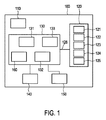
図1は、本発明による心拍監視システムの概略的なブロック図を示す。心拍監視システム100は、ユーザの心拍を測定又は決定する少なくとも1つの1次センサ110と、ユーザの心拍に影響する少なくとも1つの生理的要素を測定又は決定する少なくとも1つの2次センサ120とを有する。心拍監視システム100はオプションで、少なくとも1つの1次センサ110の動作を制御する制御ユニット131を更に有する。オプションで、ユーザの心拍を決定するため、少なくとも1つの1次センサ110の出力を処理する処理ユニット132が提供される。オプションで、心拍監視システムは、心拍を表示するディスプレイ140及び/又は測定若しくは決定された心拍を出力する出力部150を有することができる。
FIG. 1 shows a schematic block diagram of a heart rate monitoring system according to the present invention. The heart
本発明の側面によれば、心拍監視システム100は、手首若しくは前腕、又は、ユーザの耳の後に構成されることができる。
In accordance with aspects of the present invention, the heart
1次センサ110は、例えば人工光を生成するLEDの形の光源を有する光学センサとして実現されることができる。光源は、ユーザの皮膚へ人工光を放出する。皮膚において、放出された人工光は、血管において血液により部分的に吸収される。人工光は、皮膚にわたり散乱されることができ、光学センサ110の一部とすることもできる光検出器へ反射されることができる。光検出器は、ユーザの皮膚を通り反射された光を検出し、出力信号を生成する。
The
光学センサ110の出力信号は、処理ユニット132にフォワードされることができる。オプションで、処理ユニット132は、光学センサ110に配置されることもできる。処理ユニット132は、光学センサ110から信号を受信し、1次センサ110の出力信号に基づき、ユーザのパルスレート又は心拍を決定する。
The output signal of the
心拍監視システム100は更に、電源管理ユニット160を有する。電源管理ユニット160は、心拍監視システムの電力消費及び/又は動作、特に1次センサ110の電力消費を制御するものとして機能する。電源管理ユニット160は、専用のユニットとして実現されることができる。追加的又は代替的に、電源管理ユニット160の機能は、制御ユニット131又は処理ユニット132により実行されることができる。更に、制御ユニット131、処理ユニット132及び電源管理ユニット160は、マイクロコントローラ130により実現されることができる。更に、心拍監視システムは、モデルユニット133を有する。これはオプションで、マイクロコントローラ130により実現されることもできる。
The heart
本発明の側面による電源管理は、1次センサ又は全体の心拍監視システムの電力消費を制御するため、2次センサからの情報126を使用する。特に、2次センサからの追加的な情報は、1次センサ110の起動及び停止(オン/オフの切り替え)、1次センサ、サンプリングレート及び/又は測定強度を制御するために用いられることができる。言い換えると、1次センサ110又は全体システムの電力消費が、減らされることができる。
Power management according to aspects of the present invention uses
人の心拍は、ユーザの物理的状態、運動レート、ユーザの活動、ユーザの感情及び内外の要素といった複数の要素に依存することがよく知られている。2次センサを用いて、心拍に影響を持つ要素に関連する情報が、集められることができる。2次センサにより測定されることができる生理的要素は、呼吸、ユーザの速度、ユーザの加速度、ユーザの皮膚における湿度、高度などである。 It is well known that a person's heart rate depends on a number of factors, such as the user's physical condition, exercise rate, user activity, user emotion, and internal and external factors. Using secondary sensors, information related to factors that affect heart rate can be collected. Physiological factors that can be measured by the secondary sensor are breathing, user speed, user acceleration, humidity in the user's skin, altitude, and the like.
2次センサ120によって決定される物理要素の情報126に基づき、1次センサ110の動作及び/又は電力消費は、電源管理ユニット160により制御されることができる。これは、2次センサからの情報が、ユーザの心拍を推定又は予測するのに十分である場合に実行されることができる。予測又は推定が十分に良好である場合、例えば、1次センサのサンプリングレートは減らされることができる。追加的又は代替的に、1次センサ110は、作動され、少なくとも心拍が十分に正確に推定されることができる期間に関して、停止されることができる。しかしながら、2次センサの出力により検出されることができる心拍における変化が現れる場合(例えば運動パターンが変化するとき)、1次センサの動作は、正確な心拍を決定するために再び作動されることができる。
Based on the
言い換えると、心拍が一定又は実質的に一定である時間期間の間、1次センサのサンプリング周波数は、減らされることができる。代替的に、斯かる時間期間の間、1次センサは、電力を節約するために停止されることができる。 In other words, during the time period when the heartbeat is constant or substantially constant, the sampling frequency of the primary sensor can be reduced. Alternatively, during such a time period, the primary sensor can be shut down to save power.
本発明の側面によれば、起動及び停止(1次センサのオン/オフの切り替え)は、電源管理ユニット160により制御されることができる。2次センサの1つ、例えば加速度計124により、ユーザが一定の運動下にある、又は動いていないと決定されることができる場合、ユーザの心拍も明らかに変化しないと決定されることができる。2次センサ120が、ユーザの運動又は運動パターンにおいて変化を検出するとすぐに、1次心拍センサ100が、ユーザの実際の心臓を測定するために再び作動されることができる。
According to an aspect of the present invention, activation and deactivation (primary sensor on / off switching) can be controlled by the
本発明の側面によれば、1次心拍センサ110は、特定の時間間隔で心拍を測定するよう制御されることができる。この場合、時間間隔は、ユーザの運動の変化に基づき変化することができる。1次センサが、連続してではなく断続的に作動される場合、電力消費は減らされることができる。
In accordance with aspects of the present invention, the primary
本発明の側面によれば、2次センサは、湿度センサ121、高度計122、GPSセンサ123、加速度計124及び/又は圧力センサ125でありえる。湿度センサ121は、ユーザの皮膚における湿度を測定するために用いられることができる。ユーザの皮膚における湿度は、感情を示すパラメータ、ユーザの生理的条件及びムードにおける変化でありえる。高度計122は例えば、ユーザの高度を決定するために用いられることができる。これは、ユーザが、滑走している、クライミングしているかどうか等のインジケーションを与えることができる。GPSセンサ123は、例えばユーザが、サイクリングしている、レース中かどうか等を決定するスピードセンサとして使用されることができる。
According to aspects of the present invention, the secondary sensor may be a
圧力センサ125は、気圧計として使用されることができる。このセンサからの情報は、高度計又は気象観測端末として使用されることができる。気圧が高いとき、人は、上昇された心拍でそれに反応する場合がある。
The
本発明の側面によれば、心拍監視システムは、モデルユニット133を有する。2次センサ120の出力は、モデルユニット133により受信される。モデルユニット133に格納されるモデルに基づいて、心拍が、2次センサ120からの情報126に基づき予測又は推定される。モデルユニットは、フィードバックループを介して電源管理ユニットに接続され、予測された心拍がその後、1次センサの動作及び/又は電力消費を制御するため、電源管理ユニット160により使用される。
According to an aspect of the present invention, the heart rate monitoring system has a
1次心拍センサの動作は、サンプリングレート及び測定の強度を制御することにより、電源管理ユニット160により制御されることができる。1次センサ110が例えば光学センサとして実現される場合、サンプリングレート及び光学センサの光強度が制御されることができる。例えばモデルユニット130の出力である予測された心拍に基づき、電源管理ユニット160は、サンプリングレートを低下させることができるか、又は光学センサの光源の強度を減少させることができる。
The operation of the primary heart rate sensor can be controlled by the
本発明の側面によれば、電源管理ユニット160は、1次センサ110により測定される心拍とモデルユニット133の予測された心拍とを比較することができる。測定及び予測された心拍の間の差が低い(即ち、予測及び測定された心拍が、互いに対応する)場合、サンプリングレート又は測定強度は減らされることができる。しかしながら、測定及び予測された心拍の間の差が高い場合、サンプリング周波数は増加される、及び/又は測定強度(光強度)が増加されることができる。
According to an aspect of the present invention, the
本発明によれば、心拍監視システム100は、1次センサ110だけでなく少なくとも1つの2次センサ120を収容するハウジングを持つことができる。しかしながら、代替的に、2次センサ120は、1次センサ110のハウジングの外側に構成されることができる。例えば、いくつかの2次センサは、スマートフォンなどといった外部デバイスの一部とすることができる。2次センサ120は、1次センサ110のハウジングとして体の他の部分に構成されることもできる。
In accordance with the present invention, the heart
本発明によれば、2次センサ120は、例えば加速度計といったモーションセンサである。モデルユニット133はこうして、モーションセンサから受信される現在及び過去の測定を考慮して、モデルユニットに格納されるモデルに基づき、ユーザの心拍を予測することができる。例えば、低い運動が測定されるとき、休息時の心拍が予測され、より高いレベルの運動がモーションセンサにより測定される場合、休息時の心拍より高い心拍が予測される。予測された心拍は、モデルユニット133に格納されるモデルから得られる。モデルは、例えば温度、高度、ユーザの年齢等といったパラメータを考慮し、運動の関数として、心拍の進展を与える。
According to the present invention, the
心拍監視システムは、手首デバイスとして構成されることができる。心拍監視システムは、ユーザの耳に、又はこの上に着用されるデバイスとして構成されることもできる。監視デバイスは、ユーザによりかけられる眼鏡の部分でもよい。心拍監視デバイスは、補聴器の部分でもよいか、又はユーザにより着用されることもできる。 The heart rate monitoring system can be configured as a wrist device. The heart rate monitoring system can also be configured as a device worn on or on the user's ear. The monitoring device may be the part of the glasses worn by the user. The heart rate monitoring device may be part of a hearing aid or may be worn by the user.
1次センサ110は、光学センサ、電気センサ及び/又は圧力センサとして実現されることができる。2次センサは、湿度センサ、スピードセンサ、加速度センサ、高度計等として実現されることができる。2次センサは、1次センサの電力消費より低い電力消費を持つ。
The
請求項において、単語「有する」は他の要素又はステップを除外するものではなく、不定冠詞「a」又は「an」は複数性を除外するものではない。 In the claims, the word “comprising” does not exclude other elements or steps, and the indefinite article “a” or “an” does not exclude a plurality.
単一のユニット又はデバイスが、請求項において列挙される複数のアイテムの機能を満たすことができる。特定の手段が相互に異なる従属項に記載されるという単なる事実は、これらの手段の組み合わせが有利に使用されることができないことを意味するものではない。 A single unit or device may fulfill the functions of several items recited in the claims. The mere fact that certain measures are recited in mutually different dependent claims does not indicate that a combination of these measured cannot be used to advantage.
ユーザの心拍に影響を与える心拍又は生理的要因の測定、1次センサの動作及び/又は電力消費の管理といった1つ又は複数のユニット又はデバイスにより実行される手順は、他の任意の数のユニット又はデバイスにより実行されることができる。これらの手順及びユーザの心拍をモニタする方法による心拍監視システムの制御は、コンピュータプログラムのプログラムコード手段として及び/又は専用ハードウェアとして実現されることができる。 Procedures performed by one or more units or devices, such as measuring heart rate or physiological factors that affect a user's heart rate, managing primary sensor operation and / or power consumption, may be any other number of units. Or it can be executed by the device. The control of the heart rate monitoring system by these procedures and the method of monitoring the user's heart rate can be implemented as program code means of a computer program and / or as dedicated hardware.
コンピュータプログラムは、他のハードウェアと共に又はその一部として供給される光学的記憶媒体又は固体媒体といった適切な媒体に格納/配布されることができるが、インターネット又は他の有線若しくは無線通信システムを介してといった他の形式で配布されることもできる。 The computer program may be stored / distributed on suitable media, such as optical storage media or solid media supplied with or as part of other hardware, but via the Internet or other wired or wireless communication systems. It can also be distributed in other formats.
請求項における任意の参照符号は、発明の範囲を限定するものとして解釈されるべきではない。 Any reference signs in the claims should not be construed as limiting the scope.
Claims (7)
第1の電力消費を持ち、ユーザの心拍を測定する少なくとも1つの1次センサと、
前記ユーザの心拍に影響する少なくとも1つの生理的要素を測定する少なくとも1つの2次センサであって、前記少なくとも1つの2次センサが、前記第1の電力消費より低い第2の電力消費を持つ、少なくとも1つの2次センサと、
前記少なくとも1つの2次センサから受信される情報に基づき、前記少なくとも1つの1次センサの動作を管理する電源管理ユニットと、
モデルと前記少なくとも1つの2次センサから受信される情報とに基づき、前記ユーザの心拍を推定するモデルユニットであって、前記モデルが、前記モデルユニットに格納される、モデルユニットとを有し、
前記モデルユニットが、フィードバックループを介して前記電源管理ユニットに結合され、前記電源管理ユニットは、前記測定された心拍と前記推定された心拍とが互いに対応する場合、前記1次センサのサンプリング周波数及び/又は測定強度を減らすよう構成される、心拍監視デバイス。 A heart rate monitoring device for monitoring a user's heart rate,
At least one primary sensor having a first power consumption and measuring a user's heartbeat;
At least one secondary sensor for measuring at least one physiological factor affecting the user's heart rate, wherein the at least one secondary sensor has a second power consumption that is lower than the first power consumption. At least one secondary sensor ;
A power management unit that manages the operation of the at least one primary sensor based on information received from the at least one secondary sensor;
A model unit for estimating a heart rate of the user based on a model and information received from the at least one secondary sensor, wherein the model is stored in the model unit;
The model unit is coupled to the power management unit via a feedback loop, and the power management unit, when the measured heartbeat and the estimated heartbeat correspond to each other , the sampling frequency of the primary sensor and A heart rate monitoring device configured to reduce measurement intensity .
第1の電力消費を持つ少なくとも1つの1次センサによりユーザの心拍を測定するステップと、
少なくとも1つの2次センサにより前記ユーザの心拍に影響する少なくとも1つの生理的要素を測定するステップであって、前記少なくとも1つの2次センサが、前記第1の電力消費より低い第2の電力消費を持つ、ステップと、
前記少なくとも1つの2次センサから受信される情報に基づき、前記少なくとも1つの1次センサの動作及び/又は電力消費を管理するステップと、
モデルユニットに格納されるモデルと前記少なくとも1つの2次センサから受信される情報とに基づき、前記ユーザの心拍を推定するステップと、
前記測定された心拍と前記推定された心拍とを比較し、前記測定された心拍と前記推定された心拍とが互いに対応する場合、前記1次センサのサンプリング周波数及び/又は測定強度を減らすステップとを有する、方法。 In a method of monitoring a user's heart rate,
Measuring a user's heart rate with at least one primary sensor having a first power consumption;
The method comprising measuring at least one physiological factors affecting heart rate of the user by at least one secondary sensor, the at least one secondary sensor, said first second power lower than the power consumption Have a step, and
Managing the operation and / or power consumption of the at least one primary sensor based on information received from the at least one secondary sensor;
Estimating the user's heart rate based on a model stored in a model unit and information received from the at least one secondary sensor;
Comparing the measured heart rate with the estimated heart rate, and reducing the sampling frequency and / or measurement intensity of the primary sensor if the measured heart rate and the estimated heart rate correspond to each other ; Having a method.
Applications Claiming Priority (3)
| Application Number | Priority Date | Filing Date | Title |
|---|---|---|---|
| EP14160183 | 2014-03-17 | ||
| EP14160183.1 | 2014-03-17 | ||
| PCT/EP2015/054802 WO2015139980A1 (en) | 2014-03-17 | 2015-03-09 | Heart rate monitor device |
Publications (2)
| Publication Number | Publication Date |
|---|---|
| JP2017506967A JP2017506967A (en) | 2017-03-16 |
| JP6121069B2 true JP6121069B2 (en) | 2017-04-26 |
Family
ID=50280250
Family Applications (1)
| Application Number | Title | Priority Date | Filing Date |
|---|---|---|---|
| JP2016555316A Active JP6121069B2 (en) | 2014-03-17 | 2015-03-09 | Heart rate monitoring device |
Country Status (6)
| Country | Link |
|---|---|
| US (1) | US9980655B2 (en) |
| EP (1) | EP3076865B1 (en) |
| JP (1) | JP6121069B2 (en) |
| CN (1) | CN105979858B (en) |
| RU (1) | RU2682760C1 (en) |
| WO (1) | WO2015139980A1 (en) |
Families Citing this family (22)
| Publication number | Priority date | Publication date | Assignee | Title |
|---|---|---|---|---|
| DK2663095T3 (en) * | 2012-05-07 | 2016-02-01 | Starkey Lab Inc | Hearing aid with distributed earplug processing |
| JP6599883B2 (en) * | 2014-03-17 | 2019-10-30 | コーニンクレッカ フィリップス エヌ ヴェ | HEART RATE MONITOR SYSTEM, HEART RATE MONITORING METHOD, AND COMPUTER PROGRAM |
| KR102252168B1 (en) * | 2015-01-06 | 2021-05-14 | 삼성전자 주식회사 | Method and apparatus for processing sensor data |
| US10390764B2 (en) | 2015-07-16 | 2019-08-27 | Samsung Electronics Company, Ltd. | Continuous stress measurement with built-in alarm fatigue reduction features |
| CN105286842B (en) * | 2015-11-06 | 2018-04-03 | 深圳风景网络科技有限公司 | A kind of method and device based on acceleration transducer predicted motion process heart rate |
| US9826912B2 (en) | 2015-11-11 | 2017-11-28 | Livassured B.V. | Photoplethysmographic device for measuring a heart rhythm |
| JP2017185141A (en) * | 2016-04-08 | 2017-10-12 | ルネサスエレクトロニクス株式会社 | Sensor system |
| CN109068980B (en) * | 2016-04-22 | 2021-11-19 | 诺基亚技术有限公司 | Controlling measurement of one or more vital signs of a living subject |
| EP3426131B1 (en) * | 2016-06-15 | 2022-11-30 | Samsung Electronics Co., Ltd. | Continuous stress measurement with built-in alarm fatigue reduction features |
| JP6766463B2 (en) * | 2016-06-17 | 2020-10-14 | セイコーエプソン株式会社 | Biometric information processing equipment, programs and biometric information processing methods |
| JP2017221551A (en) * | 2016-06-17 | 2017-12-21 | セイコーエプソン株式会社 | Biological information processing device, program, biological information processing method, biological information processing system, and information processing device |
| US10878947B2 (en) * | 2016-11-18 | 2020-12-29 | International Business Machines Corporation | Triggered sensor data capture in a mobile device environment |
| US10339026B2 (en) * | 2016-12-29 | 2019-07-02 | Intel Corporation | Technologies for predictive monitoring of a characteristic of a system |
| US11158179B2 (en) | 2017-07-27 | 2021-10-26 | NXT-ID, Inc. | Method and system to improve accuracy of fall detection using multi-sensor fusion |
| DE102017121715A1 (en) * | 2017-09-19 | 2019-03-21 | Osram Opto Semiconductors Gmbh | Method for measuring a pulse rate, pulse rate meter and computer program product |
| US11356315B2 (en) | 2018-03-28 | 2022-06-07 | Intel Corporation | Methods and apparatus to dynamically control devices based on distributed data |
| CN111643066A (en) * | 2019-04-30 | 2020-09-11 | 上海铼锶信息技术有限公司 | Low-power-consumption resting heart rate detection method and wearable device |
| CN111513698A (en) * | 2020-04-24 | 2020-08-11 | 出门问问信息科技有限公司 | Heart rate data transmission method and intelligent wearable device |
| CN114305368B (en) * | 2020-09-27 | 2025-05-20 | 深圳海翼智新科技有限公司 | Heart rate monitoring method, device and equipment |
| CN115191935A (en) * | 2021-04-13 | 2022-10-18 | Oppo广东移动通信有限公司 | Physiological parameter monitoring method and device, intelligent wearable device and storage medium |
| CN114190912B (en) * | 2021-12-27 | 2024-02-20 | 东莞市猎声电子科技有限公司 | Method for reducing power consumption of PPG heart rate electronic detection device |
| CN118787326B (en) * | 2024-09-13 | 2025-02-11 | 杭州神络医疗科技有限公司 | Respiratory monitoring joint optimization method, computer device and readable storage medium |
Family Cites Families (16)
| Publication number | Priority date | Publication date | Assignee | Title |
|---|---|---|---|---|
| US5746697A (en) | 1996-02-09 | 1998-05-05 | Nellcor Puritan Bennett Incorporated | Medical diagnostic apparatus with sleep mode |
| US7559899B2 (en) * | 2006-04-12 | 2009-07-14 | Salutron, Inc. | Power saving techniques for continuous heart rate monitoring |
| EP2018222A2 (en) * | 2006-05-09 | 2009-01-28 | Koninklijke Philips Electronics N.V. | Assay device |
| JP4153003B2 (en) | 2006-09-04 | 2008-09-17 | シャープ株式会社 | Biological information measuring device, power consumption control method, biological information measuring program, and computer-readable recording medium |
| RU2336810C1 (en) * | 2007-04-02 | 2008-10-27 | Государственное образовательное учреждение высшего профессионального образования Воронежское высшее военное авиационное инженерное училище (военный институт) | Optoelectronic infrared sensor of pulse wave |
| EP2116183B1 (en) * | 2008-05-07 | 2012-02-01 | CSEM Centre Suisse d'Electronique et de Microtechnique SA | Robust opto-electrical ear located cardiovascular monitoring device |
| WO2010065067A1 (en) * | 2008-11-20 | 2010-06-10 | Bodymedia, Inc. | Method and apparatus for determining critical care parameters |
| EP2432391B1 (en) | 2009-05-18 | 2014-02-26 | Koninklijke Philips N.V. | Heart rate measuring device |
| US9167991B2 (en) * | 2010-09-30 | 2015-10-27 | Fitbit, Inc. | Portable monitoring devices and methods of operating same |
| US20120130201A1 (en) * | 2010-11-24 | 2012-05-24 | Fujitsu Limited | Diagnosis and Monitoring of Dyspnea |
| US20120136226A1 (en) * | 2010-11-29 | 2012-05-31 | Nellcor Puritan Bennett Llc | Pulse Oximetry For Determining Heart Rate Variability As A Measure Of Susceptibility To Stress |
| EP2672884A1 (en) | 2011-02-09 | 2013-12-18 | Massachusetts Institute Of Technology | Ear wearable vital sign monitor |
| JP5682369B2 (en) | 2011-02-23 | 2015-03-11 | セイコーエプソン株式会社 | Beat detector |
| US9186077B2 (en) | 2012-02-16 | 2015-11-17 | Google Technology Holdings LLC | Method and device with customizable power management |
| JP6064431B2 (en) * | 2012-08-17 | 2017-01-25 | 富士通株式会社 | Exercise determination program, portable electronic device, exercise determination method, and information processing apparatus |
| US20140073486A1 (en) * | 2012-09-04 | 2014-03-13 | Bobo Analytics, Inc. | Systems, devices and methods for continuous heart rate monitoring and interpretation |
-
2015
- 2015-03-09 CN CN201580006989.XA patent/CN105979858B/en active Active
- 2015-03-09 JP JP2016555316A patent/JP6121069B2/en active Active
- 2015-03-09 EP EP15708227.2A patent/EP3076865B1/en active Active
- 2015-03-09 WO PCT/EP2015/054802 patent/WO2015139980A1/en not_active Ceased
- 2015-03-09 US US15/110,625 patent/US9980655B2/en active Active
- 2015-03-09 RU RU2016128024A patent/RU2682760C1/en active
Also Published As
| Publication number | Publication date |
|---|---|
| US9980655B2 (en) | 2018-05-29 |
| EP3076865A1 (en) | 2016-10-12 |
| EP3076865B1 (en) | 2017-05-10 |
| JP2017506967A (en) | 2017-03-16 |
| RU2682760C1 (en) | 2019-03-21 |
| CN105979858B (en) | 2018-02-16 |
| US20170258338A1 (en) | 2017-09-14 |
| CN105979858A (en) | 2016-09-28 |
| WO2015139980A1 (en) | 2015-09-24 |
Similar Documents
| Publication | Publication Date | Title |
|---|---|---|
| US9980655B2 (en) | Heart rate monitor device | |
| US11717188B2 (en) | Automatic detection of user's periods of sleep and sleep stage | |
| US20230033353A1 (en) | Portable monitor for heart rate detection | |
| US10226177B2 (en) | Mobility aid monitoring system with motion sensor and transceiver | |
| JP6599883B2 (en) | HEART RATE MONITOR SYSTEM, HEART RATE MONITORING METHOD, AND COMPUTER PROGRAM | |
| US20170127992A1 (en) | Fatigue-degree monitoring device, fatigue-degree monitoring system, and fatigue-degree determining method | |
| JP2019513489A (en) | System and method for detecting when a sensor is worn | |
| US11504068B2 (en) | Methods, systems, and media for predicting sensor measurement quality | |
| US11937905B2 (en) | Techniques for leveraging data collected by wearable devices and additional devices | |
| KR20140024845A (en) | Integrated biometric sensing and display device | |
| NL2017538B1 (en) | Wireless vital sign monitoring | |
| WO2013093686A1 (en) | Apparatus and method for monitoring a sleeping person | |
| JP6180668B2 (en) | Optical vital sign sensor | |
| CN111083022A (en) | Mobile terminal, control method thereof and computer storage medium | |
| US10596061B2 (en) | Mobility aid monitoring system with motion sensor and transceiver | |
| US20230098734A1 (en) | Electronic device and control method thereof | |
| US20250387077A1 (en) | Snore detection system | |
| EP4457832A1 (en) | Techniques for leveraging data collected by wearable devices and additional devices |
Legal Events
| Date | Code | Title | Description |
|---|---|---|---|
| A521 | Request for written amendment filed |
Free format text: JAPANESE INTERMEDIATE CODE: A523 Effective date: 20160901 |
|
| A871 | Explanation of circumstances concerning accelerated examination |
Free format text: JAPANESE INTERMEDIATE CODE: A871 Effective date: 20160901 |
|
| A621 | Written request for application examination |
Free format text: JAPANESE INTERMEDIATE CODE: A621 Effective date: 20160901 |
|
| RD04 | Notification of resignation of power of attorney |
Free format text: JAPANESE INTERMEDIATE CODE: A7424 Effective date: 20170214 |
|
| A975 | Report on accelerated examination |
Free format text: JAPANESE INTERMEDIATE CODE: A971005 Effective date: 20170303 |
|
| TRDD | Decision of grant or rejection written | ||
| A01 | Written decision to grant a patent or to grant a registration (utility model) |
Free format text: JAPANESE INTERMEDIATE CODE: A01 Effective date: 20170309 |
|
| A61 | First payment of annual fees (during grant procedure) |
Free format text: JAPANESE INTERMEDIATE CODE: A61 Effective date: 20170328 |
|
| R150 | Certificate of patent or registration of utility model |
Ref document number: 6121069 Country of ref document: JP Free format text: JAPANESE INTERMEDIATE CODE: R150 |
|
| R250 | Receipt of annual fees |
Free format text: JAPANESE INTERMEDIATE CODE: R250 |
|
| R250 | Receipt of annual fees |
Free format text: JAPANESE INTERMEDIATE CODE: R250 |
|
| R250 | Receipt of annual fees |
Free format text: JAPANESE INTERMEDIATE CODE: R250 |
|
| R250 | Receipt of annual fees |
Free format text: JAPANESE INTERMEDIATE CODE: R250 |
|
| R250 | Receipt of annual fees |
Free format text: JAPANESE INTERMEDIATE CODE: R250 |
|
| R250 | Receipt of annual fees |
Free format text: JAPANESE INTERMEDIATE CODE: R250 |
|
| R250 | Receipt of annual fees |
Free format text: JAPANESE INTERMEDIATE CODE: R250 |