JP5577458B2 - Hearing aid automatic power off - Google Patents
Hearing aid automatic power off Download PDFInfo
- Publication number
- JP5577458B2 JP5577458B2 JP2013510506A JP2013510506A JP5577458B2 JP 5577458 B2 JP5577458 B2 JP 5577458B2 JP 2013510506 A JP2013510506 A JP 2013510506A JP 2013510506 A JP2013510506 A JP 2013510506A JP 5577458 B2 JP5577458 B2 JP 5577458B2
- Authority
- JP
- Japan
- Prior art keywords
- hearing aid
- mode
- power
- command
- receiver
- Prior art date
- Legal status (The legal status is an assumption and is not a legal conclusion. Google has not performed a legal analysis and makes no representation as to the accuracy of the status listed.)
- Expired - Fee Related
Links
Images

Classifications
-
- H—ELECTRICITY
- H04—ELECTRIC COMMUNICATION TECHNIQUE
- H04R—LOUDSPEAKERS, MICROPHONES, GRAMOPHONE PICK-UPS OR LIKE ACOUSTIC ELECTROMECHANICAL TRANSDUCERS; ELECTRIC HEARING AIDS; PUBLIC ADDRESS SYSTEMS
- H04R25/00—Electric hearing aids
- H04R25/55—Electric hearing aids using an external connection, either wireless or wired
- H04R25/558—Remote control, e.g. of amplification, frequency
-
- H—ELECTRICITY
- H04—ELECTRIC COMMUNICATION TECHNIQUE
- H04R—LOUDSPEAKERS, MICROPHONES, GRAMOPHONE PICK-UPS OR LIKE ACOUSTIC ELECTROMECHANICAL TRANSDUCERS; ELECTRIC HEARING AIDS; PUBLIC ADDRESS SYSTEMS
- H04R25/00—Electric hearing aids
- H04R25/55—Electric hearing aids using an external connection, either wireless or wired
- H04R25/552—Binaural
-
- H—ELECTRICITY
- H04—ELECTRIC COMMUNICATION TECHNIQUE
- H04R—LOUDSPEAKERS, MICROPHONES, GRAMOPHONE PICK-UPS OR LIKE ACOUSTIC ELECTROMECHANICAL TRANSDUCERS; ELECTRIC HEARING AIDS; PUBLIC ADDRESS SYSTEMS
- H04R25/00—Electric hearing aids
- H04R25/55—Electric hearing aids using an external connection, either wireless or wired
- H04R25/554—Electric hearing aids using an external connection, either wireless or wired using a wireless connection, e.g. between microphone and amplifier or using Tcoils
-
- H—ELECTRICITY
- H04—ELECTRIC COMMUNICATION TECHNIQUE
- H04R—LOUDSPEAKERS, MICROPHONES, GRAMOPHONE PICK-UPS OR LIKE ACOUSTIC ELECTROMECHANICAL TRANSDUCERS; ELECTRIC HEARING AIDS; PUBLIC ADDRESS SYSTEMS
- H04R25/00—Electric hearing aids
- H04R25/60—Mounting or interconnection of hearing aid parts, e.g. inside tips, housings or to ossicles
- H04R25/603—Mounting or interconnection of hearing aid parts, e.g. inside tips, housings or to ossicles of mechanical or electronic switches or control elements
-
- H—ELECTRICITY
- H04—ELECTRIC COMMUNICATION TECHNIQUE
- H04R—LOUDSPEAKERS, MICROPHONES, GRAMOPHONE PICK-UPS OR LIKE ACOUSTIC ELECTROMECHANICAL TRANSDUCERS; ELECTRIC HEARING AIDS; PUBLIC ADDRESS SYSTEMS
- H04R2225/00—Details of deaf aids covered by H04R25/00, not provided for in any of its subgroups
- H04R2225/61—Aspects relating to mechanical or electronic switches or control elements, e.g. functioning
-
- H—ELECTRICITY
- H04—ELECTRIC COMMUNICATION TECHNIQUE
- H04R—LOUDSPEAKERS, MICROPHONES, GRAMOPHONE PICK-UPS OR LIKE ACOUSTIC ELECTROMECHANICAL TRANSDUCERS; ELECTRIC HEARING AIDS; PUBLIC ADDRESS SYSTEMS
- H04R2420/00—Details of connection covered by H04R, not provided for in its groups
- H04R2420/07—Applications of wireless loudspeakers or wireless microphones
-
- H—ELECTRICITY
- H04—ELECTRIC COMMUNICATION TECHNIQUE
- H04R—LOUDSPEAKERS, MICROPHONES, GRAMOPHONE PICK-UPS OR LIKE ACOUSTIC ELECTROMECHANICAL TRANSDUCERS; ELECTRIC HEARING AIDS; PUBLIC ADDRESS SYSTEMS
- H04R2460/00—Details of hearing devices, i.e. of ear- or headphones covered by H04R1/10 or H04R5/033 but not provided for in any of their subgroups, or of hearing aids covered by H04R25/00 but not provided for in any of its subgroups
- H04R2460/03—Aspects of the reduction of energy consumption in hearing devices
Landscapes
- Engineering & Computer Science (AREA)
- Health & Medical Sciences (AREA)
- General Health & Medical Sciences (AREA)
- Neurosurgery (AREA)
- Otolaryngology (AREA)
- Physics & Mathematics (AREA)
- Acoustics & Sound (AREA)
- Signal Processing (AREA)
- Computer Networks & Wireless Communication (AREA)
- Selective Calling Equipment (AREA)
Description
この発明は補聴器の分野に関する。より詳細には,この発明は,入力トランスデューサ,信号処理ユニット,電源(power supply)ユニット,および出力トランスデューサを有する補聴器に関する。この発明は特に補聴器用リモート・コントロールの分野に関する。この発明はさらに補聴器の状態(the state)を制御する方法に関する。 The present invention relates to the field of hearing aids. More particularly, the present invention relates to a hearing aid having an input transducer, a signal processing unit, a power supply unit, and an output transducer. The invention particularly relates to the field of remote control for hearing aids. The invention further relates to a method for controlling the state of the hearing aid.
従来技術
本願の開示において,補聴器は,聴覚障害者によって人の耳の後ろまたは耳の中に装着されるように設計される,小さい,電池駆動の小型電子機器として理解される。補聴器は一または複数のマイクロフォン,電池,信号処理装置を含む小型電子回路,および音響出力トランスデューサを備えている。上記信号処理装置は好ましくはデジタル信号処理装置である。上記補聴器は人の耳の後ろまたは耳の中にフィットするのに適するケーシング内に収められる。補聴器はユーザが聴覚欠損を被っている可聴周波数範囲における周波数(複数)の音を増幅することによって聴覚損失を緩和する。
Prior Art In the present disclosure, a hearing aid is understood as a small, battery-powered small electronic device designed to be worn behind or in a person's ear by a hearing impaired person. The hearing aid includes one or more microphones, a battery, a small electronic circuit including a signal processing device, and an acoustic output transducer. The signal processing device is preferably a digital signal processing device. The hearing aid is housed in a casing suitable to fit behind or in the ear of a person. Hearing aids mitigate hearing loss by amplifying sound at frequencies in the audible frequency range where the user suffers hearing loss.
欧州特許公開EP−A2−2043388は,無線接続を通して互いに接続される2つの補聴器からなる補聴器システムを開示する。ユーザの各耳において使用されているときに上記2つの補聴器の間の距離は一定であるので,上記無線接続の信号強度は一定となる。上記補聴器(複数)がユーザの耳から取り外されて箱の中に置かれると,上記2つの補聴器の間の距離が近づくので上記信号強度が増加する。上記信号強度が閾値限界(threshold limit)に達すると上記補聴器(複数)は電源オフとなる。 European Patent Publication EP-A2-2043388 discloses a hearing aid system consisting of two hearing aids connected to each other through a wireless connection. Since the distance between the two hearing aids is constant when used in each ear of the user, the signal strength of the wireless connection is constant. When the hearing aid (s) are removed from the user's ear and placed in a box, the signal strength increases as the distance between the two hearing aids approaches. When the signal strength reaches a threshold limit, the hearing aids are turned off.
独国特許DE−C2−3109049は,磁場によって補聴器の状態を変更する磁気スイッチを備える補聴器を開示する。すなわち,磁石の移動によって(by displacement of a magnetic)上記補聴器の状態を変化させることができる。 German patent DE-C 2-31090949 discloses a hearing aid with a magnetic switch that changes the state of the hearing aid by means of a magnetic field. That is, the state of the hearing aid can be changed by displacement of a magnetic.
欧州特許公開EP−A2−2028881は,無線リンクを通して互いに通信可能で,磁場の信号強度を監視するメカニズムを有する2つの補聴器を開示する。一方の補聴器だけ上記信号強度が増加する場合,「電話」状態(“telephoning” situation)にあることを推測することができ,それにしたがってプログラムが変更される。両方の補聴器で上記磁場が増加する場合,上記2つの補聴器は互いに非常に近接していることが推察され,2つの補聴器は電源オフされる。 European Patent Publication EP-A2-2028881 discloses two hearing aids that can communicate with each other over a wireless link and have a mechanism for monitoring the signal strength of a magnetic field. If only one hearing aid increases the signal strength, it can be inferred that it is in a “telephoning” situation and the program is changed accordingly. If the magnetic field increases in both hearing aids, it is assumed that the two hearing aids are very close to each other and the two hearing aids are powered off.
米国特許公開US−A1−20080123882は音響経路の変化を検出する手段を有する補聴器を開示し,これによって上記補聴器がもはやユーザの耳に配置されていないことが確立され,これにしたがって上記補聴器は少なくとも部分的に電源オフされる。 US Patent Publication No. US-A1-20080123882 discloses a hearing aid having means for detecting a change in acoustic path, whereby it is established that the hearing aid is no longer placed in the user's ear, so that the hearing aid is at least Partially powered off.
米国特許US−5202927は遠隔制御可能な,プログラム可能補聴器システムを提供しており,このシステムは内蔵増幅器および一セットの制御パラメータによってその送信特性を適宜決定することができる信号処理回路を備える補聴器と,上記補聴器に制御パラメータを無線送信する送信機を備える外部制御ユニットとを含む。上記補聴器内に上記制御パラメータを受信する受信回路が配置される。 US Pat. No. 5,202,927 provides a remotely controllable programmable hearing aid system, which includes a built-in amplifier and a signal processing circuit whose transmission characteristics can be determined as appropriate by a set of control parameters; , An external control unit comprising a transmitter for wirelessly transmitting control parameters to the hearing aid. A receiving circuit for receiving the control parameter is disposed in the hearing aid.
国際特許公開WO−A1−2009076949は,リモート・コントロールによって行われる,スタンバイ・モードに入る(entering)またはスタンバイ・モードから離脱する(leaving)ための手段を有する補聴器を提供している。使用中に,上記リモート・コントロールから発行された専用スタンバイ・コマンドが補聴器において受信されかつ復号される。 International Patent Publication No. WO-A1-2009076949 provides a hearing aid having means for entering or leaving standby mode, performed by remote control. In use, a dedicated standby command issued from the remote control is received and decoded at the hearing aid.
今日の多くの補聴器はリモート・コントロールによって制御することができ,これによって補聴器のユーザは簡単なやり方で補聴器を制御することができる。多くの場合,ユーザは,上記リモート・コントロールを用いて補聴器を電源オフしたり,スタンバイ・モードに状態を変更したりすることもでき,上記補聴器は,上記リモート・コントロールを用いてスタンバイ・モードから上記補聴器を起動するのに十分な最低限の回路だけ電源オンを保ち,ほとんどの処理を停止する。 Many hearing aids today can be controlled by remote control, which allows the hearing aid user to control the hearing aid in a simple manner. In many cases, the user can also use the remote control to power off the hearing aid or change the state to standby mode, and the hearing aid can be moved from standby mode using the remote control. Keep the power on for the minimum number of circuits sufficient to activate the hearing aid and stop most processing.
聴覚損失を持つ多くの高齢者にとって,補聴器は小さく,このため制御ボタンの操作が簡単ではなく,また補聴器が電源オンされているのかオフされているのかを視覚的に認識するのは簡単でないので,補聴器の取扱いが難しいことがある。その結果多くの高齢者は使用していないときに自分の補聴器を電源オフせず,このため電池の枯渇が早く,電池寿命が短い。 For many elderly people with hearing loss, the hearing aid is small, so it is not easy to operate the control buttons, and it is not easy to visually recognize whether the hearing aid is turned on or off. , Hearing aids can be difficult to handle. As a result, many elderly people do not turn off their hearing aids when not in use, which results in fast battery depletion and short battery life.
この発明の特徴は,補聴器を電源オフしかつ電源オンするシンプルかつ簡単なやり方を提供することにある。 A feature of the present invention is to provide a simple and easy way to power off and power on the hearing aid.
第1の観点において,この発明によると,このことは請求項1に記載の補聴器によって達成される。
In a first aspect, according to the invention, this is achieved by a hearing aid according to
非常に近距離で(with a very short range)恒常的に電源オフ・コマンドを送信するリモート・コントロールを有することで,補聴器およびリモート・コントロールが互いに近接しているとき,たとえば,これらが一緒になって保管箱内,ポケット内,ナイトスタンド,その他に保管されているときに,補聴器は電源オフされる。上記補聴器が一旦上記近距離の外に動かされると,たとえばユーザの各耳に配置され,他方上記リモート・コントロールはポケット内に入れられている場合,上記電源オフ・コマンドはもはや上記補聴器によって検出されず,したがって電源オンがデフォルトとなる(default to power up)。 By having a remote control that constantly sends a power off command with a very short range, when the hearing aid and the remote control are in close proximity to each other, for example, they come together Hearing aids are turned off when stored in storage boxes, pockets, nightstands, etc. Once the hearing aid is moved out of the close range, for example when placed in each ear of the user, while the remote control is in a pocket, the power off command is no longer detected by the hearing aid. Therefore, power on is the default (default to power up).
この発明を用いることで,上記ユーザは,補聴器を電源オフするために,補聴器リモート・コントロール上のボタンや上記補聴器と関連する他の外部機器上のボタンを能動的に押下する必要がない。上記リモート・コントロールまたは他の関連機器は絶えず上記補聴器へ電源オフ・コマンドを送信するが,このコマンドはかなり低出力(such a low power)で送信され,上記補聴器は,上記補聴器が上記外部機器とかなり近距離に入るまで,たとえば約10cm以下に入るまで,上記コマンドを検出しない。上記補聴器が一旦もはや上記電源オフ・コマンドを検出しなくなると,上記補聴器は自動的に再び復帰し,完全に動作可能になる(fully operable)。 Using this invention, the user does not need to actively press a button on a hearing aid remote control or other external device associated with the hearing aid to power off the hearing aid. The remote control or other related device constantly sends a power off command to the hearing aid, but this command is sent at such a low power, and the hearing aid is connected to the external device. The above command is not detected until it enters a fairly short distance, for example, about 10 cm or less. Once the hearing aid no longer detects the power-off command, the hearing aid will automatically resume again and become fully operable.
ソフト電源スイッチングの分野(the field of soft power switching)においては電源オフ状態(a state of power-off)と呼ぶのが一般的であるが,上記機器をコマンドに応答して起動可能にするためにいくつかの回路は依然として給電されている(powered)ので,技術者によってはスリープモード(a sleep-mode)と呼ぶ方がより適切であると認識することがあることを理解されたい。すなわち,上記機器は実際に3つの状態,すなわち通常動作,スリープモード,および完全非動力モード(completely un-powered mode)を有している。非動力モードはここでは詳細には述べず,本願の開示範囲において特に断らない限り,電源オフ・モードの用語が上記スリープモードを示すために用いられる。 In the field of soft power switching, it is generally called a state of power-off, but in order to enable the above devices to start in response to commands It should be understood that some circuits are still powered, so some engineers may find it more appropriate to call a sleep-mode. That is, the device actually has three states: normal operation, sleep mode, and completely un-powered mode. The non-powered mode is not described in detail here, and unless otherwise specified in the present disclosure, the term power-off mode is used to indicate the sleep mode.
第2の観点において,この発明は請求項8に規定する補聴器付属機器を提供する。 In a second aspect, the present invention provides a hearing aid accessory as defined in claim 8.
第3の観点において,この発明は請求項14に記載の方法を提供する。
In a third aspect, the present invention provides a method according to
さらなる特徴および利点が従属請求項から明らかにされる。 Further features and advantages are revealed from the dependent claims.
以下,図面を参照してこの発明を詳細に説明する。 Hereinafter, the present invention will be described in detail with reference to the drawings.
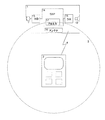
図1はこの発明の実施例によるシステムを示している。補聴器1は,マイクロフォン11,アナログ−デジタル変換器(A/D)13,デジタル信号処理装置(DSP)14,デジタル−アナログ変換器(D/A)15,スピーカ(loudspeaker)12,RF受信機16,および電源管理およびスケジューラ・ブロック(power management and scheduler block)(PM&S)17を備えている。一実施態様において上記補聴器はRF送信機も備える。
FIG. 1 shows a system according to an embodiment of the present invention. The
リモート・コントロール2は,ディスプレイおよびボタン(複数)を含むユーザ・インターフェースを有している。上記リモート・コントロールは上記補聴器と通信4するためのRF送信機およびRF受信機を有している。上記リモート・コントロールは,ユーザ入力を受付け,かつ,上記補聴器に向けてたとえば音量を調整するまたはプログラムを変更するといった適切なプログラム・コマンドを送信することによって応答する。すなわち,上記ユーザが,上記リモート・コントロール上のボタンを押下してたとえば音量を上げるリクエストを行うと,コマンドが,上記コマンドに約100から150cmの有効到達距離を与える出力(電力)で送信される(a command is sent with a power giving the command an effective reach of about 100 to 150 cm)。
The
しかしながら上記RF送信機は,2つのモード,すなわちローパワーモード(低出力モード)とハイパワーモード(高出力モード)において動作するように構成されている。ハイパワーモードは通常のユーザ・コマンドに用いられ,上記ユーザが上記装置を自分の手の中に保持して,両方の補聴器によってピックアップされるのに適切なコマンドを送出できるようにする。 However, the RF transmitter is configured to operate in two modes: a low power mode (low power mode) and a high power mode (high power mode). The high power mode is used for normal user commands, allowing the user to hold the device in his hand and send commands appropriate to be picked up by both hearing aids.
上記ローパワーモードは,上記リモート・コントロールから約10cmだけの有効範囲を持つ。上記ローパワー機能によって,上記リモート・コントロールは,上記補聴器によってピックアップされる信号の範囲が所定距離3に制限される電源オフ・コマンド4を連続的に送信することができる。このコマンドは,上記リモート・コントロールが両耳の一つの近くに保持されていない場合,補聴器がユーザの各耳に置かれている間は上記補聴器によってピックアップされない。 The low power mode has an effective range of about 10cm from the remote control. The low power function allows the remote control to continuously transmit a power off command 4 in which the range of signals picked up by the hearing aid is limited to a predetermined distance 3. This command is not picked up by the hearing aid while the hearing aid is in each of the user's ears if the remote control is not held near one of the ears.
図2はこの発明の一実施態様による補聴器における電源管理システムのフロー図を示している。補聴器が“オン”21であるとき,上記RF受信機22において電源オフ・コマンドが検出されるかどうかが常にモニタリング210される。電源オフ・コマンドが検出されない限り,コマンドは211によってループし,上記電源オフ・コマンドを送信する外部機器は上記補聴器の近距離範囲外にあると取扱われて上記補聴器は“オン”にとどまる。電源オフ・コマンドが検出される場合,上記補聴器は上記電源オフ・コマンドを送信する上記機器の近距離範囲内にあり,212に制御が分岐し,23において上記補聴器は電源を落とす(the hearing aid powers down)。 FIG. 2 shows a flow chart of the power management system in the hearing aid according to one embodiment of the present invention. When the hearing aid is “on” 21, it is always monitored 210 whether a power off command is detected in the RF receiver 22. Unless a power off command is detected, the command loops through 211 and the external device transmitting the power off command is treated as being outside the near range of the hearing aid and the hearing aid remains “on”. If a power off command is detected, the hearing aid is within the short range of the device sending the power off command, control branches to 212, and the hearing aid turns off the power at 23 (the hearing aid powers down).
上記補聴器が電源を落とすと補聴器はスタンバイ・モードに入り,そこでは上記スケジューラおよび上記電源管理システムは依然として稼働しており,上記スケジューラは図3に示すオン/オフ・サイクルを持つ。上記スケジューラは上記電源管理システムに対して指示を行い,上記RF受信機回路が上記電源オフ・コマンドを依然として検出可能であるかどうかチェックすること24を可能にさせる。上記補聴器が上記電源オフ・コマンド214を送信する上記外部機器の近距離範囲内に依然として入っている場合には,上記電源管理システムは214に分岐して上記RF受信機を再び非アクティブして(to deactivate the RF receiver again)上記補聴器をスタンバイ・モード23に戻す設定をする(set the hearing aid back into stand-by mode 23)。電源オフ・コマンドが受信されなくなると,上記補聴器は上記電源オフ・コマンドを送信する上記機器から上記近距離範囲外にあり,上記電源管理システムは215に分岐して上記補聴器25の電源を立上げ,これにより上記補聴器は通常動作21に復帰216する。 When the hearing aid is turned off, the hearing aid enters a standby mode where the scheduler and the power management system are still running, and the scheduler has an on / off cycle as shown in FIG. The scheduler instructs the power management system to allow 24 to check whether the RF receiver circuit is still capable of detecting the power off command. If the hearing aid is still within the short range of the external device transmitting the power off command 214, the power management system branches to 214 and deactivates the RF receiver again ( to deactivate the RF receiver again) Set the hearing aid back into stand-by mode 23. When the power off command is no longer received, the hearing aid is outside the short range from the device transmitting the power off command, and the power management system branches to 215 to power up the hearing aid 25 This causes the hearing aid to return 216 to normal operation 21.
図3は補聴器RF受信機についてのサイクル31および上記リモート・コントロールのオフ・バースト(off-bursts)310のタイミング図である。上記スケジューラは上記電源管理および上記RF受信機を1.5秒の起動間隔(awake interval)32でアクティブ化(稼働)し(activates),その後上記スケジューラは上記電源管理システムを指示して8.5秒のスリープ間隔(sleep interval)33で非アクティブ化し(停止し)(deactivates),1.5秒の起動間隔と8.5秒のオフ間隔とが再び続く。上記リモート・コントロールは,連続的に,それぞれがミリ秒間隔である電源オフ・コマンド310を1秒間に3回送信するので,上記補聴器RFレシーバは,通信可能である間,上記起動間隔32の間に少なくとも3つのオフ・コマンドのバースト(連続,bursts)を検出することができる。
FIG. 3 is a timing diagram of cycle 31 and the remote control off-
上記補聴器1がその通常の稼働状態にあるとき,補聴器は上記RF受信機16を通じて受信される,上記リモート・コントロール2からの,または上記補聴器1に関連する他の何らかの外部機器からのコマンドをモニタリングする。補聴器は,通常,上記補聴器内のRF受信機を通してコマンドを受信する。上記補聴器の通常動作モードにおいて,上記補聴器は,上記リモート・コントロールから受信したコマンドにしたがって,状態またはプログラムを切り換えることができる。
When the
この発明によると,上記補聴器は,電源オフ・コマンドが検出されたときに,電源オフまたはスタンバイ・モードに切り換えることができる。スタンバイにあるとき,上記補聴器の部分(parts)は所定頻度間隔で(at frequent intervals)スタンバイ・モードから起動する(wake up)ことができる。上記間隔は補聴器のフィッティング中にあらかじめプログラムするまたは設定することができる。補聴器が起動する頻度間隔(the frequency of the intervals)は,好ましくはユーザが保管箱から補聴器を取出し,耳にまたは耳内にそれらを配置する時間内(in the range of time)とされる。補聴器がスタンバイから起動して完全動作モードに至るには数秒を要し,多くの場合,上記補聴器がユーザの耳に配置される前に補聴器が動作モードとなるのは望まれない。これは,上記補聴器は,たとえばフィードバック経路を計測して望まれないフィードバック信号をキャンセルするために上記処理装置を適合するといった動作の定常状態モードに達するために幾ばくかの時間を必要とすることがあるからである。 According to the present invention, the hearing aid can be switched to power-off or standby mode when a power-off command is detected. When in standby, the hearing aid parts can wake up from standby mode at frequent intervals. The interval can be pre-programmed or set during hearing aid fitting. The frequency of the intervals at which the hearing aids are activated is preferably within the range of time when the user removes the hearing aids from the storage box and places them in or within the ear. It takes several seconds for the hearing aid to wake up from standby and reach full operation mode, and in many cases it is not desirable for the hearing aid to be in operation mode before it is placed in the user's ear. This may require some time for the hearing aid to reach a steady state mode of operation, eg, adapting the processor to measure the feedback path and cancel the unwanted feedback signal. Because there is.
補聴器を起動すべき上記間隔を決定する際の別の問題は補聴器電池の自己放電であり,これは特定タイプの補聴器に用いられる電池のタイプに依存する。スケジュールされた起動頻度が高すぎると(the frequency of the scheduled wake-ups is too high)上記電池から多くの電力が引き出されてしまう。他方に上記頻度が低すぎると補聴器が完全動作するのをユーザは待たなければならず,ユーザを困惑させてしまう。上記2つの両極(the two extremes)の間の適切な起動間隔を選択することによって,上記補聴器が完全に電源オフされた場合における上記電池の自己放電よりも多くの電力を使用しないように設計することができ,すなわち上記システムが電池寿命の観点において負担をかけない。上記補聴器が上記スタンバイ・モードから起動する頻度はスケジューラ17によって取扱われる。上記スケジューラ17は上記補聴器がスタンバイ・モードにあるときにも常に稼働する。上記スケジューラは上記電源管理システムを稼働し,上記電源管理システムは上記補聴器の必要部分,ここでは上記RF受信機システムの電源オンを取り扱う。 Another problem in determining the interval at which the hearing aid should be activated is the self-discharge of the hearing aid battery, which depends on the type of battery used in the particular type of hearing aid. If the scheduled start-up frequency is too high (the frequency of the scheduled wake-ups is too high), much power will be drawn from the battery. On the other hand, if the frequency is too low, the user must wait for the hearing aid to fully operate, which is confusing to the user. Designed to use less power than the battery's self-discharge when the hearing aid is completely powered off by choosing an appropriate start-up interval between the two extremes That is, the system does not put a burden on the battery life. The frequency at which the hearing aid is activated from the standby mode is handled by the scheduler 17. The scheduler 17 is always active even when the hearing aid is in standby mode. The scheduler operates the power management system, which handles the power-on of the necessary parts of the hearing aid, here the RF receiver system.
上記外部機器2から上記補聴器1へ送られる電源オフ・コマンドの頻度(単位時間あたりの回数)(frequency)は,上記補聴器の上記スケジューラが上記RF受信機を利用可能にする頻度(単位時間あたりの回数)と少なくとも同じ,好ましくはより多くすべきである。上記補聴器1が停止している間,上記スケジューラおよび上記電源管理17を含む上記信号処理装置の部分は依然として稼働する。上記スケジューラが,電源オフ・コマンドが検出可能かどうかをチェックするときを判定すると,上記電源管理システムは上記RF受信機を起動して上記電源オフ・コマンドの検出または不存在を認証する。なんらの電源オフ・コマンドが検出されることなく所定時間間隔が経過した場合には,上記電源管理回路は上記補聴器の残りの部分を起動する。未だに検出可能な電源オフ・コマンドが存在する場合には,上記電源管理回路は上記電源管理回路および上記スケジューラ以外のすべてをスタンバイ・モードに戻す。
The frequency (frequency) of the power-off command sent from the
一実施態様では,10秒のサイクルで上記電源管理システムを動作させることによって,上記補聴器の上記電源管理システムの起動間隔および上記リモート・コントロールからの上記電源オフ・コマンドを取扱うように構成され,ここでは上記RF受信機が1.5秒間オンとされ,続いて8.5秒間でオフされる。上記リモート・コントロールは1ms間隔の電源オフ・コマンドの近距離バーストを1秒間に3つのバーストで送出する。上記RF受信機がオンされている1.5秒間で電源オフ・コマンドを検出しなかった場合,上記電源管理システムは補聴器を起動する。 In one embodiment, the power management system is operated in a 10 second cycle to handle the power management system activation interval of the hearing aid and the power off command from the remote control, wherein Then, the RF receiver is turned on for 1.5 seconds and then turned off in 8.5 seconds. The remote control transmits a short-distance burst of a power-off command at intervals of 1 ms in three bursts per second. If no power off command is detected within 1.5 seconds when the RF receiver is on, the power management system activates the hearing aid.
補聴器用リモート・コントロール内には,上記補聴器内の上記RF受信機と接続され,2つの機器間の磁場結合を形成する送信機がある。この発明の一実施態様による上記システムは,磁場結合システムまたは他の種類のRF受信機システムにおいて動作することができる。 Within the hearing aid remote control is a transmitter that is connected to the RF receiver in the hearing aid and forms a magnetic field coupling between the two devices. The system according to one embodiment of the invention can operate in a magnetic field coupling system or other type of RF receiver system.
上記リモート・コントロールまたは他の外部機器は低信号強度の電源オフ・コマンドを連続して送信し,これは約10cmを超える距離では補聴器によって検出することができない。上記リモート・コントロールから通常のコマンド,たとえばプログラムを切り換えるまたは音量を上げるまたは下げるための補聴器用コマンドが送られるとき,上記ボタンの押下によって上記補聴器に送信される信号を出力増幅増大(power amplifier boost)してもよく,より長距離で上記補聴器によって上記コマンドを検出することができる。 The remote control or other external device continuously sends a low signal strength power off command, which cannot be detected by the hearing aid at distances greater than about 10 cm. When a normal command is sent from the remote control, such as a hearing aid command to switch programs or increase or decrease the volume, the signal transmitted to the hearing aid by pressing the button is increased. The command can be detected by the hearing aid at a longer distance.
上記補聴器のRF受信機がオンにされている間(while),電流流出(the current drain)は約250μAである。上記RF受信機が10秒間隔中の1.5秒のデューティ・サイクルにおいてオンであると(when the RF receiver is on for a duty cycle of 1,5 seconds out of a 10 second interval),上記RF受信機の上記電流流出は平均で約37.5μAである。補聴器においてよく用いられる亜鉛空気電池の自己放電は約50μAである。すなわち上記システムは,上記電池の自己放電に関する電流消費の観点において,事実上,負担をかけない(cost free)。 While the hearing aid RF receiver is turned on (while), the current drain is about 250 μA. When the RF receiver is on for a duty cycle of 1,5 seconds out of a 10 second interval, when the RF receiver is on for a duty cycle of 1,5 seconds The current outflow is about 37.5 μA on average. The self-discharge of a zinc-air battery often used in hearing aids is about 50 μA. That is, the system is virtually free from the viewpoint of current consumption related to the self-discharge of the battery (cost free).
通常の補聴器電池は約90mAhの容量を持つ。通常動作中の補聴器の電力消費は典型的には約1mAであり,これは上記電池が通常動作において90時間相当給電可能であることを意味する。上記電源オフ・モードにおける上記補聴器を用いて上述した約37.5μAの電流流出を持つ電源オフ信号に従うことで,上記電池が自動起動システムに給電だけするとすれば上記電池は2400時間ないし100日持続することできる。 A normal hearing aid battery has a capacity of about 90 mAh. The power consumption of a hearing aid during normal operation is typically about 1 mA, which means that the battery can be powered for 90 hours in normal operation. By following the power-off signal with the current drain of about 37.5μA using the hearing aid in the power-off mode, the battery will last 2400 hours to 100 days if the battery only powers the auto-start system I can.
上記リモート・コントロールは通常は大きな電池を収容することでき,したがって電力消費はさほど深刻ではない。さらに,1秒間に3バーストのサイクルで,1msのバーストにおいて近距離信号を送信するための電流流出は約0.9μAである。通常距離のコマンド,すなわち音量の増減,プログラム変更等は平均で約7μA引き出す。このことは,近距離電源オフ・コマンドの電流流出が電池寿命に与える影響は軽微であることを意味する。 The remote control can usually accommodate a large battery, so the power consumption is not so serious. Furthermore, the current outflow for transmitting a short distance signal in a 1 ms burst in a cycle of 3 bursts per second is about 0.9 μA. Normal distance commands, ie increase / decrease in volume, program change, etc., draw about 7 μA on average. This means that the influence of the short-distance power-off command current flow on the battery life is negligible.
上記発明の一実施態様では,上記補聴器は,実際に電子回路の部分をシャットダウンする命令を実行する前に,特定時間フレームの間に多数の電源オフ・コマンドを検出しなければならない。上記リモート・コントロールを短時間補聴器に近づけたことでユーザが誤って補聴器を電源オフすることが避けられる。 In one embodiment of the invention, the hearing aid must detect a number of power off commands during a particular time frame before actually executing an instruction to shut down the portion of the electronic circuit. By bringing the remote control close to the hearing aid for a short time, the user can be prevented from accidentally turning off the hearing aid.
一実施態様において,上記RF受信機は,スタンバイ・モードに移行する前に少なくとも2つの電源オフ・コマンドを検出したことが必要とされる。変形実施態様では,電源オフ・コマンドが上記RF受信機の稼働期間の最後において(at the end of the RF receivers active period),たとえば最後の1/3秒の間にまたは最後の1/2秒の間に検出されることが必要とされる。 In one embodiment, the RF receiver is required to detect at least two power off commands before entering standby mode. In an alternative embodiment, a power off command is received at the end of the RF receivers active period, eg during the last 1/3 second or last 1/2 second. It is required to be detected in between.
この発明の一実施態様では,状態が“オン”からスタンバイ・モードに変化したときおよび再び給電されて通常動作に戻るときに,上記補聴器は認証メッセージを上記外部機器に返信する。上記リモート・コントロールが適切なRF受信機およびユーザ・インターフェースを持つ場合,上記ユーザは,上記補聴器が通常動作にあるかまたはスタンバイにあるかを見ることができるようになる。上記補聴器が今スタンバイ・モードに入ったことを補聴器のユーザに警告することもでき,これは上記ユーザが無意識に上記外部機器を上記補聴器の電源オフ範囲に移動させた場合に有用であり,正しいアクションができるようにユーザに対して適時に警告が与えられる。 In one embodiment of the invention, the hearing aid returns an authentication message to the external device when the state changes from “on” to standby mode and when power is restored and normal operation is resumed. If the remote control has an appropriate RF receiver and user interface, the user will be able to see if the hearing aid is in normal operation or in standby. It is also possible to alert the hearing aid user that the hearing aid has now entered standby mode, which is useful if the user has unintentionally moved the external device to the power-off range of the hearing aid. A warning is given to the user in a timely manner so that action can be taken.
この発明の別の実施態様では,上記補聴器は,上記補聴器の状態を視覚的に示す手段を有している。補聴器が保管箱内にあるまたはナイトスタンドにあるときに,補聴器がオフであるかまたはオンであるかをユーザが確認するために用いることができる。この視覚インジケータは発光ダイオード,MEMSディスプレイ,または干渉計測型変調方式ディスプレイ(interferomatic modulator display)とすることができ,特に最後の2つはほとんど電力消費がない利点を有し,最小電池電力消費をもたらす。 In another embodiment of the invention, the hearing aid has means for visually indicating the state of the hearing aid. When the hearing aid is in the storage box or at the nightstand, it can be used by the user to confirm whether the hearing aid is off or on. This visual indicator can be a light emitting diode, a MEMS display, or an interferomatic modulator display, especially the last two have the advantage of little power consumption, resulting in minimal battery power consumption .
Claims (13)
補聴器。 A power source, a microphone, a receiver, a signal processing device, and an RF receiver for receiving wireless commands from an external device; the processing device is adapted to at least two modes of operation; And the second mode is an operation mode, and the processing device is configured to switch from the second mode to the first mode in response to a message received by the RF receiver. The processing device is configured to switch from the first mode to the second mode in response to the absence of a message at a predetermined time interval.
hearing aid.
方法。 A method for controlling the operation mode of the hearing aid by an external equipment, switching from a mode of normal operation to standby mode in response to a message received by the hearing aid, and in response to the absence of a message of a predetermined time interval Adapt the hearing aid to switch from the standby mode to the normal mode of operation,
Method.
Applications Claiming Priority (1)
| Application Number | Priority Date | Filing Date | Title |
|---|---|---|---|
| PCT/EP2010/057082 WO2011144259A1 (en) | 2010-05-21 | 2010-05-21 | Automatic power-off of hearing aid |
Publications (2)
| Publication Number | Publication Date |
|---|---|
| JP2013533659A JP2013533659A (en) | 2013-08-22 |
| JP5577458B2 true JP5577458B2 (en) | 2014-08-20 |
Family
ID=42752401
Family Applications (1)
| Application Number | Title | Priority Date | Filing Date |
|---|---|---|---|
| JP2013510506A Expired - Fee Related JP5577458B2 (en) | 2010-05-21 | 2010-05-21 | Hearing aid automatic power off |
Country Status (10)
| Country | Link |
|---|---|
| US (1) | US9148737B2 (en) |
| EP (1) | EP2572520B1 (en) |
| JP (1) | JP5577458B2 (en) |
| KR (2) | KR20130032307A (en) |
| CN (1) | CN102907119B (en) |
| AU (1) | AU2010353459B2 (en) |
| CA (1) | CA2799322C (en) |
| DK (1) | DK2572520T3 (en) |
| SG (1) | SG184255A1 (en) |
| WO (1) | WO2011144259A1 (en) |
Families Citing this family (13)
| Publication number | Priority date | Publication date | Assignee | Title |
|---|---|---|---|---|
| US9172463B2 (en) * | 2010-10-08 | 2015-10-27 | Echostar Technologies L.L.C. | Systems, methods and devices for detecting infrared noise at a remote control |
| DK2675189T3 (en) | 2012-06-14 | 2015-11-09 | Oticon As | Binaural listening system with automatic mode can |
| KR101386438B1 (en) * | 2012-08-02 | 2014-04-22 | 이수중 | Smartphone that works with USB memory device |
| KR20140066375A (en) * | 2012-11-23 | 2014-06-02 | 삼성전자주식회사 | Electronic device and control method thereof |
| EP3104559A1 (en) | 2013-10-10 | 2016-12-14 | Cloudistics, Inc. | Adaptive overlay networking |
| KR102111708B1 (en) | 2014-01-10 | 2020-06-08 | 삼성전자주식회사 | Apparatus and method for reducing power consuption in hearing aid |
| KR20160075060A (en) * | 2014-12-19 | 2016-06-29 | 삼성전자주식회사 | Method for controlling function based on battery information and electronic device thereof |
| EP3086574A3 (en) * | 2015-04-20 | 2017-03-15 | Oticon A/s | Hearing aid device and hearing aid device system |
| US9635471B2 (en) * | 2015-06-08 | 2017-04-25 | Starkey Laboratories, Inc | Systems and methods for new battery identification and derived battery capacity |
| JP6410678B2 (en) * | 2015-06-30 | 2018-10-24 | マクセルホールディングス株式会社 | Power supply control mechanism, electronic device equipped with the same, hearing aid, and power supply control method |
| DE102015224643A1 (en) * | 2015-12-08 | 2017-06-08 | Sivantos Pte. Ltd. | Hearing aid system with a voice communication device |
| US10357658B2 (en) | 2017-05-22 | 2019-07-23 | Cochlear Limited | Implantable auditory prosthesis usage restriction |
| US12069433B2 (en) * | 2019-11-21 | 2024-08-20 | Widex A/S | Method of operating a hearing assistive device having a rechargeable battery |
Family Cites Families (18)
| Publication number | Priority date | Publication date | Assignee | Title |
|---|---|---|---|---|
| DE3109049A1 (en) | 1981-03-10 | 1982-09-30 | Siemens AG, 1000 Berlin und 8000 München | HOERGERAET |
| DE3900588A1 (en) | 1989-01-11 | 1990-07-19 | Toepholm & Westermann | REMOTE CONTROLLED, PROGRAMMABLE HOUR DEVICE SYSTEM |
| US5083312A (en) * | 1989-08-01 | 1992-01-21 | Argosy Electronics, Inc. | Programmable multichannel hearing aid with adaptive filter |
| CH680250A5 (en) * | 1990-05-04 | 1992-07-15 | Ascom Audiosys Ag | Remote-controlled hearing aid - is switched on and off by hand-held transmitter |
| DE4034096A1 (en) * | 1990-06-27 | 1992-01-09 | Vielberth Inst Entw & Forsch | Automatic on=off switching circuitry for mobile appts. - has sensor(s) responsive to movement or change and charge and discharge capacitors responsive to sensor signals |
| EP0480097B1 (en) | 1990-10-12 | 1994-12-21 | Siemens Audiologische Technik GmbH | Hearing-aid with data memory |
| FR2700887B3 (en) * | 1993-01-26 | 1995-01-06 | Api | Automatic switching system for hearing aid. |
| JPH0779499A (en) | 1993-09-08 | 1995-03-20 | Sony Corp | hearing aid |
| US7369671B2 (en) * | 2002-09-16 | 2008-05-06 | Starkey, Laboratories, Inc. | Switching structures for hearing aid |
| DE10304648B3 (en) * | 2003-02-05 | 2004-08-19 | Siemens Audiologische Technik Gmbh | Device and method for communicating hearing aids |
| US20050226446A1 (en) | 2004-04-08 | 2005-10-13 | Unitron Hearing Ltd. | Intelligent hearing aid |
| US8886125B2 (en) * | 2006-04-14 | 2014-11-11 | Qualcomm Incorporated | Distance-based association |
| EP2047713A1 (en) * | 2006-07-28 | 2009-04-15 | Siemens Audiologische Technik GmbH | Method for the wireless data transfer between a hearing aid and an external device |
| EP1926343B1 (en) | 2006-11-23 | 2008-11-05 | Siemens Audiologische Technik GmbH | Hearing aid with automatic deactivation and a corresponding method |
| DE102007039455A1 (en) | 2007-08-21 | 2009-02-26 | Siemens Audiologische Technik Gmbh | Hearing aid system with magnetic field sensors |
| DE102007046437B4 (en) * | 2007-09-28 | 2009-07-30 | Siemens Audiologische Technik Gmbh | Fully automatic switching on / off for hearing aids |
| EP2220876A1 (en) * | 2007-12-19 | 2010-08-25 | Widex A/S | Hearing aid and a method of operating a hearing aid |
| US8804988B2 (en) * | 2010-04-13 | 2014-08-12 | Starkey Laboratories, Inc. | Control of low power or standby modes of a hearing assistance device |
-
2010
- 2010-05-21 JP JP2013510506A patent/JP5577458B2/en not_active Expired - Fee Related
- 2010-05-21 KR KR1020127030184A patent/KR20130032307A/en not_active Ceased
- 2010-05-21 SG SG2012071106A patent/SG184255A1/en unknown
- 2010-05-21 KR KR1020157006797A patent/KR101530511B1/en not_active Expired - Fee Related
- 2010-05-21 WO PCT/EP2010/057082 patent/WO2011144259A1/en not_active Ceased
- 2010-05-21 EP EP10724350.3A patent/EP2572520B1/en active Active
- 2010-05-21 CA CA2799322A patent/CA2799322C/en active Active
- 2010-05-21 CN CN201080066904.4A patent/CN102907119B/en active Active
- 2010-05-21 DK DK10724350.3T patent/DK2572520T3/en active
- 2010-05-21 AU AU2010353459A patent/AU2010353459B2/en active Active
-
2012
- 2012-11-16 US US13/679,265 patent/US9148737B2/en active Active
Also Published As
| Publication number | Publication date |
|---|---|
| KR20130032307A (en) | 2013-04-01 |
| WO2011144259A1 (en) | 2011-11-24 |
| JP2013533659A (en) | 2013-08-22 |
| CN102907119B (en) | 2015-10-14 |
| CN102907119A (en) | 2013-01-30 |
| US9148737B2 (en) | 2015-09-29 |
| AU2010353459B2 (en) | 2014-07-10 |
| AU2010353459A1 (en) | 2013-01-10 |
| KR20150039224A (en) | 2015-04-09 |
| EP2572520A1 (en) | 2013-03-27 |
| KR101530511B1 (en) | 2015-06-19 |
| SG184255A1 (en) | 2012-11-29 |
| CA2799322A1 (en) | 2011-11-24 |
| DK2572520T3 (en) | 2017-11-20 |
| EP2572520B1 (en) | 2017-10-04 |
| CA2799322C (en) | 2016-01-26 |
| US20130070946A1 (en) | 2013-03-21 |
Similar Documents
| Publication | Publication Date | Title |
|---|---|---|
| KR101530511B1 (en) | Automatic power-off of hearing aid | |
| CA2709415C (en) | A hearing aid and a method of operating a hearing aid | |
| US8804988B2 (en) | Control of low power or standby modes of a hearing assistance device | |
| US9900737B2 (en) | Apparatus and method for locating and updating low-power wireless communication devices | |
| US9467771B2 (en) | Battery-powered wireless audio device and a method of operating such a wireless audio device | |
| CN102687533A (en) | Hearing aid system with lost partner functionality | |
| JP2008289033A (en) | Earphone wearing detection device, portable acoustic device, portable acoustic device control program, recording medium, and portable acoustic device control method | |
| JP2011259153A (en) | Electrical equipment, power supply controller and hearing aid | |
| EP3166339B1 (en) | Wireless electronic device with orientation-based power control | |
| JP2009049814A (en) | Radio communication supervisory control system | |
| TWM608065U (en) | Portable communication system | |
| JPH0787609B2 (en) | Wireless telephone | |
| JP2008079266A (en) | Automatic mobile phone regulator | |
| JP2007235331A (en) | Telephone set | |
| JP2002026744A (en) | Transceiver equipment |
Legal Events
| Date | Code | Title | Description |
|---|---|---|---|
| A977 | Report on retrieval |
Free format text: JAPANESE INTERMEDIATE CODE: A971007 Effective date: 20131113 |
|
| A131 | Notification of reasons for refusal |
Free format text: JAPANESE INTERMEDIATE CODE: A131 Effective date: 20131203 |
|
| A521 | Request for written amendment filed |
Free format text: JAPANESE INTERMEDIATE CODE: A523 Effective date: 20140226 |
|
| TRDD | Decision of grant or rejection written | ||
| A01 | Written decision to grant a patent or to grant a registration (utility model) |
Free format text: JAPANESE INTERMEDIATE CODE: A01 Effective date: 20140624 |
|
| A61 | First payment of annual fees (during grant procedure) |
Free format text: JAPANESE INTERMEDIATE CODE: A61 Effective date: 20140707 |
|
| R150 | Certificate of patent or registration of utility model |
Ref document number: 5577458 Country of ref document: JP Free format text: JAPANESE INTERMEDIATE CODE: R150 |
|
| R250 | Receipt of annual fees |
Free format text: JAPANESE INTERMEDIATE CODE: R250 |
|
| R250 | Receipt of annual fees |
Free format text: JAPANESE INTERMEDIATE CODE: R250 |
|
| R250 | Receipt of annual fees |
Free format text: JAPANESE INTERMEDIATE CODE: R250 |
|
| R250 | Receipt of annual fees |
Free format text: JAPANESE INTERMEDIATE CODE: R250 |
|
| R250 | Receipt of annual fees |
Free format text: JAPANESE INTERMEDIATE CODE: R250 |
|
| R250 | Receipt of annual fees |
Free format text: JAPANESE INTERMEDIATE CODE: R250 |
|
| R250 | Receipt of annual fees |
Free format text: JAPANESE INTERMEDIATE CODE: R250 |
|
| R250 | Receipt of annual fees |
Free format text: JAPANESE INTERMEDIATE CODE: R250 |
|
| LAPS | Cancellation because of no payment of annual fees |